The Greatest Method Actors of All Time


Method acting—rooted in the teachings of Konstantin Stanislavski and popularized in the United States through the Actors Studio—asks performers to draw on personal memory, rigorous research, and immersive preparation to inhabit a role. Many actors adapt the approach to suit their own process, building characters through dialect work, physical transformation, and extended off-camera discipline that mirrors a character’s circumstances.
The artists below are known for applying these techniques in sustained, well-documented ways. You’ll see how they trained, the teachers and theaters that shaped them, and the concrete steps they took—whether that meant learning specialized trades, living with a specific physical limitation, or keeping a character’s speech and posture between takes—to deliver performances grounded in researched detail.
Marlon Brando
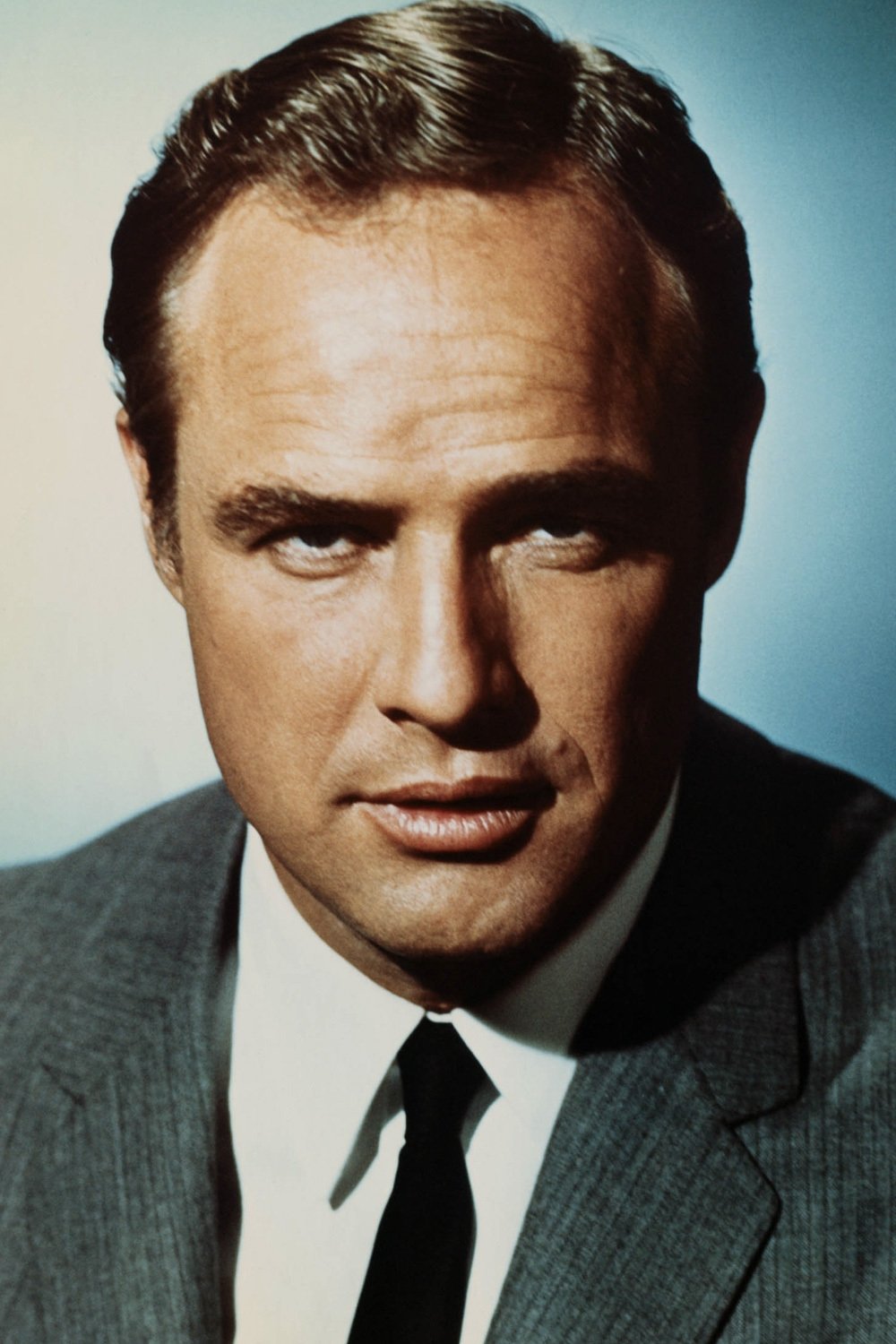
Marlon Brando studied with Stella Adler and worked closely with Elia Kazan at the Actors Studio, where he absorbed an approach that emphasized objectives, truthful behavior, and physical specificity. On stage and screen, he used sense memory and carefully calibrated vocal patterns, notably in ‘A Streetcar Named Desire’ and ‘On the Waterfront’, to reflect internal conflict through naturalistic gestures and fragmented, conversational speech.
For ‘The Godfather’, Brando tested prosthetic mouthpieces to alter his jawline and experimented with improvised business—like playing with a cat—to root scenes in believable, lived-in behavior. He often treated rehearsals as laboratories, repeating scenes with different intentions and adjusting rhythms until dialogue felt spontaneous.
Daniel Day-Lewis
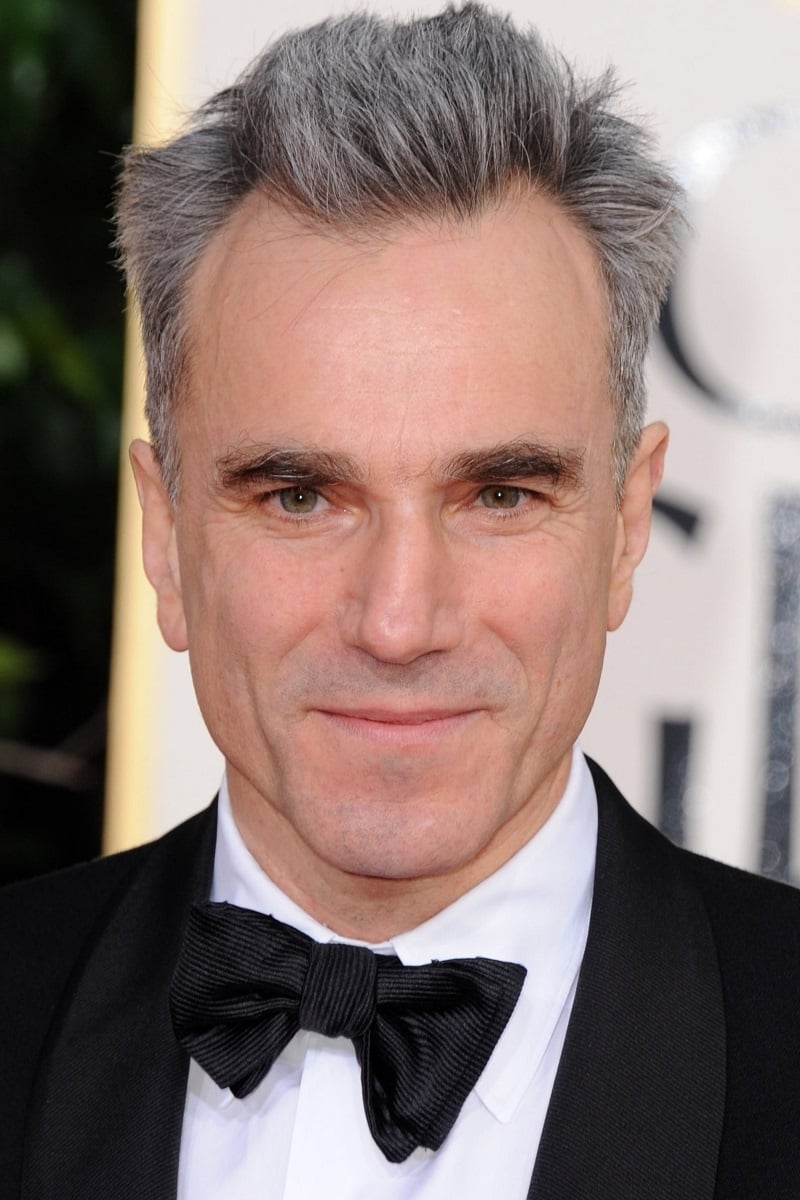
Daniel Day-Lewis trained at the Bristol Old Vic Theatre School and is known for staying in character for the length of a shoot, maintaining accents, posture, and even period-appropriate habits. For ‘My Left Foot’, he spent the production in a wheelchair and worked extensively with specialists to develop authentic muscular tension, physical stamina, and breath control.
In ‘Gangs of New York’, he apprenticed with a professional butcher to learn knife work and period tradesman skills, and he researched historical speech patterns to shape a distinct dialect. For ‘There Will Be Blood’ and ‘Lincoln’, he built voices from primary sources, correspondence, and period recordings or descriptions, aligning vocal placement and cadence with documented mannerisms.
Robert De Niro
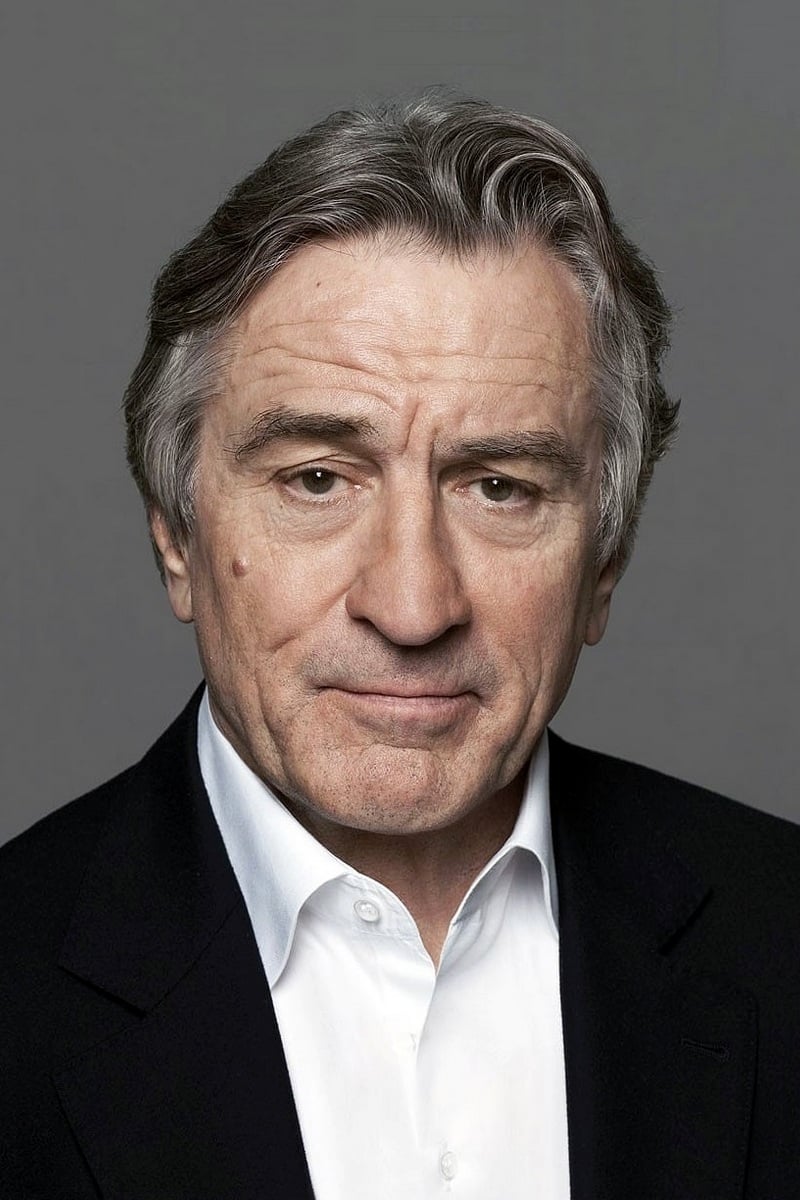
Robert De Niro trained with Stella Adler and later at the Actors Studio, applying method principles to detailed physical transformations. For ‘Raging Bull’, he gained significant weight and logged rounds with professional boxing trainers to internalize ring movement, footwork, and defensive mechanics.
For ‘Taxi Driver’, he obtained a cab driver’s license and drove shifts to study New York street patterns, overnight routines, and passenger interactions. In ‘The Godfather Part II’, he learned a Sicilian dialect and worked with cultural consultants to refine gesture, etiquette, and family dynamics reflective of early-century immigrant life.
Al Pacino
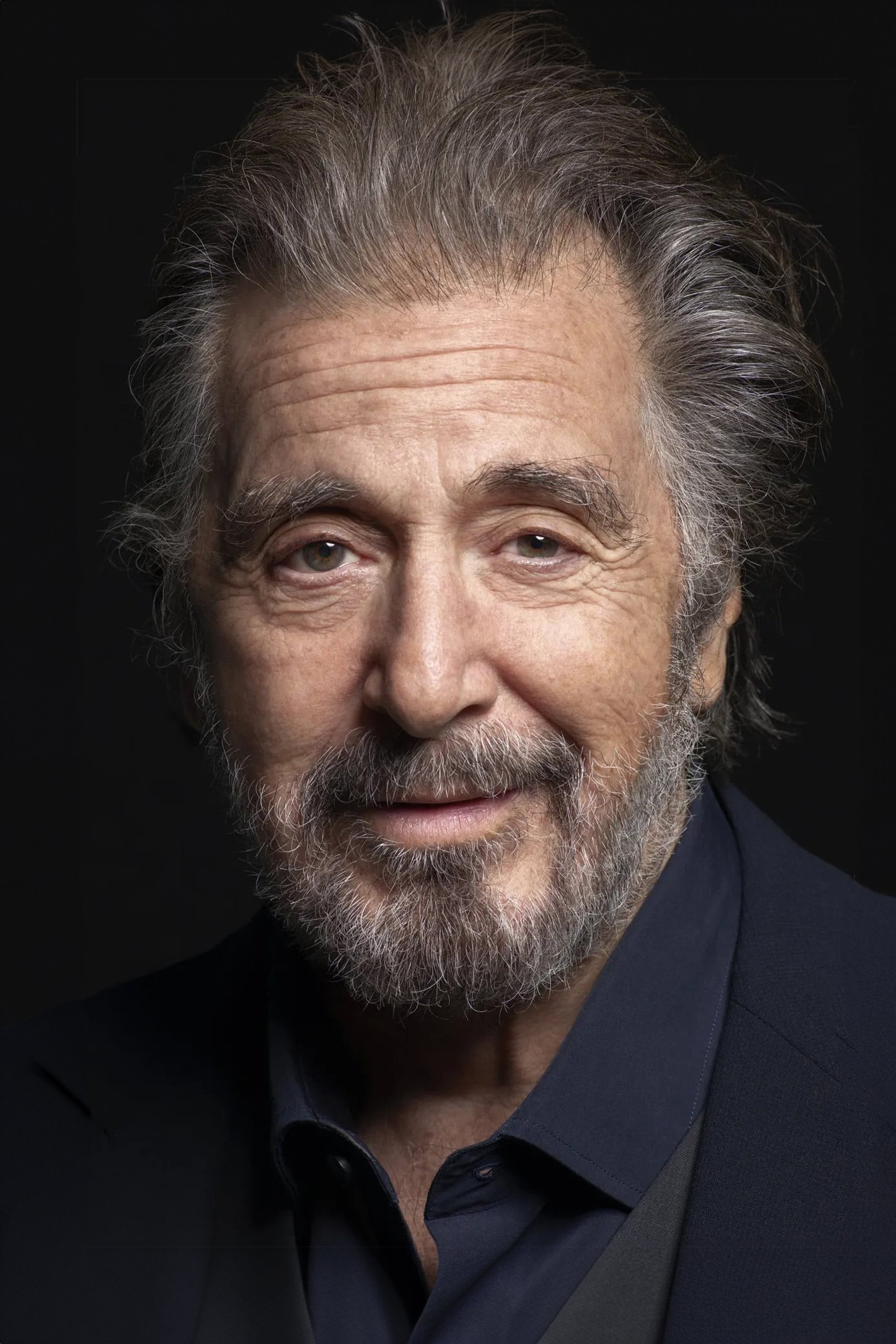
Al Pacino studied under Lee Strasberg at the Actors Studio and previously at HB Studio with Charlie Laughton, building a process centered on objectives, emotional truth, and sustained concentration. For ‘Serpico’, he consulted directly with Frank Serpico and law-enforcement sources to master undercover procedures, street tactics, and practical details like badge placement and radio use.
In ‘Dog Day Afternoon’, Pacino worked through extended rehearsal improvisations to map stress responses, speech hesitations, and the ebb of adrenaline during stand-off negotiations. Across ‘The Godfather’ films, he coordinated subtle posture and vocal shifts to track a character’s changing status and psychological isolation scene by scene.
Dustin Hoffman
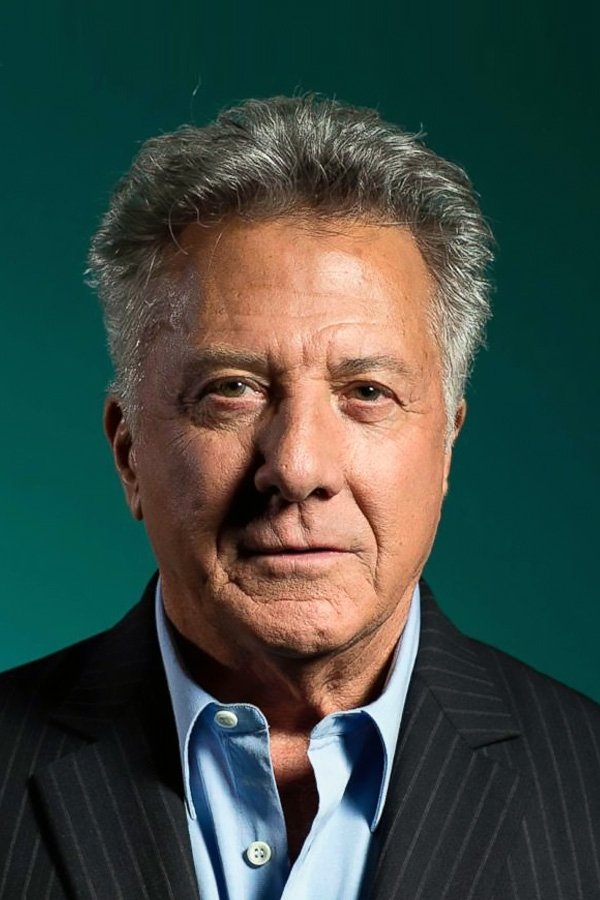
Dustin Hoffman’s training included the Pasadena Playhouse and the Actors Studio, where he focused on behaviorally precise choices and environmental realism. For ‘Midnight Cowboy’, he re-patterned his gait, developed a chronic cough, and practiced street-level routines to portray life in transient hotels and on sidewalks.
During ‘Marathon Man’, he used sleep deprivation to chart physiological signs of panic, and for ‘Kramer vs. Kramer’ he worked with single parents and early-childhood specialists to handle bedtime routines, meal prep, and classroom interactions with credible ease. Hoffman’s preparation often blended research interviews with repeated technical drills until small tasks felt automatic on camera.
Christian Bale
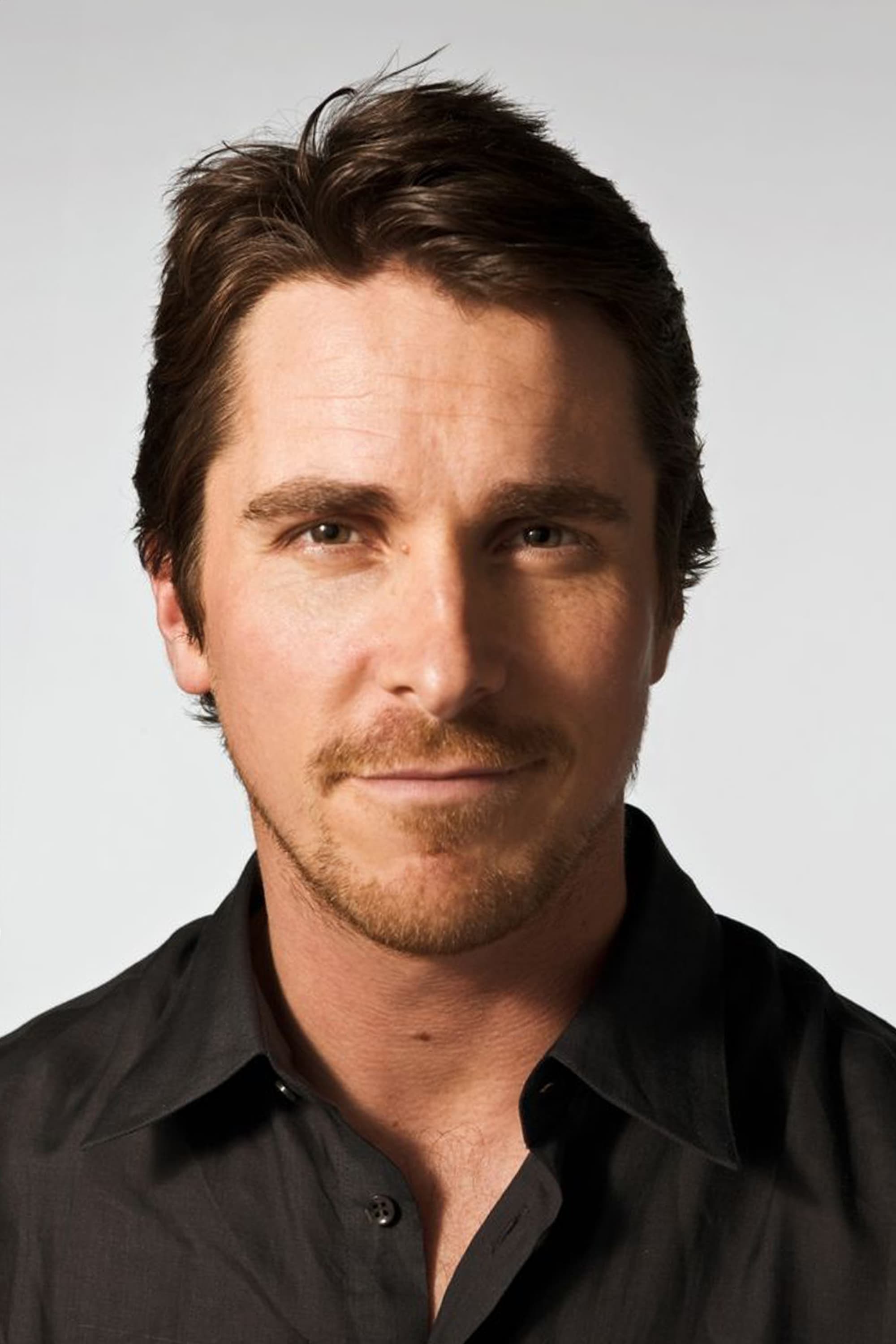
Christian Bale is known for extreme body transformations aligned with role requirements and carefully maintained across a shoot. For ‘The Machinist’, he followed a tightly controlled diet and adjusted sleep patterns to achieve a gaunt physicality, then rebuilt mass and movement coordination ahead of ‘Batman Begins’ to execute fight choreography and tactical gear handling.
In ‘The Fighter’, he studied hours of archival footage to match speech rhythms, jaw tension, and fidget patterns, and he remained in accent throughout production. For ‘Vice’, he worked with prosthetics teams and movement coaches to integrate added weight, altered center of gravity, and restricted neck mobility into everyday gestures.
Heath Ledger
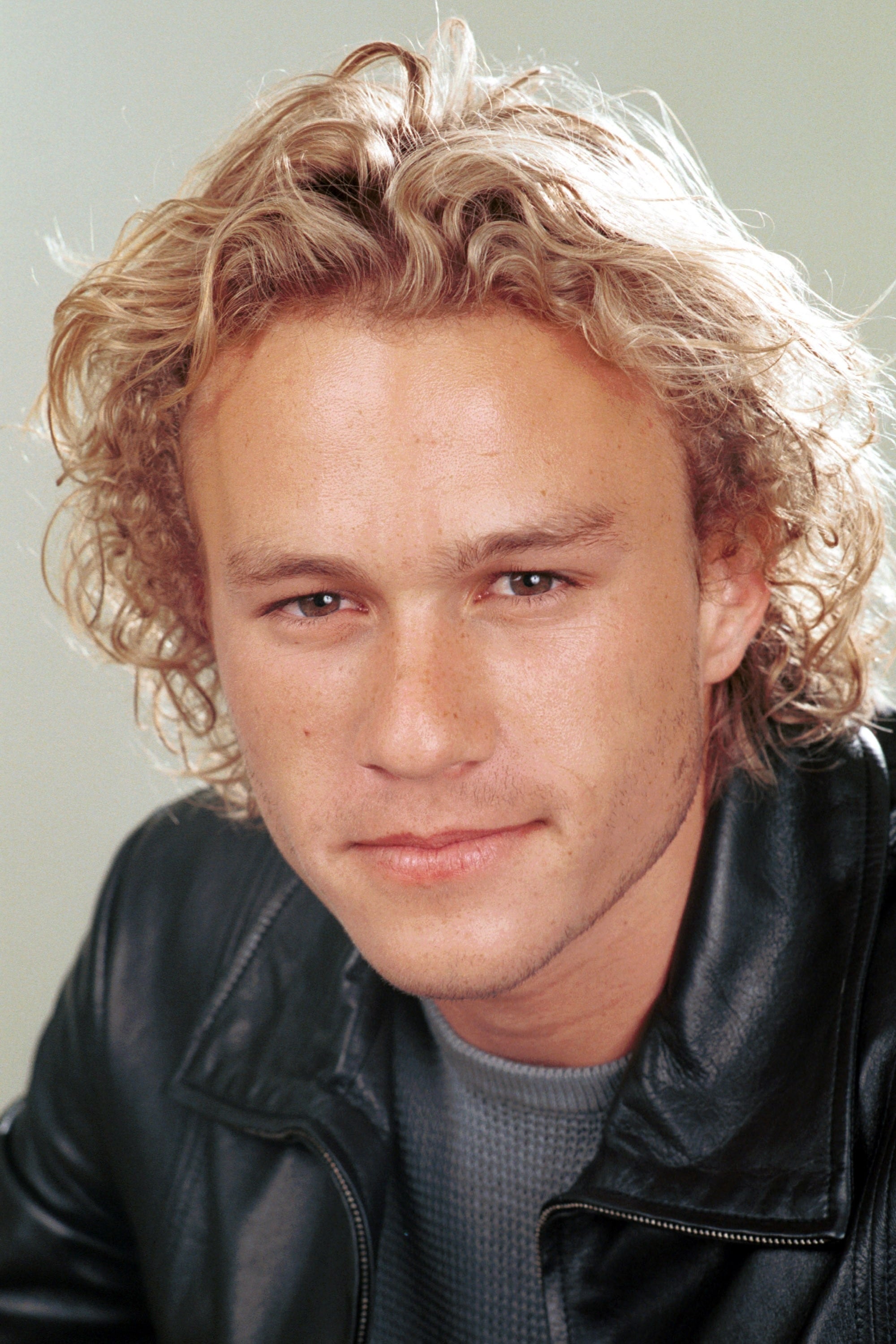
Heath Ledger approached roles with immersive isolation and extensive journaling to test voices, laughs, and gestures. In preparation for ‘The Dark Knight’, he spent weeks developing a ledger of speech tics, posture variations, and prop business, experimenting with card shuffles, knife handling, and erratic eye focus that could be deployed unpredictably yet precisely.
For ‘Brokeback Mountain’, he collaborated with dialect coaches and ranch consultants to refine a low, guarded vocal placement and working cowboy skills like saddling, roping, and practical camp routines. Ledger’s process emphasized repeatable physical scores—small, mapped behaviors he could trigger under pressure without breaking concentration.
Joaquin Phoenix
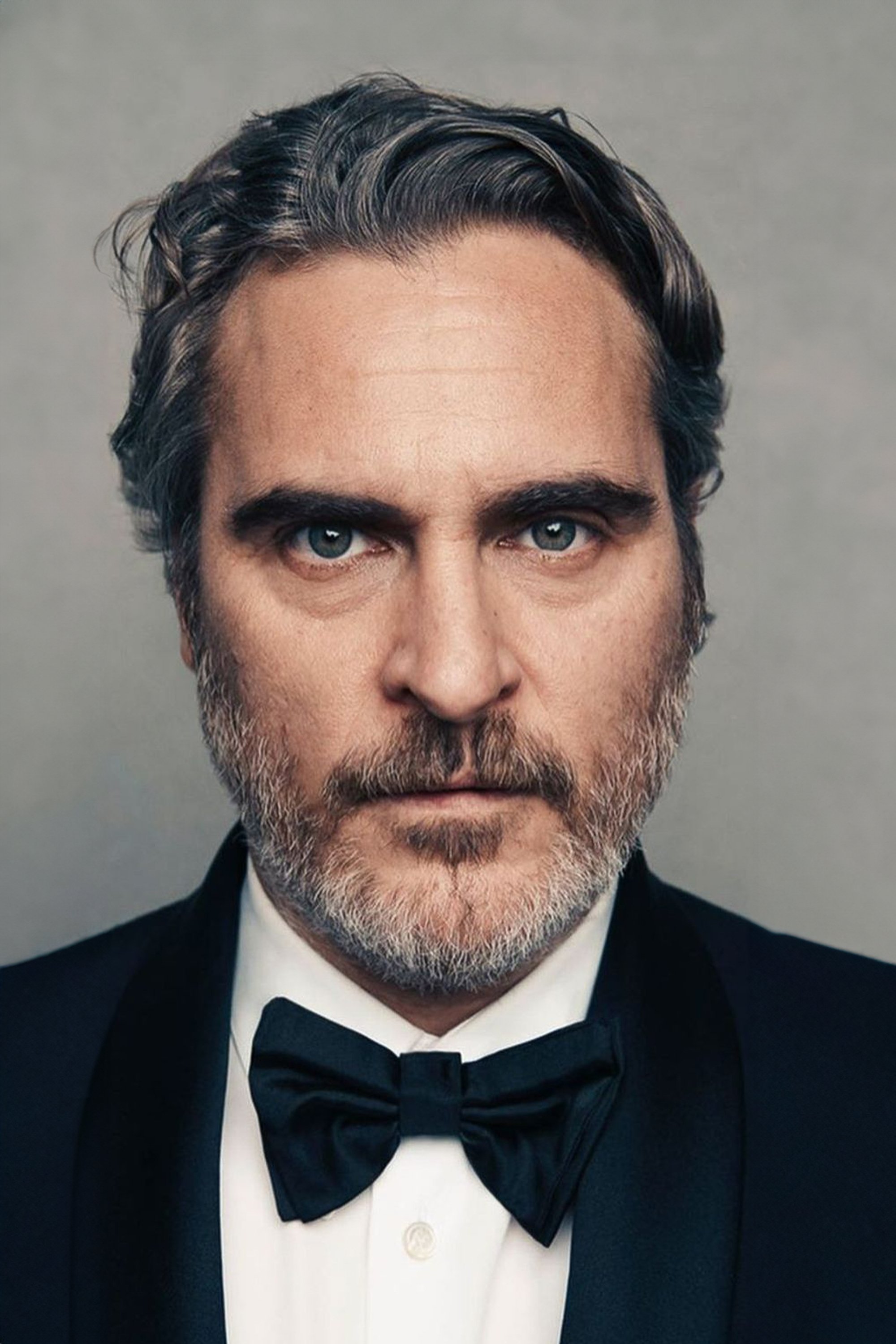
Joaquin Phoenix’s preparation blends physical transformation with deep behavioral research. For ‘Joker’, he adopted a disciplined weight-loss regimen, developed a neurologically inspired laugh through study of medical case material, and built a daily movement practice that emphasized asymmetry and joint isolation.
In ‘The Master’, he constructed a persistent jaw set, a forward-folded torso, and irregular breathing patterns to signal chronic pain and impulsivity, coordinating these with a fractured speech rhythm. For ‘Walk the Line’, he trained intensively in voice and guitar to perform vocals live, aligning phrasing and mic technique with archival performance footage.
Philip Seymour Hoffman
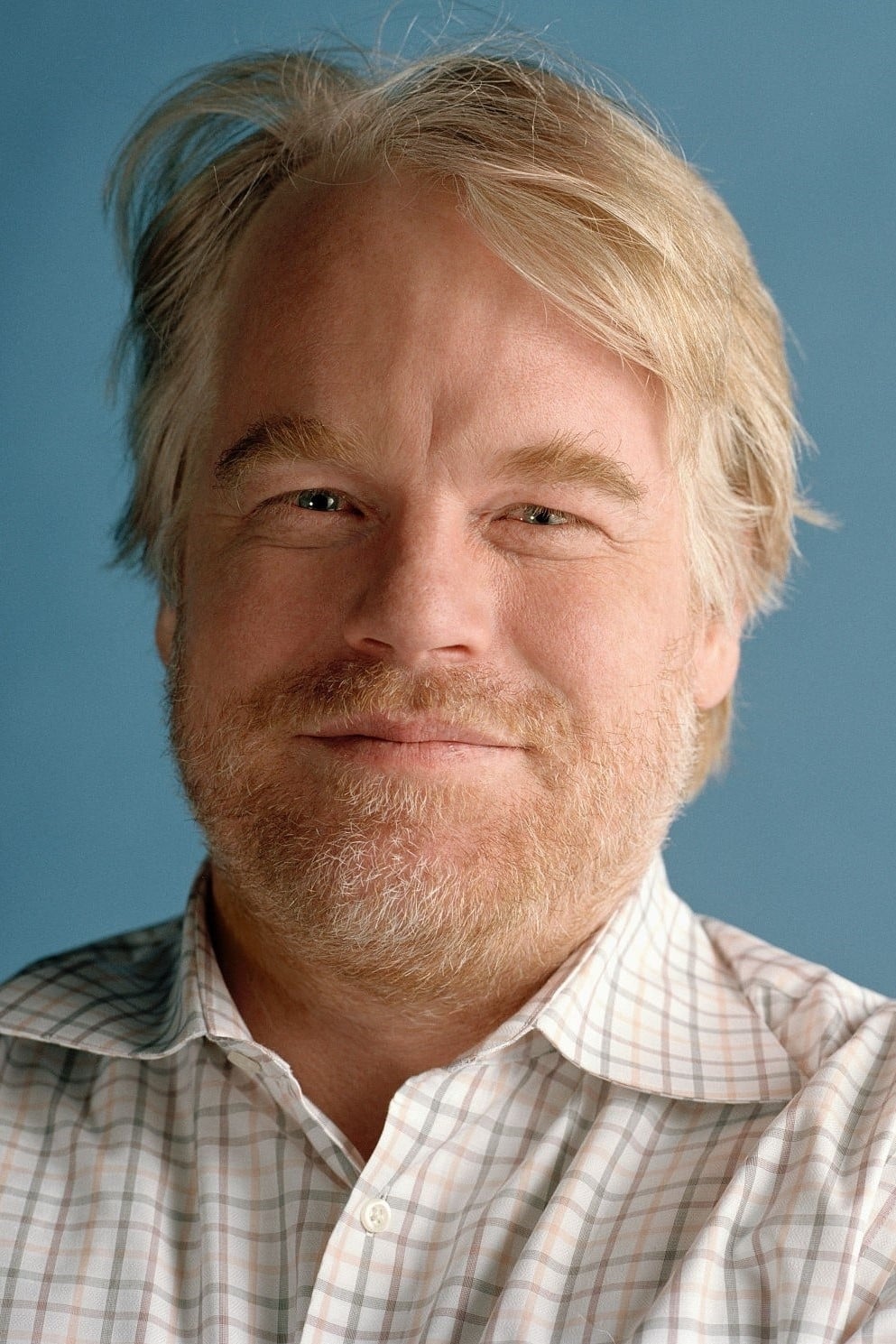
Philip Seymour Hoffman, an NYU Tisch graduate and Labyrinth Theater Company member, built characters through rigorous script analysis, vocal work, and practical research. For ‘Capote’, he studied audio recordings to match pitch, sibilance, and breath patterns, and he trained to maintain the voice fluently during long dialogue scenes without vocal strain.
Stage directing and ensemble rehearsal informed his screen method: he mapped beats precisely, assigned objectives to each line, and used prop tasks—like note-taking or meal preparation—to anchor behavior. In films such as ‘The Master’, he explored power dynamics by calibrating stillness, eye contact duration, and conversational interruptions rooted in rehearsed patterns.
Sean Penn
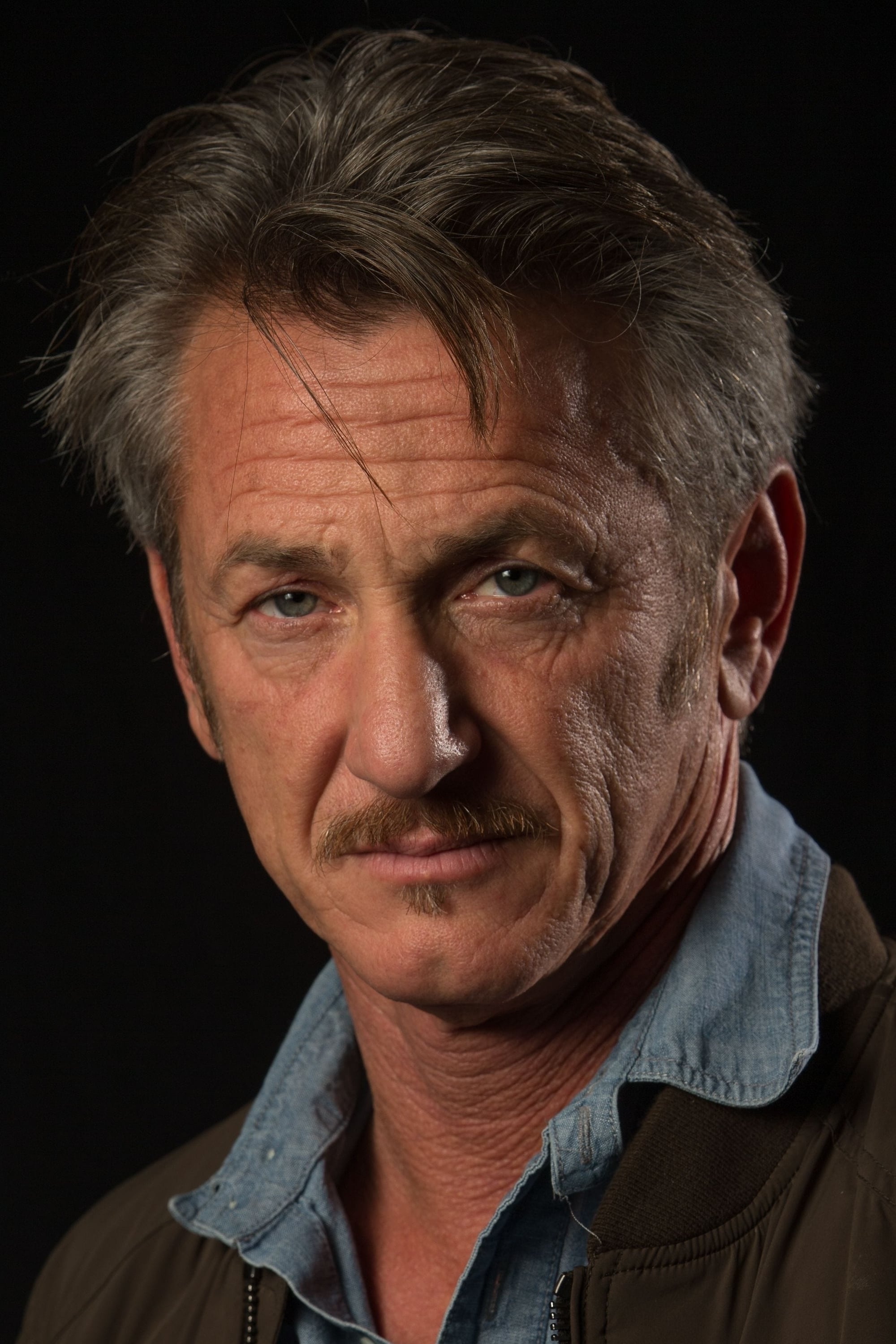
Sean Penn is known for staying in character between takes and building roles from firsthand observation. For ‘Dead Man Walking’, he worked with prison staff and spiritual advisors to understand visitation protocols, security procedures, and the cadence of conversations across glass partitions.
In ‘Mystic River’, he collaborated closely with local consultants to absorb neighborhood codes, rites, and memorial customs, shaping scenes around community rituals. For ‘Milk’, he studied archival speeches, street interviews, and campaign footage to replicate public speaking stance, hand gestures, and grassroots organizing routines.
Adrien Brody
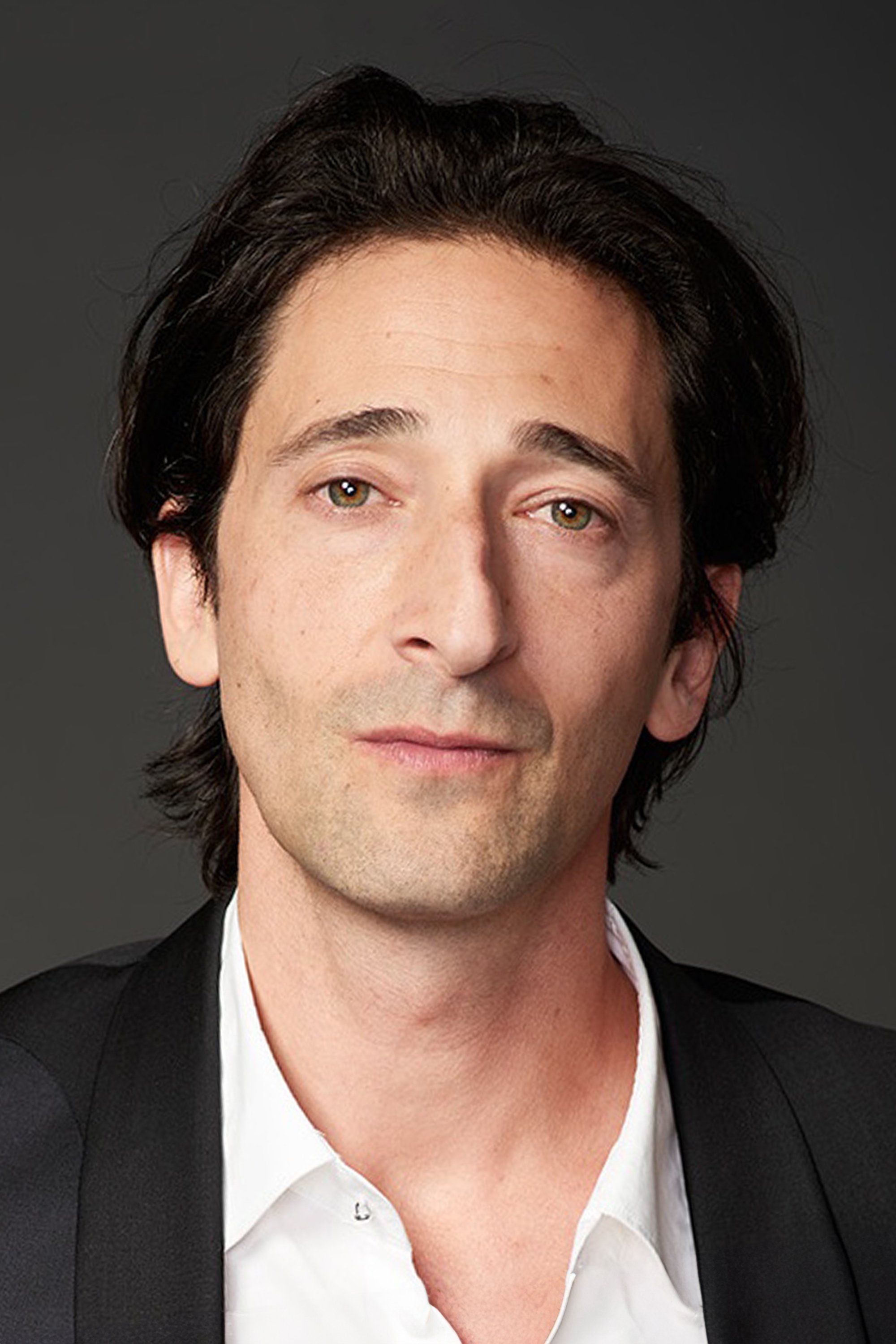
For ‘The Pianist’, Adrien Brody learned to play complex piano passages sufficiently to perform in long, unbroken takes, practicing daily under concert-level supervision. He also adopted an intensive regimen to reduce body mass and moved into a sparse apartment to minimize distractions, aligning daily habits with the character’s isolation.
Brody supplemented this with historical study, museum research, and survivor testimony to understand rationing, curfew patterns, and urban evasion tactics. On set, he maintained a reserved social presence and reduced verbal interaction to preserve the character’s withdrawn state, carrying prop items and layered clothing to condition automatic, period-accurate movement.
Forest Whitaker
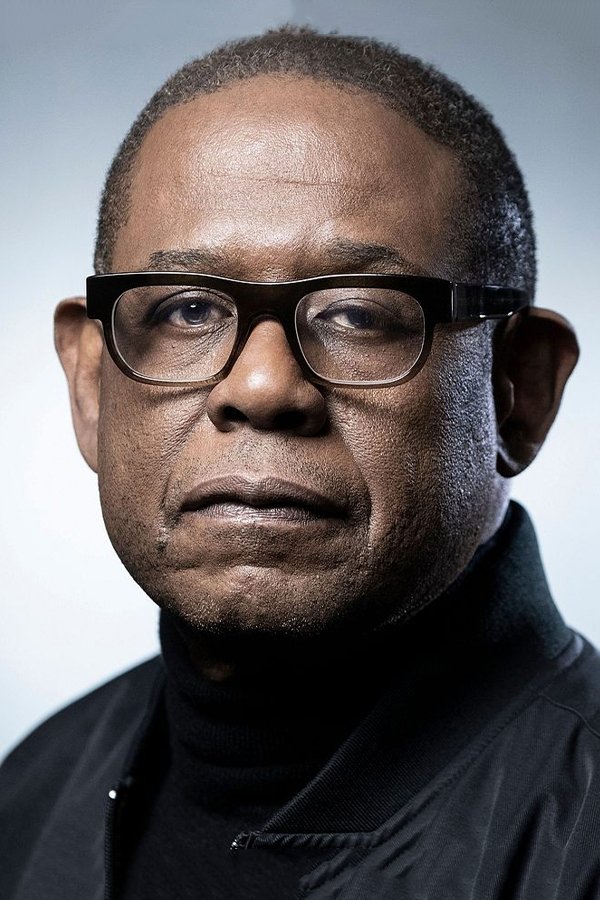
Forest Whitaker is a Juilliard-trained performer who uses dialect, cultural research, and physical conditioning to inhabit roles. For ‘The Last King of Scotland’, he learned Swahili phrases, adopted a Ugandan dialect, and worked with cultural historians to understand political structures, greeting protocols, and public ceremony.
He kept accent and posture on and off set, practicing public-speaking rhythms with variable tempo to match documented oratory styles. Whitaker also tracked character physiology—sleep, diet, and exertion—to reflect stress cycles and authority displays, integrating these choices with wardrobe and prop handling for cohesive on-camera behavior.
Share the male method actors you think belong on this list—and why—in the comments!