The Greatest Method Actresses of All Time


Method acting grew out of Konstantin Stanislavski’s system and took root in the United States through the Group Theatre and, later, the Actors Studio. Teachers like Lee Strasberg, Stella Adler, and Sanford Meisner shaped different paths to the same goal: truthful behavior under imaginary circumstances. For generations, actresses have used these techniques to ground their performances in lived detail—drawing on emotional memory, rigorous research, and deep character study.
This list spotlights actresses who trained in Method lineages or worked closely with the institutions and mentors that defined them. You’ll see how their preparation shaped specific roles, where they studied, and which collaborators and productions marked turning points in their careers. Titles are included to give concrete examples of the work associated with their processes and training.
Marilyn Monroe
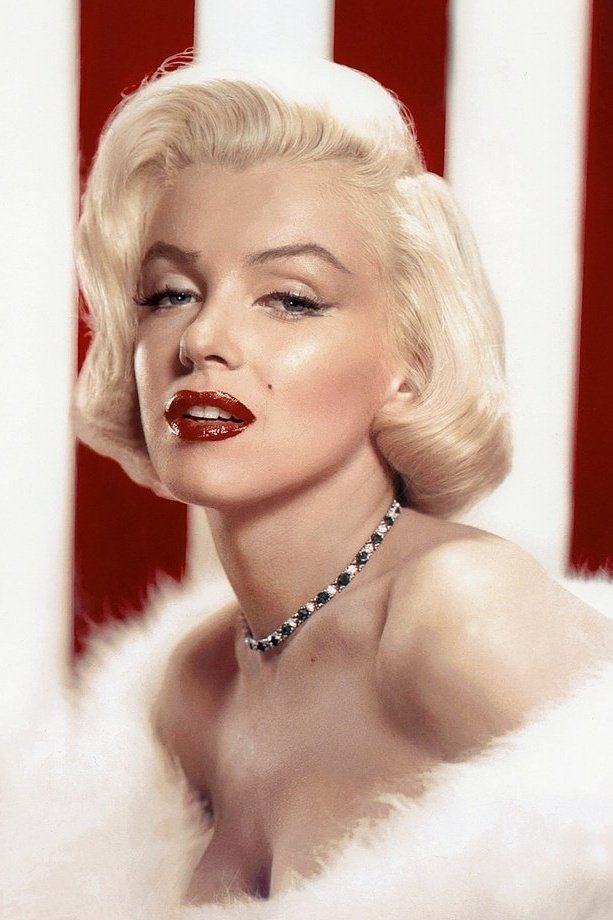
Marilyn Monroe studied at the Actors Studio under Lee Strasberg and later worked closely with Paula Strasberg on set, applying exercises in affective memory and sense memory to sustain emotional continuity during filming. She balanced studio-produced projects with intensive scene study in private classes, often rehearsing extensively outside scheduled call times to maintain focus and develop personal backstories that aligned with Method techniques.
Her practice is documented across roles in films such as ‘Bus Stop’, ‘The Misfits’, and ‘Some Like It Hot’, where she integrated vocal work, relaxation drills, and script annotation to address anxiety and performance blocks. She founded Marilyn Monroe Productions to gain control over material, enabling rehearsal schedules that supported a Method-centered workflow with preferred coaches and repeated script-table sessions.
Geraldine Page
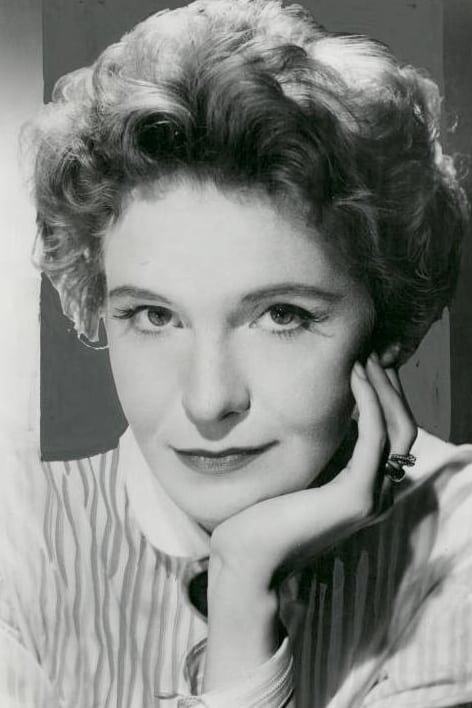
Geraldine Page trained at the Actors Studio and became known for sustained character preparation guided by Lee Strasberg’s emphasis on inner justification and private moments. She rehearsed meticulously, assembling sensory triggers and prop routines to create authentic behavior that could be repeated across takes without losing spontaneity.
Her filmography includes ‘The Trip to Bountiful’, ‘Sweet Bird of Youth’, and ‘Interiors’, alongside extensive stage work that leveraged the same rehearsal vocabulary. Page’s process frequently involved research interviews and environmental study, such as spending time in communities that matched a character’s background, to ground scene objectives with concrete, lived details.
Kim Stanley
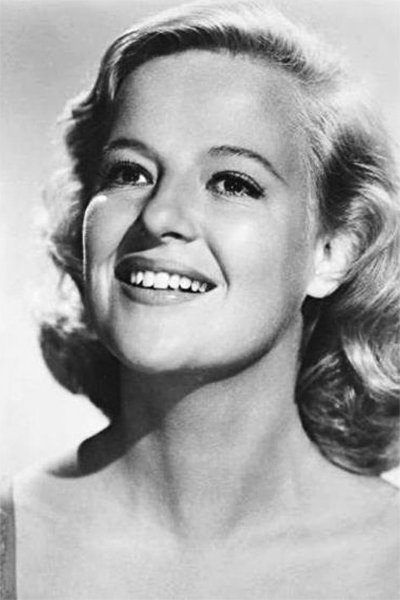
Kim Stanley—an Actors Studio mainstay—built performances through concentrated improvisation and personalization exercises that mapped a character’s offstage life. She taught and coached actors using Strasberg-derived drills, emphasizing concentration, relaxation, and substitution to reach playable actions.
Her screen and stage credits include ‘The Goddess’, ‘Séance on a Wet Afternoon’, and ‘The Right Stuff’, with documented preparation that included journals, sensory recall lists, and tightly structured warm-ups before camera setups. Stanley’s teaching influenced multiple generations at the Studio, where she broke down scenes into playable beats that could survive rewrites and production changes.
Ellen Burstyn
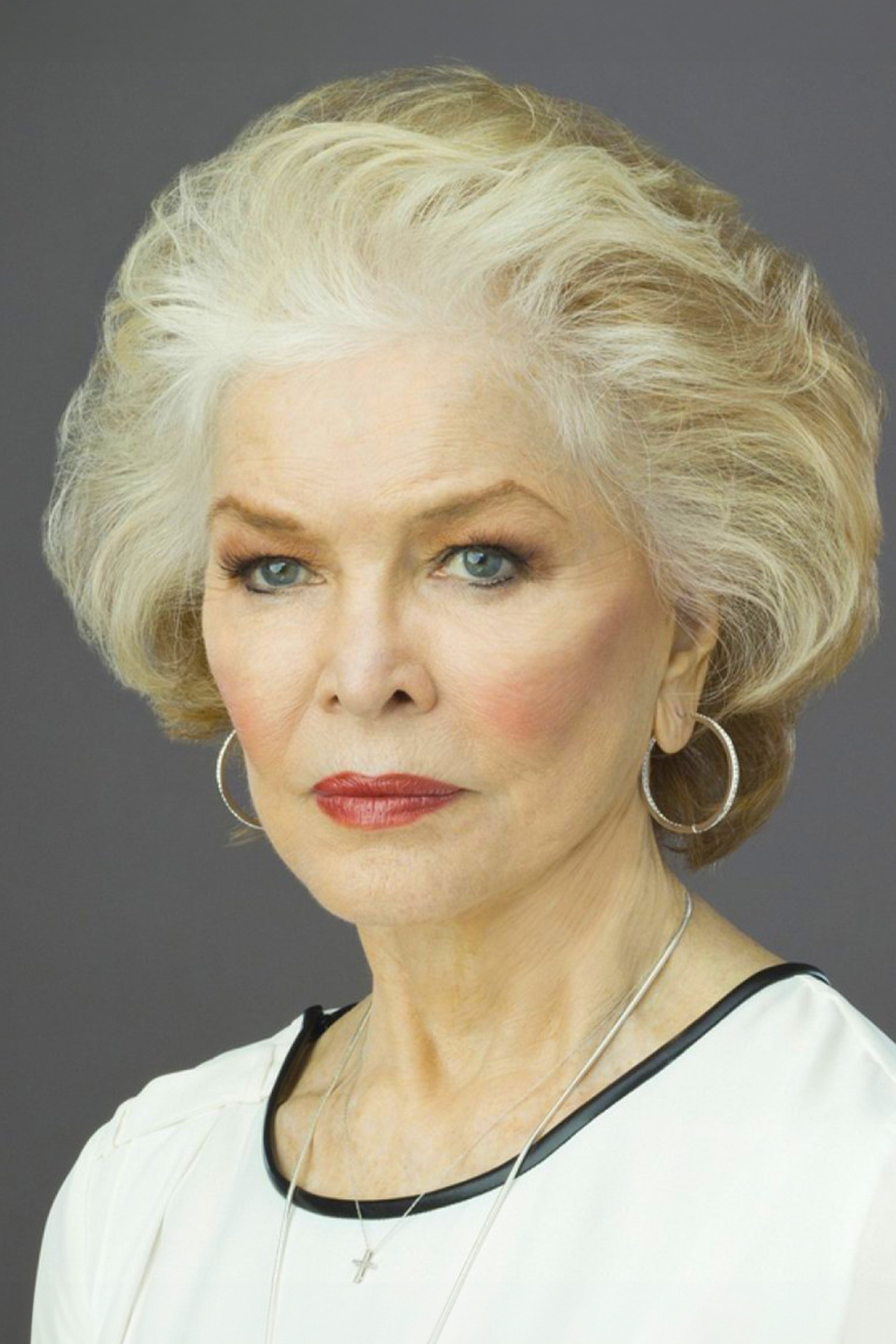
Ellen Burstyn served as president of the Actors Studio and studied with Lee Strasberg, later helping to establish the Actors Studio’s Los Angeles presence. She practices role preparation that blends Strasberg’s emotional memory with practical research—compiling biographies, conducting interviews, and embedding with communities related to a role’s context.
Her performances in ‘Alice Doesn’t Live Here Anymore’, ‘The Last Picture Show’, ‘Resurrection’, and ‘Requiem for a Dream’ reflect layered work with physical habits, costume integration, and prop rituals. Burstyn has also taught and mentored actors, standardizing rehearsal templates that include table work, day-by-day objective tracking, and post-rehearsal reflection notes.
Anne Bancroft
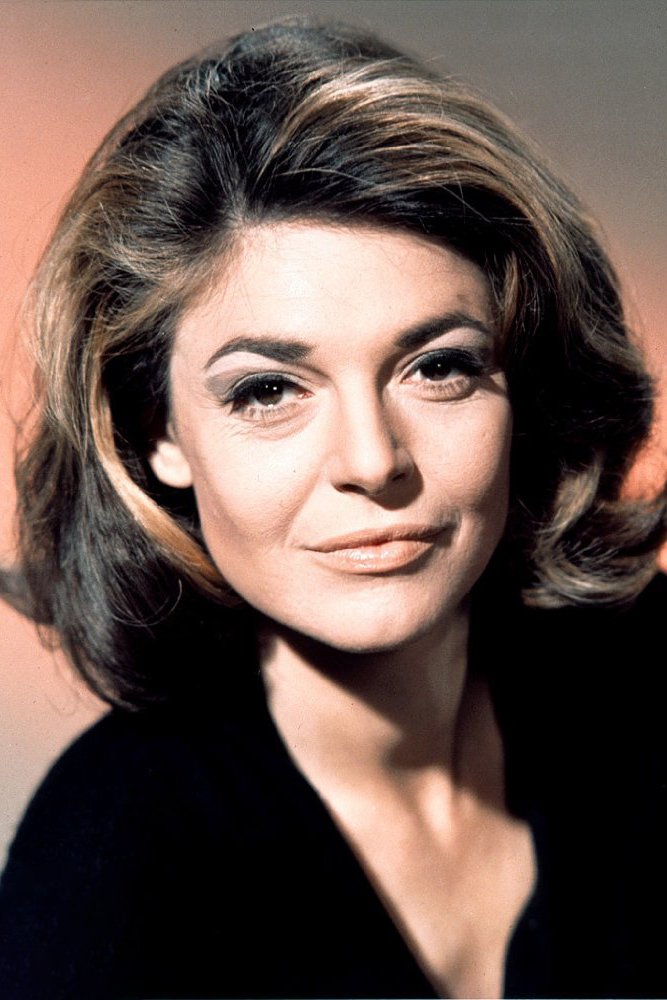
Anne Bancroft trained at the Actors Studio and maintained long-term ties to its workshop methods, developing characters through scene analysis and substitution exercises. She integrated Method tools with classical diction and movement work, creating repeatable physical scores for film and stage.
Her roles in ‘The Miracle Worker’, ‘The Graduate’, and ‘Agnes of God’ show a consistent approach: detailed objectives, carefully chosen sensory prompts, and collaboration with directors to shape rehearsal conditions. Bancroft frequently annotated scripts with personal associations and off-screen histories to secure motivation for beats that demanded abrupt tonal shifts.
Shelley Winters
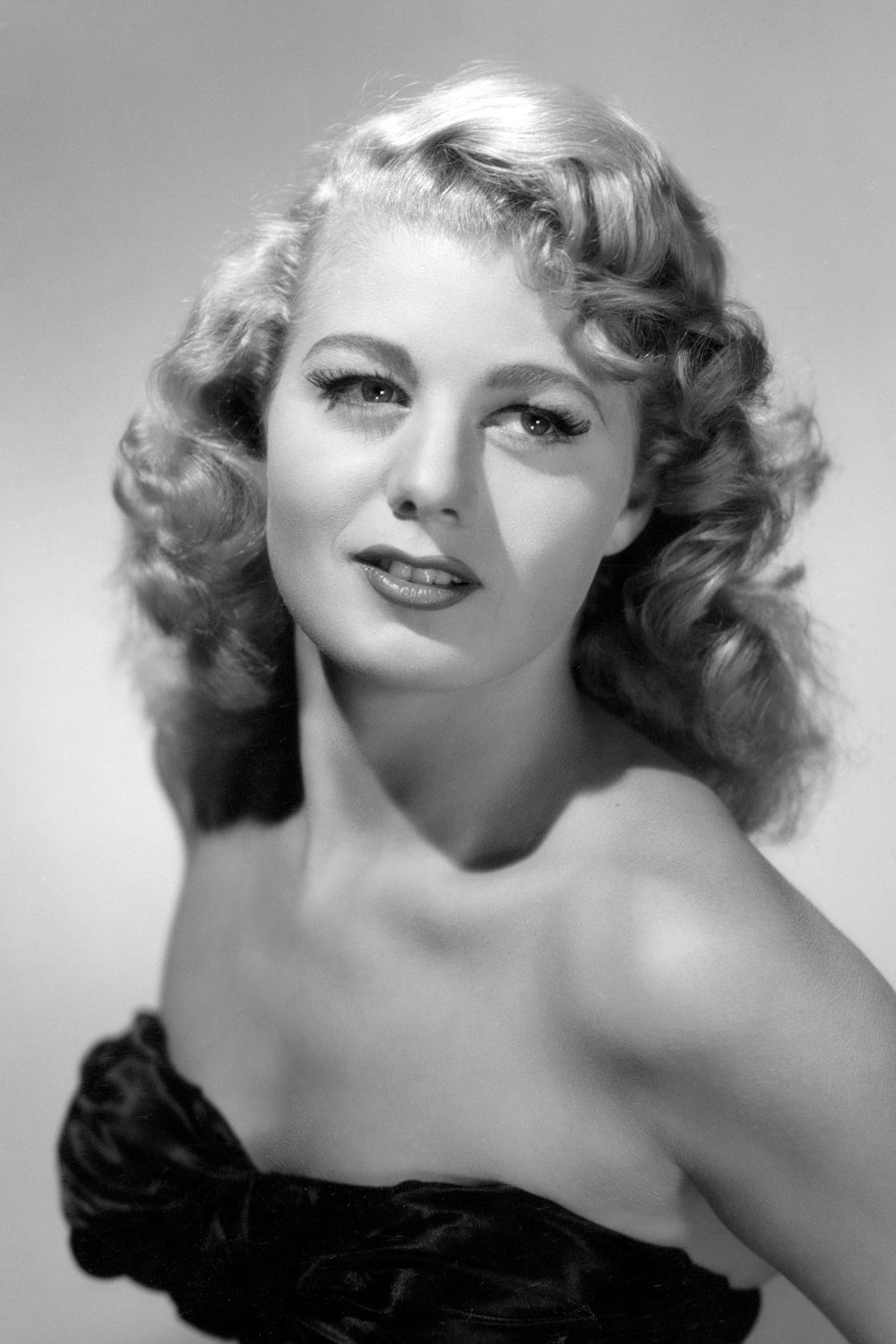
Shelley Winters studied with Lee Strasberg and later taught at the Actors Studio, codifying a classroom approach that emphasized personalization, sensory work, and behavior specificity. She encouraged research-driven preparation and advocated for actors to build physical routines that support emotional choices under production pressure.
Her film and stage work spans ‘A Place in the Sun’, ‘The Diary of Anne Frank’, ‘Lolita’, and ‘The Poseidon Adventure’. Winters authored books describing exercises, rehearsal planning, and audition strategy, documenting how to translate Method principles into set-ready habits such as prop diaries, breath pacing, and environment mapping.
Jane Fonda
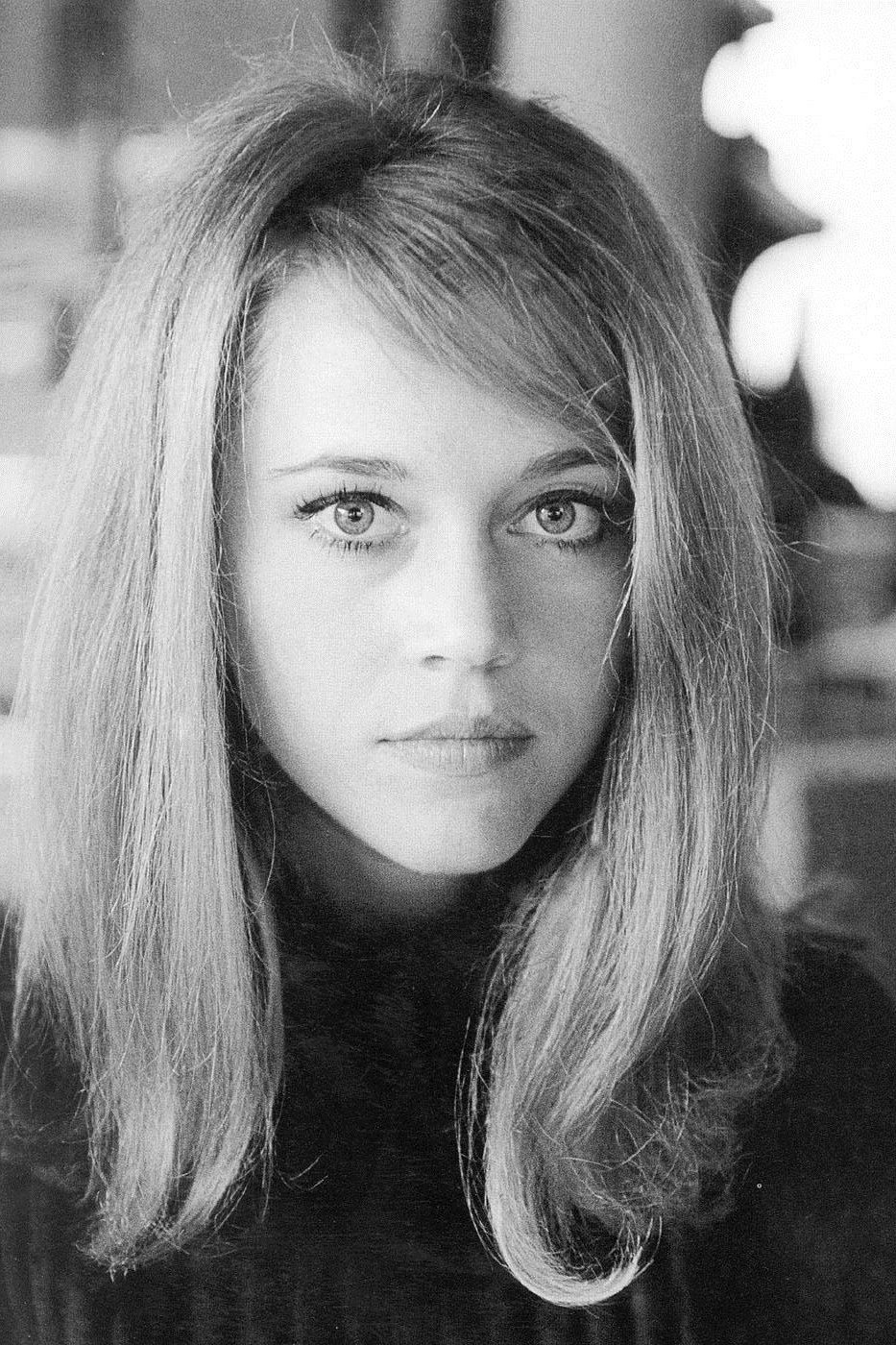
Jane Fonda trained at the Actors Studio and the Actors Studio West, working with Lee Strasberg while building a screen and stage career that combined Method techniques with political and social research. She often incorporated interviews, archival reading, and physical conditioning plans as character scaffolding.
Her credits include ‘Klute’, ‘Coming Home’, and ‘They Shoot Horses, Don’t They?’, each prepared with structured scene objectives and external research relevant to the role’s world. Fonda’s rehearsal notes frequently align with Method practices—identifying sensory anchors, creating substitution lists, and coordinating with costume and hair departments to support character continuity.
Faye Dunaway
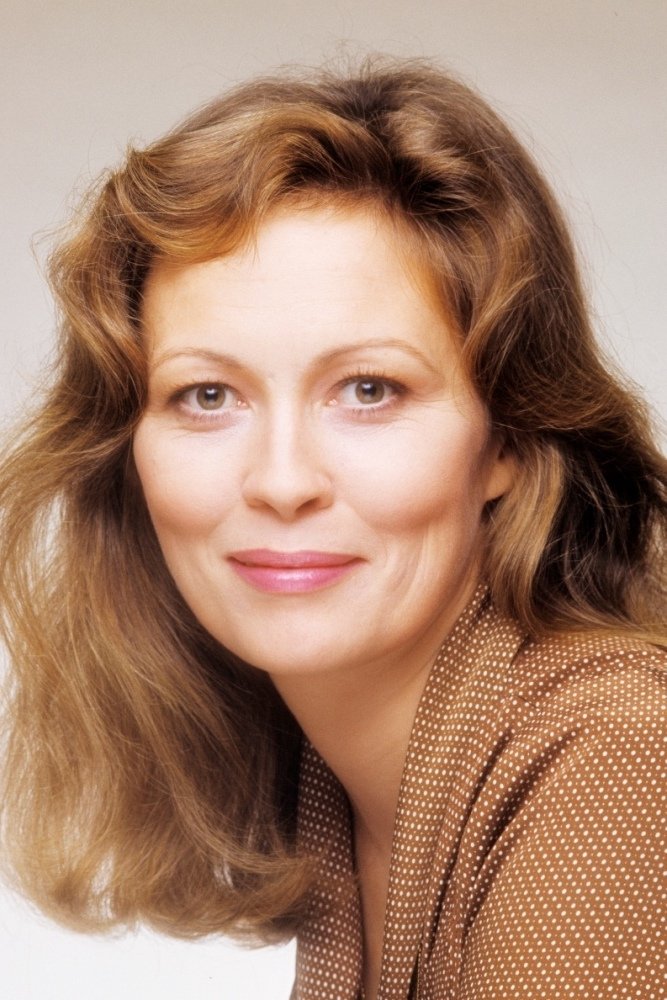
Faye Dunaway studied at HB Studio and the Actors Studio, drawing on Strasberg and Adler-influenced approaches that stress moment-to-moment truth and rigorous script breakdowns. She is known for extensive pre-shoot preparation, including vocal pattern work, posture studies, and prop rehearsal to secure behavior consistency.
Her performances in ‘Bonnie and Clyde’, ‘Chinatown’, and ‘Network’ reflect method-informed preparation with directors and cinematographers to time physical choices to shot design. Dunaway’s process often included building character biographies and practicing scene rhythms with scene partners to maintain spontaneity within tight blocking.
Sally Field
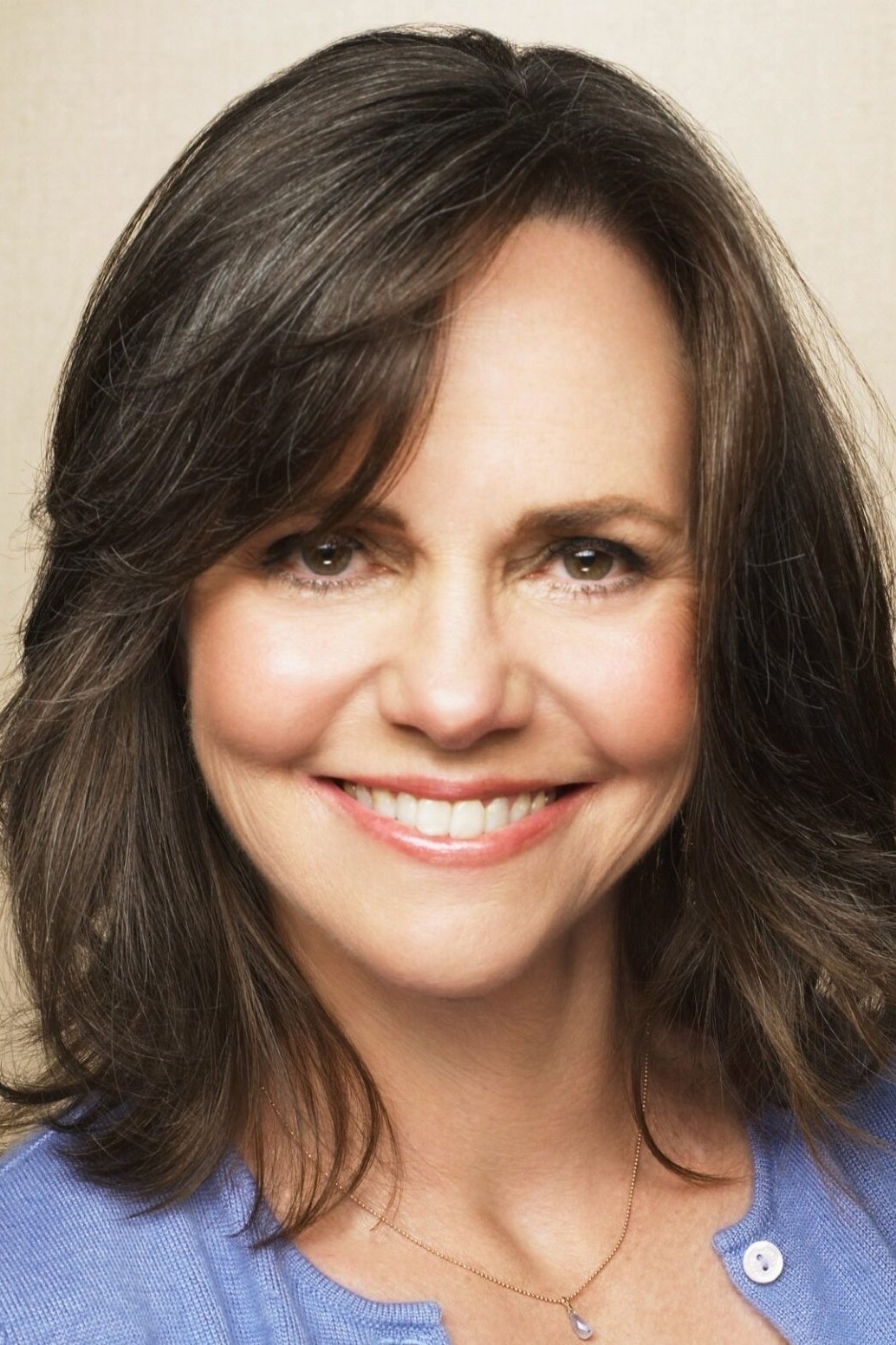
Sally Field trained at the Actors Studio under Lee Strasberg during a transition from television comedy to dramatic film and stage roles. She adopted relaxation and concentration drills to manage high-stakes emotional scenes, integrating private-moment exercises before takes.
Her work in ‘Norma Rae’, ‘Places in the Heart’, and ‘Steel Magnolias’ drew on extensive occupational research, regional dialect practice, and collaboration with crews to adapt physical tasks for camera. Field has also taught workshops, emphasizing beat-by-beat objectives, sensory substitution, and journaling to track character through-line across production schedules.
Gena Rowlands
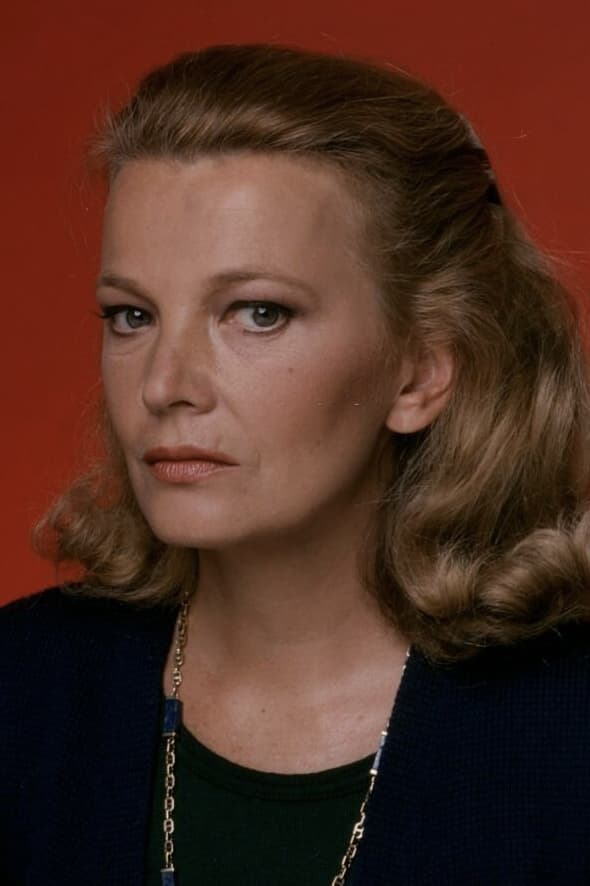
Gena Rowlands worked closely within John Cassavetes’s improvisation-forward filmmaking, which intersects with Method foundations in personalization, spontaneity, and behavior-driven scenes. She prepared by exploring character histories through rehearsal improvisations, then locking discoveries into repeatable actions for coverage.
Key films include ‘A Woman Under the Influence’, ‘Opening Night’, and ‘Gloria’, developed through long rehearsal periods that emphasized lived behavior and emotional logic. Rowlands’s process typically blended domestic routines, prop familiarity, and environment work—techniques consistent with Stanislavski-influenced practice and Actors Studio–adjacent methods.
Joanne Woodward
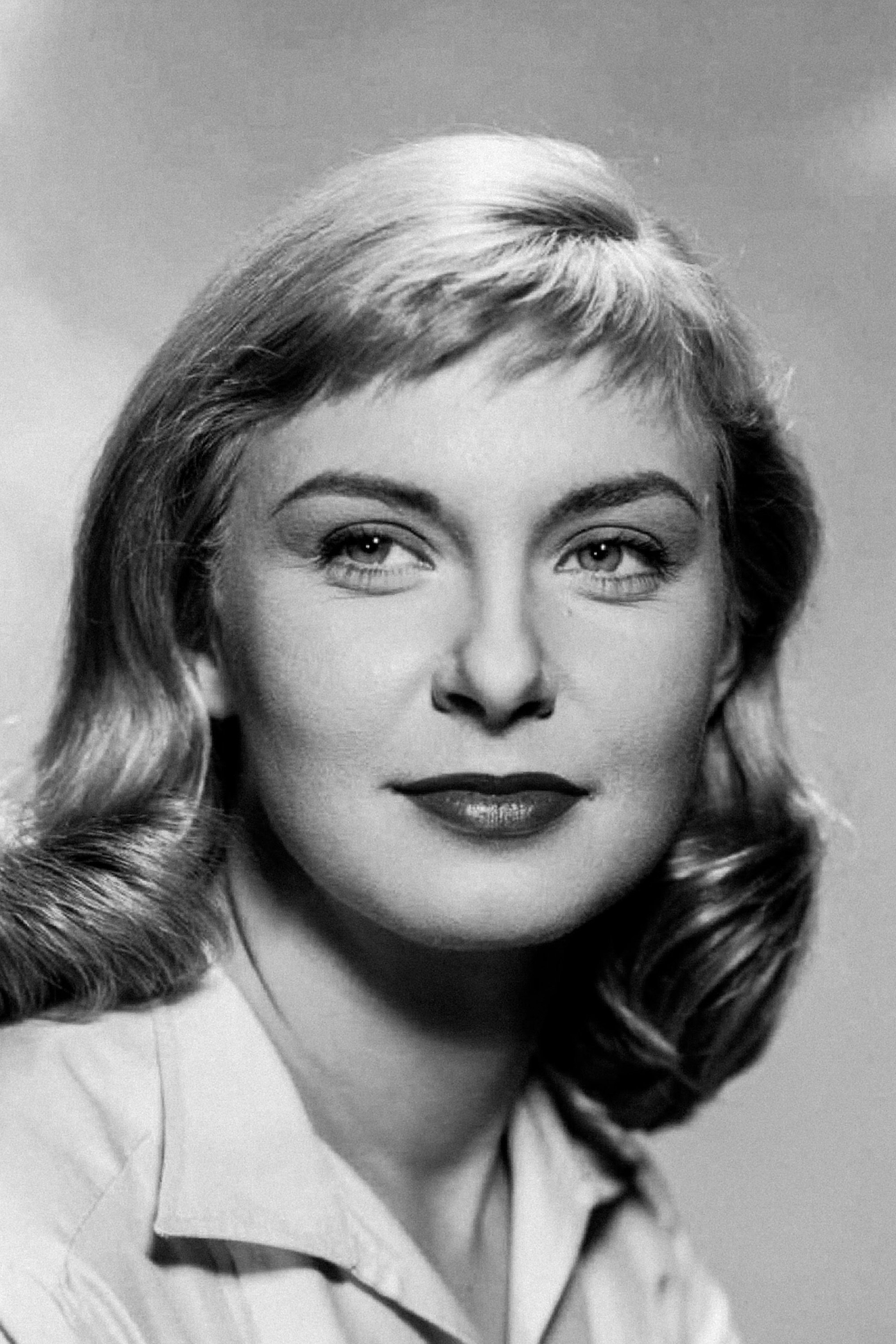
Joanne Woodward studied with Sanford Meisner at the Neighborhood Playhouse, a direct branch of Stanislavski-based training that prioritizes truthful impulse and partner responsiveness. She applied repetition drills, independent activities, and preparation for emotional availability, all aligned with Method-lineage goals of authentic behavior.
Her film and television work includes ‘The Three Faces of Eve’, ‘Rachel, Rachel’, and ‘Mr. and Mrs. Bridge’, with preparation that featured diary-style background building, dialect research, and collaboration with directors during table reads. Woodward also produced and taught, helping systematize rehearsal practices that keep performance choices elastic throughout the shoot.
Lee Grant
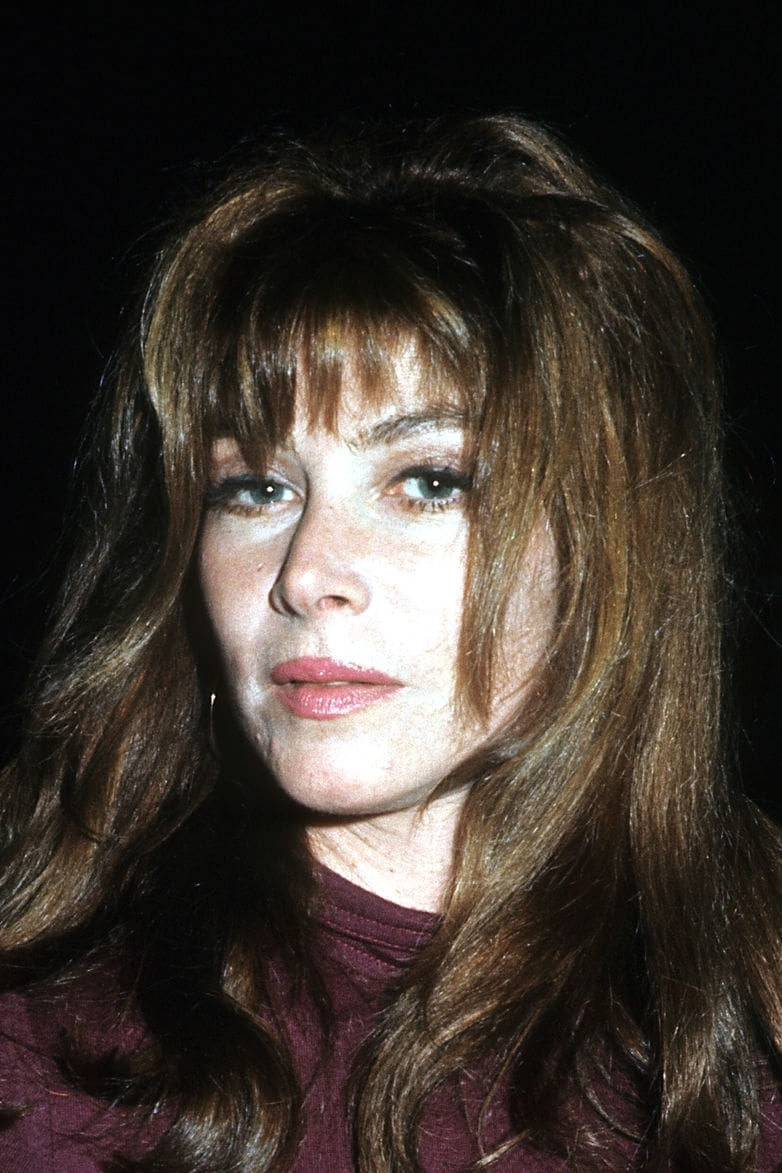
Lee Grant trained at the Actors Studio and sustained Method practice through decades of work across stage, film, and television. She navigated a career interrupted by blacklisting, returning with renewed emphasis on character analysis, substitution, and sensory tasks to anchor performances.
Her credits include ‘Detective Story’, ‘Shampoo’, and ‘In the Heat of the Night’, prepared with targeted research, prop routines, and scene-partner rehearsal focused on playable actions. Grant later directed documentaries, applying the same observational rigor—interviewing, environment study, and behavior cataloging—that informed her acting preparation.
Share your picks in the comments—who would you add to this list, and which performances do you think best showcase Method technique?