The Most Influential Actresses of All Time


Cinema and television have been shaped by performers whose work changed how stories are told, how characters are written, and who gets to be seen on screen. The actresses below opened creative doors, expanded global reach for their industries, and helped redefine what audiences expect from performance.
This list spans early Hollywood to contemporary world cinema, covering pioneers who navigated studio systems, global stars who bridged cultures, and multi-hyphenates who produced, directed, or campaigned for better representation. Each entry highlights concrete milestones, collaborations, and industry impact that continue to influence how screen acting evolves.
Meryl Streep
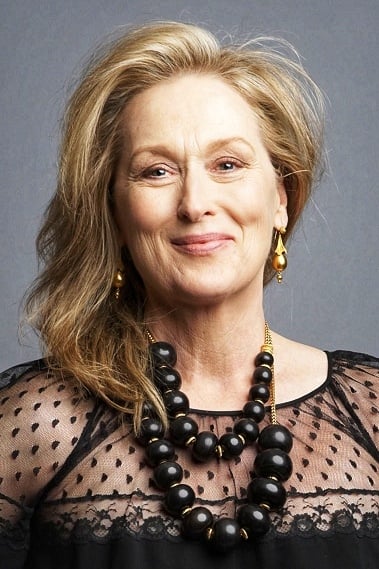
Meryl Streep has earned more Academy Award nominations than any other performer, with leading roles in titles such as ‘Sophie’s Choice’, ‘The Devil Wears Prada’, and ‘The Post’. She trained for the stage before moving into film, working with directors including Mike Nichols, Steven Spielberg, and Jonathan Demme.
She has supported writers and documentarians through funding initiatives and public advocacy for the arts. Casting practices around dialect coaching and biographical portrayals often cite her methods as a benchmark for preparation.
Katharine Hepburn
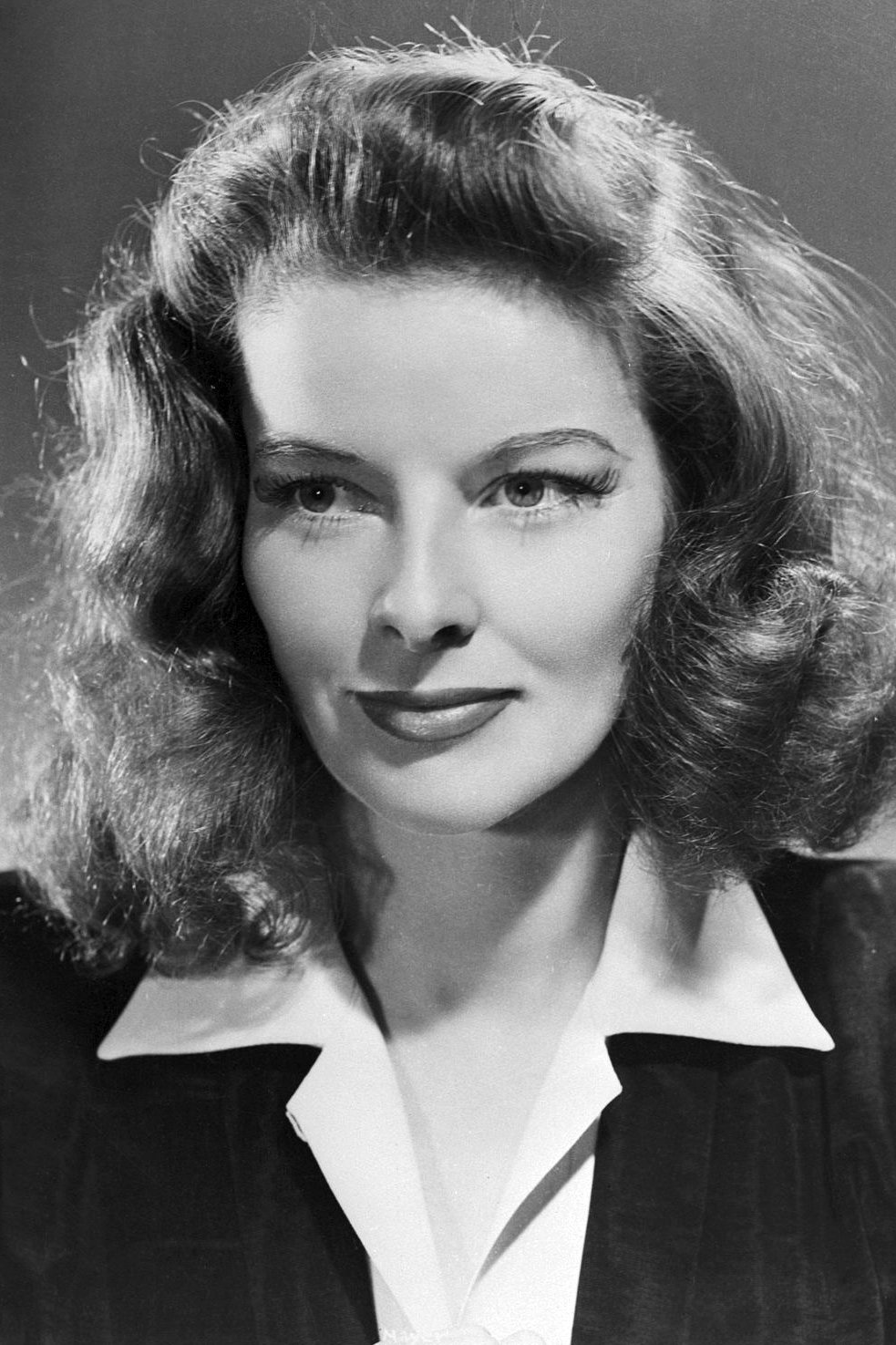
Katharine Hepburn holds a record number of Academy Awards for Best Actress, anchored by films like ‘The Philadelphia Story’, ‘Bringing Up Baby’, and ‘The African Queen’. She sustained a career from the classic studio era into New Hollywood through strategic collaborations with George Cukor and John Huston.
Her insistence on contractual autonomy influenced studio negotiations for leading women. Roles centered on self-reliant protagonists shifted how scripts depicted women’s independence on screen.
Ingrid Bergman
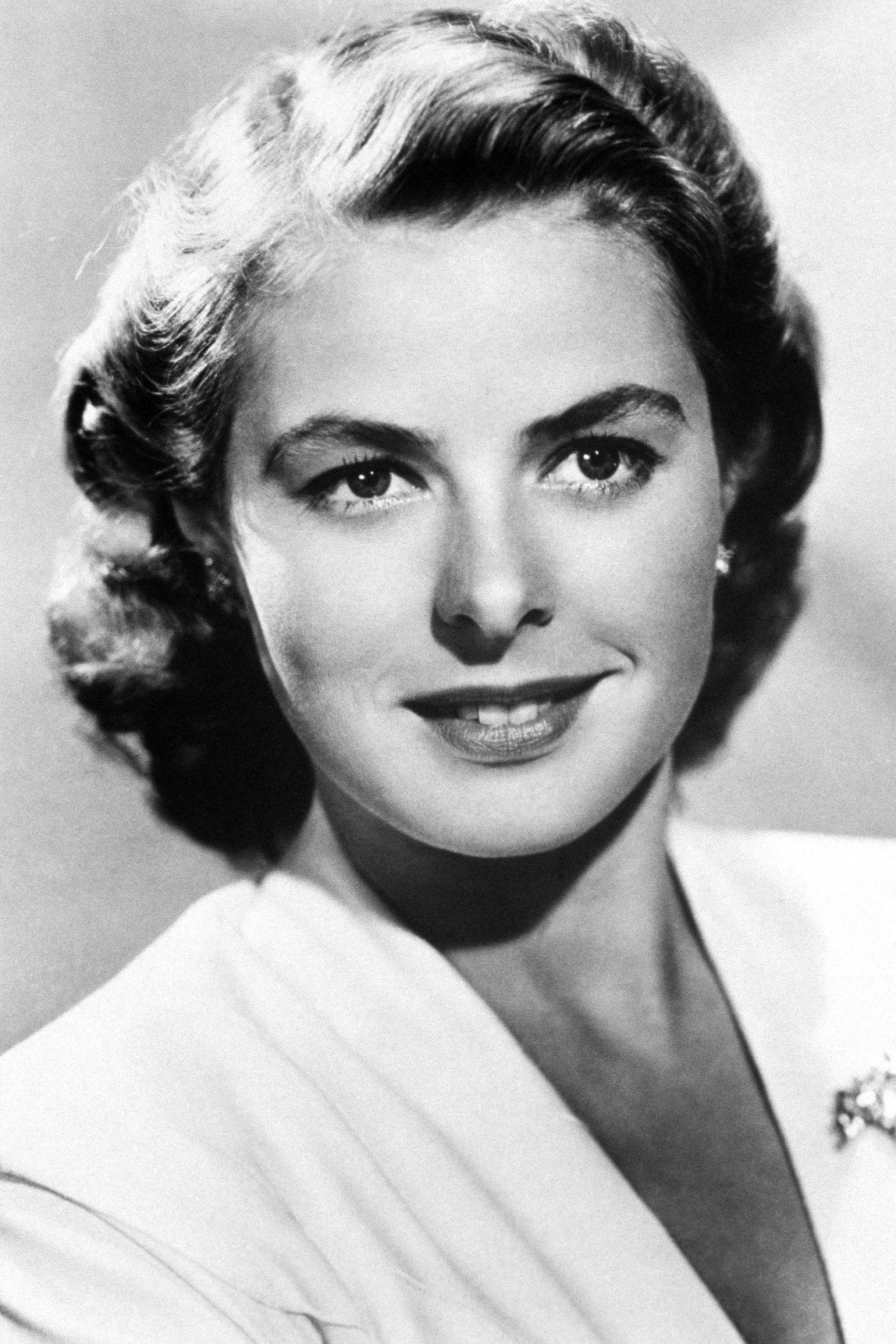
Ingrid Bergman bridged Swedish cinema, Hollywood, and European art film with key work in ‘Casablanca’, ‘Notorious’, and ‘Autumn Sonata’. She collaborated with Alfred Hitchcock and Ingmar Bergman, demonstrating versatility across romance and psychological drama.
Her returns to Europe after Hollywood success helped normalize cross-Atlantic careers for major stars. Multilingual performances widened acceptance of accented English leads in U.S. markets.
Bette Davis
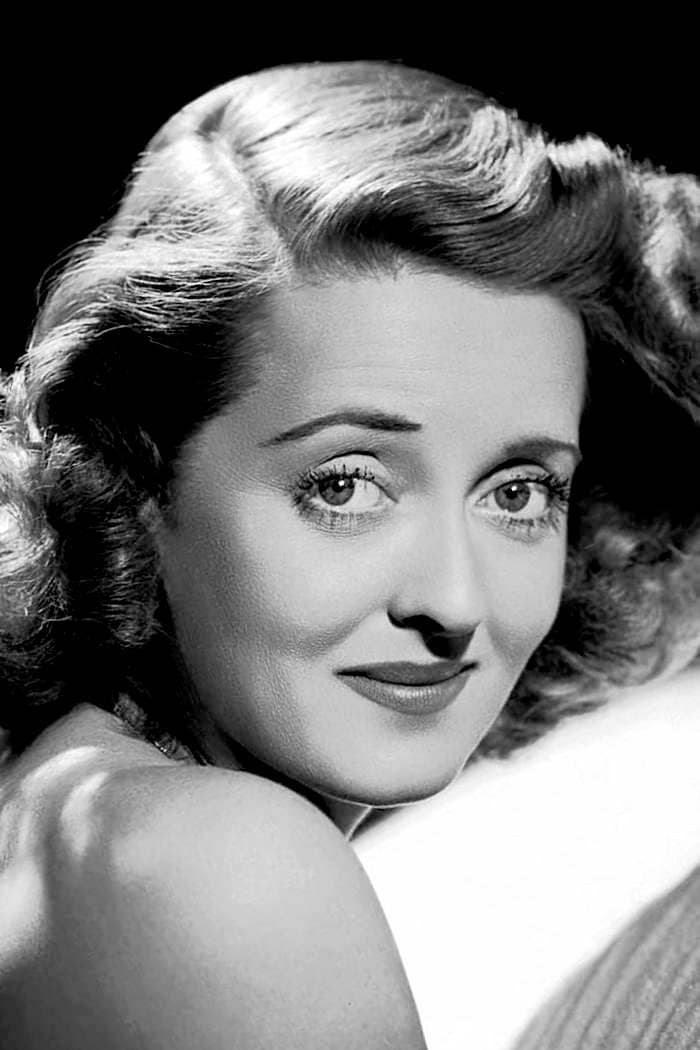
Bette Davis challenged restrictive studio contracts and advocated for stronger scripts, while headlining ‘All About Eve’, ‘Jezebel’, and ‘Now, Voyager’. She held leadership roles in industry organizations and supported wartime entertainment efforts.
Her willingness to play complicated, aging, or unsympathetic characters broadened opportunities for women beyond ingénue roles. The resulting box-office success encouraged studios to finance female-led dramas.
Audrey Hepburn
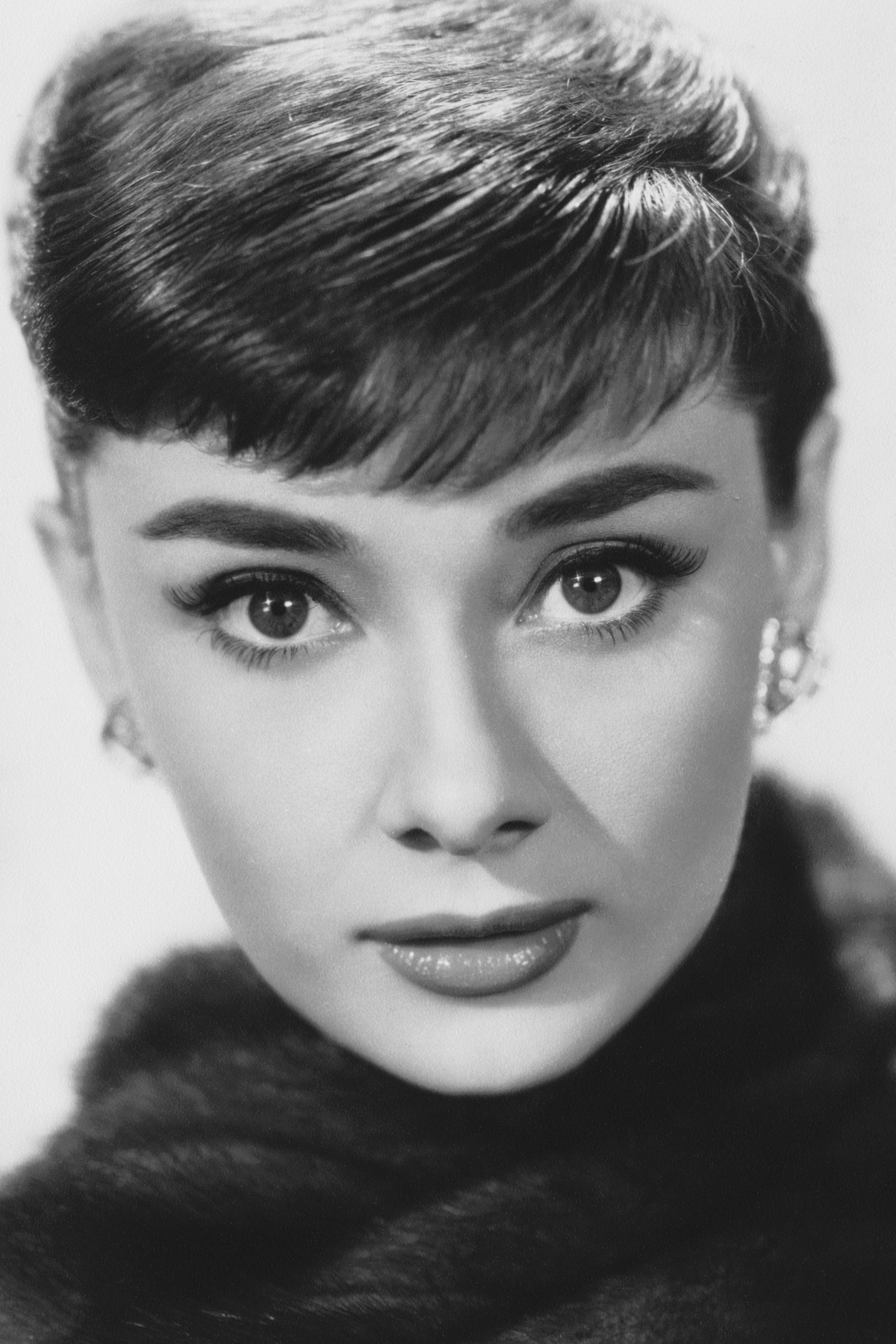
Audrey Hepburn balanced film careers with humanitarian work as a UNICEF Goodwill Ambassador, starring in ‘Roman Holiday’, ‘Breakfast at Tiffany’s’, and ‘My Fair Lady’. She collaborated with William Wyler and Blake Edwards and shaped fashion partnerships through screen appearances.
Her minimalist performance style influenced acting pedagogy focused on restraint and clarity. Global licensing around her image helped codify brand tie-ins linked to film releases.
Elizabeth Taylor

Elizabeth Taylor transitioned from child roles to major box-office leadership, with pivotal performances in ‘Cleopatra’, ‘Who’s Afraid of Virginia Woolf?’, and ‘Cat on a Hot Tin Roof’. She negotiated precedent-setting compensation and profit participation.
Her HIV/AIDS activism established influential fundraising models through the Elizabeth Taylor AIDS Foundation. Early fragrance ventures built a template for performers’ long-running consumer brands.
Greta Garbo
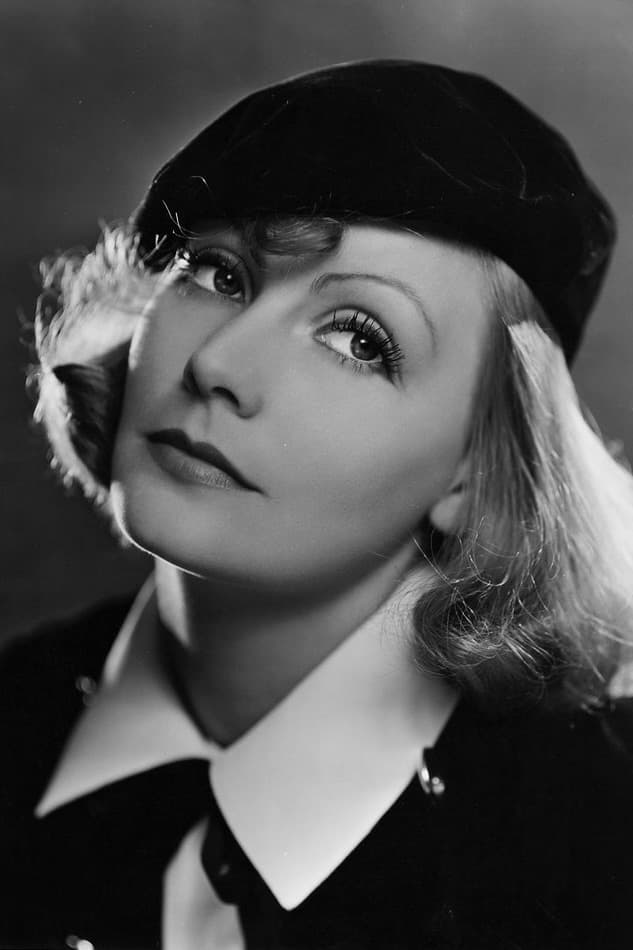
Greta Garbo moved from Swedish silent cinema to Hollywood talkies, defining close-up acting in ‘Ninotchka’, ‘Queen Christina’, and ‘Camille’. She maintained tight control over publicity and public appearances.
That approach shaped studio marketing around mystique and selective access. Her decisions on privacy remain case studies in image management for high-profile performers.
Marlene Dietrich
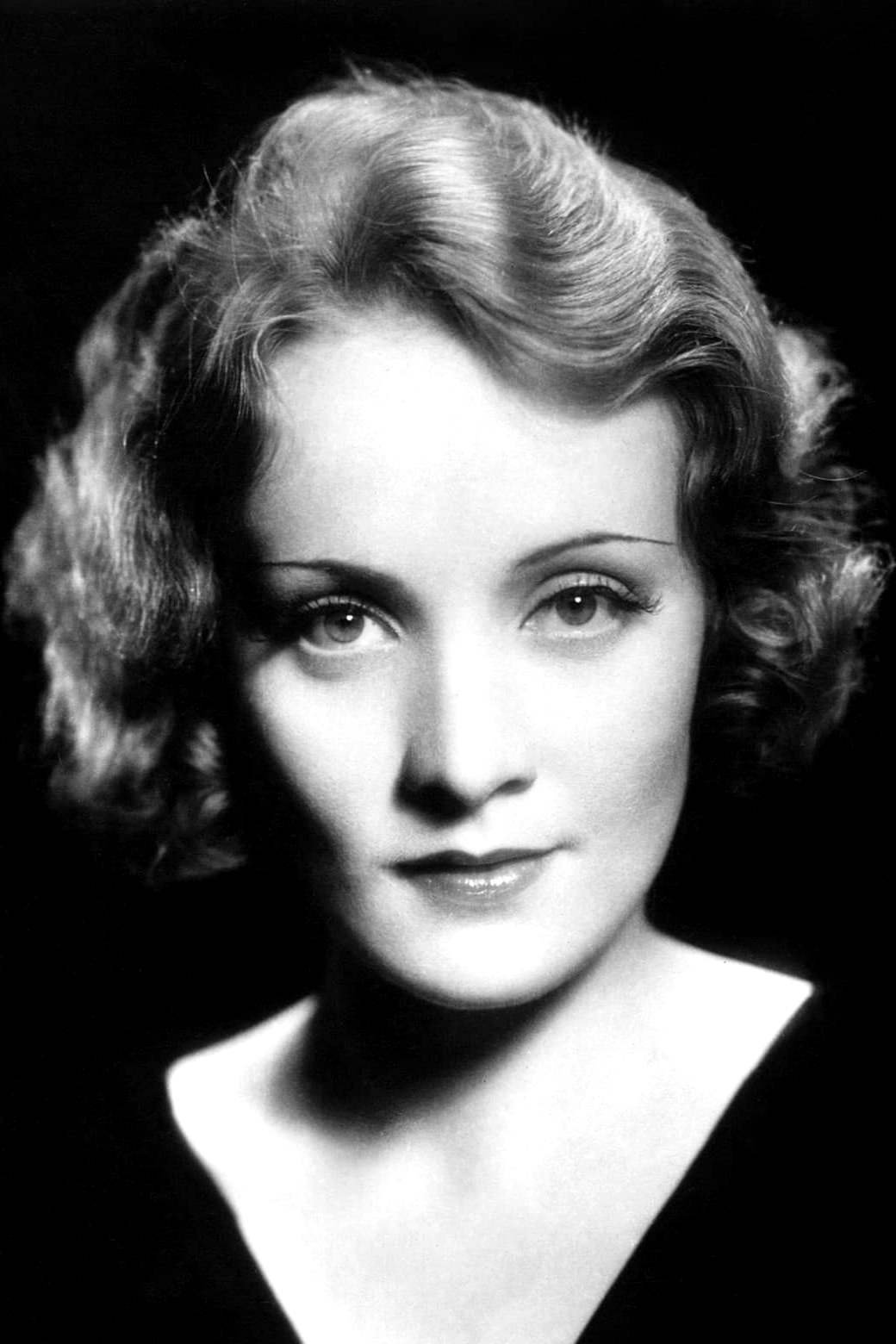
Marlene Dietrich’s partnership with Josef von Sternberg in ‘The Blue Angel’, ‘Morocco’, and ‘Shanghai Express’ refined glamour lighting and costume design on screen. She later toured for Allied troops and used public platforms to oppose fascism.
Her gender-fluid styling influenced film wardrobes and stage aesthetics for decades. Cross-language careers in Europe and the U.S. demonstrated how international stars could retain identity within studio systems.
Jane Fonda
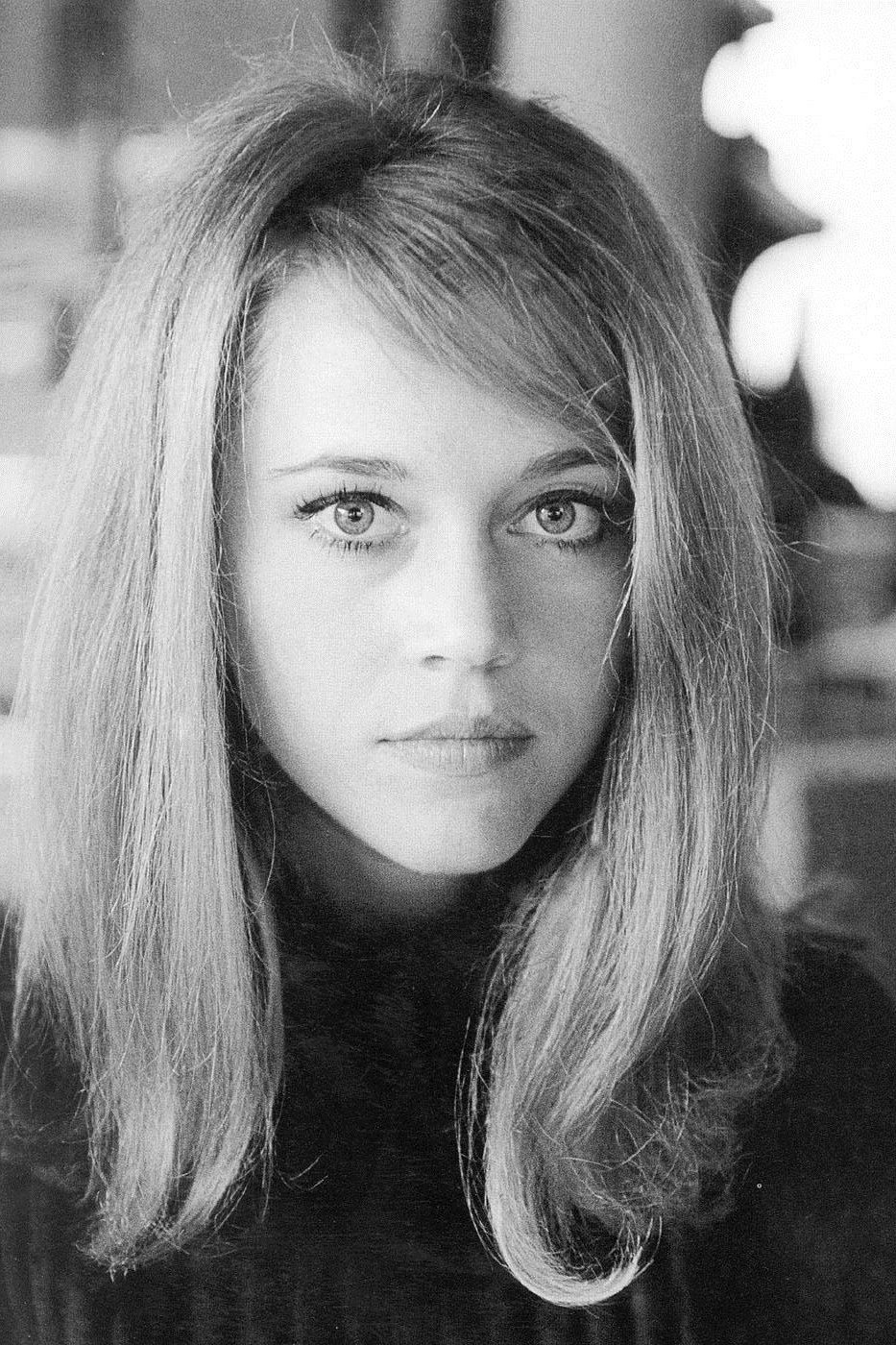
Jane Fonda led films such as ‘Klute’, ‘Coming Home’, and ‘Julia’ while maintaining visible political and philanthropic work. She collaborated with Alan J. Pakula and Sydney Pollack and later expanded into producing.
Her home-video fitness business pioneered cross-media branding for screen performers. Production companies she co-founded generated author-driven roles for women in mainstream projects.
Judi Dench

Judi Dench moved from an award-winning theatre career to international film visibility through ‘Mrs Brown’, ‘Shakespeare in Love’, and the James Bond series. She brought stage precision to nuanced screen performances.
Her long-running portrayal of M modernized a legacy character and kept mature women central in action franchises. Ongoing mentorship supports training institutions and ensemble-first storytelling in the UK.
Maggie Smith
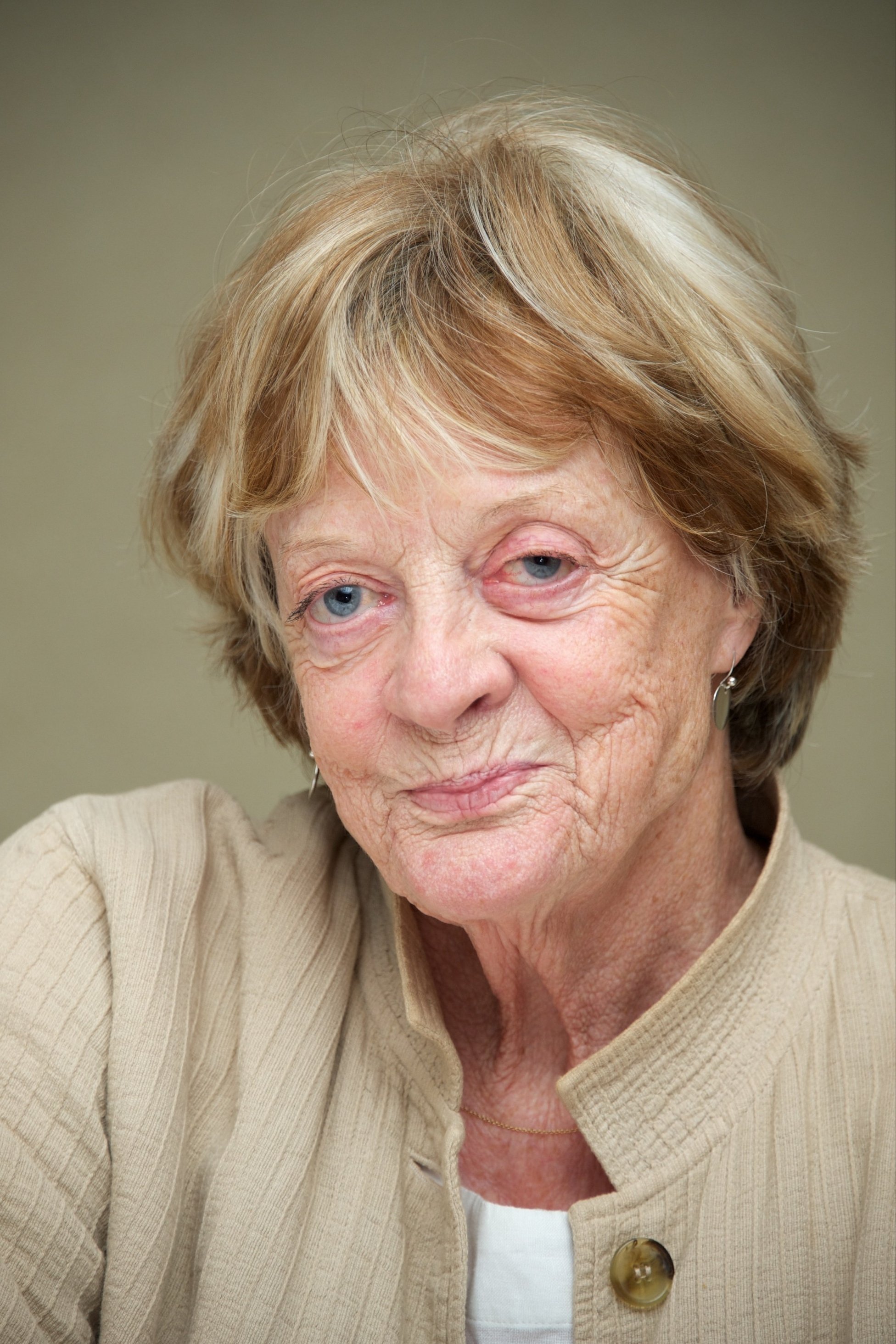
Maggie Smith’s screen highlights include ‘The Prime of Miss Jean Brodie’, ‘Gosford Park’, and ‘Downton Abbey’. She paired film success with longstanding roles at major theatre companies.
Prestige television later in her career expanded casting norms for complex older leads. Ensemble work across film and TV showed how character actors can anchor large casts.
Sophia Loren
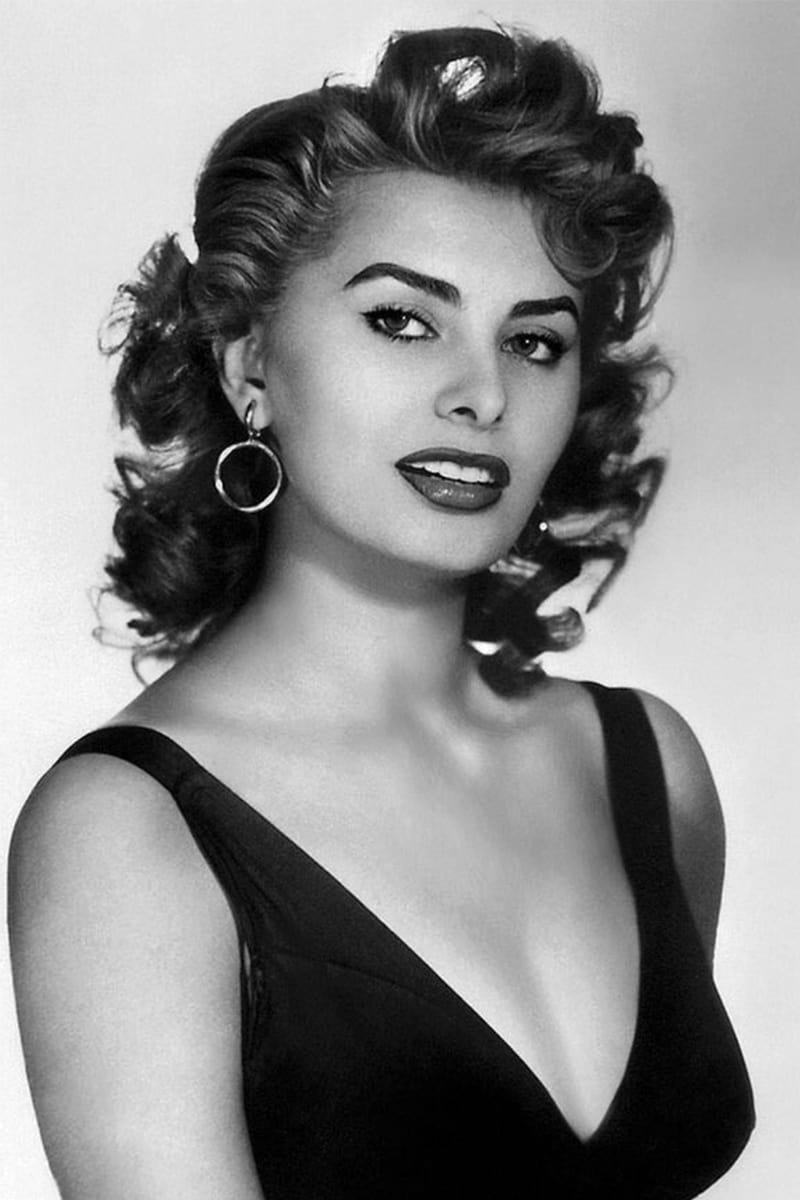
Sophia Loren became an international star through Italian and American productions such as ‘Two Women’, ‘Marriage Italian Style’, and ‘Houseboat’. She worked repeatedly with Vittorio De Sica and other European auteurs.
Her success supported export strategies for Italian cinema. Co-production deals built around her films illustrate durable financing models between Europe and Hollywood.
Anna Magnani
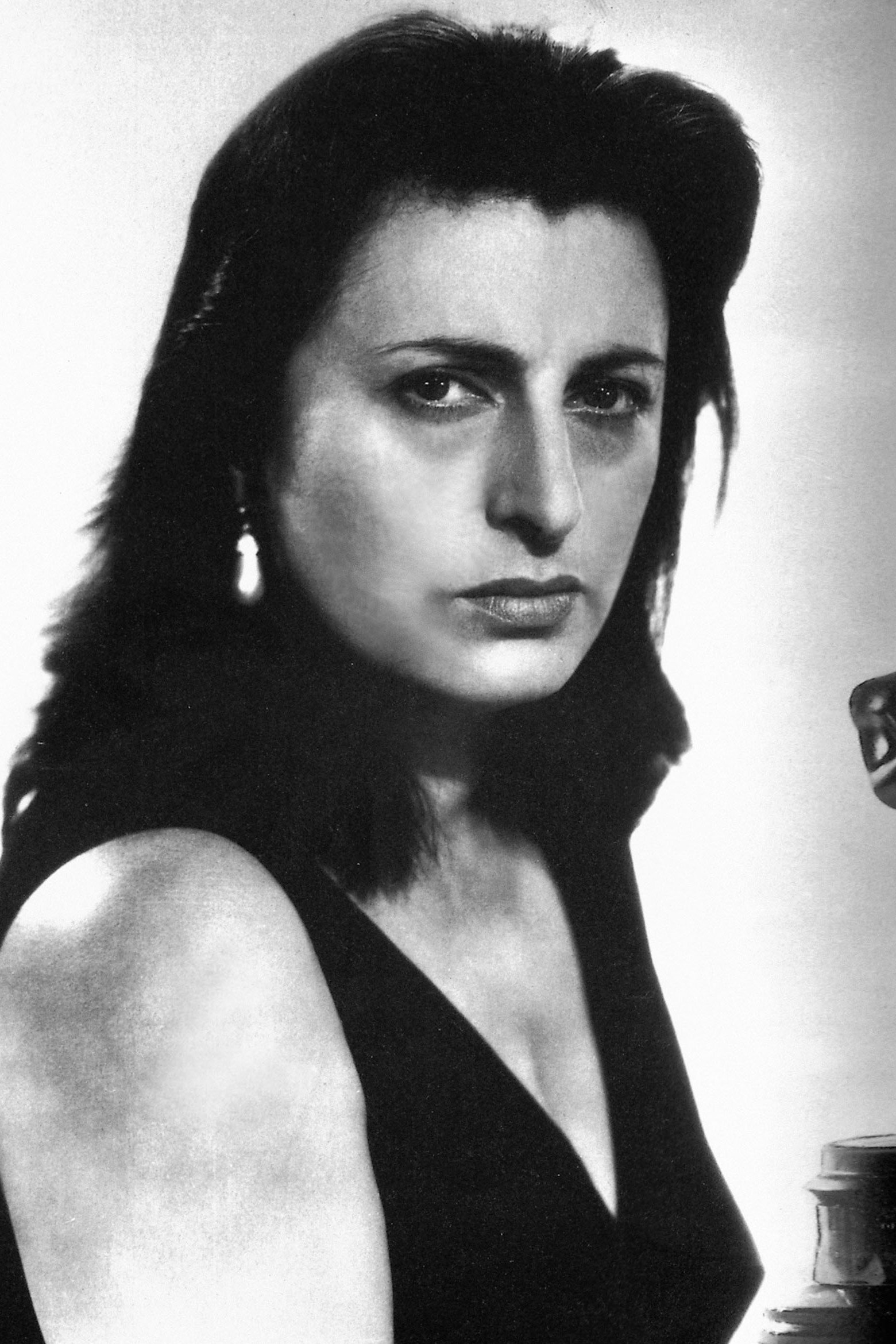
Anna Magnani’s breakout in ‘Rome, Open City’ and acclaimed roles like ‘The Rose Tattoo’ set a standard for neorealist intensity. She emphasized everyday speech and physicality that aligned with postwar storytelling.
Her trajectory helped internationalize Italian cinema and drew festival attention to socially grounded narratives. Casting practices seeking authenticity frequently reference her performances.
Monica Vitti
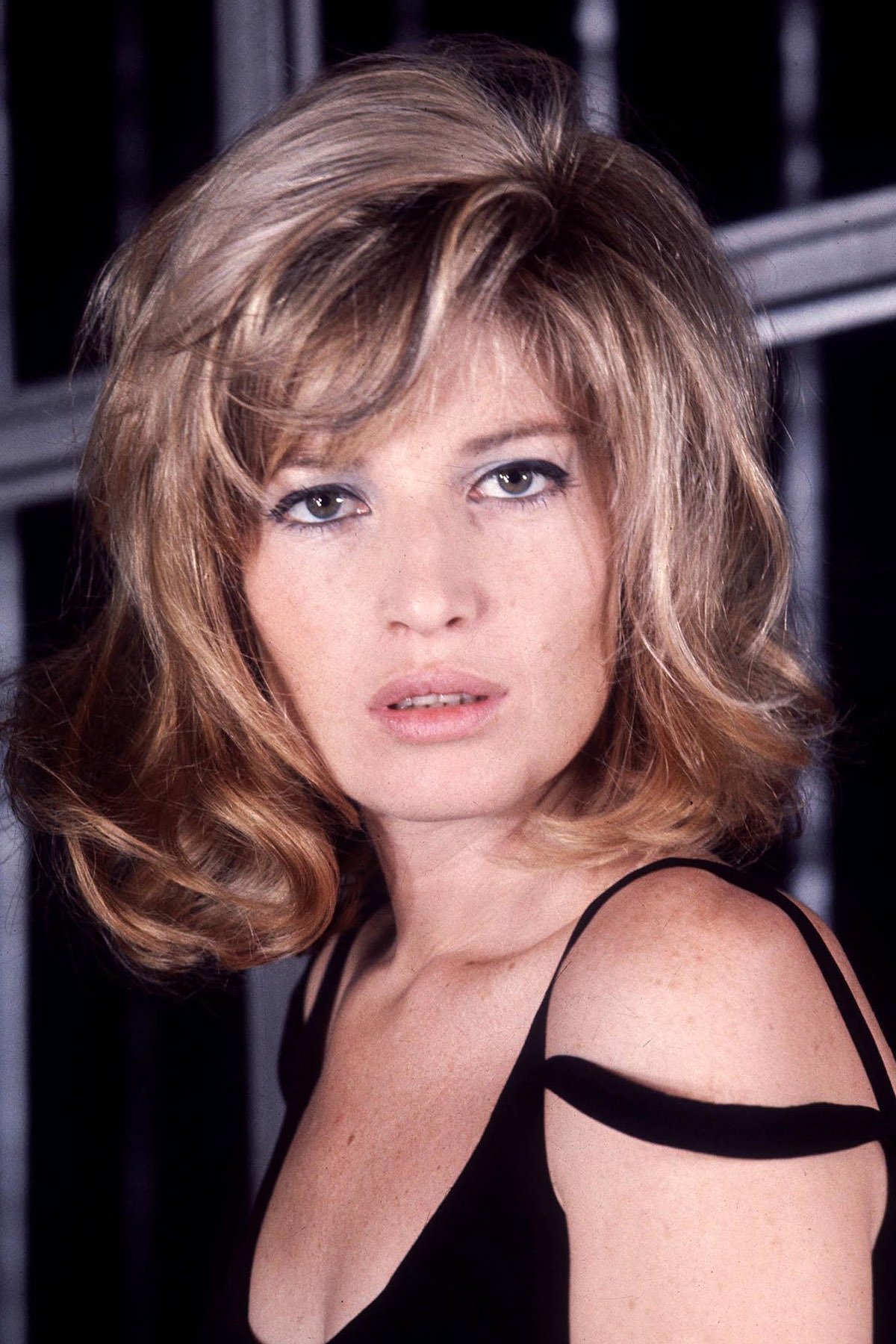
Monica Vitti defined modernist screen presence with ‘L’Avventura’, ‘La Notte’, and ‘Red Desert’, then shifted successfully into Italian comedy. She worked closely with Michelangelo Antonioni before diversifying genres.
Her roles are central to film-school studies on alienation and visual storytelling. The career arc shows how an actress can embody a director’s aesthetic while maintaining a distinct persona.
Catherine Deneuve

Catherine Deneuve’s performances in ‘The Umbrellas of Cherbourg’, ‘Belle de Jour’, and ‘Indochine’ cemented her as a pillar of French cinema. She collaborated with Jacques Demy and Luis Buñuel across musical and surreal registers.
Brand partnerships and festival leadership kept French film prominent in global markets. Regular participation in European co-productions strengthened intra-EU distribution networks.
Isabelle Huppert
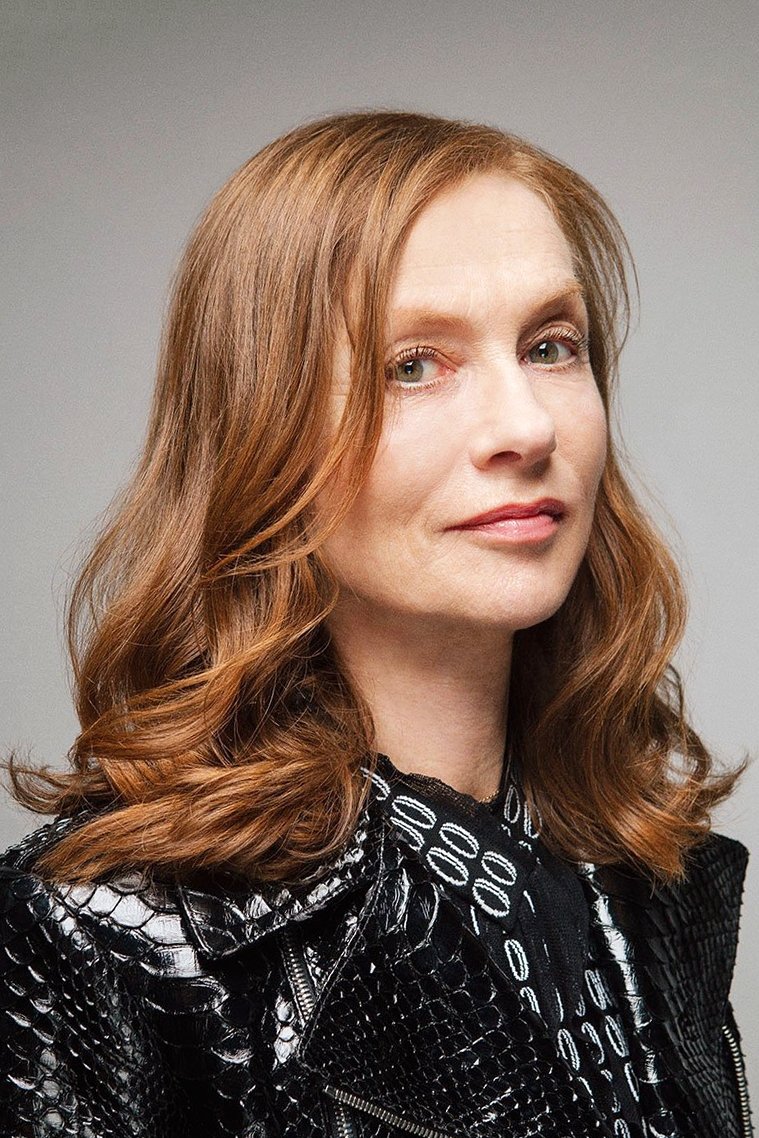
Isabelle Huppert’s vast filmography includes ‘The Piano Teacher’, ‘Elle’, and ‘La Cérémonie’, spanning French, German, and international projects. She collaborates with directors such as Michael Haneke and Paul Verhoeven.
Her risk-embracing choices and festival accolades supported arthouse distribution worldwide. Continued work on stage sustains cross-pollination between repertory theatre and film.
Juliette Binoche
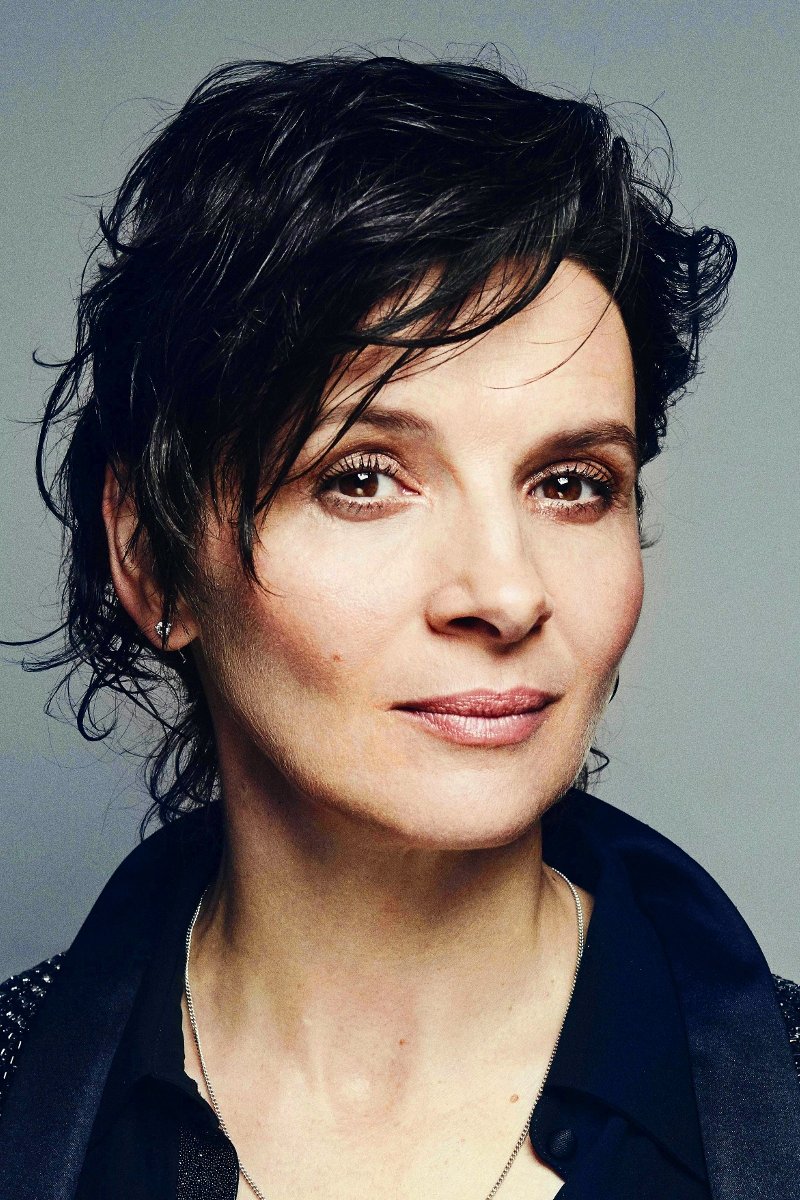
Juliette Binoche appears in ‘The English Patient’, ‘Three Colors: Blue’, and ‘Certified Copy’, earning top awards across major festivals. She often bridges languages and continents in her projects.
Her participation in both mainstream and arthouse spaces boosts subtitled cinema’s visibility. Collaborations with visual artists and dancers influence screen movement and composition.
Brigitte Bardot
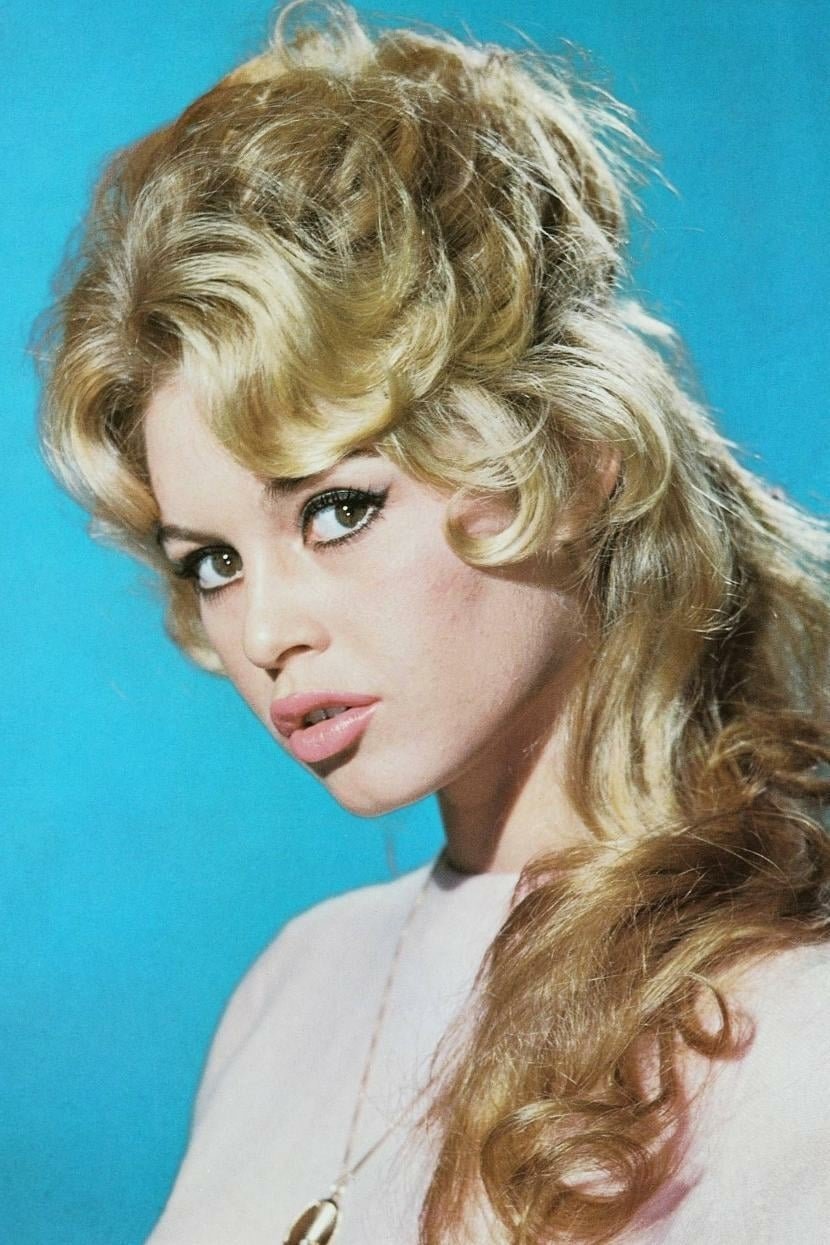
Brigitte Bardot’s turns in ‘And God Created Woman’ and ‘Contempt’ shaped modern celebrity and youth culture around European film. She worked with Roger Vadim and Jean-Luc Godard during a period of stylistic experimentation.
Image-driven marketing around her films tied fashion and music to cinema releases. That model informed later multimedia campaigns for performers and studios.
Jeanne Moreau
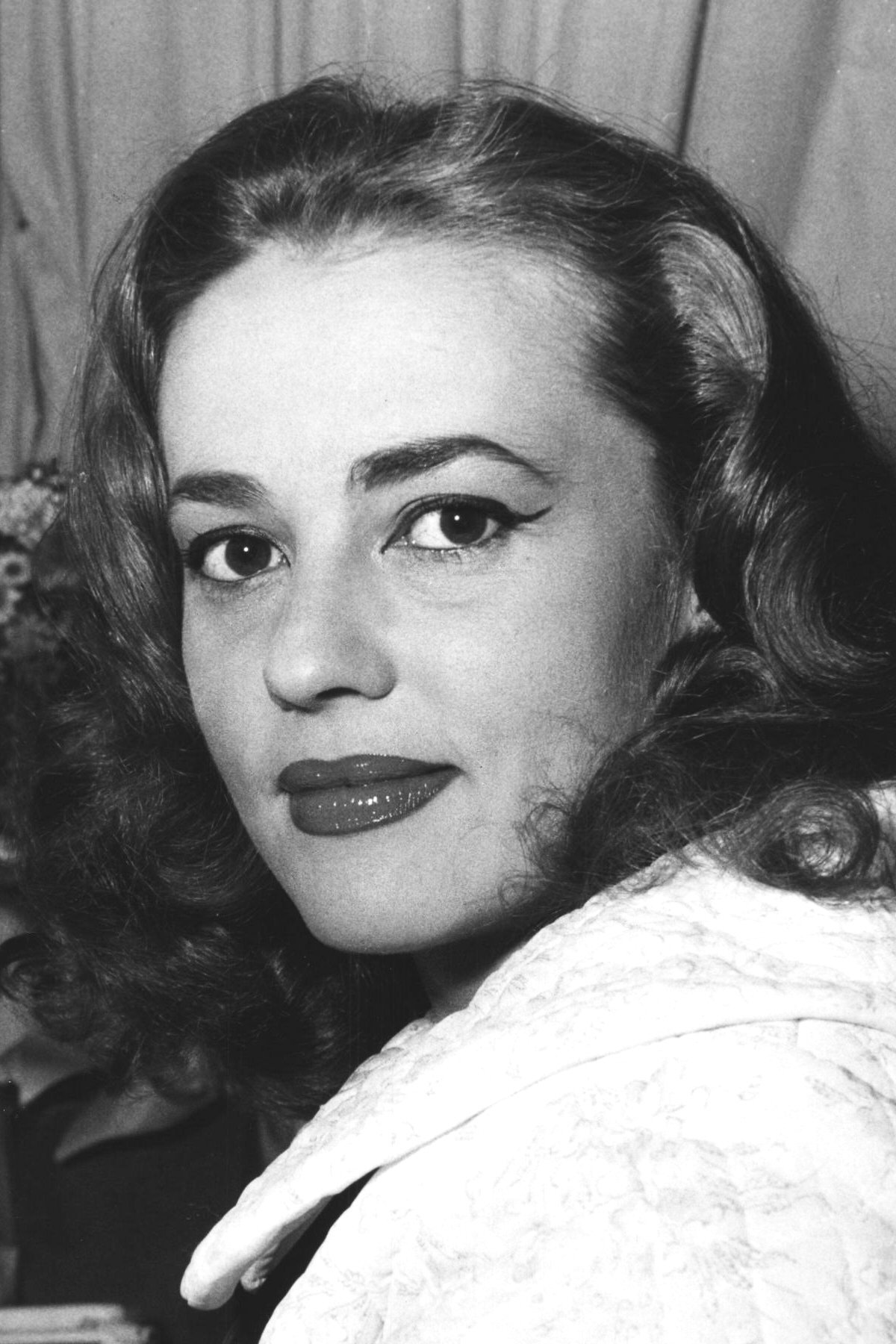
Jeanne Moreau’s work in ‘Jules and Jim’, ‘Elevator to the Gallows’, and ‘La Notte’ defined complex female leads during the French New Wave. She also directed films and recorded music.
Her leadership at international festivals supported new directors and actors. Archival advocacy preserved key works for restoration and study.
Liv Ullmann

Liv Ullmann’s collaborations with Ingmar Bergman, including ‘Persona’ and ‘Scenes from a Marriage’, explored intimate psychology and relationships. She later directed literary adaptations and continued prominent stage work.
Her cross-border career brought Scandinavian narratives to global audiences. UNICEF ambassadorship and cultural diplomacy extended the social reach of film artists.
Vanessa Redgrave
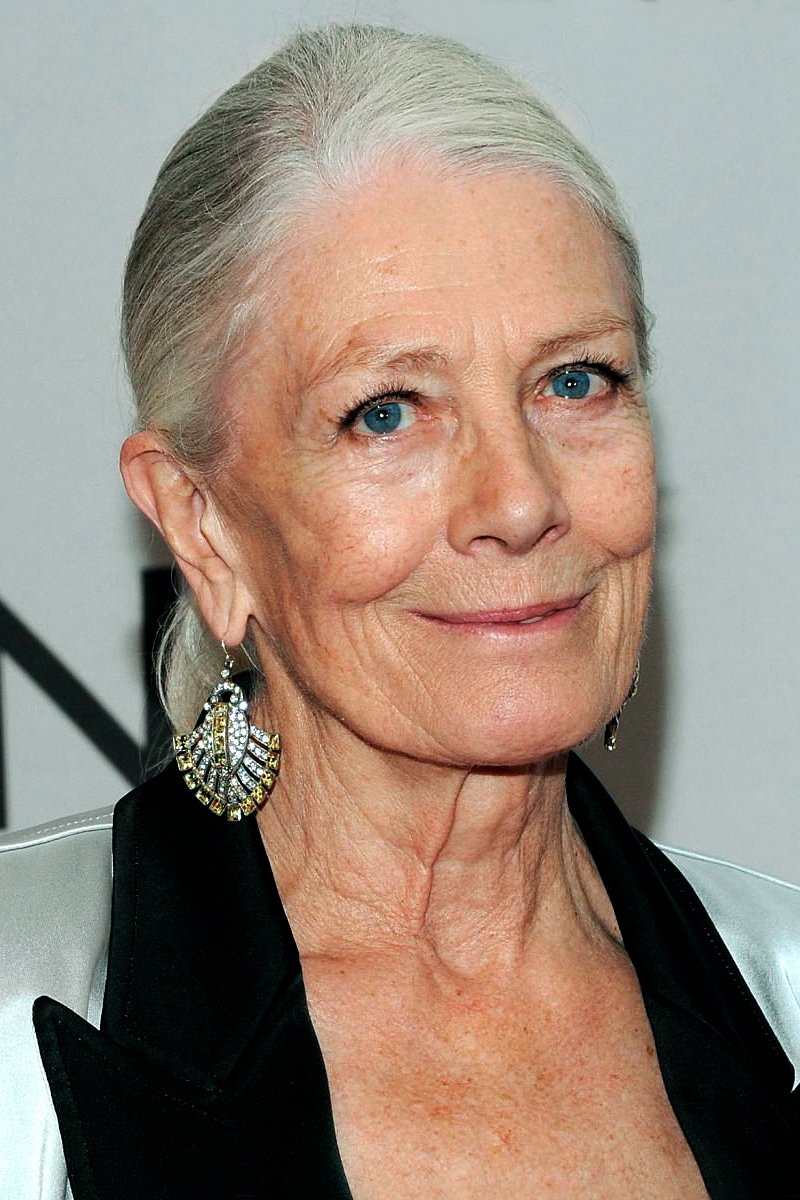
Vanessa Redgrave’s screen credits include ‘Julia’, ‘Howards End’, and ‘The Bostonians’, complemented by major theatre achievements. She integrates documentary narration and activism into her artistic profile.
Family collaborations within the Redgrave acting lineage highlight repertory traditions. Engagement with international arts festivals broadened access for politically engaged work.
Helen Mirren
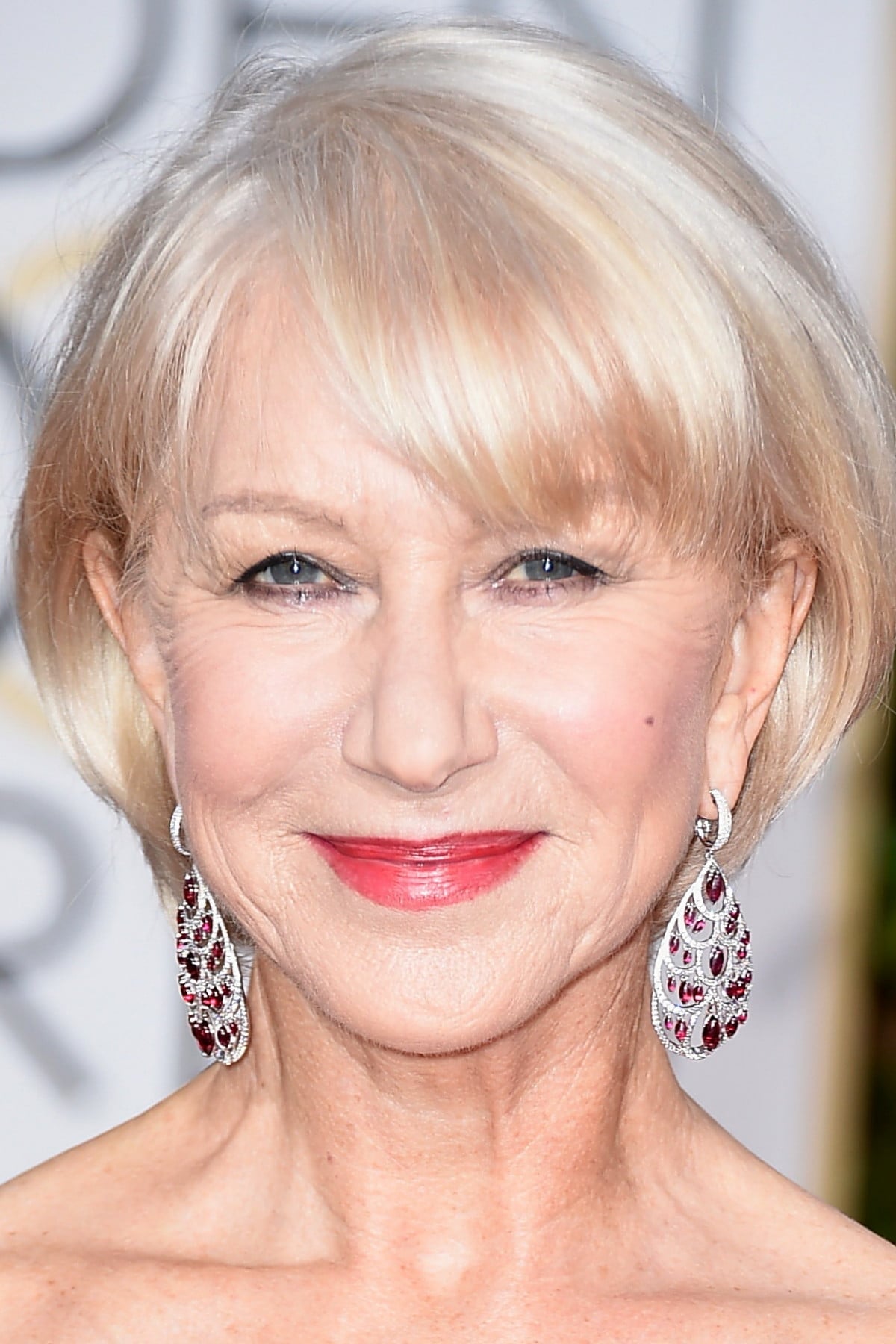
Helen Mirren balanced ‘Prime Suspect’, ‘The Queen’, and extensive theatre with consistent film roles. She holds top awards across stage, film, and television.
Her portrayals of leaders and historical figures influenced casting of mature women in prestige projects. Support for vocational arts education has aided talent pipelines in the UK.
Maggie Cheung
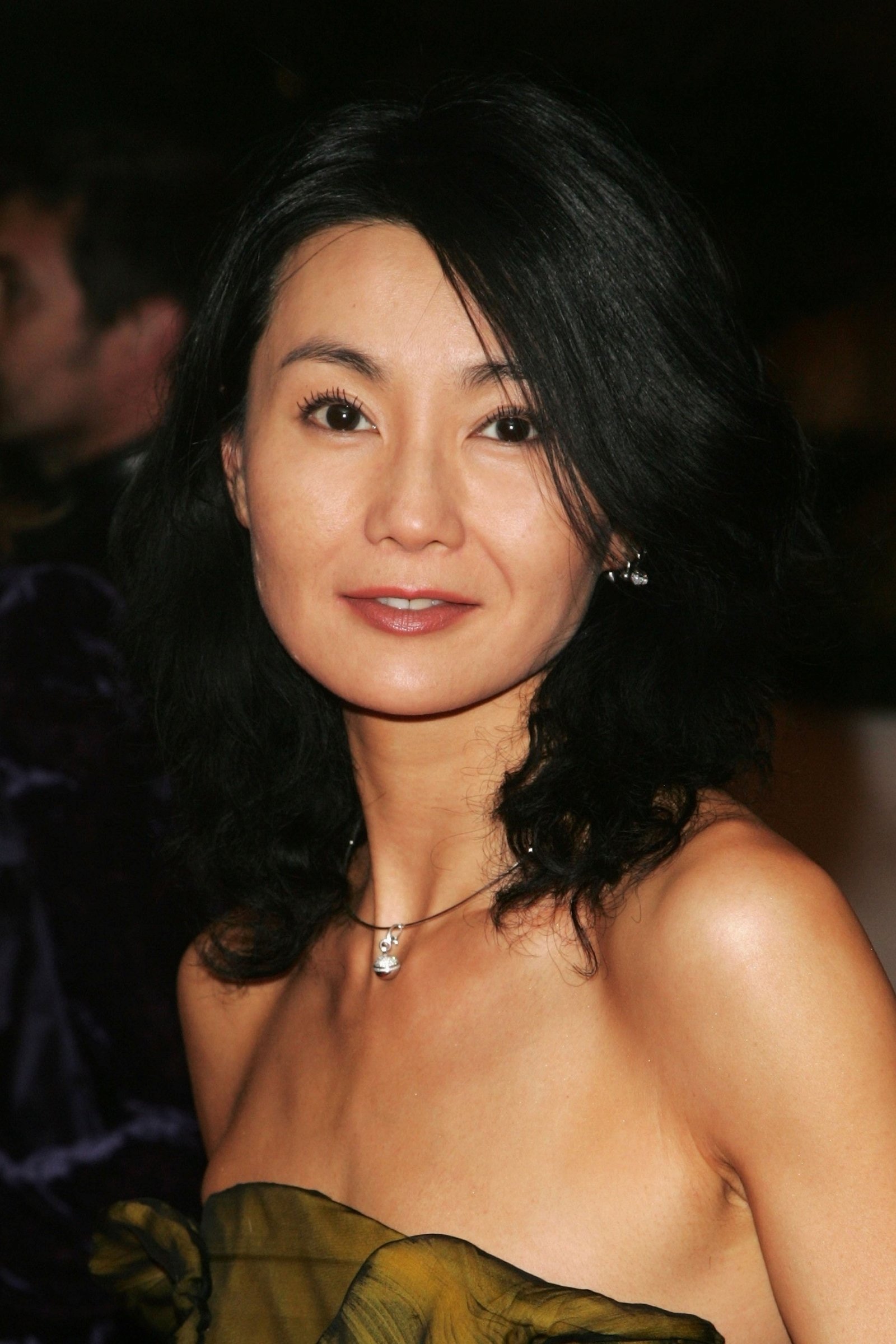
Maggie Cheung helped globalize Hong Kong cinema through ‘In the Mood for Love’, ‘Center Stage’, and entries in the ‘Police Story’ series. She worked with Wong Kar-wai, Olivier Assayas, and Jackie Chan across arthouse and action.
Multilingual roles in Cantonese, Mandarin, and English boosted pan-Asian marketability. Festival recognition in Europe and Asia strengthened international interest in Hong Kong talent.
Gong Li

Gong Li introduced many global viewers to Fifth Generation Chinese cinema via ‘Raise the Red Lantern’ and ‘To Live’, then moved into international productions. Collaborations with Zhang Yimou and Chen Kaige anchored that rise.
Her presence at major festivals elevated Chinese cinema’s export profile. High-visibility roles encouraged casting of Chinese actresses beyond stereotypical boundaries.
Zhang Ziyi

Zhang Ziyi gained worldwide prominence with ‘Crouching Tiger, Hidden Dragon’, followed by ‘Hero’ and ‘Memoirs of a Geisha’. She works with Ang Lee, Zhang Yimou, and Wong Kar-wai across martial arts epics and dramas.
Her participation in global box-office hits expanded financing for Asian-led films. Judging roles at festivals and talent programs support industry development in the region.
Setsuko Hara
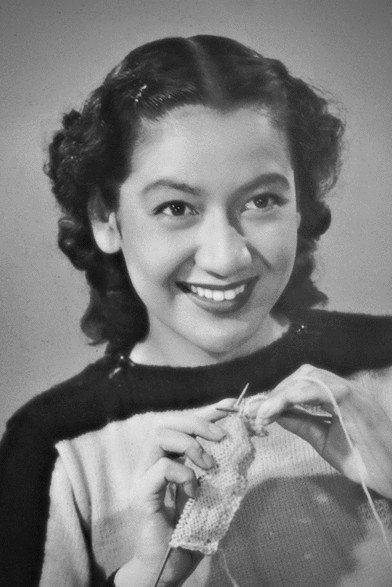
Setsuko Hara personified postwar Japanese cinema in Yasujiro Ozu works such as ‘Late Spring’ and ‘Tokyo Story’. She emphasized restraint aligned with Ozu’s focus on everyday life.
A deliberate withdrawal from public life helped define star privacy norms in Japan. International retrospectives frequently use her films to introduce classic Japanese cinema to new audiences.
Hideko Takamine
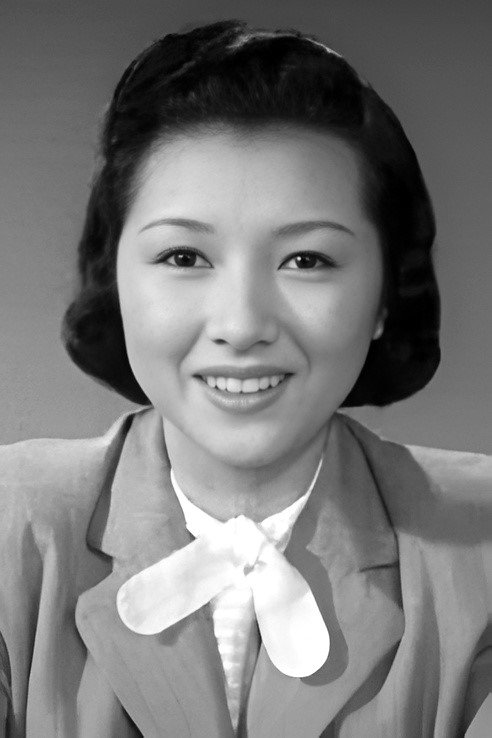
Hideko Takamine moved from child star to adult lead in ‘When a Woman Ascends the Stairs’ and ‘Floating Clouds’, often with Mikio Naruse. She portrayed working women facing social and economic change.
Her roles informed scholarship on labor and gender in Japanese film. Long-term collaborations demonstrated how actress-director partnerships shape national cinema.
Shabana Azmi
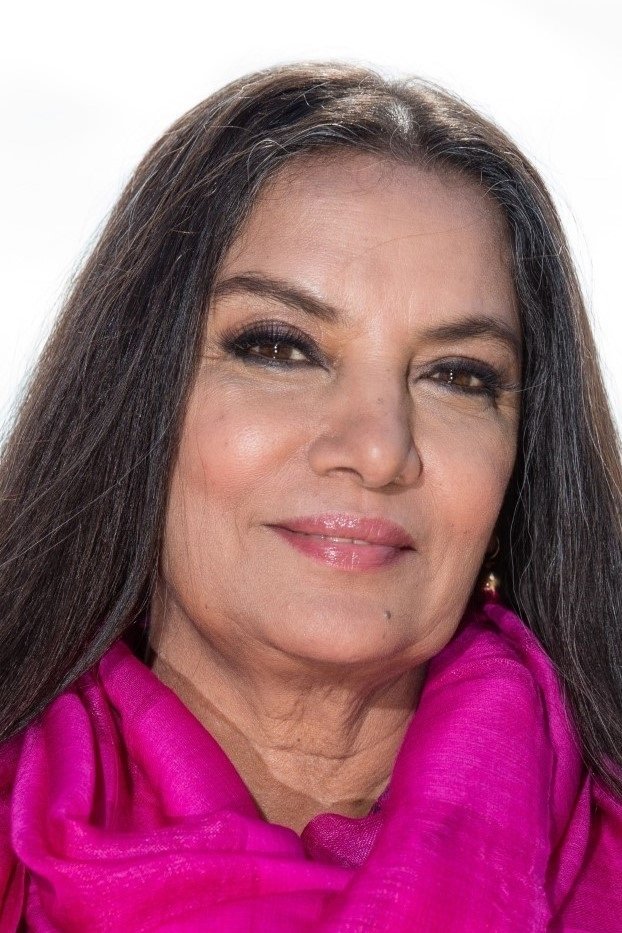
Shabana Azmi anchored Indian parallel cinema with ‘Ankur’, ‘Arth’, and ‘Fire’ while also succeeding in mainstream productions. She engages in social causes including housing rights and public health.
Her advocacy helped bridge independent and commercial sectors, allowing serious themes wider reach. International theatre work expanded collaborations beyond film.
Nargis
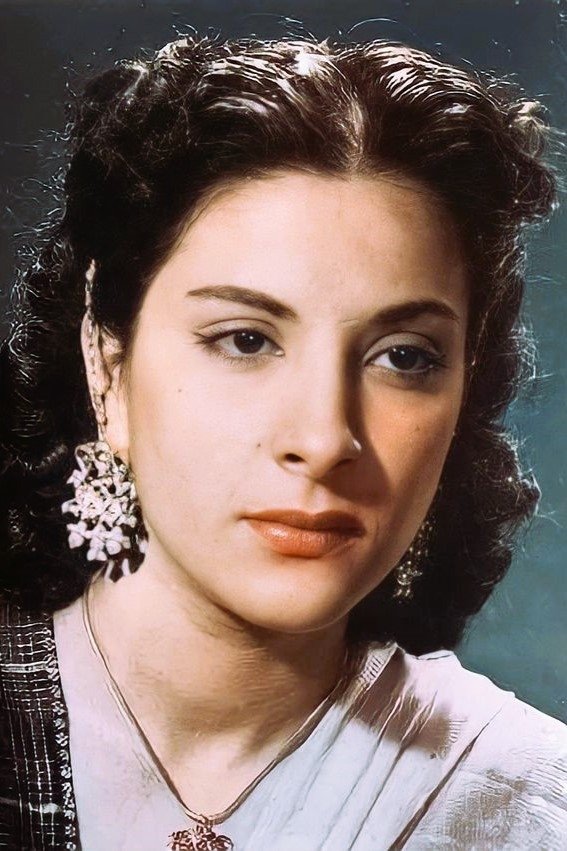
Nargis starred in landmark Hindi films including ‘Mother India’, ‘Barsaat’, and ‘Awara’, becoming central to post-Independence storytelling. She later served in public office and supported charitable initiatives.
Partnerships with Raj Kapoor shaped studio output and musical-dramatic formats. National honors established a precedent for state recognition of film artists.
Meena Kumari

Meena Kumari’s performances in ‘Pakeezah’, ‘Sahib Bibi Aur Ghulam’, and ‘Baiju Bawra’ set standards for emotionally layered roles. She also published poetry that complemented her screen identity.
Her filmography influenced writing of nuanced female protagonists in Hindi cinema. Archival interest in her recordings and scripts supports preservation of mid-century Indian film.
Sridevi

Sridevi was a pan-Indian superstar across Tamil, Telugu, and Hindi industries, with hits like ‘Mr. India’, ‘Chandni’, and ‘English Vinglish’. She combined comedy, dance, and drama with box-office reliability.
Her cross-language appeal reshaped marketing for multi-regional releases. A successful return to lead roles after a hiatus encouraged narratives centered on women in midlife.
Madhuri Dixit
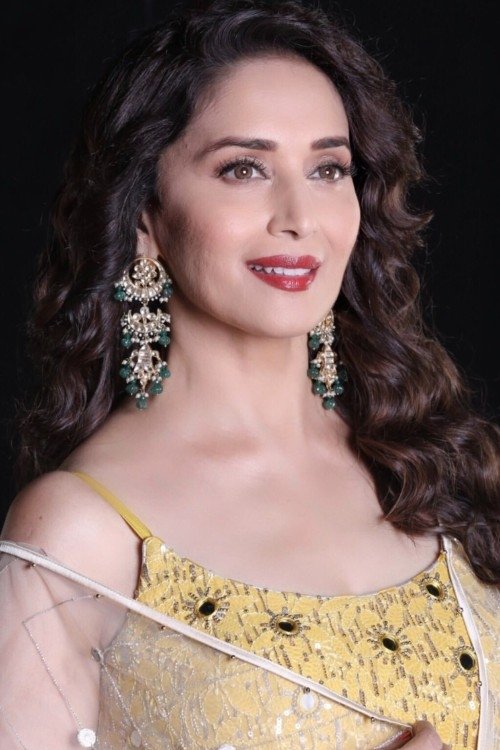
Madhuri Dixit defined a period of Hindi cinema with ‘Dil To Pagal Hai’, ‘Hum Aapke Hain Koun..!’, and ‘Devdas’. Signature dance numbers set benchmarks for choreography and soundtrack promotion.
Television judging and health-related philanthropy expanded her public presence. Digital ventures and production work exemplify modern diversification for Indian actresses.
Aishwarya Rai Bachchan

Aishwarya Rai Bachchan moved from international pageantry to leads in ‘Devdas’, ‘Jodhaa Akbar’, and ‘Guru’. Regular appearances at Cannes strengthened India’s global film visibility.
Brand endorsements and charity initiatives demonstrate how strategic media complements film careers. Multilingual projects widened casting of Indian leads in international productions.
Dolores del Río
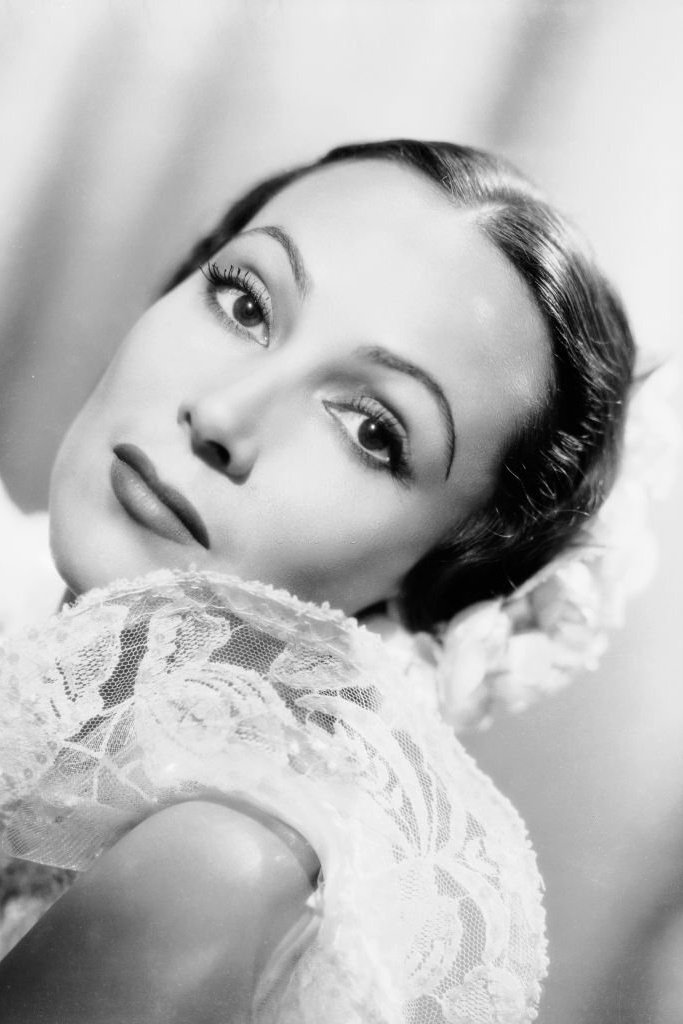
Dolores del Río built major careers in Hollywood and Mexico with films like ‘Bird of Paradise’, ‘María Candelaria’, and ‘Flor Silvestre’. She worked closely with Emilio Fernández during Mexico’s Golden Age.
Transitions between industries opened pathways for Latin American performers in U.S. projects. Festival participation and cultural diplomacy advanced cross-border collaborations.
María Félix

María Félix led commanding roles in ‘Doña Bárbara’, ‘Río Escondido’, and ‘Enamorada’, shaping aesthetics of Mexican cinema. She influenced costume and set design through close collaboration with filmmakers.
International exhibitions and retrospectives boosted Mexico’s cultural exports. Image licensing around her persona anticipated modern rights management for Latin American stars.
Carmen Maura
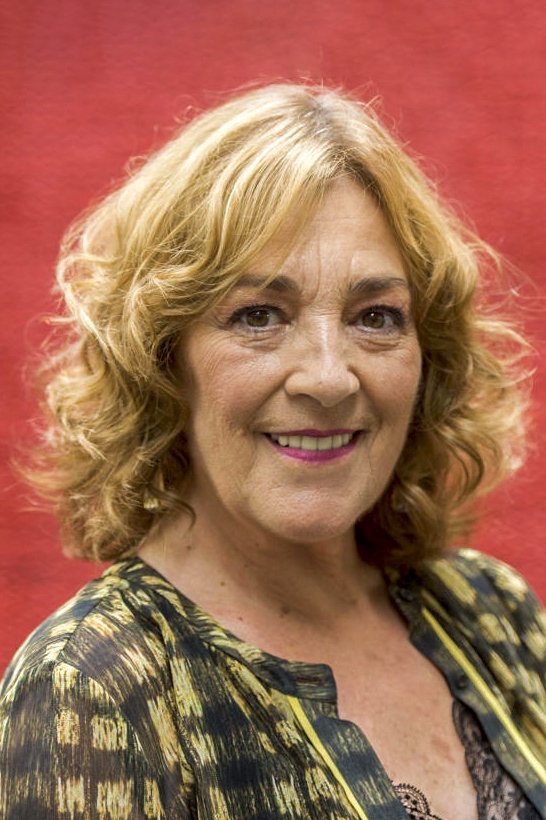
Carmen Maura’s work with Pedro Almodóvar—most notably ‘Women on the Verge of a Nervous Breakdown’ and connections to ‘Volver’—helped define Spain’s post-transition cinema. She also sustained a strong career in France.
Her roles supported the international ascent of Spanish-language comedies and melodramas. EU co-production models grew around cross-border casts that included her.
Penélope Cruz

Penélope Cruz balances Spanish and English-language films, with ‘Volver’, ‘Vicky Cristina Barcelona’, and ‘Parallel Mothers’ as key titles. She collaborates repeatedly with Almodóvar and leading U.S. directors.
Awards recognition across languages bolstered casting of European leads in Hollywood. Philanthropy and fashion partnerships illustrate contemporary brand-artist strategies.
Salma Hayek Pinault

Salma Hayek Pinault produced and starred in ‘Frida’ and broke through with ‘Desperado’ and ‘From Dusk Till Dawn’. She co-founded ventures to develop Latinx stories for international audiences.
Public advocacy against gender-based discrimination influenced industry policy discussions. Cross-media entrepreneurship shows how performers can shape development pipelines.
Jodie Foster
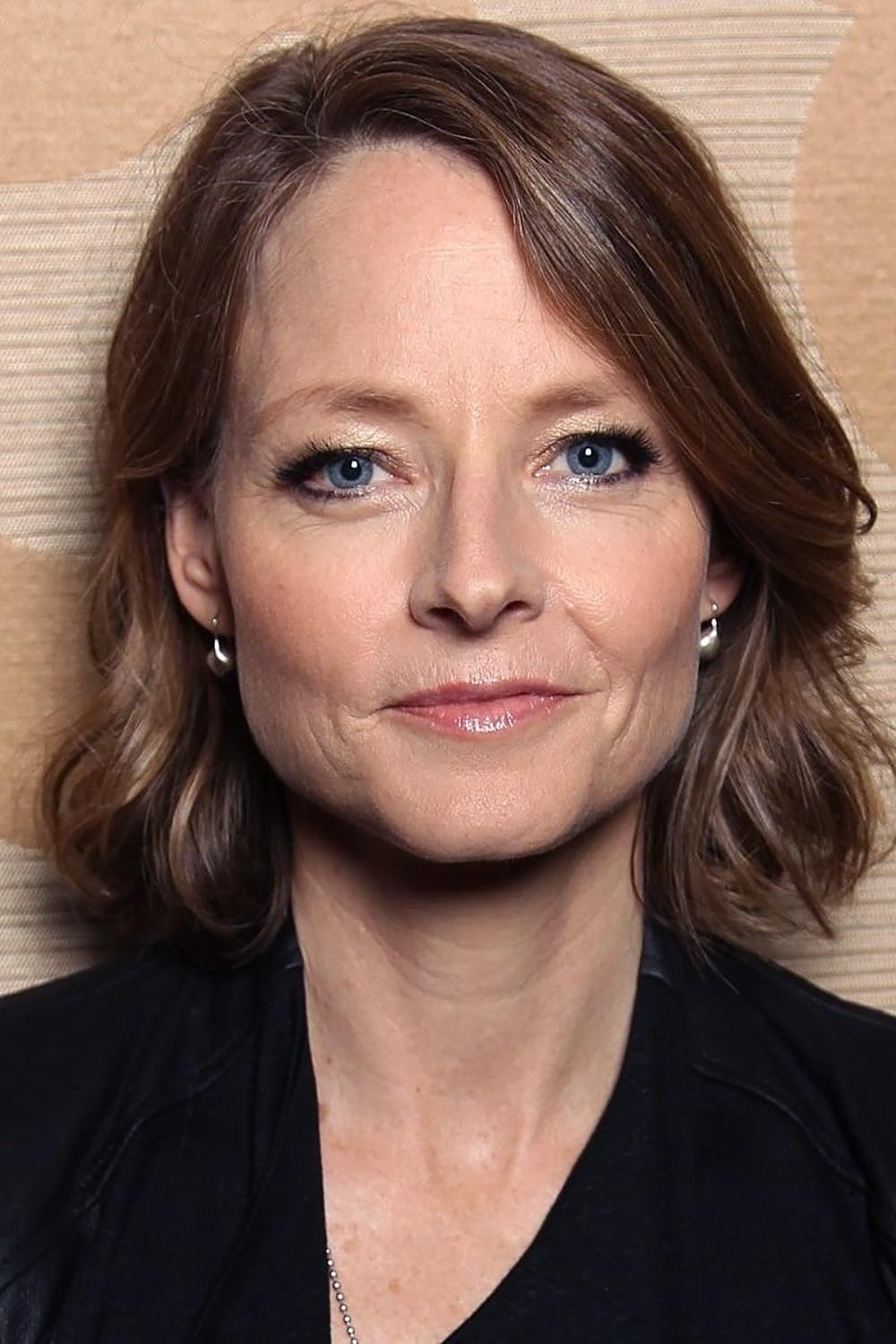
Jodie Foster progressed from child roles to adult leads in ‘Taxi Driver’, ‘The Accused’, and ‘The Silence of the Lambs’. She also directs and produces for film and television, including episodes of ‘Black Mirror’.
Multilingual abilities and education-focused career management became a model for child-to-adult stardom. Her directing work broadened opportunities for women behind the camera in mainstream genres.
Sigourney Weaver
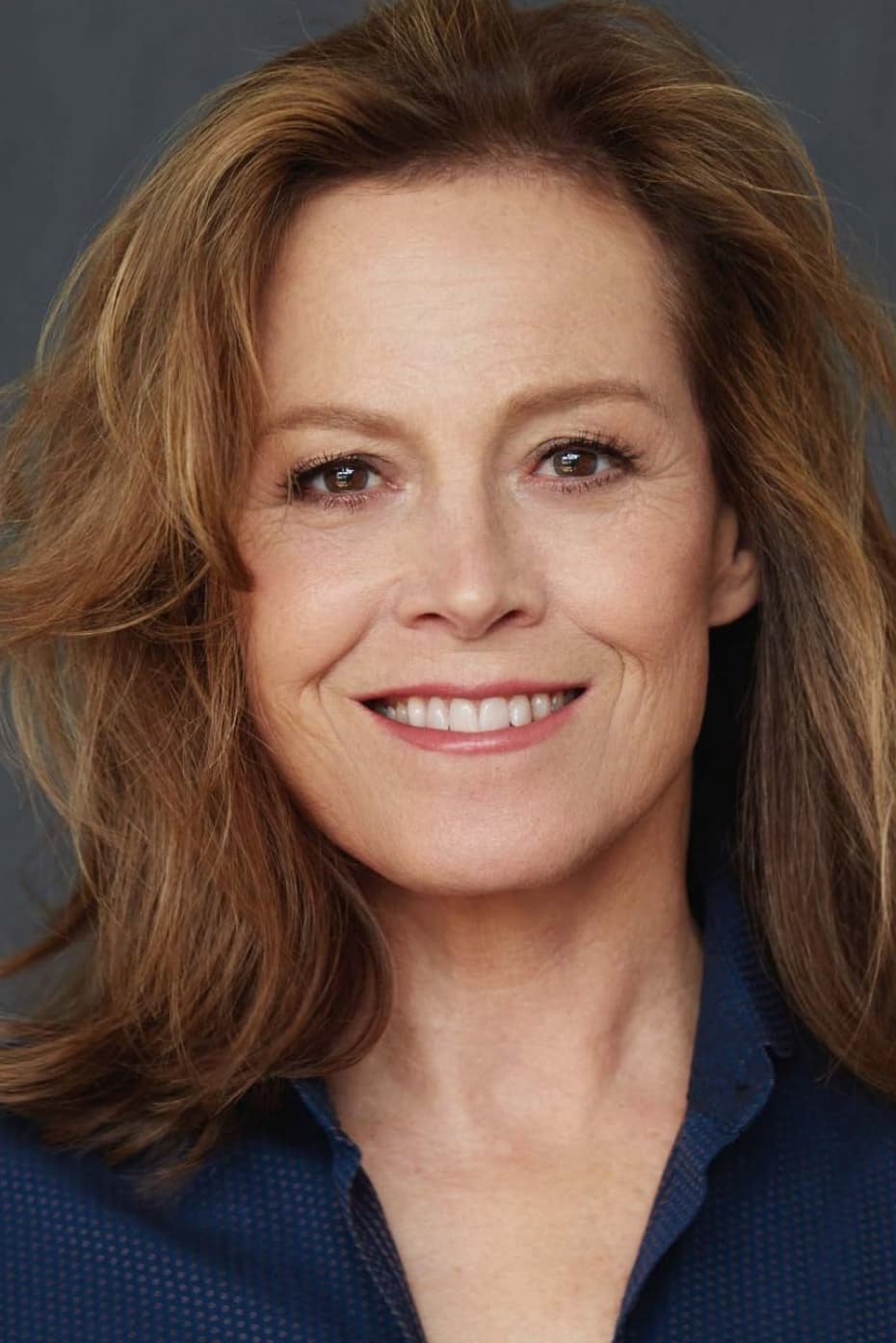
Sigourney Weaver expanded action and science-fiction roles for women with the ‘Alien’ series, ‘Gorillas in the Mist’, and ‘Working Girl’. Collaborations with Ridley Scott and James Cameron shaped franchise storytelling.
Successful female-led genre films encouraged studios to greenlight similar projects. Environmental advocacy connected science narratives on screen with real-world conservation work.
Glenn Close
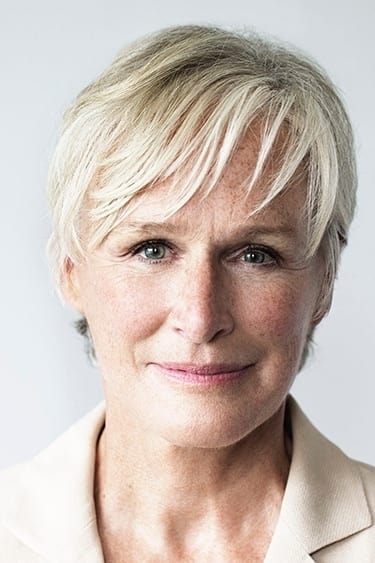
Glenn Close delivered pivotal performances in ‘Fatal Attraction’, ‘Dangerous Liaisons’, and ‘The Wife’, while maintaining major theatre and television roles. She has developed projects that foreground complex women.
Support for mental-health initiatives and arts organizations complements her screen work. Consistent ensemble leadership influences casting strategies for prestige productions.
Susan Sarandon
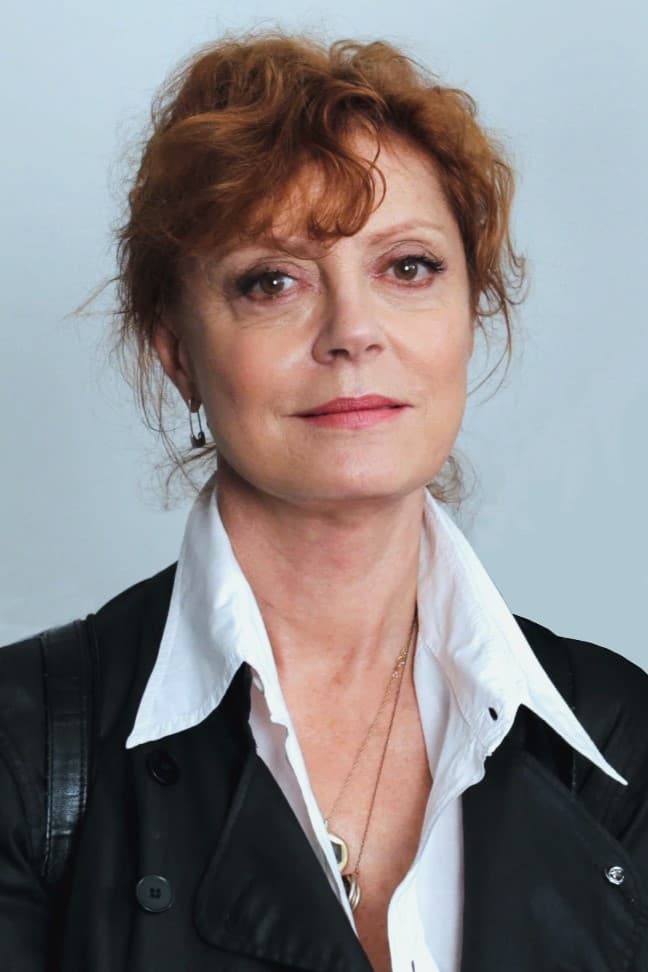
Susan Sarandon’s career features ‘Thelma & Louise’, ‘Dead Man Walking’, and ‘Bull Durham’, alongside frequent festival jury service. She has supported independent distribution and social-issue campaigns.
High-profile advocacy brought policy discussions into awards-season platforms. Mentorship of emerging filmmakers supports the indie production ecosystem.
Frances McDormand
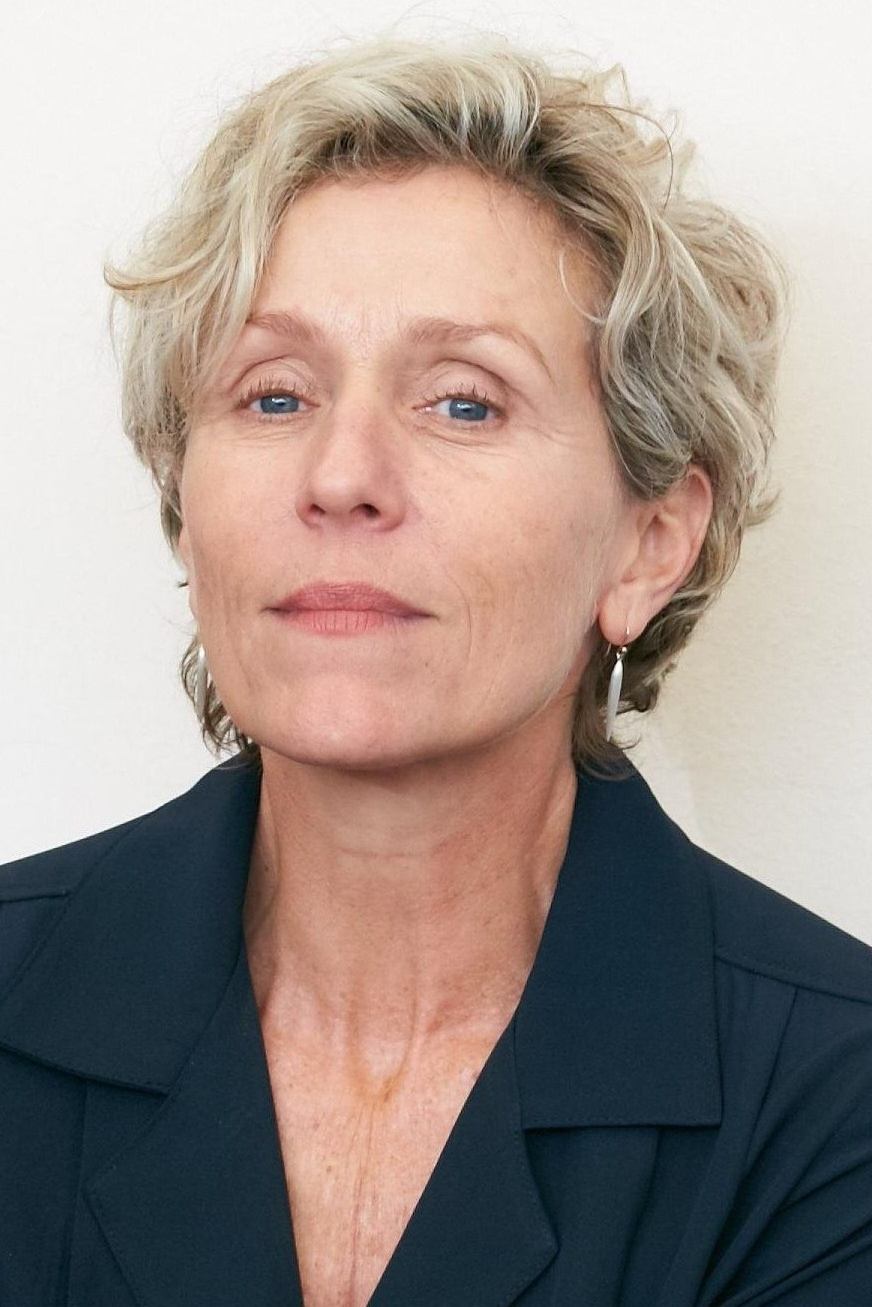
Frances McDormand’s collaborations with the Coen brothers and projects like ‘Fargo’, ‘Three Billboards Outside Ebbing, Missouri’, and ‘Nomadland’ earned wide recognition. She also produces work emphasizing underrepresented perspectives.
Promotion of inclusion riders helped normalize contractual diversity clauses. Preference for location-driven shoots supports regional film economies.
Viola Davis
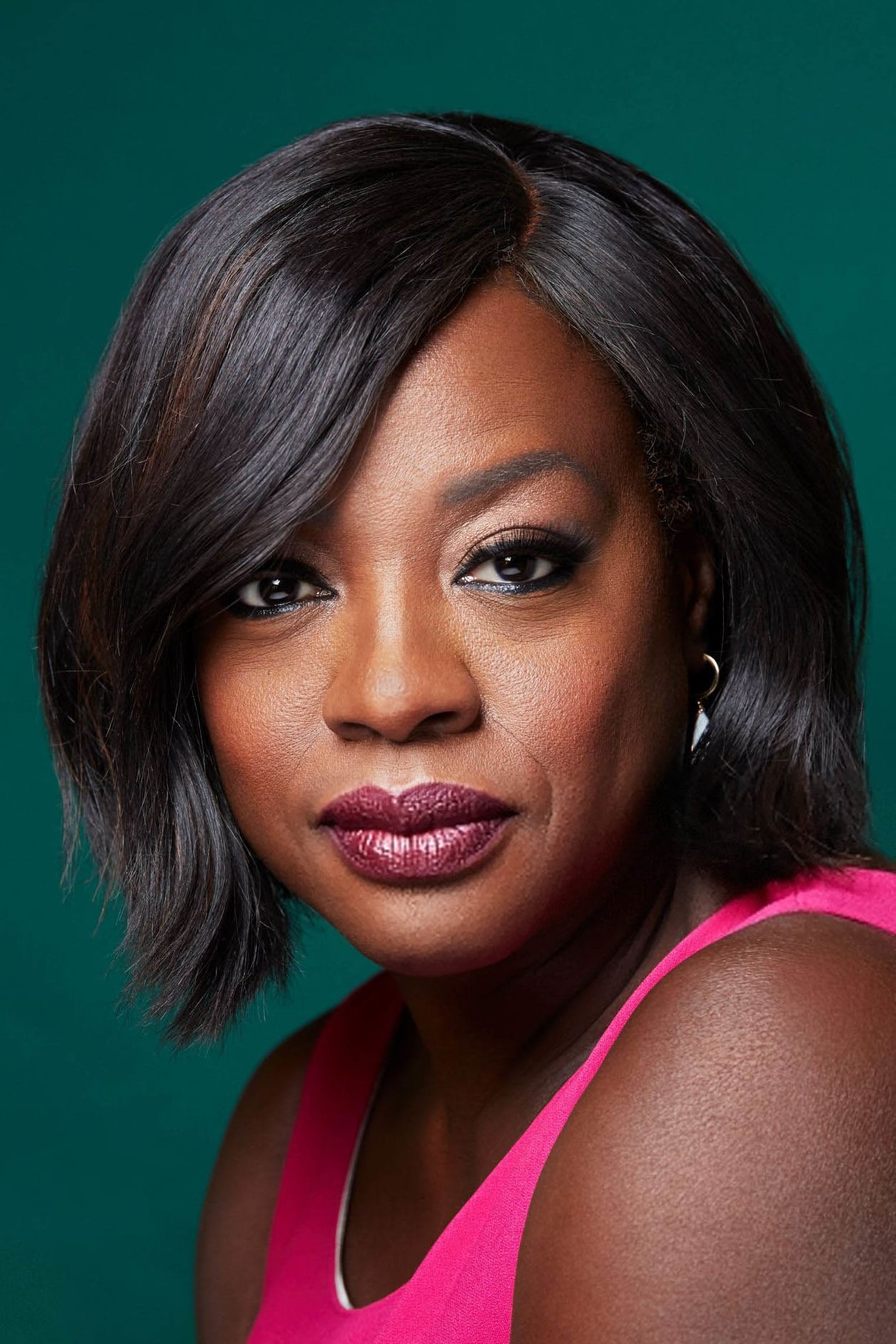
Viola Davis earned top honors across film, television, and stage through ‘Fences’, ‘The Help’, and ‘How to Get Away with Murder’. She co-founded a production company to elevate diverse narratives.
Public discussions about pay equity and representation influenced studio practices. Scholarships and mentorship programs contribute to access pathways for young actors.
Halle Berry
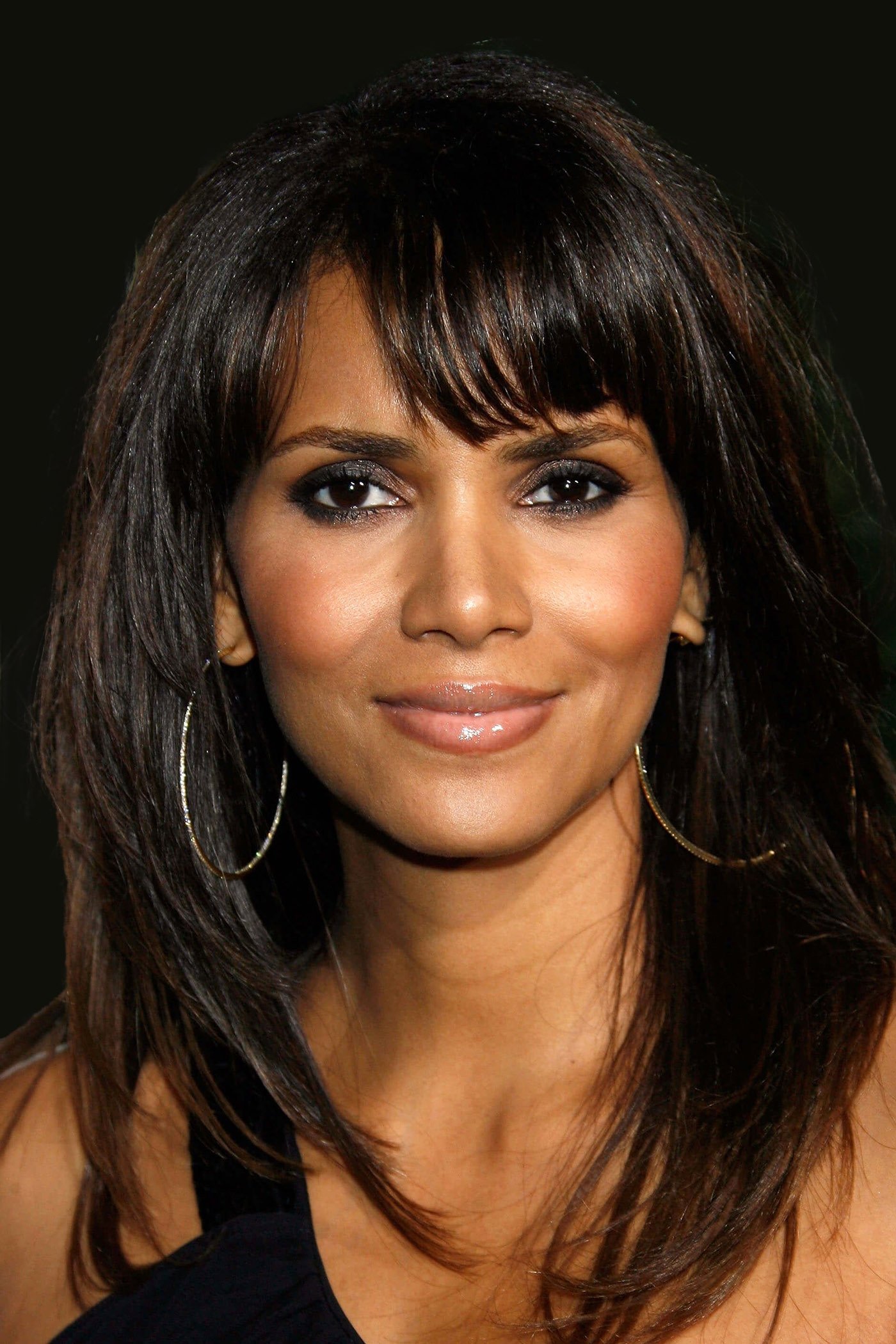
Halle Berry reached a historic milestone for a lead performance with ‘Monster’s Ball’ and headlined franchises including the ‘X-Men’ films. She has produced projects that broaden roles for women of color.
Later directing work expanded creative control for performers moving behind the camera. Visibility in genre cinema supported audience metrics for diverse casting.
Angela Bassett
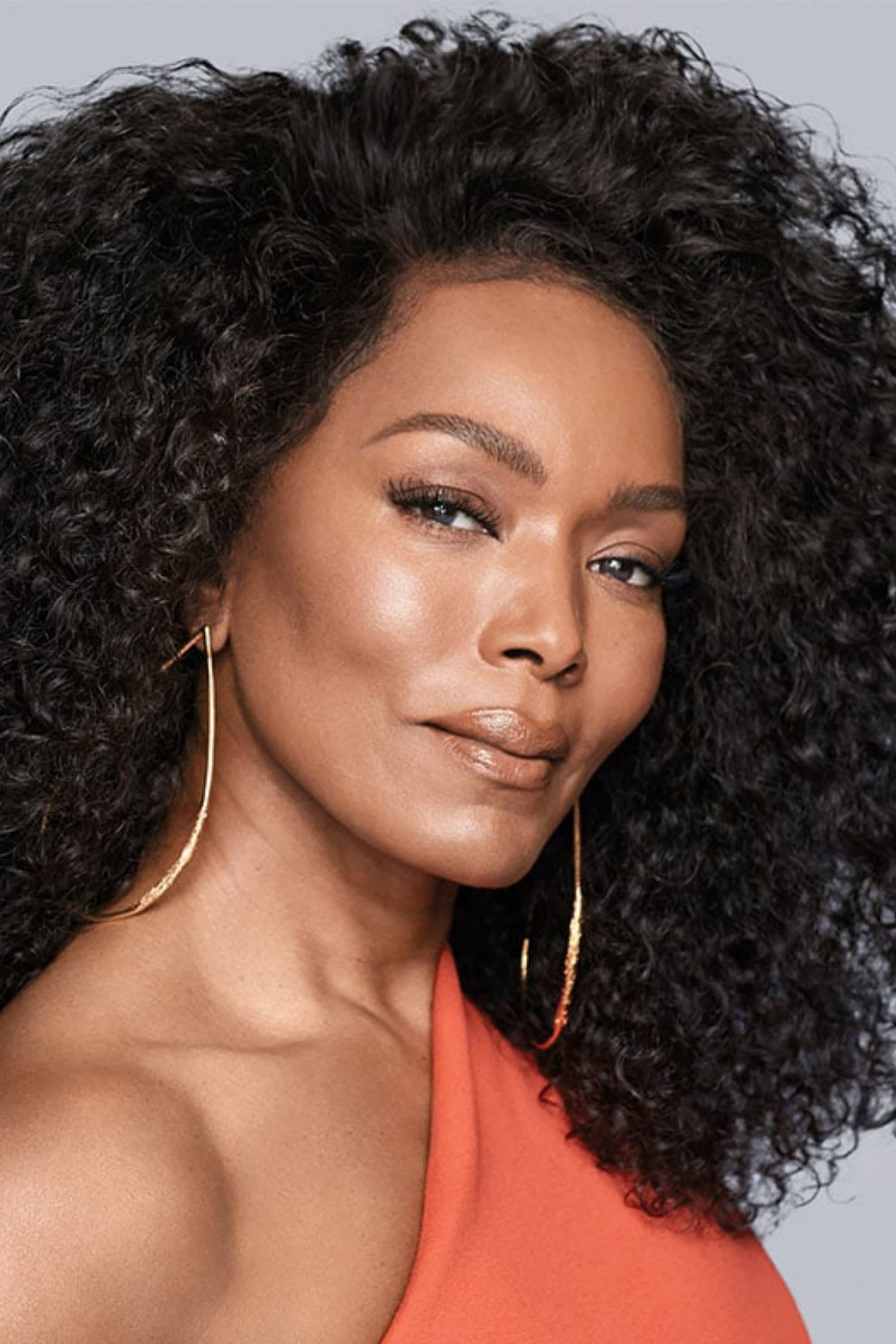
Angela Bassett’s portrayals in ‘What’s Love Got to Do with It’, the ‘Black Panther’ films, and ‘Waiting to Exhale’ combine biographical, superhero, and ensemble storytelling. She maintains a strong presence on television.
Leadership roles in culturally significant projects influenced casting across prestige and blockbuster films. Long-running series work demonstrates durable star power in network formats.
Michelle Yeoh

Michelle Yeoh bridged Hong Kong action cinema and global projects through ‘Crouching Tiger, Hidden Dragon’, ‘Everything Everywhere All at Once’, and ‘Tomorrow Never Dies’. She performed many stunts early in her career and later led auteur-driven films.
Success across markets broadened opportunities for Asian actresses in Western franchises. International honors underscored the viability of multilingual, cross-genre careers.
Tilda Swinton

Tilda Swinton’s range spans ‘Orlando’, ‘We Need to Talk About Kevin’, ‘Doctor Strange’, and ‘Snowpiercer’. She frequently collaborates with visual artists and experimental filmmakers.
Festival curation and art-space projects strengthen ties between cinema and contemporary art. Her career demonstrates that avant-garde sensibilities can coexist with mainstream franchises.
Cate Blanchett
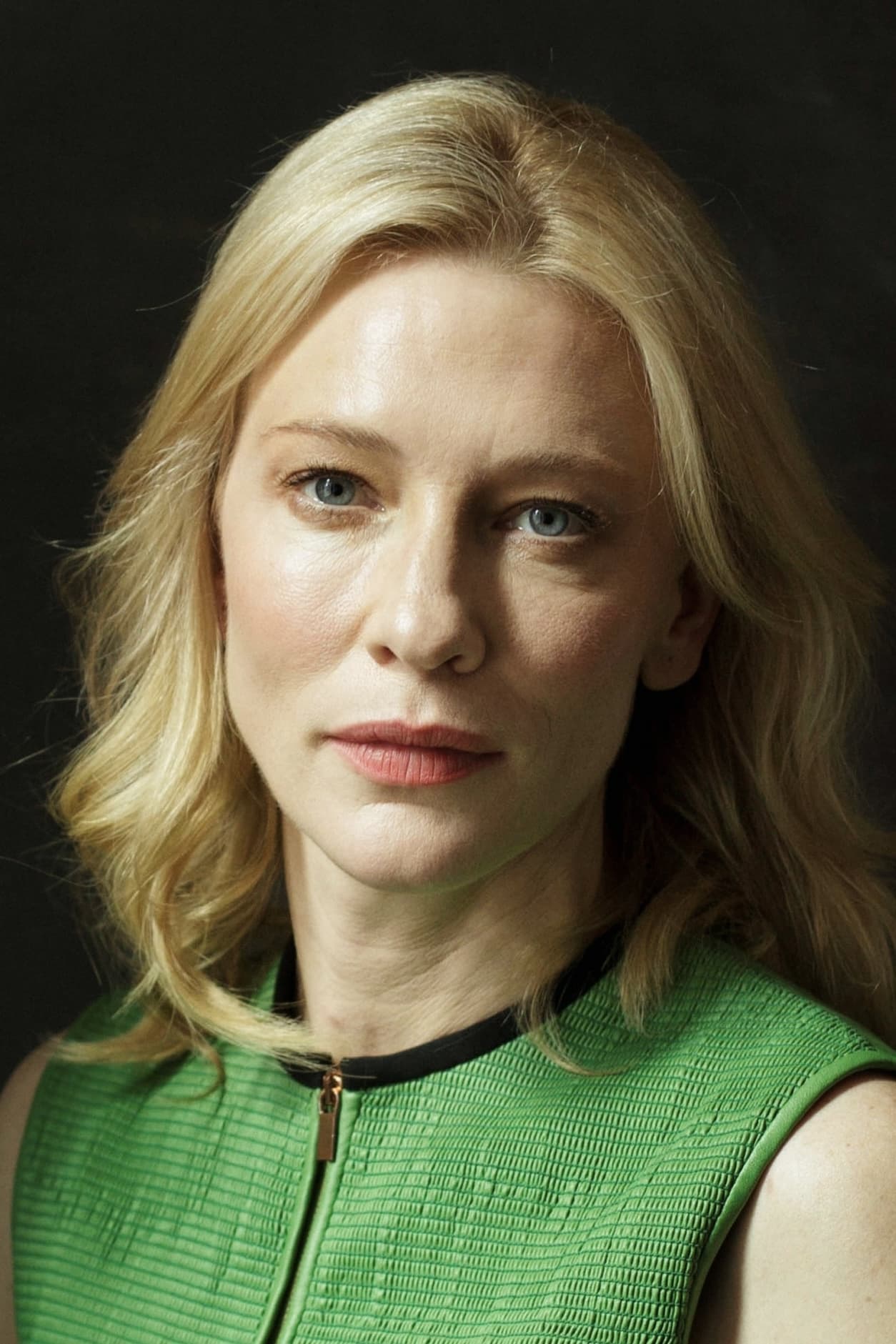
Cate Blanchett balances major stage leadership with films such as ‘Blue Jasmine’, ‘Carol’, and ‘Elizabeth’. She co-founded a theatre company and champions environmentally sustainable production.
Festival jury work and producing efforts amplify international cinema. Versatility across period drama and contemporary stories encourages flexible casting practices.
Nicole Kidman

Nicole Kidman’s portfolio includes ‘Moulin Rouge!’, ‘The Hours’, and ‘Big Little Lies’, where she also served as a producer. She collaborates with auteurs across continents, including Asian and European directors.
Producer credits helped expand prestige limited-series formats led by women. International financing partnerships around her projects illustrate contemporary cross-border assembly for high-end content.
Share your favorites and the names you think should be added to this list in the comments.