The Most Influential Asian Actresses of All Time


From silent era pioneers to global award winners, these actresses shaped film industries across continents and opened doors for the generations that followed. Their careers span groundbreaking roles, cultural landmarks, and international collaborations that helped bring Asian cinema to audiences everywhere. They have served on major festival juries, led box office hits, and built bridges between art and advocacy. Here are women whose work continues to influence how stories from Asia are told and celebrated around the world.
Anna May Wong
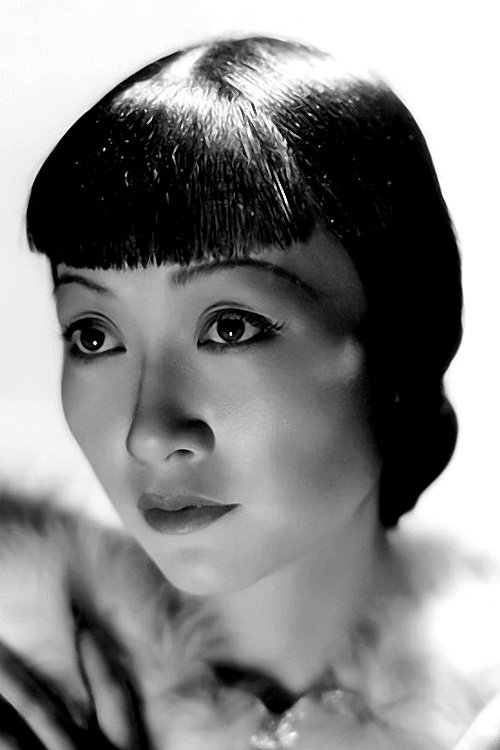
Anna May Wong became the first Chinese American movie star in Hollywood and worked across the United States, Europe, and Asia. She appeared in studio features and independent productions while pushing back against stereotypical casting. Her performances in films like ‘Shanghai Express’ brought international attention to Asian talent. She also worked in early television and stage, setting a template for cross-media careers.
Setsuko Hara
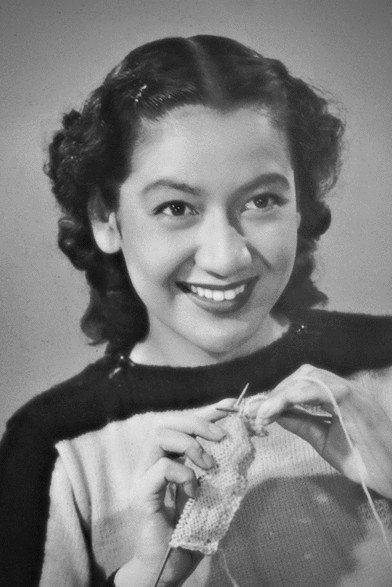
Setsuko Hara is closely associated with director Yasujirō Ozu and is known for understated performances that defined an era of Japanese cinema. She starred in classics such as ‘Tokyo Story’ and ‘Late Spring’ that influenced filmmakers worldwide. Hara maintained a private public image that added to her mystique and impact. Her retirement at the height of fame remains one of the most discussed moments in Japanese film history.
Hideko Takamine
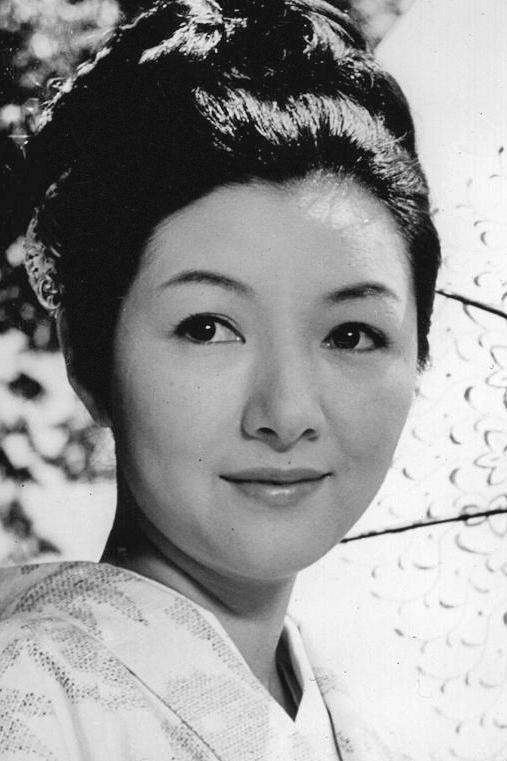
Hideko Takamine transitioned from child star to revered leading actress with a career that lasted decades. She worked with major directors and delivered acclaimed performances in films like ‘When a Woman Ascends the Stairs’ and ‘Floating Clouds’. Takamine’s roles explored women’s resilience in changing times. Her memoirs and interviews offer valuable insight into postwar Japanese film production.
Machiko Kyō
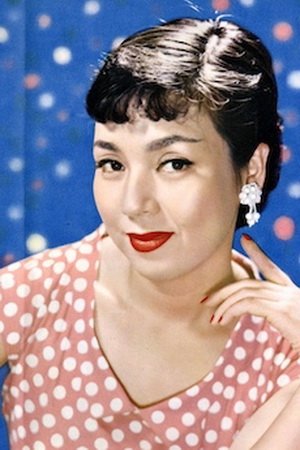
Machiko Kyō brought magnetic screen presence to internationally celebrated films. She starred in ‘Rashomon’ and ‘Ugetsu’, which introduced many viewers to Japanese cinema. Kyō worked in both film and stage, showing range across historical epics and contemporary dramas. Her collaborations helped expand global interest in Japanese storytelling.
Gong Li
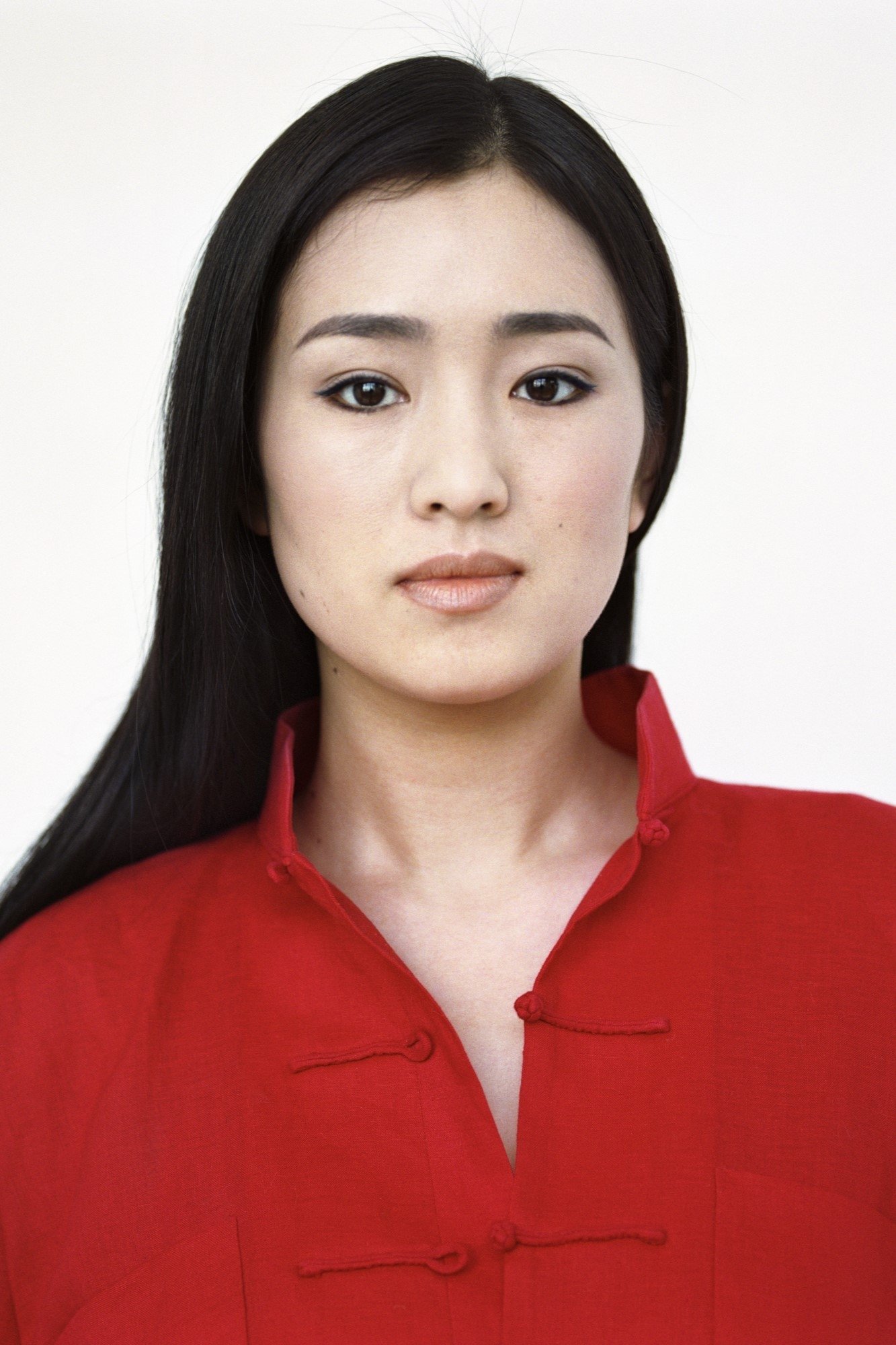
Gong Li rose to prominence through collaborations with Zhang Yimou and became a global ambassador for Chinese cinema. Performances in ‘Raise the Red Lantern’, ‘To Live’, and ‘The Story of Qiu Ju’ earned wide acclaim and festival honors. She later took roles in international productions, expanding her reach beyond Mandarin-language films. Gong has also served on and led juries at major film festivals, influencing industry recognition.
Maggie Cheung
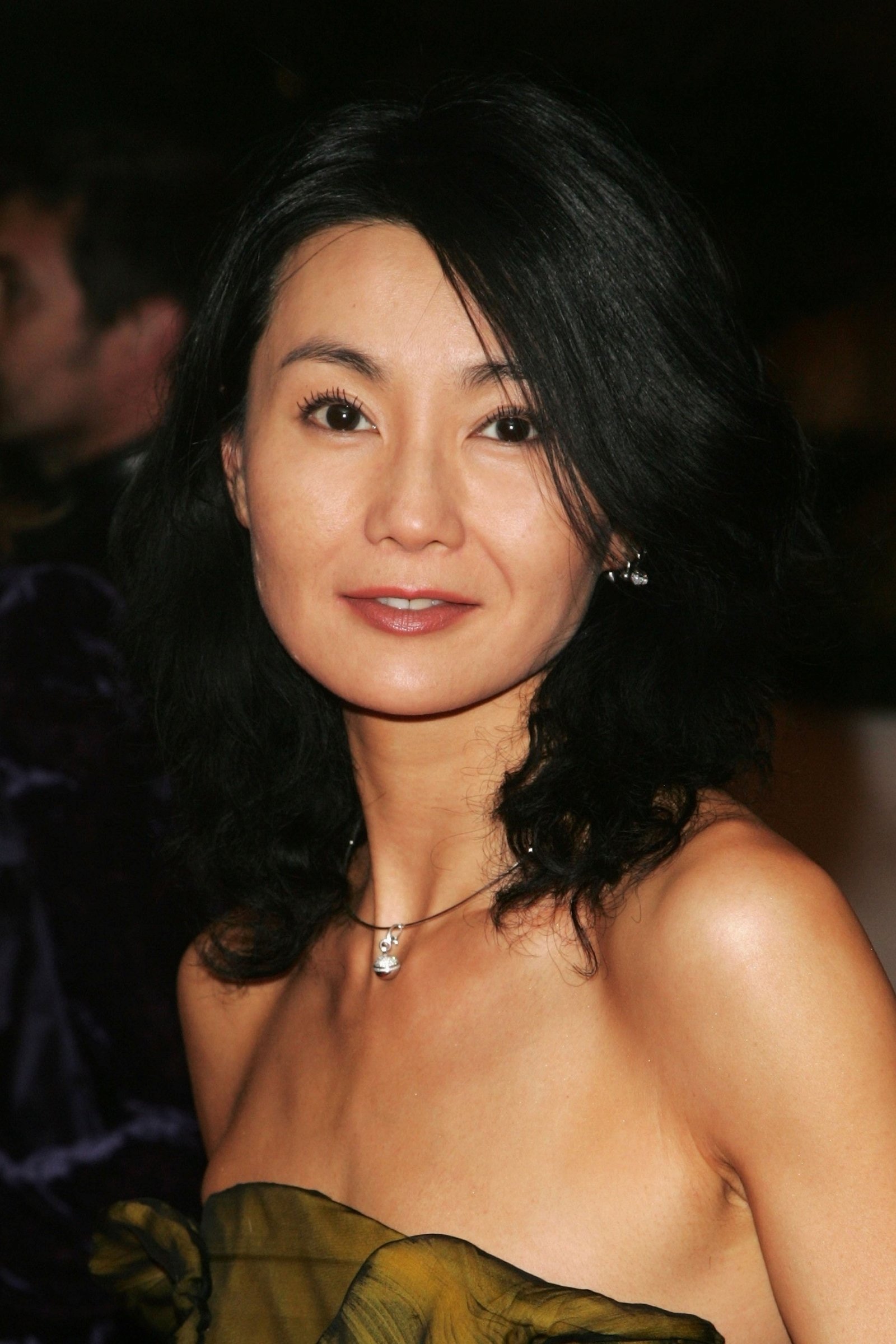
Maggie Cheung gained recognition across Hong Kong, European, and international circuits. She earned top festival awards and delivered defining turns in ‘Center Stage’, ‘In the Mood for Love’, and ‘Clean’. Cheung’s multilingual work broadened the appeal of Hong Kong cinema. Her career choices showed how an actress could navigate art-house and commercial projects with equal success.
Zhang Ziyi
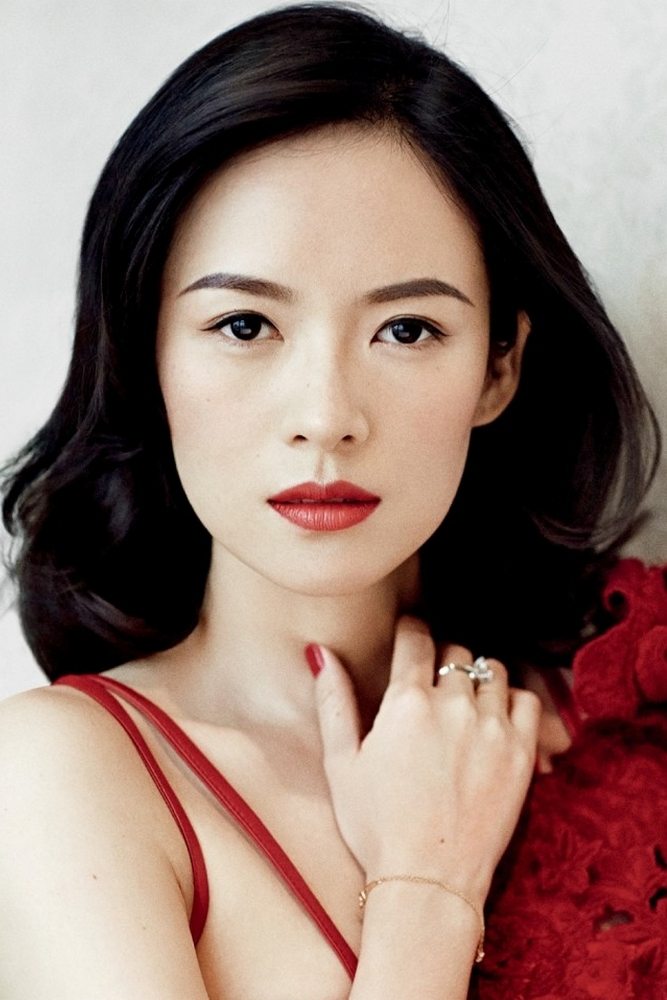
Zhang Ziyi became a global name through star turns in ‘Crouching Tiger, Hidden Dragon’, ‘Hero’, and ‘House of Flying Daggers’. She balanced Chinese blockbusters with international films like ‘Memoirs of a Geisha’. Zhang has headlined prestige television and film projects, sustaining long-term influence. Her training in dance contributed to the physical precision of her action and period roles.
Michelle Yeoh
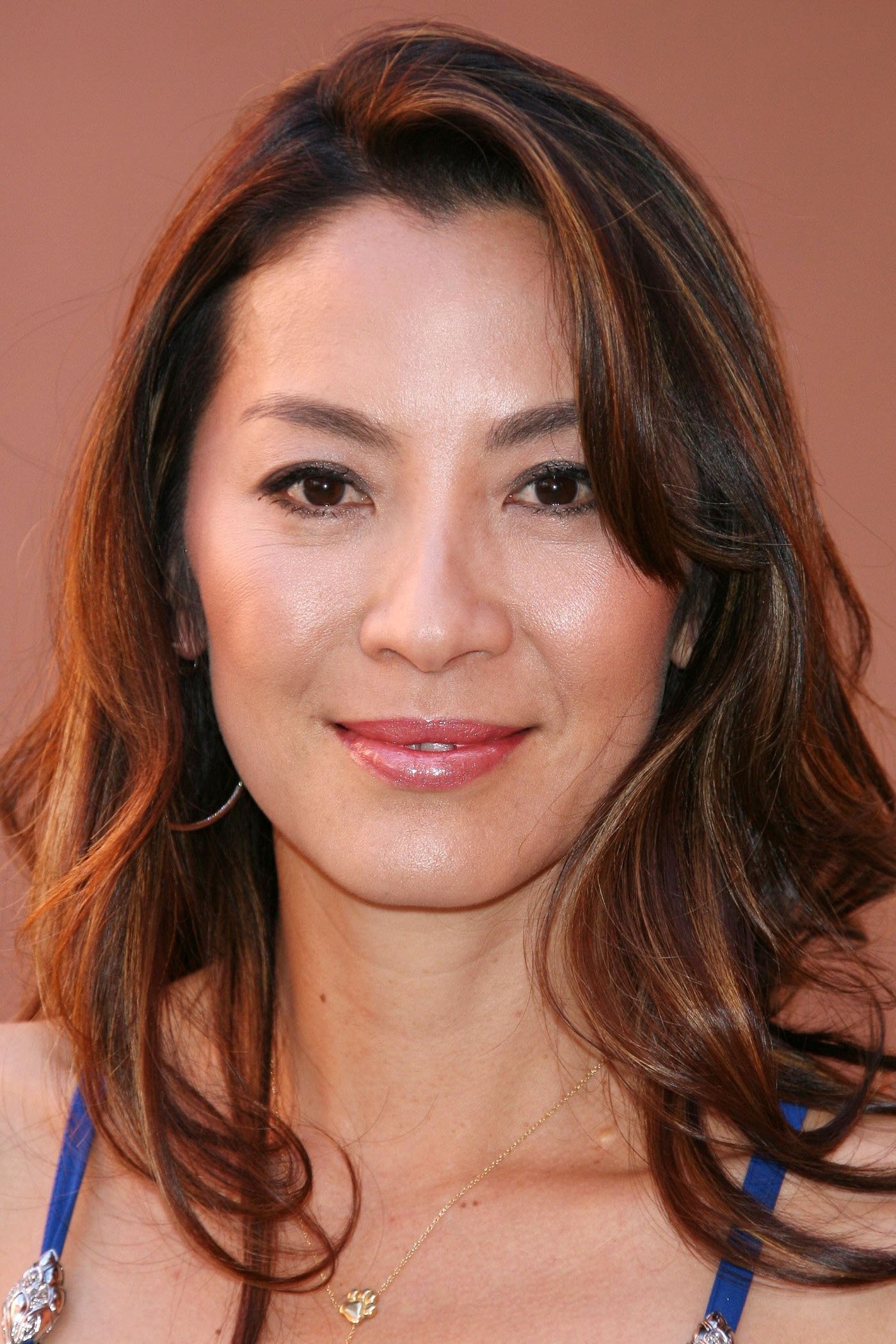
Michelle Yeoh built a unique path from Hong Kong action cinema to international awards. She performed many of her own stunts in films like ‘Police Story 3: Supercop’ and later led ‘Everything Everywhere All at Once’. Yeoh’s roles in franchises and prestige dramas expanded representation for Asian women in mainstream media. She also advocates for road safety and environmental causes through global platforms.
Zhou Xun
Zhou Xun is one of the few actors to win top honors across mainland China, Hong Kong, and Taiwan. She delivered celebrated performances in ‘Suzhou River’, ‘Perhaps Love’, and ‘The Silent War’. Zhou has worked in film, television, and music, showing uncommon range. Her fashion and brand partnerships also helped elevate Chinese stars in international markets.
Tang Wei
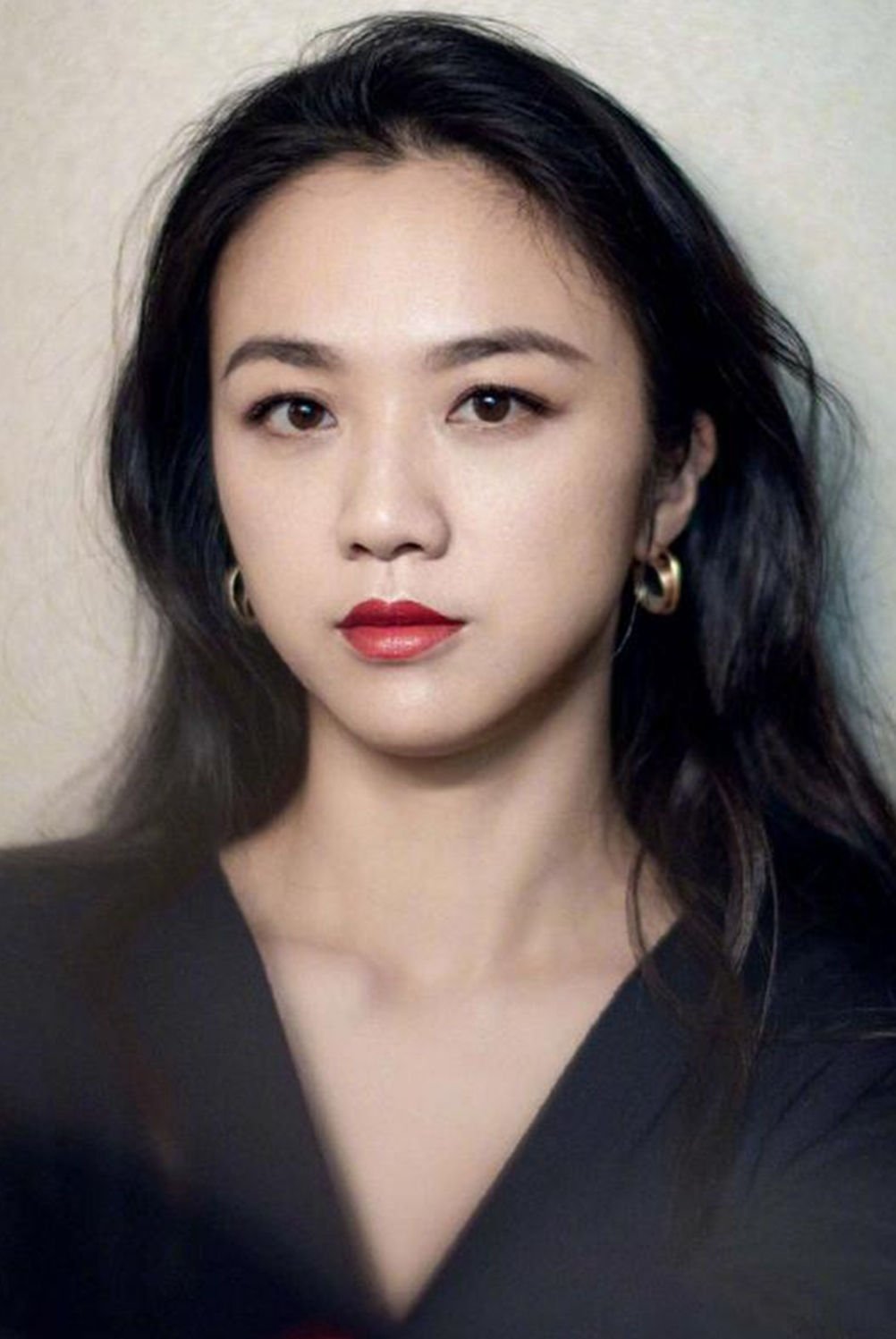
Tang Wei’s breakthrough in ‘Lust, Caution’ drew global attention and industry debate. She followed with acclaimed work in ‘Late Autumn’, ‘Blackhat’, and ‘Decision to Leave’. Tang’s Mandarin, Cantonese, and Korean projects strengthened cross-border collaboration. Her career reflects how talent can navigate controversy and return with award-winning performances.
Brigitte Lin
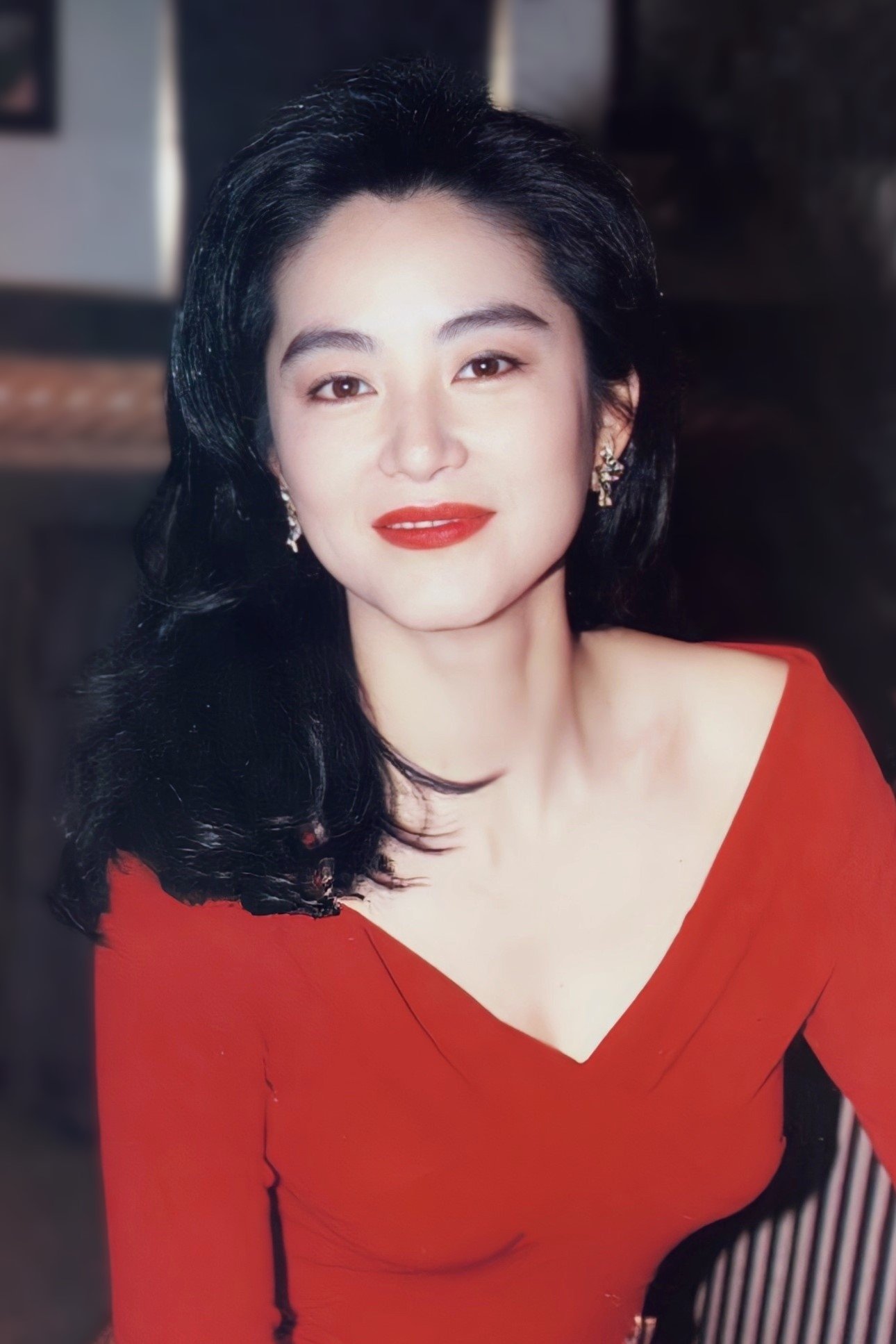
Brigitte Lin became an icon of Hong Kong and Taiwanese cinema with bold, genre-defining roles. She headlined ‘The Bride with White Hair’, ‘Chungking Express’, and ‘Ashes of Time’. Lin often portrayed androgynous or unconventional characters that pushed boundaries. Her screen persona influenced costume design, action aesthetics, and star image across the region.
Aishwarya Rai Bachchan
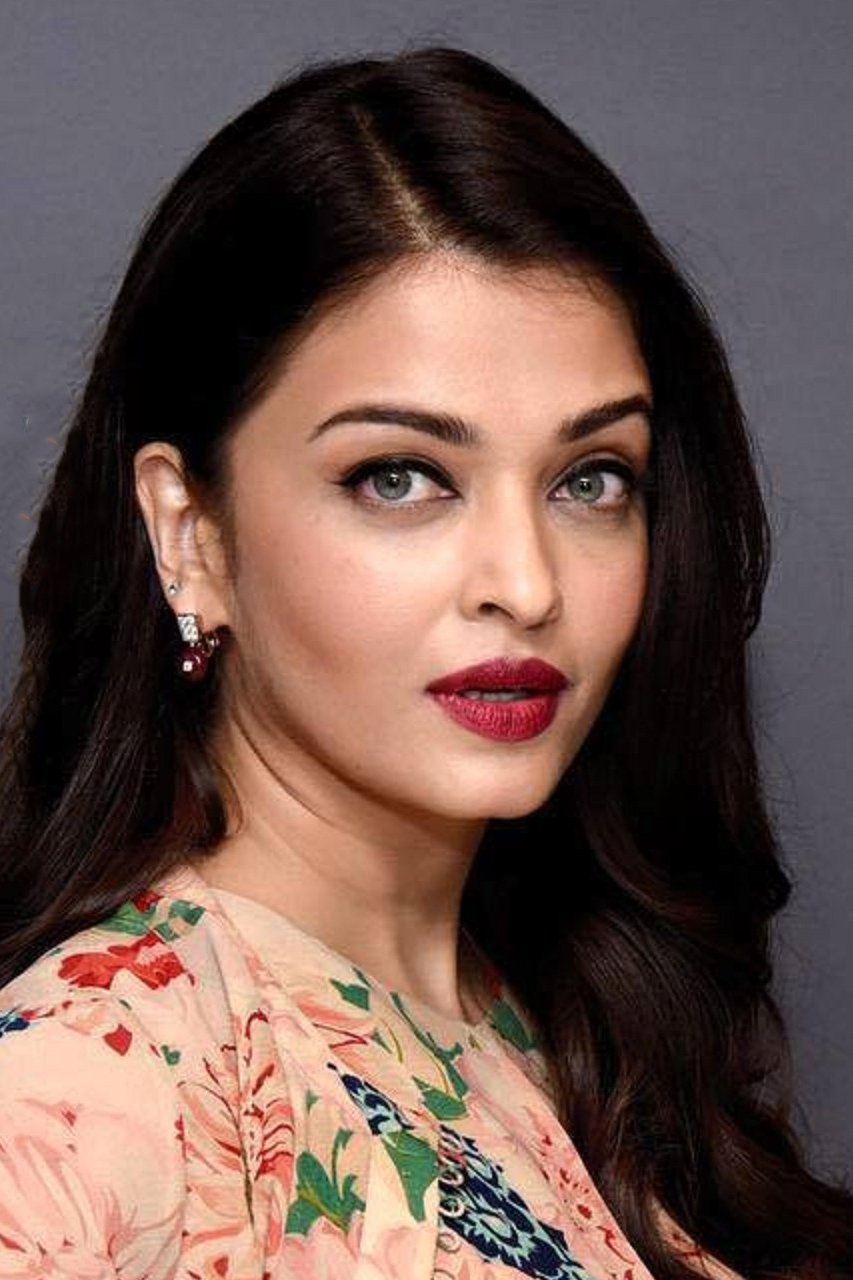
Aishwarya Rai Bachchan leveraged a global pageant win into a sustained film career across languages. She starred in major Indian productions like ‘Devdas’ and ‘Hum Dil De Chuke Sanam’ and worked internationally in ‘Bride & Prejudice’ and ‘Provoked’. A regular at Cannes, she helped raise the profile of Indian cinema on the red carpet. Brand partnerships and philanthropy amplified her reach beyond screens.
Sridevi
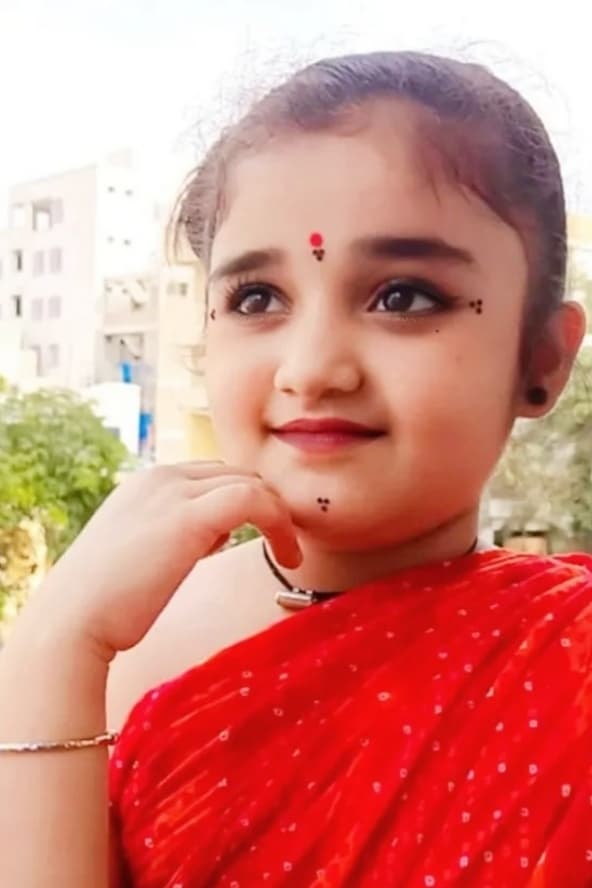
Sridevi is often described as India’s first female superstar based on her pan-Indian box office dominance. She led landmark films including ‘Mr. India’, ‘Chandni’, ‘Sadma’, and ‘English Vinglish’. Sridevi worked in multiple languages and maintained popularity across decades. Her comic timing and dramatic depth set benchmarks for mainstream Indian acting.
Madhuri Dixit
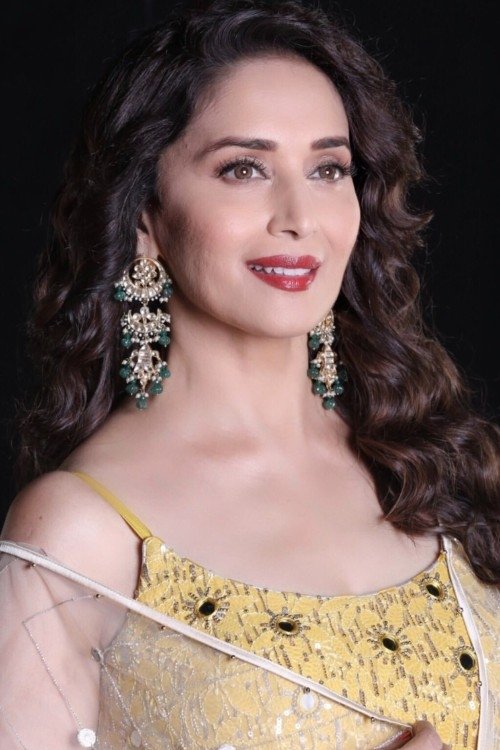
Madhuri Dixit combined acting with classical and contemporary dance training to create memorable screen moments. She anchored hits like ‘Hum Aapke Hain Koun..!’, ‘Dil To Pagal Hai’, and ‘Devdas’. Dixit’s songs and choreography shaped pop culture and music video trends. She later judged television dance shows and supported arts education initiatives.
Nargis
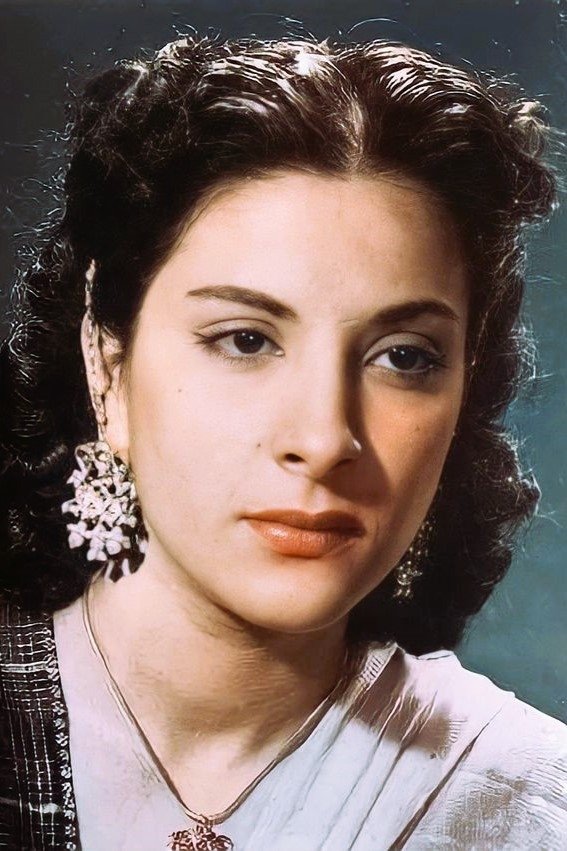
Nargis delivered one of Indian cinema’s most enduring performances in ‘Mother India’. She collaborated frequently with Raj Kapoor in films such as ‘Awaara’ and ‘Shree 420’. Nargis later served in public life and supported cancer care efforts. Her legacy includes bridging artistic acclaim with social engagement.
Waheeda Rehman
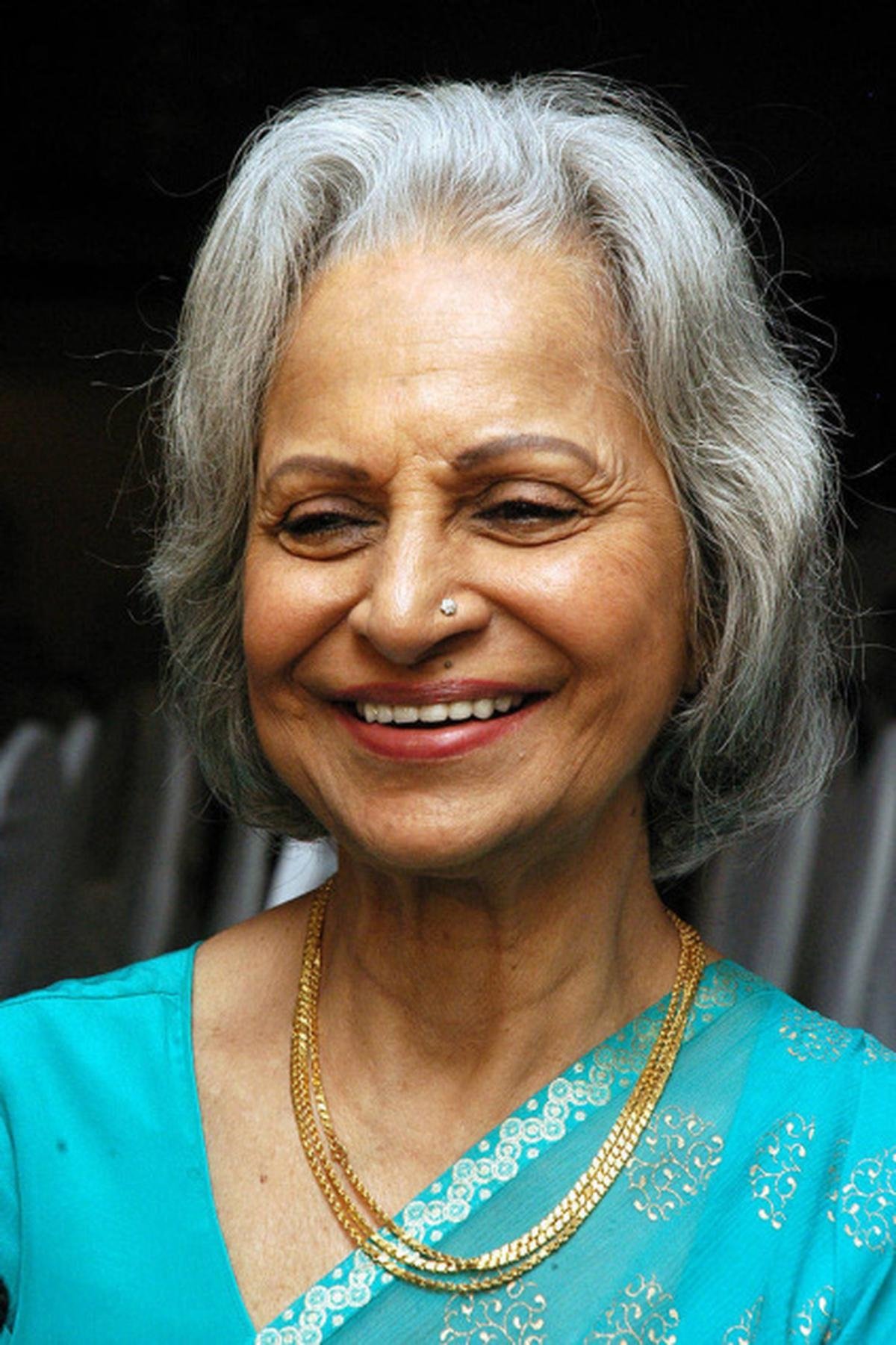
Waheeda Rehman collaborated with leading directors and built a reputation for nuanced, naturalistic acting. She starred in classics like ‘Guide’, ‘Pyaasa’, and ‘Kaagaz Ke Phool’. Rehman worked across genres and continued to take strong character roles over time. She also received top civilian honors in India for contributions to film.
Deepika Padukone
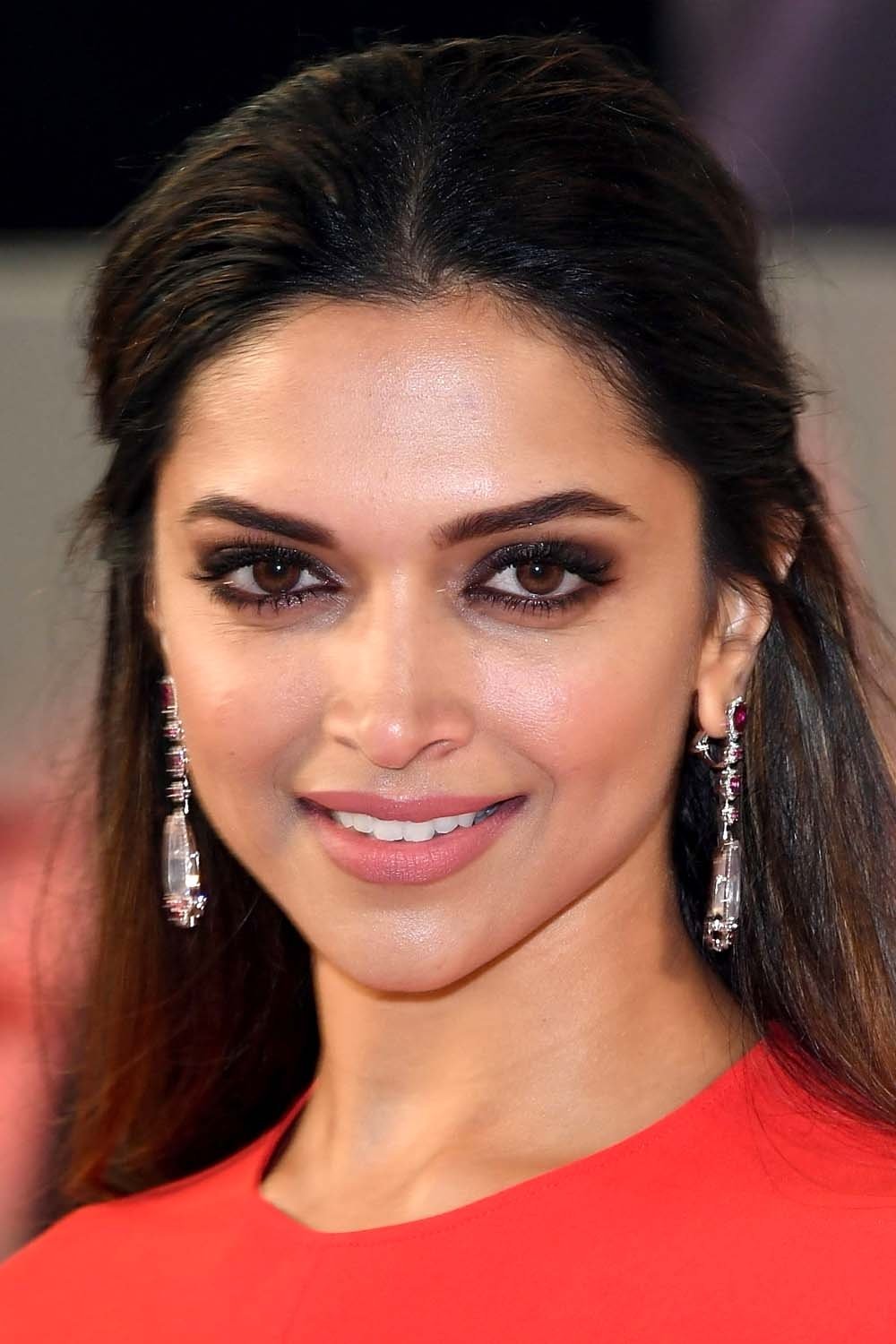
Deepika Padukone leads contemporary Hindi cinema with global brand visibility. Her filmography spans ‘Padmaavat’, ‘Piku’, ‘Pathaan’, and ‘Chhapaak’. She founded a foundation focused on mental health awareness and public education. International collaborations and endorsements broadened her cultural footprint.
Priyanka Chopra Jonas
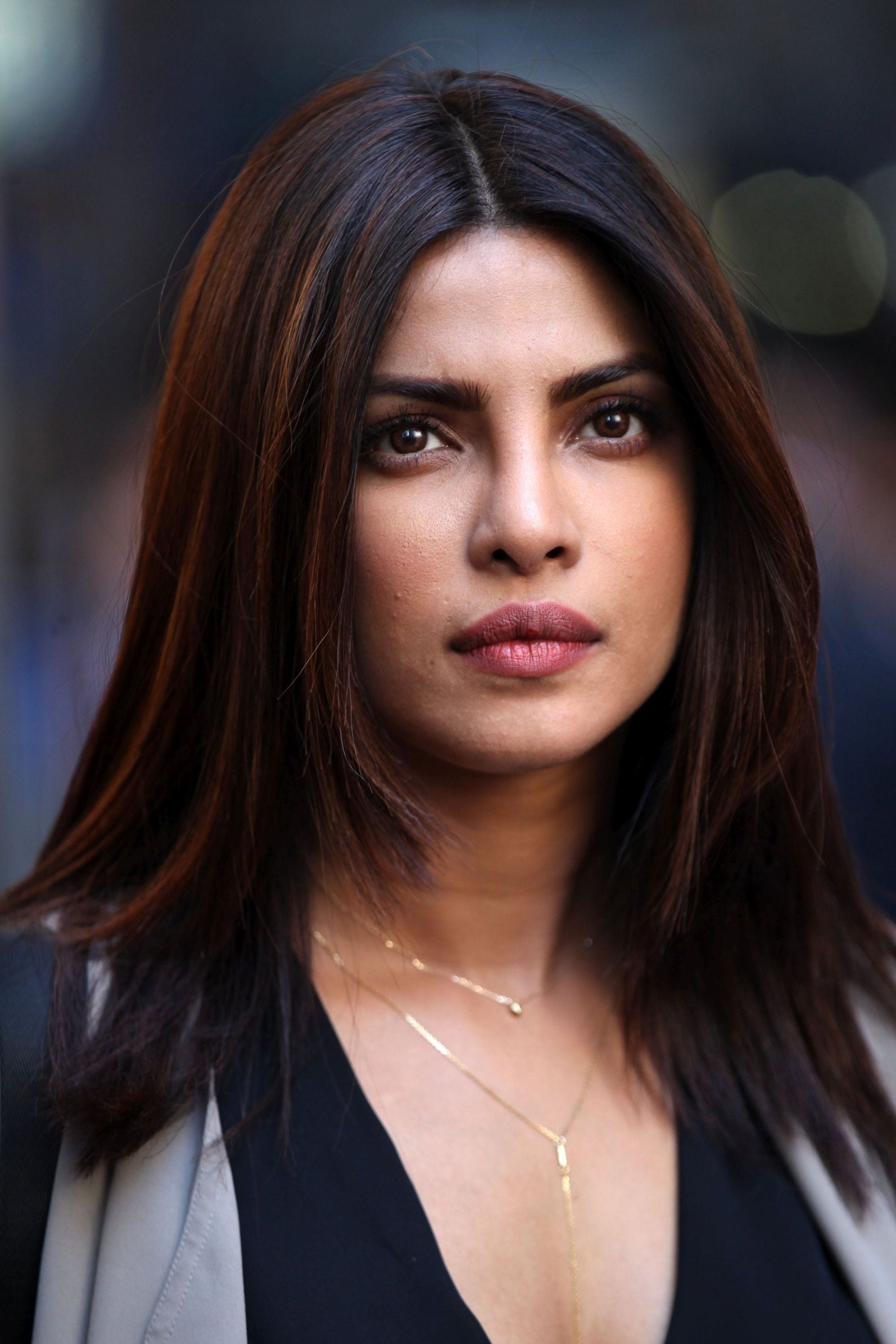
Priyanka Chopra Jonas transitioned from Indian stardom to international television and film. She headlined ‘Quantico’ on American television and starred in films like ‘Barfi!’ and ‘Bajirao Mastani’. Chopra Jonas runs a production company that champions regional stories. She also serves as a UNICEF Goodwill Ambassador, leveraging her platform for advocacy.
Youn Yuh-jung
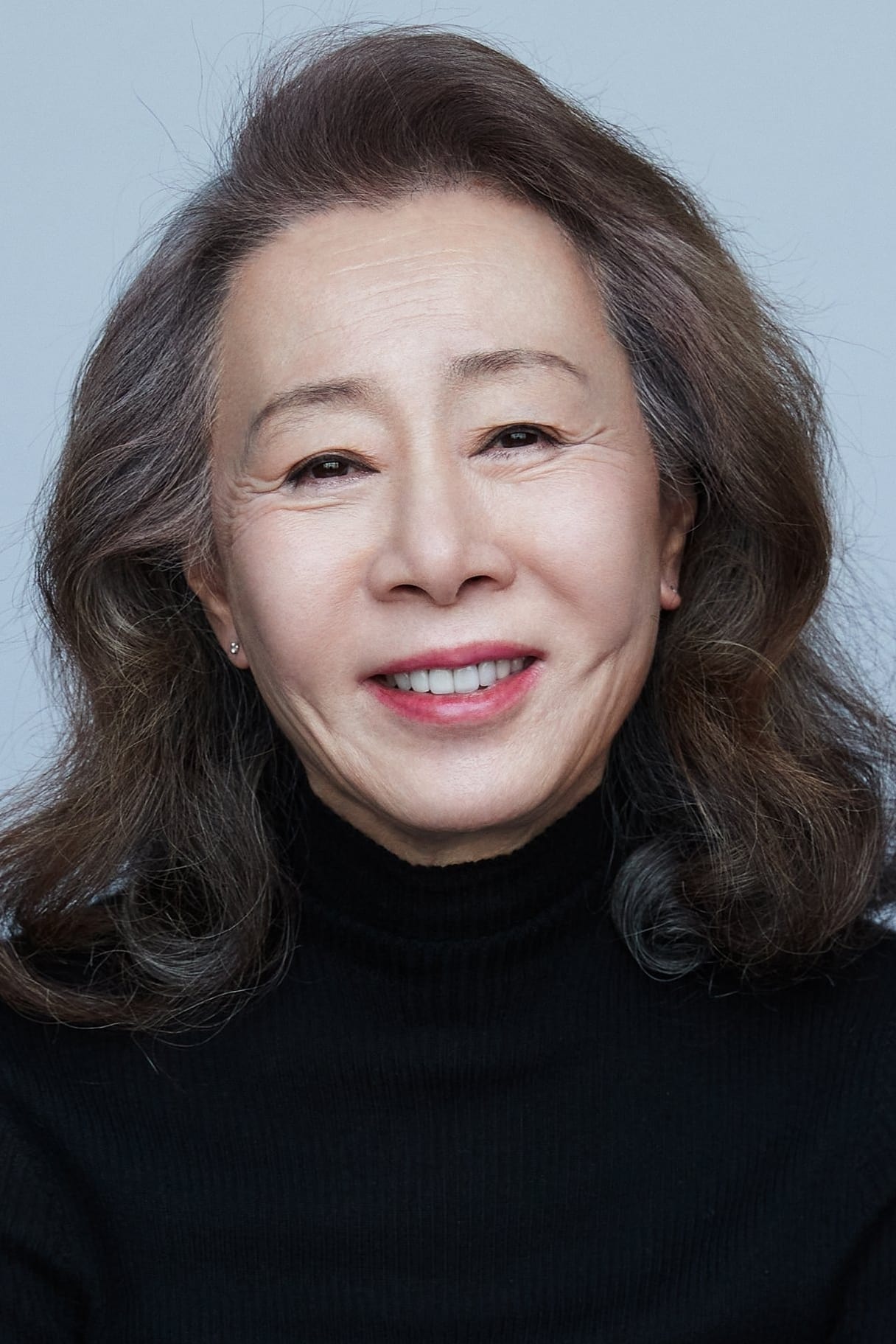
Youn Yuh-jung is a veteran of Korean film and television with a reputation for fearless role choices. She earned international awards for ‘Minari’ and has standout performances in ‘The Housemaid’ and ‘The Bacchus Lady’. Youn’s career demonstrates longevity through reinvention. She also mentors younger performers and frequently appears in auteur-driven projects.
Jeon Do-yeon
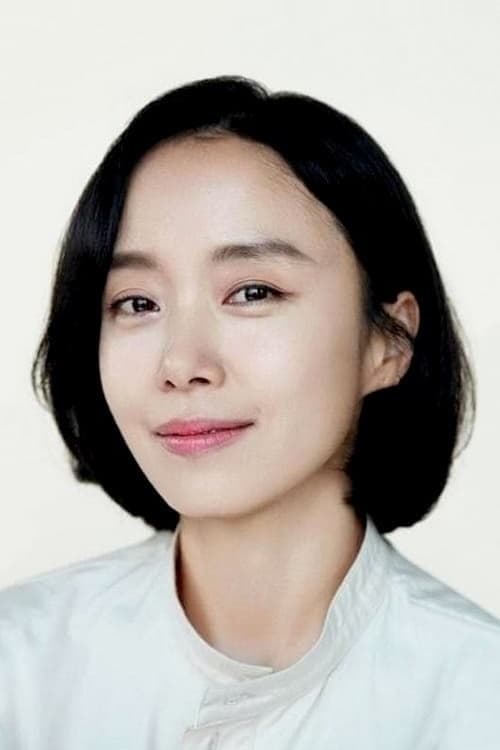
Jeon Do-yeon won top honors at Cannes for ‘Secret Sunshine’, marking a milestone for Korean actresses. Her work ranges from intimate dramas to thrillers like ‘The Housemaid’. Jeon also leads prestige television series that reach global streaming audiences. She is known for immersive preparation and collaborations with major Korean directors.
Bae Doona
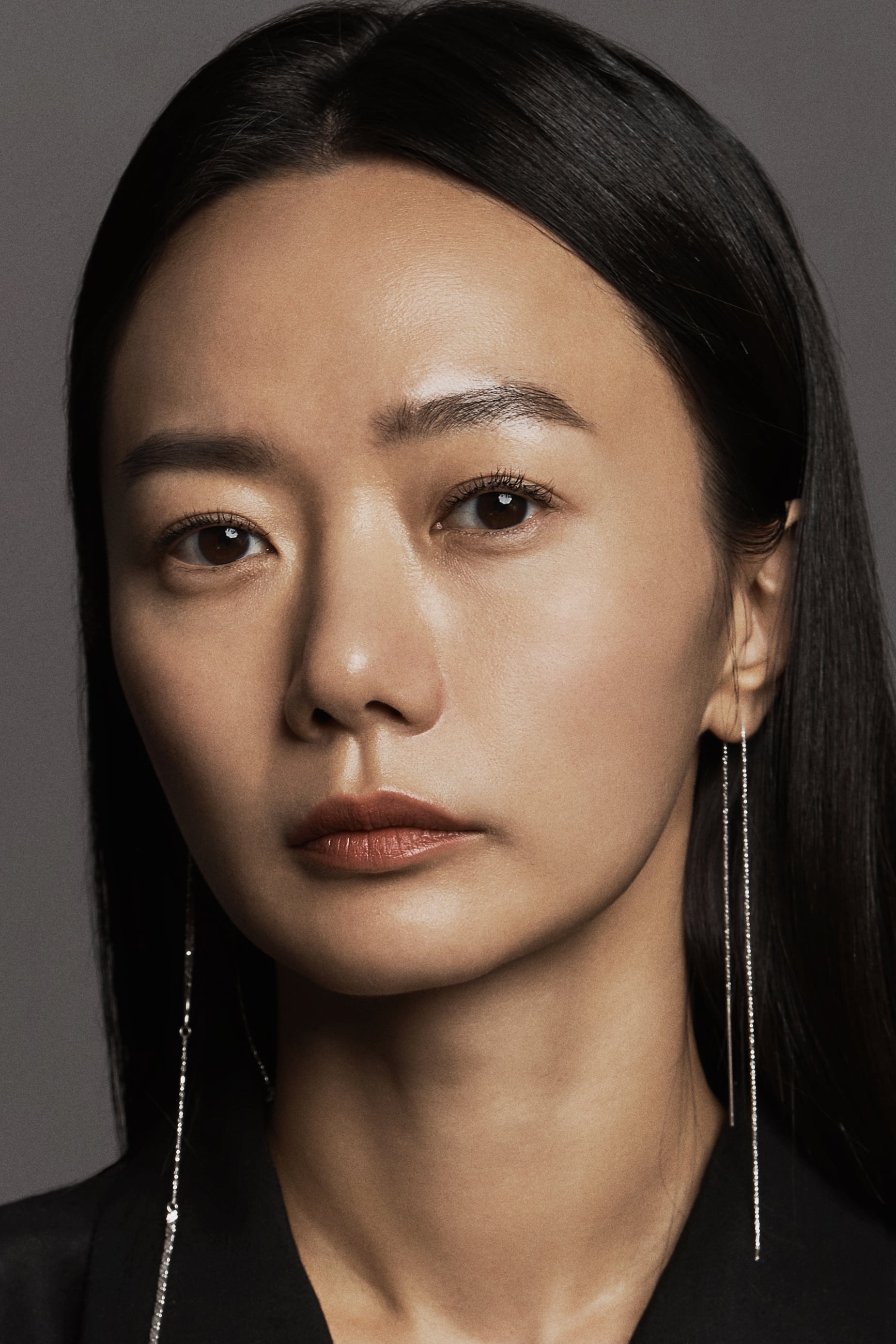
Bae Doona built a cross-continental career spanning Korean cinema and international projects. She starred in ‘The Host’ and worked globally in ‘Cloud Atlas’ and the series ‘Sense8’. Bae often chooses roles that challenge genre expectations. Her photography and fashion work add to her multidisciplinary profile.
Nora Aunor
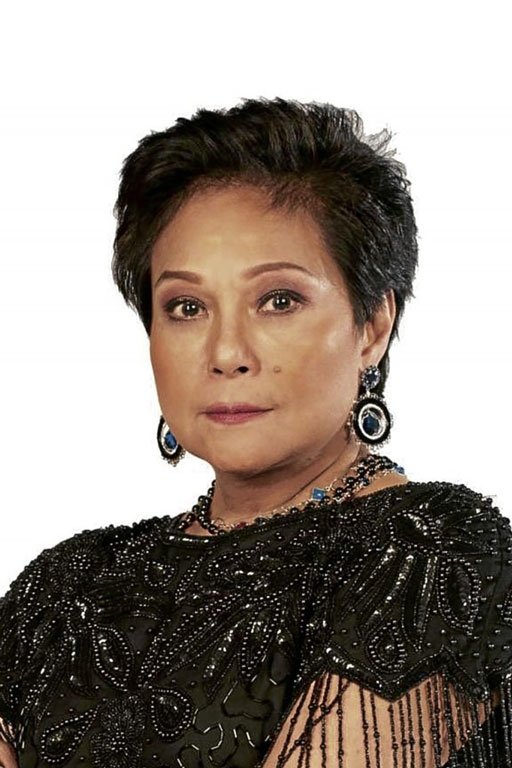
Nora Aunor is a Philippine screen legend recognized for subtle, emotionally rich performances. She led acclaimed films such as ‘Himala’, ‘Thy Womb’, and ‘The Flor Contemplacion Story’. Aunor’s influence helped shape independent and mainstream Filipino cinema. She has received her country’s highest artistic honors for film.
Shohreh Aghdashloo
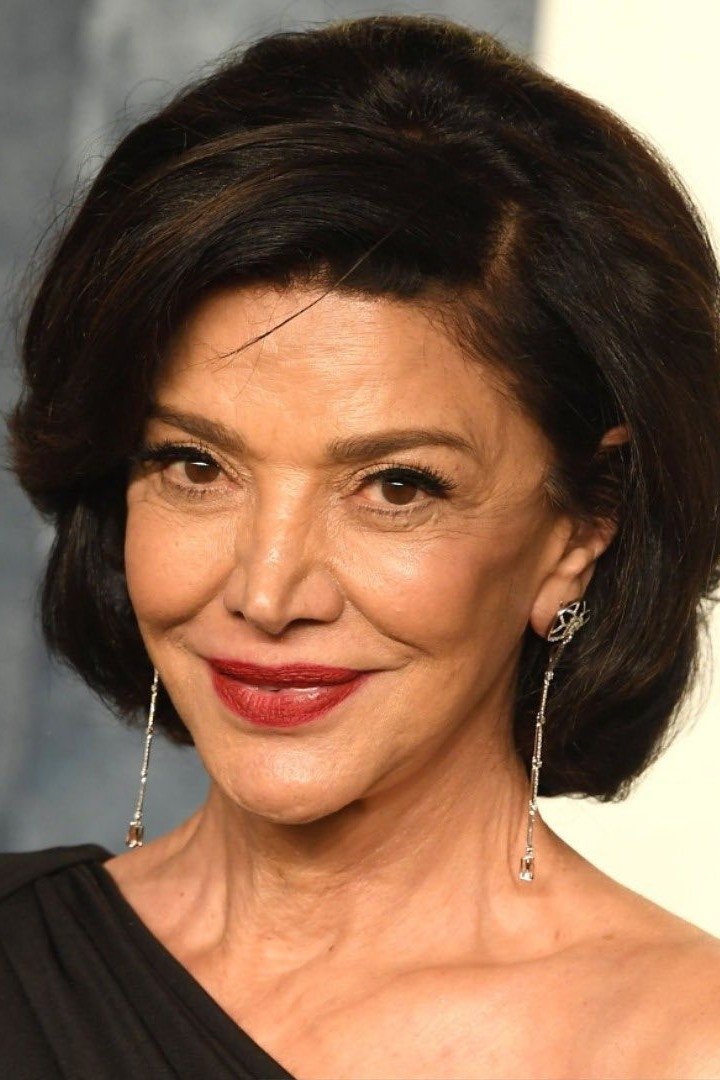
Shohreh Aghdashloo earned an Academy Award nomination for ‘House of Sand and Fog’. She has sustained a strong presence on television with roles in ’24’ and ‘The Expanse’. Aghdashloo’s voice work and stage performances expanded her range further. She advocates for refugee rights and uses public platforms to highlight humanitarian issues.
Leila Hatami
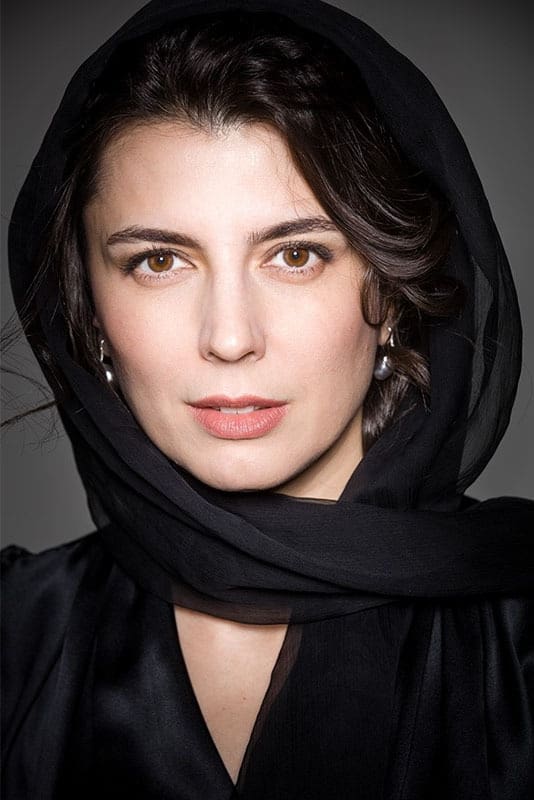
Leila Hatami reached international audiences with ‘A Separation’, a film that won major festival and academy honors. She collaborates frequently with director Asghar Farhadi and other Iranian auteurs. Hatami’s performances emphasize restraint and realism that resonate across cultures. She remains a central figure in contemporary Iranian cinema.
Christine Hakim
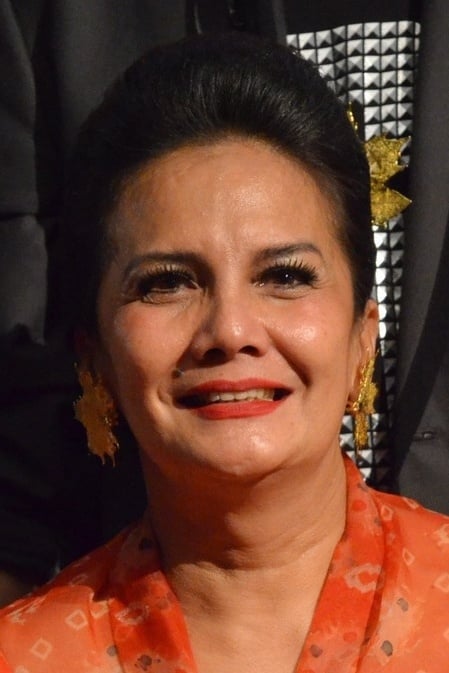
Christine Hakim is a cornerstone of Indonesian film as an actress and producer. She starred in ‘Tjoet Nja’ Dhien’ and supported emerging filmmakers through production and mentorship. Hakim has represented Indonesian cinema at international festivals. She also serves as a UNICEF Goodwill Ambassador, connecting artistry with advocacy.
Ruan Lingyu
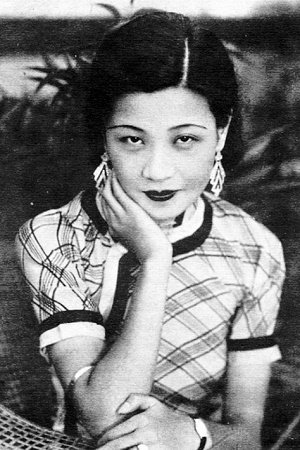
Ruan Lingyu became a defining star of Chinese silent cinema and led socially conscious films that drew huge audiences. Her performances in ‘The Goddess’ and ‘Little Toys’ shaped early ideas of screen realism in China. She worked with major Shanghai studios and collaborators who set the groundwork for the industry. Restorations and retrospectives keep her work in circulation for new viewers.
Kinuyo Tanaka
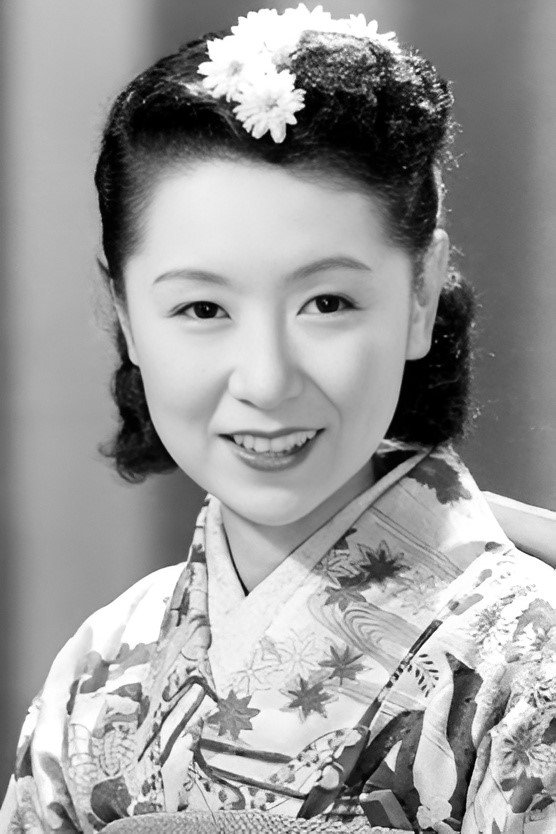
Kinuyo Tanaka built a vast filmography with directors like Kenji Mizoguchi and also stepped behind the camera as one of Japan’s first prominent female film directors. She delivered landmark performances in ‘The Life of Oharu’ and ‘Ugetsu’. Tanaka’s later directing projects expanded opportunities for women in production roles. Museum programs and festivals regularly spotlight her contributions to acting and directing.
Isuzu Yamada
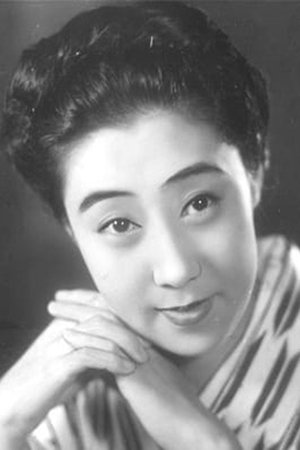
Isuzu Yamada brought stage-honed precision to Japanese cinema and is widely recognized for her collaborations with Akira Kurosawa. She starred in ‘Throne of Blood’ and anchored crime dramas like ‘The Inheritance’. Yamada moved fluidly between period pieces and contemporary stories. Her long career also included television work that introduced her craft to younger audiences.
Meiko Kaji
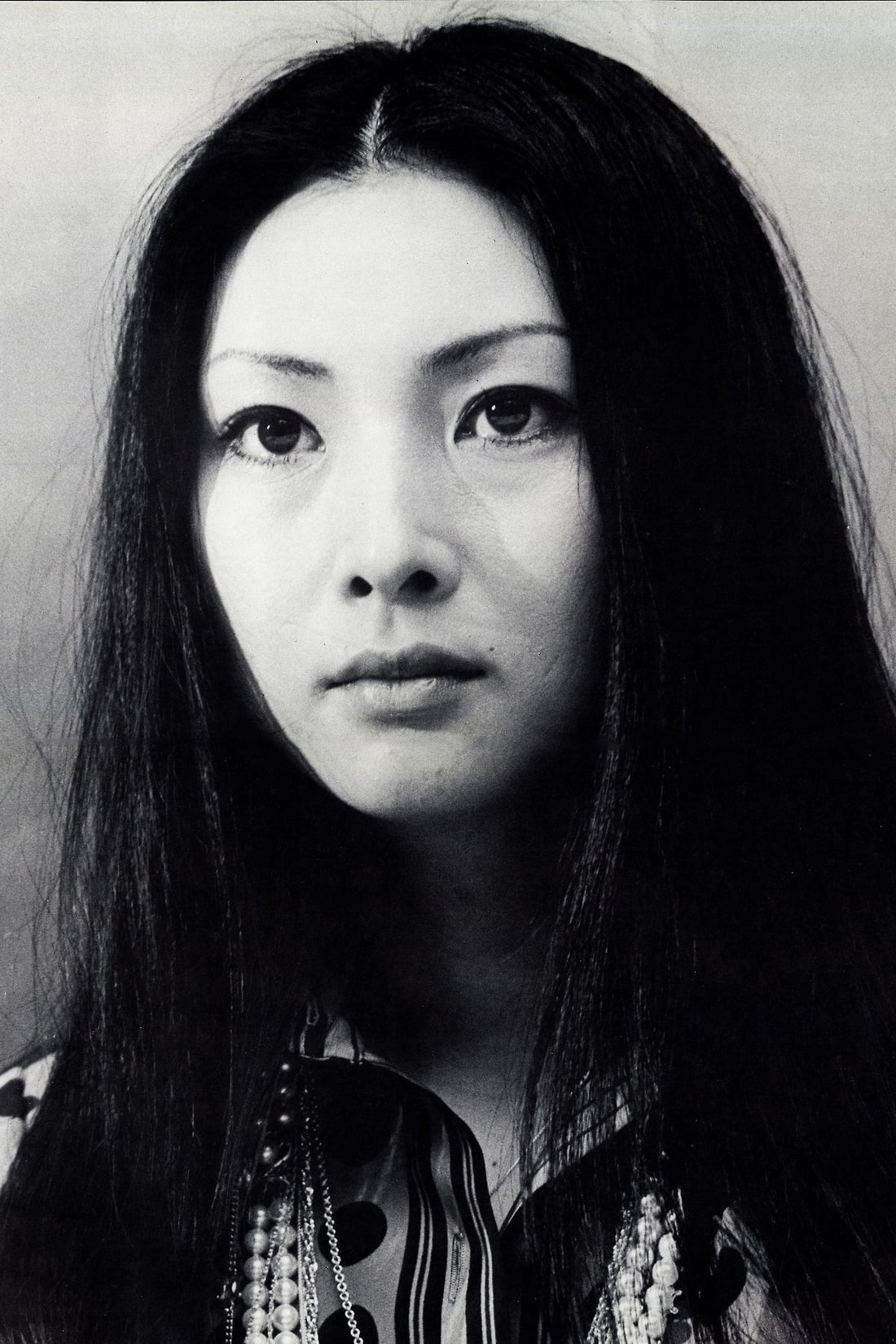
Meiko Kaji became a cult figure through genre films that traveled far beyond Japan. Her roles in ‘Lady Snowblood’ and ‘Female Prisoner Scorpion’ influenced action aesthetics and character design across media. Kaji also recorded theme songs that remain closely associated with these films. Home video releases and international screenings helped her reach new generations.
Rekha
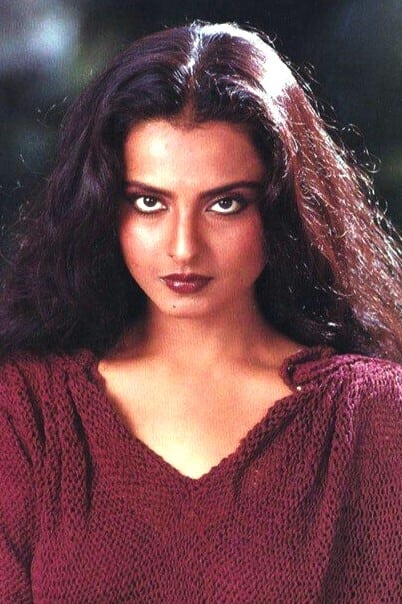
Rekha transformed the image of the modern Hindi film heroine with bold choices across mainstream and author-backed projects. She delivered acclaimed turns in films like ‘Umrao Jaan’, ‘Silsila’, and ‘Khoon Bhari Maang’. Rekha’s screen persona influenced styling and performance standards for decades. She continues to be referenced in discussions of star power and reinvention.
Meena Kumari
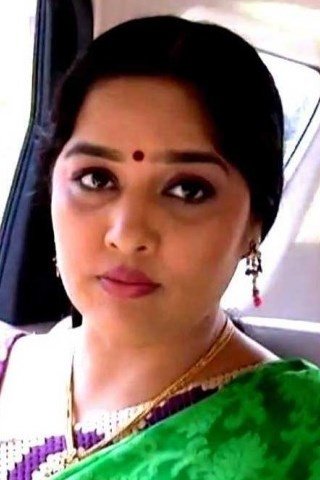
Meena Kumari earned the title of tragedy queen for deeply felt portrayals in Indian cinema. She anchored classics such as ‘Sahib Bibi Aur Ghulam’ and ‘Pakeezah’. Meena’s dialogue delivery and expressive close-ups set a template for melodramatic performance. Film scholars often cite her work when tracing the evolution of the Hindi film heroine.
Sharmila Tagore
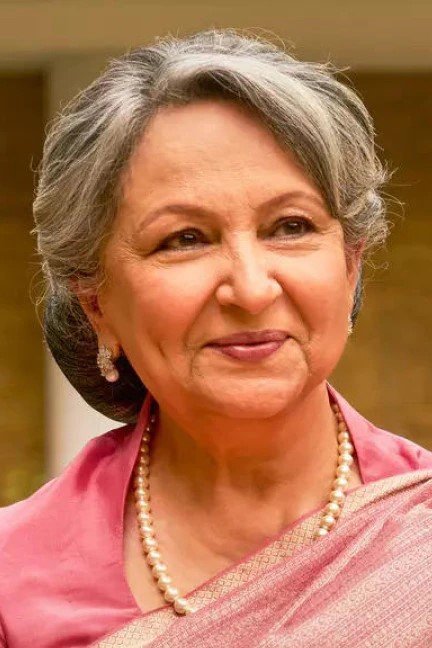
Sharmila Tagore bridged art-house and commercial Indian cinema with ease. She began with Satyajit Ray in ‘The World of Apu’ and later led mainstream hits like ‘Aradhana’. Tagore chaired major film boards and served on international festival juries. Her family legacy in the arts also shaped conversations about dynasties in Indian film culture.
Kim Hye-ja
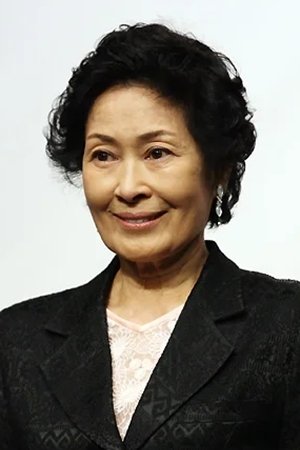
Kim Hye-ja is celebrated in Korea for powerful roles across film and television. She delivered a defining performance in ‘Mother’ and is equally known for long-running television dramas. Kim’s work regularly addresses social issues through intimate character studies. Awards bodies and critics have recognized her consistency over decades.
Jun Ji-hyun
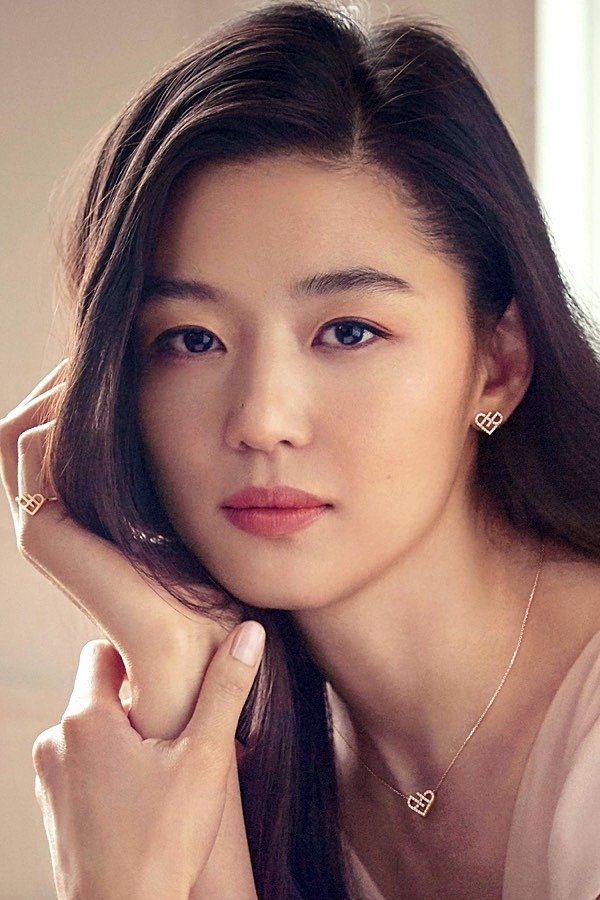
Jun Ji-hyun became a pan-Asian star with a breakout turn in ‘My Sassy Girl’. She expanded into action and thriller projects including ‘The Thieves’ and ‘Assassination’. Jun reached global streaming audiences with series like ‘Kingdom’ and ‘My Love From the Star’. Her career illustrates how a hit romantic comedy can launch a long-lasting cross-genre trajectory.
Shu Qi
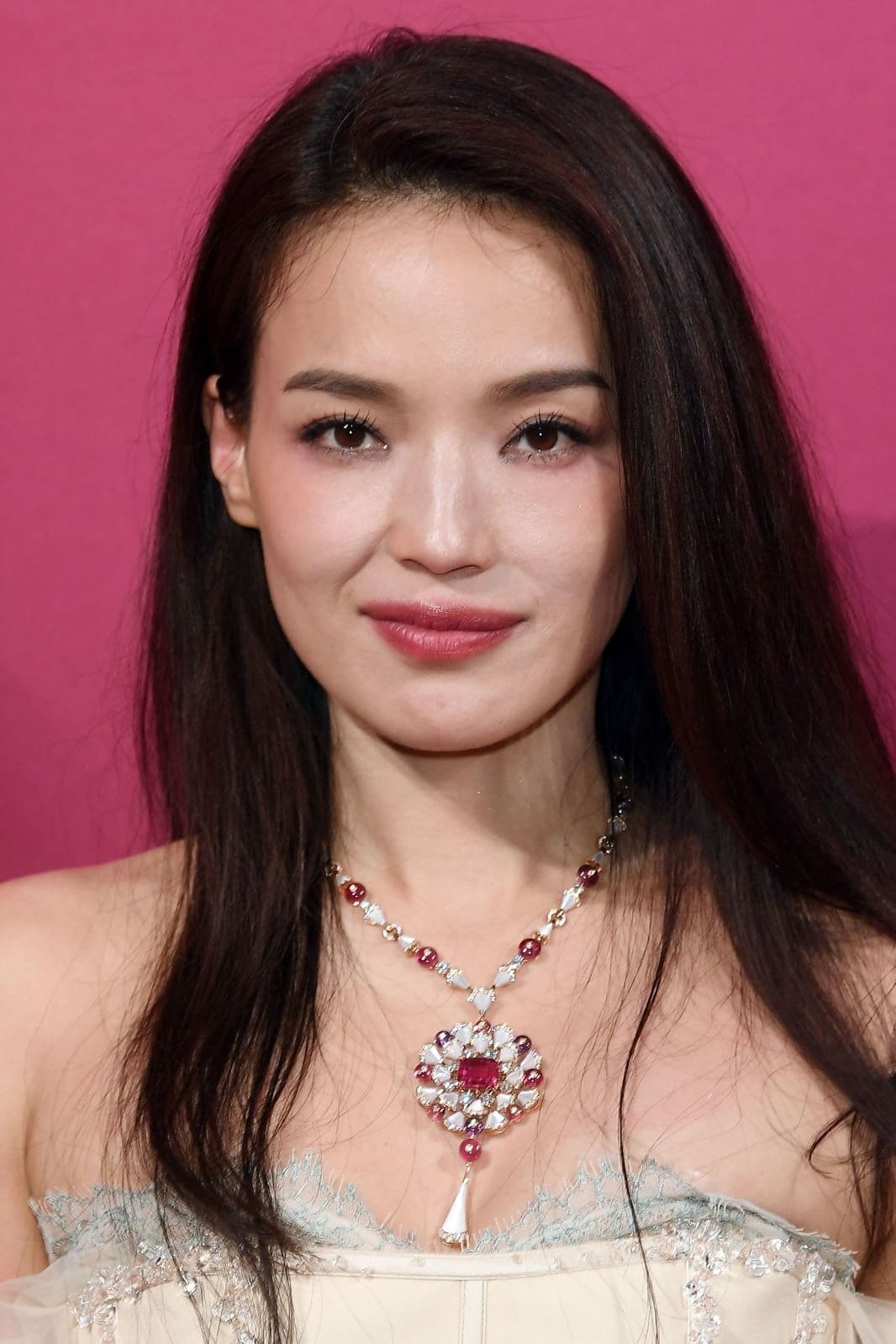
Shu Qi rose from modeling to acclaimed acting across Taiwan, Hong Kong, and mainland China. She collaborated with auteurs in films like ‘Millennium Mambo’ and ‘The Assassin’ and led commercial hits as well. Shu’s multilingual roles broadened her reach throughout Asia. She is frequently invited to major festivals as a juror and presenter.
Sylvia Chang

Sylvia Chang built a rare dual legacy as an actress and filmmaker. Her acting spans intimate dramas and ensemble pieces such as ‘Love Education’ and ‘Tempting Heart’. Chang has written and directed films that nurture new talent behind the camera. She remains a key voice in Taiwanese and Hong Kong cinema circles.
Joan Chen
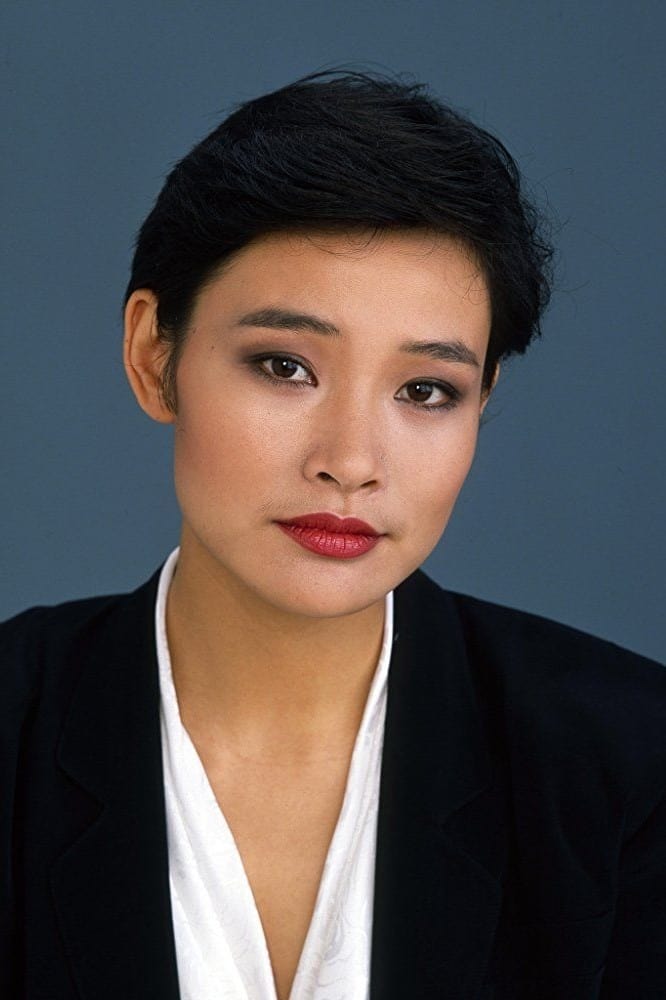
Joan Chen gained international attention with ‘The Last Emperor’ and sustained a career across American and Asian projects. She also directed features like ‘Xiu Xiu: The Sent-Down Girl’. Chen appears in independent films and prestige television, keeping a cross-cultural profile active. Her work often spotlights complex female characters in historical and contemporary settings.
Anita Mui
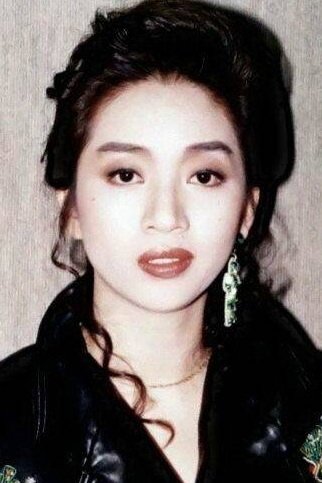
Anita Mui balanced a major music career with acclaimed acting in Hong Kong cinema. She delivered memorable performances in films like ‘Rouge’, ‘Rumble in the Bronx’, and ‘A Better Tomorrow III’. Mui supported industry charities and mentorship programs for younger artists. Tributes and concerts continue to honor her impact on entertainment across the region.
Vilma Santos
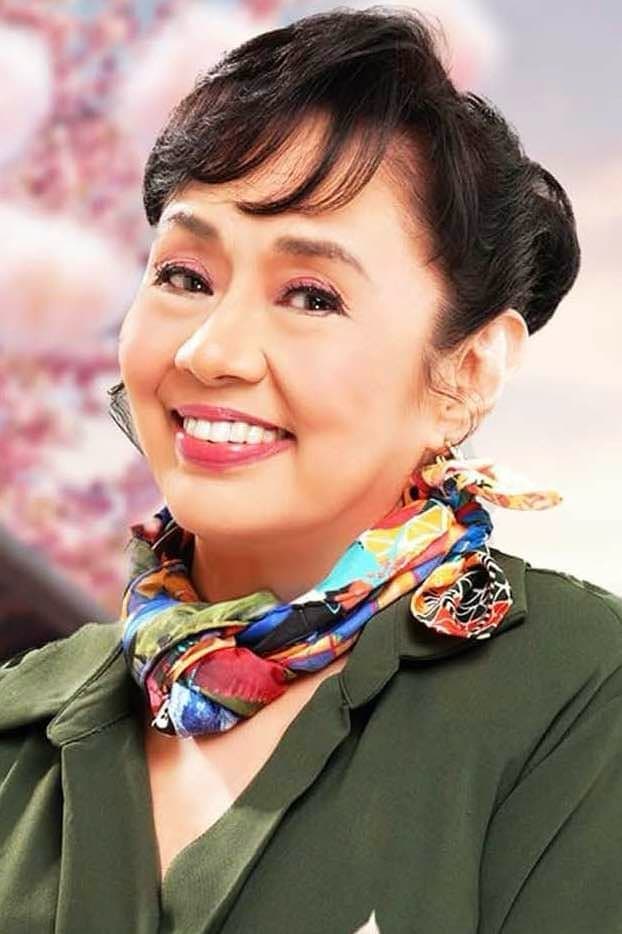
Vilma Santos is a central figure in Philippine cinema with a career spanning coming-of-age roles to complex dramas. She headlined films such as ‘Relasyon’, ‘Sister Stella L.’, and ‘Ekstra’. Santos later held public office, advocating for culture and social programs. Her film choices are widely studied in discussions of female agency in Filipino storytelling.
Golshifteh Farahani
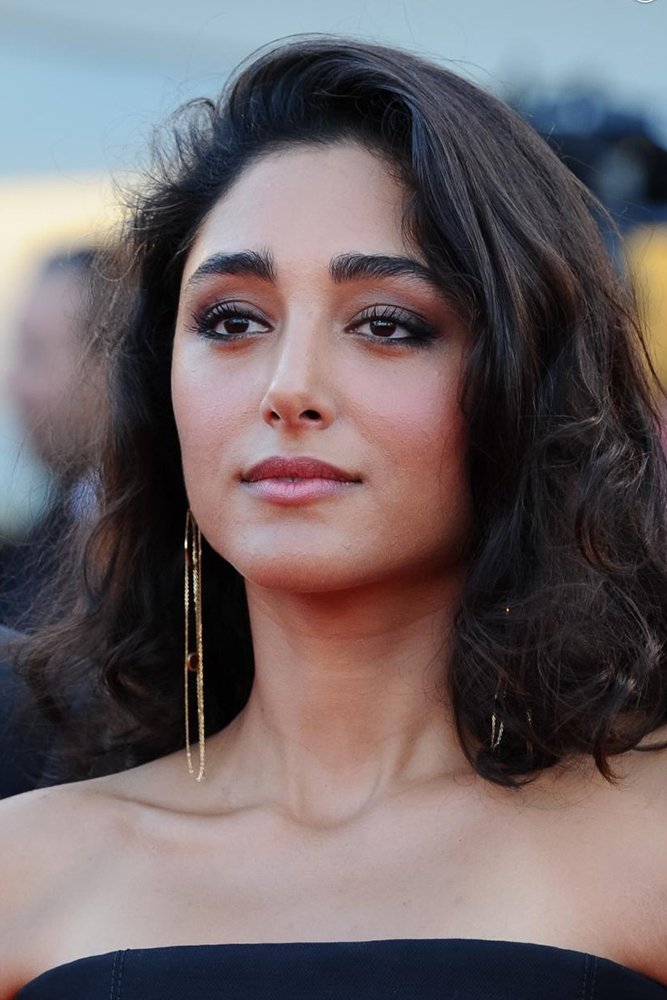
Golshifteh Farahani established herself in Iranian cinema before moving into international productions. She appeared in ‘About Elly’ and later worked in films like ‘Paterson’ and ‘Extraction’. Farahani also records music and participates in theater, extending her artistic reach. She uses public platforms to discuss artistic freedom and cultural exchange.
Taraneh Alidoosti
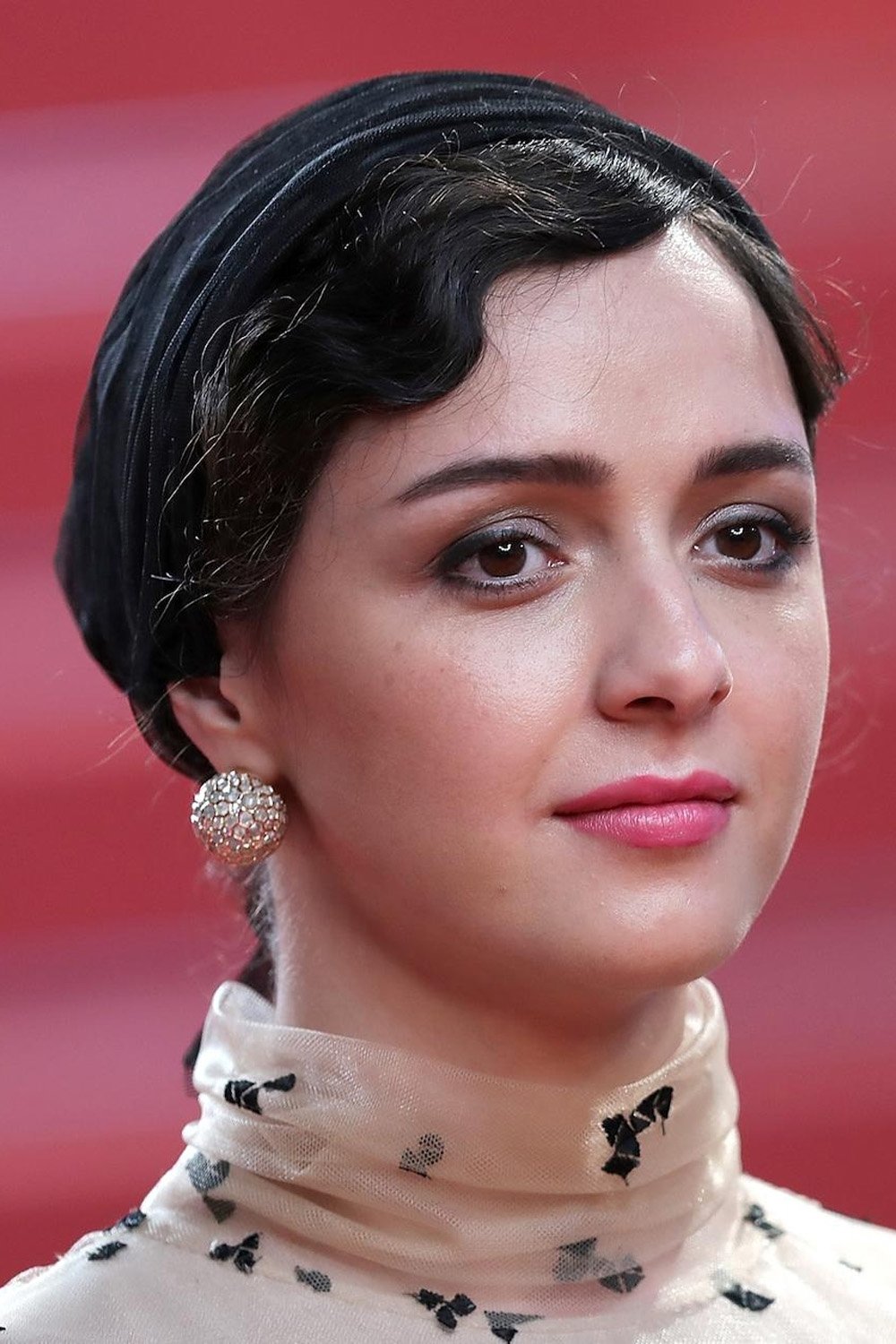
Taraneh Alidoosti became widely known through collaborations with Asghar Farhadi. She delivered acclaimed performances in ‘The Salesman’ and ‘About Elly’. Alidoosti has also worked in television series that drew large viewership in Iran. She is recognized for supporting social causes and speaking about women’s rights.
Fan Bingbing

Fan Bingbing rose to prominence in Chinese television before leading films that topped box offices. She starred in ‘I Am Not Madame Bovary’ and appeared in international franchises like ‘X-Men: Days of Future Past’. Fan has produced projects and invested in fashion ventures that expanded her profile. She remains a reference point in discussions about celebrity branding in Asia.
Zhao Wei
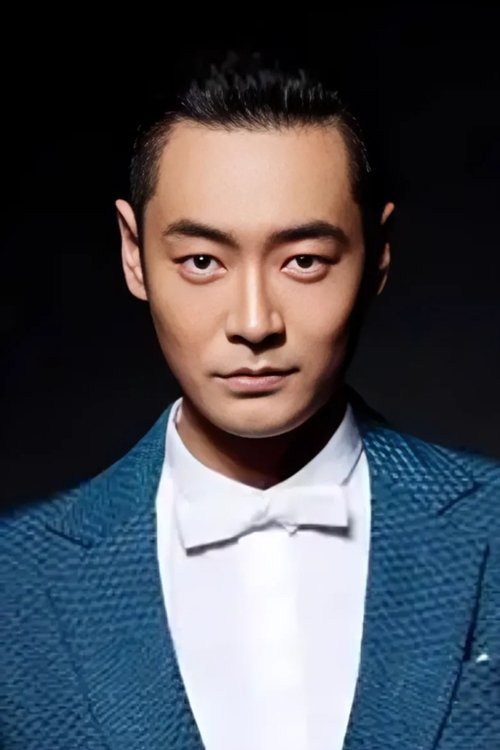
Zhao Wei, also known as Vicki Zhao, gained vast popularity through the series ‘My Fair Princess’. She transitioned to film with hits like ‘So Close’ and ‘Dearest’. Zhao directed features and worked as a producer, adding to her industry influence. Her alumni ties to top film schools also connect her to new creative networks.
Fann Wong

Fann Wong is one of Singapore’s most recognizable screen stars with work across television and film. She reached international audiences with a role in ‘Shanghai Knights’. Wong anchored regional dramas that traveled across Southeast Asia. Her presence opened doors for more Singaporean performers in co-productions.
Dian Sastrowardoyo
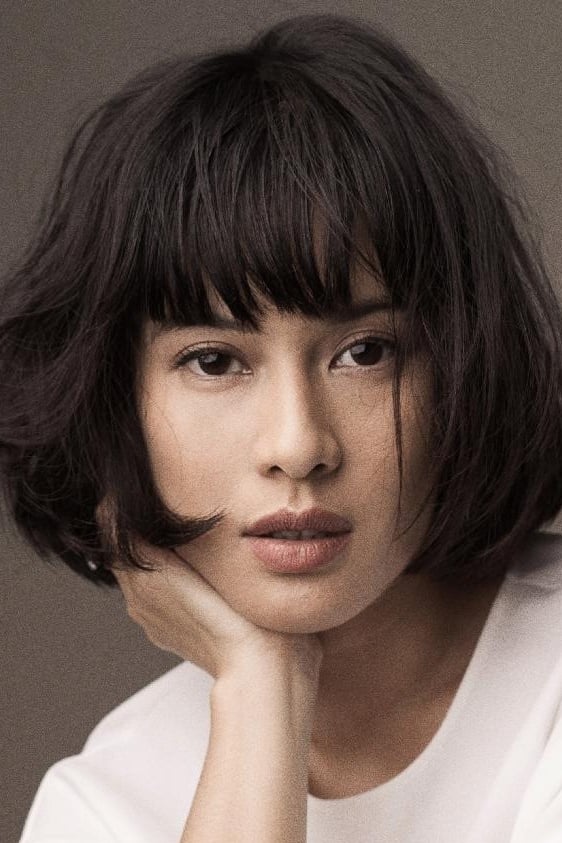
Dian Sastrowardoyo revitalized Indonesian cinema’s commercial appeal with starring roles in ‘Ada Apa Dengan Cinta?’ and its sequel. She balances mainstream work with socially engaged projects and entrepreneurship. Dian collaborates with filmmakers who steer the modern Indonesian film wave. She also supports education initiatives and creative industry development.
Share which actress influenced you the most and tell us why in the comments.