The Most Inspirational Movies Ever Filmed


Stories about perseverance, purpose, and courage show up across genres—from biopics and sports dramas to courtroom tales and animated adventures. Inspirational movies often center on turning points where people face steep odds, lean on community, and use skill, grit, or ingenuity to change outcomes. Many are drawn from real lives, while others use fiction to map the same terrain with memorable characters and clear stakes.
You’ll see recurring patterns: teachers and coaches building teams, scientists and engineers solving high-pressure problems, and families navigating hardships together. These films are frequently used in classrooms, leadership workshops, and team settings because they package complex themes—resilience, empathy, service, and ethical choice—into concrete actions, dialogue, and decisions audiences can track scene by scene.
‘The Shawshank Redemption’ (1994)
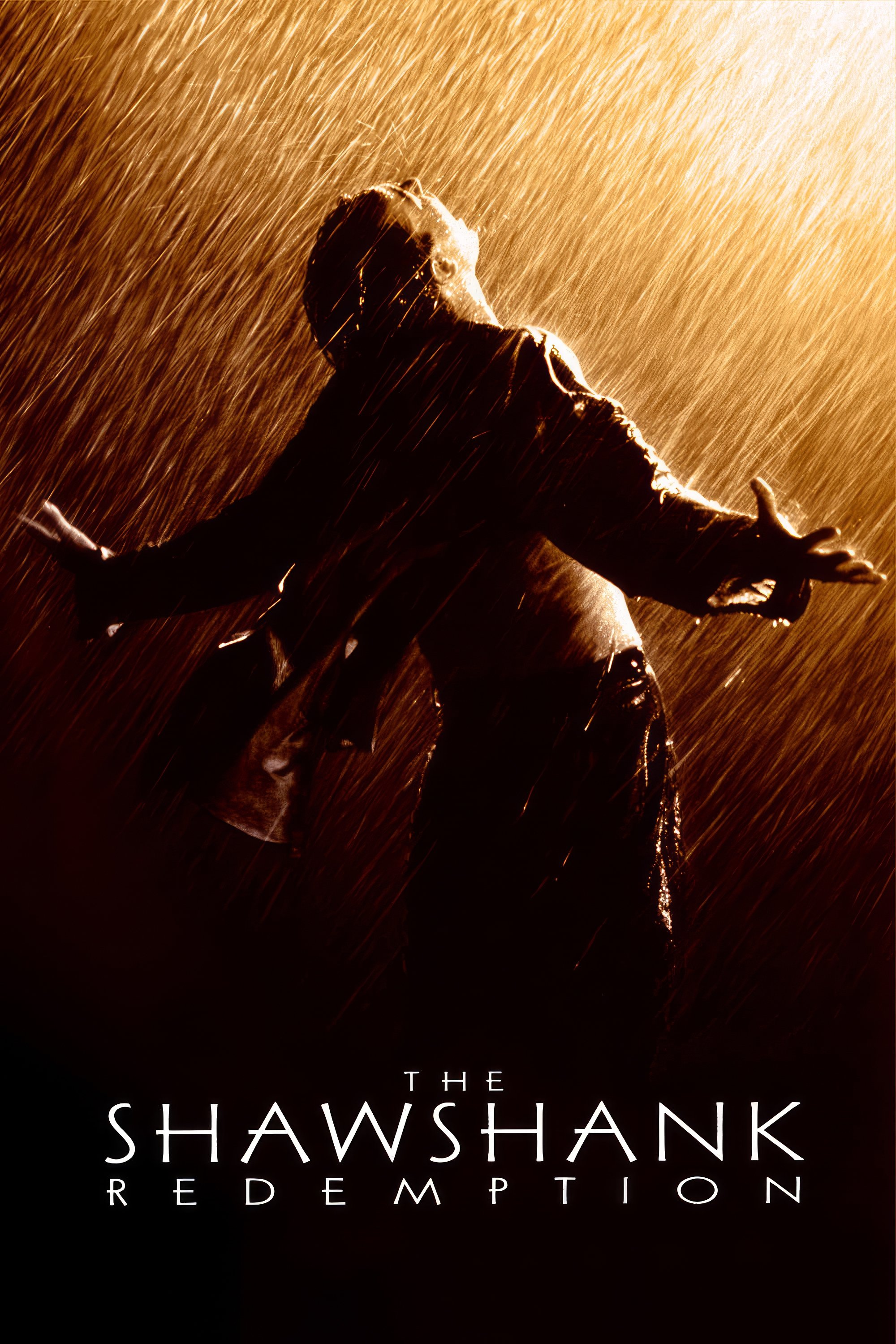
‘The Shawshank Redemption’ is directed by Frank Darabont and stars Tim Robbins and Morgan Freeman, adapting a Stephen King prison story about institutional life, mentorship, and long-range planning. Principal photography used the Ohio State Reformatory to depict the fictional Shawshank State Penitentiary, with production emphasizing period details from uniforms to set dressing.
The film’s narrative follows an innocent banker who cultivates alliances, manages financial records for guards, and quietly executes a meticulous escape strategy. It earned multiple Academy Award nominations and grew into a widely watched title through home video and television rotation, becoming a staple in discussions of persistence and friendship.
‘Rocky’ (1976)
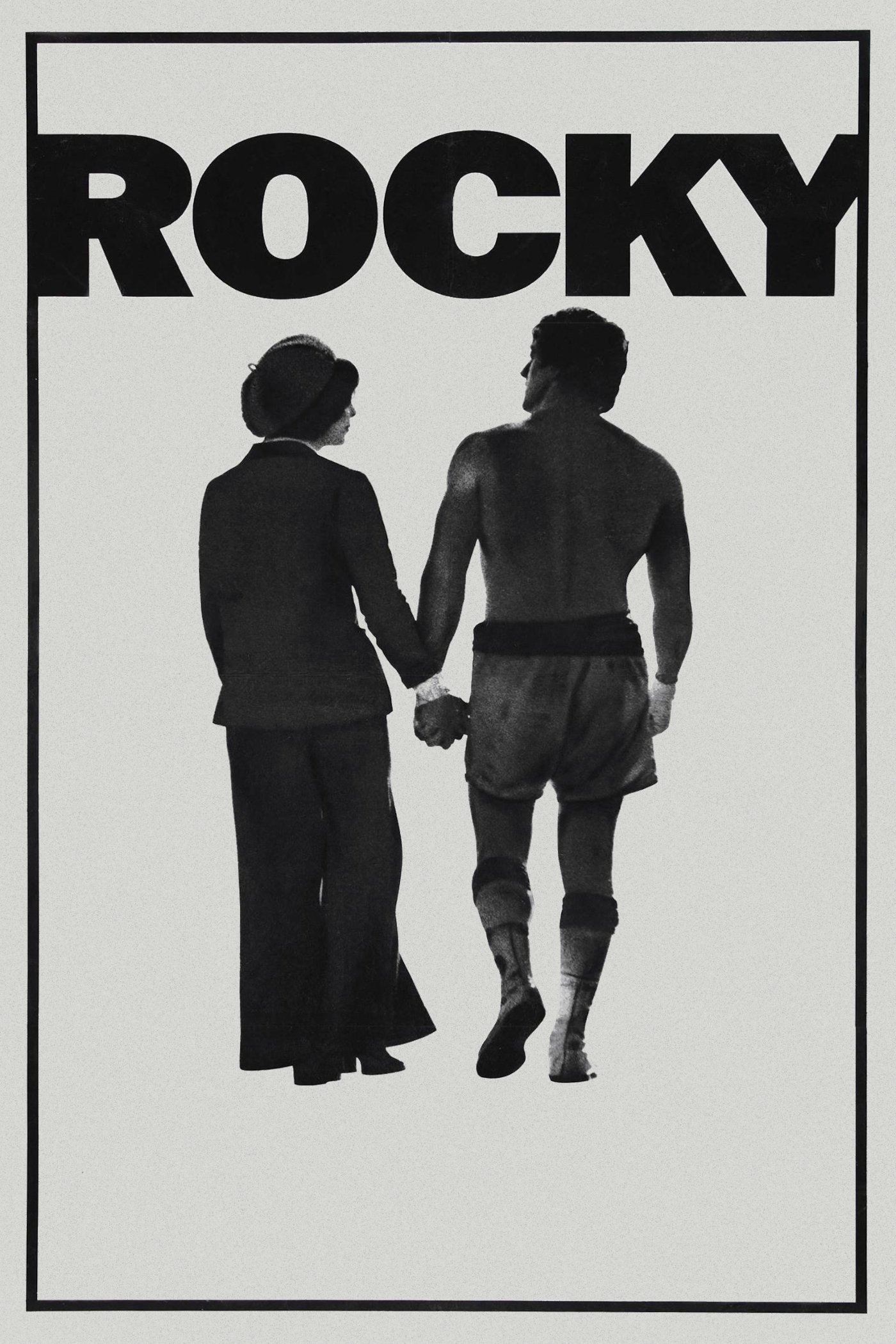
‘Rocky’ is written by and stars Sylvester Stallone as a small-time Philadelphia boxer who secures an unlikely title shot. Directed by John G. Avildsen, the production used local locations—including the Philadelphia Museum of Art steps—to root the story in the city’s neighborhoods and gyms.
Made on a modest budget, the film leveraged handheld camerawork and early Steadicam sequences for the training montages and fight choreography. It won the Academy Award for Best Picture and launched a long-running franchise, helping establish recognizable sports-movie structures around preparation, community support, and incremental gains.
‘It’s a Wonderful Life’ (1946)
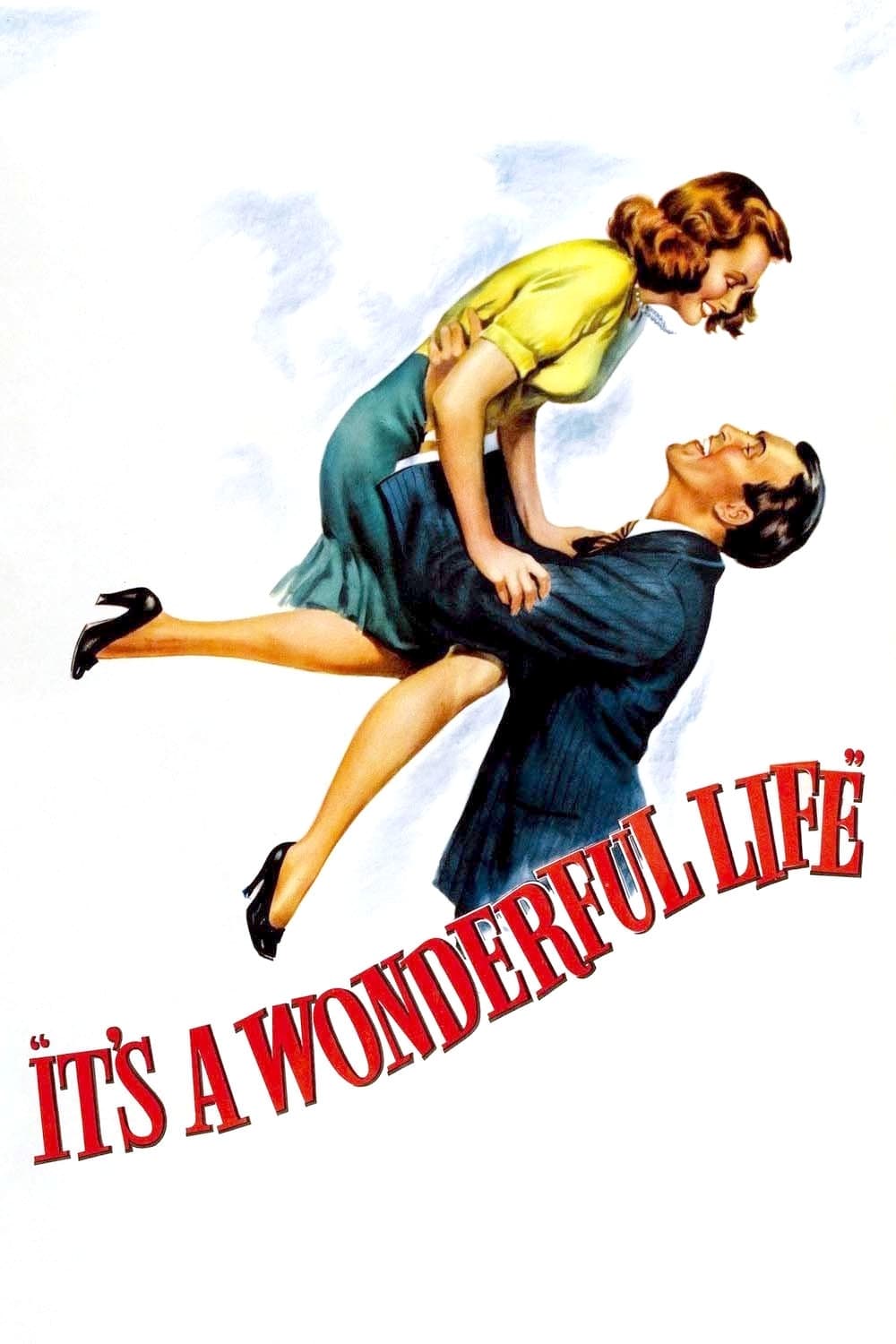
‘It’s a Wonderful Life’ pairs director Frank Capra with James Stewart and Donna Reed to portray a community banker shown the impact of his choices during a personal crisis. The production constructed the town of Bedford Falls on an extensive backlot, complete with snow effects engineered for dialogue-friendly sound.
Though it underperformed in initial release, repeated seasonal broadcasts transformed the film into a holiday mainstay. Its central device—a guided look at how everyday actions affect others—has shaped later film and television narratives about perspective, service, and civic ties.
‘Forrest Gump’ (1994)
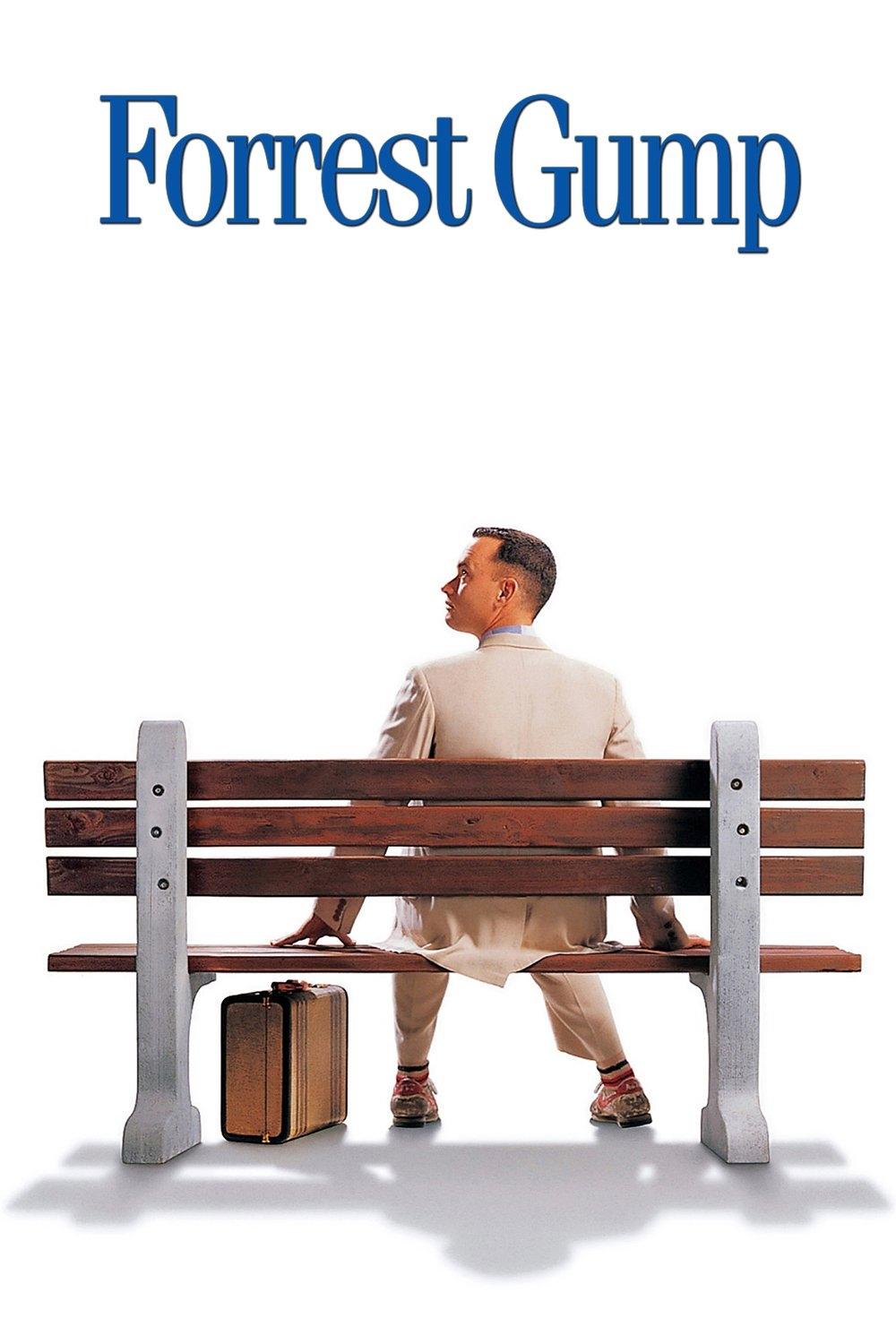
‘Forrest Gump’ is directed by Robert Zemeckis and stars Tom Hanks as a man whose straightforward approach to life intersects with major historical events. Industrial Light & Magic used then-novel digital techniques to composite the protagonist into archival footage and to create seamless visual transitions.
The film adapts a Winston Groom novel and spans athletics, military service, and entrepreneurship while tracking family and friendship threads. It earned multiple Academy Awards, including Best Picture, and remains a reference point for integrating visual effects with character-driven storytelling.
‘The Pursuit of Happyness’ (2006)
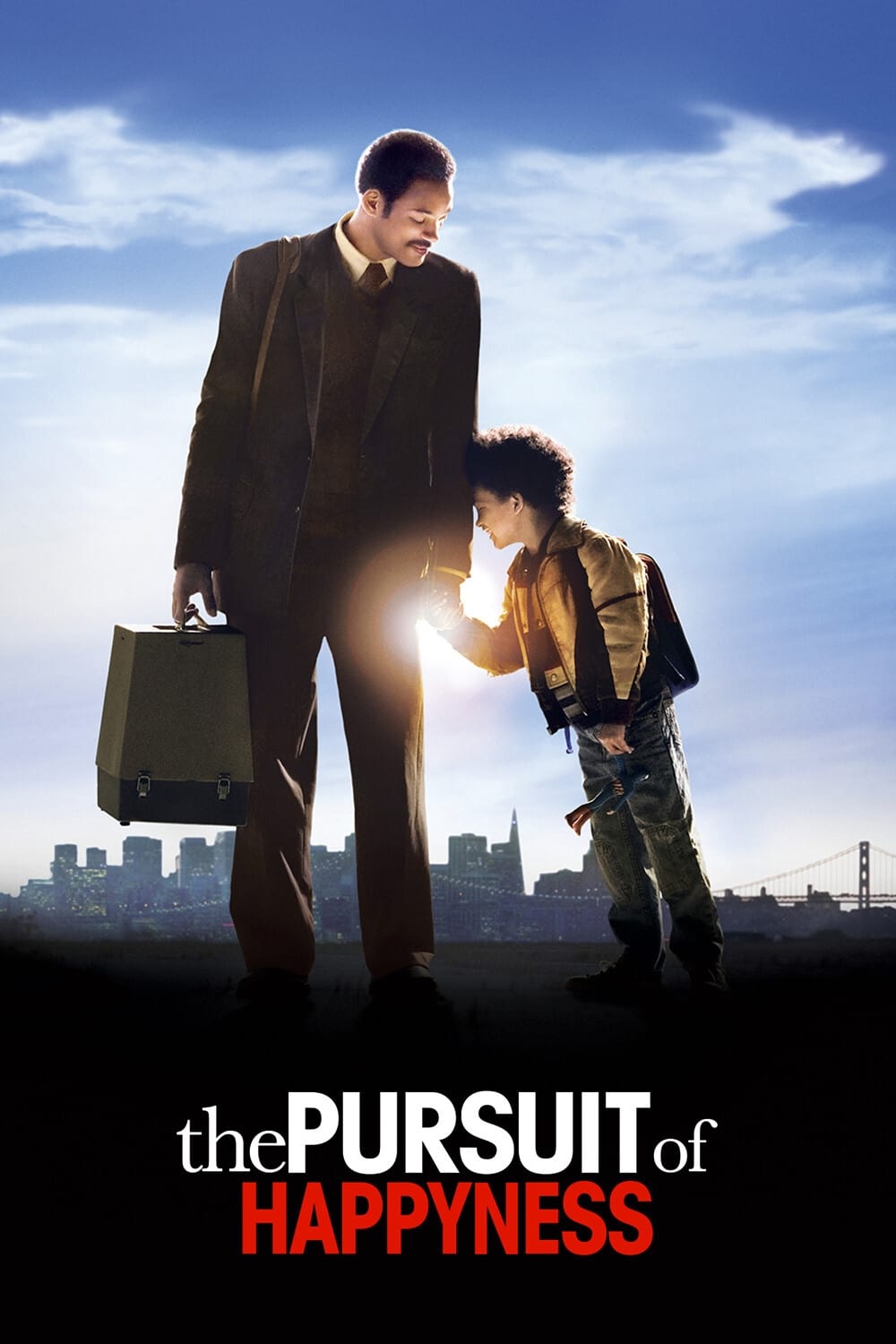
‘The Pursuit of Happyness’ is directed by Gabriele Muccino and dramatizes the memoir of entrepreneur Chris Gardner, charting a period of housing insecurity and a competitive finance internship. Will Smith stars alongside Jaden Smith, with location work across San Francisco offices, transit hubs, and shelters.
The production emphasizes daily logistics—childcare, commuting, and saleswork—alongside technical learning required for a brokerage role. The film received recognition for Smith’s performance and is widely used in career-readiness and financial-literacy contexts to illustrate resourcefulness under pressure.
‘A Beautiful Mind’ (2001)
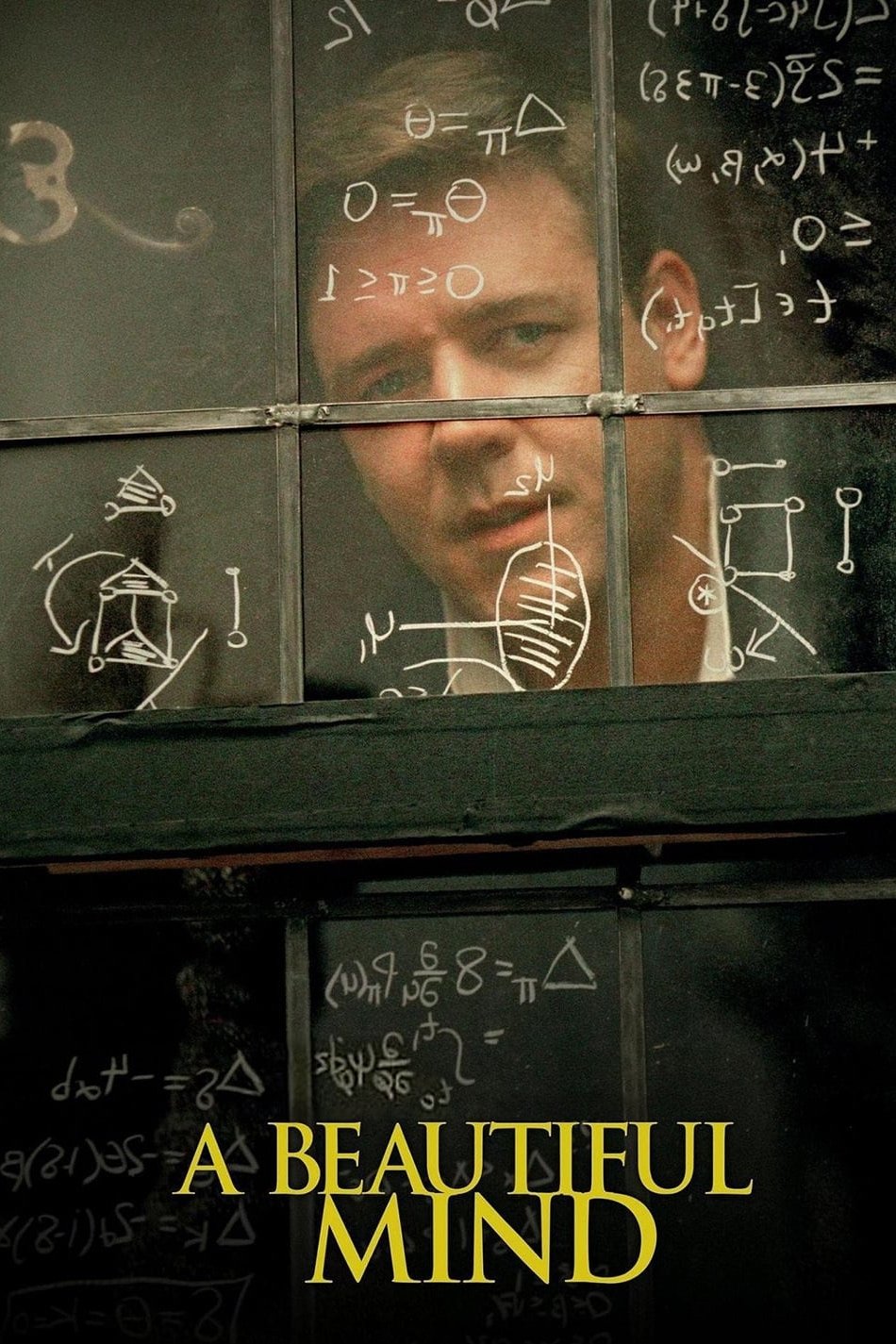
‘A Beautiful Mind’ follows mathematician John Nash’s academic rise and the challenges posed by mental illness, directed by Ron Howard and starring Russell Crowe and Jennifer Connelly. The film draws on a major biography and stages research life at Princeton and MIT with attention to faculty spaces and seminar culture.
It won multiple Academy Awards, including Best Picture, and brought broader public attention to game theory concepts like Nash equilibrium. Clinical consultation informed depictions of diagnosis and treatment, shaping later screen portrayals of scholars managing health while sustaining work.
‘Dead Poets Society’ (1989)
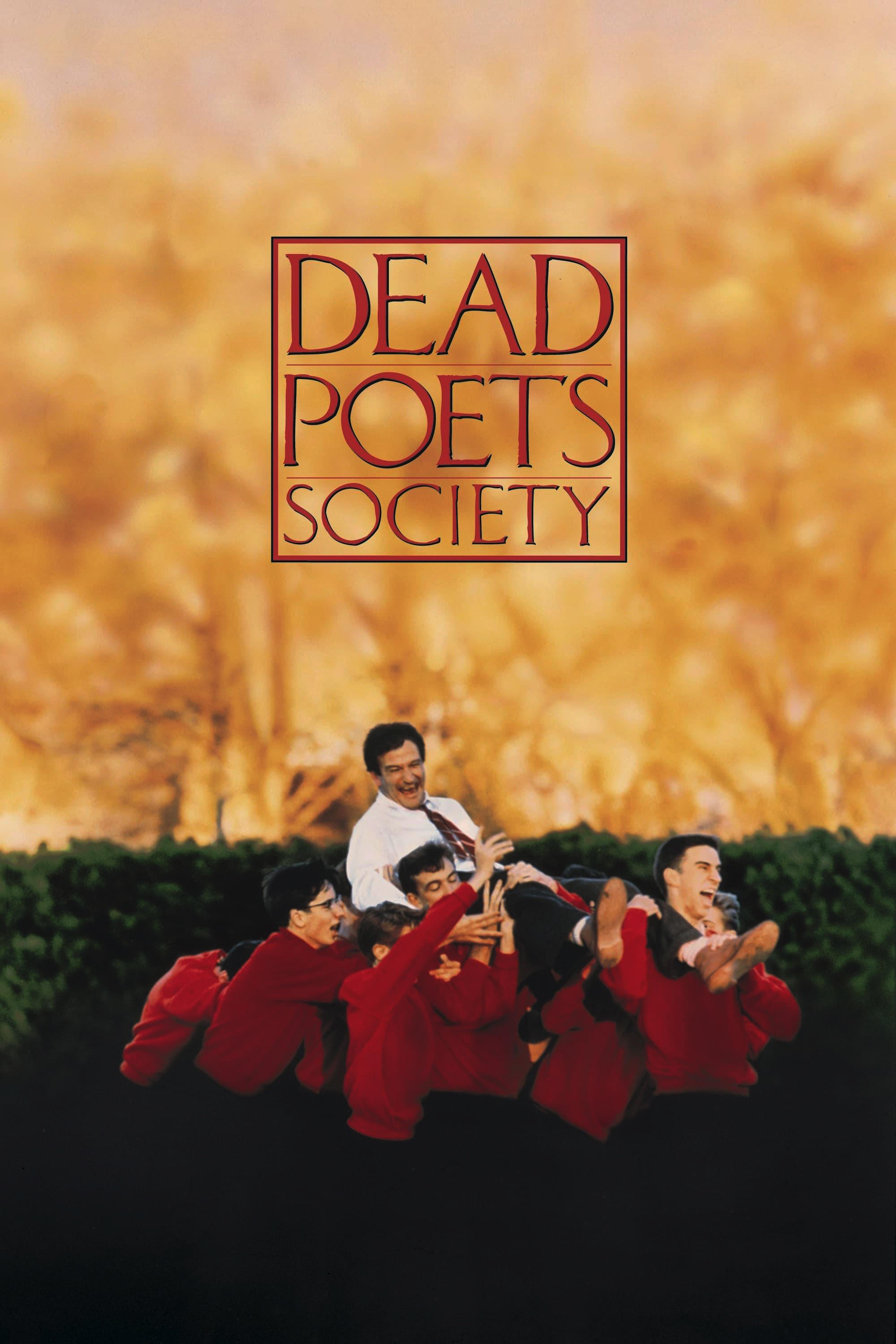
‘Dead Poets Society’ is directed by Peter Weir and stars Robin Williams as an English teacher encouraging students to engage literature beyond rote analysis at a New England prep school. Filming took place at a historic campus, capturing dorm life, assemblies, and club meetings.
The story tracks policy tensions between tradition and experimentation inside an academic institution, with consequences spreading through classrooms and family expectations. It won the Academy Award for Original Screenplay and is often cited in education programs for its treatment of pedagogy and student voice.
‘Good Will Hunting’ (1997)
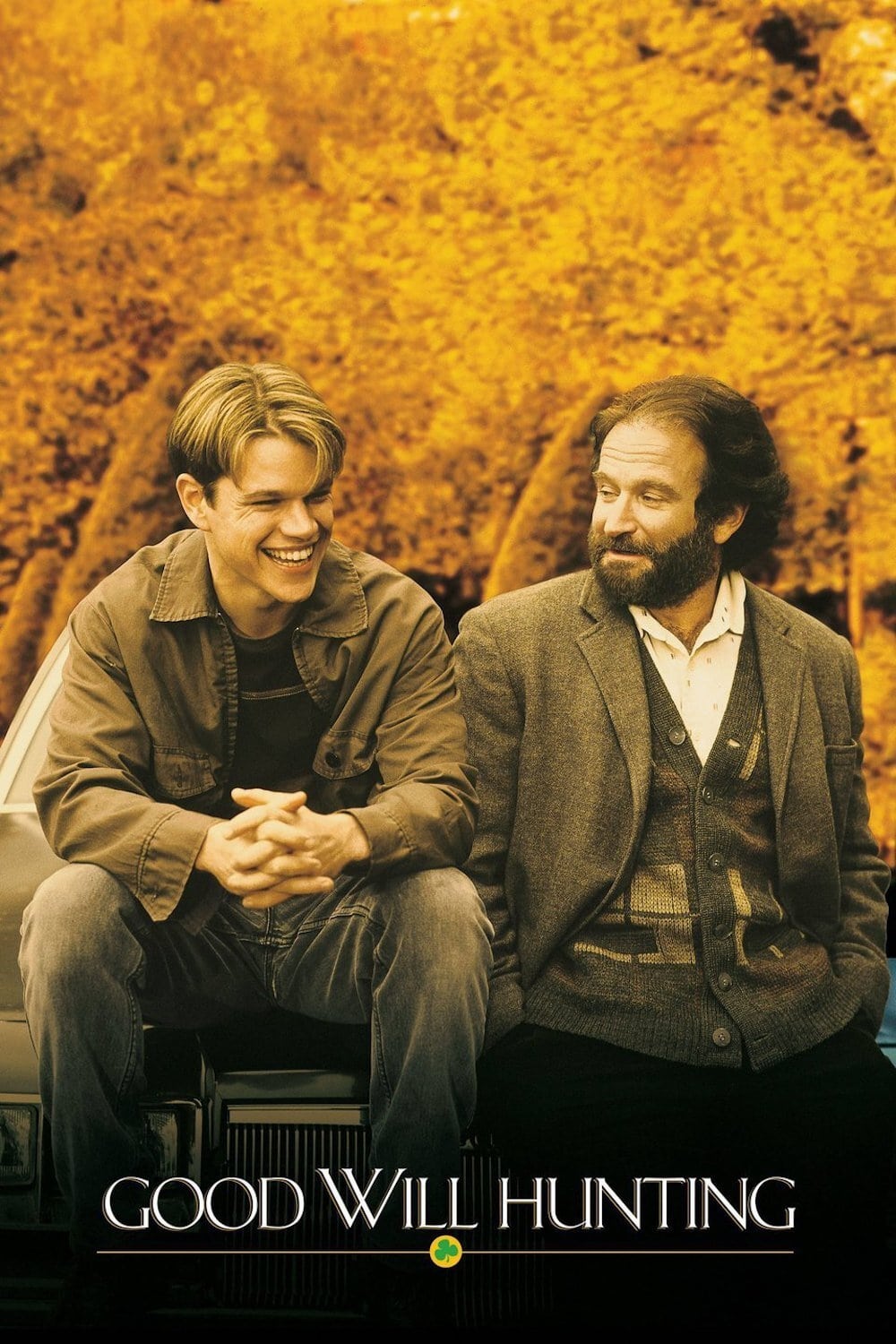
‘Good Will Hunting’ is directed by Gus Van Sant, written by Matt Damon and Ben Affleck, and stars Damon as a self-taught problem-solver from South Boston. The film situates therapy sessions, college corridors, and neighborhood bars within a compact narrative about mentorship, trust, and accountability.
It earned Academy Awards for Supporting Actor and Original Screenplay, helping foreground counselor-client dynamics and the role of peer networks in talent development. Location work around Boston anchors the contrast between institutional spaces and working-class routines.
‘Schindler’s List’ (1993)

‘Schindler’s List’ is directed by Steven Spielberg and stars Liam Neeson, Ben Kingsley, and Ralph Fiennes in a historical drama about industrialist Oskar Schindler and the lives he protected during the Holocaust. The production’s black-and-white cinematography and on-site work in Kraków contribute to its documentary-like texture.
The film adapts a noted novel and chronicles business operations, bribery, and factory management used to shield workers. It won multiple Academy Awards, including Best Picture, and is widely incorporated in educational curricula on genocide, ethics, and individual agency.
‘Life Is Beautiful’ (1997)
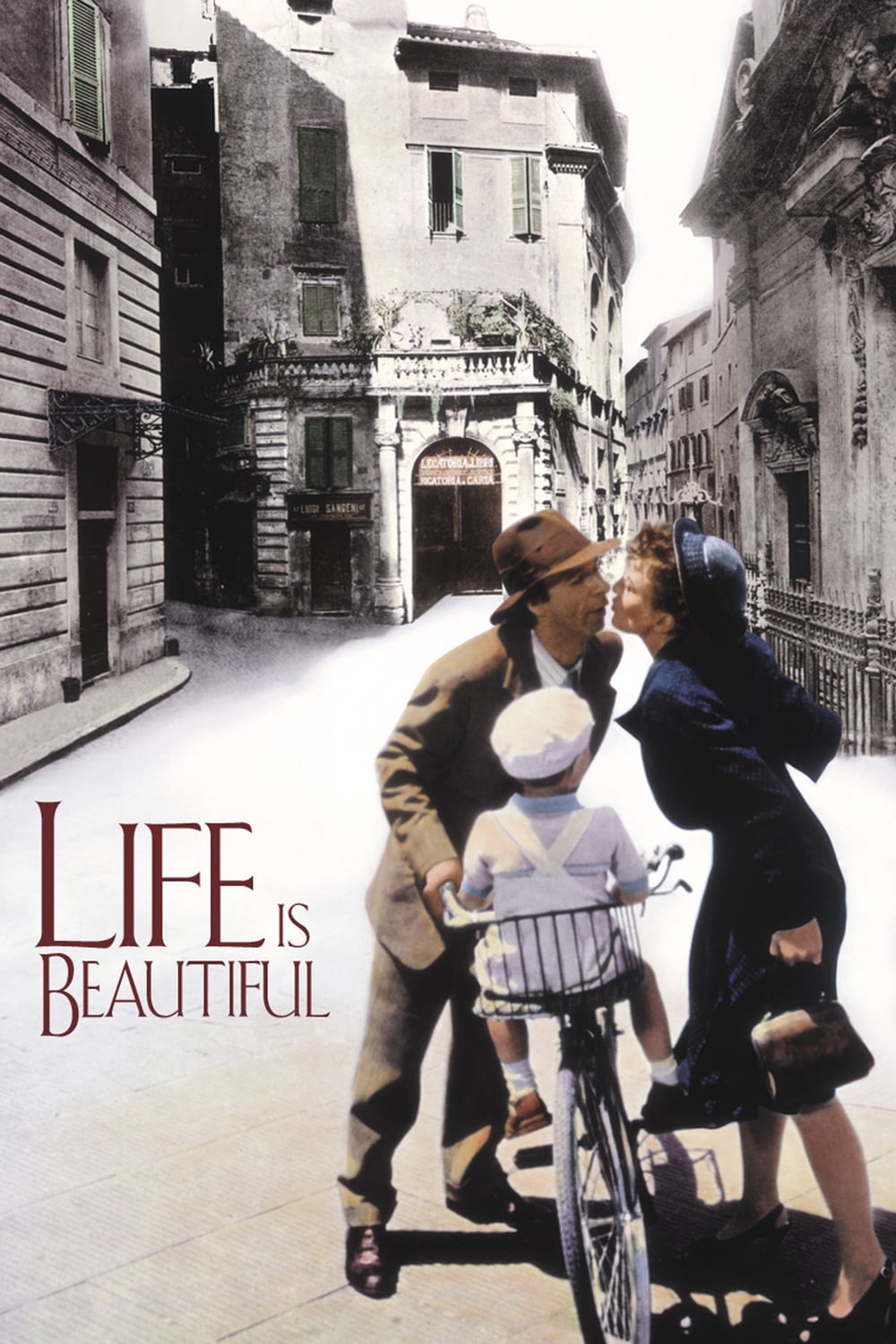
‘Life Is Beautiful’ is written, directed by, and stars Roberto Benigni in a story of a father using humor and invention to shield his child in extreme circumstances. The production balances comedic staging with camp interiors, using careful set design to manage tone.
The film received Academy Awards for Best Foreign Language Film and acting, expanding global visibility for Italian cinema. Its structure—family life followed by incarceration—allows educators to discuss narrative shifts, resilience strategies, and the uses of imagination under duress.
‘Remember the Titans’ (2000)

‘Remember the Titans’ is directed by Boaz Yakin and stars Denzel Washington as coach Herman Boone during the integration of a Virginia high school football program. The film tracks pre-season camp, lineup battles, and leadership decisions within a newly consolidated team.
Produced by Jerry Bruckheimer, it uses practice-field logistics and game plans to illustrate culture change inside a locker room. The soundtrack, marching band cues, and crowd choreography reinforce how school sports can reflect and reshape community norms.
‘Invictus’ (2009)
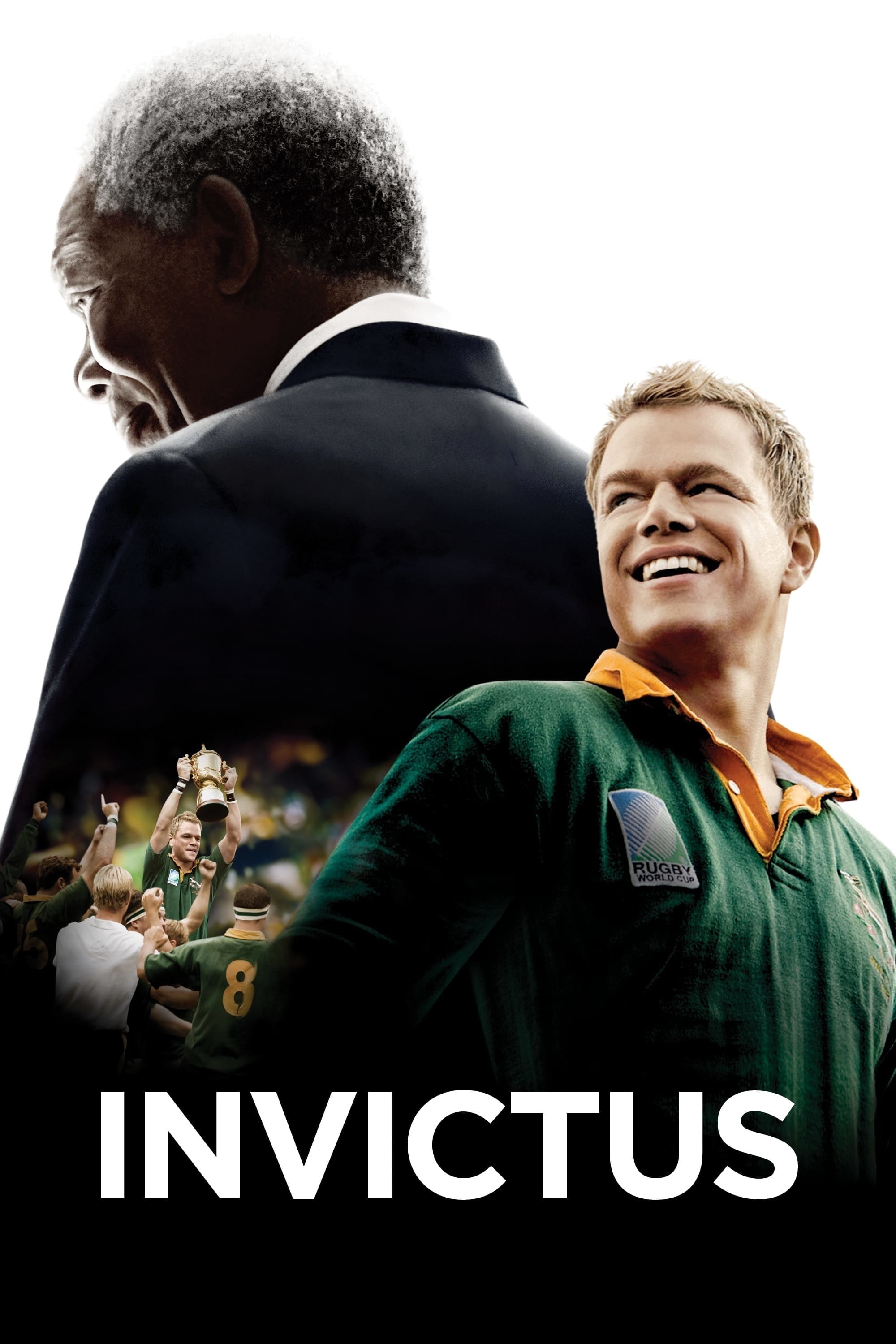
‘Invictus’ is directed by Clint Eastwood and stars Morgan Freeman and Matt Damon in a drama about national rebuilding centered on rugby. The narrative follows tournament preparation, security planning, and public events that culminate in a championship match.
Based on a major nonfiction account, the film examines collaboration between political leadership and sport to reinforce shared identity. Filming in South Africa supported stadium scale and crowd scenes, while coaching sessions and fitness drills anchor the athletic arc.
‘Gandhi’ (1982)

‘Gandhi’ is directed by Richard Attenborough with Ben Kingsley portraying Mahatma Gandhi from early activism to national leadership. The production coordinated thousands of extras for public gatherings and used authentic locations to depict key marches and negotiations.
It won multiple Academy Awards, including Best Picture, and remains notable for large-scale historical reconstruction on screen. The film charts strategy, media engagement, and organization building across campaigns, providing a structured view of nonviolent resistance.
‘Braveheart’ (1995)
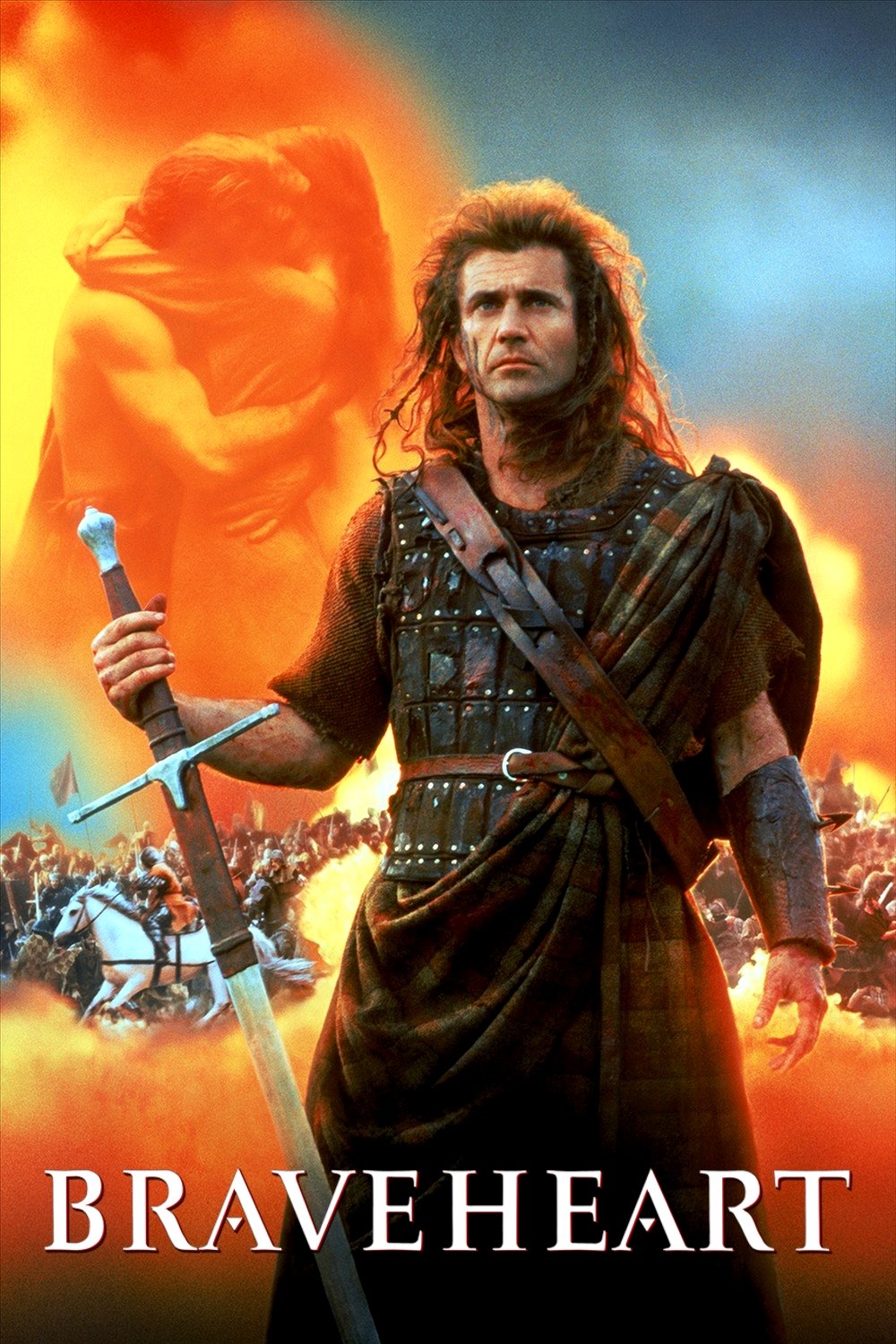
‘Braveheart’ is directed by and stars Mel Gibson in a historical epic about Scottish resistance leader William Wallace. Battle sequences relied on extensive stunt coordination and costumed extras, with fields in Ireland and Scotland standing in for medieval locations.
The film won the Academy Award for Best Picture and deployed large-format cinematography to stage cavalry charges, infantry formations, and command decisions. Its production design highlights armor, standards, and encampments to visualize logistics behind insurgent warfare.
‘The King’s Speech’ (2010)
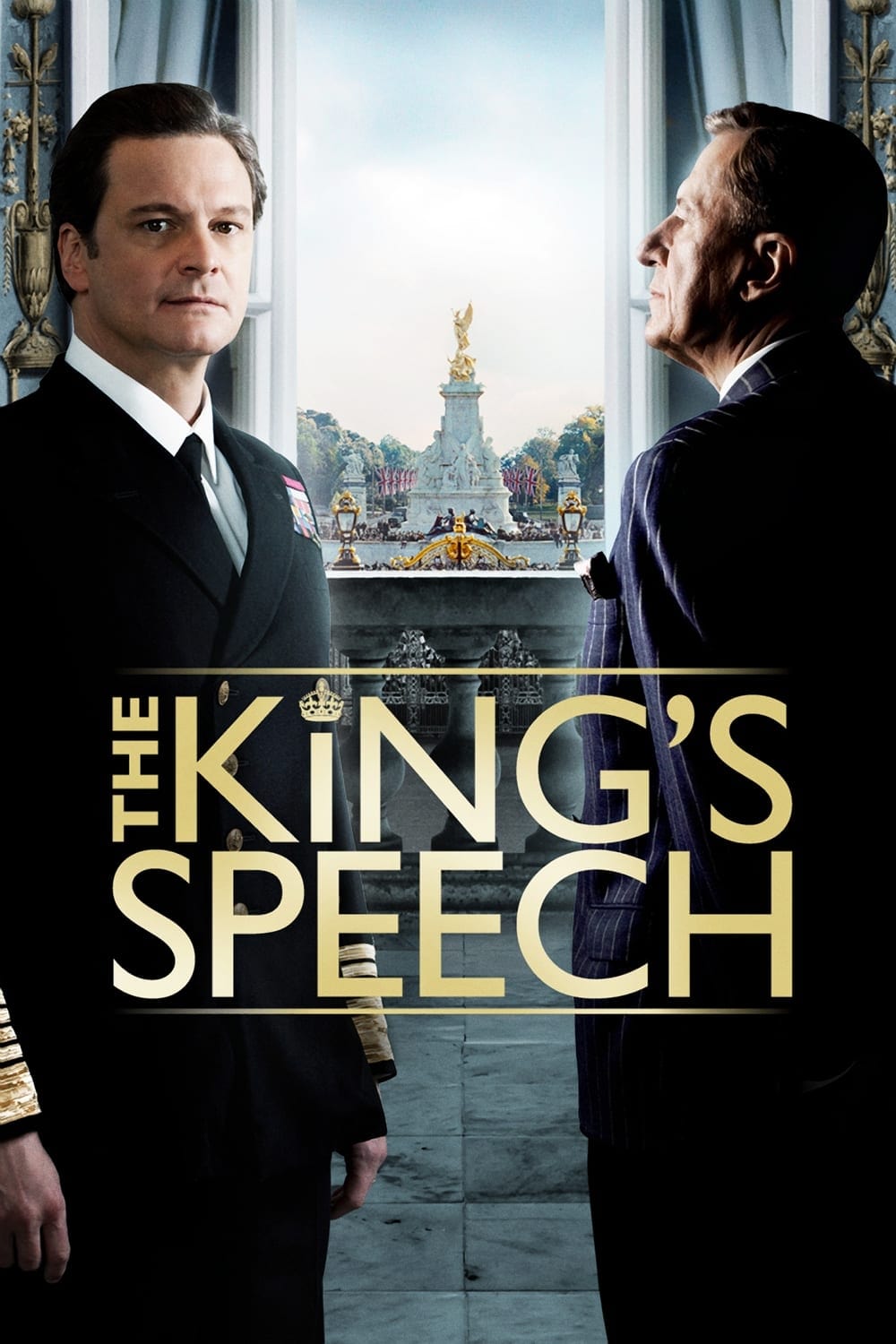
‘The King’s Speech’ is directed by Tom Hooper and stars Colin Firth, Geoffrey Rush, and Helena Bonham Carter in a drama about a monarch working with a speech therapist. Period microphones, newsreel-style framing, and intimate rehearsal rooms shape the film’s audiovisual design.
It won multiple Academy Awards, including Best Picture, and is often referenced in communication training for its depiction of therapy techniques. The story tracks practice regimens, performance anxiety, and broadcast preparation that culminate in a high-stakes address.
‘The Intouchables’ (2011)

‘The Intouchables’ is a French film by Olivier Nakache and Éric Toledano, starring François Cluzet and Omar Sy in the story of an aristocrat with quadriplegia and his caregiver. The screenplay adapts a real friendship, threading medical routines with daily outings and household management.
It became a major box-office success in France and abroad and later inspired remakes, including ‘The Upside’. Music cues, car sequences, and dinner parties underscore how trust develops through shared tasks, humor, and negotiated boundaries.
‘Hacksaw Ridge’ (2016)
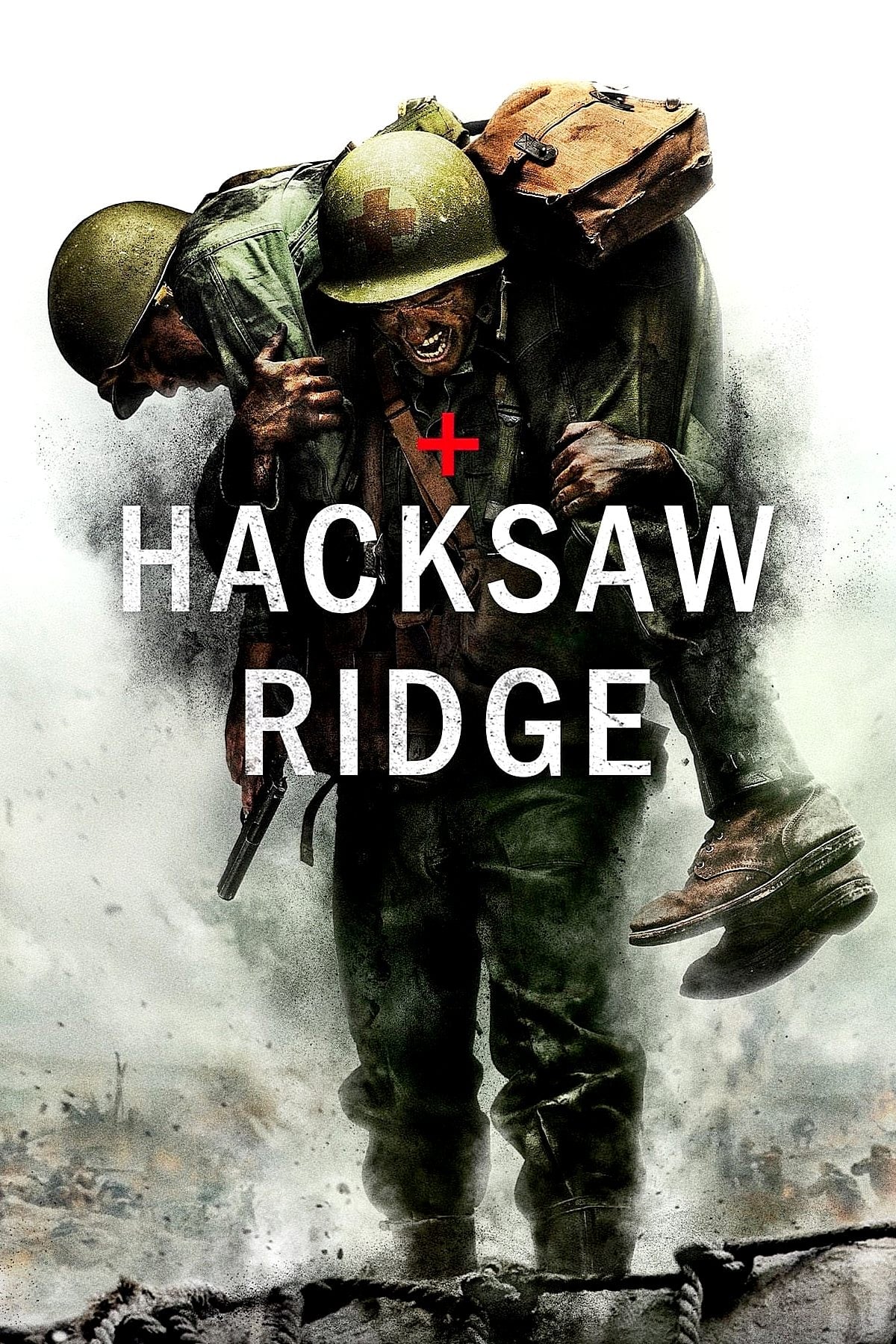
‘Hacksaw Ridge’ is directed by Mel Gibson and stars Andrew Garfield as medic Desmond Doss, a conscientious objector serving without a weapon. The production staged combat set-pieces with practical effects and vertical terrain to depict the ridge assaults.
The film received Academy Awards in sound and editing categories and recognition for stunt work. Training camp episodes, medical triage, and evacuation procedures are presented with technical specificity, highlighting battlefield medicine and chain-of-command issues.
‘Hidden Figures’ (2016)

‘Hidden Figures’ is directed by Theodore Melfi and stars Taraji P. Henson, Octavia Spencer, and Janelle Monáe as mathematicians and engineers contributing to crewed spaceflight. The film adapts a widely read nonfiction book and stages analysis sessions, code conversions, and wind-tunnel visits.
It earned multiple Academy Award nominations and increased public awareness of computing teams that supported mission planning. Office layouts, chalkboards, and punch-card equipment ground the problem-solving process in the tools and practices of the era.
‘Erin Brockovich’ (2000)
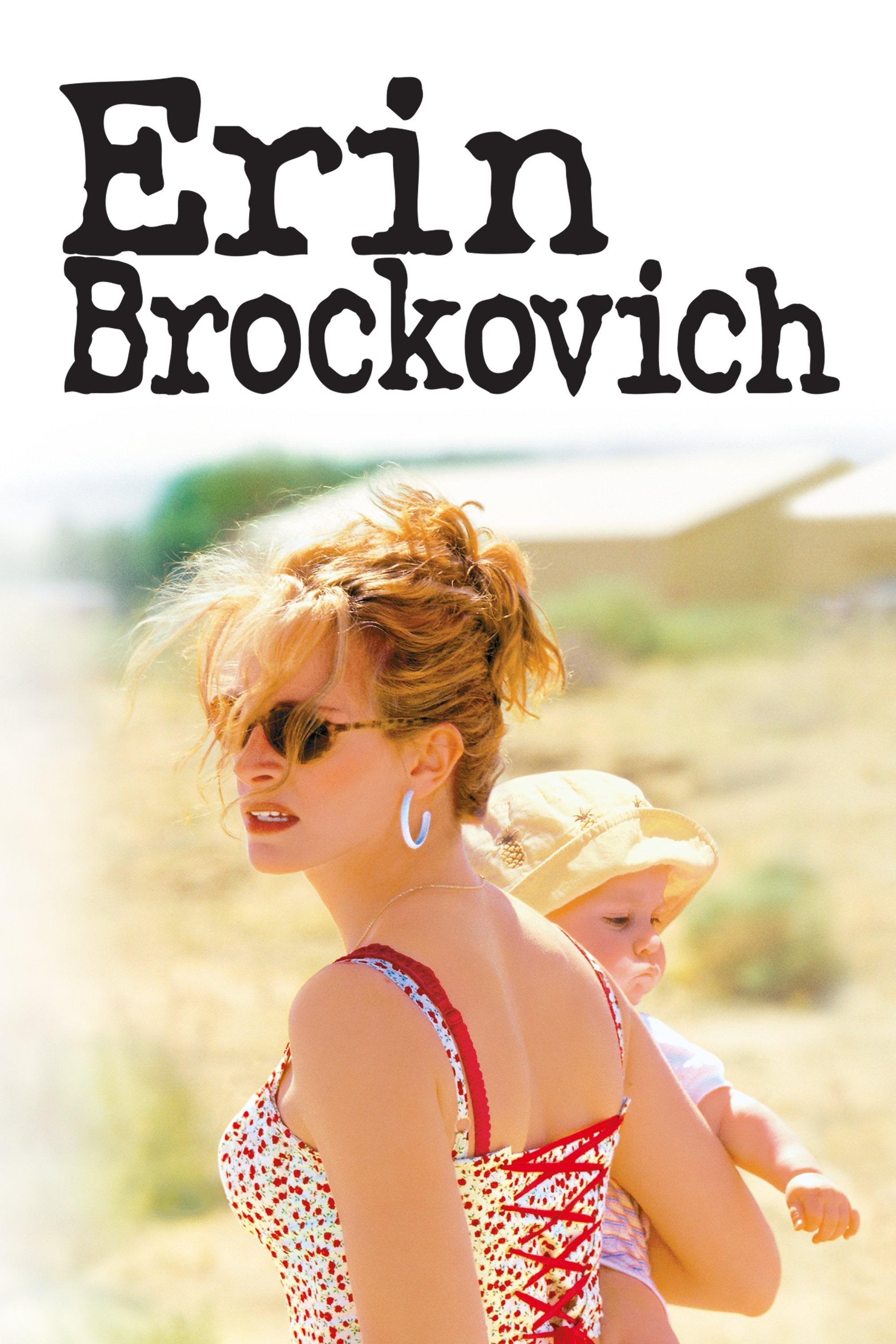
‘Erin Brockovich’ is directed by Steven Soderbergh and stars Julia Roberts as a legal clerk investigating groundwater contamination linked to corporate practice. The production follows medical records reviews, town-hall meetings, and client intake as the case scales.
Roberts won the Academy Award for Best Actress, and the screenplay traces how evidence collection drives negotiation. Scenes in archives, kitchens, and law offices map the network of residents, experts, and attorneys required to pursue environmental litigation.
‘The Theory of Everything’ (2014)
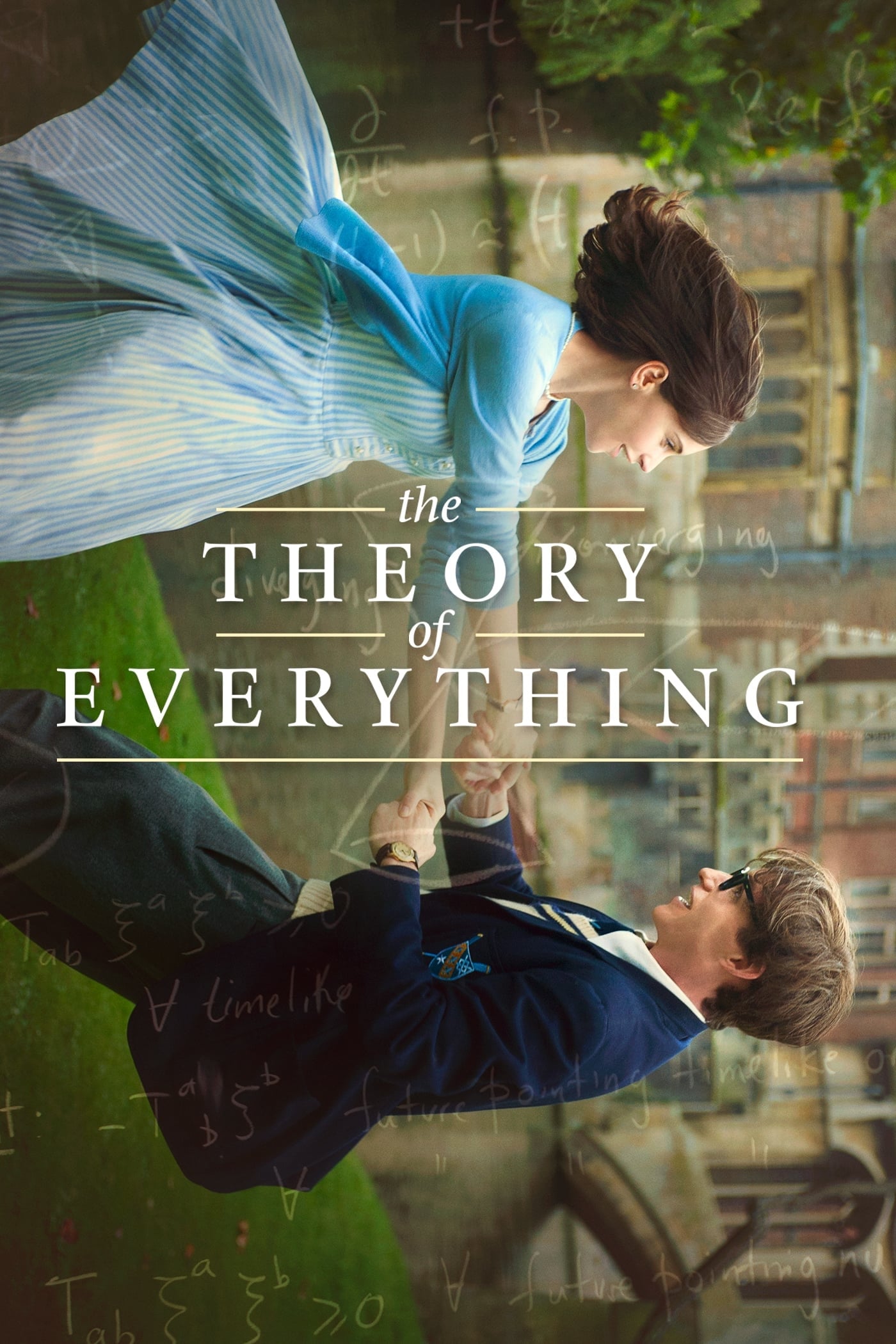
‘The Theory of Everything’ is directed by James Marsh and stars Eddie Redmayne and Felicity Jones in a biographical drama about Stephen and Jane Hawking. The film draws on a personal memoir, showcasing academic milestones alongside evolving family roles and care routines.
Redmayne won the Academy Award for Best Actor for his performance, with production departments coordinating prosthetics, wheelchairs, and lab equipment. The narrative integrates conference travel, physics discussions, and writing to chart breakthroughs and setbacks.
‘The Imitation Game’ (2014)

‘The Imitation Game’ is directed by Morten Tyldum and stars Benedict Cumberbatch and Keira Knightley in a wartime codebreaking drama. Bletchley Park huts, electromechanical devices, and team briefings recreate work on cipher systems and machine design.
The film won the Academy Award for Best Adapted Screenplay and broadened public understanding of cryptanalysis and computer history. It examines security classification, interdepartmental coordination, and ethical tradeoffs inherent in intelligence work.
‘Seabiscuit’ (2003)

‘Seabiscuit’ is directed by Gary Ross and stars Tobey Maguire, Jeff Bridges, and Chris Cooper in a story about a racehorse that became a national symbol. Filming used historic tracks and period tack to reconstruct training, races, and the media spectacle around them.
The film adapts a bestselling nonfiction account and details ownership arrangements, jockey conditioning, and veterinary care. It received multiple Academy Award nominations and is frequently paired with discussions of sports media, publicity, and morale.
‘Cinderella Man’ (2005)
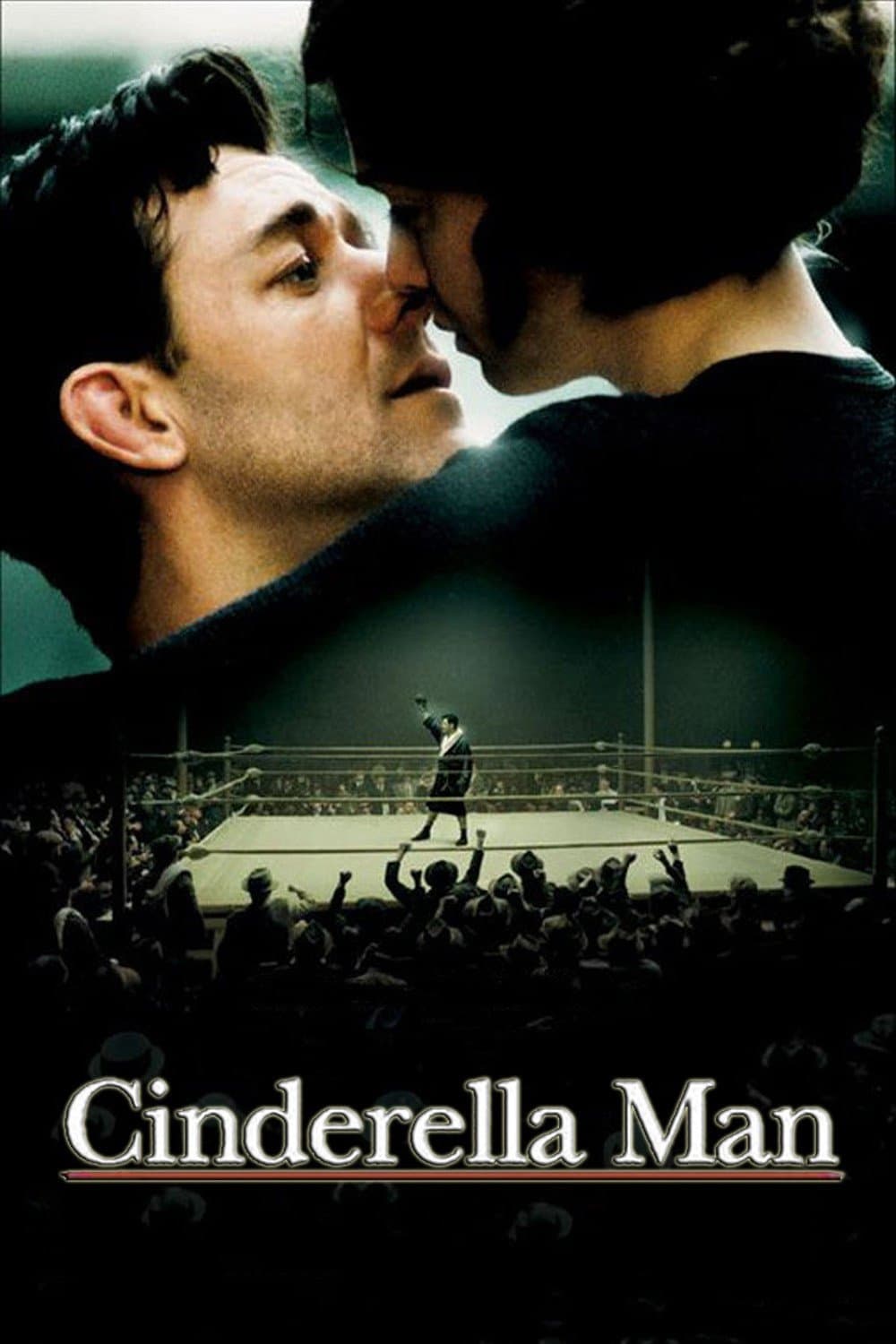
‘Cinderella Man’ is directed by Ron Howard and stars Russell Crowe, Renée Zellweger, and Paul Giamatti in the story of boxer James J. Braddock. The film shows day labor, meal budgeting, and promoter negotiations that frame a late-career comeback.
Production design captures apartment interiors, soup lines, and arenas to contextualize family economics and athletic preparation. It received Academy Award nominations, and coaching sequences illustrate strategy, footwork, and adaptation across bouts.
‘Chariots of Fire’ (1981)
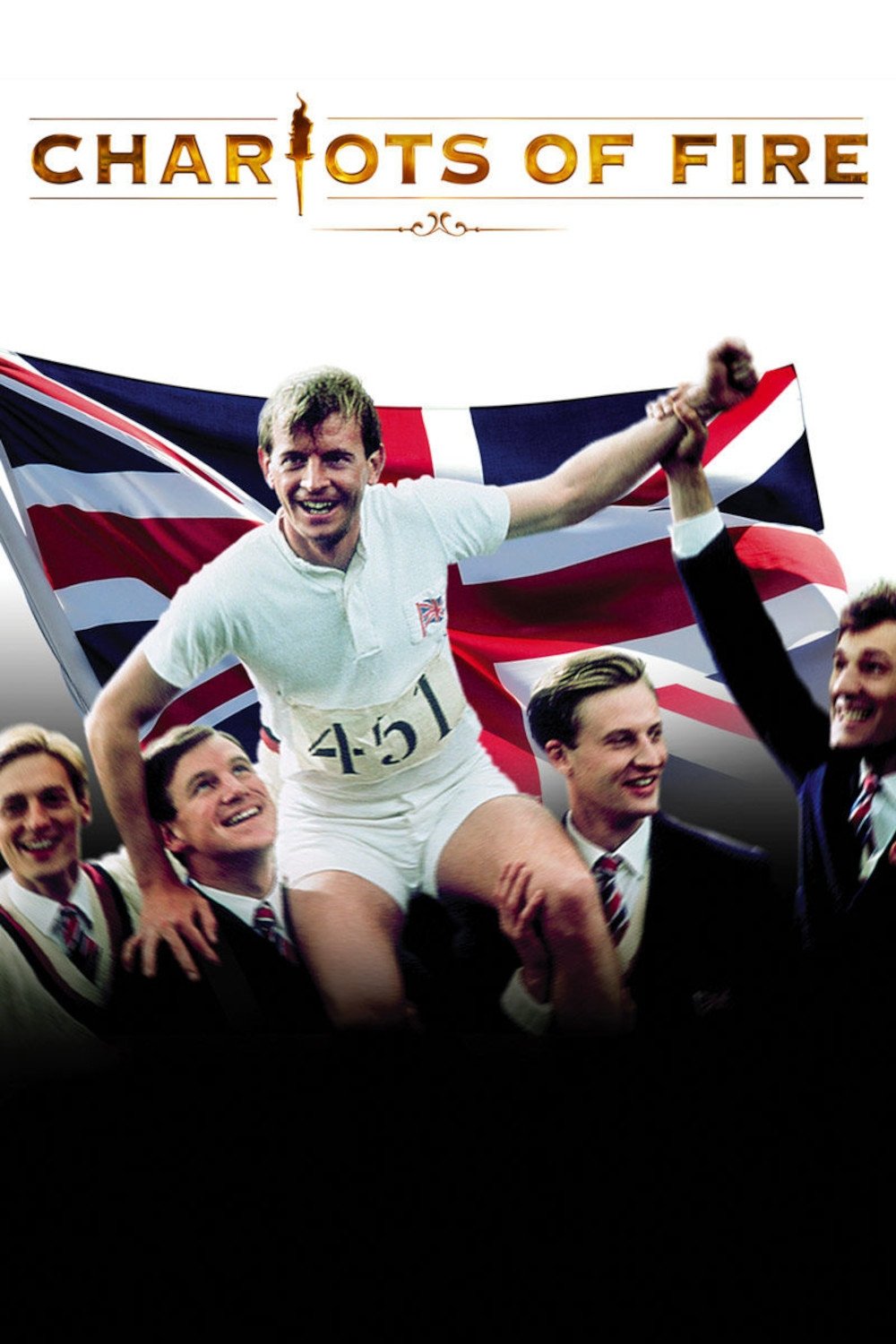
‘Chariots of Fire’ is directed by Hugh Hudson and follows British sprinters Harold Abrahams and Eric Liddell through training, trials, and international competition. The film’s opening beach run and Vangelis score became synonymous with athletic aspiration in popular culture.
It won the Academy Award for Best Picture and uses university colleges, tracks, and locker rooms to detail athlete schedules and coaching philosophy. The screenplay highlights identity, discipline, and scheduling constraints as competitors balance study and sport.
‘Hoosiers’ (1986)
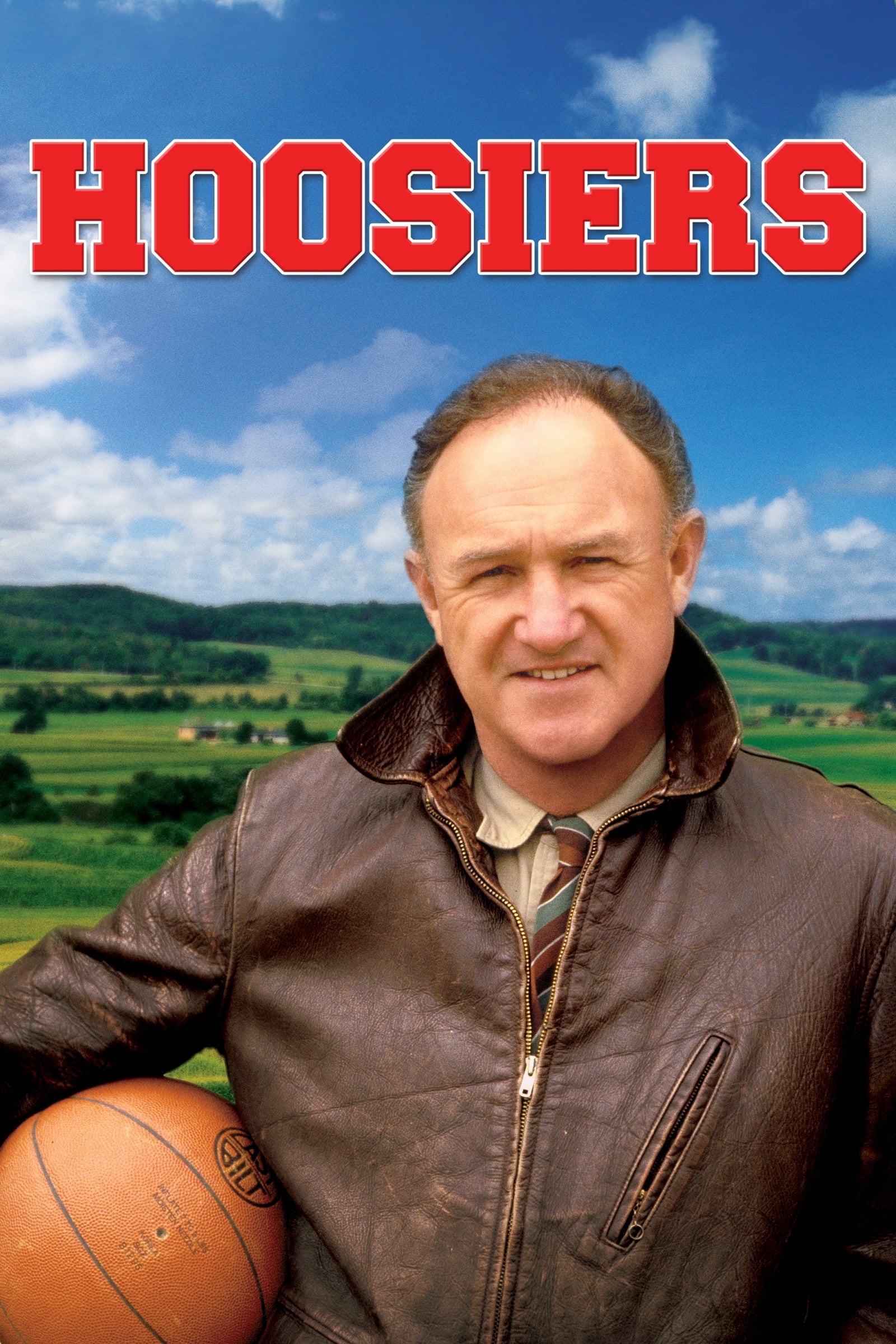
‘Hoosiers’ is directed by David Anspaugh and stars Gene Hackman as a coach guiding a small-school basketball team to a state tournament. The production filmed in Indiana gyms and town squares, lending local texture to practice sequences and community meetings.
The film emphasizes fundamentals—passing drills, defensive sets, and conditioning—while handling eligibility and conduct rules. It received multiple award nominations and is regularly referenced in sports-leadership training for its focus on role clarity and trust.
‘Miracle’ (2004)
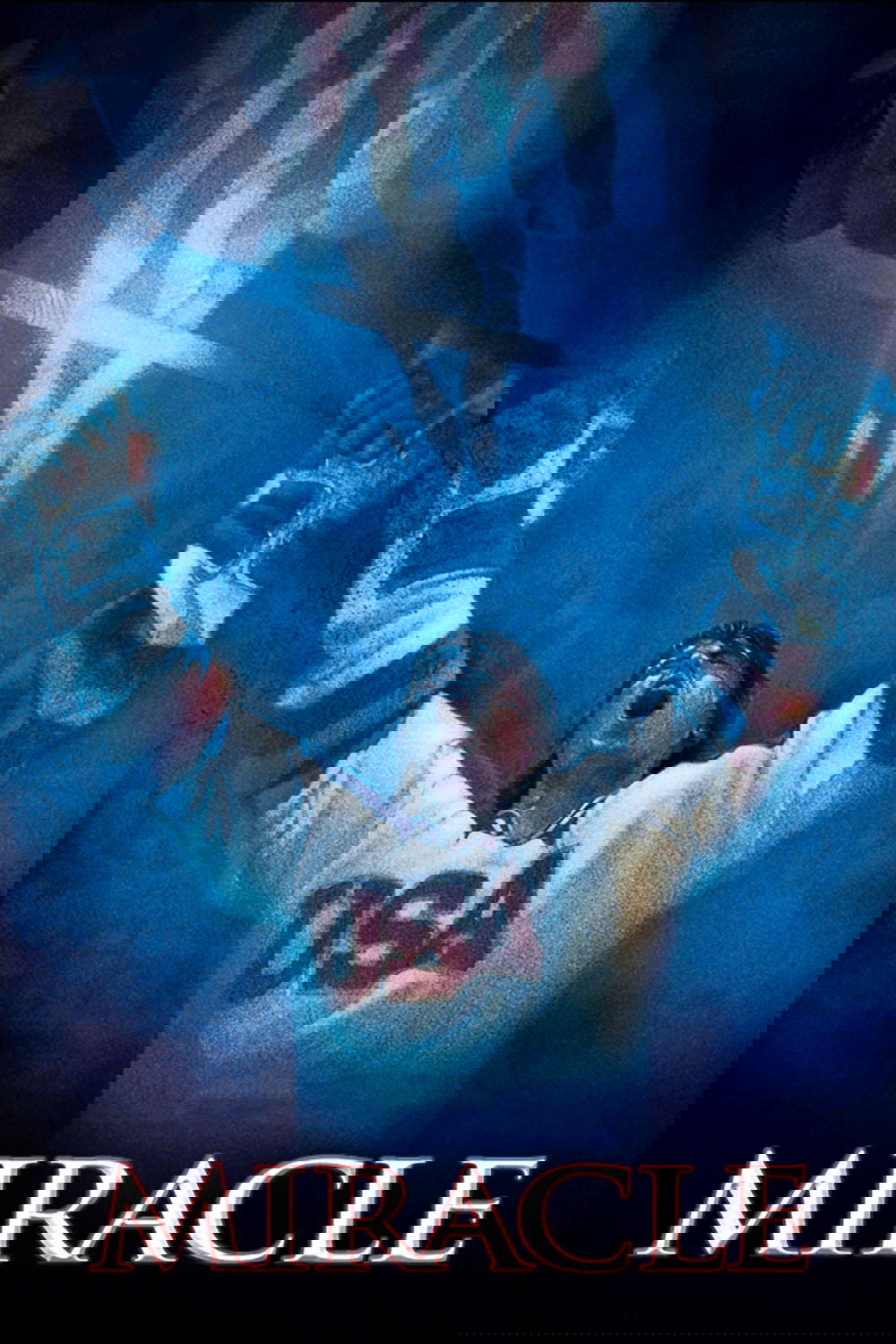
‘Miracle’ is directed by Gavin O’Connor and stars Kurt Russell as coach Herb Brooks during the United States men’s hockey run to an international title. Casting included skilled skaters to support authentic on-ice sequences, with rinks dressed to period specifications.
The film retraces selection camps, exhibition games, and tactical adjustments culminating in a landmark upset. Bench dialogue, locker-room strategy, and opponent scouting present coaching as a continuous feedback loop between data and execution.
‘Rudy’ (1993)
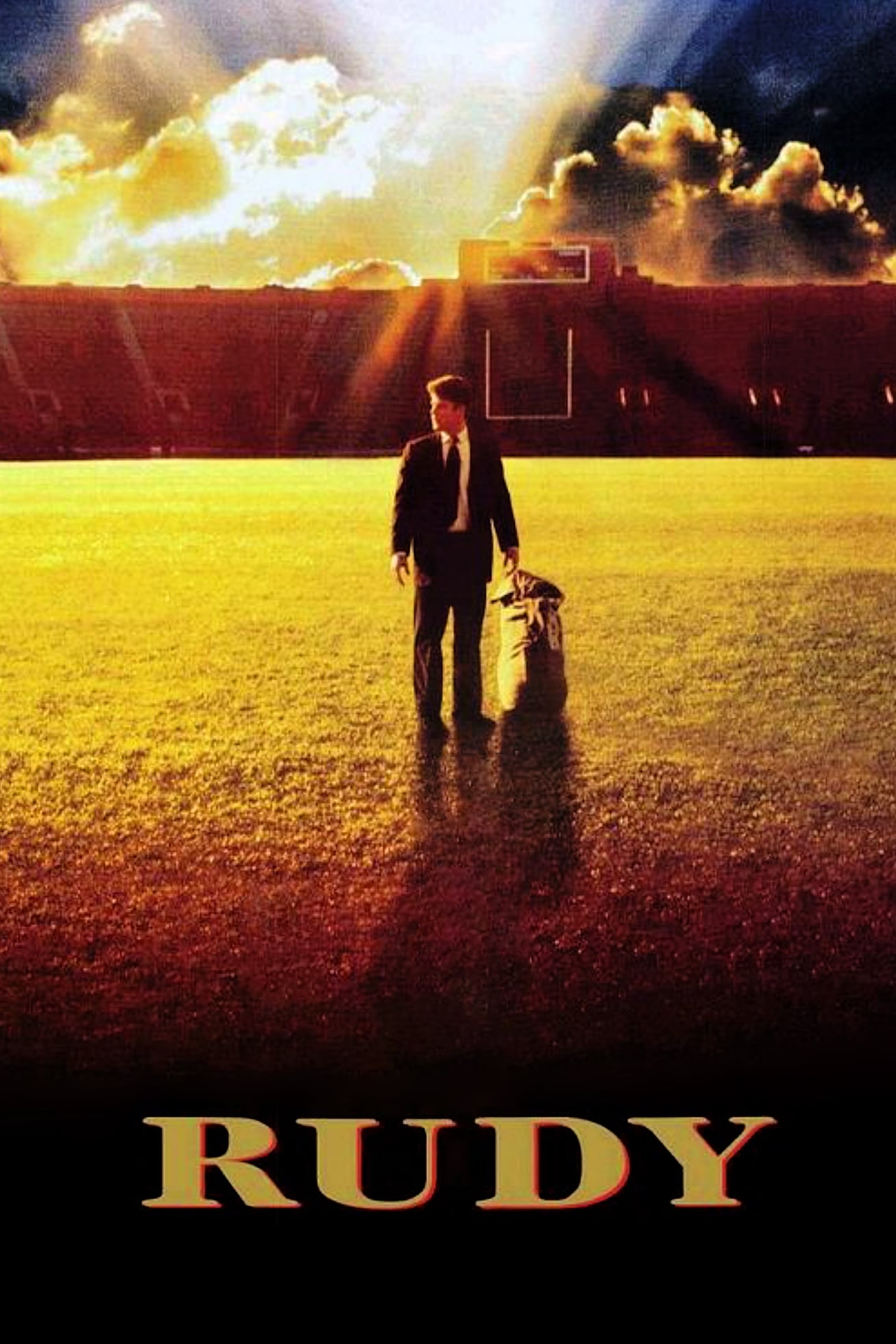
‘Rudy’ is directed by David Anspaugh and stars Sean Astin as a walk-on fighting for a roster spot at a storied college program. Production received cooperation for filming at campus facilities, including a climactic appearance in a home stadium.
The story follows admissions hurdles, practice-squad roles, and academic assistance that make the final moment possible. Cameos and on-field choreography align with documented traditions, providing an accessible map of how persistence interacts with institutional rules.
‘Freedom Writers’ (2007)
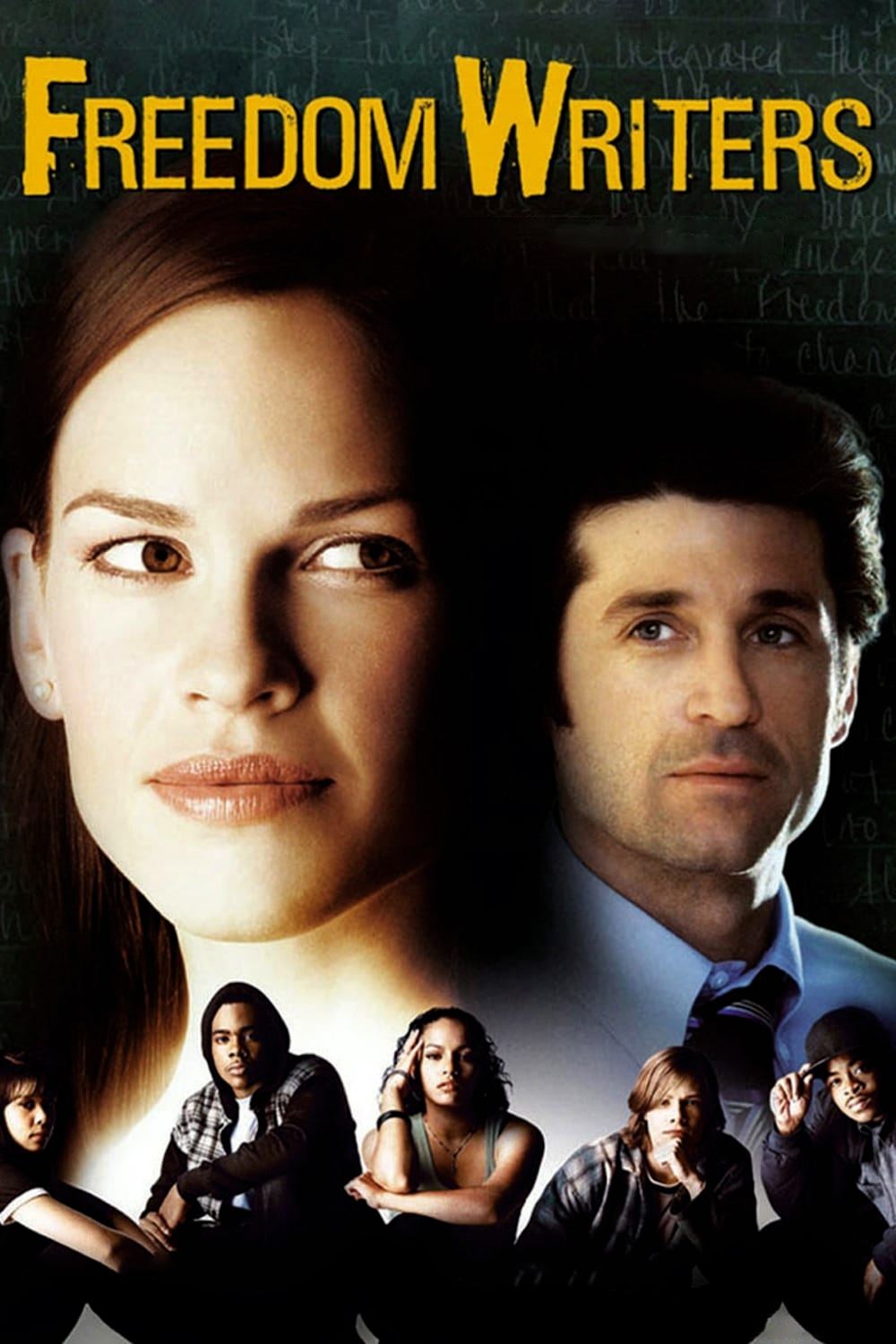
‘Freedom Writers’ is directed by Richard LaGravenese and stars Hilary Swank as teacher Erin Gruwell, adapting classroom diaries that documented students’ experiences. The film shows how journals, literature comparisons, and field trips shaped engagement.
It tracks grant writing, supply purchases, and after-school sessions as the program expands. The narrative illustrates how lesson planning, community partnerships, and student leadership can shift outcomes in high-need schools.
‘Stand and Deliver’ (1988)
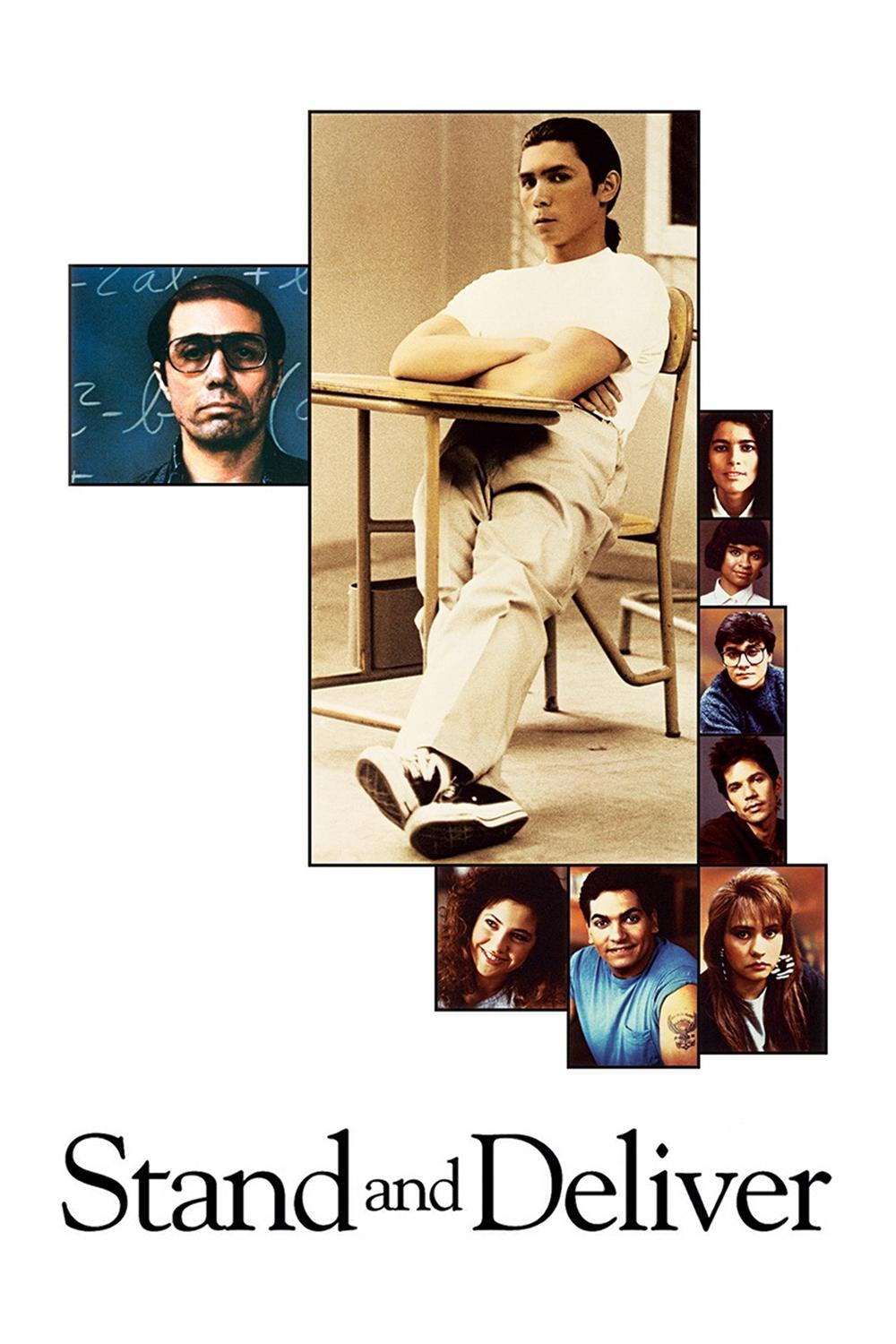
‘Stand and Deliver’ is directed by Ramón Menéndez and stars Edward James Olmos as teacher Jaime Escalante, who builds an advanced mathematics program. The film features step-by-step classroom sequences, from problem-solving drills to exam preparation.
It depicts scheduling conflicts, summer sessions, and external auditing that follow exceptional test results. Olmos received an Academy Award nomination, and the film remains a case study in curriculum rigor and student support.
‘October Sky’ (1999)
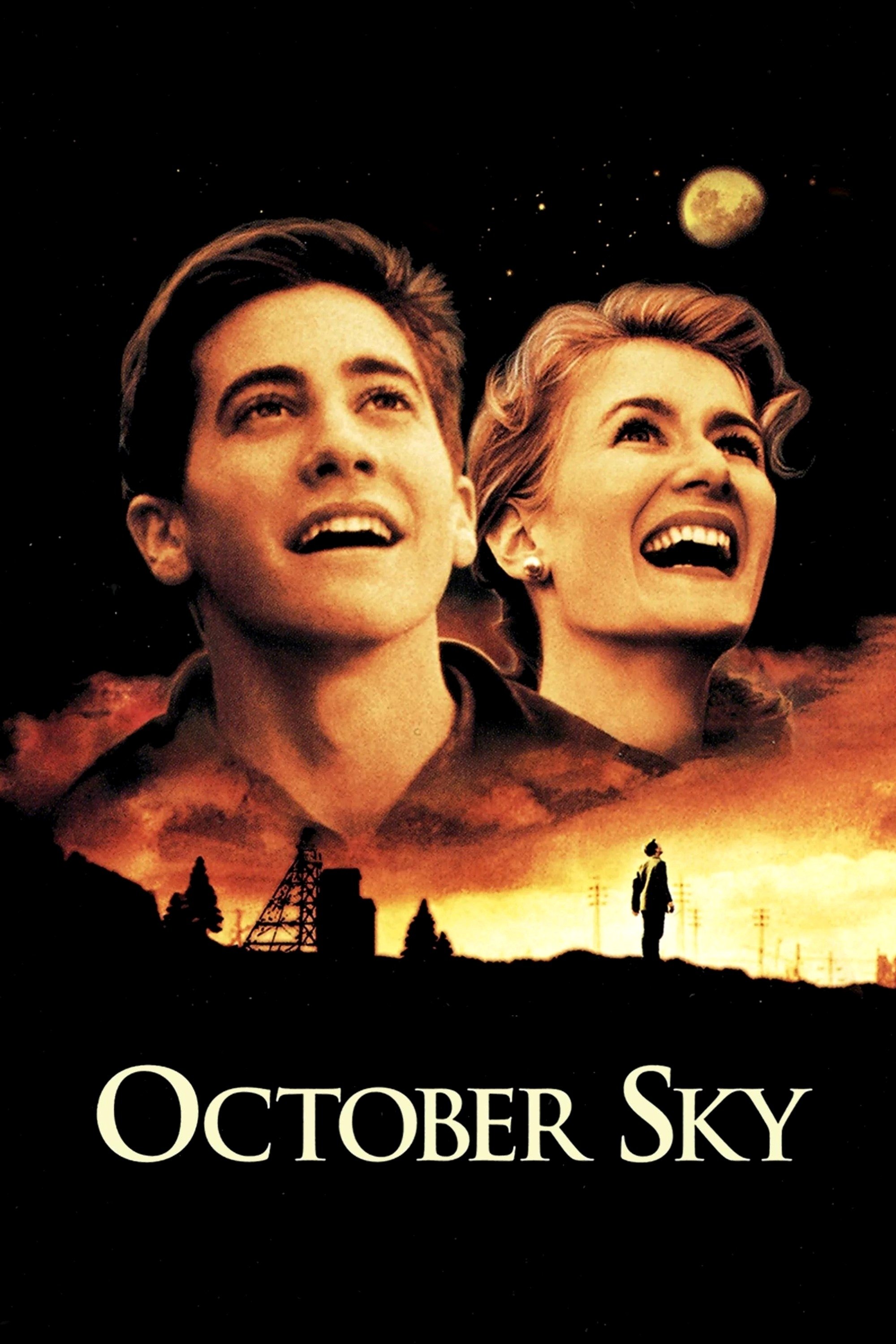
‘October Sky’ is directed by Joe Johnston and stars Jake Gyllenhaal in a coming-of-age story about a student inspired by rocketry to pursue science. The screenplay adapts a popular memoir, staging launches, failures, and redesigns with scrap-yard materials.
It shows family negotiation around work expectations and the role of mentors who guide scholarship and competition entries. Filming in small-town settings reinforces the resourcefulness required to build experiments outside formal labs.
‘Apollo 13’ (1995)
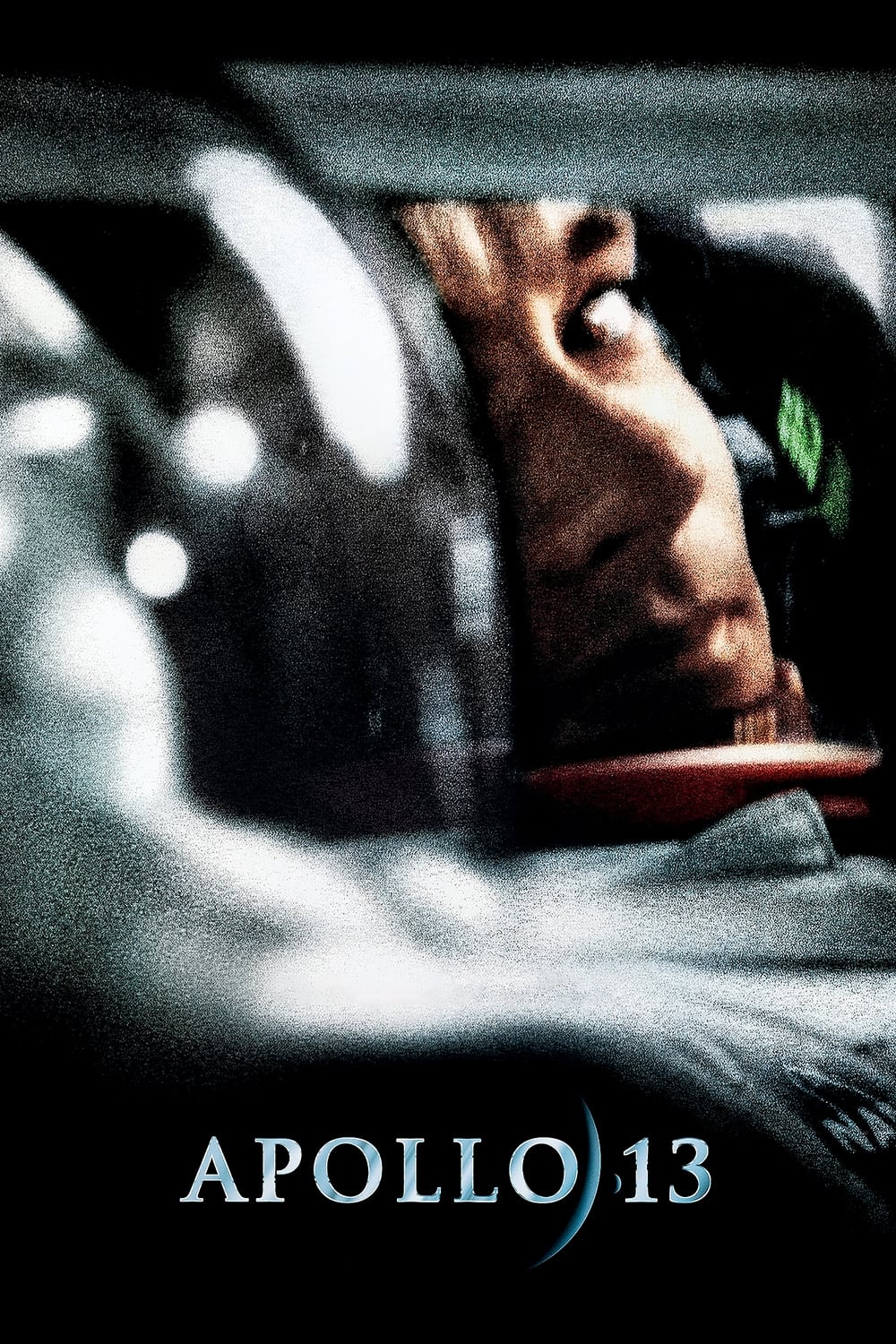
‘Apollo 13’ is directed by Ron Howard and stars Tom Hanks, Kevin Bacon, and Bill Paxton as astronauts on a mission that experiences critical failure. The production used NASA training facilities and parabolic-flight shoots to simulate weightlessness for cabin scenes.
The film documents engineering response—checklists, simulations, and improvised hardware—that stabilized the situation. It earned Academy Awards in sound and editing categories and remains a prime example of procedural storytelling about teamwork under constraint.
‘127 Hours’ (2010)
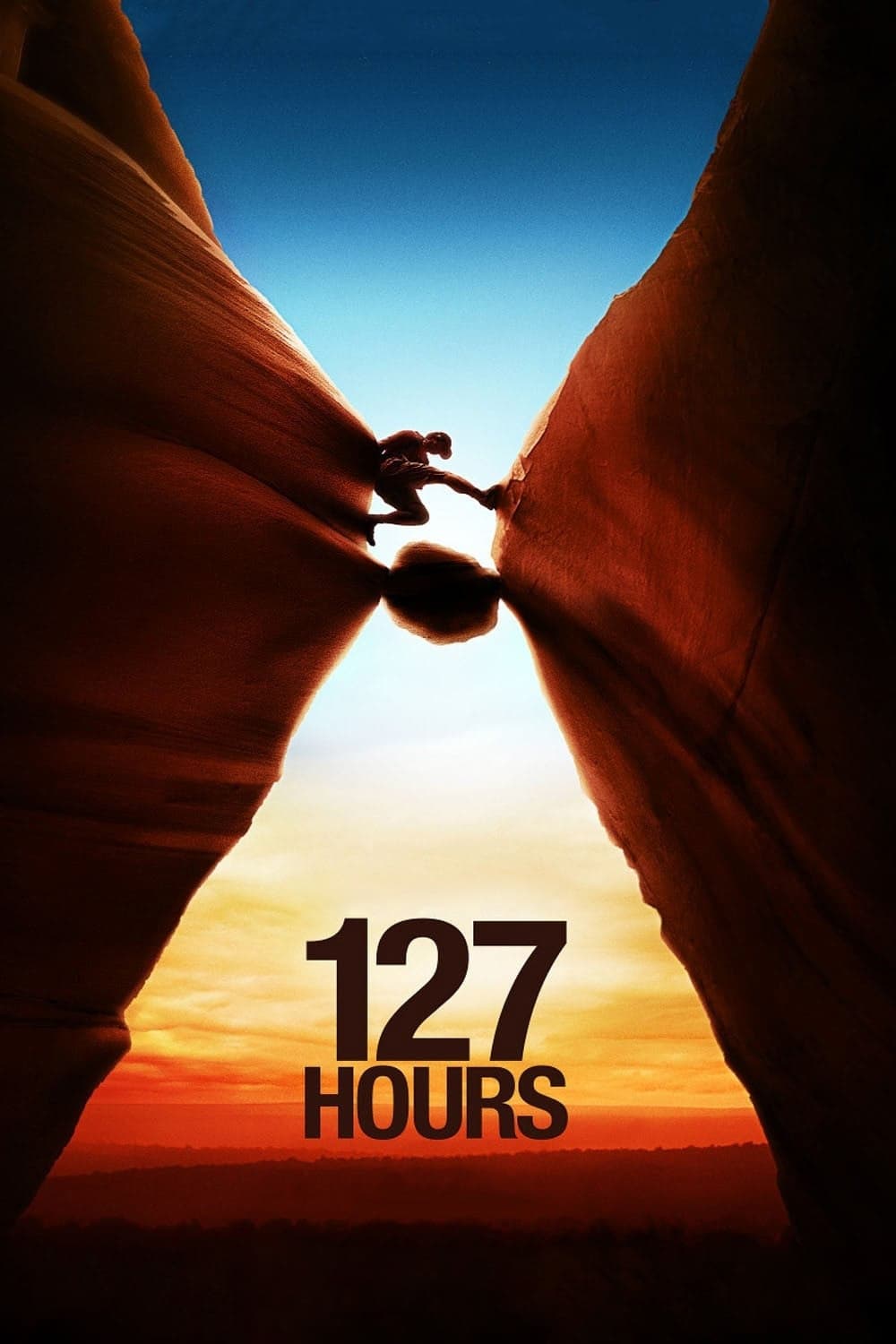
‘127 Hours’ is directed by Danny Boyle and stars James Franco as climber Aron Ralston, whose accident in a slot canyon forces extreme self-rescue. The production combined location work and set builds to recreate the confining environment and technical challenges.
The narrative integrates flashbacks, camcorder logs, and problem-solving sequences around gear limitations and hydration. The film received multiple Academy Award nominations and is used in outdoor-education settings to discuss risk management and decision-making.
‘Lion’ (2016)
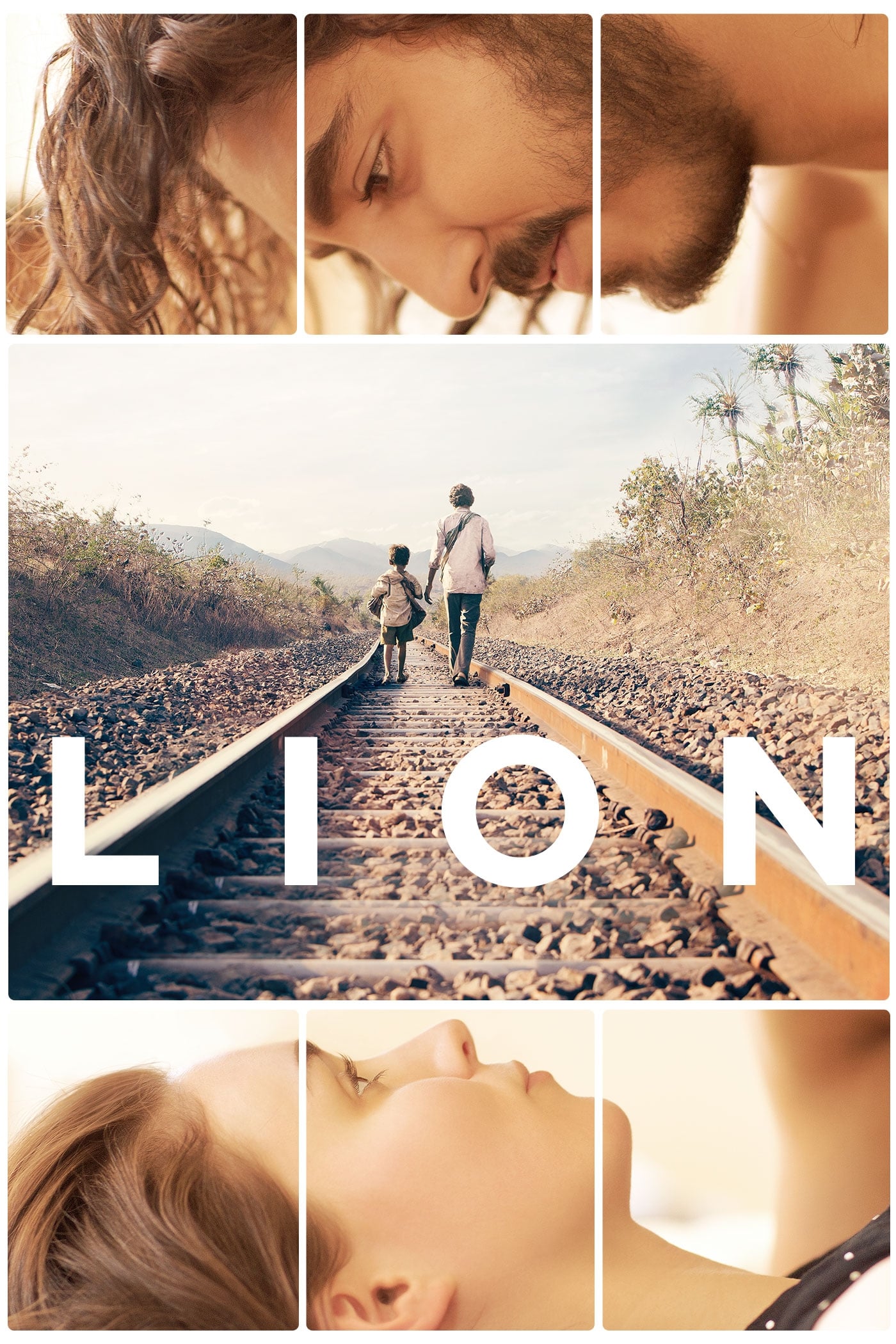
‘Lion’ is directed by Garth Davis and stars Dev Patel, Sunny Pawar, and Nicole Kidman in the story of Saroo Brierley’s search for his birth family. The film adapts a memoir that details memory triggers, mapping tools, and online research used to narrow locations.
It was nominated for multiple Academy Awards and filmed across India and Australia, emphasizing sensory details tied to place. Scenes of adoption paperwork, train stations, and digital sleuthing illustrate how personal history can be reconstructed.
‘Hotel Rwanda’ (2004)
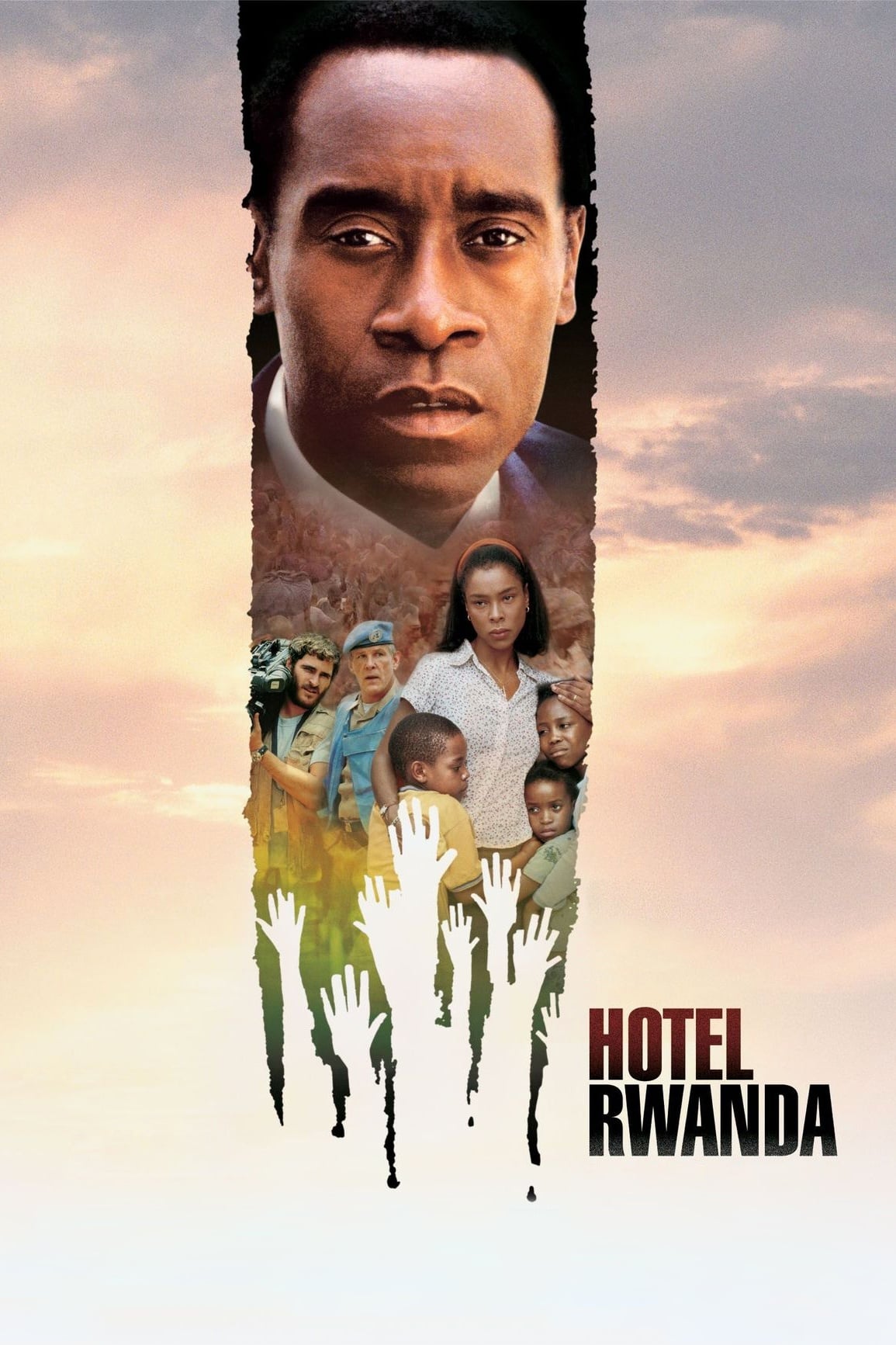
‘Hotel Rwanda’ is directed by Terry George and stars Don Cheadle and Sophie Okonedo in a dramatization of hotel management during mass violence. The production shows logistics such as supply runs, guest registries, and negotiations with armed groups.
It received multiple Academy Award nominations and has been screened in courses on international relations and humanitarian response. The narrative maps how shelter, documentation, and communication can be leveraged to protect civilians.
‘To Kill a Mockingbird’ (1962)
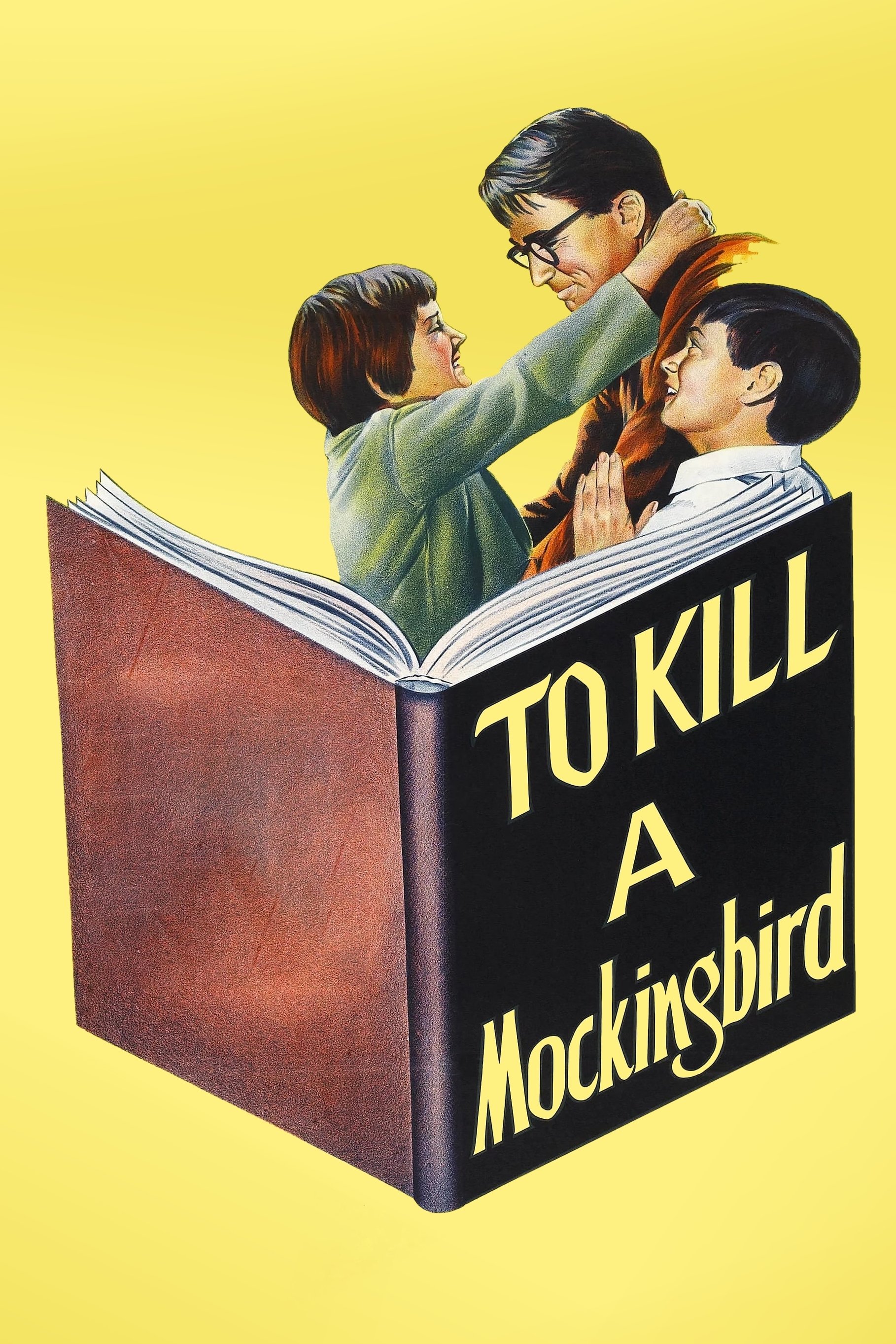
‘To Kill a Mockingbird’ is directed by Robert Mulligan and stars Gregory Peck in an adaptation of Harper Lee’s novel about law, family, and community. Sets include a detailed courthouse interior and Southern neighborhood streets that frame the trial and childhood exploration.
Peck won the Academy Award for Best Actor, and the film became a touchstone for discussions about legal ethics and parenting. School scenes, porches, and town squares anchor the story’s view of civic life and decision-making.
’12 Angry Men’ (1957)
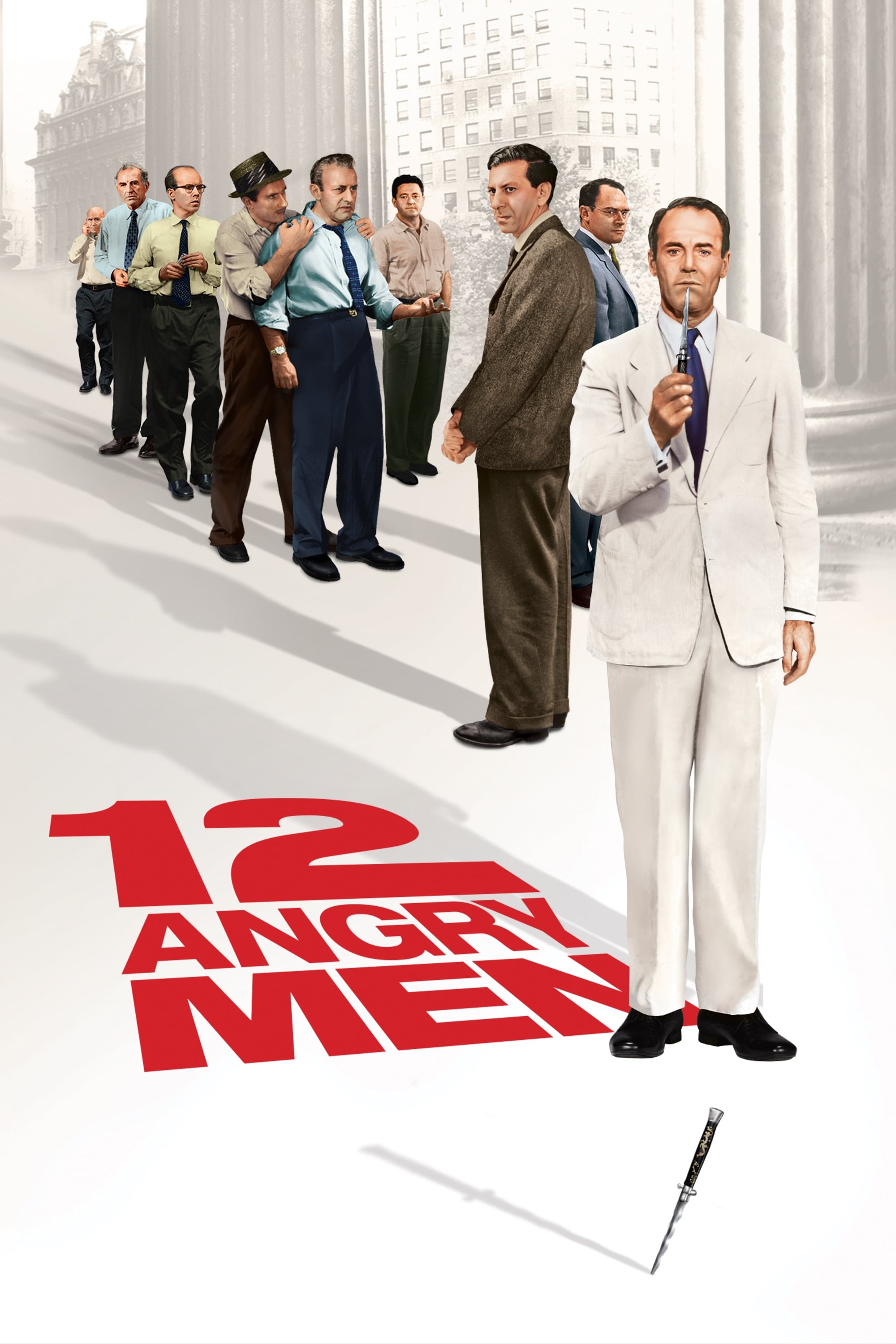
’12 Angry Men’ is directed by Sidney Lumet and stars Henry Fonda in a jury-room drama that never leaves deliberation spaces. Camera placement gradually tightens to increase intensity, while dialogue tracks note-taking, evidence review, and procedural votes.
The film is widely used in law and negotiation courses to examine persuasion, bias checks, and group dynamics. It demonstrates how process design—rules, time, and facilitation—can shift outcomes inside an institutional setting.
‘The Blind Side’ (2009)
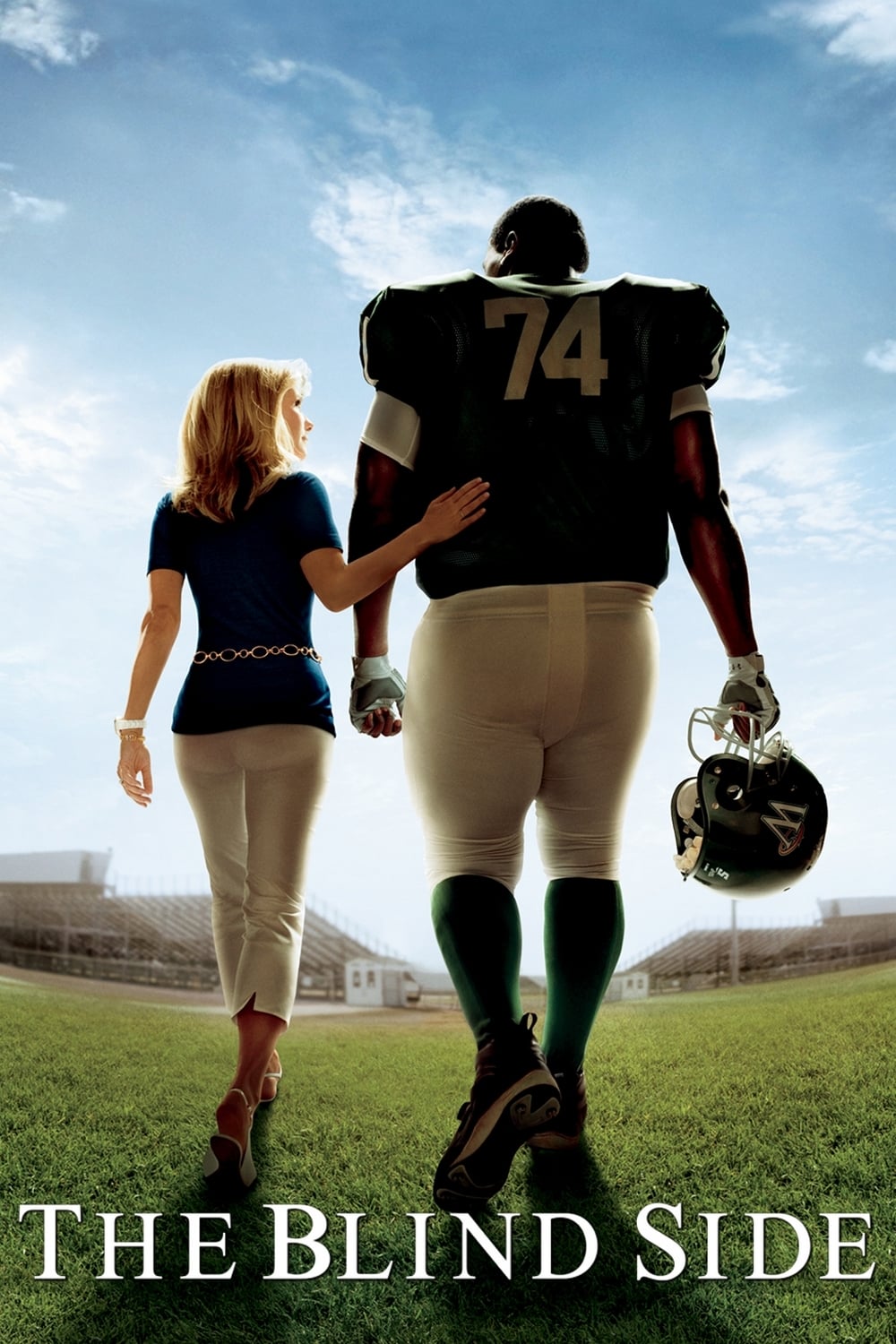
‘The Blind Side’ is directed by John Lee Hancock and stars Sandra Bullock and Quinton Aaron in the story of athlete Michael Oher and the family that supports his development. The film follows academic tutoring, athletic training, and recruitment milestones.
Bullock won the Academy Award for Best Actress, and the production shot in school facilities and homes to track daily routines. The narrative explains eligibility reviews, scholarship decisions, and position coaching within American football.
‘The Green Mile’ (1999)
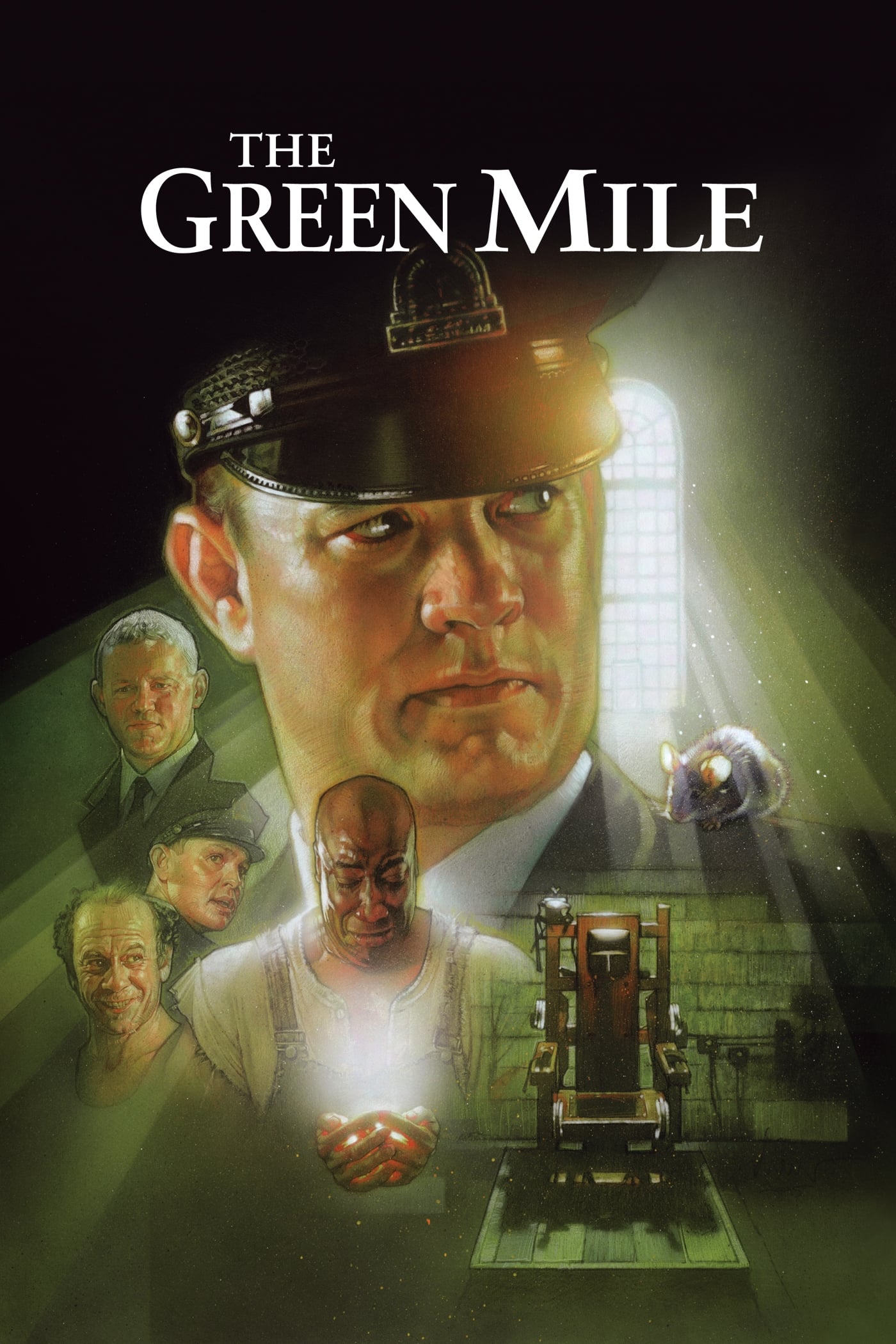
‘The Green Mile’ is directed by Frank Darabont and stars Tom Hanks and Michael Clarke Duncan in a prison drama adapted from a Stephen King serial novel. The film’s title refers to a death-row corridor, and production design emphasizes cell blocks, lighting, and guard stations.
It explores staff procedures, inmate records, and incident response within a correctional institution. The film earned multiple Academy Award nominations and remains notable for ensemble performances and contained-space storytelling.
‘The Color Purple’ (1985)

‘The Color Purple’ is directed by Steven Spielberg and stars Whoopi Goldberg, Oprah Winfrey, and Danny Glover in an adaptation of Alice Walker’s novel. The production built rural Southern settings—houses, fields, and churches—to track family ties and migration.
It received numerous Academy Award nominations and spurred later stage adaptations. The film’s structure allows viewers to follow letters, work, and community gatherings as connective tissue for character arcs across decades.
‘Billy Elliot’ (2000)
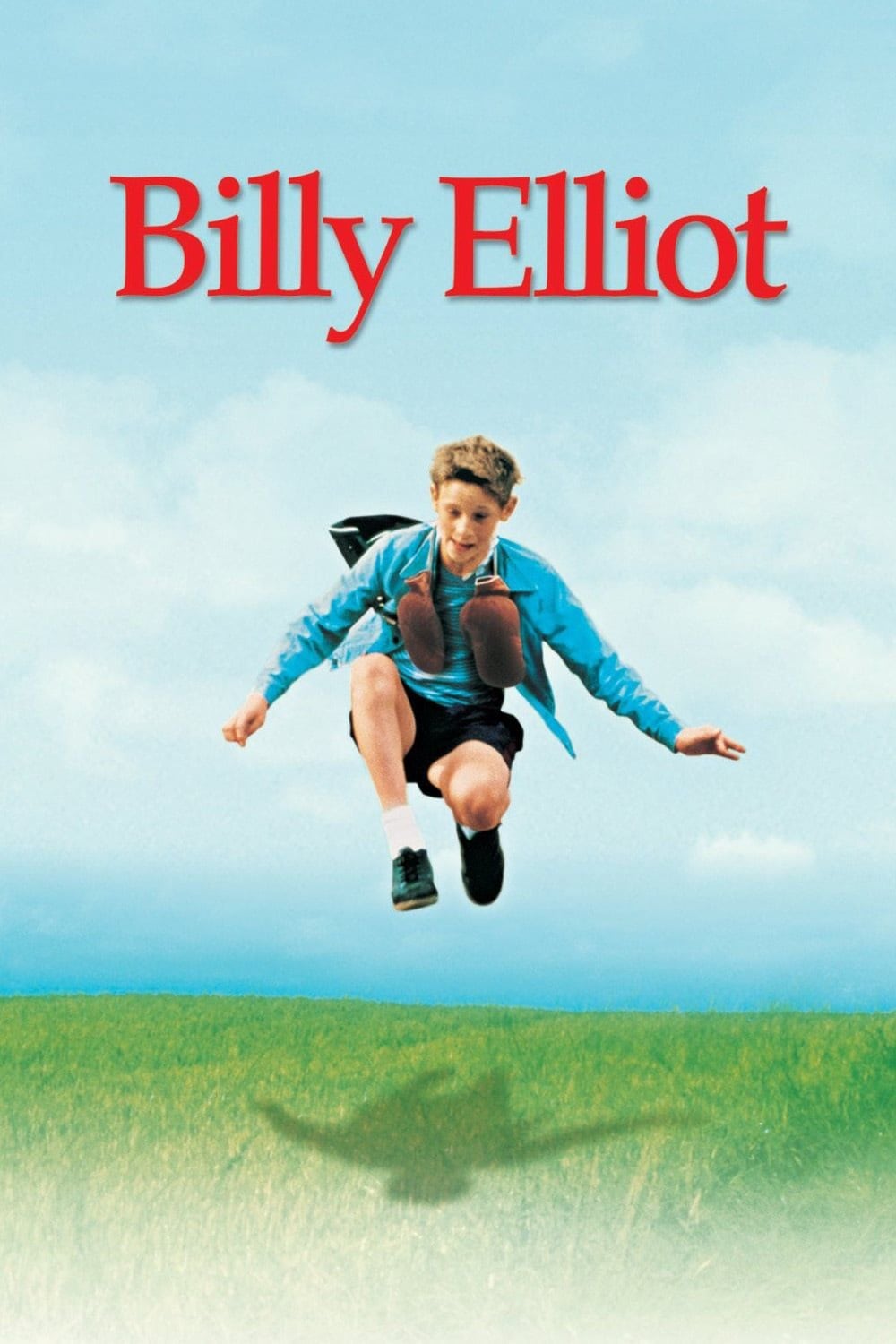
‘Billy Elliot’ is directed by Stephen Daldry and stars Jamie Bell as a boy who pursues ballet training against expectations in a mining community. Casting and choreography support extended rehearsal sequences and audition preparation.
The film led to a successful stage musical and is used in arts-education discussions for its depiction of access, funding, and teacher advocacy. Family budgeting, school interactions, and dance exams provide a clear roadmap of how talent is nurtured.
‘Moana’ (2016)

‘Moana’ is a Disney animated feature directed by Ron Clements and John Musker, with Auliʻi Cravalho and Dwayne Johnson leading the voice cast. The film consulted Pacific Islander navigators and cultural advisors, integrating wayfinding practices into story beats.
It features original music developed with regional influences and showcases ocean simulation technology that advanced the studio’s toolset. Story elements include leadership training, boat repair, and route planning that connect heritage knowledge to problem-solving.
‘Mulan’ (1998)

‘Mulan’ is a Disney animated feature directed by Tony Bancroft and Barry Cook, adapting a classic Chinese legend about family honor and military service. Character animation combines hand-drawn work with digital tooling for large formation shots.
The film’s training sequences, enlistment ruse, and battlefield tactics shape a compact arc about competence and responsibility. Its production design draws on Chinese art references for armor, architecture, and landscapes, and the soundtrack became widely recognized.
‘Soul’ (2020)

‘Soul’ is a Pixar film directed by Pete Docter and Kemp Powers, with voice performances by Jamie Foxx and Tina Fey. The story follows a music teacher navigating questions of vocation and everyday purpose through a fantasy framework.
The production blends a jazz-club soundscape with an abstract afterlife design, using different animation languages for each realm. The score combines original compositions and jazz performance, and the film released widely on a major streaming platform.
‘Up’ (2009)

‘Up’ is a Pixar film directed by Pete Docter and co-directed by Bob Peterson, featuring Ed Asner as the voice of Carl and a memorable canine translation device. Art departments designed a floating house, South American mesas, and an oversized airship for adventure staging.
It opened the Cannes Film Festival and won the Academy Award for Animated Feature. Montage storytelling, a wilderness exploration badge, and an air-rescue finale structure the path from neighborhood change to expedition teamwork.
‘The Secret Life of Walter Mitty’ (2013)
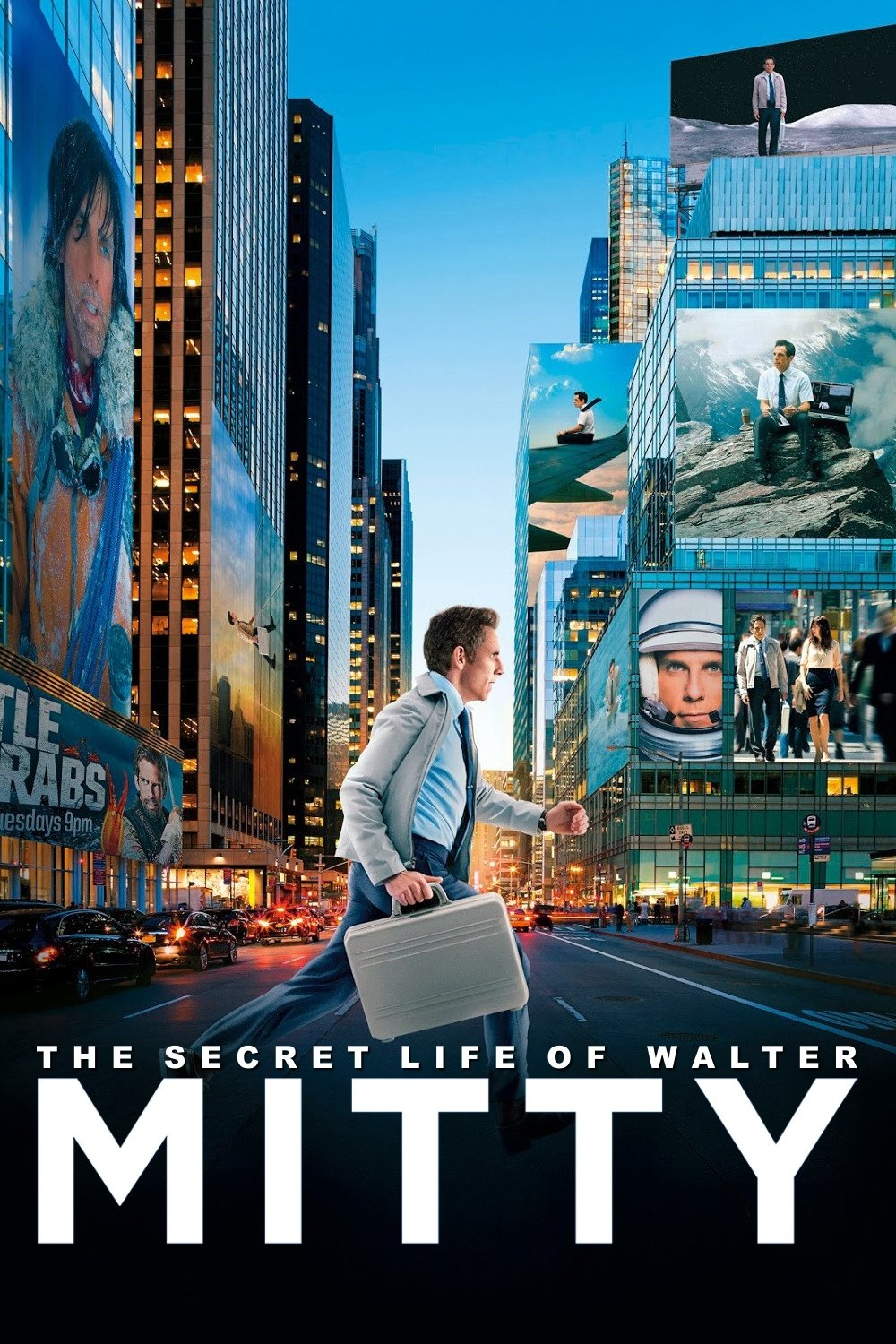
‘The Secret Life of Walter Mitty’ is directed by and stars Ben Stiller, adapting a well-known short story into a modern adventure about stepping beyond routine. Location work in Iceland, New York, and other sites supports hiking, skateboarding, and photography sequences.
The film integrates magazine production workflows, negative handling, and deadline pressures tied to a publication’s transition. Its visual effects and travel logistics illustrate how a personal search intersects with professional responsibilities.
‘Pay It Forward’ (2000)
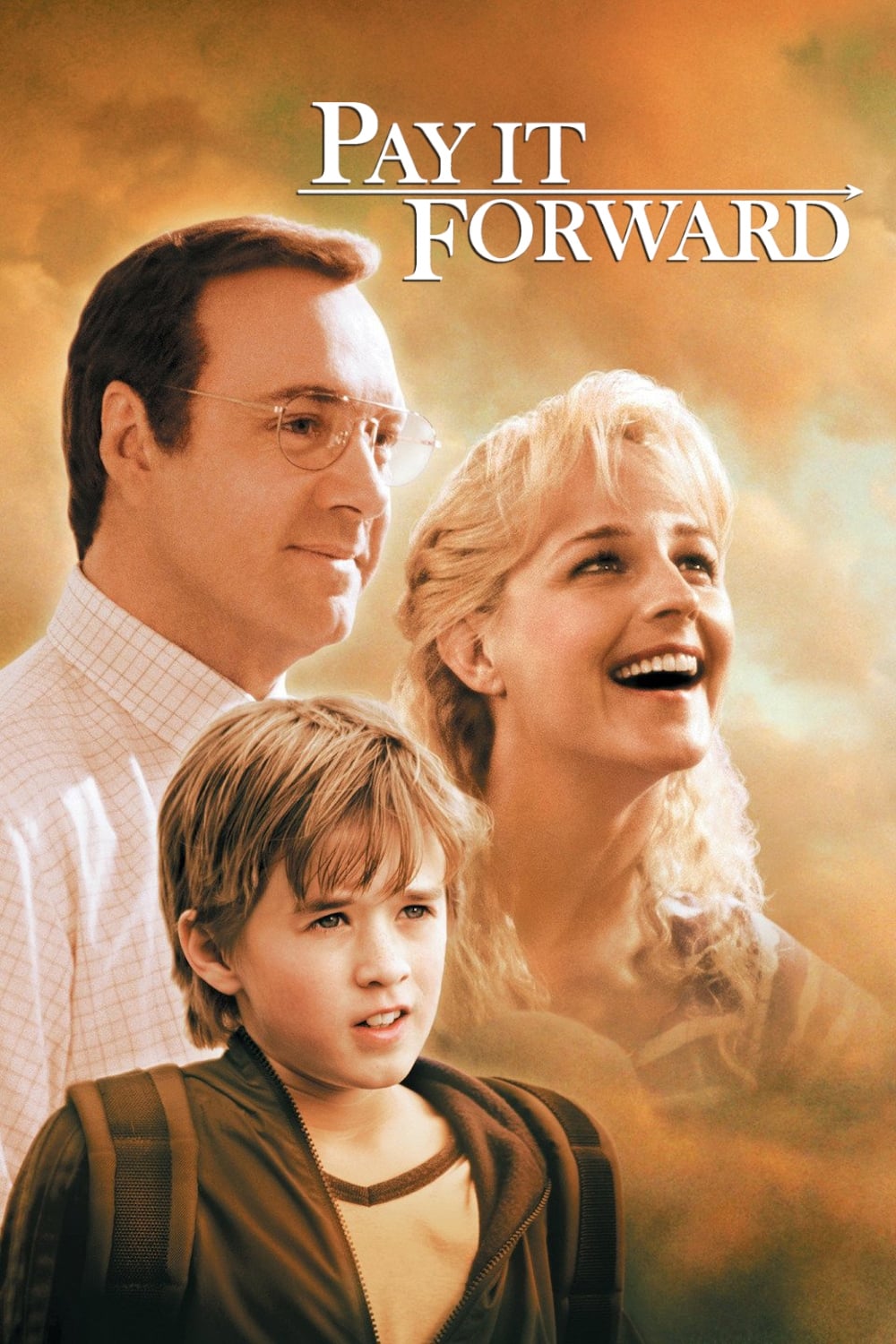
‘Pay It Forward’ is directed by Mimi Leder and stars Haley Joel Osment, Kevin Spacey, and Helen Hunt in a drama built around a classroom assignment. The story tracks how a simple rule—help multiple strangers with significant acts—moves through a community.
The film adapts a popular novel and depicts school projects, media attention, and interpersonal fallout as the idea spreads. It sparked real-world campaigns using the same phrase, often cited in service-learning and volunteer-coordination contexts.
‘The Peanut Butter Falcon’ (2019)
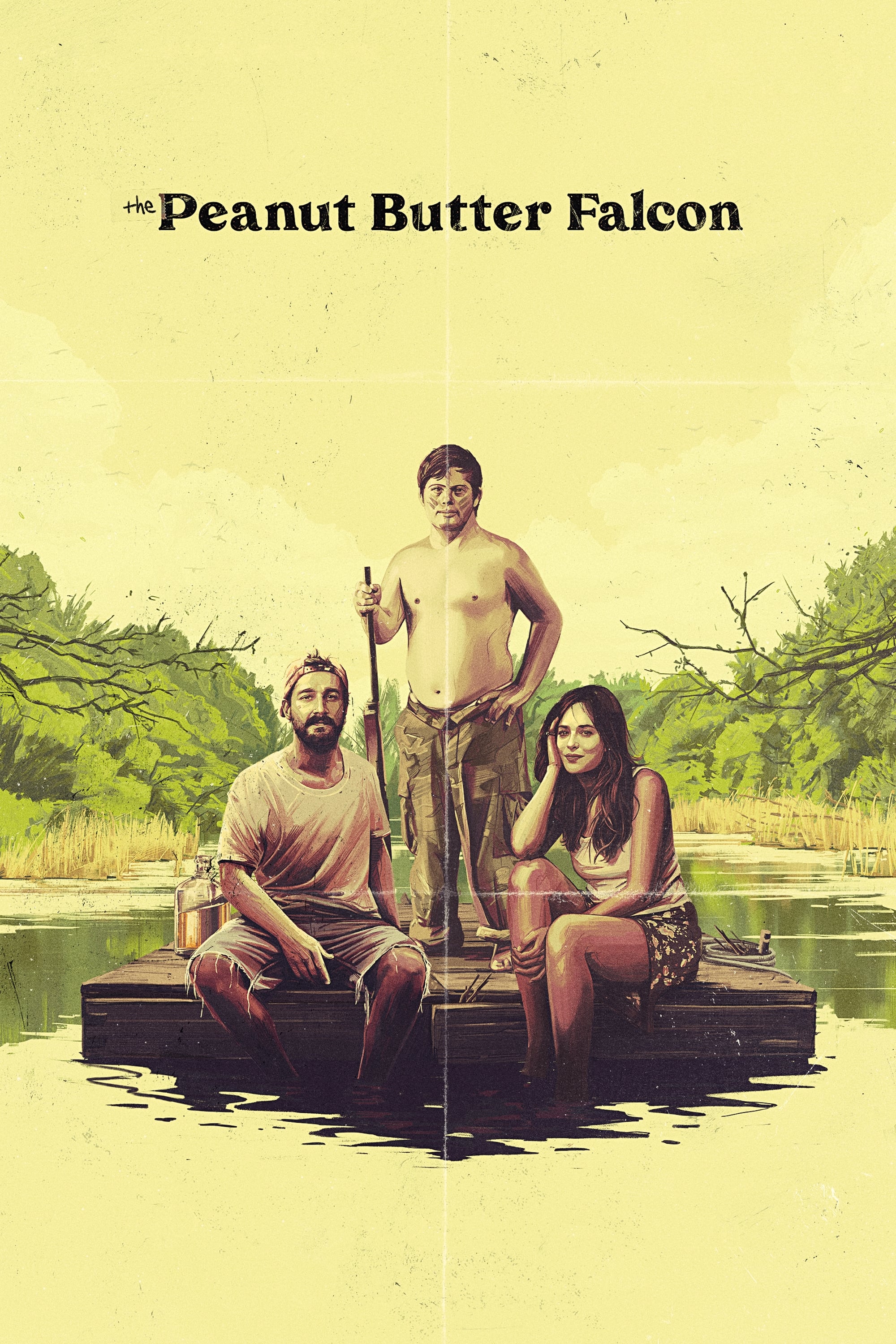
‘The Peanut Butter Falcon’ is written and directed by Tyler Nilson and Michael Schwartz and stars Zack Gottsagen, Shia LaBeouf, and Dakota Johnson. The film follows an unauthorized road-and-river trip that becomes an informal mentorship.
Shot in coastal North Carolina, it uses regional details—boats, marshes, and small arenas—to frame training and travel. Festival screenings and audience awards broadened visibility, and the production is noted for inclusive casting and on-set accessibility practices.
‘The Boy Who Harnessed the Wind’ (2019)
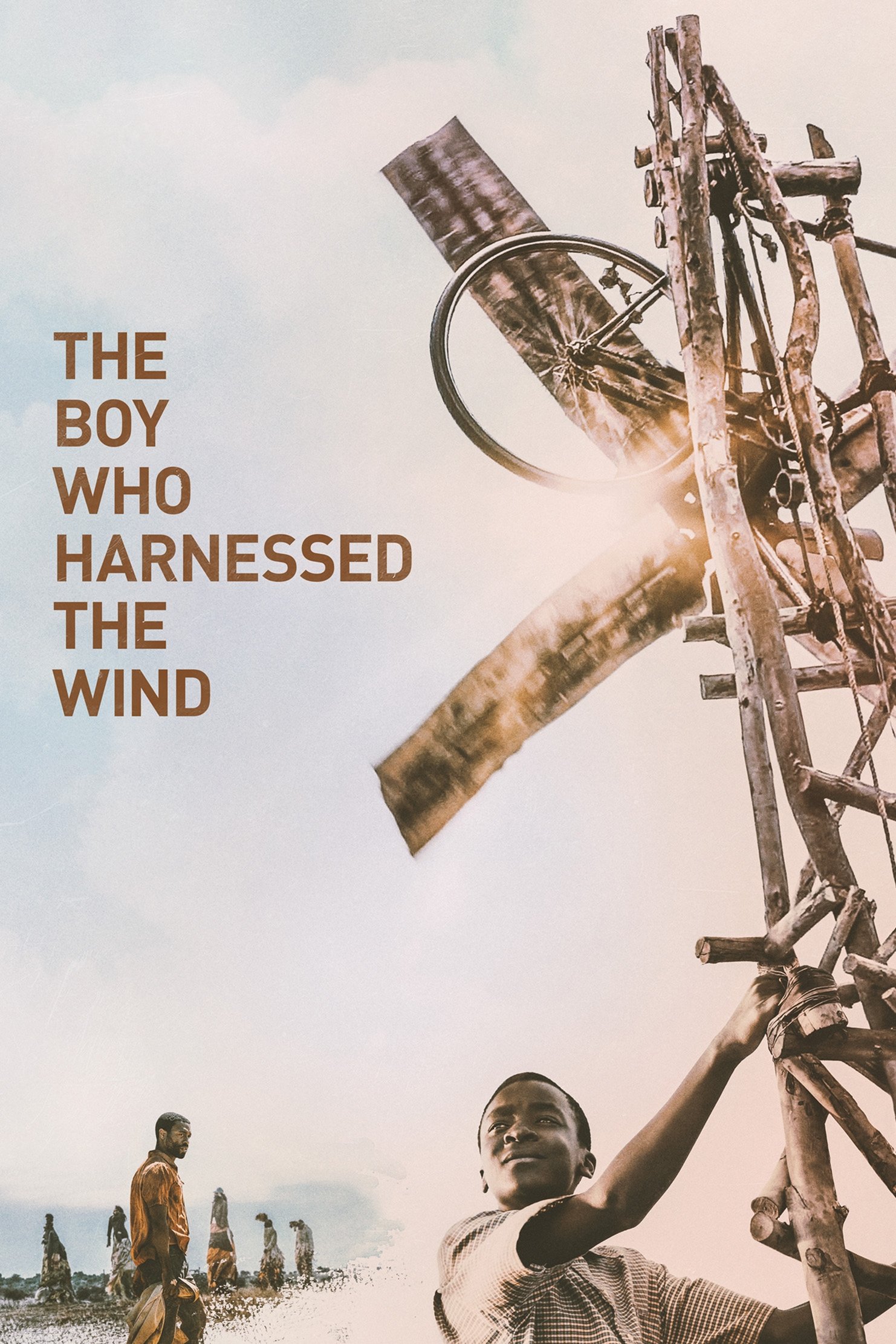
‘The Boy Who Harnessed the Wind’ is written and directed by Chiwetel Ejiofor, adapting William Kamkwamba’s memoir about building a windmill to stabilize crops and power devices. The film details component scrounging, library research, and iterative design.
Shot in Malawi with local participation, it shows family decision-making and village governance around resource allocation. Released by a global streaming platform, the film is frequently used to discuss engineering education and community problem-solving.
‘McFarland, USA’ (2015)
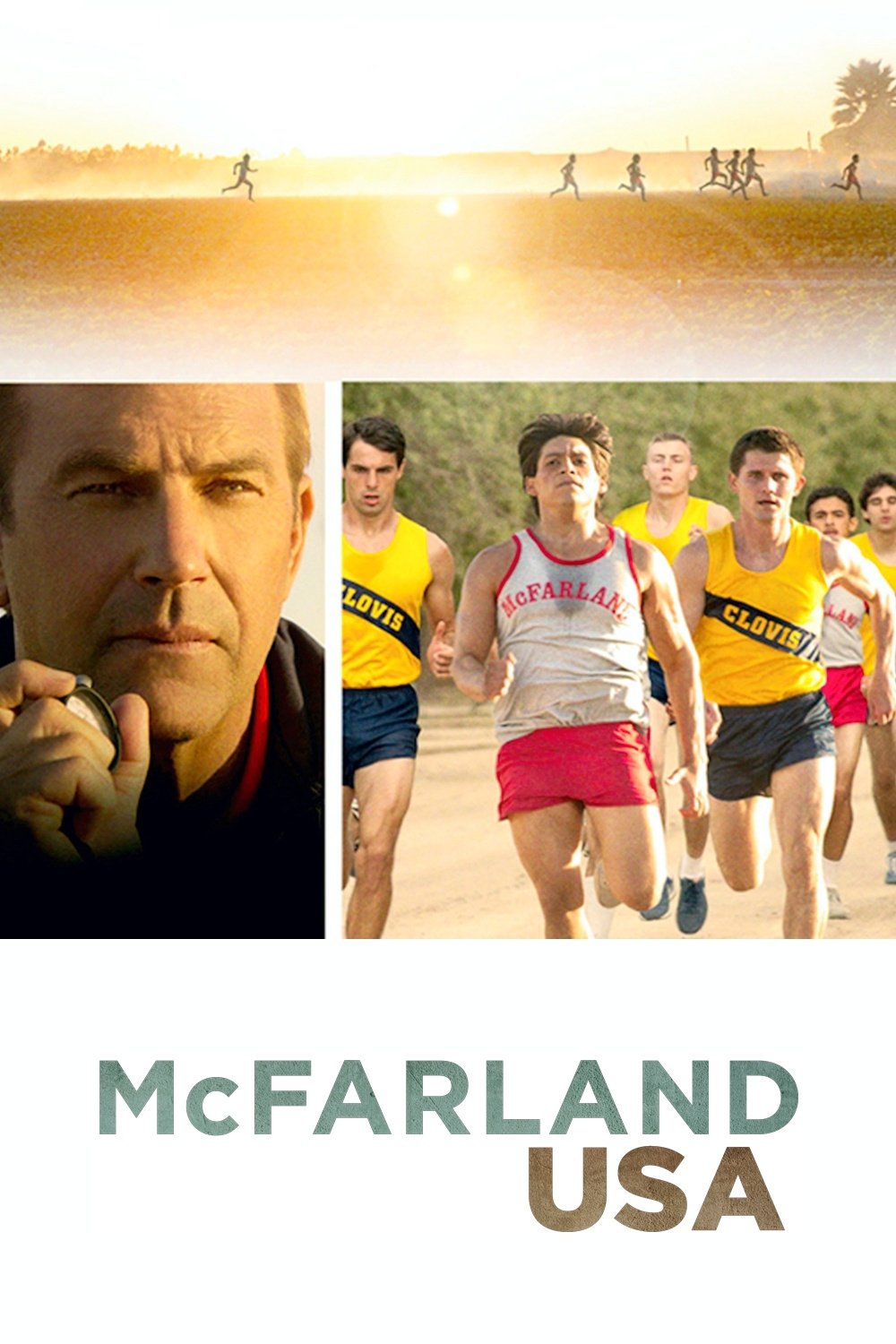
‘McFarland, USA’ is directed by Niki Caro and stars Kevin Costner as coach Jim White, who starts a cross-country team in California’s Central Valley. The production incorporates agricultural work schedules and training routes through orchards and neighborhoods.
It charts transportation, nutrition, and academic eligibility alongside race strategy, highlighting program building from scratch. Community events and school meetings demonstrate stakeholder buy-in as the team advances.
‘Queen of Katwe’ (2016)
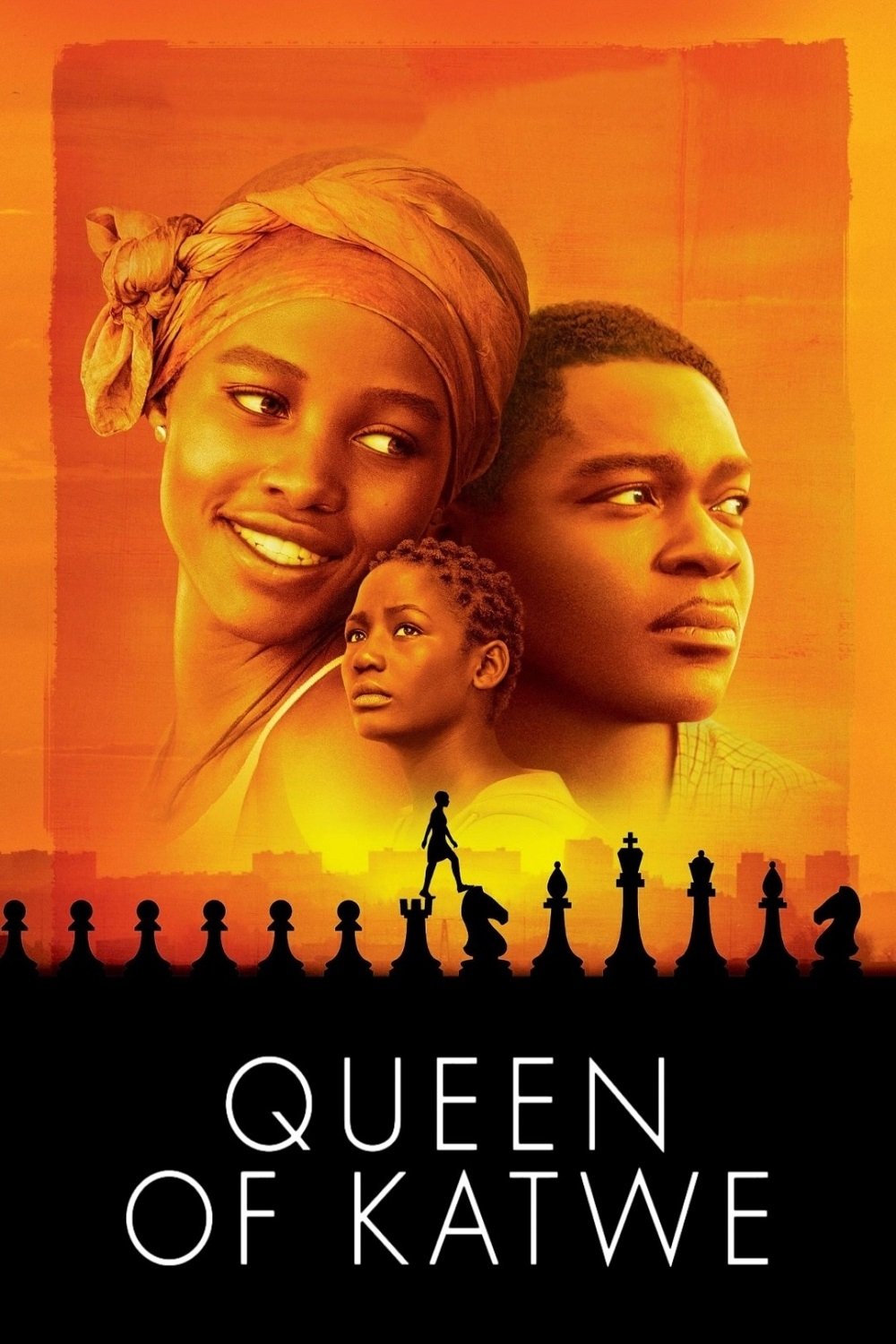
‘Queen of Katwe’ is directed by Mira Nair and stars Madina Nalwanga, David Oyelowo, and Lupita Nyong’o in the story of Ugandan chess player Phiona Mutesi. Filmed in Kampala and Johannesburg, it shows clinics, tournaments, and study sessions that develop skill.
The film depicts coaching methods, family budgeting, and international travel logistics connected to competition. Released by Disney, it is widely used in youth programs to illustrate talent discovery and structured practice.
Tell us which titles you’d add to this list—and why they inspire you—in the comments.