The Most Rewatchable Movies Ever Filmed


Some films invite repeat visits because their storytelling is layered, their worlds are richly built, and their craft rewards attention to detail. From groundbreaking animation and meticulous heist tales to historical epics and razor-sharp mysteries, these titles offer plots, performances, and production choices that hold up on a second or tenth pass.
Below is a broad, decade-spanning collection that highlights directors, writers, casts, formats, and craft elements—editing, sound, music, effects, choreography, and design. Each entry focuses on concrete details like source material, production methods, awards, and where or how the film was made, so you can zero in on what makes each one a durable repeat watch.
‘The Shawshank Redemption’ (1994)
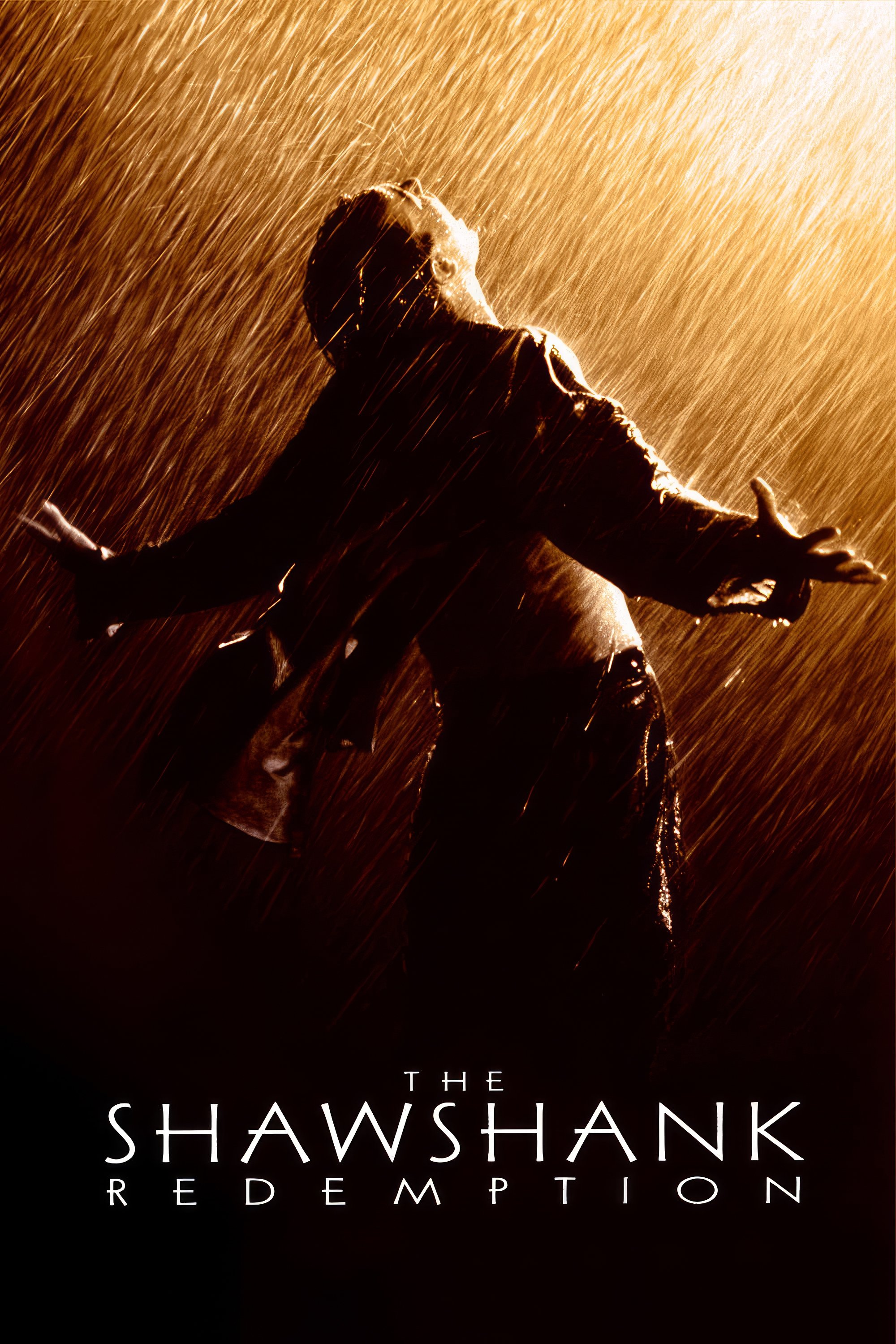
Adapted from Stephen King’s novella ‘Rita Hayworth and Shawshank Redemption,’ ‘The Shawshank Redemption’ was written and directed by Frank Darabont and stars Tim Robbins and Morgan Freeman. Principal photography used the Ohio State Reformatory in Mansfield for its distinctive architecture, with Thomas Newman providing the score and Roger Deakins handling cinematography.
The film tracks Andy Dufresne’s years-long imprisonment and alliance with Ellis “Red” Redding, presenting a timeline of warden corruption, prison labor schemes, and an elaborate escape plan. Its detailed production design emphasizes the passage of time through set dressing, costumes, and subtle color shifts that mirror the characters’ changing circumstances.
‘The Godfather’ (1972)
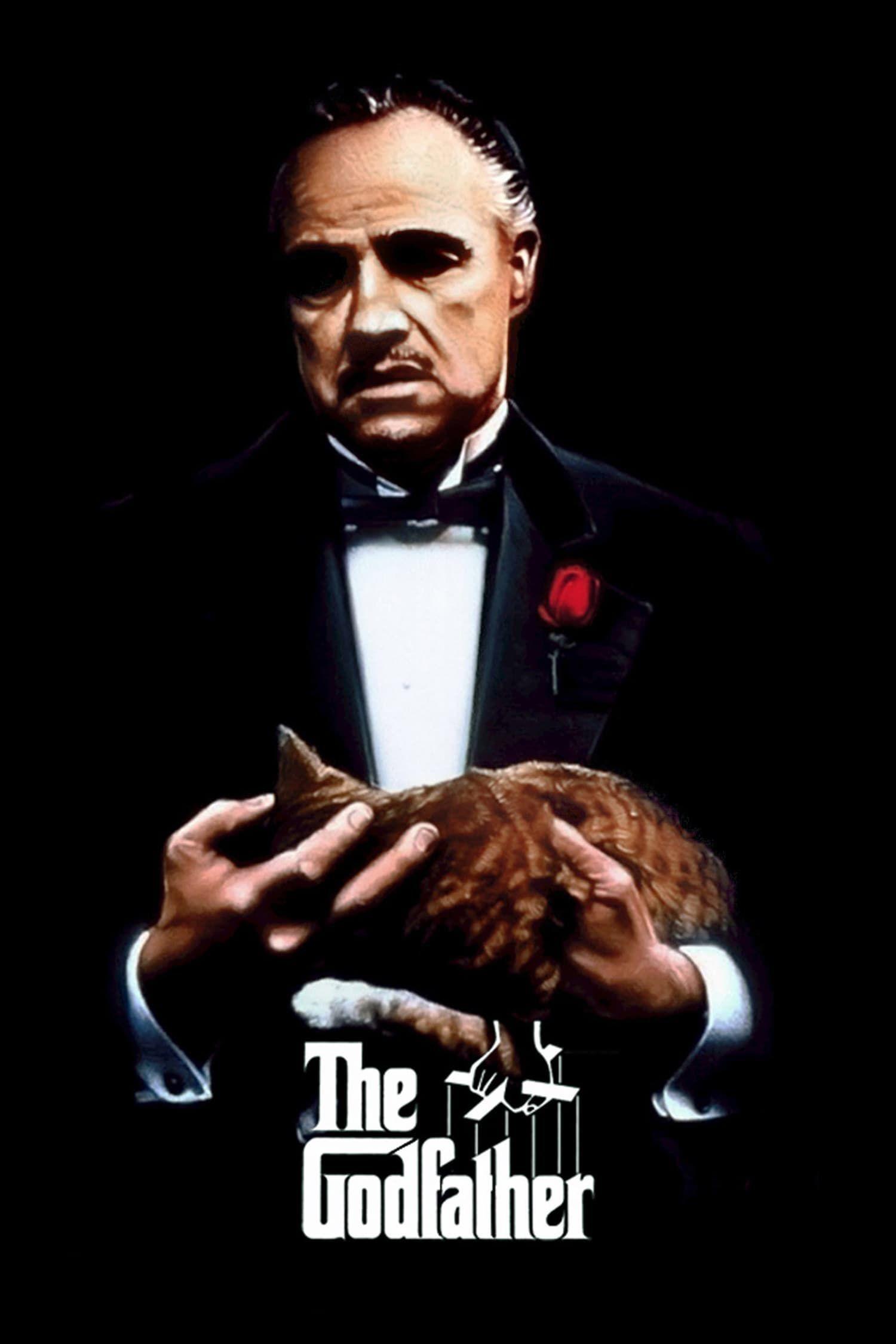
‘The Godfather’ adapts Mario Puzo’s novel under the direction of Francis Ford Coppola, with a cast led by Marlon Brando, Al Pacino, James Caan, and Diane Keaton. Gordon Willis’ low-key lighting and Dean Tavoularis’ production design established a period look that anchored the Corleone family’s world.
The story charts the transfer of power from Vito Corleone to Michael Corleone across weddings, business meetings, and retaliatory hits. Nino Rota’s score, location shooting in New York and Sicily, and carefully staged set-pieces—like the restaurant scene—showcase precise blocking and sound design that support the narrative’s cause-and-effect structure.
‘The Godfather Part II’ (1974)
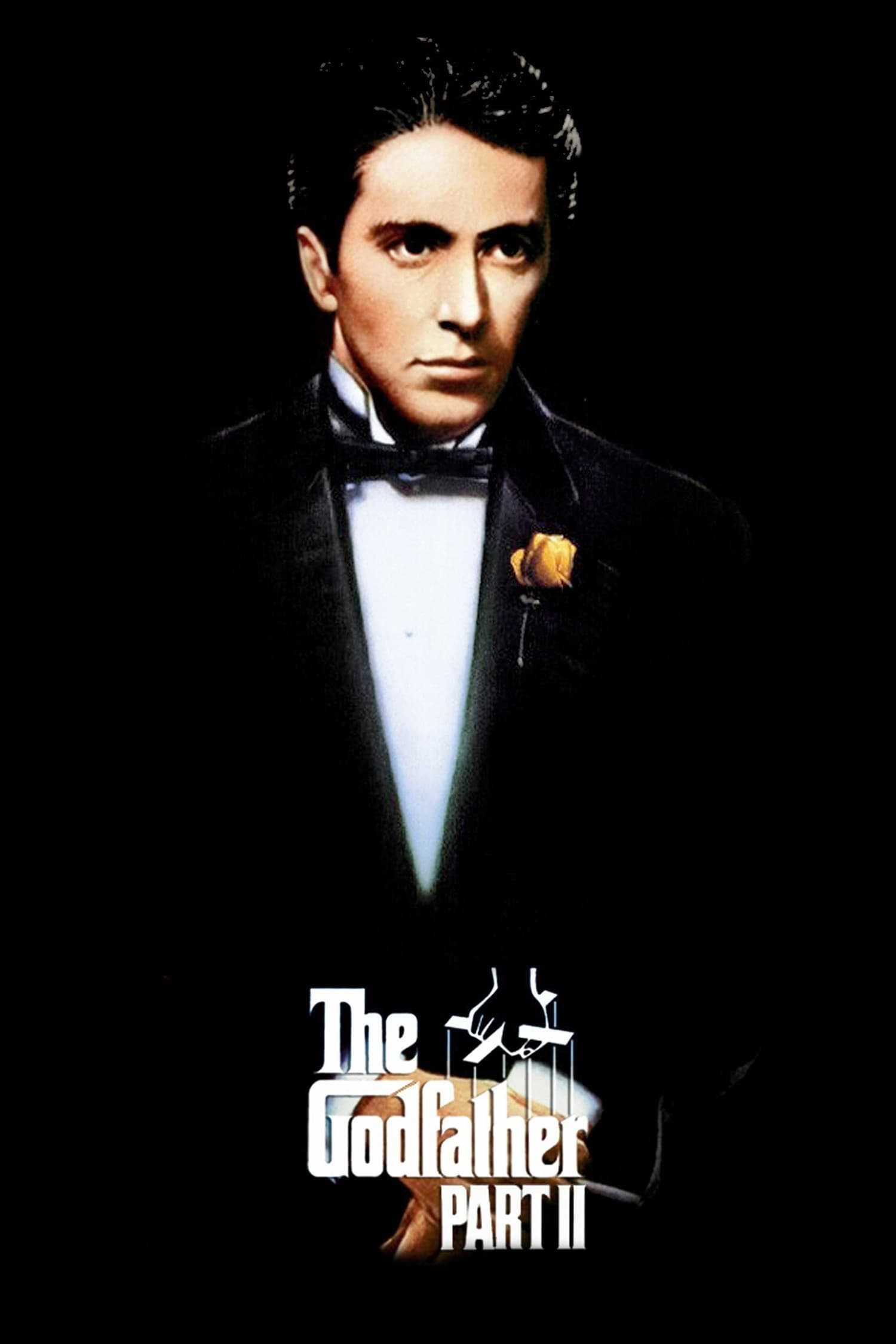
Directed by Francis Ford Coppola, ‘The Godfather Part II’ intercuts Michael Corleone’s consolidation of power with flashbacks to young Vito Corleone played by Robert De Niro. The screenplay by Coppola and Mario Puzo uses parallel timelines to contrast immigrant origins with modern organized-crime operations.
The production mounted extensive location shoots in Lake Tahoe, New York, and period-evoking sections of Sicily, with Nino Rota and Carmine Coppola collaborating on the score. The film received multiple Academy Awards including Best Picture, and its bifurcated structure is notable for meticulous period costuming and multilingual dialogue.
‘Pulp Fiction’ (1994)
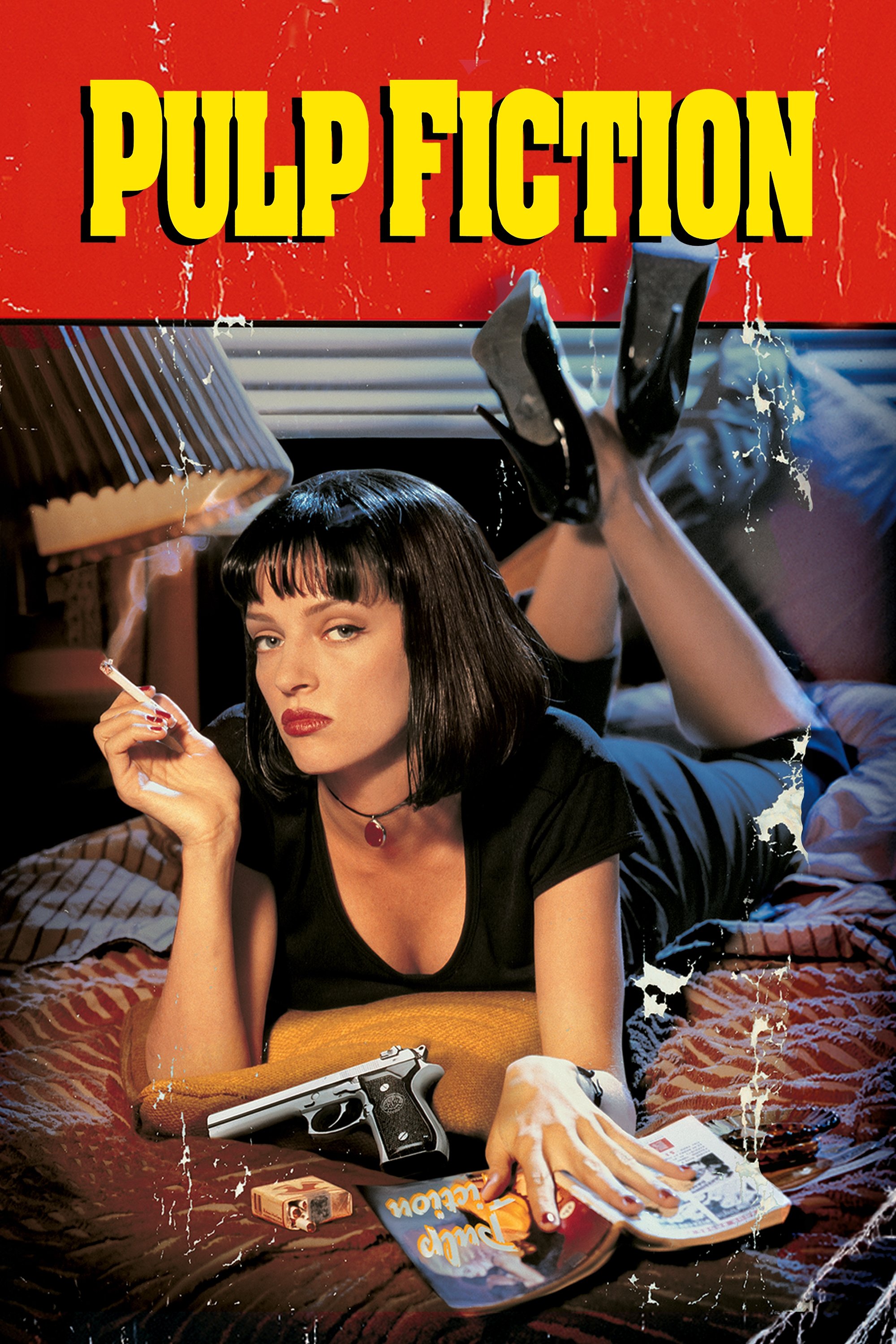
Written and directed by Quentin Tarantino, ‘Pulp Fiction’ interweaves stories involving a pair of hitmen, a boxer, and a mob boss’s wife. The film employs a nonlinear structure with title cards and time jumps, and features an ensemble including John Travolta, Uma Thurman, Samuel L. Jackson, and Bruce Willis.
Music supervision draws from surf rock and soul tracks that are integrated diegetically and non-diegetically. The screenplay won the Academy Award for Original Screenplay, and the film’s Cannes Palme d’Or underscores how its story architecture, dialogue rhythms, and needle drops are engineered to interlock across repeated viewings.
‘The Dark Knight’ (2008)
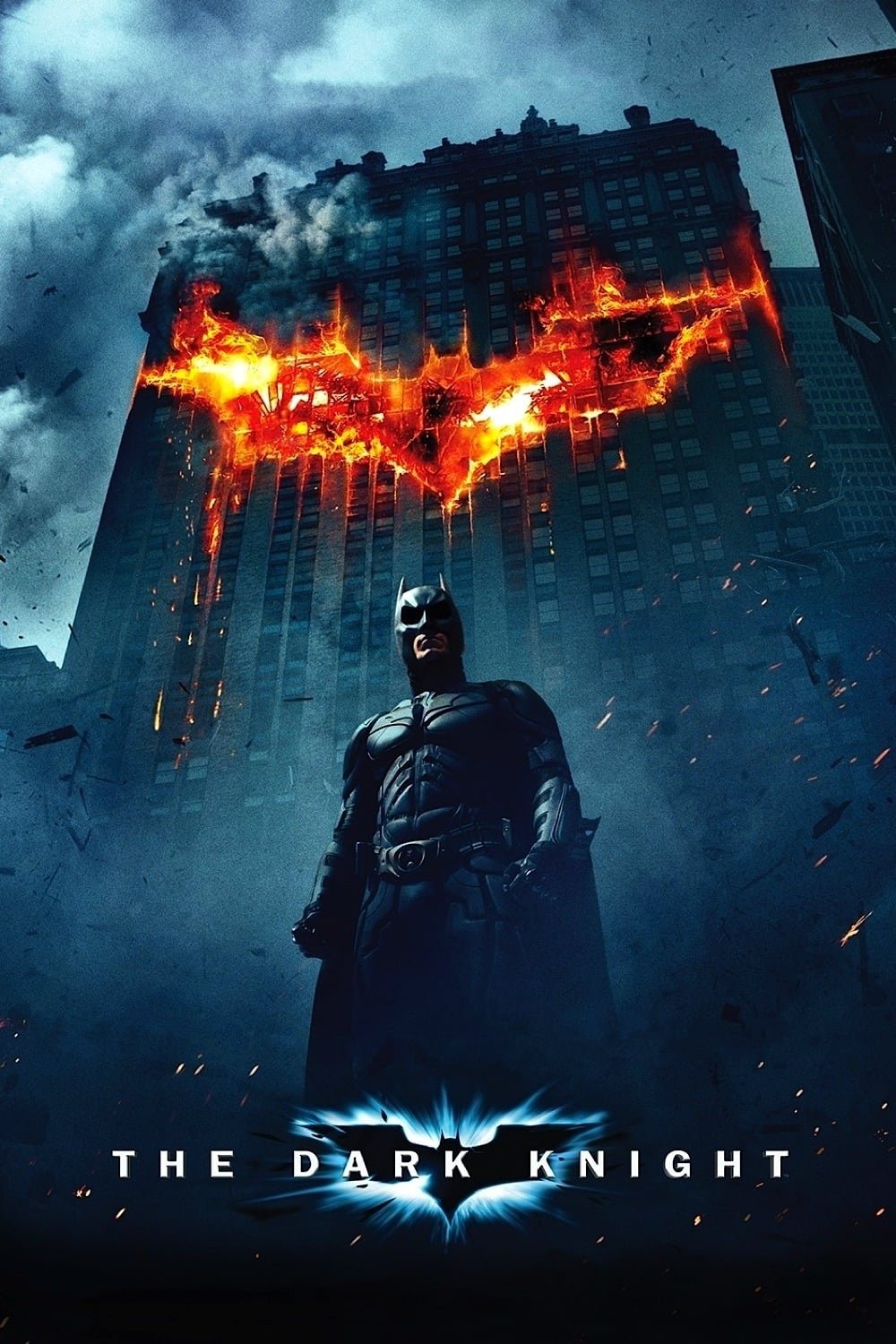
Christopher Nolan’s ‘The Dark Knight’ stars Christian Bale, Heath Ledger, and Aaron Eckhart, with sequences captured on 70mm IMAX cameras for large-format exhibition. Filming locations included Chicago and Hong Kong, and the production emphasized practical effects for vehicle stunts and explosions.
Hans Zimmer and James Newton Howard’s layered score contrasts percussive motifs with a razor-wire Joker theme. The film earned multiple awards, including Oscars for Supporting Actor and Sound Editing, and its bank-heist opener, Hong Kong extraction, and convoy sequence showcase carefully choreographed action geography.
‘Inception’ (2010)
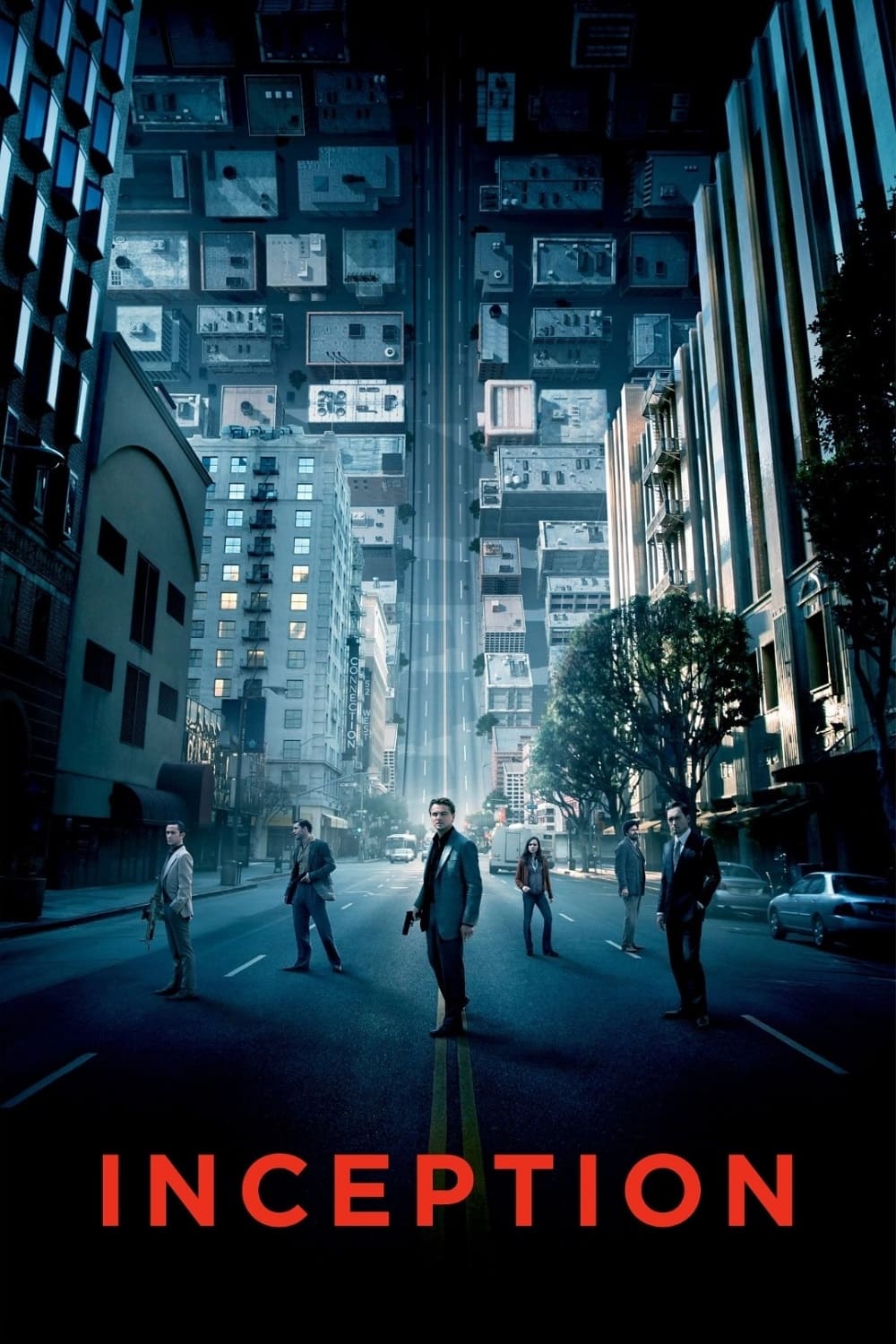
‘Inception’ is a heist narrative set within dream architecture, written and directed by Christopher Nolan and starring Leonardo DiCaprio, Joseph Gordon-Levitt, and Marion Cotillard. Filming spanned multiple countries, and the rotating hallway set—built on a gimbal—enabled in-camera zero-gravity choreography.
Editor Lee Smith’s cross-cutting aligns nested dream levels with synchronized “kicks,” while Hans Zimmer’s score uses time-dilated motifs. The film won Academy Awards in cinematography, sound, and visual effects, and its mechanics—totems, mazes, and team roles—are documented with on-screen rules that reward close rewatching.
‘Back to the Future’ (1985)
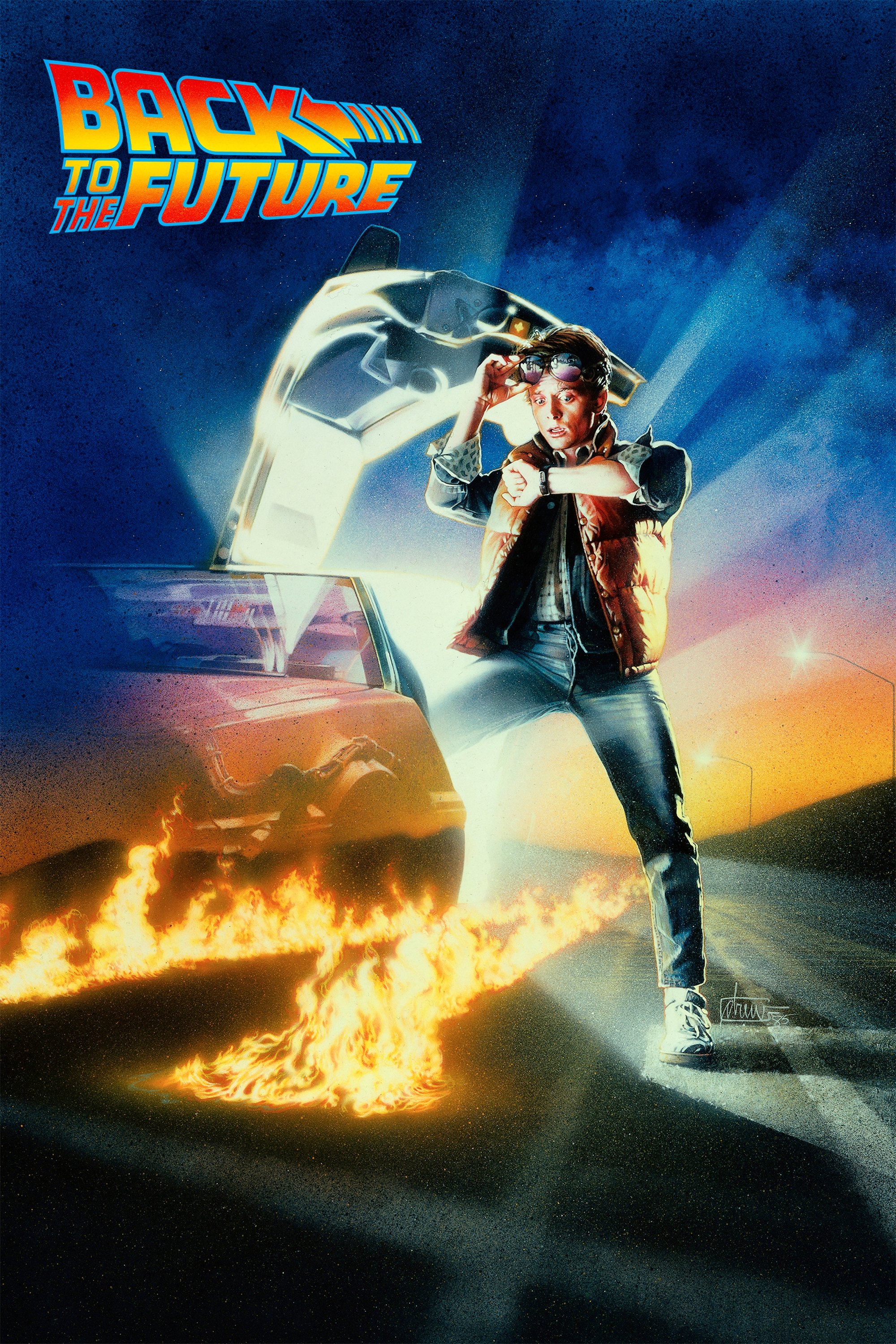
Directed by Robert Zemeckis and starring Michael J. Fox and Christopher Lloyd, ‘Back to the Future’ centers on a DeLorean time machine built by Doc Brown. Alan Silvestri’s score and period songs anchor the 1950s setting, and production famously recast the lead mid-shoot to achieve the final pairing.
Practical effects, optical compositing, and location work in Southern California establish a consistent Hill Valley across eras. The film’s cause-and-effect time-travel plot tracks specific props and visual motifs—like photographs and clock tower details—to map consequences clearly for viewers.
‘Raiders of the Lost Ark’ (1981)
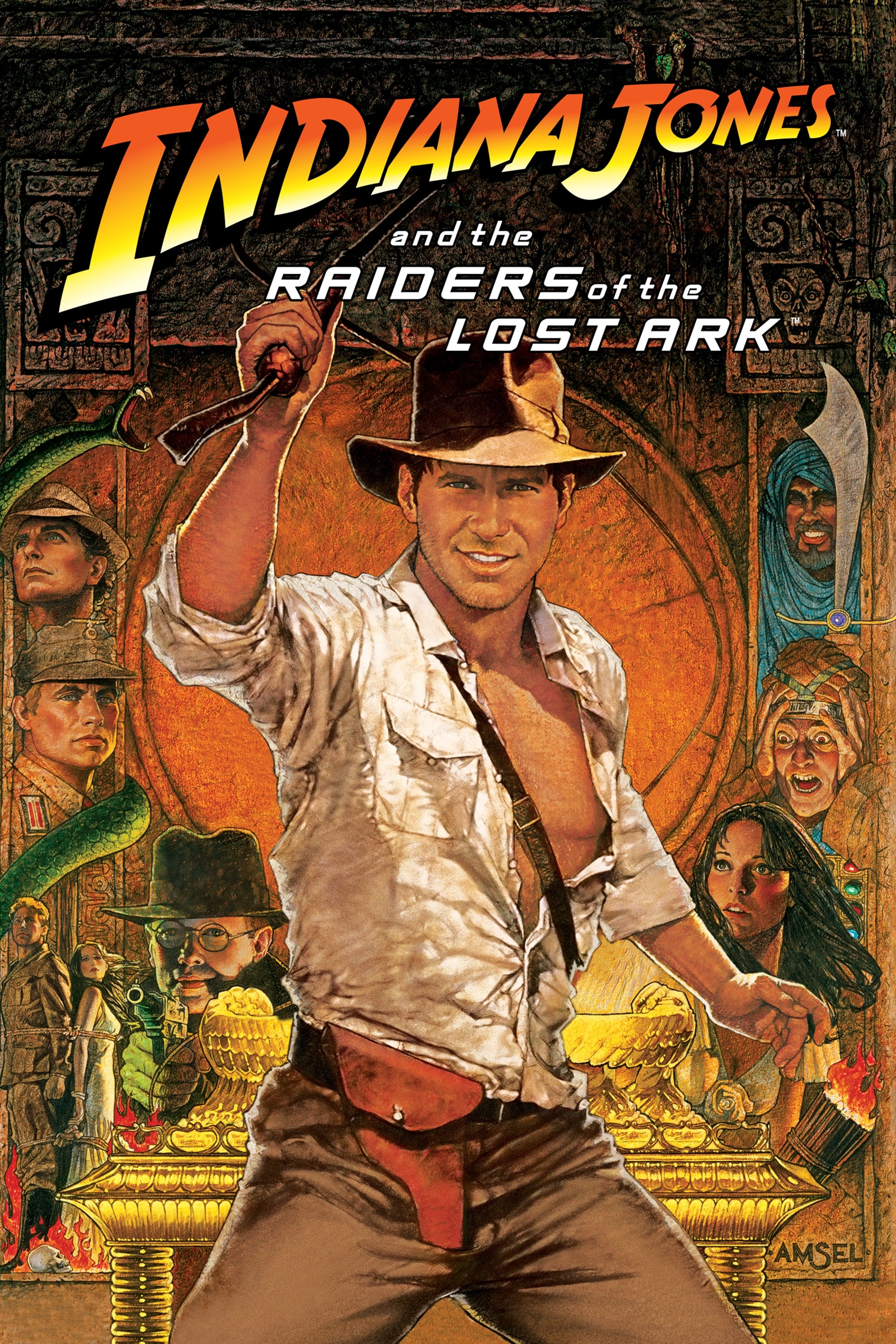
‘Raiders of the Lost Ark’ pairs director Steven Spielberg with producer-co-creator George Lucas and stars Harrison Ford as archaeologist Indiana Jones. Douglas Slocombe’s cinematography and Norman Reynolds’ production design evoke pulp serials, while John Williams’ ‘Raiders March’ codifies the character’s musical identity.
Set pieces filmed in Tunisia, Hawaii, and UK stages highlight practical stunts and miniature work. The film won multiple Academy Awards in technical categories, and its chase sequences, map-travel transitions, and prop continuity (the Staff of Ra headpiece, the Ark) demonstrate classical adventure construction.
‘Star Wars: Episode IV – A New Hope’ (1977)
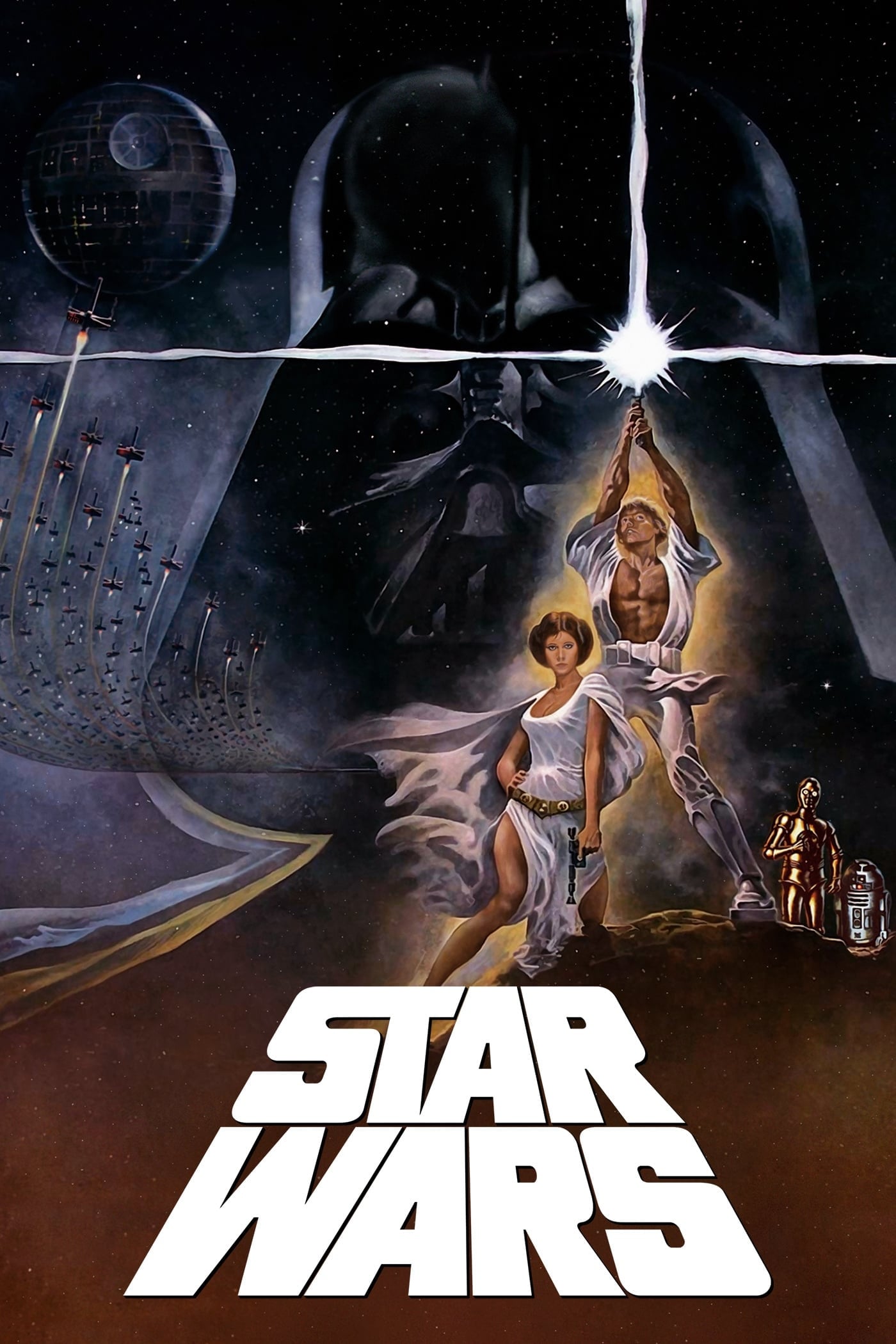
Written and directed by George Lucas, ‘Star Wars: Episode IV – A New Hope’ launched a space-opera franchise with a cast led by Mark Hamill, Carrie Fisher, and Harrison Ford. Industrial Light & Magic pioneered motion-control photography, while Tunisia and UK soundstages provided planetary settings.
John Williams’ score employs leitmotifs for characters and factions, and Ben Burtt’s sound library introduced signature effects like lightsabers and droids. The film won multiple Academy Awards, and its trench-run finale uses intercut cockpit close-ups, targeting displays, and radio chatter to convey spatial clarity.
‘Star Wars: Episode V – The Empire Strikes Back’ (1980)
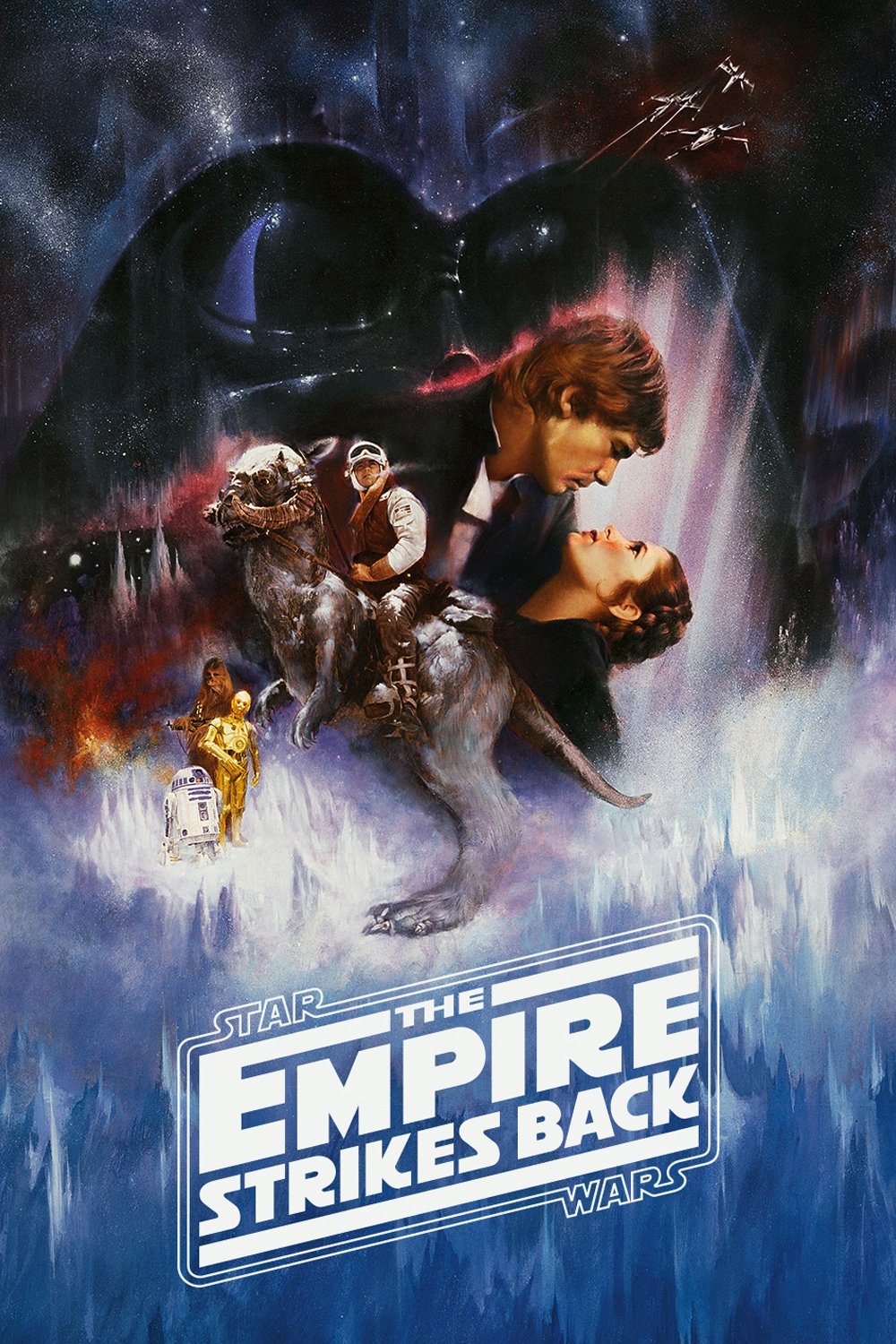
Directed by Irvin Kershner from a story by George Lucas and screenplay contributions by Leigh Brackett and Lawrence Kasdan, ‘The Empire Strikes Back’ expands the saga’s scope. Filming in Norway created the Hoth exteriors, while stop-motion and matte work extended environments and vehicles.
The production introduced new designs—AT-AT walkers, Boba Fett’s armor—and key musical cues such as the ‘Imperial March.’ Its structure balances parallel threads across Dagobah, Bespin, and the fleet, and the carbon-freeze chamber sequence showcases expressive lighting and sound to heighten narrative stakes.
‘Jurassic Park’ (1993)
‘Jurassic Park,’ directed by Steven Spielberg and adapted from Michael Crichton’s novel, features animatronics by Stan Winston Studio and pioneering CGI from Industrial Light & Magic. John Williams’ score and Gary Rydstrom’s sound design created distinctive sonic identities for dinosaur species.
Location work in Hawaii and carefully scaled sets blended with digital comps to present seamless creature interactions. The film won Academy Awards for visual and sound achievements, and its theme-park systems—fences, tour vehicles, and control-room protocols—frame the plot’s failure cascade.
‘The Matrix’ (1999)
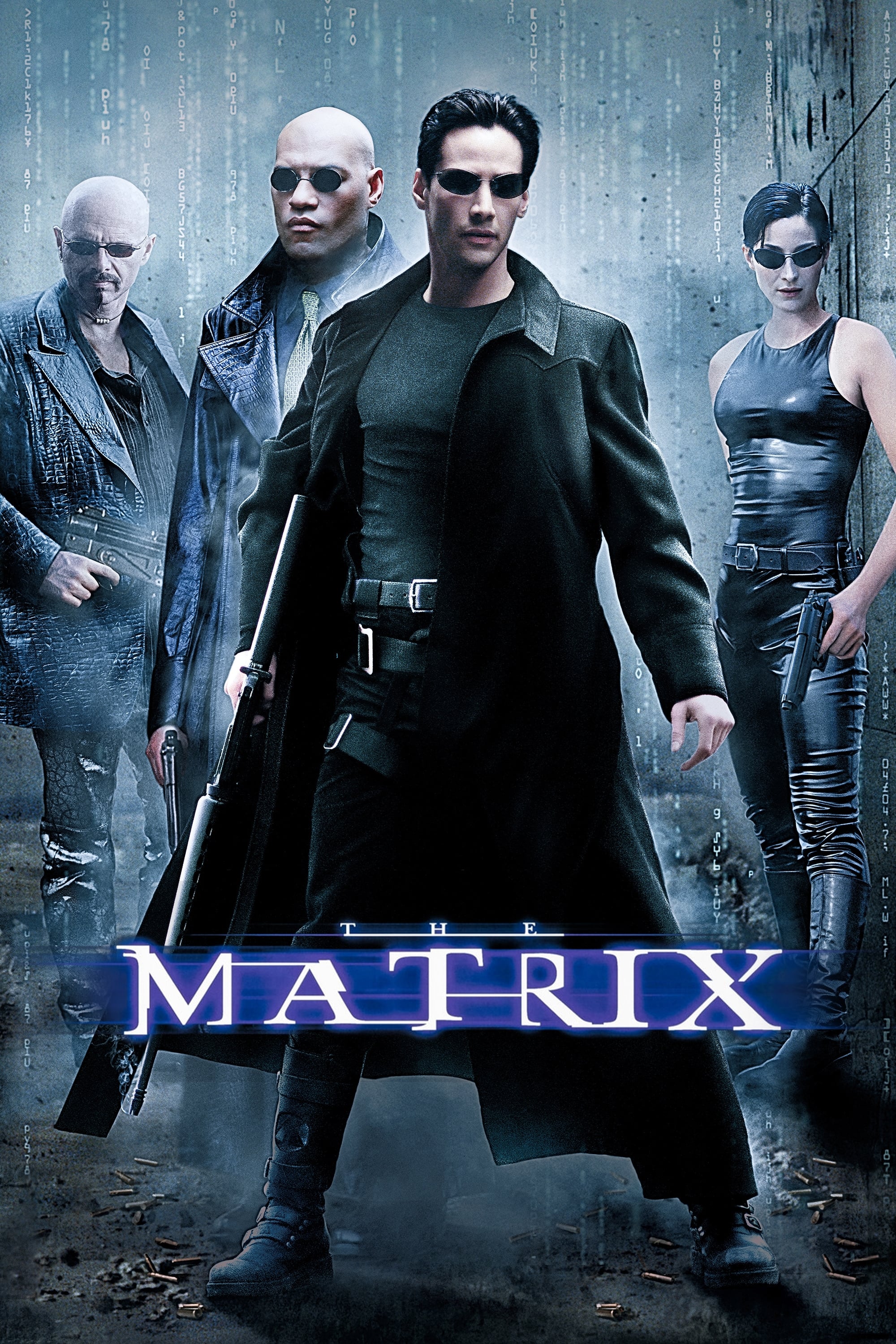
Written and directed by Lana and Lilly Wachowski, ‘The Matrix’ stars Keanu Reeves, Carrie-Anne Moss, and Laurence Fishburne. Yuen Woo-ping choreographed wire-fu sequences, while “bullet time” combined photogrammetry and time-slice rigs to capture slowed, rotating action.
The film integrates cyberpunk aesthetics, philosophical references, and green-coded interface design into a hacker-resistance plot. It earned Academy Awards in technical categories, with Bill Pope’s cinematography and Don Davis’ score supporting a precise visual language—costumes, color tints, and frame composition—that delineates realities.
‘Forrest Gump’ (1994)
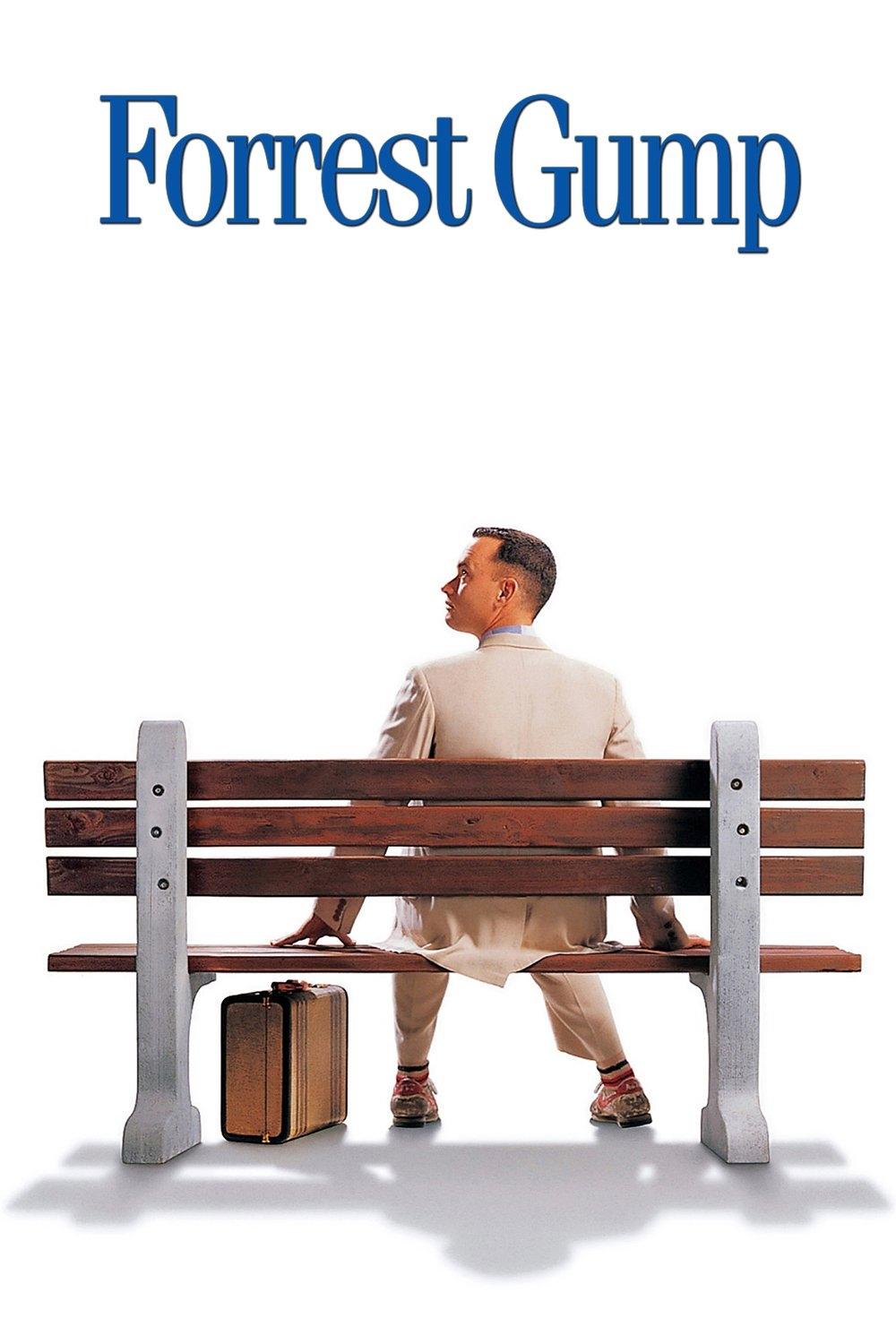
Directed by Robert Zemeckis, ‘Forrest Gump’ stars Tom Hanks and Robin Wright and adapts Winston Groom’s novel. The production used ILM techniques to insert the protagonist into archival footage with historical figures, blending practical and digital effects.
A soundtrack curated around era-specific tracks punctuates decades of American life, and the film received multiple Academy Awards including Best Picture. Location work across the United States, period costuming, and recurring visual symbols—like the feather and the bench—organize its episodic narrative.
‘Goodfellas’ (1990)
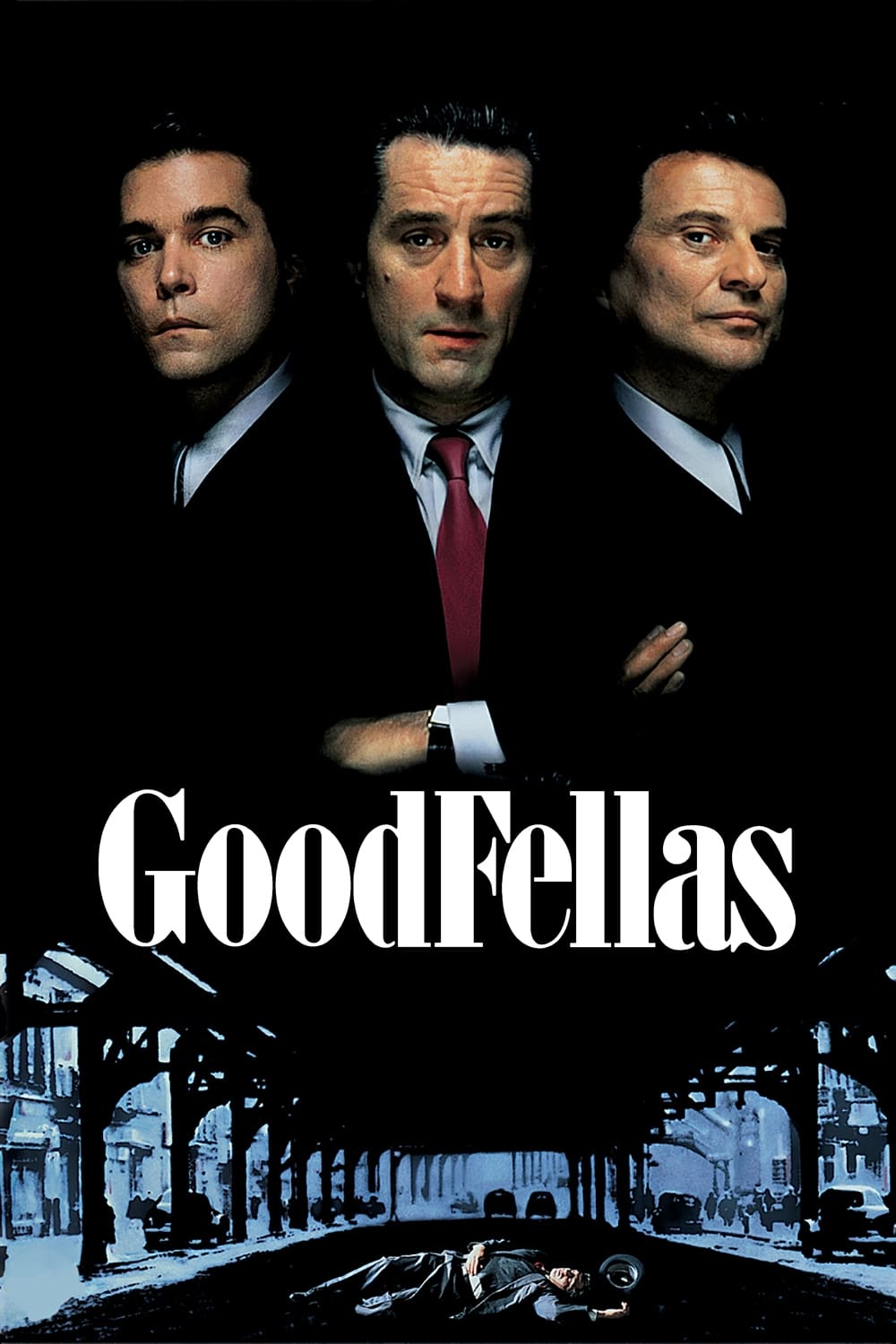
Martin Scorsese’s ‘Goodfellas’ adapts Nicholas Pileggi’s nonfiction book ‘Wiseguy’ with a cast including Ray Liotta, Robert De Niro, and Joe Pesci. Michael Ballhaus’ cinematography features long takes, notably the Copacabana steadicam shot, while Thelma Schoonmaker’s editing modulates tempo as the story accelerates.
The film chronicles the operations of associates within New York organized crime across heists, rackets, and federal scrutiny. It received multiple Oscar nominations and won Supporting Actor, and its integration of voiceover, needle drops, and period production design maps the subculture’s logistics.
‘The Princess Bride’ (1987)
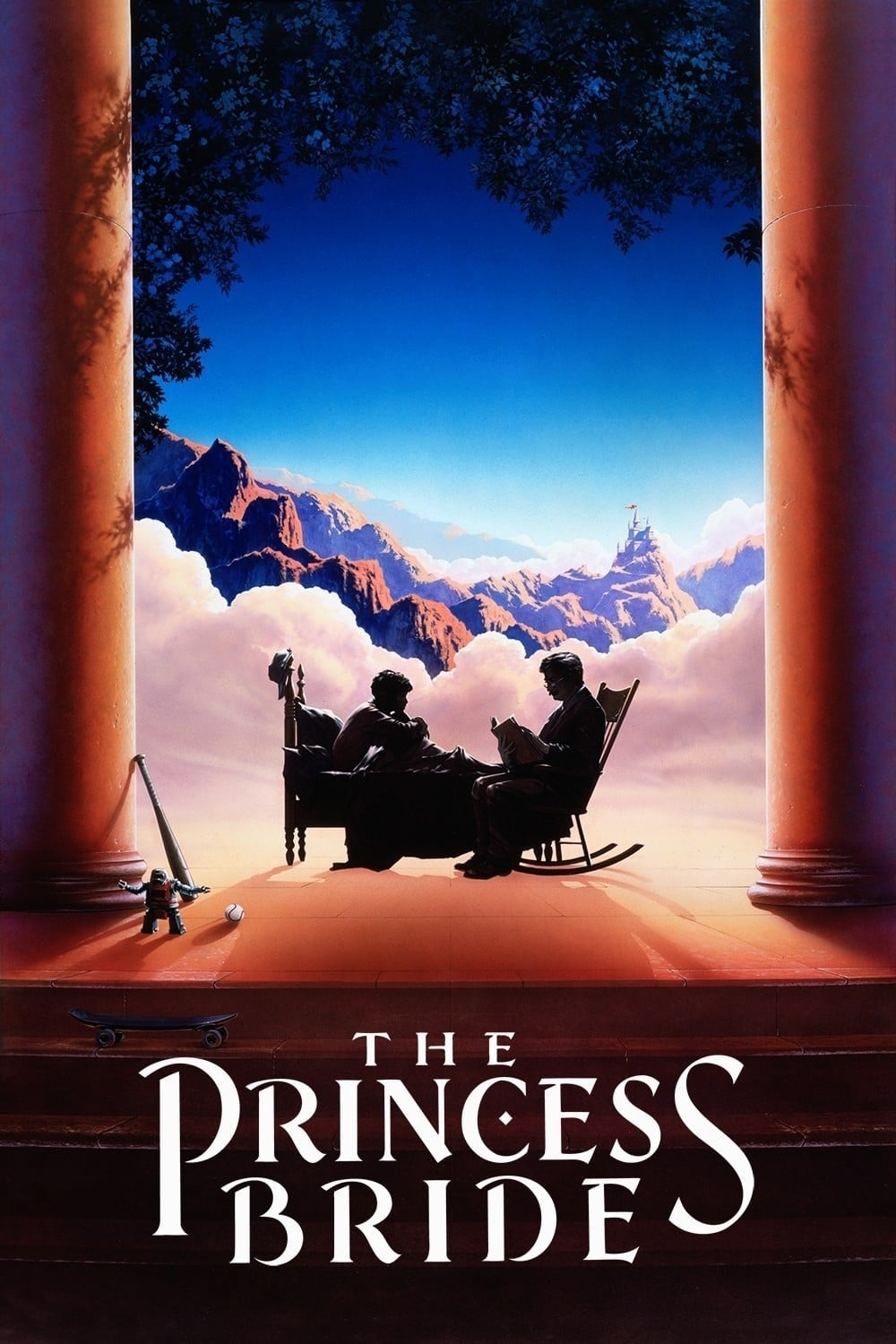
Directed by Rob Reiner from William Goldman’s screenplay adapting his own novel, ‘The Princess Bride’ features Cary Elwes, Robin Wright, and Mandy Patinkin. The film uses a story-within-a-story framing device, with fencing choreography by Bob Anderson and a score by Mark Knopfler.
Shooting locations in the UK, including Haddon Hall and Peak District landscapes, support a fairy-tale aesthetic with practical sets and matte paintings. Its narrative threads—duels, rescues, and political scheming—are organized into clear chapters that make individual sequences easy to revisit.
‘Toy Story’ (1995)
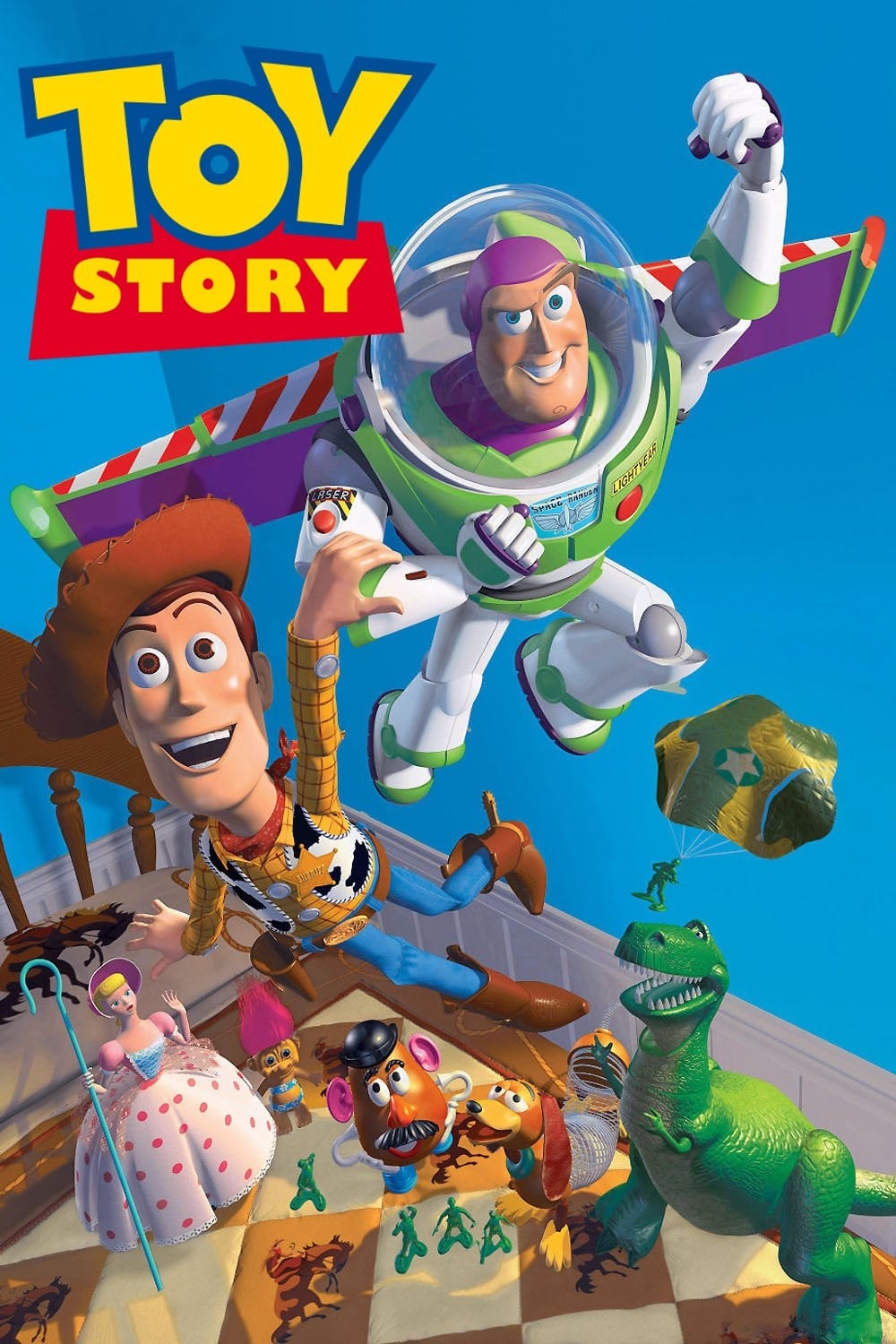
‘Toy Story,’ directed by John Lasseter, is the first fully computer-animated feature film, produced by Pixar in collaboration with Disney. Voices by Tom Hanks and Tim Allen anchor characters animated with early physically-based shading and evolving rigging tools.
Randy Newman’s music and a buddy-plot structure track shifting alliances among toys in a suburban setting. The film received significant awards recognition and special honors from the Academy, and its production established pipelines for animation, lighting, and rendering that influenced later features.
‘Spirited Away’ (2001)
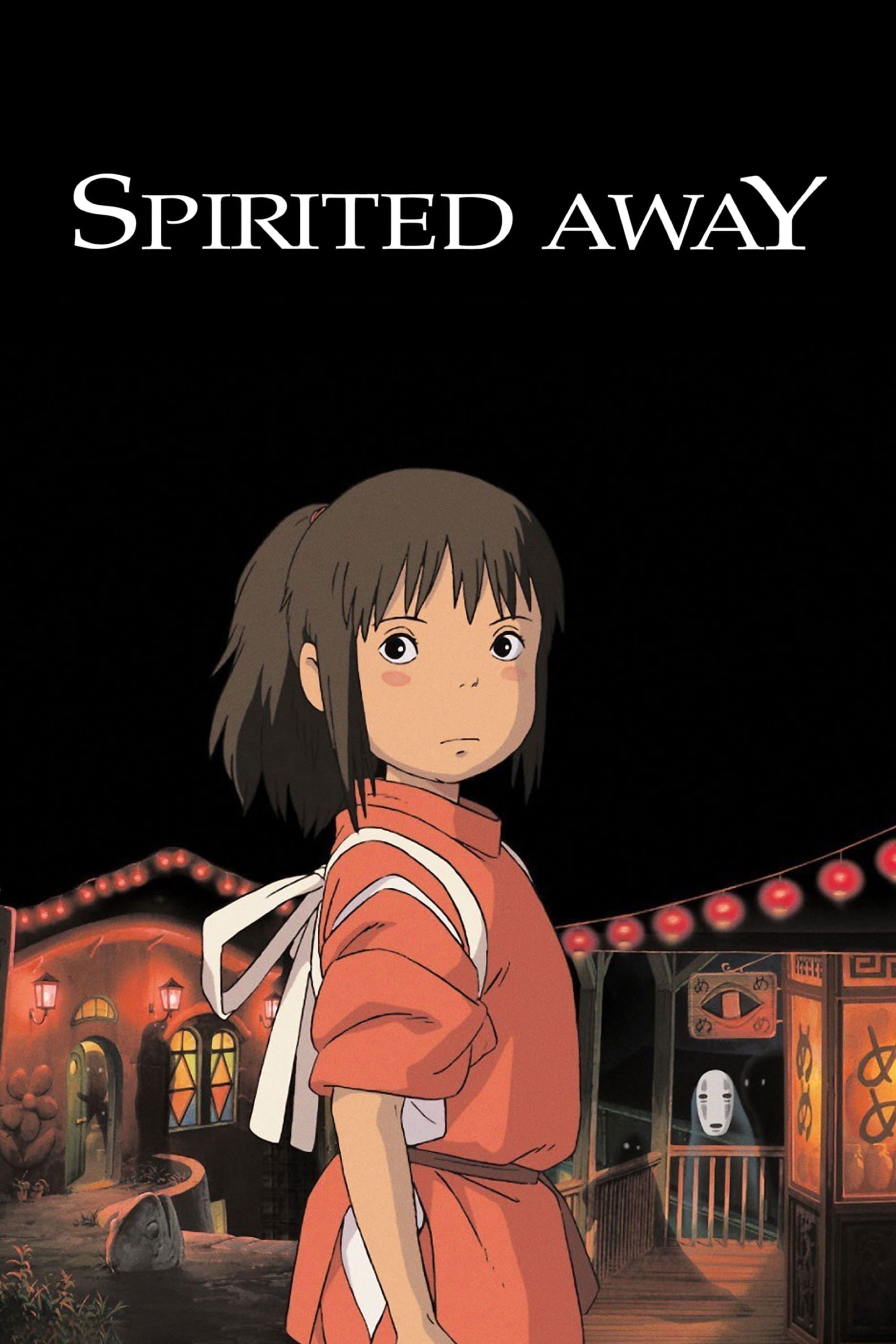
Hayao Miyazaki’s ‘Spirited Away’ from Studio Ghibli follows a girl navigating a bathhouse for spirits rooted in Shinto folklore. The film blends hand-drawn animation with selective digital compositing to create richly layered environments.
Joe Hisaishi’s score supports sequences that emphasize ambience and ritual, and the film won the Academy Award for Animated Feature. Its worldbuilding catalogs rules—names, contracts, and work—allowing viewers to track character progress across meticulously designed spaces.
‘The Lord of the Rings: The Fellowship of the Ring’ (2001)
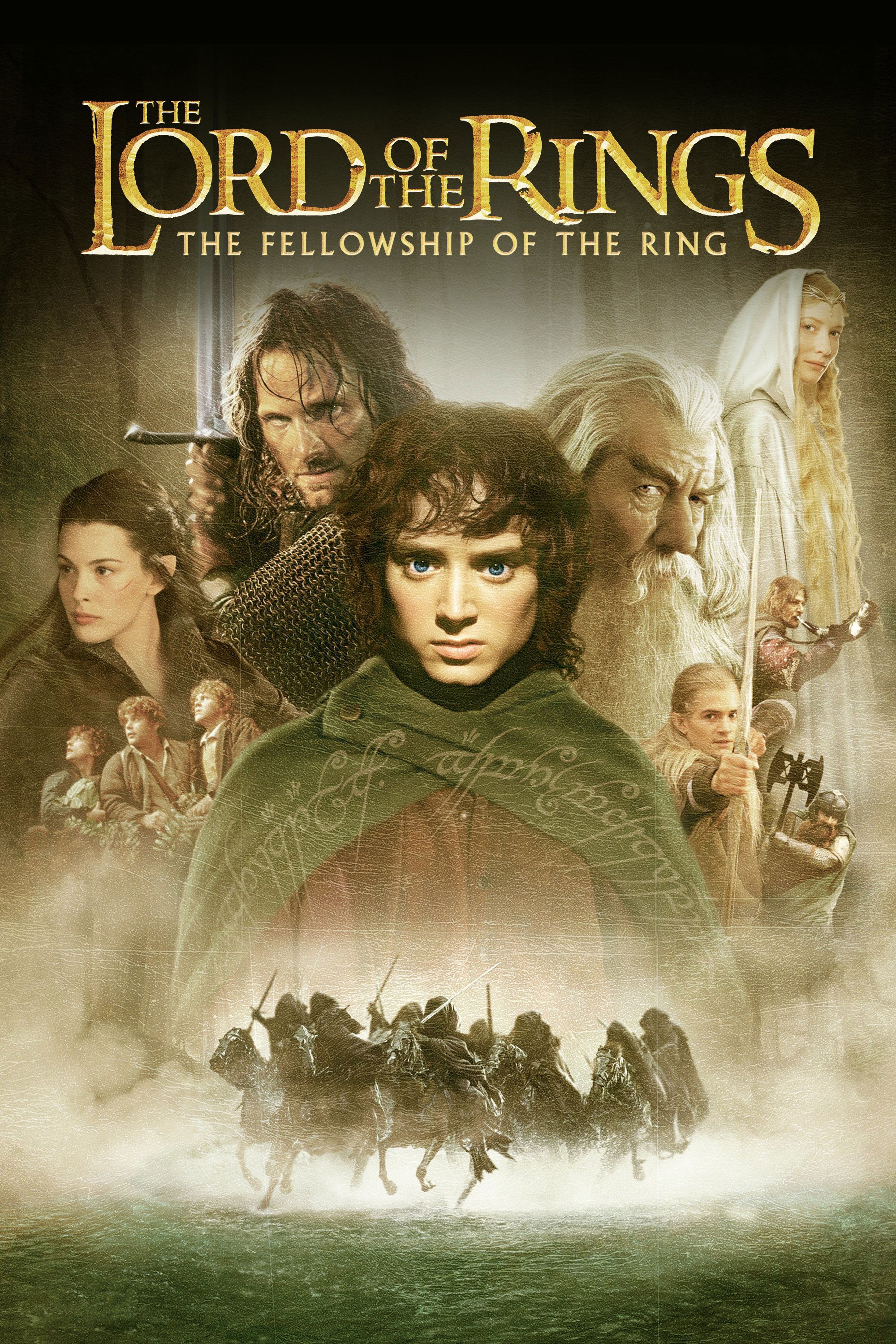
Directed by Peter Jackson and adapted from J.R.R. Tolkien, ‘The Lord of the Rings: The Fellowship of the Ring’ shot extensively in New Zealand with Wētā Workshop crafting miniatures and practical props. Wētā Digital developed scale-doubling techniques and crowd software to visualize Middle-earth.
Howard Shore’s score assigns leitmotifs to cultures and locations, while Andrew Lesnie’s cinematography and practical locations ground the fantasy setting. The extended edition adds scenes that expand character arcs and geography, enriching the trilogy’s continuity.
‘The Lord of the Rings: The Two Towers’ (2002)
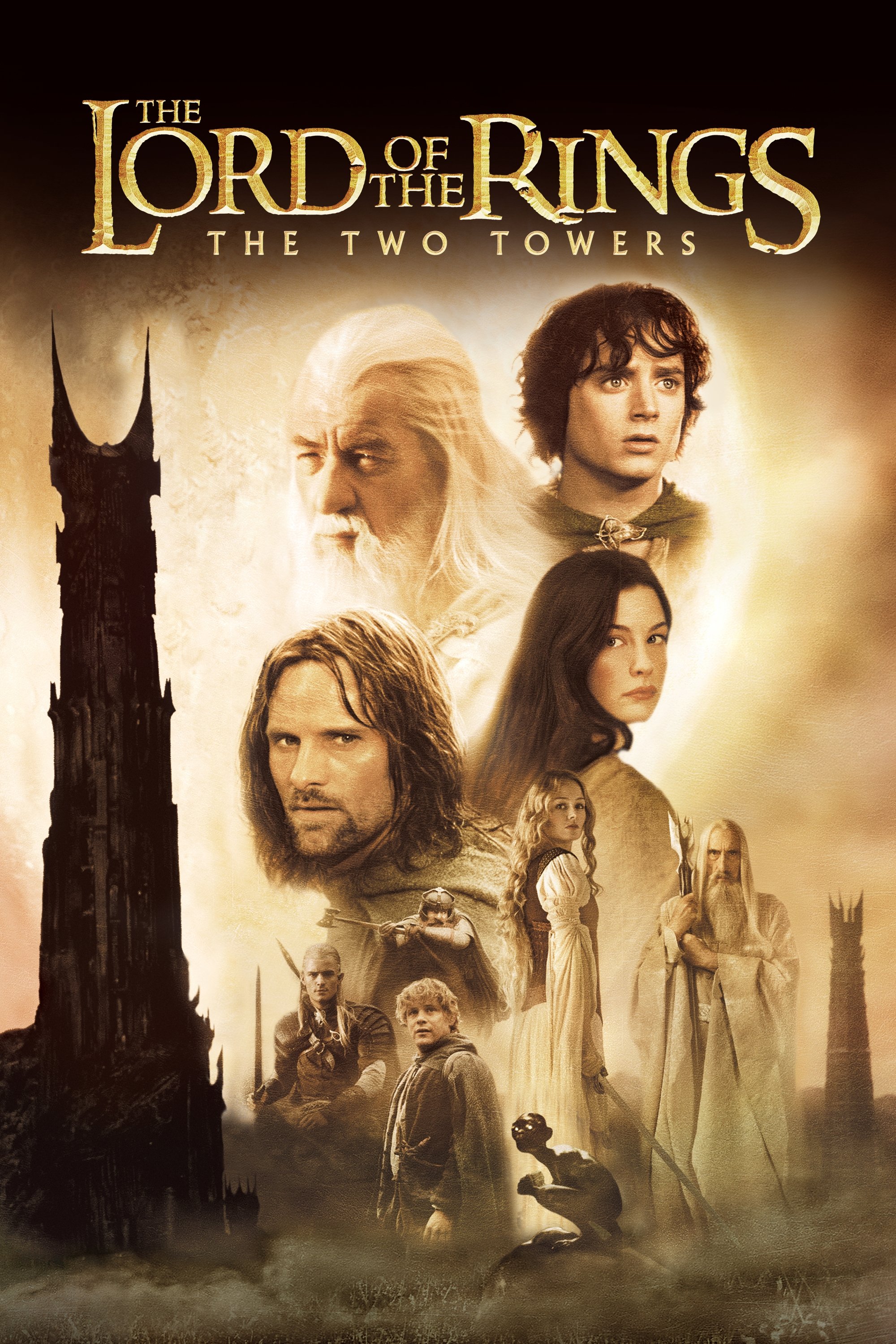
‘The Lord of the Rings: The Two Towers’ advances the narrative with parallel campaigns and introduced groundbreaking character animation for Gollum using performance capture. Large-scale battle staging at Helm’s Deep combined night shoots, rain towers, and miniature photography.
Editorial cross-cutting tracks simultaneous fronts, while production design differentiates Rohan’s timber architecture from Gondor’s stonework. The film received multiple Oscar nominations and wins in technical categories, reflecting its innovations in digital character work and sound.
‘The Lord of the Rings: The Return of the King’ (2003)
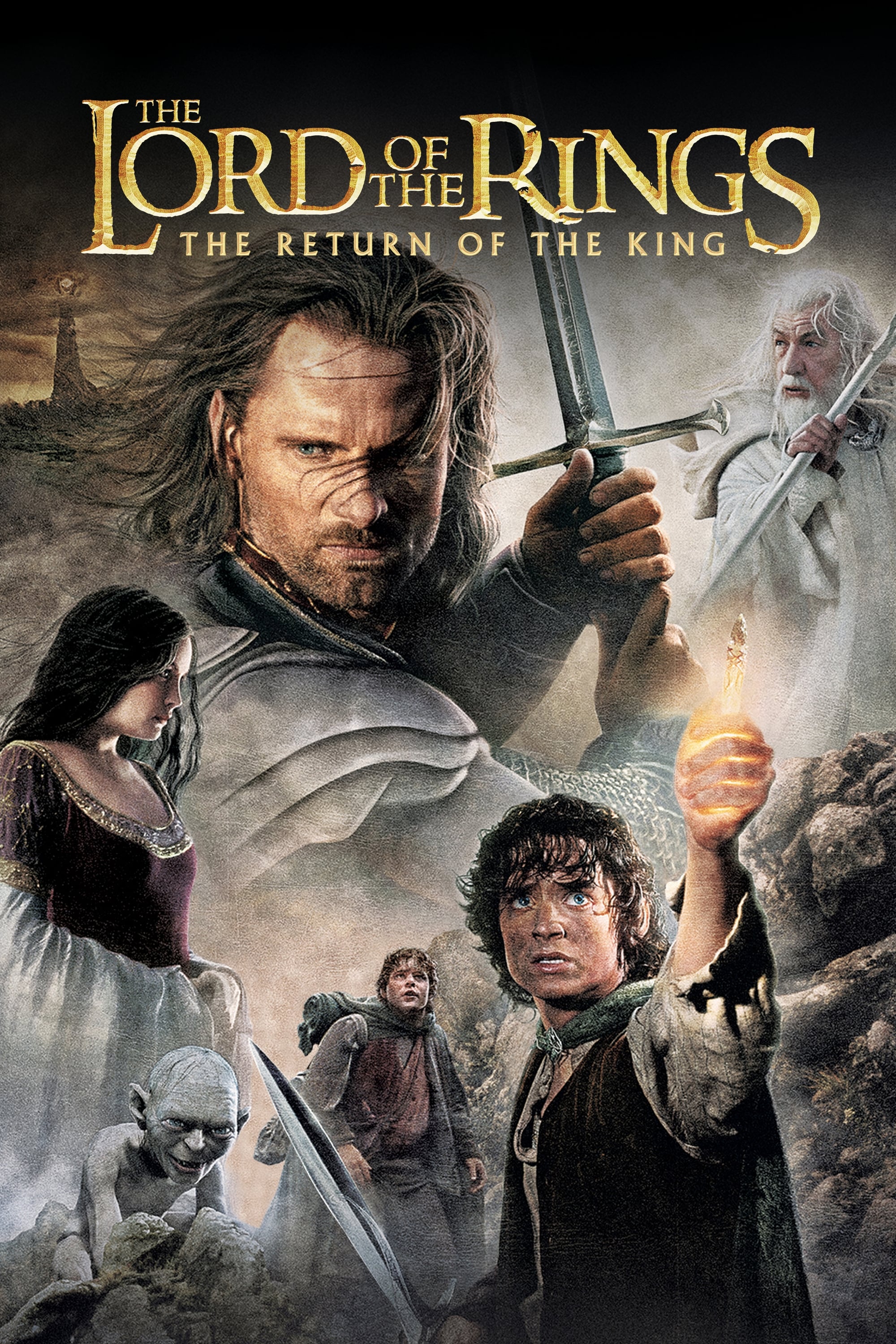
‘The Lord of the Rings: The Return of the King’ concluded the trilogy and won 11 Academy Awards, including Best Picture and Best Director. The production coordinated large ensembles, creature effects, and extended epilogues that resolve character journeys.
The film’s climactic sieges integrate big-ature miniatures, extensive VFX shots, and practical costuming. Shore’s expanded musical themes and consistent art direction link back to earlier entries, creating a cohesive three-film arc.
‘Finding Nemo’ (2003)
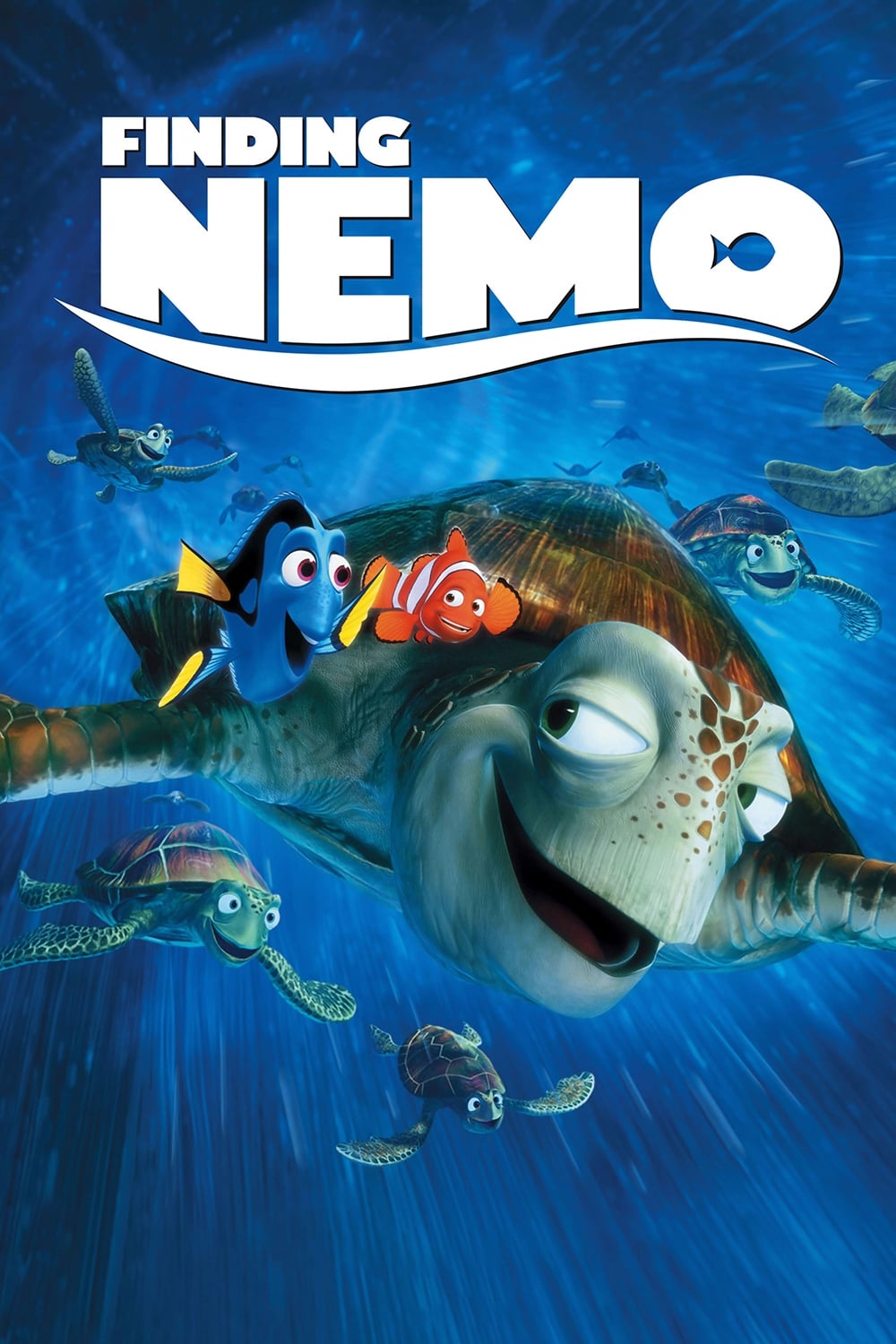
Directed by Andrew Stanton and produced by Pixar, ‘Finding Nemo’ pairs Albert Brooks and Ellen DeGeneres as voice leads. The team studied ocean optics and marine life to tune shaders, caustics, and movement for underwater believability.
The narrative charts a trans-Pacific search that introduces distinct biomes—reef, open ocean, and urban aquarium—each with tailored soundscapes. The film won the Academy Award for Animated Feature and influenced family travel and aquarium programming through its broad reach.
‘The Incredibles’ (2004)
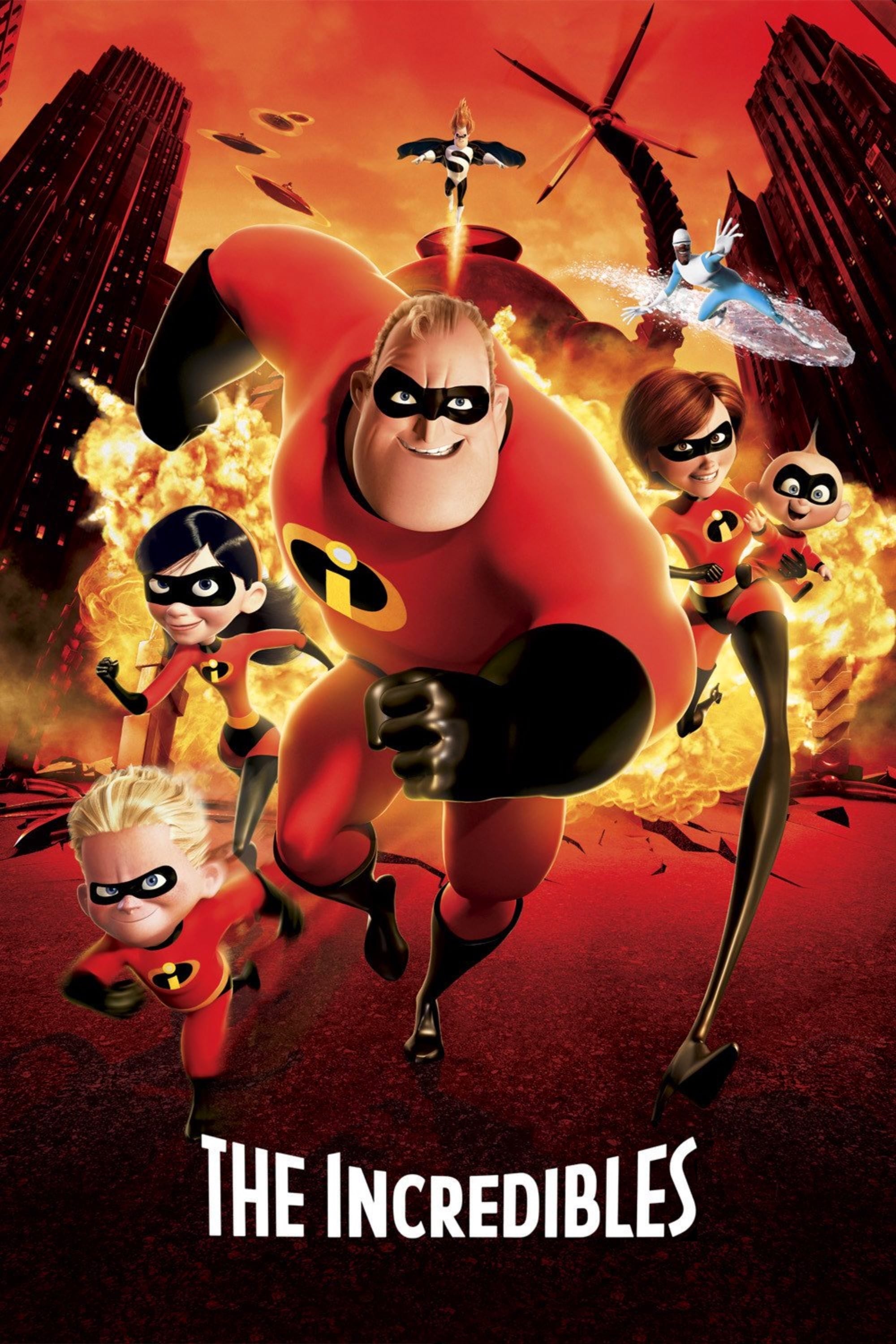
Written and directed by Brad Bird, ‘The Incredibles’ features a family of superheroes hiding in a suburban setting. Michael Giacchino’s brass-driven score evokes 1960s spy music, and the production developed new hair and cloth systems to handle the characters’ stylized designs.
The film’s action sequences—monorail sabotage, island infiltration—use clear geography and character-specific powers. It won the Academy Award for Animated Feature and Sound Editing, and its retro-futurist art direction organizes gadgets and architecture into a unified visual language.
‘Groundhog Day’ (1993)

‘Groundhog Day,’ directed by Harold Ramis and starring Bill Murray and Andie MacDowell, centers on a time-loop scenario tied to a local festival. Filming took place primarily in Woodstock, Illinois, standing in for Punxsutawney.
The script by Danny Rubin and Harold Ramis iterates daily variations to map character learning through repeated events. Music cues, prop resets, and location reuse create a controlled environment that makes narrative beats easy to track across loops.
‘Casablanca’ (1942)
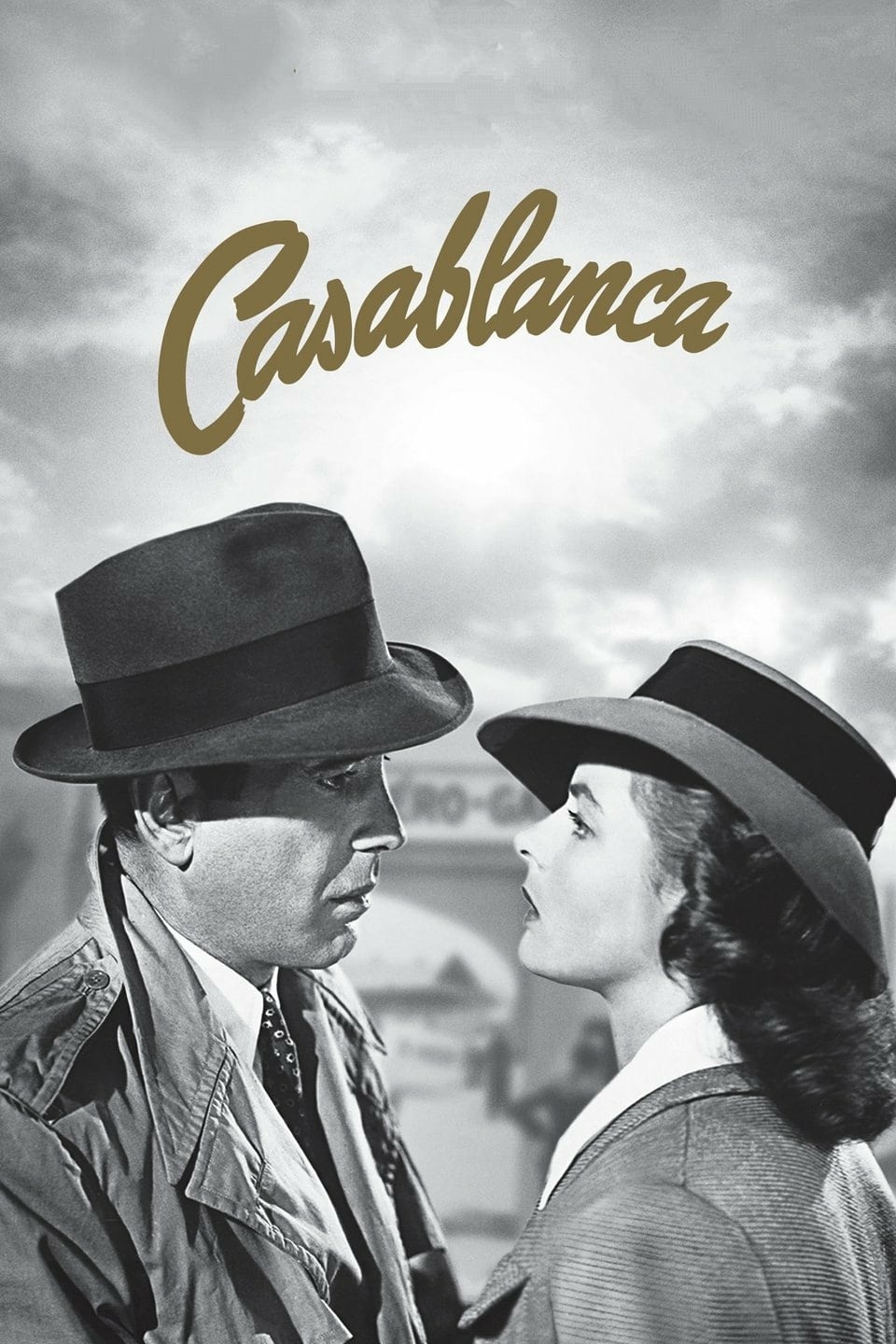
Directed by Michael Curtiz and starring Humphrey Bogart and Ingrid Bergman, ‘Casablanca’ was produced on Warner Bros. stages with sets representing wartime Morocco. The screenplay integrated contributions from Julius and Philip Epstein and Howard Koch, adapting an unproduced play.
It won Academy Awards for Best Picture, Director, and Screenplay. ‘As Time Goes By’ became a signature musical element, and the airport finale demonstrates rear-projection techniques and forced perspective common to the era’s studio filmmaking.
‘Some Like It Hot’ (1959)
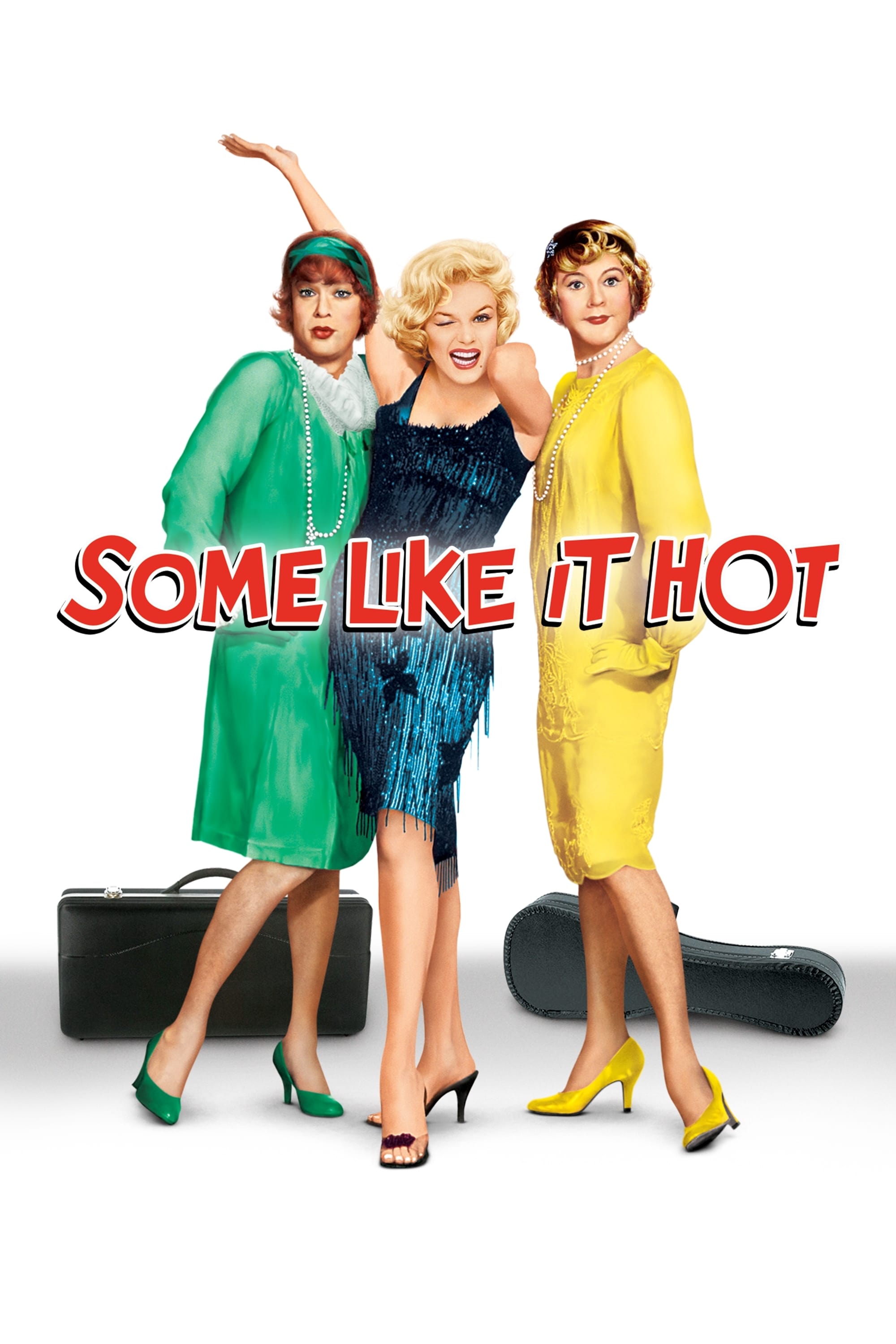
Billy Wilder’s ‘Some Like It Hot’ stars Marilyn Monroe, Tony Curtis, and Jack Lemmon in a Prohibition-era story about musicians in disguise. The Hotel del Coronado in California doubled as the “Seminole Ritz,” and the film was shot in black-and-white to support makeup effects and tone.
The screenplay by Wilder and I.A.L. Diamond structures escalating complications around identity concealment. Costuming, musical numbers, and period cars build out a credible 1920s backdrop within a comedy framework that still adheres to tight plotting.
‘Terminator 2: Judgment Day’ (1991)
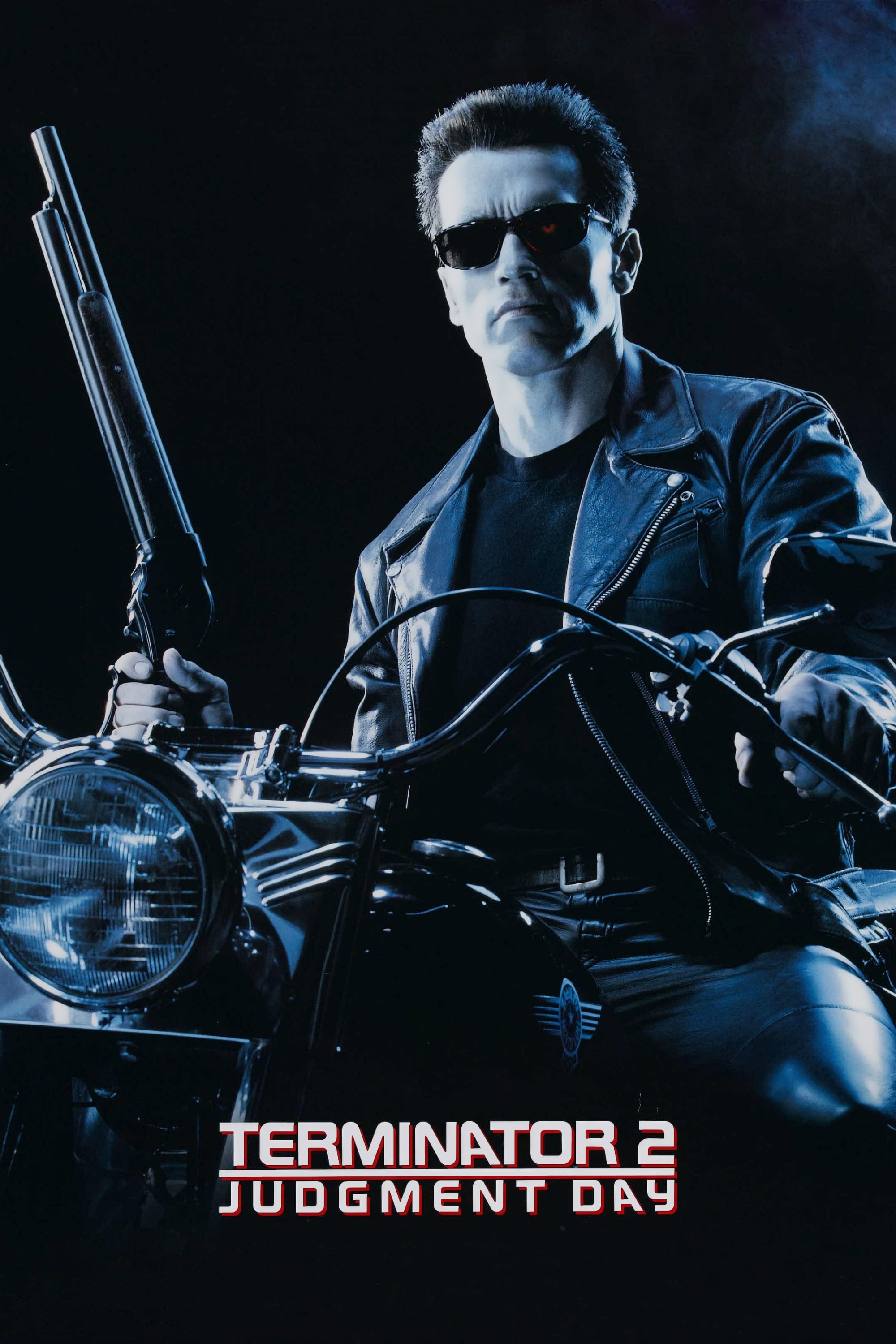
James Cameron’s ‘Terminator 2: Judgment Day’ reunited Arnold Schwarzenegger with a new antagonist portrayed by Robert Patrick. Industrial Light & Magic’s liquid-metal T-1000 advanced CGI character work, while practical stunts supported large-scale set pieces.
The film won multiple Academy Awards for sound and visual effects. Its action design—the canal truck chase, cyberdyne assault, and foundry finale—uses location continuity and prop logic to maintain spatial clarity across rapid cuts.
‘Aliens’ (1986)
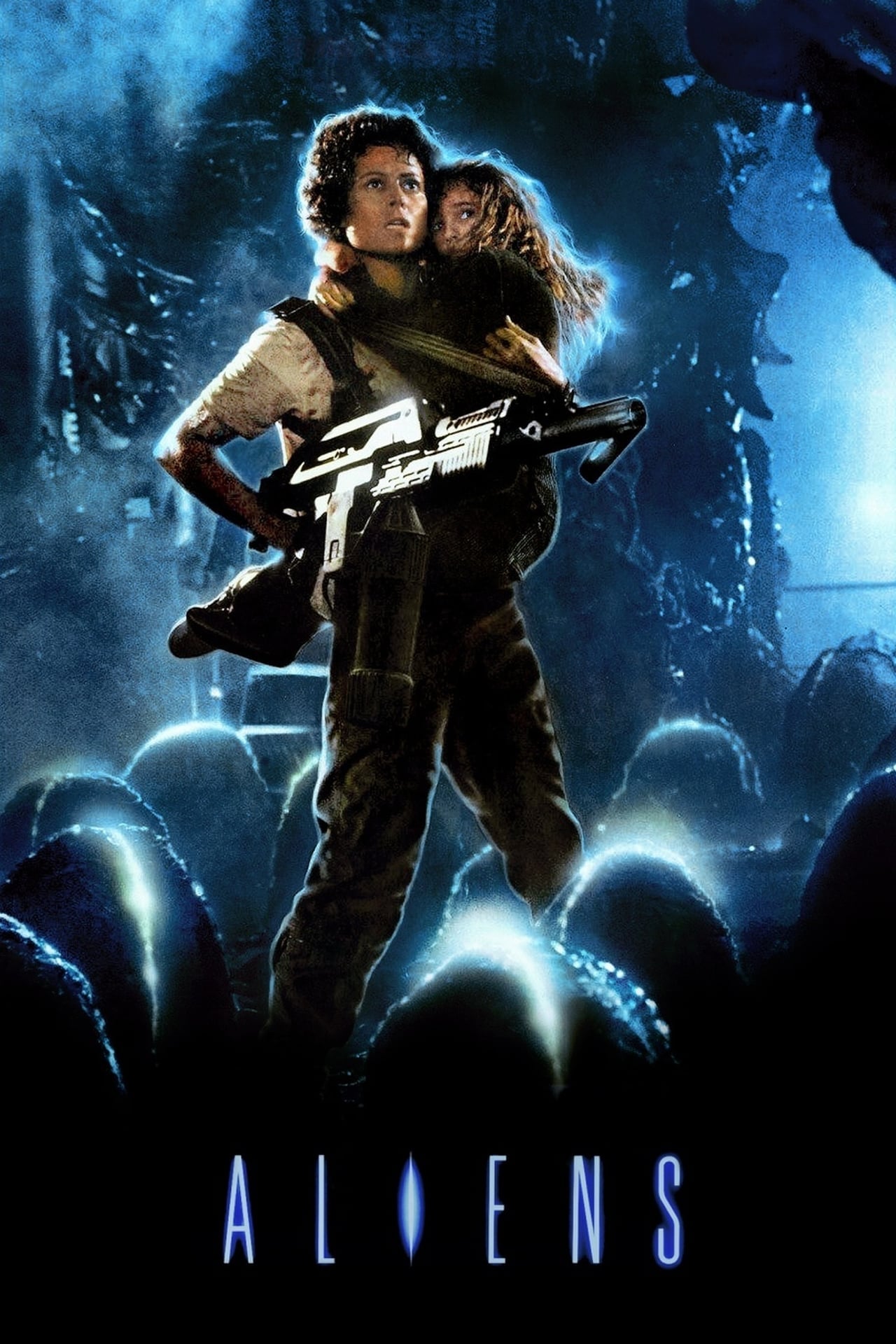
Directed by James Cameron, ‘Aliens’ follows Ellen Ripley’s return with Colonial Marines to a terraformed colony. Stan Winston’s practical creature effects and miniature work combined with in-camera techniques to create hive environments and the power-loader showdown.
The film earned Oscars for sound and effects. Its military-procedural framing—drop-ship operations, motion trackers, and sentry guns—lays out equipment and tactics that viewers can follow through successive engagements.
‘Heat’ (1995)
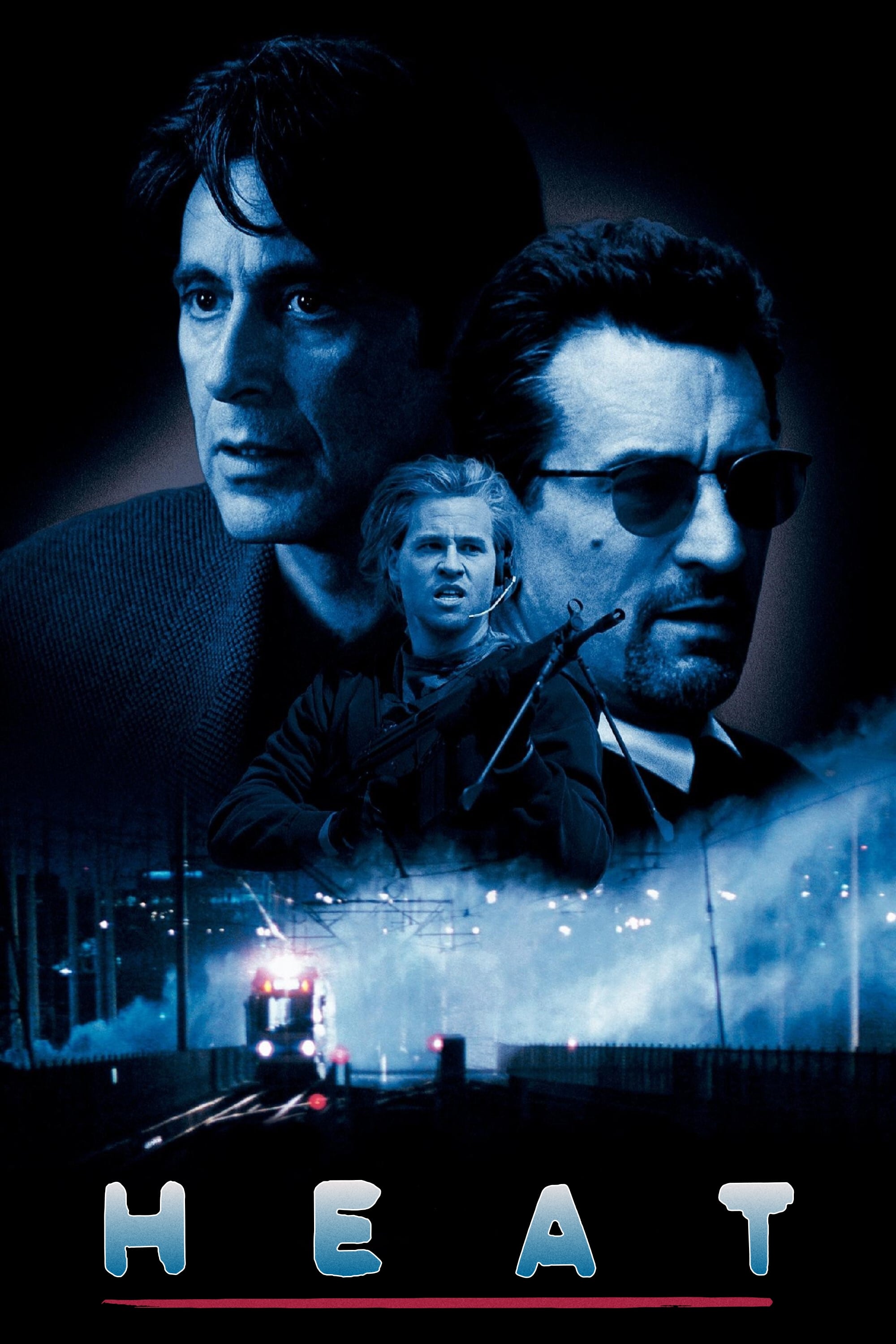
Michael Mann’s ‘Heat’ stars Al Pacino and Robert De Niro across intersecting LAPD and professional-thief storylines. Los Angeles locations were used extensively, with live-recorded gunfire in the downtown shootout to capture authentic acoustics.
Elliot Goldenthal’s music and Dante Spinotti’s cinematography reinforce a blue-steel urban palette. The screenplay draws from a real Chicago case, and the diner conversation scene stages the leads with mirrored framing to underline their parallel methods.
‘Se7en’ (1995)
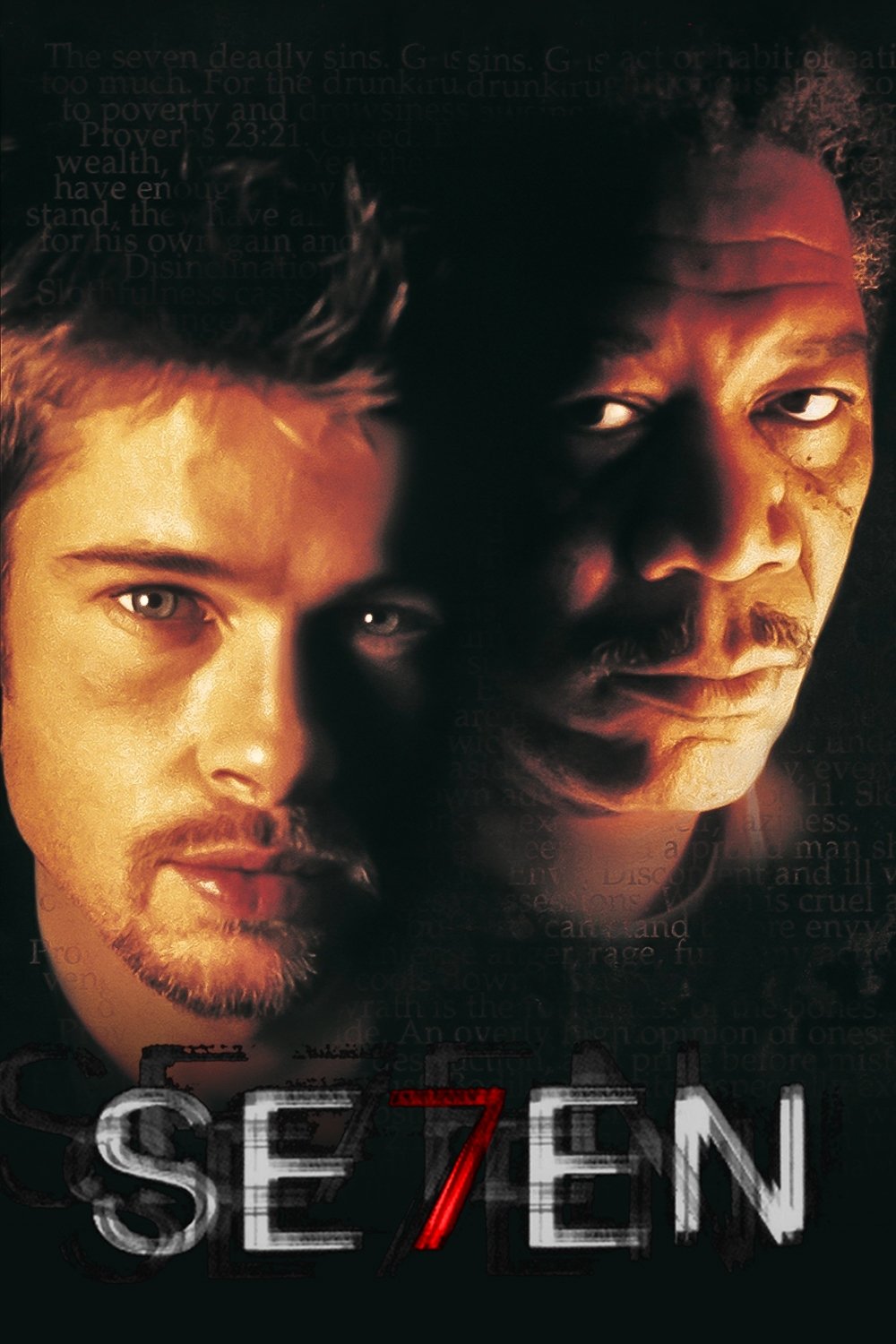
‘Se7en,’ directed by David Fincher and written by Andrew Kevin Walker, centers on homicide detectives tracking a killer thematically aligned with the seven deadly sins. Darius Khondji’s cinematography and Kyle Cooper’s title sequence define the film’s visual and textural identity.
Production design catalogs notebooks, crime-scene artifacts, and weathered interiors that signal narrative clues. Howard Shore’s score, controlled color temperature, and rain-swept locations combine to maintain tonal continuity across case progressions.
‘The Silence of the Lambs’ (1991)
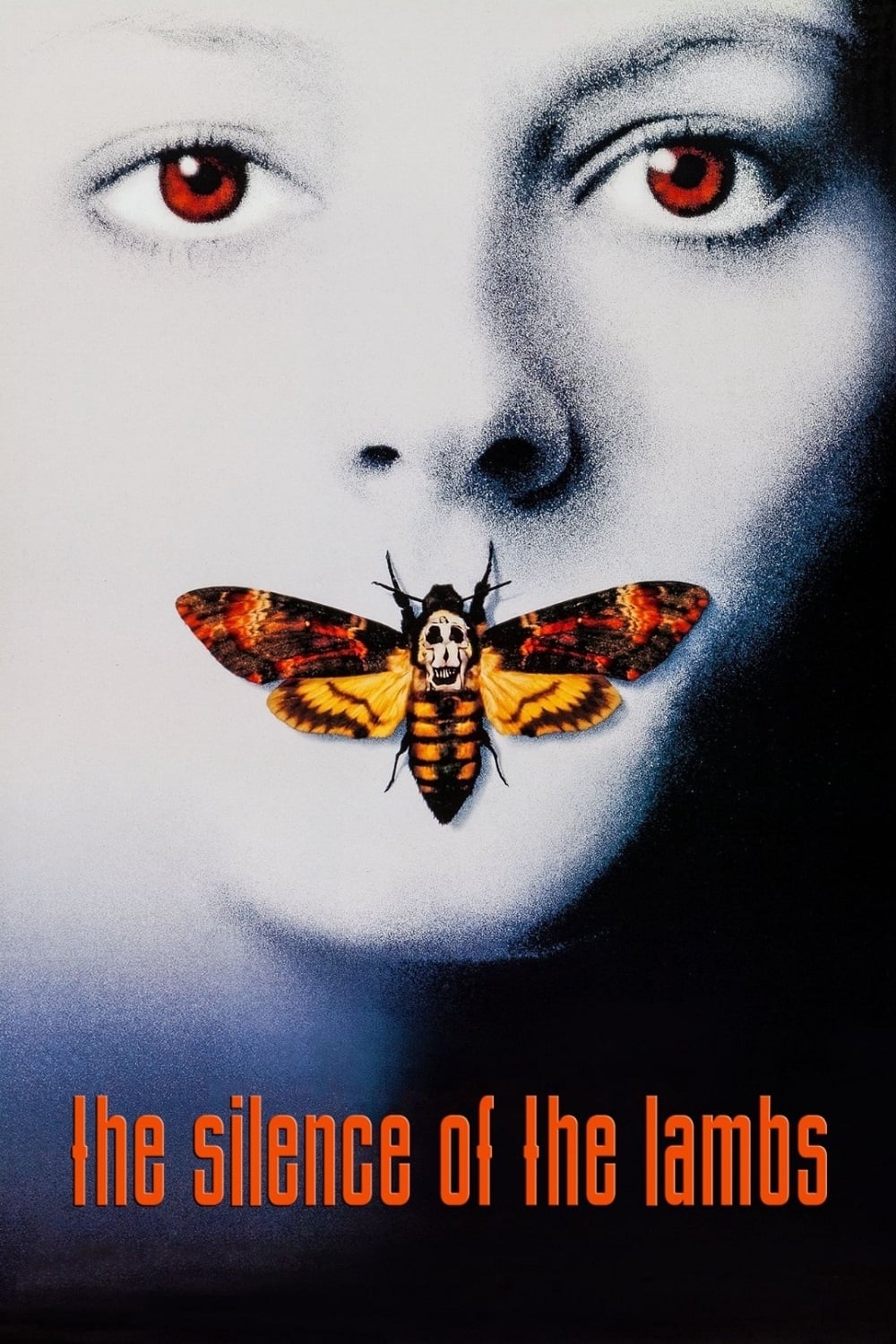
Jonathan Demme’s ‘The Silence of the Lambs’ stars Jodie Foster and Anthony Hopkins in an FBI-procedural that incorporates psychological profiling. The film won the Academy Awards for Picture, Director, Actor, Actress, and Screenplay.
Close-up framing and point-of-view shots are used deliberately during interviews to emphasize interrogation dynamics. Howard Shore’s score and meticulous prop work—crime scene evidence, case files, and prison apparatus—ground the investigative process.
‘Ocean’s Eleven’ (2001)
Directed by Steven Soderbergh, ‘Ocean’s Eleven’ remakes the 1960 film with George Clooney, Brad Pitt, and Julia Roberts among an ensemble cast. The production filmed in Las Vegas casinos, including the Bellagio, enabling on-location logistics for vault and floor sequences.
David Holmes’ score and stylized editing support a modular heist structure with roles defined for each specialist. Costume choices and split-screen flourishes help the audience track plans, diversions, and timelines across multiple vantage points.
‘The Bourne Identity’ (2002)
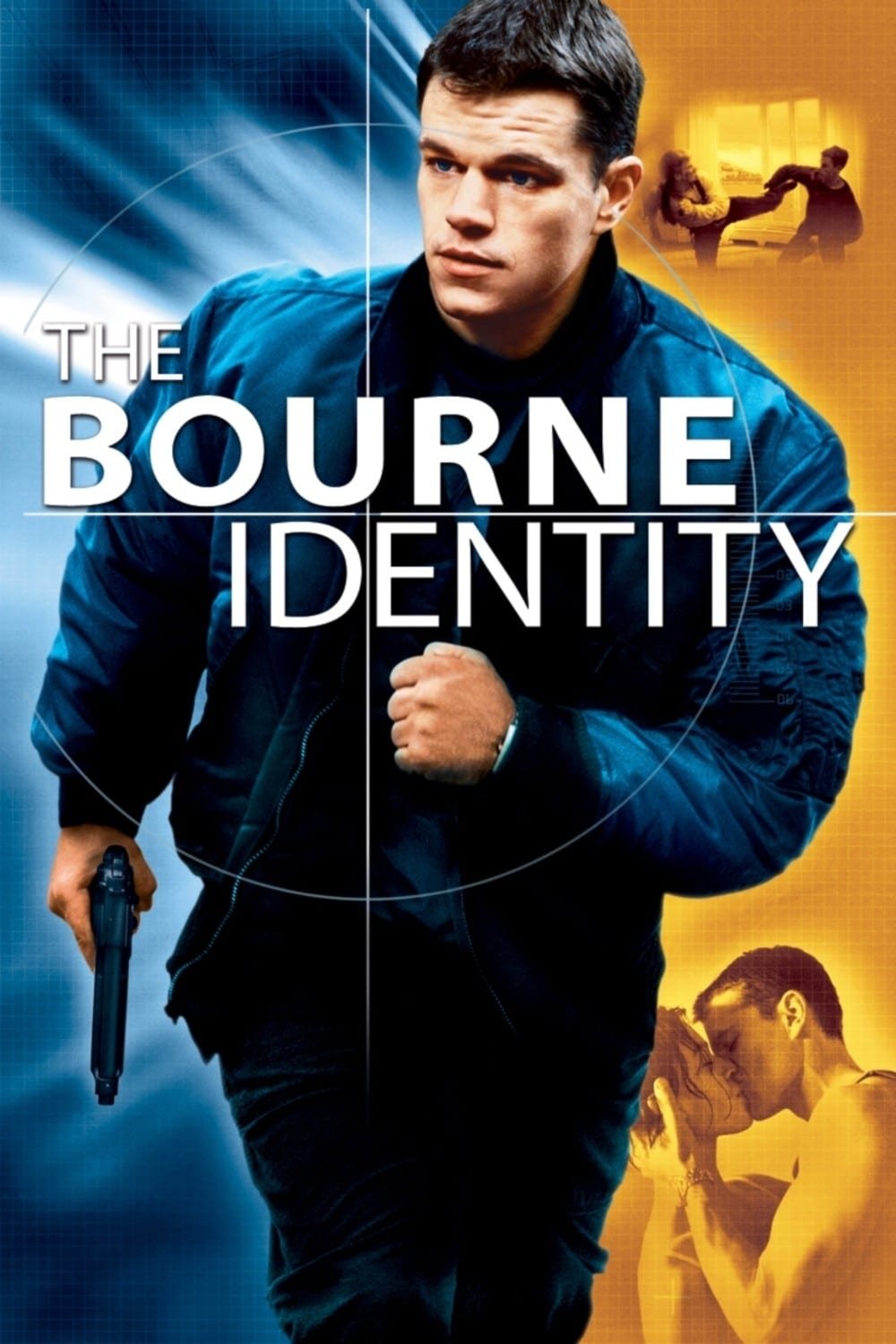
‘The Bourne Identity,’ directed by Doug Liman and based on Robert Ludlum’s novel, introduced Matt Damon as an amnesiac operative. European locations—Zurich, Paris, and the Mediterranean—are central to car chases and safe-house sequences.
Hand-to-hand combat and practical stunt work, including the Paris Mini chase, showcase a grounded approach to spy action. The film launched a franchise that standardized a particular style of close-quarters choreography and on-the-move surveillance tactics.
‘Casino Royale’ (2006)
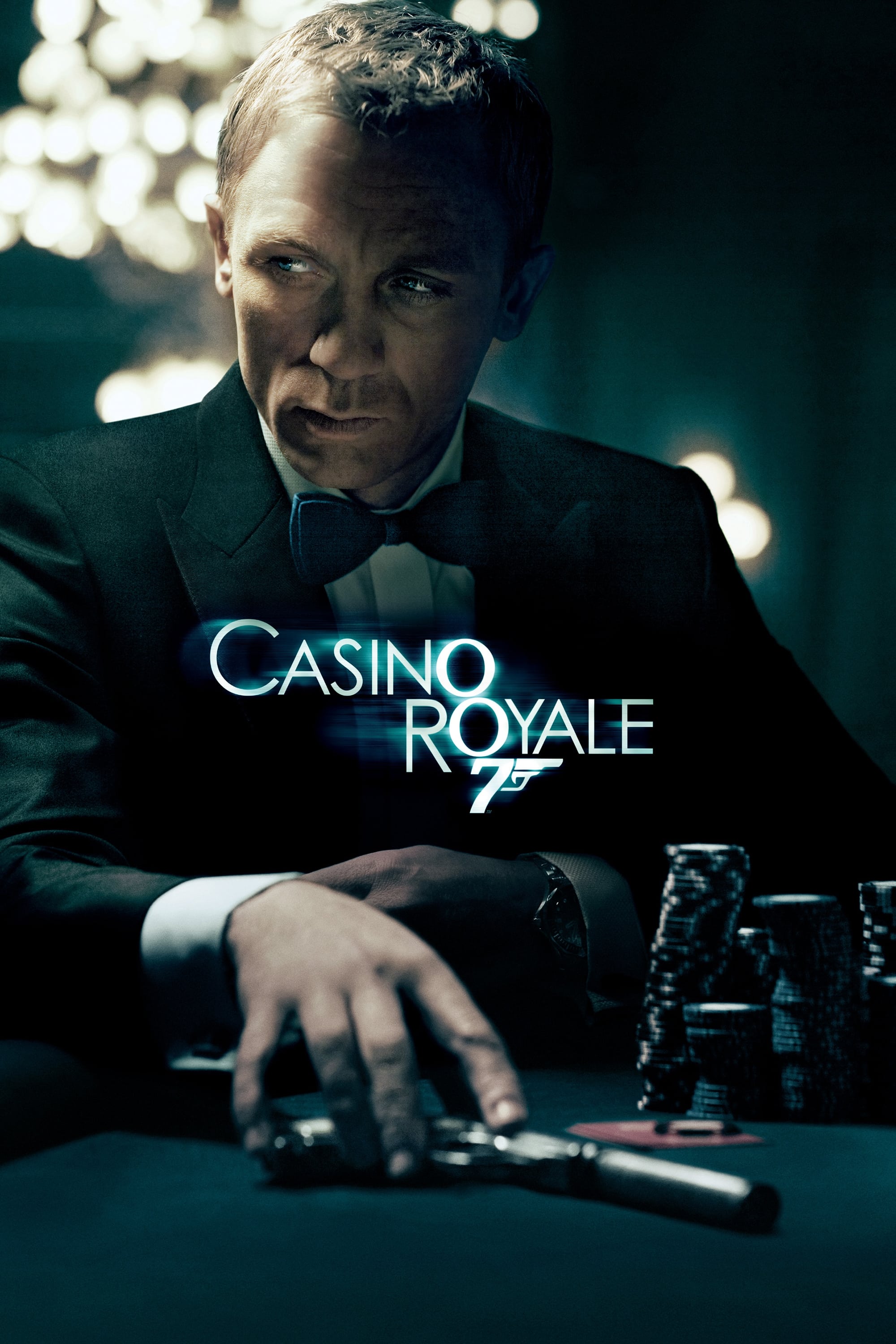
Directed by Martin Campbell, ‘Casino Royale’ rebooted the franchise with Daniel Craig as James Bond. The film features a parkour-driven opening pursuit and a high-stakes poker tournament in Montenegro, with Eva Green as Vesper Lynd.
Practical effects and location shoots in the Bahamas, Italy, and the Czech Republic anchor the set pieces. The production emphasizes character reintroduction through stripped-down gadgets, and the title song and credits redesign signaled a refreshed identity.
‘Mad Max: Fury Road’ (2015)
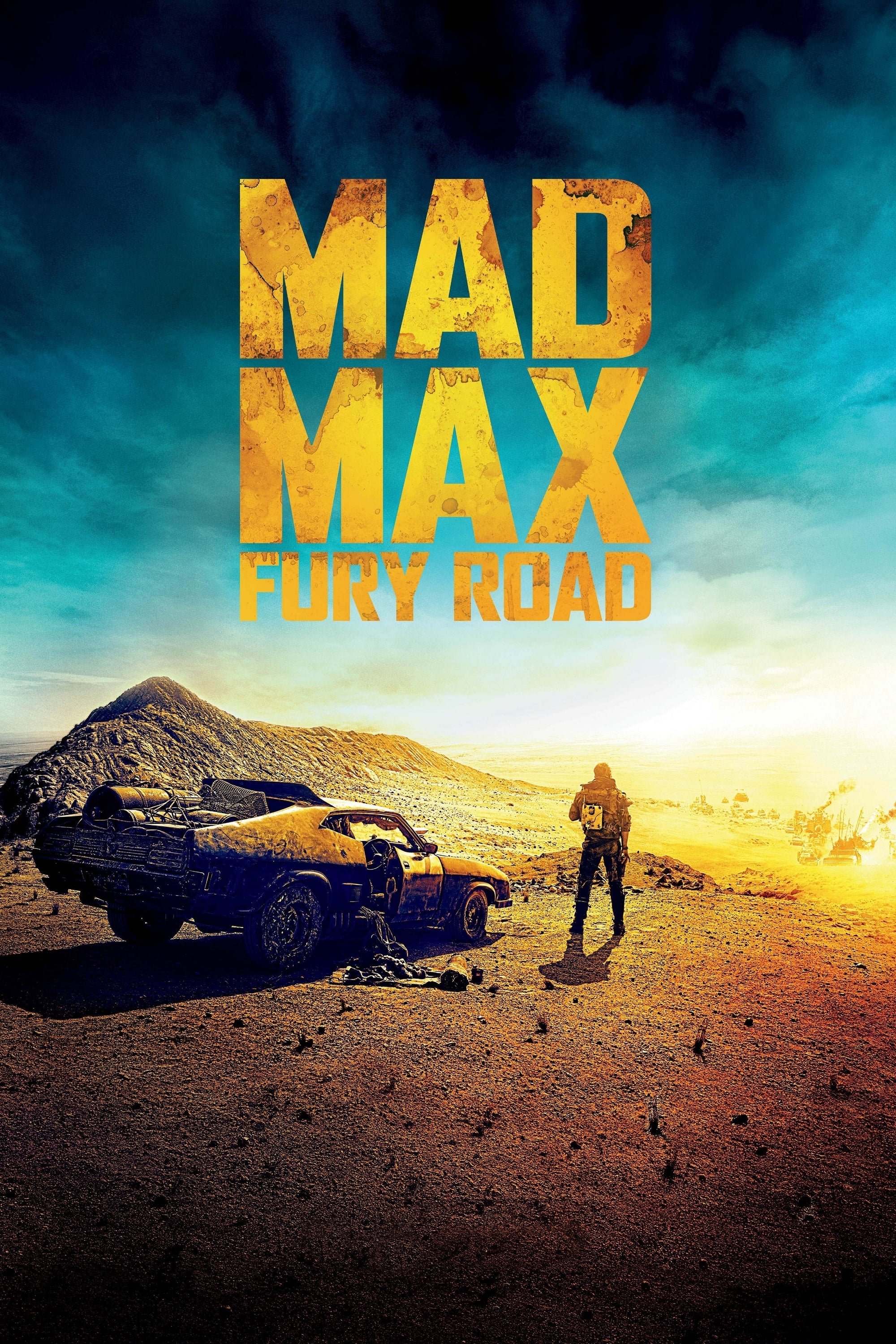
George Miller’s ‘Mad Max: Fury Road’ stars Tom Hardy and Charlize Theron and was shot largely in Namibia and Australia. The production prioritized practical stunts and vehicle rigs, with CGI used to extend environments and enhance safety.
The film won six Academy Awards in craft categories including editing, sound, and design. Costuming, prop-built vehicles, and clear action lines make convoy battles legible, while the “War Rig” serves as a mobile set with repeatable geography.
‘John Wick’ (2014)
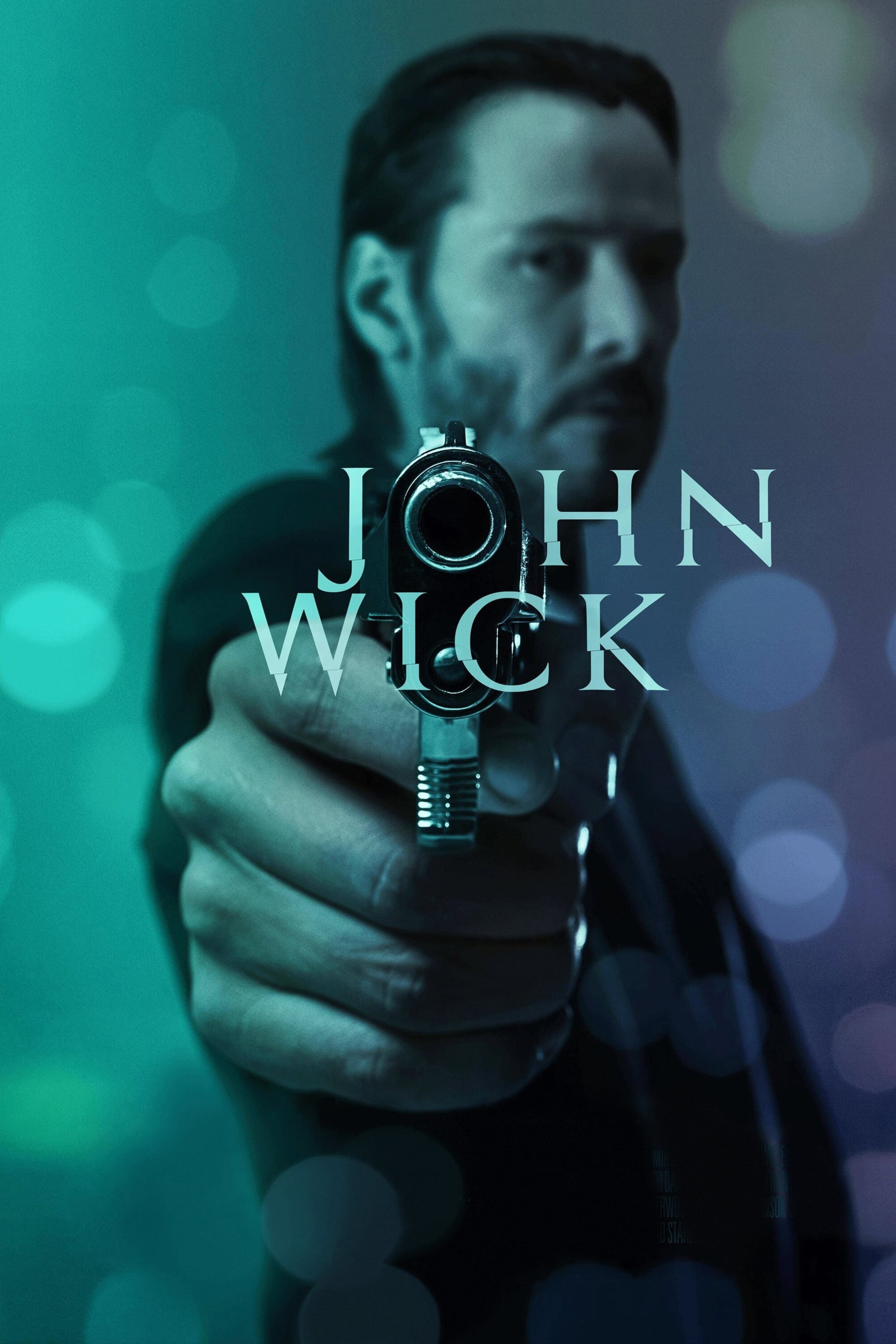
‘John Wick,’ directed by Chad Stahelski, starred Keanu Reeves and was choreographed by 87Eleven Action Design. The film emphasized long-take gun-fu and judo-based throws, with color-coded lighting to differentiate underworld locales.
The production established a detailed criminal economy—coins, markers, and the Continental’s rules—that frames character decisions. Subsequent entries expanded the mythology, but the first film’s clean stunt work and prop logic demonstrate how its action system operates.
‘The Grand Budapest Hotel’ (2014)
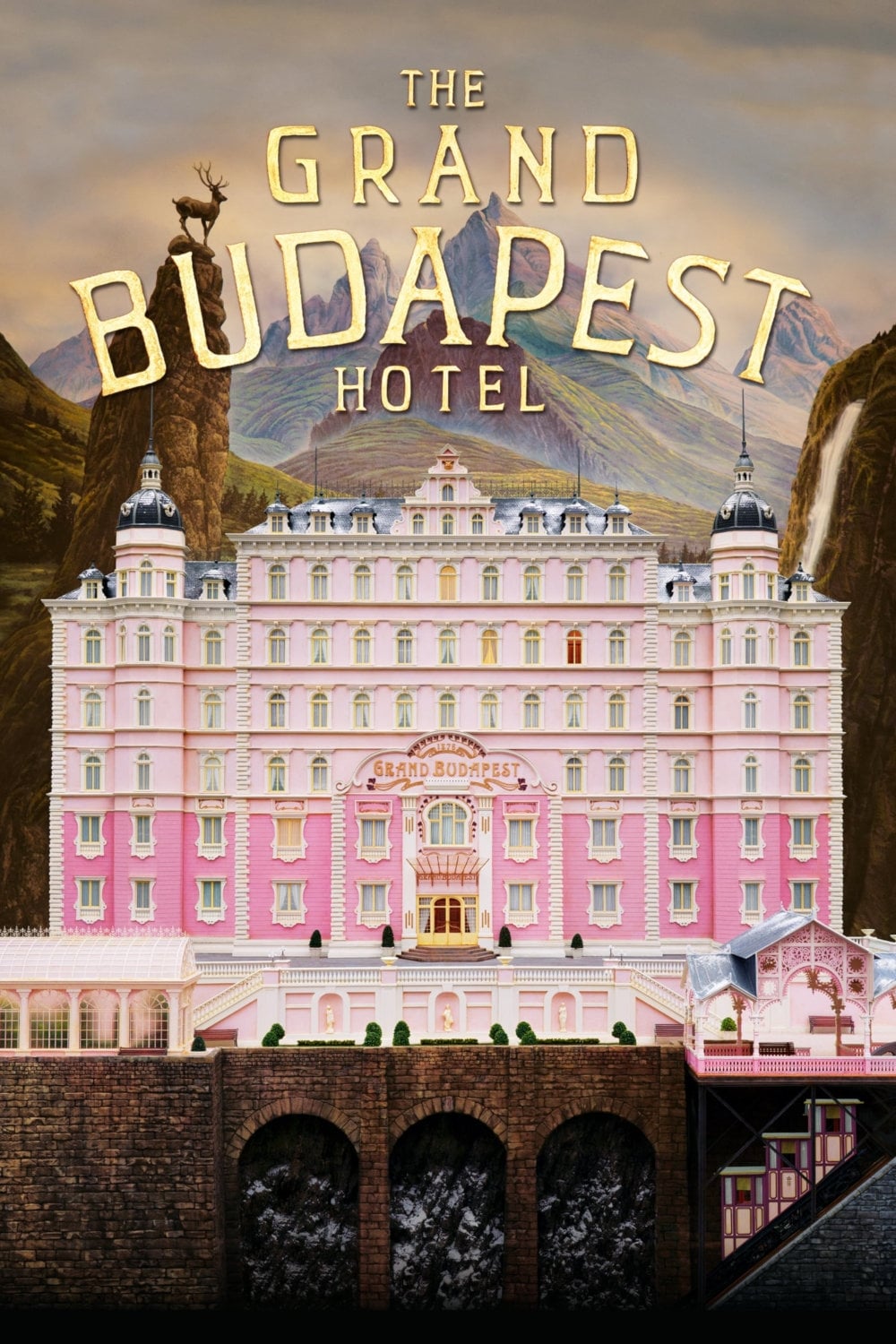
Wes Anderson’s ‘The Grand Budapest Hotel’ features an ensemble led by Ralph Fiennes across nested timelines. The production used shifting aspect ratios to signify periods and built intricate miniature models for external hotel views.
Alexandre Desplat’s Oscar-winning score, color-theory-driven production design, and costume details map fictional Zubrowka’s culture. The film won multiple Academy Awards in craft categories, and its chaptered structure and narration explain timeline transitions clearly.
‘Whiplash’ (2014)

Written and directed by Damien Chazelle, ‘Whiplash’ stars Miles Teller and J.K. Simmons in a conservatory-set drama about musical rigor. The feature expanded from Chazelle’s short film, which premiered at Sundance prior to the full production.
Editing rhythms mirror performance tempo, and the drum-kit sound recording is central to scene dynamics. The film won three Academy Awards, including Supporting Actor and Editing, and it documents rehearsal processes, competition rules, and repertoire with precision.
‘La La Land’ (2016)
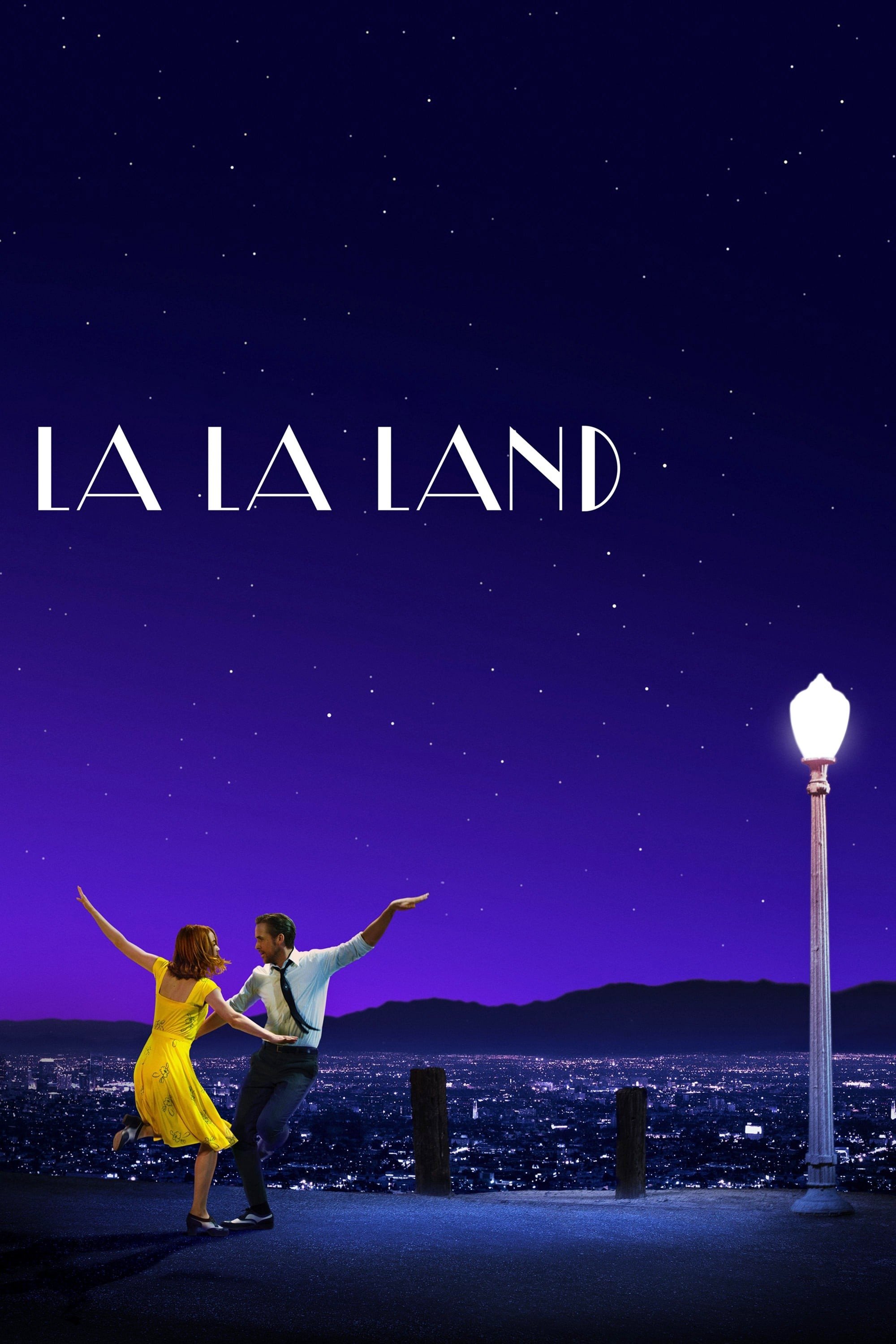
‘La La Land,’ directed by Damien Chazelle and starring Ryan Gosling and Emma Stone, blends original songs with widescreen choreography. Justin Hurwitz’s score and Linus Sandgren’s cinematography evoke classic Hollywood musicals through long takes and stylized lighting.
Production numbers were staged at Los Angeles landmarks, including a freeway ramp and Griffith Observatory. The film won six Academy Awards, and its seasonal chaptering, audition sequences, and epilogue structure are laid out with clear visual cues.
‘Coco’ (2017)
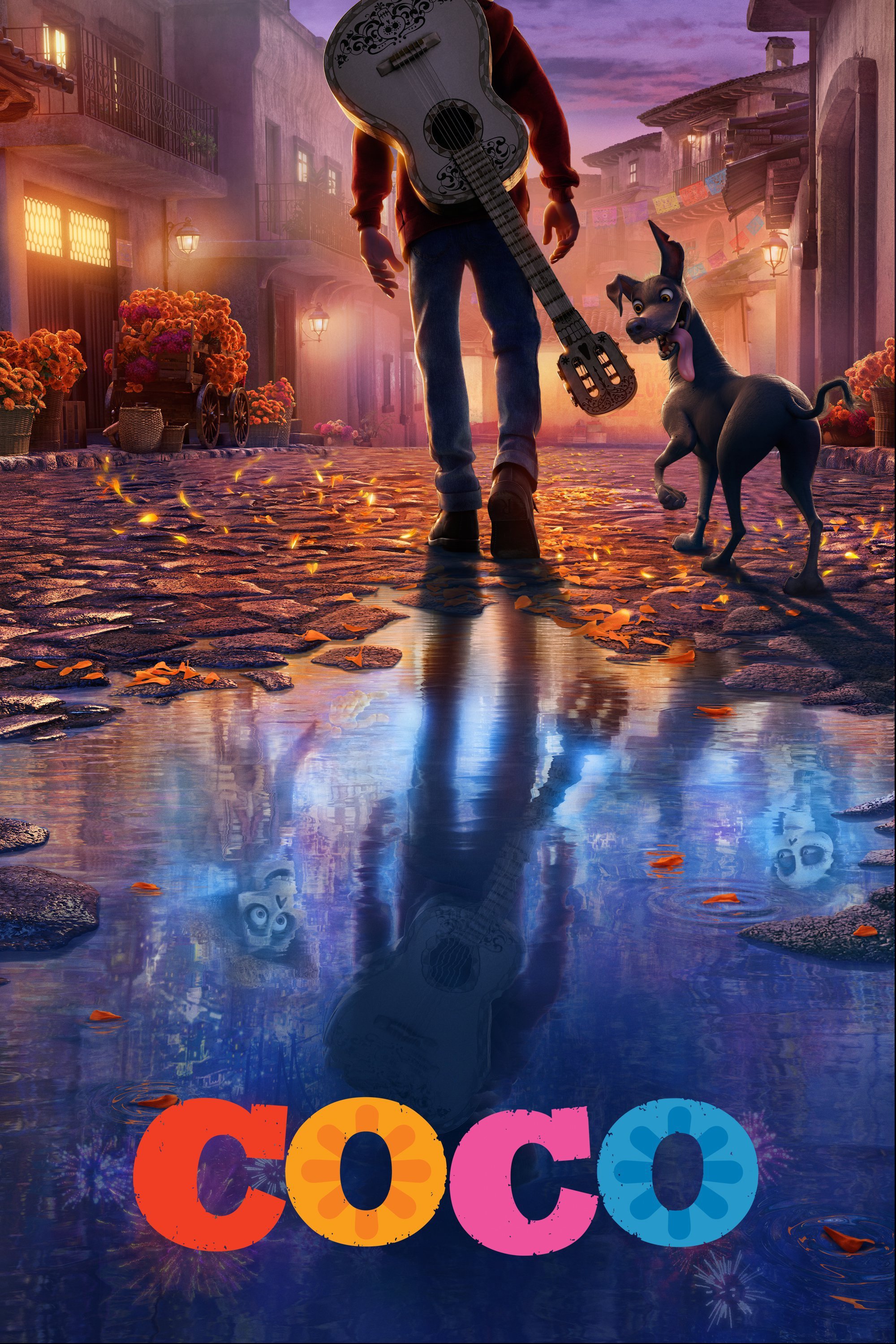
Directed by Lee Unkrich with co-director Adrian Molina, ‘Coco’ explores family memory through a Día de los Muertos journey. The film’s art direction integrates Mexican folk art, marigold bridges, and alebrije designs, supported by extensive cultural consultation.
Music is central—“Remember Me” won the Academy Award for Original Song—and diegetic performance scenes map character motivations. The film won Animated Feature, and its Land of the Dead worldbuilding uses signage, transit systems, and bureaucratic processes to organize story movement.
‘Spider-Man: Into the Spider-Verse’ (2018)
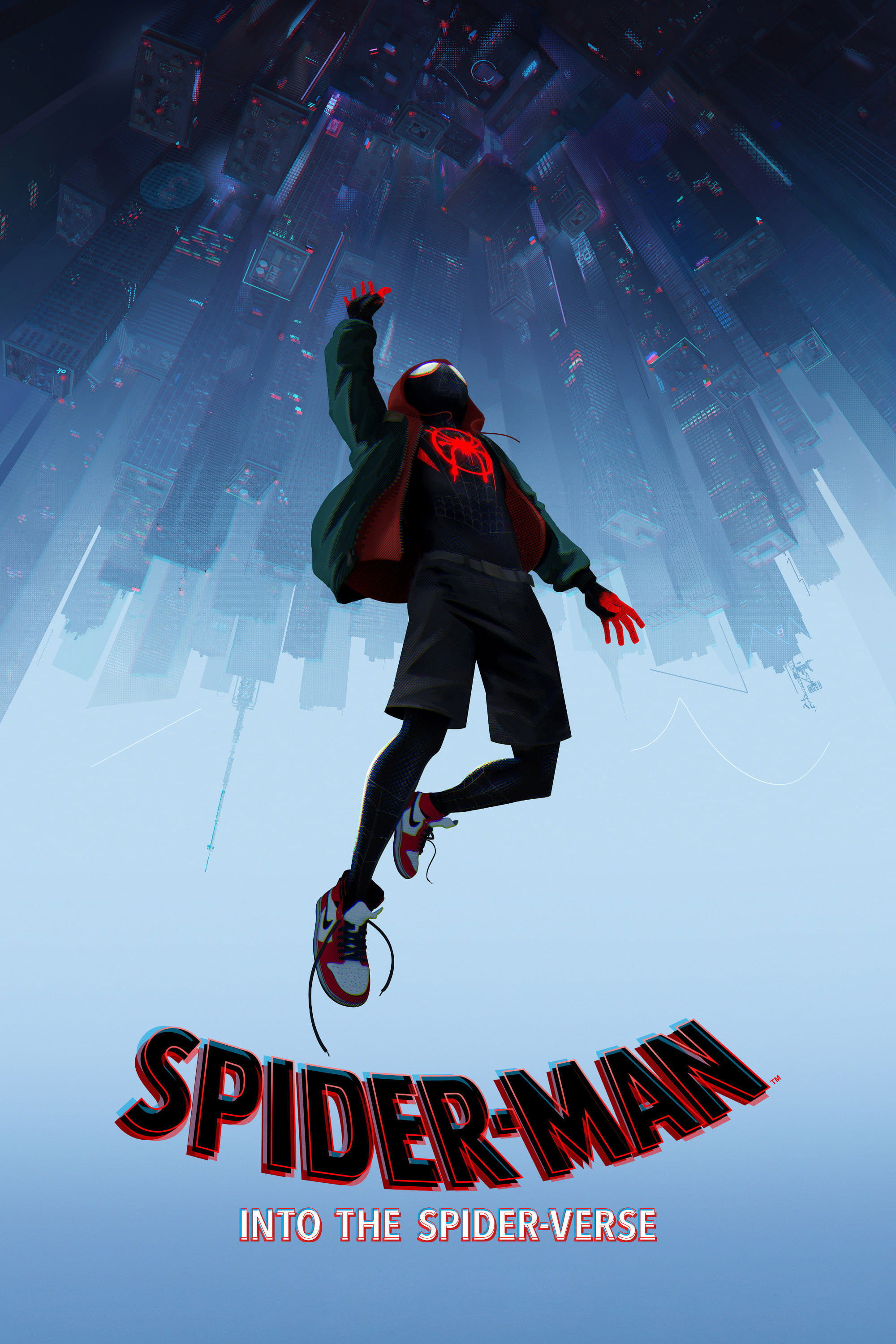
‘Spider-Man: Into the Spider-Verse’ introduces Miles Morales and a multiverse of spider-heroes. Directed by Bob Persichetti, Peter Ramsey, and Rodney Rothman, the film combines hand-drawn techniques with CG to replicate comic-book textures, panels, and onomatopoeia.
The production developed variable frame rates and halftone shading to differentiate characters and dimensions. It won the Academy Award for Animated Feature, and its exposition—collider experiments, glitch effects, and training sequences—lays out rules for cross-universe interactions.
‘Parasite’ (2019)
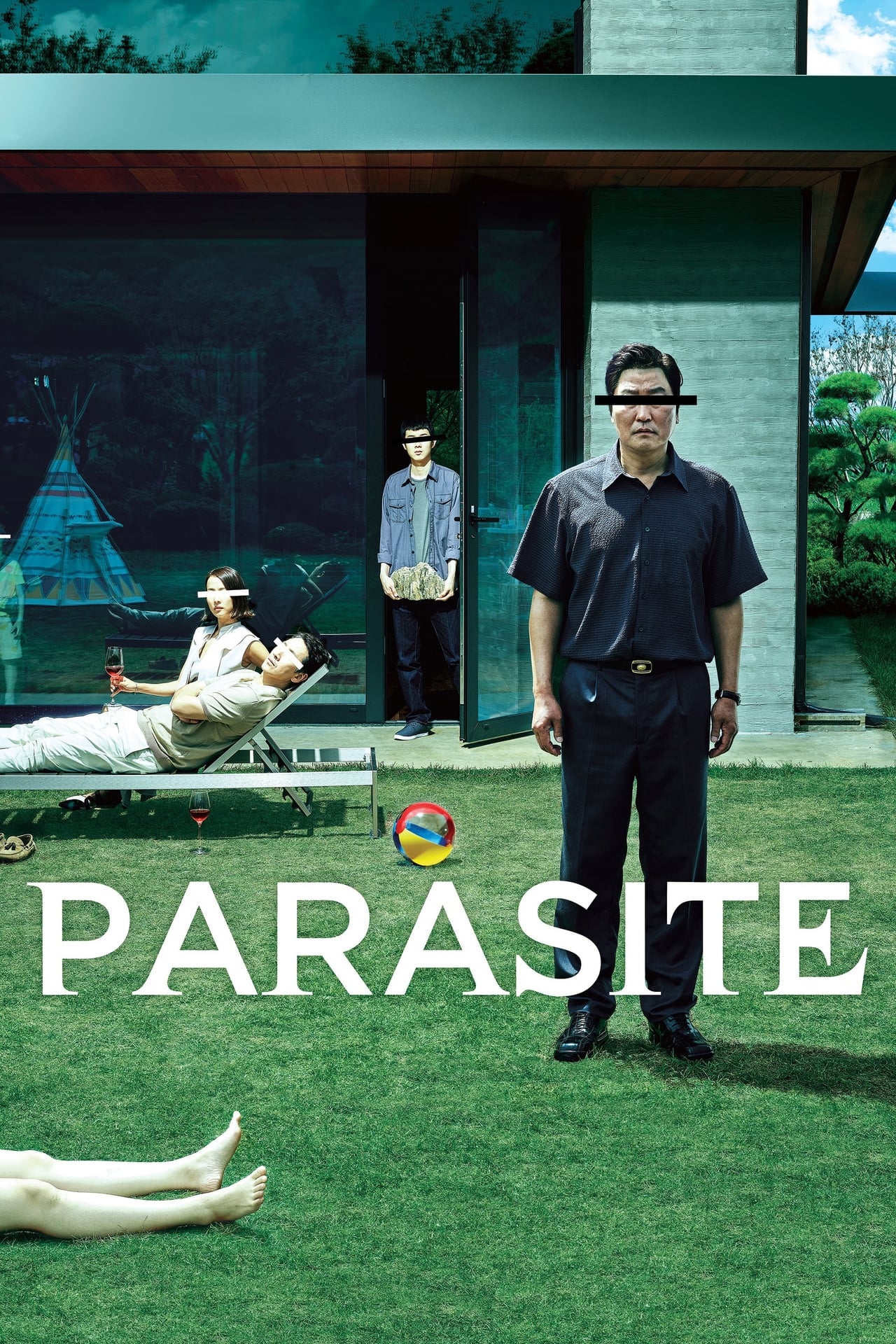
Directed by Bong Joon Ho, ‘Parasite’ examines class dynamics through the intertwined lives of two families. The Parks’ house was a built set designed for precise blocking and sightlines, enabling controlled reveals and character movement.
The film won the Palme d’Or at Cannes and four Academy Awards, including Best Picture and Director. Its genre shifts are managed through production design, weather as plot device, and carefully placed props that serve as narrative anchors.
‘Knives Out’ (2019)
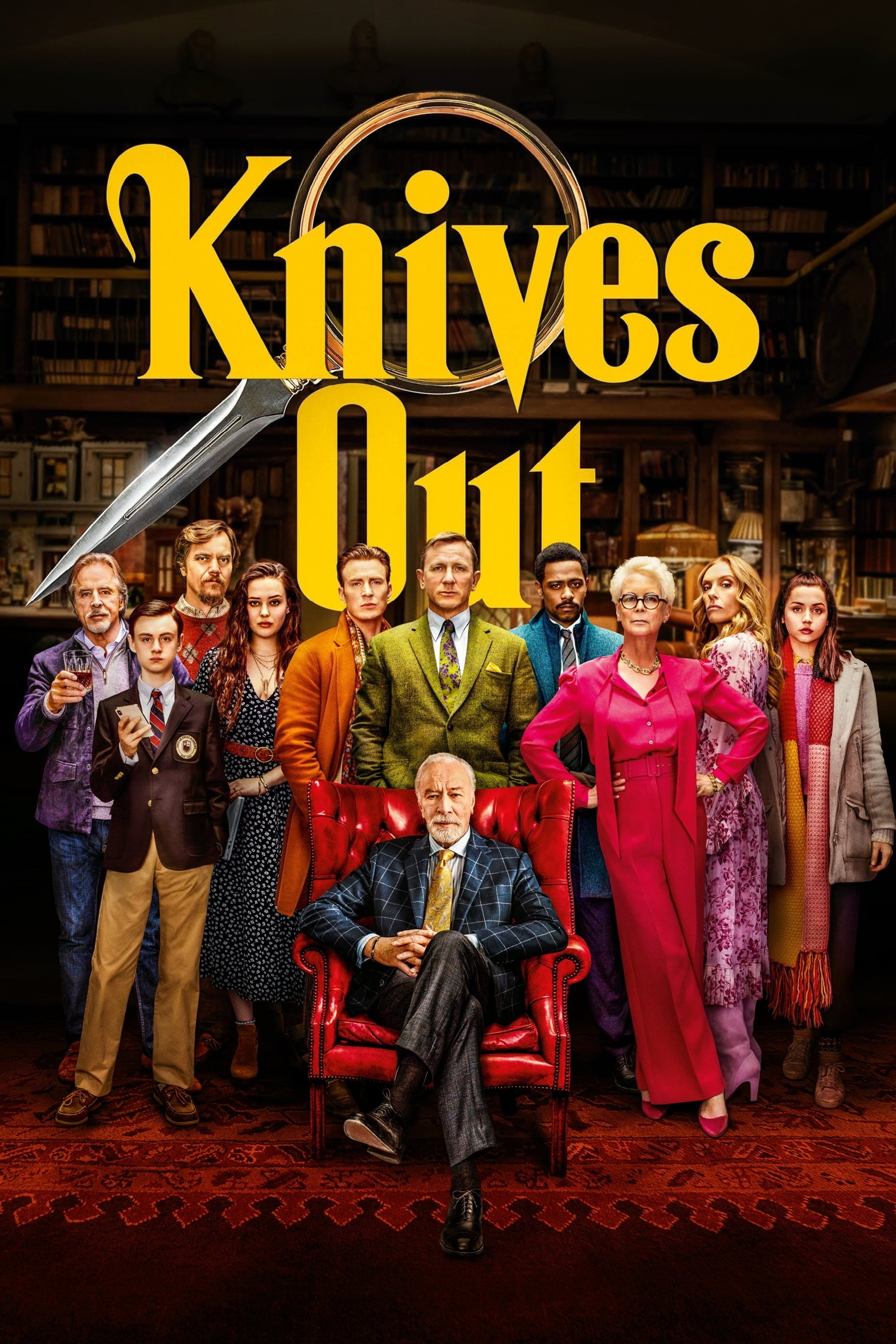
Rian Johnson’s ‘Knives Out’ is a modern whodunit centered on the death of a mystery novelist and the investigation by detective Benoit Blanc. The ensemble cast includes Daniel Craig, Ana de Armas, Chris Evans, and Jamie Lee Curtis.
The film uses a mansion setting filled with textual and visual clues—wills, knives, and alibis—organized by interrogations and flashbacks. Its structure documents timelines and testimony discrepancies, guiding viewers through evidentiary details without obscuring key information.
‘The Lion King’ (1994)
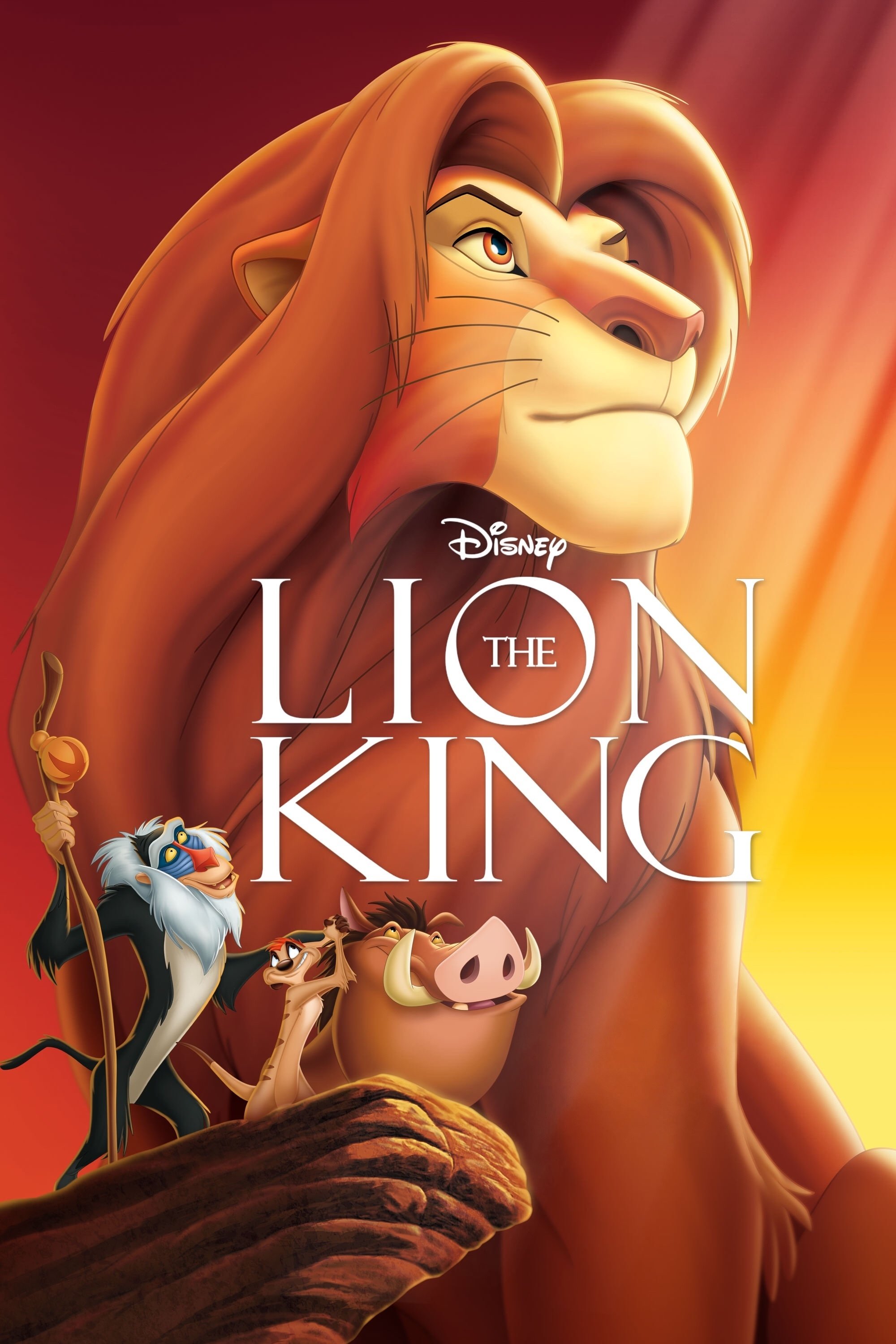
‘The Lion King’ was directed by Roger Allers and Rob Minkoff and features voice performances by Matthew Broderick, James Earl Jones, and Jeremy Irons. Elton John and Tim Rice wrote songs, with Hans Zimmer composing the Oscar-winning score.
Hand-drawn animation blends with computer-assisted shots like the wildebeest stampede. The Pride Lands setting is supported by researched fauna movement and stylized backgrounds, and the film became a major theatrical and home-video success worldwide.
‘The Iron Giant’ (1999)
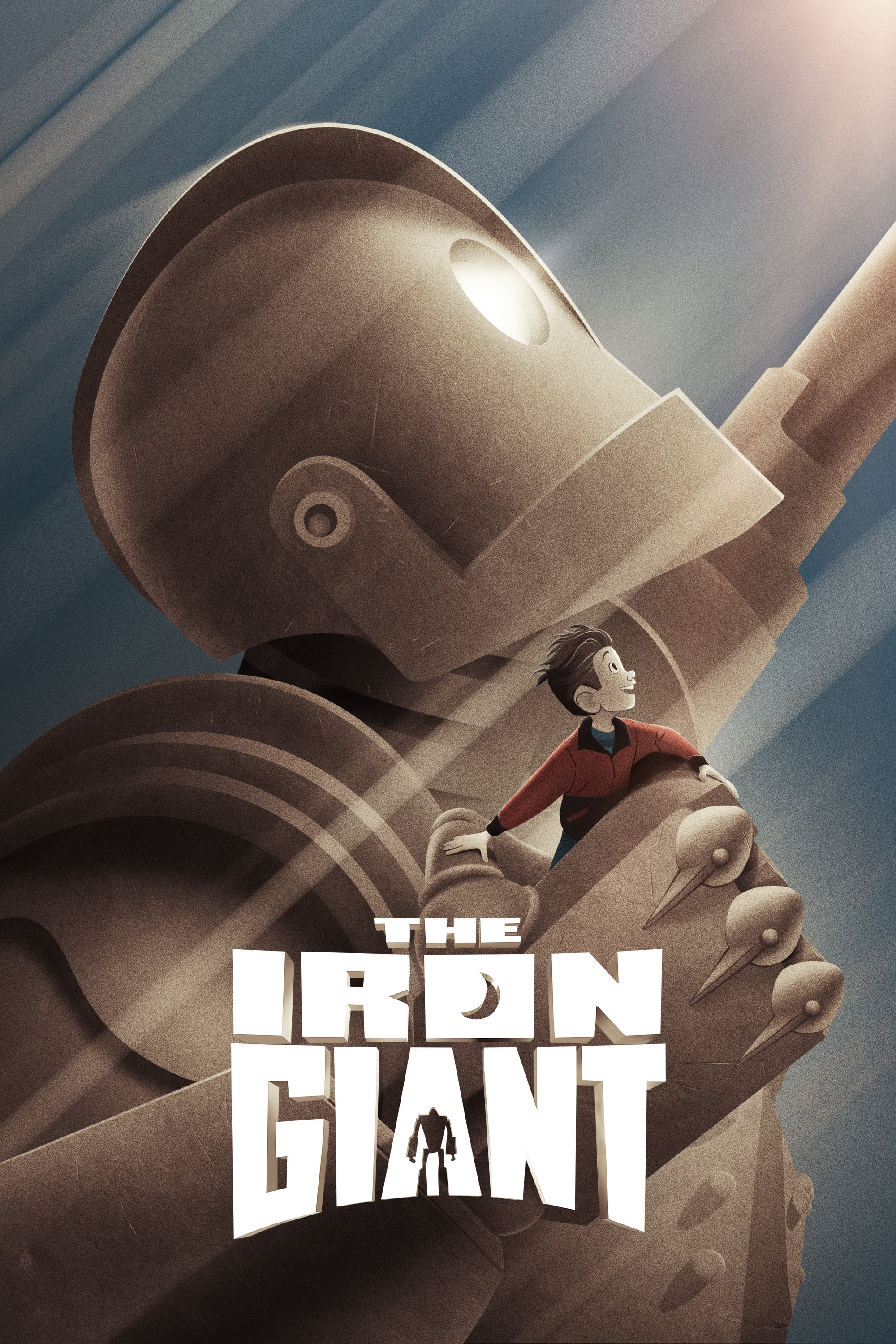
Directed by Brad Bird and based on Ted Hughes’ book, ‘The Iron Giant’ is set in 1957 during the Cold War. Voice performances include Eli Marienthal, Jennifer Aniston, and Vin Diesel, with Michael Kamen composing the score.
The production used traditional animation enhanced by computer-generated integration for the Giant, preserving line quality through specialized rendering. Despite a modest initial box office, the film’s home-video life broadened its audience, and its design emphasizes clear emotional staging.
‘Ghostbusters’ (1984)
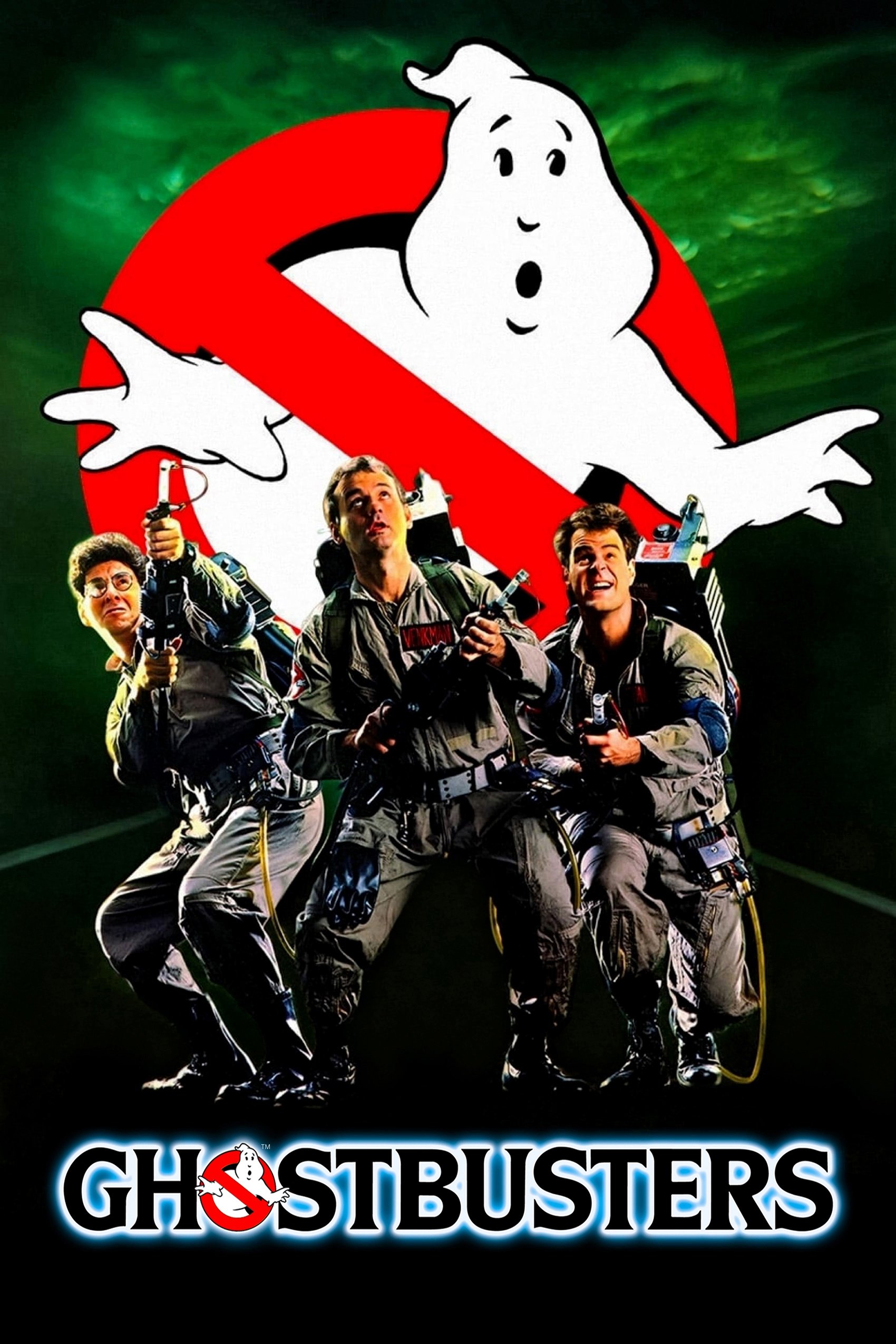
Ivan Reitman’s ‘Ghostbusters’ stars Bill Murray, Dan Aykroyd, Harold Ramis, and Sigourney Weaver. Practical effects, miniatures, and optical compositing brought proton streams and specters to life, while the Ecto-1 and Firehouse established recognizable props and locations.
Ray Parker Jr.’s theme song and New York City settings frame a start-up paranormal business that grows into a citywide operation. The Stay Puft sequence blends full-scale sets with miniature cityscapes, demonstrating the era’s effects craftsmanship.
‘The Big Lebowski’ (1998)
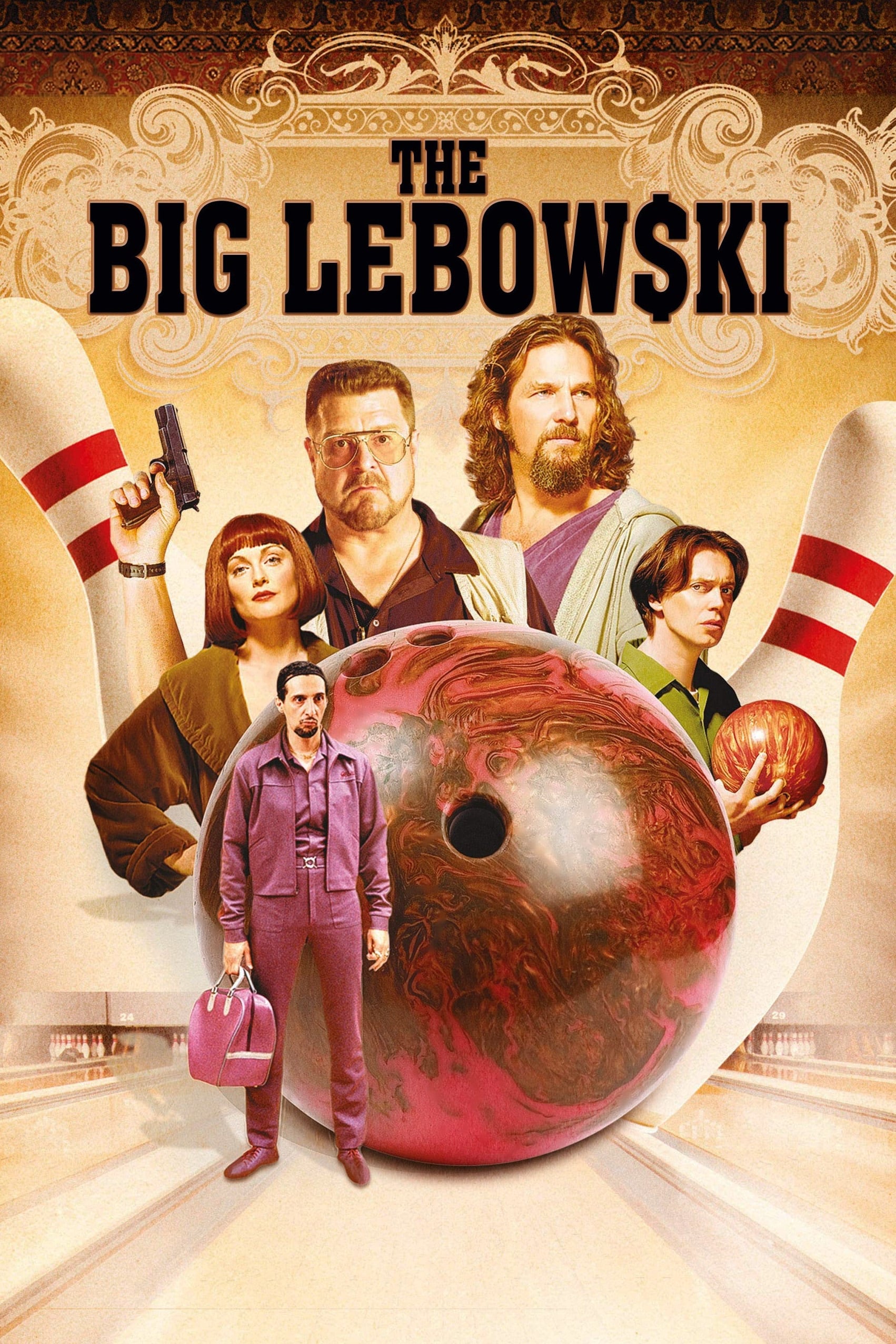
Written and directed by Joel and Ethan Coen, ‘The Big Lebowski’ follows a case of mistaken identity that pulls a bowler into a convoluted scheme. Cinematographer Roger Deakins crafted dream sequences and bowling-alley visuals with controlled color and lens choices.
The soundtrack features period rock and curated tracks that comment on scenes, and the film’s Los Angeles locations tie its noir scaffolding to specific neighborhoods. Prop continuity—from the rug to the bowling paraphernalia—structures its chain of events.
‘The Breakfast Club’ (1985)

Directed by John Hughes, ‘The Breakfast Club’ confines five high-school students to a Saturday detention. Filming took place at the former Maine North High School, where the library set was built in the gymnasium.
The script organizes character revelations through timed assignments, hallway patrols, and group dynamics. Costuming and lockers, props like handwritten essays, and the bell schedule provide a consistent framework for the single-location story.
‘Ferris Bueller’s Day Off’ (1986)
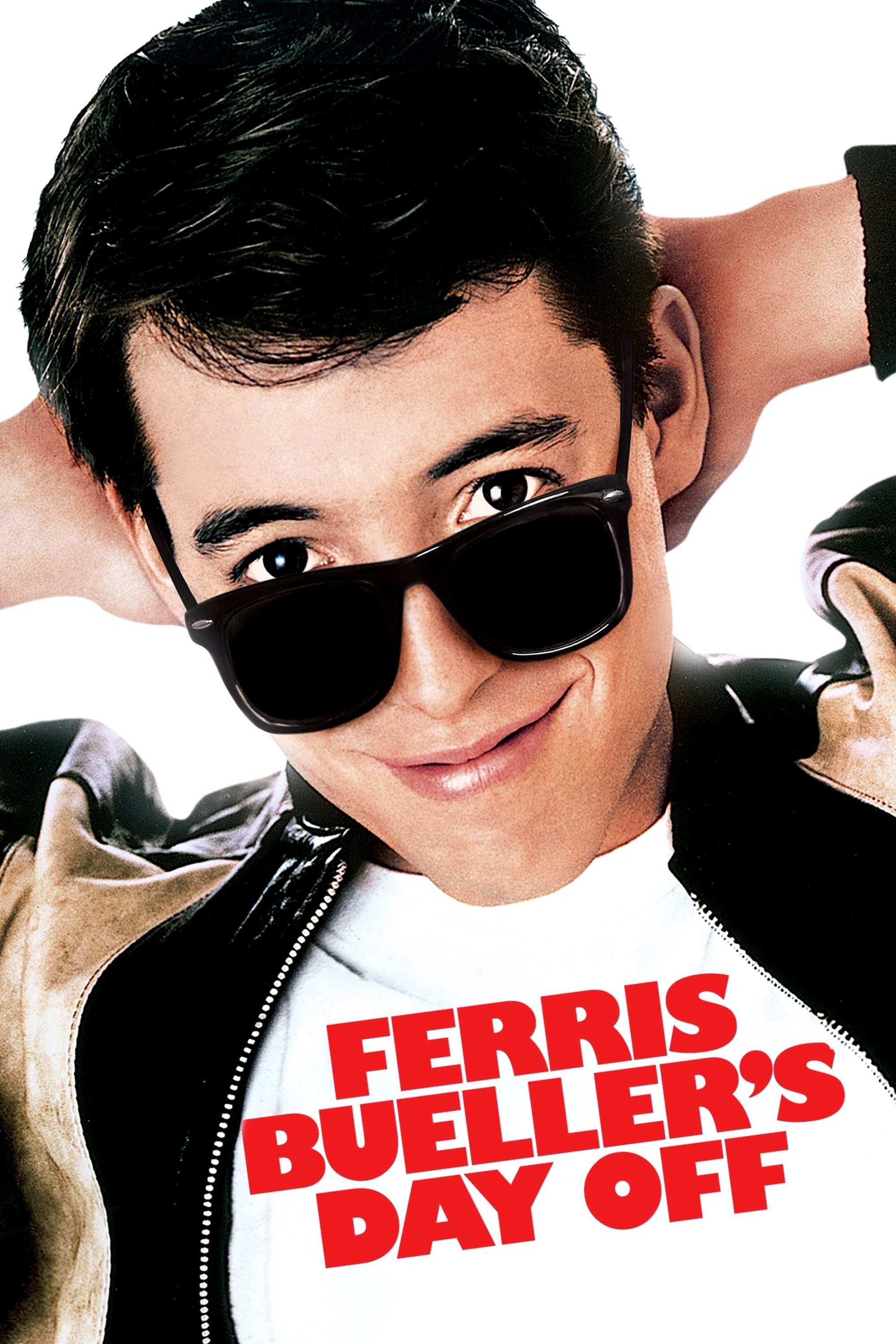
John Hughes’ ‘Ferris Bueller’s Day Off’ chronicles a senior skipping school with friends across Chicago. Locations include the Art Institute, Wrigley Field, and a parade route, with a notable Ferrari 250 GT California replica central to the plot.
The film uses fourth-wall asides, a principal’s pursuit thread, and intercut home-front scenes to synchronize timelines. Needle-drop music selections cue mood changes, and travel logistics—parking, call routing, and transit—are staged with clear cause and effect.
‘Shrek’ (2001)
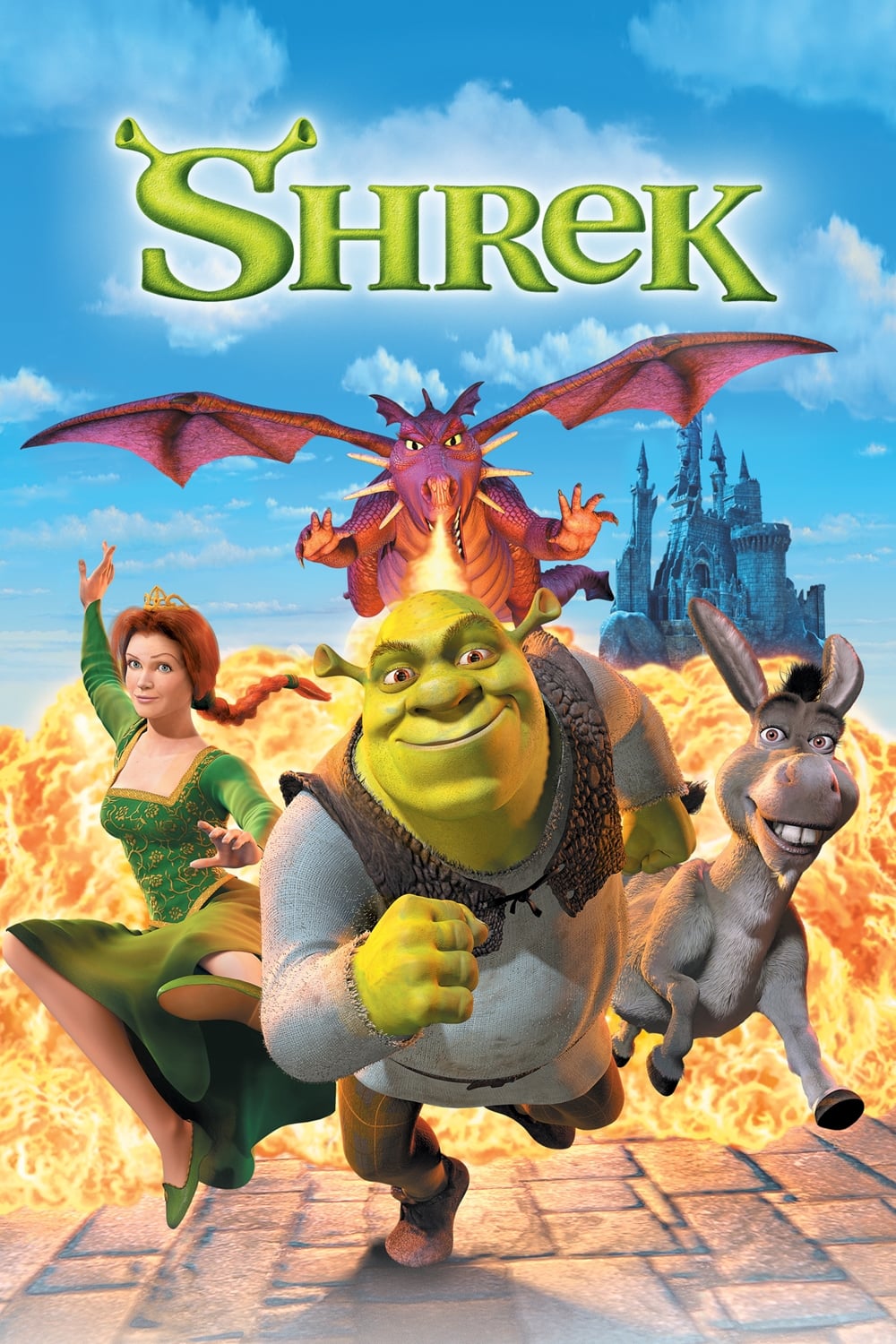
‘Shrek,’ directed by Andrew Adamson and Vicky Jenson and loosely based on William Steig’s book, stars Mike Myers, Eddie Murphy, and Cameron Diaz. The film parodies fairy-tale conventions and used then-new skin, cloth, and hair systems for stylized characters.
Pop-music cues and comedic set-pieces are anchored by a road-movie structure through Duloc and the dragon-guarded castle. It won the inaugural Academy Award for Animated Feature, and its design blends medieval motifs with contemporary humor through visual gags.
‘The Social Network’ (2010)
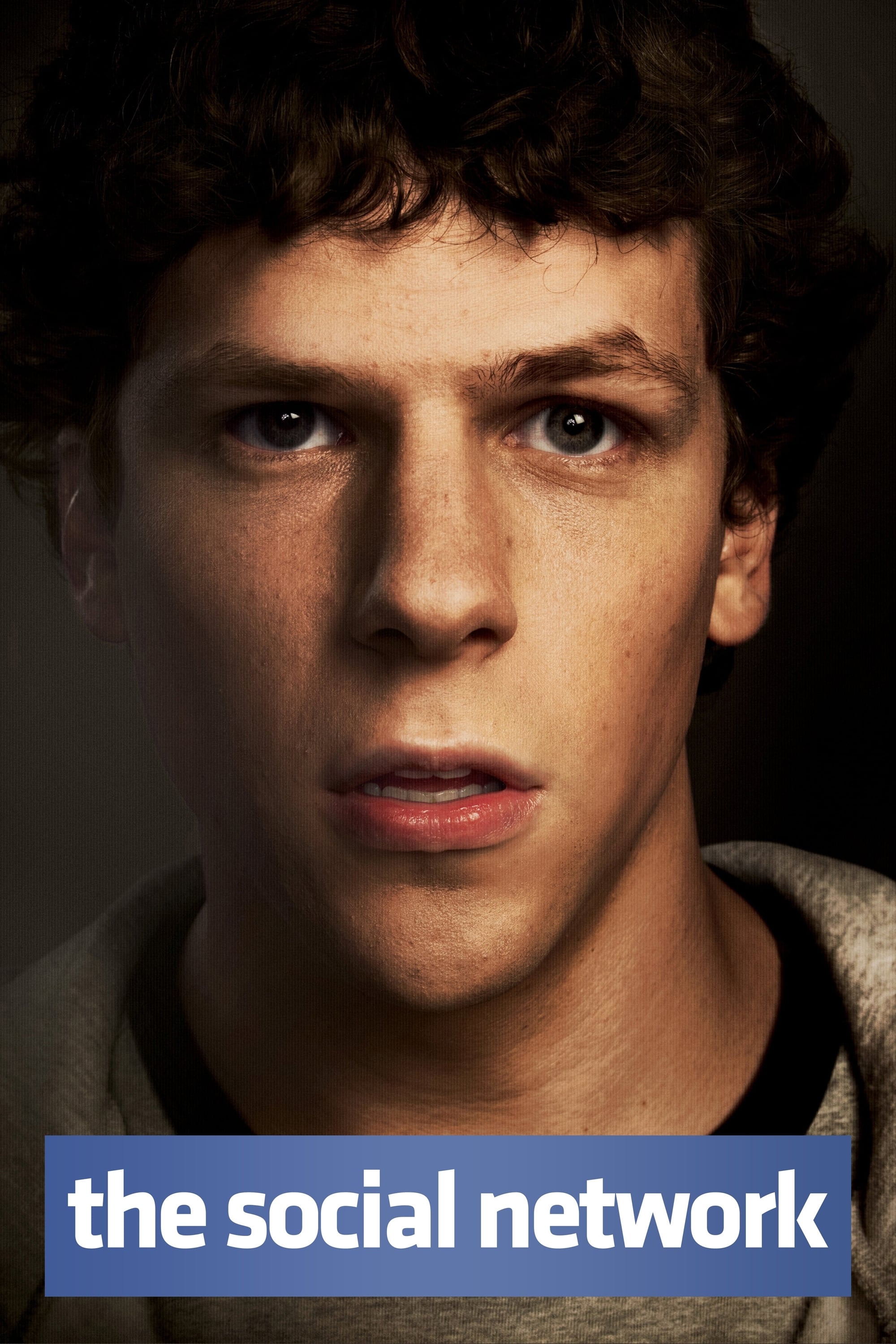
Directed by David Fincher with a screenplay by Aaron Sorkin, ‘The Social Network’ depicts the founding of Facebook and ensuing legal disputes. Trent Reznor and Atticus Ross composed the Oscar-winning score, and Jeff Cronenweth’s digital cinematography established a cool, precise palette.
Harvard scenes were largely recreated at stand-in campuses due to filming restrictions, and parallel deposition rooms structure the narrative. The film won Academy Awards for Adapted Screenplay, Score, and Editing, mapping timeline overlaps through dialogue, exhibits, and coding milestones.
Share the titles you keep returning to—and the scenes you never skip—in the comments below.