The Most Rewatchable Action Movies Ever Filmed


Great action movies pull you back in with propulsive pacing, clean geography, and set-pieces that land every time you revisit them. This list gathers titles that keep delivering—through sharp direction, memorable characters, and stunt work that stays impressive no matter how familiar it becomes.
You’ll find a mix of hard-charging thrillers, martial-arts showcases, slick spy capers, and high-concept sci-fi. Each entry notes the essentials—who made it, what it’s about, how it’s staged, and why its craft keeps holding up—so you can drop in anywhere and know exactly what you’re getting.
‘Die Hard’ (1988)
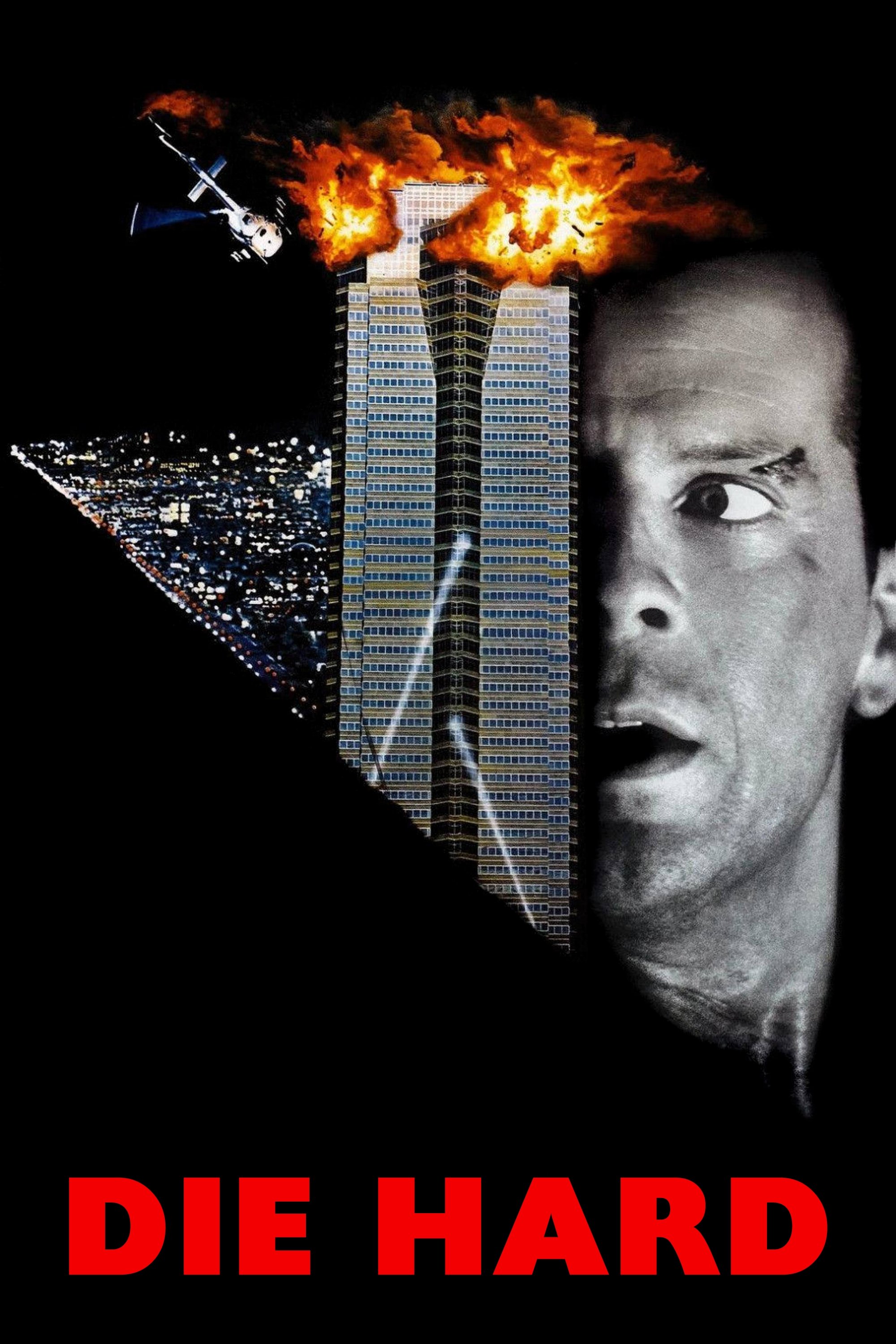
John McTiernan directs an off-duty NYPD cop trapped in a Los Angeles skyscraper while thieves pose as terrorists. Bruce Willis leads alongside Alan Rickman, with the Nakatomi Plaza siege structured around escalating cat-and-mouse tactics across limited floors.
The film uses practical explosions, vertical chases through elevator shafts, and radio banter to maintain spatial clarity. Its blend of contained location, sardonic dialogue, and steadily rising stakes shaped the “one location under siege” template for action thrillers.
‘Mad Max: Fury Road’ (2015)
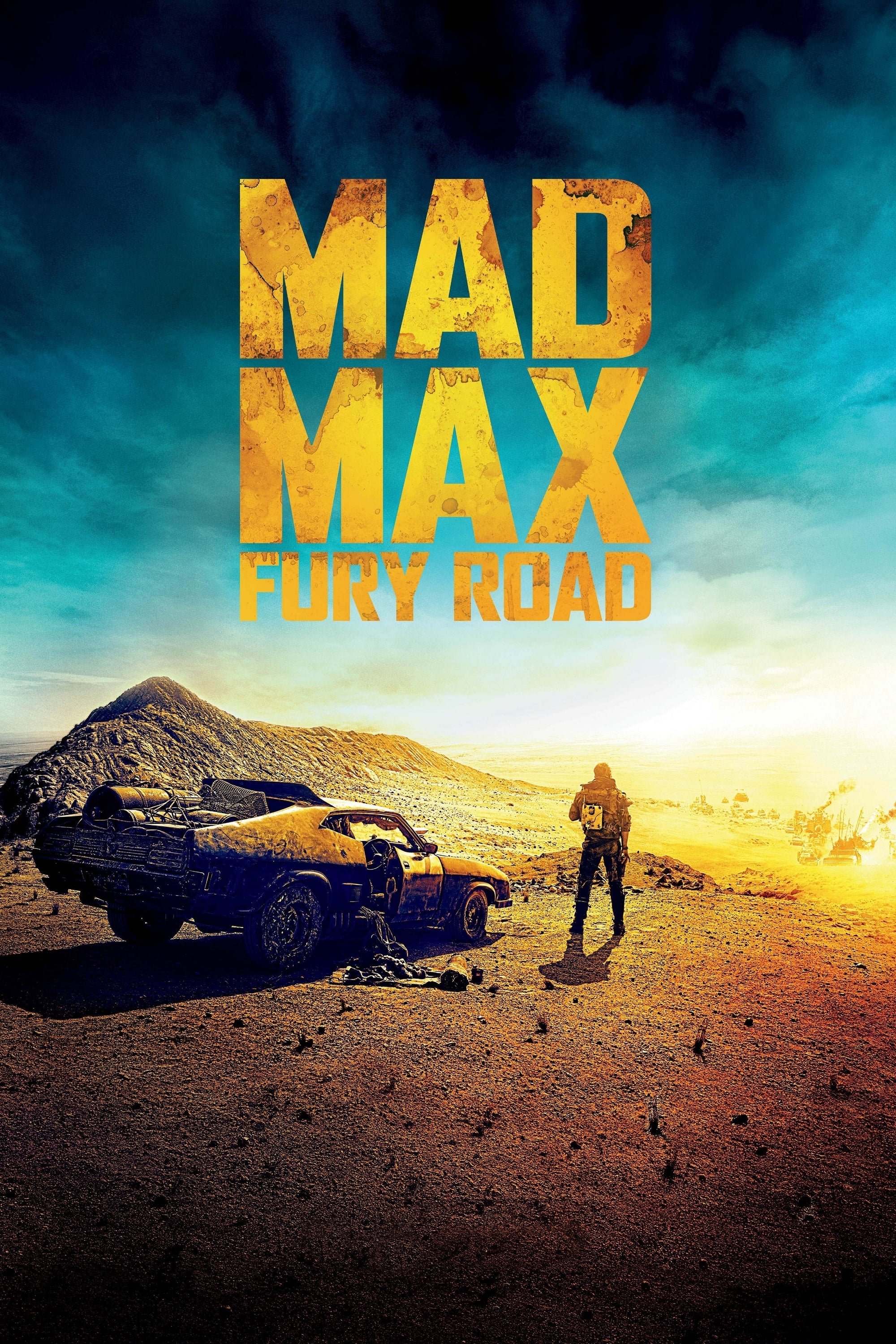
George Miller returns to the Wasteland for a pursuit saga following a war rig driven by Imperator Furiosa and an ex-cop survivor. Tom Hardy and Charlize Theron star in a story delivered through motion and gesture more than dialogue.
Extensive practical stunts, custom vehicles, and day-for-night color grading create striking, readable action. The production’s continuity of movement—shot-to-shot eye-line control and center-frame compositions—keeps every beat legible at high speed.
‘Terminator 2: Judgment Day’ (1991)
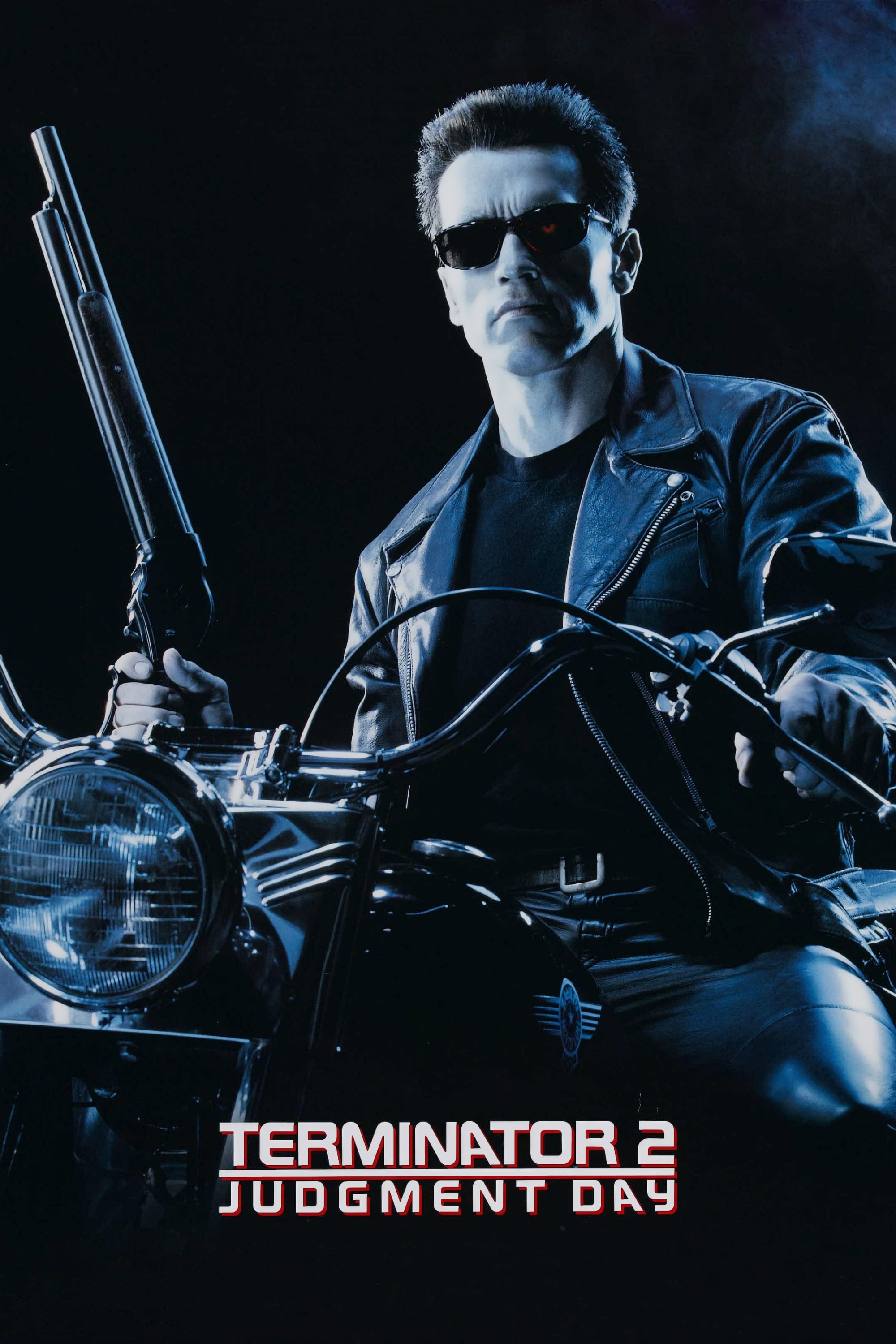
James Cameron reteams with Arnold Schwarzenegger and Linda Hamilton for a protection mission that flips the original’s premise. The T-1000 antagonist adds shapeshifting stakes as the narrative moves from chase to heist to last-stand.
Groundbreaking visual effects combine with practical crashes and industrial set-pieces. The film’s clear mission objectives, ticking clocks, and cause-and-effect action design make each rewatch easy to track and satisfying to parse.
‘The Matrix’ (1999)
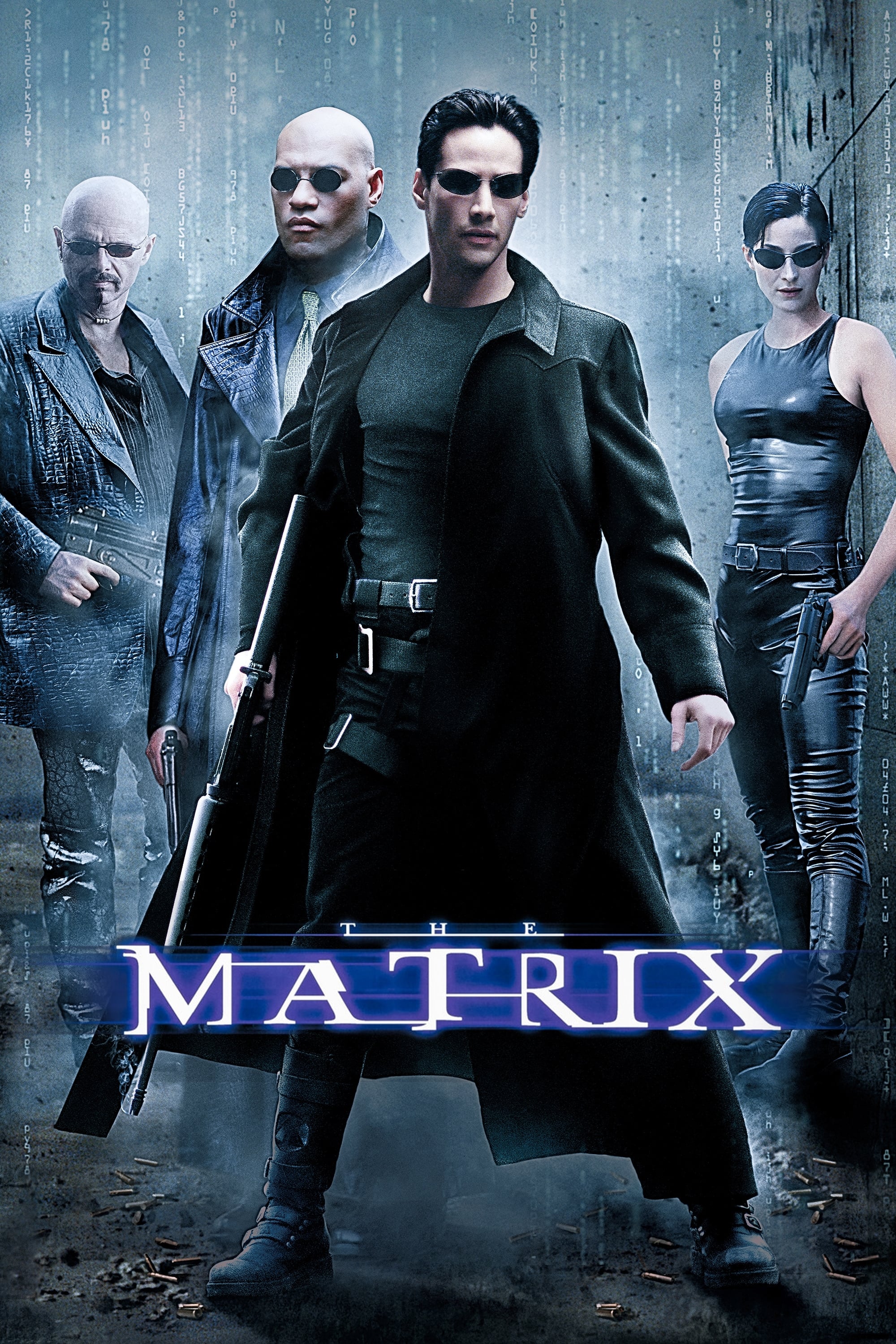
The Wachowskis follow a hacker drawn into a reality-bending rebellion led by Morpheus and Trinity. Keanu Reeves’s training arc anchors a hero’s-journey framework within a cyberpunk resistance story.
“Bullet time,” wire-fu choreography by Yuen Woo-ping, and green-tinted production design define the action language. Precise shot composition and philosophical stakes give every lobby shootout and rooftop leap narrative weight.
‘Raiders of the Lost Ark’ (1981)
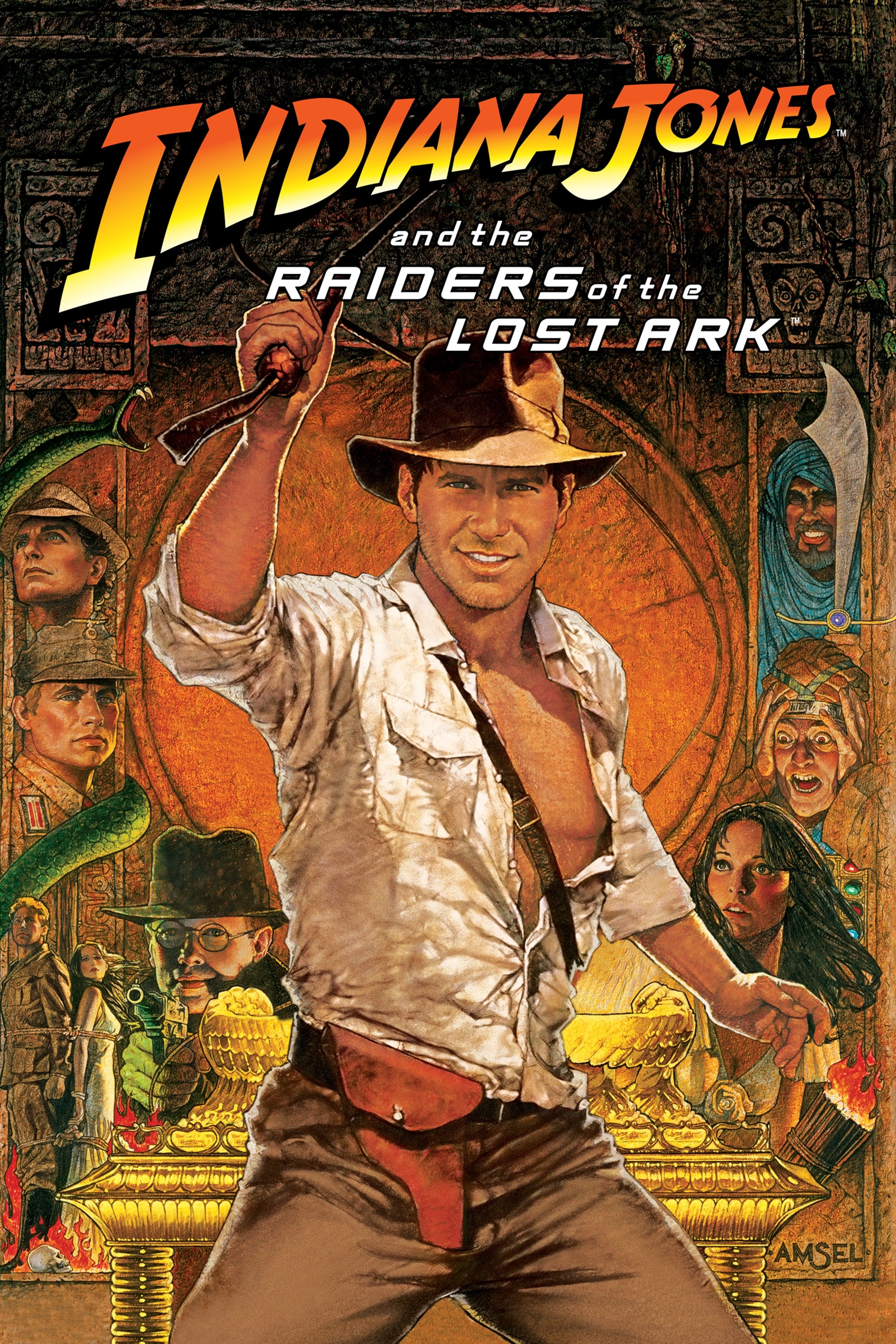
Steven Spielberg introduces an archaeology professor racing rival forces for a biblical artifact. Harrison Ford’s globe-trotting adventure hops from jungle prologue to desert convoy with quick transitions and clear goals.
Old-school stunt work—truck drags, fistfights around spinning propellers, and practical effects—keeps sequences tactile. John Williams’s score and storyboard-driven coverage make geography and momentum easy to follow.
‘John Wick’ (2014)
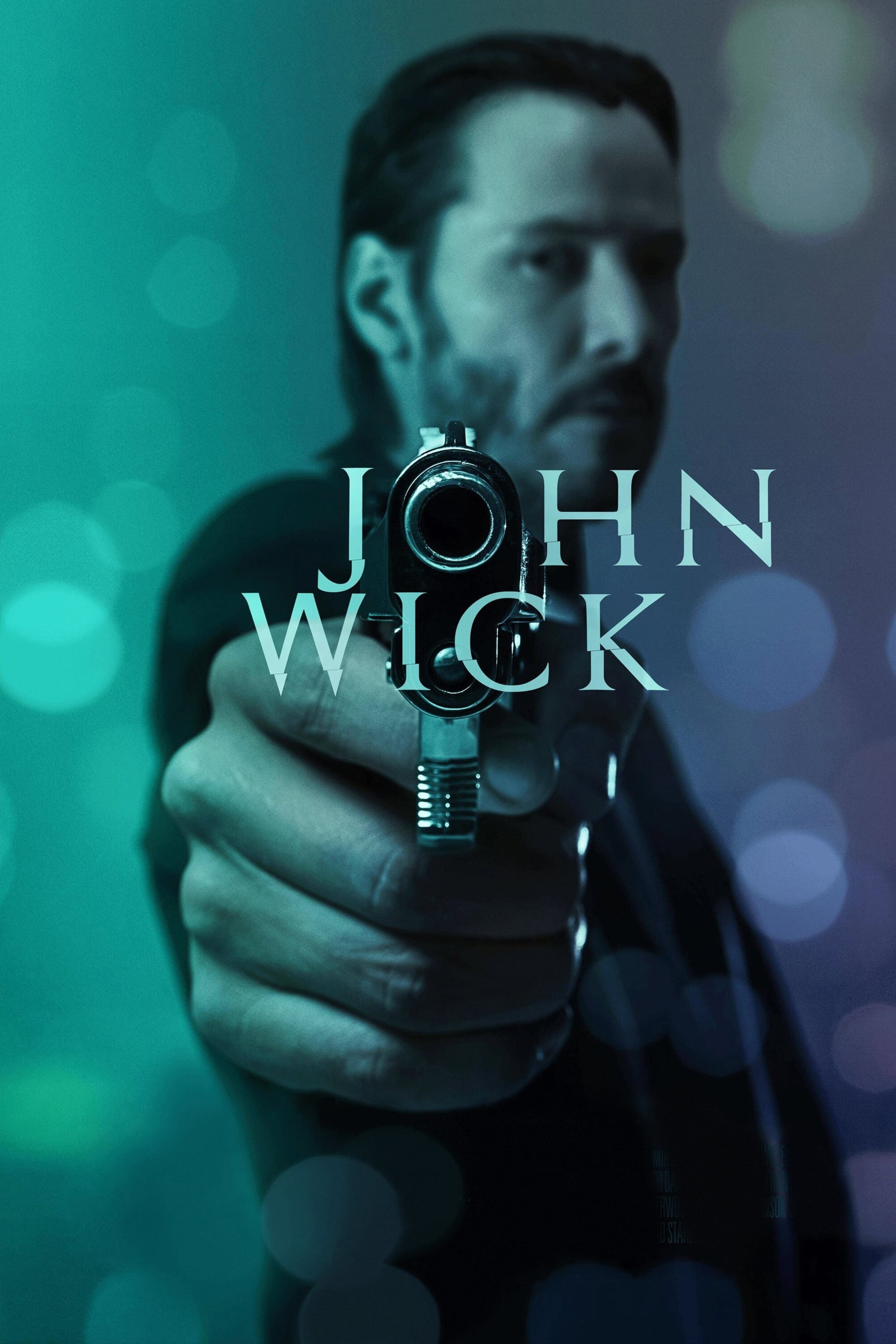
Chad Stahelski directs a retired hitman returning to a secretive underworld codified by markers, hotels, and rules. Keanu Reeves’s preparation emphasizes weapon handling, judo throws, and close-quarters gunplay.
“Gun-fu” choreography, long takes, and center-mass framing build a clean action grammar. The film’s color-coded New York nightlife and codex-like world-building sustain repeat viewings across interconnected set-pieces.
‘Aliens’ (1986)
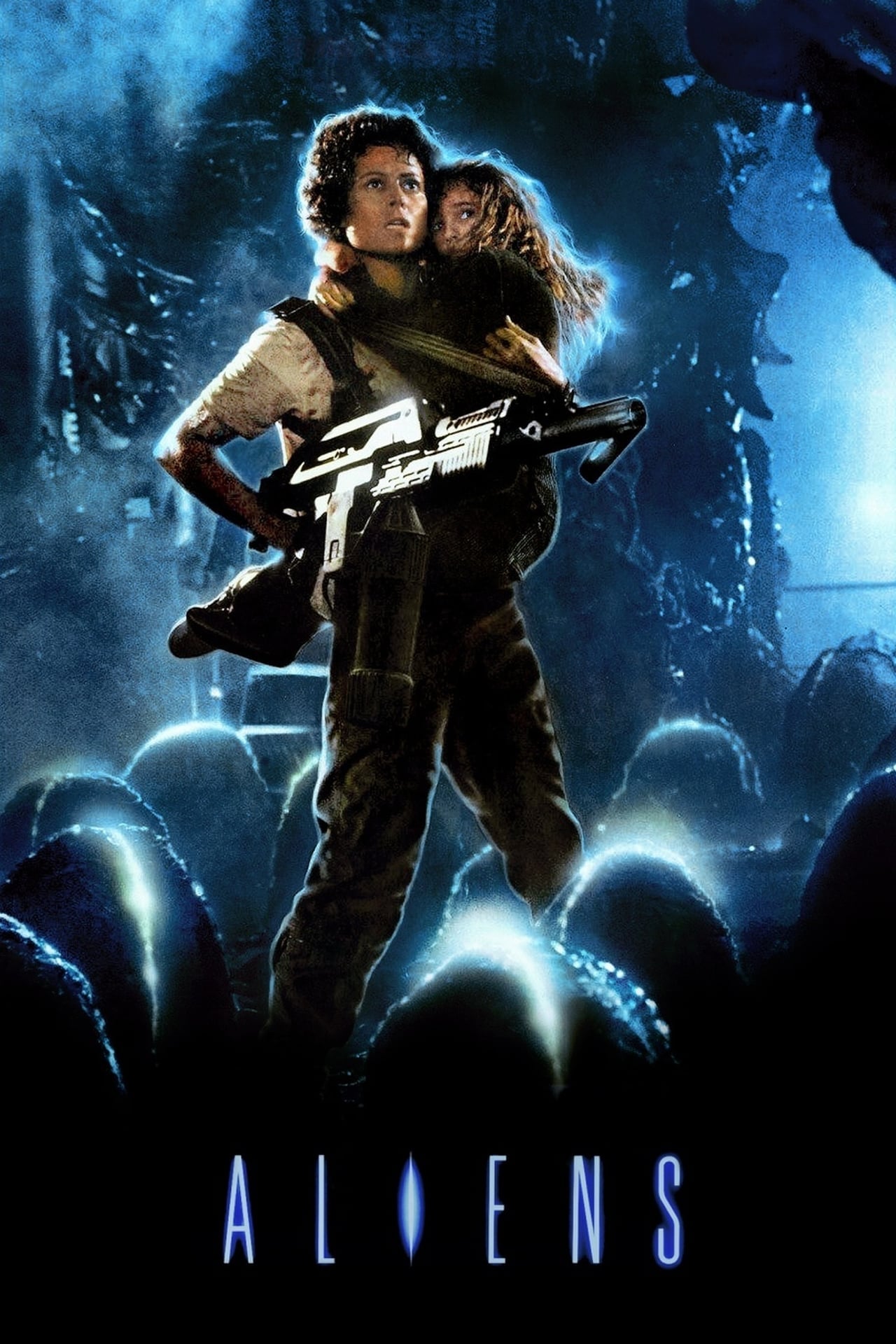
James Cameron follows a trauma survivor joining Colonial Marines on a rescue mission to a terraforming colony. Sigourney Weaver leads a squad-based narrative that shifts from search-and-scan to siege survival.
Miniatures, creature suits, and sound design create pressure-cooker tension in tight corridors. The film’s motion-tracker suspense, reload rhythms, and mother-versus-queen showdown give its action a strategic cadence.
‘The Dark Knight’ (2008)
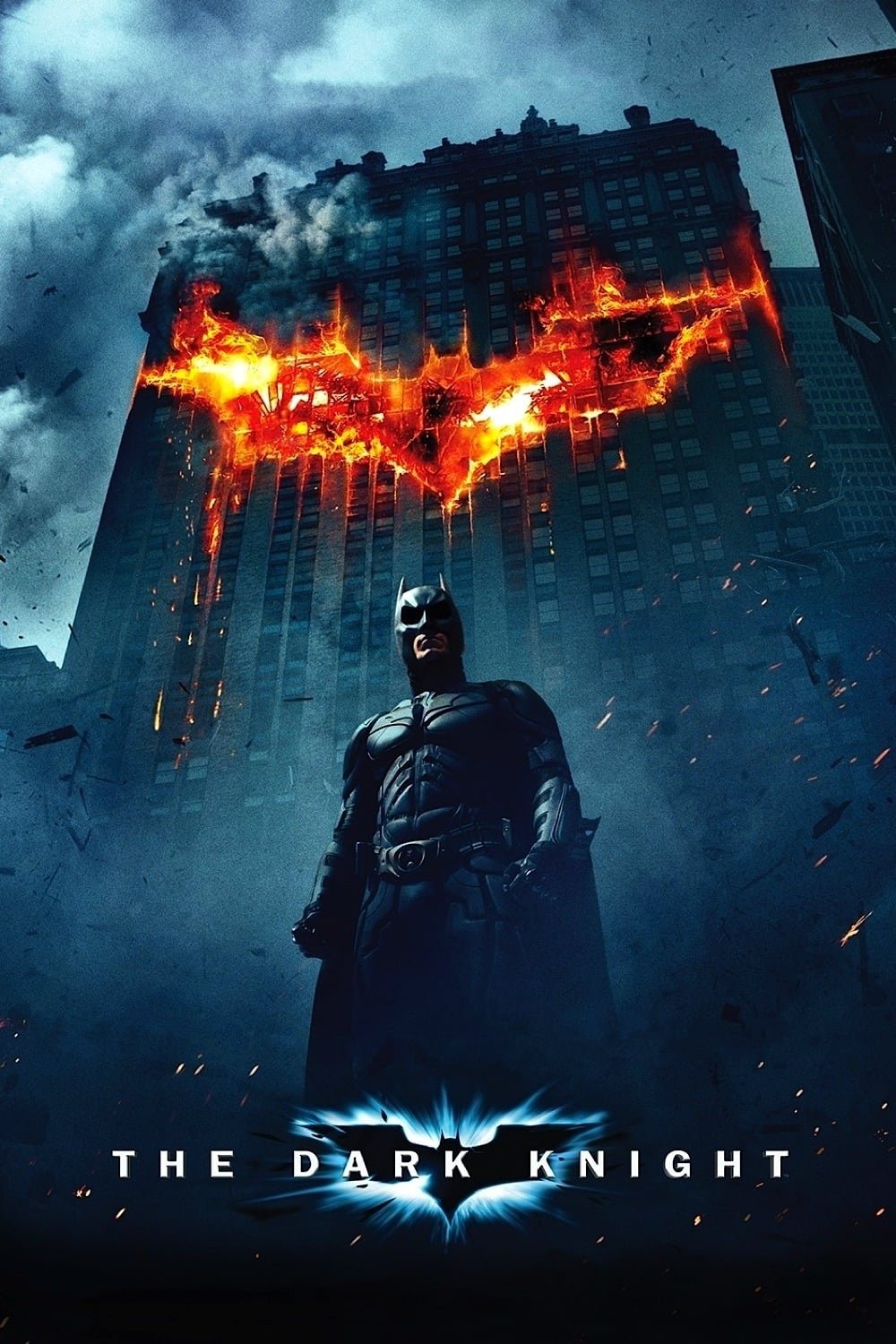
Christopher Nolan frames a crime saga where a vigilante and a district attorney confront an anarchic strategist. Christian Bale, Heath Ledger, and Aaron Eckhart anchor a story structured around escalating moral tests.
IMAX photography, in-camera vehicle flips, and city-wide heists ground large-scale set-pieces. Cross-cutting and parallel dilemmas align action beats with character choices, keeping the narrative propulsion clear.
‘Speed’ (1994)
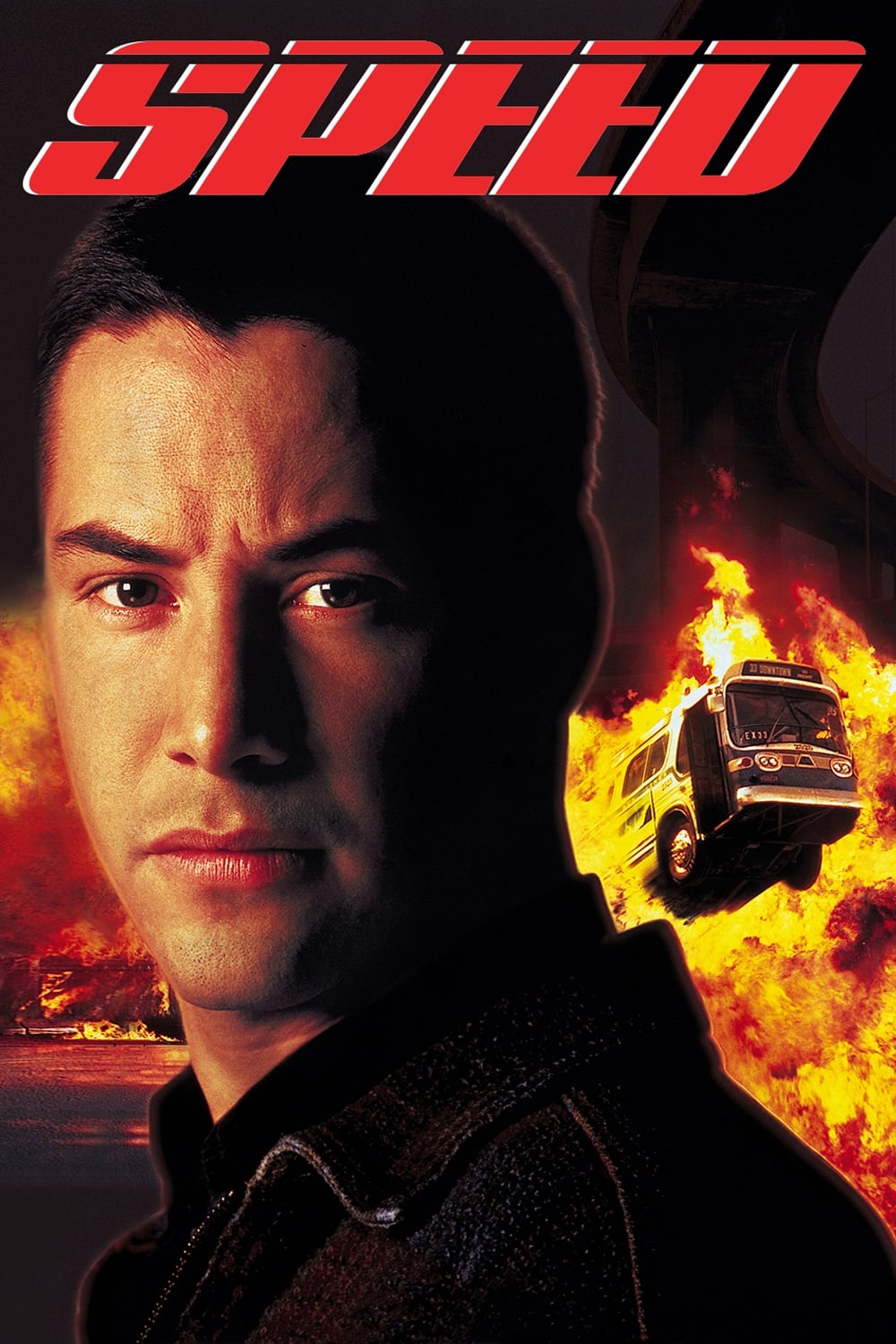
A bomb-squad officer must keep a city bus above a specific speed to prevent detonation. Keanu Reeves and Sandra Bullock steer a real-time-style thriller through freeway logistics and downtown obstacles.
The film uses practical bus rigs, aerial shots for clarity, and interval checkpoints to pace tension. Clean rules, visible gauges, and clever route changes make each sequence easy to re-enter and track.
‘Lethal Weapon’ (1987)
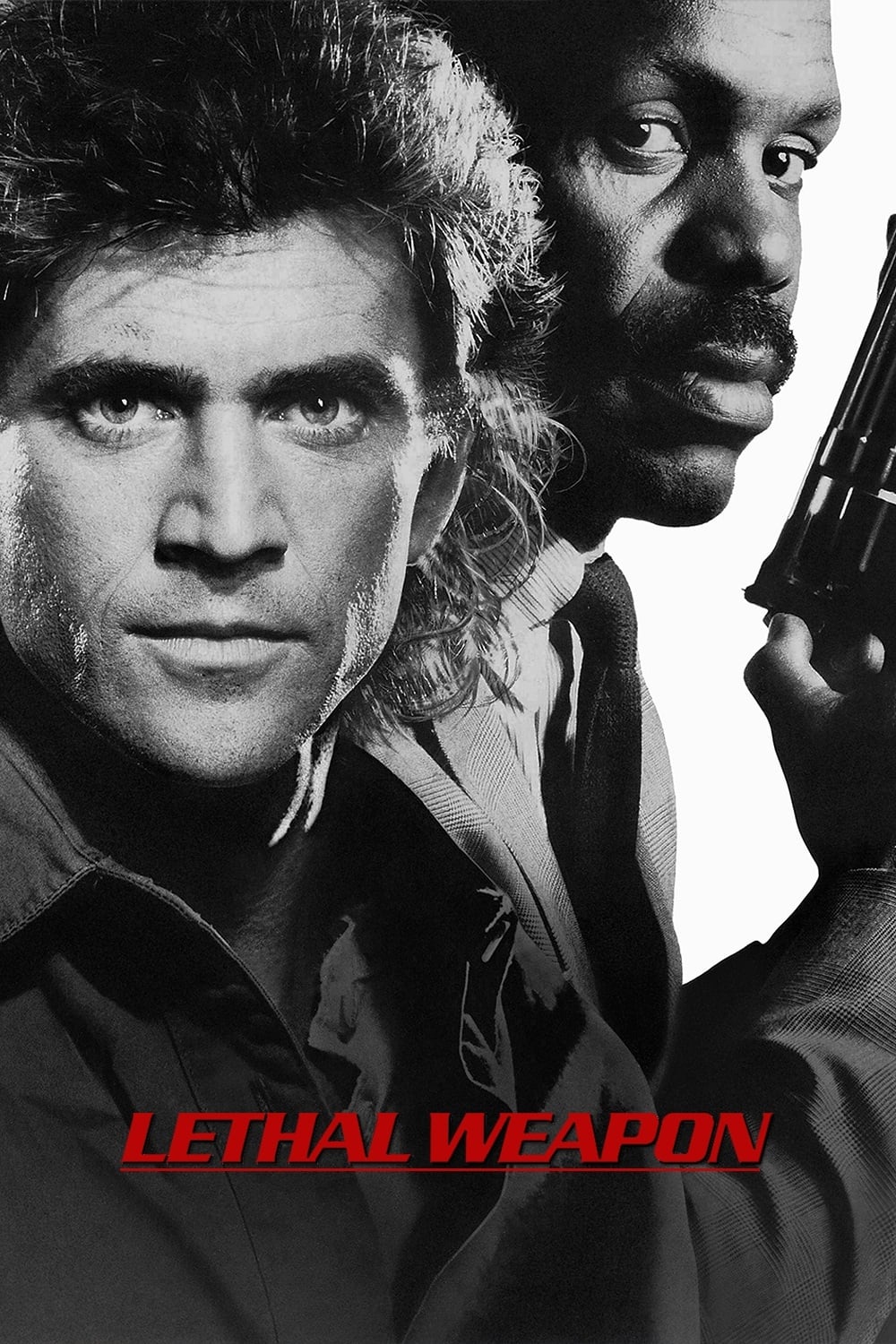
Richard Donner pairs a volatile detective with a by-the-book partner investigating a murder linked to smuggling operations. Mel Gibson and Danny Glover balance interrogation work with tightly staged shootouts.
The film blends buddy-cop banter with hand-to-hand clashes and sniper stand-offs. Practical car chases, holiday-set visuals, and steady coverage establish a template many later entries followed.
‘Hard Boiled’ (1992)
John Woo sets a relentless cop and an undercover agent on a collision course with a Triad syndicate. Chow Yun-fat and Tony Leung anchor the story through hospital-set rescues and teahouse gunfights.
Signature “heroic bloodshed” style—dual pistols, slow-motion dives, and debris-filled environments—defines the action language. Long takes through corridors and elevators make the geography feel continuous and dynamic.
‘Crouching Tiger, Hidden Dragon’ (2000)
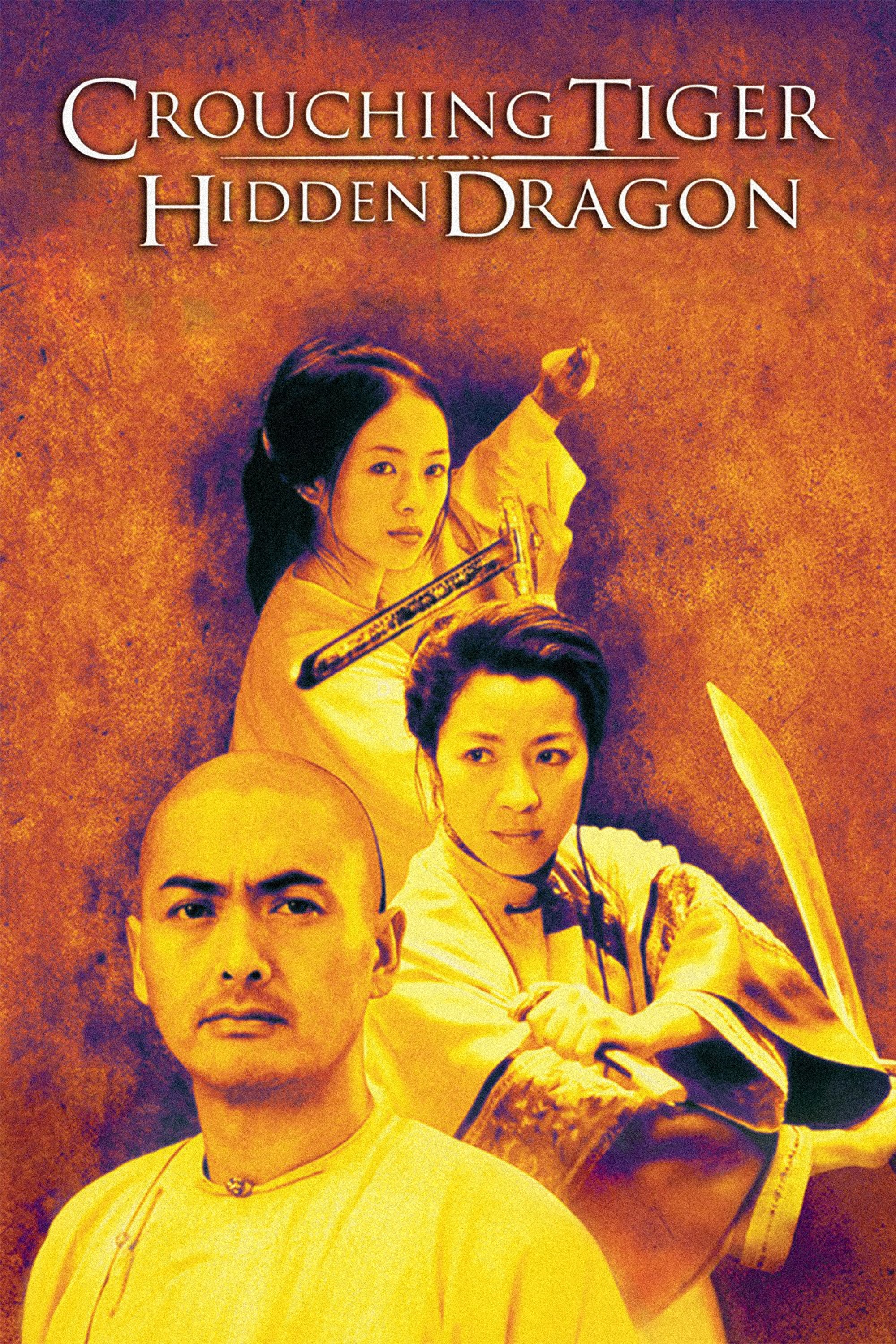
Ang Lee adapts a wuxia novel about a stolen sword, a runaway aristocrat, and intersecting destinies. Michelle Yeoh and Chow Yun-fat lead a story that braids romance, mentorship, and rivalry.
Wire-assisted combat, bamboo-forest duels, and lyrical editing foreground grace and emotion. The film’s emphasis on landscape, costume, and code-bound honor supports action that reads like dance.
‘The Raid’ (2011)

Gareth Evans drops a rookie SWAT officer into a high-rise controlled by a crime lord. Iko Uwais drives the narrative as each floor adds new combat challenges and tactical puzzles.
Silat choreography uses elbows, sweeps, and tight-space counters filmed with minimal cutting. Hallway gauntlets, improvised weapons, and vertical progression make the action intensely legible.
‘Skyfall’ (2012)
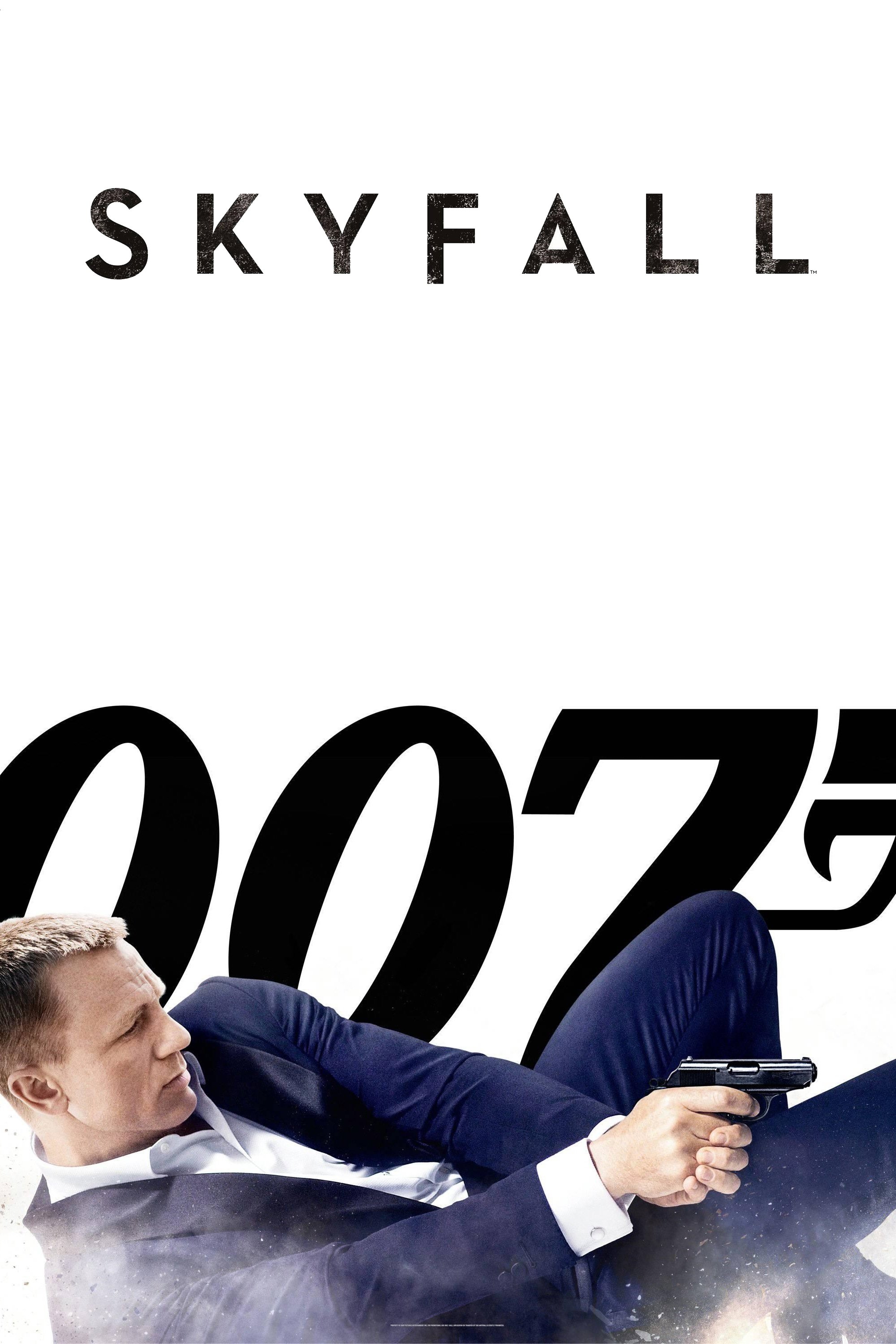
Sam Mendes charts a veteran agent confronting a ghost from the intelligence world. Daniel Craig’s mission pivots from globe-spanning pursuit to a defensive stand on home turf.
Roger Deakins’s cinematography crafts silhouettes, neon-lit duels, and wide compositions for clarity. The film balances gadget-light realism with set-piece scale—train excavators, courthouse chases, and rural sieges.
‘Casino Royale’ (2006)
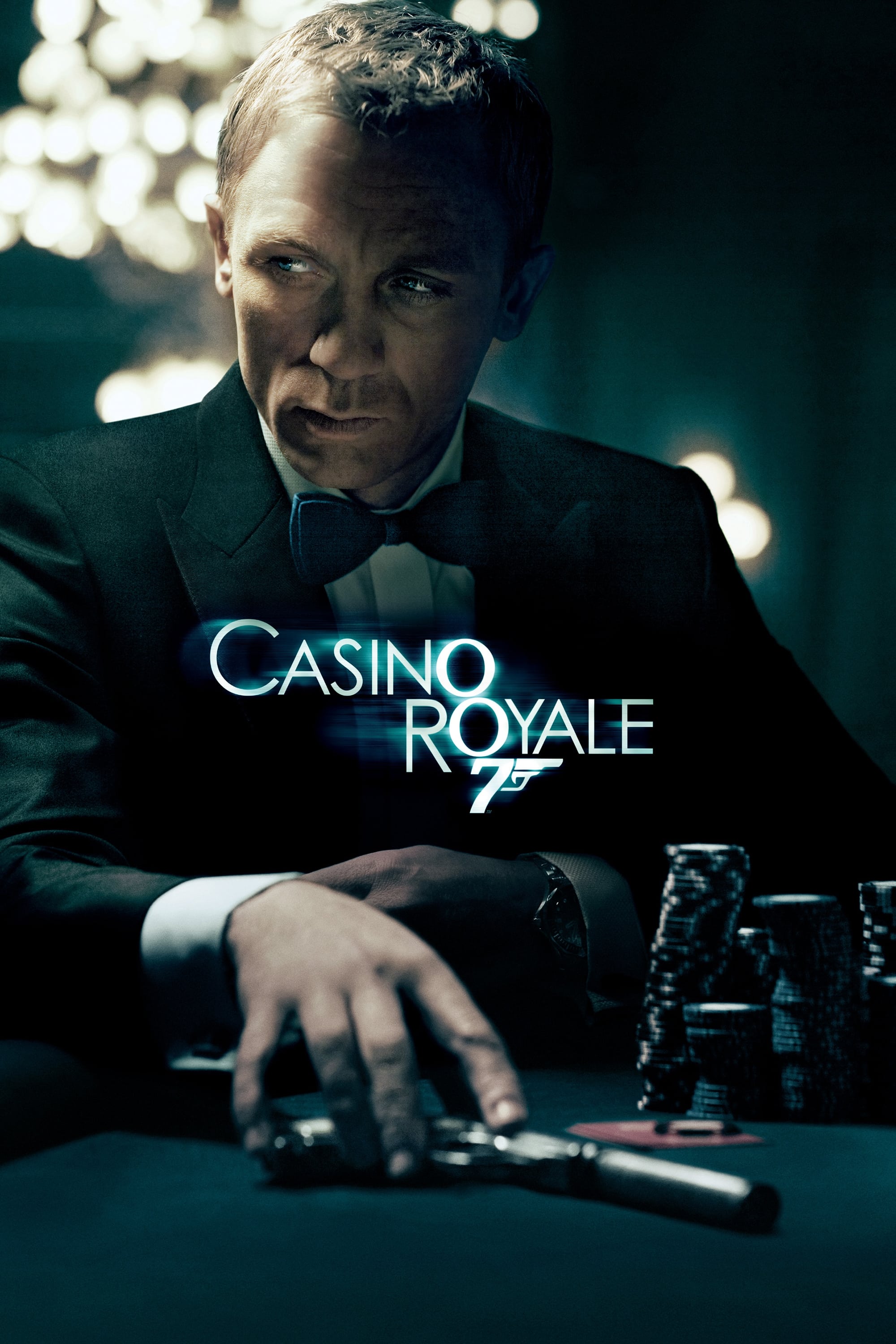
A reboot follows a newly promoted agent through a bombmaker chase, a high-stakes card game, and a compromised romance. Daniel Craig’s portrayal emphasizes physicality and operational learning curves.
Parkour pursuits, brutal stairwell fights, and location-driven set-pieces favor grounded choreography. The film’s structure—prologue, operation, fallout—maintains crisp objectives and cause-and-effect momentum.
‘Mission: Impossible – Fallout’ (2018)
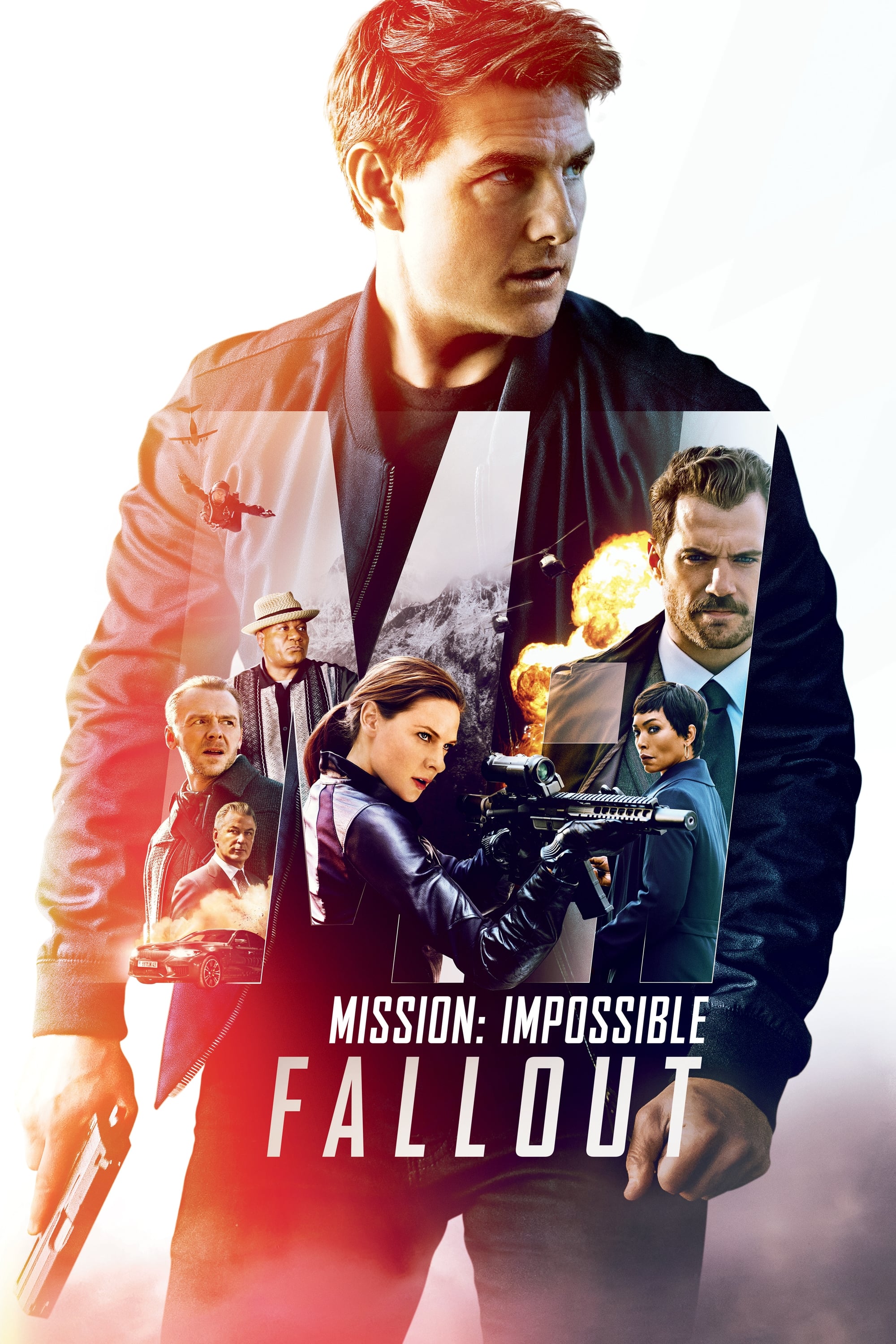
Christopher McQuarrie builds a chain of operations around missing plutonium and a network of zealots. Tom Cruise, Rebecca Ferguson, and Henry Cavill navigate shifting alliances and double-blinds.
Halo jumps, helicopter chases, and bathroom brawls rely on practical stunts and clear coverage. The film threads mask reveals and timeline overlaps into action without muddying geography.
‘Mission: Impossible’ (1996)
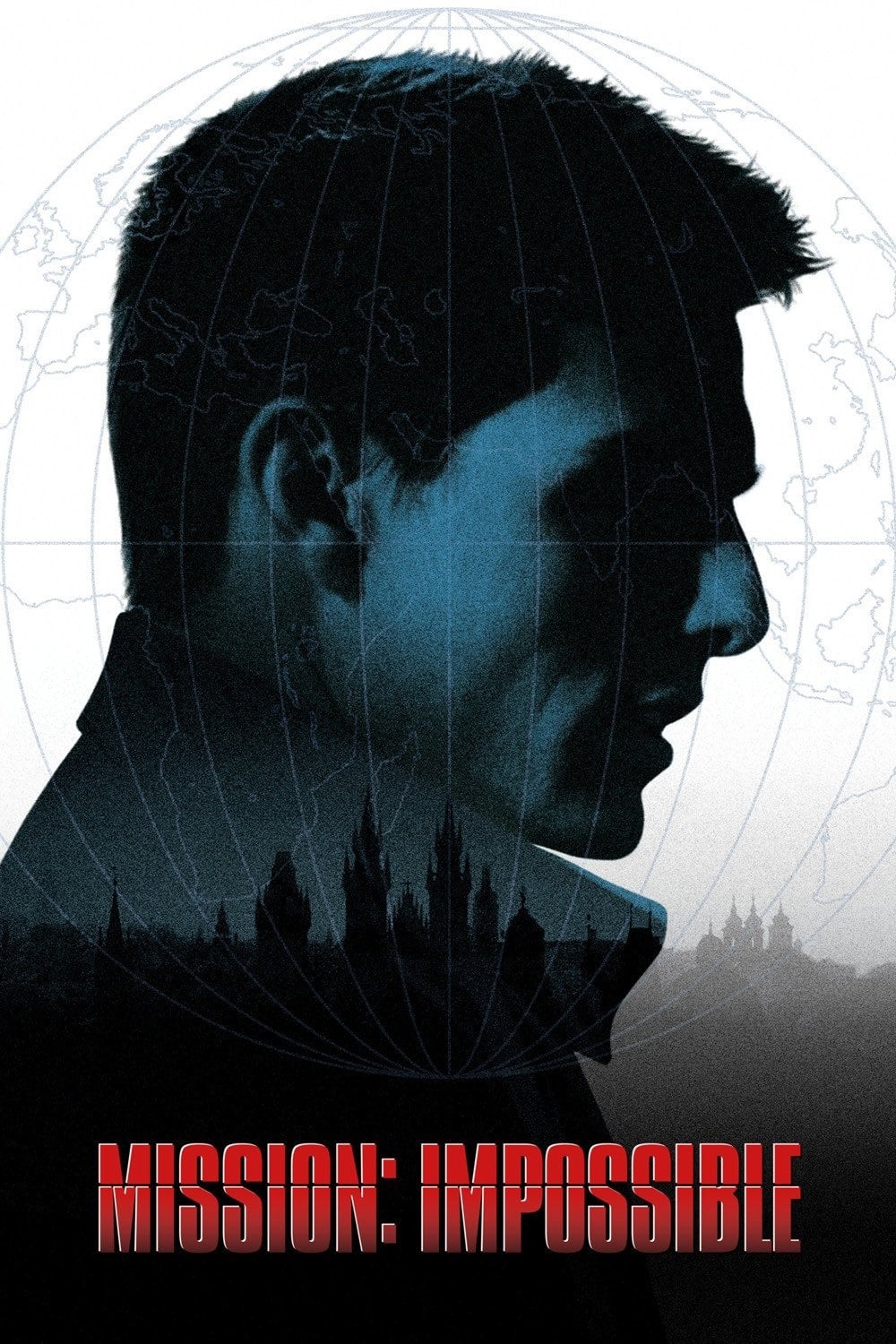
Brian De Palma launches the franchise with a team gone wrong and a mole hunt. Tom Cruise’s operative assembles a new crew for heists and data thefts under tight surveillance.
The Langley vault sequence uses silence, balance, and precise blocking to build tension. Split-diopter shots, Dutch angles, and train-tunnel climax work in tandem with spycraft mechanics.
‘Gladiator’ (2000)
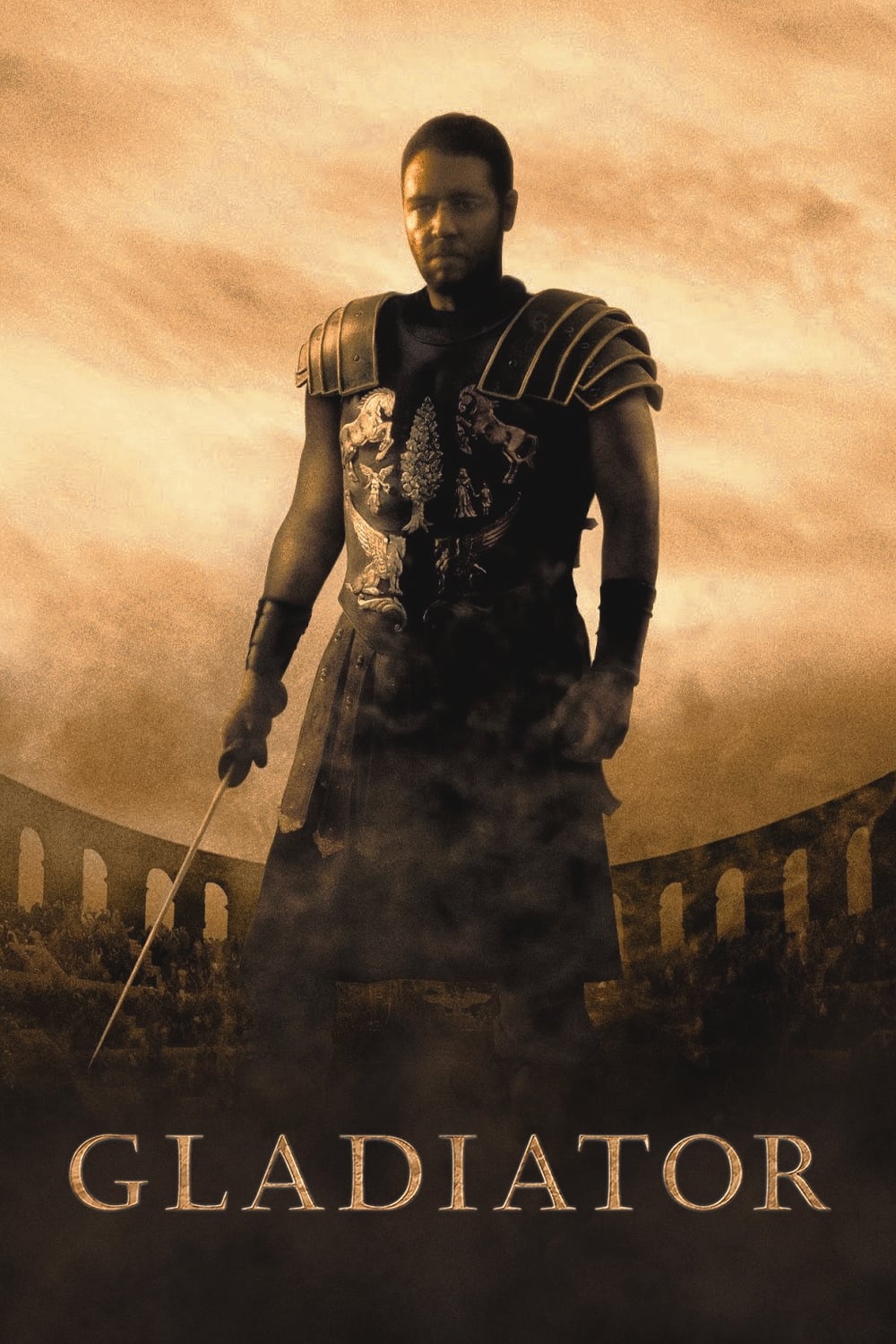
Ridley Scott stages a general-turned-slave who fights through arenas toward imperial corruption. Russell Crowe and Joaquin Phoenix shape a revenge arc tied to power, spectacle, and loyalty.
Choreographed melees, practical armor, and digital crowd extensions deliver large-scale combat clarity. The score and editorial rhythm keep each bout readable, from training pits to the Colosseum.
‘Predator’ (1987)
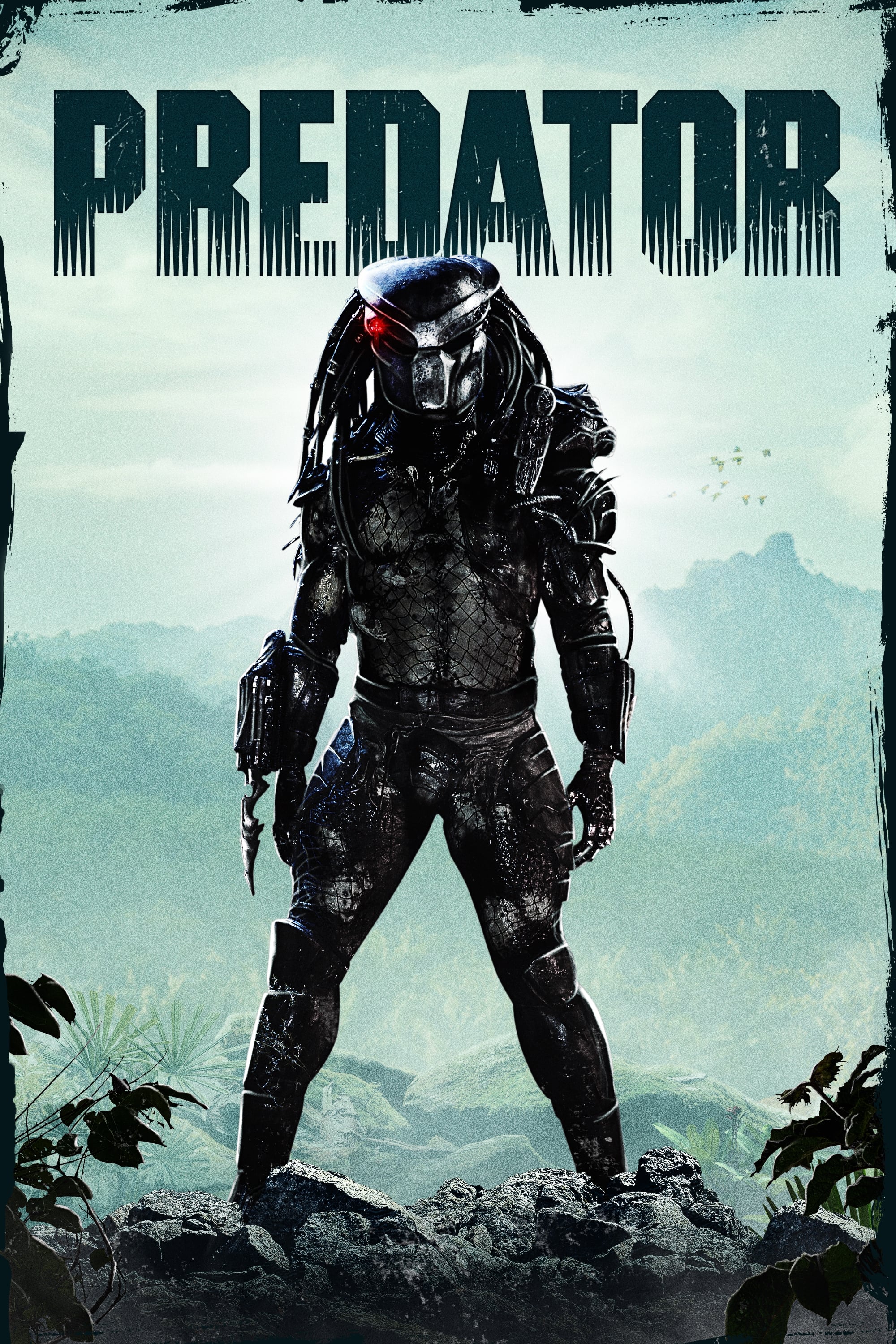
John McTiernan follows a special-forces team on a jungle extraction that becomes a hunt. Arnold Schwarzenegger leads an ensemble whose tactics shift from assault to survival.
Thermal-vision effects, camouflage gags, and booby-trap engineering structure the action. The film contrasts heavy firepower with stealth counters, giving each encounter distinct rules.
‘First Blood’ (1982)
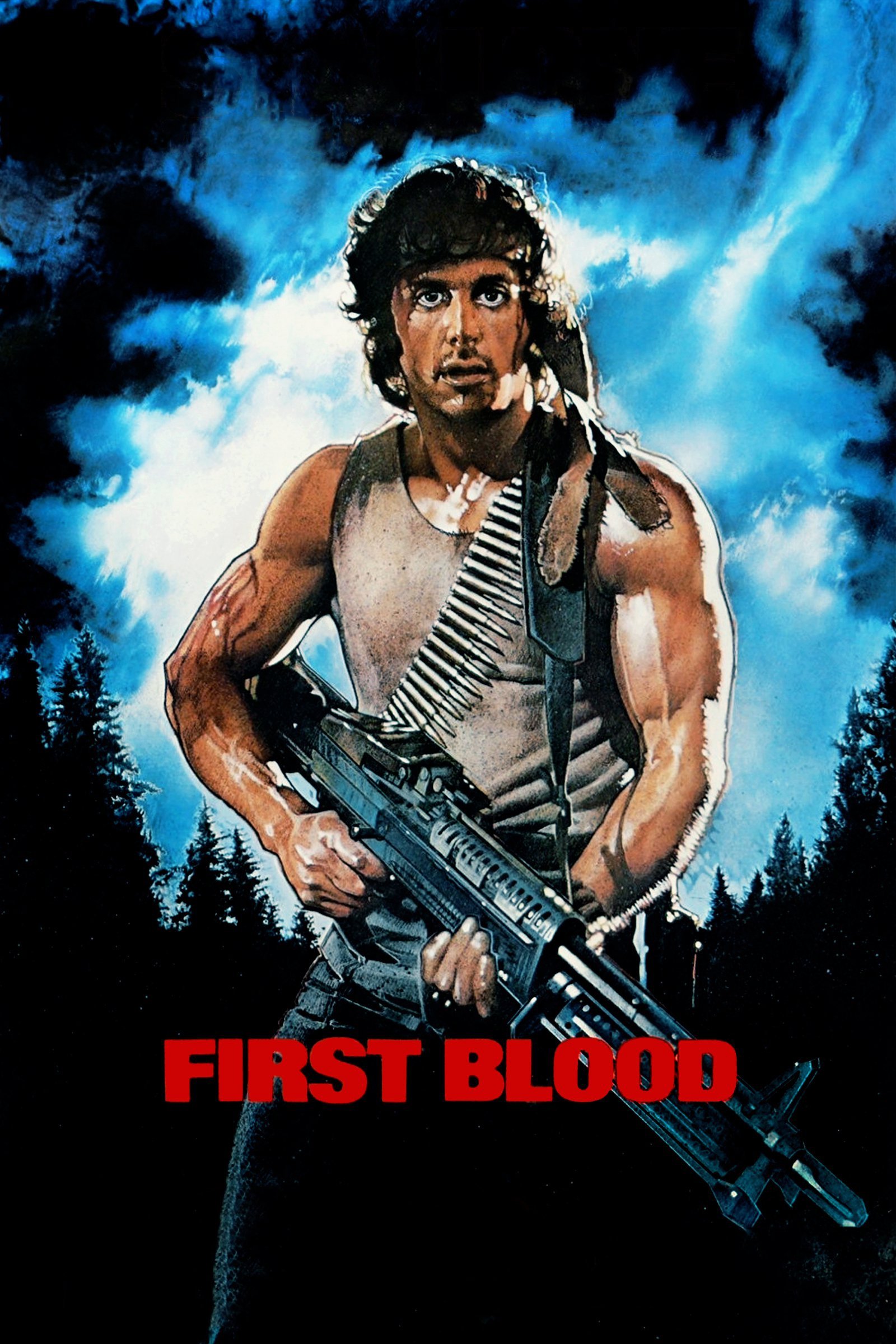
Ted Kotcheff adapts a novel about a drifter veteran pushed into a small-town manhunt. Sylvester Stallone’s character relies on fieldcraft rather than open warfare.
Forest tactics, improvised tools, and vertical terrain produce cat-and-mouse sequences. The focus on pursuit logistics—radio chatter, cordons, and escalation—keeps the action grounded.
‘The Bourne Ultimatum’ (2007)
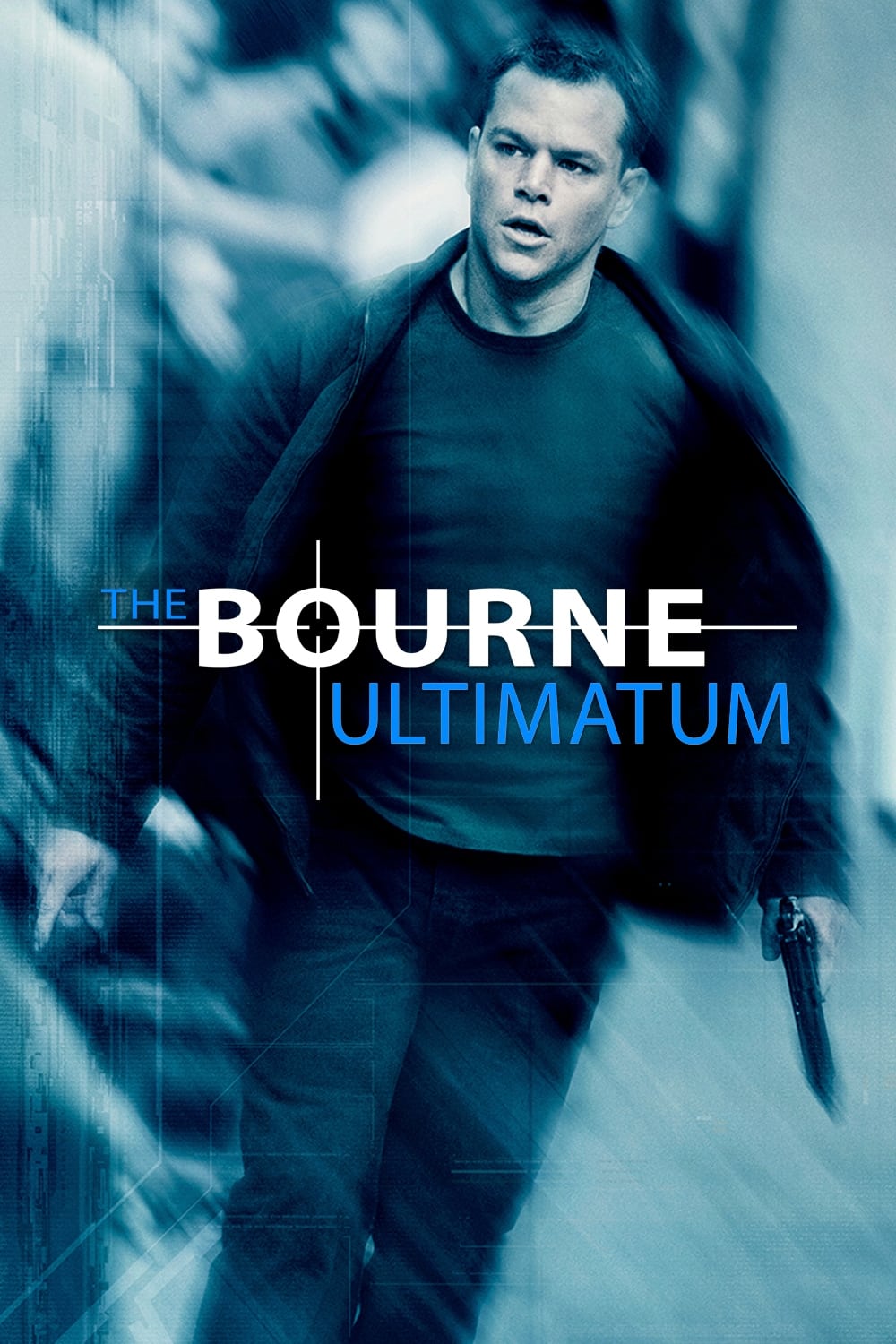
Paul Greengrass continues an amnesiac operative’s search for the program that made him. Matt Damon navigates safe houses, train stations, and rooftop chases across multiple cities.
Kinetic handheld camerawork pairs with methodical surveillance detail and practical car carnage. The Waterloo Station tail and apartment fight are cut for clarity around key motions and props.
‘The Bourne Identity’ (2002)
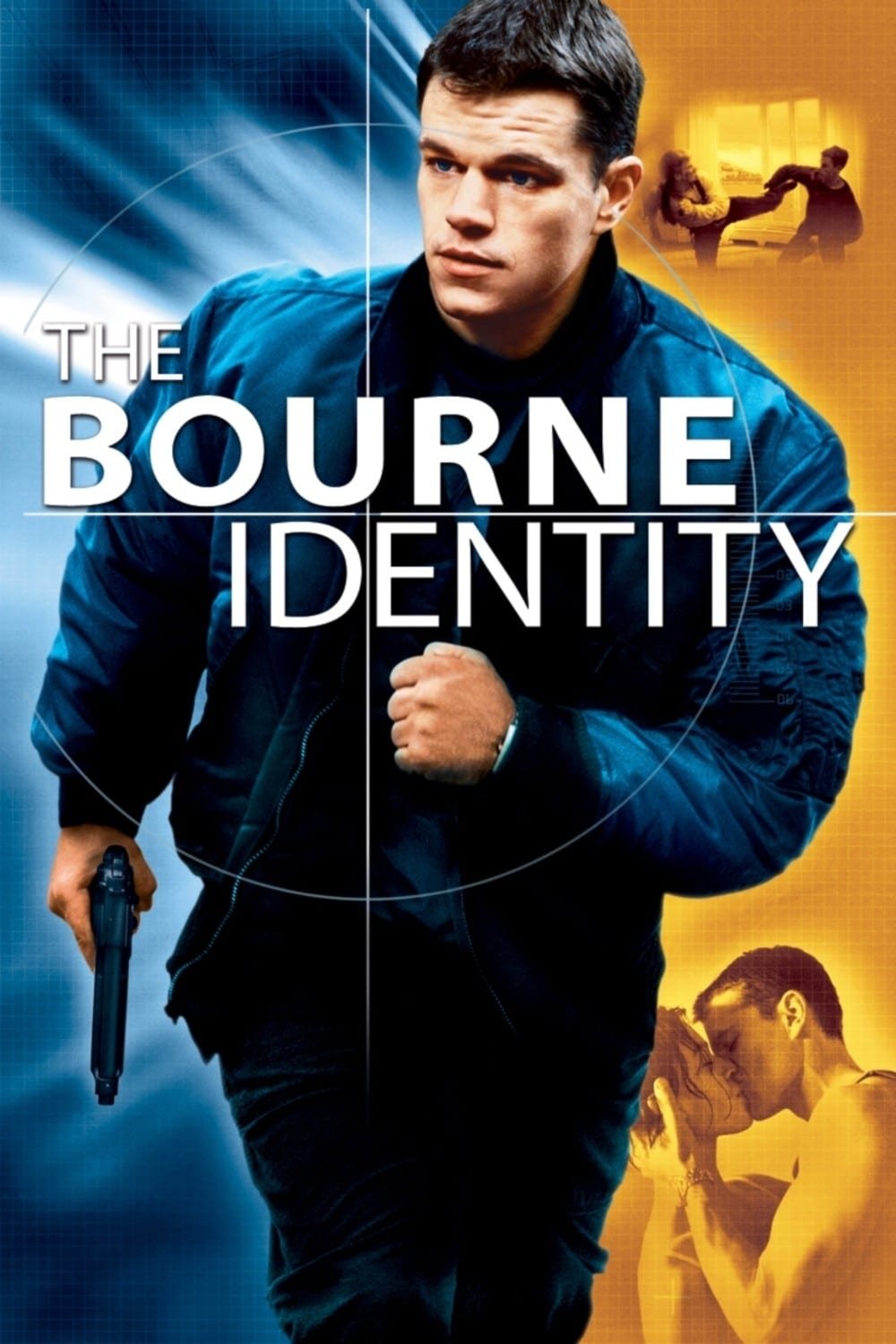
Doug Liman introduces a wounded man discovering covert skills and a compromised past. Matt Damon partners with a civilian ally to evade assets and decode bank clues.
Fight scenes emphasize elbows, pens, and close-in grappling shot at readable distances. The Mini chase, safe-deposit puzzle, and farmhouse lull balance momentum with character beats.
‘Taken’ (2008)
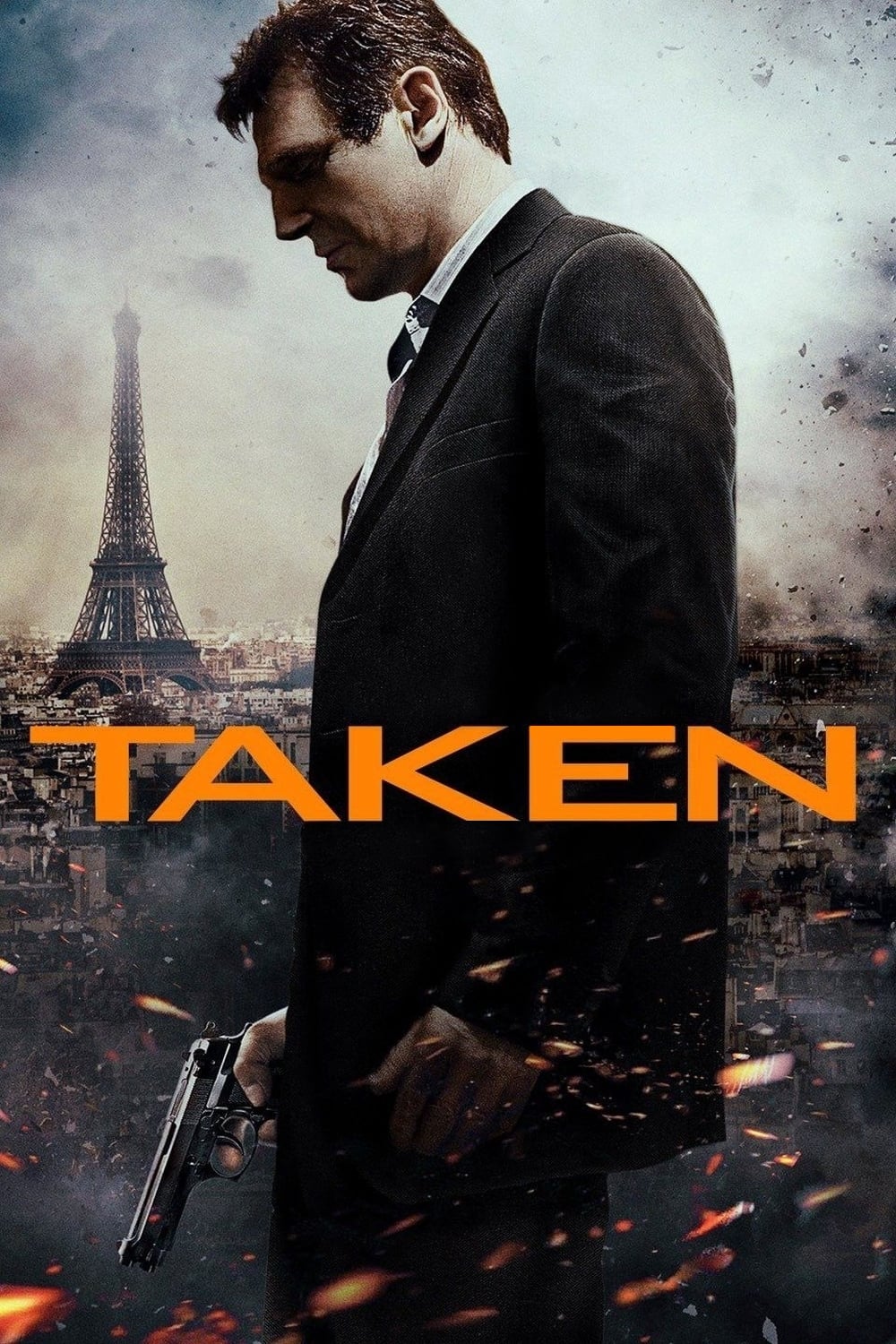
Pierre Morel centers on a retired operative whose daughter is abducted during a trip abroad. Liam Neeson’s character applies surveillance, interrogation, and tradecraft to track a trafficking ring.
The film’s action favors quick, direct techniques—strikes, joint locks, and point-blank transitions. Clear objectives and geographic handoffs (airport, docks, mansions) make the plot easy to follow.
‘Edge of Tomorrow’ (2014)
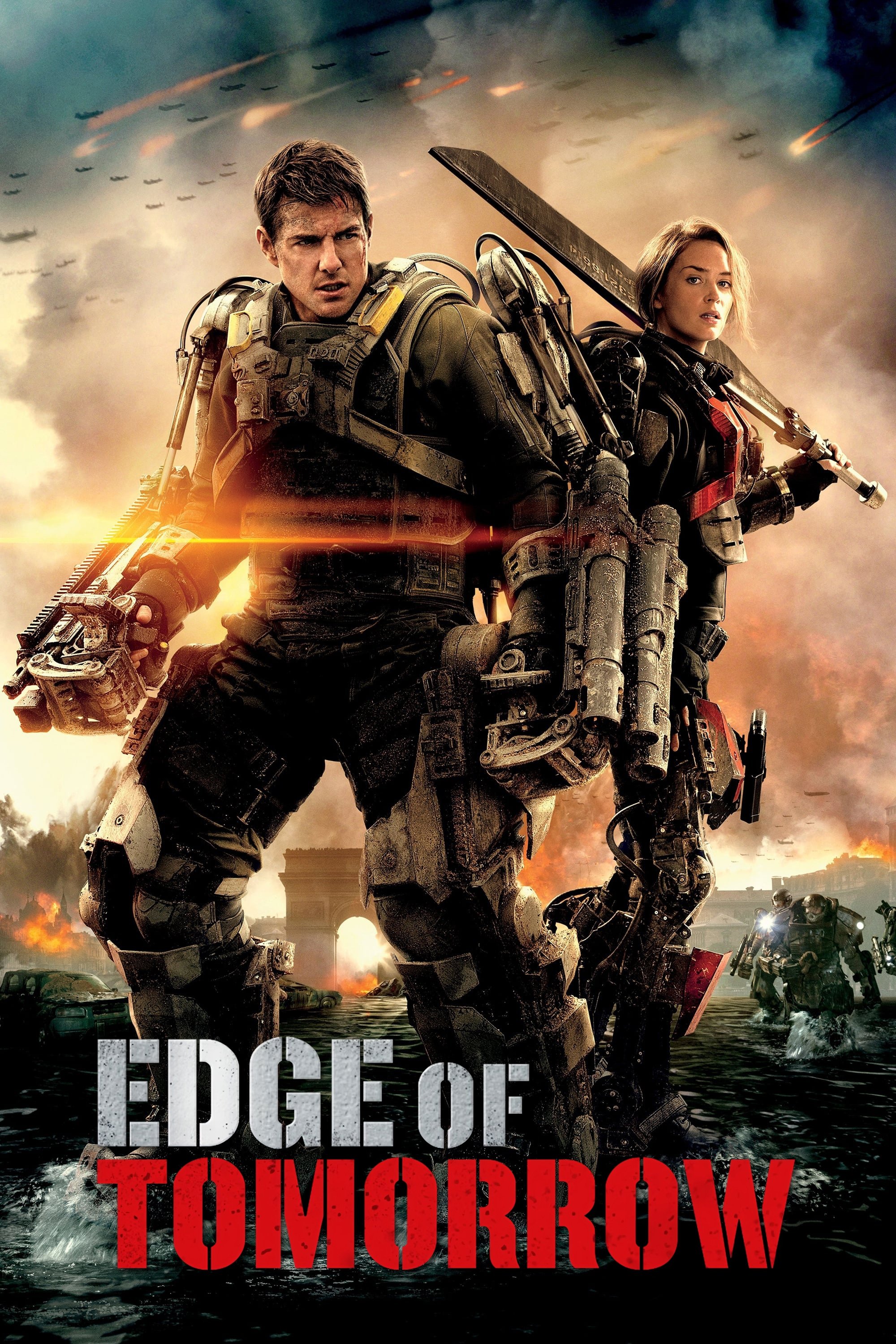
Doug Liman adapts a time-loop military sci-fi story about an untrained public-affairs officer forced into repeated combat. Tom Cruise and Emily Blunt use iteration to refine tactics.
Exo-suit maneuvers, beachhead assaults, and training montages leverage repetition for clarity. The film shows problem-solving through resets, mapping routes and enemy behavior like a playable scenario.
‘Heat’ (1995)
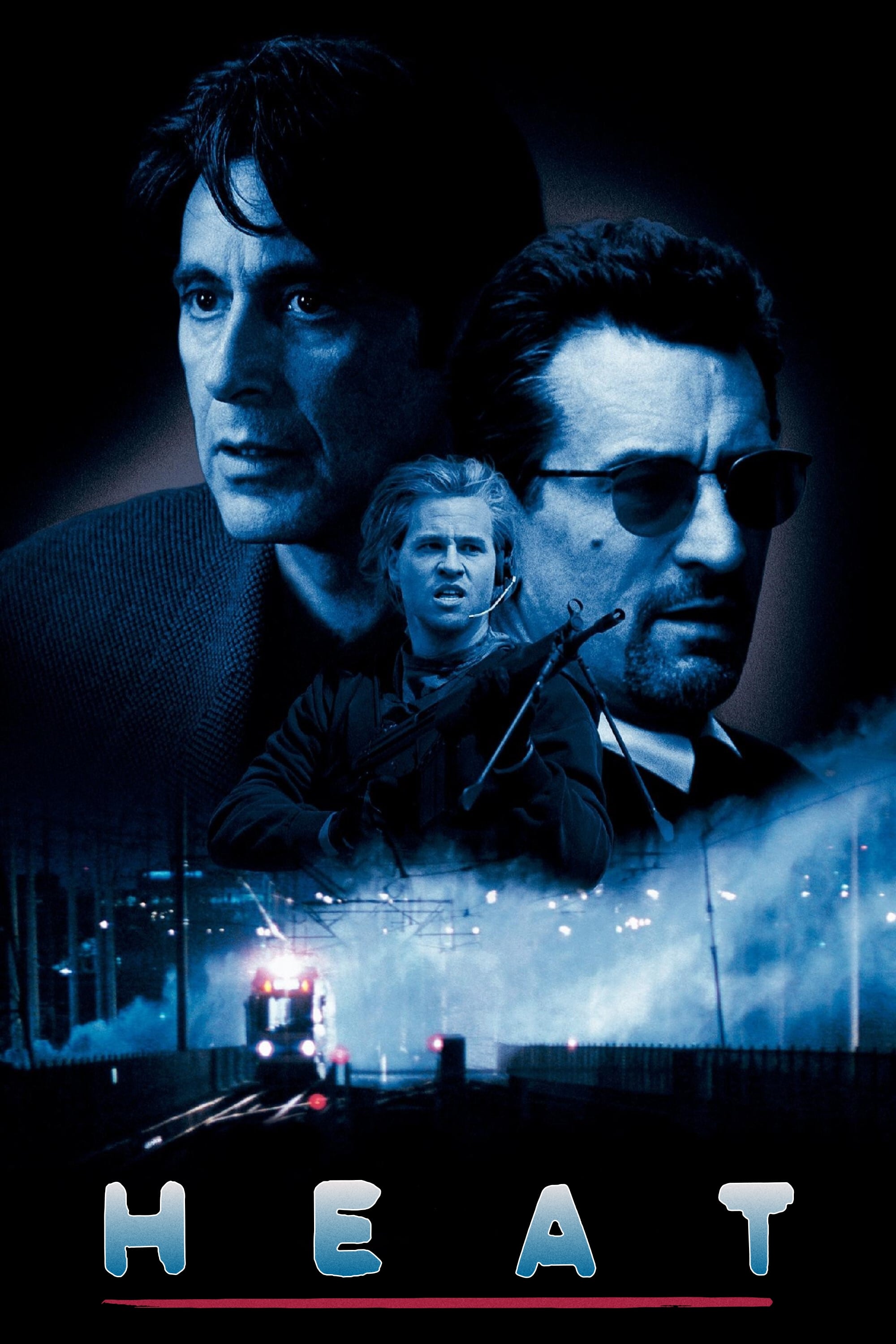
Michael Mann chronicles a crew-versus-detective duel across surveillance, heists, and personal costs. Al Pacino and Robert De Niro anchor intersecting routines that collide in daylight.
Location sound, extended takes, and tactical reloading make the downtown shootout a benchmark. The film’s logistics—escape routes, countersurveillance, and discipline—drive action choices.
‘Point Break’ (1991)
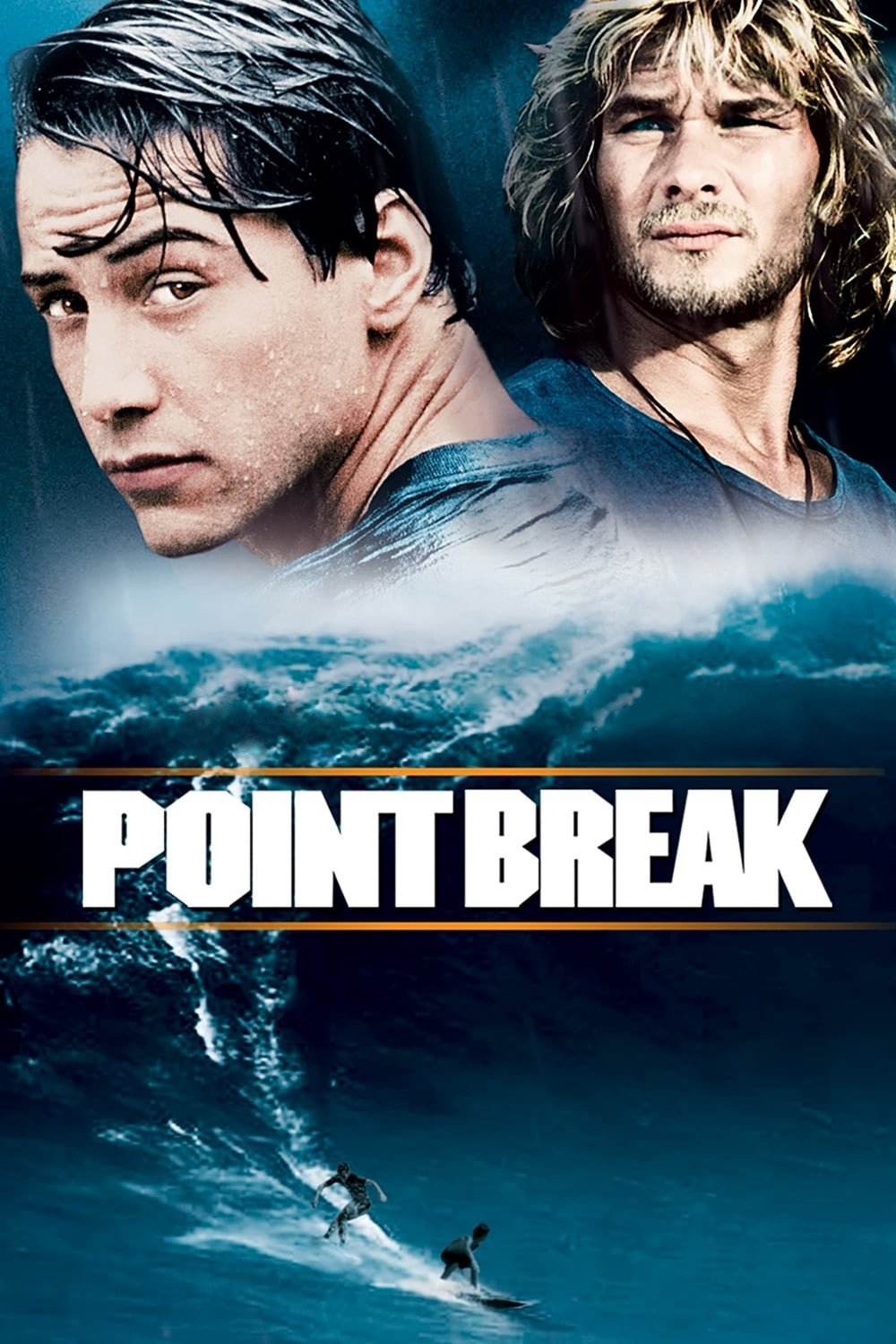
Kathryn Bigelow follows an undercover agent infiltrating a crew of surfers suspected of bank robberies. Keanu Reeves and Patrick Swayze play opposing philosophies linked by adrenaline.
Real skydiving, foot chases, and surf-zone cinematography emphasize physical environments. The film’s practical stunt emphasis and clear pursuit lines keep sequences immediate and readable.
‘The Avengers’ (2012)
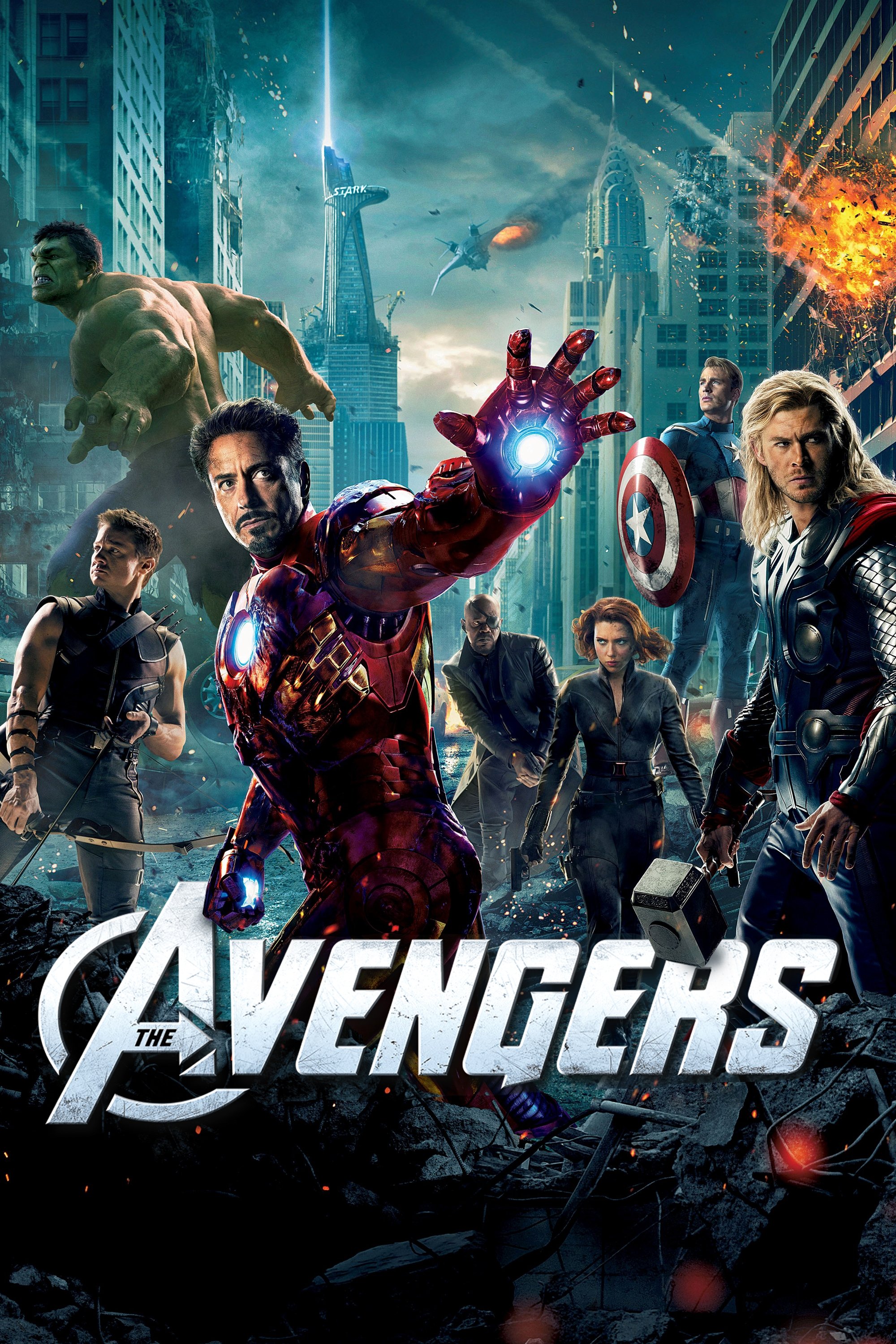
Joss Whedon unites heroes responding to an invasion pivoting on a portal device over Manhattan. The ensemble structure tracks separate fights that converge into a circular one-take.
Visual effects integrate with stunt team beats—grapples, aerial maneuvers, and powered impacts. The film’s comms chatter and battlefield map provide orientation during large-scale action.
‘Black Panther’ (2018)
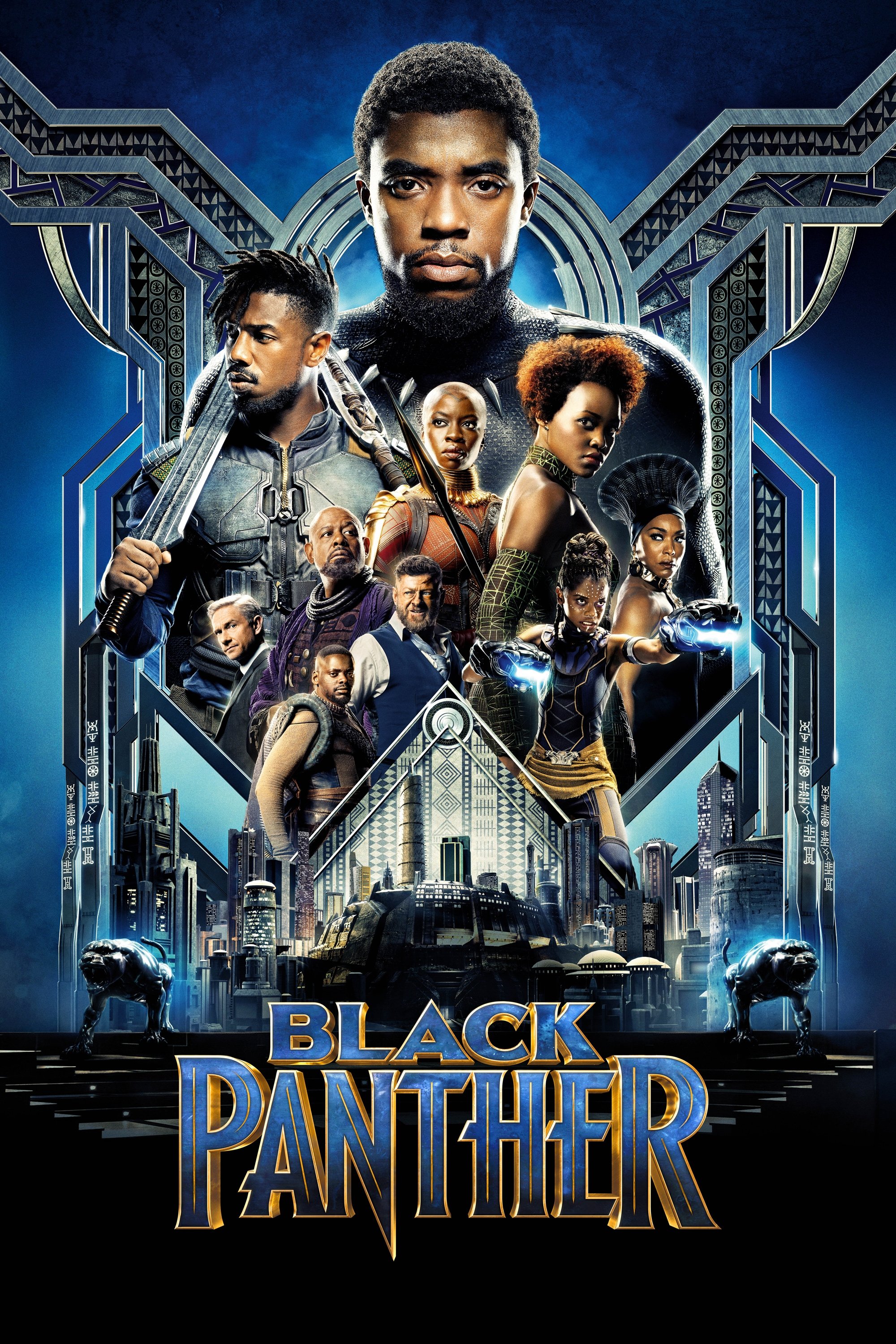
Ryan Coogler tells a story of leadership succession, cultural tradition, and isolationist policy tested by external pressures. Chadwick Boseman and Michael B. Jordan center the conflict around ideology and legacy.
Hand-to-hand trials, car-mounted camera rigs, and kinetic suit effects shape the set-pieces. Production design and ancestral-plane motifs support action that reflects character obligations.
‘Captain America: The Winter Soldier’ (2014)
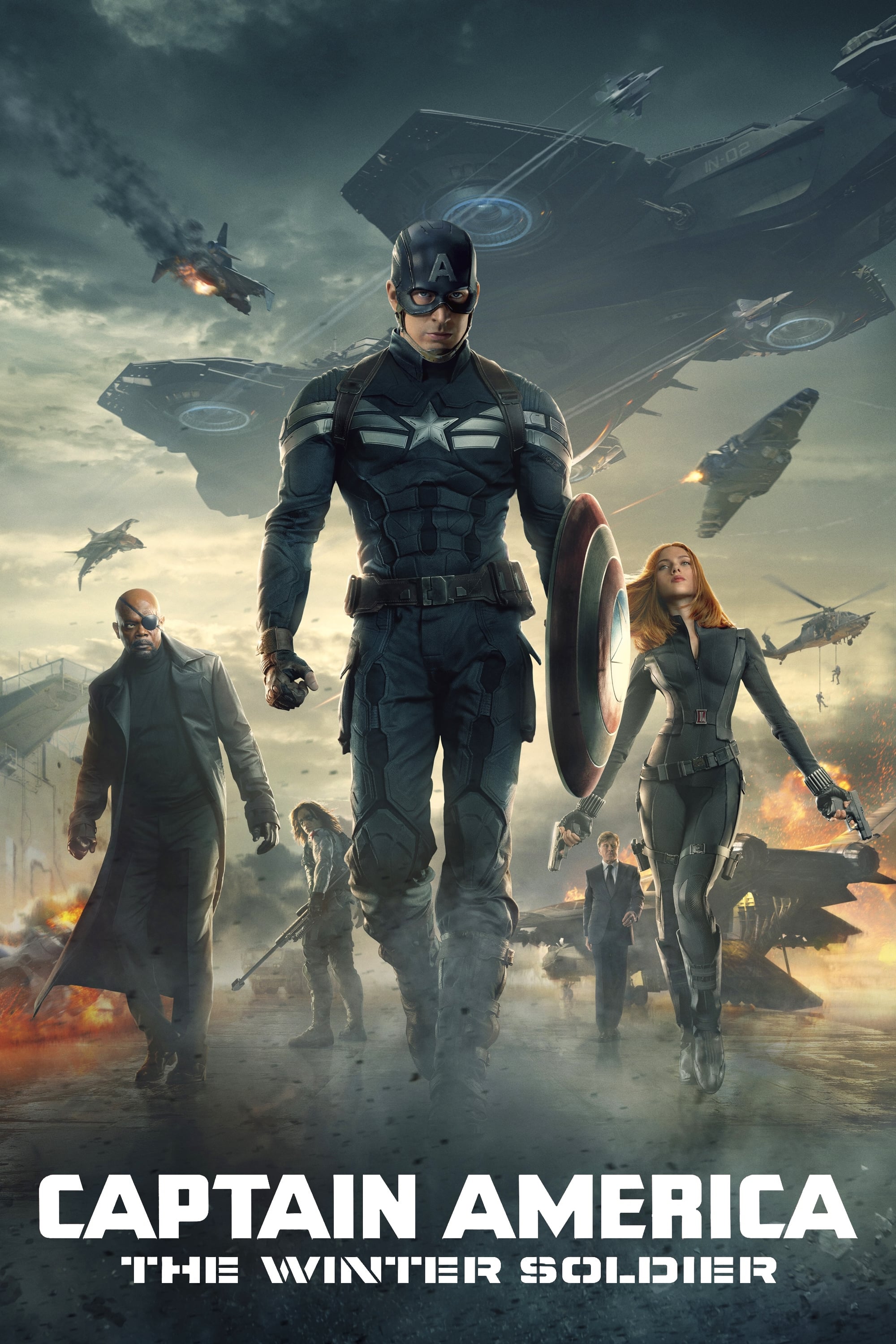
Anthony and Joe Russo pivot the series into a conspiracy thriller about surveillance and infiltration. Chris Evans, Scarlett Johansson, and Anthony Mackie form a small unit against systemic threats.
Elevator fights, highway ambushes, and knife exchanges favor practical choreography. The film uses tight coverage and real locations to ground its larger-scale aerial finale.
‘Spider-Man: Into the Spider-Verse’ (2018)
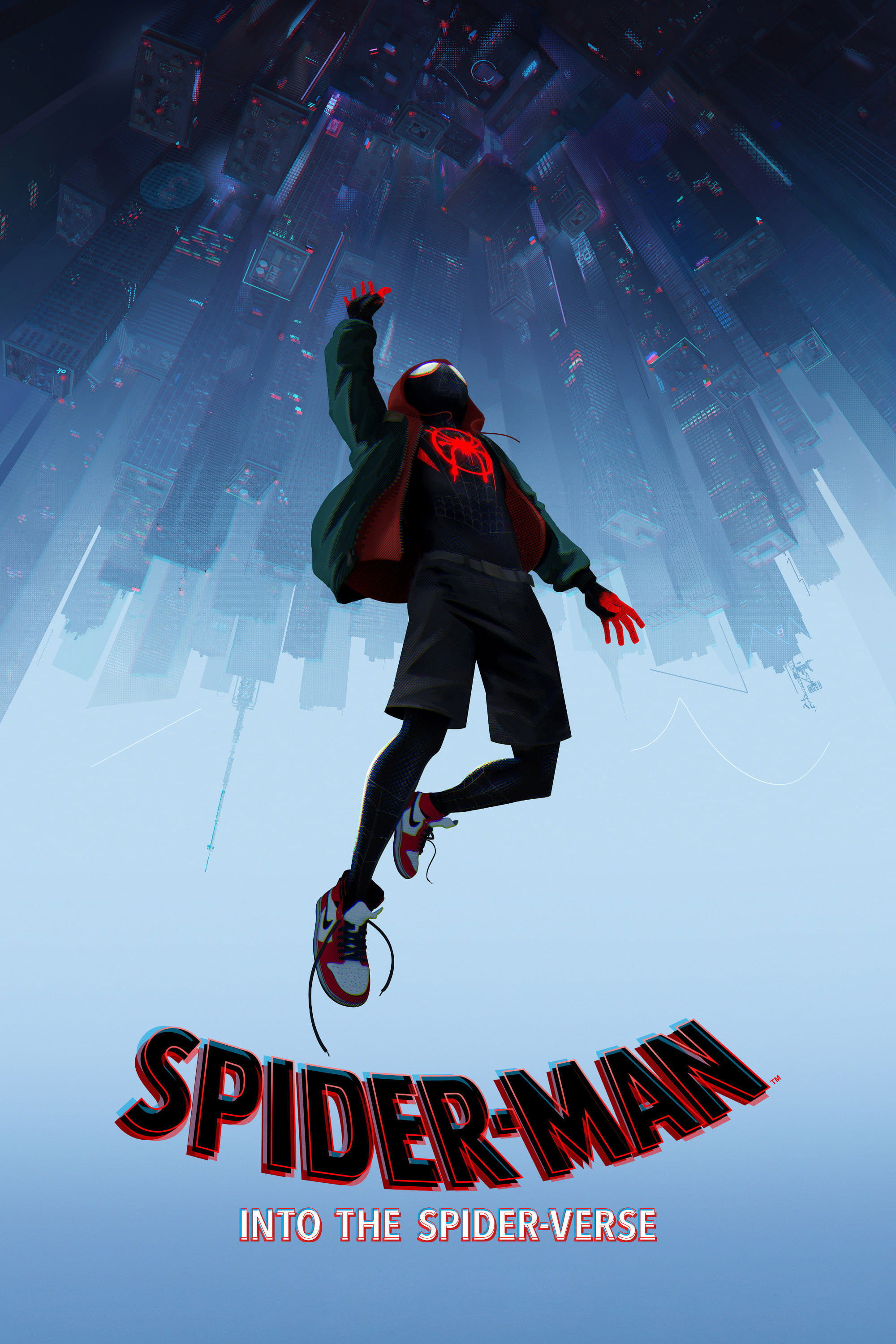
Phil Lord and Christopher Miller produce an animated origin that fuses multiple versions of a hero. Shameik Moore voices a student learning from alternate-universe mentors.
Hybrid animation—comic halftones, smear frames, and variable frame rates—makes action rhythms distinct. The collider showdown layers characters and movement while preserving visual clarity.
‘The Mask of Zorro’ (1998)
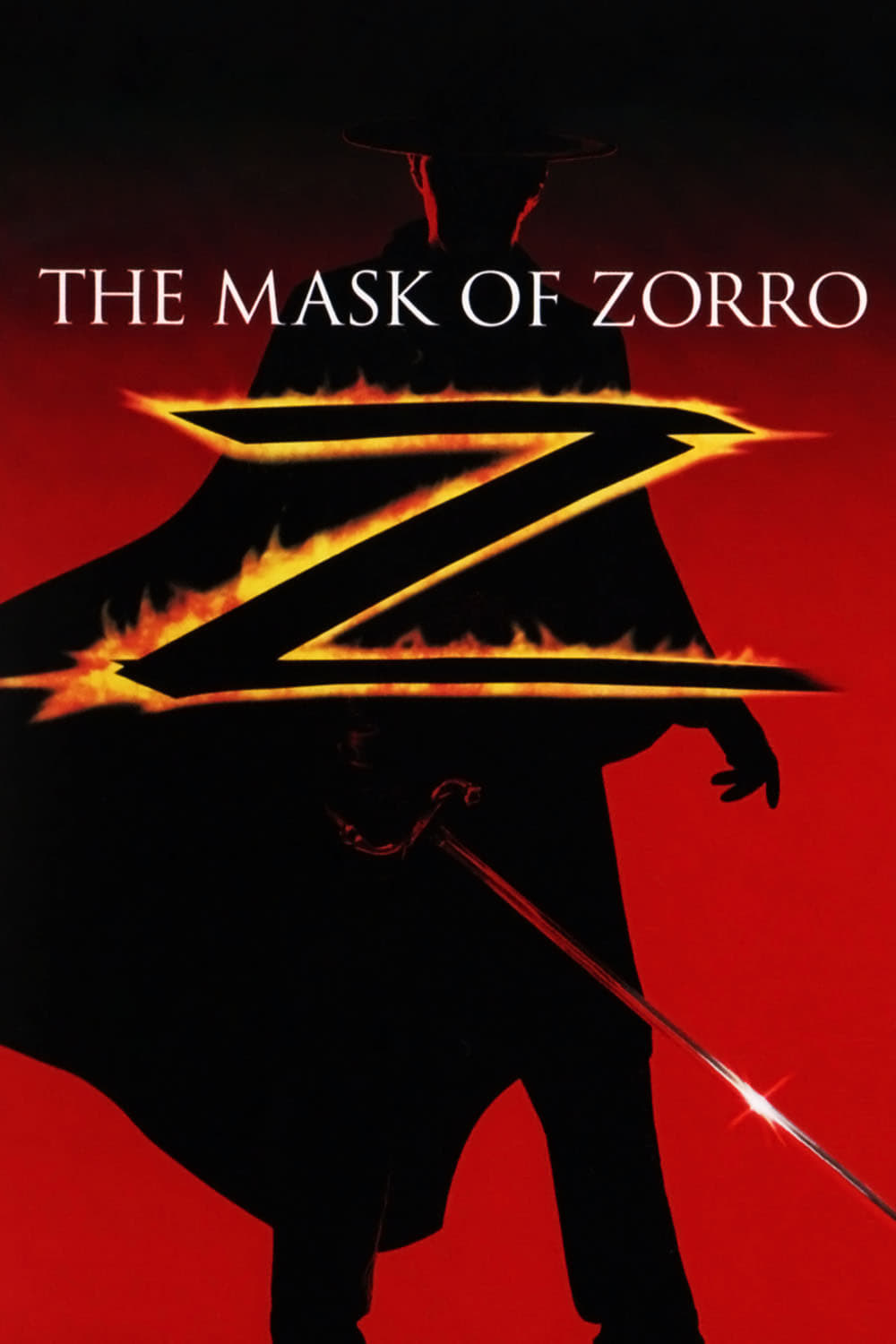
Martin Campbell passes a legendary mantle from a former vigilante to a new protégé. Antonio Banderas and Anthony Hopkins pair swordplay with undercover infiltration.
Whip-fast fencing, whip work, and horseback stunts rely on practical choreography. Swashbuckling tone, clear villain objectives, and production design keep set-pieces playful and sharp.
‘The Rock’ (1996)
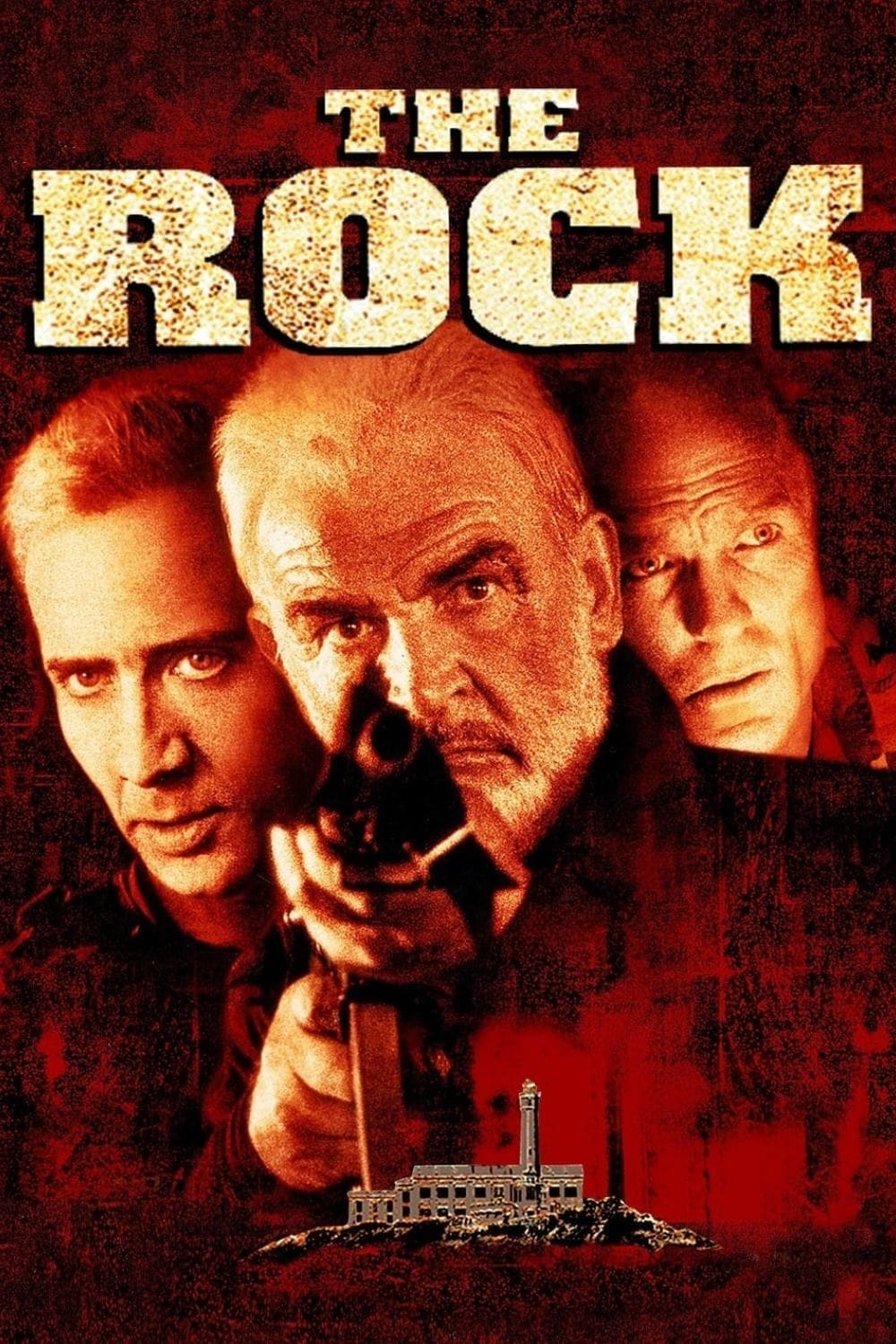
Michael Bay orchestrates a siege scenario on Alcatraz involving rogue soldiers and a chemical threat. Nicolas Cage and Sean Connery form an uneasy partnership with complementary skills.
Tight tunnels, shower-room shootouts, and car chases through steep streets use practical effects. The film’s ticking-clock structure and radio-driven command chain frame each action beat.
‘Bad Boys’ (1995)
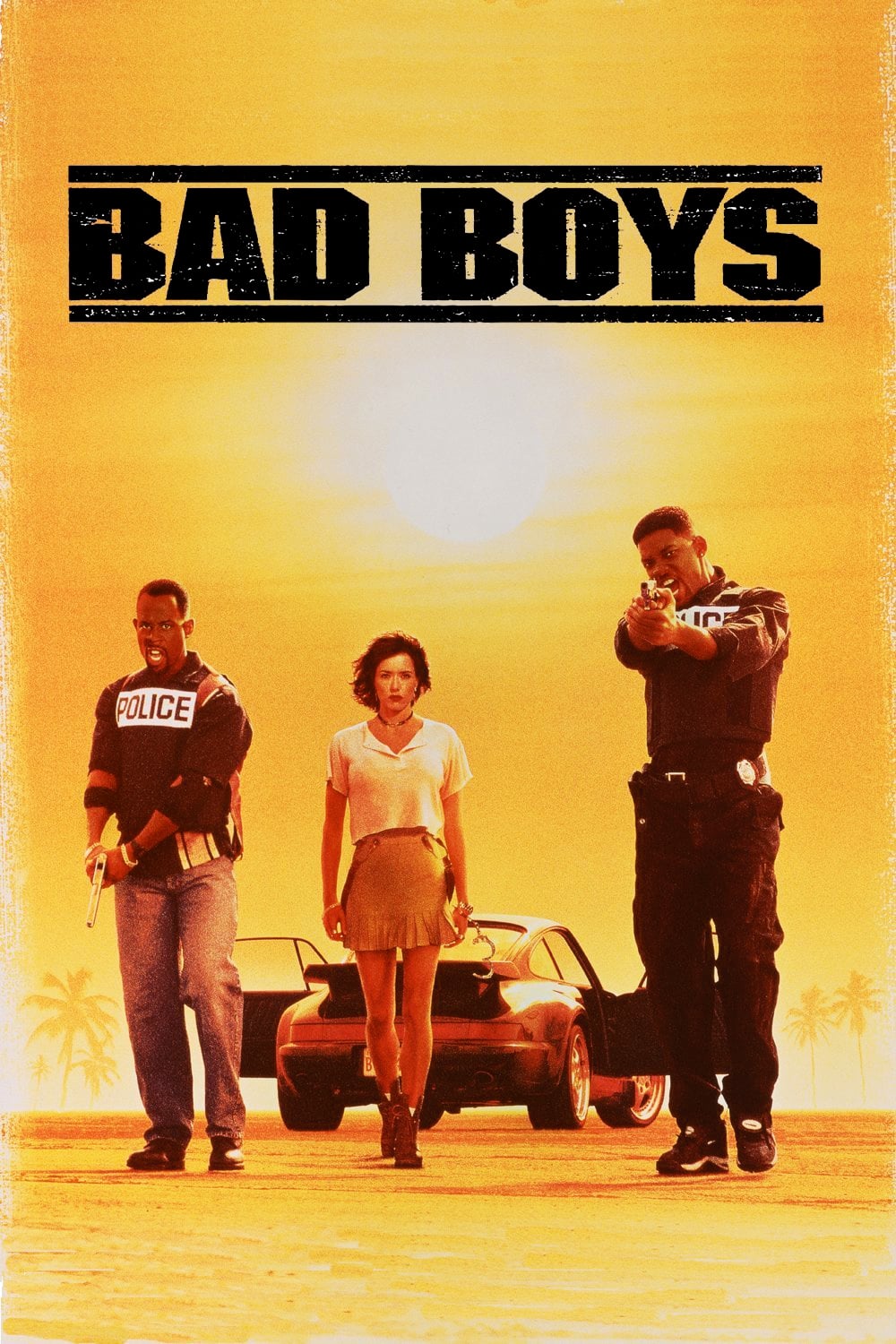
Michael Bay pairs two Miami detectives who must protect a witness while juggling identity mix-ups. Will Smith and Martin Lawrence balance banter with high-energy pursuit work.
Camera moves, low-angle spins, and practical explosions shape the film’s style. The final runway sequence integrates slow-motion rhythms with vehicle choreography for clean geography.
‘RoboCop’ (1987)
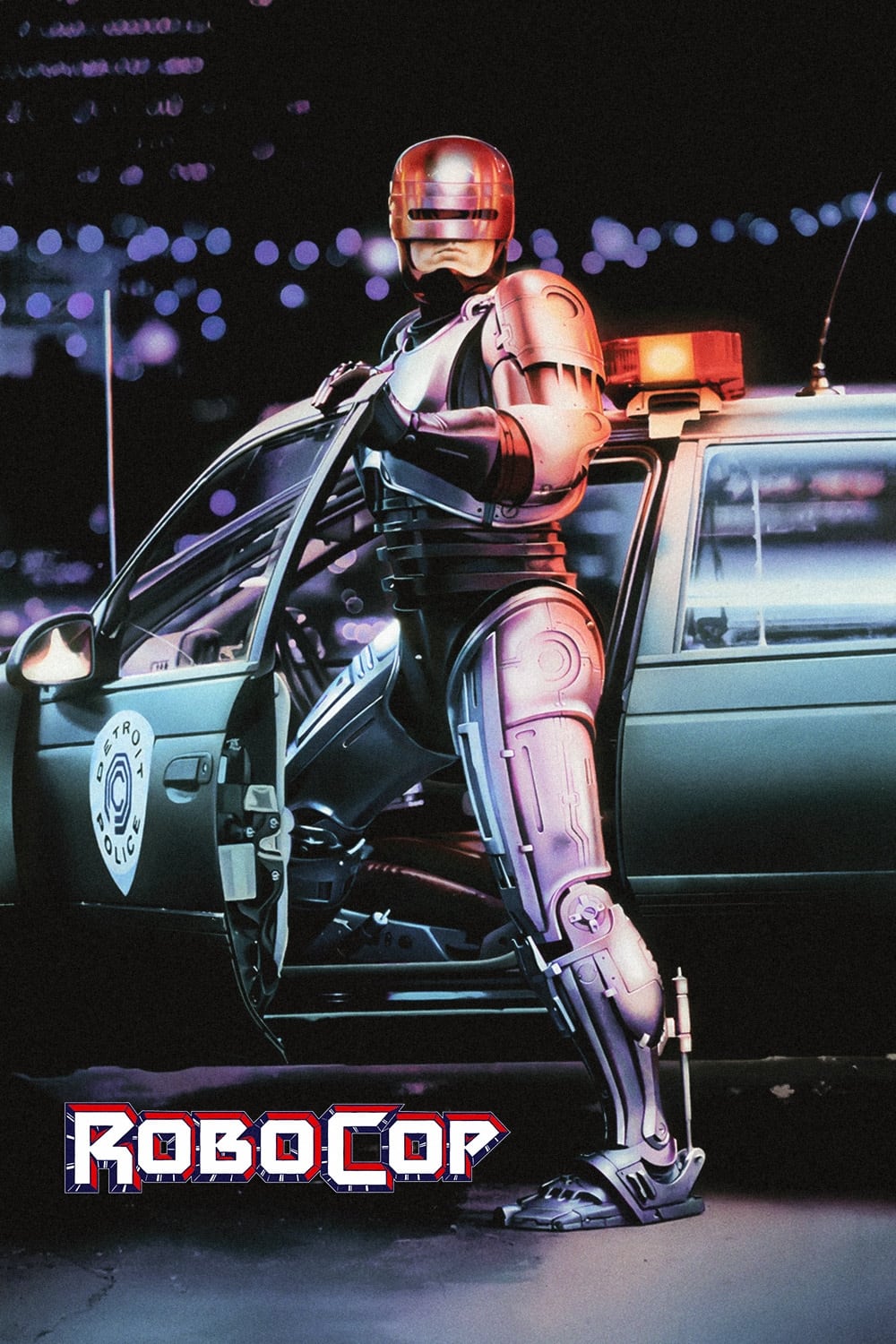
Paul Verhoeven tells a corporate-satire story about a fallen officer rebuilt as a law-enforcement product. Peter Weller’s performance blends mechanical precision with residual humanity.
Stop-motion effects, suit design, and squib-heavy shootouts deliver distinctive texture. The film’s media interludes and prime directives keep action beats tied to world-building.
‘Die Hard: With a Vengeance’ (1995)
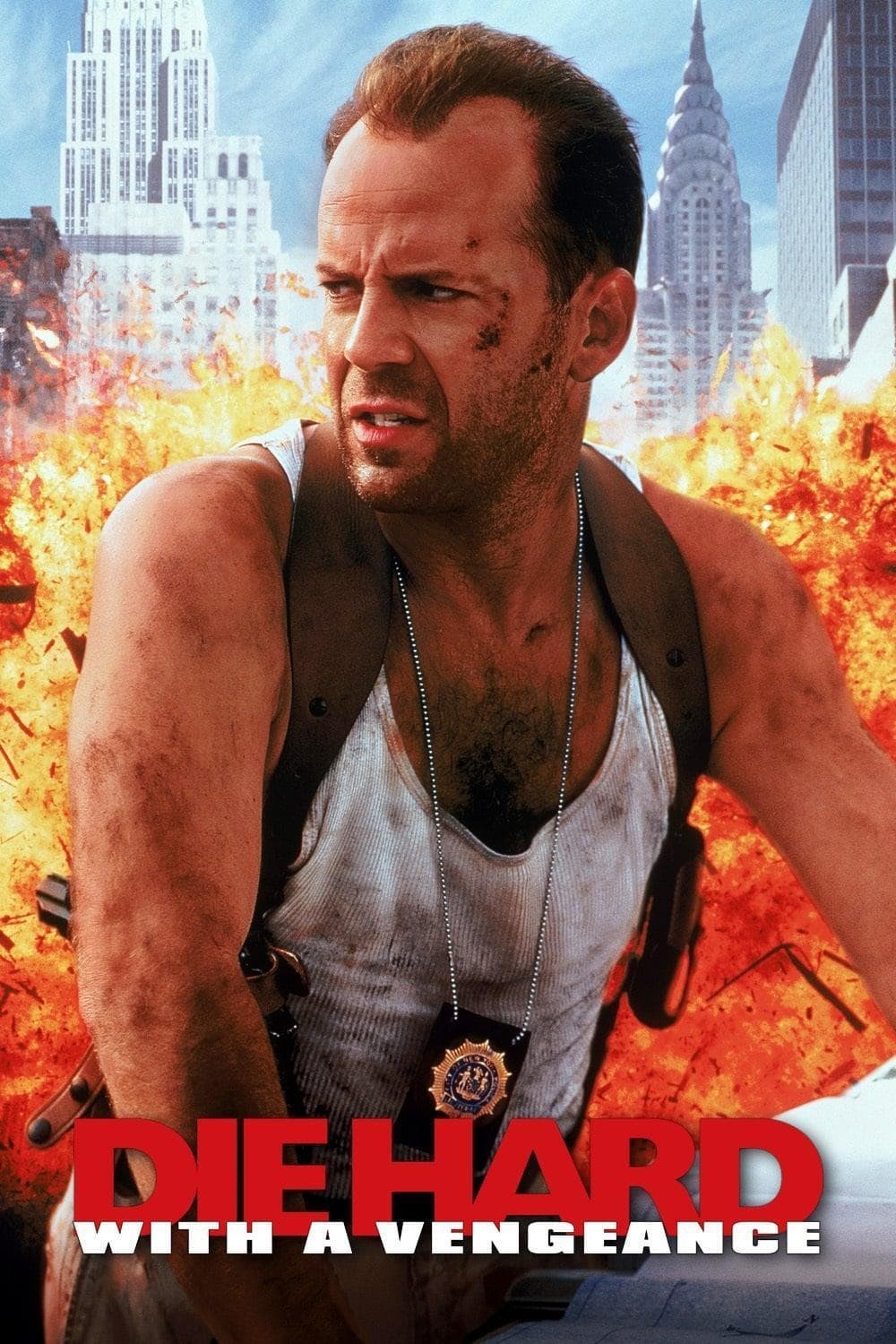
John McTiernan returns with a city-wide riddle hunt that doubles as a diversion for a major theft. Bruce Willis teams with Samuel L. Jackson as puzzles lead to targeted locations.
Set-pieces jump from subway tunnels to highways with clear waypoints. Radio taunts, timed tasks, and misdirection anchor the action to a smart logistical backbone.
‘Furious 7’ (2015)
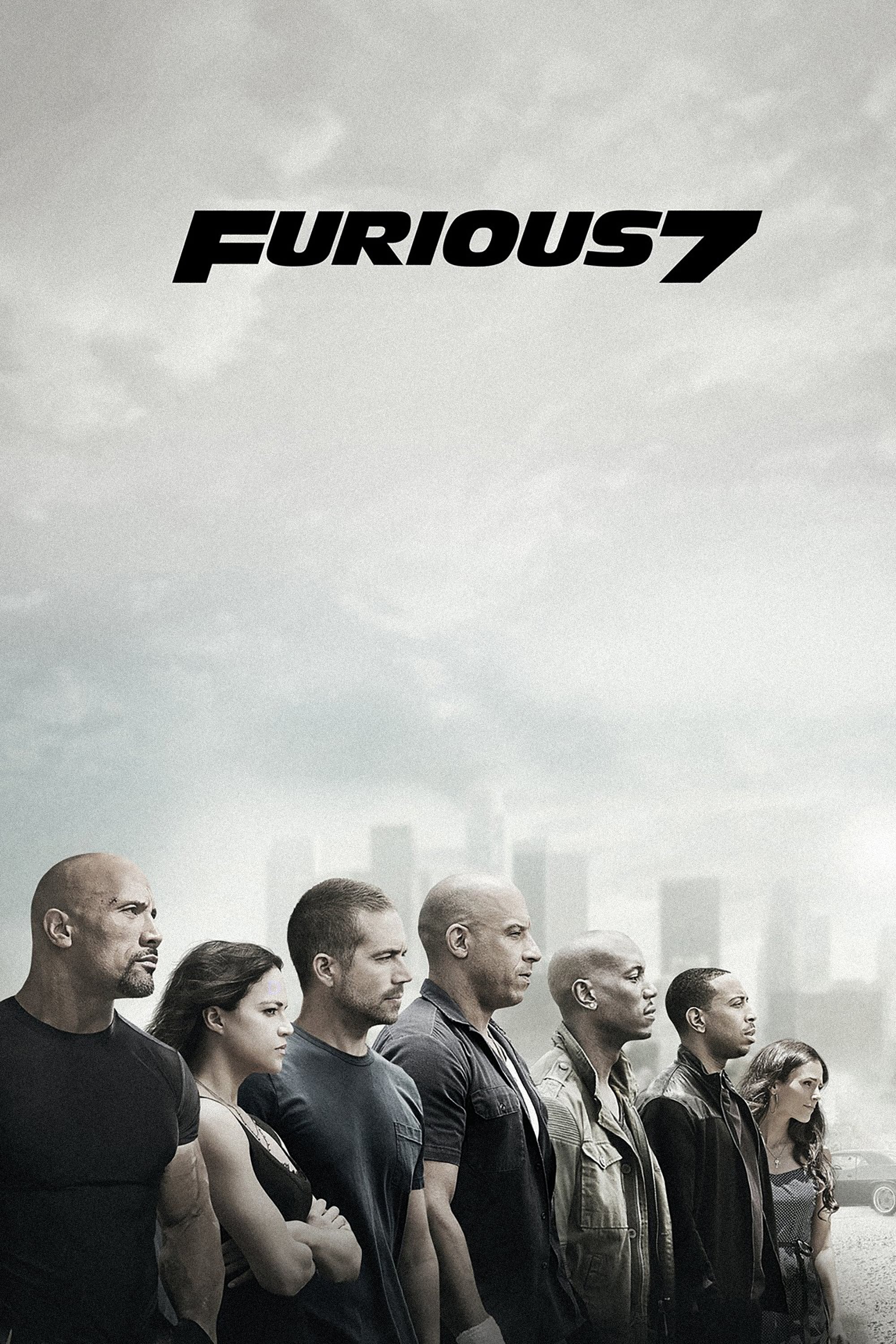
James Wan escalates a crew-versus-assassin conflict across mountains, towers, and urban streets. Vin Diesel, Paul Walker, and ensemble players rotate through specialized driving roles.
Vehicular action combines real stunts with visual-effects augmentation for multi-car set-pieces. The film sequences drops, bus rescues, and drone runs with clear handoffs between team members.
‘The Killer’ (1989)

John Woo follows a hitman seeking amends after collateral damage from a job. Chow Yun-fat’s character navigates shifting loyalties with a detective closing in.
Gun-ballet staging, church finales, and white-dove imagery define the style. Slow motion, match cuts, and rhythmically timed reloads keep firefights readable and operatic.
‘Ip Man’ (2008)
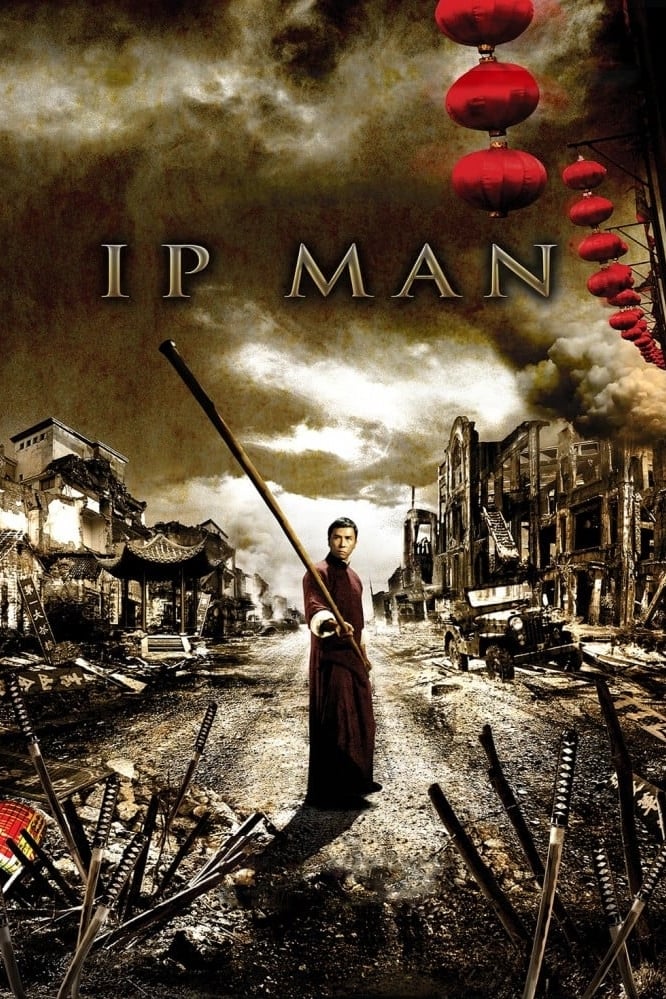
Wilson Yip dramatizes episodes from the life of a Wing Chun master confronting occupation and hardship. Donnie Yen showcases technique through duels that test discipline and philosophy.
Choreography emphasizes centerline strikes, trapping, and stance control shot with minimal cutting. The film balances personal honor with community defense, aligning action to principle.
‘Enter the Dragon’ (1973)
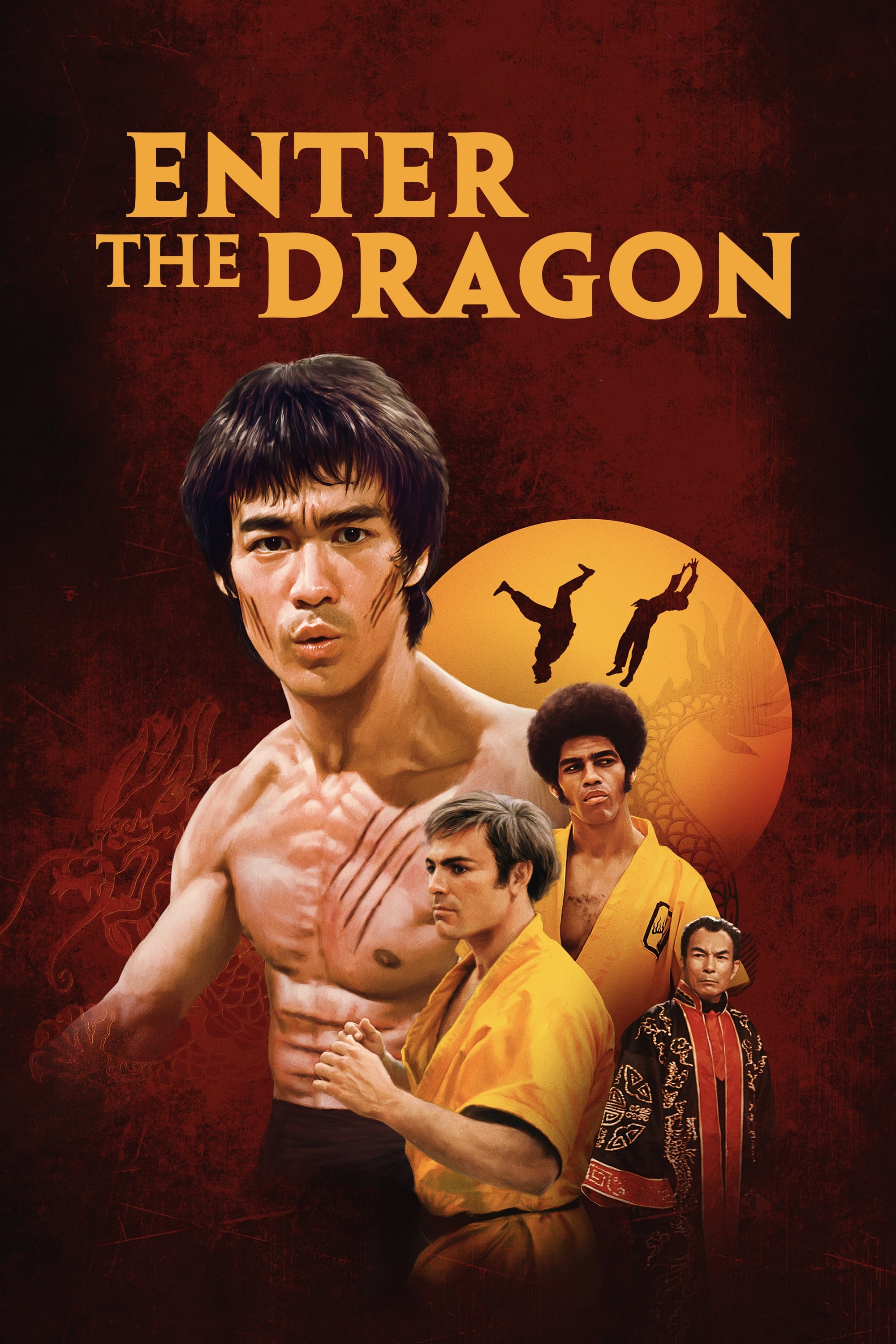
Robert Clouse positions a martial artist infiltrating a crime lord’s tournament on a private island. Bruce Lee’s charisma and precision anchor the narrative.
Fight scenes highlight trapping hands, lightning kicks, and weapon transitions with wide coverage. The mirrored-room climax uses reflection and misdirection to stage a tactical finish.
‘Police Story’ (1985)

Jackie Chan leads a case involving witness protection, frame-ups, and corporate crime. The story threads comedy, investigation, and escalating public-space brawls.
Mall-pole slides, bus hangs, and glass-heavy stunts are performed with minimal doubling. Wide shots and inventive prop use ensure clever, readable choreography.
‘Kill Bill: Vol. 1’ (2003)
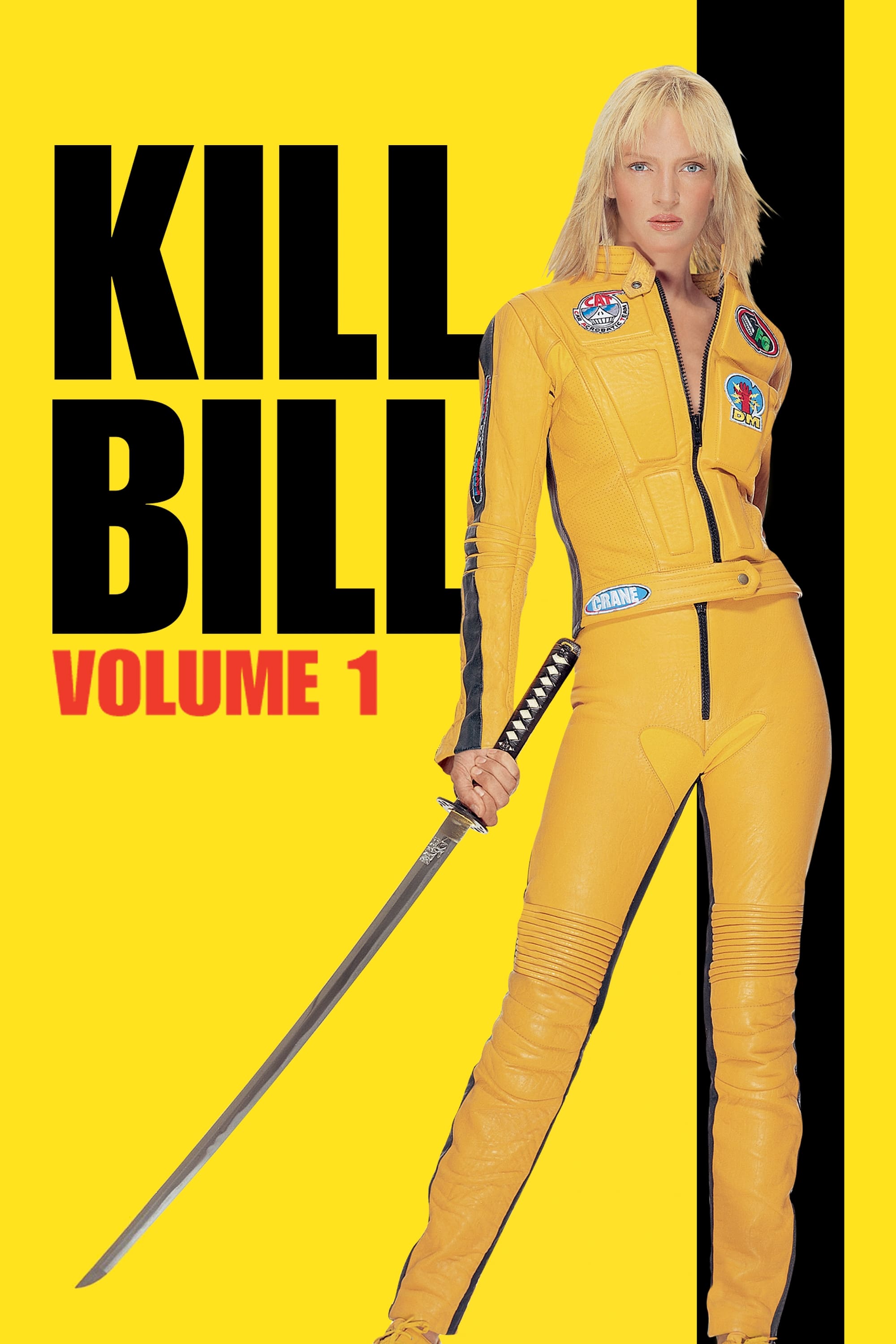
Quentin Tarantino charts a revenge path through assassins, culminating in a showdown with the Crazy 88. Uma Thurman’s character trains, travels, and confronts former allies on the way to a leader.
The House of Blue Leaves sequence blends wire work, samurai technique, and color-coded staging. Anime interludes, chapter structure, and music cues segment action into distinct movements.
‘The Fugitive’ (1993)
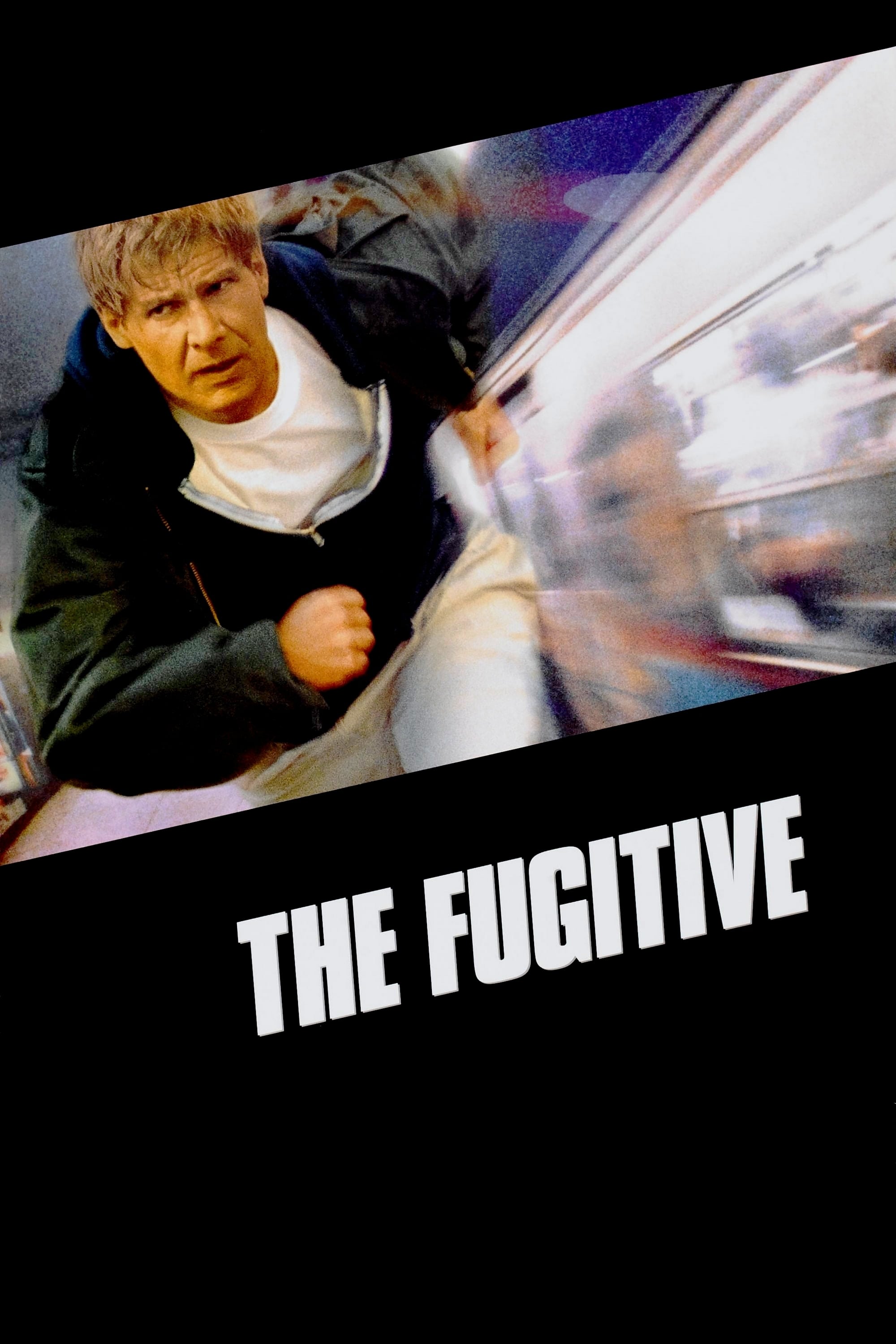
Andrew Davis adapts a wrongfully accused surgeon’s escape and hunt for the real killer. Harrison Ford and Tommy Lee Jones drive parallel investigations on intersecting paths.
A dam escape, train wreck, and courthouse beats use practical effects and location work. The pursuit structure—warrants, interviews, and forensic breaks—keeps action tied to procedure.
‘300’ (2006)
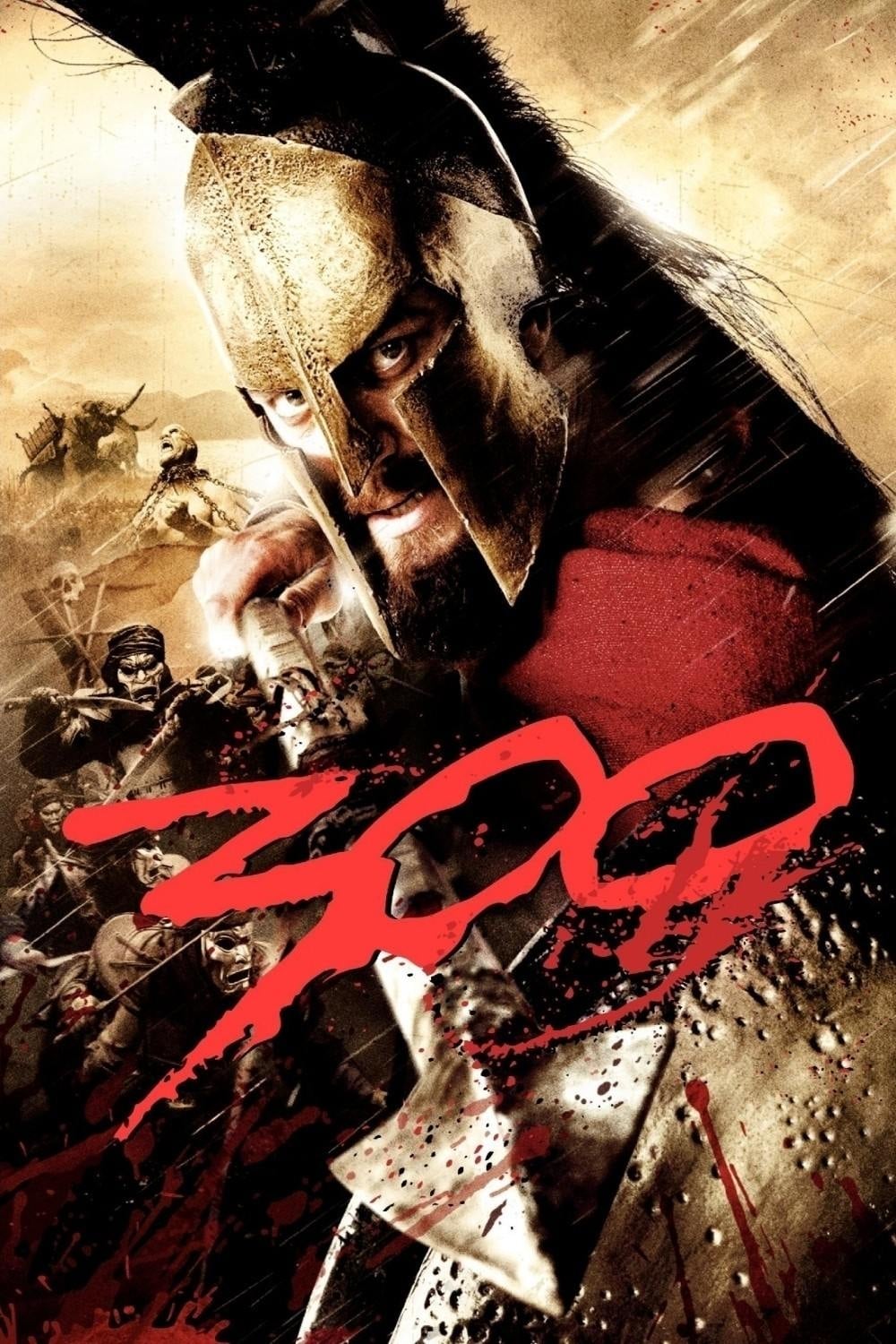
Zack Snyder stylizes a last-stand defense against overwhelming odds using graphic-novel imagery. Gerard Butler leads a phalanx-centric force focused on terrain control.
Speed-ramped shots, shield-wall tactics, and choreographed spearwork create a distinct visual cadence. The film uses narration and vista framing to track battlefield phases.
‘Con Air’ (1997)
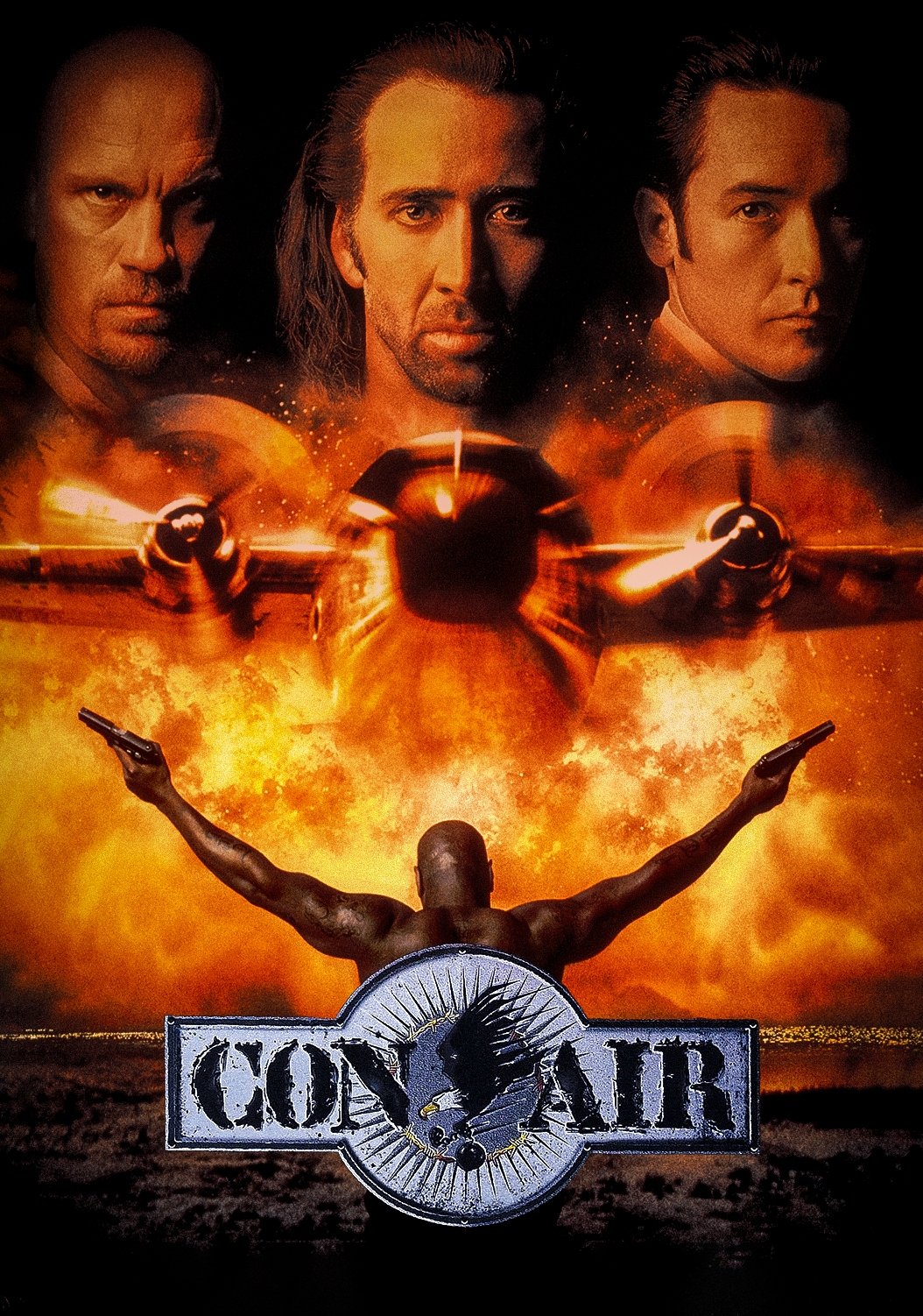
Simon West stages a prisoner-transport hijacking that turns into a multi-state chase. Nicolas Cage, John Malkovich, and ensemble players move between plane control and ground response.
Practical aircraft rigs, runway collisions, and urban crash landings anchor the action. Character archetypes and call-sign chatter help maintain clarity amid shifting locations.
‘Face/Off’ (1997)
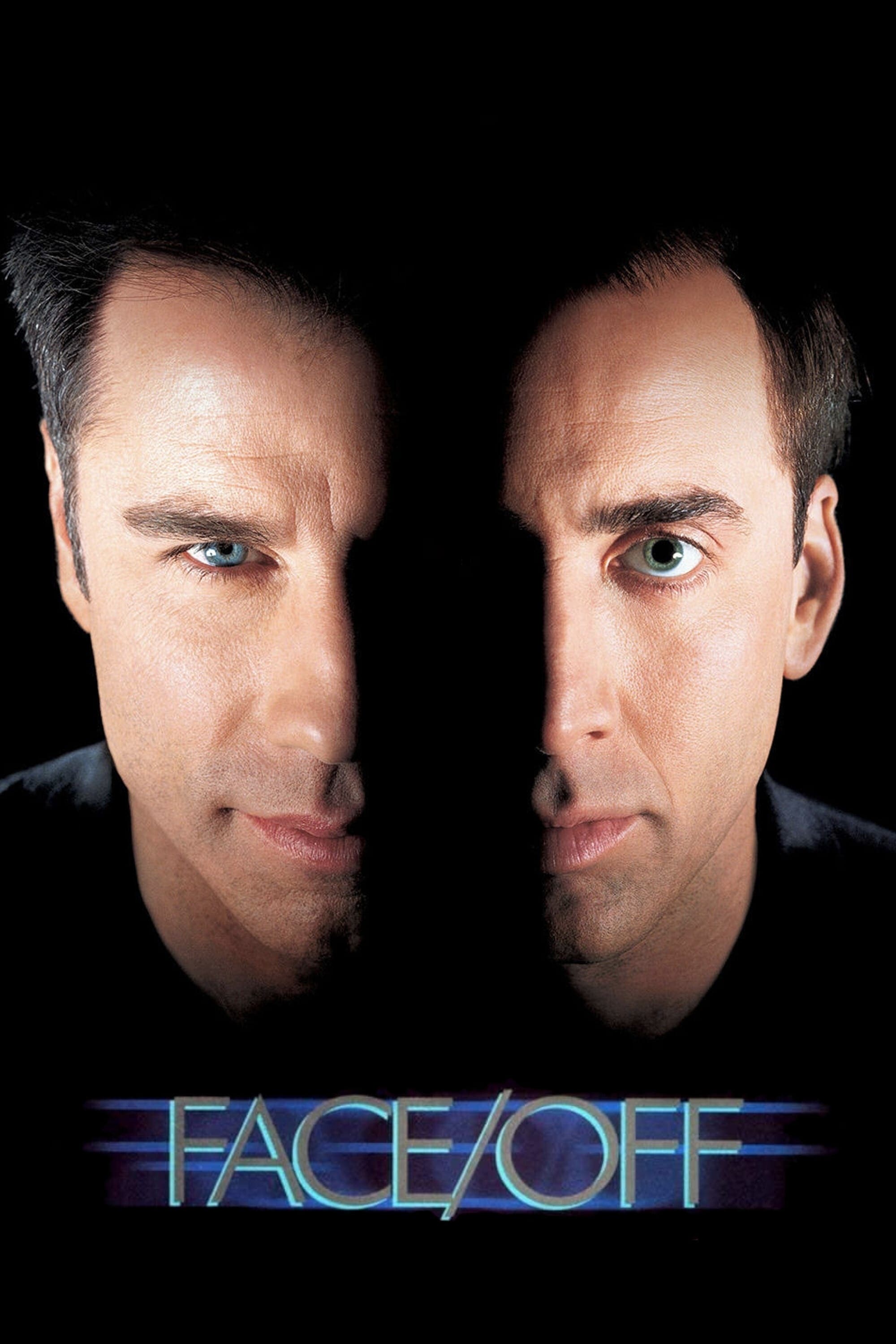
John Woo crafts a cat-and-mouse story where an agent and a criminal swap identities via experimental surgery. John Travolta and Nicolas Cage play mirrored performances across sides of the law.
Dual-wield gunfights, church standoffs, and boat chases are staged with balletic precision. Slow motion and thematic motifs (mirrors, family photos) keep action emotionally charged yet legible.
‘Atomic Blonde’ (2017)
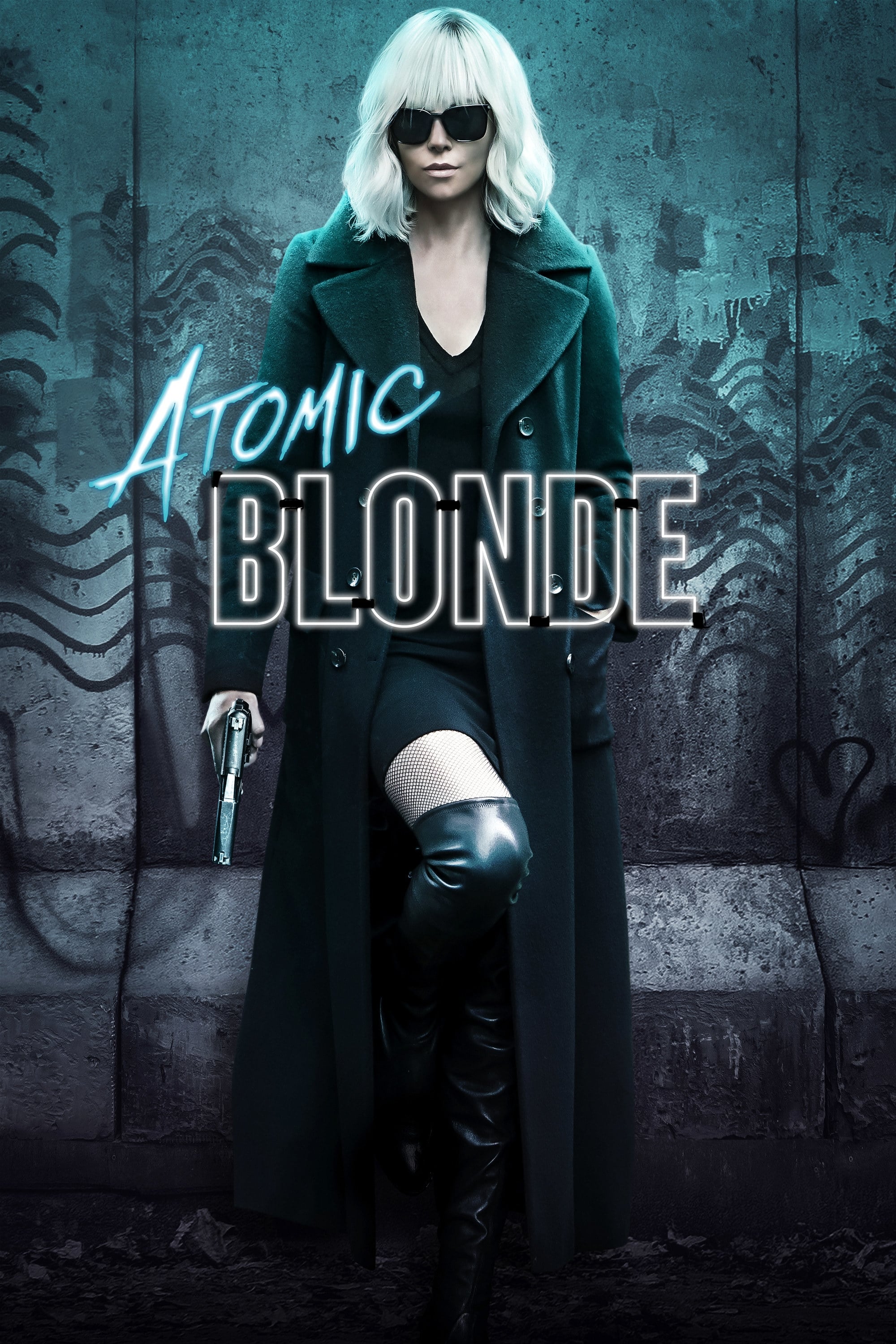
David Leitch sends an intelligence officer into a city filled with double agents and shifting loyalties. Charlize Theron’s character navigates dead drops, safe houses, and compromised handlers.
The staircase fight is engineered as a bruising long take with visible fatigue and reloads. Neon-noir palettes, period tracks, and grounded striking keep sequences stylish yet clear.
‘The Great Escape’ (1963)
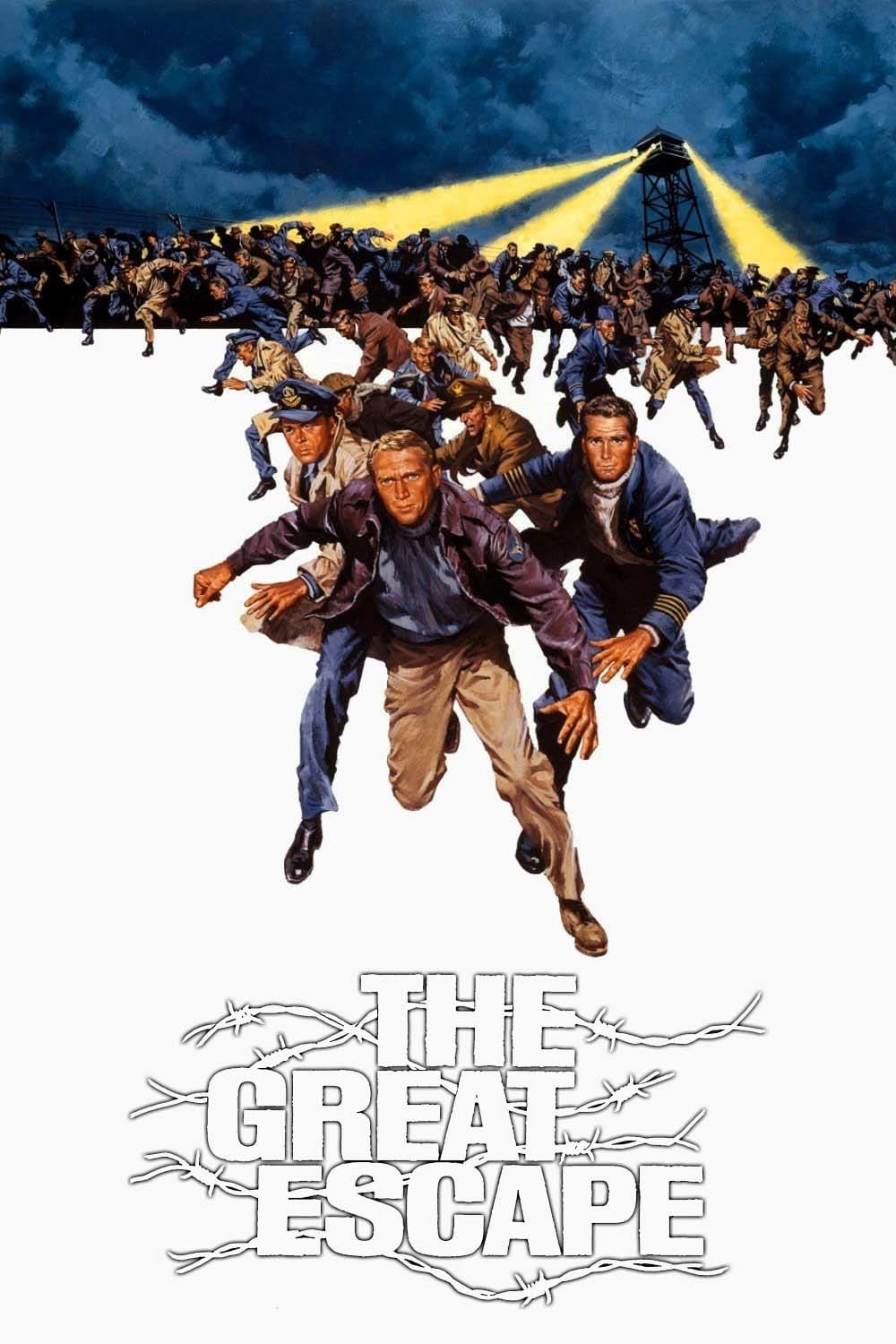
John Sturges dramatizes a mass-escape plan from a high-security camp using teamwork and specialization. Steve McQueen, James Garner, and ensemble players each handle distinct tasks.
Motorcycle runs, tunnel engineering, and forged papers create varied action modes. The film cross-cuts multiple escape routes, preserving suspense while keeping tactics understandable.
‘Seven Samurai’ (1954)
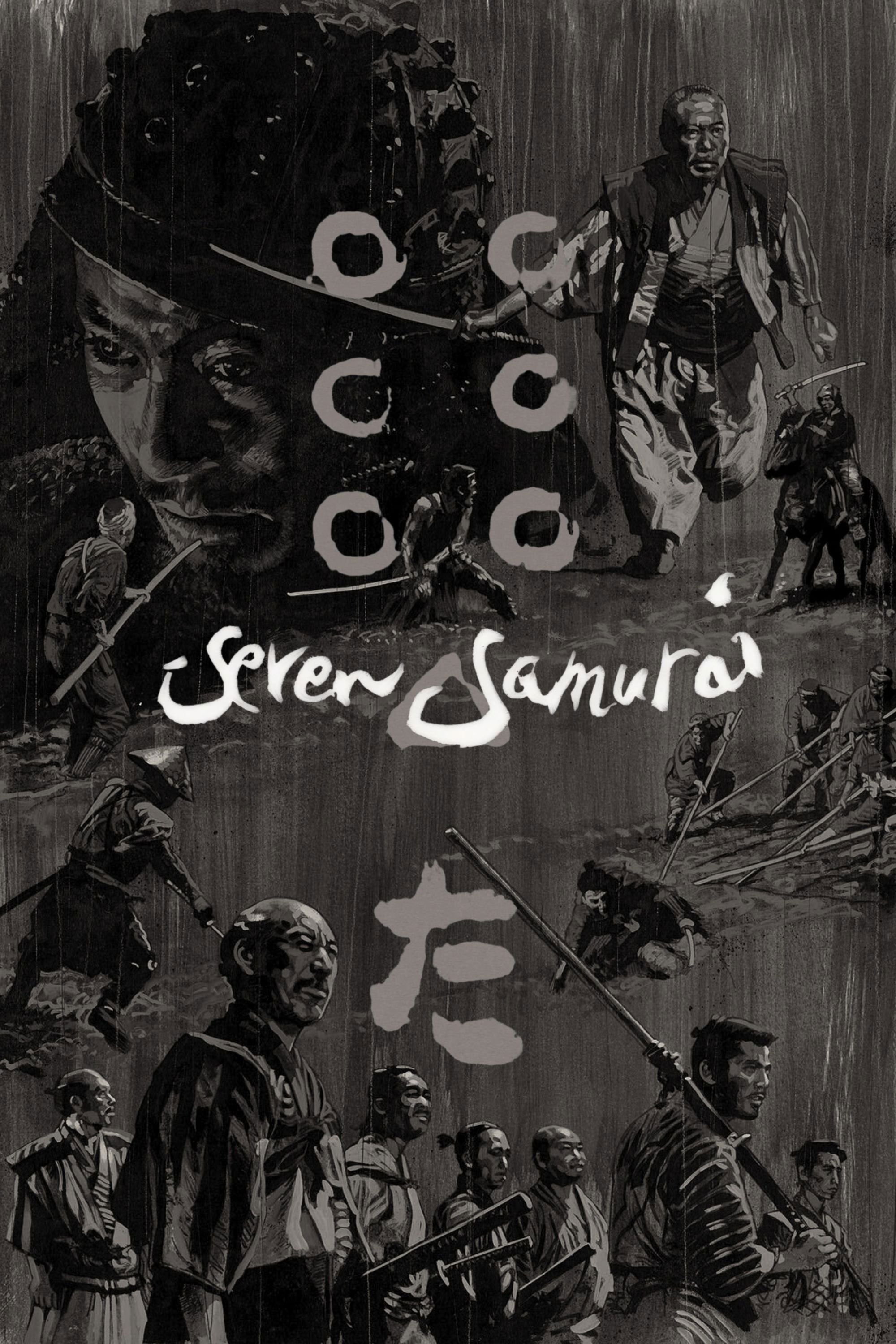
Akira Kurosawa follows villagers who recruit ronin to defend against raiders. Toshiro Mifune and ensemble performances trace training, fortification, and strategic placement.
Telephoto lenses, weather elements, and multi-camera setups define the climactic battle’s readability. Storyboarding, movement lines, and drum cues make the action a model of cinematic clarity.
‘The Terminator’ (1984)
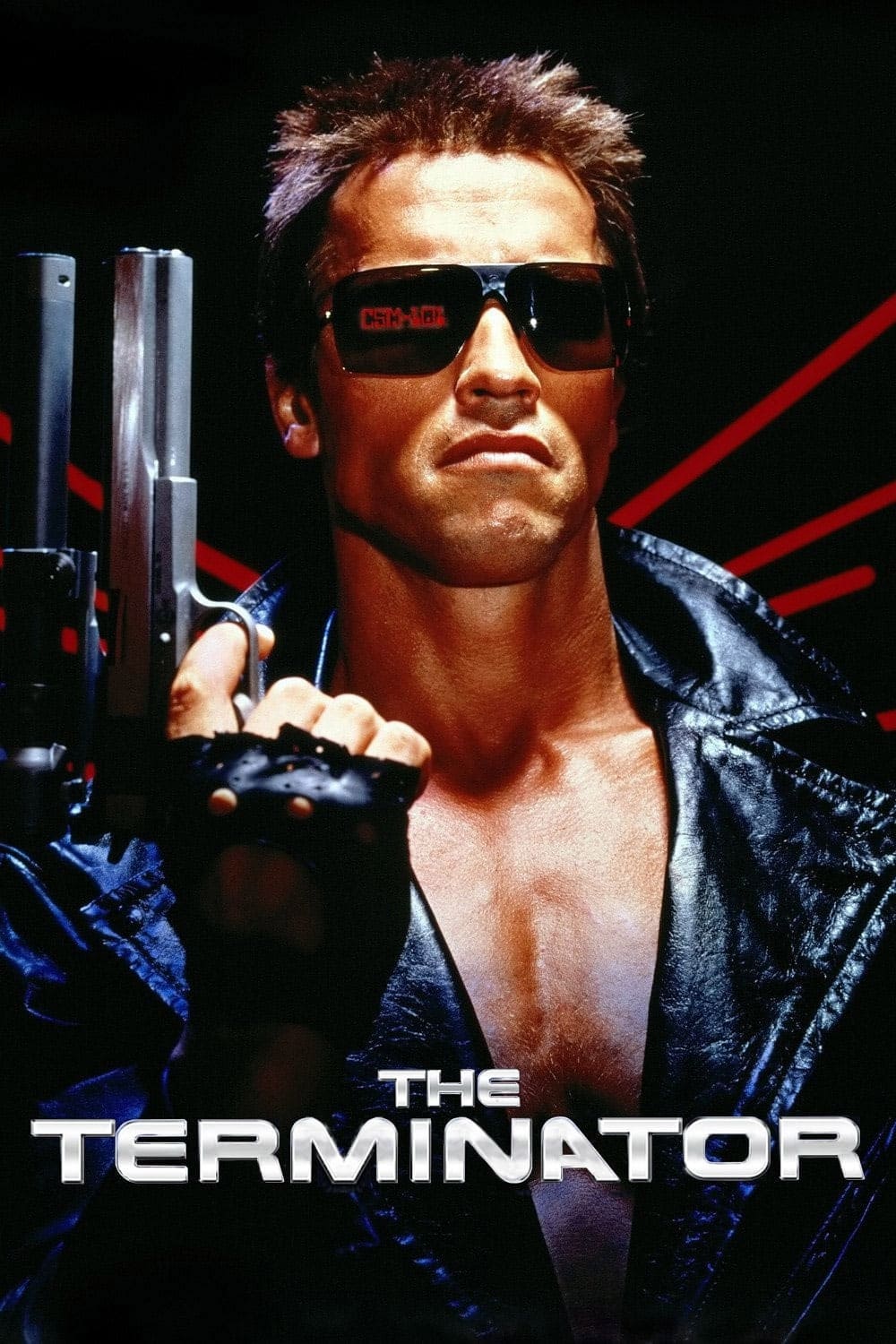
James Cameron crafts a pursuit where a relentless machine targets a woman whose future child matters to a resistance. Arnold Schwarzenegger, Linda Hamilton, and Michael Biehn drive a survival narrative.
Miniatures, stop-motion inserts, and urban night shoots sell a gritty texture. The film structures set-pieces around escapes, gear-ups, and last-ditch traps that escalate cleanly.
‘The Villainess’ (2017)
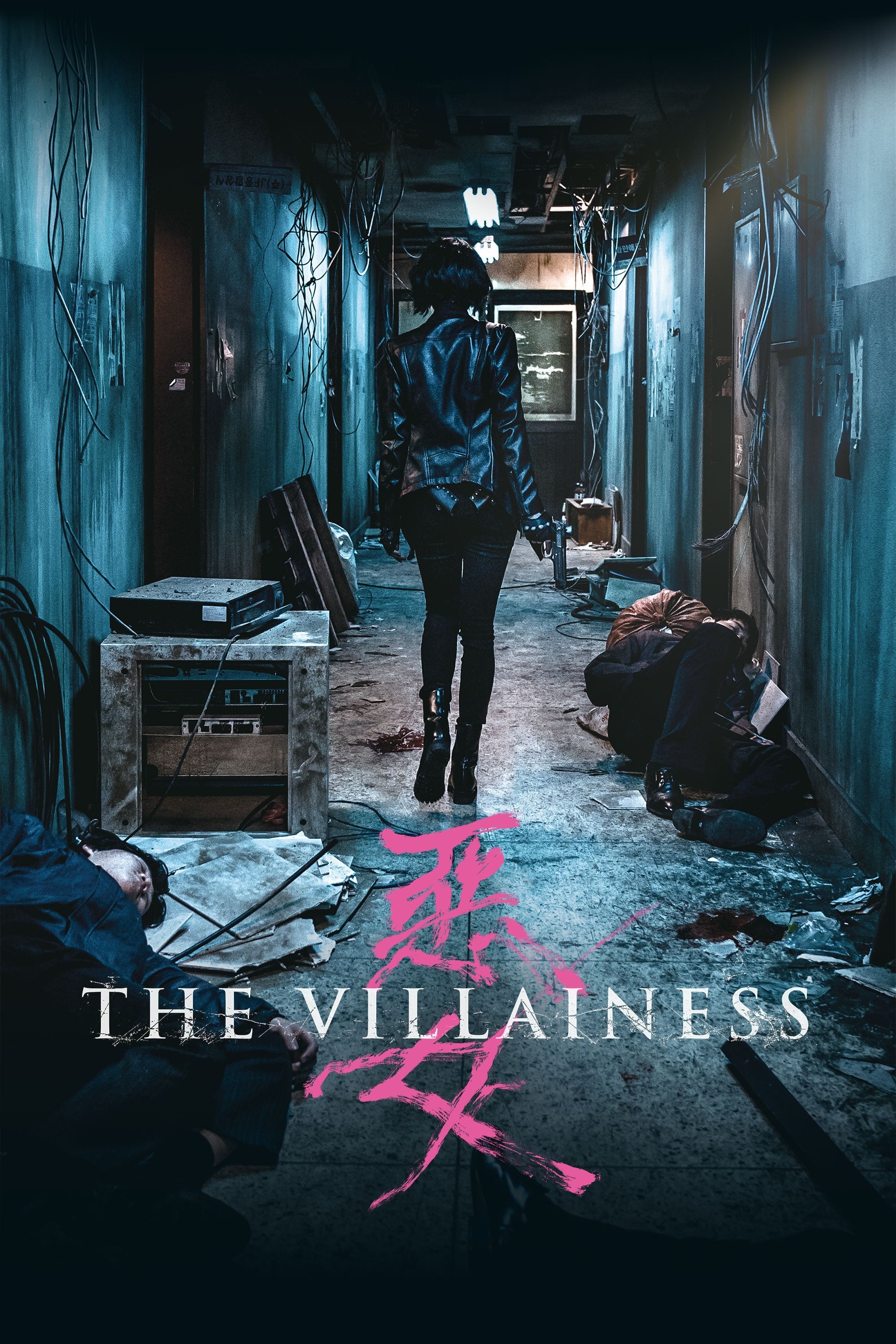
Jung Byung-gil tells the story of an assassin recruited into a covert agency while her past resurfaces. Kim Ok-vin performs extended sequences that mix first-person and third-person viewpoints.
Motorcycle swordplay, corridor rides, and wire-assisted leaps are stitched with daring transitions. The film’s editing experiments remain coherent through consistent spatial markers.
Share your picks for the most endlessly rewatchable action bangers in the comments—what did we miss, and which set-pieces do you never skip?