The Most Rewatchable Comedy Movies Ever Filmed


Great comedy doesn’t just land once—it invites you back for running gags, quotable lines, and character beats that play even better when you know they’re coming. Across slapstick, satire, rom-coms, mockumentaries, and buddy capers, certain films are structured with tight setups and payoffs, layered sight gags, and rhythms that reward repeat viewing.
This collection gathers fifty widely loved comedies that audiences keep returning to for sharp scripts, precision performances, memorable set pieces, and distinctive comic voices. You’ll find studio classics, indie breakouts, and modern crowd-pleasers—each summarized with practical details about who made them, what they’re about, and how they work.
‘Airplane!’ (1980)
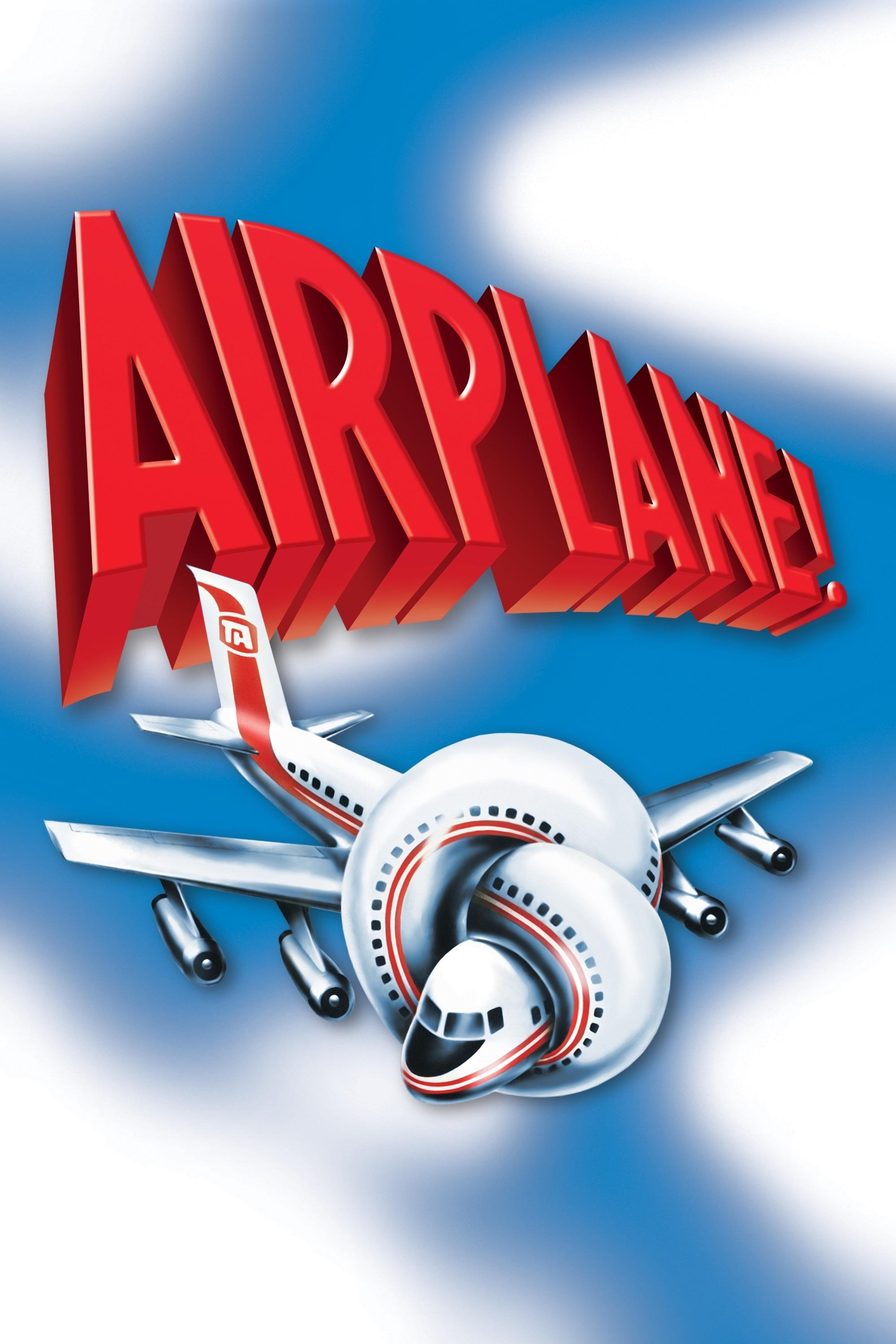
This parody from Jim Abrahams and David & Jerry Zucker spoofs disaster pictures and borrows plot bones from the melodrama ‘Zero Hour!’. It stars Robert Hays, Julie Hagerty, and Leslie Nielsen, leaning on dead-serious delivery, visual puns, and rapid-fire wordplay.
The film popularized Nielsen’s deadpan persona and stacks background gags, cutaway jokes, and literal misunderstandings that hold up on repeat viewing. Its template influenced later spoofs like ‘The Naked Gun’ and established the ZAZ team’s gag-dense style.
‘Monty Python and the Holy Grail’ (1975)
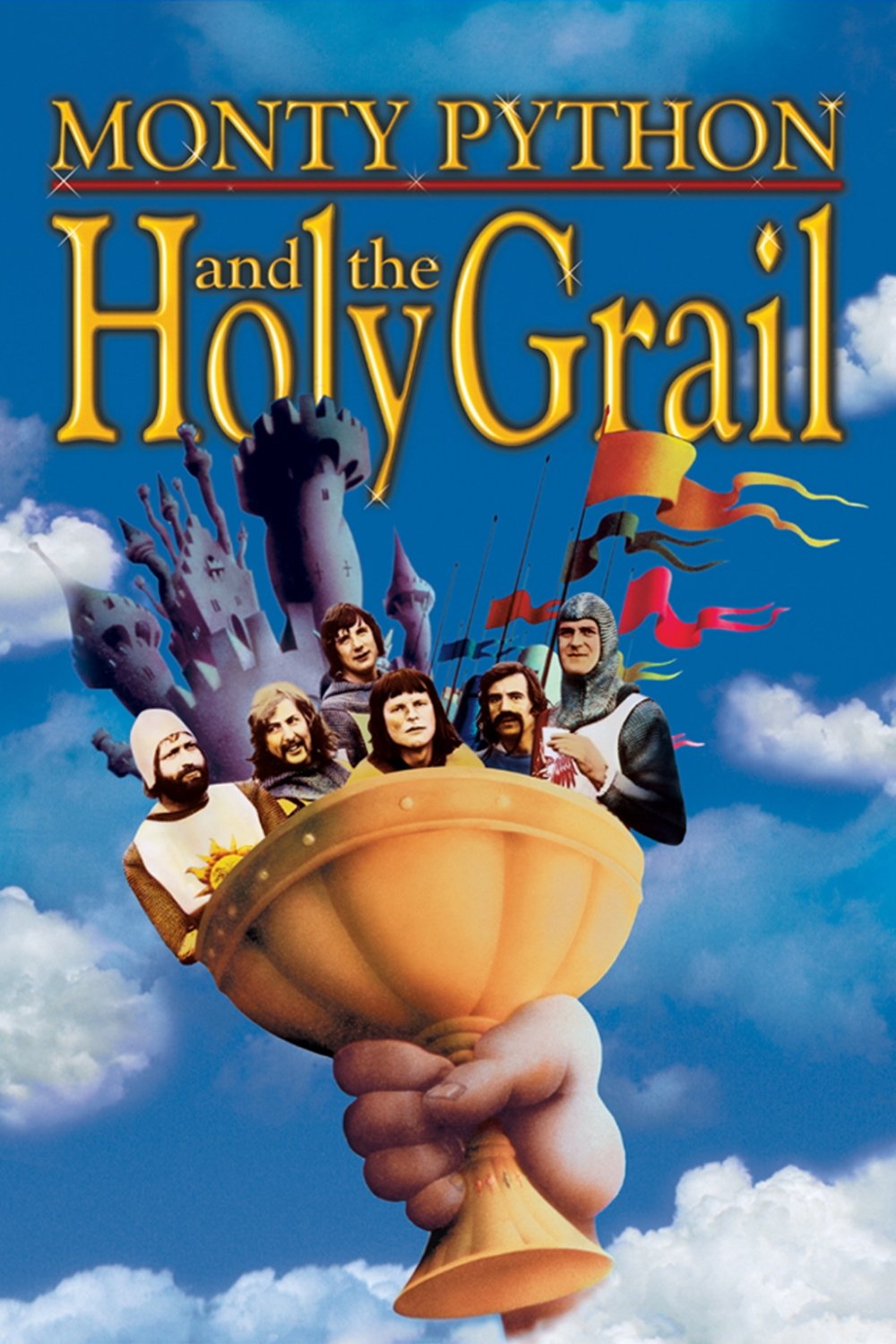
Directed by Terry Gilliam and Terry Jones, this Arthurian send-up features the full Monty Python troupe—Graham Chapman, John Cleese, Eric Idle, Terry Jones, Michael Palin, and Terry Gilliam—playing multiple roles. The production used minimalist props and countryside locations to turn budget limitations into punchlines.
Recurring bits—the coconut horses, the French taunter, and the Black Knight—are structured as sketch sequences that still interlock. Its anachronisms and meta end twist fed later Python projects and inspired the stage musical ‘Monty Python’s Spamalot’.
‘Groundhog Day’ (1993)

Harold Ramis directs Bill Murray and Andie MacDowell in a time-loop story about a TV weatherman stuck repeating the same small-town day. The screenplay by Danny Rubin and Ramis refines the loop logic so scenes escalate without losing clarity.
Repetition is the engine: identical beats are reframed with new choices, offering built-in callbacks. Filming in Woodstock, Illinois doubled for Punxsutawney, with production design that subtly signals progression as the character learns the town.
‘The Big Lebowski’ (1998)
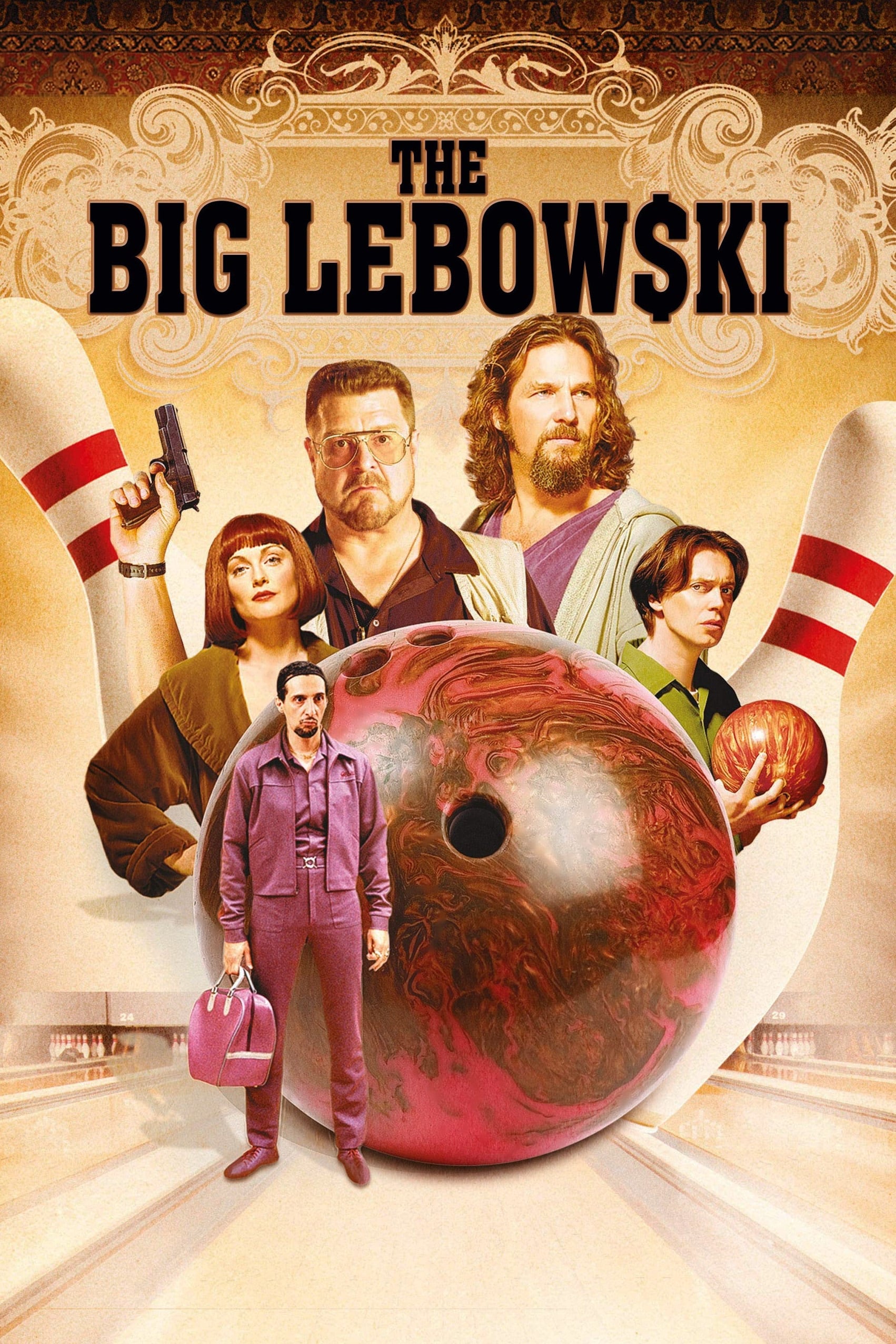
Joel and Ethan Coen follow Jeff Bridges’s laid-back “Dude” through a mistaken-identity caper with John Goodman, Julianne Moore, and Steve Buscemi. Los Angeles bowling alleys, dream sequences, and a case of a stolen rug structure its shambling detective pastiche.
Soundtrack curation, recurring motifs (the rug, bowling finals, a marmot), and repeated dialogue patterns create a rhythm that builds familiarity. The film spawned ‘Lebowski Fest’ and a subculture that highlights its character archetypes and quotables.
‘Anchorman: The Legend of Ron Burgundy’ (2004)
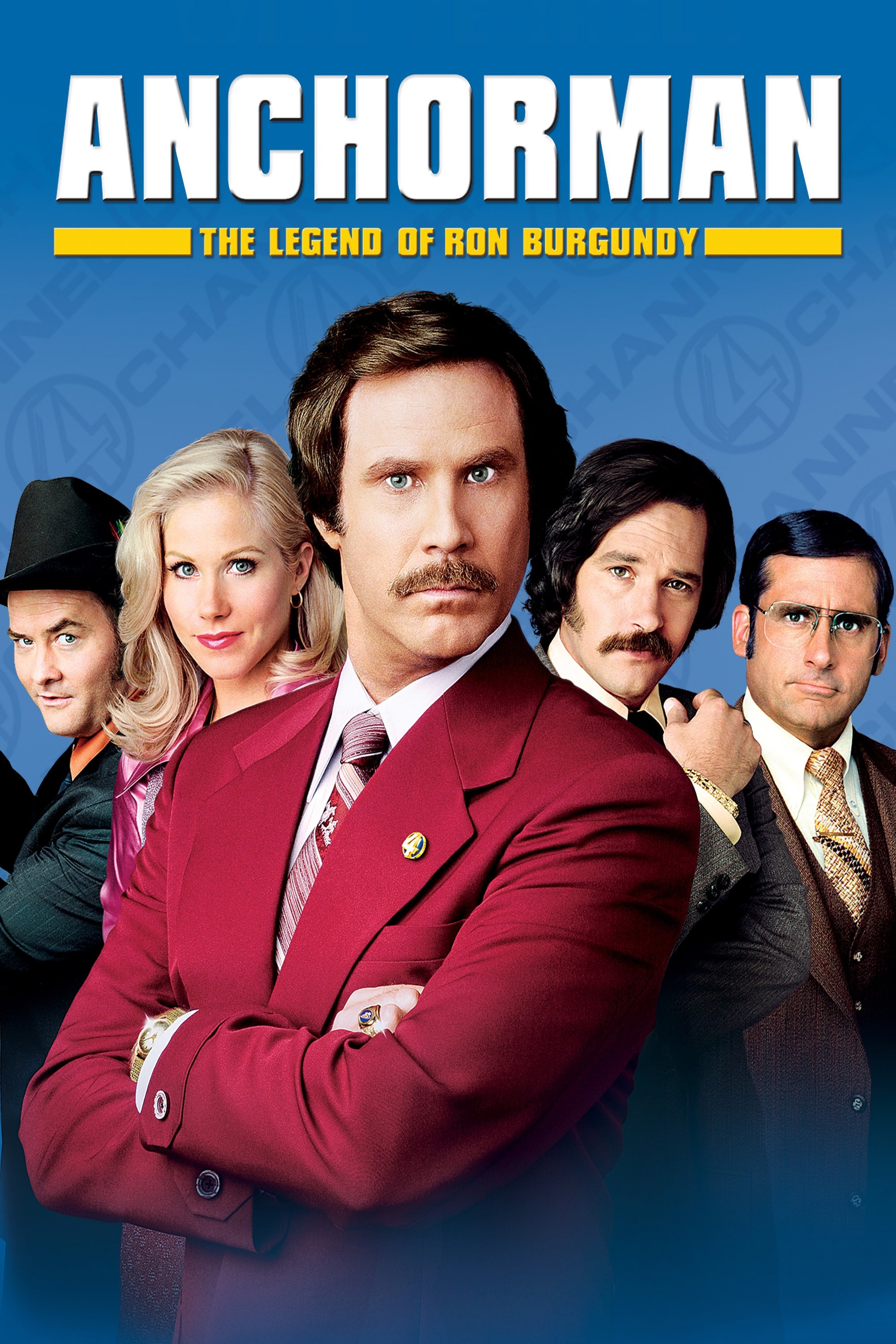
Adam McKay directs Will Ferrell, Christina Applegate, Paul Rudd, and Steve Carell in a newsroom satire about a local anchor facing a changing workplace. Produced by Judd Apatow, it uses a loose, improv-friendly shoot to generate alternate bits.
Running gags—news team brawls, jazz flute, and teleprompter mishaps—are arranged as set pieces that can be revisited independently. The universe expanded through outtakes and a re-cut companion feature assembled from unused material.
‘Superbad’ (2007)
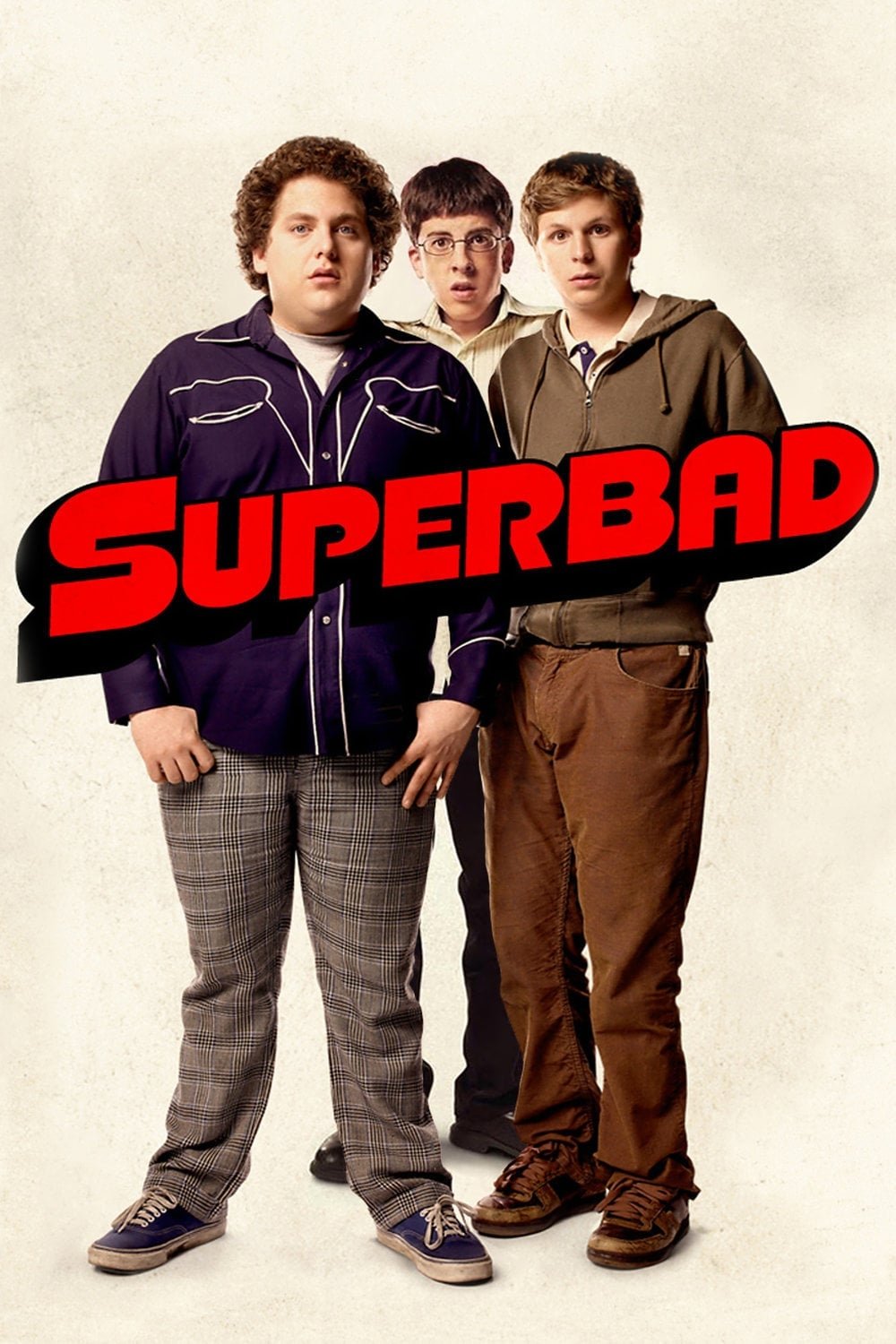
Written by Seth Rogen and Evan Goldberg and directed by Greg Mottola, this high-school comedy follows two friends (Jonah Hill and Michael Cera) navigating a night of misadventures. Christopher Mintz-Plasse’s “McLovin” subplot threads through police antics with Rogen and Bill Hader.
Tight scene construction—house parties, convenience stores, and rides with questionable adults—lets individual sequences play like sketches. The dialogue’s cadence and recurring ID gag make it easy to quote and rewatch in segments.
‘Mean Girls’ (2004)
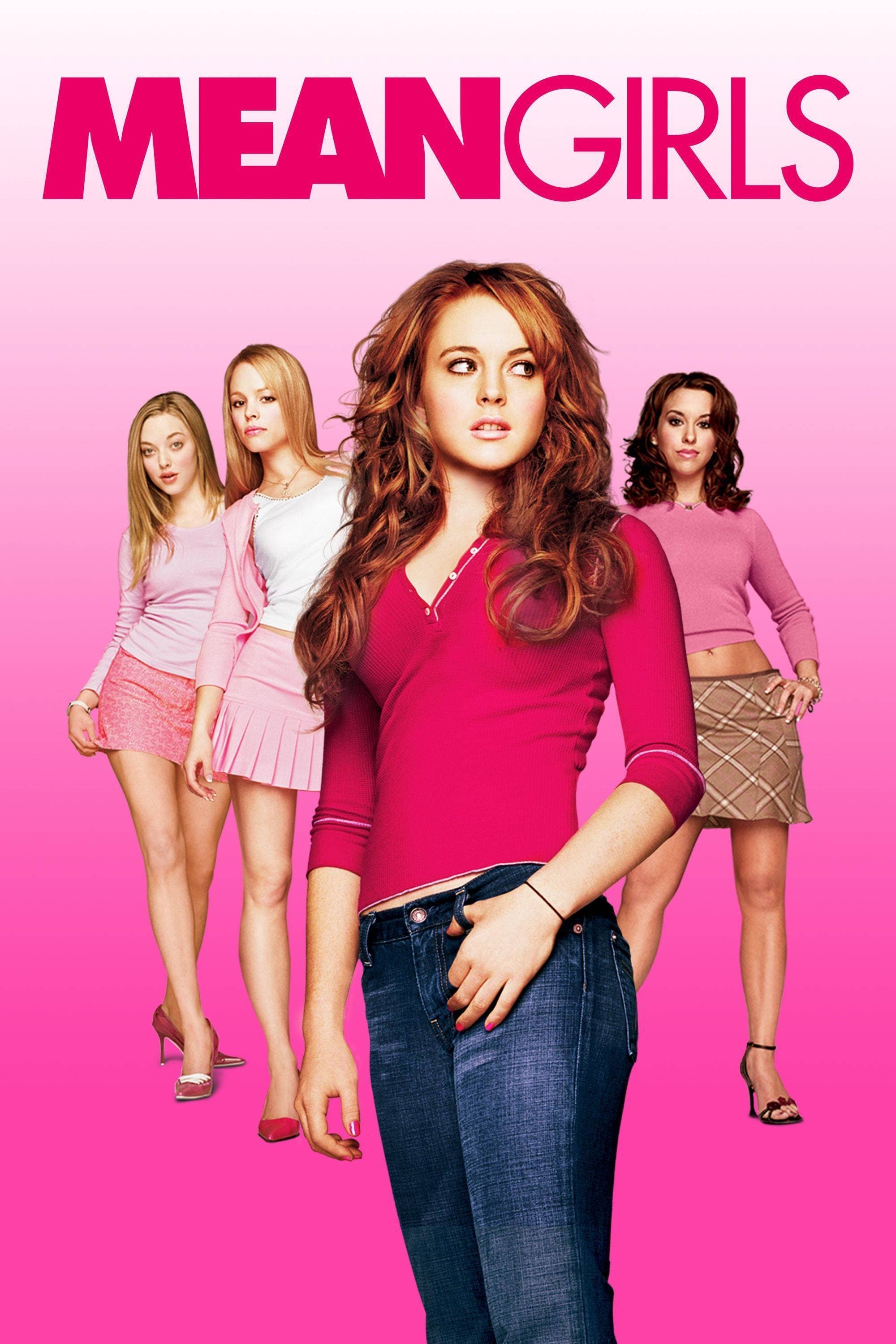
Tina Fey adapts Rosalind Wiseman’s nonfiction book into a high-school ecosystem tale starring Lindsay Lohan, Rachel McAdams, and Fey. The story maps cliques, cafeteria politics, and the infamous “Burn Book.”
Mark Waters’s direction foregrounds rules, maps, and hallway charts, creating visual systems the script can revisit. Its lexicon and archetypes seeded later adaptations, including a stage musical and another screen remake, ensuring cross-medium familiarity.
‘Bridesmaids’ (2011)
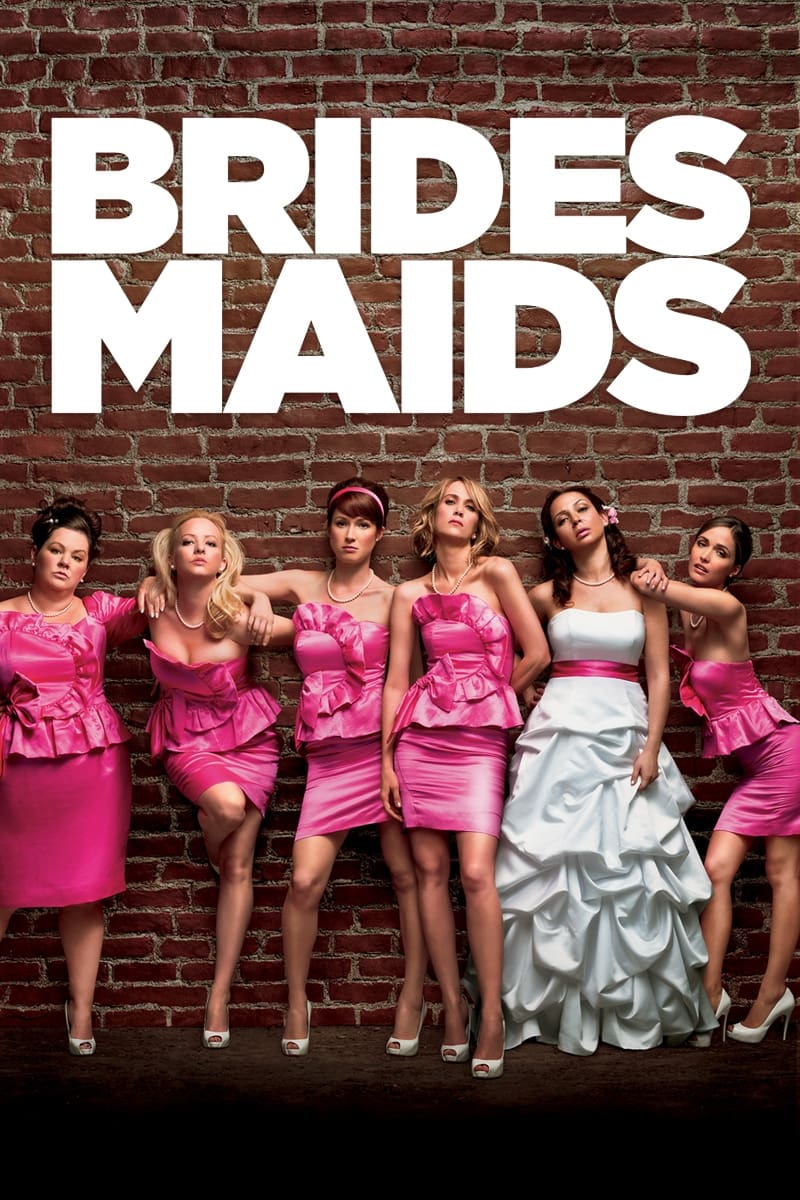
Paul Feig directs Kristen Wiig, Maya Rudolph, Rose Byrne, and Melissa McCarthy in a wedding-party ensemble co-written by Wiig and Annie Mumolo. The story tracks competing friendships and escalating pre-wedding obligations.
Set pieces—the airplane, dress fittings, and engagement events—are engineered around group dynamics, giving multiple characters comic beats. Casting blends sketch veterans with dramatic actors, supporting a balance of awkward silences and physical comedy.
‘Hot Fuzz’ (2007)
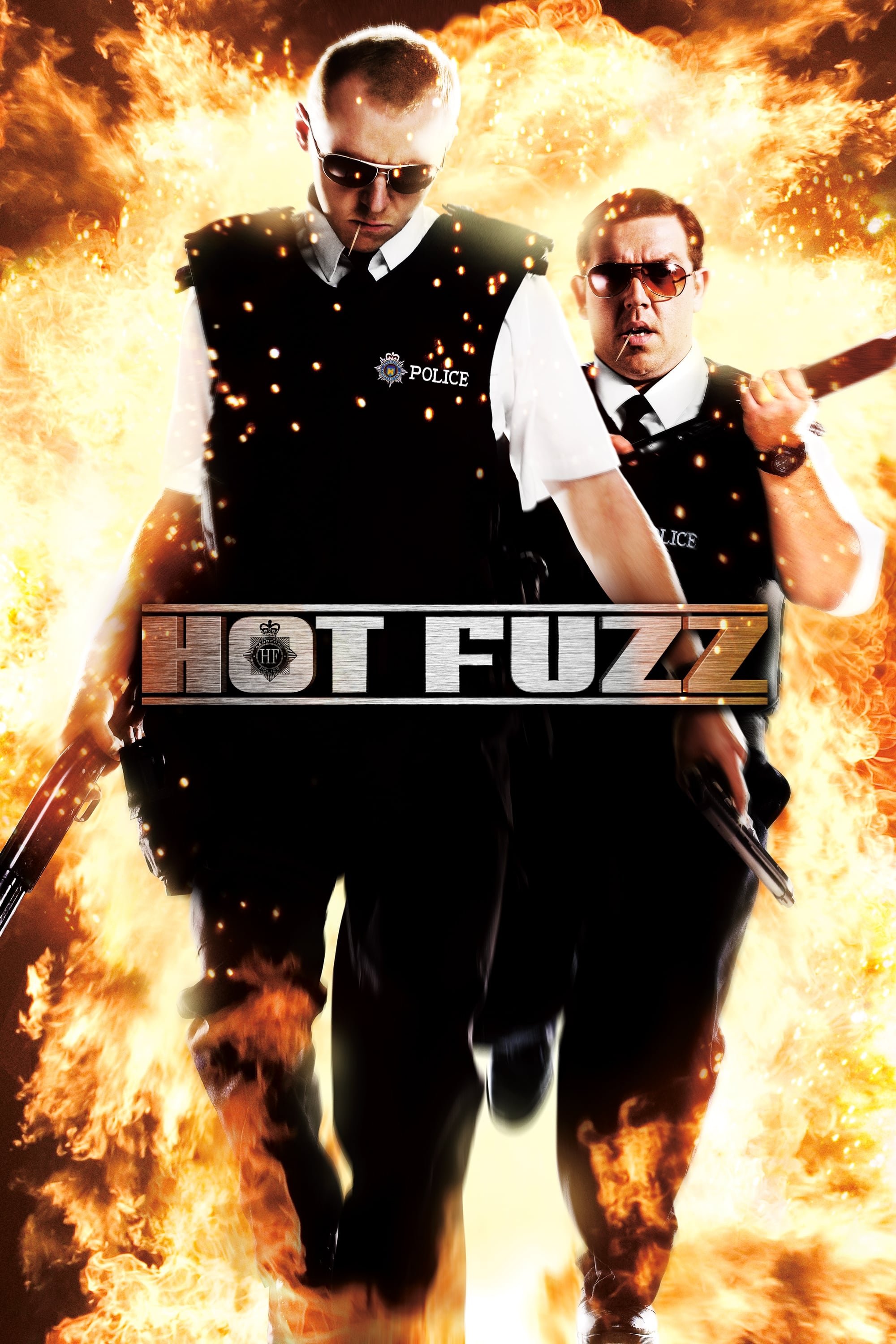
Edgar Wright pairs Simon Pegg and Nick Frost in a village wrapped in action-movie clichés and small-town secrets. The editing signature—smash-cuts for “boring” tasks—turns routine errands into kinetic mini-montages.
The script pays off planted details (model villages, grocery aisles, hedge clippers) in later chases and reveals. As part of a loose trilogy with ‘Shaun of the Dead’ and ‘The World’s End’, it cross-pollinates in-jokes and visual patterns.
‘Shaun of the Dead’ (2004)
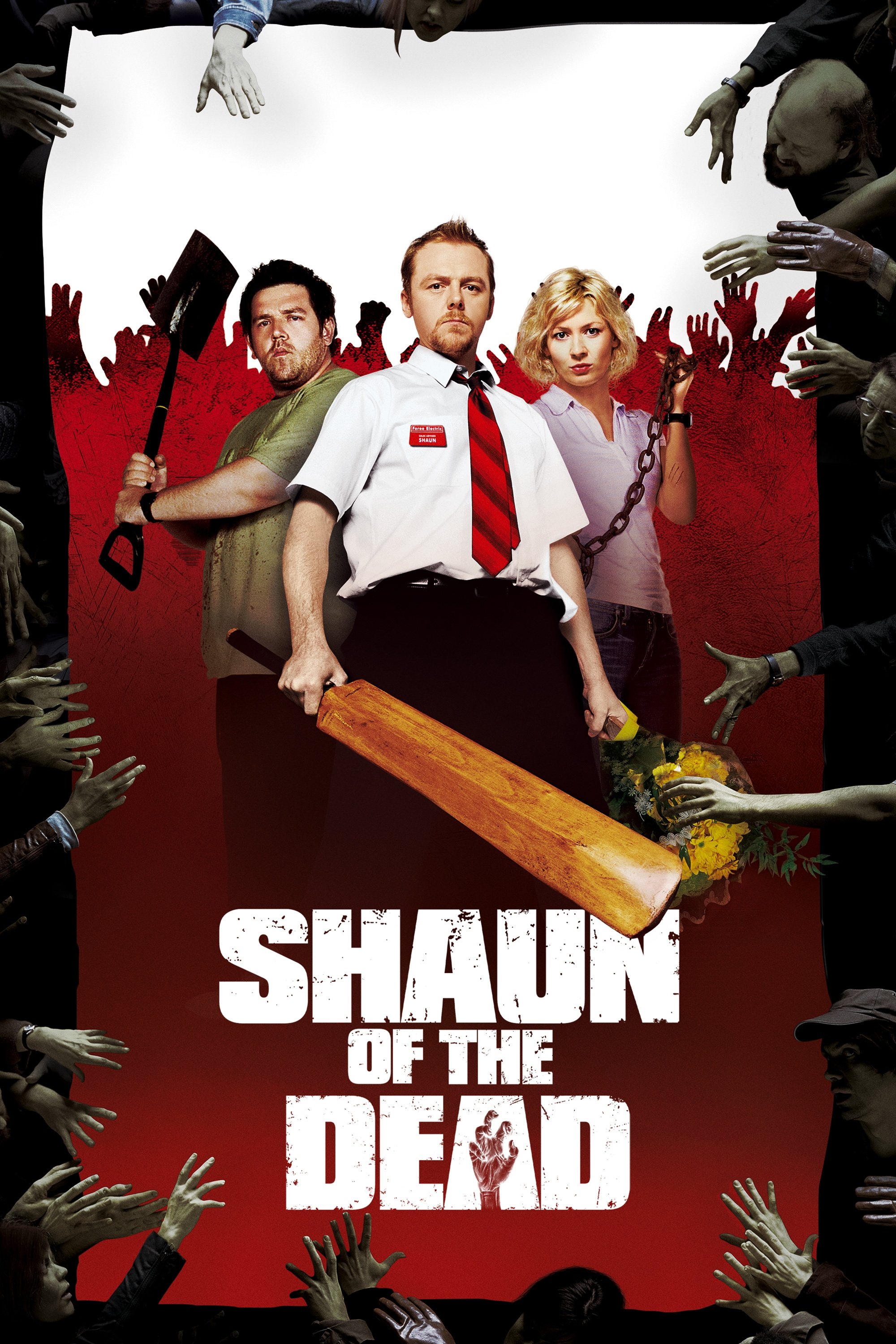
Edgar Wright and Simon Pegg blend relationship comedy with a zombie outbreak, featuring Nick Frost, Kate Ashfield, and Lucy Davis. A pub, a vinyl collection, and a backyard garden become recurring locations for escalating gags.
The film maps character routes in early walk-to-work scenes, then echoes them after the outbreak for payoff. Needle-drops, whip-pan transitions, and synchronized fight beats add choreographic jokes that invite rewind.
‘Ghostbusters’ (1984)
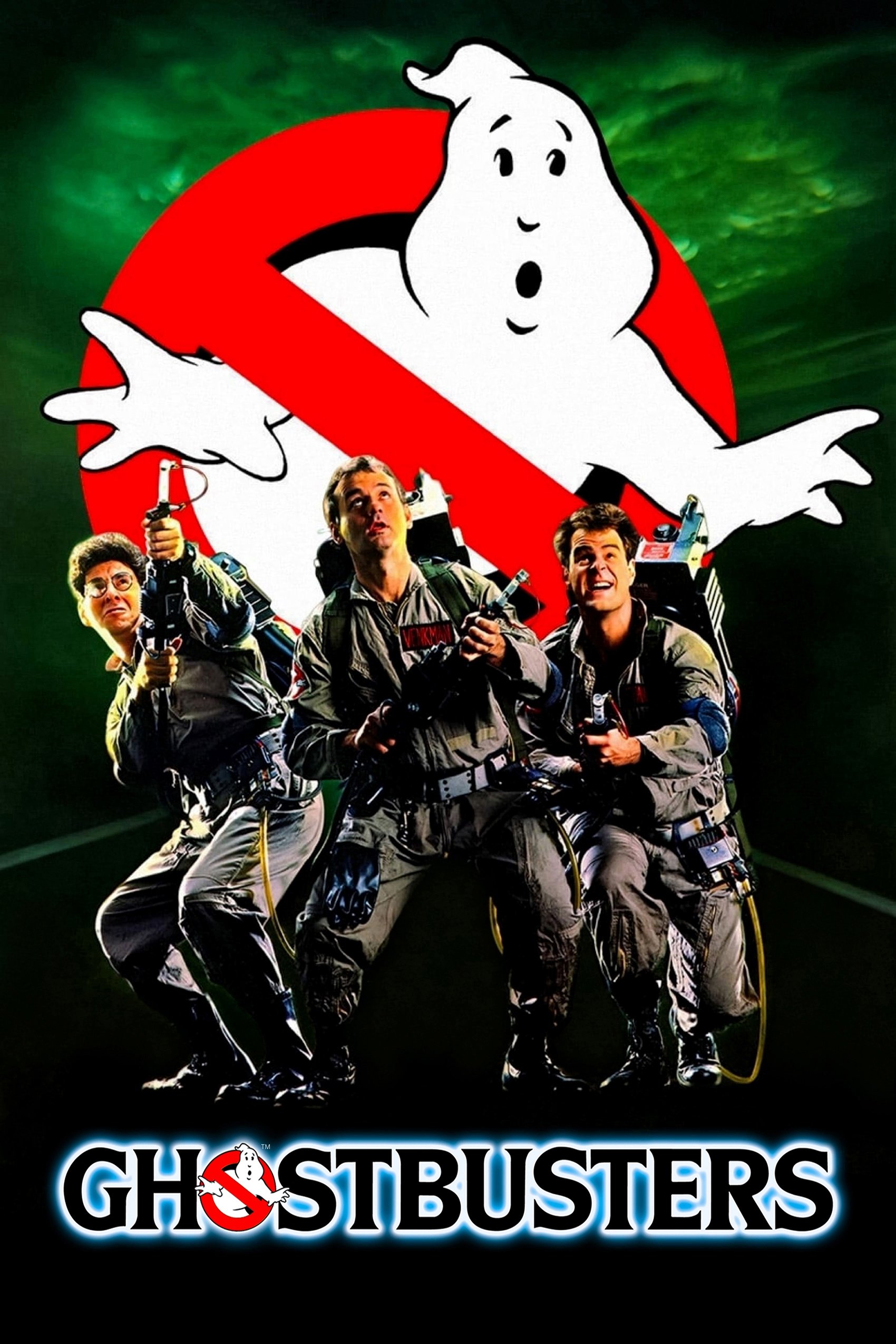
Ivan Reitman directs Bill Murray, Dan Aykroyd, Harold Ramis, and Sigourney Weaver in a supernatural comedy about entrepreneurs capturing ghosts in New York City. Proton packs, traps, and the Ecto-1 define its tech-comedy aesthetic.
The screenplay mixes workplace startup beats with paranormal set pieces, allowing standalone scenes to play on their own. Its iconography anchored a long-running franchise with sequels, animation, and new-generation continuations.
‘Ferris Bueller’s Day Off’ (1986)
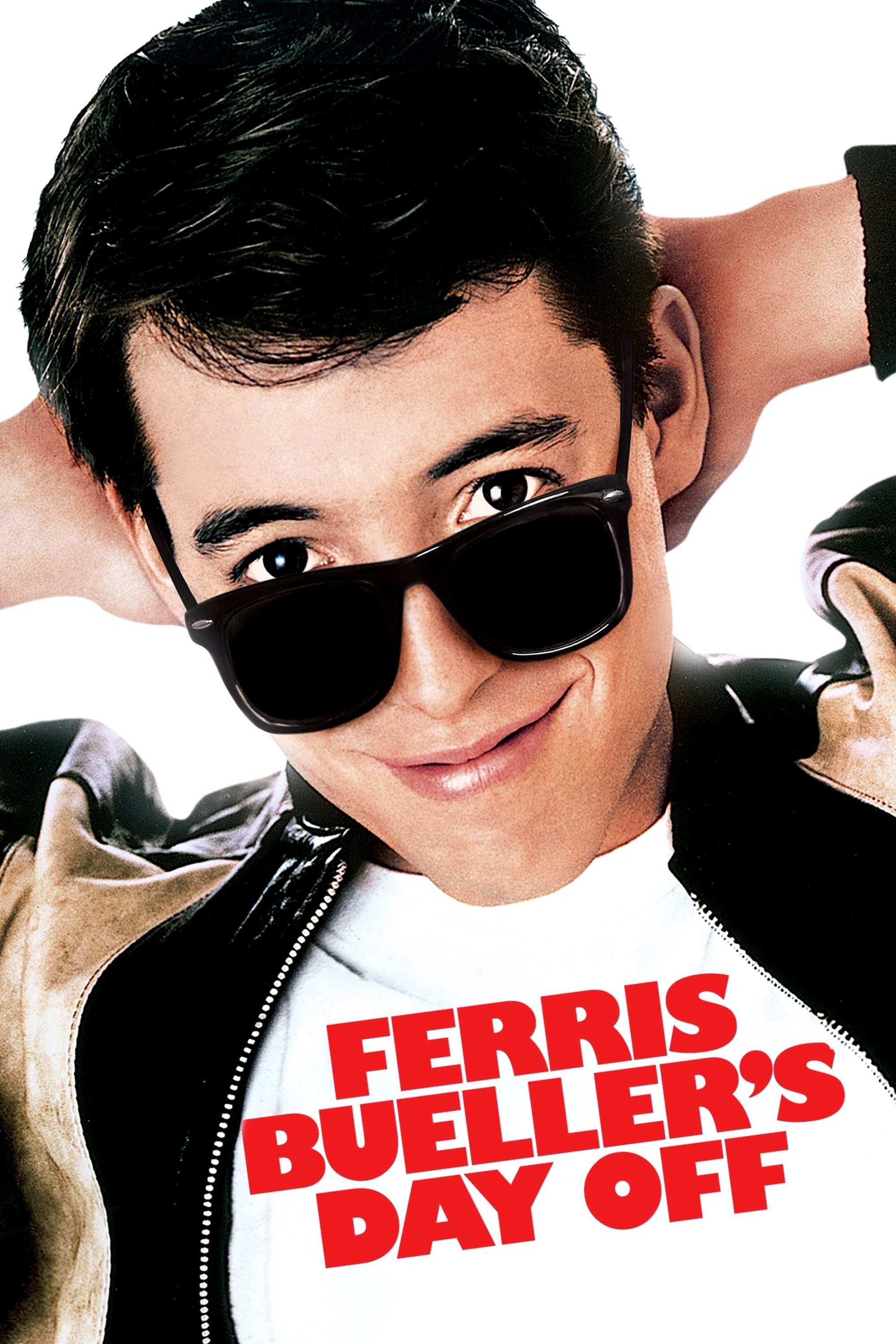
John Hughes crafts a city-wide adventure starring Matthew Broderick, Alan Ruck, and Mia Sara as a trio skipping school. Chicago landmarks, a parade sequence, and a nervous principal create modular comedic episodes.
Fourth-wall asides and Rube Goldberg home traps give the film rewatchable mechanics. The soundtrack and sports references deepen its local flavor, while credits-stinger gags modeled later teen comedies.
‘The Princess Bride’ (1987)
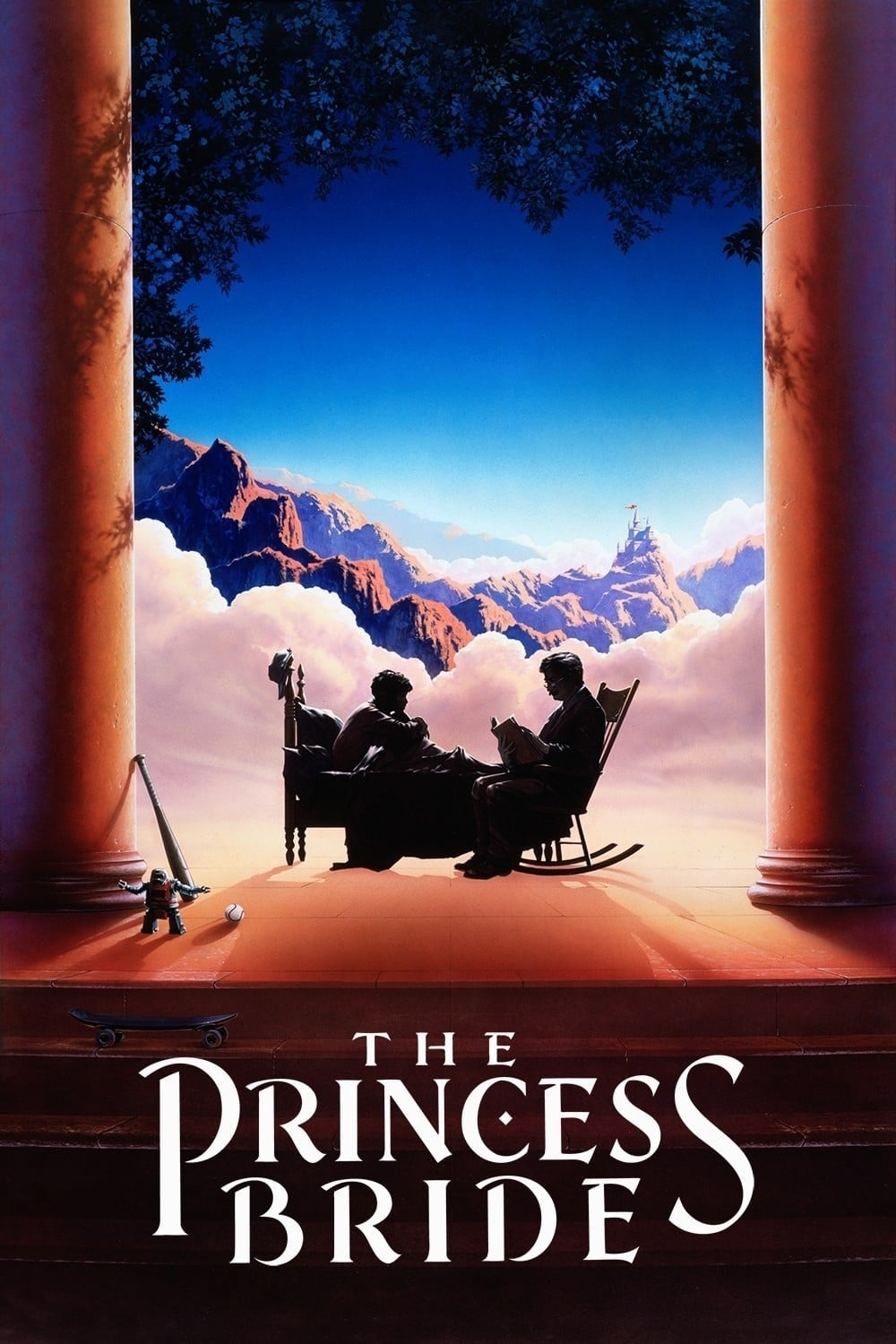
Rob Reiner adapts William Goldman’s novel, with Cary Elwes, Robin Wright, Mandy Patinkin, and André the Giant. Framed by a grandfather reading to his grandson, it moves through pirates, duels, and a miracle worker.
Goldman’s script layers foreshadowed reversals and recurring lines that structure memorable callbacks. Sword-fight choreography, character titles, and a storybook tone made it a staple for family rewatch cycles and home media.
‘Dumb and Dumber’ (1994)
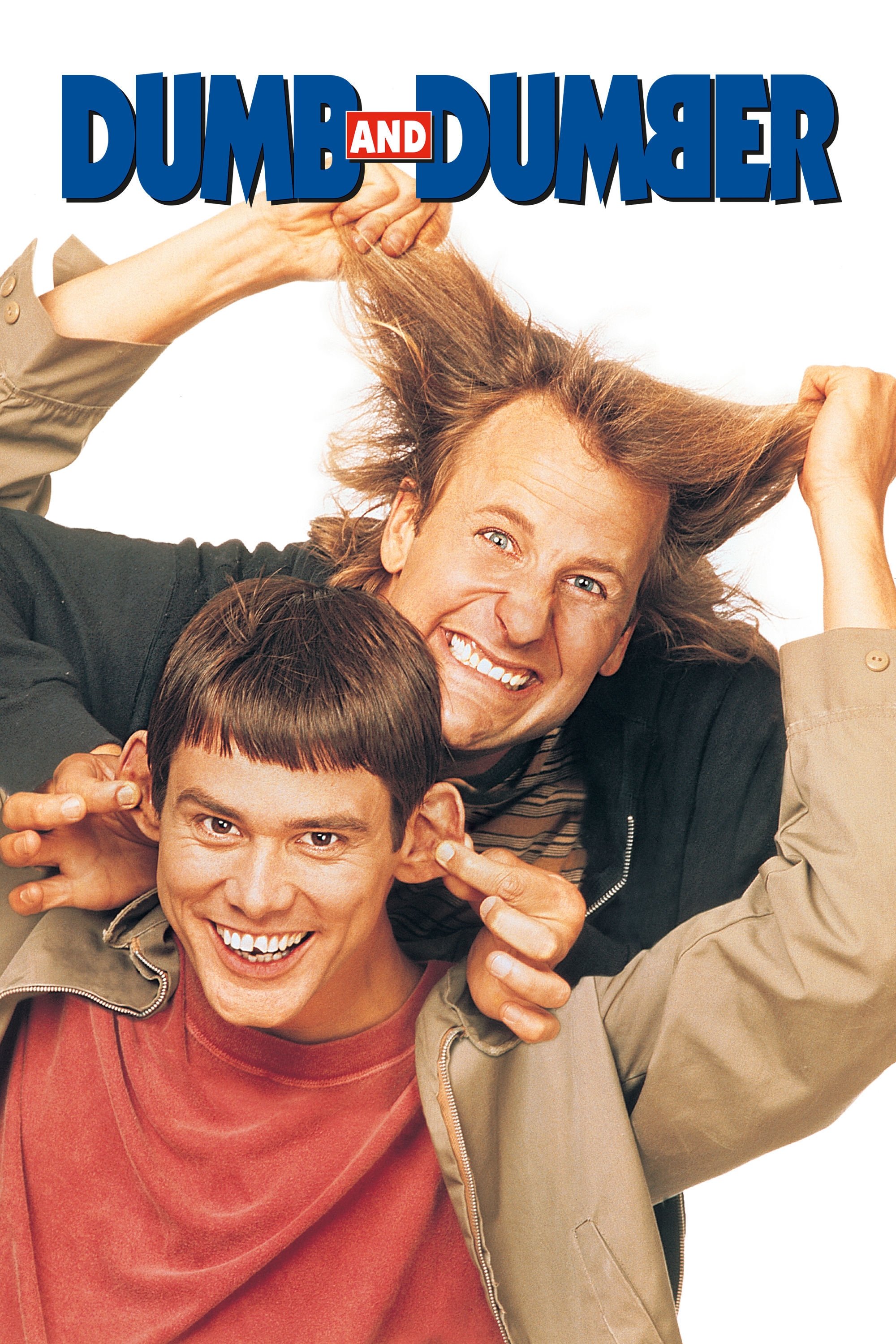
Peter and Bobby Farrelly direct Jim Carrey and Jeff Daniels as well-meaning friends on a cross-country road trip. Misdelivered luggage, a shaggy van, and mistaken generosity fuel the plot.
Physical comedy, spoonerisms, and misread social cues give scenes clear repeatable beats. The film’s success led to spin-offs and a reunion sequel, extending character continuity for returning audiences.
‘Step Brothers’ (2008)
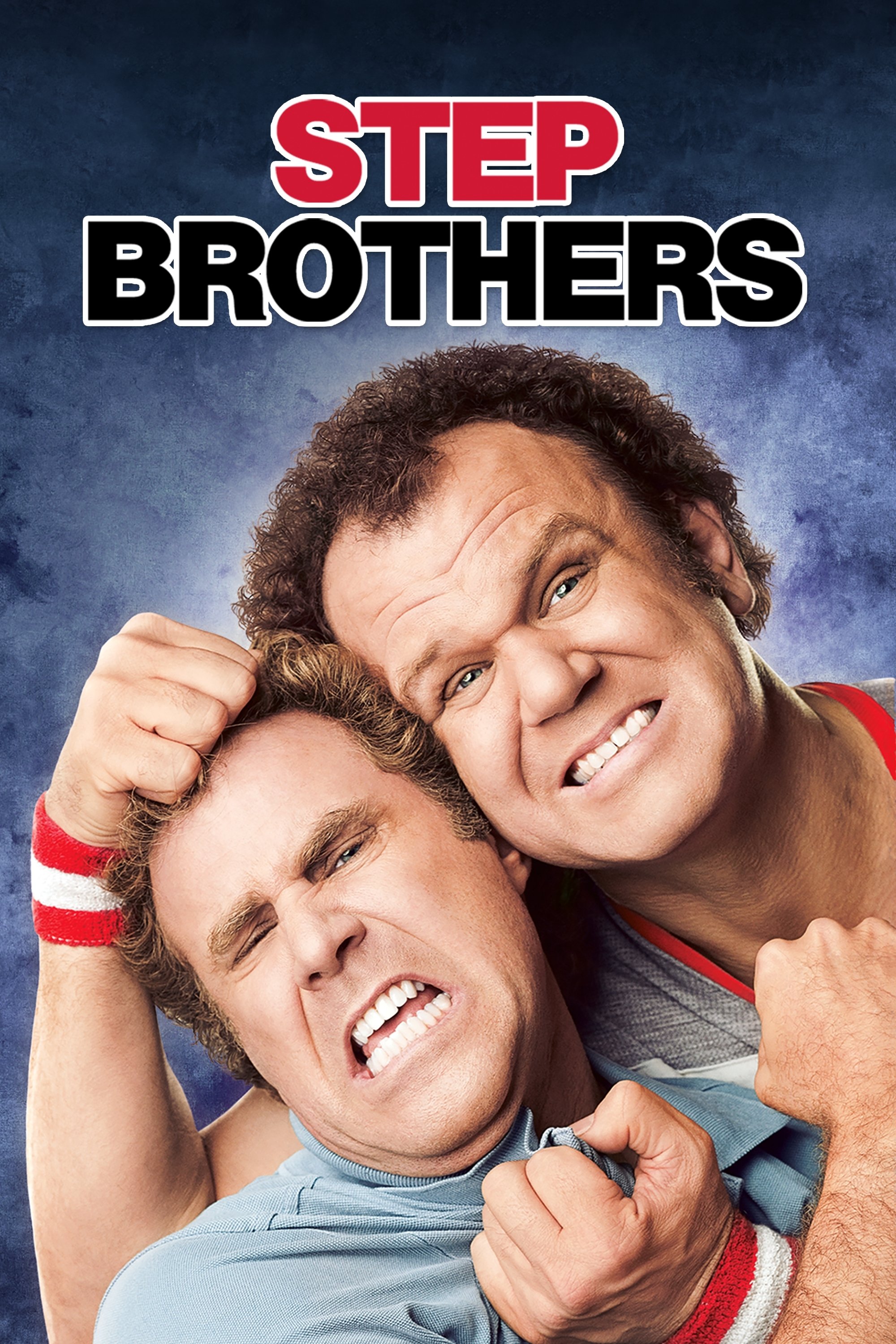
Adam McKay teams Will Ferrell and John C. Reilly as middle-aged step-siblings forced to live together. Household rules, job interviews, and a backyard drum kit set up recurring clashes.
Improvised lines were captured in multiple versions, generating alternate edits and extended scenes for home release. The story’s talent-show finale and recurring “activities” motif became staple references in workplace and internet culture.
‘The Hangover’ (2009)
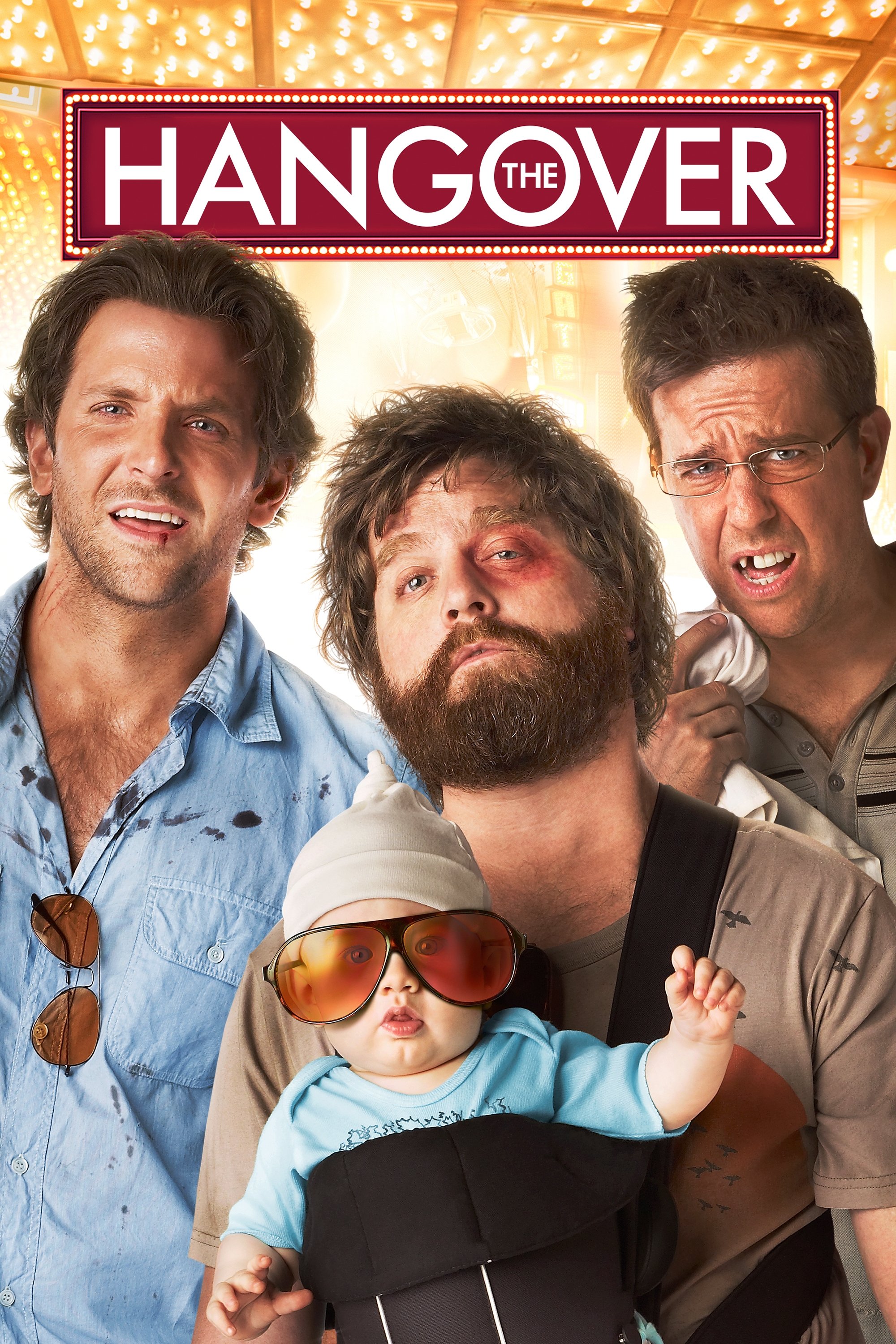
Todd Phillips directs Bradley Cooper, Ed Helms, and Zach Galifianakis in a mystery uncorked by a missing groom and an erased night. The structure traces clues from a hotel room to a wedding deadline.
End-credit photo montages function as comedic epilogue while filling in unseen chaos. The success launched a trilogy, expanding the template to new locations and escalating set pieces.
‘Office Space’ (1999)
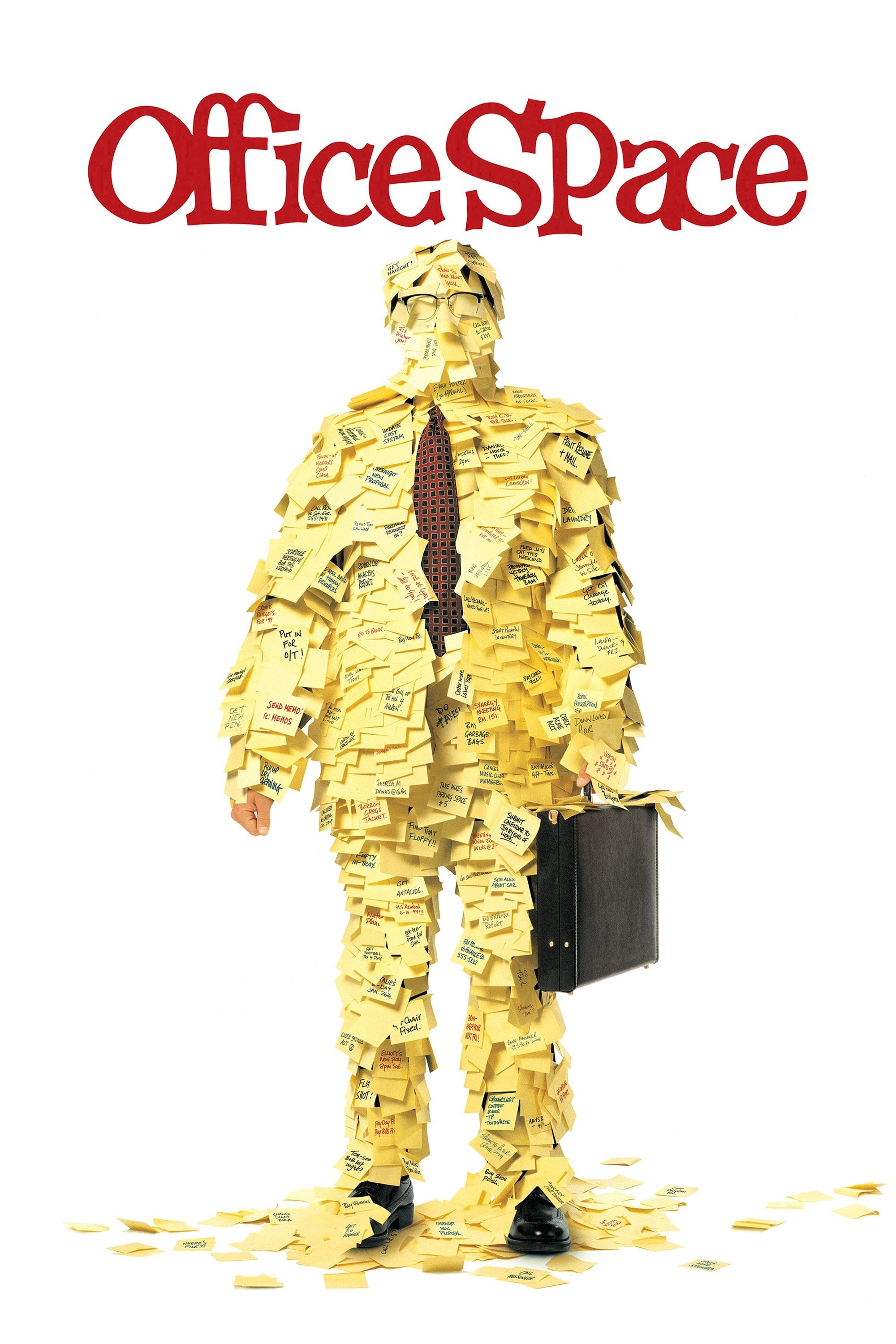
Mike Judge satirizes corporate malaise with Ron Livingston, Jennifer Aniston, Gary Cole, and Stephen Root. Cubicles, TPS reports, and malfunctioning printers provide the workplace framework.
The plot’s low-stakes heist and hypnotic apathy set up durable jokes about meetings and “flair.” Home video and cable airings built a cult following, turning props and lines into evergreen office shorthand.
‘Clueless’ (1995)
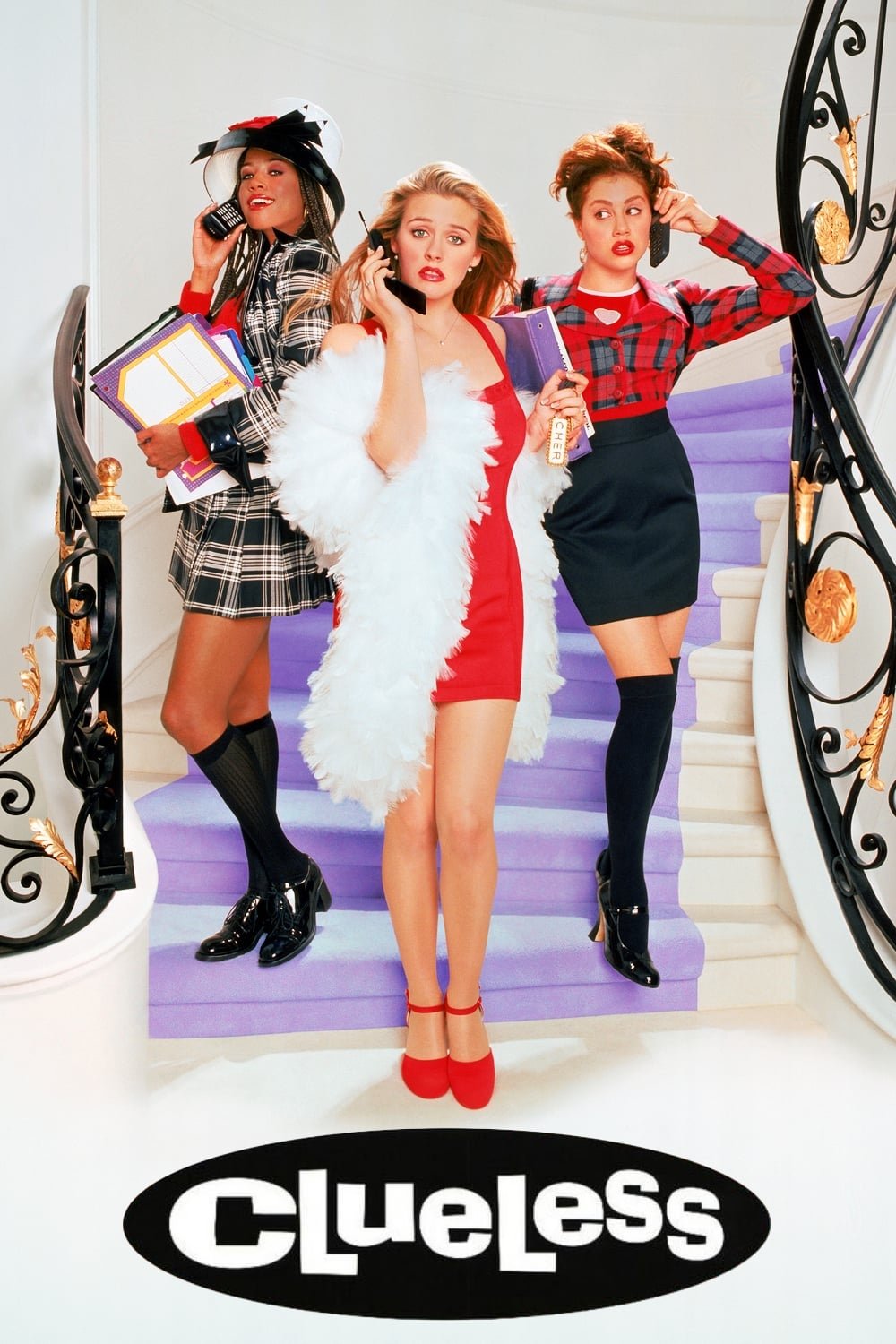
Amy Heckerling refashions a classic novel into a Beverly Hills high-school comedy led by Alicia Silverstone, with Stacey Dash, Brittany Murphy, and Paul Rudd. Makeovers, mall trips, and classroom debates fuel the story.
Wardrobe and slang are woven into character arcs, creating identifiable micro-rituals and catchphrases. The film later spun off into a TV series and continued to influence teen comedies.
‘Some Like It Hot’ (1959)
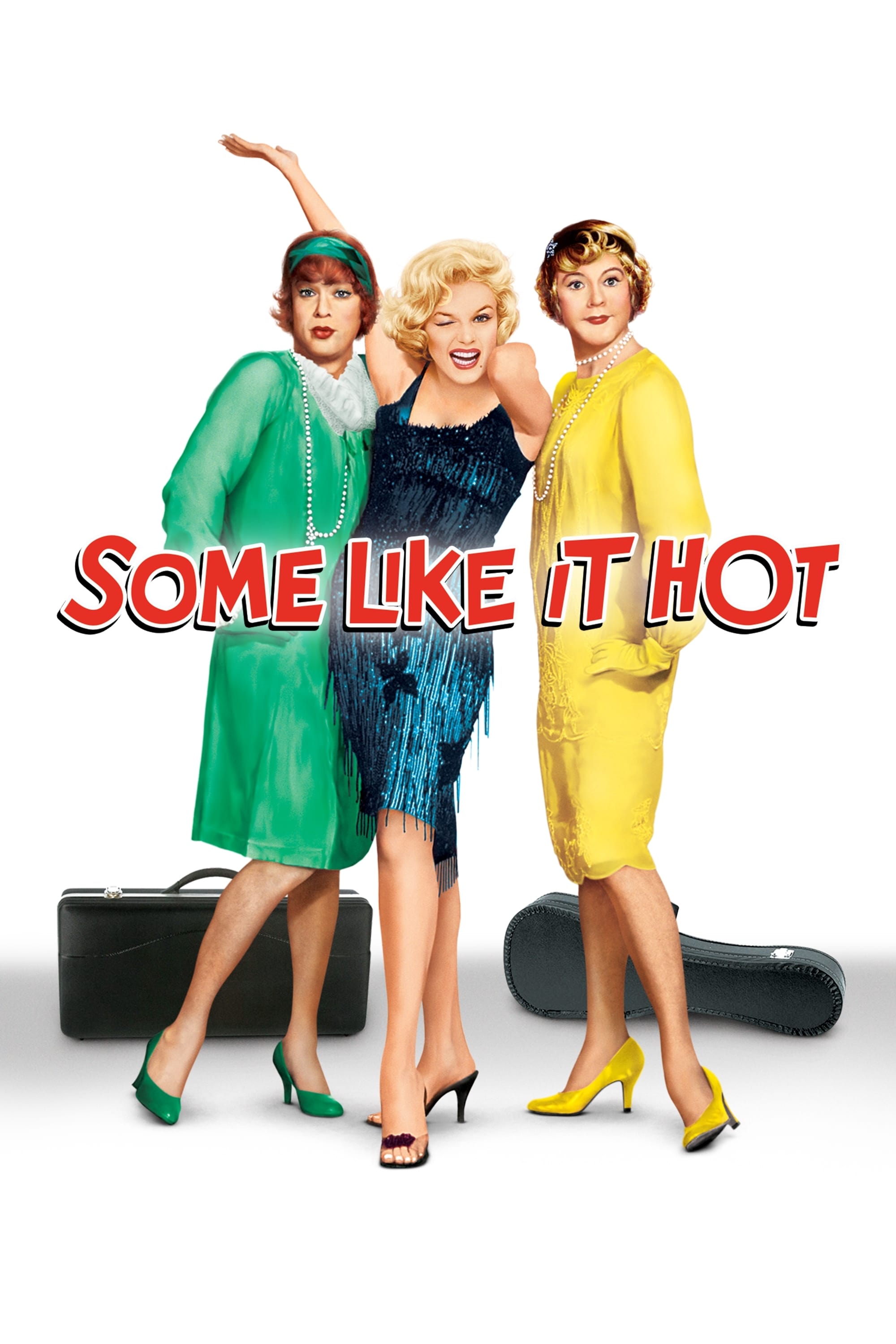
Billy Wilder pairs Marilyn Monroe with Tony Curtis and Jack Lemmon in a mob-chase farce built on disguises and a traveling band. The setup moves from a gangster hit to a seaside resort performance.
Wilder’s dialogue and cross-dressing conceits culminate in a famous closing line. Careful timing and shot composition maximize misunderstandings, making scenes play as standalone screwball sketches.
‘This Is Spinal Tap’ (1984)
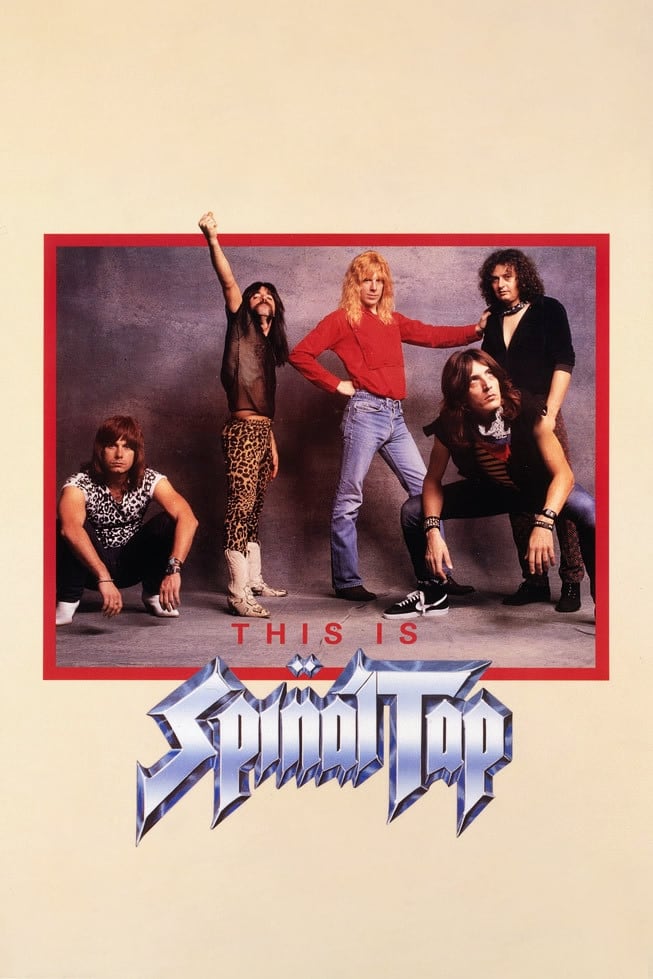
Rob Reiner’s mockumentary follows a fictional rock band played by Christopher Guest, Michael McKean, and Harry Shearer. The film uses backstage interviews, onstage mishaps, and tiny-stage set pieces.
Improvised dialogue created alternate takes later issued on home releases. Its “goes to eleven” amplifier bit entered pop vocabulary and influenced later mockumentaries like ‘Best in Show’ and ‘A Mighty Wind’.
‘The Grand Budapest Hotel’ (2014)
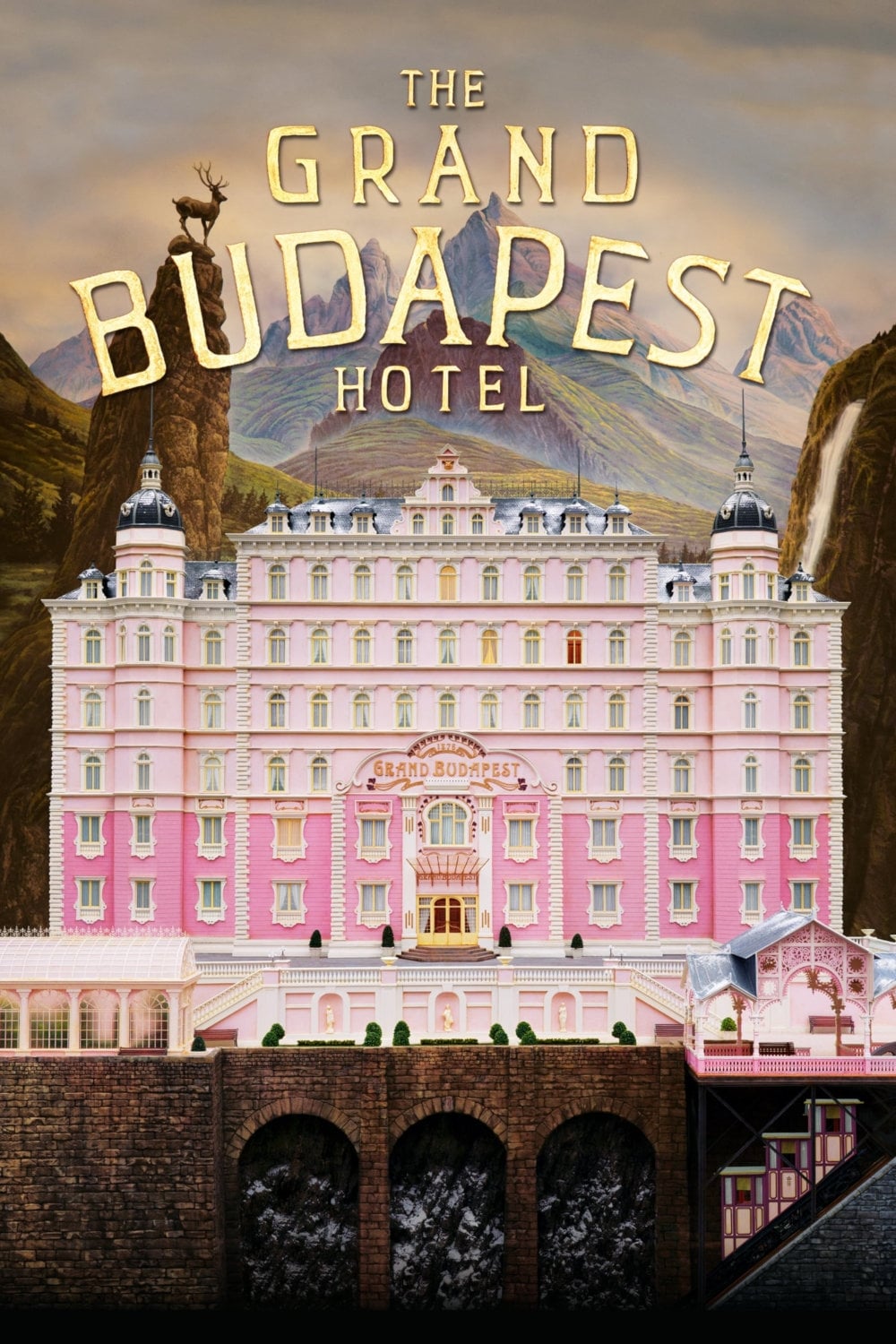
Wes Anderson’s caper stars Ralph Fiennes as concierge Gustave H, surrounded by a large ensemble. Nested timelines, lobby-boy mentorship, and a stolen painting drive the plot.
Production design, shifting aspect ratios, and precise blocking support visual jokes and symmetrical reveals. The film earned multiple Academy Awards for design and score, cementing its craft reputation.
‘Back to the Future’ (1985)
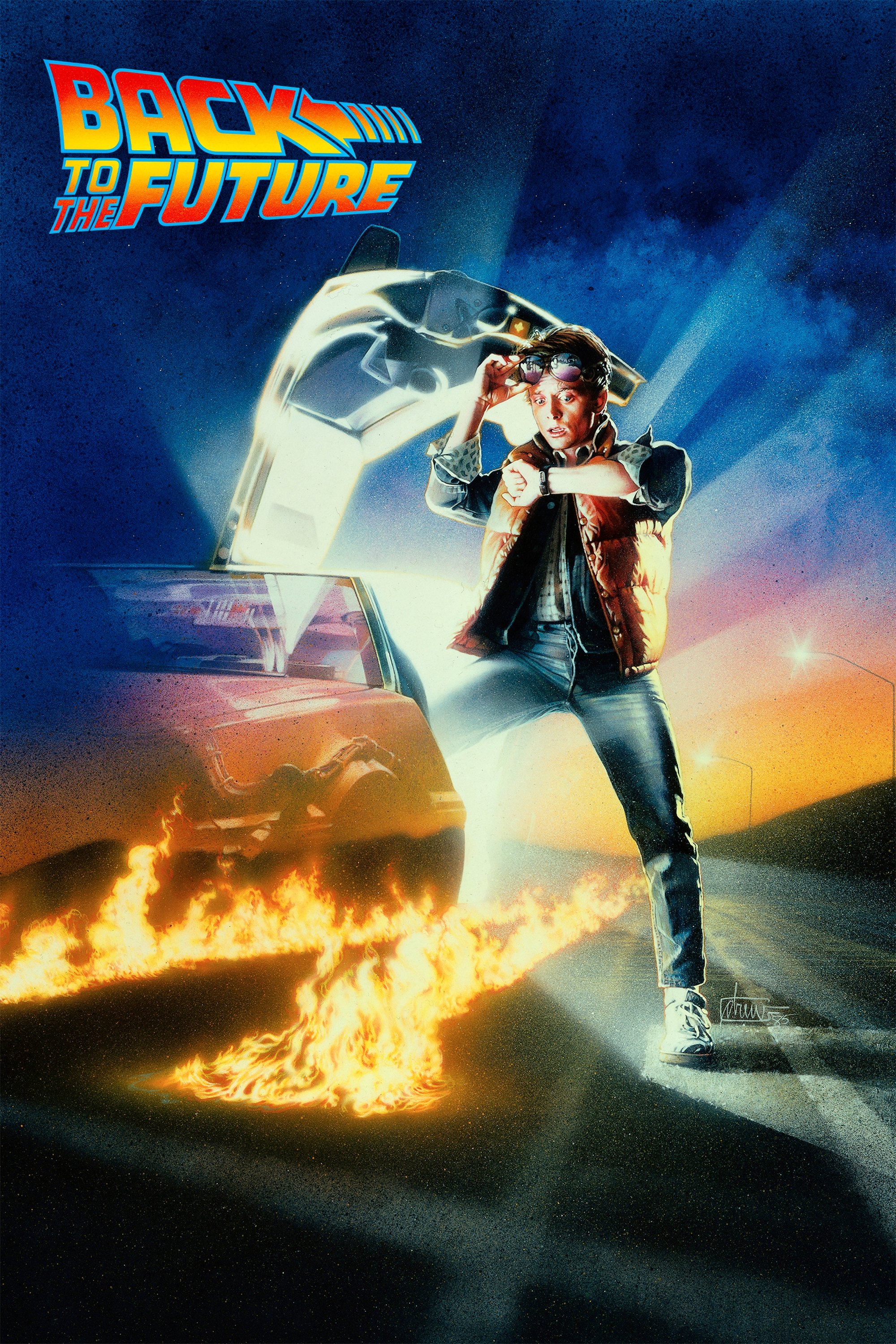
Robert Zemeckis directs Michael J. Fox and Christopher Lloyd in a time-travel adventure that leans on paradox puzzles and family hijinks. A DeLorean, a clock tower, and a high-school dance anchor the locations.
Alan Silvestri’s score cues repeated motifs, and prop setups—photographs, lightning predictions—pay off in synchronized climaxes. The story continued through two sequels and an animated series.
‘Borat: Cultural Learnings of America for Make Benefit Glorious Nation of Kazakhstan’ (2006)
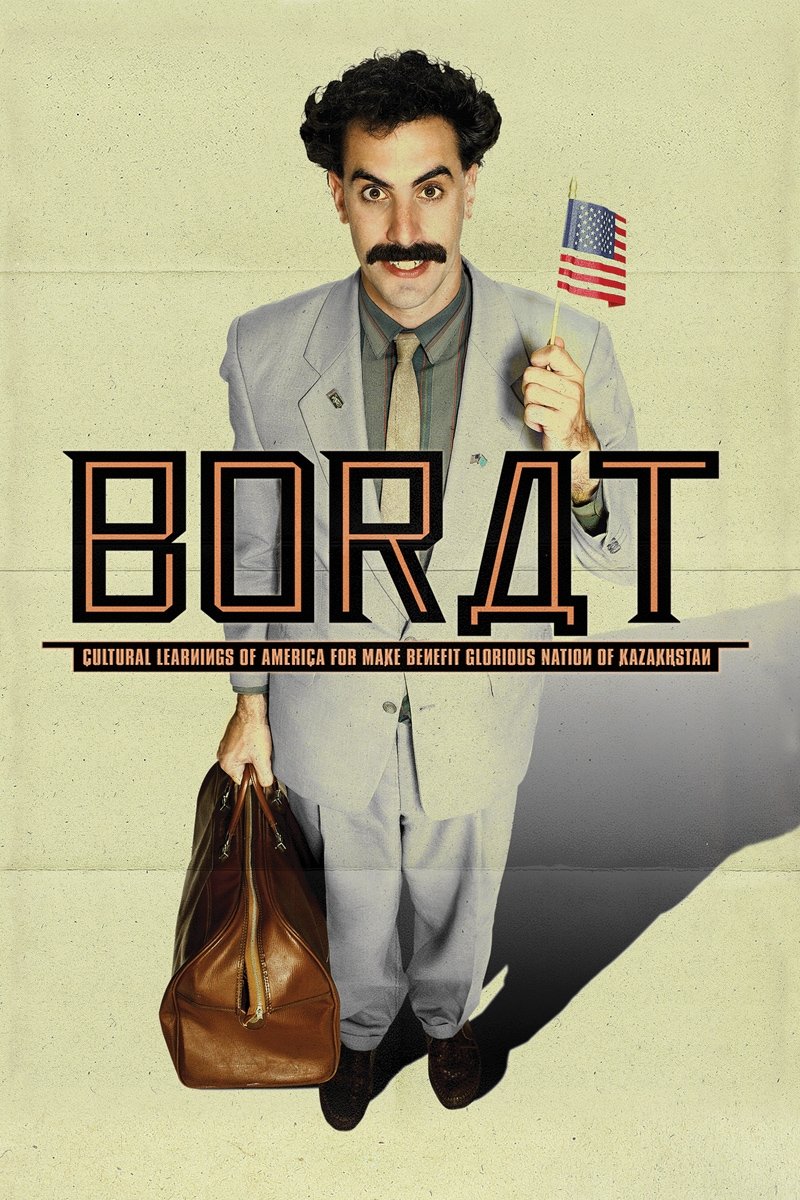
Sacha Baron Cohen’s mockumentary, directed by Larry Charles, follows a reporter traveling across America, blending scripted arcs with unsuspecting participants. A documentary crew conceit enables candid interactions.
The production used legal waivers and staged setups to capture real-time reactions. Its approach sparked debates about consent and satire and led to a later sequel revisiting the character.
‘The Nice Guys’ (2016)
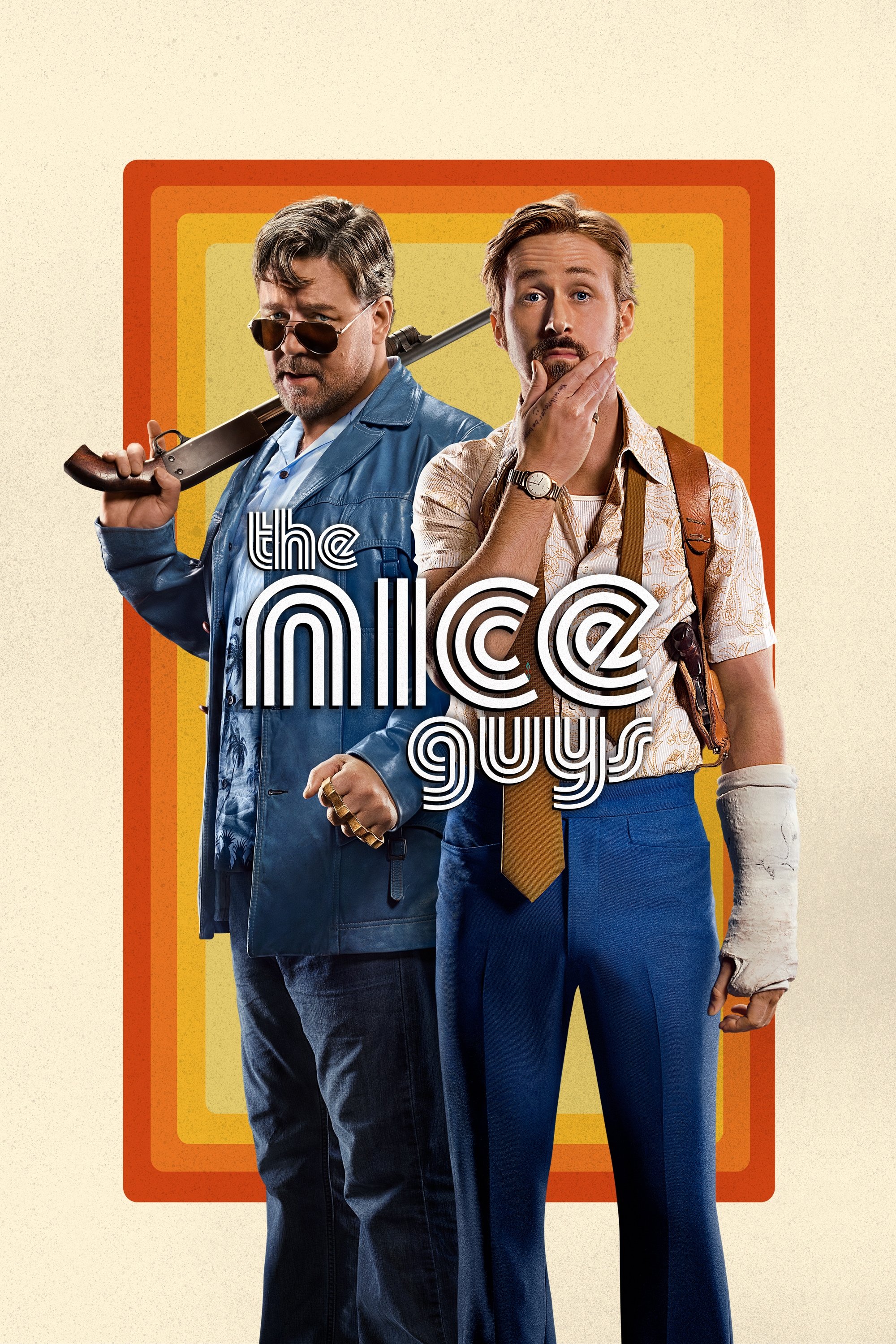
Shane Black’s buddy-detective story pairs Russell Crowe and Ryan Gosling amid a conspiracy in Los Angeles. The screenplay fuses hard-boiled clues with comedic missteps.
Black’s taste for misdirection and overlapping banter creates rewatchable exchanges. Period cars, billboards, and party scenes layer background jokes that reward attentive viewing.
‘Tropic Thunder’ (2008)
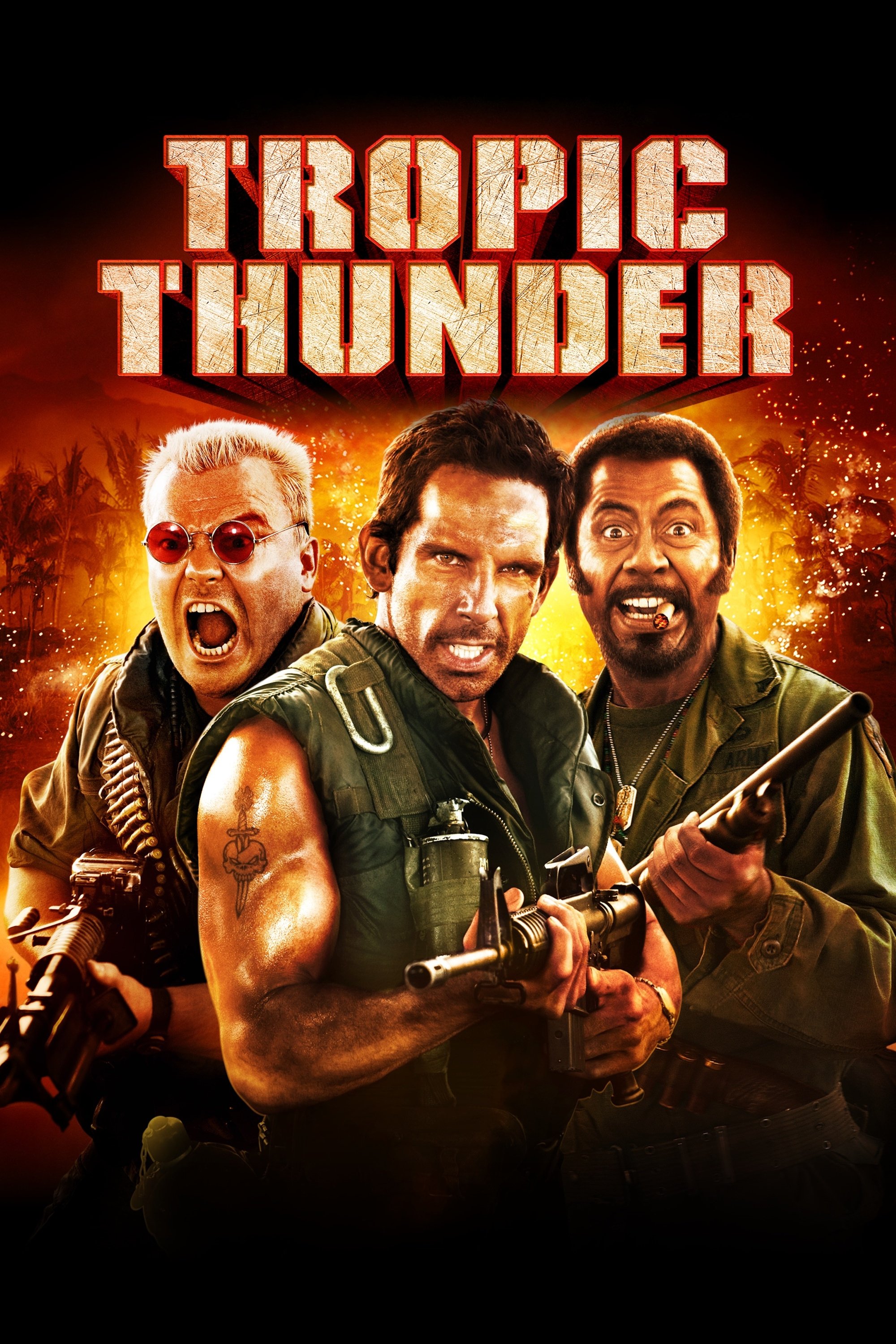
Ben Stiller directs a cast including Stiller, Robert Downey Jr., and Jack Black as actors trapped in a real conflict while shooting a war epic. Faux trailers and studio-suite scenes frame the satire of Hollywood practices.
Multiple cameos and a studio-head character extend the industry lampoon. The production courted controversy over portrayal choices, prompting public discussion of performance and representation.
‘Zoolander’ (2001)
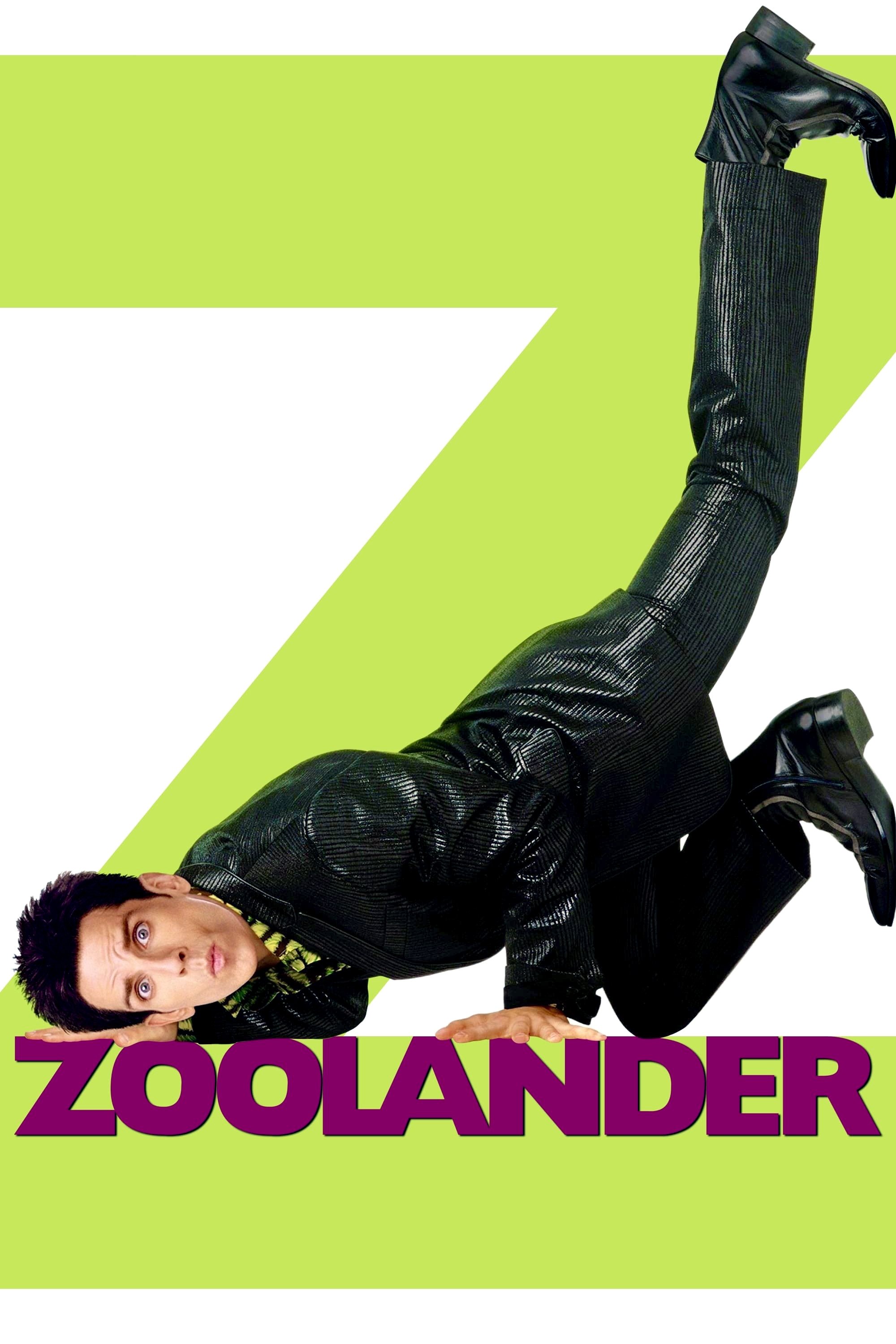
Ben Stiller’s fashion-world comedy stars Stiller as model Derek Zoolander with Owen Wilson and Will Ferrell. Plot points revolve around runway shows, brainwashing, and a signature “Blue Steel” look.
Cameo appearances by designers and celebrities time-stamp the satire of branding and trends. The film later received a sequel, expanding characters and industry jokes.
‘Trading Places’ (1983)
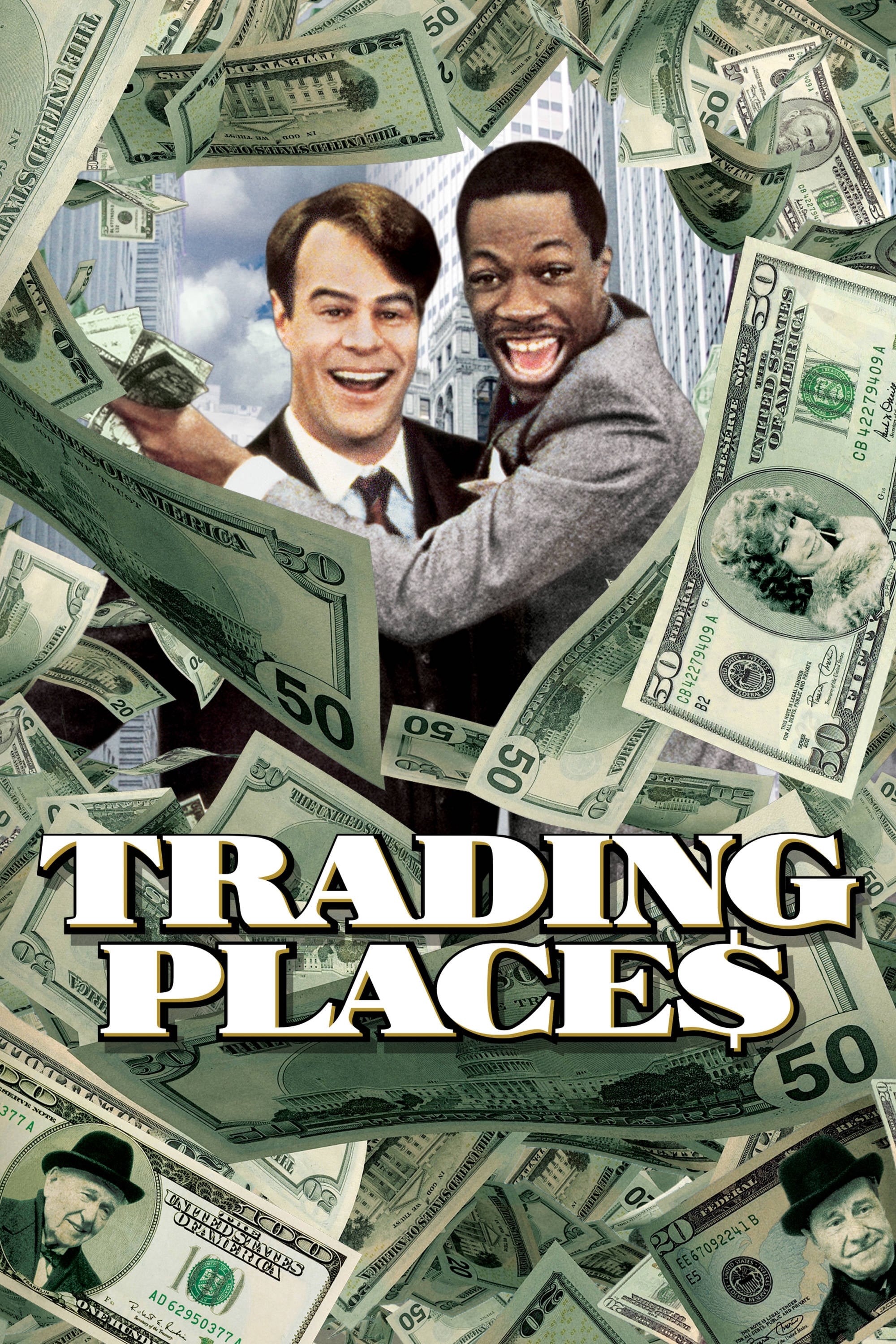
John Landis directs Eddie Murphy and Dan Aykroyd in a social-experiment comedy set in Philadelphia and New York. A commodities brokerage, the Duke brothers, and a street hustler collide in a bet-driven plot.
The film demystifies futures trading for comic effect and culminates on the exchange floor. Jamie Lee Curtis and Denholm Elliott round out a cast that navigates class, race, and privilege through farce.
‘The 40-Year-Old Virgin’ (2005)
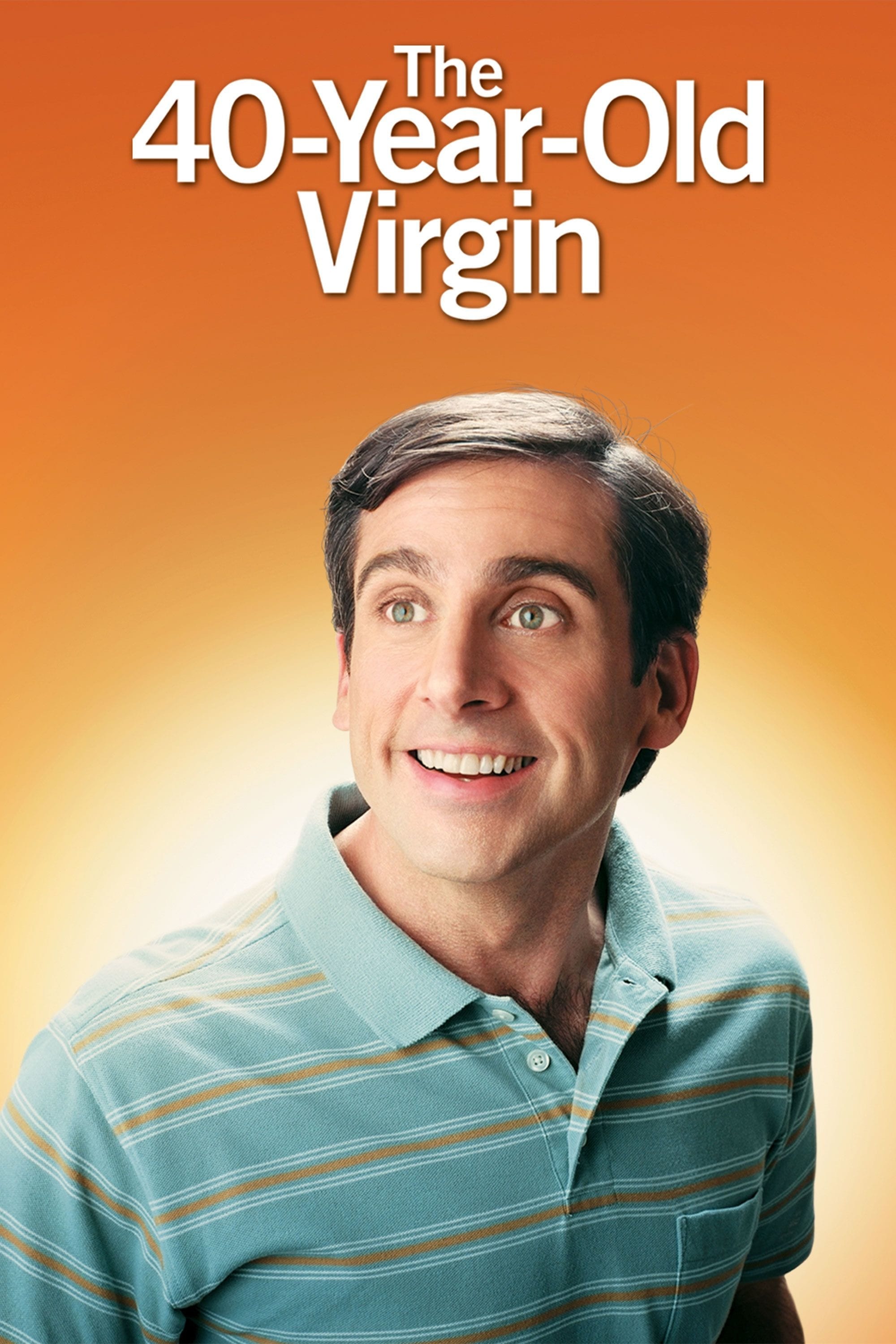
Judd Apatow’s ensemble stars Steve Carell, Catherine Keener, Paul Rudd, Romany Malco, and Seth Rogen. A retail-store setting and friends’ misguided advice drive the narrative.
Apatow’s method used long takes for improvisation, providing alternate jokes in outtakes and extended cuts. The film helped launch a wave of character-driven comedies with overlapping casts.
‘Napoleon Dynamite’ (2004)
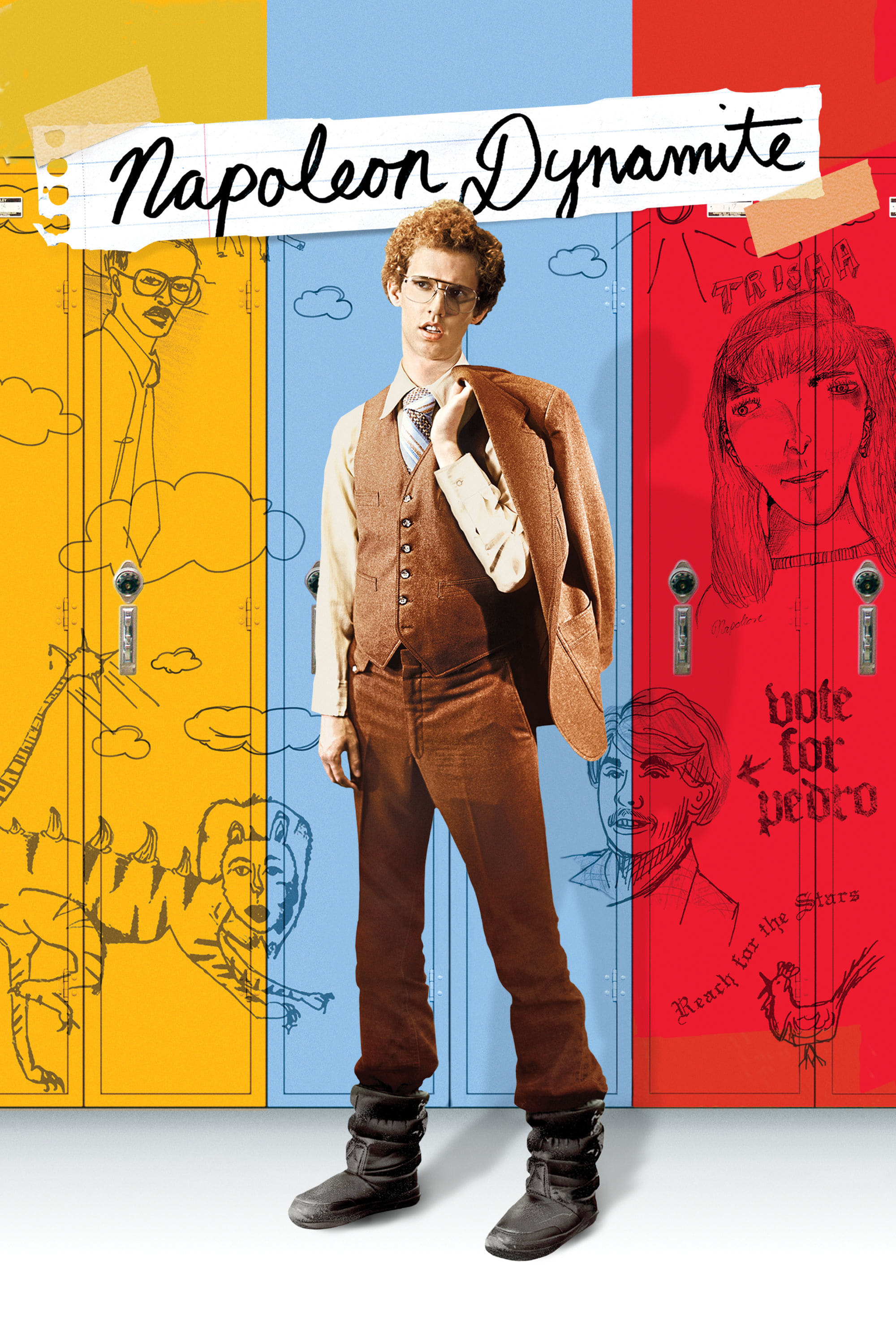
Jared Hess directs Jon Heder as an Idaho teen navigating school, family, and a class election. Llamas, tetherball, and a dance routine anchor its offbeat set pieces.
Made independently with a lean budget, it broke out via festival buzz and word of mouth. Its hand-drawn credits, thrift-store wardrobe, and awkward pauses became recognizable stylistic signatures.
‘The Blues Brothers’ (1980)
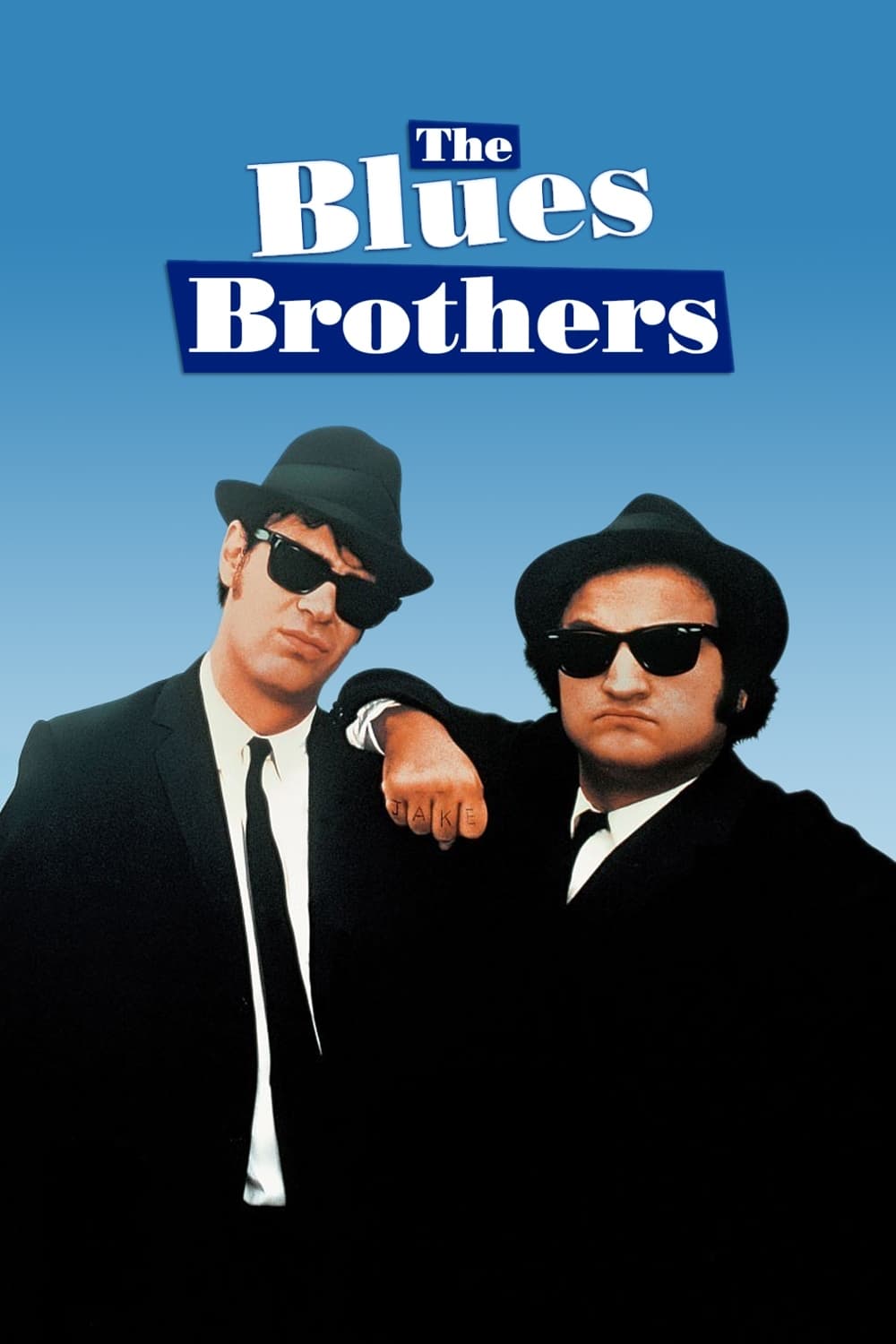
John Landis brings Dan Aykroyd and John Belushi’s ‘Saturday Night Live’ characters to a Chicago-set musical comedy. Car chases, a mission to save an orphanage, and elaborate numbers showcase performers like Aretha Franklin, James Brown, and Ray Charles.
The film stitches together road-movie beats with blues and soul performances. Practical stunts and large-scale police pileups give it action spectacle alongside musical comedy.
‘Mrs. Doubtfire’ (1993)

Chris Columbus directs Robin Williams as a voice actor who disguises himself as a housekeeper to see his children. Prosthetic makeup, costume changes, and kitchen disasters structure the humor.
San Francisco locations and a supporting cast including Sally Field and Pierce Brosnan ground the family story. Williams’s vocal range and ad-libbing fuel multiple versions of scenes captured on set.
‘Dr. Strangelove or: How I Learned to Stop Worrying and Love the Bomb’ (1964)
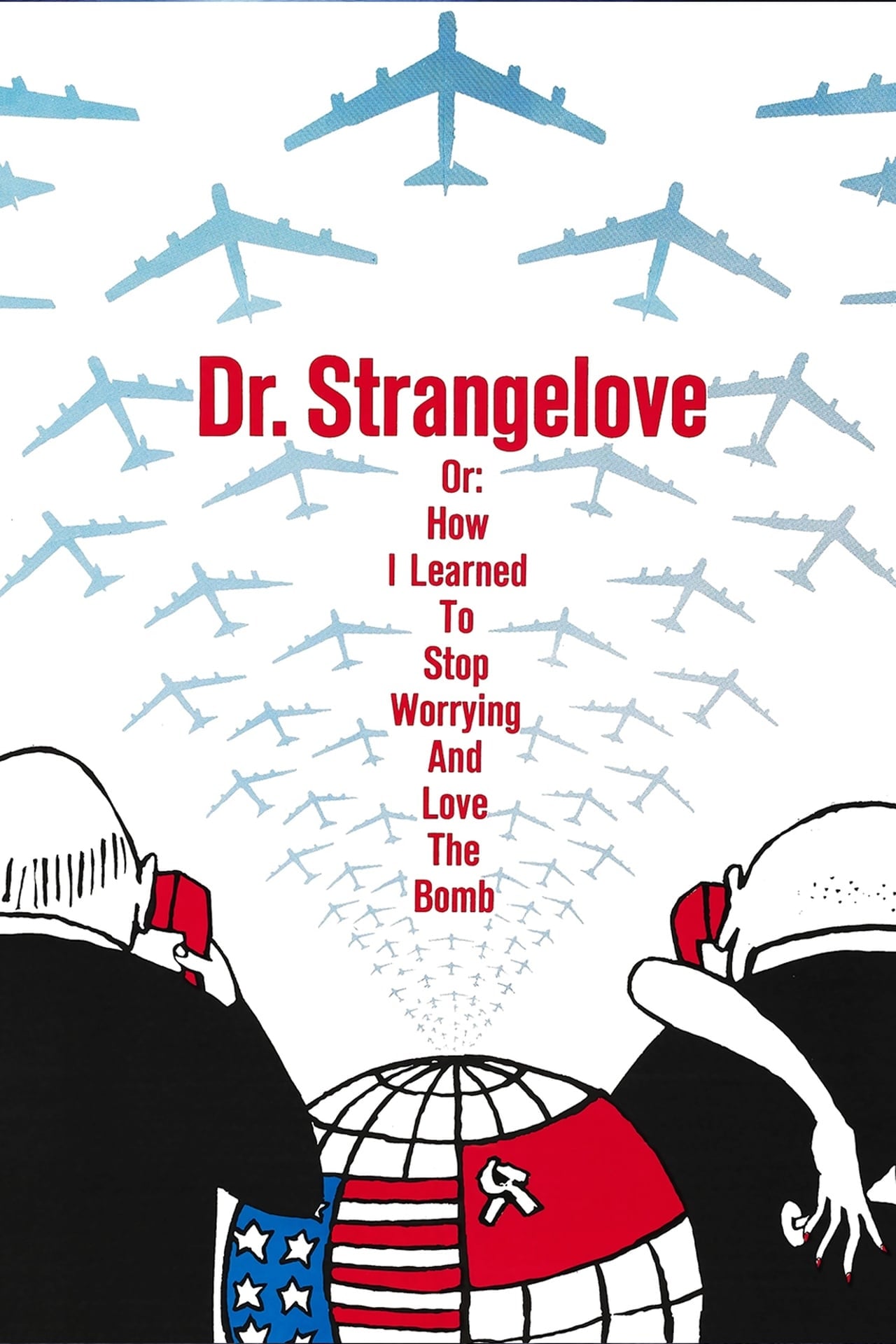
Stanley Kubrick’s black comedy stars Peter Sellers in multiple roles, with George C. Scott and Sterling Hayden. War Room debates, a rogue plane, and a cowboy-ridden bomb frame the satire.
Ken Adam’s production design created an iconic command-center set. The film’s lines and strategic absurdities are taught in courses on political satire and screenwriting structure.
‘O Brother, Where Art Thou?’ (2000)
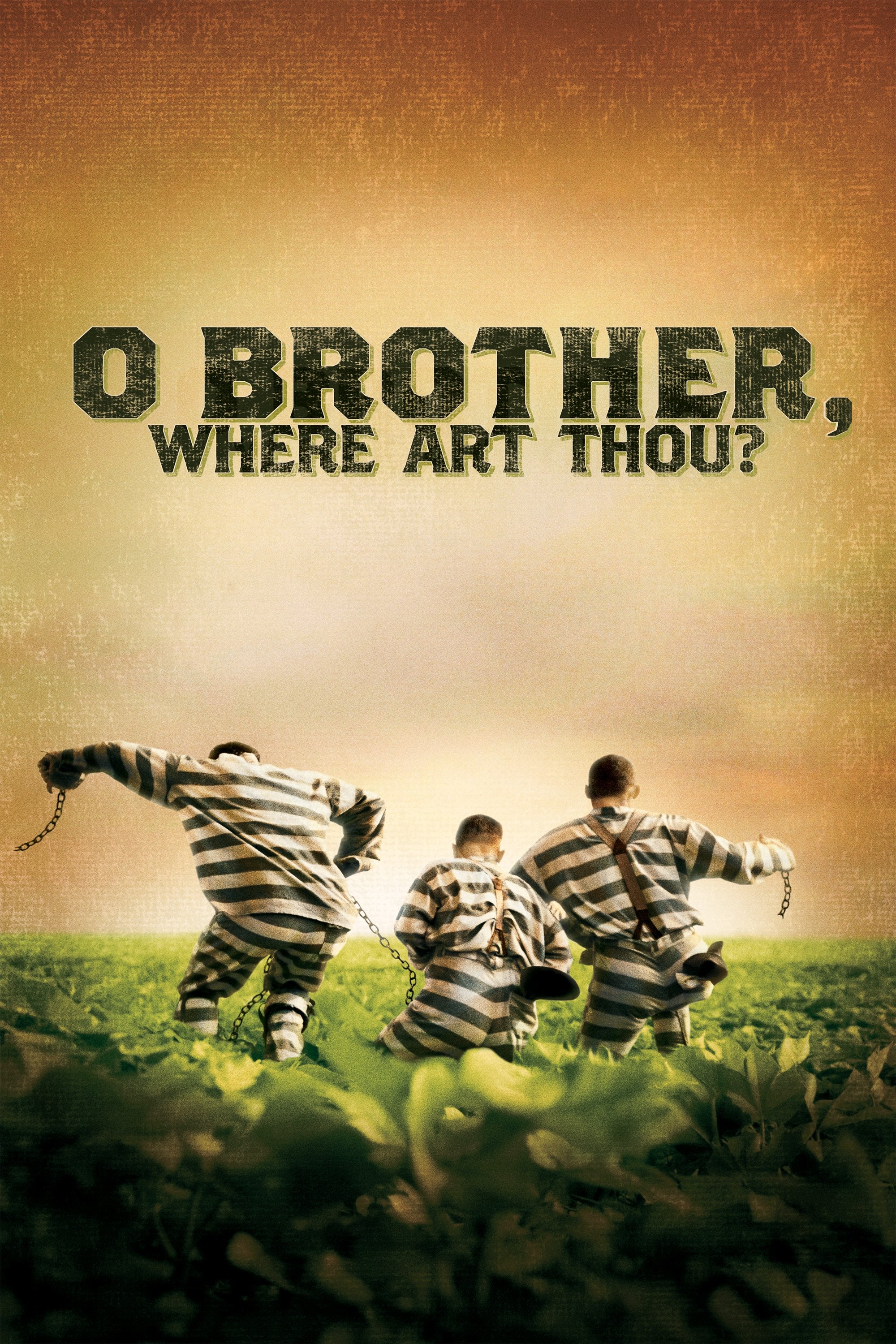
The Coen brothers follow a chain-gang escapees’ journey loosely inspired by the Odyssey, starring George Clooney, John Turturro, and Tim Blake Nelson. A treasure hunt, a gubernatorial race, and sirens form episodic chapters.
T Bone Burnett curated a roots-music soundtrack that became a phenomenon. Extensive digital color grading gave the film a distinctive sepia-tinged palette, unifying its Southern road-trip visuals.
‘In Bruges’ (2008)
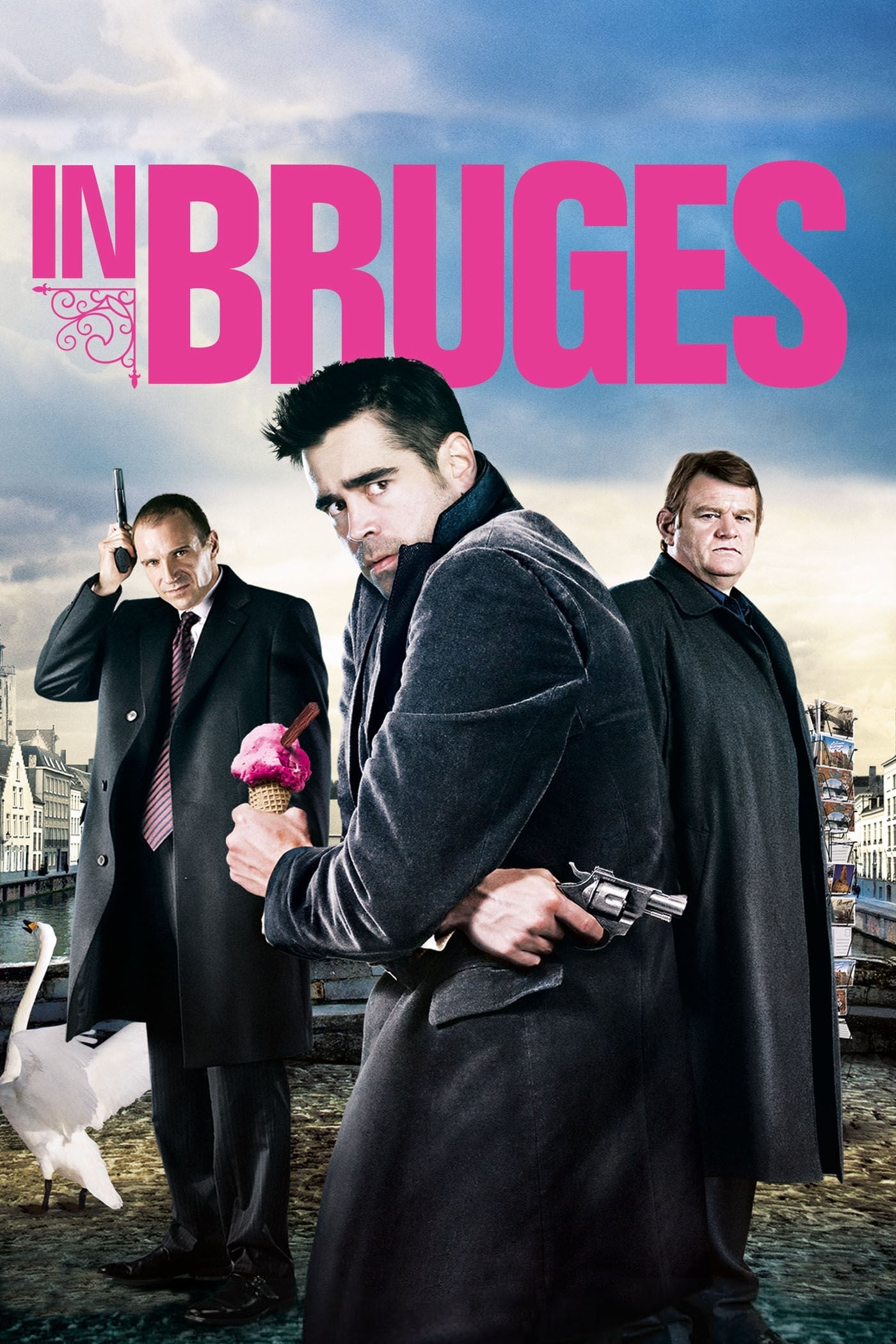
Martin McDonagh directs Colin Farrell and Brendan Gleeson as hitmen lying low in Belgium. Sightseeing turns into moral reckoning as a crime boss, played by Ralph Fiennes, tightens the noose.
Dialogue balances gallows humor with character introspection, and the city’s medieval architecture becomes an active setting. The screenplay’s ticking-clock structure leads to mirrored confrontations and payoffs.
‘Coming to America’ (1988)
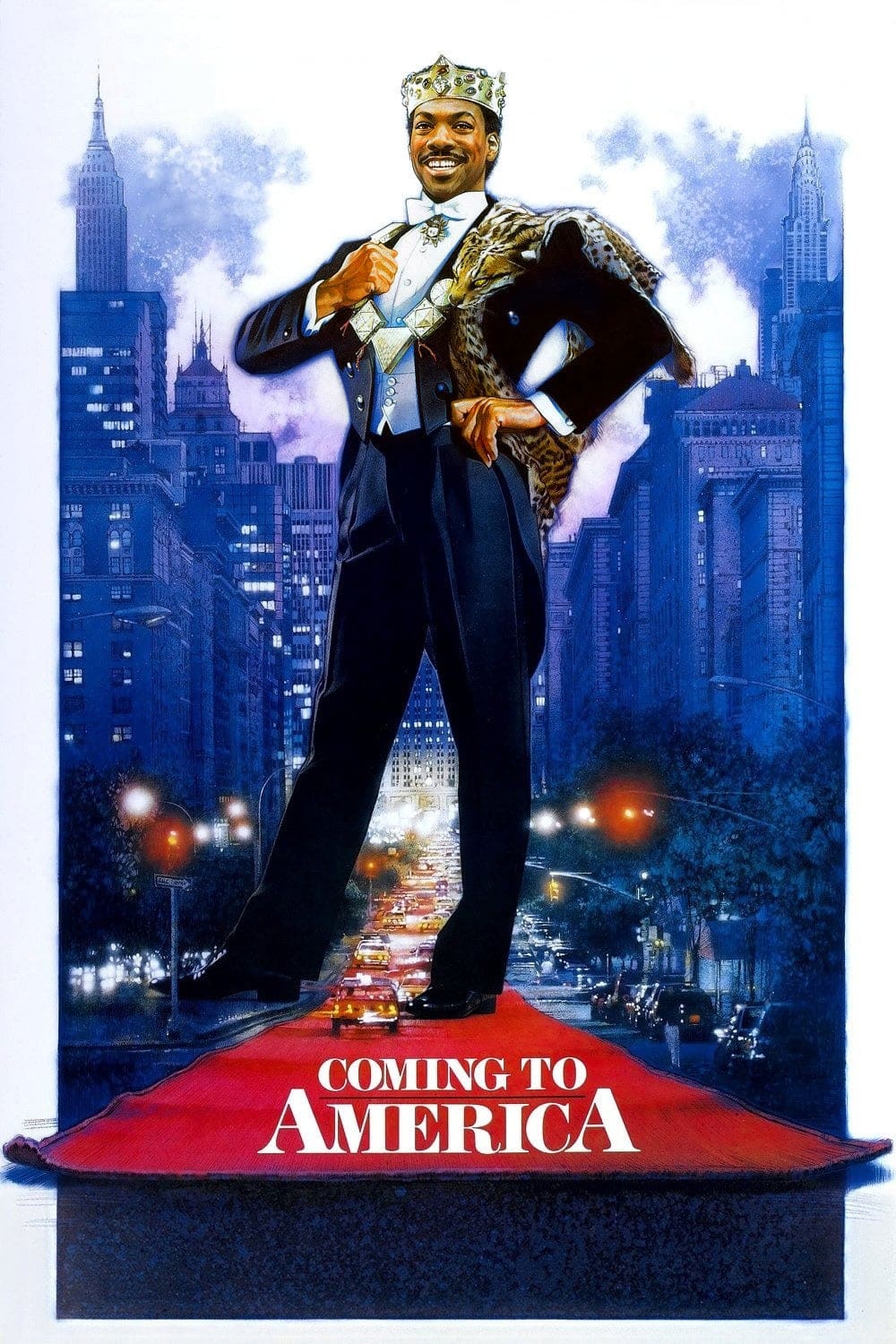
John Landis’s comedy stars Eddie Murphy and Arsenio Hall as royalty seeking anonymity in Queens. A barbershop, fast-food chain, and apartment building serve as repeating locations.
Multiple character prosthetics showcase the leads’ range through quick-change performances. The film’s world later continued with a legacy sequel and expanded backstory of Zamunda.
‘The Naked Gun: From the Files of Police Squad!’ (1988)
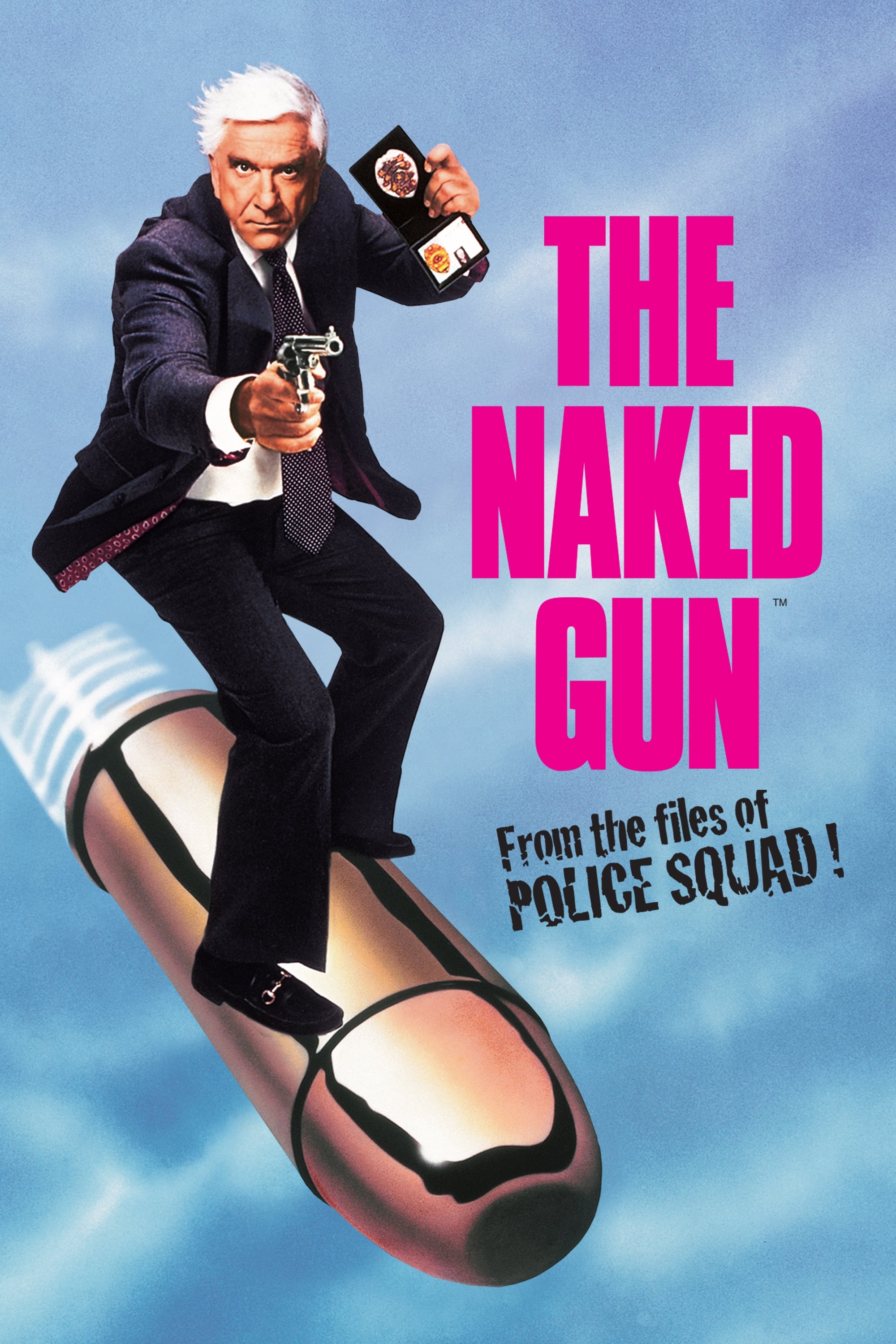
David Zucker adapts the TV series ‘Police Squad!’ into a feature with Leslie Nielsen, Priscilla Presley, and George Kennedy. A bumbling detective tangles with a plot at a baseball game and a royal visit.
Sight-gag density, malapropisms, and prop humor keep scenes modular and rewatchable. The franchise continued with sequels that preserved the straight-faced delivery style.
‘What We Do in the Shadows’ (2014)
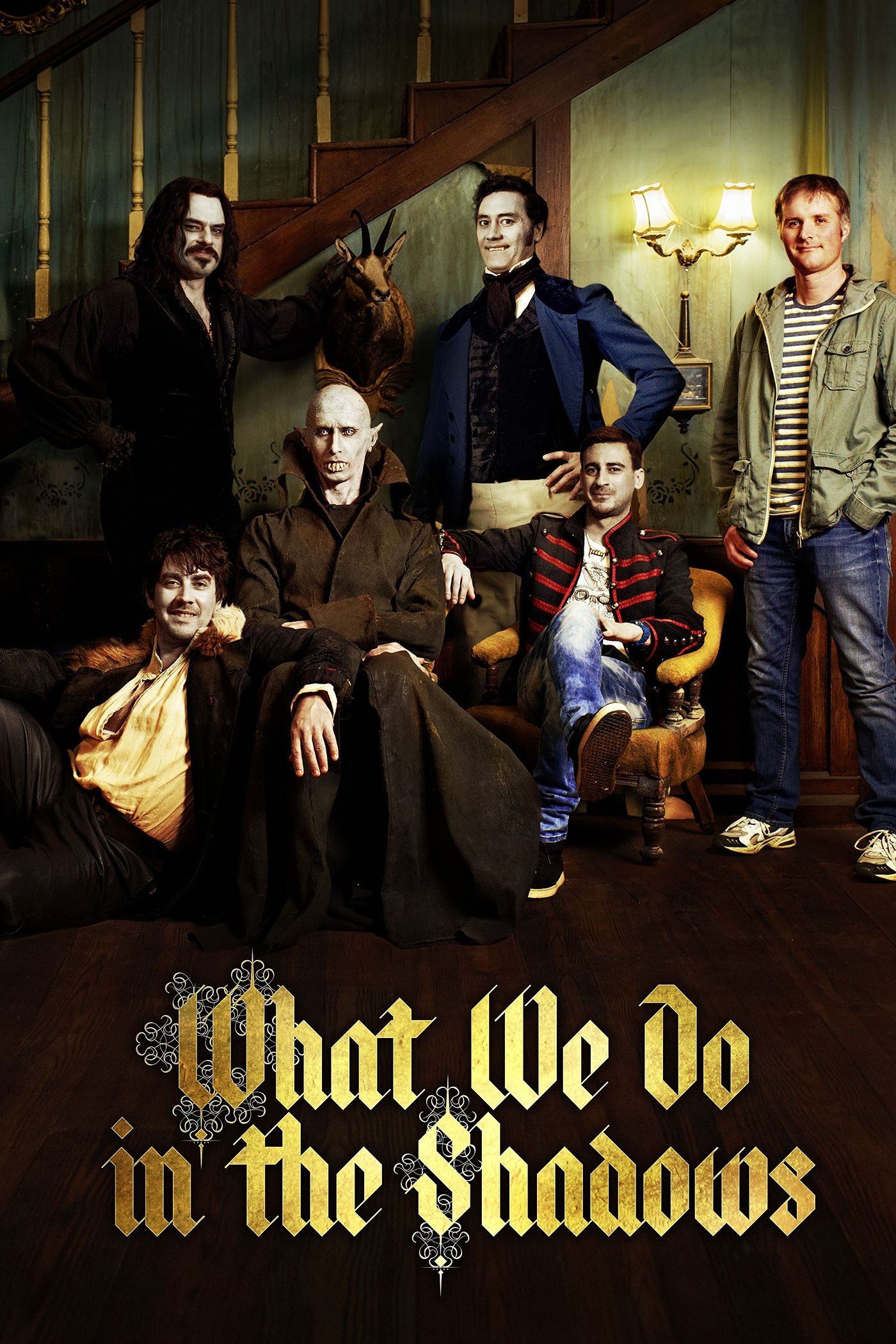
Taika Waititi and Jemaine Clement co-write and co-direct this mockumentary about vampire flatmates in Wellington. House meetings, chore charts, and nocturnal clubbing translate supernatural lore into share-house routines.
Improvised exchanges and documentary framing allow jokes to breathe. The concept expanded into a spin-off TV series, broadening the universe with new characters and cities.
‘Hunt for the Wilderpeople’ (2016)

Taika Waititi adapts Barry Crump’s novel with Julian Dennison and Sam Neill as mismatched fugitives in the New Zealand bush. A hunt for the pair becomes a national spectacle.
Stylized chapter cards, montage training, and bushcraft mishaps create repeatable comic beats. The film balances chase-movie momentum with dry humor rooted in regional slang and landscapes.
‘School of Rock’ (2003)
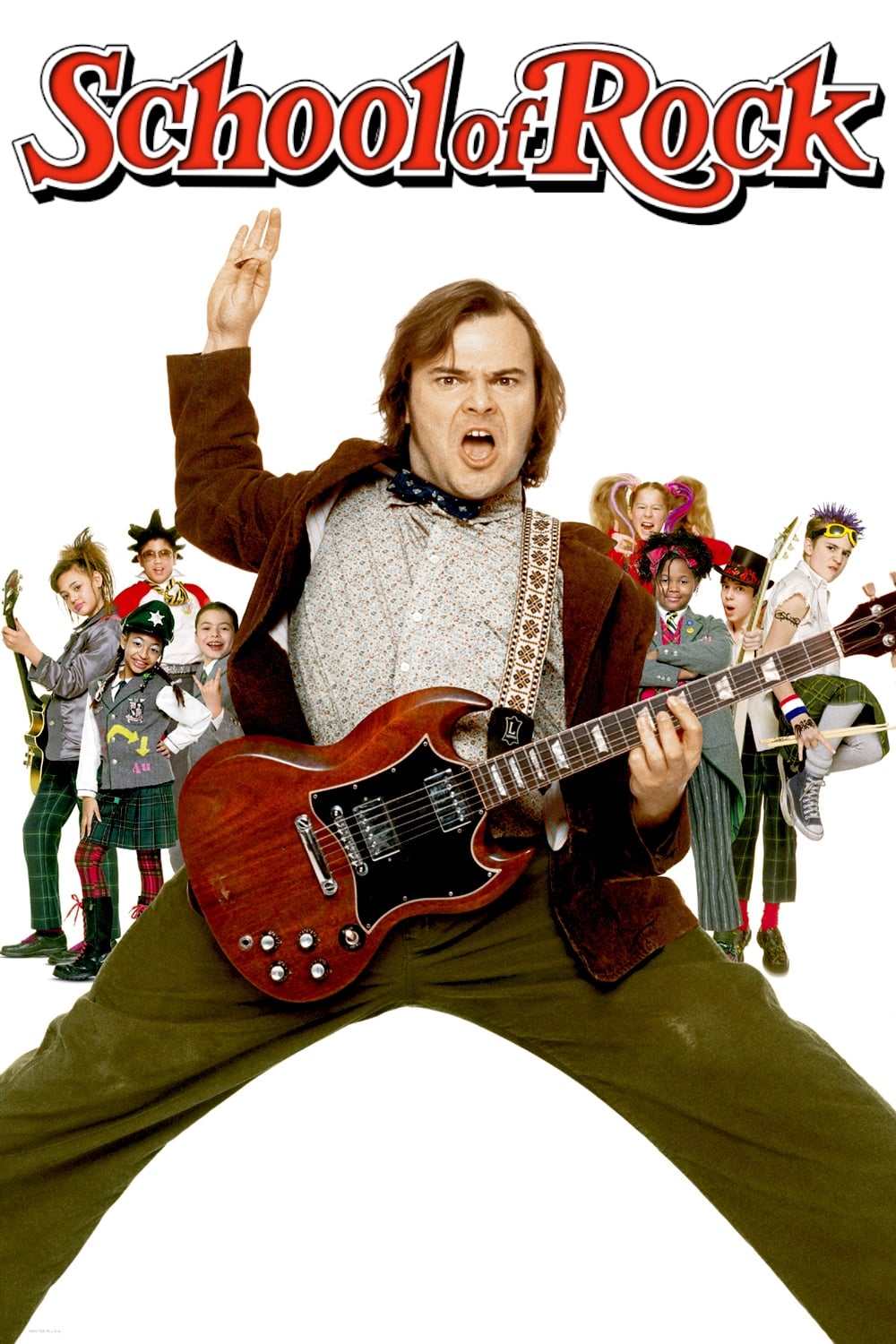
Richard Linklater directs Jack Black as a substitute who turns a class into a band. Auditions, set lists, and secret rehearsals structure the progression toward a battle of the bands.
Real child musicians perform their instruments, grounding the music scenes. The story later became a stage musical and a TV series, extending its songs and classroom dynamics.
‘The Royal Tenenbaums’ (2001)
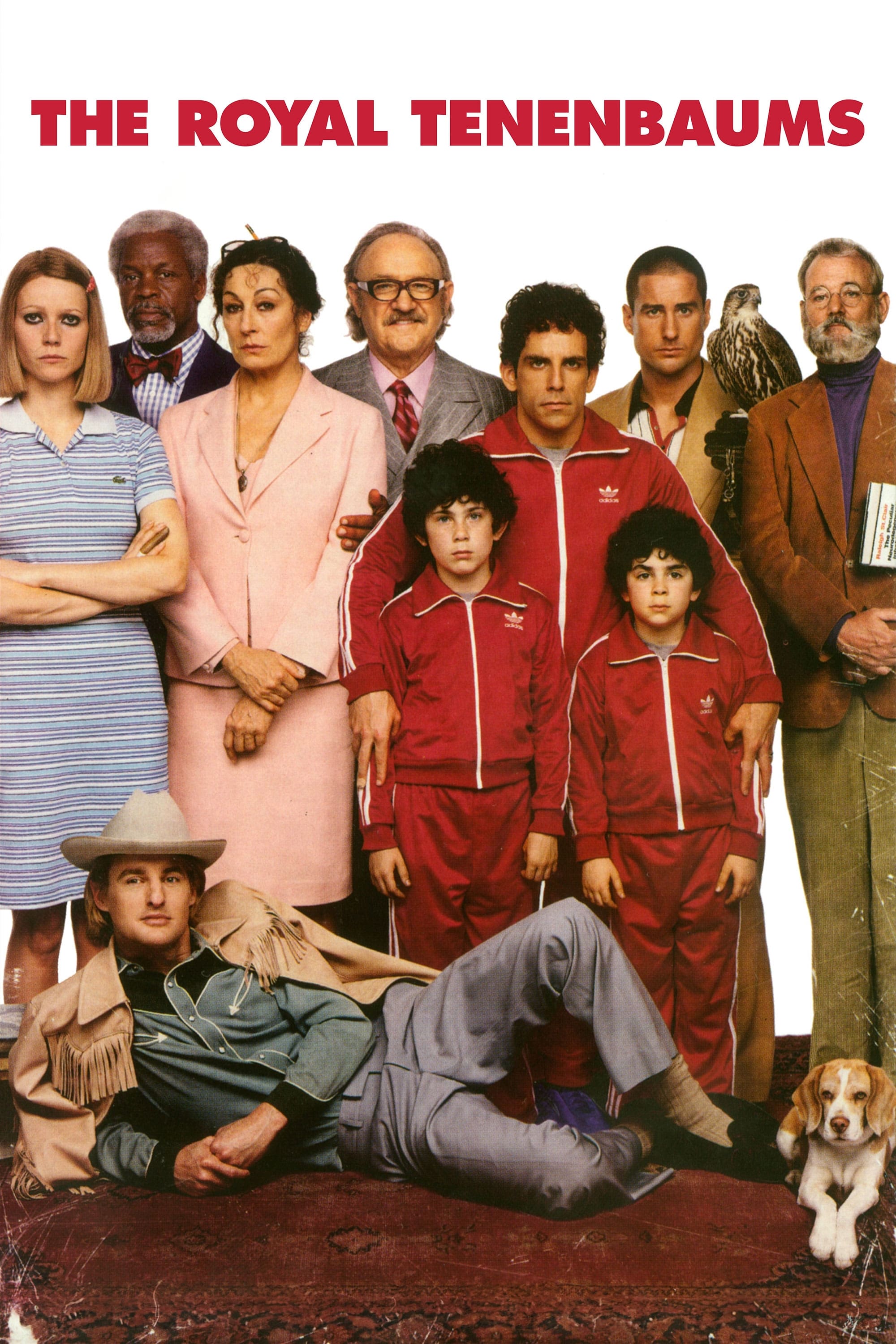
Wes Anderson chronicles a family of former prodigies played by Gene Hackman, Anjelica Huston, Ben Stiller, Gwyneth Paltrow, Luke Wilson, and Owen Wilson. A narrator guides chapters through reunions in a Manhattan townhouse.
Costume signatures, chapter headings, and symmetrical framing make the film visually quotable. Needle-drop selections and recurring props—like a tennis headband and a falcon—anchor character motifs.
‘Tootsie’ (1982)
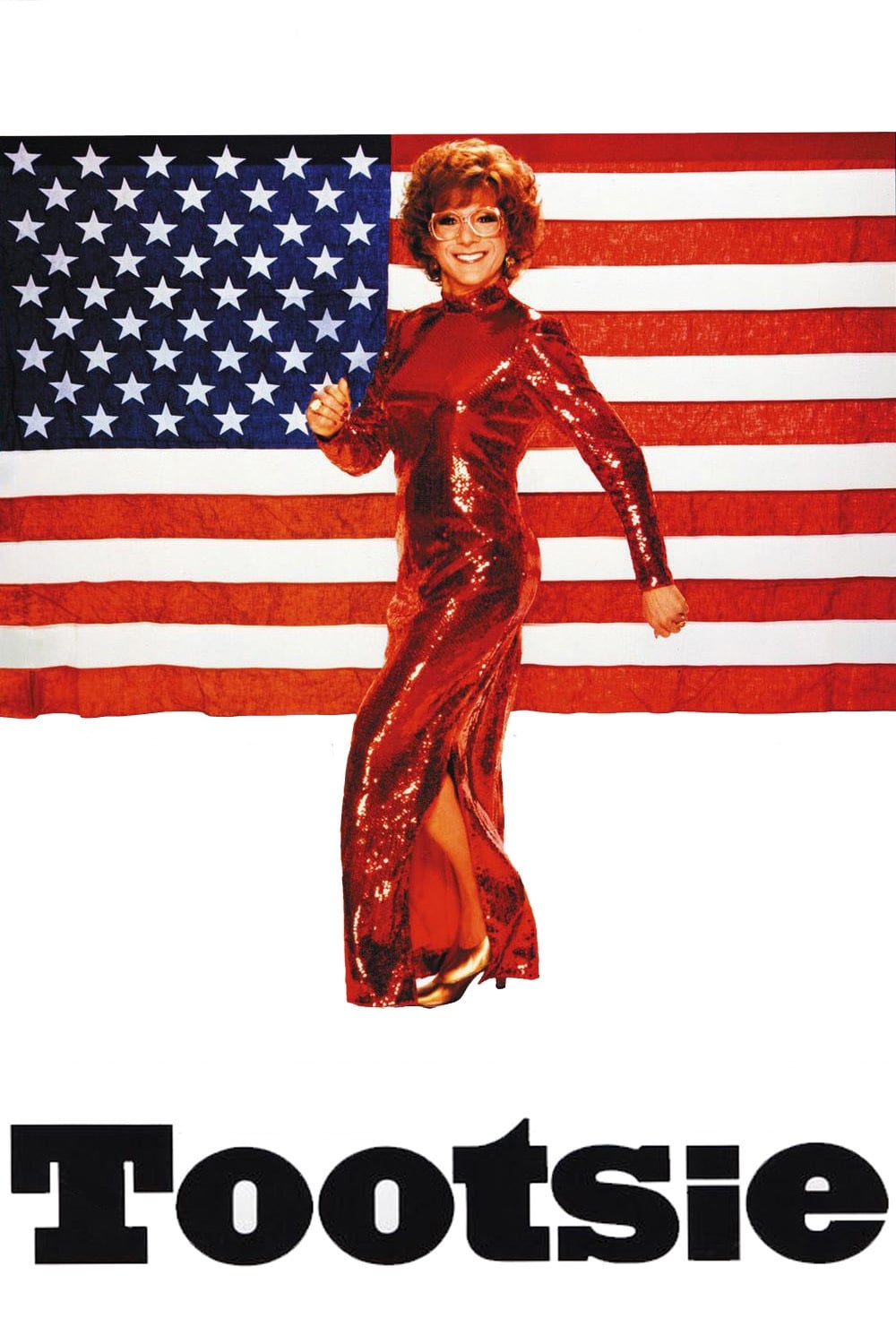
Sydney Pollack directs Dustin Hoffman as an actor who adopts a new persona to land a role on a soap opera. Jessica Lange, Teri Garr, and Dabney Coleman round out the ensemble.
The film uses the show-within-a-show to critique industry dynamics and gender expectations. Makeup and wardrobe transformations are integral to plot turns and workplace satire.
‘The Birdcage’ (1996)
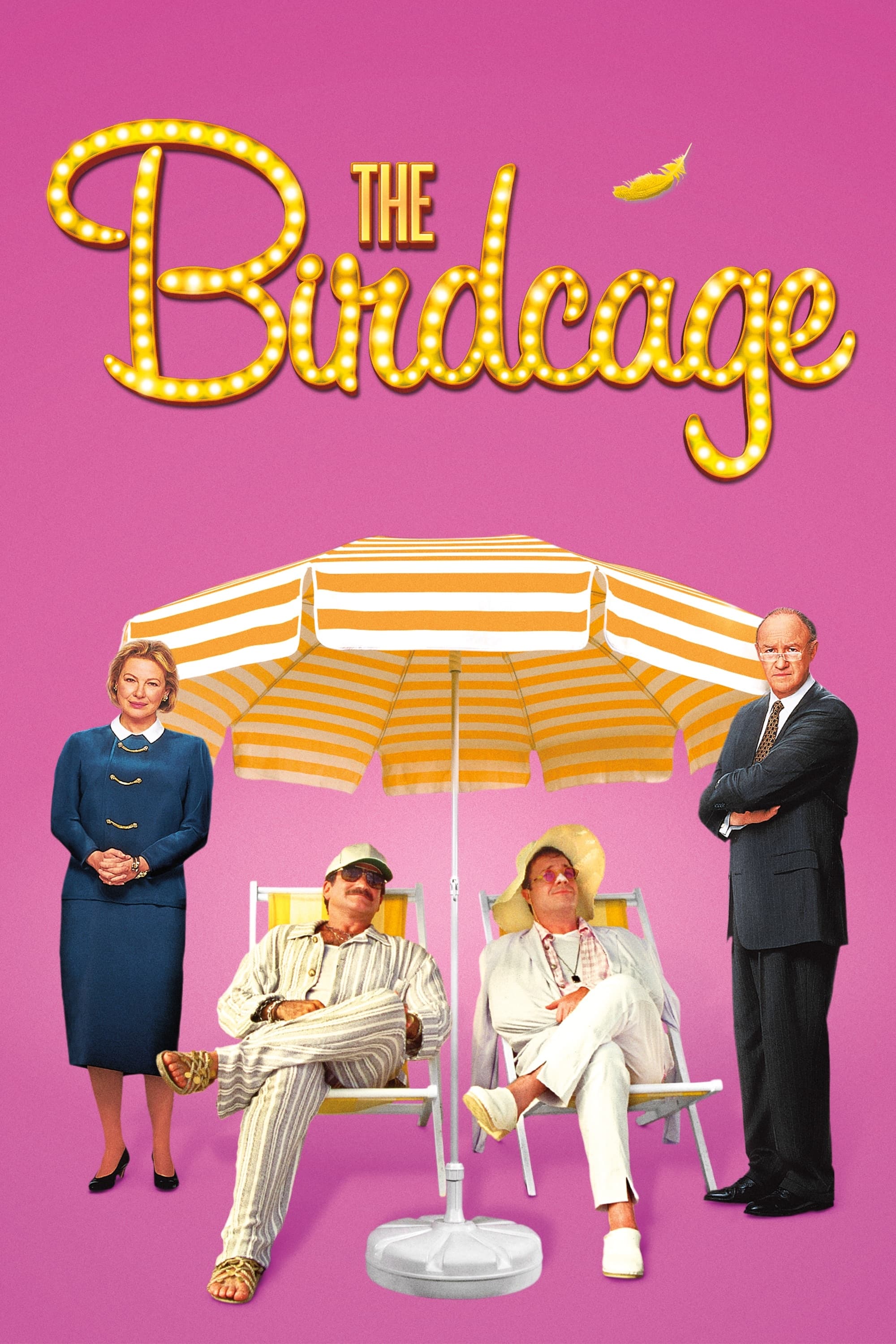
Mike Nichols remakes ‘La Cage aux Folles’ with Robin Williams and Nathan Lane running a South Beach club. A political family visit forces a farcical dinner plan.
Set design flips between backstage flamboyance and buttoned-up living rooms to heighten contrasts. Ensemble timing—Hank Azaria, Gene Hackman, and Dianne Wiest—drives escalating deceptions.
‘Horrible Bosses’ (2011)
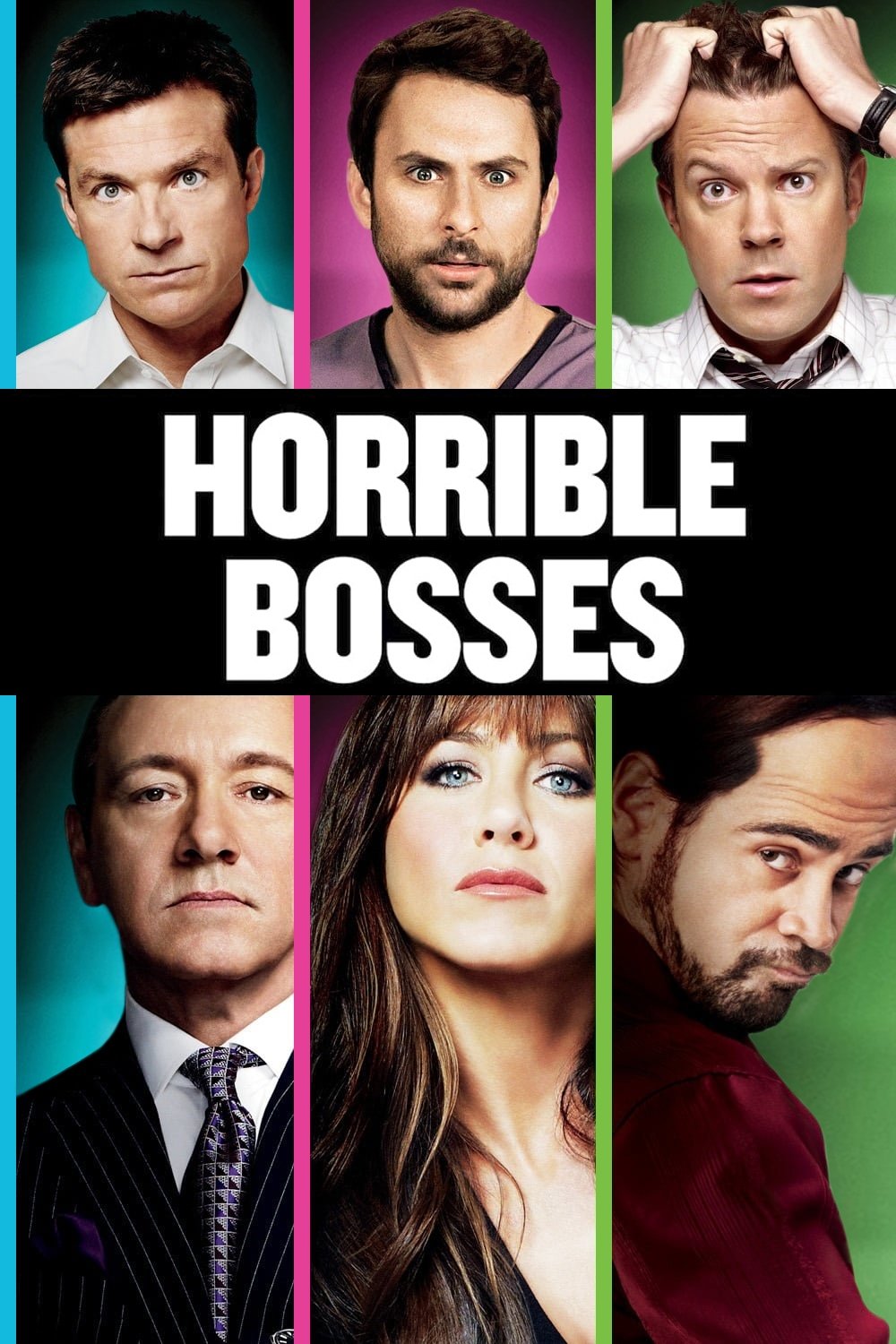
Seth Gordon directs Jason Bateman, Jason Sudeikis, and Charlie Day as employees plotting against their managers. Kevin Spacey, Jennifer Aniston, and Colin Farrell play the titular bosses.
The criss-cross plan borrows from crime-caper structures, with miscommunications compounding the mess. Set pieces use GPS mistakes, surveillance, and accidental evidence to push the plot.
‘Austin Powers: International Man of Mystery’ (1997)
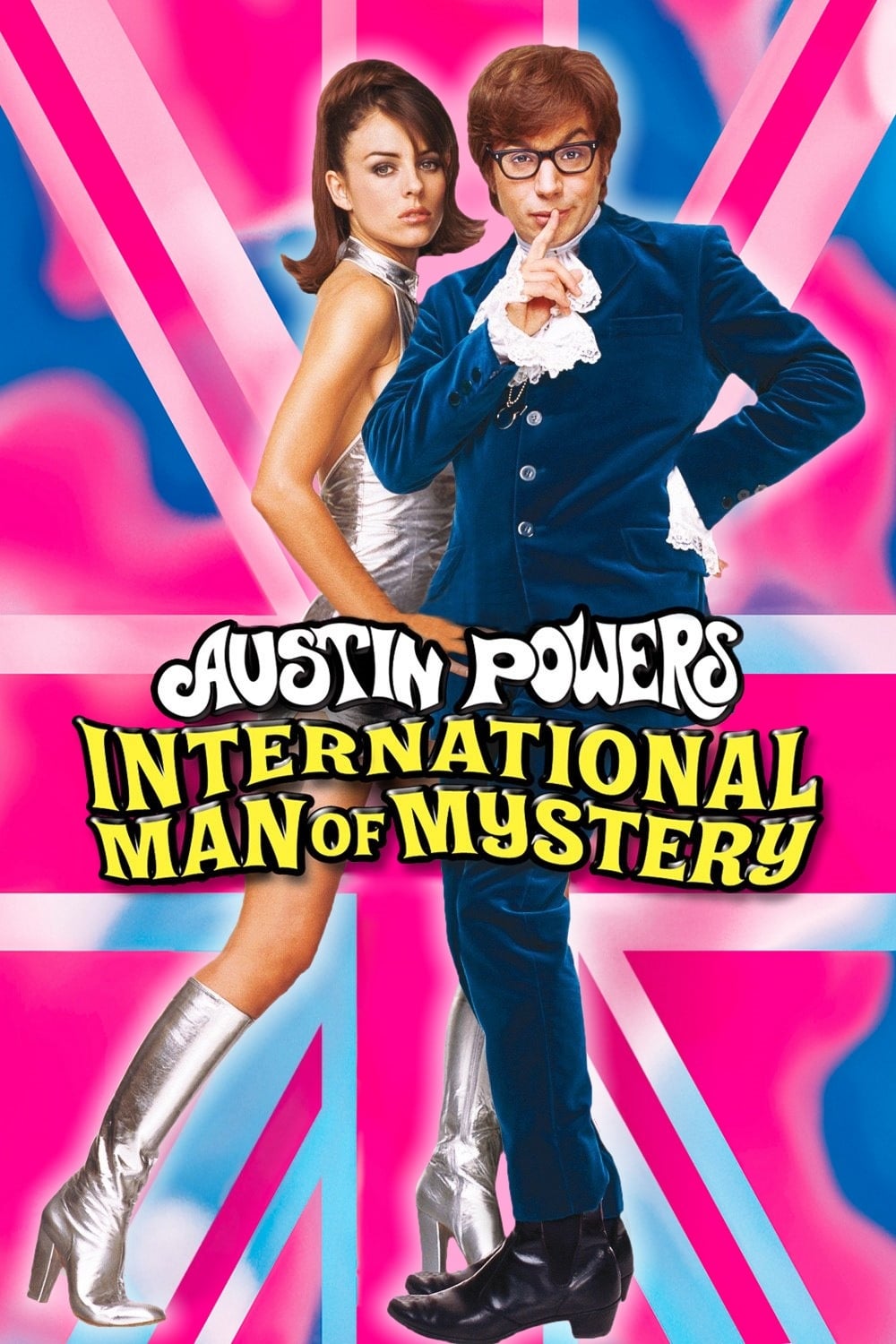
Jay Roach directs Mike Myers in dual roles as a swinging spy and his nemesis Dr. Evil. The story freezes and thaws its hero into a new era to satirize franchise tropes.
Catchphrases, henchmen archetypes, and retro production design parody espionage conventions. Success spawned sequels, deepening the rogues’ gallery and elaborating running jokes.
‘The Jerk’ (1979)

Carl Reiner directs Steve Martin as Navin Johnson, whose naïveté launches a rollercoaster of fortune and failure. Carnival jobs, inventions, and a mansion phase provide episodic structure.
Sight gags, musical interludes, and absurd misunderstandings are presented as self-contained sketches. Martin’s stand-up persona informs set pieces that translate to screen with precision timing.
‘Young Frankenstein’ (1974)
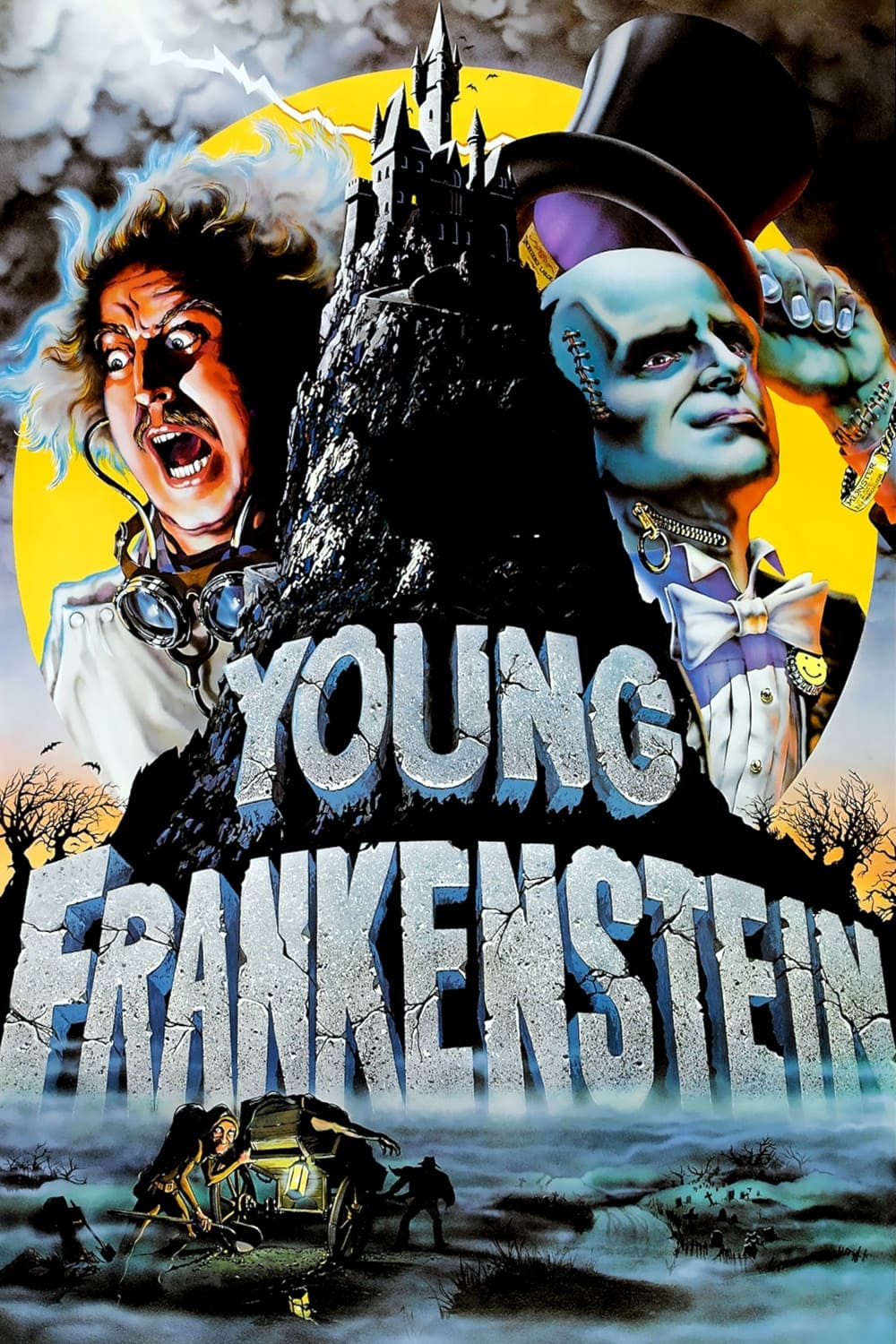
Mel Brooks and Gene Wilder build a black-and-white homage to classic monster movies. Laboratory equipment sourced from original ‘Frankenstein’ films and period cinematography anchor the pastiche.
Recreated castle sets, musical routines, and wordplay (“Frau Blücher”) fuel layered jokes. The film’s tone and look became a template for respectful genre parody on stage and screen.
‘Midnight Run’ (1988)
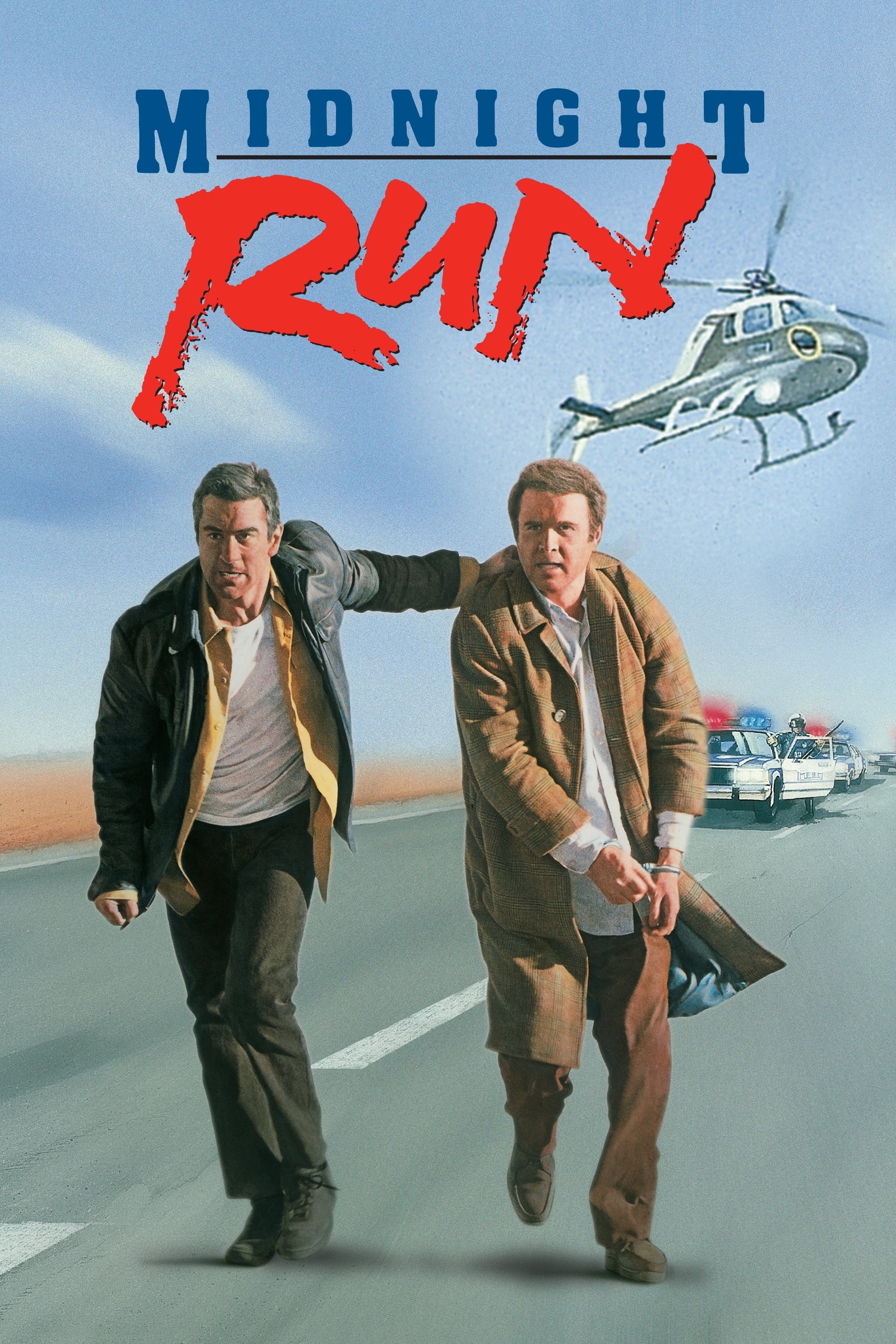
Martin Brest pairs Robert De Niro with Charles Grodin in a cross-country chase involving a bounty hunter and an accountant. Stops at airports, buses, and diners mark the route.
Sharp banter, recurring side characters, and a ticking-clock handoff build momentum. Action beats integrate with character comedy, making individual confrontations easy to revisit.
‘Planes, Trains and Automobiles’ (1987)
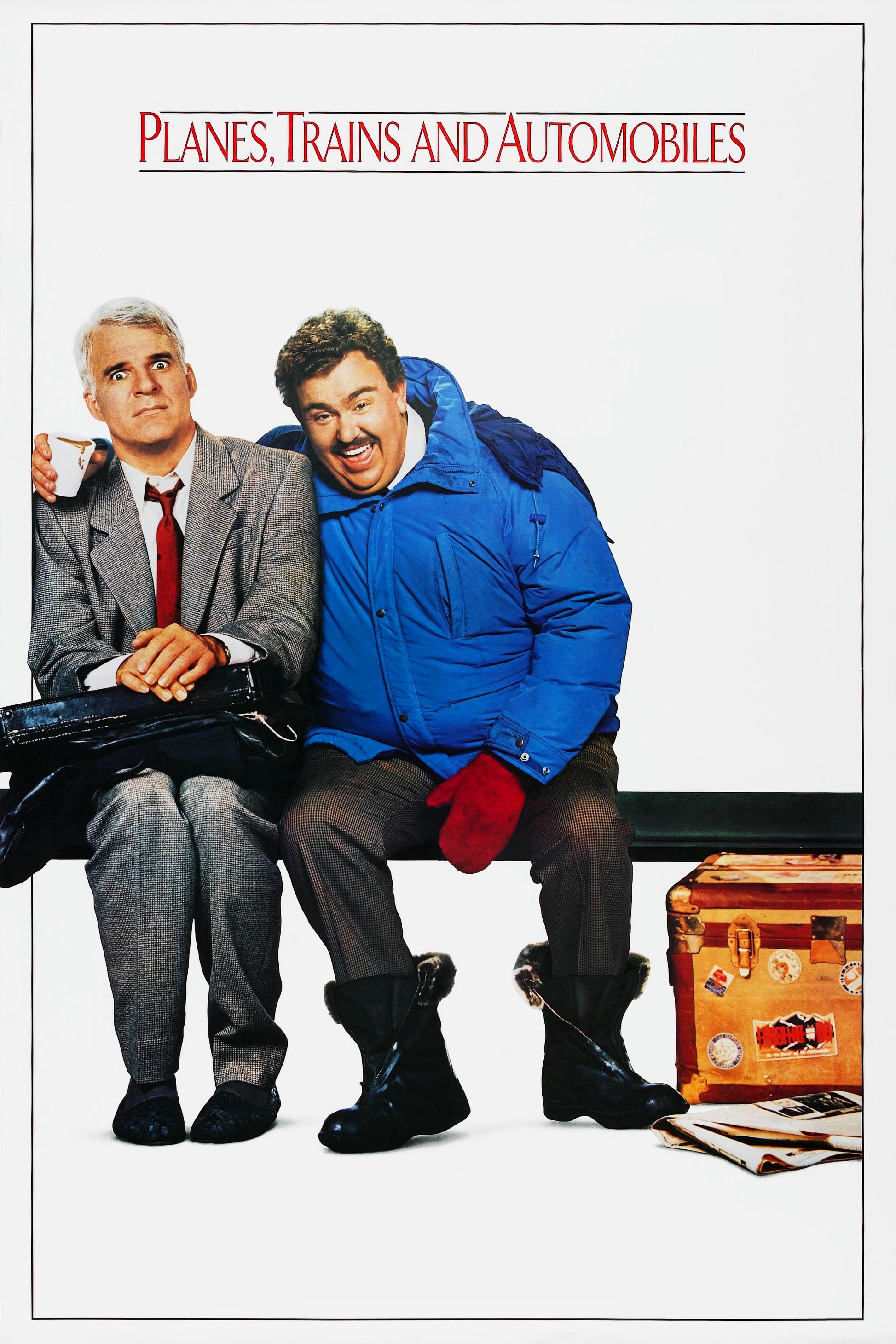
John Hughes teams Steve Martin and John Candy as mismatched travelers trying to get home for a holiday. Mishaps at rental counters, motels, and train stations create modular scenes.
Recurring props—credit cards, shower curtains, burned cars—tie sequences together. The film blends slapstick with character reveals, culminating in a payoff that reframes earlier frustrations.
‘Best in Show’ (2000)
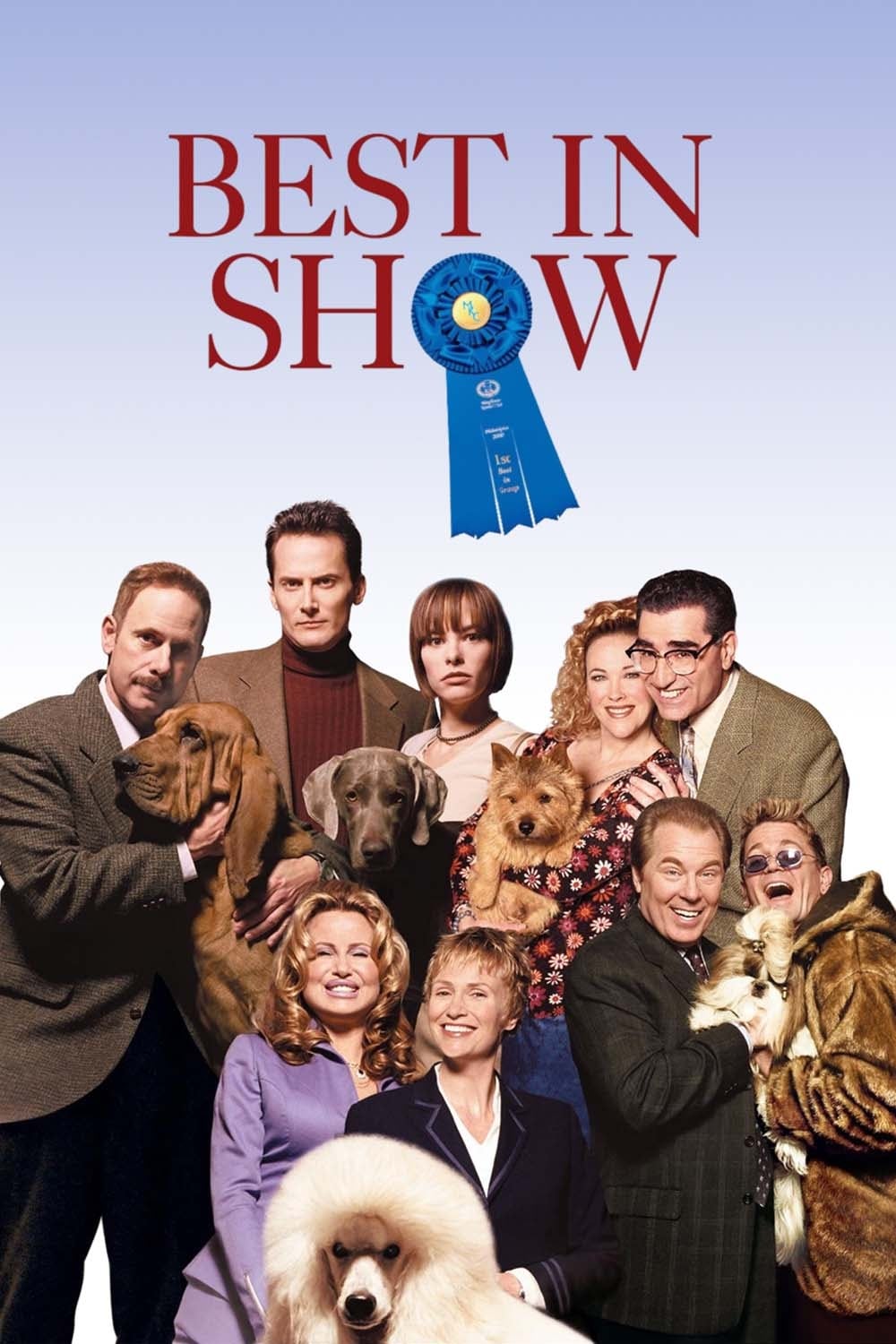
Christopher Guest’s mockumentary follows eccentric owners and their dogs toward a national competition. Eugene Levy, Catherine O’Hara, Parker Posey, and Fred Willard headline the ensemble.
Improvised interviews and backstage vignettes build a mosaic of subcultures. It sits alongside ‘Waiting for Guffman’ and ‘A Mighty Wind’ as part of Guest’s improvisation-driven cycle.
‘Galaxy Quest’ (1999)
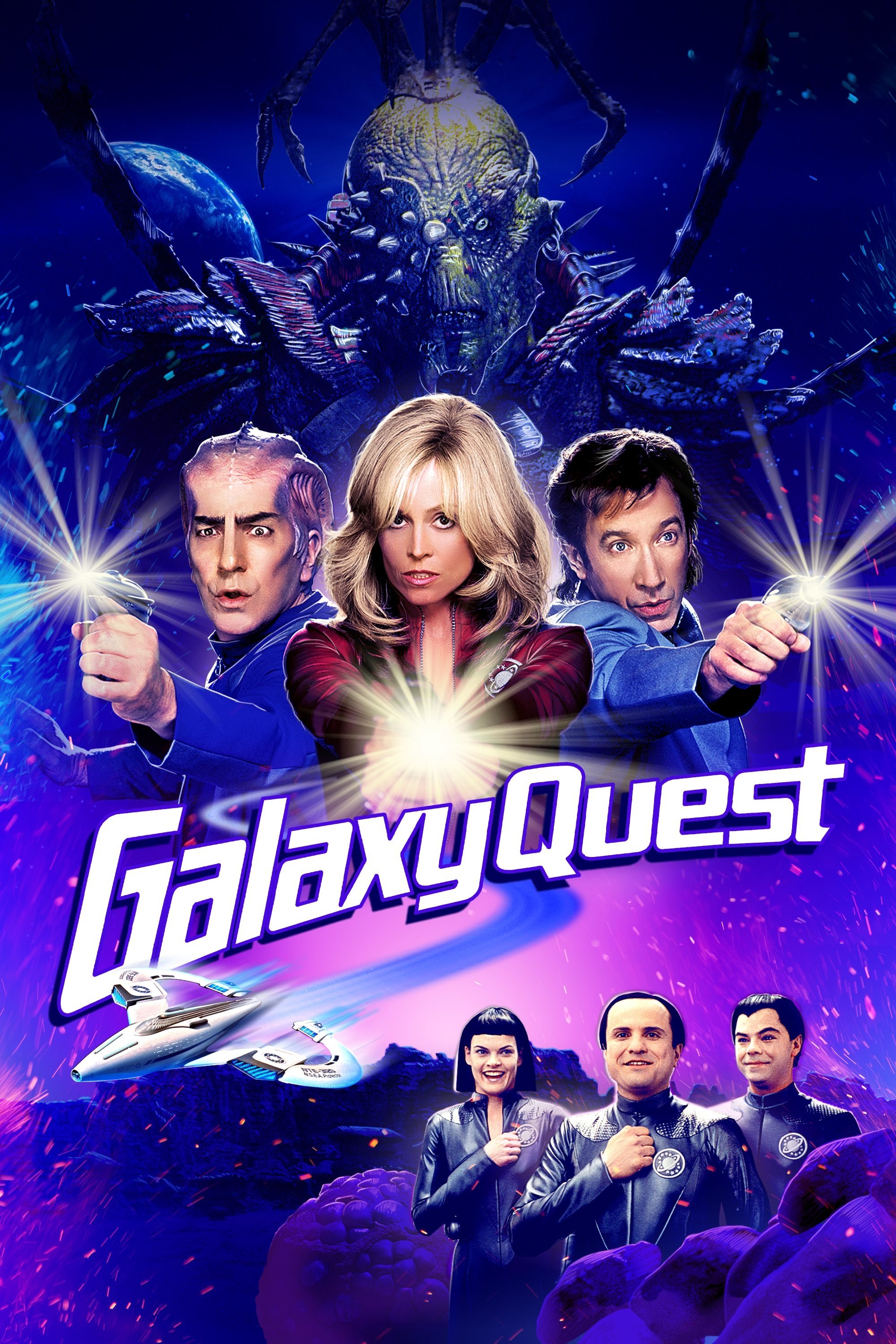
Dean Parisot’s sci-fi comedy stars Tim Allen, Sigourney Weaver, and Alan Rickman as actors from a canceled TV show recruited by aliens who think the episodes were historical documents. Conventions, a rebuilt bridge set, and a reluctant crew shape the mission.
The film affectionately riffs on ‘Star Trek’ fandom and production quirks, down to catchphrases and technobabble. Practical creature effects, a sincere alien ensemble, and meta humor helped it gain enduring fan support.
Tell us which endlessly rewatchable comedies you’d add to the list—and why—in the comments!