The Most Rewatchable Netflix Series


Finding a series that rewards repeat viewing is about more than comfort—it’s about layered storytelling, strong world-building, and episodes that are easy to drop into without losing the thread. Netflix’s slate of originals spans genres and countries, so there’s always another detail to catch, a callback to notice, or a character arc to trace again from the start.
Below is a hand-picked tour through thirty Netflix-commissioned series that stand up to a second—or tenth—lap. From grounded dramas and heady sci-fi to animated gems and top-tier docuseries, each entry includes practical details on what it covers, how it’s structured, and what makes it especially easy to revisit.
‘Stranger Things’ (2016)
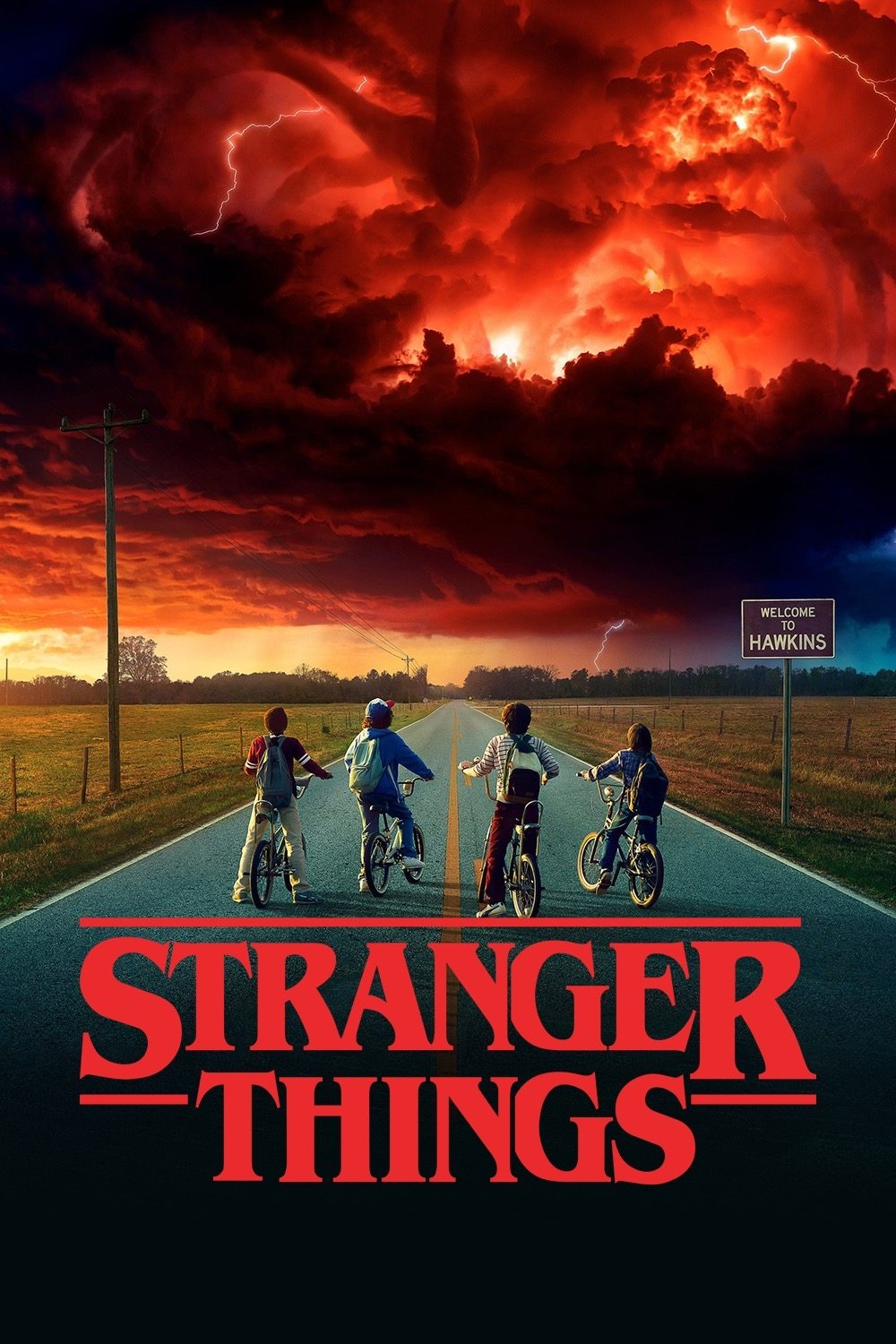
Created by the Duffer Brothers, ‘Stranger Things’ follows a group of kids and their families in the small town of Hawkins, Indiana as they uncover a gateway to a dangerous parallel dimension known as the Upside Down. The series blends supernatural mystery with government-lab intrigue and character-driven subplots anchored by Eleven, a telekinetic child, and Hopper, the town’s police chief.
Episodes mix monster-of-the-season arcs with self-contained adventures—holiday-set episodes, dance nights, and mall-set showdowns—that make selective replays simple. Its 1980s setting, recurring locations like the Byers home and Starcourt Mall, and a stable core ensemble create clear narrative waypoints for picking favorite chapters to rewatch.
‘The Crown’ (2016–2023)
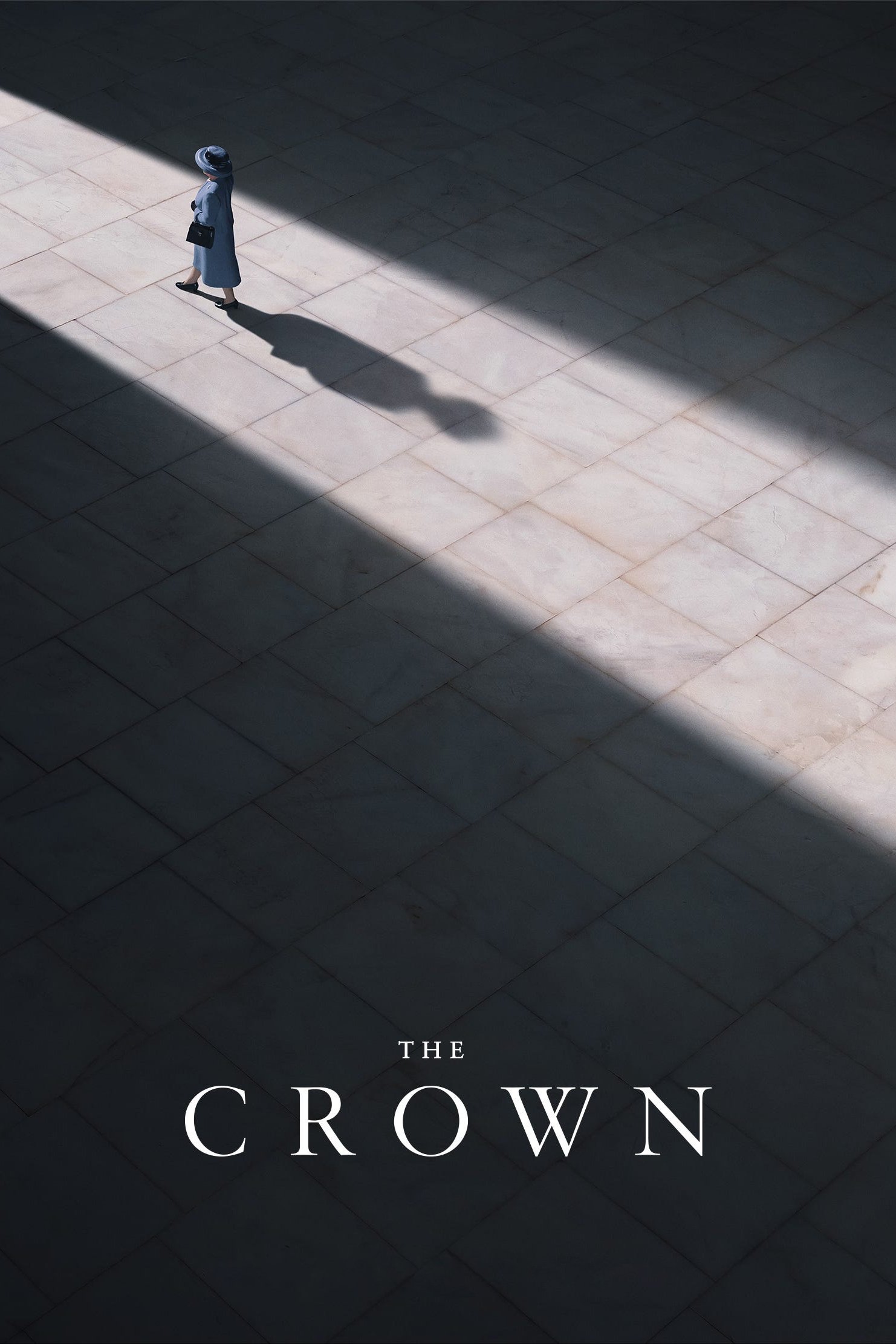
‘The Crown’, created by Peter Morgan, dramatizes the reign of Queen Elizabeth II from early ascension through shifting political and family milestones. The show tracks real governmental crises, royal tours, and constitutional challenges, presenting them as standalone story modules within larger multi-season arcs.
A planned recast structure refreshes the principal roles to reflect different life stages, giving each era a distinct tone while keeping continuity. Many episodes function as case studies—focused on a scandal, a prime ministerial conflict, or a royal relationship—so viewers can revisit specific events in any order.
‘Ozark’ (2017–2022)
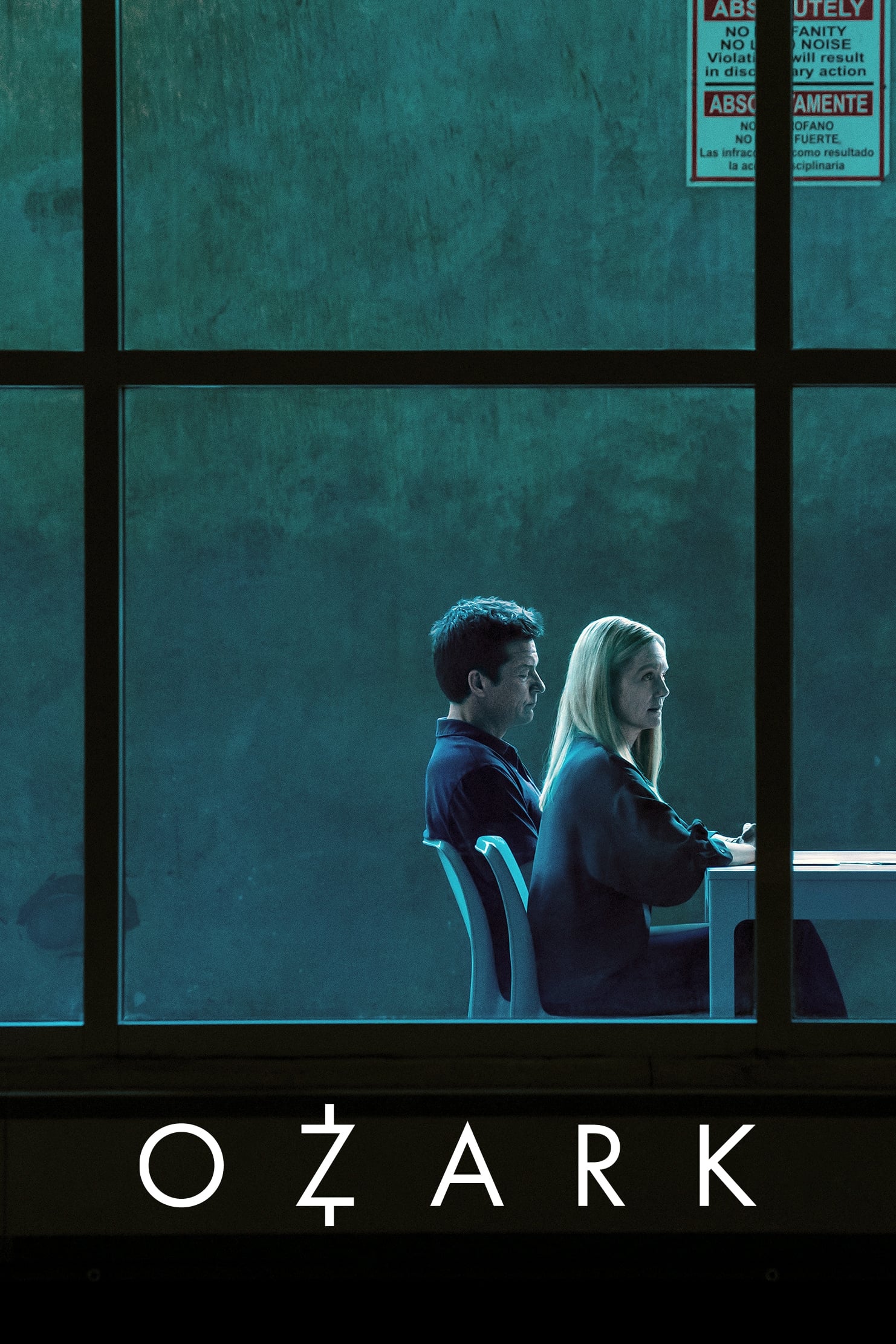
Co-created by Bill Dubuque and Mark Williams, ‘Ozark’ centers on financial advisor Marty Byrde and his family as they relocate to the Missouri Ozarks to manage a high-stakes money-laundering operation. The series methodically maps fronts, shell companies, and shifting alliances with local power players.
Tense set-pieces—cash drops, casino maneuvers, and ledger clean-ups—are structured as discrete operations, making it easy to replay a particular scheme from setup to fallout. Recurring settings like the Blue Cat Lodge and the Byrde home ground the action and help segment the story into digestible, rewatch-friendly arcs.
‘Mindhunter’ (2017–2019)
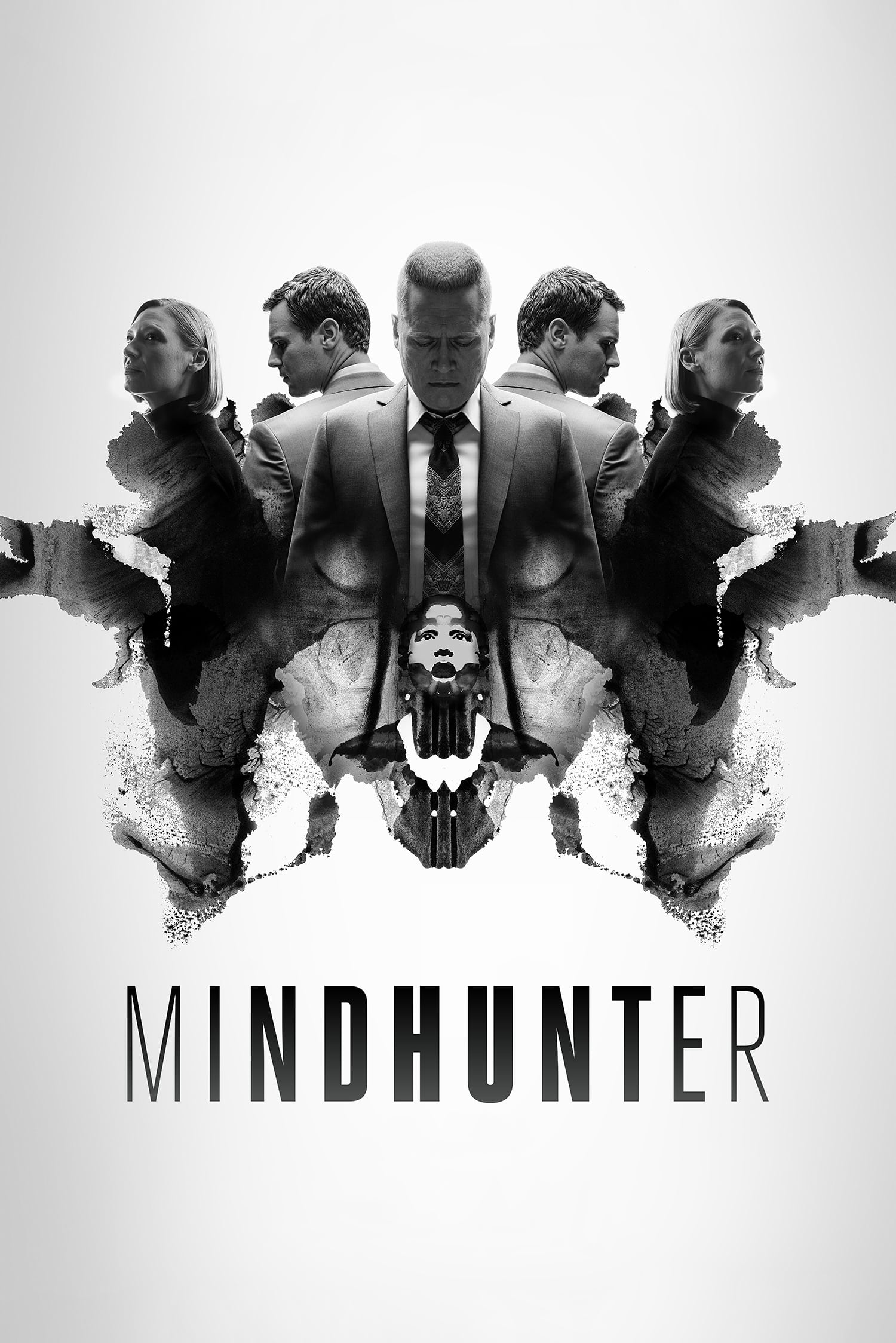
Based on investigative work by the FBI’s Behavioral Science Unit, ‘Mindhunter’ follows agents who interview incarcerated serial offenders to build early criminal-profiling frameworks. Episodes emphasize interview technique, case synthesis, and the evolution of terminology and classification.
Because the show stages lengthy, precise interrogation sequences with clear procedural beats, individual conversations can be rewatched as standalone masterclasses in strategy. The series also tracks internal Bureau politics and academic partnerships, offering parallel threads you can follow separately on a rewatch.
‘Narcos’ (2015–2017)
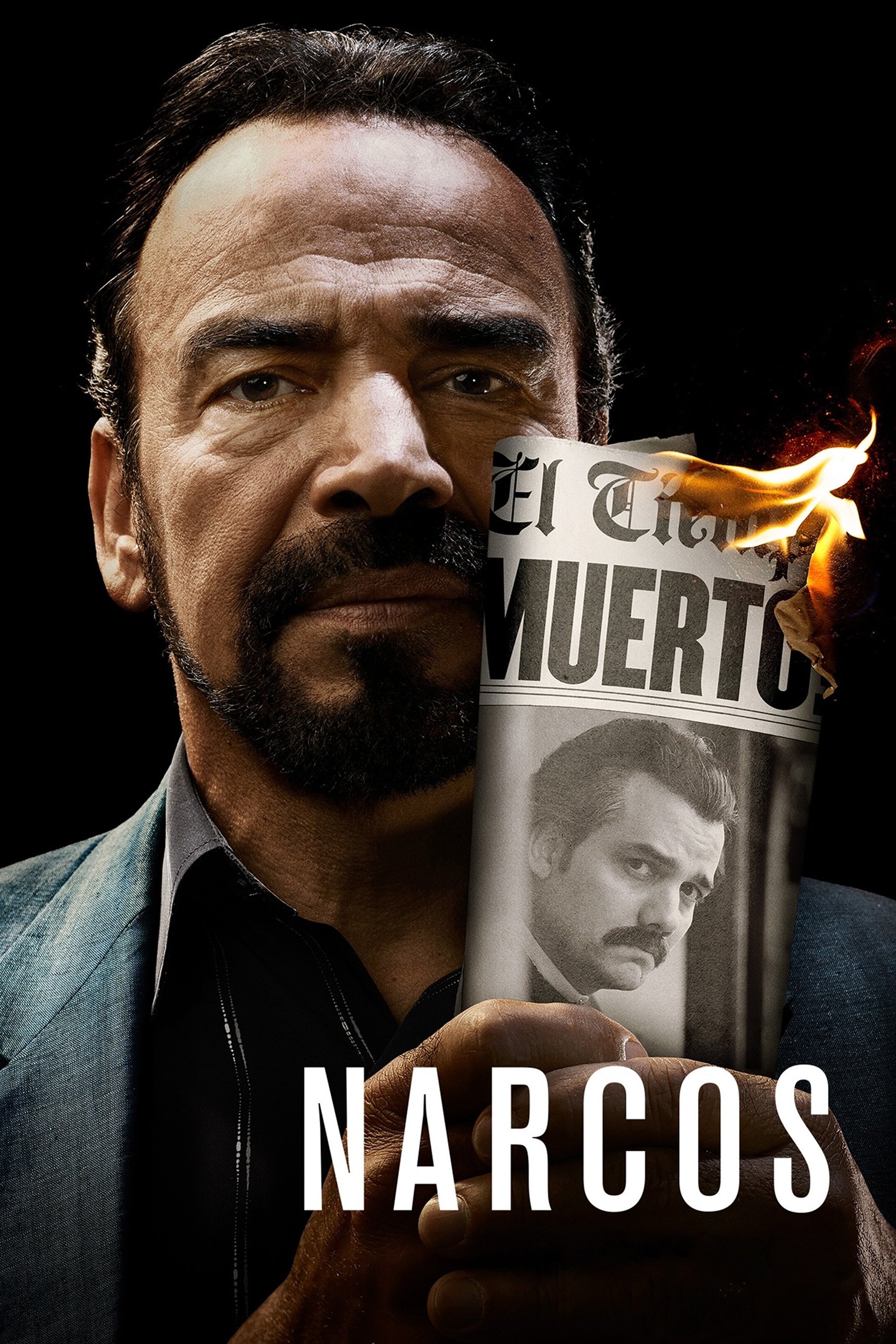
‘Narcos’ chronicles the rise of Colombia’s drug trade and the law-enforcement efforts that surround it, weaving together cartel strategy, regional politics, and DEA fieldwork. Voice-over context and archival-style montage clarify players and timelines.
Operations—wiretaps, raids, and cross-border stings—often resolve within a few episodes, so viewers can drop back into a favorite operation without losing essential context. The bilingual presentation and recurring investigative teams provide consistent anchors for selective replays.
‘Narcos: Mexico’ (2018–2021)
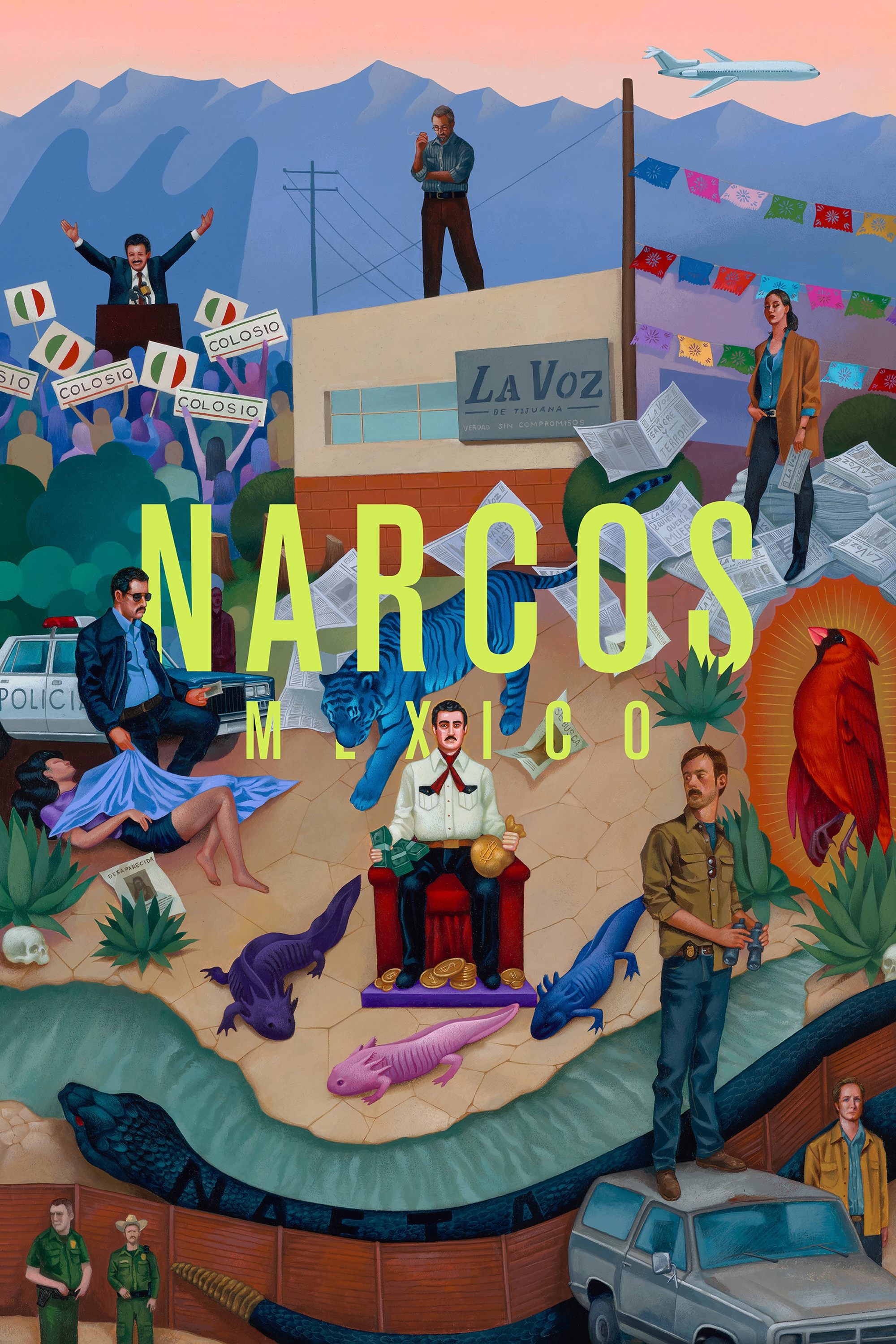
A companion to ‘Narcos’, ‘Narcos: Mexico’ shifts focus to the formation of Mexico’s cartel federations and the interagency dynamics that follow. It details supply chains, territorial agreements, and the emergence of influential figures who reshape the trade.
Each season builds around pivotal negotiations and enforcement responses, broken into tactical chapters that stand on their own. Familiar narrative tools—case files, narrated overviews, and parallel viewpoints—make revisiting specific arcs straightforward.
‘BoJack Horseman’ (2014–2020)
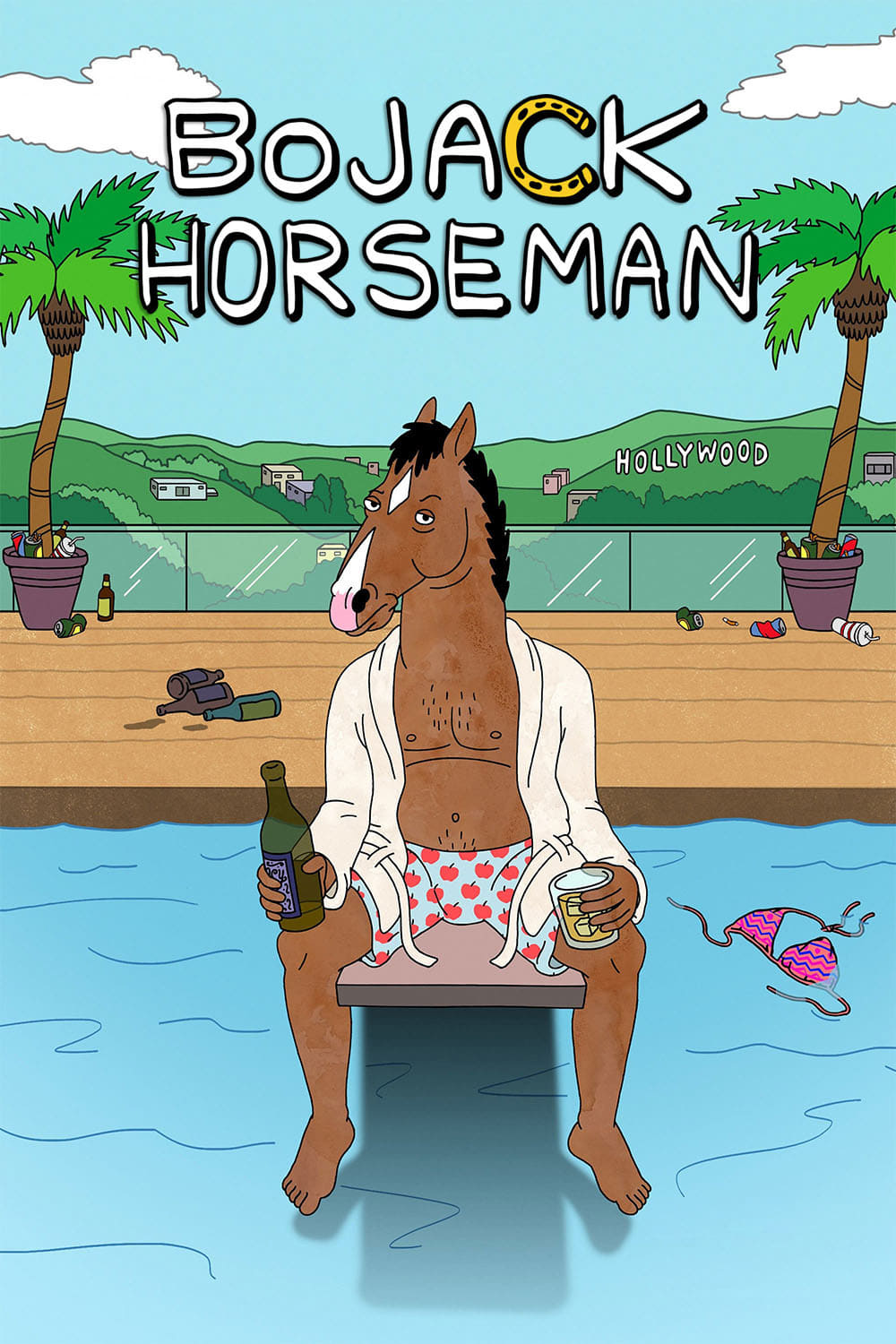
‘BoJack Horseman’, from Raphael Bob-Waksberg, is an animated series set in a world of humans and anthropomorphic animals, following a washed-up sitcom star navigating work, relationships, and self-sabotage. Episodes combine gag-dense comedy with serialized character development.
Because many installments experiment with format—silent episodes, poem-driven plots, bottle stories—individual chapters can be enjoyed in isolation. The half-hour runtime and recurring ensembles (agents, ghostwriters, and housemates) support quick, targeted replays.
‘Big Mouth’ (2017)
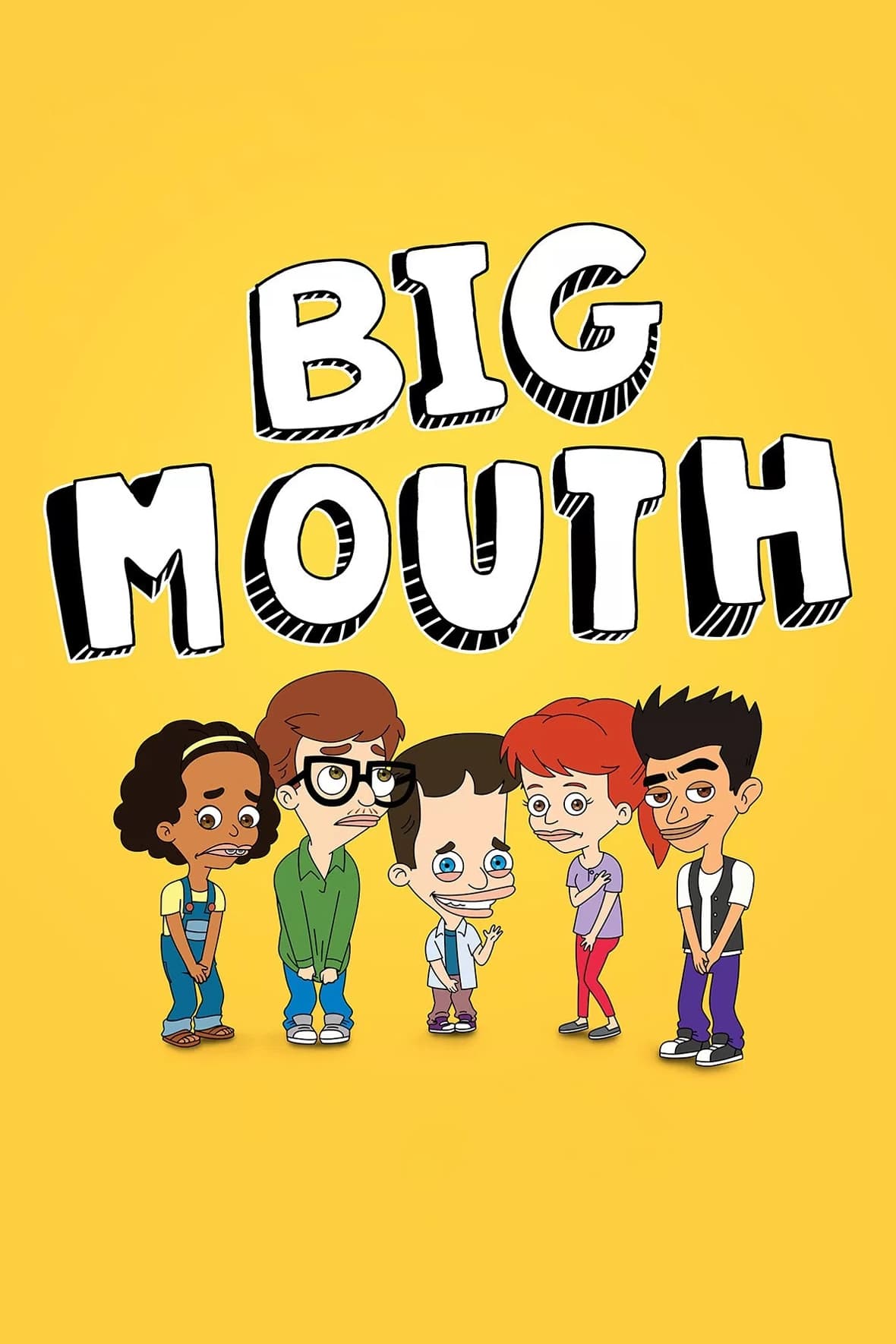
Created by Nick Kroll, Andrew Goldberg, Mark Levin, and Jennifer Flackett, ‘Big Mouth’ explores puberty through the lens of middle-schoolers guided by embodied emotions like Hormone Monsters, Shame Wizards, and Anxiety Mosquitoes. The show uses musical numbers and health-class metaphors to present educational concepts.
Its anthology-style spotlights—sleepovers, school dances, and family-centric episodes—allow viewers to revisit specific topics on demand. The half-hour format and clear A- and B-plots make it easy to rewatch focused storylines without re-queuing an entire season.
‘Sex Education’ (2019–2023)
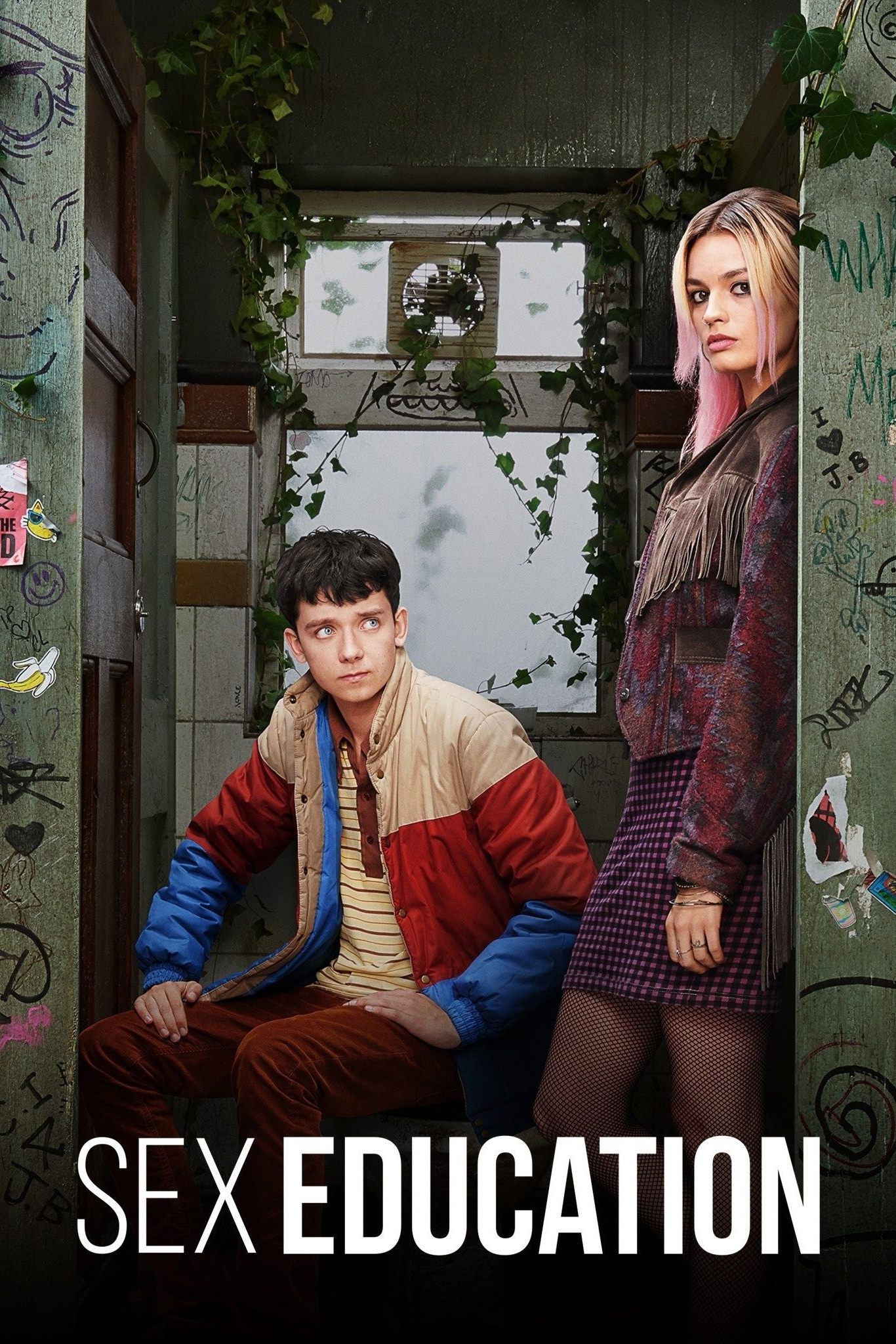
‘Sex Education’, created by Laurie Nunn, follows students, families, and staff at Moordale as they navigate relationships, identity, and health. The series frames each episode around clinic-style problem-solving and school events that define the social ecosystem.
Because conflicts often resolve within an episode or short arc, you can return to particular case files or assemblies for a compact rewatch. Consistent locations—lockers, music rooms, and the Otis-Maeve advisory setup—provide familiar beats that make selective viewing simple.
‘The Witcher’ (2019)
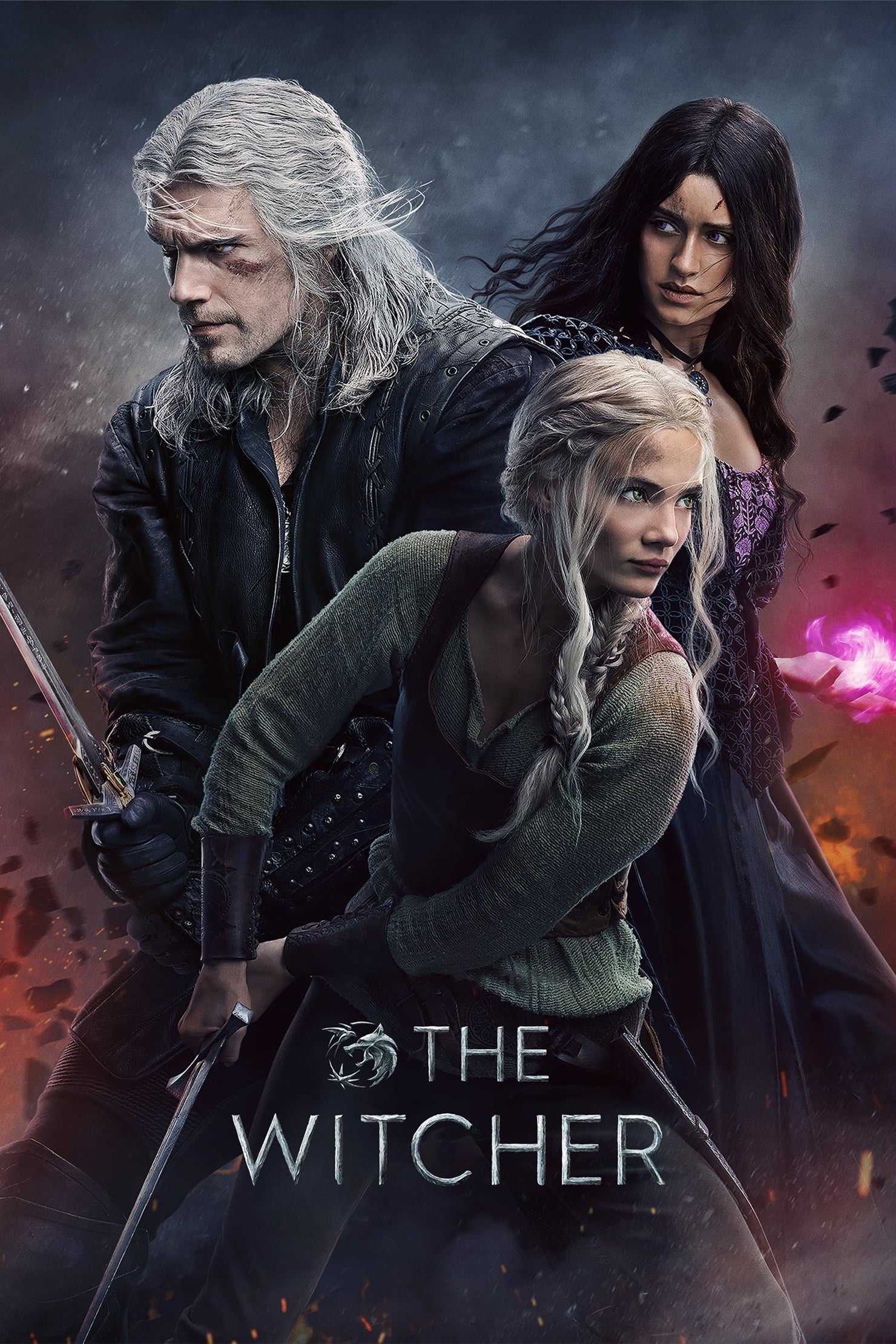
Adapted by Lauren Schmidt Hissrich from Andrzej Sapkowski’s fantasy cycle, ‘The Witcher’ tracks monster hunter Geralt of Rivia, sorceress Yennefer, and heir apparent Ciri across converging paths. It blends contract-of-the-week hunts with continent-shaping politics and magic.
Because the series alternates quest episodes with major arc chapters, you can replay a favorite contract or battle without retracing the entire saga. A consistent bestiary, named signs, and recurring strongholds help orient rewatchers quickly within the lore.
‘Bridgerton’ (2020)
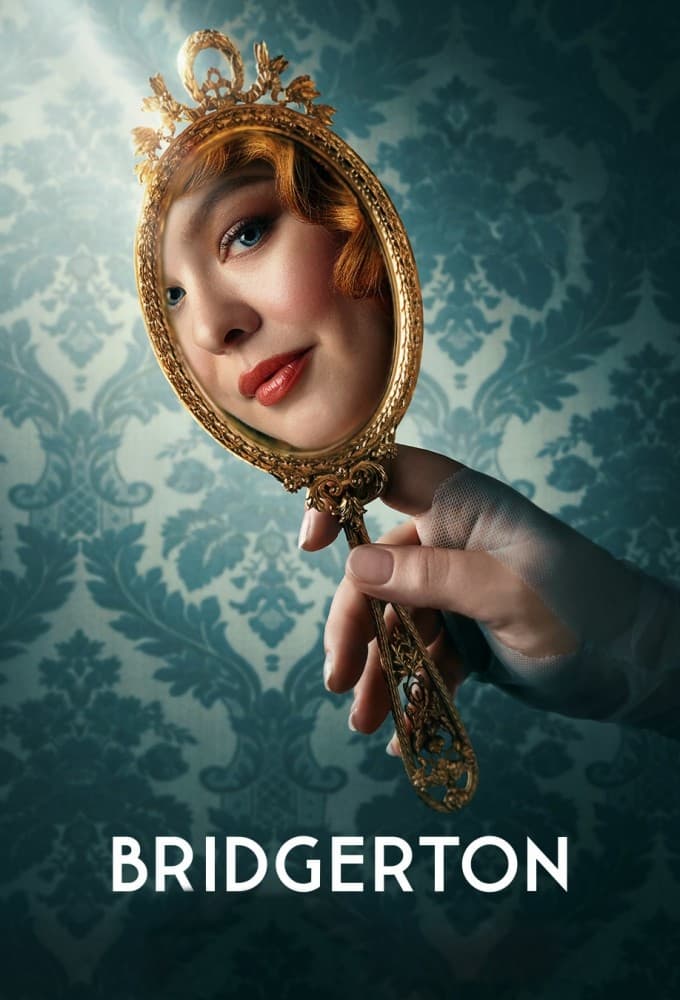
Produced by Shondaland and created by Chris Van Dusen, ‘Bridgerton’ adapts Julia Quinn’s novels into a high-society period drama centered on one family’s romantic seasons. Each season focuses on a different sibling, giving the show a modular structure.
Recurring ballrooms, promenades, and matchmaking rituals form recognizable set-pieces that slot neatly into standalone viewings. The companion series ‘Queen Charlotte: A Bridgerton Story’ expands the universe, offering additional context you can dip into before or after specific arcs in ‘Bridgerton’.
‘The Umbrella Academy’ (2019)
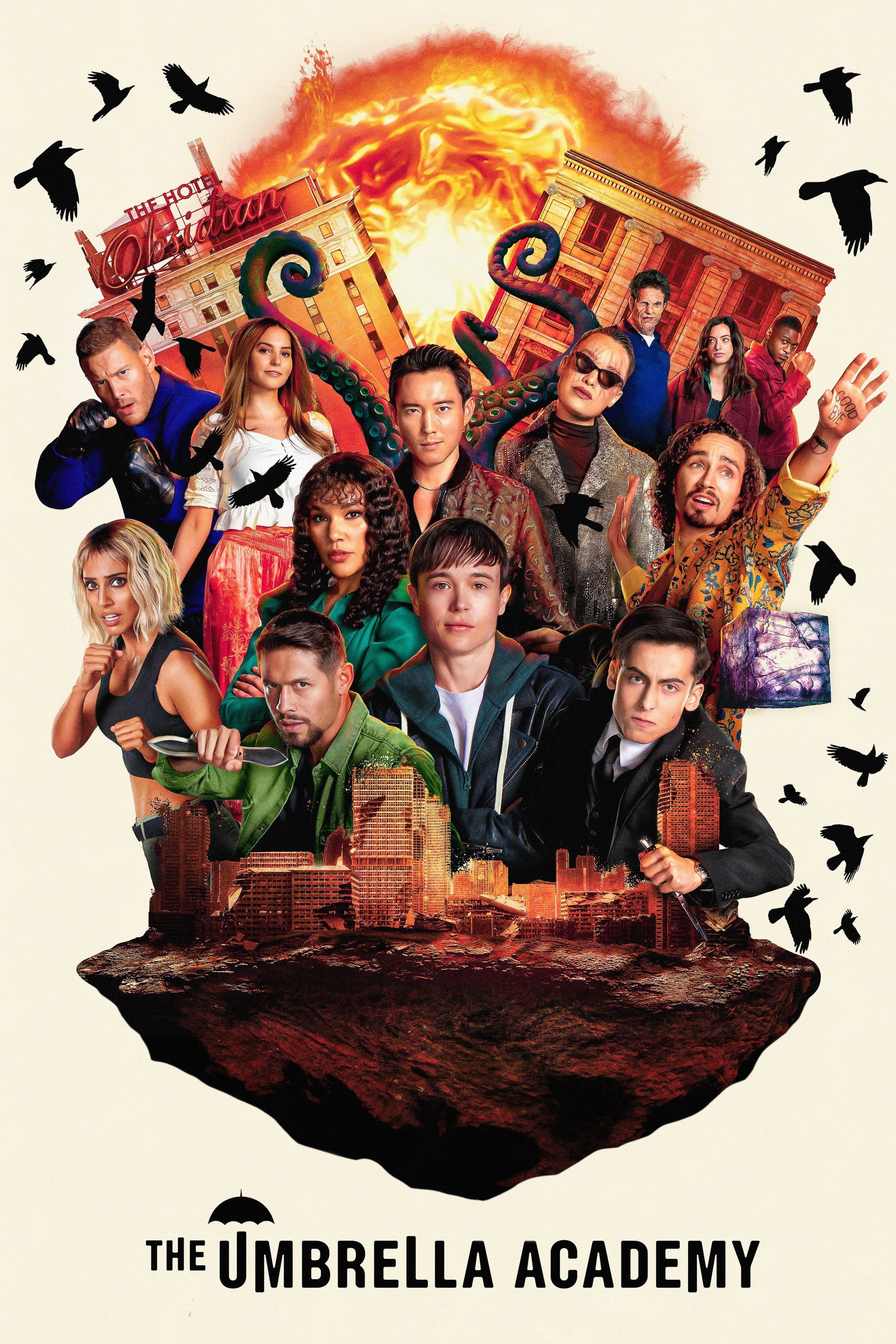
Based on the comics by Gerard Way and Gabriel Bá, ‘The Umbrella Academy’ follows seven adopted siblings with extraordinary abilities as they reunite to prevent catastrophes. Time-travel loops, alternate timelines, and case-file mysteries drive the plot.
The show’s mission-based episodes—bank jobs, commission assignments, and apocalypse countdowns—function as discrete chapters suited to targeted rewatching. Recurring hubs like the Academy mansion and the Commission’s offices provide quick orientation across seasons.
‘Dark’ (2017–2020)
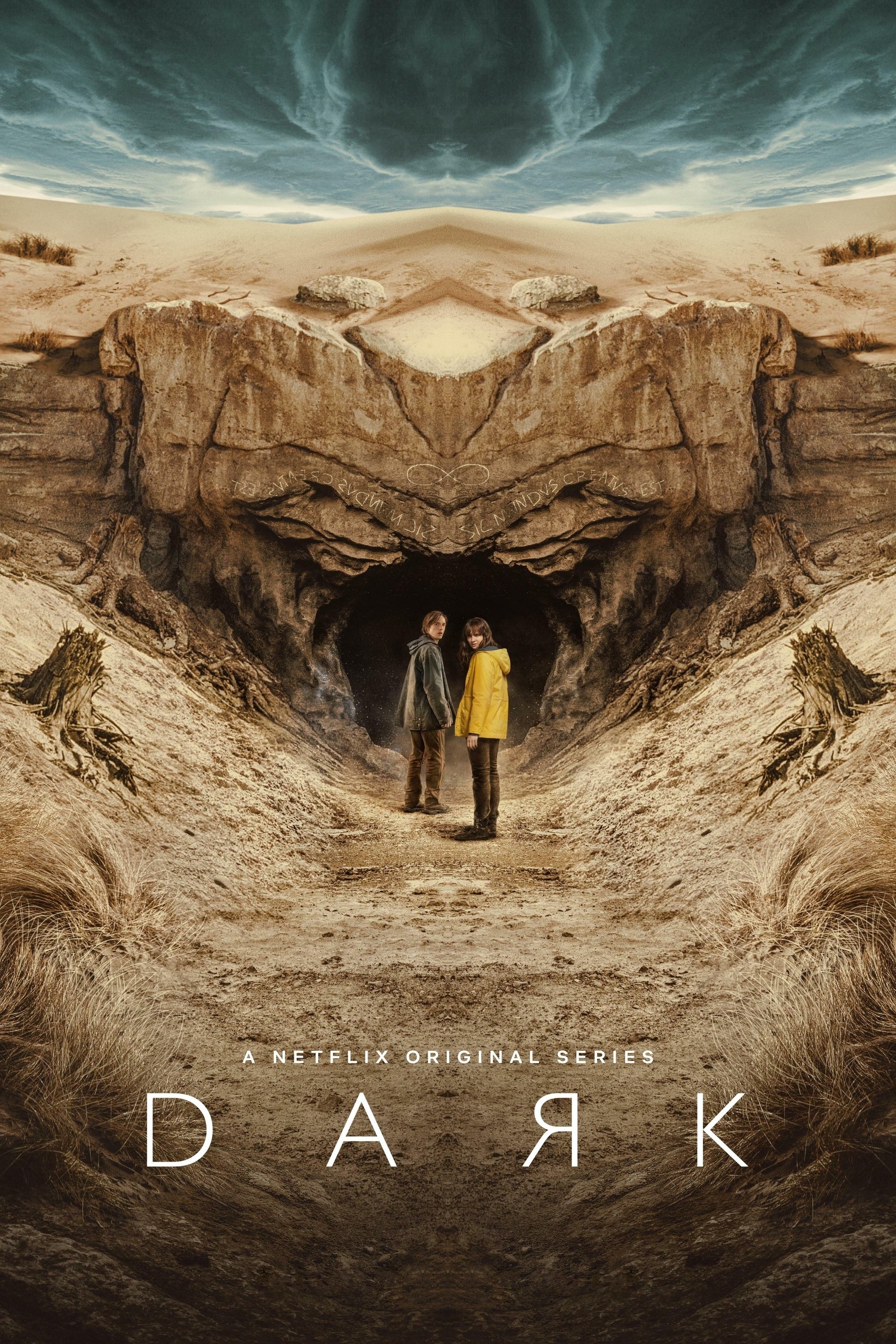
Created by Baran bo Odar and Jantje Friese, ‘Dark’ is a German sci-fi thriller set in the town of Winden, where missing children, a nuclear plant, and a cave system interlock with time travel. Family trees and cyclical events structure the narrative.
The series offers clear rewatch value through its meticulous symbols, mirrored scenes, and episode titles that echo across cycles. Companion elements—maps, family charts, and recurring locations—make it practical to revisit specific nodes in the story’s puzzle.
‘Squid Game’ (2021)
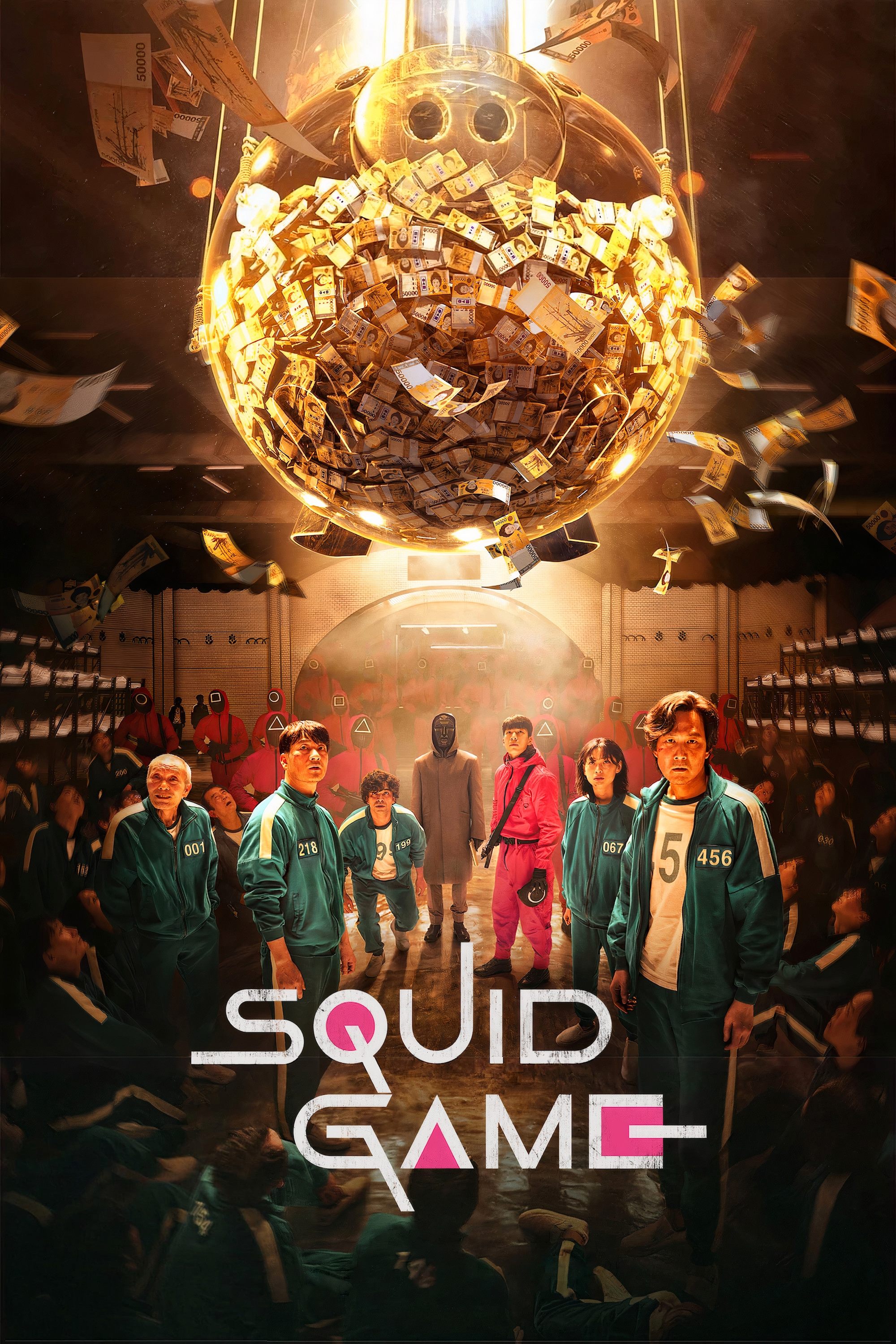
Written and directed by Hwang Dong-hyuk, ‘Squid Game’ stages a clandestine survival competition where financially desperate participants play children’s games with lethal stakes. It tracks game mechanics, alliances, and behind-the-scenes logistics running the tournament.
Episodes divide cleanly by rounds, allowing quick replays of particular games to analyze strategy and design. The show also provides a parallel infiltration thread that can be followed independently on subsequent viewings.
‘House of Cards’ (2013–2018)
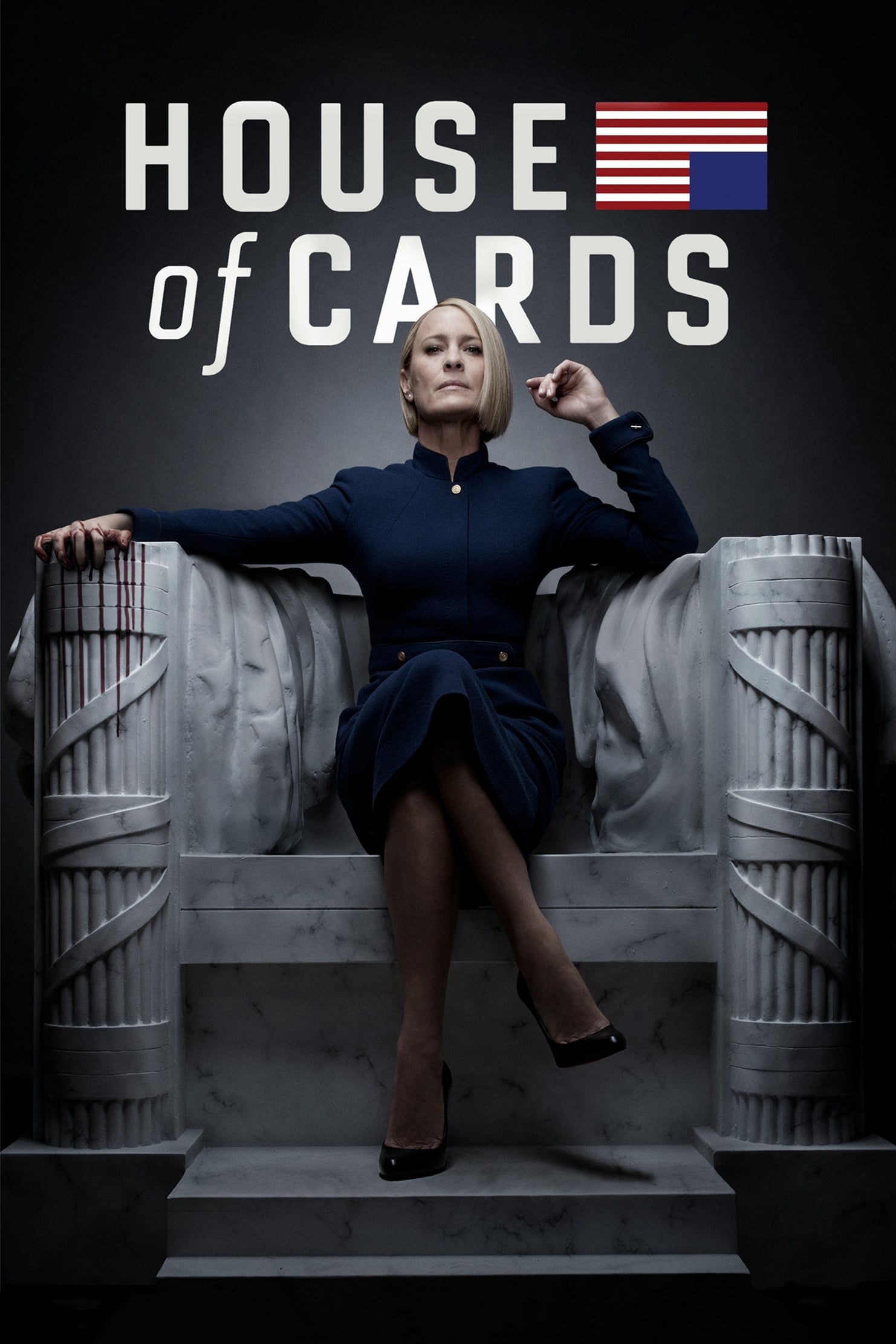
Developed by Beau Willimon, ‘House of Cards’ is a political drama about a power-driven couple navigating Washington, D.C. through back-channels, committee maneuvers, and media leverage. It adapts the premise of a British miniseries to the U.S. political system.
Because each season builds around legislative goals and cabinet reshuffles, you can rewatch a specific bill fight or media strategy arc on its own. Recurring settings—whip offices, press rooms, and think-tank halls—create consistent backdrops for focused revisits.
‘Orange Is the New Black’ (2013–2019)

Created by Jenji Kohan and inspired by a memoir, ‘Orange Is the New Black’ portrays life inside a women’s federal prison, balancing present-day routines with character-specific flashbacks. The ensemble structure covers work assignments, visitation, and facility management.
Episode spotlights—kitchen shifts, library duty, and yard politics—resolve in compact beats that make selective replays useful for following a single character’s arc. Institutional procedures and recurring bunkmate dynamics provide a stable framework for revisiting favorite blocks.
‘Sense8’ (2015–2018)
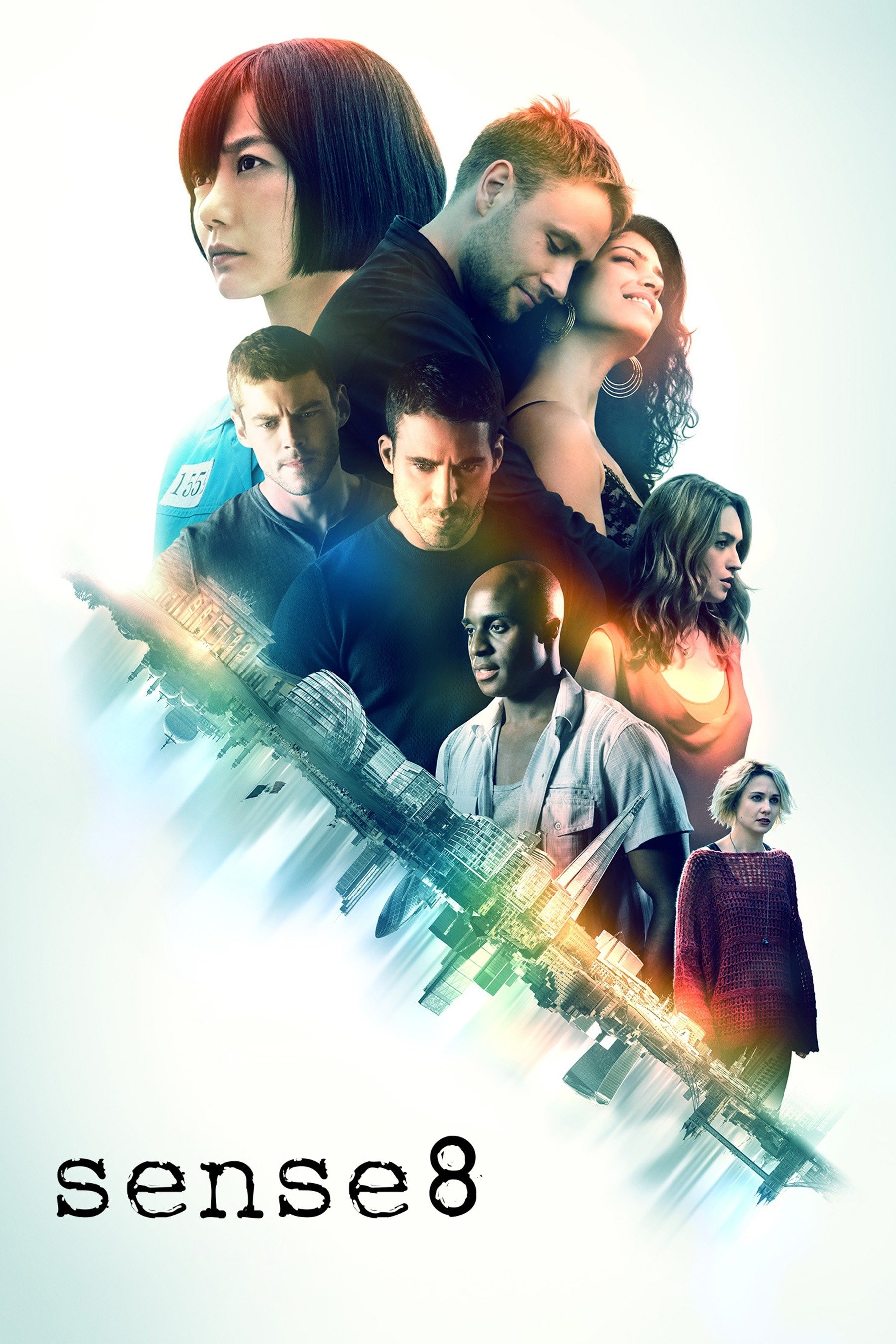
Created by Lana Wachowski and Lilly Wachowski with J. Michael Straczynski, ‘Sense8’ follows eight strangers from different cities who become psychically linked as a new kind of human cluster. The series details the mechanics of sharing skills, languages, and senses across distances while tracking a shadow organization hunting sensates.
Episodes combine character-centric chapters—family obligations, local conflicts, and personal histories—with cluster-level operations where members “visit” one another to coordinate plans. Global on-location filming and recurring rituals, from celebrations to training sequences, provide clear structural anchors for revisiting specific cities, skills, or missions.
‘The OA’ (2016–2019)
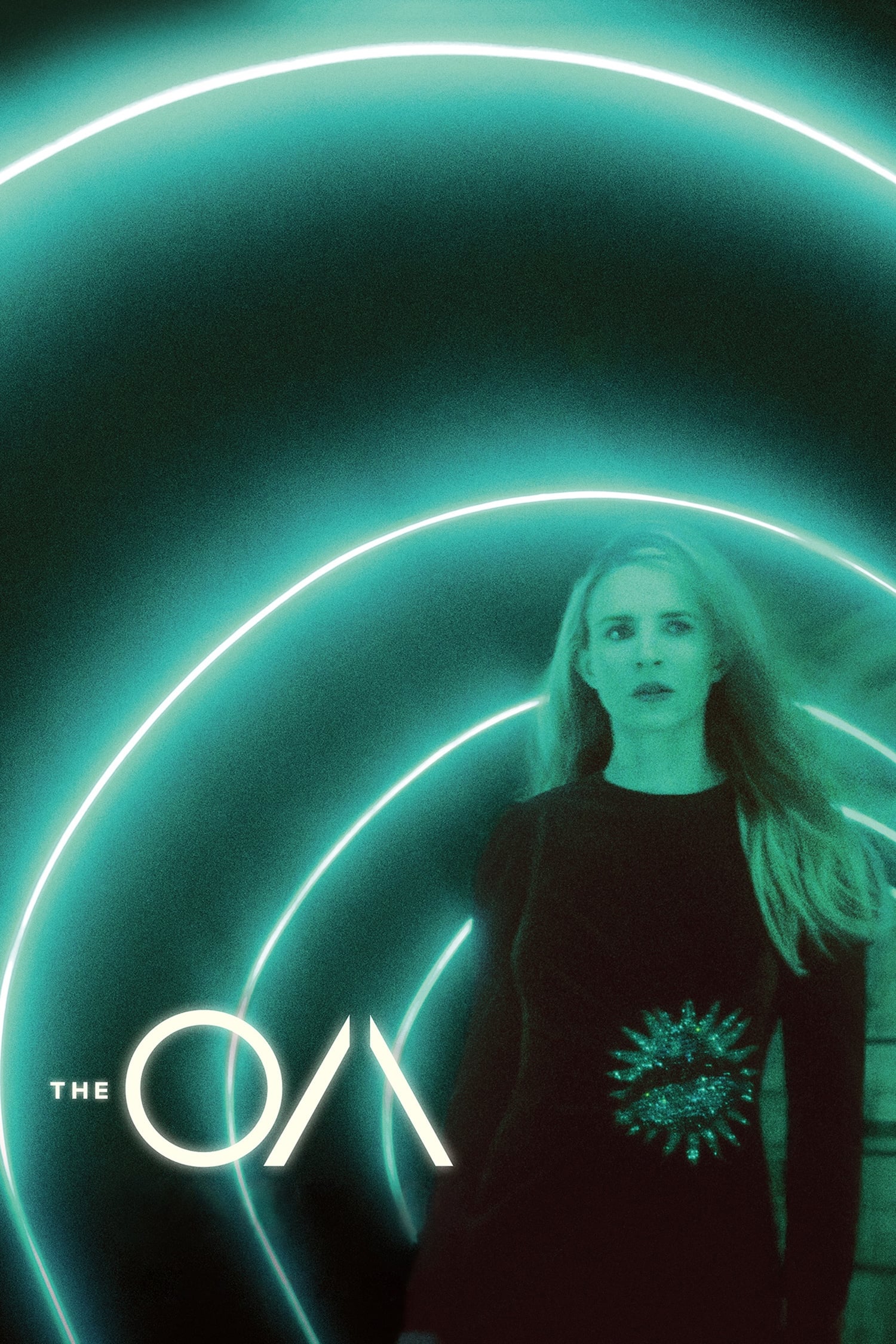
Created by Brit Marling and Zal Batmanglij, ‘The OA’ begins with Prairie Johnson reappearing after a long disappearance, now calling herself the OA and gathering a small group to recount her story. The series explores captivity, near-death experiences, and a set of choreographed movements connected to interdimensional travel.
Told in distinct parts, the show shifts settings and ensembles while maintaining a throughline of coded clues, journals, and competing investigations. Episodes use layered timelines and point-of-view shifts, allowing focused rewatching of particular testimonies, experiments, or searches tied to the larger mystery.
‘Locke & Key’ (2020–2022)
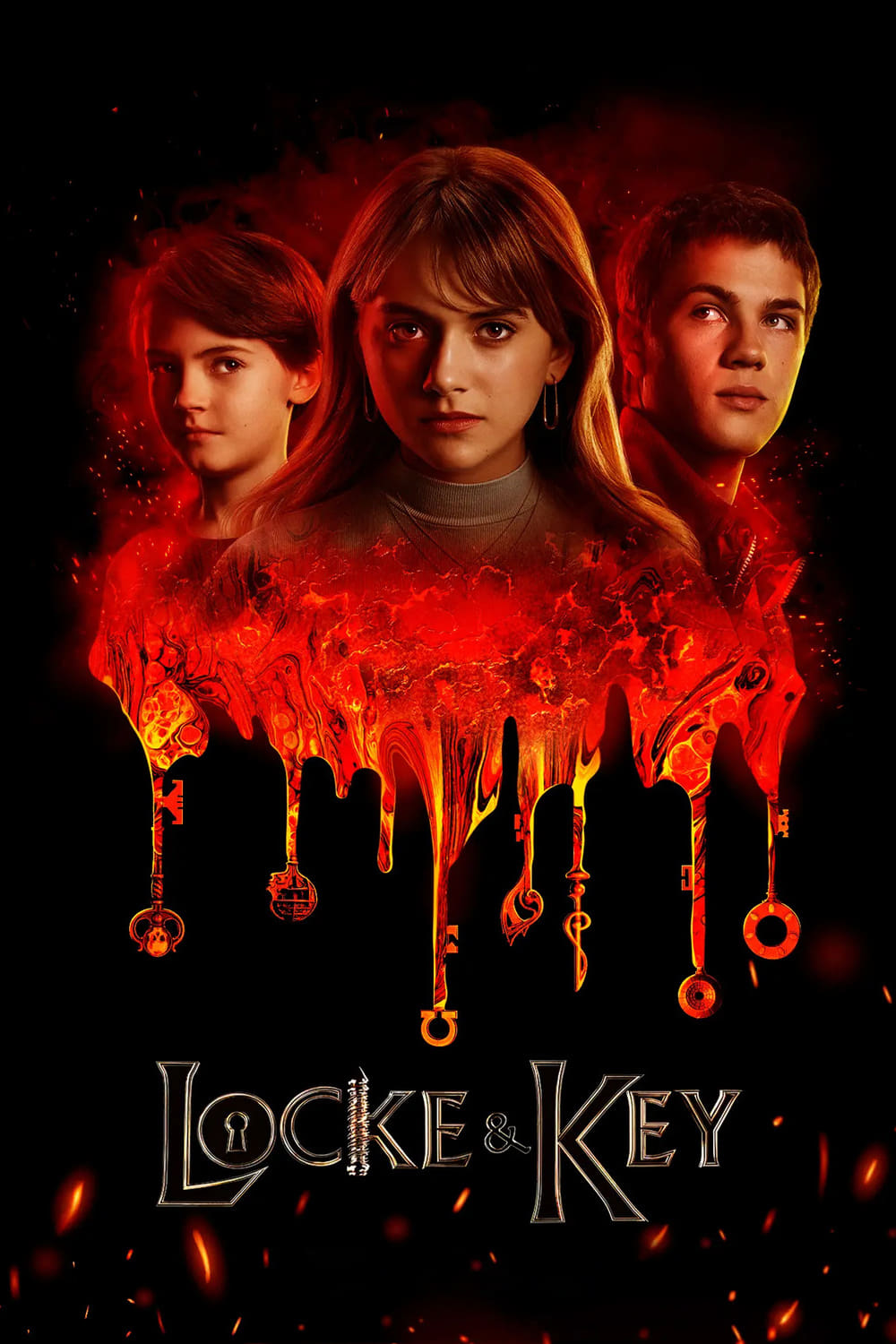
Based on the comic by Joe Hill and Gabriel Rodríguez, ‘Locke & Key’ follows the Locke siblings after they move into Keyhouse, a family estate filled with magical keys that unlock specific abilities or transformations. The narrative charts how each discovered key alters daily life while drawing the family into an old conflict with demonic forces.
Episodes often center on learning a new key’s rules and consequences—the Head Key, Ghost Key, and Anywhere Key among them—while season arcs map broader threats and alliances. Recurring rooms, hidden doors, and named artifacts create a consistent geography that makes it easy to revisit particular puzzles or confrontations.
‘Unbreakable Kimmy Schmidt’ (2015)
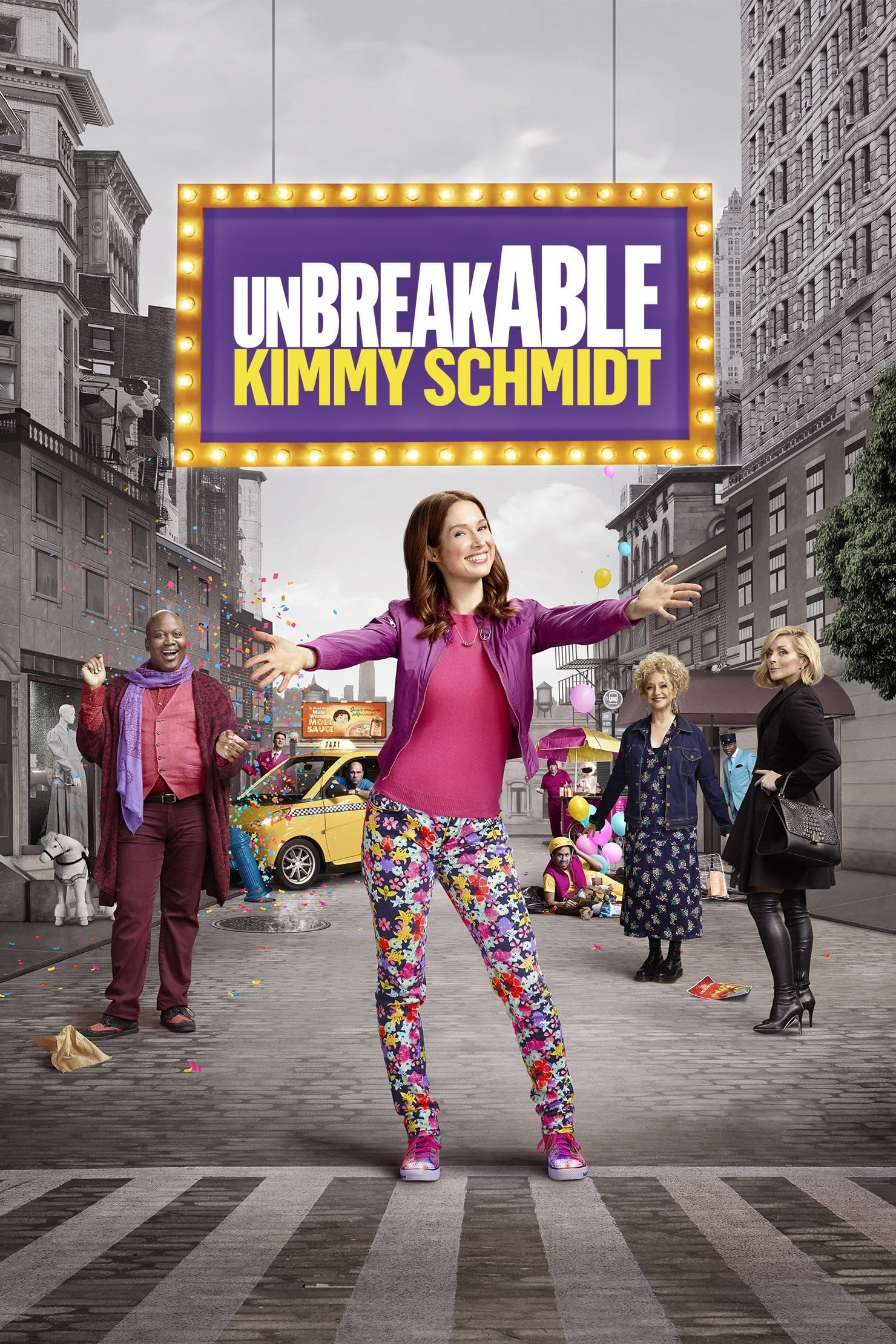
From Tina Fey and Robert Carlock, ‘Unbreakable Kimmy Schmidt’ follows a woman adjusting to life in New York City after years in a doomsday cult. It builds fast-paced, joke-dense plots around work gigs, apartment antics, and night-school challenges.
Because episodes revolve around singular schemes—viral videos, neighborhood protests, and themed parties—they can be replayed as compact comedic capers. A later interactive special expands the format, offering alternative paths to revisit after the main run.
‘GLOW’ (2017–2019)
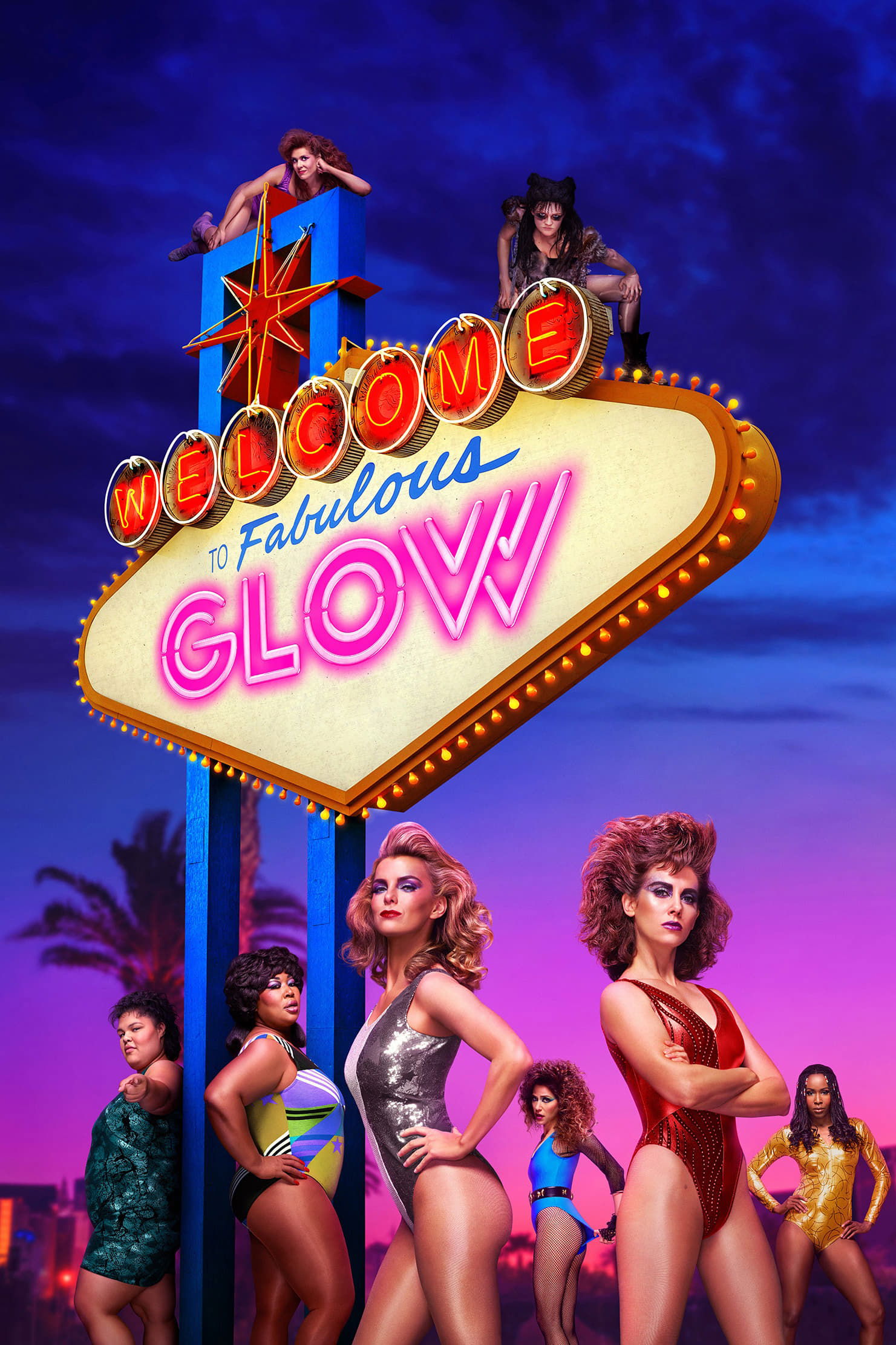
‘GLOW’, created by Liz Flahive and Carly Mensch, dramatizes the formation of a women’s professional wrestling show in Los Angeles. It traces training, persona creation, and backstage logistics alongside broadcast negotiations.
Match cards and backstage segments are naturally modular, letting viewers rewatch a favorite bout or character-building promo. The series also documents how costumes, move sets, and tag teams evolve, offering granular details that reward targeted revisits.
‘Russian Doll’ (2019)
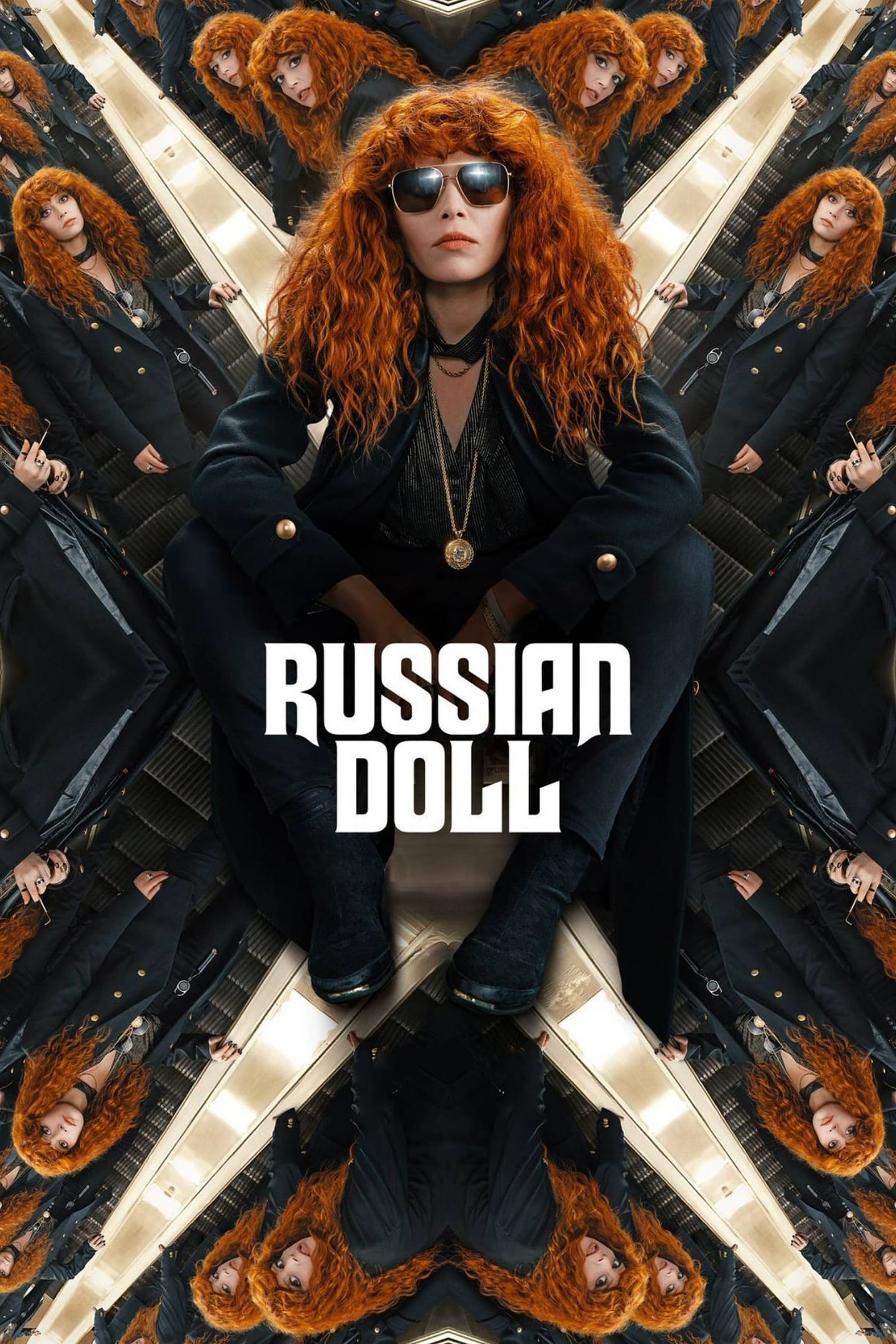
Co-created by Natasha Lyonne, Amy Poehler, and Leslye Headland, ‘Russian Doll’ follows a New Yorker stuck in a time loop that reframes personal history and relationships. It layers clues across repeat nights, altering variables with each cycle.
Episodes are tightly plotted around resets and discoveries, so you can rewatch a single night to track small changes and hidden setups. The second run expands the premise with new rules and timelines, creating additional nodes for selective replay.
‘Love, Death & Robots’ (2019)
Curated by Tim Miller with David Fincher among executive producers, ‘Love, Death & Robots’ is an animated anthology spanning sci-fi, horror, and satire. Each short features a unique studio, aesthetic, and voice cast.
Because entries are standalone and vary in length, you can jump directly to a specific style or theme for quick rewatch sessions. Recurring motifs—AI, extraterrestrial contact, and post-apocalyptic survival—provide thematic threads to organize repeat viewings.
‘Chef’s Table’ (2015)
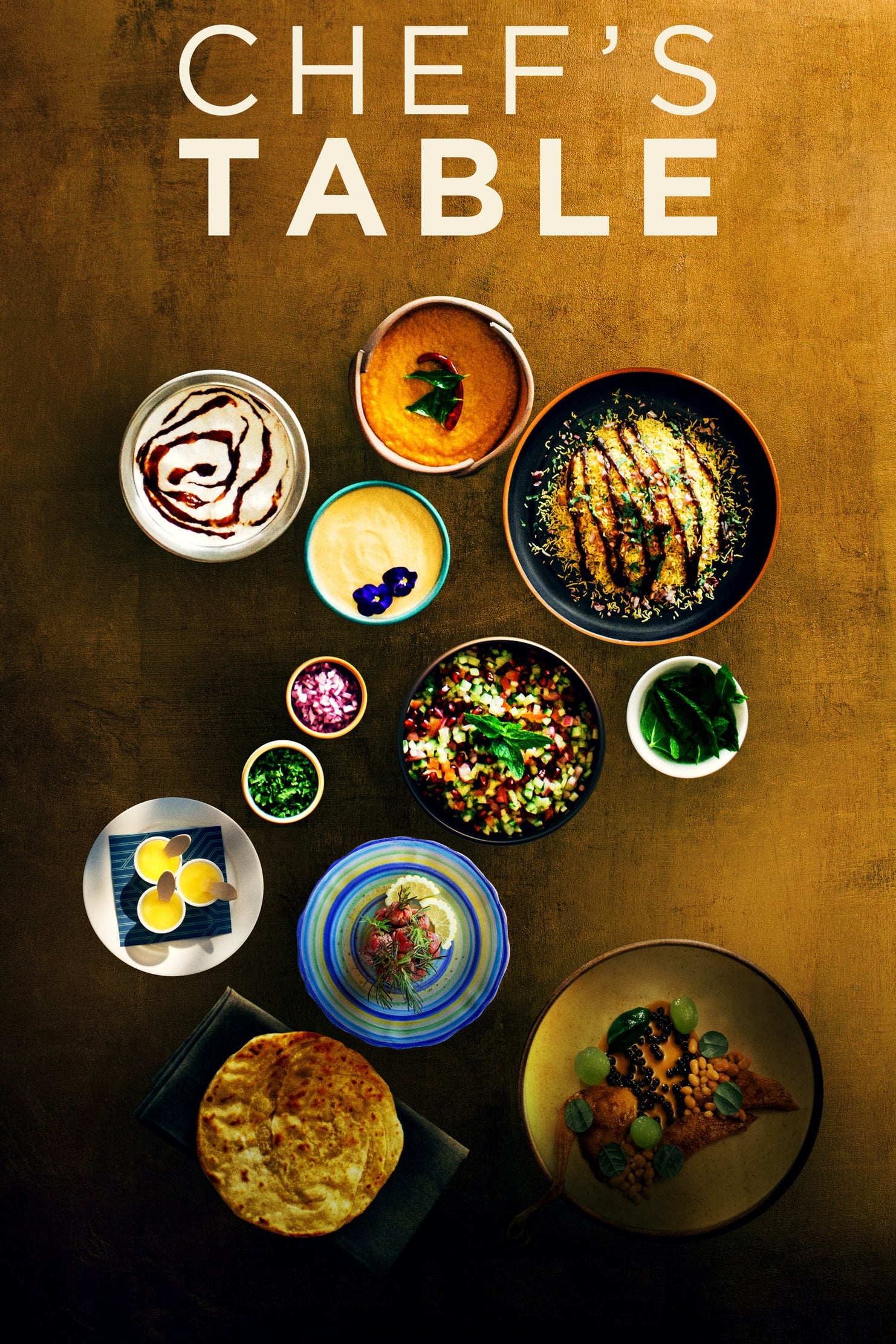
Created by David Gelb, ‘Chef’s Table’ profiles influential chefs around the world, documenting kitchens, origin stories, and signature techniques. Each episode functions as a complete portrait, from sourcing to plating.
The series’ consistent structure—personal history, philosophy, and menu development—makes it easy to revisit a particular chef for inspiration or study. Regional focus and recurring production elements like slow-motion prep and score-driven montages support focused replays.
‘Making a Murderer’ (2015)
Directed by Laura Ricciardi and Moira Demos, ‘Making a Murderer’ examines a Wisconsin criminal case across investigations, trials, and appeals. It presents court transcripts, depositions, and interviews in chronological order.
Because the show separates discovery phases, hearings, and filings, you can rewatch discrete legal stages to follow argument shifts. Supplementary episodes revisit developments, allowing viewers to compare earlier claims with later outcomes in a structured way.
‘The Haunting of Hill House’ (2018)
Created by Mike Flanagan, ‘The Haunting of Hill House’ adapts a classic novel into a modern family ghost story told across two timelines. It interlaces character-centric episodes with an overarching mystery tied to rooms, sightings, and a pivotal night.
The companion season ‘The Haunting of Bly Manor’ forms a thematic anthology that you can watch alongside or after ‘The Haunting of Hill House’ for mirrored structures and motifs. Signature episodes—long-take showcases and Rashomon-style retellings—lend themselves to focused rewatch analysis.
‘Kingdom’ (2019)
Written by Kim Eun-hee, ‘Kingdom’ merges historical court intrigue with an outbreak narrative set in the Joseon era. It follows a crown prince, physicians, and regional officials as they confront both political rivals and a fast-spreading plague.
Seasonal arcs map investigations from clinics to borderlands, while a special episode, ‘Kingdom: Ashin of the North’, expands the origin story. Distinctive geography—palaces, provinces, and hunting grounds—helps rewatchers track logistics across battles and supply routes.
‘3%’ (2016–2020)

Created by Pedro Aguilera, ‘3%’ is a Brazilian dystopian series about a rigorous selection process that gives a small fraction of candidates access to a privileged Offshore society. Trials test logic, ethics, cooperation, and endurance.
Because each test is designed around a unique mechanism, viewers can rewatch particular phases for puzzle-solving details. Parallel perspectives—from candidates, administrators, and resistance cells—offer multiple angles on the same events for targeted revisits.
‘The Queen’s Gambit’ (2020)
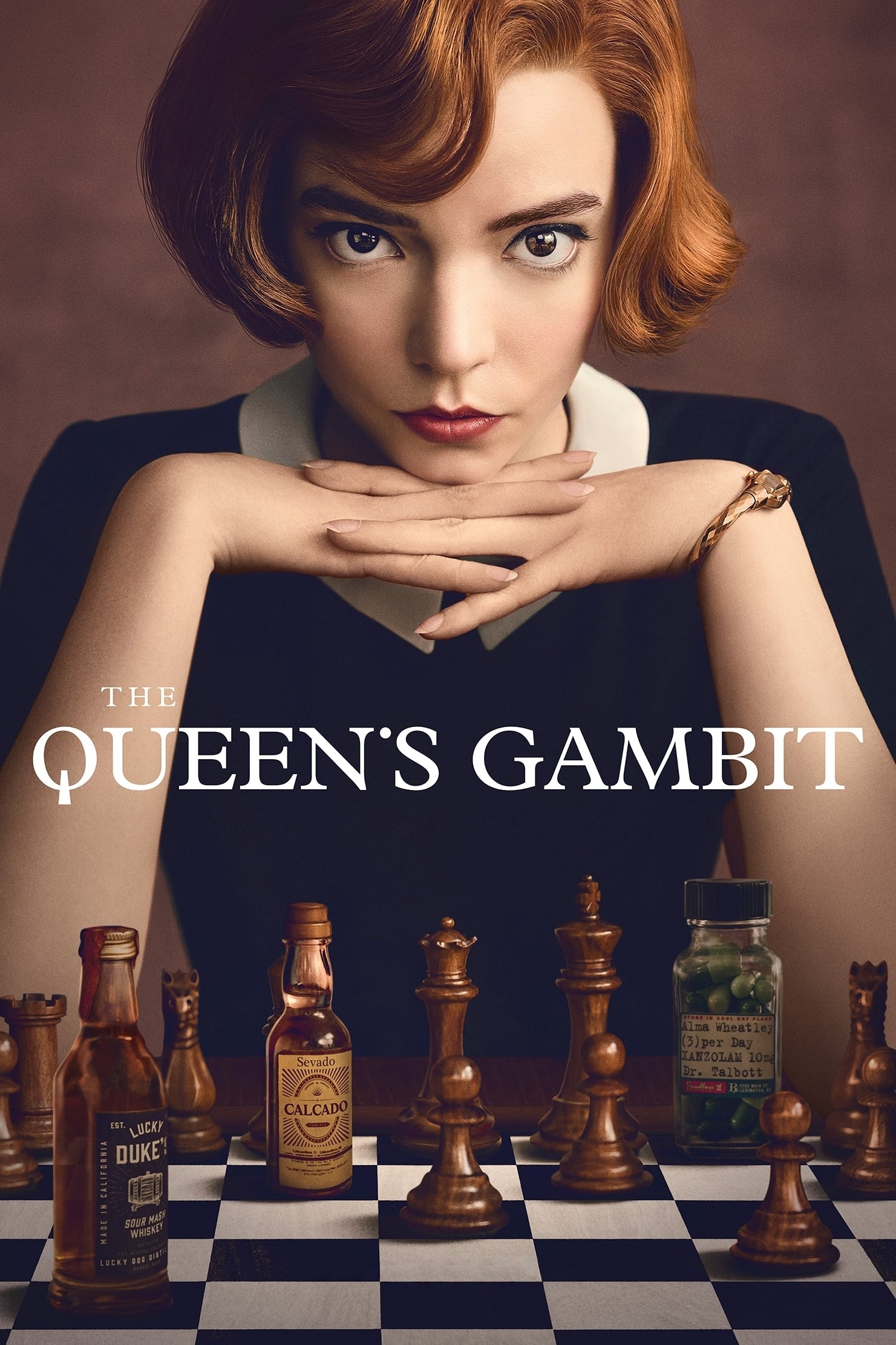
Developed by Scott Frank and Allan Scott from Walter Tevis’s novel, ‘The Queen’s Gambit’ follows Beth Harmon as she rises through competitive chess while managing personal challenges. The series rigorously stages tournaments, openings, and endgame scenarios.
Matches are presented with clear visual language—boards, notation-style cutaways, and training montages—so a favorite game can be replayed to study strategy. Self-contained event locations and a defined endpoint make the limited series especially easy to revisit in segments.
‘Wednesday’ (2022)
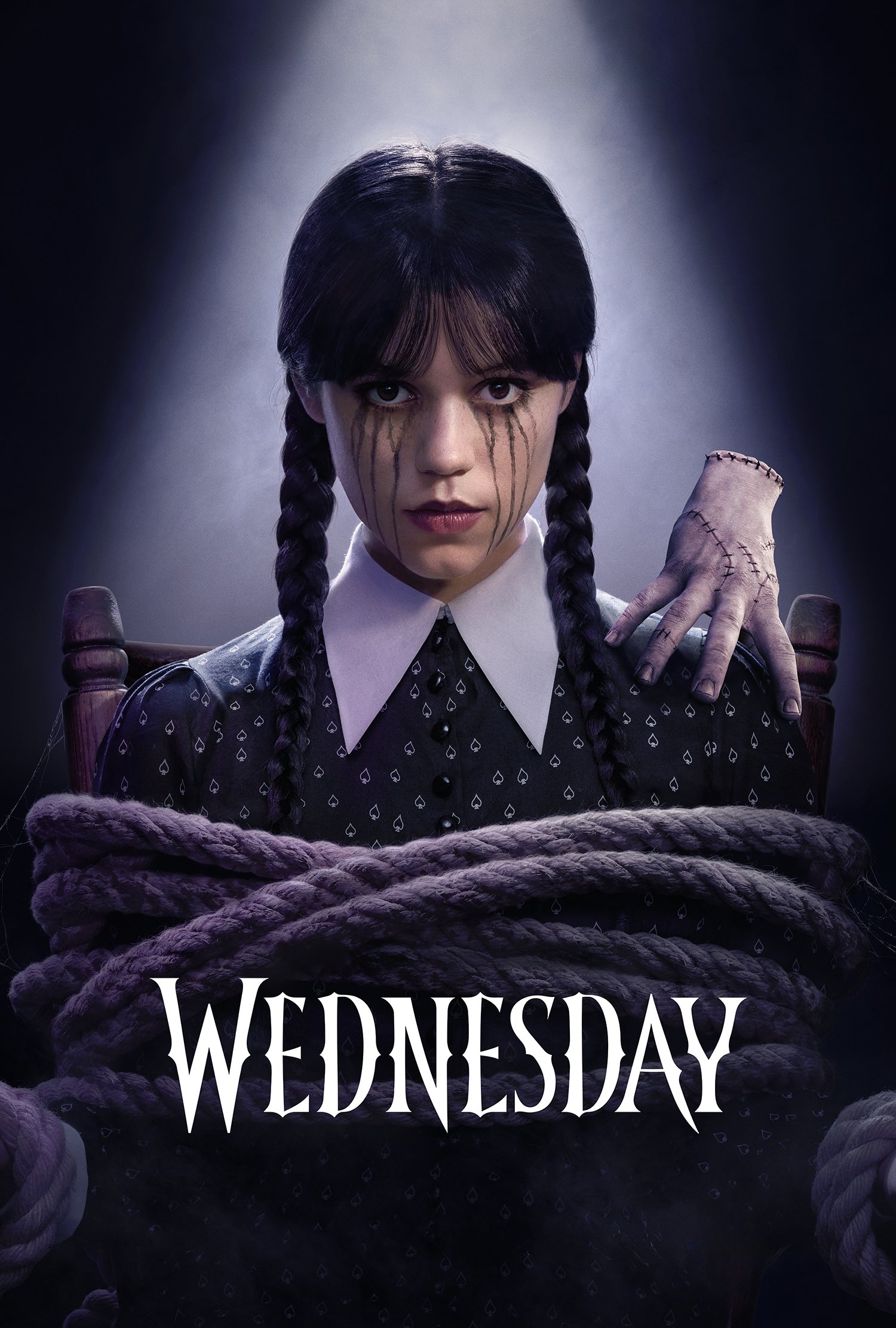
Developed by Alfred Gough and Miles Millar, ‘Wednesday’ centers on Wednesday Addams at Nevermore Academy, where she investigates a string of mysteries while honing latent abilities. The show blends academy life with town politics and folklore.
Episodes often hinge on a single clue trail or school event—dances, competitions, and field trips—creating natural checkpoints for rewatching. Recurring settings like dorms, classrooms, and forest paths make orientation simple when revisiting specific cases.
Share your own go-to rewatchable Netflix originals in the comments—what did we miss, and which episodes do you return to most?