The Most Rewatchable Sci-Fi Movies Ever Filmed


Great science fiction holds up on repeat viewings because there’s always more to notice—background details, production choices, thematic threads, and how the pieces fit together across scenes. The movies below are packed with craft: inventive production design, memorable music, clever editing, and visual effects that helped define their eras.
This list collects fifty feature films that people return to again and again. Each entry highlights concrete facts—who made it, how it was produced, where it fits in its franchise or film history, and what made it stand out on release—so you can zero in on what to watch next and why these titles continue to matter.
‘Back to the Future’ (1985)
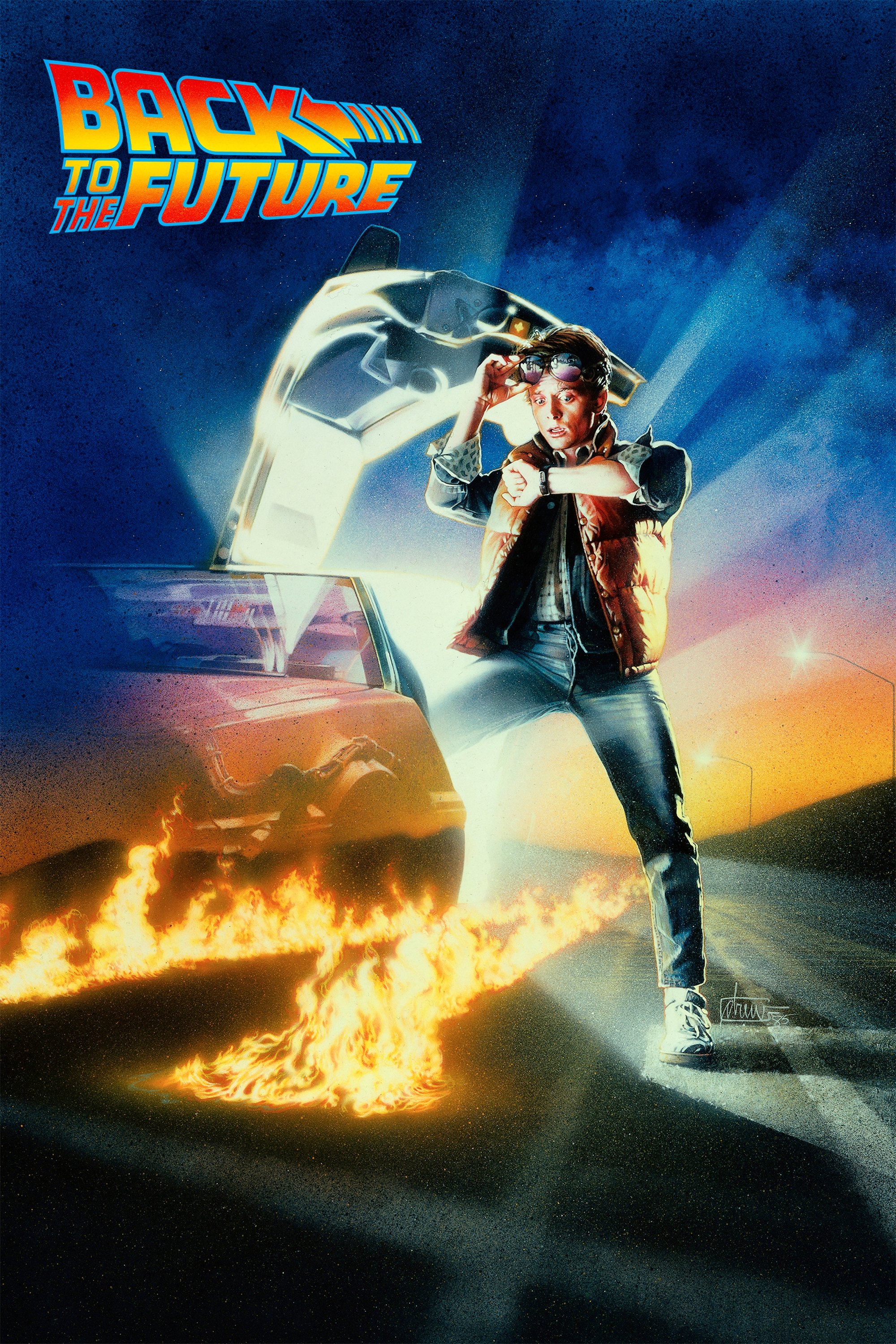
Robert Zemeckis directs this time-travel adventure starring Michael J. Fox and Christopher Lloyd, built around a DeLorean DMC-12 that jumps through time when it hits 88 mph. The screenplay by Zemeckis and Bob Gale balances cause-and-effect plotting with clear stakes, anchored by Alan Silvestri’s instantly identifiable score.
Production famously replaced the original lead mid-shoot with Fox, requiring reshoots that still met a summer release. The film became a box-office phenomenon, launched two sequels, and embedded details—like the Hill Valley set and running gags—that reward a close rewatch.
‘Star Wars: Episode V – The Empire Strikes Back’ (1980)
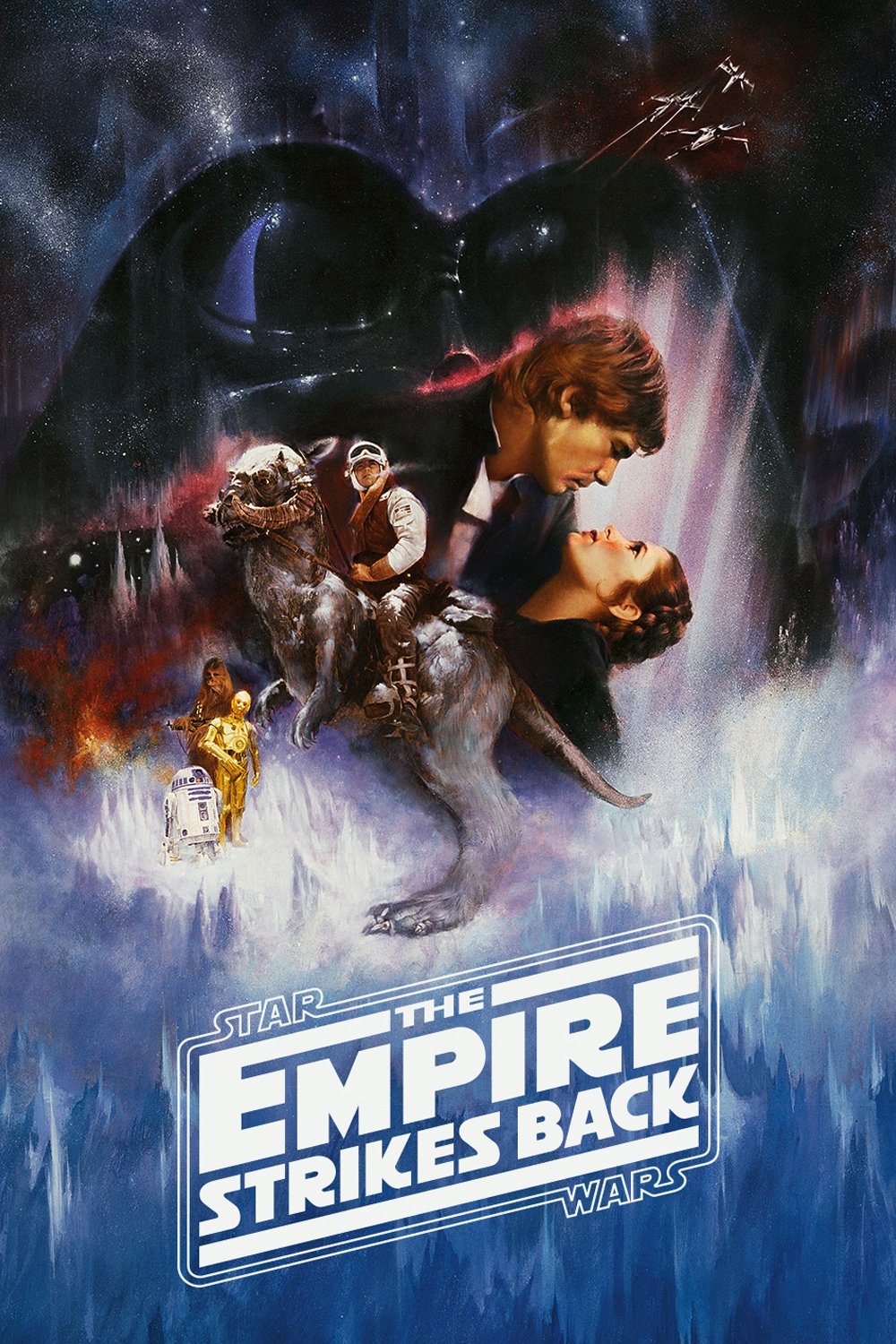
Directed by Irvin Kershner from a screenplay by Leigh Brackett and Lawrence Kasdan, this second chapter expands the ‘Star Wars’ saga with new locations—Hoth, Dagobah, Cloud City—and key characters such as Lando Calrissian and Yoda. Industrial Light & Magic advanced motion-control miniature work for the AT-AT battle and space sequences.
John Williams’ score introduced enduring motifs, and the film’s Special Edition added effects and shots reflecting evolving technology. Its production set a template for franchise world-building, while carefully staged revelations ripple through later ‘Star Wars’ entries.
‘The Matrix’ (1999)
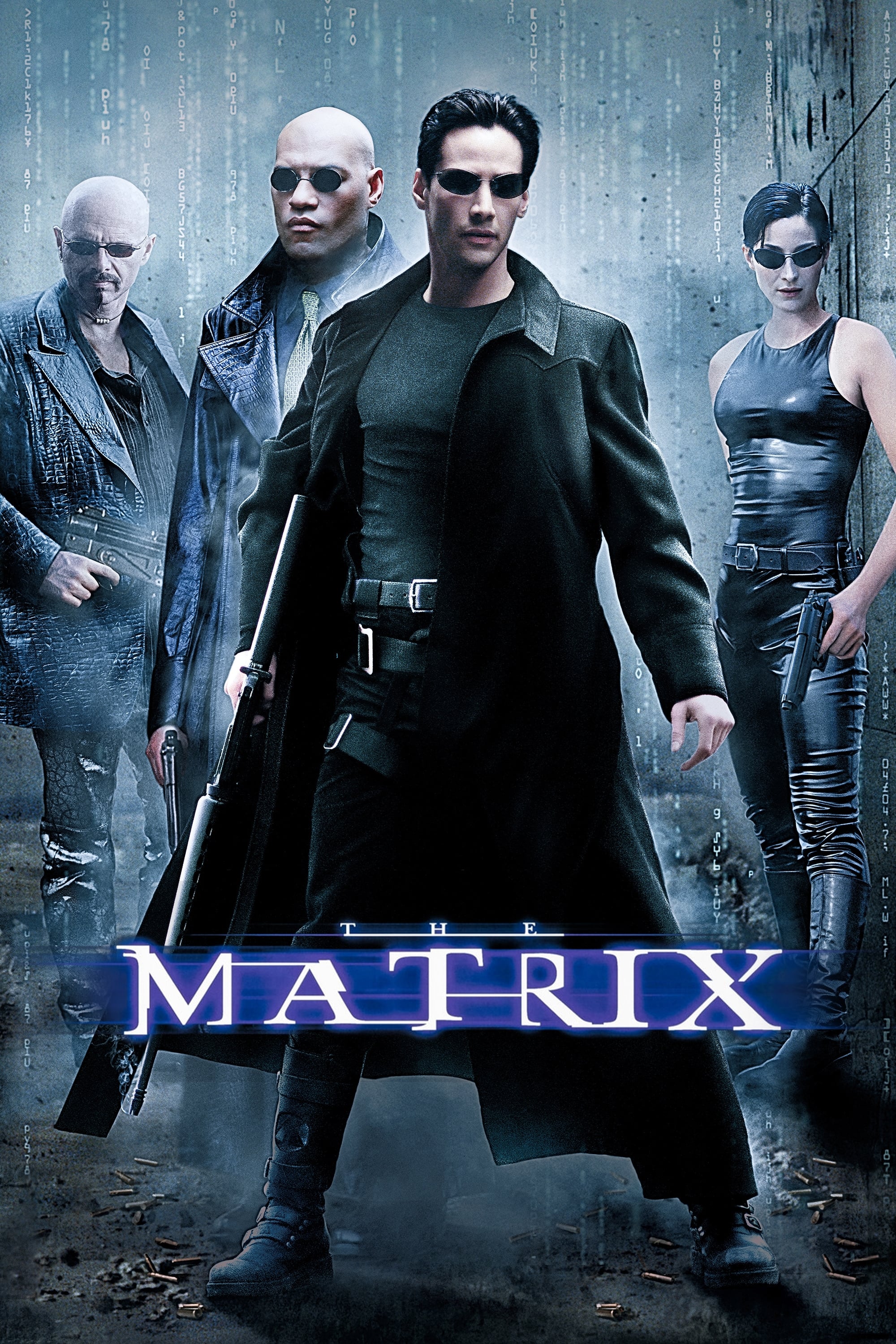
Lana and Lilly Wachowski’s cyberpunk landmark stars Keanu Reeves, Carrie-Anne Moss, and Laurence Fishburne, framing a human-machine conflict through simulated reality. “Bullet time” was realized with a multi-camera array capturing action at variable speeds, then stitched into fluid motion.
The film earned four Academy Awards in technical categories, reflecting breakthroughs in visual effects, editing, and sound. Its design language—long coats, green code, stylized fight choreography—drew from anime and Hong Kong cinema and influenced a wave of early-2000s action filmmaking.
‘Blade Runner’ (1982)
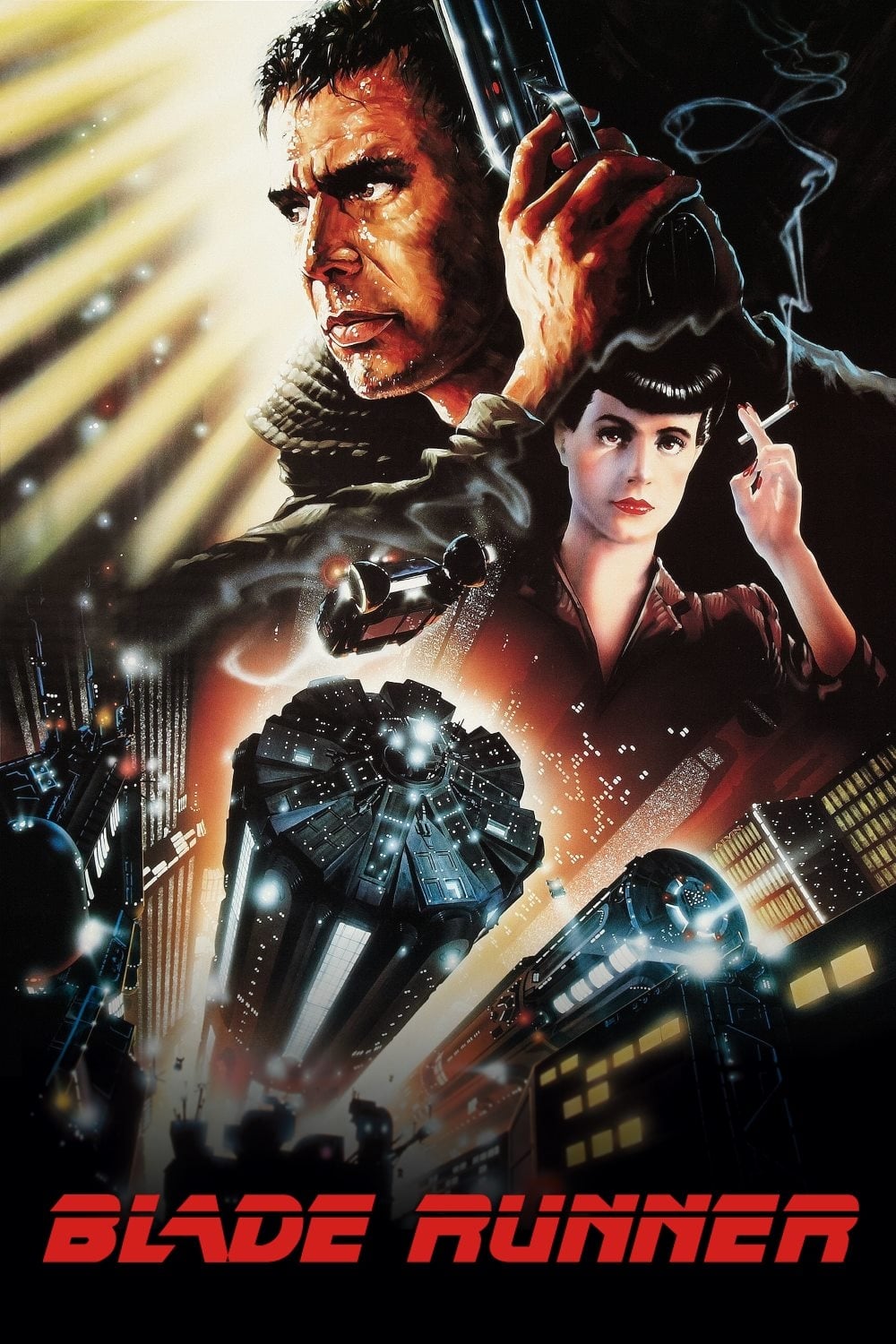
Ridley Scott adapts Philip K. Dick’s ‘Do Androids Dream of Electric Sheep?’ into a neo-noir set in a rain-soaked 2019 Los Angeles. Harrison Ford plays a detective hunting bioengineered replicants amid miniature cityscapes, in-camera effects, and Vangelis’s synthesizer score.
Multiple official cuts exist—the U.S. theatrical version, the ‘Director’s Cut’, and the ‘Final Cut’—each altering narration and key visuals. The film’s production design and effects pipeline became touchstones for cyberpunk and dystopian world-building.
‘Aliens’ (1986)
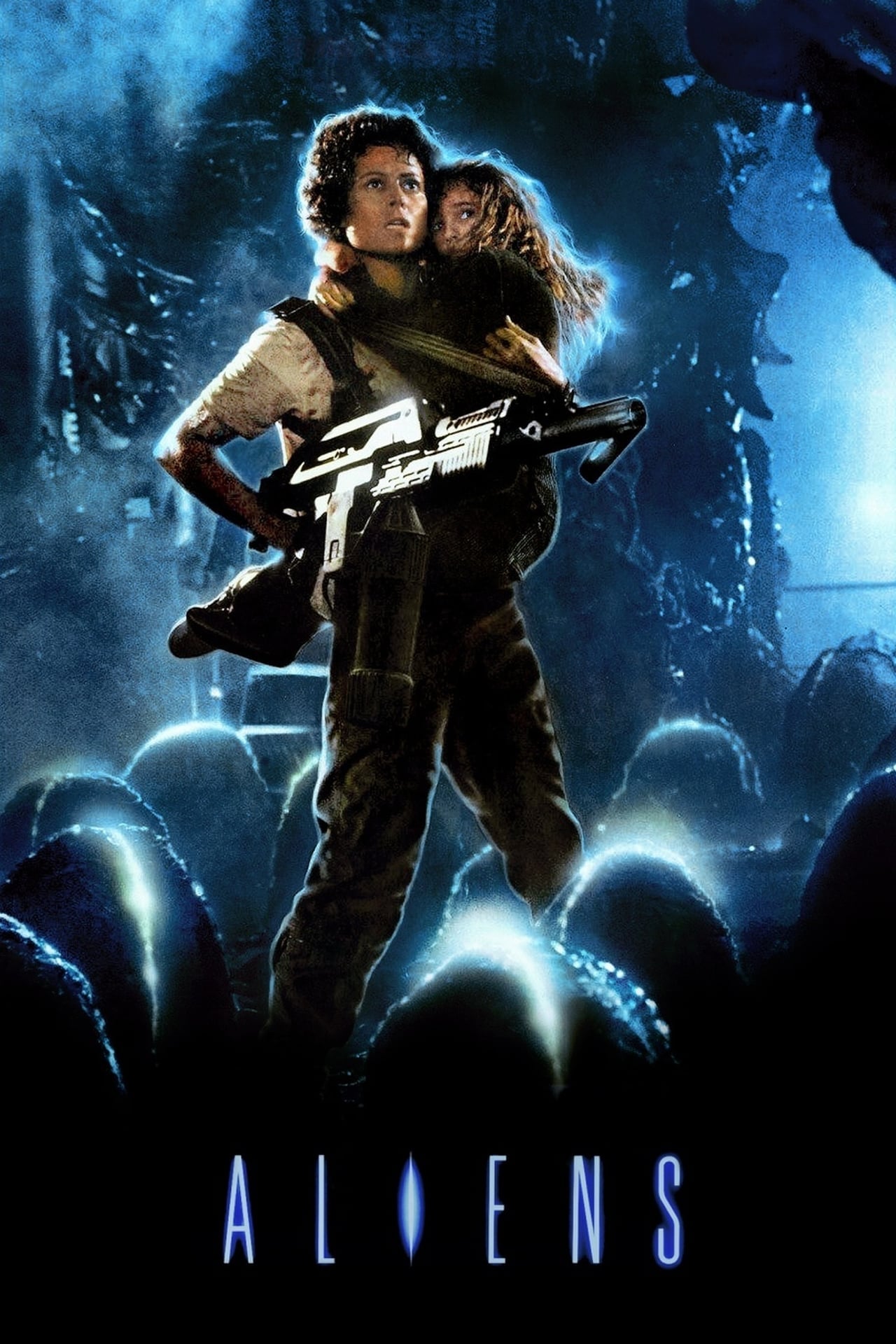
James Cameron follows ‘Alien’ with a tactical military expedition led by Sigourney Weaver’s Ripley, expanding the xenomorph mythos with colonial marines, pulse rifles, and power loaders. Stan Winston Studio delivered creature work and animatronics, while miniature and optical effects built large-scale action.
The movie received multiple Academy Award nominations, with wins recognizing sound and visual craft. Its detailed props, jargon, and squad dynamics seeded decades of games, comics, and later ‘Alien’ projects that echo its terminology and kit design.
‘Terminator 2: Judgment Day’ (1991)
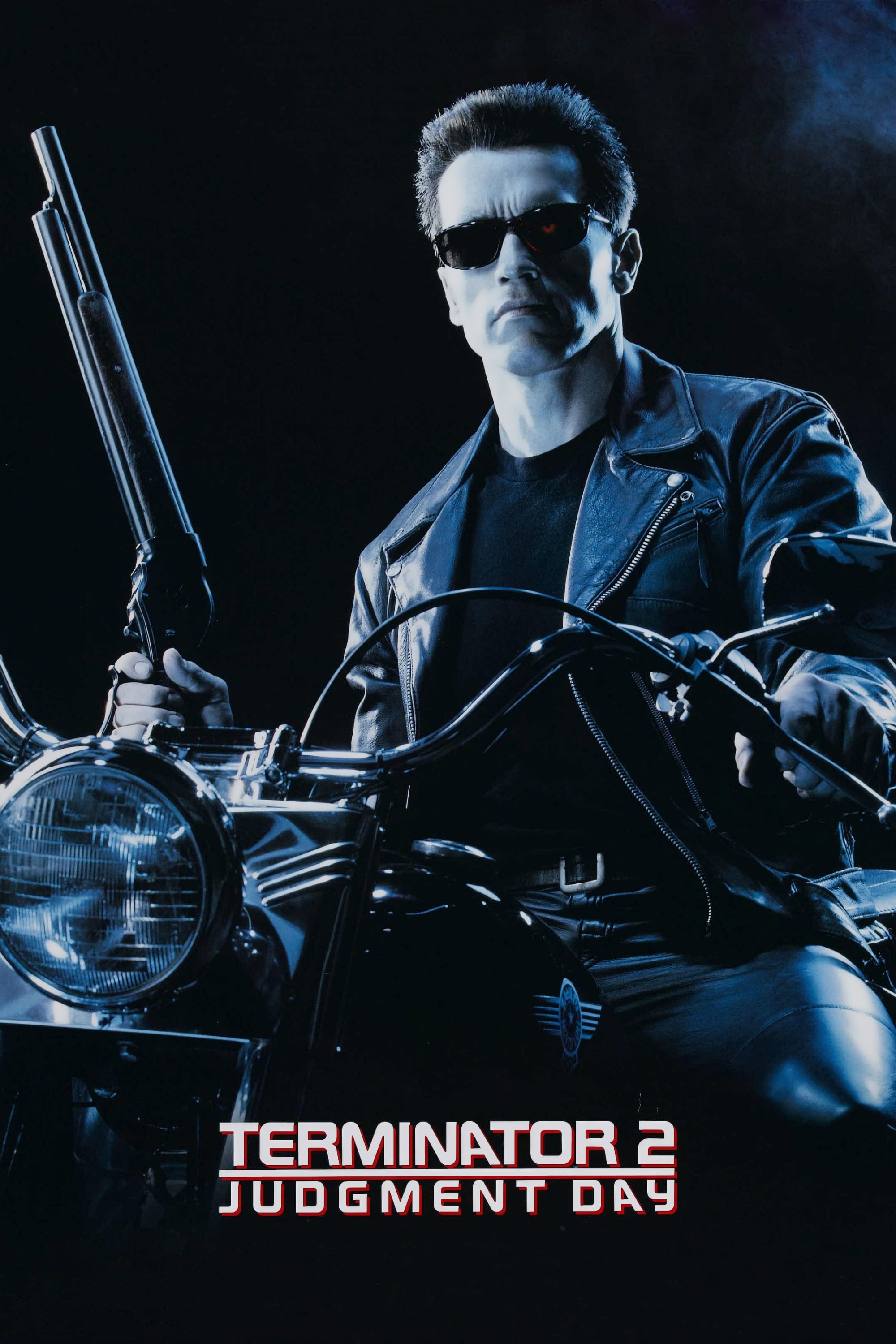
James Cameron’s sequel returns Arnold Schwarzenegger, introduces Robert Patrick’s T-1000, and integrates pioneering CGI for liquid-metal morphing alongside practical stunts. Filming combined motion-control, animatronics, and digital compositing to integrate the shapeshifting antagonist.
It won four Oscars in technical categories, showcasing industrial advances in effects and sound. The extended home-video editions add scenes that deepen character and tech lore, and the production’s data-driven FX pipeline influenced 1990s blockbuster post-production.
‘Star Wars: Episode IV – A New Hope’ (1977)
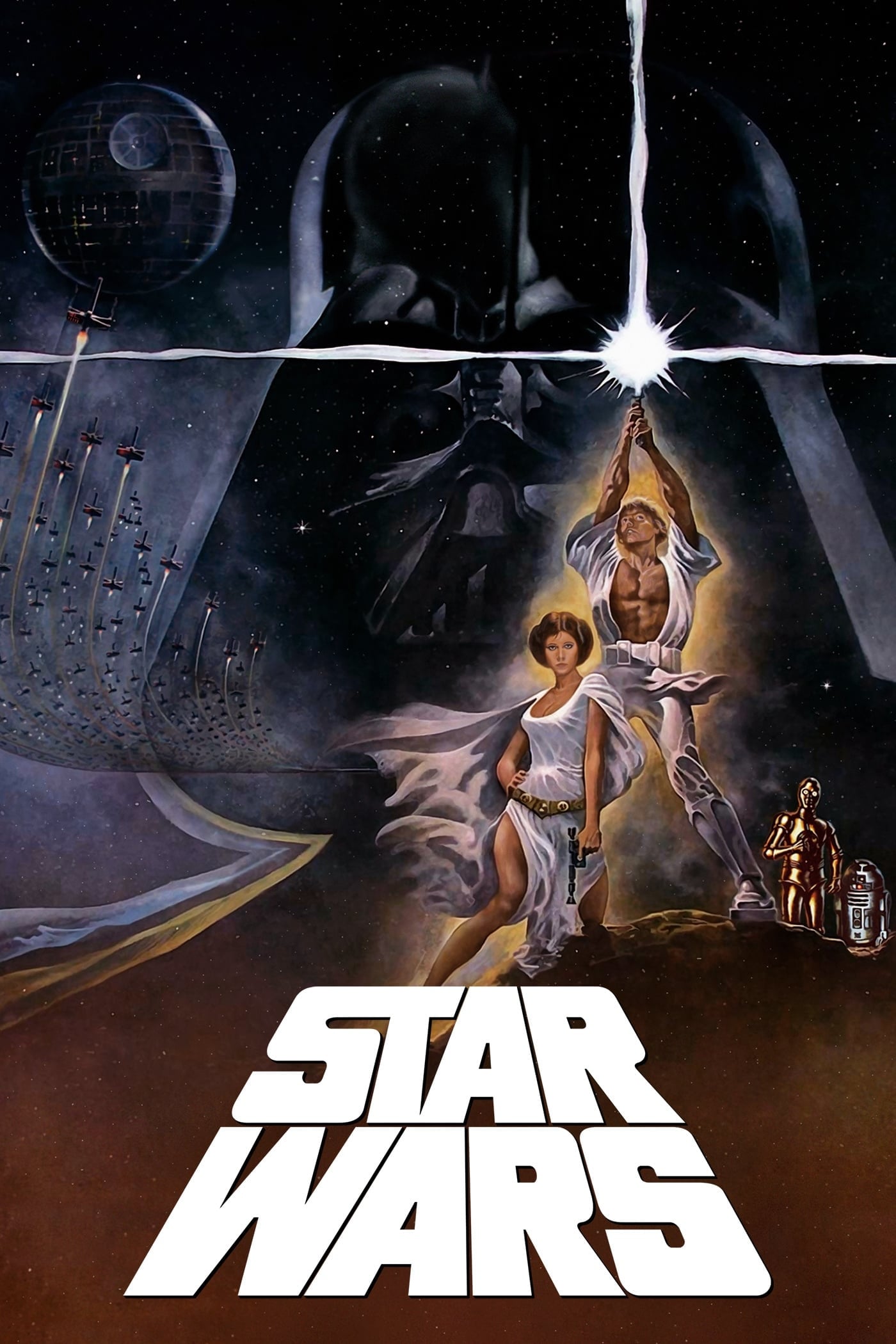
George Lucas’s original feature launched the ‘Star Wars’ franchise, blending space opera with mythic structure. Model work, optical compositing, and motion-control cameras created starfighter battles, while John Williams’s orchestral score established signature themes.
The film’s title and episode numbering were standardized after release, and later Special Editions updated effects and shots. Its practical-effects craftsmanship—miniatures, matte paintings, and sound design—remains a benchmark for tactile sci-fi world-building.
‘Alien’ (1979)
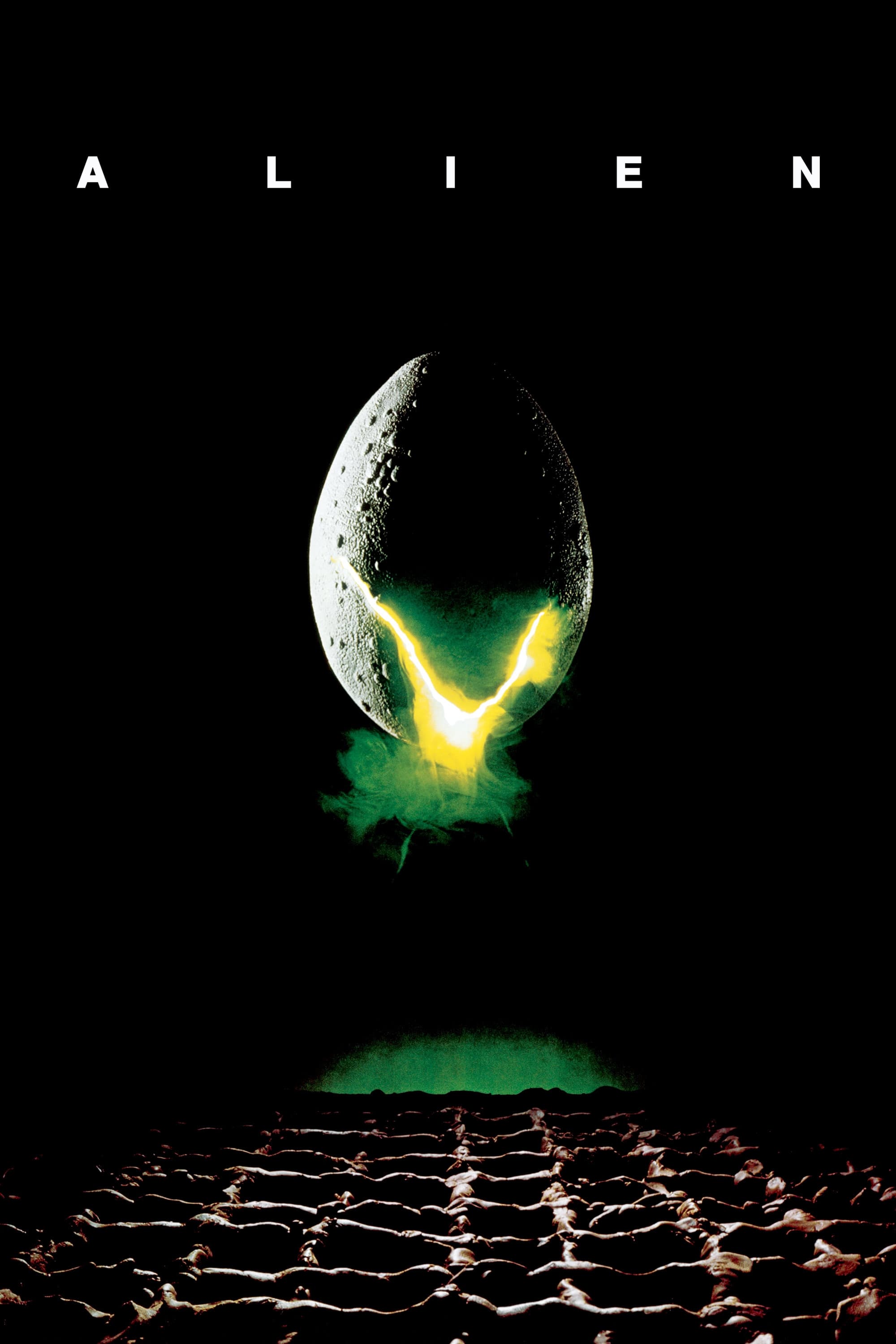
Ridley Scott’s haunted-ship thriller stars Sigourney Weaver and features H. R. Giger’s biomechanical designs for the xenomorph and derelict spacecraft. The Nostromo’s industrial interiors were built as contiguous sets, allowing long, claustrophobic takes.
The movie’s slow-burn structure, soundscape, and creature-effects blend animatronics, suit performance, and editing to conceal and reveal in measured beats. Its success launched a multimedia franchise and established a production-design vocabulary still referenced across sci-fi and horror.
‘Inception’ (2010)
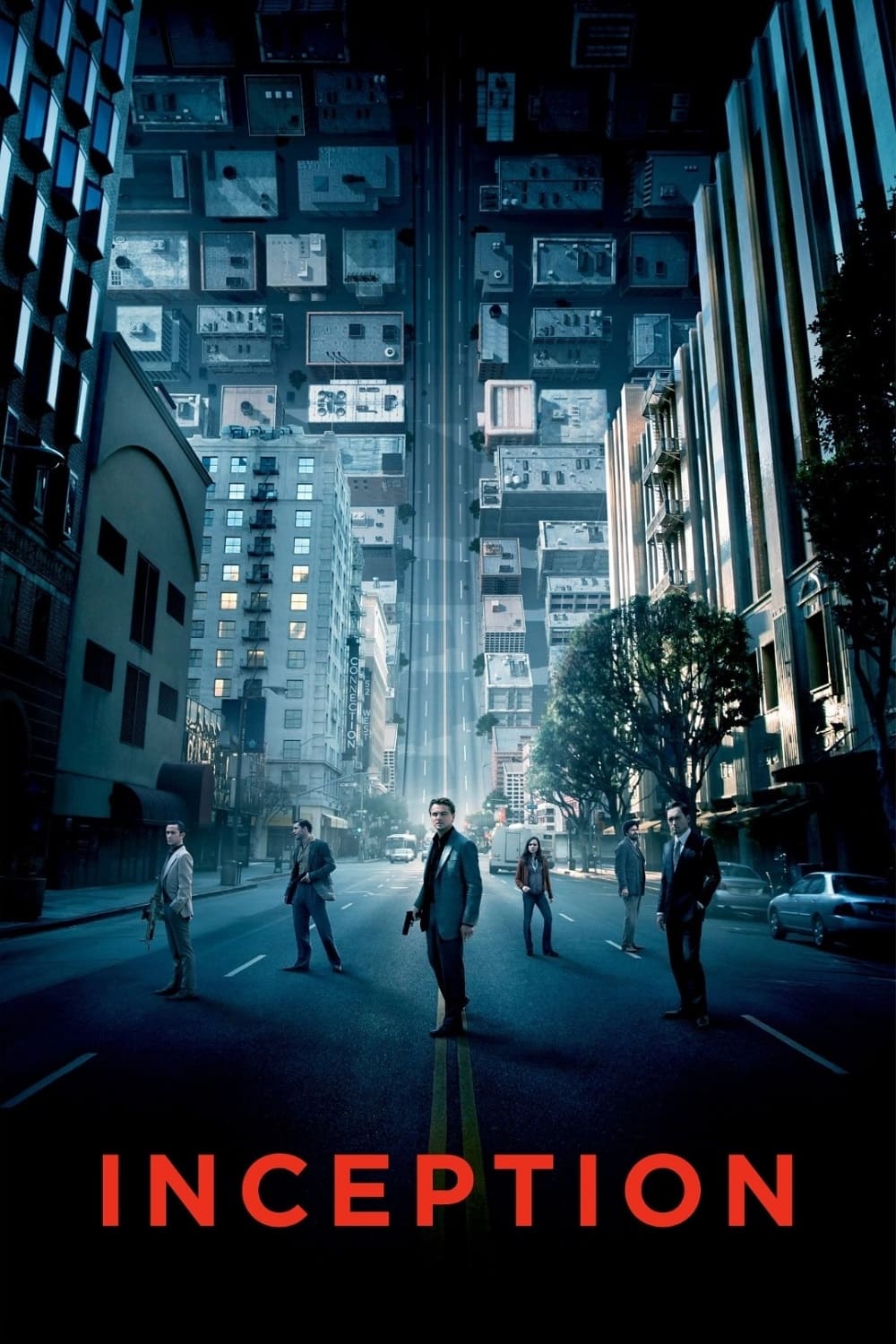
Christopher Nolan engineers a multilayer heist inside shared dreams, using a rotating hallway set for zero-gravity combat and large-format film cameras for clean image capture. The ensemble includes Leonardo DiCaprio, Joseph Gordon-Levitt, Elliot Page, and Marion Cotillard.
It won Academy Awards for cinematography, sound mixing, sound editing, and visual effects, highlighting a production that fused practical builds with CG city folding and snow-fort set-pieces. Frequent rewatchers track time dilation and cross-cutting that sync to the score’s rhythmic structure.
‘Jurassic Park’ (1993)
Steven Spielberg combined animatronic dinosaurs from Stan Winston Studio with ILM’s then-cutting-edge CGI to bring prehistoric animals to life. On-set full-scale builds, like the T. rex, were integrated with digital shots through careful lighting and compositing.
John Williams contributed a sweeping score, and the film’s success accelerated Hollywood’s transition to digital effects. Its precise storyboard-to-screen execution—storm timing, paddock layouts, and park signage—makes the island’s geography easy to follow on repeat viewings.
‘E.T. the Extra-Terrestrial’ (1982)
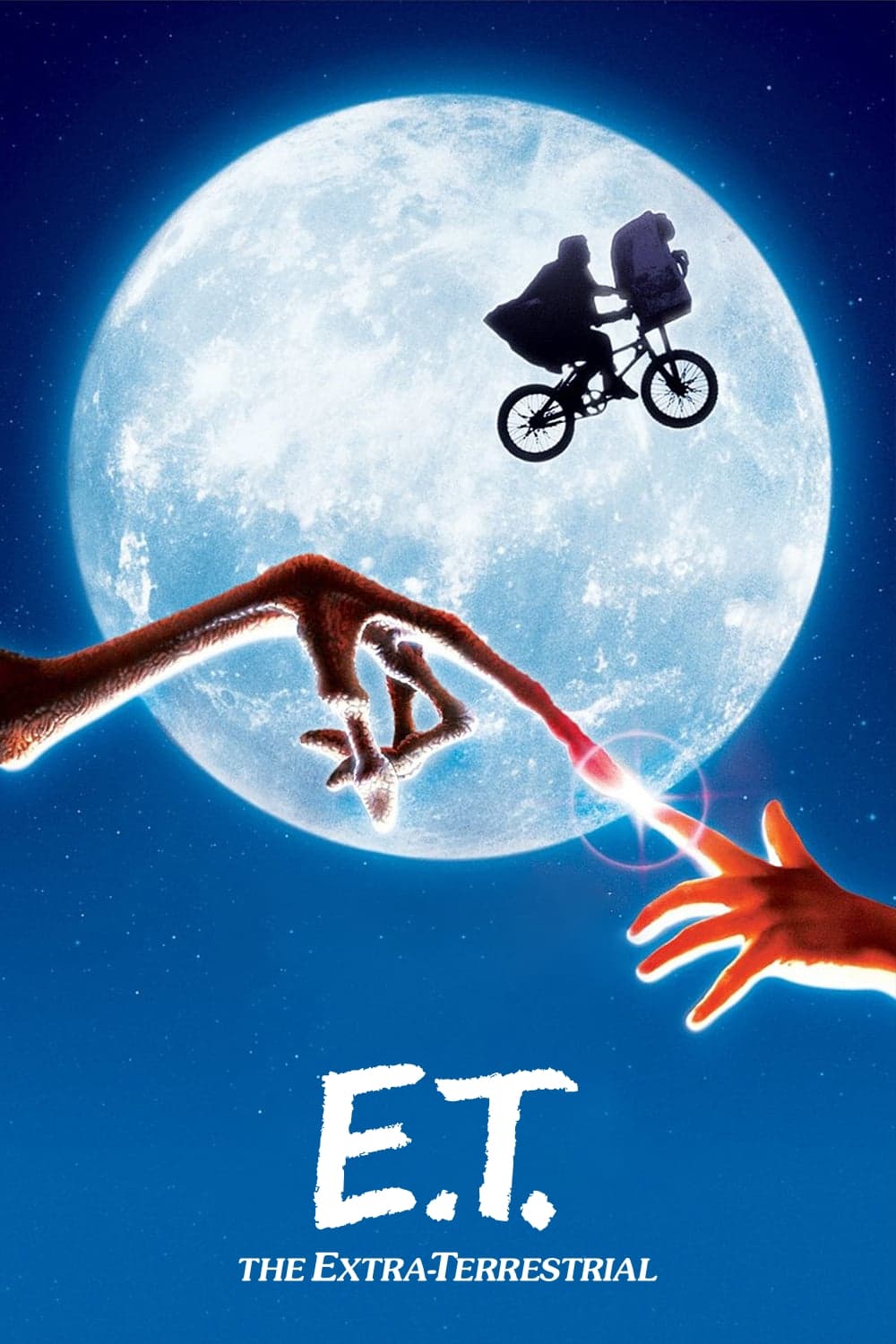
Steven Spielberg’s story about a stranded visitor and a suburban family used performance-driven effects, puppetry, and carefully framed low-angle camera work. John Williams’s music earned awards and is tightly synced to bike-chase beats and emotional climaxes.
Reissues and anniversary editions underscore its cultural footprint, while behind-the-scenes features document how miniature work and blue-screen shots integrated with practical lighting. Product placement and a staggered international rollout contributed to its sustained box-office presence.
‘Star Trek II: The Wrath of Khan’ (1982)
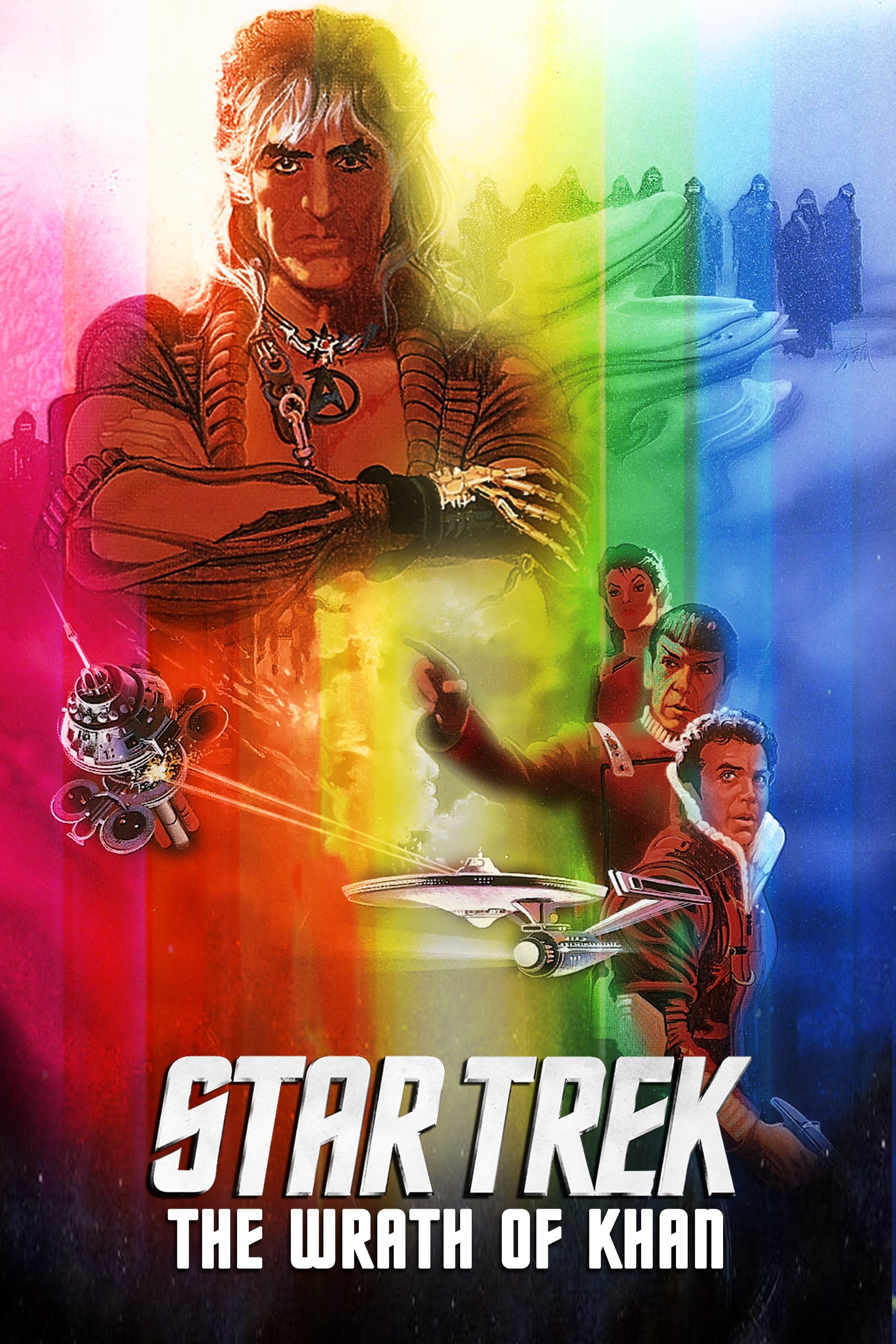
Nicholas Meyer steers the ‘Star Trek’ film series toward naval-inspired tactics and character-driven conflict, reintroducing a foe from the ‘Star Trek’ television episode ‘Space Seed’. The project leveraged early computer-generated imagery for the Genesis demo sequence.
Costume updates, ship model redresses, and music by James Horner shaped a distinct tone for the series. The film’s production choices influenced later ‘Star Trek’ entries, including rank insignia, bridge lighting, and lore connected to scientific experimentation.
‘Mad Max: Fury Road’ (2015)
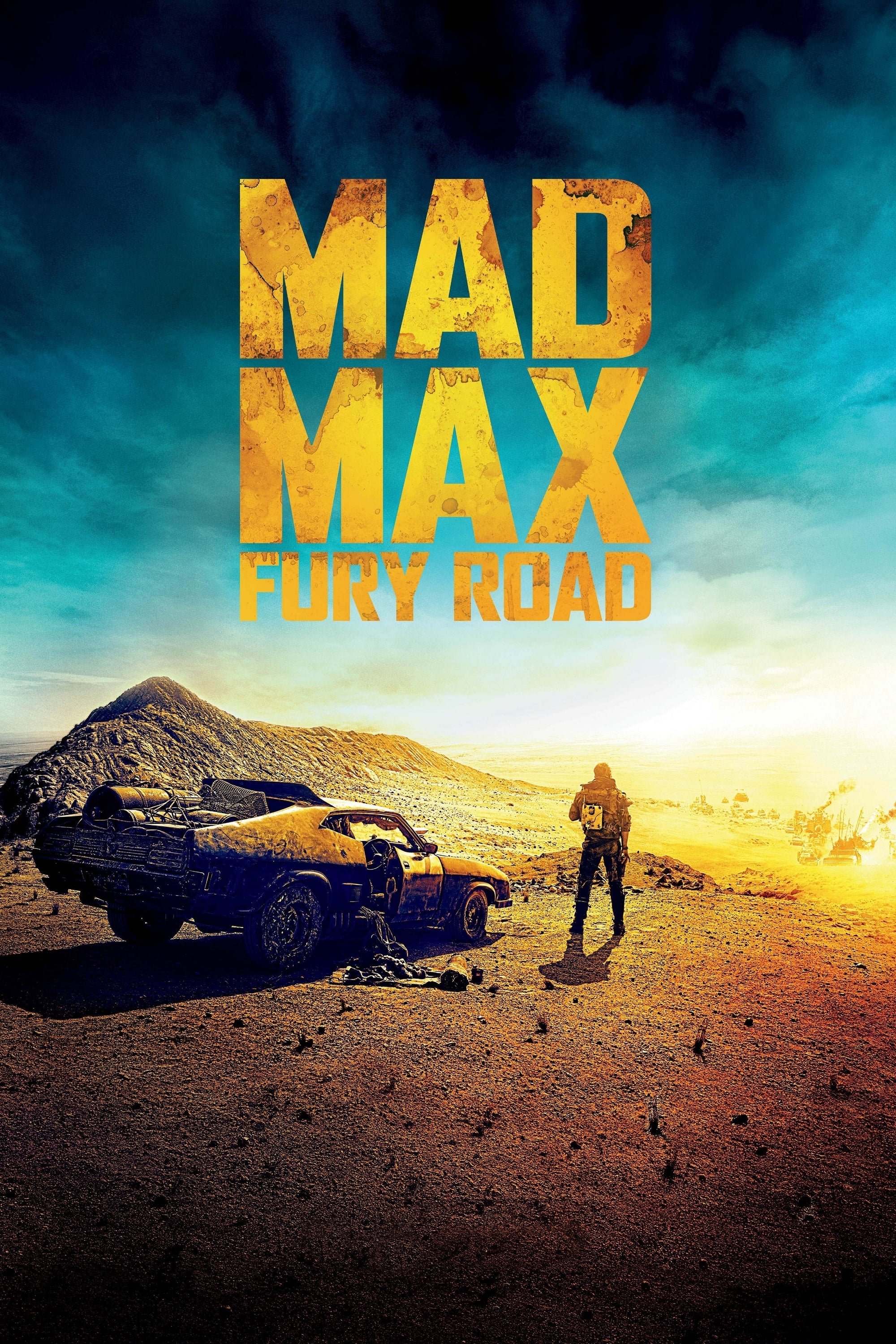
George Miller returned to his wasteland universe with a largely practical stunt shoot across Namibia and South Africa. Production designer Colin Gibson built functional vehicles, and cinematographer John Seale captured high-speed chases with stabilized camera rigs.
The film won six Academy Awards for craft areas such as editing, costume, makeup, and sound. Composer Tom Holkenborg’s percussion-heavy score, extensive day-for-night grading, and a color-rich DI created a distinct visual and auditory identity.
‘Interstellar’ (2014)
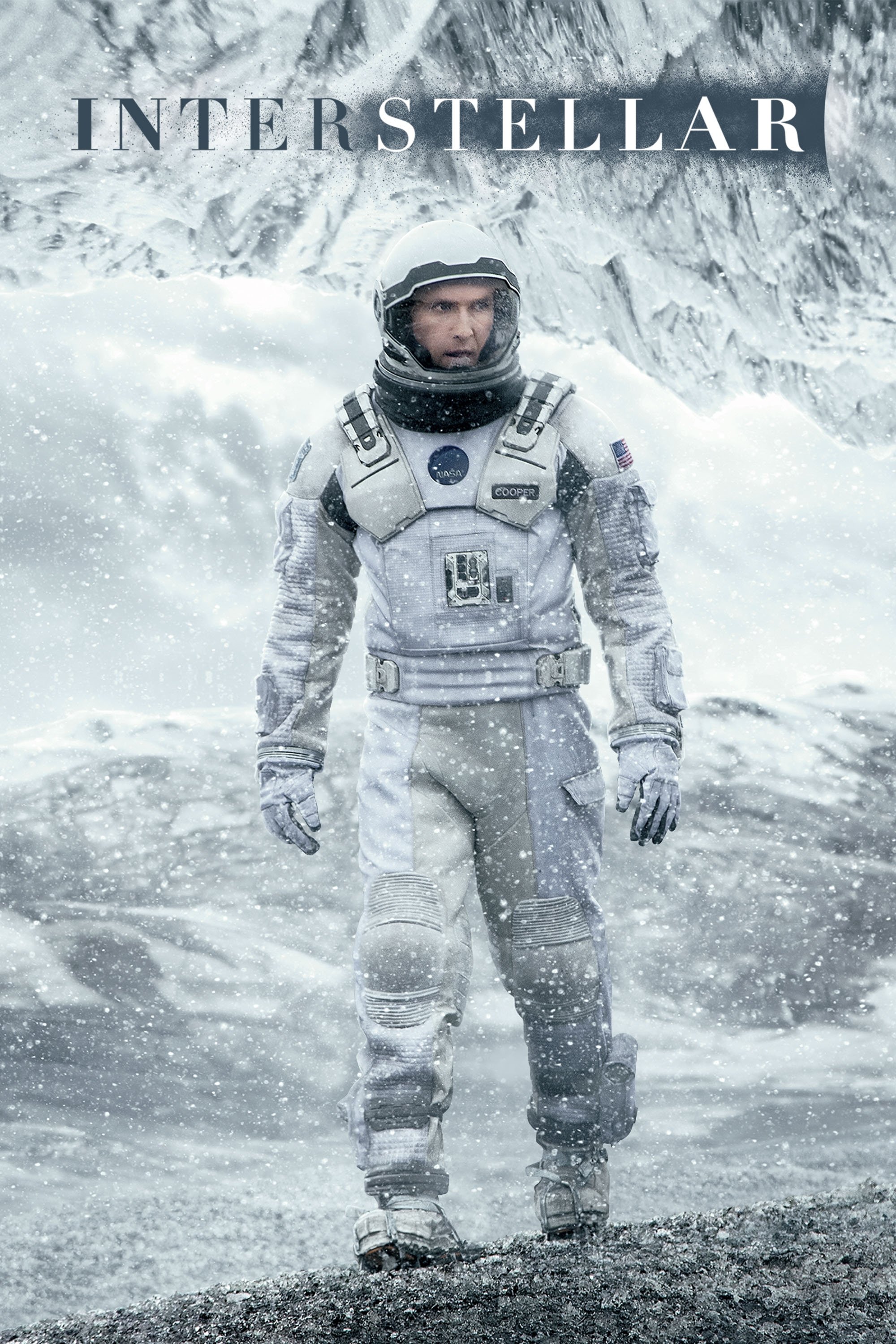
Christopher Nolan’s space epic consulted physicist Kip Thorne to model gravitational lensing for the black hole image known as Gargantua. Large-format cameras and significant in-camera effects, including rear-projection for cockpit windows, grounded many space shots.
Hans Zimmer’s organ-driven score, location shoots in Iceland, and full-scale spacecraft interiors aligned with an emphasis on physical environments. The production’s scientific visualizations spawned academic papers on lensing artifacts visible in the finished frames.
‘Blade Runner 2049’ (2017)
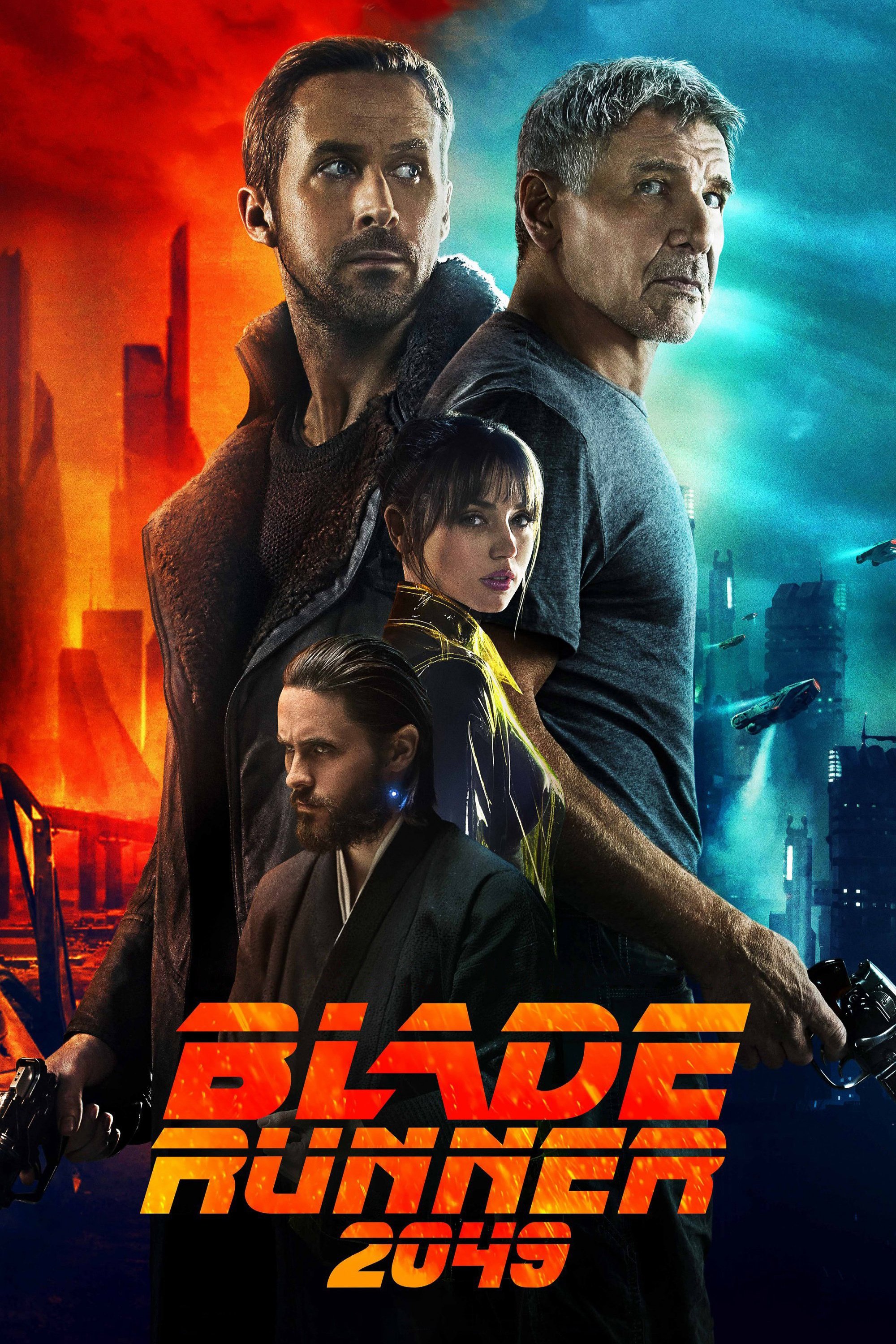
Denis Villeneuve continues the ‘Blade Runner’ world with Ryan Gosling and Harrison Ford, using extensive practical sets in Budapest. Roger Deakins’s cinematography, featuring volumetric lighting and precise color separation, earned the film an Academy Award.
Original miniature techniques were updated with large-scale builds and careful digital extensions. The film’s sound design, music by Hans Zimmer and Benjamin Wallfisch, and prop continuity connect it to ‘Blade Runner’ while extending replicant lore and city infrastructure.
‘The Thing’ (1982)
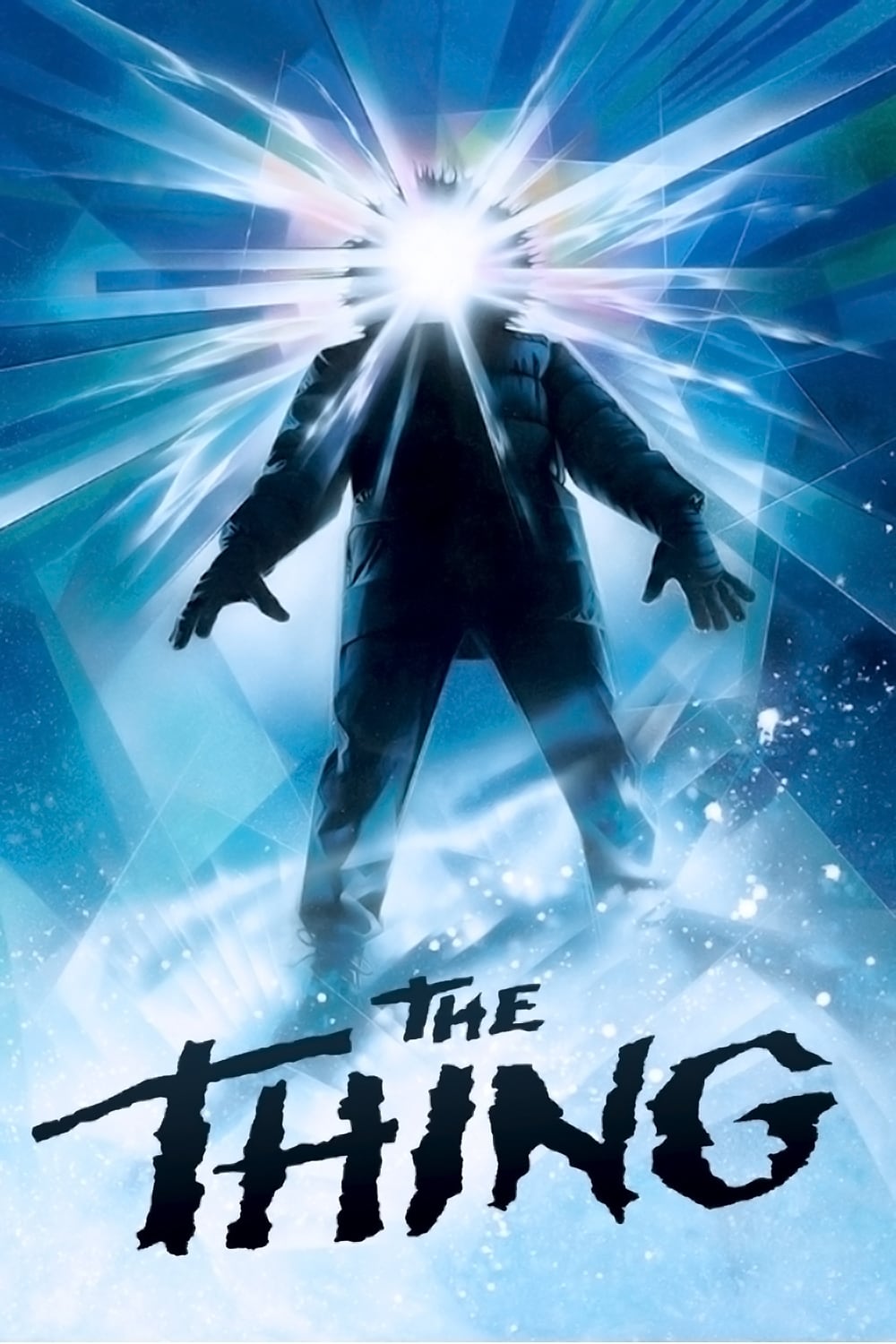
John Carpenter adapts John W. Campbell Jr.’s ‘Who Goes There?’ into an Antarctic paranoia thriller. Rob Bottin’s practical creature effects—animatronics, prosthetics, and mechanical rigs—were staged with meticulous lighting to sell transformations in camera.
The production used a remote British Columbia location and a fully built research station set. Ennio Morricone’s sparse score and the film’s methodical geography help track the ensemble through power outages, weather, and escalating mistrust.
‘2001: A Space Odyssey’ (1968)
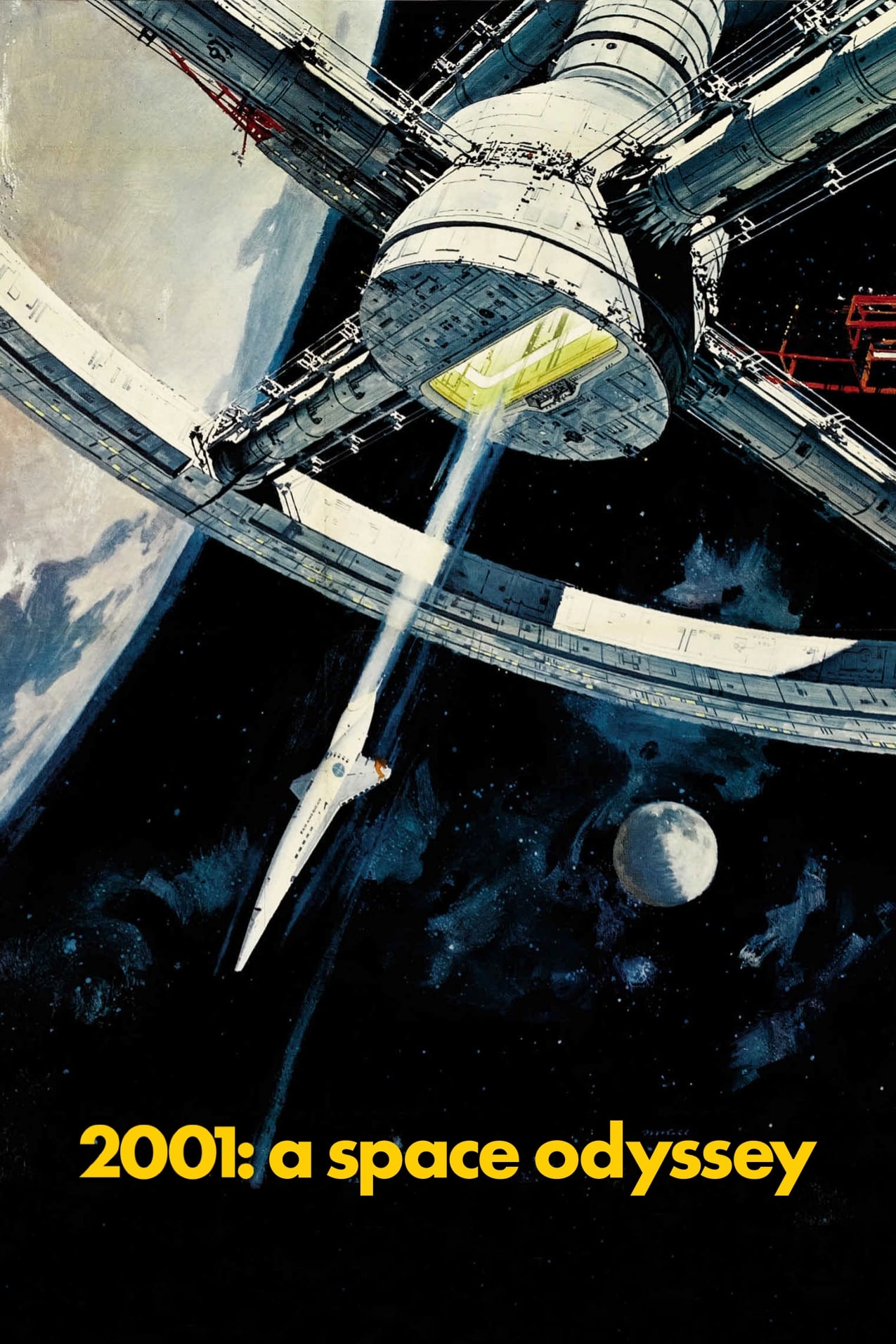
Stanley Kubrick collaborated with Arthur C. Clarke to depict spaceflight, extraterrestrial contact, and evolutionary leaps. Front-projection, slit-scan photography, and rotating sets provided realistic spacecraft interiors and the abstract “Stargate” sequence.
The film’s minimal dialogue and classical music selections foreground design and image construction. Pan Am branding, zero-gravity staging, and meticulous model work influenced aerospace visualization and later screen depictions of orbital mechanics.
‘The Terminator’ (1984)
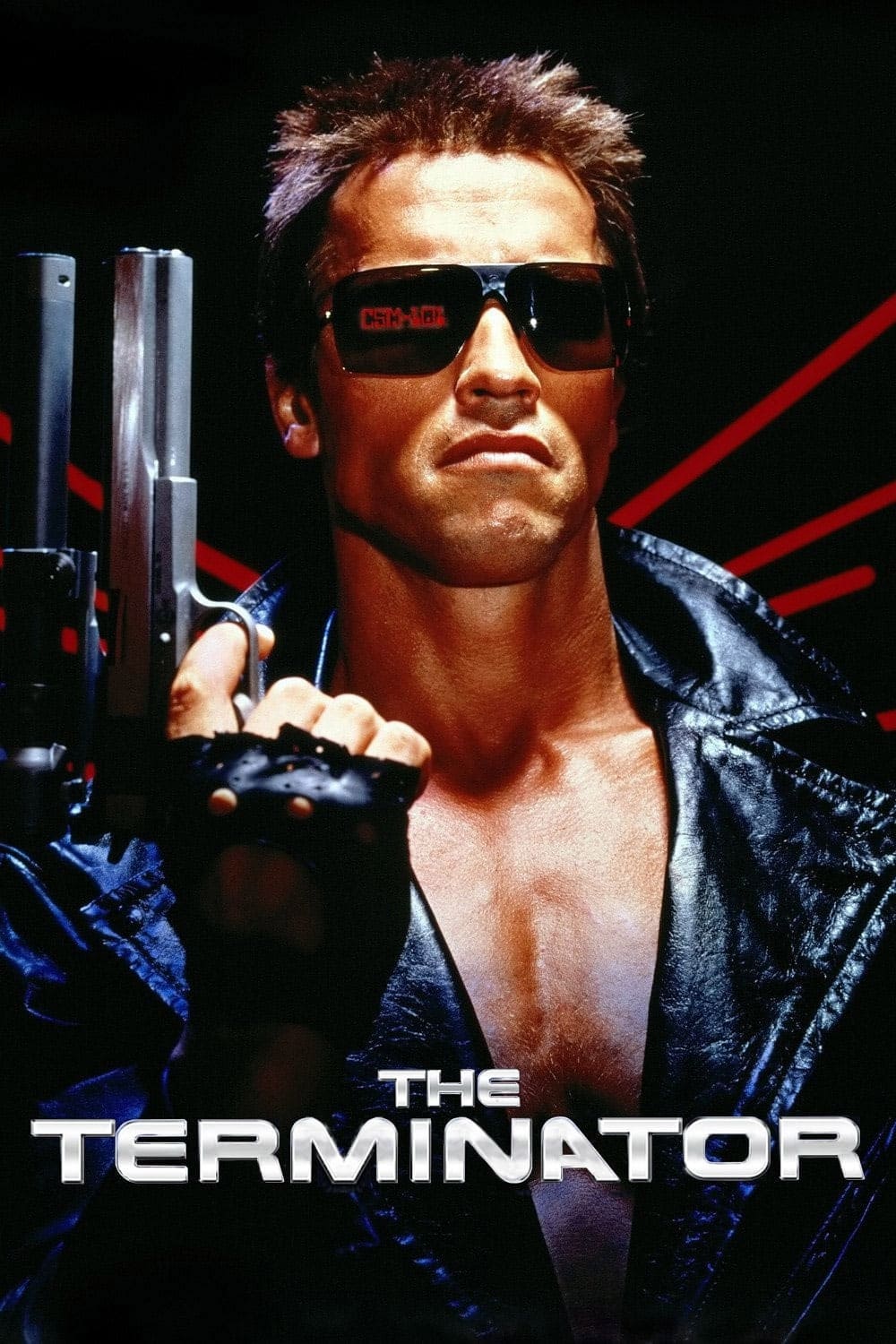
James Cameron’s low-budget thriller stars Arnold Schwarzenegger and Linda Hamilton and combines stop-motion and practical effects for the endoskeleton reveal. The narrative intertwines time-loop causality with present-day chase mechanics.
Location shooting, efficient lighting setups, and a synth score by Brad Fiedel helped stretch resources. The film’s success led to expanded mythology across sequels and defined design elements like the red-eyed endoskeleton and time-displacement effects.
‘Ghost in the Shell’ (1995)

Director Mamoru Oshii’s adaptation of Masamune Shirow’s manga blends hand-drawn animation with early digital compositing. Production I.G’s pipeline integrated cybernetic overlays and rain-slick urban textures to visualize networked consciousness and body augmentation.
The film’s iconic city montage and thermoptic camouflage sequences influenced live-action sci-fi aesthetics. Its soundtrack by Kenji Kawai and philosophical interrogation of identity resonated widely, informing later works such as ‘The Matrix’.
‘Akira’ (1988)
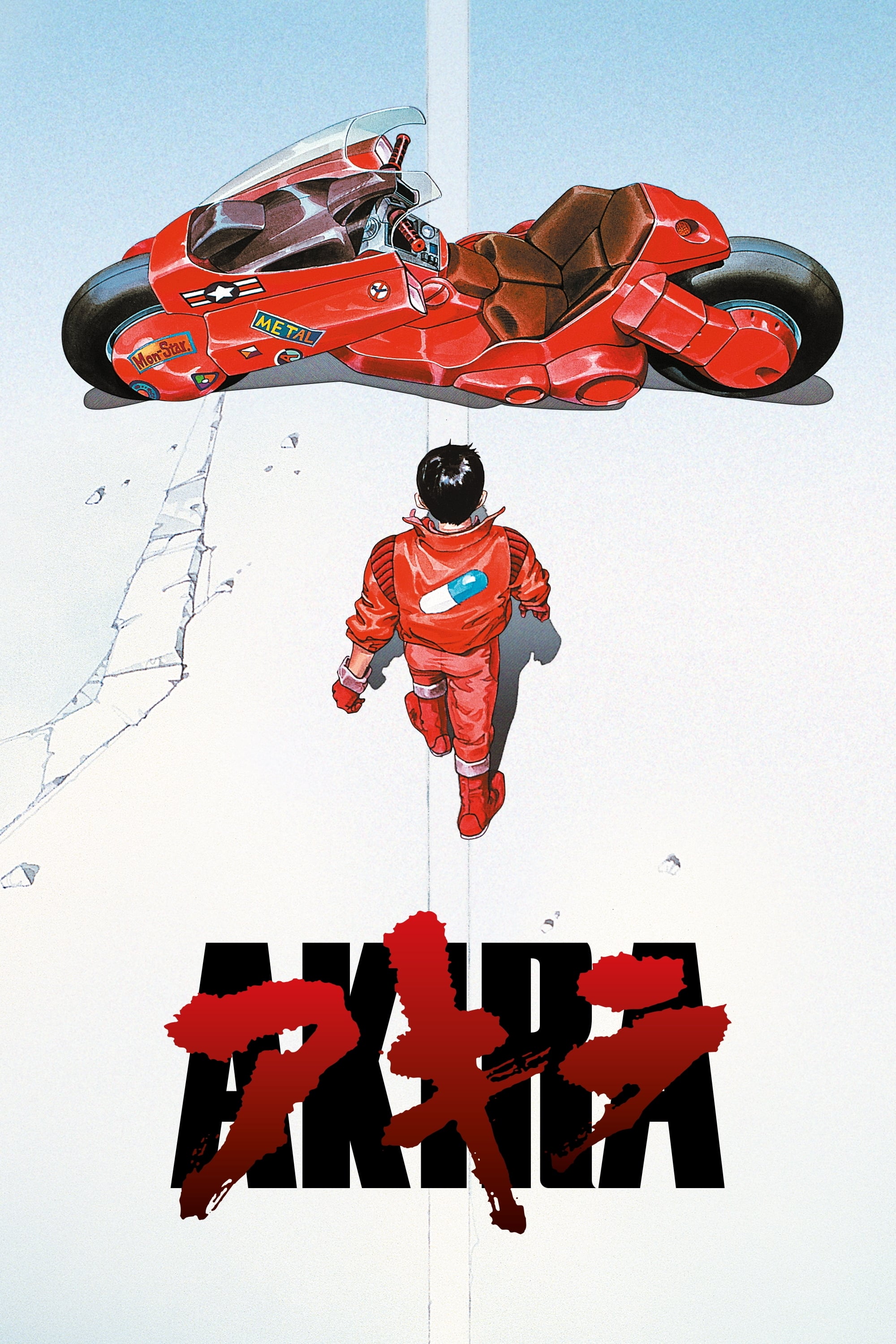
Katsuhiro Otomo’s feature compresses and reshapes his manga into a high-frame-rate animated epic set in Neo-Tokyo. Dialogue was recorded early—unusual for animation—so animators could sync mouth movements precisely.
A custom color palette and dense background art gave the city a lived-in texture. The score by Geinoh Yamashirogumi and the film’s large-scale destruction sequences set new bars for hand-drawn sci-fi spectacles.
‘Minority Report’ (2002)
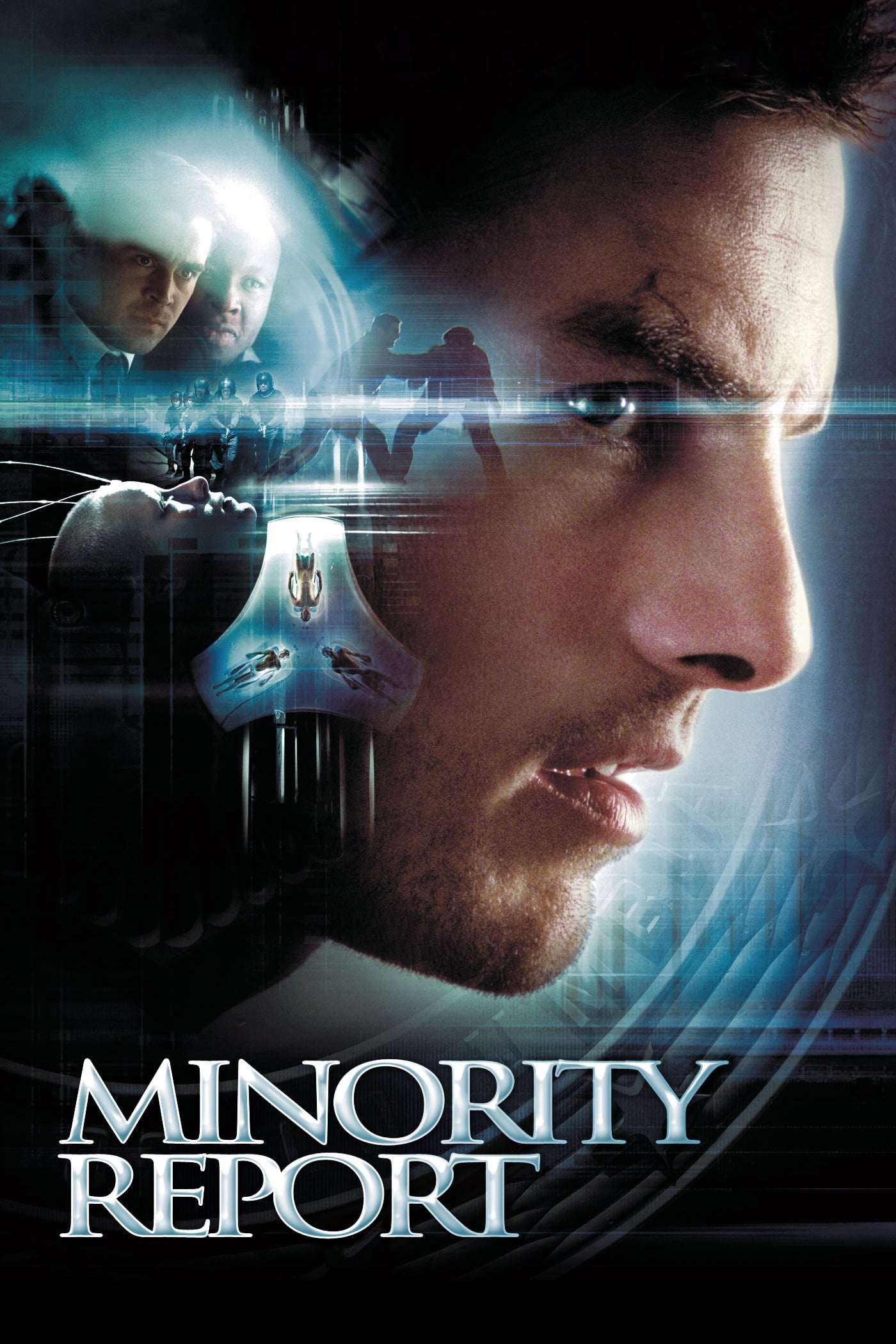
Steven Spielberg’s adaptation of Philip K. Dick stars Tom Cruise as a cop in a predictive-policing unit. A futurist think-tank, including technologist John Underkoffler, advised on gesture-controlled interfaces and consumer tech shown throughout the film.
The production’s cool-toned bleach-bypass look, on-set previsualization, and practical stunts blended with CG city extensions. Subsequent years saw real-world prototypes mirror its interface design in labs and product demos.
‘Children of Men’ (2006)
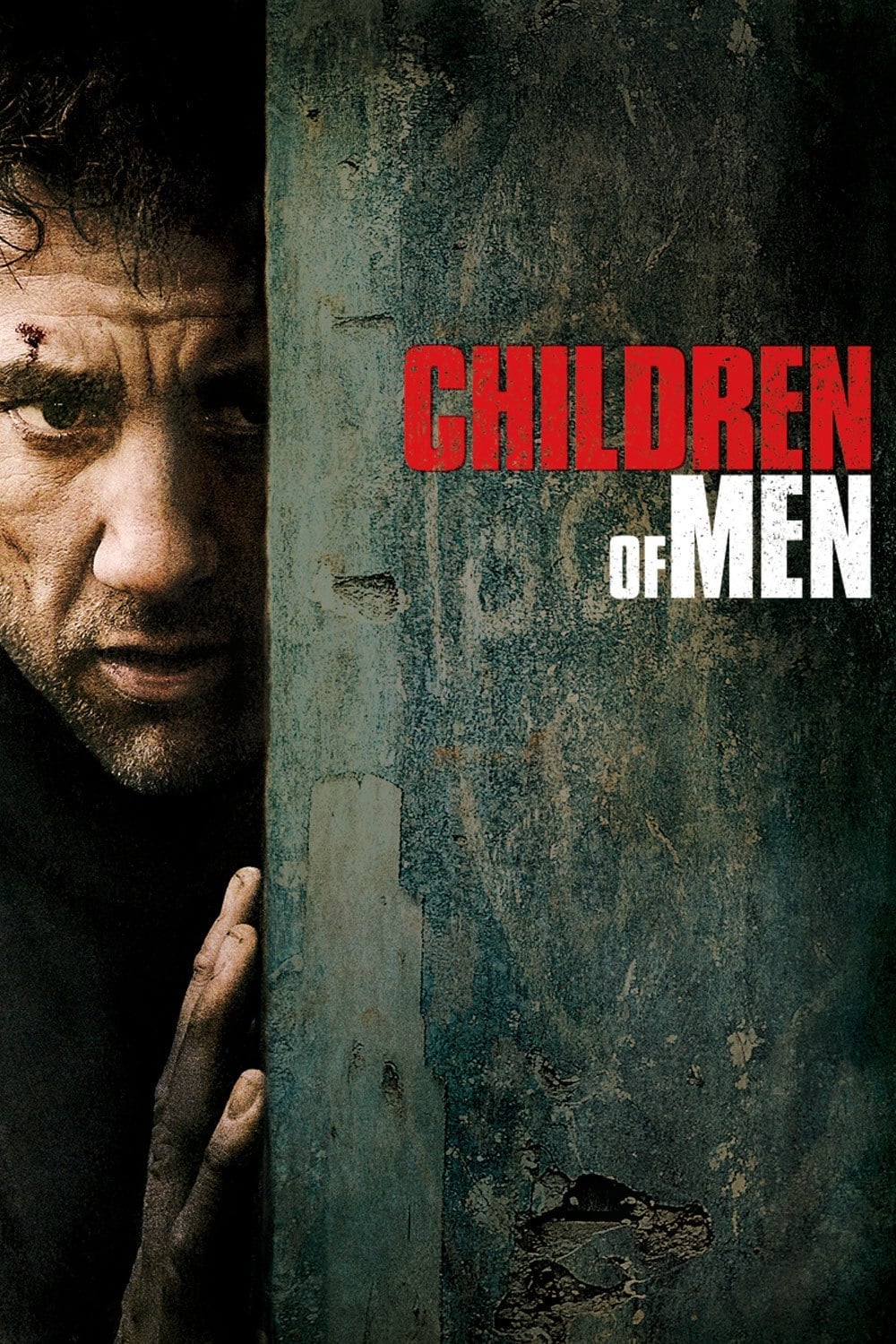
Alfonso Cuarón adapts P. D. James’s novel about a society facing global infertility. Cinematographer Emmanuel Lubezki orchestrated long takes, including a road ambush and an urban battle, using rigged vehicles and carefully timed squib effects.
World-building details—refugee processing centers, propaganda signage, and muted production design—ground the near-future setting. The film’s use of handheld camera movement, natural light, and diegetic sound became a reference for immersive sci-fi drama.
‘District 9’ (2009)
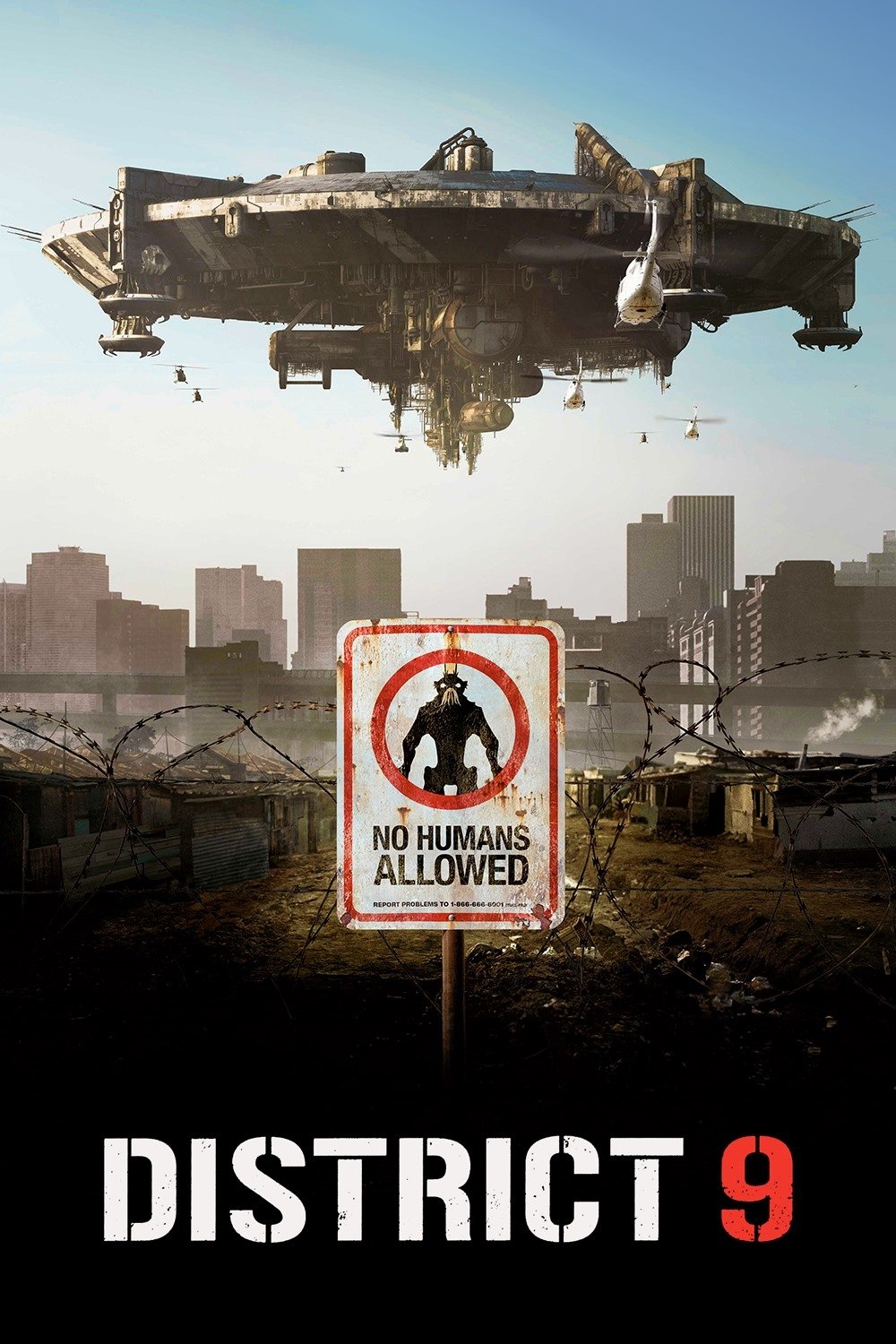
Neill Blomkamp sets an alien segregation story in Johannesburg, blending mockumentary footage with traditional narrative. Sharlto Copley’s largely improvised performance dovetails with Weta Digital’s CG prawns integrated via HDR-matched lighting.
Real-world township locations and news-style graphics contextualize the bureaucracy and tech. The film’s mid-budget pipeline demonstrated how location shooting and VFX houses could deliver large-scale sci-fi outside traditional studio hubs.
‘The Fifth Element’ (1997)
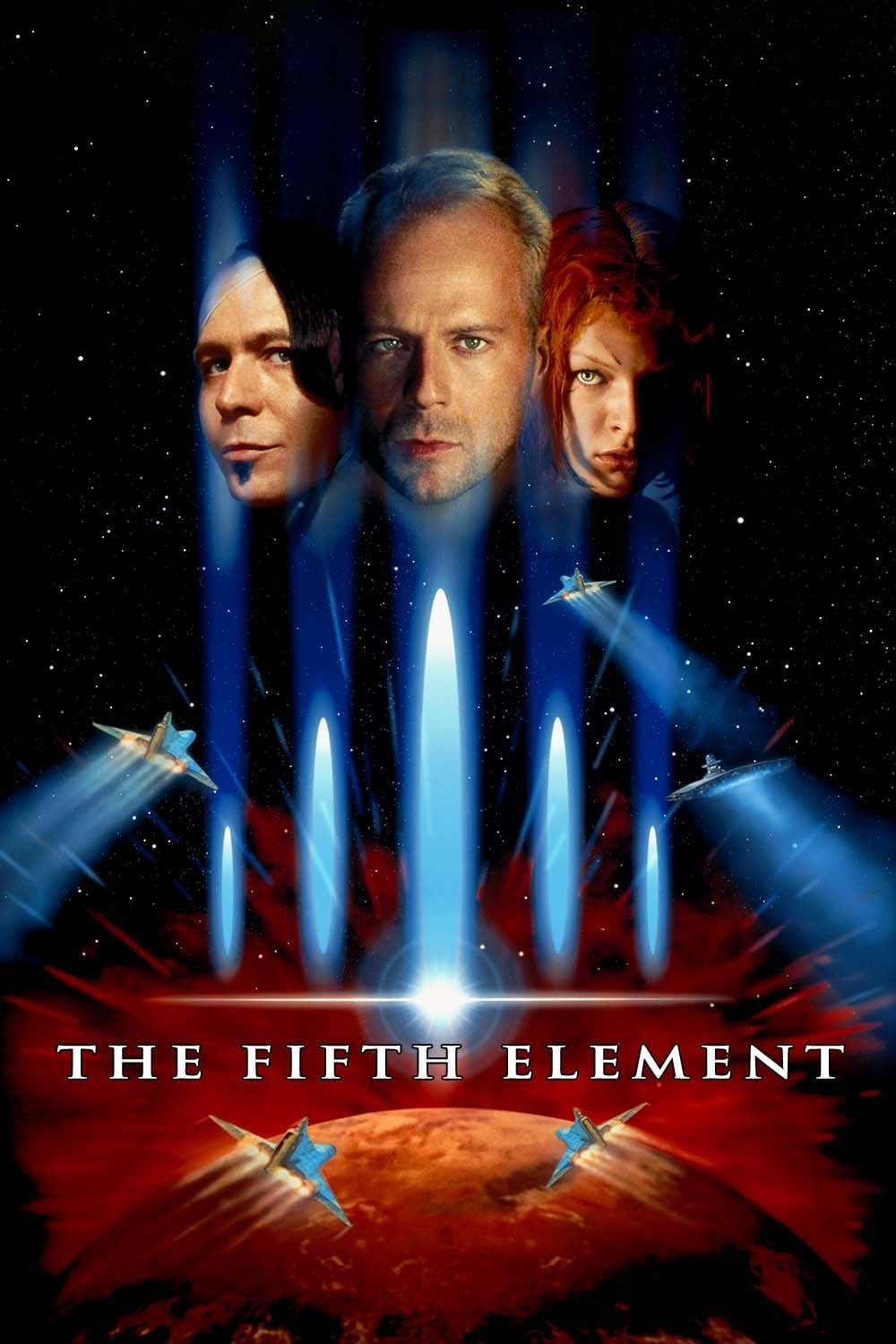
Luc Besson’s futuristic adventure stars Bruce Willis and Milla Jovovich and features production design influenced by artists Jean “Moebius” Giraud and Jean-Claude Mézières. Jean Paul Gaultier designed hundreds of distinctive costumes for crowd scenes and principals.
Miniatures, creature makeup, and colorful sets created a maximalist urban future. English, invented languages, and operatic set-pieces combine with traditional model work and optical effects for its space and sky traffic shots.
‘The Martian’ (2015)
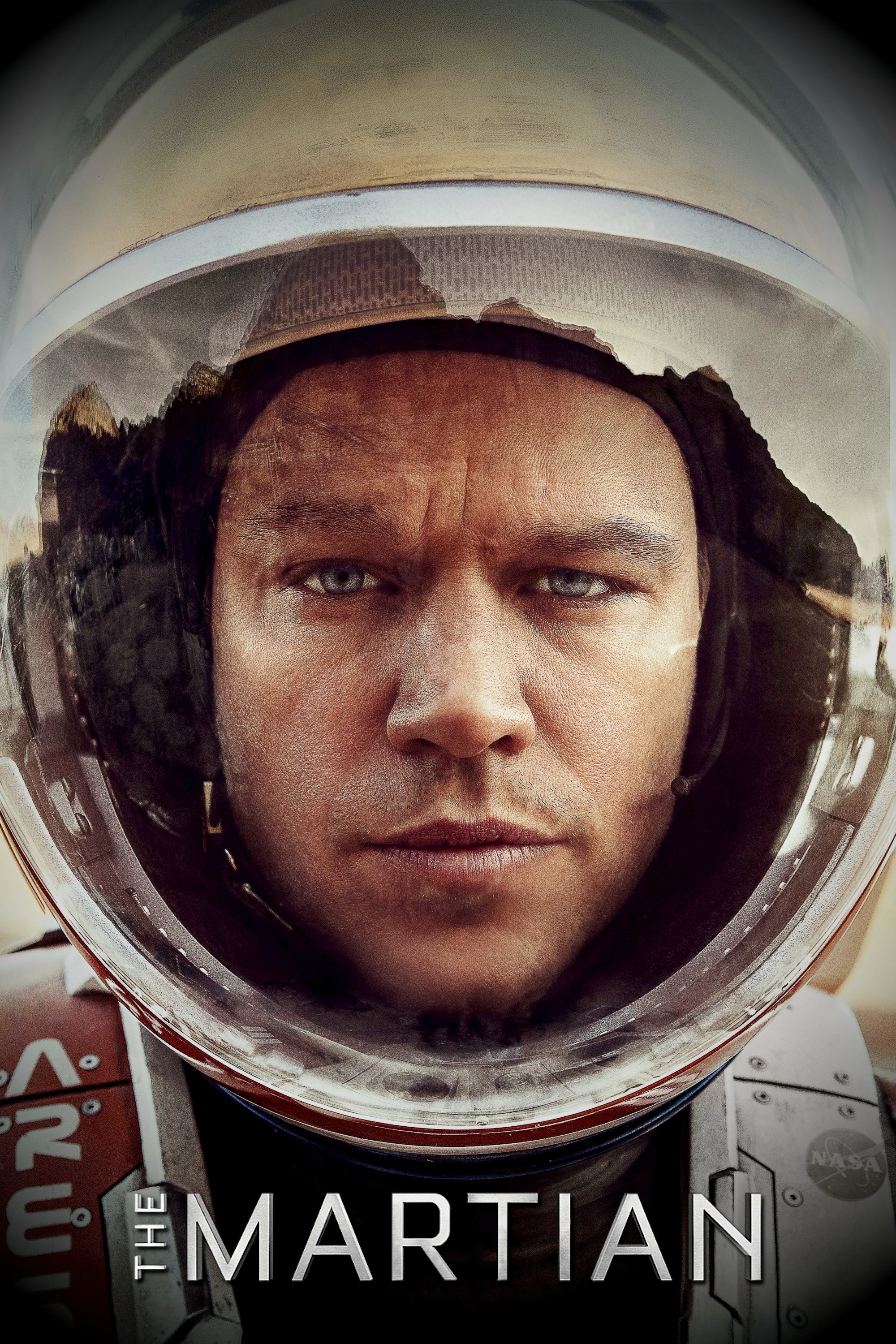
Ridley Scott adapts Andy Weir’s novel, following an astronaut improvising survival on Mars with engineering-first problem-solving. NASA consulted on mission profiles, and location work in Jordan’s Wadi Rum doubled for Martian landscapes.
The production used practical habitats, botanical set-ups, and careful VFX dust simulation. Its release was accompanied by educational outreach and technical features that unpacked life-support systems, power budgets, and orbital planning depicted on screen.
‘Her’ (2013)
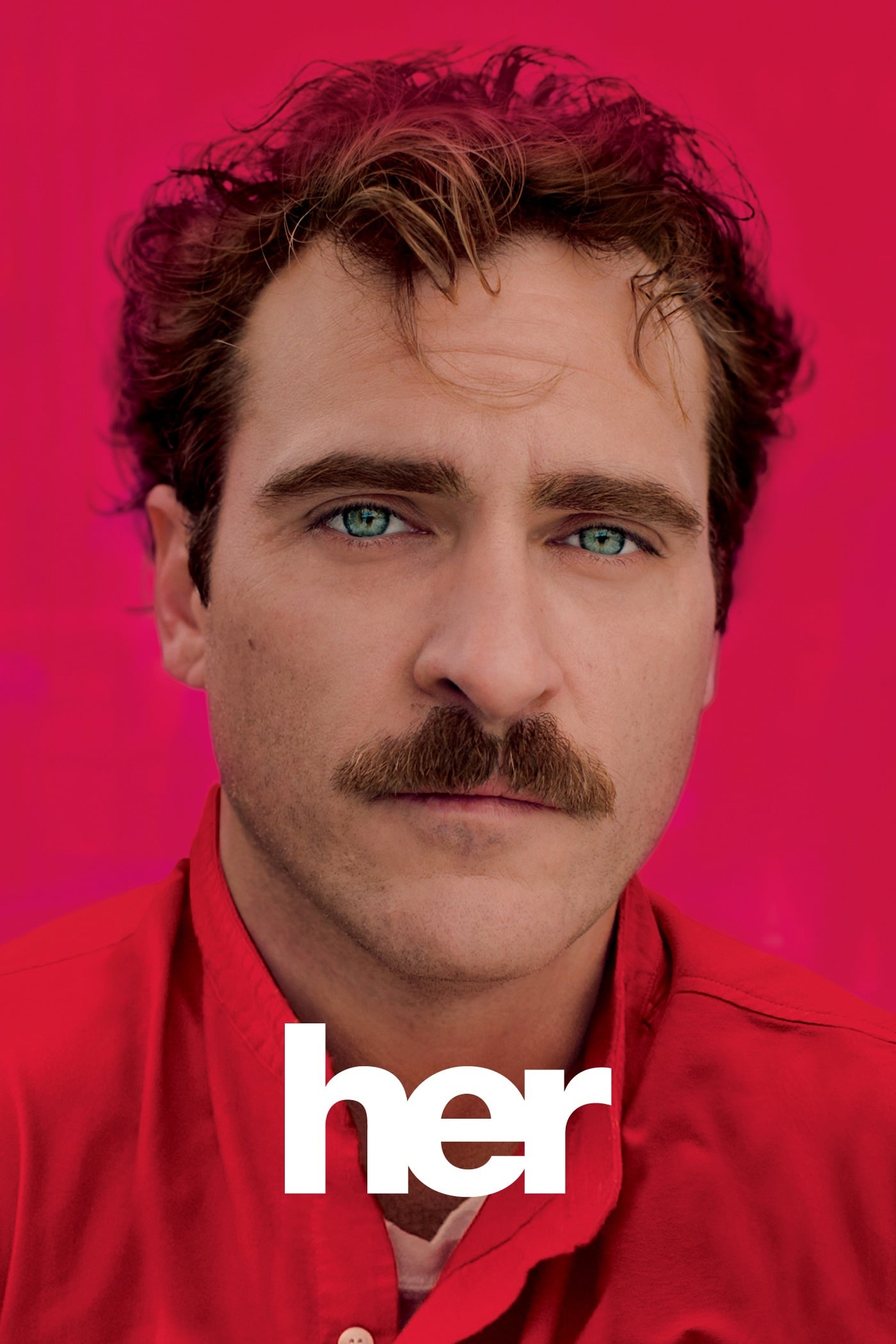
Spike Jonze’s near-future romance centers on a human-AI relationship voiced by Scarlett Johansson opposite Joaquin Phoenix. The production’s soft color palette and wardrobe choices—shot partly in Los Angeles and Shanghai—suggest a plausible, human-scaled future city.
It won the Academy Award for Original Screenplay, and the sound design supports the idea of an OS presence without a physical body. Interfaces emphasize touch and voice, avoiding conventional sci-fi hardware while still mapping clear user-experience flows.
‘Gattaca’ (1997)
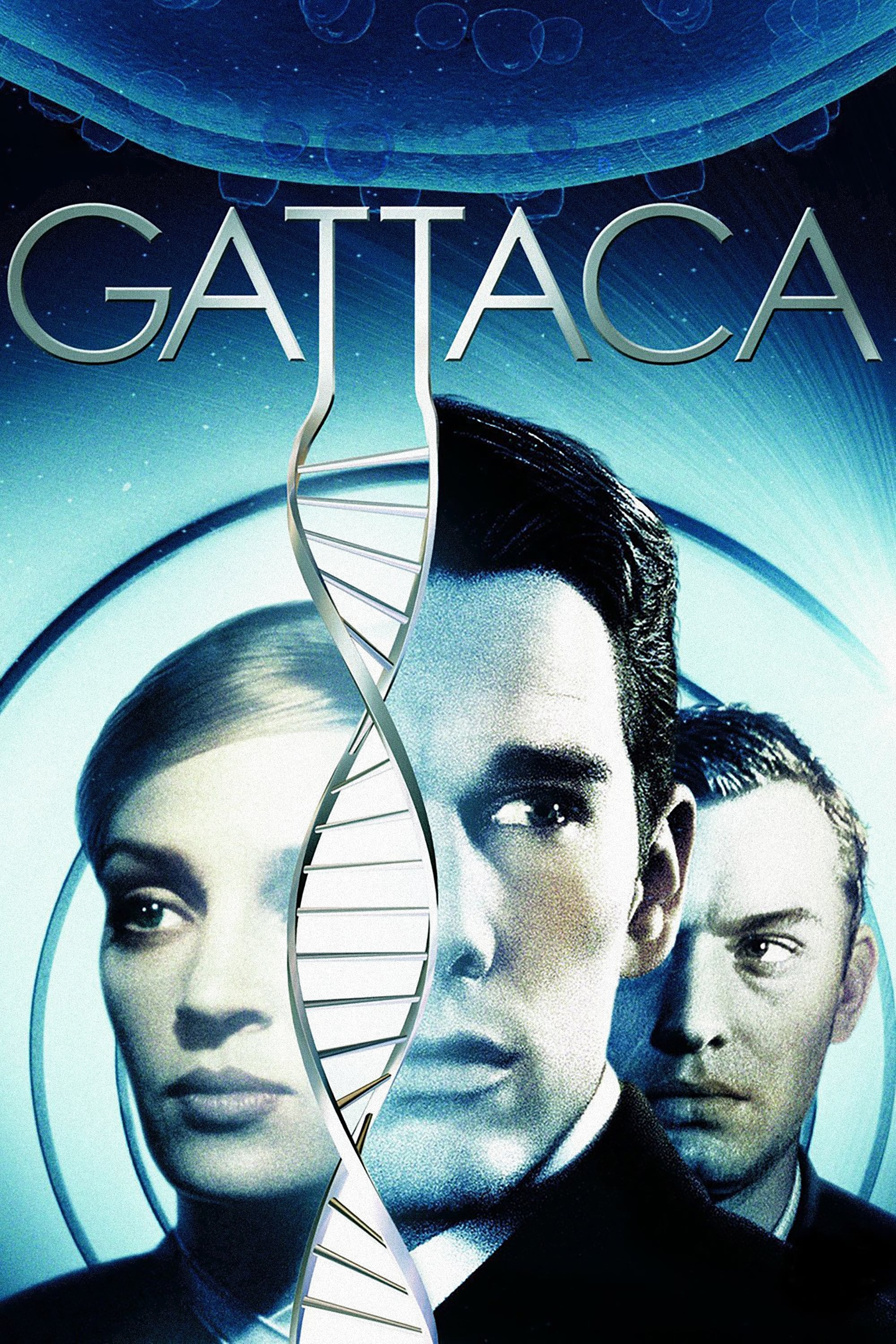
Andrew Niccol’s feature explores a stratified society molded by genetic selection. Ethan Hawke, Uma Thurman, and Jude Law headline a story staged in striking real locations, including the Marin County Civic Center designed by Frank Lloyd Wright.
The film’s restrained production design uses mid-century lines, limited color palettes, and retro tech to suggest a controlled environment. Its title riffs on DNA bases, and the script’s procedural beats highlight testing regimes, biometrics, and identity checks.
‘Edge of Tomorrow’ (2014)
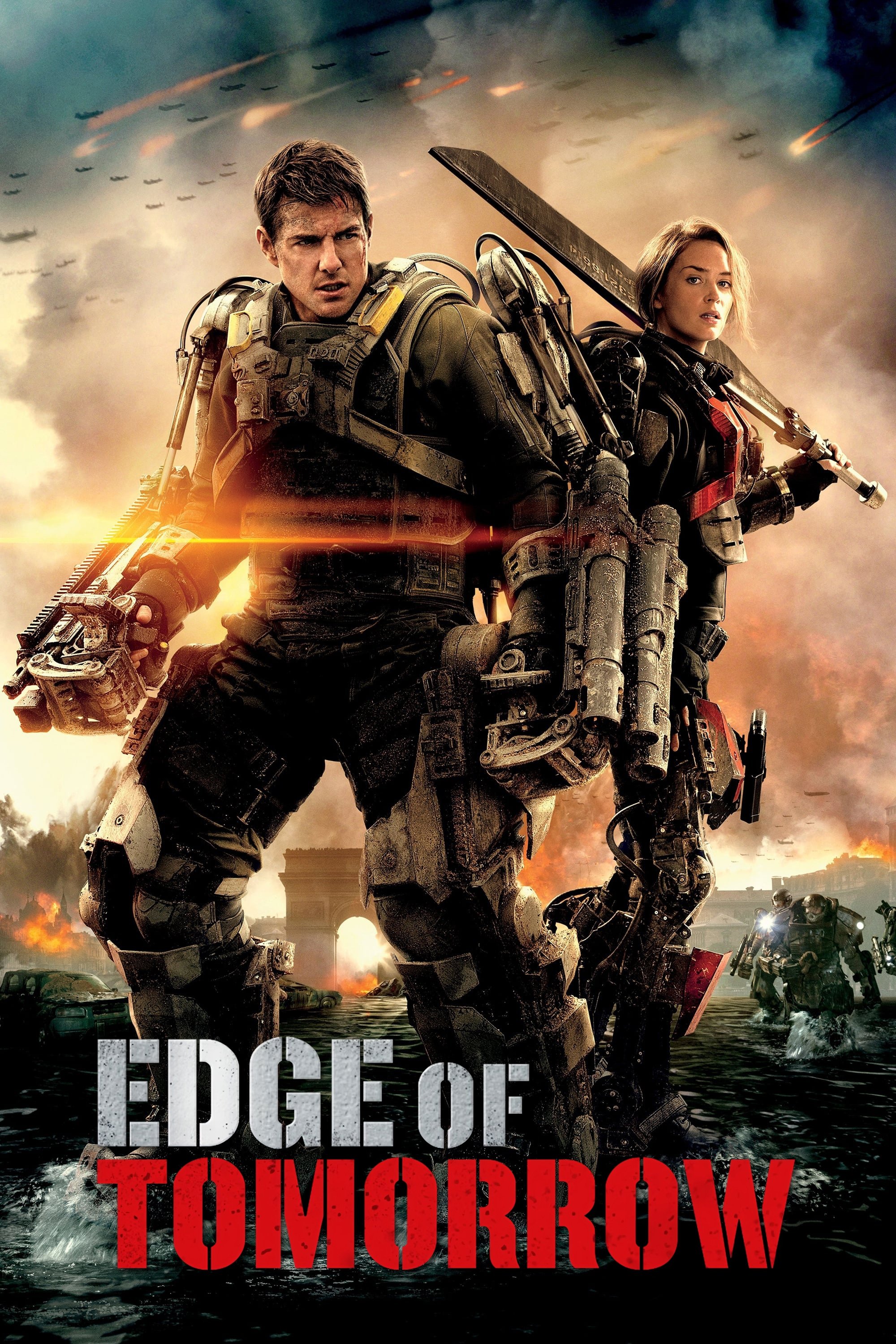
Doug Liman adapts Hiroshi Sakurazaka’s novel ‘All You Need Is Kill’, pairing Tom Cruise and Emily Blunt in a time-loop war against alien “Mimics.” Exo-suits were built as wearable rigs, informing fight choreography and actor movement.
The film’s marketing later emphasized the tag ‘Live Die Repeat’, and its editorial structure aligns resets with evolving tactics. Practical battlefield sets, beach shoots, and digital creature work combine for readable action geography across loops.
‘Total Recall’ (1990)
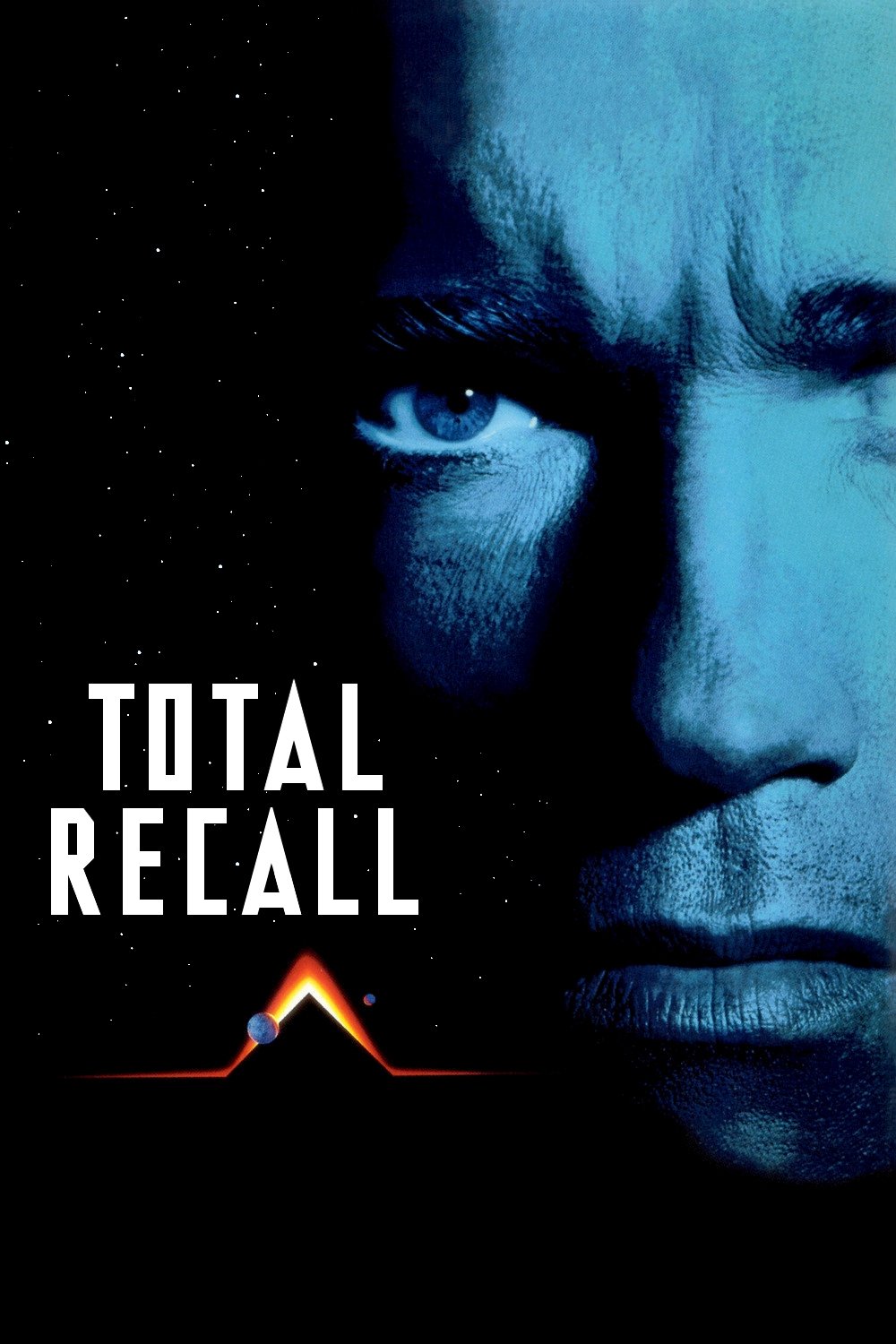
Paul Verhoeven’s adaptation of a Philip K. Dick short story casts Arnold Schwarzenegger in a memory-warping trip to Mars. Practical effects—exploding masks, animatronic creatures, miniature transit systems—dominate the set-pieces.
Shot in Mexico City with metro stations doubling for future infrastructure, the production stacked physical builds with optical compositing. The film earned an Academy Award for visual effects, reflecting the scale and complexity of its pre-digital techniques.
‘RoboCop’ (1987)
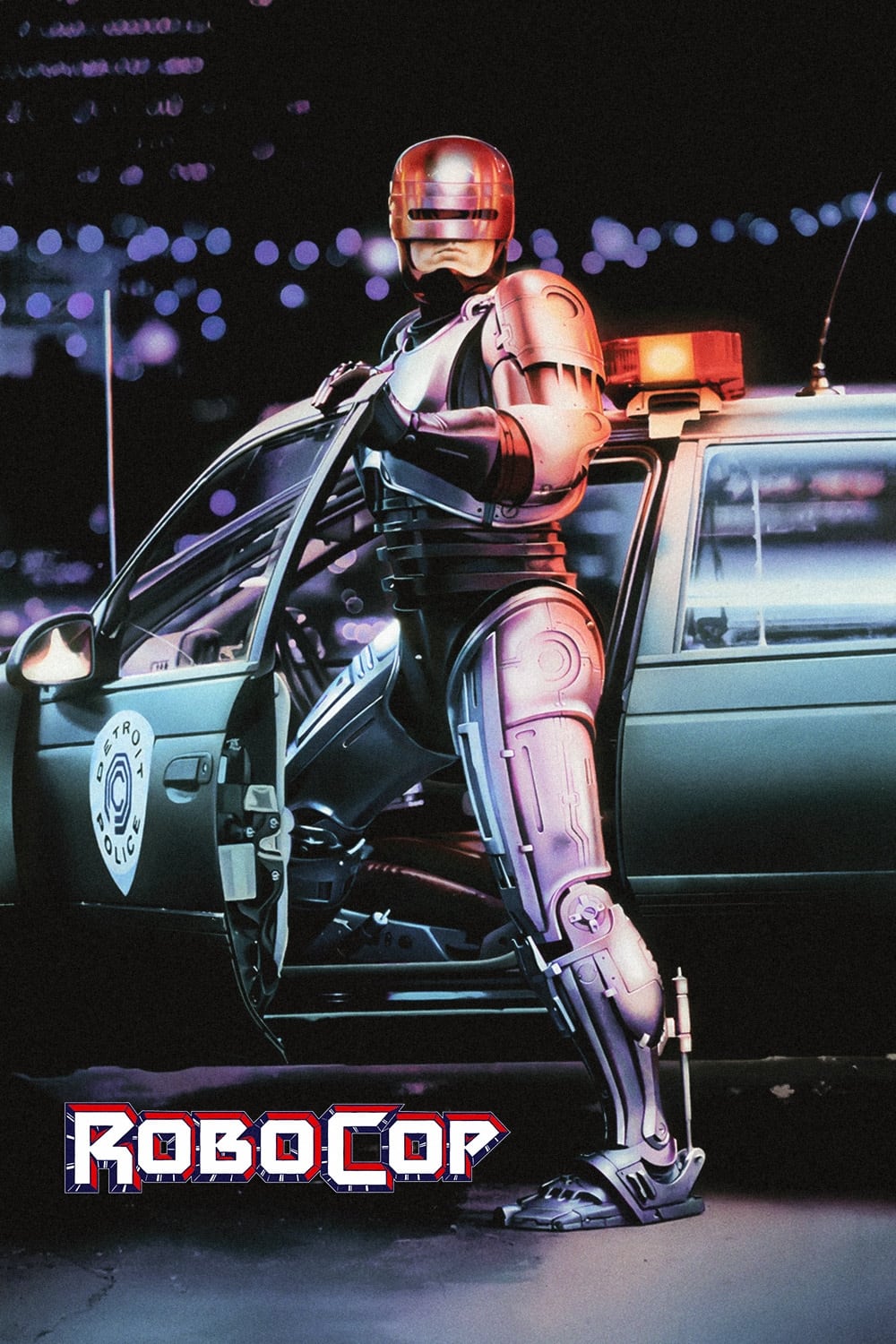
Paul Verhoeven’s near-future Detroit uses newsbreaks and commercials inside the narrative to frame corporate privatization. Peter Weller’s suit was designed for mobility and silhouette, while ED-209 sequences used Phil Tippett’s stop-motion animation.
Filmed largely in Dallas doubling as Detroit, the production leaned on location architecture to sell corporate spaces. The movie’s props—data spikes, Auto-9 sidearm, and police cruisers—became enduring design references across sequels and games.
‘The Abyss’ (1989)
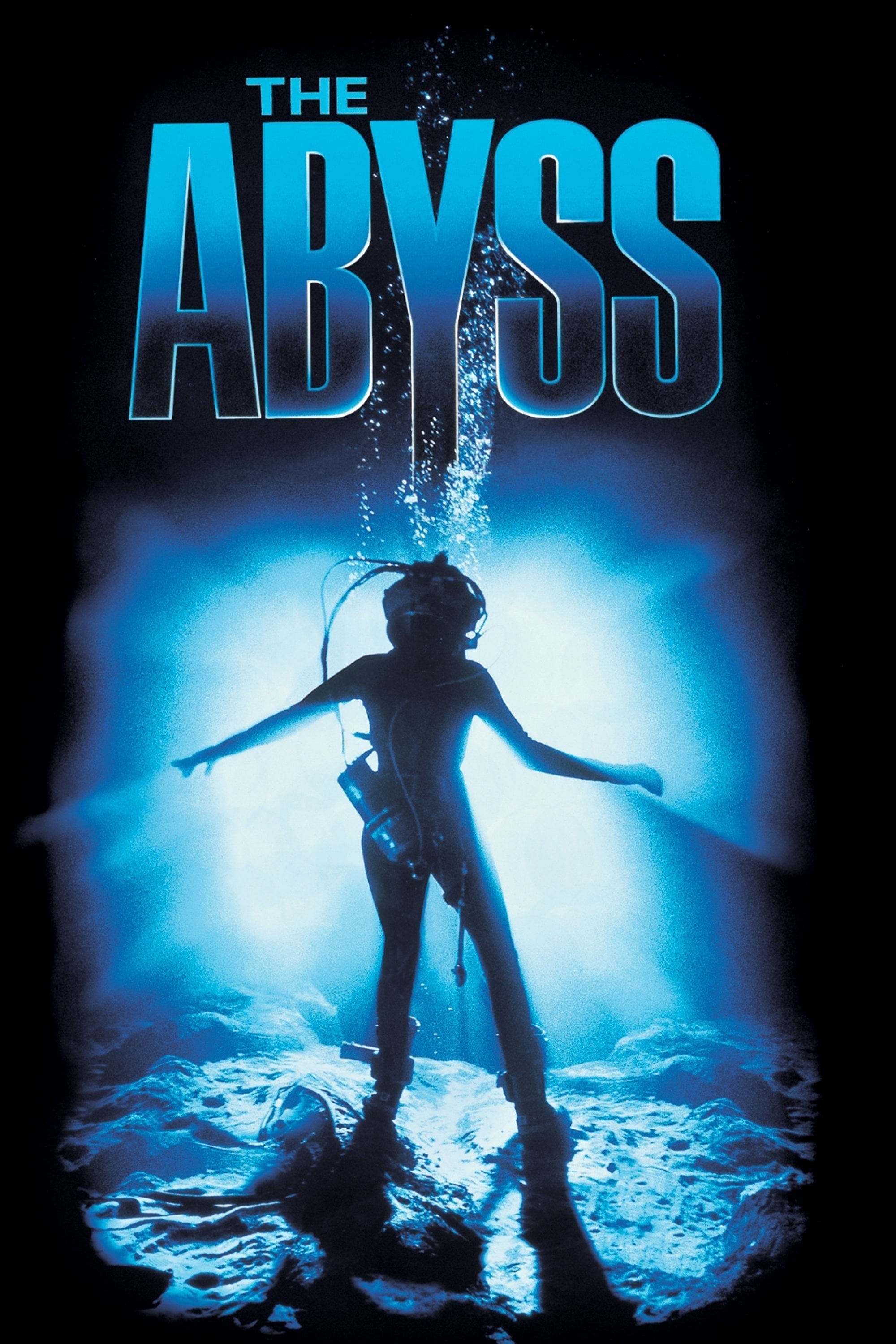
James Cameron staged extended underwater photography in a massive tank built at an abandoned nuclear facility. Cast and crew trained for diving, and custom helmets allowed dialogue and lighting to register clearly on camera.
The movie introduced a landmark CG water-pseudopod effect and later issued a Special Edition restoring major narrative beats. Miniatures, submersible rigs, and practical sets contributed to a tactile depiction of deep-sea engineering.
‘Predator’ (1987)

John McTiernan’s jungle actioner pits a special-operations team against an extraterrestrial hunter. Stan Winston Studio created the creature suit, including mandibles, and optical effects teams rendered the shimmering cloaking device.
Shot in Mexico with challenging terrain and weather, the production leaned on practical pyrotechnics and large-caliber prop weapons. Alan Silvestri’s percussion-heavy score and distinctive thermal-vision shots established signatures repeated in later entries.
‘Close Encounters of the Third Kind’ (1977)
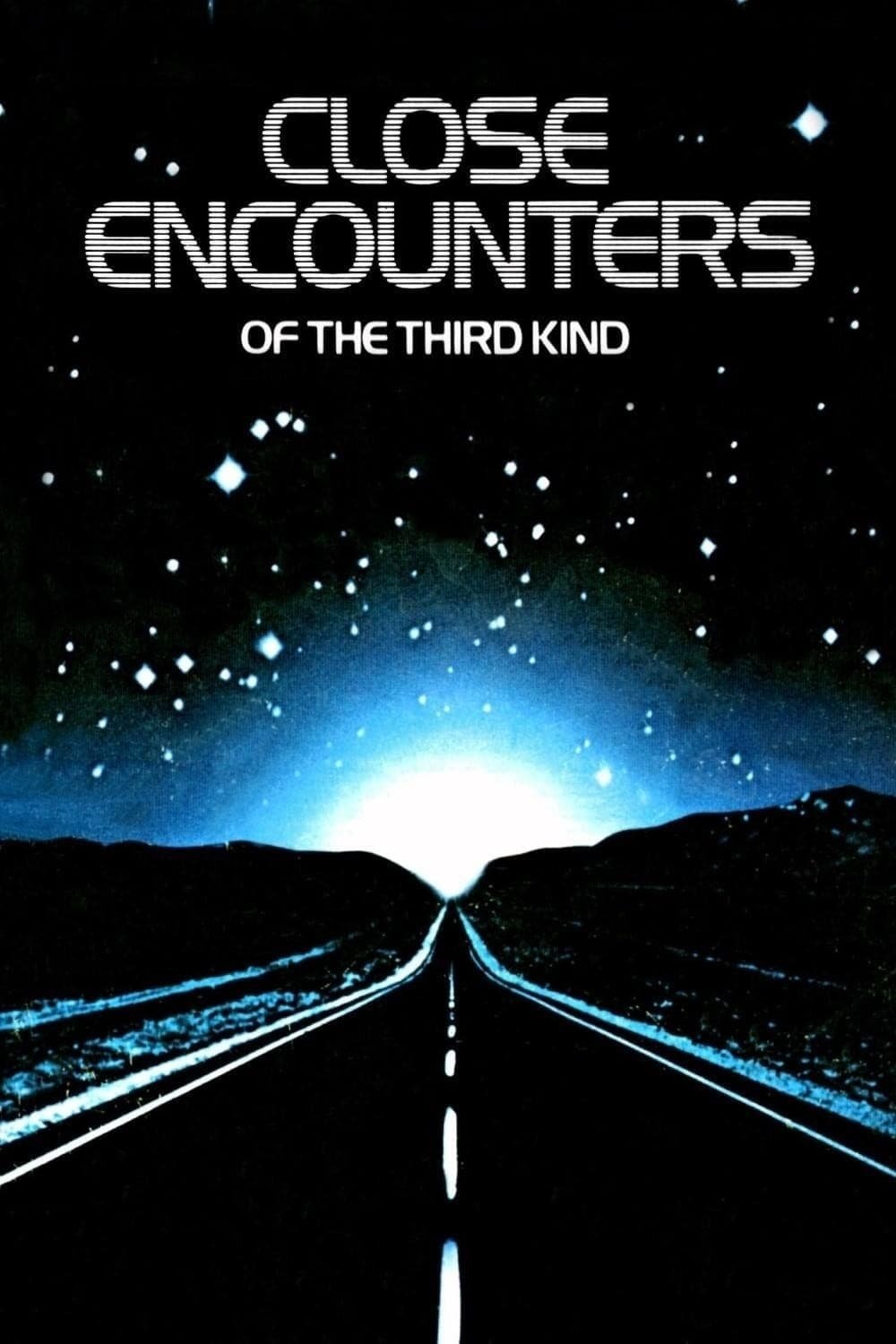
Steven Spielberg depicts multiple contact events framed through civilian experiences and international investigation. Douglas Trumbull’s effects team used motion-control to coordinate elaborate mothership shots with live-action plates.
John Williams developed a simple five-note musical motif for communication that became iconic. The film exists in several versions, including a Special Edition and a Director’s Cut, each with different emphases, while practical builds and sound design anchor the spectacle.
‘Sunshine’ (2007)
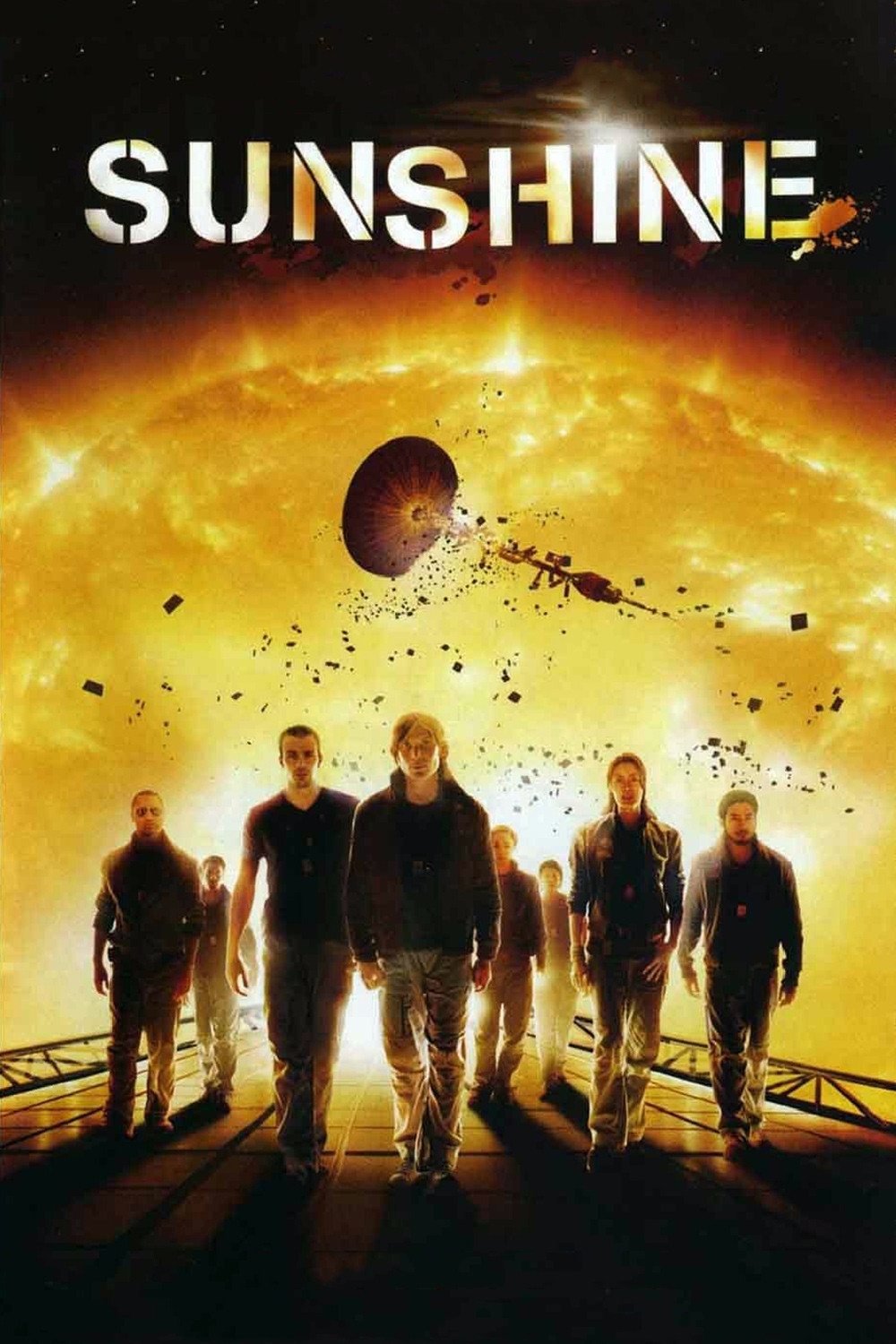
Danny Boyle follows a multinational crew attempting to reignite the sun with a stellar bomb. Alex Garland’s script balances procedural mission detail with psychological strain, and John Murphy with Underworld provided an influential score.
Art direction and lighting emphasize heat and exposure, while VFX depict a blinding solar environment. The Icarus II ship design, gold-plated spacesuits, and practical corridor sets give the production a memorable visual identity.
‘Moon’ (2009)
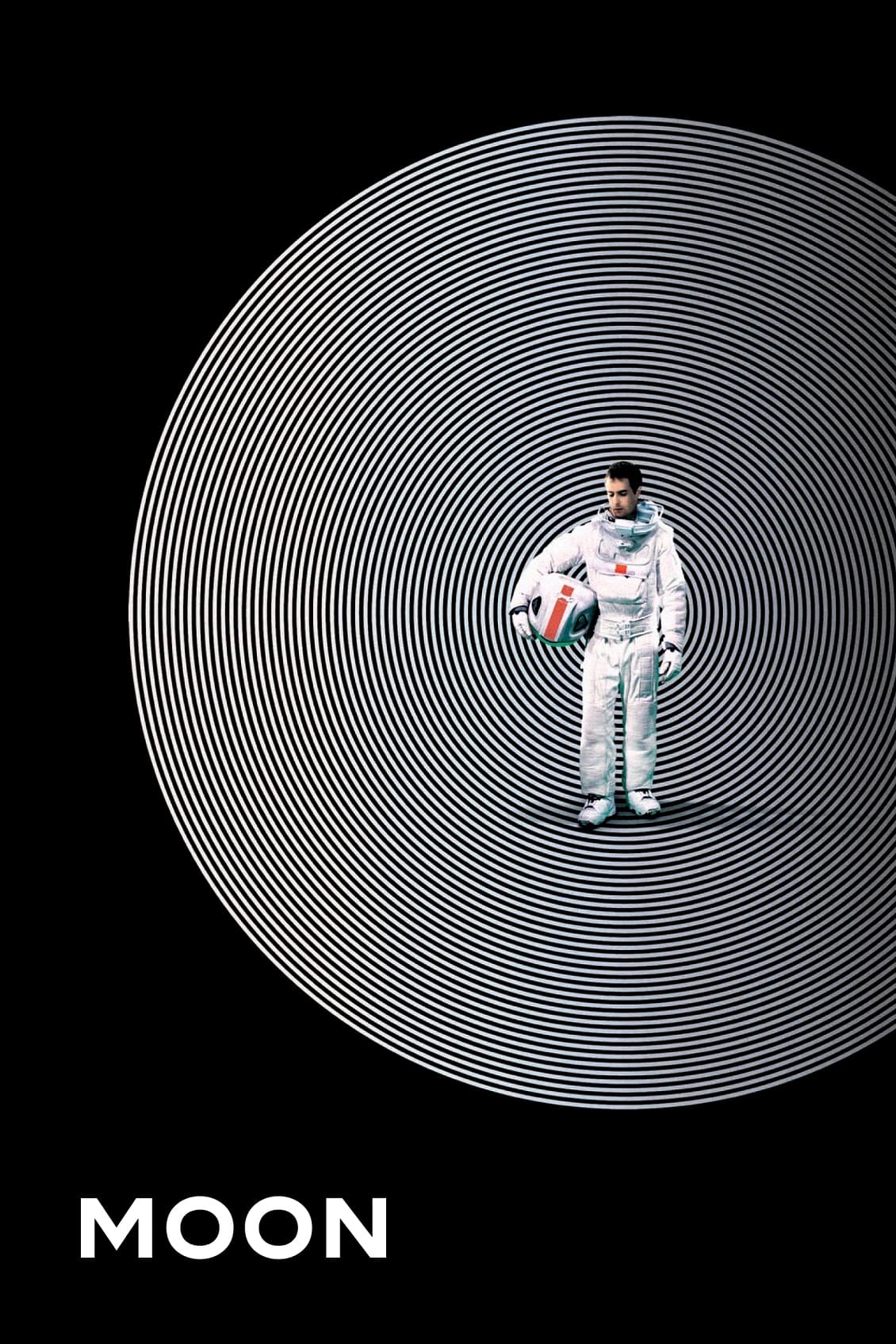
Duncan Jones’s debut stars Sam Rockwell as a lunar miner nearing the end of a solitary contract. Model miniatures and controlled sets evoke 1970s sci-fi textures, and the AI companion GERTY was performed on set and voiced in post.
Shot at Shepperton Studios, the film maintains a small footprint through careful blocking and editing. Its production notes detail how practical dust, projected vistas, and miniature rovers combined with digital finishing.
‘Looper’ (2012)
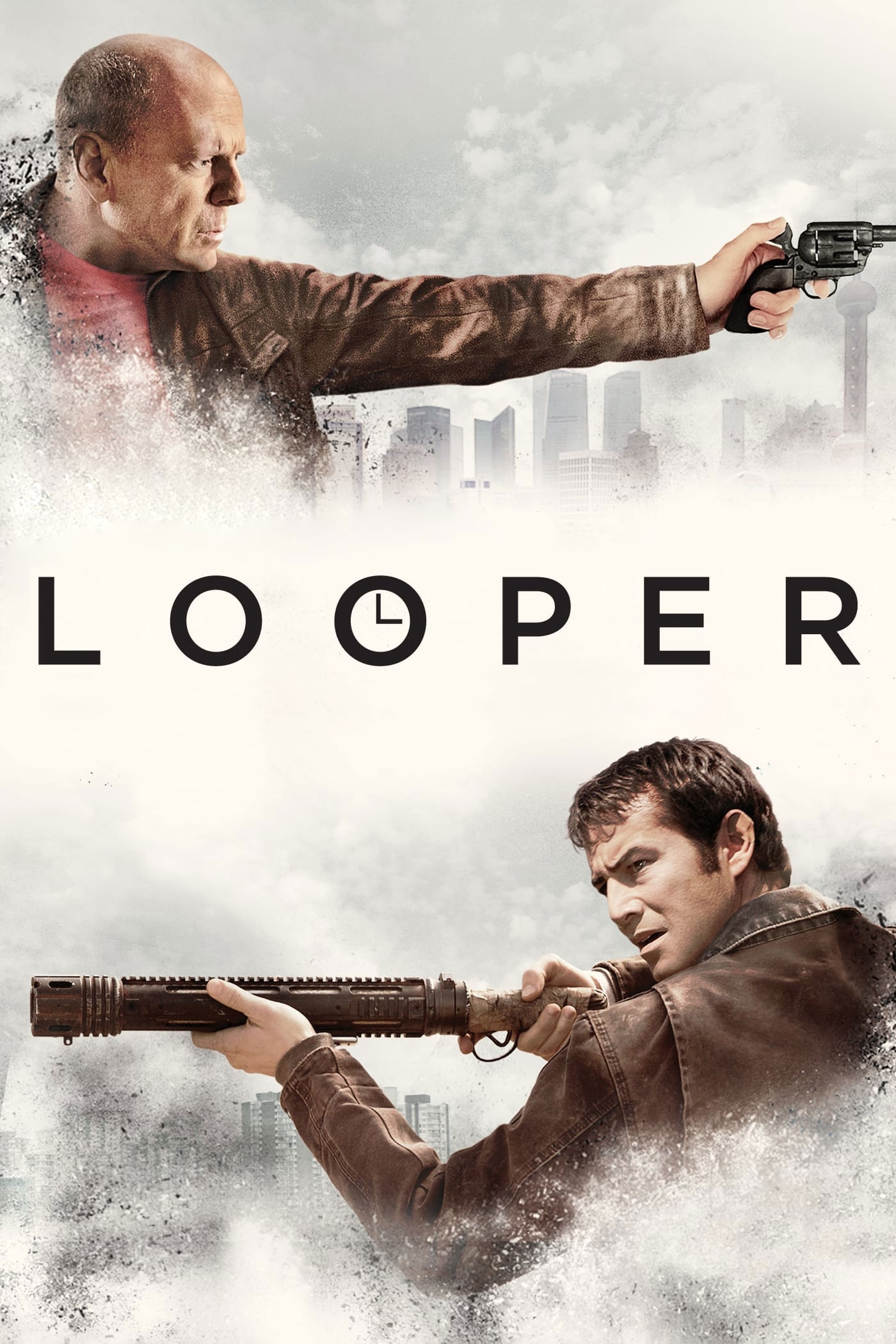
Rian Johnson’s time-travel thriller casts Joseph Gordon-Levitt opposite Bruce Willis as younger and older versions of the same character. Makeup and prosthetics subtly align facial features, while locations in Louisiana and Shanghai sell different timelines.
Dialogues about time mechanics stay anchored to action beats, including organized crime structures and limited telekinesis. The film’s design mixes near-future tech—hoverbikes, under-the-table currency—with recognizable urban spaces.
‘A.I. Artificial Intelligence’ (2001)
Originating as a Stanley Kubrick project and directed by Steven Spielberg, this feature stars Haley Joel Osment as a robotic child searching for belonging. The production blended animatronics with CG to depict mecha characters and expansive flooded landscapes.
Locations and sets create distinct zones—Flesh Fair arenas, Rouge City nightlife, submerged ruins—while John Williams’s score ties them together. The film’s long development history is documented across production notes and interviews.
‘Starship Troopers’ (1997)
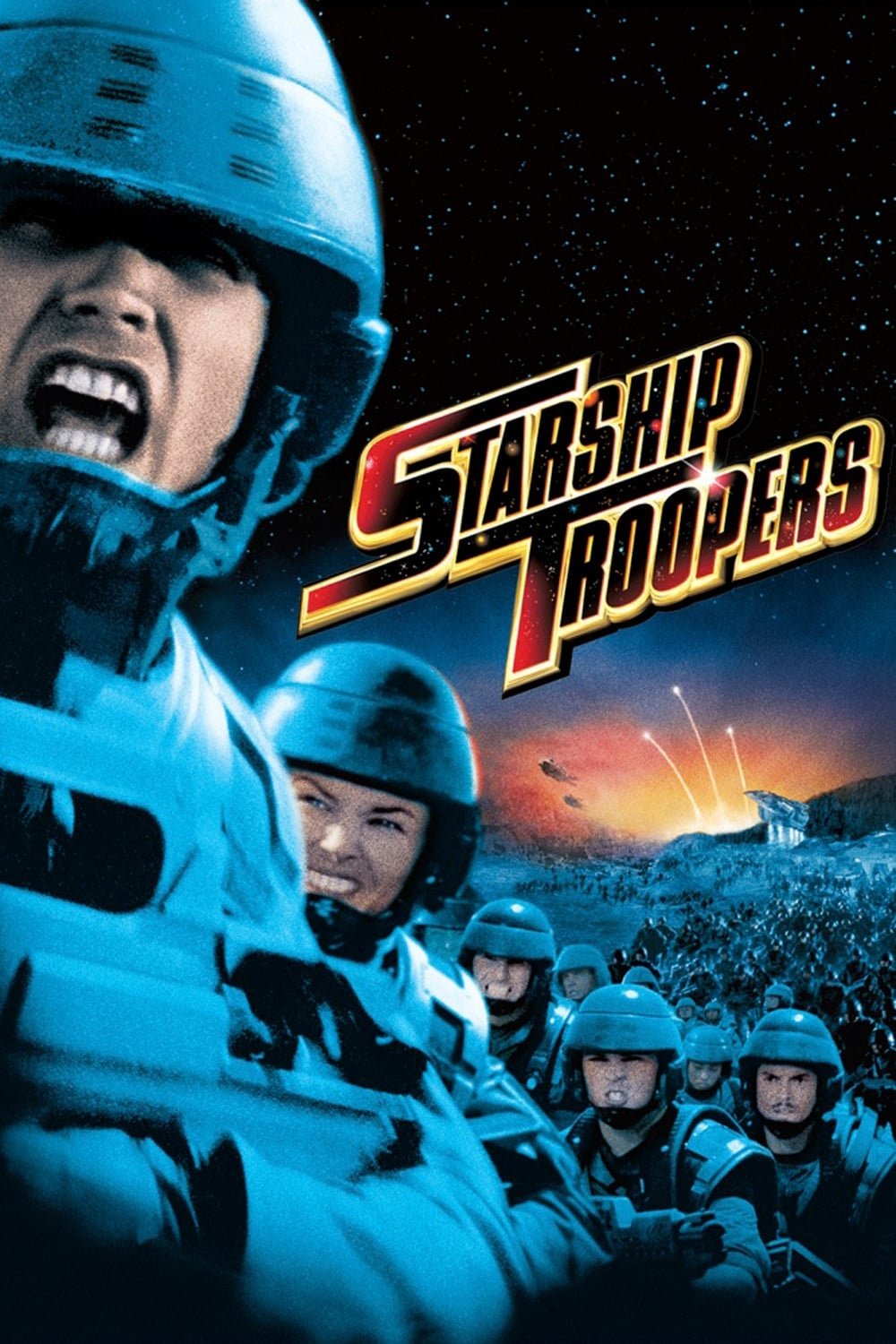
Paul Verhoeven adapts Robert A. Heinlein’s novel into a large-scale interstellar war narrative. Tippett Studio and Sony Pictures Imageworks delivered extensive CG bug battles with practical gore effects on set.
In-universe propaganda segments frame military service and public messaging. Uniform design, ship miniatures, and battlefield choreography established an instantly recognizable visual lexicon carried into sequels and games.
‘Brazil’ (1985)
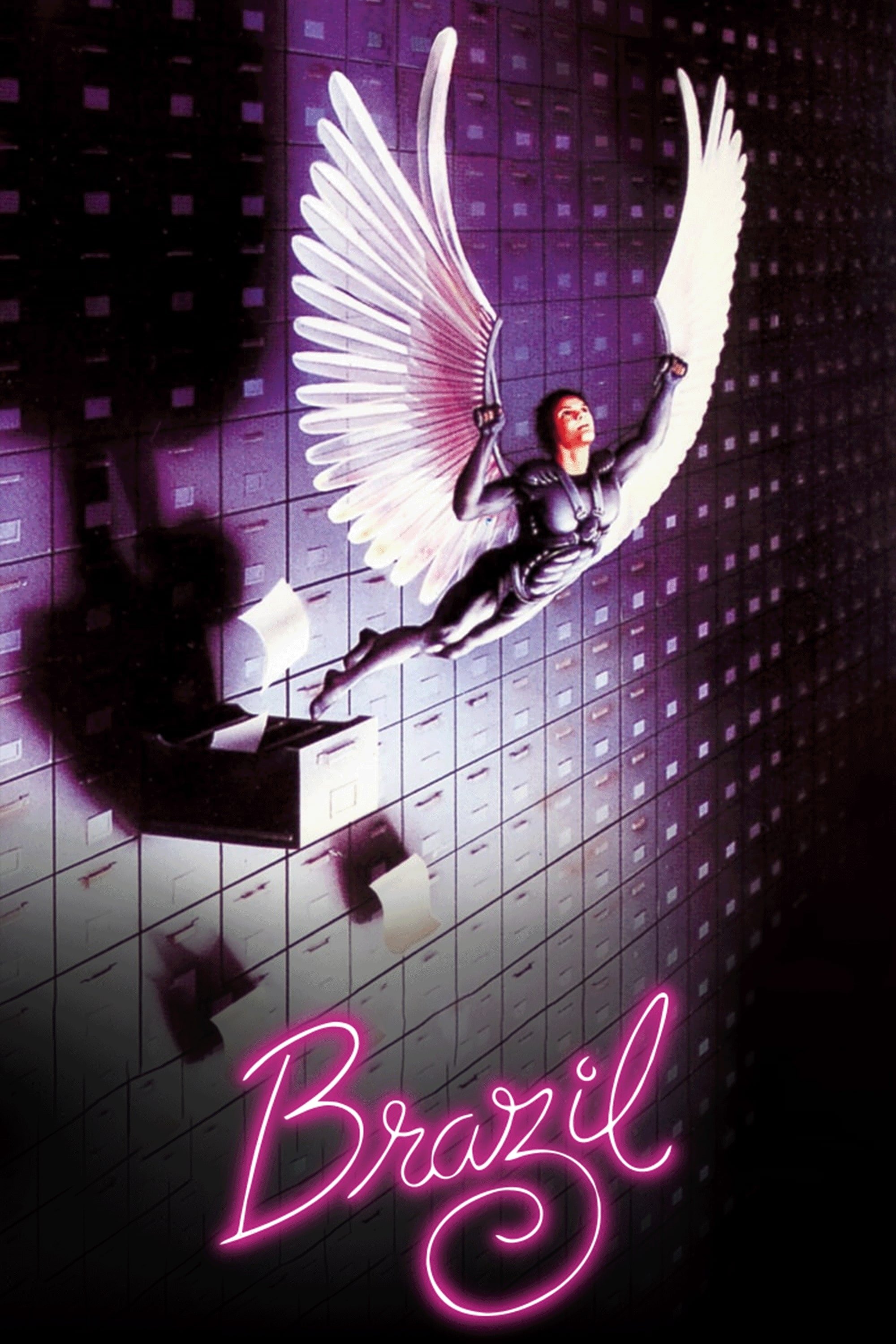
Terry Gilliam crafts a retro-futurist bureaucracy with pneumatic tubes, typewriters, and ductwork crowding every frame. Jonathan Pryce leads a cast navigating a paperwork-driven state that malfunctions in darkly comic ways.
The film’s release history includes competing cuts—studio and director-preferred—highlighting tonal differences. Production design leans on practical builds, miniatures, and optical effects to create a world equal parts familiar office and nightmare machine.
‘Twelve Monkeys’ (1995)
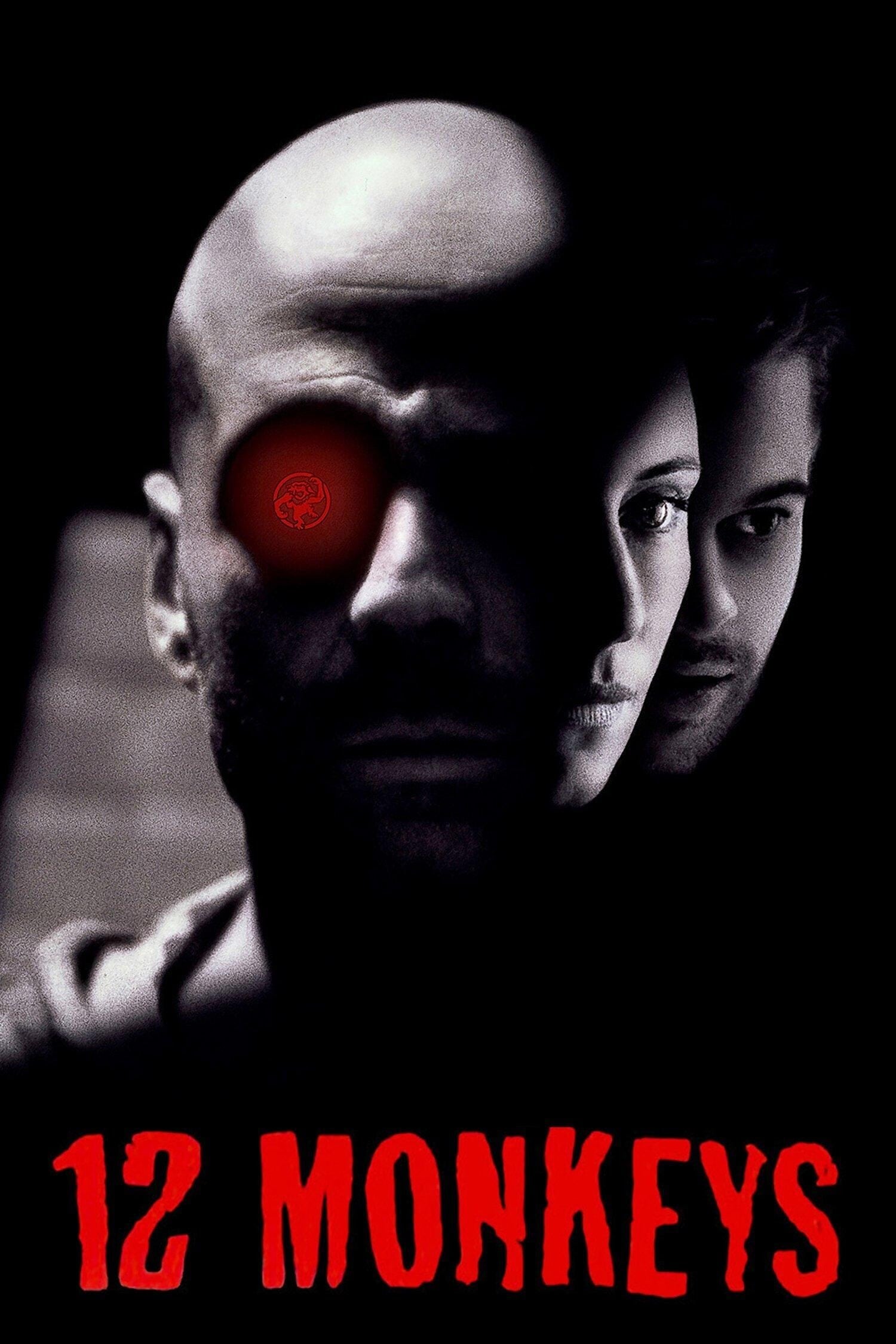
Terry Gilliam’s time-travel mystery draws inspiration from the short film ‘La Jetée’. Bruce Willis and Madeleine Stowe headline, with Brad Pitt earning awards recognition for a supporting role as an eccentric activist.
The film shot in Pennsylvania and Maryland, using real facilities and disused structures to represent future ruins. Costumes, set dressing, and analog tech underline a scavenged, post-collapse society tied to epidemiological catastrophe.
‘The Fly’ (1986)
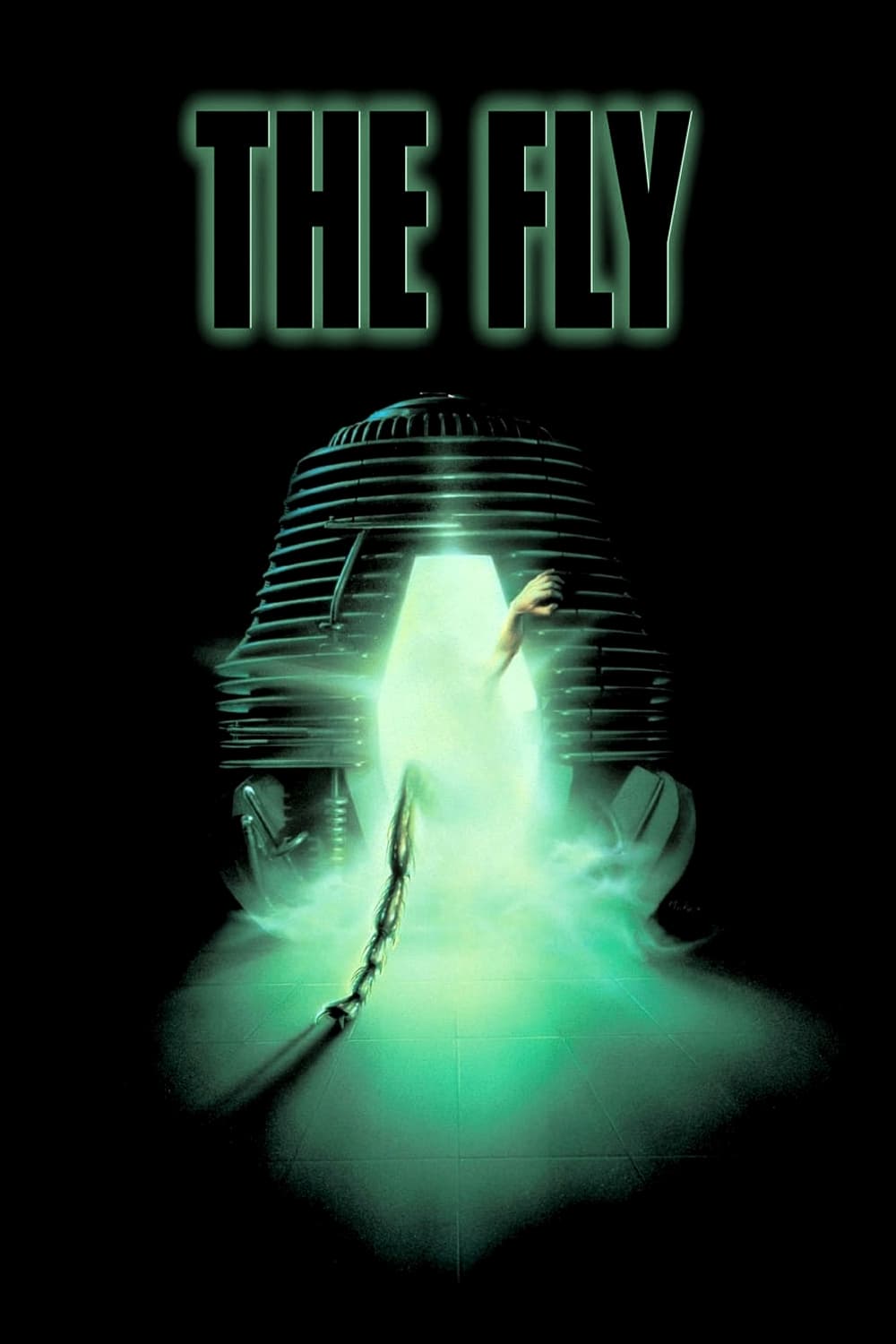
David Cronenberg remakes the 1958 film with practical makeup effects tracking a scientist’s transformation after a teleportation experiment. Jeff Goldblum and Geena Davis carry a story built around progressive prosthetics and animatronics.
The production earned an Academy Award for makeup, recognizing detailed stages of physical change. Telepod set builds, laboratory dressing, and a focused ensemble keep attention on process and consequence rather than spectacle alone.
‘Donnie Darko’ (2001)
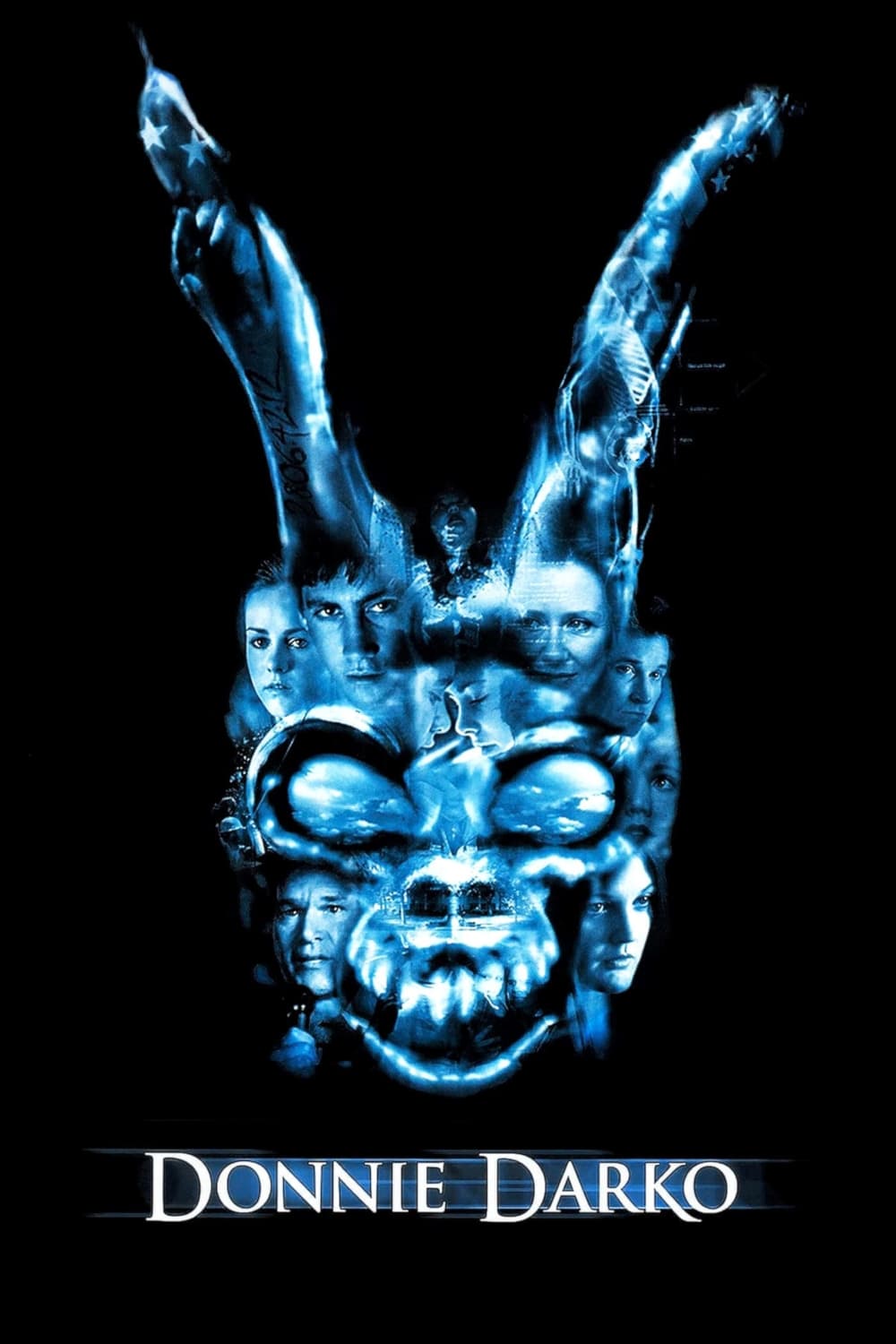
Richard Kelly’s feature blends suburban drama with sci-fi elements involving tangent universes and manipulated time. Jake Gyllenhaal leads a cast including Jena Malone, Maggie Gyllenhaal, and Drew Barrymore, framed by late-1980s period details.
A later Director’s Cut adds text inserts and material that clarifies cosmology and character motivations. The film’s carefully placed needle-drops, classroom scenes, and recurring imagery invite close tracking of cause-and-effect across timelines.
‘The Day the Earth Stood Still’ (1951)
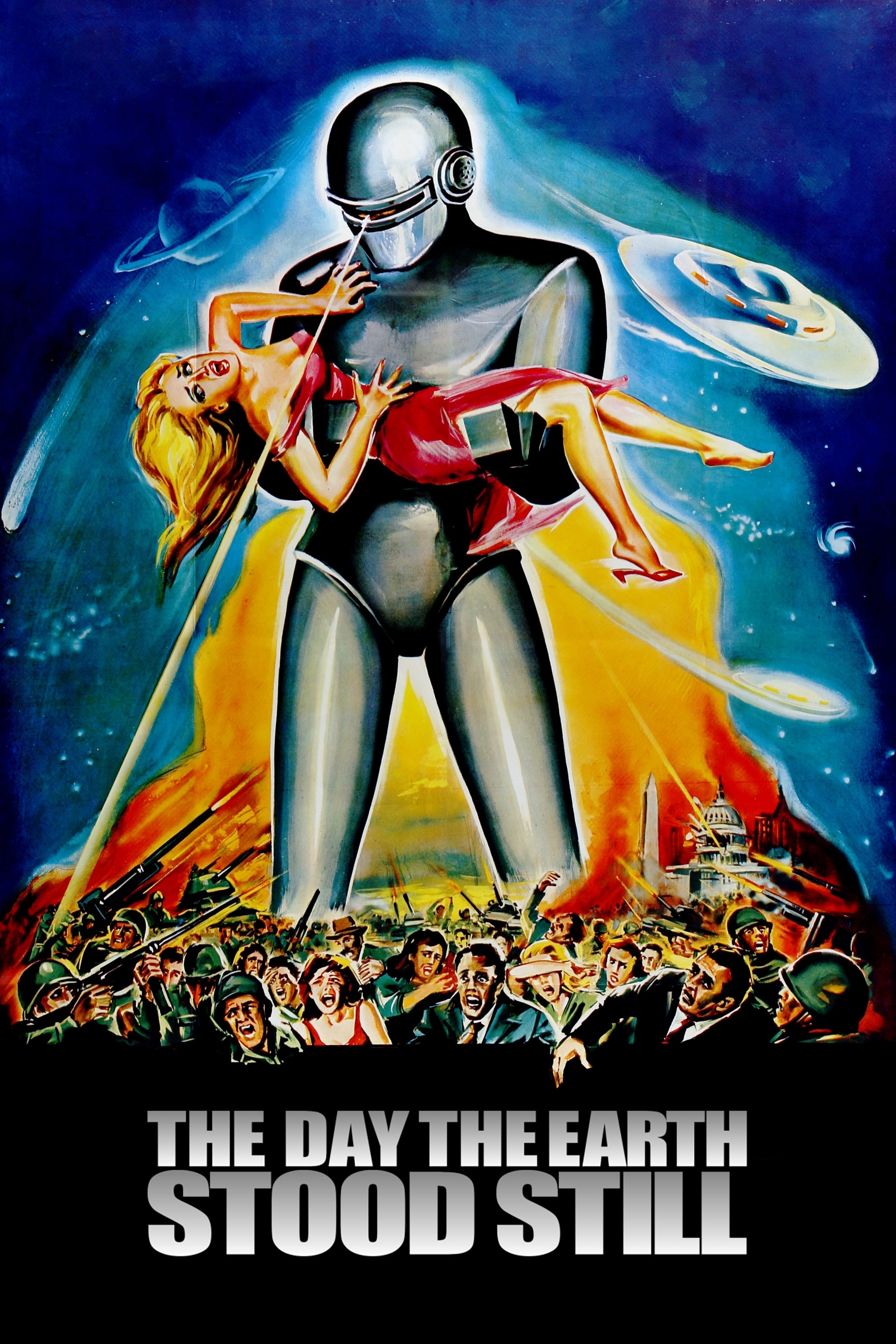
Robert Wise’s classic follows an alien emissary and a robot enforcer arriving in Washington, D.C. The production used theremin-driven music by Bernard Herrmann and practical saucer sets to stage its landings and encounters.
Cold War anxieties inform the narrative’s government, military, and media responses. The film’s imagery—spaceship in a public park, towering robot—reappears across decades of sci-fi iconography and homages.
‘Planet of the Apes’ (1968)
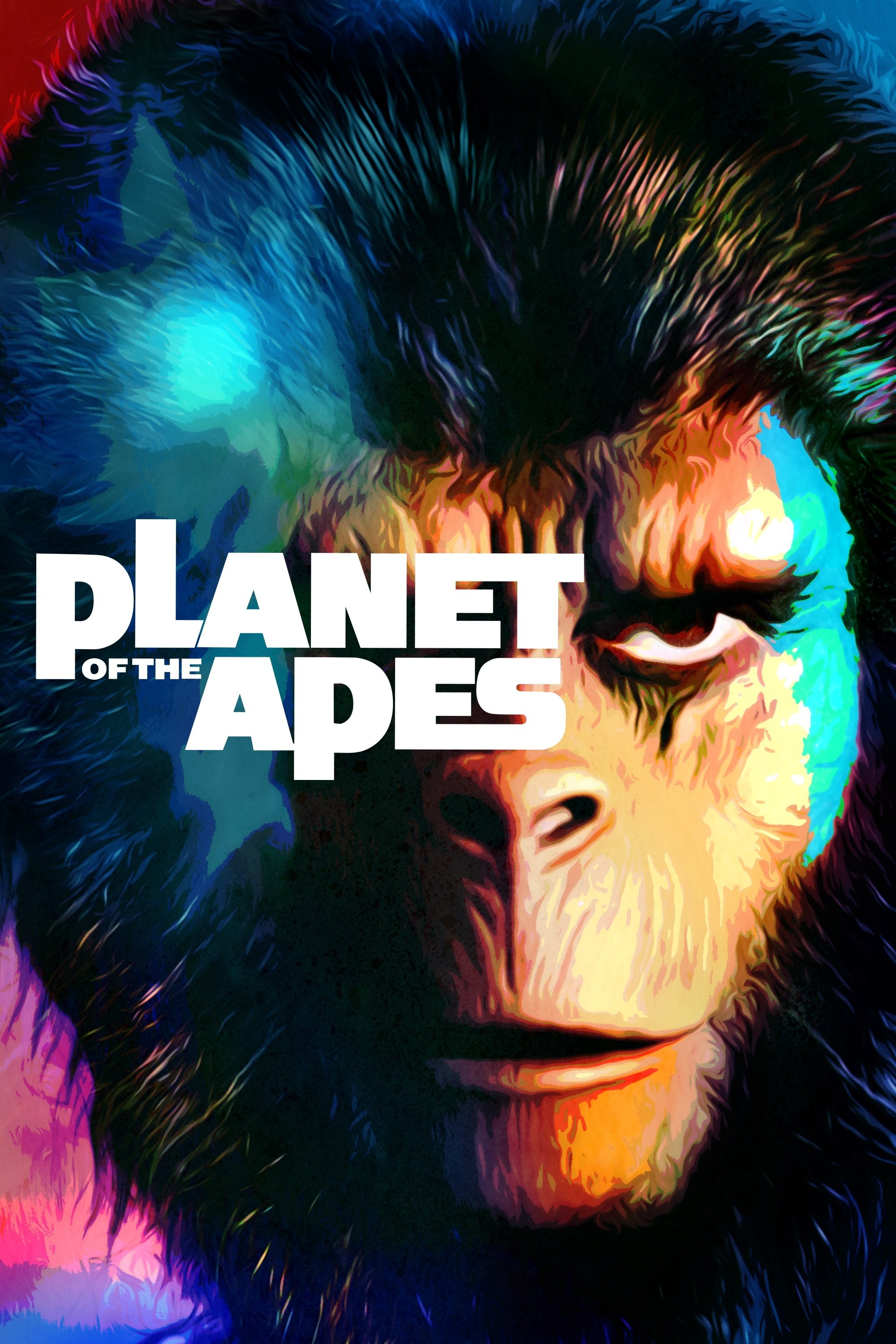
Franklin J. Schaffner directs an adaptation of Pierre Boulle’s novel, with pioneering ape makeup by John Chambers that earned an honorary Academy Award. Location shooting in the American West provides stark landscapes for the film’s society-inversion premise.
Practical sets, costuming, and a percussive Jerry Goldsmith score create a coherent alternate civilization. The film launched sequels, a television series, and reboots, establishing a long-running franchise with recurring visual and thematic motifs.
‘Rogue One: A Star Wars Story’ (2016)
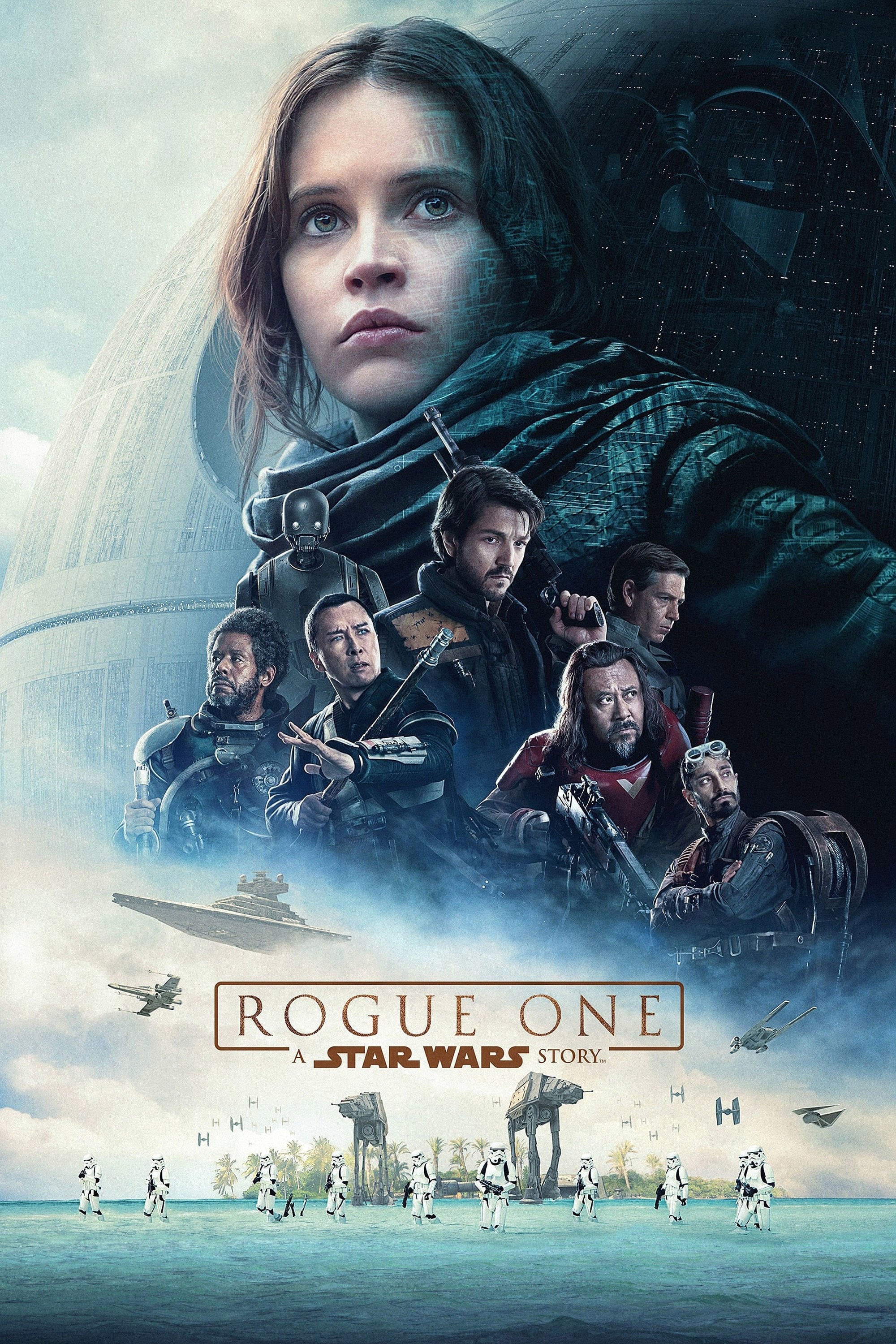
Gareth Edwards presents a war-movie approach inside ‘Star Wars’, detailing the operation that secures the Death Star plans ahead of ‘A New Hope’. The production mixed on-location shoots—such as Maldives beaches for Scarif—with large studio sets and ILM’s digital work.
Digital character recreations and new starfighter designs slot into established ‘Star Wars’ aesthetics. Editorial adjustments and reshoots refined the final act’s structure, and the film’s production design bridges directly into the opening of ‘A New Hope’.
‘Annihilation’ (2018)
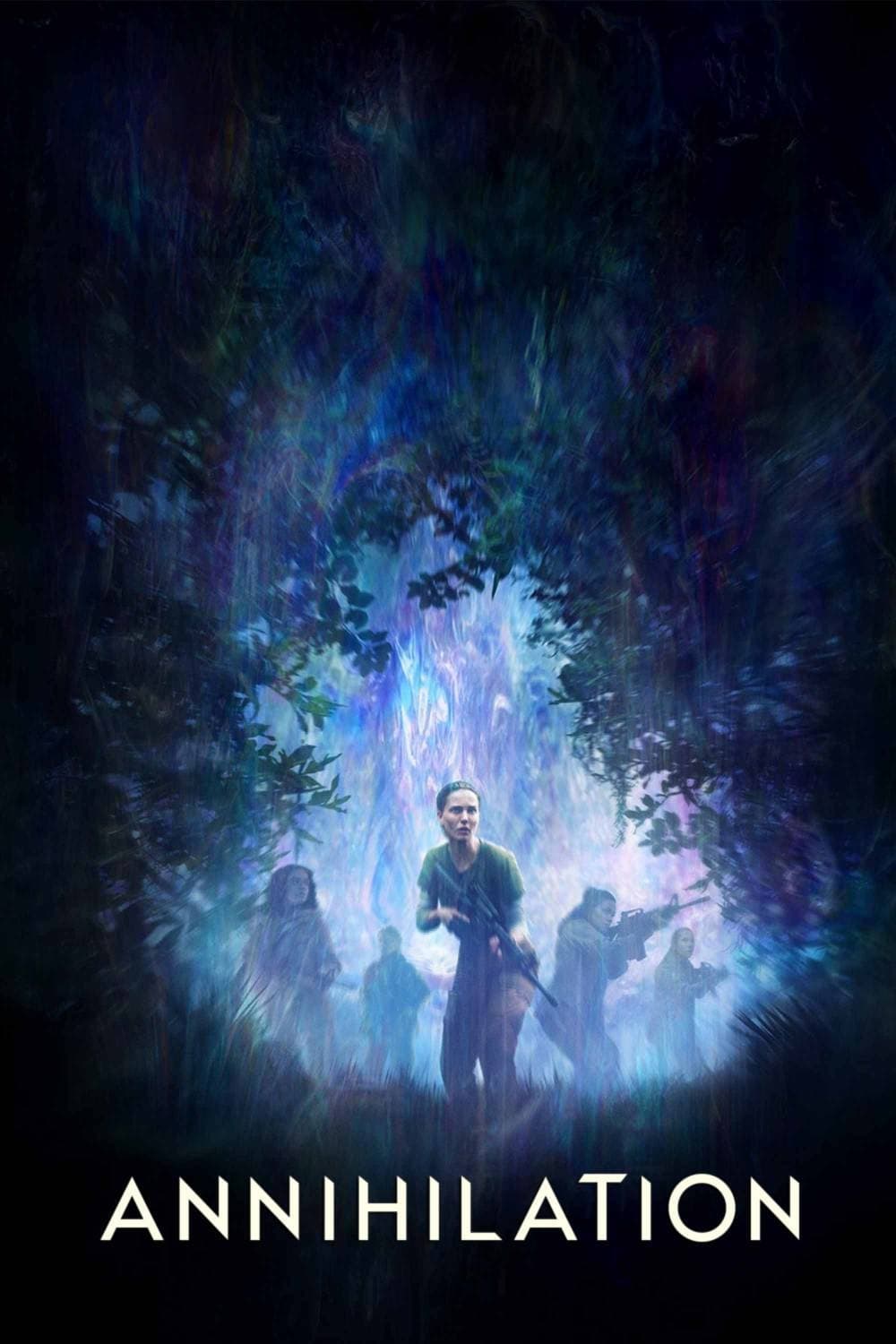
Alex Garland adapts Jeff VanderMeer’s novel about an investigation into a mutating environmental anomaly. The film uses real botanical set-dressing and VFX refractive shaders to create “Shimmer” distortions and hybridized flora and fauna.
Its release strategy varied by region, with a streaming debut outside several theatrical markets. Sound design emphasizes unsettling natural tones, and production diaries outline how practical and digital elements were layered to achieve its look.
‘Snowpiercer’ (2013)
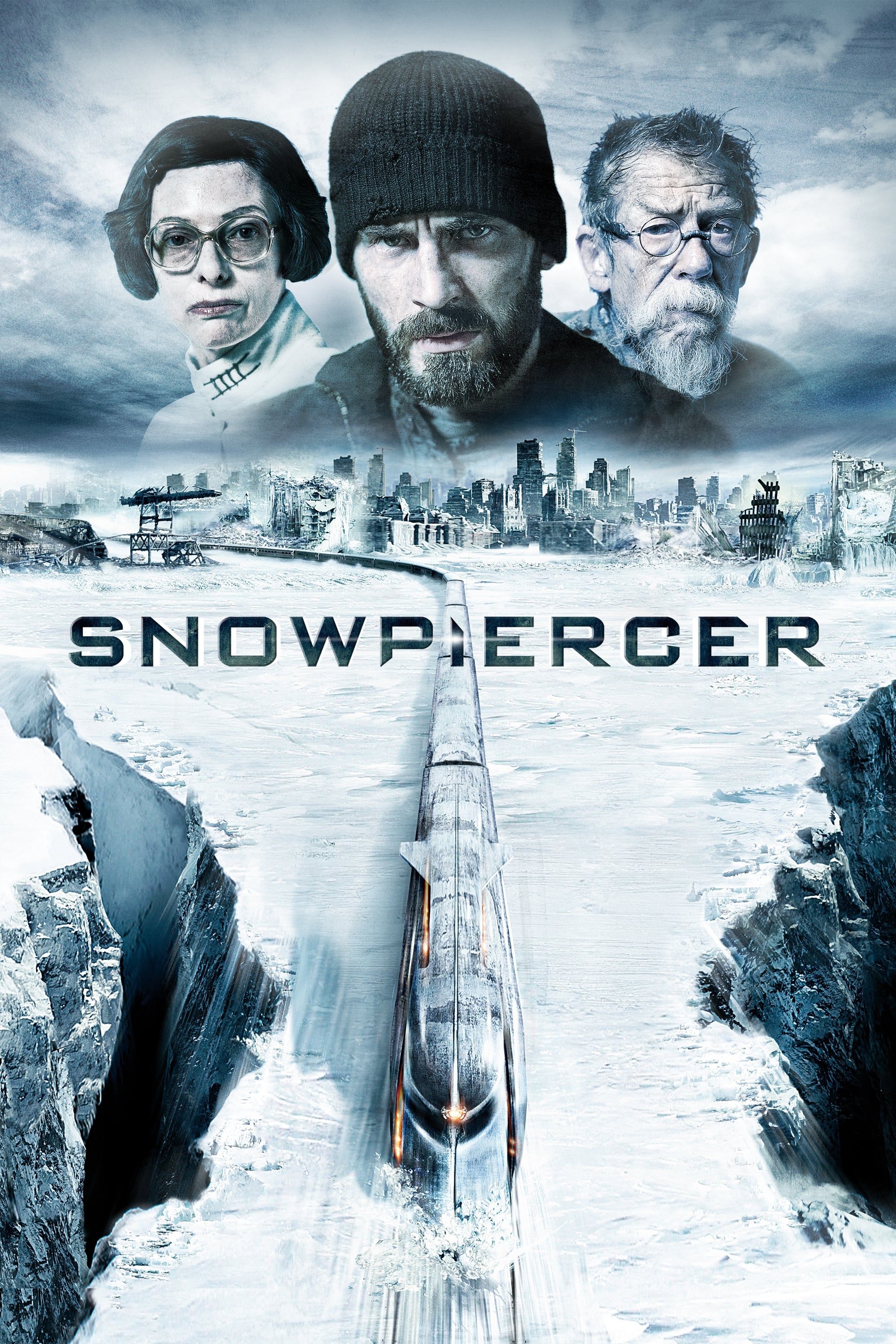
Bong Joon-ho’s English-language debut adapts the French graphic novel ‘Le Transperceneige’, staging class revolt on a perpetually moving train. Modular car sets—classroom, aquarium, sauna—were built on gimbals to simulate motion and connect geography.
Distribution involved well-publicized disputes over cuts, and the final release preserved Bong’s structure. The film’s props, costumes, and food design (notably protein bars) double as world-building cues that map the train’s social hierarchy.
‘Coherence’ (2013)
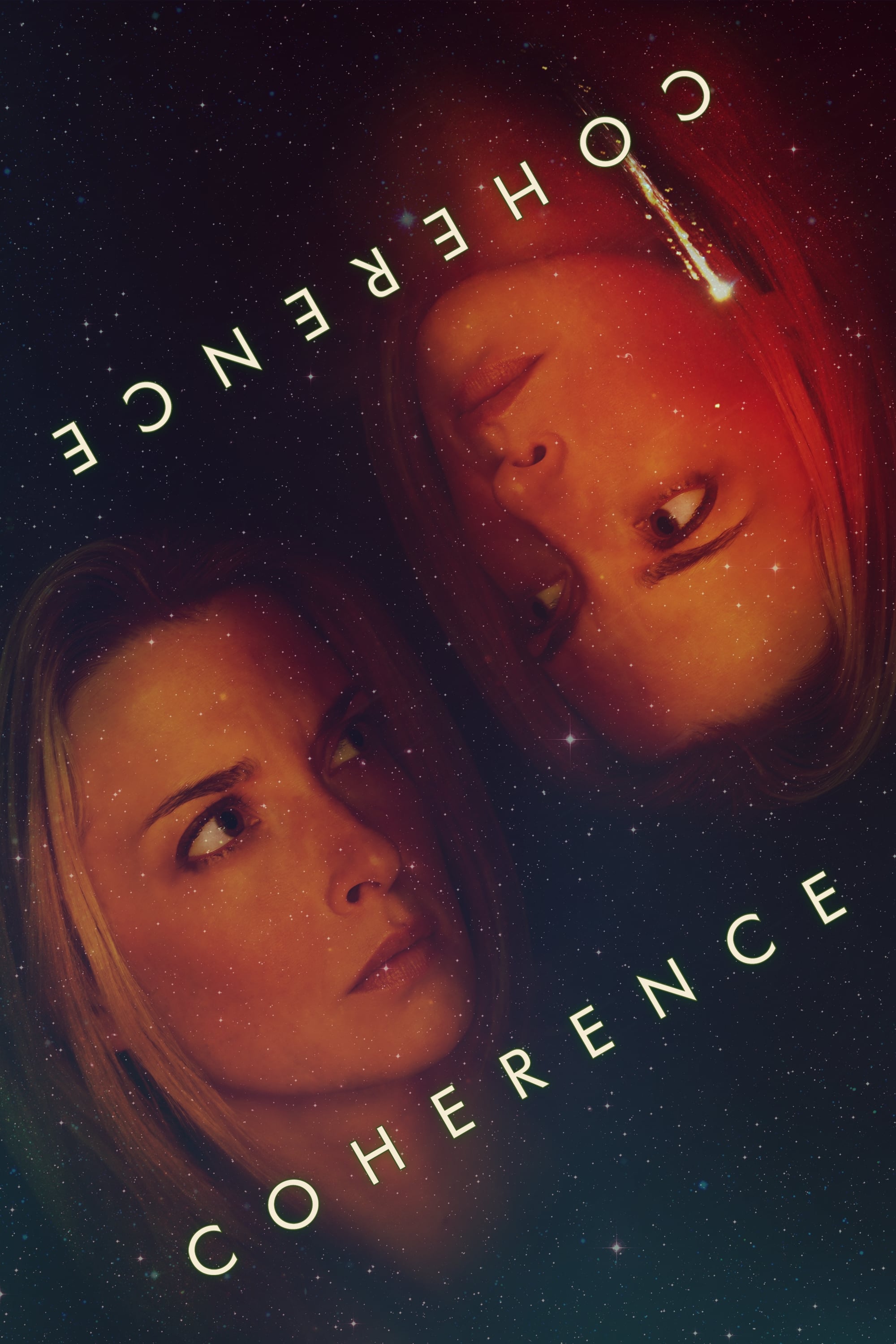
James Ward Byrkit’s microbudget feature was shot largely in the director’s home with minimal crew. Cast members received scene prompts rather than full scripts, generating naturalistic dialogue while the story explores parallel realities triggered by a passing comet.
Practical lighting, improvisation, and in-camera tricks convey timeline divergence without heavy effects. The production demonstrates how careful story design and performance direction can deliver high-concept sci-fi with limited resources.
‘Primer’ (2004)
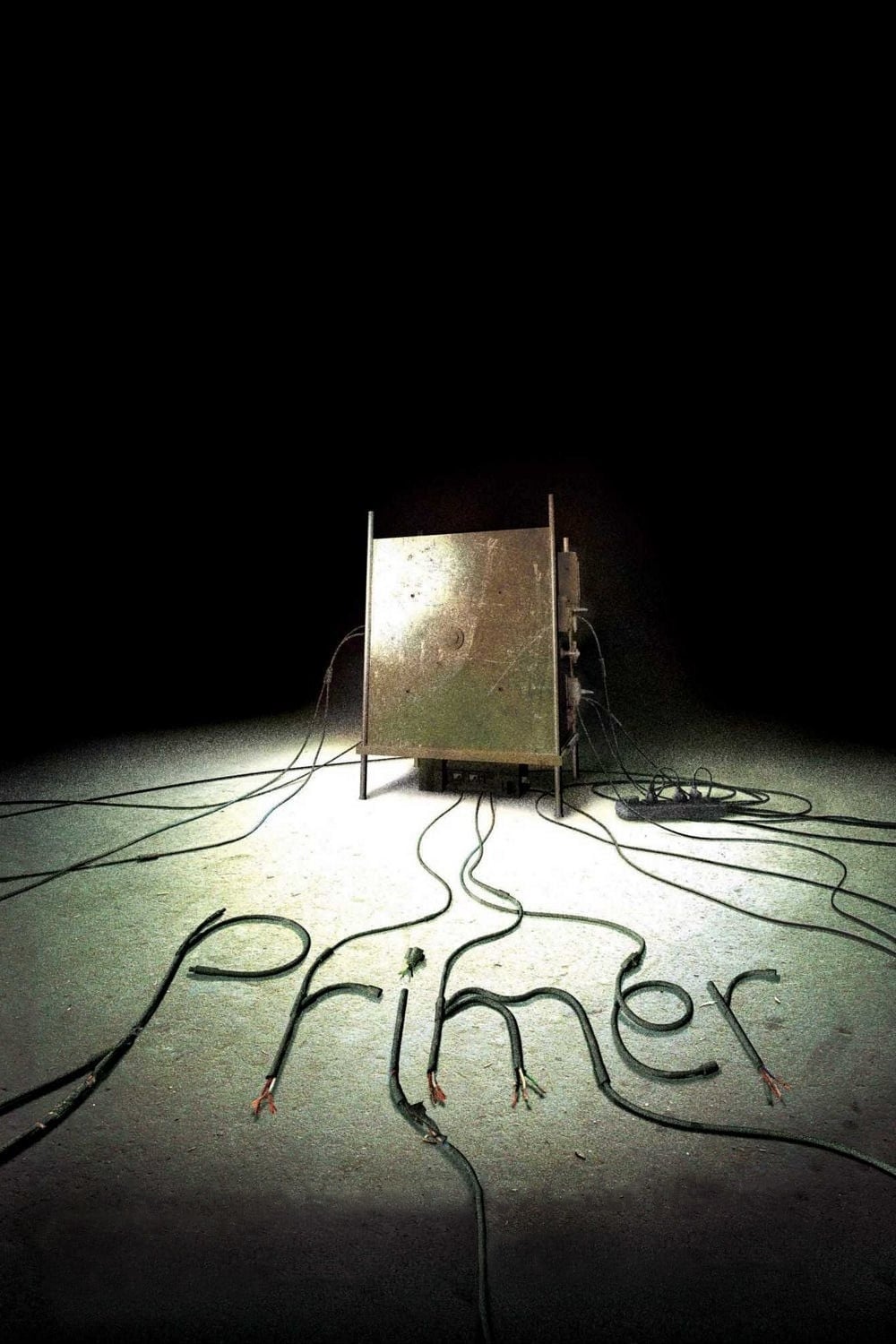
Shane Carruth wrote, directed, scored, and starred in this ultra-low-budget time-travel puzzle. The film focuses on engineering process—garage prototyping, component sourcing, and iterative testing—captured in naturalistic 16mm photography.
It won the Sundance Grand Jury Prize, and its dense plotting invites diagramming of overlapping timelines. Dialogue leans on technical jargon without exposition dumps, reflecting a commitment to grounded process over spectacle.
‘WALL·E’ (2008)
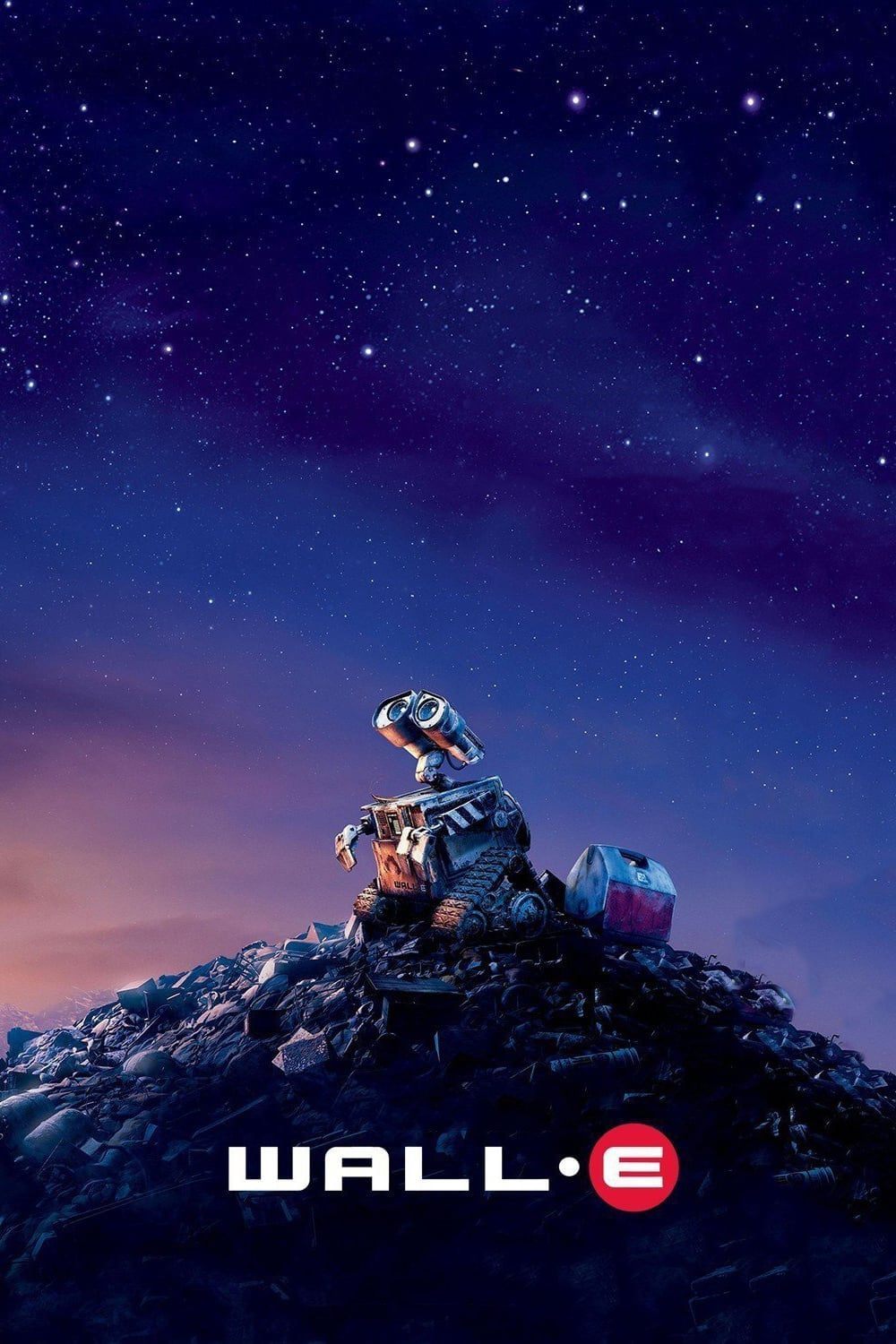
Andrew Stanton’s Pixar feature follows a trash-compacting robot on an unexpected journey from Earth to a deep-space cruise ship. Ben Burtt created the character’s vocal palette and many diegetic sounds, supporting long stretches with minimal spoken dialogue.
The production blended photoreal textures with expressive animation, and the movie received the Academy Award for Best Animated Feature. Its depiction of the Axiom starliner, service bots, and future consumer tech expands a cohesive sci-fi setting within family animation.
Share your favorites from this list—or the titles you keep revisiting—in the comments so everyone can compare watchlists.