The Saddest TV Show Endings of All Time


Goodbyes on television can linger long after the credits roll, especially when a finale closes out years of character arcs and long-running themes. Some shows wrap with quiet closure, others with abrupt final images, and a few with full-circle montages that tie every thread together. What they share is a power to stick in viewers’ memories because of what happens to the people we’ve followed, the choices they make, and the consequences that can’t be undone.
This list gathers thirty finales that land with unusual force. You’ll find key plot turns, where characters end up, and why certain creative decisions—down to last shots, final lines, and structural choices—made these endings resonate. No filler, just the essential context you need to understand how each series closed its story.
‘The Sopranos’ (1999–2007)
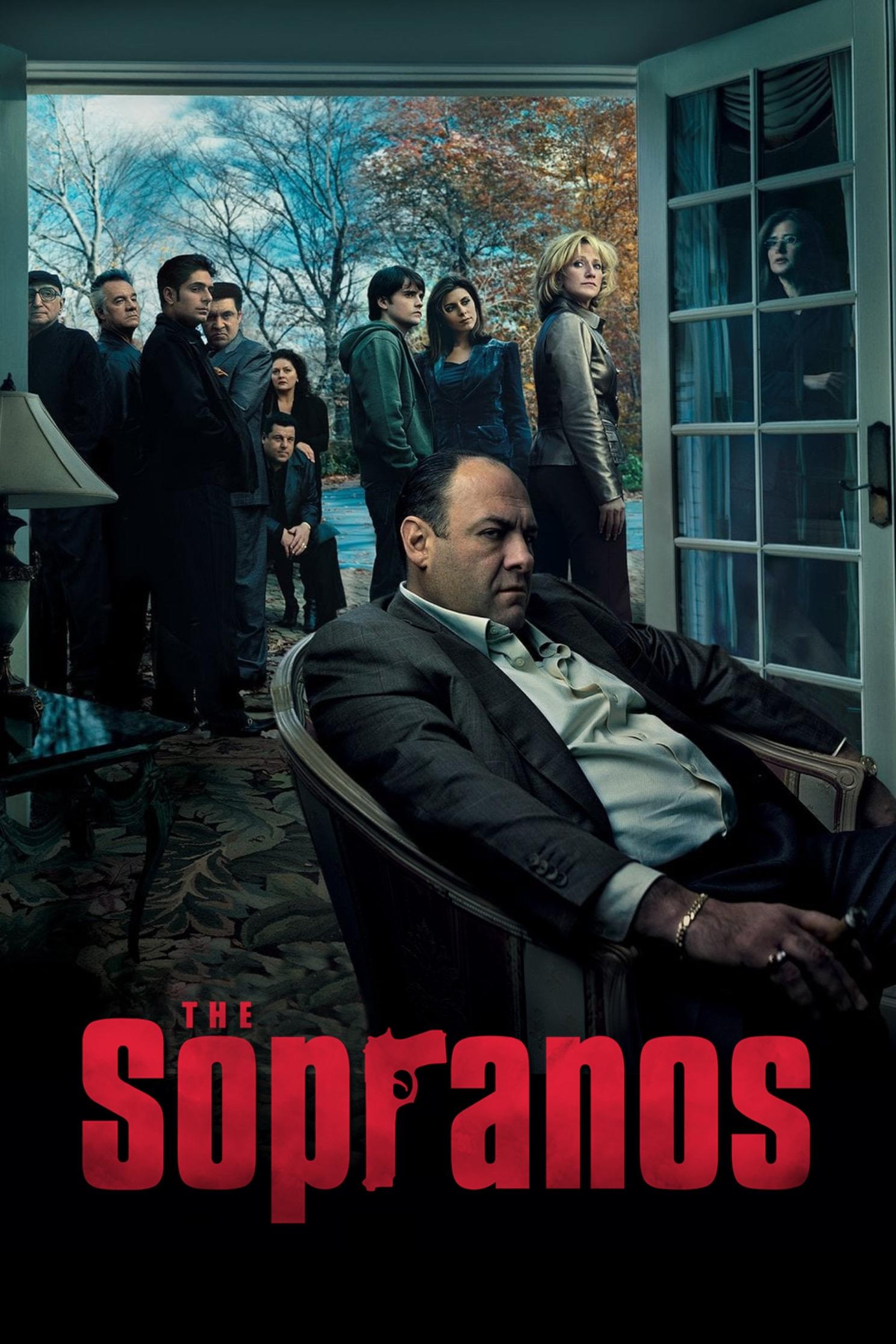
The final scene cuts from a bustling family dinner to an abrupt silence as the screen goes black in mid-moment, a deliberate choice that halts the narrative at a point of maximum uncertainty. By placing Tony in a public setting with potential threats moving in and out of frame, the finale concentrates years of story into a single question about consequences and visibility within the world he helped shape.
Across the episode, the show resolves key disputes while leaving central outcomes unstated, positioning law enforcement pressure and rival tensions as offscreen forces that continue after the story ends. The closing edit reflects the series’ method of showing daily routine alongside mortal risk, and it crystallizes the idea that the family’s normalcy and danger were always inseparable.
‘Six Feet Under’ (2001–2005)

The finale charts the future of each major character through a montage that depicts their eventual deaths, turning an episodic drama about a funeral home into a complete life cycle for its ensemble. By explicitly showing how everyone’s story concludes, the episode answers questions most series never touch and reframes prior seasons as chapters in longer personal histories.
Before the montage, the narrative repositions characters for growth, relocations, and reconciliations, then extends beyond the present to confirm where those choices lead. The use of time jumps and a final drive set to music weaves character fates into one continuous thread, aligning the show’s long-running themes about mortality with precise, individual endpoints.
‘Breaking Bad’ (2008–2013)
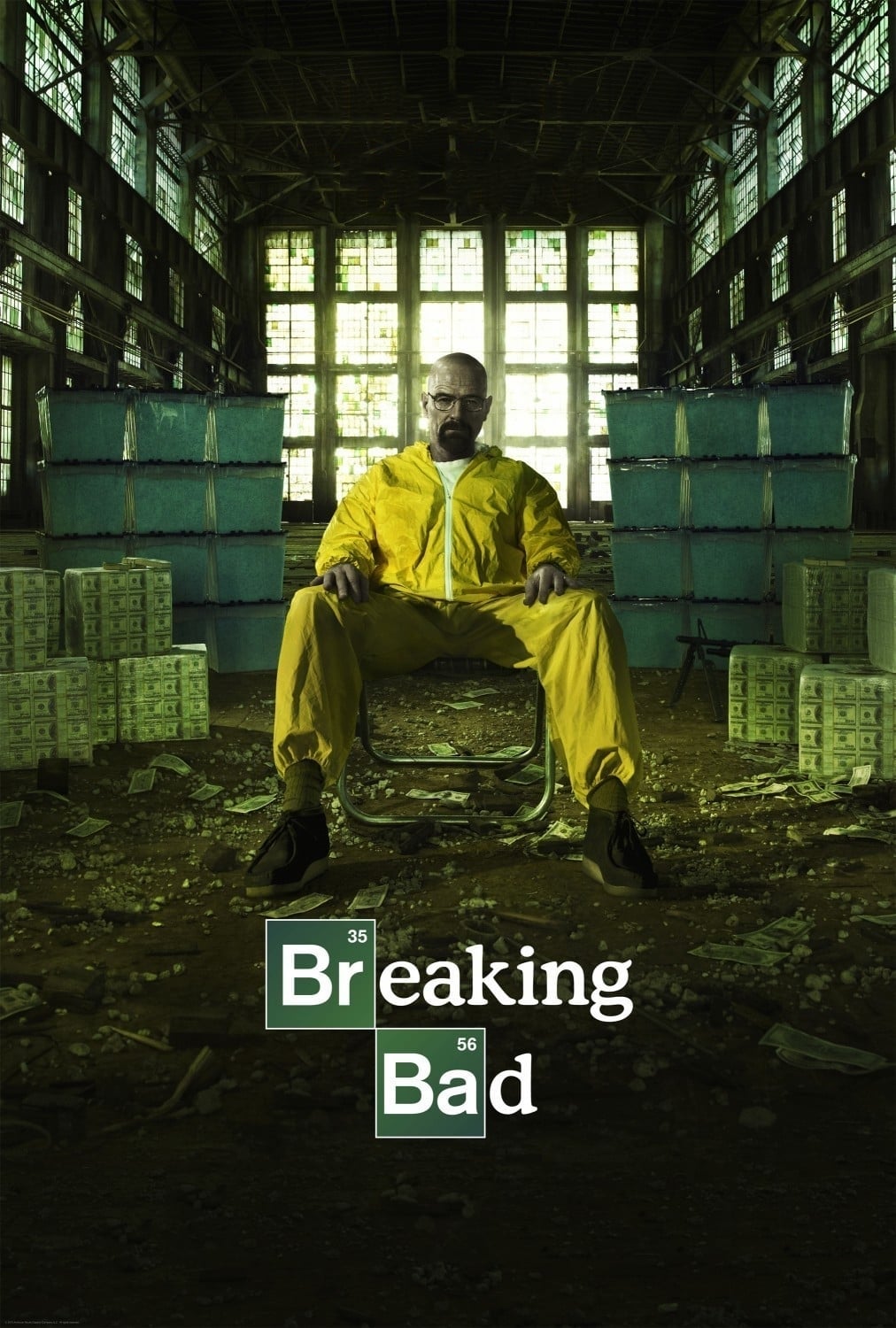
The last episode follows Walter White as he closes financial and personal loops, arranging a method to get money to his family and confronting former partners who redirected his legacy. A rigged weapon resolves the conflict with his adversaries, while a visit to a lab returns him to the site where his transformation took root.
In parallel, Jesse Pinkman is freed from captivity, and the show marks that break with a distinct visual exit. The concluding shot of Walter in the lab—surrounded by equipment that symbolizes his double life—anchors the series’ focus on means and ends, tracing how carefully engineered plans can deliver outcomes that still carry irreversible costs.
‘The Leftovers’ (2014–2017)

The finale centers on a long-awaited conversation that reconciles two conflicting accounts of disappearance and return, placing narrative emphasis on belief and memory rather than external proof. By situating its last act around a personal testimony, the series answers a central emotional question while leaving cosmological explanations to interpretation.
The episode revisits motifs of pilgrimage, ritual, and reinvention, then narrows to an intimate scene that reframes earlier mysteries. This structure preserves the show’s pattern of pairing the extraordinary with ordinary human needs, demonstrating how meaning is constructed between people when definitive answers remain out of reach.
‘M*A*S*H’ (1972–1983)

The feature-length finale concludes the unit’s service with armistice news, mass demobilization, and individualized send-offs that address practical issues of leaving a war zone. Plotlines resolve medical routines, personal conflicts, and long-running gags while foregrounding the logistics of packing up a mobile hospital.
A farewell message spelled out in stones provides a literal parting image for departing colleagues. By combining battlefield procedures with personal goodbyes, the episode documents the process of ending a mission and dispersing a community that was built under emergency conditions.
‘BoJack Horseman’ (2014–2020)

Legal consequences, lost professional standing, and the fallout from years of choices converge as BoJack attends a significant event and reconnects with central figures from his life. Conversations on a rooftop and a prison storyline outline accountability mechanisms that the show has been building toward.
The finale uses paired dialogue scenes to finalize relationships: one sequence clarifies a boundary, another records gratitude, and a final exchange sits in unresolved quiet. These structural choices place outcomes—rather than declarations—at the forefront, emphasizing how consequences continue beyond the last frame.
‘The Americans’ (2013–2018)

An urgent decision forces the central couple to abandon their cover and choose between family cohesion and mission loyalty. A late-night garage scene with an older child serves as the final domestic reckoning, using a private setting to confront years of secrecy.
The last movements include disguises, a tense escape, and a return to a homeland that no longer matches the characters’ lived identities. The show closes with an aerial view and a conversation that recalibrates their future, highlighting how espionage work has permanently altered every facet of their personal lives.
‘Mad Men’ (2007–2015)
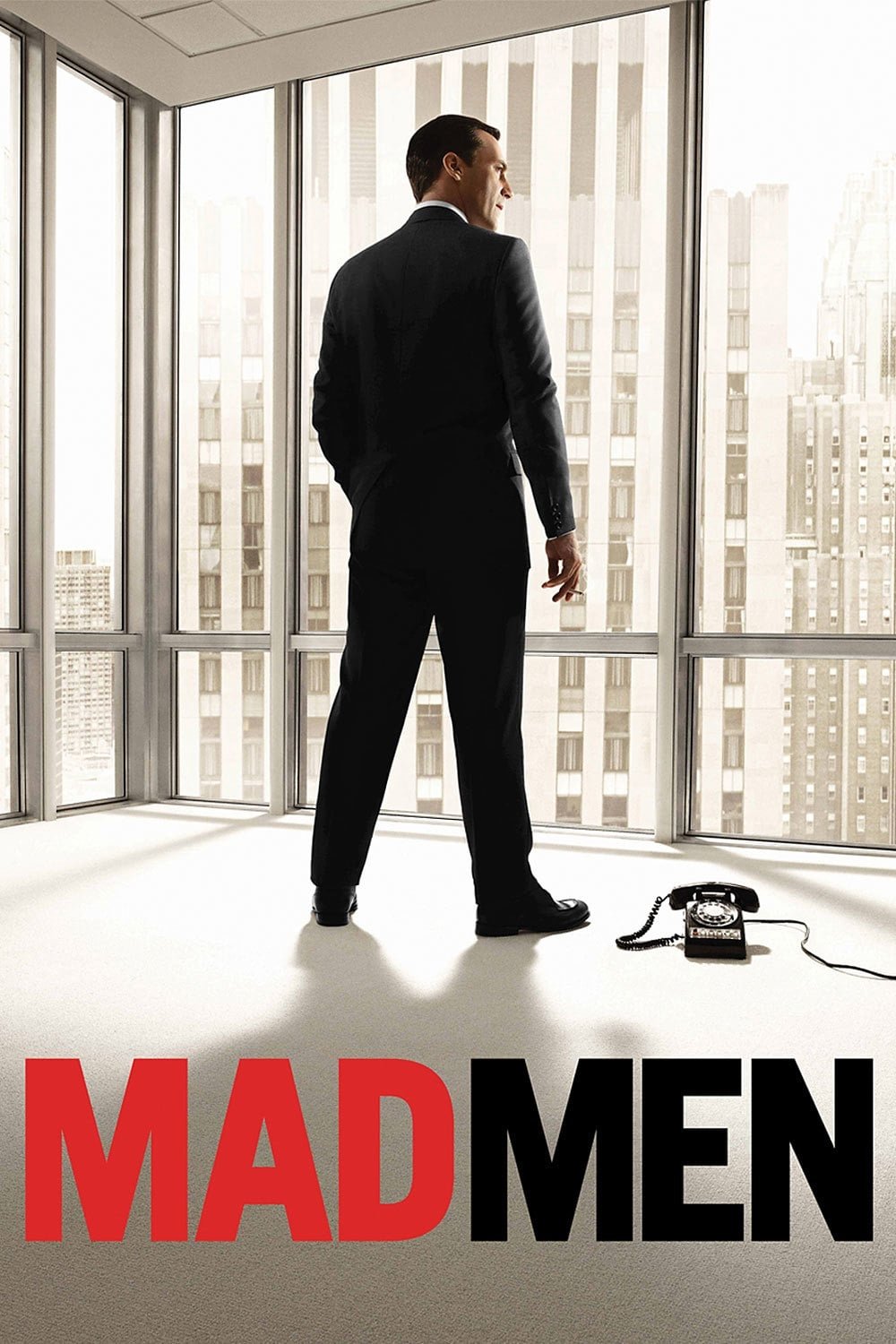
The finale relocates Don Draper to a coastal retreat where a meditation session coincides with the conception of a landmark advertisement. The cut from a hillside moment to a commercial archives a shift from private breakthrough to public messaging.
Other characters land in new roles, partnerships, and households, with the episode methodically positioning each toward stability or change that fits their trajectories. The ending ties identity, creativity, and commerce together through an edit that functions both as character development and as an origin story for a cultural artifact.
‘The Wire’ (2002–2008)
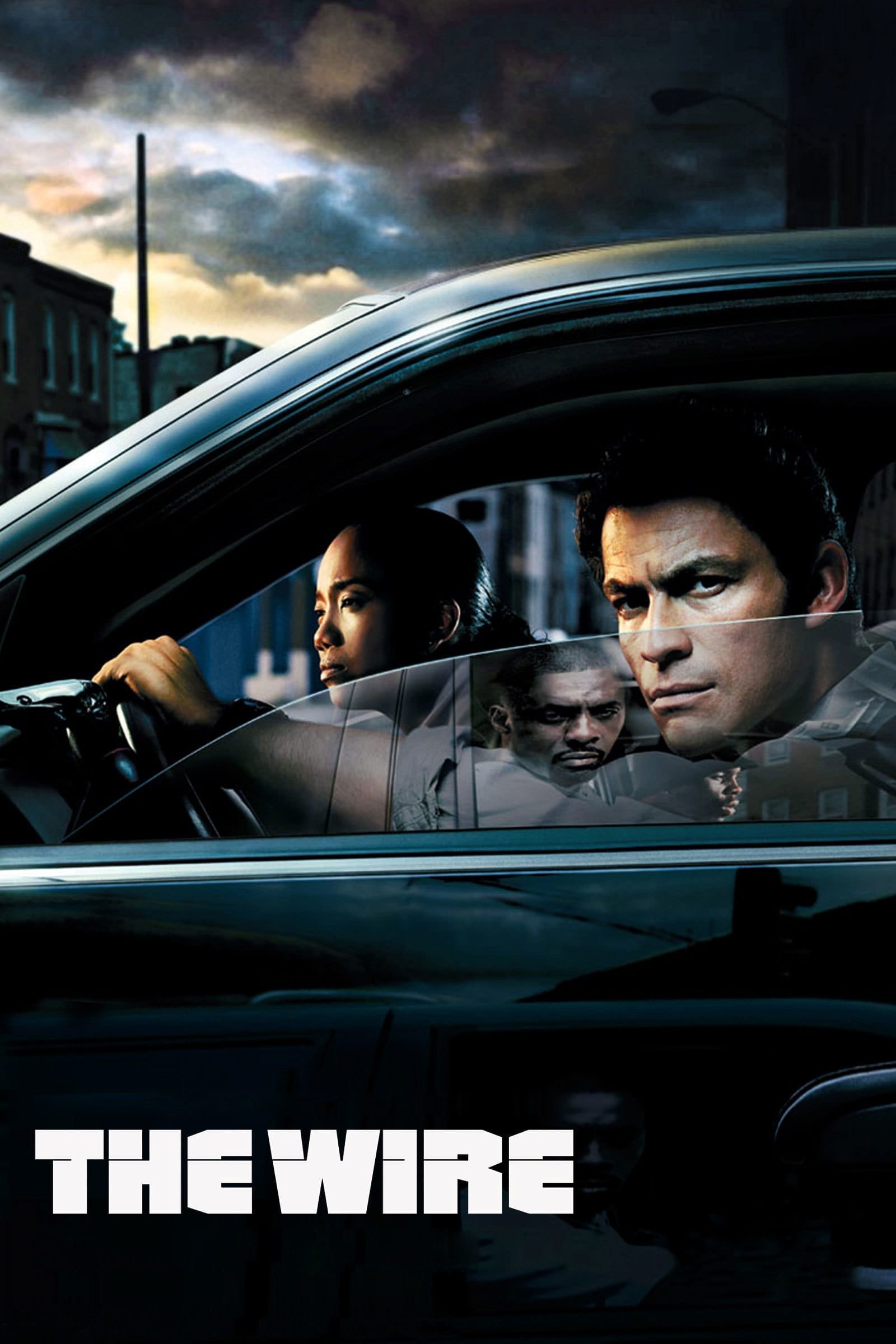
The last chapter cycles through institutions—police, politics, schools, media—and shows how personnel and patterns persist even as individuals exit. Key players are reassigned, promoted, or removed, and the city’s drug trade reorganizes under new leadership.
A closing montage echoes earlier season finales by mapping roles that repeat across generations. By emphasizing continuity over singular victory, the episode documents systemic inertia and demonstrates how the series’ interconnected arcs continue beyond its endpoint.
‘Lost’ (2004–2010)
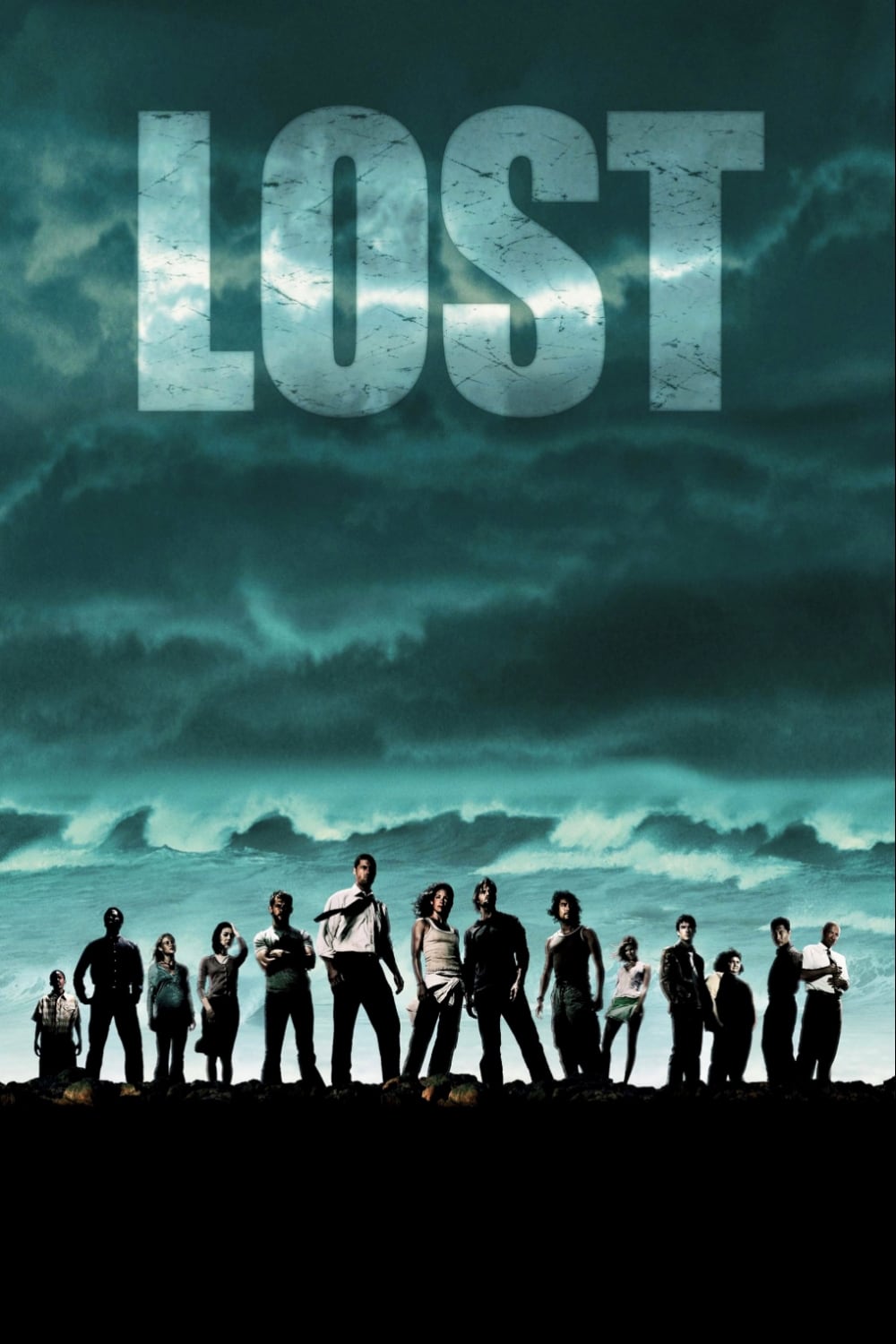
The finale intercuts island events with a parallel timeline culminating in a group gathering that recontextualizes the season’s secondary narrative. Character reunions and memory recalls tie disparate plotlines into a shared closing passage that focuses on connection rather than geography.
On the island, a final confrontation and a rescue plan resolve control of the site’s energy source, with a handoff that determines who protects it next. The dual-structure approach allows the show to close its survival story while also giving a unified end-state for relationships formed throughout the series.
‘Friends’ (1994–2004)
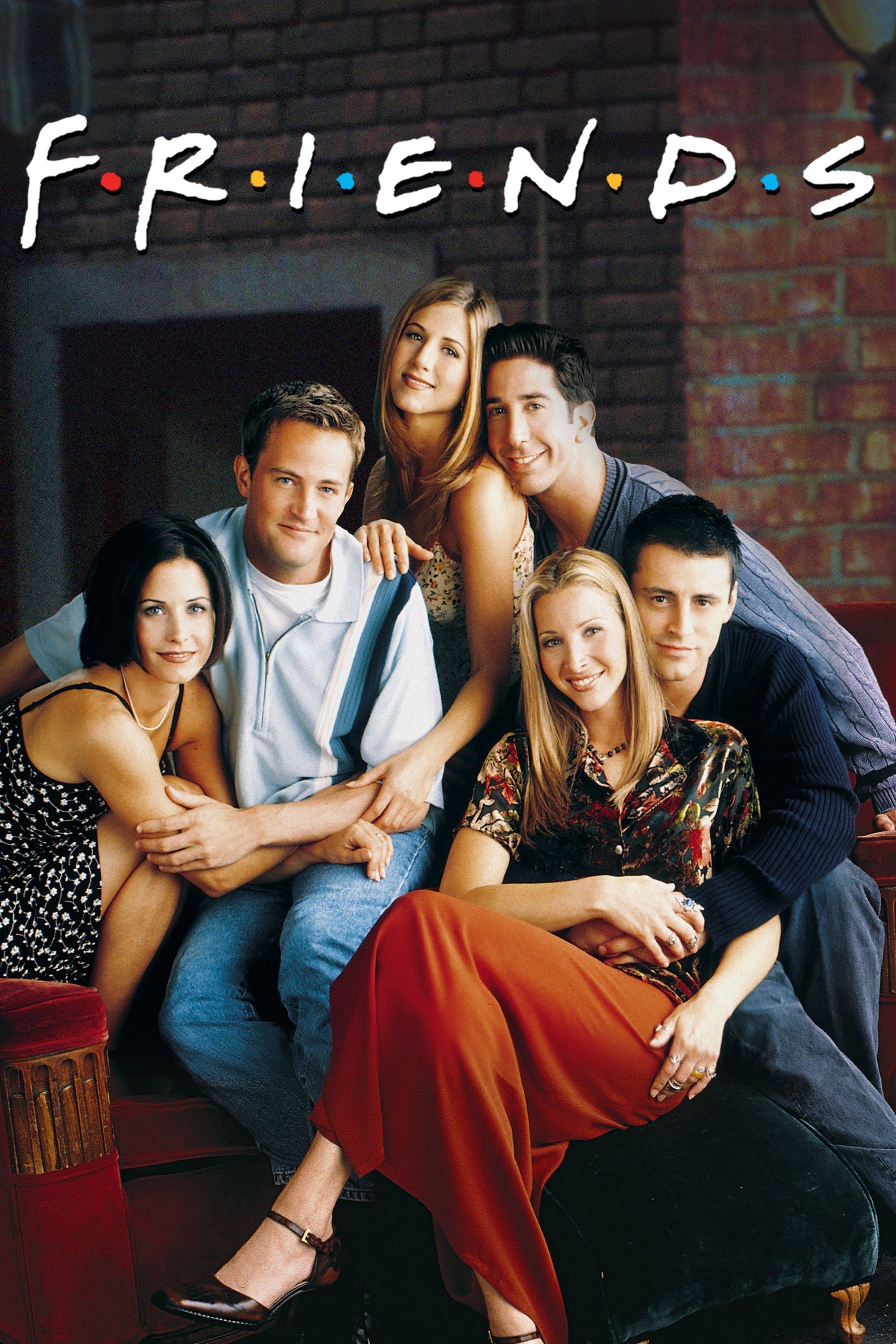
The group vacates a long-occupied apartment, returning keys and confirming new living arrangements that reflect career moves and family changes. A relocation storyline and an adoption arc reach milestones that had been set up across prior seasons.
The final scene gathers the ensemble for one more coffee run, restating the show’s central ritual as the characters transition to different neighborhoods and routines. The episode tracks concrete steps—packing, decisions about future addresses, and last looks at familiar rooms—so the end of the sitcom’s space matches the end of its weekly rhythm.
‘How I Met Your Mother’ (2005–2014)

The finale reveals the mother’s fate and compresses the group’s next several years into a sequence of time jumps that document marriages, career shifts, and separations. By spanning a wide window in a single episode, the show supplies a full ledger of outcomes for its principals.
A final conversation between a father and his children reframes the nine-season narrative, aligning earlier anecdotes with a newly stated objective. The structure reorders emphasis on relationships and provides a chronological map that clarifies when and how major events occurred.
‘Buffy the Vampire Slayer’ (1997–2003)

The series concludes with a large-scale battle that changes the rules governing who can fight, distributing a singular burden across many people. This strategic shift resolves the show’s central premise by altering the selection mechanism that defined the lead character’s role.
In the aftermath, the destruction of a longstanding setting forces survivors to plan next steps in an unfamiliar landscape. Characters’ positions—medical status, alliances, and immediate destinations—are accounted for before the final wide shot, establishing a clean slate for any future activity.
‘Angel’ (1999–2004)

After dismantling an enemy organization from within, the core team plans a last stand against overwhelming opposition, dividing targets among themselves before regrouping. The episode closes mid-conflict, preserving the immediacy of a street-level fight in severe weather.
Earlier scenes settle internal disputes and clarify each member’s motivation for participating in the operation. The ending’s open frame reflects the group’s commitment to ongoing work, presenting the battle as a continuation rather than a discrete mission with tidy resolution.
‘Cowboy Bebop’ (1998–1999)

The two-part finale brings a long-running pursuit to a head as Spike confronts former allies and foes tied to his past. Cross-cutting between the ship’s crew and a syndicate showdown emphasizes the split between found family and unresolved history.
The last image fixes on a signal that has been seeded throughout the series, creating a formal echo of earlier episodes. Musical cues, choreography, and call-backs to signature locations consolidate the show’s style into a compact farewell.
‘Neon Genesis Evangelion’ (1995–1996)

The television ending turns inward, staging the final episodes as a sequence of psychological examinations that replace external battles with interior dialogue and abstract imagery. Characters receive direct-address prompts that articulate competing definitions of self and purpose.
This approach resolves the season’s apocalyptic setup by redefining the arena where resolution occurs. Rather than closing with a conventional confrontation, the series finishes with a staged recognition of possibility, reorganizing prior plot elements into an explicitly introspective conclusion.
‘The Good Place’ (2016–2020)

The finale implements a policy change that allows characters to complete personal growth and then choose an exit after achieving their goals. By placing a decision point inside an afterlife system, the episode aligns philosophical debates with a specific process for closure.
Multiple farewells are handled as individual chapters, each documenting the milestones that lead to a character’s final choice. The concluding scenes establish how the redesigned system continues operating, clarifying both governance and outcomes beyond the main cast.
‘Blackadder’ (1983–1989)
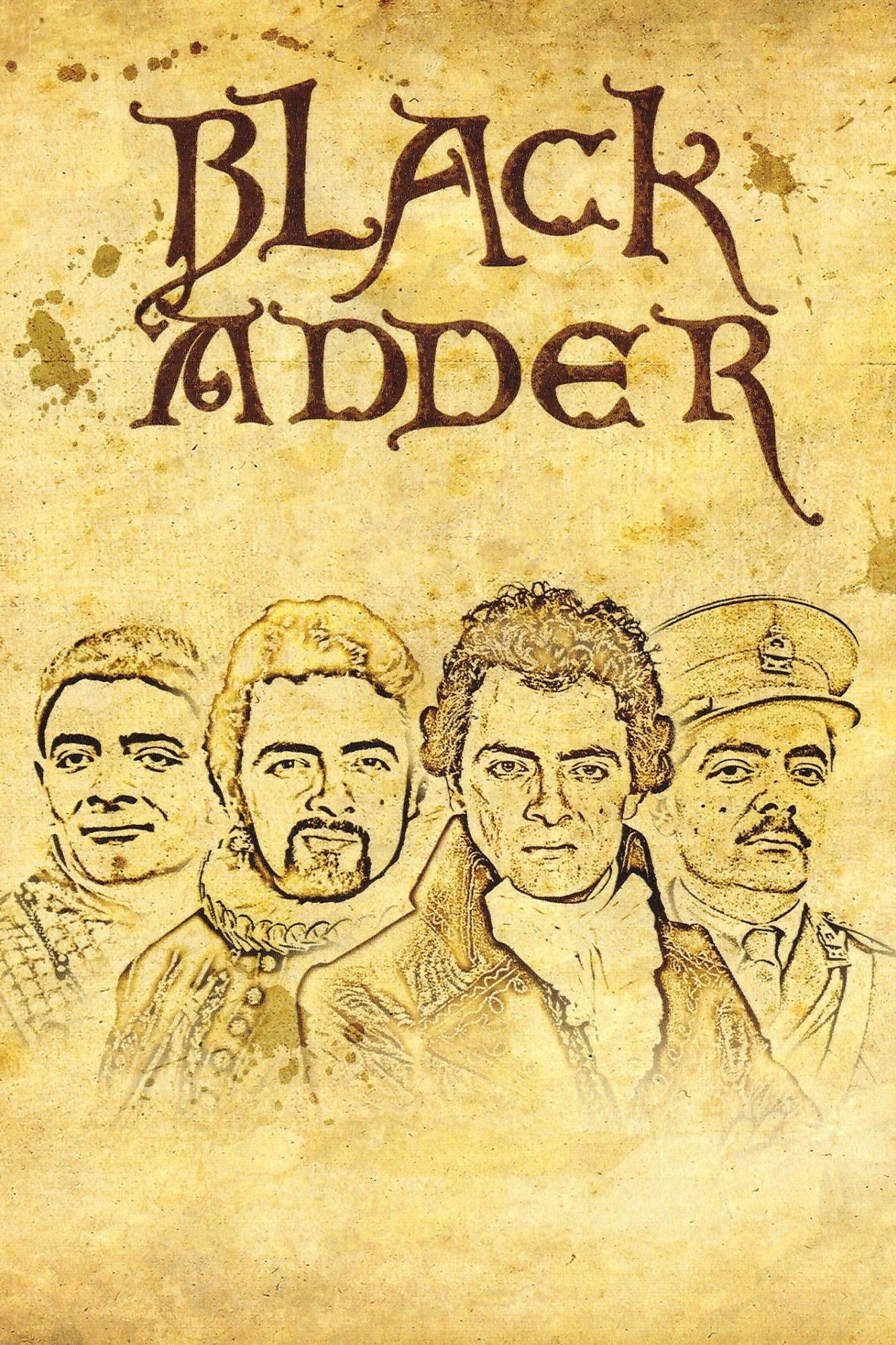
The final episode of the fourth series stages a trench assault after sequences of bureaucratic delays, misplaced optimism, and failed alternatives. Preparations for the attack emphasize routine procedures that precede the order to go over the top.
A brief slow-motion sequence and a dissolving cut replace a battlefield aftermath with an image of quiet, connecting historical context with the characters’ last actions. The show closes not with epilogue dialogue but with visual substitution that stands in for what cannot be shown directly.
‘Merlin’ (2008–2012)

The last story arc brings the central secret into the open during a critical military campaign, permanently altering the relationship between protector and king. A fatal wounding on the field sets the course for a journey to a sacred site, where help arrives with conditions that cannot be met in time.
The closing moments jump forward to show a figure living in a different era, signaling an unending vigil tied to ancient prophecy. This coda links mythic time to contemporary scenery, indicating that the narrative’s promises extend beyond the medieval setting.
‘Spartacus’ (2010–2013)

The concluding battle deploys the full roster of surviving allies against superior forces, using terrain and timing to extend resistance. Decisions about who covers the retreat and who carries leadership forward are made under pressure and recorded in close detail.
After the clash, the episode documents the fate of key figures, the disposition of remains, and the status of those who escape. The final image marks a site with memorial significance, closing the rebellion’s story while noting how legends persist among those who witnessed it.
‘Star Trek: The Next Generation’ (1987–1994)
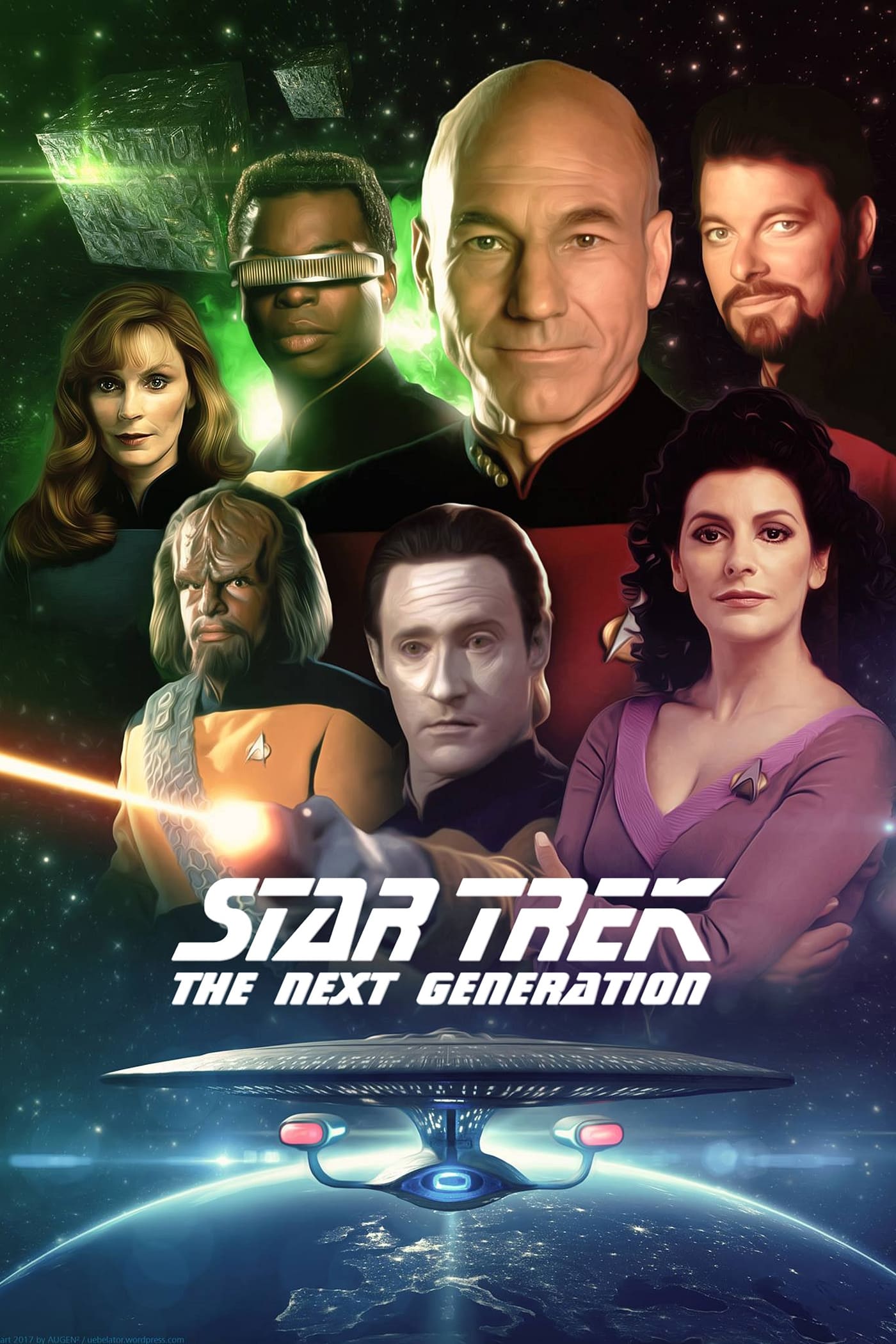
The finale revisits earlier eras through a temporal condition that places Captain Picard in multiple time frames simultaneously. A spatial anomaly that expands backward anchors the puzzle, requiring coordination across three periods to prevent a paradox.
The episode’s last card game scene brings the captain into a setting previously reserved for the rest of the crew, signaling a shift in group dynamics. The final external shot sends the ship toward unexplored space, reaffirming the mission with a renewed sense of continuity.
‘Star Trek: Deep Space Nine’ (1993–1999)

The station changes command arrangements as the series resolves a prolonged war and a spiritual arc that culminates in a final confrontation inside the wormhole. Character departures are staged through promotions, reassignments, and family choices that redistribute the ensemble.
A closing montage of quiet scenes—packing, reflection, and a last view from a familiar window—records how the hub continues after key figures leave. The show ends with a transmission of ordinary life resuming under new stewardship, documenting both change and persistence.
‘Babylon 5’ (1994–1998)

Set years after the main conflict, the finale follows a former commander who returns to the station for a final visit before departing on a one-way journey. Farewell tours, private conversations, and a last shuttle launch structure the goodbye.
The episode culminates with the decommissioning and destruction of the station, presented with procedural steps that acknowledge its operational history. This definitive act provides a clear endpoint for a location that served as the series’ central stage, while closing the lead’s arc with deliberate ritual.
‘The Haunting of Hill House’ (2018)
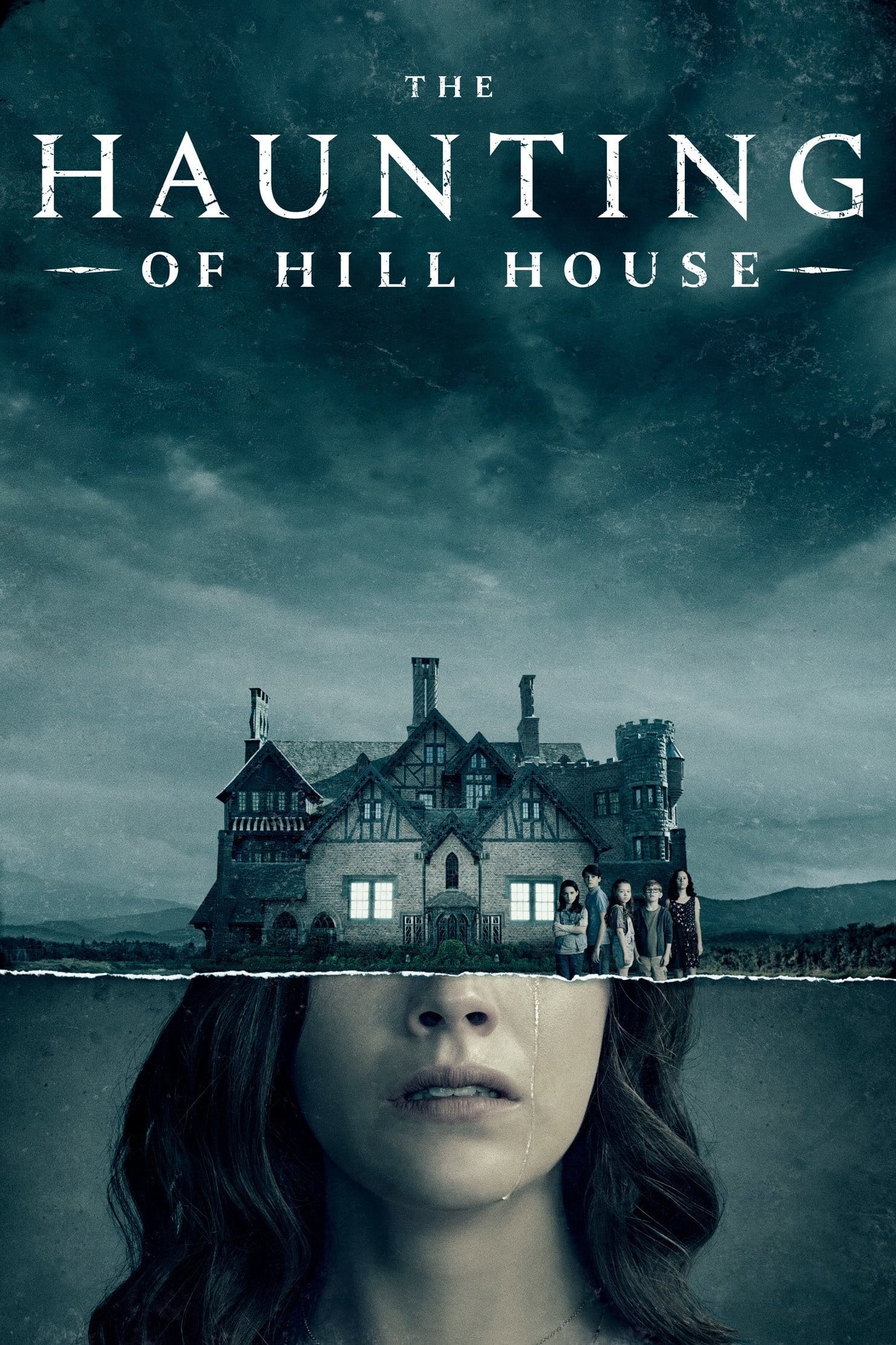
The finale gathers the family in the house’s most pivotal room, translating supernatural phenomena into a sequence of personal confrontations and negotiated releases. By tying each sibling’s vision to specific past events, the episode clarifies the building’s influence over individual lives.
An epilogue checks in on relationships, recovery progress, and commemorations that honor those lost. The house’s fate and the characters’ new trajectories are stated plainly, setting boundaries for future contact with the site.
‘The Shield’ (2002–2008)
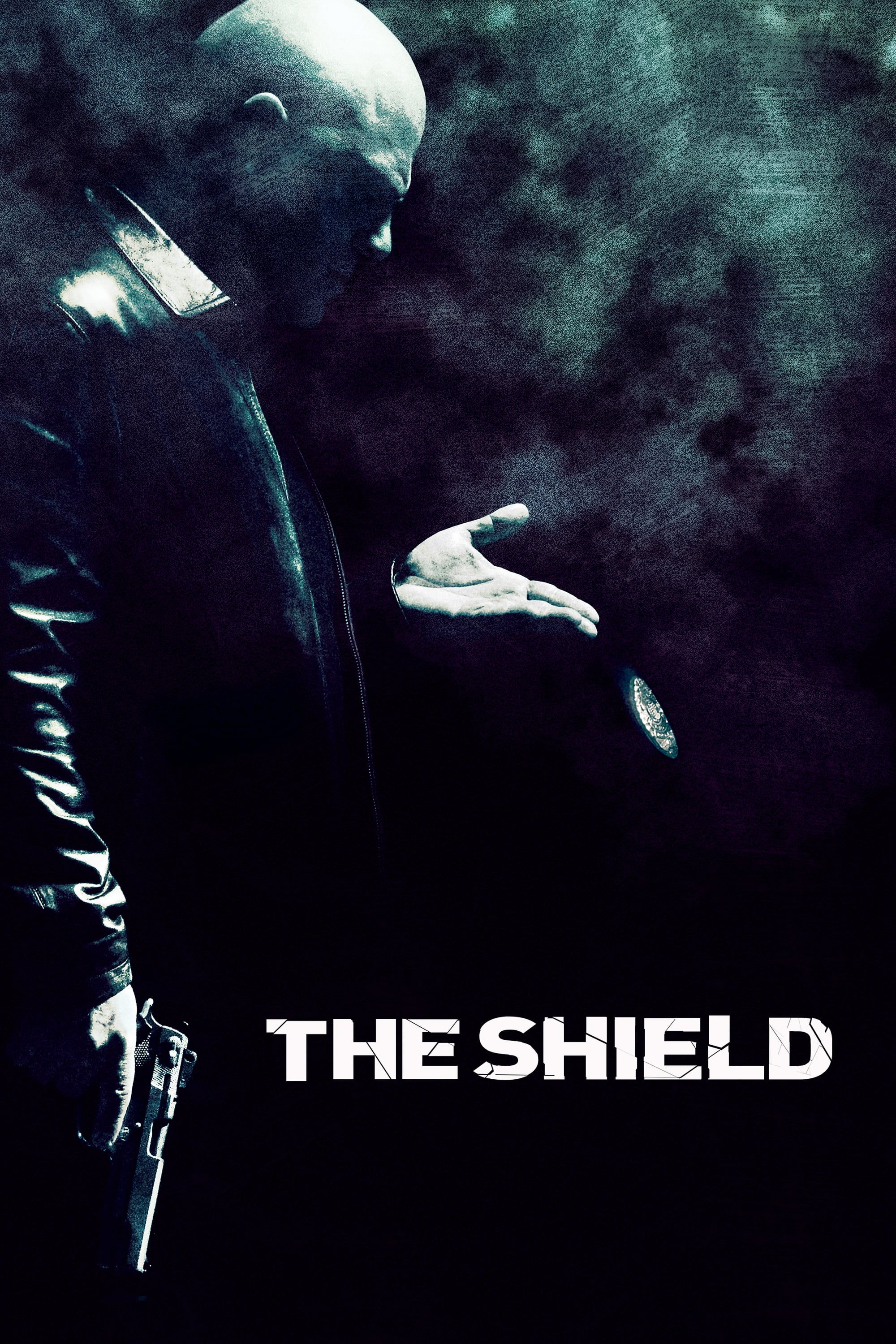
A last-minute immunity deal secures safety for one character at the cost of severe restrictions, including separation from allies and a mandatory desk assignment. A confession scene inventories major crimes, placing them onto an official record in exchange for protection.
The final shots document the new work environment and a calculated choice that hints at further movement. Consequences are mapped through policy terms, employment status, and the outcomes for former teammates, creating a ledger that makes the price of survival explicit.
‘Dark’ (2017–2020)
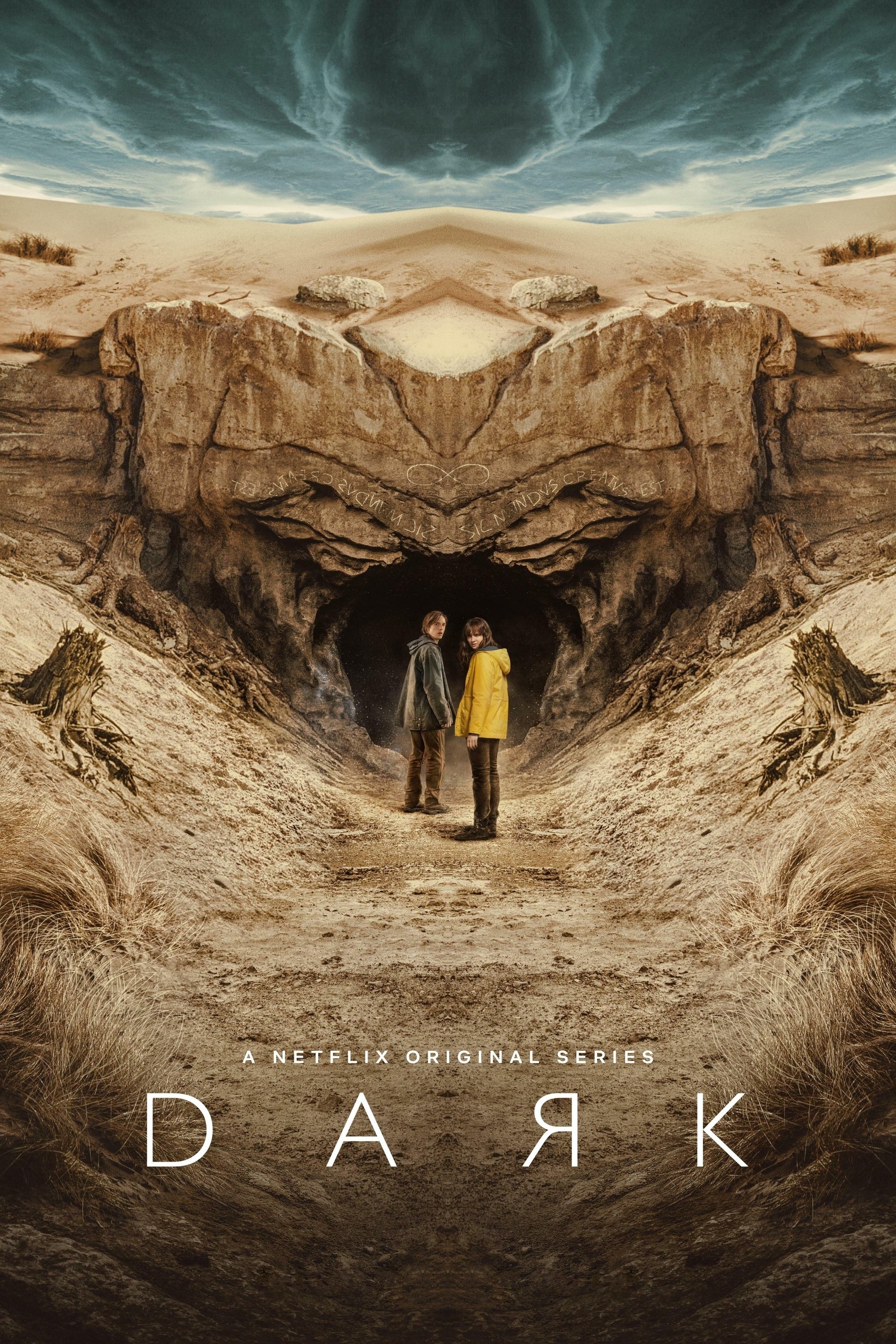
The ending identifies an origin world and executes a plan that removes the trigger for two intertwined timelines. By staging a rescue in a third context, the episode resolves paradoxes that had sustained repeated cycles.
A final dinner scene in the origin context lists who exists after the correction and references missing counterparts through subtle absence. The show closes with a small lingering detail that connects everyday life to the memory of erased events, providing a concrete marker of what changed.
‘Mr. Robot’ (2015–2019)

The series resolves its central identity puzzle by revealing the perspective from which most of the story has been told, then integrates that understanding into a medical and legal aftermath. Hospital scenes and a courtroom outcome establish the practical framework for what follows.
The finale uses a letter, a bedside conversation, and a city street as stations for a reintroduction to the primary self. These settings ground the conclusion in routine spaces, making the abstract twist legible through documented procedures and relationships.
‘Skins’ (2007–2013)

Across generation-based specials, the show revisits former leads at pivotal adult crossroads—legal jeopardy, financial crisis, and medical diagnosis—rather than returning to classroom settings. Each special functions as a contained story with consequences that extend beyond the hour.
The format allows the series to finalize arcs for distinct cohorts while presenting the outcomes as snapshots from later life. Locations, employment details, and family statuses are specified, bringing the coming-of-age premise to a clear, documented maturity.
‘The Wonder Years’ (1988–1993)
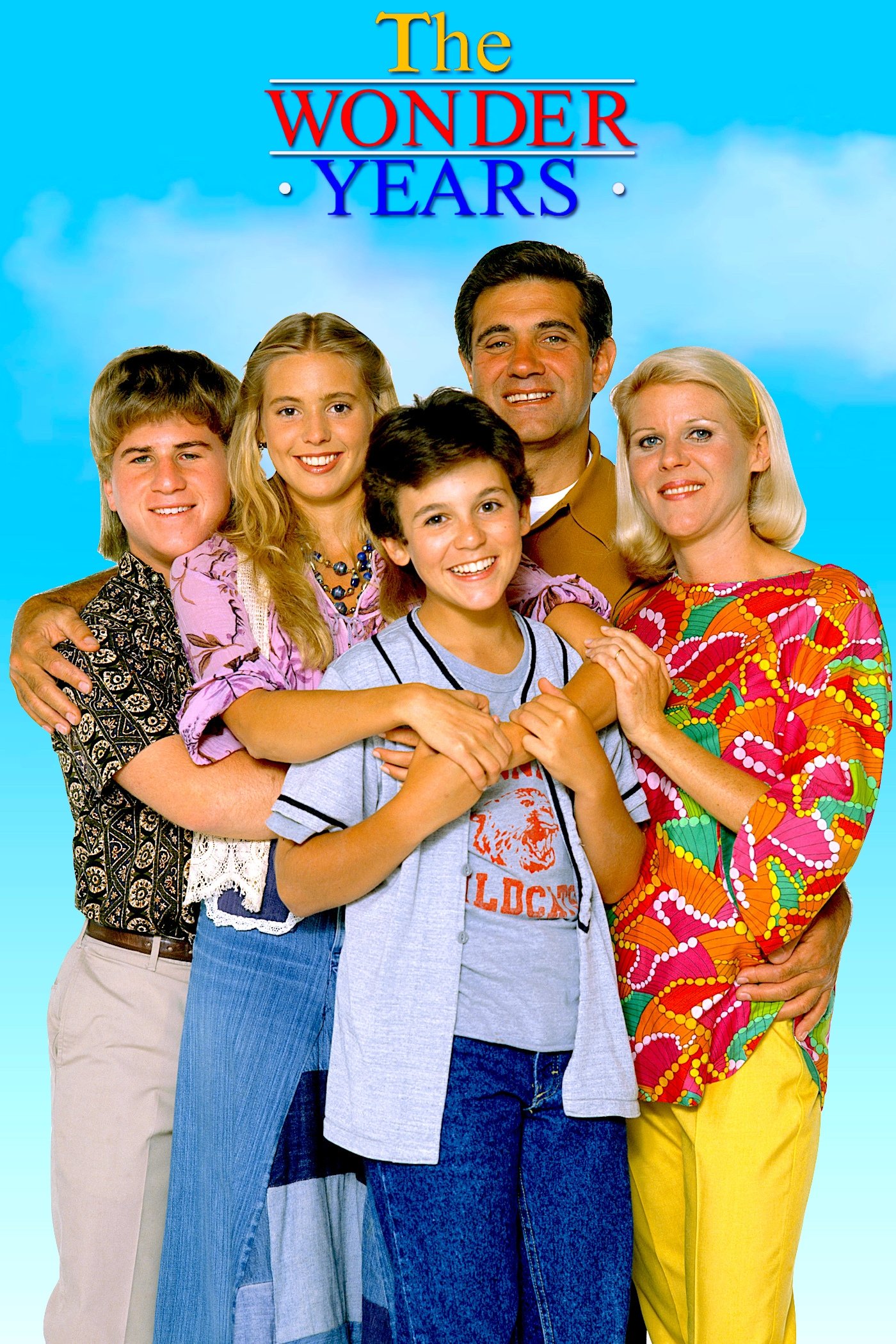
A narrated epilogue discloses each main character’s future path, stating careers, family arrangements, and the resolution of a central romance. A holiday setting provides the framework for the final present-tense scenes before the voiceover transitions to future-tense facts.
The last lines include a detail about a phone call and a backyard game that verifiably dates the narrator’s later life and ties the story to a specific domestic image. The combination of stated outcomes and a grounded closing moment gives the series a definitive coda.
‘Star Wars: The Clone Wars’ (2008–2020)

The concluding arc aligns with a pivotal event elsewhere in the franchise, showing how soldiers and commanders respond as a hidden command turns allies into threats. The focus remains on a former Padawan and a clone captain navigating the fallout on a starship in crisis.
In the aftermath, the episode depicts a burial-like tribute and a retrieval that foreshadows future encounters in related stories. Helmets, markers, and a quiet landscape provide the closing images, establishing continuity with the broader saga while completing this series’ immediate narrative.
Share the finales that hit you hardest—and the ones we missed—in the comments.