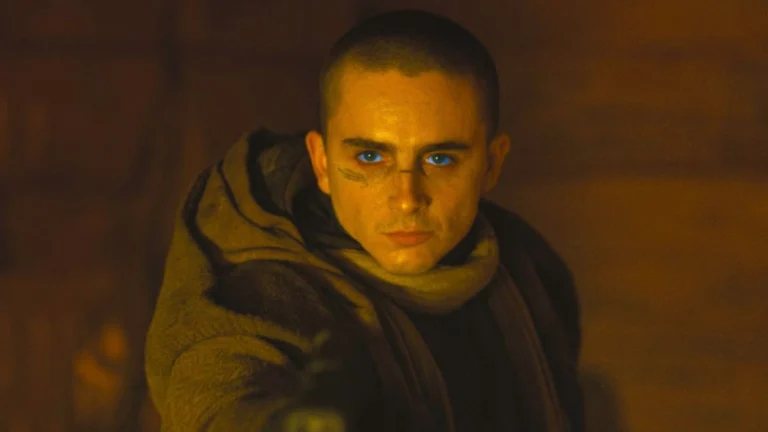
‘The Walking Dead: Dead City’ Season 3 Episode 6 Recap & Ending Explained: ‘Genesis’ Sends Maggie and Negan Somewhere the Franchise Has Never Gone

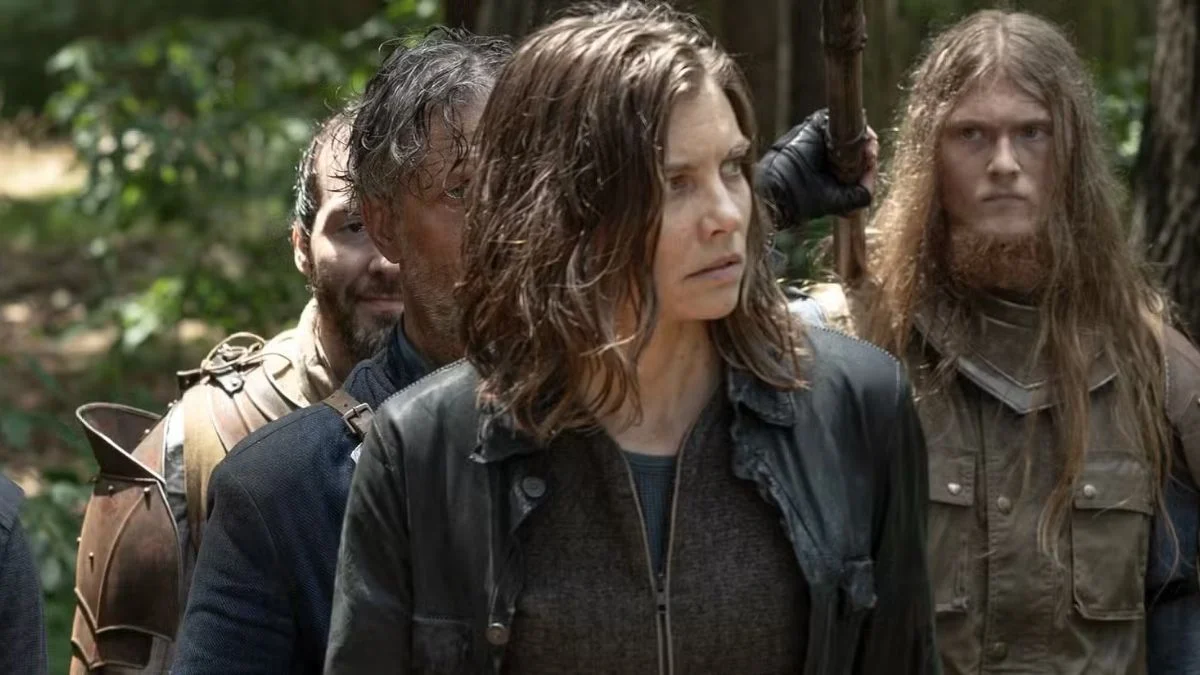

‘The Walking Dead: Dead City‘ has spent its third season asking a genuinely tough question, whether Maggie and Negan can actually build something lasting out of the wreckage of Manhattan. The season arrives under new creative leadership, with franchise veteran Seth Hoffman stepping in as showrunner, and that shift has already made the show feel noticeably different in tone and structure than the two seasons before it.
That difference became impossible to ignore heading into episode six. The previous chapter, “Imperialis,” ended with Negan making the brutal call to shoot and kill a man named Fabian after deciding his growing instability had become a direct threat to Maggie’s safety, a decision that left the fragile trust holding their community together hanging by a thread.
Rather than picking up immediately with the fallout, episode six, titled “Genesis,” does something the franchise has never attempted at this scale. It abandons the ruined Manhattan setting entirely and imagines a present-day New York where the outbreak never happened, where Beth Greene is alive, and where Glenn’s death never became the tragedy that reshaped Maggie’s life.
In this alternate version of events, Maggie and Negan meet as complete strangers during a warm, holiday-timed detour through the city. Beth is central to the sequence, performing professionally as a singer and later sharing the stage with her sister, and she encourages Maggie to choose something for herself for once instead of devoting her whole life to the family farm.
Maggie pushes Negan in a similar direction, telling him that his son Joshua needs a father in his life, which prompts Negan to place a call to him. It is a small, hopeful moment of growth, but it does not last, since a man named Alan resurfaces and Negan abruptly ends the call after overhearing something troubling.
A visit to a fortune teller gives the whole detour its thematic backbone. The reading frames Maggie as caught in a kind of karmic cycle, suggesting that she and Negan are bound to keep finding each other across different versions of their lives until they learn whatever lesson their connection is meant to teach them.
The Alan storyline turns out to be the episode’s real emotional center. In this reality, Negan previously broke Alan’s jaw after learning what he had done to a teenager he once coached, an act that landed Negan in prison for two years, and he admits to Maggie that he has come back to New York specifically to kill him.
That admission sets up the episode’s tensest sequence outside the venue where Beth is performing. Negan’s anger takes over almost instantly, and Maggie has to keep talking him down, warning that another act of violence could send him back to prison for good.

What follows says a lot about who these two are, no matter what world they are living in. It is Maggie, not Negan, who ends up striking Alan herself after he insults her, letting the pair get away before Negan can follow through on his original plan, and the moment plays as a neat mirror of the dynamic that has defined their actual partnership in Manhattan all season.
Once the story shifts back to reality, the ending lands with real weight. Hershel contacts Maggie to tell her that Negan killed Fabian, and that a man named Dillard was attacked by the very same person, pulling the narrative straight back into the consequences that have been building since the previous episode.
Reaction to the structural gamble has been sharply split, with some viewers calling it a bold, welcome change from the warlords and backstabbing that defined earlier seasons, while others have argued the detour undercuts the season’s own momentum at exactly the wrong moment. Either way, “Genesis” leaves Manhattan’s fragile peace looking more fractured than ever heading into the season’s back half.
What did you think of “Genesis”?
Have something to add? Let us know in the comments!