The Worst 1980s Movies that Are Hard to Watch Till the End


Some films from the 1980s have become infamous for misjudged concepts, chaotic productions, or mismatched expectations, and their reputations have followed them ever since. This list looks at ten such titles through straightforward facts—who made them, who starred in them, what they’re about, how they were produced, and how they fared with critics and at the box office—so you can decide which curiosities you might still want to sample.
Based on the time and where you’re reading from, some of these titles might not be available in your region right now. Availability shifts with licensing windows and local catalogs, so always check your current platforms if you’re planning a watch.
‘Howard the Duck’ (1986)
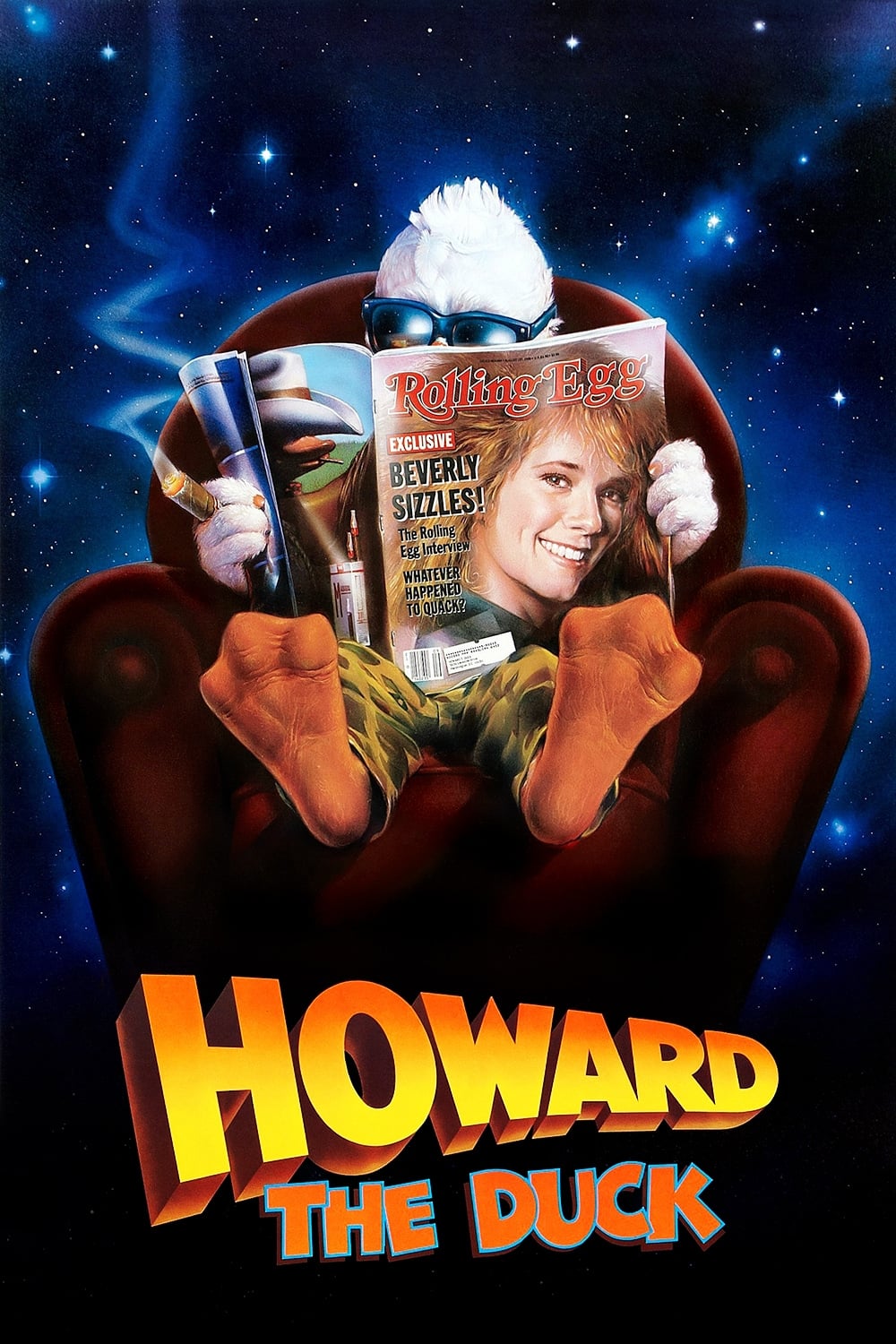
Directed by Willard Huyck and produced by George Lucas, ‘Howard the Duck’ adapts the Marvel Comics character created by Steve Gerber and Val Mayerik. The film stars Lea Thompson, Jeffrey Jones, and Tim Robbins, with Ed Gale in the suit as Howard and Chip Zien providing the character’s voice. It follows an anthropomorphic duck who is transported to Earth and becomes entangled in a battle against extra-dimensional forces after befriending a rock musician in Cleveland. The score is by John Barry, with original songs overseen by Thomas Dolby, and the production relied on elaborate animatronics to bring the title character to life.
Released by Universal Pictures, the movie opened to heavy marketing and widespread curiosity due to its comic-book pedigree and Lucasfilm involvement. It performed below expectations at the North American box office and drew sharply negative reviews, later earning multiple Golden Raspberry Award nominations. Over time, it has been cited in discussions of early comic-book adaptations and special-effects challenges of the era, while also turning into a cult talking point for Marvel completists because of its unusual place in the company’s pre-modern film history.
‘Ishtar’ (1987)

‘Ishtar’ is an adventure-comedy written and directed by Elaine May, starring Warren Beatty and Dustin Hoffman as struggling New York lounge singers who land a booking in North Africa and stumble into a Cold War plot. Charles Grodin co-stars as a CIA operative, and the film features original songs performed deliberately off-key by the leads, composed by Paul Williams to fit the story. Principal photography took place in Morocco and on sound stages, with desert sequences that required extensive logistics and second-unit work.
The production drew trade-press attention for schedule overruns and a widely reported budget escalation. Released by Columbia Pictures, it grossed far below its cost during its initial theatrical run and received largely negative reviews on opening. The movie’s financial performance became a case study in 1980s studio risk-taking, while later retrospectives have re-examined its satire, May’s directorial approach, and the impact of pre-release coverage on audience expectations.
‘Superman IV: The Quest for Peace’ (1987)

Directed by Sidney J. Furie and produced by Cannon Films, ‘Superman IV: The Quest for Peace’ brings back Christopher Reeve as Clark Kent/Superman, alongside Gene Hackman, Margot Kidder, and Jackie Cooper. The plot centers on Superman’s decision to rid the world of nuclear weapons, a storyline Reeve helped conceive, which leads to a new adversary, Nuclear Man, portrayed by Mark Pillow. The film reused and remixed themes from John Williams’ earlier scores, with Alexander Courage credited for the music.
Shot primarily in the United Kingdom with additional location work standing in for American settings, the production faced budget reductions that affected visual-effects scope and set construction. Warner Bros. distributed the film in some territories alongside Cannon’s handling, and the final cut was notably shorter than early assembly versions that included additional subplots. Critical response on release was poor, and the film earned low grosses compared to earlier entries, contributing to the franchise’s long cinematic hiatus before its 1990s and 2000s reboots.
‘Jaws: The Revenge’ (1987)
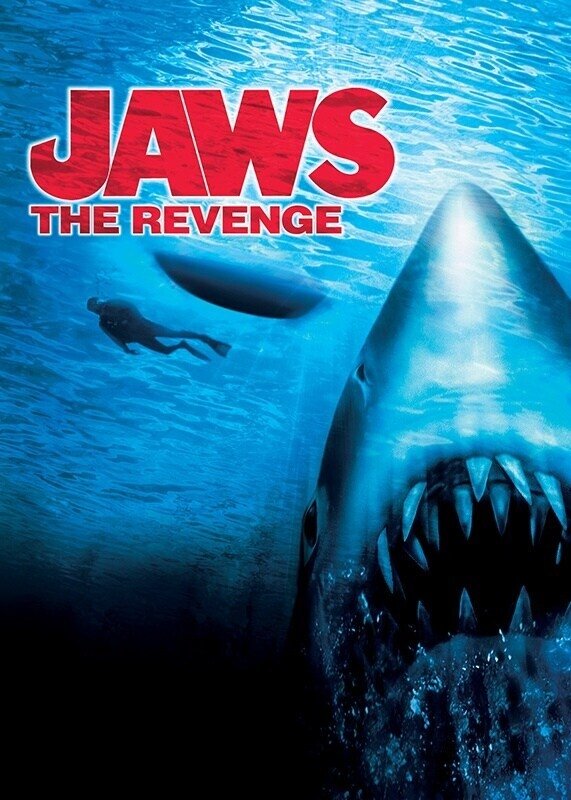
Directed by Joseph Sargent, ‘Jaws: The Revenge’ stars Lorraine Gary, Lance Guest, and Mario Van Peebles, with Michael Caine joining the cast as a pilot named Hoagie. The story follows Ellen Brody, who believes a great white shark is targeting her family, leading to events that move the action from Amity Island to the Bahamas. The film continued Universal Pictures’ blockbuster lineage but shifted focus toward family drama interlaced with creature-feature set pieces.
Principal photography took place in New England and in the Bahamas, where water clarity shaped the look of the underwater sequences. The production used a combination of full-scale mechanical sharks and miniature effects for attack scenes. Released in the summer season, the movie received predominantly negative reviews and underperformed relative to earlier ‘Jaws’ installments. It later became a reference point in discussions about sequel fatigue and the challenges of sustaining high-concept franchises into multiple follow-ups.
‘The Garbage Pail Kids Movie’ (1987)
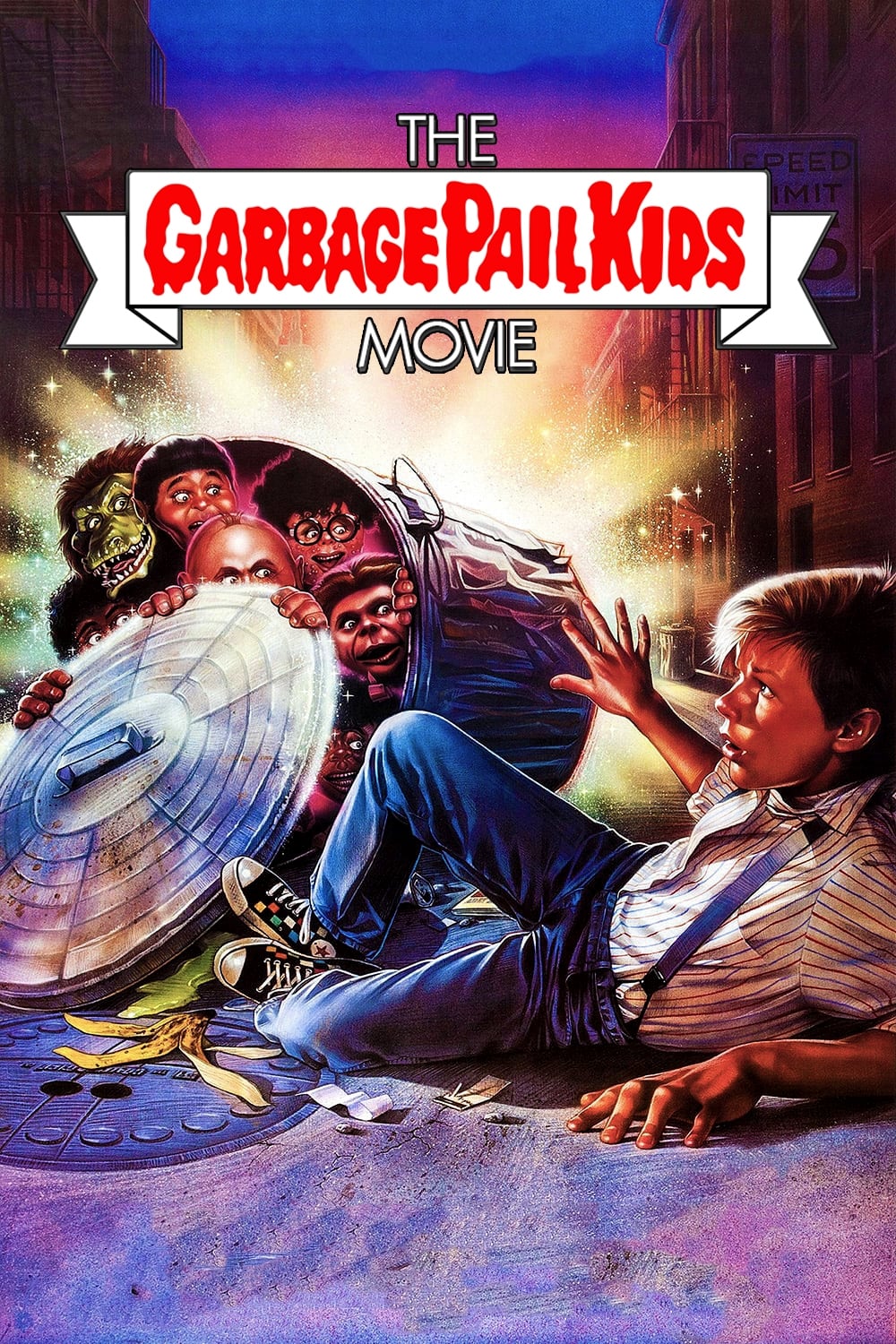
‘The Garbage Pail Kids Movie’ adapts the Topps trading-card phenomenon created by Art Spiegelman and Mark Newgarden into a live-action fantasy. Directed by Rod Amateau, it stars Anthony Newley as an eccentric shop owner, with Mackenzie Astin and Katie Barberi among the human leads, while costumed performers portray the card characters via animatronic masks and suits. The plot involves a magical trash can that releases the titular misfit kids, who befriend a bullied teen while evading antagonists who want them captured.
The movie was produced and distributed by Atlantic Releasing during the height of the brand’s pop-cultural visibility. Special-effects teams built practical costumes to approximate the cards’ exaggerated designs, a choice that defined the film’s on-screen look. Critics reacted harshly at release, and the film’s domestic earnings were modest compared to the merchandising juggernaut surrounding the property. Its reception has since been cited in analyses of toy- and card-based adaptations and how translation choices affect audience response.
‘Mac and Me’ (1988)
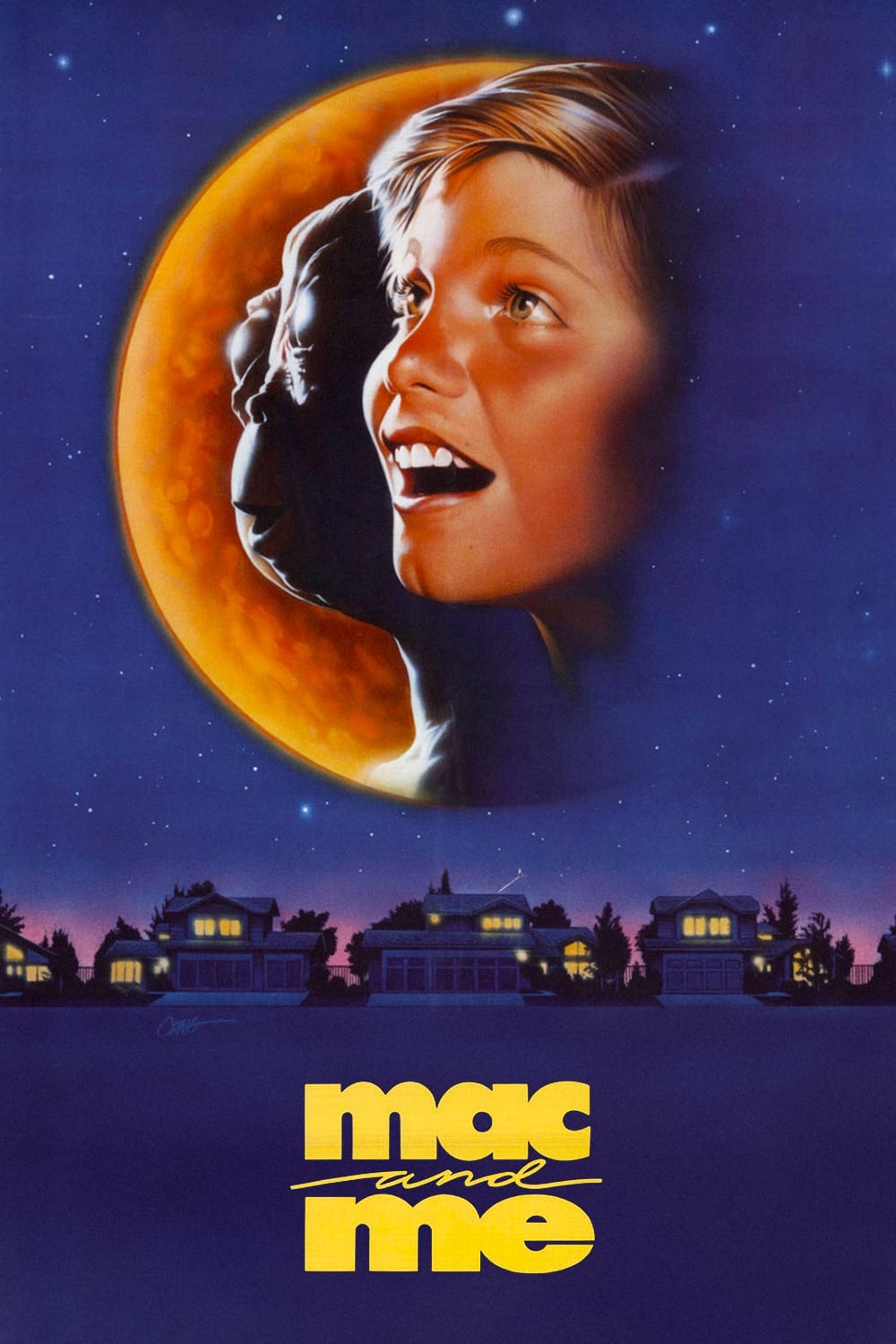
Directed by Stewart Raffill, ‘Mac and Me’ is a science-fiction family film about a young boy, portrayed by Jade Calegory, who befriends an extraterrestrial separated from its family after a NASA probe brings them to Earth. The cast includes Christine Ebersole and Jonathan Ward, with the alien “MAC” realized through suit performance and animatronics. The score is by Alan Silvestri, whose orchestral cues aim to balance adventure and sentiment as the characters evade government agents.
Financed with corporate tie-ins and released by Orion Pictures, the production is widely noted for on-screen product placements integrated into several set pieces, including a fast-food dance sequence. The film opened to poor reviews and low box-office numbers, entering home-video circulation where it gathered notoriety for its marketing approach. Over time, it has been referenced in conversations about 1980s family sci-fi trends, visual-effects techniques for creature characters, and the commercial strategies surrounding theatrical releases of the period.
‘Leonard Part 6’ (1987)
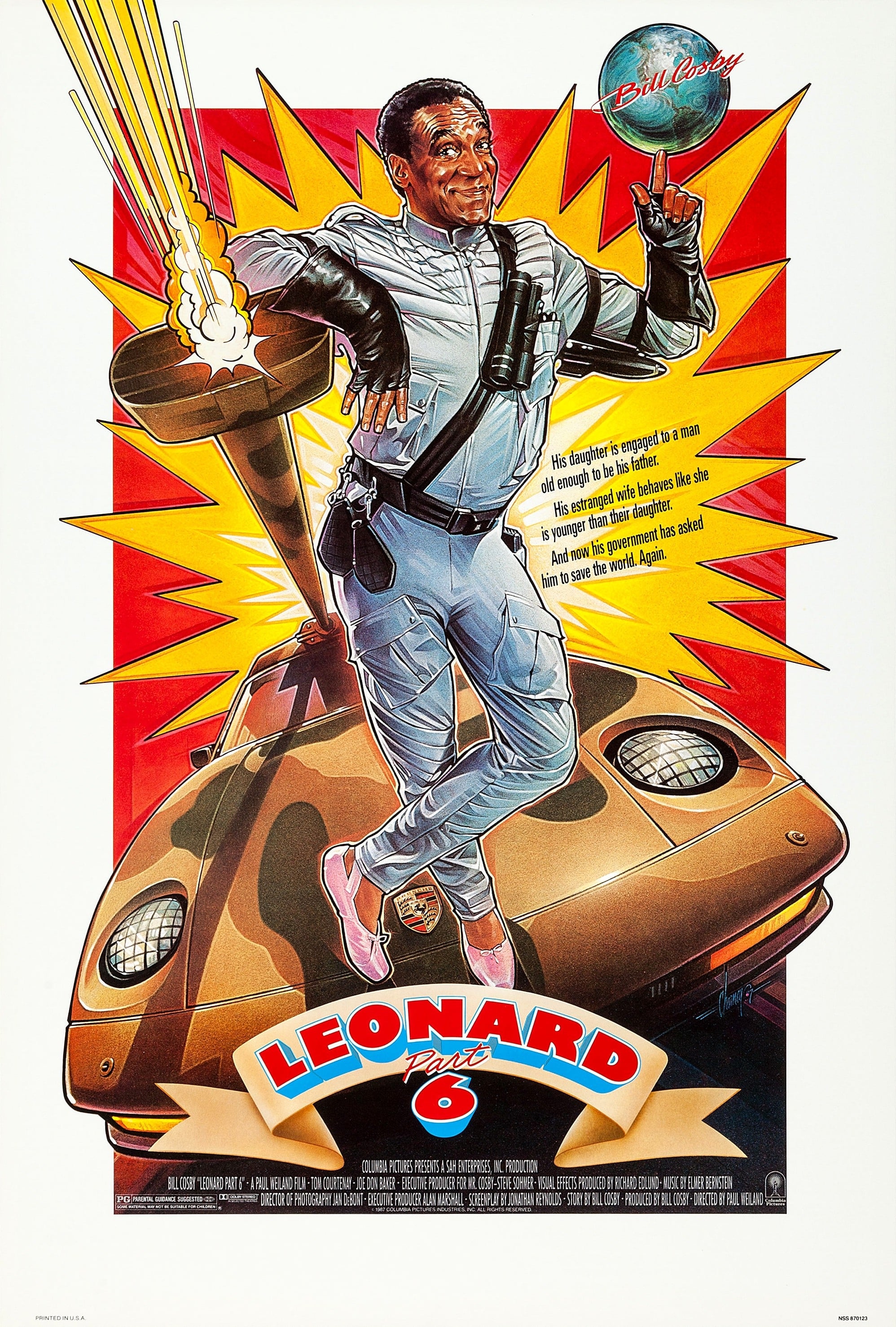
‘Leonard Part 6’ is a spy-parody feature starring Bill Cosby as retired CIA agent Leonard Parker, directed by Paul Weiland from a story concept by Cosby. The cast includes Tom Courtenay and Gloria Foster, with action-comedy set pieces built around outlandish gadgets and culinary-themed villainy. The film mixes slapstick with espionage tropes, presenting a former operative drawn back into service to stop a mind-control plot.
Produced by Columbia Pictures, the movie underwent notable publicity that included unconventional pre-release messaging. Upon theatrical release, it drew strongly negative reviews and quickly faded from domestic box-office charts. It later received multiple Golden Raspberry Awards, which cemented its reputation in roundups of misfired high-concept comedies from the decade. The project is often discussed for its development process, marketing decisions, and the challenges faced by parody films in mainstream distribution cycles.
‘Bolero’ (1984)
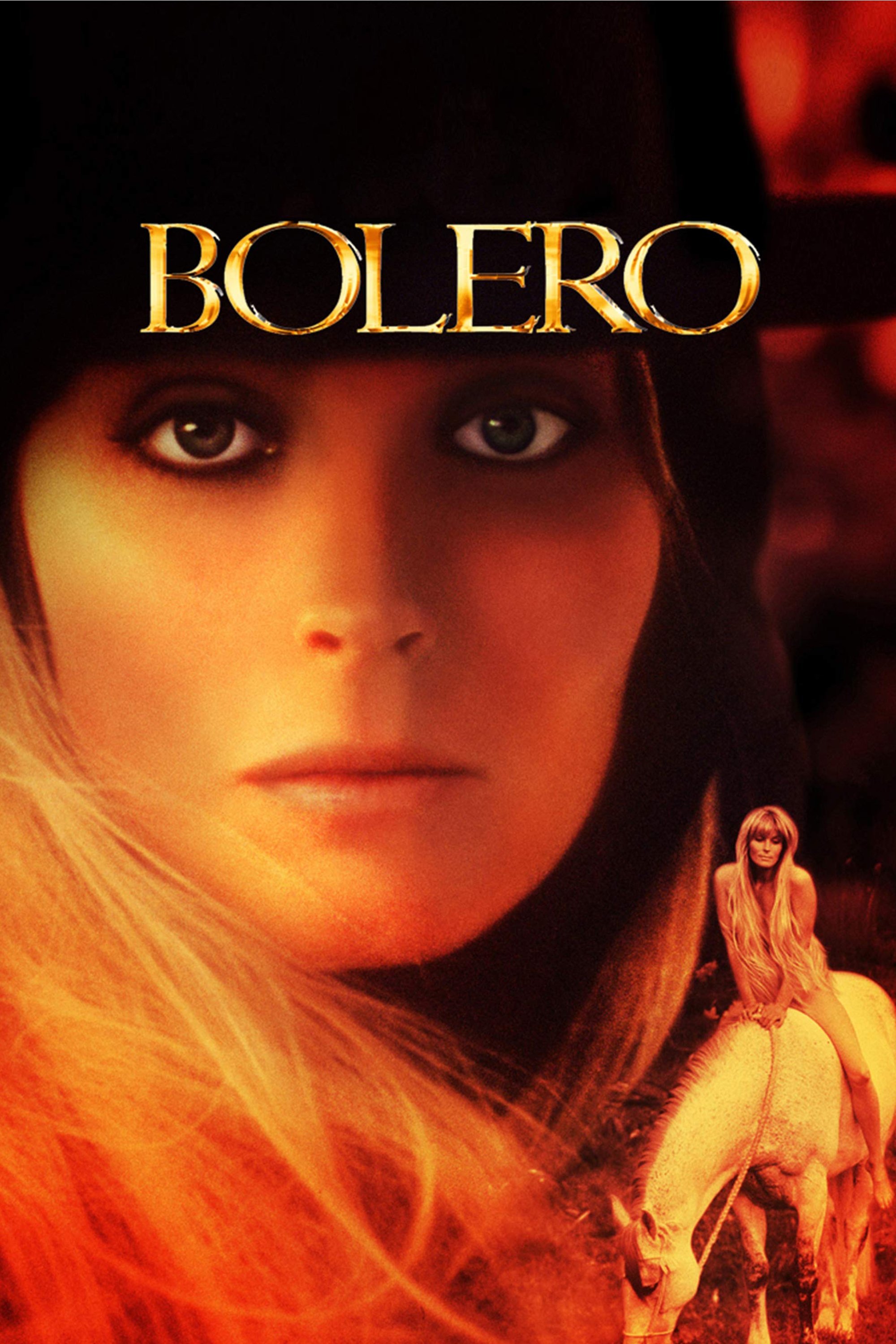
Written and directed by John Derek and starring Bo Derek, ‘Bolero’ follows a wealthy graduate who travels through Europe and North Africa in search of romantic adventure, with key supporting roles for George Kennedy, Andrea Occhipinti, and Ana Obregón. Set in the interwar period, the film features location shoots in Spain and Morocco, with lavish costuming and period vehicles used to establish the setting. The narrative structure strings together episodic encounters, giving the lead substantial screen time across culturally distinct backdrops.
Released by Cannon Films, the movie was rated for explicit content and faced cuts in certain markets, affecting the versions shown theatrically and on home video. It performed modestly in theaters but became a recurring title in discussions about the Dereks’ collaborations and the era’s erotic-romance cycle. ‘Bolero’ received several Golden Raspberry Awards, including for acting and direction, and has been cited in industry retrospectives on ratings, international sales strategies, and star-driven marketing in the mid-1980s.
‘The Apple’ (1980)
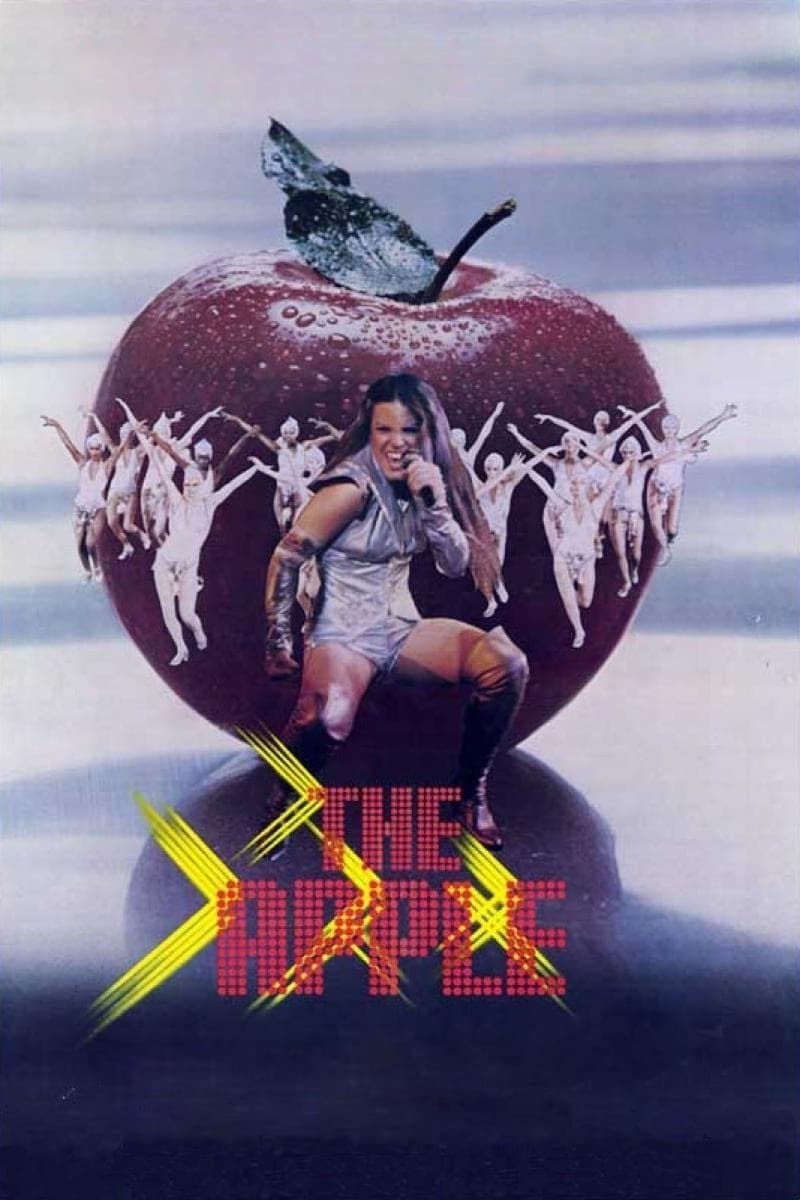
‘The Apple’ is a dystopian sci-fi musical from director Menahem Golan, produced by Golan-Globus and starring Catherine Mary Stewart, George Gilmour, Grace Kennedy, and Allan Love. The story follows two naïve singer-songwriters who confront a totalitarian music conglomerate, with the plot unfolding through disco-inflected numbers and allegorical set pieces. Production design leans into glittering futurism, while choreography and stylized costumes support the film’s satirical take on manufactured pop stardom.
Filmed largely in West Germany with studio-built sets, the movie features a soundtrack released alongside the film to complement its musical staging. Initial critical reception was predominantly negative, and domestic box-office receipts were limited, though the film later developed a cult audience at midnight screenings where audiences embraced its camp elements. ‘The Apple’ is frequently referenced in studies of canon formation around cult musicals, the Golan-Globus slate, and the transition from disco to early-1980s synth-pop aesthetics on screen.
‘Heaven’s Gate’ (1980)
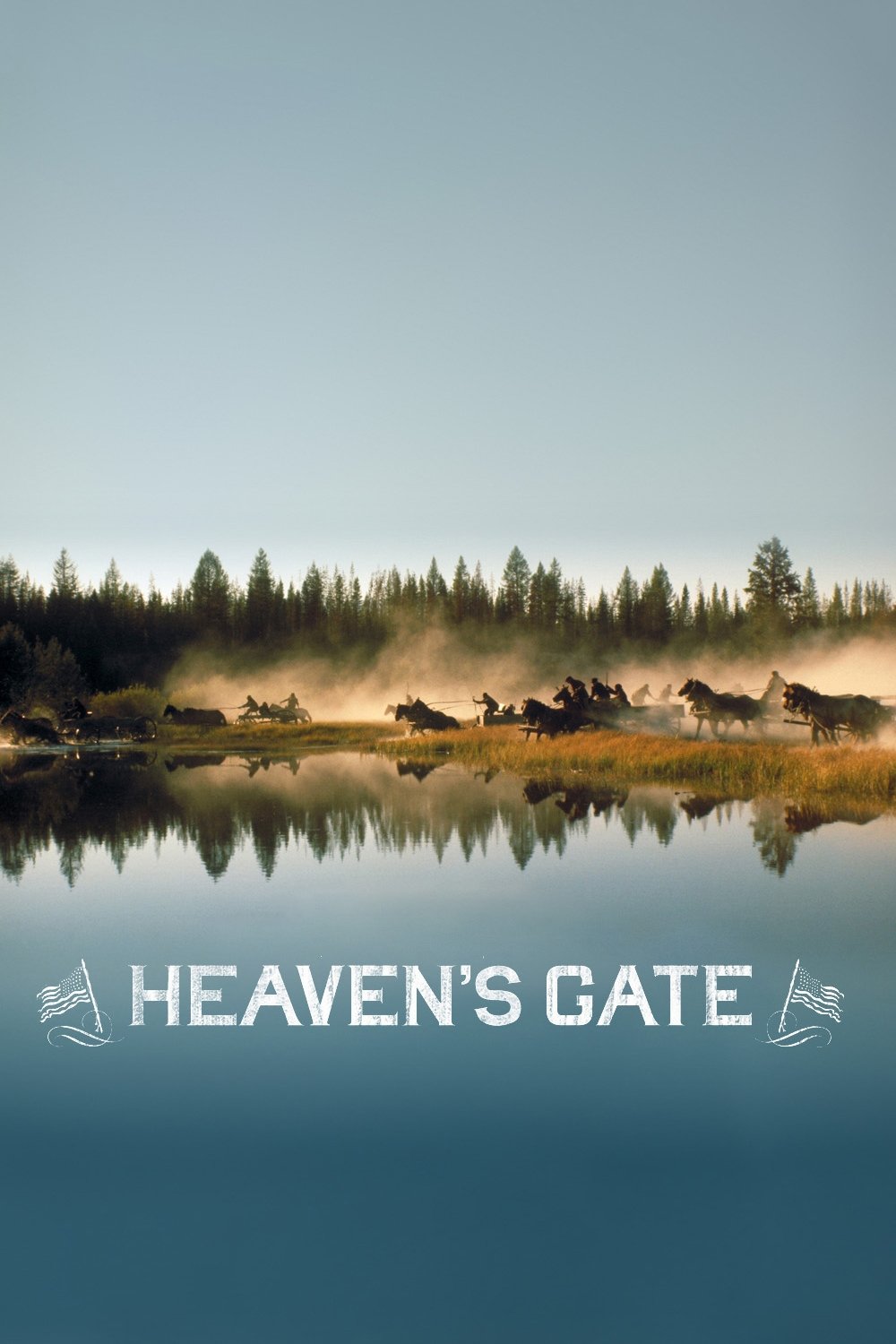
Directed by Michael Cimino and starring Kris Kristofferson, Christopher Walken, Isabelle Huppert, and John Hurt, ‘Heaven’s Gate’ dramatizes the Johnson County War, a late-19th-century conflict between big cattle interests and European immigrants in Wyoming. Vilmos Zsigmond’s cinematography emphasizes natural light and expansive landscapes, while the production employed large-scale period sets and hundreds of extras to recreate frontier towns and open-range settings. The film is known for its extended running time and detailed historical re-creation.
Produced by United Artists, the project experienced a turbulent post-production phase, including a withdrawn initial cut and a re-edited version for wider release. It grossed far less than its reported budget in its initial U.S. run and became emblematic of the risks of auteur-driven epics at major studios. Decades later, restored versions prompted critical reappraisal, making the film a frequent subject in discussions of studio oversight, director’s cuts, and the economics of prestige productions.
‘Mommie Dearest’ (1981)
‘Mommie Dearest’ adapts Christina Crawford’s memoir and stars Faye Dunaway as Joan Crawford, with supporting performances by Diana Scarwid, Mara Hobel, and Rutanya Alda. Directed by Frank Perry, the film traces the actress’s career milestones alongside the turbulent dynamics within her household, staging scenes that mirror incidents described in the book. Production design recreates multiple eras of Hollywood studio life, and the score by Henry Mancini underscores the period setting.
Paramount Pictures released the film with awards aspirations, and it opened to significant media attention due to its subject matter and Dunaway’s transformation. While initial reviews were mixed to negative and the movie earned several Golden Raspberry Awards, it later found a second life in repertory programming and home video, becoming a cultural reference point for portrayals of Old Hollywood and the complexities of adapting controversial memoirs. It remains a frequent citation in discussions about biographical filmmaking, star performance, and reception shifts over time.
Share your own picks and experiences with these titles in the comments!