The Worst Kaiju Movies of All Time


Big monsters wreck cities for a reason. People love the spectacle, the wild science, and the rubber-suit charm that came with early creature features and later CGI experiments. Along the way, plenty of filmmakers tried new ideas that did not always land with audiences, leaving behind a stack of curious entries that are still fascinating to read about.
This list gathers kaiju-sized swings that became oddities in their series or stand-alone relics from specific eras. You will find plot summaries, production notes, box office context, home media quirks, and the companies that quietly ushered each title into theaters or onto living room screens.
‘Godzilla’ (1998)

Roland Emmerich’s take on the Toho icon moves the action to New York, with a mutated iguana hunted by a team that includes Matthew Broderick and Jean Reno. The story follows a chase across Manhattan, a Madison Square Garden nest sequence, and large-scale military set pieces. The creature design departs from the traditional look and relies on then-cutting-edge CGI and practical effects from multiple vendors.
The film opened wide in the United States with an extensive marketing campaign that included teaser trailers and tie-in merchandise. It was released domestically by TriStar Pictures and later appeared on DVD and Blu-ray with featurettes about miniatures, sound design, and VFX breakdowns.
‘Godzilla vs. Megalon’ (1973)

This entry sends the Seatopians to the surface to summon Megalon, while Jet Jaguar teams up with Godzilla for a tag-team battle. The plot features hijinks with inventors, a kidnapped child, and wrestling-style fight choreography, along with stock footage repurposed from earlier titles in the series.
Toho handled the original release in Japan, and a widely seen English-language version reached American audiences through Cinema Shares. The movie circulated on television for years, and various home media editions noted differences in dubbing, credits, and running time.
‘Gamera: Super Monster’ (1980)
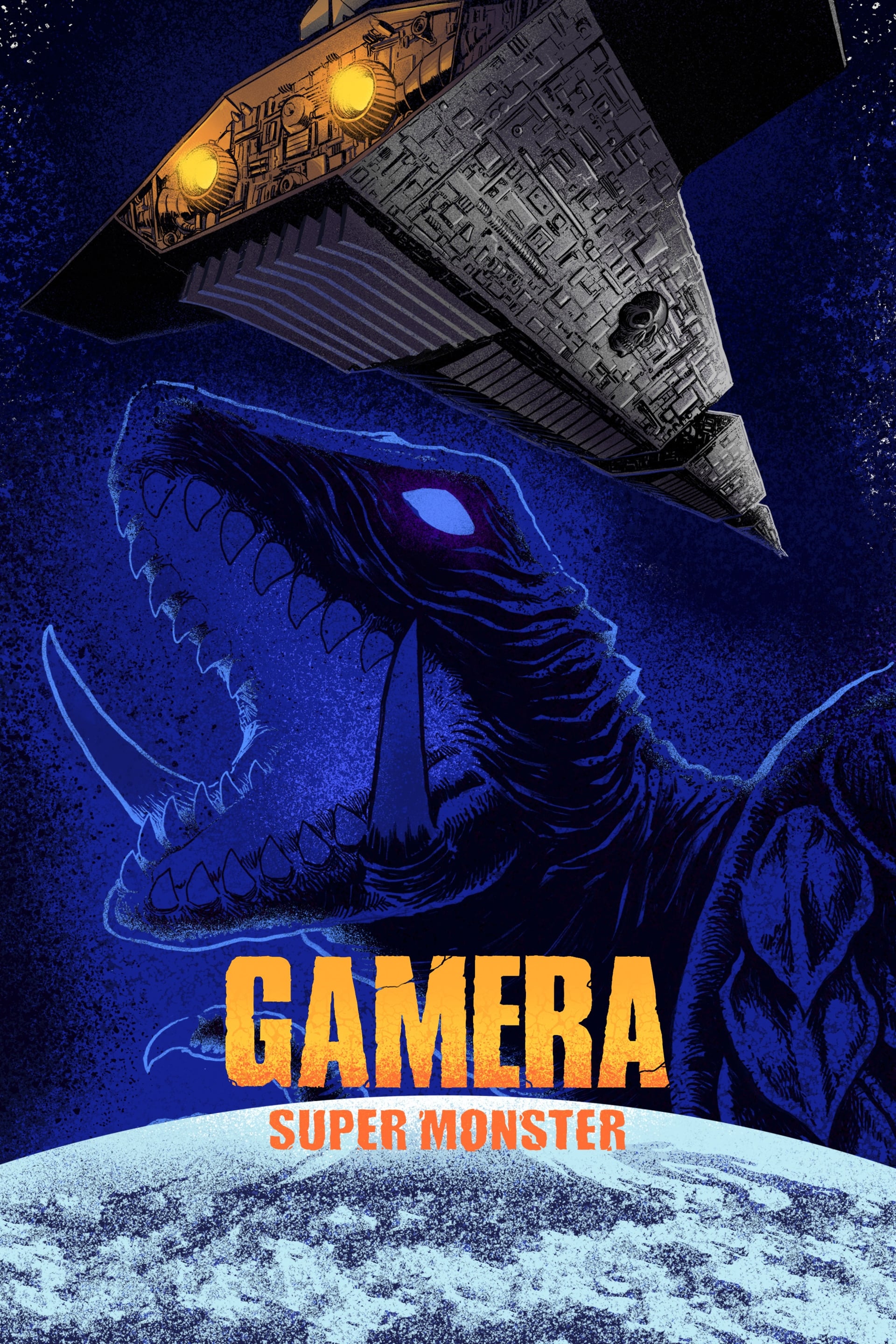
The story introduces space women who enlist Gamera to repel a string of giant threats visiting Earth. Much of the monster action arrives through inserted footage from previous Gamera adventures, connected by new scenes featuring the human cast.
Daiei released the film domestically, marking a chapter that wrapped up the classic run of the character before later reboots. Subsequent home video versions highlighted the patchwork production, with liner notes explaining how music cues, effects shots, and continuity were assembled from earlier installments.
‘Reptilicus’ (1961)
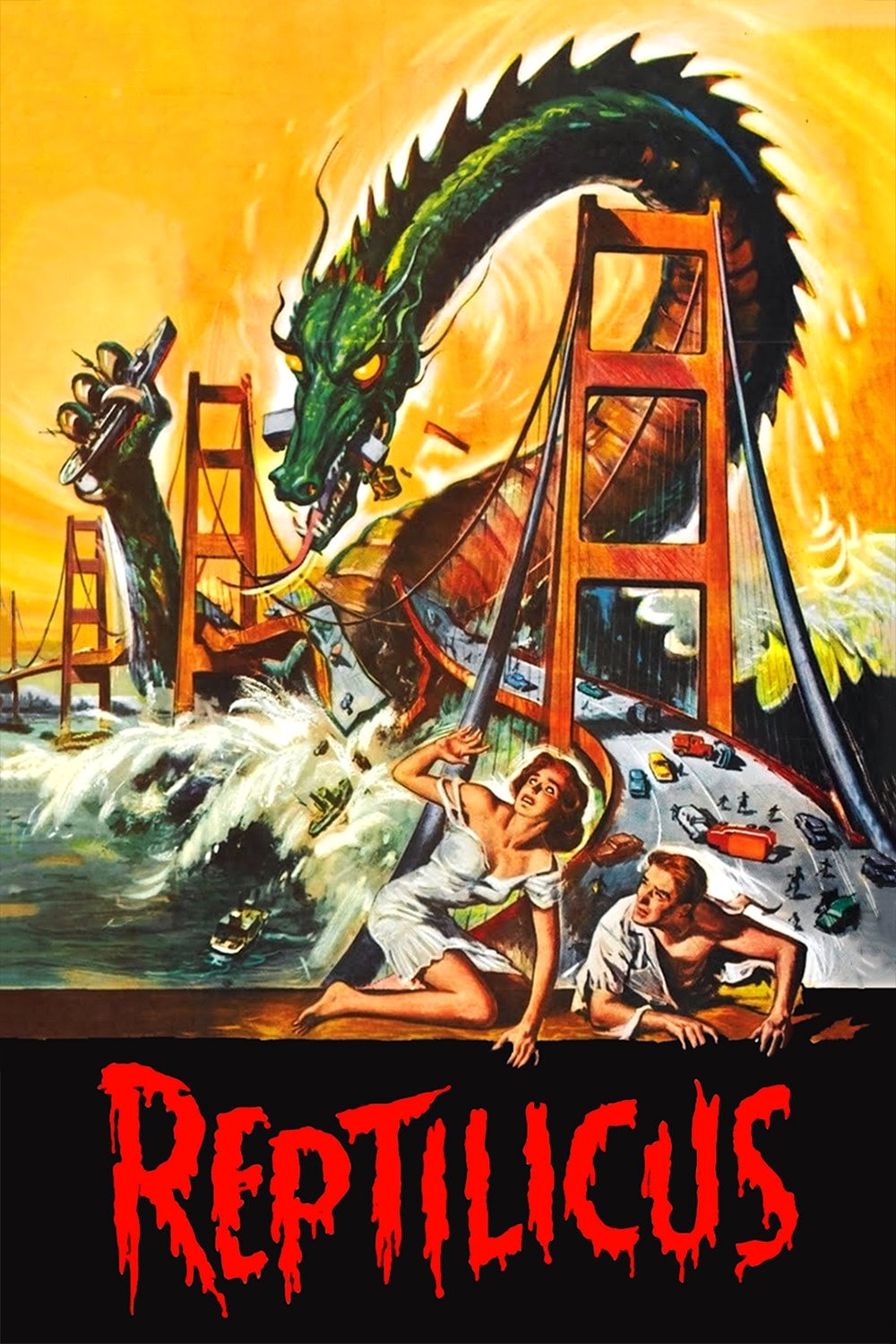
A drilling operation awakens a regenerated prehistoric creature that takes flight and attacks Copenhagen. Two versions exist, with the Danish cut and an Americanized edit that includes different scenes, effects, and even an added projectile attack.
The United States version reached theaters through American International Pictures, which specialized in genre fare for drive-ins and matinees. Home releases often present both edits or provide notes comparing dialogue changes, optical effects inserts, and alternate sequences.
‘The Giant Claw’ (1957)
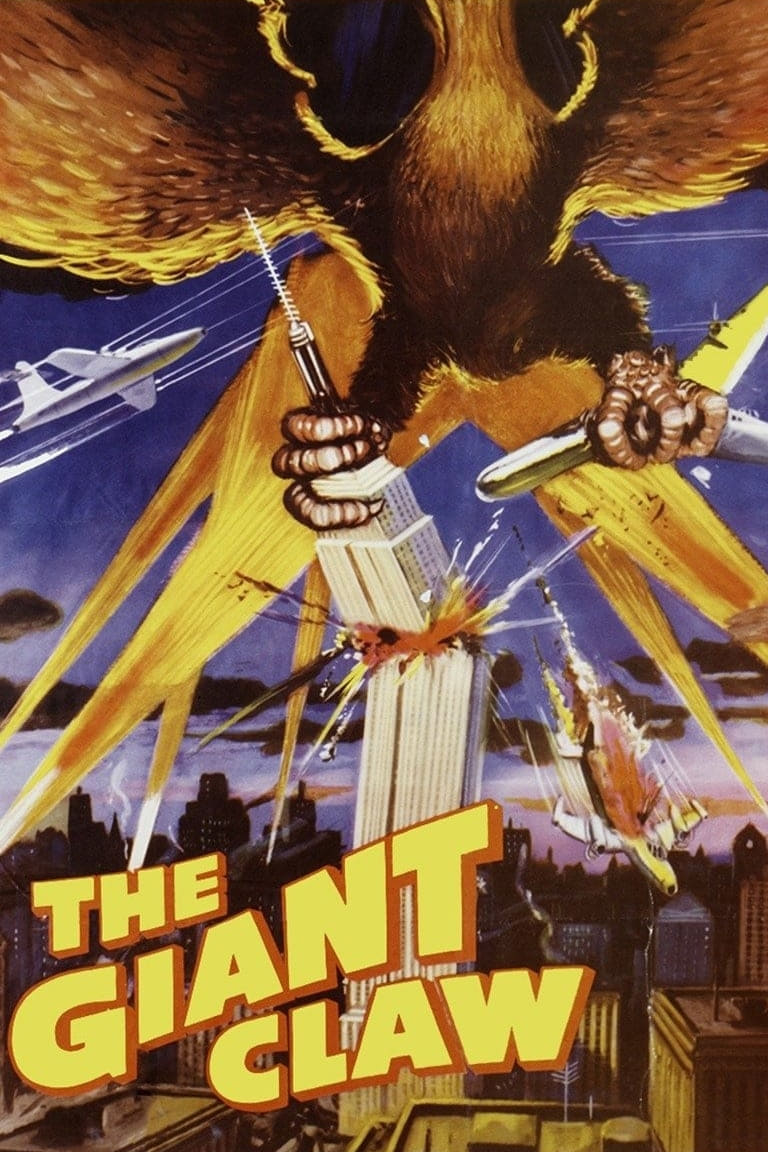
Engineers and pilots confront a massive bird with an antimatter shield that renders conventional weapons ineffective. The narrative moves through radar mystery scenes, scientific briefings, and a final gambit that relies on a custom energy device.
Columbia Pictures brought the movie to theaters, pairing it in double features across North America. Later television syndication and disc releases documented model work, miniature destruction setups, and the creature puppet’s construction details.
‘The X from Outer Space’ (1967)
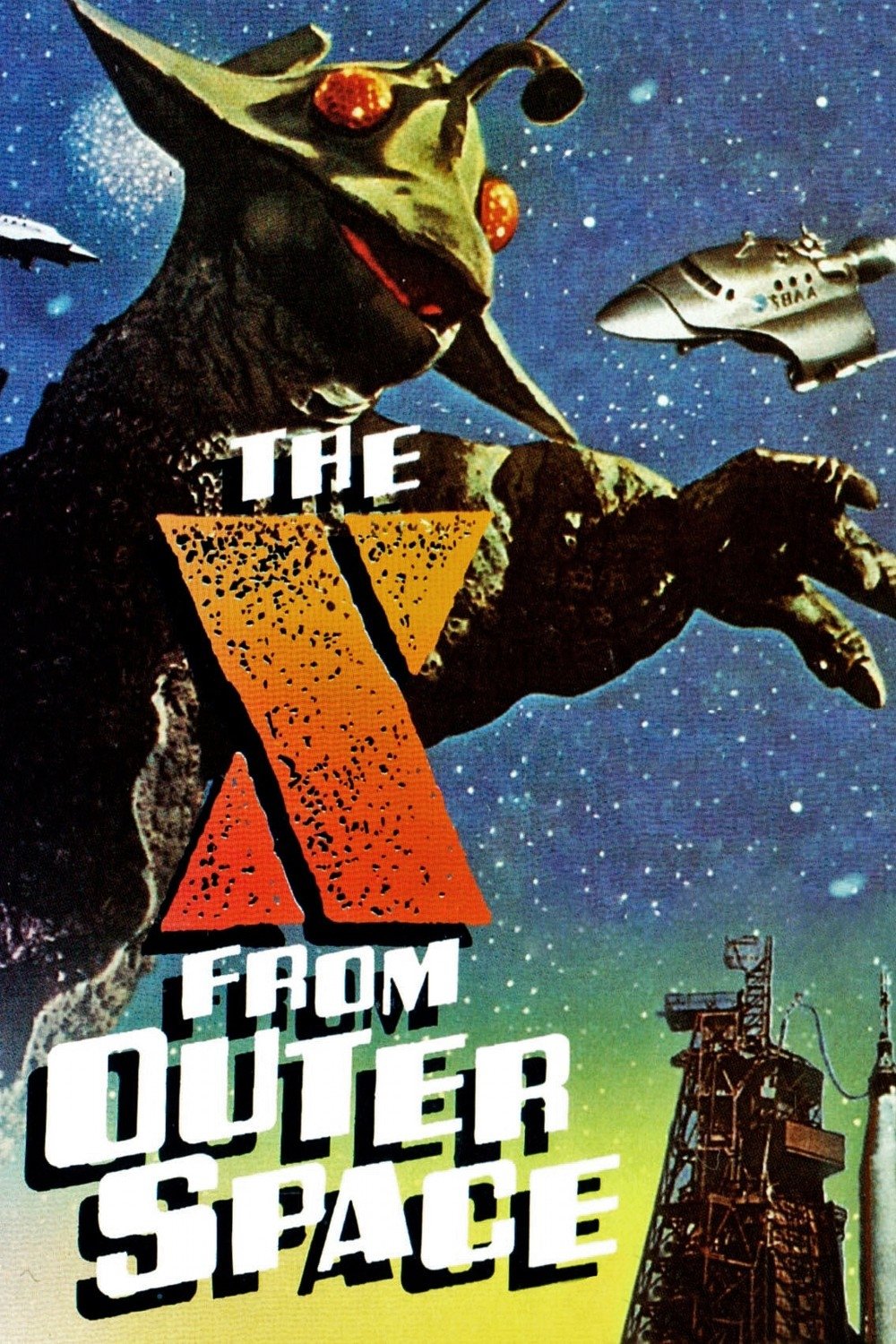
A Shochiku space mission inadvertently brings back spores that grow into the towering Guilala. The film blends spaceflight sequences with terrestrial destruction, and the solution involves a new scientific compound that neutralizes the alien threat.
Shochiku distributed the title domestically and prepared international versions for export markets. Modern releases discuss the studio’s brief foray into kaiju storytelling, production design choices for the spacecraft sets, and the distinctive suit and head mechanics created for Guilala.
‘Yongary, Monster from the Deep’ (1967)
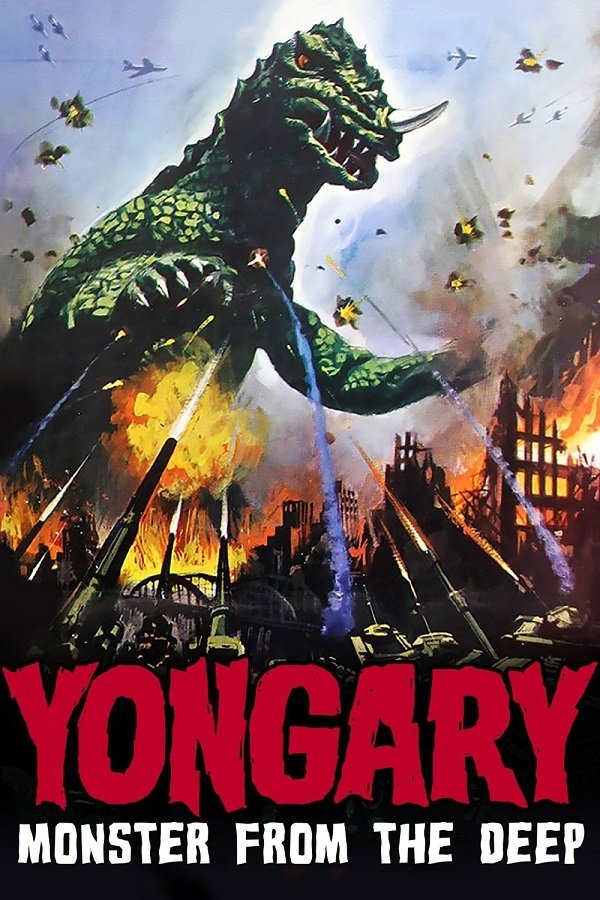
After a seismic event, a giant reptilian creature emerges and rampages through South Korea, leading scientists to deploy a chemical-based plan to stop it. The plot follows a family perspective, with a young character observing the monster’s movements and the military response.
The film reached American theaters through American International Pictures, often on regional bills. Over time it appeared in multiple cuts, and home video notes point out differences in music, dubbed dialogue, and the handling of the finale across territories.
‘Konga’ (1961)
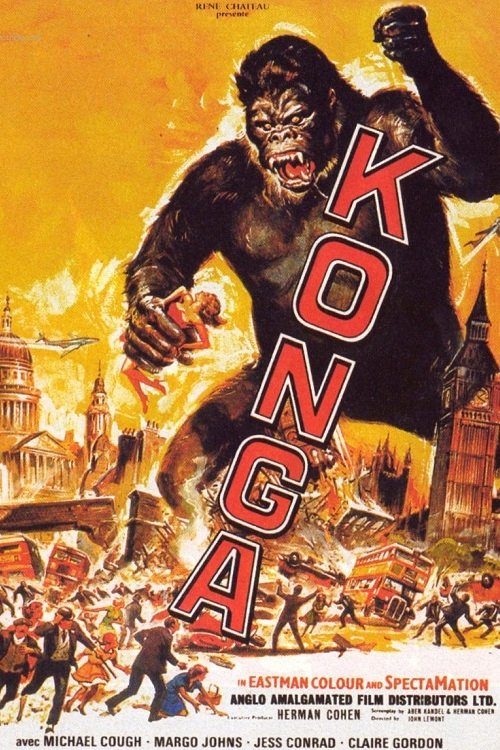
A botanist returns to London with exotic plants and experiments that produce a rapidly growing ape. The story escalates from laboratory scenes to citywide havoc, with notable use of rear projection, miniatures, and suitmation techniques.
In the United Kingdom the film was released by Anglo-Amalgamated, while American International Pictures handled the U.S. rollout. Later releases explore production ties to comic book adaptations, the creature suit’s fabrication, and the miniature street sets used for the climactic sequence.
‘Gappa, the Triphibian Monster’ (1967)
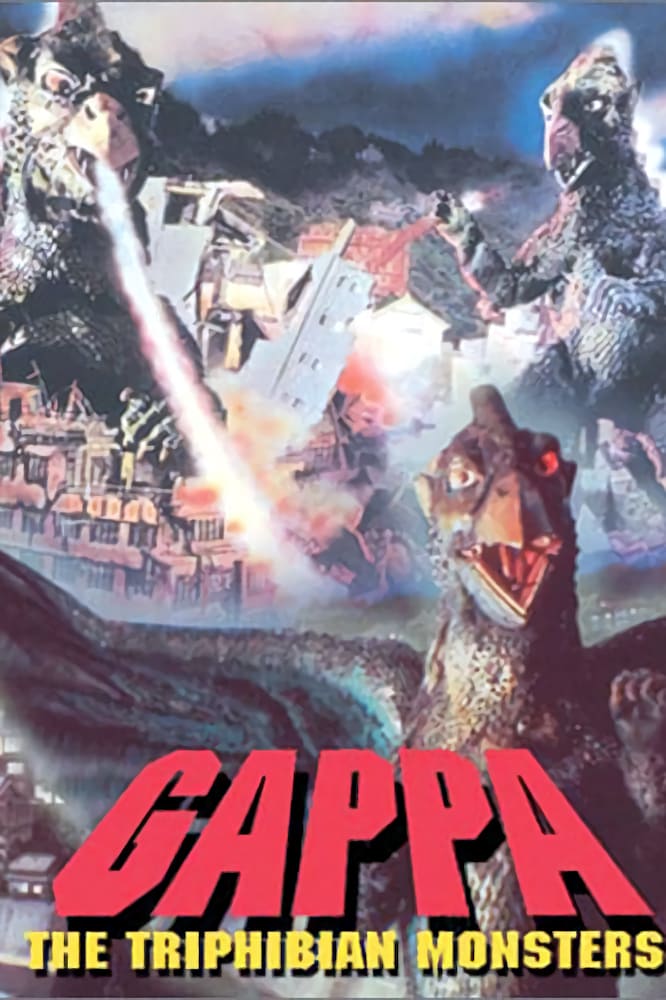
An expedition discovers a hatchling creature on a remote island, only to face the consequences when its massive parents travel to retrieve it. The narrative alternates between corporate publicity stunts and the government’s response to the creatures’ search.
Nikkatsu distributed the original Japanese release, and an English-language version circulated in the United States via American International’s television arm. Home media notes often mention alternate titles, edits for broadcast standards, and the practical effects approach to the triphibian design.
‘Daigoro vs. Goliath’ (1972)
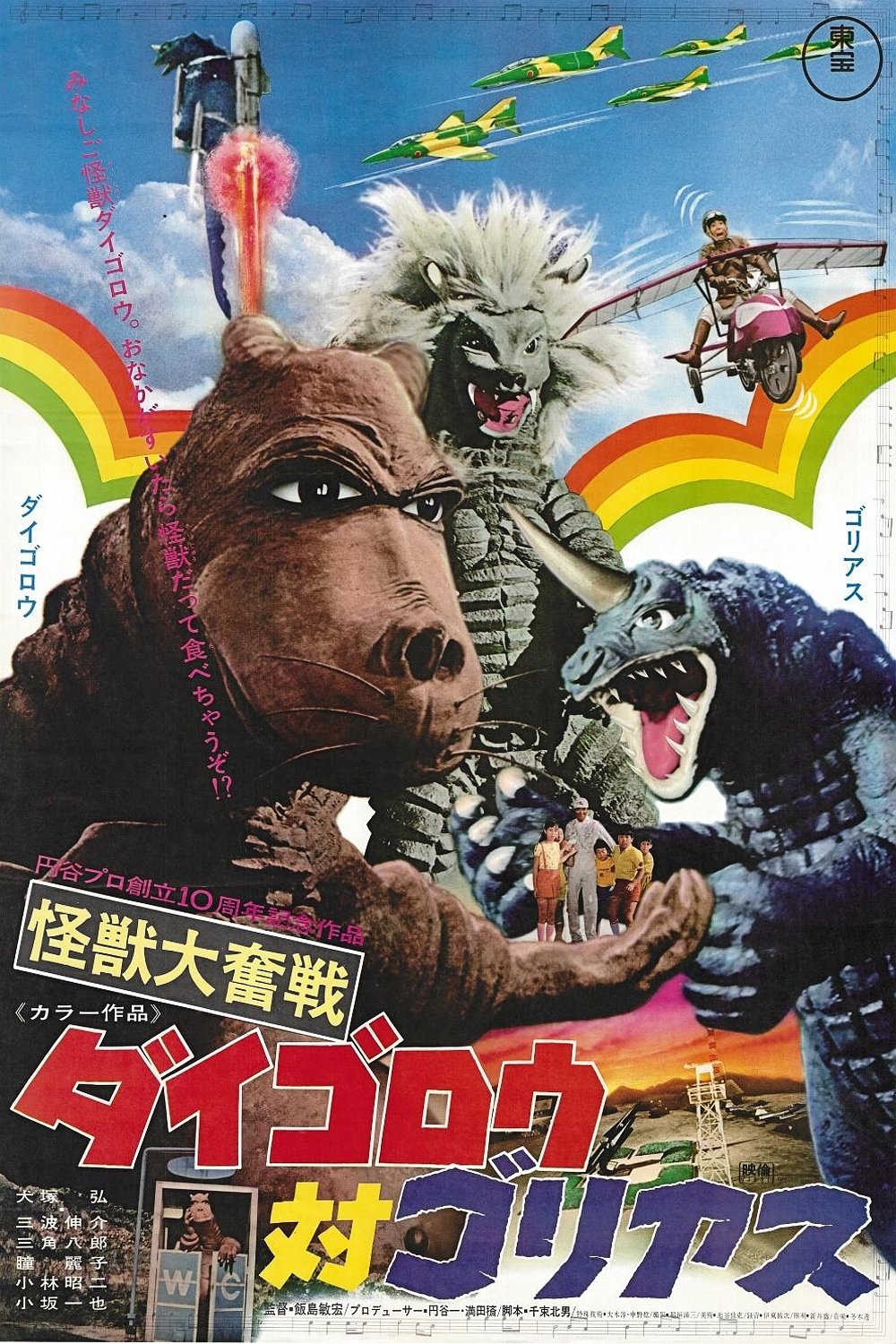
A gentle, government-supported monster named Daigoro must train to protect Japan when an aggressive kaiju arrives. The film mixes public fundraising gags, training montages, and a final contest that emphasizes Daigoro’s growth as a protector.
Toho released the movie domestically in collaboration with Tsuburaya Productions, continuing a family-friendly approach to giant-monster storytelling. Archival materials discuss suit performers, foam-latex construction, and the comedic tone that guided the human ensemble scenes.
‘Rebirth of Mothra II’ (1997)
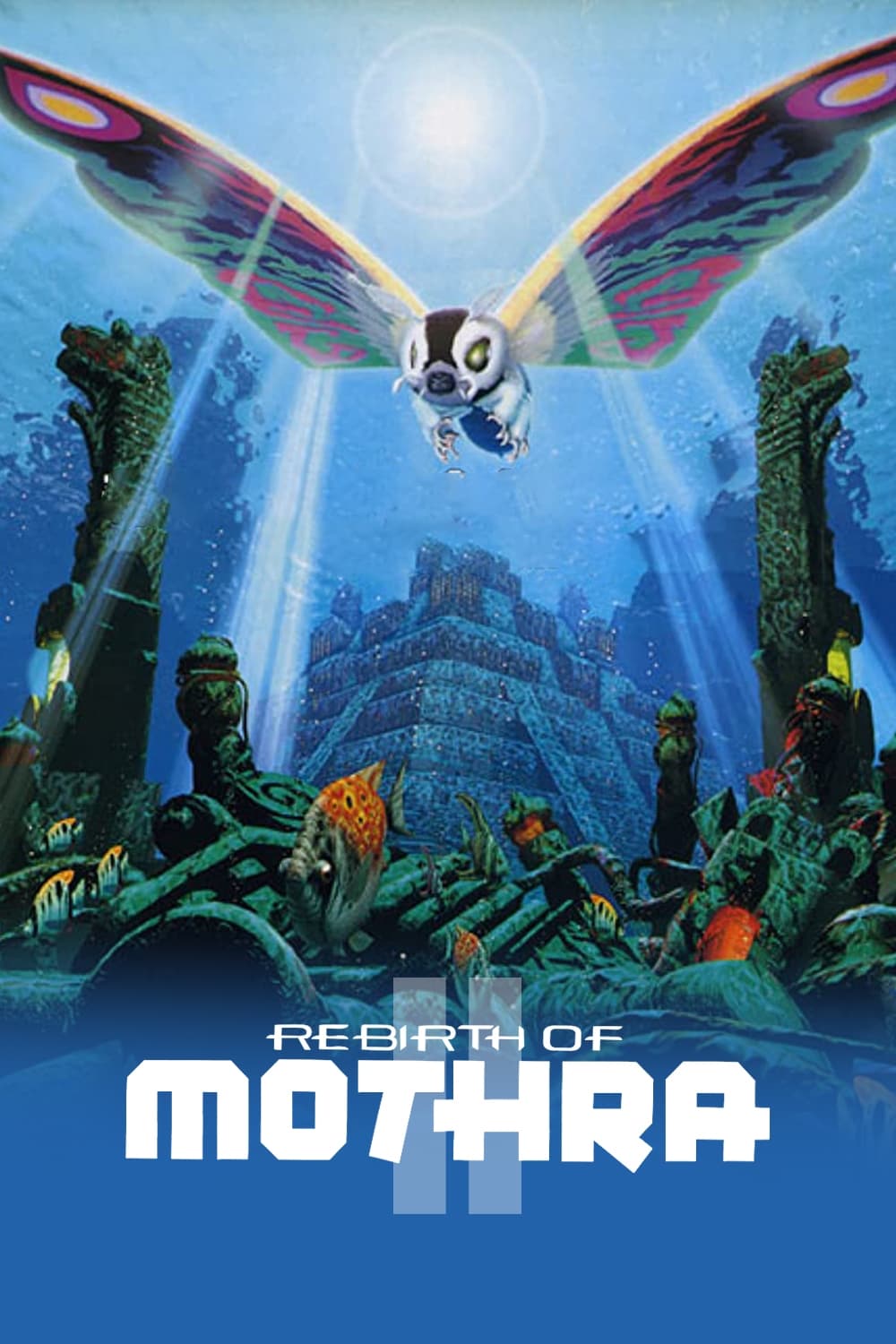
The second entry in the trilogy follows the Elias as they assist children who uncover clues tied to an ancient undersea civilization. Mothra’s new Aqua form takes center stage, and the antagonist adds a fantasy-driven layer to the series’ ecological themes.
Toho handled the theatrical release and later issued home video editions with behind-the-scenes stills and creature design art. International availability varied by territory, with some regions receiving direct-to-video releases that included alternate subtitle tracks and trailers for the trilogy.
‘Gamera vs. Zigra’ (1971)
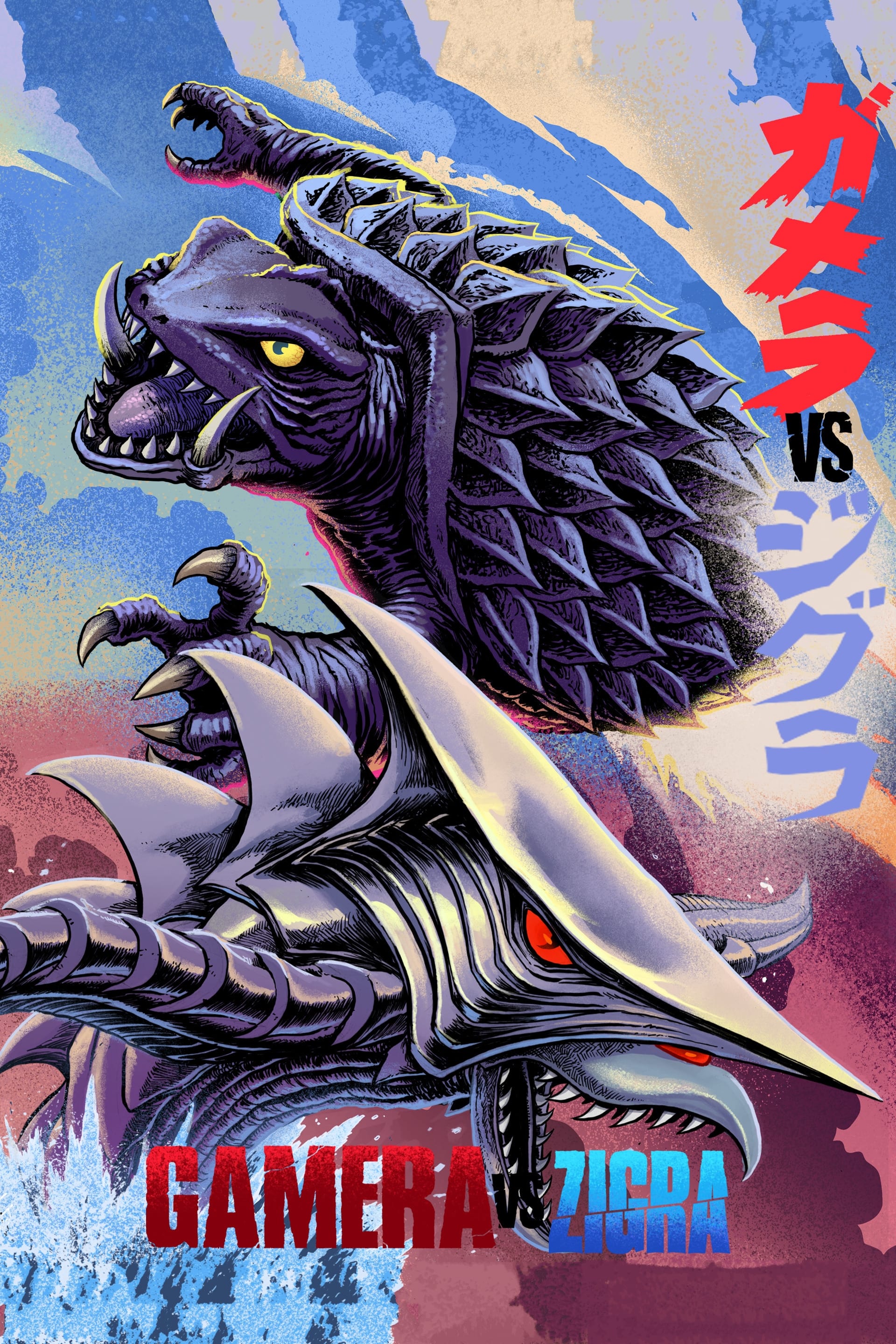
An alien race uses the shark-like Zigra to threaten Earth, leading to confrontations near an oceanic park and along the coastline. The film features underwater miniatures, wire work, and staged battles that showcase Gamera’s aerial maneuvers.
Daiei released the title as part of the classic Gamera cycle, and later compilations documented the series’ production techniques. Television airings introduced various English dubs, and home releases often note changes to credits, music cues, and scene order.
‘Atlantic Rim’ (2013)
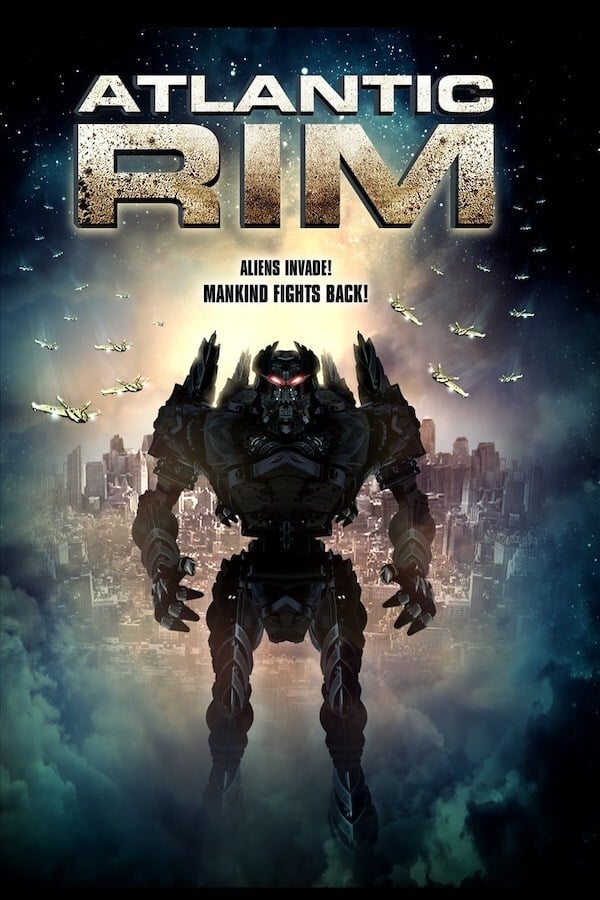
A rogue military program deploys giant mechs against colossal sea creatures making landfall in American cities. The plot moves through command-center decisions, pilot rivalries, and a final showdown with upgraded suits.
The film was produced and released by The Asylum, appearing on digital platforms and cable channels that feature independent action programming. Disc editions include making-of segments that focus on low-budget VFX pipelines, greenscreen staging, and 3D model asset reuse across sequences.
‘Mega Shark vs. Giant Octopus’ (2009)
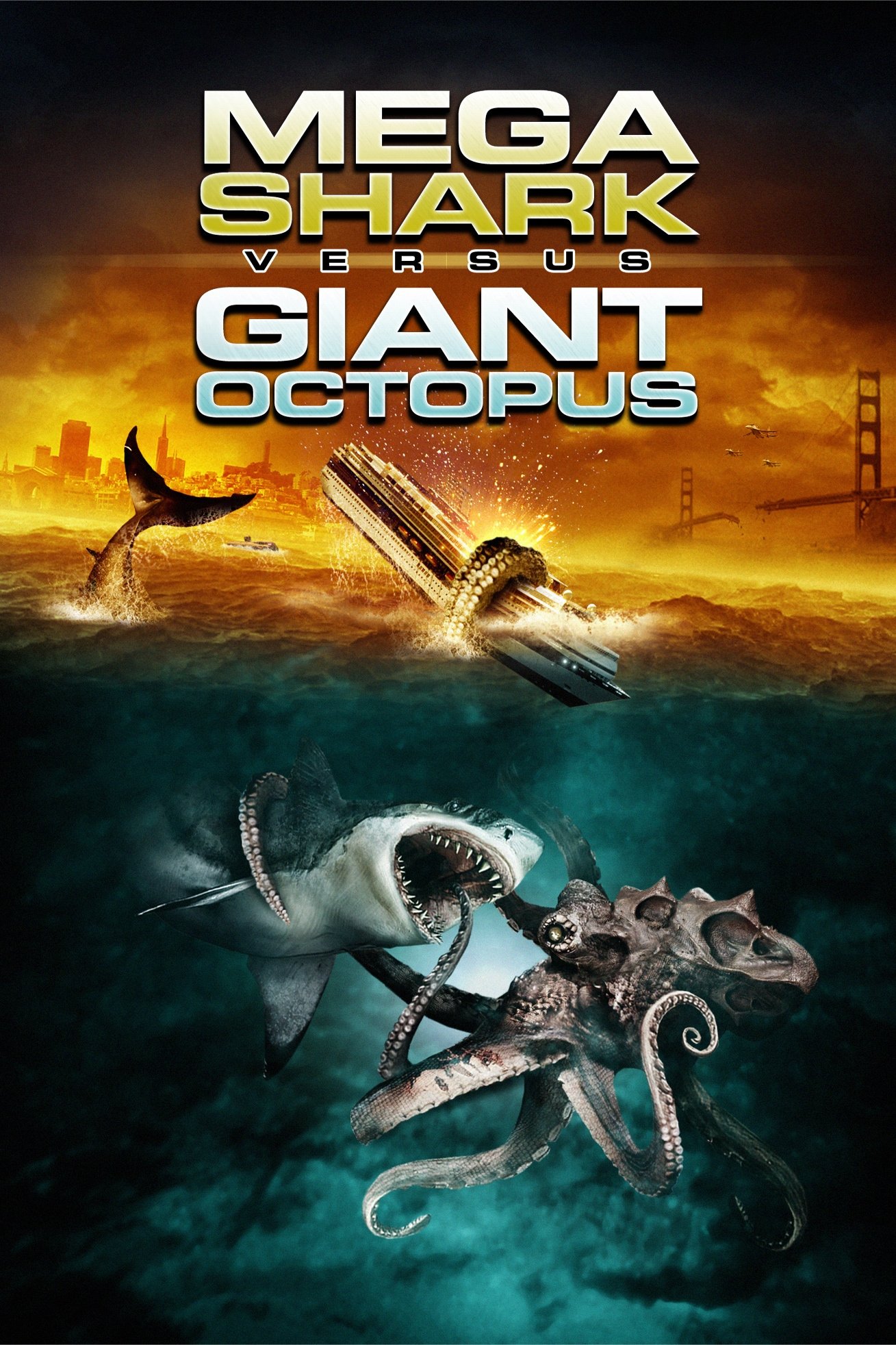
Two prehistoric creatures are freed from ice and begin a destructive path across oceans and coastlines, prompting a team of scientists to devise a containment plan. The story intercuts naval confrontations, research lab scenes, and a baited encounter designed to corral the titans.
The Asylum distributed the movie primarily through home video and streaming partners, where it gained attention through trailers and viral clips. Bonus features discuss practical cockpit sets, CG creature animation, and the rapid shooting schedule that defined the production.
‘Pacific Rim: Uprising’ (2018)
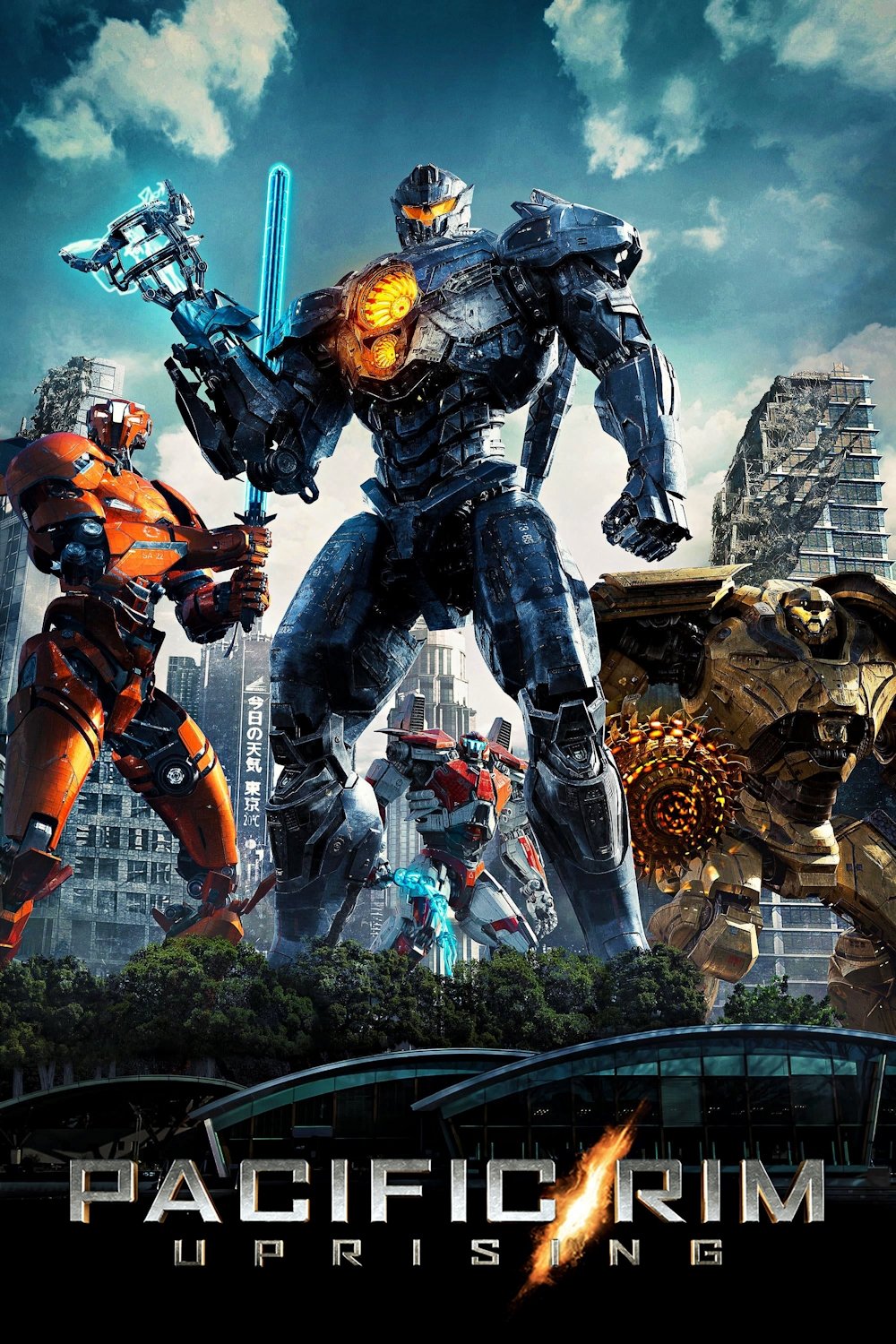
A new generation of pilots reactivates the Jaeger program to counter an evolved threat that combines drone technology with familiar enemies. The narrative introduces international cadets, city-scale combat, and an expansion of the earlier film’s worldbuilding.
Universal Pictures released the movie in major markets, with related partners supporting a global rollout that included premium formats. Home releases feature filmmaker commentaries, VFX featurettes on Jaeger rigging and destruction simulations, and galleries detailing suit, prop, and miniatures work.
Share your picks for big, stompy misfires in the comments and tell us which titles you think belong on this list.