The Worst Movie Plot Twists of All Time


Some plot twists reframe a story in smart, surprising ways; others yank the wheel so hard the entire movie skids. This list gathers famous left turns that changed direction in the final stretch—sometimes by upending the setting, sometimes by revealing a secret mastermind, and sometimes by pulling the rug with an out-of-nowhere reveal.
Each entry explains the setup, the twist, and the basic context—who made it, who starred in it, how the reveal works in the story, and how audiences learned about it on screen. No rankings here, just twenty notable examples presented with clear headings so you can jump to your favorites.
‘The Village’ (2004) – The “19th-century” settlement is actually in the present day
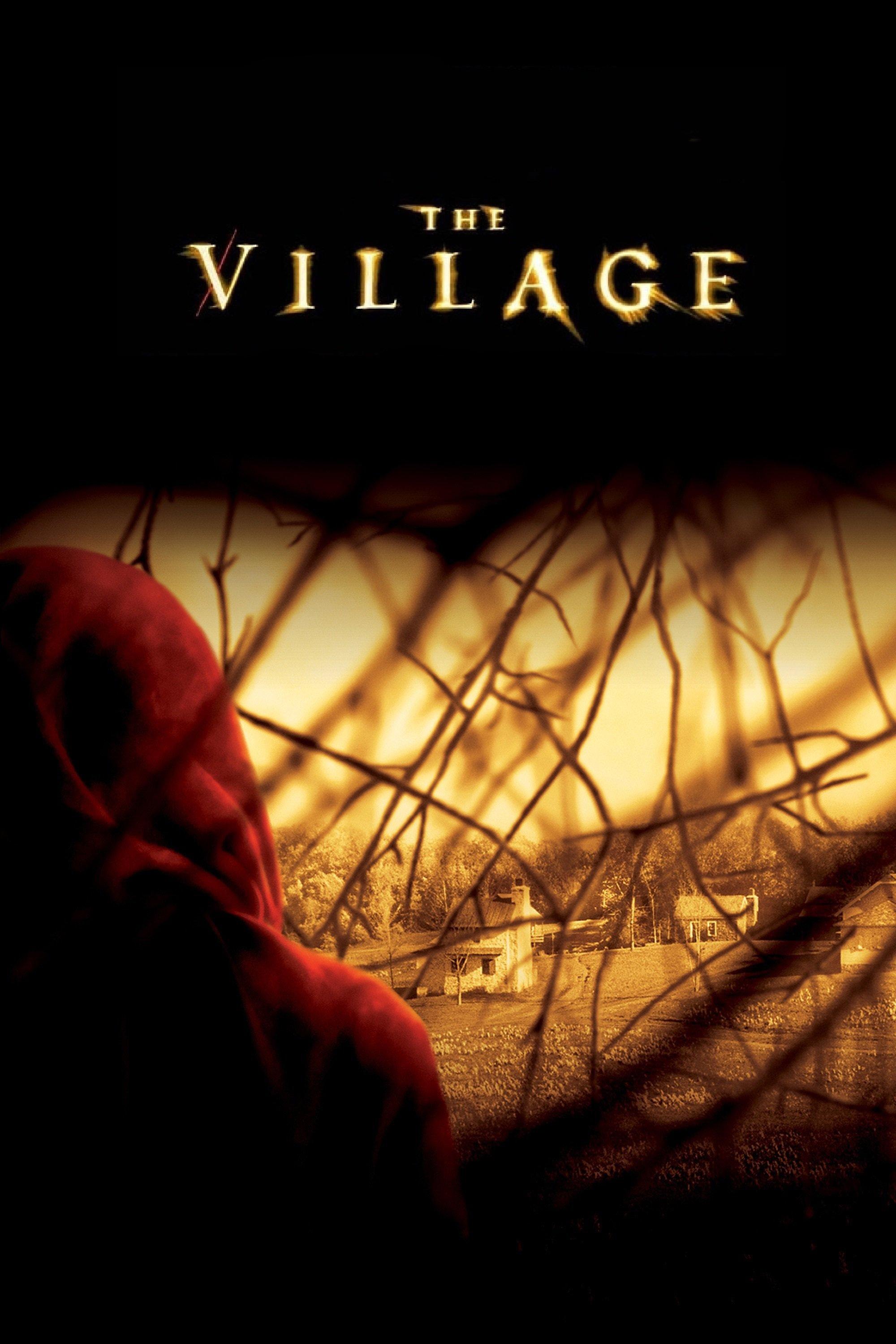
Writer-director M. Night Shyamalan sets the story in what appears to be an isolated rural community governed by elders who warn about creatures in the surrounding woods. The film follows Ivy Walker as she ventures beyond the borders to find medicine, only to discover that the supposed monsters are fabricated costumes used to enforce isolation.
The twist arrives when Ivy reaches a hidden wall and meets a modern park ranger, revealing that the elders moved their families into a private wildlife preserve to escape violence and grief. The production emphasizes period detail in costumes and props while planting visual cues about restricted airspace and guarded boundaries, and the reveal is delivered through dialogue and signage that confirm the contemporary setting.
‘Remember Me’ (2010) – The final scene takes place in the World Trade Center on September 11

Directed by Allen Coulter and starring Robert Pattinson and Emilie de Ravin, the drama follows two students dealing with family loss and strained relationships in New York City. The story builds as the protagonist reconciles with his father and heads to a meeting in a high-rise office.
The twist is disclosed through a classroom chalkboard displaying the date and a skyline cutaway that places the character in the North Tower that morning. The film then cuts to aftermath imagery and epilogues for supporting characters, using the event as a narrative endpoint and connecting personal arcs to a real-world tragedy.
‘High Tension’ (2003) – The killer and the heroine are the same person

Directed by Alexandre Aja, this French slasher tracks two college friends attacked at a remote farmhouse and pursued by a brutal murderer. The camera aligns viewers with Marie, who appears to be hiding from and outsmarting the killer.
Late in the story, the film reveals that Marie committed the murders, using jump cuts and re-staged moments to show previously unseen angles. Police reports, hospital scenes, and a recovered recording device are used as framing evidence, and the twist reframes earlier sequences—like a truck pursuit and gas-station attack—as unreliable perceptions from a dissociative viewpoint.
‘Serenity’ (2019) – The island and its people exist inside a video game created by a child

Steven Knight’s thriller stars Matthew McConaughey and Anne Hathaway on a remote island where a fishing-boat captain is hired by his ex-wife to kill her abusive husband. The narrative sprinkles anomalies—repeated phrases, strange weather cues, and an omnipresent company rep named “The Rules.”
The reveal explains those anomalies: the captain and the island are code inside a fishing simulation written by the ex-wife’s son as an escape from domestic abuse. Computer-screen inserts, debugging terminology, and cutaways to the boy at a laptop connect the digital world to real-world stakes, with the final act showing characters “breaking the rules” of the program.
‘Now You See Me’ (2013) – The FBI agent chasing the magicians is the secret ringleader
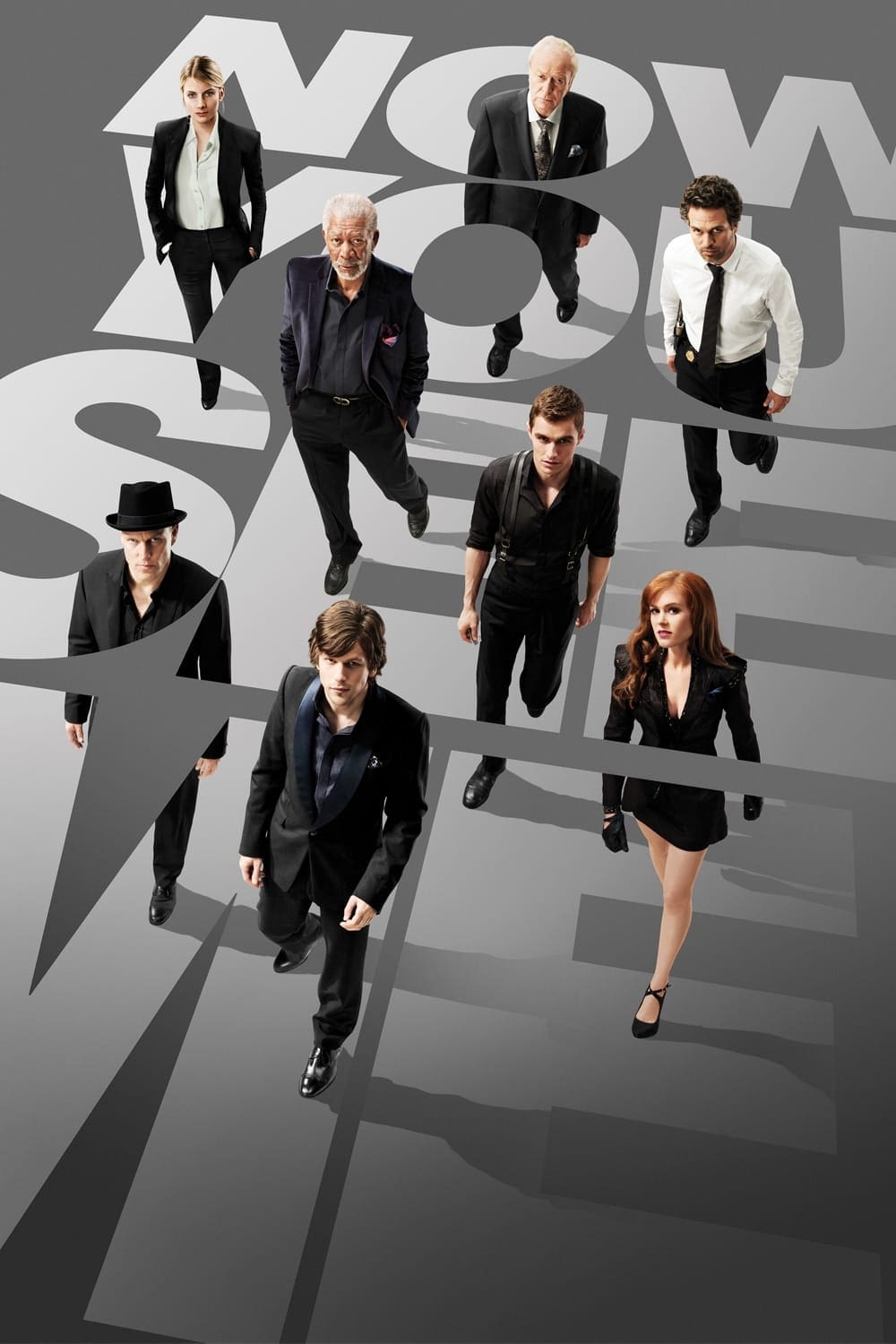
Louis Leterrier’s heist caper follows the Four Horsemen, illusionists who stage robberies during live shows. Mark Ruffalo’s character, an FBI agent, teams with an Interpol detective to stop them, while Morgan Freeman’s debunker explains the mechanics of each stunt.
In the finale, the agent reveals himself as the architect behind the heists, citing a personal backstory tied to an insurance company and a magician’s death. The movie uses misdirection, intercut confessionals, and a carousel rendezvous as the narrative device, then ties prior clues—like a stolen safe and specific tarot imagery—into a single orchestrated plan.
‘The Happening’ (2008) – Mass suicides are triggered by airborne toxins released by plants
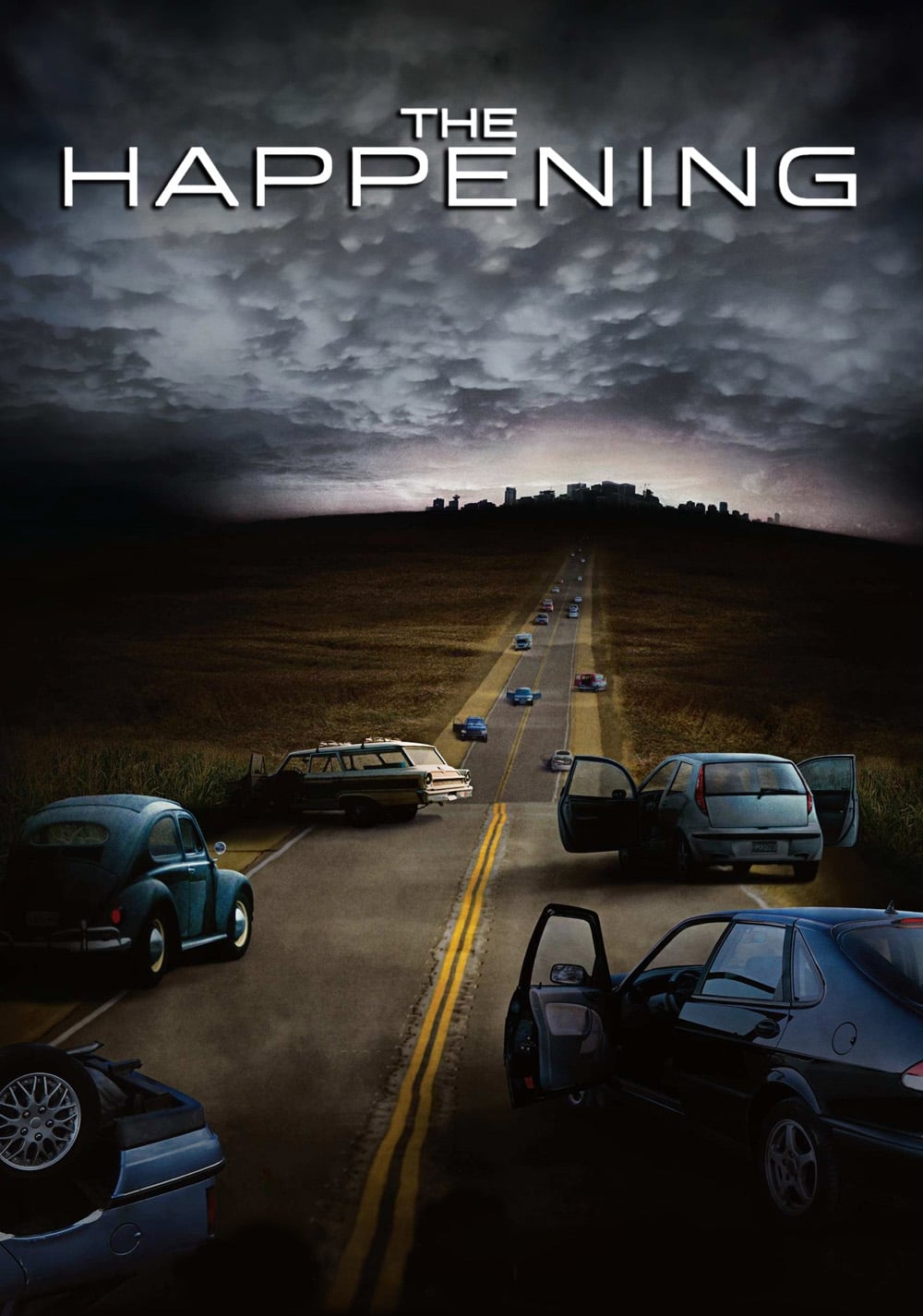
M. Night Shyamalan frames a mysterious wave of self-harm incidents that spread from cities to the countryside. A science teacher, his spouse, and a small group attempt to outrun the phenomenon while observing patterns in wind and environment.
The explanation arrives through a biology-class hypothesis and field observations: plant life releases neurotoxins when stressed, influencing human behavior. The film supports the idea with news reports, a hot-and-cold pattern of attacks, and scenes where groups of varying sizes experience different outcomes, suggesting a natural defense mechanism scaled to perceived threats.
‘Lucy’ (2014) – The protagonist reaches “100% brain capacity” and becomes a flash drive

Luc Besson’s sci-fi action film stars Scarlett Johansson as a student forced to smuggle a synthetic drug that unlocks extraordinary abilities. As the substance spreads through her body, the character gains control over memory, matter, and electromagnetic fields.
In the climax, she transcends physical form during a lab-bound metamorphosis that culminates in a data storage device appearing for researchers. Expository lectures, on-screen graphics, and a parallel police pursuit build to the transformation, and the closing text message—sent from an undefined plane—confirms her continued existence as information.
‘Glass’ (2019) – A secret society suppresses super-powered individuals and kills the leads
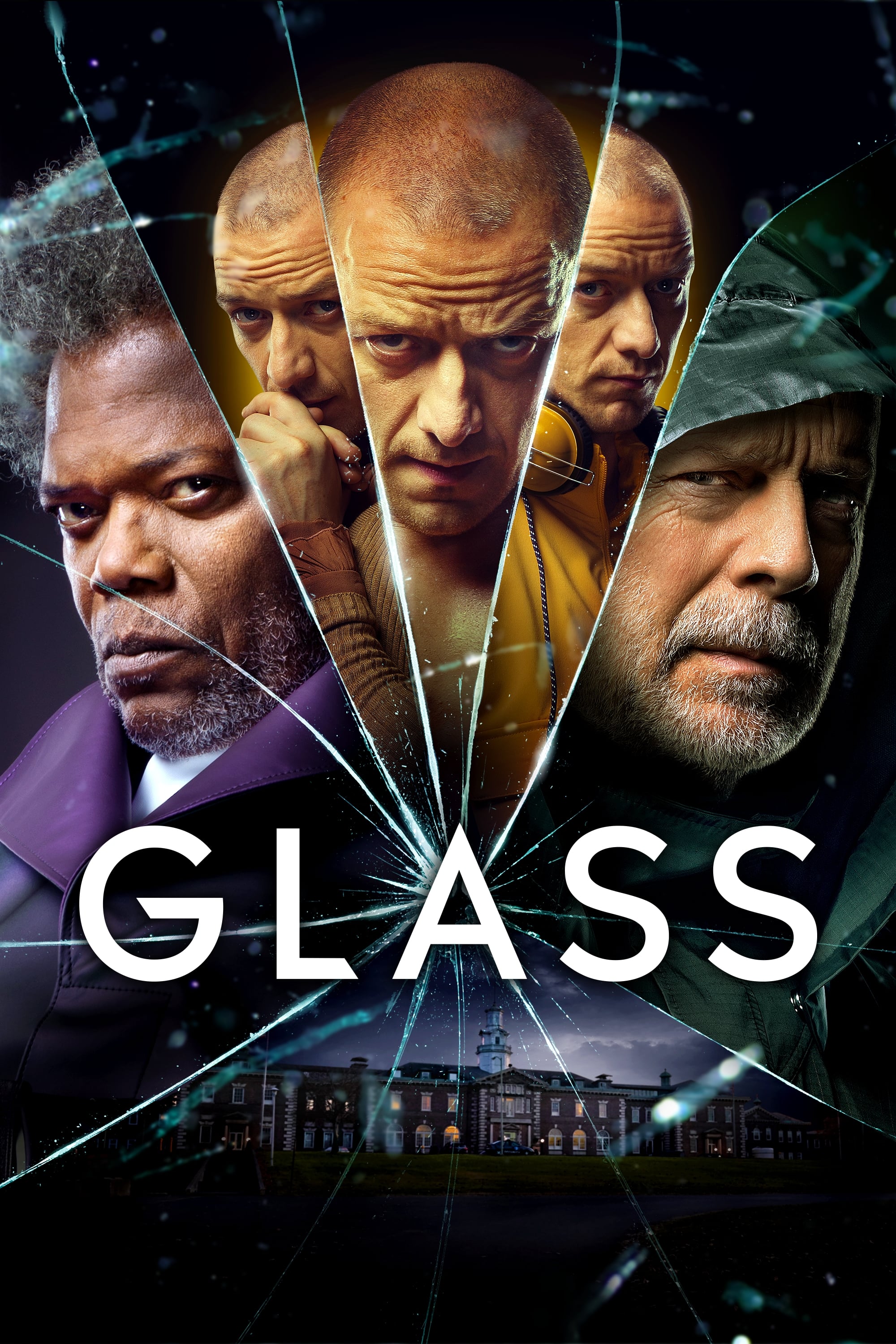
Serving as a crossover for “Unbreakable” and “Split,” the film reunites David Dunn, Elijah Price, and Kevin Wendell Crumb in a psychiatric facility. A doctor attempts to convince them that their abilities are delusions by explaining real-world explanations for feats shown on screen.
After a public-space confrontation, covert operatives eliminate the three central characters and cover up evidence. The twist then reveals that recordings of the encounter were uploaded to expose the society, using hacked camera feeds, email drops, and synchronized phone alerts as the mechanism for disseminating proof.
‘Savages’ (2012) – The violent finale is revealed as a dream, then the film rewinds to a different outcome

Oliver Stone adapts Don Winslow’s novel about two California partners who share a relationship with the same woman and clash with a Mexican cartel. The narrative builds to a desert exchange involving money, prisoners, and a double-cross.
As the scene erupts, multiple characters are fatally wounded—only for the movie to cut back and show the sequence as a hypothetical narrated by the kidnapped woman. The plot then replays the exchange with another strategy that leads to arrests and a separate resolution, using voiceover and match cuts to distinguish the alternate path.
‘Hancock’ (2008) – The superhero and his love interest are immortal pair-bonds who weaken near each other
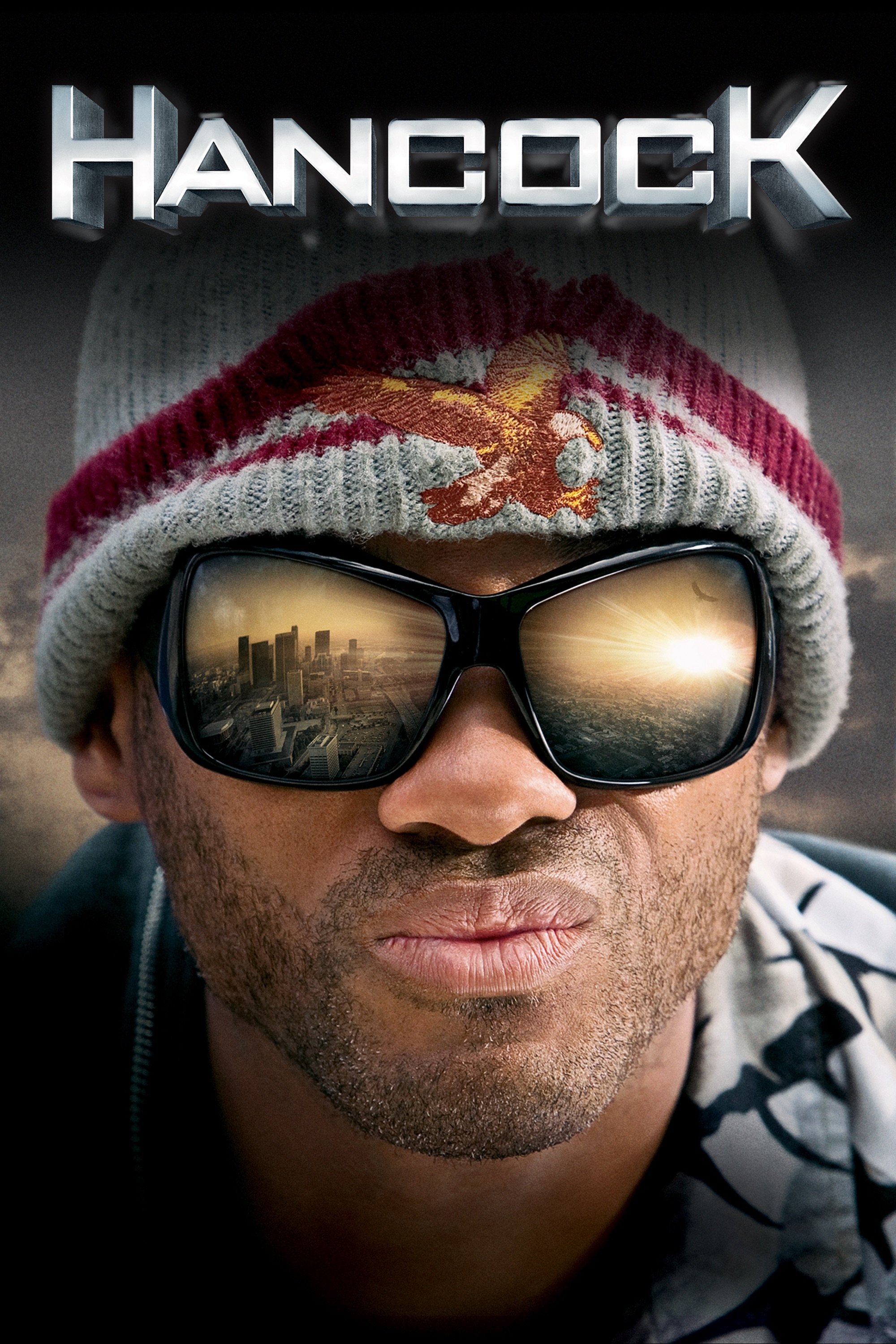
Peter Berg’s film follows a troubled superhero whose destructive rescues lead to a public-relations makeover guided by a marketing executive. Midway through, the hero meets the executive’s wife, who displays similar powers.
The twist explains their shared history as ancient companions who lose invulnerability when close together, a rule that shapes the hospital set-piece and the villain’s final assault. Flashbacks, scars that appear under stress, and a history-of-pairs explanation lay out the lore, reframing the earlier domestic scenes as more than coincidence.
‘The Book of Henry’ (2017) – A mother follows her late son’s plan to assassinate a neighbor
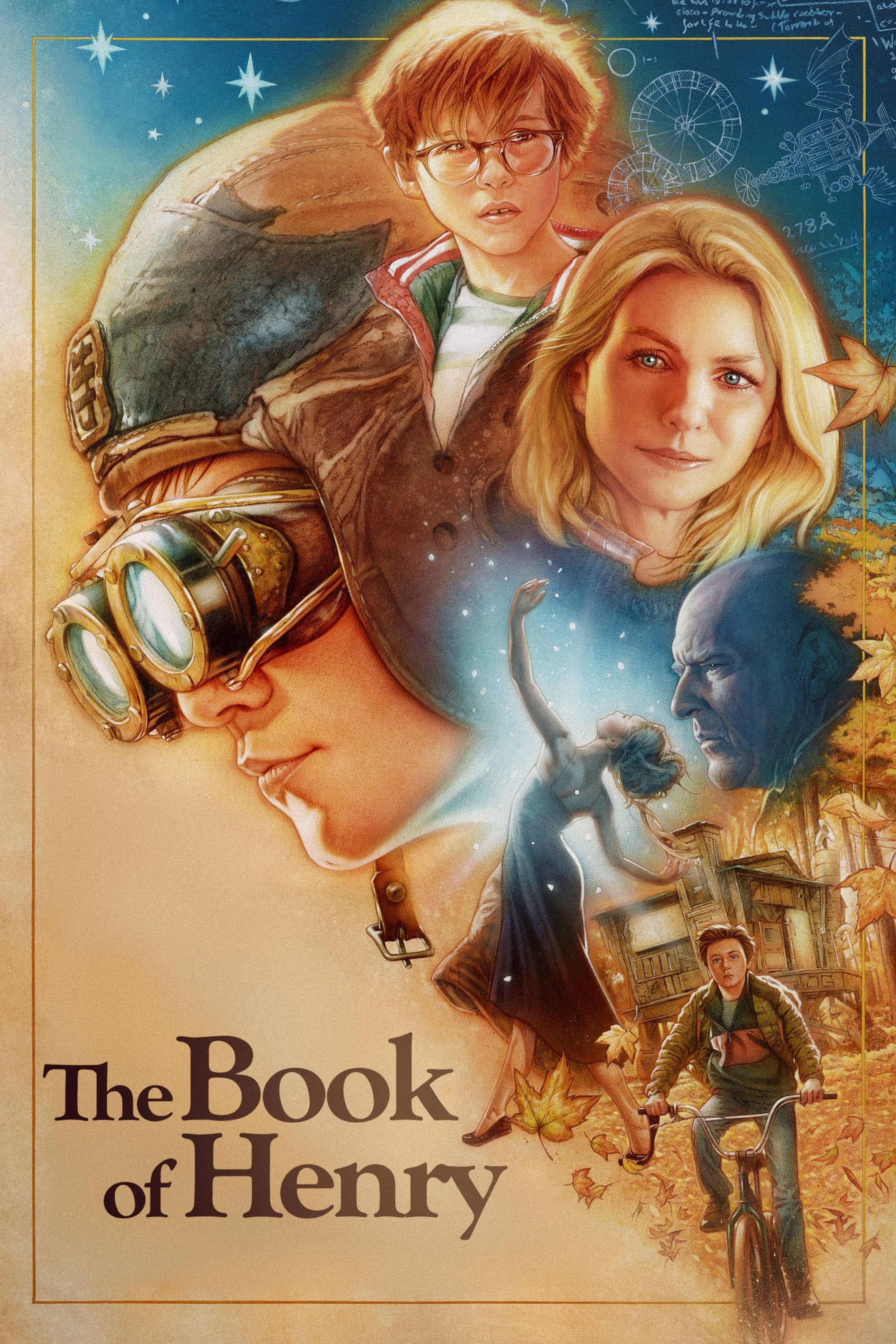
Colin Trevorrow’s suburban drama centers on a gifted boy who manages family finances and suspects their next-door neighbor—a police commissioner—of abusing his stepdaughter. After a medical emergency, the boy leaves behind a notebook and recorded instructions.
His mother plays the tape and assembles a rifle, a timing plan, and an alibi based on a school talent show. The plot details blueprints, grocery-store purchases, and vantage-point calculations, and the narrative crosscuts between the mother’s preparation and the neighbor’s public responsibilities to illustrate how the plan would unfold.
‘Star Wars: The Rise of Skywalker’ (2019) – Rey is Emperor Palpatine’s granddaughter and he returns

The final chapter of the sequel trilogy opens with a broadcast from the long-dead Emperor and a quest to locate navigational devices leading to his hidden stronghold. Rey trains as a Jedi while confronting visions and unusual displays of power.
The reveal of her lineage comes through a familial disclosure from adversaries and is confirmed by the Emperor during the confrontation on Exegol. Force abilities, a clone-based survival explanation, and the ritual ceremony detail the mechanics of his return, while the Resistance assault and dyad concept set parameters for how the climax resolves.
‘The Number 23’ (2007) – The protagonist wrote the mysterious book that ruined his life

Joel Schumacher’s psychological thriller follows a man who becomes obsessed with a self-published novel about a killer and the number that threads through dates and names. He finds parallels between the book’s antihero and his own past.
Eventually, evidence shows he authored the manuscript after a prior crime and suppressed the memory, with hotel-room graffiti, old security footage, and a buried body tying the threads together. The film contrasts the pulp-noir alter ego with real-world documents—like police files and a confession letter—to bridge fiction and reality.
‘Secret Window’ (2004) – The writer is also the stalker who committed the murders

Adapted from a Stephen King novella, the story tracks an author accused of plagiarism by a stranger named John Shooter. Pets die, property burns, and the confrontation escalates in a lakeside cabin.
Clues accumulate—a missing item of clothing, a hat, and a rearranged room—before the film confirms a split-personality scenario. The finale shows the author adopting Shooter’s mannerisms while a small-town sheriff pieces together the truth from physical evidence at the cabin and changes to the writer’s unpublished manuscript.
‘Law Abiding Citizen’ (2009) – The imprisoned avenger commits crimes across the city via hidden tunnels
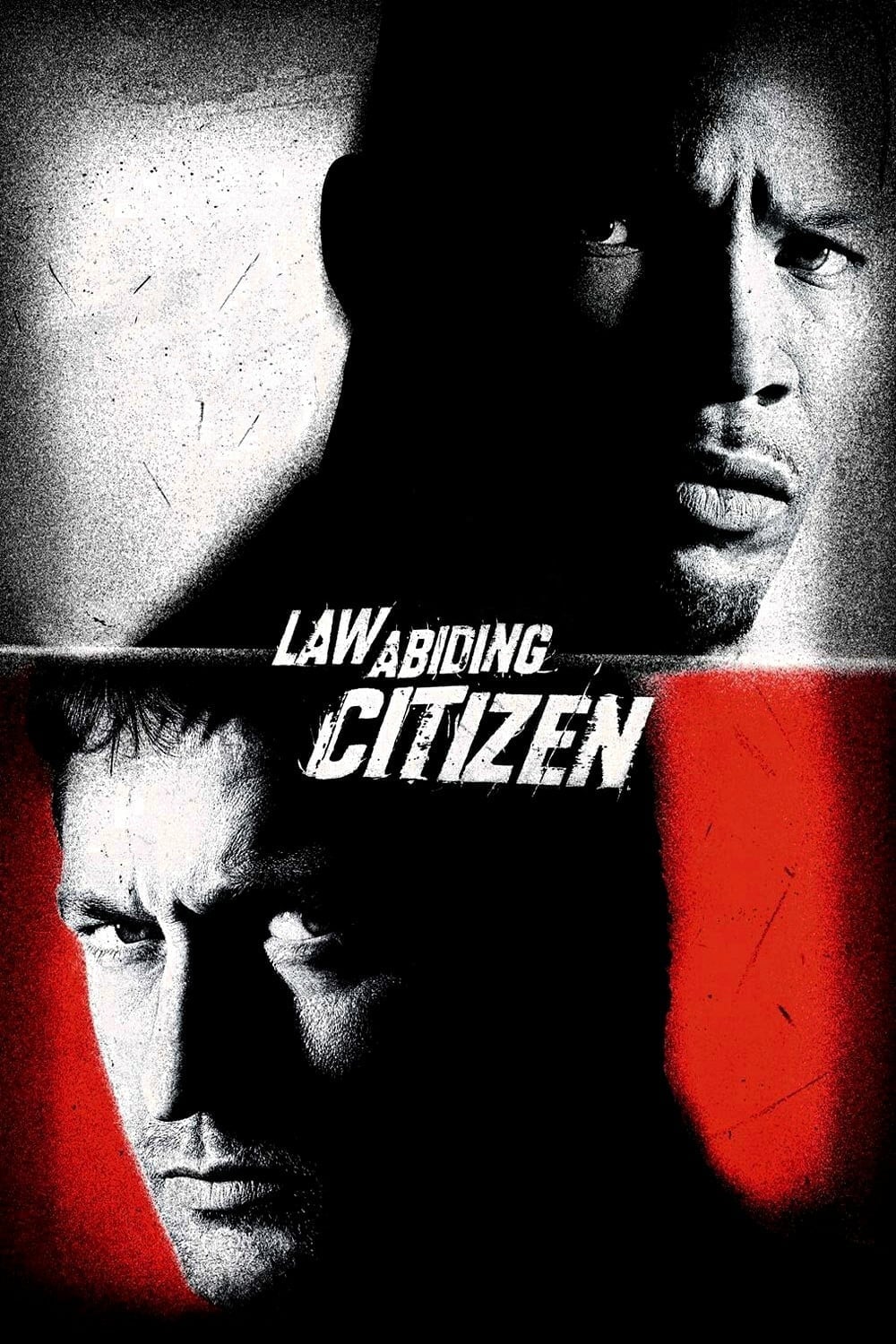
F. Gary Gray’s thriller opens with a home invasion and a plea deal that angers the victim’s husband. After a series of targeted killings, authorities arrest him, yet the attacks continue while he remains in custody.
The twist credits a network of underground access points, cache locations, and timed devices that allow the inmate to leave and return undetected. Investigators trace tool marks, false bottoms in a cell, and property records to a rented workshop, culminating in a deactivation attempt that hinges on understanding his travel route beneath municipal buildings.
‘The Life of David Gale’ (2003) – A death-penalty activist engineers his own capital punishment to make a point
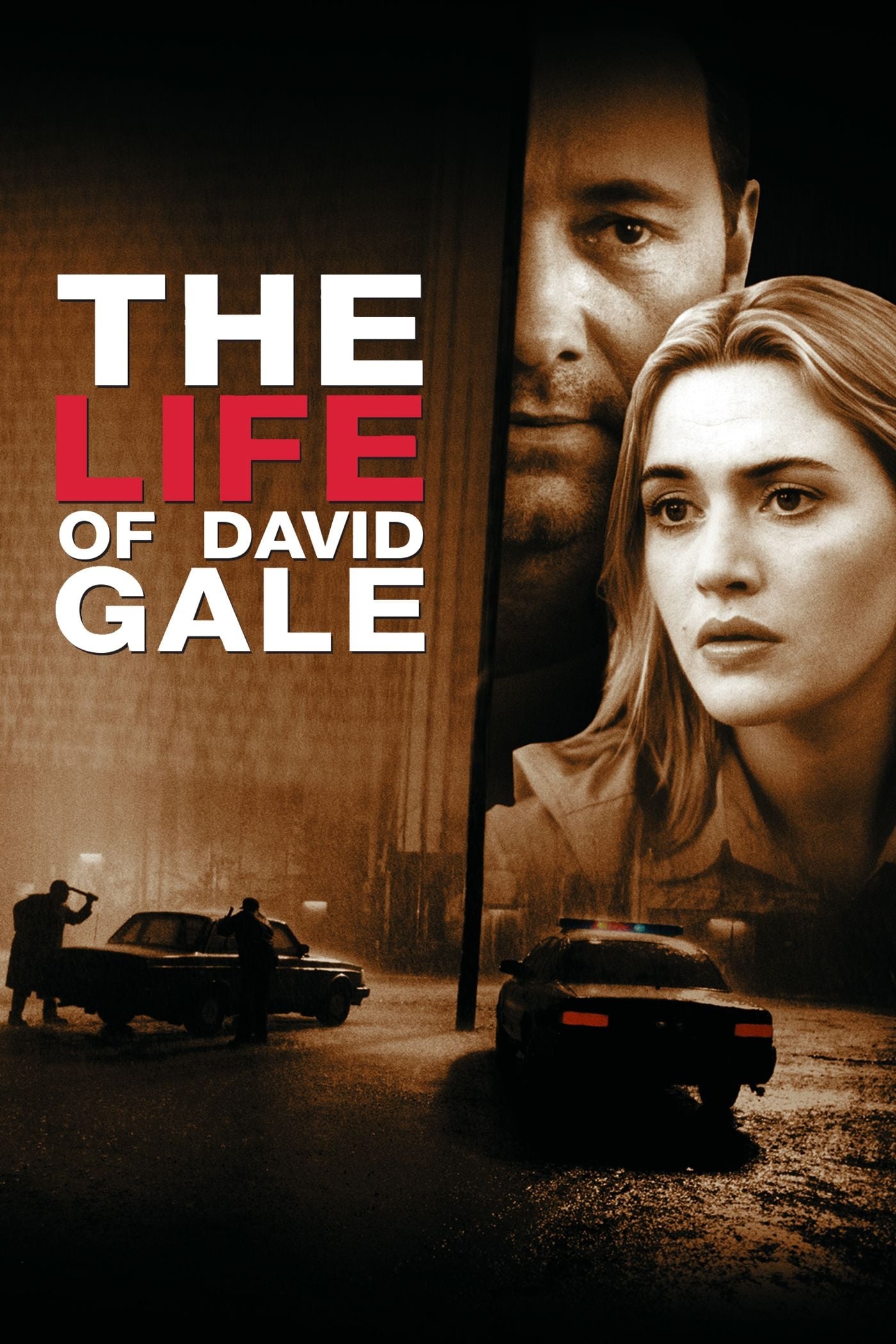
Directed by Alan Parker and starring Kevin Spacey and Kate Winslet, the film follows a former professor convicted of murdering a fellow activist. A journalist conducts an extended interview as the execution date approaches, collecting videotapes and testimony.
The twist is disclosed through a posthumous tape: the supposed victim staged her death with his help, and he allowed the conviction to stand so the case could be used as evidence against capital punishment. The narrative uses a countryside house, a key sequence with plastic wrap, and delayed package delivery as proof, closing with the journalist receiving the final video.
‘Wild Things’ (1998) – A late-credits montage reveals a chain of double-crosses
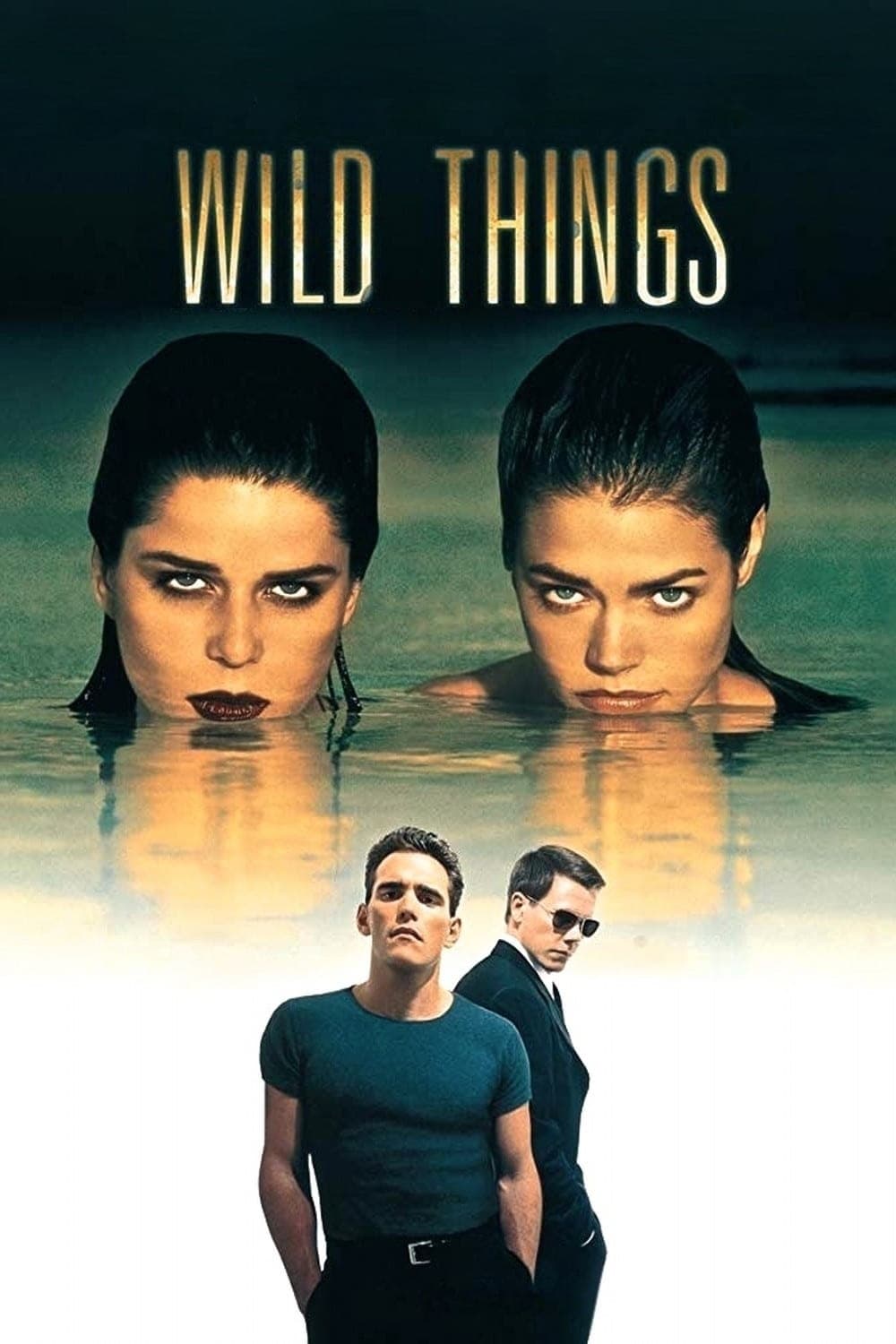
Set in South Florida, this neo-noir begins with an accusation against a guidance counselor and spirals into a web involving a detective, a wealthy parent, and two students. The courtroom outcome, swamp encounters, and a boat getaway appear to settle the plot.
As credits roll, short flashbacks reconstruct the scheme step by step—who seduced whom, how money changed hands, and how forensic evidence was planted. The film uses prop placement, a winch on a dock, and a champagne-cork detail to clarify the logistics behind the apparent coincidences seen earlier.
‘Now You See Me 2’ (2016) – Family secrets and the Eye of the magicians reframe the heist
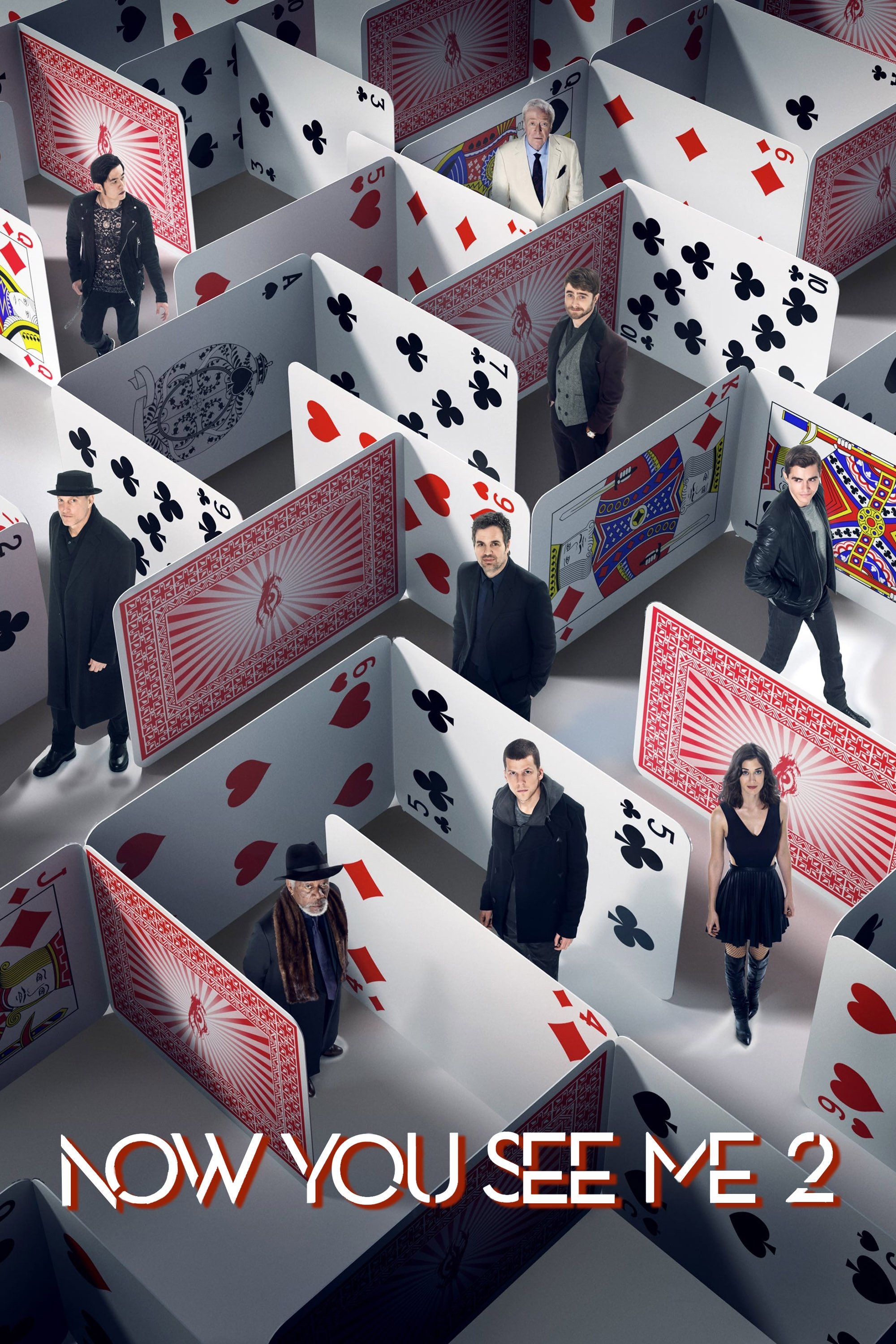
Jon M. Chu’s sequel relocates the Horsemen to a tech-heavy caper involving a data-harvesting chip and a villain seeking revenge. A long card-passing sequence, a rain-illusion set-piece, and a plane show anchor the spectacle.
In the reveal, lineage ties are drawn to a legendary stage performer, and an organization known as the Eye is shown guiding events. The film backfills prior scenes with behind-the-curtain footage, explaining alliances, duplicate props, and planted audience members, and it concludes with a riverfront set-piece that presents the final misdirection as a coordinated operation.
‘Spectre’ (2015) – Blofeld is revealed as Bond’s foster brother behind recent villains

Sam Mendes returns to the franchise with a story that connects earlier adversaries under one umbrella organization. Bond follows a breadcrumb trail from Mexico City through European intelligence hubs to a desert base.
The twist is delivered in a confrontation where the antagonist claims a shared upbringing and personal animus as motivation for orchestrating prior threats. Photographs in a memory room, digital surveillance files, and a facial scar align this revelation with franchise continuity, while a data-sharing program subplot explains the organization’s leverage over global monitoring.
‘Adrift’ (2018) – The fiancé is a hallucination; the survivor has been alone since the storm
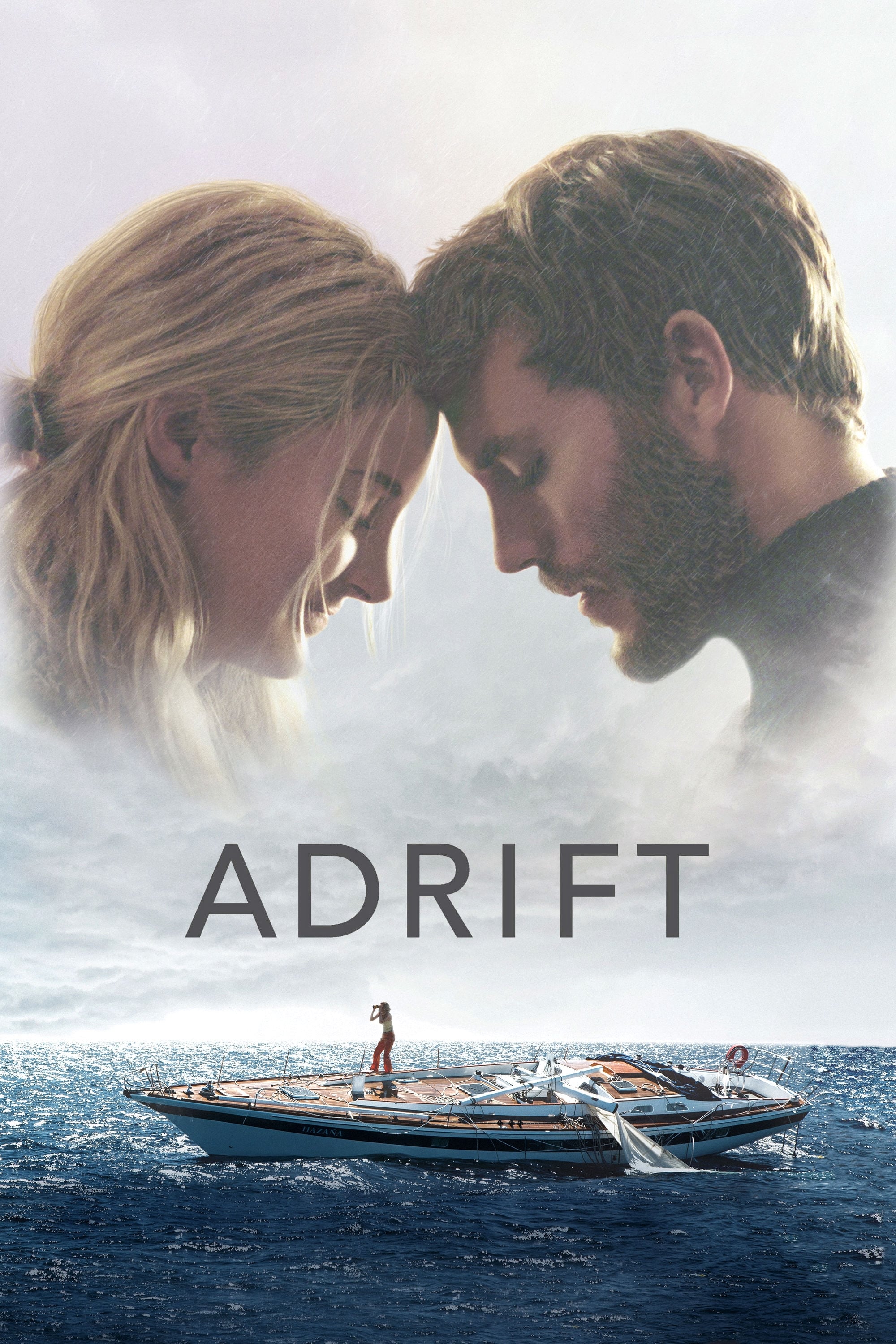
Based on a true account, the film stars Shailene Woodley and Sam Claflin as sailors tasked with delivering a yacht across the Pacific. A catastrophic storm damages the vessel and injures one of them, and the other attempts to navigate to safety.
Flashbacks and present-day scenes intercut as the injured partner appears to assist with repairs and navigation. The twist discloses that he died during the storm and exists only in the survivor’s mind as motivation and guidance. Nautical charts, sextant shots, and a final rescue identify the actual solo journey and confirm the imagined conversations.
‘Repo Men’ (2010) – The happy ending is revealed to be a neural-nest dream after a brain procedure
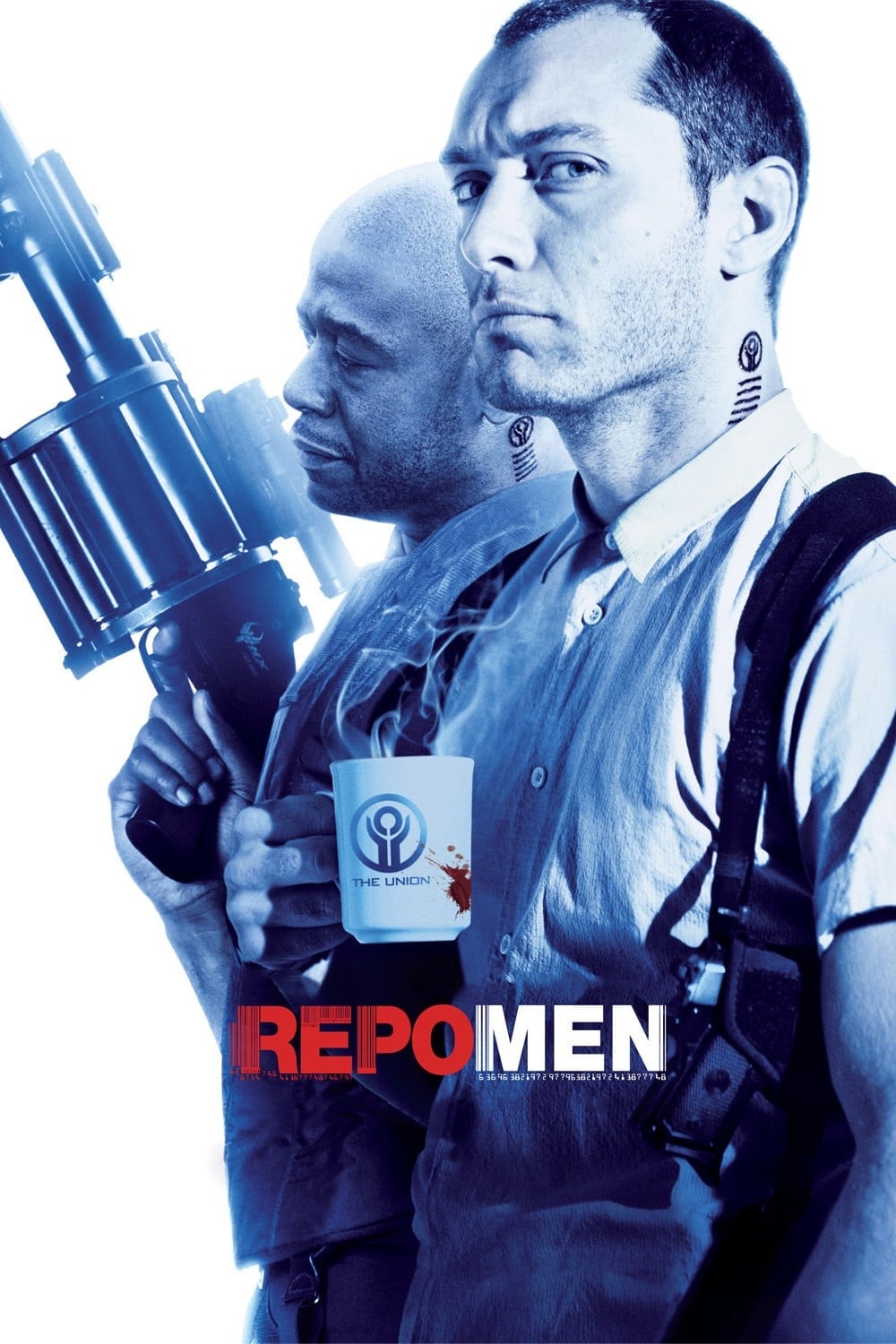
This dystopian action film follows collectors who reclaim artificial organs from debtors. After suffering an injury, one of the repo men becomes indebted himself and goes on the run with another debtor.
In the climax, a medical device called a neural-nest performs a procedure that leaves the protagonist in a permanent simulation. The film signals the switch with a sudden shift to an idyllic beach and a glitch that freezes the frame, followed by a cut back to a lab where a technician adjusts equipment, confirming the dreamlike coda.
Got another twist that made you groan or gasp—share the reveal you’ll never forget in the comments!