The Worst TV Show Plot Twists of All Time


Plot twists can energize a series, reframe characters, and keep audiences engaged from week to week. They can also upend months—or years—of carefully built continuity in a single scene. The entries below look at high-profile turns that changed the trajectory of their shows overnight. For each one, you’ll find what happened on screen, when it happened in the run, and how the creative choice reshaped characters, future storylines, and even follow-up seasons or revivals.
To keep things simple, each item identifies the show, the years it aired, and the twist as it appeared in-story. The paragraphs stick to concrete details—who did what, in which season or episode, and what the change meant for continuity and subsequent episodes—so you can track exactly how each reveal landed and what it affected afterward.
‘Dallas’ (1978–1991) – Bobby Ewing’s death retconned as a dream
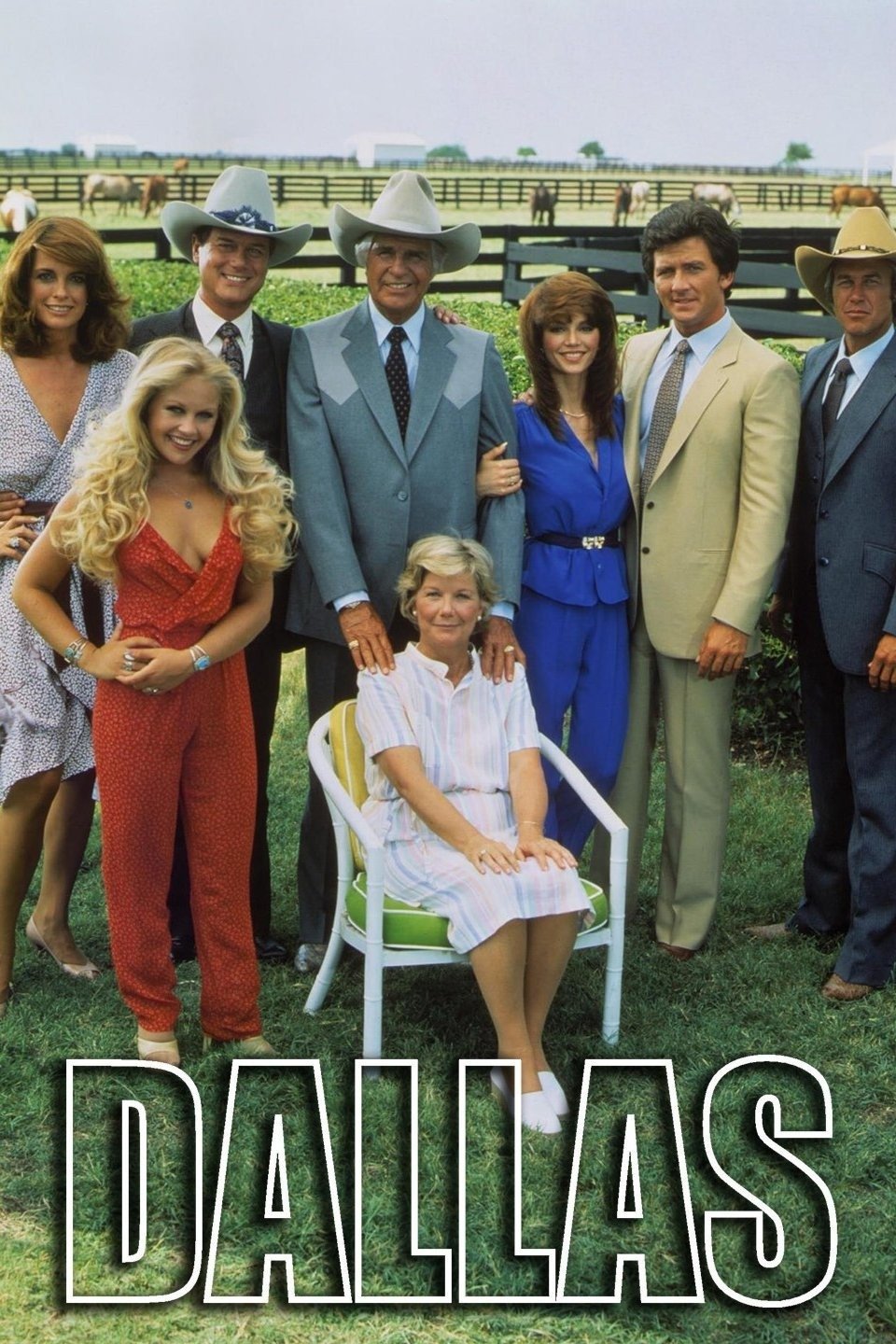
In the season following Bobby Ewing’s on-screen death, the show revealed that a full year of storylines occurred in Pam’s dream, restoring Bobby to the cast with a widely known shower scene. The reveal effectively erased an entire season’s worth of plot developments, including character arcs, relationships, and business machinations at Ewing Oil, by declaring them non-canon.
Subsequent episodes re-established Bobby’s status in the family and rewrote ongoing conflicts to align with the pre-dream status quo. The production returned Patrick Duffy to the ensemble and recalibrated multiple character dynamics, requiring writers to reintroduce tensions and deals as if the previous season had not taken place.
‘St. Elsewhere’ (1982–1988) – The entire series inside Tommy Westphall’s snow globe
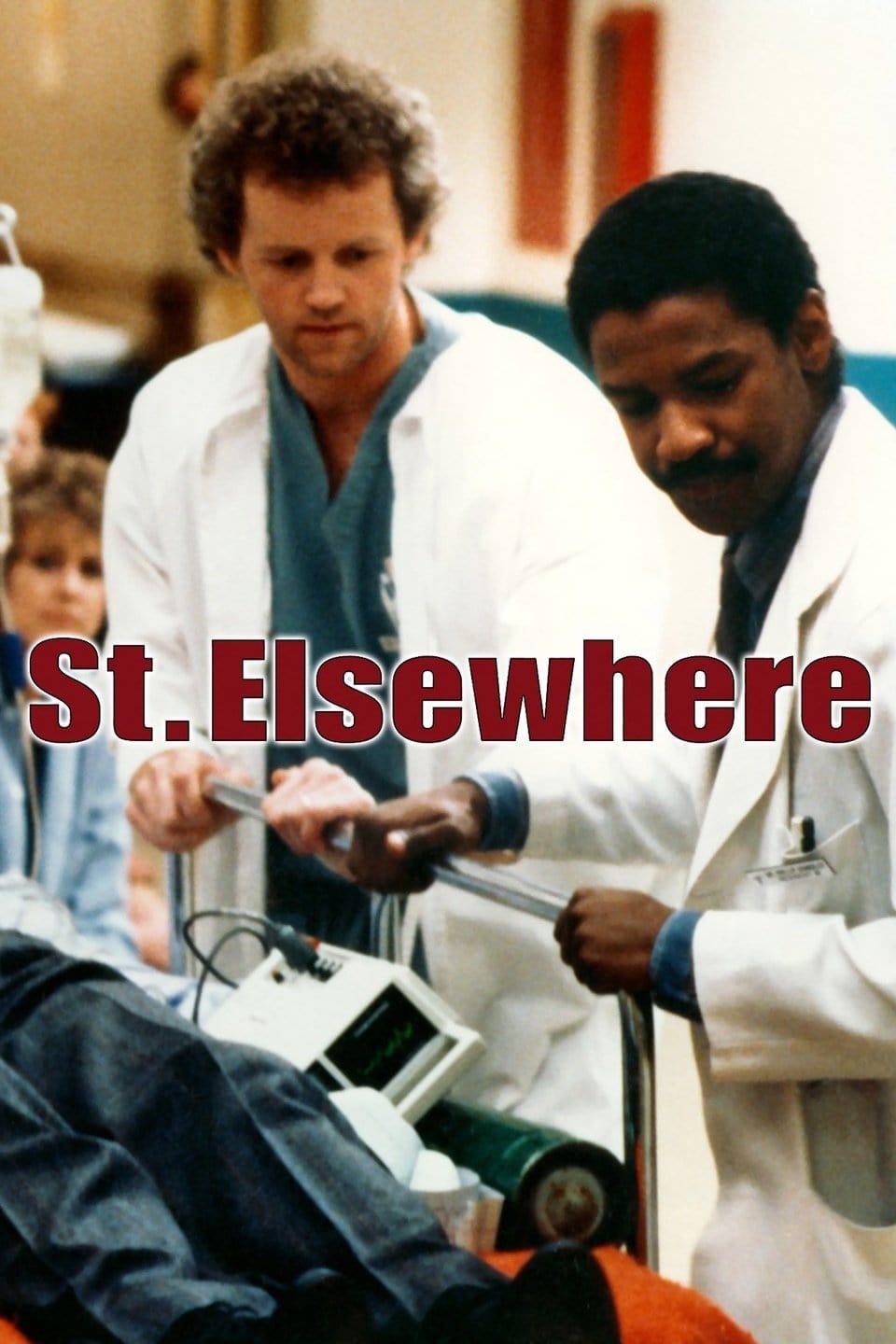
The medical drama’s finale concluded with an image of Tommy Westphall holding a snow globe that contained a model of St. Eligius Hospital, implying that the events of the series existed within the boy’s imagination. This visual reframed six seasons of hospital cases, staff relationships, and cross-show connections as part of a single interpretive device.
Because the series featured crossovers with other programs, the snow-globe ending created a ripple effect for continuity discussions across multiple shows. Later commentary often mapped an expansive “Tommy Westphall Universe,” noting how guest appearances and shared characters theoretically placed numerous series within the same implied construct.
‘How I Met Your Mother’ (2005–2014) – The Mother dies and Ted reconnects with Robin
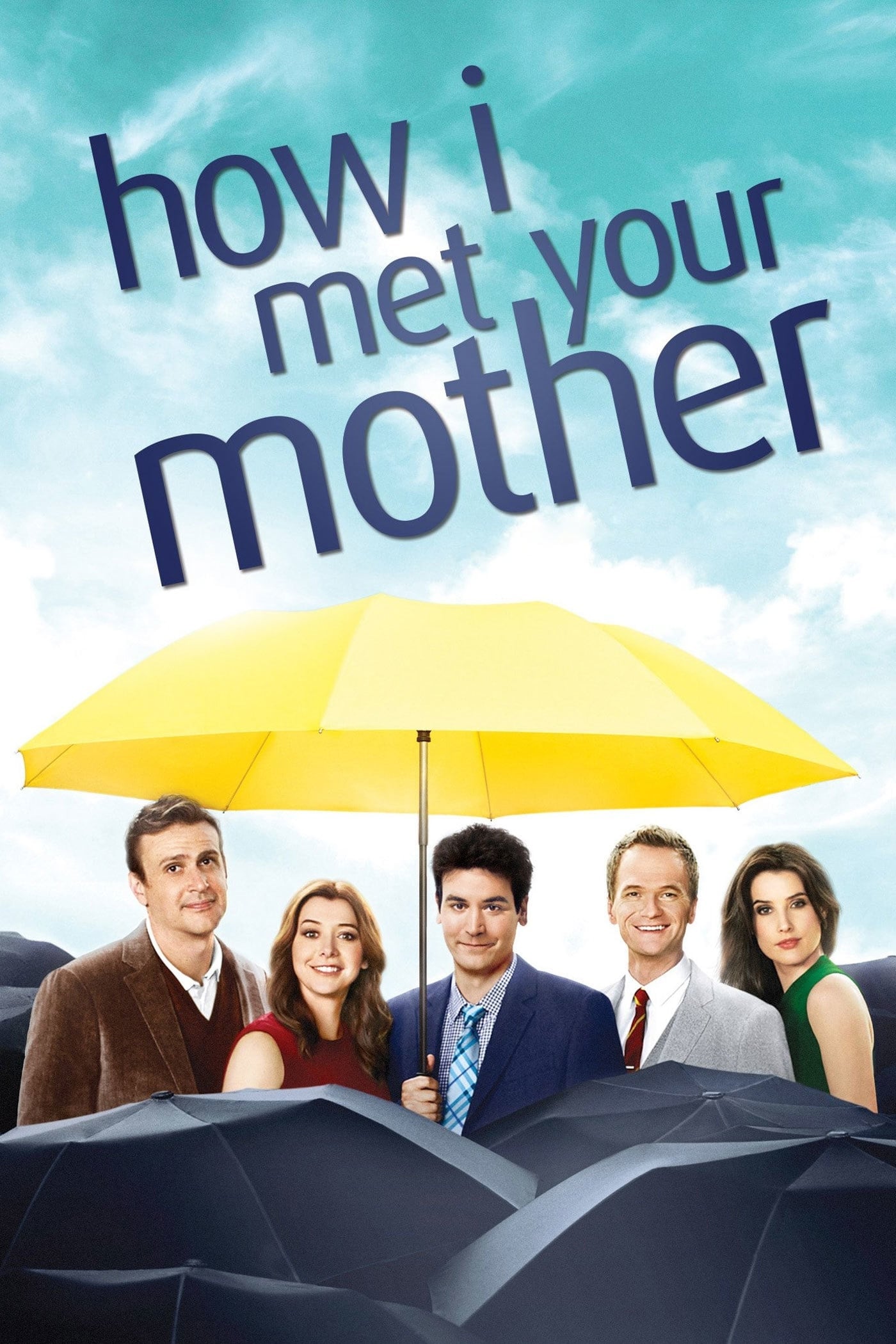
In the finale, the narrative disclosed that the Mother died years before the story’s framing conversation, and Ted’s children encouraged him to pursue Robin. The structure used flash-forwards to confirm the fate of the Mother and reoriented the framing device—nine seasons of storytelling—to the possibility of Ted reigniting a past relationship.
The last episode also resolved long-running threads for Marshall, Lily, Robin, and Barney with time jumps that showed career changes, moves, marriages, and divorces. By closing the Mother’s arc off-screen before the present-day conversation, the show tied earlier clues together while repositioning the opening premise as the lead-in to Ted’s next chapter.
‘Dexter’ (2006–2013) – Dexter fakes his death and becomes a lumberjack
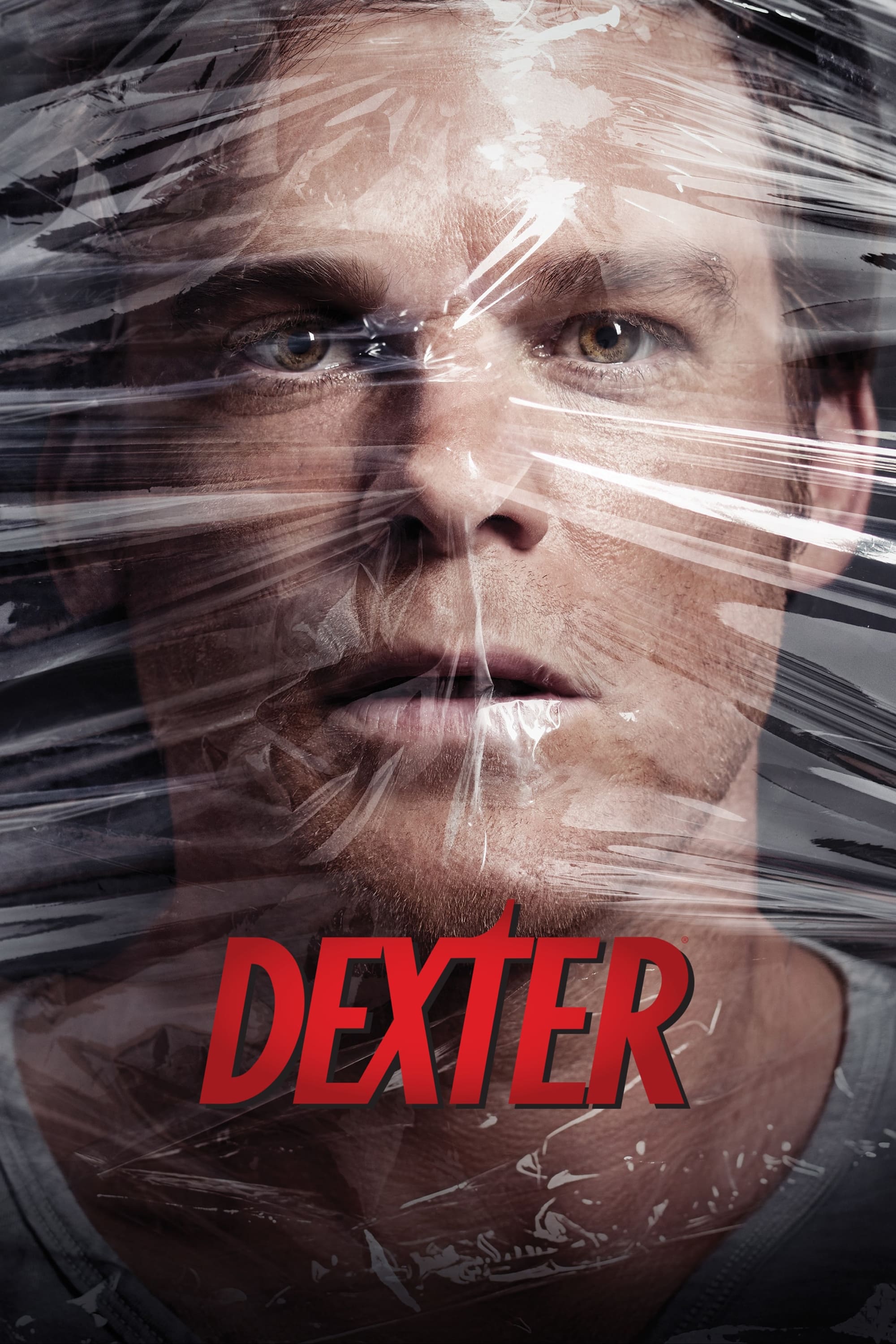
The original series ended with Dexter steering his boat into a hurricane after unplugging his comatose sister from life support, then appearing alive under a new identity working at a logging site. The sequence removed him from Miami Metro, cut off contact with his son Harrison, and abandoned the forensic-technician cover that had framed most of the series.
This outcome left key law-enforcement threads unresolved and placed Dexter outside the jurisdiction and relationships that had driven prior investigations. When the universe later continued in a separate limited series, the creative team used the lumberjack escape as the starting point to relocate the character and rebuild his world from a different setting.
‘Game of Thrones’ (2011–2019) – Bran Stark is crowned king after Daenerys’ turn
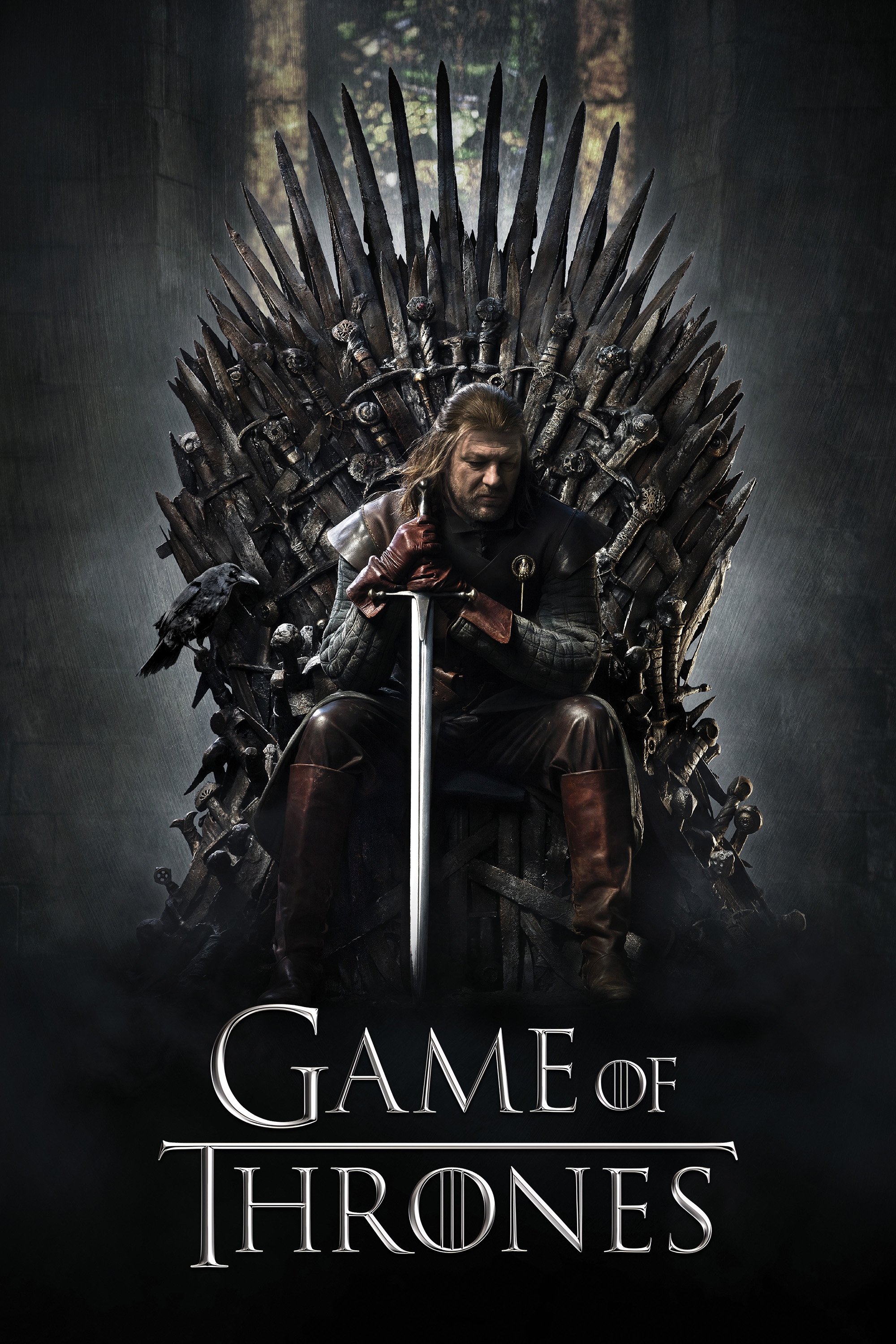
In the final episodes, Daenerys Targaryen conquered King’s Landing and then was killed by Jon Snow; a council of leaders subsequently chose Bran Stark as king. The decision followed a rapid escalation of Daenerys’ tactics during the campaign, culminating in the city’s destruction despite its surrender.
The political settlement placed Sansa Stark as Queen in the North, exiled Jon to the Night’s Watch, and sent Arya west of Westeros, closing multiple dynastic claims at once. The new order reshaped the Seven Kingdoms’ structure and ended several long-standing arcs with swift resolutions in the space of the finale’s negotiations.
‘The Walking Dead’ (2010–2022) – Glenn’s dumpster fake-out survival
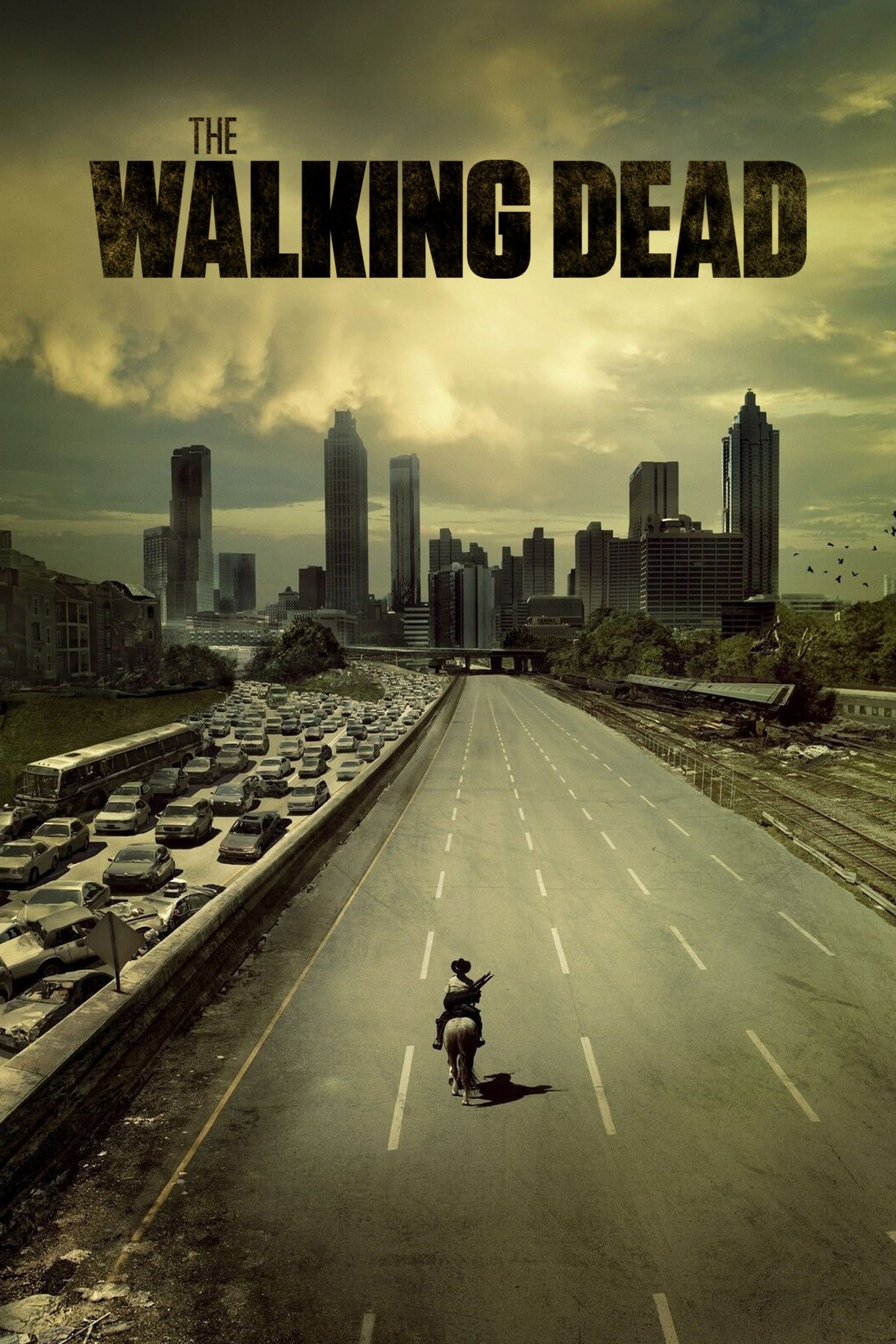
Midway through a season, the show staged a sequence where Glenn appeared to be torn apart by walkers after falling from a dumpster alongside another character. Weeks later, it clarified he had crawled under the dumpster and survived, revealing the prior shot as a perspective trick.
The episodes used title card omissions and cast-credit choices to sustain ambiguity across installments, delaying confirmation of the character’s status. The reveal allowed the series to continue Glenn’s storyline toward later major events, while highlighting how camera angles and framing can create brief narrative uncertainty in an ongoing survival plot.
‘Sherlock’ (2010–2017) – Eurus Holmes retcons Sherlock’s past
Season 4 introduced Eurus Holmes as a secret sibling whose existence had been suppressed by trauma and elaborate family concealment. The reveal reinterpreted Sherlock’s childhood memories, reframed the origin of “Redbeard,” and introduced a history of institutionalization that neither Sherlock nor Mycroft had fully addressed on-screen before.
The season finale used a puzzle-box structure at a high-security facility to dramatize Eurus’s abilities and to test the partnership between Sherlock and John. Subsequent scenes repositioned canonical relationships within the Holmes family, integrating the new character into the backstory while altering the context of earlier deductions and case files.
‘Roseanne’ (1988–1997) – The final season is revealed as Roseanne’s writing
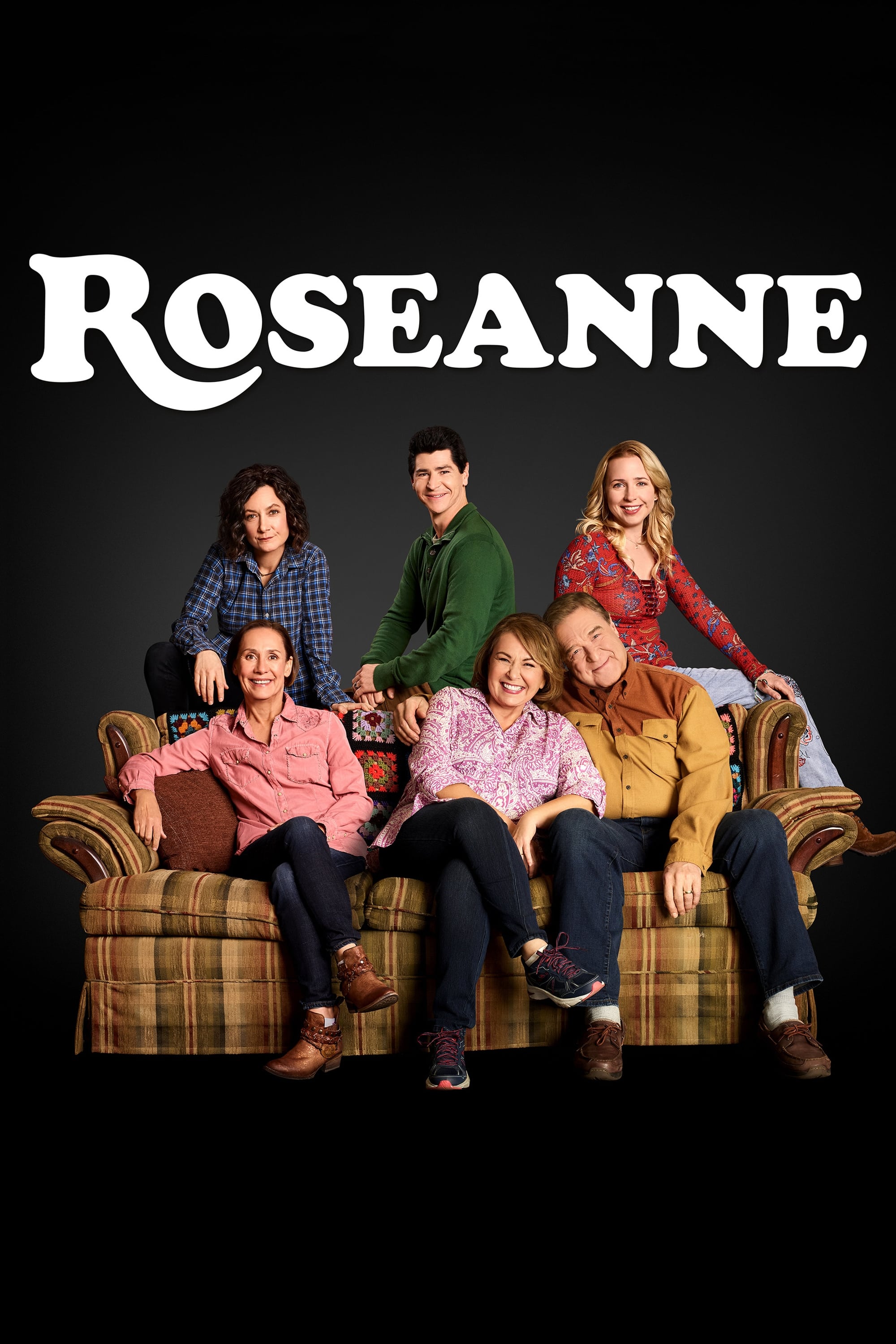
In the series’ last episode, Roseanne narrated that the preceding season’s lottery win was a fiction in her writing and that Dan had died of a heart attack earlier. The disclosure inverted the on-screen victories, friendships, and family developments of the final year by presenting them as crafted narrative rather than lived events for the Conners.
The epilogue reordered the pairings of supporting characters and clarified which relationships were part of the family’s real history. When the universe later continued in a follow-up series, it adopted a version of events consistent with Dan’s survival, aligning new episodes with an alternate continuity from the original finale.
‘Lost’ (2004–2010) – The “flash-sideways” are an afterlife meeting place
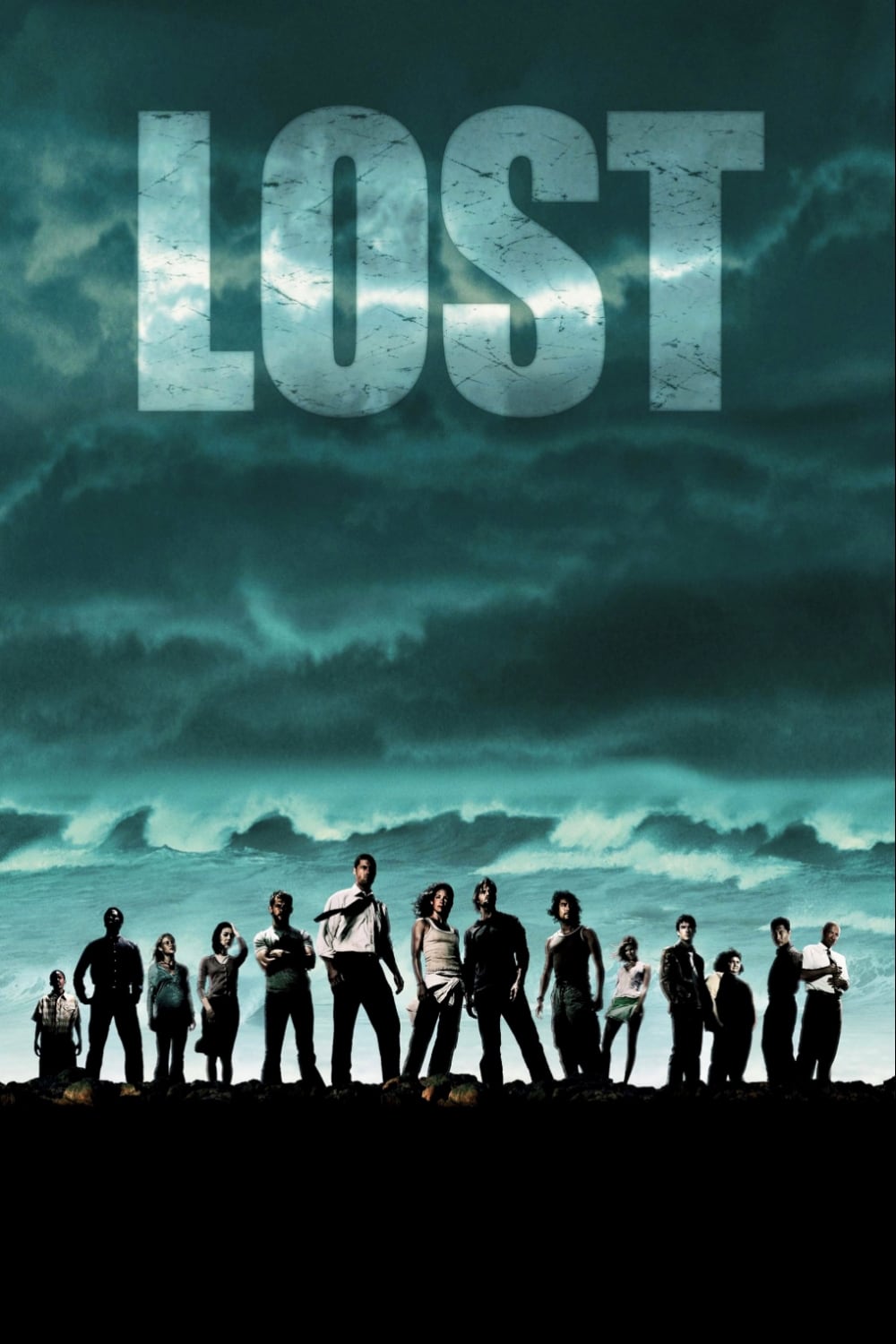
Across the final season, the show presented a parallel timeline featuring familiar characters in altered circumstances, later revealed as a spiritual meeting place outside of linear time. The finale clarified that the island events had occurred in life, while the side-timeline allowed characters to reconnect before moving on together.
The device closed arcs by giving characters recognition moments that triggered memories of their island experiences. The series ended with departures from the meeting place intercut with the island’s final moments, pairing resolution of the mythology’s central conflict with a non-chronological farewell for the ensemble.
‘Gossip Girl’ (2007–2012) – Dan Humphrey is revealed as Gossip Girl
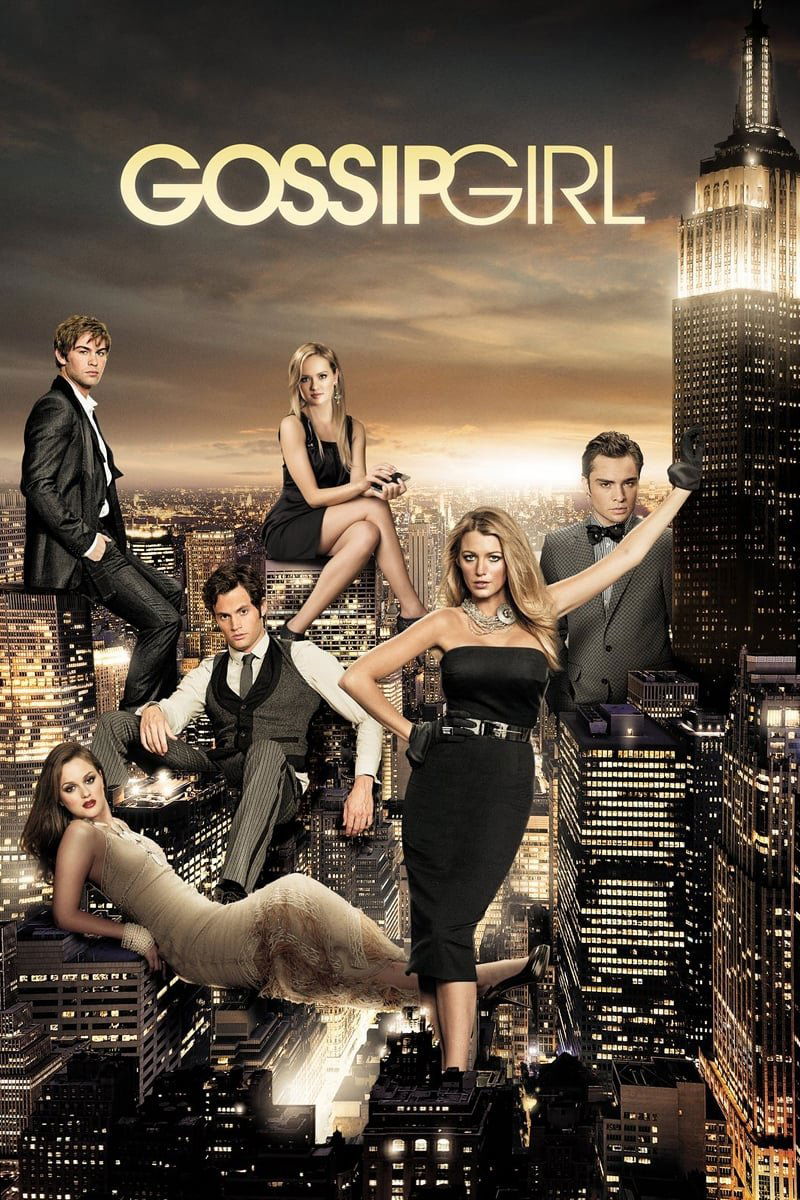
In the final episode, the anonymous blogger behind the show’s central narration was identified as Dan Humphrey. The reveal retroactively tied a wide range of tips, blasts, and voiceovers to a character who frequently reacted on-screen to those posts.
The twist required explanations for episodes where Dan’s perspective appeared incompatible with the blog’s omniscience. The epilogue then used time jumps to show careers, marriages, and new social dynamics on the Upper East Side, placing the identity reveal as the capstone to the series’ documentation of its characters’ lives.
‘Pretty Little Liars’ (2010–2017) – Alex Drake is Spencer’s twin and A.D.
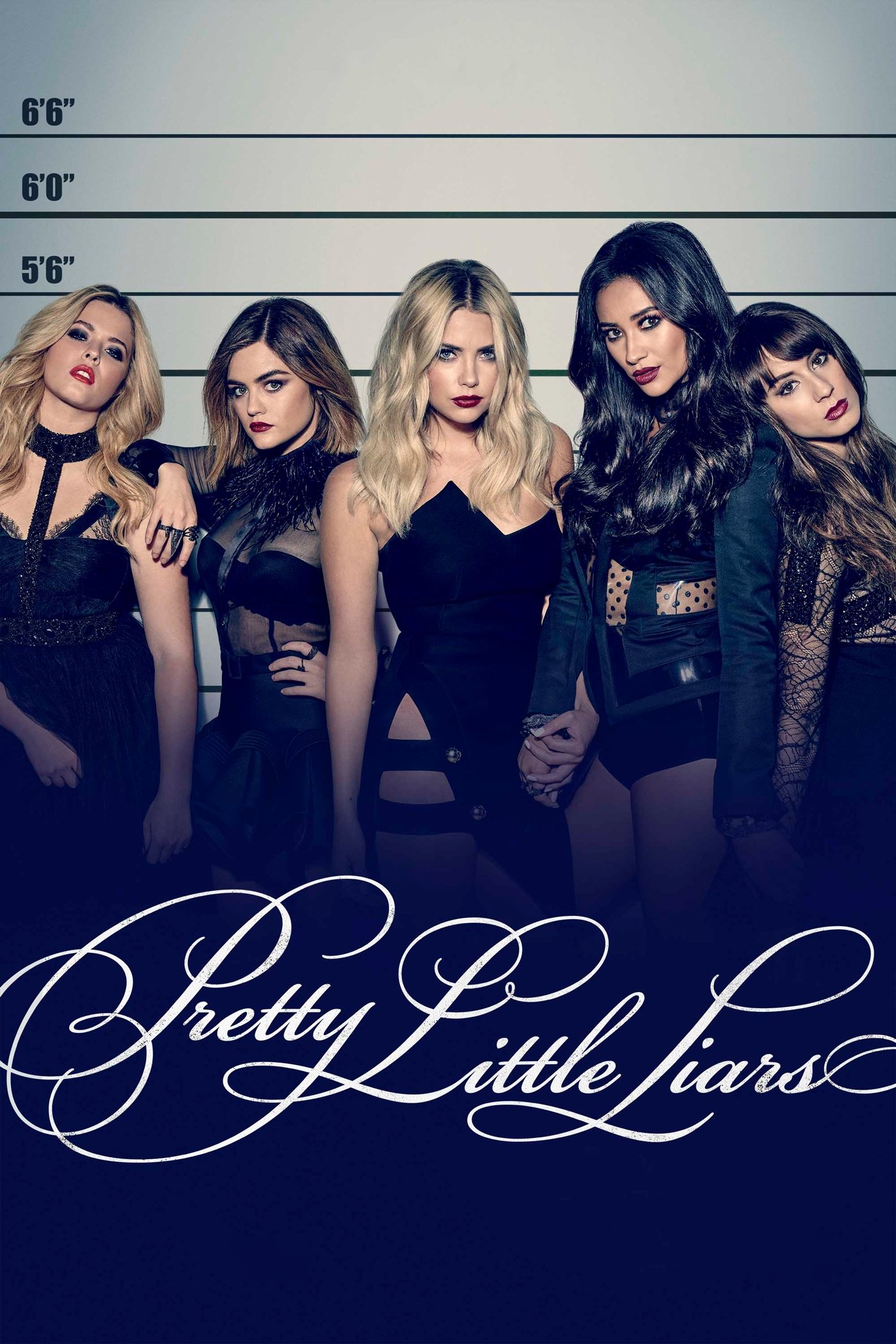
The finale disclosed that Spencer Hastings had a secret identical twin, Alex Drake, who had orchestrated the A.D. campaign against the Liars. The reveal connected earlier clues—accents, mirrored shots, and misdirections—to a backstory that linked Alex to Charlotte DiLaurentis and to a network of surveillance and impersonation.
The episode used body doubles, off-screen kidnappings, and a replica of Spencer’s barn to stage confrontations and substitutions. With Alex’s capture, the series closed out multiple seasons of text messages, masks, and black-hooded figures by consolidating leadership of the villainous operations under a newly introduced sibling.
‘The 100’ (2014–2020) – Lexa’s sudden death after consummating her relationship with Clarke
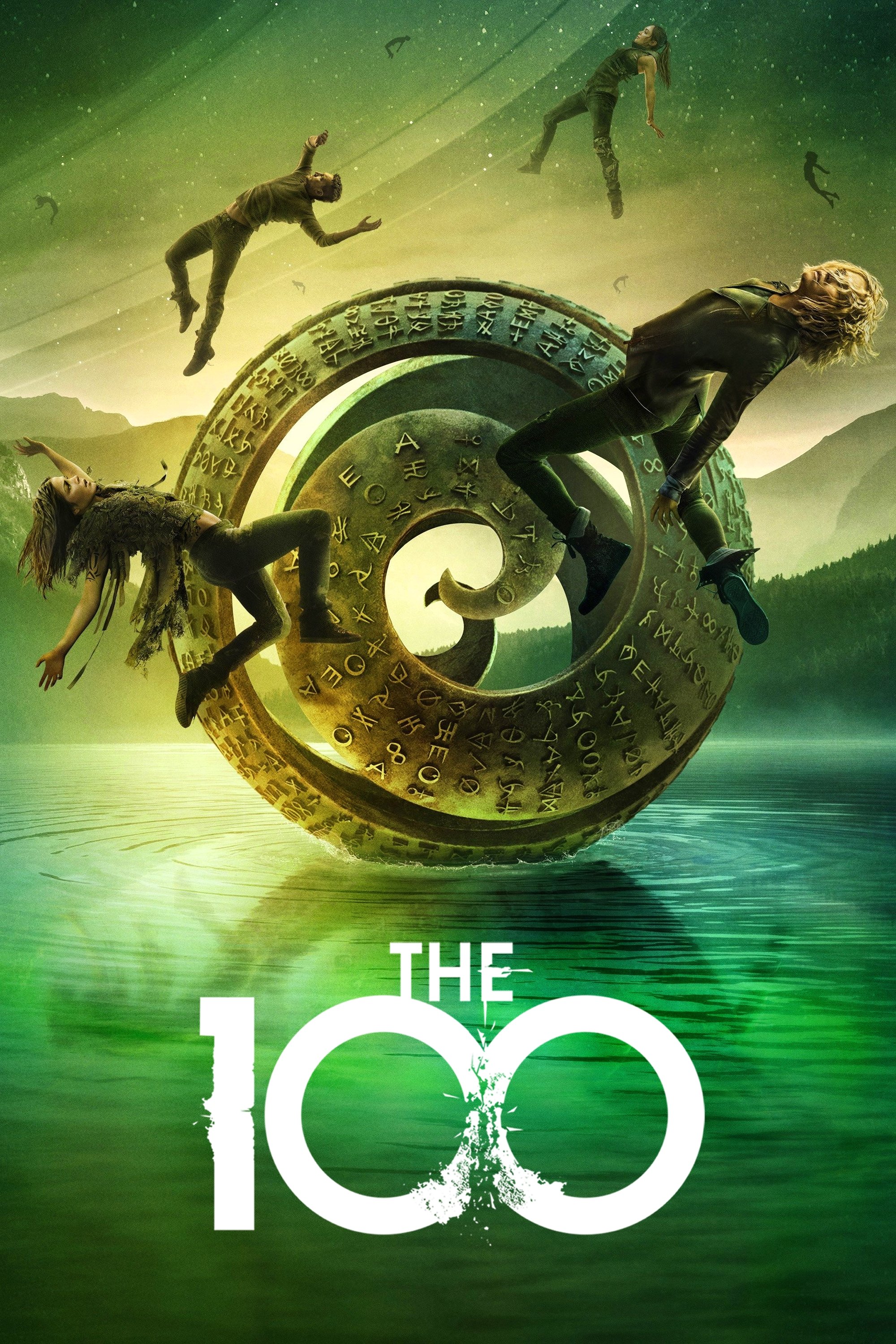
In a pivotal season episode, Lexa was killed by a stray bullet shortly after she and Clarke consummated their relationship, a plot turn that directly impacted coalition politics and command succession. The death transferred leadership duties and shifted alliances at a delicate point in the Grounder–Sky People détente.
The storyline reconfigured Clarke’s diplomatic position while setting off consequential moves by Titus and the Nightblood program. The arc also affected future choices by characters tied to Polis governance, as the power vacuum altered how subsequent episodes managed the struggle for control among the clans.
‘House of Cards’ (2013–2018) – Frank Underwood’s death occurs off-screen
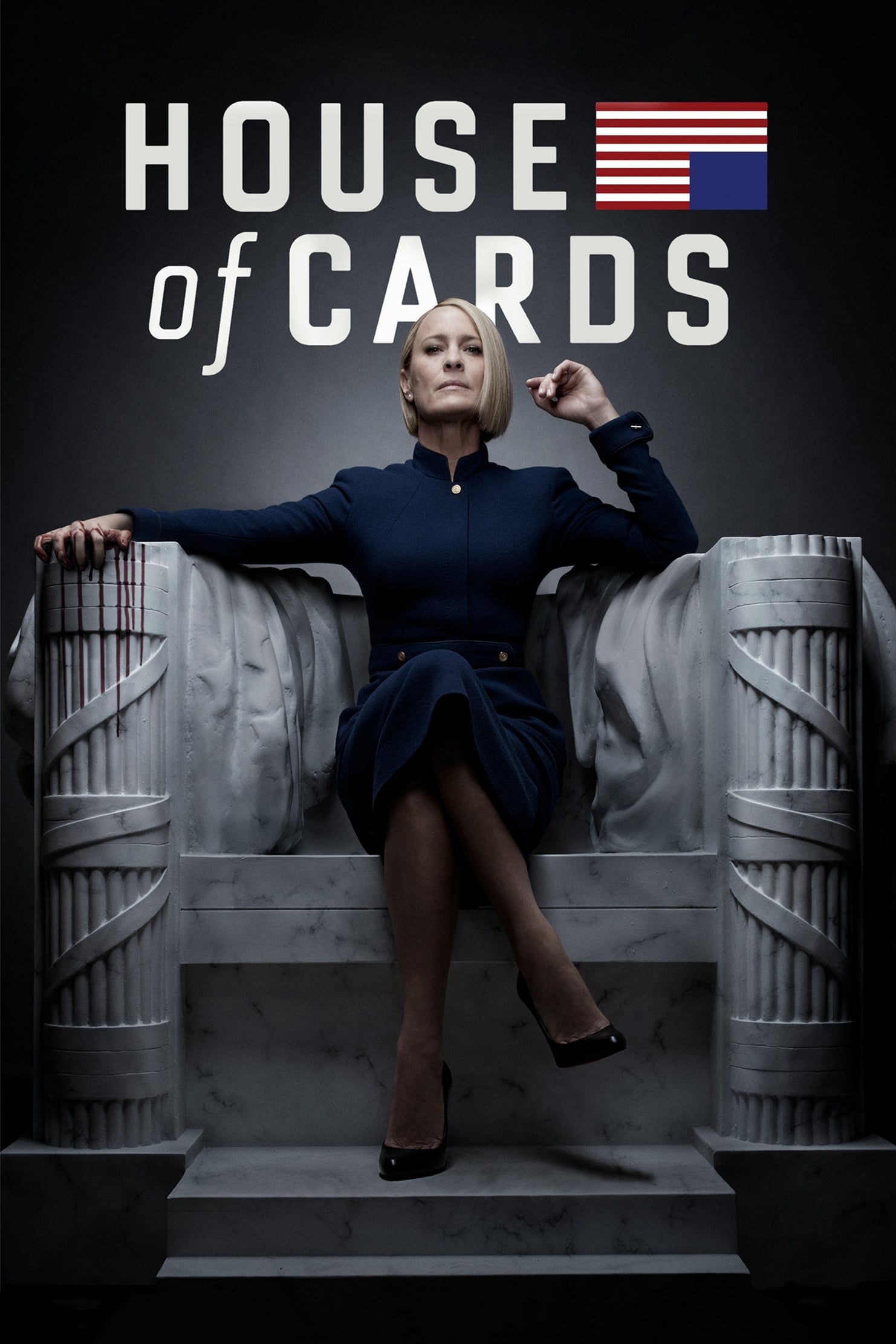
The final season opened with the announcement that Frank Underwood had died prior to the new episodes’ events, leaving Claire Underwood as president to confront legal and political fallout. The narrative presented the death through memorial scenes, eulogies, and investigations into the circumstances, rather than through an on-screen incident.
This structural shift reoriented the show around Claire’s administration and the competing agendas of the Shepherd family, Doug Stamper, and other returning figures. Ongoing subplots—pardon risks, archival materials, and testimonies—addressed the vacuum of power and the many unresolved actions tied to Frank’s tenure.
‘Battlestar Galactica’ (2004–2009) – Finale leans on divine intervention and mitochondrial Eve
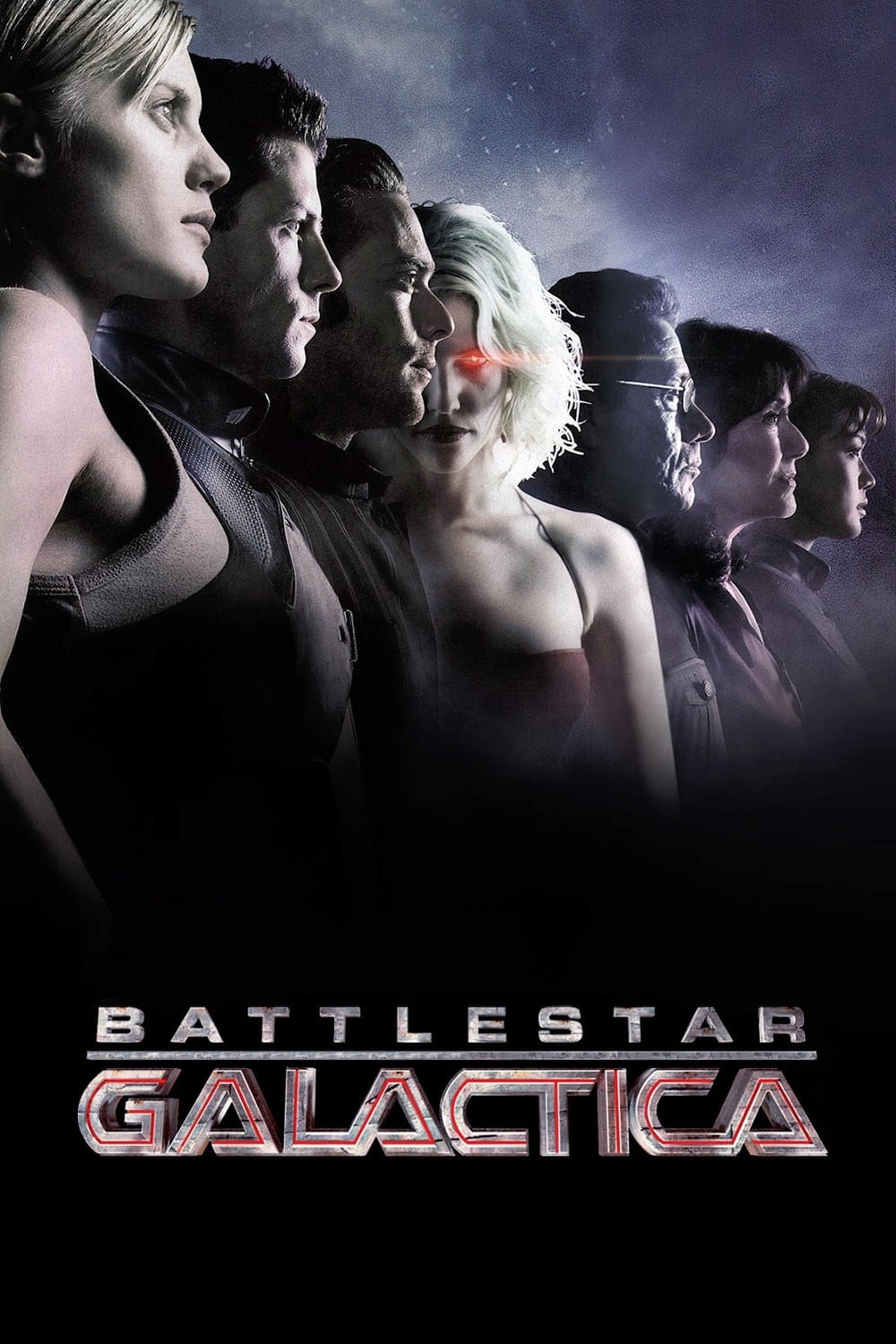
The conclusion revealed that Hera Agathon’s mitochondrial DNA would be inherited by all future humans, and that angelic versions of key characters had influenced events. The fleet settled a habitable world, abandoned advanced technology, and dispersed among early human populations, linking the show’s timeline to a prehistoric setting.
The epilogue flashed forward to a modern city, juxtaposing contemporary robotics news with the show’s cyclical warning about creation and rebellion. This final linkage reframed earlier prophecies, visions, and Cylon–human relationships as components of a repeated historical pattern.
‘Riverdale’ (2017–2023) – Gargoyle King resolution and later timeline resets
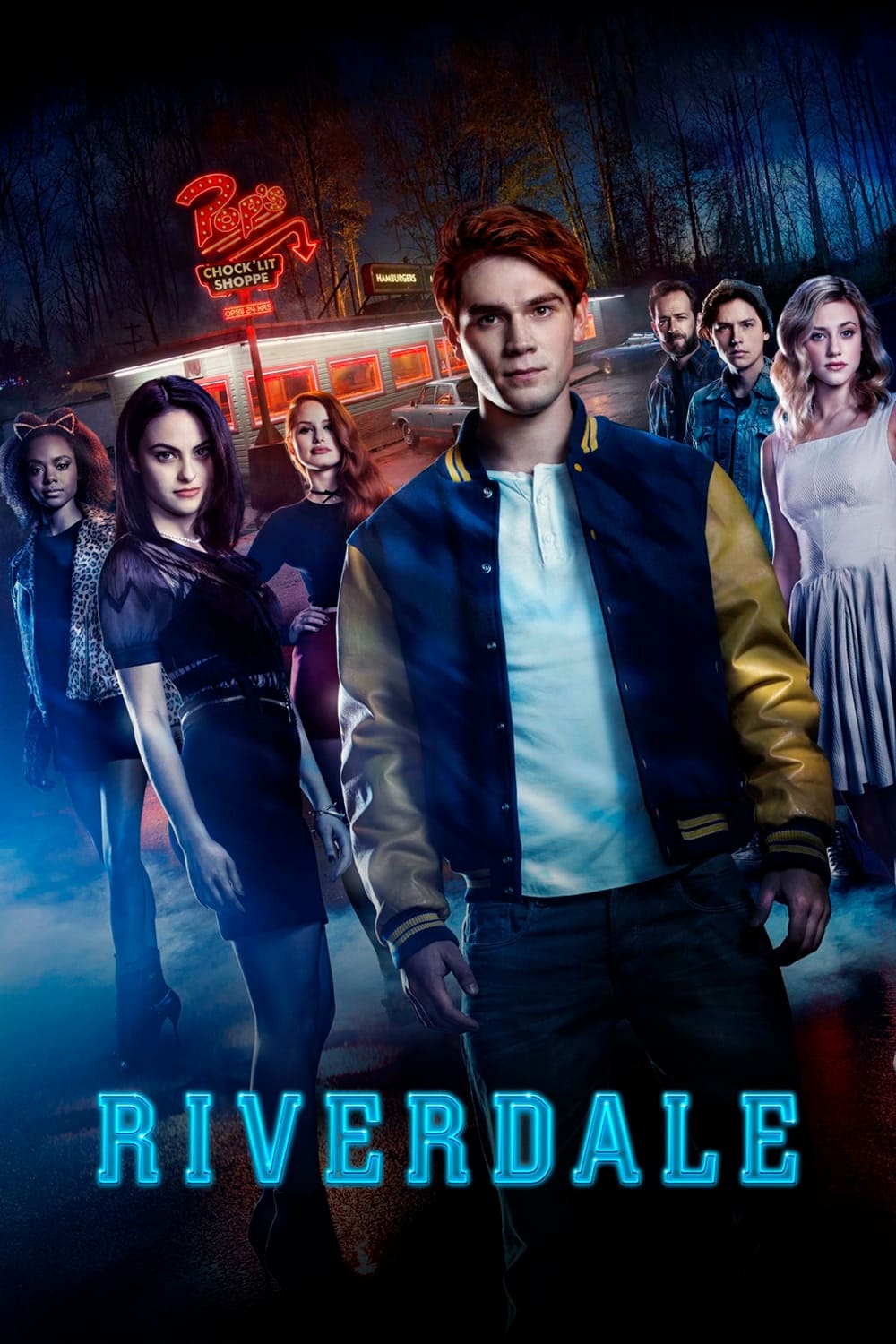
The Gargoyle King arc concluded by naming multiple culprits, connecting the figure to past crimes, and tying the symbol to a lethal role-playing game that had spread through the town. The unmaskings involved family members and impostors, layering motivations that reached back to parents’ secrets and an earlier generation’s pact.
In later seasons, narrative devices introduced alternate timelines and resets that recontextualized romances, school years, and town history. These shifts rearranged established relationships and continuity, allowing characters to revisit earlier life stages and to alter outcomes before the series’ final-season wrap-up.
‘Prison Break’ (2005–2017) – Michael Scofield dies between seasons, then returns
After the original run concluded with Michael’s apparent death in a television epilogue special, a revival season later established that he had survived and been imprisoned under an alias abroad. The new episodes explained the earlier events with covert operations and forged identities, repositioning Michael’s sacrifice as part of a larger conspiracy.
The return reunited key characters and used coded messages and tattoos to mount another escape, while addressing Sara’s remarriage and Lincoln’s search. The continuity bridge required reinterpreting previous recordings and gravesite scenes to fit the revised chronology.
‘Heroes’ (2006–2010) – Sylar’s morality resets via forced personality changes
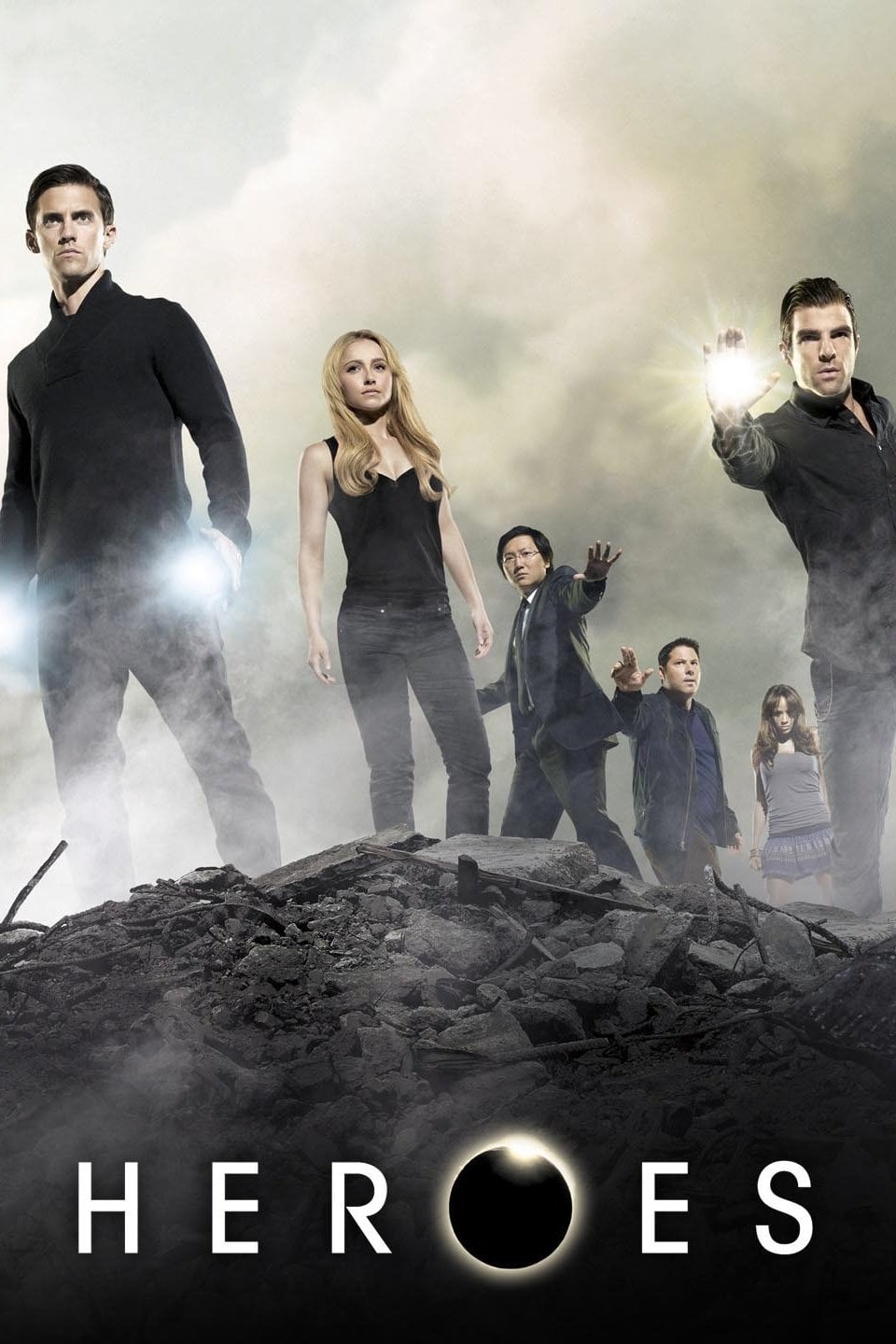
Across later seasons, Sylar underwent intense psychological manipulations that rewired his sense of self, temporarily repositioning him as an ally. The changes involved memory tampering, identity swaps, and extended sequences inside mental constructs, after which the character frequently reverted toward earlier impulses.
These resets affected ongoing arcs about powers, factions, and future-disaster prevention, forcing other characters to adapt to Sylar’s fluctuating allegiances. The frequent shifts also altered the stakes of confrontations, as the ensemble had to reassess whether alliances were genuine or the product of another imposed transformation.
‘True Blood’ (2008–2014) – Bill asks Sookie to end his life and she moves on off-screen

In the final episodes, Bill Compton’s illness progressed to the point where he asked Sookie Stackhouse to end his life with her powers, a request she ultimately fulfilled. The decision closed their central relationship and concluded Bill’s arc with a definitive exit that contrasted with earlier cycles of separation and reunion.
The epilogue advanced to a future holiday gathering, showing Sookie with a new, unnamed partner while other survivors enjoyed a peaceful life. The series wrapped up long-running political threads about vampires, authority, and human–supernatural relations, using Bill’s choice as the pivot point for the finale’s time jump.
‘Veronica Mars’ (2004–2019) – Logan is killed by a car bomb after the wedding
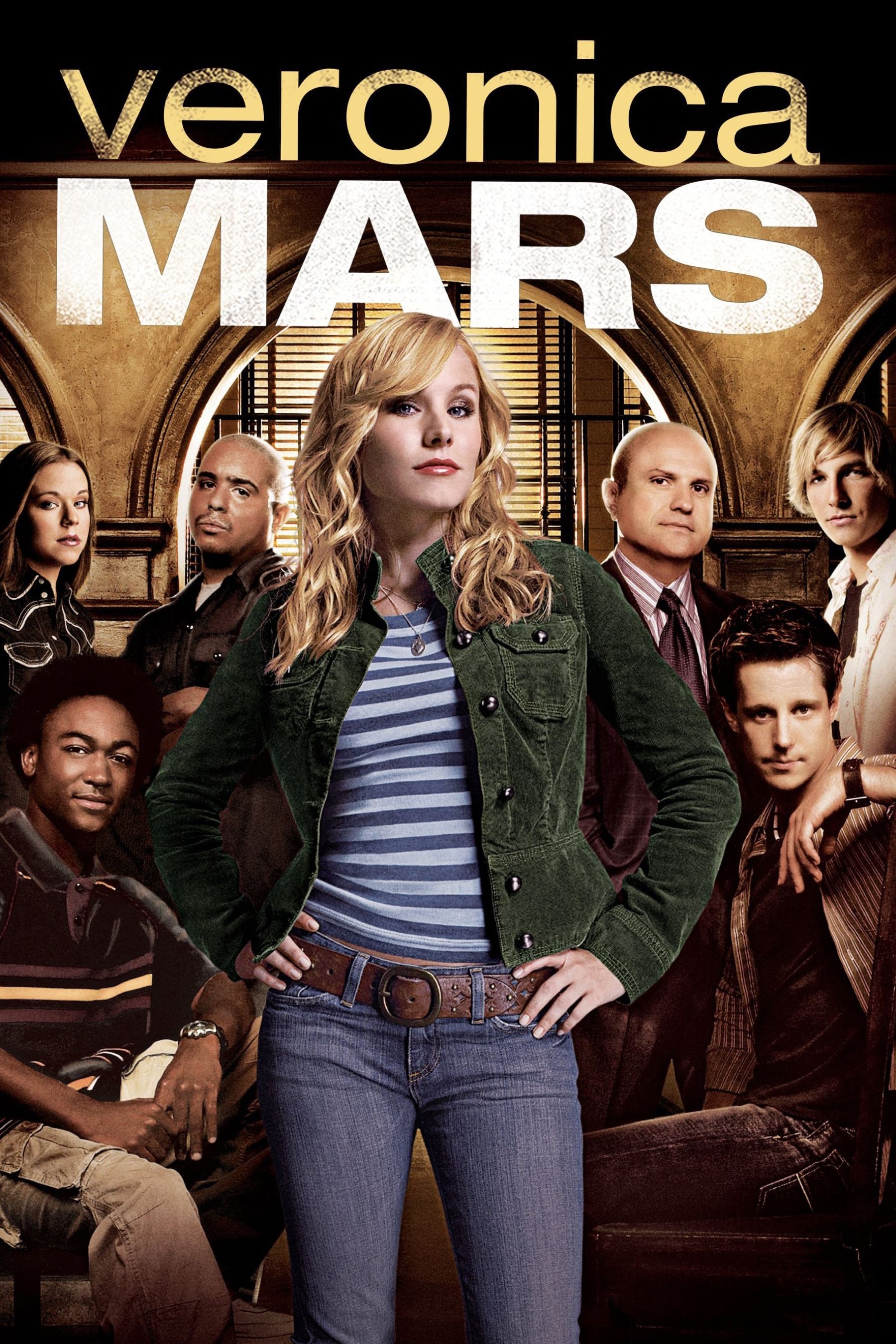
The revival season ended with Logan Echolls dying in a car explosion shortly after marrying Veronica, a twist that arrived after a case-of-the-season concluded. The bomb, planted earlier by the antagonist, detonated during what initially appeared to be denouement, shifting the episode’s tone from celebration to aftermath.
The final minutes moved forward in time to depict Veronica leaving Neptune, aligning the character with a solo-investigator trajectory. The choice reconfigured the show’s core relationship while preserving the series’ private-eye structure for any potential future cases set beyond the town’s borders.
‘Killing Eve’ (2018–2022) – Villanelle dies moments after a seeming breakthrough
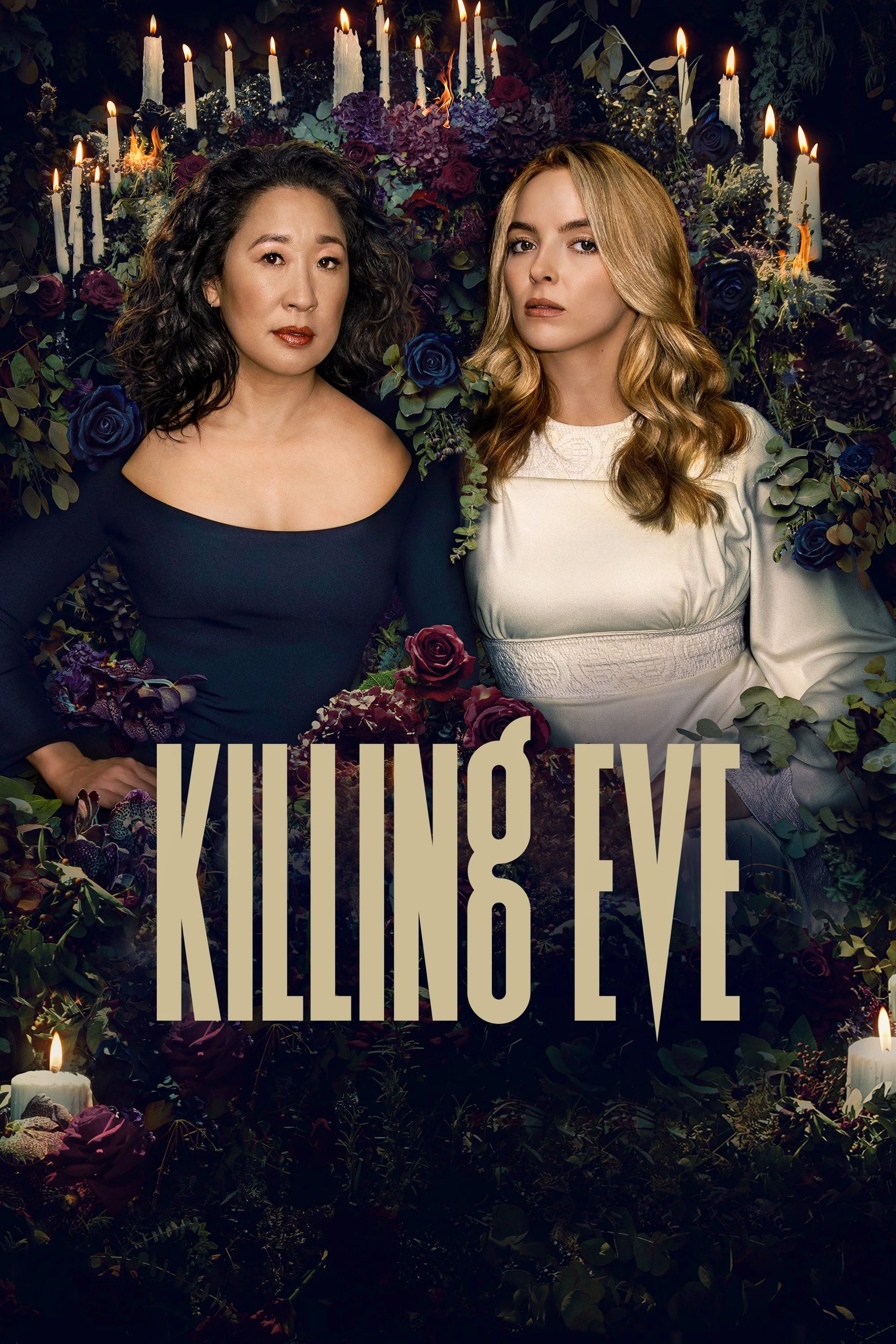
In the last episode, Eve and Villanelle appear to secure a new start after dismantling a major threat, only for Villanelle to be shot and killed from a distance. The scene cut quickly from reunion to loss, ending the central cat-and-mouse dynamic with a decisive, irreversible action during the closing minutes.
The epilogue focused on Eve’s reaction in the water as the credits rolled, leaving other threads—organizational repercussions, investigations, and secondary characters—without extended on-screen resolution. The final act concluded the series’ exploration of pursuit and obsession by breaking the duet at the point of apparent escape.
‘Twin Peaks’ (1990–1991) – Laura Palmer’s killer is revealed under network pressure

Midway through the second season, the show identified Laura Palmer’s murderer, resolving the mystery earlier than the original creative plan envisioned. The reveal redirected subsequent episodes toward new storylines in the small town, including supernatural lore and side plots that expanded the mythology beyond the initial investigation.
The early solution to the case changed how the series managed suspense and shifted screentime away from the FBI inquiry. The later continuation revisited the central tragedy with altered timelines and additional metaphysical elements, building on the original investigation while reworking its implications.
‘Smallville’ (2001–2011) – Lana Lang absorbs kryptonite and leaves Clark

Late in the series, Lana Lang acquired powers through a kryptonite-infused suit, enabling her to rival Clark’s abilities but rendering her permanently radioactive to him. The arc ended their relationship and forced Lana’s departure from Metropolis, placing her in a position where proximity to Clark would harm him.
The storyline closed a long-running romance while pivoting the show more firmly toward Clark’s path to the red-blue blur and, eventually, Superman. It also reallocated narrative focus to Lois Lane, Daily Planet plots, and Justice League–adjacent threads as the series moved into its final seasons.
Share your thoughts on which twists threw you the most—add your picks in the comments!