Top 10 Jimmy Kimmel Monologues


Jimmy Kimmel has delivered hundreds of nightly openers on ‘Jimmy Kimmel Live!’, but a handful broke through the late-night bubble and became part of the broader cultural conversation. The moments below are remembered for how clearly they explained what was happening in the world—whether that meant unpacking breaking news, translating a complex issue into plain language, or setting the tone for a major live broadcast like ‘The Oscars’.
This list gathers ten Kimmel monologues that audiences repeatedly sought out and shared, each tied to a specific event or milestone. For each one, you’ll find the real-world context he was responding to, what information he put front-and-center, and how the moment connected to viewers beyond the studio. Whenever relevant, we note when the monologue opened ‘The Oscars’ telecast or an episode of ‘Jimmy Kimmel Live!’ filmed under unusual circumstances.
The Health-Care Monologue About His Newborn Son’s Surgery (May 1, 2017)
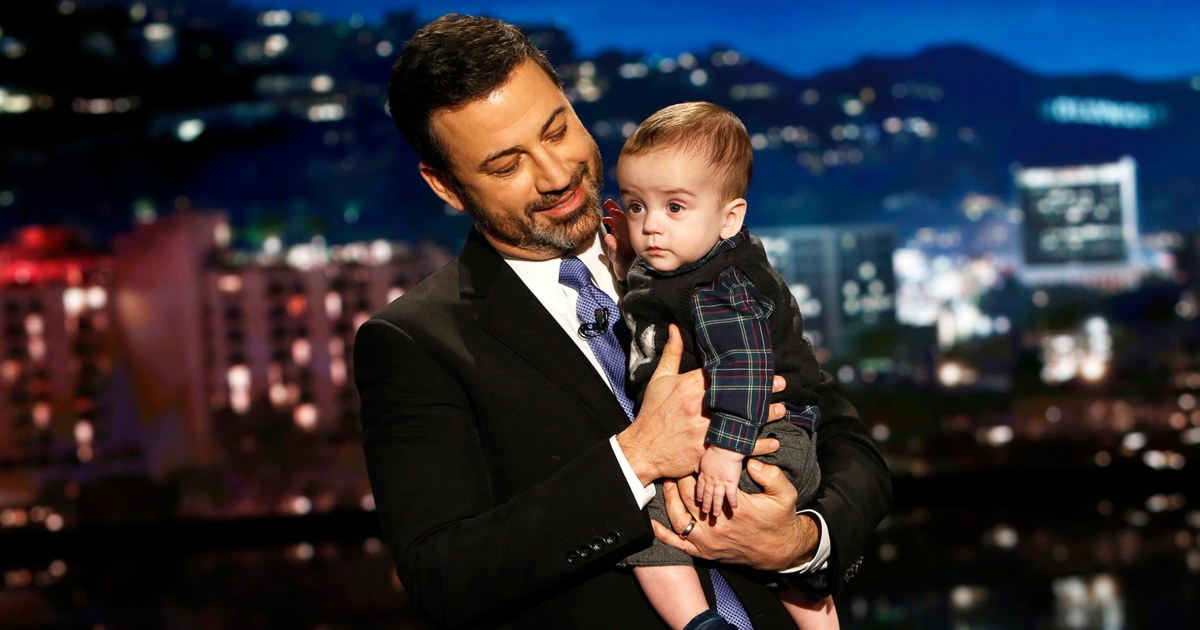
Kimmel opened ‘Jimmy Kimmel Live!’ by describing his son Billy’s congenital heart condition and immediate surgery, using the experience to explain how pre-existing condition protections work for families facing sudden medical crises. He summarized the basic path from diagnosis to operation, highlighted what insurance actually covers in such emergencies, and clarified the stakes of proposed policy changes for parents who discover a condition only after birth.
The monologue laid out how emergency rooms treat patients first and bill later, why coverage rules determine whether long-term care is affordable, and how employer plans and individual plans handle high-cost pediatric cases. It became a widely referenced explainer whenever health-care proposals revived debates about pre-existing conditions, deductibles, and lifetime caps on coverage.
The Las Vegas Shooting Monologue (October 2, 2017)

The night after the mass shooting at the Route 91 Harvest music festival, Kimmel—who grew up in Las Vegas—used his opener to recap verified facts then available: the location, timeline, casualty figures as authorities released them, and the status of the investigation. He emphasized how police and medical personnel processed an incident of that scale, and how information flows in the first 24 hours after a major crime.
He also walked through the practical steps that follow for victims and families—blood donations, victim assistance funds, and how local hospitals coordinate triage during mass-casualty events. The segment served as a central place viewers could point to for a clear summary of what had happened and what immediate help was needed.
The ‘Cecil the Lion’ Killing Monologue (July 28, 2015)

Responding to international coverage of a protected lion killed during a trophy-hunting trip in Zimbabwe, Kimmel’s monologue traced the basic facts: the outfitter arrangements, the use of baiting practices, permit requirements for big-game hunts, and why the individual animal was significant to a research project. He explained how wildlife reserves tag and track animals and how guides obtain—or fail to obtain—legal permissions.
He also detailed what typically happens after such incidents: investigations by local authorities, potential penalties for guides and landowners, and how import restrictions work for trophies crossing borders. The monologue helped audiences understand how conservation rules intersect with tourism and international law.
The First Night After the Parkland School Shooting (February 15, 2018)
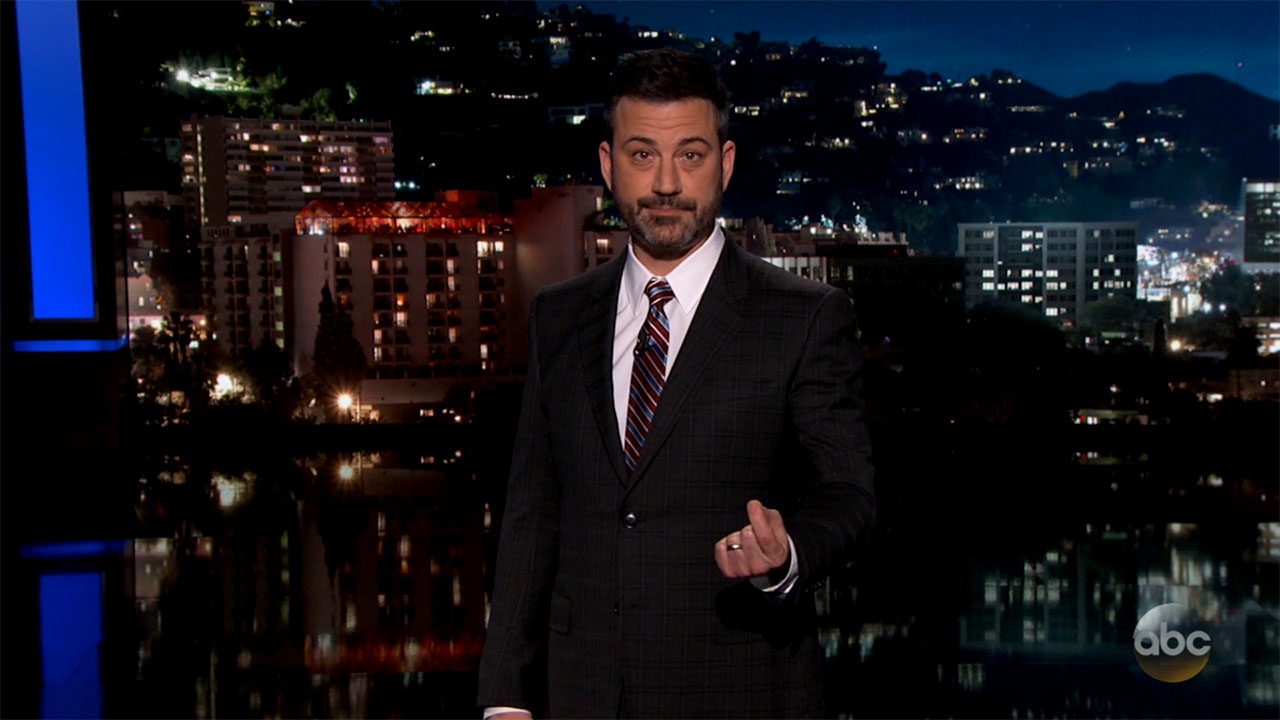
The night after the shooting at Marjory Stoneman Douglas High School, Kimmel opened by laying out the official timeline released by law enforcement, the number of victims, and the status of the suspect’s custody. He summarized school safety procedures that were in place, what investigators review in the immediate aftermath, and how federal and state agencies coordinate.
He also highlighted how families could access verified assistance resources and how tip lines and threat-assessment protocols are meant to work when students report concerns. The monologue centralized practical information viewers could use or share while misinformation was spreading quickly.
‘The Oscars’ Opening Monologue — 89th Academy Awards (February 26, 2017)
:max_bytes(150000):strip_icc():focal(999x0:1001x2)/jimmy-kimmel-21-2000-b173ca07261f4c65a0e9dfc04c7f92d8.jpg)
Hosting ‘The Oscars’ for the first time, Kimmel’s opener covered the mechanics of the broadcast, the format of the telecast’s awards order, and how the production handles live cutaways, musical cues, and presenter transitions. He referenced the way nomination categories are sequenced, why certain awards appear earlier in the night, and how the orchestra timing governs pacing.
He also explained how audience-interaction bits are coordinated with stage managers and rehearsed to fit the show’s strict runtime. For viewers interested in how a live global broadcast is stitched together, the monologue doubled as a quick primer on the show’s moving parts.
The Charlottesville Aftermath Monologue (August 15, 2017)

Following the violence in Charlottesville, Virginia, Kimmel’s opener recapped the sequence of the weekend’s events, the law-enforcement response, and the statements issued by public officials. He clarified terminology around permitted versus unpermitted demonstrations, how jurisdictions process arrests, and how federal civil-rights statutes can apply to investigations.
He also pointed viewers to how to verify updates from authorities, how hate-crime designations are assessed, and the differences between local and federal charging decisions. The segment functioned as an information hub at a time when the public was trying to sort official updates from speculation.
The At-Home Pandemic Monologues (March–April 2020)

When ‘Jimmy Kimmel Live!’ shifted to remote production, Kimmel opened episodes from home, explaining how late-night shows adapted: minimal crews, remote interviews, and compliance with public-health guidance. He described how editing workflows changed, how audience-response elements were replaced, and how shows coordinated charitable efforts and community spotlights.
These monologues regularly summarized public-health basics—testing availability at the time, quarantine guidance, and how essential-worker policies affected everyday services. They served as quick status checks for viewers navigating rapidly changing information about closures, relief programs, and safety practices.
The Kobe Bryant Tribute Monologue (January 27, 2020)

The night after the helicopter crash that killed Kobe Bryant, his daughter Gianna, and seven others, the show opened without a studio audience. Kimmel outlined confirmed facts from authorities, the ongoing investigation led by the National Transportation Safety Board, and the process for official updates after an aviation accident.
He also explained how memorials and tributes are coordinated by teams, leagues, and local governments, and how fans could follow verified channels for information about public gatherings and official remembrance events. The monologue became a concise reference for what was known and what would take time to determine.
The Return After the 2023 Writers’ Strike (October 2, 2023)

When ‘Jimmy Kimmel Live!’ returned after the Writers Guild of America strike, Kimmel used his opener to explain what had paused late-night shows, what the tentative agreement covered in broad terms, and how production ramps back up once writing rooms reopen. He clarified timelines for restarting segments, booking guests, and restoring normal turnaround.
He also summarized how strikes affect union and non-union crew, why some segments return immediately while others lag, and what audiences could expect as studios and guilds implemented the new contract provisions. It served as a clear, practical update on how the show—and late-night generally—restarted.
‘The Oscars’ Opening Monologue — 95th Academy Awards (March 12, 2023)

Kimmel’s third ‘The Oscars’ opener set expectations for a ceremony implementing several production tweaks, including how certain categories were presented and how stage changes would be handled to reduce downtime. He explained the running order’s impact on broadcast pacing and how musical performances were slotted around technical resets.
He also touched on live-show safety and onstage protocols that were newly emphasized, outlining how producers brief presenters and seat fillers for contingency plans. The monologue offered viewers a straightforward map of how the night would unfold, from cold-open to Best Picture.
Share your favorite Kimmel monologue in the comments and tell us which moment you think belongs on this list.