TV Series that Divided Audiences the Most


Some shows arrive as instant crowd-pleasers. Others ignite debate from the jump, sparking think-pieces, fevered subreddit threads, and family-dinner arguments about what just happened and why it matters. This list spotlights the latter: series that split viewers for different reasons—wild twists, bold structural gambles, controversial themes, or finales that rewired how people felt about everything that came before.
You’ll find a mix of mainstream juggernauts and cult favorites here, spanning genres from prestige drama to sci-fi, sitcoms, teen mysteries, and reality-skirting thrillers. For each, you’ll see what the show set out to do, what changed along the way, and which creative choices most clearly fueled that audience divide.
‘Game of Thrones’ (2011–2019)
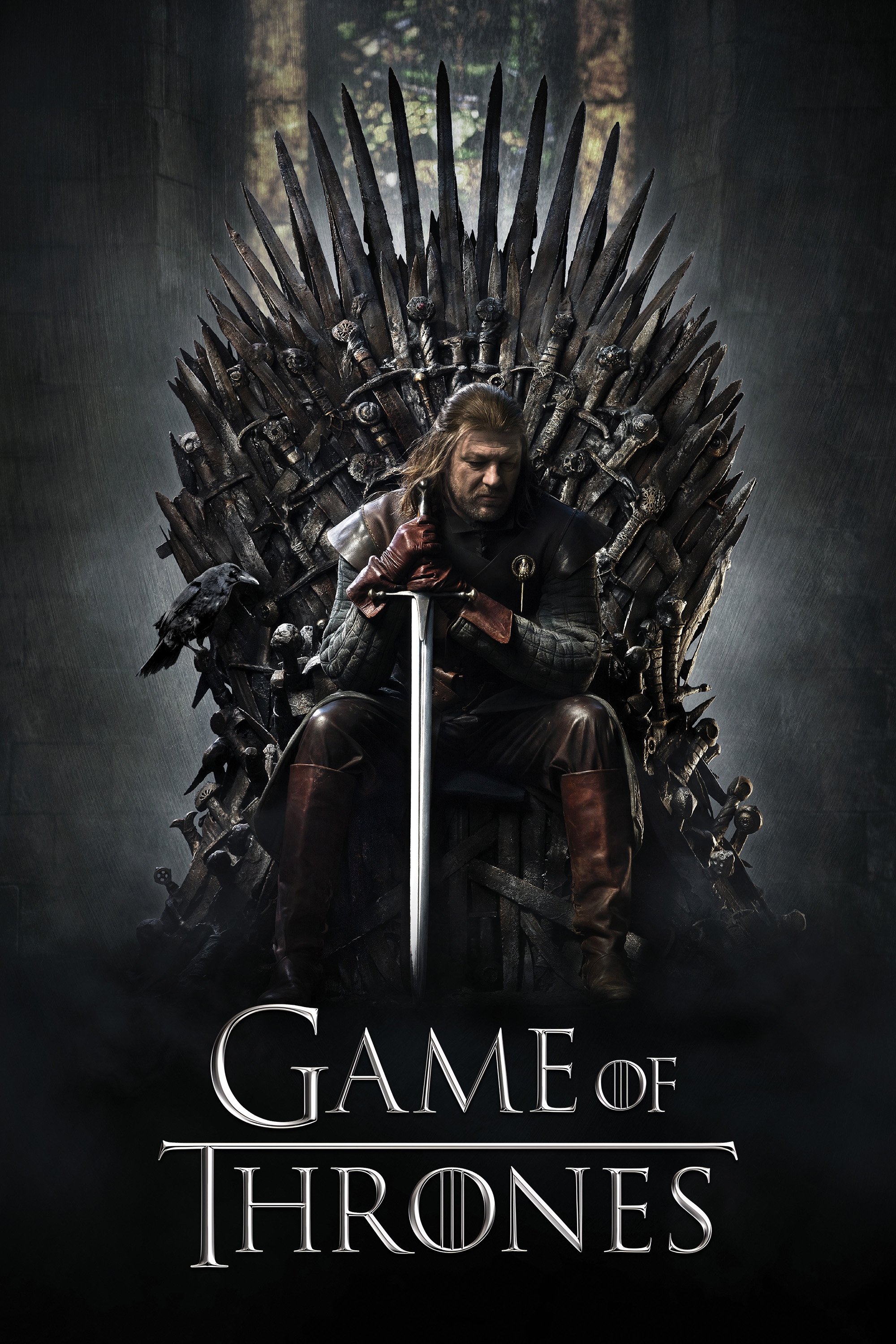
Adapted from George R. R. Martin’s fantasy saga, ‘Game of Thrones’ followed rival houses locked in power struggles, weaving political intrigue with large-scale battle sequences and a sprawling ensemble. It became a global hit with record-breaking viewership, large-scale production values, and a cultural footprint that spilled into everything from tourism to merchandising.
Debate gathered around later-season pacing, character turns, and the ending, which closed multiple long-running arcs in rapid succession. Fan petitions, post-finale interviews with cast and creatives, and extensive media analysis documented how narrative compression, surprise deaths, and shock reveals reshaped audience sentiment.
‘Lost’ (2004–2010)
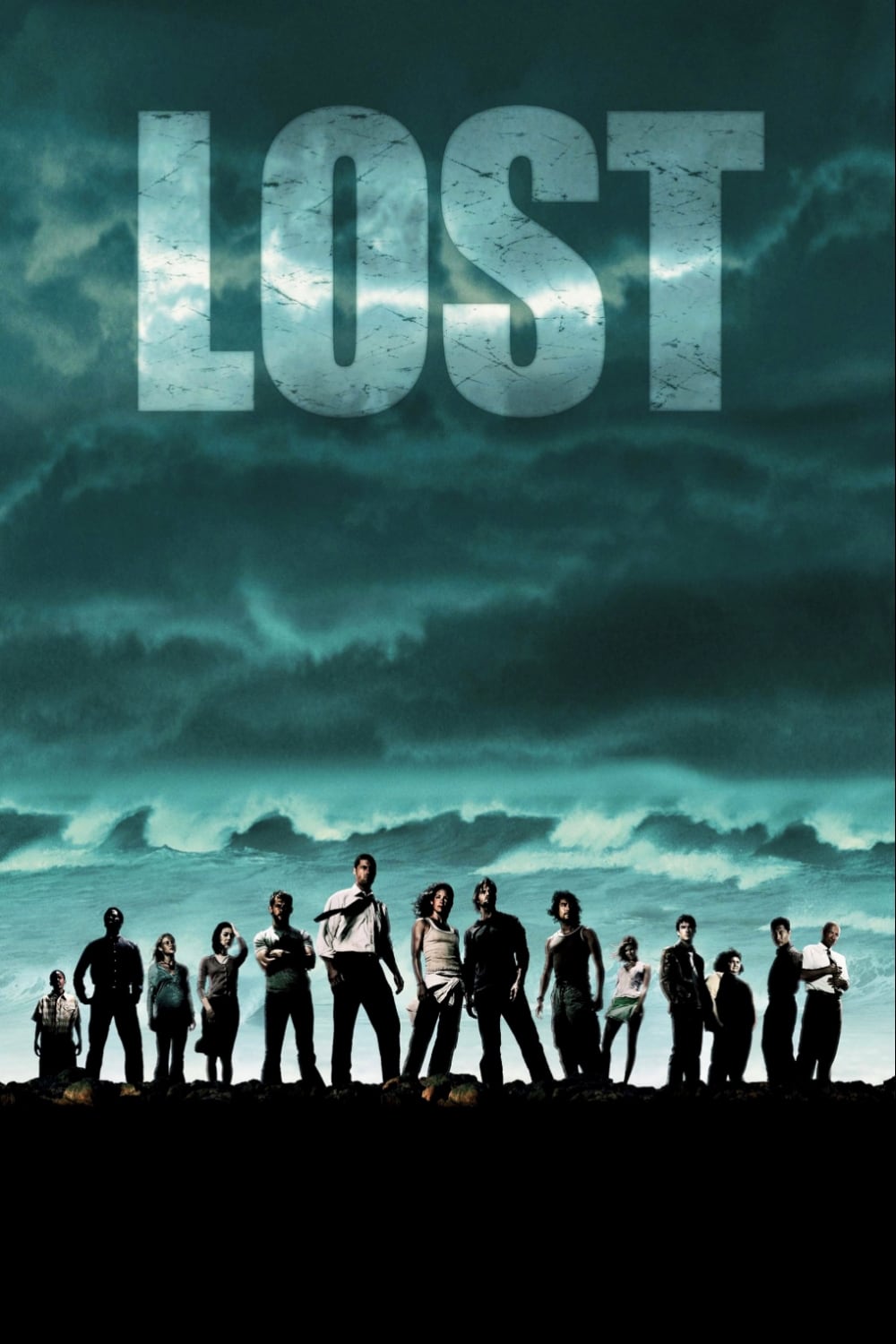
‘Lost’ blended survival drama with mystery-box storytelling as plane-crash survivors encountered polar bears, hatches, time anomalies, and a deeply layered mythology. It popularized Easter-egg sleuthing and weekly theory culture, inviting viewers to decode clues scattered across episodes, prop websites, and ancillary materials.
The series’ puzzle-box approach produced intense debate over unanswered questions, character-centric flashback/flashforward structure, and a spiritually inflected finale. Creator commentaries, writers’ room interviews, and episode recaps captured how expectations for concrete explanations frequently collided with the show’s character-driven resolution.
‘The Sopranos’ (1999–2007)
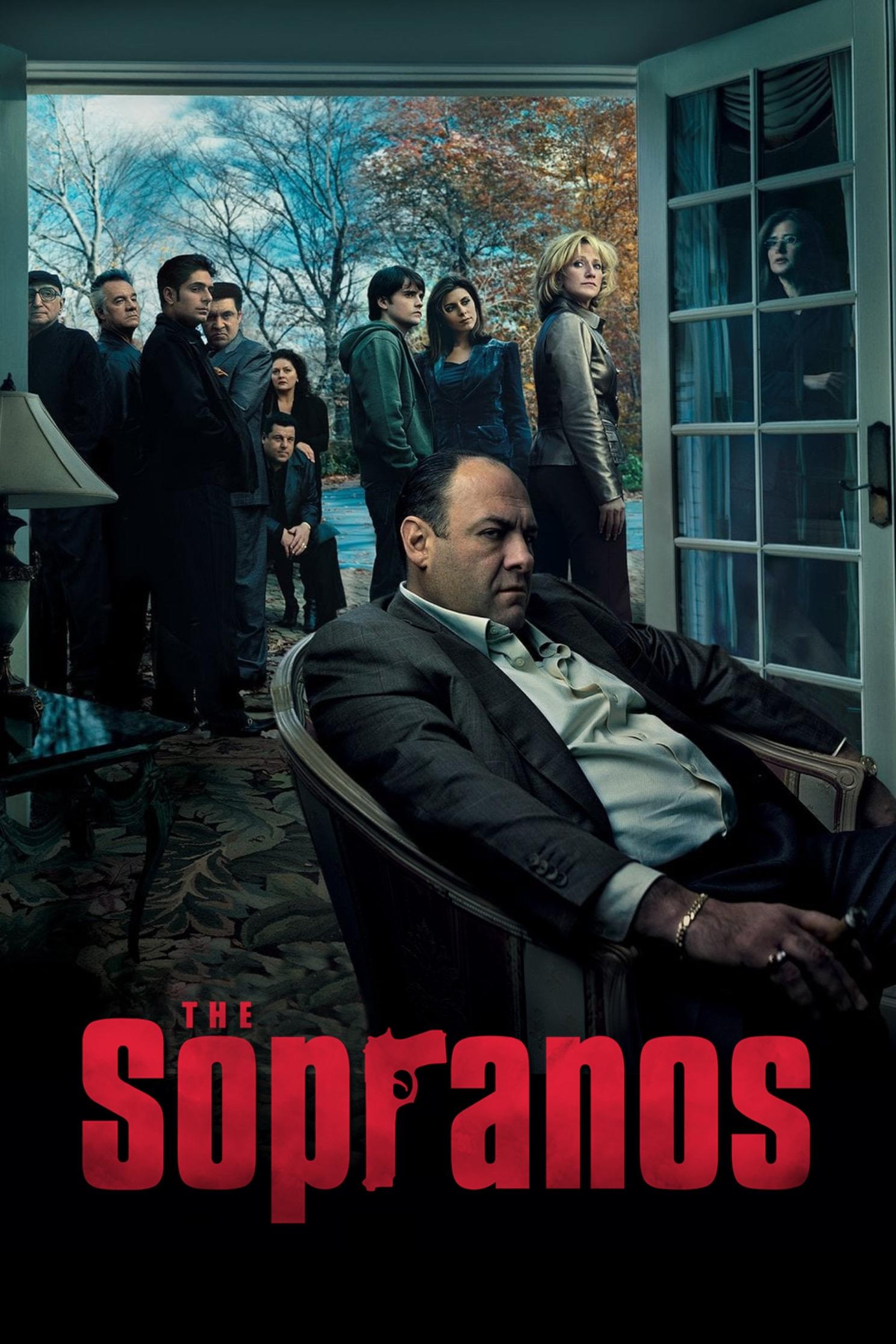
‘The Sopranos’ centered on mob boss Tony Soprano balancing family life with organized crime, pioneering prestige-TV conventions such as antiheroes, psychological depth, and cinematic direction. Its influence is widely cited by showrunners across genres and formats.
The final scene’s abrupt cut provoked years of discussion about authorial intent and narrative ambiguity, spawning academic essays and frame-by-frame breakdowns. Audience reactions split between readings of closure versus open-endedness, with the creative team’s later remarks fueling fresh interpretations.
‘Dexter’ (2006–2013)
‘Dexter’ followed a forensic analyst who moonlights as a vigilante serial killer guided by a strict code. The series combined case-of-the-week plotting with seasonal “big bads” and an internal monologue that framed moral questions about justice and identity.
Shifts in tone, late-series character decisions, and a controversial ending divided its fanbase. Discussions often focused on how the code was applied, the plausibility of key relationships, and the balance between procedural elements and serialized arcs as the show evolved.
‘How I Met Your Mother’ (2005–2014)
Told through an elaborate framing device, ‘How I Met Your Mother’ used nonlinear storytelling, recurring gags, and long-game setups to track a friend group’s personal and romantic lives. Its structure rewarded repeat viewing, with callbacks and hidden setups resolving long after they were planted.
The two-part finale recontextualized earlier plotlines, prompting debate over character growth and the significance of the titular meeting. Interviews, physical-release features, and alternate edits circulated among fans, illustrating how narrative intent and accumulated audience expectations diverged at the finish.
‘Seinfeld’ (1989–1998)
‘Seinfeld’ chronicled the misadventures of four friends with a focus on everyday minutiae and a famously “no hugging, no learning” ethos. It helped redefine the modern sitcom, turning observational humor and interlocking B- and C-plots into a signature rhythm.
The courtroom-style finale revisited past characters and scenarios, drawing mixed responses to its retrospective structure. Broadcast ratings remained huge, but post-show commentary highlighted how concluding a series built on anti-lessons created a distinct challenge for audience satisfaction.
‘Twin Peaks’ (1990–1991; 2017)
Created by David Lynch and Mark Frost, ‘Twin Peaks’ fused soap opera melodrama with surreal mystery, centering on the investigation into Laura Palmer’s death. Its dreamlike imagery, musical motifs, and idiosyncratic characters made it a touchstone for experimental television.
Network-driven revelations and shifts in focus mid-run spurred debate about the show’s direction. The later continuation ‘Twin Peaks: The Return’ intensified analysis of symbolism, narrative loops, and authorial control, creating a long-running dialogue across decades of fandom.
‘The Walking Dead’ (2010–2022)
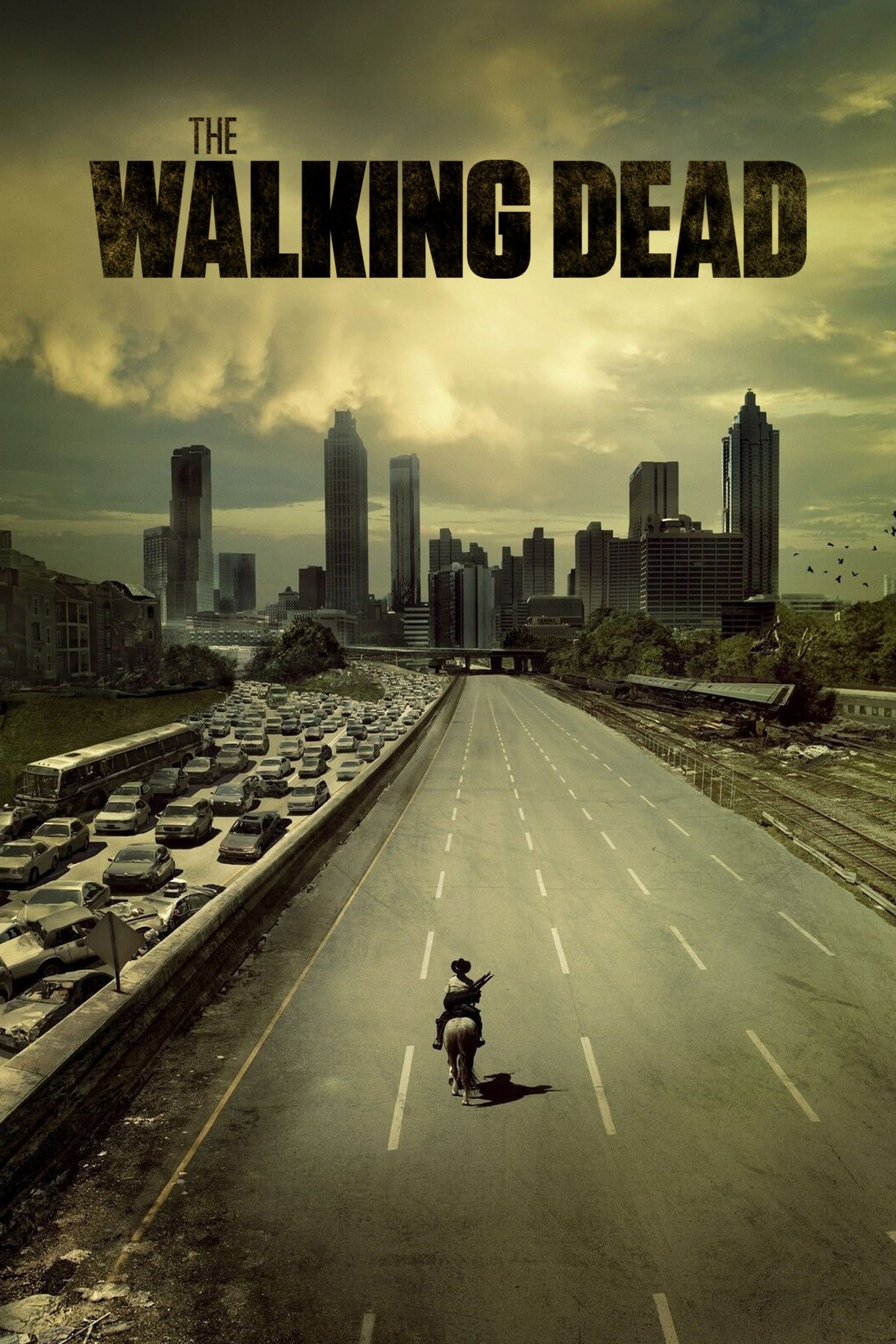
Based on Robert Kirkman’s comic, ‘The Walking Dead’ charted communities rebuilding amid a zombie apocalypse, with an emphasis on leadership, ethics, and resource scarcity. It spawned multiple spin-offs and after-shows, expanding into a broader franchise.
Audience discussions often centered on major character exits, tonal intensity, and extended arcs set in specific locales. Ratings fluctuations, showrunner changes, and adaptations of comic storylines became recurring points of contention as the series navigated long-form survival storytelling.
‘Westworld’ (2016–2022)
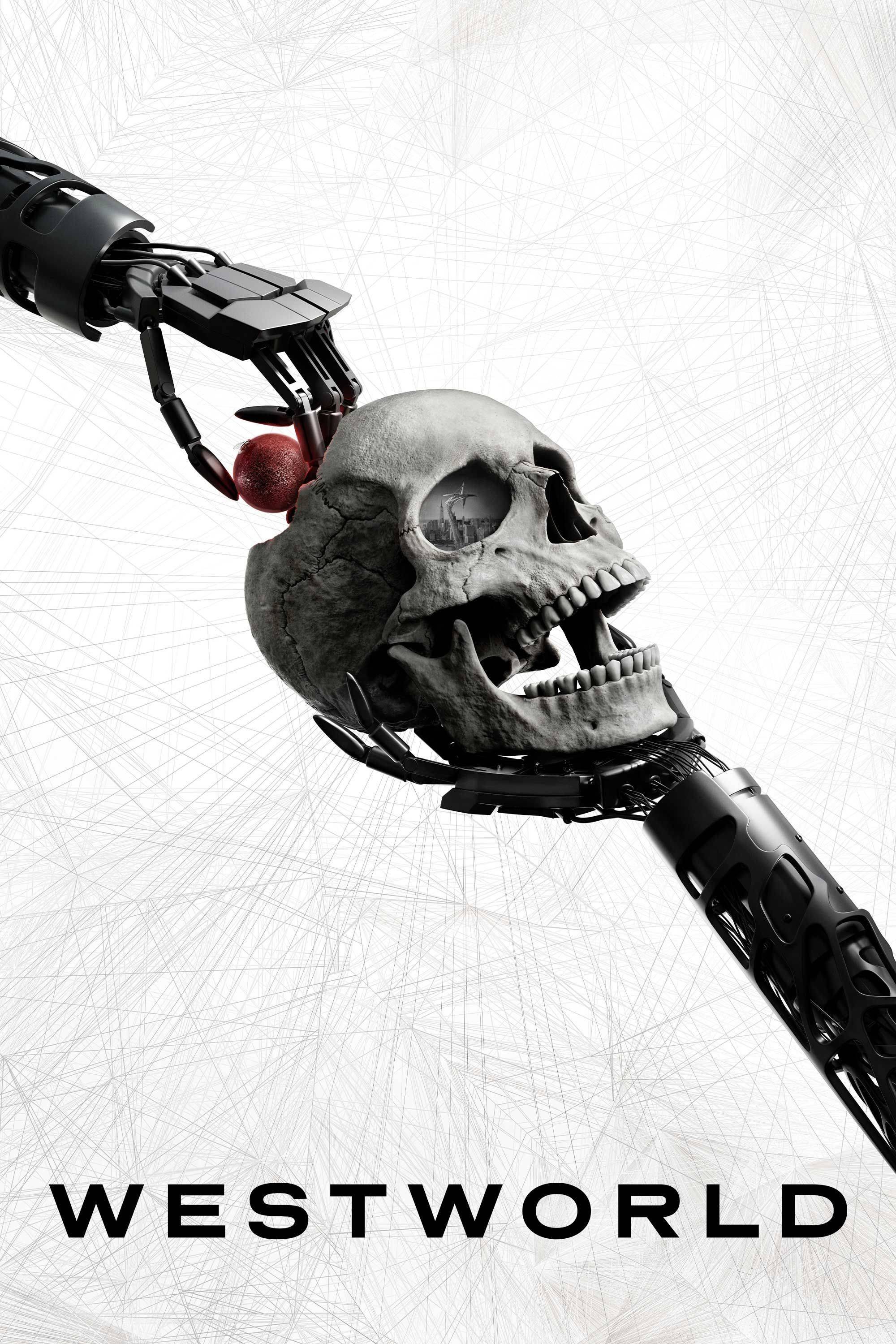
‘Westworld’ remixed Michael Crichton’s premise into a layered story about artificial consciousness, corporate secrecy, and narrative loops. Its early episodes encouraged puzzle-solving, with timelines and identities deliberately obscured.
Subsequent seasons expanded the world beyond the park, shifting the genre mix and narrative structure. Viewer conversation tracked that pivot, debating the ratio of philosophy to plot mechanics and the impact of increasingly cryptic mysteries on character engagement.
‘Star Trek: Discovery’ (2017–2024)
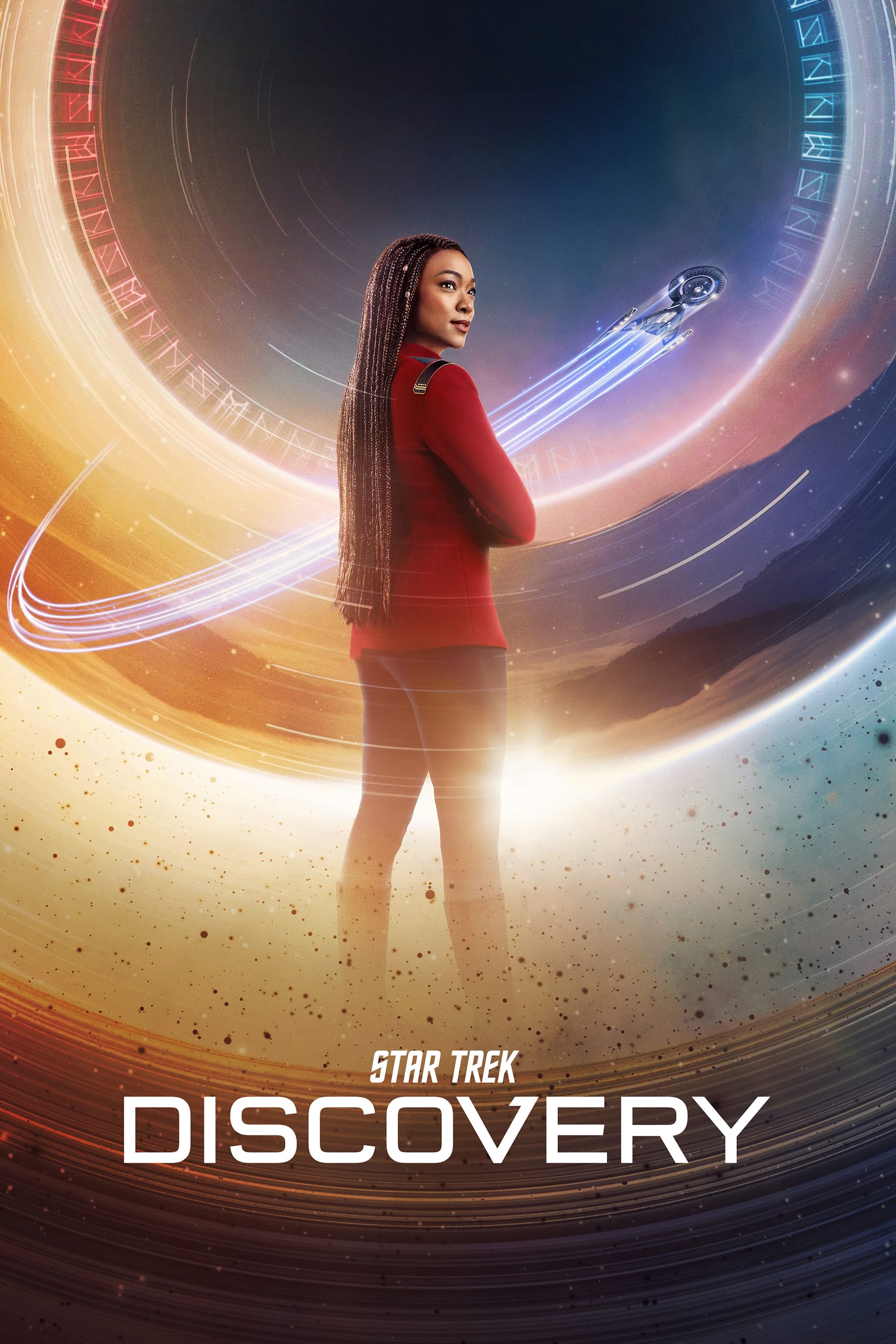
‘Star Trek: Discovery’ reintroduced the franchise with a serialized format, cinematic visuals, and a focus on a single protagonist within Starfleet. It integrated classic canon elements while introducing new species, tech, and geopolitical tensions.
Long-time and new viewers discussed continuity choices, tone relative to earlier series, and franchise-wide implications of major plot devices. The show’s evolving showrunner lineup and platform strategy also figured into ongoing conversations about what a modern ‘Star Trek’ should emphasize.
‘Battlestar Galactica’ (2004–2009)
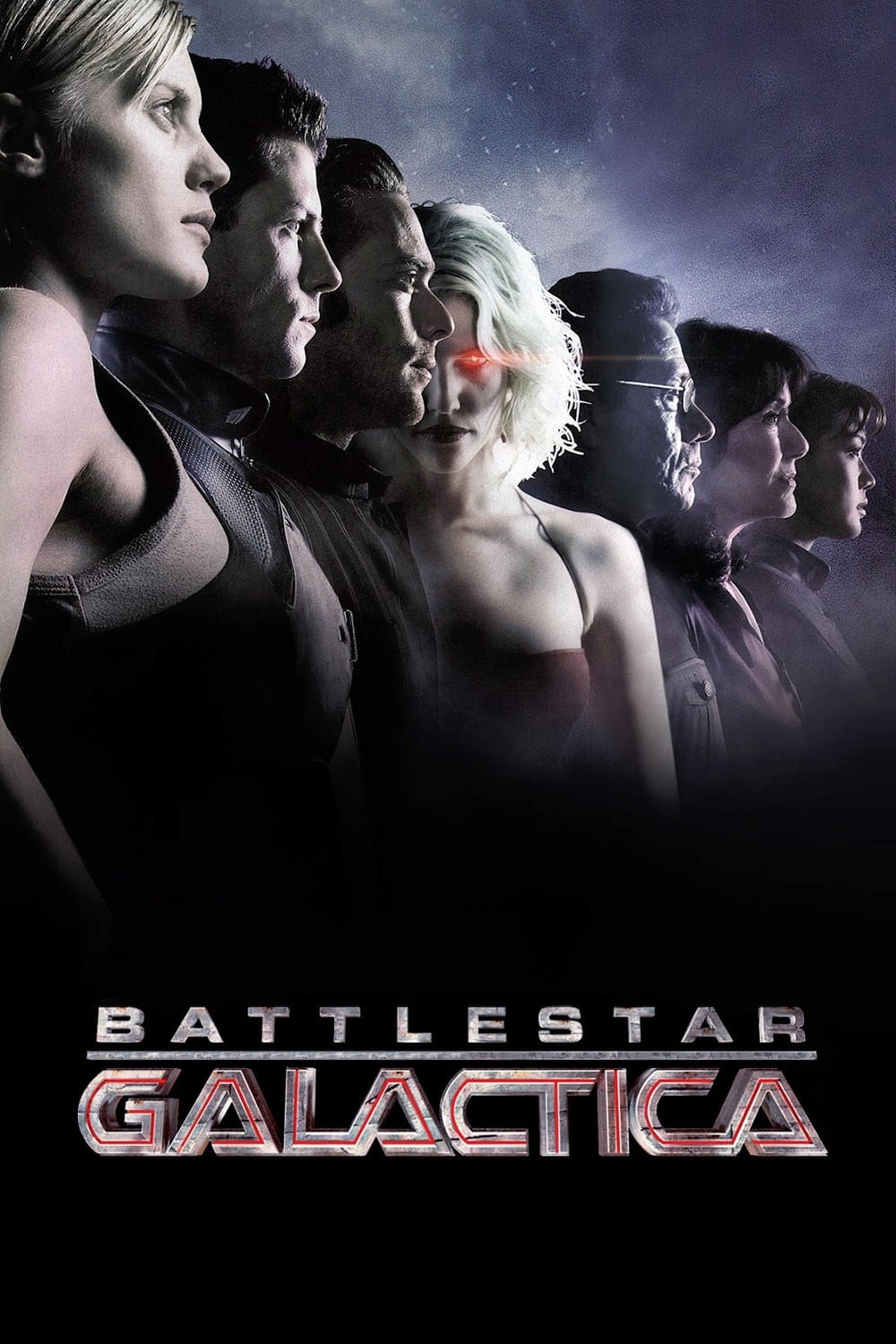
The reimagined ‘Battlestar Galactica’ combined military drama with political allegory, following human survivors pursued by Cylons across space. It earned attention for serialized plotting, production design, and a willingness to tackle contemporary themes through science-fiction framing.
Controversy clustered around mythology reveals, spiritual components, and the ending’s resolution of identity and fate. Cast and creator panels, podcasts, and convention Q&As preserved detailed debates about how character arcs meshed with philosophical conclusions.
‘The X-Files’ (1993–2002; 2016–2018)
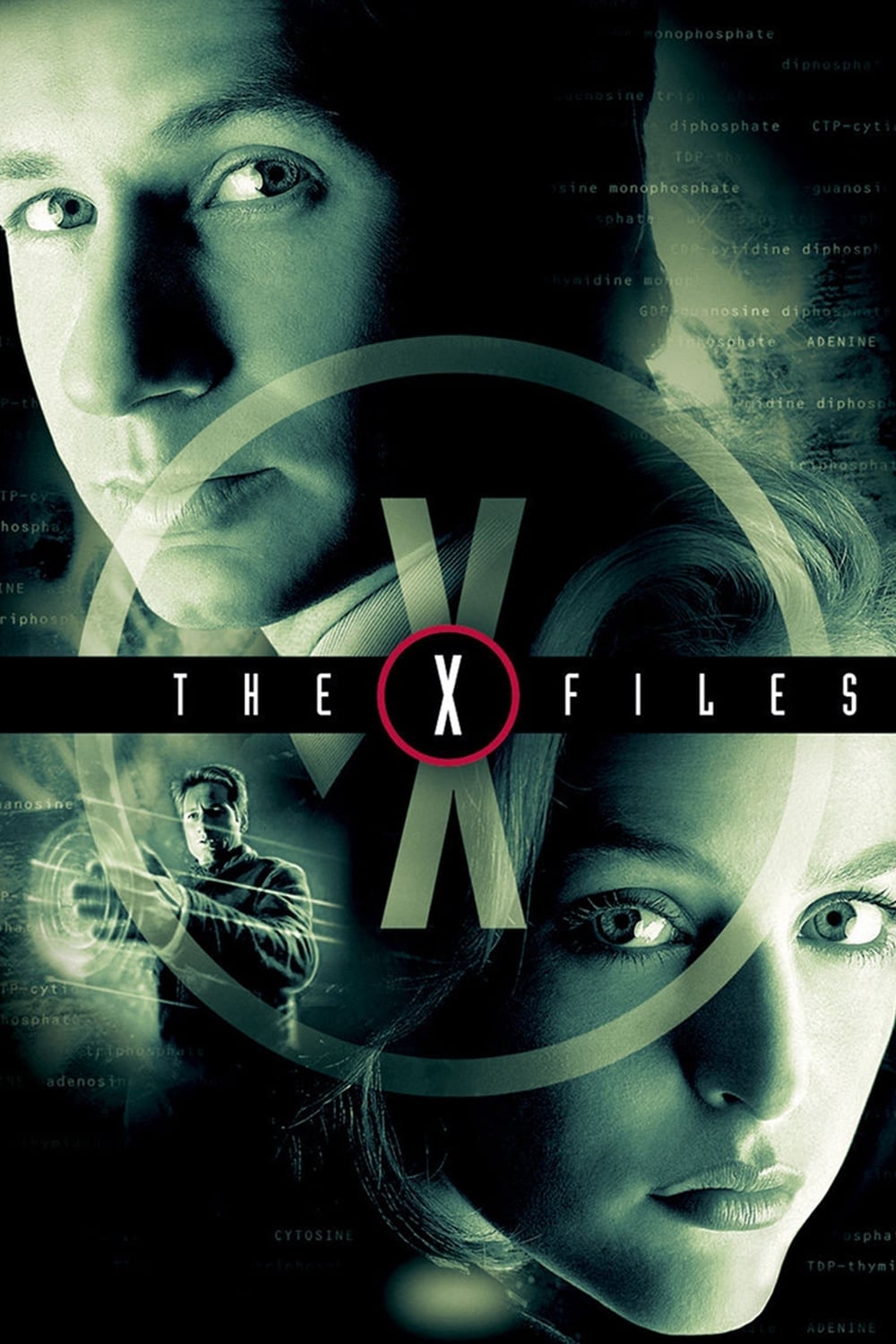
‘The X-Files’ alternated between “monster-of-the-week” episodes and a sprawling conspiracy arc, pairing two FBI agents investigating the paranormal. Its influence is visible in procedural-mythology hybrids across multiple networks and streamers.
Fans often split over the balance between standalone stories and mythology installments, especially as the larger conspiracy grew more complex. Later continuations and feature films further complicated continuity, prompting timelines, wikis, and rewatch guides to keep track of shifting revelations.
‘Girls’ (2012–2017)
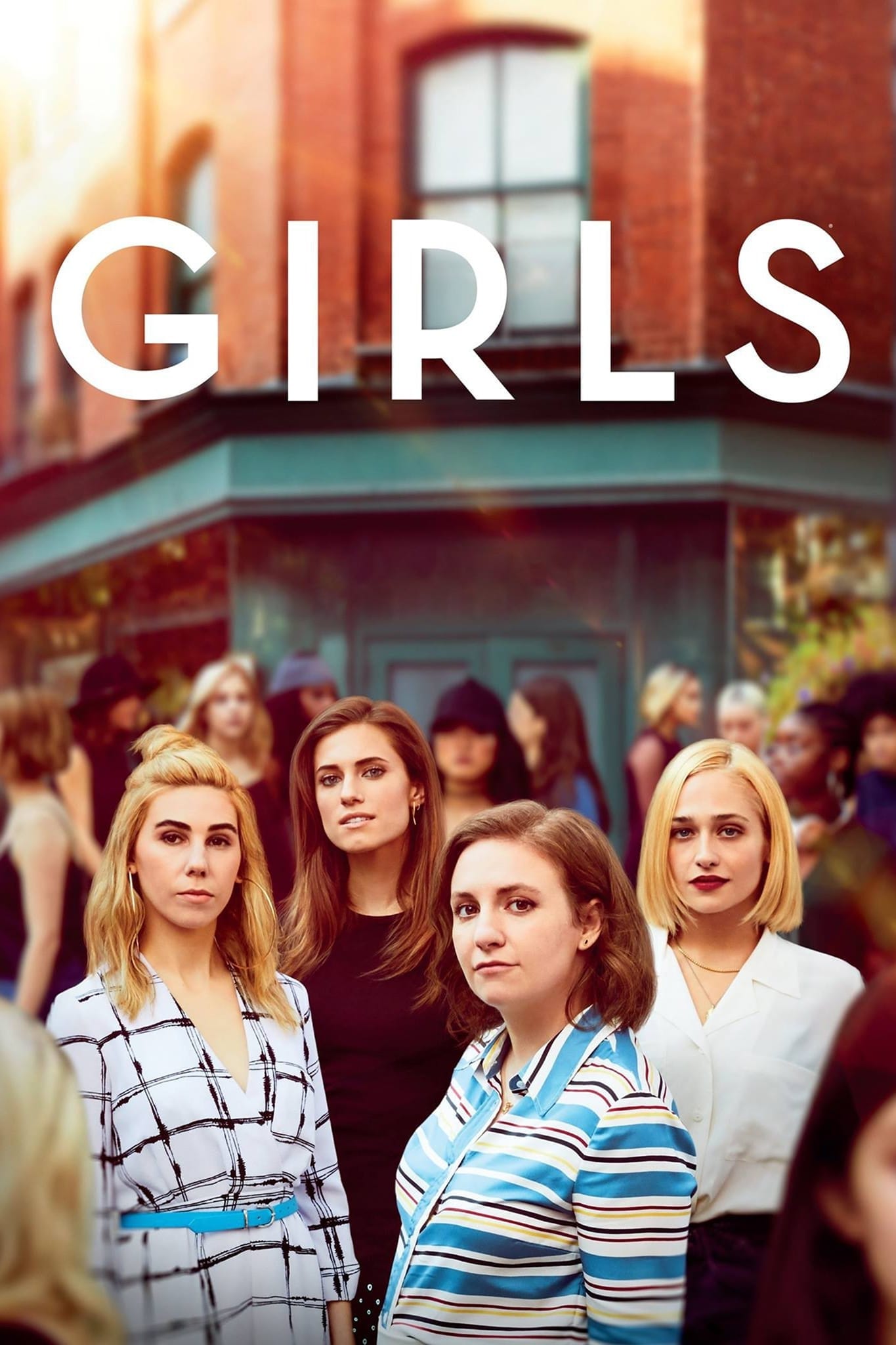
‘Girls’ followed four friends navigating work, relationships, and creative ambition in New York City, with a dialogue-driven approach and grounded presentation. It became a frequent reference point in discussions about representation, privilege, and generational storytelling on television.
Public discourse tracked how the show depicted personal boundaries, career setbacks, and evolving friendship dynamics. Media coverage and academic writing cataloged the ways its creative choices sparked responses that ranged from praise for specificity to critiques of scope.
‘Glee’ (2009–2015)
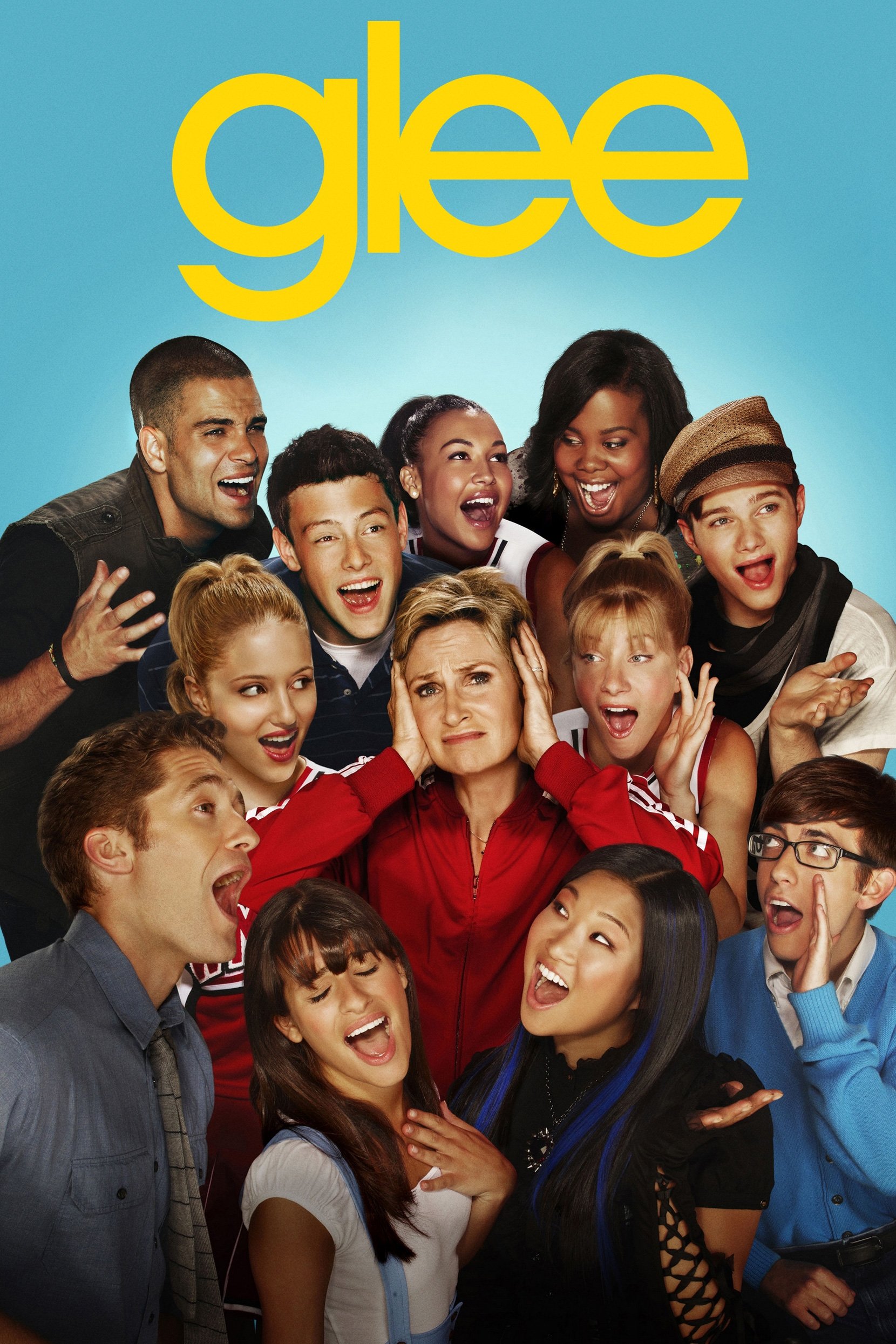
Set around a high-school show choir, ‘Glee’ blended musical numbers with soap-style storytelling and a rotating songbook that drew from pop, rock, and Broadway. Its soundtrack releases and touring performances extended the series’ presence beyond the screen.
Viewers debated tonal shifts between satire and sincerity, storyline pivots, and the logistics of an ever-expanding cast. Production changes and tribute episodes became focal points for conversation about continuity, performance choices, and serialized planning.
‘Heroes’ (2006–2010)
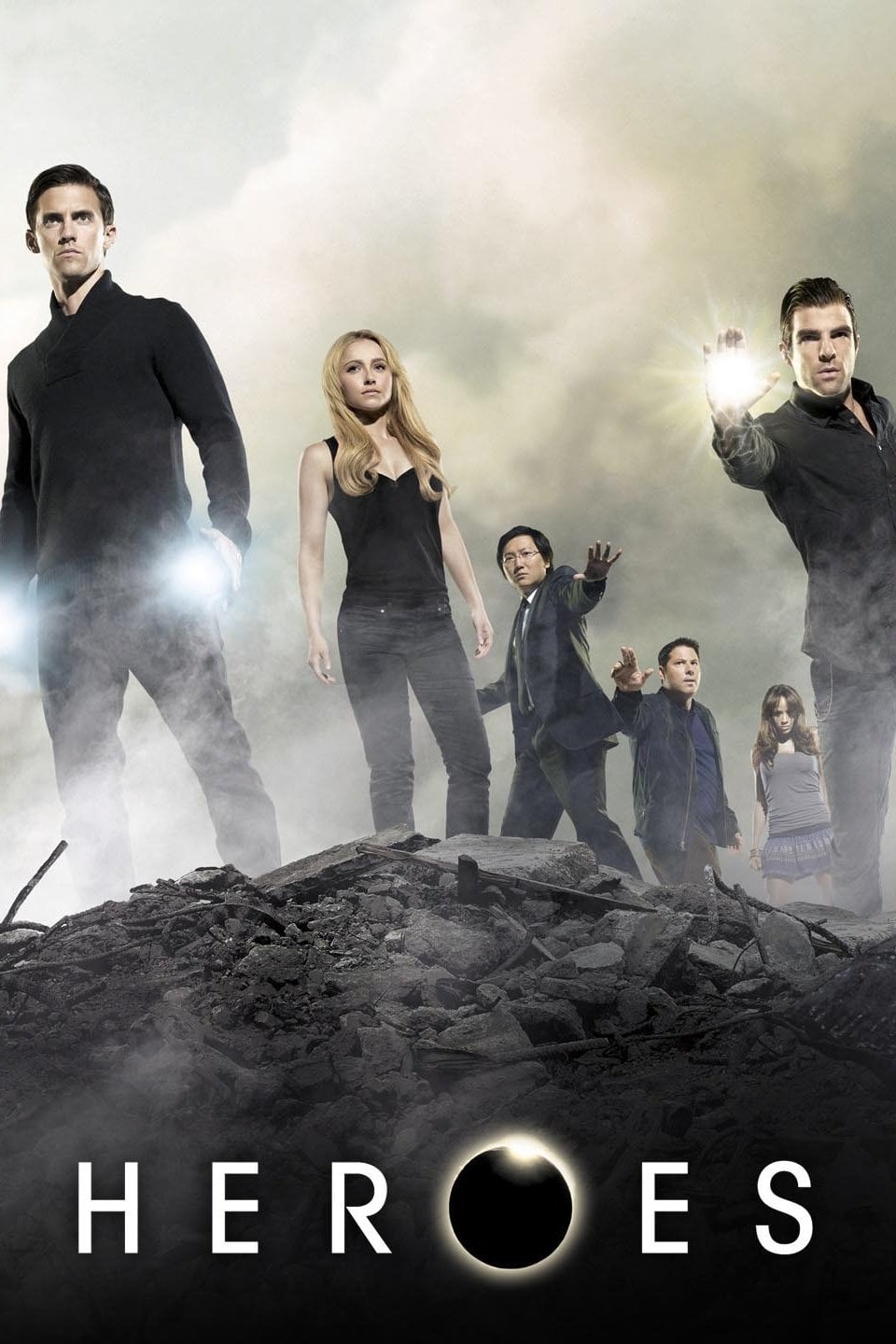
‘Heroes’ launched with ordinary people discovering superhuman abilities, interweaving multiple storylines and a comic-book aesthetic. Early arcs introduced time travel, villainous power absorption, and moral quandaries about destiny.
Subsequent volumes reconfigured antagonists, relocated characters, and reset stakes, prompting scrutiny of pacing and serialized coherence. Industry disruptions, casting changes, and shifting narrative priorities were frequently cited in post-mortems and fan analyses.
‘Riverdale’ (2017–2023)
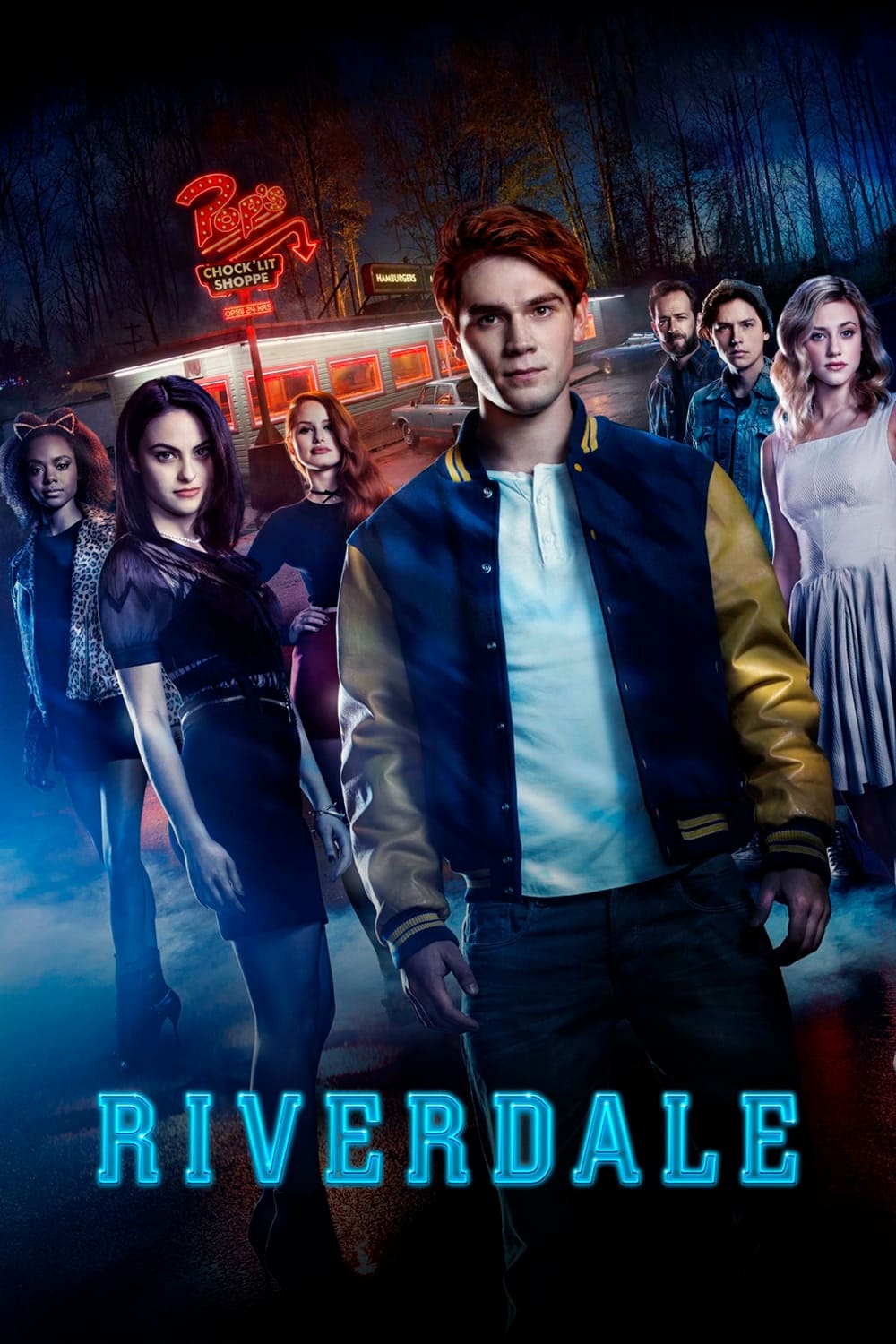
‘Riverdale’ reimagined Archie Comics characters in a noir-tinged teen drama that embraced genre experimentation. Musical episodes, alternate timelines, and supernatural inflections became recurring features.
Audience conversation tracked the show’s willingness to pivot from grounded mysteries to heightened, sometimes surreal arcs. Social media threads documented how character pairings, narrative resets, and camp aesthetics alternately energized and bewildered different segments of its viewership.
’13 Reasons Why’ (2017–2020)
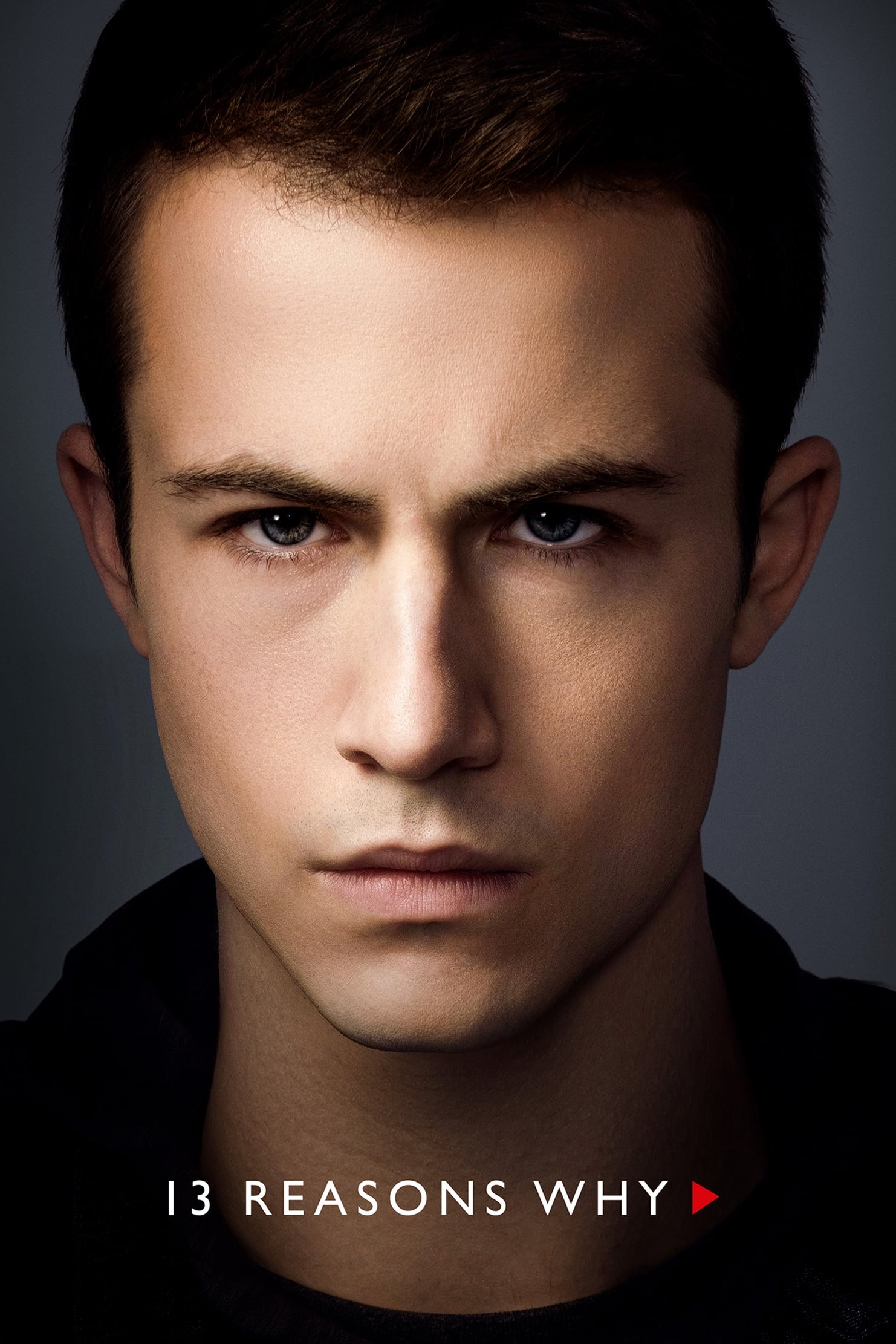
’13 Reasons Why’ began as a mystery surrounding a student’s death, presented through a series of recorded tapes. It expanded to explore legal consequences, school policies, and community fallout across subsequent seasons.
The show became a touchpoint for discussions about content warnings, mental-health portrayal, and on-screen depictions of sensitive topics. Researchers, advocacy groups, and streaming-platform updates reflected the scale of the public conversation that followed.
‘Sherlock’ (2010–2017)
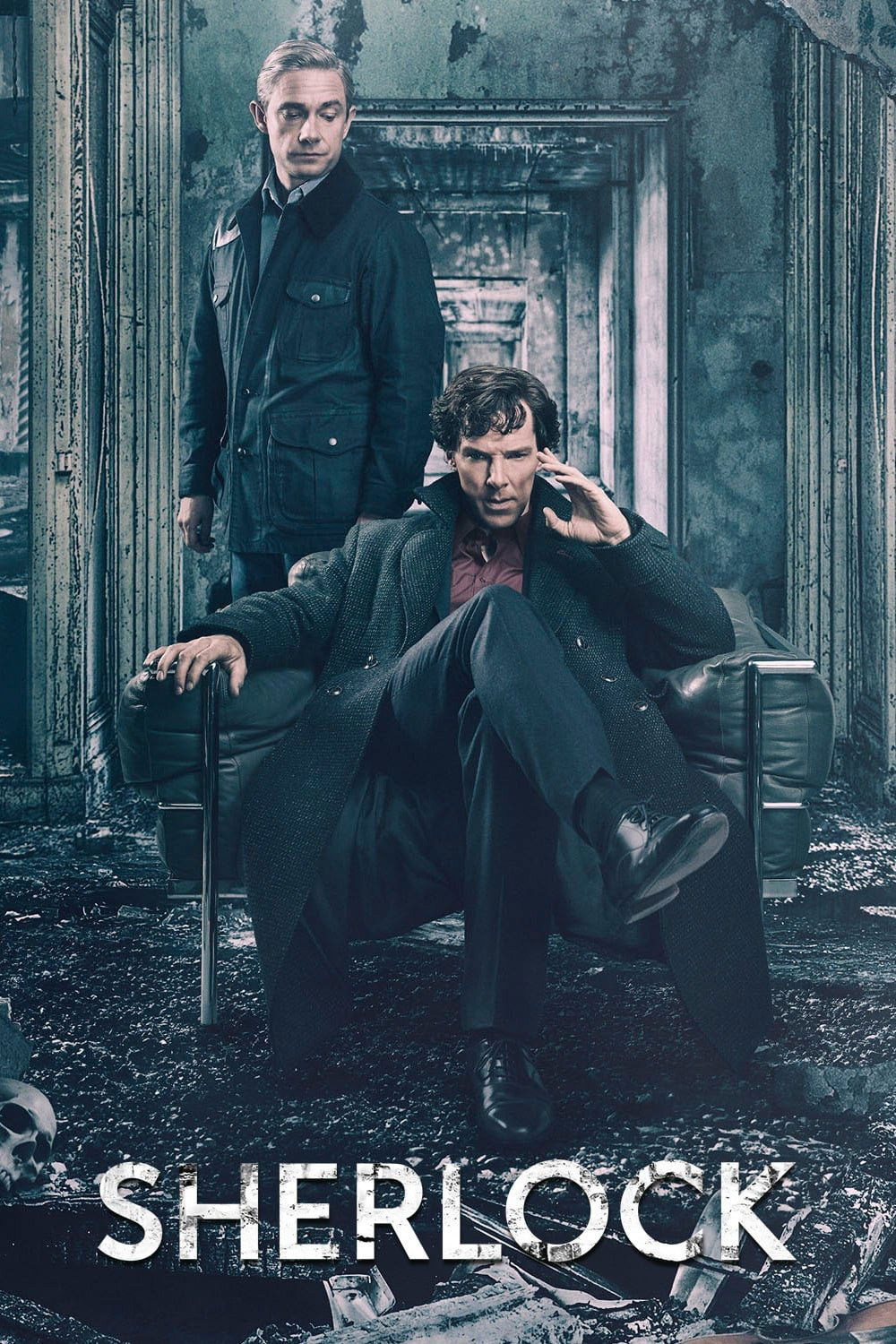
‘Sherlock’ updated Conan Doyle’s detective into a modern setting with feature-length episodes and puzzle-box cases. Stylistic flourishes—text on screen, nonlinear deductions, and meta references—helped define its identity.
Later episodes leaned into mythology and character backstory, spurring debate about the balance between standalone investigations and personal lore. Release gaps between seasons and escalating narrative stakes heightened expectations and intensified post-episode discourse.
‘The Office’ (2005–2013)
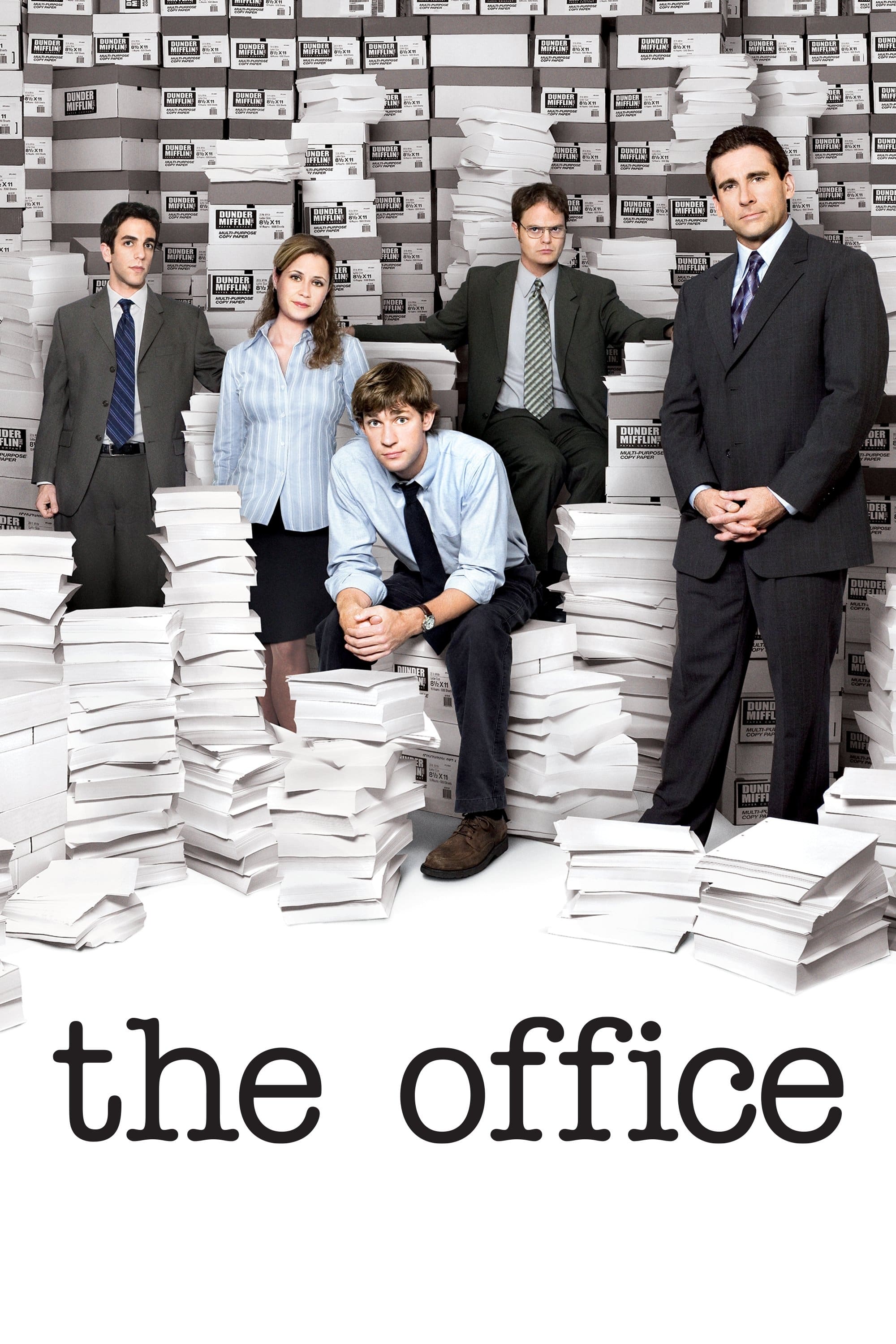
‘The Office’ adapted a mockumentary workplace format to follow the everyday rhythms of Dunder Mifflin. Character arcs, talking-head confessionals, and cringe-comedy set pieces turned it into a syndication and streaming staple.
Audience splits often centered on cast turnover, managerial changes, and how the documentary conceit was ultimately addressed. Showrunner transitions and episode-order decisions provided context for how tone and focus shifted over time.
‘Weeds’ (2005–2012)
‘Weeds’ tracked a suburban mother who turns to cannabis dealing, moving from cul-de-sac satire into broader criminal-enterprise storytelling. Its early episodes foregrounded neighborhood dynamics before expanding into cross-border plots.
Viewers discussed the show’s evolving scale, frequent relocations, and tonal recalibrations between comedy and dark drama. Character choices and reset-button transitions fueled ongoing debate about continuity and long-term consequences.
‘Sons of Anarchy’ (2008–2014)
‘Sons of Anarchy’ followed an outlaw motorcycle club confronting rival factions, law enforcement, and internal power struggles. The series wove family dynamics with criminal operations, featuring music-driven montages and serialized vendettas.
Audience discussions often focused on escalating violence, moral calculus within the club, and the trajectory of central relationships. Companion materials and post-episode interviews offered additional context that fans used to parse character motivations and endgame choices.
‘The Leftovers’ (2014–2017)
‘The Leftovers’ explored life after a sudden global disappearance, focusing on grief, faith, and community reinvention. Its anthology-adjacent structure shifted locations and emphasized standalone yet interconnected episodes.
Debate centered on the show’s embrace of ambiguity, magical-realist elements, and tonal experimentation. Critical roundtables, podcasts, and fan essays documented how the series asked viewers to engage with uncertainty rather than definitive answers.
‘House of Cards’ (2013–2018)
Set in Washington, D.C., ‘House of Cards’ charted the rise and entrenchment of political power through manipulation, media strategy, and back-channel deals. It served as an early flagship for streaming-first prestige drama, with season-dump releases encouraging binge viewing.
Production upheavals, shifts in central focus, and late-series transitions led to extensive conversation about continuity and resolution. Industry reporting and trade interviews recorded how behind-the-scenes changes intersected with on-screen outcomes.
‘Orange Is the New Black’ (2013–2019)

‘Orange Is the New Black’ examined life inside and around a women’s prison, balancing comedy and drama while expanding its ensemble over time. Its anthology-like flashbacks traced how characters’ pasts informed present choices.
Viewers debated tonal balance, season-to-season emphasis on different storylines, and depictions of institutional systems. The show’s broad canvas encouraged discussions about representation, narrative focus, and the logistics of sustaining a large cast.
‘The Big Bang Theory’ (2007–2019)
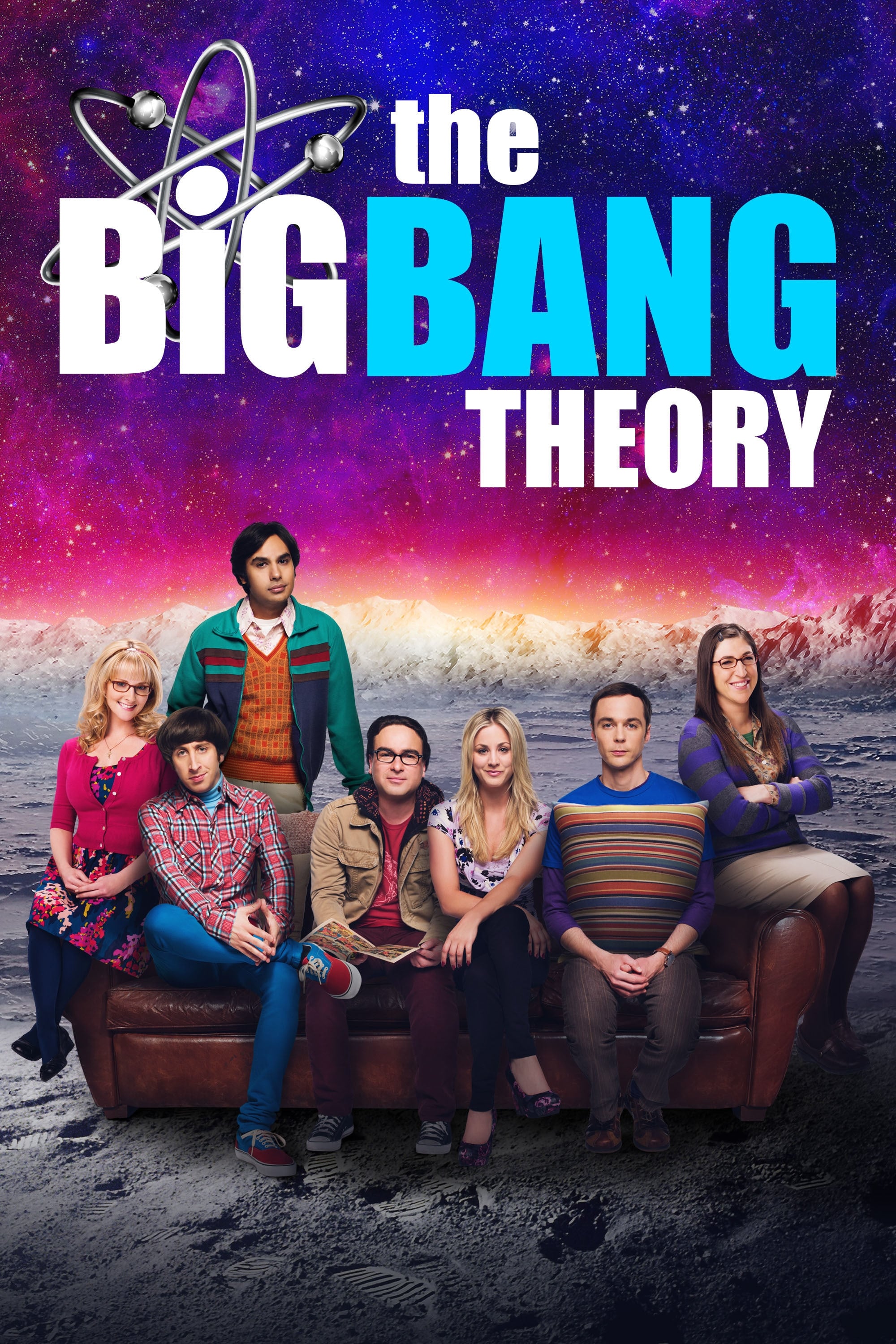
‘The Big Bang Theory’ centered on a group of friends working in science and academia, layering workplace and relationship comedy over recurring pop-culture references. Its sustained top-tier ratings made it a fixture on network schedules and in syndication.
Audience conversation frequently addressed depiction of geek culture, character evolution, and the introduction of new regulars. Production milestones, cast negotiations, and spin-off development added further context to how the series was received over time.
‘Two and a Half Men’ (2003–2015)
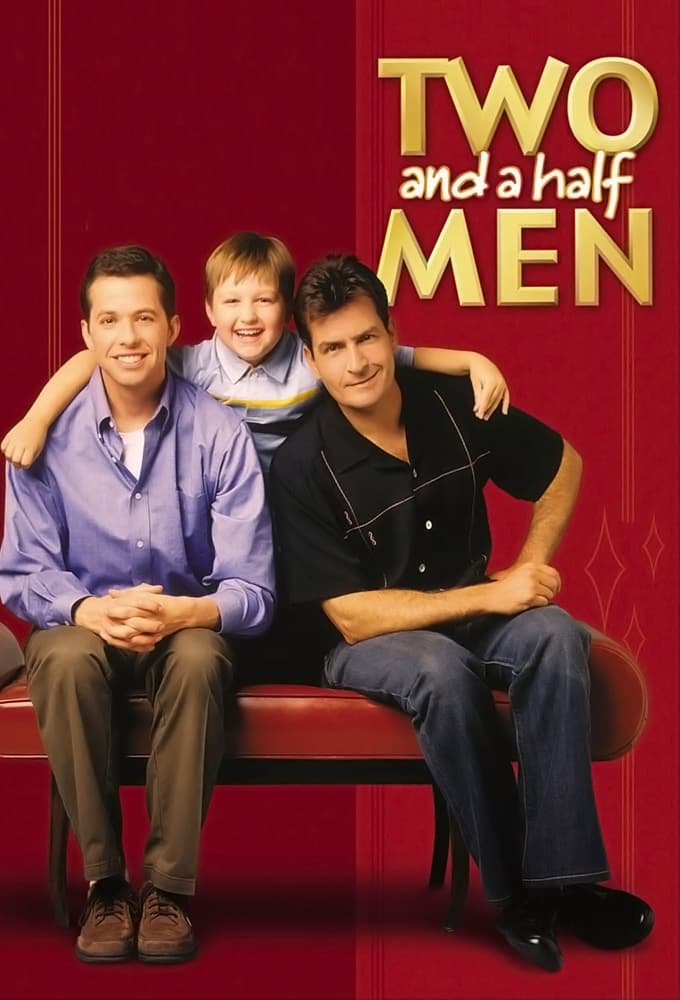
‘Two and a Half Men’ followed a jingle writer, his brother, and a nephew sharing a Malibu home, leaning into farce, innuendo, and revolving guest stars. It remained a consistent ratings performer through multiple cast configurations.
Highly publicized casting changes resulted in tonal pivots, meta references, and structural retooling. Media coverage and audience metrics documented how different eras of the show attracted distinct responses.
‘True Blood’ (2008–2014)

‘True Blood’ adapted Charlaine Harris’s novels into a supernatural drama mixing small-town politics with vampires, shapeshifters, and more. It combined pulp elements with broader allegory, anchoring stories in a tight community setting.
Viewers debated the expansion of the supernatural roster, seasonal big bads, and mythology escalations. Discussions also tracked the interplay between serialized arcs and standalone adventures as new factions and rules emerged.
‘The Newsroom’ (2012–2014)
Set inside a cable-news operation, ‘The Newsroom’ dramatized how a fictional team covered real-world events, blending workplace dynamics with editorial ethics. Its walk-and-talk rhythms and speech-driven scenes became signatures.
Audience splits often focused on retroactive coverage of recent history, portrayals of journalism practice, and character interpersonal entanglements. Industry critiques examined where dramatization aligned with, or departed from, newsroom norms.
‘The 100’ (2014–2020)
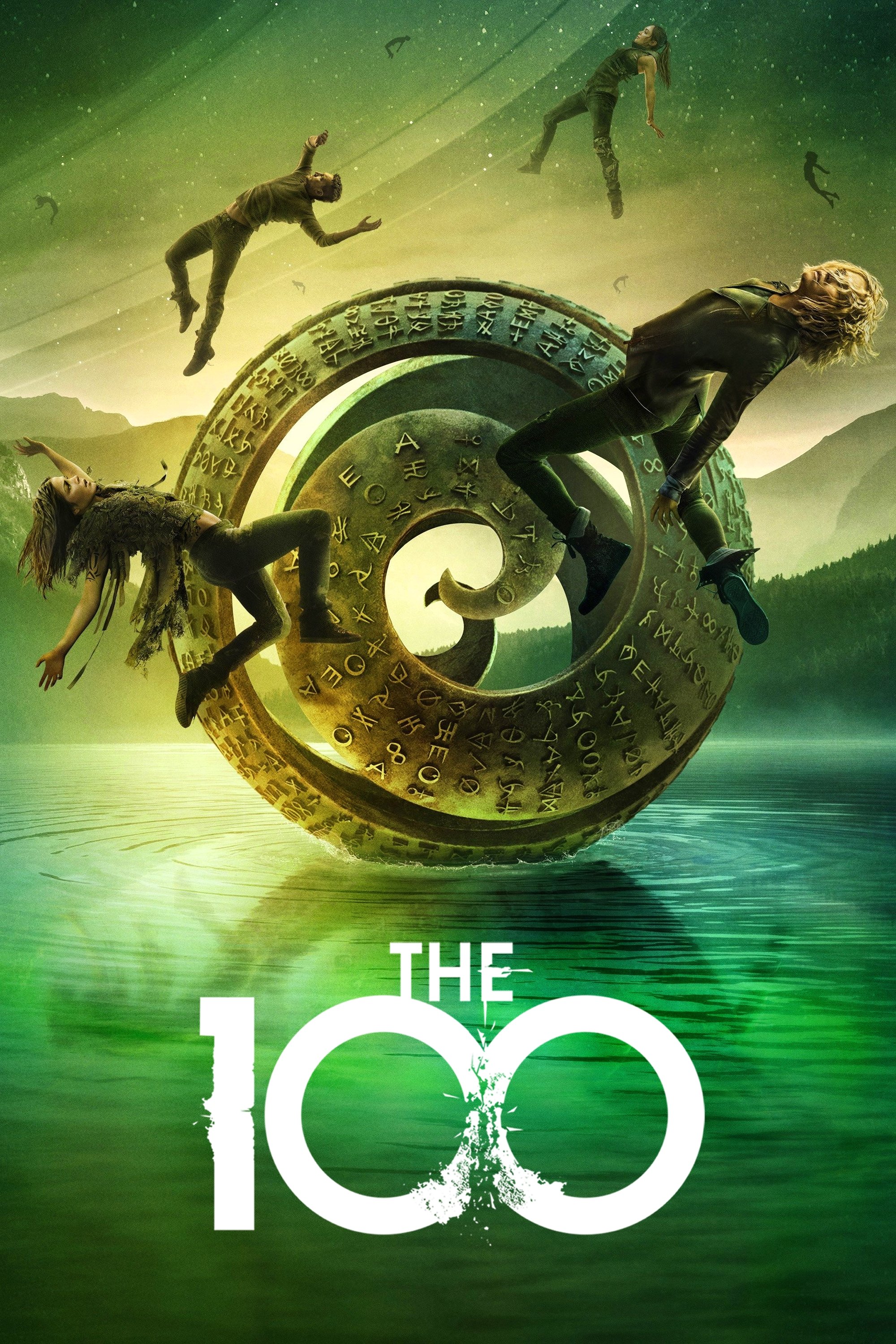
‘The 100’ began with juvenile detainees sent to a ravaged Earth to test survivability, evolving into a saga of governance, warfare, and survival ethics. It repeatedly reset stakes by moving locations and introducing new societal systems.
Debate followed major character deaths, leadership shifts, and hard moral choices embedded in the plot. Showrunner commentary, convention panels, and episode-by-episode breakdowns recorded how specific twists affected long-term viewer investment.
‘The Idol’ (2023)
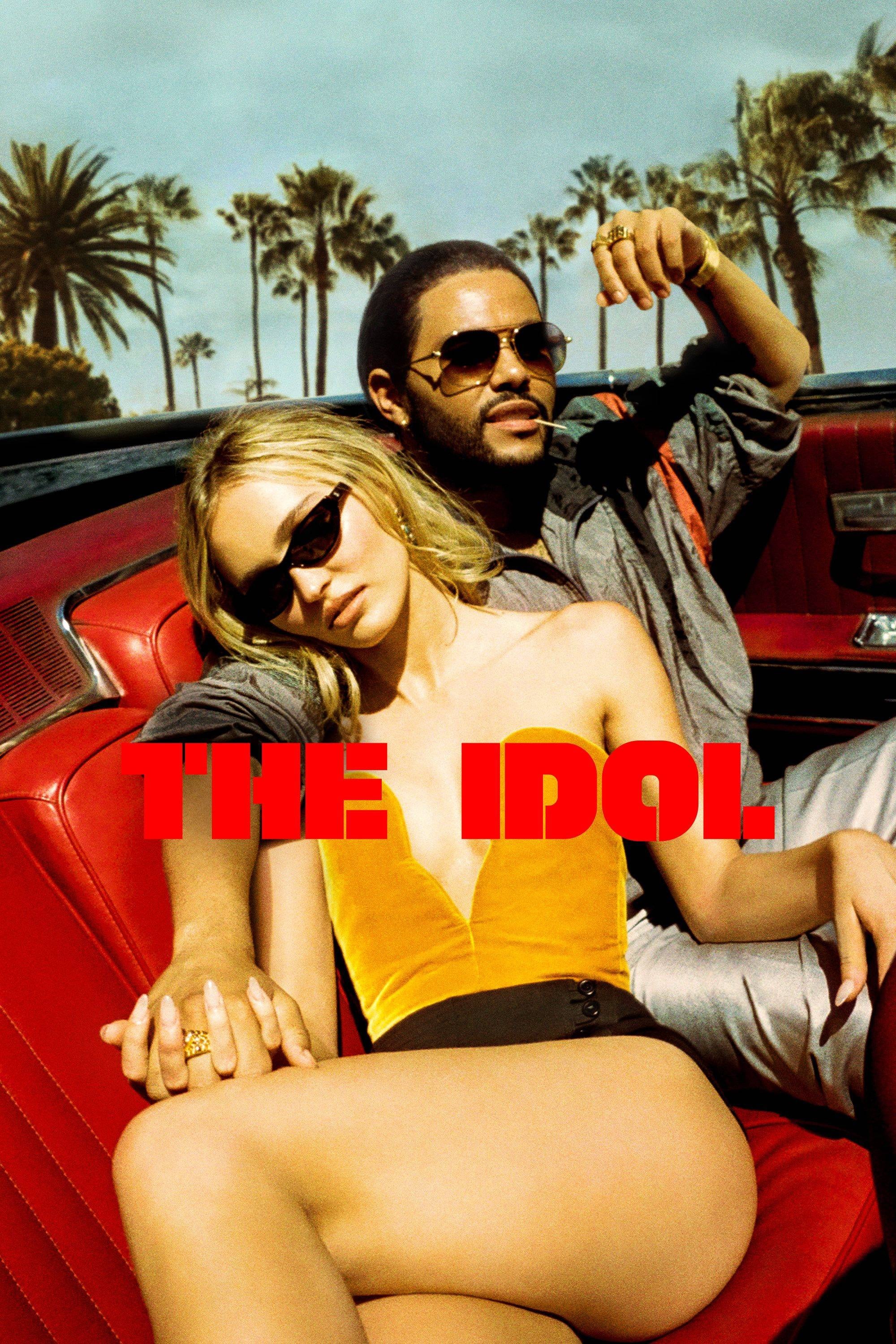
‘The Idol’ examined the music industry through the relationship between a pop star and a self-help guru, presenting a stylized portrayal of celebrity culture and control. It featured original music, industry cameos, and tightly managed access to performance and studio spaces.
Public discourse centered on depictions of power dynamics, explicit content, and changes reported during production. Trade coverage, festival reactions, and audience responses mapped a rare instance where a limited run generated outsized conversation relative to its episode count.
Got your own picks that set comment sections ablaze? Drop your thoughts below and tell us which series split your group chats the hardest.