TV Series with Pilot Episodes That Promised a Different Show Than the One We Got


Pilots do a lot of heavy lifting. They introduce the premise, characters, and tone, and they set audience expectations for what the series will actually be about week to week. But between network feedback, cast changes, creative pivots, and real-world logistics, some series evolve quickly—sometimes so much that the show you get by midseason looks notably different from what the premiere laid out.
Below are 15 TV series whose pilots suggested one path while the seasons that followed took another. For each, you’ll find concrete production or narrative shifts: recasts, structure changes, relocations, format overhauls, or story engines that moved away from what the first hour set up.
‘Star Trek: The Original Series’ (1966–1969)
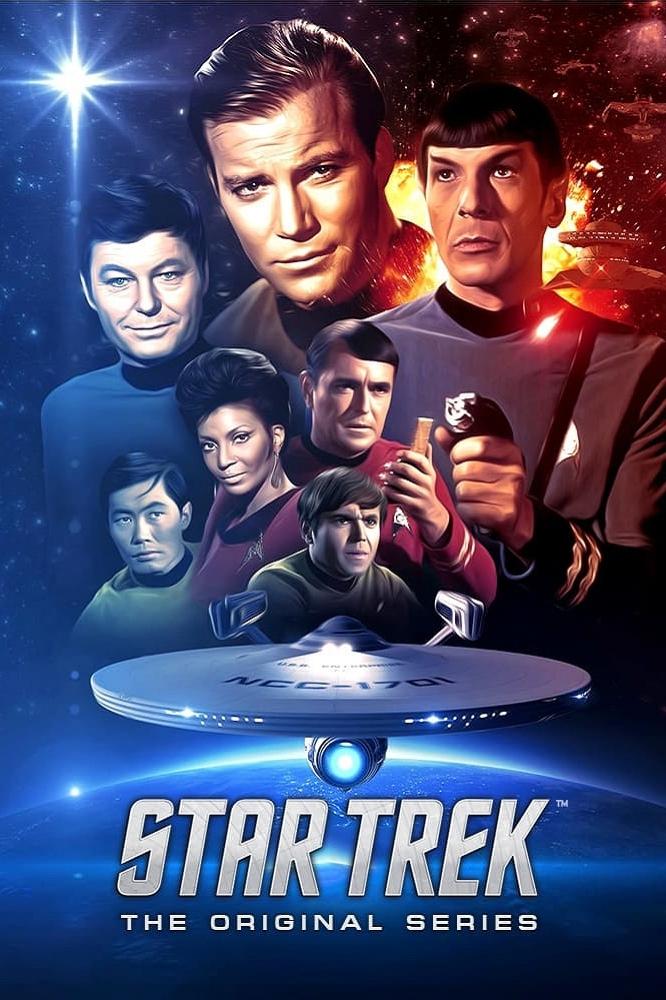
The first produced pilot for ‘Star Trek: The Original Series’ was ‘The Cage’, featuring Captain Christopher Pike, a different bridge crew, and a more contemplative exploration format; NBC rejected it and took the unusual step of ordering a second pilot. The second pilot, ‘Where No Man Has Gone Before’, introduced Captain James T. Kirk, a reconfigured ensemble, and a clearer adventure template, which then defined the weekly series that followed.
Because ‘The Cage’ never aired as the series premiere, viewers met a show built around Kirk and a brisker, action-forward mission profile rather than the Pike-led version teased by the original pilot. Elements from ‘The Cage’ were later repurposed into the two-part episode ‘The Menagerie’, creating a unique case where the broadcast series folded an abandoned pilot into canon multiple seasons later.
‘Star Trek: Discovery’ (2017–2024)
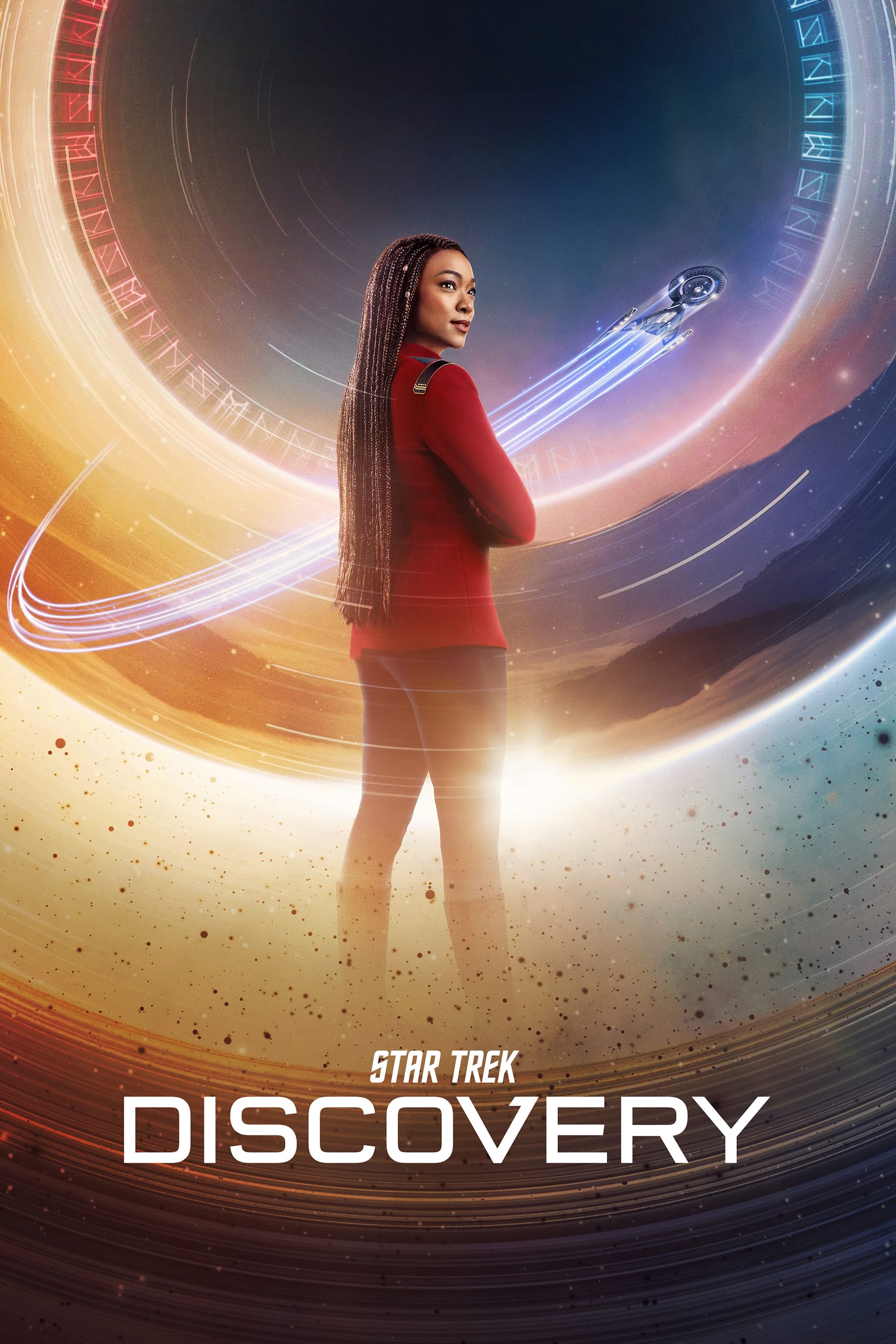
The two-part pilot of ‘Star Trek: Discovery’ centers on the USS Shenzhou, Captain Philippa Georgiou, and Michael Burnham’s mutiny trial, framing a Federation–Klingon war story with a mentor–protégé dynamic on a ship that is not the show’s namesake. After that opening, the series relocates almost entirely to the USS Discovery under Captain Gabriel Lorca, introduces the experimental spore drive as the core technology hook, and shifts its main ensemble.
Subsequent seasons move even further from the war focus and pilot setting, sending Burnham and the crew into parallel universes and, later, nearly a millennium into the future, transforming the ongoing premise from a prequel conflict narrative into a time-spanning exploration of new eras in the franchise timeline. Those structural pivots created new story engines that the premiere did not foreground.
‘Parks and Recreation’ (2009–2015)
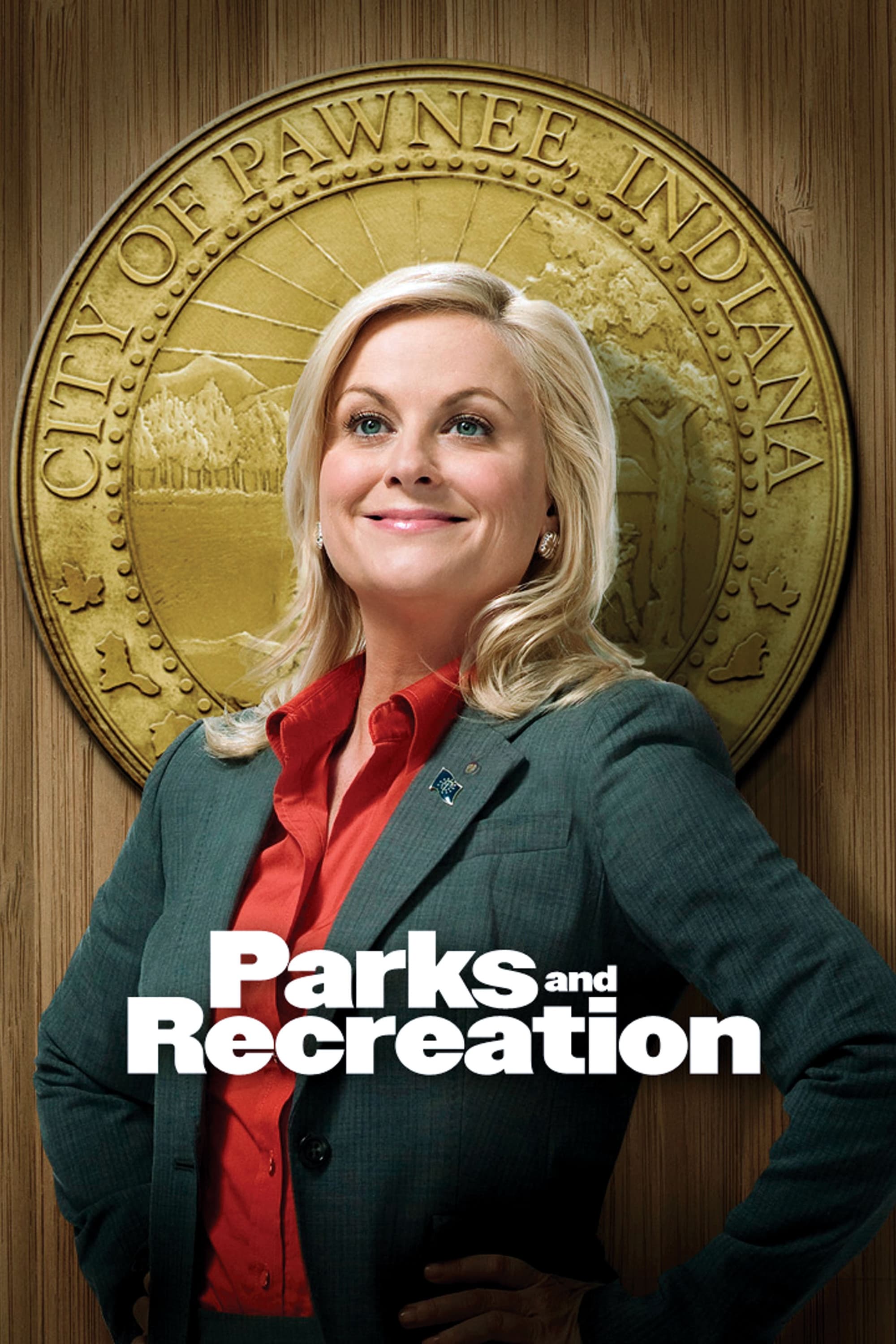
The pilot for ‘Parks and Recreation’ presents a mockumentary about a mid-level bureaucrat launching a single parks project—the pit—inside a narrowly scoped department setting. Across the first full season and into the second, the show widens its canvas to Pawnee’s city government at large, integrates a broader ensemble of civil servants, and introduces new roles and departments that become recurring story engines.
Behind the scenes, the writers adjusted character briefings and departmental dynamics after the initial run, giving the series a more interdepartmental structure and shifting from a single-project premise to ongoing municipal operations, campaign arcs, and federal-level plotlines that the pilot did not outline. The workplace’s scope and the types of story beats therefore expand significantly beyond the initial setup.
‘Seinfeld’ (1989–1998)
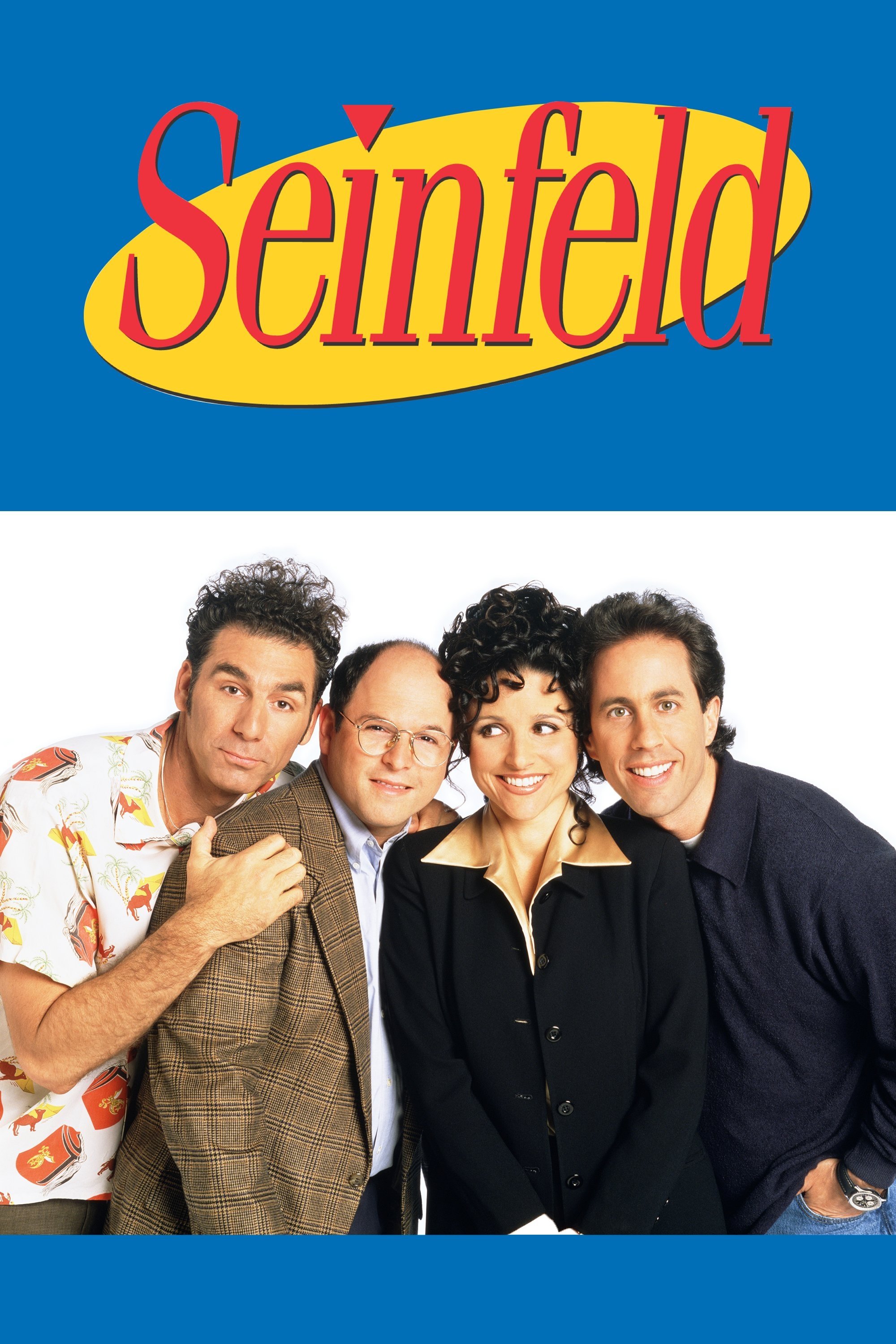
The pilot, ‘The Seinfeld Chronicles’, features a core duo dynamic with Jerry and George, a neighbor named Kessler instead of Kramer, and no Elaine, giving the episode a different social axis. Following network notes and early audience research, the production added Elaine as a principal character, standardized the Kramer name, and codified the quartet that defined most subsequent plots.
The series also integrated stand-up interstitials differently than the pilot, evolving the format to let everyday scenarios among the four leads drive episodes more than the club-set framing device introduced early. Those structural and cast adjustments reoriented the show’s character balance and comedic mechanics away from the specific configuration previewed in the premiere.
‘Babylon 5’ (1994–1998)

The pilot TV movie for ‘Babylon 5’, ‘The Gathering’, introduces Commander Jeffrey Sinclair, a specific station staff lineup, and initial alien makeup designs and prosthetics that were revised before weekly production. When the series went to air, several roles were recast or reconfigured—most notably the second-in-command position and medical staff—and the visual effects pipeline was upgraded, altering the look and feel relative to the pilot.
Later, the series transitions from Sinclair to Captain John Sheridan as station commander and accelerates multi-season arcs involving the Shadows and the Minbari in ways only lightly sketched in ‘The Gathering’. These changes shifted both the personnel roster and the long-arc narrative emphasis beyond what the pilot suggested.
‘Stargate SG-1’ (1997–2007)
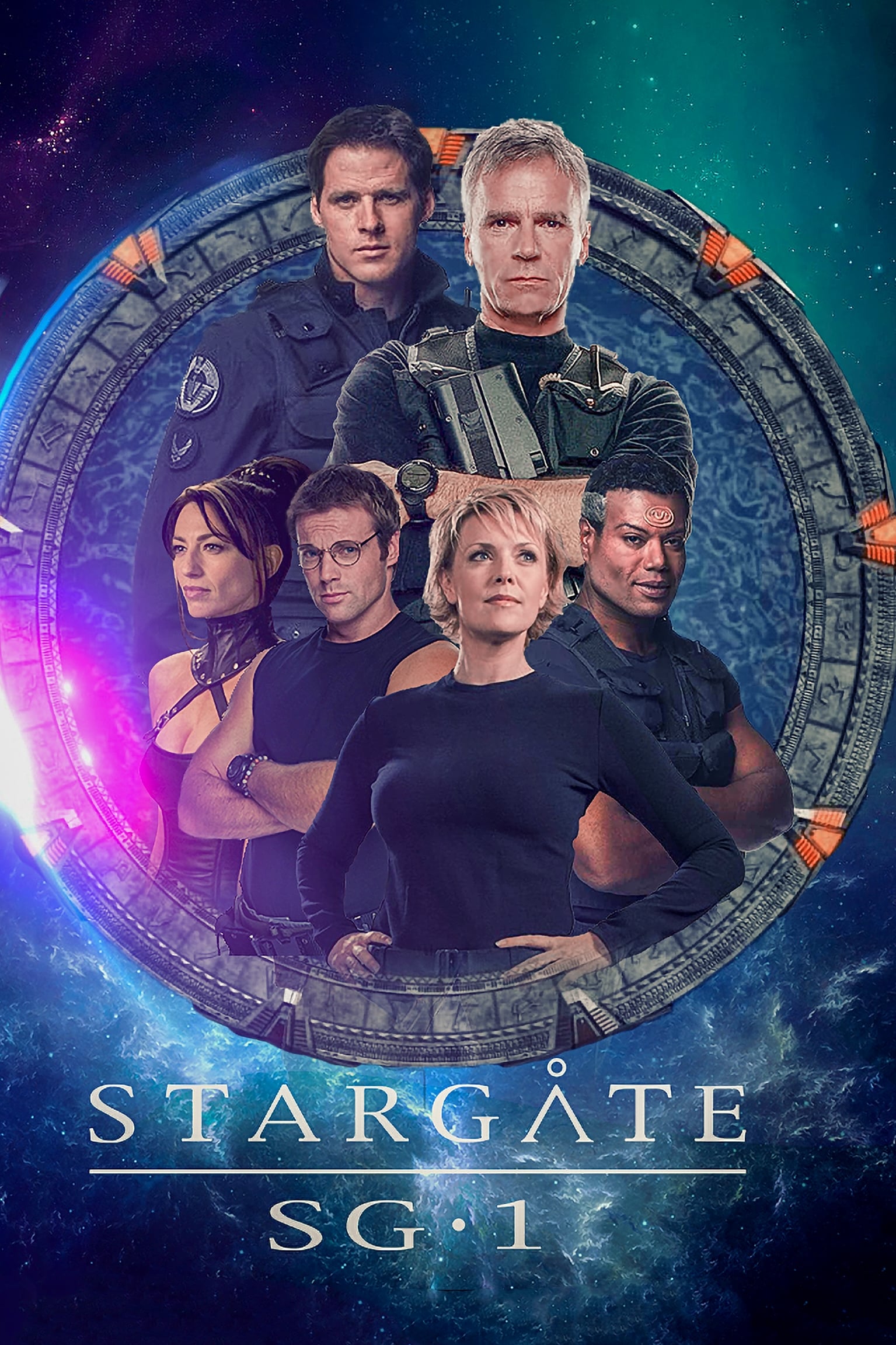
The pilot, ‘Children of the Gods’, revisits the original ‘Stargate’ film’s continuity, includes more graphic content, and features certain characters and ranks that do not carry forward in the same form. For the ongoing series, the production standardized the SGC command structure under General Hammond, established a different content baseline for syndication, and recalibrated costuming and alien depictions for weekly television.
As the seasons unfolded, the show built an episodic-plus-arc format around the Goa’uld, Tok’ra, and later the Replicators and Ori, moving away from the film-centric follow-up feel and the specific tone of the pilot. These world-building expansions and production adjustments reset expectations from a film continuation to a long-form, franchise-defining TV framework.
‘Fringe’ (2008–2013)
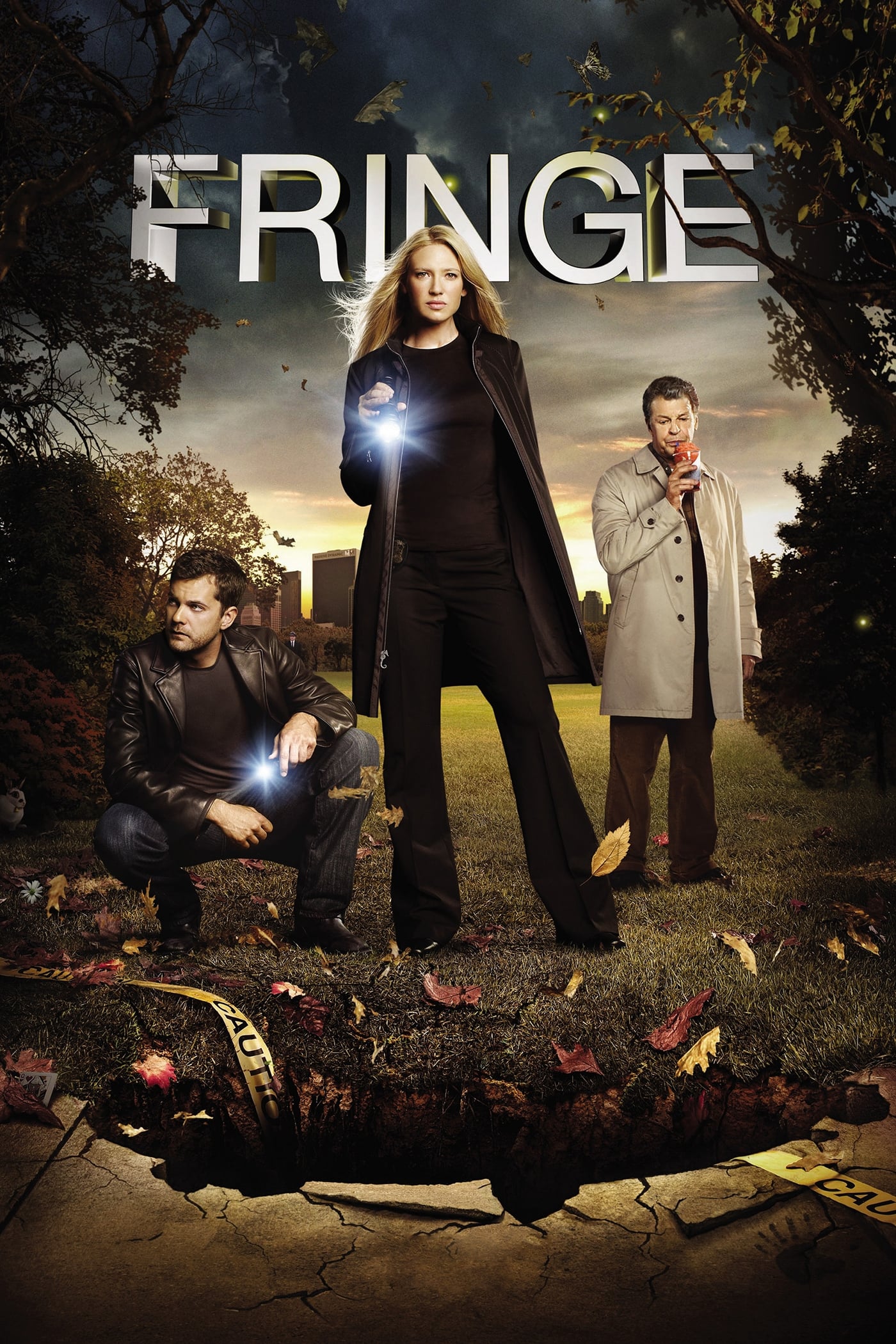
The ‘Fringe’ pilot sets up a procedural pattern tied to a corporate entity, Massive Dynamic, and an FBI tasking model where “Pattern” cases appear linked to a single overarching conspiracy. While those elements remain, the series increasingly emphasizes parallel universes, alternate counterparts, and timeline reboots, which broaden the mythology far beyond the initial investigatory template.
Production also shifts the weekly case structure to accommodate serialized arcs such as the war between universes and the Observer storyline, introducing season-long objectives and continuity-heavy plotting. The emphasis on doppelgängers and reality shifts becomes a defining feature that the pilot only hints at in its closing beats.
‘Alias’ (2001–2006)
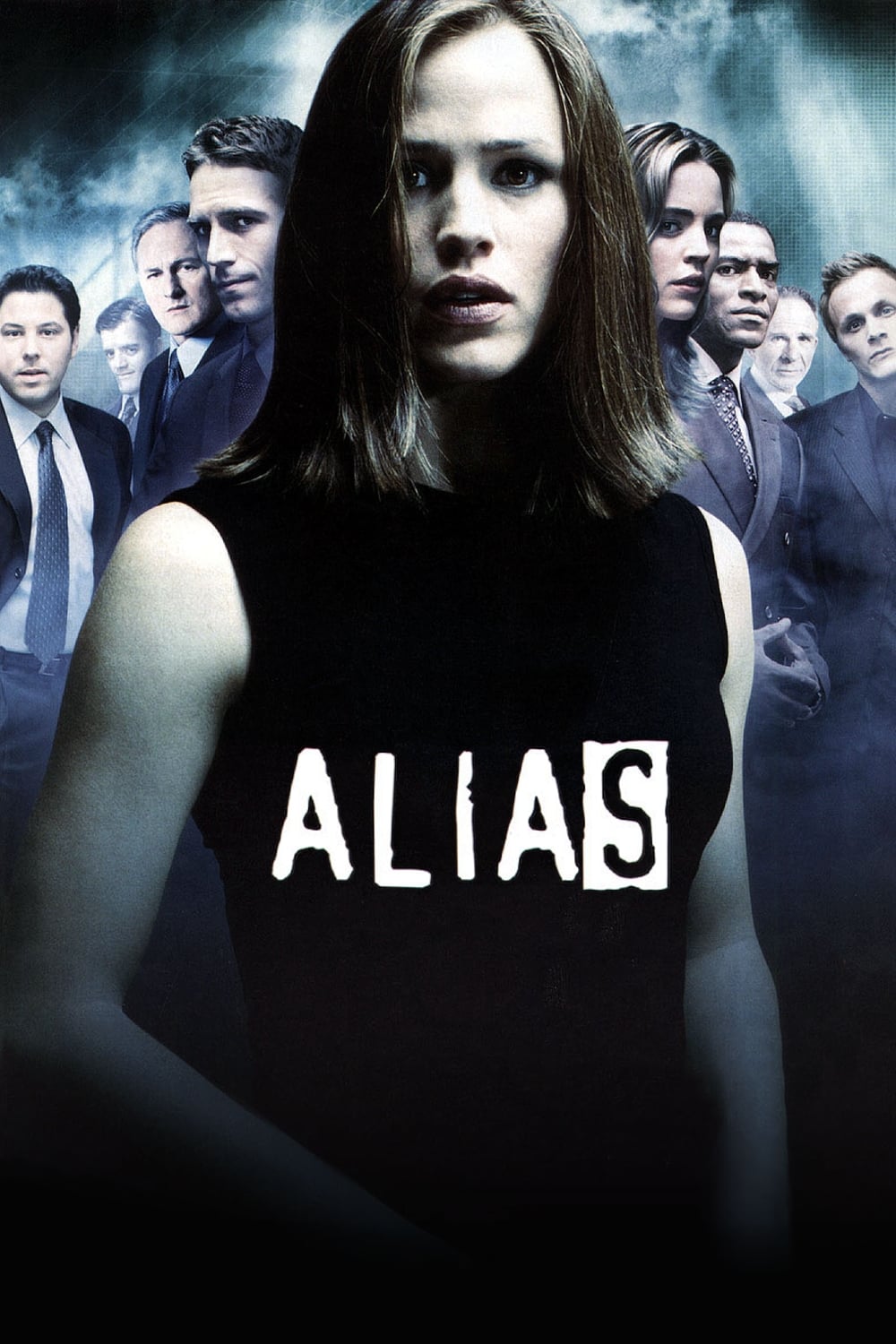
The ‘Alias’ pilot defines Sydney Bristow as a double agent embedded in SD-6 while secretly reporting to the CIA, establishing a mission-of-the-week rhythm anchored to that cover. By the middle of the second season, the SD-6 infrastructure is dismantled, removing the original operational premise and replacing it with open CIA work and global Rambaldi-centric arcs.
Casting and set adjustments accompany this narrative pivot, with new agency leadership and reorganized teams altering how missions are assigned and executed. The result is a show whose core espionage mechanics and weekly logistics diverge notably from the initial double-life framework laid out in the premiere.
‘Marvel’s Agents of S.H.I.E.L.D.’ (2013–2020)
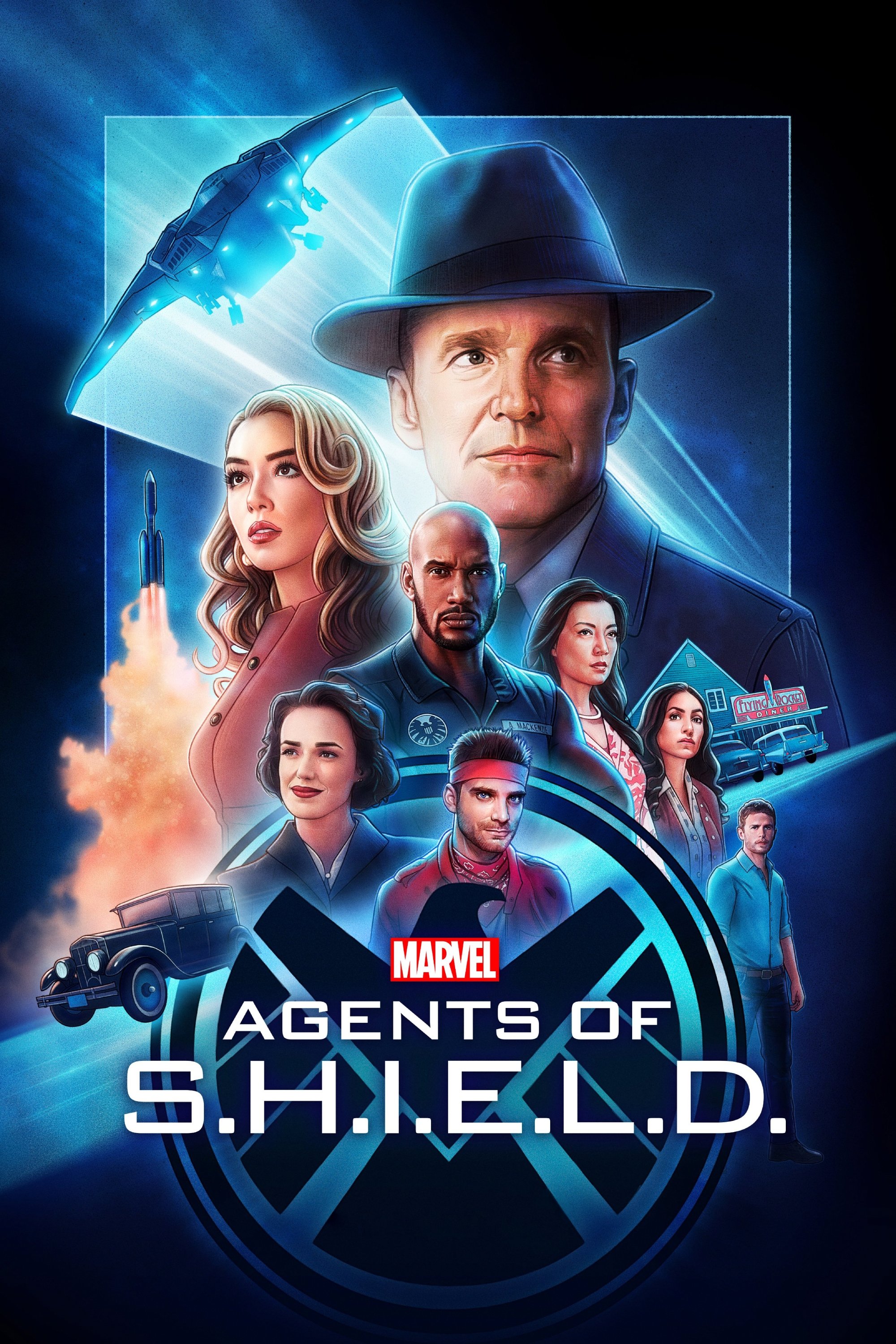
The pilot positions ‘Agents of S.H.I.E.L.D.’ as a ground-level look at an agency handling post-incident cleanup and low-level superhero adjacencies, structured like a team procedural. Following early episodes, the series incorporates major events that reconfigure the agency, introduces Inhumans as a central superpowered population, and eventually sends the team into space, alternate futures, and time-travel arcs.
These expansions alter the show’s core tasking from case-of-the-week operations to season-spanning missions involving covert cells, alien civilizations, and temporal stakes. The production also adapts its ensemble composition and leadership structure multiple times, creating organizational realities far removed from what the pilot presents.
‘Riverdale’ (2017–2023)
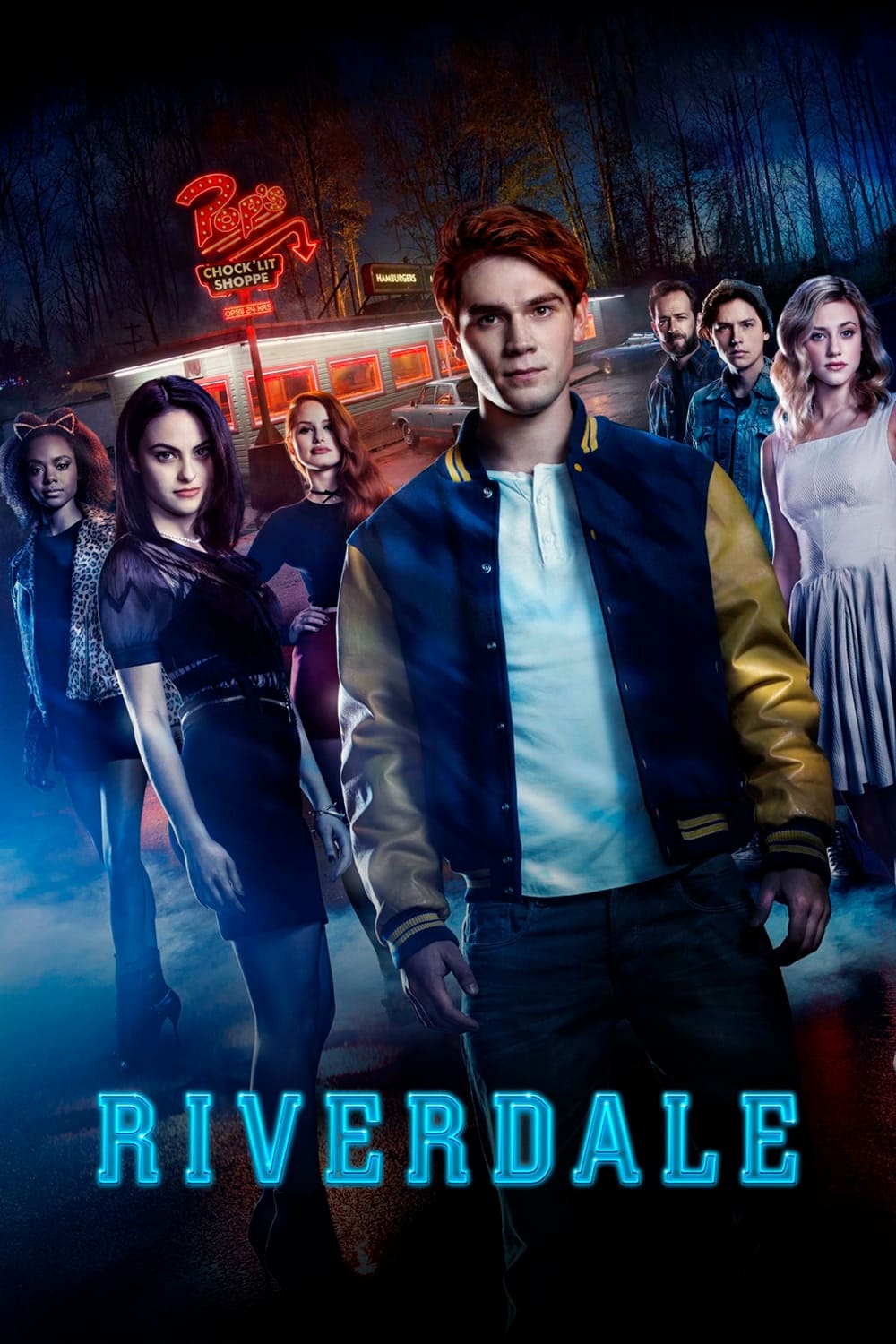
The ‘Riverdale’ pilot frames a grounded, small-town murder mystery centered on Jason Blossom’s death, using school, family, and local business settings for its investigation beats. Subsequent seasons introduce genre elements including cult storylines, crime families, and multiple musical episodes, rotating the narrative into heightened mystery-thriller territory beyond a single homicide case.
Production design and narrative scope expand from core teen settings to town-wide institutions, alternate timelines, and metatextual devices. These choices shift the series engine from one murder investigation to a succession of town-defining crises and stylistic experiments, a trajectory the pilot does not explicitly map.
‘The Leftovers’ (2014–2017)
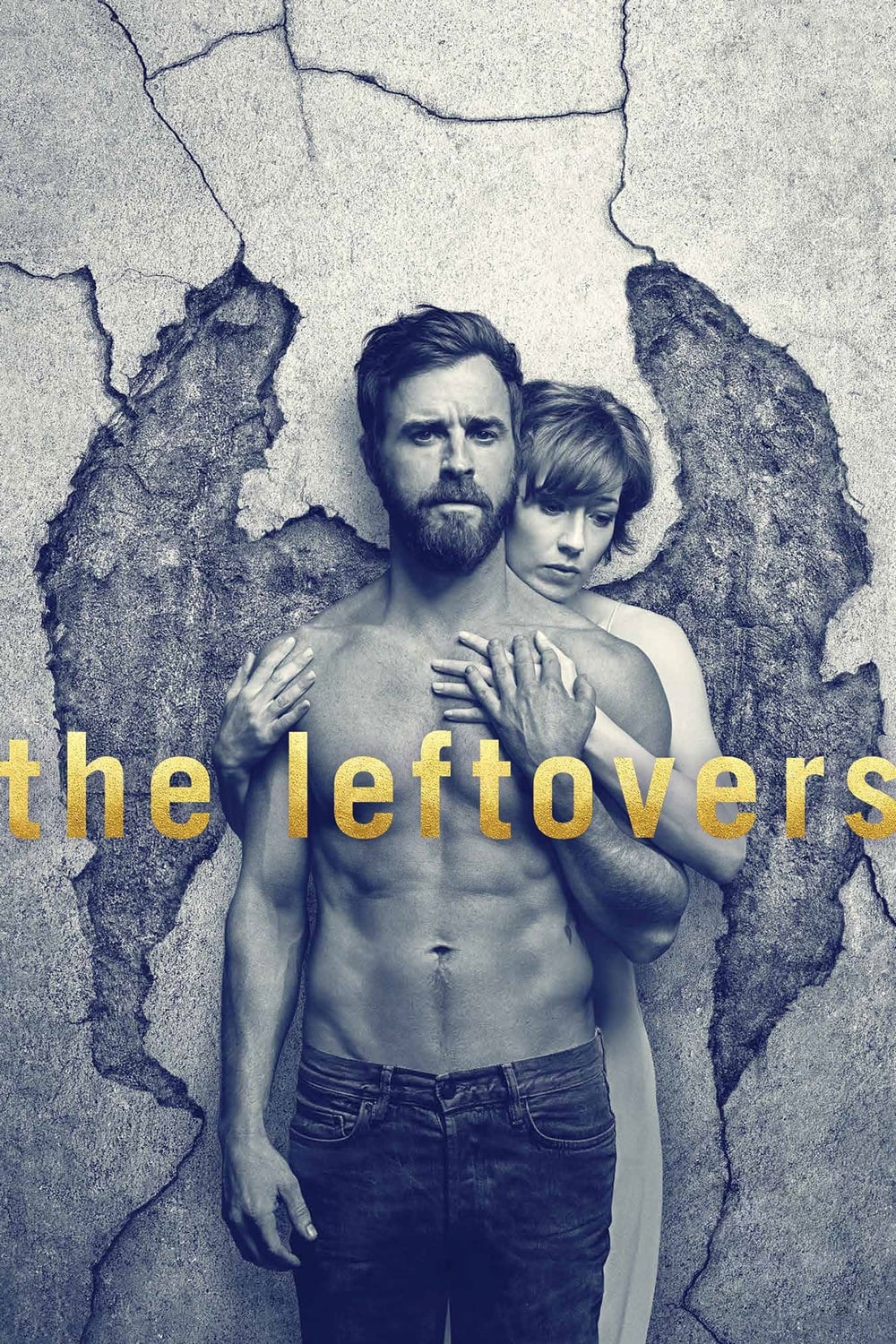
The pilot of ‘The Leftovers’ is set in Mapleton, New York, focusing on local responses to the Sudden Departure and introducing the Guilty Remnant as a primary element. In season two, the show relocates to Jarden, Texas, and restructures episodes around new families and a geographic anomaly, with season three expanding to Australia and reconfiguring narrative perspectives.
The series also changes opening credits, musical motifs, and episode structures between seasons, signaling shifts in thematic emphasis and point of view that go well beyond the pilot’s initial municipal framing. Those production and storytelling adjustments create distinct seasonal identities that the premiere does not preview in detail.
‘Westworld’ (2016–2022)
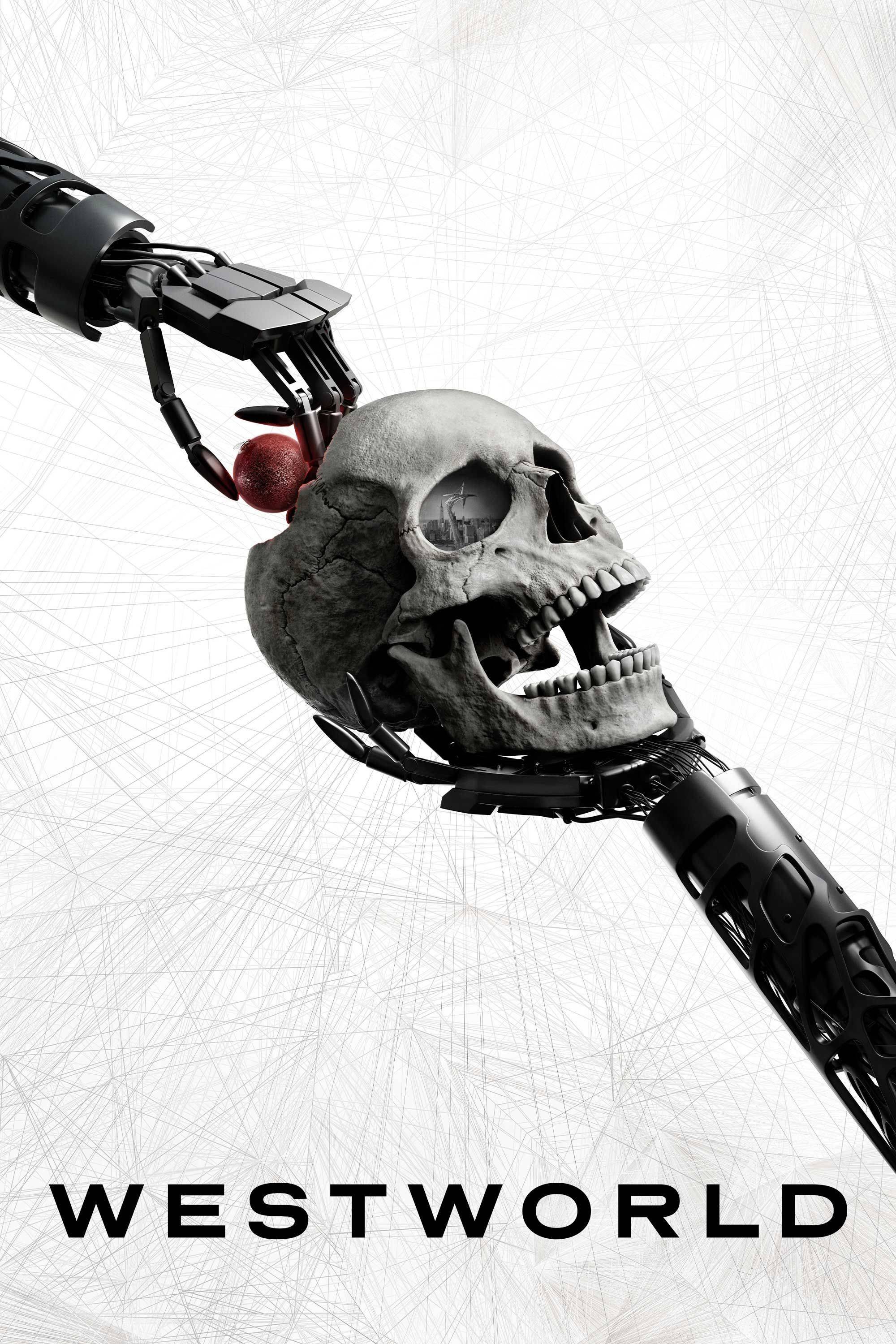
The ‘Westworld’ pilot establishes a park-set loop structure where hosts repeat narratives controlled by in-park staff, with diagnostics, narrative departments, and Guest interactions as the primary arenas. Later seasons transition away from the park into the outside world, introduce corporate systems like Incite and Rehoboam, and focus on AI self-determination across global settings.
These moves replace the original in-park narrative lab mechanics with broader social-tech infrastructures, new character alignments, and city-scale conflicts. The production correspondingly shifts locations, sets, and visual language, evolving the series far from the contained theme-park environment the pilot emphasizes.
‘New Girl’ (2011–2018)

The ‘New Girl’ pilot features a four-roommate setup that includes Coach as a principal character; due to prior commitments, the role exits after the pilot and Winston is introduced in early episodes, altering the apartment’s dynamic. The production recalibrates character relationships and living arrangements accordingly, setting a new baseline ensemble for most of the run.
Over time, the series adjusts job settings, recurring guest roles, and living situations in ways that diverge from the pilot’s initial housing and workplace picture. Those logistical changes reshape ongoing story opportunities and character pairings beyond the specific configuration established in the first episode.
‘Twin Peaks’ (1990–1991)
The ‘Twin Peaks’ pilot launches with the investigation into Laura Palmer’s death, presenting a whodunit structure that anchors law enforcement and town-resident interactions. While the mystery remains central early on, the series rapidly incorporates supernatural lore, dream logic, and mythic entities that broaden the narrative beyond a single investigative throughline.
Additionally, there are two versions of the pilot: the U.S. broadcast cut, which sets up an ongoing mystery, and an international version that appends a killer reveal and epilogue crafted to serve as a standalone movie. The coexistence of these cuts and the later expansion of otherworldly elements create a trajectory that diverges from the straightforward procedural scaffolding introduced at the outset.
‘The 100’ (2014–2020)
The pilot for ‘The 100’ centers on a group of juvenile survivors sent to a post-apocalyptic Earth to determine habitability, focusing on camp formation and immediate survival protocols. As the series progresses, the story expands to include multiple grounder clans, AI governance systems, and off-world colonization, moving the conflict across continents and even planets.
Production scales settings from a single camp to fortified cities, bunkers, and space habitats, and it introduces new political systems and technologies that supersede the initial survival test. The evolving world-building and governance arcs thus shift the show’s primary concerns well beyond the pilot’s first-contact and wilderness framework.
Share your own examples of pilots that set one lane and shows that sped off in another in the comments!