TV Show Casting Choices that Sparked Online Wars


Sometimes a casting announcement hits the internet and sets comment sections ablaze. Fans pore over source material, compare past performances, and debate everything from age to accent to costume fit. Streaming platforms and networks know it’s coming, but that doesn’t stop the wave of hot takes, petitions, and think pieces that follow within hours.
This list rounds up TV castings that ignited especially loud online flashpoints. Each entry sticks to the facts around the role, the character’s background in previous media, the timeline of the reveal, and what happened after the discourse settled into real episodes. No scorecards—just the context you need to understand why these choices became digital battlegrounds.
‘The Last of Us’ (2023– ) – Bella Ramsey as Ellie

Bella Ramsey was announced to play Ellie alongside Pedro Pascal’s Joel in HBO’s adaptation of the Naughty Dog game series. Online debate spiked around comparisons to the game character’s look and voice, as well as Ramsey’s prior work on ‘Game of Thrones’ and stage projects that demonstrated a different register from Ellie’s sardonic tone. Show creatives emphasized a performance-first approach and detailed how the audition process prioritized emotional range, chemistry, and the ability to carry extended scenes with minimal dialogue.
When episodes aired, discussion threads tracked how specific game moments were translated, including Ellie’s humor, fear responses, and rapport with Joel. Interviews and behind-the-scenes features outlined the training regimen, stunt preparation, and dialect work used to align the character’s mannerisms with the source while allowing for adjustments that fit live-action pacing and camera framing.
‘The Witcher’ (2019– ) – Liam Hemsworth as Geralt of Rivia
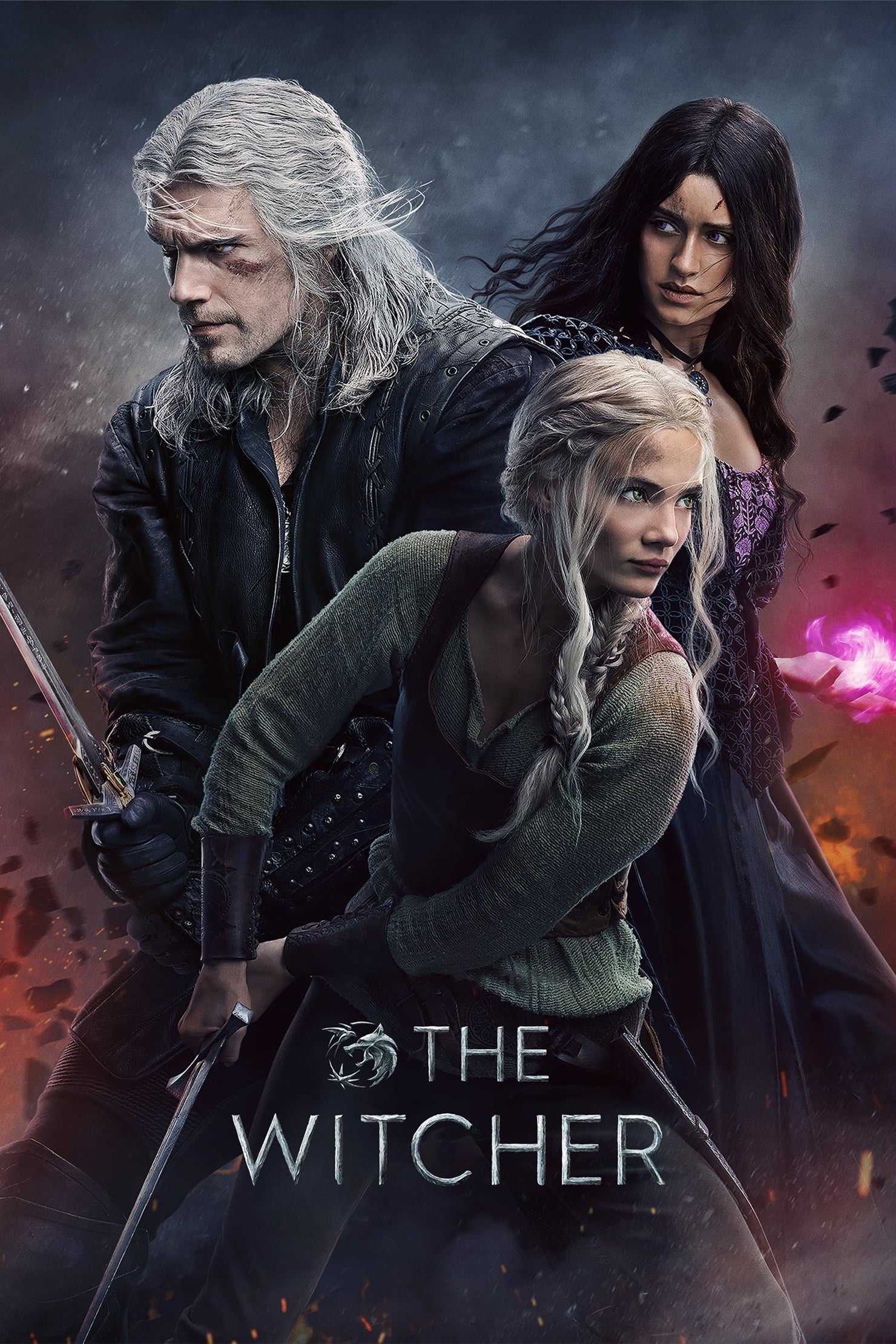
Netflix confirmed that Liam Hemsworth would assume the role of Geralt after Henry Cavill’s tenure, immediately triggering widespread conversation about continuity and tone. The production addressed logistical details around the transition, noting the multi-season arc planning, stunt choreography demands, and the need to preserve recognizable traits like combat style, vocal cadence, and use of Signs.
Public materials outlined how the team would approach visual continuity, including wig and makeup tests for Geralt’s hair, scar patterns, and armor silhouettes. Showrunners discussed the adaptation’s latitude from the Andrzej Sapkowski books, explaining which character beats remain canon-anchored and which will be tailored to the performer’s strengths, with ADR and Foley planning used to maintain Geralt’s signature gruff delivery.
‘House of the Dragon’ (2022– ) – Steve Toussaint as Corlys Velaryon
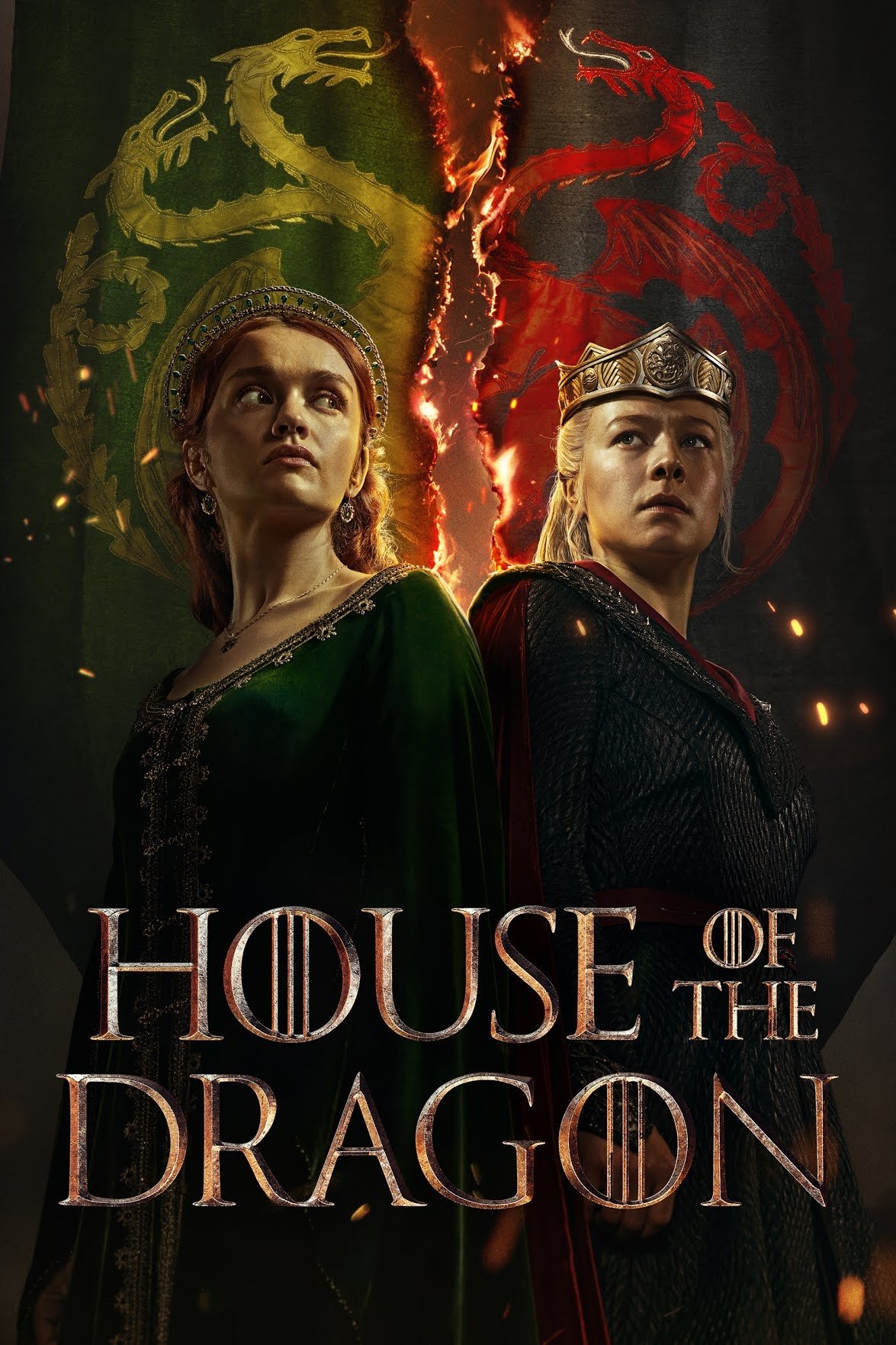
Casting Steve Toussaint as Corlys Velaryon prompted heavy online discussion about the character’s depiction relative to established art and past companion texts. HBO and creative leads noted that the Valyrian houses in the prequel period allowed for broader interpretation, and that familial traits would be emphasized through styling, sigils, and costuming to situate Corlys within the show’s heraldry and naval power themes.
Featurettes and press materials highlighted maritime set pieces that define Corlys, detailing ship builds, deck layouts, and costuming designed for sea travel. The team underscored how lineage, alliances, and political maneuvering would anchor the character’s presence, with scripting focused on expedition history, council strategy scenes, and interactions that crystallize the Velaryon role in the succession conflict.
‘The Lord of the Rings: The Rings of Power’ (2022– ) – Ismael Cruz Córdova as Arondir
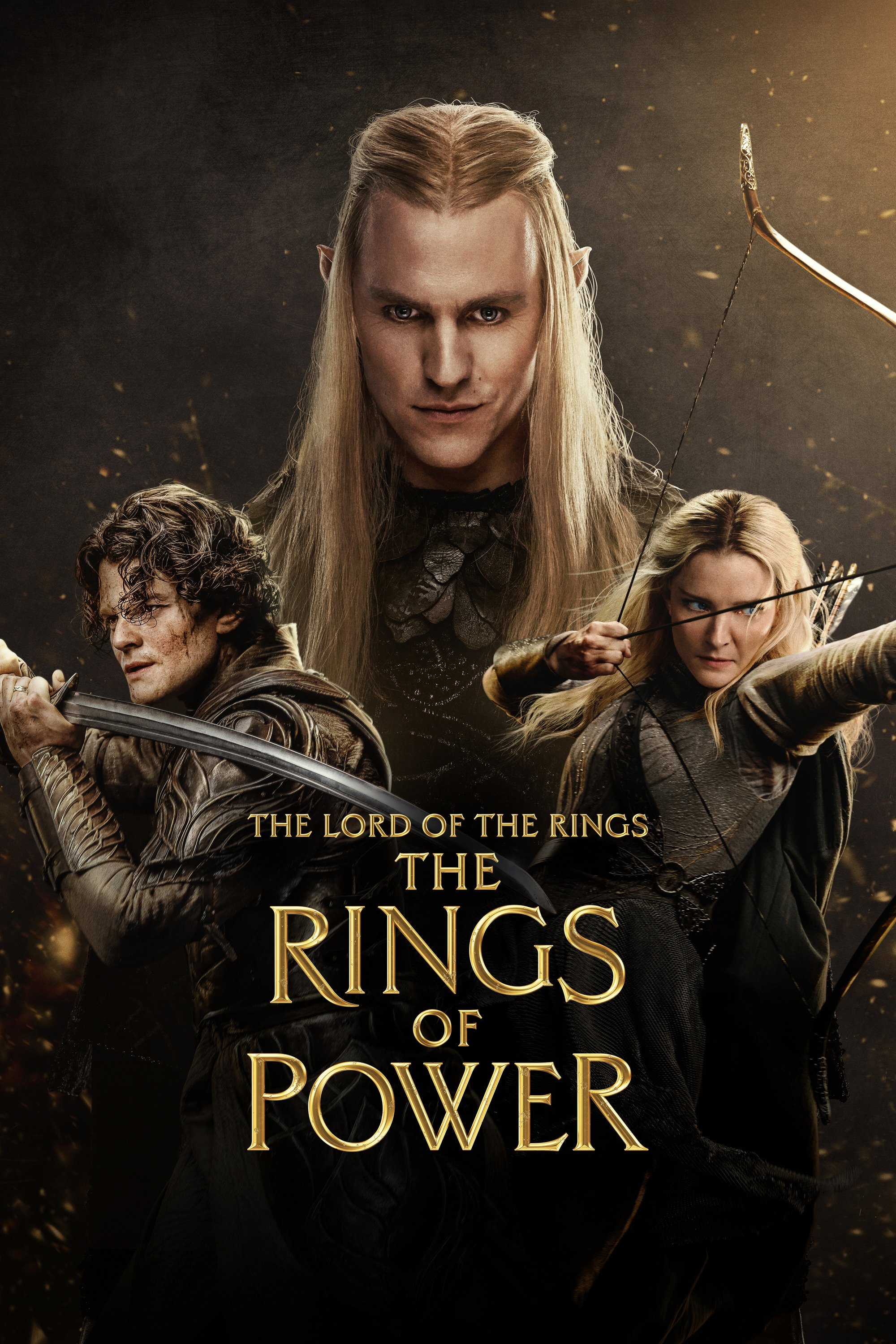
Amazon introduced Arondir as a new Silvan elf character, with Ismael Cruz Córdova’s casting prompting debates about invented roles within the legendarium. The production explained licensing boundaries and how new characters could be positioned to explore regions and peoples not deeply dramatized before, while still mapping to thematic pillars like fading ages, watchfulness, and contested borders.
Technical notes covered the physical demands of elf portrayals, including archery training, movement coaching for stillness and speed, and prosthetics integration with stunt harness systems. Wardrobe and art departments discussed how armor motifs and patinas distinguished Silvan culture from other elven groups, ensuring visual coherence during night shoots and forest sequences.
‘Obi-Wan Kenobi’ (2022) – Moses Ingram as Reva Sevander
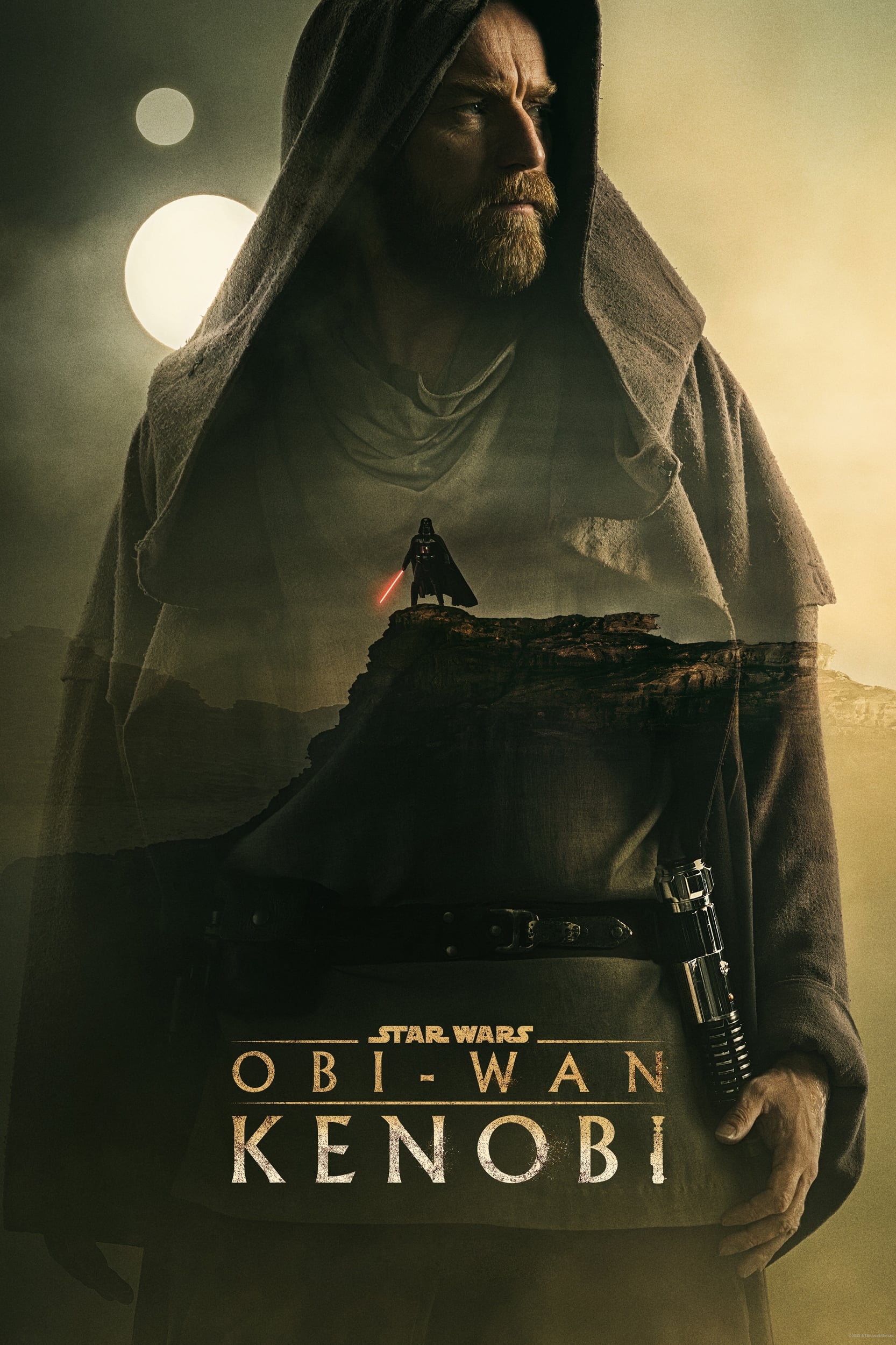
Moses Ingram’s casting as Reva, an Imperial Inquisitor, sparked intense online reactions centered on canon placement and narrative prominence within the ‘Star Wars’ timeline. Lucasfilm clarified the Inquisitorius structure and Reva’s role in the broader hunt for Jedi, outlining how the character’s path intersects with established figures while preserving continuity through mission parameters and rank hierarchies.
Production briefings detailed lightsaber choreography unique to Inquisitors, including blade-spin mechanics, stance profiles, and practical rigging for close-quarters sets. The series also showcased costuming choices that differentiate Imperial branches, with materials chosen to read correctly under specific color temperatures and to accommodate concealed stunt padding.
‘Doctor Who’ (1963– ) – Ncuti Gatwa as The Doctor

The BBC unveiled Ncuti Gatwa as the next Doctor, and the announcement immediately drove vigorous debate about precedent and expectations for the character. Showrunner commentary pointed to regeneration as a core mechanic allowing tonal resets, while retaining pillars such as moral compass, curiosity, and improvisational problem-solving.
Press kits highlighted wardrobe development—from silhouette testing to fabric movement during running sequences—and new TARDIS set elements engineered for dynamic blocking and multi-camera coverage. Music and sound teams described thematic motifs planned to reference classic cues while supporting faster-paced dialogue and contemporary sound design.
‘Anne Boleyn’ (2021) – Jodie Turner-Smith as Anne Boleyn
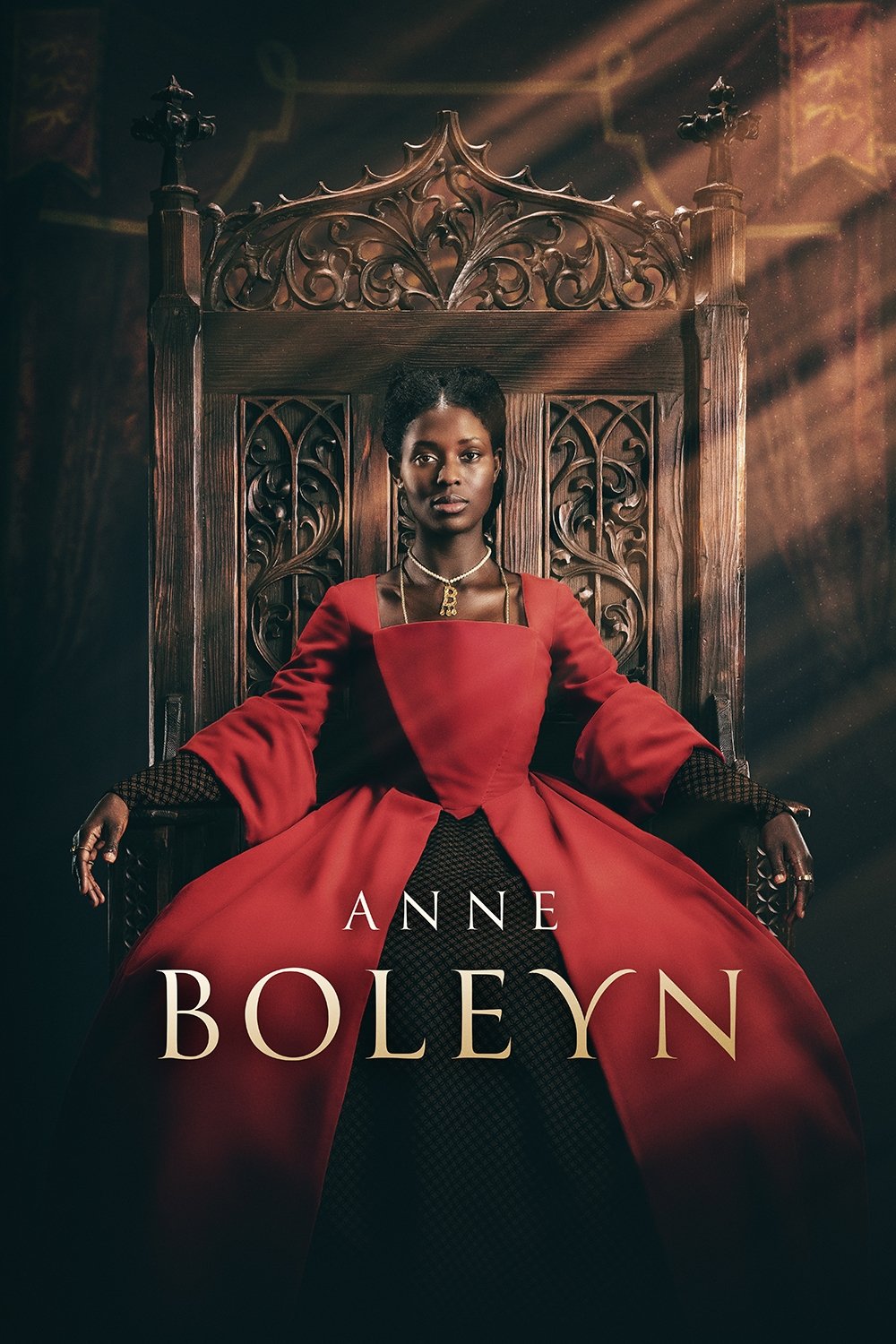
Channel 5’s three-part drama introduced Jodie Turner-Smith as Anne Boleyn, prompting extensive discourse about race-conscious casting in historical drama. The creators described a perspective-driven approach focused on interiority, courtroom dynamics, and power negotiations rather than a museum-piece reconstruction, using casting to emphasize universality of themes like ambition and agency.
Production notes detailed courtroom set builds, period-accurate props, and wardrobe elements like French hoods and kirtles, explaining how garments were adapted for camera while staying aligned with documented styles. Editors and writers discussed the compression of legal proceedings into episodic structure, ensuring temporal clarity without inserting extraneous exposition.
‘Cowboy Bebop’ (2021) – John Cho as Spike Spiegel
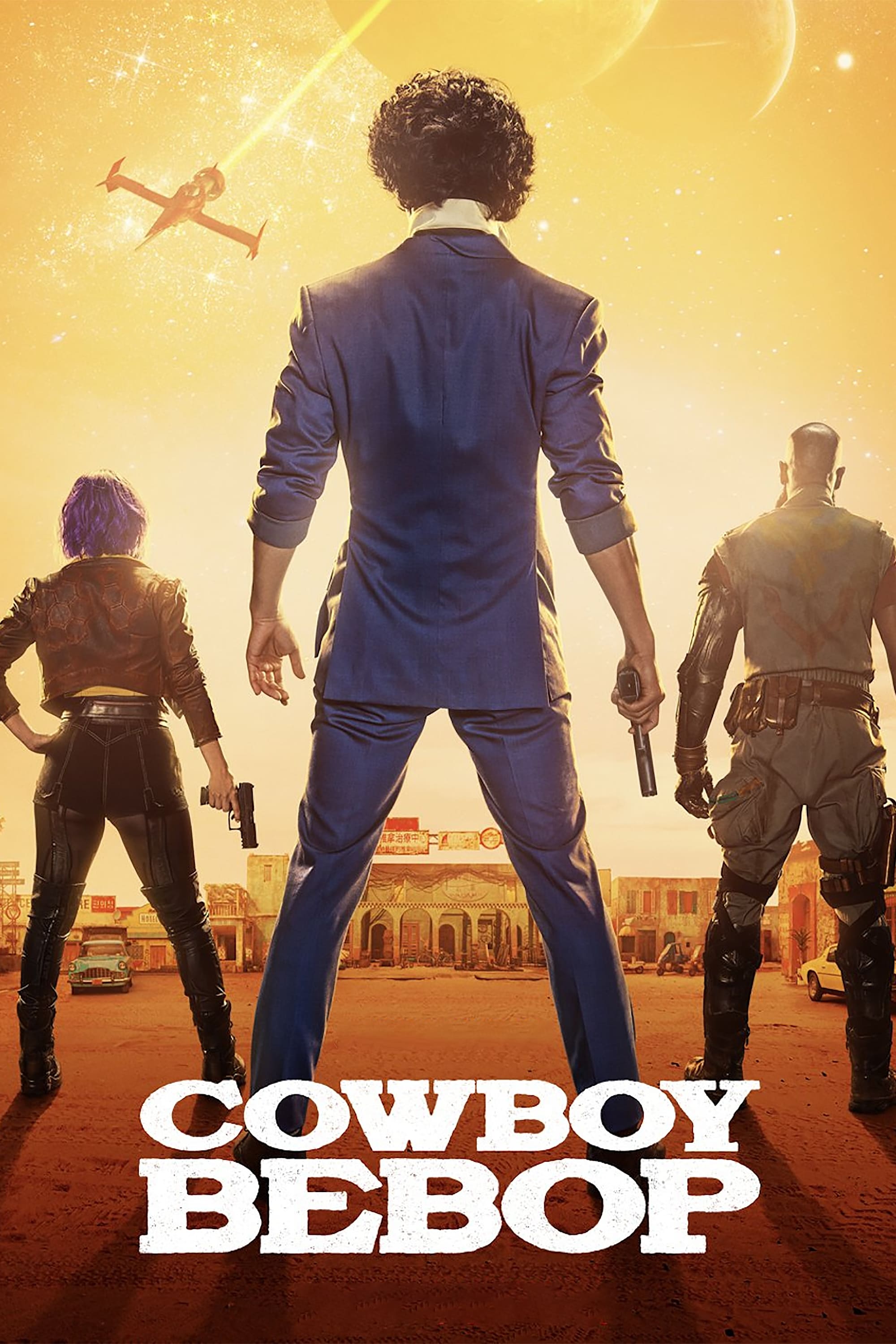
Netflix’s live-action ‘Cowboy Bebop’ named John Cho as Spike, igniting arguments about age, martial arts style, and fidelity to the anime’s lanky silhouette. The creative team explained choreography choices to translate animated fluidity into safe, repeatable live action, integrating wire work sparingly and favoring long takes where feasible.
Costume designers recreated iconic pieces like the blue suit with adjustments for movement, while the music department coordinated with Yoko Kanno’s returning compositions to align tempo with fight beats and shipboard pacing. The production also documented set builds for the Bebop interior, including modular sections enabling tracking shots that mirror anime framing.
‘The Mandalorian’ (2019– ) – Rosario Dawson as Ahsoka Tano
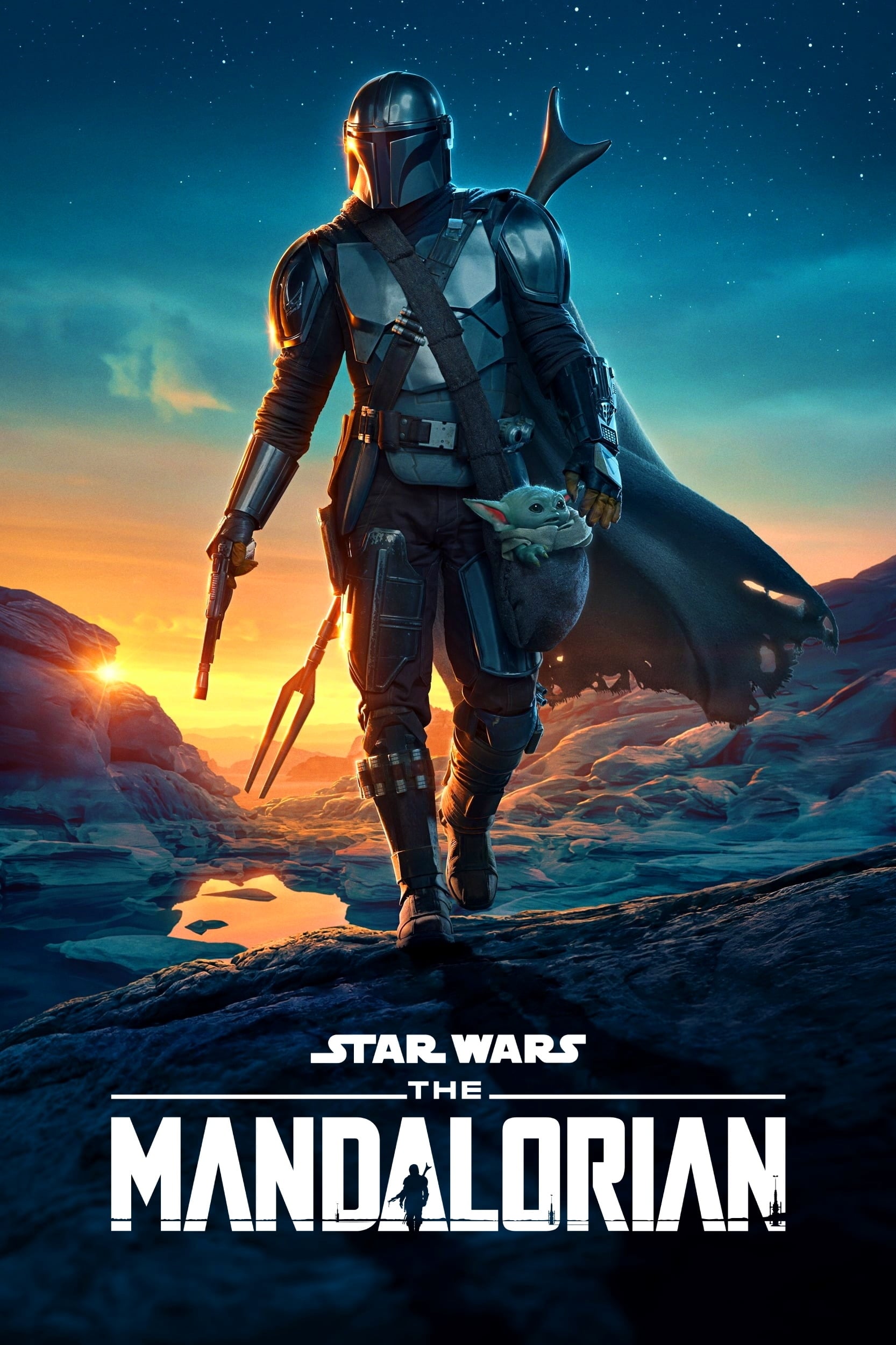
Rosario Dawson’s debut as Ahsoka transferred a major animated character into live action and drew intense comparisons with the original voice performance by Ashley Eckstein. Lucasfilm described a collaborative process that retained signature speech rhythms, lekku and montral design updates for stunt safety, and dual lightsaber choreography adapted for physical sets.
Makeup and prosthetics teams detailed materials that balanced durability with comfort during extended shoots, while directors mapped out blocking to showcase Ahsoka’s stealth and close-quarters tactics. Subsequent appearances coordinated character continuity across series, maintaining consistency in costume weathering and blade visual effects.
‘Titans’ (2018–2023) – Anna Diop as Starfire
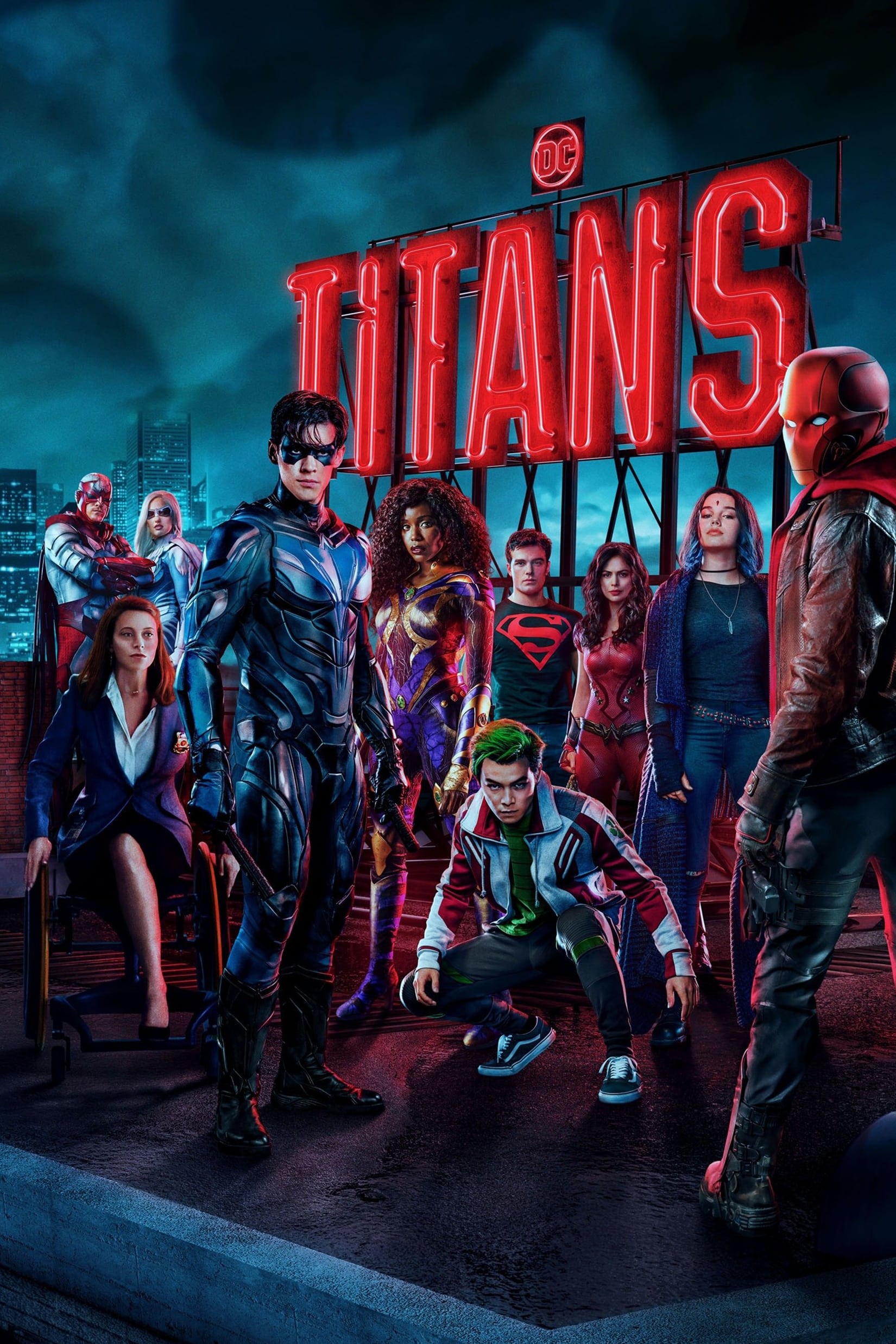
Anna Diop’s casting as Koriand’r/Starfire generated online pushback centering on appearance and early promotional images. DC and the production clarified that initial set photos reflected interim costuming and that the character’s visual arc would evolve with narrative context, including access to resources, memory state, and team alignment.
Show materials discussed VFX pipelines for Starfire’s energy projection, addressing color grading, particle simulations, and eye effects. Stunt coordination outlined fire-safe protocols and how practical lighting interacted with digital layers to preserve skin tone accuracy and avoid clipping in high-intensity scenes.
‘The Boys’ (2019– ) – Aya Cash as Stormfront

Aya Cash portrayed Stormfront, a character reimagined from the comics with a gender swap that stirred fan debates about adaptation liberties. The writers explained how the change supported storylines around media influence and public branding, while keeping core traits like power set and ideological extremity intact.
VFX breakdowns covered lightning simulations and on-set reference lighting for interactive reflections on metal and glass. The team also detailed safety measures for wire-assisted takeoffs and landings, along with wardrobe considerations to prevent arcing artifacts during effects integration.
‘Percy Jackson and the Olympians’ (2023– ) – Leah Sava Jeffries as Annabeth Chase
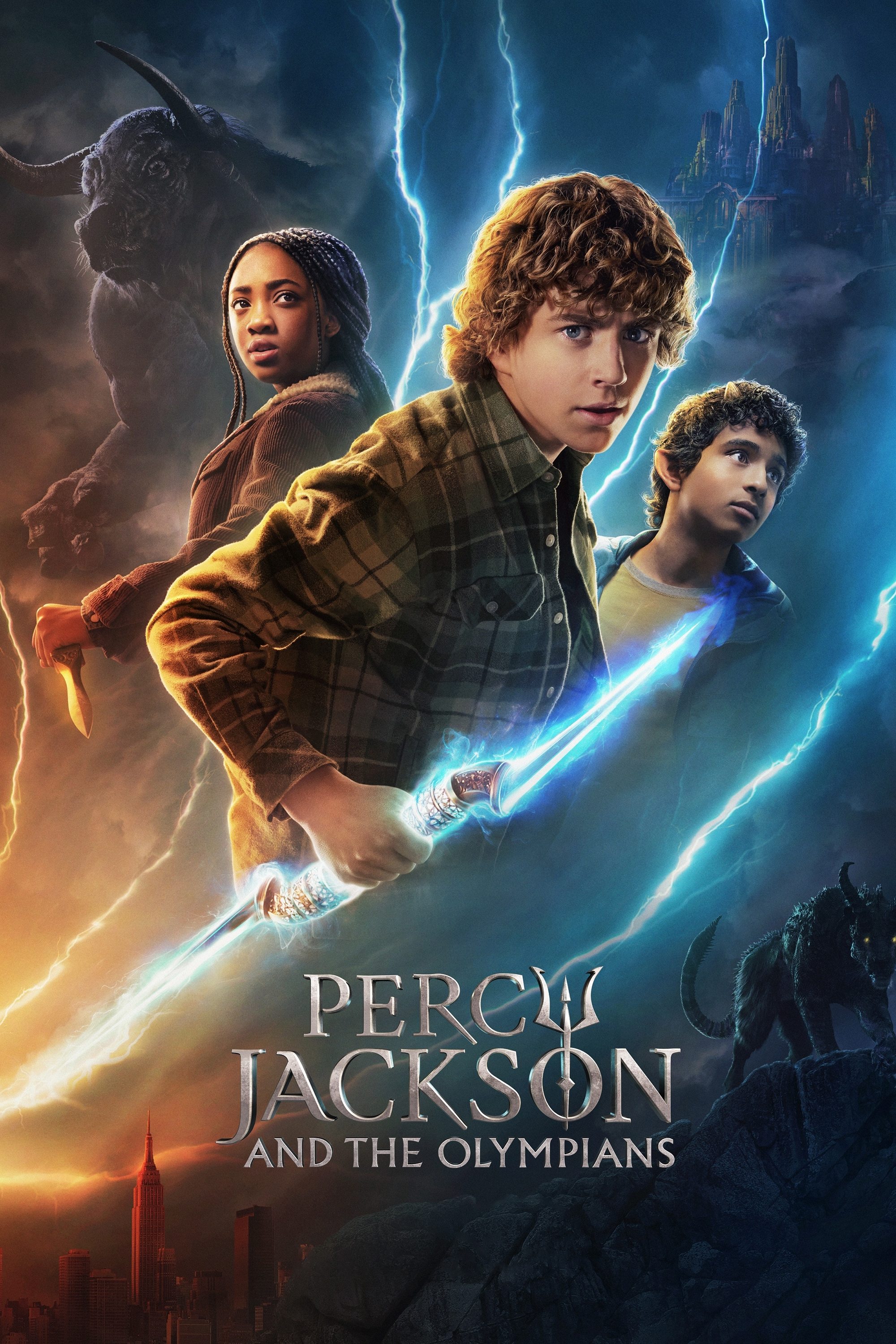
Leah Sava Jeffries’ casting as Annabeth sparked significant online discussion, leading the author and studio to issue statements backing the decision and urging respectful engagement. The production emphasized a book-first adaptation strategy guided by the author, with an audition process focused on strategic intelligence, leadership presence, and ensemble chemistry.
Training features outlined sword and staff work, obstacle drills for Camp Half-Blood sequences, and tutoring for terminology that anchors the worldbuilding. Costume and art departments described how cabin iconography, armor accents, and prop selection signal character traits and lineage without expository dialogue.
‘Wednesday’ (2022– ) – Luis Guzmán as Gomez Addams
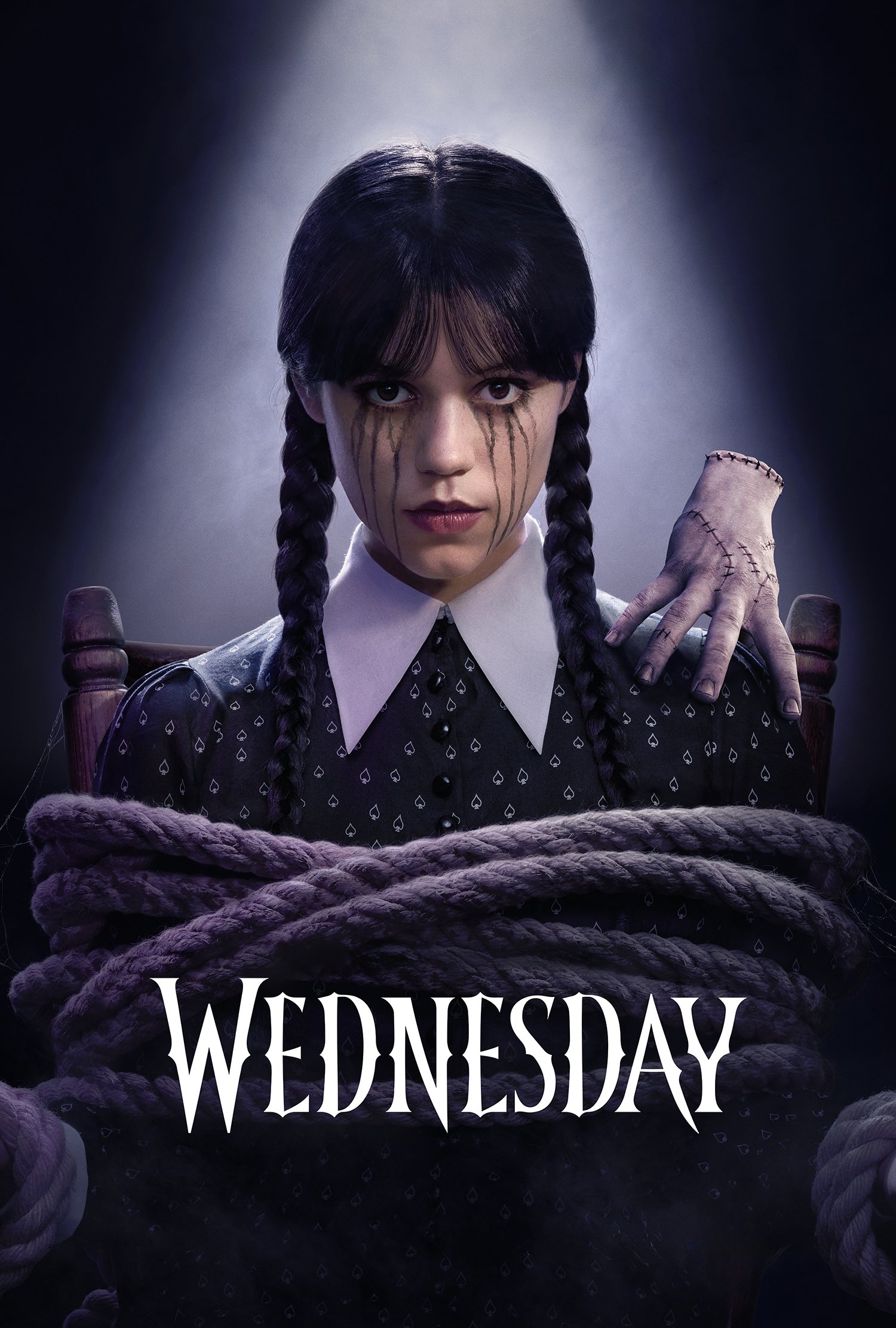
Luis Guzmán’s casting as Gomez drew debates referencing prior live-action portrayals and illustrated art from the original cartoons. The creative team noted a deliberate alignment with Charles Addams’ drawings, prioritizing character warmth and eccentricity over a romantic-hero silhouette established by earlier versions.
Wardrobe notes detailed cuff shapes, lapel widths, and pinstripe densities that photograph correctly under moody lighting while preserving the character’s mischievous aesthetic. Production design showcased set pieces like the family portrait gallery and school interiors, explaining how lens choices framed Gomez’s physicality and interactions within ensemble staging.
‘Shadow and Bone’ (2021–2023) – Jessie Mei Li as Alina Starkov

Jessie Mei Li’s selection as Alina initiated debates around changes from the novels and broader representation choices. The showrunners explained consolidations across duology and heist storylines, ensuring Alina’s arc remained central while integrating characters from companion books to strengthen on-screen momentum.
Departments documented kefta construction, embroidery motifs for Grisha orders, and how color hierarchies communicate rank and specialization. VFX teams described fold sequences, volumetric lighting setups, and how practical wind and fabric rigs improved integration with digital environments.
‘Queen Cleopatra’ (2023) – Adele James as Cleopatra
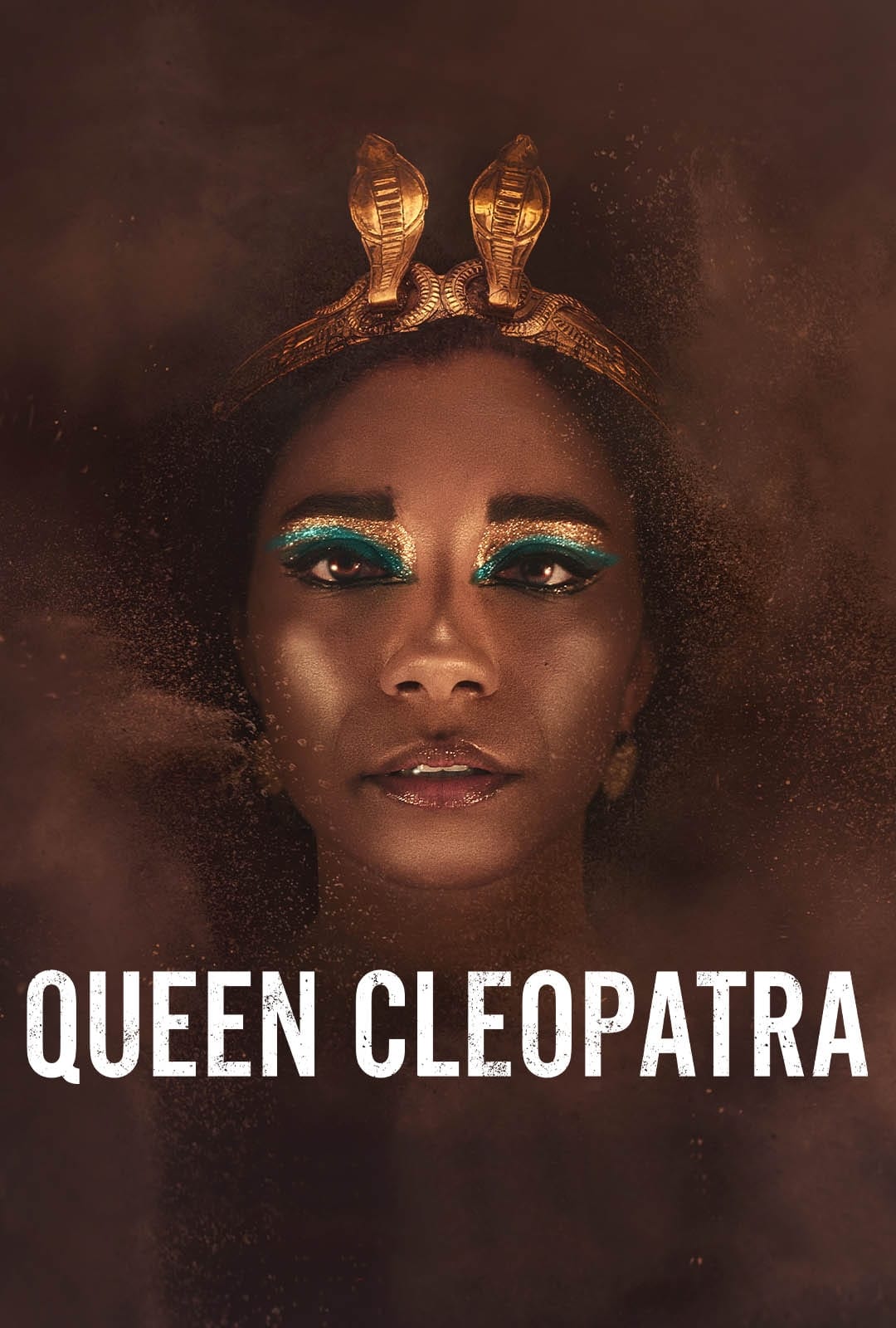
Netflix’s docudrama cast Adele James as Cleopatra, prompting widespread conversation about historical interpretation and casting practice in hybrid documentary formats. The producers stated their intent to explore competing ancient sources and modern scholarship, situating the portrayal within a range of contested narratives.
The series structure alternates dramatizations with expert commentary, requiring scheduling and continuity management to align talking-head segments with re-enactment scenes. Wardrobe and set design aimed to balance Ptolemaic court signifiers with visual clarity for viewers unfamiliar with the period, using recurring motifs to guide recognition.
‘Resident Evil’ (2022) – Lance Reddick as Albert Wesker
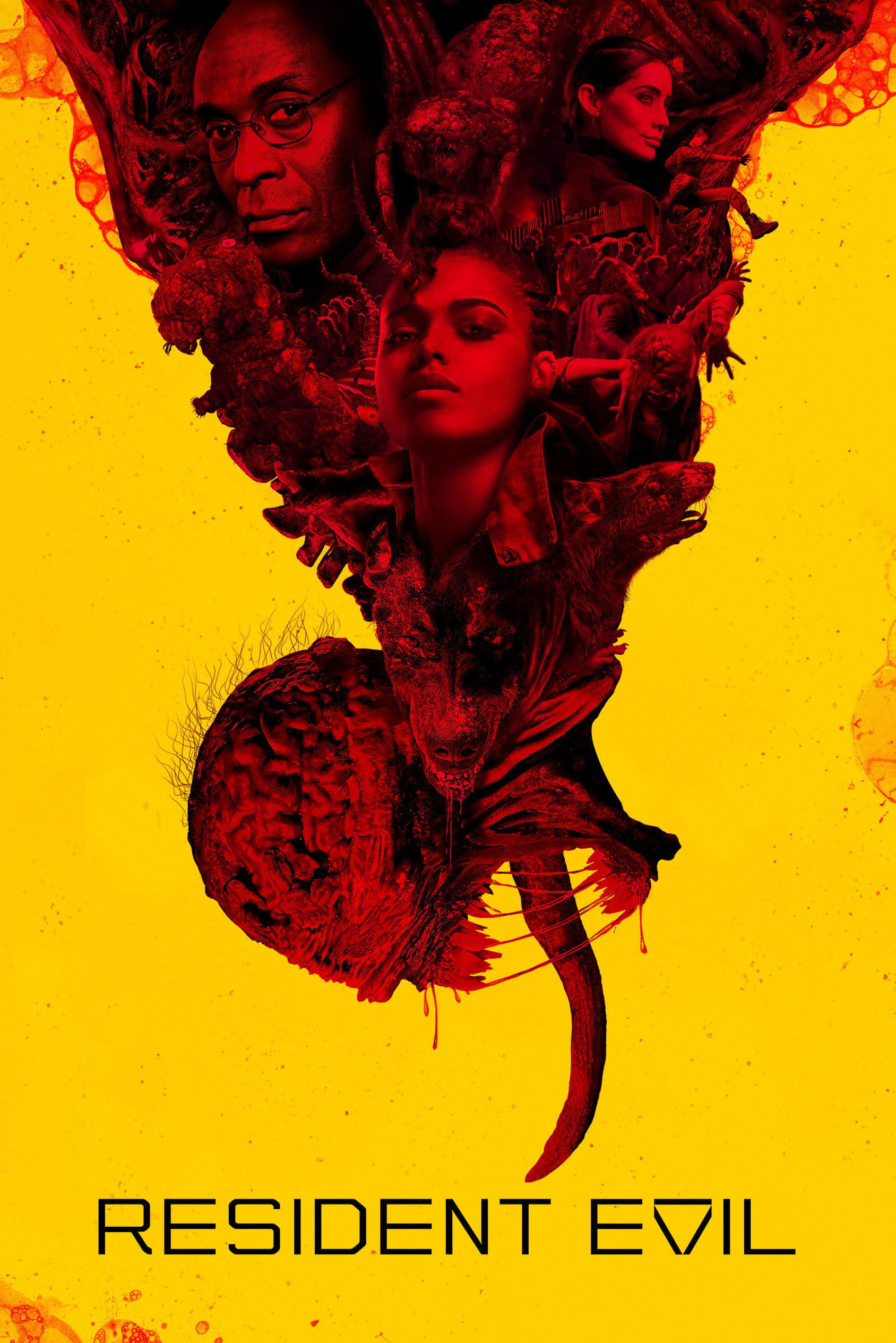
Lance Reddick’s casting as Wesker drew immediate attention from fans of the game series, given the character’s long on-screen history and specific visual expectations. Showrunners explained the timeline split between family life and corporate conspiracies, using the role to anchor parallel arcs that intersect through biotech plotlines.
Production notes focused on lab set construction, prop design for pharmaceutical branding, and safety protocols for creature effects that mix animatronics and digital layers. The team described how sound design emphasized mechanical ambience, refrigeration hums, and alarm cues to build tension around Wesker’s scenes.
‘Batwoman’ (2019–2022) – Ruby Rose as Kate Kane
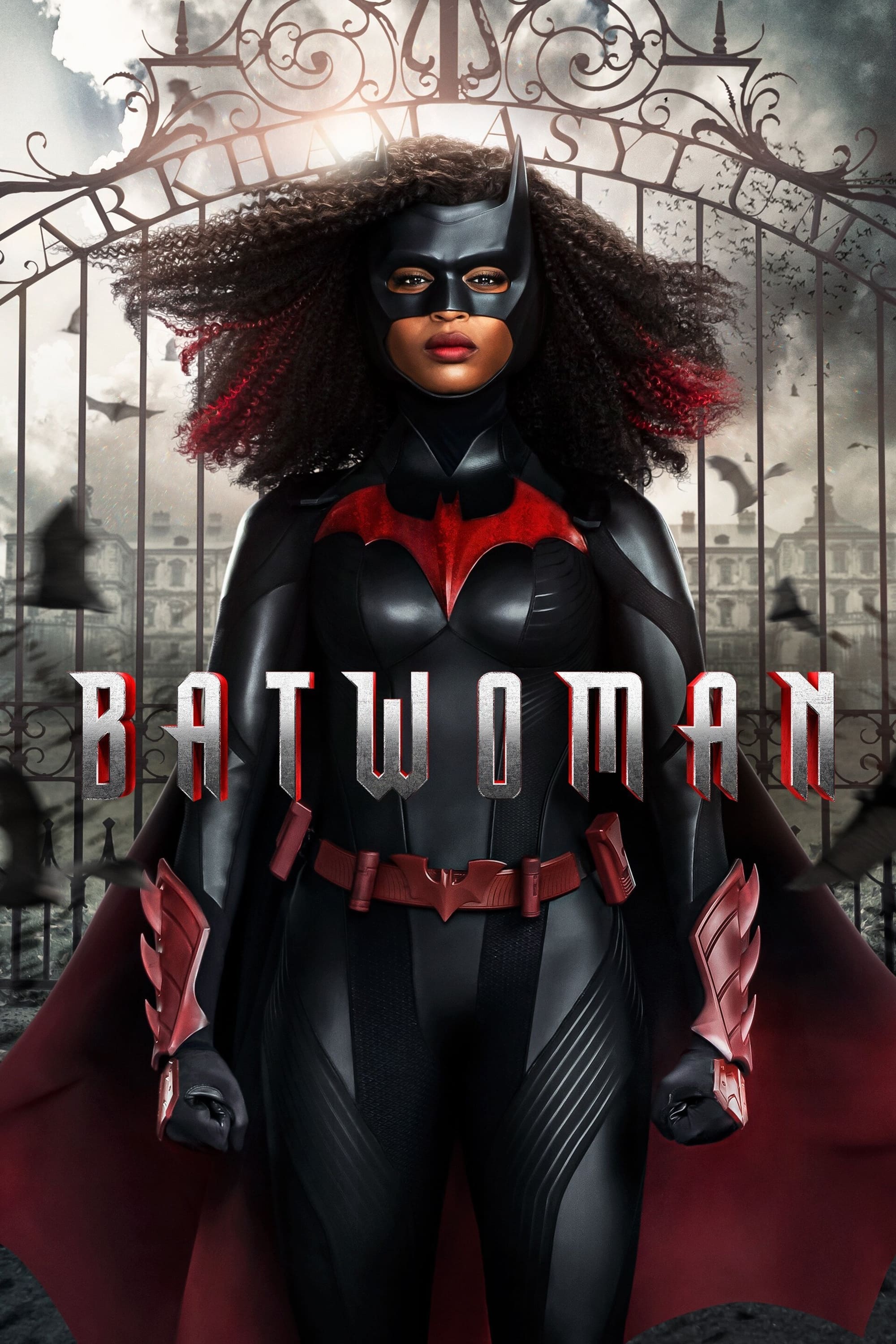
Ruby Rose’s initial casting as Kate Kane led to online debate concerning accent, stunt capability, and alignment with the character’s comic presentation. The production outlined training periods, suit prototyping with cowl aeration for comfort, and cape weighting to ensure controlled movement during fight choreography.
Public materials also covered the Batcave and Batmobile designs, explaining modular set pieces for dynamic camera moves and secure rigging points for grapnel sequences. The creative team detailed how case-of-the-week plotting integrated with serialized storylines to develop Kate’s relationships across Gotham institutions.
‘Marvel’s Iron Fist’ (2017–2018) – Finn Jones as Danny Rand

Finn Jones as Danny Rand sparked discussion about martial arts authenticity and broader adaptation choices. Marvel Television and the show creatives described the character’s corporate-to-monastic backstory and laid out the training pipeline used to prepare for continuous-take fights and weapon forms.
Choreography featurettes discussed how camera placement compensated for tight set spaces, with previsualization mapping for stairwells and office corridors. Costume design explained how footwear, wraps, and casual silhouettes supported mobility while nodding to comic iconography in a grounded palette.
‘Star Trek: Discovery’ (2017–2024) – Sonequa Martin-Green as Michael Burnham
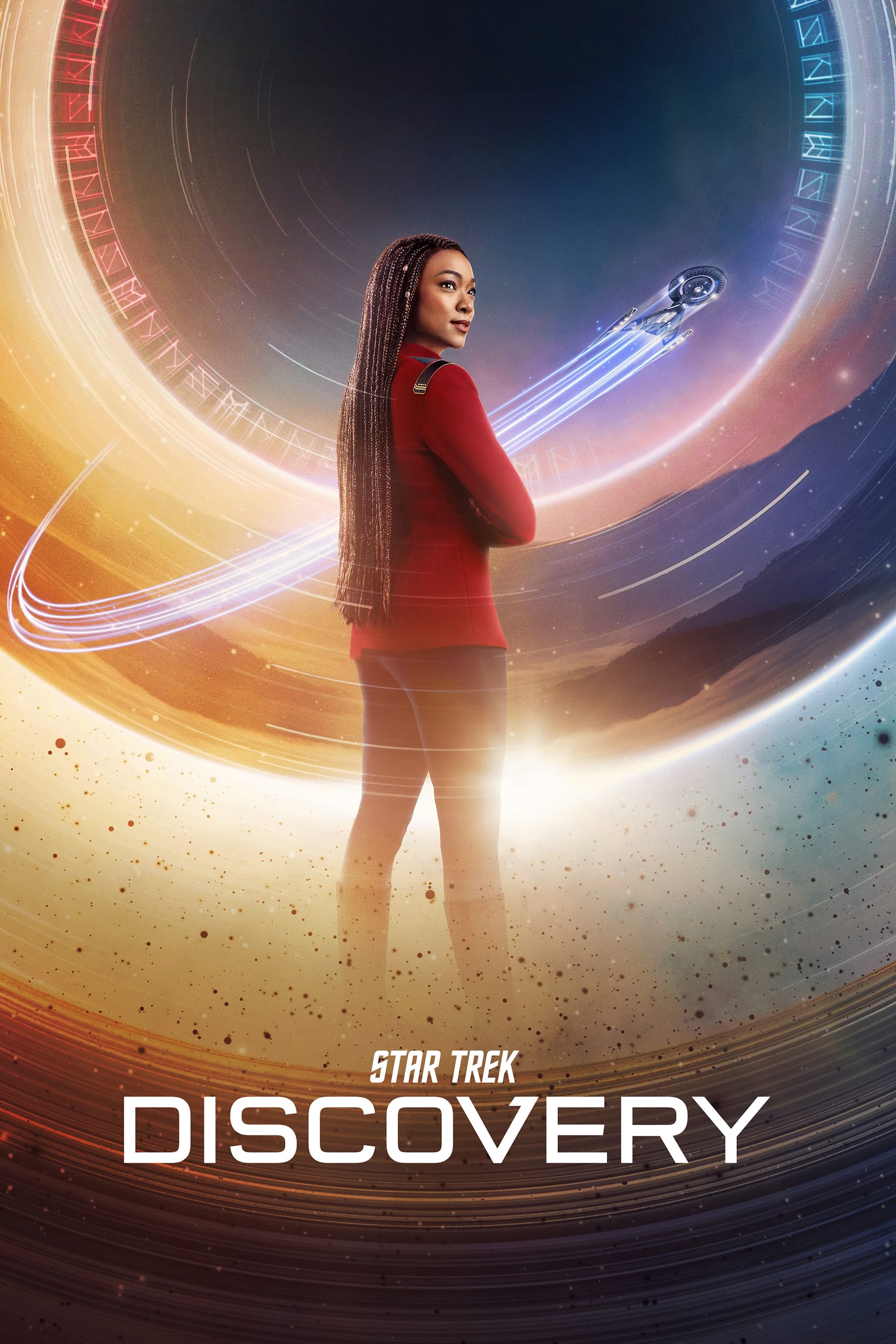
Announcing Sonequa Martin-Green as a human raised in Vulcan culture ignited forum debates about canon fit and leadership structures on Federation vessels. Producers clarified chain-of-command choices, Starfleet rank progression, and how Burnham’s upbringing informs decision-making and conflict resolution within episodic mission profiles.
Technical briefings highlighted bridge set ergonomics, LCARS display logic for diegetic interaction, and lensing selected to accentuate starfield travel while keeping dialogue coverage crisp. Costume departments explained uniform updates, delta-shield detailing, and color coding that situates Burnham within fleet divisions across seasons.
‘The Sandman’ (2022– ) – Kirby Howell-Baptiste as Death
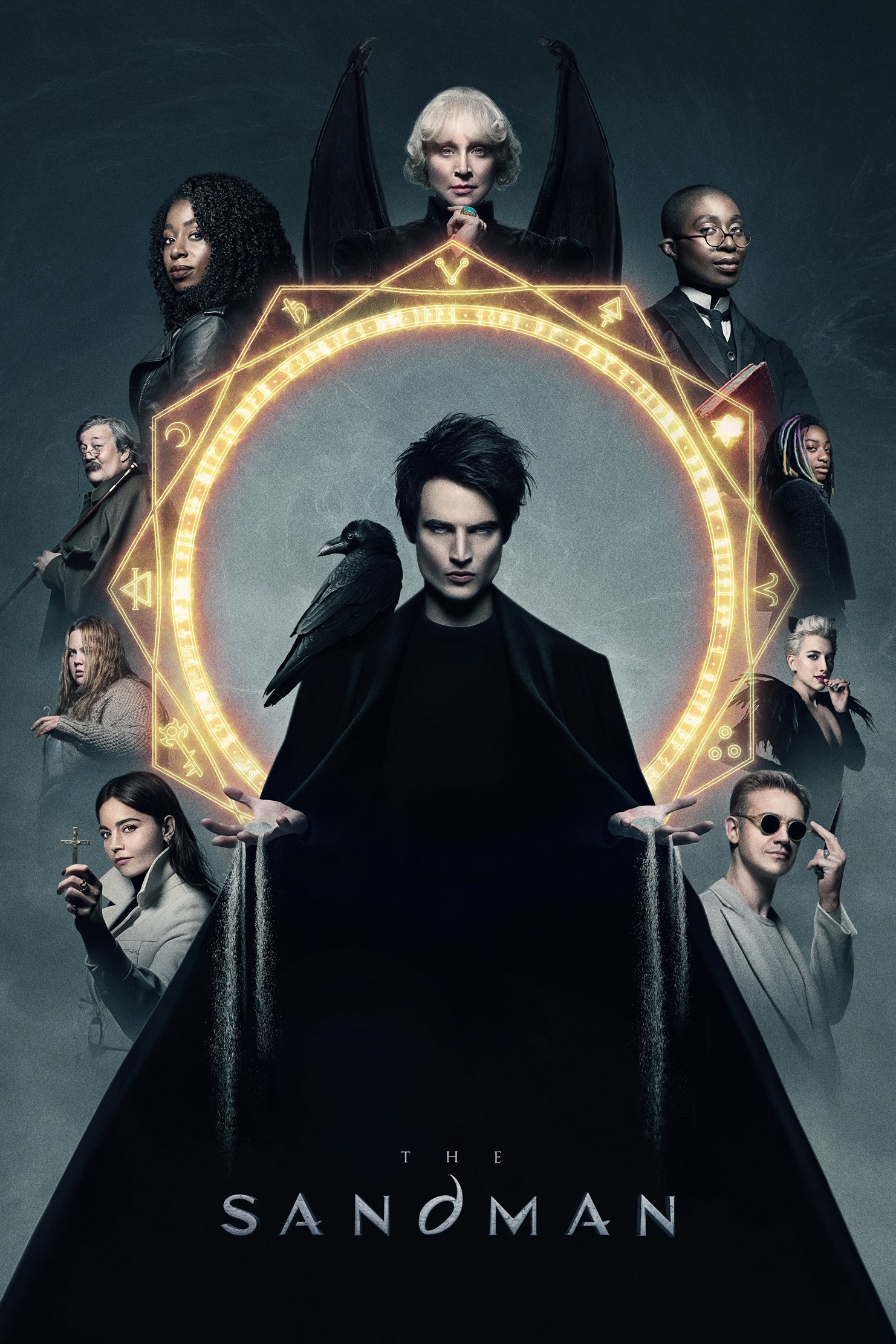
Kirby Howell-Baptiste’s casting as Death generated significant chatter due to strong fan attachment to the character’s visual legacy from the comics. Netflix and the creators described a casting process centered on presence, warmth, and conversational cadence, aligning with canonical personality traits and key narrative functions.
Costume, makeup, and lighting teams worked to translate iconic imagery into scenes that play in naturalistic spaces, using subtle highlights and texture choices to maintain recognizability without over-stylization. The production also discussed how location selection and blocking supported the character’s quiet authority in dialogue-heavy sequences.
Share your thoughts on which casting choices you think stirred the biggest storms—and why—in the comments!