TV Shows That Keep Getting Better with Every Rewatch


Some series are built like clockwork—layered plots, careful foreshadowing, and world-building that reward a second look. On a rewatch, you notice structural choices, recurring motifs, and connective tissue the first pass couldn’t fully reveal. This list gathers shows that are especially rich in setup-and-payoff, interwoven character arcs, and deliberate craft that make new details pop each time.
Below, each entry notes elements like narrative structure, production approach, recurring symbols, and continuity touches that consistently surface on repeat viewings. You’ll find everything from complex dramas and twisty mysteries to animated epics and comedies with densely packed callbacks—each one offering concrete reasons your next pass uncovers more than the last.
‘Breaking Bad’ (2008–2013)
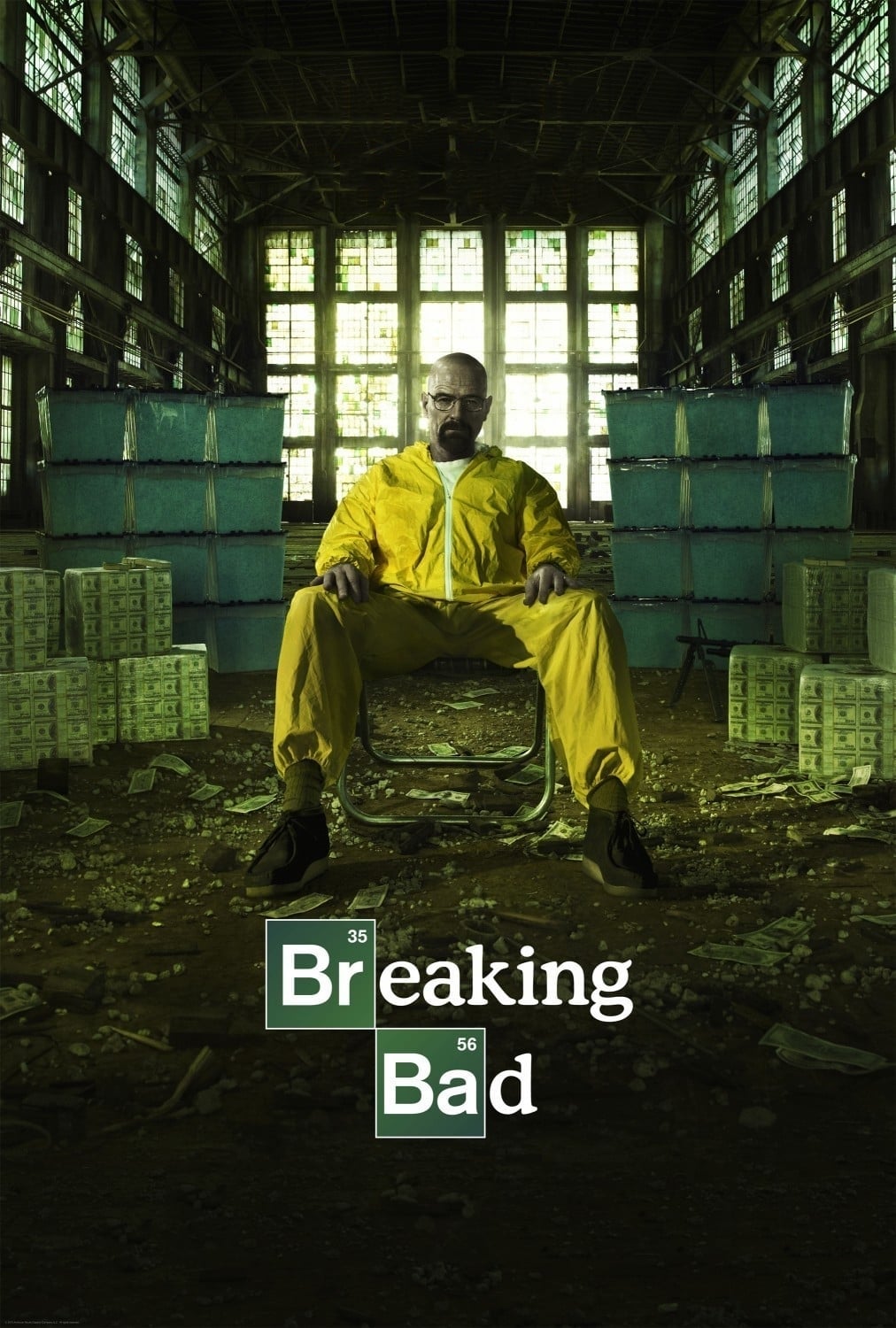
The series tracks a chemistry teacher’s evolution within a tightly serialized narrative that seeds visual motifs, color palettes tied to character states, and cold-open clues that pay off episodes or even seasons later. Careful blocking and prop placement—license plates, teddy bear imagery, lab gear—form a web of cues that connect scenes across long spans.
Its episode structure frequently uses parallel montage and mirrored dialogue, allowing viewers to map decisions and consequences in precise detail. Secondary arcs, like those involving the DEA, business fronts, and cartel politics, include granular procedure and terminology that invite closer inspection.
‘Better Call Saul’ (2015–2022)
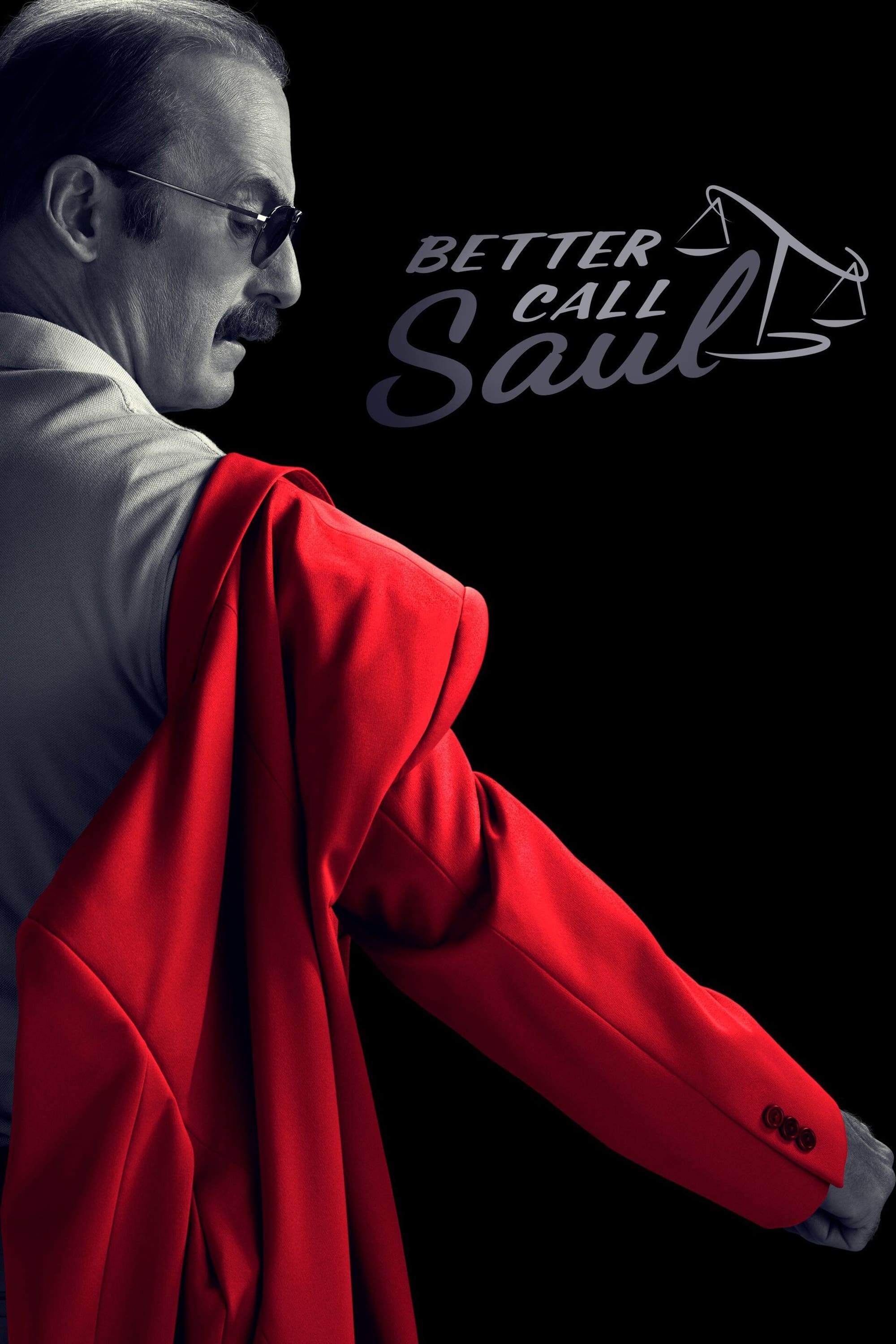
The prequel format interlaces legal procedure, elder law cases, and the mechanics of cons with slow-burn character development that echoes and reframes events seen elsewhere in the franchise. Rewatching exposes how small choices—mailroom routines, client lists, and sandpiper documents—cascade into major turning points.
The cinematography emphasizes practical geography—parking garages, courthouses, desert routes—so spatial relationships and camera setups function as recurring signposts. Split timelines and identity motifs add layers that make dialogue and wardrobe shifts technically significant.
‘The Wire’ (2002–2008)
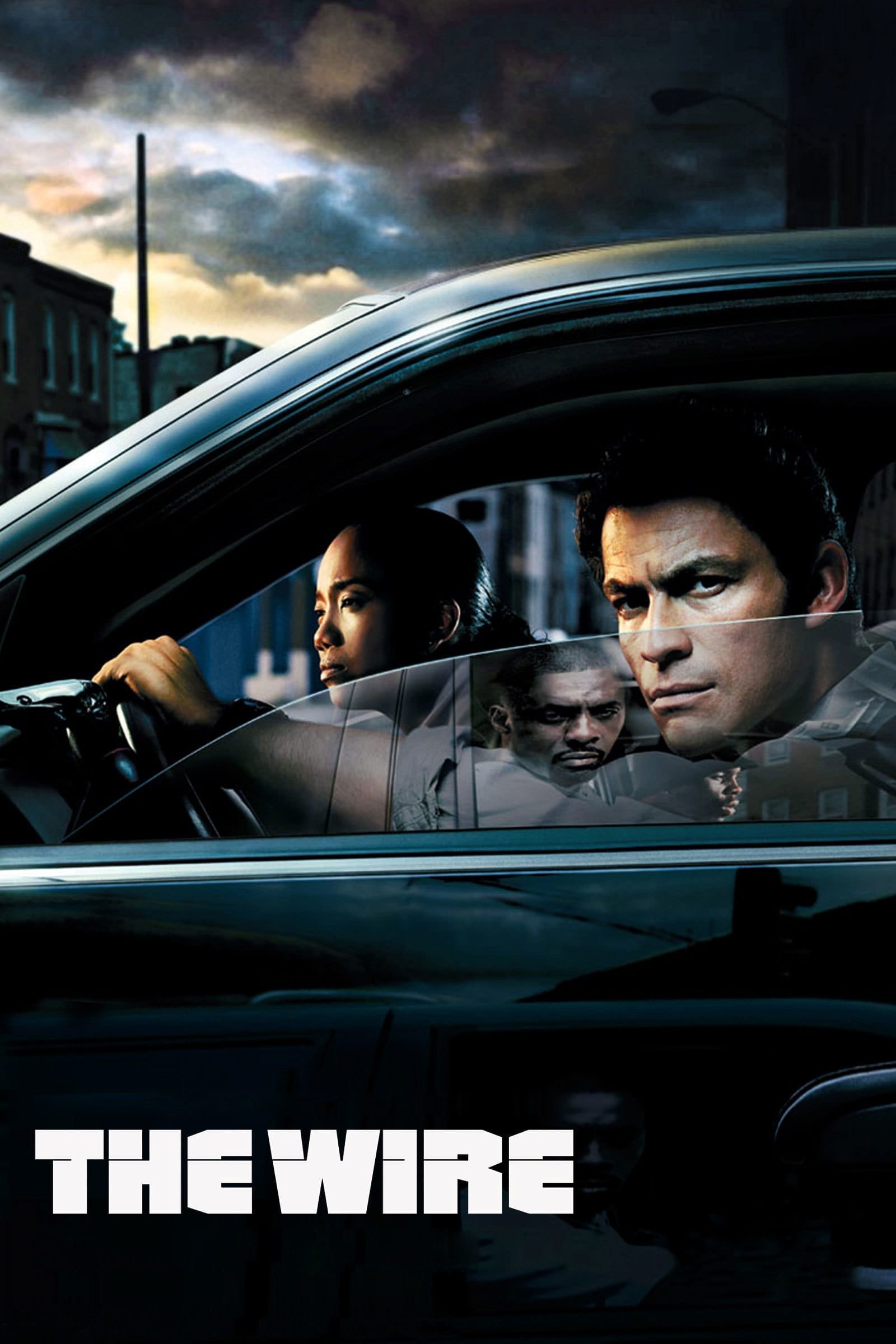
Organized in distinct institutional “seasons,” the show rotates its focus among law enforcement, unions, politics, schools, and media, with each domain deploying its own jargon and process. Rewatching clarifies how wiretap methods, case files, and budget pressures interact across departments and years of story time.
The ensemble’s cross-departmental links—shared corners, dock shifts, classrooms, and newsrooms—interlock through names, nicknames, and case numbers. Maps, pager codes, and surveillance protocols carry specific meanings that become clearer once you know later outcomes.
‘The Sopranos’ (1999–2007)
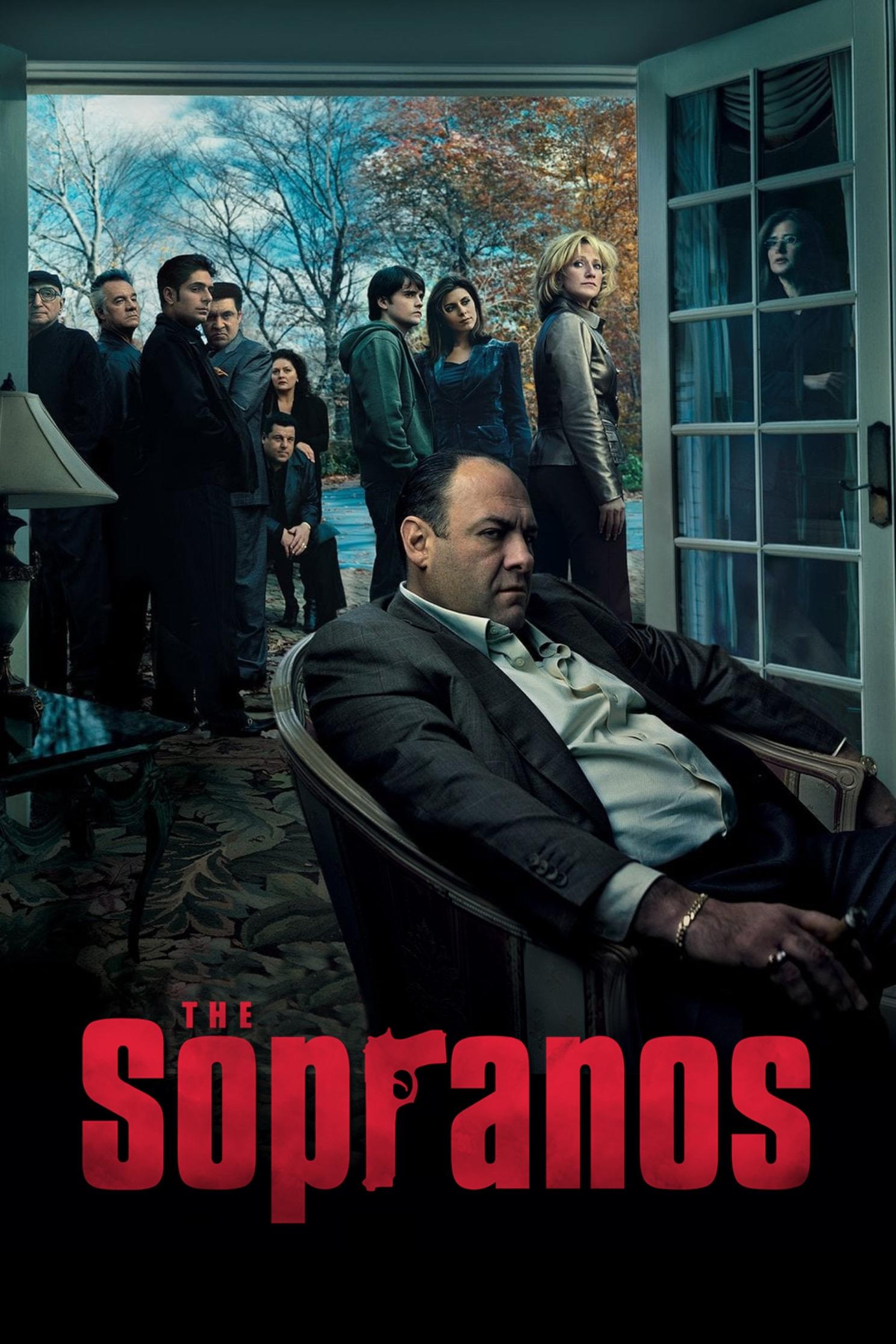
Therapy scenes form an analytical spine that anchors family, criminal, and workplace threads; recurring dream sequences encode plot and psychology with literal and symbolic objects. On rewatch, food rituals, paintings, and song choices trace consistent patterns tied to specific characters and decisions.
The series uses recurring locations—driveways, restaurants, the Bada Bing, and the doctor’s office—as stages for mirrored confrontations and reconciliations. Background characters and minor disputes often foreshadow shifts in power and alliances that register more strongly after later episodes.
‘Mad Men’ (2007–2015)
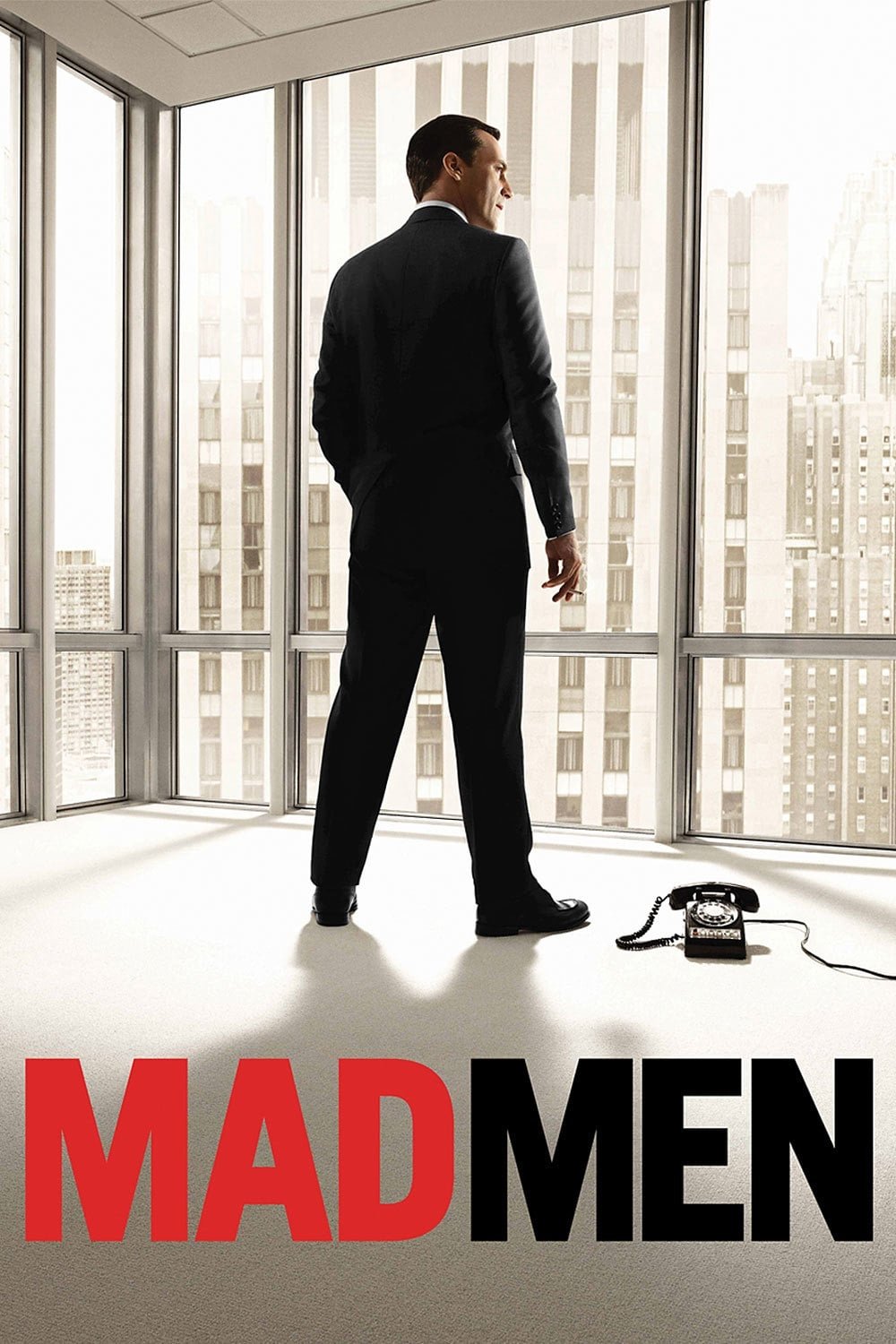
Agency mergers, client rosters, and campaign pitches provide a documentary-style record of advertising practice—storyboards, market research, and creative briefs—mapped onto character trajectories. Rewatching highlights how taglines, office reorganizations, and account changes mirror personal rebranding.
Design elements—typefaces, packaging, wardrobe, and set dressing—serve as time-keeping devices that mark corporate and cultural transitions. Dialogue frequently repeats phrasing across characters, creating rhetorical echoes that reveal influence and hierarchy.
‘Succession’ (2018–2023)
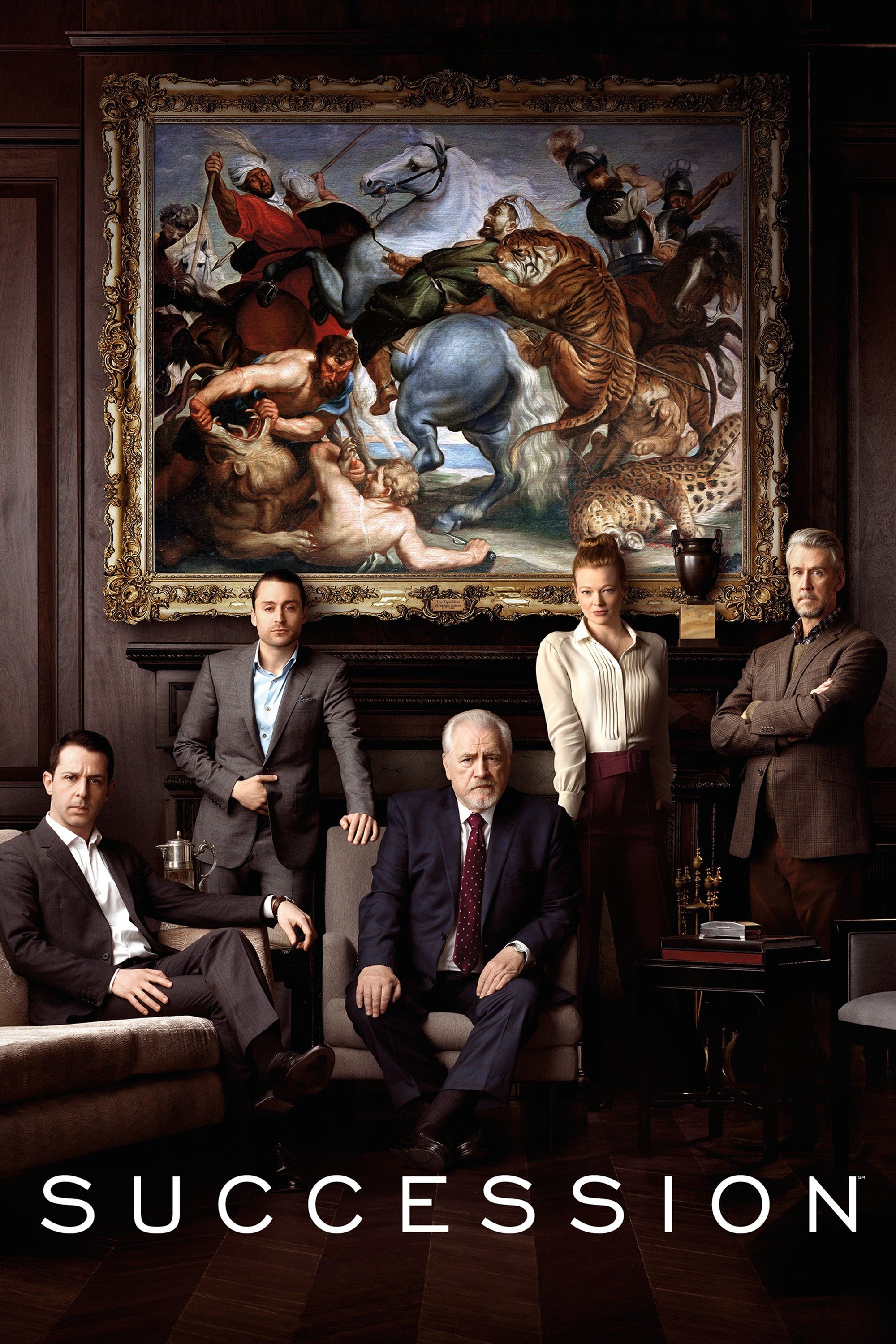
Corporate governance details—board votes, shareholder maneuvers, proxy battles, and acquisition mechanics—drive plot events with accurate terminology. A second pass clarifies how meeting agendas, legal drafts, and press statements set up later strategic pivots.
The show’s geography—private jets, conference rooms, and news floors—functions as a map of influence, with recurring camera blocking that signals who holds leverage. Small props like draft term sheets and phone screenshots often carry critical information hidden in plain sight.
‘Game of Thrones’ (2011–2019)
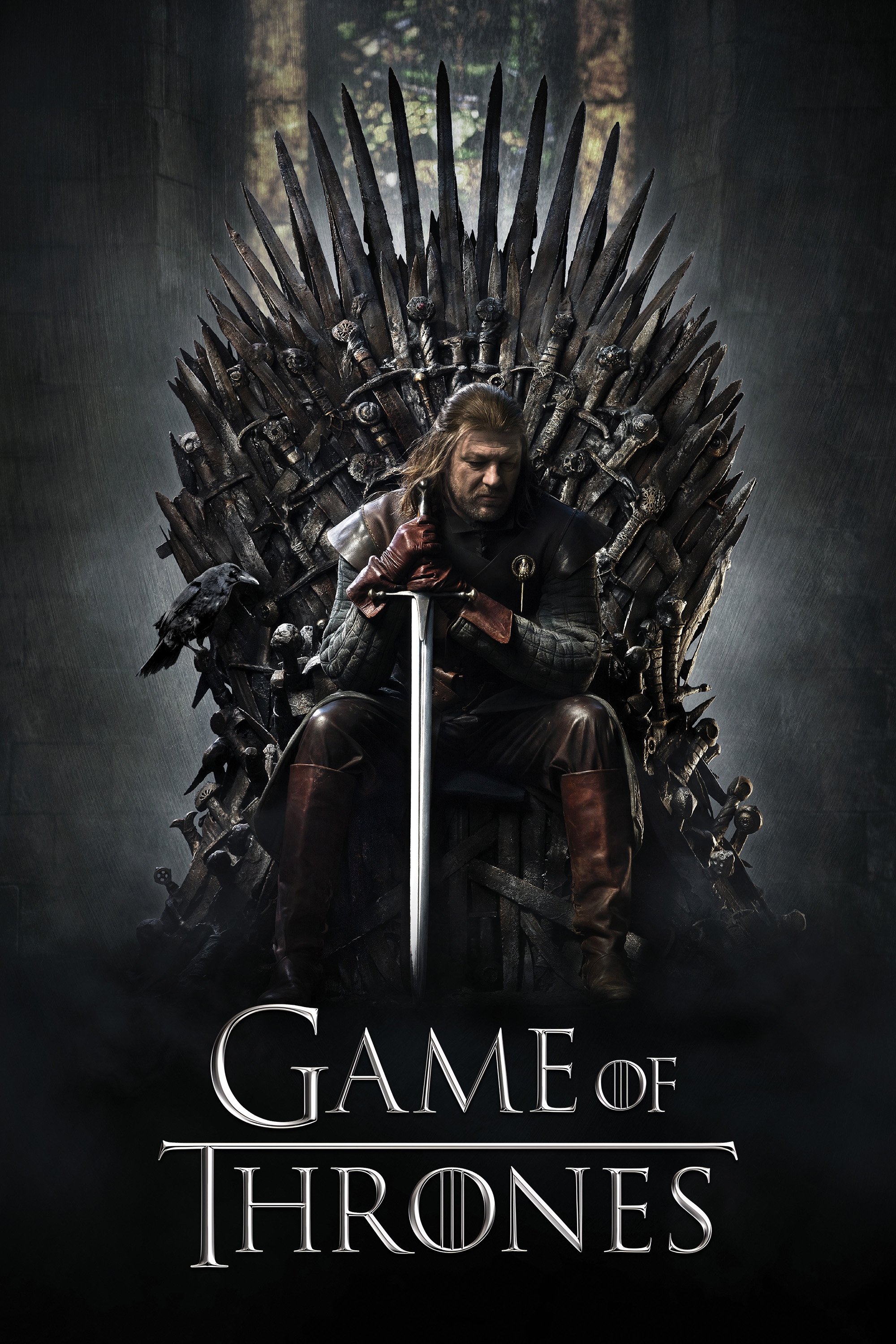
House histories, heraldry, and regional customs ground the politics, while battle strategies reference specific terrain and supply constraints. Rewatching makes lineage charts, succession claims, and treaty terms easier to follow as later revelations recontextualize earlier scenes.
Language use—formal titles, oaths, and dialects—clearly marks alliances and rivalries. Repeated framing of castles, roads, and sea routes forms a reliable spatial guide for tracking campaigns and travel timelines.
‘House of the Dragon’ (2022–)

Family trees and succession law are the engine of its conflicts, with named councils, treaties, and claims argued through explicit legal and customary frameworks. A rewatch helps track time jumps, re-cast roles at different ages, and how symbolic items—eggs, pins, and signet rings—transfer authority.
The series documents court procedure and the functions of specific offices, offering consistent titles and regalia that identify roles at a glance. Repeated settings like the council chamber and specific corridors anchor shifts in power through staging and seating.
‘The Leftovers’ (2014–2017)
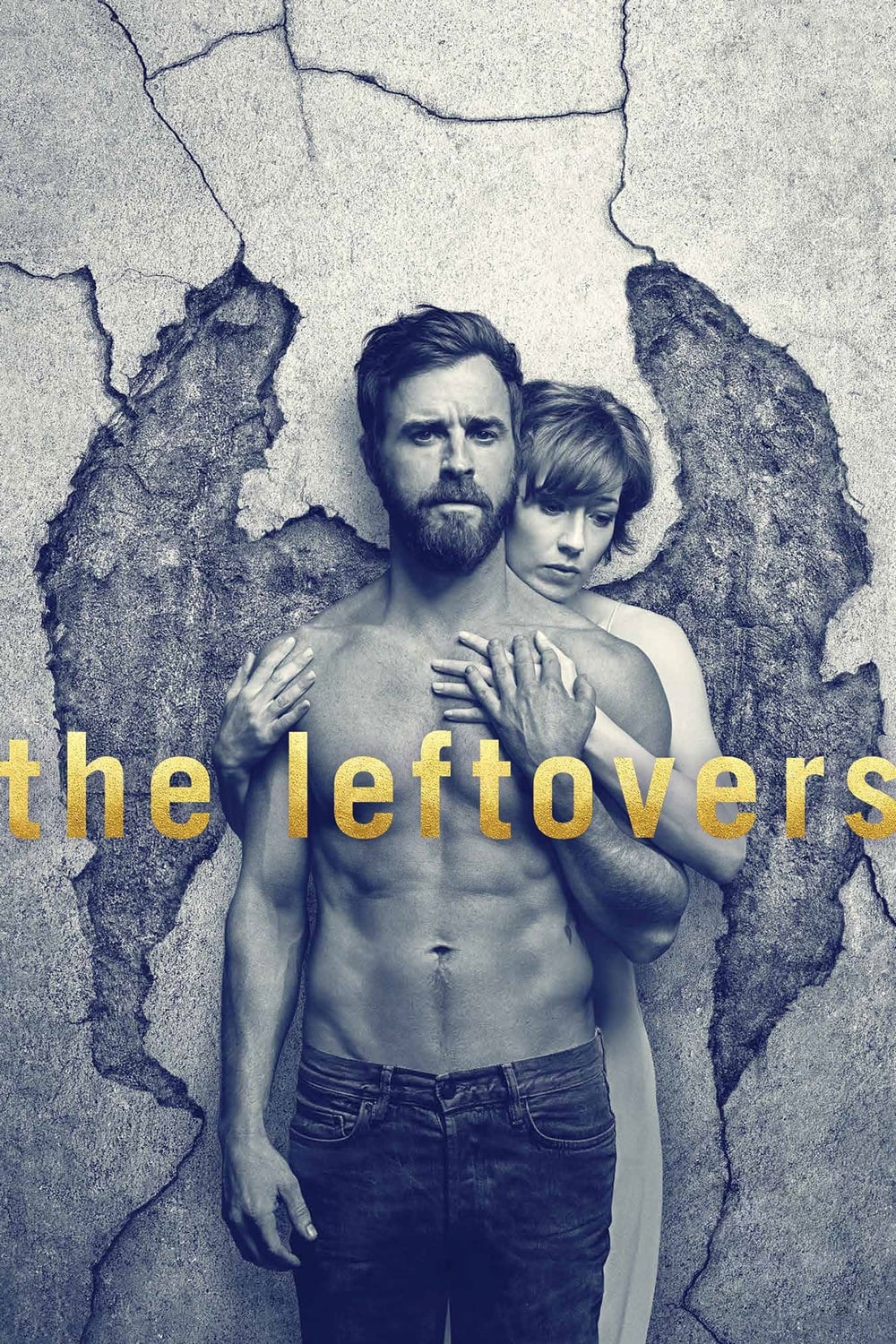
Structured around grief, ritual, and belief systems, the show catalogs organizations’ rules, handbooks, and initiation methods with specificity. Rewatching clarifies the operational logic of groups, the significance of numbered items, and the consistency of symbolic garments.
Episode-level experiments—international settings, anthology-style focus, and musical leitmotifs—use recurring props and animals as markers. Inter-episode cross-references in news broadcasts, signage, and background chatter quietly align timelines.
‘Lost’ (2004–2010)
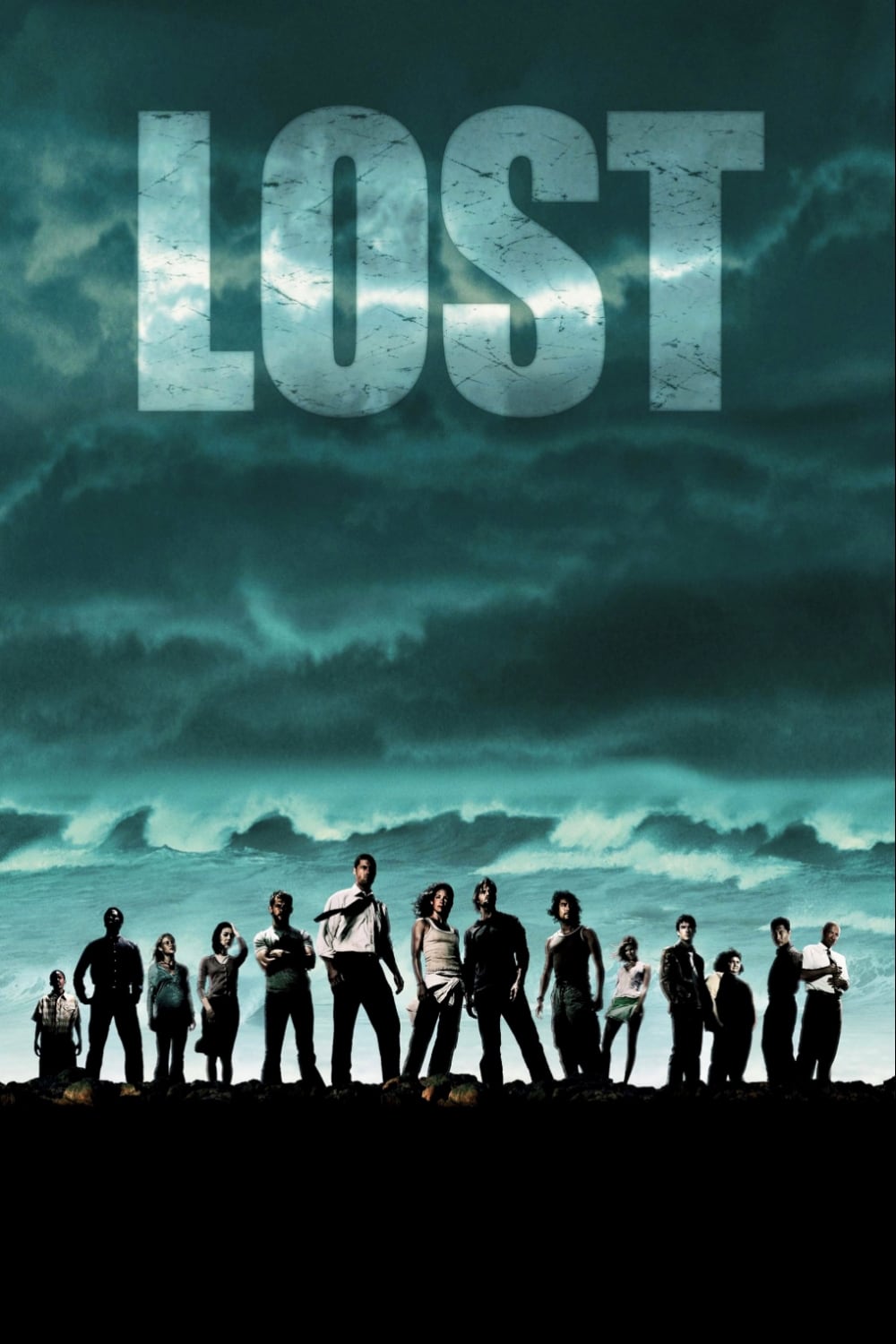
Flashback, flash-forward, and flash-sideways devices are tethered to concrete identifiers like airline tickets, hospital wristbands, and flight manifests. Rewatching helps decode numerical patterns, corporate logos, and station schematics that bind disparate plots.
The series maintains a detailed mythology notebook—organizational hierarchies, research protocols, and field notes—visible through maps and film reels. Character-centric episodes frequently mirror structures and props, creating deliberate parallels across arcs.
‘Dark’ (2017–2020)
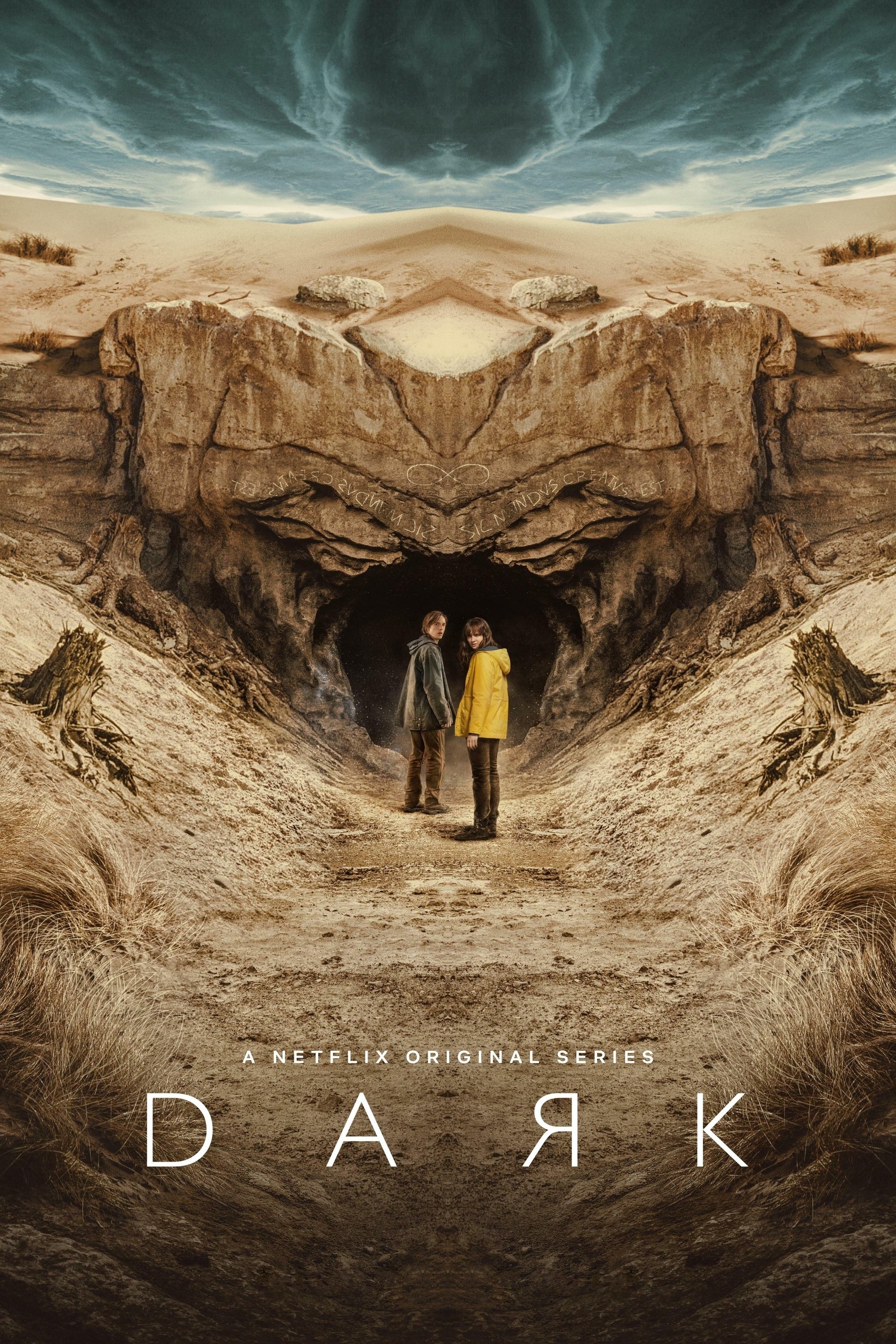
Intergenerational timelines are built on consistent wardrobe, props, and family-tree graphics, with rooms and tunnels mapped precisely. A rewatch enables exact tracking of identity shifts, name changes, and objects passed across time loops.
Visual symbols—pendants, clocks, and diagrams—recur as orientation markers, and episode titles correspond to philosophical concepts referenced in dialogue. The show also keeps careful language continuity across versions of characters, aiding cross-timeline alignment.
‘True Detective’ (2014–)

Each season functions as a self-contained case file, with investigative techniques, chain-of-evidence steps, and jurisdictional boundaries documented on-screen. Rewatching spotlights how interrogations, reports, and recovered artifacts foreshadow later breakthroughs.
Production design integrates coded wall art, crime-scene staging, and recurring motifs that connect suspects and locations. Cross-cutting between interview rooms and field work uses verbal cues and time stamps to synchronize events.
‘Fargo’ (2014–)
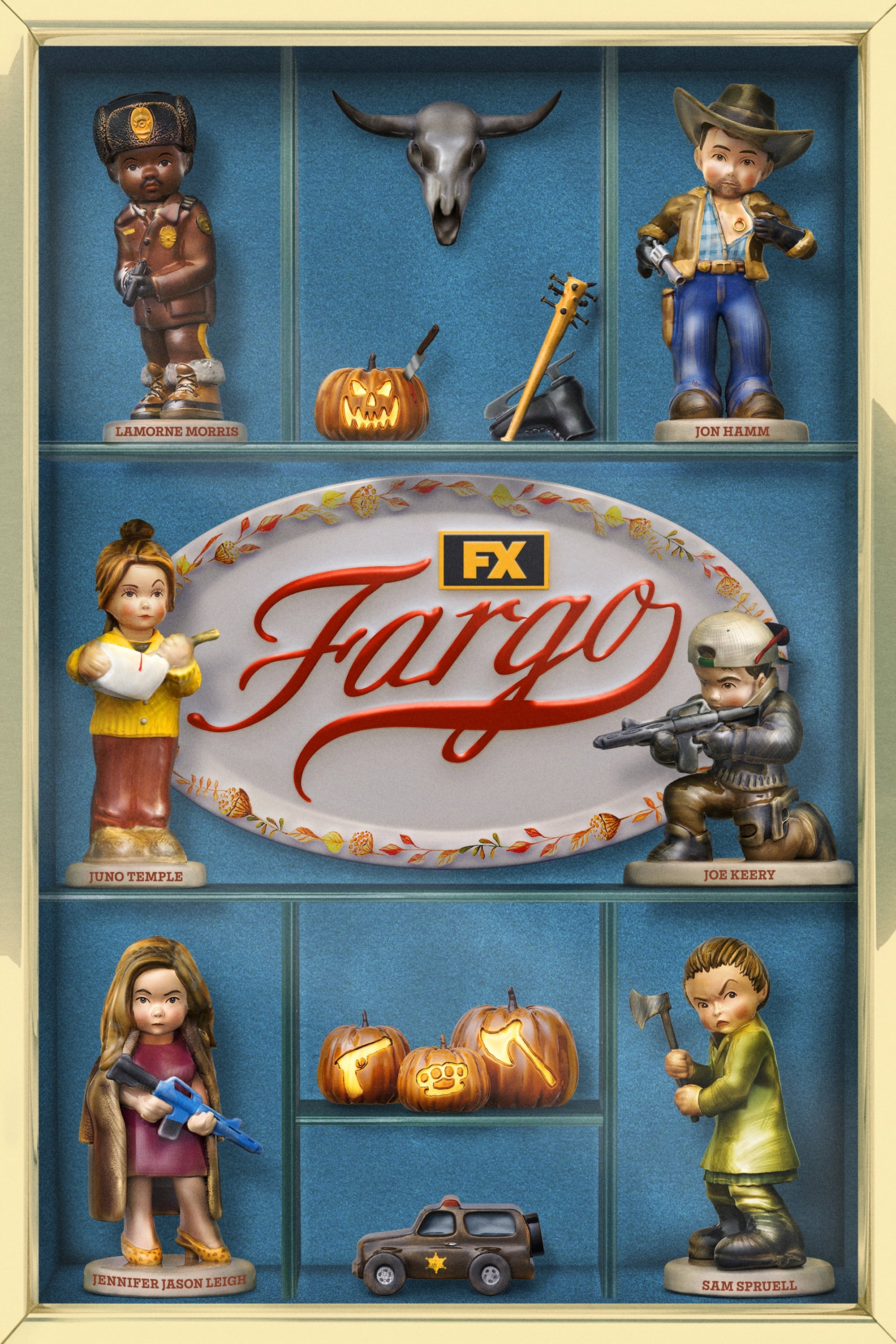
Anthology seasons are linked by surnames, locations, and criminal organizations, with law-enforcement processes and local politics carefully sketched. Rewatching reveals legal documents, ledgers, and receipts that tie plots across seasons.
Stylistic devices—split screens, chapter cards, and prologues—establish parallel narratives whose intersections become clearer later. Props like typewriters, snowplows, and briefcases serve traceable plot functions across multiple episodes.
‘Twin Peaks’ (1990–1991)

The series builds a casebook around evidence logs, autopsy notes, and field recordings, using repeated shots of landmarks as spatial anchors. Rewatching uncovers how coded phrases and dream imagery correspond to specific files and names.
Town dynamics—business ownerships, family ties, and secret societies—are tracked through ledgers and meeting minutes. Musical cues and patterned wallpaper act as consistent markers for particular locations and states.
‘Mr. Robot’ (2015–2019)

Cybersecurity operations depict plausible tools, exploit chains, and social-engineering methods, often shown in command-line detail. Rewatching helps connect usernames, file paths, and server names across operations.
Unreliable narration is bounded by rules signaled through aspect ratio, camera placement, and recurring signage. Corporate structures, ownership stakes, and financial ledgers provide a factual backbone to the conspiracy plotting.
‘Westworld’ (2016–2022)
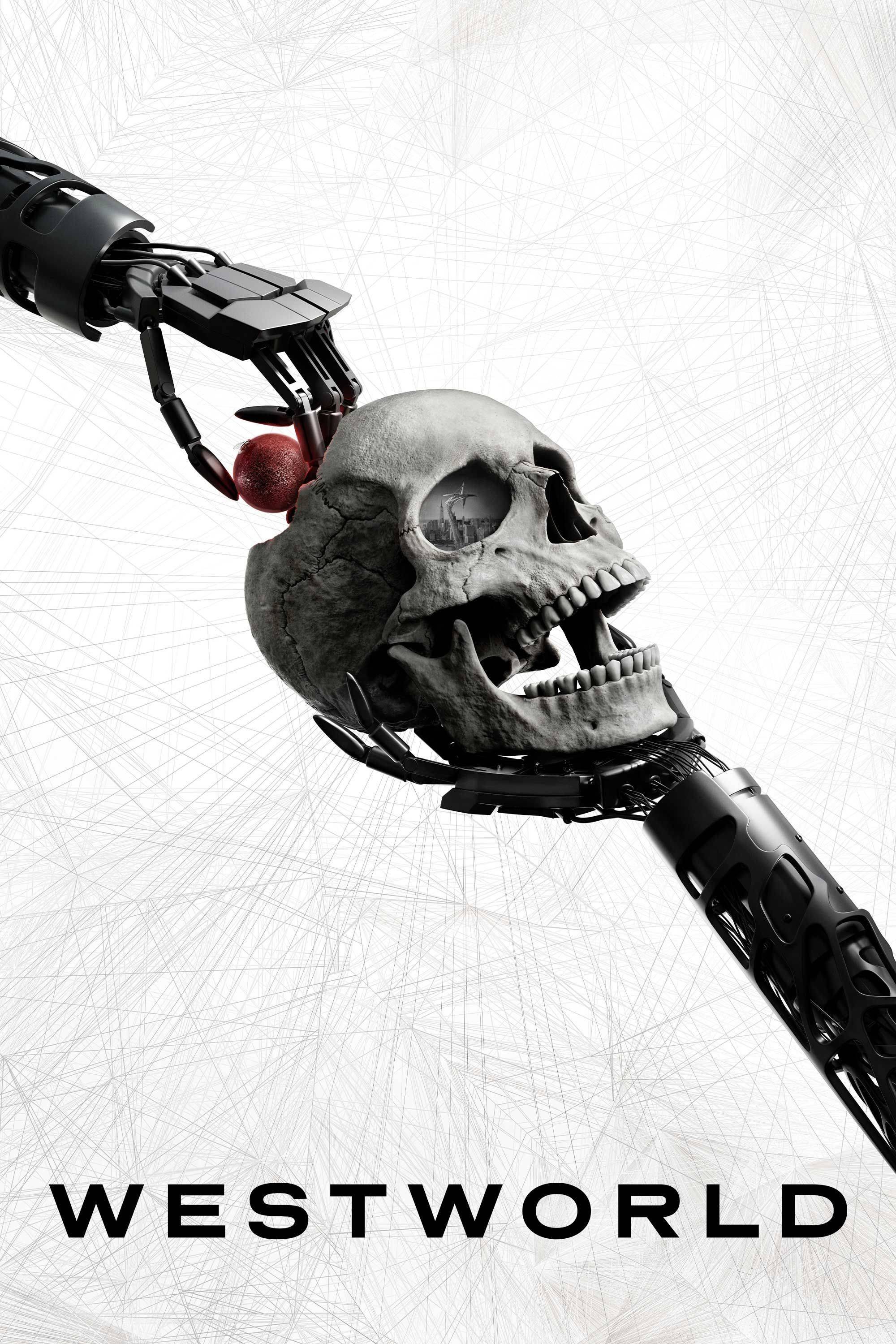
Park operations are documented with build sheets, behavior trees, and version logs, making technical labels meaningful on a second pass. Rewatching clarifies how lab workflows, loop resets, and permissions systems underpin character interactions.
Multiple timelines are mapped through UI screens, facility layouts, and host diagnostics that repeat with slight differences. Diegetic branding and QR-style markers consistently flag corporate divisions and access tiers.
‘The Expanse’ (2015–2022)
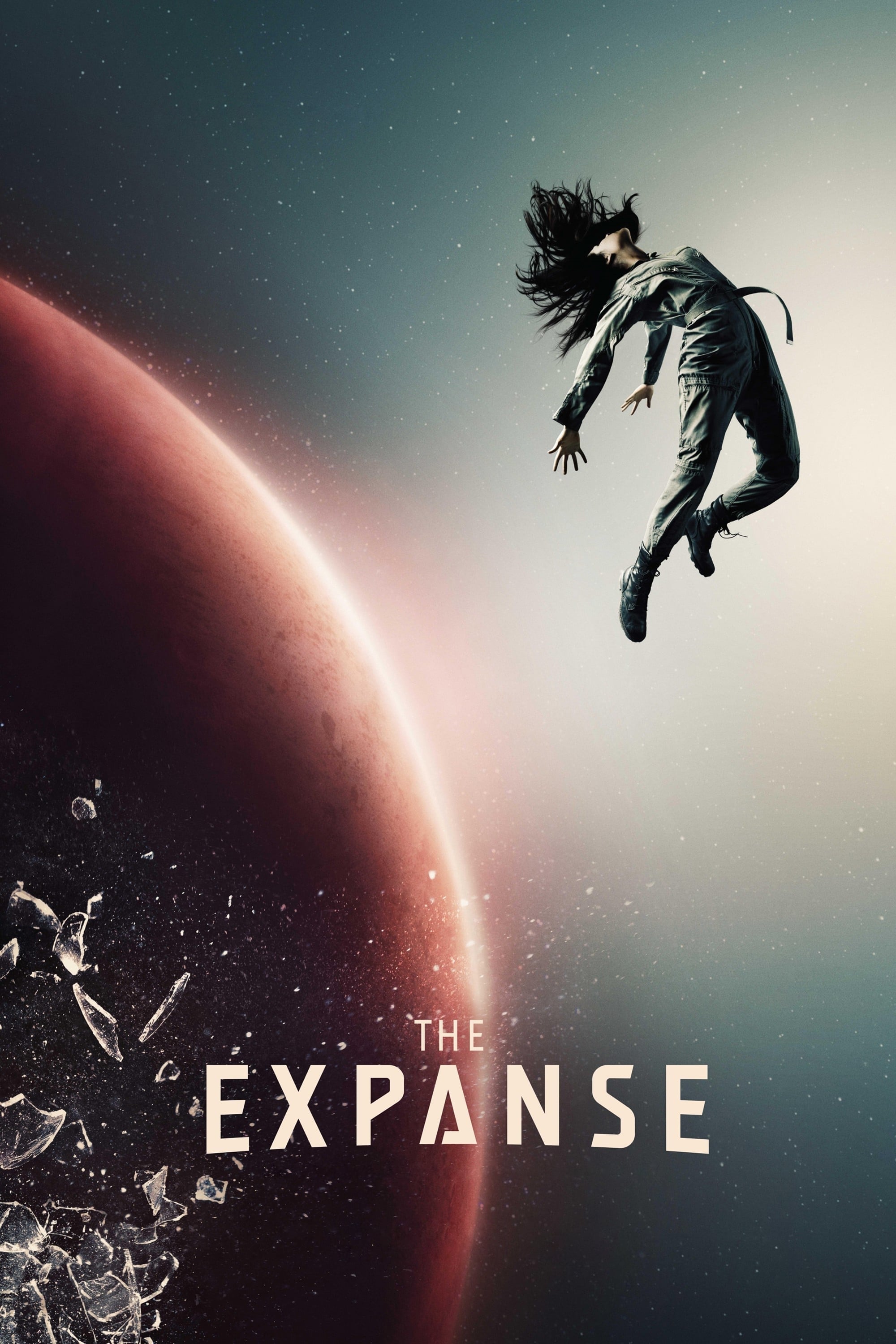
Spaceflight mechanics—thrust, burn times, and delta-v—are depicted with attention to physics, and ship layouts remain consistent. Rewatching makes political structures, trade routes, and factional treaties easier to track.
Ship-to-ship comms, radio chatter, and HUD readouts embed plot points in on-screen text. The show’s use of creole and dialects provides linguistic markers that align identities and allegiances.
‘The X-Files’ (1993–2018)
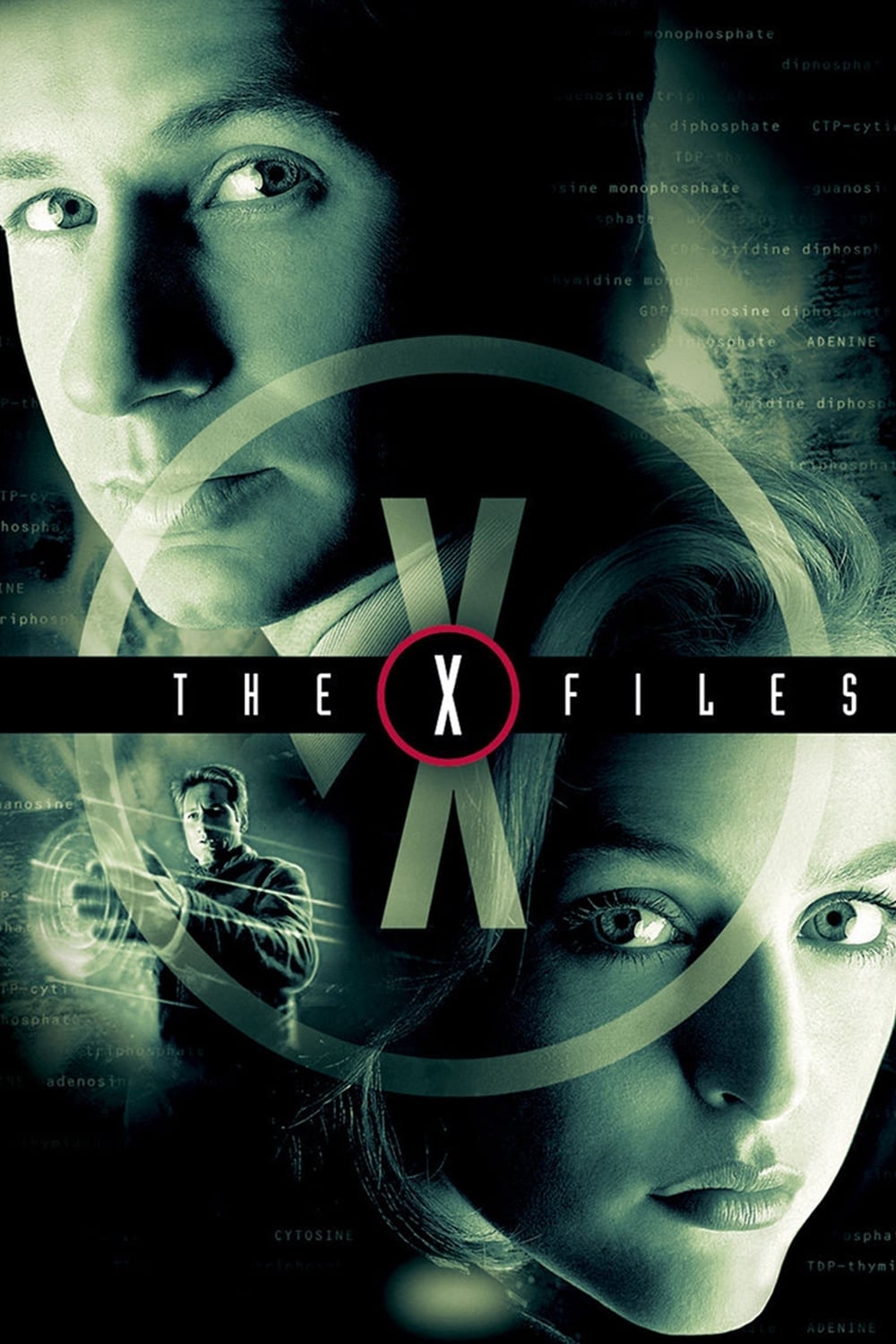
Case-of-the-week files include autopsy reports, lab results, and inter-agency memos that adhere to procedural conventions. Rewatching helps organize the mythology arc by cataloging names, dates, and codenames from classified documents.
Recurring props—folding knives, flashlights, and dictaphones—serve as process tools, while location cards and vehicle IDs create traceable movement patterns. Background TV broadcasts and newspaper clippings often foreshadow later episodes.
‘Fringe’ (2008–2013)
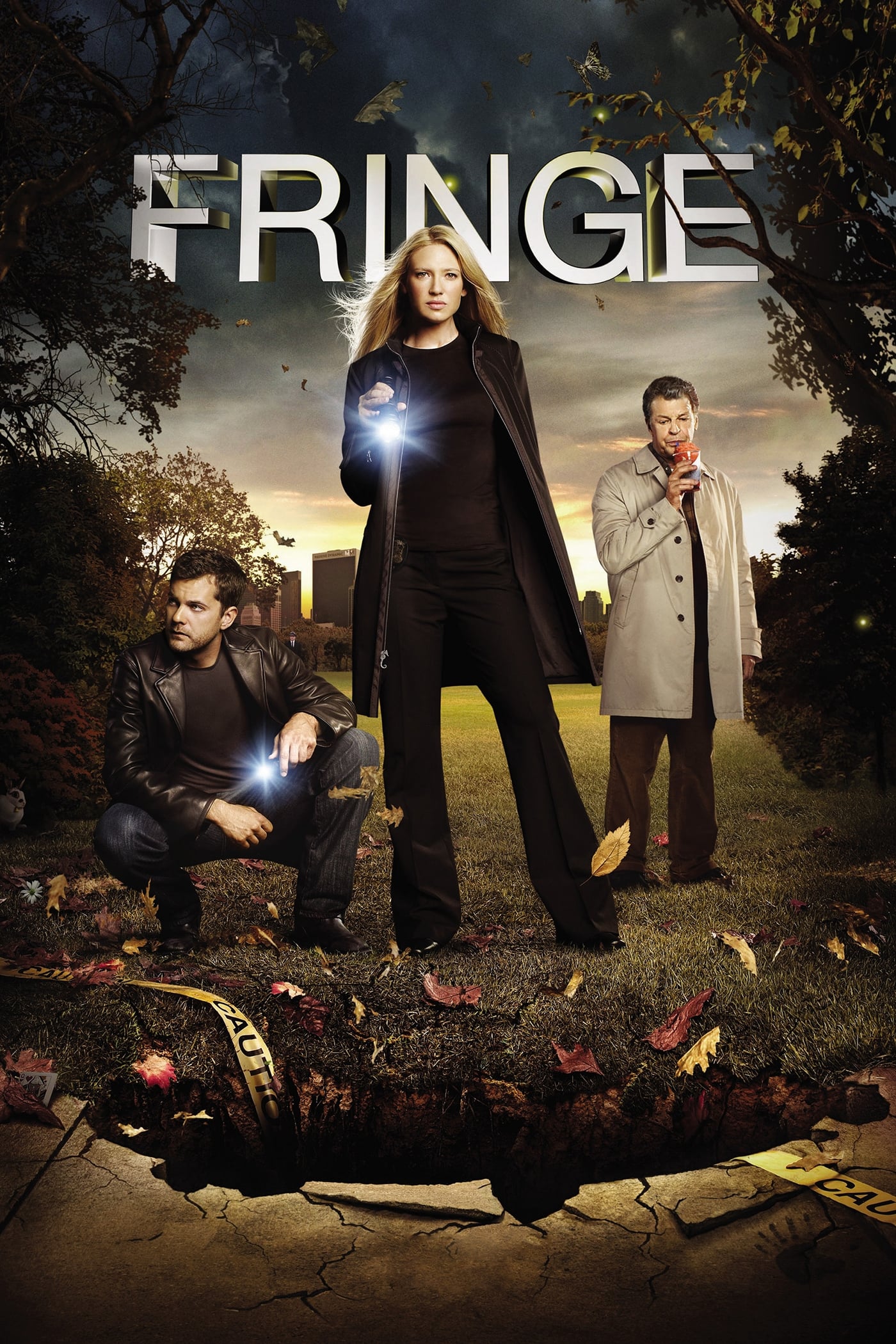
Scientific jargon is grounded in lab methods, experiment logs, and medical imaging that align with the casework. Rewatching exposes how whiteboard notes and device schematics recur with incremental updates.
Parallel-universe storytelling uses color grading, signage, and badge designs to differentiate realities. Glyph-code interstitials encode a letter per episode, creating an acrostic that rewards decoding.
‘Star Trek: Deep Space Nine’ (1993–1999)
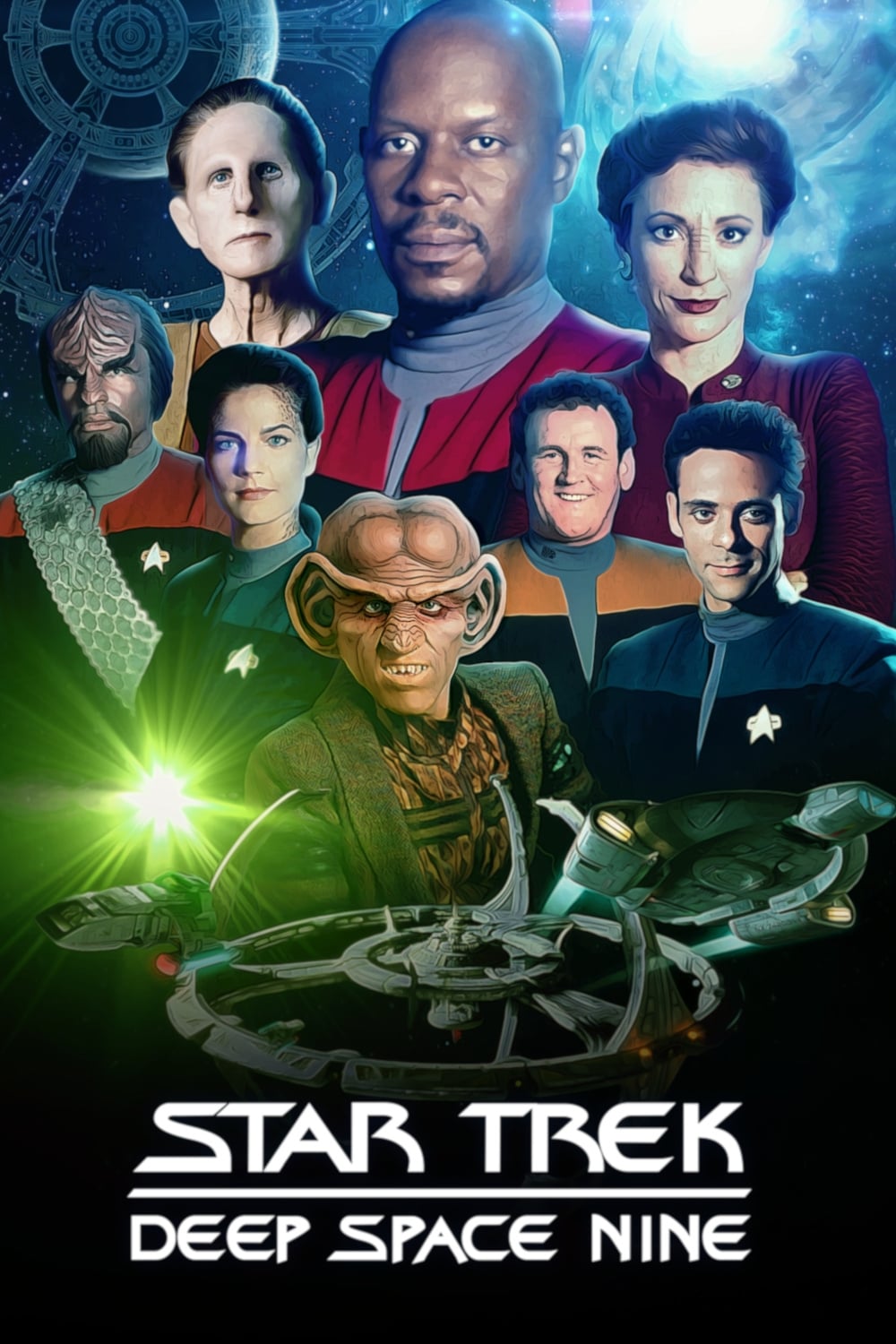
The serial arc tracks station governance, treaties, and wartime logistics with consistent ranks, insignia, and command protocols. Rewatching highlights how star charts, duty rosters, and ship registries manage continuity.
Religious and political institutions are mapped through councils, rites, and legal frameworks. Tech manuals and LCARS displays provide stable terminology for equipment and operations.
‘Star Trek: The Next Generation’ (1987–1994)
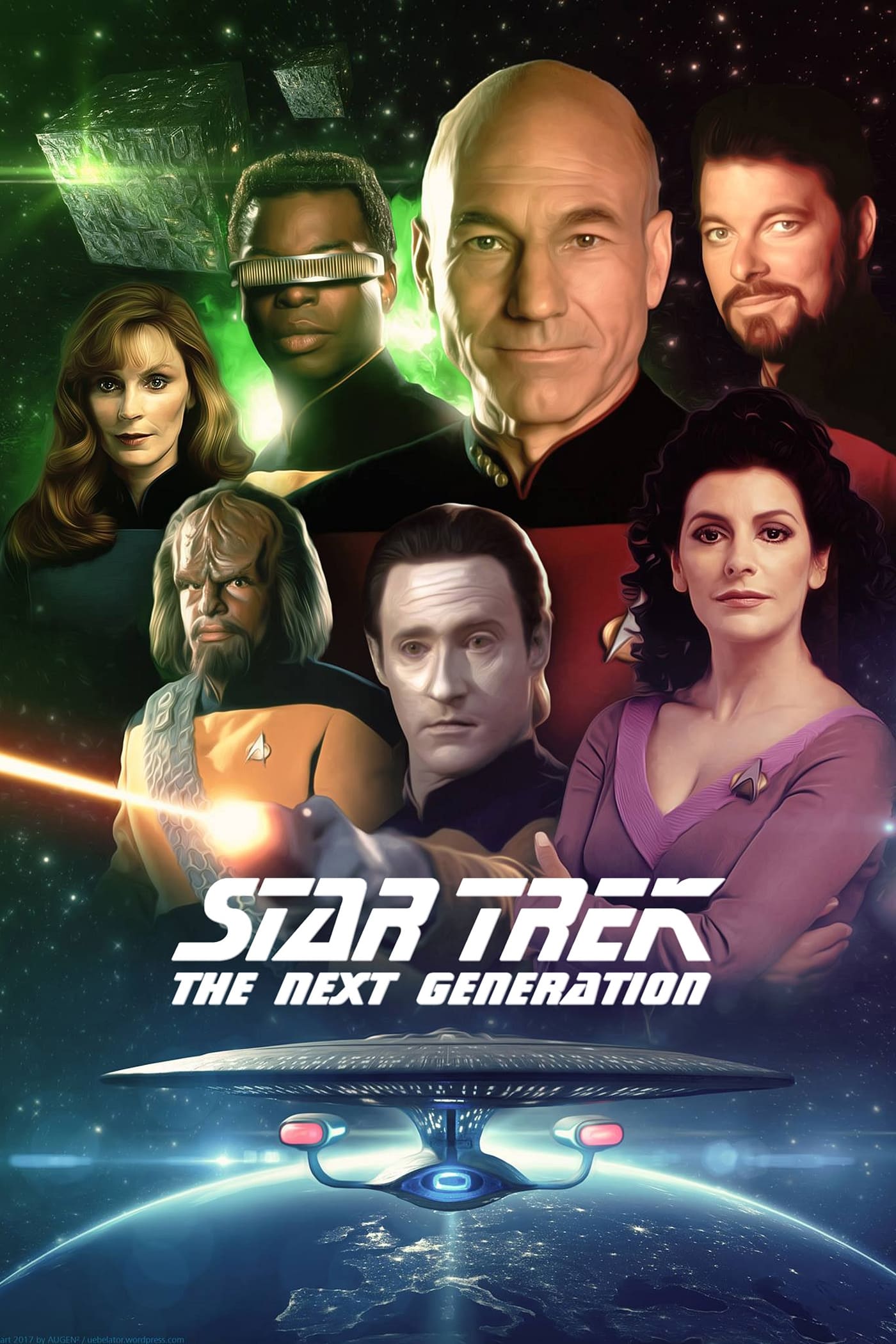
Episodes document command decisions via logs, briefings, and after-action reports that maintain procedural consistency. Rewatching connects technical terms—warp fields, deflector configurations, and transporter patterns—to recurring solutions.
Diplomatic episodes outline treaty terms and cultural practices with precise language. Set design’s labeled consoles and repeating corridor layouts allow for reliable spatial orientation.
‘Babylon 5’ (1994–1998)

The series follows a pre-planned arc with station politics, interstellar law, and military command structures carefully articulated. Rewatching clarifies treaty clauses, prophecy texts, and encoded transmissions that foreshadow later events.
Visual continuity—uniforms, ship silhouettes, and council chambers—supports a clear timeline. Episode titles and prologues embed thematic keywords that map directly to plot turns.
‘The Americans’ (2013–2018)
Spycraft is shown through tradecraft details—dead drops, brush passes, and surveillance detection routes—using specific terminology. Rewatching makes handler networks, cover jobs, and operational timelines easier to follow.
Costume and wig inventories function as cataloged tools, with storage and preparation depicted step by step. Interagency meetings and case files offer an administrative lens on counterintelligence work.
‘Hannibal’ (2013–2015)

Forensic procedure, psychiatric assessment, and culinary technique receive meticulous treatment, with lab reports and terminology on screen. Rewatching clarifies how crime-scene staging and art-historical references connect victims and perpetrators.
The show uses recurring tableaux, antler imagery, and culinary plating as coded markers. Case progression follows a consistent evidence-to-profile structure that becomes more apparent across episodes.
‘Sherlock’ (2010–2017)
Investigations are visualized through text overlays, deduction trees, and digital reconstructions that label evidence and timelines. Rewatching helps map how clues introduced in early scenes reappear in later reveals.
Episodes reference specific canon stories and repeatedly use camera motifs—panning across walls, screens, and mind palaces—to show reasoning. Secondary characters’ occupations and skill sets provide consistent sources for information retrieval.
‘Black Mirror’ (2011–)
Standalone episodes share technological frameworks—rating systems, implants, and surveillance architectures—explicitly named in dialogue and UI. Rewatching reveals device crossovers, brand logos, and Easter-egg news tickers linking entries.
Production design uses consistent interfaces and input methods, making speculative tech readable. Legal and corporate terms outline ownership, consent, and liability in ways that structure each plot.
‘The Good Place’ (2016–2020)

Ethics lessons cite named philosophers, dilemmas, and frameworks, with whiteboards and handouts providing concrete summaries. Rewatching clarifies how rule sets, point systems, and neighborhood designs govern character choices.
Visual continuity in signage, uniforms, and architecture establishes rules for movement and permissions. Recurring jokes double as system hints, with wording that identifies loopholes and constraints.
‘BoJack Horseman’ (2014–2020)

Industry mechanics—agents, residuals, notes calls, and pilot cycles—are explained through contracts and meetings. Rewatching highlights how background headlines, credits sequences, and set décor log the entertainment world’s changing conditions.
Wordplay, visual puns, and signage plant dense layers of information that align with ongoing character arcs. The show uses recurring therapists, PR crises, and award campaigns as structural milestones.
‘Rick and Morty’ (2013–)
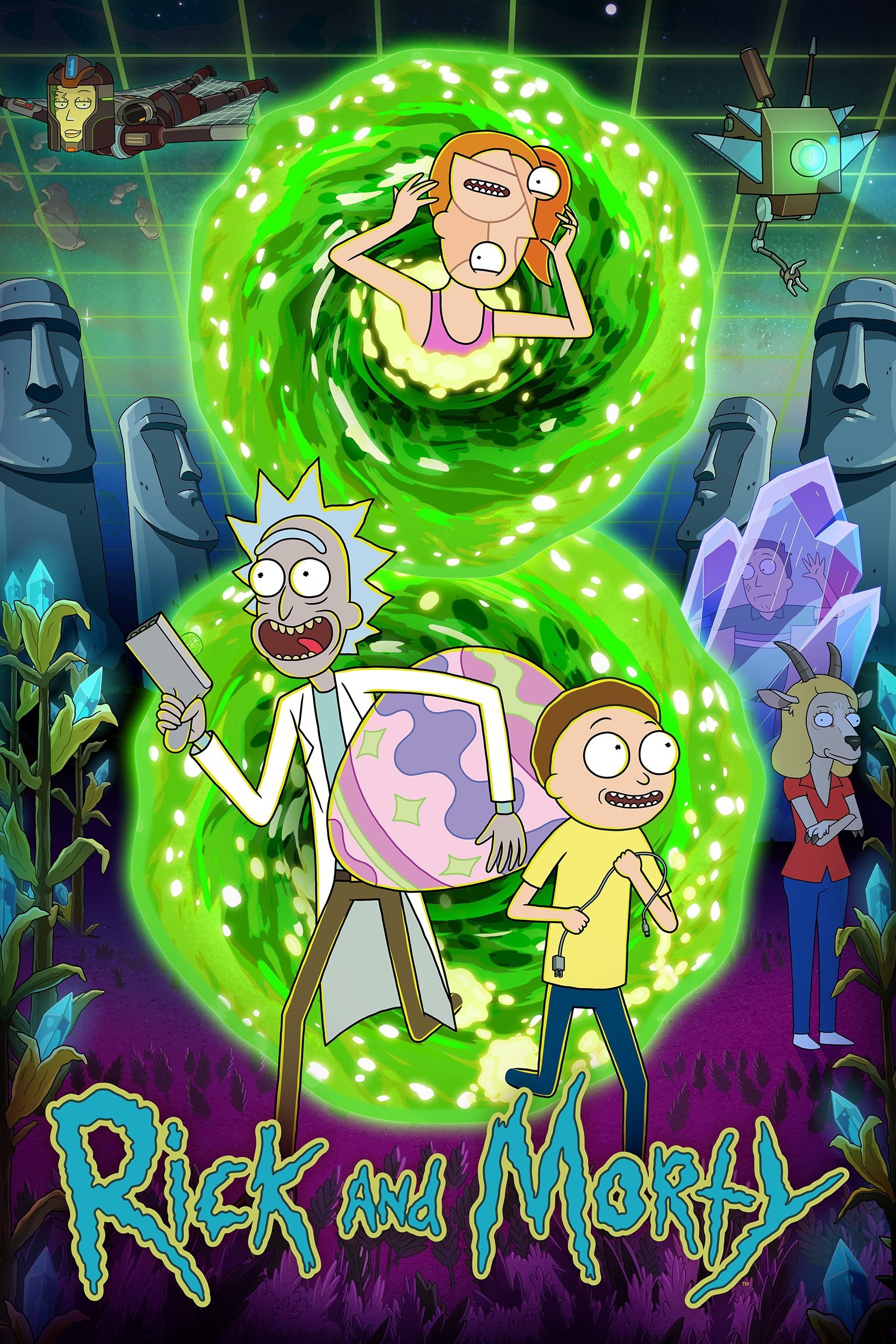
Multiverse logistics are addressed with explicit rules—portal coordinates, variant identities, and device limitations—spelled out in dialogue and diagrams. Rewatching helps track continuity items like numbered realities and serialized arc tags.
The show maintains internal schematics for vehicles and gadgets, with recurring UI screens that standardize controls. Cold opens often prototype concepts that recur later in expanded form.
‘Avatar: The Last Airbender’ (2005–2008)

Bending disciplines are codified through distinct martial-arts styles, training regimens, and cultural practices shown in detail. Rewatching clarifies the rules of technique progression and the political organization of nations and tribes.
Maps, scrolls, and official insignia consistently identify locations and authority figures. Episode structure frequently pairs lessons with specific skills, providing a clear curriculum across the journey.
‘Fullmetal Alchemist: Brotherhood’ (2009–2010)

Alchemy adheres to formal principles stated in chalk diagrams, transmutation circles, and codices. Rewatching connects symbol sets, hand signs, and material requirements to later applications.
National and military hierarchies, ranks, and research divisions are precisely labeled. Flashbacks and dossiers align timelines, and recurring insignia mark affiliations and laboratory origins.
‘Neon Genesis Evangelion’ (1995–1996)

Operations manuals, sync tests, and command hierarchies are presented with on-screen readouts. Rewatching clarifies how technical status screens and emergency codes mirror character states.
Episodes weave religious and psychological terminology into equipment names and mission types. Repeated shots of corridors, transport systems, and launch bays create a consistent operational map.
‘Death Note’ (2006–2007)

Rules are explicit and cumulative, appended to the central notebook and referenced verbally. Rewatching tracks how loopholes and constraints are exploited through careful timing, surveillance, and identity control.
Police procedure, international cooperation, and media management are depicted through briefings and monitored communications. Scene blocking around clocks and screens underscores the importance of sequencing.
‘Steins;Gate’ (2011)

Time-travel mechanics are encoded with distinct terms, labeled devices, and quantified divergence readings. Rewatching aligns text messages, lab notes, and phone logs with causality shifts.
Character roles in the lab are tied to specific tasks—hardware assembly, programming, and record-keeping—shown step by step. Visual markers like CRTs and badges provide continuity across altered timelines.
‘Attack on Titan’ (2013–2023)

Military structure—regiments, ranks, and training protocols—is spelled out in formation diagrams and field manuals. Rewatching connects map annotations, supply chains, and wall geography to tactical decisions.
The series tracks technology evolution through labeled equipment and schematics. Diary entries, official reports, and archival documents reveal historical layers that retroactively inform earlier events.
‘Cowboy Bebop’ (1998–1999)

Bounty-hunting procedure—warrants, captures, and fees—is explained via TV bulletins and guild rules. Rewatching highlights how case names, ship repairs, and meal inventories mark the crew’s routine.
Jazz cues and episode title cards act as an indexing system for themes and references. Ship layout and recurring ports establish a travel pattern that structures the season.
‘The Office’ (US) (2005–2013)
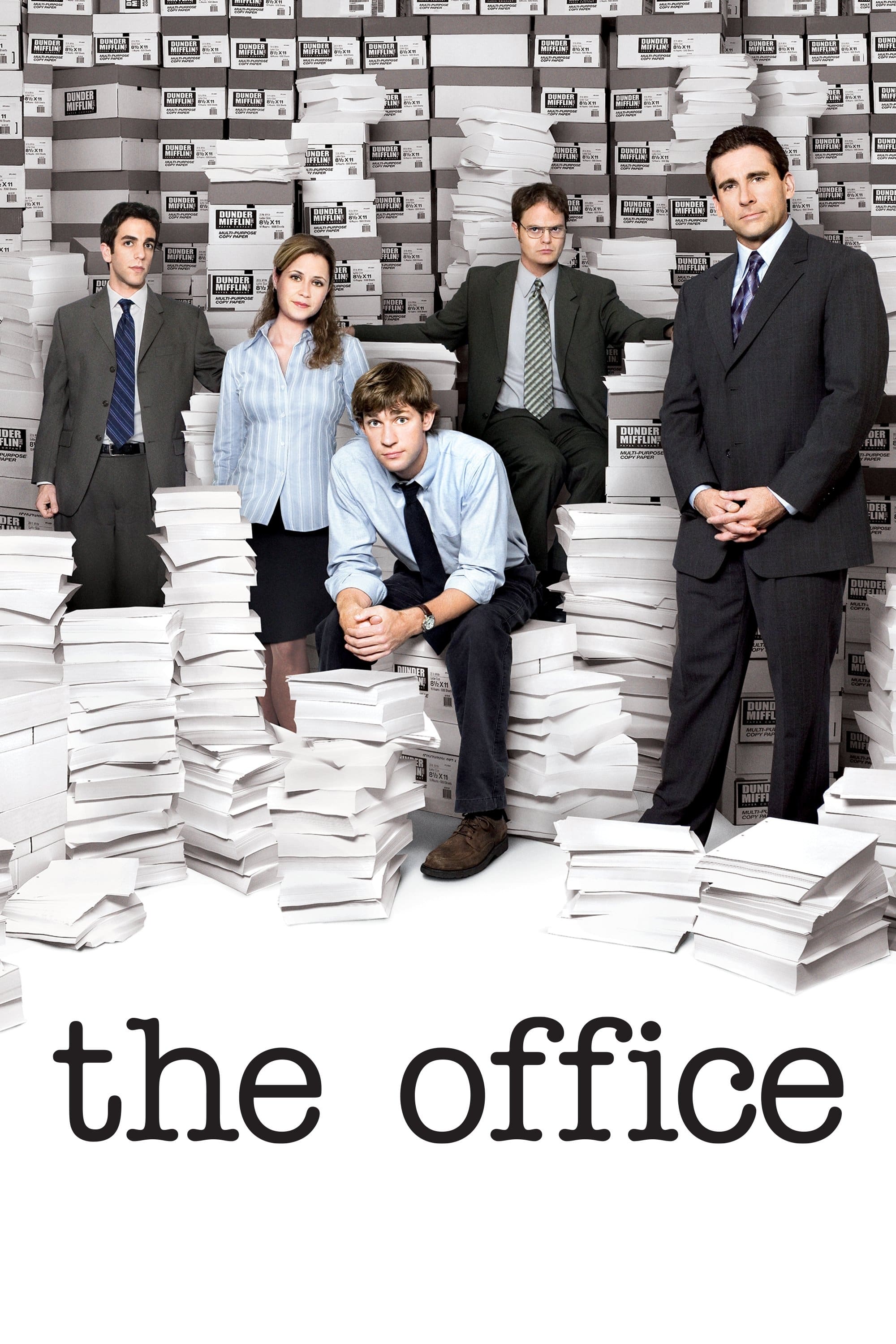
The mockumentary format catalogs HR policy, sales methods, and office workflows with forms, memos, and training sessions. Rewatching reveals how quarterly targets, client lists, and branch metrics evolve.
Props like whiteboards, binders, and budget charts track ongoing projects. Talking-head interviews create a parallel record that timestamps initiatives and reorganizations.
‘Parks and Recreation’ (2009–2015)
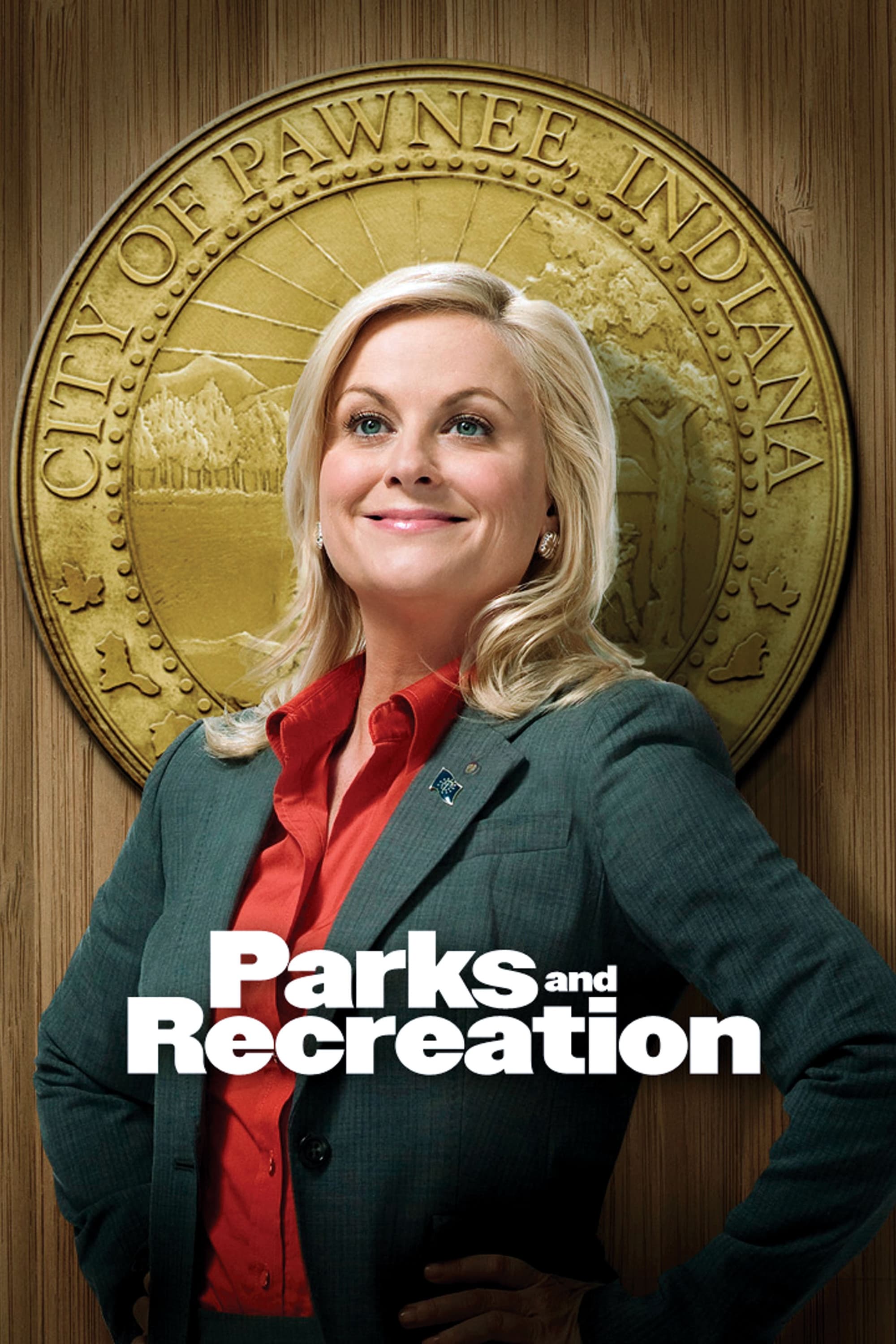
Municipal operations—permits, public hearings, budgets, and committee work—are depicted through named forms and procedures. Rewatching connects project timelines, grant applications, and park proposals across seasons.
The show’s mockumentary device archives town history via murals, binders, and meeting minutes. Recurrent community events function as annual markers for policy goals and staffing changes.
’30 Rock’ (2006–2013)
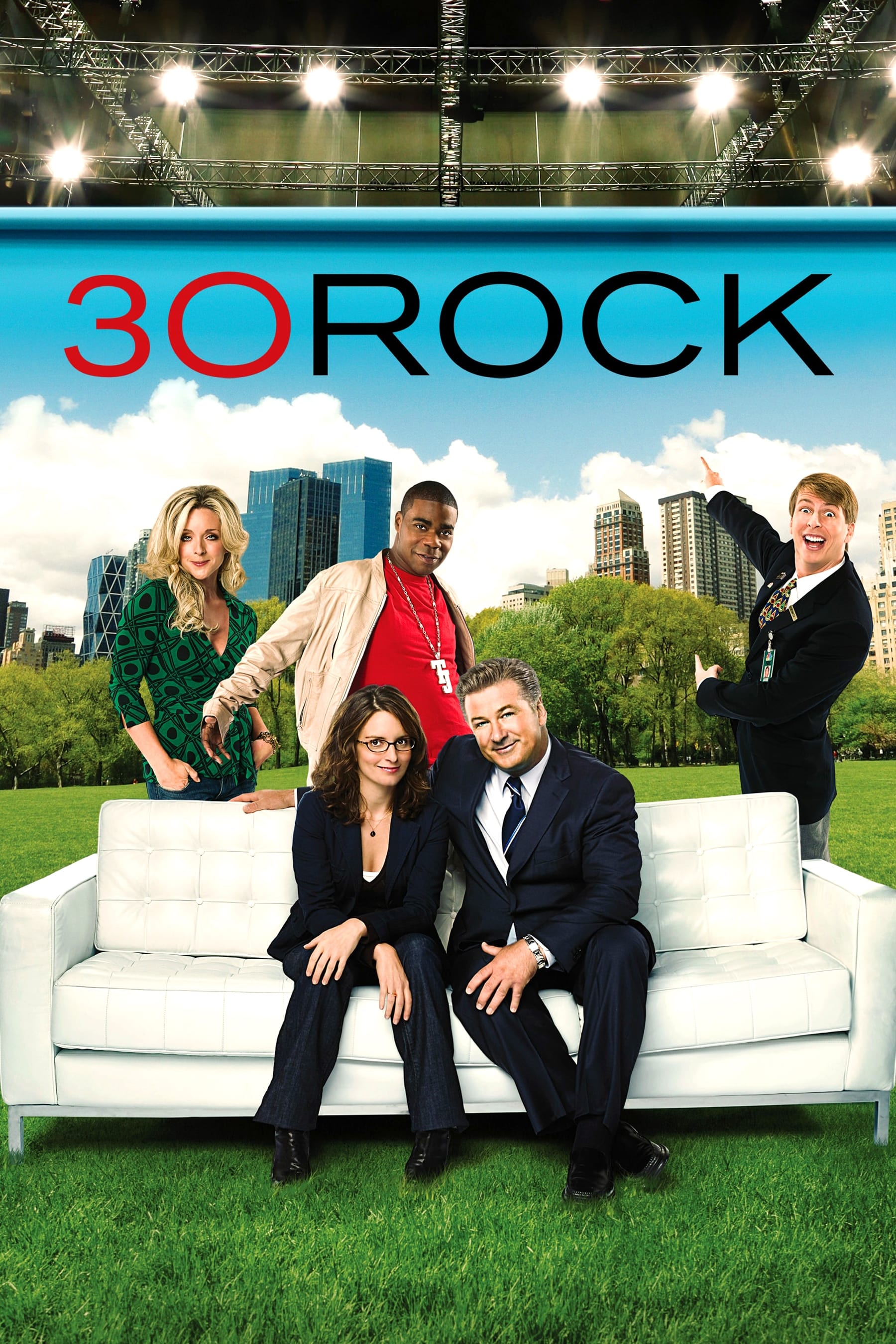
Network television production is shown through table reads, budget notes, standards reviews, and scheduling grids. Rewatching helps track sponsorships, programming blocks, and contract negotiations.
The series threads in real-world media jargon, from affiliate relations to live episode logistics. Recurring show-within-a-show segments serve as reference points for production cycles.
‘Futurama’ (1999–)
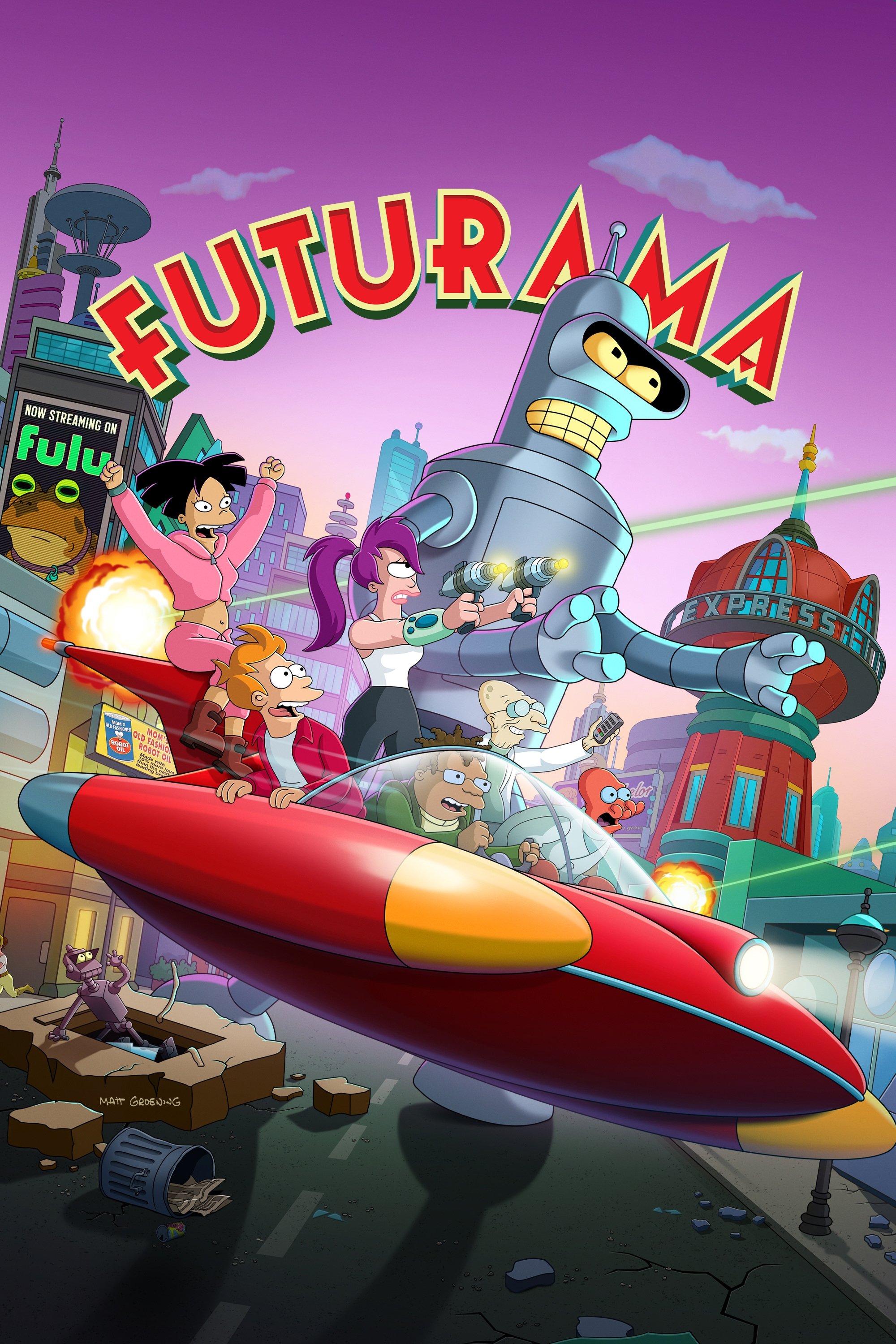
Science jokes sit atop consistent pseudo-technical rules—star charts, delivery routes, and machine schematics labeled on screen. Rewatching connects serial numbers, company policies, and professor notes across episodes.
Episodic stories still preserve long-running continuity, with flashbacks and inventory tags recalling earlier events. Background billboards and news crawls store dense cross-references.
‘The Simpsons’ (1989–)
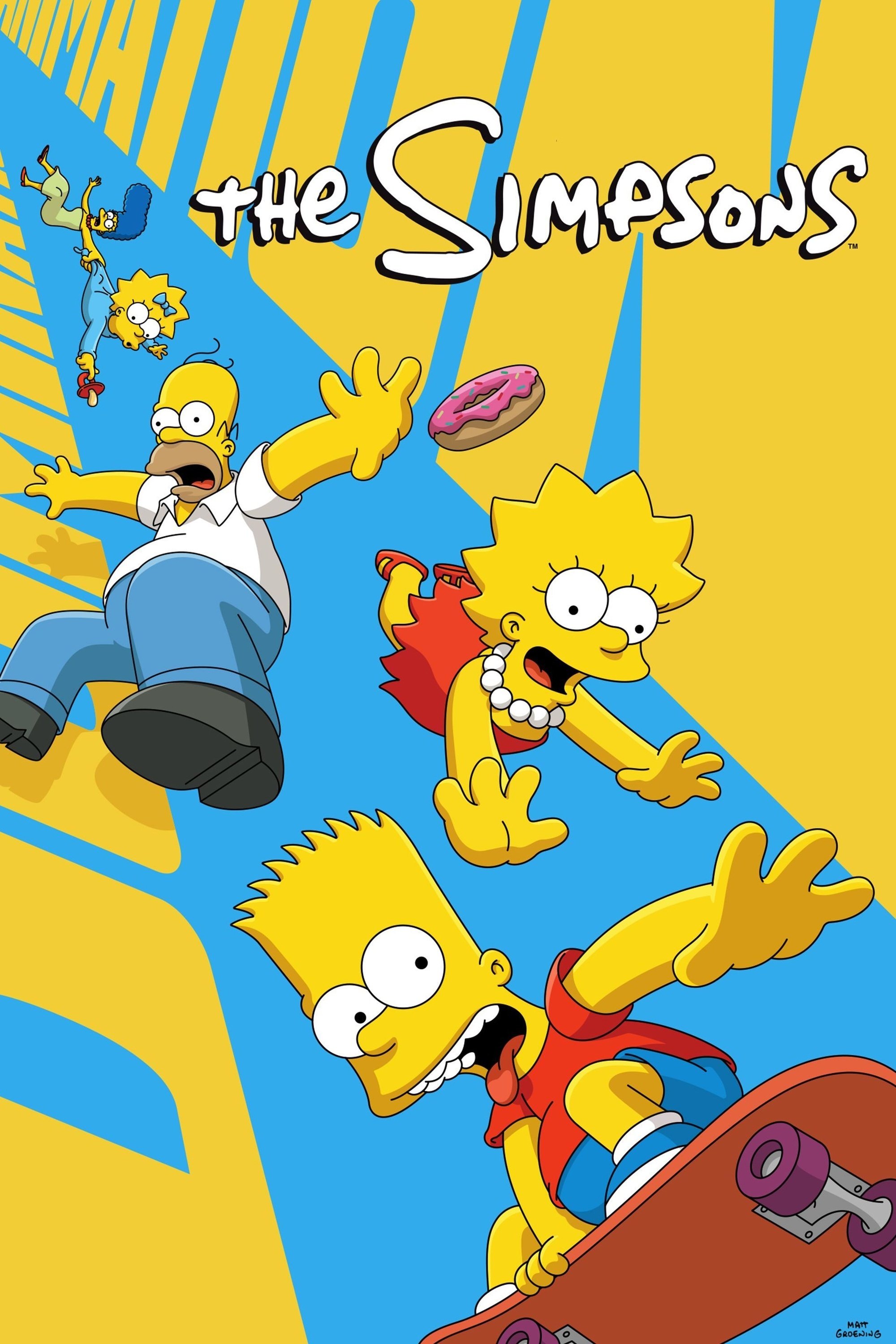
The town’s institutions—school, power plant, city hall, and media—are mapped through recurring departments and officials. Rewatching uncovers continuity in street layouts, storefronts, and local businesses.
Running gags double as a civic record, with town meetings, elections, and public works projects returning regularly. Opening-sequence variations and news segments timestamp events within the show’s flexible timeline.
‘South Park’ (1997–)
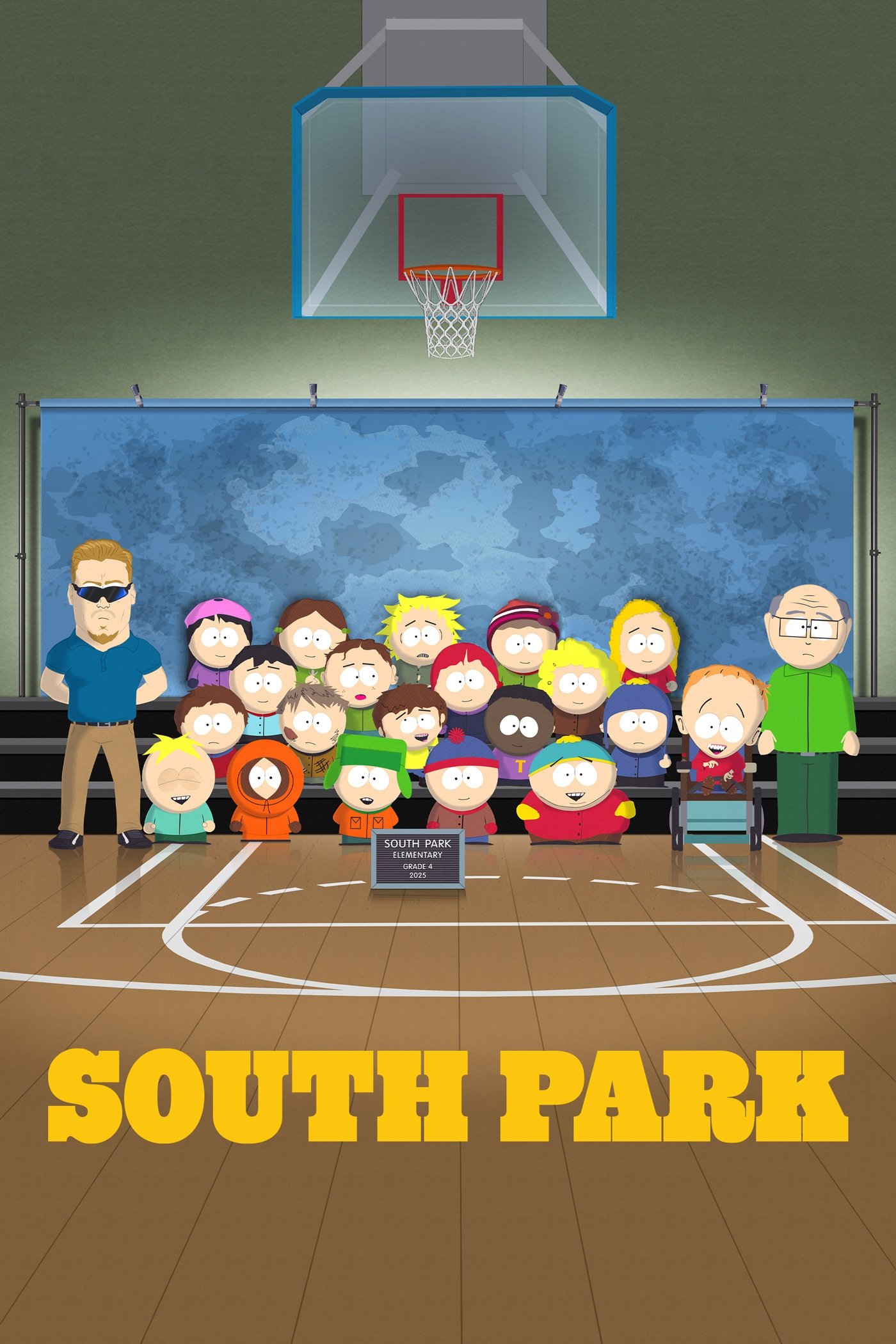
Production speed allows episodes to reference current events with labeled graphics and mock reportage. Rewatching clarifies how recurring classrooms, bus routes, and businesses anchor the town’s geography.
School procedures, parental committees, and local governance provide a framework for policy debates. The show’s use of on-screen text and flowcharts embeds argument structure inside jokes.
‘Arrested Development’ (2003–2019)
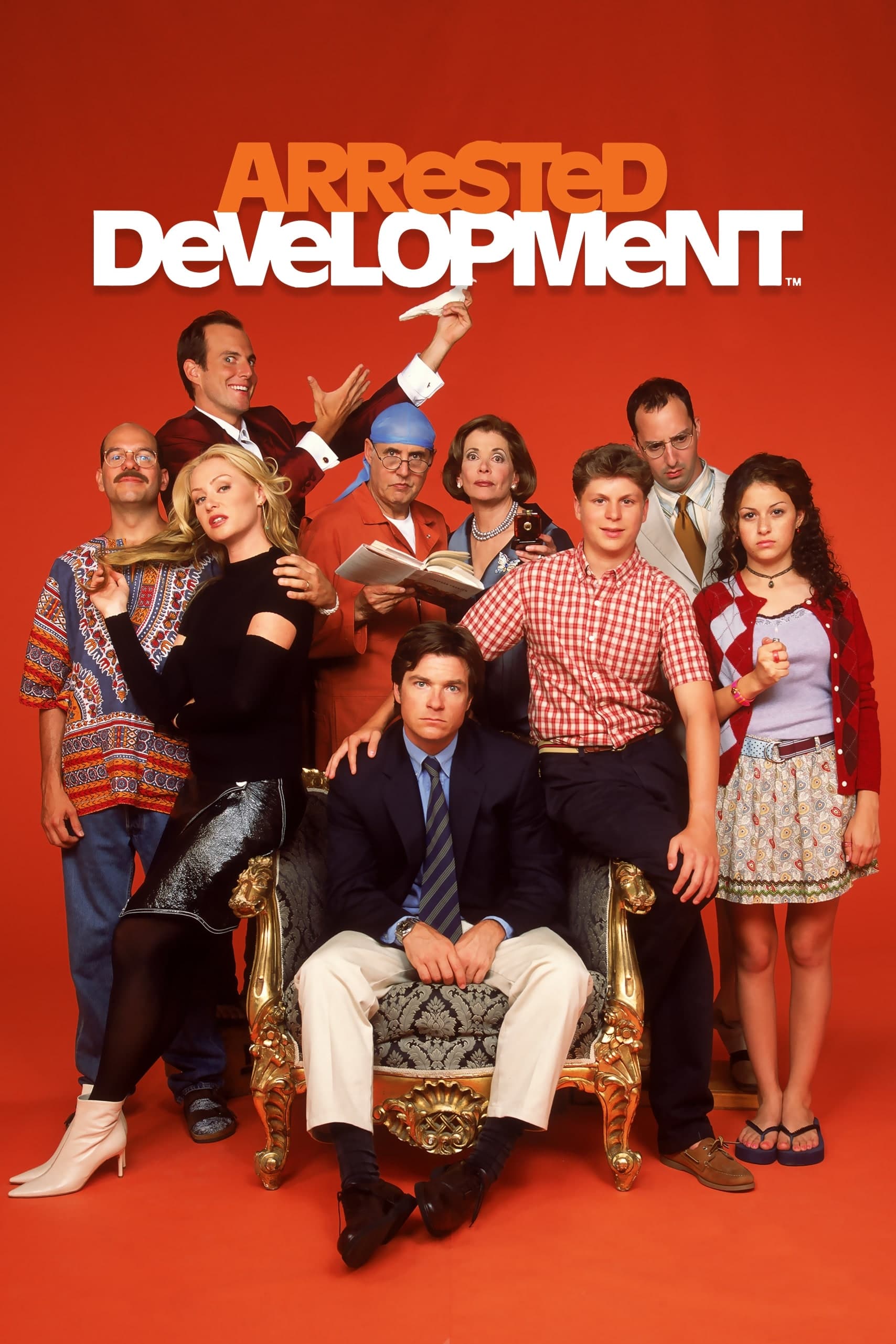
Narration, footnotes, and freeze-frame captions supply a running ledger of character actions, legal issues, and company finances. Rewatching rewards attention to background documents and recurring contracts.
Complex callbacks link props—hand-shaped chairs, stair cars, and model homes—across seasons. The family-business structure generates consistent paperwork and boardroom scenes that track plot mechanics.
‘Community’ (2009–2015)
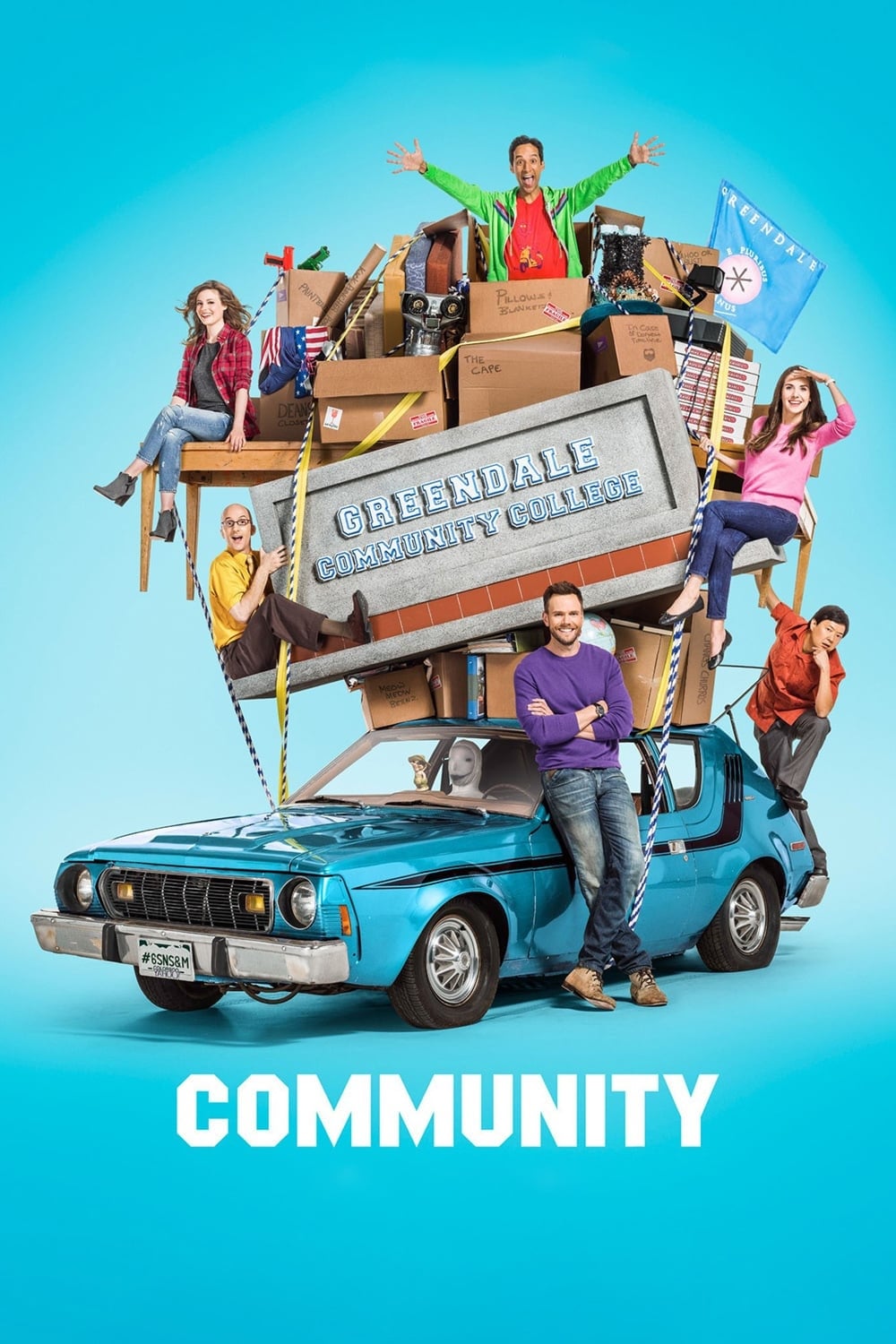
Course schedules, class projects, and campus events provide a formal calendar that structures storylines. Rewatching connects study-group dynamics to specific syllabi, room numbers, and extracurriculars.
Genre-homage episodes keep internal rules consistent, cataloged through props, costumes, and set dressing. Background posters and bulletin boards carry long-term running jokes and information.
‘The West Wing’ (1999–2006)
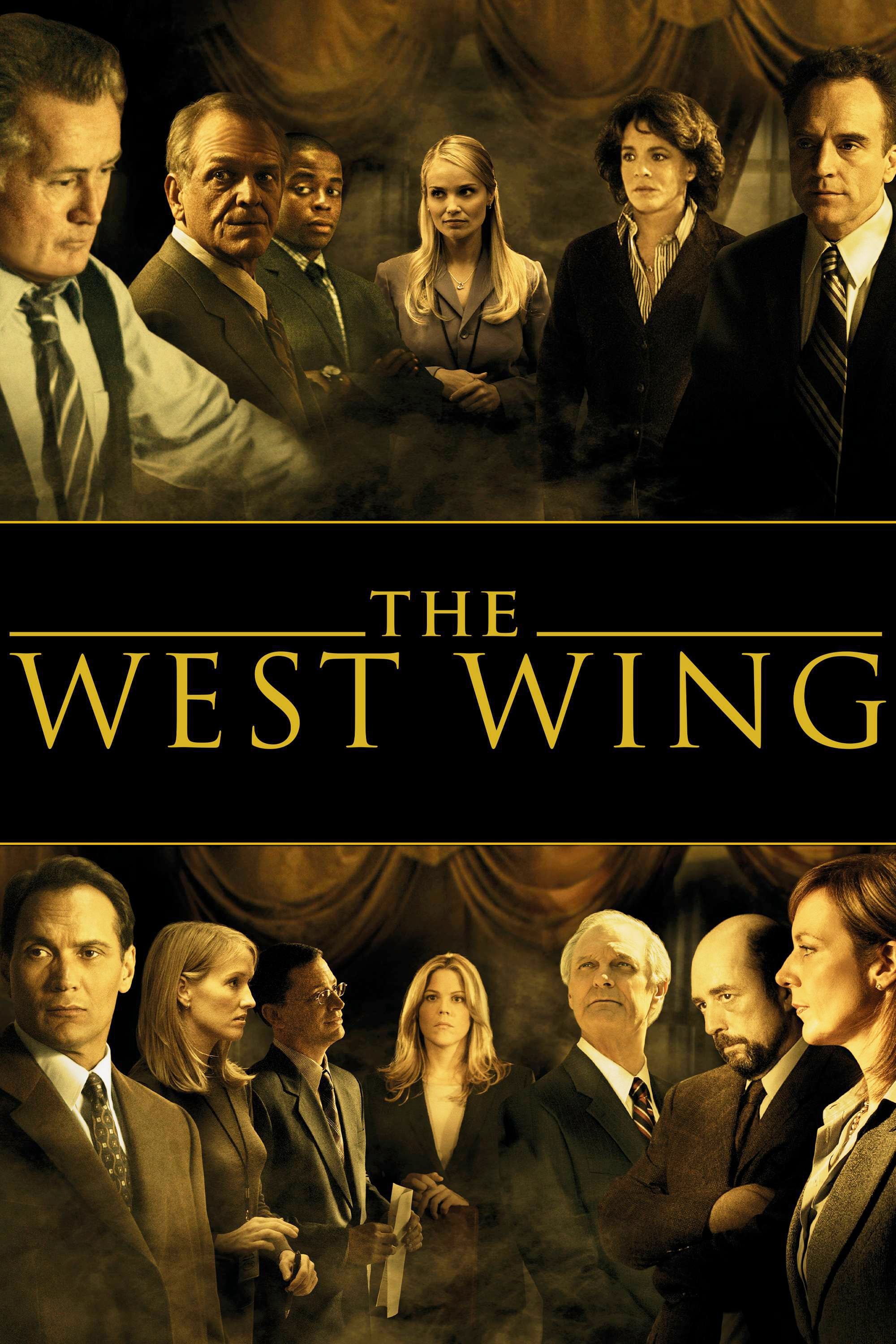
Legislative process is depicted via labeled memos, whip counts, and committee hearings. Rewatching clarifies how policy briefings, press guidance, and staffing charts interrelate.
Walk-and-talk staging consistently maps the building’s layout, reinforcing departments and reporting lines. Realistic protocol—titles, honorifics, and diplomatic procedure—anchors international storylines.
‘The Shield’ (2002–2008)
Police work is presented through forms, case numbers, and chain-of-custody details, with internal-affairs oversight procedures named explicitly. Rewatching tracks how evidence handling and informant management drive outcomes.
Geography—district maps, alleyways, and stash houses—is treated as a tactical resource. Squad room boards and wiretap logs create a persistent data layer across episodes.
‘Justified’ (2010–2015)
Deputy procedures, warrant language, and jurisdictional boundaries are detailed in dialogue and paperwork. Rewatching brings out the network of family ties, land deeds, and business fronts underlying conflicts.
Repeated locations—hollows, bars, and mine sites—anchor pursuit and surveillance sequences. Case files and court proceedings provide a clear trail from investigation to resolution.
‘Deadwood’ (2004–2006)
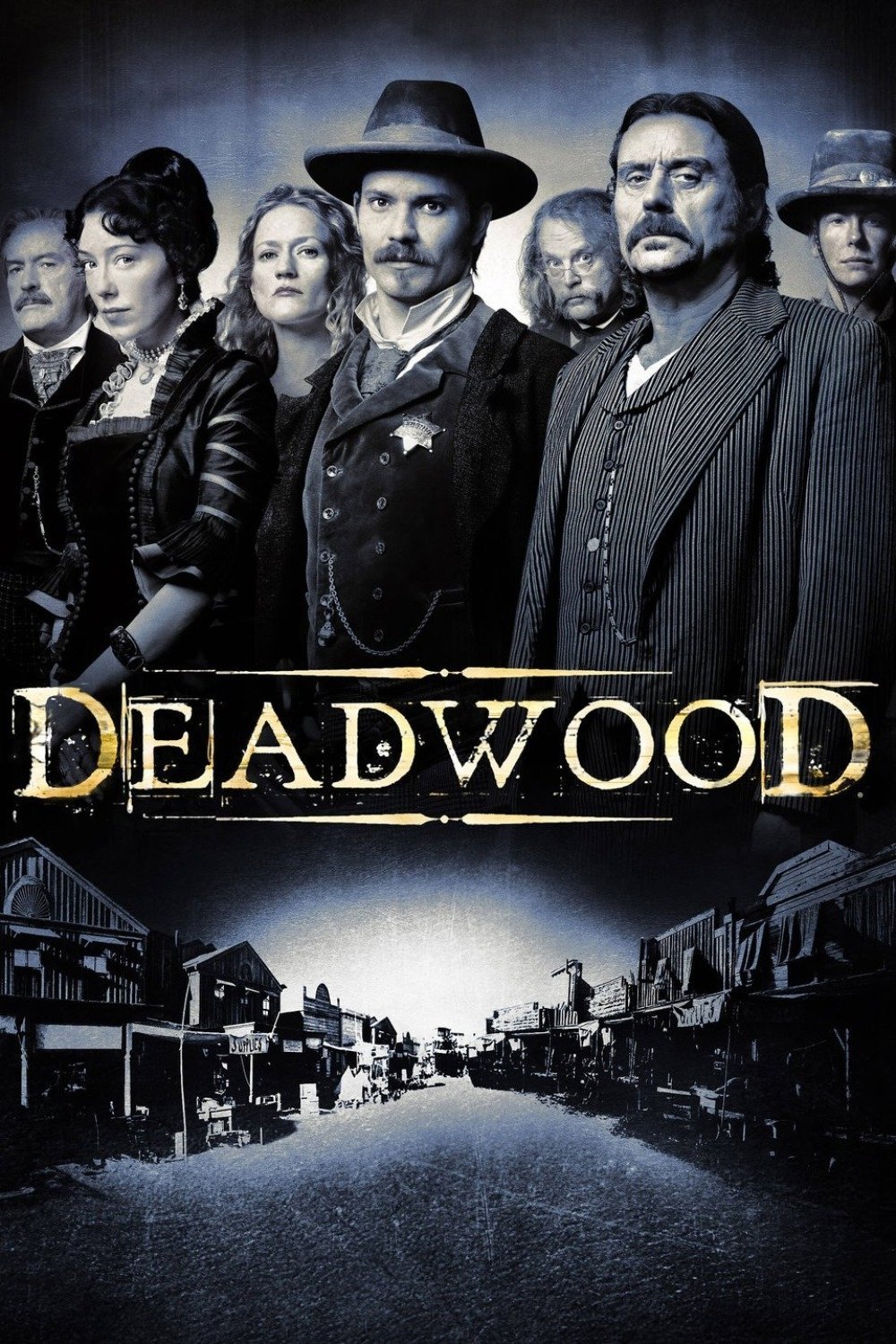
Town governance emerges through charters, claims, and camp laws negotiated in public and private meetings. Rewatching maps property disputes, business partnerships, and law enforcement authority.
Ledger books, telegraph messages, and supply orders create a documented economy. Recurrent locations like the gem, the thoroughfare, and the newspaper office function as administrative hubs.
‘Peaky Blinders’ (2013–2022)
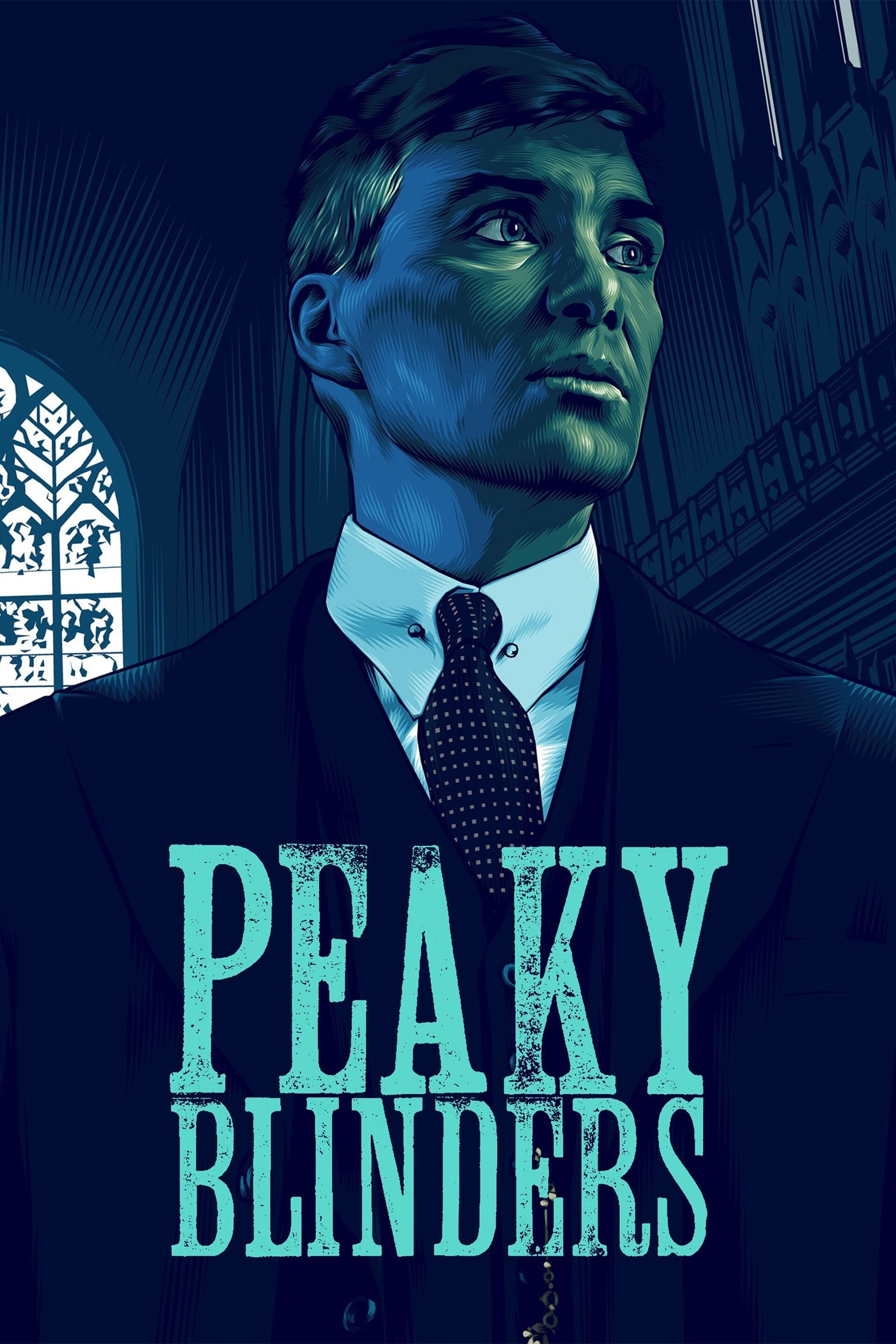
Organized-crime operations intersect with legal businesses, with ledgers, shipping routes, and betting books shown in detail. Rewatching clarifies how licenses, charters, and political favors enable expansion.
Costume and insignia consistently denote rank and affiliation within and beyond the family. Meetings with bankers, officials, and union leaders establish concrete mechanisms for leverage.
‘Mindhunter’ (2017–2019)
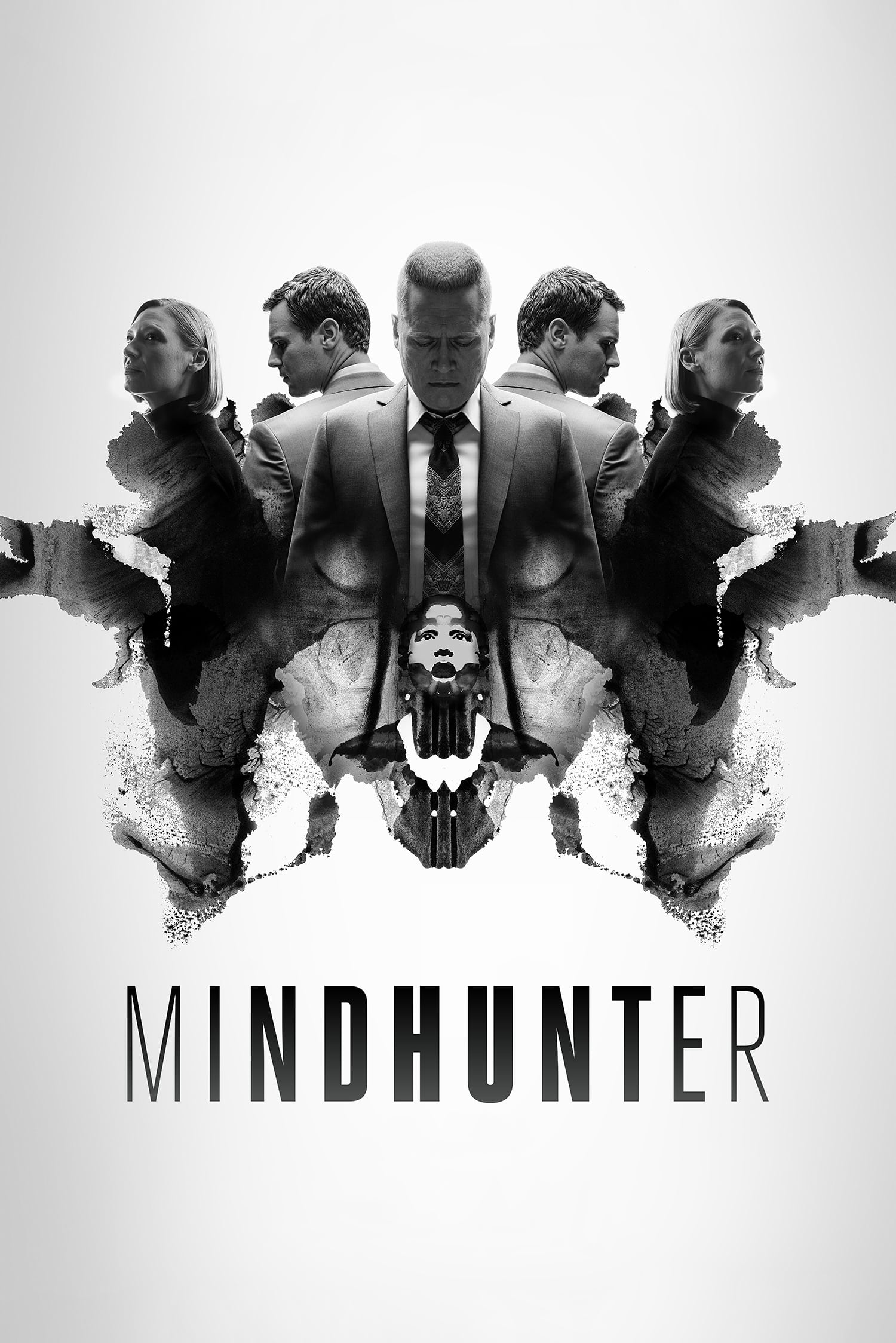
The series documents the formation of behavioral science protocols through interview transcripts, classification schemes, and typed reports. Rewatching links terminology changes and typologies to evolving casework.
Attention to recording technology—reels, mics, and tape logs—anchors the research process. Field interviews, prison procedures, and jurisdictional cooperation are depicted step by step.
Share the shows you revisit most—and the details you only caught on your last rewatch—in the comments!