TV Shows You Need to Watch at Least Once in Your Life


Great television spans genres, formats, and countries, and it keeps evolving with new technology and distribution models. This list brings together dramas, comedies, science fiction, animation, anthologies, and limited series to show how different creators use the medium’s tools—casting, design, music, and structure—to tell sustained stories.
Each entry outlines what the series covers, who made it, where and how it was produced, and the elements that shaped its impact—such as episode counts, season structures, awards, filming locations, and technical or narrative choices. Use the details to plan a watchlist that matches your time, tastes, and curiosity.
‘The Sopranos’ (1999–2007)
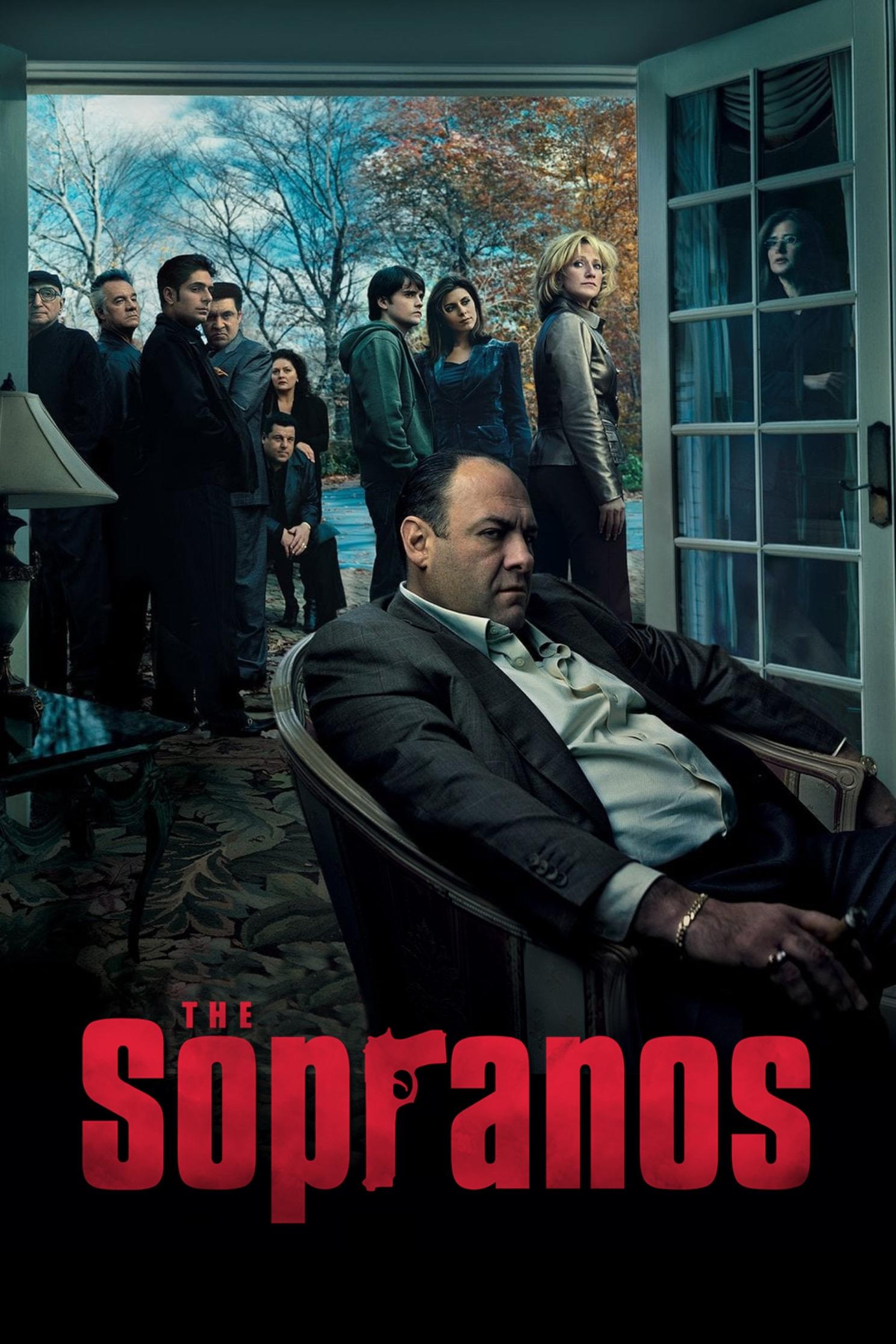
Created by David Chase for HBO, this crime drama follows a New Jersey mob boss balancing family obligations with the internal politics of his crew and rivals. It filmed extensively in New Jersey and New York, incorporated licensed music as a narrative tool, and leaned on location work for authenticity.
Across six seasons, the show used long-form arcs, therapy sessions, and domestic scenes to explore leadership, succession, and criminal enterprise logistics. The ensemble led by James Gandolfini and Edie Falco received multiple industry awards across acting, writing, and series categories.
‘The Wire’ (2002–2008)
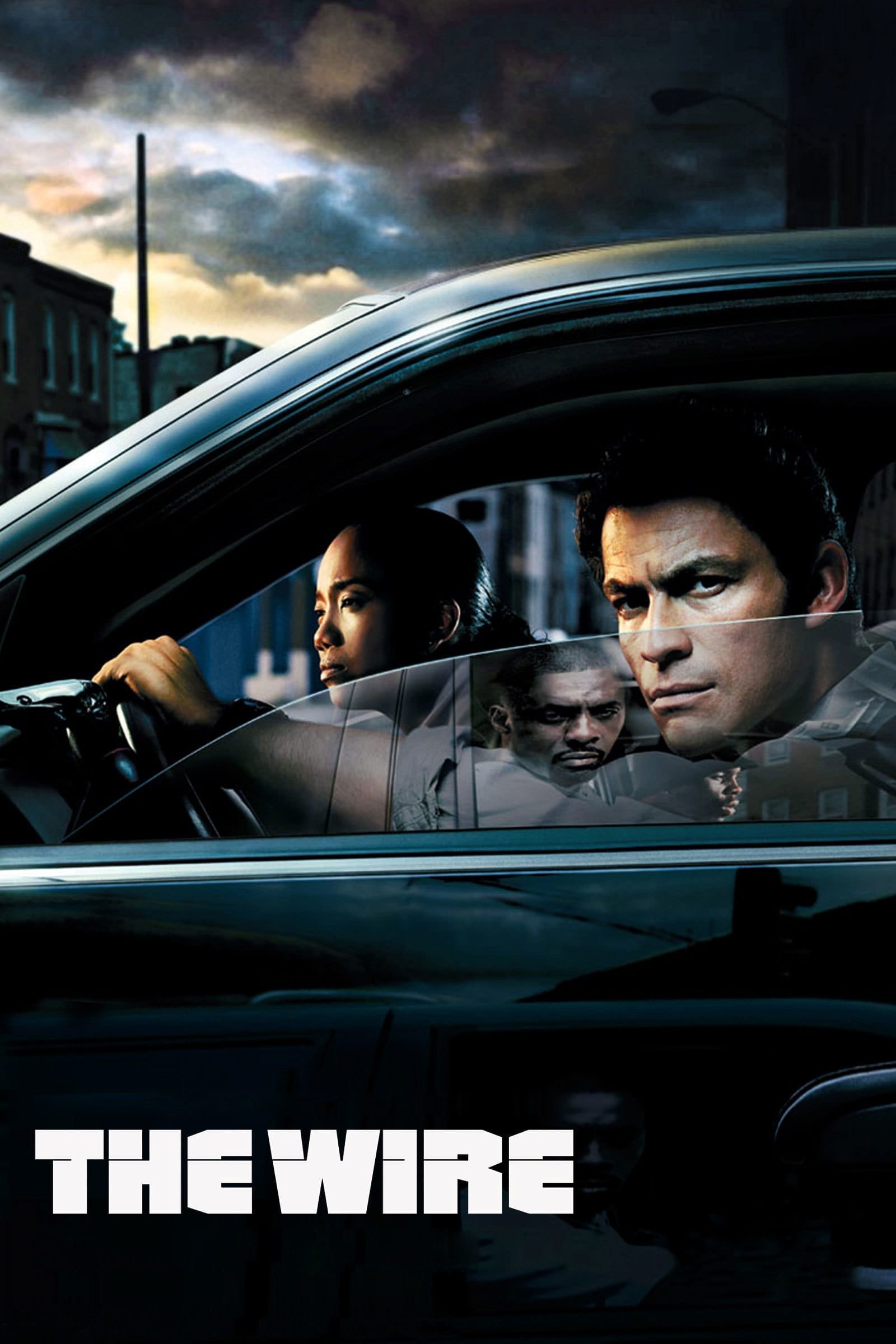
David Simon and Ed Burns structured this Baltimore-set series so each season examines a civic system—street-level drug trade, police, ports, schools, city hall, and the press. The production cast numerous local performers and staged on-location shoots to capture neighborhoods and workplaces.
The show coordinates investigative techniques—wiretaps, surveillance, informants—with institutional constraints like budgets, metrics, and policy. Its writers’ room designed season-long cases that intersect with character arcs and departmental priorities.
‘Breaking Bad’ (2008–2013)
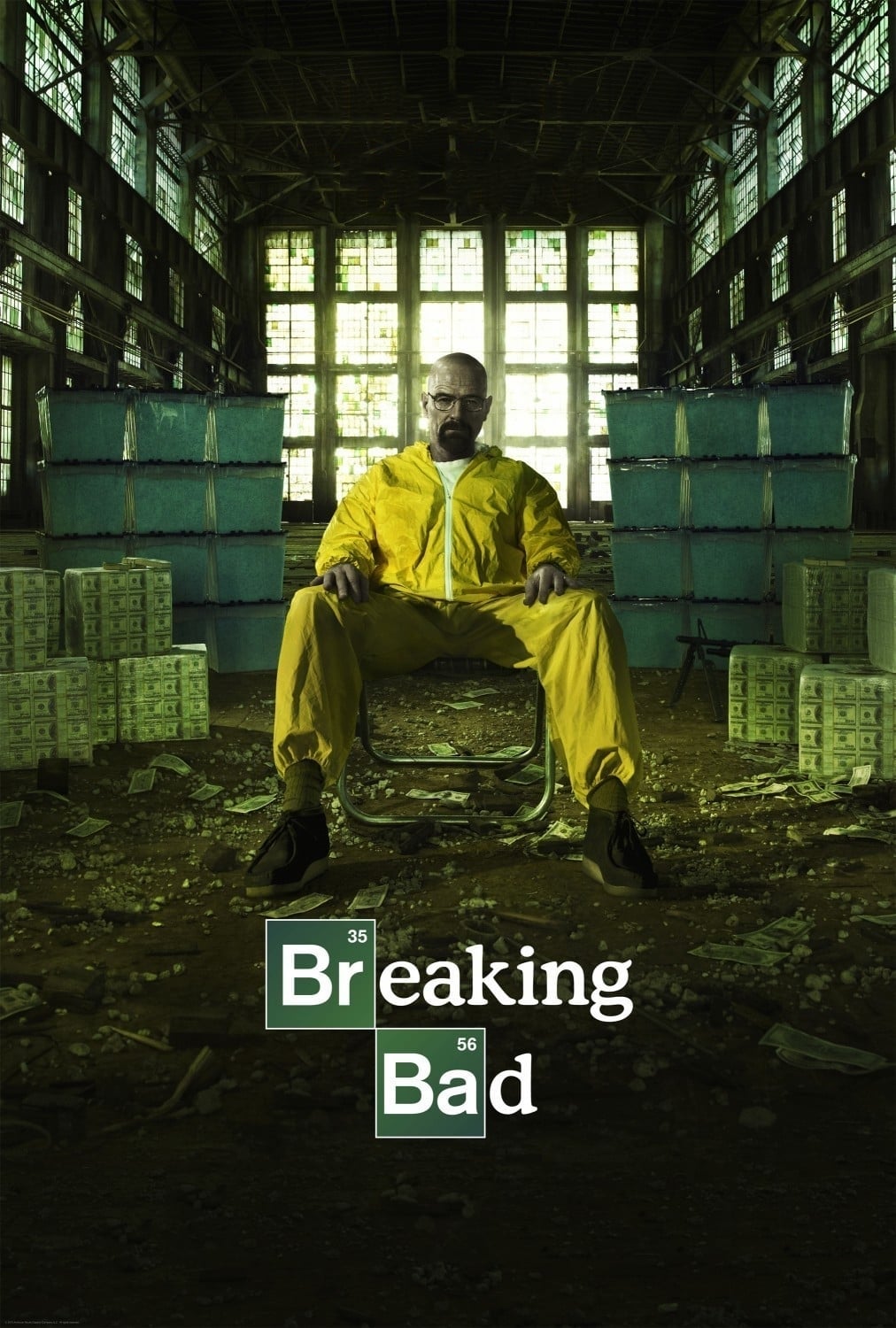
Vince Gilligan’s drama for AMC tracks a chemistry teacher and a former student as they build a drug operation, using Albuquerque’s landscapes as a visual signature. The production emphasized practical effects, carefully choreographed set pieces, and a color-coded design language.
Five seasons map a controlled escalation through cold opens, bottle episodes, and tightly staged reversals. The series earned numerous awards for acting, directing, and writing, and its finale aligned character outcomes with the show’s procedural logic.
‘Better Call Saul’ (2015–2022)
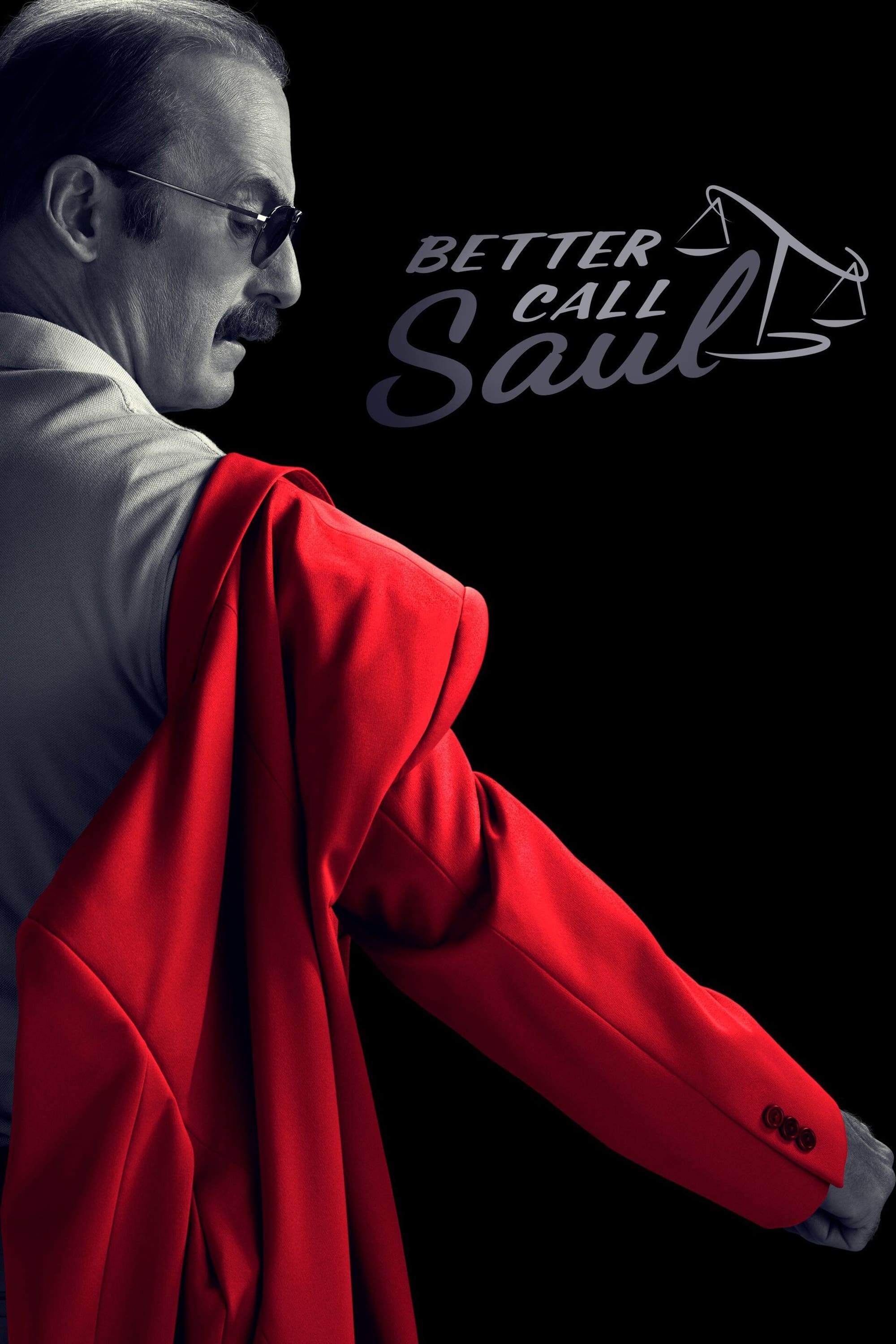
This prequel from Vince Gilligan and Peter Gould follows attorney Jimmy McGill’s transition to Saul Goodman, integrating legal cases with family and cartel plots. It shares crews and locations with its parent series while developing a distinct visual style.
The production coordinates multiple timelines, black-and-white sequences, and cross-series continuity. Over six seasons, it received widespread awards recognition for performance, cinematography, and editing, especially in later years.
‘Mad Men’ (2007–2015)
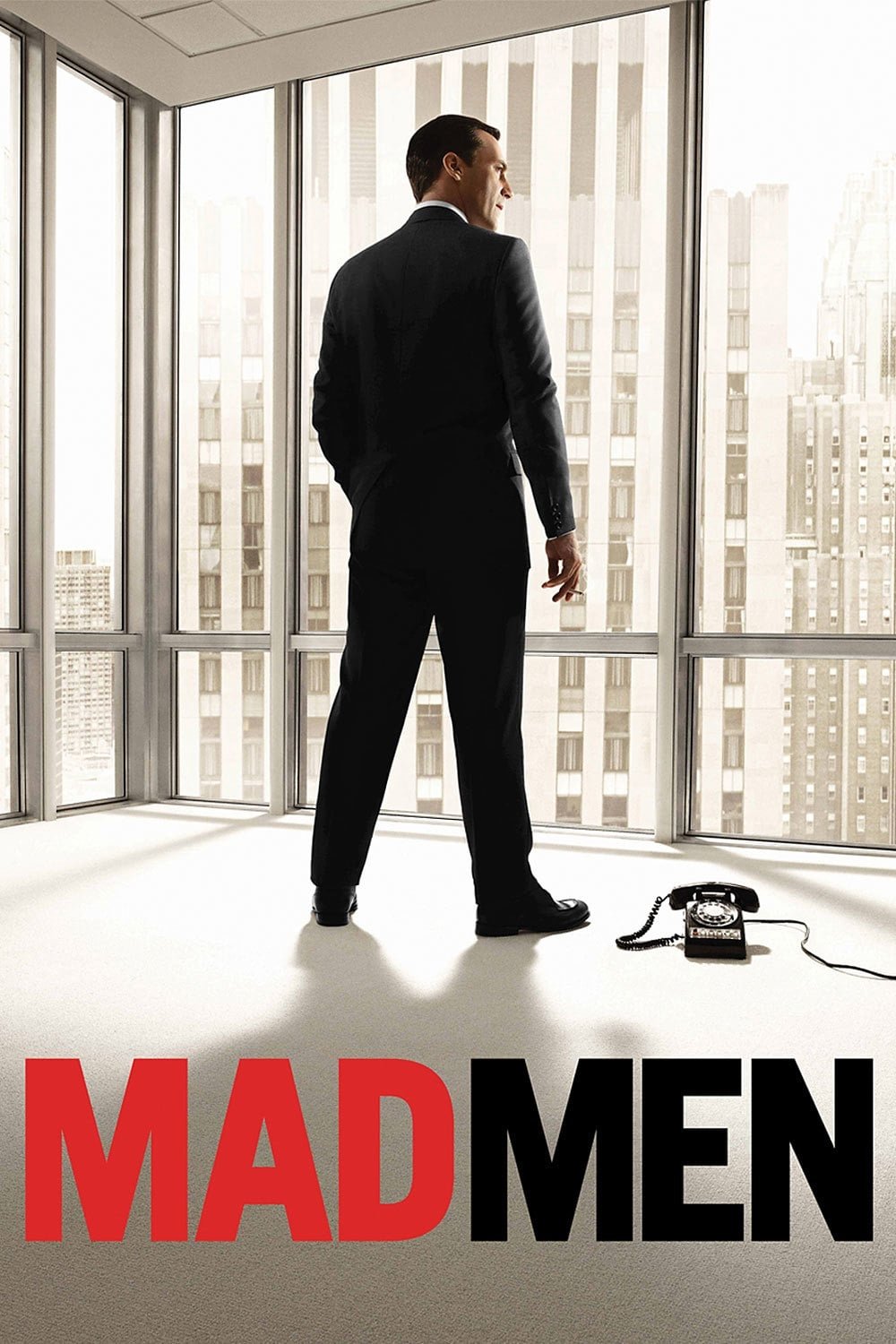
Matthew Weiner’s AMC drama focuses on a Madison Avenue agency, detailing workplace culture, creative processes, and shifting social norms. The production is known for precise period costuming, props, and recreated advertising campaigns.
Seven seasons combine episodic pitches with arcs about mergers, accounts, and personal reinvention. The ensemble won awards across major categories, and the show maintained a consistent visual grammar built around offices, boardrooms, and homes.
‘Game of Thrones’ (2011–2019)
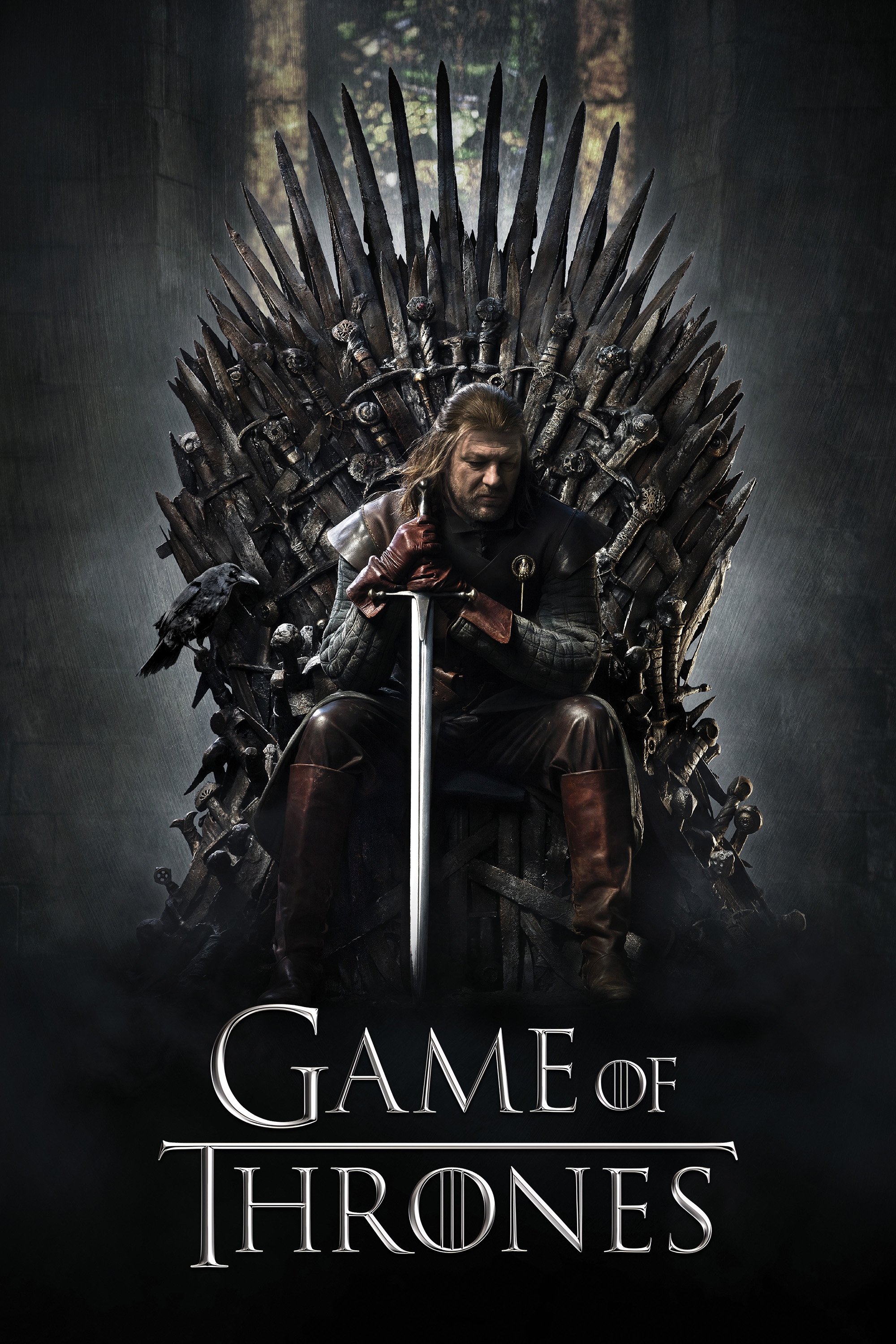
HBO adapted George R. R. Martin’s novels into an eight-season fantasy epic filmed across Northern Ireland, Spain, Croatia, Iceland, and other locations. The show coordinated large ensembles, stunts, creature work, and multilingual dialogue.
Its structure interweaves parallel storylines that converge in later seasons, with dedicated set-piece episodes directed by rotating filmmakers. The production collected awards for visual effects, costume, music, and production design.
‘Succession’ (2018–2023)
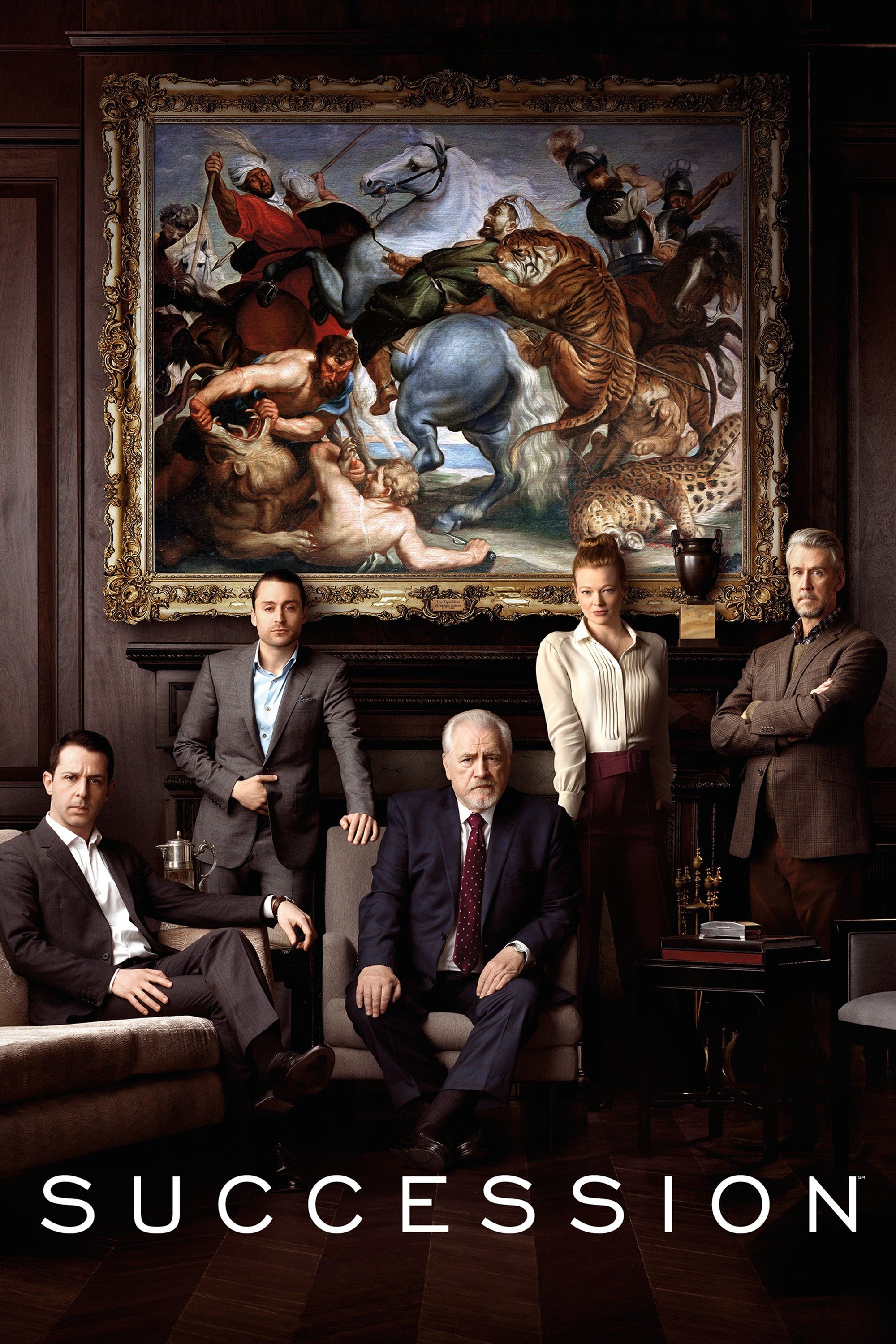
Jesse Armstrong’s HBO drama examines the governance of a family-controlled media conglomerate, with settings in New York and international business hubs. Handheld camera work and overlapping dialogue replicate fly-on-the-wall coverage in meetings and negotiations.
Across four seasons, the series depicts shareholder battles, M&A processes, crisis communications, and leadership transitions. It received multiple awards, including series, acting, and writing honors for consecutive seasons.
‘The West Wing’ (1999–2006)
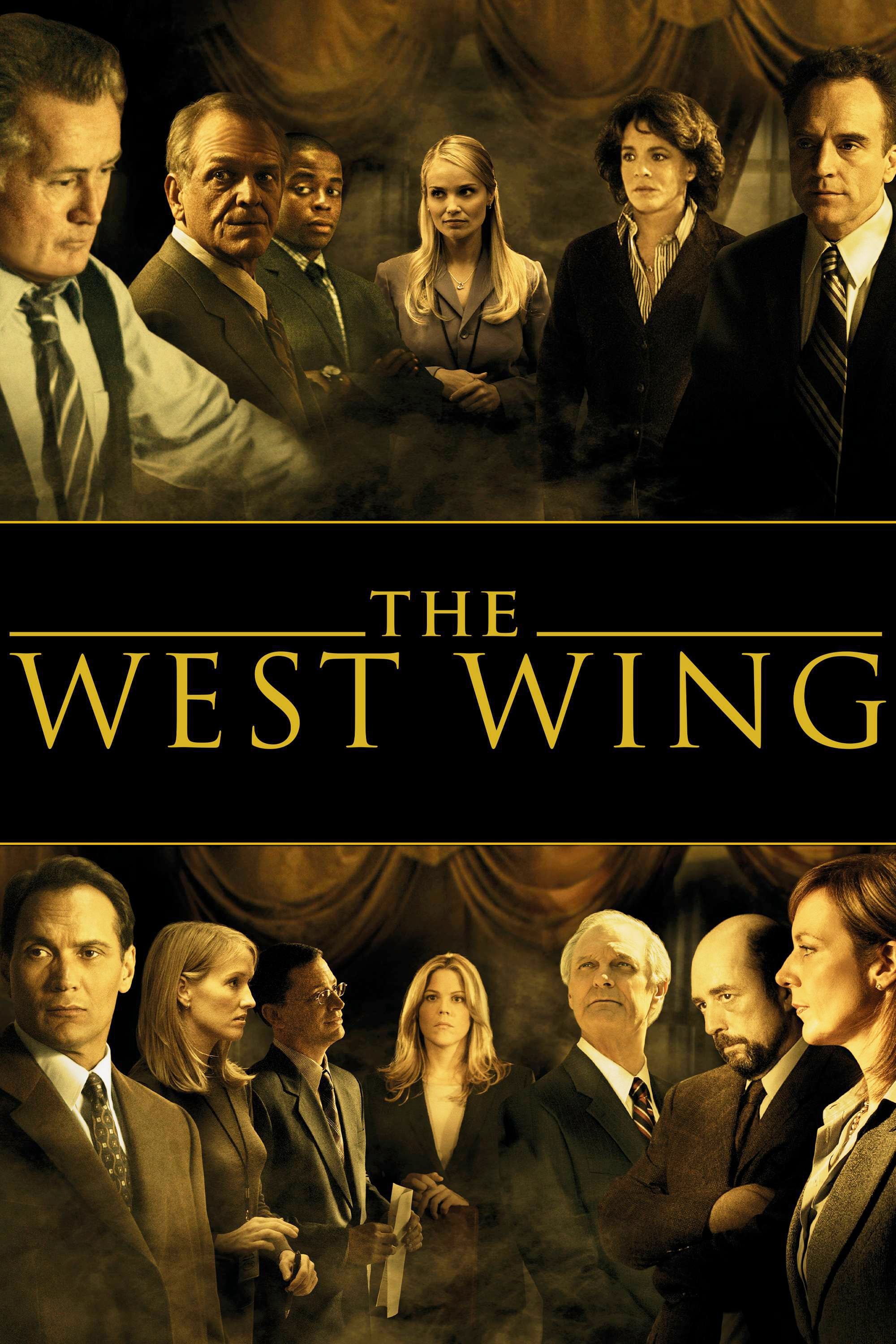
Aaron Sorkin’s political drama follows a White House staff through elections, legislative pushes, and policy briefings. The show popularized long “walk-and-talk” tracking shots through offices and corridors.
It blends procedural episodes with serialized arcs across two administrations. The ensemble and writing team earned numerous Emmys, and the production collaborated with consultants to stage debates, press briefings, and diplomacy scenes.
‘The Crown’ (2016–2023)
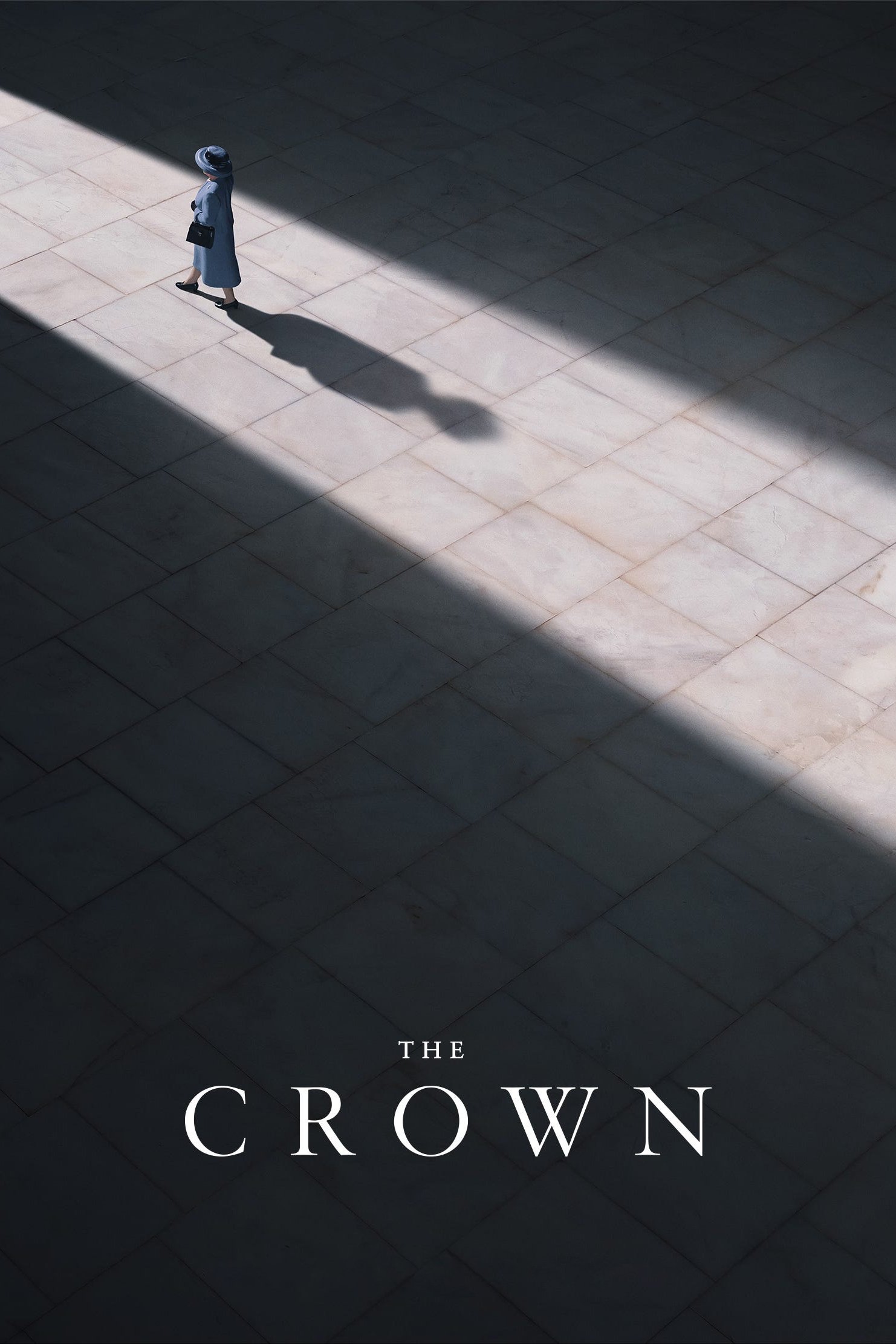
Peter Morgan’s Netflix series dramatizes the reign of Queen Elizabeth II, recasting major roles as the timeline advances. The production recreates state occasions, residences, and foreign trips with extensive costume and set design.
Each season centers on specific events while tracking family and government dynamics. The series received awards for acting, costumes, and cinematography, and it coordinated international location work with studio builds.
‘The Americans’ (2013–2018)
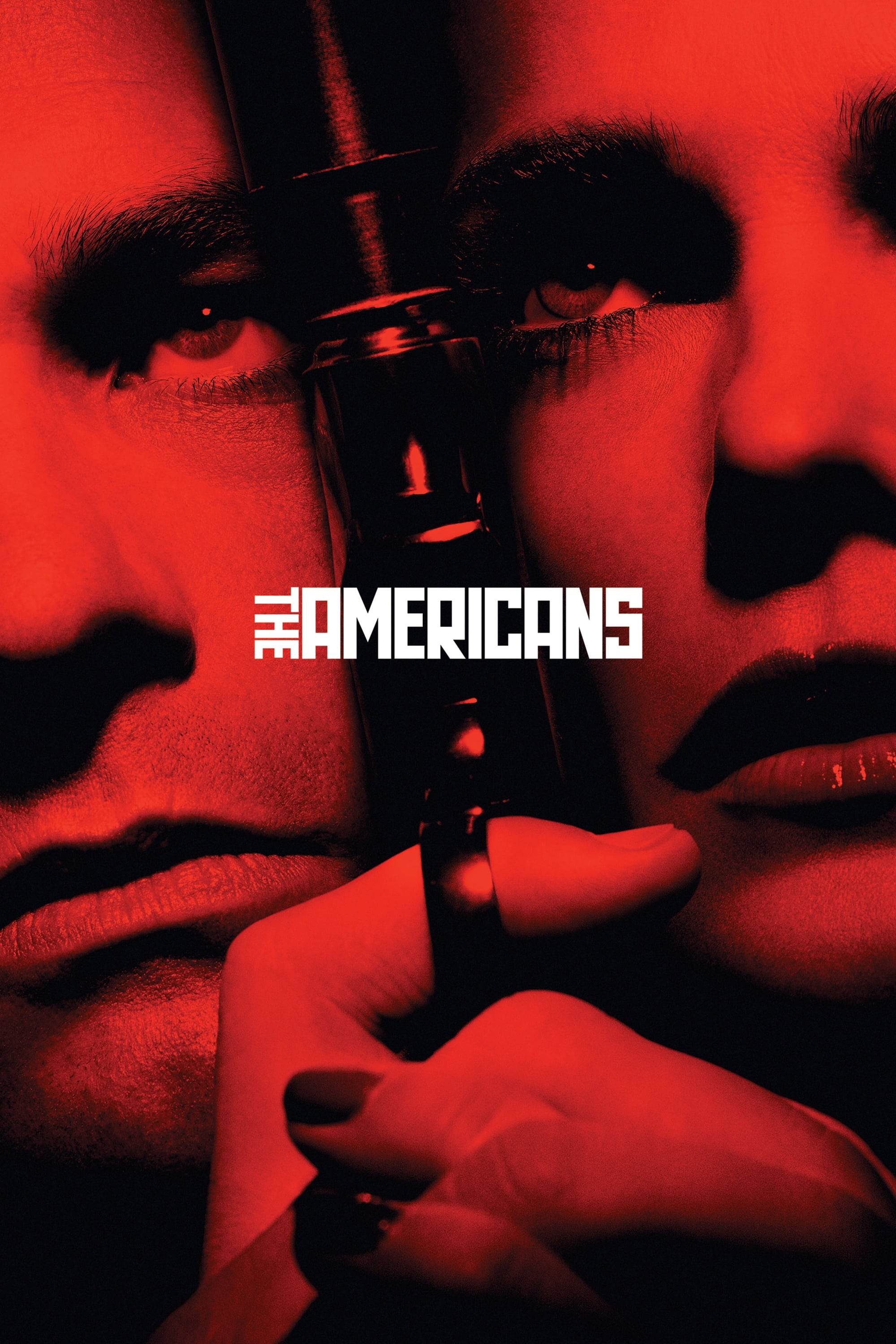
Joe Weisberg’s FX drama follows two deep-cover KGB officers posing as a suburban couple near Washington, D.C. The show integrates period tradecraft—dead drops, disguises, surveillance—with domestic and professional demands.
Filmed primarily in New York, it maintains period accuracy in technology, vehicles, and wardrobe. Over six seasons, it won recognition for writing and lead performances and concluded with a planned endgame.
‘The Shield’ (2002–2008)
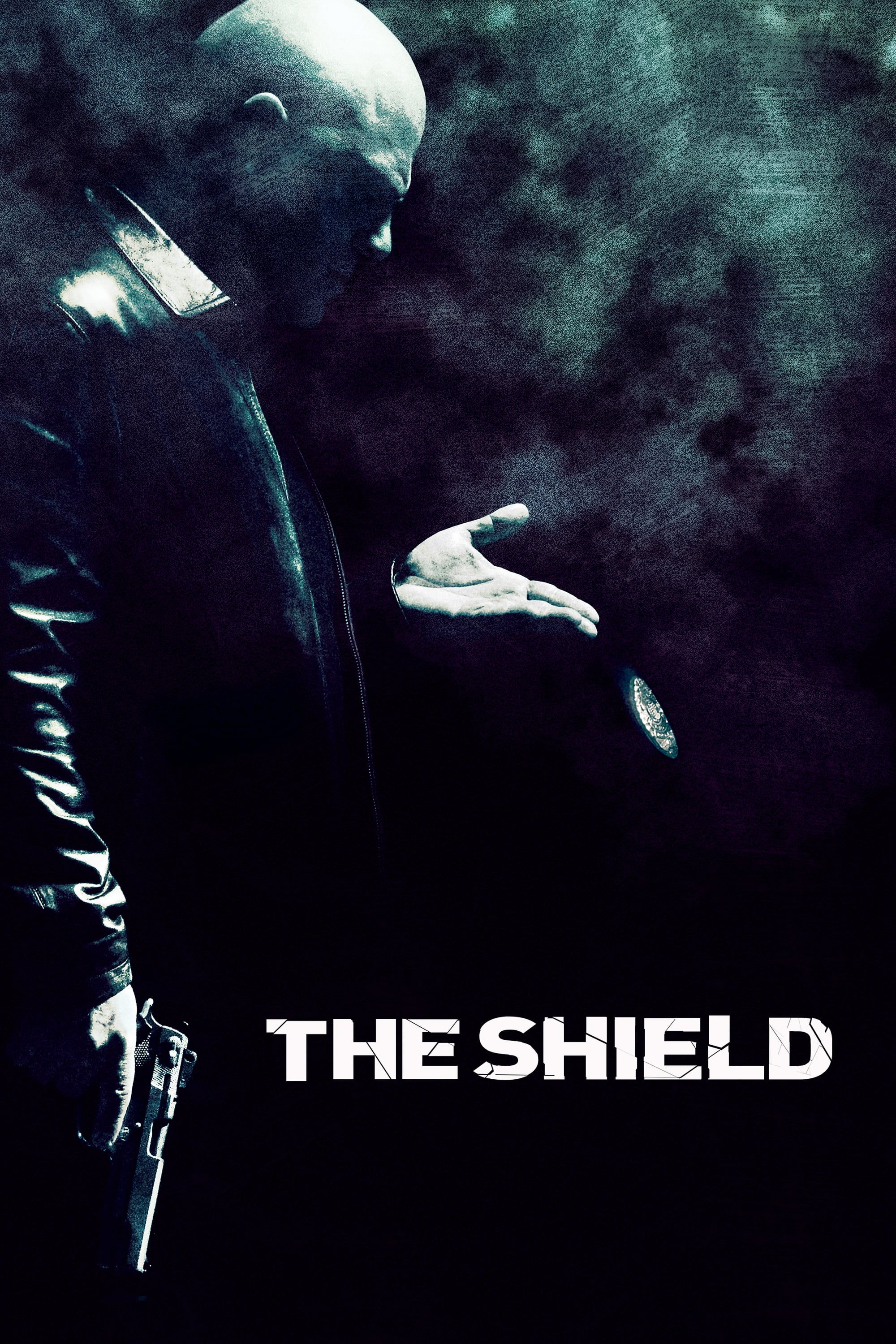
Shawn Ryan’s FX series centers on an LAPD unit navigating ethics, internal affairs, and inter-gang conflicts. The production used handheld cameras and high-contrast lighting to create a documentary-style look.
Seven seasons combine case-of-the-week elements with ongoing investigations and leadership shifts. The show earned awards for acting and pushed basic-cable boundaries for serialized policing drama.
‘Oz’ (1997–2003)
Tom Fontana’s HBO series takes place in a maximum-security prison unit experimenting with rehabilitation. The set design uses modular spaces and theatrical staging, with rotating narration that frames each episode.
The ensemble covers inmate factions, administration policies, and privatisation debates. Over six seasons, the show expanded the scope of adult drama on premium cable with sustained arcs across cell blocks and offices.
‘Six Feet Under’ (2001–2005)
Alan Ball’s HBO drama follows a Los Angeles family running a funeral home, opening most episodes with a death that shapes the hour’s theme. Production details funeral procedures, embalming, and business operations.
Across five seasons, it explores inheritance, partnerships, and workplace roles. The series earned awards for acting and writing, and its finale uses a structured epilogue to close each character’s trajectory.
‘Deadwood’ (2004–2006)
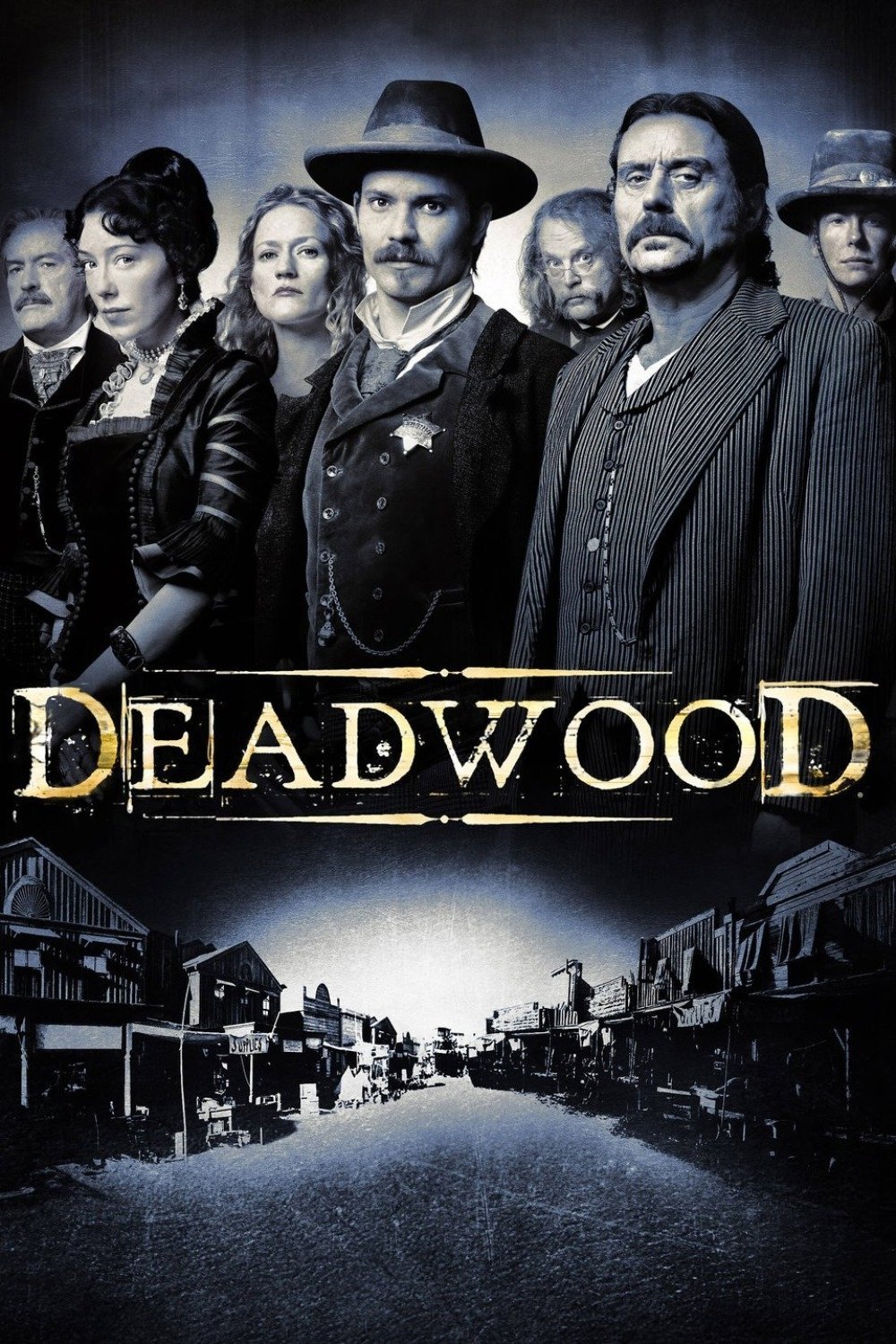
David Milch’s western chronicles a mining camp’s growth into a town with formal law, commerce, and communications. Large outdoor sets were constructed for saloons, streets, and camps, with historically inspired dialogue.
Three seasons depict the emergence of municipal institutions alongside conflicts among business owners, prospectors, and officials. A follow-up film resolved selected plotlines with returning cast and sets.
‘Boardwalk Empire’ (2010–2014)
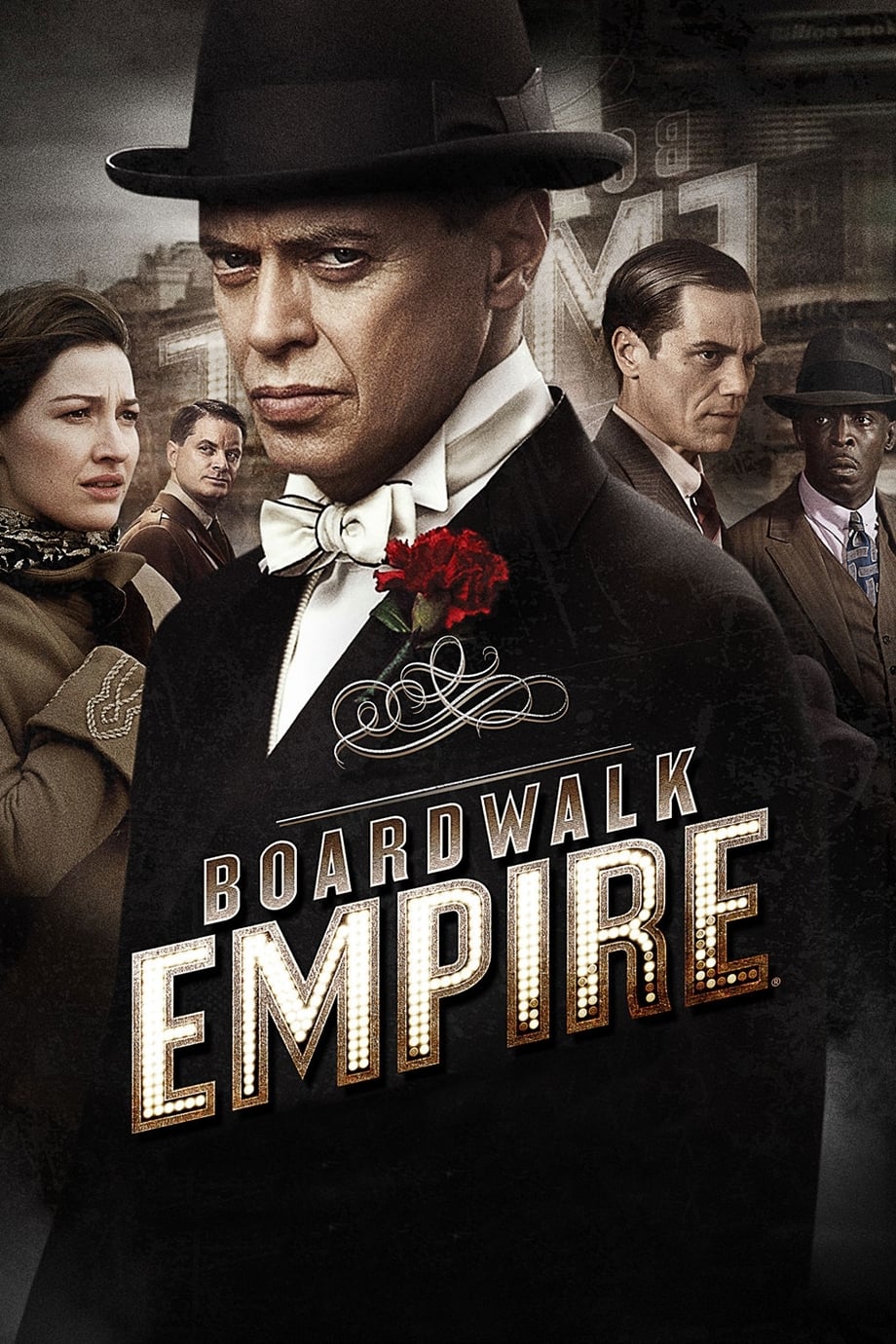
Terence Winter’s HBO drama examines Prohibition-era power in Atlantic City. The pilot, directed by Martin Scorsese, established the show’s scale in costumes, sets, and crowd scenes.
Across five seasons, the series maps alliances among local bosses, federal agents, and out-of-town networks. It won multiple craft awards for art direction, wardrobe, visual effects, and sound.
‘Rome’ (2005–2007)
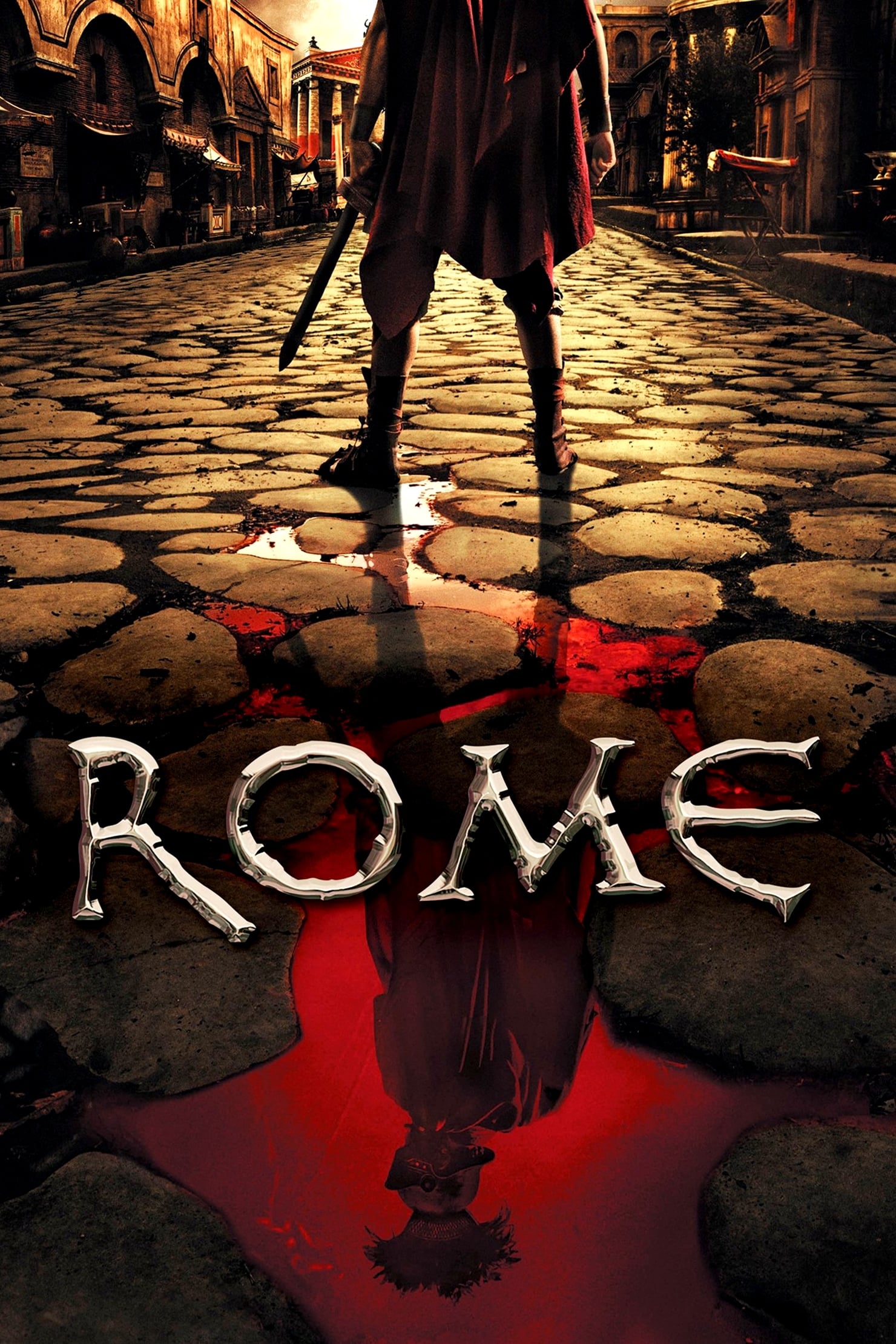
An HBO-BBC co-production, this historical drama follows soldiers and statesmen through the Republic’s transition to Empire. Massive sets at Cinecittà Studios supported street markets, villas, and forums.
Two seasons dramatize political alliances, military campaigns, and domestic life. International collaboration and budget size influenced later historical productions on television.
‘Justified’ (2010–2015)
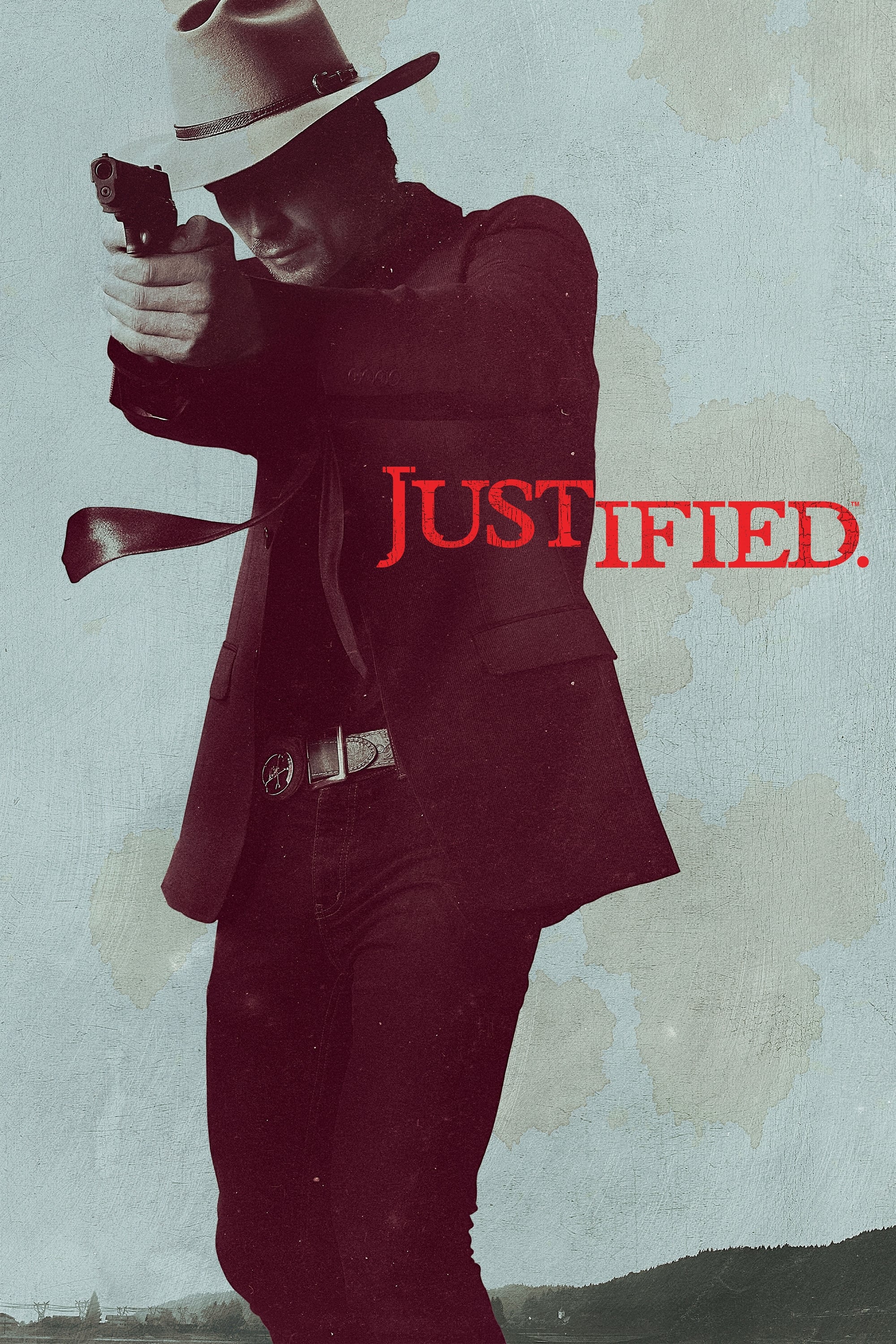
Based on Elmore Leonard’s character Raylan Givens, this FX drama follows a U.S. Marshal working cases tied to his Kentucky hometown. Dialogue reflects Leonard’s cadence, and guest arcs return across seasons.
Primarily filmed in California with Appalachian stand-ins, the series mixes episodic cases and season-long crime arcs. It earned awards for acting and maintained continuity through recurring communities and family networks.
‘Fargo’ (2014–2023)
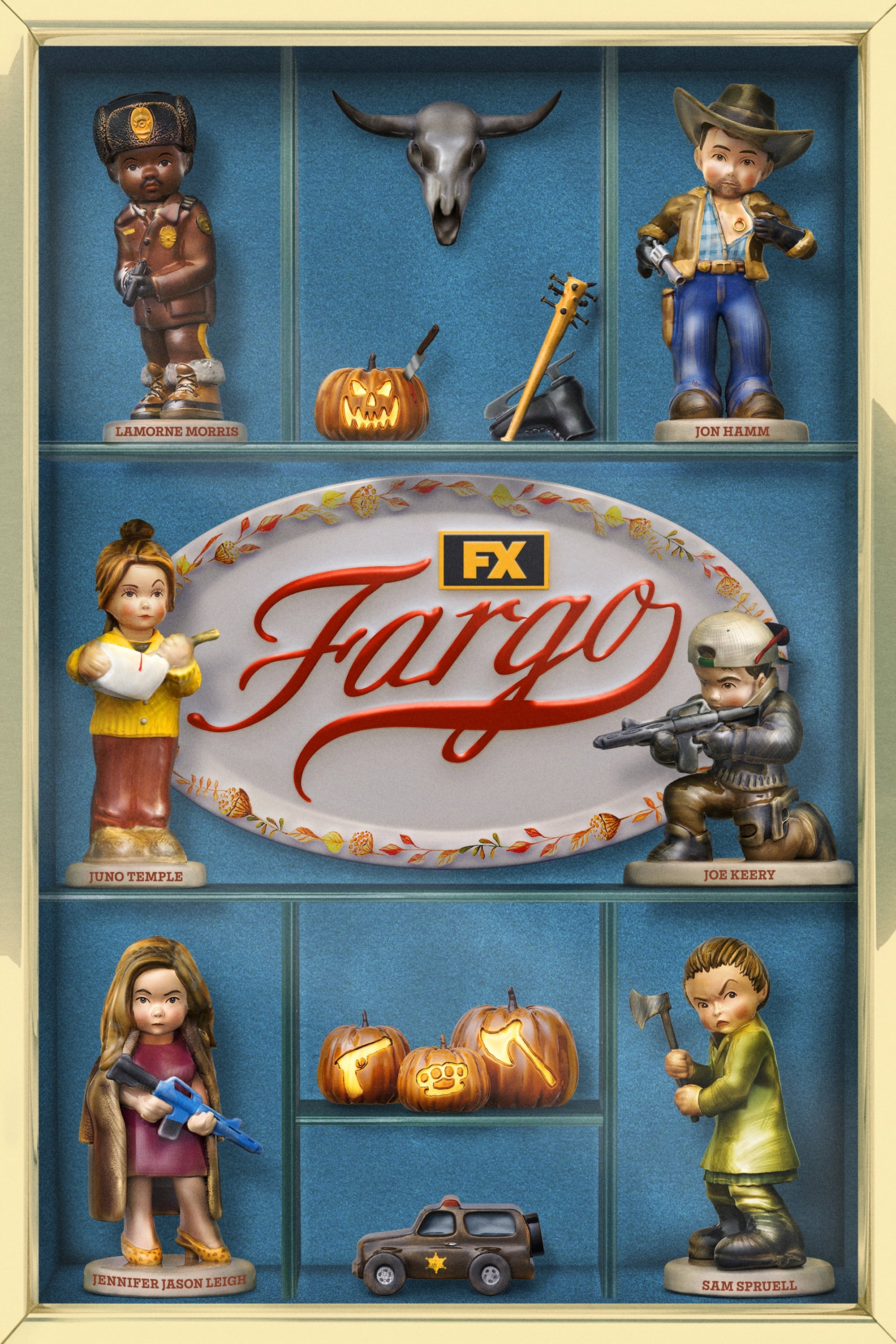
Noah Hawley’s FX anthology extends the Coen brothers’ film universe with new casts and time periods each season. Production frequently used Canadian locations as Midwestern stand-ins.
Each installment pairs crime plots with moral and legal complications, supported by distinctive production design and music supervision. Individual seasons received awards for limited-series achievements and acting.
‘True Detective’ (2014–2024)
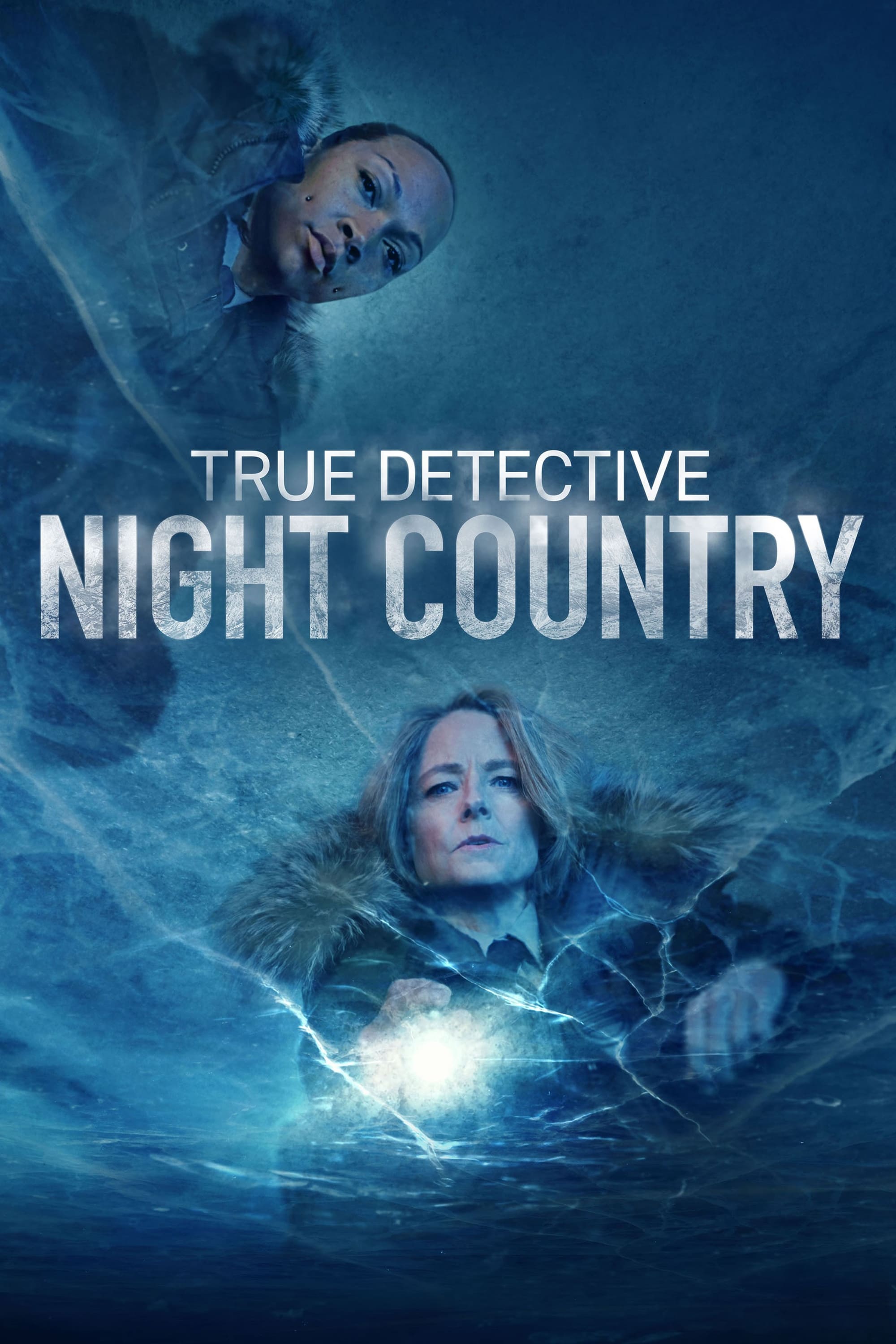
This HBO anthology presents a new case, location, and ensemble each season. Directors adopt varied visual languages—tracking shots, aerials, and contrasted palettes—to distinguish each installment.
Interrogations, cold cases, and inter-agency jurisdiction shape the structure. The series earned awards for performance and direction, with production spanning multiple states and international sites.
‘Sherlock’ (2010–2017)
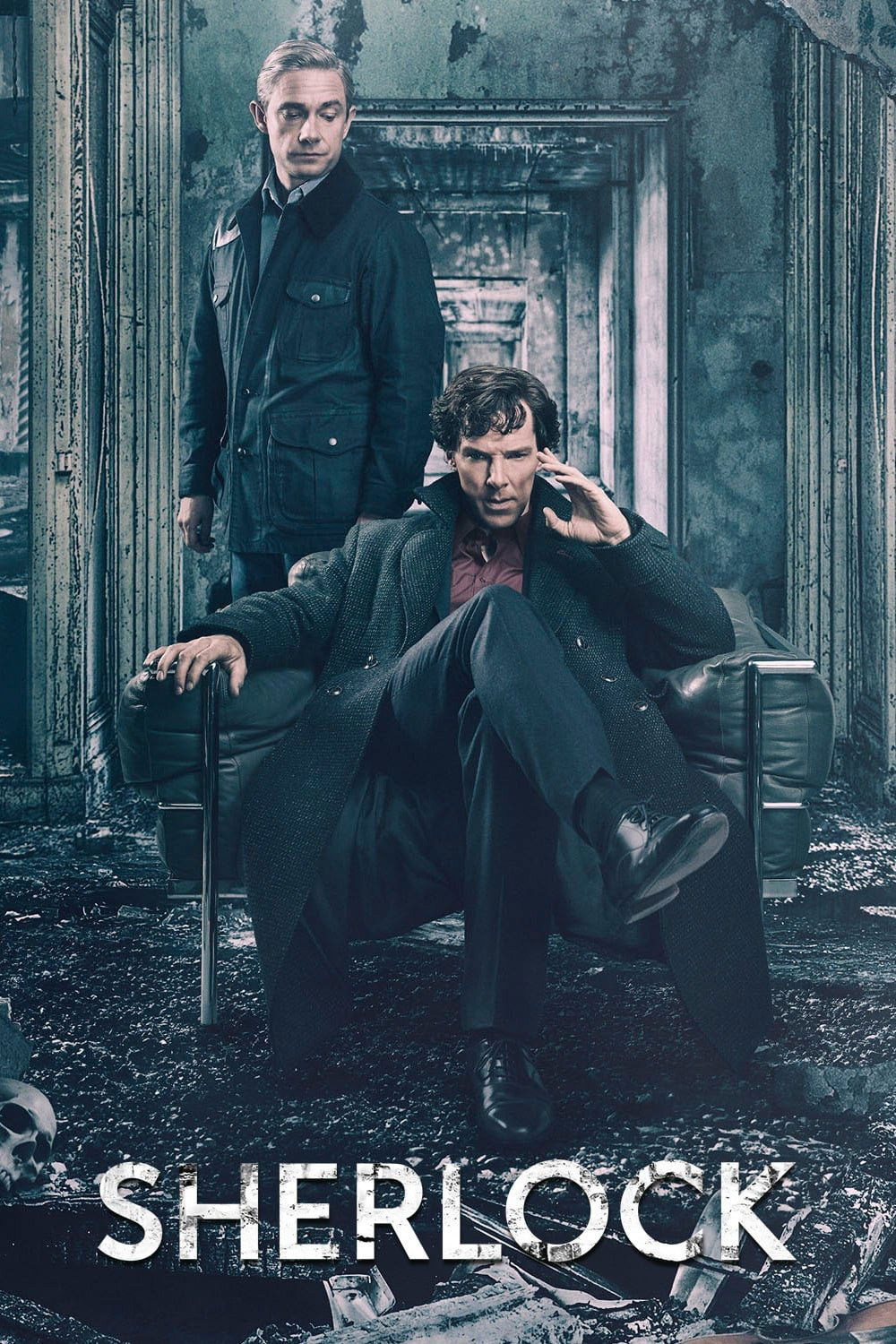
Steven Moffat and Mark Gatiss relocate Arthur Conan Doyle’s detective to contemporary London in feature-length episodes for the BBC. Digital overlays and stylized editing externalize deduction and forensics.
Filmed in London and Cardiff, the series integrates multi-episode mysteries and recurring adversaries. It received international awards and contributed to the popularity of short-season formats.
‘Black Mirror’ (2011–2023)
Charlie Brooker’s anthology explores technology’s social and psychological effects, shifting genres from satire to thriller. Episodes stand alone, allowing flexible runtimes and experimental structures.
Produced in the UK and later with international partners, the show sometimes uses interactive formats. It received awards for writing and television movie categories, reflecting single-episode releases.
‘Band of Brothers’ (2001)
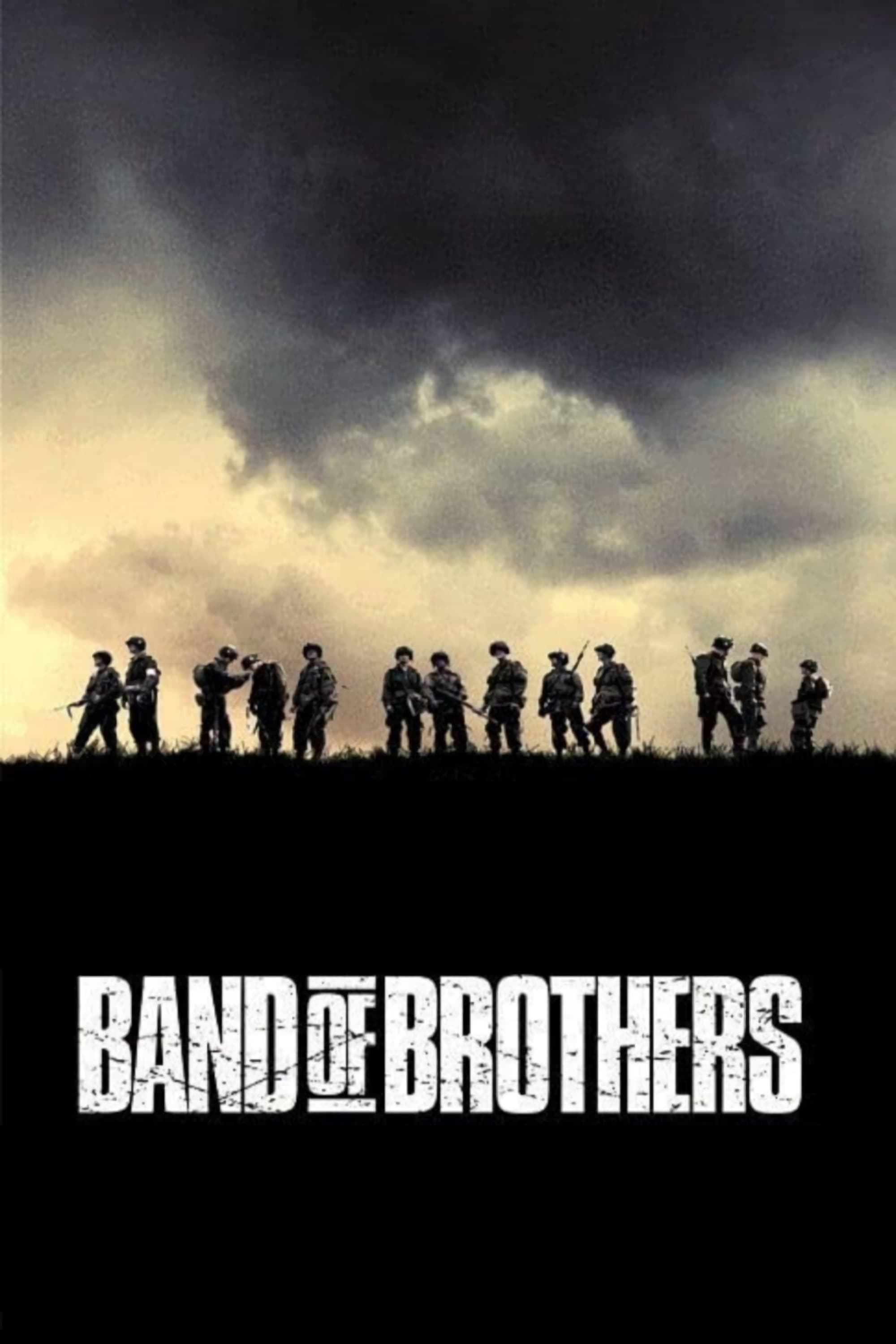
Executive-produced by Steven Spielberg and Tom Hanks for HBO, this miniseries follows Easy Company from training through European campaigns. Extensive boot-camp preparation and practical effects underpinned battlefield sequences.
Filmed largely in England with large-scale sets, it uses interviews and source histories to frame episodes. The series received awards for limited programming, sound, and cinematography.
‘Chernobyl’ (2019)
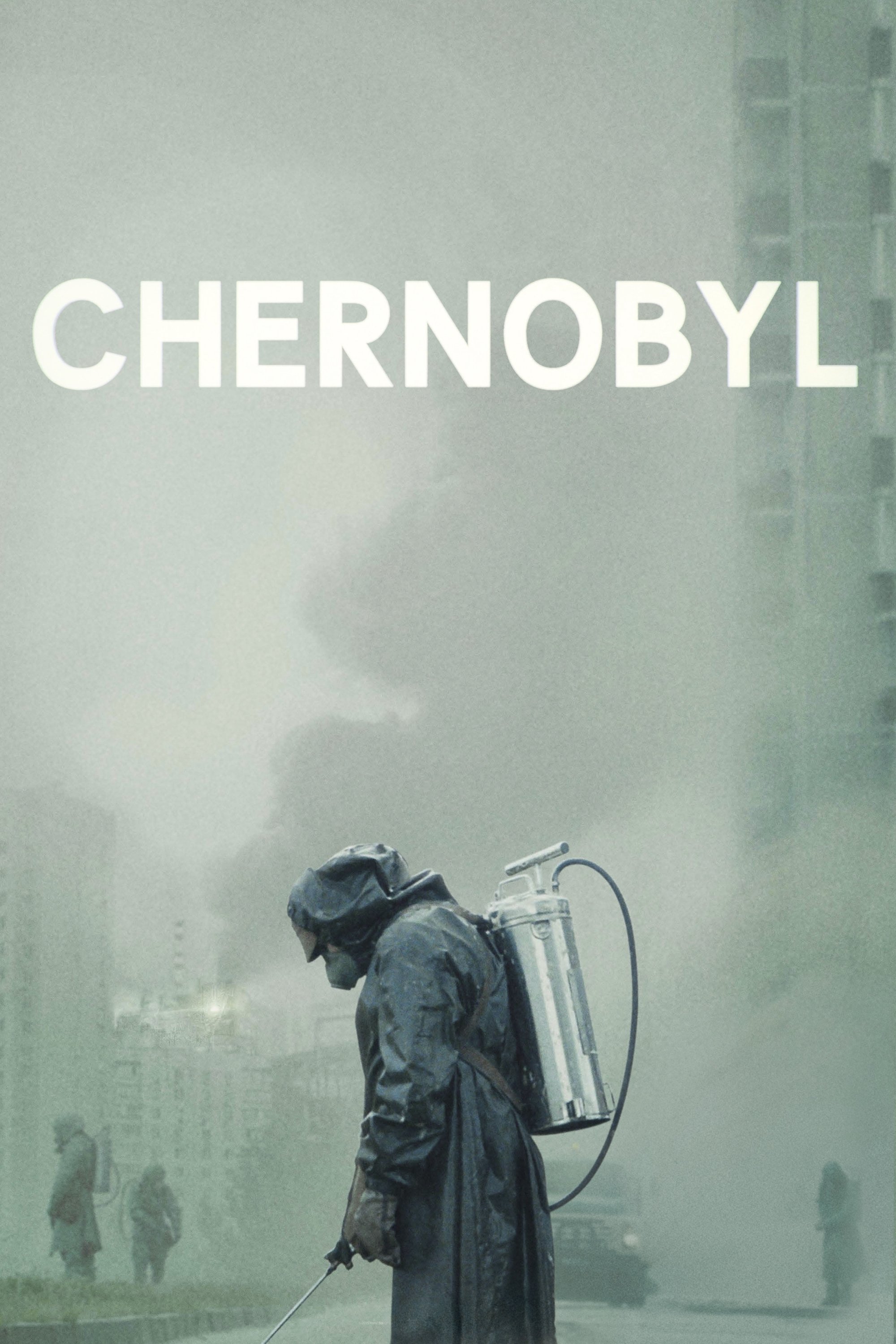
Craig Mazin’s limited series reconstructs the nuclear disaster and the subsequent inquiry. Production built detailed control rooms and residential interiors in Eastern Europe, supplementing sets with location work.
Episodes combine dramatized scenes with documented procedures and committee records. The series received awards for writing, directing, and limited-series categories.
‘Watchmen’ (2019)
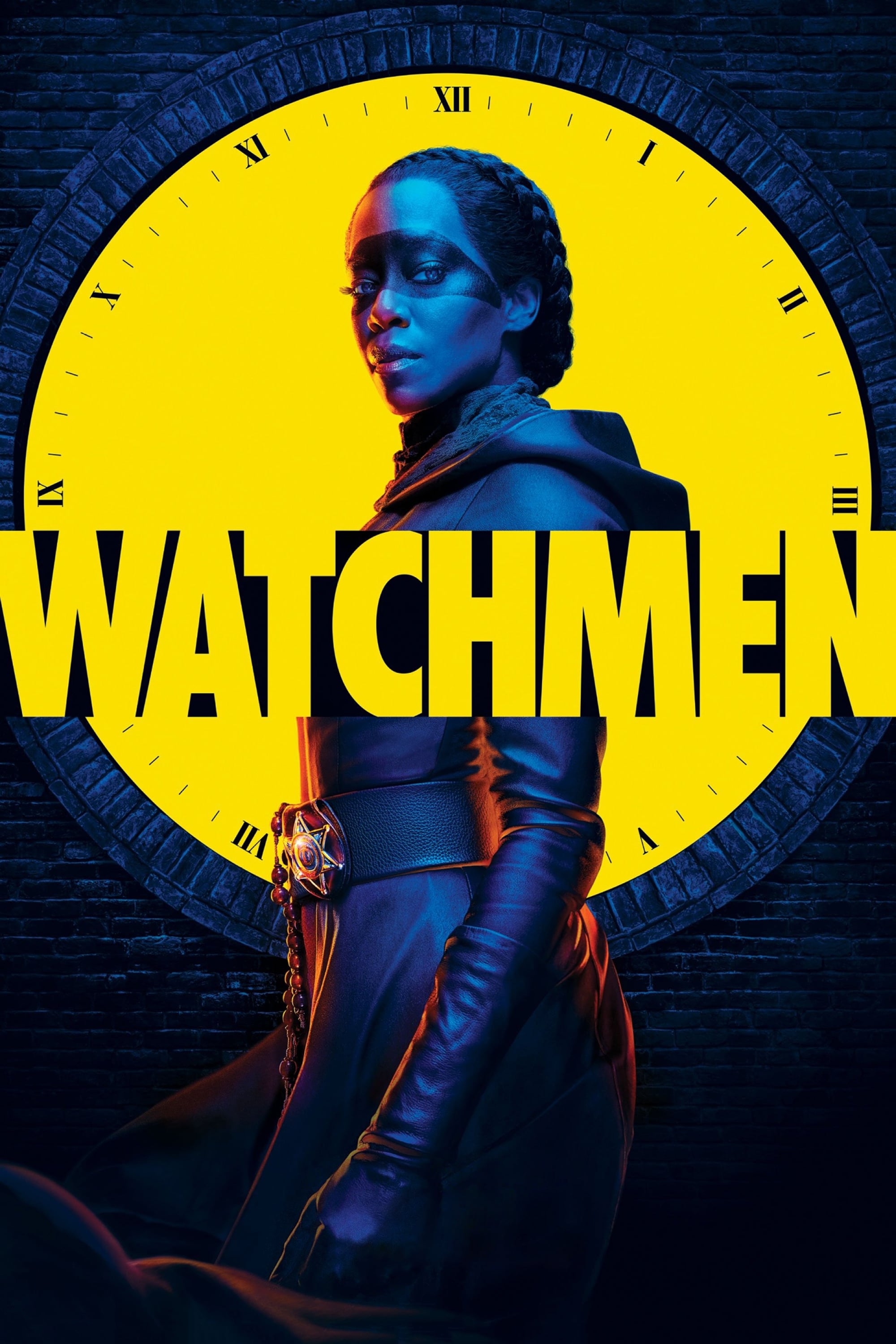
Damon Lindelof’s HBO limited series continues the graphic novel’s world decades later, centering on law enforcement and masked identities. The production blended backlot builds with location shoots and an original score.
The narrative integrates alternate-history elements with contemporary investigations and court orders. It earned multiple Emmys, including Outstanding Limited Series and acting awards.
‘The Leftovers’ (2014–2017)
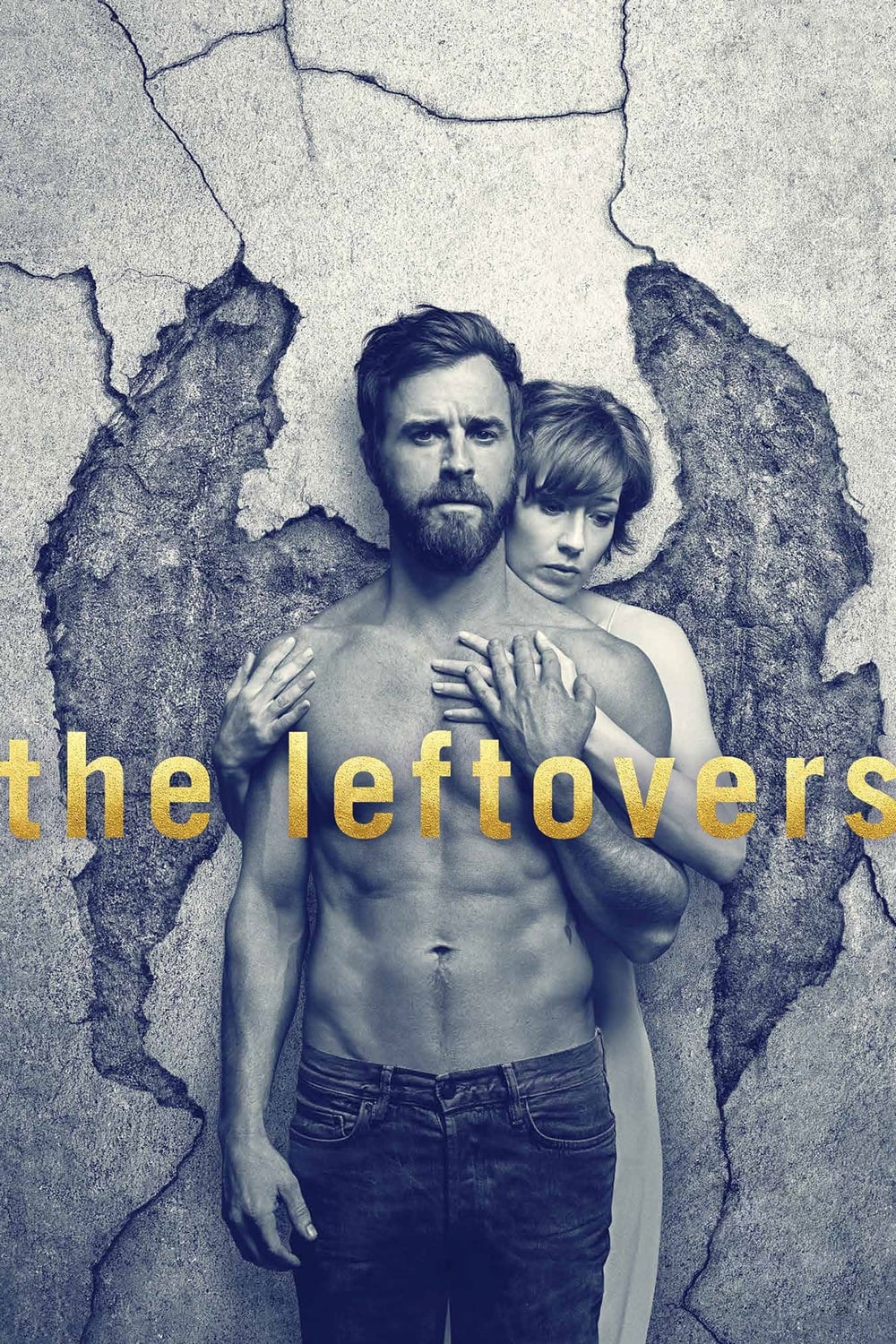
Created by Damon Lindelof and Tom Perrotta, this HBO drama examines a world responding to a sudden disappearance event. The show shifts locations between seasons, including New York, Texas, and Australia.
Music, production design, and time jumps support changes in focus. The series received recognition for lead performances and writing, particularly in its later seasons.
‘Lost’ (2004–2010)
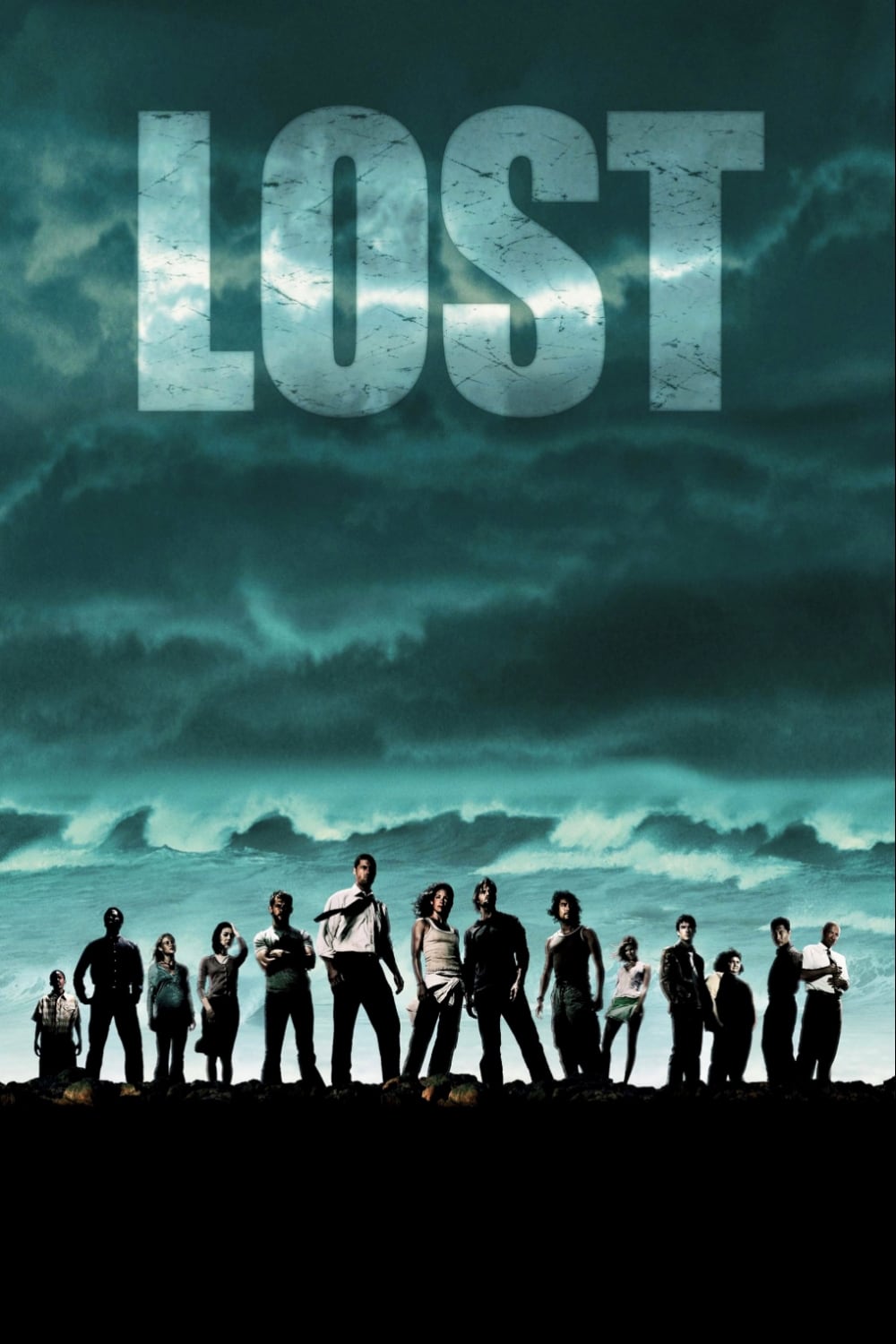
Developed by J. J. Abrams, Damon Lindelof, and Jeffrey Lieber for ABC, this ensemble drama follows plane-crash survivors on a remote island. The show uses flashbacks, flash-forwards, and other timeline devices to structure character histories.
Filmed in Hawaii, it blends mythology with problem-solving plots and recurring mysteries. The production managed a large cast and staged jungle, beach, and bunker sets that repeat across seasons.
‘Battlestar Galactica’ (2004–2009)
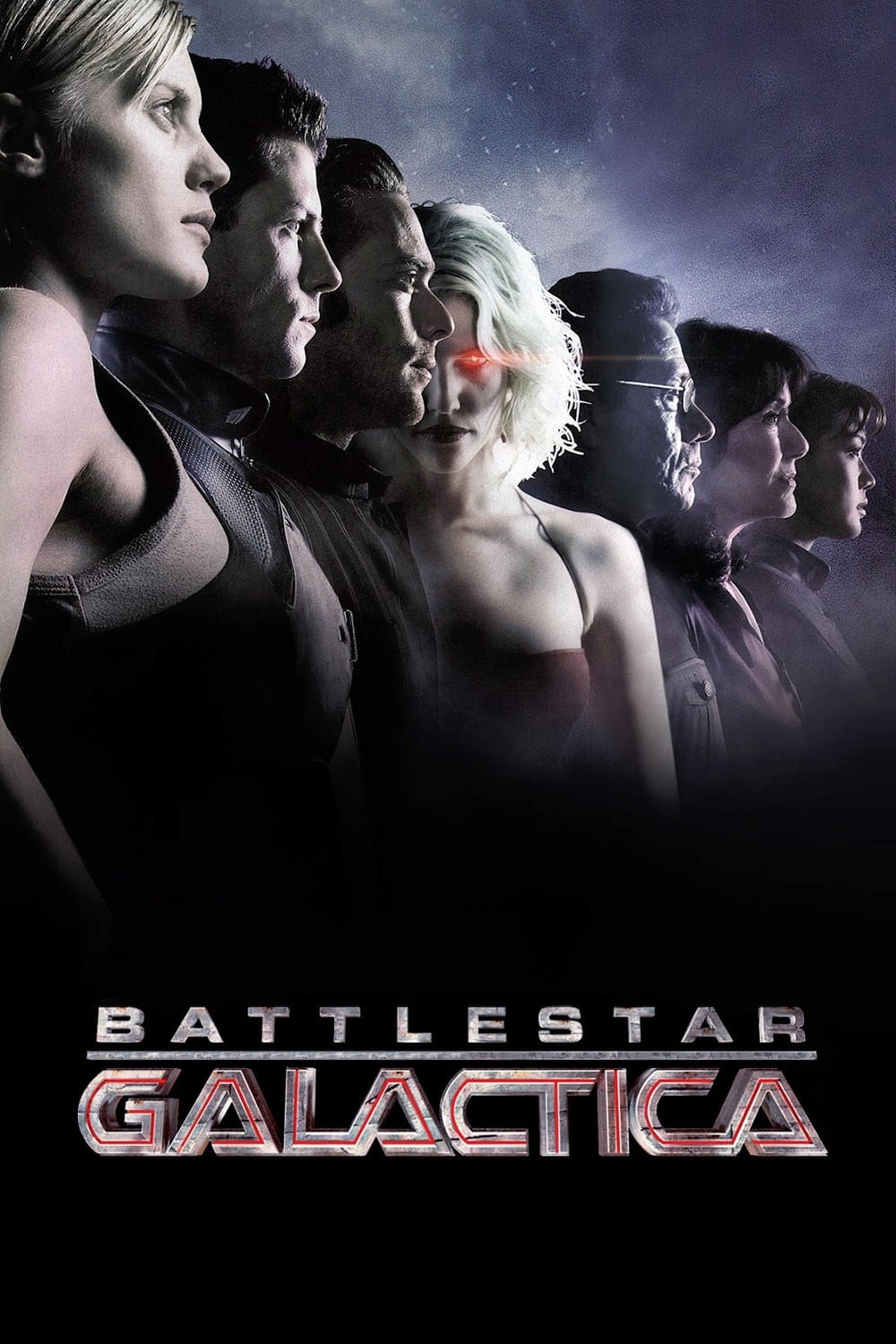
Ronald D. Moore’s reimagining for Syfy follows a human fleet seeking a new home after an attack by sentient machines. The series combines military procedure, politics, and spaceflight logistics.
Shot around Vancouver, it uses handheld space cinematography and extensive set interiors for ships and command centers. The show received awards for visual effects, sound, and writing in genre categories.
‘Star Trek: The Next Generation’ (1987–1994)
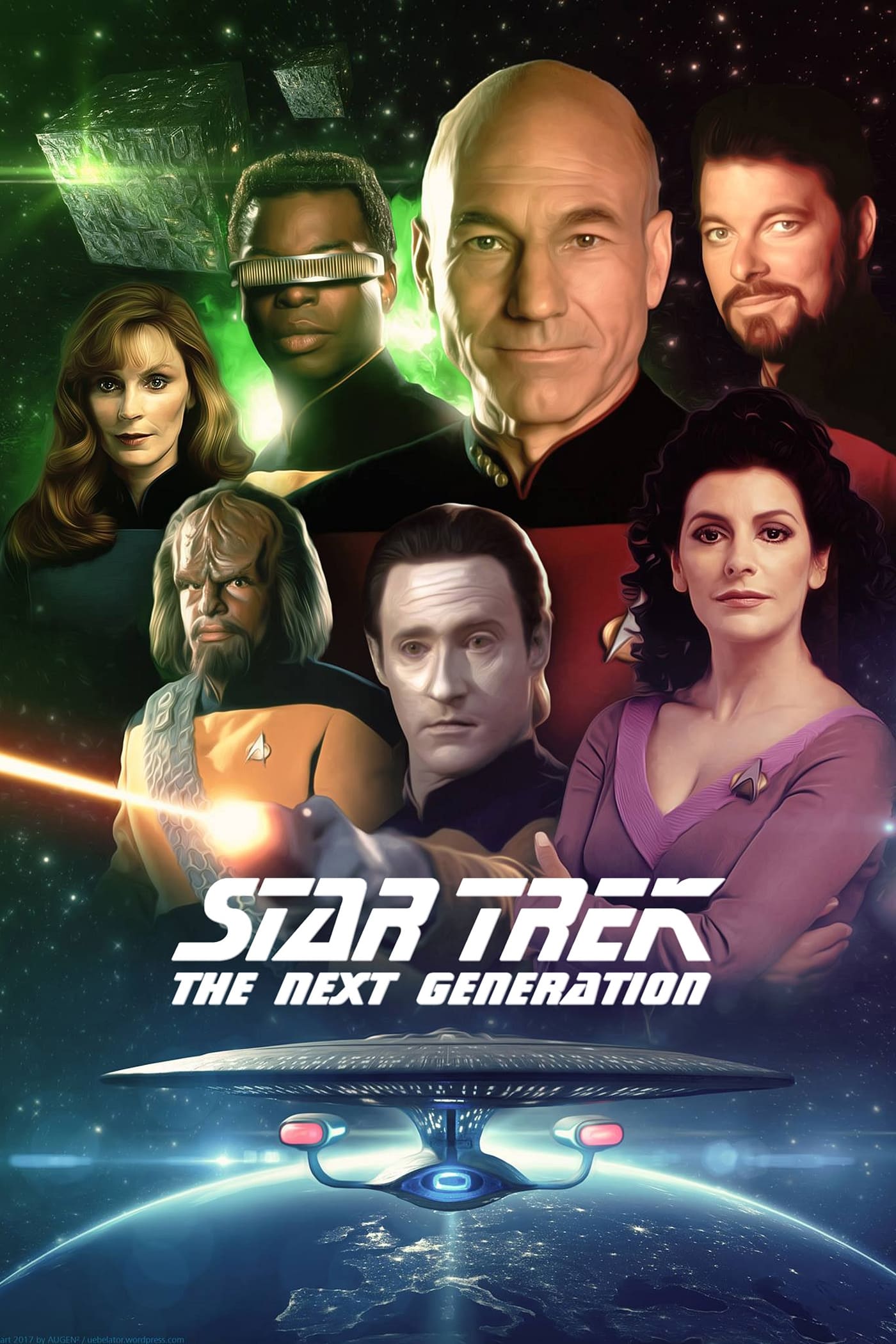
This syndicated series expands the Star Trek universe with the Enterprise-D crew exploring new regions and civilizations. It balances episodic exploration with multi-episode arcs and recurring adversaries.
The production advanced television visual effects for its era and introduced technologies and species that continued in later series and films. It earned multiple Emmys, especially in technical fields.
‘Star Trek: Deep Space Nine’ (1993–1999)
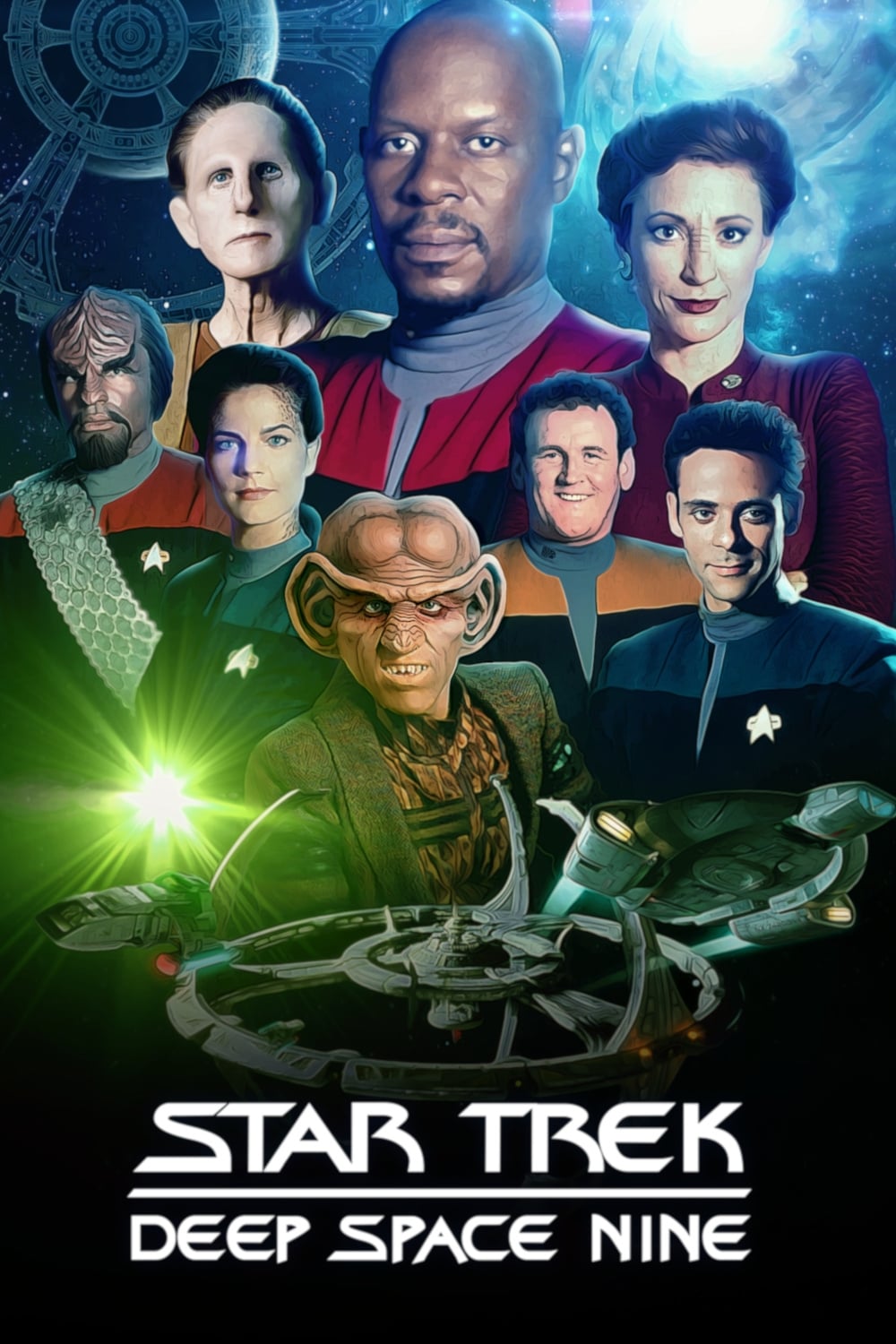
Set on a space station near a strategic wormhole, this series emphasizes serialized political, religious, and military storylines. Standing sets allowed complex recurring locations, from promenades to command decks.
The show introduced long war arcs, diplomacy plots, and character-driven continuity that carry across seasons. It contributed to the franchise’s development of heavily serialized storytelling.
‘The X-Files’ (1993–2002)
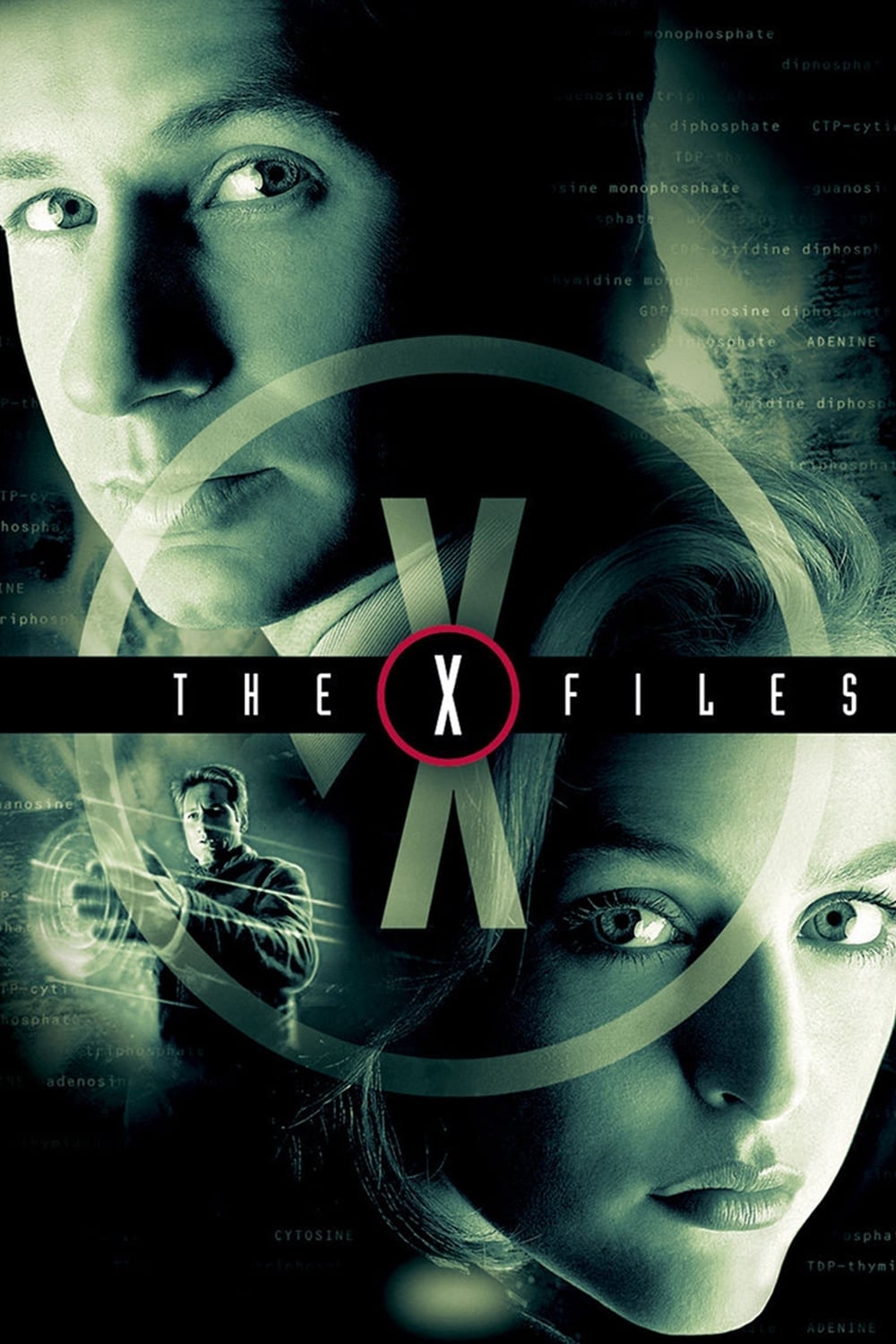
Chris Carter’s Fox drama follows two FBI agents investigating unsolved and paranormal cases. The structure alternates mythology episodes with case-of-the-week stories.
Filmed largely in Vancouver before moving to Los Angeles, the show influenced genre television aesthetics and scheduling. It won awards for sound, makeup, and visual effects and later returned for revival seasons.
‘Twin Peaks’ (1990–1991)
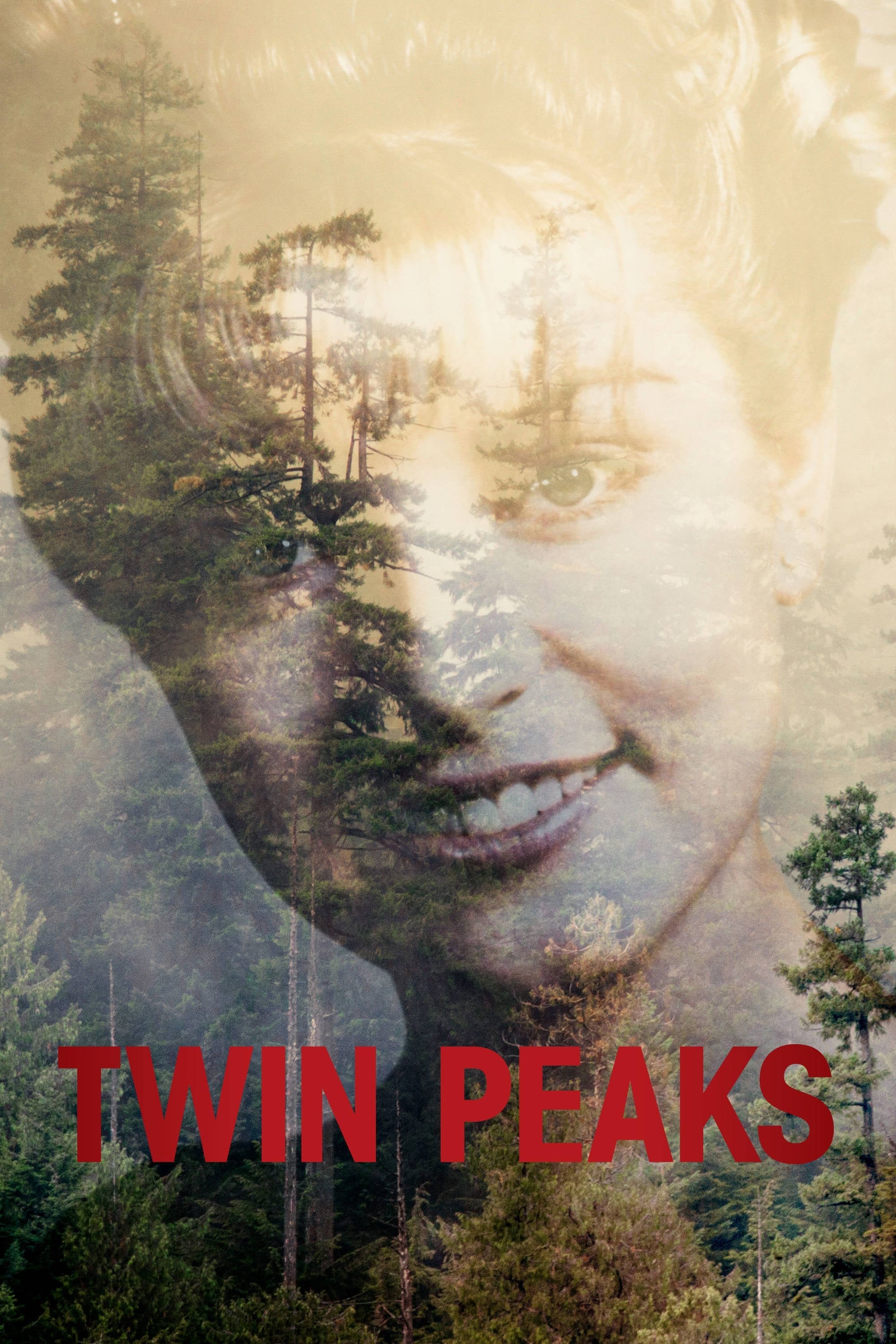
David Lynch and Mark Frost’s series investigates the death of a teenager in a Pacific Northwest town. Location shooting in Washington State and a distinctive score establish the show’s mood.
The production mixes crime procedure with surreal imagery and dream logic. A separate limited series years later extended the original narrative and reunited much of the cast.
‘The Expanse’ (2015–2022)
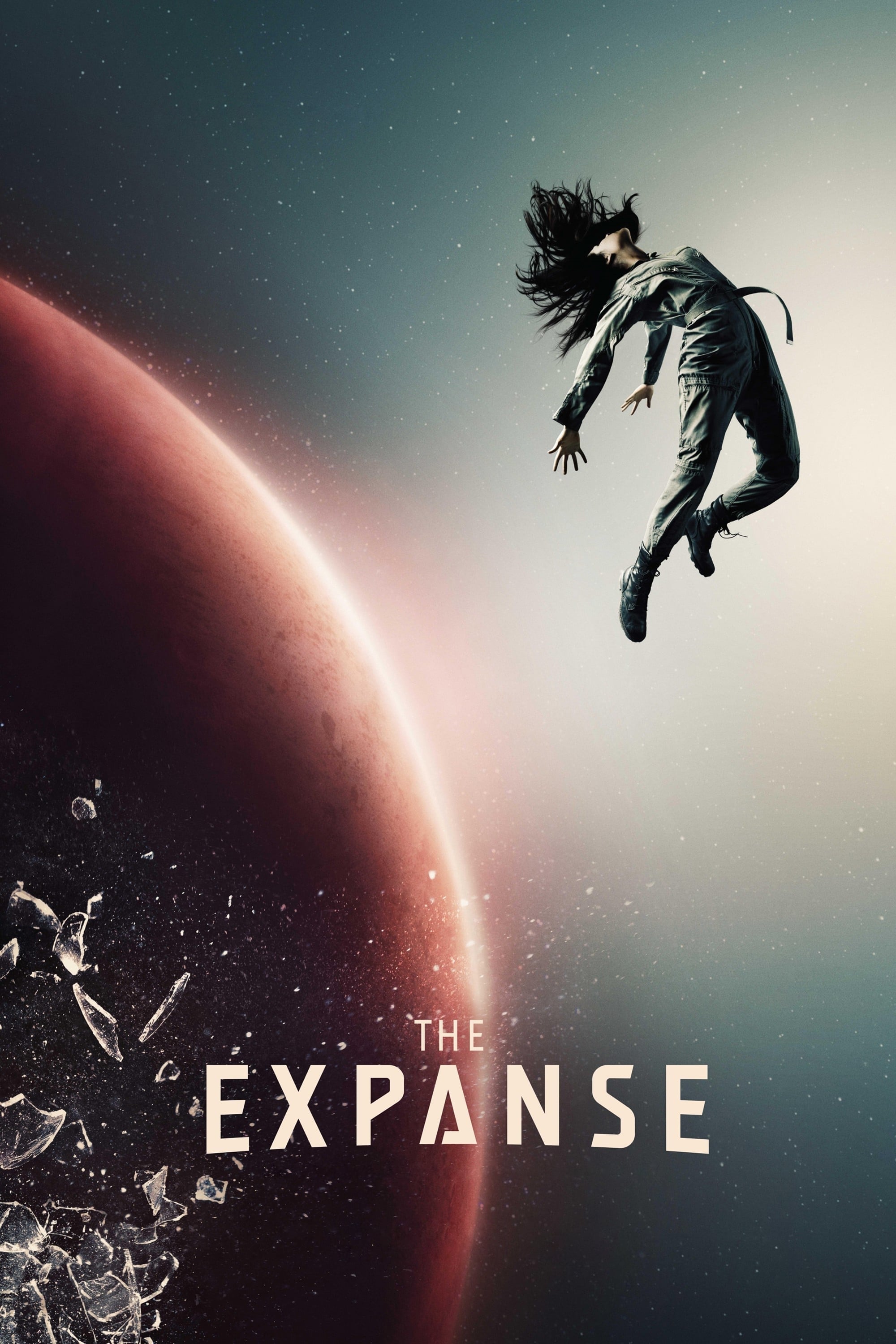
Based on novels by James S. A. Corey, this series models near-future spaceflight with attention to thrust, spin gravity, and comms latency. Large standing sets depict spacecraft, stations, and asteroid habitats.
Moving from Syfy to Amazon during its run, the show tracks political factions across the solar system. It received recognition for production design, visual effects, and a consistent internal physics model.
‘House’ (2004–2012)
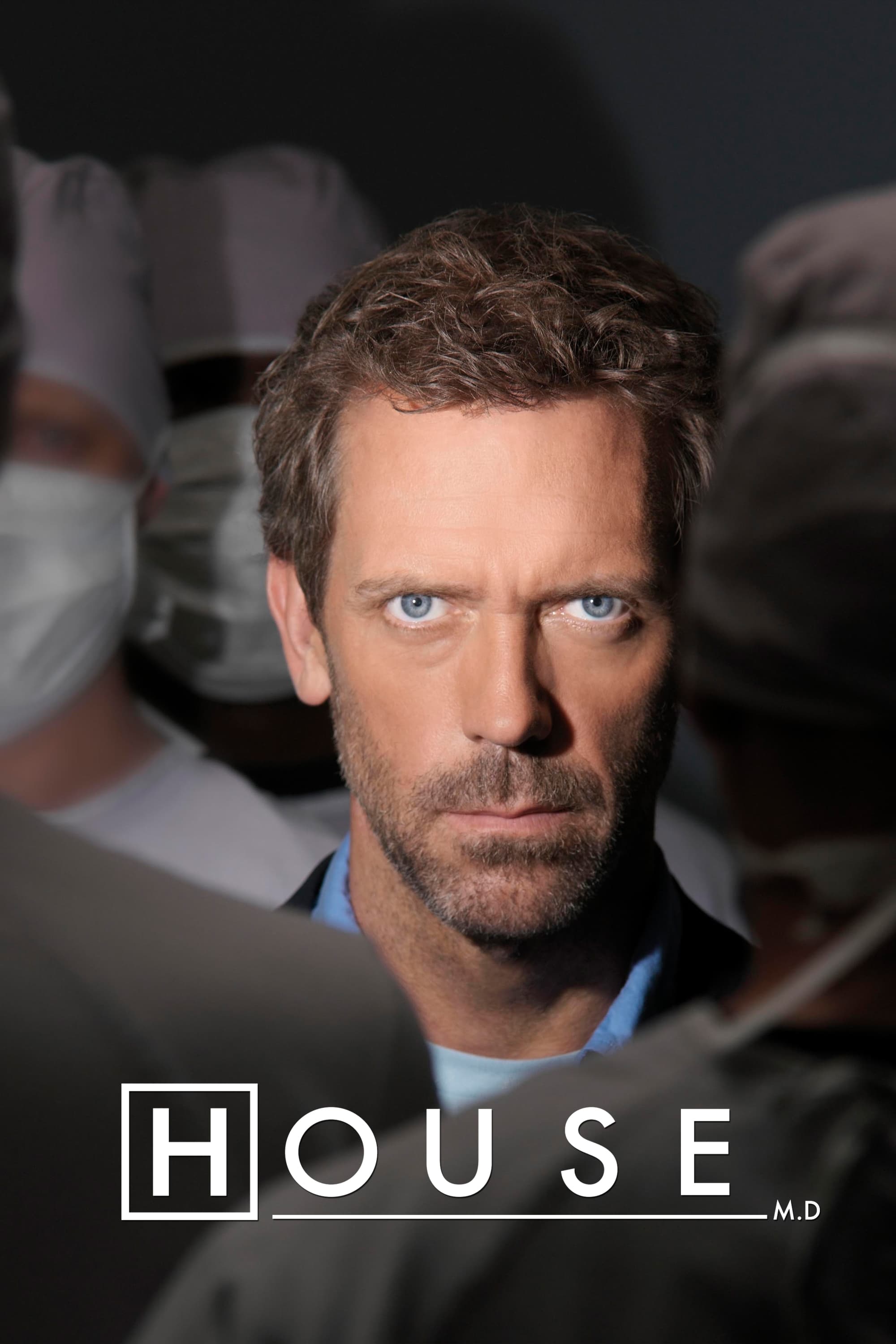
This medical drama follows a diagnostic team led by a physician who specializes in complex, rare cases. Episodes revolve around differential diagnosis, testing protocols, and treatment changes.
Produced in Los Angeles, it uses hospital sets, recurring lab procedures, and a rotating ensemble of fellows. The series received awards for acting and sound mixing and popularized medical problem-solving structure.
‘The Good Wife’ (2009–2016)
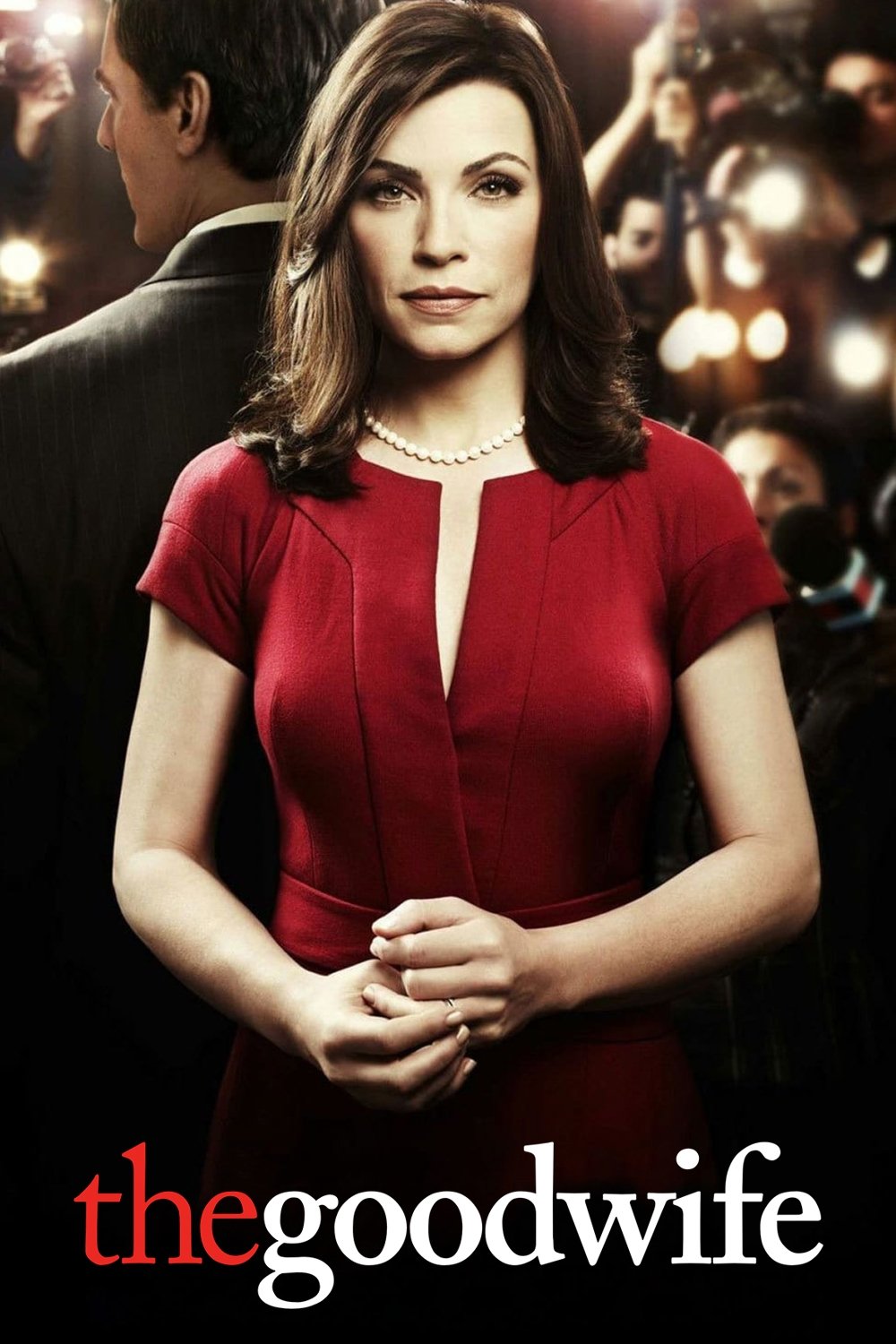
Created by Robert and Michelle King for CBS, the series combines legal cases with political and technological issues affecting a Chicago law firm. Courtroom strategy intersects with privacy, surveillance, and campaign dynamics.
The production maintained a large guest roster and later launched a streaming-first spin-off. It earned awards for acting and writing and sustained multi-season arcs alongside episodic cases.
‘Avatar: The Last Airbender’ (2005–2008)
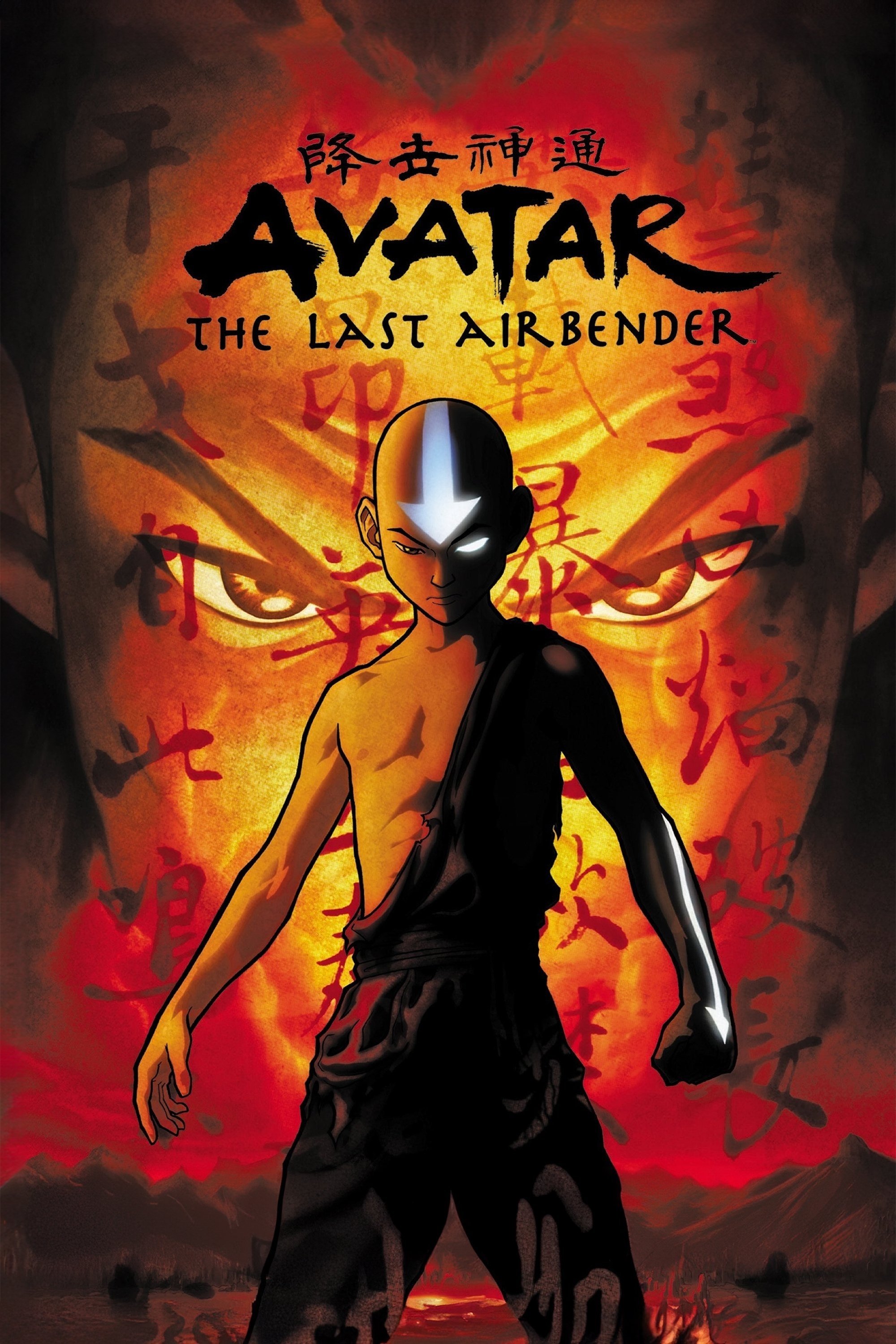
This Nickelodeon animated series from Michael Dante DiMartino and Bryan Konietzko follows four nations aligned with elemental bending. Martial-arts consultants shaped movement styles for each element, and the show uses a three-book structure.
Episodes balance travel, training, and geopolitical conflict, with consistent worldbuilding through language, design, and music. The franchise continued in comics, sequel series, and live-action adaptations.
‘Parks and Recreation’ (2009–2015)
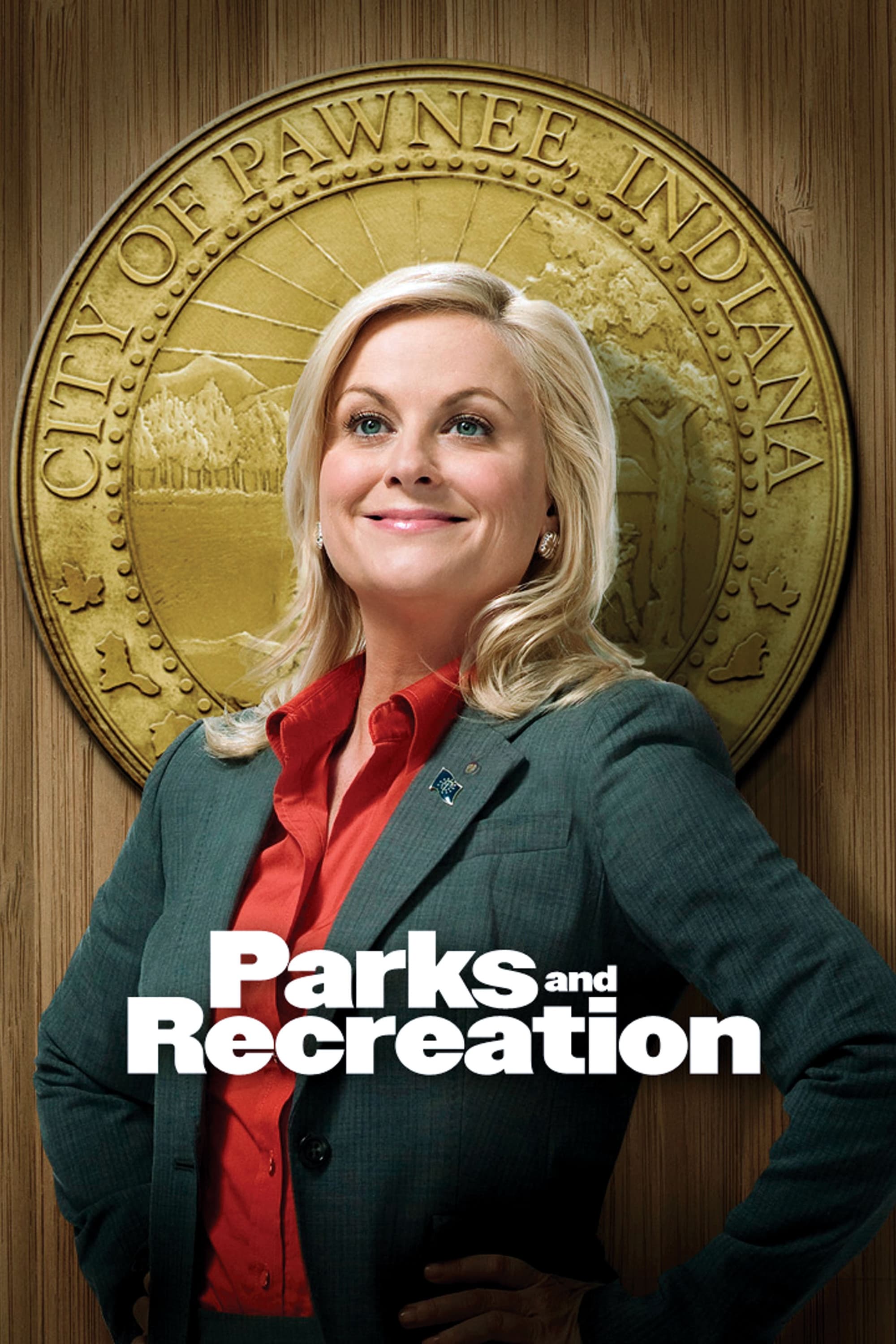
Greg Daniels and Michael Schur’s mockumentary traces local government operations in a fictional Indiana town. Single-camera production, talking-head interviews, and recurring civic projects define the format.
Over seven seasons, elections, budget constraints, and public-works projects anchor arcs for the ensemble. The show developed a stable of returning guest characters tied to municipal and community networks.
‘Dexter’ (2006–2013)
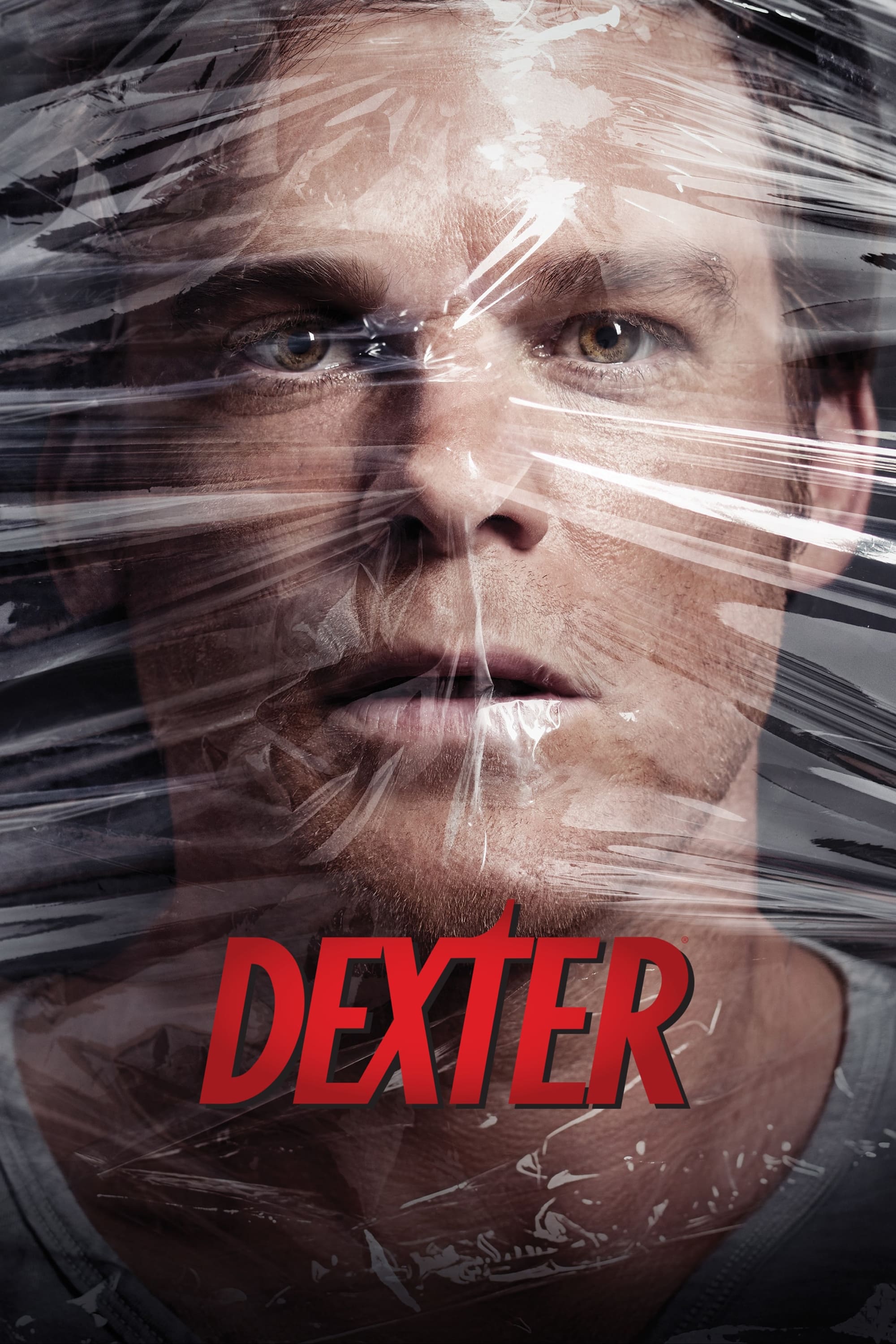
This Showtime crime series follows a Miami forensic analyst who operates outside the law. Episodes integrate forensics, casework, and personal cover strategies with season-long adversaries.
Filmed largely in Southern California with Miami stand-ins, the production uses extensive voice-over and practical effects. The series received awards for acting and technical categories and later returned in a sequel season.
‘Mr. Robot’ (2015–2019)
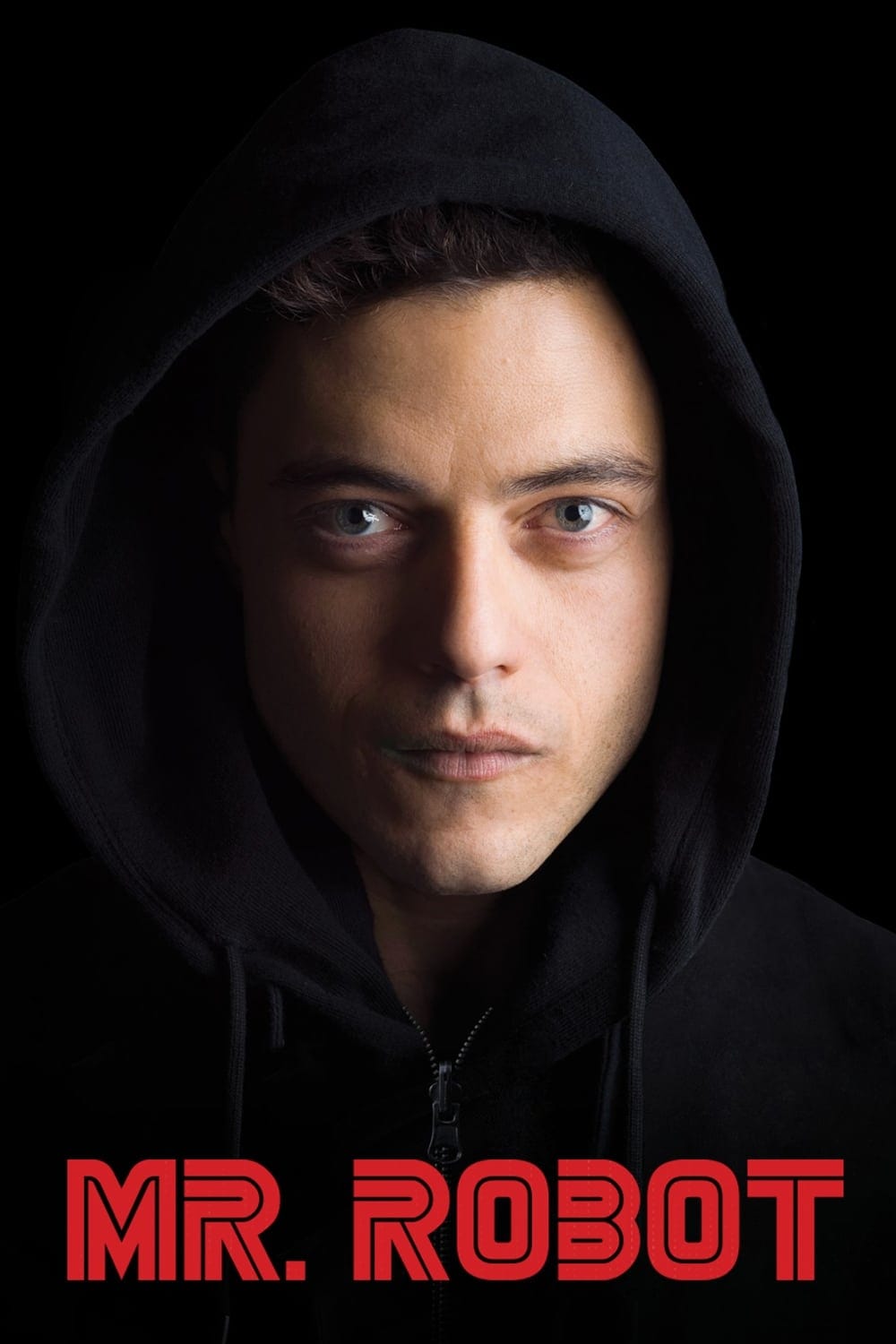
Sam Esmail’s USA Network series centers on a cybersecurity engineer involved with a hacker collective. Command-line sequences, malware behavior, and social-engineering tactics were developed with technical advisors.
Non-standard framing, long takes, and needle-drops externalize character perspective. The show earned awards for acting and writing and maintained continuity through carefully managed twists and reveals.
‘Narcos’ (2015–2017)
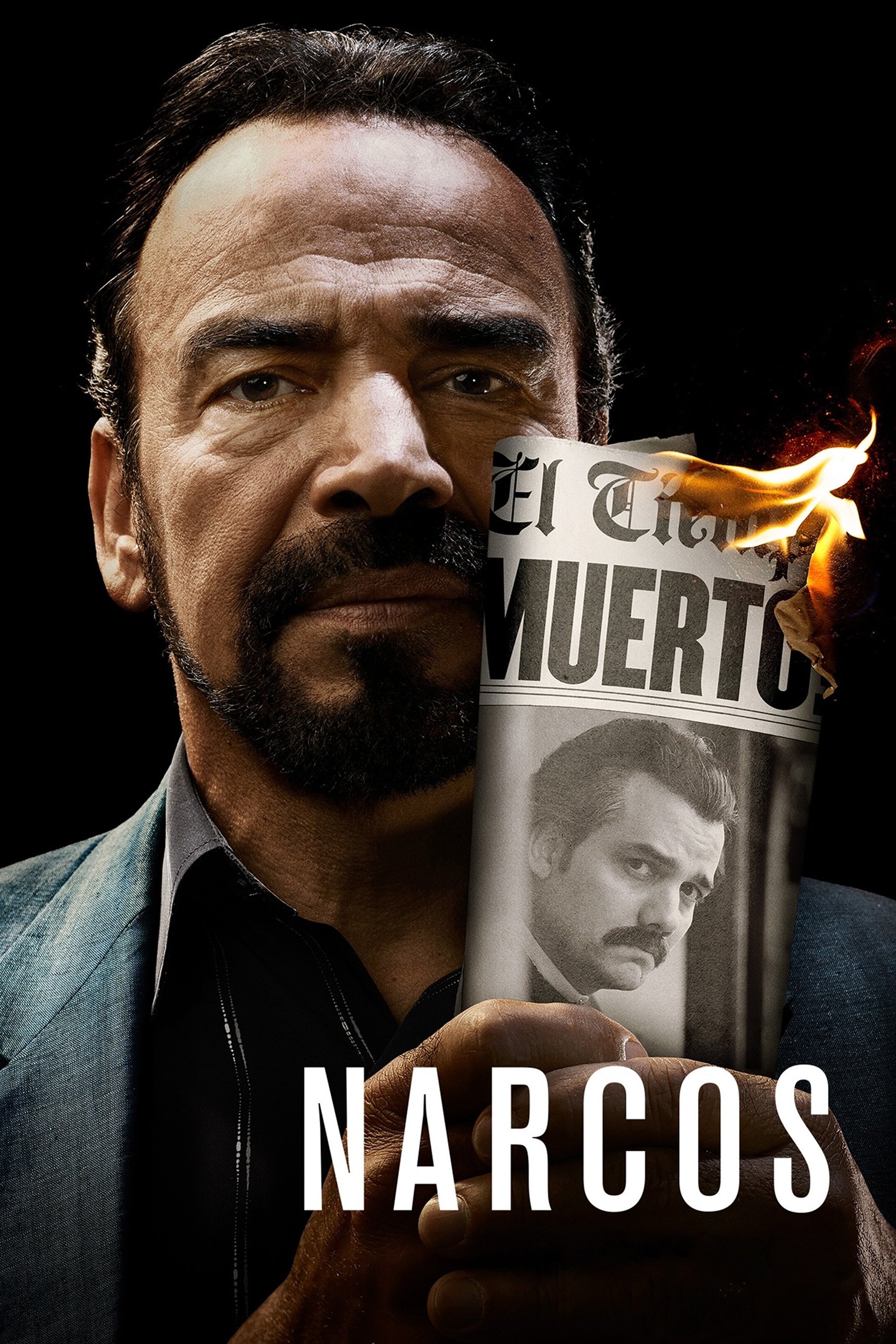
This Netflix series chronicles drug-trade history centered on Colombia, combining dramatization with documentary-style narration. Production used multilingual dialogue and on-location filming across multiple cities.
The narrative reconstructs law-enforcement responses, trafficking networks, and political pressures. The franchise later expanded with a companion series set in Mexico, sharing a similar format.
‘Peaky Blinders’ (2013–2022)
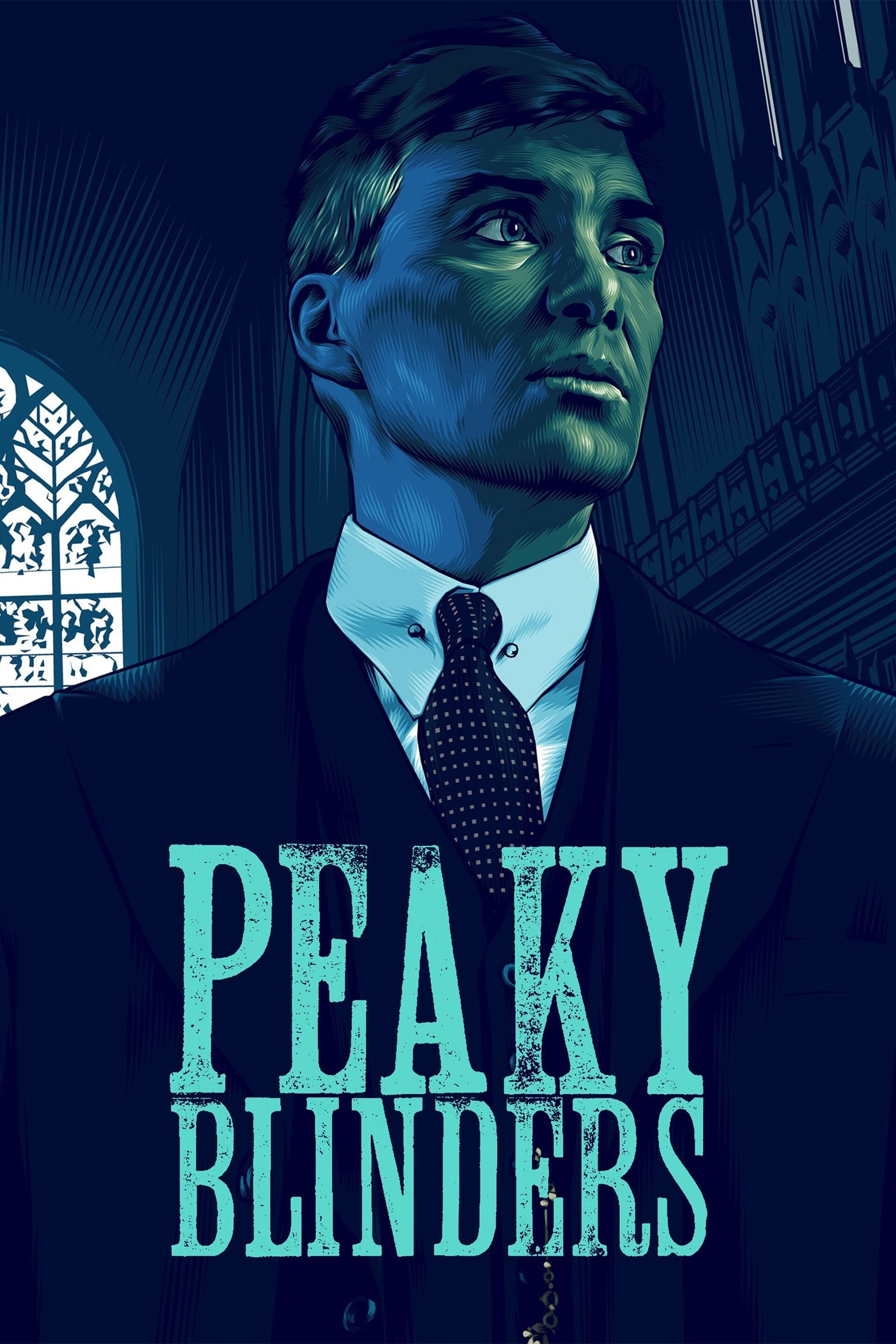
Steven Knight’s BBC drama follows a Birmingham gang’s expansion after the First World War. Costuming, hair, and production design establish a stylised industrial look.
Filming across the UK, the series tracks alliances with politicians, unions, and foreign interests. Six seasons culminate in developments that set up a follow-up feature project.
‘Dark’ (2017–2020)
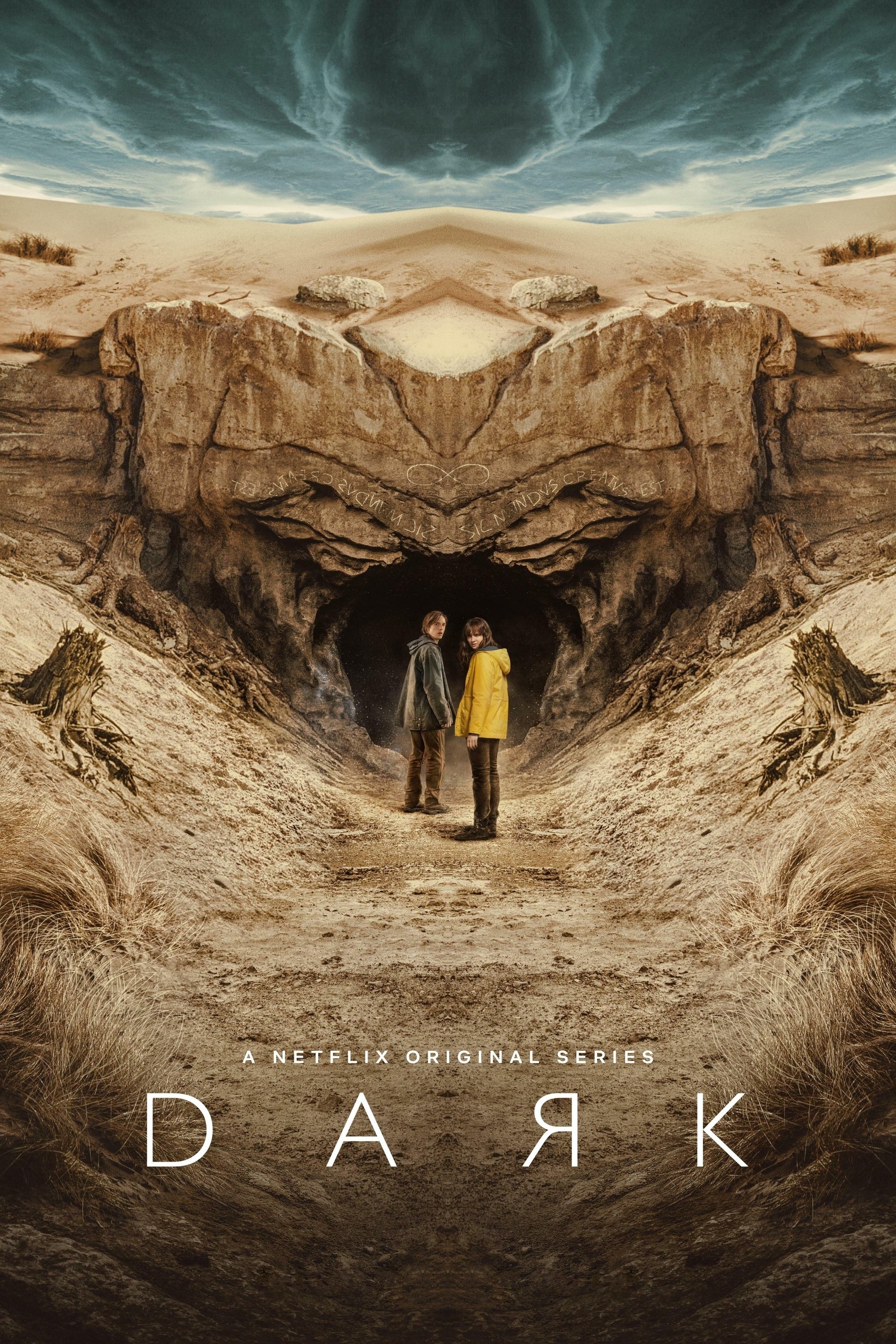
Baran bo Odar and Jantje Friese’s German series interweaves time travel with a multi-family saga. Color grading, costuming, and set dressing separate eras and character counterparts.
The production relies on a detailed timeline bible to maintain internal rules. Three seasons complete a closed narrative with planned endpoints and minimal retconning.
‘Downton Abbey’ (2010–2015)
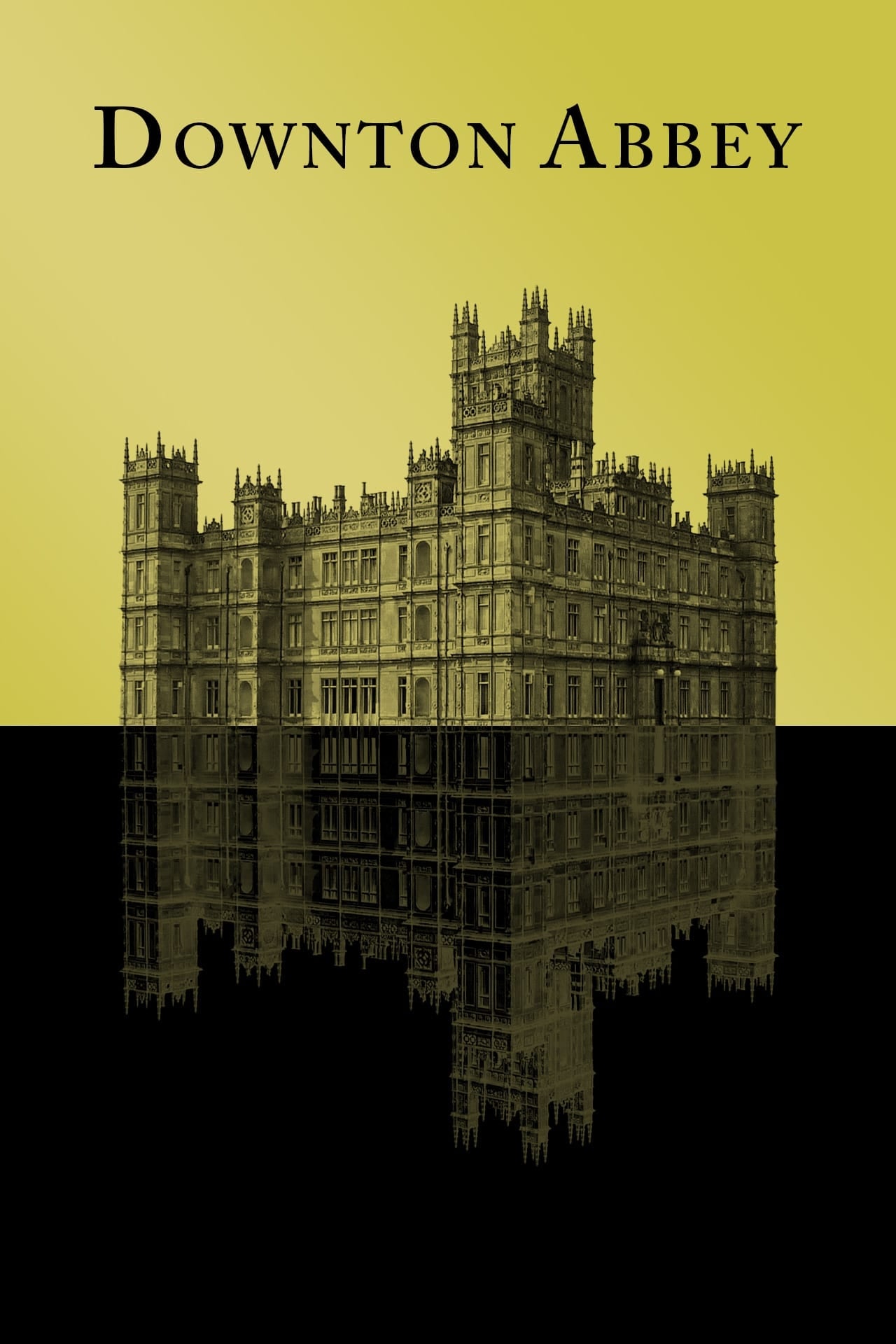
Julian Fellowes’ series follows an aristocratic household and staff as legal, social, and technological changes reshape daily life. Highclere Castle provides exteriors, while studio interiors host dining rooms, kitchens, and servant corridors.
Six seasons cover inheritance law, war service, and estate management. The franchise extended with feature films continuing the timeline and reuniting the ensemble.
‘Fleabag’ (2016–2019)
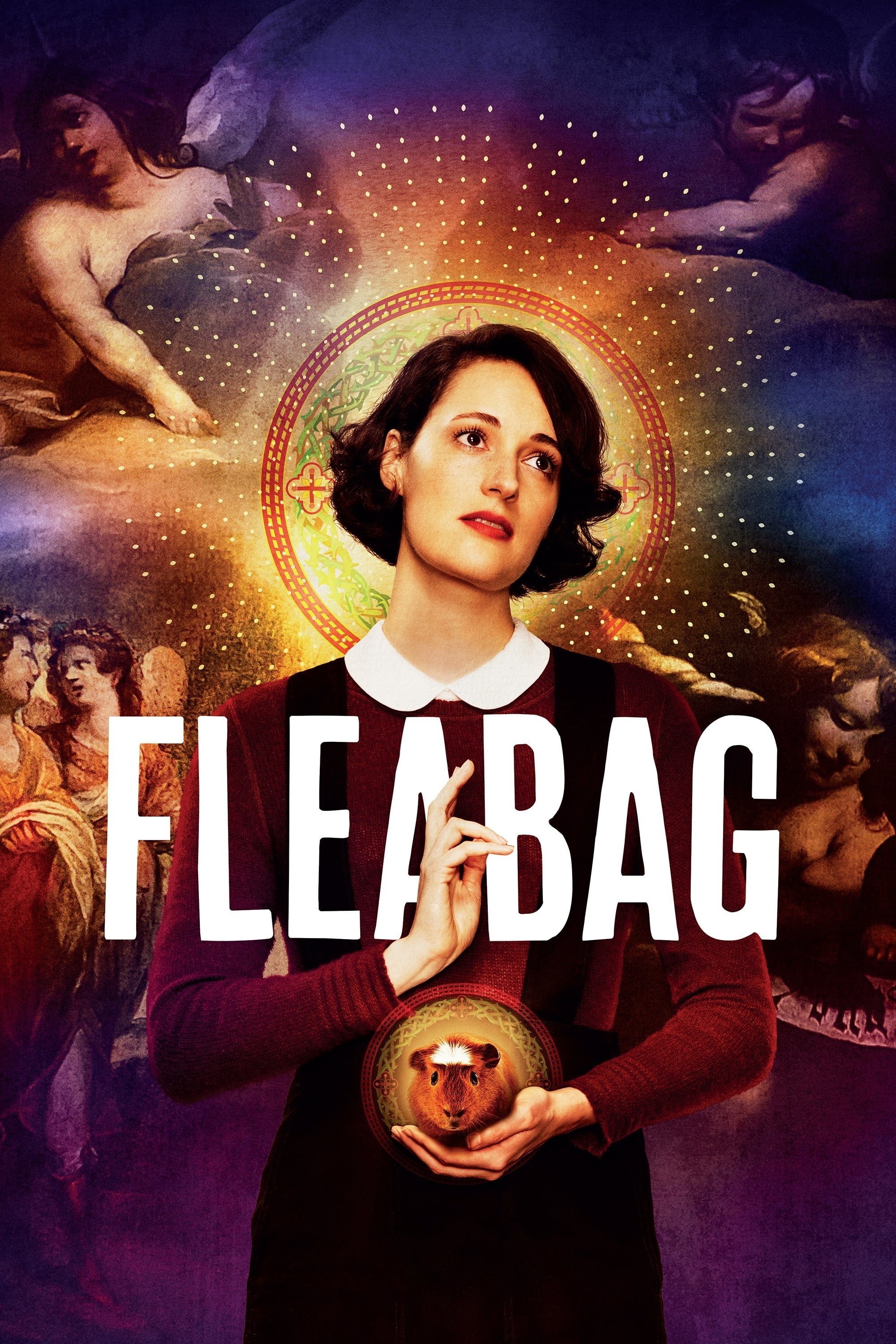
Phoebe Waller-Bridge adapts her stage play into two seasons built around direct-address storytelling. Tight runtimes and theatrical timing inform blocking and editing.
Filmed in London, the series maintains a compact ensemble that recurs across episodes. It received awards for acting and writing and is frequently used in discussions of narration techniques.
‘Friends’ (1994–2004)
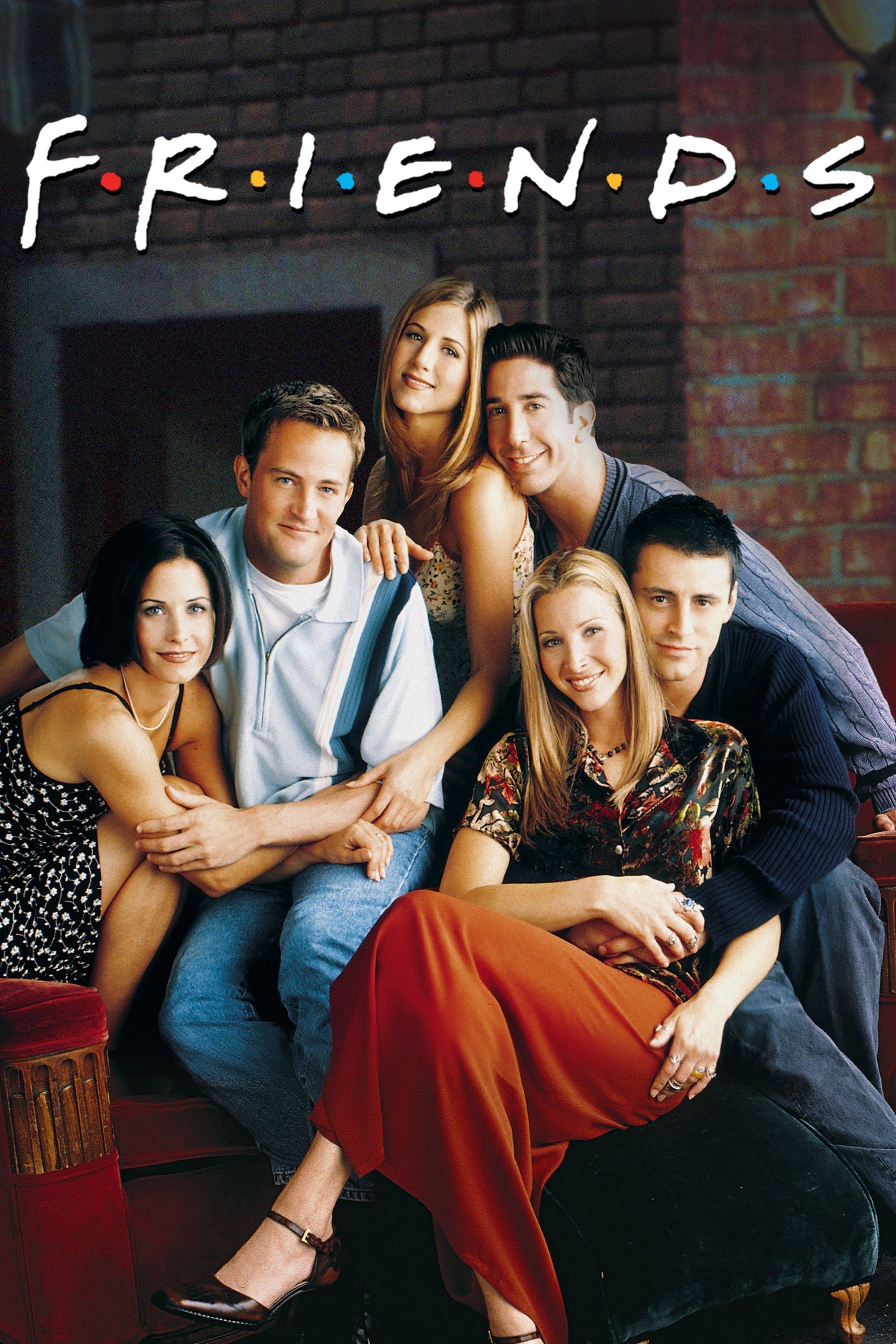
This NBC ensemble comedy tracks six New Yorkers through apartments, workplaces, and a café. Multi-camera production with a live audience and consistent stage sets define the look.
With 236 episodes, the show secured wide syndication. Recurring guest arcs and holiday episodes provide predictable anchors for each season, and the production maintained a stable set of primary locations.
‘Seinfeld’ (1989–1998)
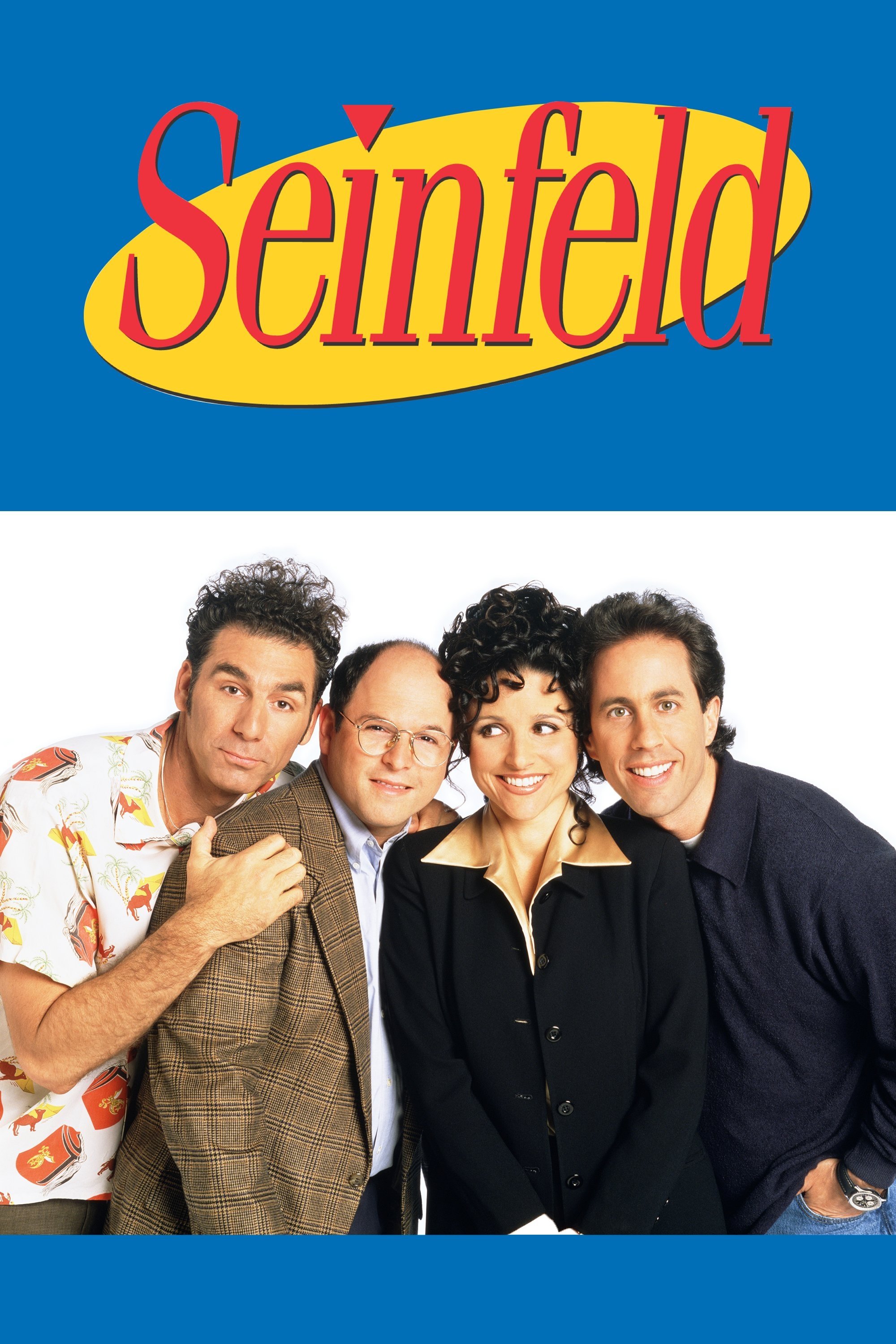
Larry David and Jerry Seinfeld’s NBC sitcom builds plots from everyday social norms and misunderstandings. The early seasons incorporate stand-up segments intercut with narrative scenes.
Nine seasons standardize interwoven A/B/C plots that resolve in tightly constructed endings. The show’s scripts emphasise language precision, callbacks, and structured escalation across the ensemble.
‘The Office (US)’ (2005–2013)
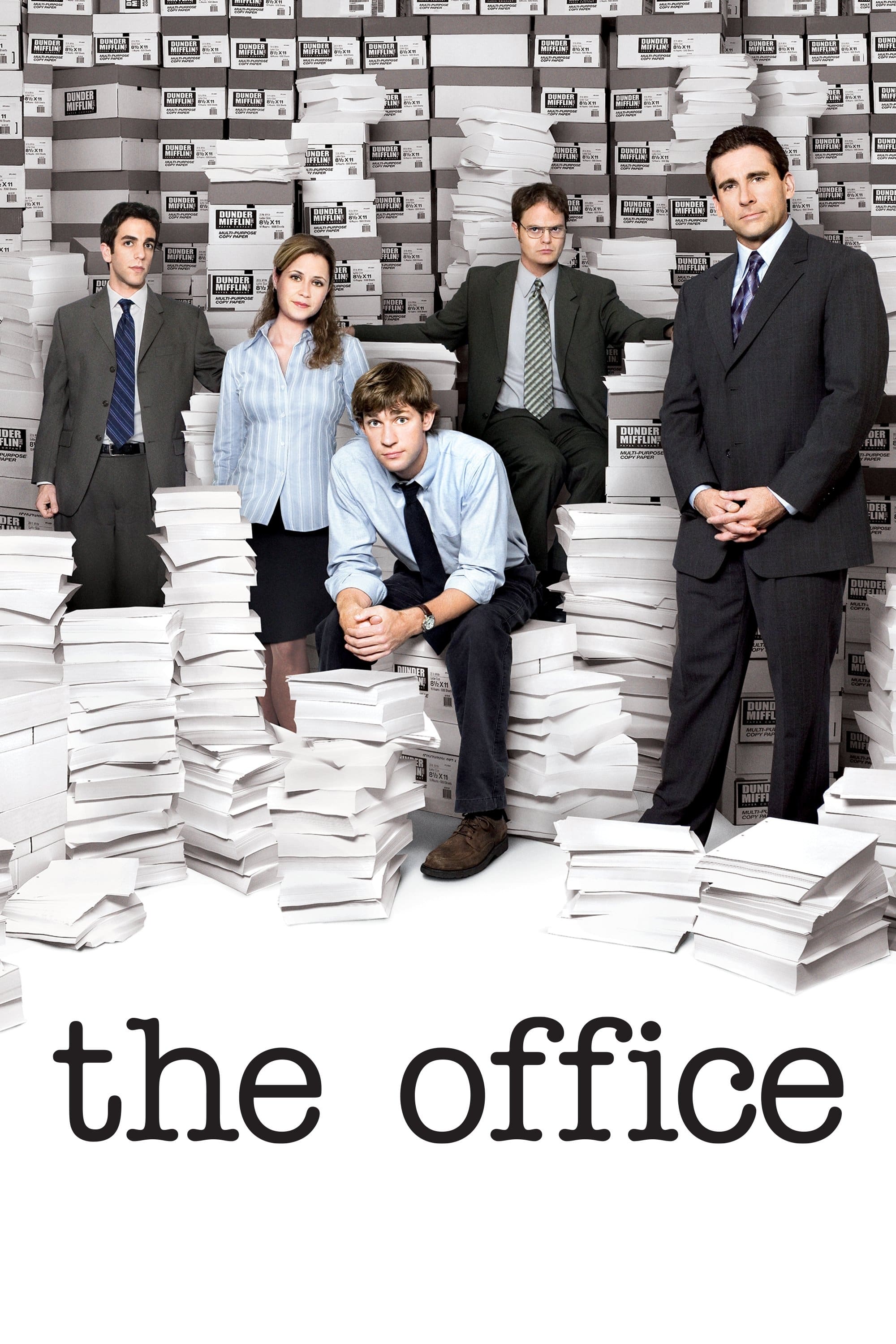
Greg Daniels’ adaptation follows employees at a paper-supply branch in a single-camera mockumentary style. Talking-head interviews and workplace rituals provide episodic scaffolding.
Filmed in California on a standing office set, the series balances one-off workplace events with long arcs about mergers, leadership changes, and relationships. Webisodes and extended edits later expanded continuity on streaming.
‘The Good Place’ (2016–2020)
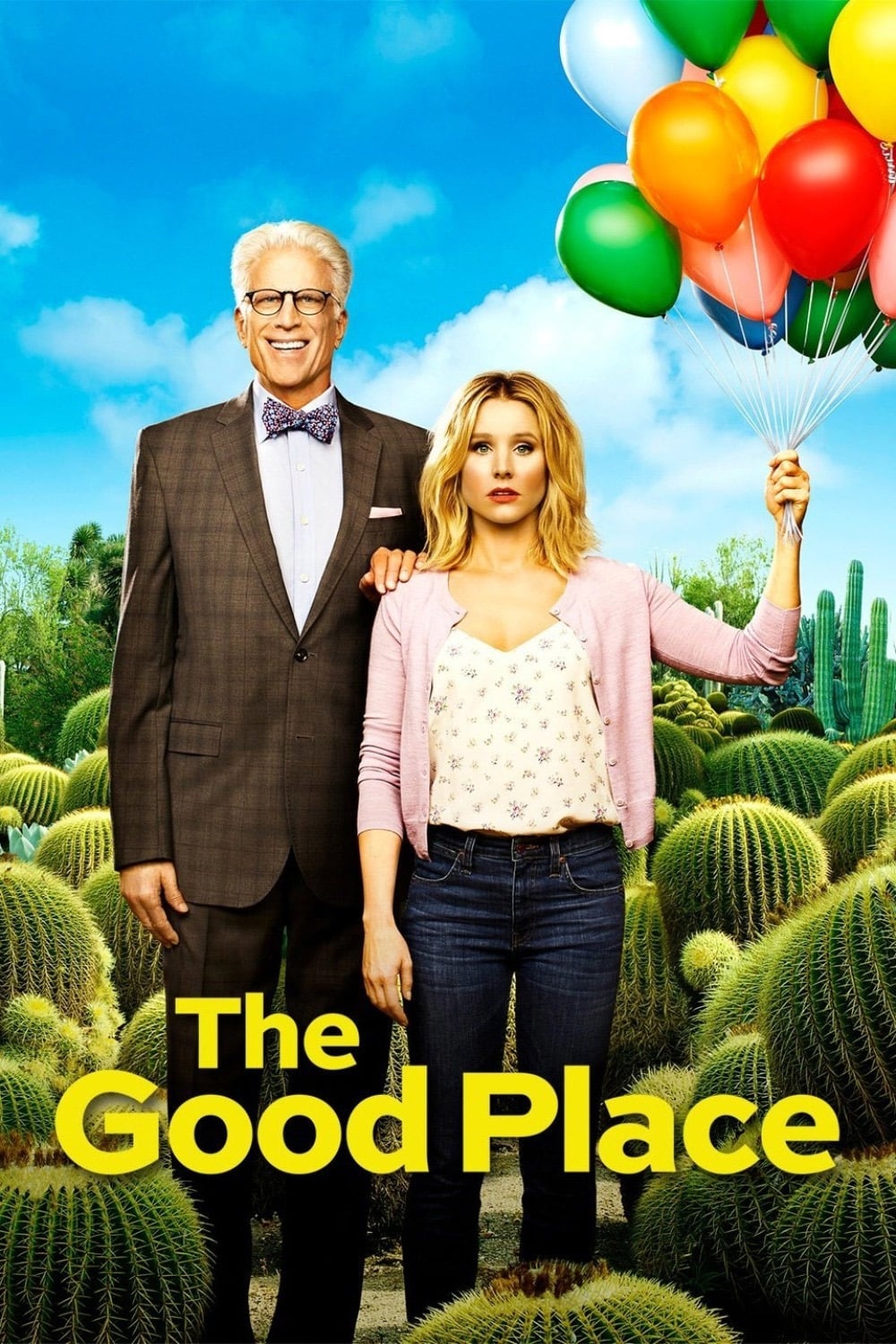
Michael Schur’s NBC comedy uses an afterlife premise to examine ethics and identity. Episodes integrate thought experiments—trolley problems, rule-based scoring—with character tests and course corrections.
The production resets its environment frequently, requiring modular sets and visual redesigns. Four seasons maintain a serialized mystery while delivering clearly defined seasonal endpoints.
‘The Handmaid’s Tale’ (2017– )
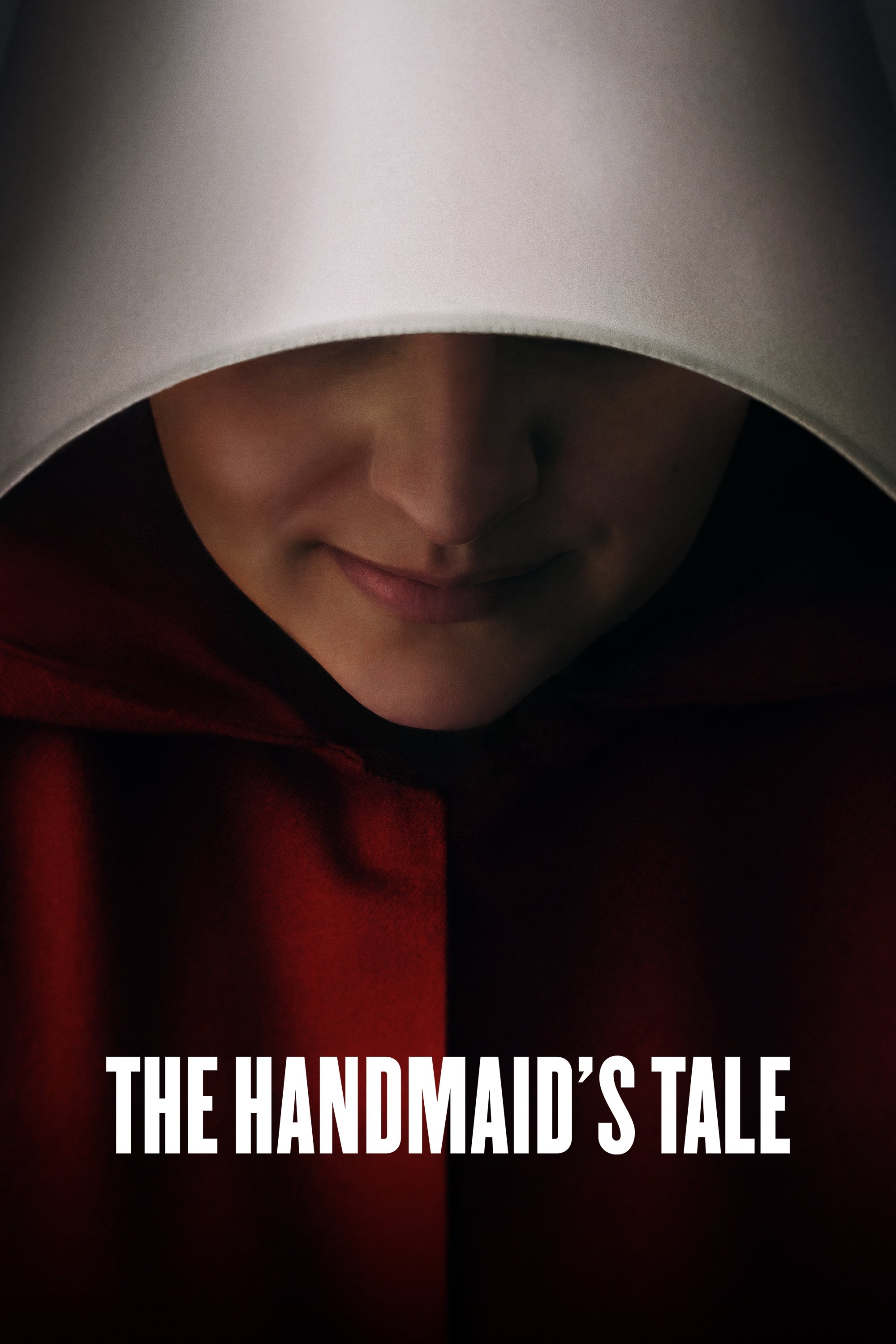
Adapted from Margaret Atwood’s novel for Hulu, this series depicts a theocratic regime’s impact on families, law, and social control. Production centers in Ontario with location work that doubles for a reimagined New England.
The show coordinates costuming, iconography, and ritual staging with shifting jurisdictional conflicts. Its ensemble has received awards across acting and production design, and later seasons expand viewpoints beyond the initial setting.
‘The Twilight Zone’ (1959–1964)
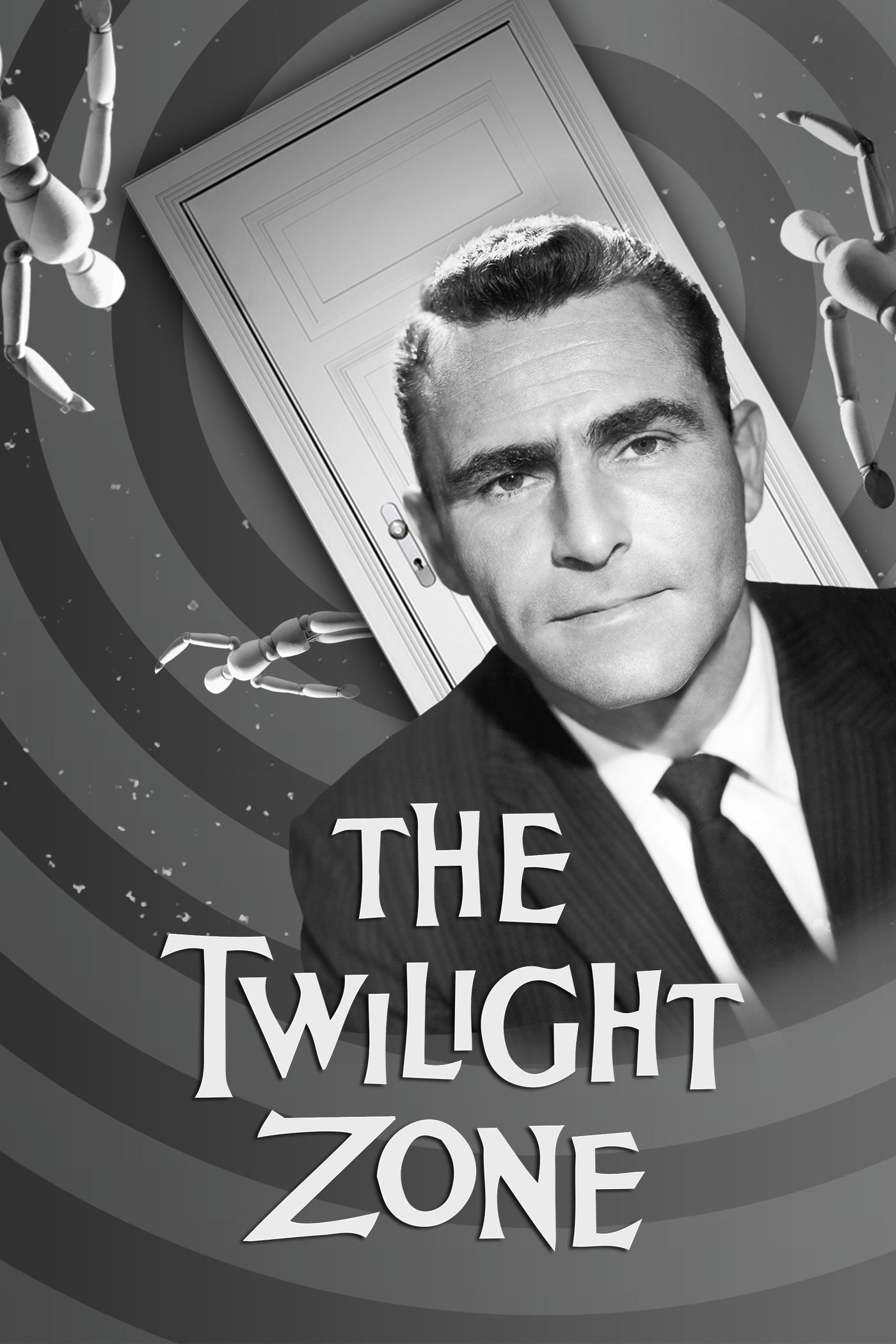
Rod Serling’s anthology presents standalone speculative stories with twist-driven structures. Episodes showcase a range of genres—sci-fi, horror, satire—within a consistent opening and closing narration format.
The production employed theatrical sets, practical effects, and a rotating roster of writers and directors. Its half-hour structure, later joined by some hour-long experiments, established a template for anthology television.
‘The Office’ (2001–2003)
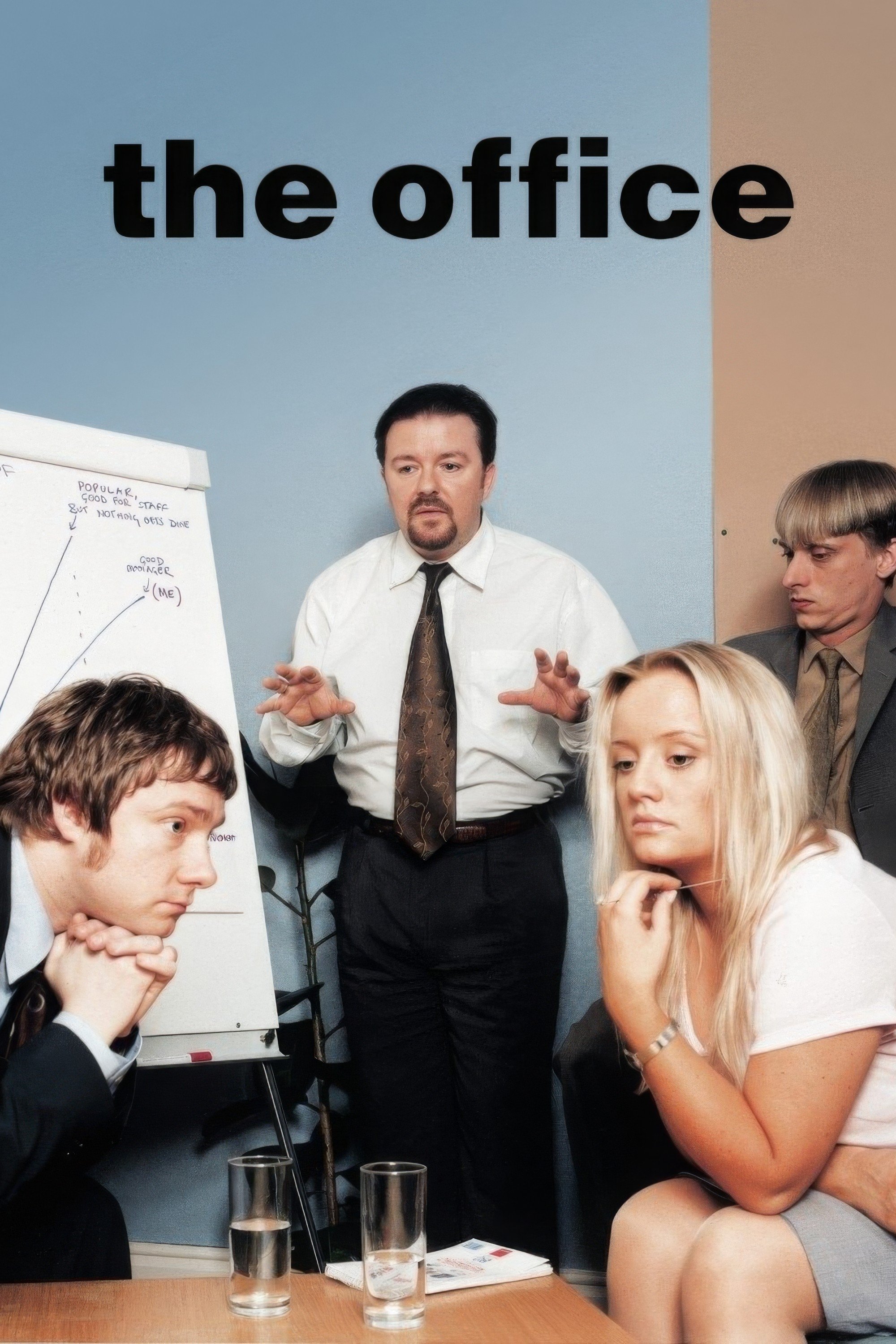
Ricky Gervais and Stephen Merchant’s mockumentary follows a paper-company branch with a compact two-series run and specials. The format uses awkward silences, handheld cameras, and interview cutaways.
Tight episode counts and a small ensemble enable precision in recurring gags and office rituals. The show influenced multiple international remakes, most prominently the U.S. adaptation with a longer run.
Share the one show you think everyone should try—and why—in the comments.