‘Unconditional’ on Apple TV Is the Geopolitical Thriller You Didn’t Know You Needed This Year

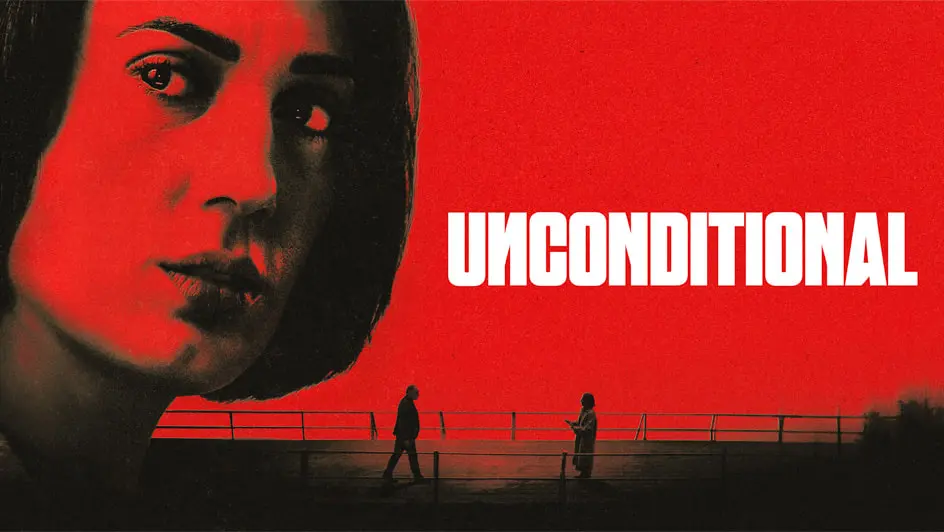

Apple TV has quietly become a go-to destination for prestige international drama, and its latest acquisition makes a compelling case for why the streamer keeps punching above its weight. ‘Unconditional,’ the Israeli emotional thriller that premiered on May 8, 2026, blends political tension, legal suspense, and a raw family story into one nerve-shredding package. The early buzz has been hard to ignore, and the central question on everyone’s streaming queue right now is simple: does it actually deliver?
The eight-episode series is co-created by Adam Bizanski, known for ‘Magpie,’ and Dana Idisis, the creator behind ‘On the Spectrum.’ It stars Liraz Chamami alongside newcomer Talia Lynne Ronn, with global episodes dropping every Friday through June 19. For fans of tightly wound international thrillers, the pedigree alone is enough to justify a look. But the real question is whether the emotional core holds up as the story spirals outward.
The Mother-Daughter Story at the Heart of the Thriller
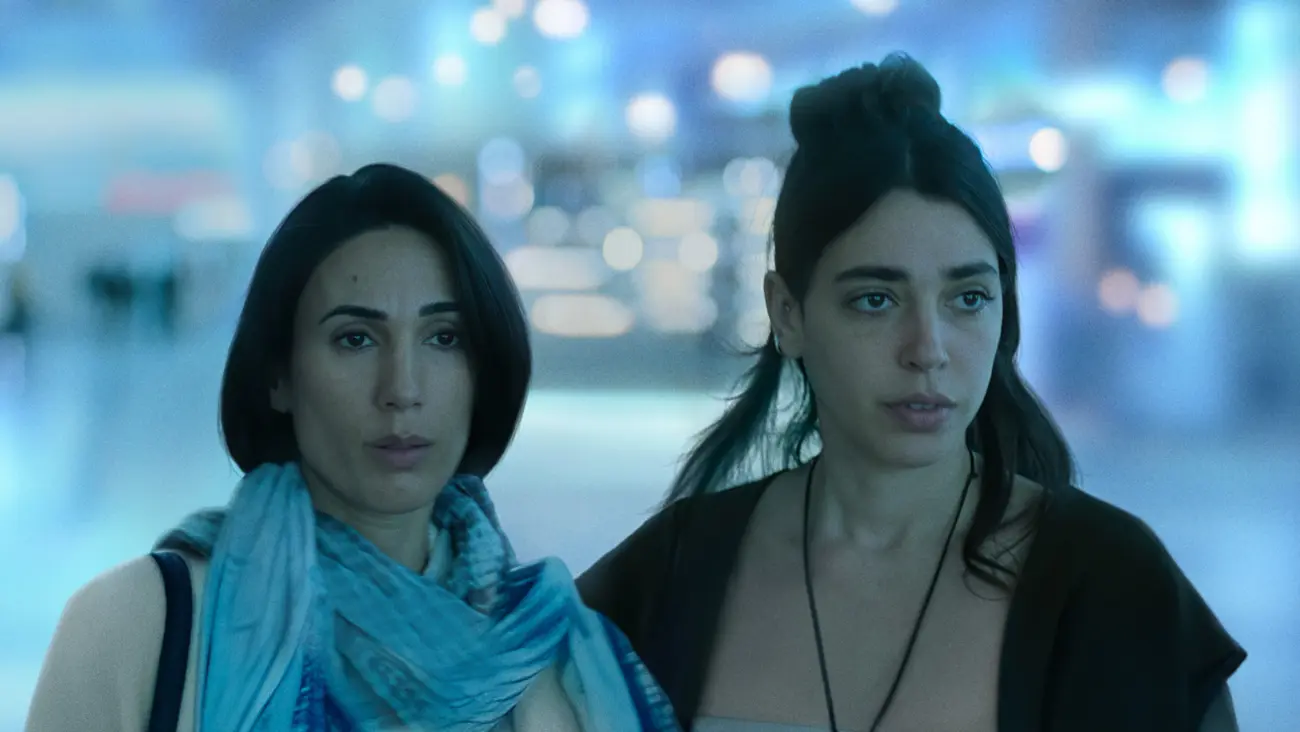
The premise wastes no time. Orna, played by Chamami, is waiting at a Moscow airport with her 23-year-old daughter Gali, who reassures her that everything will be fine. Seconds later, officers swoop in and arrest Gali on drug smuggling charges, setting off a chain of events that pulls Orna into a deadly web of crime and corruption as she fights to prove her daughter’s innocence.
The gripping premise holds viewers hostage as Orna’s resolve to free her daughter by any means is inundated with distrust, confusion, and an increasingly creeping uncertainty. What starts as a mother’s worst nightmare quickly escalates into something far larger and more politically charged than either character anticipated.
The Jerusalem Post praised lead actress Chamami’s performance, noting that the series is greatly enhanced by her excellent portrayal of Orna. They wrote that she holds the viewer’s interest and sympathy from the beginning, and that in a low-key way, the actress conveys the character’s utter panic and helplessness as she confronts an uncaring Russian prison system and indifferent bureaucrats at home.
Critics have noted that Chamami never plays Orna’s panic as hysteria, but as quiet confusion, making her a steady anchor throughout the series. That restraint is what separates ‘Unconditional’ from lesser genre entries that would have reached for melodrama at every turn.
Real-World Echoes and Geopolitical Stakes
Despite a disclaimer before each episode, ‘Unconditional’ is clearly inspired by real-life events. Gali’s arrest on trumped-up drug trafficking charges in Moscow recalls those of high-profile detainees like Brittney Griner, Evan Gershkovich, and Naama Issachar, who was arrested en route from India to Tel Aviv in 2019 before receiving a personal pardon from Vladimir Putin in 2020.
What makes the show different from every other streaming thriller is the early response it generated. The announcement trailer, which showed character Gali in her IDF uniform, sparked immediate debate online long before the series even aired.
That kind of pre-release cultural friction is both a burden and a badge of relevance for any ambitious drama in 2026.
Reviewers have found that ‘Unconditional’ is smart, the type of show that demands your full attention, particularly for those reading Hebrew and Russian subtitles, and that the shocks and questions linger long after the credits roll. The show’s willingness to sit inside genuine geopolitical discomfort, rather than smoothing it over, is one of its more daring qualities.
A Production Scale That Earns Its Ambitions
Keshet International’s distribution boss Kelly Wright described ‘Unconditional’ as the company’s most ambitious drama in terms of budget and scale, noting that it was filmed across India, Georgia, and Israel. That scope is visible on screen, giving the thriller a cinematic sweep that lifts it well above the average streaming import.
From crowded Indian streets to cold Georgian architecture and sharp urban corners in Israel, the production quietly turned real cities into characters of their own.
The Saburtalo District in Georgia added an industrial edge that reinforced the sense that nobody is ever truly safe throughout the story. The location work earns its place in the narrative rather than simply serving as backdrop.
The series was co-created by Adam Bizanski and Dana Idisis, written by Bizanski, and directed by Johnathan Gurfinkel. Talia Lynne Ronn appears in her television debut, with supporting cast including Amir Haddad, Yossi Marshek, Evgenia Dodina, and Vladimir Friedman. The ensemble carries the story’s widening scope with convincing commitment.
Where ‘Unconditional’ Stumbles and Where It Soars
As Orna works to liberate her daughter from captivity, ‘Unconditional’ grows increasingly unmoored from reality. According to Variety, that’s mostly for the better. The series embraces its own escalating absurdity with enough self-awareness to keep it entertaining rather than frustrating.
The series does feel bloated and slow at times, with moments that linger past their emotional shelf life. Several plot points, including how Orna is allowed to penetrate as deeply into a dangerous criminal world as she does, will stretch the credulity of viewers who prefer their thrillers grounded. These are the moments where the show’s ambitions slightly outpace its execution.
Chamami is extremely real in her pain and confusion while trying to find her daughter, and she is a key reason why viewers will keep watching. Even when the plot mechanics creak under their own weight, her performance keeps the emotional stakes firmly in place. For fans of international drama who have already burned through ‘Fauda’ or ‘Tehran,’ ‘Unconditional’ offers a similarly propulsive energy, wrapped in a story that feels uncomfortably contemporary.
If you’ve already watched the first two episodes, share your thoughts on whether Orna’s increasingly dangerous journey feels like a compulsive watch or one twist too many for your taste.