Was Odysseus Actually Worshipped as a God for 1,000 Years?


The legendary king of Ithaca has been having a moment lately, and not just because Christopher Nolan put him on an IMAX screen. Archaeological findings out of Greece have reignited a fascinating question fans of mythology have wondered for generations, was Odysseus ever considered an actual deity, and the answer is more interesting than a simple yes or no.
With ‘The Odyssey‘ now in theaters, the timing could not be better to dig into the real history behind the character Matt Damon brought to life. It turns out the ancient Greeks did something with this hero that sounds almost unbelievable today, they worshipped him.
Odysseus Was Never Technically a God
To be clear from the outset, Odysseus was not a god in the traditional Olympian sense. According to History Cooperative, the Greek definition of a true god required a being to be immortal, unable to die by any usual means, and Odysseus does not meet that bar since he was a mortal man who eventually died like everyone else.
That said, the outlet notes that the line between mortal hero and divine figure was blurrier than modern audiences might assume. Some demigods did ascend to full godhood, with Dionysus cited as an example of a mortal born figure who eventually joined the Olympians, but this was the exception rather than the rule.
Odysseus falls into a different and arguably more culturally significant category, that of the hero cult. This distinction did not make him any less important to the people who prayed to him, it just changed the terms of his divinity.
Understanding this difference matters because it reframes how deeply Odysseus was embedded in everyday Greek religious life, not as a background character in an epic poem, but as someone real people turned to for help.
The Hero Cult Worship Practiced in Ancient Greece
Hero cult worship was a distinctive and widespread feature of ancient Greek religion, separate from the veneration given to the Olympian gods themselves. Wikipedia’s entry on Greek hero cult explains that in Homeric Greek, the very word for hero originally meant the mortal offspring of a human and a god, though the definition expanded over time.
By the historical period, a hero came to mean specifically a dead man who was venerated at his tomb or a designated shrine, because his fame in life or the unusual manner of his death gave him the power to protect and support the living. Coursework from HIS 337 at Cleveland State University adds that the Greek countryside was littered with heroa, or hero shrines, and that Odysseus was among the recognizable names honored this way alongside figures like Agamemnon.
Worshippers were not simply telling stories about these figures for fun. As TheCollector reports, hero cult worship was distinct from the veneration of the Olympian gods yet still functioned as a vital part of religious life across Greece, with worshippers believing these heroes could protect the living and intercede with the gods on their behalf.
That intercessory role is what set heroes like Odysseus apart from purely fictional characters, since Greeks treated the relationship as a genuine two way exchange involving prayer and offerings.
Ithaca’s Sanctuary Reveals a Thousand Years of Devotion
The physical evidence for Odysseus worship comes from a site on Ithaca known as the School of Homer, and the scale of what archaeologists found there is staggering. According to Archaeology Magazine, scholars now believe the structure functioned as an Odysseion, a sanctuary dedicated specifically to his hero cult, and one that drew pilgrims from across the Mediterranean rather than just locals.
Reporting from Greek City Times states that excavations uncovered a wealth of votive offerings dating from the Mycenaean period all the way through the Hellenistic era, with a ceramic fragment bearing a variation of the name Odysseus serving as particularly compelling evidence of active worship.
GBNews adds further texture to the timeline, noting that the votive offerings span from roughly 1600 to 1100 BC through the Hellenistic period, which concluded around 31 BC, and that researchers concluded worship of Odysseus persisted for more than a millennium at the site. The presence of Mycenaean era materials even raises the possibility that devotion to Odysseus predates Homer’s own composition of the epic in the eighth century BC.
TheCollector reports that among the finds were a bronze bust possibly representing Odysseus, coins that may have symbolized prayers for prosperity, and loom weights likely referencing Penelope’s famous weaving trick to delay her suitors. Together, these artifacts paint a picture of an entire community treating the hero and his family as figures worthy of real spiritual attention, not just literary admiration.
How Nolan’s Film Taps Into That Ancient Devotion
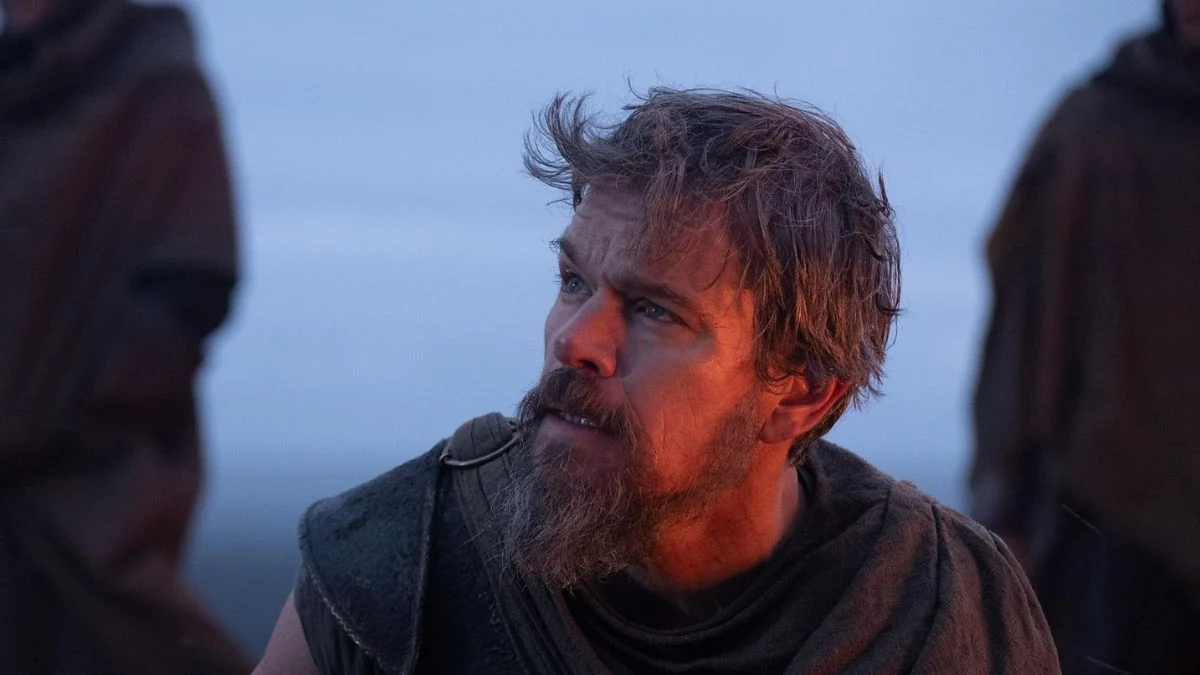
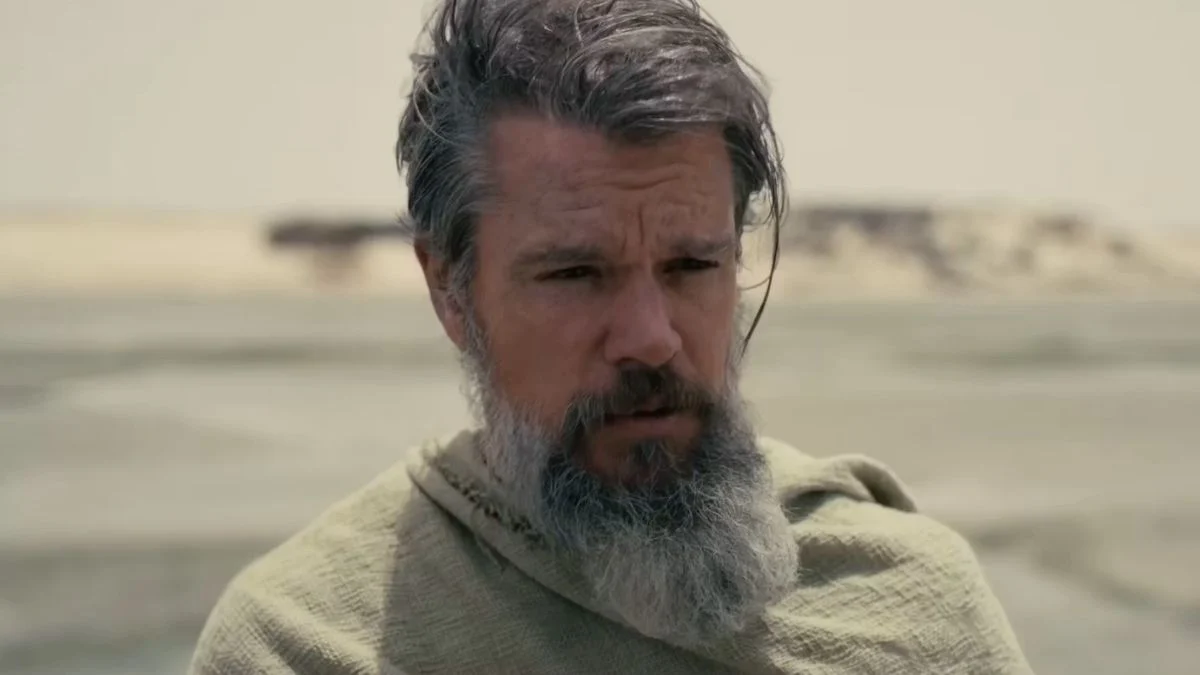
It is hard not to see the parallel between ancient pilgrims flocking to Ithaca and modern audiences flocking to theaters for ‘The Odyssey.’ Nolan’s adaptation, starring Matt Damon as Odysseus, opened in theaters on July 17, 2026, according to Wikipedia’s entry on the film, following the character’s journey home after the Trojan War.
The cast surrounding Damon reads like a modern day pantheon in its own right, with Anne Hathaway as Penelope, Tom Holland as Telemachus, and Zendaya taking on the role of the goddess Athena herself, according to Britannica. Charlize Theron rounds out the mythological roster as Circe, per IMDb, placing gods and mortals side by side on screen the same way ancient Greeks once placed them side by side in ritual practice.
Nolan spoke about his motivations for tackling the material, telling reporters, “As a filmmaker, you’re looking for gaps in cinematic culture, things that haven’t been done before,” as reported by Hollywood Life, and pointing to Ray Harryhausen’s mythological films as inspiration for bringing that kind of story into a big budget IMAX format.
Whether or not audiences knew about the Ithaca sanctuary before buying their tickets, the film is arriving at a moment when the historical reality of Odysseus worship is more publicly documented than ever, giving the character’s return to the screen an unexpected layer of authenticity.
Does knowing Odysseus was genuinely worshipped for a thousand years change how you watch Matt Damon’s performance in ‘The Odyssey’, or does the myth work better left as pure fiction?