Why Odysseus Went To War and Who He Really Fought For in Homer’s Epic?

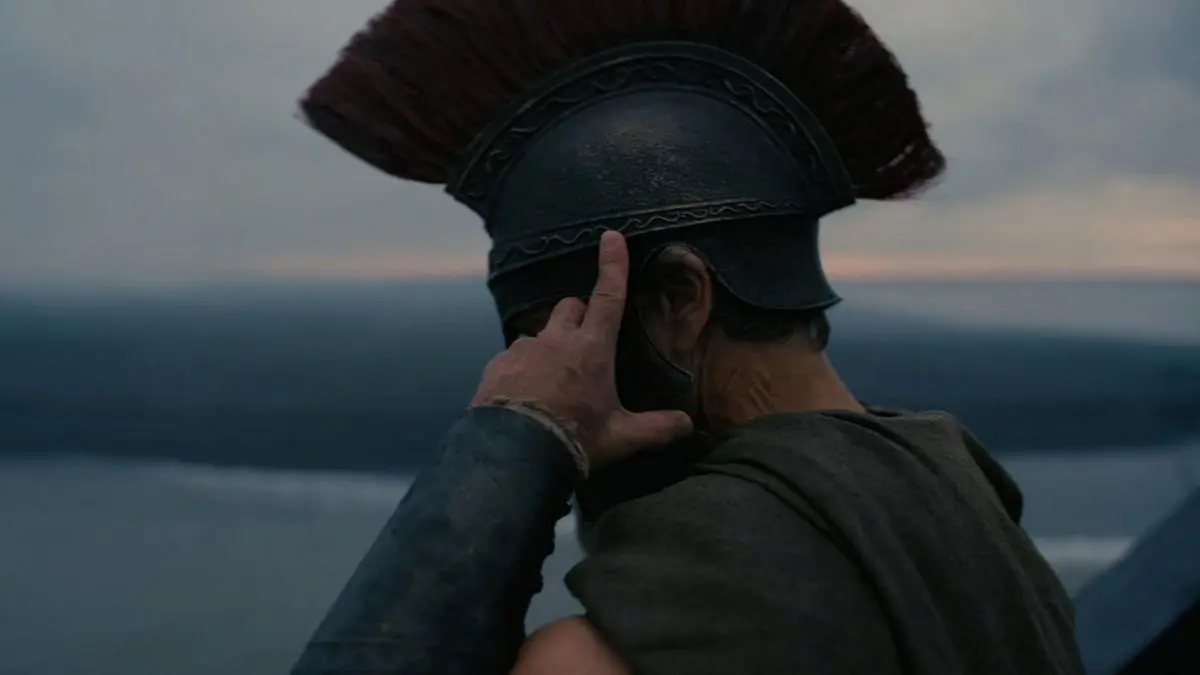

Long before Christopher Nolan brought ‘The Odyssey‘ to IMAX screens, the question of why its cunning hero left home for a decade long war has fascinated readers for centuries. The story behind Odysseus joining the Greek forces is less about personal glory and more about a broken promise he helped create in the first place.
With Matt Damon’s take on the legendary king of Ithaca now dominating box office conversations, fans are digging back into the mythology that inspired the film to understand exactly what dragged Odysseus away from his wife and newborn son.
The Oath That Started It All
Odysseus’s facility for creative thinking is illustrated in the oath of Tyndareus, an episode from Greek mythology that helped originate the Trojan War, when Odysseus was one among the many Greeks competing for the hand of the beautiful Helen and offered her father a solution to prevent rejected suitors from rioting. That solution involved every suitor swearing to defend the marriage no matter who was chosen as her husband.
On Odysseus’s advice, Tyndareus made each suitor swear an oath to defend Helen’s marriage regardless of who was picked, and when she ultimately married Menelaus, heir to the throne of Sparta, the disgruntled suitors were forced to honor their vow. It is a detail that makes Odysseus partly responsible for the very conflict he later tried to avoid.
The catalyst of the Trojan War itself came down to Paris abducting Helen and Menelaus invoking that same oath of Tyndareus to call the Greek kings to arms. Once Helen was gone, the machinery Odysseus helped design years earlier could not be stopped.
Odysseus Feigns Madness to Avoid Fighting for Menelaus
When Helen was seduced by the Trojan prince Paris, a Greek force was assembled from the kings who had sworn the oath, and Odysseus, who had also sworn it, was reluctant to join the expedition because of a prophecy that he would not return home for many years. So when a recruiting party arrived in Ithaca, he tried a desperate trick.
Odysseus feigned insanity to avoid military service, but he was forced to abandon the pretense when Palamedes, one of the recruiting party, placed his infant son Telemachus in harm’s way. Once the ruse failed, he had no choice left.
According to accounts of the myth, Odysseus did not want to go because his wife Penelope had just had baby Telemachus, plowing his field in a scattered pattern to appear mad until Palamedes tested him by threatening the child. That single moment sealed his fate for the next twenty years of his life.
As a result, Odysseus sailed to Troy with the Greek fleet and played a crucial role in the Trojan War. The man who once tried to dodge the fight became one of its most decisive figures.
Fighting for Agamemnon and the Greek Coalition
The Odyssey’ establishes early on that Menelaus’s rage over the abduction or flight of his wife Helen was the root of the allied Greek army’s war against Troy. But it was Menelaus’s brother who actually led the charge.
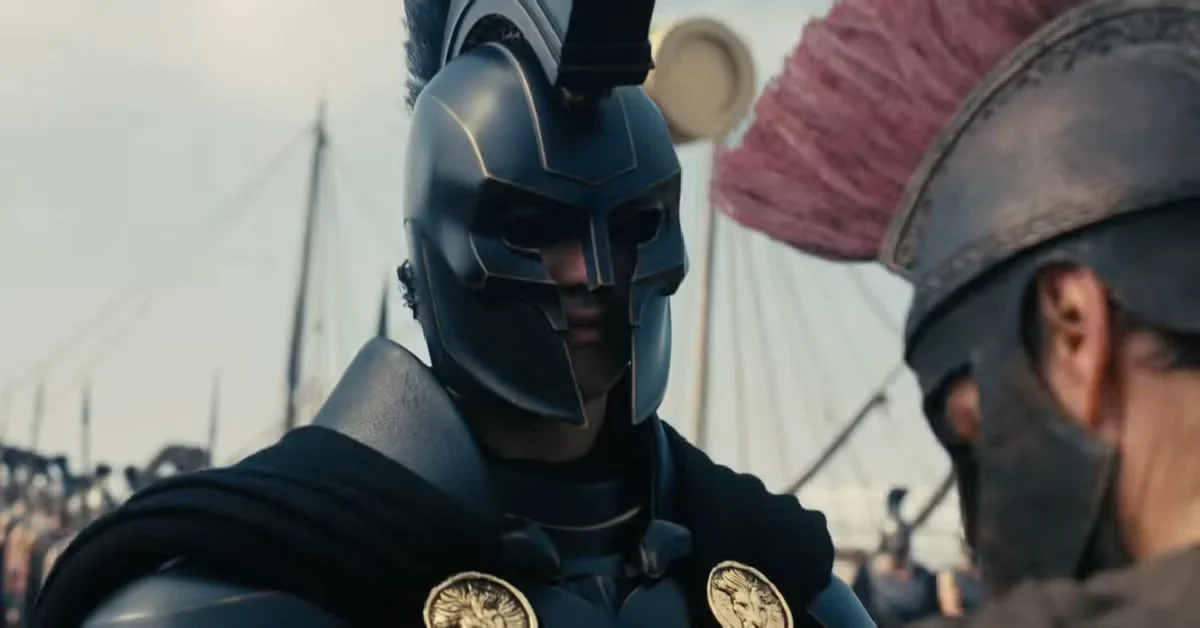
In Nolan’s film, Menelaus’s wife Helen has run off with the Trojan prince Paris, prompting his brother Agamemnon, the commander of the Greek forces, to summon an army to get her back and sack Troy in the process. Odysseus fought as part of that coalition under Agamemnon’s command, not simply out of loyalty to Menelaus alone.
The film chronicles Odysseus’s ten year journey home to Ithaca after another decade away fighting the Trojan War for Agamemnon, king of Mycenae. That distinction matters because it frames the war as a joint Greek effort rather than one man’s personal vendetta.
What Nolan’s Film Reveals About Odysseus’s Motives
In Nolan’s telling, staged almost as a psychodrama, retrieving the captured Helen was merely a pretext for a conflict over trade routes, undercutting the romantic legend that has followed the war for millennia. It is a modern reframing that questions everything audiences thought they knew about the conflict.
According to Greek myth as reflected in the film, the Trojan War begins because of a violation of xenia, the sacred code of hospitality, when the Trojan prince Paris steals away his host Menelaus’s wife while staying as a guest in his home. That betrayal of guest right, not simply love or lust, is presented as the deeper wound driving the Greeks to war.
Small details throughout the film even suggest Helen’s famously beautiful face is heavily scarred, with Menelaus strongly indicating to Telemachus that it was revenge for her relationship with Paris that caused the war in the first place. It is a haunting coda to a war that Odysseus spent a decade trying to survive and another decade trying to escape.
Whether audiences see Odysseus as a reluctant soldier forced into a war of his own making or as a warrior who eventually recognized the conflict’s hollow justification, one thing is clear, his loyalty to Agamemnon’s cause came at an enormous personal cost, and it makes you wonder how differently things might have gone had his feigned madness actually worked.