What Is ‘Ramayana: Rise of a Legend’ Based On? Inside the Ancient Epic

The global film landscape has experienced a dramatic evolution as international film industries increasingly mount massive productions rooted in indigenous mythologies. Audiences across the world have shown an appetite for expansive narratives that combine cultural heritage with cutting-edge visual effects. This growing interest in legendary world-building has paved the way for Indian cinema to undertake some of the most expensive and technically demanding projects in cinematic history.
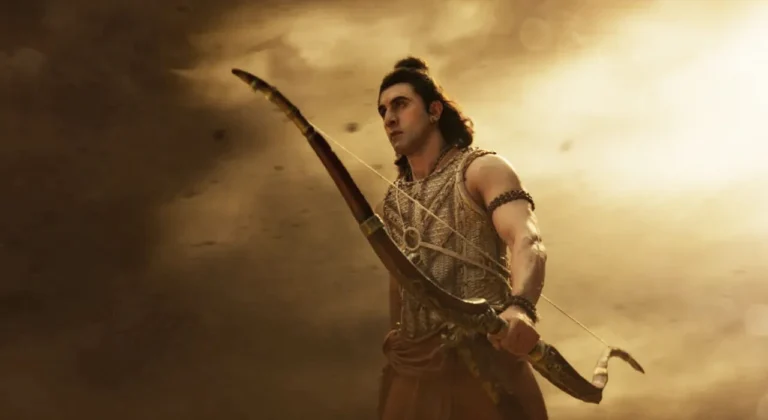
Among these high-profile efforts, director Nitesh Tiwari has embarked on a sprawling two-part adaptation designed to introduce eastern mythology to a broader international audience. Handled internationally by Sony Pictures, the film is positioned as a global event release under the English title ‘Ramayana: Rise of a Legend‘. The production brings together prominent creative veterans from across Mumbai, southern India, and Hollywood visual effects houses to reimagine the sacred narrative on an unprecedented scale.
At its foundational core, ‘Ramayana: Rise of a Legend’ is directly based on the ‘Ramayana’, an ancient Sanskrit epic poem attributed to the revered sage-poet Maharishi Valmiki. Dating back thousands of years to ancient India, the work is formally celebrated in classical literary traditions as the Adi Kavya, or the world’s very first poem. Spanning thousands of verses, the legendary text serves as a spiritual and moral compass for billions across Asia.
The Mythic Journey of Prince Rama
Valmiki’s monumental work chronicles the life and arduous trials of Rama, the virtuous prince of the Kosala kingdom in Ayodhya. Bound by personal integrity and filial duty, Rama accepts a 14-year exile to the Dandaka forest after a palace intrigue orchestrated by his stepmother Kaikeyi. Accompanied by his devoted wife Sita and loyal brother Lakshmana, the young prince embarks on a testing wilderness odyssey that forms the emotional anchor of the narrative.

The central dramatic conflict ignites when Sita is captured and abducted by Ravana, the ten-headed demon king of the opulent island realm of Lanka. Ravana’s fateful act of defiance sets off a catastrophic war that mobilizes woodland allies, formidable warrior clans, and celestial forces. Structurally divided into seven distinct books, known as Kandas, Valmiki’s text tracks the path of virtue facing off against immense, prideful tyranny.
Human Vulnerability Versus Pure Divinity
What distinctively sets Valmiki’s original Sanskrit poem apart from subsequent devotional adaptations is its grounded focus on human ethics and personal sacrifice. Later regional retellings, most notably Tulsidas’s celebrated sixteenth-century Awadhi classic ‘Ramcharitmanas’, tend to emphasize Rama as an all-knowing, infallible divine incarnation from the outset. In contrast, Valmiki presents Rama as Maryada Purushottama, an ideal mortal who must confront grief, political exile, and ethical duties without relying on easy miracles.
This dedication to multi-dimensional characterization also shapes the cinematic treatment of the central antagonist. Rather than reducing Ravana to a one-dimensional demonic villain, Valmiki depicted him as a formidable scholar, an ardent devotee of Shiva, and a ruler undone by his unyielding ego. Kannada superstar Yash portrays the Lankan monarch opposite Ranbir Kapoor’s Rama, giving the ancient rivalry an intense emotional resonance rooted in philosophical opposition.
Translating Ancient Text into a Cinematic Spectacle
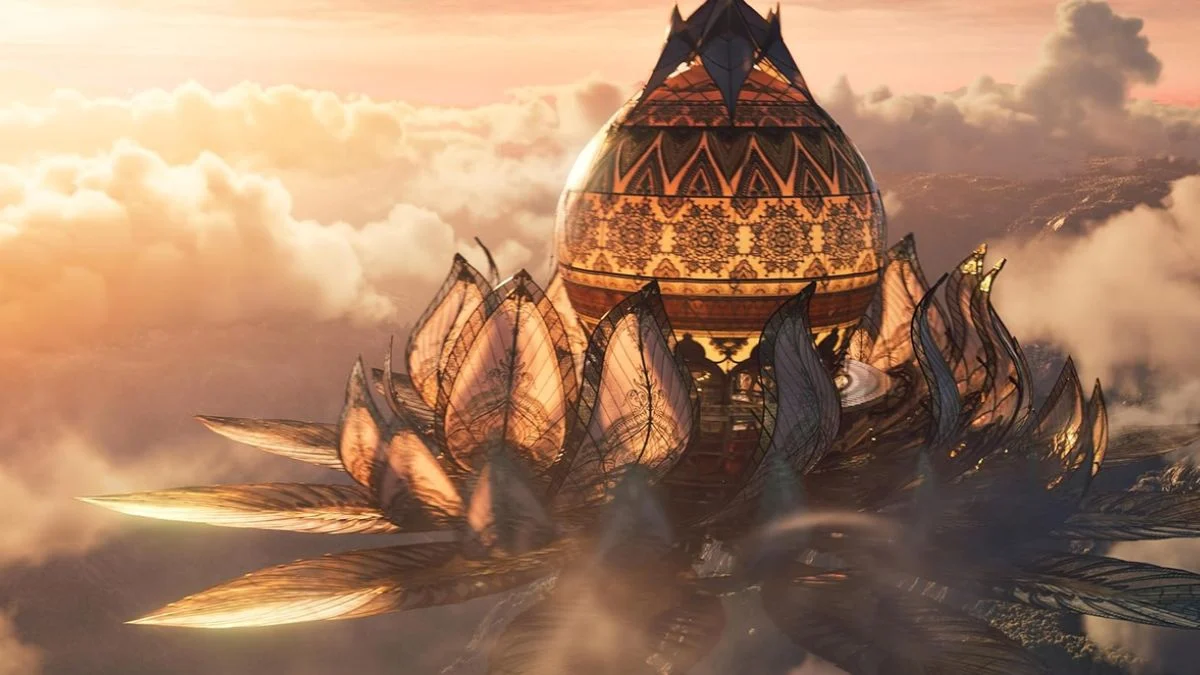
Bringing Valmiki’s extensive world to life required unprecedented technical backing, leading producer Namit Malhotra to marshal his Oscar-winning VFX company DNEG for the ₹4,000 crore project. Discussing the ambitious scale of mounting the ancient epic during an appearance at San Diego Comic-Con, Malhotra told Collider that “Ramayana’s VFX are by far his most ambitious undertaking” as a producer. The production team intentionally avoided copying western fantasy aesthetics, instead deriving creature designs, divine architecture, and celestial weaponry directly from Valmiki’s evocative descriptions.
The production’s sonic tapestry is equally historic, uniting two Academy Award-winning composers, A.R. Rahman and Hans Zimmer, to craft the original score. Describing the demanding global collaboration across multiple continents, Rahman revealed that “Sometimes we had to go through 13 different iterations to come back to the second or the first iteration,” adding, “It’s a process which was a bit exhausting, but gratifying in the end,” in an interview with The Hollywood Reporter India. Their composition fuses classical Indian ragas with sweeping Western orchestral arrangements to capture the spiritual gravity of the sacred text.
By centering its storyline on Valmiki’s earliest books, ‘Ramayana: Rise of a Legend’ focuses on Rama’s youth, his royal wedding to Sita, and the tragic banishment that tests his moral resolve. This first installment builds the narrative foundation, leaving the climactic battle against Ravana’s forces for the planned second chapter. Ultimately, the film bridges ancient cultural memory with contemporary cinematic ambition, ensuring that India’s foundational epic reaches modern audiences across the globe.
Which moment from Valmiki’s original epic are you most looking forward to seeing in ‘Ramayana: Rise of a Legend’?