Where Was ‘La Bola Negra’ Filmed? Inside the Historical Locations of the Spanish Drama

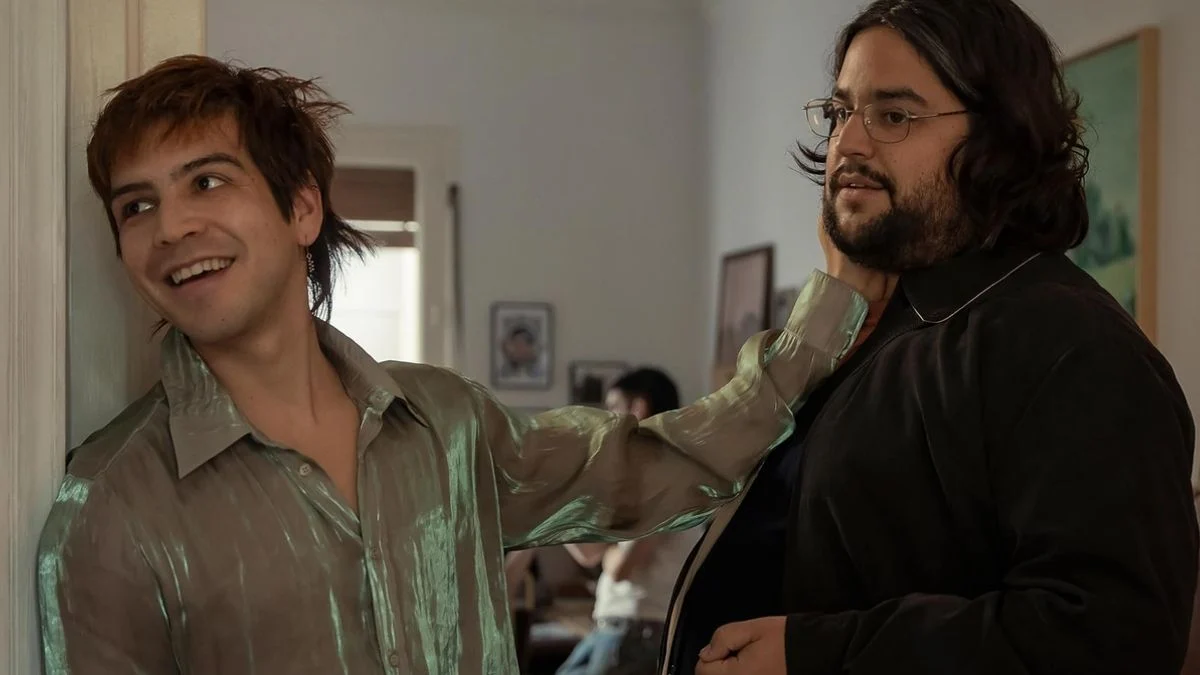

Cinematic epics often draw their emotional resonance not merely from words on a page, but from the historical grounds upon which their stories unfold. When a narrative confronts national memory and decades of repressed identity, authentic architecture becomes an essential character in transporting modern moviegoers into bygone eras. Throughout European cinema, few creative teams have embraced visual grandeur and theatrical vulnerability quite like writer-directors Javier Calvo and Javier Ambrossi.
The acclaimed directorial partnership, widely recognized throughout Spain as Los Javis, spent years cultivating intimate, boundary-pushing dramas across television and stage. As their cinematic ambitions expanded into an internationally celebrated period piece, the filmmakers required physical environments that carried genuine echoes of twentieth-century upheaval. Securing authentic Spanish locales became an urgent priority when mounting an ambitious story deeply connected to one of the country’s most legendary literary voices.
Granada and the Haunting World of Federico García Lorca
That sweeping vision culminated in ‘La Bola Negra‘, a passionate historical triptych inspired by an unfinished 1936 play by the martyr poet Federico García Lorca. Spanning three interconnected timelines set in 1932, 1937, and 2017, the feature examines how desire, grief, and generational trauma reverberate through nearly a century of Spanish life. “The central question is what we do with our past, with our inheritance, with the objects and art that remain, with the traces history leaves behind,” Calvo explained to Netflix Tudum when reflecting on their ambitious narrative canvas.
To capture the aristocratic claustrophobia of 1932, the production set up cameras in Lorca’s native Granada, where the title’s symbolic rejection ballot takes place. Production crews transformed the historic Plaza de Santa Ana and neighboring Plaza Nueva into Second Spanish Republic gathering spots, spreading loose dirt over modern pavements and lining streets with period automobiles. These sunlit Andalusian squares framed the heartbreaking rejection of Carlos, played by newcomer Milo Quifes, after an elite gentlemen’s club blackballs him over whispers regarding his sexuality.
The filmmakers also staged intimate sequences at the Carmen de los Mártires, an opulent nineteenth-century estate boasting lush formal gardens and romantic water courtyards overlooking the Alhambra. Additional photography took place around the Albaicín neighborhood’s labyrinthine alleys, as well as Lorca’s preserved family retreat at the Huerta de San Vicente. In a somber artistic tribute, exterior units visited the Barranco de Víznar, the tragic ravine where Nationalist forces assassinated Lorca during the outbreak of the Spanish Civil War.
Castil de Carrias and the War-Torn Ruins of Burgos
Principal photography commenced in late August 2025 within Castil de Carrias, an abandoned ghost village nestled within the municipality of Belorado in Burgos. Having sat uninhabited for decades, the desolate settlement offered weathered stone walls and decaying agricultural barns that required minimal digital manipulation to convey wartime desolation. Sets were constructed around the crumbling bell tower of the Iglesia de Santa María, complete with fortified sandbag trenches and period military barricades.
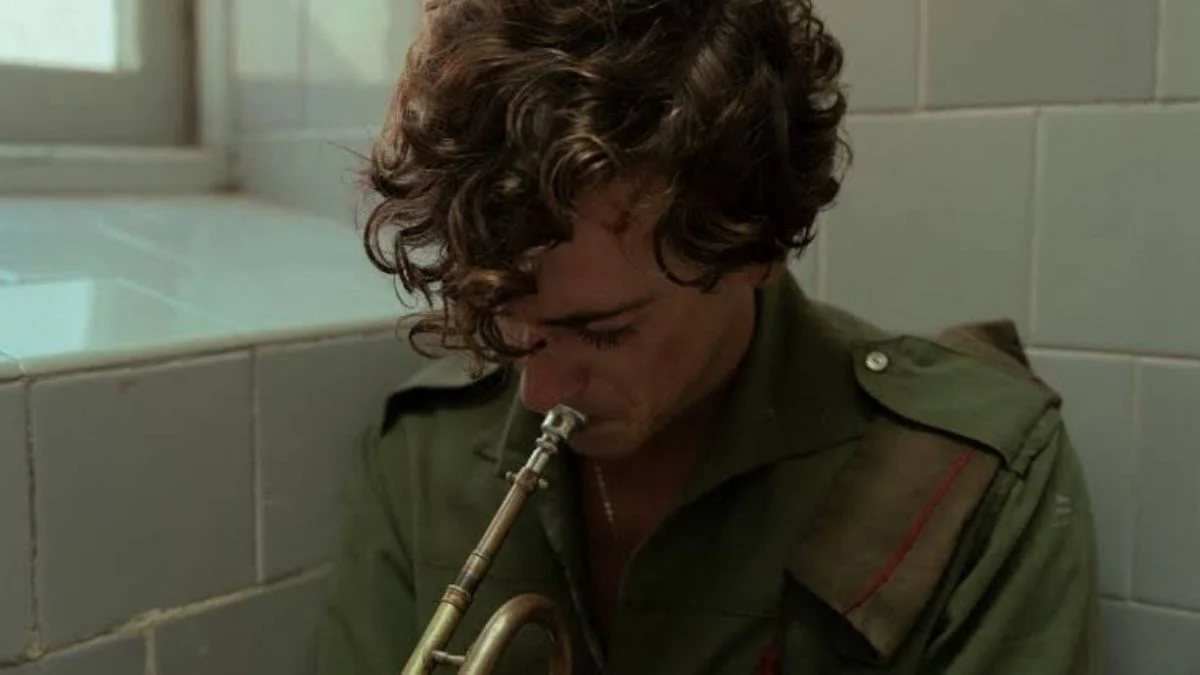
In this forgotten enclave, the filmmakers staged harrowing 1937 battle sequences in which a young conscripted trumpeter named Sebastián, portrayed by musician Guitarricadelafuente, endures devastating aerial bombardments. The isolated geography allowed the production to execute pyrotechnic effects and assemble hundreds of costumed extras without intruding on modern urban life.
Cantabria’s Architectural Grandeur and Northern Coastlines
Moving northward to Cantabria, the production took over the monumental Seminario Mayor at the Universidad Pontificia de Comillas. The striking Gothic-Mudejar ecclesiastical complex was repurposed into an austere military hospital where Sebastián is assigned to guard Republican captive Rafael Rodríguez Rapún, played by Miguel Bernardeau. The soaring arches and dimly lit stone corridors enhanced the simmering tension between captor and prisoner as political hostilities gave way to mutual devotion.
Beyond Comillas, camera crews utilized open rural expanses across Valdáliga and Herrerías, as well as the windswept shorelines of Oyambre Natural Park. These dramatic northern landscapes served as the backdrop for military skirmishes, coastal lookouts, and tragic execution sequences. The stark contrast between lush northern greenery and rugged cliffs mirrored the emotional turmoil of soldiers trapped in a fratricidal conflict.
Contemporary Transitions Across Guadalajara and Madrid
To anchor the modern 2017 timeline, production shifted south toward the medieval fortress city of Sigüenza in Guadalajara before wrapping interiors across Madrid. These municipal archives and contemporary residences ground the journey of Alberto, a historian played by Carlos González who pieces together the artistic relics left by his ancestors. Following major festival accolades at Cannes and Toronto, Enrique Costa, co-founder of distributor Elastica Films, told Screen Daily that “this is a film that gets rid of labels and is able to reach out to a wide audience, not just for young people, not just for a traditional arthouse market.”
Which evocative filming location in ‘La Bola Negra’ resonated the most with your viewing experience?