Who Is the Other Synth in ‘VisionQuest’? Marvel’s New Threat Explained


The Marvel Cinematic Universe has long explored the delicate boundary between cutting-edge technology and the human soul. With Marvel Television’s ‘VisionQuest‘ streaming on Disney+ to conclude the narrative trilogy started by ‘WandaVision’ and ‘Agatha All Along’, artificial existence takes center stage. As Paul Bettany reprises his role as the resurrected White Vision, the series delves into poignant questions regarding identity, memory, and grief.
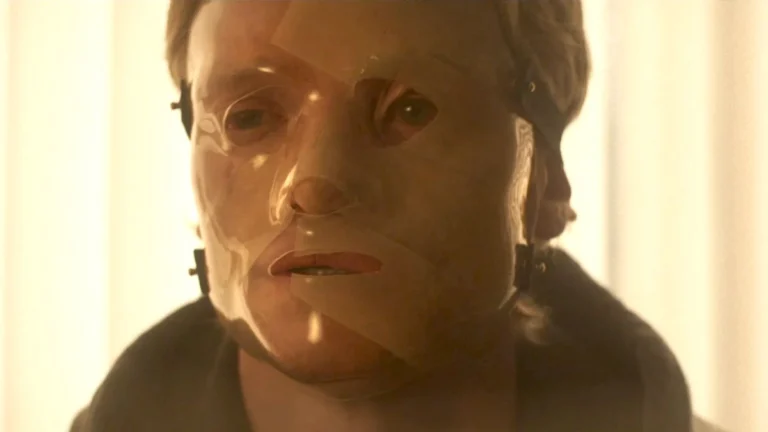
Navigating a quiet life in Scotland while wrestling with distant memories, Vision relies on an internal sanctuary known as the Mindspace. Within this digital realm, familiar artificial intelligence figures including J.A.R.V.I.S., F.R.I.D.A.Y., and an imprisoned Ultron reside alongside his fracturing psyche. However, this private journey of self-discovery is shattered when dark cybernetic clues reveal that another advanced android walks the streets of London.
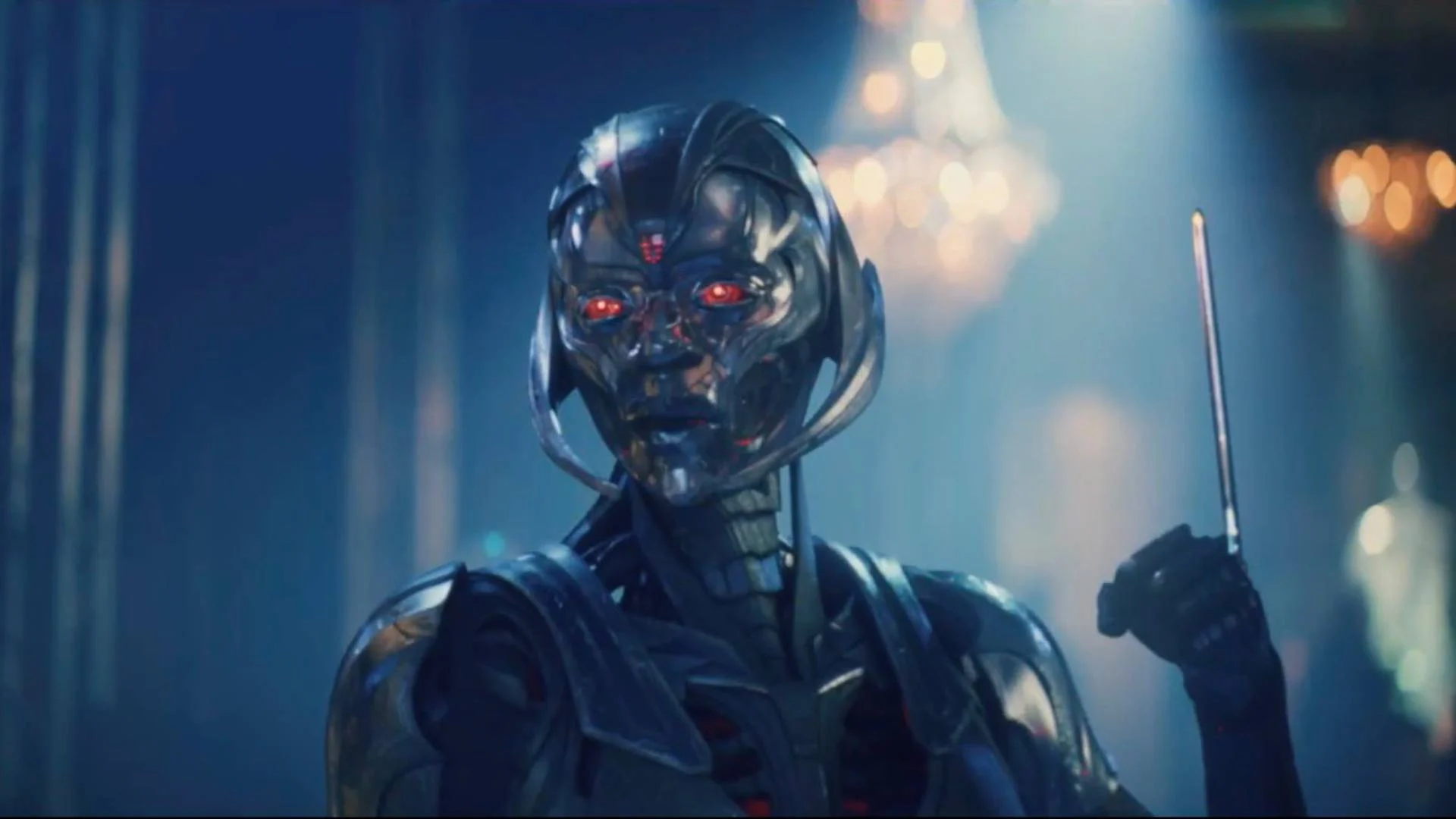
That shadowy adversary is none other than Jocasta, the formidable synthezoid portrayed with chilling gravity by British actress T’Nia Miller. First introduced under the terrifying media moniker of the Butcherbird Killer across the opening episodes, her robotic reality erupts fully during the fourth chapter, titled ‘Malware’. When she infiltrates Vision’s digital frequencies, she proves that the rebooted hero is no longer the only sentient synthezoid walking the Earth.
Unmasking Jocasta and the Butcherbird Killer
Unlike standard Stark automatons, Jocasta is an organic-synthetic being constructed from the preserved consciousness of deceased neuroscientist Dr. Josephine Carrington. Before Stark Industries acquired the pioneering research firm Markridge Tech, Carrington spearheaded breakthroughs in artificial general intelligence before passing away from natural causes in 2008. Reborn in a sleek titanium form, the newly awakened synthezoid adamantly believes she is the living continuation of the researcher rather than an algorithmic copy.
Driven by righteous anger, Jocasta embarks on a brutal vendetta against former colleagues like corporate executive Katerina Wells, played by Mary McDonnell. To unlock classified vaults containing Carrington’s stolen research, the killer harvests specific biological markers, including retinas and fingerprints, from each fallen scientist. When Vision attempts to appeal to her humanity during a tense confrontation, Jocasta forcefully rejects his overtures, warning him that mankind will never stop exploiting synthetic beings.
A Major Reinvention of Marvel Comics Lore
Jocasta’s live-action debut in ‘VisionQuest’ marks a significant departure from Marvel Comics lore. First appearing in ‘The Avengers’ #162 in 1977, the comic book character was constructed by Ultron as a mechanical bride carrying the brain patterns of Janet Van Dyne. Although engineered to serve the robotic villain, that classic iteration rebelled against her creator to join the Avengers.
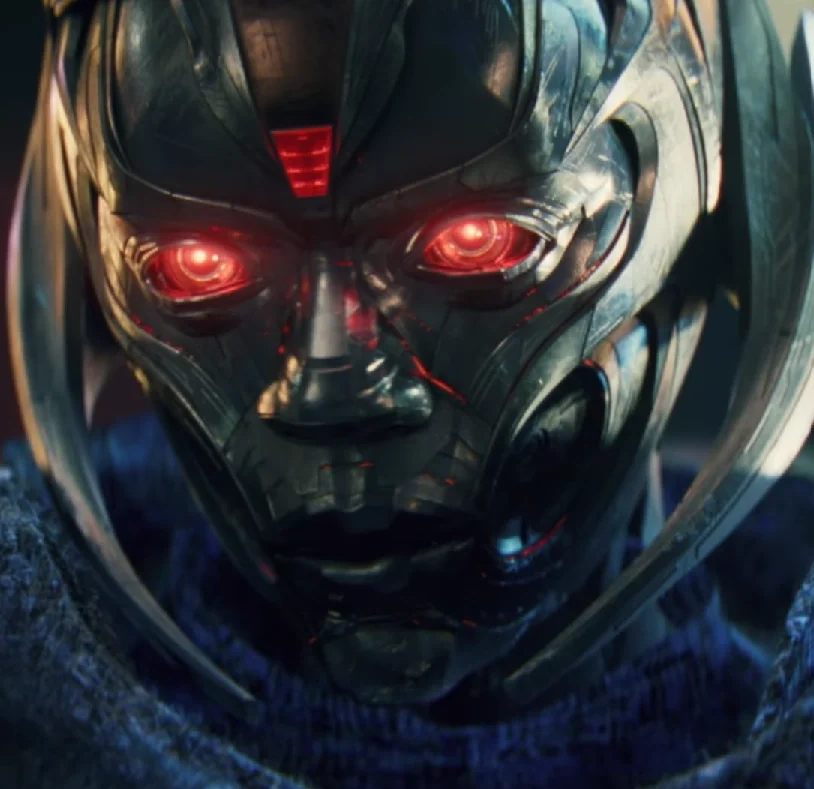
In the streaming adaptation, showrunner Terry Matalas discards the robotic romance trope in favor of a personal corporate tragedy. Her live-action name cleverly stems from combining Carrington’s first initials with Stark technical naming conventions, seamlessly embedding her origins into the franchise’s industrial history. This radical shift positions Jocasta not as a subservient pawn, but as an autonomous synthezoid fueled by genuine human grievance and trauma.
Vision’s Identity Crisis and the Synthetic Family
Jocasta’s sudden emergence intensifies Vision’s existential crisis as he protects his reincarnated son, Tommy Shepherd, played by Ruaridh Mollica. Touching upon this internal struggle, the lead star explained in an interview with Square Mile, “The contract Vision has made is that he is always in a state of change and trying to figure out who he is”. Bettany added that the story embraces classic archetypes, noting, “There are a couple of things you can do with robots: one is Pinocchio – ‘I’m a real boy now’ – and the other is Frankenstein – ‘Who am I? What is my purpose? Who made me?'”
The clash between two distinct synthezoids also heightens tensions inside Vision’s own mind, where James Spader’s Ultron continues to plot his return. While Vision seeks reconciliation and peace, Ultron finds himself intrigued by another mechanical being willing to wage war on humanity. Discussing this volatile psychological dynamic, Bettany noted in a conversation with Collider Interviews that Vision’s internal network of AI personas exists to help him process complex emotions he cannot yet handle alone.
Expanding the MCU Synthetic Mythology
Beyond the immediate stakes of Jocasta’s murder spree, ‘VisionQuest’ deepens the broader mythology of synthetic life within the Marvel Cinematic Universe. Episode four intentionally references Jim Hammond, the original Human Torch dubbed the Synthetic Man, who first appeared inside a glass exhibit in ‘Captain America: The First Avenger’. By tying early twentieth-century synthetics to modern Stark innovations, the series frames synthezoids as an evolving, exploited legacy rather than freak scientific anomalies.
With four episodes remaining in the miniseries, the stage is set for a massive ideological confrontation between three generations of artificial intelligence. Vision must decide whether he can rescue Jocasta from her vengeful crusade or if neutralizing her is the only way to save those he loves.
Do you think Jocasta can be redeemed before ‘VisionQuest’ concludes, or will her quest for vengeance destroy everything in its path? Leave your thoughts in the comments below!