Why Custas Is the Heart of ‘Witch Hat Atelier’s’ Most Radical Idea

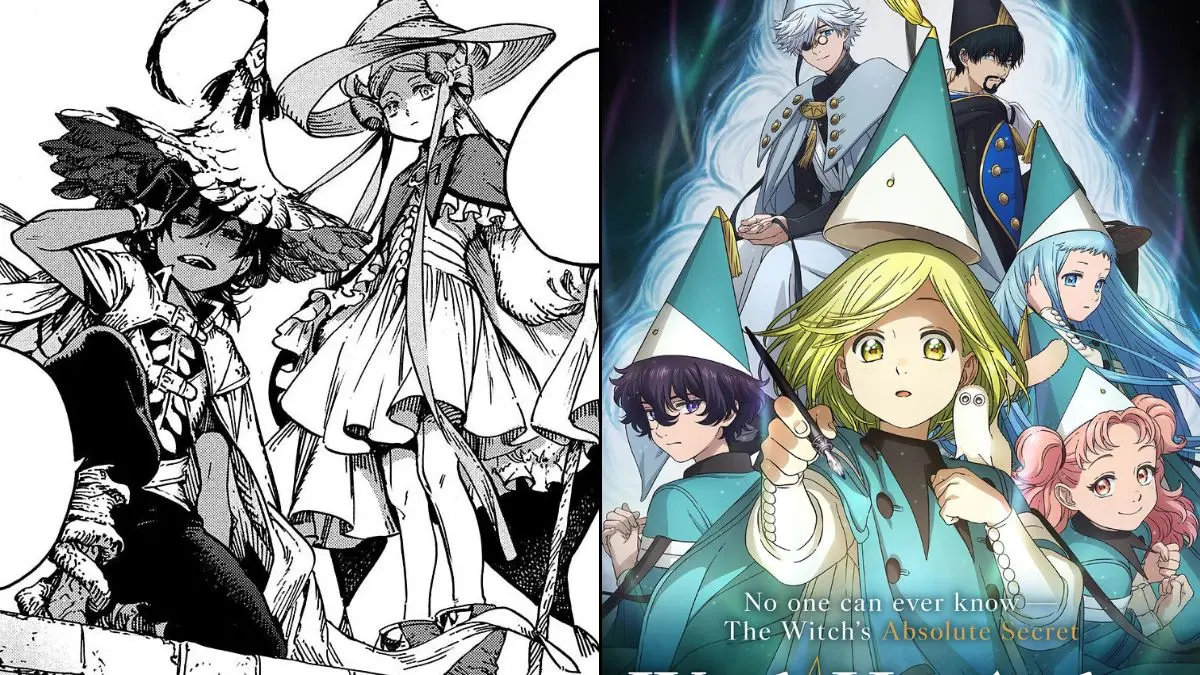

Fantasy anime has always had a complicated relationship with disability. More often than not, a broken body is treated as a temporary obstacle, a plot device to be conveniently resolved by the next arc. ‘Witch Hat Atelier,’ the long-awaited anime adaptation of Kamome Shirahama’s acclaimed manga, is doing something altogether different, and at the center of that difference stands a young boy named Custas.
Shirahama’s manga has been serialized in Kodansha’s seinen magazine Morning Two since July 2016 and has accumulated over 7.5 million copies in circulation as of early 2026. The anime, produced by Bug Films and directed by Ayumu Watanabe, premiered in April 2026 and is streaming on Crunchyroll. It arrived carrying a decade’s worth of reader devotion and an awards pedigree that includes both the Harvey and Eisner Awards, and it has wasted no time in proving why that reputation is so fiercely earned.
Custas is a travelling minstrel, raised in poverty by his adoptive father Dagda, who is first encountered after he falls into a river. He is caught in a riverbank collapse, and a boulder crushes his legs and renders them unusable, putting his livelihood as a performer in serious jeopardy. From there, the series refuses to offer him an easy way out.
A World Where Magic Cannot Fix Everything
What makes Custas so compelling is the system built around him. In the world of ‘Witch Hat Atelier,’ it is forbidden for witches to cast magic directly onto a person’s body, which means instant healing or physical restoration is simply not possible. This single rule transforms Custas’s injury from a story beat into a lens through which the entire society is examined.
He cannot travel on the cobblestone paths that connect the world, he struggles with even small slopes, and if his magical chair breaks, he is completely stuck because only a witch can repair it. Crucially, Custas is not angry about being disabled, but about the way his already lowered social status has fallen even lower still. That distinction is one the series handles with rare emotional precision.
Through characters like Custas, readers and viewers get to question the ethical standpoints of witch society, as the series uses its magical rules to ground its fantasy world in a recognizably human form of injustice.
Born in the Dirt, Reaching for the Sky
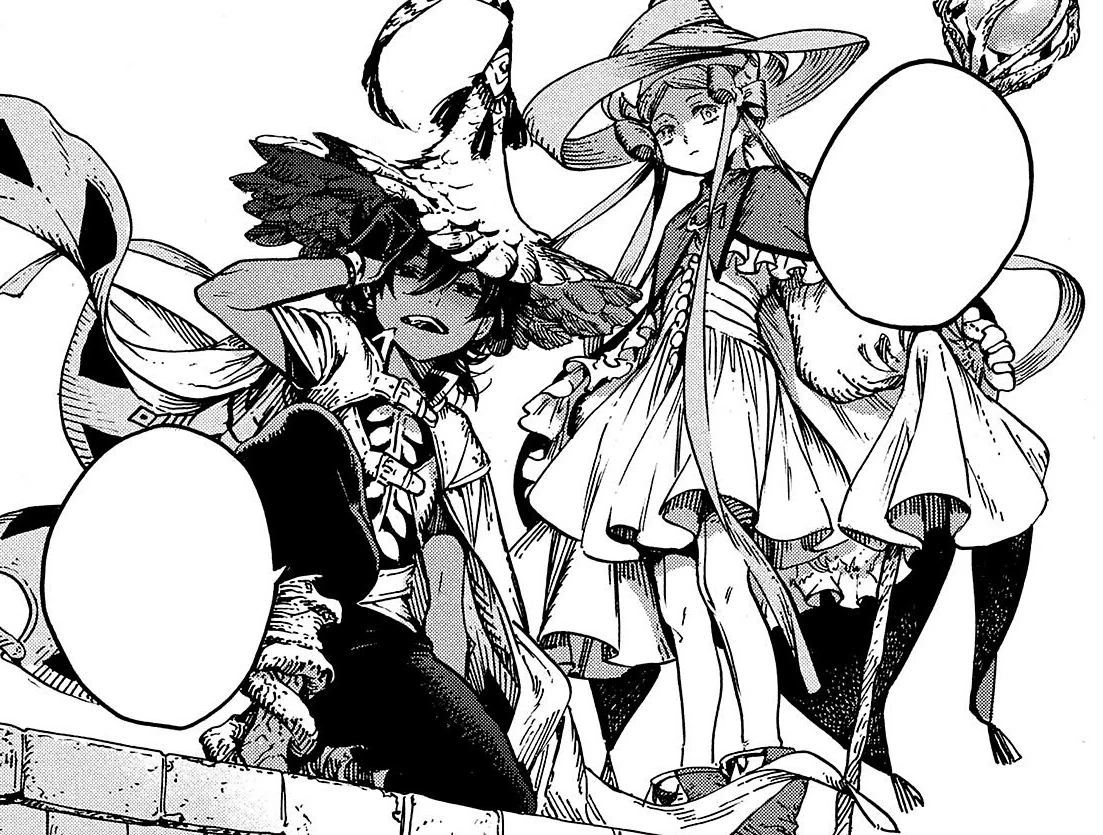
Custas’s personality is deeply marked by his rough upbringing, and he has a deep obsession with fate, which he sees as something cruel and responsible for the hand he was dealt in life, something he desperately wants to break out of. When Coco and her friend Tartah craft a Winged Cloak for him, the moment lands with the full weight of everything that came before it. Custas laughs in the face of fate as he, someone who was born in the dirt, now flies higher than any bird.
Creator Kamome Shirahama has stated that Custas was based on Romani and Ainu cultures, a creative decision that grounds his identity in real-world communities that have historically been marginalized and pushed to the edges of society. That intentionality runs through every layer of how the character is written.
As of the later chapters of the manga, Custas has become a Pointed Cap Witch with the help of Coco, now sporting a pointed hat with a feather motif that echoes his previous Brimmed Cap, marking one of the most earned character transformations in the series.
The Bigger Picture
‘Witch Hat Atelier’ has already been described by some as the best anime of spring 2026, praised for its uniquely classical take on the fantasy genre and some of the most gorgeously detailed animation in recent memory. The series strikes a balance between childlike wonder and genuine food for thought, and its representation of disability is perhaps the most evident way it makes its magical world feel grounded and real.
The world of ‘Witch Hat Atelier’ is not a utopia, and Shirahama goes to great lengths to explore the ways disabled characters are excluded and further disadvantaged by factors such as social class, wealth, and being otherwise marginalized. Custas embodies all of that in one small, fierce, feather-hatted figure. In a season already packed with standout anime, he is quietly becoming one of the most meaningful characters of the year.
Share your thoughts on Custas and the way ‘Witch Hat Atelier’ handles disability representation in the comments below.