Crunchyroll Anime You Are Sleeping On (But Shouldn’t)


There are shows on Crunchyroll that slip under the radar even though they pack in rich worlds, sharp writing, and distinctive craft. This list rounds up series that reward a closer look, with quick snapshots of what they cover, how they were made, and where they come from in the broader anime landscape.
Each entry gives you the essentials at a glance so you can decide what to queue up next. You will see where each story began, who shaped it behind the scenes, and the kind of journey it offers. Studio details are included in a low key way so you can follow the creators whose work clicks with you.
‘A Place Further than the Universe’ (2018)
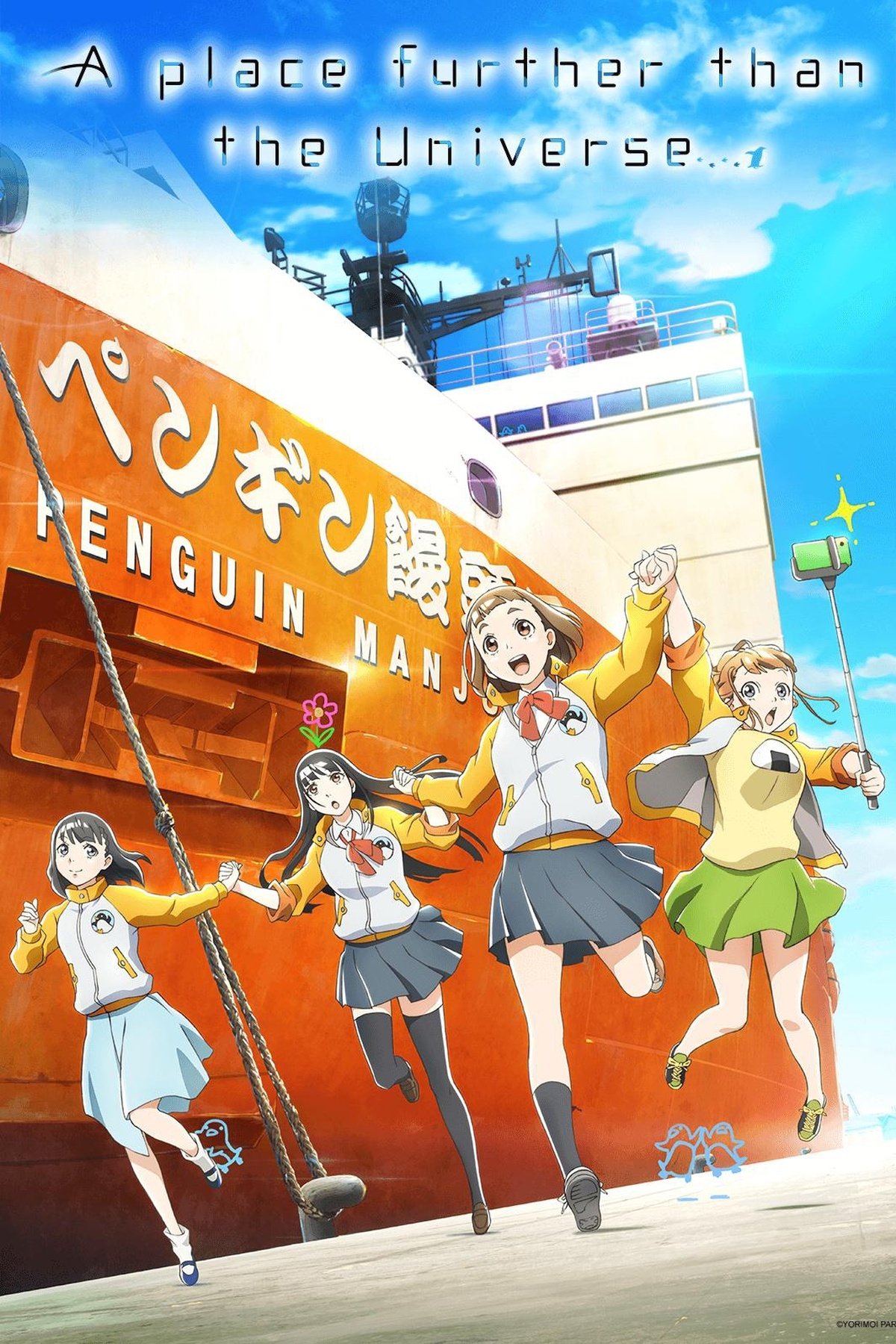
This coming of age adventure follows four students who join a civilian expedition to Antarctica and outlines how they plan, fund, and execute the trip from the first part time jobs to the final voyage. The script maps real expedition logistics like ship routes and training requirements, and it highlights how each girl’s personal history ties into the mission’s milestones.
It is animated by Madhouse with location design that references actual research vessels and polar gear. The series features a grounded travel structure that moves through Japan, Singapore, and the Southern Ocean while spotlighting crew roles on board and how scientific outposts operate through the summer season.
‘Ranking of Kings’ (2021–2023)
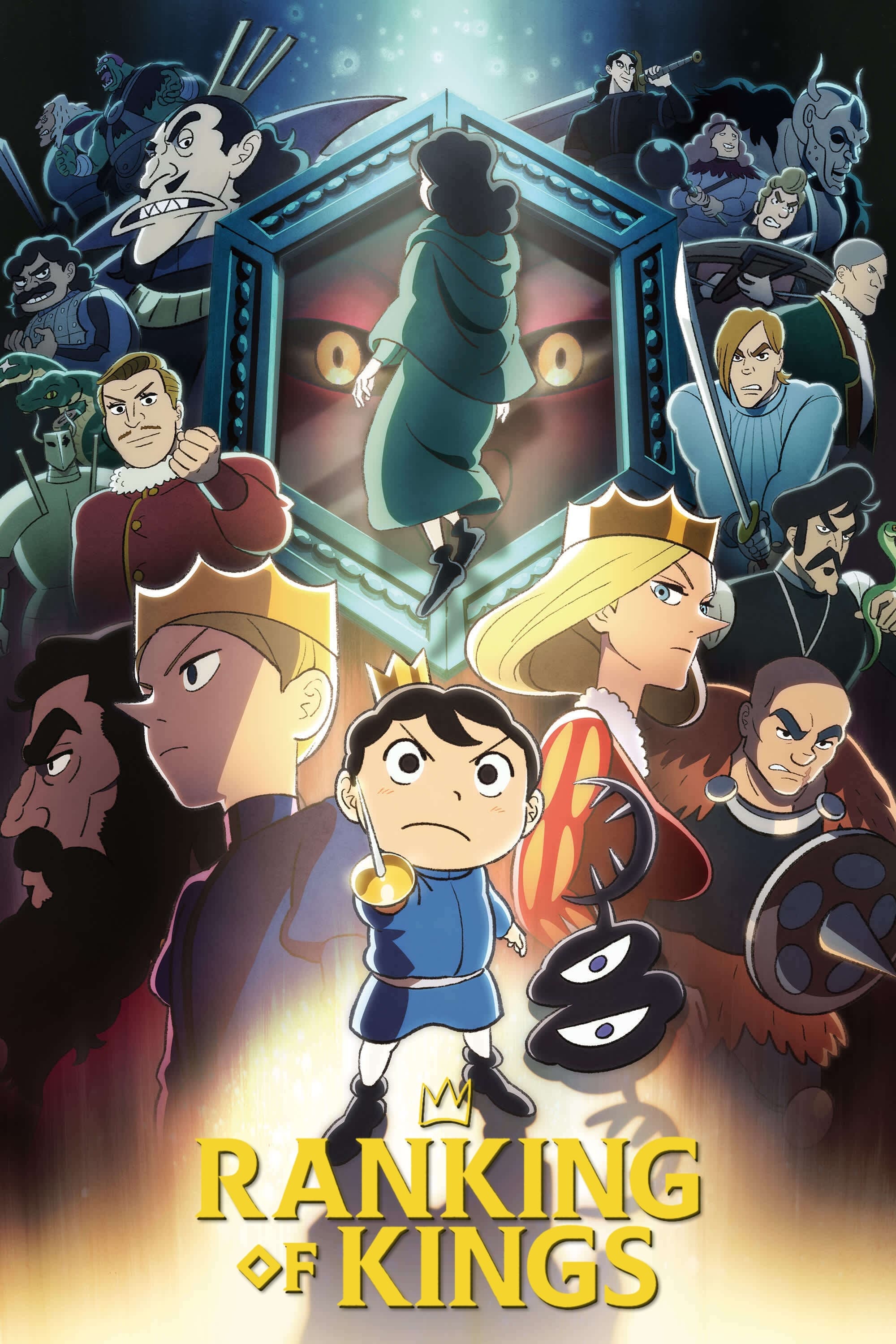
This fantasy tale tracks a young prince who studies sword forms, sign language, and court etiquette as he prepares to lead despite a disability. The plot traces competing lines of succession, treaties between realms, and the mechanics of magical artifacts that influence each power shift.
Wit Studio brings a storybook look with clean shapes and expressive action that still follows readable choreography. The production leans on a clear heraldry system and recurring motifs for each kingdom, and it catalogs the prince’s training across mentors, techniques, and historical precedents within its world.
‘Odd Taxi’ (2021)

The series builds a tightly plotted mystery around a quiet taxi driver whose passengers include comedians, nurses, and small time criminals tied to a missing person case. Every conversation is time stamped across routes and fares so clues line up when ride histories intersect later on.
It is produced by OLM with P.I.C.S. and uses stylized character designs that stay consistent across complex dialogue scenes. The soundtrack anchors key reveals with recurring tracks, and the script keeps a ledger of debts, bets, and online handles that slowly converge on one timeline.
‘Keep Your Hands Off Eizouken!’ (2020)
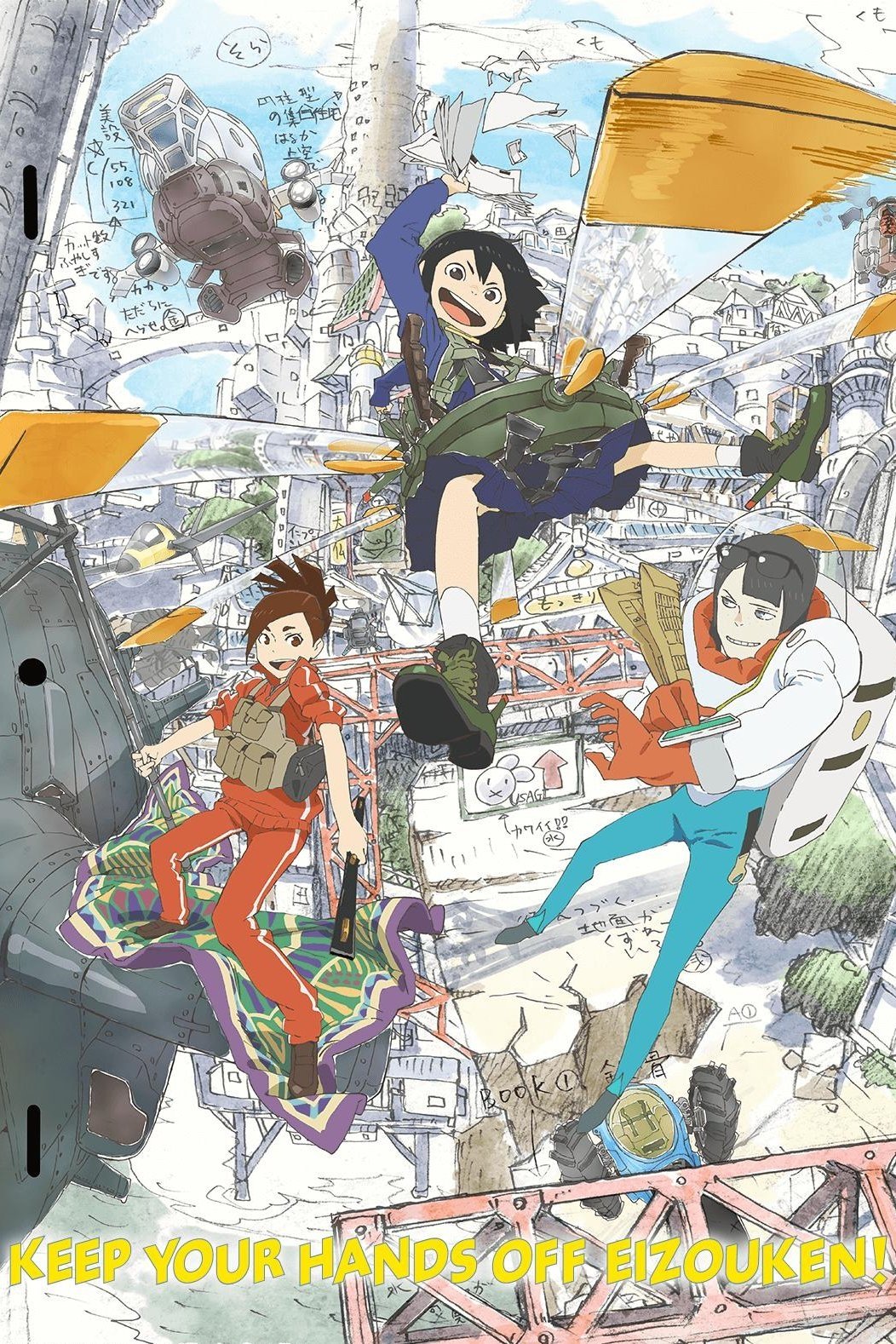
Three first years form a film club and break down storyboarding, shot language, and budget planning while building their first projects. The show walks through schedule boards, asset lists, and the way sound shapes motion, turning club meetings into step by step production lessons.
Science SARU animates the daydream sequences with sketch like layers that show how rough ideas evolve into finished shots. It also documents permissions, locations, and student council oversight, giving a clear picture of how a small team negotiates resources to complete an animated short.
‘Land of the Lustrous’ (2017)
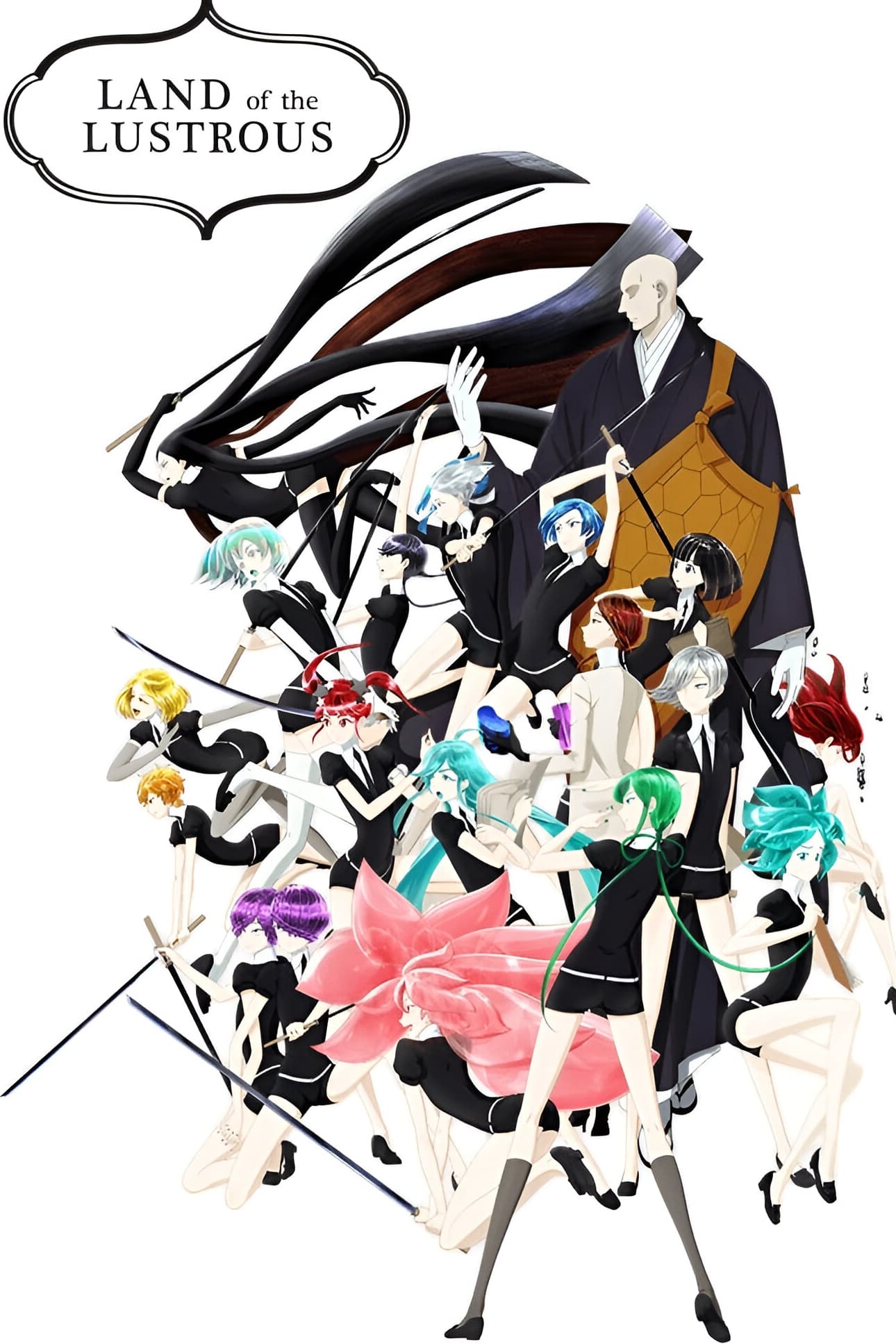
This adaptation follows gem based beings who catalog their duties, repair cycles, and combat roles while researching an ancient record that hints at their origin. The story logs each character’s hardness rating and how it affects battle assignments and breakage risk.
Studio Orange uses full CG to achieve reflective surfaces and precise motion, showing fractures, facet repairs, and tool handling with technical clarity. The production builds a consistent visual language for materials and light, and it tracks equipment upgrades chapter by chapter.
‘Made in Abyss’ (2017–2022)
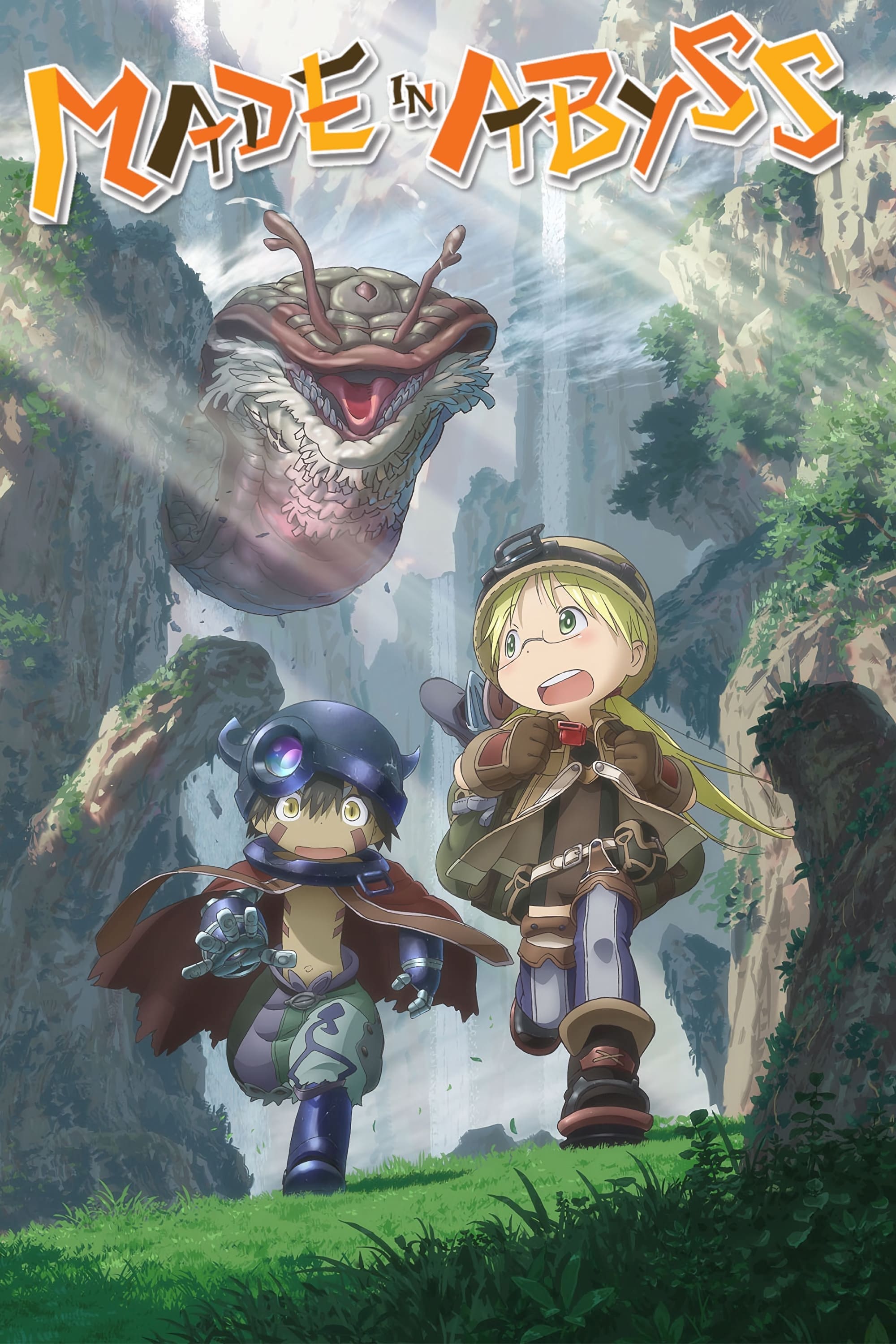
Two explorers descend a massive chasm that is mapped into layers with unique wildlife, hazards, and a documented ascent curse. Each arc lists gear loadouts, survival tactics, and field notes that expand a bestiary and an artifact registry.
Kinema Citrus animates the descent with detailed environment art that notes elevation changes and weather patterns. The series outlines support towns, relic markets, and guild rules, building a functioning economy around expedition work and research.
‘Golden Kamuy’ (2018–2024)

Set after a major conflict, this series follows veterans, hunters, and trackers as they chase a hidden stash using coded tattoos. It catalogs survival techniques in northern climates and records languages, trap designs, and regional cuisine as the cast moves from town to frontier.
The show began at Geno Studio and later continued at Brain’s Base, carrying forward careful reference work on clothing, tools, and wildlife. It includes maps that align with rail lines and trade routes of the era, keeping travel times and supply chains consistent through each arc.
‘The Eccentric Family’ (2013–2017)
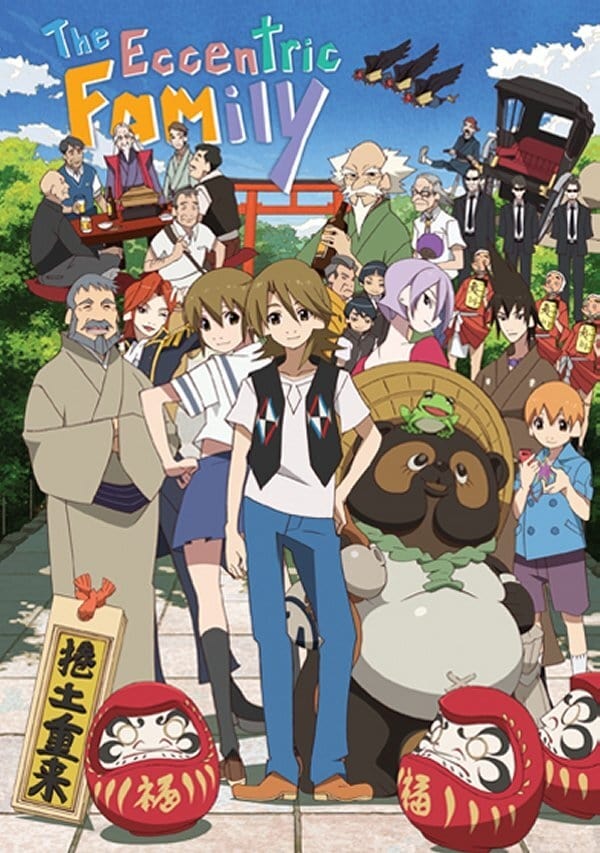
Kyoto’s folklore scene comes alive with tanuki families, tengu mentors, and a human society that hosts seasonal events that shape the calendar. Family councils, succession customs, and neighborhood alliances drive the plot as festivals and river ceremonies set the timetable.
P.A. Works animates real Kyoto districts with attention to bridges, storefronts, and seasonal scenery. The production tracks household roles and old stories that each character cites, making the city’s layout and history part of the narrative fabric.
‘Space Brothers’ (2012–2014)
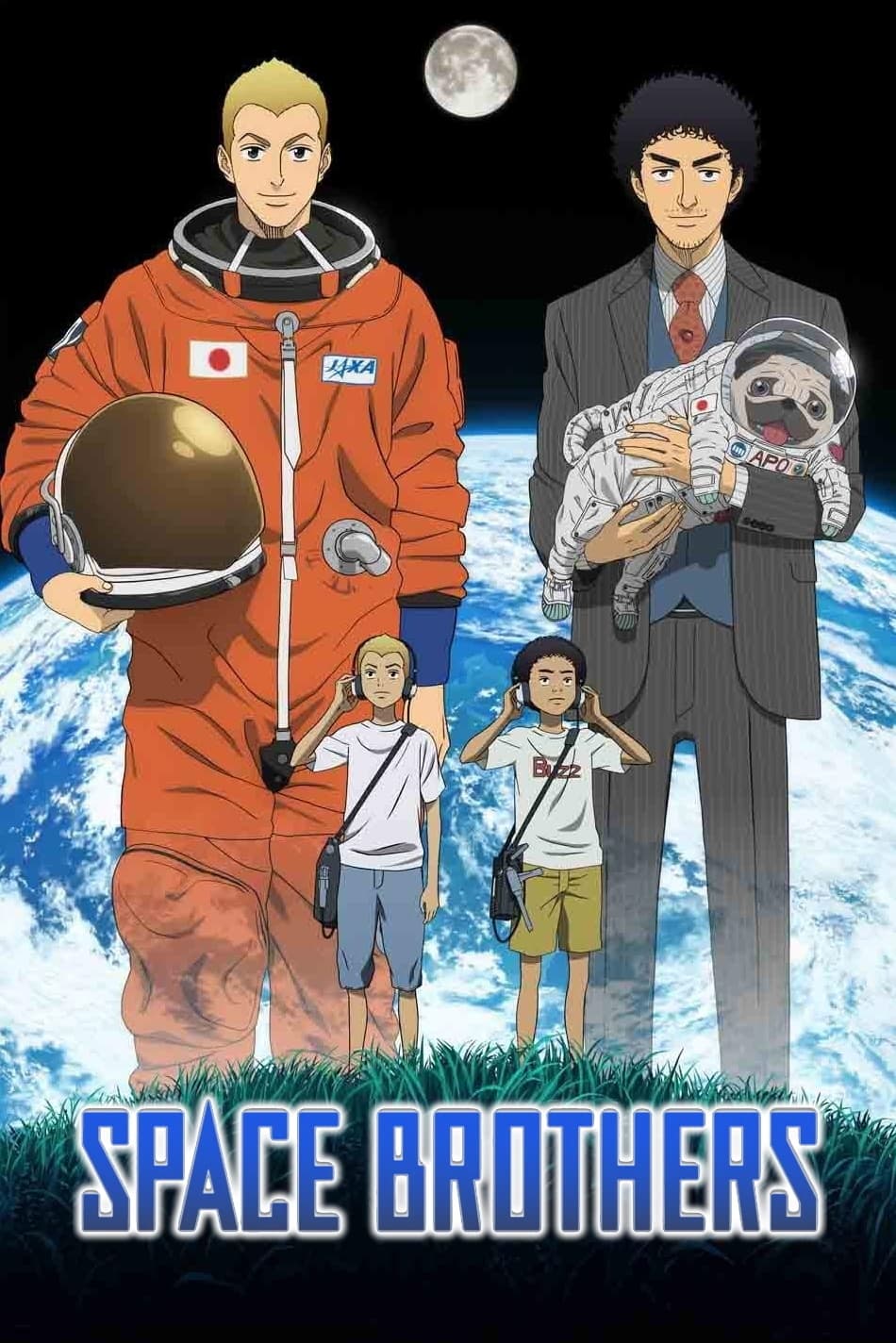
Two siblings pursue astronaut careers through selection exams, survival training, and international missions. The series outlines application criteria, psychological screenings, and simulation drills, then shows how support teams coordinate launch windows and schedules.
A-1 Pictures presents facilities, capsule interiors, and test rigs with procedural accuracy. The run keeps a clear record of mission objectives and crew assignments and features recurring mentors whose careers mirror real training pipelines.
‘From the New World’ (2012–2013)
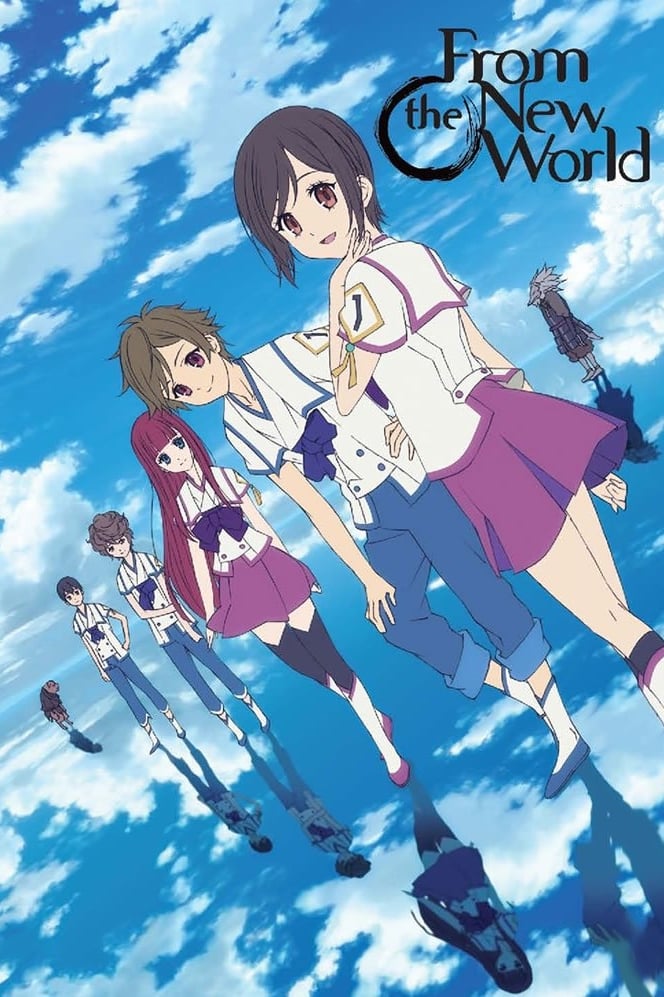
In a distant future, students learn to control psychic abilities while their village enforces strict rules that tie back to recorded incidents. The plot uses school modules, history classes, and environmental studies to reveal how society rebuilt itself after unrest.
A-1 Pictures handles shifting time periods with visual markers in architecture and clothing. The production documents social contracts and wildlife evolution in field trips and reports, building a layered timeline that explains each policy and its origin.
‘Ping Pong the Animation’ (2014)
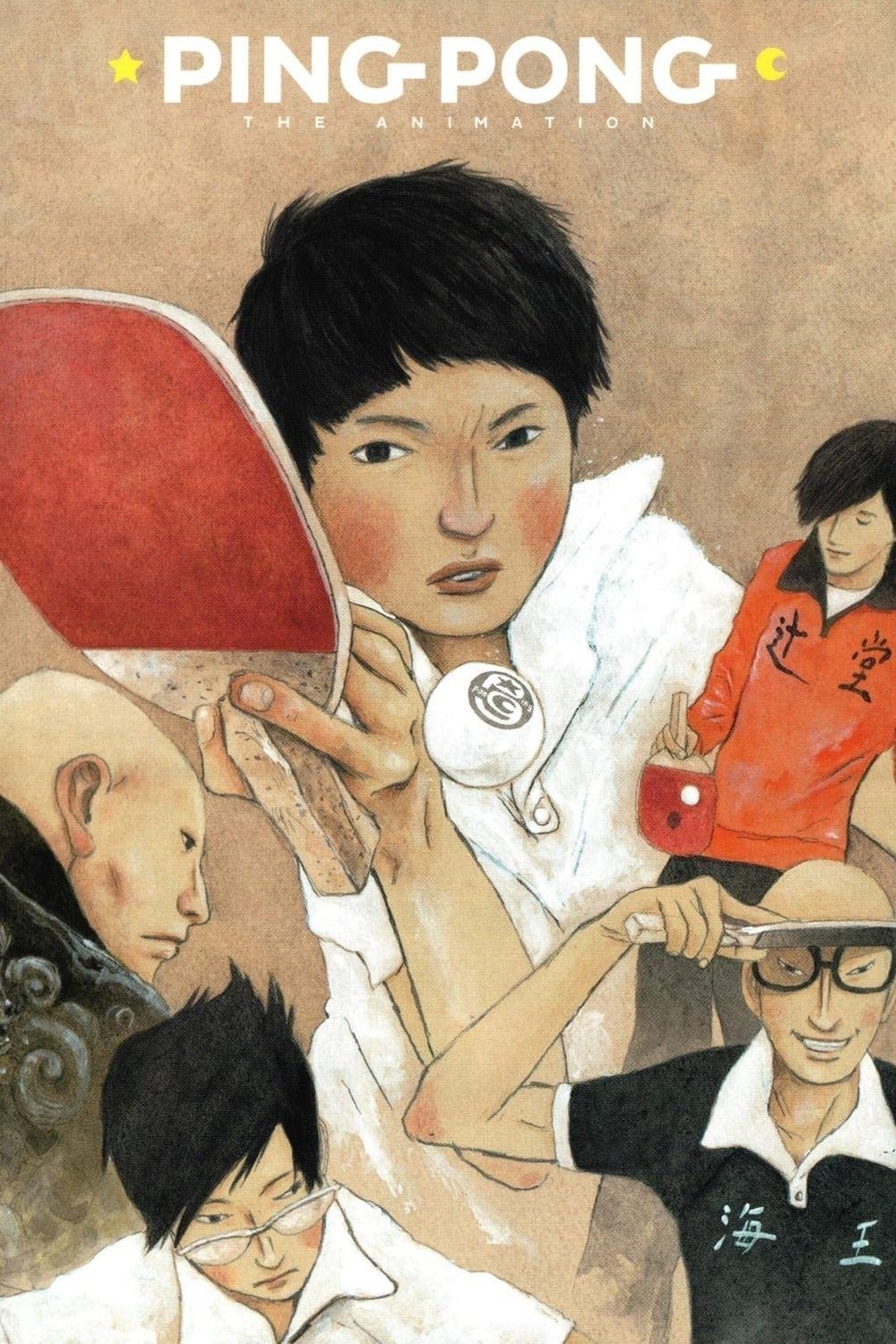
This sports drama tracks two players from local tournaments to national brackets, mapping training cycles, coaching styles, and technique changes. The story uses match data and opponent scouting to show how form, grip, and footwork alter outcomes.
Tatsunoko Production animates with a bold line style that still preserves ball trajectory and table physics. The series labels serves, returns, and tactical adjustments within rallies, giving a clear read on momentum and strategy.
‘Kakushigoto’ (2020)
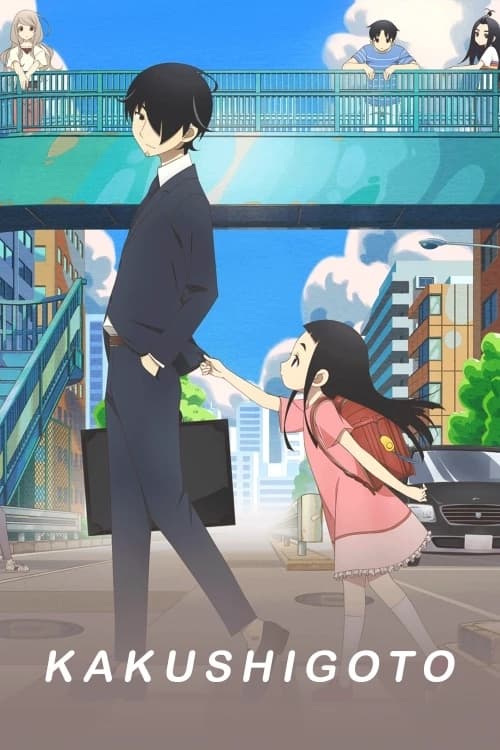
A working manga artist hides his profession from his child while juggling deadlines, assistants, and editorial meetings. Episodes explain manuscript delivery, print schedules, and contract terms, and they track how a serialized title changes with reader surveys.
Ajia do Animation Works brings studio floor plans and tool sets to life, from pen nibs to screen tones. The production notes how volumes are compiled and how cover design, bonus pages, and promotions are planned with the publisher.
‘Barakamon’ (2014)
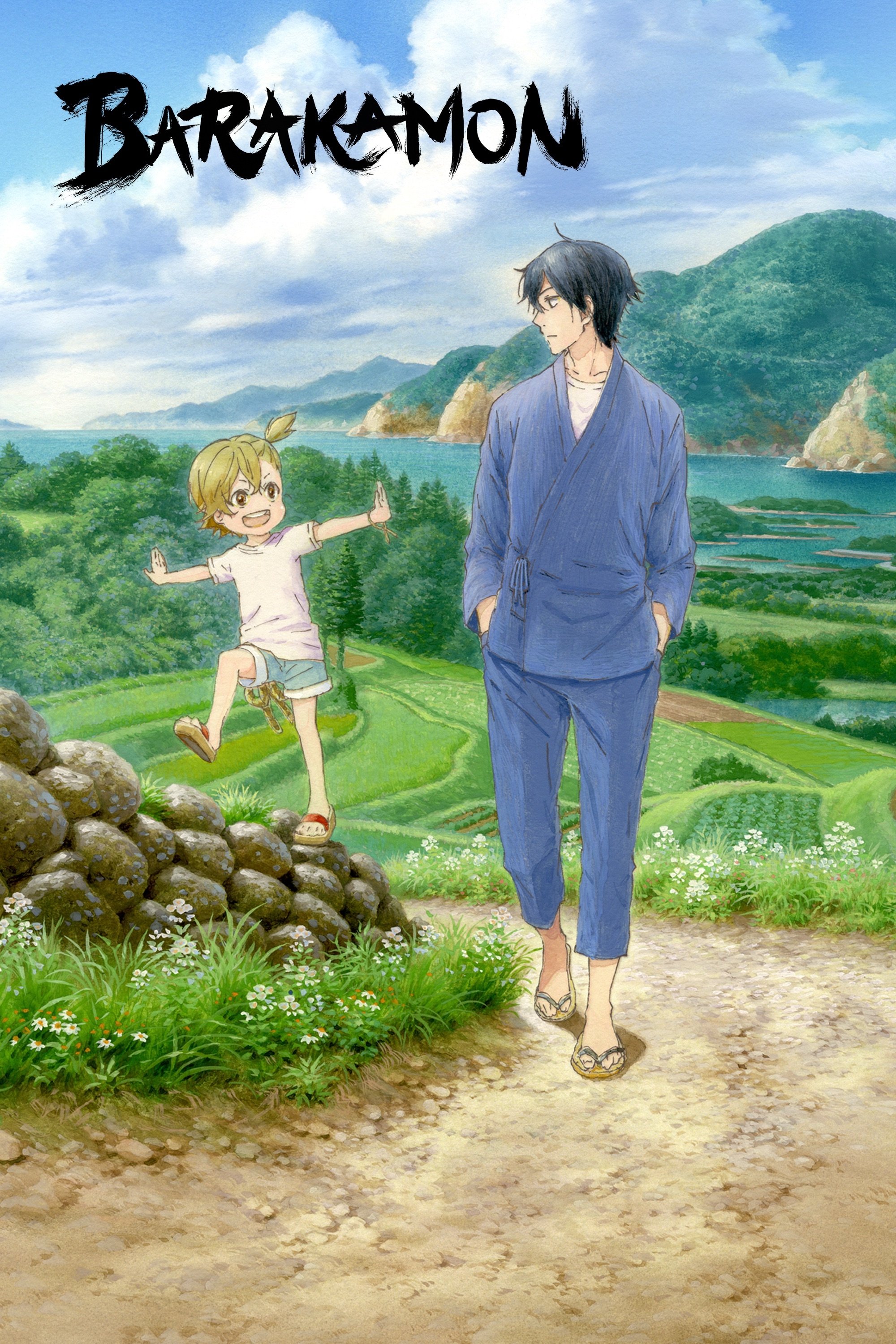
A calligrapher relocates to an island and rebuilds his career while taking community jobs and practice commissions. The show logs seasonal events, ferry timetables, and work requests that affect his daily schedule and output.
Kinema Citrus animates brush techniques and paper textures with close attention to stroke order and materials. The series includes local dialect, school routines, and agriculture work, creating a full picture of island life and how it shapes creative habits.
‘Sarazanmai’ (2019)
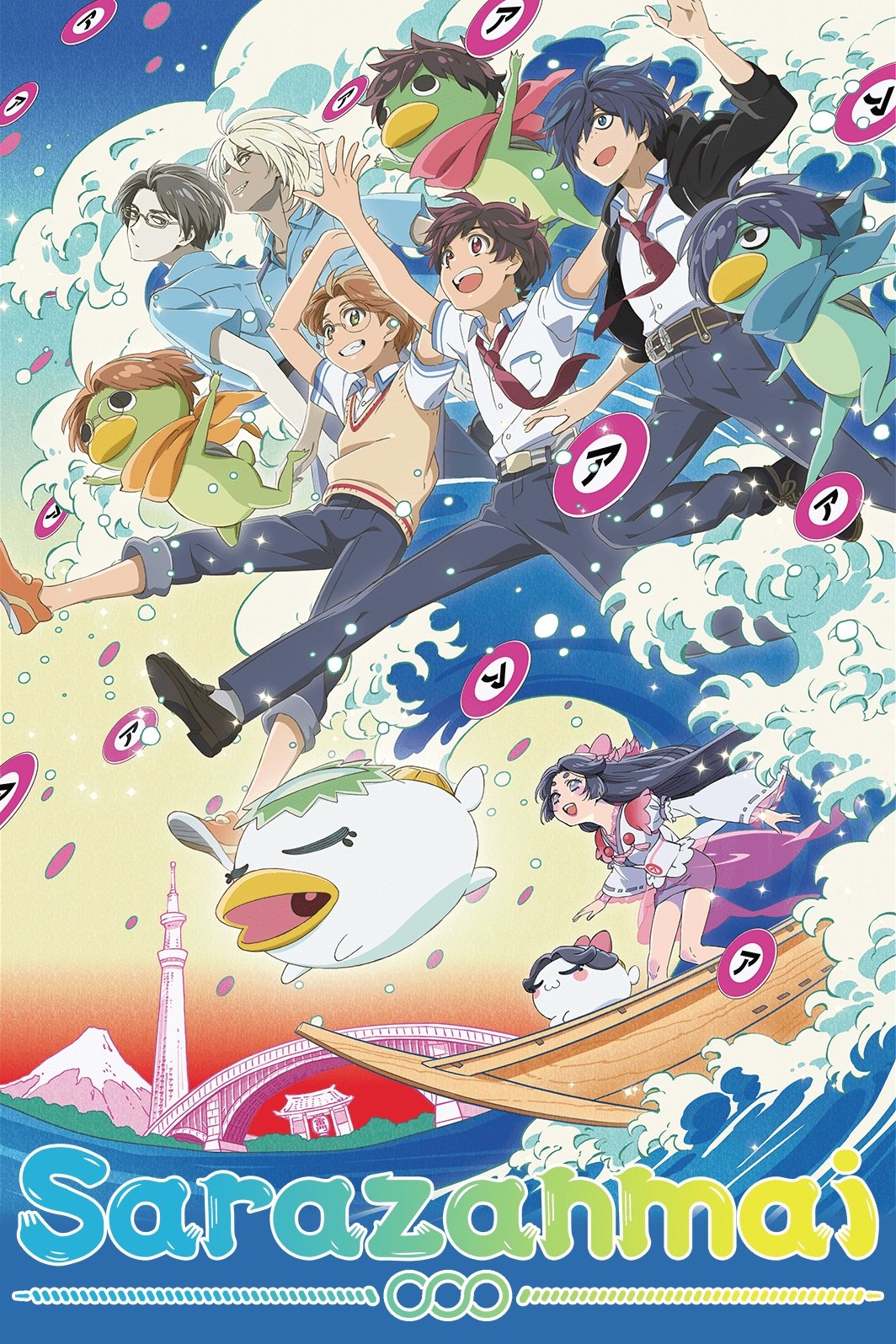
Three students deal with loose ends that materialize as case files, each tied to an object, a memory, and a report that must be completed. The narrative repeats procedures and keywords to track progress, with clear checkpoints for each episode’s objective.
MAPPA produced the series with choreography that syncs scene transitions to recurring musical cues. The show builds a registry of characters and items, and it plots how evidence flows through a shadowy bureau that processes the aftermath of each incident.
‘The Heike Story’ (2021)

This historical adaptation follows a storyteller who records the rise and fall of a clan while traveling between courts and battlefields. Episodes reference chronicles, poems, and family ledgers to place each figure in a broader record.
Science SARU animates court attire, instruments, and armor with research based detail. The series keeps battle lines, alliances, and key dates aligned with classical sources and frames each event through the lens of an oral tradition.
‘House of Five Leaves’ (2010)

A timid ronin joins a group that negotiates kidnappings for ransom and documents each case with contacts, sums, and arrangements. The story focuses on negotiation steps, safe house logistics, and the shifting makeup of the team as jobs escalate.
Manglobe gives the period setting a reserved palette while highlighting tools and signage that define the trade of the time. The production catalogs employers, intermediaries, and rivals in a slow build that reads like a dossier.
‘Natsume’s Book of Friends’ (2008–2017)
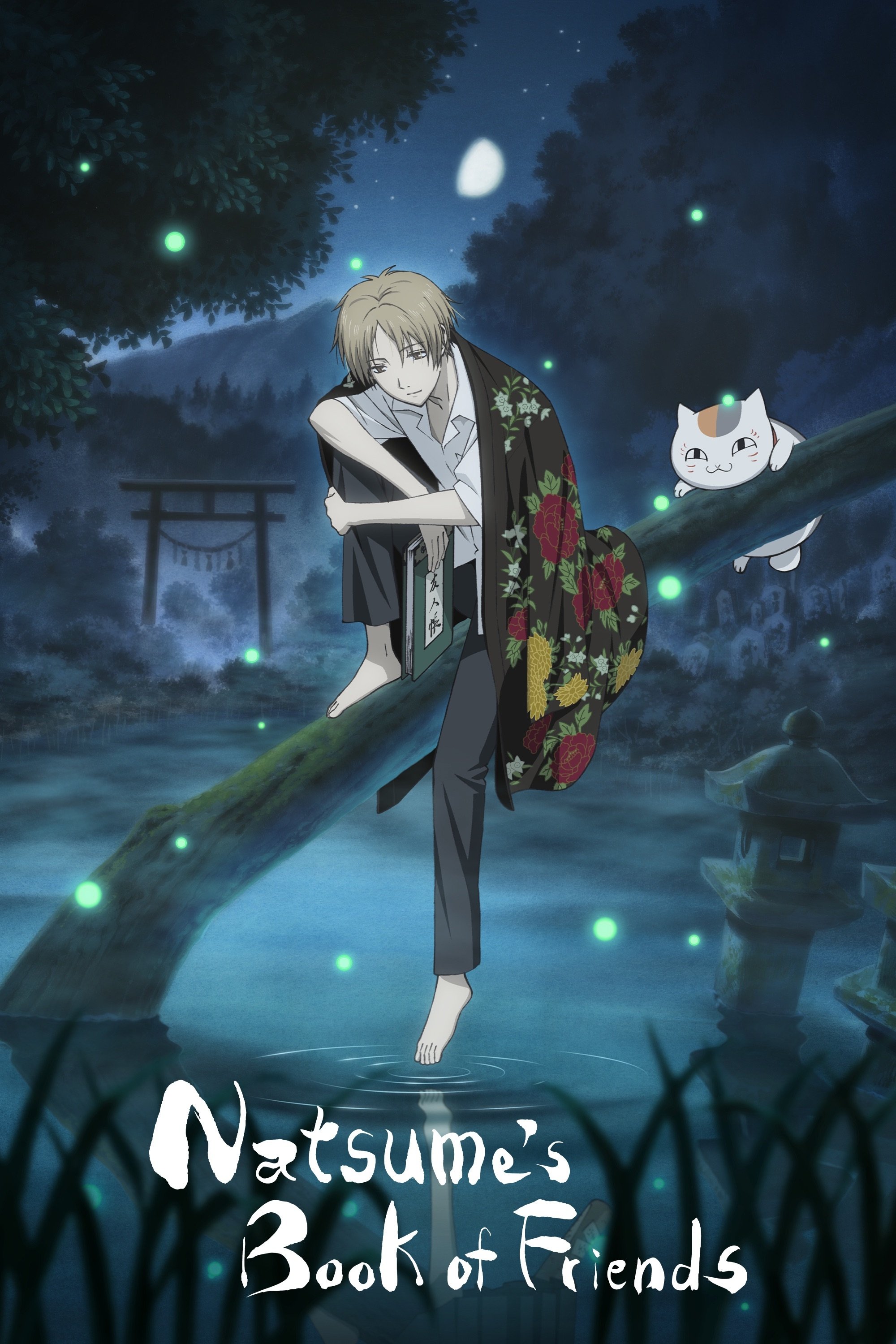
A student inherits a ledger of yokai contracts and spends each chapter identifying a name, tracing its origin, and returning it. The work includes field trips to shrines, family research, and local interviews that tie spirits to specific places and stories.
Brain’s Base handled early seasons and studio Shuka continued later entries, keeping a consistent tone and layout of rural districts. The series maintains a clear registry of names and objects that lets each case close with well documented steps.
‘Samurai Flamenco’ (2013–2014)
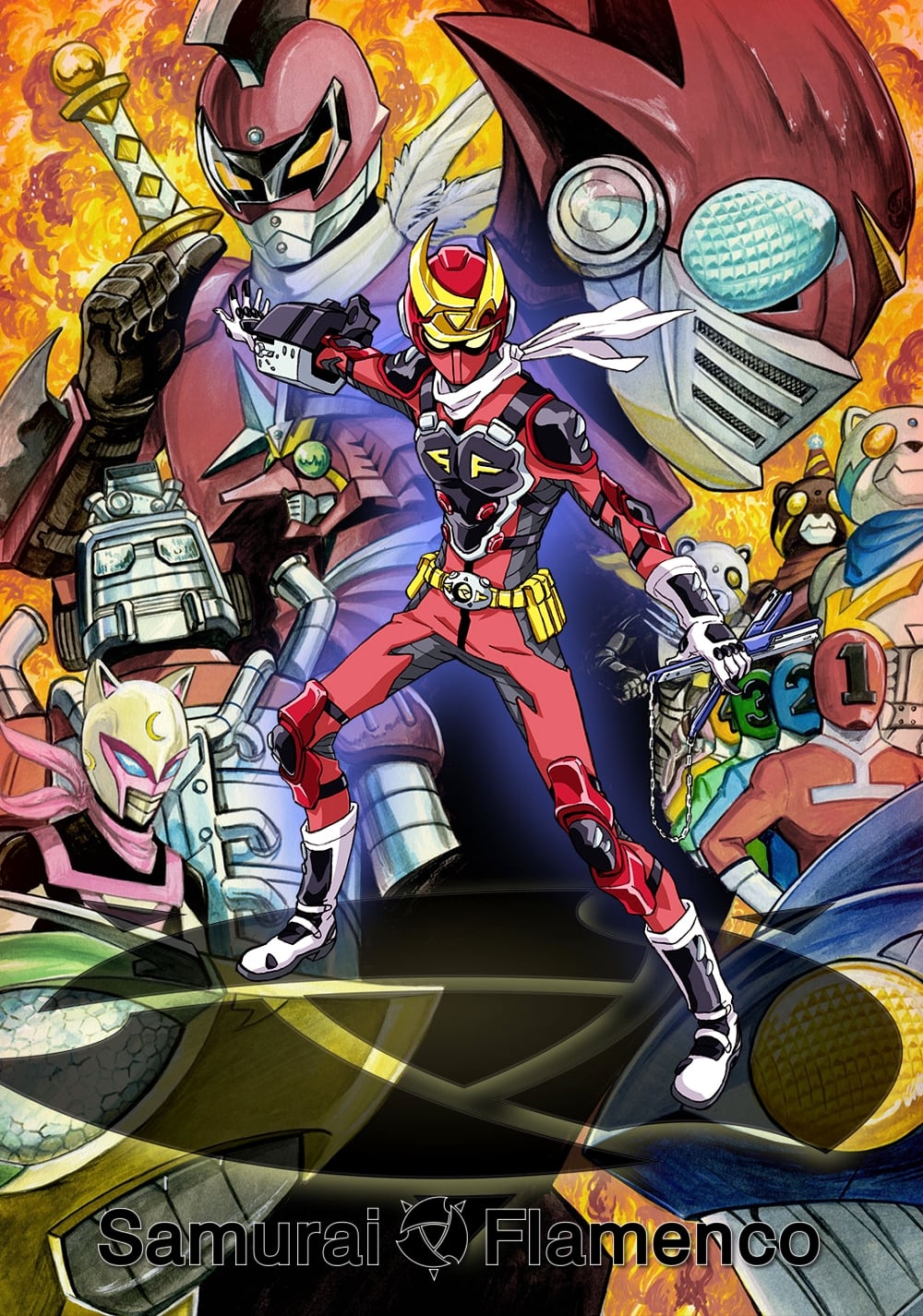
A model adopts a costumed identity and learns the unwritten rules of neighborhood patrols, reporting systems, and incident response. The plot lays out how footage spreads, how agencies react, and how schedules change when a vigilante becomes a public figure.
Manglobe runs through equipment upgrades and cooperation with law enforcement as incidents escalate. The show tracks media appearances, sponsorships, and team roles so the shift from solo activity to coordinated work makes organizational sense.
‘Kyousougiga’ (2013)
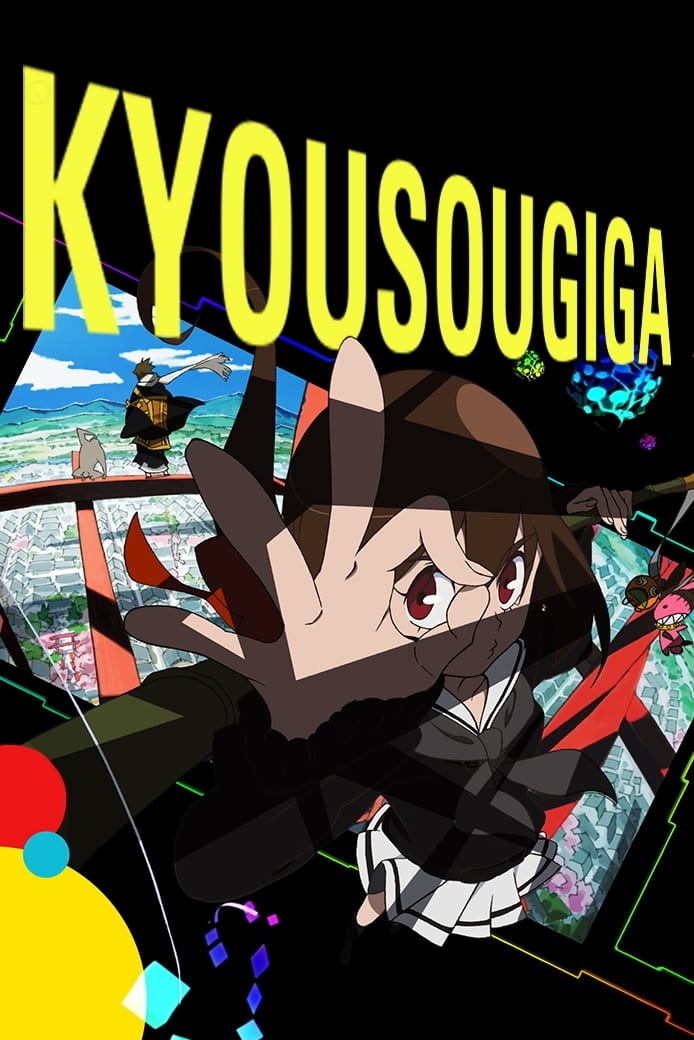
A family drama unfolds in a mirror city where portals and domains connect to real world locations. The script uses family trees, titles, and artifacts to clarify relationships and why different groups control certain districts.
Toei Animation delivers fast action with strong background art that anchors each location. The production labels shrines, laboratories, and council halls so story beats line up with the city’s map and its governing bodies.
‘Run with the Wind’ (2018–2019)
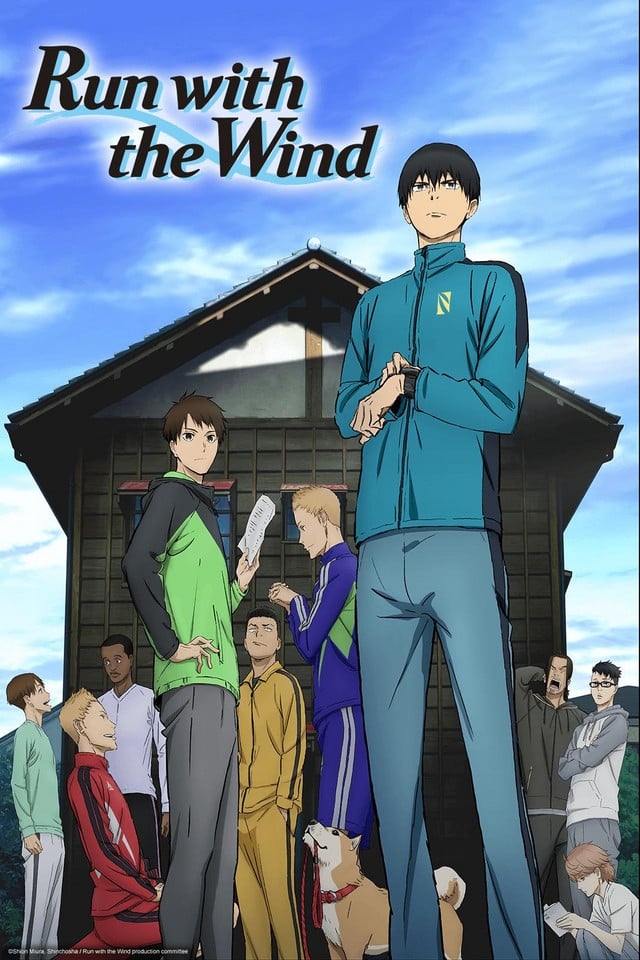
College runners build a relay team from recruitment to qualifying times, outlining nutrition plans, injury management, and race entries. The series logs weekly mileage, altitude camps, and split targets as the team learns to race as a unit.
Production I.G animates gait, cadence, and course profiles with careful study. The show highlights training logs, shoe rotation, and coaching notes, making progress easy to track from time trial to marquee event.
‘Shirobako’ (2014–2015)
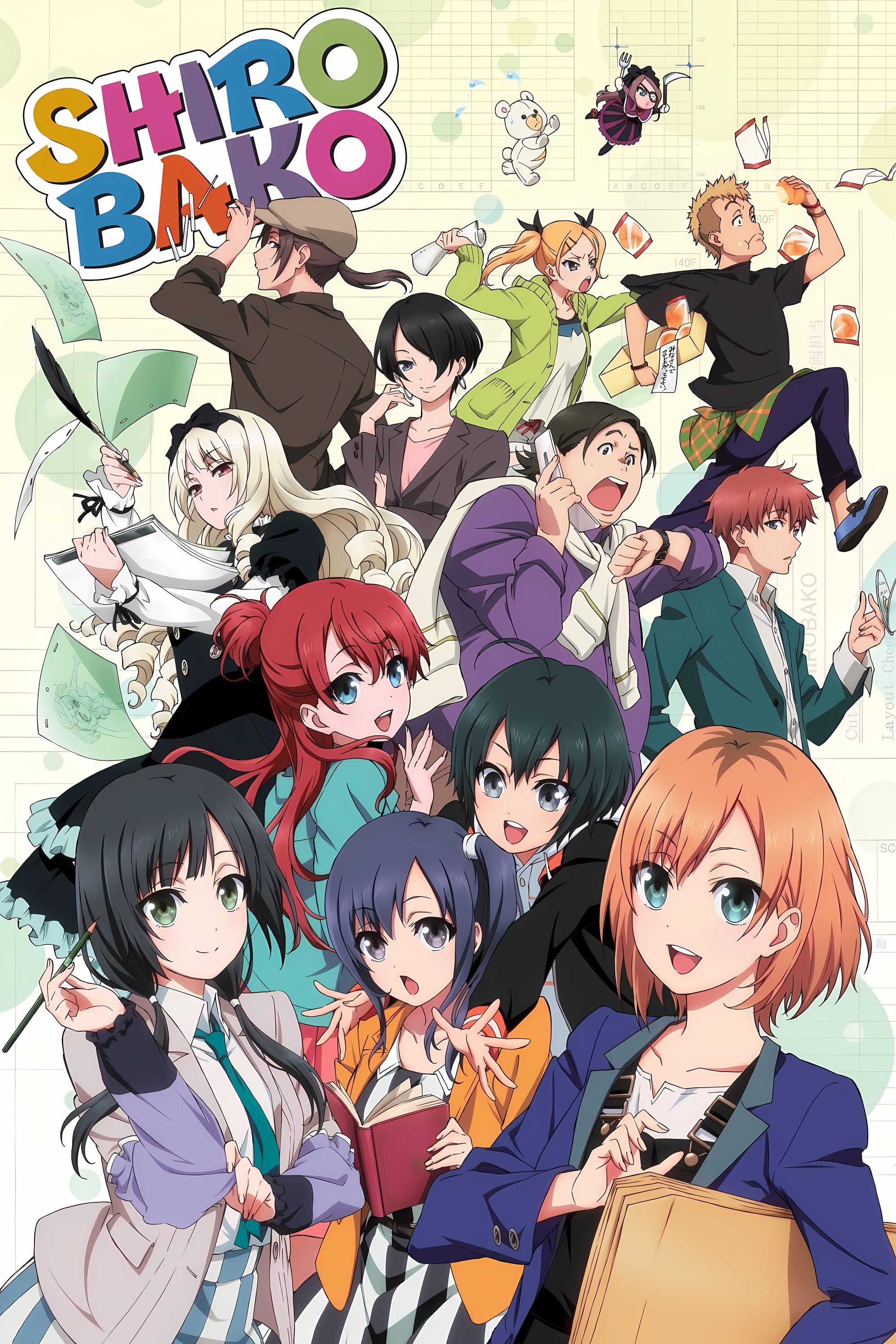
A group of friends works across different roles in anime production, from production assistant to key animator and voice actor. The story explains scheduling boards, outsourcing, and delivery deadlines while tracing how a single cut moves through the pipeline.
P.A. Works reconstructs studio workflows with floor plans, software screens, and meeting rooms. The series records casting sessions, retake orders, and broadcast slots, giving a transparent view of how a TV episode reaches air.
‘Planet With’ (2018)
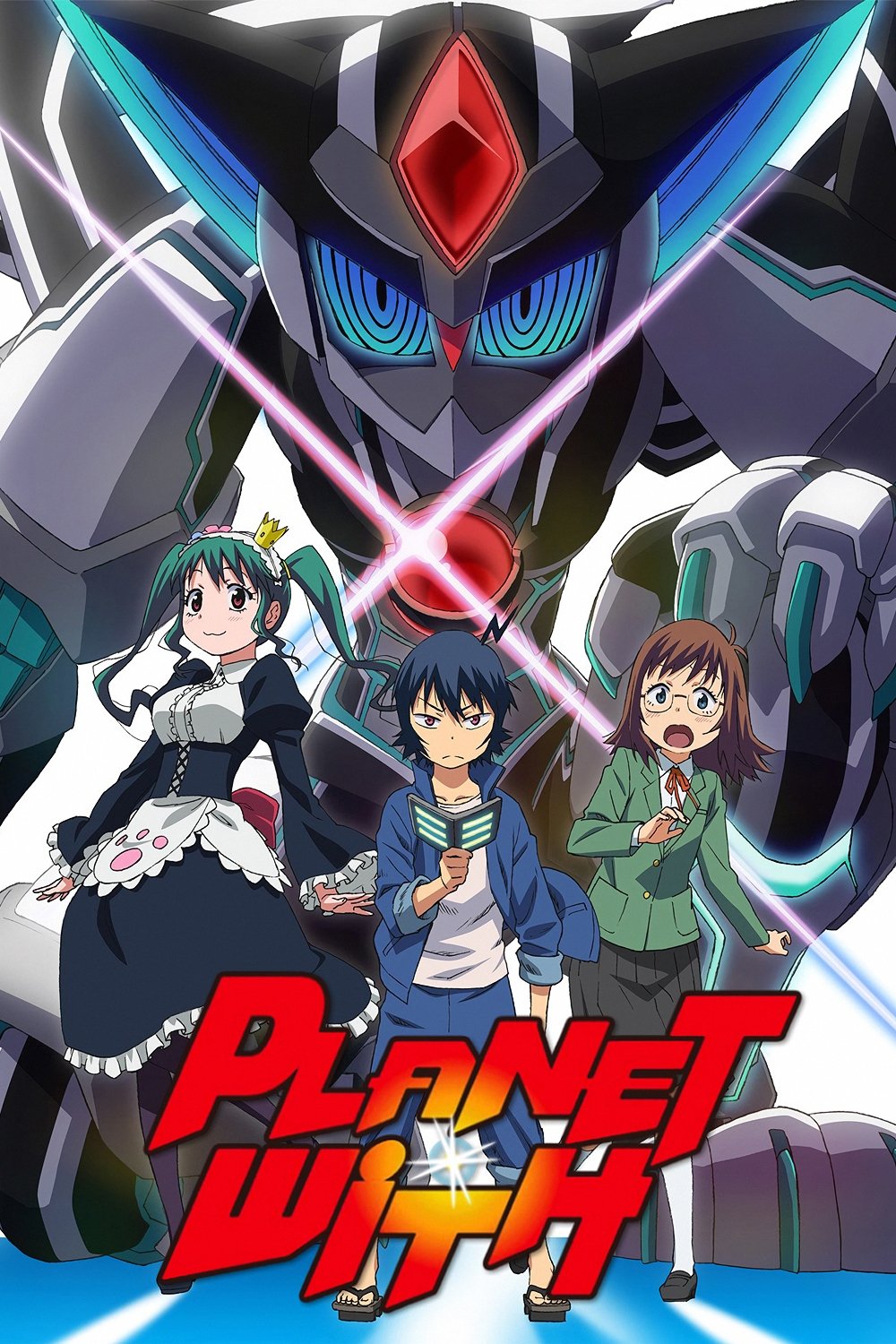
A transfer student joins a defense squad while competing factions debate how to handle alien threats through formal charters. The narrative uses council rules, pilot rankings, and artifact origins to keep each confrontation anchored to policy.
J.C.STAFF animates mech movement with readable weight and shows cockpit layouts and weapon systems with consistent logic. The production maintains a running index of characters and ideologies that converge during tribunals and final votes.
‘Appare Ranman!’ (2020)

Inventors and drivers enter a transcontinental race and handle engineering challenges, supply points, and checkpoints across terrain types. The show covers vehicle design, fuel management, and on the road repairs as teams advance between towns.
P.A. Works stages period machinery and signage with reference heavy art. The series tracks positions and penalties on a board that updates after each leg, keeping the competition format clear as alliances form and break.
‘Kino’s Journey -the Beautiful World- the Animated Series’ (2017)
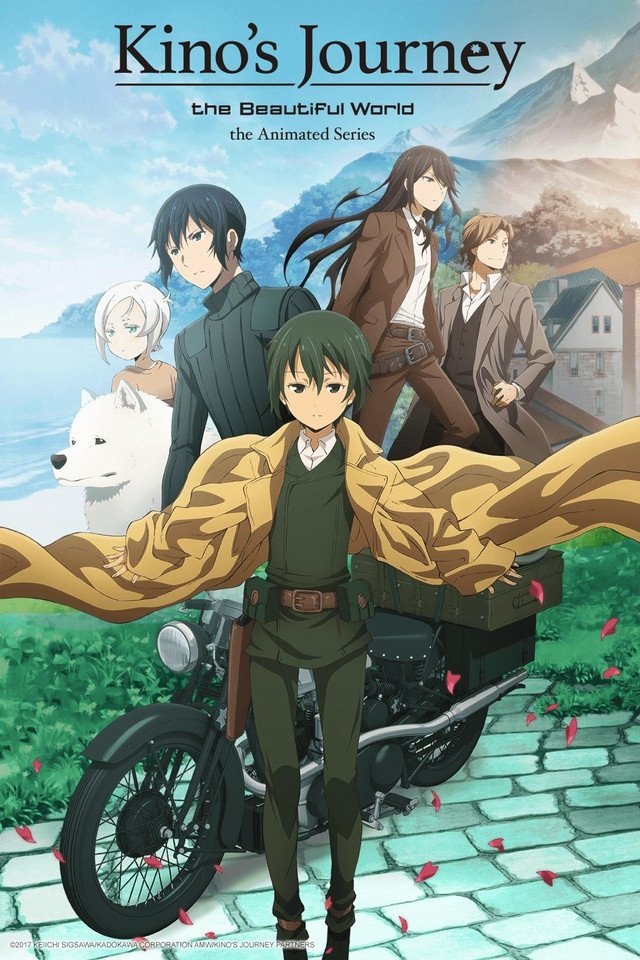
A traveler and a talking motorrad visit countries that each operate under distinct laws and customs. Episodes present a rule set, a social outcome, and a case example, often collected in a notebook that Kino updates after departure.
Lerche keeps the itinerary simple with tidy maps and consistent road scenes. The production rotates through climates and architectures while focusing on how each country’s rules alter daily life for citizens and visitors.
‘Sleepy Princess in the Demon Castle’ (2020)
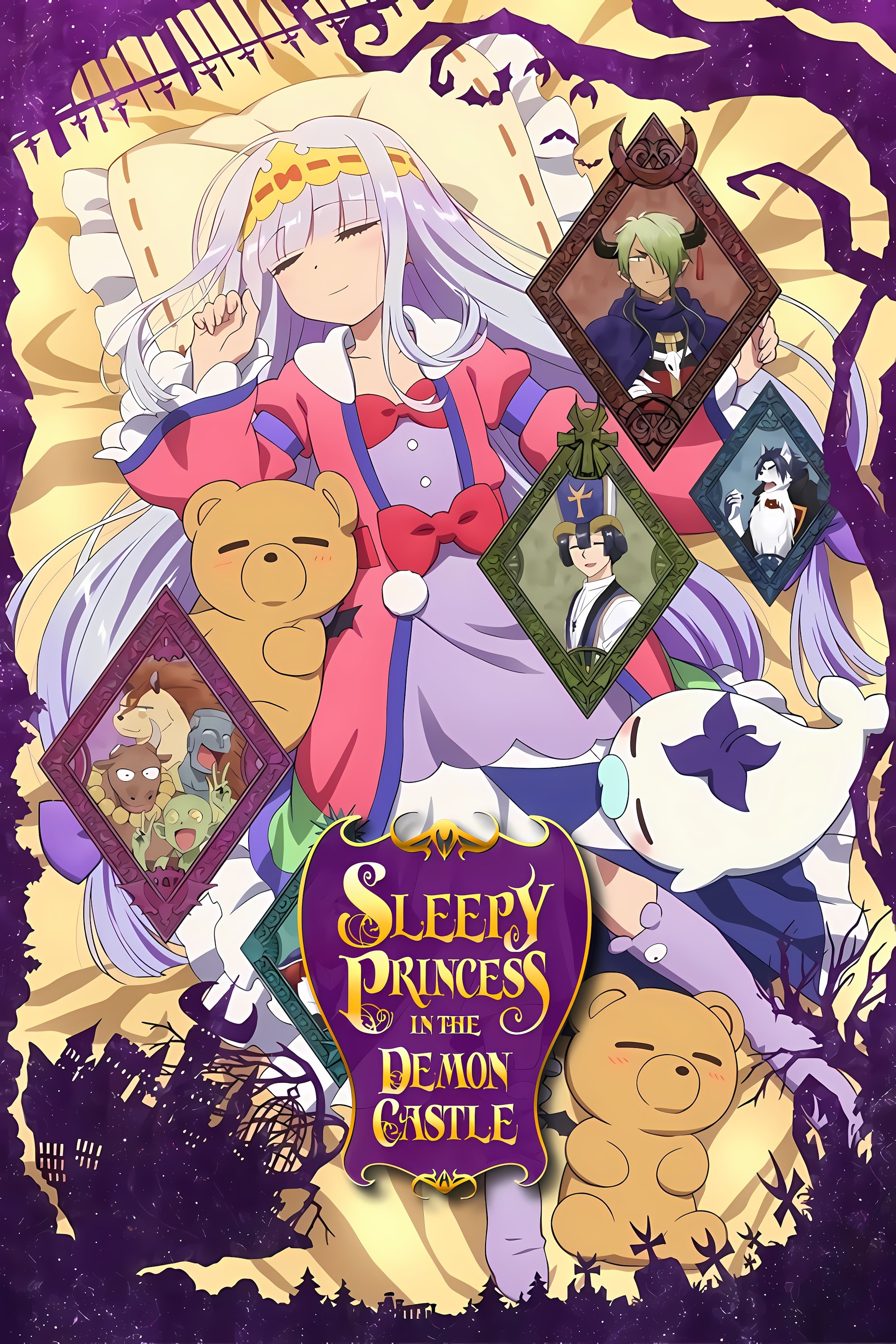
A kidnapped princess optimizes sleep quality in a demon fortress by repurposing materials and negotiating with staff. The series turns each quest into a task list with tools, steps, and a measurable comfort upgrade.
Doga Kobo animates textiles and props with playful clarity while keeping layouts of the castle consistent from gag to gag. The run builds a cast sheet of workers and departments so every experiment fits the castle’s operations.
Share the sleeper anime you would add to the list in the comments.