Why Did Lizzie Borden Kill Her Father? The Real Motive Behind Netflix’s ‘Monster’ Twist

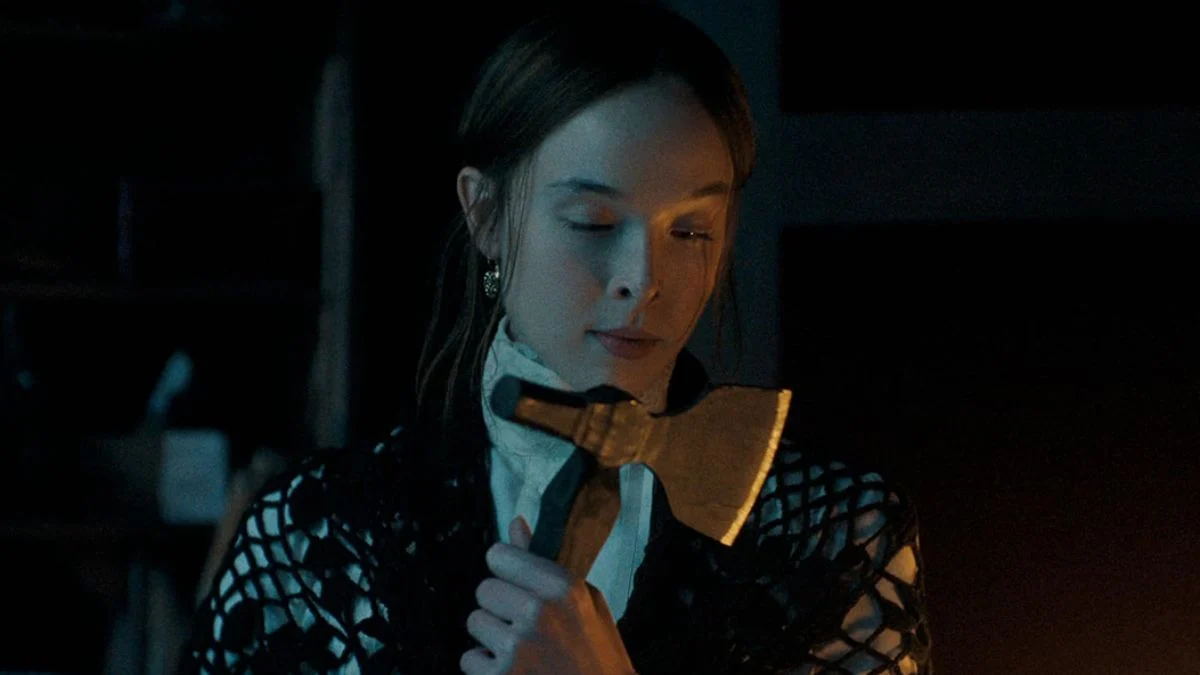

The question of why Lizzie Borden killed her father has haunted American true crime for over a century, and Netflix has just dragged it back into the spotlight. The fourth season of ‘Monster‘ premiered on September 17 and centers on the 1892 axe murders of Andrew and Abby Borden, along with the trial that ended in her acquittal. The series arrives with a star-studded cast and plenty of fan chatter.
Here is the twist that keeps the debate alive. Lizzie was tried and acquitted, and no one else was ever charged in the killings. That means the courts never settled her motive, and the show itself takes many creative liberties with the story.
Why Did Lizzie Borden Kill Her Father, According to the Prosecutors?
Prosecutors argued that Lizzie resented her father’s frugality and her stepmother’s financial influence over him. In their telling, money and family tension were tangled together from the start. Lizzie and her older sister Emma reportedly argued often with their father and stepmother about money.
The prosecution went further and claimed greed and hatred drove her. They said she wanted to stop Andrew from changing his will in Abby’s favor. It was a neat theory for a jury to chew on, even without a smoking gun.
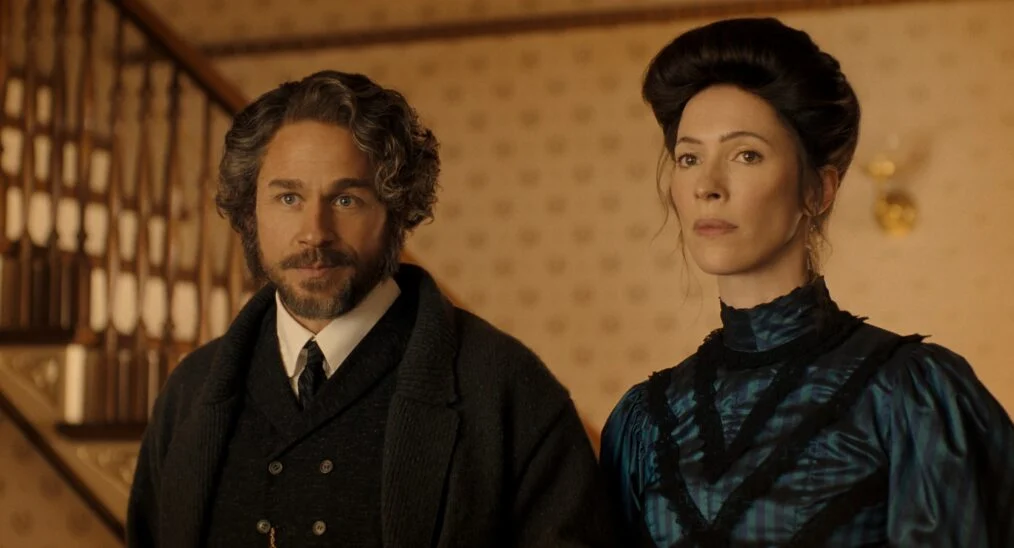
There was also a simple question of who stood to gain. With Andrew and Abby dead, Lizzie and Emma stood to inherit their father’s substantial fortune. That made the sisters the obvious beneficiaries in the eyes of investigators.
Class ambition may have added fuel. Lizzie was a 32 year old who lived at home and longed to reside on the Hill, and she knew her father could afford to leave their neighborhood. Andrew, however, never made a show of his wealth.
Lizzie Borden’s Motive in Netflix’s ‘Monster’
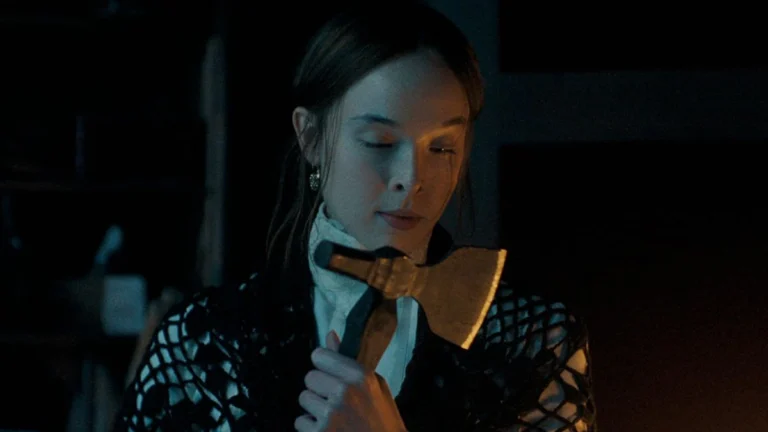
The show builds its own answer, and it looks very different from the prosecution’s. The trailer portrays Ella Beatty’s Lizzie as a repressed young woman who conspires with her rebellious maid to kill her abusive parents. Greed takes a back seat to survival.
Variety’s review describes a woman suffering under a cruel stepmother and a detached father, whose friendship with new housemaid Bridget Sullivan, played by Vicky Krieps, leads them to plot the murders so Lizzie might find freedom and safety. That framing turns the crime into something closer to a desperate escape.
Beatty has been open about what draws the creative team to this story. According to Netflix Tudum, she says Ryan Murphy and Ian Brennan wanted to explore why women kill, and that every season is an exercise in “understanding the person’s psychology.”
The season also leans into a bigger theme. Murphy says Sarah Paulson’s appearance as serial killer Aileen Wuornos is part of the show’s thematic focus on female rage, even though the two women never lived at the same time.
Why Lizzie Borden Was Acquitted of Killing Her Father
The trial opened in New Bedford on June 5, 1893, and a jury of twelve men acquitted her on June 20. Deliberations lasted about 90 minutes. For a case this famous, the verdict came remarkably fast.
The prosecution’s biggest problem was a lack of hard proof. There was no murder weapon or physical evidence, so prosecutors leaned on circumstantial evidence and witness testimony. The defense kept asking where the blood covered clothes and the weapon were.
Some of the strongest material never reached the jurors. The judge ruled her inquest testimony inadmissible and also excluded the druggist’s testimony about the poison. That left the prosecution with a thinner case than the public may have imagined.
Attitudes of the era mattered too. The prosecution appealed to popular stereotypes about the slyness and cleverness of women, yet Lizzie was acquitted anyway.
The Lizzie Borden Story and a Mystery That Never Ended
The Borden murders remain an unsolved mystery. That open ending is exactly why writers and filmmakers keep returning to the case. Even historians struggle with the question of motive.
A 1992 essay in American Heritage argued that jealousy and greed seem inadequate to explain the extreme violence of the crime. That gap between the motive and the brutality is where ‘Monster’ finds its dramatic room.
Critics have not fully agreed on the result. Metacritic gave the season a score of 47 out of 100 from 14 critics, signaling mixed reviews. TheWrap called it a campy gothic horror and sexual melodrama. Variety called it an outrageously engaging season.
After all the evidence, the prosecution’s greed theory and the show’s story of a trapped woman striking back both feel plausible, so does ‘Monster’ give Lizzie Borden a more believable reason to pick up the axe than the resentment and inheritance prosecutors described in 1893?