Where Was ‘Street Fighter’ Filmed? Inside the 2026 Movie’s Australian Locations

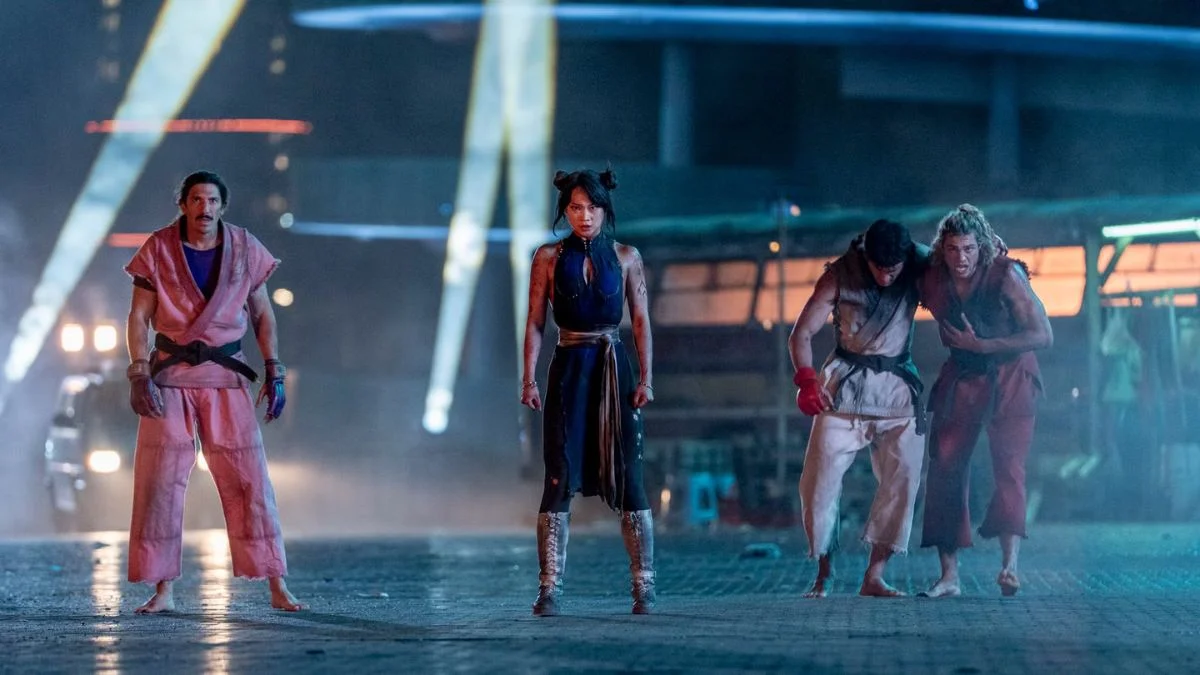

Hollywood’s renewed fascination with video game adaptations has reached a remarkable peak, encouraging major studios to reimagine arcade classics with unprecedented cinematic scale. Translating the hyper-kinetic combat, colorful costuming, and beloved personalities of Capcom’s flagship fighting franchise into a live-action canvas represents a formidable visual undertaking. Ever since the groundbreaking gaming property first debuted in arcades decades ago, enthusiasts have waited for an adaptation that balances vibrant character work with punishing, grounded choreography.
Previous live-action efforts, including the campy 1994 cult movie ‘Street Fighter‘ and the 2009 spinoff ‘Street Fighter: The Legend of Chun-Li’, struggled to anchor their global martial arts battles within believable environments. When Legendary Entertainment secured the film and television rights to the iconic property, the creative team sought to establish authentic physical stages capable of accommodating world-class stunt performers. Building a sprawling martial arts tournament requires far more than green screens and digital wizardry; it demands tangible, textured terrain.
Setting the Stage for the World Warrior Tournament
To craft the 1993-set martial arts spectacle ‘Street Fighter’, the production team journeyed to New South Wales, Australia, transforming the bustling coastal metropolis of Sydney into an international fighting circuit. Cameras rolled across prominent Sydney landmarks and industrial centers between August and November of 2025 to capture practical tournament bouts and scenic showdowns. Directed by Kitao Sakurai, the reboot grounds the mythical World Warrior Tournament in atmospheric real-world settings alongside state-of-the-art studio soundstages.
Key Sydney Landmarks and Studio Stages
Moore Park’s Disney Studios Australia served as the central operational headquarters for the high-octane production. The sprawling facility housed extensive workshops, five dedicated sound stages, and specialized combat training areas where the ensemble cast endured weeks of stunt preparation. Within these controlled environments, stunt coordinators mapped out complex martial arts maneuvers, ensuring that signature special attacks looked powerful and fluid in practical live-action combat.
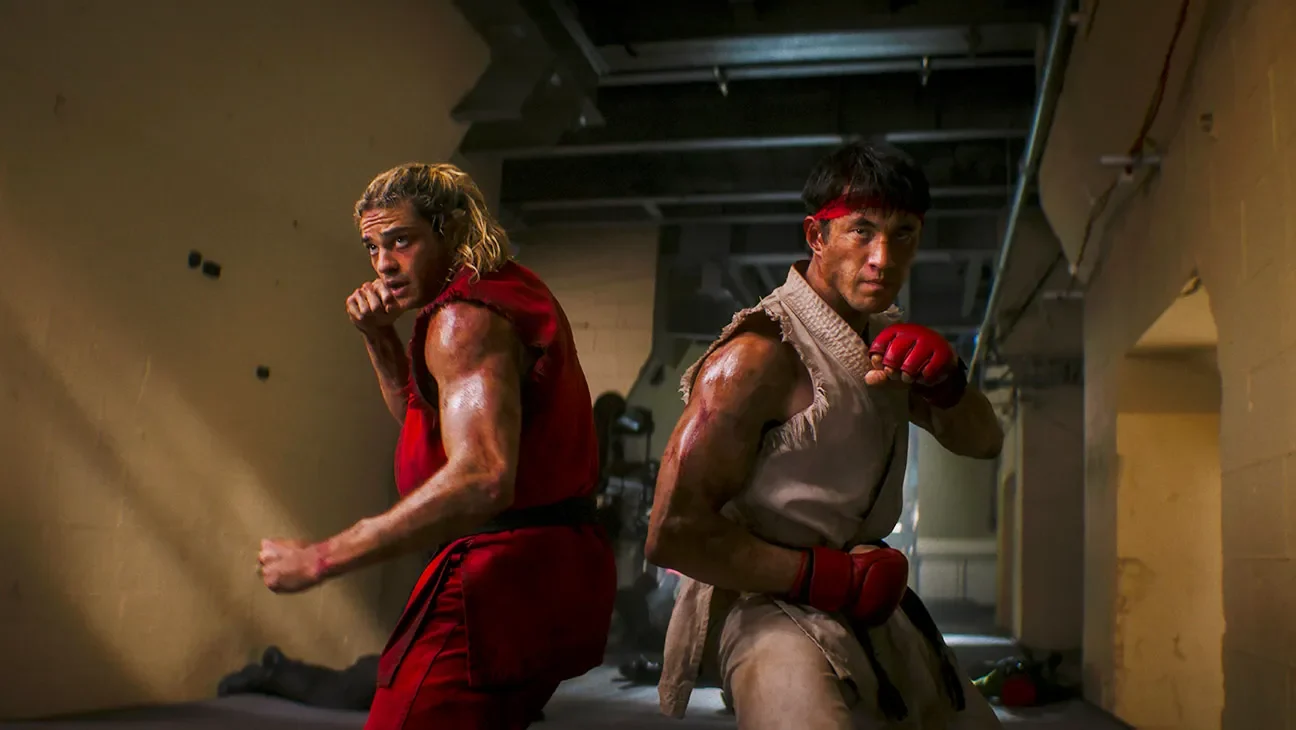
Beyond the soundstages, the historic Carriageworks precinct in Eveleigh provided a cavernous, gritty architectural aesthetic for underground tournament clashes. With its imposing iron columns, high timber ceilings, and weathered brick walls, the nineteenth-century rail yard delivered the rugged, industrial atmosphere essential for clandestine combat rings. The atmospheric venue allowed Ryu and Ken Masters to trade heavy blows within an authentic, smoke-filled setting that felt plucked straight out of a classic gaming stage.
For vibrant outdoor showdowns and character encounters, filmmakers took advantage of Sydney’s iconic harbour-side amusement park, Luna Park. The historic carnival backdrop provided the vivid, electric charm that honors the exaggerated colors and kinetic visual spirit of the arcade era. Meanwhile, coastal battle sequences were filmed along the shores of Maroubra Beach, offering sweeping ocean vistas where fighters could hone their discipline against crashing waves and coastal cliffs.
Behind-the-Scenes Evolution and Star-Studded Cast
The development process for ‘Street Fighter’ gathered considerable momentum before cameras touched down in Australia. Filmmaking twins Danny and Michael Philippou were initially chosen to direct, envisioning ambitious action sequences early on. Danny Philippou noted that “we’d love the chance to do big set pieces of a big budget because even on our YouTube stuff, we’re designing stunt rigs that had never been done before, and to do that on a grand scale, man, I feel like we could create something no one’s ever seen before,” in an interview with Collider Interviews.
Following the amicable exit of the Philippou brothers due to scheduling conflicts with their horror feature ‘Bring Her Back’, director Kitao Sakurai stepped in to guide the martial arts epic. A sprawling cast soon assembled, led by Andrew Koji as Ryu, Noah Centineo as Ken, and Callina Liang as Chun-Li. Anticipation climbed even higher after Deadline reported that character actor David Dastmalchian joined the roster to portray the franchise’s tyrannical villain M. Bison.
Economic Impact and Theatrical Debut
The Australian shoot received crucial financial backing from Screen NSW through the Made in NSW Fund, solidifying Sydney’s status as a top-tier destination for international spectacles. The production created 317 local jobs for Australian crew members and cast, injecting an estimated $80 million in direct economic expenditure across the state. Legendary Pictures physical production executives highlighted that New South Wales offered remarkable versatility and scope, meeting every demanding aesthetic required for the globetrotting tournament.
The completed martial arts reboot promises an adrenaline-charged cinematic experience tailored for the biggest screens possible. Excitement reached a fever pitch after Variety confirmed that Legendary Entertainment partnered with Paramount Pictures to release ‘Street Fighter’ in theaters. Fans can finally watch their favorite World Warriors clash across Sydney’s stunning architectural backdrops and coastal vistas when the film delivers its theatrical knockout punch.
Which iconic battle arena are you most excited to see reimagined in Australian locations when ‘Street Fighter’ arrives in theaters?