Why the Great Conversion in ‘The Vampire Lestat’ Changes Everything About the Immortal Universe

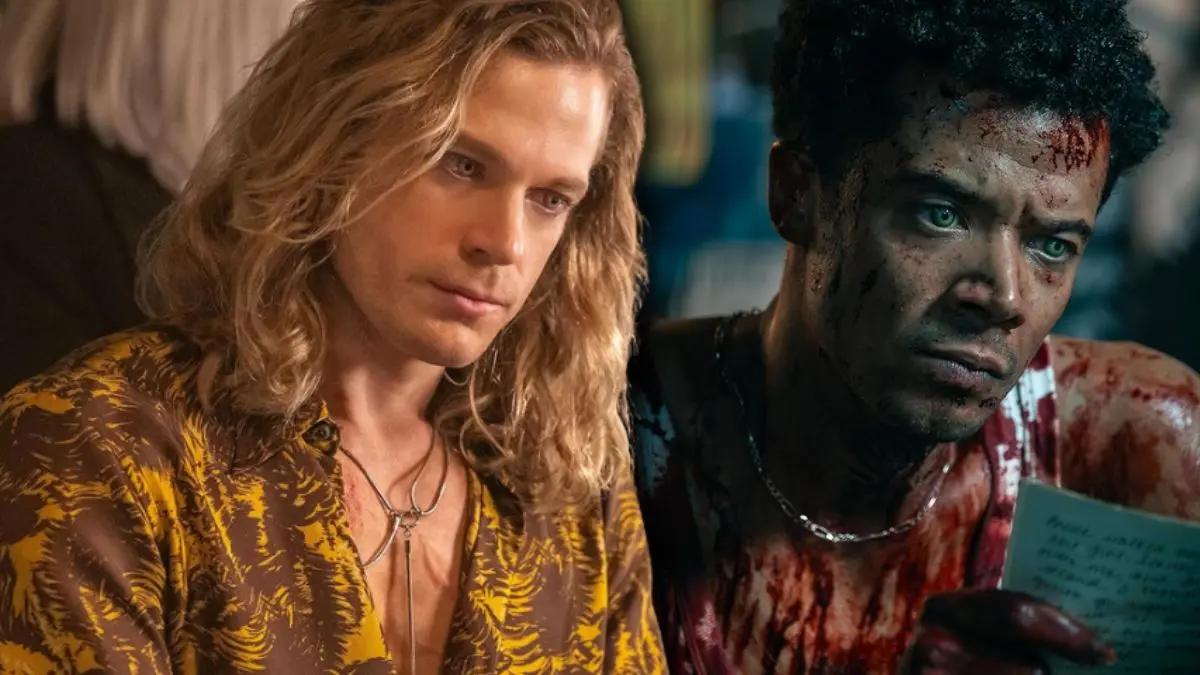

The stakes in AMC’s gothic rock odyssey have never been higher, and a single phrase keeps rising above the noise. The Great Conversion has been lurking at the edges of the ‘Interview with the Vampire‘ universe for two seasons, but ‘The Vampire Lestat’ has finally brought it front and center as a threat with genuine, world-altering teeth.
The Great Conversion is not a storyline from Anne Rice’s original books, meaning there is no direct literary analog to turn to. That absence of source material is precisely what makes it so unsettling. The show has invented something original, and what it has invented looks increasingly like the end of the world as both mortals and immortals know it.
The Unnatural Surge in Vampire Population
At its most stripped-down, the Great Conversion is exactly what it sounds like. According to AMC’s official synopsis for the season, it is described as an unnatural surge in the vampire population, one that other characters are being forced to reckon with as Lestat’s influence over both vampires and humans continues to grow.
The Great Conversion is essentially a rise of vampirism, and the central concern is how the world would fall apart if vampire numbers grew exponentially beyond those of mortals. If humans never procreated or died, it would negatively impact the ecology and economy. That framing transforms the concept from a vampire gang war into something far more existential and, frankly, more frightening.
Louis de Point du Lac describes the Great Conversion as a loose collection of disgruntled vampires trying to push vampirism forward. It is not yet a fully organized operation with a manifesto and a clear chain of command. What makes it dangerous is exactly that ambiguity, a movement that is spreading without a single, obvious head to cut off.
Talamasca Tracking and the Numbers That Cannot Be Ignored
The secret scholarly organization known as the Talamasca has been quietly monitoring the situation, and the figures they have gathered are hard to dismiss. In season two, episode three of ‘Interview with the Vampire’, Talamasca agent Raglan James revealed the scale of the problem, saying the organization was tracking 900 vampires not long before, but that number had jumped to 1,600. A near-doubling of tracked vampires within a single month is not a blip, it is acceleration.
The new description for ‘The Vampire Lestat’ reveals that the Great Conversion, mentioned in the first two seasons, is now a much bigger problem, and that important figures from Lestat’s past will be haunting the narrative as his muses.
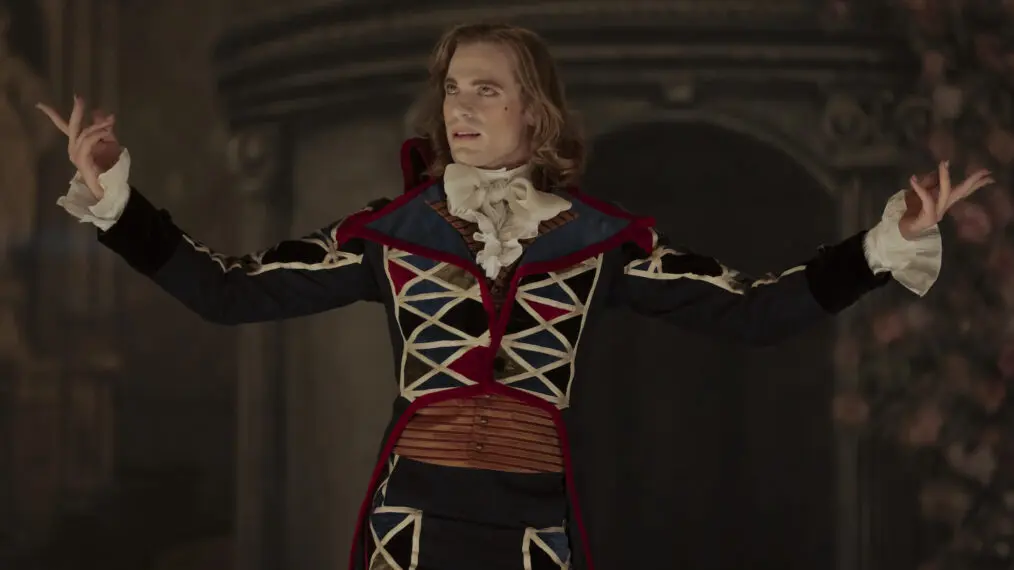
The intertwining of this vampire population explosion with Lestat’s rock tour is not a coincidence. His visibility, his music, and his willingness to exist openly in the human world appear to be catalysts for something that was already building.
Showrunner Rolin Jones has envisioned the season as a drug-fueled masterpiece, with the entrance of Gabriella providing the necessary ignition for a story that is amping up toward world-ending stakes. The word choices there are pointed. World-ending is not hyperbole when the ecology and economy of human civilization are on the table.
Gabriella and the Predatory Spirit Criteria
One of the most revealing moments for the Great Conversion so far arrives in episode two, almost casually slipped into the action. Gabriella tells Lestat that she fancies one of the strippers she encountered at an Ohio bar, citing his predatory spirit and calling him a good candidate for the Great Conversion.
That single line reframes the movement as something with actual recruitment logic behind it. This is not random conversion, it is selective.
Gabriella mentions this while she and Lestat are stalking potential victims, unaware that the Talamasca is already following them. The irony of a secret supernatural order being surveilled by an equally secretive human one adds a layer of paranoia to every scene that involves the conversion. Nobody, it seems, is operating without a watcher.
Ultimately, the Great Conversion appears to be a quickly growing, somewhat organized movement by vampires to increase their numbers and find more of a footing in this world. The role that Daniel Molloy’s published account of Louis’s story plays in that process remains a burning open question.
Lestat’s Rock Star Influence and What Comes Next
The season shifts the story from Louis’s perspective to Lestat’s point of view after Daniel’s published account of earlier events, a change that matters because Lestat has often been filtered through memory, anger, love, guilt, and performance. Seeing the Great Conversion through Lestat’s eyes rather than Louis’s means the audience is now inside the eye of the storm rather than watching from a safe remove.
The premiere introduces a documentary helmed by a now-vampiric Daniel Molloy, who has traded his tape recorder for a film crew, with the episode using music-video visual language to depict Lestat’s transition into an alternative rock icon. That cultural megaphone Lestat now wields is inseparable from the Great Conversion. When a vampire becomes a celebrity, the line between recruitment and entertainment blurs dangerously.
In the original Anne Rice novel, the Vampire Akasha is awakened by Lestat’s music, with devastating plans for both vampire and human kind. If the AMC series follows even a loose version of that trajectory, the Great Conversion may not be the movement that saves vampire-kind. It may be the thing that provokes something far worse from the shadows.
The season is set to run seven episodes, with the series finale airing on July 19, and if the opening episodes are any measure of what the rest of the season has planned, audiences are in for something equal parts rock opera, vampire mythology, and deeply personal emotional reckoning. The Great Conversion is the season’s ticking clock, and the show has made clear it intends to make every minute count.
Whether you think the Great Conversion is a genuine apocalyptic threat or a vampire power play that Lestat will ultimately make his own, this is exactly the kind of mythology-building that deserves a conversation, so what is your read on where this surge in vampire numbers is really headed?