Worst Things Actors Had to Do for a TV Show Role


Some TV roles demand more than memorizing lines and hitting your mark. They can mean months of punishing training, heavy prosthetics that test your patience, or scenes that push you to your physical and mental limits—often under intense time pressure and with a full crew waiting on you.
Below are 25 stories of actors who went far beyond the usual call of duty to deliver unforgettable performances on television. Each entry highlights a specific thing the actor had to do, why it was necessary for the production, and how they managed the challenge on set.
Lena Headey – the Walk of Atonement in ‘Game of Thrones’
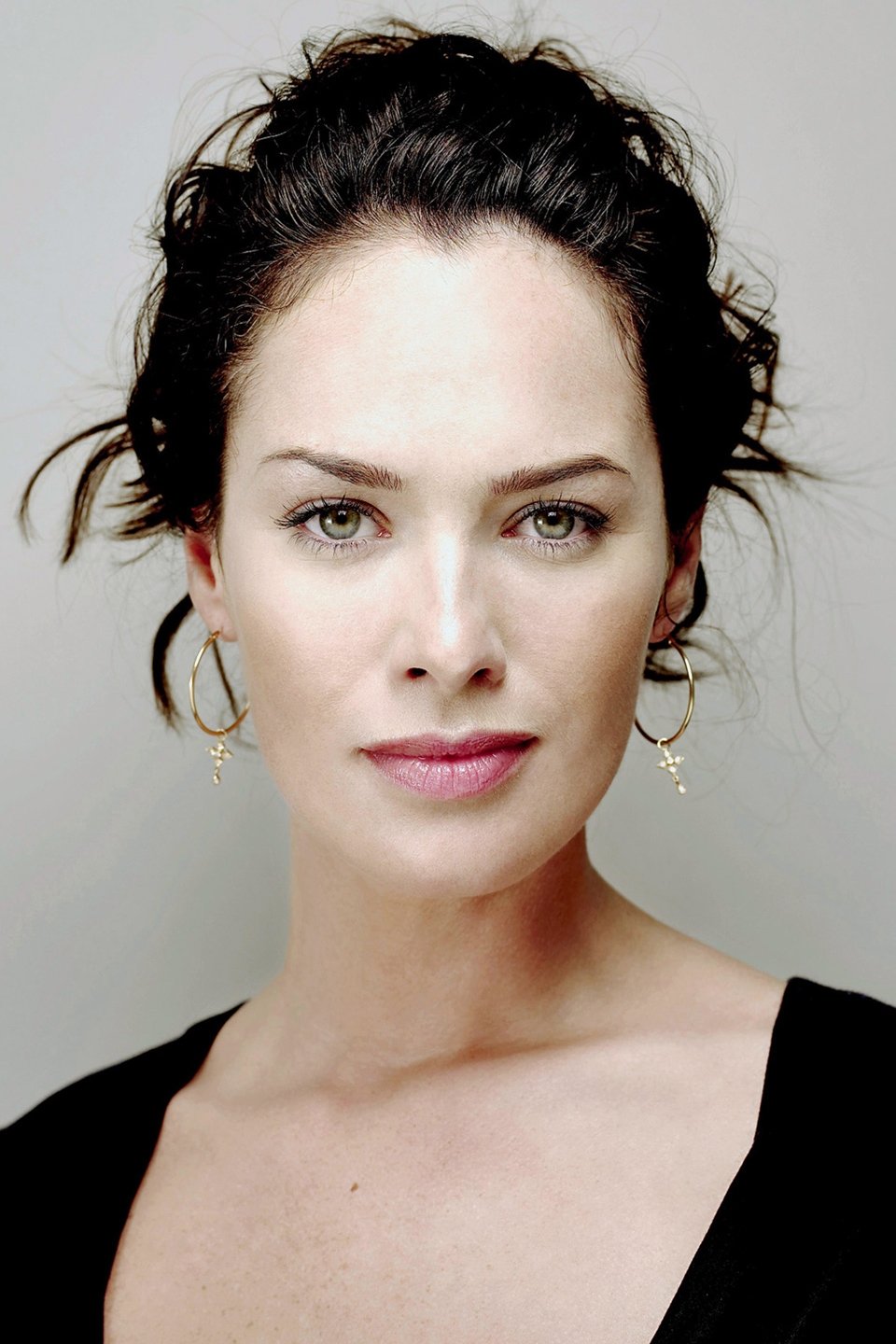
For Cersei Lannister’s Walk of Atonement, the production shut down streets in Dubrovnik and coordinated extensive crowd control, prosthetics, and digital compositing. A body double performed the full-length nude walk while Headey’s face was later composited in, a decision that still required days of facial performance capture and precise matching of angles and lighting to maintain continuity across hundreds of shots. The logistics involved licensed extras, layered sound cues, and security protocols to execute the sequence safely.
Headey’s on-set work centered on continuity—recreating micro-expressions, eye-lines, and head turns that matched the double’s footage so the final composite would read as seamless. Visual-effects and editorial teams then tracked her performance frame by frame, blending it with live-action plates. The process demanded multiple takes of close-ups in controlled conditions and careful coordination between cinematography, VFX supervision, and editorial timing.
Kit Harington – getting buried in mud and bodies in ‘Game of Thrones’

During the “Battle of the Bastards” episode, Harington performed sequences that simulated being crushed and trapped beneath fighters and mud. The production built layered trenches and used stunt performers to create the effect of a heaving, collapsing pile, while safety personnel monitored breathing space and exit routes between takes. Camera operators navigated through choreographed chaos to keep the action legible.
To keep the sequence safe, the team set strict cues for when weight could be applied and when Harington needed to break free. Wardrobe prepped multiple versions of his costume to account for saturation and caked mud, and makeup tracked continuity marks as the battle progressed. The final scene combined handheld coverage, aerial shots, and tightly cut inserts to preserve the claustrophobic feeling without compromising safety.
Emilia Clarke – choking down a “horse heart” and extreme cold on ‘Game of Thrones’

For Daenerys’s ritual scene, Clarke ate a prop “horse heart” made from a thick, gelatinous mixture designed to look convincing on camera. The prop’s texture and syrupy fake blood were intentionally unappealing so they would read as viscera, and multiple takes required the food team to reset clean versions while continuity tracked the amount missing between angles. Hydration and short resets helped manage nausea between takes.
Clarke also filmed in cold, exposed environments where wardrobe and crew cycled in heated coats and warmers between camera setups. Hair and makeup continuity had to preserve wind-tossed looks while protecting the actor from prolonged exposure, and first aid monitored for early signs of chill-related strain. These protocols allowed exterior sequences to retain harsh, wintry authenticity.
Gwendoline Christie – full armor and heavy sword work in ‘Game of Thrones’
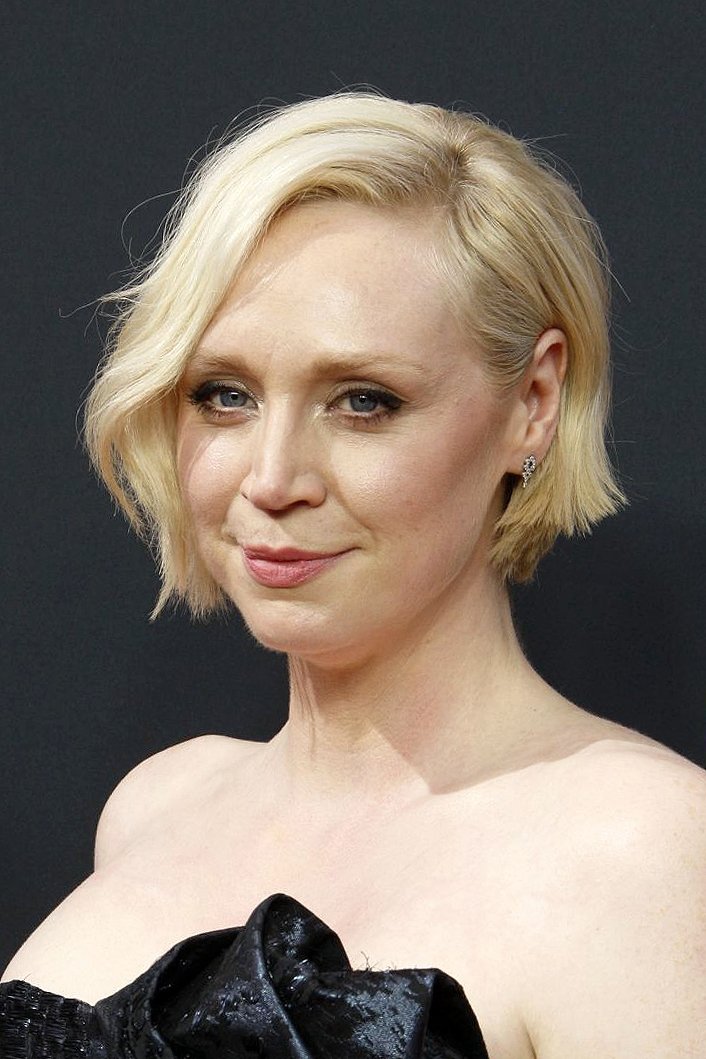
Playing Brienne of Tarth required Christie to train in sword fighting and condition herself to move athletically in armor that limited range of motion. The armor’s weight affected balance, footwork, and stamina, so choreography was built around realistic strikes, parries, and grapples that played safely on camera. Each bout was rehearsed with stunt coordinators to set precise targets and timing.
On shooting days, Christie rotated between hero armor and lighter “stunt” components to manage fatigue while maintaining visual consistency. Props tracked dulled blades and distances to ensure no contact with vital areas, and sound design later underscored impacts to sell the force of the blows. The result preserved the character’s imposing presence without compromising on safety.
Sophie Turner – years of hair dye and a difficult assault sequence in ‘Game of Thrones’
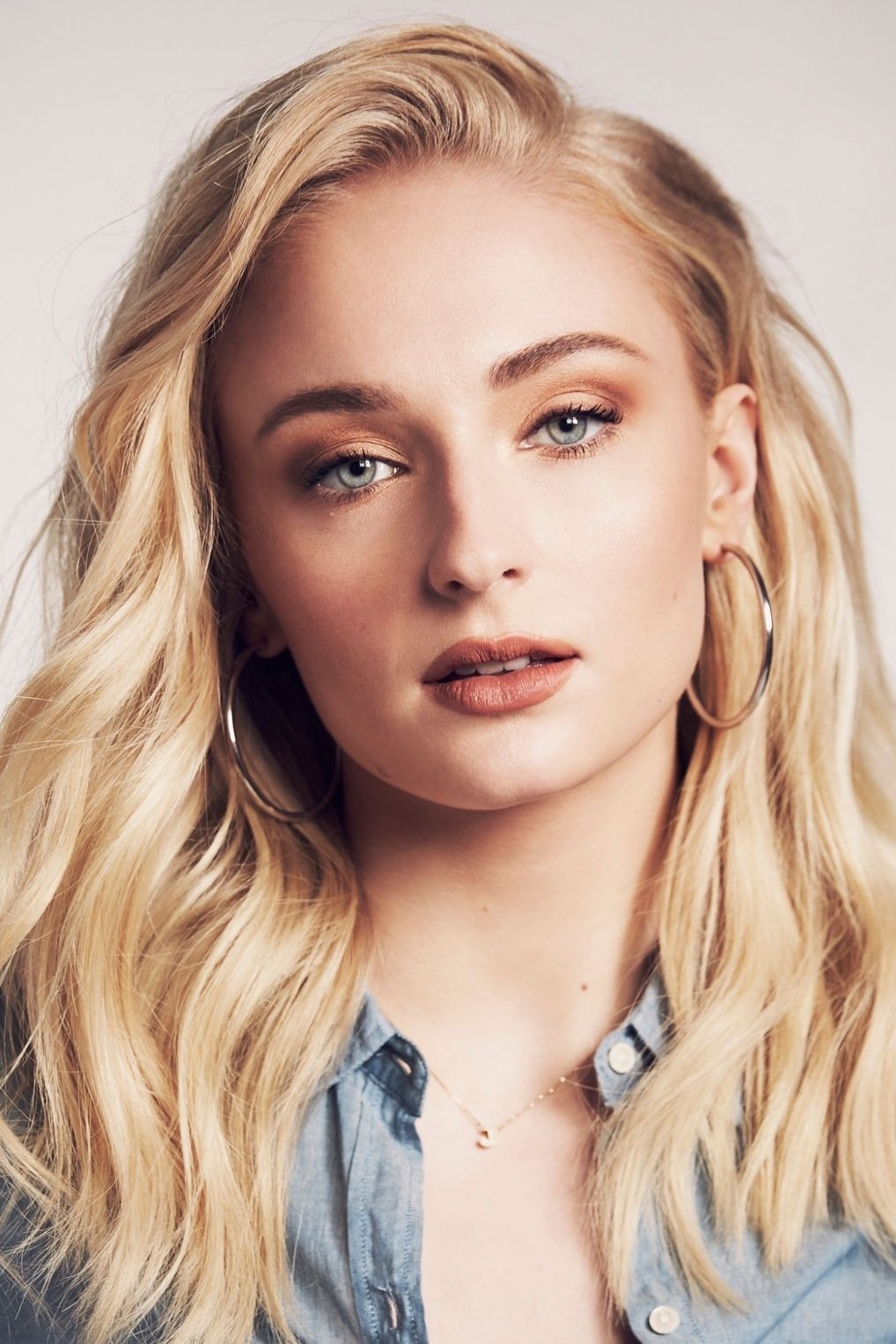
Turner dyed her hair a striking red for years to maintain Sansa Stark’s look before eventually switching to wigs to protect her hair’s condition. Hair departments matched color, parting, and texture across seasons, cataloging references to keep continuity stable under changing lighting conditions and cameras. The switch to wigs added daily fitting and maintenance but prevented long-term damage.
For a later storyline that included an assault, production worked under strict closed-set protocols with limited crew, prearranged blocking, and clearly defined boundaries. The approach focused on protecting the actor while capturing necessary beats for the narrative. The scene was covered carefully to avoid unnecessary retakes, and post-production refined the sequence to preserve performance while maintaining sensitivity.
Bryan Cranston – performing with a swarm of live bees in ‘Malcolm in the Middle’
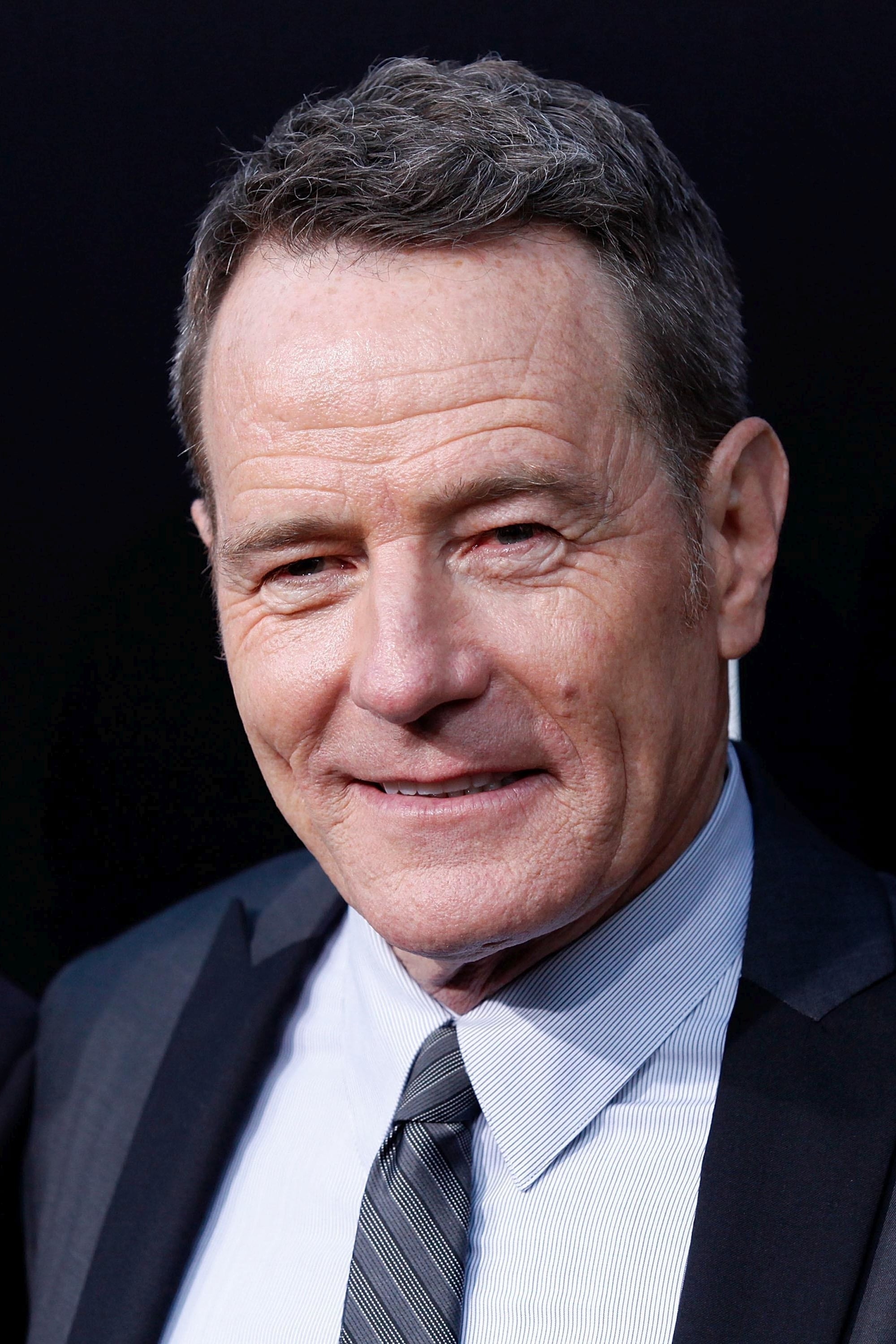
Cranston filmed an episode where tens of thousands of live bees were placed on his face, protected by a barrier of queen pheromone and handlers standing by. The beekeeping team prepared the hive, controlled temperature, and established emergency procedures, while production scheduled short takes to minimize exposure. Wardrobe and makeup minimized scents and products that might agitate the insects.
The scene required Cranston to keep still while the bees settled so camera could capture stable, readable images. Multiple cameras reduced the need for repeats, and any resets involved calmly returning the bees to their containers. The final cut combined wide shots proving the reality with close-ups that emphasized the density of the swarm.
Millie Bobby Brown – shaving her head at 12 for ‘Stranger Things’
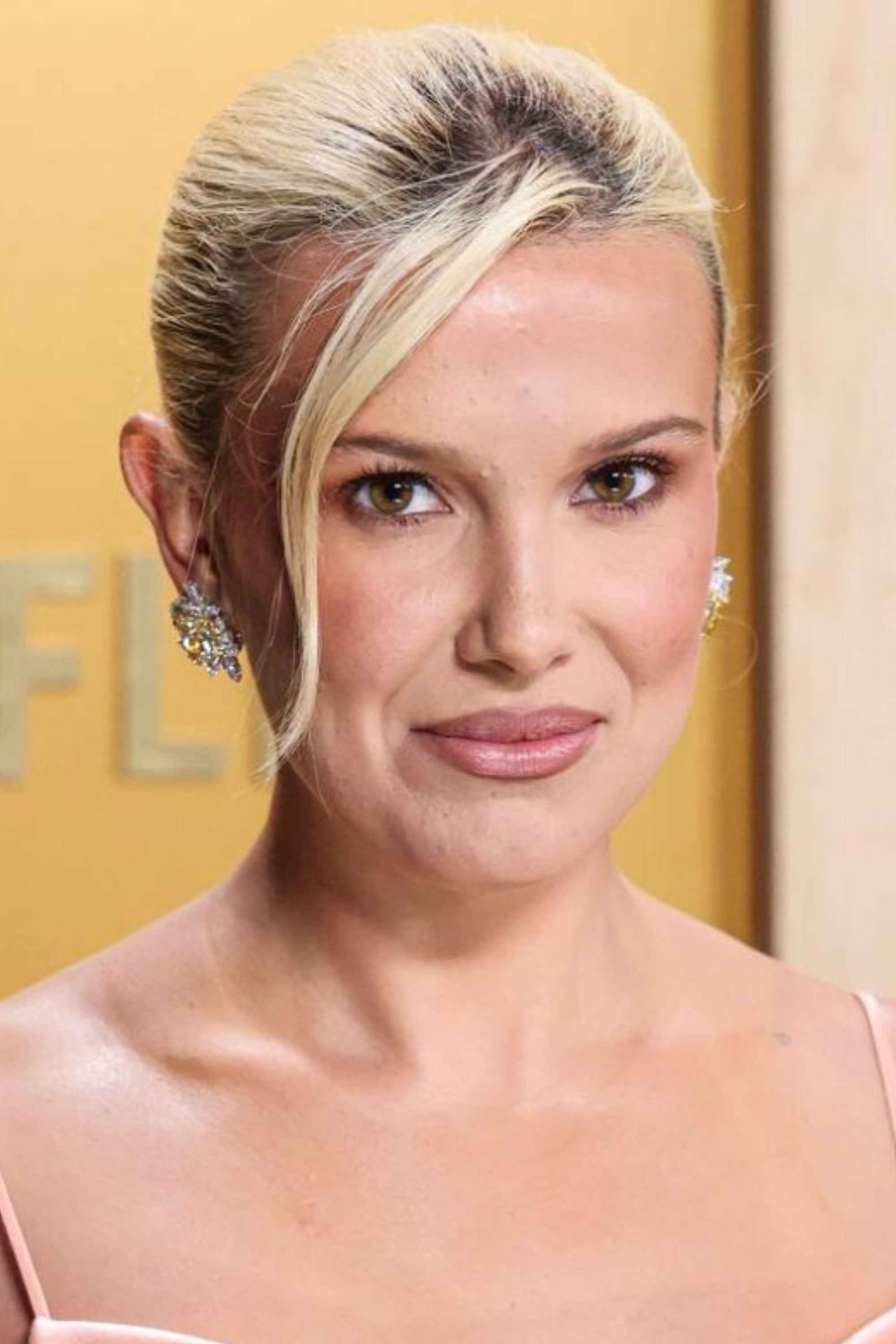
To introduce Eleven with immediate visual impact, Brown shaved her head before shooting began, a decision coordinated with her guardians and production to align with the character’s backstory. The head shave was filmed and photographed for continuity, giving hair and makeup a baseline reference for stubble growth over the schedule. Wardrobe then adapted collars, hats, and hoods to avoid irritation.
On set, scalp care became part of the daily routine to protect sensitive skin under hot lights. The team used gentle products and adjusted headgear fittings to prevent chafing. This planning allowed the production to move quickly while preserving the character’s distinct silhouette across scenes.
David Harbour – significant weight loss for prison scenes in ‘Stranger Things’
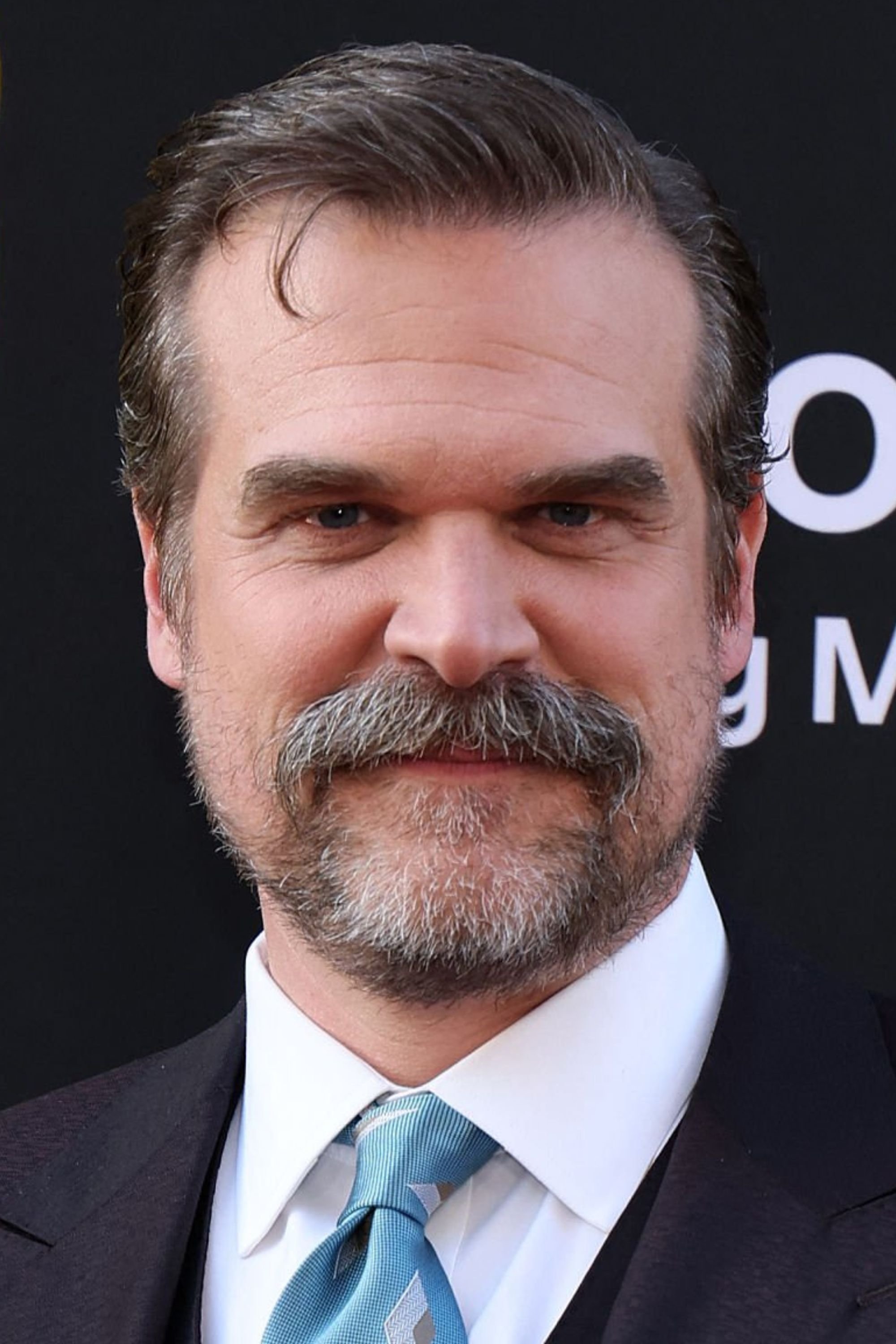
Harbour slimmed down notably between seasons to reflect a harsh imprisonment arc, coordinating with production schedules so body changes aligned with filming blocks. The timeline accounted for fittings, stunt rehearsals, and pickup shoots, ensuring continuity even as his physique changed. Wardrobe prepared multiple size runs of costumes to cover intermediate stages.
Camera and lighting emphasized the transformation with harder key light, sharper angles, and leaner silhouettes. Makeup subtly highlighted facial structure, and stunt planning considered altered body mechanics to maintain safety during fights and falls. The combined approach sold the character’s grueling circumstances without digital alteration.
Rami Malek – performing a ledge stunt himself in ‘Mr. Robot’
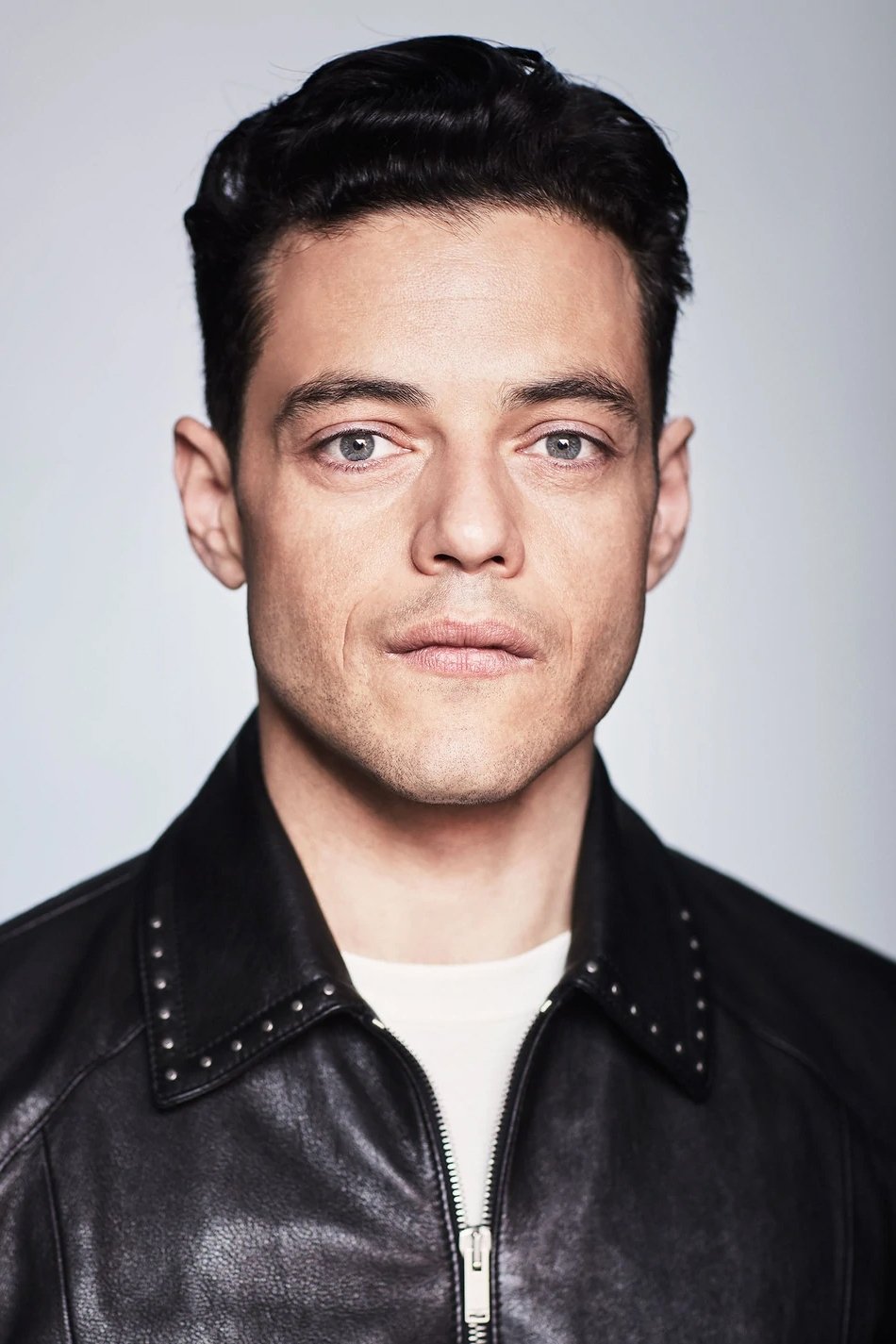
In the pilot, Malek climbed onto a narrow exterior ledge several stories high for a practical shot that sold Elliot’s isolation. The stunt team installed hidden safety measures and rehearsed movement patterns to manage balance and body position against the building façade. Weather and wind were monitored closely to set safe windows for filming.
Cameras were positioned to capture both scale and facial performance without revealing rigging. Malek’s timing with cues—like looking to marks and hitting a stop at taped edges—allowed editors to cut seamlessly between wider plates and closer, performance-driven angles. The shot minimized digital work while maximizing realism.
Kiefer Sutherland – sustaining real injuries while doing stunts on ’24’
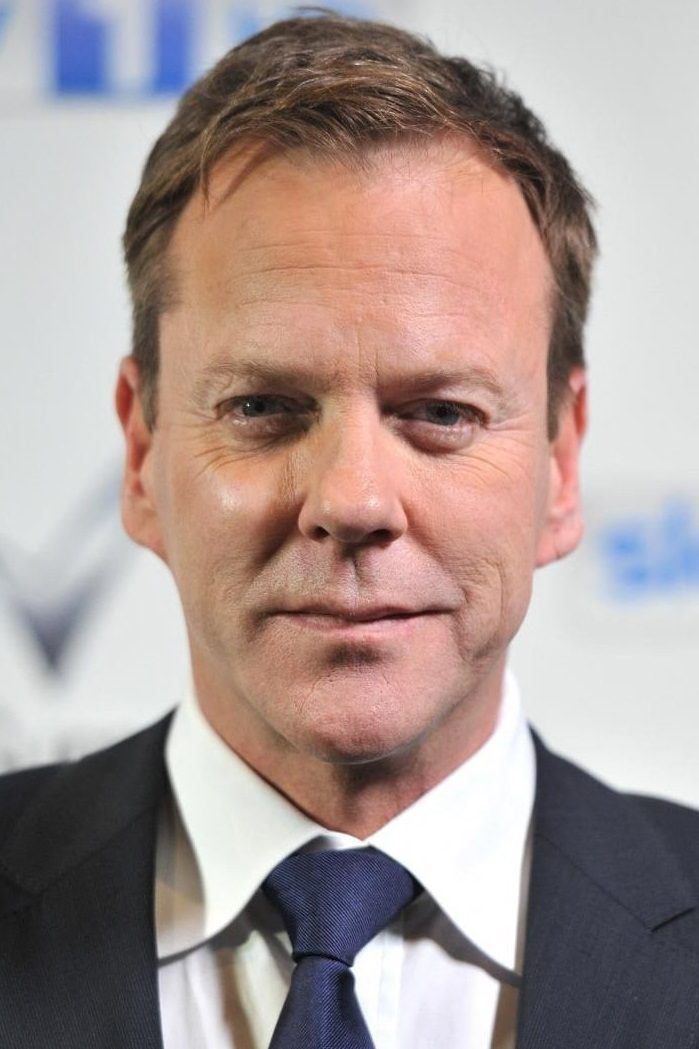
Sutherland performed frequent physical beats—tackles, fights, and falls—under a compressed TV schedule that shot action and dialogue in parallel units. The pace increased the risk of strains and bruises, and at times he sustained injuries that required brief adjustments to blocking or coverage. Stunt coordinators structured fights with clear beats and set distances to avoid accidental contact.
The show’s “real-time” conceit meant costuming and continuity had to track damage and grime meticulously across long, single-day storylines. This limited the ability to reset wardrobe fully, so duplicate pieces, aging kits, and detailed continuity photos kept each beat aligned across camera angles and reshoots.
Mandy Moore – hours of aging prosthetics on ‘This Is Us’
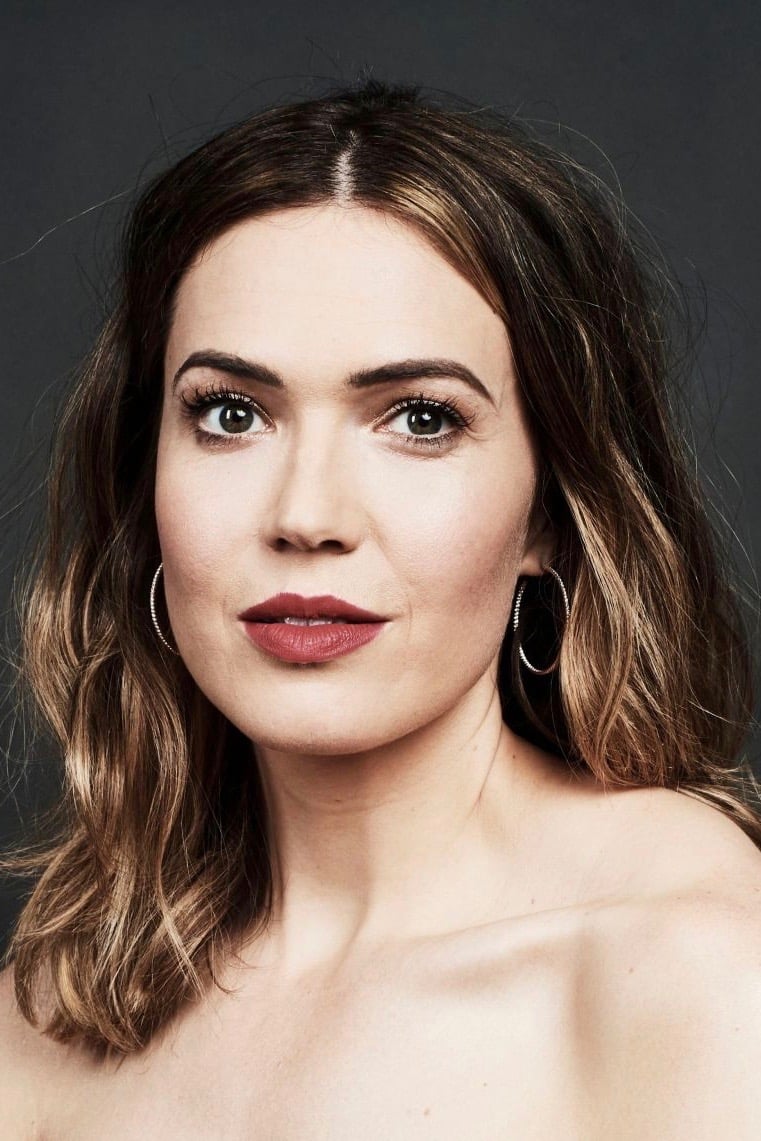
Playing Rebecca across decades involved prosthetic appliances, lacefront pieces, and hand-painted age effects. Each application required careful skin prep, adhesive work, and painting to blend edges under high-resolution cameras. The process often ran several hours before call time, followed by removal protocols to avoid skin irritation.
Lighting plans shifted with era—softer diffusion for earlier years and more contrast later—to complement the makeup. Continuity tracked fine details like sun spots and neck shading, ensuring consistency across non-sequential shoots. The combined effect allowed the character’s timeline to read instantly in any scene.
Tatiana Maslany – acting opposite herself with motion control in ‘Orphan Black’
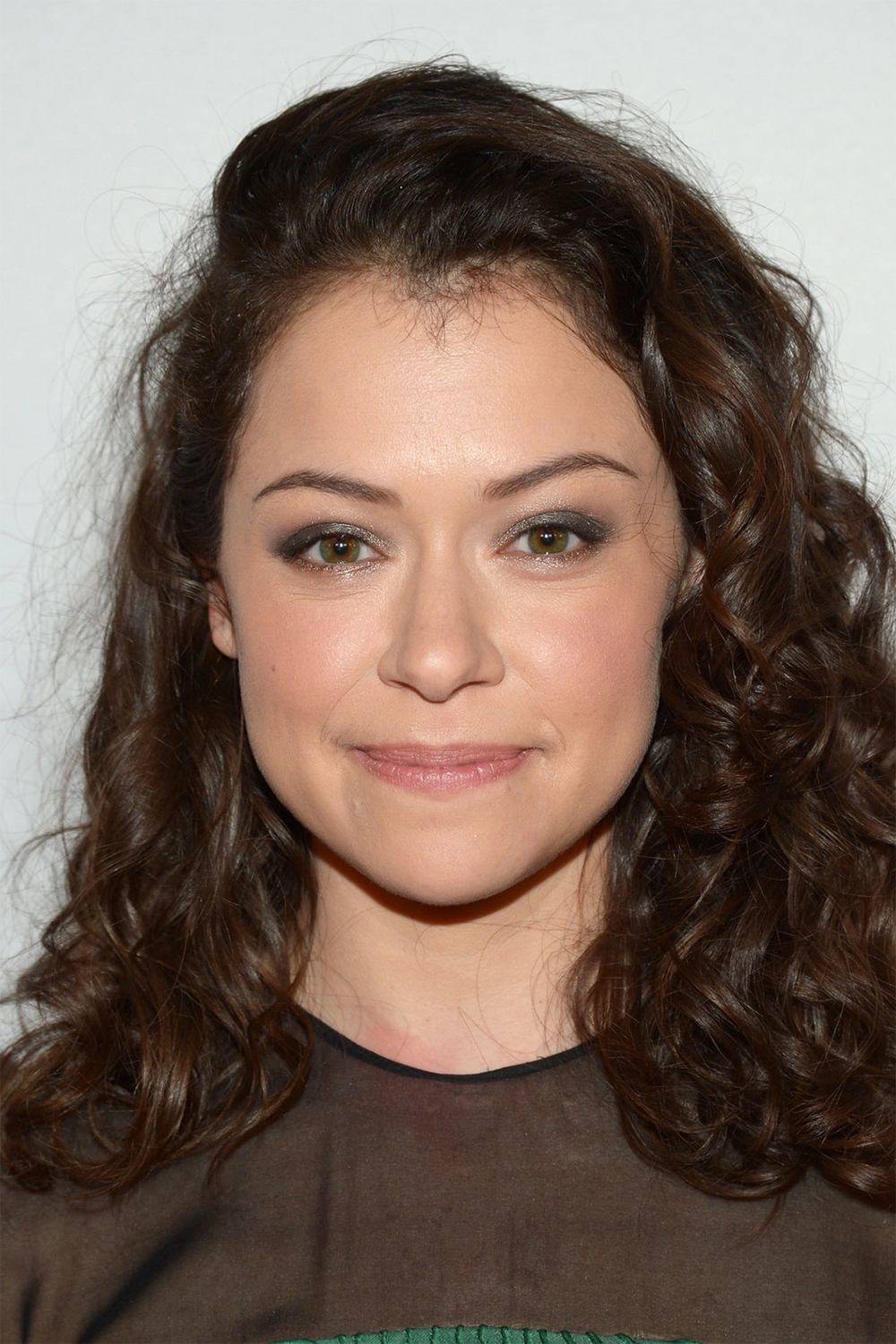
Maslany played multiple clones often sharing the same frame, which required motion-control passes, split-screen composites, and stand-in work. She performed each character’s timing to a preprogrammed camera move, matching eye-lines and overlaps so physical interactions felt natural. Dialogue was pre-recorded or delivered via earwig to maintain precise rhythm.
Handoffs—like passing a glass from one clone to another—used locked-off plates or hidden hand swaps with a double. Hair, makeup, and wardrobe teams coordinated rapid changes between characters, tracking continuity with look books. The approach demanded stamina and razor-sharp timing to keep performances distinct.
Thandiwe Newton – prolonged vulnerability on closed sets in ‘Westworld’

Maeve’s story included scenes filmed under closed-set rules with minimal crew, intimacy coordination, and carefully scripted blocking. The team established consent-driven rehearsal plans and limited camera positions to reduce unnecessary exposure while achieving the necessary coverage. Breaks were scheduled to avoid fatigue during emotionally heavy material.
Makeup effects—like wound appliances and blood rigging—added time and technical complexity. Adhesive-based appliances required temperature control and sealing to withstand lights, and resets had to preserve continuity of blood patterns. These layers extended the day but ensured the visuals held up in close-up.
Henry Cavill – eye-scratching contact lenses and heavy armor in ‘The Witcher’
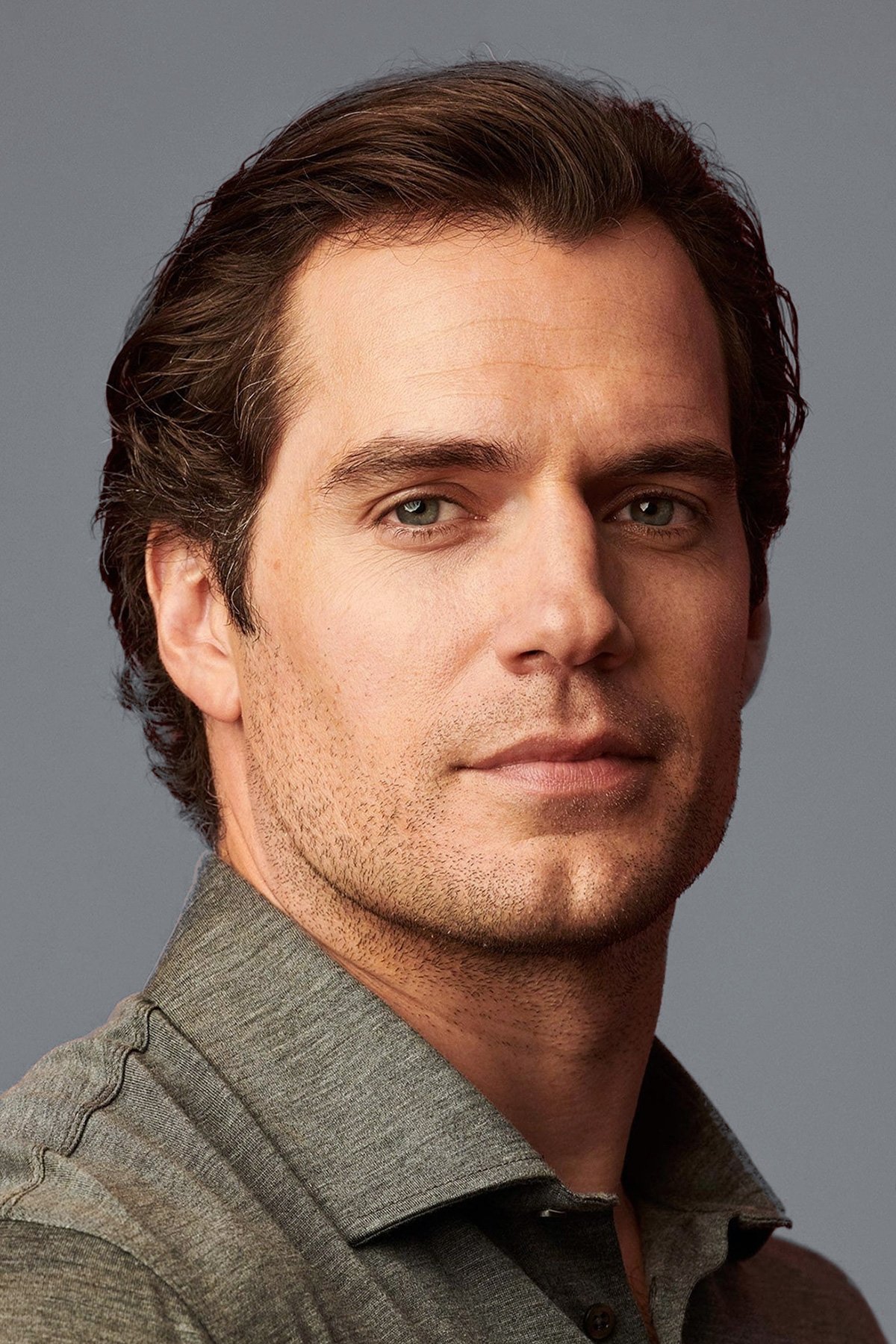
Cavill wore custom contact lenses to achieve Geralt’s distinctive look, which can dry quickly under set lights and cause irritation without diligent care. Lens techs monitored wear time, applied rewetting drops between takes, and set strict removal intervals to protect the cornea. The Witcher’s armor and swords added weight that affected posture and mobility in fights.
Cavill’s preference for doing many of his own stunts required fight choreography tuned to armor constraints, with pre-vis helping map camera angles that read speed while allowing safe distancing. Multiple costume duplicates at different wear levels supported continuity across wide, medium, and insert coverage.
Stephen Amell – high-impact wire work and the salmon ladder on ‘Arrow’
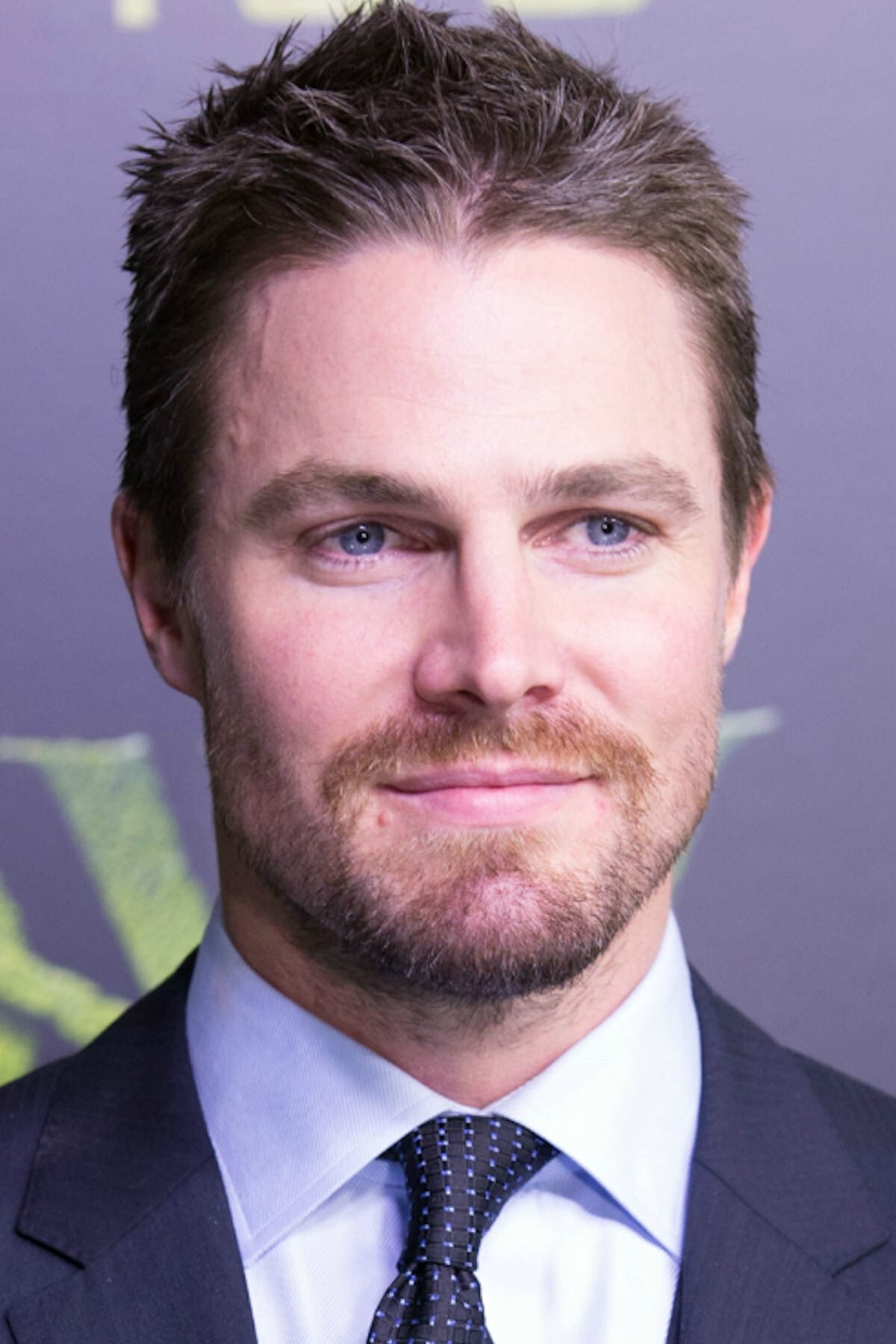
Amell’s physical performance included frequent wire gags and the now-famous salmon ladder, which required grip strength and shoulder stability beyond standard training. Stunt coordinators built progressions to warm up safely before takes, and mats plus hidden pads reduced landing impact. Harness fitting and line checks were repeated at each reset.
The suit’s tight fit limited cooling, so the team rotated fans and chilled vest inserts between setups. Fight scenes were broken into digestible beats for coverage: master, over-shoulders, and inserts for strikes and grapples. This approach captured kinetic motion while minimizing repetitive strain.
Grant Gustin – heat and compression inside a tight suit on ‘The Flash’
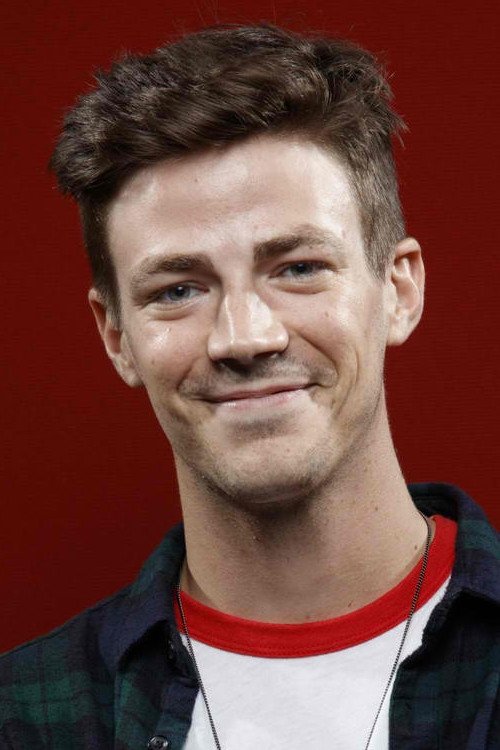
The Flash suit’s compression and limited ventilation created heat-management challenges during long shooting days. Wardrobe cycled multiple suits to manage sweat and wear, and production staged cool-down breaks with fans and hydration. Zippers and hidden panels were added over time to speed changes without compromising the silhouette.
Treadmill “speed” shots were choreographed with camera shutter angles and lighting patterns to sell motion blur safely. Gustin hit marks on a narrow belt while reacting to lighting cues, allowing editors to intercut with exterior plates. The system delivered speed without unsafe sprinting on set.
Hugh Laurie – sustaining a limp for years on ‘House’
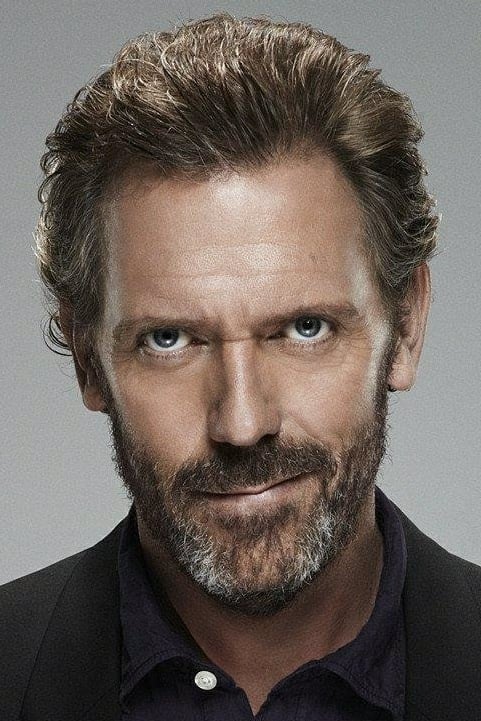
To portray Dr. House’s chronic pain, Laurie adopted a consistent limp that subtly shifted weight to one side over many seasons. Maintaining that gait across long days and non-sequential shooting demanded careful tracking of which leg carried strain in each episode. Continuity notes and rehearsal clips helped him reproduce the same biomechanics from scene to scene.
The show’s medical blocking added repetitive positions—leaning on canes, sitting on exam tables, and standing for long explanations—so staging was adjusted to distribute stress. Camera coverage alternated sides to keep the limp legible without forcing uncomfortable angles for extended periods.
Andrew Lincoln – prolonged heat, gore, and physical strain on ‘The Walking Dead’
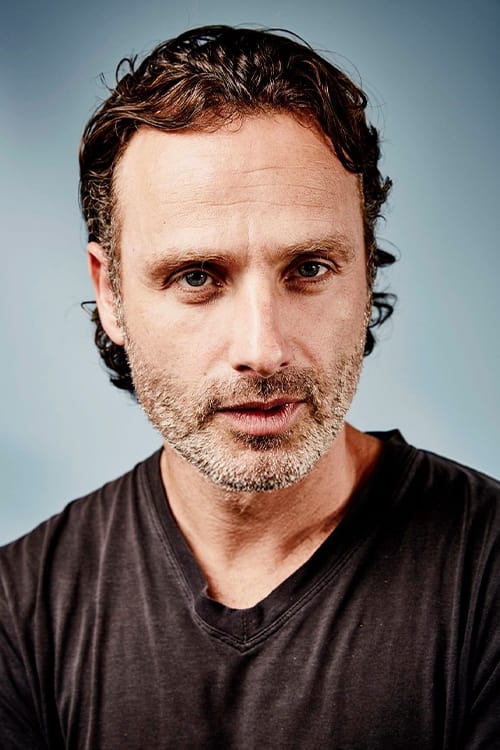
Shooting in Southern heat with layers of distressed wardrobe and sticky blood effects required strict hydration protocols and shade planning. The production coordinated cooling stations, swapped sweat-soaked costume duplicates, and scheduled heavy action early or late in the day. Makeup maintained breakdown charts so grime, blood placement, and wounds matched across angles.
Choreographing fights with walkers used dulled props, foam inserts, and squibbed blood packs that were reset repeatedly. The team prioritized sight-lines so Lincoln could see through staged crowds while still looking surrounded on camera. This allowed close-quarters action to feel chaotic without unsafe contact.
Chandler Riggs – limited depth perception with an eye patch on ‘The Walking Dead’

After a pivotal injury, Riggs performed with an eye patch and later makeup that reduced peripheral vision and depth perception. Blocking was adapted to keep clear paths during action beats, and marks were enlarged or high-contrast so he could find them quickly. Stunt teams rehearsed proximity moves with extra verbal cues to replace lost visual feedback.
Makeup managed skin irritation from adhesives, rotating materials and rest periods to avoid abrasion. Continuity photos documented patch angle and placement so editors could intercut seamlessly between takes shot hours or days apart. The adjustments preserved safety while maintaining the character’s look.
Doug Jones – full-body prosthetics and hoof-like feet in ‘Star Trek: Discovery’
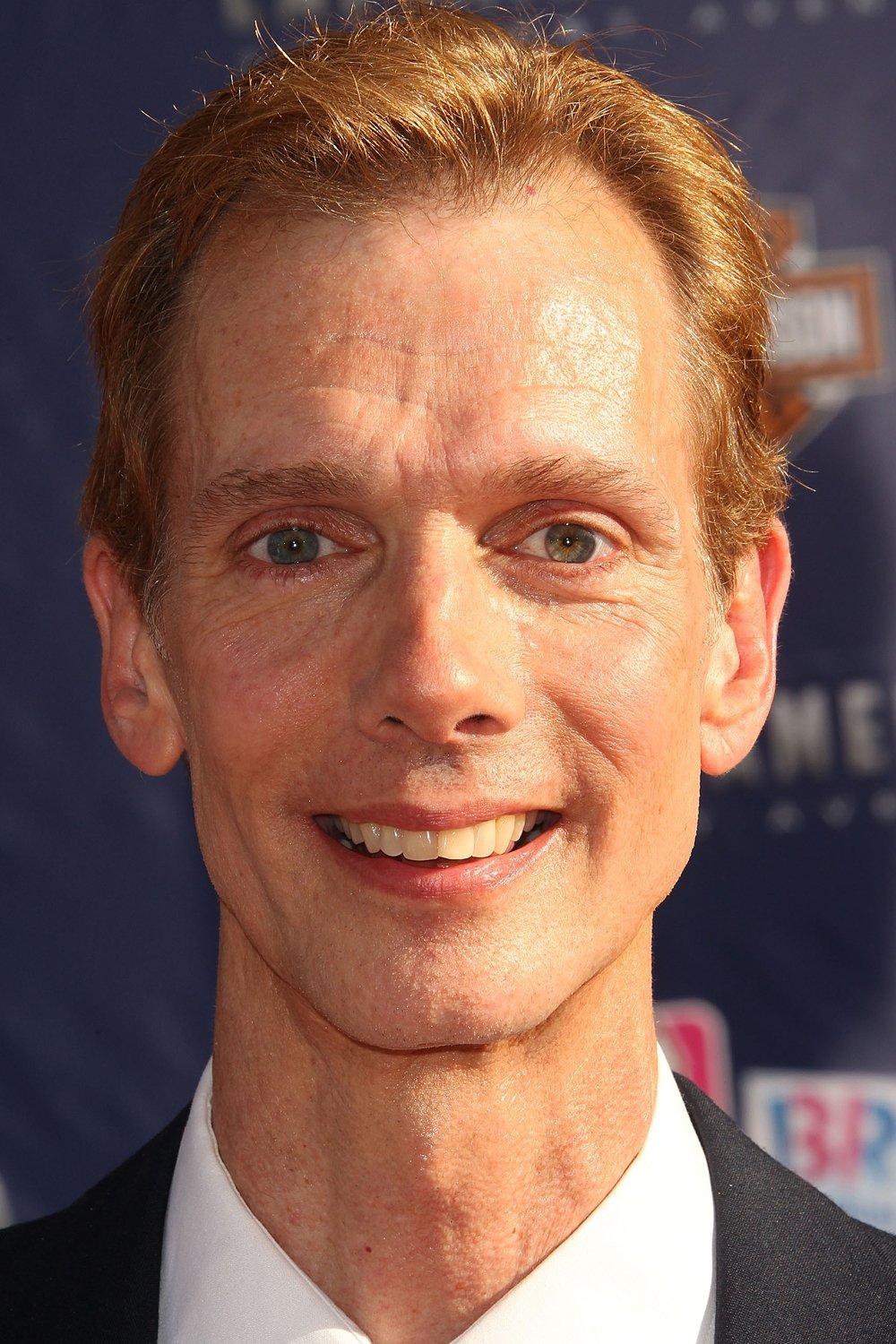
As Saru, Jones wore extensive prosthetics including tall boots that altered his gait to a digitigrade stance. The suit trapped heat and restricted vision, so the team scheduled shorter takes, water breaks, and regular checks on adhesives. Sound picked up dialogue through layers of silicone, requiring measured diction and occasional ADR to keep lines crisp.
Blocking accounted for limited peripheral vision and increased height, with marks placed to prevent accidental contact with set pieces. Costume department maintained multiple suits at different wear levels for continuity, and VFX refined facial movement subtly to keep expressions readable without breaking the practical look.
Paul Bettany – dense face paint, prosthetics, and contacts in ‘WandaVision’
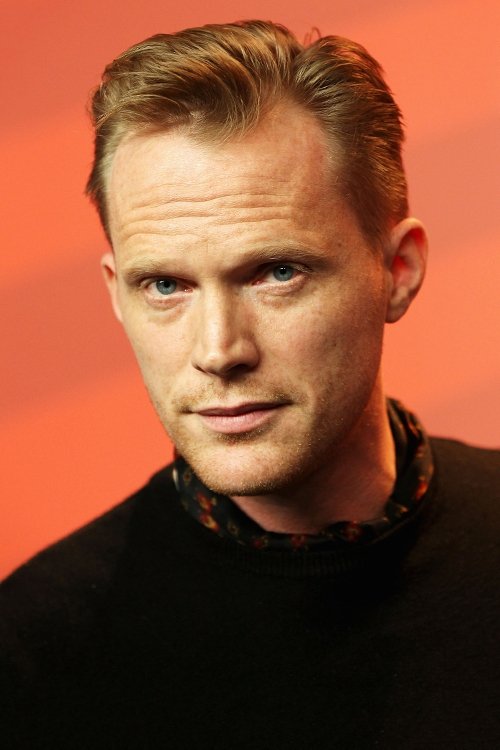
Bettany’s Vision look required color-accurate face paint, facial appliances, and contact lenses that maintained vibrancy under different lighting temperatures. Makeup tested combinations under tungsten and LED arrays to avoid color shifts, and camera profiles were tuned to keep skin texture visible through paint. Removal at day’s end followed a careful sequence to protect skin.
Scenes that required rapid switches between human and synthezoid looks demanded tight scheduling with the makeup team. Wardrobe fittings ensured neck and cowl pieces seated correctly so edges stayed hidden on close-ups. The production balanced practical effects with minimal touch-up VFX to keep the character grounded.
Pedro Pascal – limited visibility and heat inside the suit in ‘The Mandalorian’
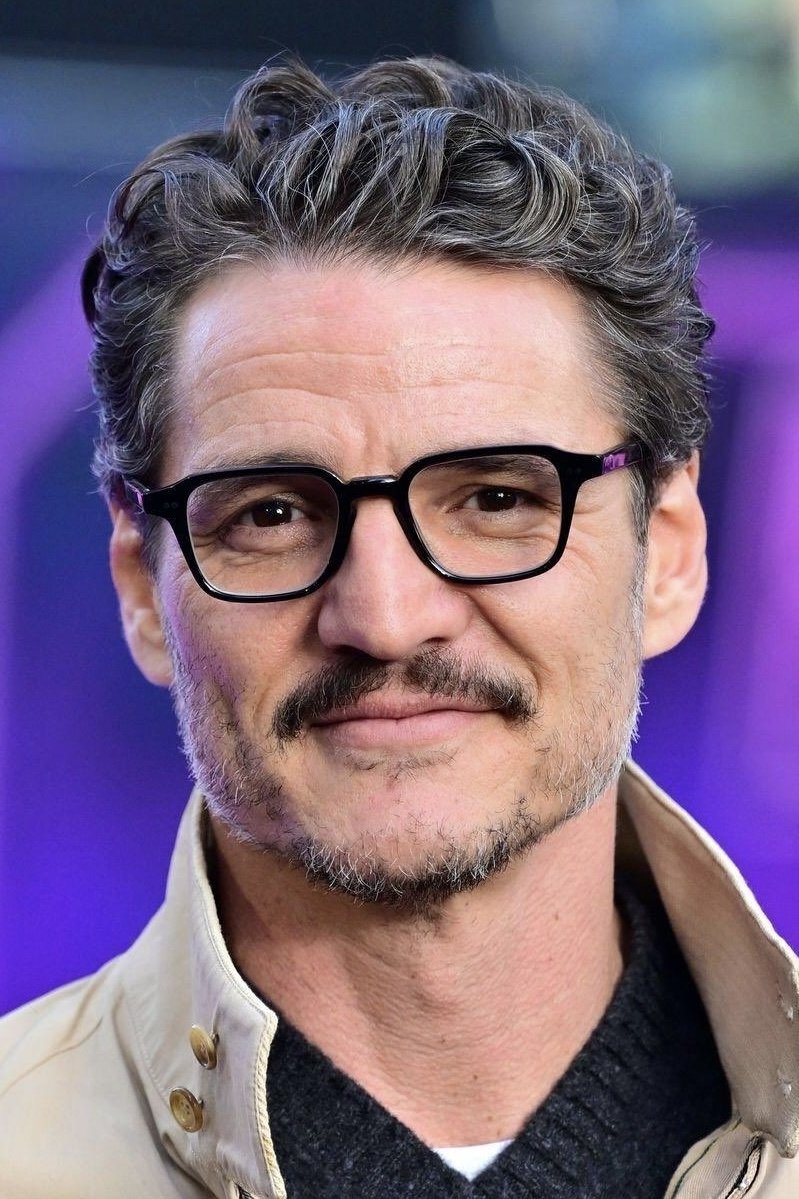
The Mandalorian’s helmet restricts peripheral vision and muffles sound, so blocking relied on strong tactile marks and rehearsed paths to avoid collisions with set pieces. The suit’s heat retention meant frequent breaks and cooling solutions between takes. When stunt doubles wore the armor for complex movements, performance notes kept posture and gait consistent.
Dialogue was often recorded separately to ensure clarity, with on-set delivery used for timing and reference. The approach preserved the character’s rule of never removing the helmet while maintaining performance detail through body language and carefully planned camera coverage.
Charlie Hunnam – high-risk bike work and street fights in ‘Sons of Anarchy’
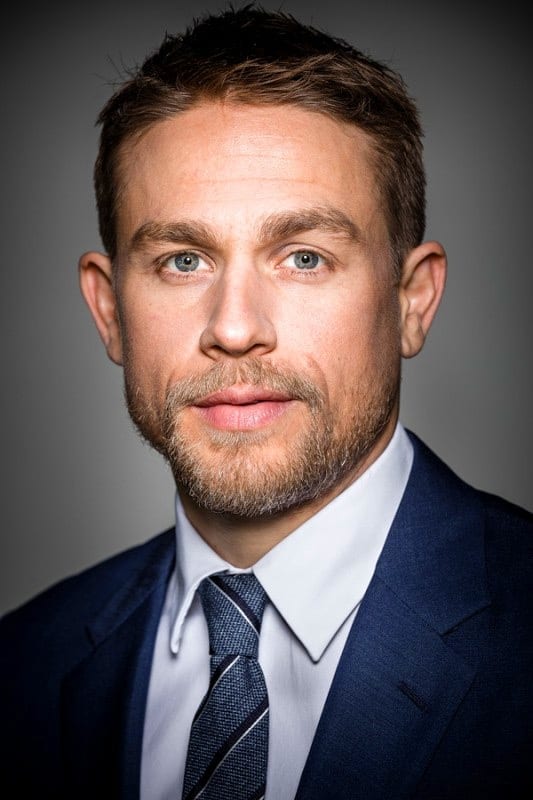
Hunnam’s role involved frequent motorcycle riding coordinated under road closures, escort vehicles, and safety briefings. Rehearsals established safe lean angles, braking distances, and camera positions that sold speed without exposing actors to uncontrolled traffic. Protective gear was built into wardrobe pieces to blend with the character’s look.
Fight scenes were broken into beats with safe, repeatable strikes and grapples. Props tracked switch-outs—from rubber to hero metal—so hits read on camera without real impact. The schedule balanced riding days and fight units to reduce fatigue and maintain safety across long production weeks.
Maisie Williams – acting “blind” with opaque contacts in ‘Game of Thrones’
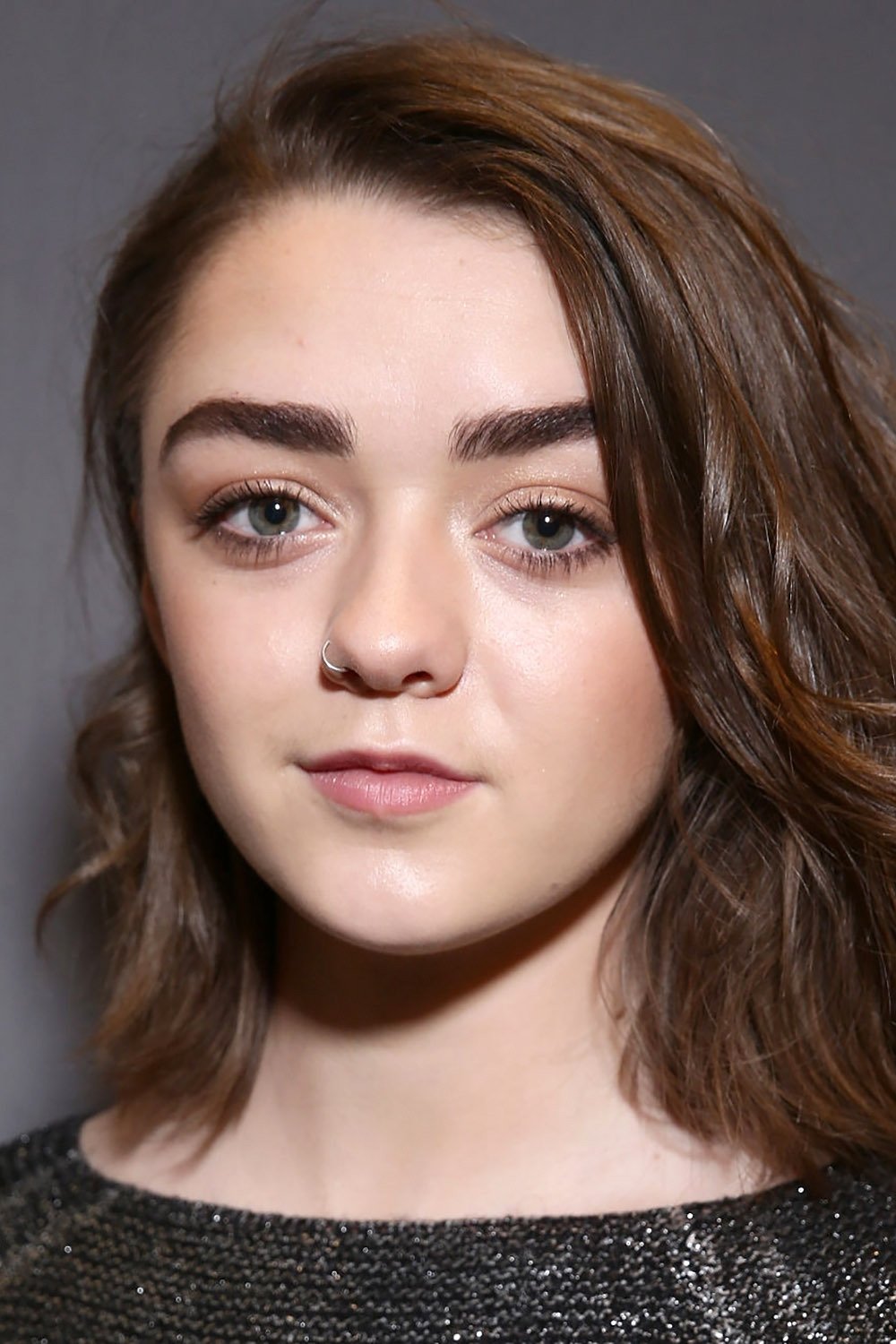
For Arya’s “blind” arc, Williams used specialized contact lenses that clouded vision to simulate sight loss. Wear time was limited, and lens technicians handled insertion, removal, and lubrication to protect eye health. Blocking added tactile landmarks so she could navigate safely during action beats and busy backgrounds.
Fight choreography with the Waif was adapted to replace visual cues with audible and physical markers. The crew rehearsed spacing and rhythm carefully to avoid accidental contact, and camera angles emphasized uncertainty while keeping marks attainable. The result conveyed vulnerability without compromising safety.
Rory McCann – heat, weight, and burn makeup as the Hound in ‘Game of Thrones’
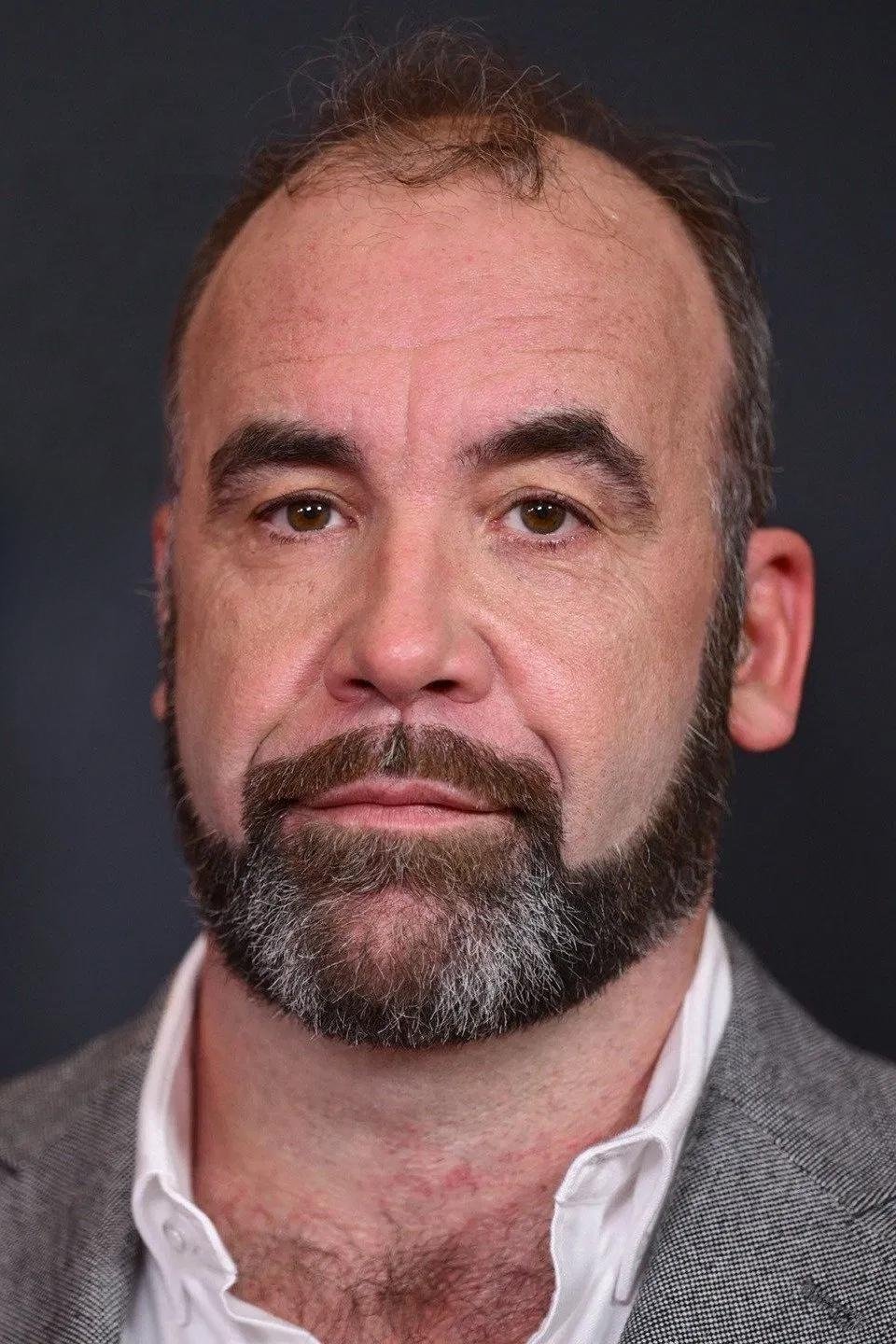
McCann’s burn scars were built with prosthetic appliances that required careful adhesion, painting, and blending into hairlines and beard. The makeup trapped heat, so the team scheduled cooldowns and monitored for skin irritation. Removal at wrap used solvents and stepwise peeling to protect skin after long wear.
Armor and large weapons added weight that influenced gait and posture. Choreography factored in the character’s size and the limited range of motion from costume layers, enabling powerful beats that were manageable over multiple takes. Continuity tracked asymmetrical scarring to ensure the correct side appeared in every shot.
Rami Malek – extreme sleep schedule shifts for night shoots on ‘Mr. Robot’
Night-heavy shooting blocks required Malek to invert his schedule for extended periods, aligning circadian rhythms with nocturnal call times. Production planned scenes by neighborhood to minimize company moves, and transportation coordinated late-night pickups to maintain safety. Lighting setups used practical city sources augmented by rigged units to read as authentic.
Health and safety tracked fatigue, scheduling dark-stage rehearsals to keep eyes adapted to low light. Makeup managed under-eye discoloration and shine patterns that read differently under sodium-vapor and LED street lighting. The approach delivered a grounded, nocturnal aesthetic across the season.
Paul Rudd – extended green-screen harness work in ‘Friends’
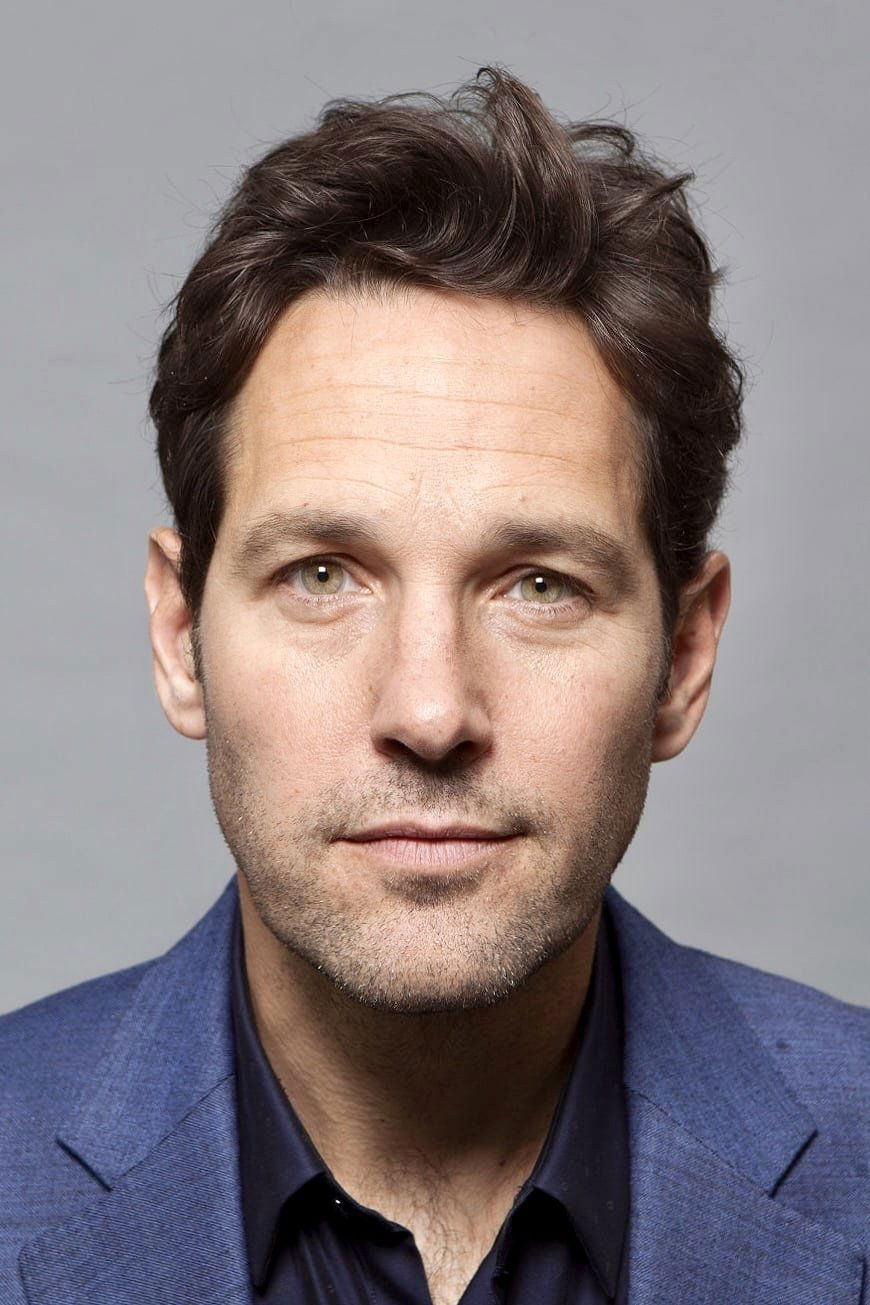
For moments requiring surreal gags late in the series, Rudd spent long periods in a harness against green screens to achieve floating or odd-physics beats. Rigging teams fitted him with pressure-distributing straps and checked lines before each take to prevent hotspots and nerve compression. Blocking accounted for limited leg movement and balance constraints.
VFX supervisors captured clean plates and measured lens data to integrate the performance convincingly. Editorial planned for short takes to manage circulation and comfort, while wardrobe hid harness lines under layered costumes. The pipeline let production land quick visual jokes without building large practical rigs.
Doug Jones – water-tank work and breath control in ‘The Shape of Water’ homage episode of ‘What We Do in the Shadows’
Jones performed extended breath-hold sequences in a controlled tank environment built to reference an iconic amphibian look. Dive safety teams monitored oxygen levels and set maximum submersion times, with hand signals used between performer and safety swimmers. Lighting rigs were isolated electrically and protected with ground-fault measures.
Camera crews captured slow-motion plates that required Jones to hold still while maintaining specific hand and head positions. Between takes, heated water and warm blankets helped prevent core temperature drops. The controlled workflow preserved safety while achieving the intended aquatic aesthetic.
Gillian Anderson – voice, wigs, and relentless prep to become Margaret Thatcher in ‘The Crown’

Anderson adopted a distinct vocal placement and cadence that required persistent warm-ups and dialect coaching. Wigs and makeup reshaped her profile and hairline, with daily applications dialed to read accurately under varied interior lighting. Wardrobe’s structured suits and blouses constrained movement to match period posture.
Scenes with cabinet meetings and debates depended on precise blocking to keep eyelines and power dynamics clear. Rehearsals focused on pacing and interruption points so editors could cut exchanges cleanly. The combined technical work maintained character integrity across lengthy dialogue sequences.
Share the moments that shocked you most—or any we missed—in the comments.