30 Best Slice-of-Life Anime of All Time, Ranked


Slice-of-life anime covers everyday routines, quiet character beats, and the small, meaningful changes that make ordinary days feel memorable. These stories focus on friendships, work, family, school, neighborhoods, and the rhythms of daily living, sometimes with a dash of comedy, gentle fantasy, or music. You’ll find school clubs, cafés, countryside towns, city apartments, workplaces, and local communities—each built around human moments that feel lived-in and real.
Below is a countdown presented from 30 to 1. To keep things tidy, each entry lists the official title and release window in the heading only, and uses single quotes for titles everywhere else. Each item includes clear, practical details about what the show covers—settings, structures, activities, and how episodes organize everyday life.
‘Kokoro Connect’ (2012)

This series adapts Sadanatsu Anda’s light novels about a school club whose members undergo strange phenomena that force them to confront private histories and unspoken tensions. The club format—meetings, requests, and small campus projects—grounds the story in ordinary student routines even as body-swaps and emotion leaks complicate daily schedules.
Arcs are organized around discrete incidents that reset classwork and friendships back into familiar patterns. The show uses classroom logistics, committee duties, and shared homerooms to keep conversations rooted in the regular flow of school life while examining boundaries, trust, and responsibility.
‘Flying Witch’ (2016)
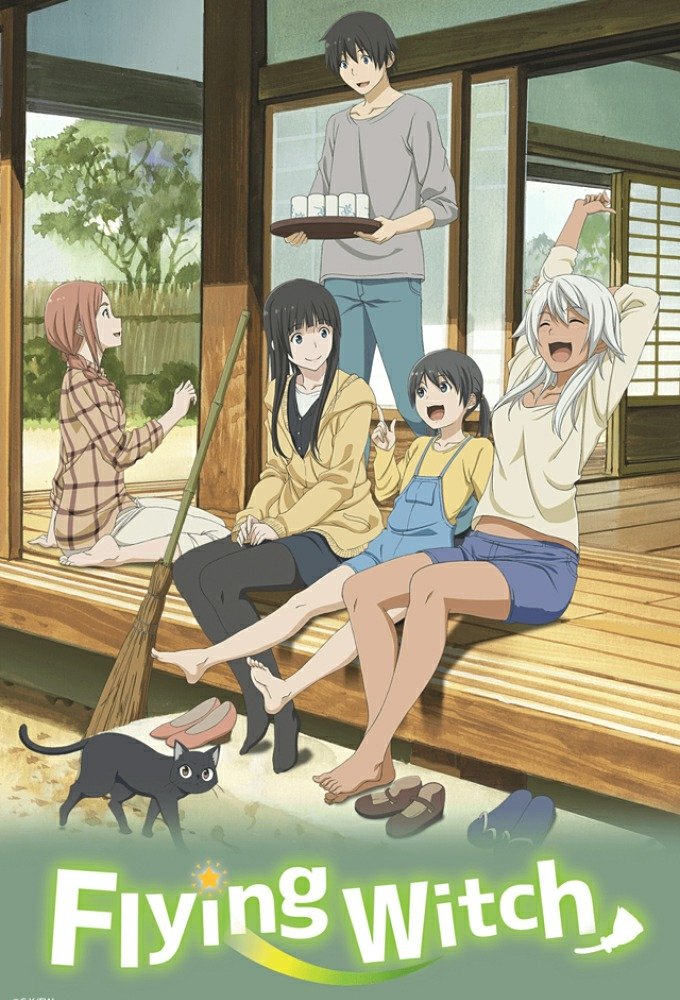
Set in rural Aomori, this adaptation follows a trainee witch who lives with relatives while practicing simple, everyday magic. Episodes combine errands, gardening, and family meals with low-stakes encounters—like meeting a harbinger of spring or visiting a hidden café—that slot naturally into chores and neighborhood visits.
Long, quiet scenes emphasize ambient sound, seasonal changes, and practical tasks such as shopping lists or learning local routes. The focus stays on how people share spaces—kitchen tables, fields, markets—and how small discoveries fit alongside ordinary routines.
‘Wagnaria!!’ (2010–2015)

This workplace comedy is set at the family restaurant Wagnaria, where shifts, training, and customer service drive each episode. Staff roles—waiters, cooks, managers—are clearly defined, so stories can track opening procedures, rush-hour coverage, and policy rules in a consistent floor plan.
Recurring problems revolve around station assignments, inventory hiccups, menu rollouts, and safety guidelines. The series treats checklists and scheduling as core mechanics, showing how a service team keeps a casual eatery running from open to close.
‘Komi Can’t Communicate’ (2021–2022)
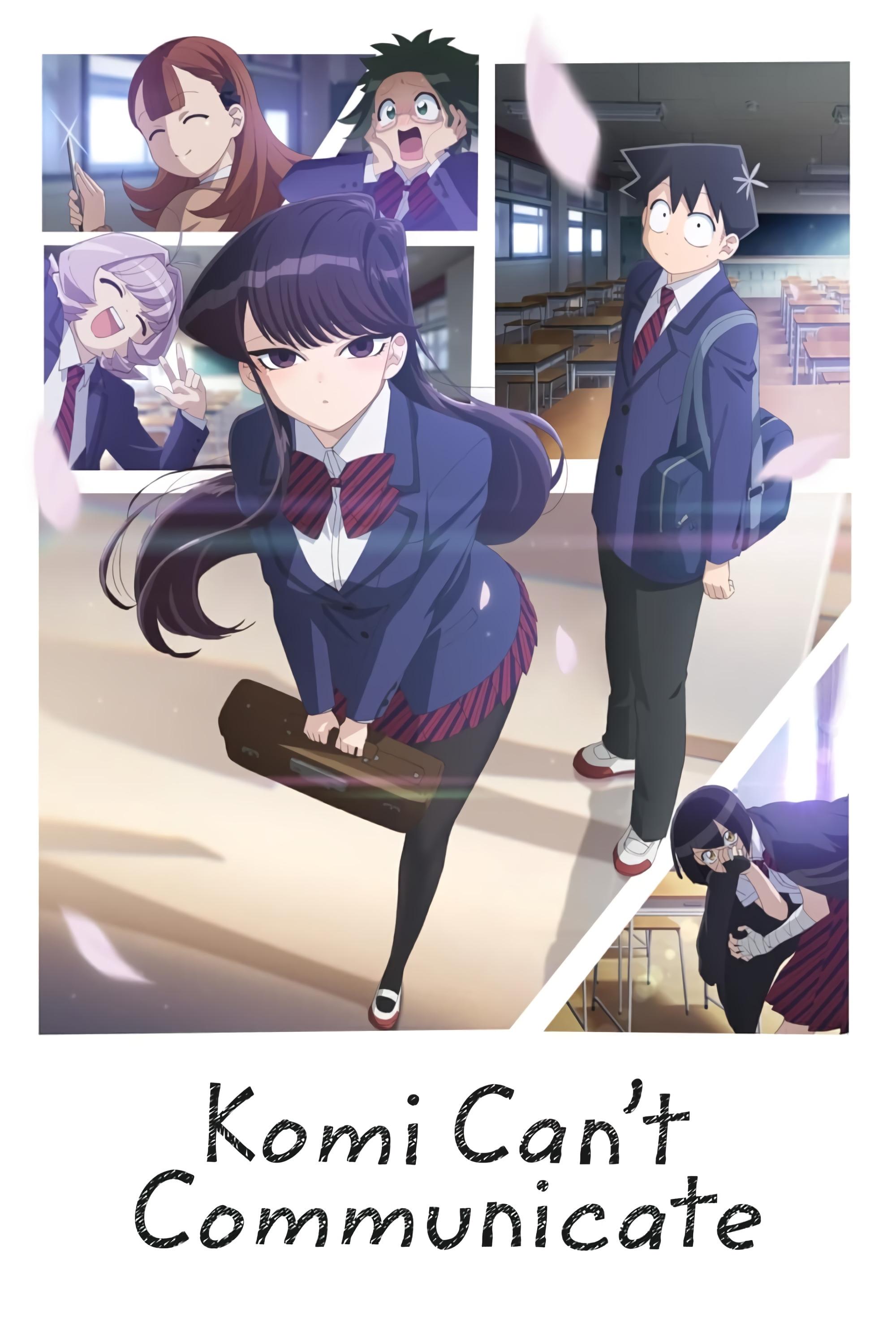
Based on Tomohito Oda’s manga, this series centers on a student who aims to make one hundred friends despite severe communication anxiety. The school setting—homerooms, seating charts, and club options—creates structured opportunities for interaction, with class tasks and errands providing scripted chances to connect.
Short vignettes depict regular campus moments like attendance checks, library periods, and cafeteria lines. Visual text, chalkboard motifs, and messenger apps support the portrayal of everyday communication hurdles and the incremental steps used to navigate them.
‘Hanasaku Iroha: Blossoms for Tomorrow’ (2011)
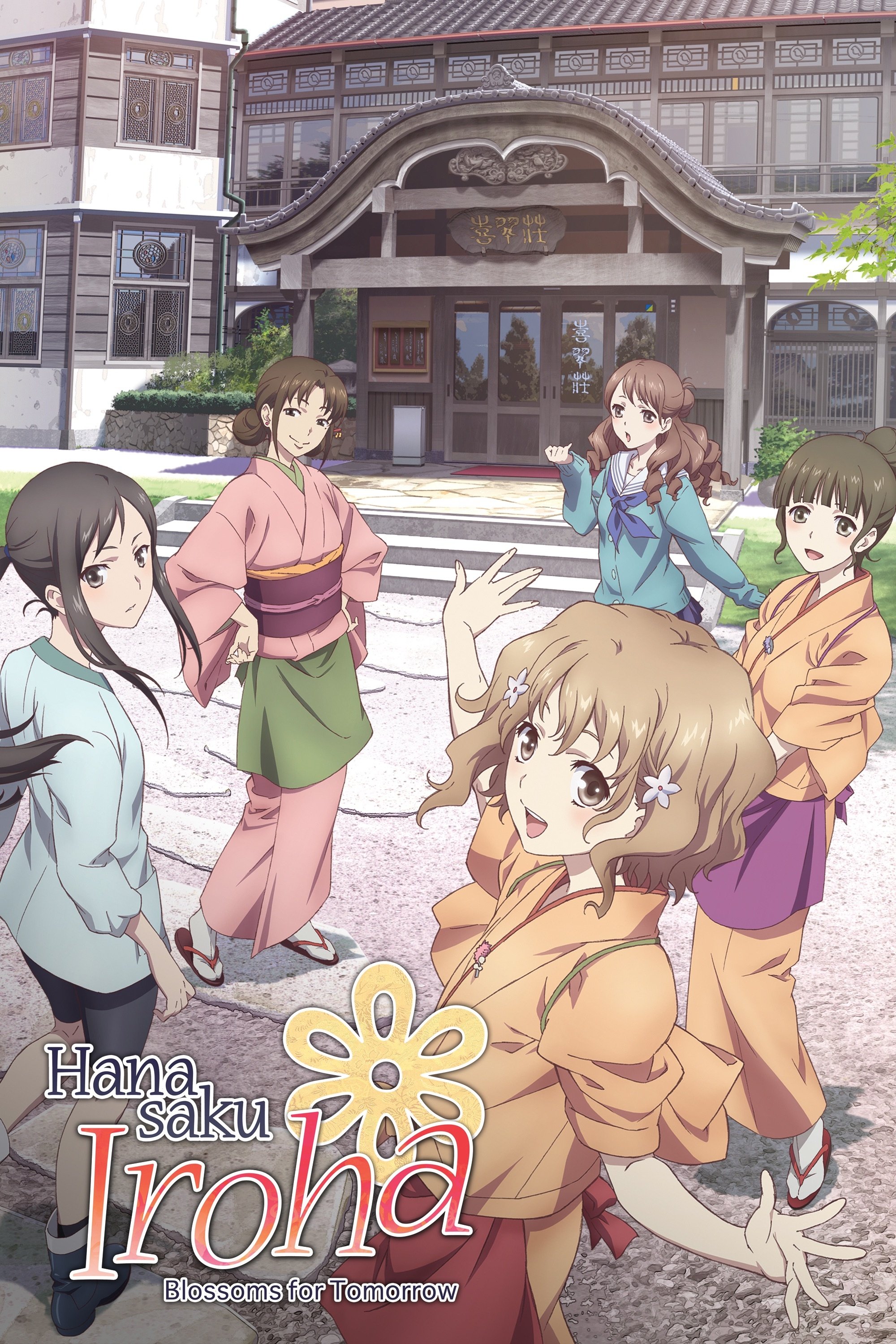
The story follows a teenager who moves to her family’s countryside ryokan and learns traditional hospitality work. Episodes highlight the operations of a Japanese inn—front desk, housekeeping, kitchen workflow—alongside training, mentorship, guest requests, and seasonal events.
Procedural details include staff rotations, renovation planning, uniform upkeep, and the coordination required for tour groups and festivals. The inn’s architecture, local customs, and community ties provide a stable framework for day-to-day problem-solving.
‘Daily Lives of High School Boys’ (2012)
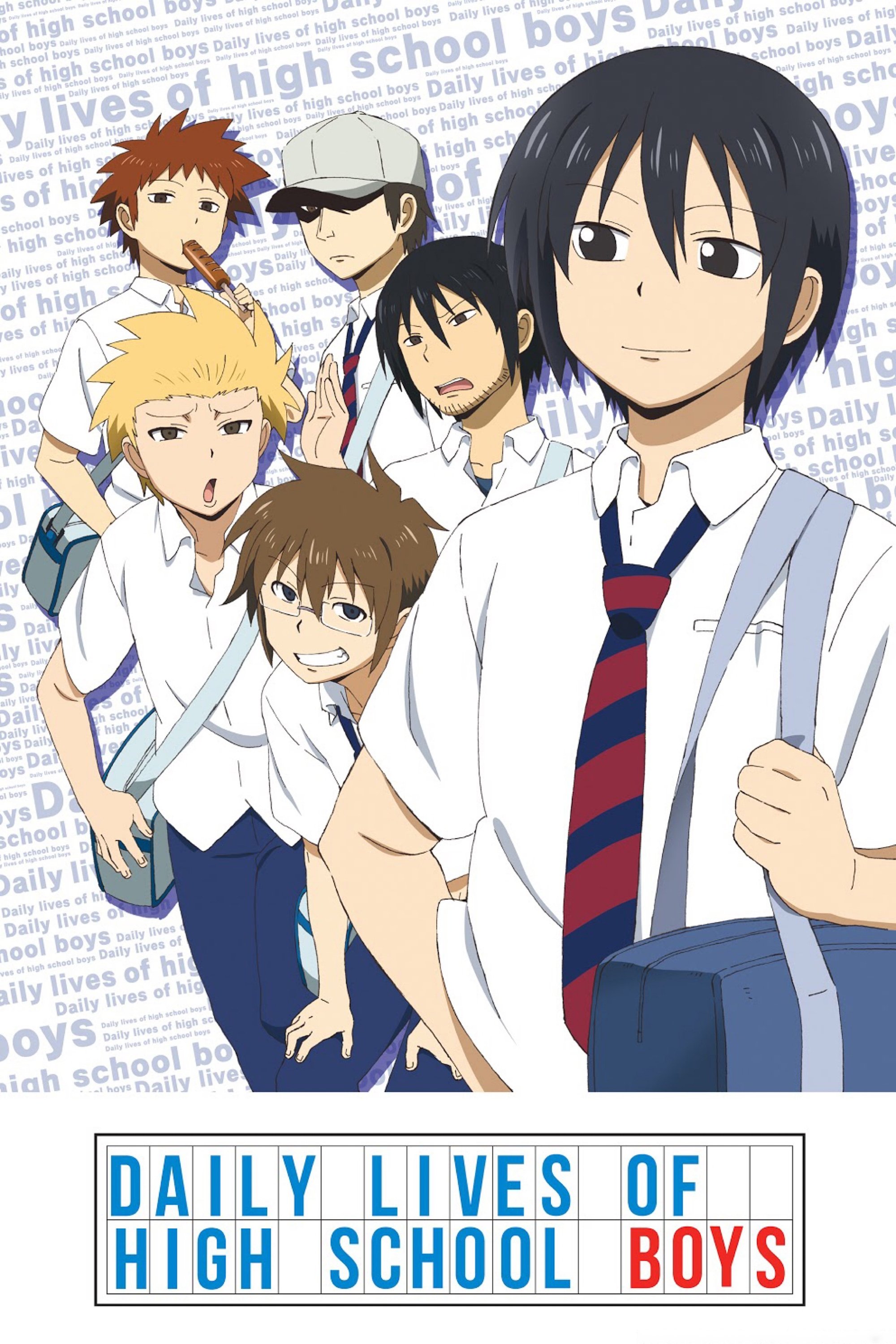
Structured as a series of short skits, this show revolves around students navigating class periods, committee chores, and after-school hangouts. Campus landmarks—rooftops, corridors, club rooms—anchor recurring bits so the layout becomes familiar across episodes.
Convenience stores, uniform rules, and student council tasks serve as repeatable situations for quick scenes. The format mirrors a typical school day broken into segments, using ordinary spaces and routines as the backbone of each sketch.
‘Aria’ (2005)

Set in Neo-Venezia on the terraformed planet Aqua, this series follows apprentice gondoliers training in navigation, local history, and customer care. Episodes function like guided tours, focusing on canal routes, neighborhood legends, and service etiquette during rides.
Seasonal chapters show how weather, festivals, and tourism shape daily schedules. Training ranks, uniforms, and mentorships structure progress, while gentle excursions introduce hidden alleys, bridges, and community traditions.
‘K-On!’ (2009–2010)

Adapted from Kakifly’s manga, this music-club story tracks membership, instrument practice, and festival preparation. Episodes document club logistics: booking rooms, acquiring gear, organizing rehearsal calendars, and balancing snack breaks with actual work time.
Scenes emphasize everyday artifacts—sheet music, amplifiers, practice diaries—inside a consistent clubroom that acts as a home base. School events and recruitment drives create fixed checkpoints that define each term’s activities.
‘Haibane Renmei’ (2002)
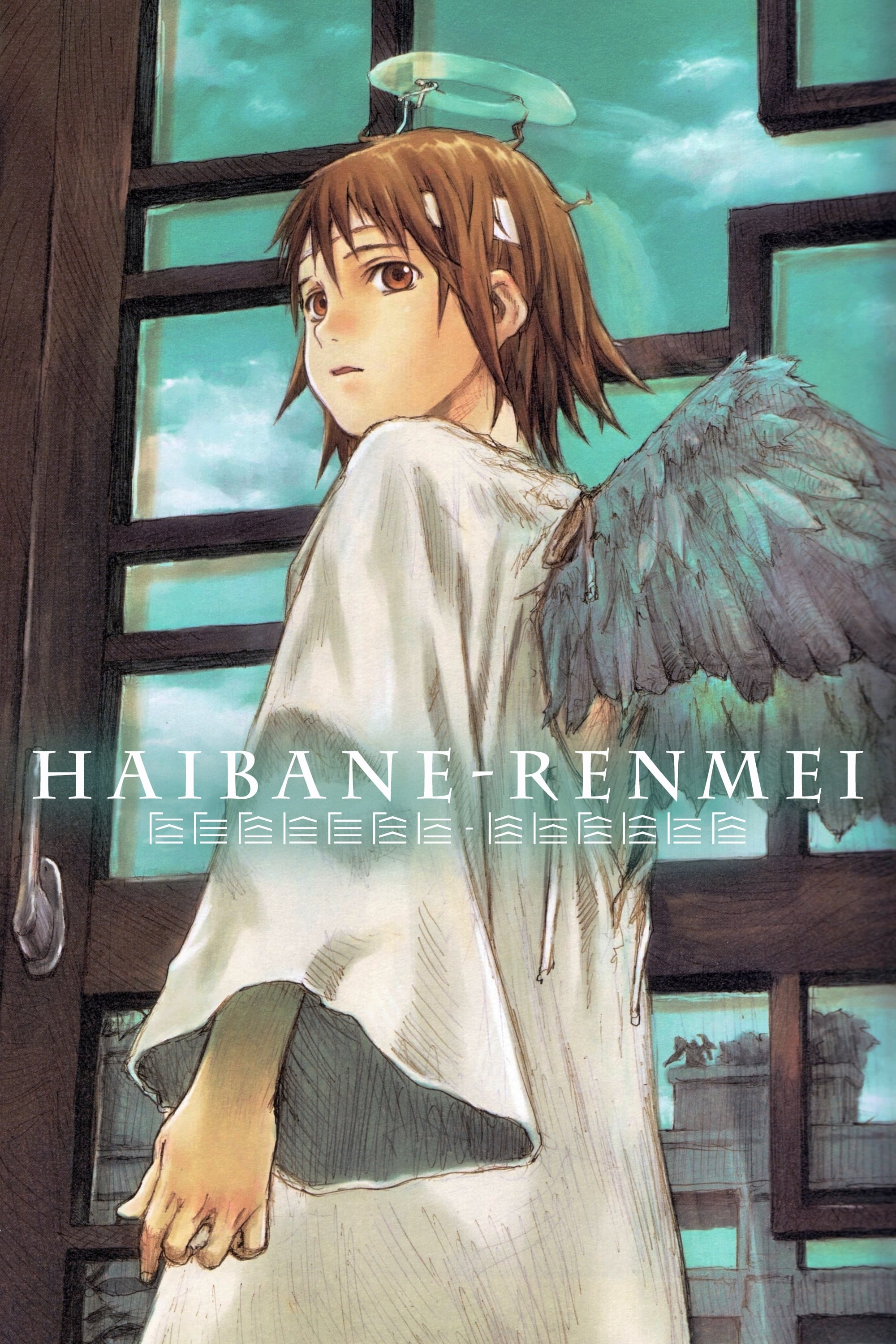
Set in a walled town where winged residents live alongside humans, this series focuses on domestic routines and community rules rather than spectacle. Stories follow shared housing chores, modest jobs, and local traditions that mark milestones and responsibilities.
The setting emphasizes muted colors, quiet streets, and small rituals. Work assignments, budgeting, and visits to familiar shops create a steady rhythm that keeps attention on social bonds and everyday obligations.
‘Toradora!’ (2008–2009)

Based on Yuyuko Takemiya’s novels, the show follows classmates whose lives revolve around school committees, festivals, exams, and part-time jobs. The calendar—sports days, trips, ceremonies—provides recurring deadlines that shape projects and peer coordination.
Home scenes cover housekeeping, budgeting, and family routines, while classroom layouts and seating charts stay consistent across arcs. The structure lets minor tasks—like shopping for supplies or managing class exhibits—carry narrative weight.
‘Non Non Biyori’ (2013–2021)
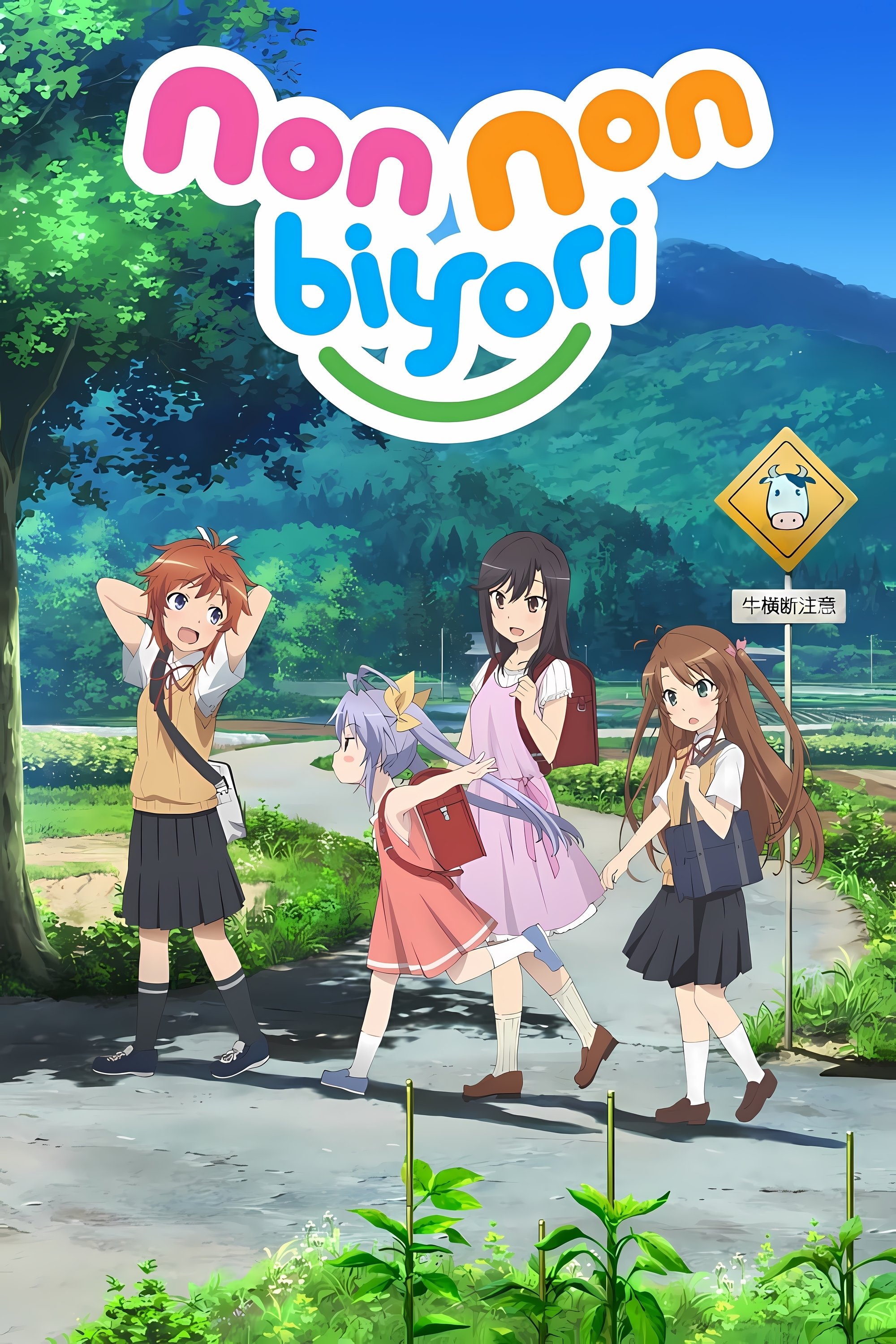
Set in a rural village with a single combined class, this series depicts long commutes, small-town shops, and agricultural seasons. Lessons, crafts, and outdoor exploration reflect countryside routines where resources are shared and schedules are flexible.
Backgrounds highlight rice fields, dirt paths, and wooden interiors. Episodes often revolve around chores, seasonal festivals, and neighborhood visits, using local landmarks and family ties to anchor each day’s activities.
‘Azumanga Daioh’ (2002)

Adapted from Kiyohiko Azuma’s yonkoma manga, this classic organizes short, linked segments around homeroom rituals, PE rotations, and school trips. The humor stays tied to timetables, teacher tasks, and club tryouts rather than plot twists.
A small set of recurring locations—classrooms, the staff room, the gym—creates continuity, while attendance, cafeteria menus, and exam blocks structure the students’ weeks. The format established a template many later school slice-of-life comedies follow.
‘Usagi Drop’ (2011)
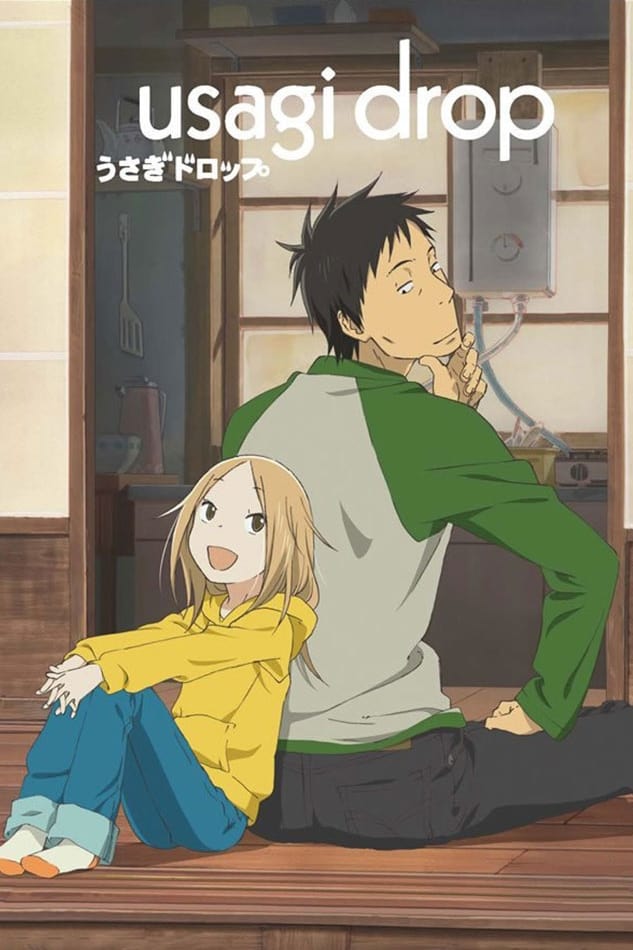
Adapted from Yumi Unita’s manga, the story follows a bachelor who becomes guardian to a young relative, with episodes centered on practical caregiving. Procedures like nursery enrollment, health checkups, and parent–teacher meetings are presented step by step.
Domestic scenes focus on laundry, meal planning, and early bedtimes. Budgeting, shopping lists, and scheduling around work shifts form the backbone of each chapter, emphasizing how households run smoothly through routine.
‘Barakamon’ (2014)
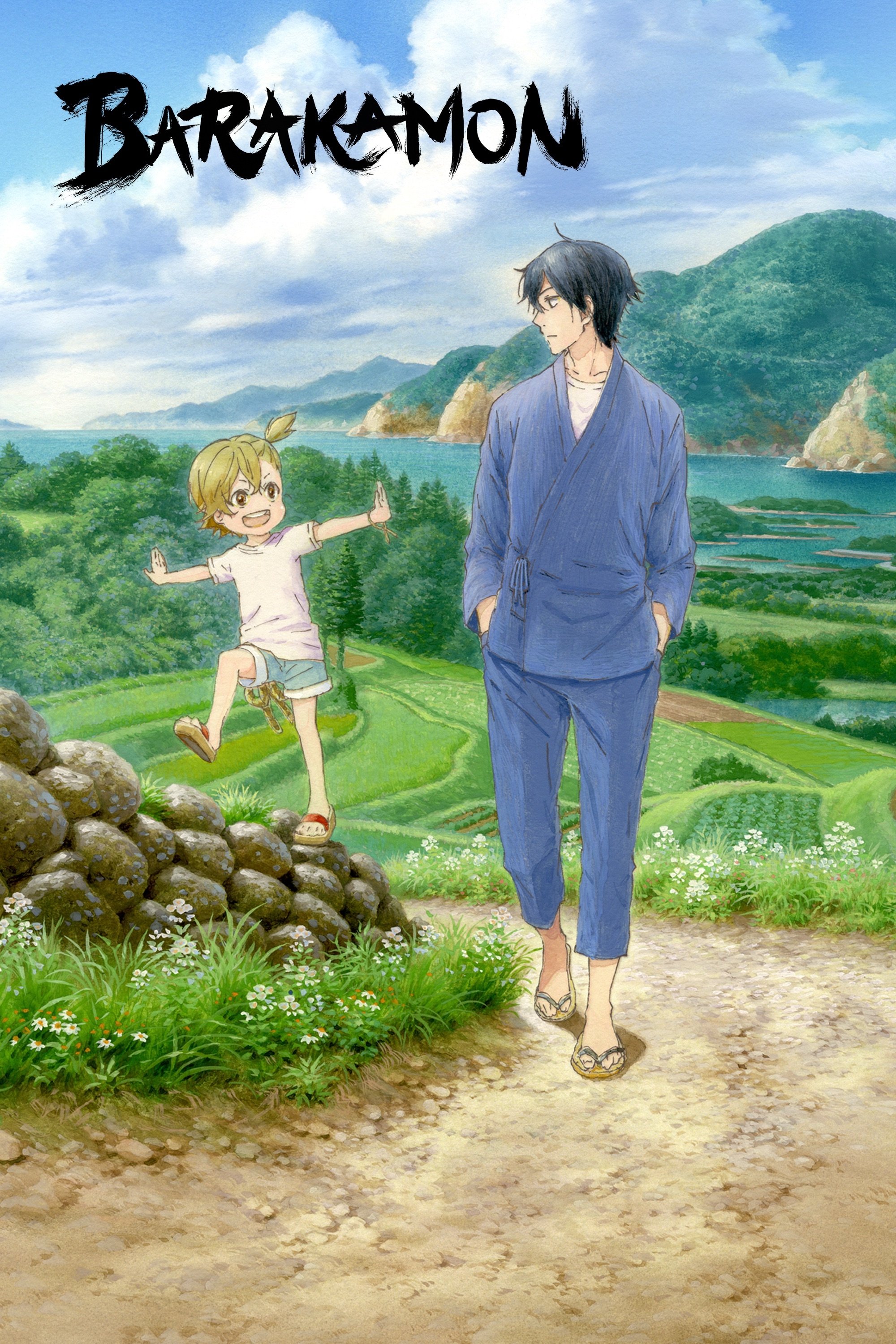
This adaptation of Satsuki Yoshino’s manga follows a calligrapher who relocates to a remote island and becomes involved in community life. Episodes cover calligraphy practice, deliveries, and errands that depend on ferries, small shops, and school visits.
Location detail—shorelines, wooden homes, community centers—supports scenes about lesson prep, festival participation, and helping neighbors. The show treats island logistics as everyday structure rather than obstacles.
‘Horimiya’ (2021)

Drawn from the manga by HERO and Daisuke Hagiwara, the series focuses on two classmates whose public personas differ from their home lives. Class rosters, group projects, part-time shifts, and club activities map how relationships evolve across ordinary weeks.
Texting, holiday breaks, and study periods are shown with practical steps: organizing meetups, coordinating rides, and navigating school announcements. The consistent use of classrooms, hallways, and apartments creates a stable backdrop for change.
‘Silver Spoon’ (2013–2014)

Based on Hiromu Arakawa’s manga, this show portrays life at an agricultural high school through hands-on coursework. Lessons cover dairy management, crop cycles, animal care, and food processing, with students completing tasks in teams.
Early-morning chores, seasonal harvests, and exams structure the term. Club activities and internships extend the curriculum into the local economy, giving the series a distinctive educational angle within slice-of-life routines.
‘Shirobako’ (2014–2015)
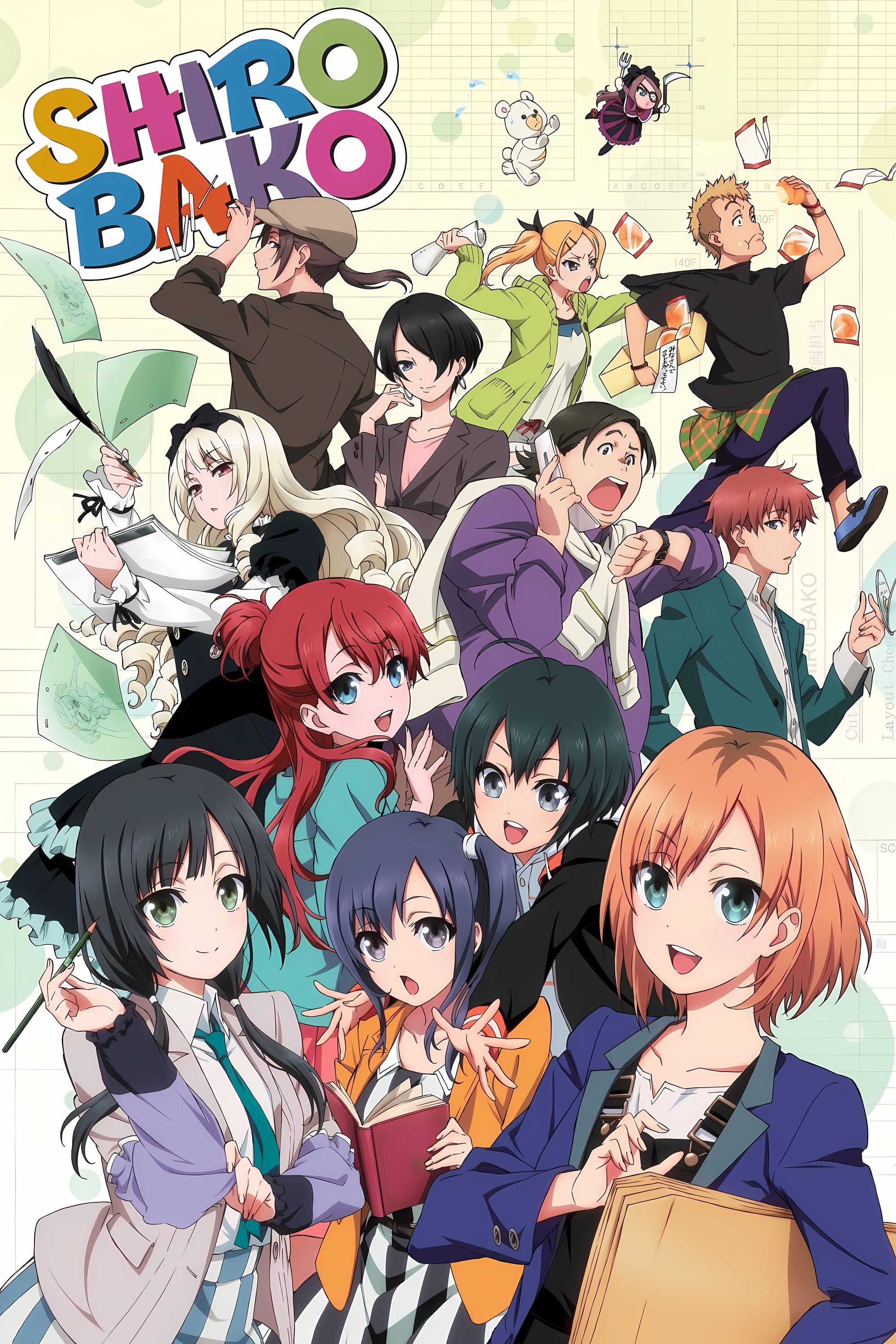
This workplace series follows an anime studio through pre-production meetings, storyboards, layout, key animation, sound, and post. Departments pass work through clear handoffs, so deadlines, timesheets, and schedule boards drive each episode.
Tools like timeslips, cut numbers, and dubbing schedules are presented in practical detail. The office culture—commutes, overtime meals, and vendor coordination—illustrates how a production team keeps episodes on track.
‘Laid-Back Camp’ (2018–2021)

Adapted from Afro’s manga, the series centers on solo and group camping with checklists for gear, campsite reservations, and camp cooking. Episodes include tutorials for setting up tents, stove safety, and planning routes via public transport.
Real-world campsites and weather conditions guide clothing layers, windbreak placement, and meal prep. The format alternates between day trips and overnight stays, keeping attention on practical routines and friendly coordination.
‘A Place Further than the Universe’ (2018)

This original series follows four students who join a civilian expedition to Antarctica, presented as a project managed through applications and training. The narrative tracks sponsorships, paperwork, safety briefings, and onboard duties such as watch rotations and lab assistance.
Packing lists, ship schedules, and field tasks are broken down into manageable steps. The show balances travel documentation with school responsibilities and family communication back home.
‘Hyouka’ (2012)
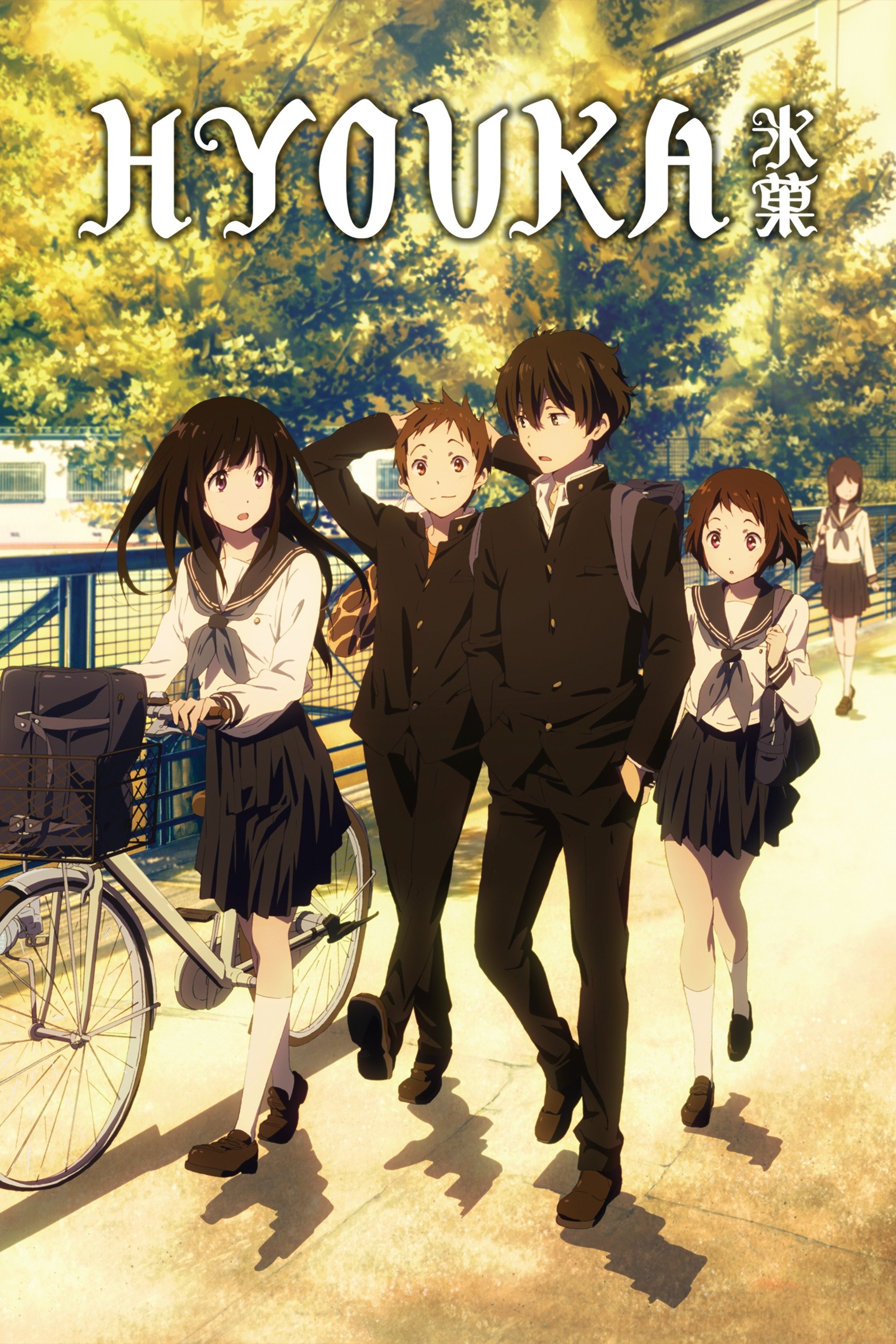
Based on Honobu Yonezawa’s ‘Classic Literature Club’ novels, ‘Hyouka’ follows club investigations rooted in campus archives, festival planning, and library procedures. The clubroom functions as a base for research, minutes, and display materials.
Cultural festival logistics—committee approvals, exhibit rules, timetables—provide multi-episode arcs. The show treats deduction as a school activity tied to posters, programs, and teacher sign-offs rather than high-stakes crime.
‘Natsume’s Book of Friends’ (2008–2017)

Adapted from Yuki Midorikawa’s manga, this iyashikei series follows a boy who can see yōkai and inherits a ledger binding them to his grandmother. Episodes focus on helping spirits resolve unfinished business while building trust with classmates, neighbors, and a feline bodyguard.
Stories emphasize small gestures—returning names, mending keepsakes, delivering messages—set against familiar homes and rural paths. The calm pacing highlights community, memory, and the routines that bring people together.
‘My Teen Romantic Comedy SNAFU’ (2013–2020)

Drawn from Wataru Watari’s light novels, the series centers on a school Service Club that handles student requests. Tasks like festival planning, club disputes, and committee mediation allow the show to examine social expectations through structured activities.
Dialogue-heavy scenes take place in classrooms, libraries, and multipurpose rooms that remain consistent across terms. Part-time jobs, study sessions, and class events provide steady milestones for change.
‘Miss Kobayashi’s Dragon Maid’ (2017–2021)

Adapted from Cool-kyou Shinja’s manga, this domestic comedy follows an office worker and a dragon who manages household chores and childcare while learning human customs. Episodes cover grocery runs, neighborhood associations, and school projects alongside office schedules.
Fantasy elements are integrated into ordinary tasks like bento prep and apartment maintenance. The show consistently returns to the same home and workplace settings, emphasizing routines and community participation.
‘Violet Evergarden’ (2018)
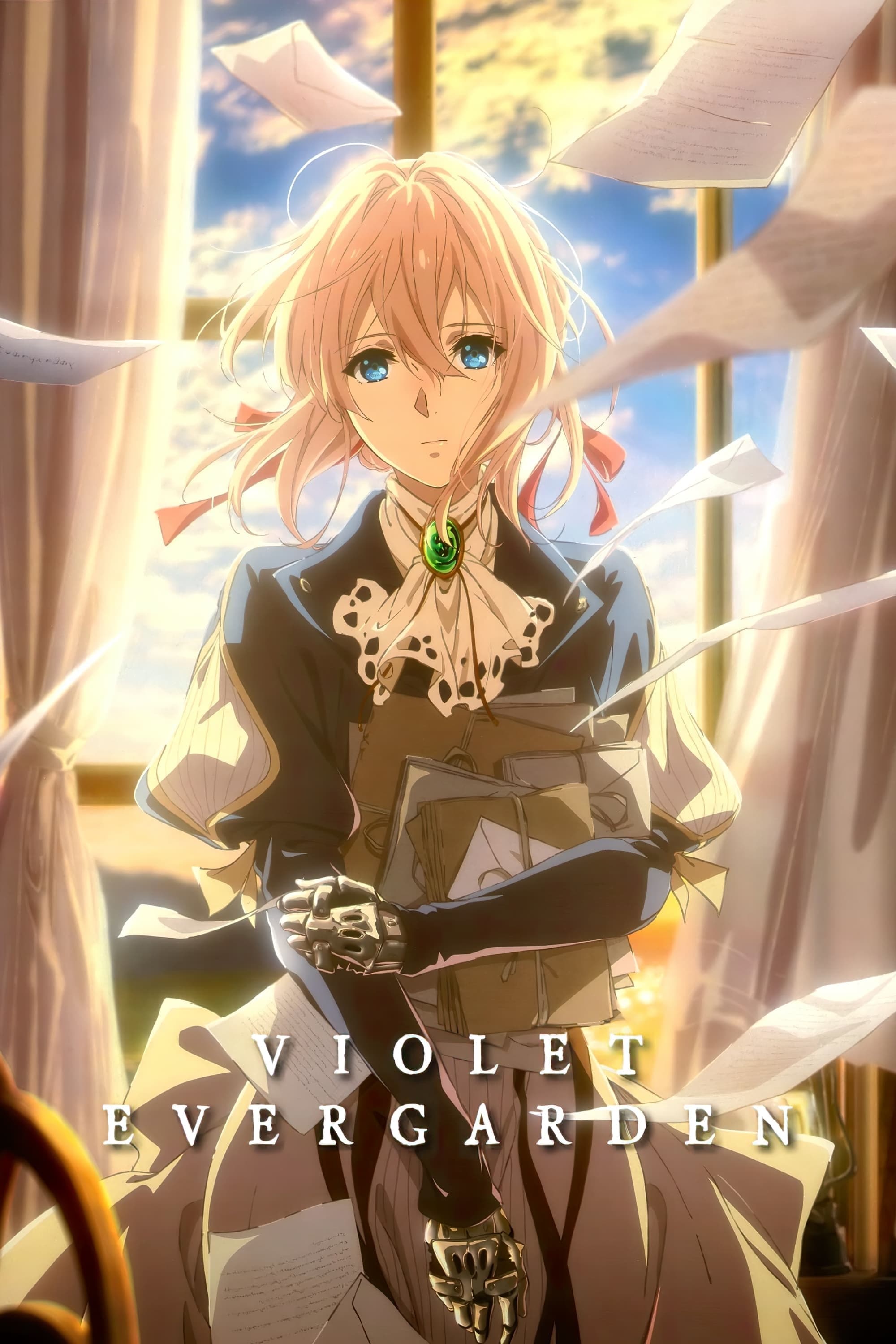
Based on Kana Akatsuki’s novels, this series follows an Auto Memory Doll who writes letters for clients. Assignments include research, interviews, and travel arrangements, with etiquette and drafting techniques presented as professional steps.
Workplace details—typewriter mechanics, postal routes, delivery deadlines—are highlighted in each case. Projects are scoped through briefings, revisions, and sign-offs that mirror real service workflows.
‘Nichijou: My Ordinary Life’ (2011)
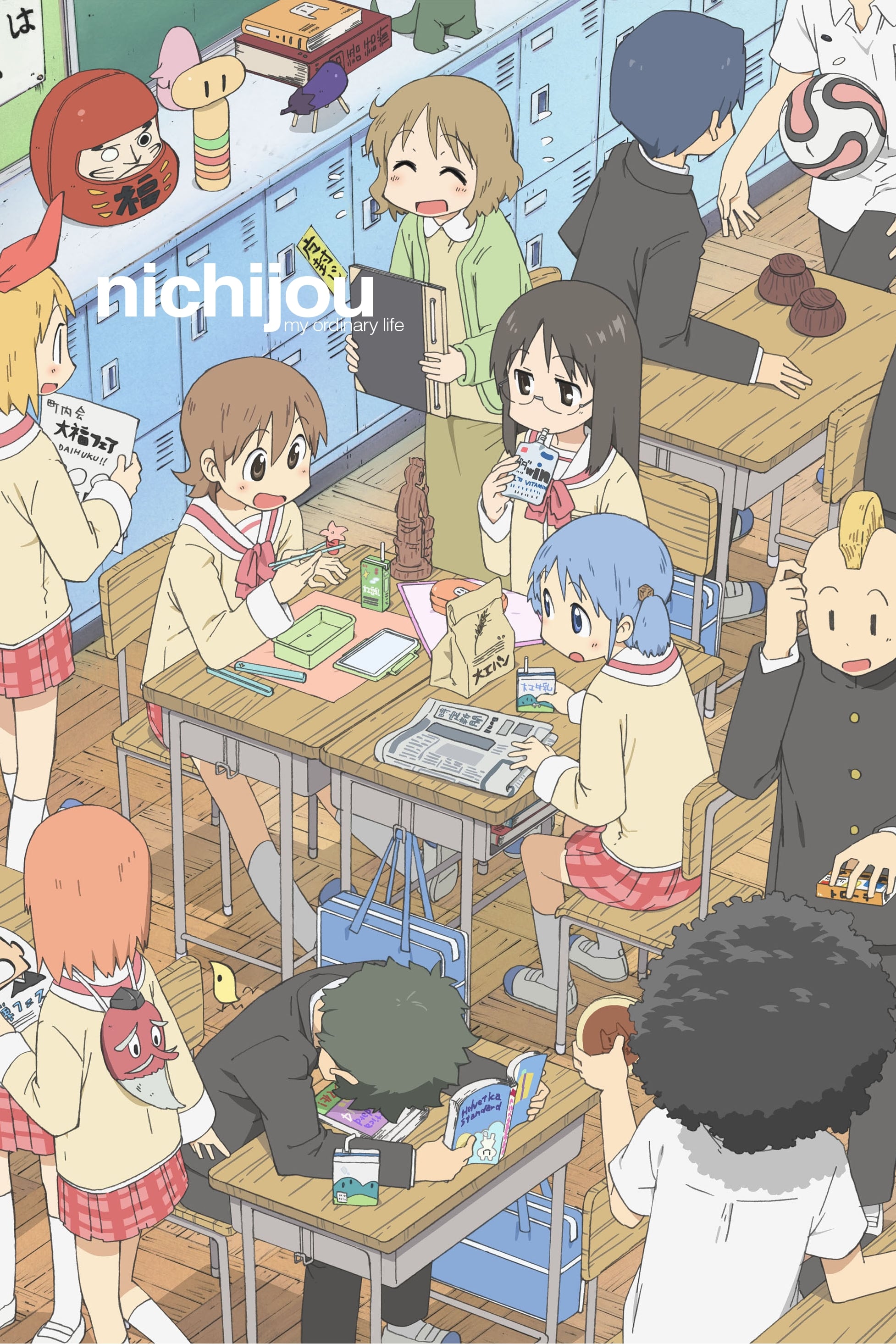
Adapted from Keiichi Arawi’s manga, ‘Nichijou’ stitches together short segments set around classrooms, homes, and the town square. Even when gags get surreal, the scaffolding remains school timetables, club meetings, and errands.
Recurring landmarks—desks, hallways, corner stores—let scenes snap back to routine. The episodic layout supports quick returns to assignments, quizzes, and part-time shifts that shape a typical week.
‘Mushi-Shi’ (2005–2014)
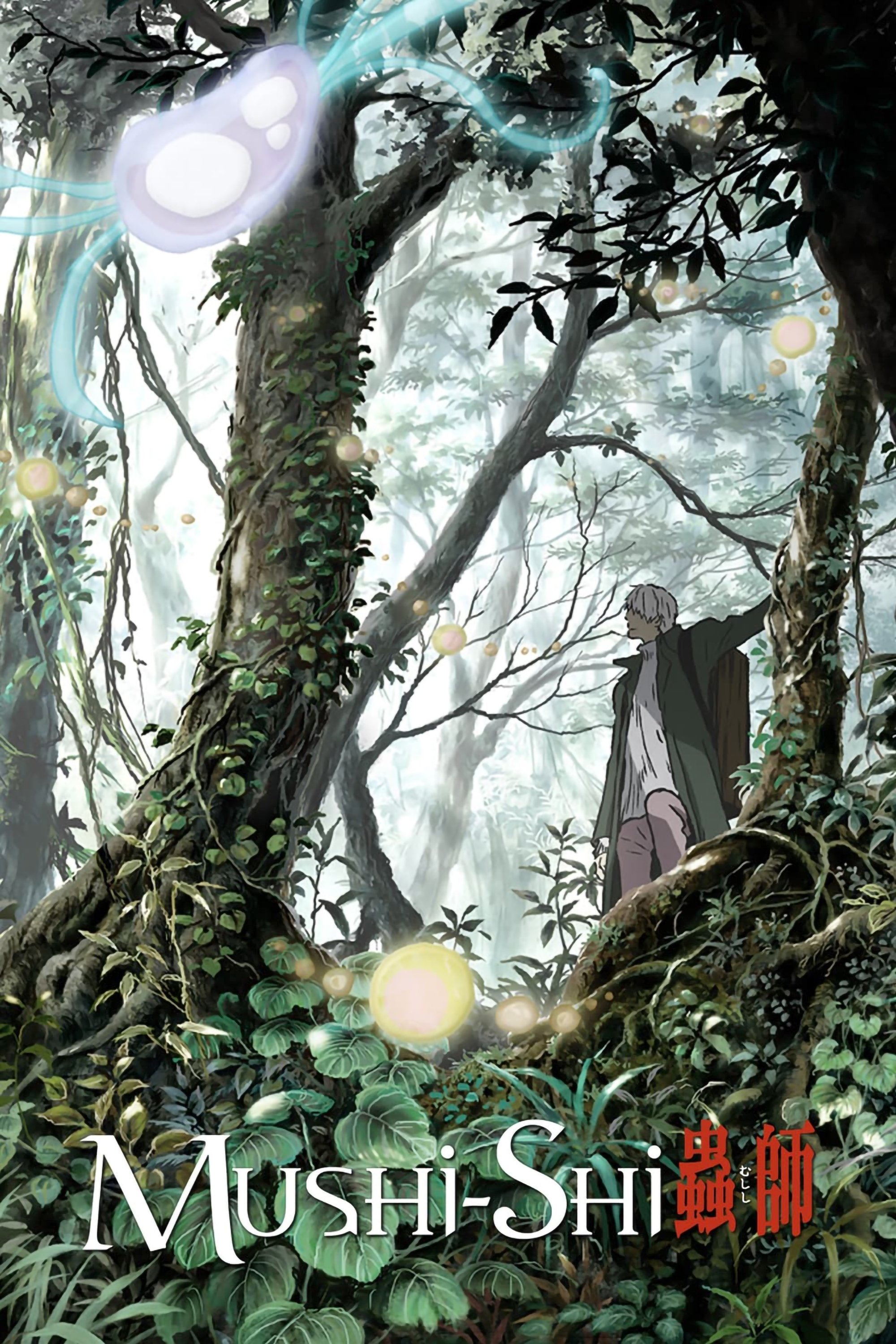
Based on Yuki Urushibara’s manga, this series follows a traveling researcher who studies primordial lifeforms called mushi. Episodes resemble field notes: observation, interviews with villagers, and remedies that rely on local knowledge.
Travel journals, medicine boxes, and folklore references structure each case. The pace mirrors natural rhythms, emphasizing careful cause-and-effect and respectful collaboration with communities.
‘Fruits Basket’ (2019–2021)
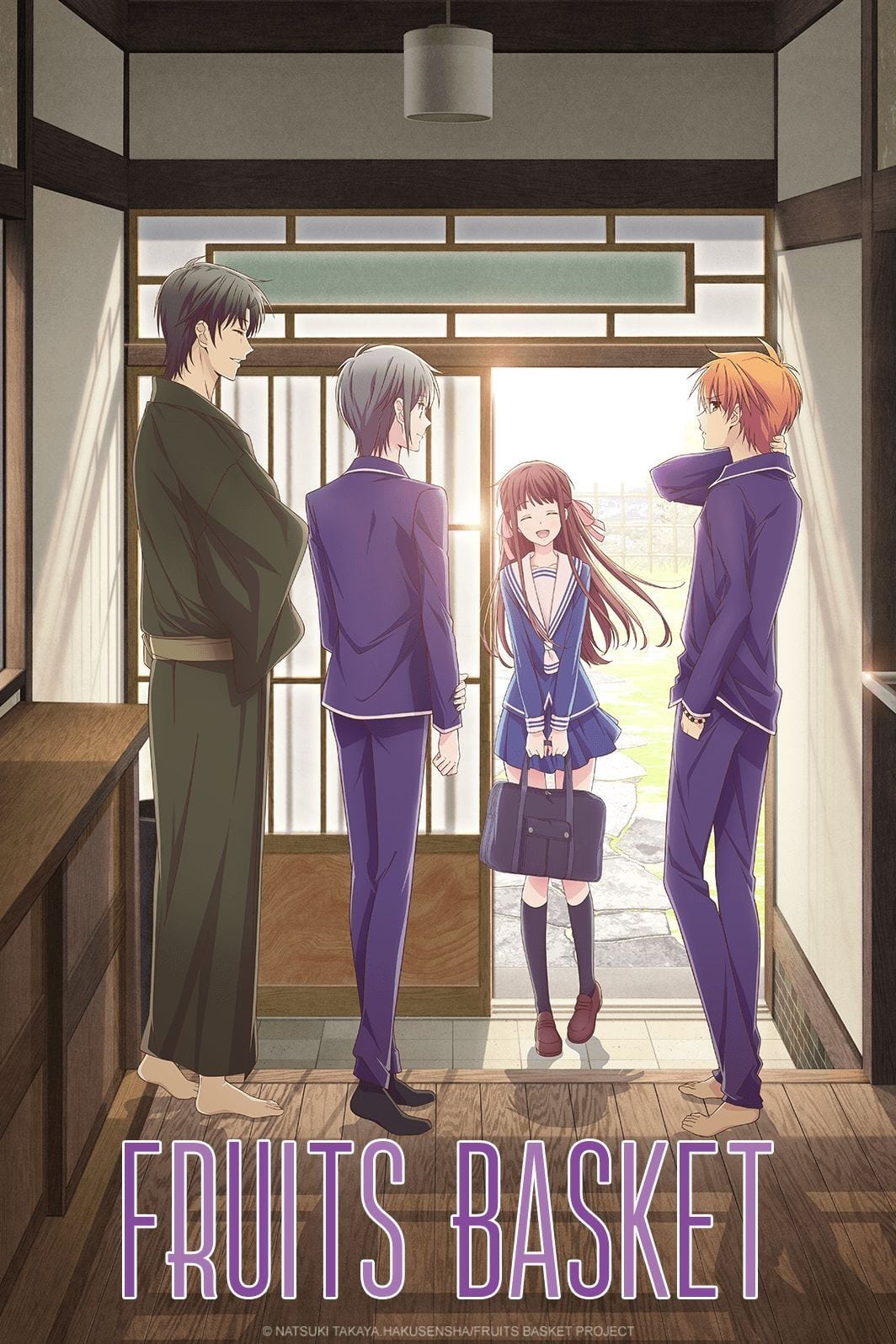
Adapted from Natsuki Takaya’s manga, this complete remake covers the entire story with consistent staff and cast across its seasons. The everyday core involves school activities, family chores, and part-time work framed by shared living arrangements.
Recurring locations—classrooms, markets, and a central residence—anchor scenes while club events and home responsibilities structure each term. Side characters’ routines receive clear attention through parallel arcs.
‘Clannad: After Story’ (2008–2009)

Following the initial ‘Clannad’, this sequel shifts to post-graduation routines—employment, domestic budgeting, and neighborhood services. Episodes trace apartment management, shift changes, and community support networks as characters assume adult responsibilities.
Workplaces, clinics, and public offices appear regularly, providing a practical map of everyday systems. The narrative uses milestones like housing arrangements and job transitions to frame long-term choices.
‘March Comes in Like a Lion’ (2016–2018)
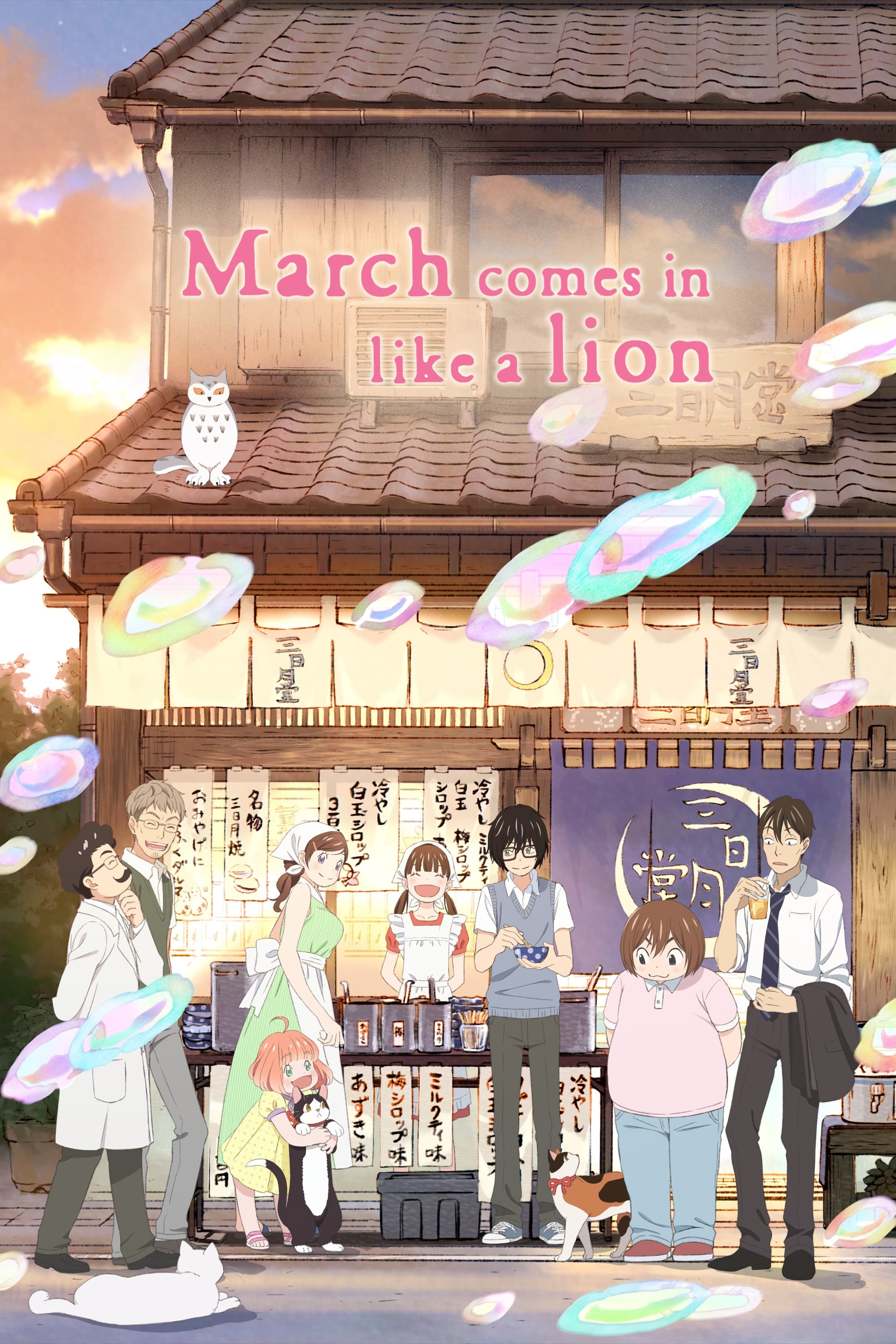
This adaptation of Chica Umino’s manga centers on professional shogi and the routines around it—practice regimens, tournament brackets, and study sessions. The story also tracks school attendance, tutoring, and household tasks that fill out each week.
Detailed depictions of match records, ranking classes, and study materials sit alongside community life with neighbors and classmates. Cooking, shared meals, and local events balance competitive structure with domestic scenes.
‘Bocchi the Rock!’ (2022)
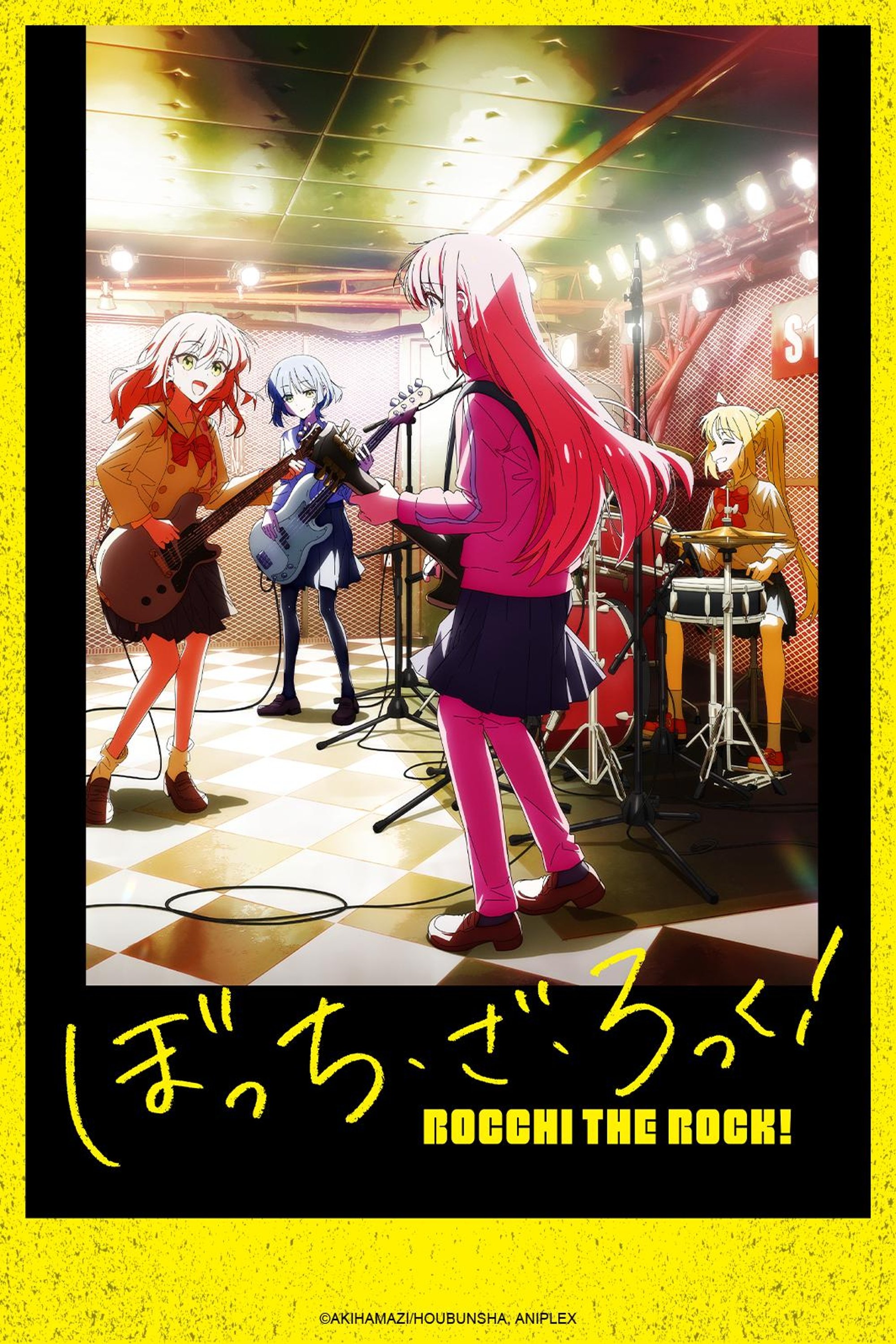
Adapted from Aki Hamaji’s manga, this music-club series follows a guitarist who navigates stage fright while joining a band that books local live houses. Episodes show rehearsal planning, equipment setups, and venue schedules, along with flyer design and basic promotion.
The production uses on-screen text and cutaways to depict gear, setlists, and social updates. The story maps how school calendars and part-time shifts intersect with booking gigs, keeping attention on practical music-scene routines.
Share the slice-of-life shows you’d add—and the everyday details you love most about them—in the comments!