5 Things About ‘Only Fools and Horses’ That Made Zero Sense and 5 Things About It That Made Perfect Sense

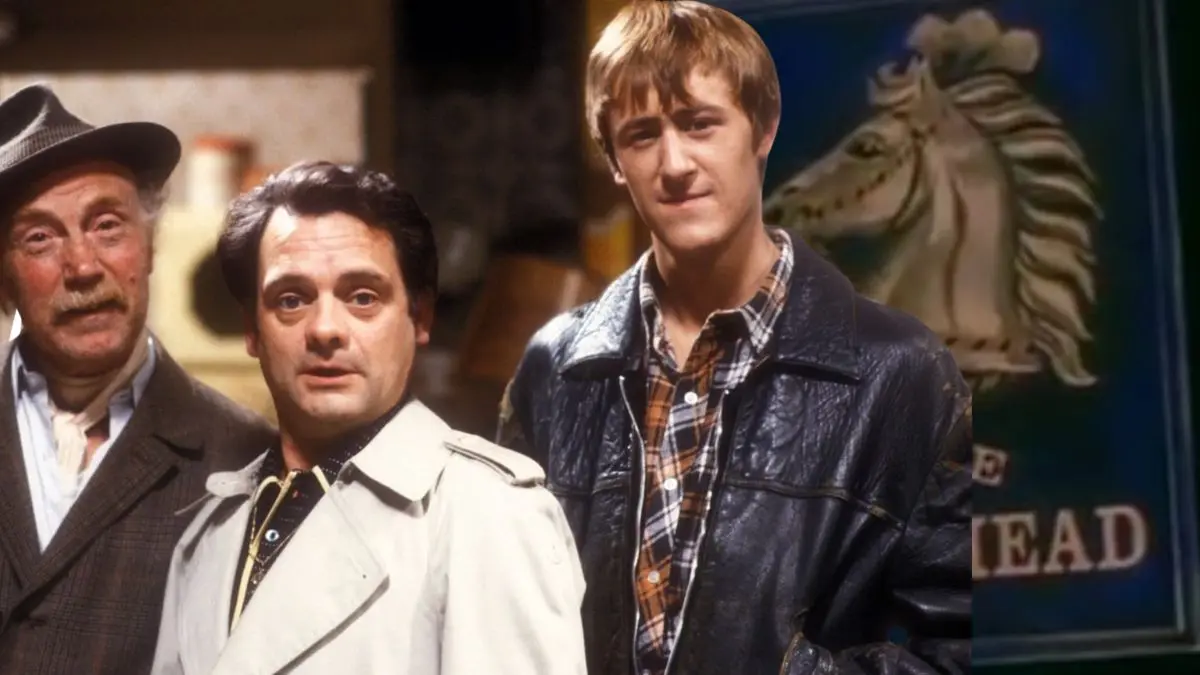

‘Only Fools and Horses’ remains one of the most quoted British sitcoms, with stories that move from market stalls to million pound winds and back to cuppas in the flat. It built a world that felt lived in, with characters who shared history, routines, and little rituals that return across years of specials and Christmas episodes.
That same long run also created odd quirks and continuity knots. Some details shift across episodes, while other elements stay rock solid, giving the show its familiar rhythm and reliable heart. Here are five examples that made zero sense next to five that made perfect sense.
Zero Sense: Rodney’s shifting age and timeline
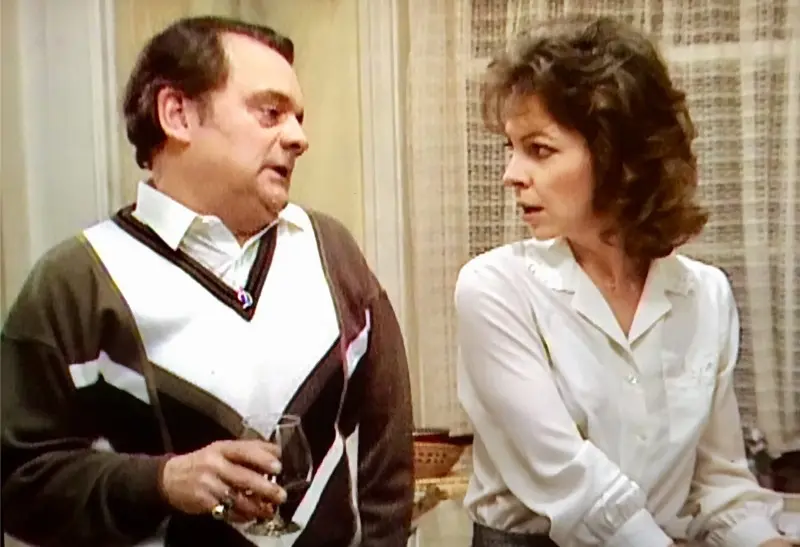
Early episodes describe Rodney’s school record and youth in a way that places him as a young man just a few years out of school. Later episodes set his age and milestones in ways that do not always align with earlier references, including mentions of how long he has worked with Del and how recently he left formal education.
Paperwork and official forms shown on screen at different times include dates that point in different directions. Dialogue about his National Service era relatives and his own childhood memories also lands differently across the run, which leaves the timeline for his twenties and early thirties hard to match from episode to episode.
Perfect Sense: The Reliant Regal as a constant

The yellow Reliant Regal Supervan remains the most consistent visual anchor of the show. It carries the Trotters to markets, auctions, weddings, and seaside trips, and it is always branded with Trotters Independent Traders on the side, which ties every scheme back to the family business.
The van shapes set pieces and story beats in practical ways. Characters stash briefcases, suit covers, paint tins, and novelty stock in the back, and breakdowns or parking scrapes create plot turns that move scenes from one location to another without needing extra exposition.
Zero Sense: Trigger calling Rodney Dave
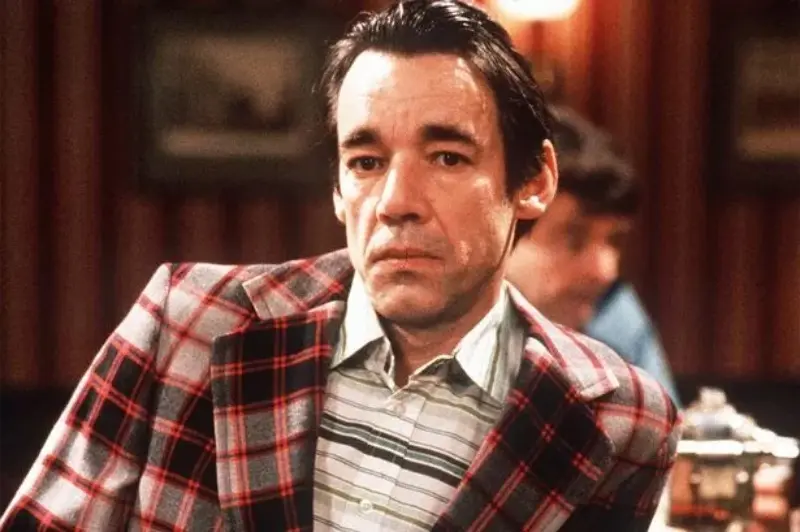
Trigger repeatedly calls Rodney Dave across many years, even when characters correct him in the moment. Scenes show Trigger being reminded of Rodney’s name and acknowledging the correction, then returning to Dave in later conversations without any on screen reason for the lapse.
Official settings do not change the habit. Whether they are in the Nag’s Head, at a council do, or at a formal event, Trigger uses Dave and other characters respond as if this has been going on forever, which leaves no internal explanation beyond the repetition itself.
Perfect Sense: The Nag’s Head as a stable hub
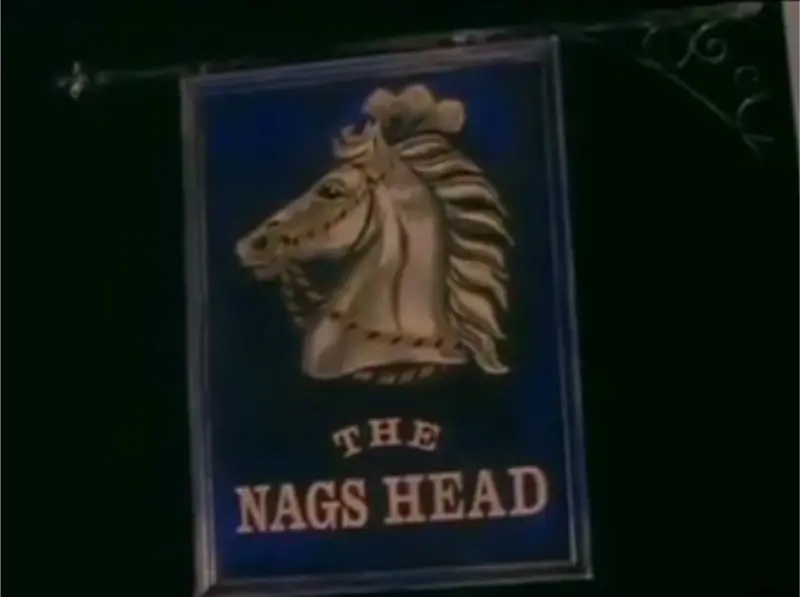
The Nag’s Head functions as a reliable meeting point where stories begin and end. Regulars gather there to share news of new stock, tip offs about auctions, and updates on relationships, which lets the show move information through the cast in a way that feels natural.
The pub also provides clear spatial logic. The bar, the tables, and the back room host different kinds of scenes, from quick gags near the pumps to longer talks in the corner, so viewers always know where deals are made, where misunderstandings start, and where announcements land.
Zero Sense: The Trotters’ flat layout and block changes
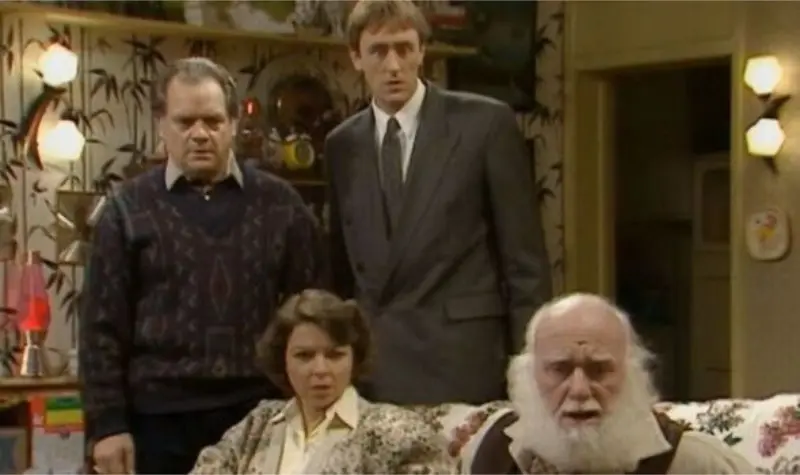
The set for the Trotters’ flat evolves across the series with walls, doors, and furniture placements that do not always match earlier layouts. Characters walk through to the kitchen or the bedroom via routes that appear to shift, which makes earlier blocking hard to reconcile with later scenes.
Exterior shots of Nelson Mandela House also change location across production periods. Wide shots and establishing views come from different real world tower blocks, which creates a mismatch between the outside seen in one era and the interior geography presented in another.
Perfect Sense: The Jolly Boys’ Outing tradition
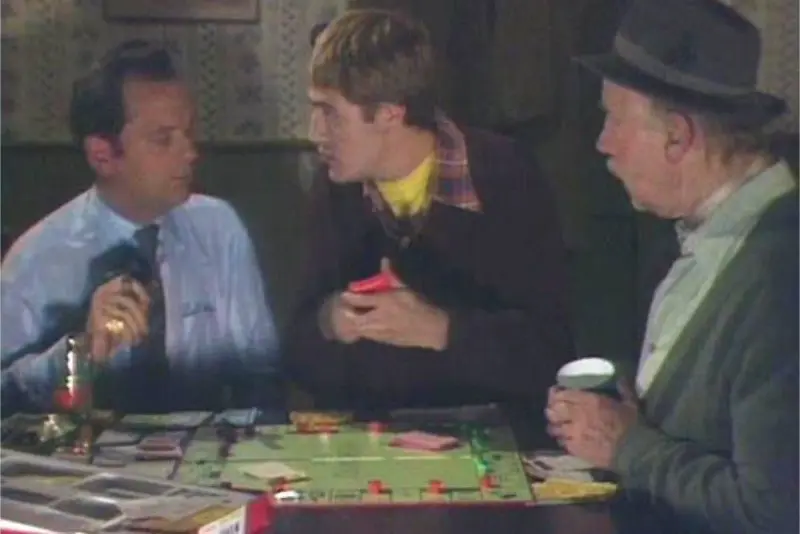
The annual Jolly Boys’ coach trip to the seaside appears as a recurring tradition that ties characters together outside Peckham. Planning the itinerary, saving for the day, and listing who is coming all build shared history that turns up in later dialogue.
Locations from the outing feed back into the show. Beachfront stalls, hotels, and coach stops become reference points in later episodes, so in universe memories of the trip add texture when characters talk about past mishaps, old photos, or a mate who missed the bus one year.
Zero Sense: The rapid rise and fall of the windfall
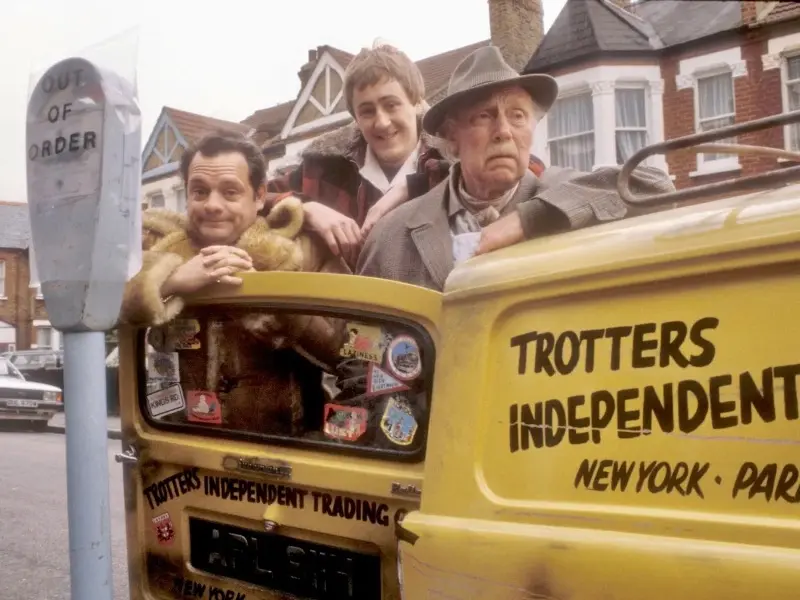
The Trotters discover a valuable pocket watch that changes their financial standing overnight at a major auction. The sale transforms their lifestyle with new homes, cars, and dining habits presented across scenes that emphasize the scale of the change.
A later special explains the loss of that fortune through bad investments, fees, and mismanagement. The amount of time between the sale and the reversal is brief within the story world, and on screen summaries compress complex financial steps into quick updates that leave gaps in the timeline.
Perfect Sense: Brotherhood at the core of the business
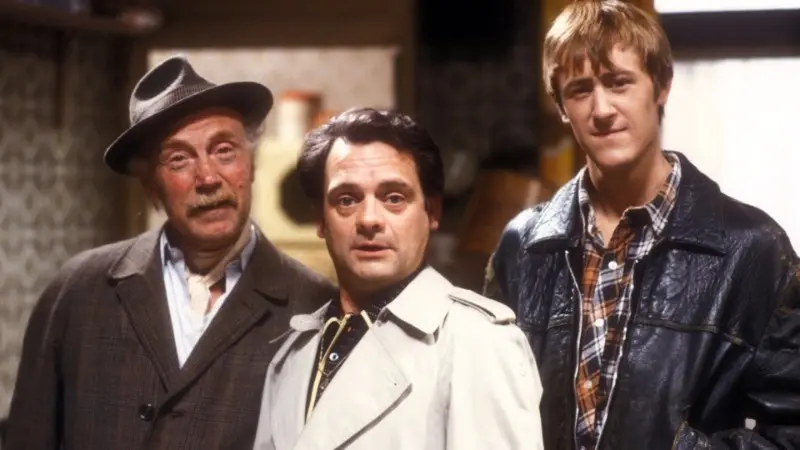
Del and Rodney run Trotters Independent Traders as a family operation built on complementary roles. Del sources deals, maintains contacts, and manages sales patter, while Rodney handles paperwork, logistics, and caution about suppliers, which gives scenes a clear division of labor.
Family decisions consistently drive business choices. Moves to change stock lines, take on partners, or pursue opportunities are filtered through the needs of their home and their wider family circle, so the company’s path follows personal ties rather than abstract profit targets.
Zero Sense: Uncle Albert’s wartime details moving around
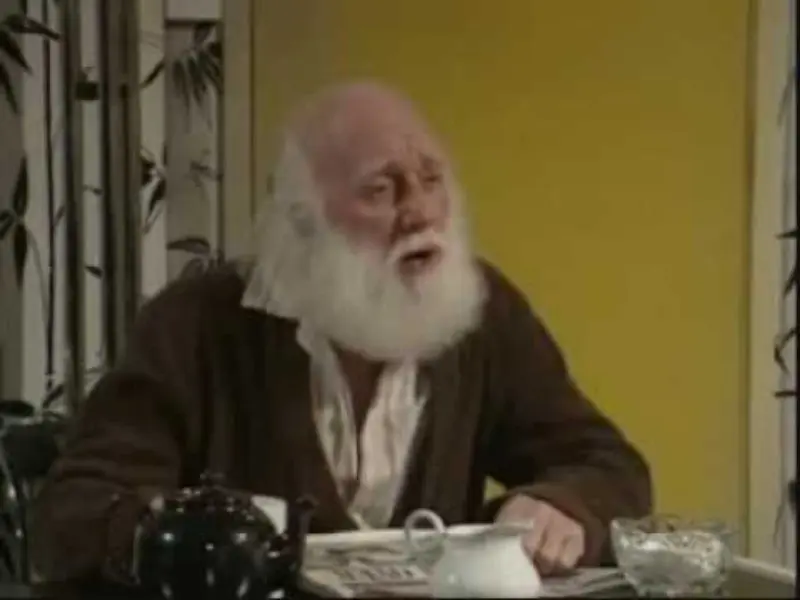
Uncle Albert shares Royal Navy stories that name ships, convoys, and ports visited. Across episodes, medal arrangements on his jacket and the order of campaigns he recalls do not always line up with earlier accounts shown or mentioned in the flat or the pub.
Photographs and keepsakes appear with different backstories later on. Items that were said to come from one voyage are later linked to a different ship or location, which makes it difficult to chart a single verified service record from the evidence presented on screen.
Perfect Sense: Catchphrases and running gags that build identity
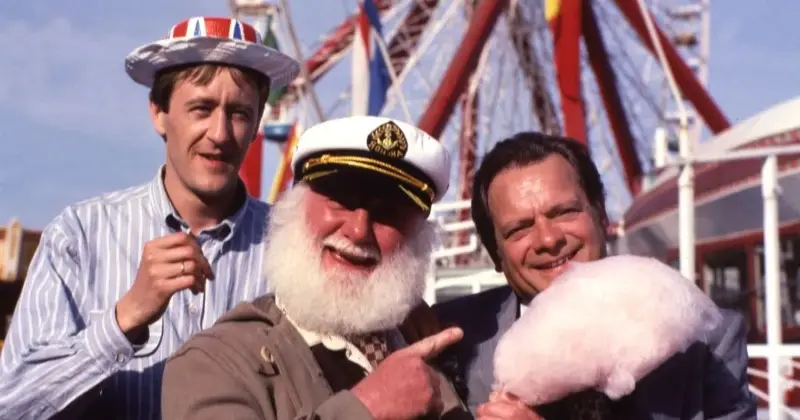
Repeated lines such as Lovely jubbly and You plonker mark character voices in ways that help viewers follow who is speaking even in quick exchanges. These phrases attach to specific relationships, so a line from Del to Rodney carries a different weight than the same words to a market contact.
Running gags develop practical payoffs. A familiar phrase often signals the start of a pitch or the moment a plan goes off track, which cues audience expectations and lets scenes accelerate without extra setup. The repetition also ties new episodes to earlier ones through shared language.
Share your favorite moments from ‘Only Fools and Horses’ in the comments and tell us which bits made zero sense and which made perfect sense.