15 Actresses Who Lost the Most Weight for a Role



Transforming for a part sometimes means changing more than an accent or a hairstyle. For many actresses, it has meant losing a significant amount of weight under close supervision to meet a character’s physical reality. Productions typically coordinate these changes with doctors, nutrition experts, and trainers so the process is structured and time bound, then reversed safely once filming wraps.
The examples below span intense dramas, survival stories, and music or dance driven roles. Each one reflects months of preparation, carefully planned nutrition, and training designed around the demands of a shoot. The goal in every case was the same. Serve the story while protecting the performer’s health with medical oversight and a clear plan to restore weight afterward.
Anne Hathaway in ‘Les Misérables’

For Fantine, Anne Hathaway shed a notable amount of weight in the weeks before filming her most harrowing scenes. The production scheduled those sequences early so her lowest weight aligned with the story’s timeline, and her team monitored the change with regular check ins.
Costume fittings tracked how her wardrobe would hang on a rapidly changing frame. Hair and makeup coordinated her look with the weight loss schedule so continuity stayed precise across pickups and reshoots, and the studio arranged a refeeding plan once the demanding portion of the shoot finished.
Natalie Portman in ‘Black Swan’
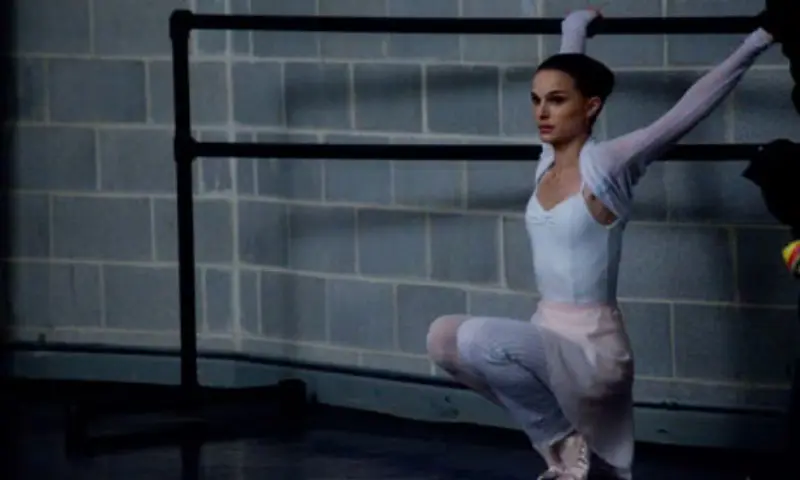
Natalie Portman moved from daily cross training into long ballet sessions while reducing weight to match a principal dancer’s silhouette. The choreography load was mapped week by week with a nutrition plan that supported rehearsal blocks while still creating the visible change the role required.
Filming used leotards and close ups that emphasized posture and musculature. Production dietitians tracked energy levels on set so scene order could shift if recovery windows were needed, and Portman transitioned back to baseline weight after wrap with physiotherapy to unwind repetitive strain.
Mila Kunis in ‘Black Swan’
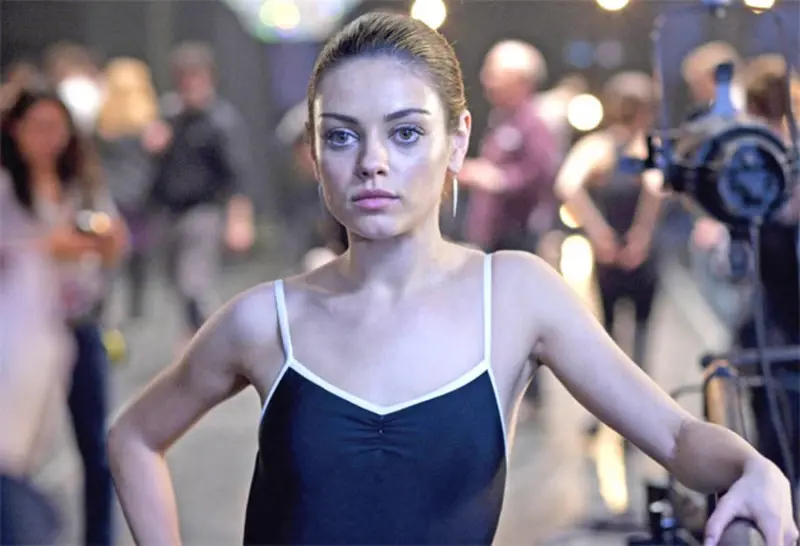
Mila Kunis also leaned down for the same film to mirror the physical demands of a professional company dancer. Her schedule combined technique classes with conditioning focused on turnout, core control, and footwork, while a supervised eating plan paced her weight loss across the rehearsal calendar.
Wardrobe cut multiple versions of each costume at different measurements to keep movement safe as her body changed. The crew staged lifts and spins around her new center of gravity, and medical staff checked hydration and electrolyte balance during long performance days.
Beyoncé in ‘Dreamgirls’

To move between eras of Deena Jones’s career, Beyoncé dropped weight to capture the character’s early stage image. Her team coordinated the timeline so the slimmer look aligned with specific musical numbers and press conference scenes, then restored weight for later story beats.
Costume design used period accurate silhouettes that required precise measurements at each fitting. Vocal coaches and nutrition consultants worked together so weight loss never compromised breath control during live singing takes, and the production planned pickups after weight stabilization.
Rooney Mara in ‘The Girl with the Dragon Tattoo’

Rooney Mara trimmed down to embody Lisbeth Salander’s spare, wiry frame. The change happened alongside extensive physical prep that included fight drills, motorcycle training, and time with a dialect coach so performance work advanced while her body adjusted.
Makeup, hair, and costume departments calibrated piercings, tattoos, and layering to accent the leaner build. The shooting schedule placed the most physically taxing sequences during periods of highest energy, and a monitored refeed brought her back to baseline after principal photography.
Noomi Rapace in ‘The Girl with the Dragon Tattoo’

For the Swedish adaptation, Noomi Rapace slimmed to a similar compact profile while building stamina for long night shoots and cold exteriors. Her training favored functional strength so weight loss did not reduce power for fights or sprints.
Wardrobe engineered multiple jacket and pant sizes as measurements shifted, and stunt coordinators rehearsed grapple work to ensure safety at the lower weight. Medical check ins documented sleep, stress, and recovery so adjustments could be made without disrupting location windows.
Lily Collins in ‘To the Bone’

Lily Collins reduced weight under medical supervision to portray a young woman in treatment for an eating disorder. The production employed clinicians to oversee every stage of the change and to structure a controlled return to a healthy range immediately after filming.
Scenes were staged with careful continuity planning because even small day to day fluctuations can show on camera. The set maintained quiet rooms and short work blocks to manage energy levels, and the costume department tracked measurements to keep wardrobe safe and accurate.
Zoë Kravitz in ‘The Road Within’

Zoë Kravitz lost weight to play a character living with anorexia. Her preparation involved clinicians and nutritionists who established boundaries for the transformation, with frequent monitoring to ensure biomarkers stayed within safe limits.
Director and cinematographer arranged lighting and angles that reflected the character’s condition without requiring further physical extremes. After wrap, Kravitz followed a planned restoration period supervised by her medical team to recover strength and stabilize weight.
Shailene Woodley in ‘Adrift’

To portray weeks at sea with limited food, Shailene Woodley slimmed down under a plan that synchronized weight changes with the survival timeline in the script. The approach balanced authenticity with safety by building in rest days and medical oversight.
Filming on water stages can amplify fatigue, so the schedule placed demanding storm sequences early and dialogue coverage later. The production used continuity photos and costume alterations to reflect progressive weight loss across scenes set days or weeks apart.
Renée Zellweger in ‘Chicago’

Renée Zellweger returned to a lighter frame to play Roxie Hart after earlier projects that required a different body type. Her plan combined dance training with nutrition structured around daily rehearsal loads so she could sustain long choreography sessions.
Costume design leaned on bias cuts and vintage fabrics that show even small measurement shifts. The team logged exact fit notes on every dress and shoe to keep numbers precise, and filming captured major dance numbers once her performance stamina peaked.
Jennifer Connelly in ‘Requiem for a Dream’

Jennifer Connelly reduced weight to portray the physical toll of addiction. The production aligned her change with the story’s descent so the look intensified as scenes progressed, and medical staff supervised metrics throughout the process.
Lighting and makeup departments worked with translucency and color temperature to accent the leaner look without pushing further loss. After principal photography, a structured recovery plan returned her to baseline while she completed ADR and promotion.
Keira Knightley in ‘The Edge of Love’

For a wartime setting that emphasized rationing and strain, Keira Knightley trimmed down with guidance from trainers and nutrition experts. The approach prioritized steady, moderate change over crash methods so vocal performance and long dialogue scenes stayed consistent.
Wardrobe tailored period dresses repeatedly as measurements shifted. Continuity teams tracked collarbone and sleeve fit across out of order shooting days, and the production built her refeed plan into the schedule for late stage pickups.
Tilda Swinton in ‘We Need to Talk About Kevin’

Tilda Swinton adopted a markedly lean look to underscore the character’s stress and isolation. The preparation paired controlled weight loss with movement coaching to shape posture and stillness that read clearly on camera.
Because the film jumped through time, the crew maintained a detailed map of her appearance at each point. Costume and makeup collaborated to balance gauntness with believable day to day variance, and her team reversed the loss gradually after wrap.
Zoë Saldana in ‘Colombiana’

Zoë Saldana cut weight to achieve a compact, agile build for tight spaces and quick foot chases. Training centered on bodyweight circuits and agility drills while a supervised eating plan supported long stunt rehearsals without halting the visible change.
Action teams rehearsed with her at each stage of the cut so timing marks and wire pulls stayed accurate. Wardrobe provided duplicate tactical outfits in multiple sizes as measurements changed, ensuring harnesses and pads fit safely.
Anne Hathaway in ‘The Devil Wears Prada’

For the fashion world setting, Anne Hathaway slimmed to a runway adjacent silhouette that fit high sample sizes used on set. Her plan coordinated gentle weight reduction with strength work so long walking takes and stair runs could be repeated reliably.
Costume fittings happened frequently because designer pieces leave little tolerance for change. The crew photographed every look to lock in drape and hem lengths, and production slotted late scene pickups after her post shoot return to baseline.
Share the transformations you think were the most striking in the comments.