10 Best Movie Villains of All Time, Ranked


Great movie stories need powerful opposites, and that is where unforgettable villains live. From crime thrillers to space sagas, these characters set the stakes, test heroes, and shape the tone of entire franchises. They are written with clear motives, played with precision, and placed in worlds that make their choices feel dangerously real.
This countdown looks at iconic portrayals that left measurable marks on filmmaking and culture. You will find characters tied to awards, record box office runs, landmark effects work, and long legacies in sequels, prequels, and spin offs. Each entry notes the actor, the creative team behind the scenes, and the studio that brought the film to theaters so you can see how performance and production came together.
Hans Gruber in ‘Die Hard’
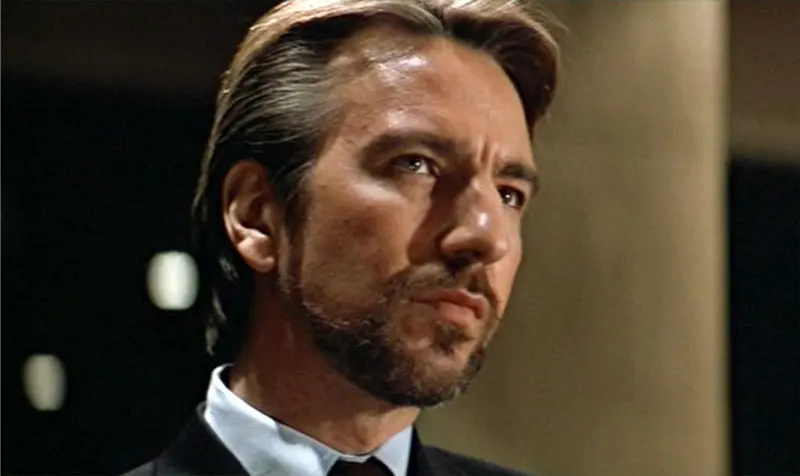
Alan Rickman plays a criminal mastermind who stages a takeover of a Los Angeles skyscraper while posing as a terrorist to mask a high stakes robbery. The character’s methods rely on careful planning, coded communication, and strategic manipulation of hostages, which keeps law enforcement guessing and the building’s security systems working against themselves.
Director John McTiernan adapts elements from Roderick Thorp’s novel while setting the action in Fox Plaza, a real corporate tower that becomes a central set. Released by 20th Century Fox, the film introduced Rickman to international audiences and established a blueprint for modern siege thrillers that influenced multiple sequels and many later action releases.
Nurse Ratched in ‘One Flew Over the Cuckoo’s Nest’
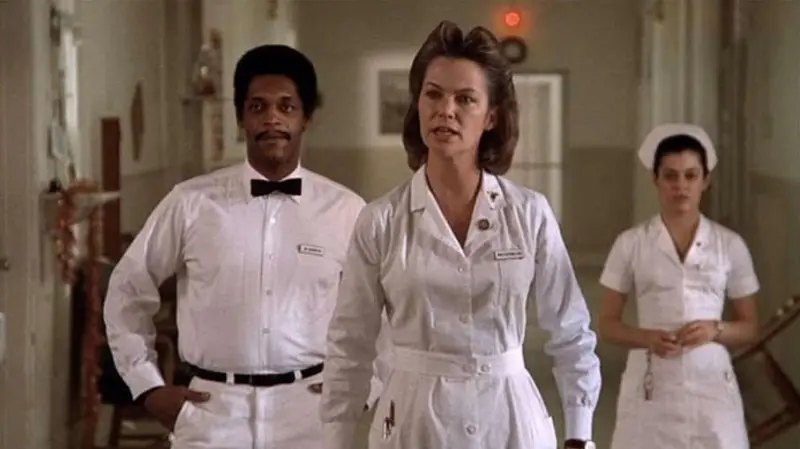
Louise Fletcher portrays the head nurse who maintains strict control over a psychiatric ward through routines, charts, and institution backed rules. The character’s authority depends on paperwork, medication schedules, and administrative hearings, which turn everyday treatment into a system of compliance that shapes patient behavior.
Director Milos Forman works from Ken Kesey’s novel and films at the Oregon State Hospital to ground the setting in real procedures and spaces. United Artists brought the movie to theaters, and the production earned major Academy Awards, including Best Actress for Fletcher, which cemented the character’s place in film history and popular vocabulary.
Annie Wilkes in ‘Misery’
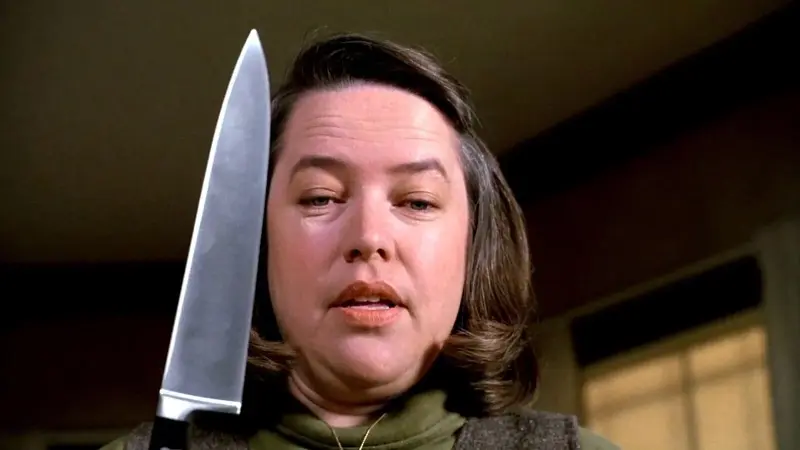
Kathy Bates plays a former nurse who rescues a bestselling novelist after a car crash and then confines him to force a story outcome she prefers. The character uses medical knowledge, household tools, and controlled isolation to manage pain and create dependency, which turns caregiving into a system of coercion.
Director Rob Reiner adapts Stephen King’s novel with a focus on a single location, practical effects, and close ups that track small shifts in control. Columbia Pictures released the film, and Bates received an Academy Award for Best Actress, which highlighted how a chamber piece can generate nationwide attention through performance and precise production design.
T 1000 in ‘Terminator 2: Judgment Day’
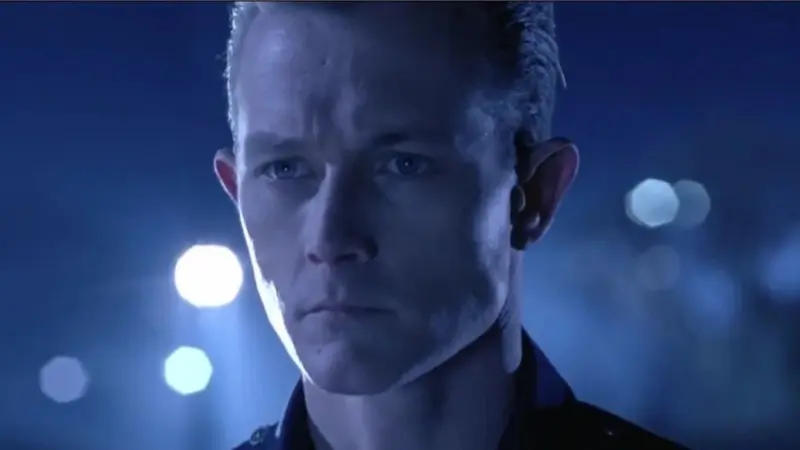
Robert Patrick portrays a shape shifting assassin built from a liquid metal alloy that can mimic human appearances and form cutting and piercing tools. The character’s threat is defined by rapid regeneration, efficient pursuit strategies, and an ability to exploit tight spaces and reflective surfaces, which changes how chases unfold on screen.
Director James Cameron pairs practical stunts with computer generated imagery from Industrial Light and Magic to realize fluid transformations and seamless blends with live action shots. TriStar Pictures distributed the film, and the effects work became a benchmark for digital character animation that guided studio investment and technical pipelines on later blockbusters.
Anton Chigurh in ‘No Country for Old Men’
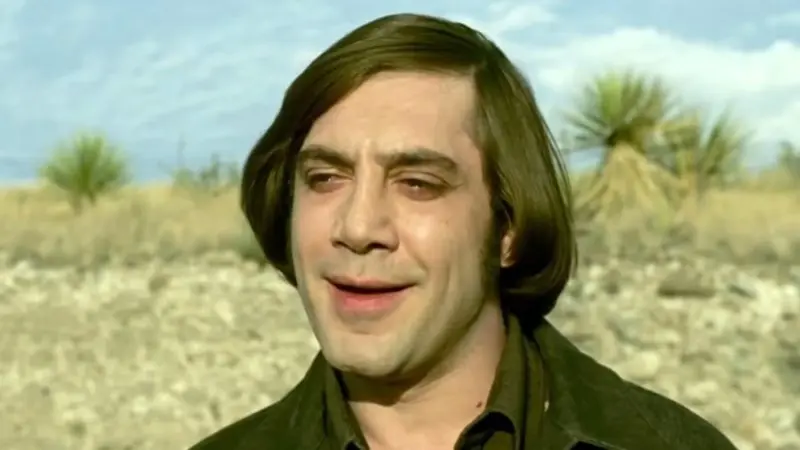
Javier Bardem plays a relentless hitman who follows a stolen briefcase across the borderlands with a suppressed shotgun and a captive bolt device. The character operates by personal rules and probabilities, using quiet surveillance, improvised disguises, and minimal dialogue, which turns routine stops into scenes of controlled risk.
Joel and Ethan Coen adapt Cormac McCarthy’s novel with sparse music, natural light, and long takes that emphasize silence and distance. The film was released in North America by Miramax Films and Paramount Vantage, and Bardem received an Academy Award for Best Supporting Actor, which underscored how restrained filmmaking can carry wide audience appeal.
Norman Bates in ‘Psycho’
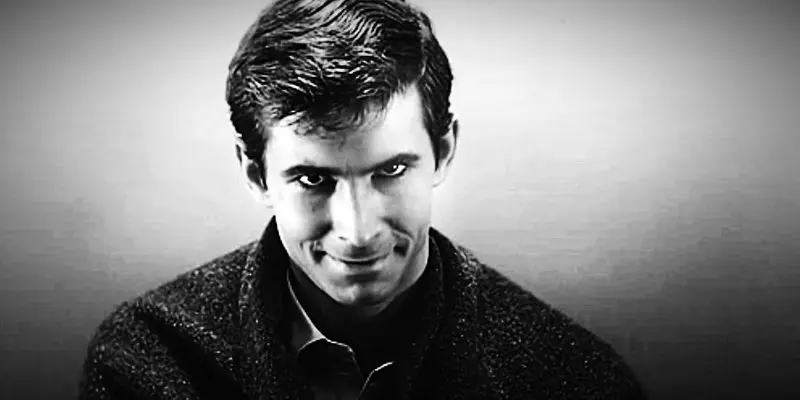
Anthony Perkins plays a motel proprietor whose private life intersects with a traveler who checks in during a rainstorm. The character’s behavior is framed by a lonely property, a strict household past, and a hidden room that ties identity to memory, which allows quiet scenes to carry mounting tension.
Director Alfred Hitchcock builds the story around misdirection, subjective camerawork, and a score that links sharp string motifs to sudden violence. Paramount Pictures distributed the film, and its editing patterns, marketing strategy, and set pieces reshaped studio approaches to suspense, content warnings, and audience queuing for theatrical runs.
Lord Voldemort in the ‘Harry Potter’ films
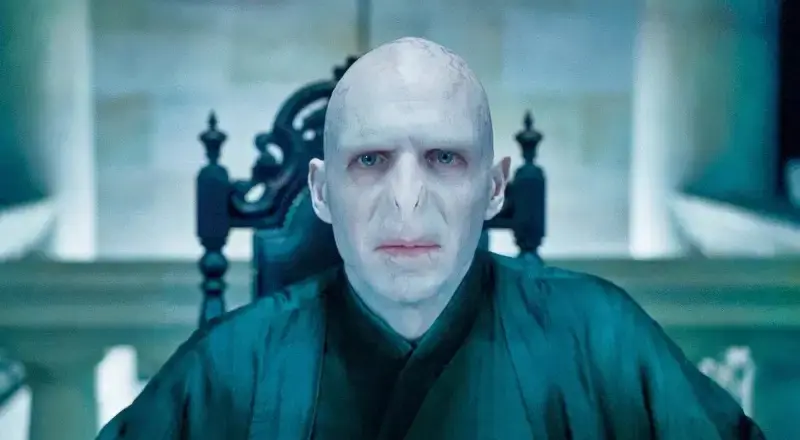
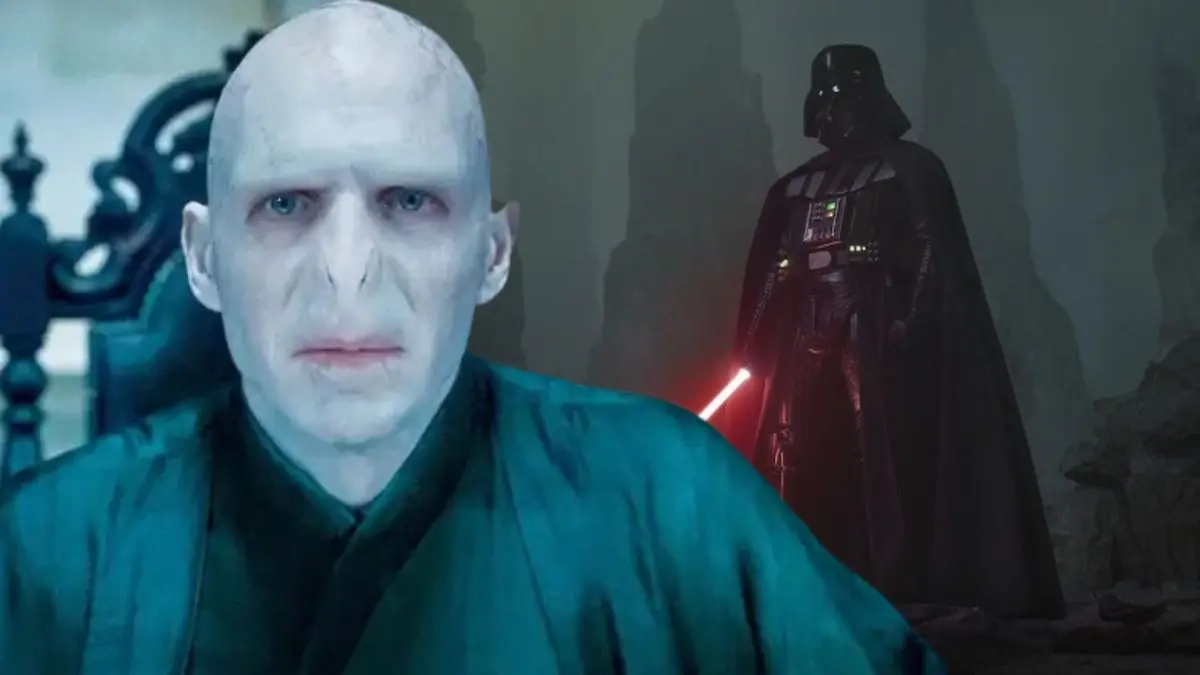
Ralph Fiennes portrays the dark wizard whose rise, fall, and return shape the education, alliances, and battles that define the wizarding world. The character’s arc is built on bloodline ideology, fragmented soul magic, and a group of followers who infiltrate institutions, which gives the conflict a clear link to school life and government authority.
Warner Bros. Pictures distributed the series worldwide, and the production schedule coordinated returning casts, large scale sets, and location shoots that kept continuity across multiple directors. The role spans several entries, and its design, makeup, and visual effects pipelines helped standardize long form franchise planning for fantasy films.
The Joker in ‘The Dark Knight’
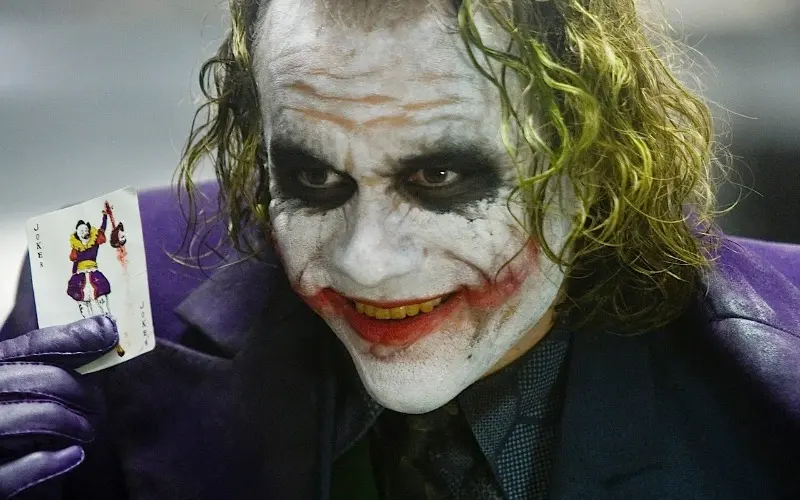
Heath Ledger plays a criminal strategist who treats crime as a series of social experiments that expose weaknesses in institutions and alliances. The character’s plans rely on disguises, synchronized assaults, and misdirection that targets police procedures and public trust, which puts pressure on the entire city rather than a single hero.
Director Christopher Nolan stages practical set pieces with large format cameras and integrates real locations with minimal digital alteration. Warner Bros. Pictures handled distribution, and Ledger received an Academy Award for Best Supporting Actor, which drew attention to how comic book adaptations can anchor prestige performances and large scale releases.
Darth Vader in ‘Star Wars’

The character is presented through a combination of performers, with David Prowse on set and James Earl Jones providing the voice, which creates a towering presence guided by calm speech and measured movement. The story tracks a commander who enforces imperial control while navigating a conflict tied to family and mentorship, which gives a space opera a personal core.
George Lucas builds the world with handcrafted models, sound design by Ben Burtt, and music by John Williams, which connects image and theme in every scene. 20th Century Fox distributed the original trilogy in theaters, and the role became central to toys, novels, and animated projects that expanded the franchise far beyond its first releases.
Hannibal Lecter in ‘The Silence of the Lambs’
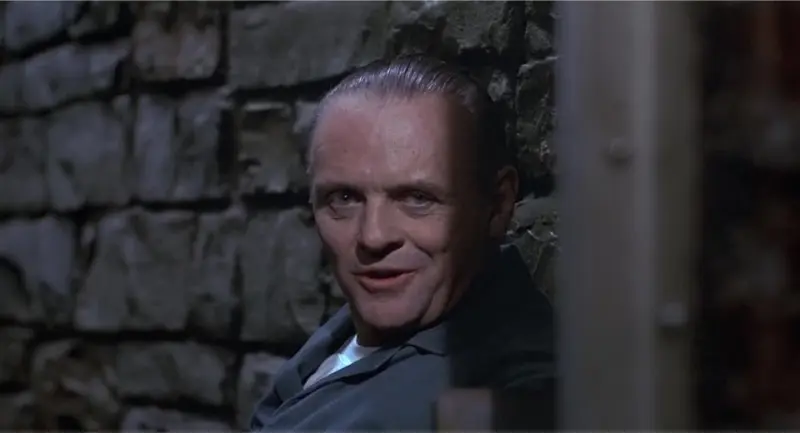
Anthony Hopkins portrays a forensic psychiatrist who assists an investigation while operating with precise knowledge of behavior and crime scene detail. The character’s conversations rely on memory recall, psychological profiling, and coded clues, which provide a structure for interrogations that push the case forward.
Director Jonathan Demme uses close framing, direct eyelines, and quiet rooms to turn dialogue into the engine of suspense. Orion Pictures released the film, and it won major Academy Awards including Best Actor and Best Picture, which shows how a character driven thriller can succeed with audiences and critics while shaping procedural storytelling for years.
Share your picks for the most unforgettable screen villains in the comments and tell us who you think belongs on this list.