Biggest TV Shows Cancelled Way Too Soon

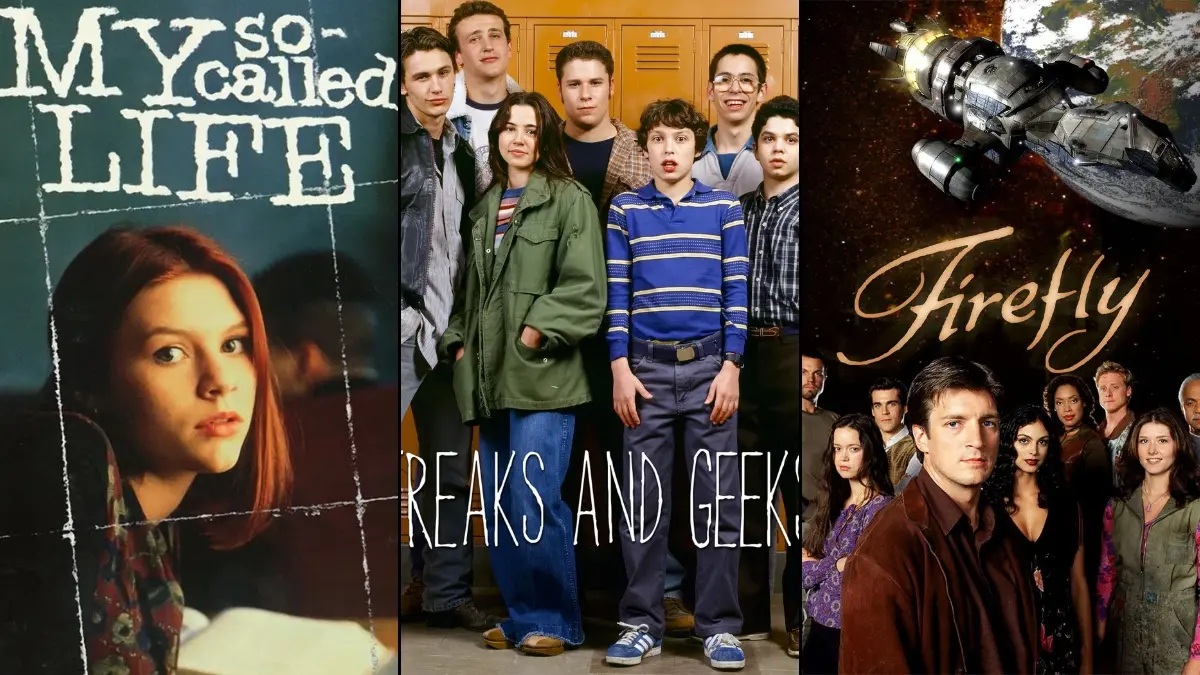

Sometimes a show is cut down before it can finish its story, leaving behind half-formed arcs, unaired episodes, or—if fans are lucky—a one-off wrap-up. These cancellations happen for all kinds of reasons: ratings misses, scheduling choices, network strategy shifts, ballooning costs, even contract logistics.
Below is a sourced, verifiable look at 15 notable series that ended early, with concrete details about what happened in each case—when episodes aired (or didn’t), what networks decided, and, where applicable, how studios tried to close the loop afterward.
‘Firefly’ (2002)
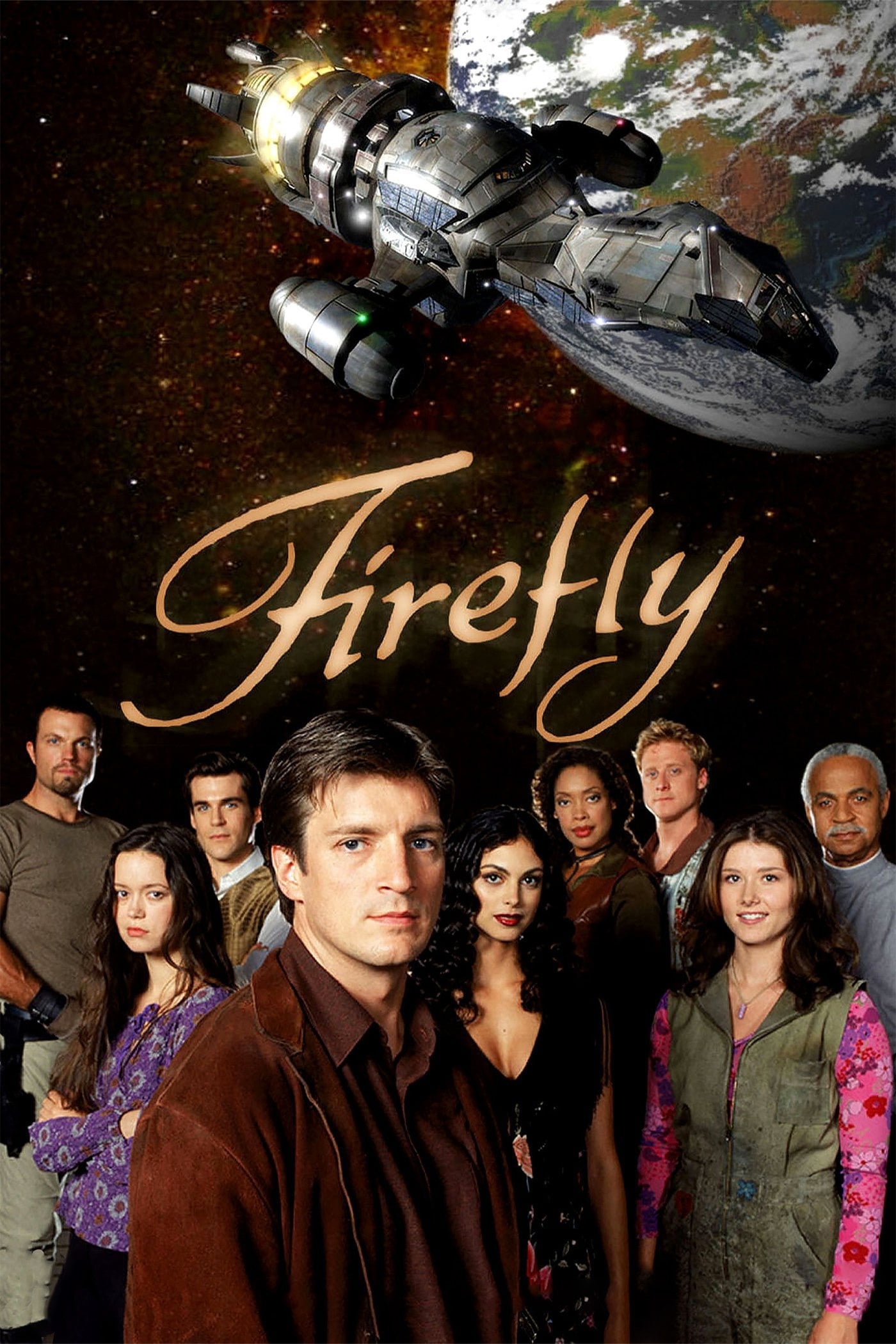
Fox canceled ‘Firefly’ before all produced episodes aired; the network also ran several installments out of production order, and the original two-hour pilot was held until after cancellation. Three completed episodes did not air in the U.S. during the original run.
After the cancellation, Universal acquired the property and greenlit the feature film ‘Serenity’, which continued the series’ storyline and went into production with the original cast.
‘Freaks and Geeks’ (1999–2000)
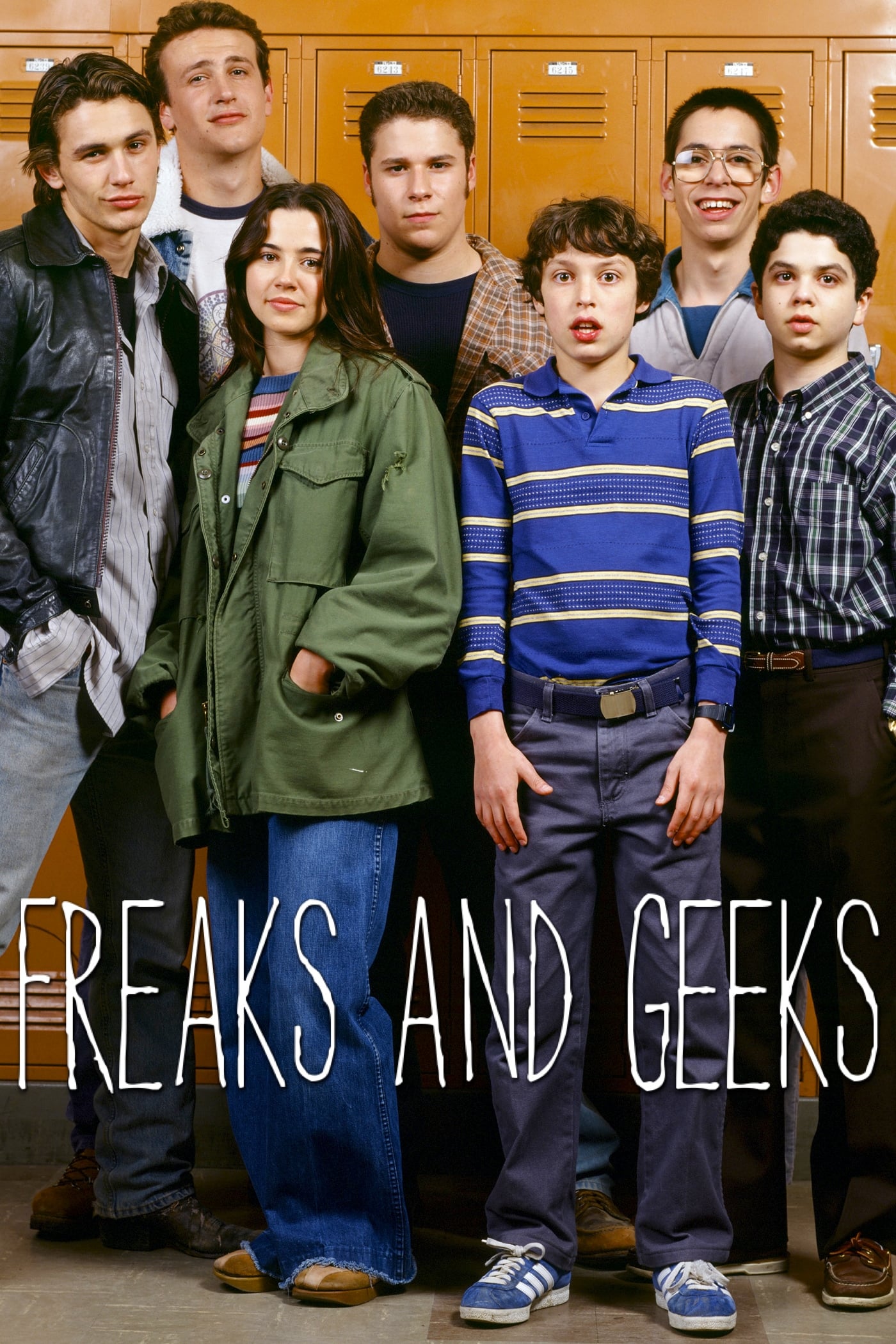
NBC ended ‘Freaks and Geeks’ after one season with multiple completed episodes left unaired by the broadcaster. Fox Family later picked up all produced installments, including the unaired episodes, and scheduled them for cable reruns.
Contemporary coverage and later retrospectives document the show’s low initial ratings and irregular scheduling during its broadcast window; an NBC entertainment chief later publicly discussed the decision.
‘Deadwood’ (2004–2006)
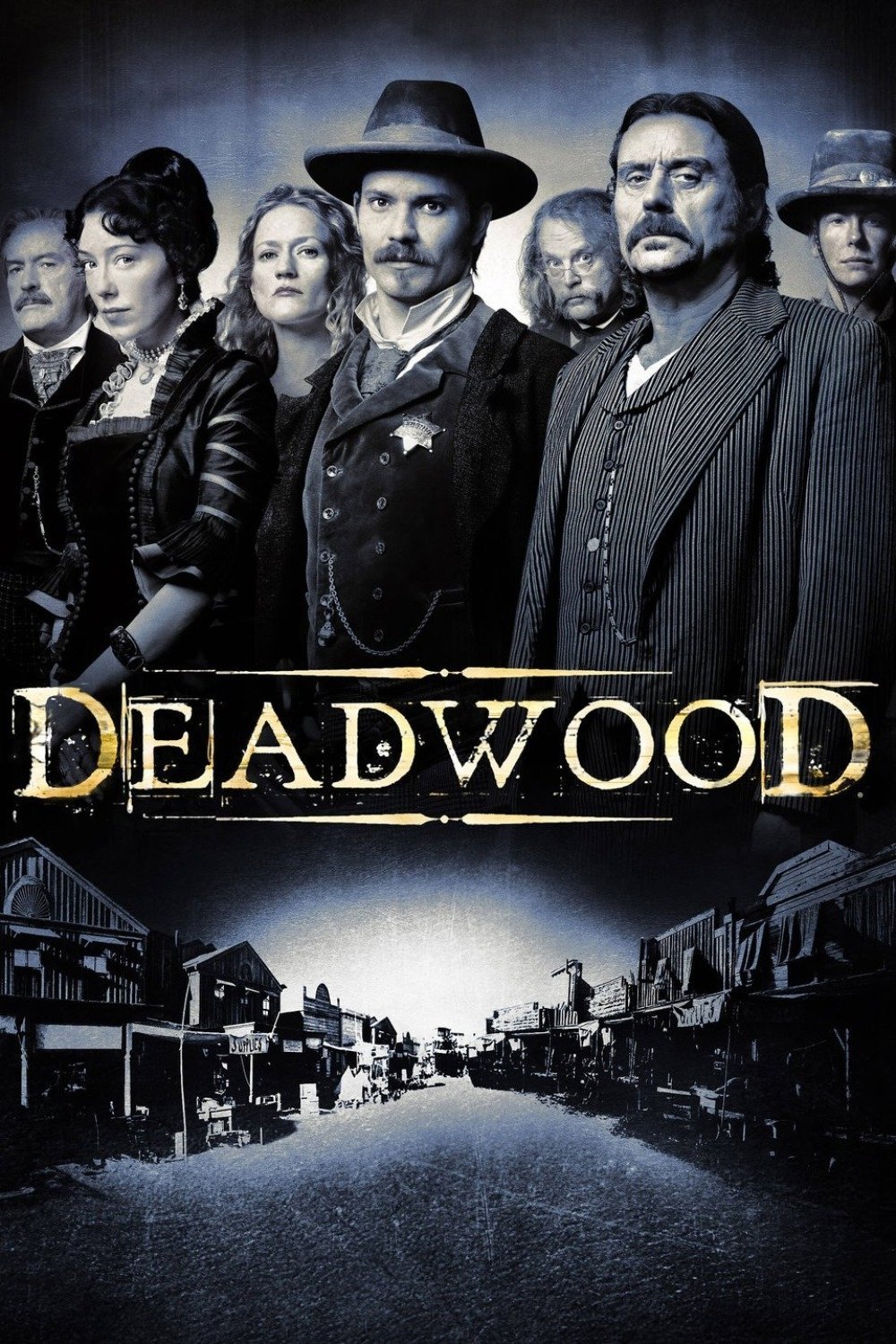
HBO stopped ordering additional seasons after contract options on cast lapsed; at the time, producers and HBO discussed concluding the story with a pair of TV films.
Years later, HBO officially greenlit a follow-up film and announced production and a premiere plan, reuniting the original ensemble to provide narrative closure.
‘Pushing Daisies’ (2007–2009)
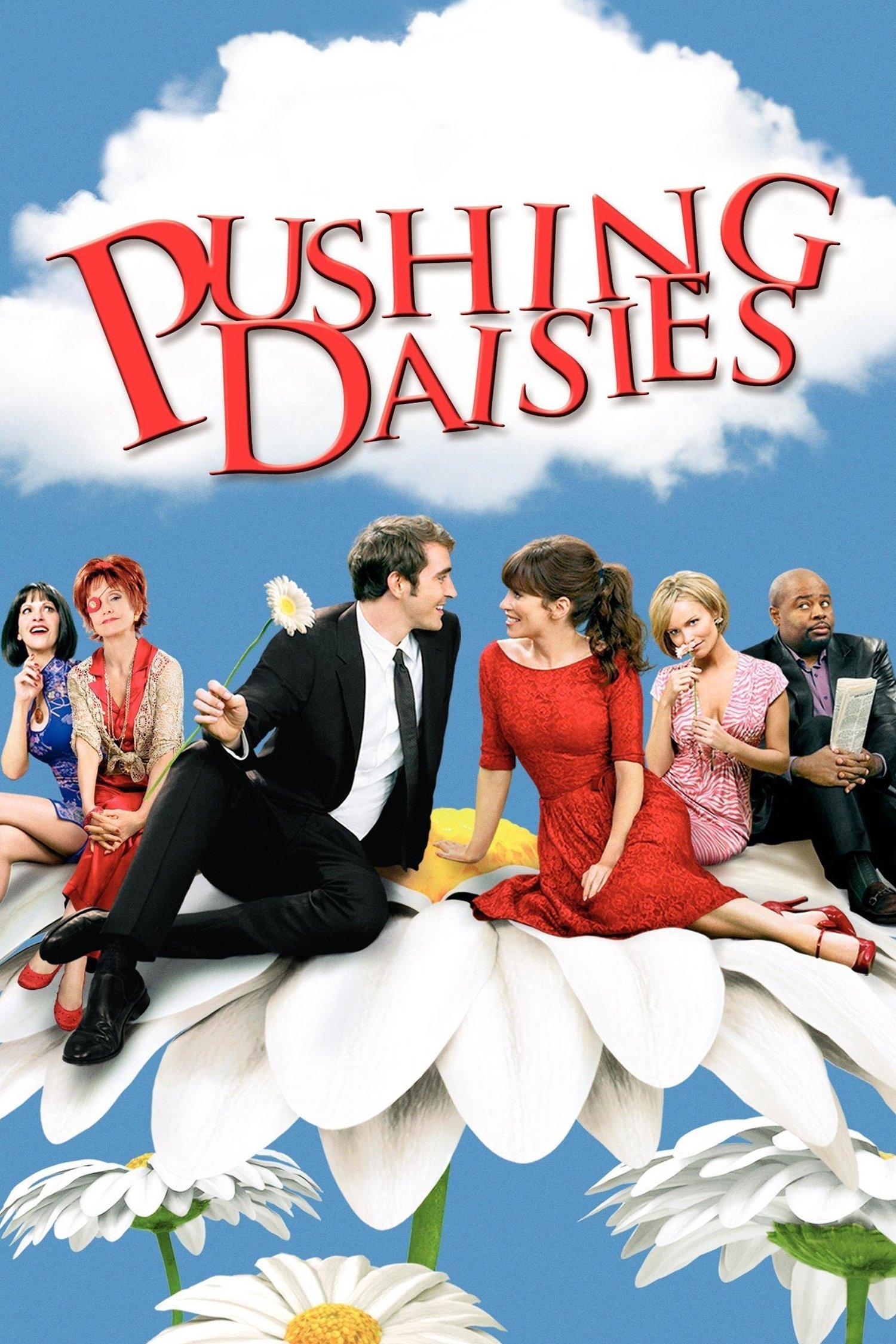
ABC canceled ‘Pushing Daisies’ during its second season with several completed episodes not initially scheduled; the network later fulfilled its public plan to broadcast the remaining episodes on consecutive Saturdays.
Production and network statements at the time confirm the cancellation decision and note that the final installments did not function as a full narrative conclusion.
‘My So-Called Life’ (1994–1995)
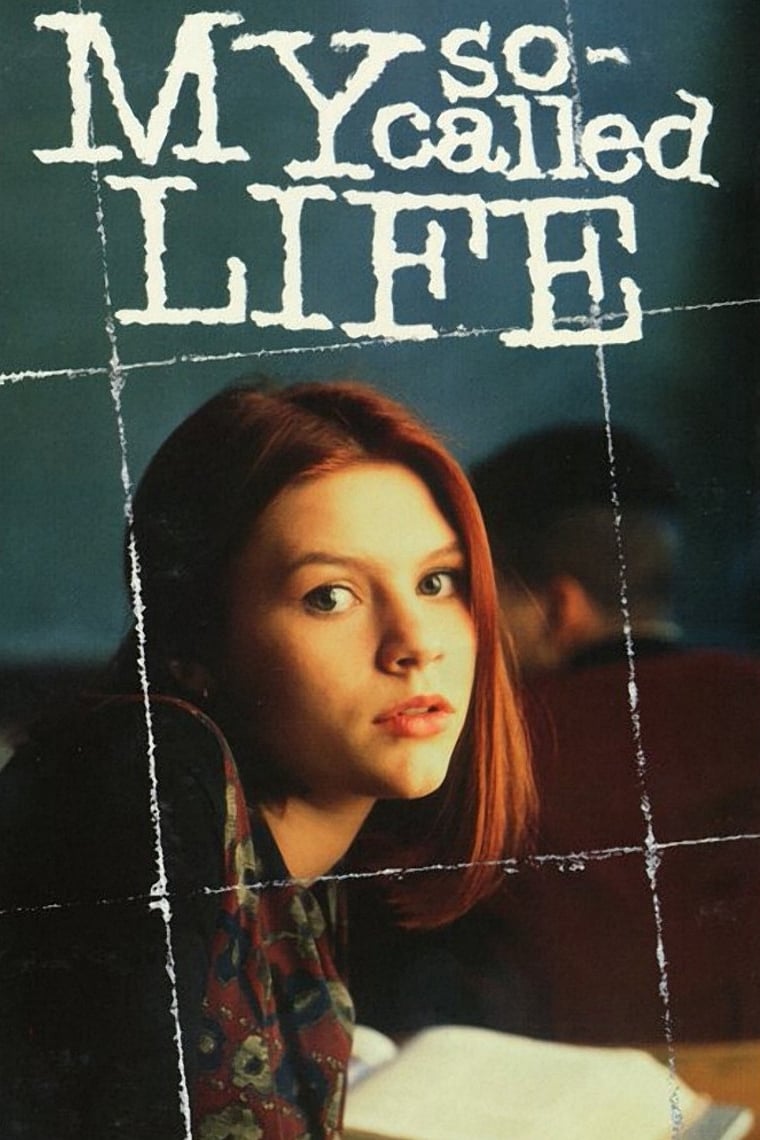
ABC canceled ‘My So-Called Life’ after a single season; while the decision was pending, MTV arranged weekday reruns to expose the completed episodes to a broader youth audience.
Subsequent reporting details the cancellation timing and notes the total count of produced episodes that aired during the initial run.
‘Terriers’ (2010)
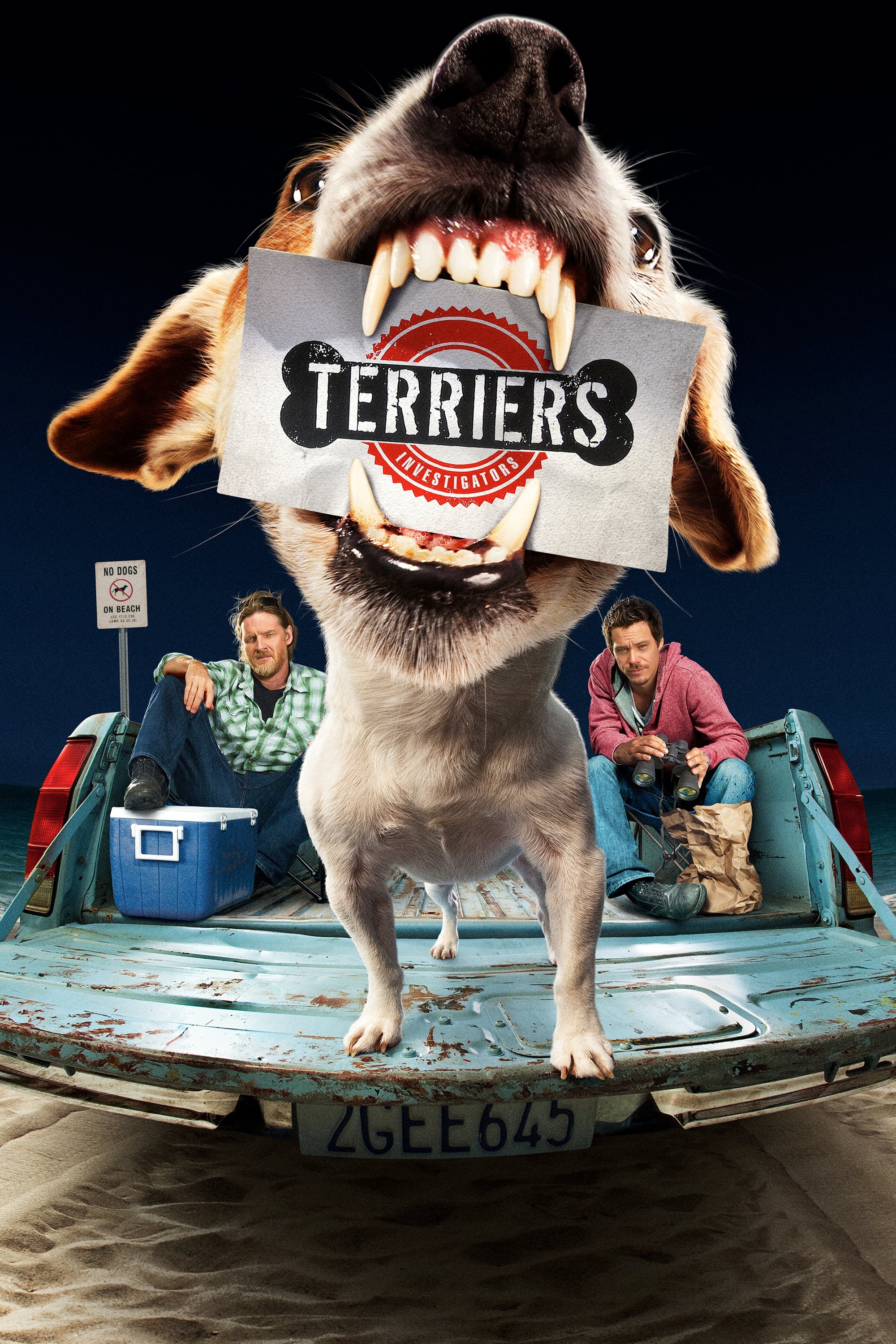
FX canceled ‘Terriers’ after its first season; the network and trade coverage cited low viewership and challenges communicating the series concept to potential viewers.
Premiere ratings data reported by the trades show the show’s initial audience size; subsequent episodes did not reverse the trend sufficiently for renewal.
‘Sense8’ (2015–2018)

Netflix canceled ‘Sense8’ after two seasons; the company publicly attributed the decision to a mismatch between high production cost and audience size.
Following a large fan response, Netflix ordered a two-hour special to conclude the story, which the studio announced via official channels and the trade press.
‘The OA’ (2016–2019)

Netflix ended ‘The OA’ after two seasons, prompting an unusually visible fan campaign, including demonstrations and a hunger strike outside the company’s Los Angeles offices. The streamer and the creators later confirmed there would be no wrap-up movie.
Industry reporting and statements from the creative team documented that the project had been envisioned to continue longer, but rights and contractual factors made a continuation impractical after cancellation.
‘GLOW’ (2017–2019)
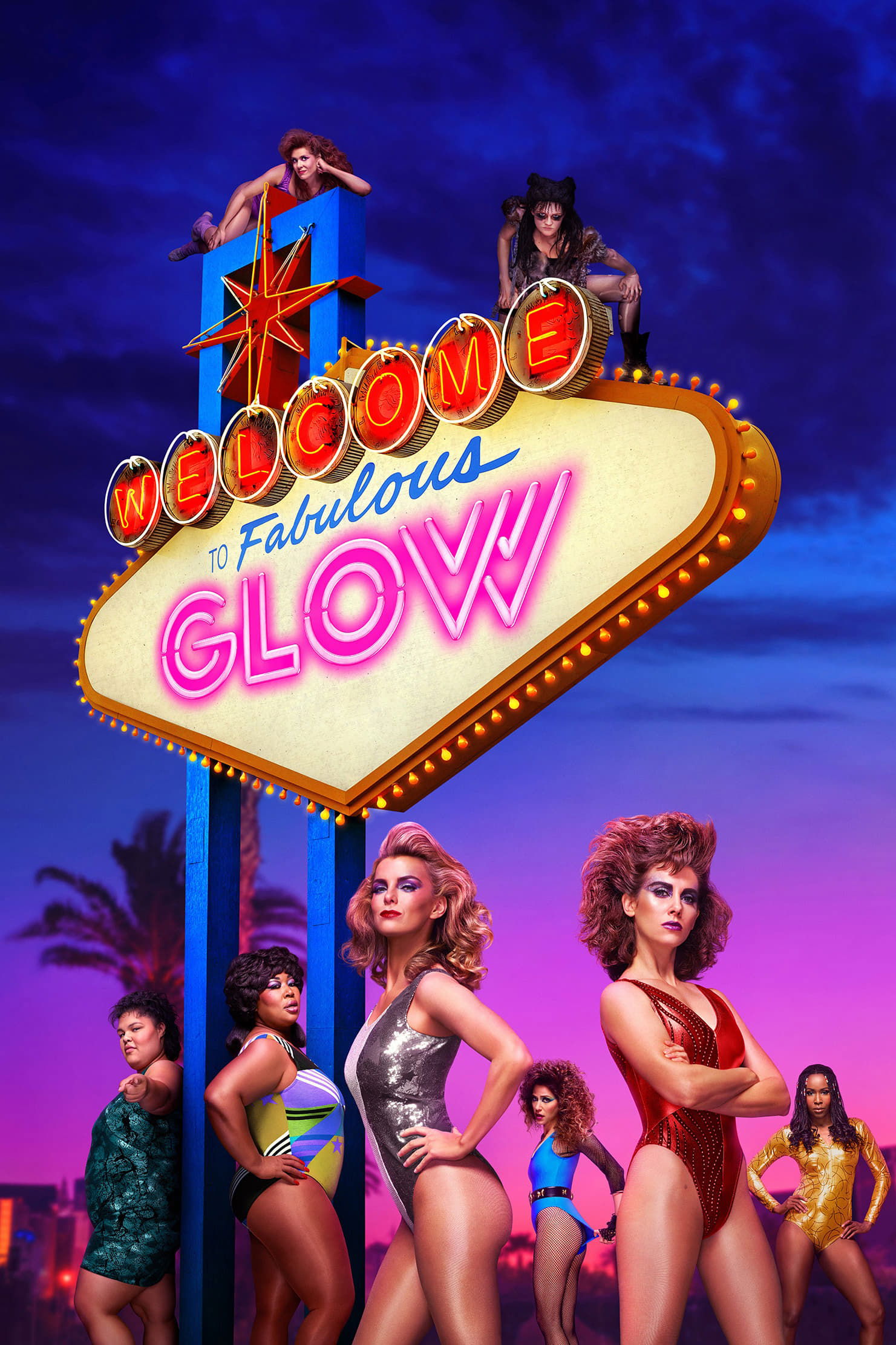
After initially renewing ‘GLOW’ for a final season, Netflix reversed the decision and canceled the show, citing production complications related to COVID-19 for a large, physically intimate ensemble.
Trade and mainstream outlets reported the reversal alongside cast and creator statements, which confirmed that planned inclusivity changes for the final season would not make it to air.
‘Hannibal’ (2013–2015)

NBC canceled ‘Hannibal’ during its third season. In the immediate aftermath, producers explored a new distributor, but both Amazon and Netflix publicly passed on continuing the series at that time.
Coverage throughout the period tracked ongoing discussions about potential homes and noted contractual considerations that complicated an immediate pickup.
‘Marvel’s Agent Carter’ (2015–2016)
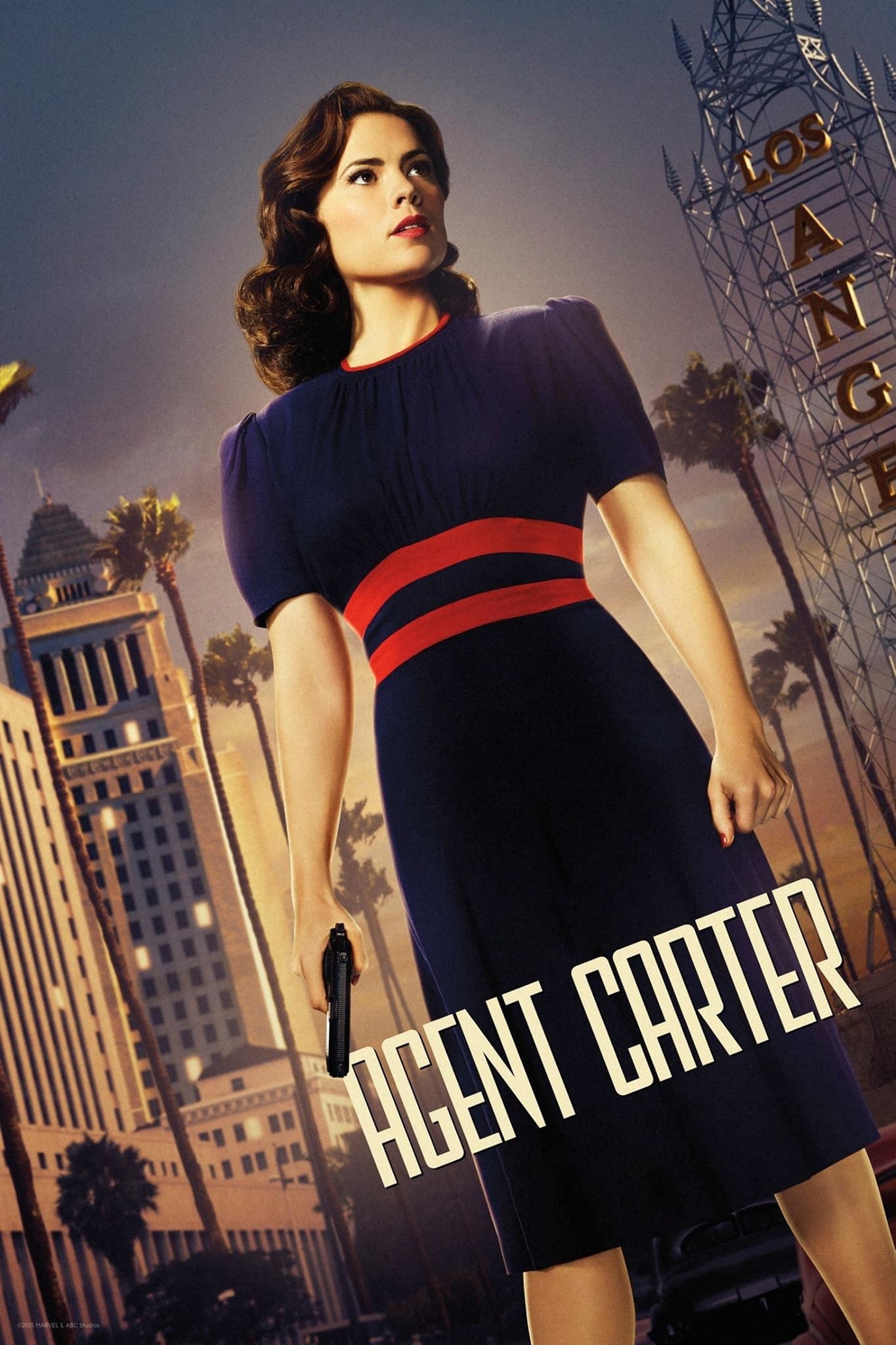
ABC canceled ‘Agent Carter’ after two seasons, with trade outlets confirming the decision as part of the network’s pre-upfronts slate moves.
Around the same period, star Hayley Atwell was cast to headline the ABC drama ‘Conviction’, which the network ordered for the following season.
‘Undeclared’ (2001–2002)
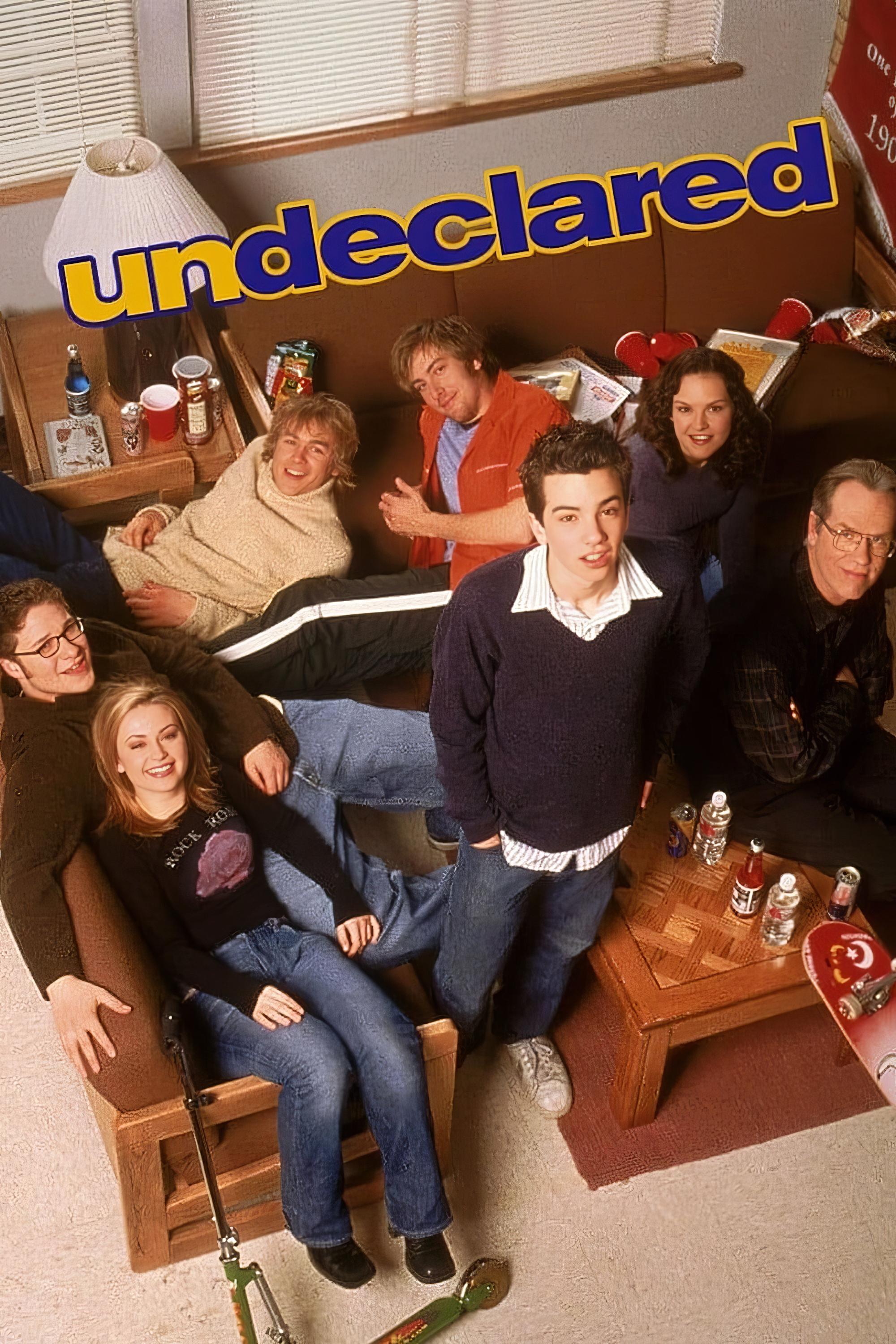
Fox canceled ‘Undeclared’ after its first season amid broader schedule changes detailed in contemporaneous coverage of the network’s upfront slate.
Subsequent reference sources summarize the run and cancellation, noting the series’ later reputation relative to its initial performance.
‘Party Down’ (2009–2010)
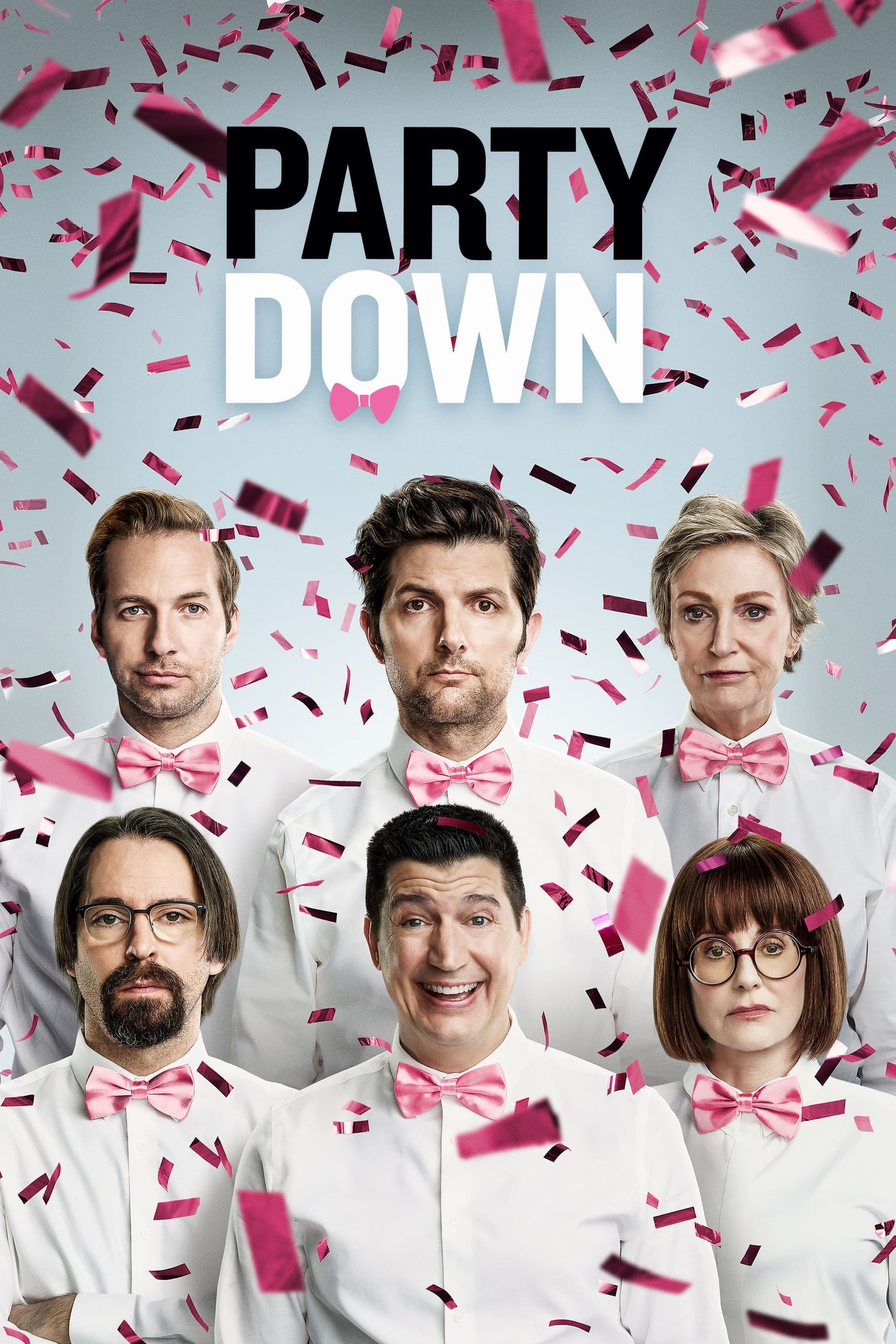
Starz canceled ‘Party Down’ after two seasons; the network issued a statement confirming it would not move forward with additional episodes.
More than a decade later, Starz officially ordered a revival season and set a premiere plan, bringing back most of the original cast.
‘The Tick’ (2016–2019)
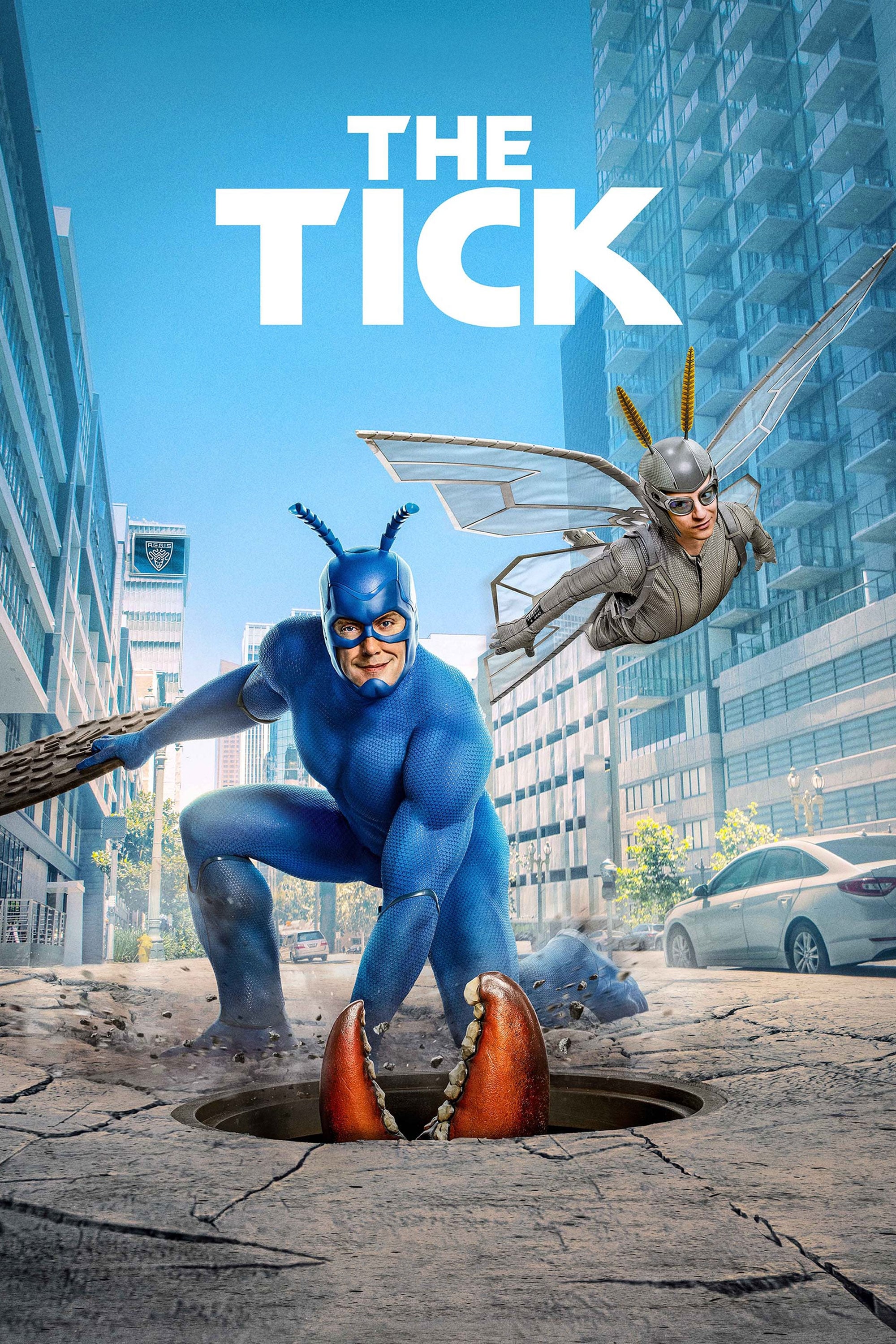
Amazon canceled ‘The Tick’ after two seasons. The series’ creator subsequently confirmed that efforts to shop the show to other outlets did not result in a pickup.
Trade coverage and official announcements document the cancellation timing and the end of attempts to continue production elsewhere.
‘The Dark Crystal: Age of Resistance’ (2019)
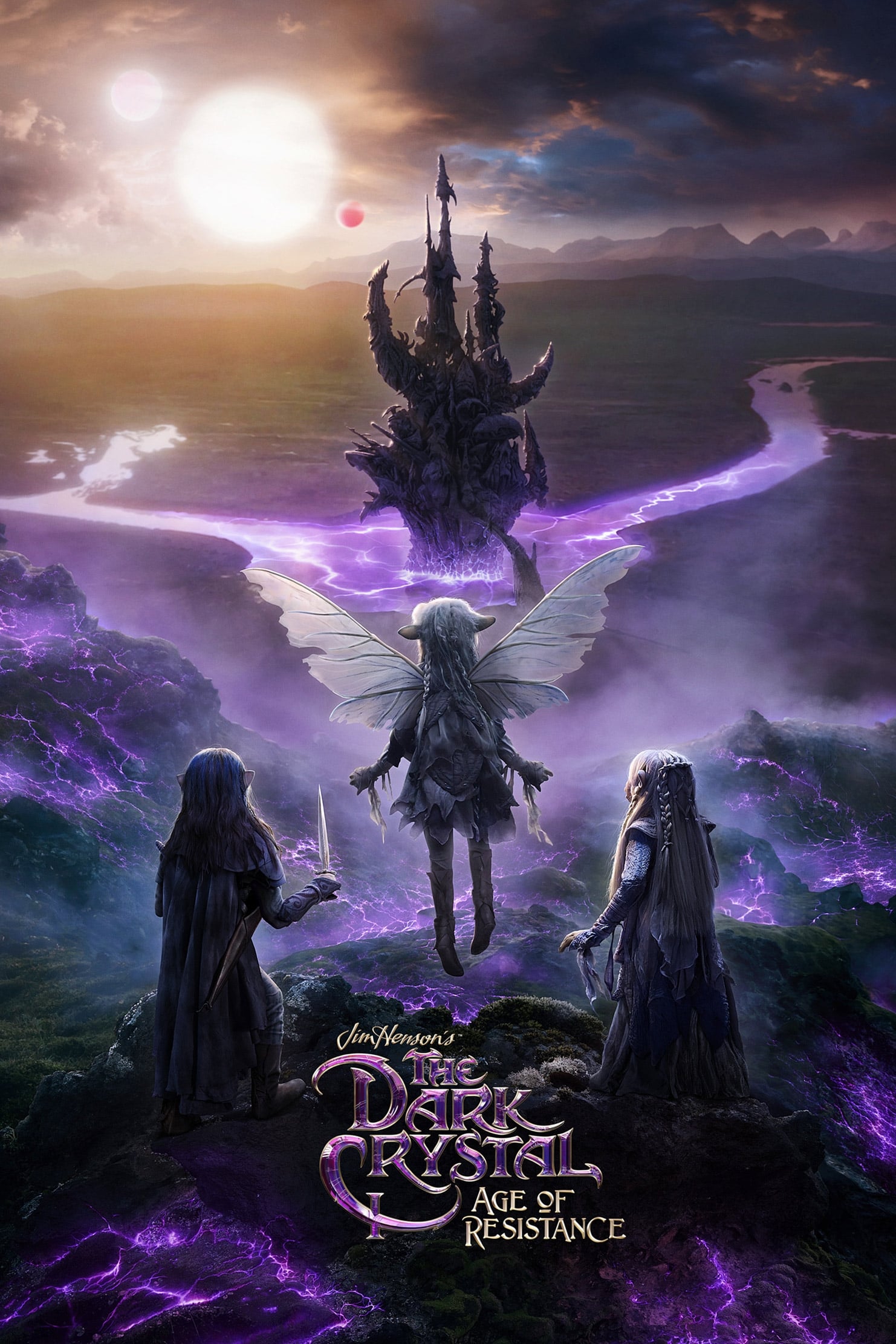
Netflix canceled ‘The Dark Crystal: Age of Resistance’ after one season; the producer issued a statement confirming no additional episodes would be produced.
The decision followed a single season that had been widely covered for its large-scale practical production; trades reported the cancellation and studio confirmation the same day.
Got others you’d add to the list? Drop your picks—and sources—in the comments!