Most Expensive TV Shows of All Time



TV shows keep pushing the limits of what can be done on the small screen, and the budgets prove it. From sprawling fantasy epics to sleek sci fi, studios have poured massive resources into sets, visual effects, and star salaries. Here are the productions that became famous not just for their stories but for the scale of investment behind them.
‘The Lord of the Rings: The Rings of Power’ (2022–present)

Amazon’s series committed to enormous worldbuilding with sweeping location work and thousands of visual effects shots. Industry reports put the first season’s spend at hundreds of millions, including infrastructure that carries into later seasons. The show’s place on Prime Video also factors in long term rights and production facilities that were built out in New Zealand.
‘Citadel’ (2023–present)
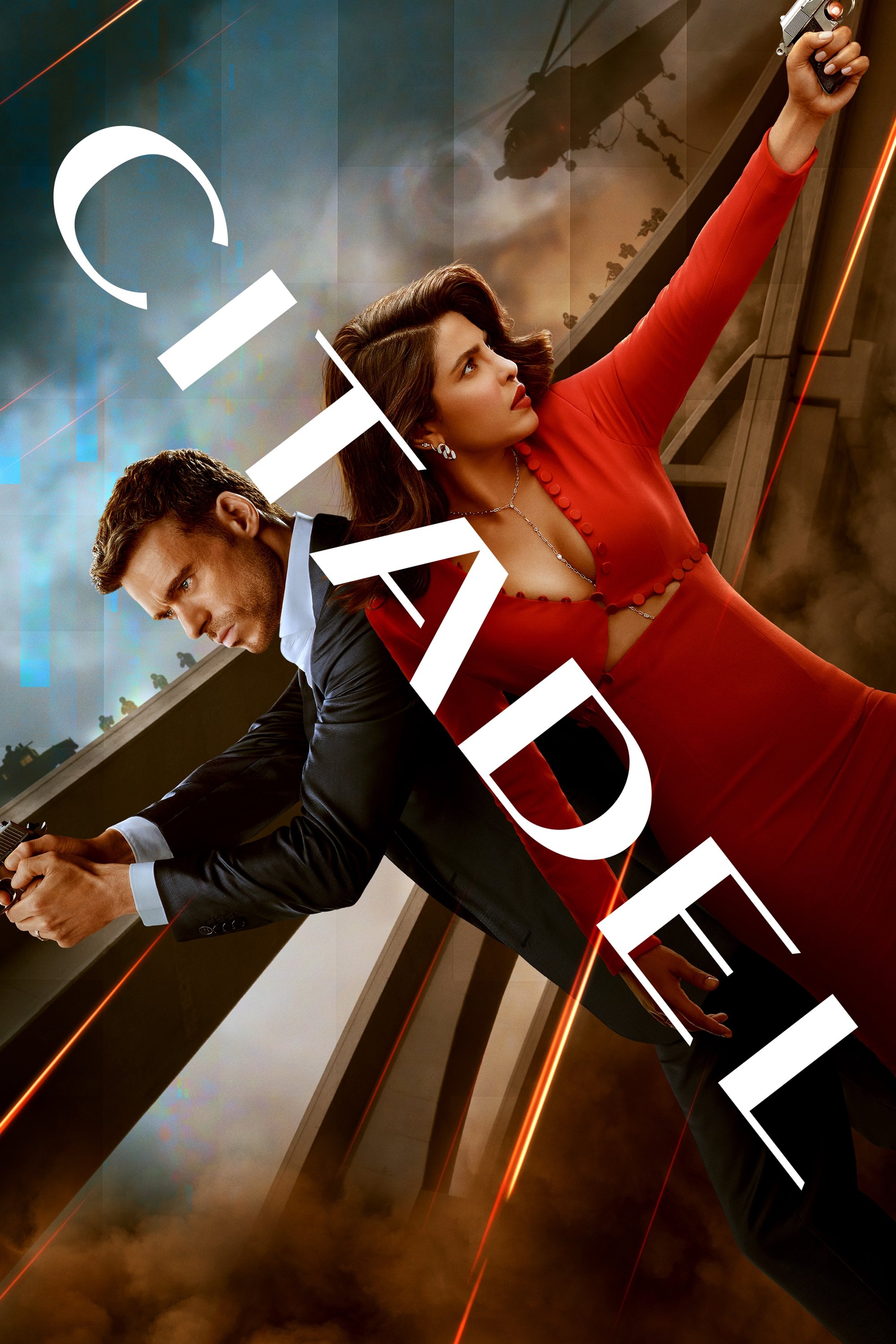
The globe trotting spy drama filmed across multiple countries with extensive reshoots and high end action design. Per episode costs landed among the highest for a first season, with cinematic set pieces and large stunt teams. Prime Video positioned it as a franchise starter with local spin offs that required additional development spending.
‘Stranger Things’ (2016–2025)
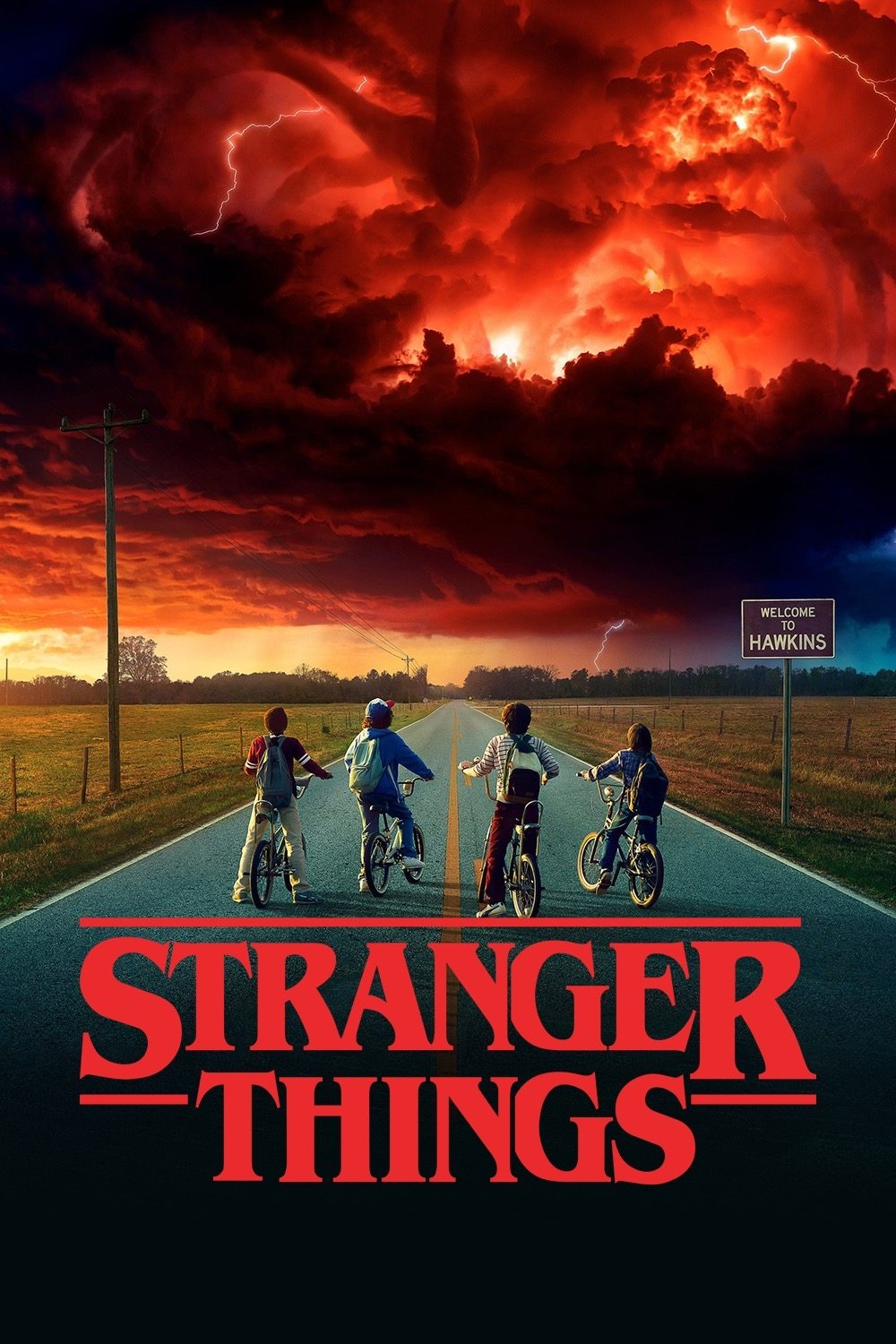
Later seasons expanded from small town mystery to blockbuster scale with complex creatures and large ensemble logistics. Reported per episode budgets rose sharply to accommodate visual effects and extended runtimes. Netflix also invested in elaborate sets like the Creel House and the Russian prison complex.
‘The Crown’ (2016–2023)
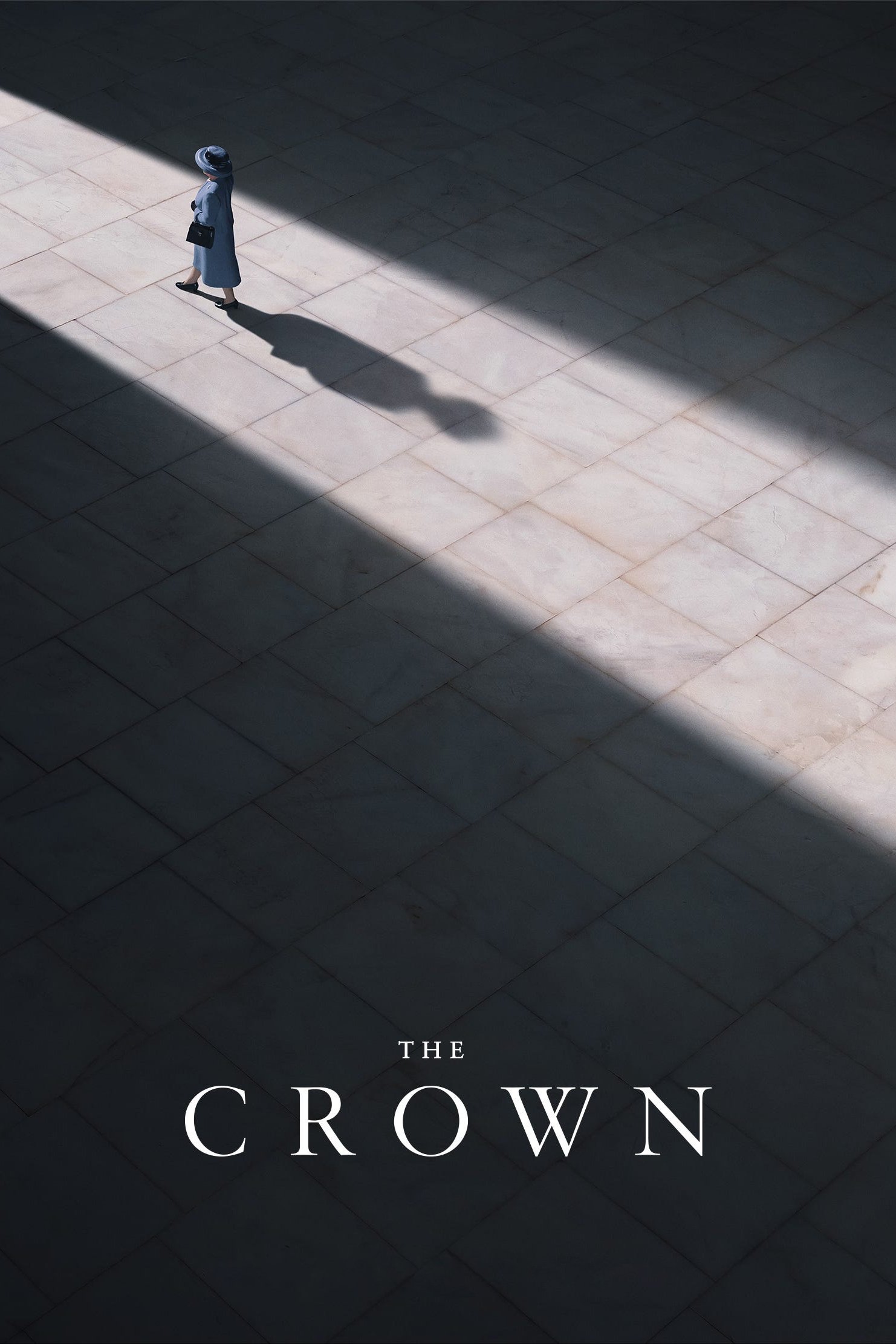
The period drama recreated decades of royal history with meticulous costumes and custom built sets. Costs included location fees at historic estates and multiple casts to portray characters across eras. Netflix backed multi season production blocks that kept craftsmanship consistently high.
‘Game of Thrones’ (2011–2019)
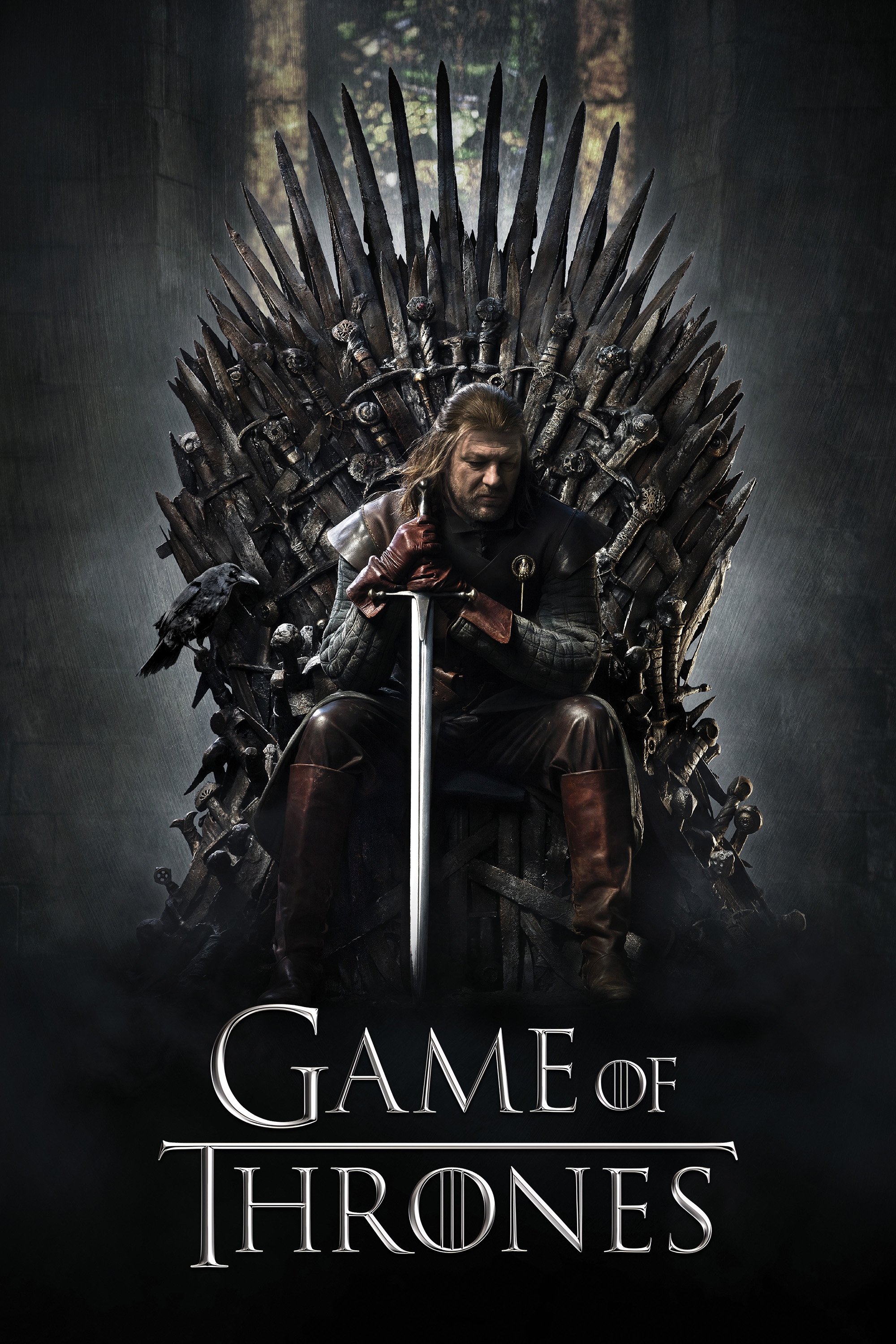
The fantasy epic escalated from modest early seasons to massive battles requiring months of night shoots and heavy CGI. Per episode spending in the final years grew to cover dragons, large armies, and intricate practical effects. HBO also funded extensive international location work in Northern Ireland, Spain, and Croatia.
‘House of the Dragon’ (2022–present)

The prequel inherited large scale assets like virtual production stages and dragon pipelines. Budgets cover extensive VFX creature work and elaborate Targaryen era sets. HBO’s investment includes long lead design and historical props for continued seasons.
‘The Mandalorian’ (2019–present)

Production pioneered the StageCraft volume to render environments in real time, which required significant upfront technology costs. Practical creatures and droids combined with large stunt teams to push per episode spending. Disney Plus positioned the series as a flagship title with ongoing investment in the virtual pipeline.
‘The Book of Boba Fett’ (2021–2022)

The show shared technology with its sister series but added large scale desert sets and creature heavy sequences. Budgets reflected major guest appearances and complex chase scenes. Disney Plus kept the same high standard of virtual production and post work.
‘WandaVision’ (2021)
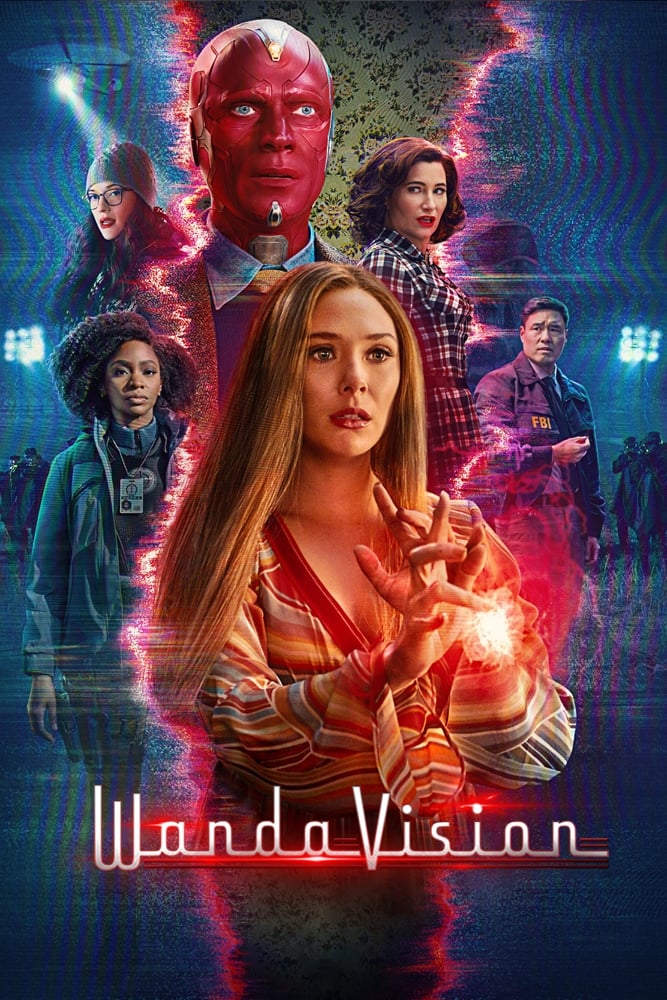
Each episode recreated a different sitcom era with bespoke sets and wardrobe before pivoting to a VFX heavy finale. Spending covered Marvel level digital work and a theatrical grade sound mix. Disney Plus funded cinematic quality production for a limited run.
‘The Falcon and the Winter Soldier’ (2021)
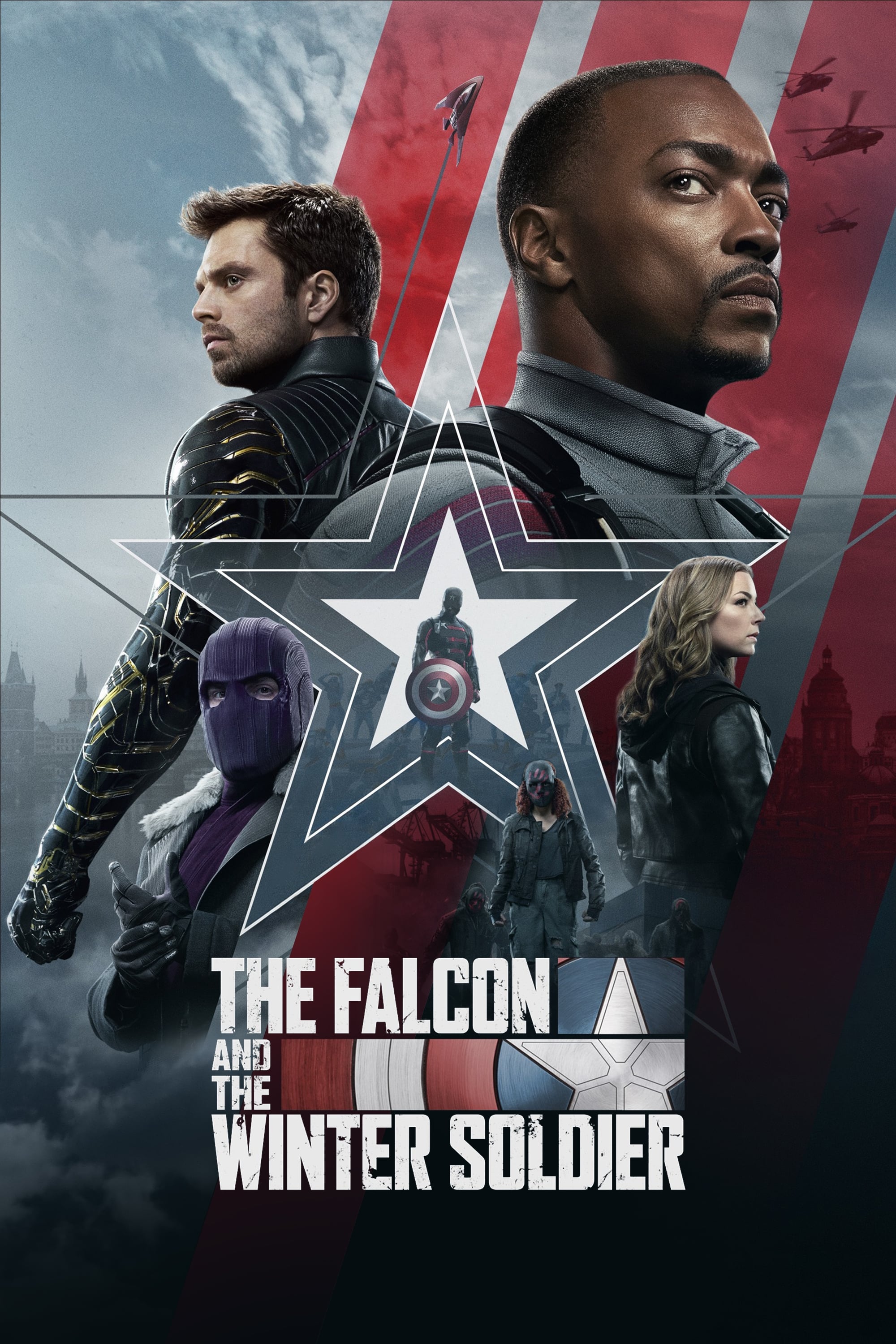
The series featured feature film style action across global locations with extensive second unit work. Per episode budgets covered aerial sequences, large crowd scenes, and complex wire stunts. Disney Plus also backed a long post production schedule for effects and color finishing.
‘Loki’ (2021–2023)
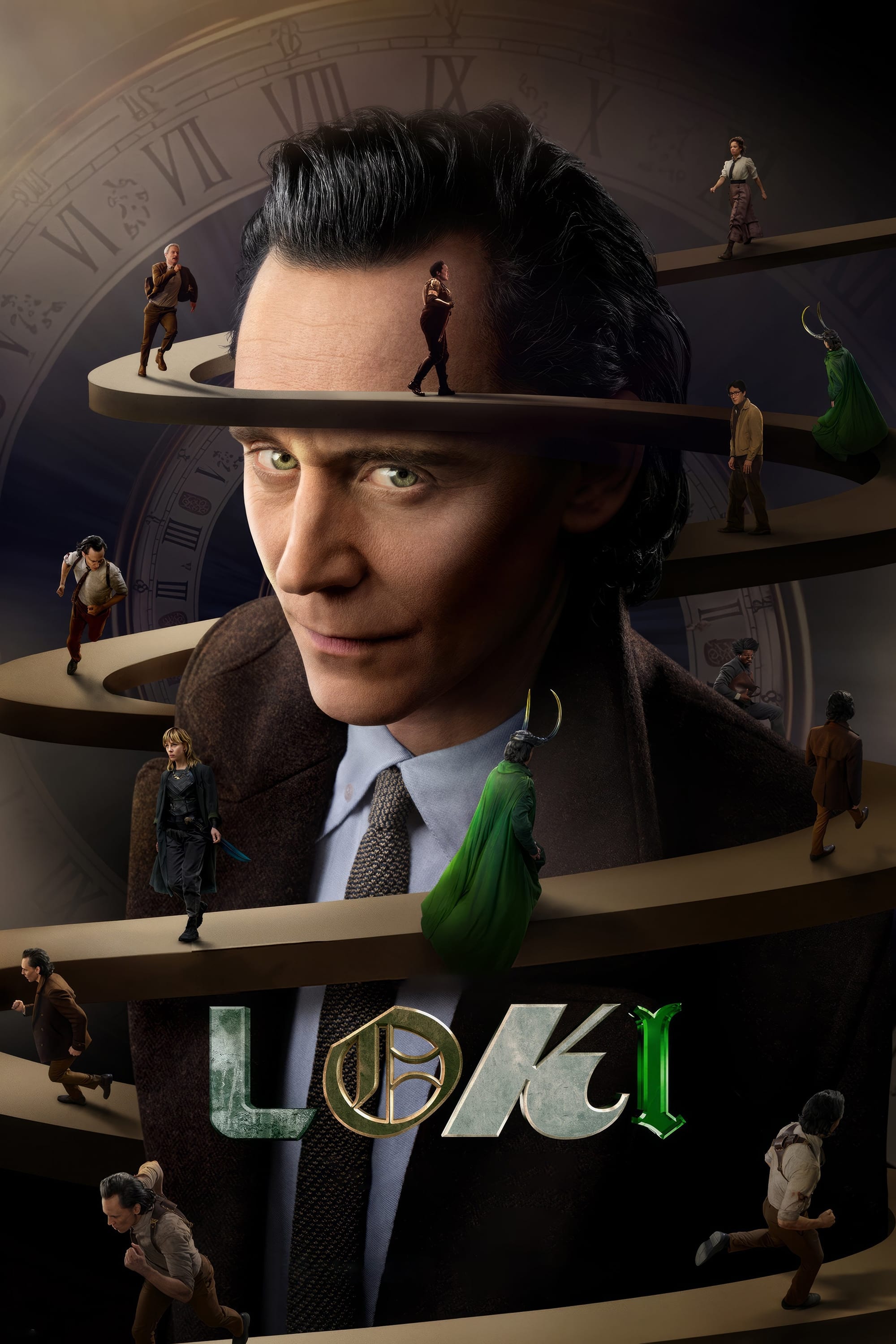
Production built expansive time travel sets and created multiple digital environments for the TVA. The show’s costs included creature effects, CG heavy finales, and a large principal cast. Disney Plus supported an extensive VFX shot count across both seasons.
‘Hawkeye’ (2021)

Filming on New York streets required costly permits, crowd control, and holiday set dressing at scale. Action scenes with practical archery rigs and car chases added to the per episode bill. Disney Plus maintained Marvel’s high post production standards throughout the run.
‘The Pacific’ (2010)

The World War II miniseries constructed full scale battlefields and used thousands of extras with heavy pyrotechnics. Reported totals placed it among the most expensive limited series ever at the time. HBO shouldered long location shoots in Australia and an intensive effects pipeline for combat realism.
‘Band of Brothers’ (2001)
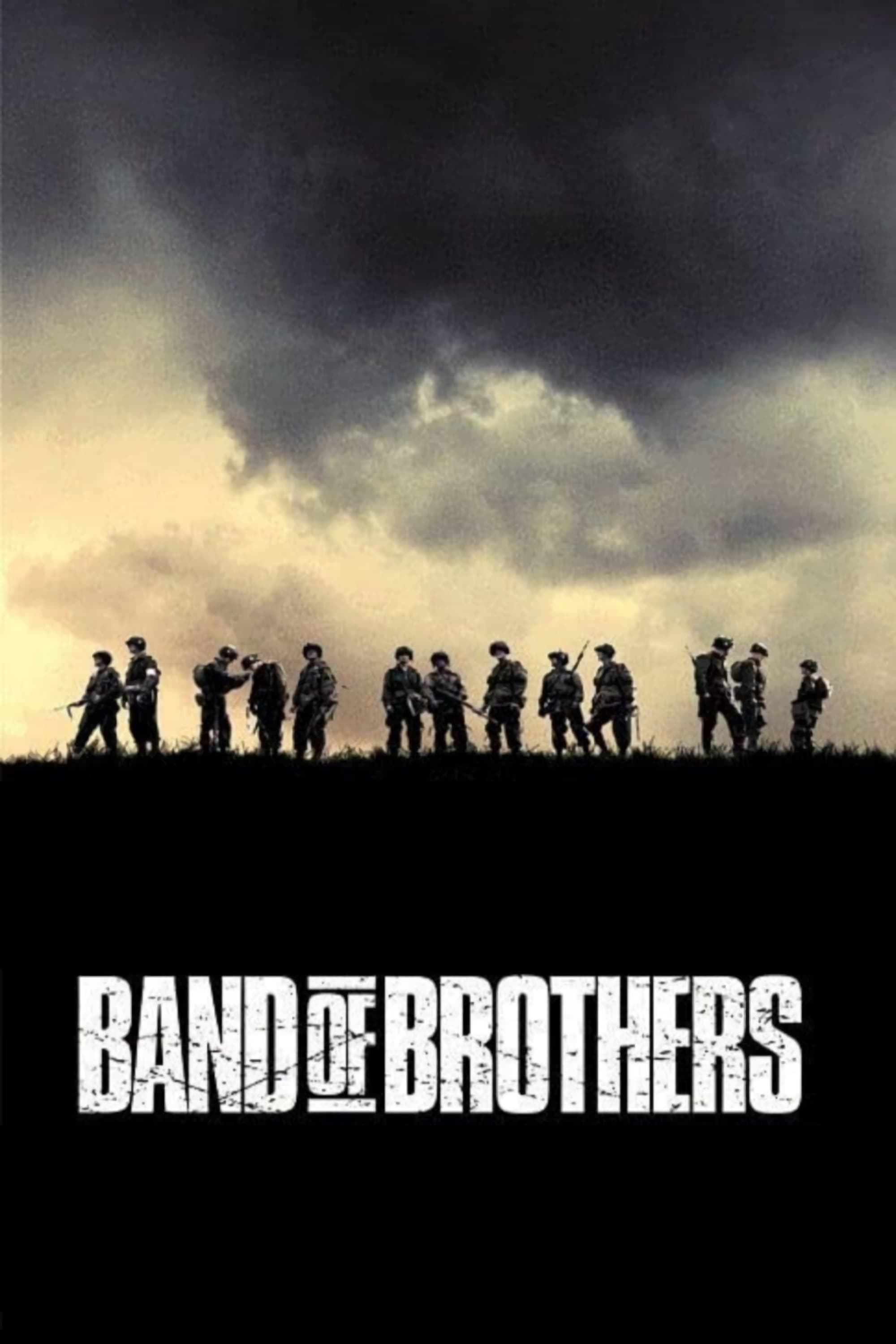
Production rebuilt European towns and trained actors in military tactics, driving costs well above typical TV levels. Authentic vehicles, period weapons, and large night shoots increased spending. HBO financed a feature quality approach across all ten episodes.
‘Sense8’ (2015–2018)
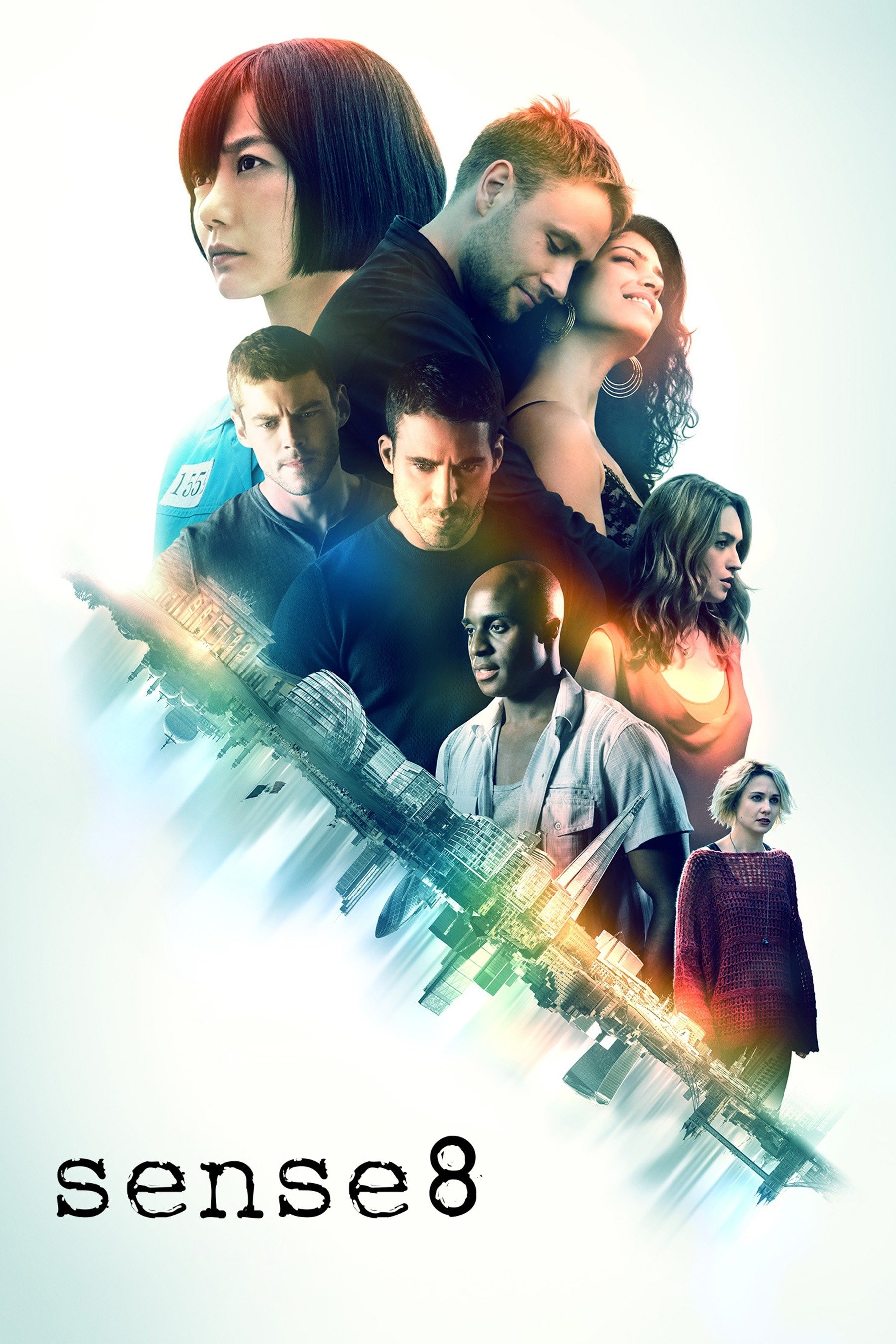
Filming took place on location in cities across the world with the main cast traveling together. The schedule and travel requirements pushed per episode costs significantly higher than average dramas. Netflix supported a complex editorial workflow to integrate footage from multiple countries.
‘See’ (2019–2022)

The series shot in rugged outdoor locations with large stunt teams and practical sets designed for a post apocalyptic world. Action sequences with complex fight choreography increased daily costs. Apple TV Plus funded cinematic lenses and camera packages to maintain a premium look.
‘Foundation’ (2021–present)

Adapting the classic sci fi saga required heavy visual effects, massive set builds, and intricate costume work. The production used international stages and extensive previsualization to plan sequences. Apple TV Plus backed multi season worldbuilding and a large VFX vendor roster.
‘The Morning Show’ (2019–present)

Costs include top tier cast salaries and detailed newsroom sets replicated across multiple stages. The show also uses complex LED backdrops and substantial post production finishing. Apple TV Plus supported long episode runtimes that increased crew days and editorial time.
‘Lost’ (2004–2010)
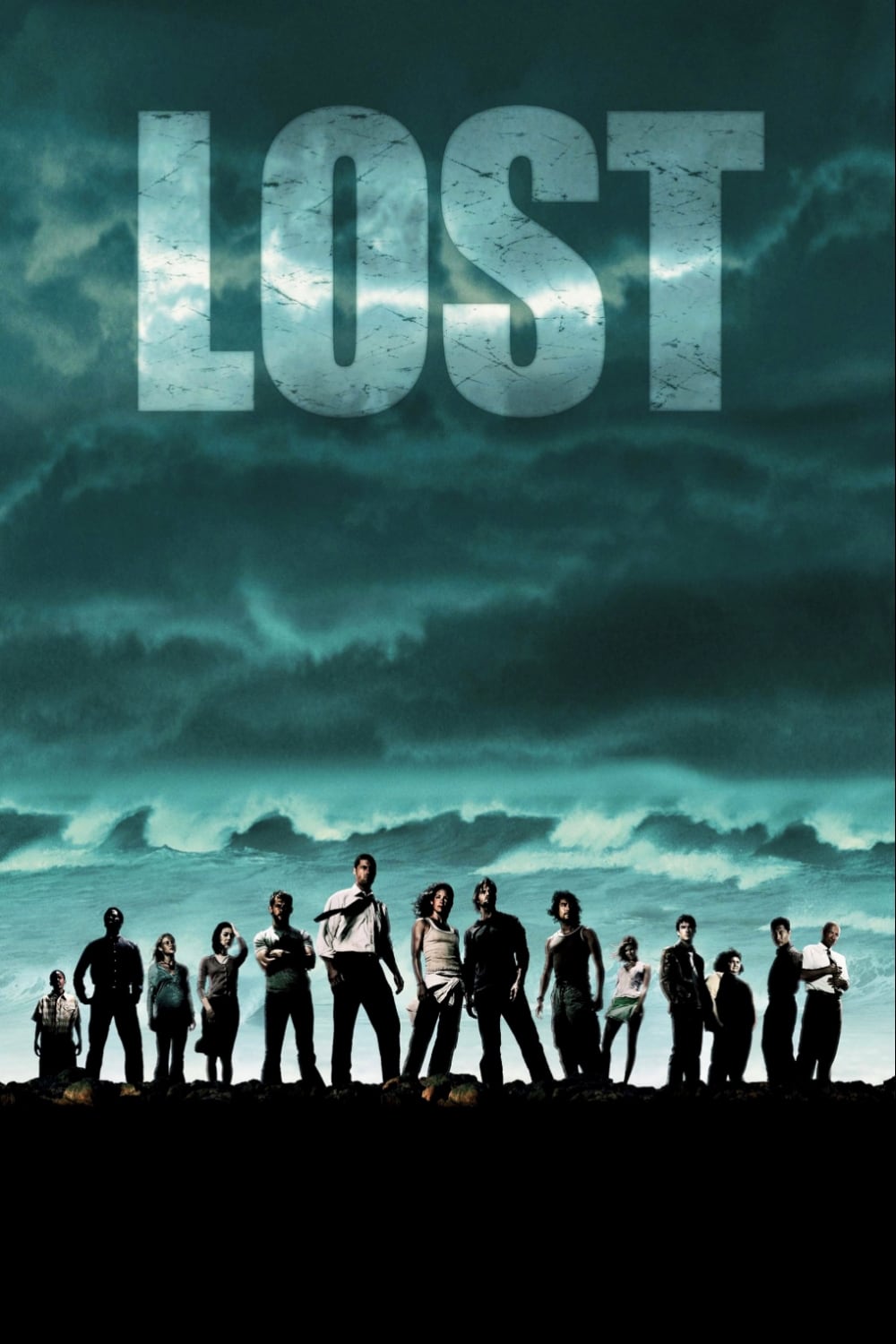
The pilot earned a record price tag due to custom aircraft set construction and location work in Hawaii. Ongoing production managed large outdoor shoots and complex practical effects for the island mysteries. ABC maintained a sizable standing set footprint to keep the schedule moving.
‘ER’ (1994–2009)
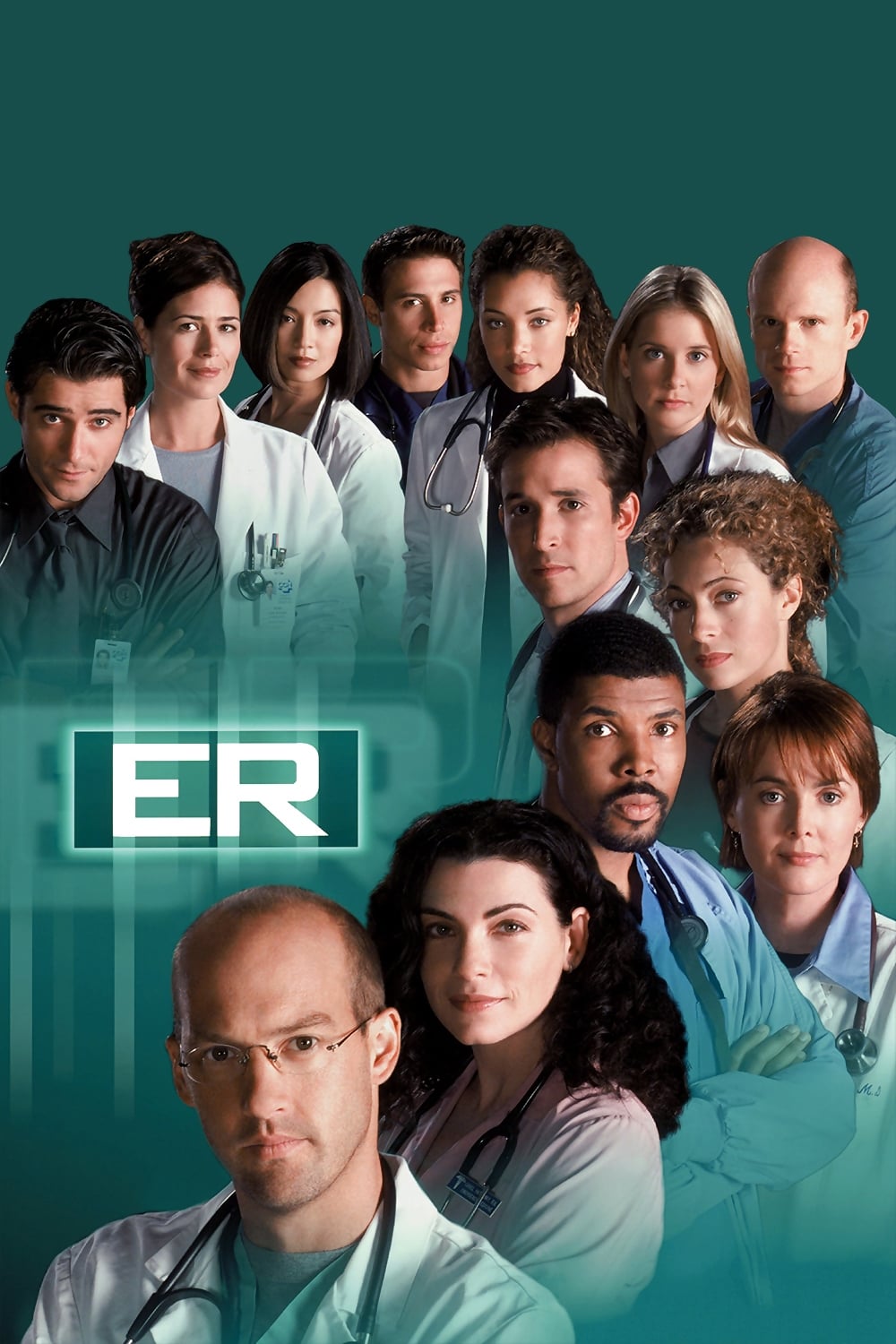
The medical drama operated on expansive emergency room sets with constant background action requiring large crews. Later seasons saw rising cast salaries and sophisticated practical effects for procedures. NBC sustained high per episode spending to support long production days.
‘Friends’ (1994–2004)
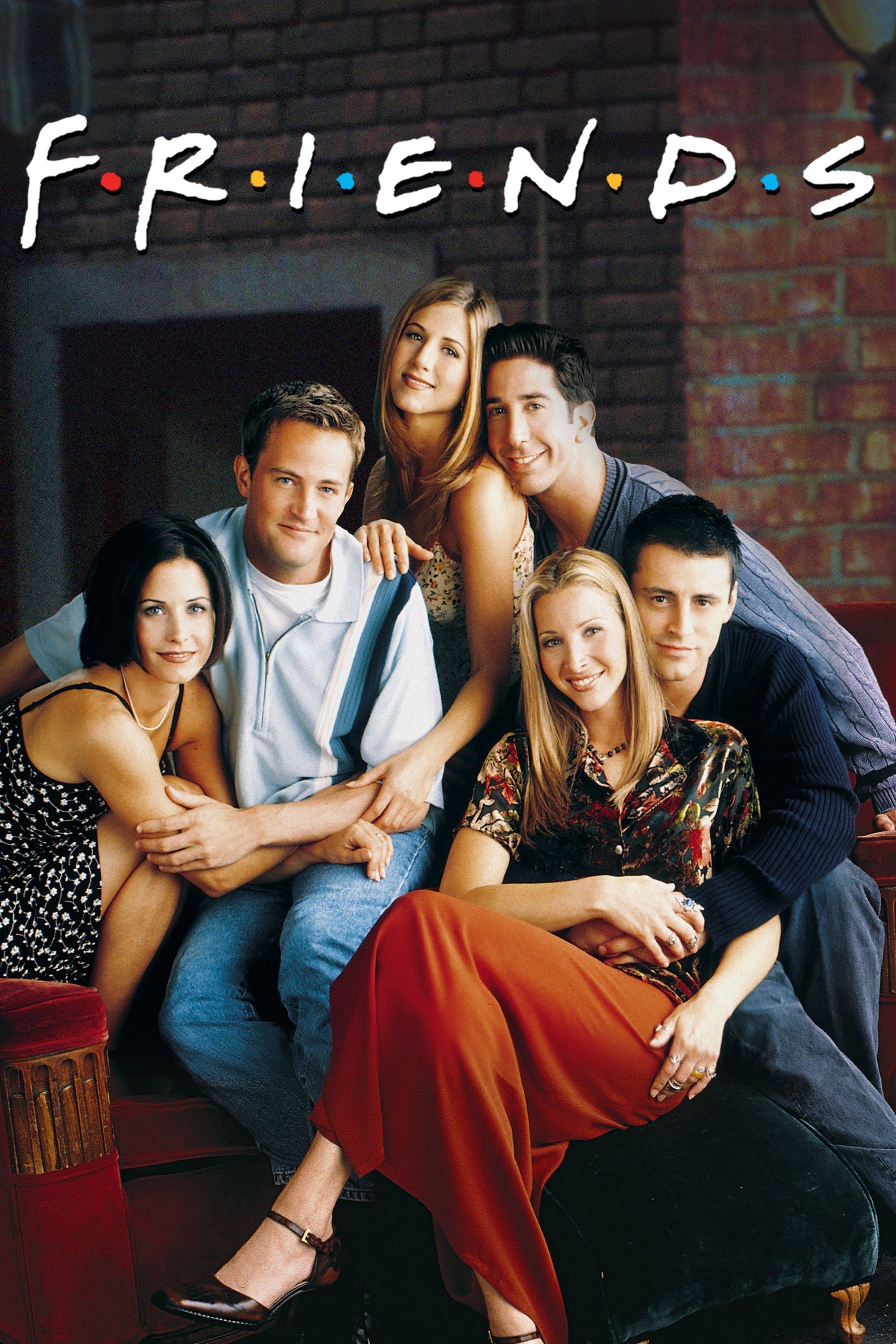
By the final seasons, the six leads negotiated million dollar paychecks per episode that dominated costs. The series maintained multiple standing sets and frequent audience tapings that required additional staffing. NBC’s marketing footprint for event episodes also added to overall spend.
‘The Get Down’ (2016–2017)
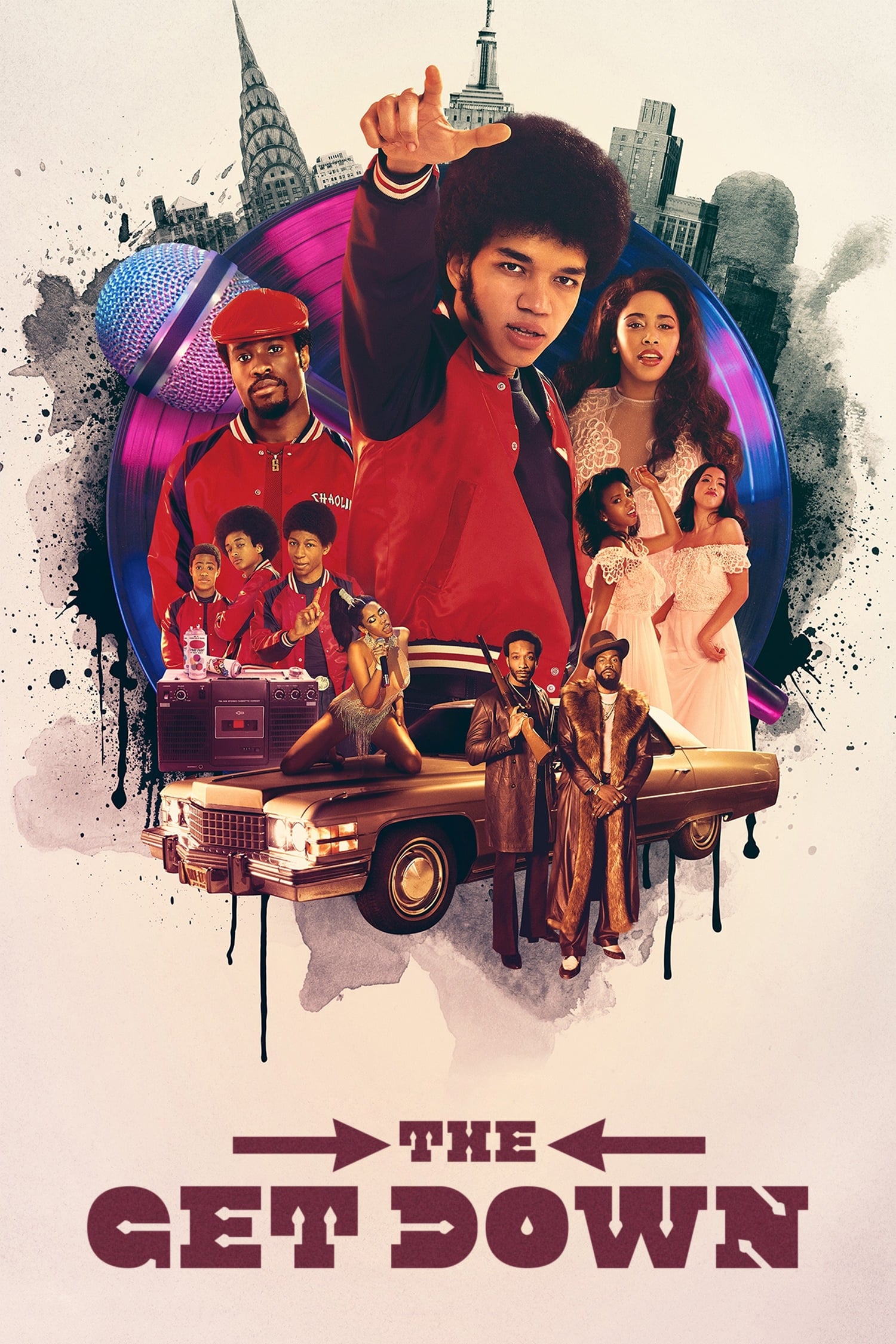
The period musical recreated 1970s New York with elaborate costumes, music clearances, and large dance sequences. Production built detailed subway and club sets that raised the budget per hour. Netflix funded extensive post for choreography editing and sound.
‘Boardwalk Empire’ (2010–2014)
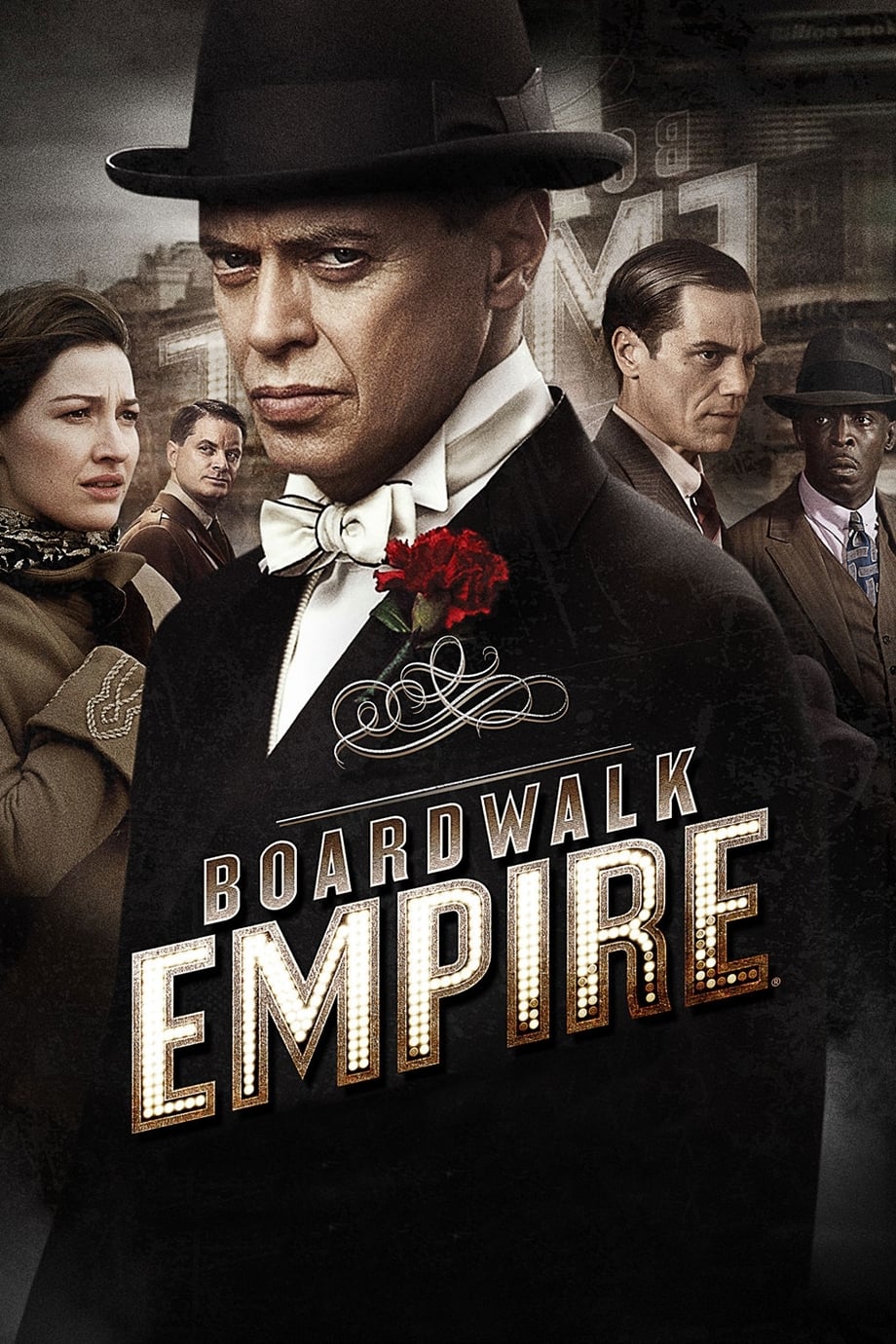
The pilot constructed a massive Prohibition era boardwalk set with water effects and period storefronts. Visual effects extended the Atlantic City environment in nearly every episode. HBO supported heavy costume work and specialty extras for large crowd scenes.
‘Rome’ (2005–2007)
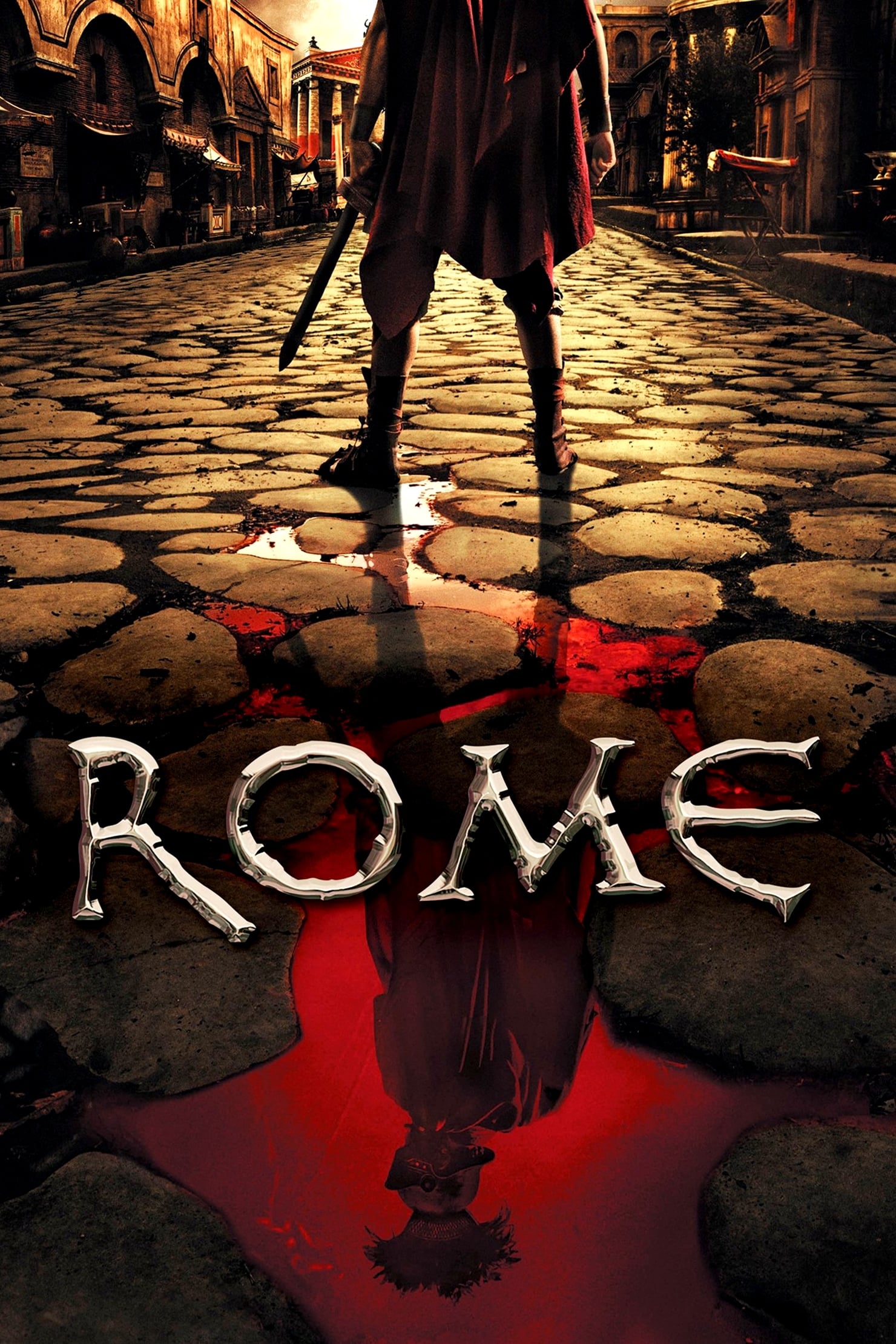
Production built a full scale recreation of ancient Rome with detailed streets, housing, and public spaces. The scale of sets and extras made each episode far costlier than typical historical dramas. HBO partnered with international studios to shoulder the ambitious scope.
‘Westworld’ (2016–2022)
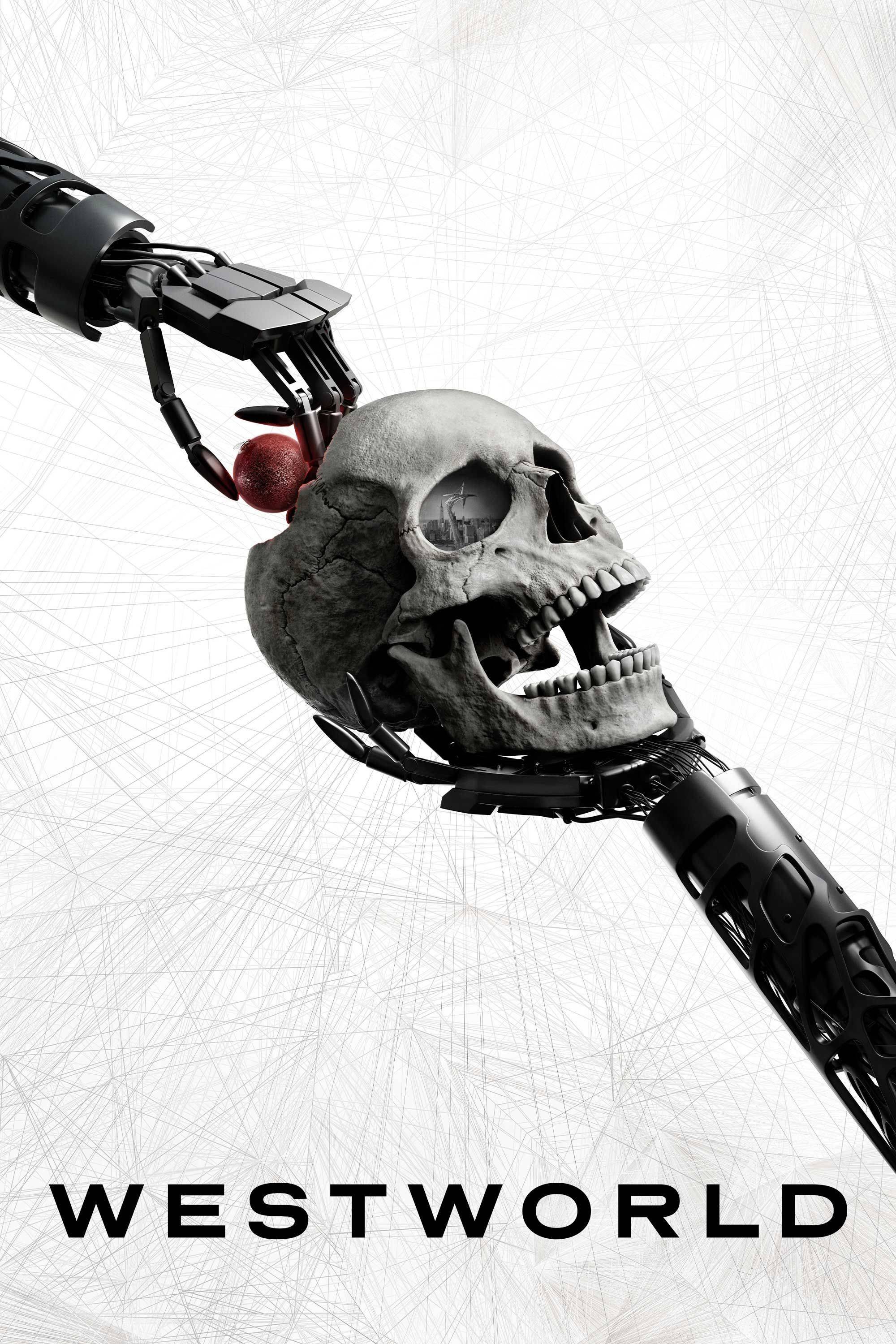
The series combined practical Western towns with futuristic sets, robotics props, and advanced VFX. Later seasons added city scale locations and complex stunt sequences that raised per episode costs. HBO maintained a long post schedule to handle extensive visual effects shots.
Share which title surprised you most in the comments so we can compare notes on TV’s biggest budget swings.