TV Series That Inspired Movies


Some of the biggest films started life on the small screen, carrying over characters, ideas, and even theme music that fans already loved. From crime procedurals to space adventures, these shows built worlds that were simply too cinematic to stay on television. Here are notable series that made the jump to theaters, along with the movies they sparked and the paths they took to get there. You’ll also spot where these shows originally aired, since networks often played a quiet but crucial role in shaping their journeys.
‘The Fugitive’ (1963–1967)
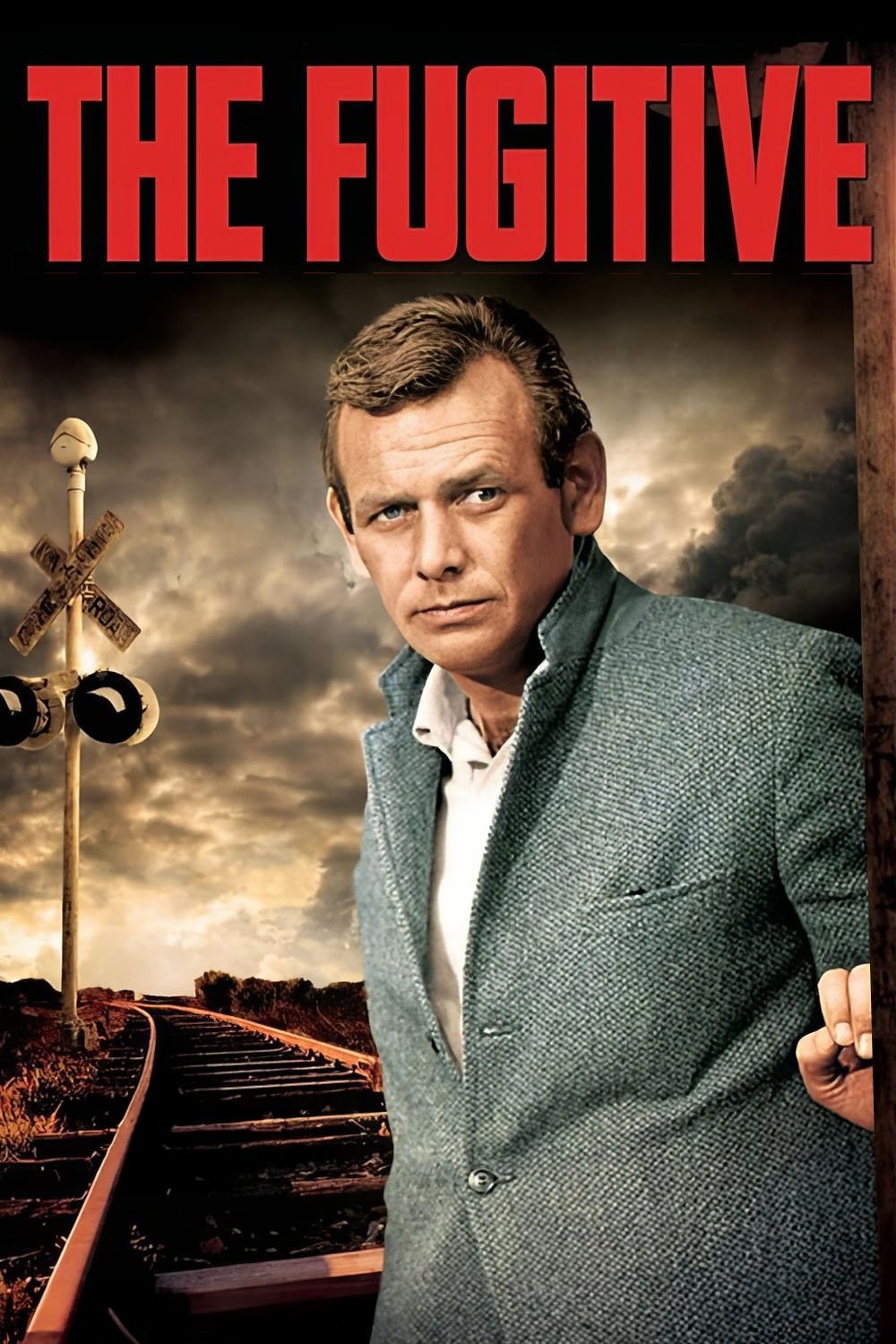
The thriller about Dr. Richard Kimble set the template for the wrongfully accused man on the run and later became the film ‘The Fugitive’. The series aired on ABC and ended with a famous two-part finale that drew huge viewership. The movie kept the central chase and the dogged pursuit by a U.S. marshal. Its success also spurred a related follow-up film, extending the premise for new audiences.
‘Mission: Impossible’ (1966–1973)
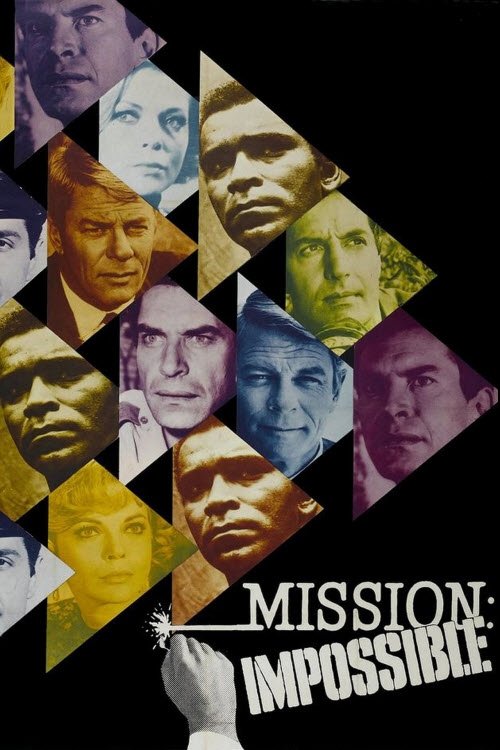
This espionage series about the Impossible Missions Force inspired the blockbuster film ‘Mission: Impossible’. The original show ran on CBS and introduced the self-destructing briefings and iconic theme that the movie adopted. The film reimagined the team format while keeping the emphasis on elaborate cons and gadgets. It launched a long-running film franchise centered on daring heists and globe-spanning missions.
‘Star Trek: The Original Series’ (1966–1969)
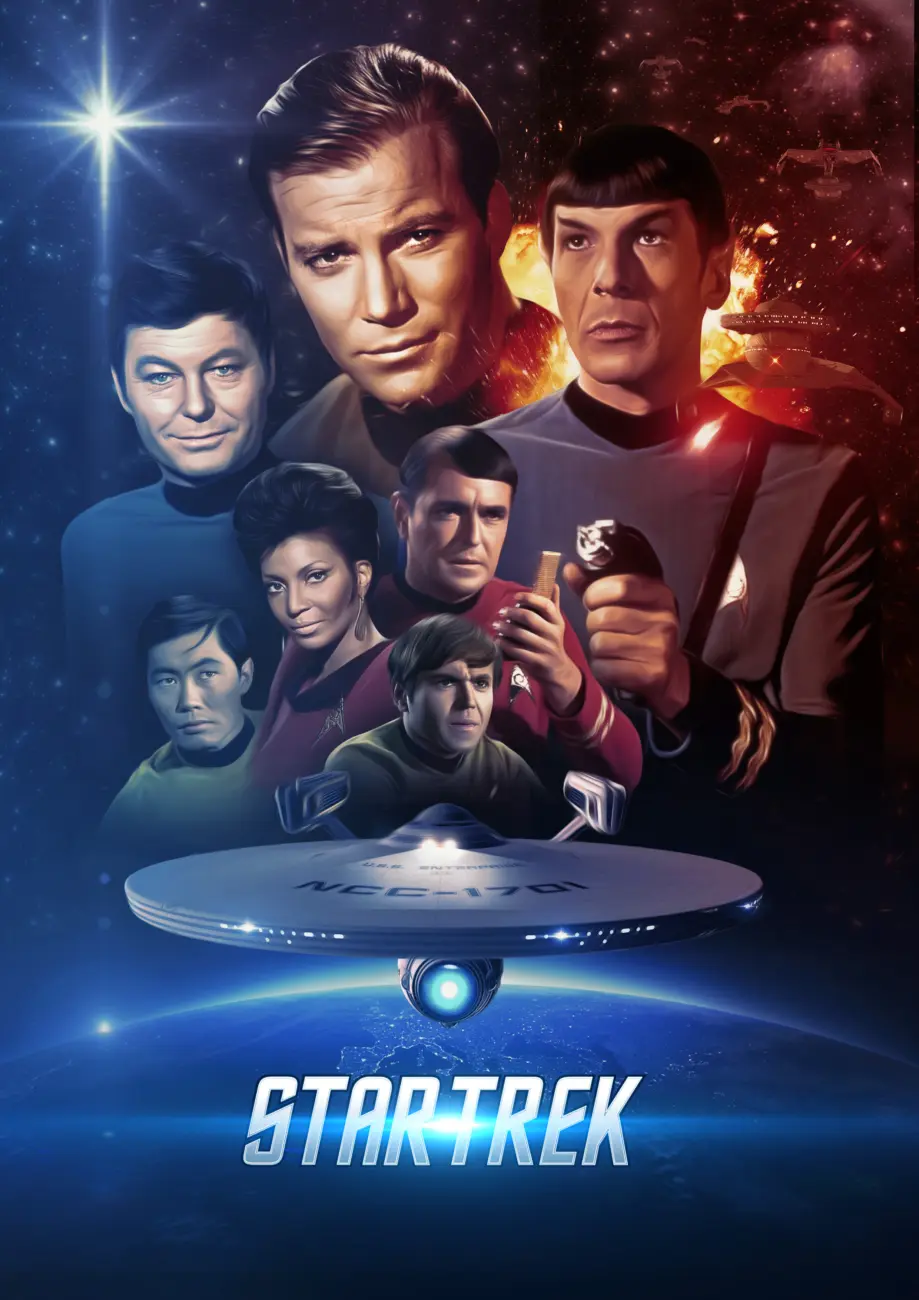
The adventures of the starship Enterprise became the film ‘Star Trek: The Motion Picture’ and many sequels. The show first aired on NBC and developed a devoted fan base that kept the brand alive through conventions and reruns. Films carried over core characters like Kirk and Spock and expanded the universe with higher-budget effects. The shift to theaters helped solidify the franchise’s cultural footprint.
‘The X-Files’ (1993–2002)
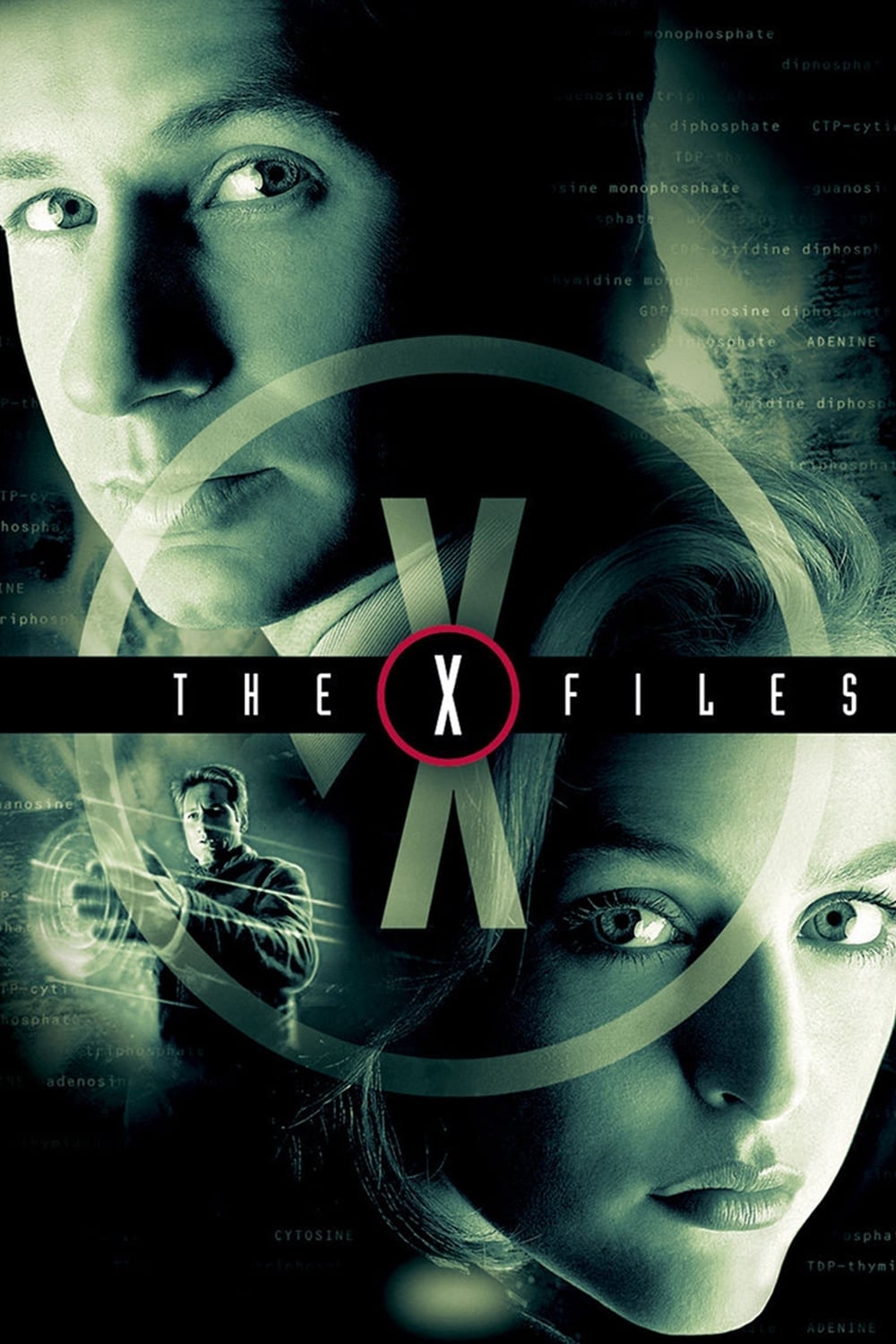
The paranormal investigations of Mulder and Scully led to the theatrical release ‘The X-Files’. The series debuted on Fox and blended monster-of-the-week cases with an ongoing conspiracy arc. The movie advanced that mythology while delivering a standalone mystery for newcomers. A second film returned to a more contained case that echoed the show’s procedural roots.
‘Miami Vice’ (1984–1990)
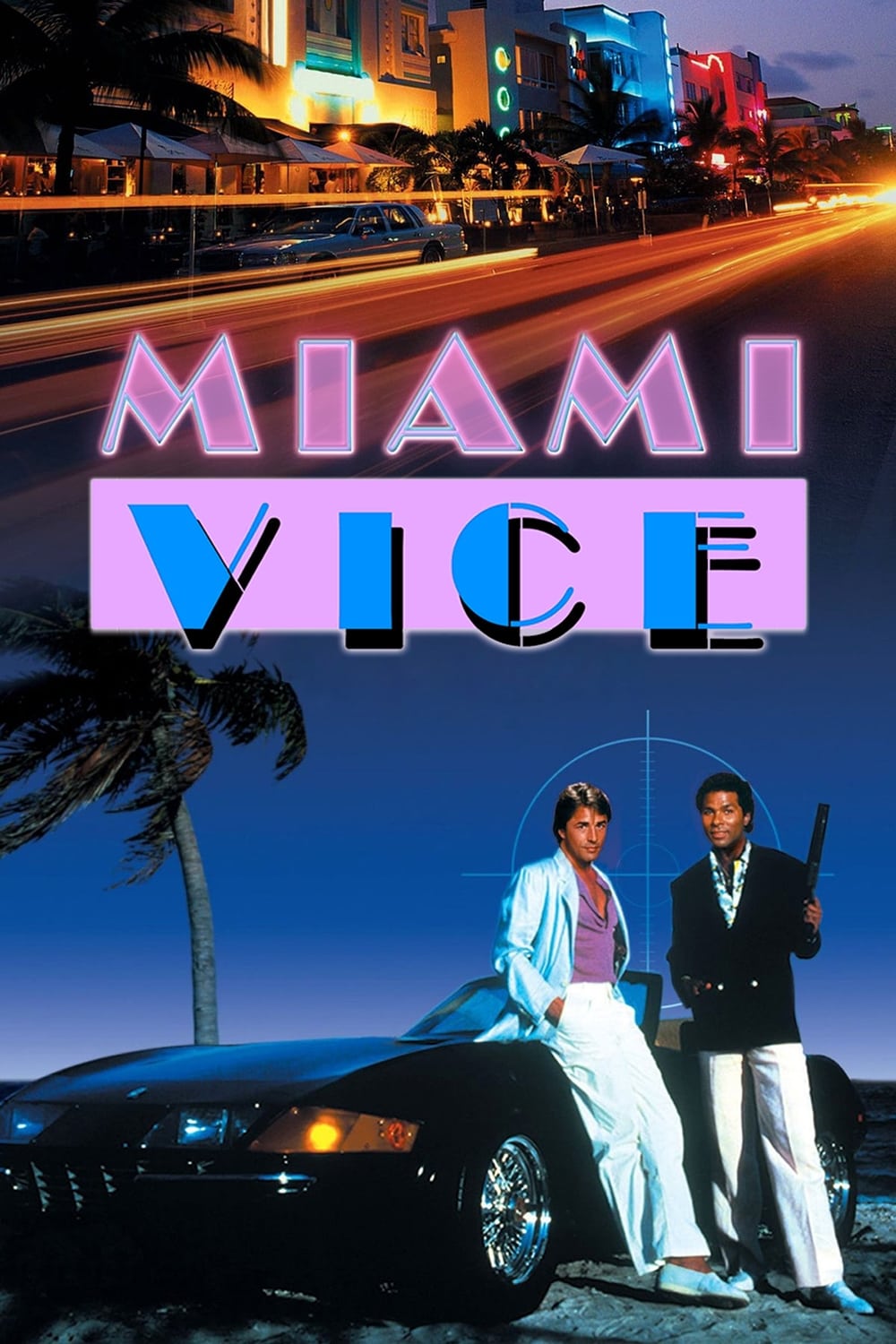
The stylish police drama about undercover detectives in South Florida evolved into the film ‘Miami Vice’. The TV series aired on NBC and was known for music-driven montages and a glossy look. The movie kept the undercover framework and leaned into a grounded, gritty tone. It preserved the partnership at the story’s center while updating tactics and setting.
‘The Addams Family’ (1964–1966)
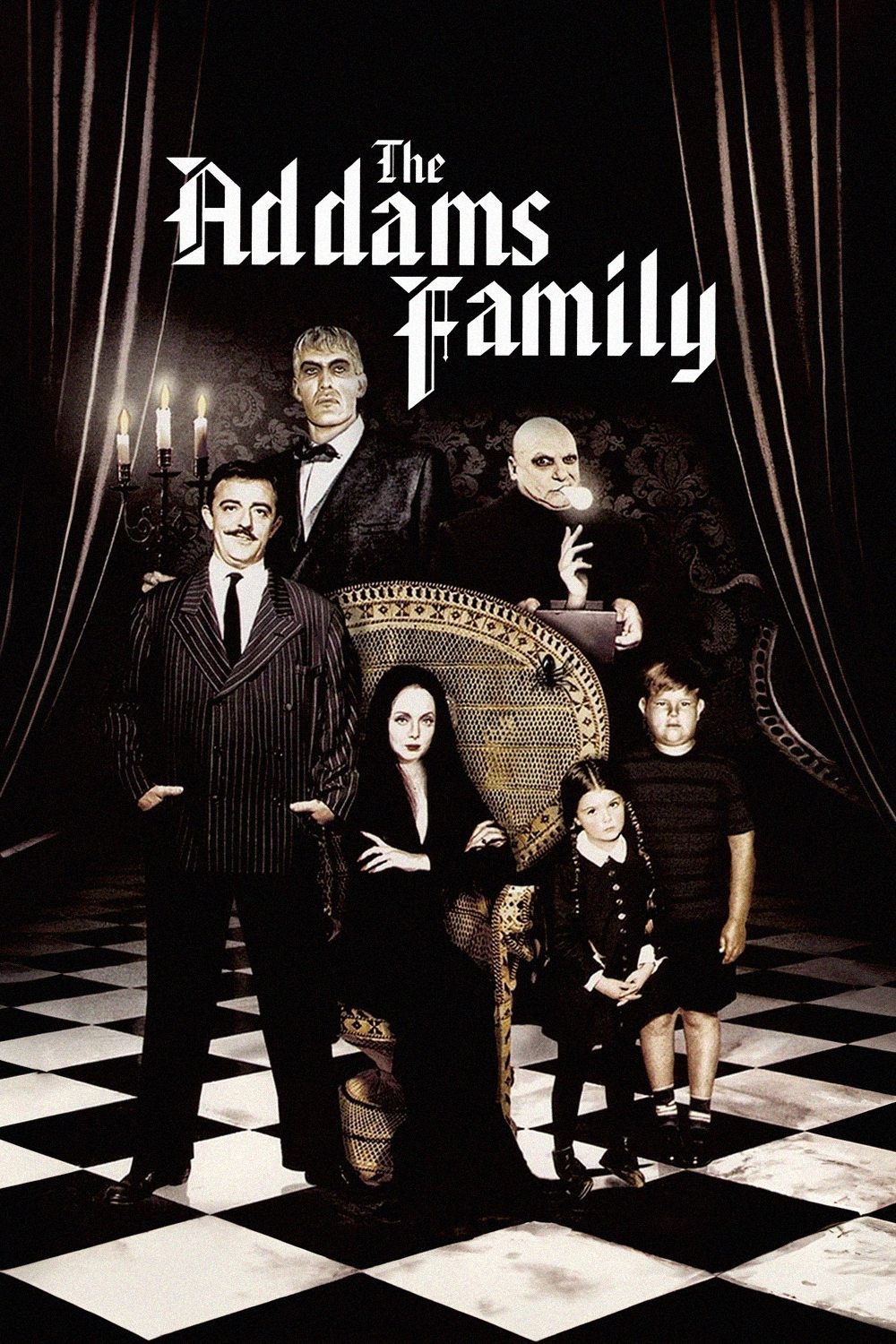
This macabre sitcom about a delightfully odd household served as the basis for the film ‘The Addams Family’. The show ran on ABC and popularized the characters’ deadpan humor and ghoulish charm. The movie revived the ensemble with theatrical set pieces and effects. It paved the way for additional film outings that explored more of the family’s antics.
‘The Simpsons’ (1989– )
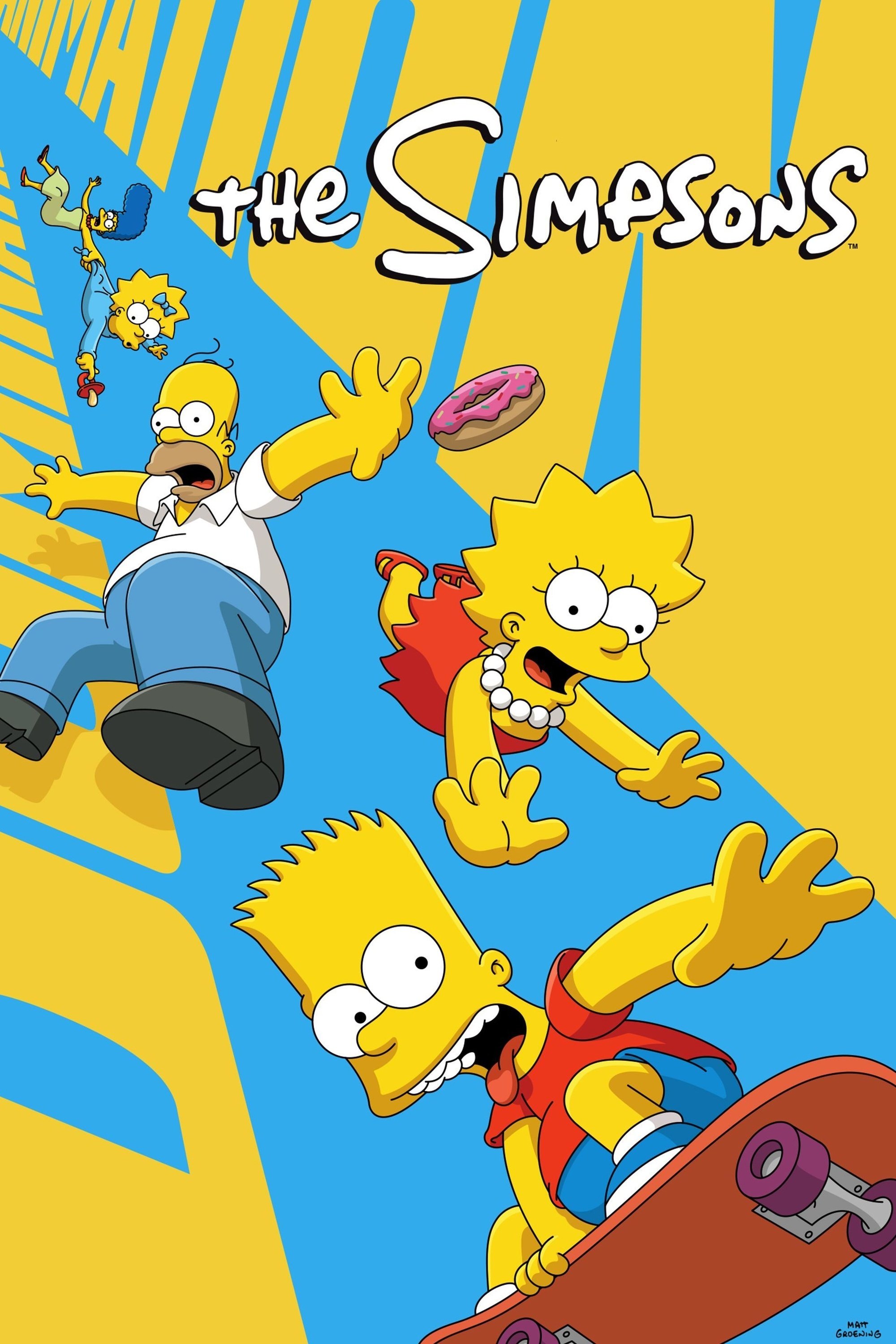
Springfield’s animated residents took over theaters with ‘The Simpsons Movie’. The long-running series premiered on Fox and developed a vast cast and satirical voice. The film used a bigger-scale crisis to bring the town together and showcase familiar quirks. It maintained the show’s comedic rhythm while delivering a feature-length adventure.
‘Downton Abbey’ (2010–2015)
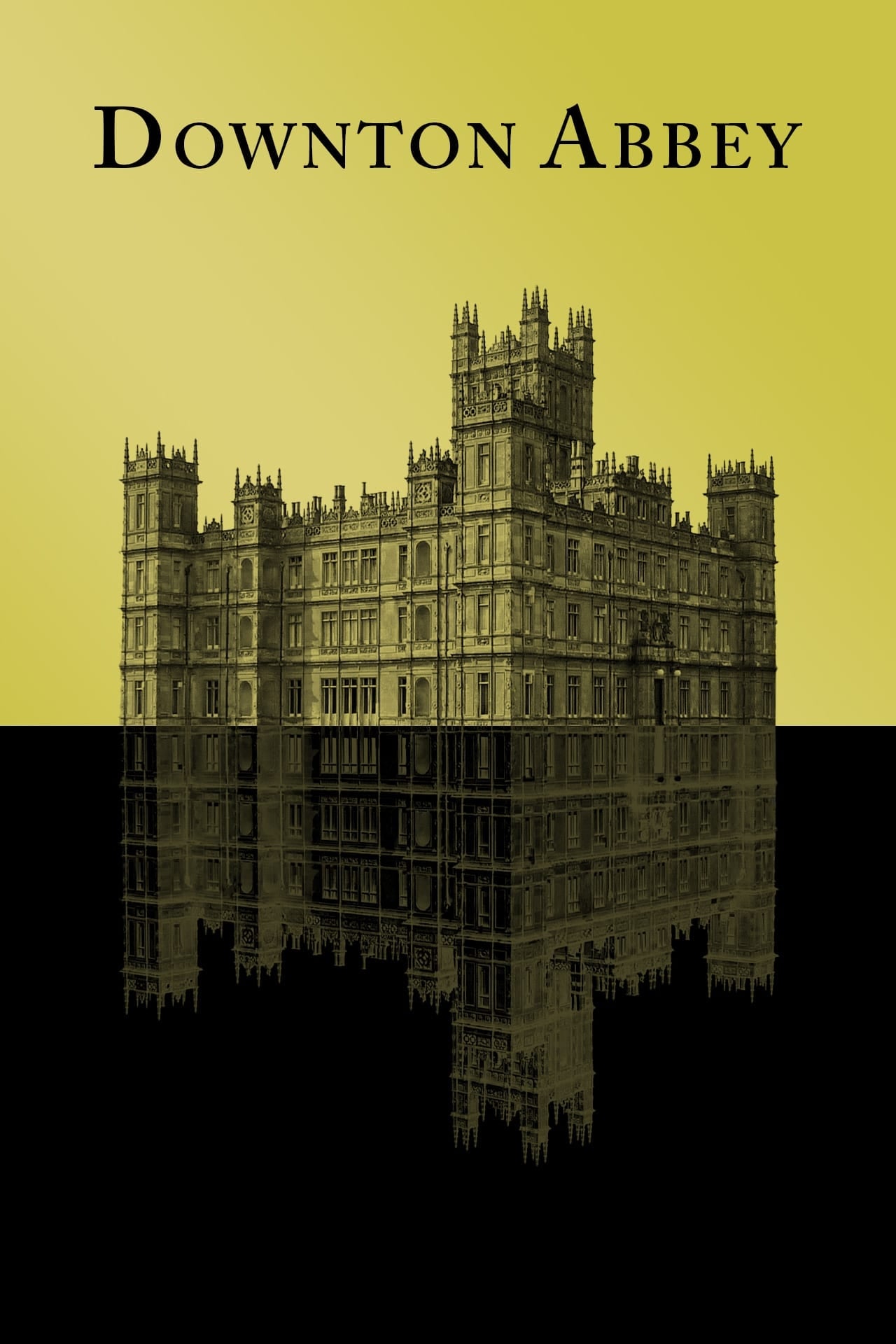
The aristocratic Crawley family’s saga continued on the big screen with ‘Downton Abbey’. The series began on ITV and built a large ensemble across household and staff. The film crafted a focused event that drew everyone back into the estate’s orbit. A further movie followed to explore new journeys for returning characters.
‘Veronica Mars’ (2004–2007)
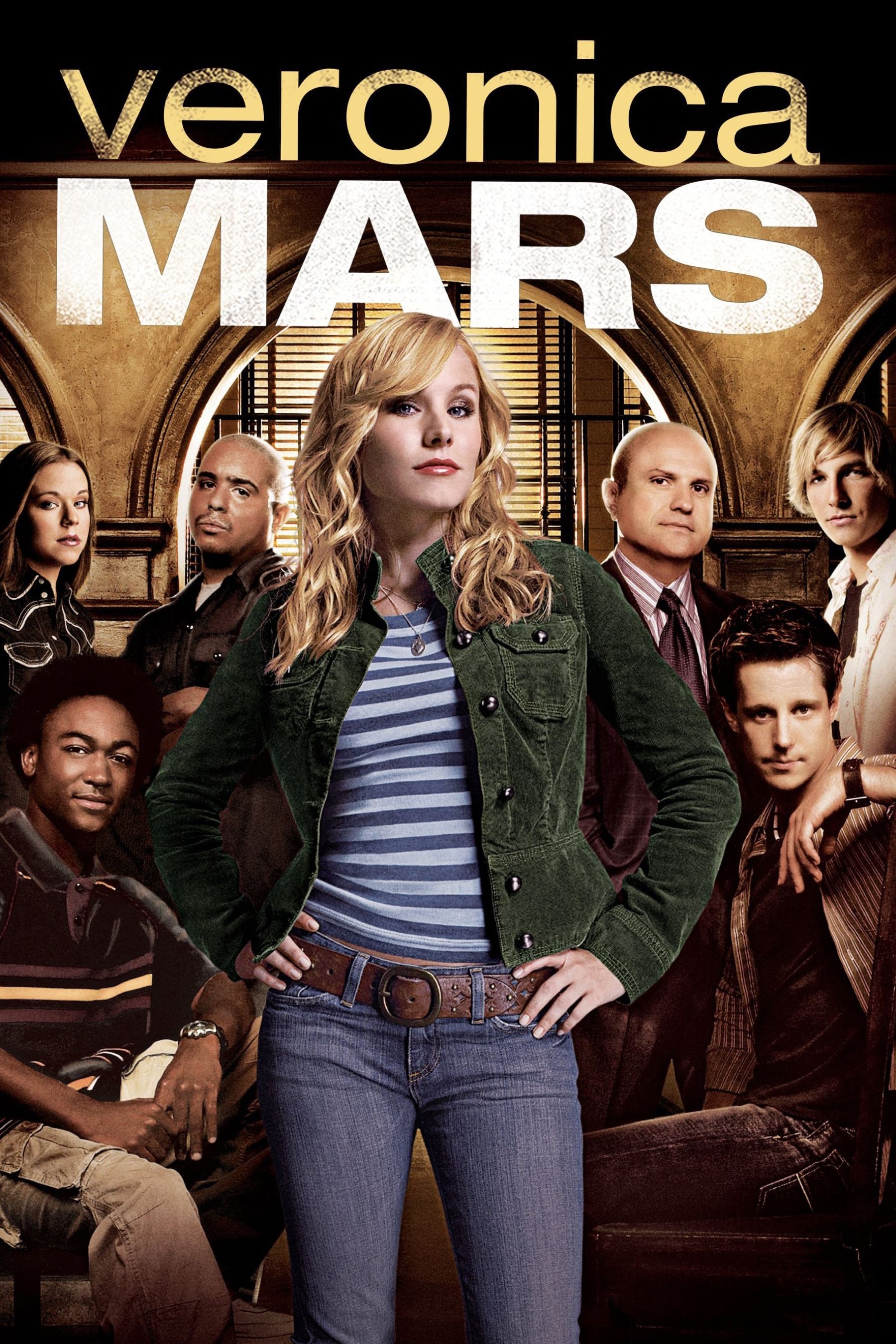
The teen sleuth’s noir-tinged cases returned in the film ‘Veronica Mars’. The show started on UPN and later moved to The CW, cultivating a passionate fan community. The movie reunited key figures in Neptune for a fresh investigation. It provided closure for ongoing threads while welcoming first-time viewers.
‘Sex and the City’ (1998–2004)
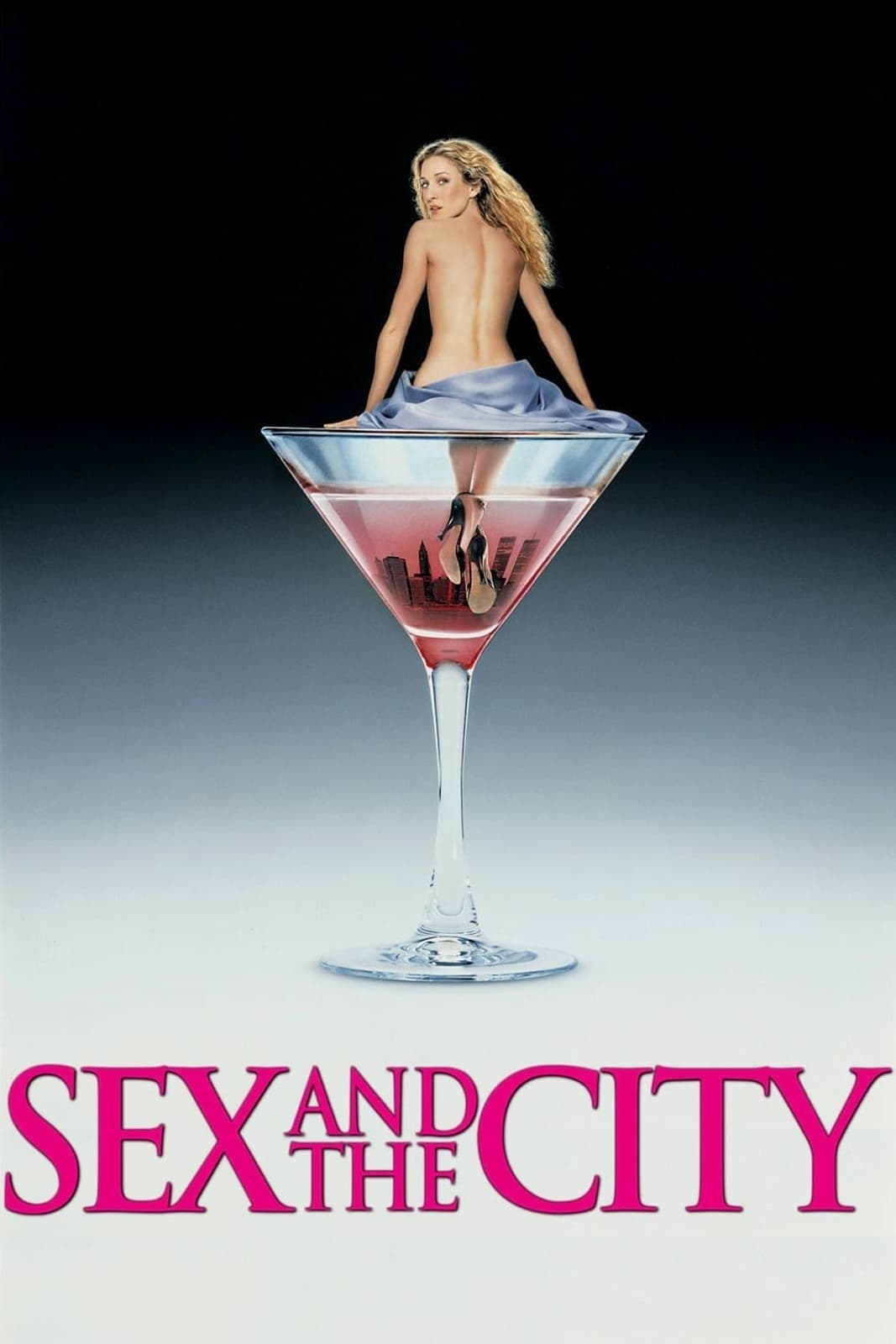
The New York–set story of friendship and relationships continued in theaters with ‘Sex and the City’. The original series aired on HBO and became known for candid conversations and city life. The film brought the quartet back together for new milestones and challenges. A second movie extended those arcs with a globe-trotting twist.
‘Entourage’ (2004–2011)
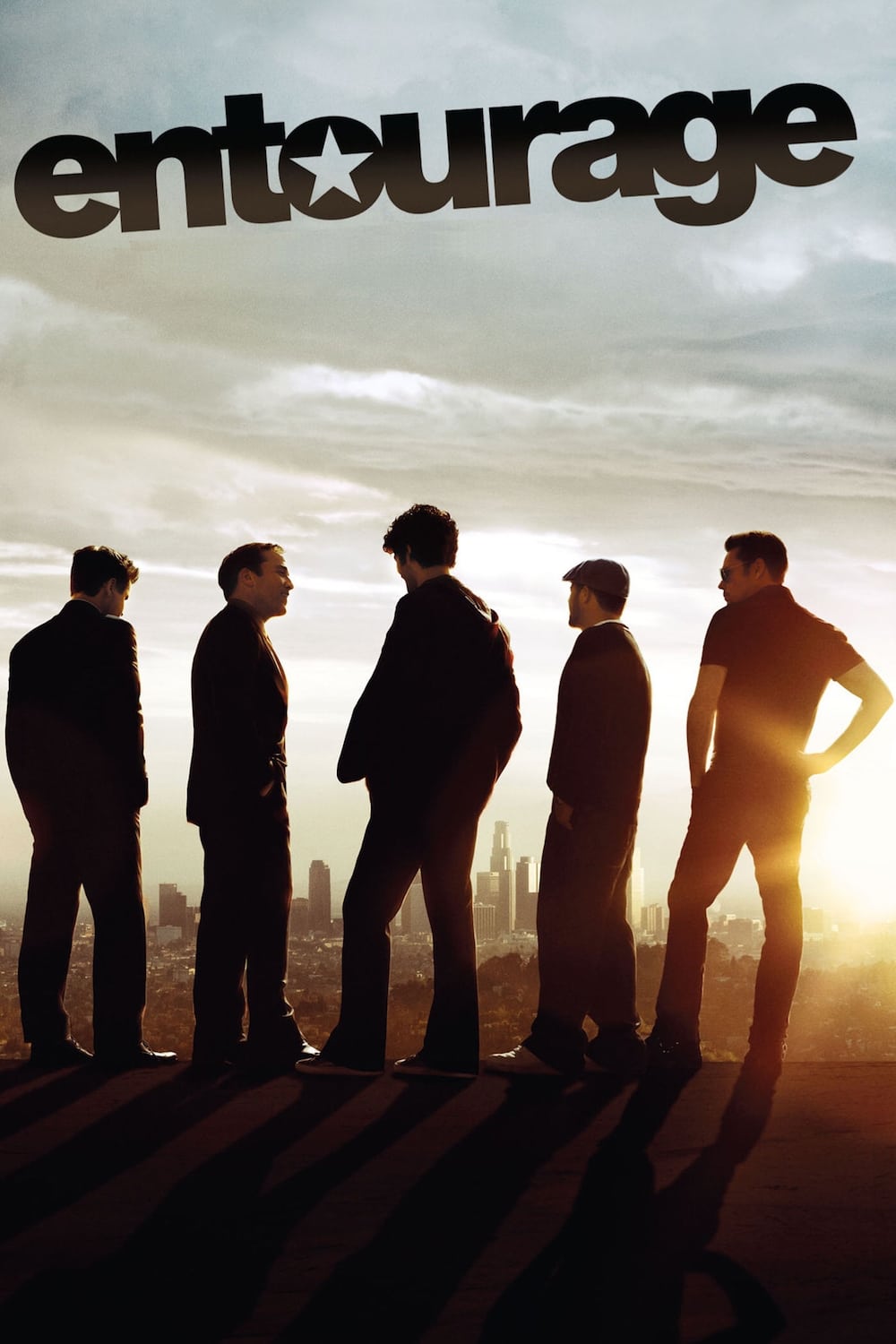
This look at a rising actor and his friends in Hollywood culminated in the film ‘Entourage’. The TV series ran on HBO and followed careers, deals, and industry politics. The movie pushed the central production storyline to a breaking point. It gathered familiar players for cameos and wrapped up ongoing business in cinematic fashion.
‘Firefly’ (2002–2003)
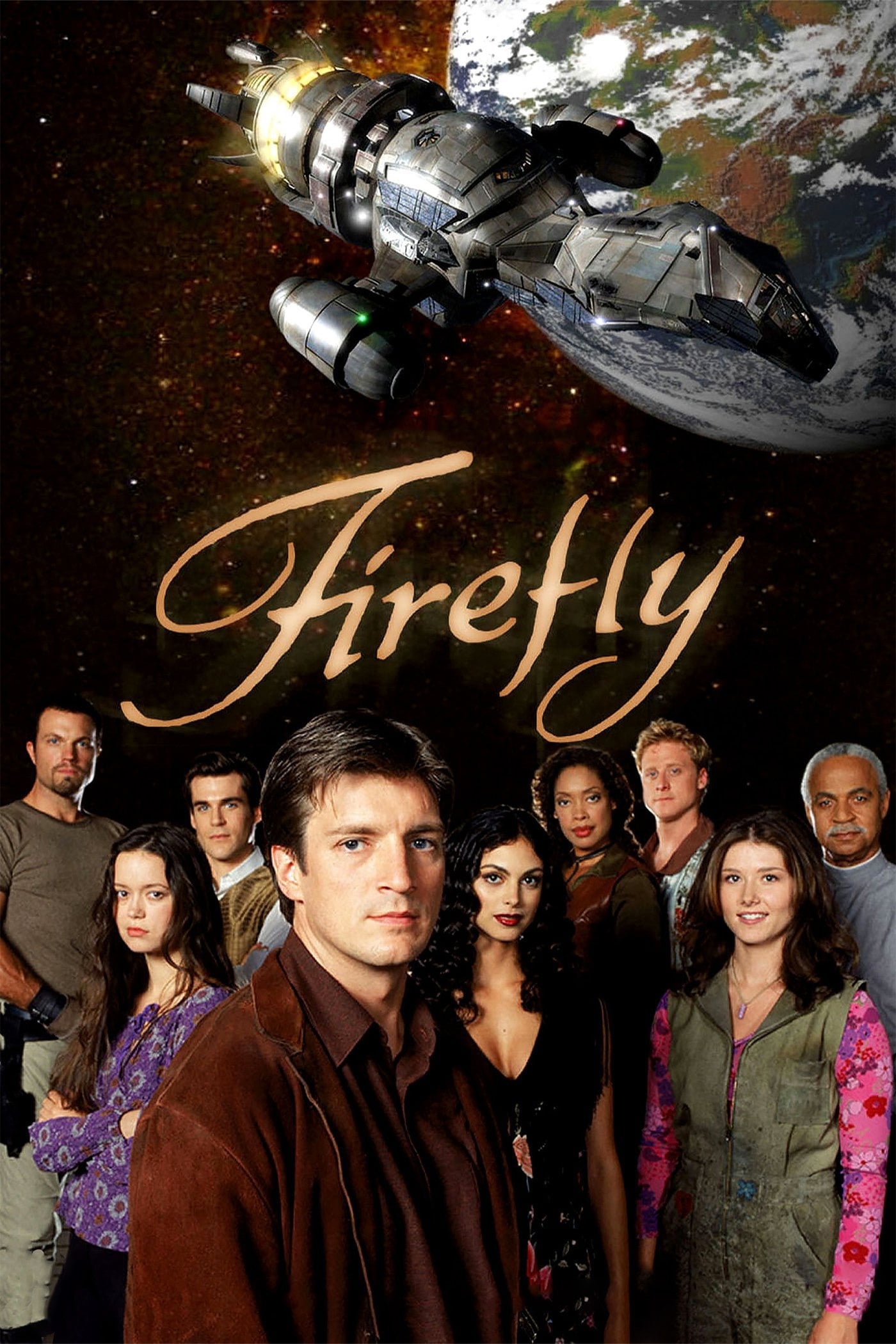
The space western’s brief television run set up the film ‘Serenity’. The series aired on Fox and built a tight-knit crew dynamic around a smuggling ship. The movie resolved lingering plotlines while expanding the universe’s central conflict. It delivered large-scale action sequences that the show only hinted at.
‘The Untouchables’ (1959–1963)
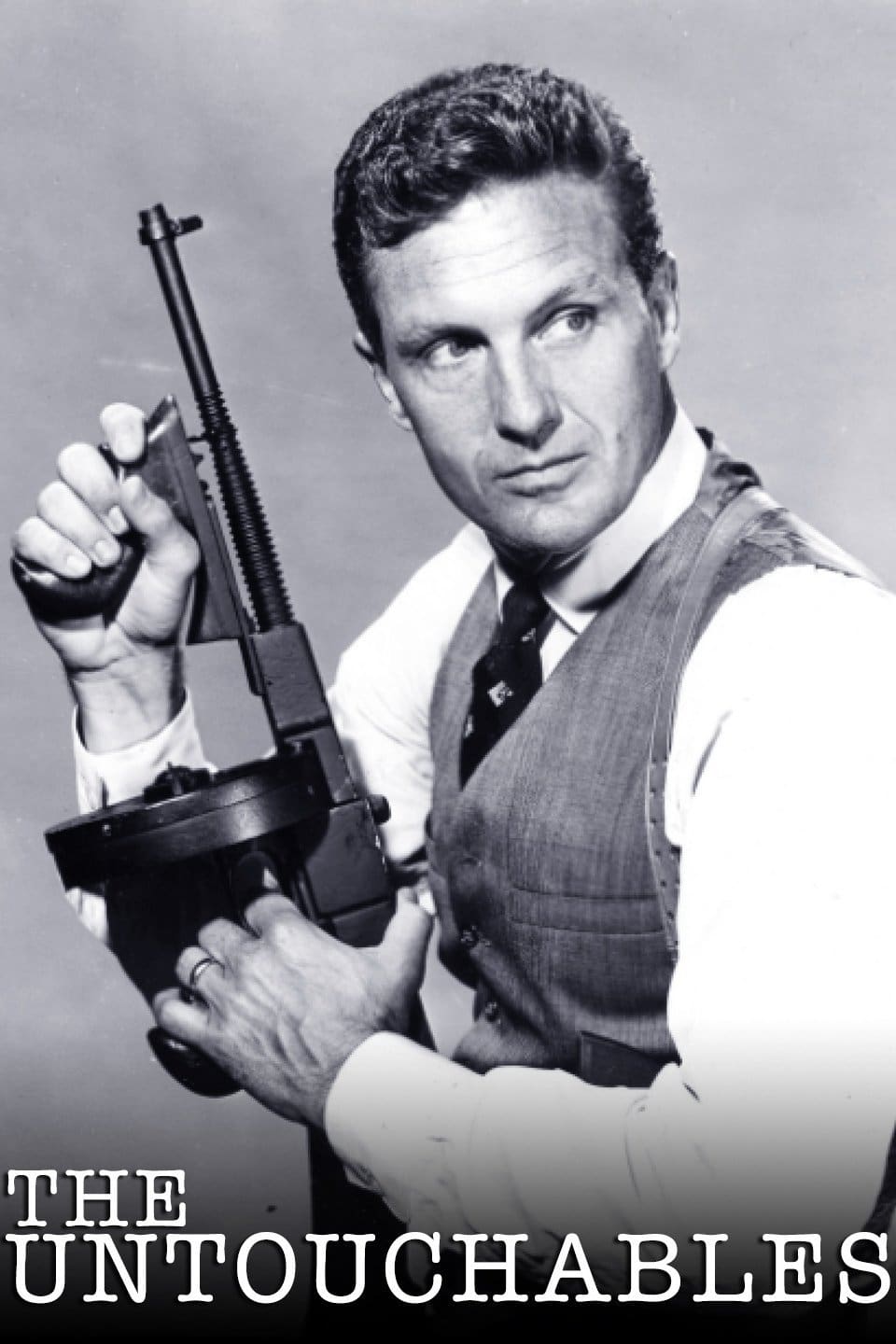
The Prohibition-era crime show gave rise to the film ‘The Untouchables’. The series originally aired on ABC and dramatized Eliot Ness and his team against organized crime. The movie reframed the conflict with heightened period detail and set pieces. It emphasized the unit’s tactics and the cat-and-mouse struggle with a notorious mob boss.
‘The A-Team’ (1983–1987)
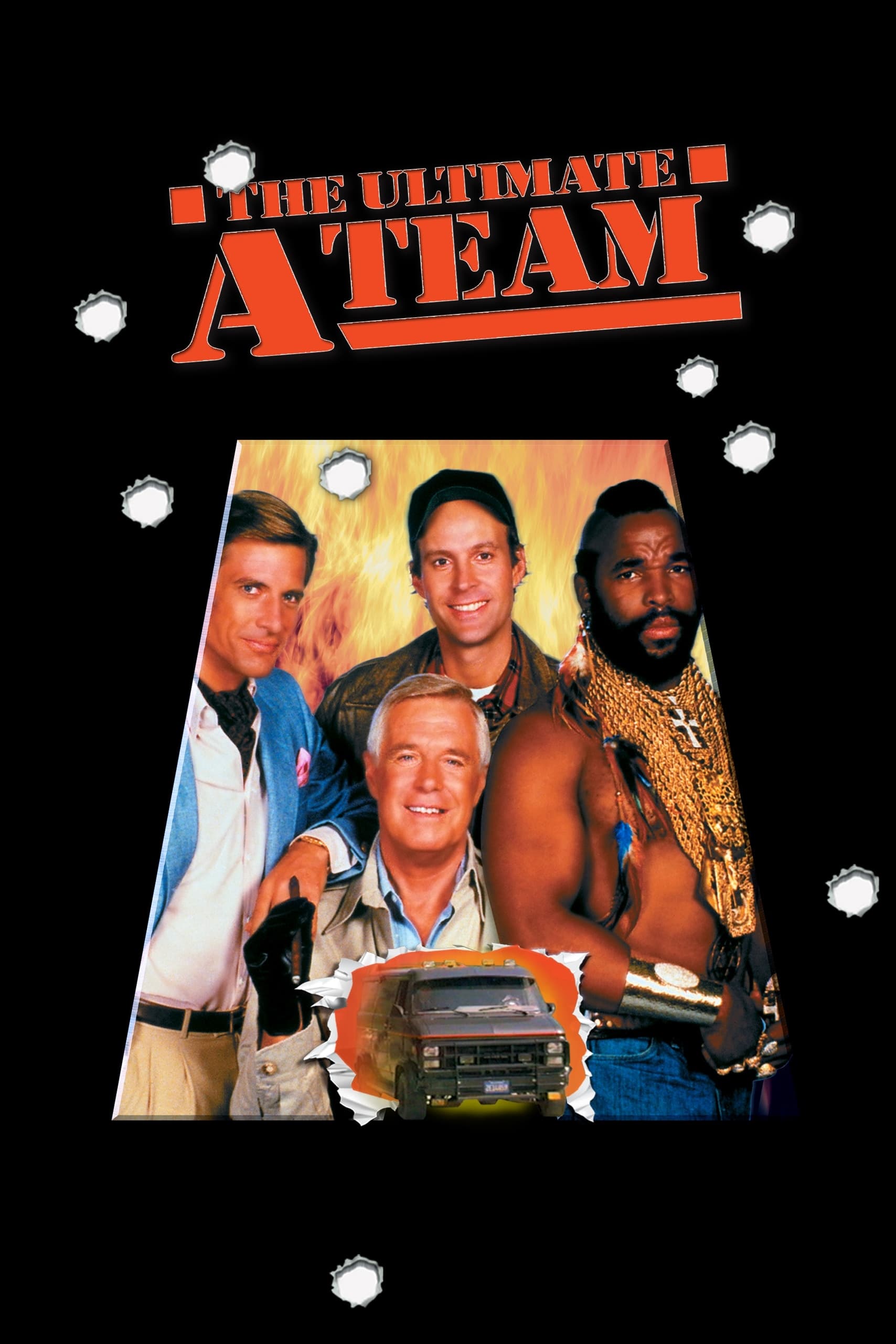
A band of former soldiers for hire transitioned to the film ‘The A-Team’. The TV show aired on NBC and mixed action with inventive plans and vehicles. The movie updated the origin and delivered larger, stunt-driven capers. It kept the squad’s personalities intact while reintroducing their signature improvisation.
‘Charlie’s Angels’ (1976–1981)
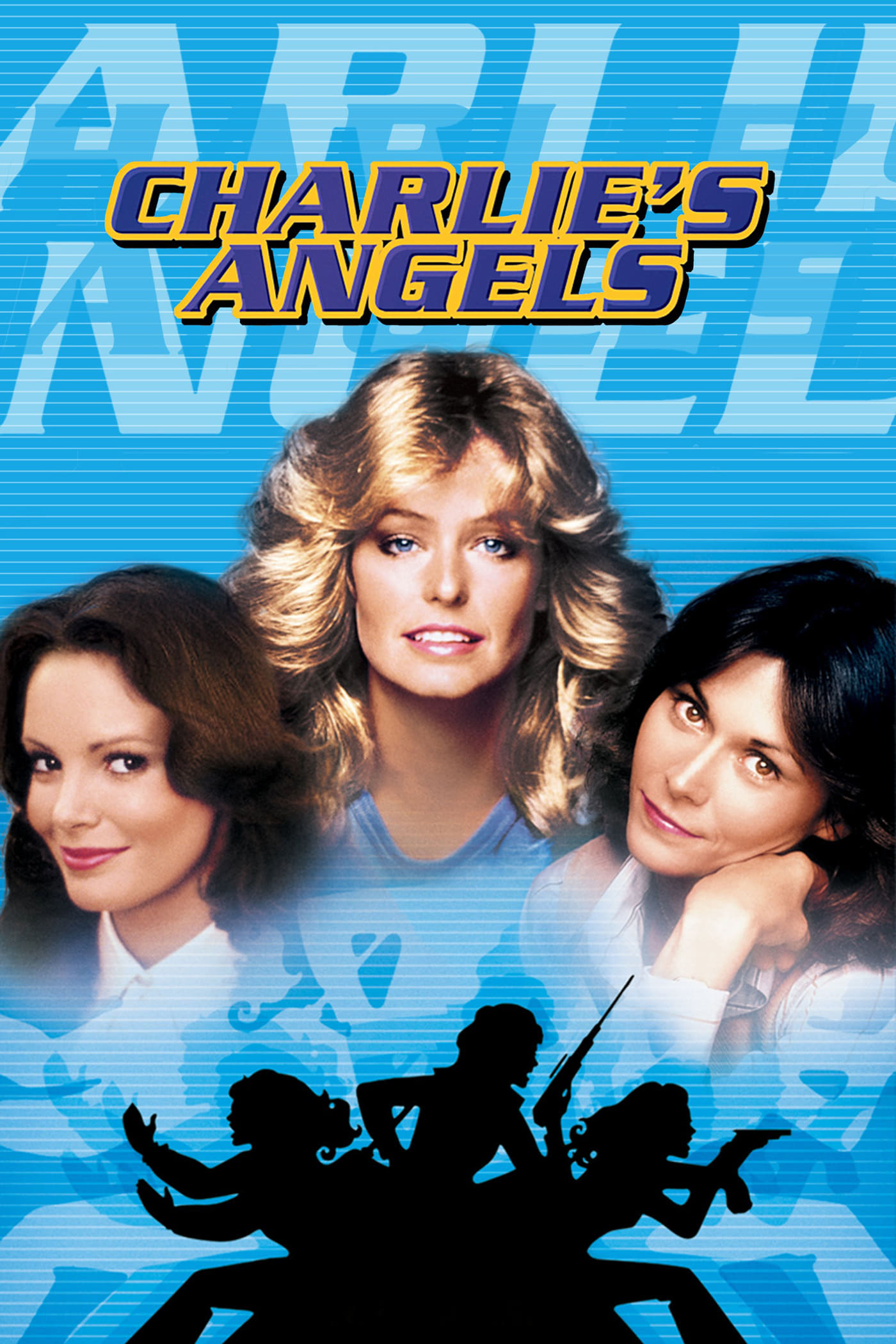
The private detectives backed by a mysterious benefactor inspired the film ‘Charlie’s Angels’. The series aired on ABC and centered on a rotating trio of specialists. The movies reassembled the team for high-energy missions and elaborate disguises. Later entries refreshed the lineup while keeping the franchise’s core concept.
’21 Jump Street’ (1987–1991)
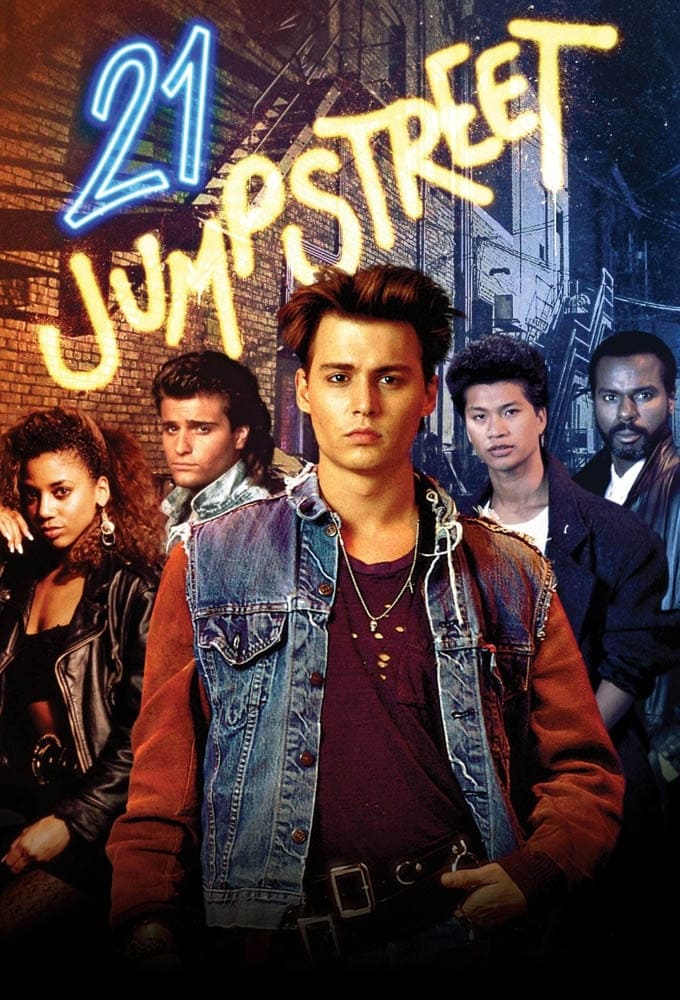
Undercover officers in high schools and colleges set up the film ’21 Jump Street’. The original series aired on Fox and explored youth-focused cases with a rotating unit. The movie revisited the premise with a self-aware twist and a fresh partnership. A sequel spun the concept into a new environment while acknowledging the show’s legacy.
‘Get Smart’ (1965–1970)
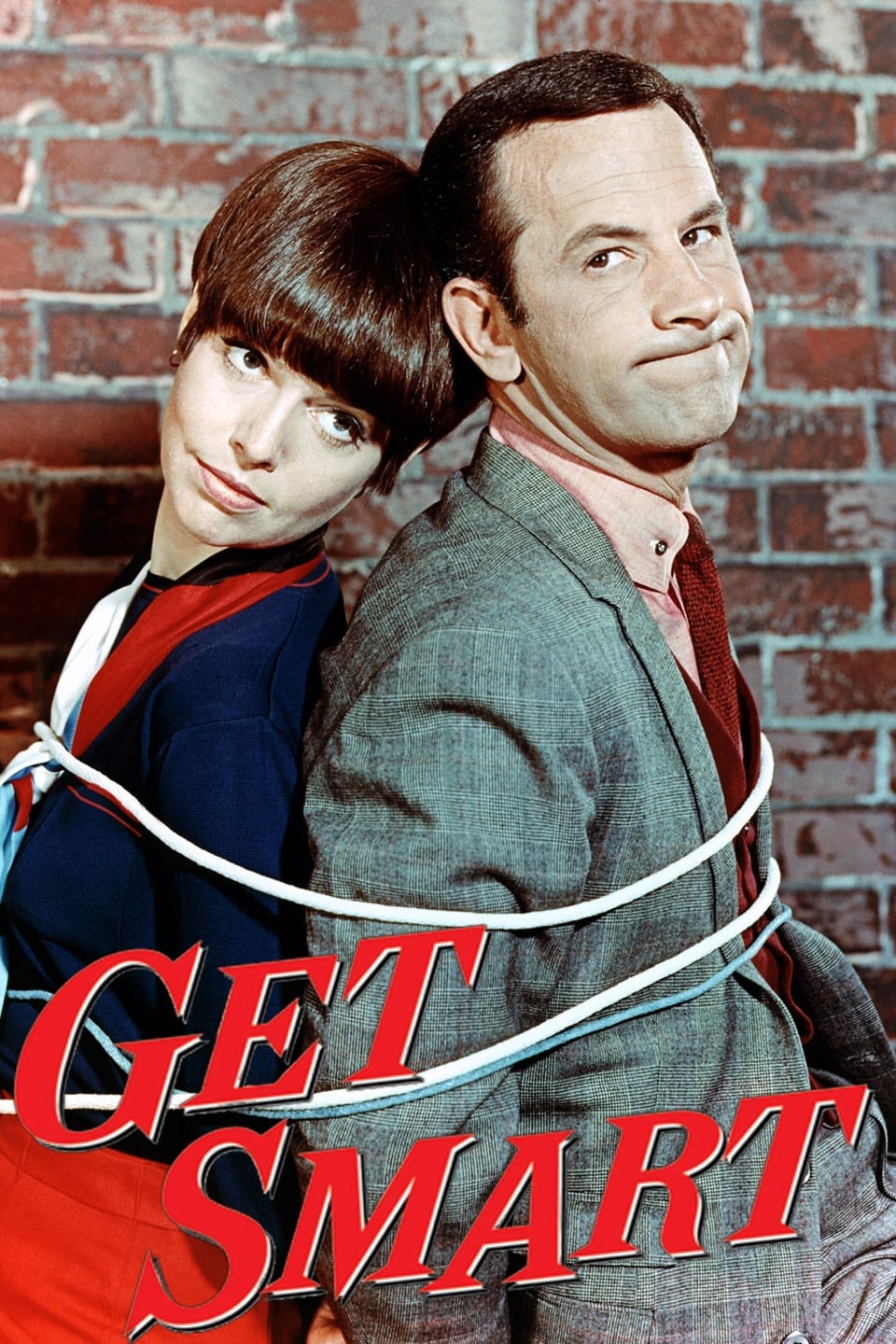
This spy spoof about CONTROL and KAOS became the film ‘Get Smart’. The series began on NBC before moving to CBS and parodied espionage staples with gadgets and catchphrases. The movie carried over iconic devices and blended slapstick with action. It introduced updated agency roles while nodding to the original’s comedic tone.
‘The Mod Squad’ (1968–1973)

A trio of youthful undercover operatives inspired the film ‘The Mod Squad’. The show aired on ABC and featured cases that intersected with counterculture. The movie reassembled the team for a contemporary investigation. It translated the group’s dynamics into a modern setting while keeping the undercover hook.
‘S.W.A.T.’ (1975–1976)
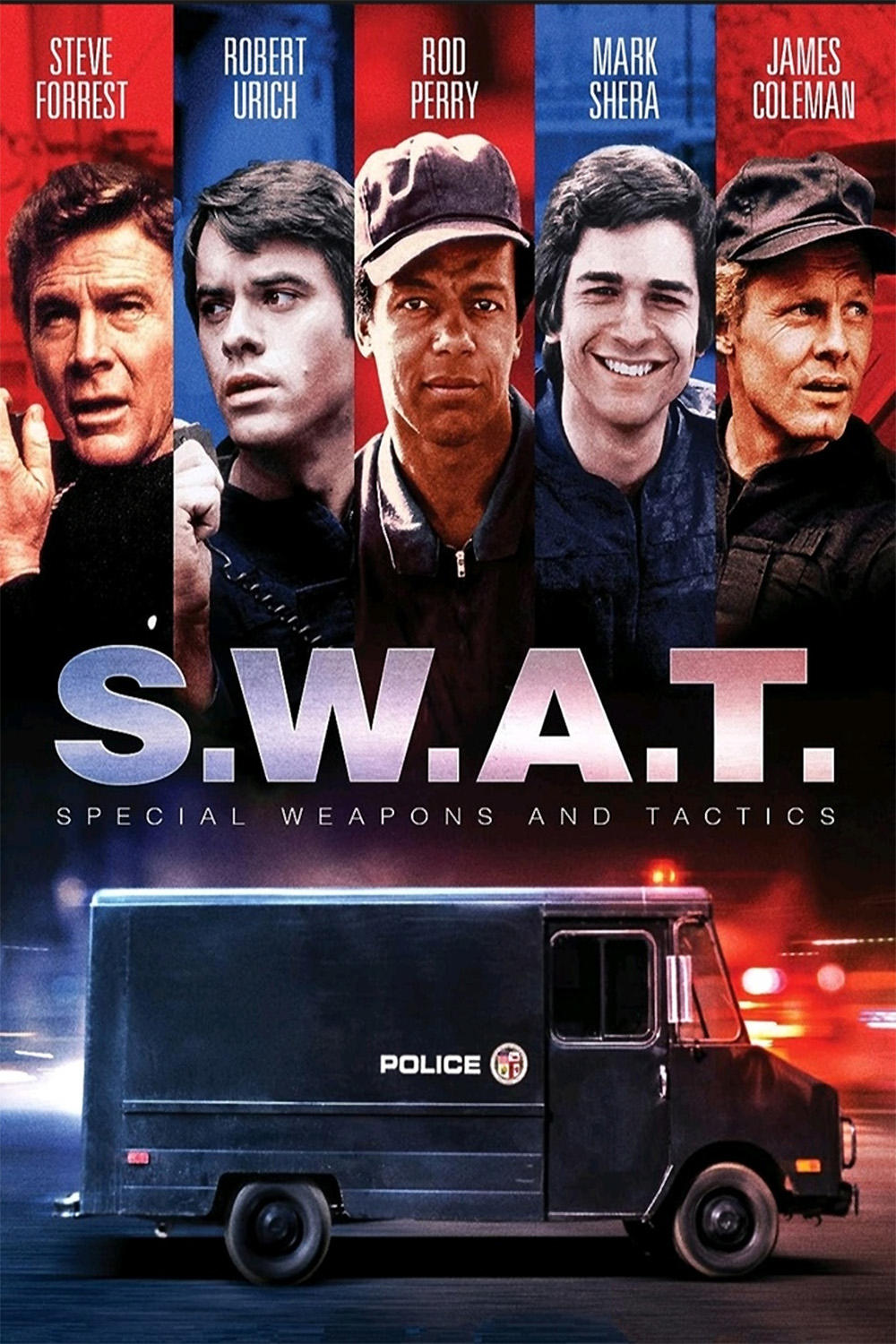
This police action series about a specialized unit led to the film ‘S.W.A.T.’. The show ran on ABC and highlighted tactical responses and teamwork. The movie introduced a new squad tackling a high-stakes escort mission. It emphasized urban operations and the pressures of elite policing.
‘Dark Shadows’ (1966–1971)
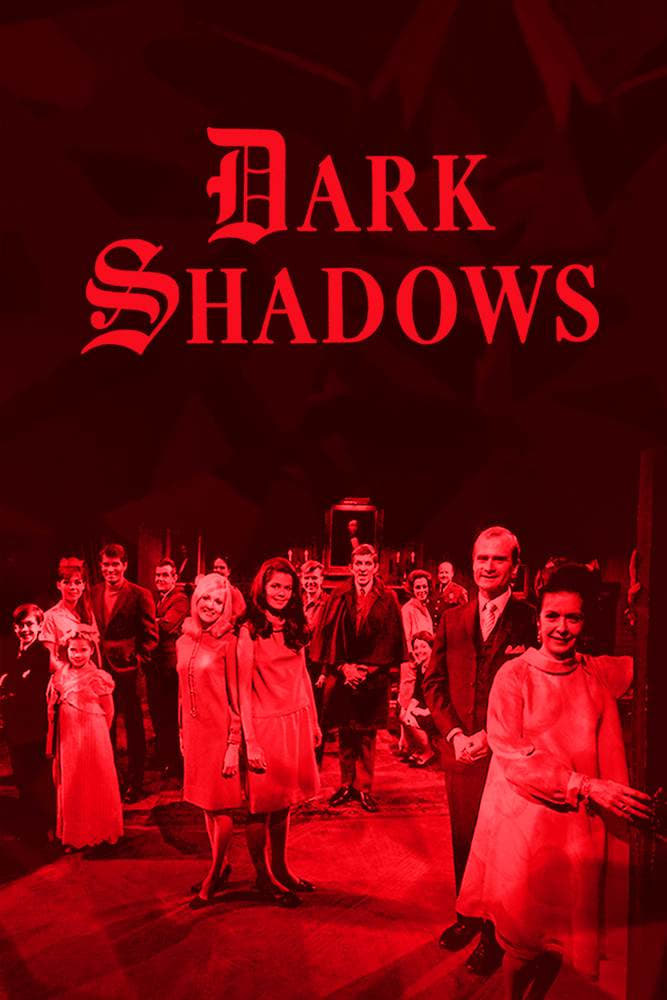
The gothic daytime drama about supernatural happenings inspired the film ‘Dark Shadows’. The series aired on ABC and introduced a sprawling cast led by a charismatic vampire. The movie revisited the family and their mansion with a comedic angle. Earlier theatrical entries also drew from the show’s storylines and characters.
‘The Equalizer’ (1985–1989)
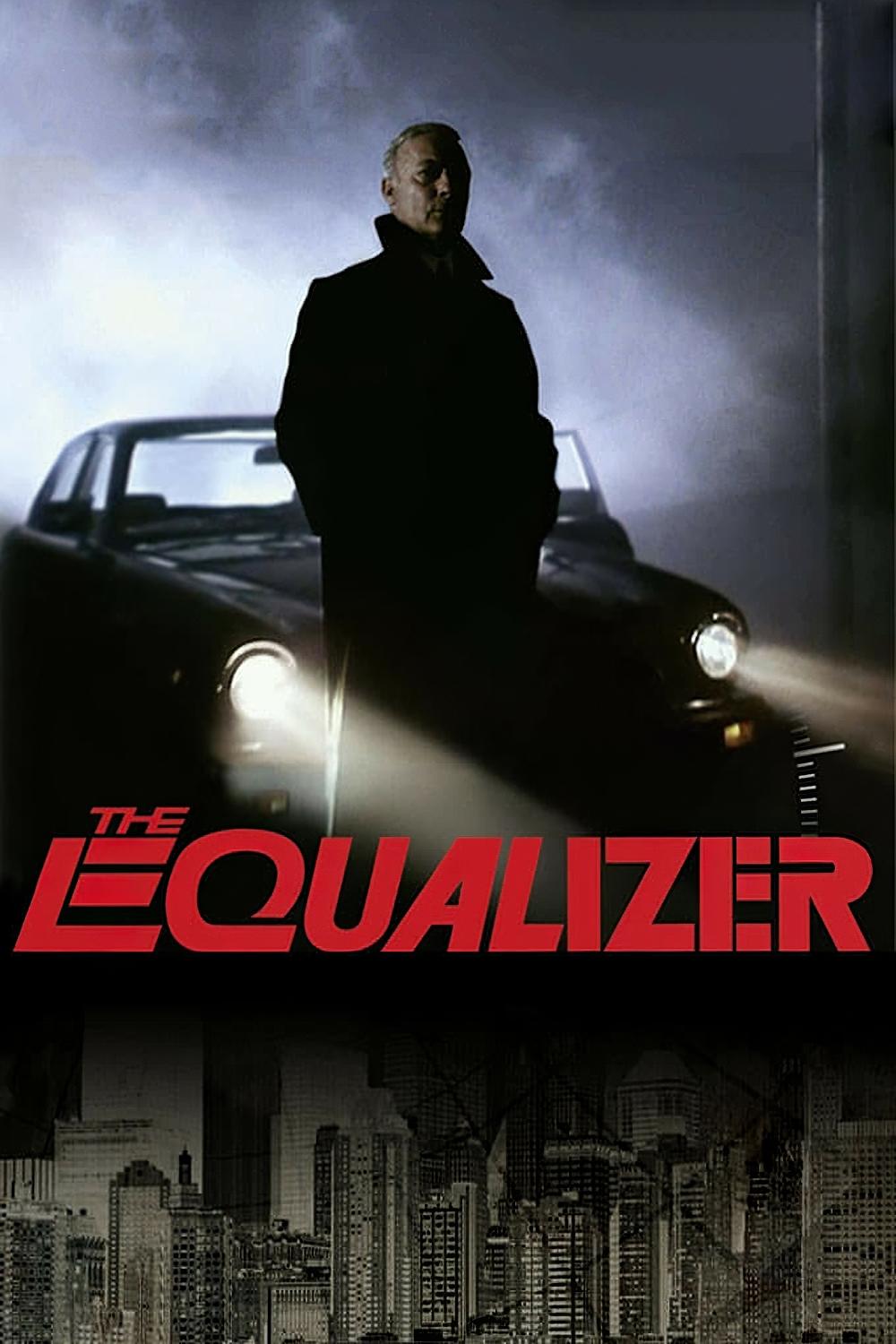
A former intelligence operative helping those in need transitioned to the film ‘The Equalizer’. The original series aired on CBS and focused on case-of-the-week rescues. The movie reinterpreted the vigilante figure with a distinct backstory and methods. Follow-up films expanded his code and the people he protects.
‘Baywatch’ (1989–2001)
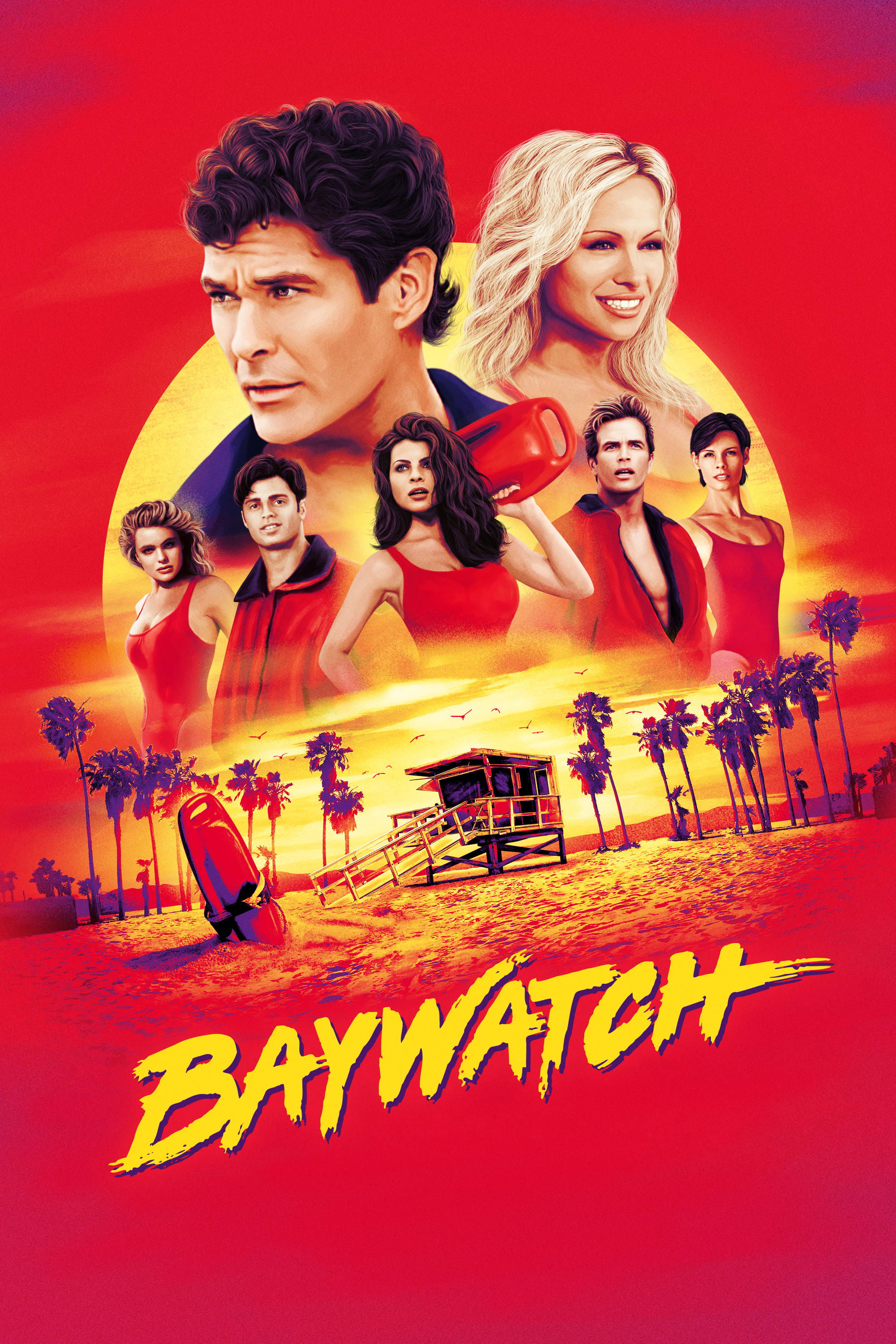
Los Angeles lifeguards and their rescues eventually reached theaters in ‘Baywatch’. The series started on NBC before moving into syndication and became a global phenomenon. The movie presented a new team tackling crime along the shoreline. It blended action set pieces with comedic banter and competitive training.
‘Jackass’ (2000–2002)
The stunt and prank series jumped to theaters with ‘Jackass: The Movie’ and subsequent entries. The show aired on MTV and featured a rotating crew performing increasingly wild bits. The films scaled up the gags with bigger sets and coordinated sequences. They also brought back familiar performers for new showcases.
‘Mr. Bean’ (1990–1995)
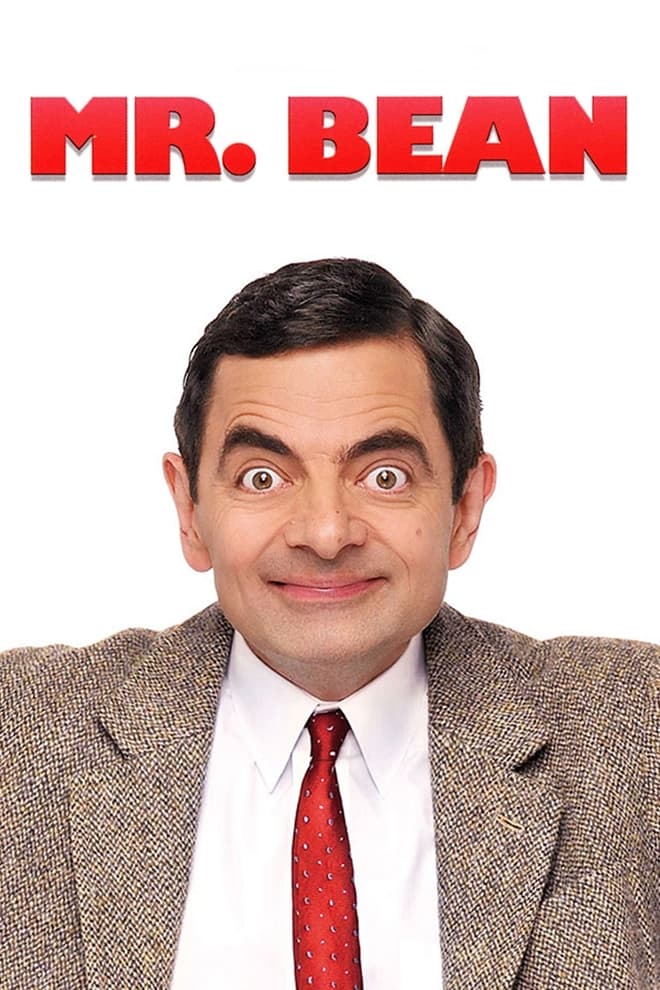
The largely silent misadventures of a bumbling hero inspired the film ‘Bean’. The series aired on ITV and built stories around visual comedy and everyday chaos. The movie sent the character abroad and placed him in a fine art setting for maximum mishap. A later film continued the travel motif with fresh set pieces.
‘The Twilight Zone’ (1959–1964)
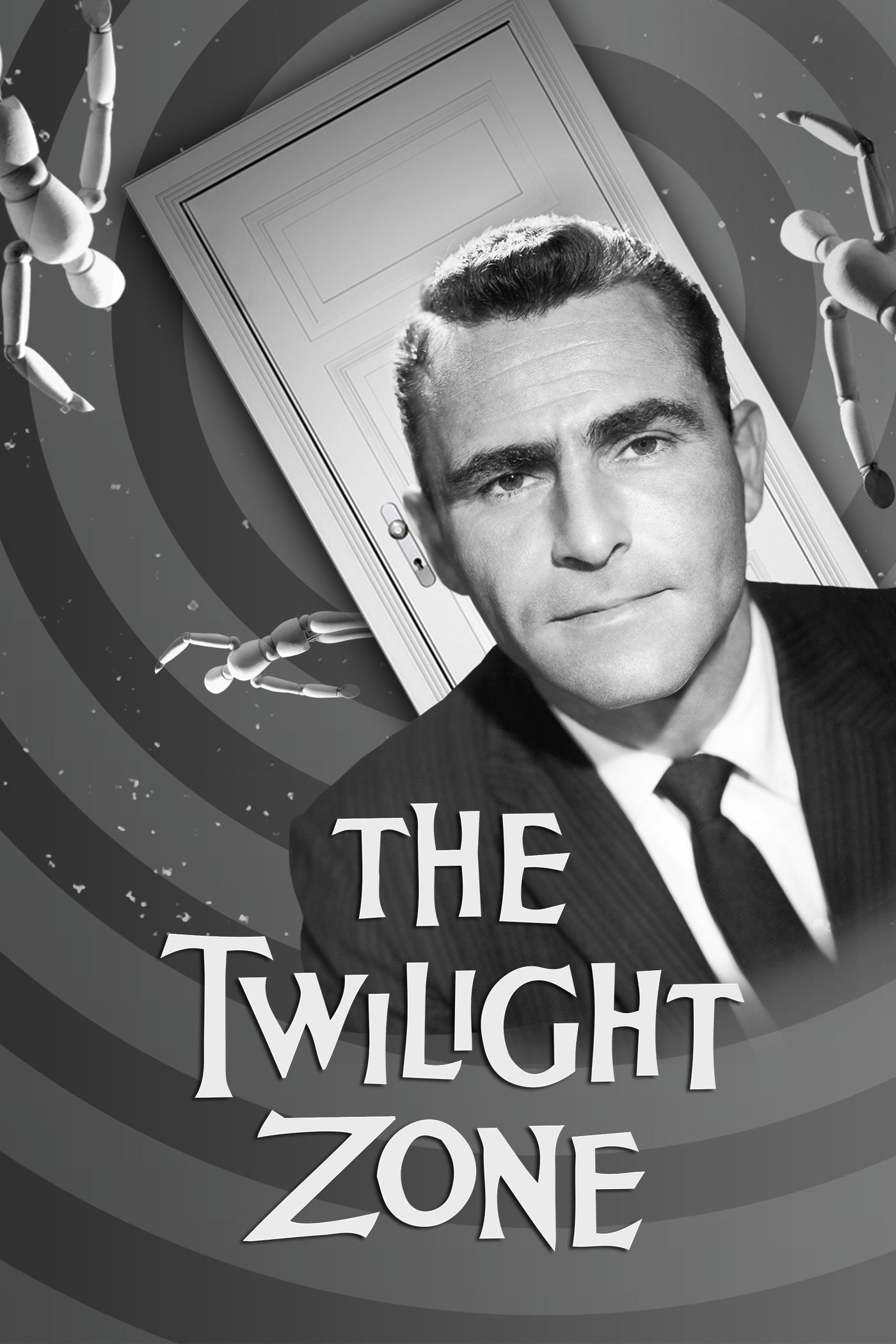
This anthology of strange tales became the film ‘Twilight Zone: The Movie’. The original series aired on CBS and presented standalone stories with twists and moral questions. The movie gathered multiple directors to adapt and rework selected segments. It maintained the tone of eerie speculation while updating effects and settings.
‘Dragnet’ (1951–1959)
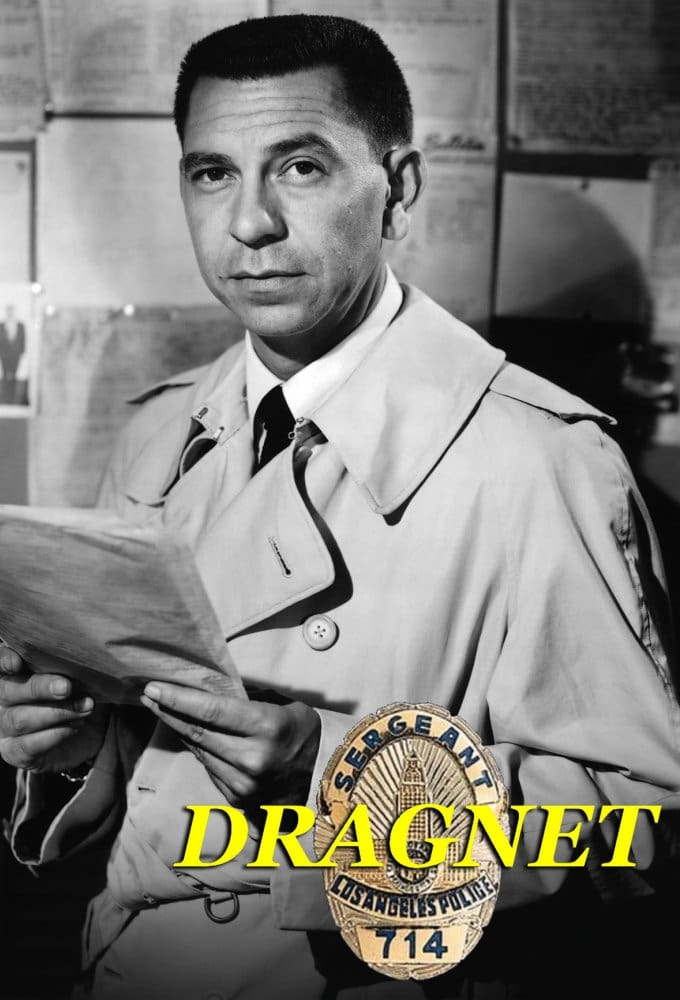
This procedural followed Sgt. Joe Friday and later inspired the film ‘Dragnet’. The show aired on NBC and set a template for realistic police storytelling. The movie carried over the format of methodical cases and clipped dialogue. It reintroduced the name recognition to a new audience through a modern case.
‘Police Squad!’ (1982)
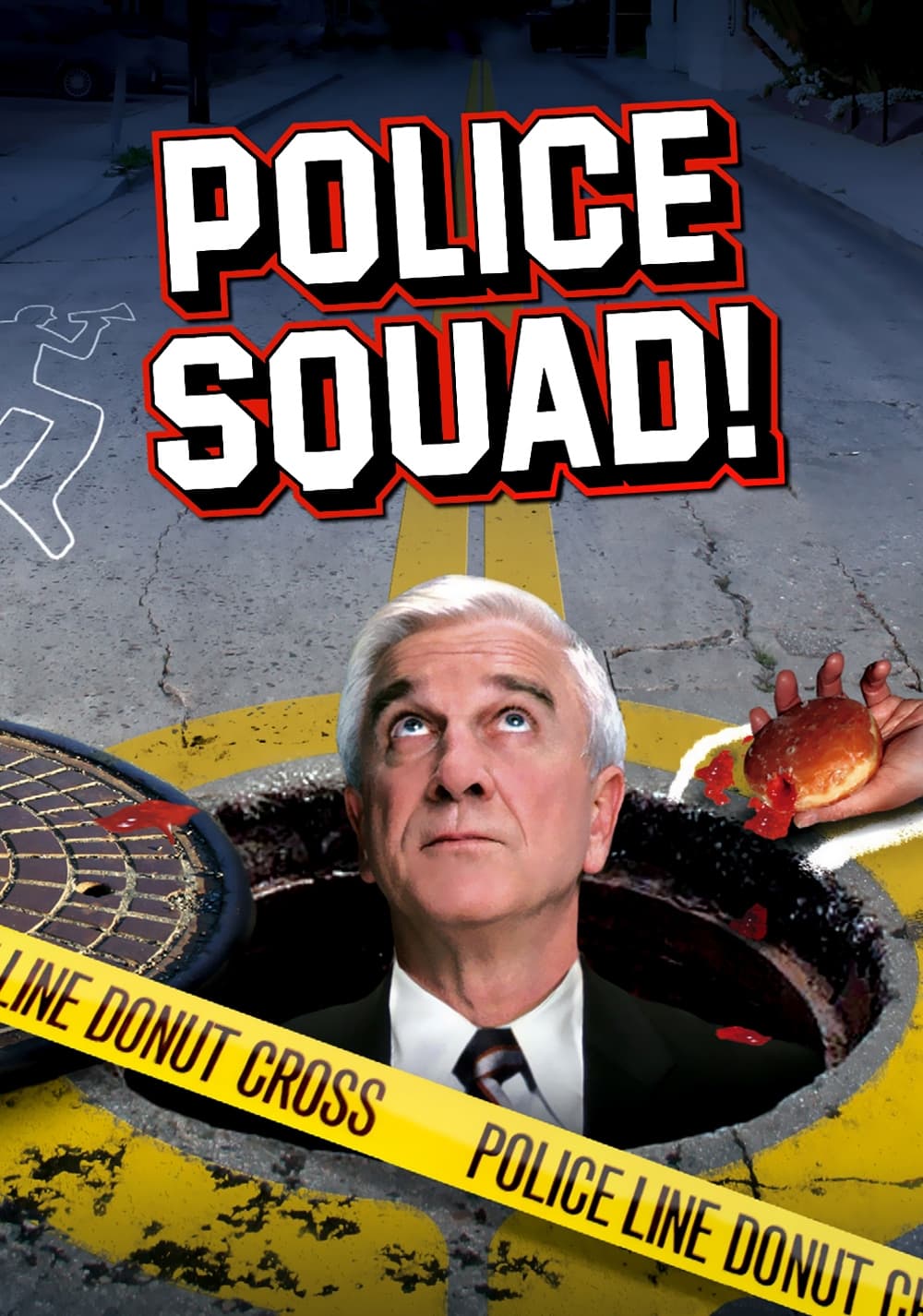
This short lived spoof about incompetent agents led directly to the film ‘The Naked Gun’. The series ran on ABC and packed visual gags and deadpan delivery into every scene. The movie kept the same lead character and expanded his chaotic investigations. It translated rapid fire jokes into a longer case without losing the style.
‘The Brady Bunch’ (1969–1974)
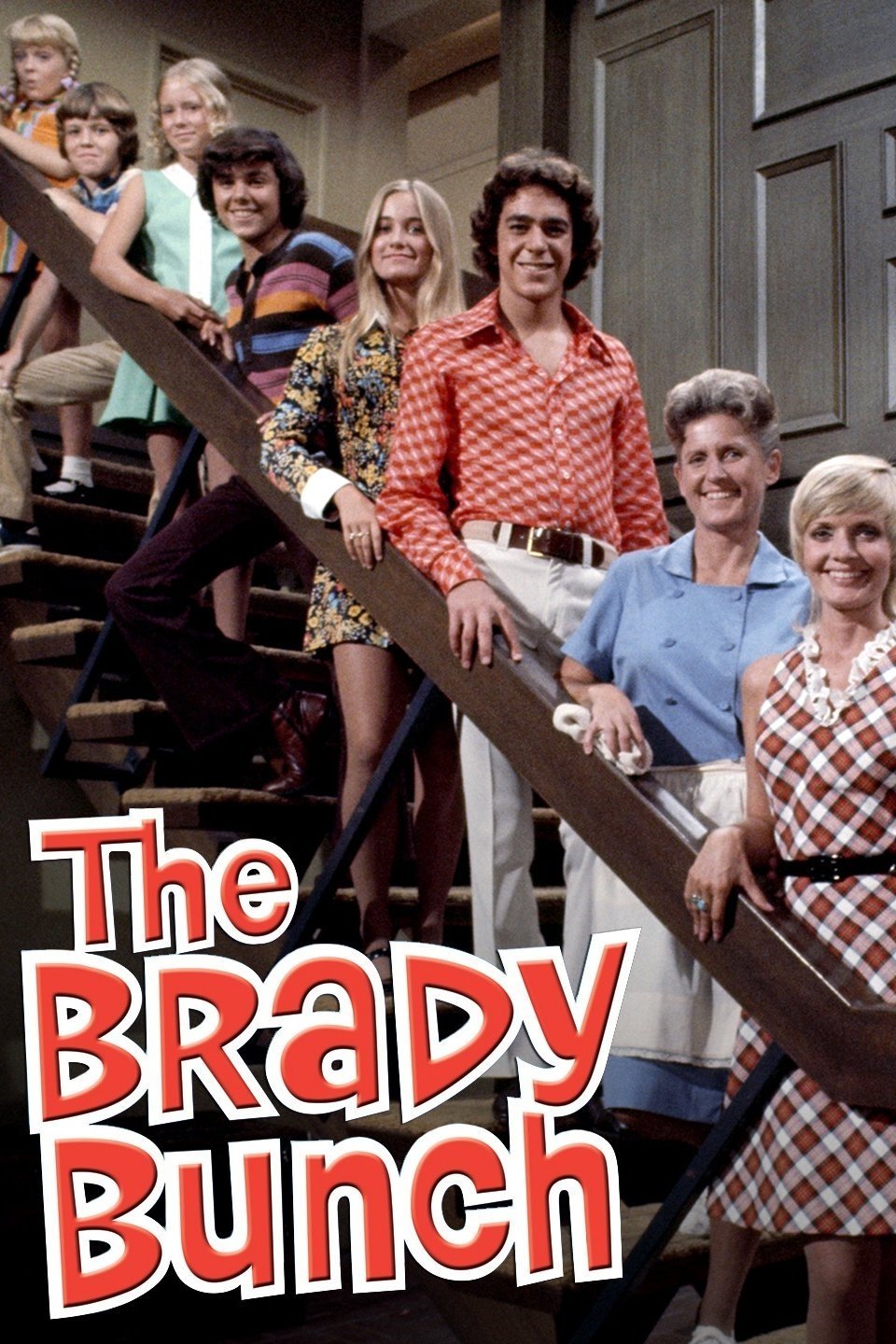
The sitcom about a blended family became ‘The Brady Bunch Movie’ with a playful meta twist. The show aired on ABC and built a wholesome tone that people still recognize. The film placed the family in a more modern setting and leaned into culture clash humor. It kept the familiar house and dynamic while winking at the original.
‘Starsky & Hutch’ (1975–1979)
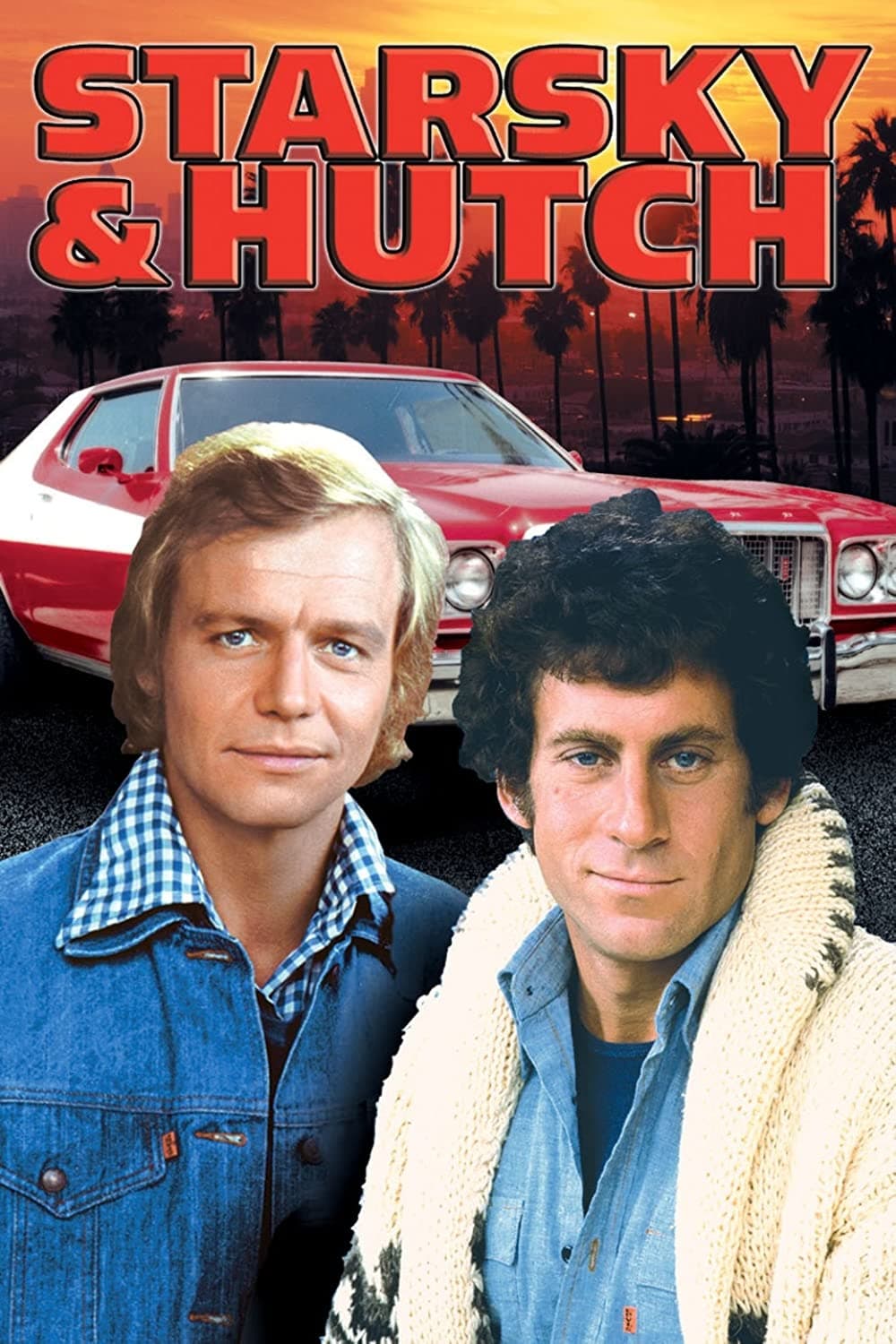
The buddy cop series about two streetwise detectives inspired the film ‘Starsky & Hutch’. The TV run on ABC paired character chemistry with flashy car chases. The movie revisited that partnership and the signature vehicle for a fresh case. It balanced action and comedy while saluting the show’s style.
‘The Dukes of Hazzard’ (1979–1985)
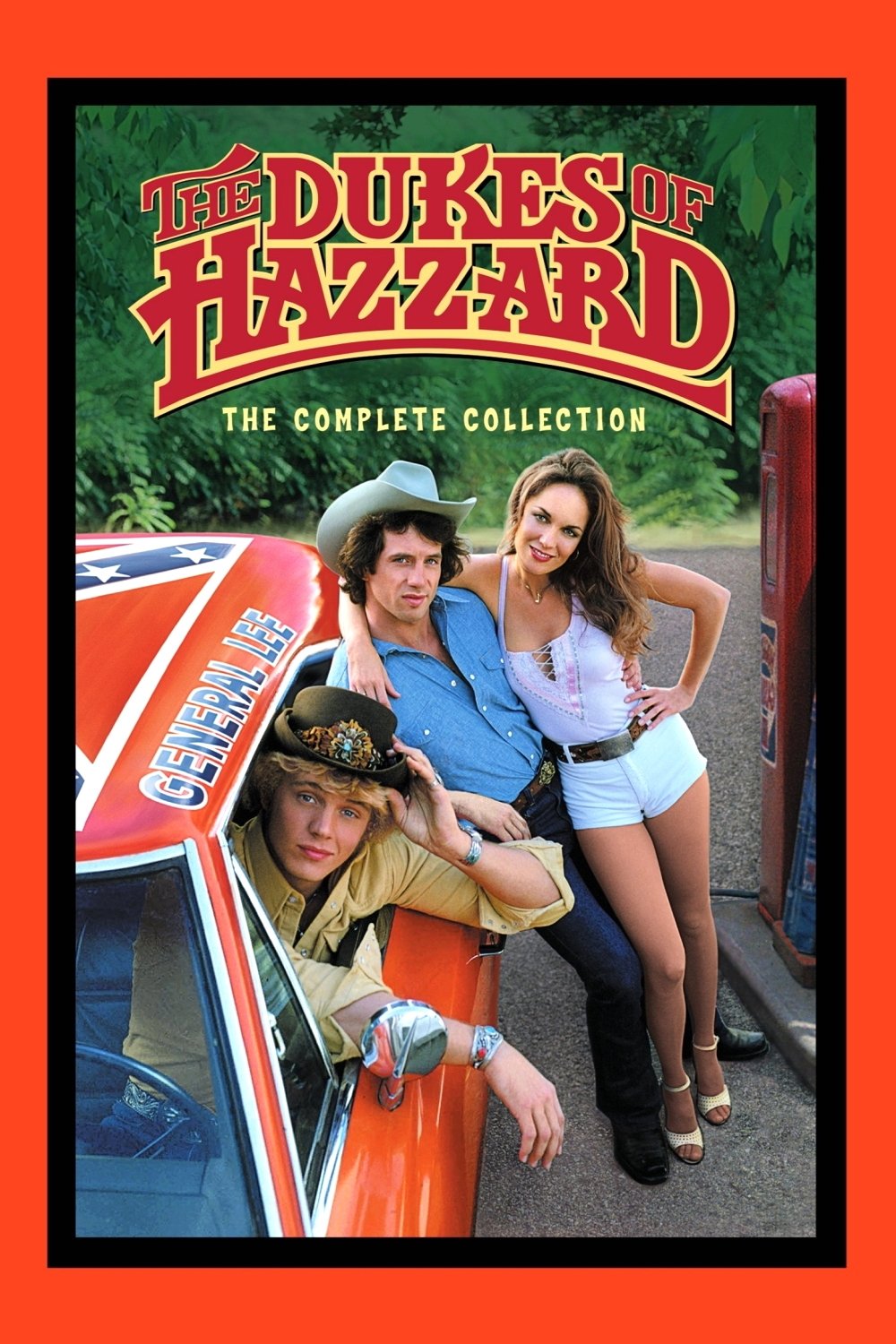
This action comedy about daring cousins and fast cars made the leap to the film ‘The Dukes of Hazzard’. The series aired on CBS and became known for wild stunts and small town trouble. The movie brought back the General Lee and familiar rivalries. It updated the set pieces while keeping the playful tone.
‘The Beverly Hillbillies’ (1962–1971)
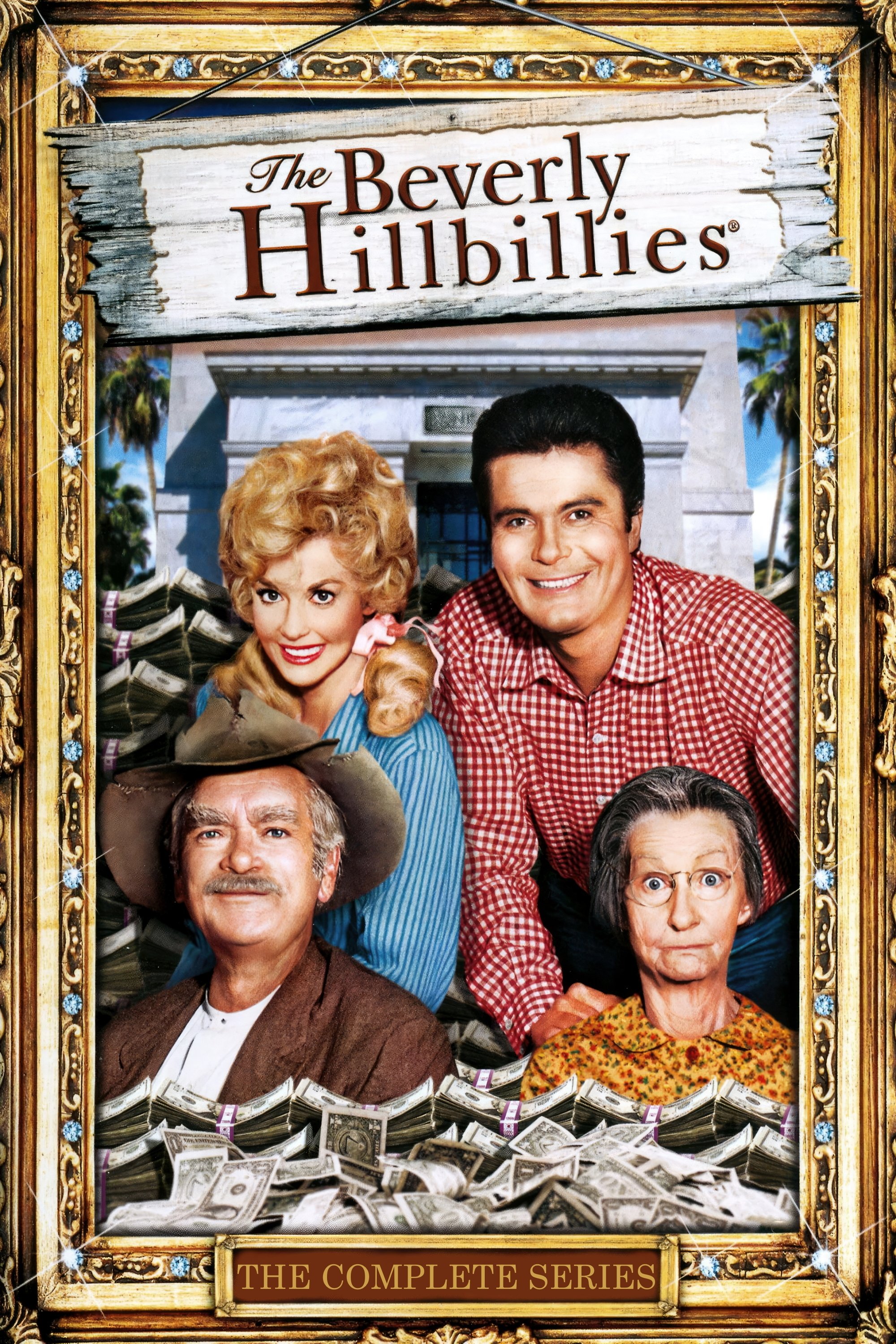
The fish out of water sitcom about a rural family in a mansion led to the film ‘The Beverly Hillbillies’. The show ran on CBS and turned culture shock into weekly laughs. The movie reunited the core premise with a new cast and bigger set pieces. It recreated the iconic mansion setting and family antics for theaters.
‘Scooby-Doo, Where Are You!’ (1969–1970)
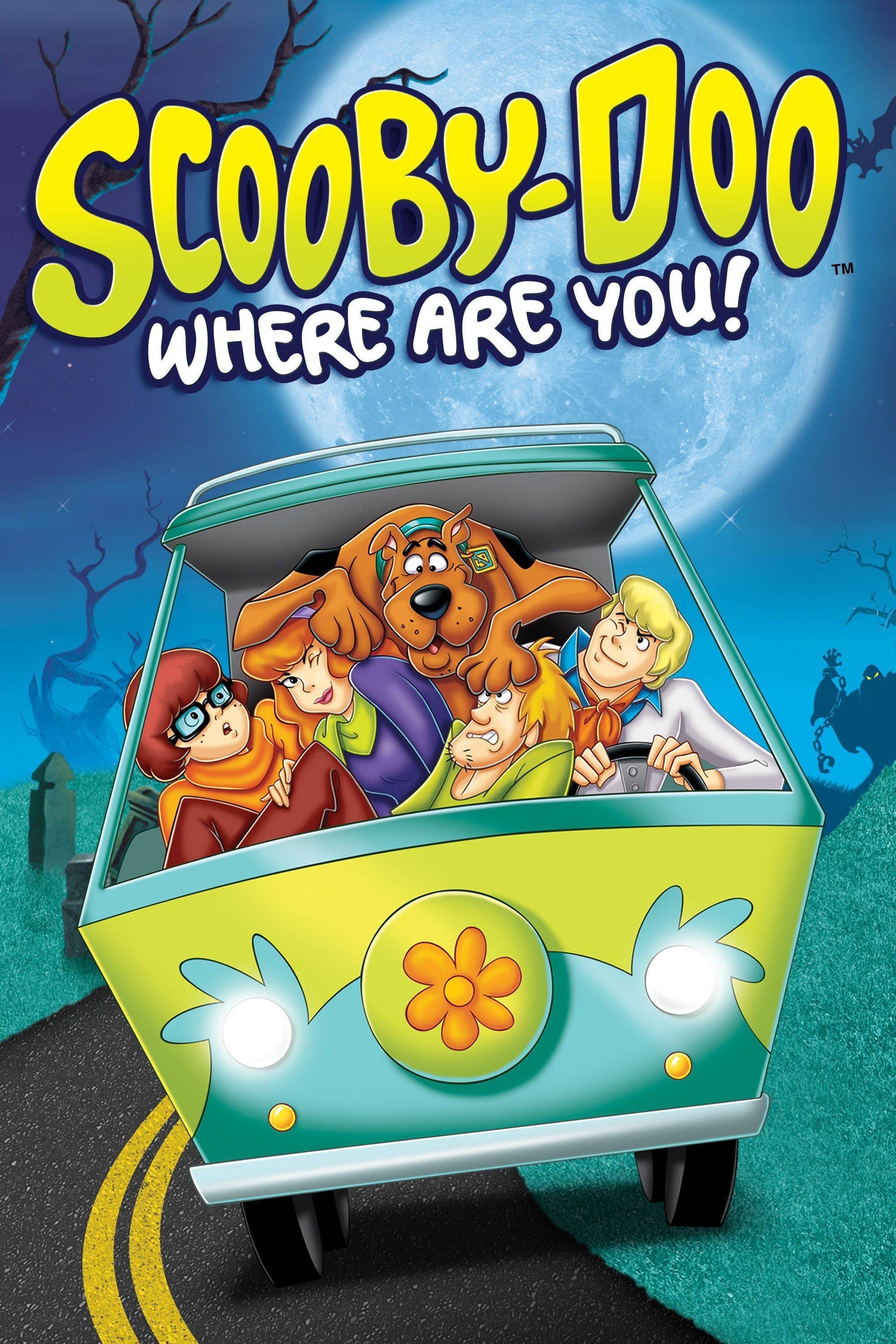
Mystery solving teens and their talking dog inspired the live action film ‘Scooby-Doo’. The animated series aired on CBS and delivered monster reveals behind rubber masks. The movie kept the unmasking formula and the full team in one caper. It translated the van, the catchphrases, and the clues to a feature plot.
‘Transformers’ (1984–1987)
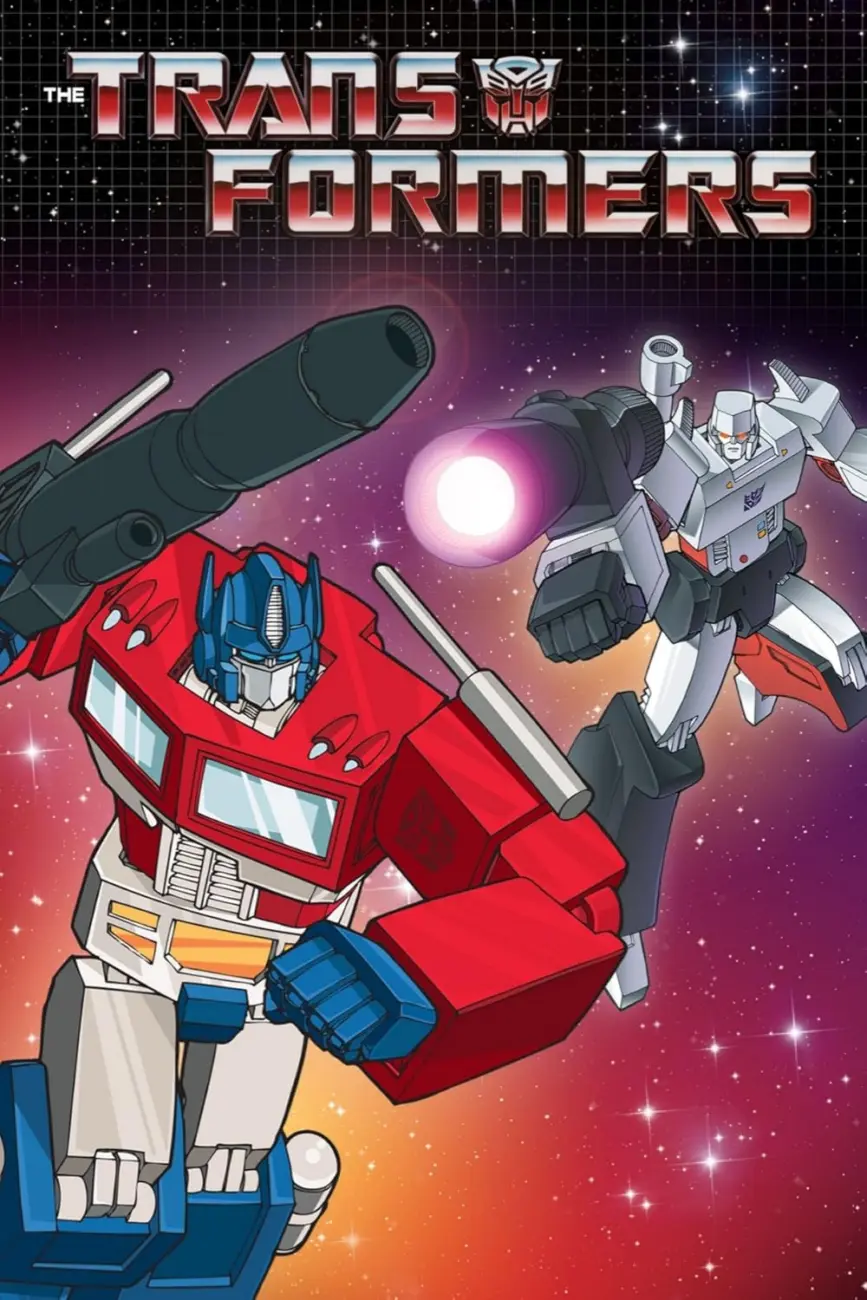
The battle between Autobots and Decepticons moved from cartoons to the film ‘Transformers’. The original series premiered in first run syndication and centered on sentient machines hiding on Earth. The movie focused on the same conflict with large scale action. It kept key character pairings and the theme of loyalty and teamwork.
‘Teenage Mutant Ninja Turtles’ (1987–1996)
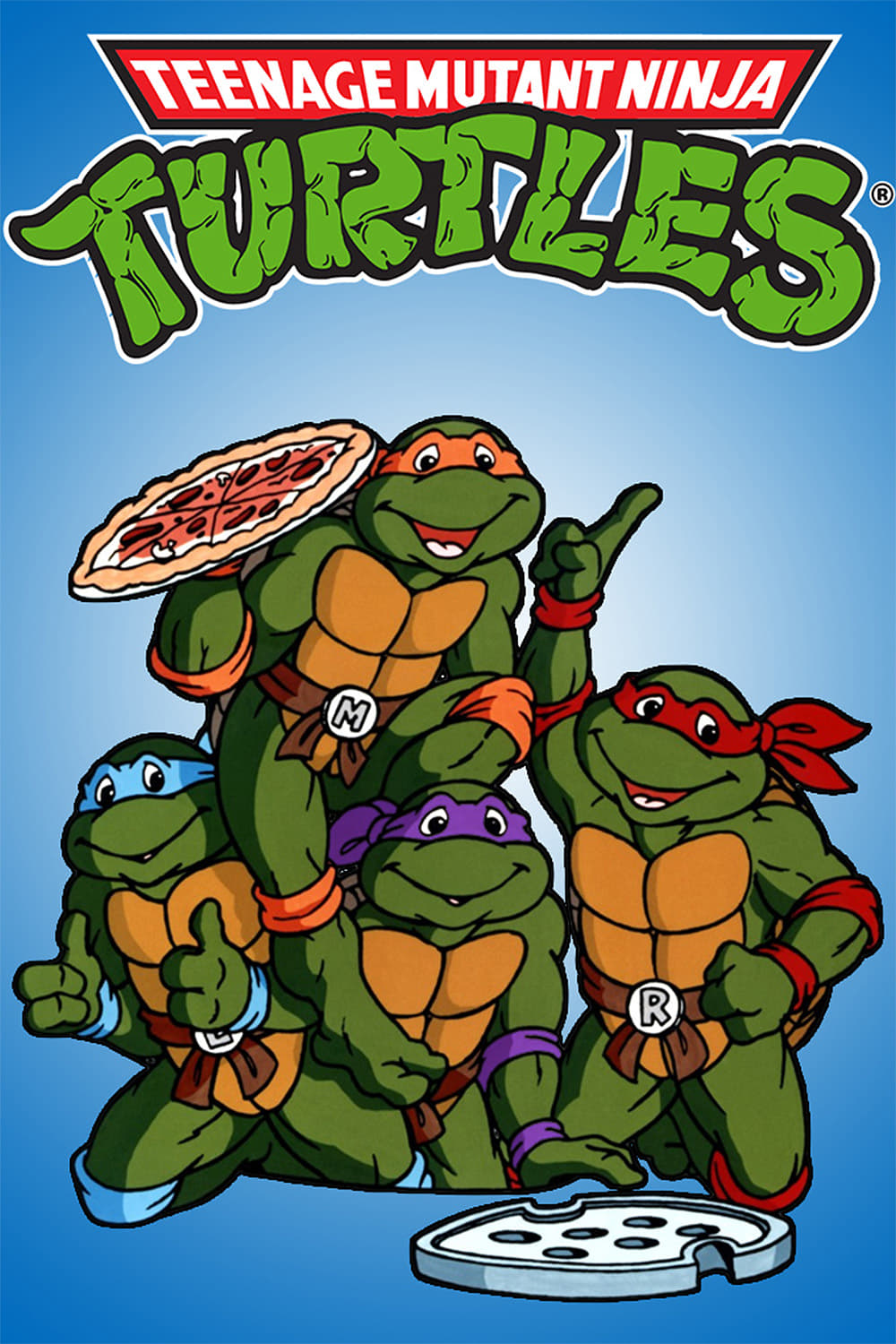
The half shell heroes went from after school TV to the film ‘Teenage Mutant Ninja Turtles’. The animated series began in syndication and later settled on CBS with a growing fan base. The movie preserved the New York setting and the mix of martial arts and humor. It brought the brothers and their mentor to life with practical effects and suits.
‘Æon Flux’ (1991–1995)
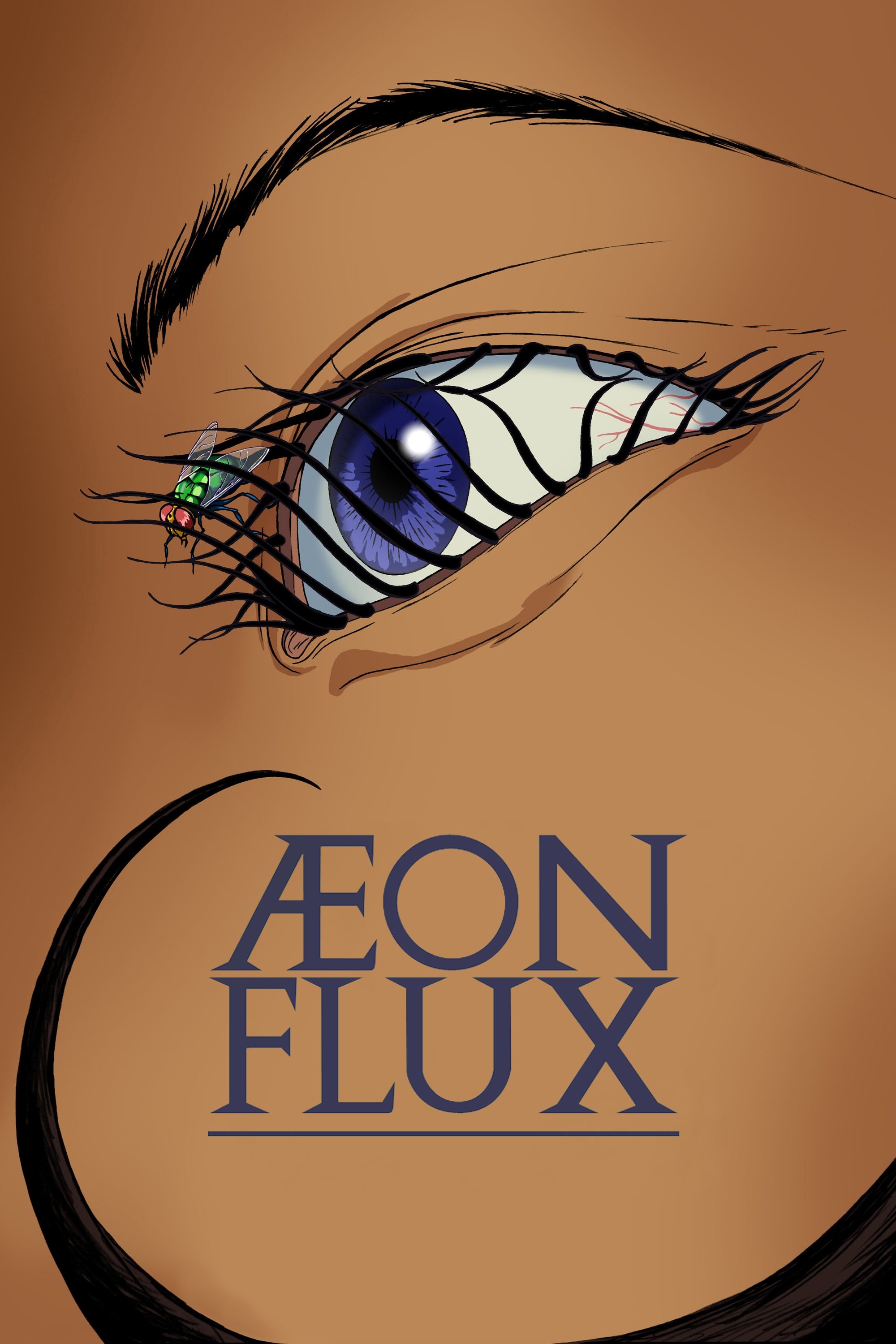
This experimental animated spy saga became the film ‘Æon Flux’. The series aired on MTV and used striking visuals and minimal dialogue. The movie translated the secret agent world into a live action conspiracy. It retained the futuristic city and the core rebel mission in a contained story.
‘SpongeBob SquarePants’ (1999– )
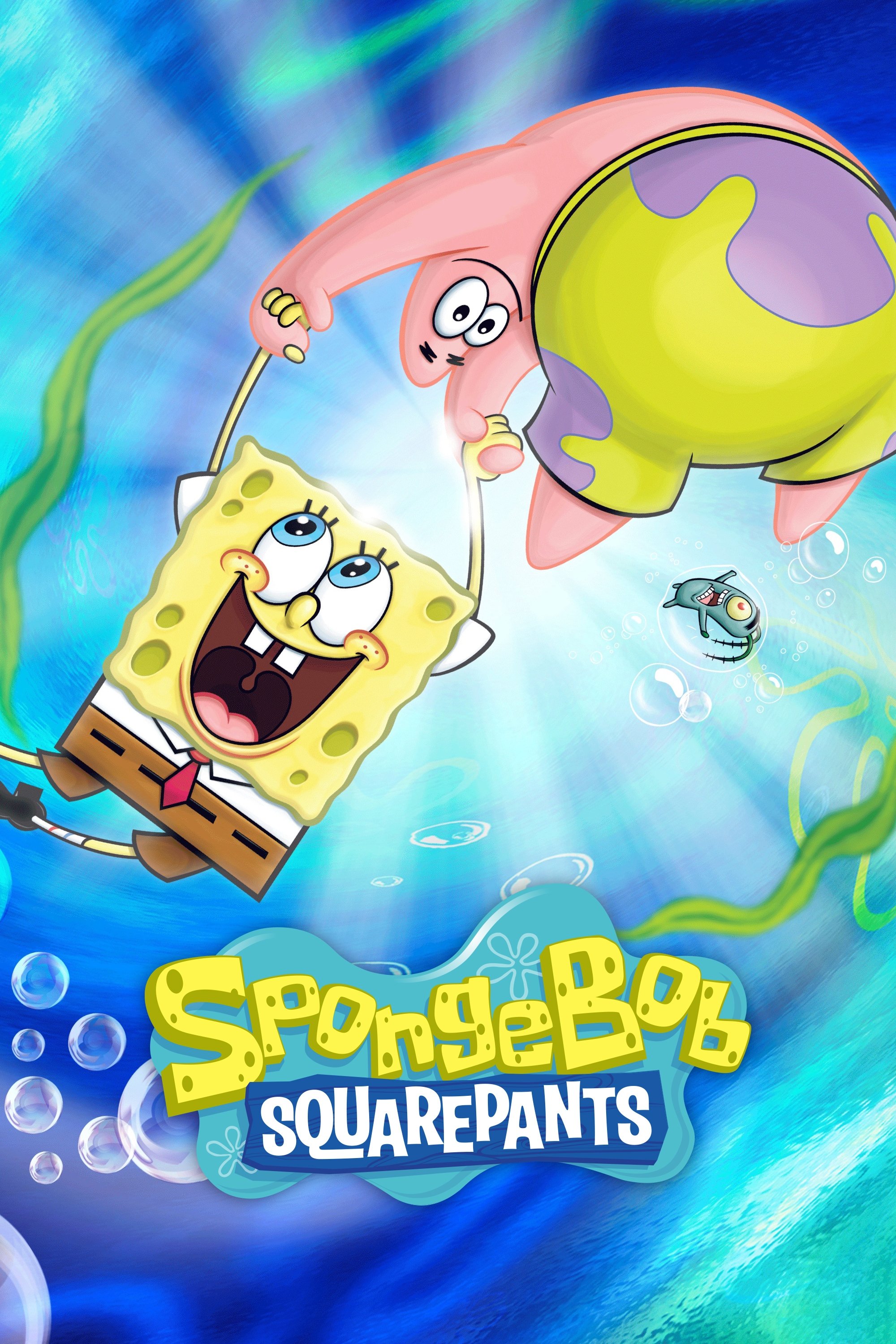
Bikini Bottom’s porous optimist got a theatrical adventure in ‘The SpongeBob SquarePants Movie’. The show launched on Nickelodeon and built a universe of sea bound oddballs. The film sent SpongeBob and Patrick on a quest that pulled in many side characters. It kept the show’s fast jokes and musical bits at feature length.
‘Mighty Morphin Power Rangers’ (1993–1996)
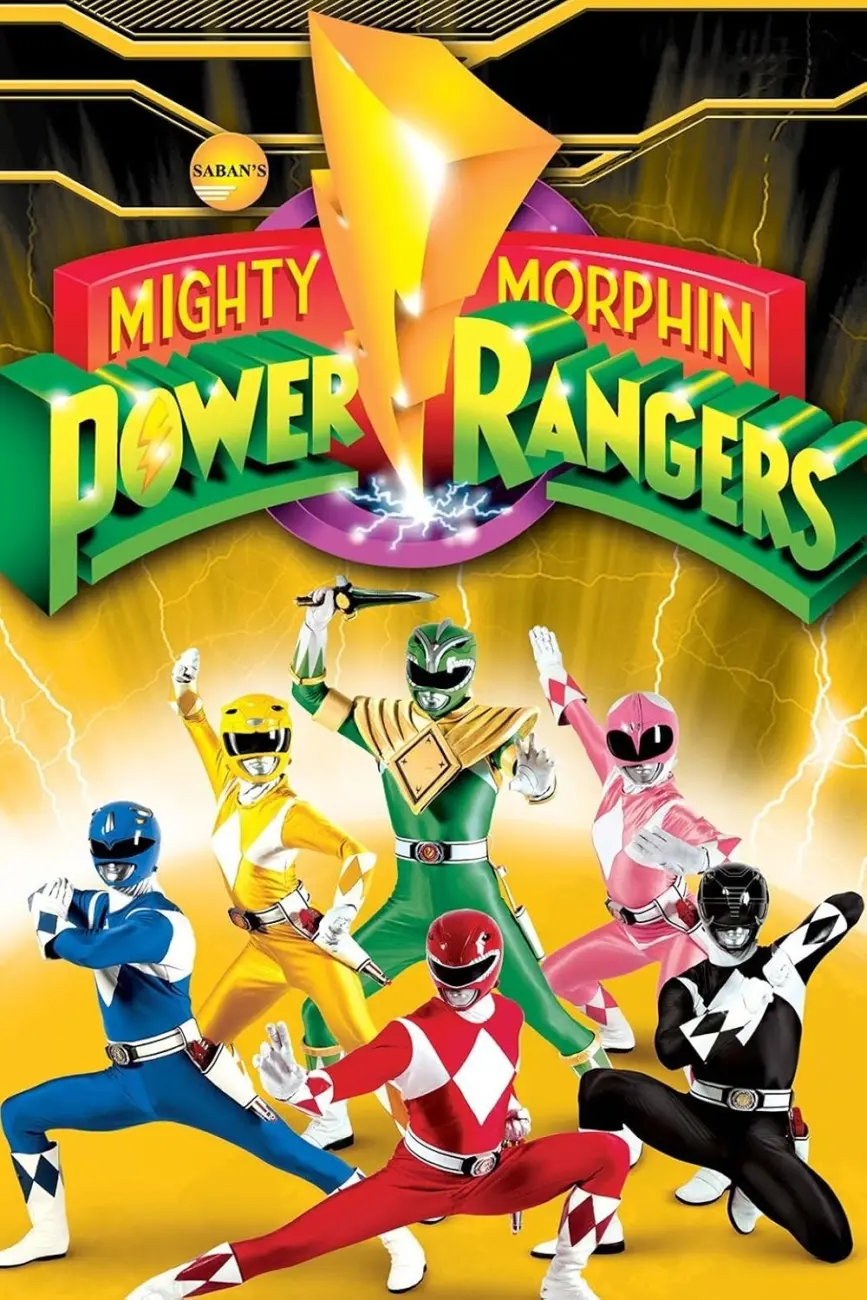
Teen heroes in color coded suits took their battles to the film ‘Mighty Morphin Power Rangers’. The series started on the Fox Kids block and mixed high school scenes with giant robot fights. The movie gave the team upgraded suits and a new villain for a big mission. It preserved morphing sequences and teamwork as the core draw.
‘Beavis and Butt-Head’ (1993–1997)
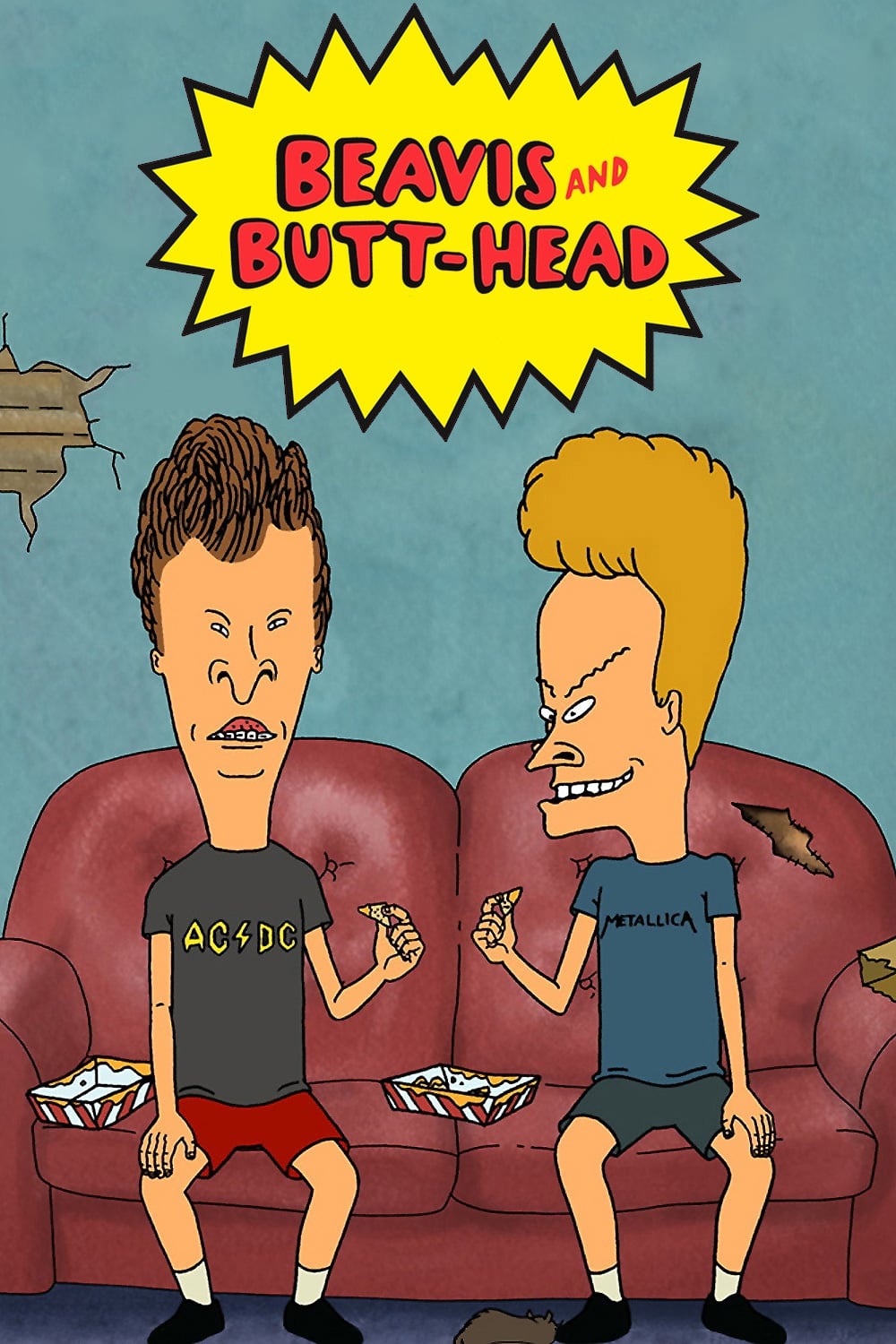
Two couch critics traded the TV couch for the film ‘Beavis and Butt-Head Do America’. The animated series aired on MTV and followed misadventures sparked by pure impulse. The movie sent the duo on a road trip that escalated every misunderstanding. It kept their commentary and satirical edge while widening the chaos.
‘Twin Peaks’ (1990–1991)
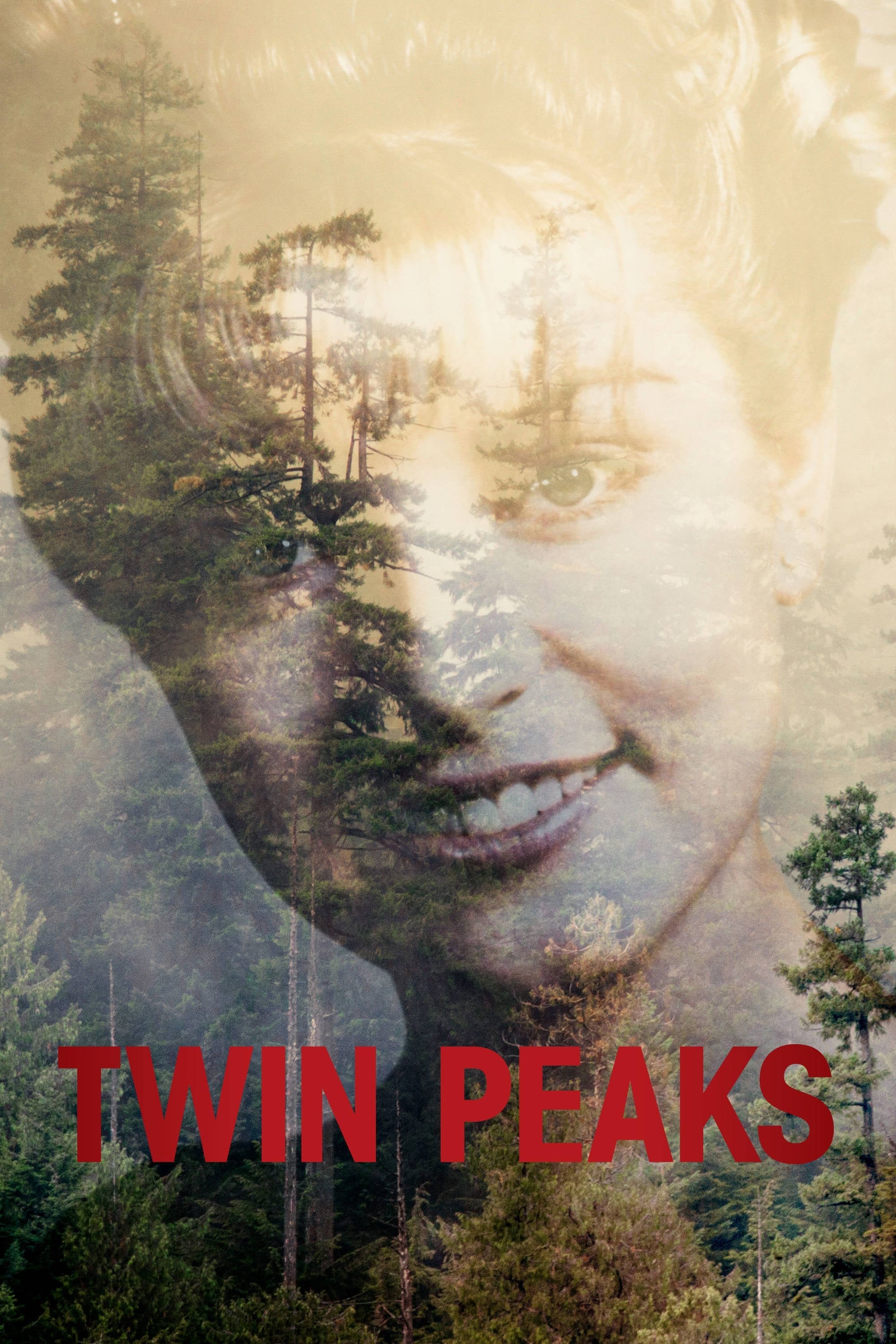
A Pacific Northwest murder mystery expanded into the film ‘Twin Peaks: Fire Walk With Me’. The series aired on ABC and mixed small town secrets with surreal imagery. The movie explored events tied closely to the central victim’s life. It deepened the mythology and gave context to the strange clues from the show.
‘Saturday Night Live’ (1975– )
This sketch series served as the launchpad for films like ‘The Blues Brothers’ and ‘Wayne’s World’. The show airs on NBC and regularly turns breakout characters into recurring bits. The movies build a full narrative around those familiar personas. They keep the original voices and catchphrases while placing them in longer stories.
Share your favorite small-screen-to-big-screen jump in the comments and tell us which show you think deserves the next movie treatment.