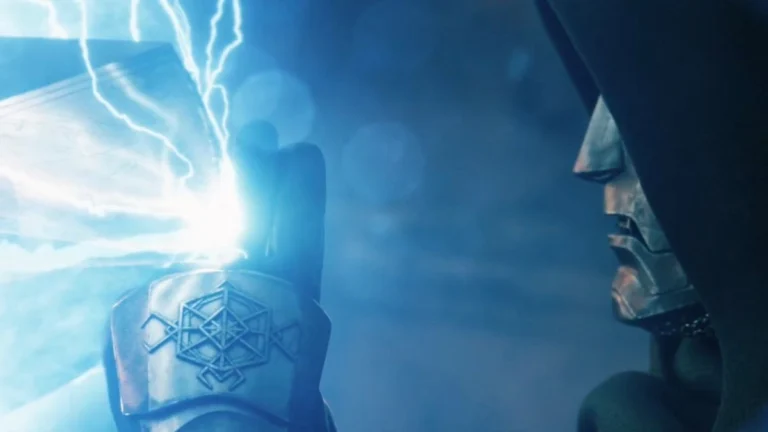
Best A-Lister Movie Bombs of All Time

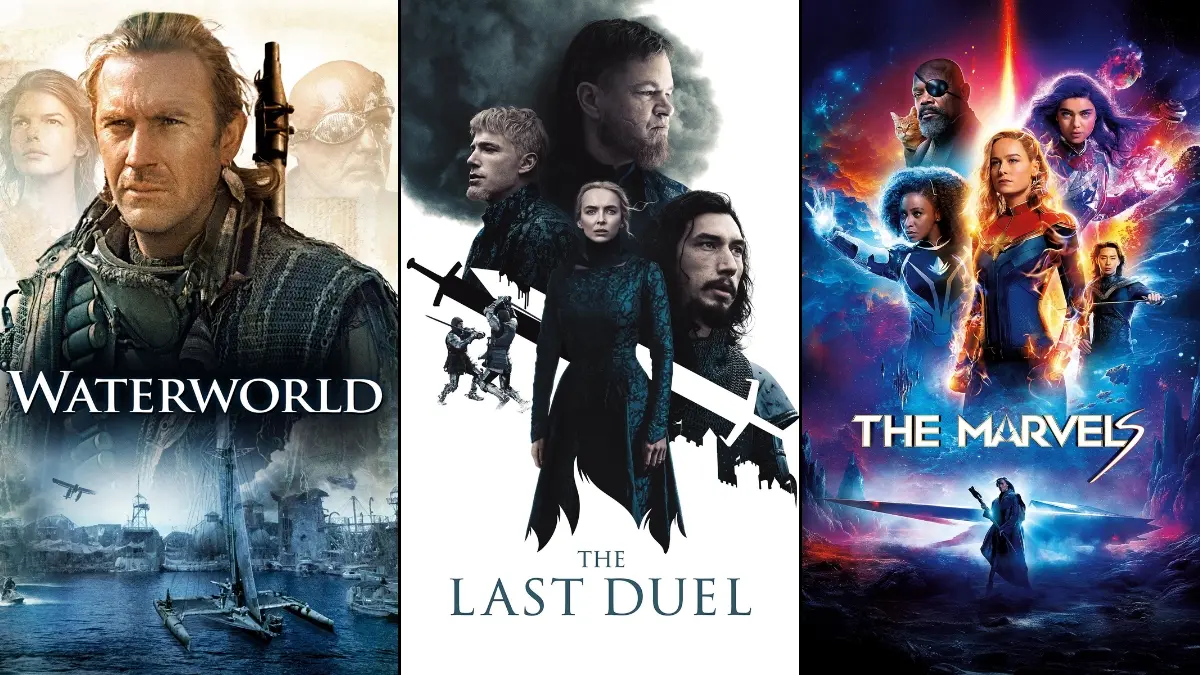

Star power doesn’t always translate to box-office success, and history is packed with big-ticket projects fronted by household names that simply didn’t click commercially. Below are notable examples where A-list casts, ambitious production values, and heavy marketing couldn’t overcome poor timing, creative misfires, market shifts, or franchise fatigue. Each entry highlights essentials like the studio push, scale of production, and factors that hurt theatrical performance—useful context for understanding why these high-profile titles underperformed despite the names above the title.
‘Ishtar’ (1987)
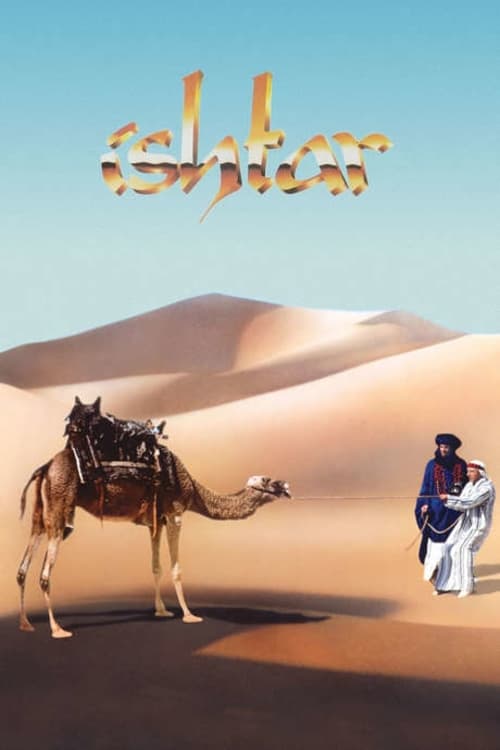
Led by Warren Beatty and Dustin Hoffman, this desert-set comedy became shorthand for Hollywood excess after a sprawling shoot and escalating costs. The film faced a troubled production and a difficult test-screening cycle, which fed negative trade buzz before release. A limited early critics’ screening strategy backfired and amplified publicity problems. Despite star wattage, the movie’s domestic run was cut short as exhibitors pivoted screens to stronger performers.
‘Heaven’s Gate’ (1980)
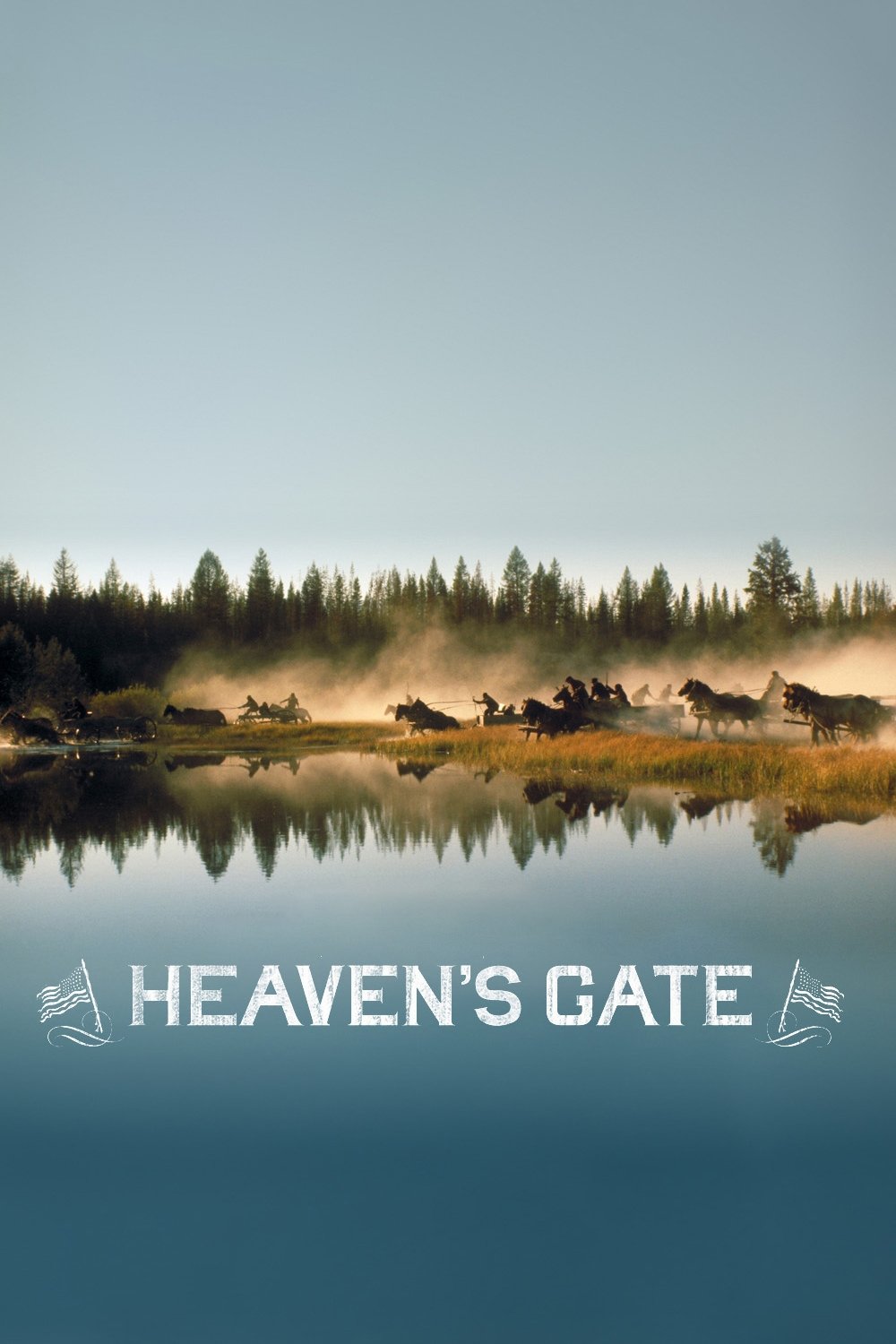
Backed by a major studio and directed by Michael Cimino, this period Western became infamous for schedule overruns and a dramatically expanded cut. Extensive re-editing delayed a wider rollout and muddled messaging. The film’s lavish sets and location work pushed costs well beyond initial plans. After a tepid initial reception, it was pulled and reissued in a shorter version, but momentum never recovered.
‘Cutthroat Island’ (1995)
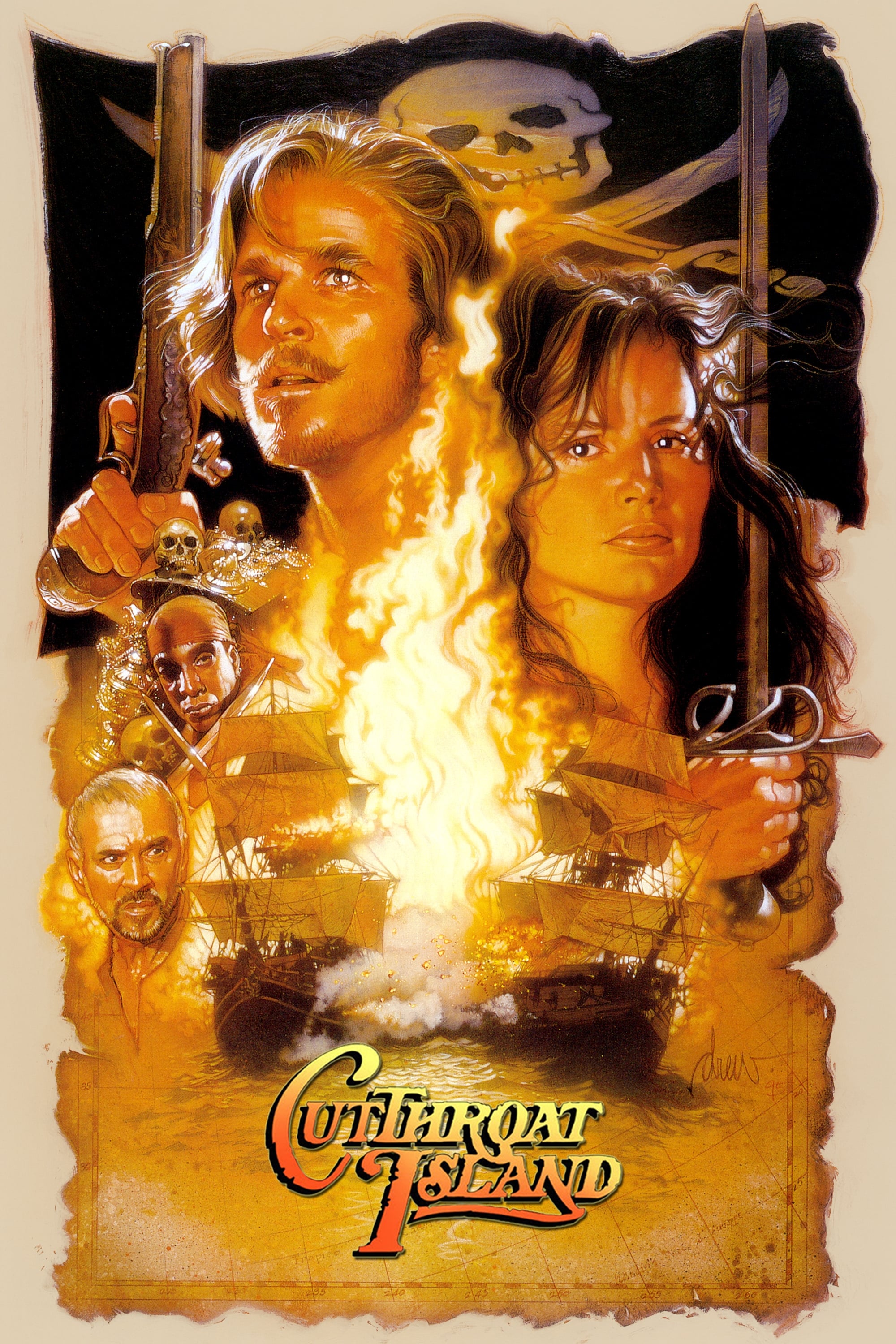
With Geena Davis headlining, this pirate adventure mounted large-scale ship builds, practical sea work, and elaborate action sequences. The production’s expense, combined with a difficult winter holiday corridor, hurt its box-office prospects. Marketing struggled to position the film to family audiences against established seasonal titles. Its failure contributed to a temporary industry chill on pirate films until a later franchise revived the subgenre.
‘Waterworld’ (1995)
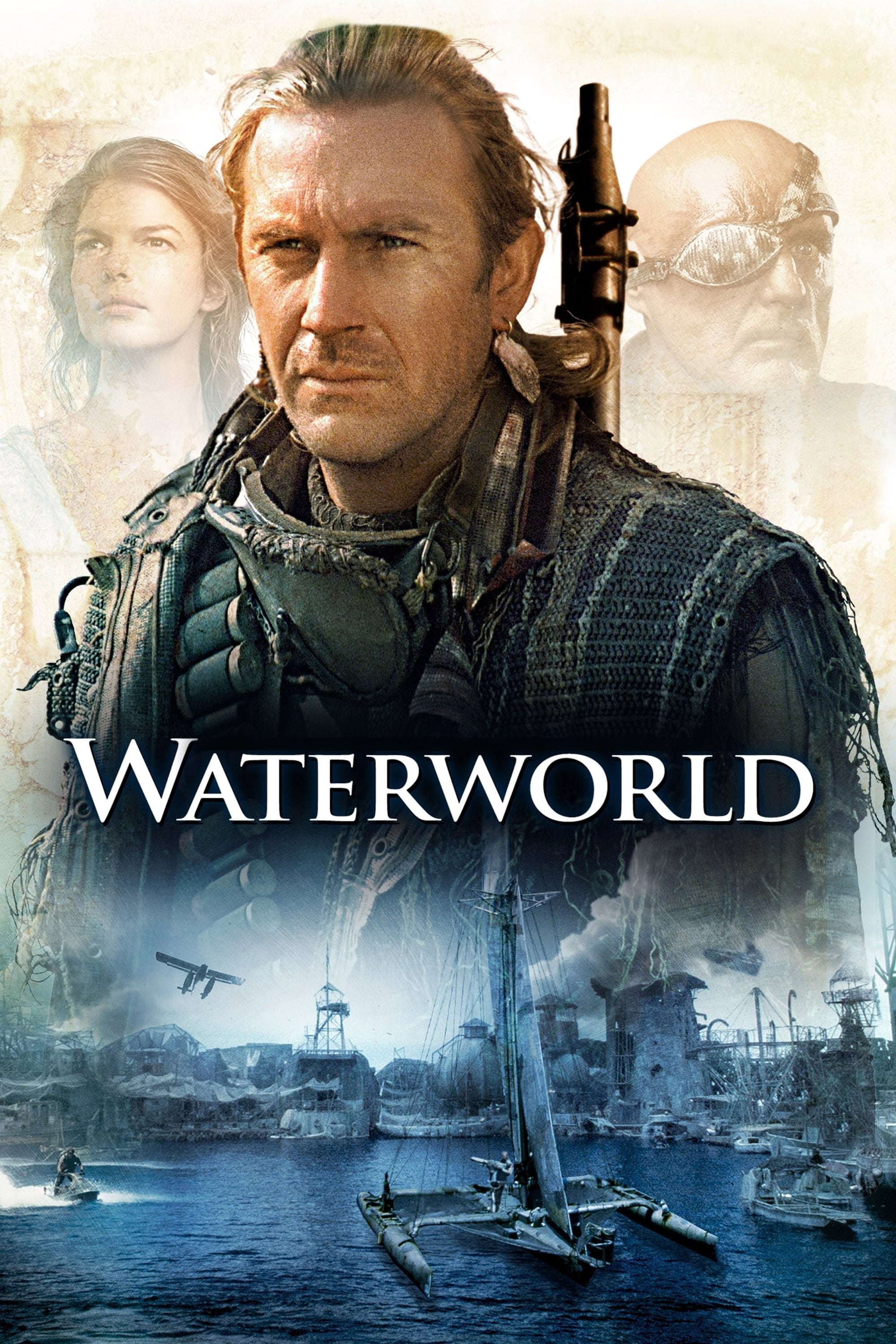
Kevin Costner anchored this post-apocalyptic action epic built around an ambitious floating atoll set and extensive ocean shoots. Weather disruptions, logistics at sea, and set damage drove costs upward and became a media storyline. The domestic run disappointed relative to its price tag, though international play and ancillary windows softened the blow. Its production saga remains a case study in risk management for location-heavy tentpoles.
‘The Postman’ (1997)
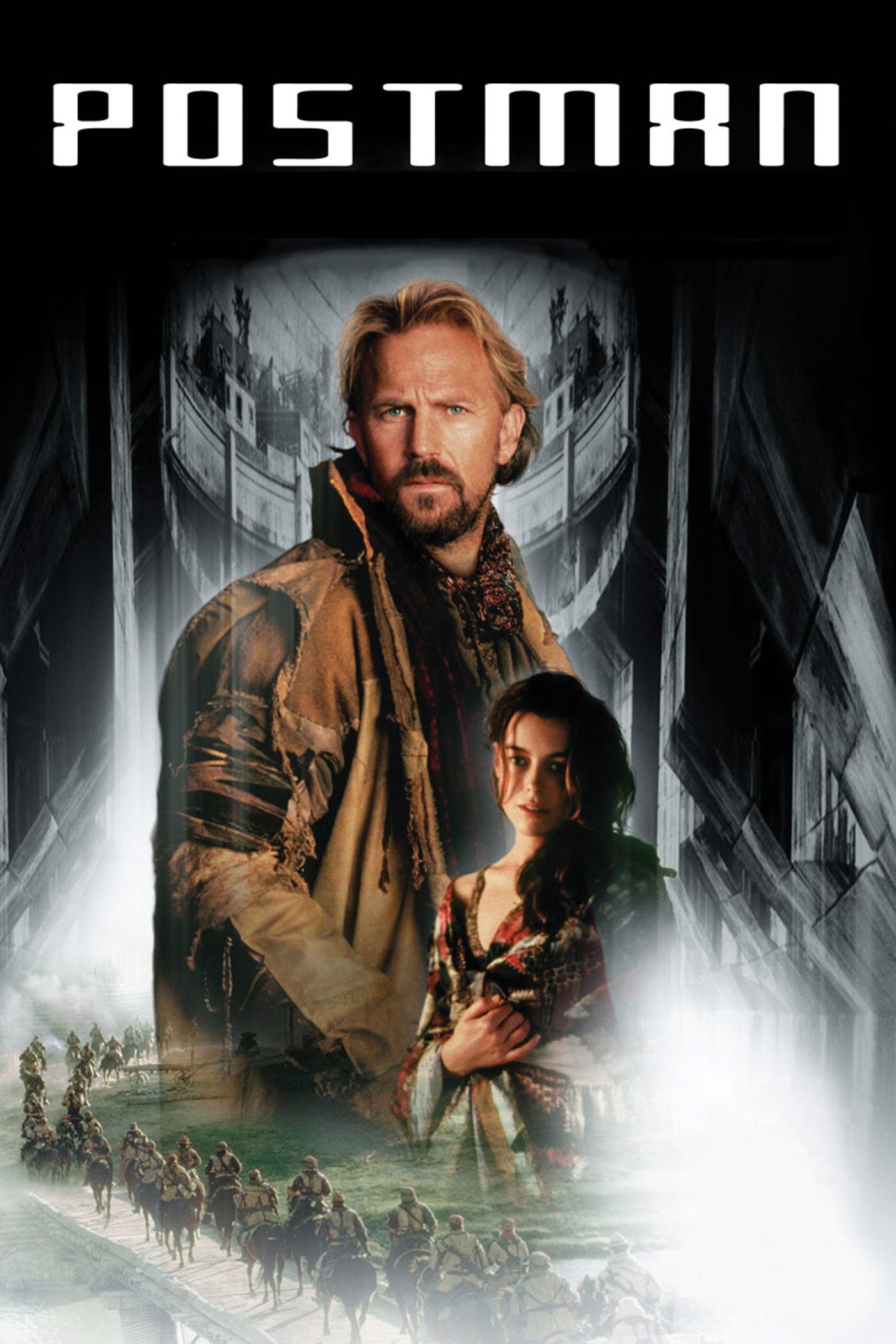
Starring and directed by Kevin Costner, this dystopian drama arrived with prestige ambitions and a lengthy runtime. The film’s solemn tone made wide marketing difficult during a holiday frame dominated by lighter fare. Despite a national campaign, the theatrical footprint contracted quickly due to low word-of-mouth. Subsequent home-video life did little to change its box-office reputation.
‘Hudson Hawk’ (1991)
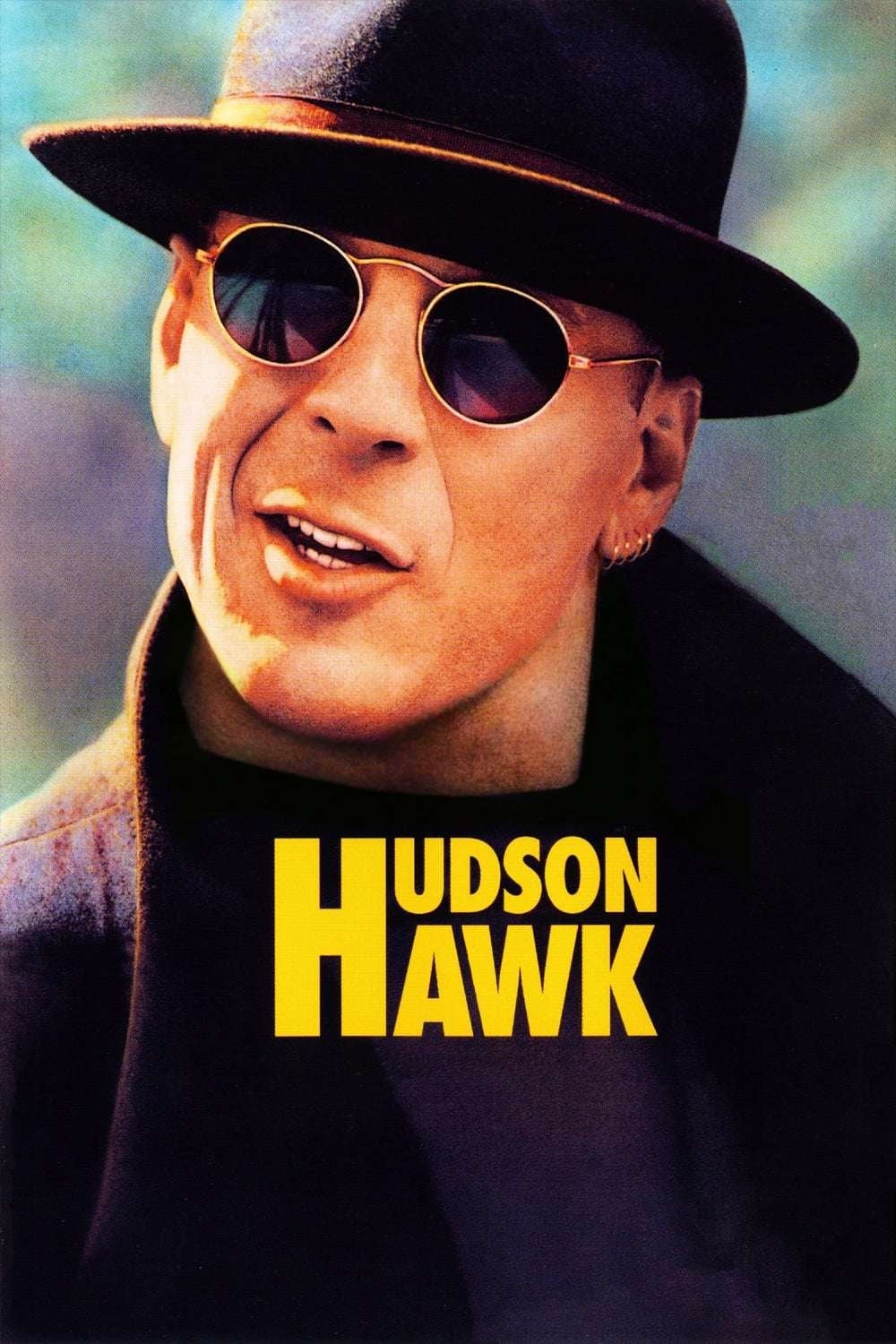
Fronted by Bruce Willis, this genre-mixing caper leaned on high-concept gags and globe-trotting set pieces. Test-screenings led to edits that couldn’t harmonize its comedic and action beats for broad audiences. The movie opened to stiff competition and faded rapidly. Its performance cooled several similar high-concept star vehicles that were in development at the time.
‘The Adventures of Pluto Nash’ (2002)
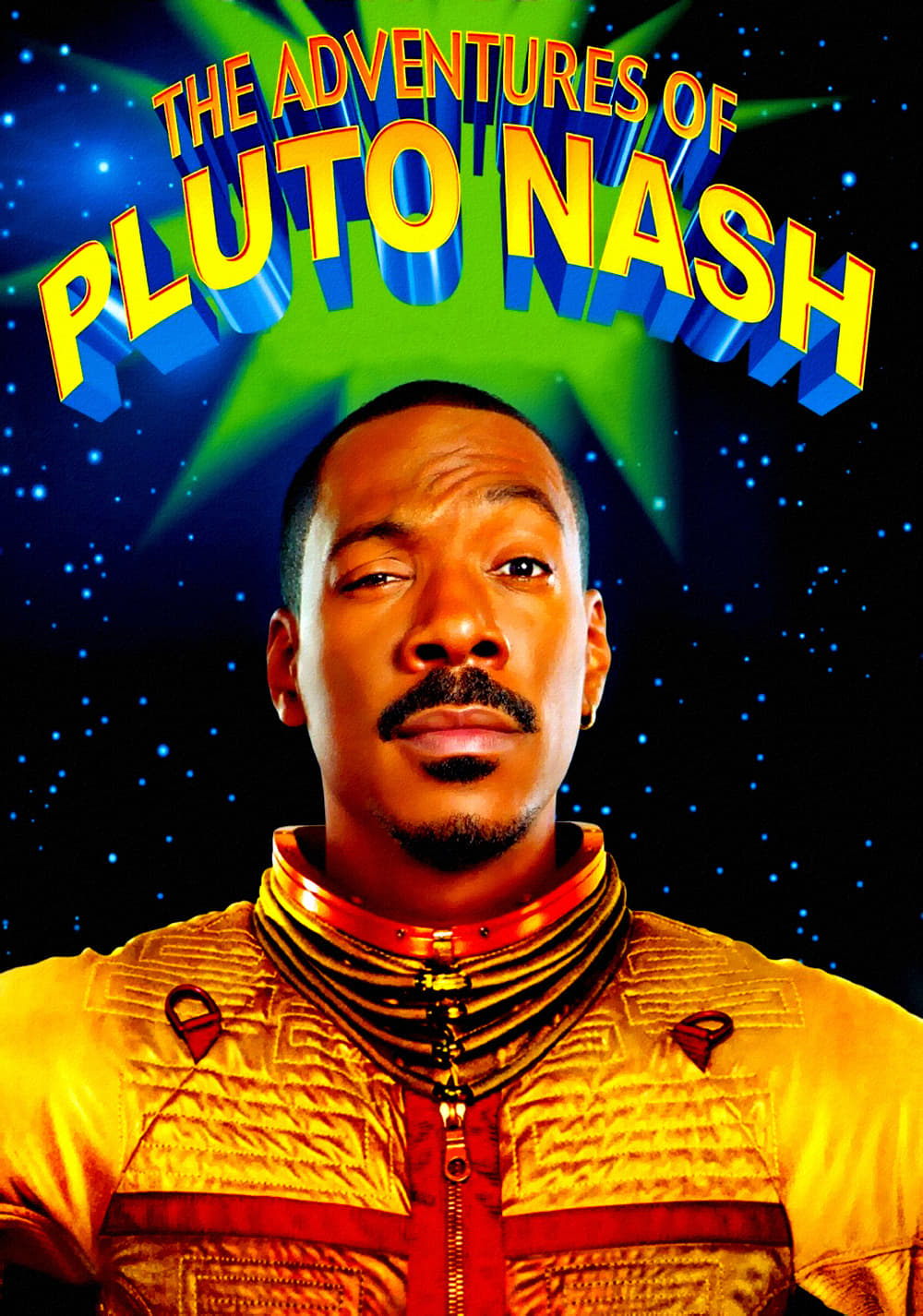
Eddie Murphy’s sci-fi comedy spent years in development and underwent extensive post-production polish. A delayed rollout and limited early awareness hurt tracking. The film opened quietly in late summer and shed screens within weeks. Its performance became one of the starkest disparities between star profile and theatrical turnout in the early 2000s.
‘Gigli’ (2003)
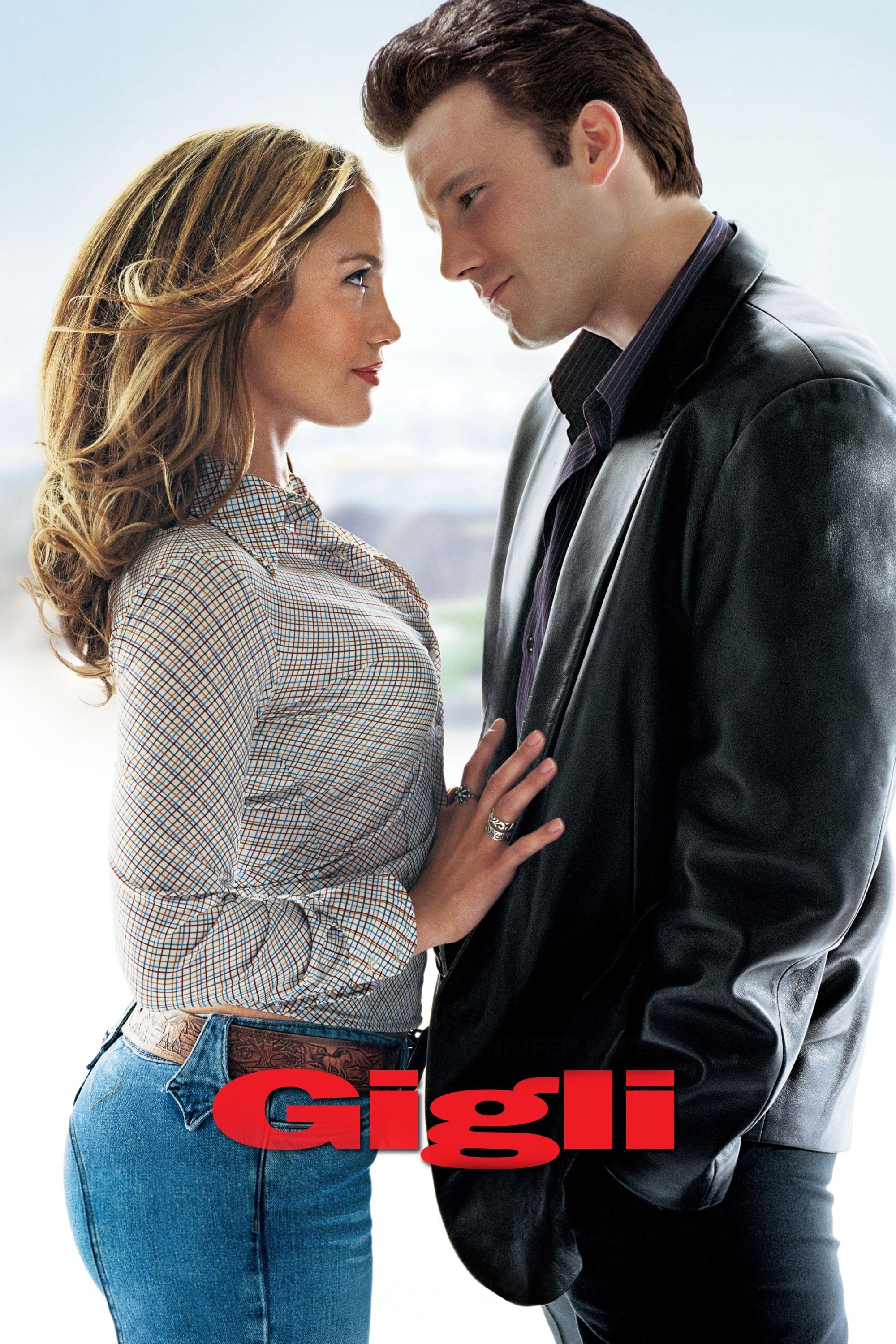
Headlining Ben Affleck and Jennifer Lopez, this crime-romance was reworked in post to emphasize a different tonal balance. The shift left marketing with a challenging sell to core demos. Pre-release tabloid attention did not convert into ticket sales. The film’s steep second-week drop cemented its reputation as a high-profile misfire.
‘The 13th Warrior’ (1999)
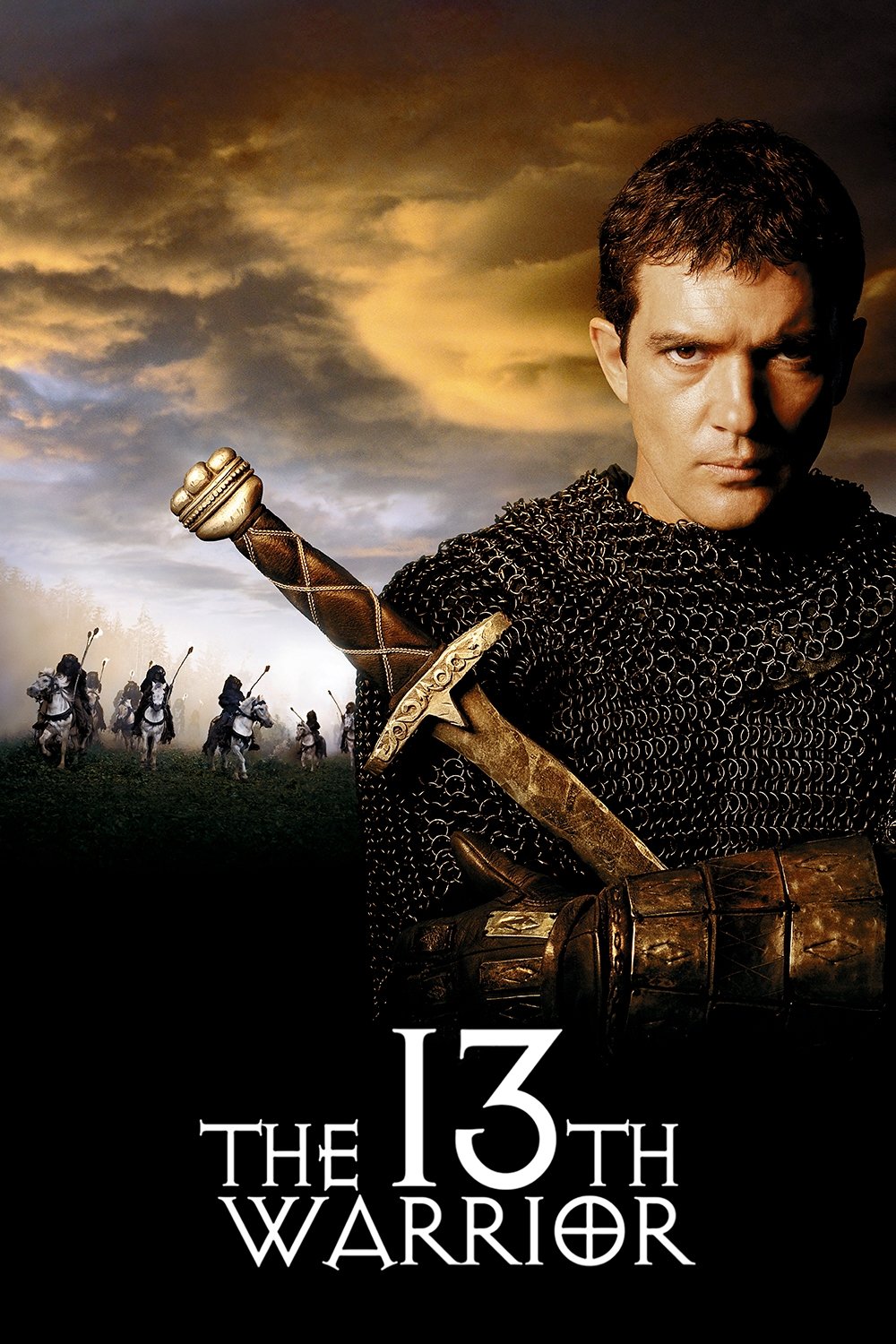
With Antonio Banderas in the lead, this historical action film endured reshoots and creative changes after early cuts underwhelmed. The adjustments extended the schedule and swelled costs. Released late in summer, it struggled to stand out against franchise competition. International play could not offset the domestic shortfall.
‘The Lone Ranger’ (2013)
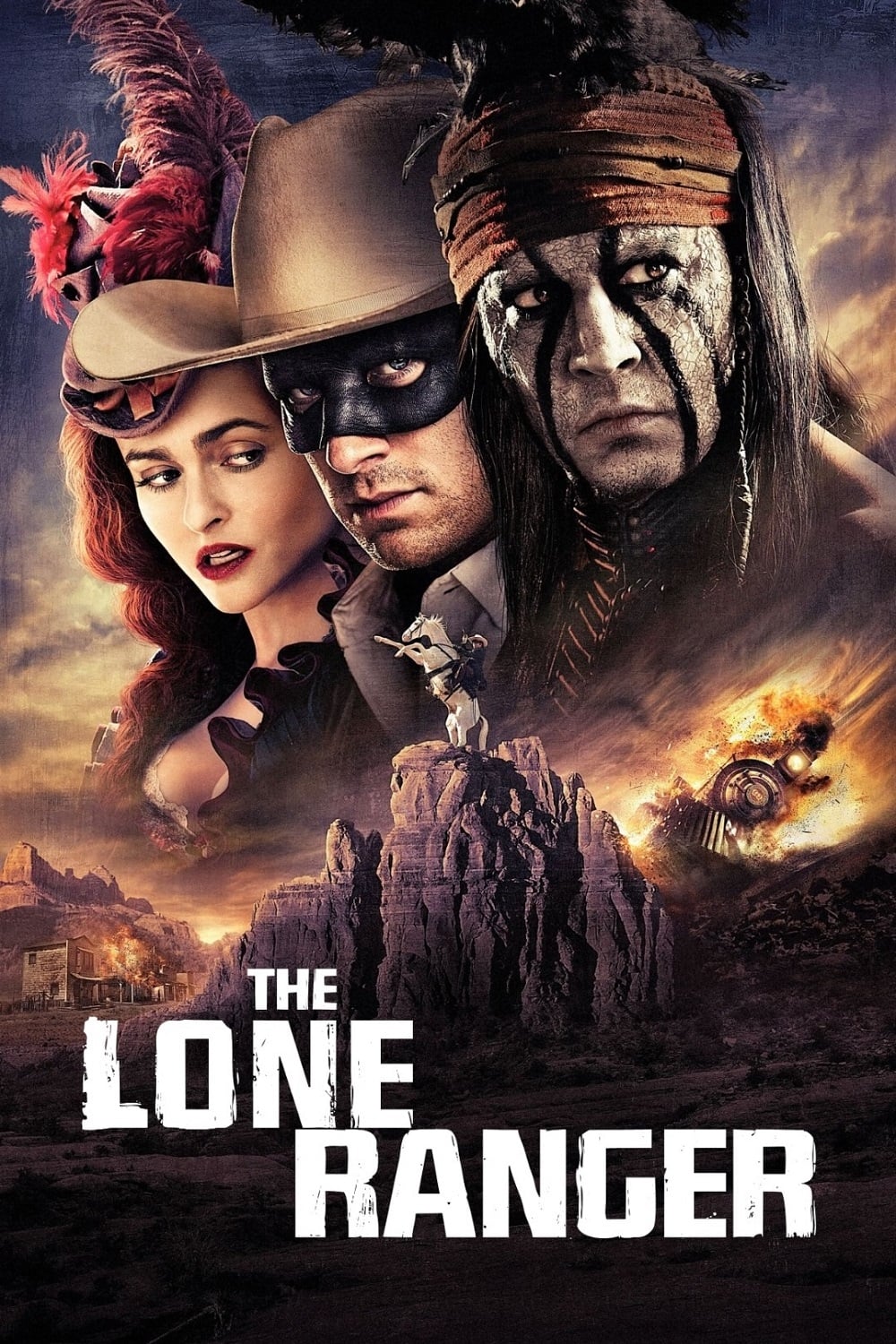
Johnny Depp and Armie Hammer anchored this Western that combined large-scale train sequences with heavy visual effects. Production pauses over budget concerns were widely reported, putting additional scrutiny on the final release. The film launched during a crowded blockbuster season and never found sustained family attendance. Ancillary revenues helped, but the theatrical gap remained significant.
‘John Carter’ (2012)
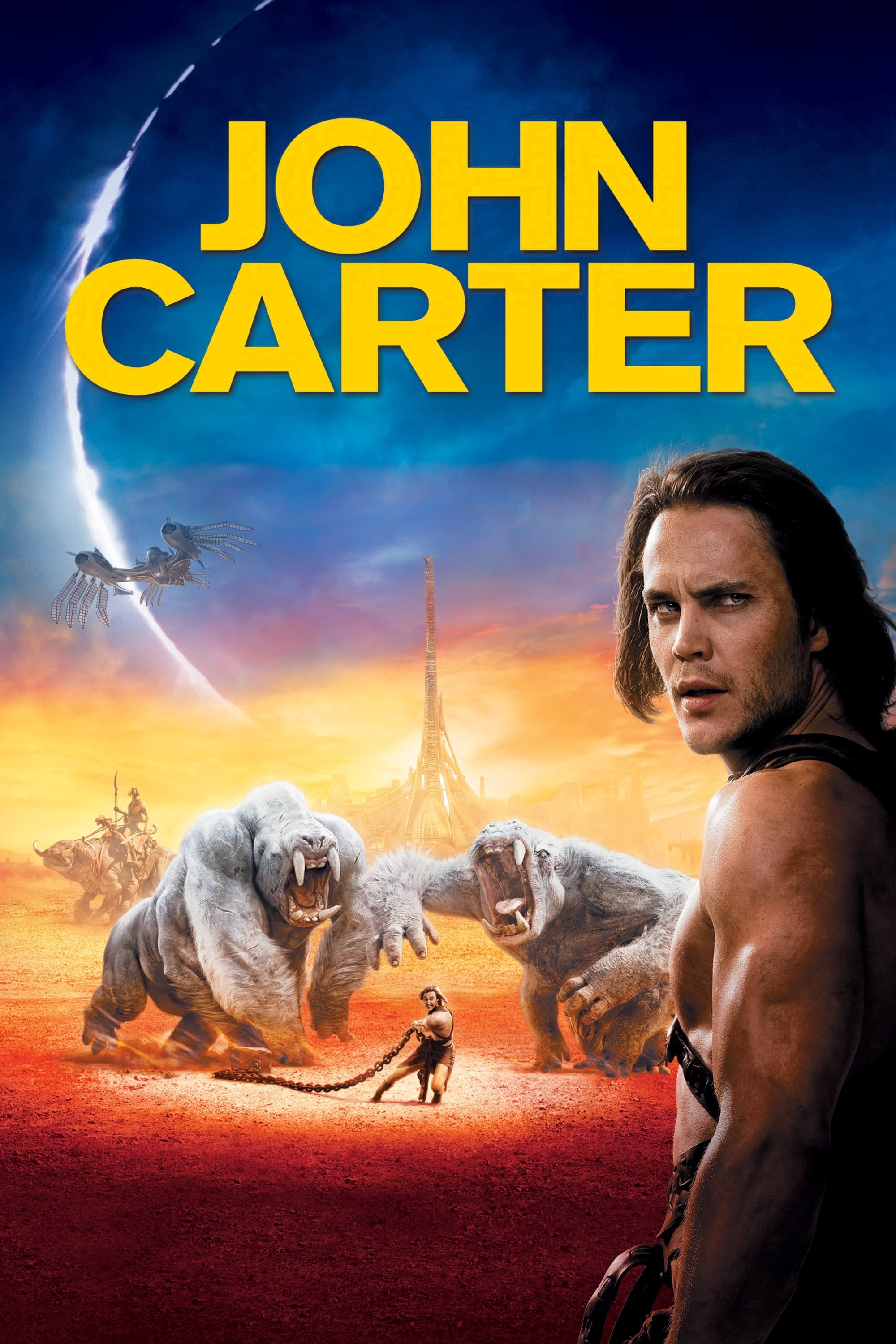
Disney mounted a massive campaign for this Edgar Rice Burroughs adaptation, but brand recognition with modern audiences proved limited. Changes to the title and a broad, mythology-heavy message made marketing cohesion difficult. Despite premium-format bookings and strong effects work, the film’s domestic turnout lagged expectations. Overseas numbers were stronger but insufficient to bridge the overall shortfall.
‘Green Lantern’ (2011)
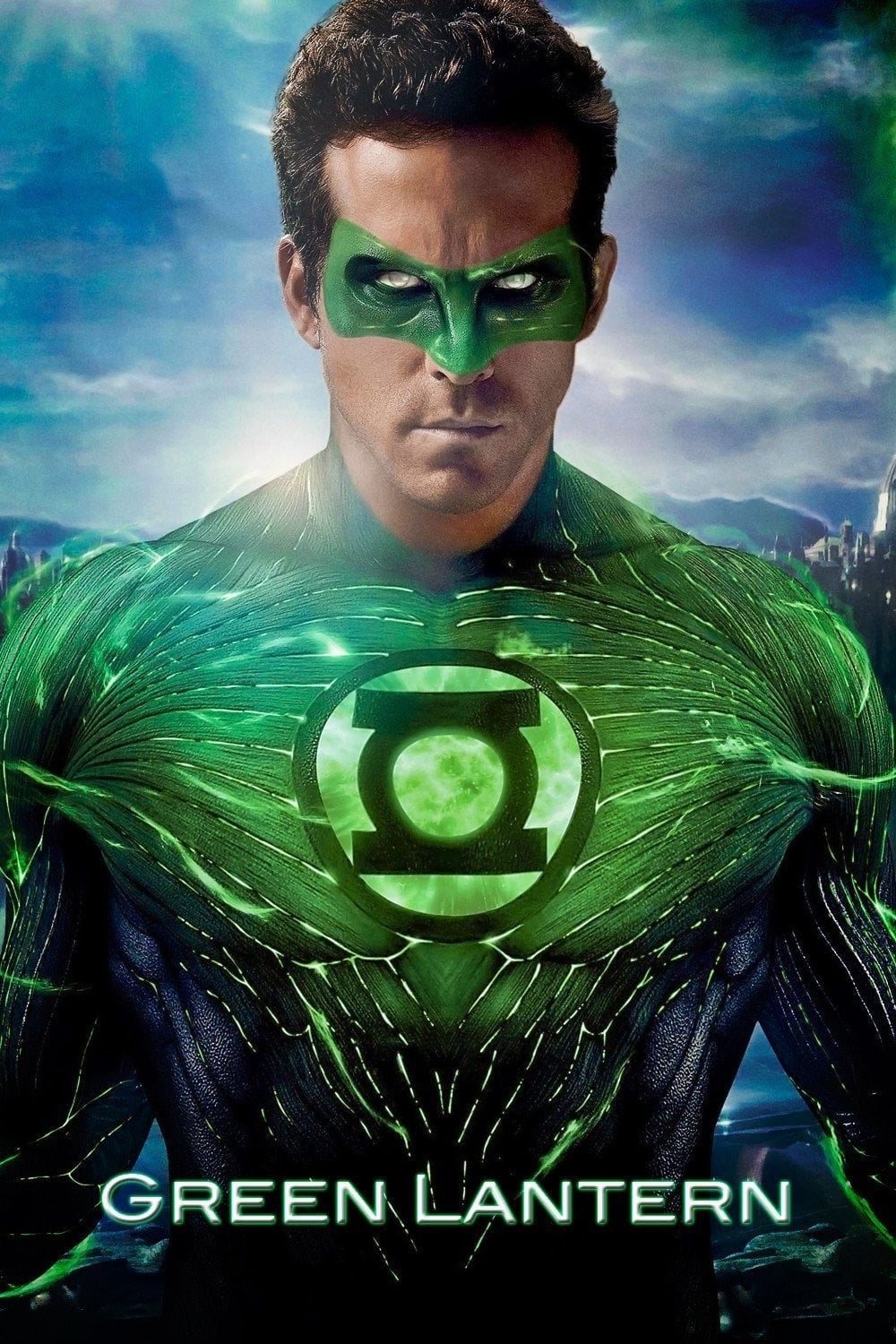
Starring Ryan Reynolds, this superhero entry leaned on sizable effects and 3D conversions in the early 2010s boom. Compressed post-production timelines affected the final look and left trailers with unfinished shots that drew scrutiny. The release met competition from better-reviewed genre peers that summer. Plans for immediate sequels were shelved after the soft run.
‘R.I.P.D.’ (2013)
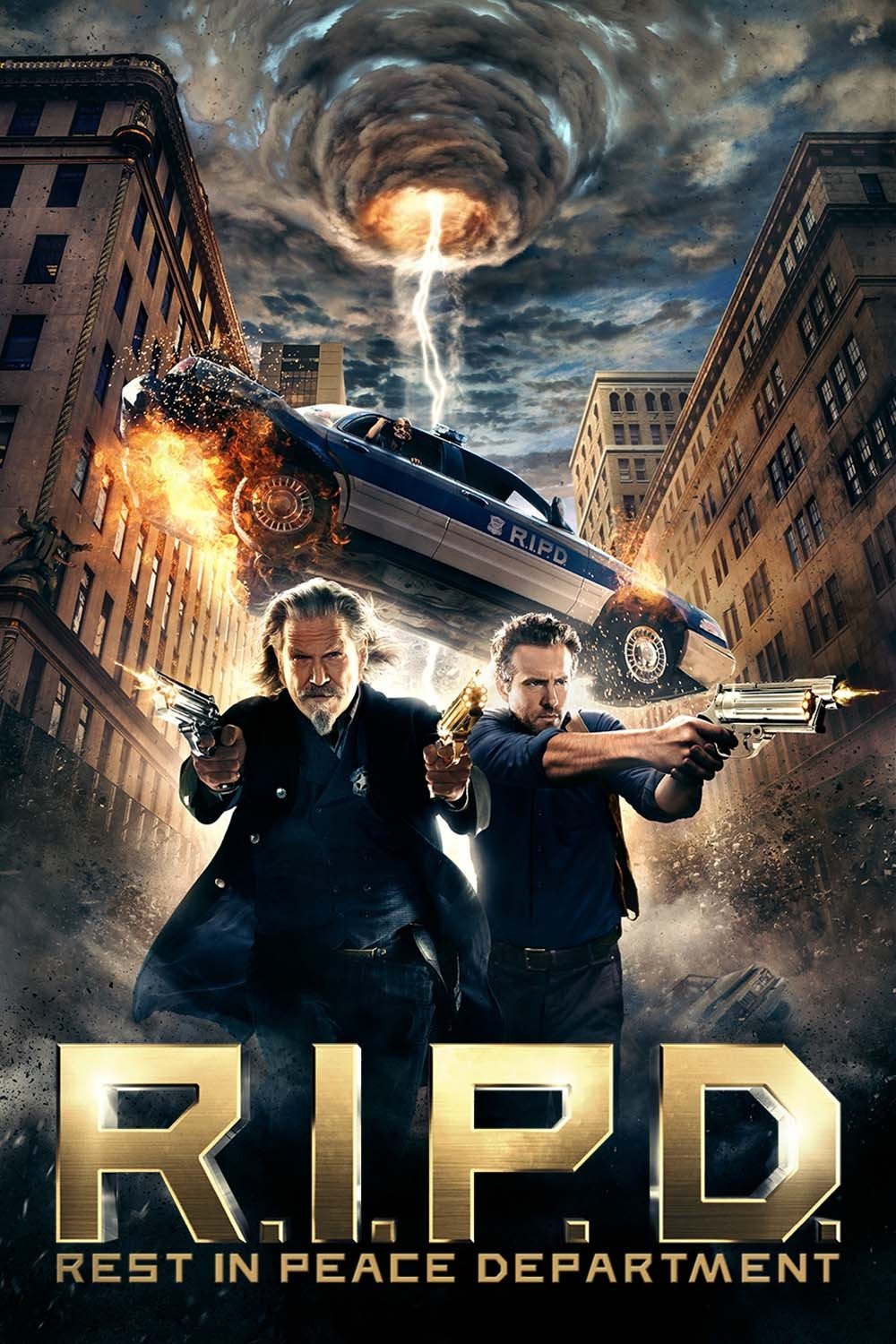
With Ryan Reynolds and Jeff Bridges, this supernatural buddy-cop film arrived with a mid-year placement and heavy effects. The premise invited comparisons to established hits, complicating the marketing pitch. Tracking never suggested a breakout, and opening-weekend walkup was limited. The movie’s steep early declines curtailed its theatrical life.
‘Jack the Giant Slayer’ (2013)
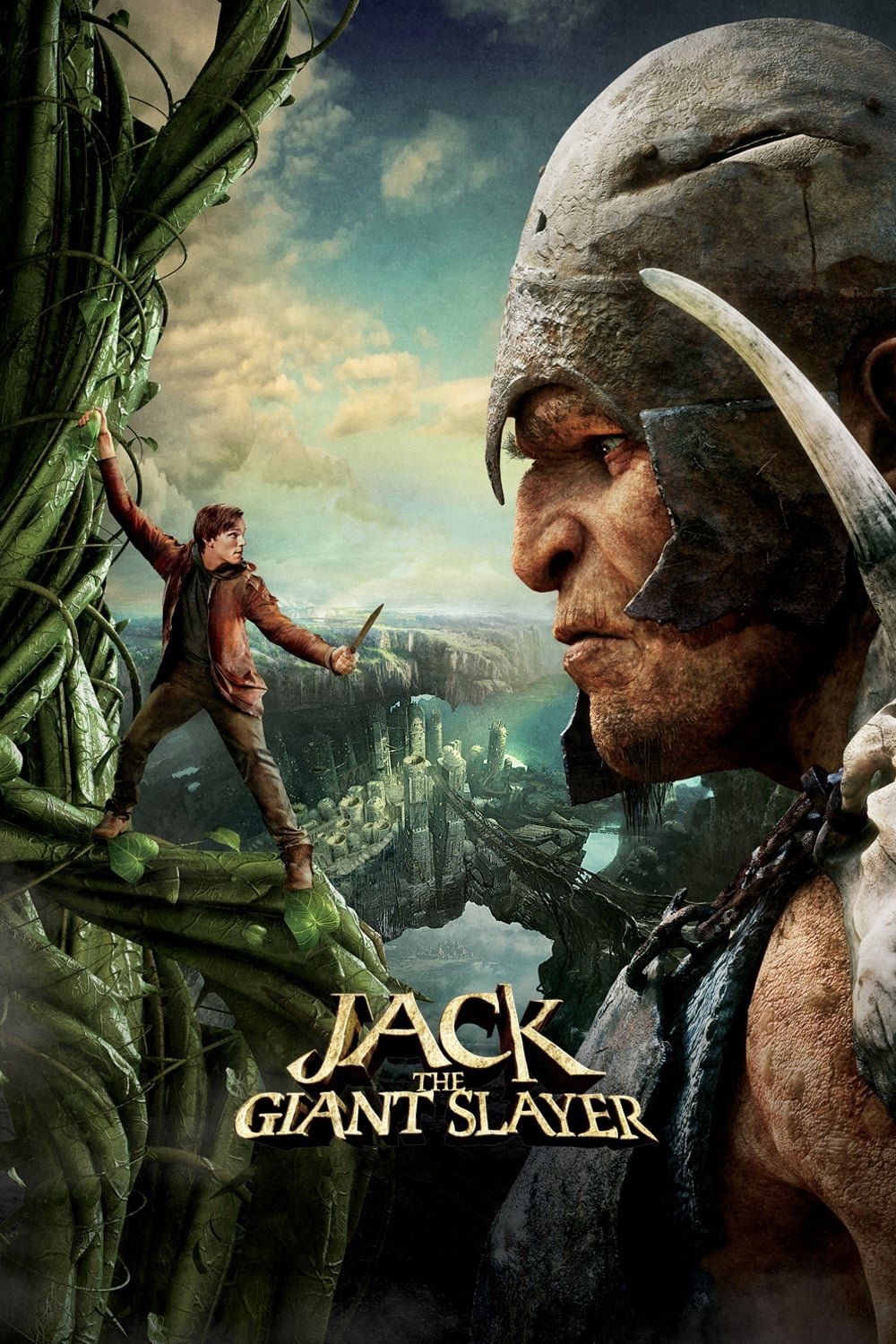
Nicholas Hoult and an ensemble cast headlined this fairy-tale actioner that had extensive visual-effects demands. Schedule moves and a repositioning toward family audiences increased marketing costs. The film opened below expectations and relied on international sales that didn’t fully materialize. Its outcome cooled appetite for similar re-imaginings for a stretch.
’47 Ronin’ (2013)
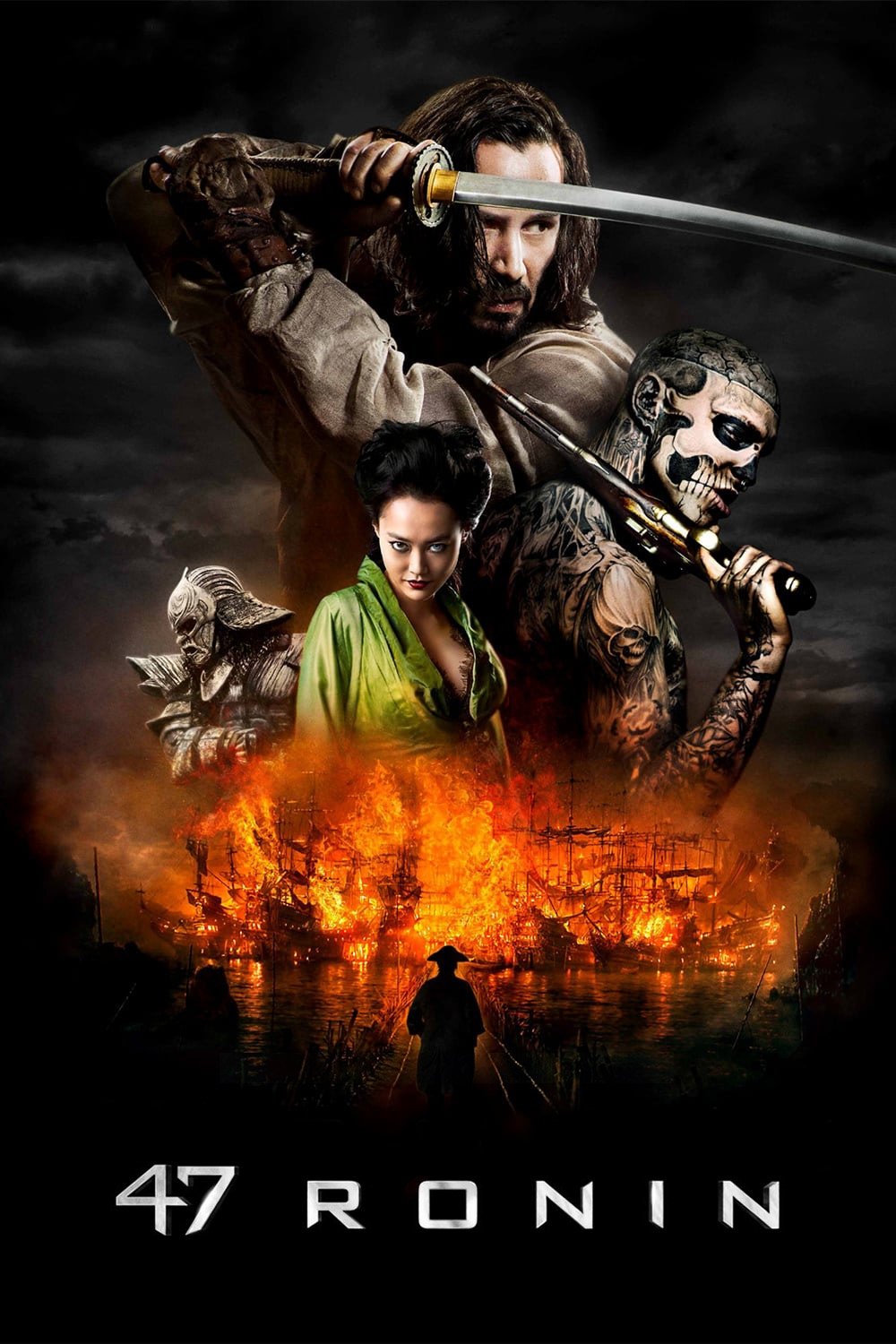
Keanu Reeves’ samurai fantasy melded folklore elements with large-scale CG creatures and set pieces. Production delays and reshoots expanded the budget and shifted release plans. Marketing faced the challenge of introducing a culturally specific myth to broad audiences. The film underperformed domestically and delivered only middling results overseas.
‘Pan’ (2015)

Hugh Jackman’s turn as Blackbeard powered a high-concept prequel with elaborate sets and musical flourishes. The film’s tone proved hard to position for families, and early reviews dampened interest. Despite a wide rollout and premium formats, attendance lagged throughout its run. Retail and television windows couldn’t reverse the theatrical perception.
‘Tomorrowland’ (2015)
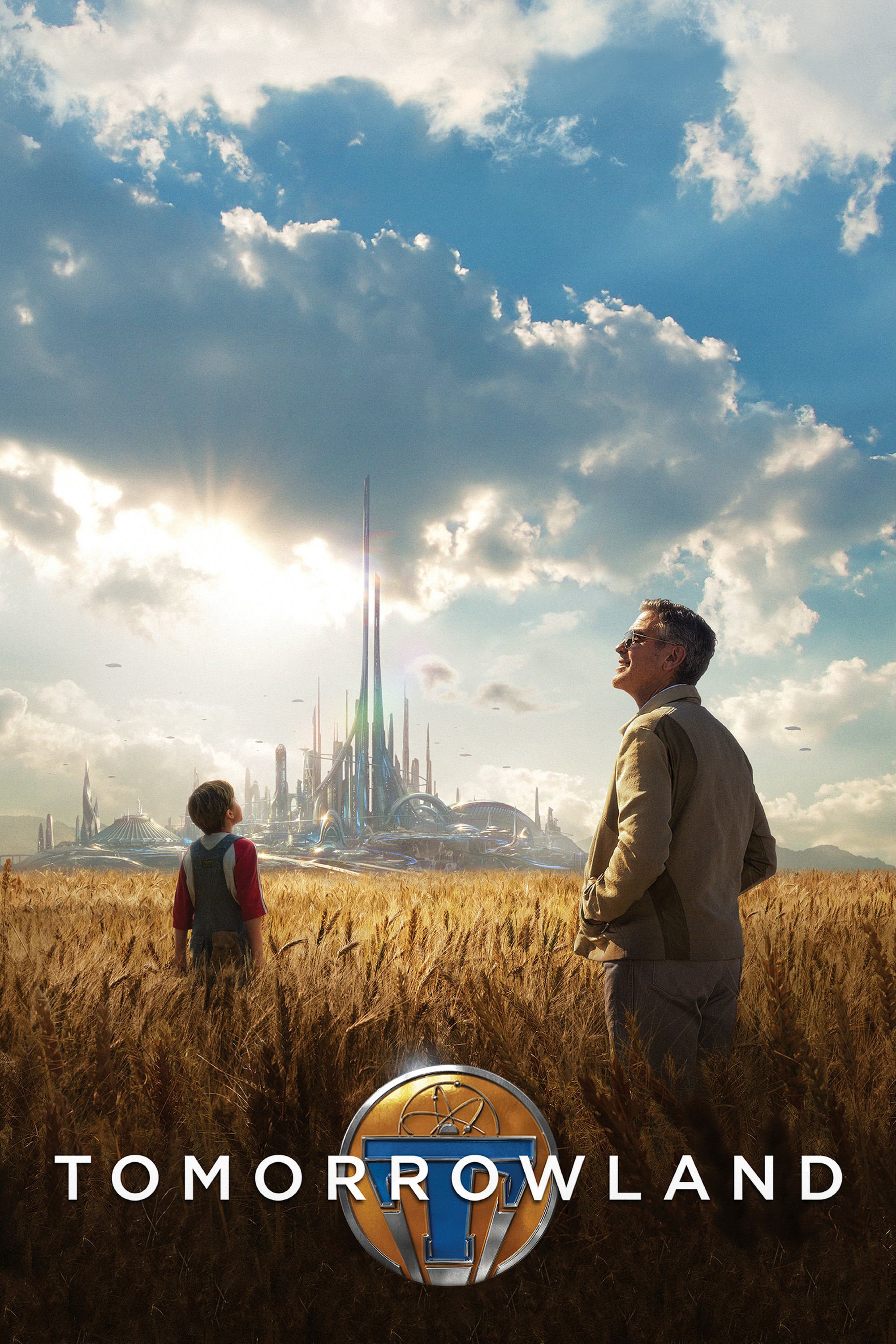
Led by George Clooney, this original sci-fi adventure aimed for four-quadrant appeal with mystery-box marketing. Keeping key plot points hidden limited the campaign’s ability to sell a clear hook. The effects-heavy production required a strong opening that didn’t arrive. International earnings helped but did not erase the deficit relative to costs.
‘The Mummy’ (2017)
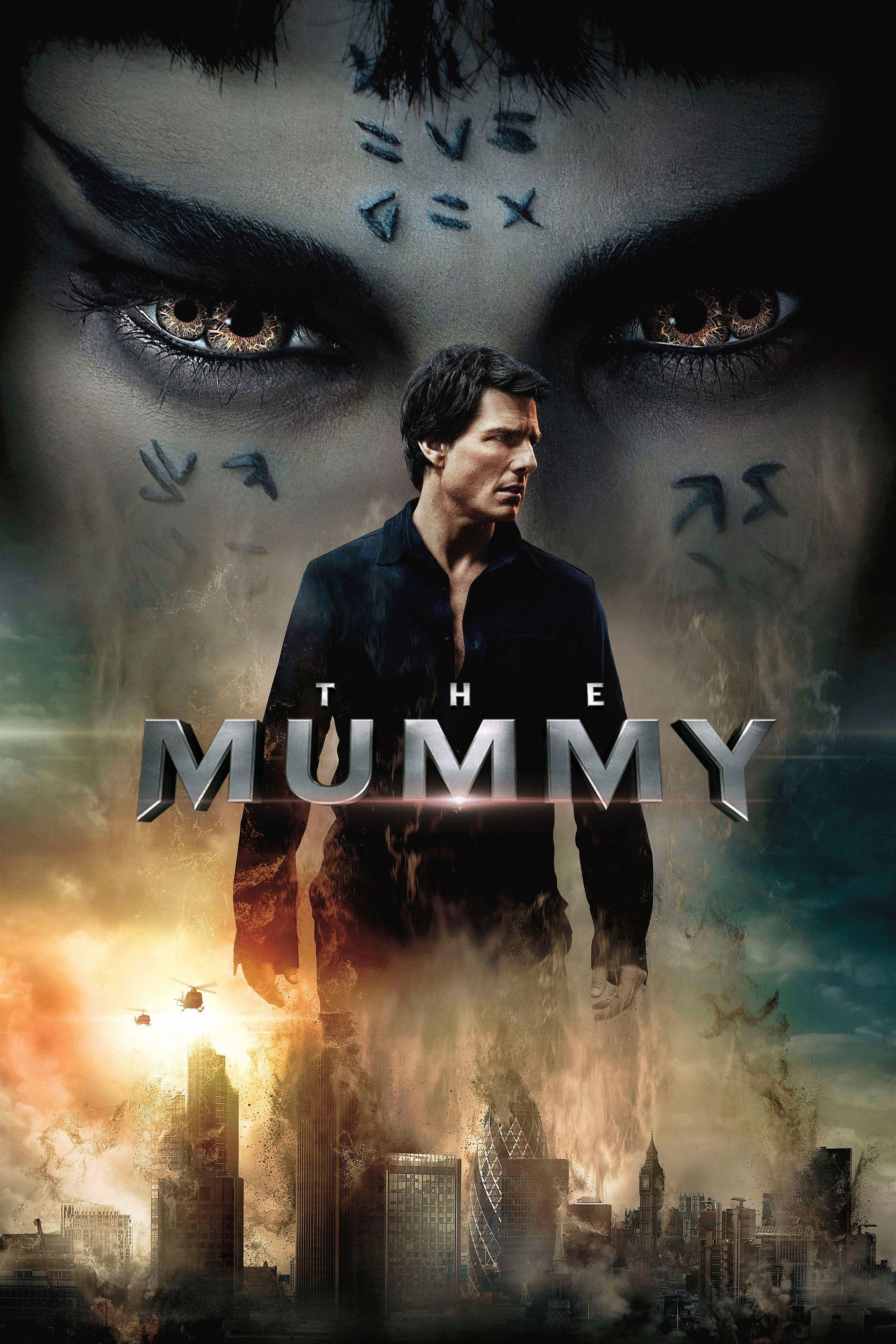
Tom Cruise anchored this attempt to launch an interconnected monster universe with modern action stylings. The film introduced multiple franchise threads that diluted focus on a contained story. Despite a global star and strong overseas starts in select markets, word-of-mouth stalled momentum. Plans for the wider shared universe were ultimately abandoned.
‘A Wrinkle in Time’ (2018)
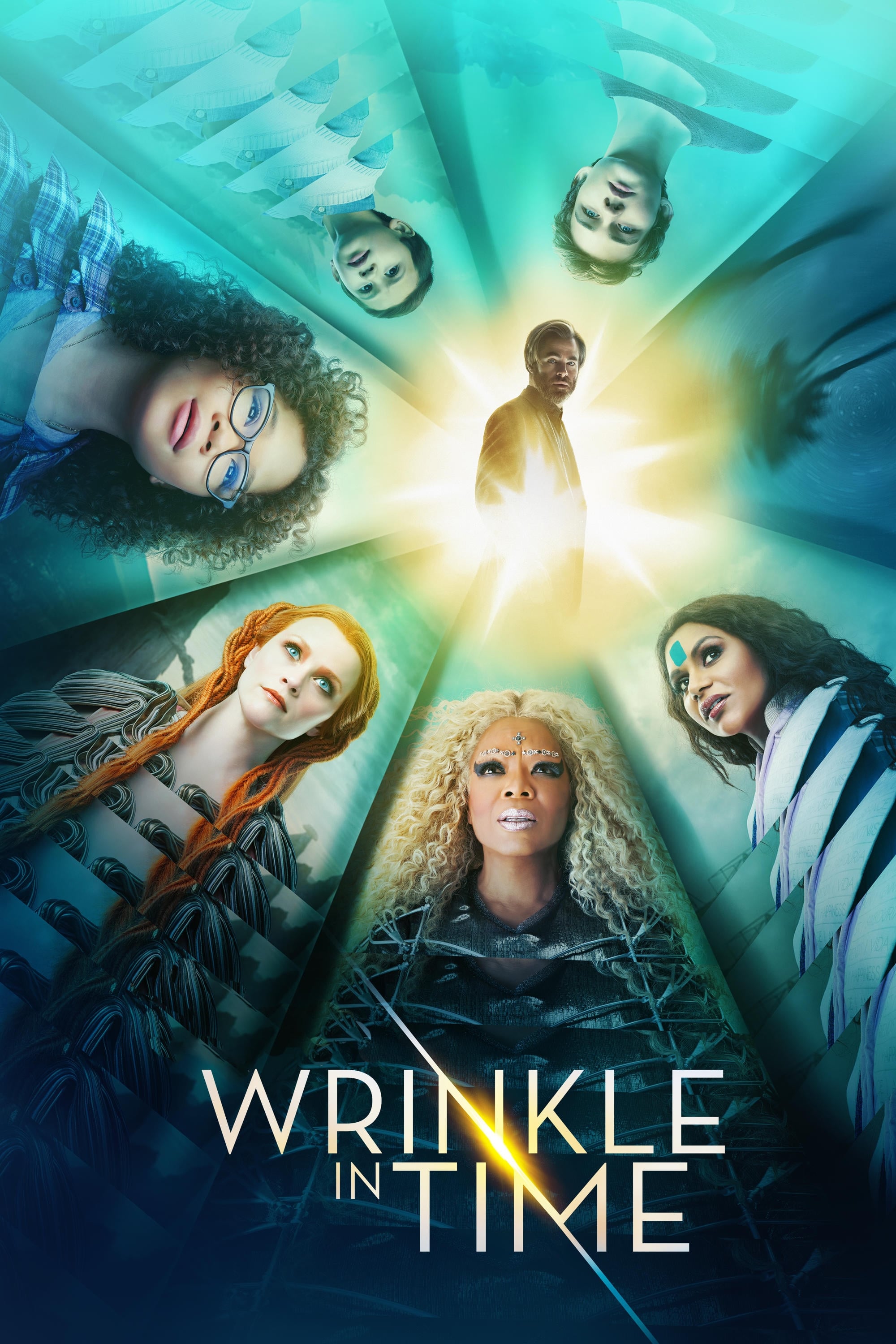
Featuring a high-profile ensemble including Oprah Winfrey, this fantasy adaptation leaned into expansive effects and inspirational messaging. The marketing targeted families and young readers but struggled to broaden beyond core interest. Competition from event titles limited screen retention. The film’s domestic performance trailed the scale of its production and promotional push.
‘Solo’ (2018)

This standalone entry faced a well-publicized director change, reshoots, and a compressed post schedule. The release date positioned it close to other franchise entries, which complicated its event status. Pre-sale indicators were modest relative to series benchmarks. While it drew a sizable audience, the run did not match the costs associated with its production history.
‘Cats’ (2019)
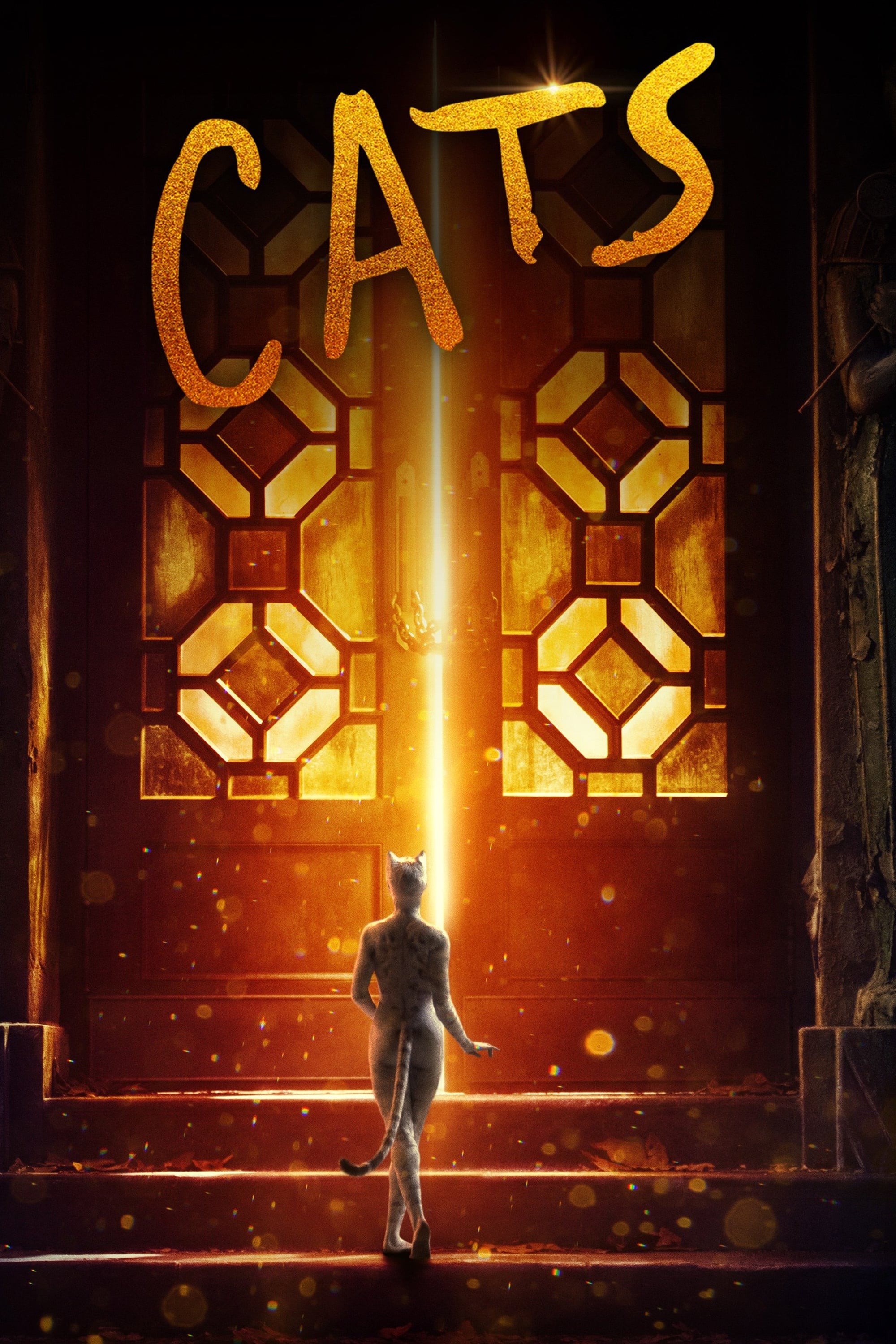
Stacked with marquee names, this musical relied on extensive digital fur and quick-turn visual-effects work. A last-minute effects update even reached some theaters after previews, drawing unusual attention to the pipeline. The film opened to heavy social chatter that didn’t convert into sustained attendance. Awards positioning was quickly pulled back as box-office declined.
‘Terminator: Dark Fate’ (2019)
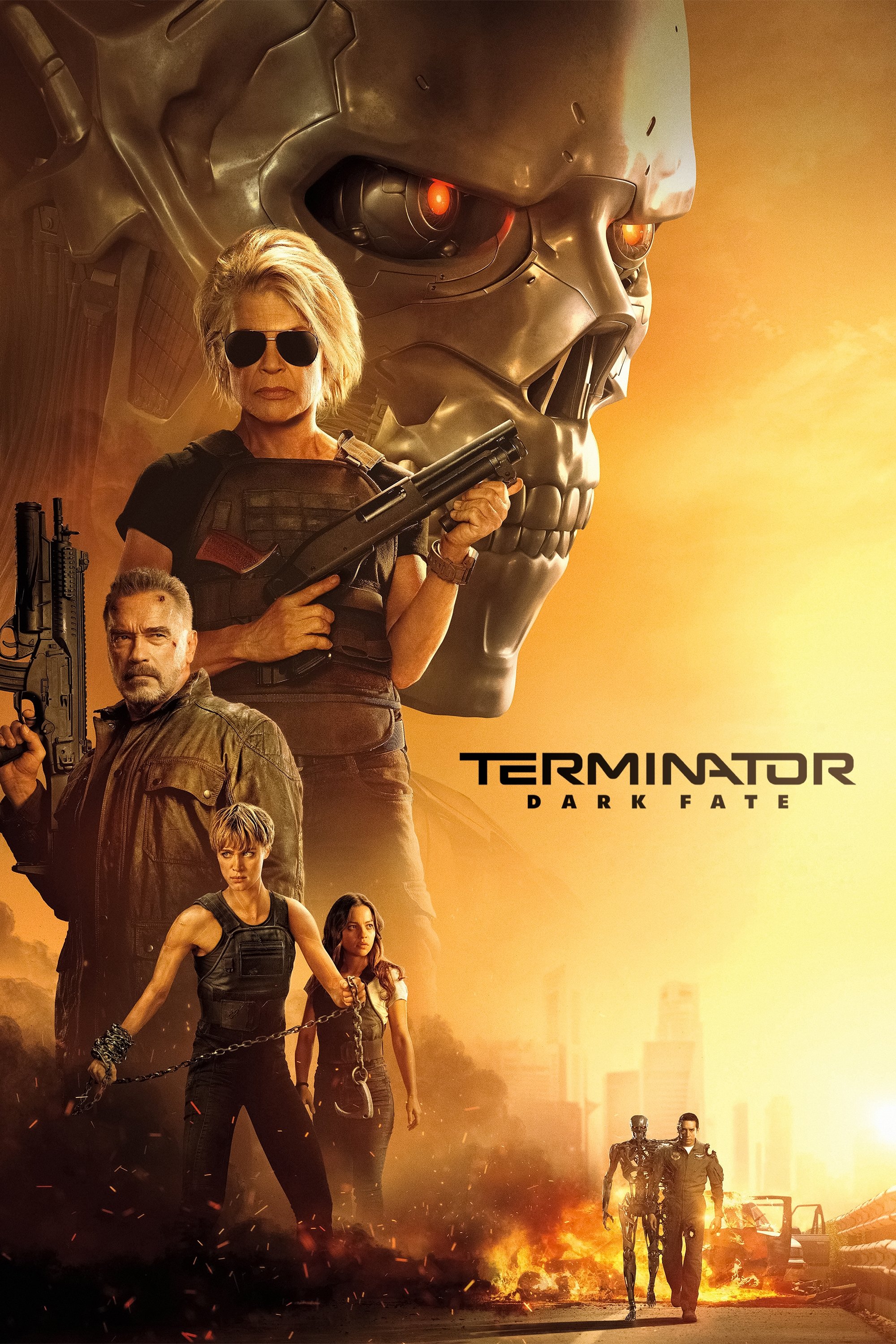
With returning franchise icons and a sizable effects budget, this installment attempted to reset continuity to earlier hits. Marketing emphasized legacy characters but faced franchise fatigue. The movie opened below expectations and tapered quickly in key markets. Plans for follow-ups were paused after the soft performance.
‘The Last Duel’ (2021)
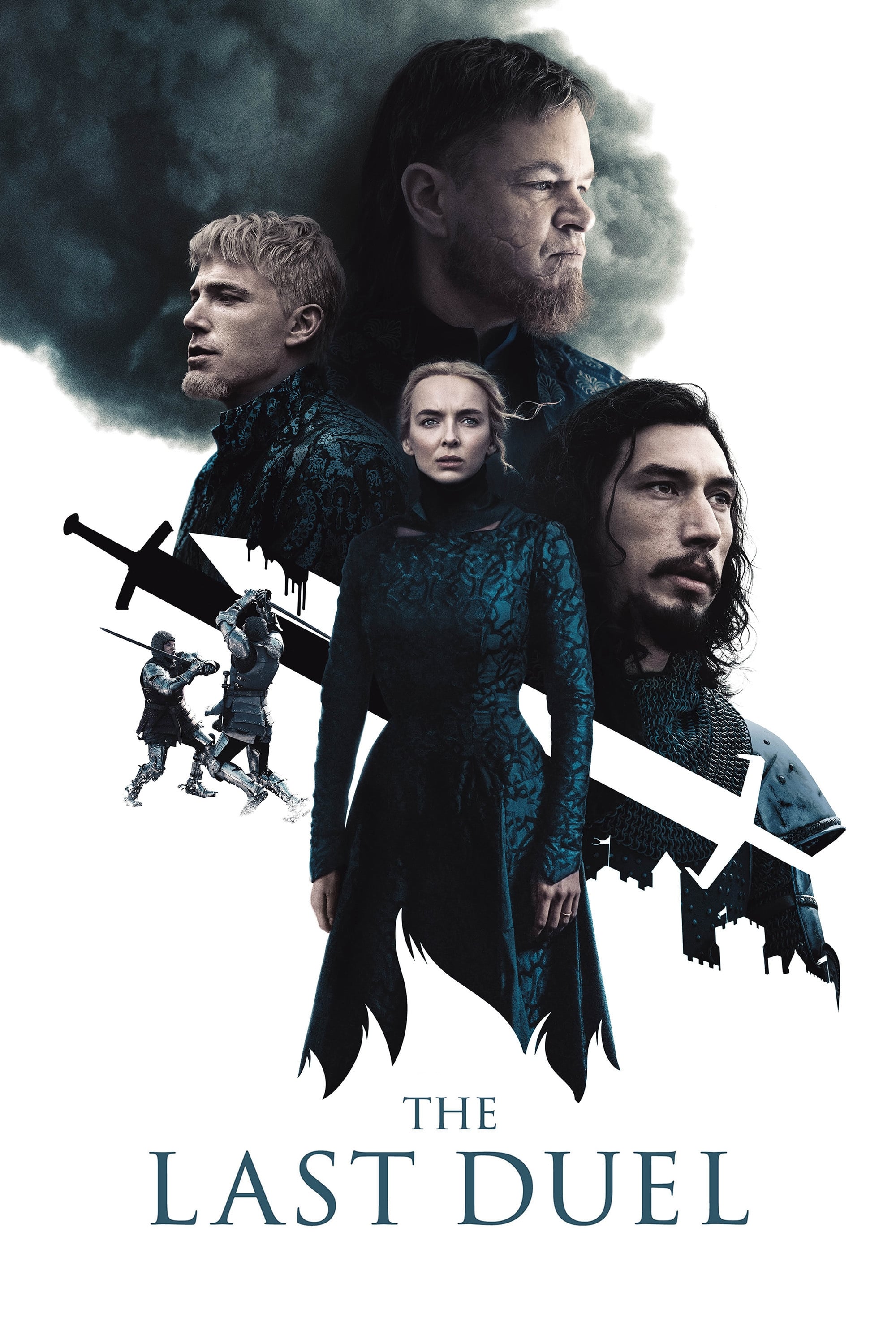
Matt Damon, Adam Driver, and Ben Affleck led this historical drama that used a three-perspective narrative structure. Adult-skewing titles faced ongoing marketplace challenges as theatrical habits shifted. Despite strong craftsmanship and festival positioning, turnout remained limited. The film exited theaters with losses relative to its scale.
‘Indiana Jones and the Dial of Destiny’ (2023)
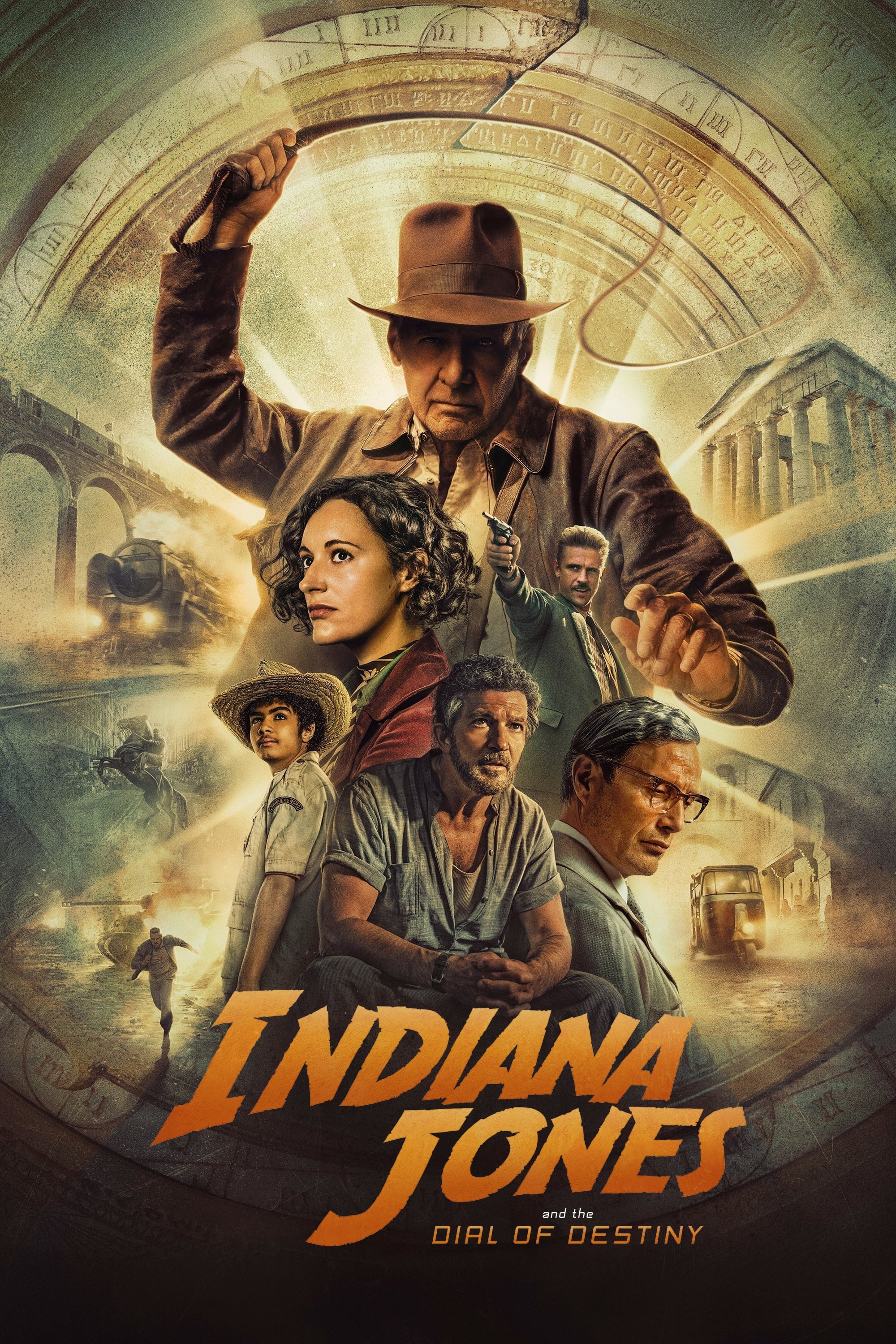
Harrison Ford’s return was mounted with extensive location work, de-aging effects, and a global campaign. A long runtime and mixed early reactions from preview circuits tempered enthusiasm. Opening results fell short of prior entries, and legs were modest. Ancillary windows helped but didn’t offset theatrical underperformance compared to the investment.
‘The Marvels’ (2023)
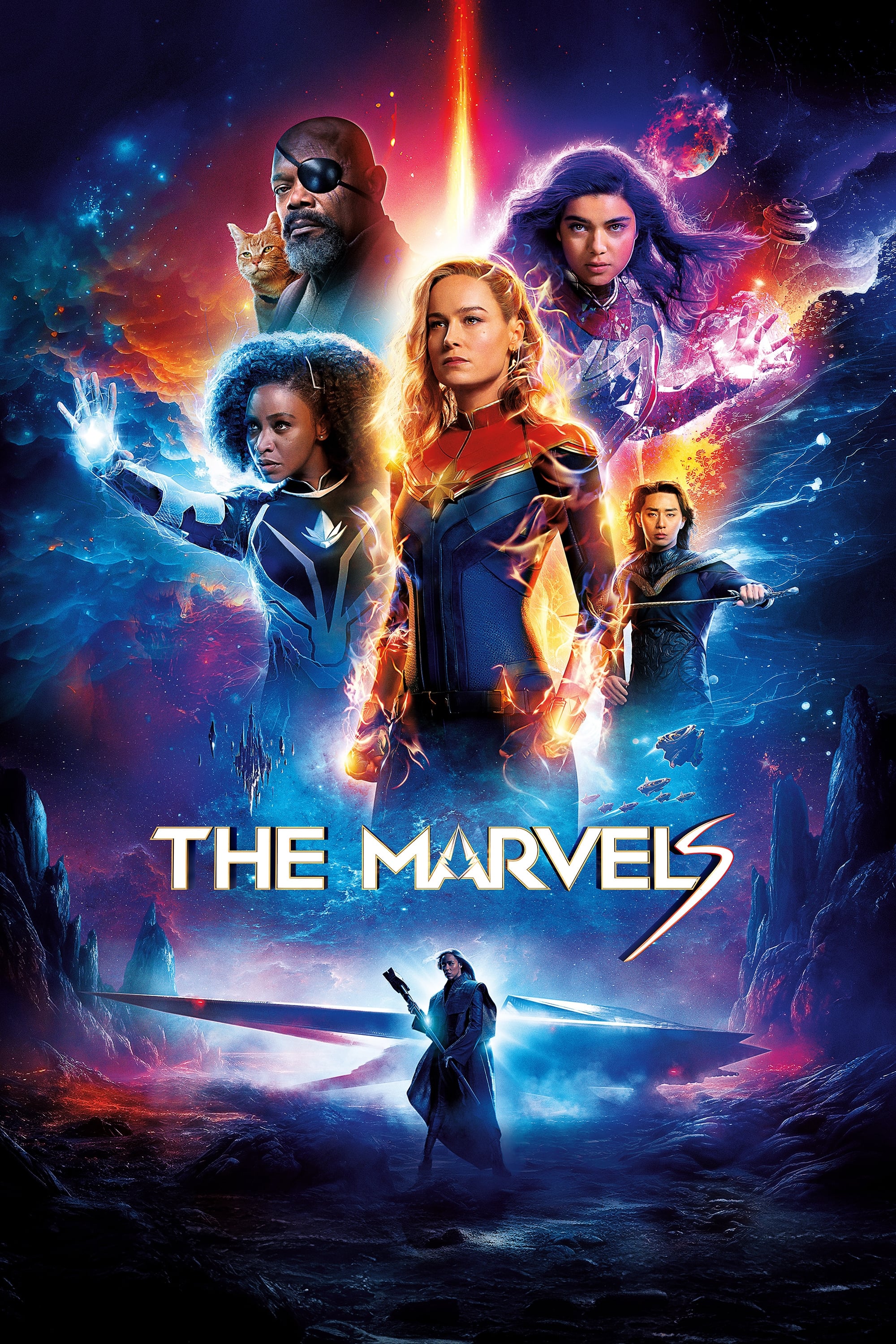
Headlined by Brie Larson with key crossover characters, this sequel combined space-set action with interlinked series lore. Franchise fatigue, scheduling shifts, and reduced promotional appearances impacted awareness and anticipation. The film’s opening trailed recent genre benchmarks and decayed faster than expected. Its outcome prompted conversations about recalibrating future release pacing.
‘The Great Wall’ (2016)
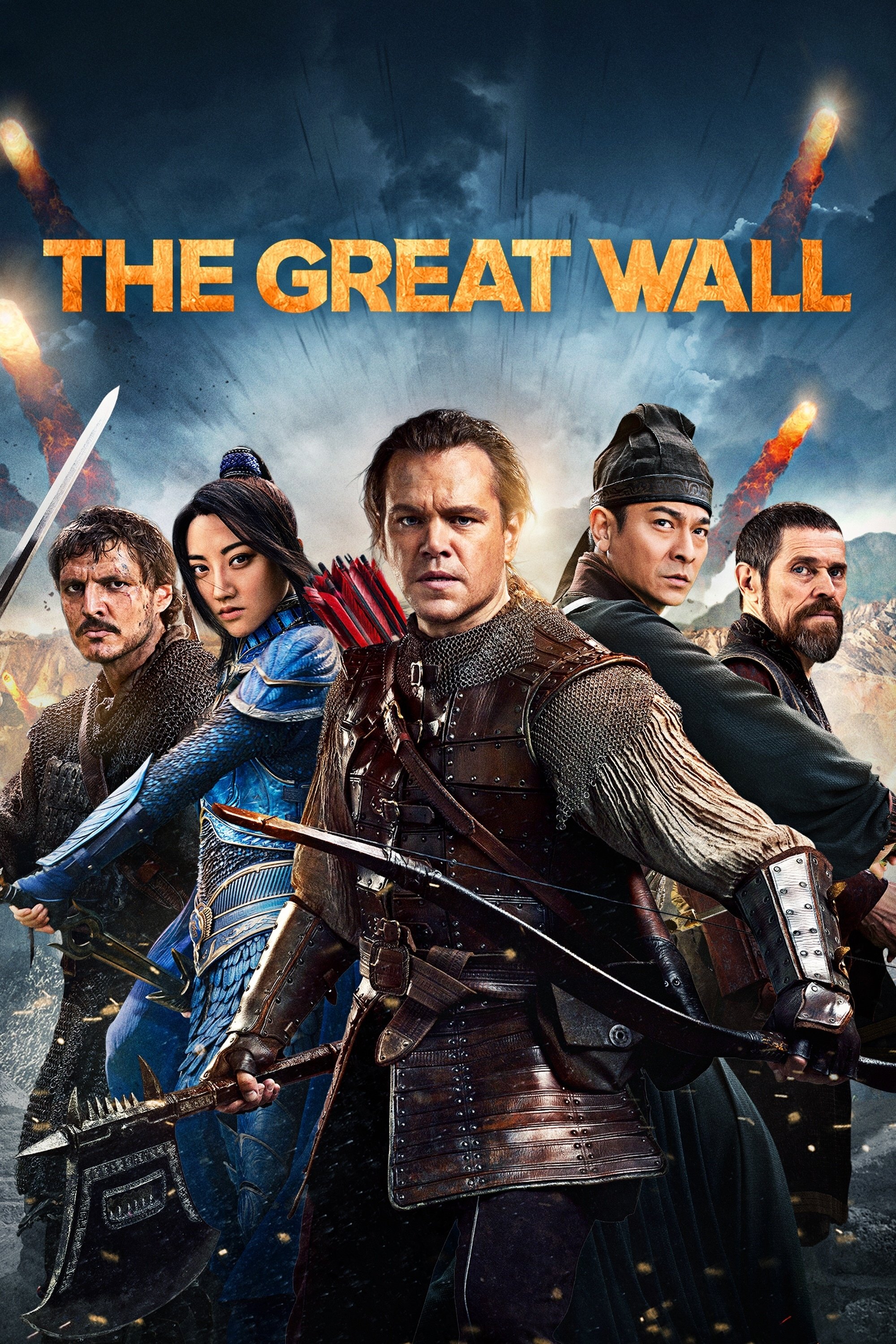
Starring Matt Damon, this China-U.S. co-production was designed for global appeal with large-scale creature action. Despite strong positioning in select territories, the film didn’t achieve the cross-market breakout envisioned. Mixed reception limited repeat business during its crucial early weeks. The gap between production spend and worldwide grosses left it widely labeled an underperformer.
‘Wild Wild West’ (1999)
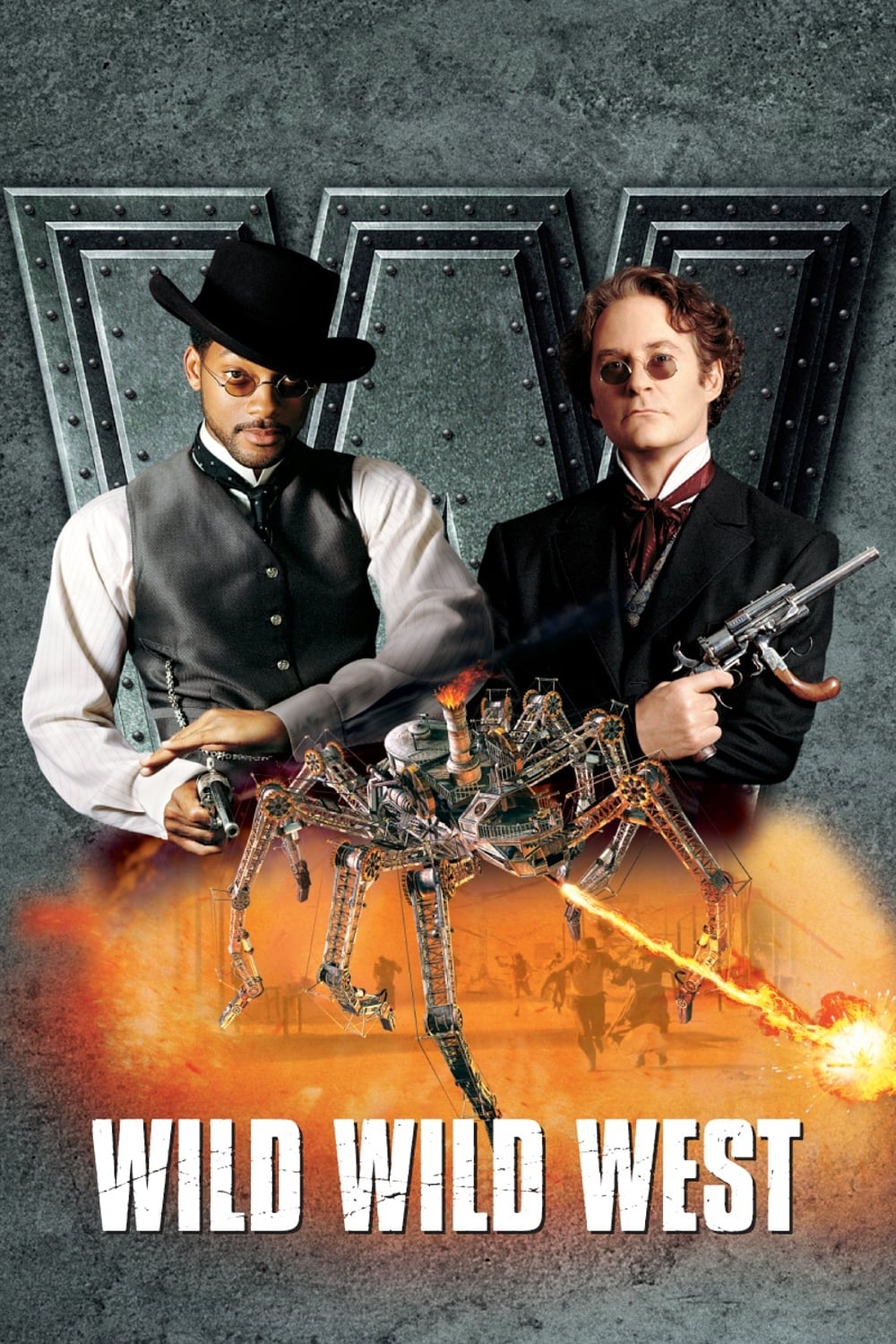
Will Smith and Kevin Kline led this steampunk Western built around elaborate sets, creature effects, and a high-concept gadget aesthetic. A mid-summer release pitted it against stronger event films, and audience response lagged after a big opening frame. Marketing leaned heavily on spectacle but struggled to convey a clear adventure hook. Merchandising tie-ins couldn’t sustain momentum as the theatrical run quickly contracted.
‘Alexander’ (2004)
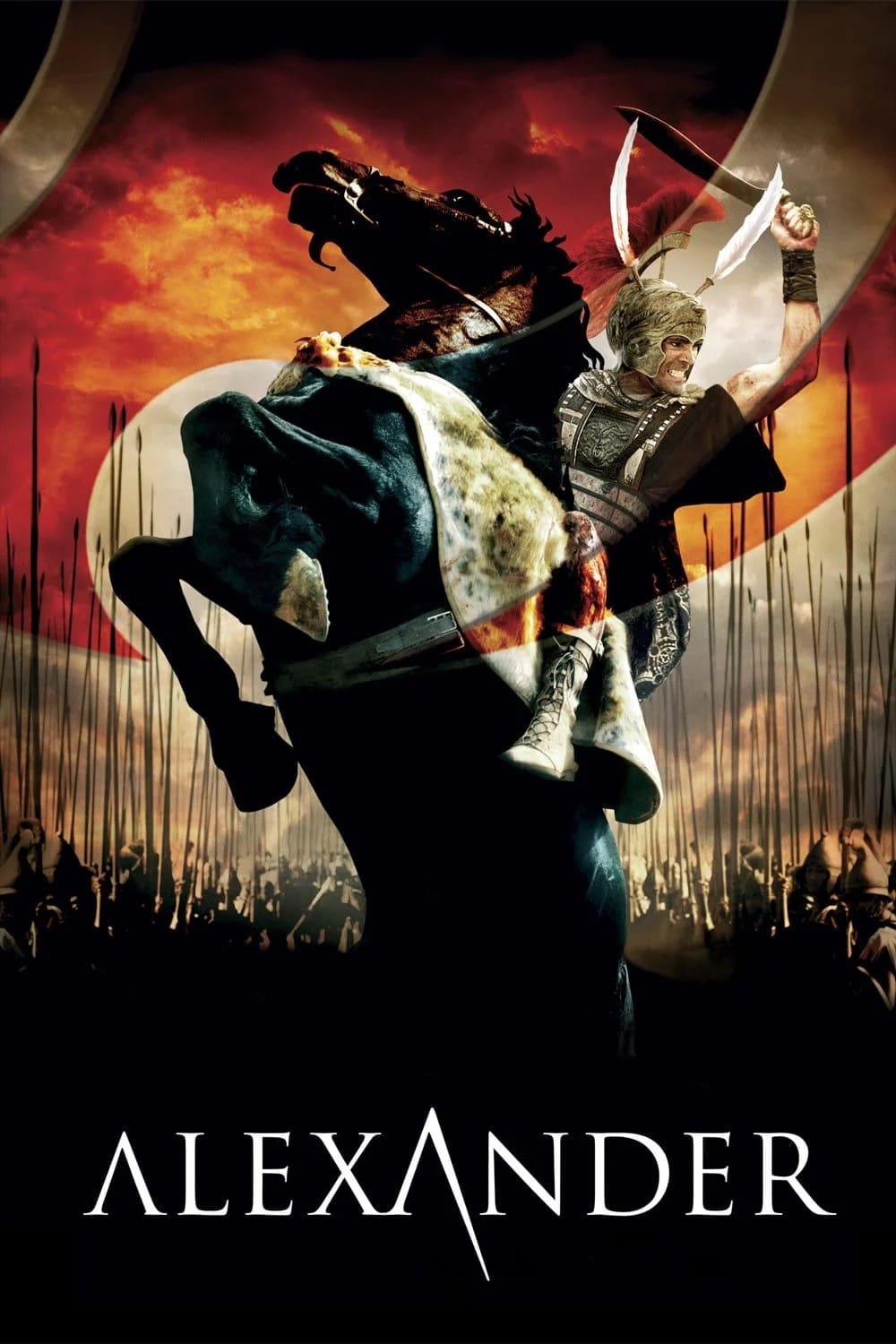
Oliver Stone’s epic featured Colin Farrell, Angelina Jolie, and a sprawling international shoot with multiple battle sequences. Post-production generated several alternate cuts, which muddied word-of-mouth about the definitive version. The campaign emphasized historical scope but couldn’t convert broad four-quadrant interest. Overseas markets provided some cushion, yet the domestic shortfall defined its reputation.
‘Sahara’ (2005)
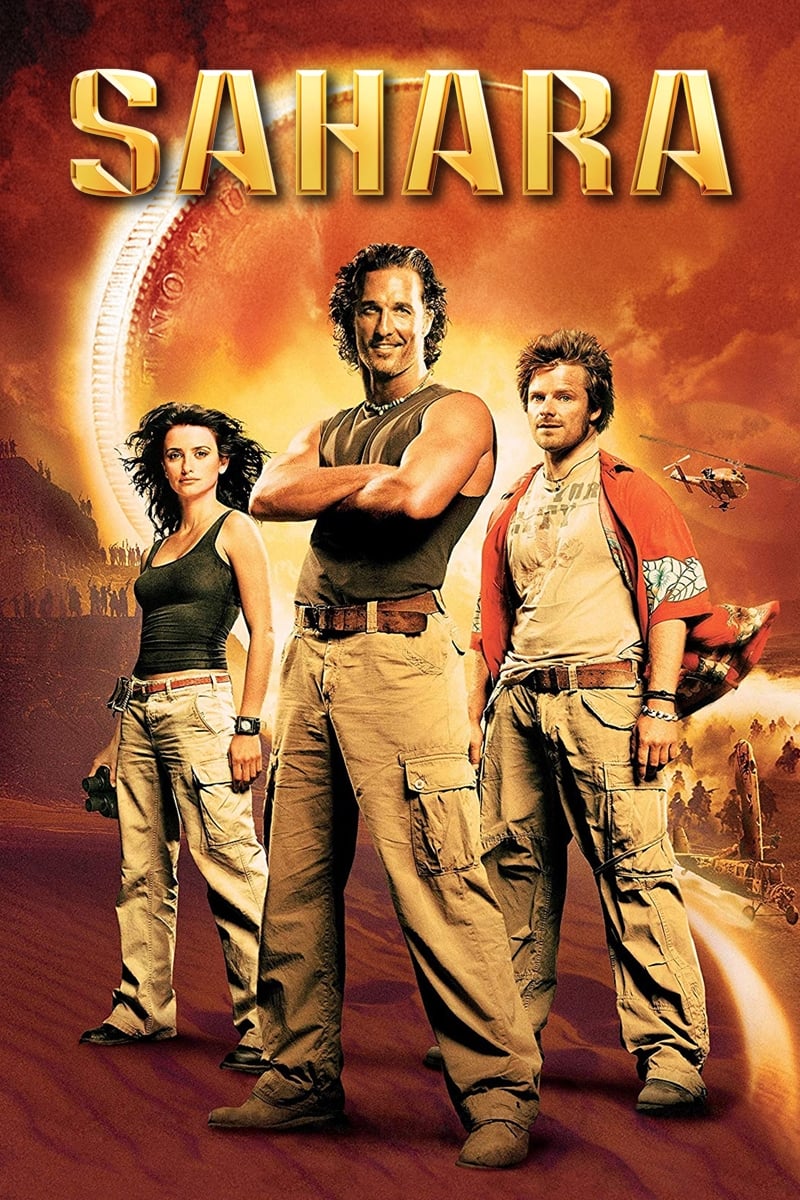
Matthew McConaughey and Penélope Cruz headlined this globe-trotting adventure adapted from a bestselling novel. Production costs rose with extensive location work and large-scale action set pieces. Despite a wide rollout and heavy advertising, attendance fell off after an initial burst. Legal disputes over expenses later spotlighted the film’s challenging financial footprint.
‘Speed Racer’ (2008)
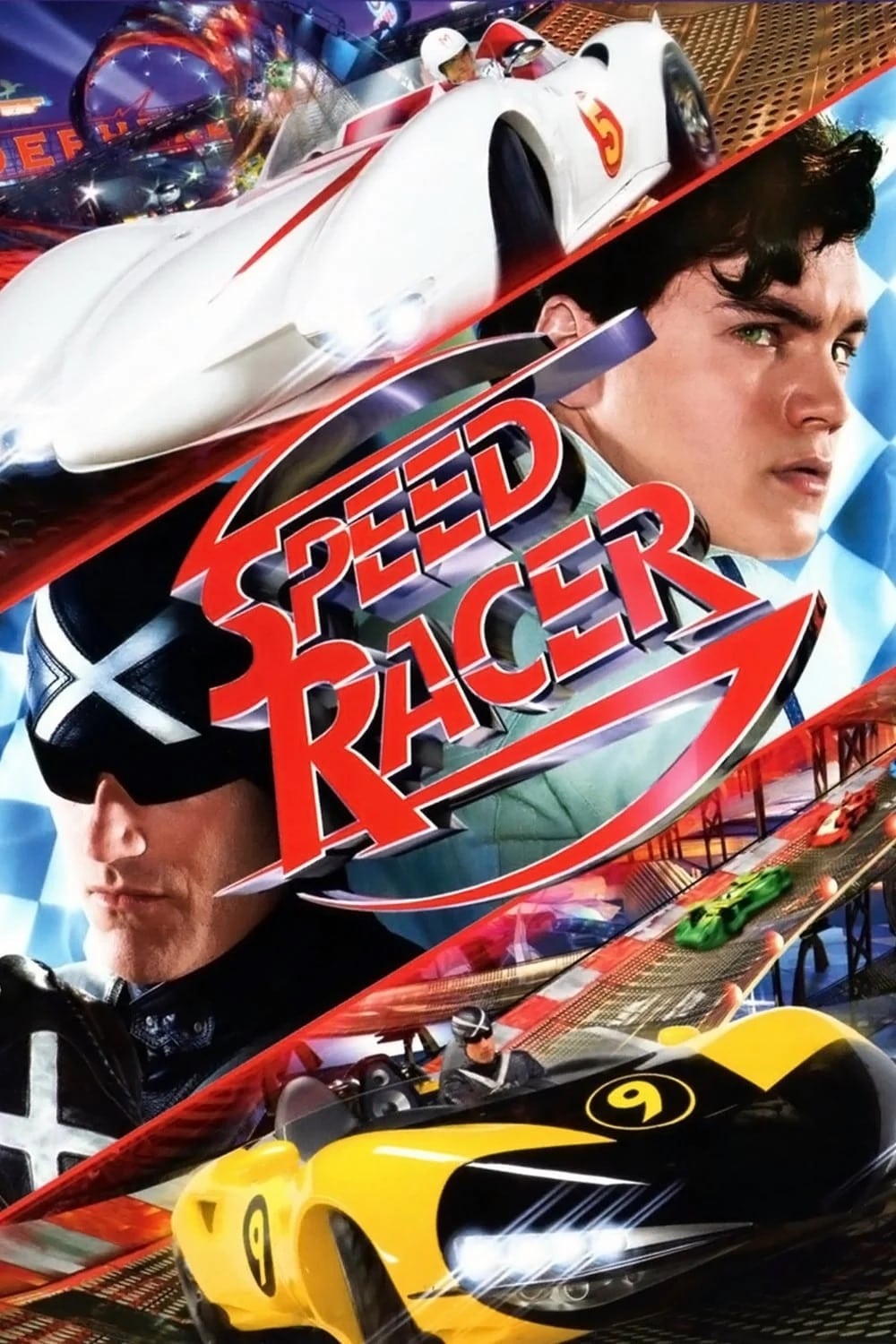
From the Wachowskis, this adaptation embraced a stylized, CG-heavy visual language and family positioning. The aesthetic drew attention but made the marketing pitch difficult for general audiences unfamiliar with the source. Competition from established franchises during its corridor proved stiff. Premium-format bookings couldn’t overcome soft weekday performance and limited legs.
‘All the King’s Men’ (2006)
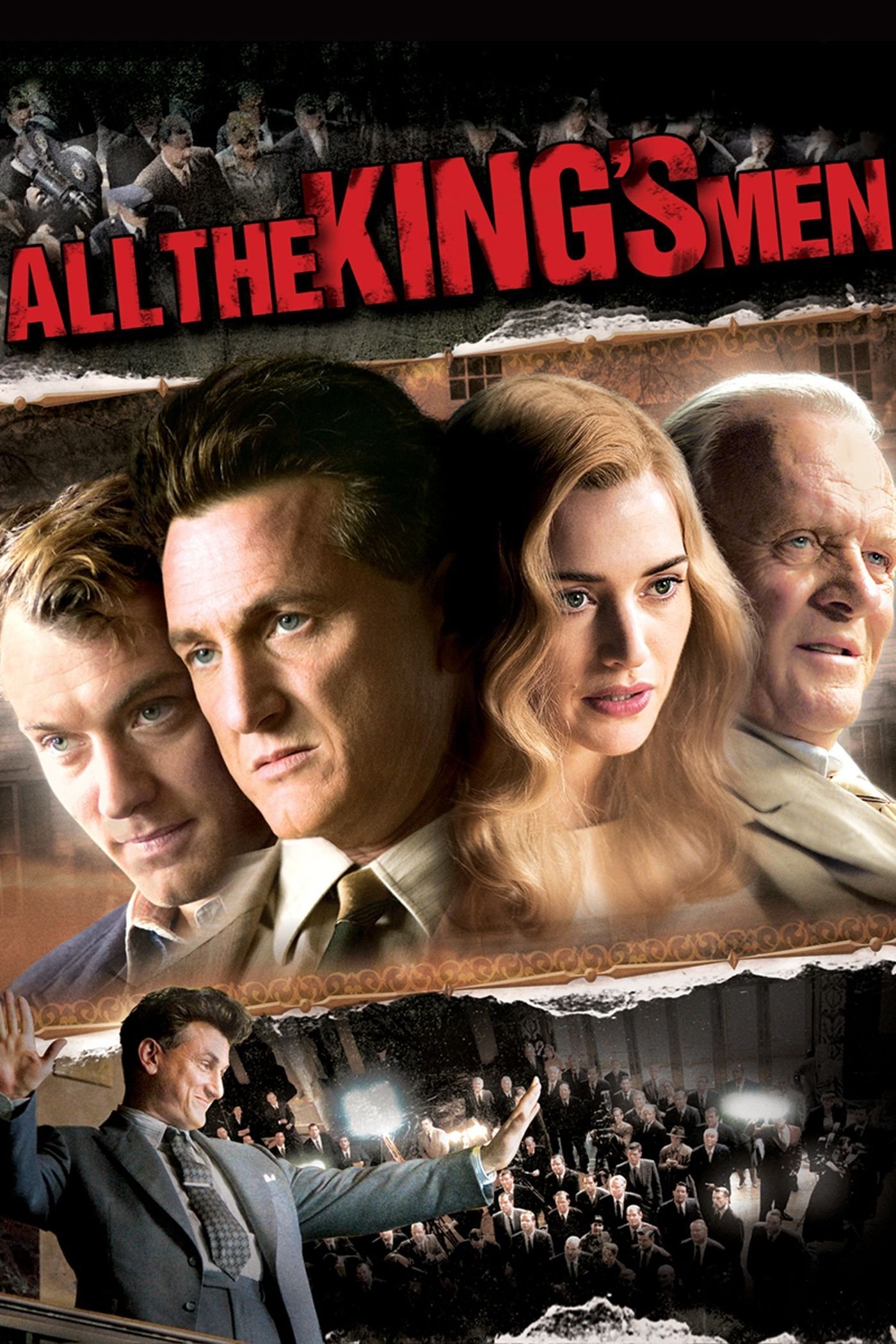
Sean Penn led an ensemble in this political drama adapted from a Pulitzer-winning novel. Awards-hopeful positioning heightened expectations, but early reviews dampened momentum. A platform strategy expanded slowly and never found sustained adult-audience turnout. The film exited theaters quickly despite name recognition and prestige packaging.
‘Jupiter Ascending’ (2015)
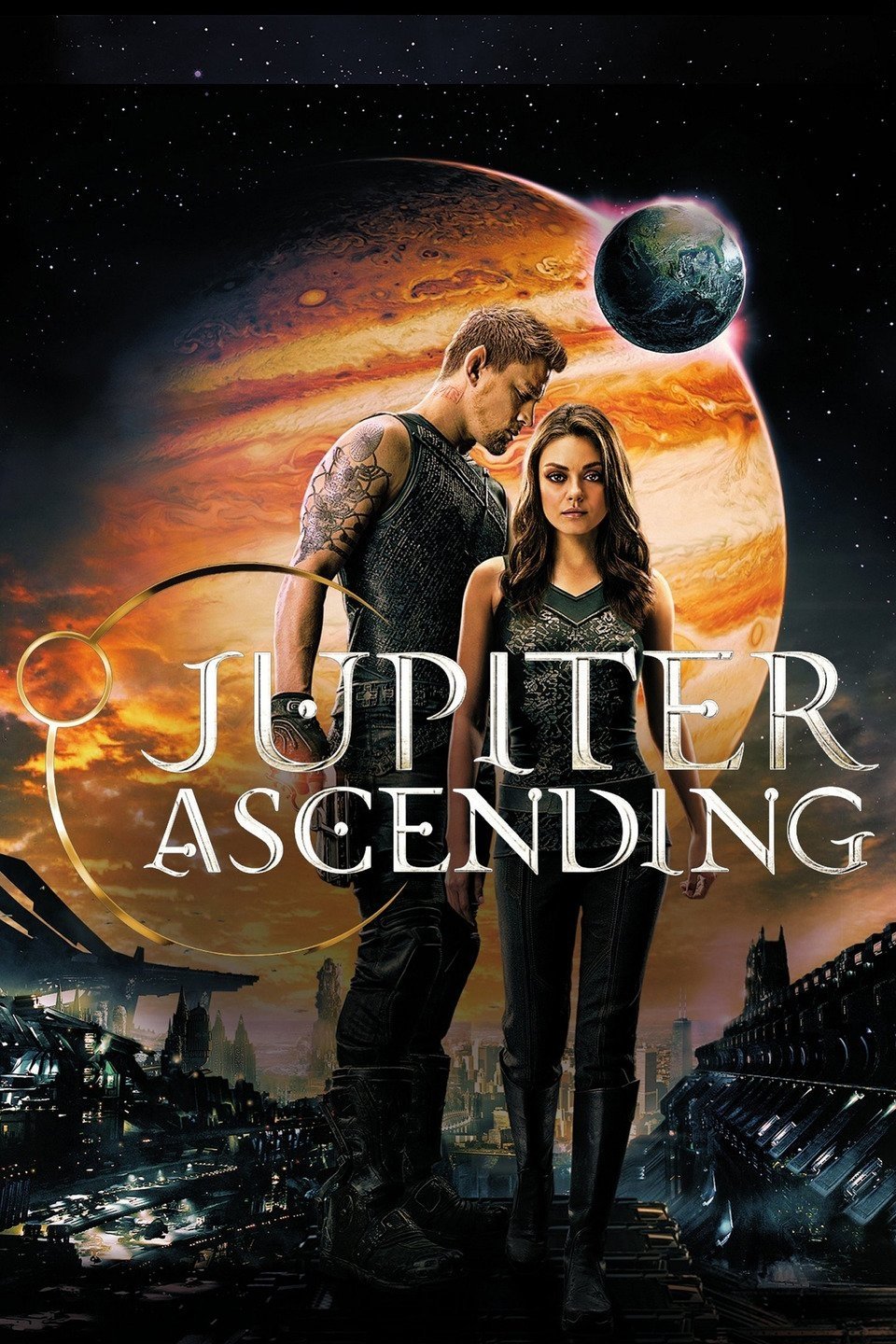
Channing Tatum and Mila Kunis anchored this original space opera with extensive world-building and visual-effects demands. A release-date shift moved it out of a prime window and signaled additional post-production needs. The marketing leaned on mythology that proved tough to explain in short-form spots. International results were mixed and couldn’t cover the large production spend.
‘Ben-Hur’ (2016)
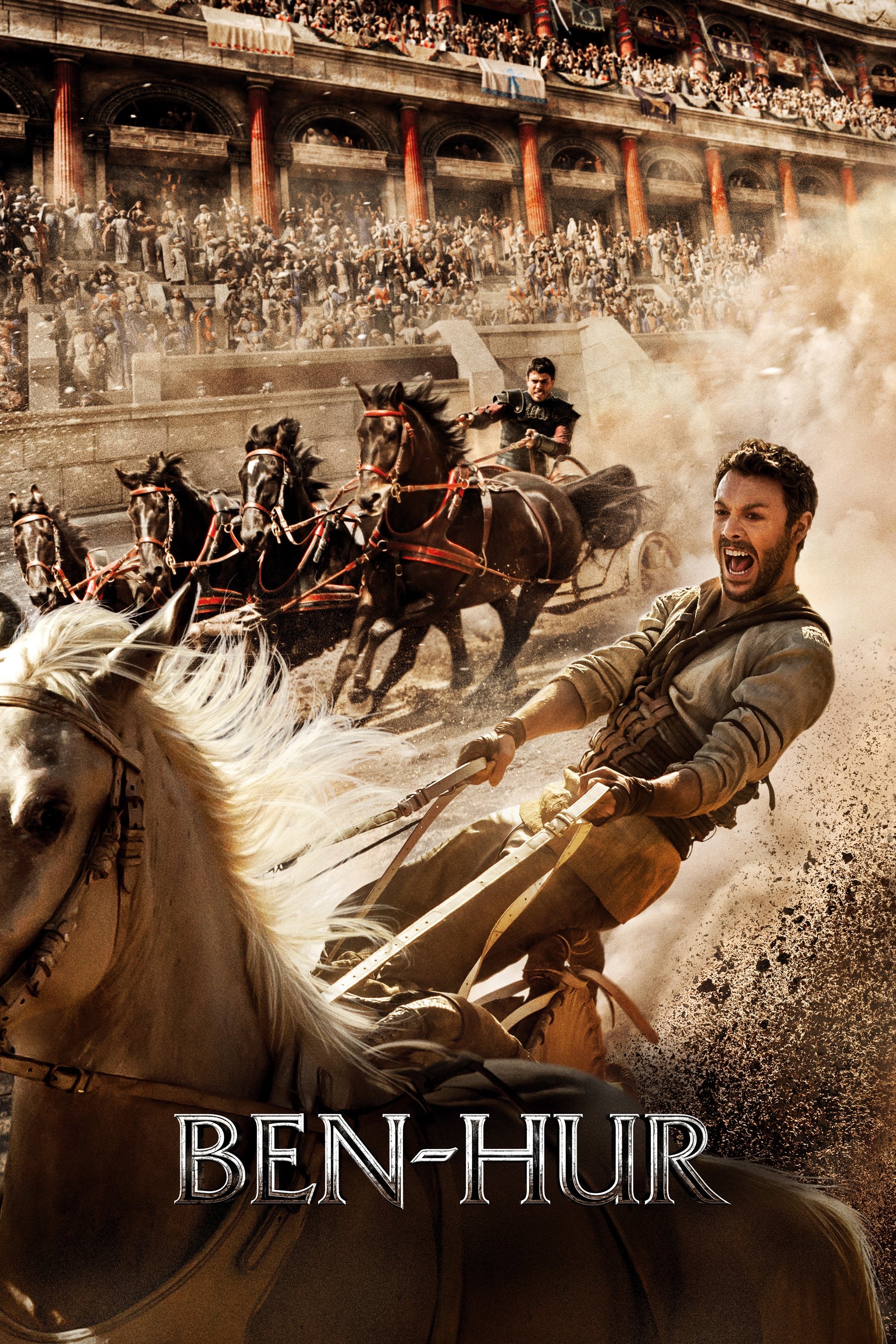
This remake arrived with ambitious chariot-race effects and faith-market outreach. The campaign sought to bridge action spectacle with inspirational messaging, which split targeting. Opening-weekend results fell behind expectations, and weekday attendance remained muted. Ancillary platforms provided limited afterlife relative to the investment.
‘The BFG’ (2016)

Steven Spielberg’s family fantasy combined mo-cap performance with large-scale CG environments. Summer placement placed it near louder franchise titles that dominated premium screens. Despite brand familiarity from the source material, walk-up traffic remained modest. The film’s gentle tone proved difficult to position as a must-see event.
‘King Arthur: Legend of the Sword’ (2017)
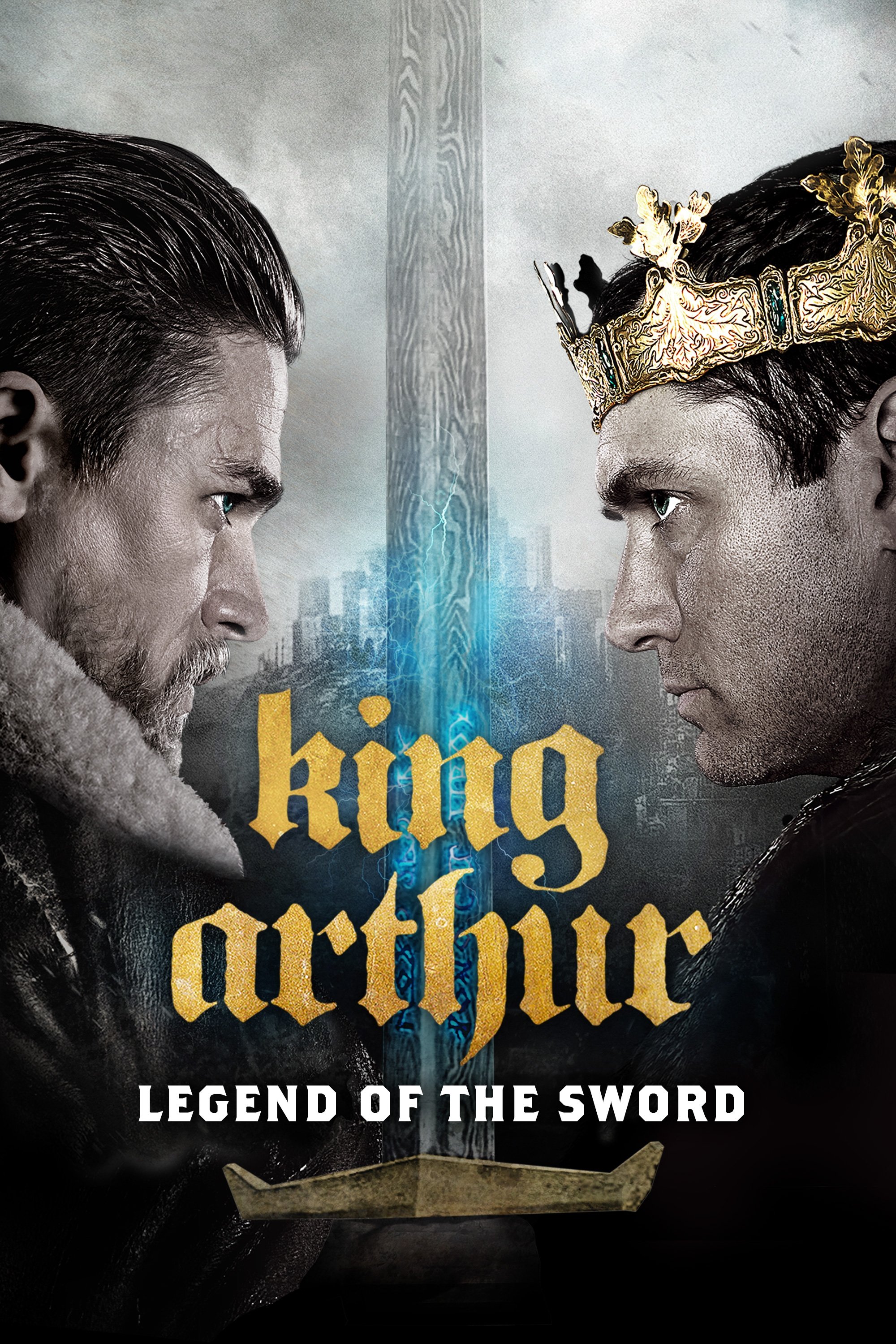
Guy Ritchie’s take on the myth featured Charlie Hunnam and Jude Law with a effects-forward, stylized action approach. Development changes and date moves raised costs and complicated rollout planning. Trailers emphasized mythology and scale but couldn’t secure strong pre-sales. A rapid screen reduction followed as competition intensified.
‘After Earth’ (2013)
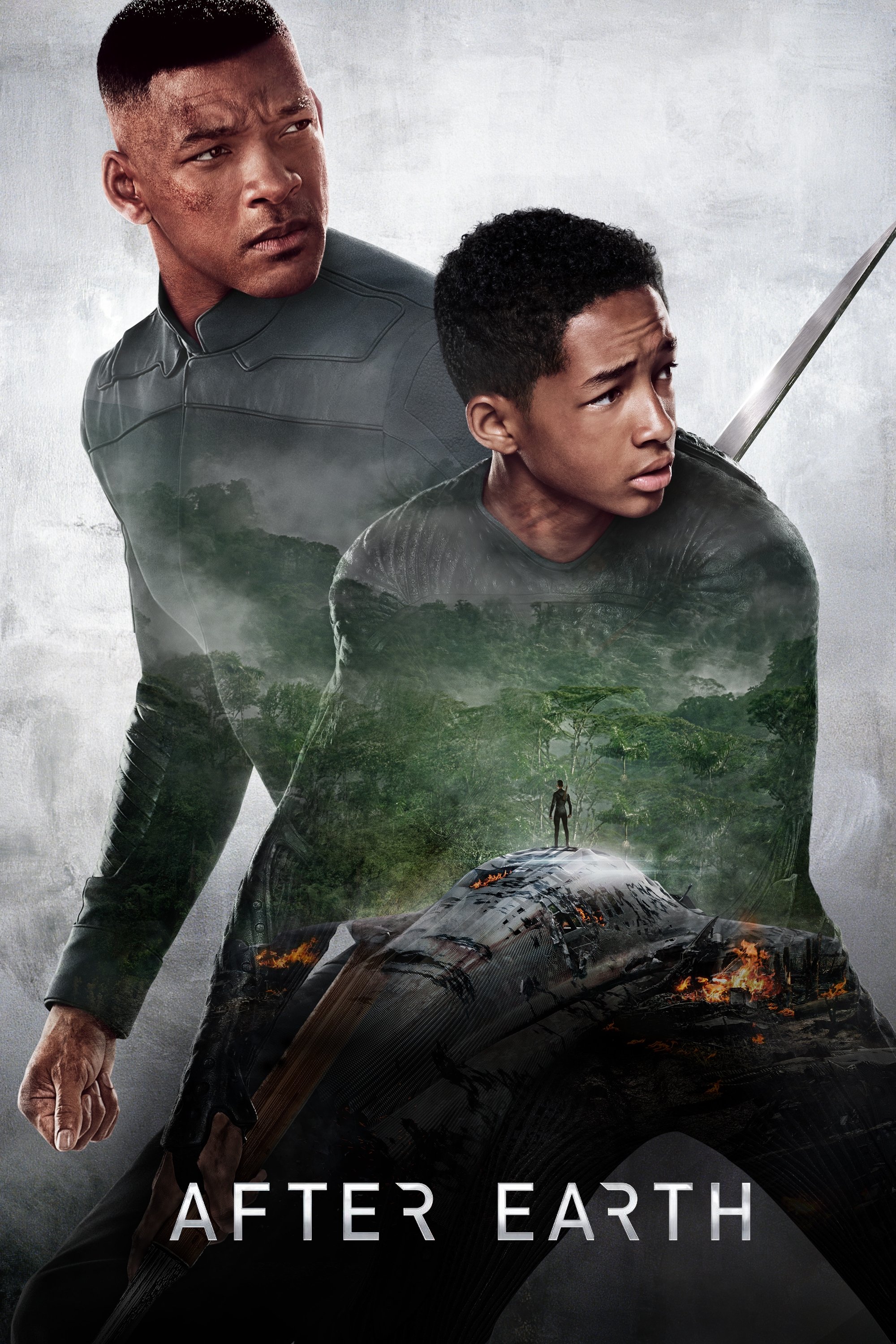
Will Smith and Jaden Smith starred in a survival story set on a hostile future Earth. The film’s marketing hinged on star power but contended with mixed early reactions. Opening strength did not translate into healthy second-week retention. International markets helped, yet the overall theatrical picture fell below expectations for a headliner vehicle.
‘Battlefield Earth’ (2000)
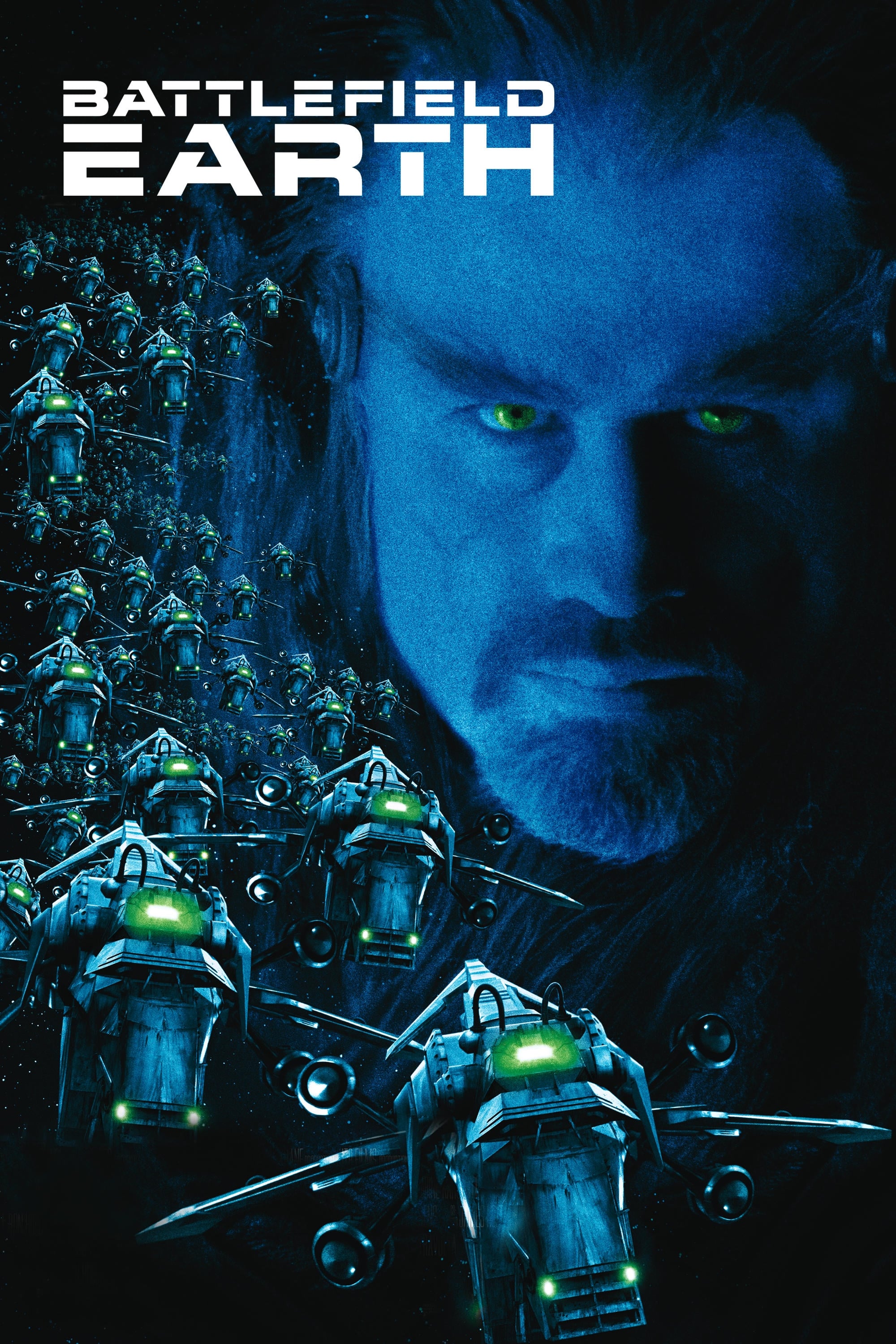
John Travolta’s passion project adapted from a well-known sci-fi novel and relied on heavy prosthetics and distinctive production design. Negative critical reception and early audience scores depressed word-of-mouth. The release lost premium screens quickly to stronger holdovers. It became a frequent industry reference point for high-profile sci-fi misfires.
‘Dolittle’ (2020)
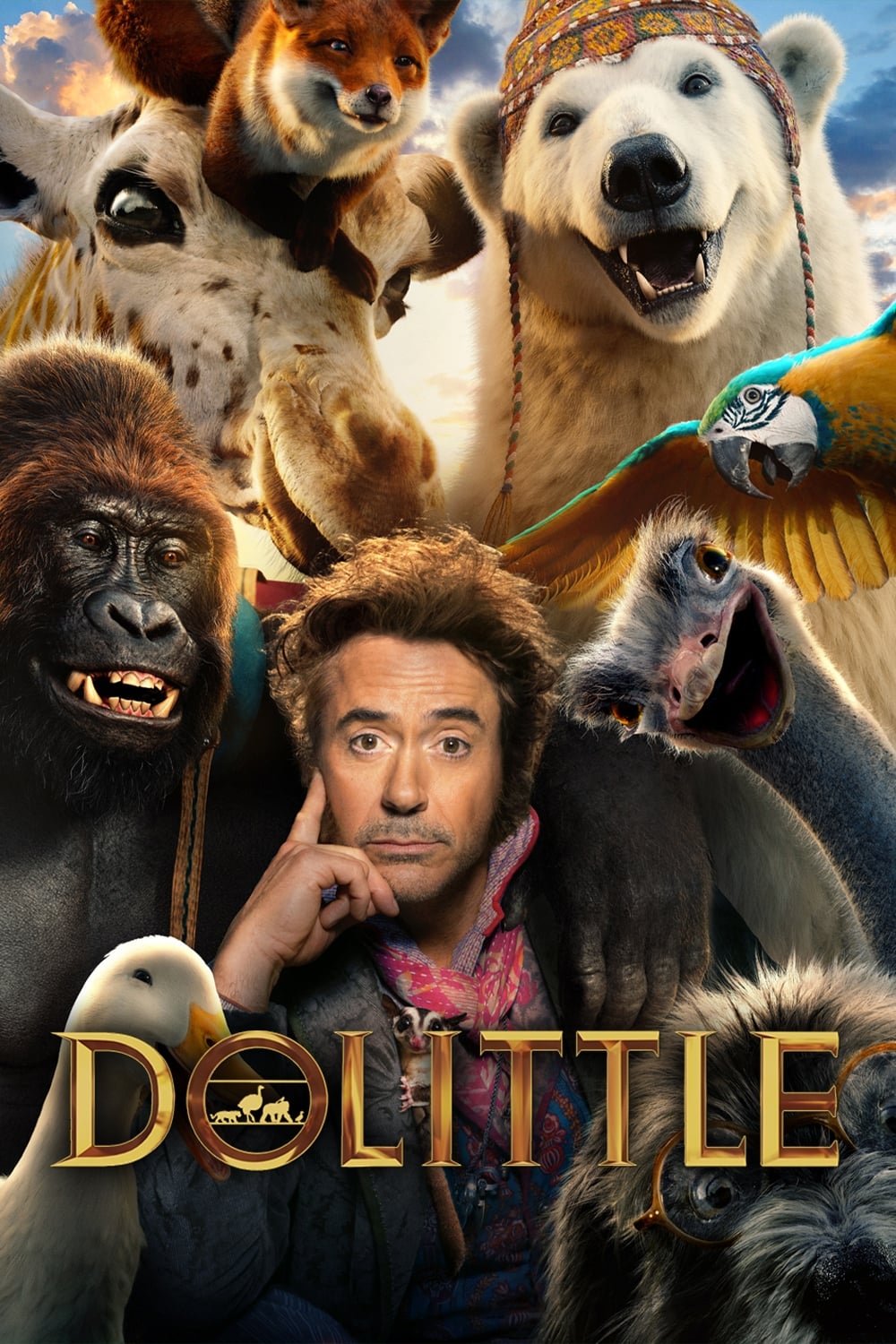
Robert Downey Jr. led this family adventure with extensive animal VFX and a well-known literary character. Reports of reshoots and tonal adjustments preceded release, creating uncertainty around the final cut. The film opened softly and faced fast-declining attendance once school holidays ended. International returns and home platforms did not reverse the costly theatrical gap.
‘Black Adam’ (2022)
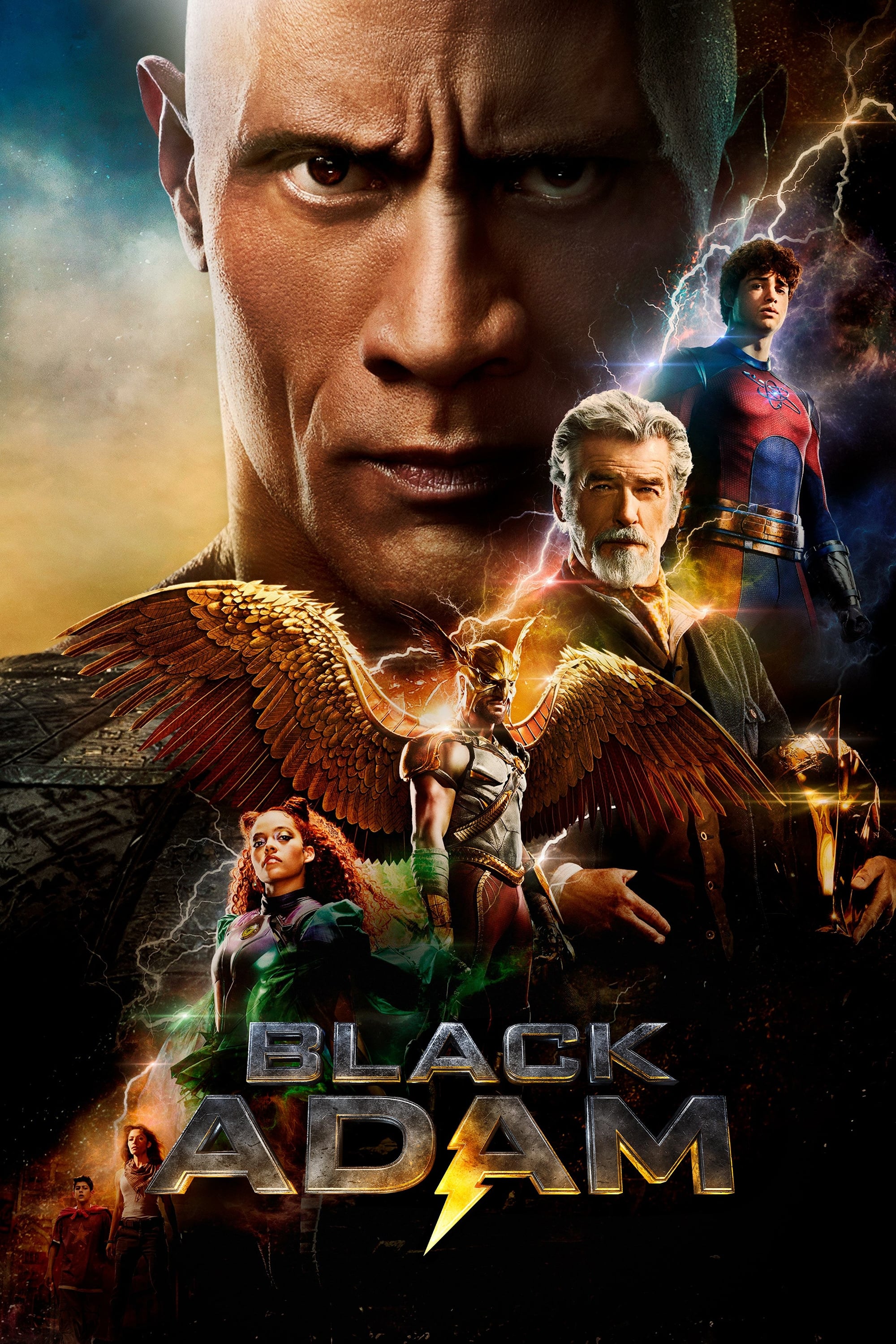
Dwayne Johnson headlined this antihero launch positioned as a cornerstone for future franchise plans. A lengthy promotional push spotlighted action scale and cameo teases, but audience repeat visits were limited. Front-loaded turnout faded faster than needed for a effects-driven tentpole. Plans for immediate sequels were reconsidered after the domestic trajectory became clear.
‘Babylon’ (2022)
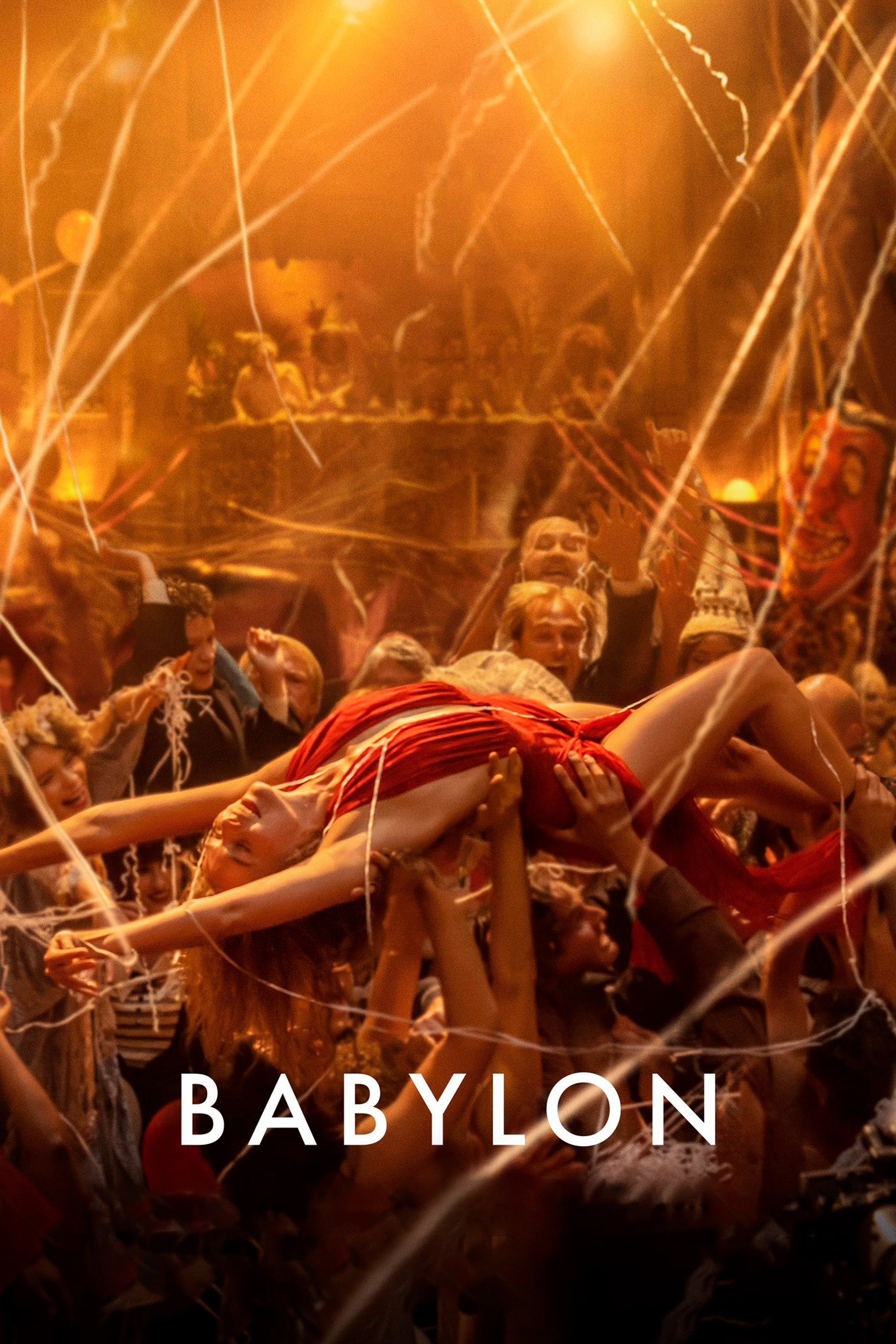
Brad Pitt and Margot Robbie led an ensemble portrait of early Hollywood with large sets, period costuming, and expansive party sequences. Awards-season placement didn’t translate into strong turnout for lengthy theatrical play. Marketing leaned on kinetic trailers that proved more buzzy than persuasive. The film’s per-theater averages waned quickly after opening.
Share your own picks for high-profile box-office misfires in the comments and tell us which titles surprised you most!