Every ‘Alien’ Movie Ranked from Worst to Best

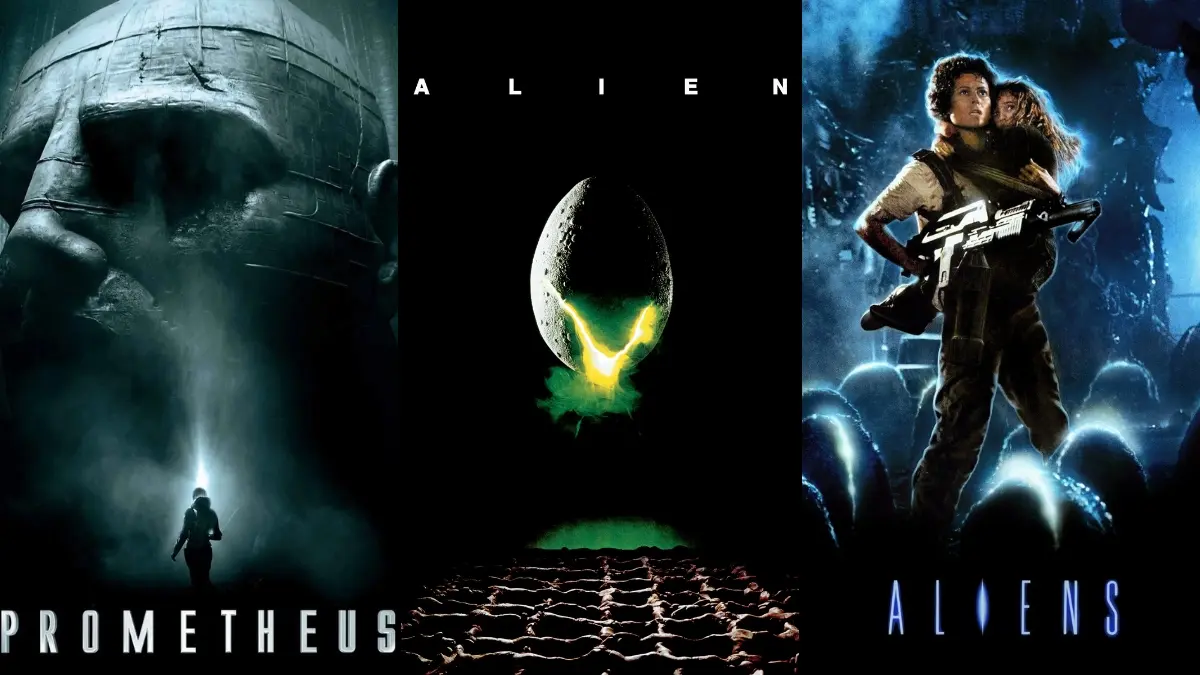

From grimy corridors to derelict moons, the ‘Alien’ series has stretched across decades, directors, and tones—spawning prequels, crossovers, and a fresh revival. Below is the whole saga arranged as a clean countdown from worst to best by audience consensus, covering who made each entry, where it fits in the timeline, and what it’s about. You’ll find directors, casts, settings, and key production details so you can track how the xenomorph evolved on screen over time.
‘Aliens vs Predator: Requiem’ (2007)

Directed by Colin and Greg Strause, this crossover sequel continues immediately after the events of ‘Alien vs. Predator’ and brings the conflict to a small Colorado town. It follows a Predalien outbreak and a lone Predator dispatched to contain the contamination, with the action centered on civilian evacuation and containment efforts. The film was shot primarily in British Columbia and is known for extensive creature-suit work and on-set practical gore effects. It functions as a side story to the main ‘Alien’ timeline and does not feature characters from the Weyland-Yutani arc.
‘AVP: Alien vs. Predator’ (2004)
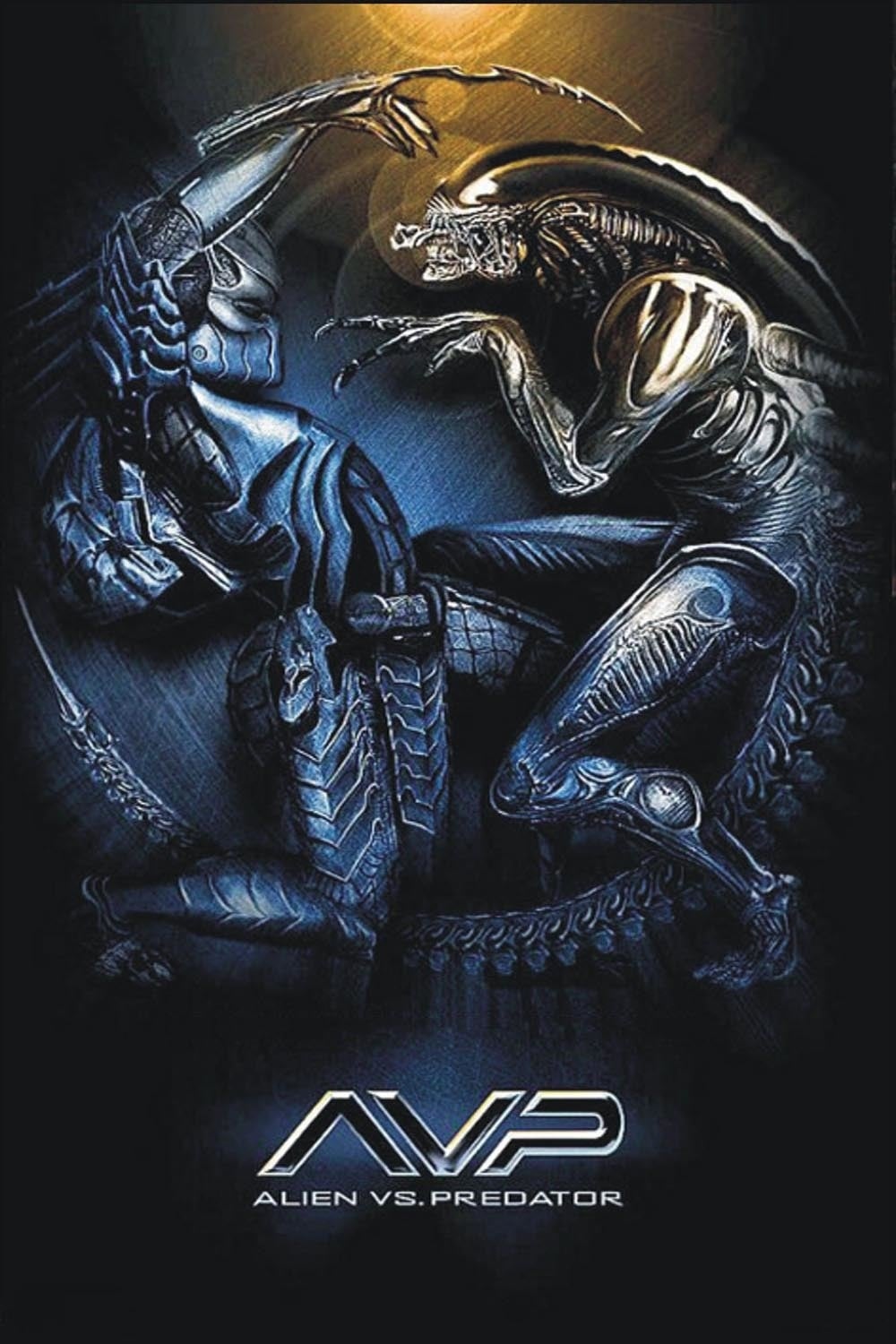
Directed by Paul W. S. Anderson, this entry stages a clandestine expedition to an ancient pyramid beneath Antarctica where Predators hunt xenomorphs as a rite of passage. The story connects to the wider franchise through the inclusion of Charles Bishop Weyland, tying corporate mythology to the crossover setup. Production emphasized practical creature effects by Amalgamated Dynamics, with miniature work and large-scale pyramid sets. It sits outside the core Ellen Ripley narrative while nodding to ‘Alien’ technology and company lore.
‘Alien Resurrection’ (1997)

Directed by Jean-Pierre Jeunet from a screenplay by Joss Whedon, this installment is set centuries after the earlier films and centers on a cloned Ellen Ripley—engineered to recover the xenomorph queen. The cast includes Winona Ryder, Ron Perlman, and Dominique Pinon, and features hybrid creature concepts that expand the species’ biology. Filmed largely at Fox studios with extensive animatronics and underwater stunt work, it leans on practical effects augmented by late-90s digital compositing. It continues the Weyland-Yutani thread via military-industrial research and illicit bioweapon aims.
‘Alien³‘ (1992)

Directed by David Fincher in his feature debut, this chapter strands Ripley on Fiorina 161, a penal foundry planet populated by inmates and custodial staff. The production is notable for its turbulent development, with multiple script iterations and significant reshoots, and it features a dog/ox-borne xenomorph variant depending on the released cut. Visual effects combine suit performance, rod puppetry, and early digital compositing for creature shots. The film’s different edits—the theatrical release and the later Assembly Cut—present alternate character beats and plot details.
‘Alien: Covenant’ (2017)

Directed by Ridley Scott, this sequel to ‘Prometheus’ follows the colony ship Covenant as its crew diverts to a seemingly habitable world and encounters David, the android survivor. Michael Fassbender, Katherine Waterston, and Billy Crudup lead the cast as the narrative bridges engineered pathogens with the emergence of more familiar xenomorph forms. Creature design blends new protomorph concepts with classic life-cycle elements, using practical suits alongside modern VFX. The film advances the prequel arc that explores the Engineers, synthetic autonomy, and the origins of the species.
‘Prometheus’ (2012)

Ridley Scott’s return to the universe serves as a prequel focused on the Engineer civilization and humanity’s origins, centering on the exploratory vessel Prometheus. Noomi Rapace, Michael Fassbender, Charlize Theron, and Idris Elba head the cast as the crew investigates a star map and uncovers bioweapon research. Production emphasized large physical sets, stereoscopic photography, and hybrid practical-CG creature effects to depict black-goo pathogens and early life-cycle forms. The story seeds corporate motives, Engineer technology, and bioengineering threads that feed into later events.
‘Alien: Romulus’ (2024)

Directed by Fede Álvarez and set between ‘Alien’ and ‘Aliens’, this standalone story follows a group of young colonists who board a derelict station and trigger a classic encounter with facehuggers and xenomorphs. Production highlights include practical creature work supervised by legacy effects teams and a return-to-basics haunted-station setting. The cast features Cailee Spaeny and David Jonsson, with narrative ties that reference Weyland-Yutani’s reach and frontier colonization. Its placement fills in universe history during the period of expanding human settlement and corporate salvage activity.
‘Aliens’ (1986)

Written and directed by James Cameron, the sequel shifts to a Marine-led rescue mission on LV-426 after contact with a terraforming colony is lost. Sigourney Weaver returns as Ellen Ripley alongside Michael Biehn, Carrie Henn, and Bill Paxton, with military hardware designed in collaboration with armorers and special-effects teams. The production is recognized for miniature photography, full-scale corridor sets, and hydraulic queen-alien puppetry. It expands the corporate-colonial framework, introduces Colonial Marines doctrine, and codifies the hive structure and queen biology.
‘Alien’ (1979)
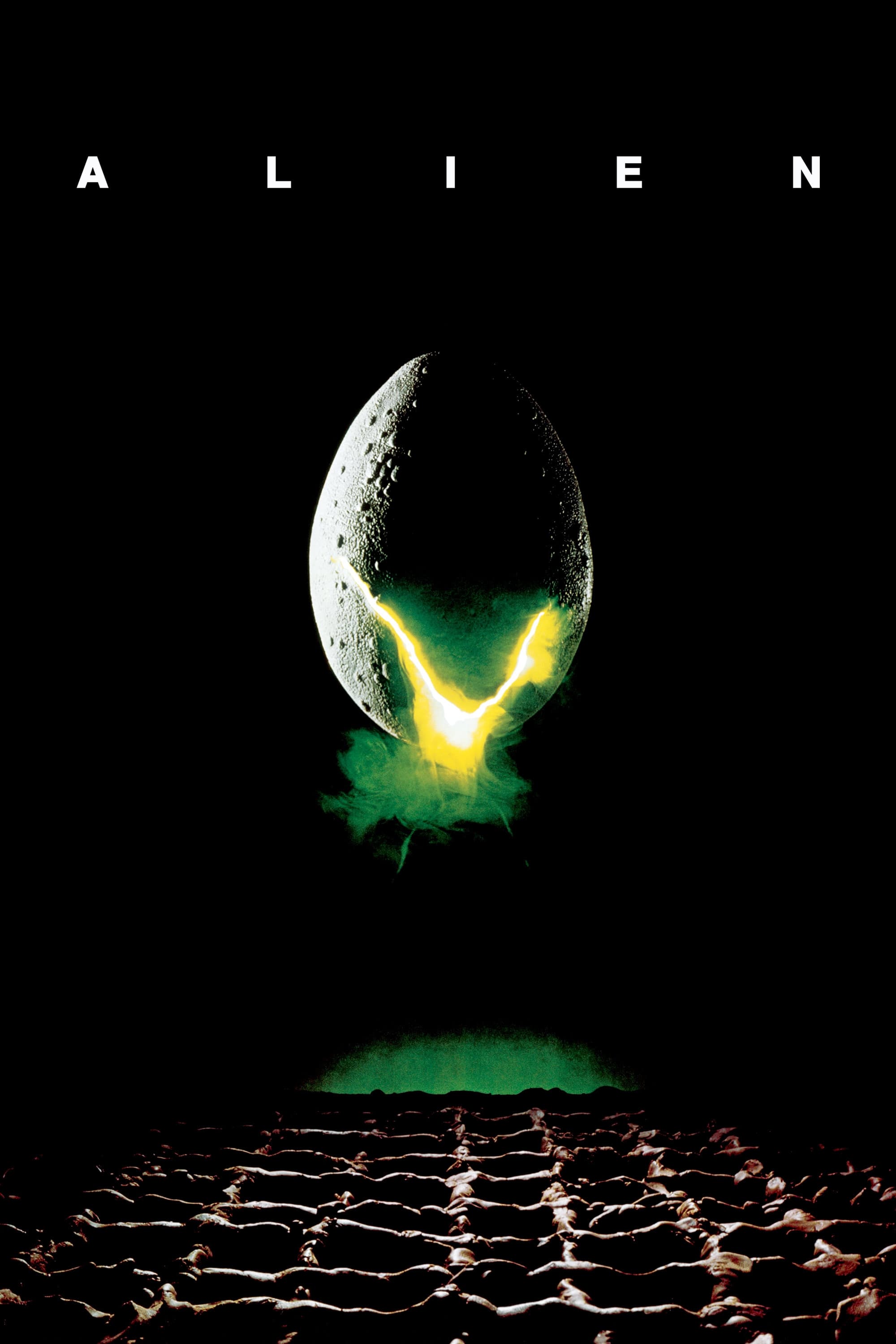
Directed by Ridley Scott from a story by Dan O’Bannon and Ronald Shusett, the original film follows the commercial towing vessel Nostromo responding to a distress signal. The cast includes Sigourney Weaver, Tom Skerritt, John Hurt, Ian Holm, and Yaphet Kotto, with creature and production design by H. R. Giger, Ron Cobb, and Chris Foss. Filming employed expansive practical sets, miniatures, and suit performance to realize the life cycle from egg to chestburster to adult. It establishes core elements of the universe—Weyland-Yutani’s directives, derelict alien technology, and the xenomorph’s parasitic biology—that underpin all subsequent entries.
Tell us how you’d order the saga and which entries you revisit most often in the comments!