Actors Who Never Watch Their Own Movies

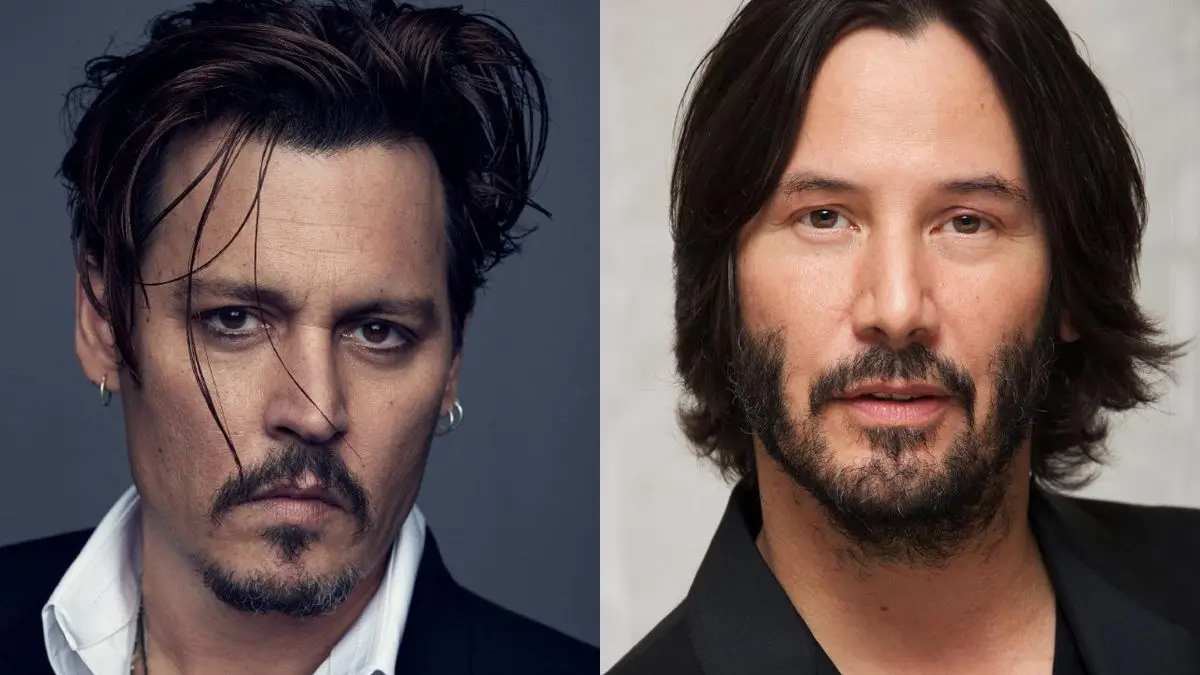

Some actors love attending premieres and revisiting their performances on screen, but others steer clear once filming wraps. Many say watching themselves leads to overthinking, while some prefer relying on audience and collaborator feedback instead. A few make rare exceptions for technical checks or major franchise moments, yet their general rule stays the same. Here are notable male actors who have openly said they avoid watching their own work.
Johnny Depp
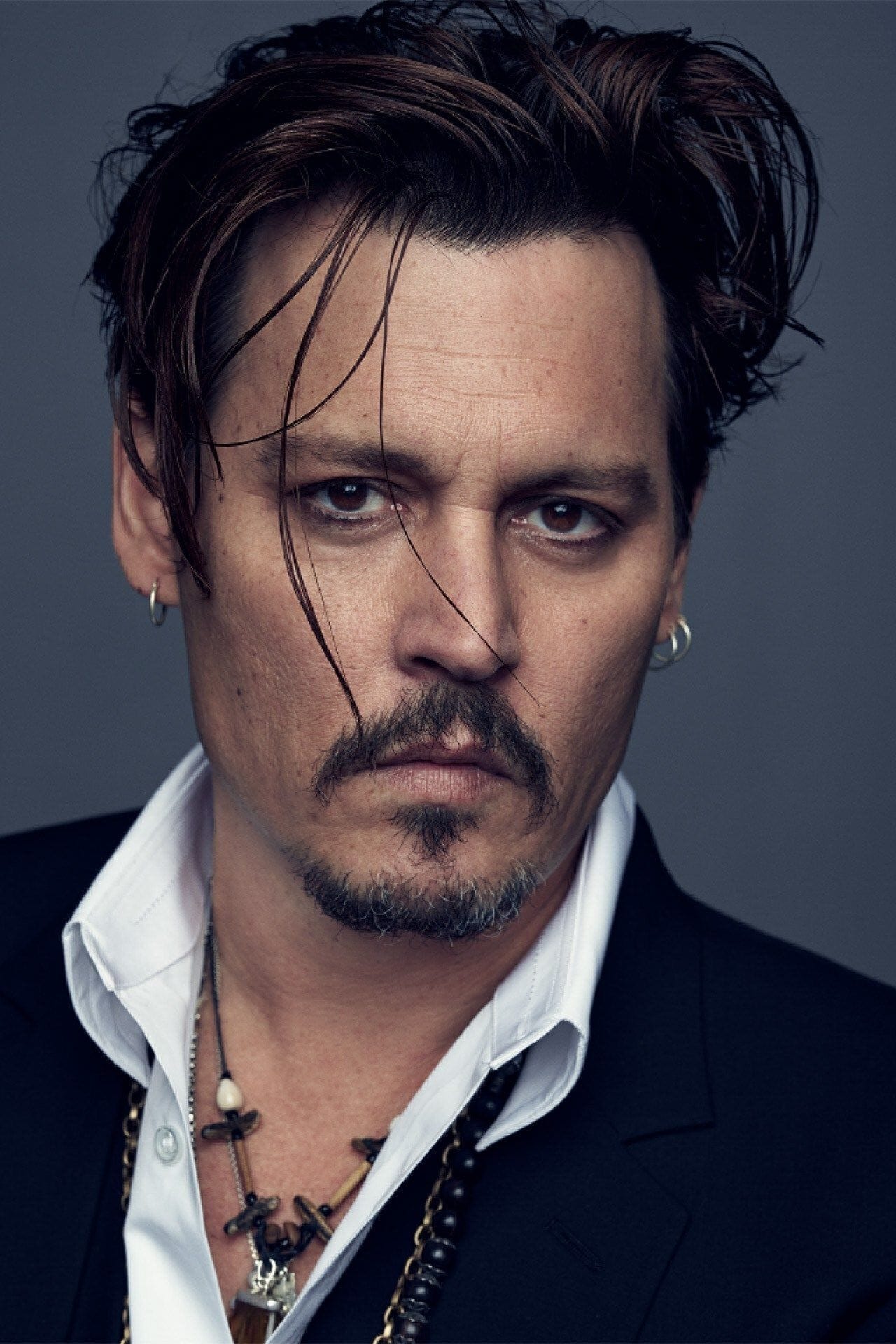
Johnny Depp has explained in interviews that he prefers not to watch his films once the job is done. He has said that staying away helps him avoid second-guessing choices after the fact. Colleagues and family sometimes see his work before he does, including entries in the ‘Pirates of the Caribbean’ series. Depp has also mentioned missing premieres or leaving early to keep the habit intact.
Joaquin Phoenix
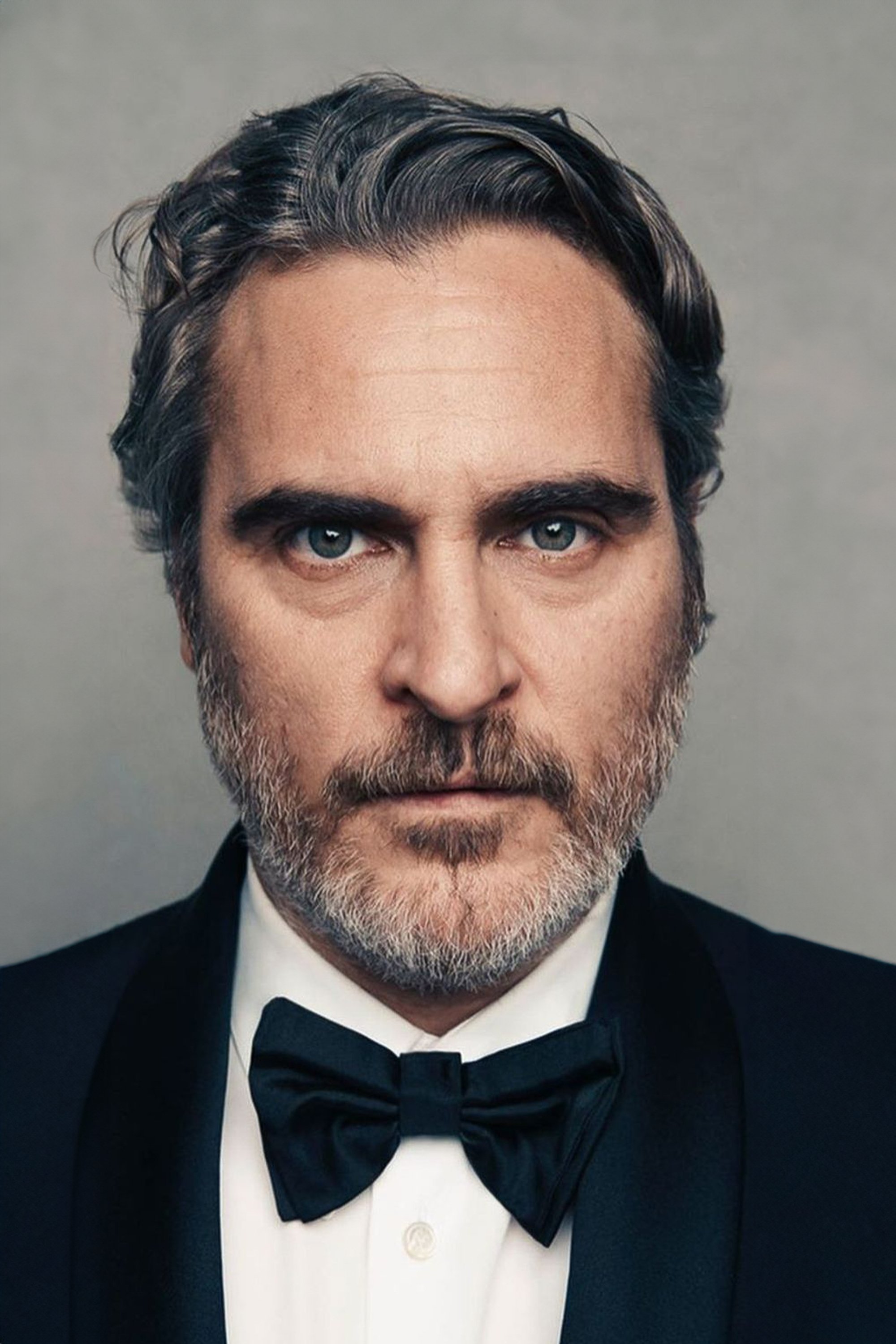
Joaquin Phoenix has repeatedly said he does not watch his performances because it interferes with how he approaches future roles. He has acknowledged making very rare exceptions, but generally avoids screenings even for celebrated titles like ‘Joker’. Phoenix has described the experience as distracting rather than instructive. He relies on the process and collaborators rather than reviewing finished cuts.
Adam Driver
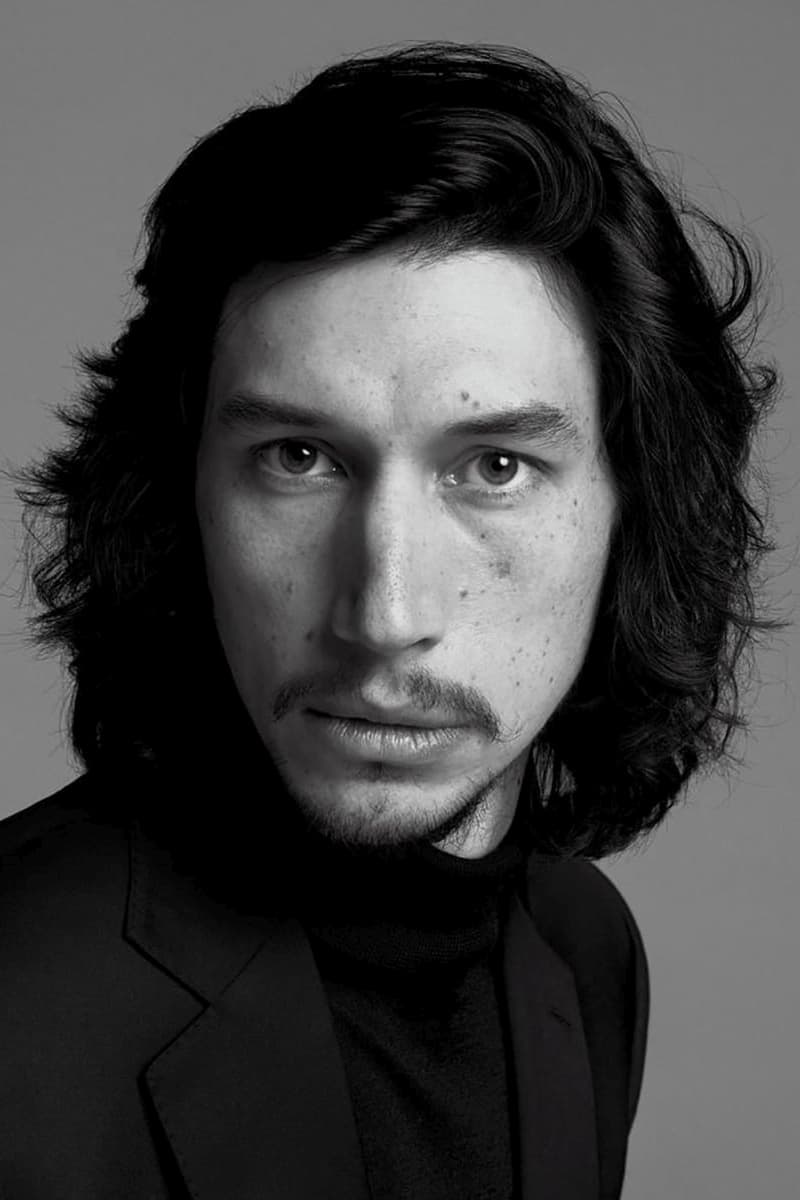
Adam Driver stopped watching himself after early television work made him focus on perceived mistakes. He keeps that boundary on film sets and in press settings to protect his process. Driver has made an occasional exception for major cultural milestones such as ‘Star Wars’. Even then, he has said the experience feels unusual and not especially helpful.
Jesse Eisenberg
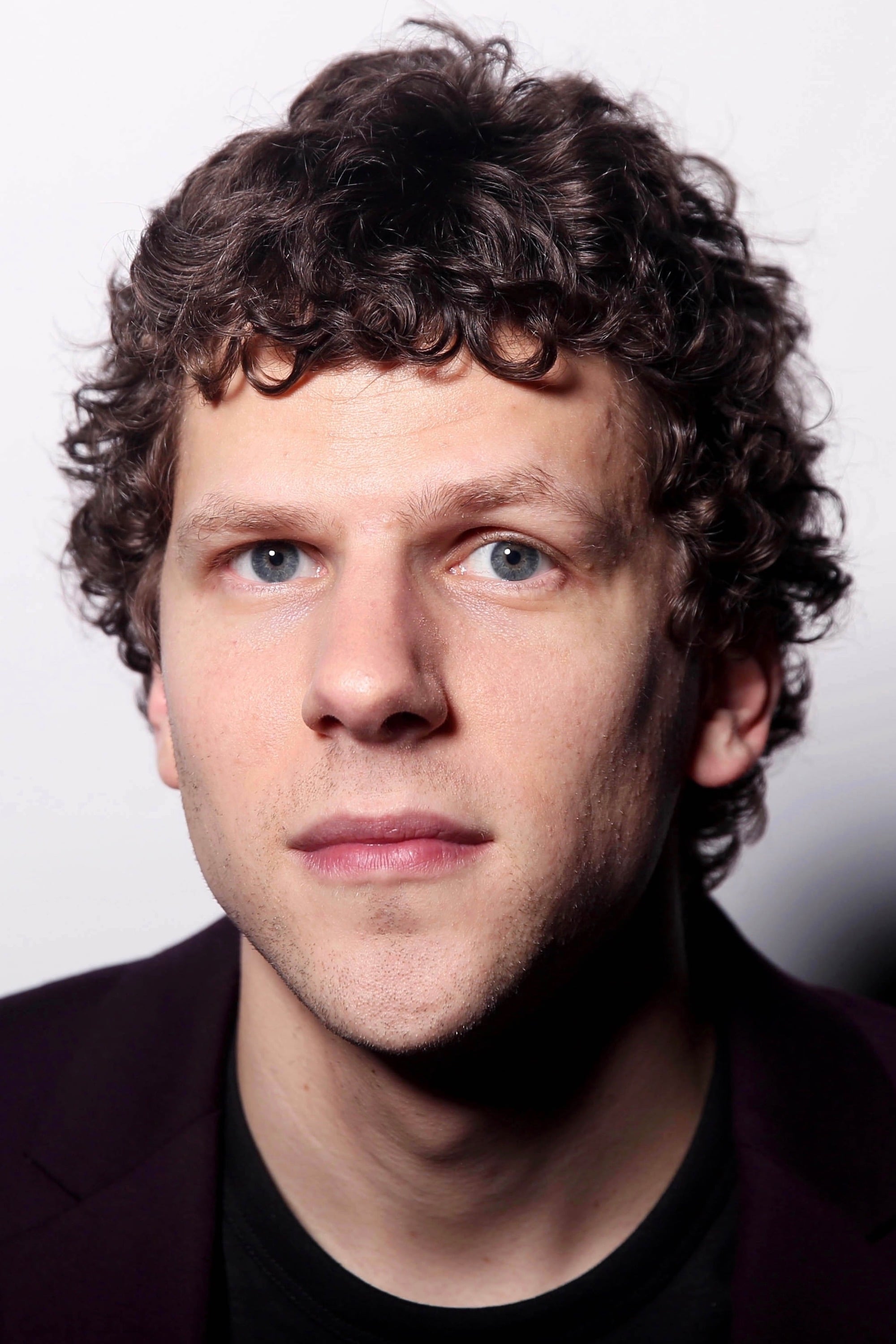
Jesse Eisenberg has compared watching his own films to looking at unflattering photos, which he finds counterproductive. He avoids premieres when possible and refrains from viewing completed cuts. Eisenberg has explained that distance helps him move on to the next project without fixating on details. This applies even to high-profile releases such as ‘The Social Network’.
Andrew Garfield
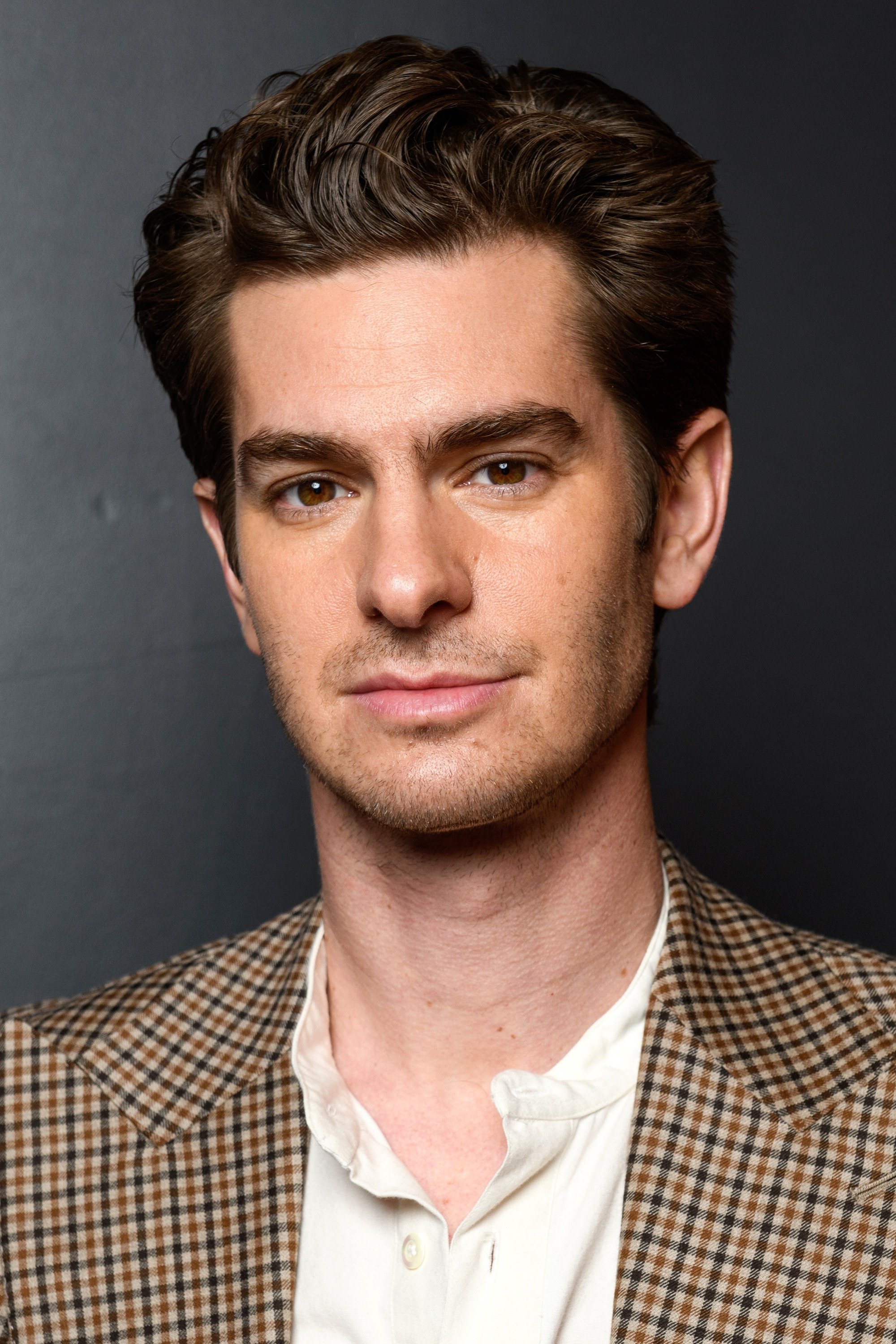
Andrew Garfield has said he avoids watching himself because it can make him self-conscious. He wants to stay open to the moment rather than analyze outcomes after the fact. Garfield noted that he was once required to sit through ‘The Social Network’ but does not make a habit of it. He keeps feedback loops focused on the work environment instead of finished scenes.
Javier Bardem
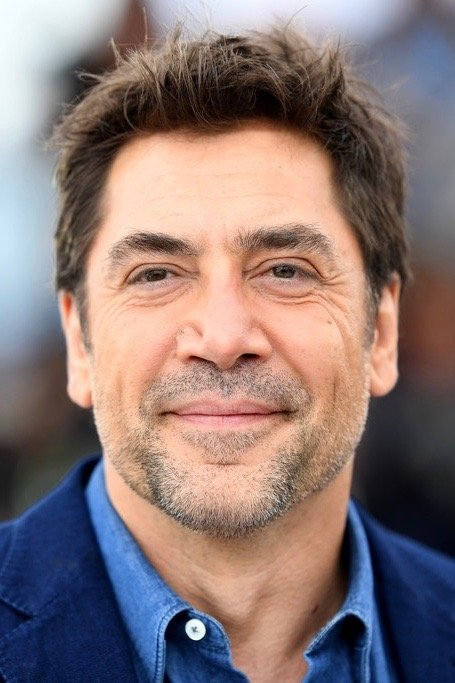
Javier Bardem has openly said he dislikes seeing his own face and hearing his own voice on screen. He avoids screenings to prevent excessive self-critique that could affect future performances. Bardem’s stance has remained consistent across prestige projects and blockbusters alike, including ‘No Country for Old Men’ and ‘Skyfall’. He emphasizes preparation and trust in collaborators over self-viewing.
Jared Leto
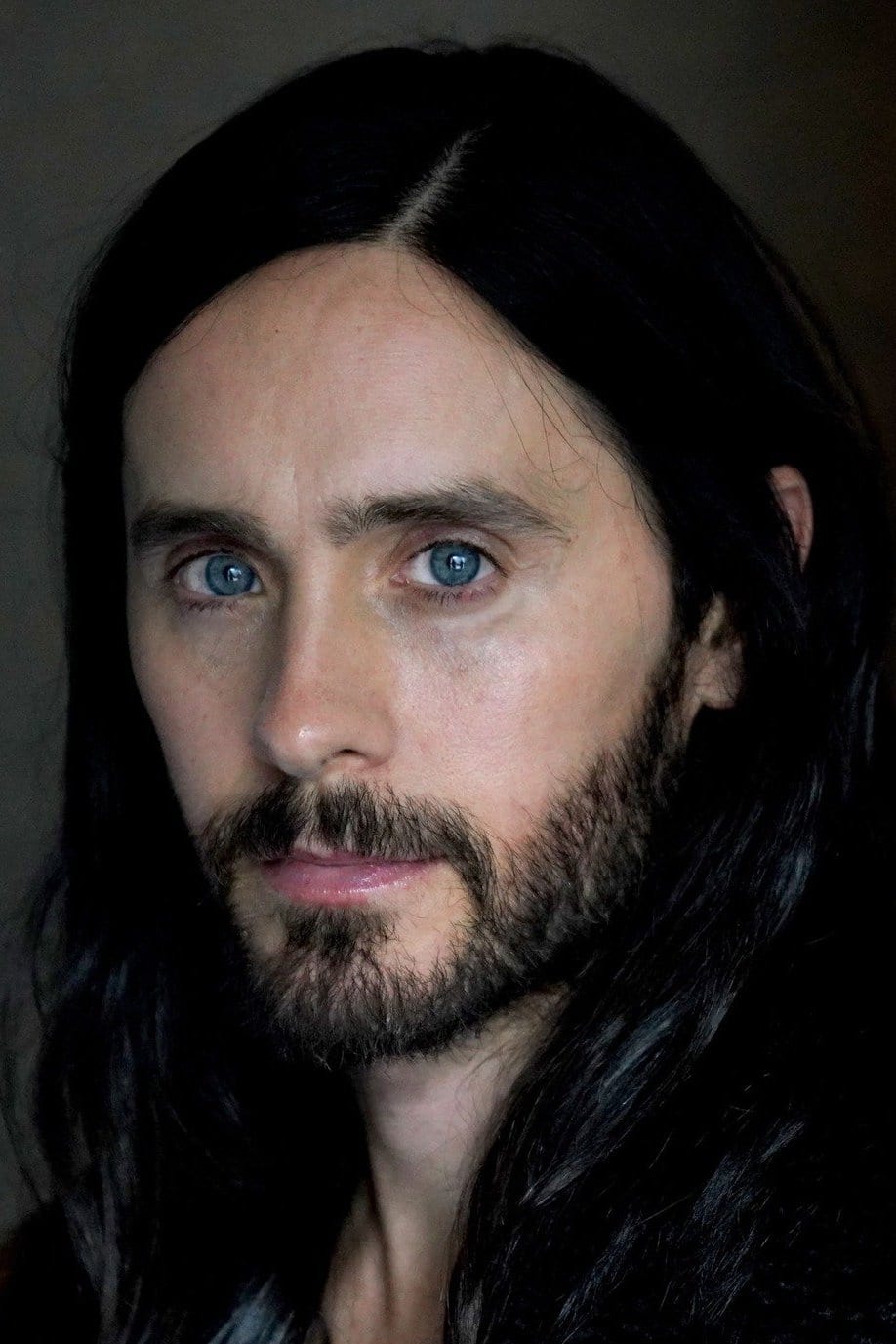
Jared Leto has said the creative experience happens during production, not during playback. He has admitted going long stretches without seeing his own films, citing ‘Requiem for a Dream’ as the last one he watched for many years. Leto prefers to leave final judgment to audiences and directors. This approach carried through awards seasons, including his supporting role in ‘Dallas Buyers Club’.
Zac Efron
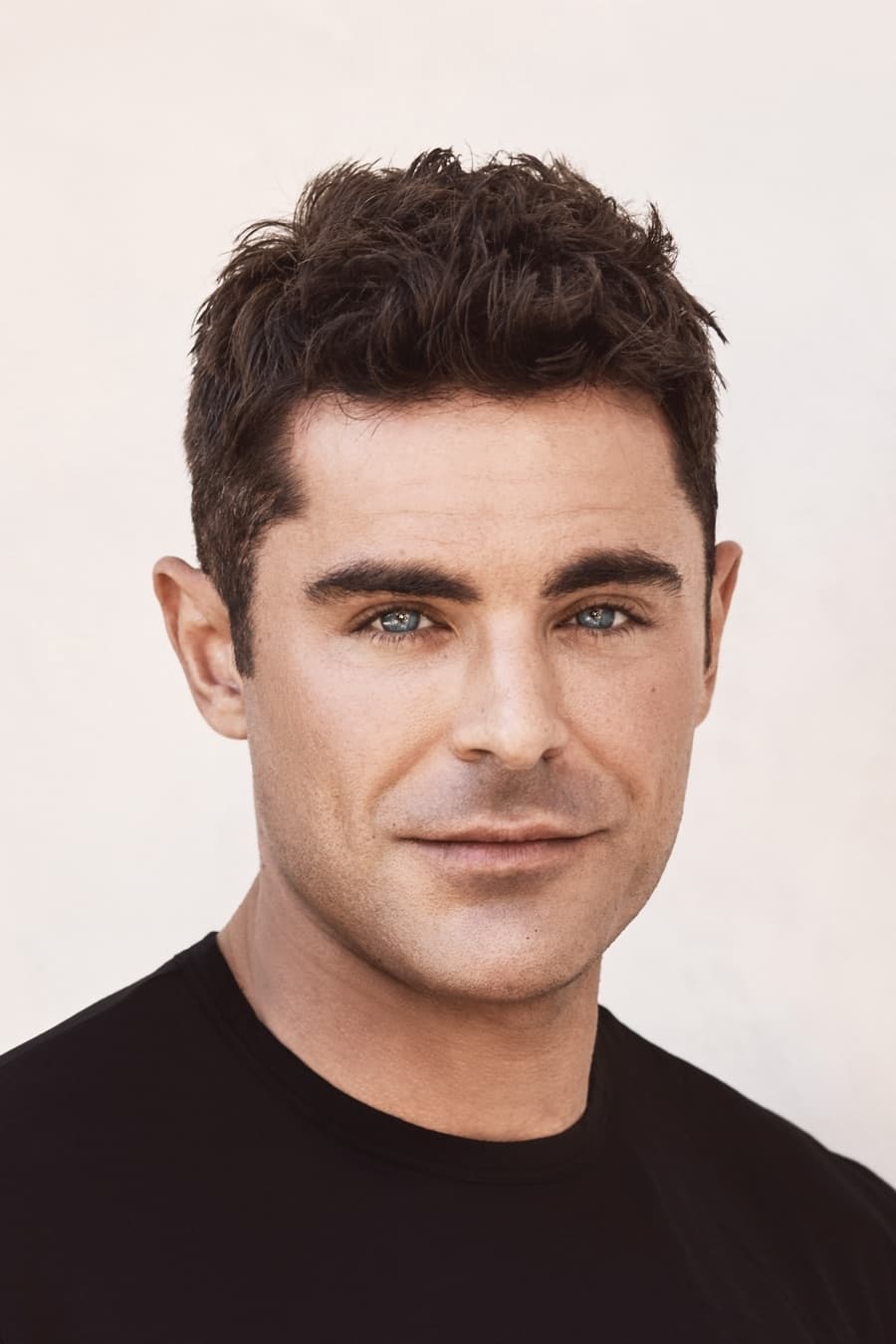
Zac Efron has described rewatching himself as an exercise in focusing on flaws rather than strengths. He generally stays away from premieres or private screenings in the immediate aftermath of release. Efron has said that years later he might revisit earlier work with more distance. The habit applies across genres, from musicals to thrillers.
Ben Foster
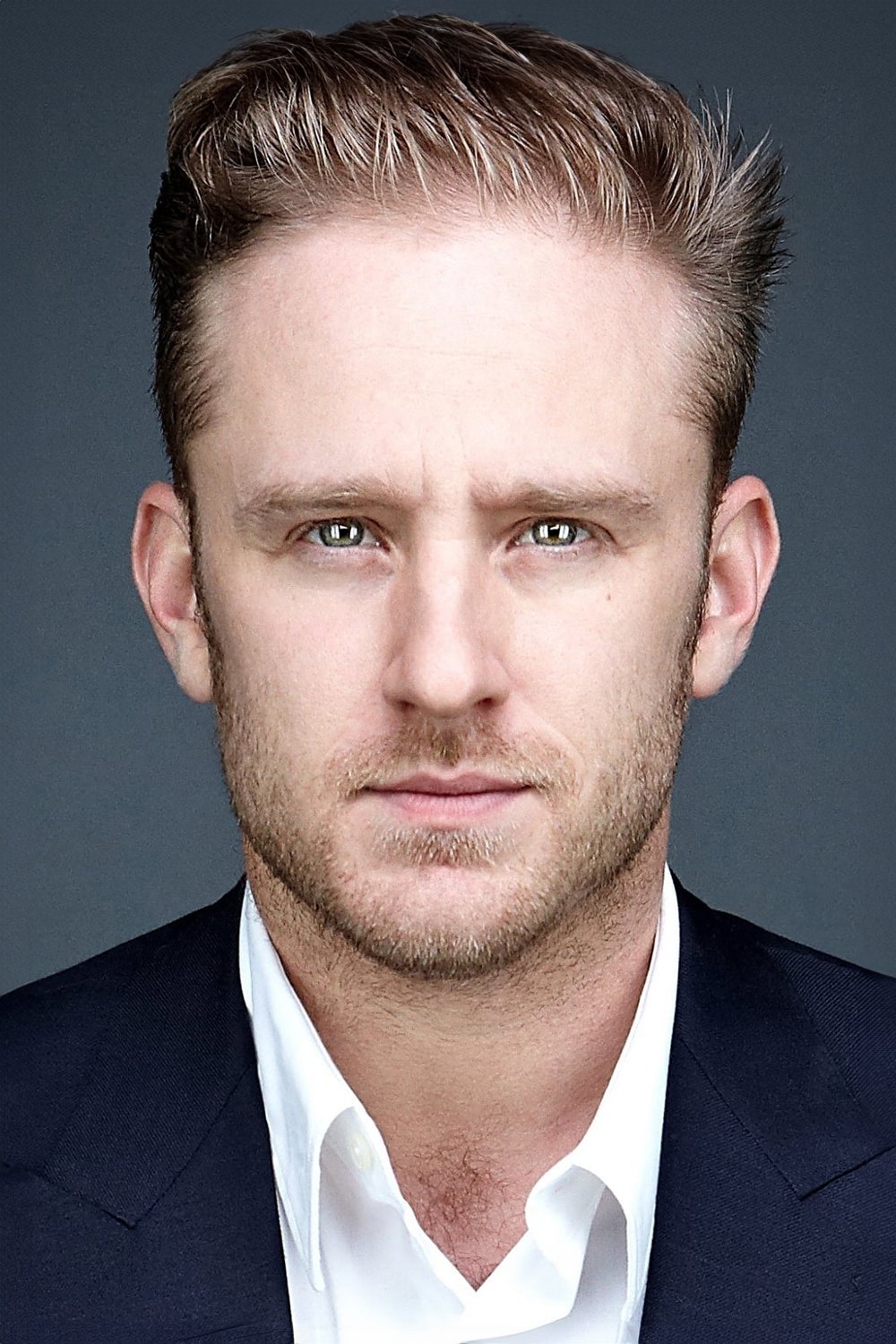
Ben Foster has said he rarely watches his finished films because the cut can differ from what he set out to do. He made an exception for ‘Hell or High Water’ after a long gap, but identified it as unusual. Foster emphasizes the collaborative nature of editing and prefers not to obsess over results. He keeps attention on preparation and new roles instead.
Bill Nighy
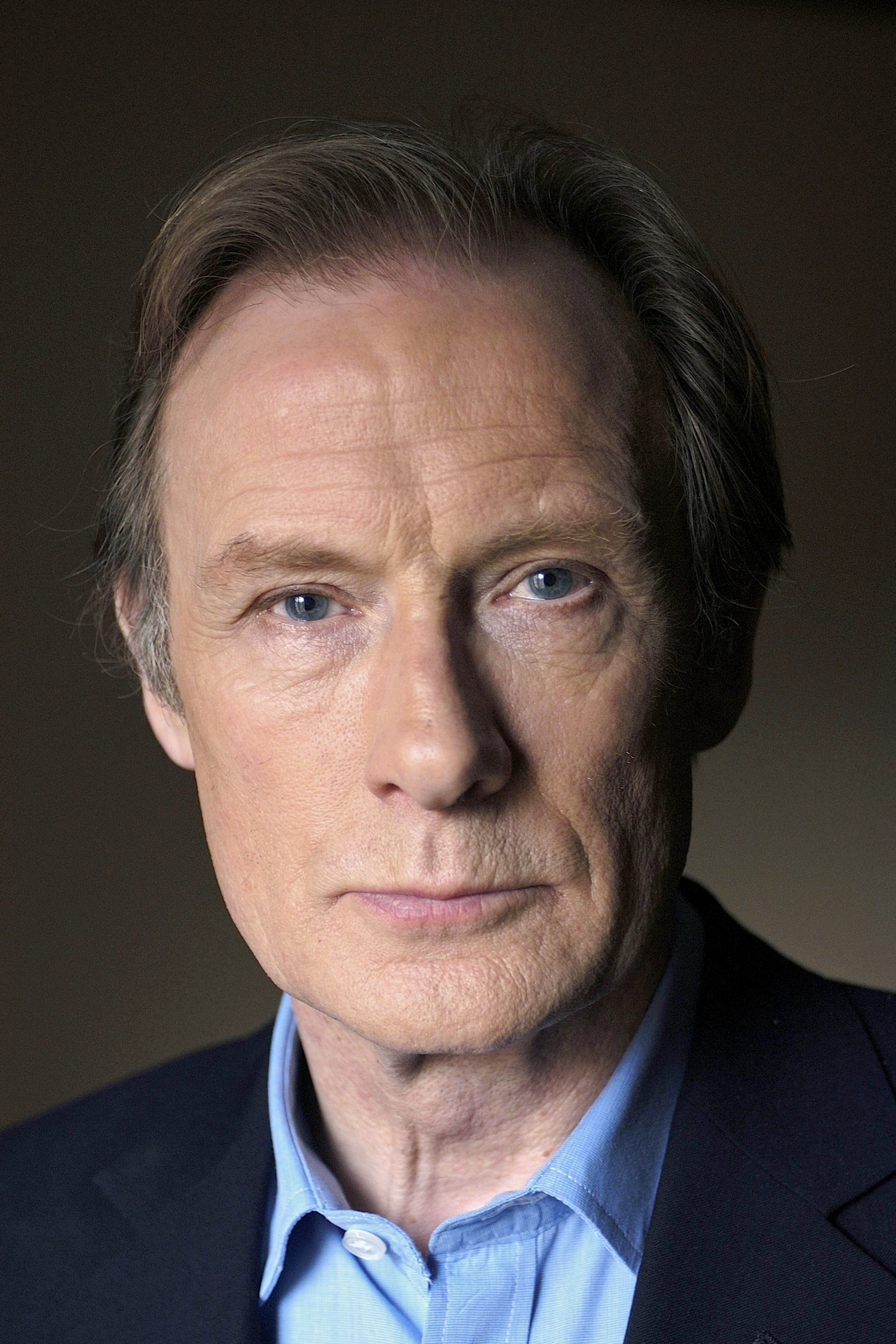
Bill Nighy has stated that not watching his performances is the easiest way to avoid self-criticism. He attends press duties without seeing the movie and relies on the script and the director’s guidance. Nighy has kept this routine through acclaimed work like ‘Living’. He maintains that the acting process ends for him on the final day of shooting.
Keanu Reeves
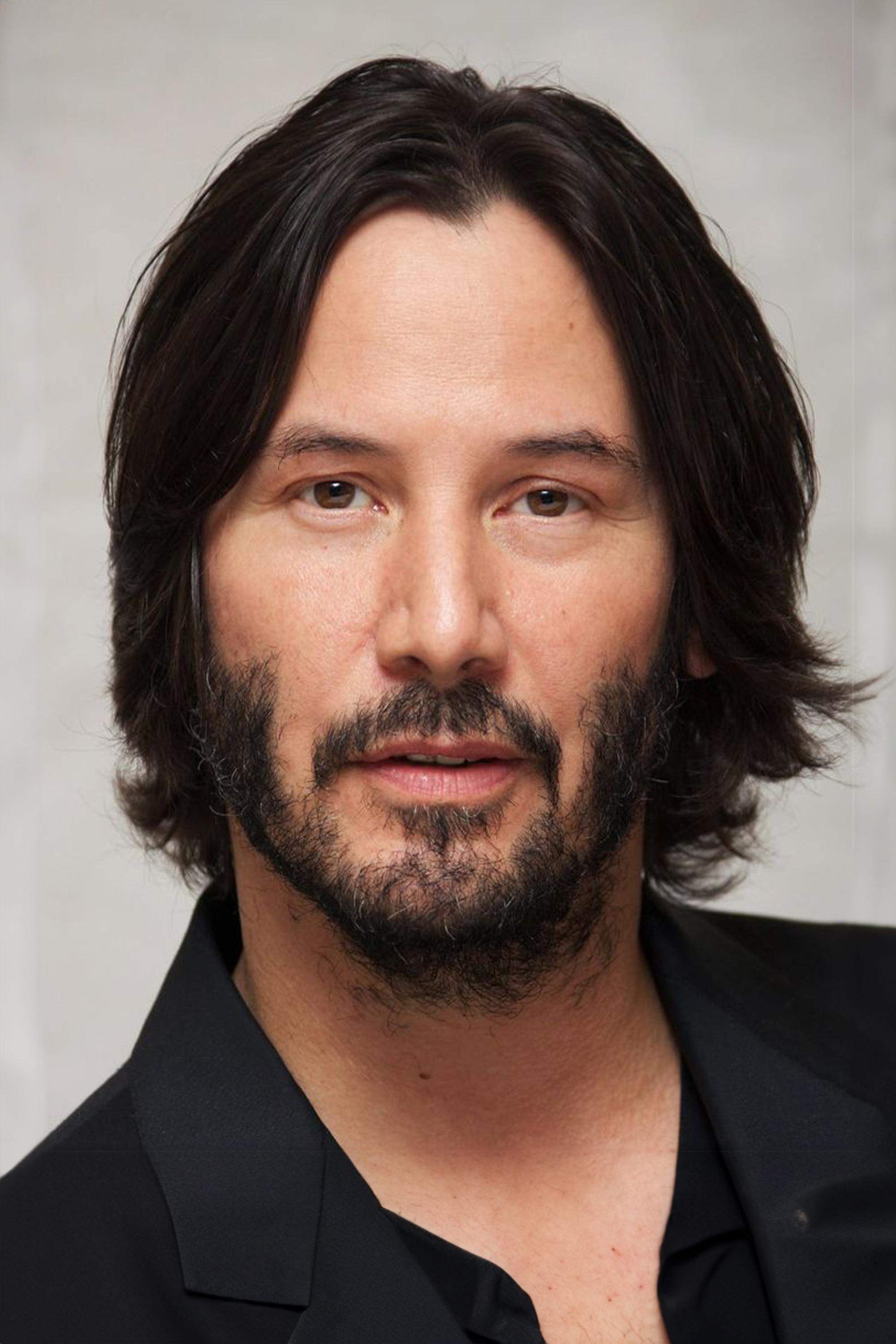
Keanu Reeves has said he does not deliberately rewatch his movies and only occasionally catches parts by chance. He has acknowledged pausing if he stumbles on favorites like ‘Point Break’ or entries from ‘The Matrix’. Reeves treats full screenings as unnecessary for his craft once production is over. He focuses on training, stunts, and preparation rather than reviewing completed edits.
Daniel Radcliffe
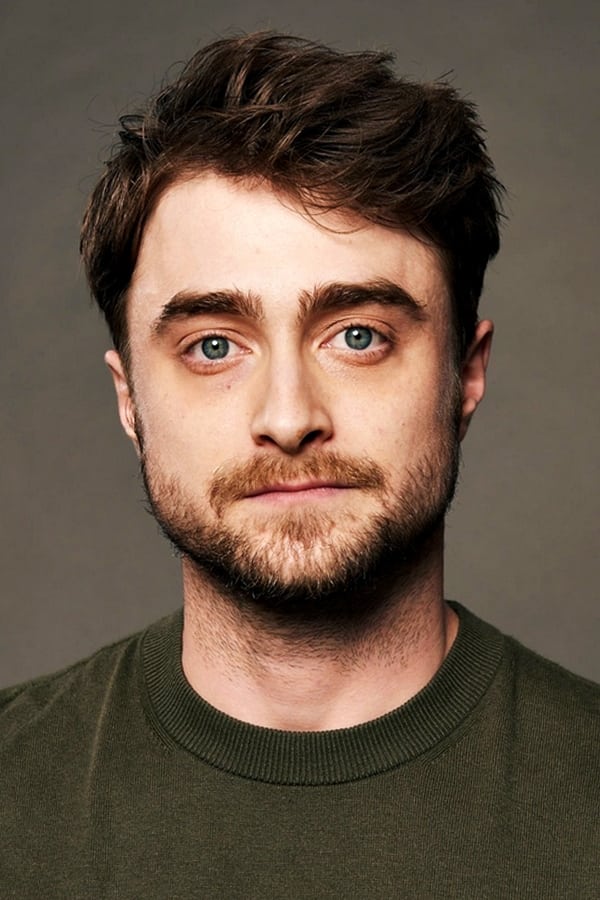
Daniel Radcliffe has said he avoids watching the films that made him famous because it is difficult to see his early work. He has explained that revisiting those performances can be uncomfortable and not particularly constructive. Radcliffe now focuses on challenging roles in independent projects and stage work. He keeps distance from playback to protect confidence and momentum.
Matthew Fox
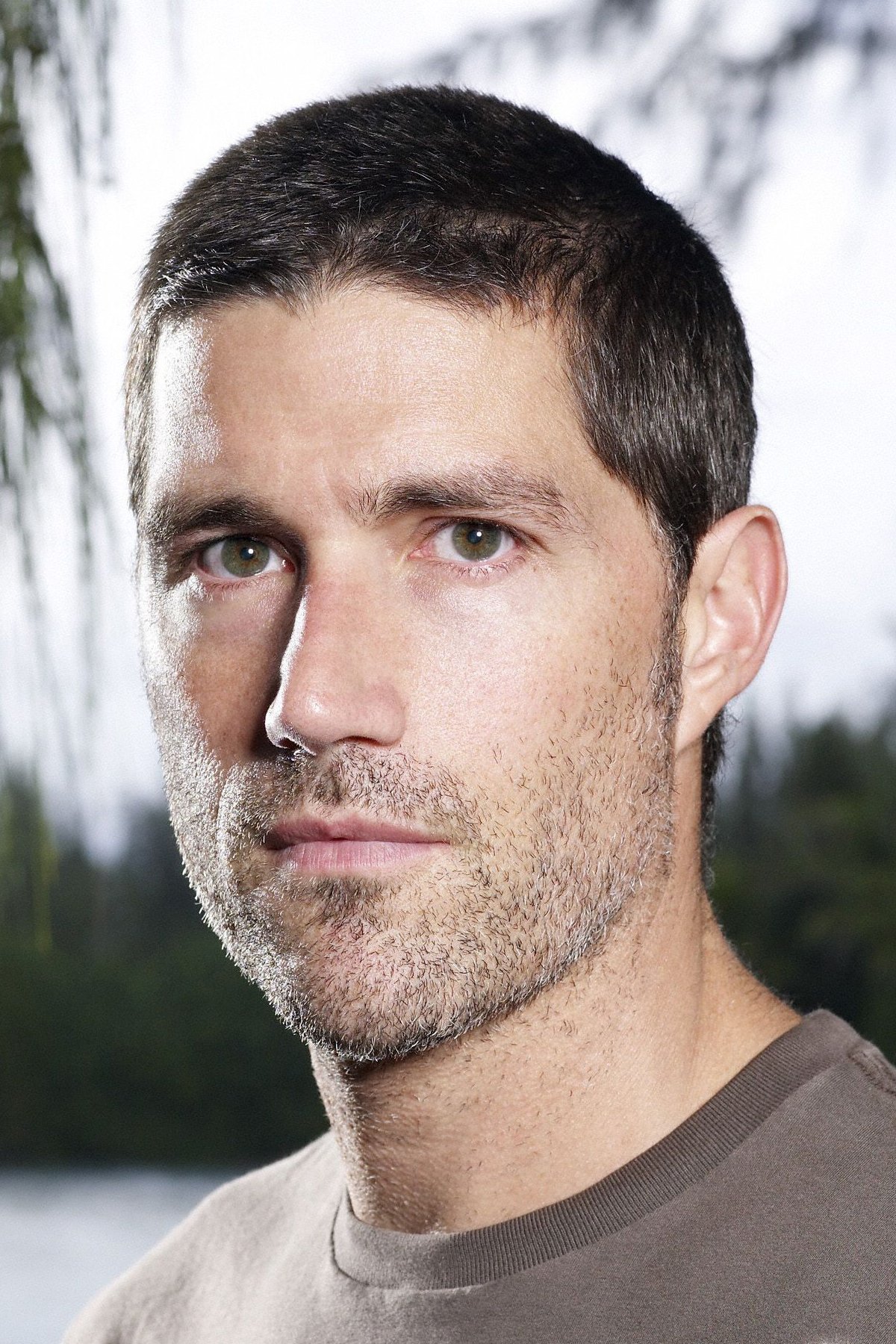
Matthew Fox has said that he is not inclined to revisit his own performances after release. He has kept a low profile and returned selectively for projects that interest him. Fox has maintained that watching himself offers little benefit compared with preparing the next role. The approach held across television work and films alike, including titles made after ‘Lost’.
Robert Pattinson
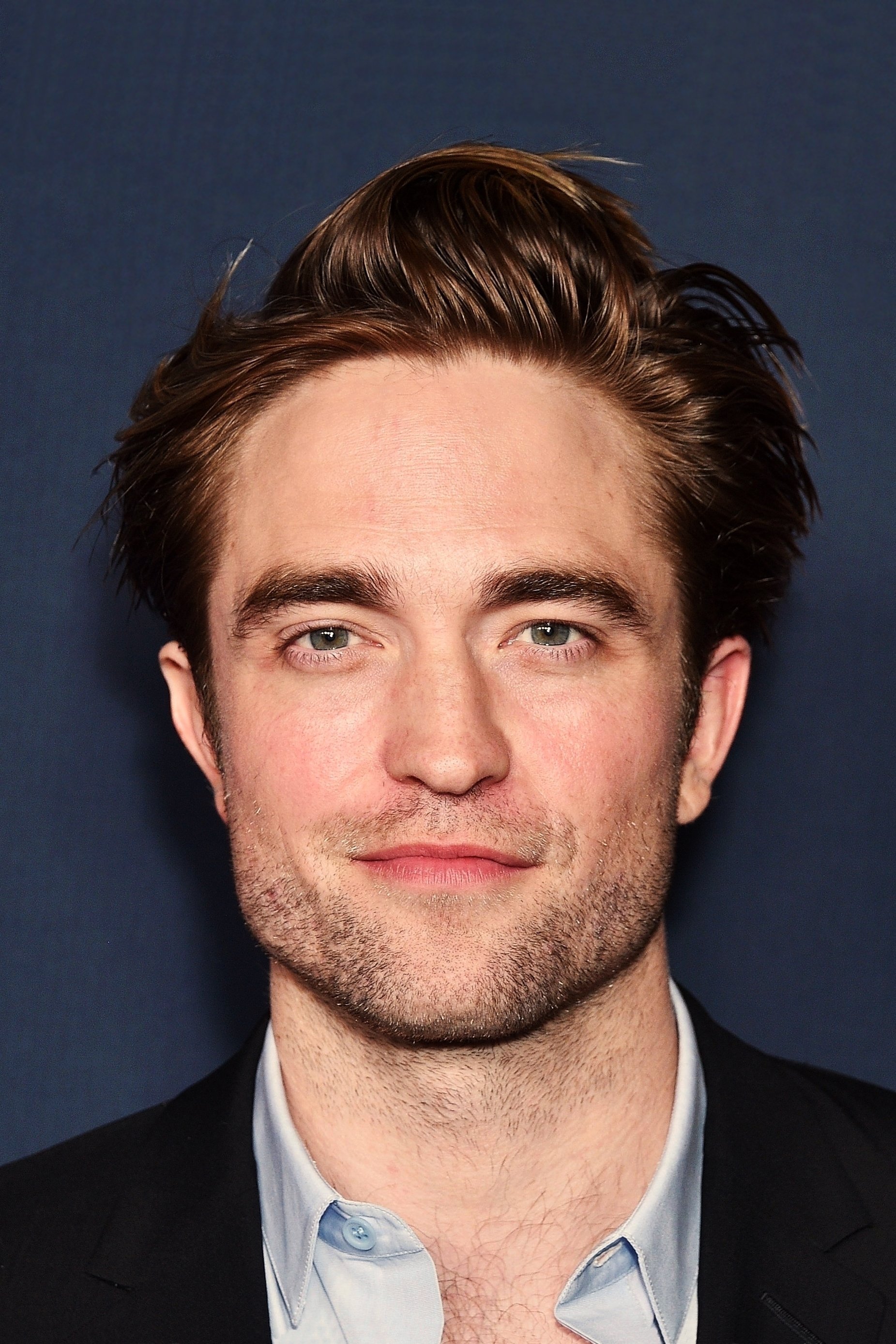
Robert Pattinson has said he struggled for years to watch his performances and largely stayed away from screenings. He has occasionally reviewed specific scenes for technical reasons but avoids full viewings. Pattinson credits directors and editors to shape the final product without his input. The habit has continued through high-profile projects such as ‘The Batman’ and ‘Tenet’.
Christian Bale
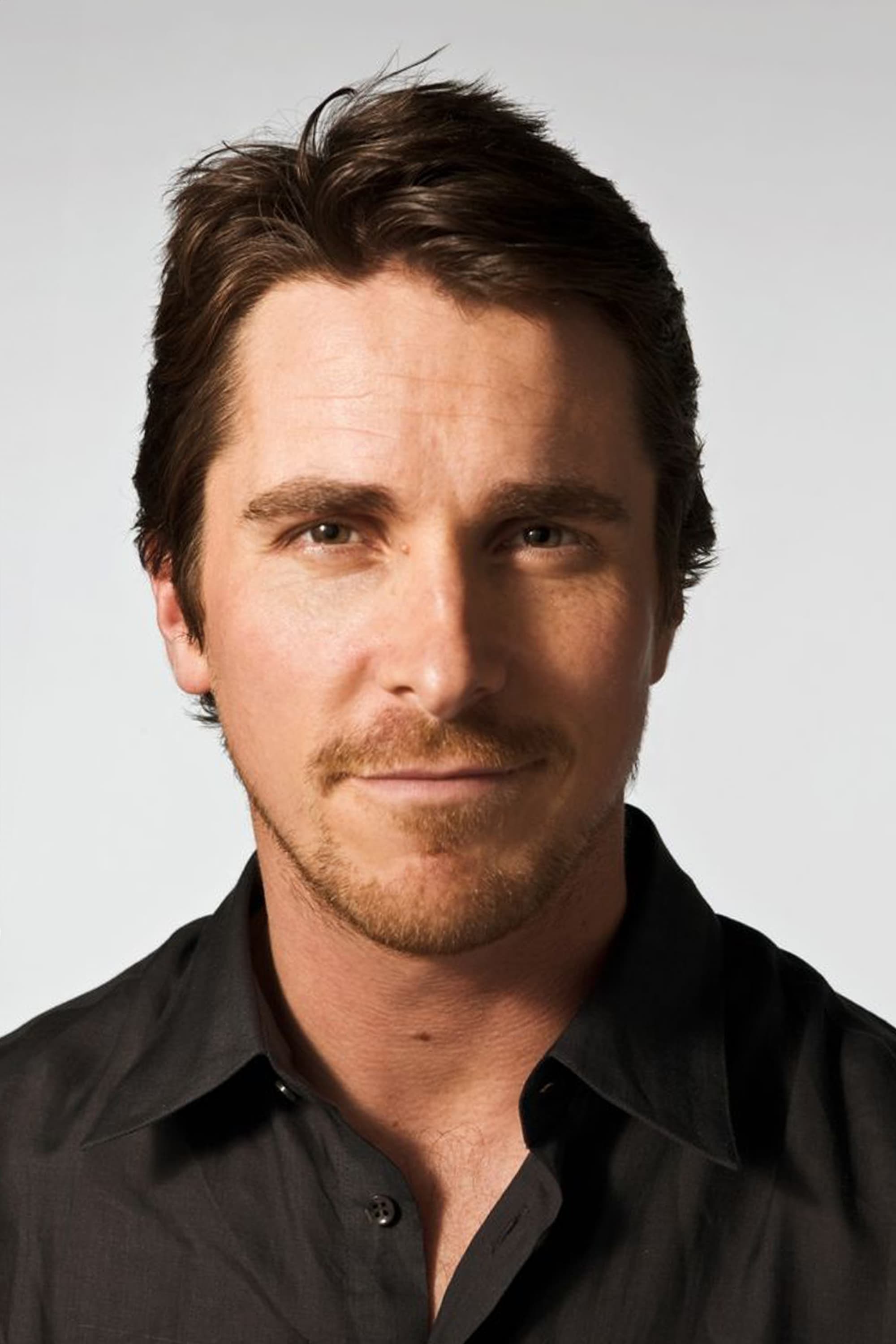
Christian Bale has said he prefers not to watch his movies and moves quickly on to new work. He has also noted that sitting through finished cuts can lead to counterproductive scrutiny. Bale relies on preparation, dialect coaches, and physical transformation rather than reviewing results. The practice spans his dramatic roles and comic-book outings like ‘The Dark Knight’.
Tom Hardy
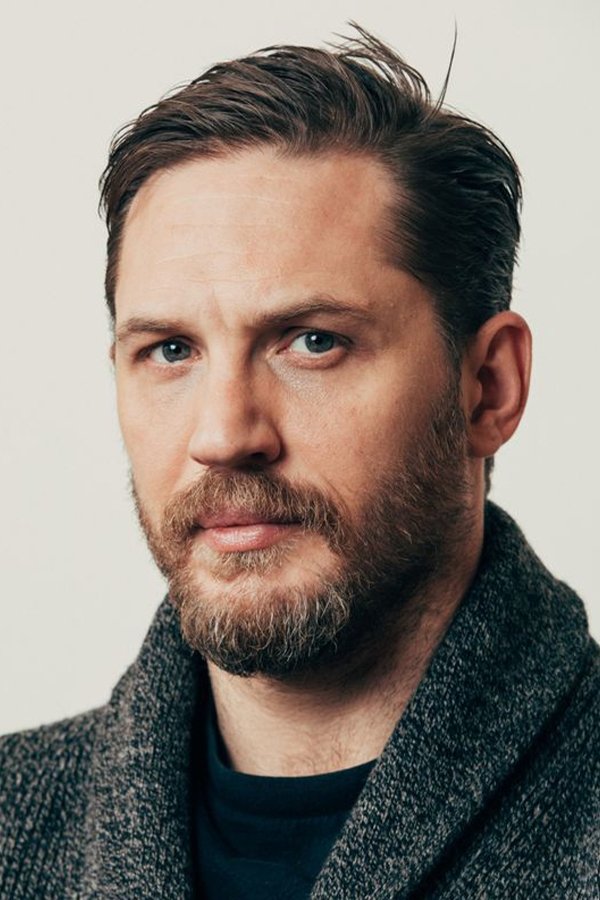
Tom Hardy has said he avoids watching his performances because it pulls his attention away from the next role. He keeps clear of full screenings and prefers to rely on notes from directors and editors. Hardy made rare exceptions for large franchise entries like ‘The Dark Knight Rises’ to understand continuity. He focuses his time on character prep and dialect work rather than viewing completed cuts.
Michael Fassbender

Michael Fassbender has explained that he does not typically watch his films once they are released. He has mentioned skipping premieres to prevent second-guessing choices after production. Fassbender keeps his process centered on rehearsals and collaboration with filmmakers. Even for high-profile work like ‘X-Men: First Class’, he has described avoiding full viewings.
Colin Farrell
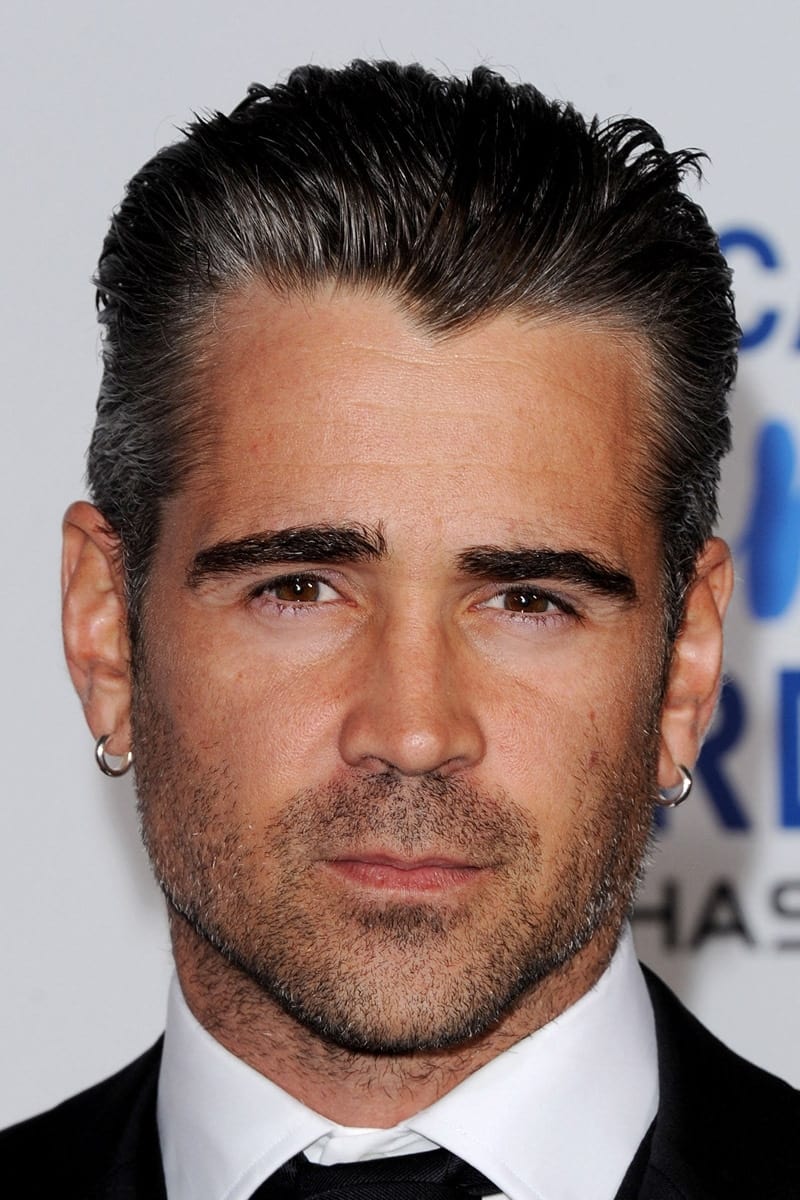
Colin Farrell has said he generally does not revisit his performances after the job ends. He has acknowledged feeling more comfortable judging preparation than final edits. Farrell reportedly passed on some premiere screenings to maintain that distance. The habit has continued across projects from ‘In Bruges’ to larger studio releases.
Hugh Grant
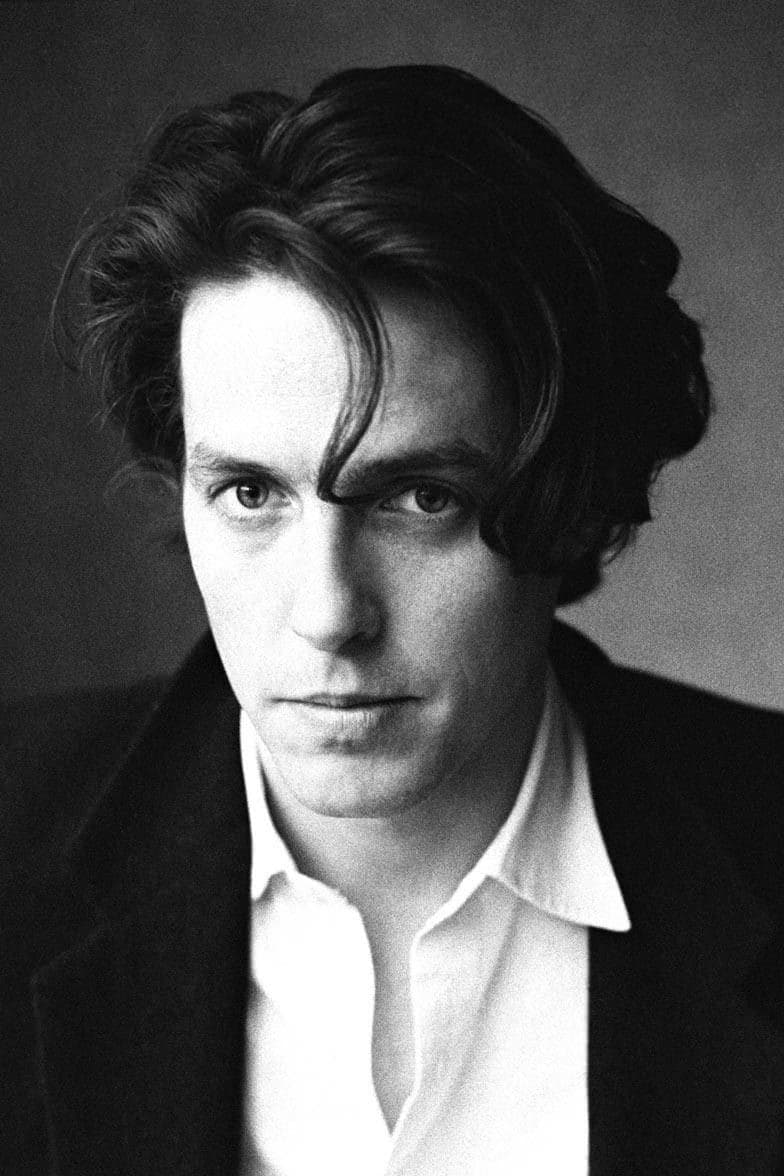
Hugh Grant has stated in interviews that he finds watching himself uncomfortable and usually avoids it. He often leaves the final assessment to directors and audiences. Grant has said this approach helps him stay focused on the script and on-set work. He kept that practice through romantic comedies and later projects like ‘The Gentlemen’.
Brad Pitt
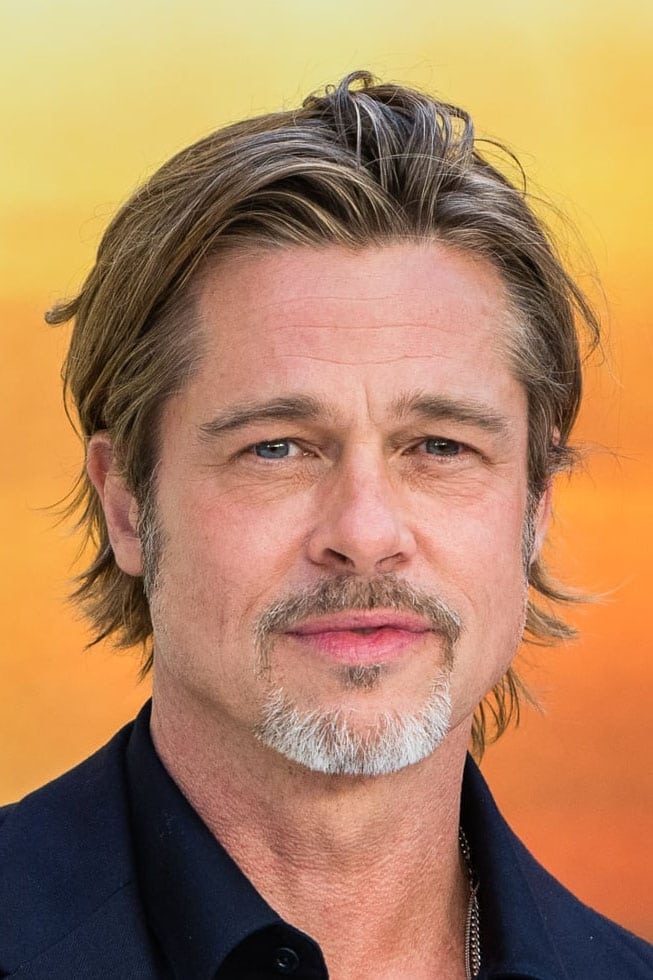
Brad Pitt has said he rarely watches his films and prefers to move directly to new work. He has described screening avoidance as a way to limit overanalysis. Pitt has still supported promotional events while skipping full viewings when possible. The approach spans collaborations from ‘Fight Club’ to ensemble pieces like ‘Once Upon a Time in Hollywood’.
George Clooney
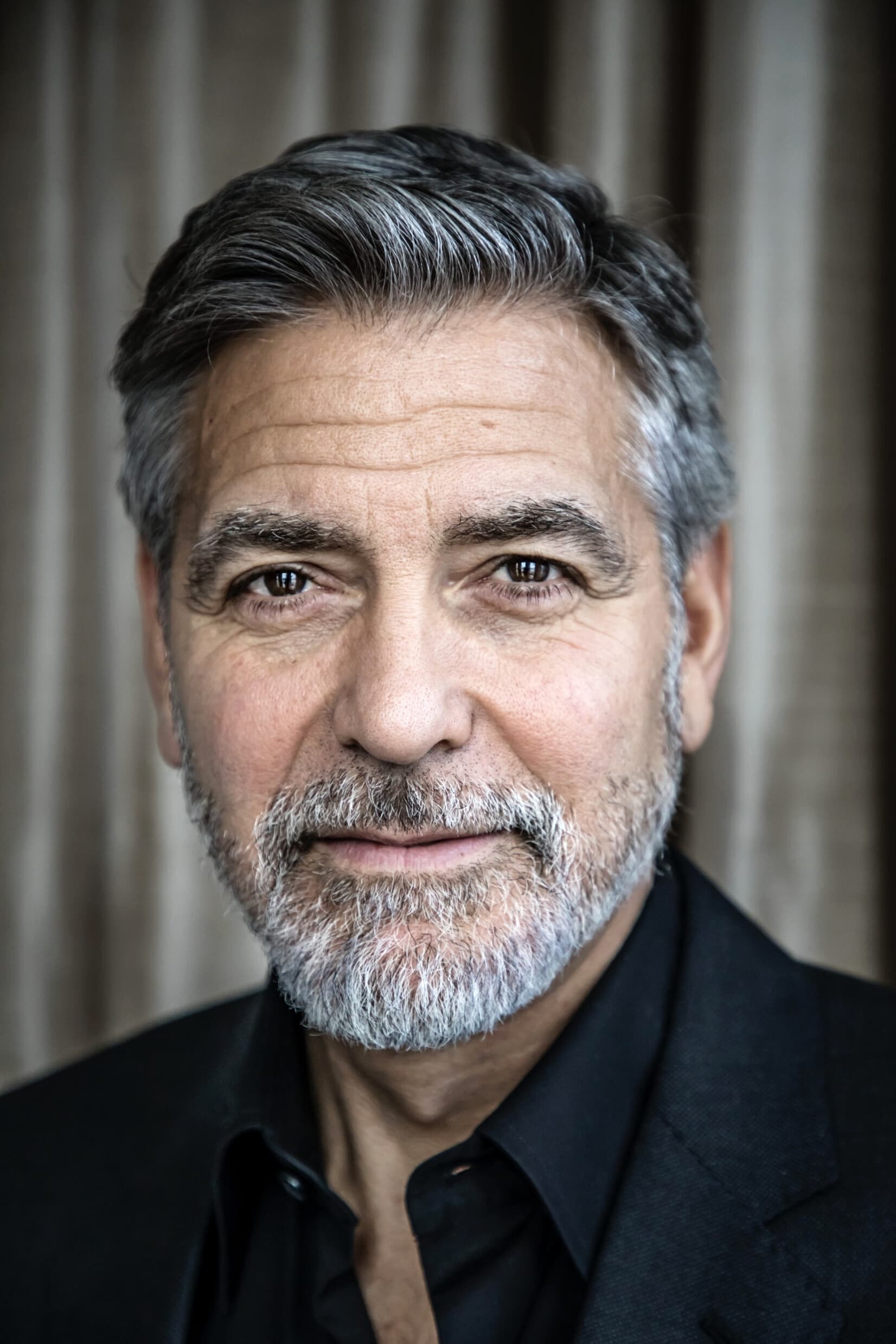
George Clooney has said he seldom watches his performances and avoids lingering on completed projects. He has indicated that reviewing finished cuts is not part of his routine unless required for technical reasons. Clooney prioritizes the production process and trusts post-production teams to shape the final film. This stance has remained consistent from ‘Ocean’s Eleven’ onward.
Sean Penn
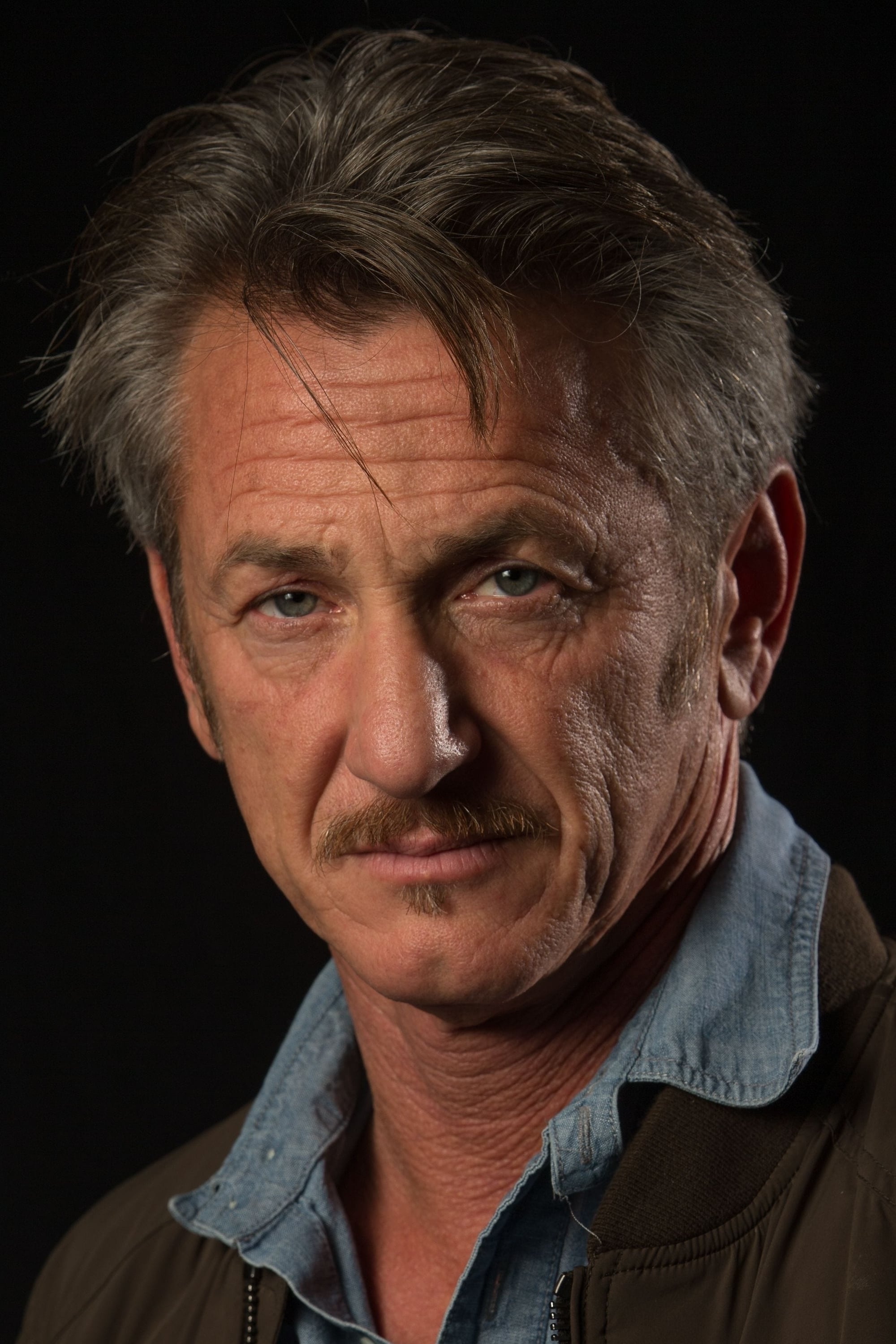
Sean Penn has stated he does not normally watch his films after release. He keeps feedback loops limited to the set and editing room while relying on trusted collaborators. Penn has described only occasional checks for technical elements rather than full screenings. The habit persisted through performances ranging from ‘Mystic River’ to political dramas.
John Malkovich
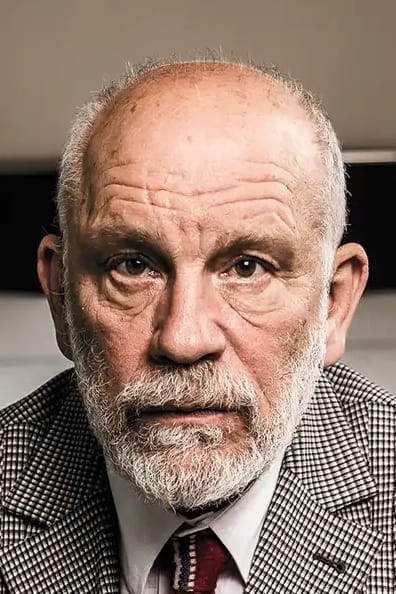
John Malkovich has explained that watching himself offers little value for his preparation, so he avoids it. He has said he prefers reading and rehearsal to refine choices before the camera rolls. Malkovich typically steps back once editing begins and does not attend many screenings. This has applied to everything from ‘Being John Malkovich’ to thriller projects.
Christopher Walken
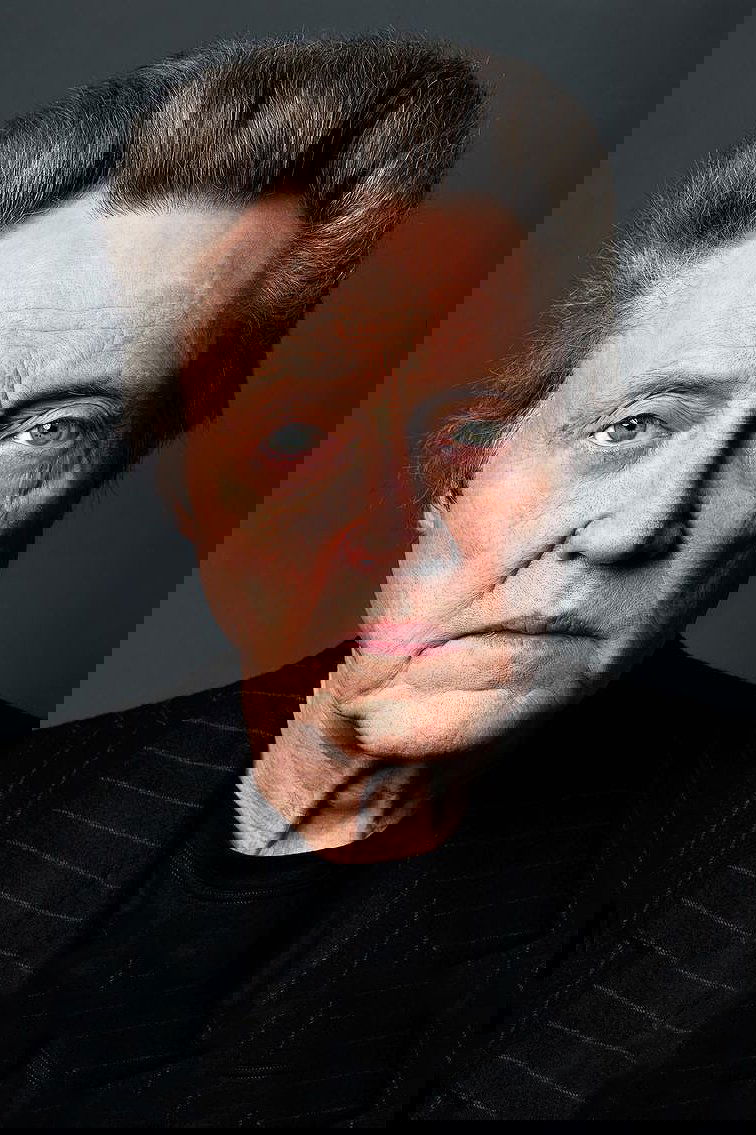
Christopher Walken has said he does not make a habit of watching his own films. He has described finishing a production and moving on without seeing the final cut. Walken attends press duties while keeping distance from full screenings. The pattern has continued across decades, including projects like ‘Catch Me If You Can’.
Stephen Dillane
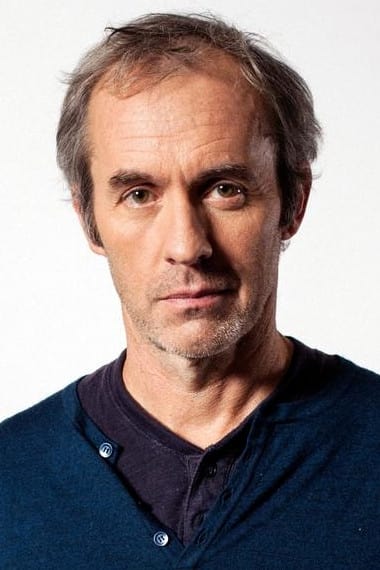
Stephen Dillane has openly said he avoids viewing his work and finds watching himself distracting. He keeps away from broadcast nights and premiere events when possible. Dillane places emphasis on rehearsal rooms and script analysis rather than playback. The approach extended from stage work to screen roles such as ‘The Hours’.
Donald Sutherland
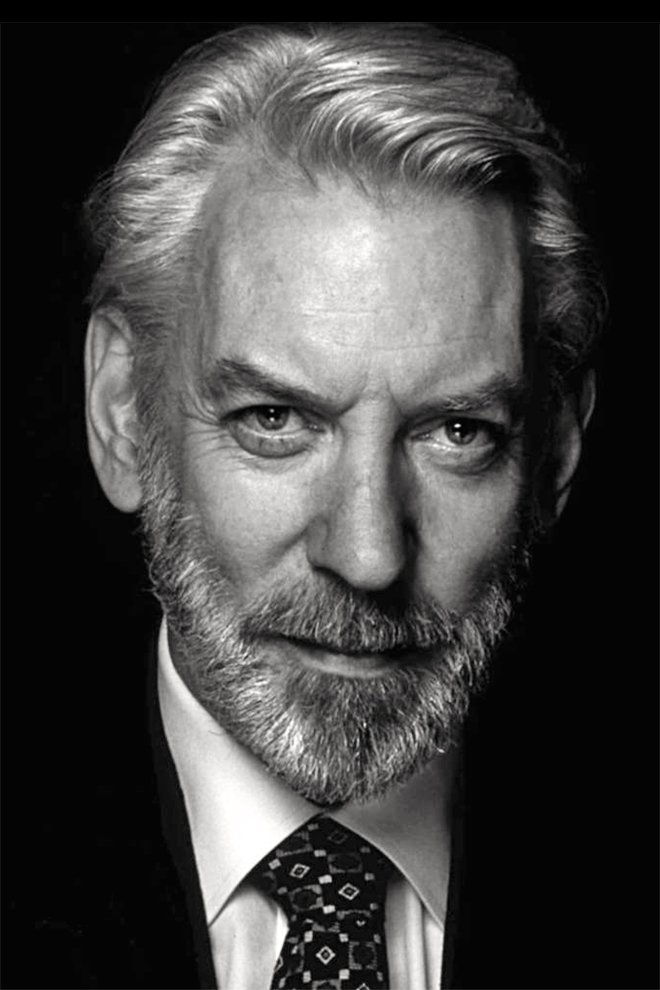
Donald Sutherland often said he preferred not to watch his performances once editing was complete. He credited directors and editors with final decisions and focused on preparation instead. Sutherland supported publicity without sitting through many full screenings. The habit remained across a long career that included ‘MAS*H’ and later franchise entries.
Dev Patel

Dev Patel has said he stays away from watching his films, especially soon after release. He has described early experiences of viewing himself as discouraging and not useful for growth. Patel attends required events while skipping most screenings. The practice carried from breakout roles like ‘Slumdog Millionaire’ to later dramas.
Bill Murray
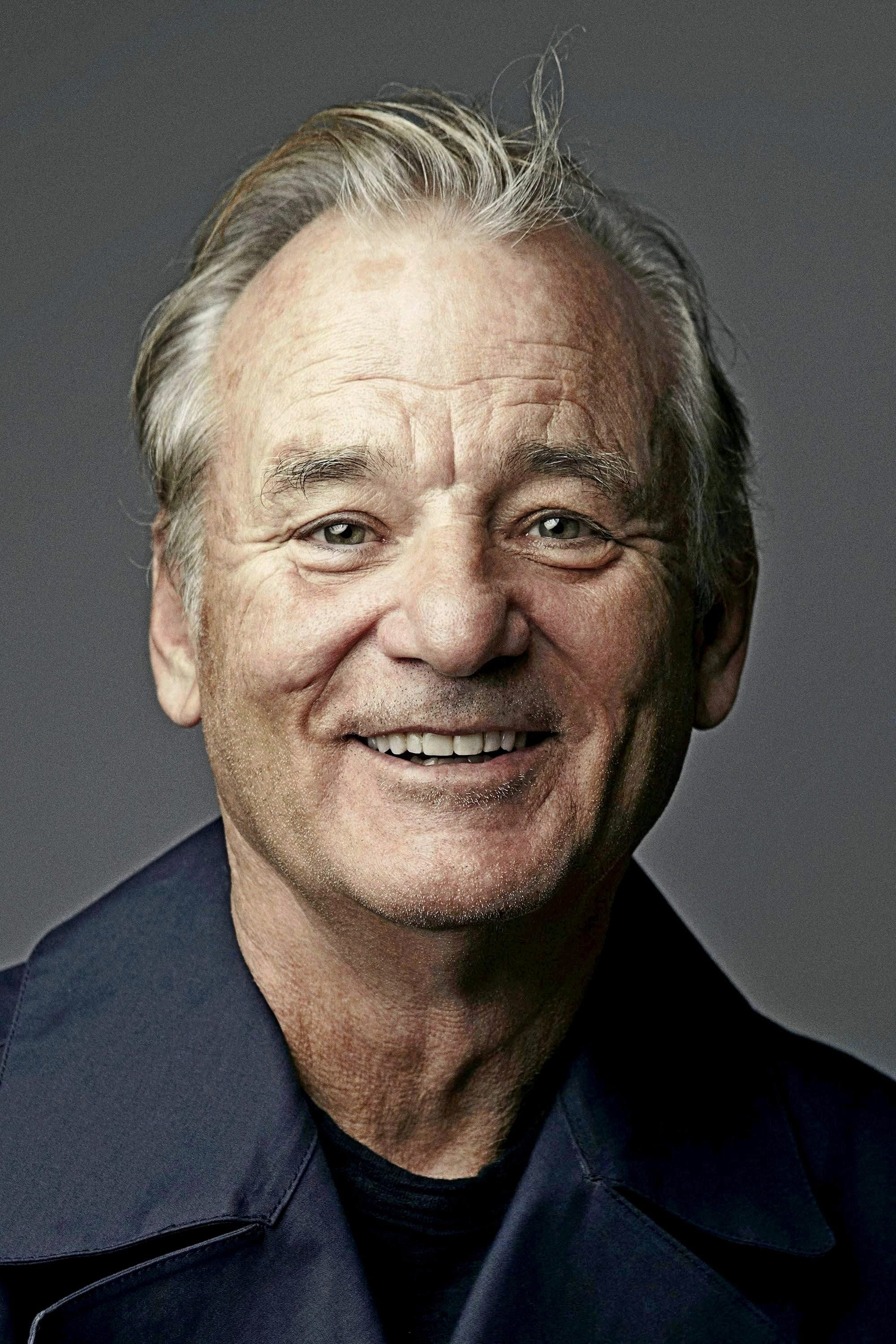
Bill Murray has indicated that he rarely watches his finished films and prefers to keep moving to new projects. He has said that rewatching can interfere with how he approaches future work. Murray typically participates in promotion without seeking out full viewings. The pattern holds from ‘Groundhog Day’ through ensemble comedies.
Kit Harington
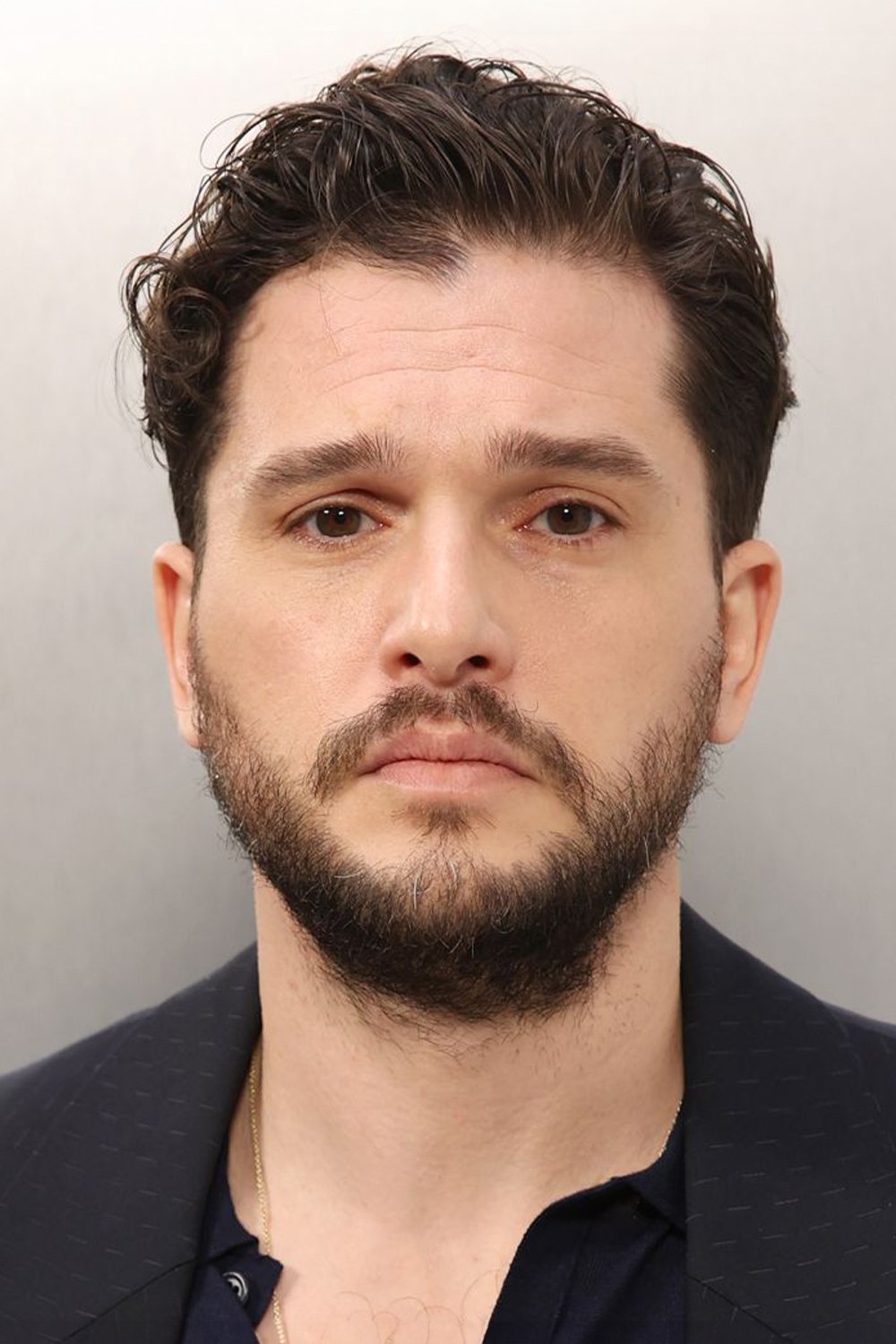
Kit Harington has said he tends not to watch his performances closely and avoids rewatching recent work. He focuses on coaching, physical training, and rehearsals rather than reviewing edits. Harington has acknowledged attending events without committing to full screenings. The approach continued from television success to film roles like ‘Pompeii’.
Cillian Murphy
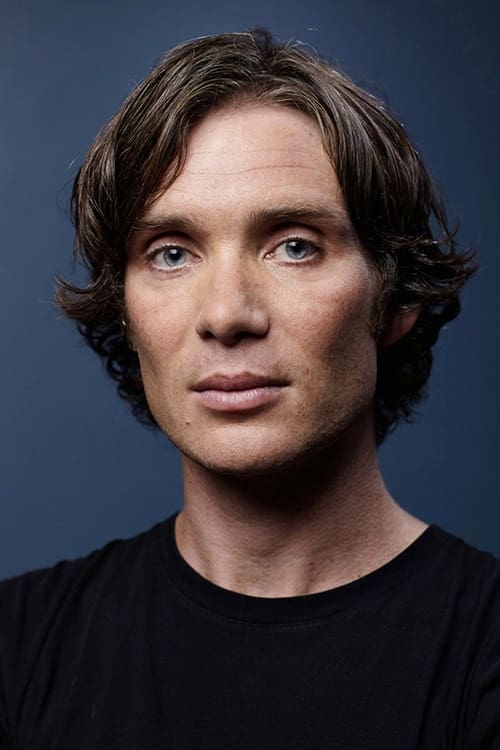
Cillian Murphy has said he does not like watching himself and keeps a distance from playback. He has described maintaining focus on craft through script study and preparation. Murphy limits screenings to rare checks when necessary for technical reasons. The habit spans projects from ‘28 Days Later’ to later collaborations like ‘Oppenheimer’.
Ryan Gosling
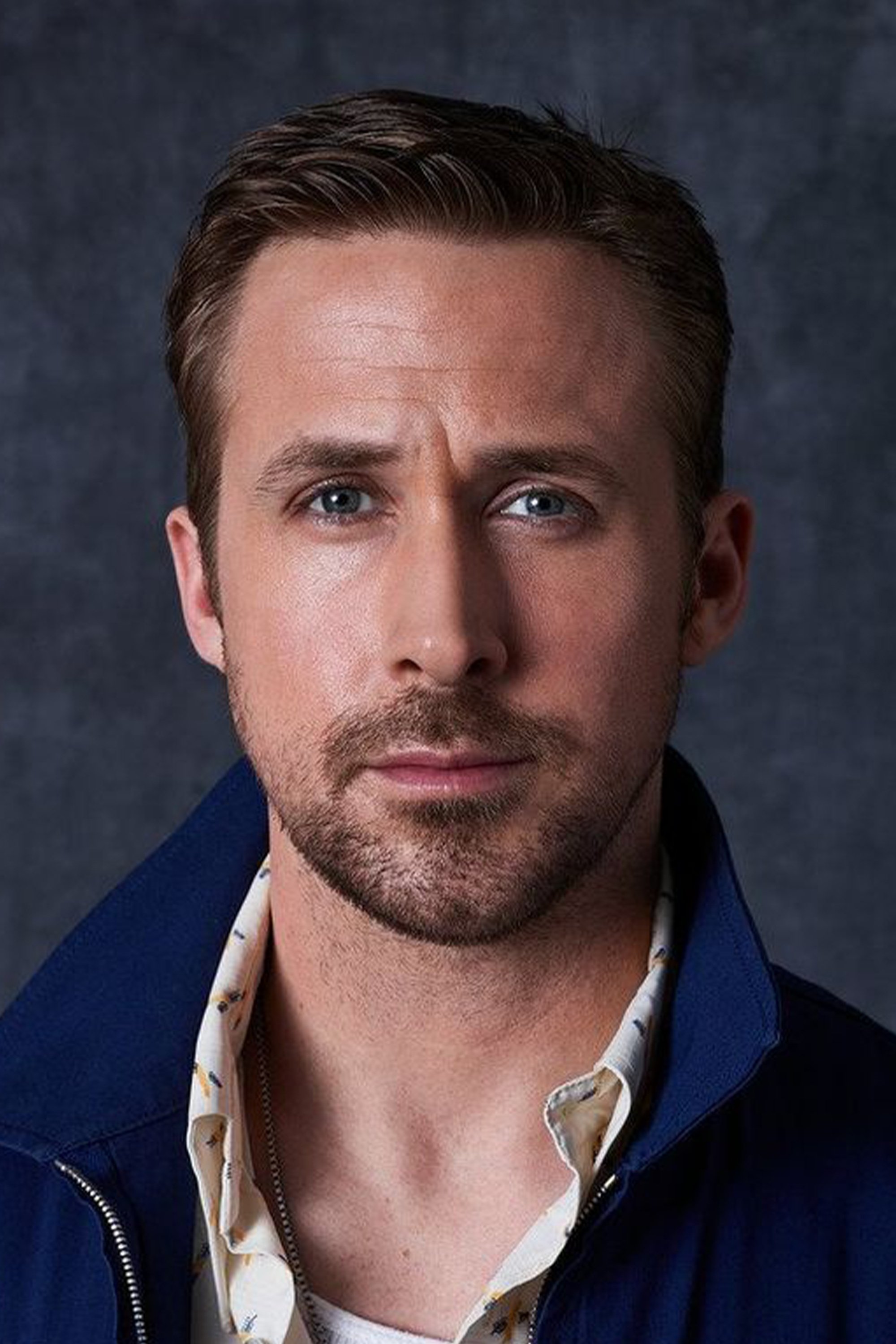
Ryan Gosling has said he generally avoids watching his films because it pulls him out of the work. He keeps focus on preparation and trusts directors and editors with the finished product. Gosling has attended events without committing to full screenings when possible. The habit has spanned projects from ‘Drive’ to ‘La La Land’.
Eddie Redmayne
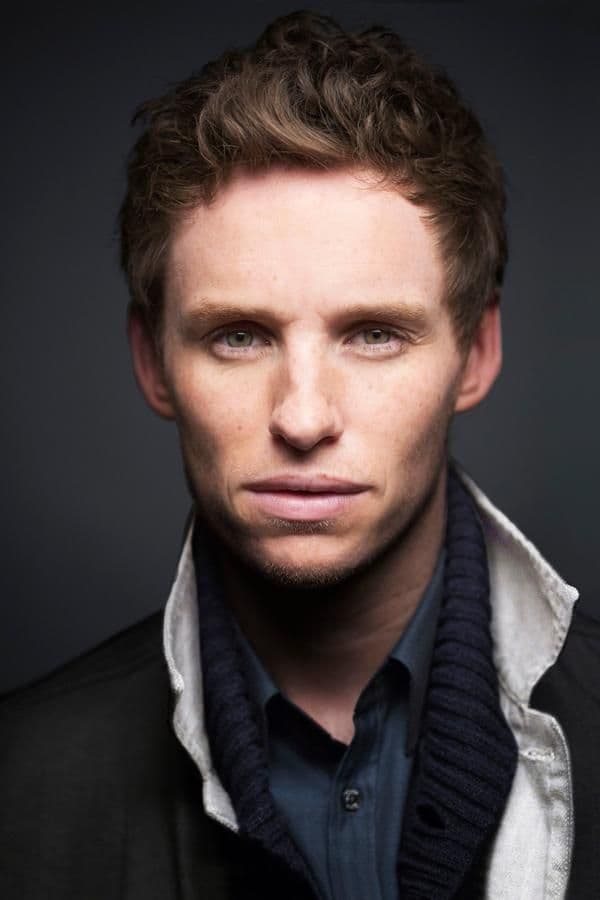
Eddie Redmayne has explained that watching himself can make him self-conscious, so he typically stays away. He prefers to maintain momentum by moving on to the next role. Redmayne participates in promotion while skipping most full screenings. The approach carried from breakout roles like ‘The Theory of Everything’ to franchise work such as ‘Fantastic Beasts’.
Mads Mikkelsen
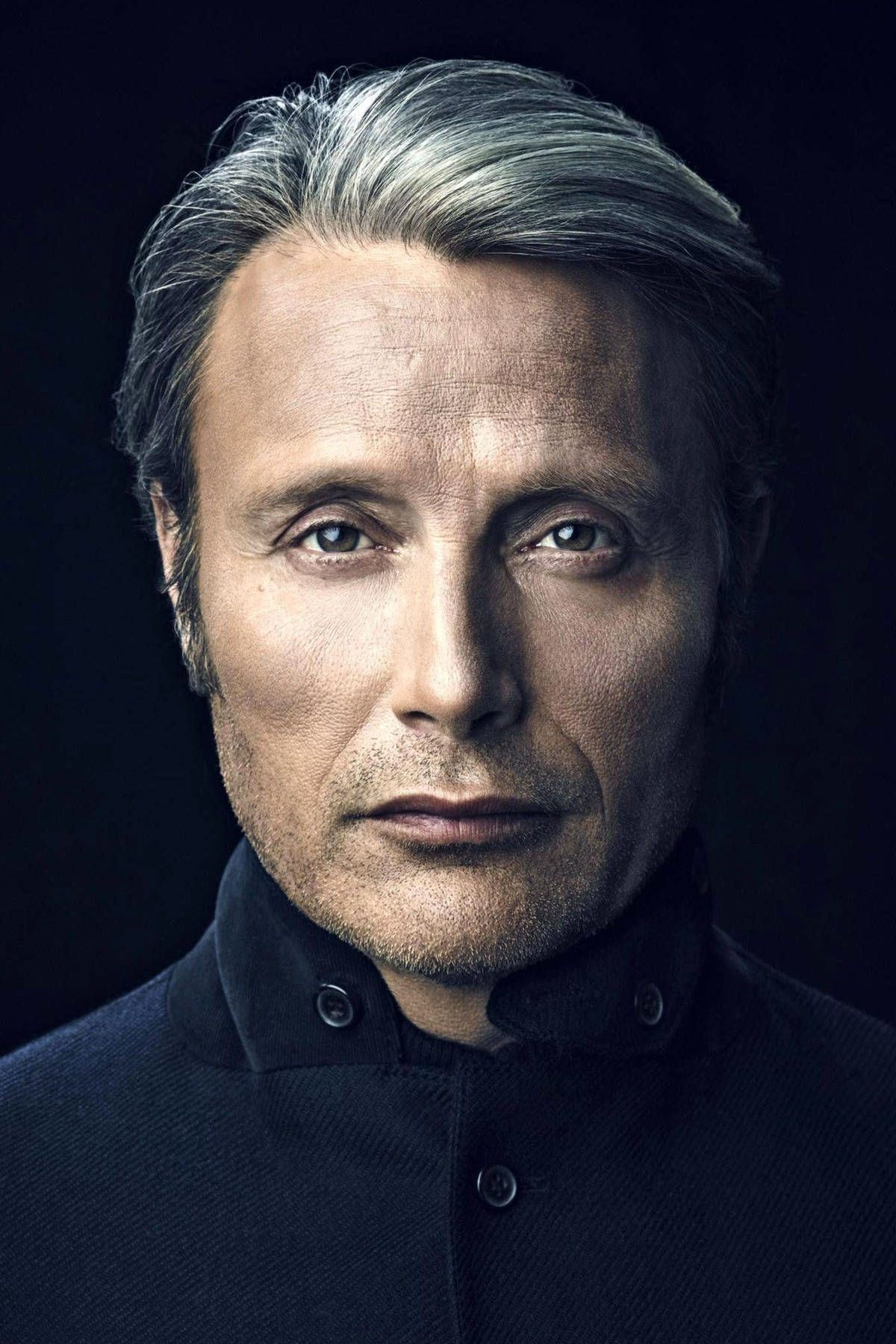
Mads Mikkelsen has said he does not usually watch his own performances once a film is complete. He emphasizes the craft during rehearsals and on set rather than reviewing edits. Mikkelsen has described screenings as distracting instead of useful. This stance has held across international projects like ‘Another Round’ and major studio titles.
Anthony Hopkins
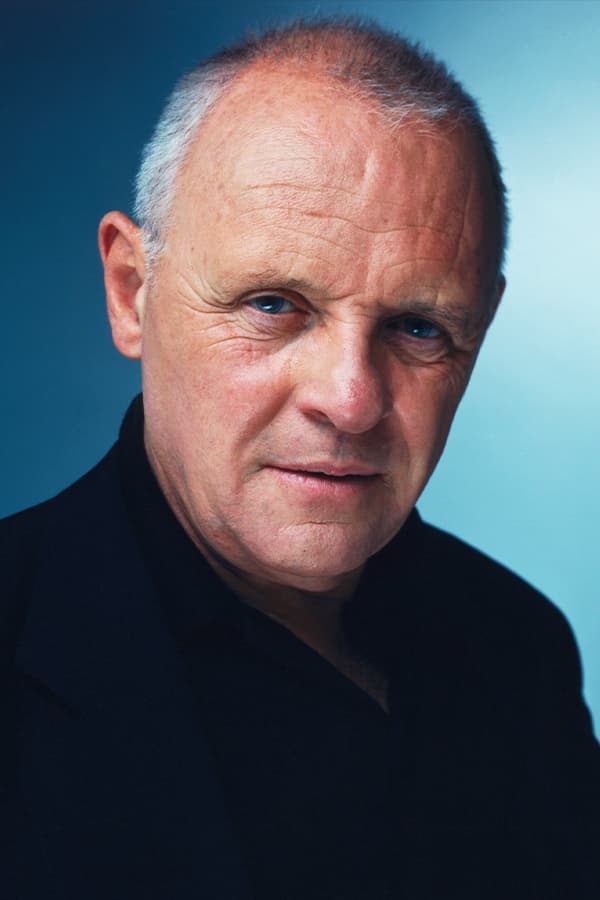
Anthony Hopkins has stated he rarely revisits his films after release. He keeps attention on learning lines and building character rather than playback. Hopkins supports publicity while letting collaborators handle final cuts. The tendency applies across dramas and thrillers, including roles like ‘The Silence of the Lambs’.
Gary Oldman
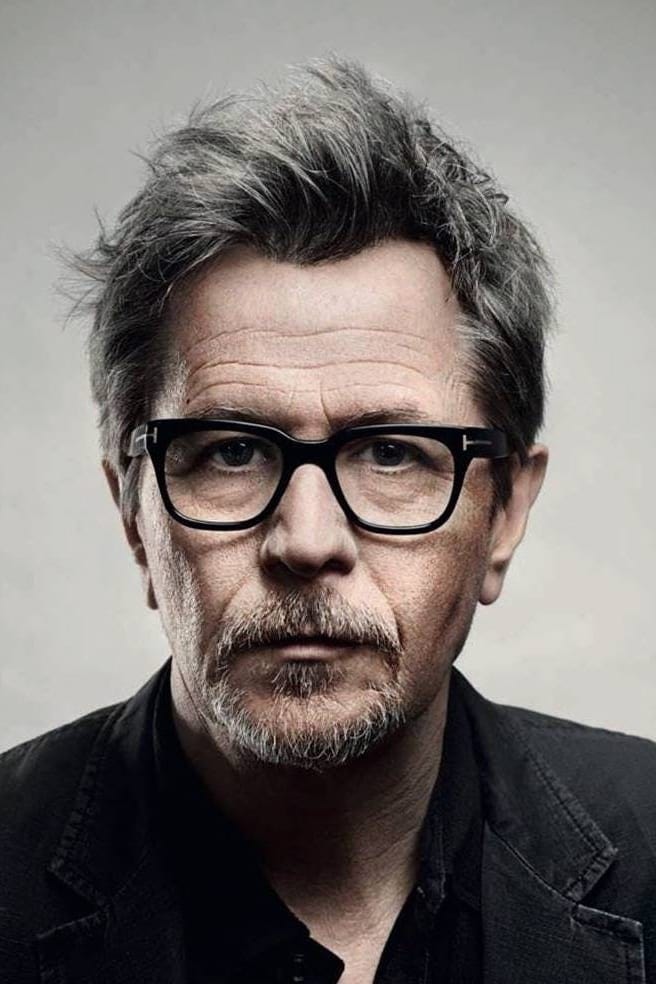
Gary Oldman has said he avoids watching his performances because it can lead to unproductive critique. He relies on the director’s perspective and the editing room to shape the outcome. Oldman attends festivals and interviews without needing to see the full feature. The habit spans films from ‘Tinker Tailor Soldier Spy’ to later biographical work.
Nicolas Cage
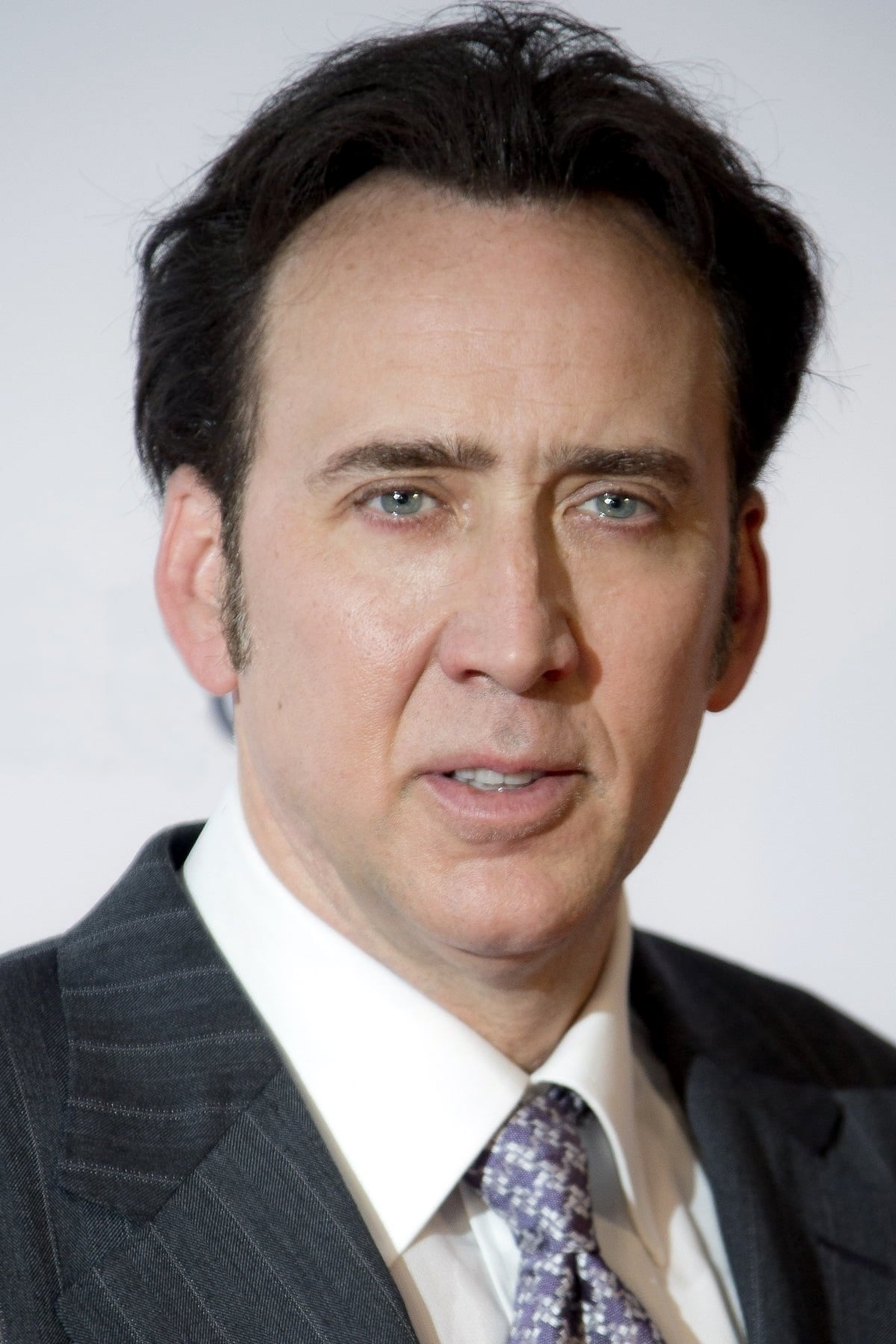
Nicolas Cage has described not watching his completed films as a way to protect his creative process. He focuses on choices made during production and prefers not to revisit them afterward. Cage attends press duties while skipping many screening opportunities. This includes work that ranges from ‘Adaptation’ to genre projects.
Jonah Hill
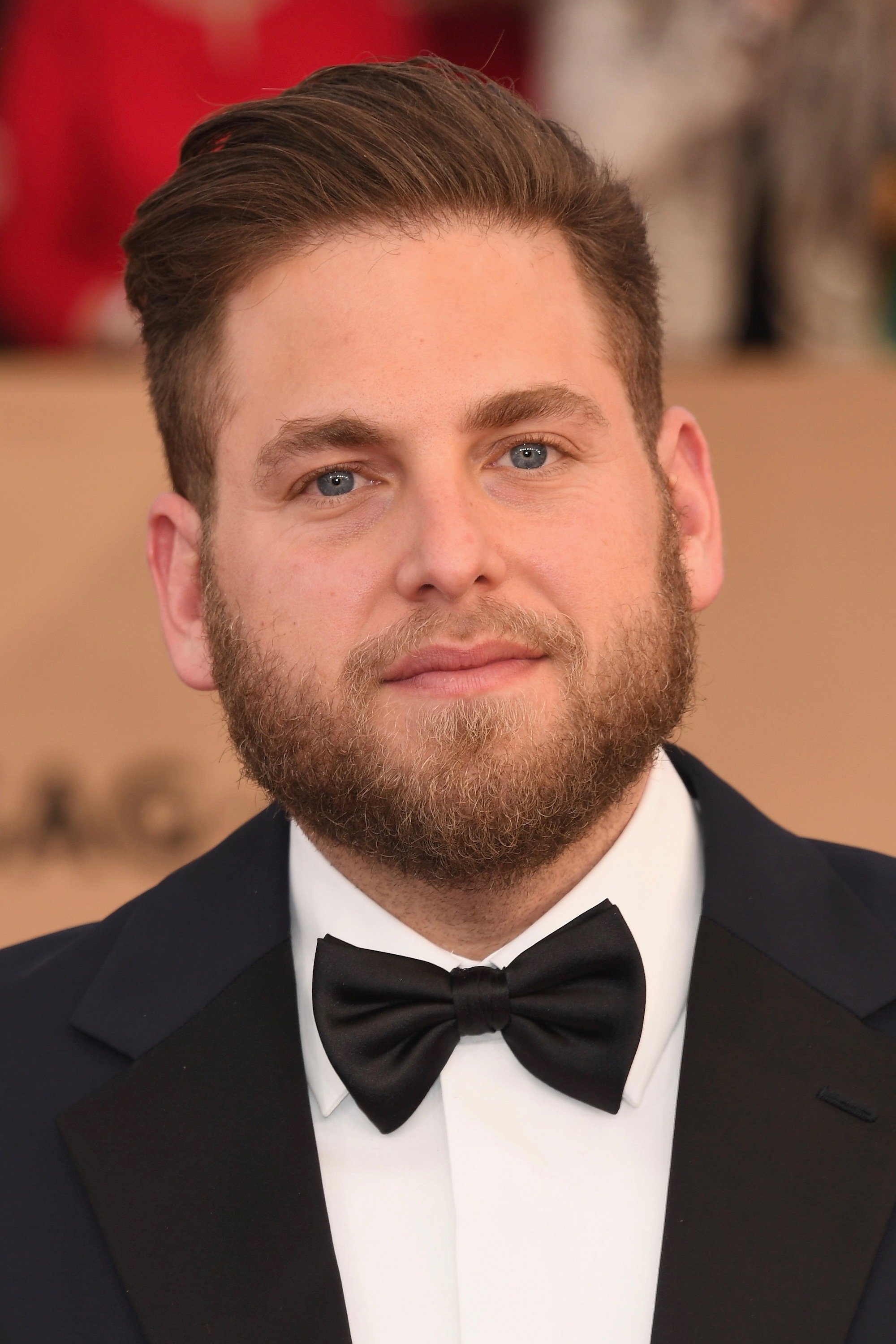
Jonah Hill has said he avoids watching his own films to reduce anxiety and self-criticism. He often steps back after post-production and lets audiences respond on their own terms. Hill continues to promote projects while keeping distance from full viewings. The pattern includes titles like ‘Superbad’ and ‘Moneyball’.
Ethan Hawke
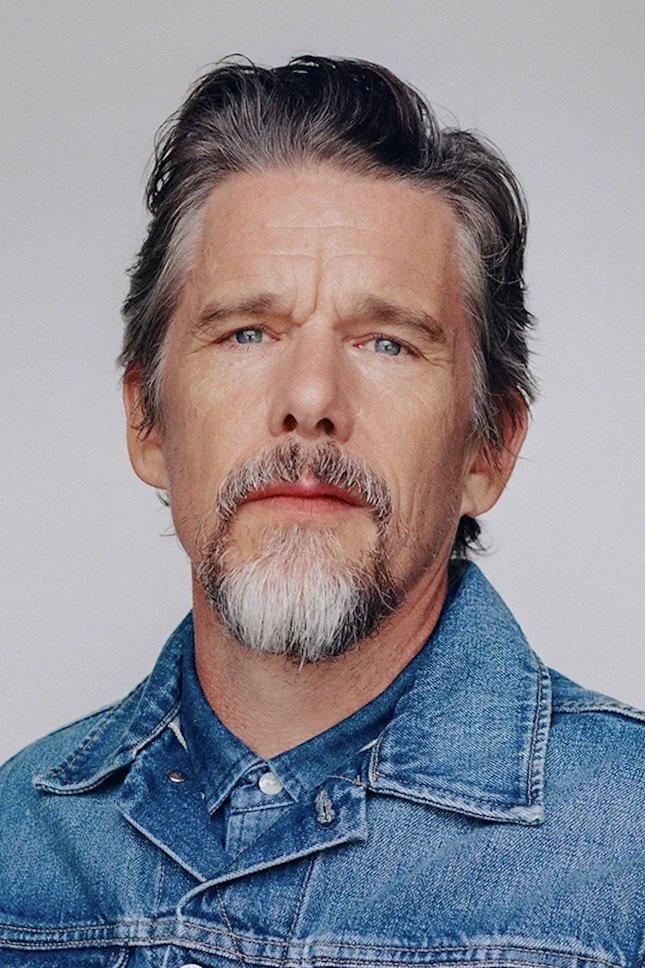
Ethan Hawke has explained that watching himself can be counterproductive, so he generally does not do it. He concentrates on rehearsal, writing, and collaboration to refine performances. Hawke supports releases without relying on full screenings for feedback. The approach continued across films like ‘Before Sunrise’ and ‘Training Day’.
Viggo Mortensen
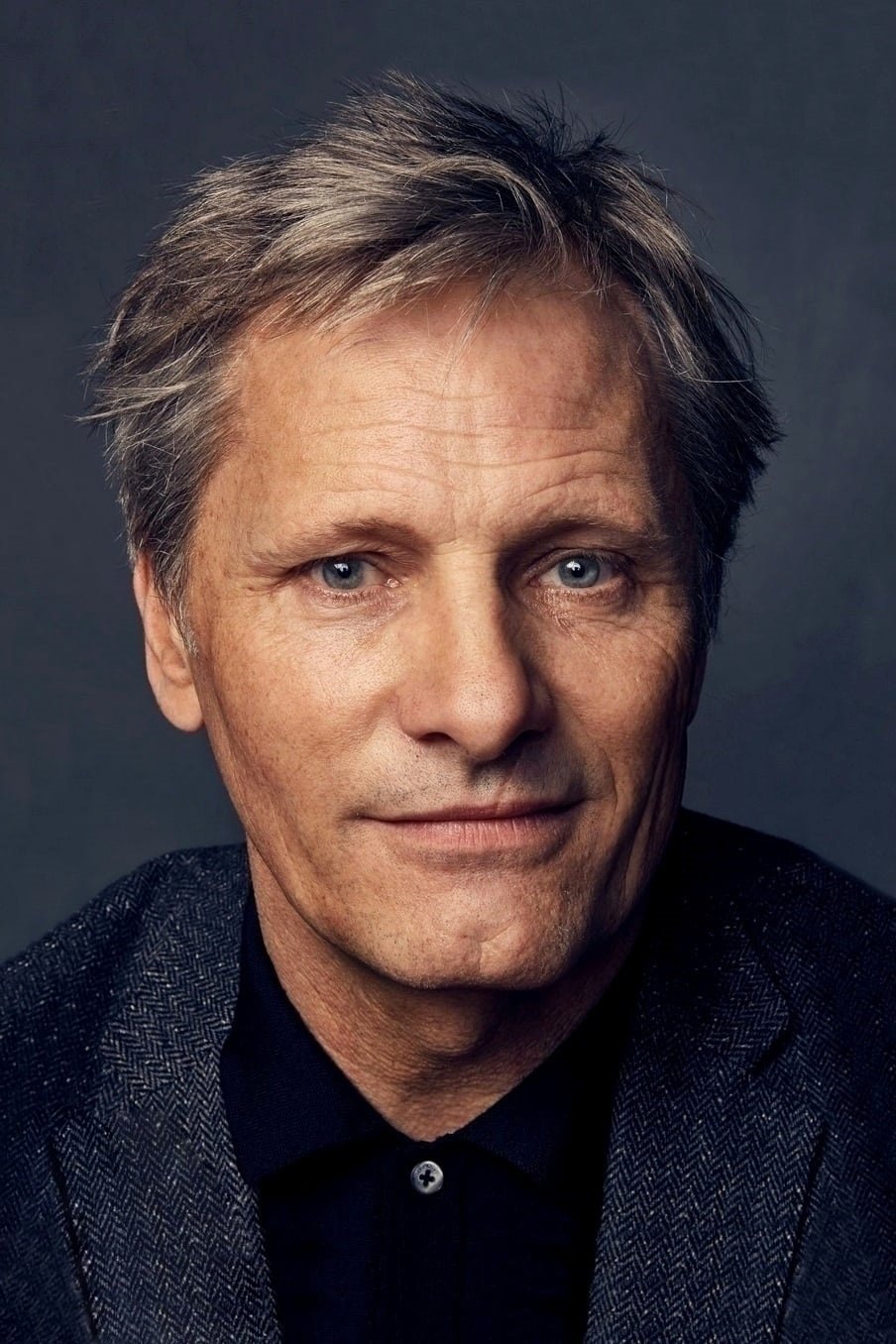
Viggo Mortensen has said he seldom watches his own films and prefers to move on once shooting ends. He emphasizes preparation and trusts post-production teams with the final shape. Mortensen engages with audiences through Q&A sessions rather than personal rewatching. This stance has held from ‘The Lord of the Rings’ to intimate dramas.
Oscar Isaac
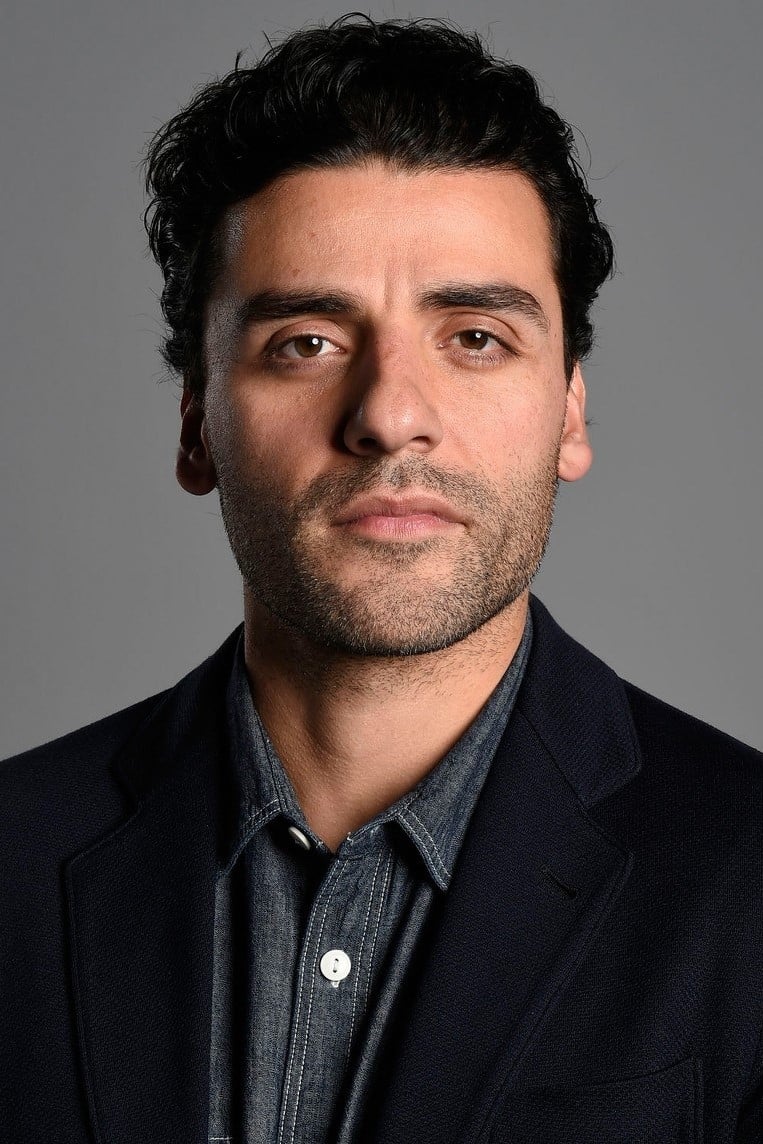
Oscar Isaac has indicated he does not usually revisit his performances after release. He describes screenings as less helpful than the work done with directors and coaches. Isaac attends premieres while avoiding many full viewings. The practice spans character-driven pieces like ‘Inside Llewyn Davis’ and large-scale franchises.
Rami Malek
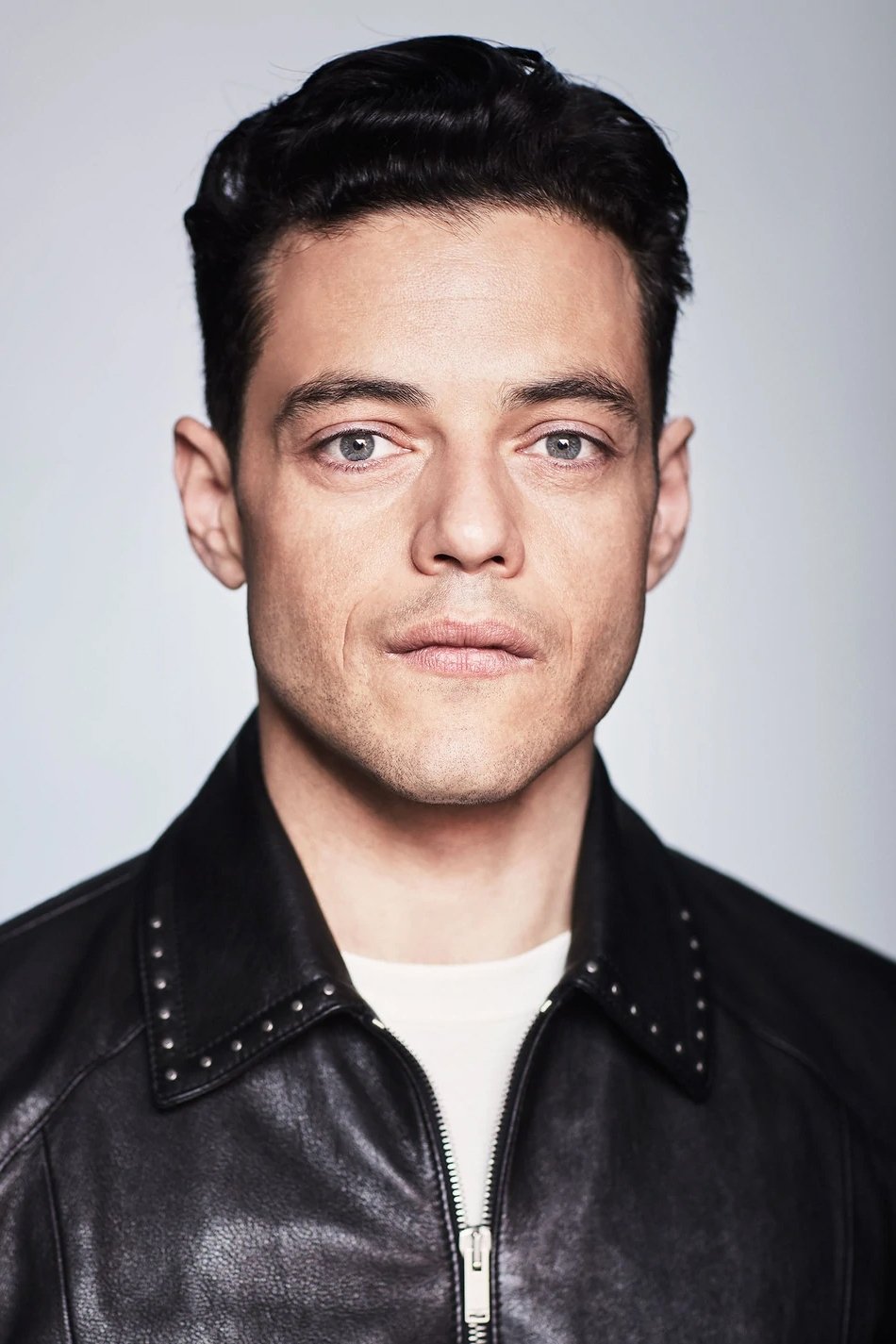
Rami Malek has said he avoids watching himself because it can affect confidence and focus. He relies on feedback from trusted collaborators instead of reviewing finished cuts. Malek participates in promotion and press without needing repeat viewings. The habit includes projects such as ‘Bohemian Rhapsody’ and ‘Mr. Robot’.
Shia LaBeouf
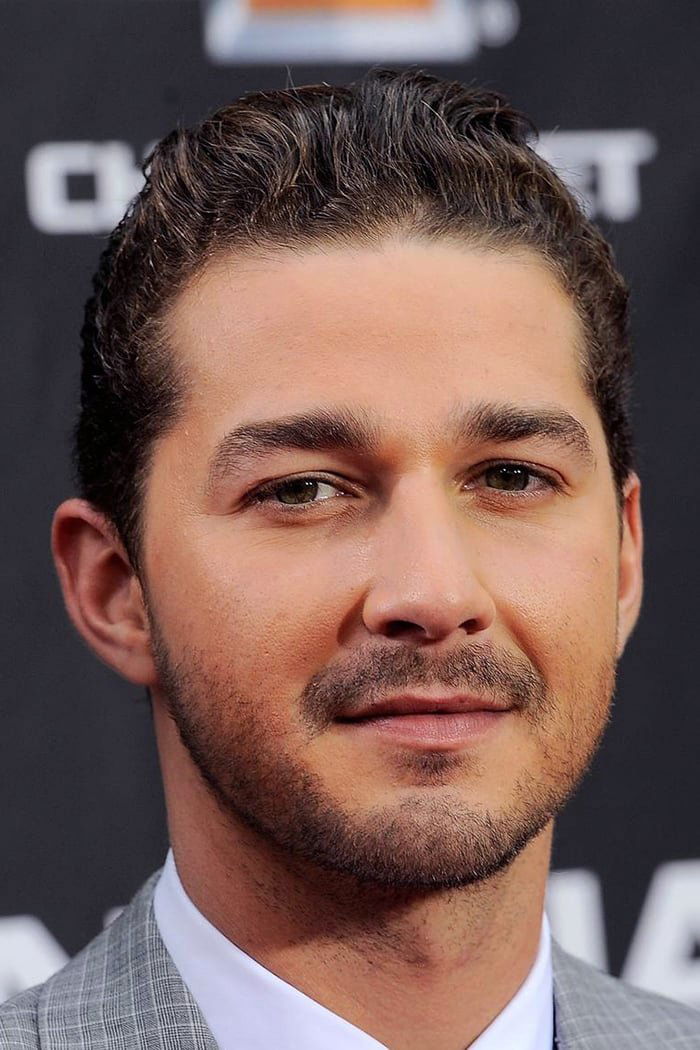
Shia LaBeouf has stated he does not watch his films, describing the experience as unhelpful for growth. He prefers to invest energy in training and rehearsal rather than revisiting results. LaBeouf maintains distance from post-release screenings while supporting necessary publicity. This has applied to work from ‘Fury’ to independent features.
Mark Ruffalo
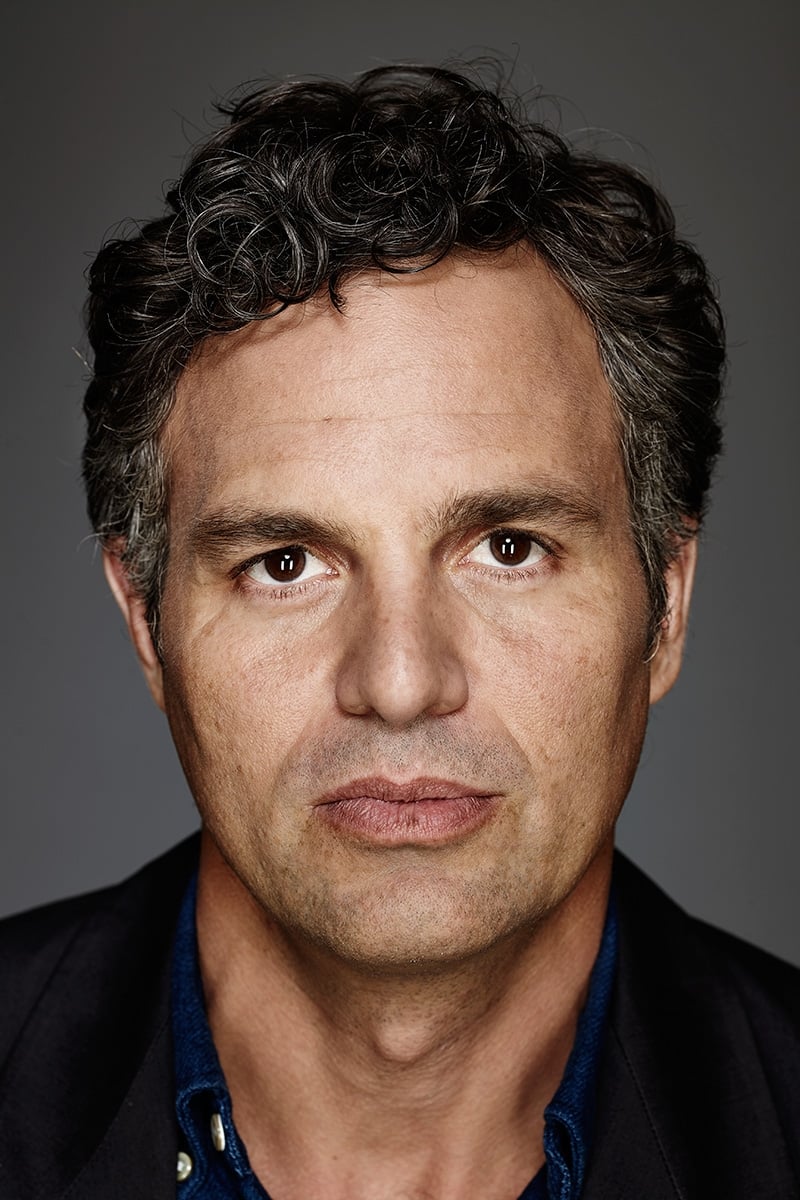
Mark Ruffalo has said he tends to avoid full screenings to keep from overanalyzing choices. He focuses on coaching and collaboration on set, trusting editors afterward. Ruffalo often attends events but does not make a habit of rewatching. The approach spans intimate dramas like ‘Spotlight’ and ensemble superhero entries.
Woody Harrelson
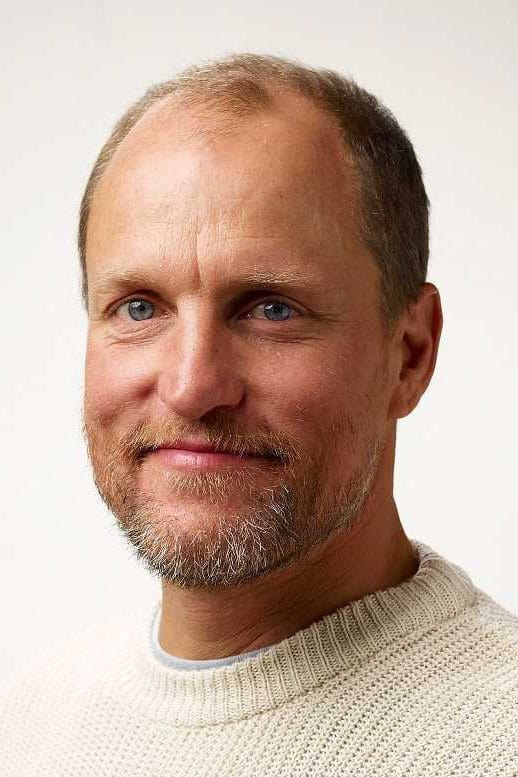
Woody Harrelson has indicated he rarely watches his films, preferring to put energy into the next project. He keeps feedback loops centered on directors and cast during production. Harrelson participates in promotional tours while skipping many screenings. The pattern covers films from ‘Natural Born Killers’ to ‘Three Billboards Outside Ebbing, Missouri’.
Adrien Brody
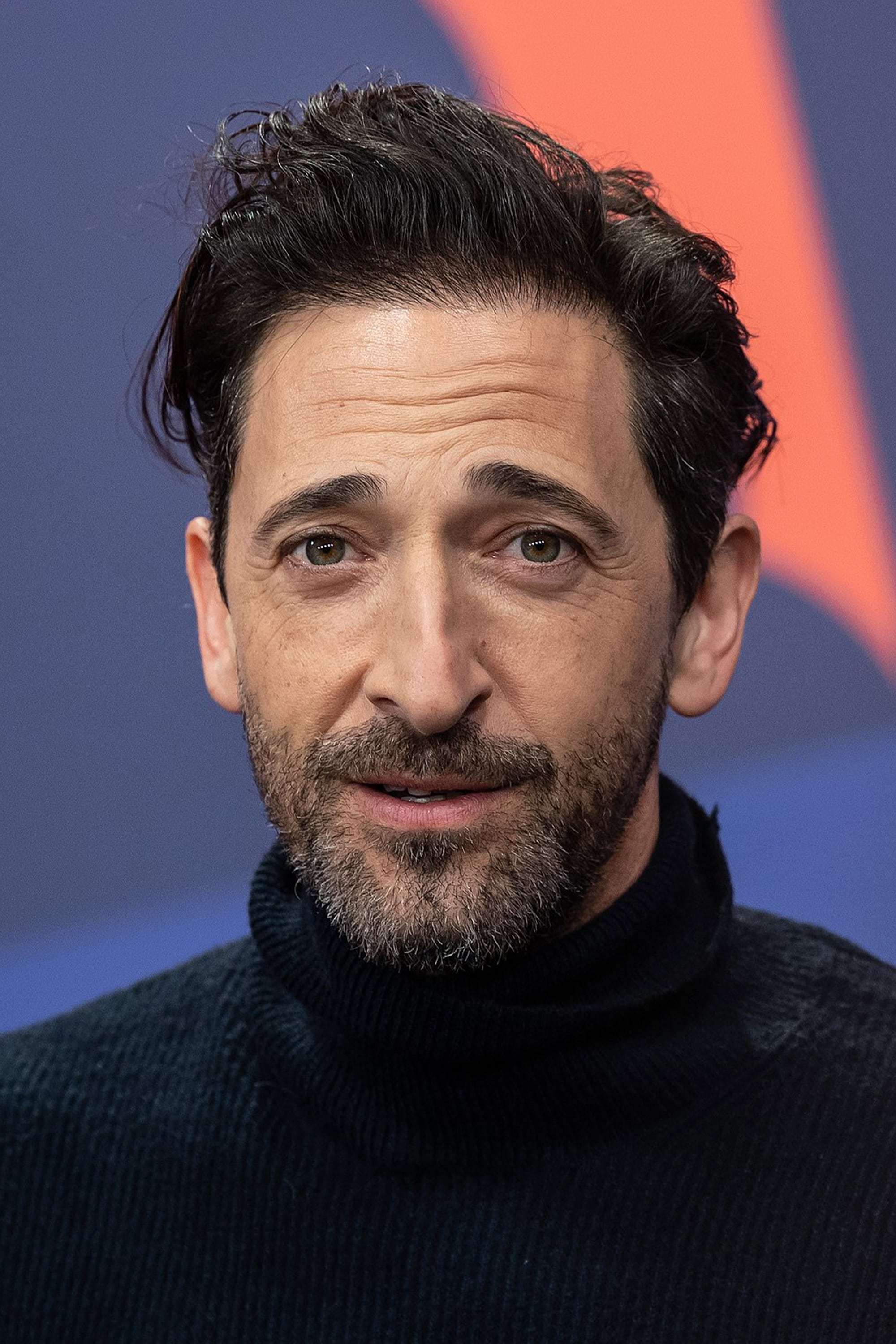
Adrien Brody has said that watching himself offers little benefit, so he typically avoids it. He emphasizes character research and on-set adjustments over reviewing final cuts. Brody supports releases and media appearances without requiring full viewings. The habit includes projects like ‘The Pianist’ and later thrillers.
Share which actors you were most surprised to see on this list in the comments.