Actors Who Refuse to Do Stunts


Some actors choose to leave the risky stuff to professionals, which keeps productions on schedule and everyone safer. Insurance requirements, union rules, and the need for continuity across a shoot often mean a stunt team steps in for hazardous work. These performers focus on the acting while trained doubles handle fights, falls, and complex action beats. Here are notable male actors known for avoiding dangerous stunts and relying on skilled stunt performers to carry the impact on screen.
Liam Neeson
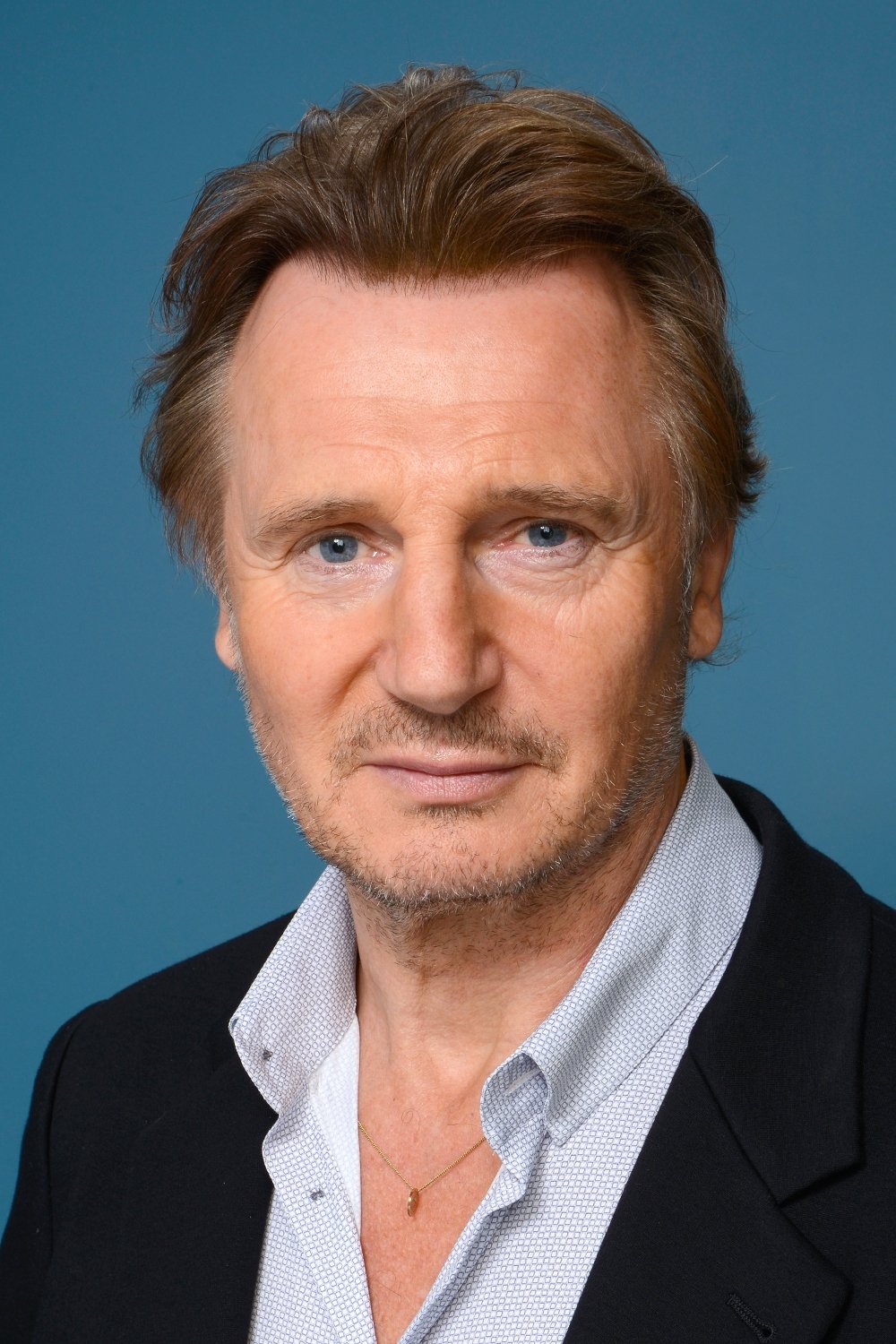
In his action projects, the heaviest hits and falls are handled by doubles to protect the star and keep shooting on track. The close-quarters mayhem in entries like ‘Taken’ is designed so editors can intercut doubles for the most dangerous beats. He focuses on the performance and choreography framing while professionals execute high-risk throws and impacts. Productions build schedules around this approach to maintain safety and efficiency.
Denzel Washington

Washington’s thrillers and action dramas rely on veteran stunt teams for any hazardous maneuvers. The intense brawls and vehicular sequences in films such as ‘The Equalizer’ use doubles for breakaway glass, high falls, and explosive setups. Directors prioritize clean coverage and continuity so stunt performers can safely carry the risk. This method preserves the actor’s availability for dialogue-heavy scenes and reshoots.
Bruce Willis
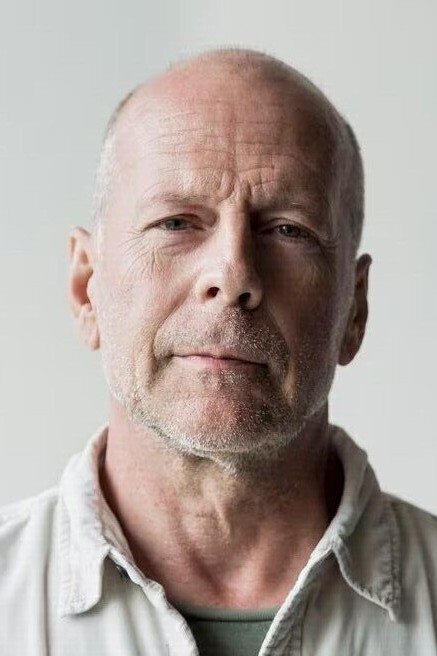
Across his action-heavy filmography, Willis typically delegates perilous work to seasoned doubles. Explosions, wire pulls, and multi-level falls in movies like ‘Die Hard’ installments are planned around stunt professionals. Second-unit teams capture these sequences with angles that protect the actor while selling the action. This standardized approach keeps complex night shoots and pyrotechnics within safety margins.
Robert Downey Jr.
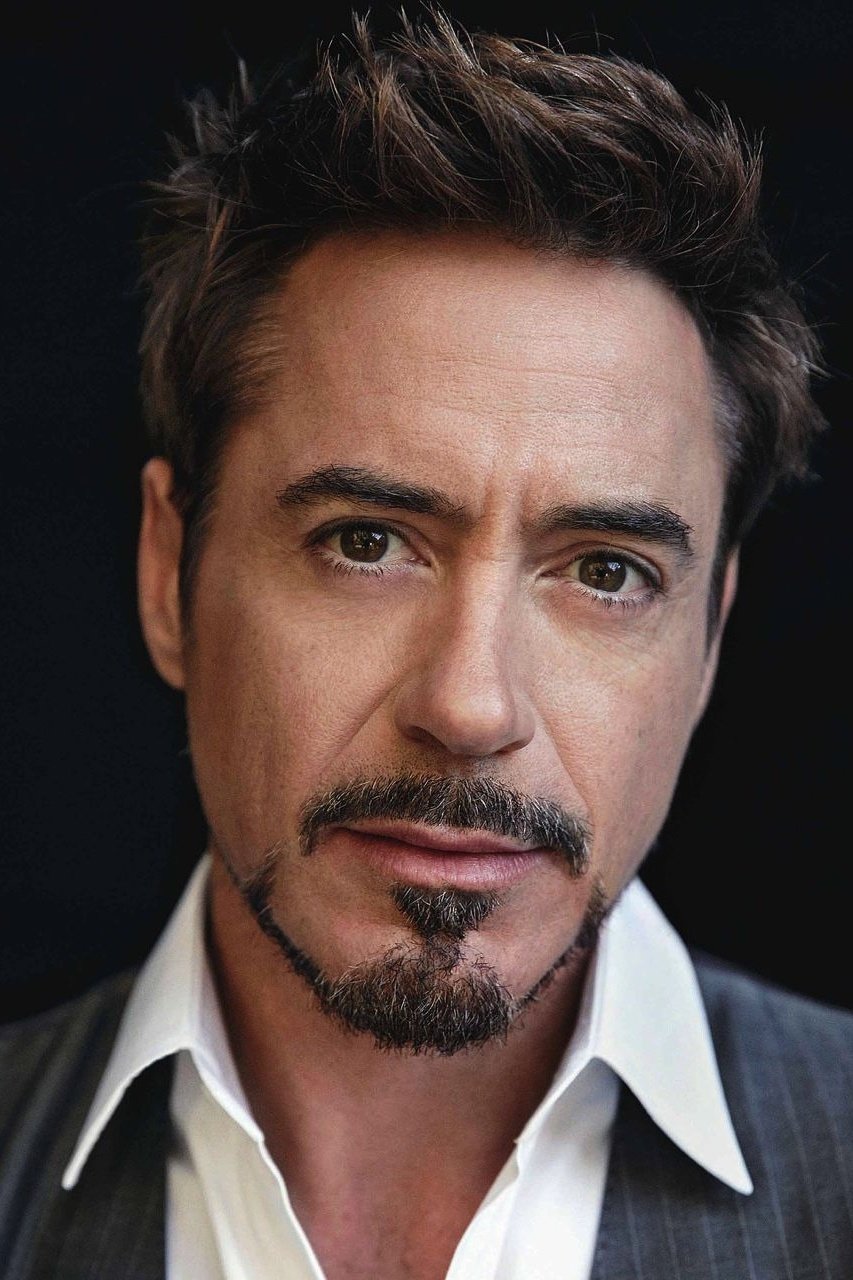
Downey’s effects-driven blockbusters use doubles and rigs for hazardous moments, especially when heavy suits or wire work are involved. In titles like ‘Iron Man’ and ensemble entries featuring the character, stunt teams handle aerial gags and high-impact hits. Motion-capture and VFX then blend the performance with the stunt plates. The result balances realism with a controlled safety environment.
Chris Evans
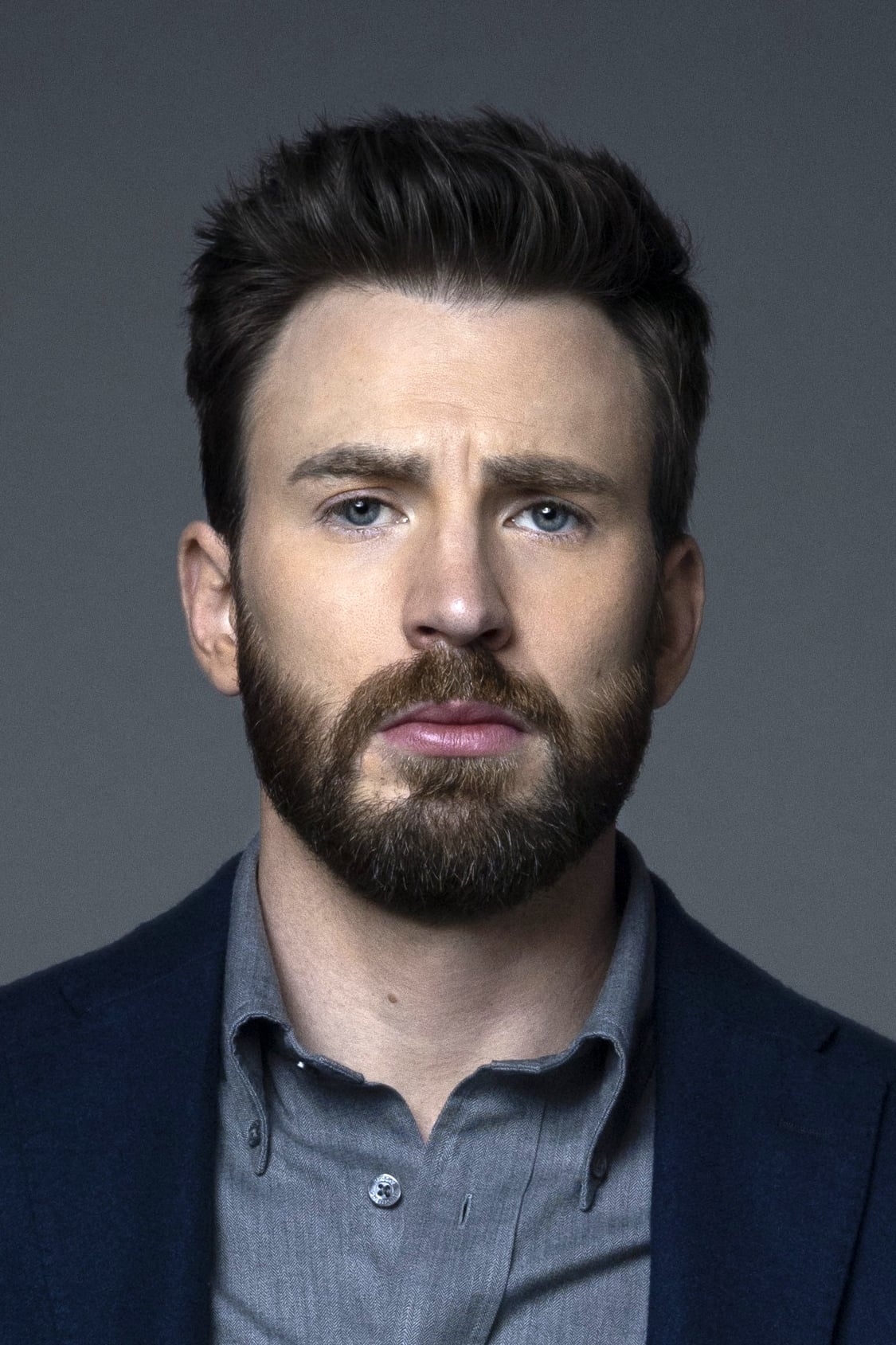
While Evans participates in choreographed action, dangerous beats are assigned to doubles to avoid injury downtime. The shield work and high-speed chases in ‘Captain America’ features are staged so professionals absorb the risky landings. Tight camera coverage and previs make the transitions seamless. This protects both the lead and the production calendar.
Ben Affleck
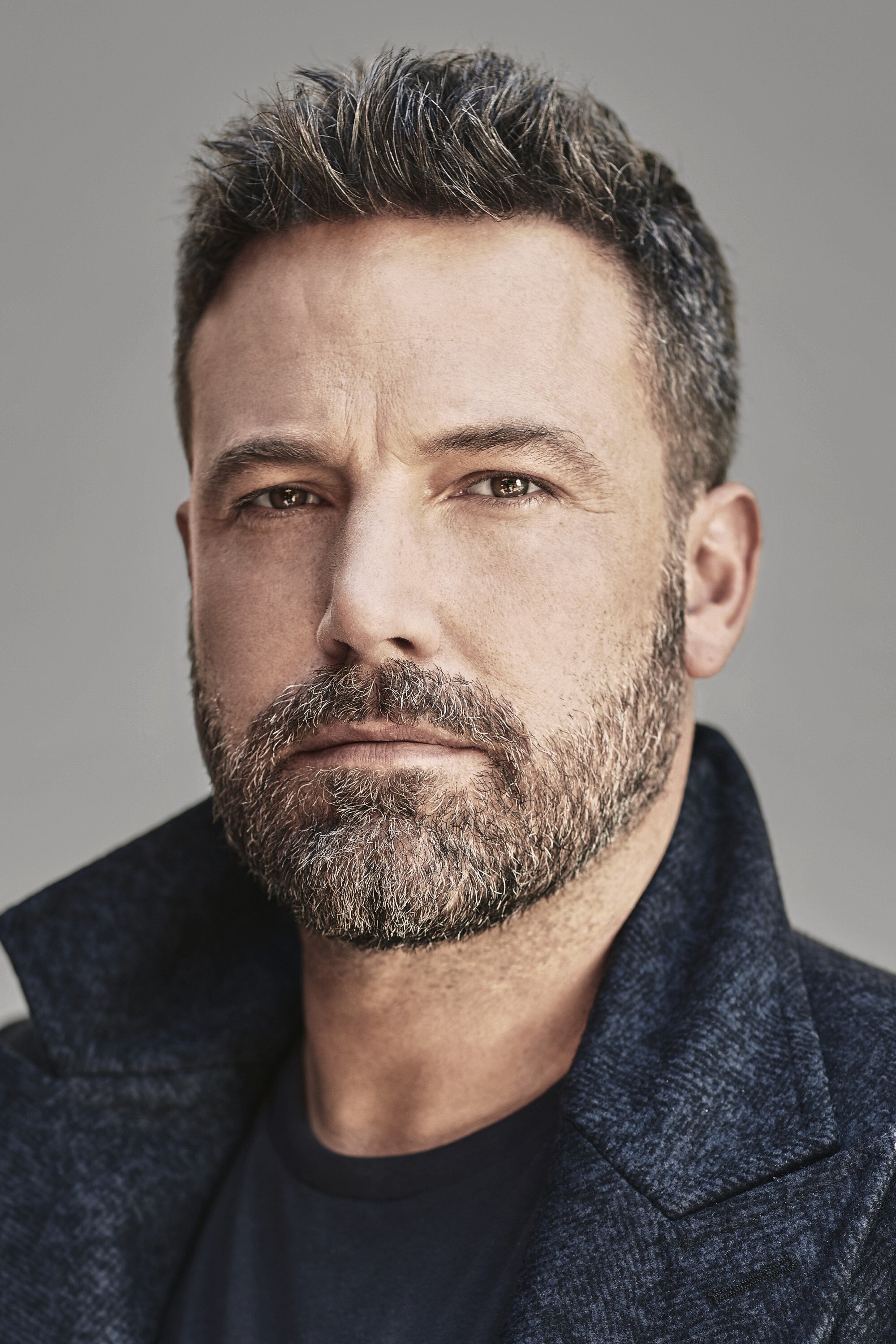
Affleck’s crime and action films use doubles for falls, stair tumbles, and vehicular hits. In projects like ‘The Town’ and superhero outings, the stunt unit designs complex actions the actor doesn’t personally execute. Suits, masks, and tactical gear help maintain continuity when a double steps in. This lets principal photography proceed without interruption from injury risks.
Leonardo DiCaprio
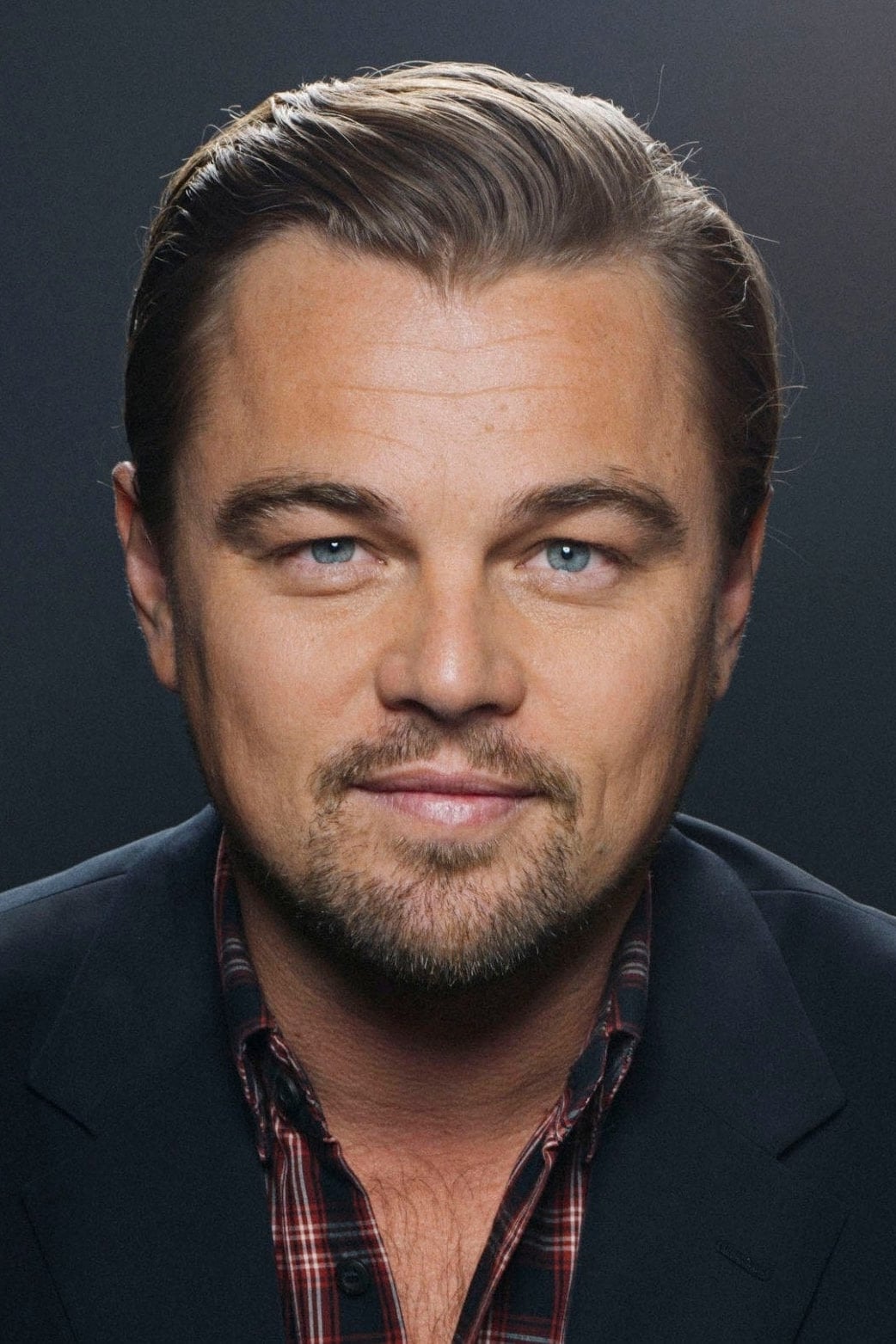
DiCaprio’s physically demanding roles still route hazardous stunts to professionals. Sequences in films such as ‘Inception’ and ‘The Revenant’ use doubles for wire pulls, brutal falls, and icy terrain gags. The main unit emphasizes performance and narrative while second unit captures the dangerous material. Careful editing merges both into a cohesive on-screen experience.
Matt Damon
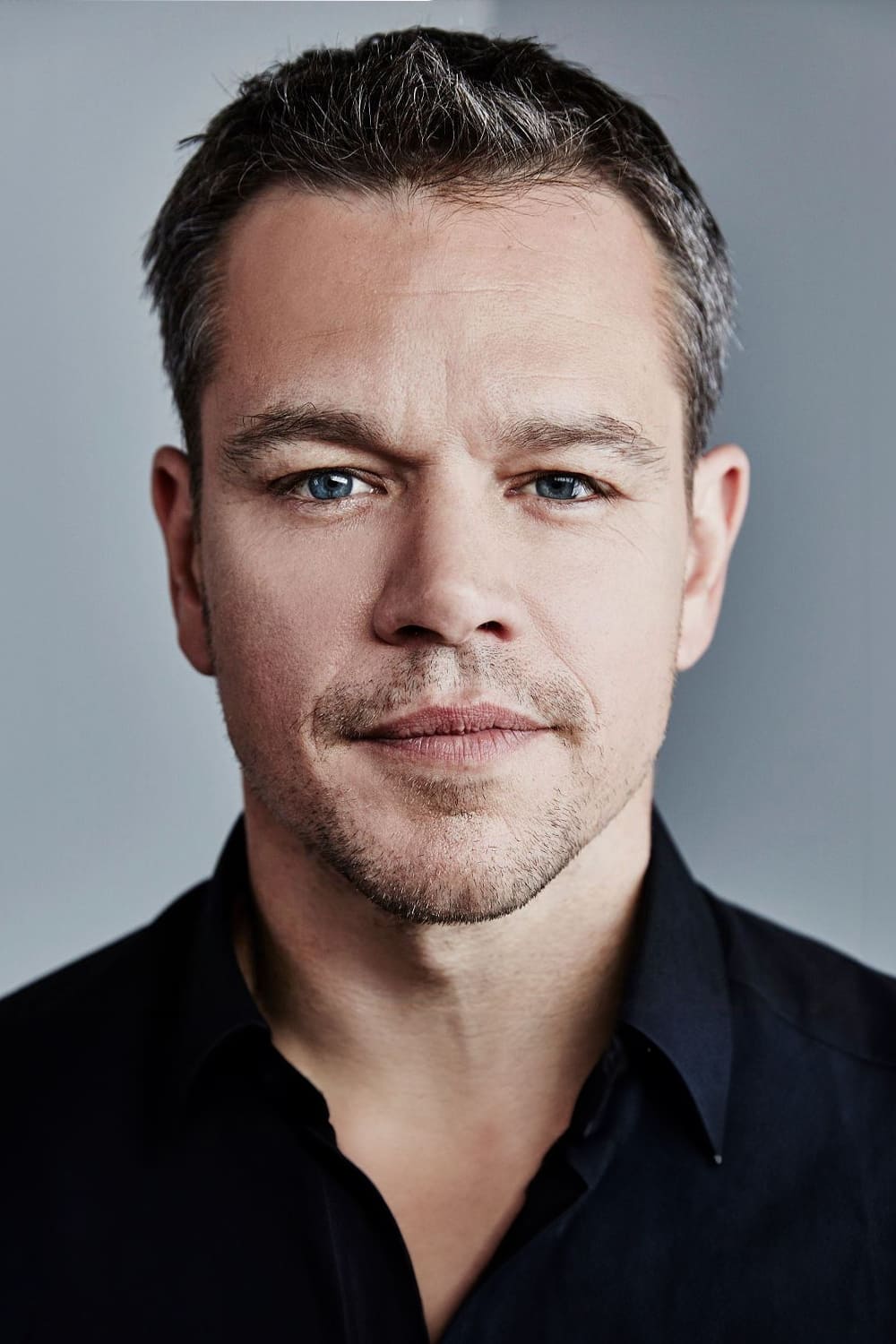
Damon’s action thrillers rely on doubles for high-impact beats like stair falls and vehicle collisions. The kinetic fights and chase scenes in the ‘Bourne’ series are designed so professionals absorb the risk. Handheld camerawork and rapid coverage keep the illusion intact. This division of labor maintains actor safety while delivering grounded action.
Samuel L. Jackson
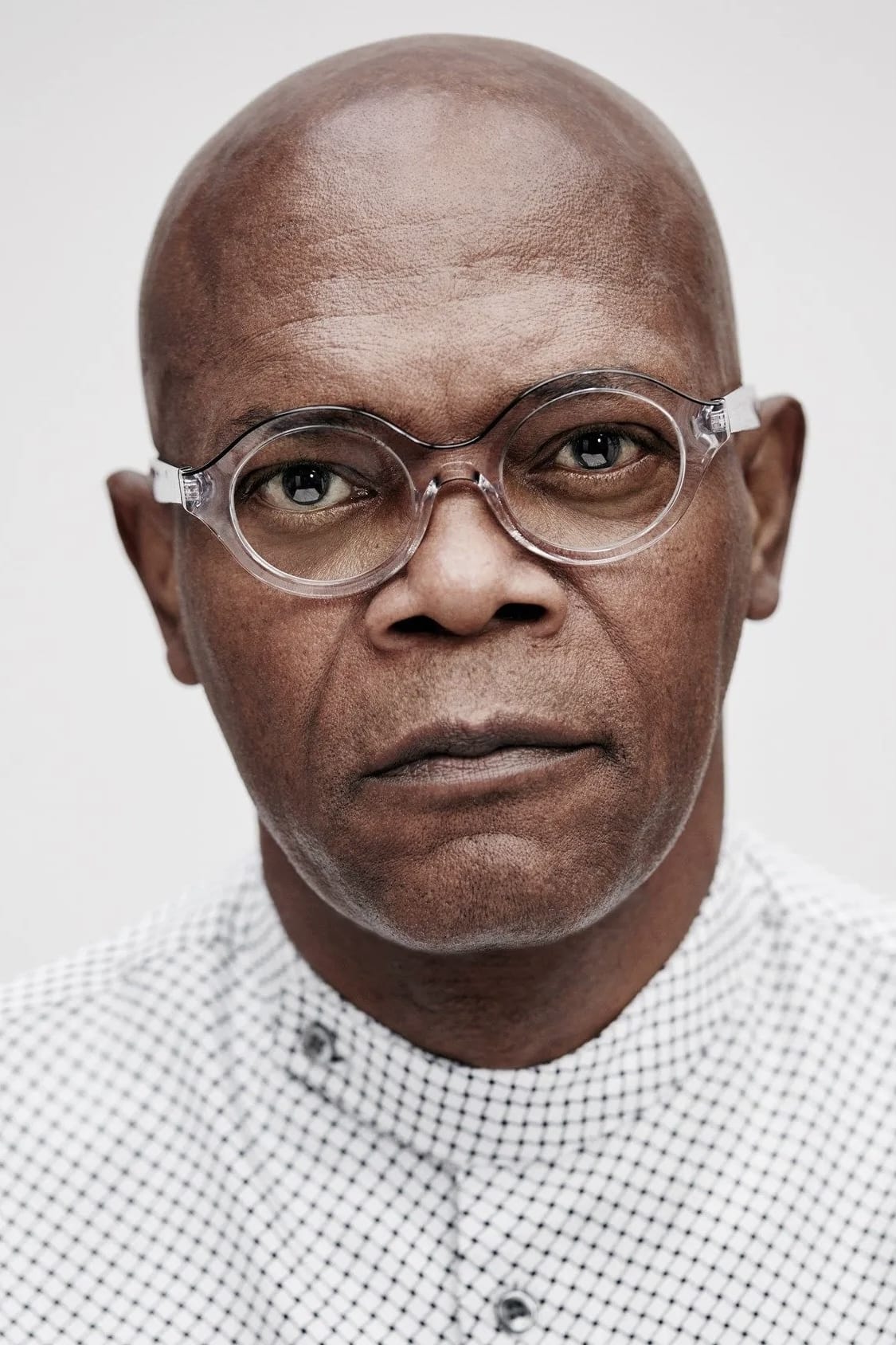
Jackson’s genre films make extensive use of stunt teams for hazardous tasks. Explosive setups, glass hits, and wire pulls in projects like ‘Kingsman: The Secret Service’ are executed by doubles. The production prioritizes performance coverage, leaving risky mechanics to experts. This ensures consistent availability for dialogue and character work.
Harrison Ford
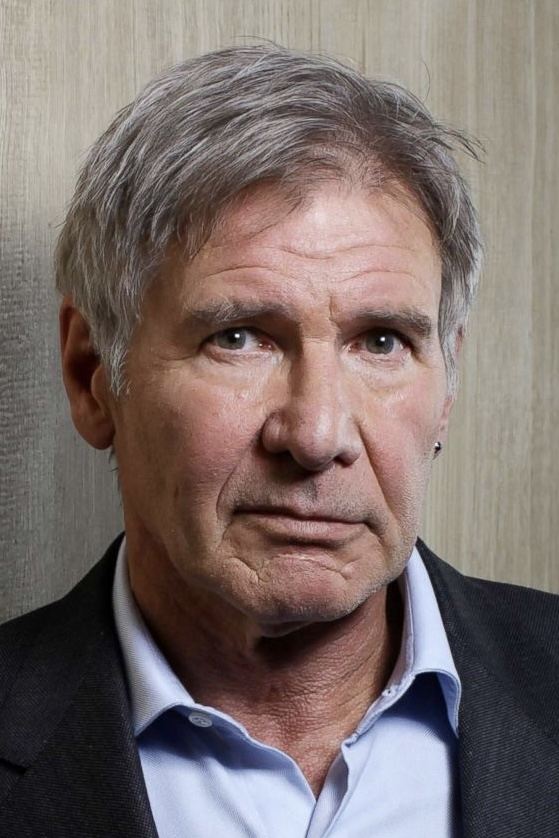
Ford’s later-career projects place stunt doubles front and center for dangerous sequences. In adventure and sci-fi titles such as ‘Indiana Jones’ entries and ‘Blade Runner 2049’, professionals handle major falls and complex rigging. The shooting plan favors safety while preserving the character’s physical presence through careful blocking. This approach respects both legacy and logistics.
Al Pacino
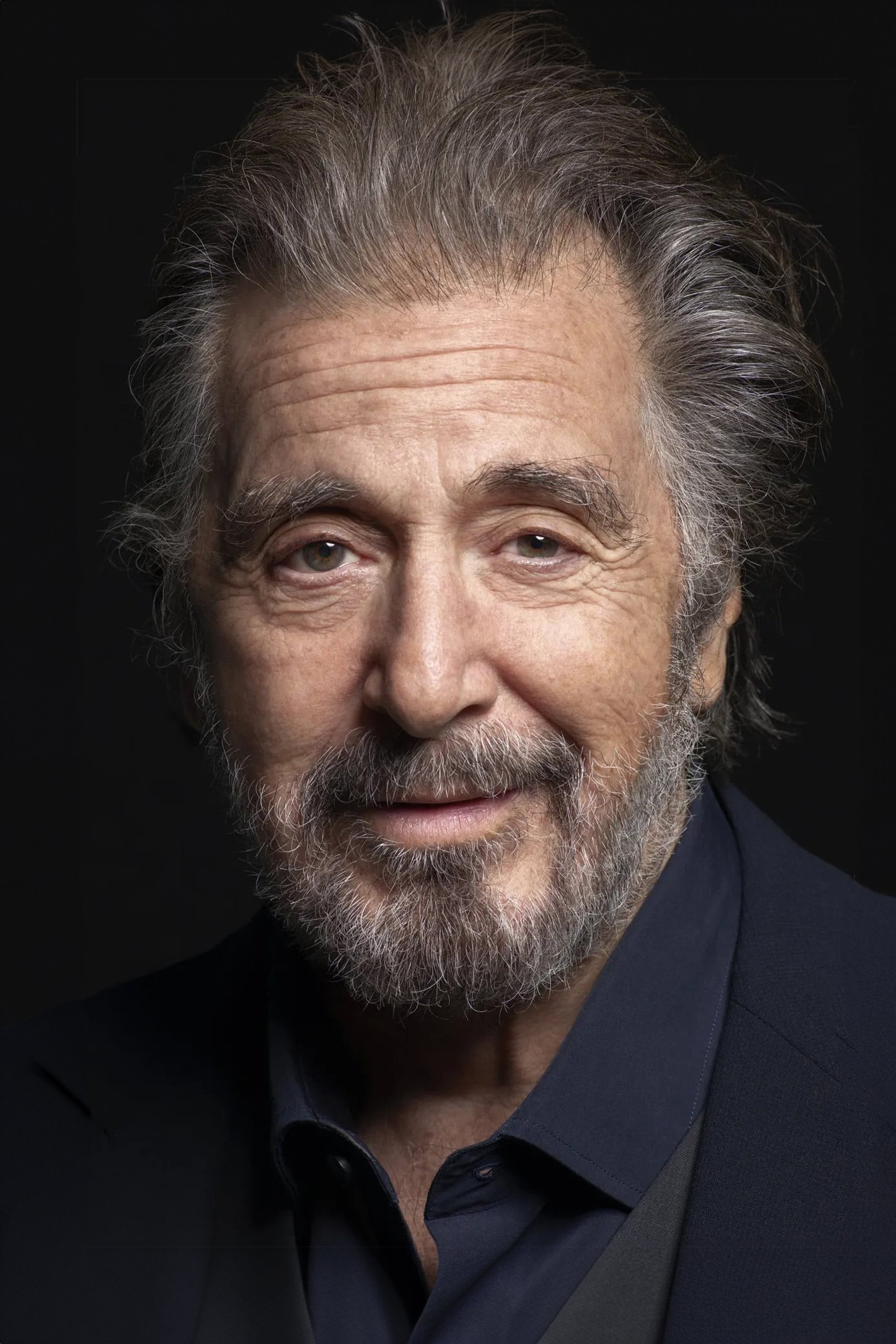
Pacino’s films route hazardous movement to doubles, especially in crowd chaos and tactical scenes. Productions like ‘Heat’ use professionals for ballistic gags, vehicle risks, and forceful impacts. The lead focuses on performance while specialists manage the physical stakes. Coordinated coverage keeps the action believable without exposing the actor to injury.
Morgan Freeman
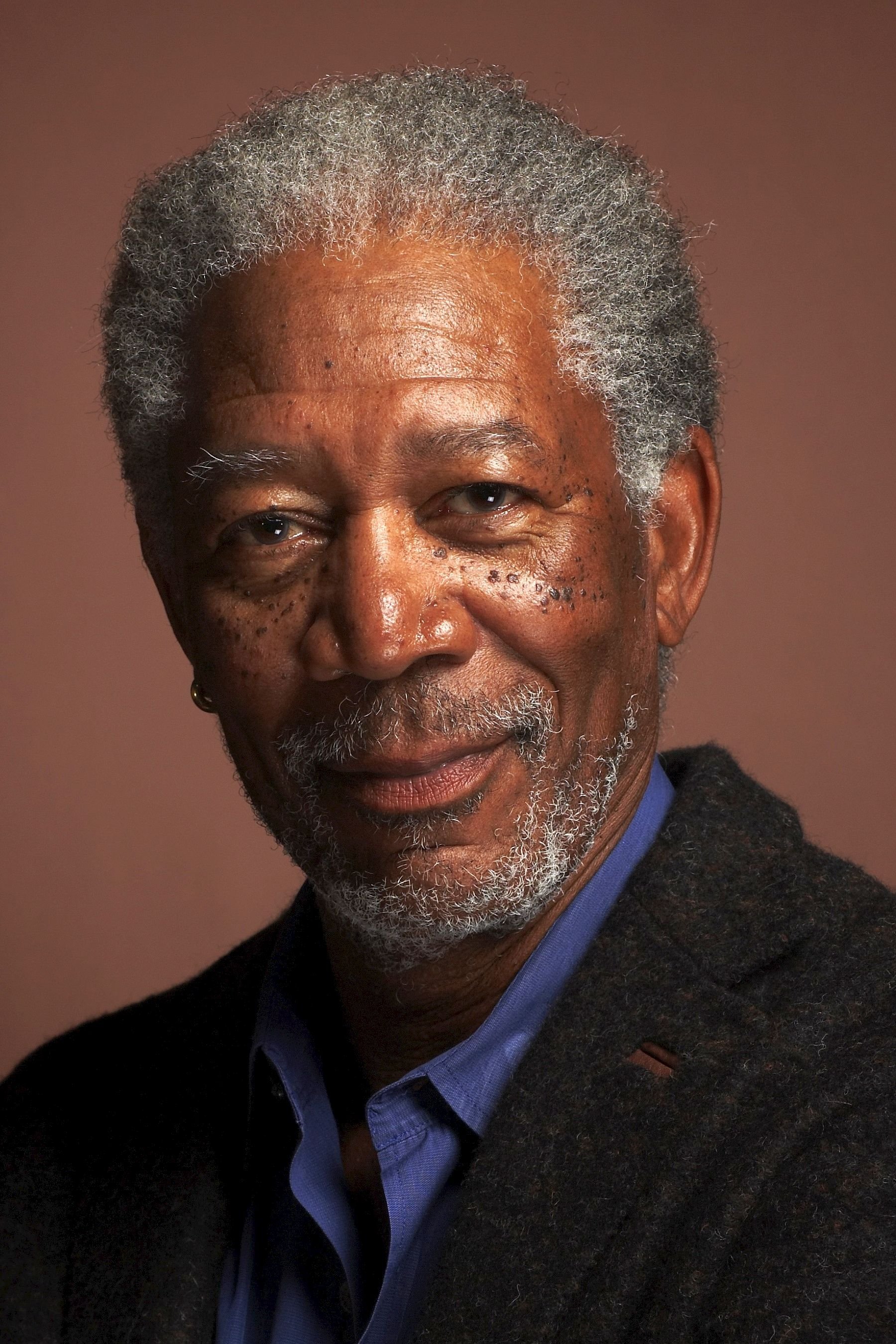
Freeman’s thrillers and action features leverage stunt performers for risky beats. In titles like ‘Olympus Has Fallen’, doubles take over for explosive hits and high-tension maneuvers. The camera plan allows seamless substitution through profile angles and inserts. Safety considerations guide this consistent production practice.
Anthony Hopkins
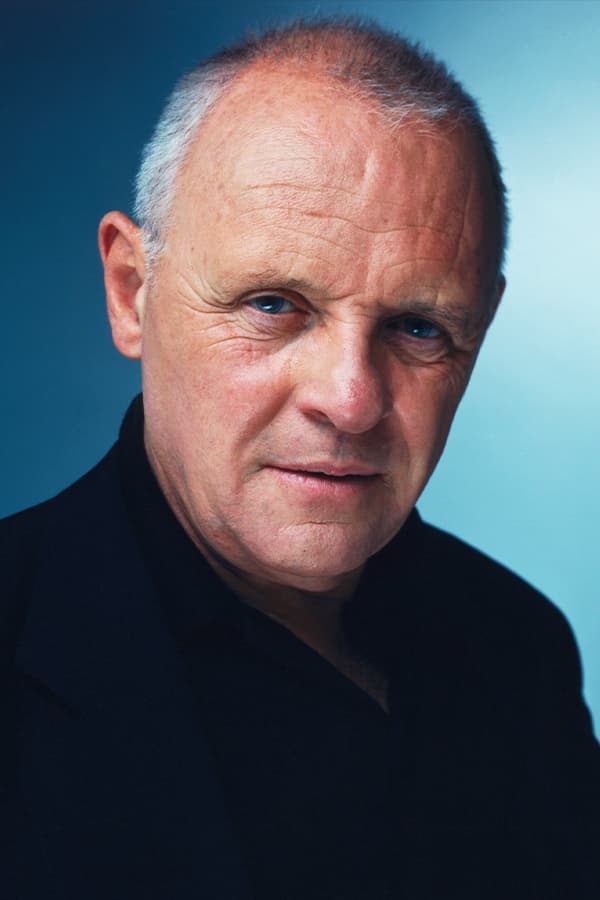
Hopkins’ projects rely on stunt teams for any scene involving hazardous movement. Films such as ‘The Mask of Zorro’ used doubles for swordplay flourishes and perilous footwork. The production captures close dialogue with the star and wider action with professionals. This protects continuity while delivering convincing spectacle.
Ian McKellen
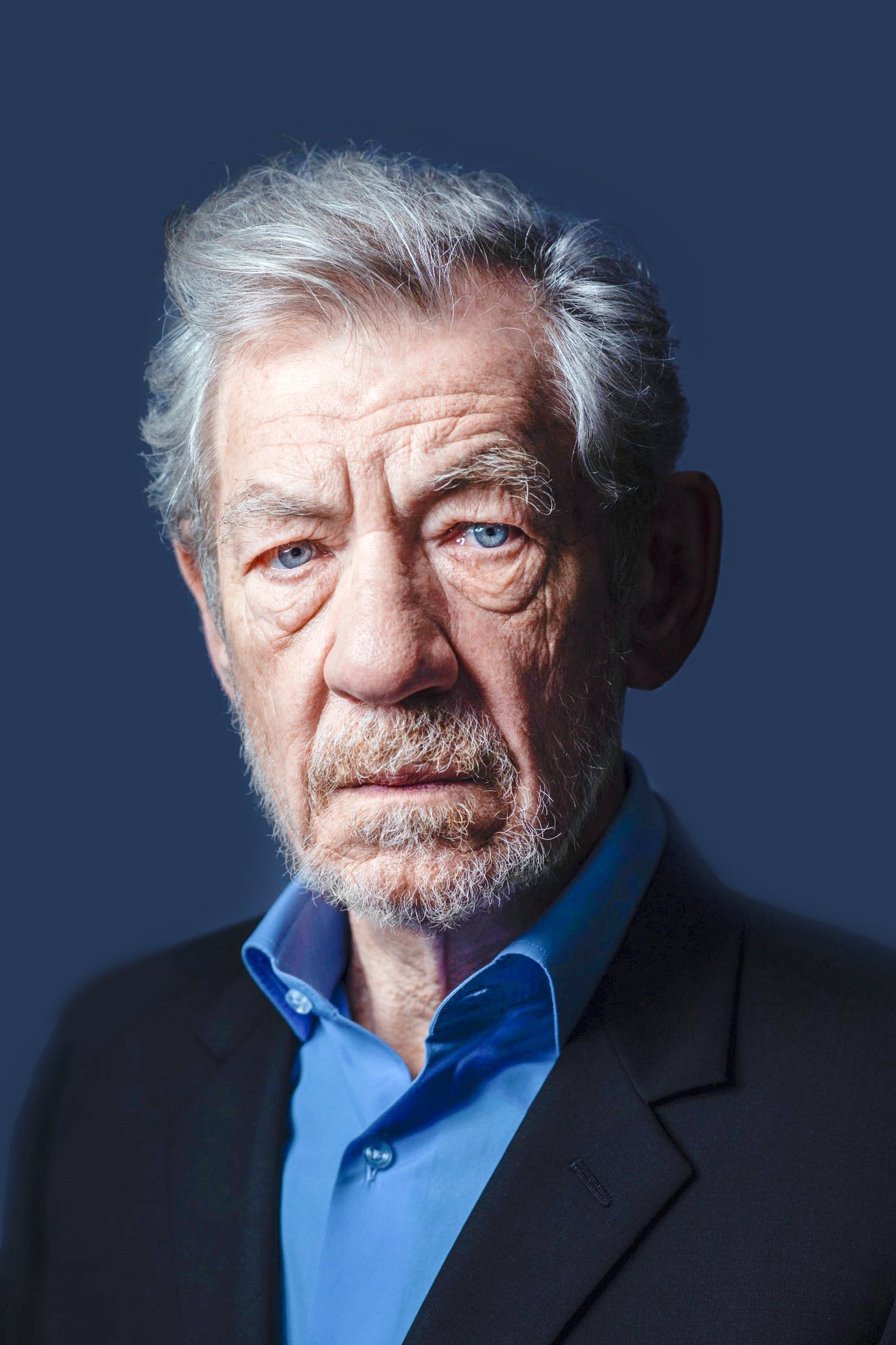
McKellen’s fantasy and superhero roles employ doubles for climbing, falls, and wire work. In ensembles like ‘The Lord of the Rings’, specialists handle complex terrain and stunt rigging. The filmmaking strategy balances character close-ups with second-unit action. This keeps the actor safe while maintaining the epic scale on screen.
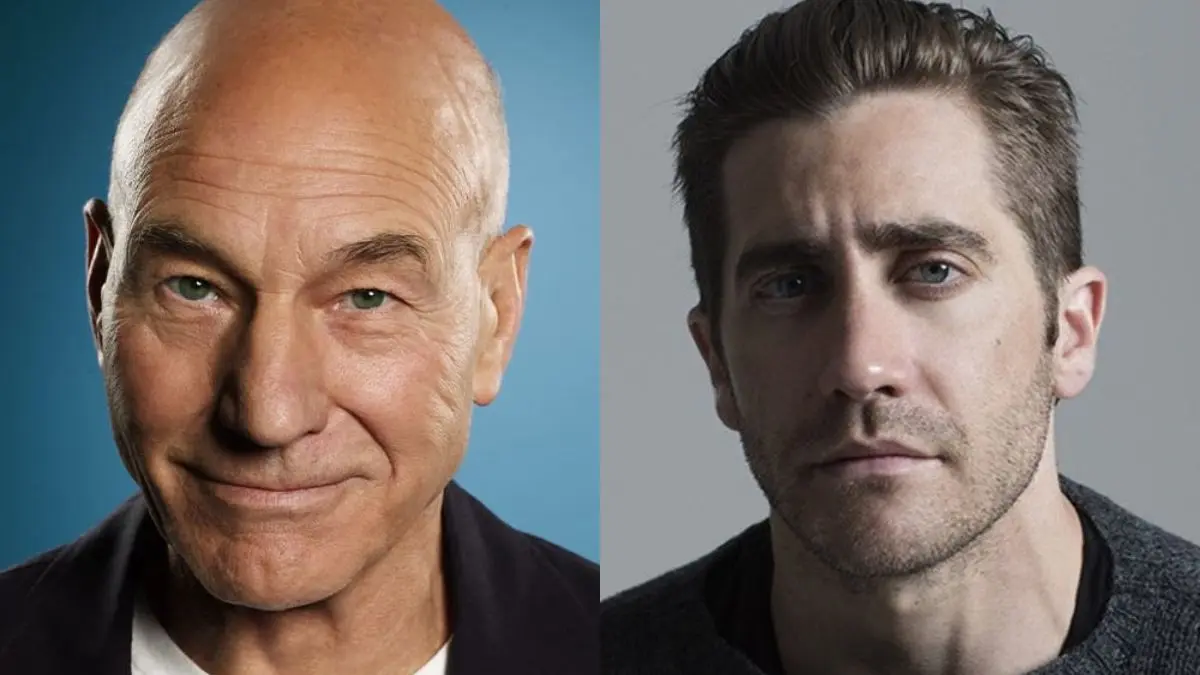
Patrick Stewart
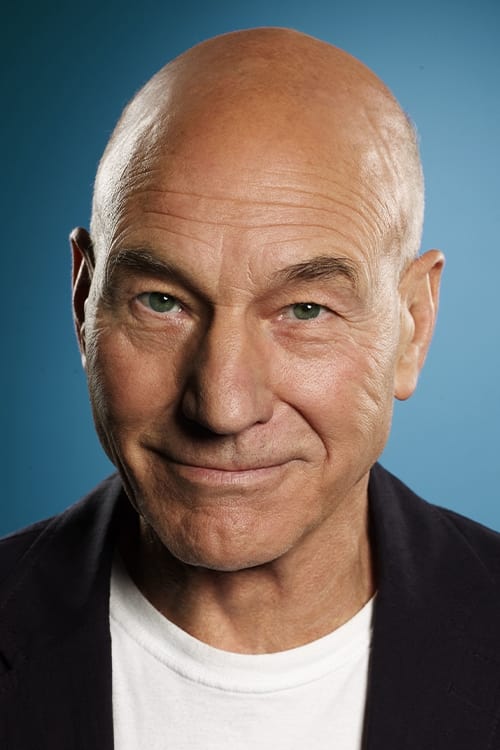
Stewart’s science-fiction and superhero appearances assign dangerous action to doubles. Productions like ‘Logan’ and ‘X-Men’ entries separate performance-driven scenes from high-risk beats. Stunt teams manage impacts, harness work, and breakaway elements. The workflow preserves actor health and ensures steady progress through demanding schedules.
Tom Hanks
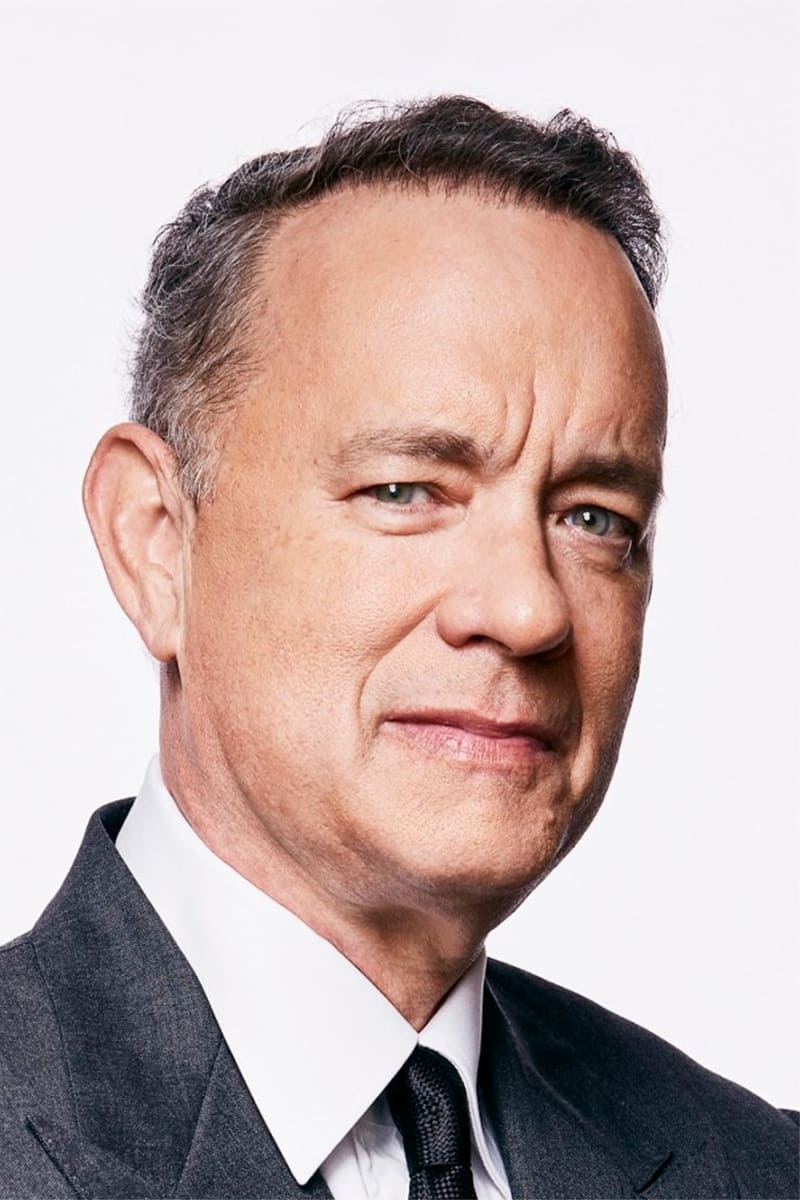
Hanks’s films rely on stunt teams for any risky movement or impact. In titles like ‘Captain Phillips’ and ‘Sully’, doubles handle falls, wire pulls, and hazardous set pieces while the main unit focuses on character moments. Second unit captures technical action plates that can be matched to close-ups later. This protects continuity and keeps the shoot on a predictable timetable.
George Clooney
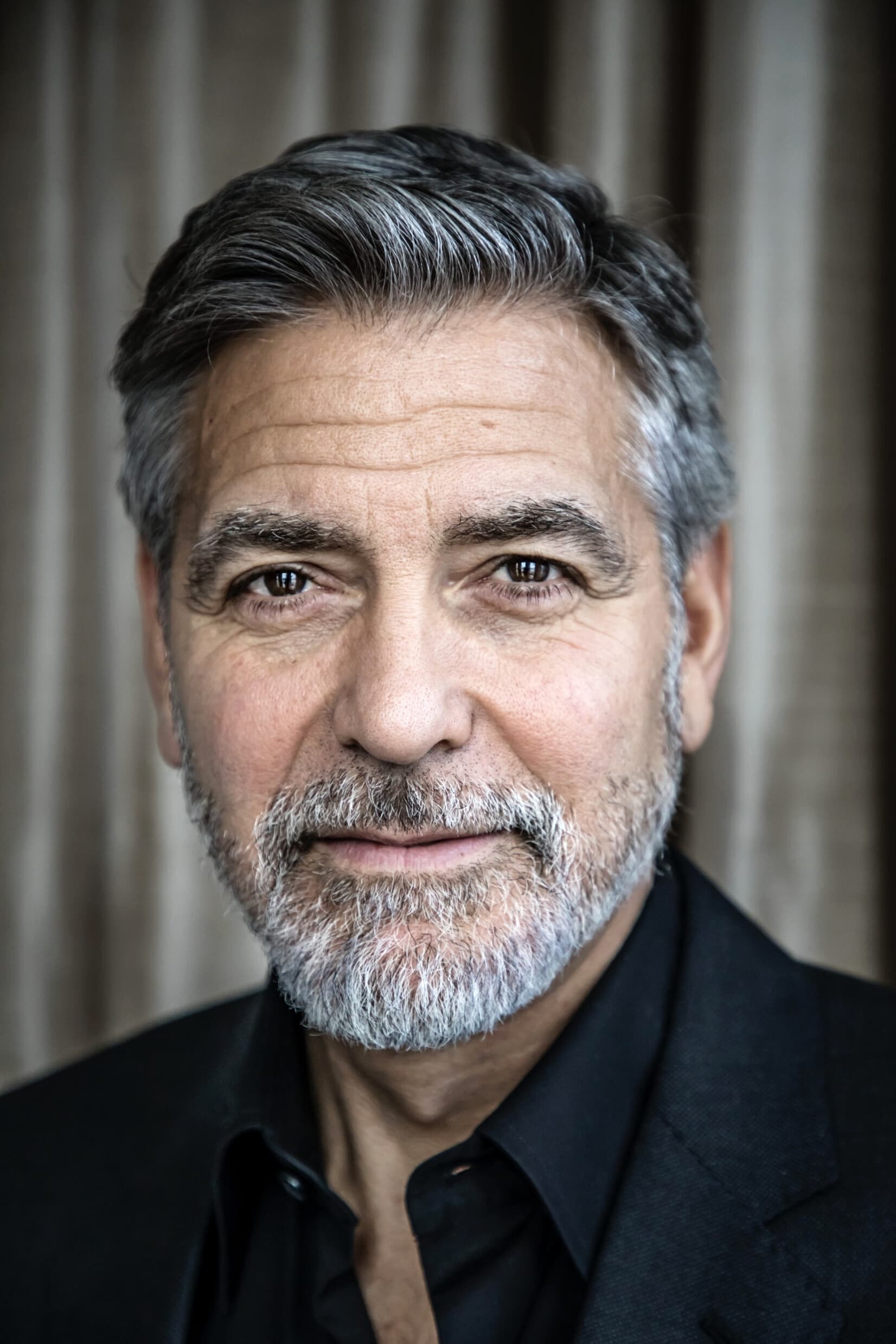
Clooney’s projects assign dangerous gags to trained professionals to manage injury risk and complex logistics. Productions such as ‘Gravity’ and ‘Syriana’ separate performance work from high-risk harness or fight beats. The action is mapped with previs so doubles can execute precise maneuvers. Editors then blend the footage to maintain a consistent screen presence.
Pierce Brosnan
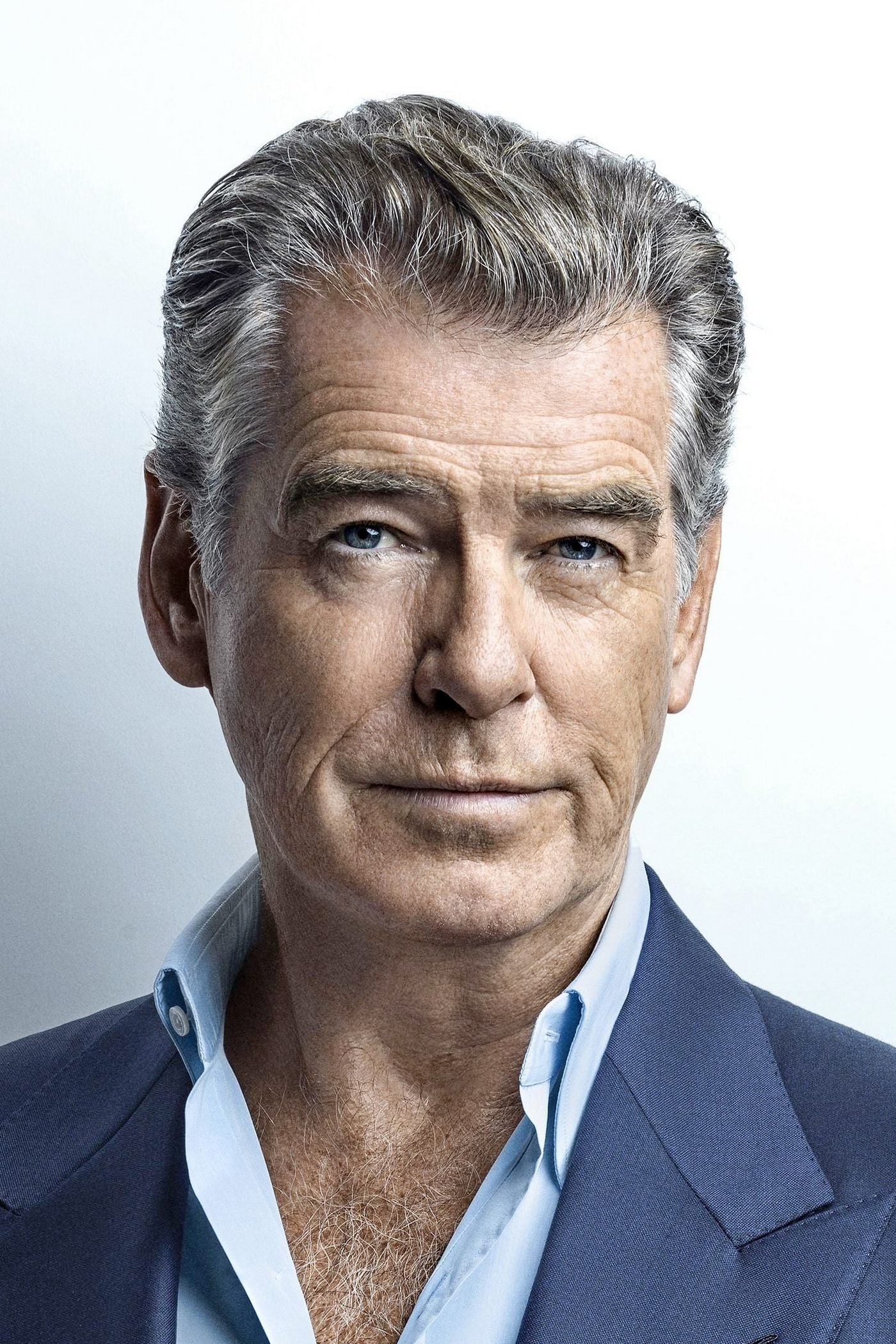
Brosnan’s action roles typically place stunt performers in the line of danger for high falls and explosive setups. In films like ‘GoldenEye’ and ‘The November Man’, the staging favors angles that let doubles absorb impacts. The lead performance is captured in safe conditions and matched with wider plates. This approach helps maintain scheduling certainty on effects heavy days.
Robert De Niro
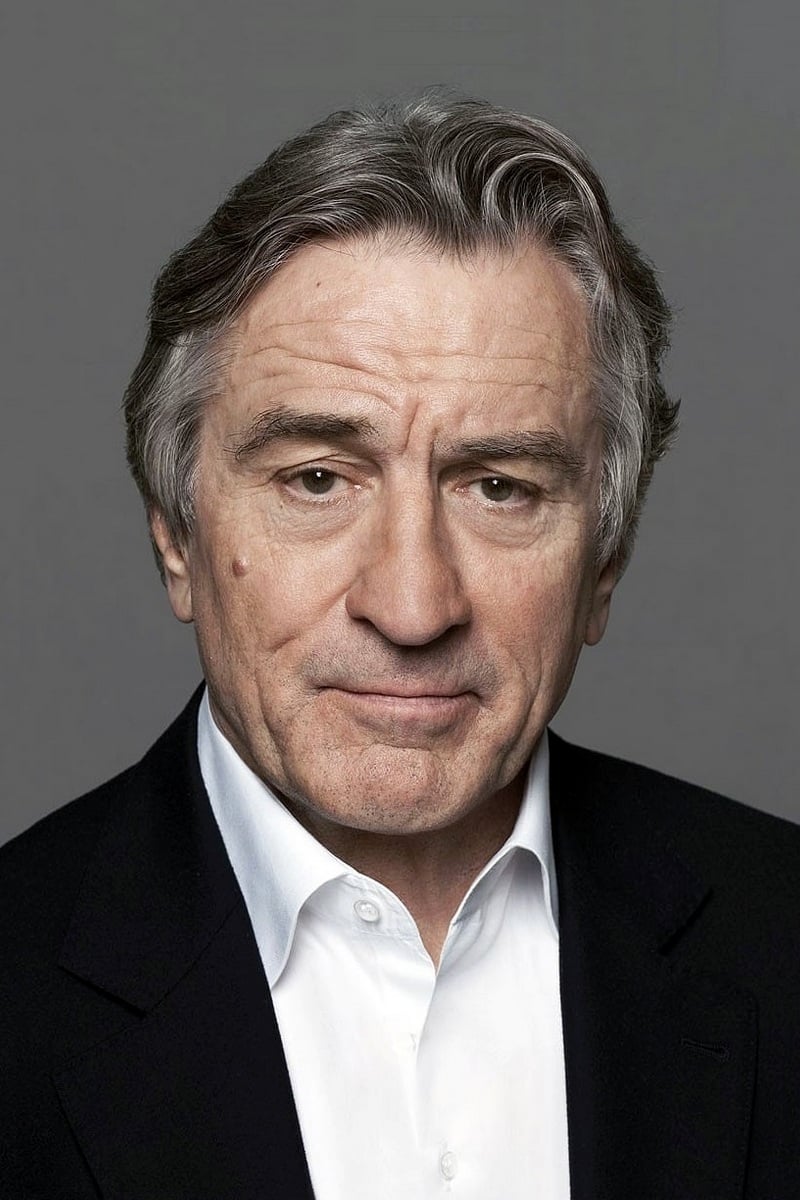
De Niro’s crime and action work uses doubles for hazardous beats such as glass hits and vehicle risks. Productions like ‘Heat’ and ‘The Irishman’ plan coverage so professionals can handle tactical movement under controlled conditions. Dialogue and close-quarters acting remain with the star. Second unit action integrates smoothly in the final cut.
Gary Oldman
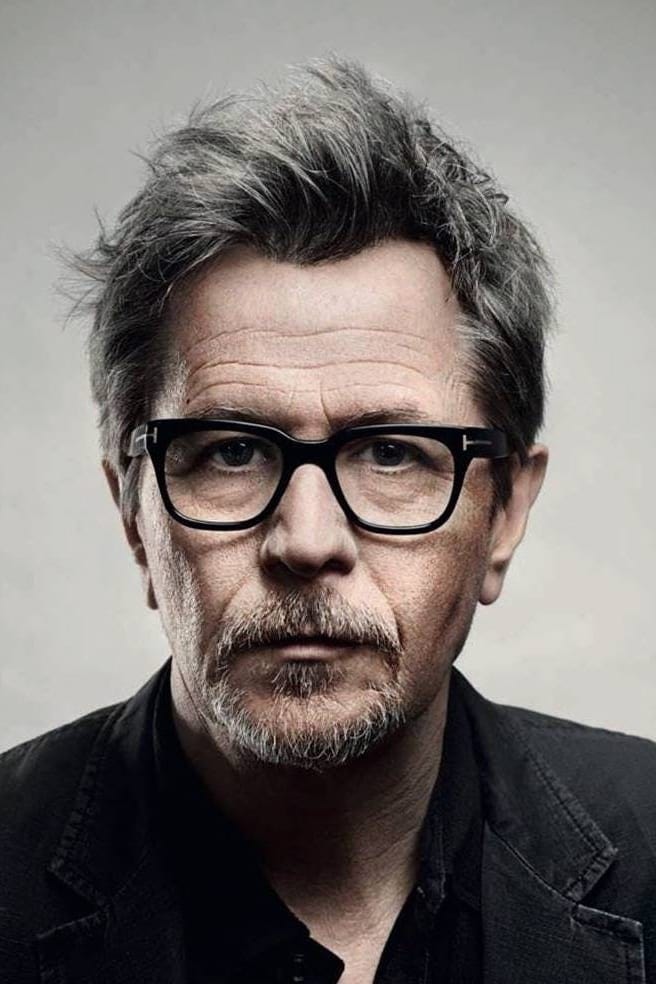
Oldman’s varied roles rely on stunt specialists for physically dangerous sequences. In projects such as ‘The Dark Knight’ and ‘Leon: The Professional’, doubles step in for impact landings and rigging work. Shot design allows clean transitions between principal and stunt footage. This keeps attention on performance while protecting safety margins.
Jeff Bridges
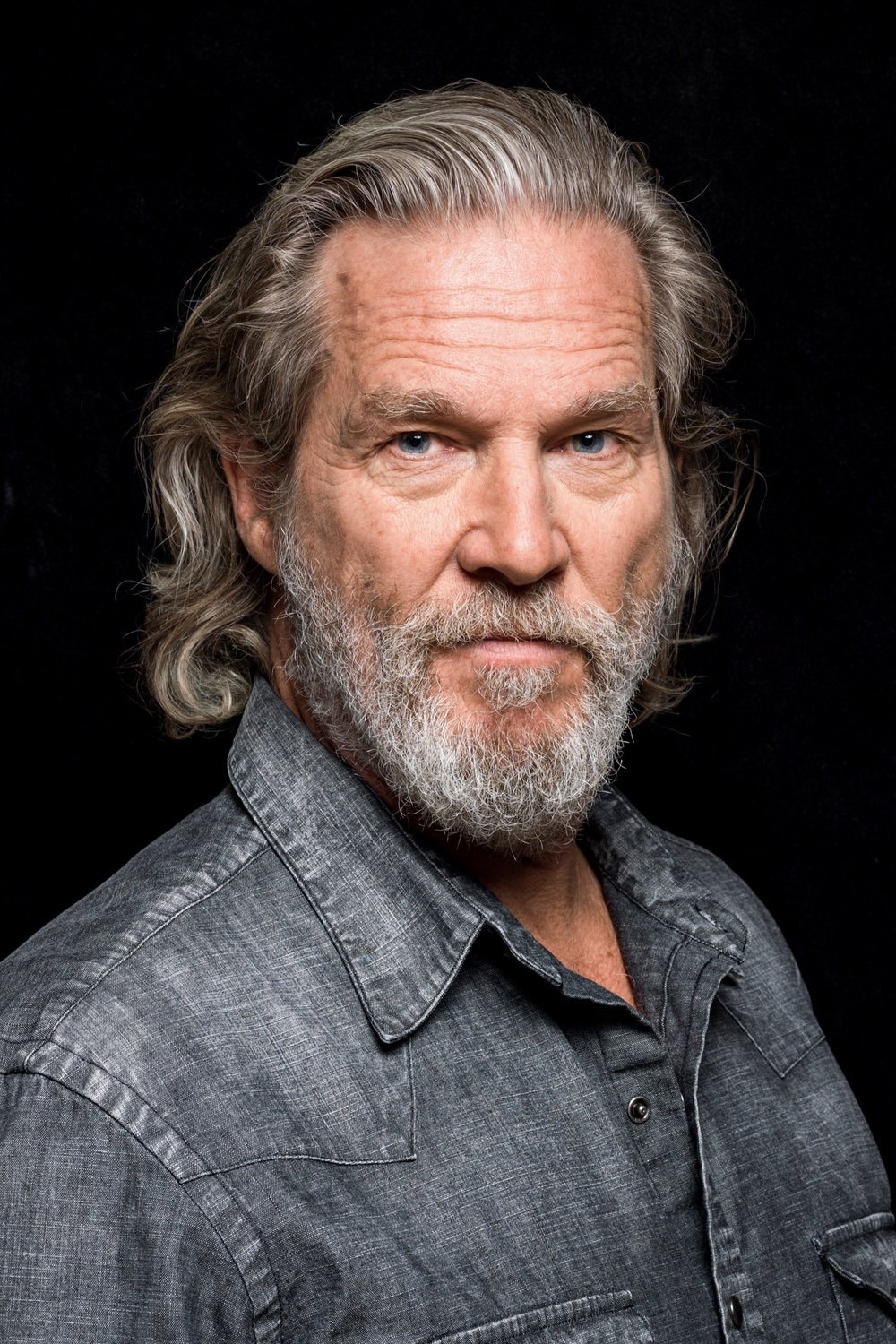
Bridges’s films employ experienced doubles for fights and falls that carry higher risk. In titles like ‘True Grit’ and ‘Kingsman: The Golden Circle’, the stunt department executes difficult maneuvers while the actor focuses on dramatic beats. Coordinated coverage preserves character continuity across setups. The result maintains safety without compromising tension.
Bryan Cranston
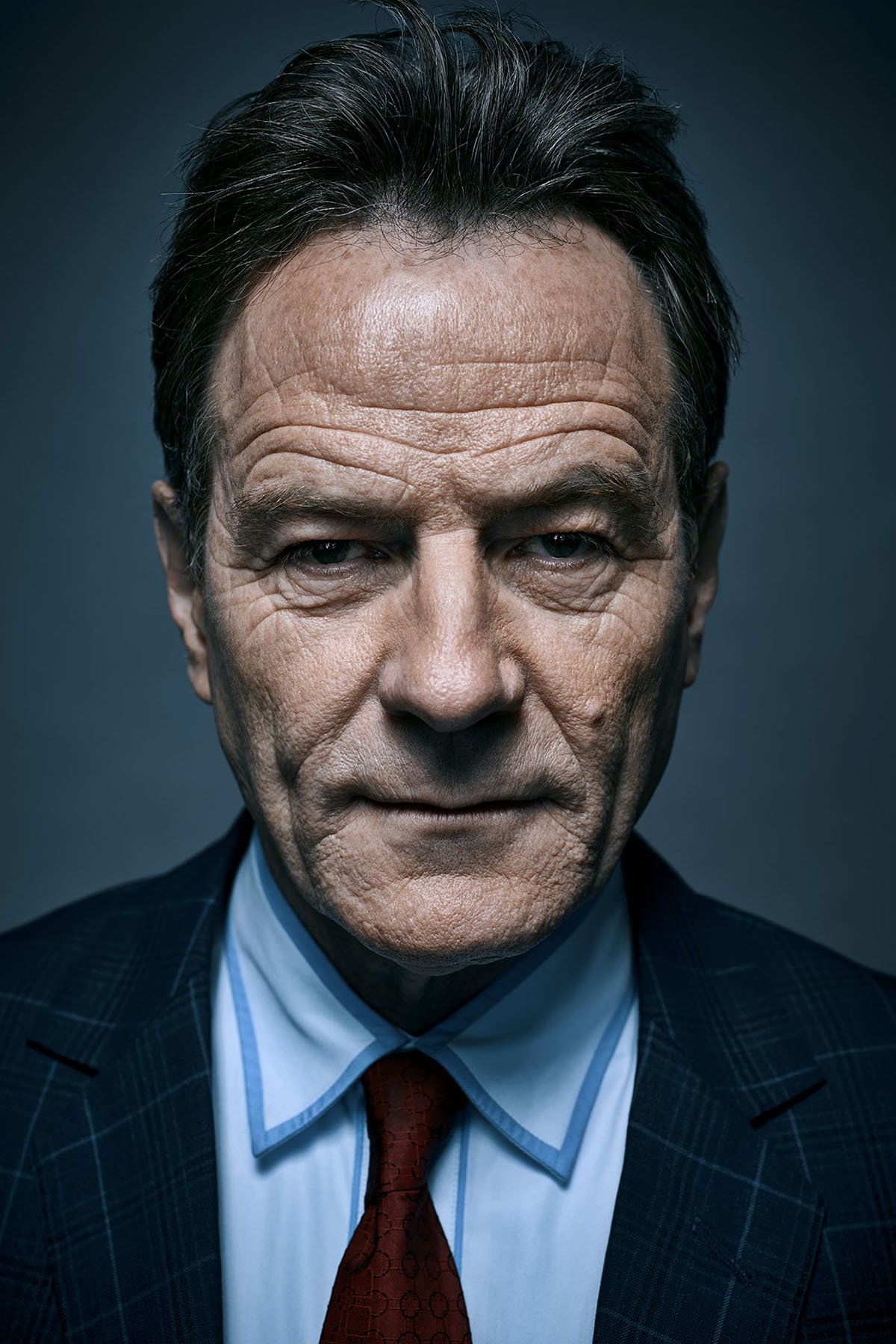
Cranston’s thrillers and action leaning roles route hazardous tasks to stunt professionals. In projects like ‘Godzilla’ and ‘Your Honor’, doubles handle breakaway elements and forceful impacts. The crew plans angles that let editors merge performances seamlessly. This keeps the production on track through demanding sequences.
Joaquin Phoenix
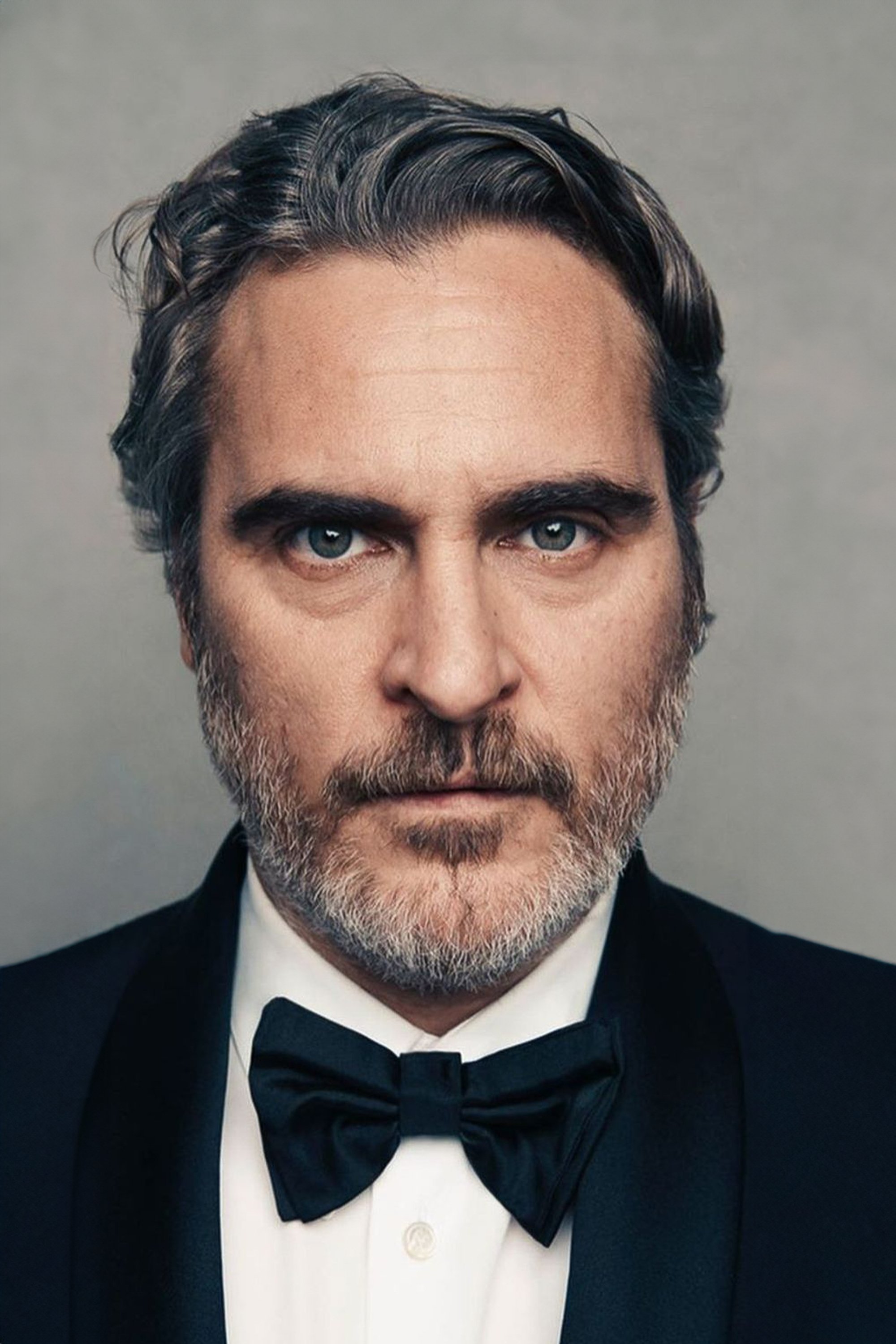
Phoenix’s films use stunt teams when scenes call for risky choreography or violent collisions. In features such as ‘Joker’ and ‘You Were Never Really Here’, professionals manage dangerous beats to ensure a controlled environment. Close coverage captures character work while second unit secures action plates. The blend supports both safety and narrative intensity.
Colin Farrell
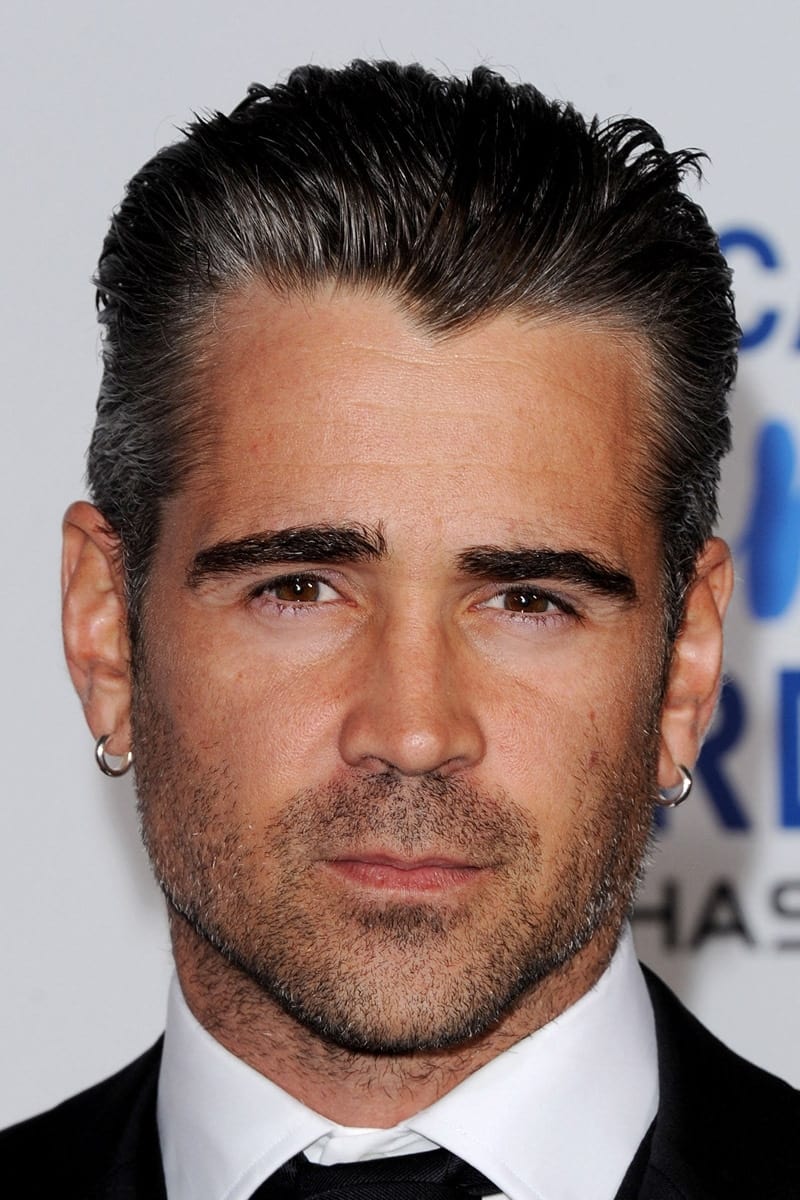
Farrell’s action and thriller work relies on doubles for hazardous movement and rigging. Productions like ‘Total Recall’ and ‘The Batman’ design sequences so professionals absorb the toughest impacts. Previsualization maps camera positions to hide substitutions. This keeps complex nights and chase units operating safely and efficiently.
Ralph Fiennes
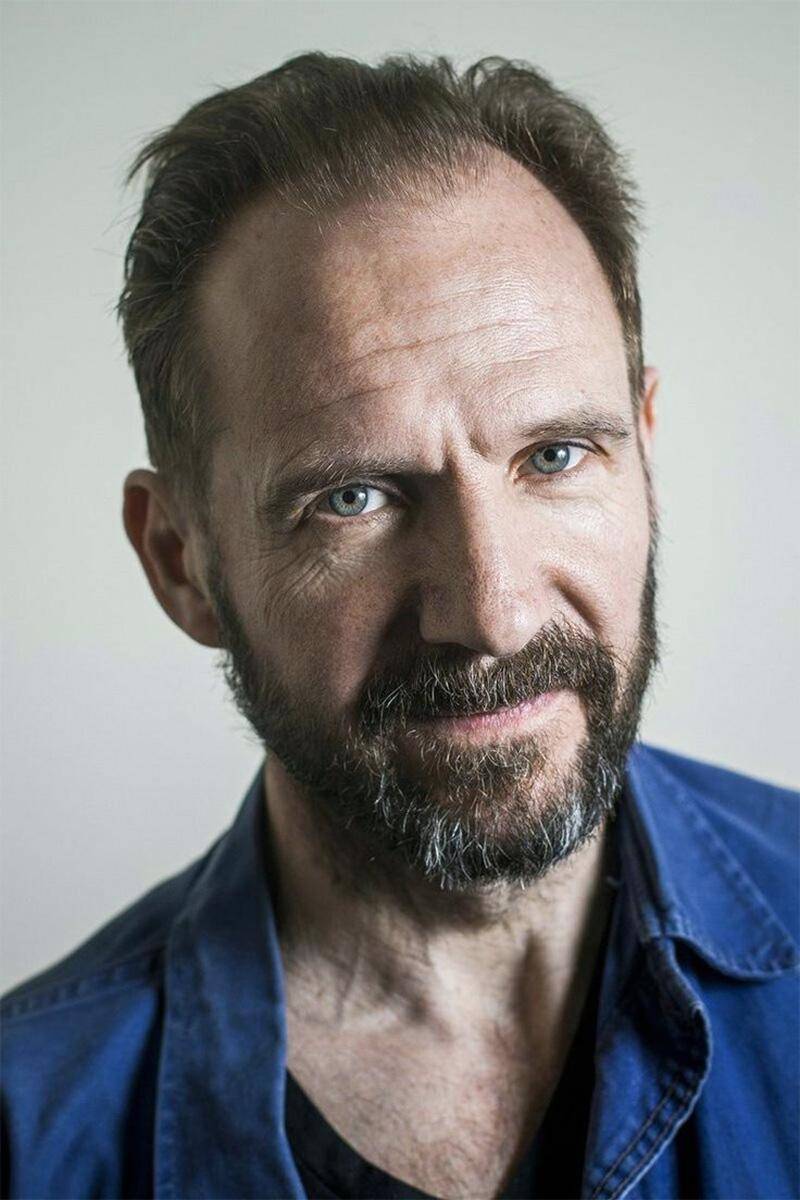
Fiennes’s projects delegate perilous gags to stunt specialists to protect the lead and the schedule. In films like ‘Spectre’ and ‘The Grand Budapest Hotel’, doubles step in for falls, wire pulls, and volatile set pieces. The main unit emphasizes performance fidelity and clean eyelines. Editors then align both elements to sustain the illusion.
Hugh Grant
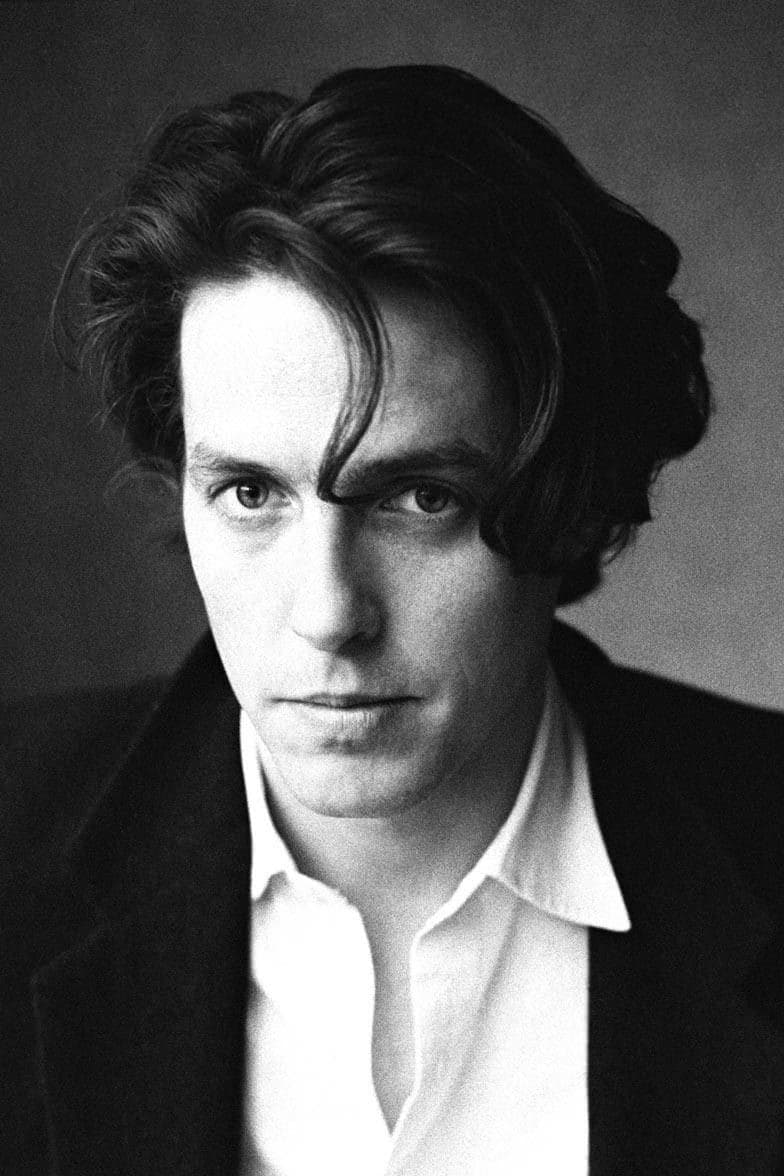
Grant’s action adjacent appearances place dangerous work with seasoned doubles. In titles such as ‘The Gentlemen’ and ‘Operation Fortune: Ruse de Guerre’, stunt teams handle physical confrontations and risky mechanics. The production sets camera coverage that preserves continuity in close-ups. This ensures safety while keeping the tone and pacing intact.
John Travolta
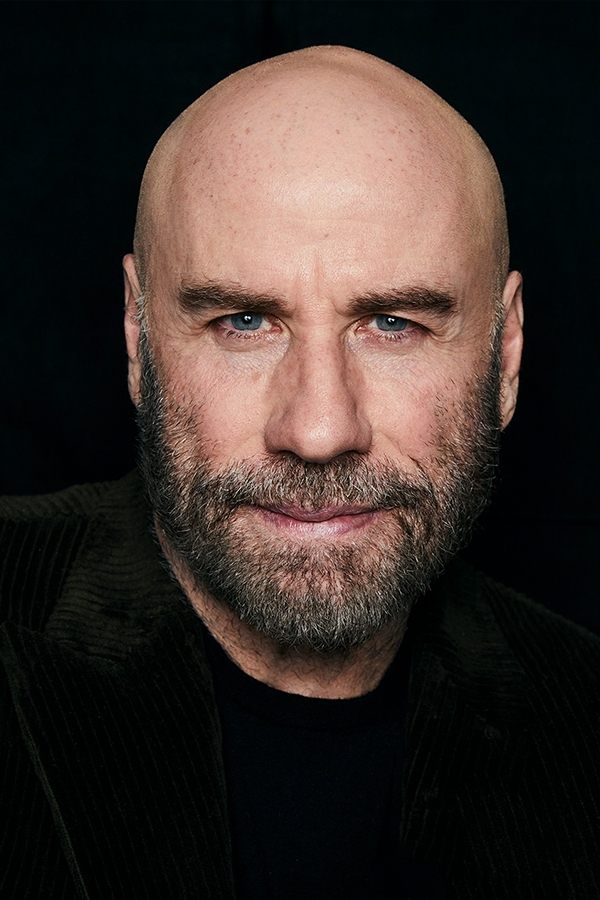
Travolta’s filmography uses stunt professionals for high-risk action moments. Projects like ‘Face Off’ and ‘From Paris with Love’ plan explosive beats and heavy hits around doubles. The star’s coverage focuses on dialogue and controlled movement. Second unit delivers the necessary impact shots under strict protocols.
Will Smith
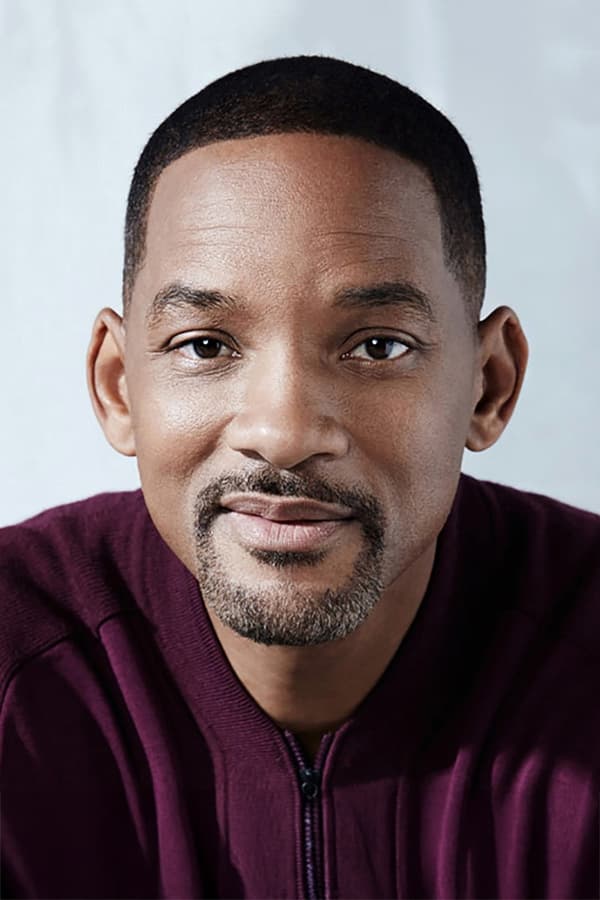
Smith’s action films rely on doubles for hazardous stunts to minimize injury downtime. In entries like ‘Bad Boys for Life’ and ‘I Am Legend’, professionals execute car hits, wire rigs, and destructive gags. The camera plan supports seamless switches between principal and stunt footage. This keeps momentum through tight shooting windows.
Nicolas Cage
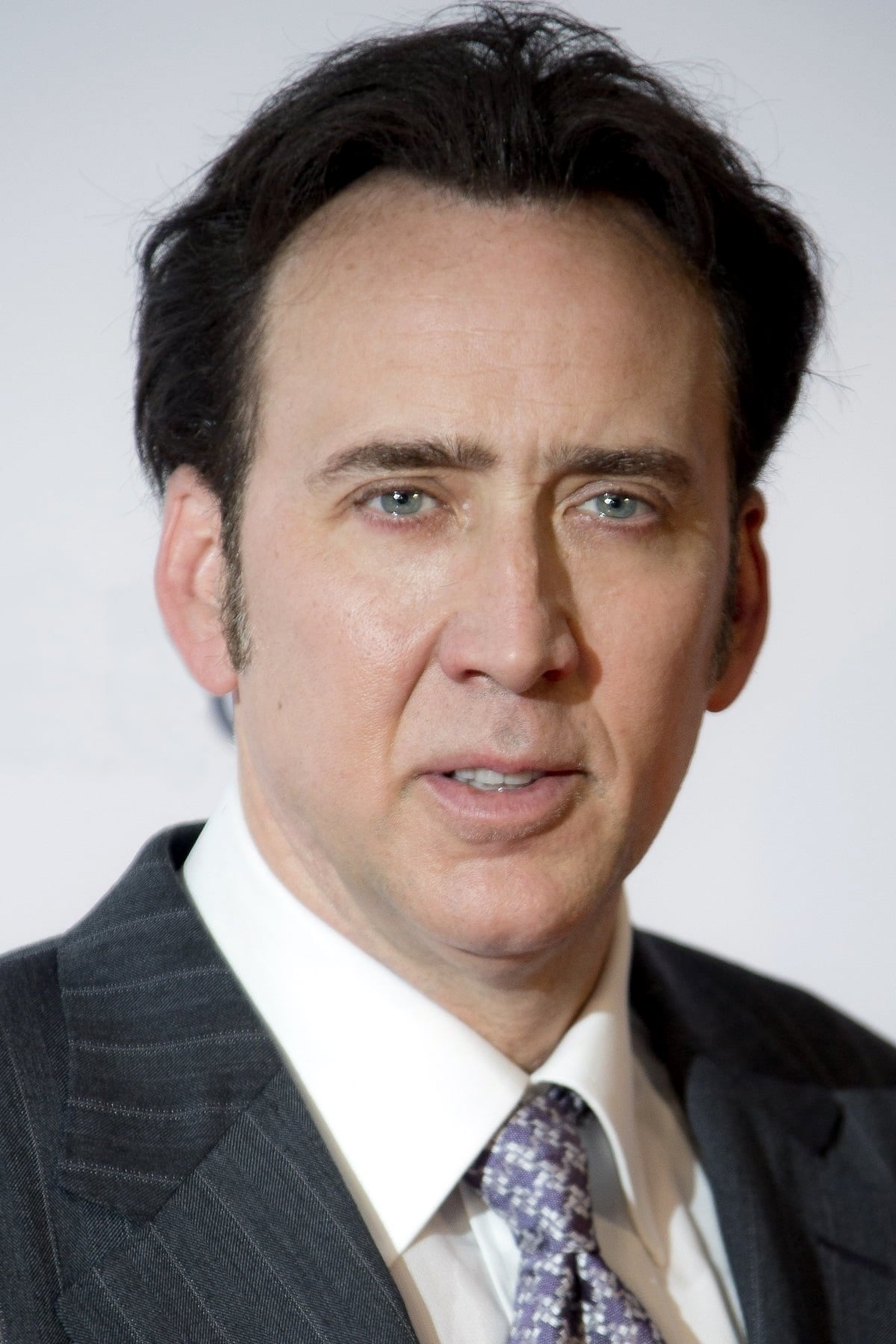
Cage’s diverse roles assign dangerous tasks to experts while he concentrates on performance heavy coverage. Productions such as ‘Con Air’ and ‘National Treasure’ use doubles for falls, fights, and pyrotechnics. Angles and inserts hide the handoff during complex beats. This maintains both visual continuity and set safety.
Adam Sandler
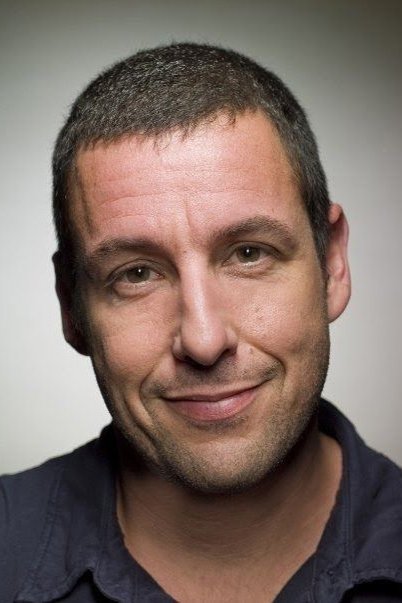
Sandler’s action leaning comedies involve stunt teams for any risky business that could threaten the schedule. In films like ‘Uncut Gems’ and ‘Murder Mystery’, doubles manage chaotic movement and controlled impacts. Coverage emphasizes safe close-ups with the star and wider action plates with professionals. The workflow keeps production steady while delivering energetic sequences.
Michael Caine
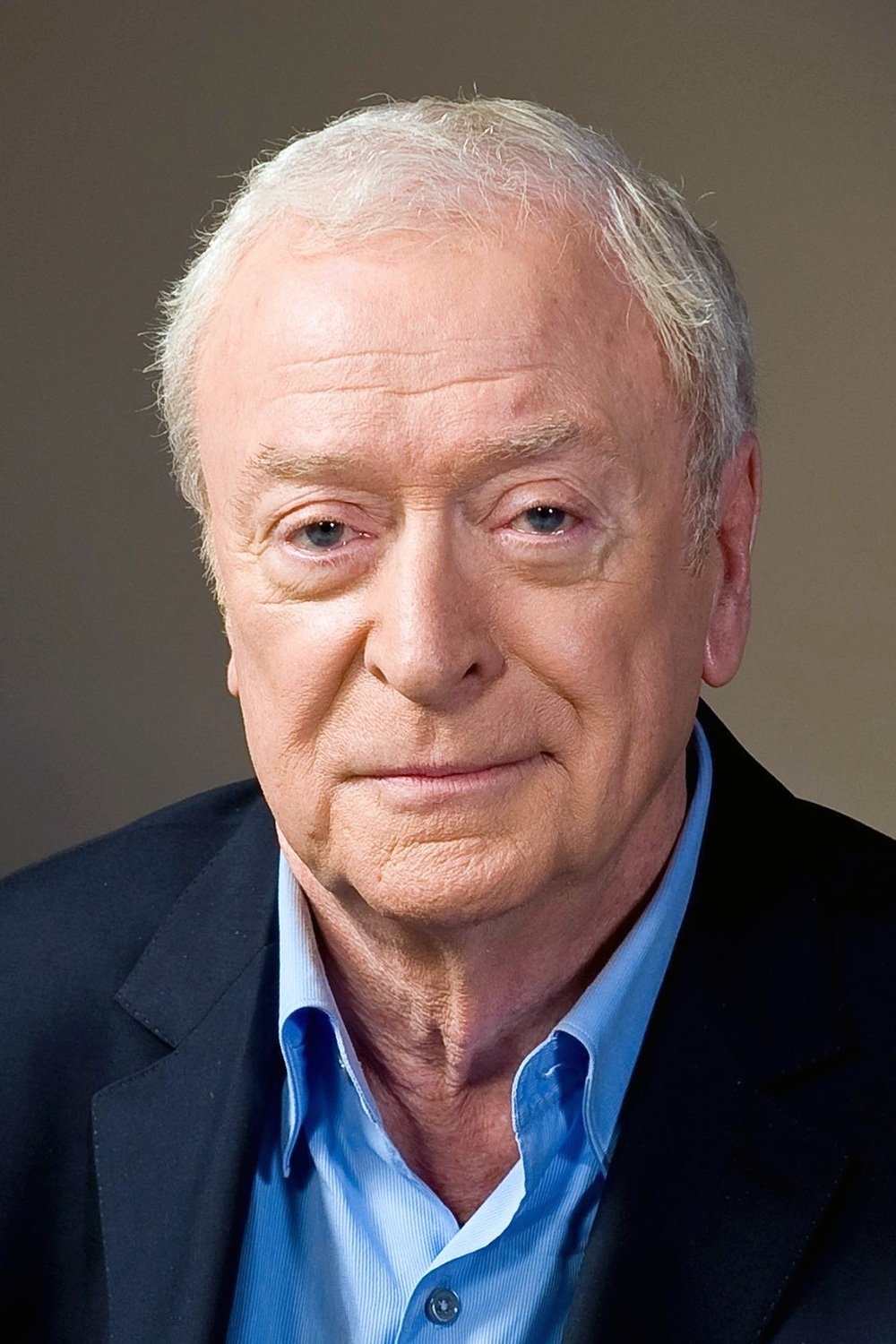
Caine’s productions route hazardous movement to doubles so principal photography can stay focused on performance. In projects like ‘The Dark Knight’ and ‘Kingsman: The Secret Service’, professionals handle falls, rigging, and explosive setups. Coverage is planned to favor close dialogue with the star and wider action with specialists. Editors align eyelines and blocking to maintain continuity across units.
Alec Baldwin
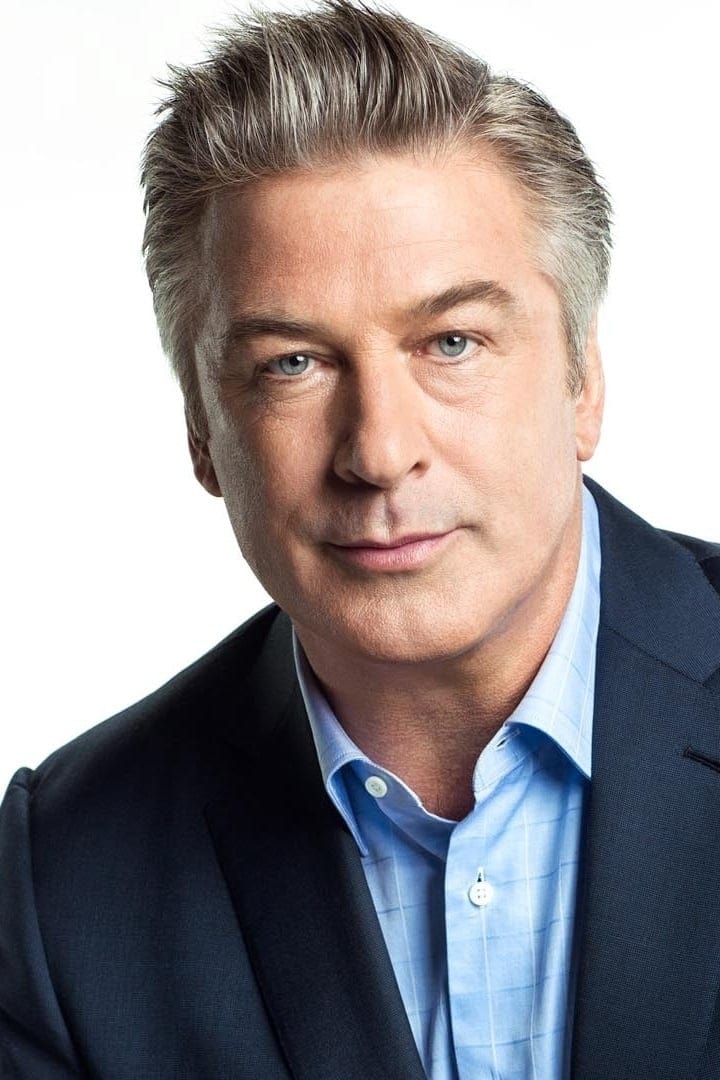
Baldwin’s film and television work delegates dangerous beats to stunt professionals to satisfy insurance and safety requirements. In titles such as ‘Mission: Impossible – Rogue Nation’ and ’30 Rock’, doubles execute impacts, wire pulls, and chaotic crowd movement. The main unit prioritizes character scenes and controlled movement. Second unit captures action plates that integrate cleanly in post.
Paul Rudd
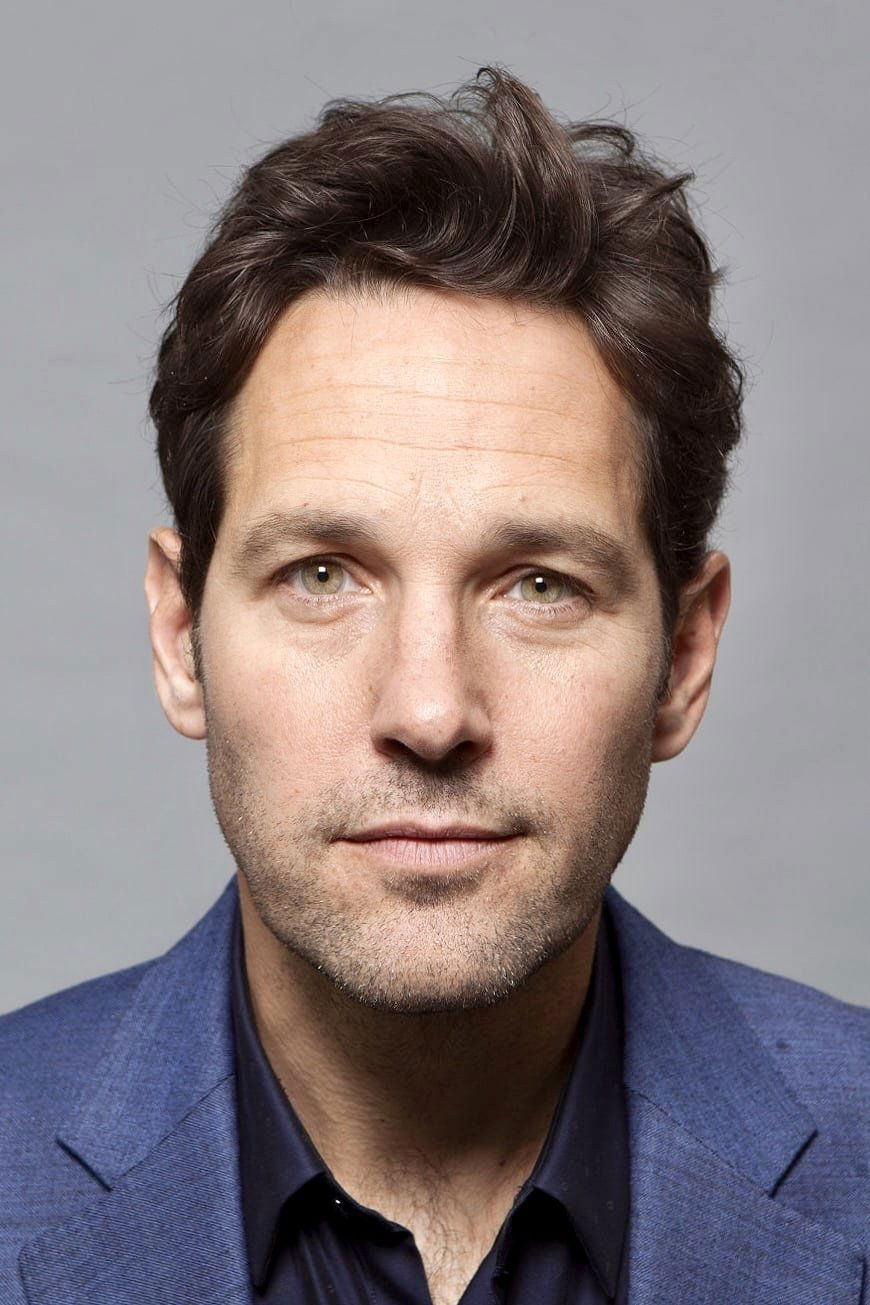
Rudd’s action sequences use experienced doubles for risky gags and high-impact landings. In ‘Ant-Man’ entries, harness work, aerial beats, and forceful collisions are executed by stunt teams under controlled conditions. The production emphasizes precise marks so performance and stunt footage match. Visual effects then blend the elements without exposing the lead to unnecessary risk.
Benedict Cumberbatch
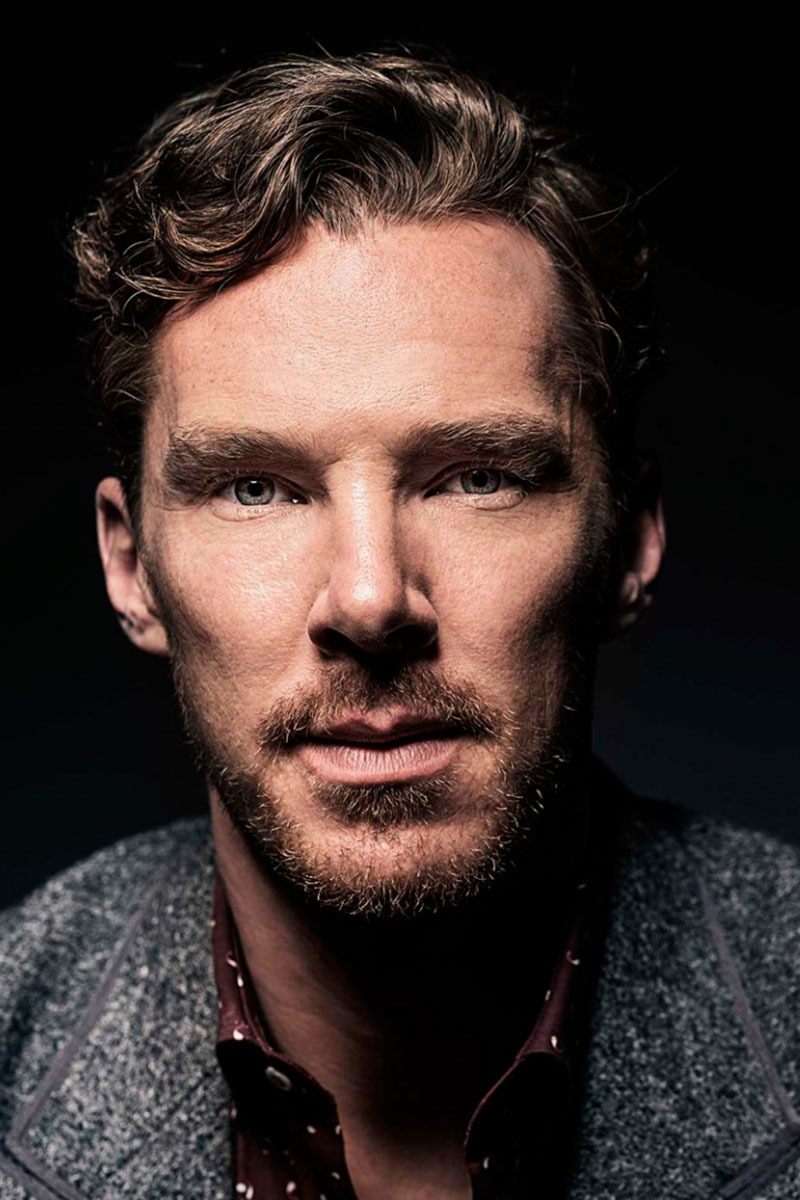
Cumberbatch’s action-oriented roles rely on stunt teams for hazardous choreography and technical rigging. In projects like ‘Doctor Strange’ and ‘Sherlock’, doubles take on complex wirework and breakaway elements. The crew maps camera positions to hide substitutions while preserving hand and face continuity. This keeps schedules predictable through demanding set pieces.
Mark Ruffalo
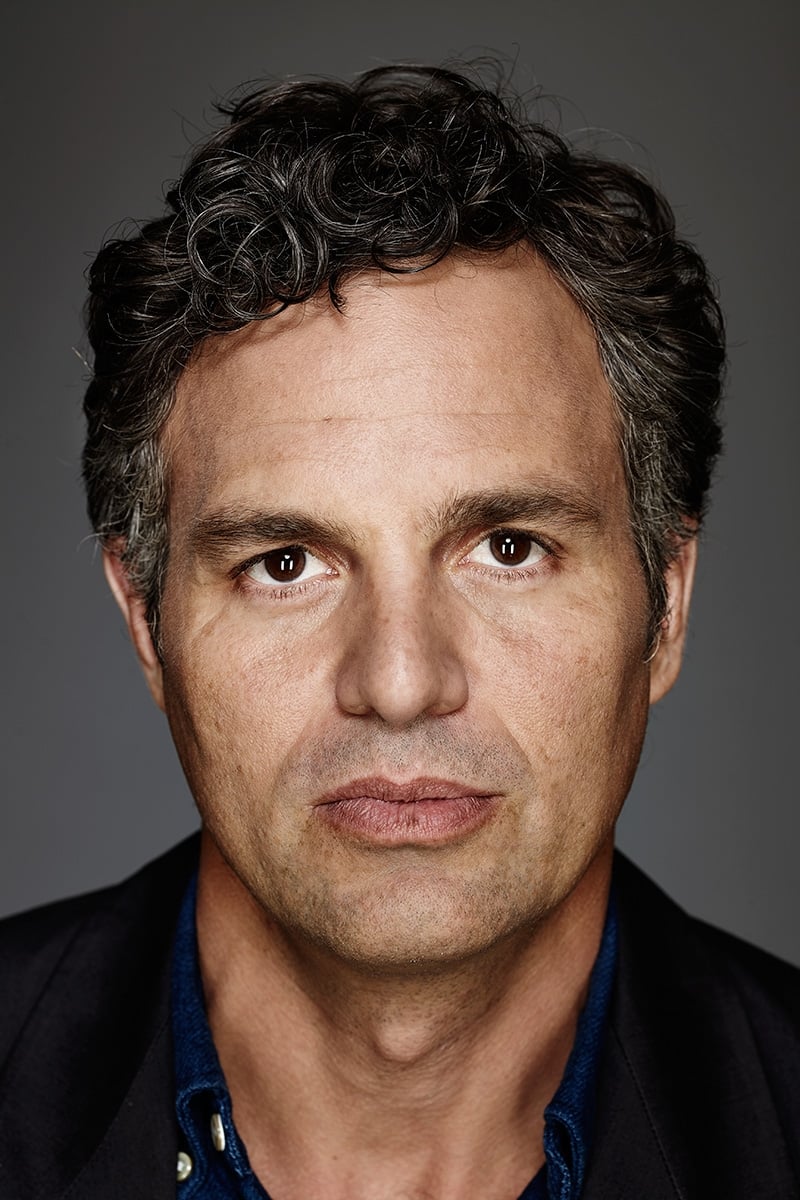
Ruffalo’s blockbusters assign dangerous action to doubles while he focuses on performance capture and dialogue. In ensemble titles such as ‘The Avengers’, professionals handle impacts, glass hits, and controlled falls. Previsualization ensures moves align with the actor’s posture and timing. Compositing completes the illusion while adhering to strict safety protocols.
Andrew Garfield
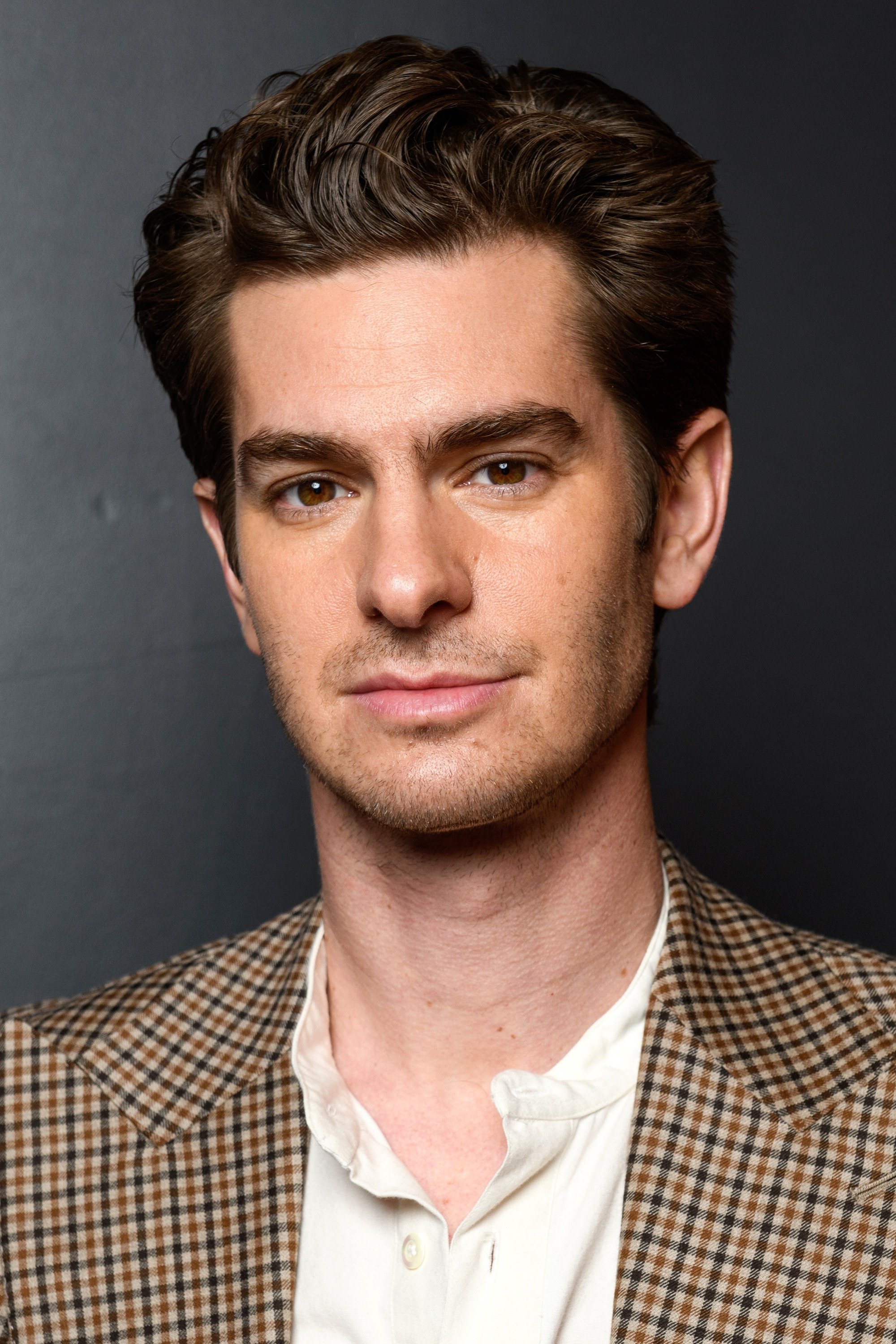
Garfield’s action projects use doubles for high-risk traversal and collision beats. In ‘The Amazing Spider-Man’ films, specialists perform wire stunts, parkour, and aerial gags. Suit design and framing allow seamless handoffs between performer and double. The workflow keeps hazardous material within a controlled environment.
Tobey Maguire
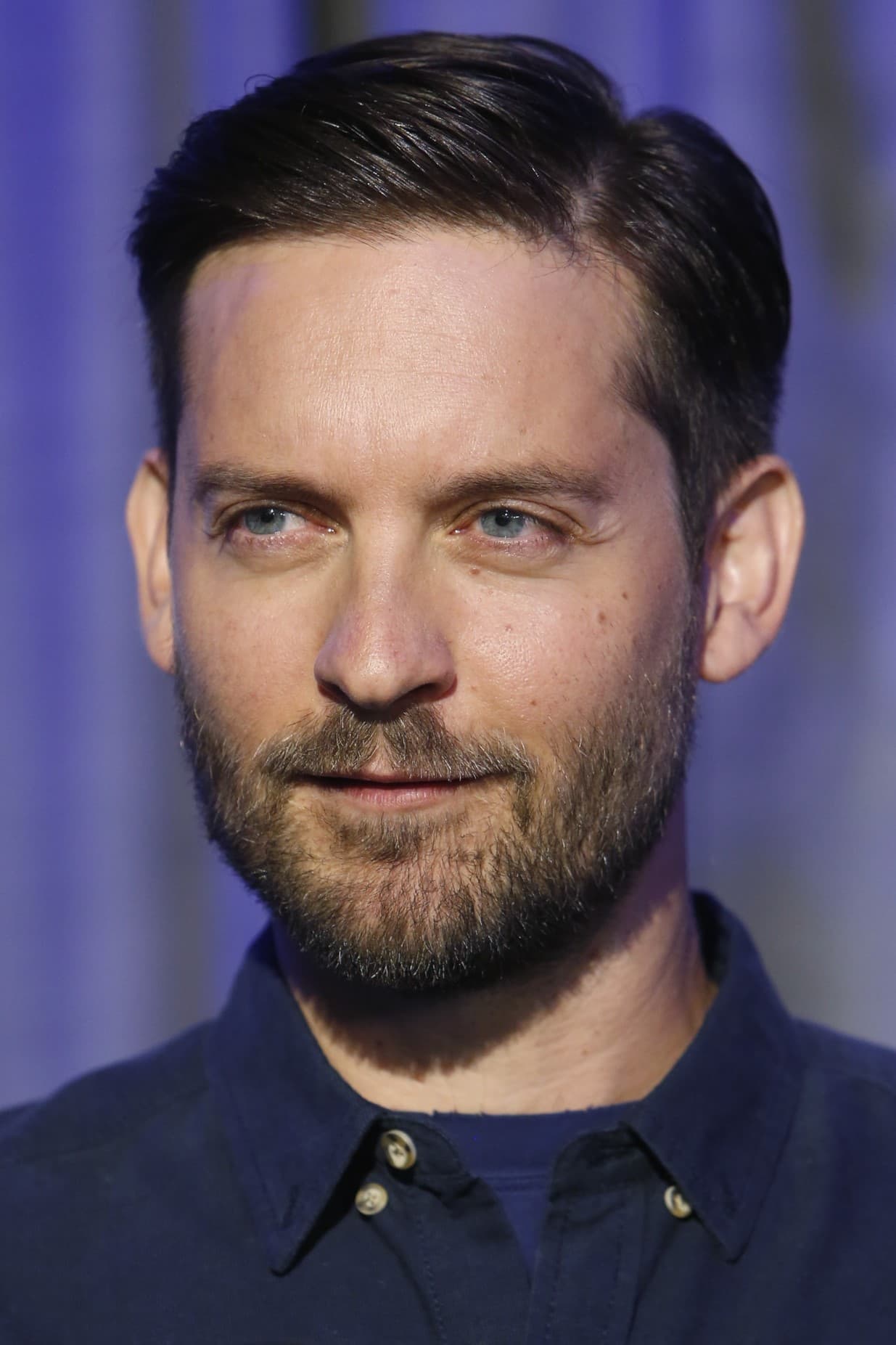
Maguire’s superhero features place hazardous stunts with seasoned professionals. In the ‘Spider-Man’ trilogy, doubles manage complex swings, rooftop runs, and high-speed pulls. The second unit captures wide action plates while the main unit secures close character moments. Editorial stitching maintains a consistent physical presence on screen.
Daniel Radcliffe
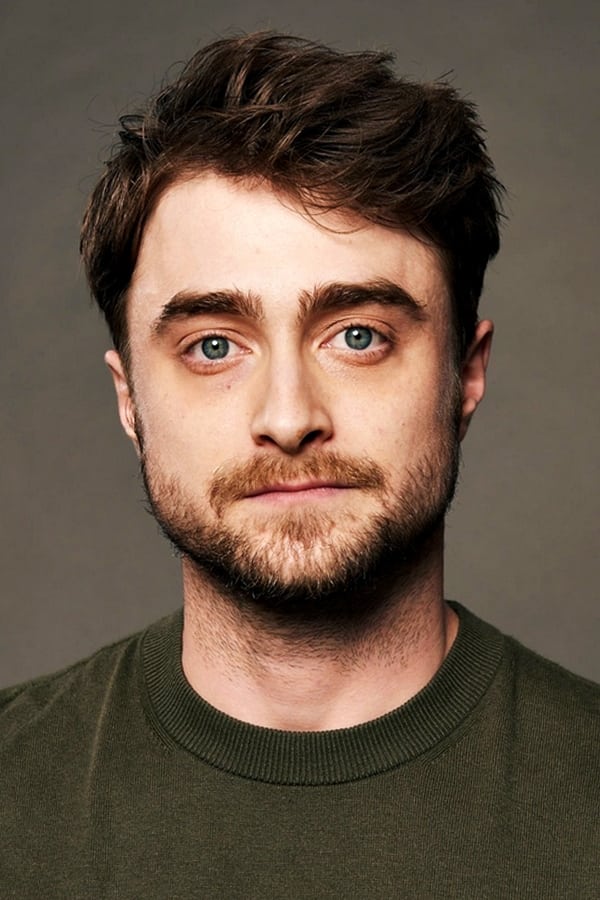
Radcliffe’s productions route dangerous mechanics to stunt teams to protect continuity and scheduling. In the ‘Harry Potter’ series, professionals handle wire rigs, forceful impacts, and fast-moving set pieces. The shoot plan favors controlled close-ups for the lead and wider action for doubles. This separation keeps intricate effects work within safe limits.
Ewan McGregor
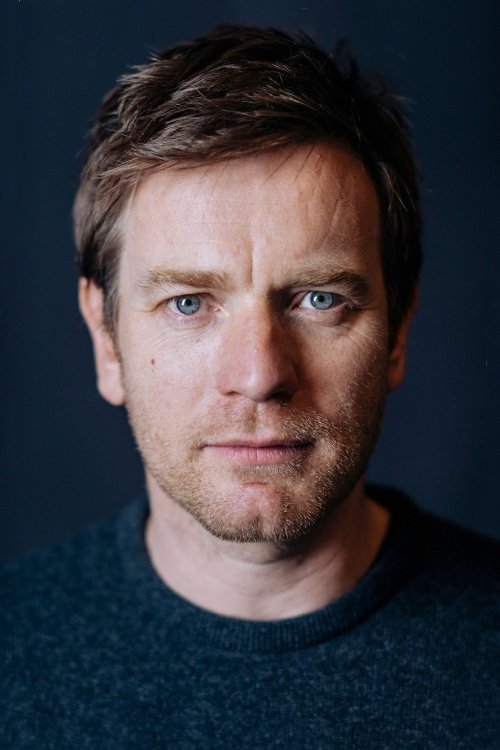
McGregor’s action and adventure films rely on doubles for hazardous beats and technical rigging. In ‘Star Wars’ entries, professionals execute wire-assisted moves and high-risk landings while principal scenes capture performance. Choreography is planned so handoffs happen on motion or angle changes. The approach preserves safety without interrupting complex setups.
Robert Pattinson
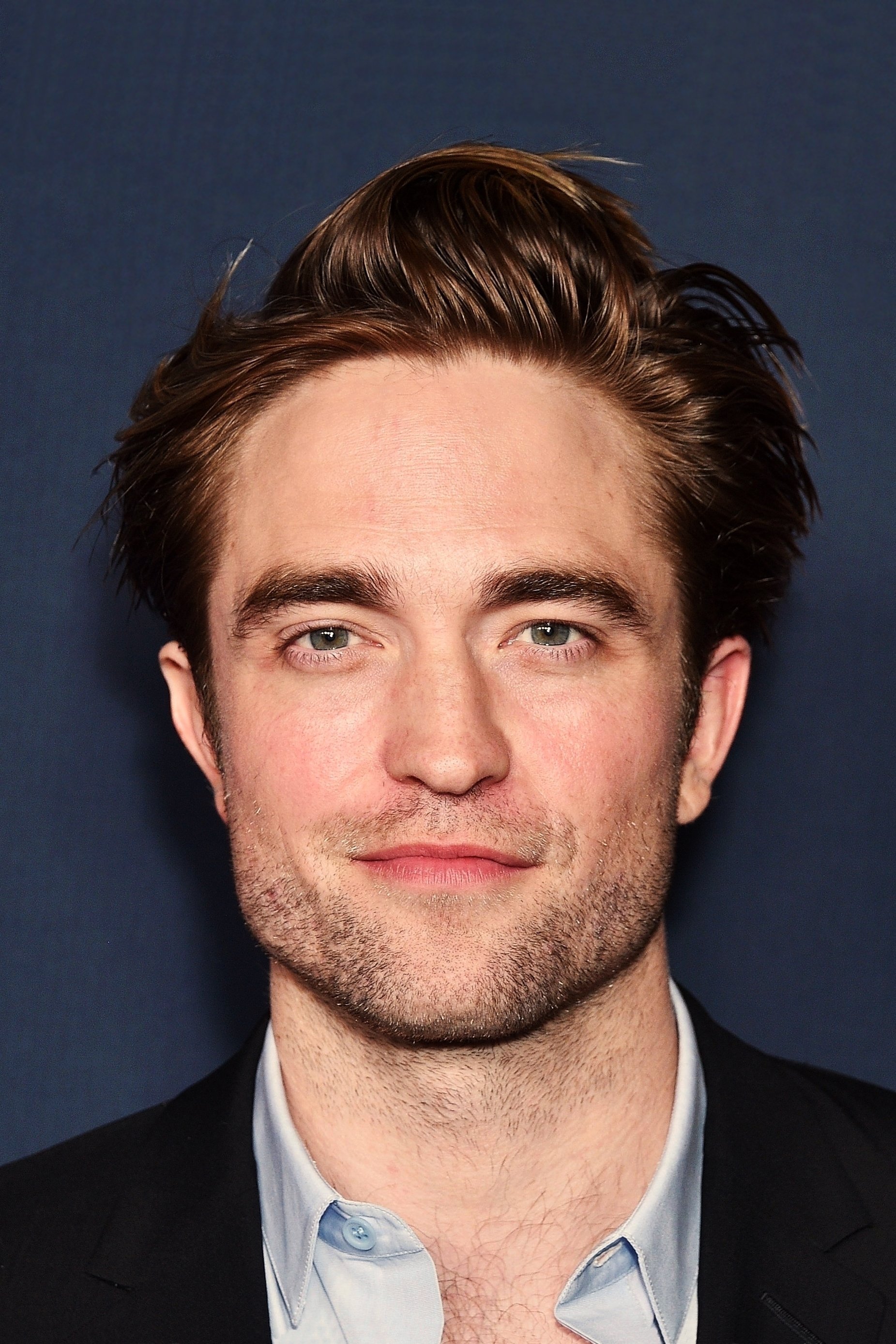
Pattinson’s projects employ stunt performers for risky collisions and aggressive movement. In features like ‘The Batman’ and ‘Tenet’, doubles absorb the toughest impacts and vehicle-related beats. The production designs coverage to keep facial continuity intact in close shots. Action plates are then intercut to sustain momentum and protect the schedule.
Chris Pratt
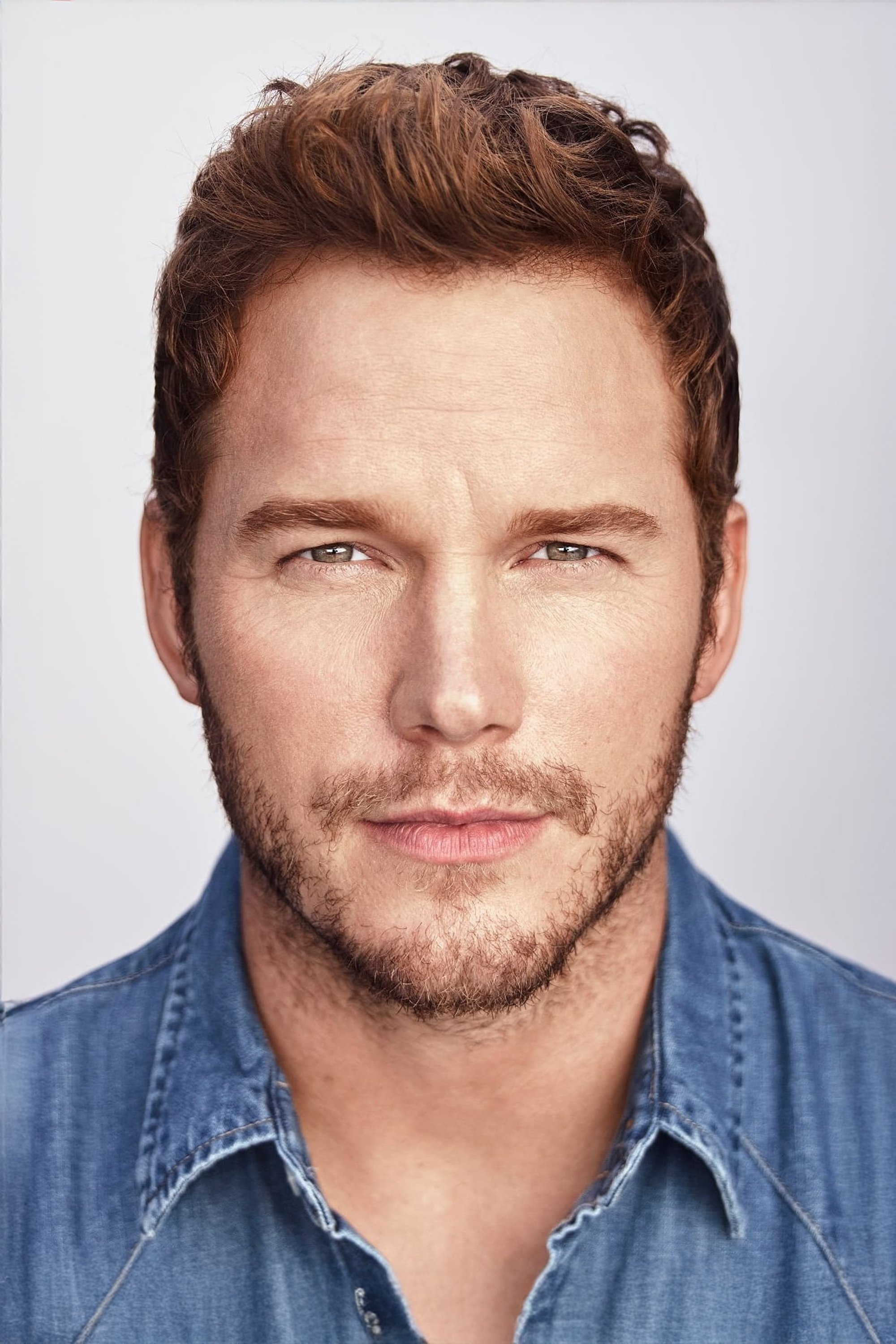
Pratt’s franchise work assigns risky gags to trained specialists to meet safety requirements. In ‘Guardians of the Galaxy’ and ‘Jurassic World’ installments, doubles take over for wire pulls, falls, and pyrotechnic moments. The camera plan anticipates substitutions with matching eyelines and posture. This keeps fast-turnaround scenes moving without injury downtime.
Ryan Reynolds
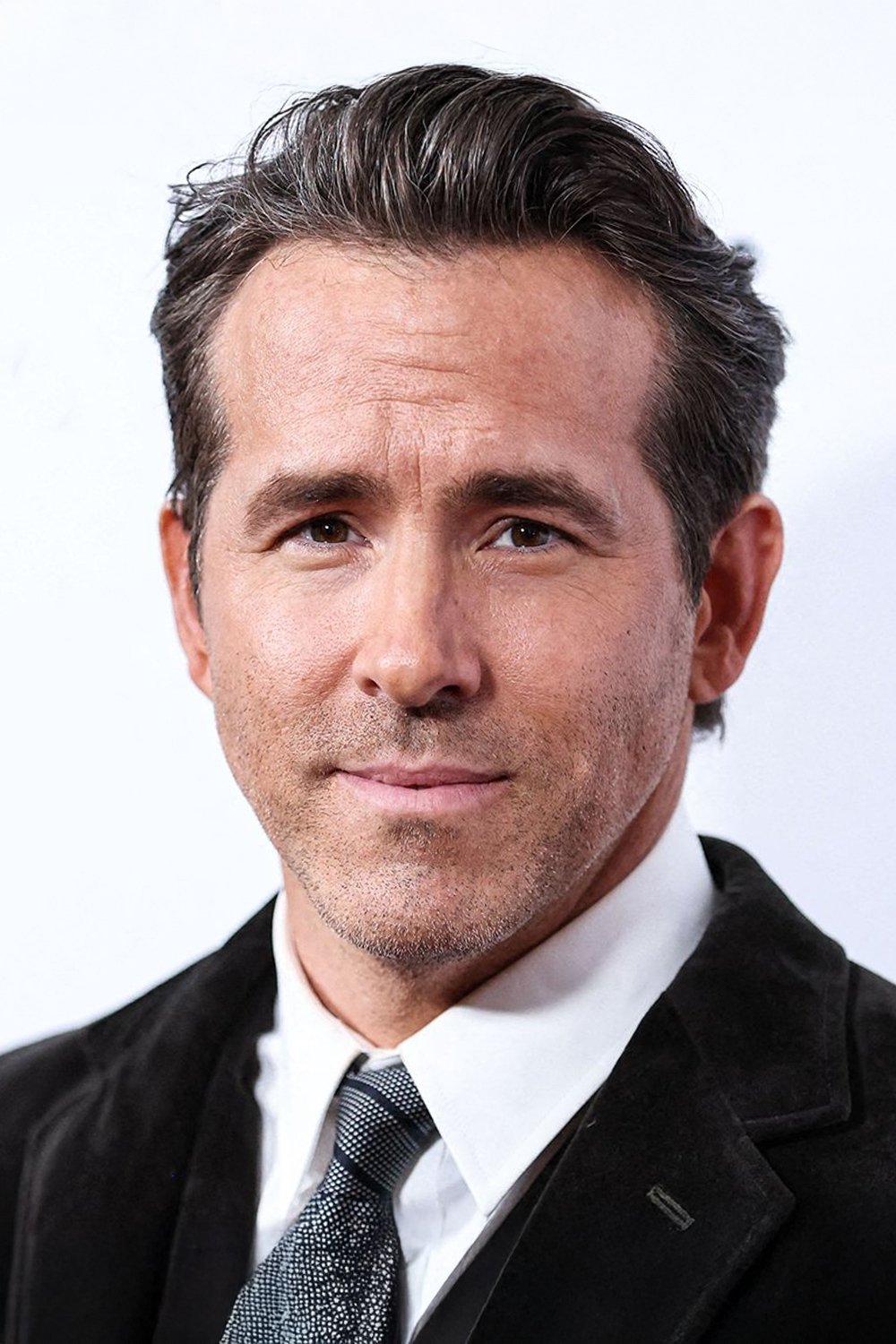
Reynolds’s action comedies and superhero films use doubles for hazardous choreography and heavy impacts. In ‘Deadpool’ projects, professionals execute high falls, vehicle hits, and complex rigging. Suit design and mask coverage make transitions between performers seamless. Editors layer quips and character beats over safely captured action plates.
Channing Tatum
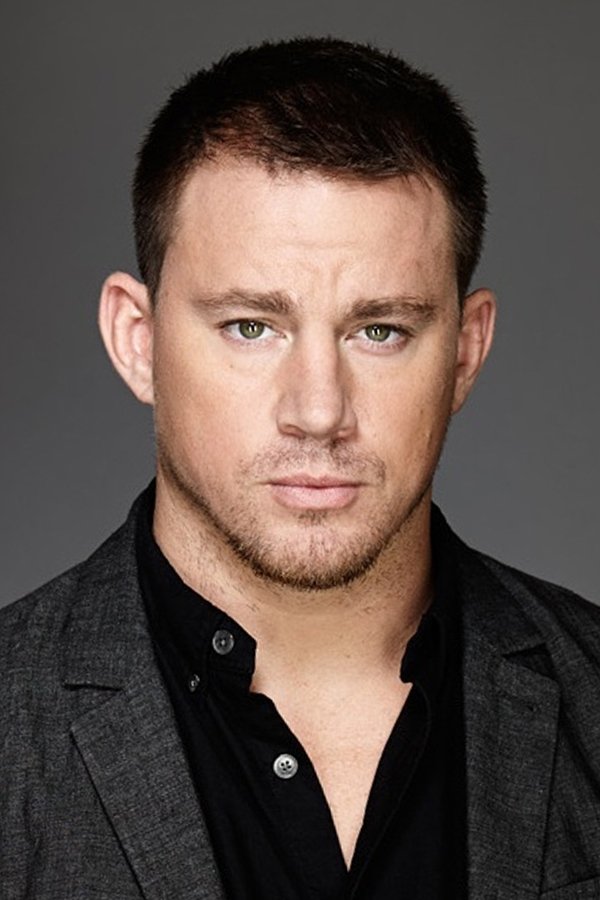
Tatum’s action roles separate performance work from dangerous mechanics handled by doubles. In titles such as ‘G.I. Joe: The Rise of Cobra’ and ’21 Jump Street’, specialists manage stunt driving, breakaways, and combat landings. Previs sets the rhythm so the actor’s close-ups align with stunt footage. This organization reduces risk while keeping energy high on camera.
Ryan Gosling
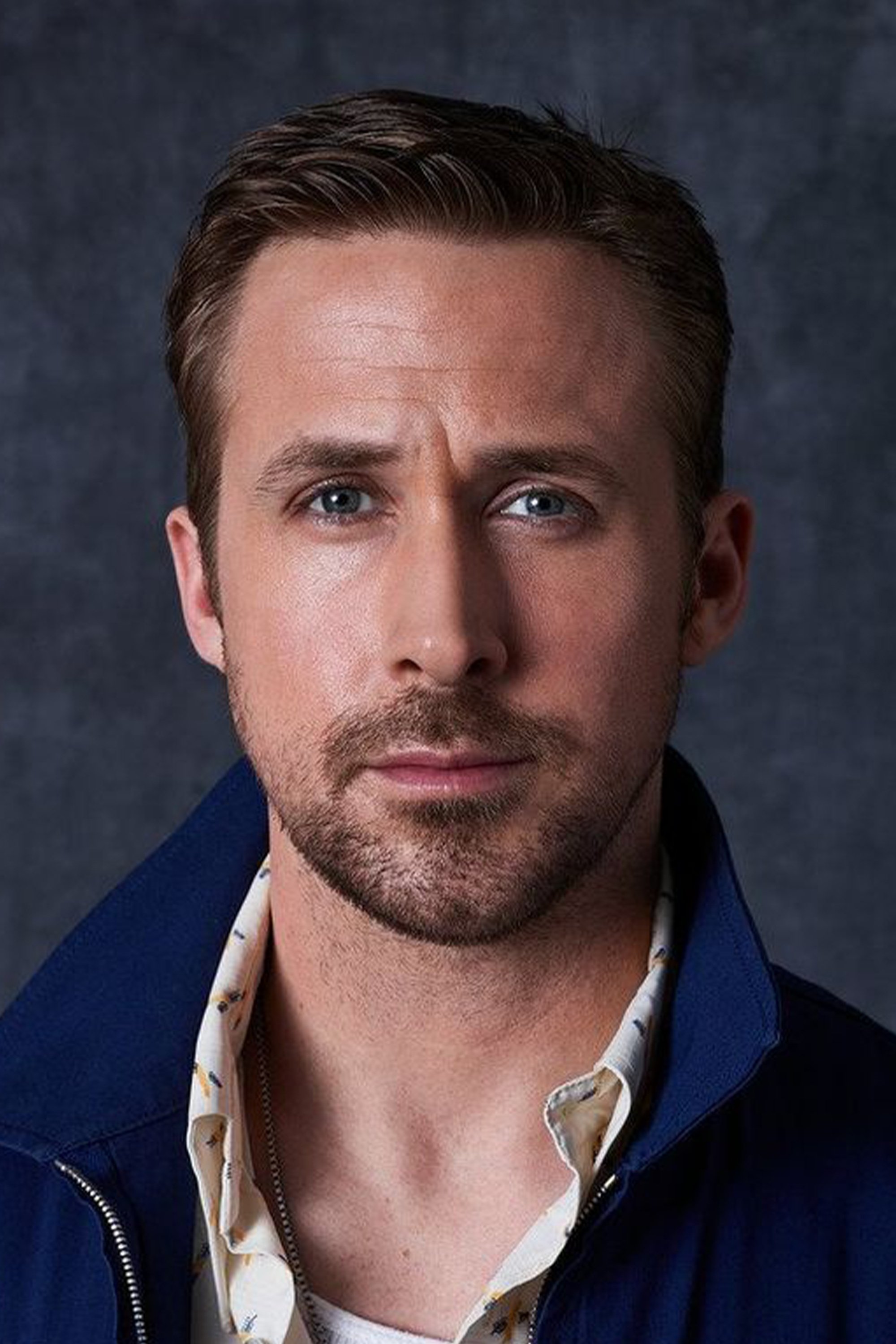
Gosling’s thrillers and action dramas employ stunt teams for risky driving and high-impact beats. In films like ‘Drive’ and ‘The Gray Man’, doubles handle precision maneuvers, fights, and collisions under controlled conditions. The main unit concentrates on character moments and safe coverage. The final cut blends both to sustain tension without compromising safety.
Jake Gyllenhaal

Gyllenhaal’s productions route hazardous stunts to professionals to maintain continuity across intensive shoots. In projects such as ‘Prince of Persia: The Sands of Time’ and ‘Ambulance’, doubles execute parkour, wire rigs, and vehicle gags. Camera placement and lighting protect the handoff between performers. The system preserves actor availability for dialogue and reshoots.
Share your picks in the comments and tell us which other actors you’ve seen consistently leave the dangerous work to the pros.