Gay Actors Getting the Most Backlash on Social Media


Social media has become a volatile space where public figures face intense scrutiny for their professional choices and private lives. Gay male actors are often subject to specific types of criticism ranging from valid accountability to toxic harassment. This list explores the various controversies and online storms that have surrounded prominent gay actors in recent years.
Jussie Smollett
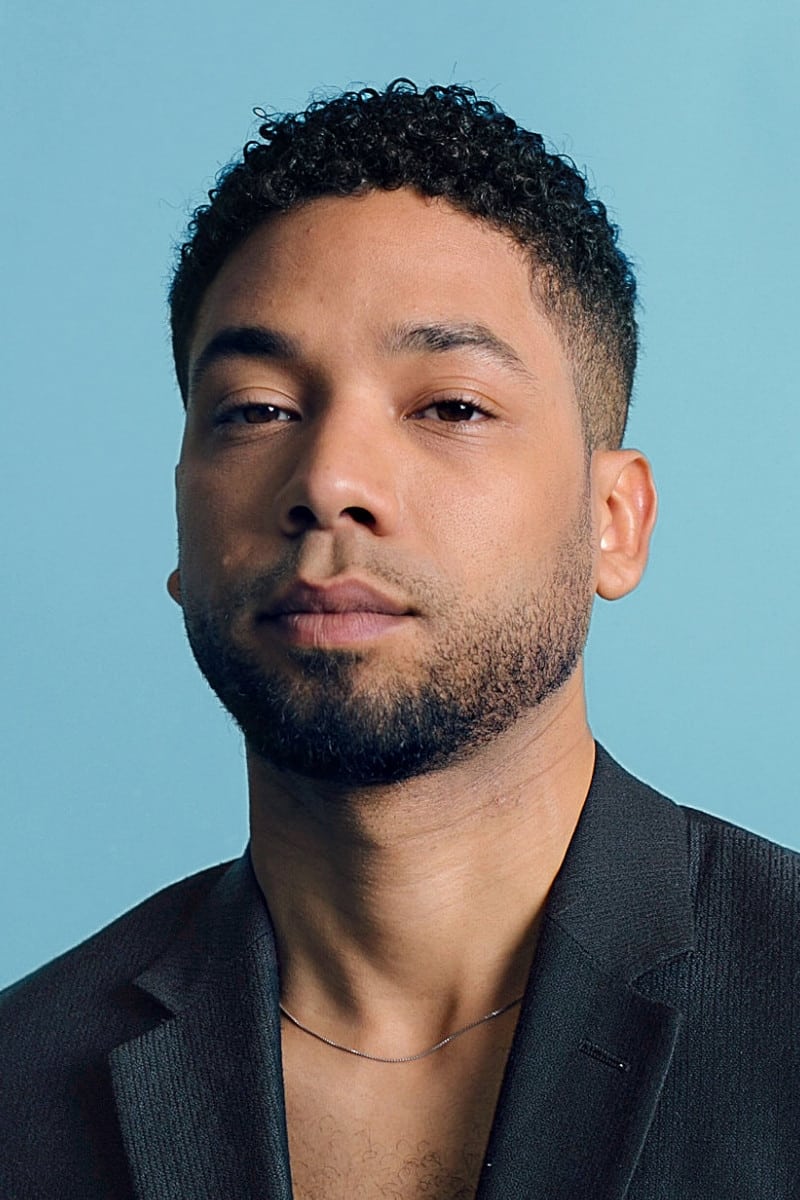
Jussie Smollett faced intense global scrutiny following a reported hate crime in Chicago that police later deemed a hoax. The actor was written out of ‘Empire’ amid the legal and social media firestorm surrounding the incident. Public sentiment turned sharply against him as details of the staged attack emerged during the investigation. He continues to maintain his innocence despite the legal verdicts and overwhelming online criticism regarding his integrity.
Kevin Spacey
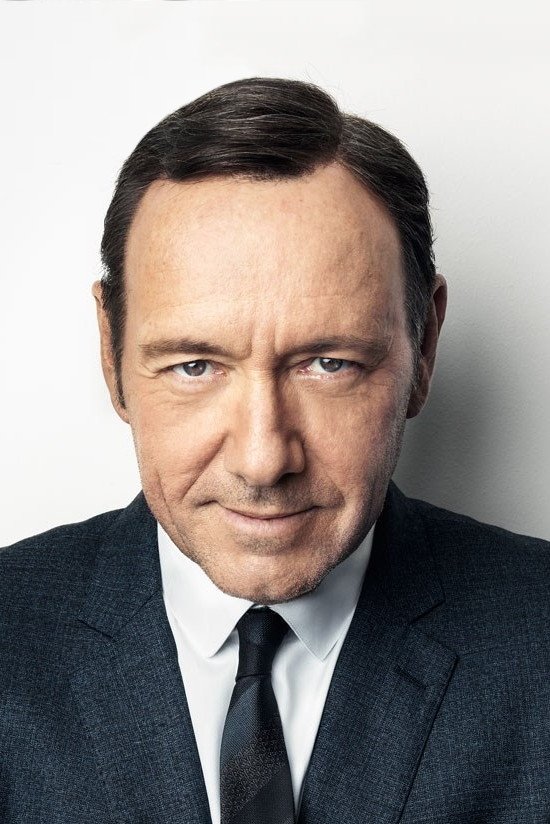
Kevin Spacey experienced a swift and massive fall from grace after multiple allegations of sexual misconduct surfaced. The actor faced immediate backlash that resulted in his removal from ‘House of Cards’ and other major projects. Social media users expressed outrage as more individuals came forward with similar accounts of his behavior. His attempts to return to acting have been met with continued protest and online condemnation.
Noah Schnapp
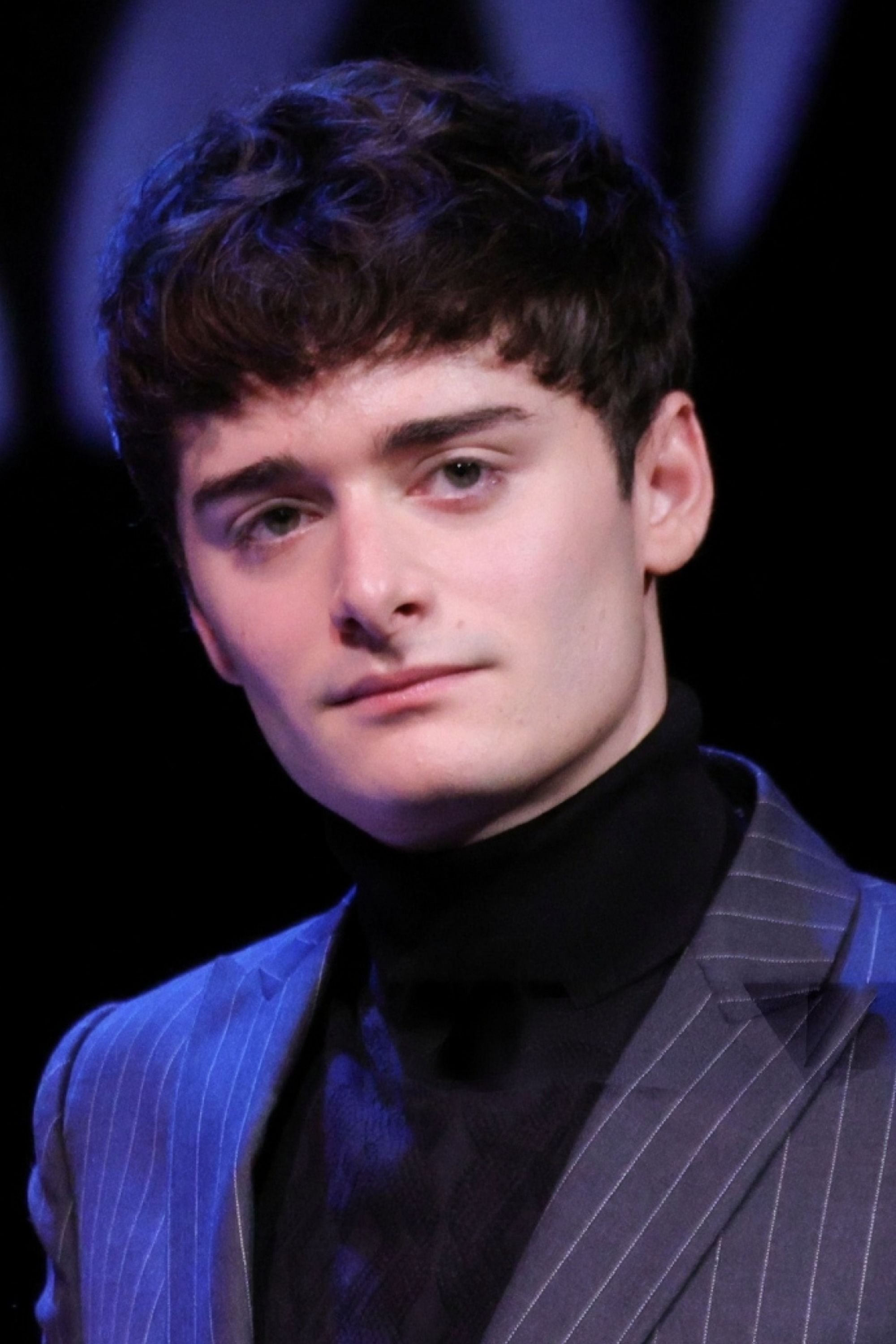
Noah Schnapp found himself at the center of a heated political debate due to his social media activity regarding the conflict in Gaza. Fans of ‘Stranger Things’ called for boycotts of the show after the actor posted a video featuring stickers that many deemed offensive. The online response included widespread demands for his character to be written out of the final season. Schnapp eventually released a statement hoping to clarify his stance and reduce the tension.
Neil Patrick Harris
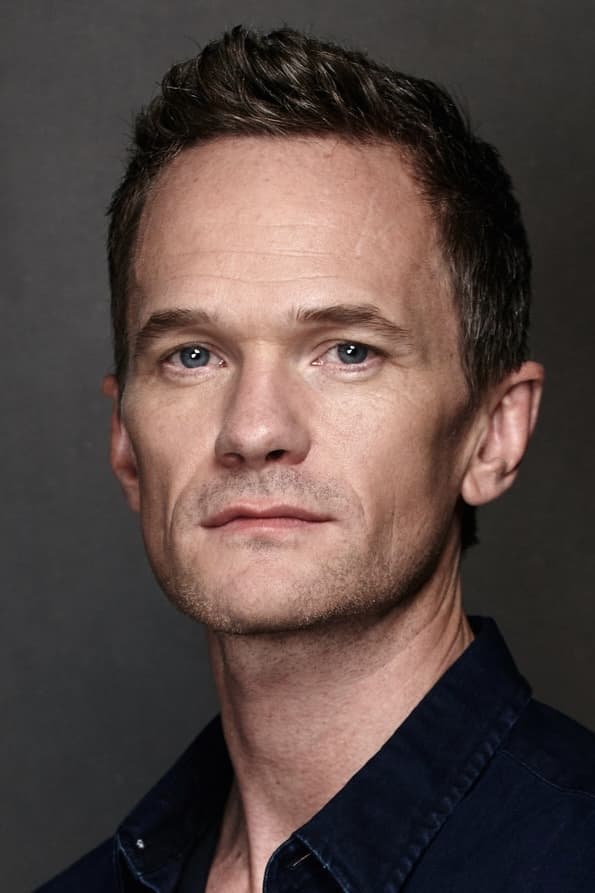
Neil Patrick Harris faced a delayed but severe wave of backlash when a photo resurfaced of a meat platter from his Halloween party. The platter was designed to look like the corpse of Amy Winehouse just months after her passing. Social media users condemned the display as grotesque and insensitive to her struggles with addiction. Harris issued a public apology acknowledging the poor taste of the joke after the internet outcry.
Billy Porter
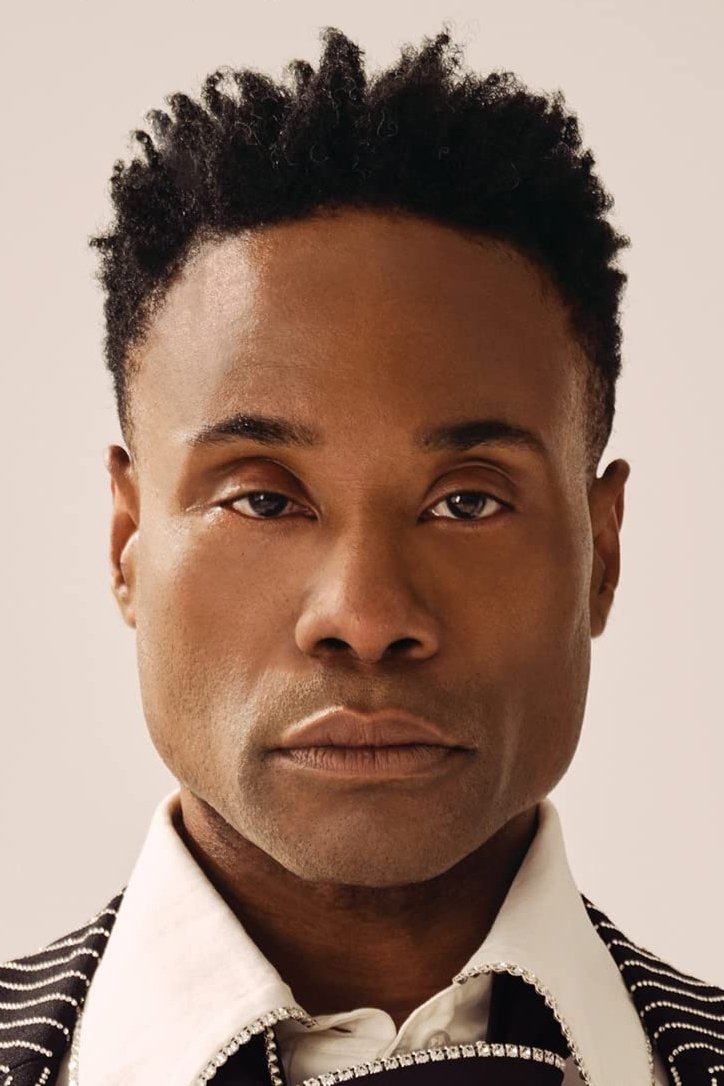
Billy Porter sparked controversy with his comments criticizing Harry Styles for being the first solo male on the cover of ‘Vogue’ in a dress. The ‘Pose’ actor argued that he had fought for years to wear gowns on red carpets without receiving the same recognition. Social media users debated whether his frustration was valid or if he was gatekeeping gender fluid fashion. He later apologized to Styles but maintained his critique of the fashion industry gatekeepers.
John Barrowman
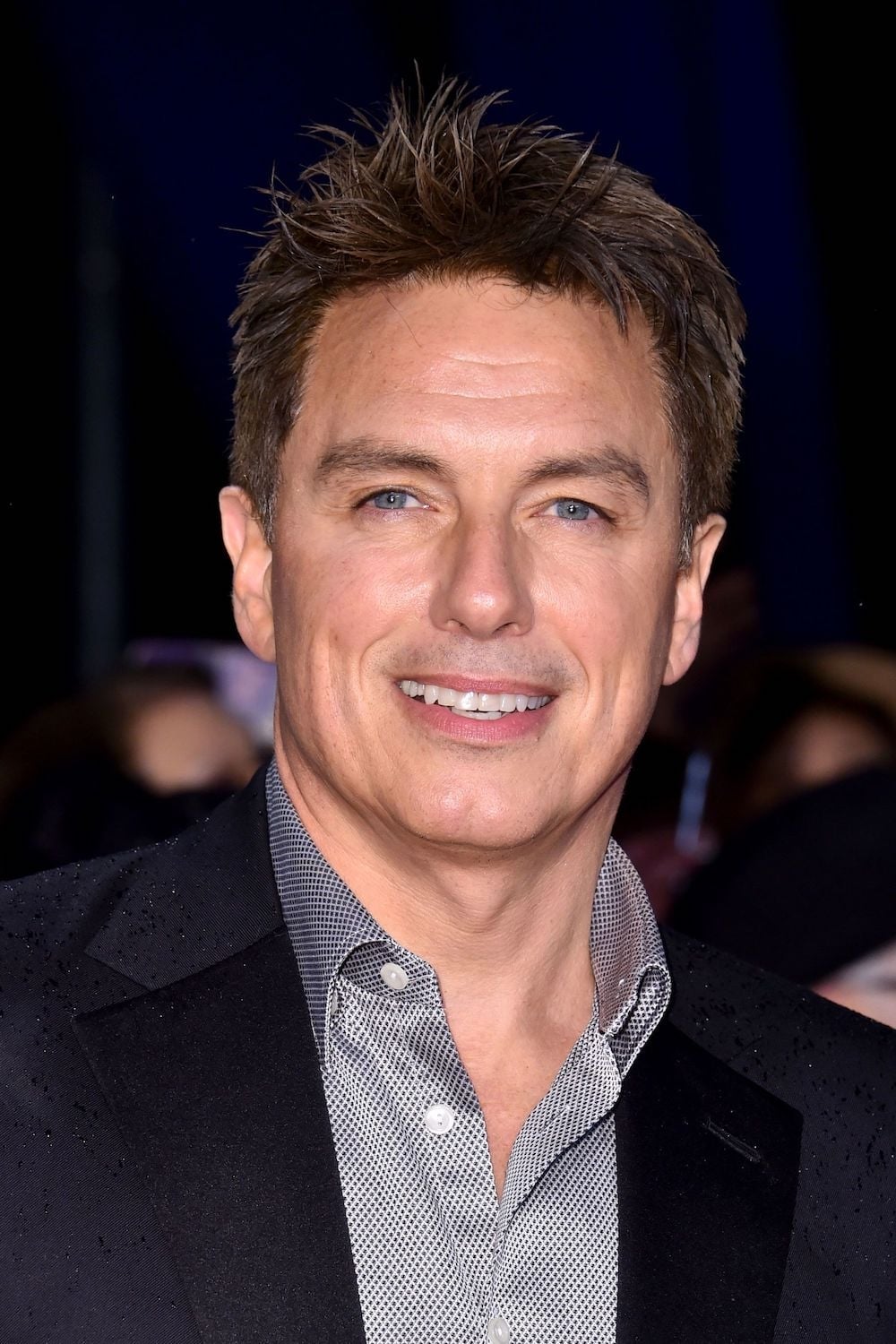
John Barrowman faced accountability for his past behavior on the sets of ‘Doctor Who’ and ‘Torchwood’. Allegations surfaced that he frequently exposed himself to cast and crew members as a misguided prank. The actor was removed from immersive theater projects and faced calls for his removal from the franchise. He apologized for what he termed high-spirited behavior while acknowledging that times had changed.
RuPaul
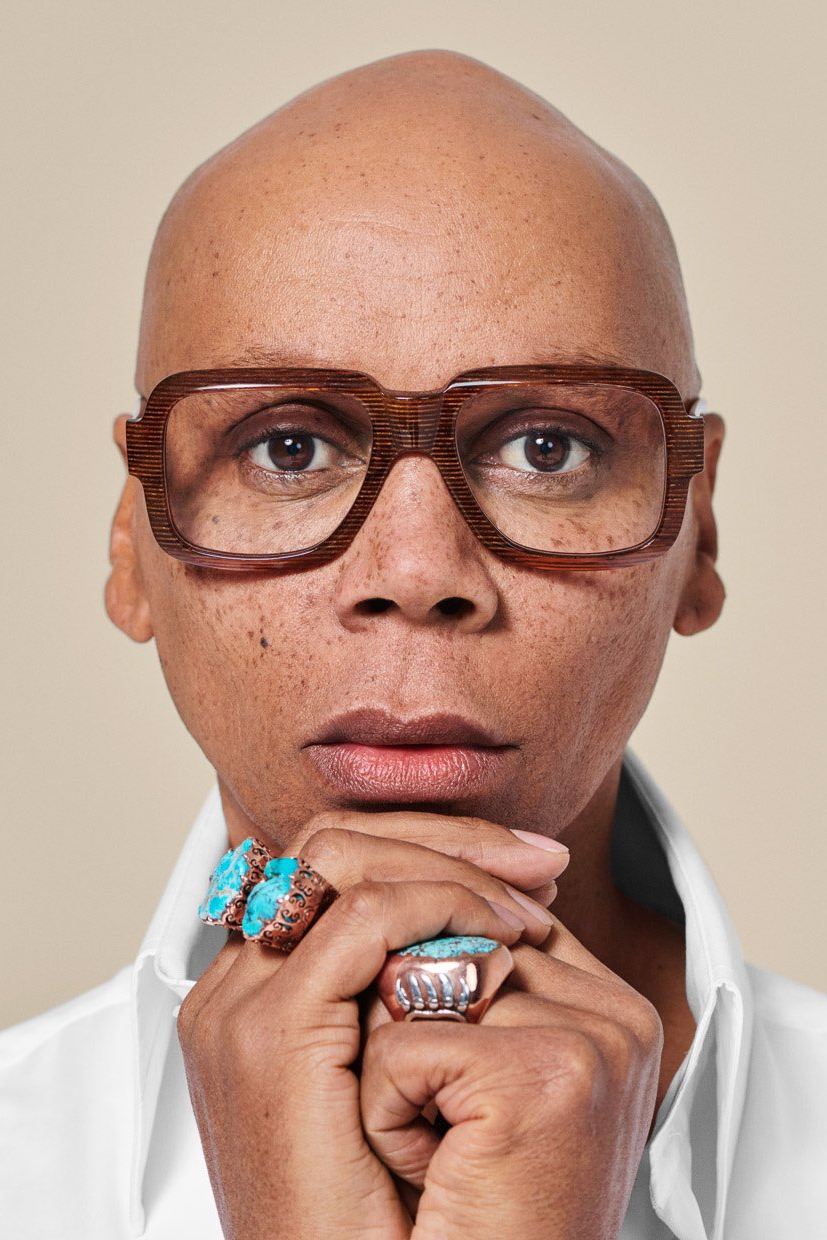
RuPaul has faced recurring backlash from the LGBTQ+ community regarding his past comments on trans contestants in drag competitions. Critics on social media also targeted the host after he revealed he leases land on his ranch for fracking. The environmental concerns combined with debates over inclusivity have created sustained pockets of criticism. Despite the success of ‘RuPaul’s Drag Race’, these controversies frequently resurface in online discourse.
Todrick Hall
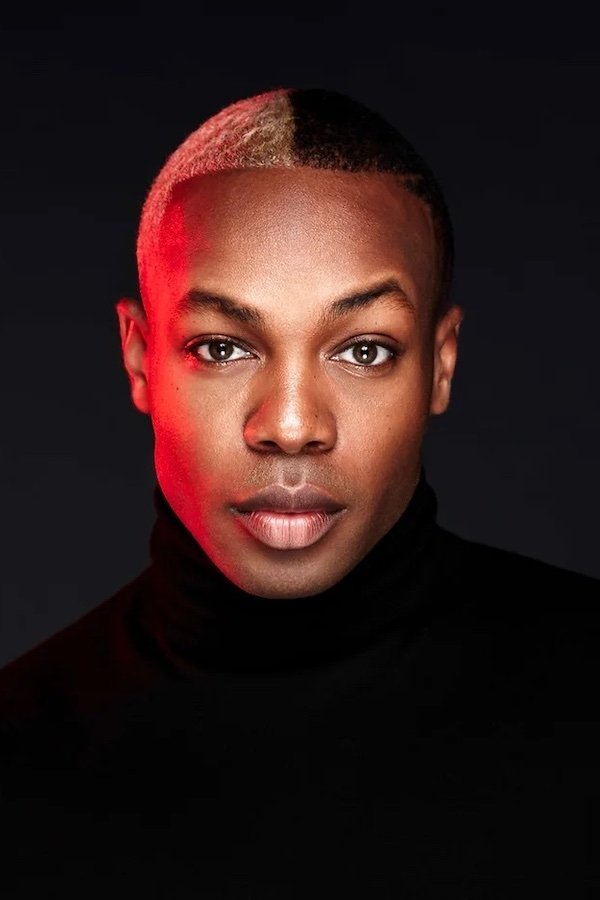
Todrick Hall became a target of social media anger following his appearance on ‘Celebrity Big Brother’. Viewers and fellow houseguests accused him of personal attacks and manipulative behavior during the game. This added to previous allegations from dancers and creatives who claimed they were not paid for their work in his productions. The compounding controversies have led to significant reputational damage on platforms like Twitter and TikTok.
Billy Eichner
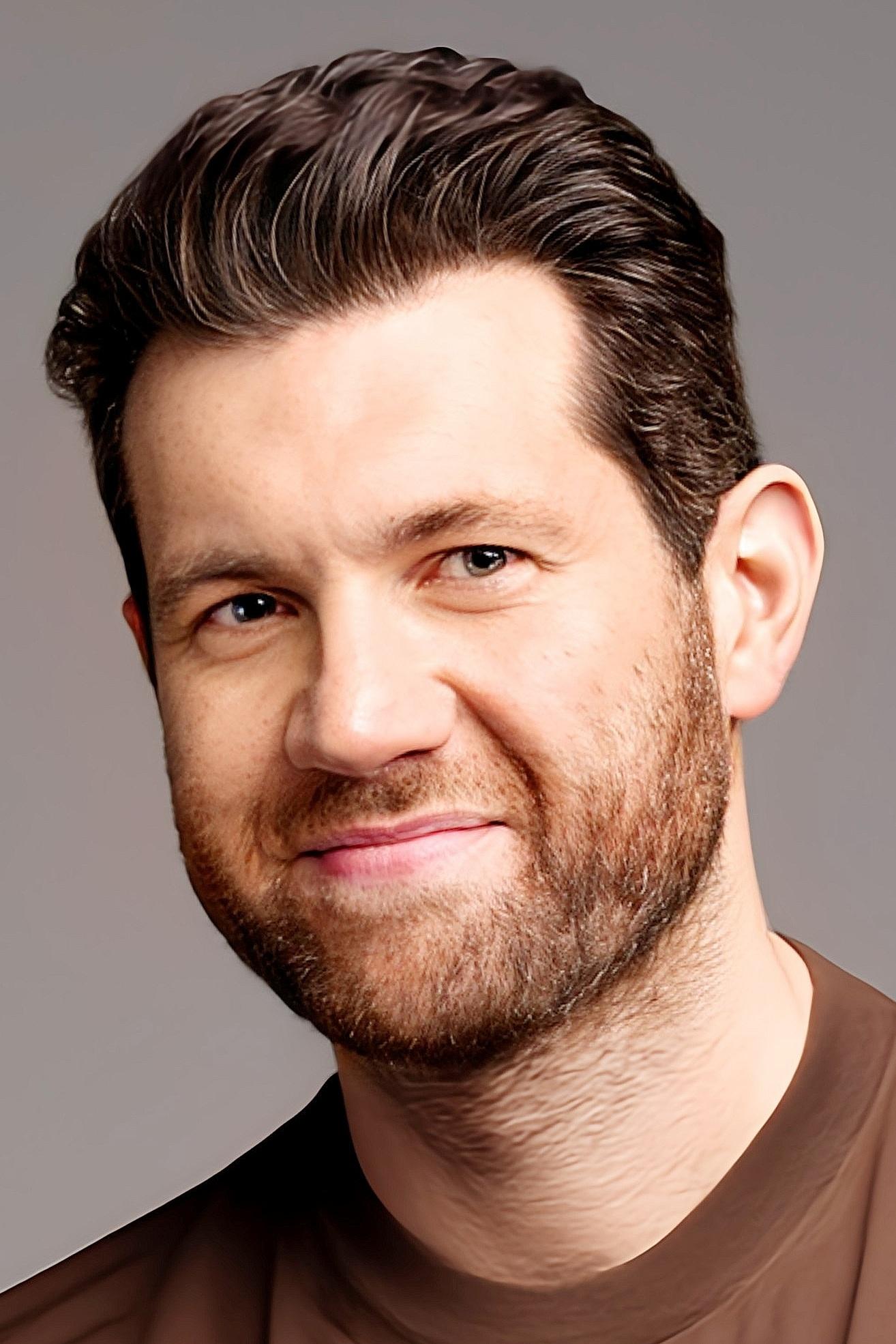
Billy Eichner faced criticism for his reaction to the box office performance of his romantic comedy ‘Bros’. The actor tweeted that straight people in certain parts of the country just did not show up for the film. Social media users argued that blaming the audience was a poor strategy and pointed to marketing flaws instead. The discourse shifted from the quality of the movie to his perceived entitlement regarding ticket sales.
Ben Platt
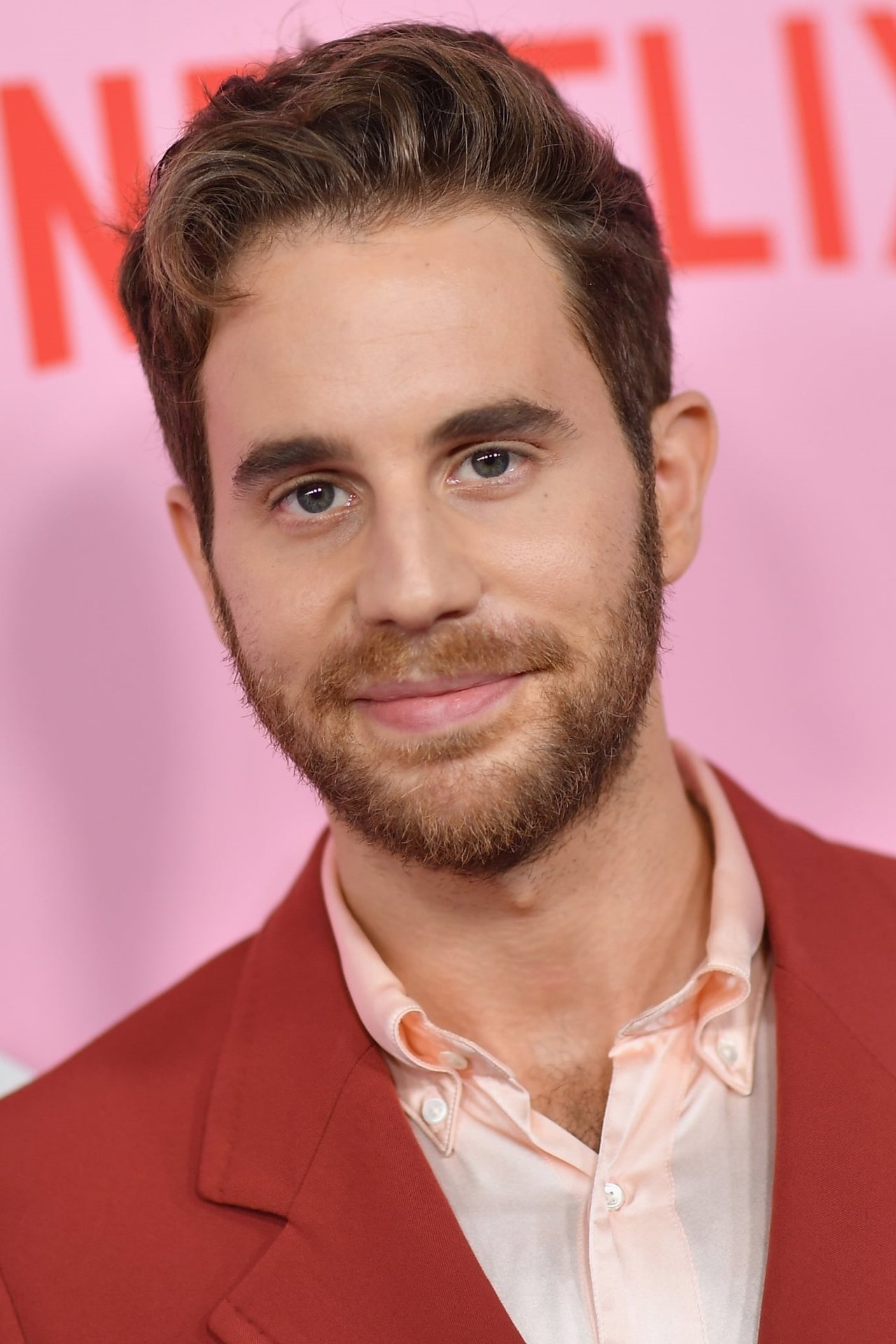
Ben Platt dealt with a barrage of memes and criticism over his casting in the film adaptation of ‘Dear Evan Hansen’. Viewers felt the actor looked too old to play a high school student and criticized the nepotism involved since his father produced the film. The visual jarringness of his character became a viral topic that overshadowed the musical aspects of the movie. Platt defended his casting by citing his Tony-winning performance in the stage version.
Kit Connor
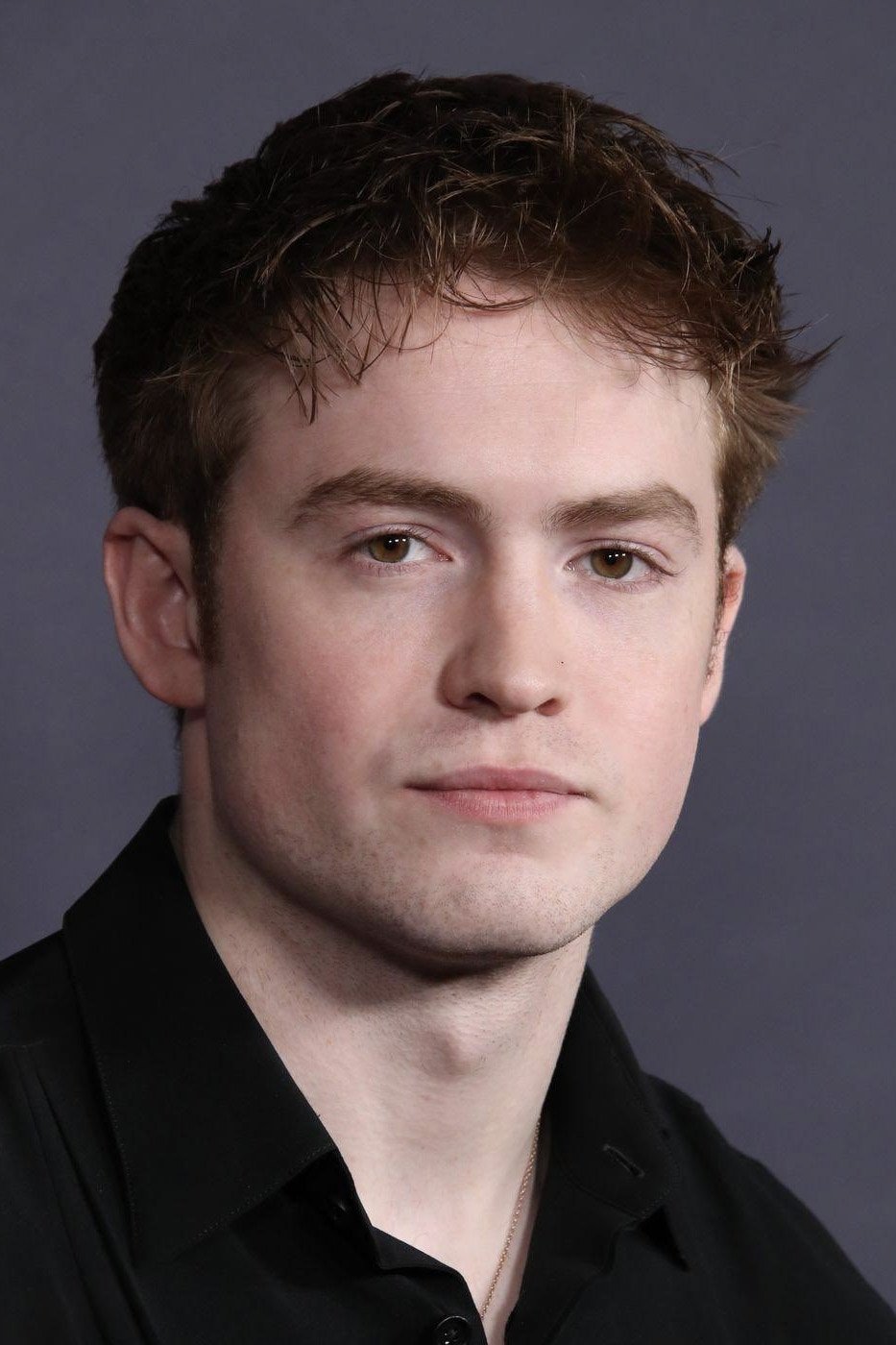
Kit Connor was forced to come out as bisexual on social media after facing accusations of queerbaiting. Fans of ‘Heartstopper’ harassed the young actor for holding hands with a female friend while playing a gay character. The incident sparked a wide conversation about the toxicity of forcing actors to label their sexuality publicly. Many users expressed regret and support for Connor after his frustrated tweet confirming his identity.
Joe Locke
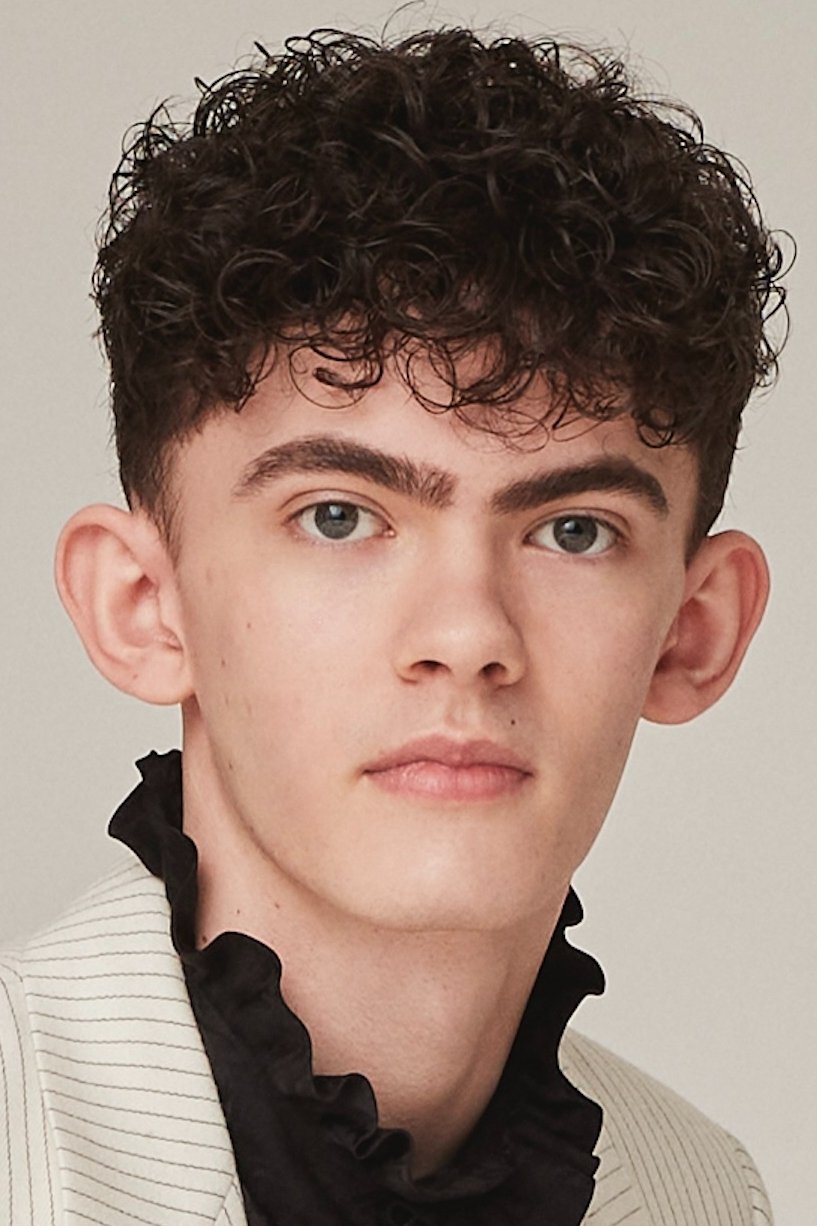
Joe Locke has been subjected to relentless trolling regarding his physical appearance since his rise to fame. The ‘Heartstopper’ and ‘Agatha All Along’ actor has spoken about the difficulty of navigating fame while seeing hateful comments online. Fans have rallied to defend him against search algorithms that prioritize negative terms associated with his name. The backlash highlights the superficial and cruel nature of anonymous internet culture.
Ncuti Gatwa
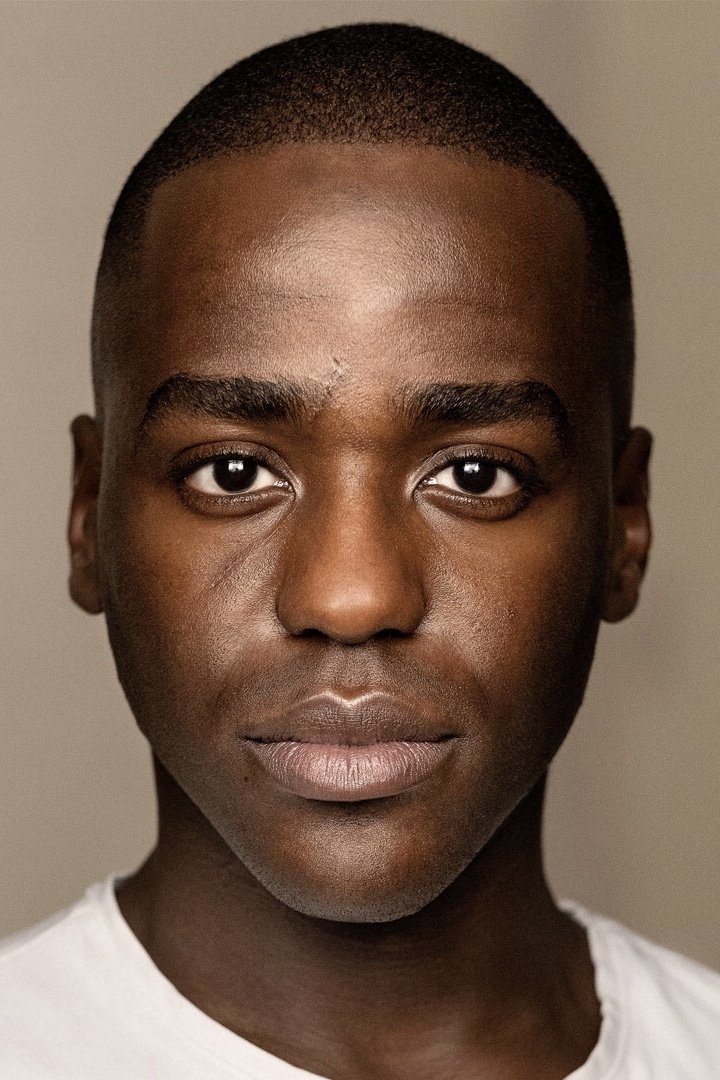
Ncuti Gatwa faced a mix of racist and homophobic abuse upon being announced as the lead in ‘Doctor Who’. A segment of the fandom criticized the show for becoming too focused on diversity and inclusion. The actor maintained a positive public demeanor while supporters drowned out the hate with excitement for his portrayal. The casting ignited a fierce culture war within the longstanding science fiction community.
Russell Tovey
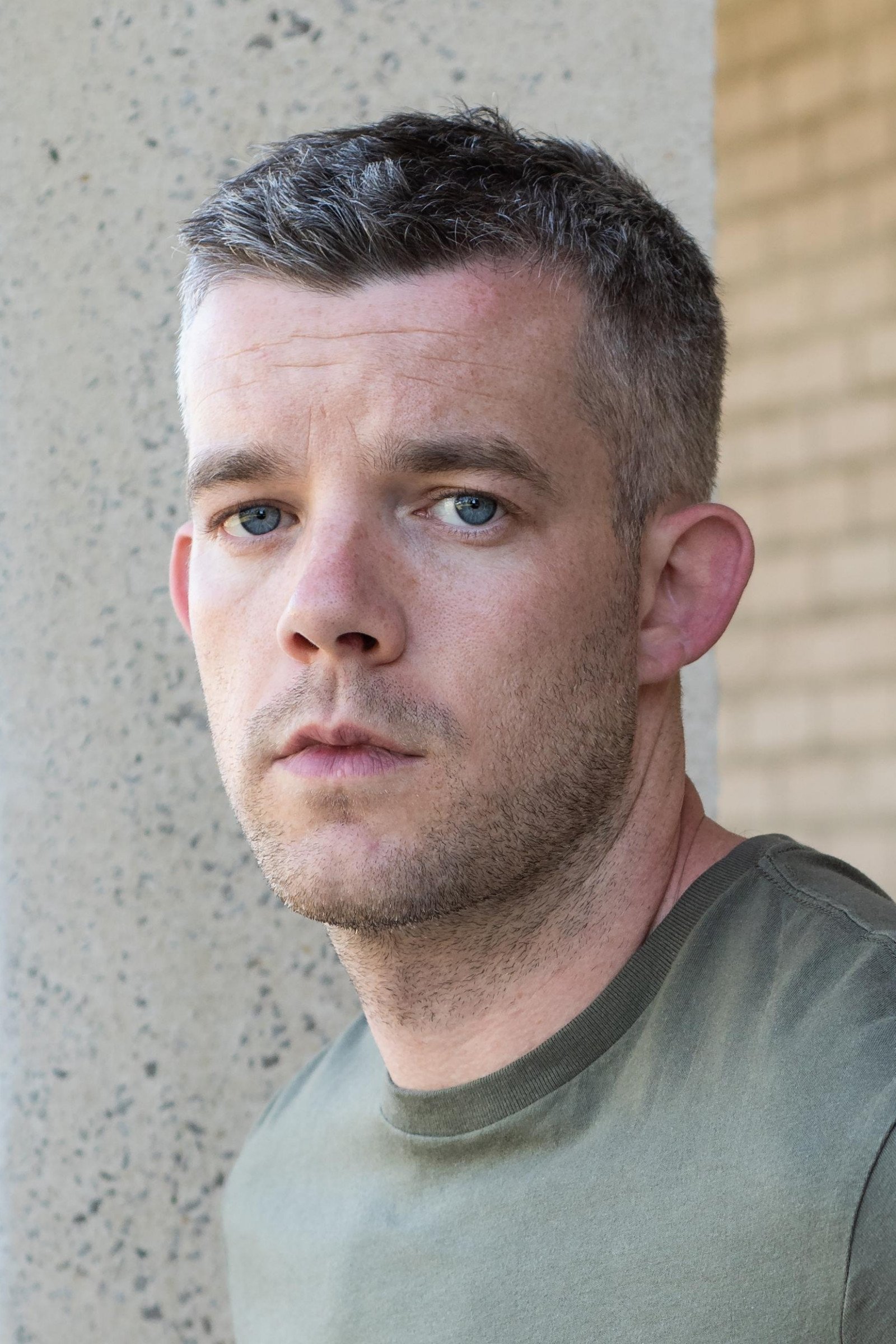
Russell Tovey angered many in the gay community with comments that were perceived as internalized homophobia. The actor expressed relief that his father did not have an effeminate son and thanked his upbringing for making him tough. Social media users criticized him for implying that effeminacy was a negative trait for gay men. Tovey later apologized and explained he was reflecting on his own past insecurities.
Zachary Quinto
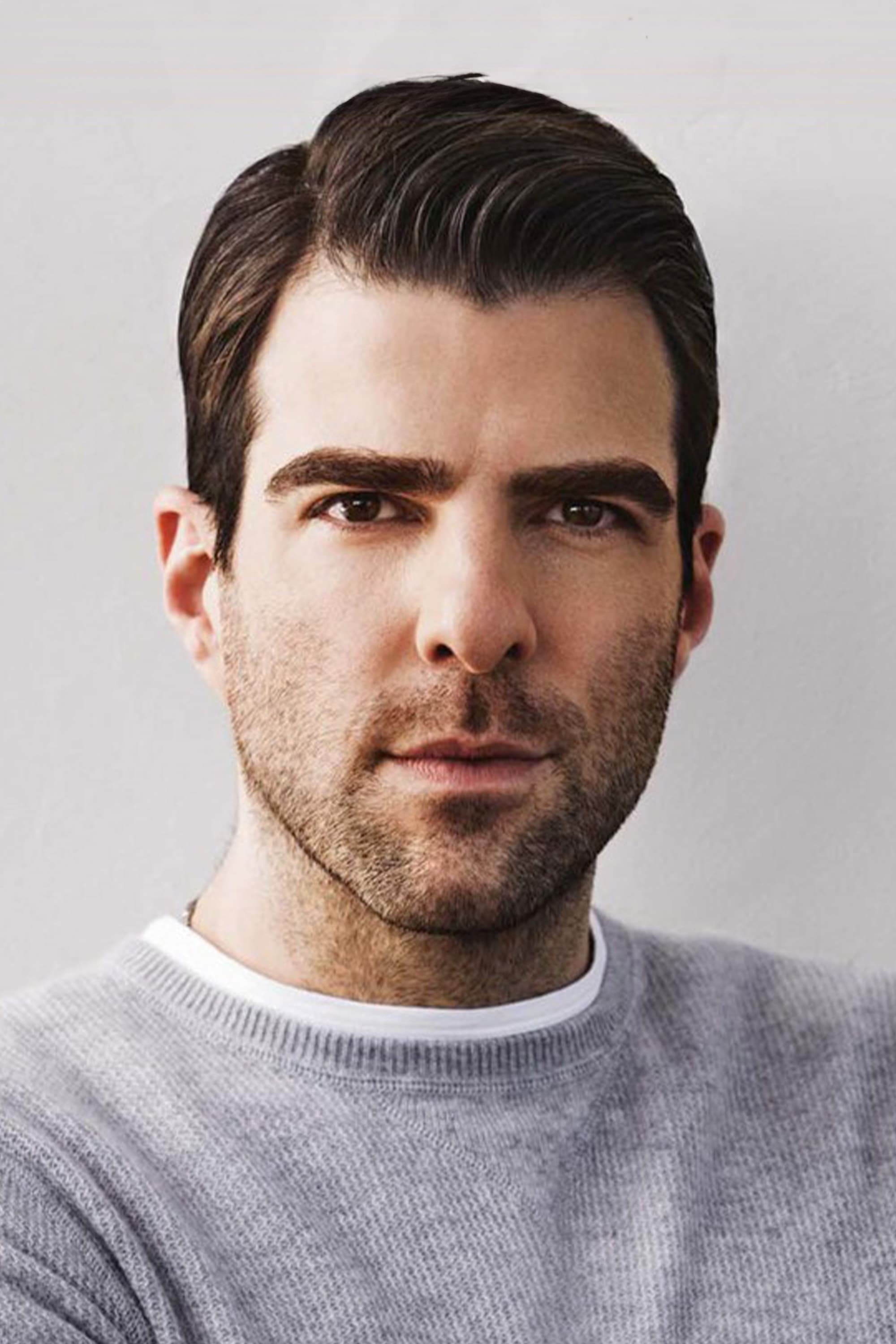
Zachary Quinto faced backlash for his comments regarding HIV prevention and the use of PrEP. The actor suggested that the medication might lead to irresponsibility within the community rather than just safety. Activists and health educators took to social media to correct his statements and call them stigmatizing. The controversy sparked a necessary but heated debate about sexual health responsibility.
Stephen Fry
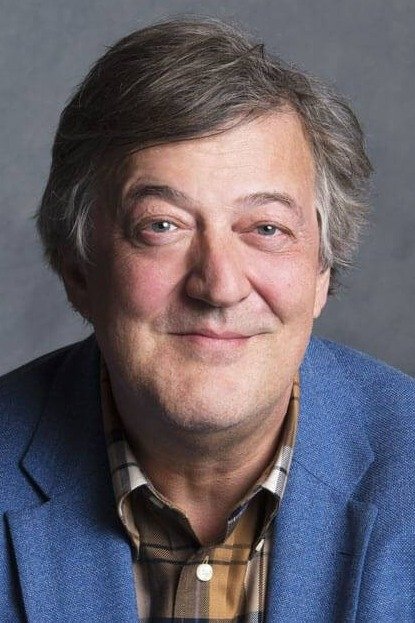
Stephen Fry has alienated some former fans with his vocal defense of author J.K. Rowling regarding her views on transgender issues. The actor and writer stated he would not abandon his friend despite the intense controversy surrounding her statements. Social media users expressed disappointment that a prominent gay figure would align himself with someone accused of transphobia. This stance has led to him being blocked or criticized by many LGBTQ+ advocacy groups.
Matt Lucas
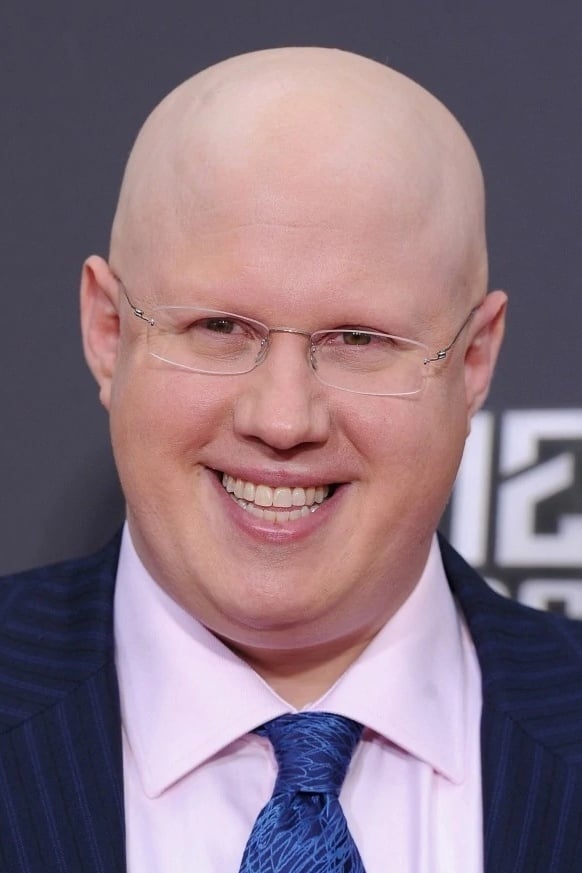
Matt Lucas and his creative partner faced renewed scrutiny for the use of blackface and transphobic jokes in ‘Little Britain’. The sketch show was removed from several streaming services as the cultural conversation around comedy evolved. Lucas issued an apology for the characters that perpetuated harmful stereotypes. The backlash highlighted how comedy from the early 2000s often relied on punching down at marginalized groups.
Ricky Martin
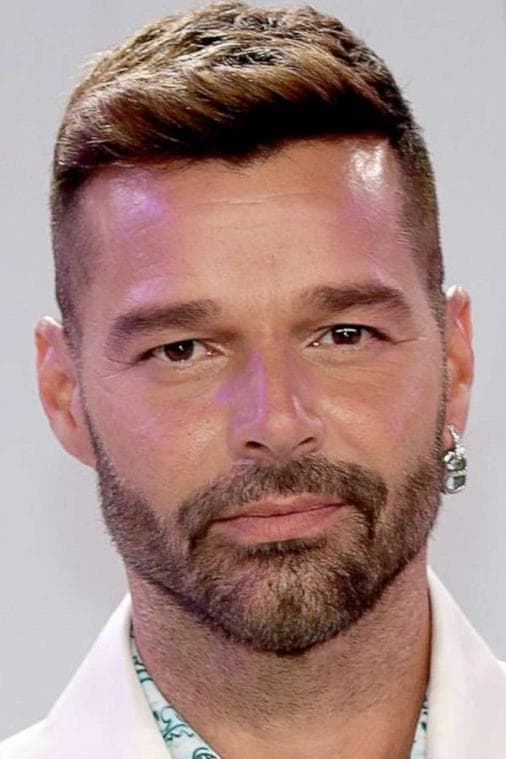
Ricky Martin faced a disturbing wave of allegations regarding domestic abuse and harassment from a family member. Social media exploded with shock and speculation before the accuser withdrew the claims in court. The singer vehemently denied the allegations and later sued his nephew for the reputational harm caused. The intense period of uncertainty caused significant damage to his public image before the legal resolution.
Colton Haynes
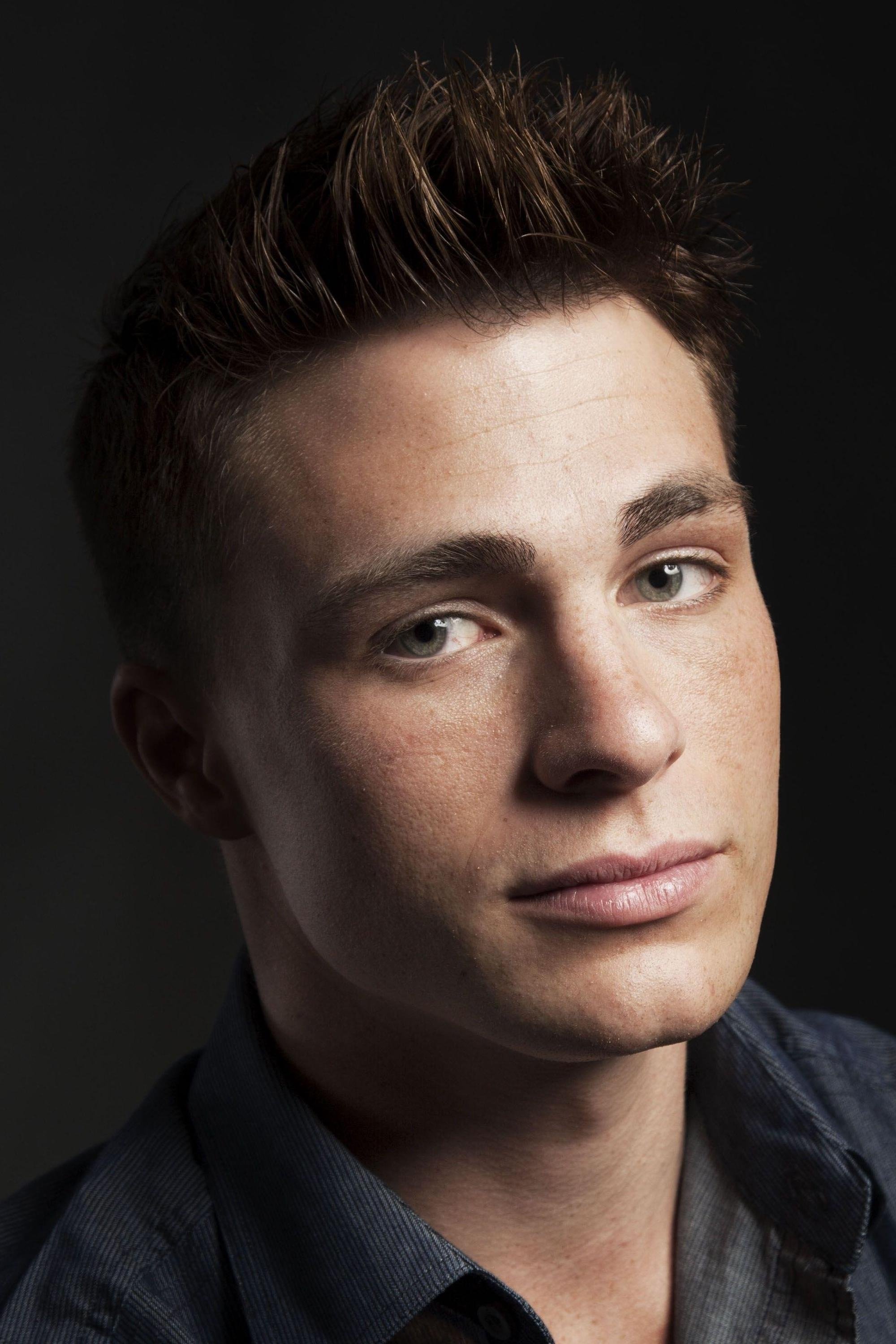
Colton Haynes received heavy criticism years ago for dressing in blackface as Kanye West for a Halloween party. The images resurface periodically on social media as new fans discover the incident. The actor has since apologized and acknowledged his ignorance regarding the history of minstrelsy and racism. It remains a point of contention for those discussing accountability in Hollywood.
Tituss Burgess
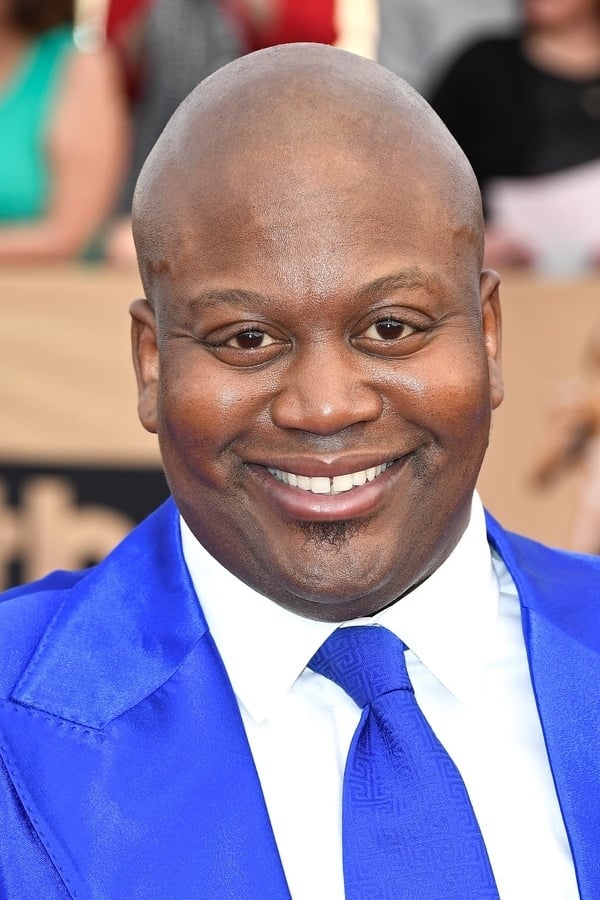
Tituss Burgess engaged in a public feud with host Andy Cohen that played out over social media. The ‘Unbreakable Kimmy Schmidt’ actor called Cohen a messy queen after an uncomfortable interview segment. Fans were divided between supporting Burgess for standing up for himself and criticizing him for the professional friction. The incident remains a memorable moment of tension in late-night television discourse.
Wilson Cruz
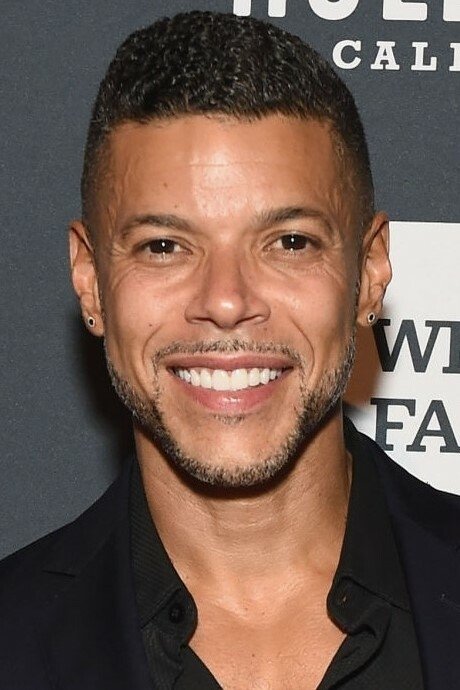
Wilson Cruz has faced harassment from a toxic subset of ‘Star Trek’ fans who oppose the show’s diversity. His role in ‘Star Trek: Discovery’ became a lightning rod for viewers claiming the franchise had become too political. Cruz frequently engages with trolls to defend the importance of LGBTQ+ representation in science fiction. The actor uses his platform to counter the hate with messages of love and inclusion.
George Takei
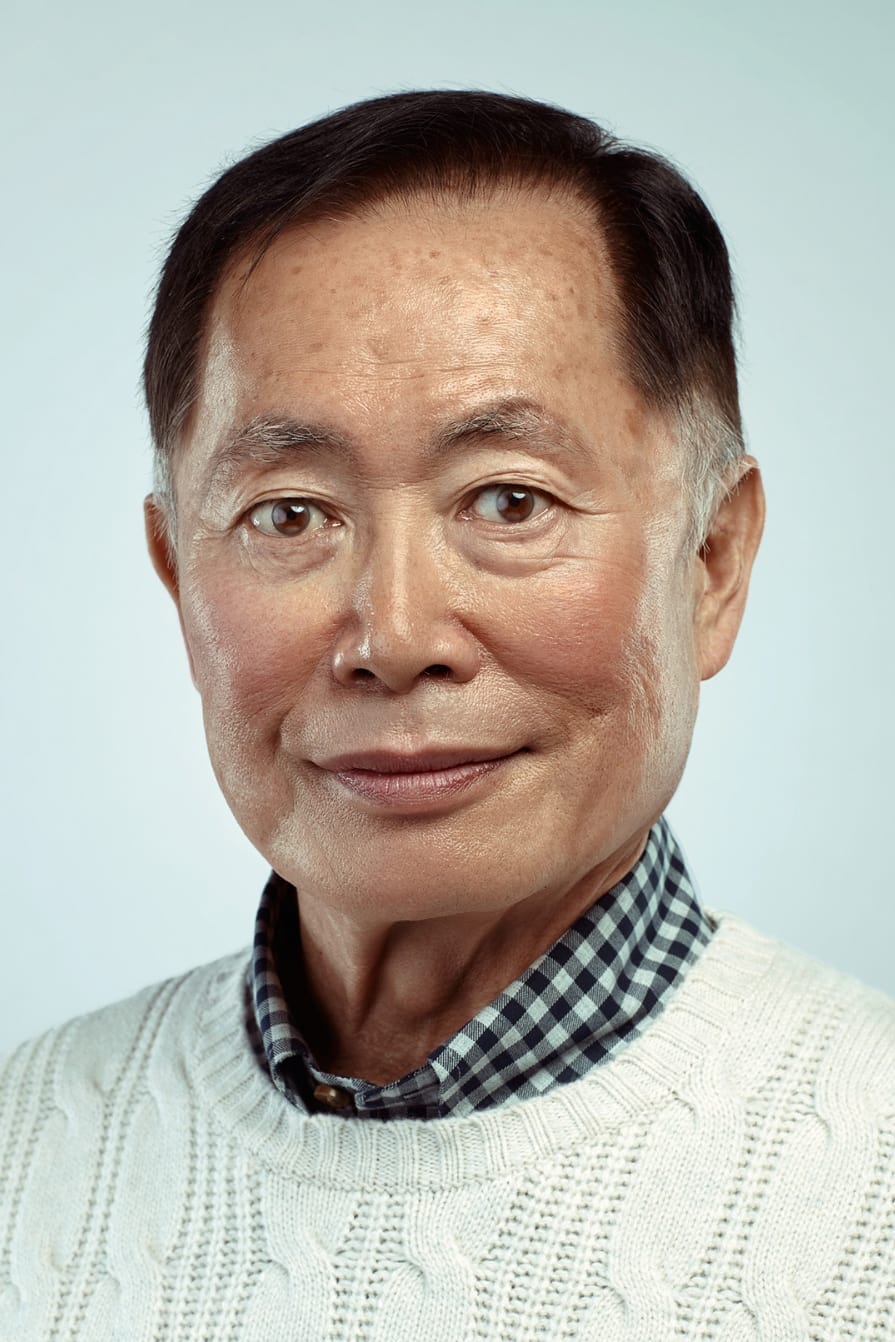
George Takei faced an accusation of sexual assault from a model regarding an incident in the 1980s. The actor denied the events occurred and observers noted inconsistencies in the accuser’s story which eventually led to a retraction. Despite the clarification, the initial wave of social media backlash was swift and damaging. Takei also frequently draws ire from political opponents due to his very active liberal presence on Twitter.
Lance Bass
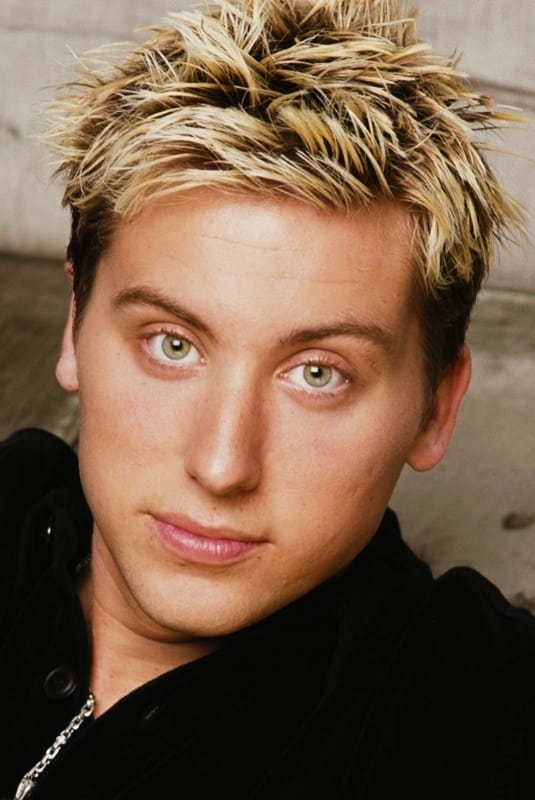
Lance Bass faced backlash from Britney Spears fans after he suggested her conservatorship was arguably necessary. The former NSYNC member later walked back his comments and claimed he had been manipulated by her team. The #FreeBritney movement on social media accused him of being complicit in the narrative that kept her controlled. He has since tried to show support for the singer to repair the relationship with her fanbase.
Adam Lambert
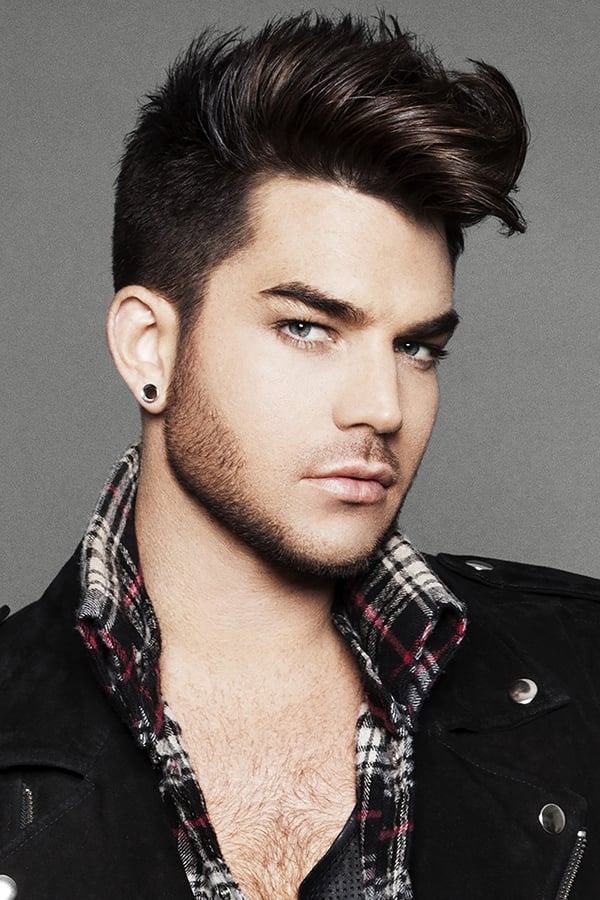
Adam Lambert faced criticism early in his career for his sexually charged performance at the American Music Awards. More recently, he faced a minor backlash from ‘Rocky Horror’ purists when he was cast in the television remake. Some Queen fans also continue to reject his presence as the frontman for the legendary band. Lambert consistently pushes past the criticism with his vocal talent and stage presence.
Jonathan Groff
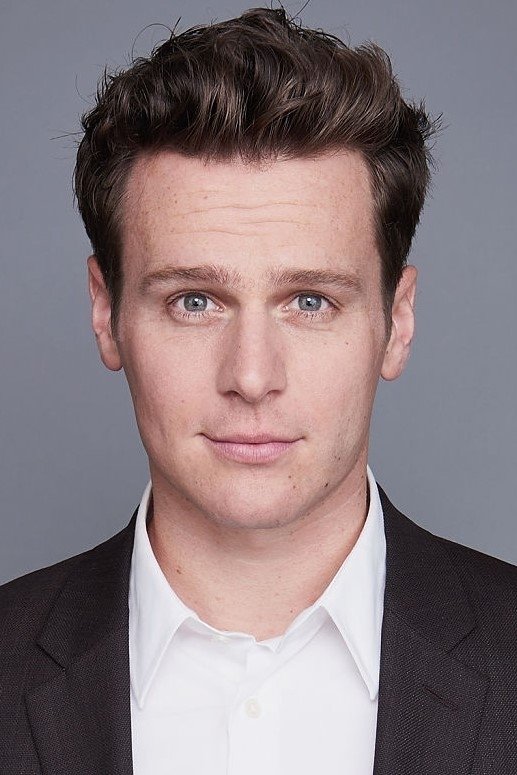
Jonathan Groff faced a strange critique from a reviewer who claimed he was not believable as a gay man in ‘Looking’. The review sparked a massive online debate about what a gay man is supposed to act like. Fellow actors and fans defended Groff and called the criticism rooted in stereotypes. The incident highlighted the unfair expectations placed on out actors to perform their sexuality in specific ways.
Matt Bomer
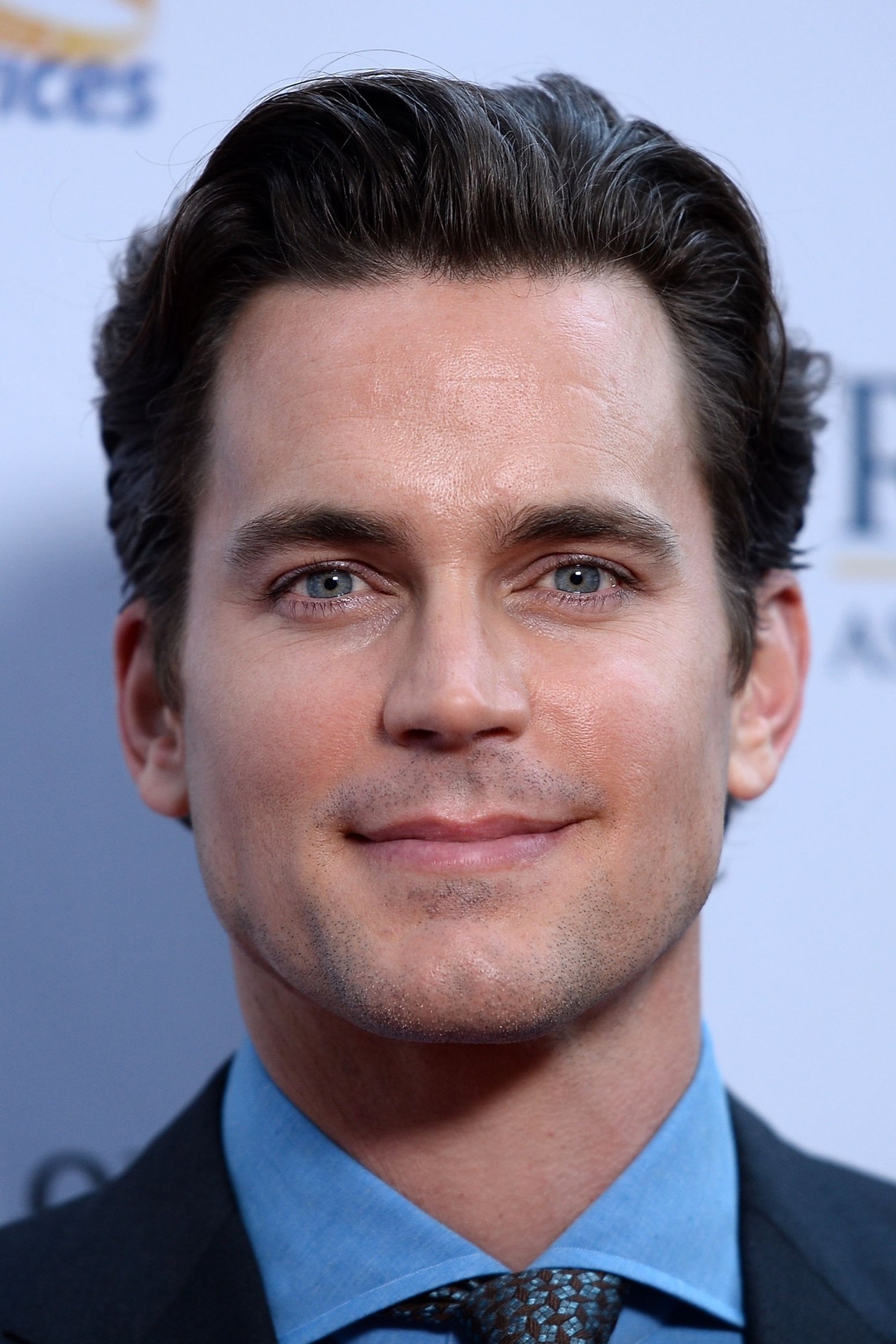
Matt Bomer faced a wave of criticism from the trans community and allies for playing a transgender sex worker in the film ‘Anything’. Critics argued that cisgender men should not be cast in trans female roles as it contributes to harmful misconceptions. Bomer expressed that he had compassion for the concerns but the film was released despite the outcry. The controversy became a key case study in the fight for authentic trans representation.
Bowen Yang

Bowen Yang faces regular criticism from conservative outlets and viewers for his flamboyant and queer-centric sketches on ‘Saturday Night Live’. The comedian is often the target of online trolls who dislike the show’s political and social commentary. He also faced some internal community discourse regarding the “Iceberg” sketch and its absurdity. Yang continues to be a breakout star despite the polarizing nature of the show.
Joel Kim Booster
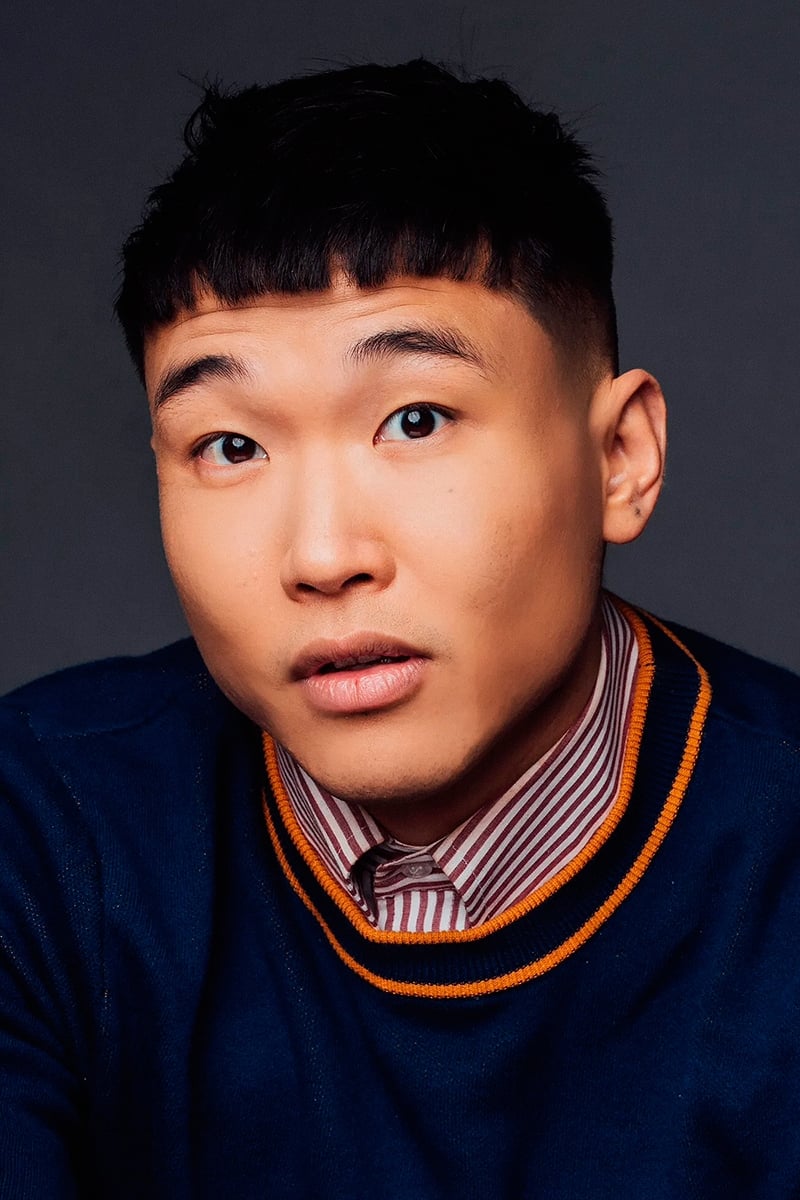
Joel Kim Booster faced discourse surrounding his film ‘Fire Island’ regarding body image and exclusion. Some social media users felt the movie glorified a toxic, muscle-centric subculture within the gay community. Booster defended the film as an honest depiction of his experiences and a satire of those very hierarchies. The debate highlighted the class and body image struggles that exist within queer spaces.
Troye Sivan
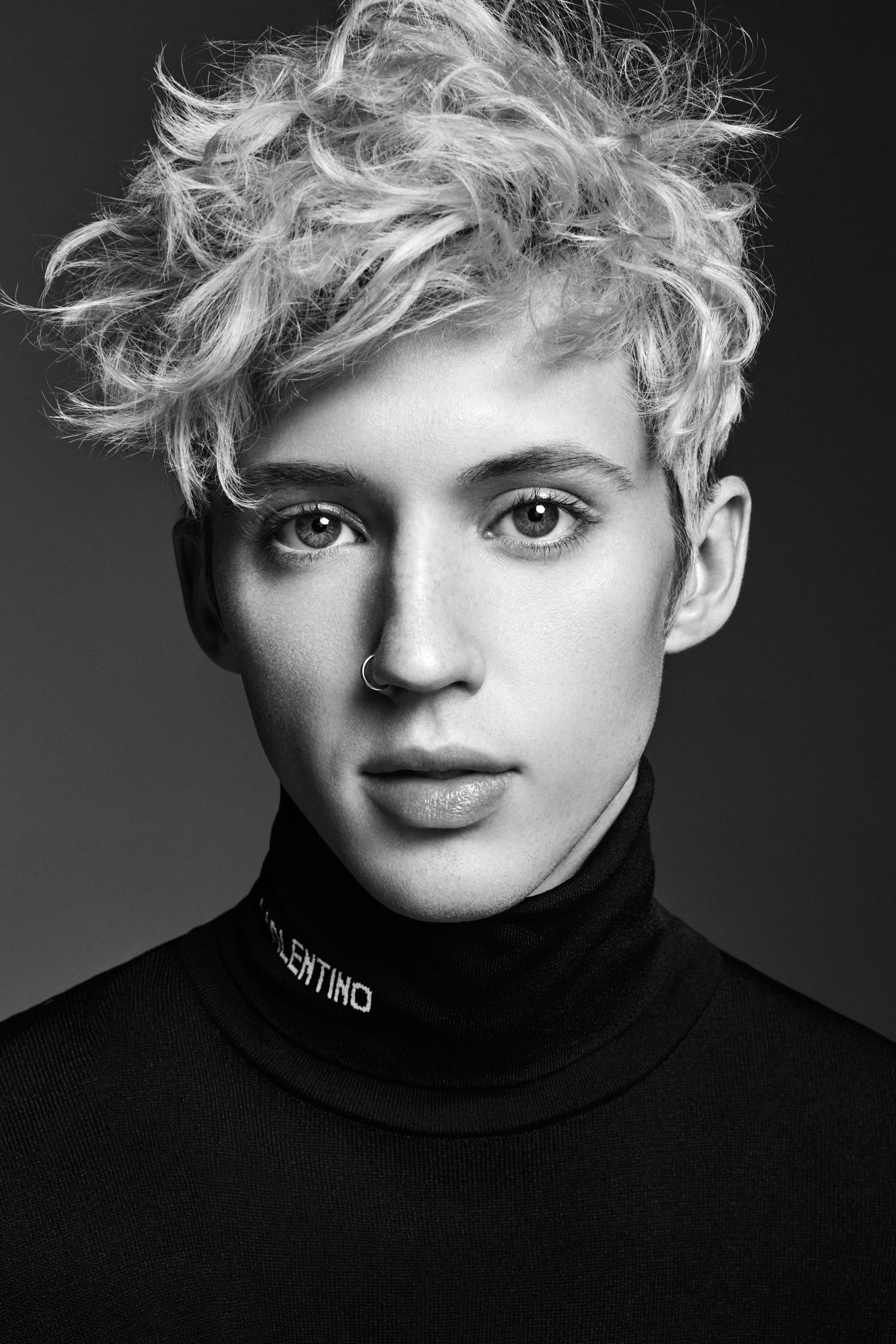
Troye Sivan faced backlash for his ‘Rush’ music video because it primarily featured thin and muscular bodies. Critics argued that the video reinforced exclusionary beauty standards and lacked body diversity. Sivan responded by saying he was just showing his friends and the reality of that specific club scene. The conversation opened up a broader dialogue about body positivity in pop music visuals.
Gus Kenworthy
Gus Kenworthy faced accusations of nepotism and lack of skill when he was cast in ‘American Horror Story’. Viewers and critics on social media questioned why the Olympian was given a prominent acting role over trained actors. His performance was dissected heavily online with many claiming he was hired only for his physical appeal. Kenworthy acknowledged the criticism but expressed his passion for transitioning into an acting career.
Chris Colfer
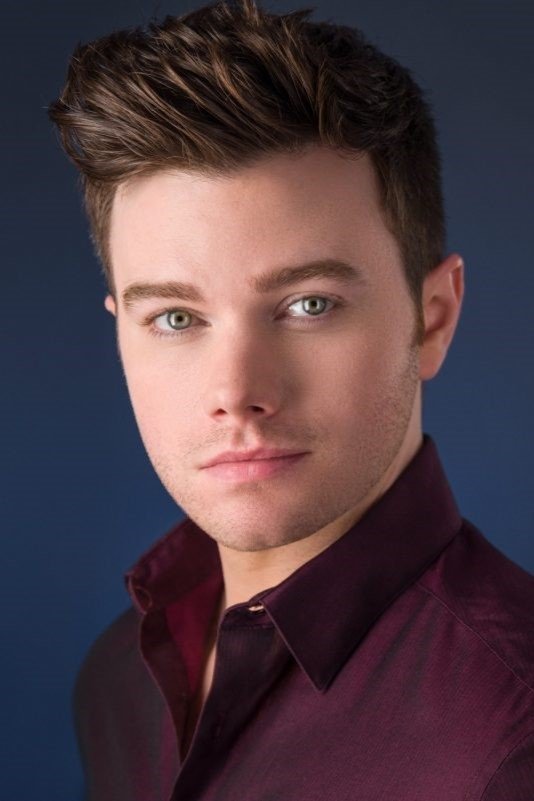
Chris Colfer was often at the center of ‘Glee’ fandom wars regarding screen time and plot directions. More recently, his refusal to watch the Broadway revival of ‘Funny Girl’ starring Lea Michele made headlines. Social media users speculated heavily about the depth of the feud and the on-set environment of their former show. Colfer has largely stayed out of the fray by focusing on his successful writing career.
Frankie Grande
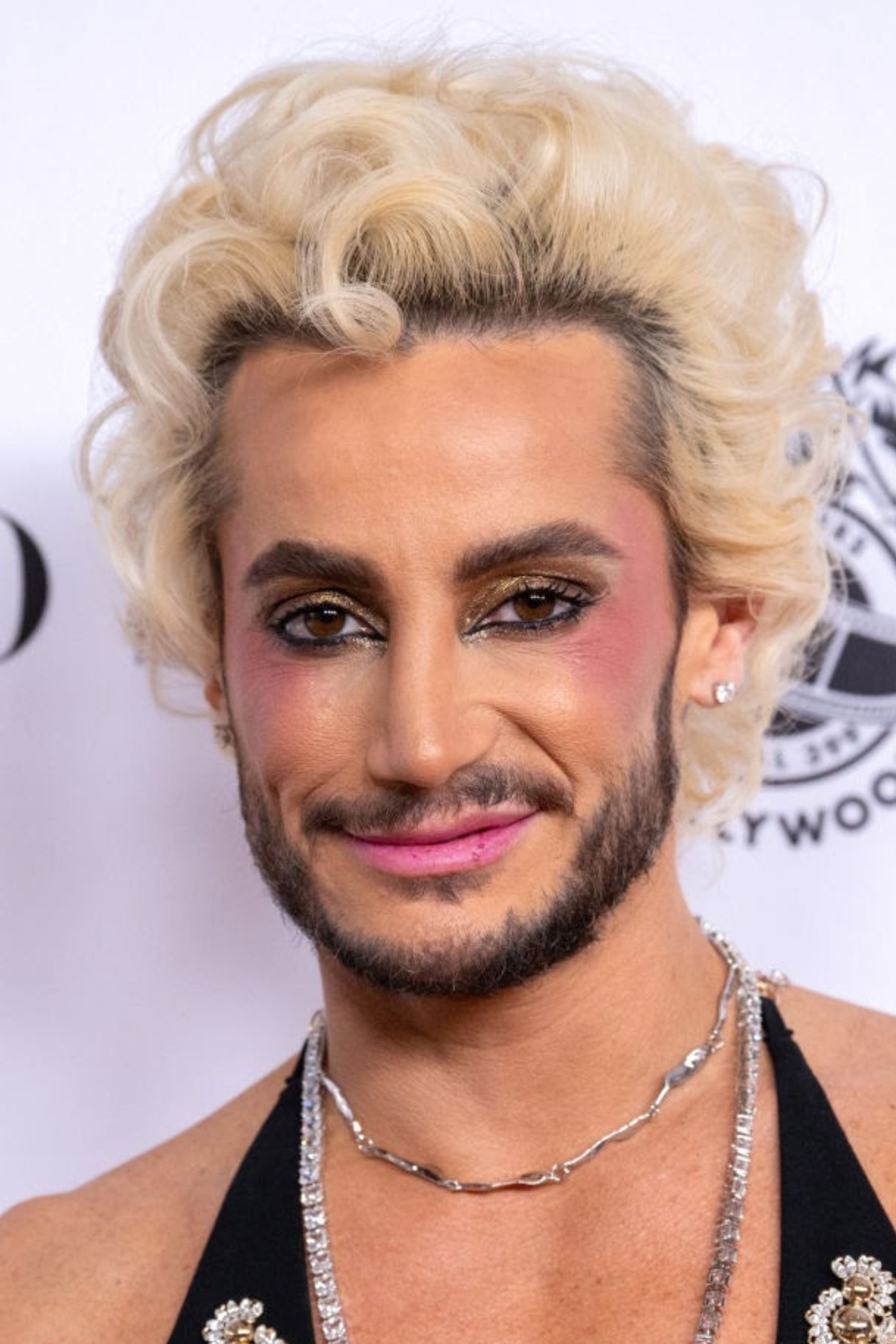
Frankie Grande received significant backlash for his behavior while competing on ‘Big Brother’. Viewers found his personality grating and criticized comments he made about other houseguests. The social media hate was so intense that it overshadowed his gameplay strategy. He continues to be a polarizing figure in reality television and theatre circles.
Ian McKellen
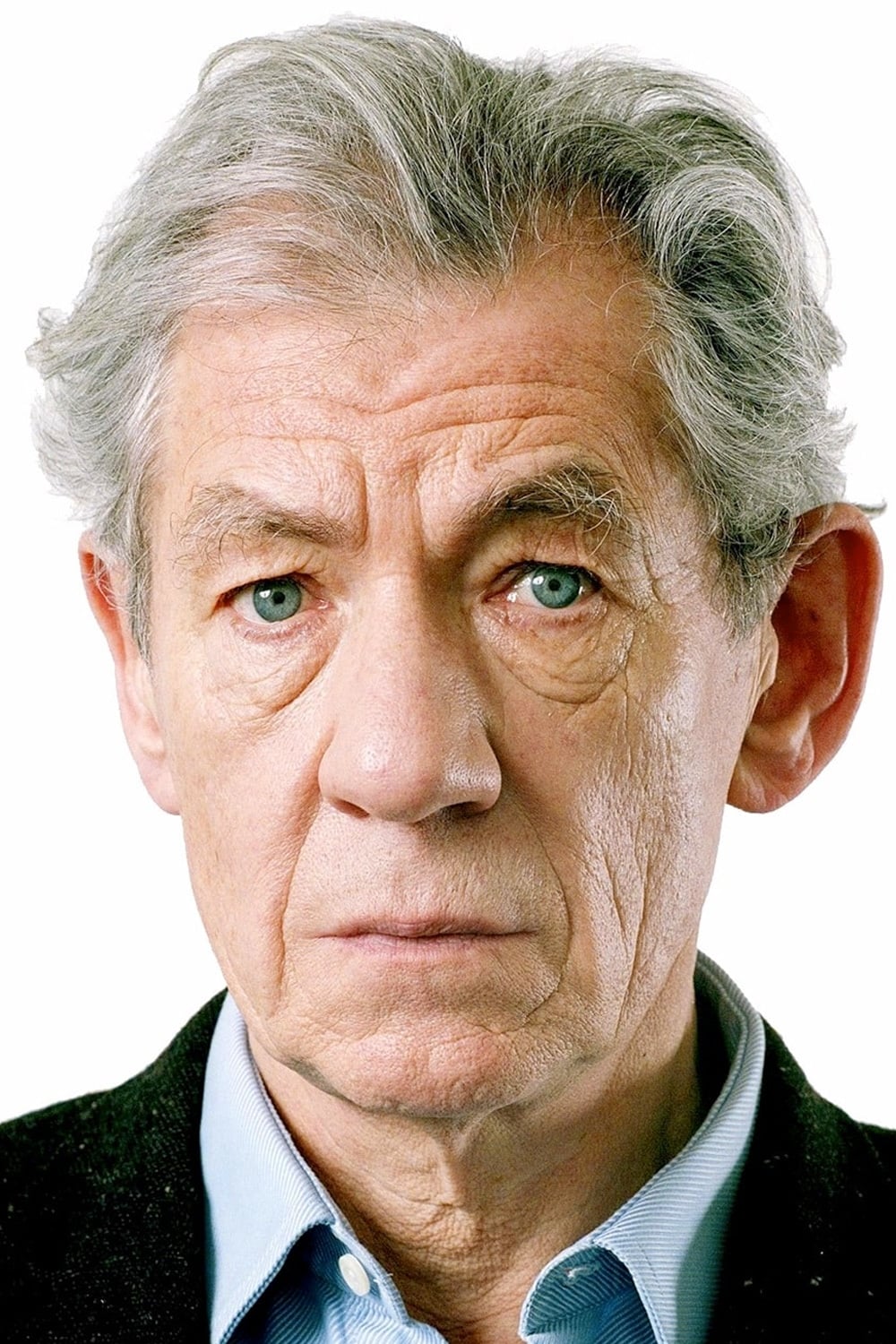
Ian McKellen faced criticism for comments that appeared to downplay the allegations against Kevin Spacey and Bryan Singer. The legendary actor suggested that the misconduct might have been a result of the closet and social repression. Survivors and advocates argued that his words excused predatory behavior by linking it to the struggle for gay rights. McKellen later apologized and clarified that he did not intend to condone abuse.
Richard Chamberlain
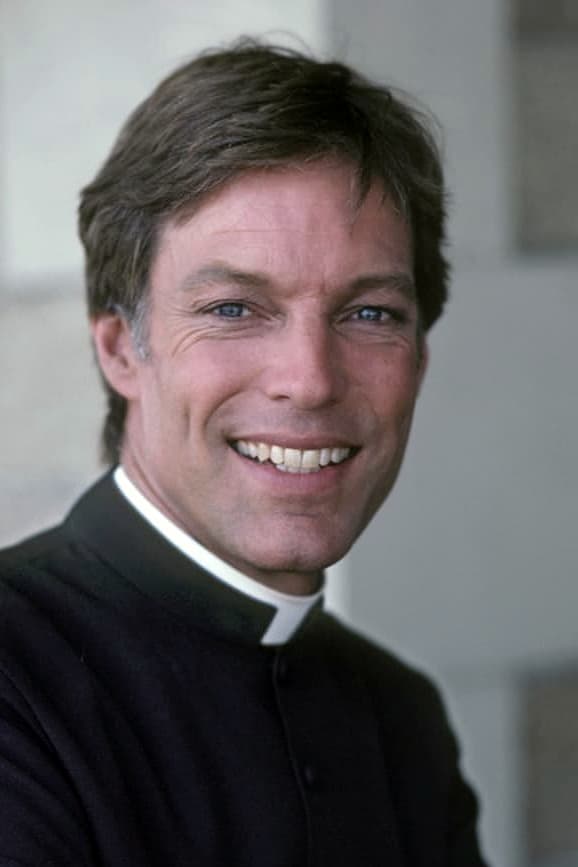
Richard Chamberlain angered many in the LGBTQ+ community when he advised gay actors to stay in the closet to protect their careers. The veteran actor argued that leading man opportunities would disappear for those who came out. Social media users and younger actors called his advice outdated and harmful to the progress of representation. The backlash highlighted the generational divide regarding openness in Hollywood.
Rupert Everett
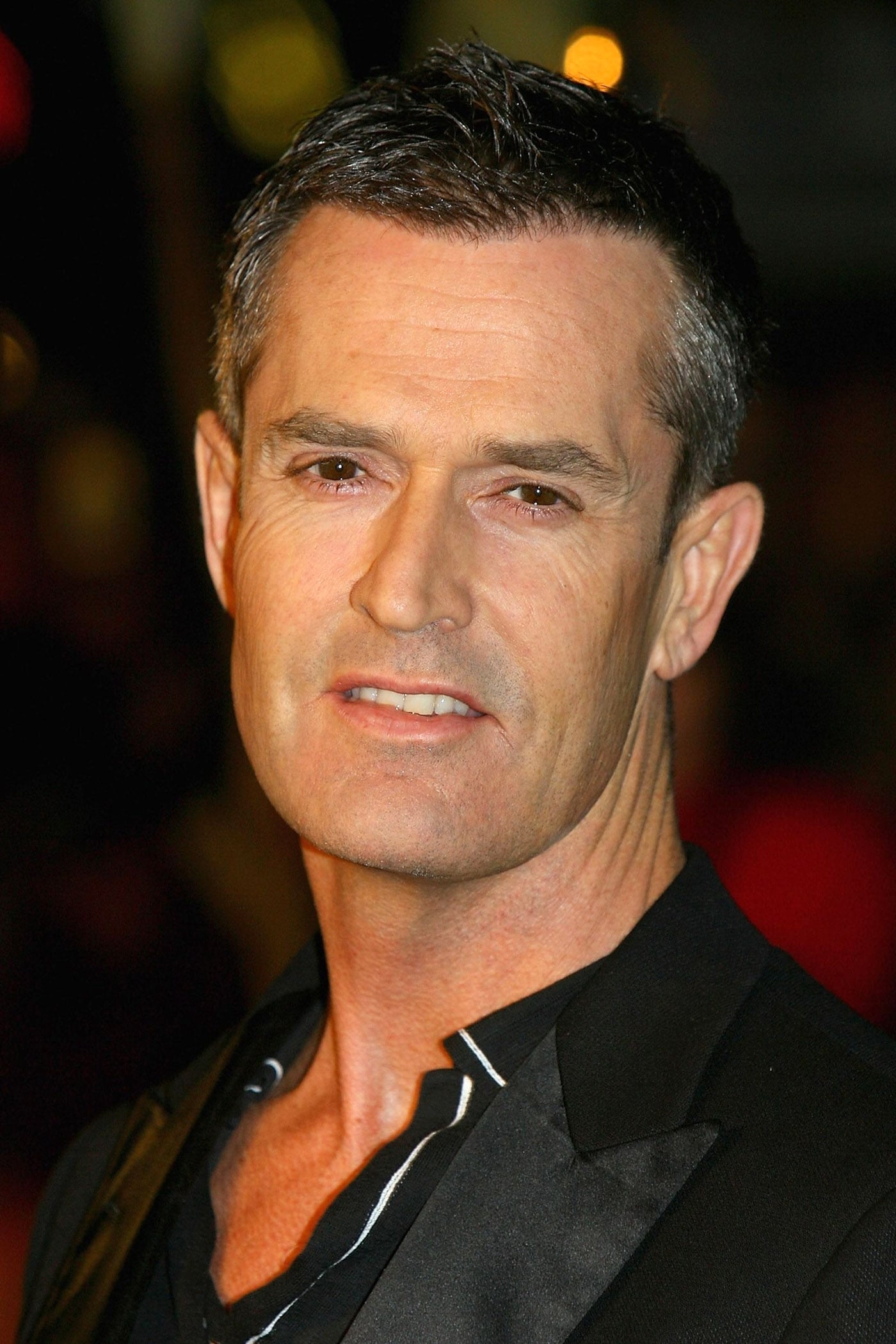
Rupert Everett has frequently courted controversy with his critical comments about gay parenting and marriage. The actor once referred to gay families as appearing tragic which sparked outrage from LGBTQ+ advocacy groups. Social media users often label his views as conservative and out of touch with modern queer life. Despite his acting acclaim, his opinions often alienate him from the community he belongs to.
Bryan Batt
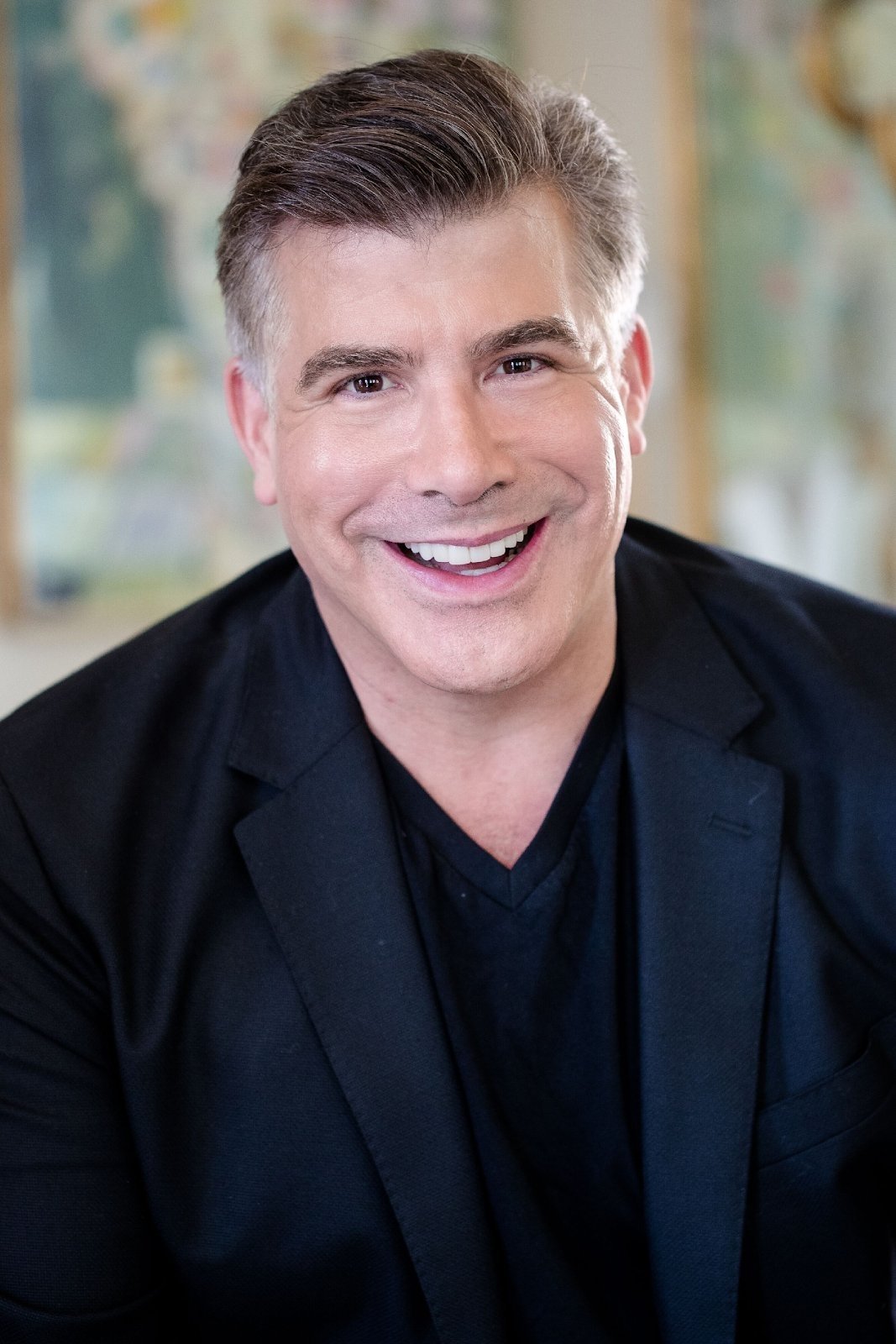
Bryan Batt faced a similar backlash to Chamberlain when he suggested that young actors should not come out until they are established. The ‘Mad Men’ actor believed that perception is reality in Hollywood and being out hinders casting. Critics on social media argued that this mindset perpetuates the very problem it seeks to avoid. The comments were seen as discouraging to a generation of actors fighting for authenticity.
Omar Ayuso
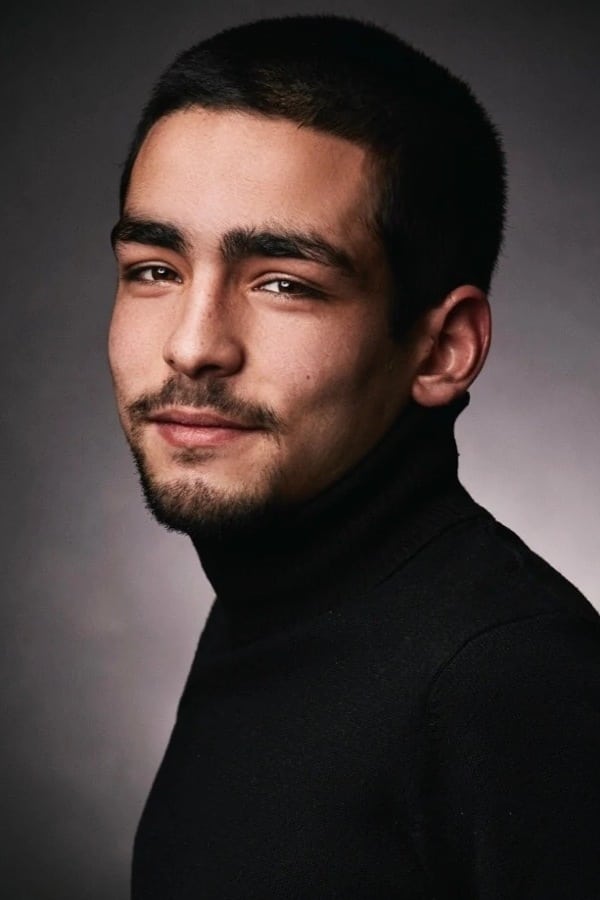
Omar Ayuso receives frequent criticism for the sexually explicit nature of his social media presence. The ‘Elite’ actor often posts provocative images that test the community guidelines of Instagram. Some followers argue he is promoting a hyper-sexualized image while others defend his right to expression. The debate often centers on the line between art, vanity, and adult content.
Wentworth Miller
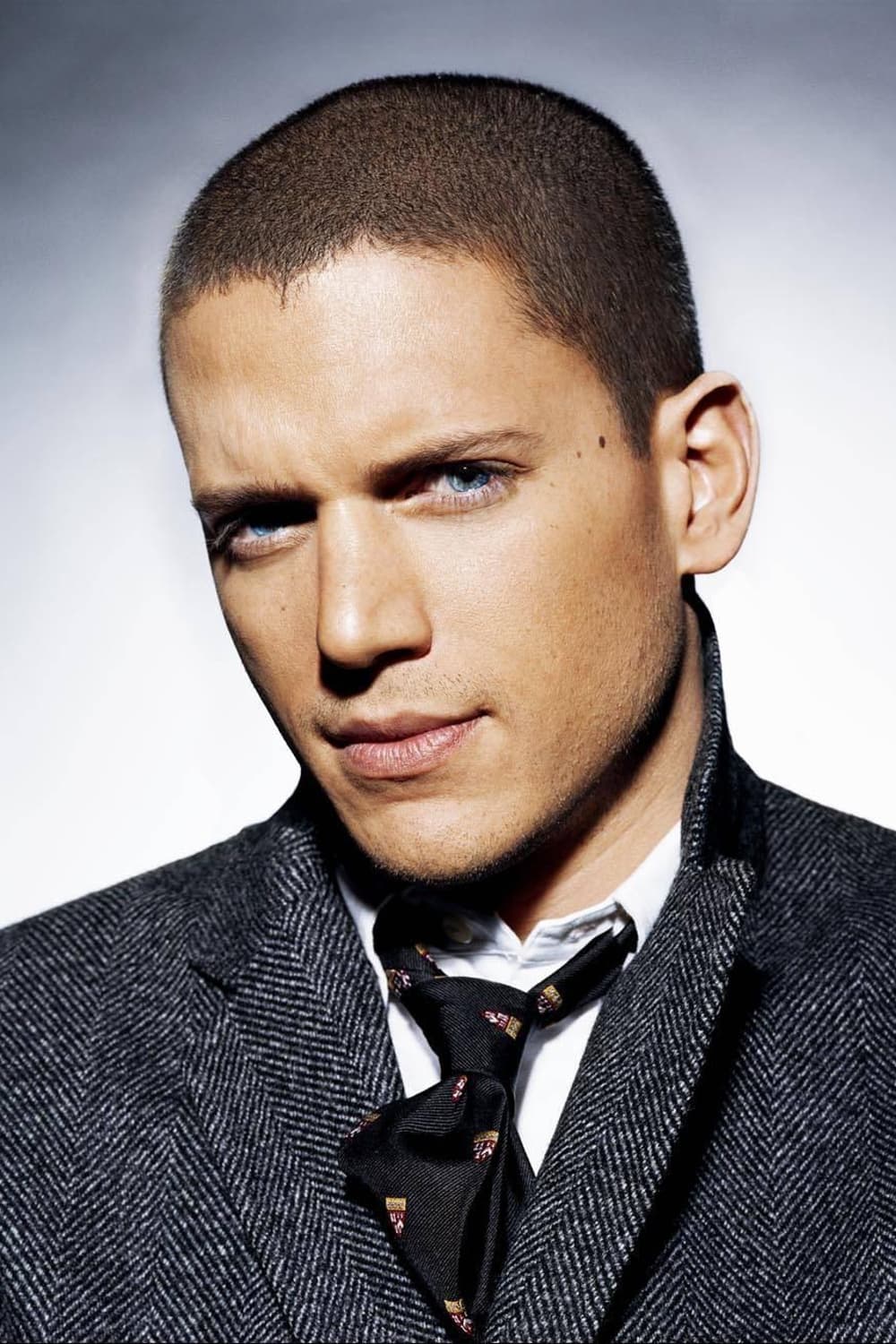
Wentworth Miller faced insensitive memes regarding his weight gain which led him to open up about his mental health struggles. Later, he received a mix of support and backlash for refusing to play straight characters anymore, effectively quitting ‘Prison Break’. Some fans were angry at the loss of the character while others applauded his integrity. The actor left social media platforms to protect his peace from the constant noise.
Tuc Watkins
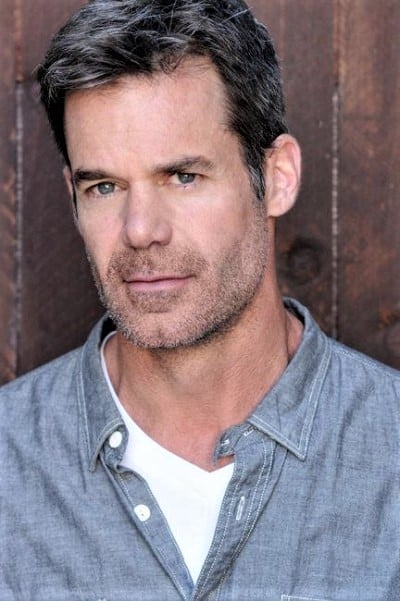
Tuc Watkins faced an unusual form of backlash where viewers conflated him with his toxic character in ‘The Boys in the Band’. His portrayal of a self-loathing and cruel husband was so convincing that he received hate mail. Social media users struggled to separate the actor from the role’s biting commentary on internal prejudices. It served as a testament to his acting but a reminder of media illiteracy.
Harvey Fierstein
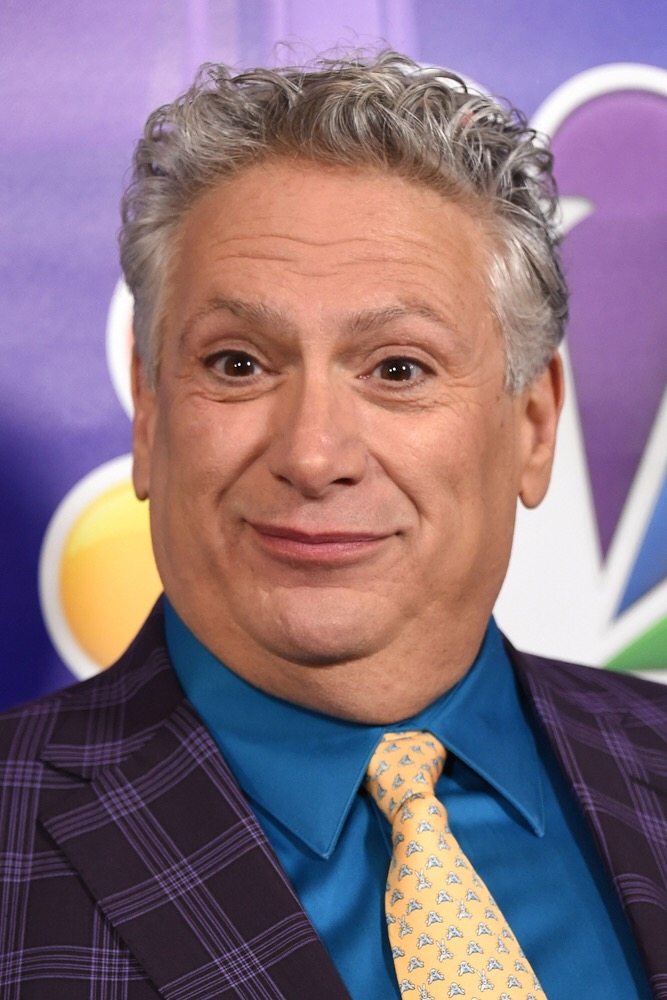
Harvey Fierstein has faced career-long criticism regarding his distinctive gravelly voice. While he is a theater legend, mainstream audiences often mock his delivery or claim it is distracting in film roles. Social media discussions often revolve around whether his performance style is too theatrical for the screen. He remains unbothered and continues to work in high-profile voice and acting roles.
Nathan Lane
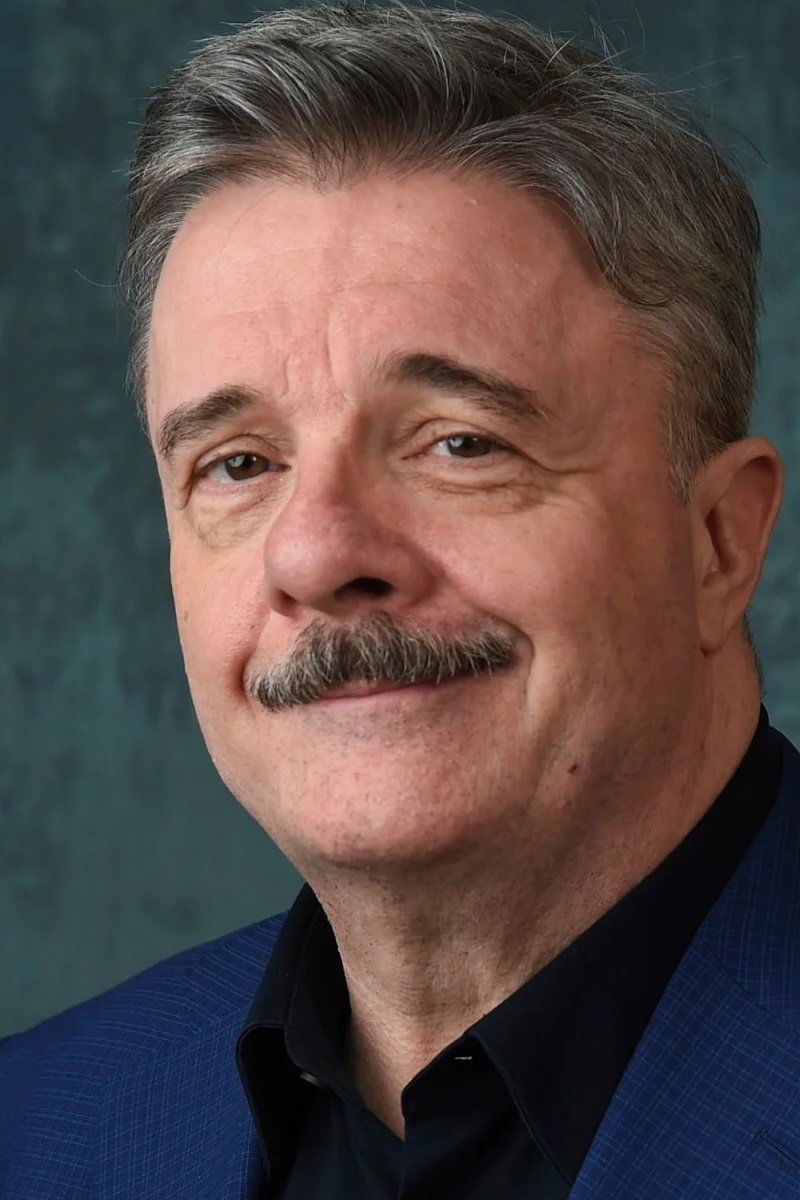
Nathan Lane has expressed frustration with being typecast as the loud or flamboyant funny man. While not always “backlash” in the aggressive sense, he faces constant critical pigeonholing on social media. Fans often criticize his serious roles because they only want to see him in comedic settings. The actor fights against these expectations to take on diverse dramatic work.
Jesse Tyler Ferguson
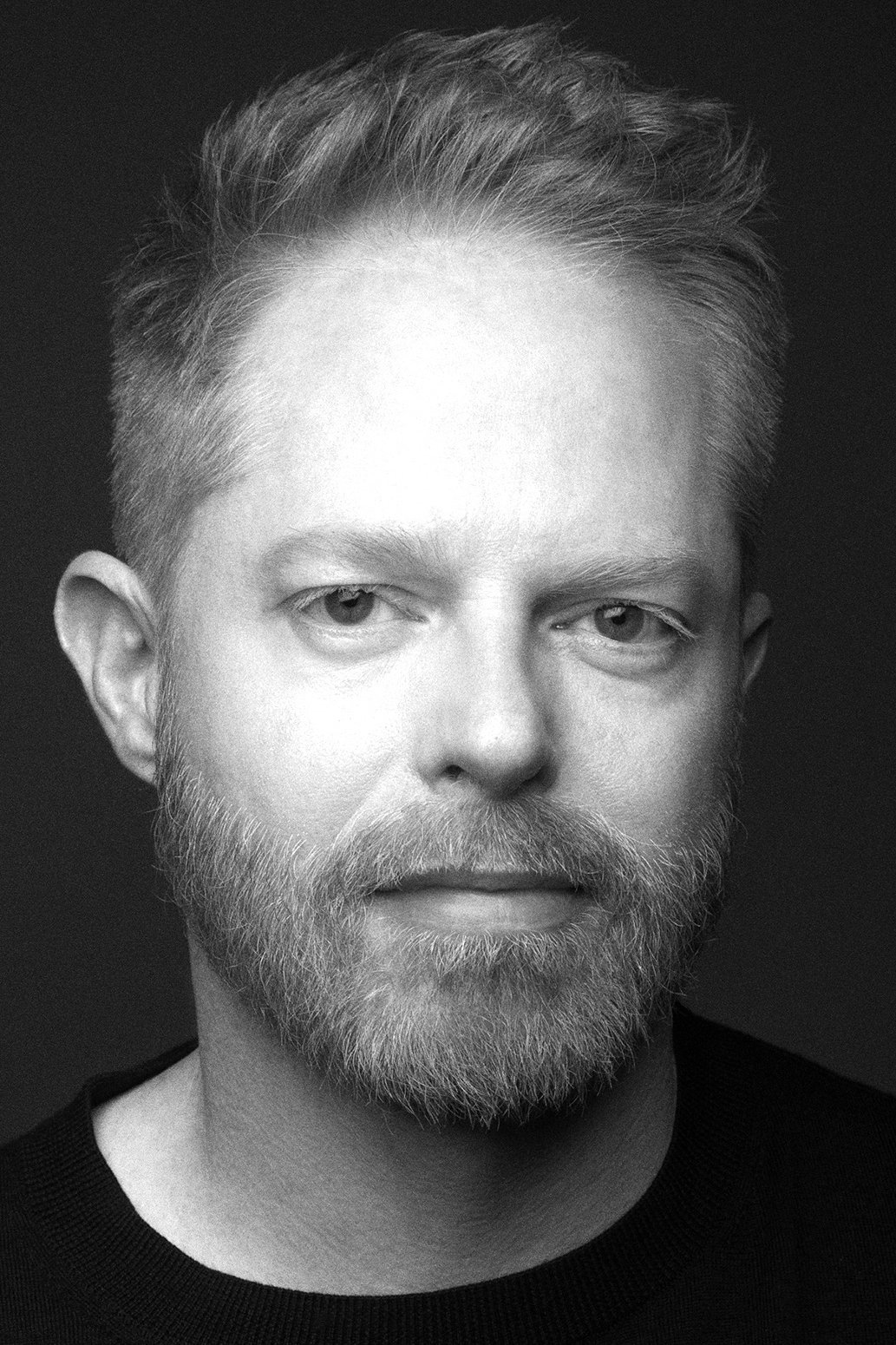
Jesse Tyler Ferguson faced years of criticism for his character Mitchell on ‘Modern Family’. Segments of the gay community felt the character was too uptight and a stereotype of a neurotic gay man. Social media users frequently debated whether the show helped or hindered progress by relying on safe tropes. Ferguson defended the role as being based on real people and his own experiences.
Luke Evans
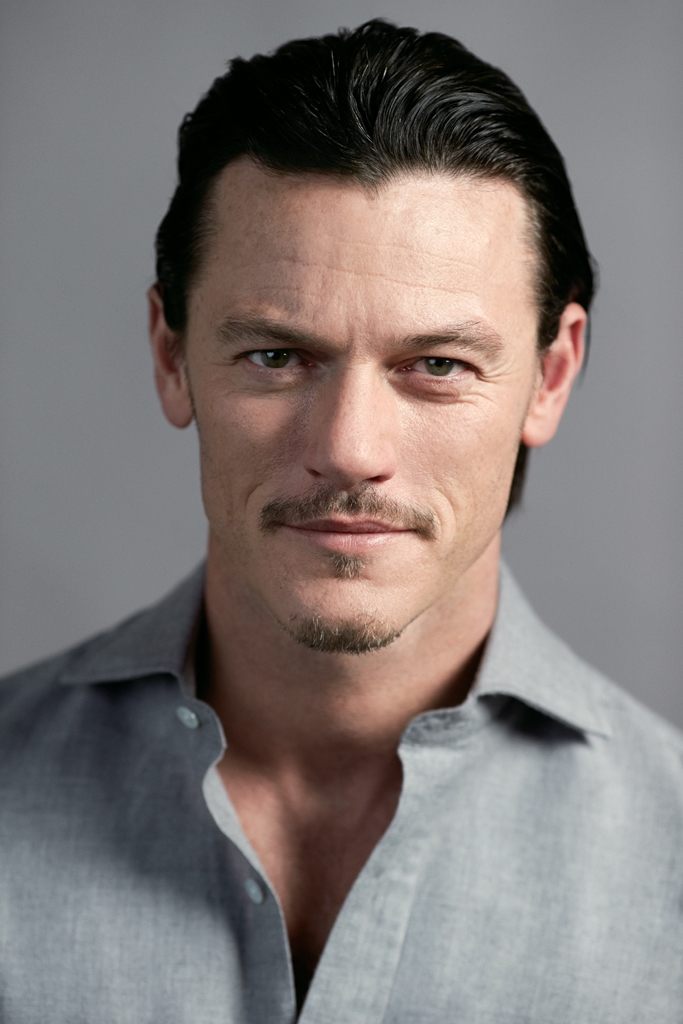
Luke Evans faced disappointment and backlash from fans regarding the live-action ‘Beauty and the Beast’. The promised “exclusively gay moment” for his character LeFou (played by Josh Gad, opposite Evans’ Gaston) was viewed as miniscule and insulting. While the backlash was largely at Disney, Evans was caught in the crossfire of the queerbaiting accusations. He has also faced invasive speculation about his relationships and privacy.
Anthony Rapp
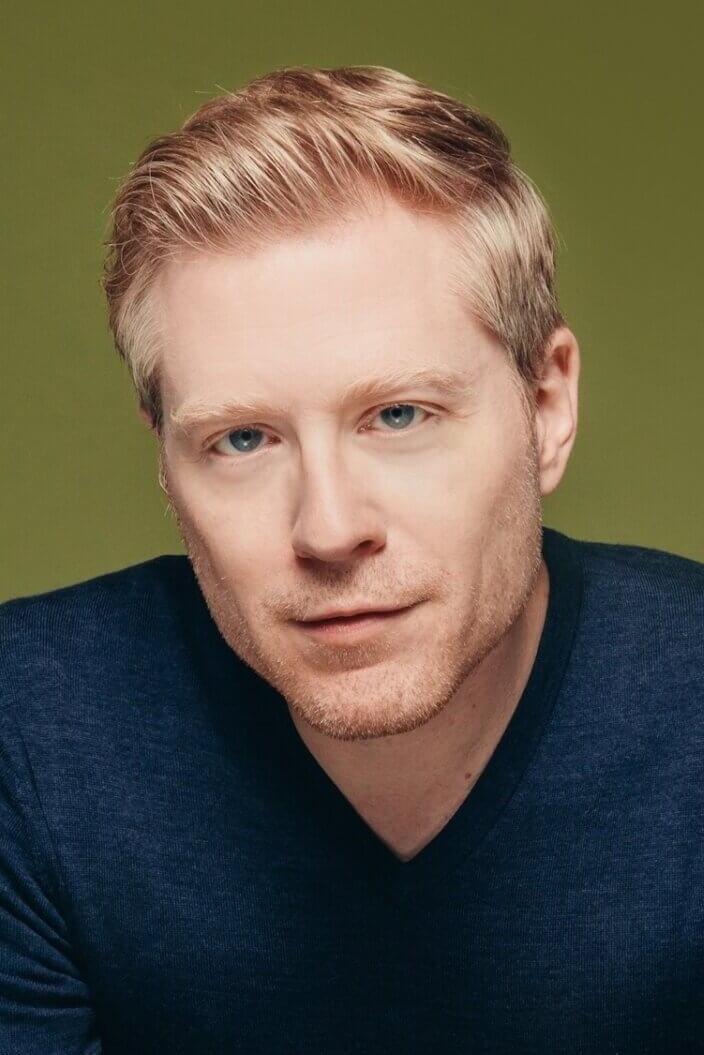
Anthony Rapp faced a wave of victim-blaming and harassment after he was the first to publicly accuse Kevin Spacey of misconduct. Spacey’s defenders and trolls attacked Rapp’s credibility and timing on social media. The actor stood firm in his story which emboldened others to come forward. The backlash he endured was a harsh example of the cost of speaking out against powerful figures.
Andrew Scott
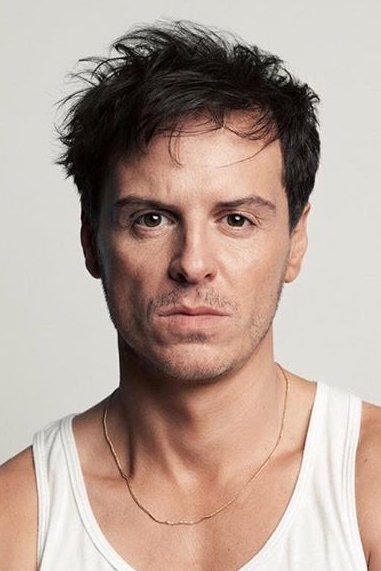
Andrew Scott faced criticism from literary purists when he was cast as the lead in the series ‘Ripley’. Viewers argued on social media that he was too old to play the character who is meant to be in his early 20s. The discourse focused heavily on lighting and makeup used to de-age him rather than his acting ability. Despite the age-related backlash, his performance received critical acclaim.
Share your thoughts on these controversies in the comments.