The Best Castings in Movie History


Casting is the invisible art that defines the success of a film before the cameras even start rolling. The perfect marriage between an actor and a character can elevate a script from good to legendary and create moments that resonate for generations. These distinct choices often define careers and reshape genres in ways no one could have predicted. The following selections represent the absolute pinnacle of casting decisions in cinema history.
‘American Psycho’ (2000)

Christian Bale brought a terrifying intensity to the role of Patrick Bateman that no other actor could have replicated. His physical discipline and detached demeanor perfectly captured the satire of yuppie culture in the 1980s. The actor famously maintained his character’s American accent throughout the entire production to stay in the mindset. This performance proved his unique ability to balance horror and dark comedy seamlessly.
‘Rocky’ (1976)
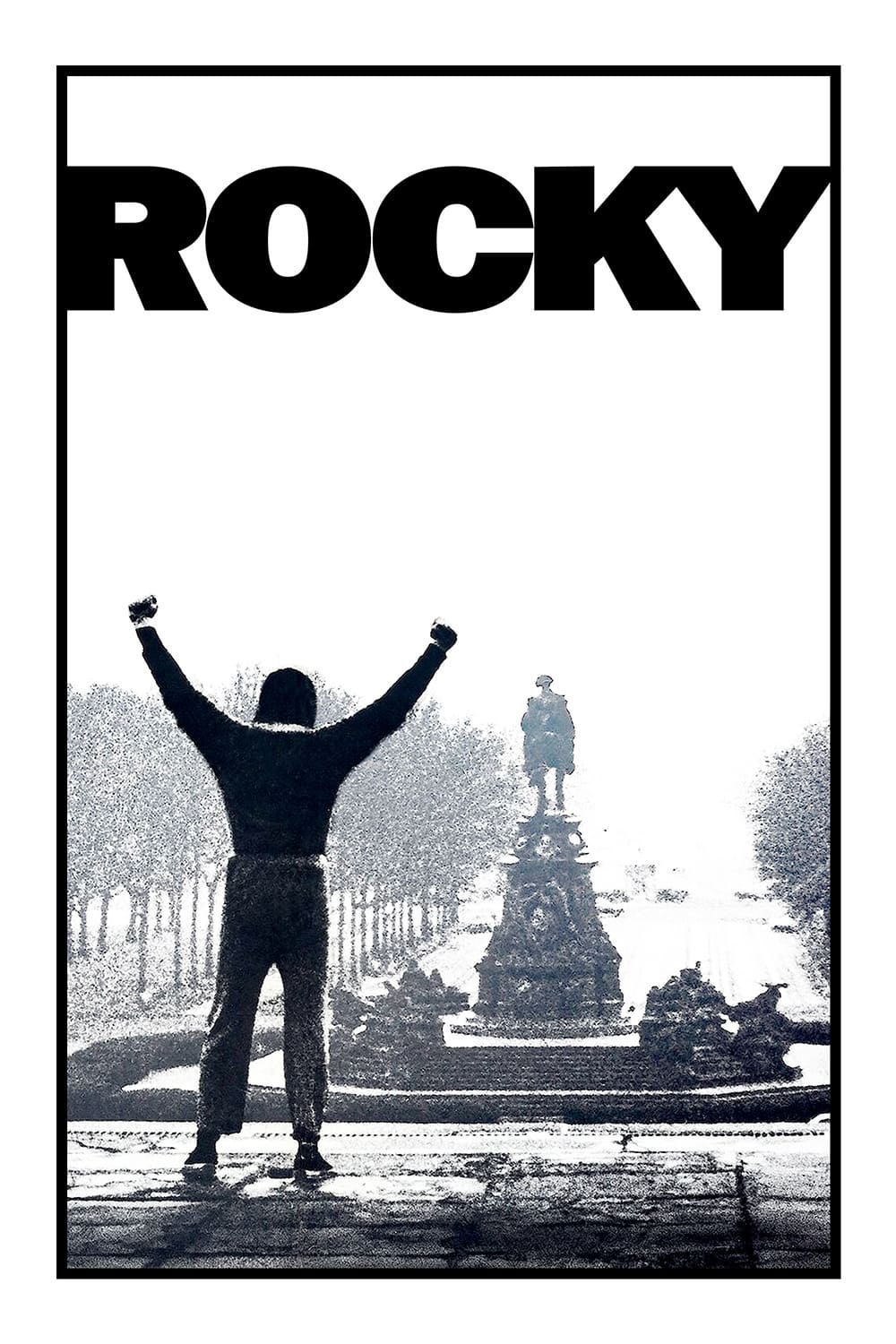
Sylvester Stallone refused to sell his script unless the studio allowed him to play the lead role of Rocky Balboa. His raw and unpolished performance mirrored the underdog spirit of the character he created. The producers initially wanted a bewildered Ryan O’Neal or Burt Reynolds but Stallone held his ground. That insistence resulted in one of the most authentic and beloved heroes in movie history.
‘Dr. No’ (1962)
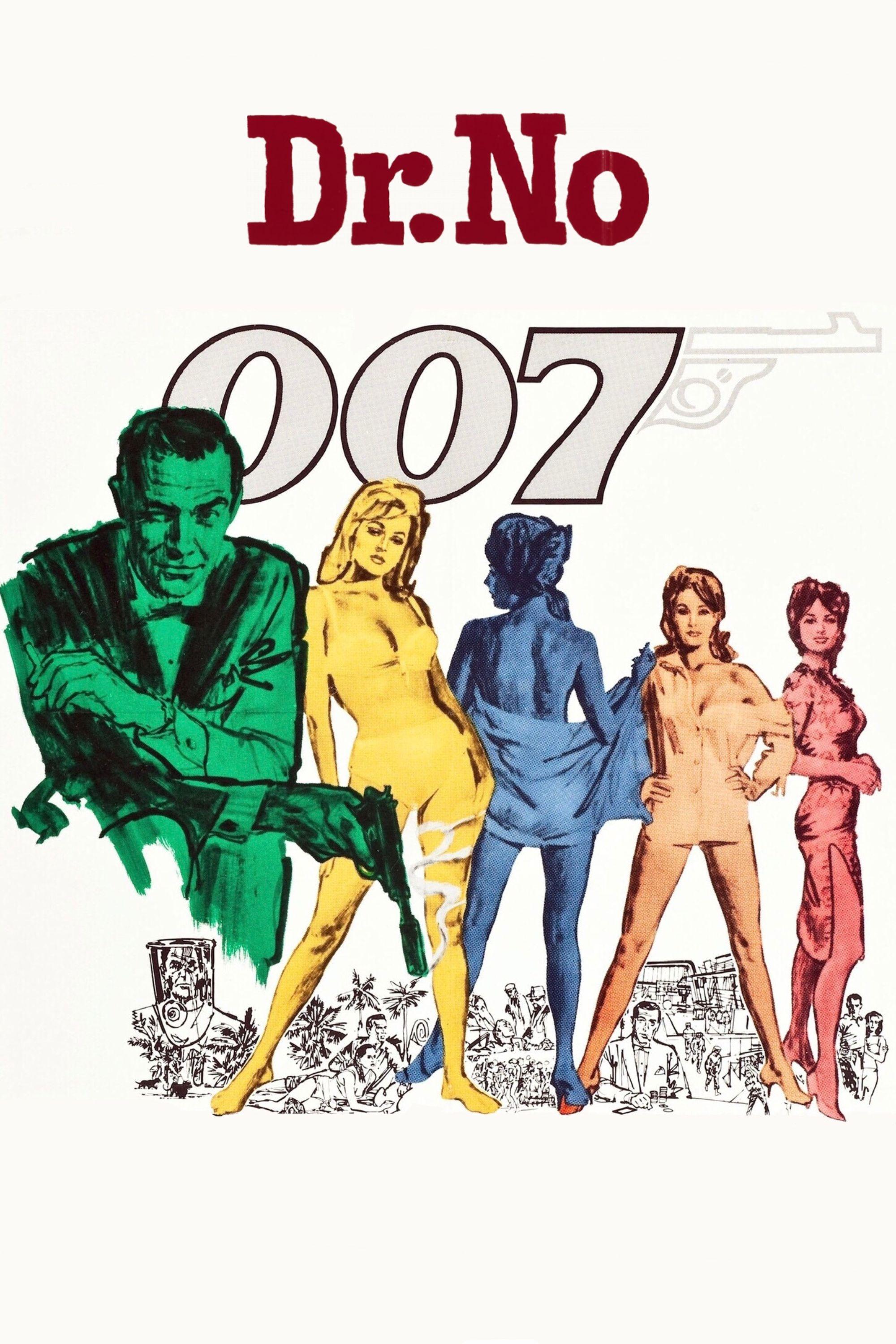
Sean Connery defined the role of James Bond with a blend of rugged charm and lethal sophistication. Author Ian Fleming initially doubted the casting of the rough Scot but was won over by his magnetic screen presence. Connery created the blueprint for the suave secret agent that every successor has had to follow. His performance established a cinematic legacy that has lasted for over sixty years.
‘Dirty Harry’ (1971)

Clint Eastwood found his signature role as the gritty Inspector Harry Callahan. The part was originally offered to Frank Sinatra and John Wayne but Eastwood made the character entirely his own. His minimalist acting style and gravelly voice perfectly suited the hard-edged tone of the film. He turned a controversial anti-hero into a definitive icon of American action cinema.
‘Roman Holiday’ (1953)
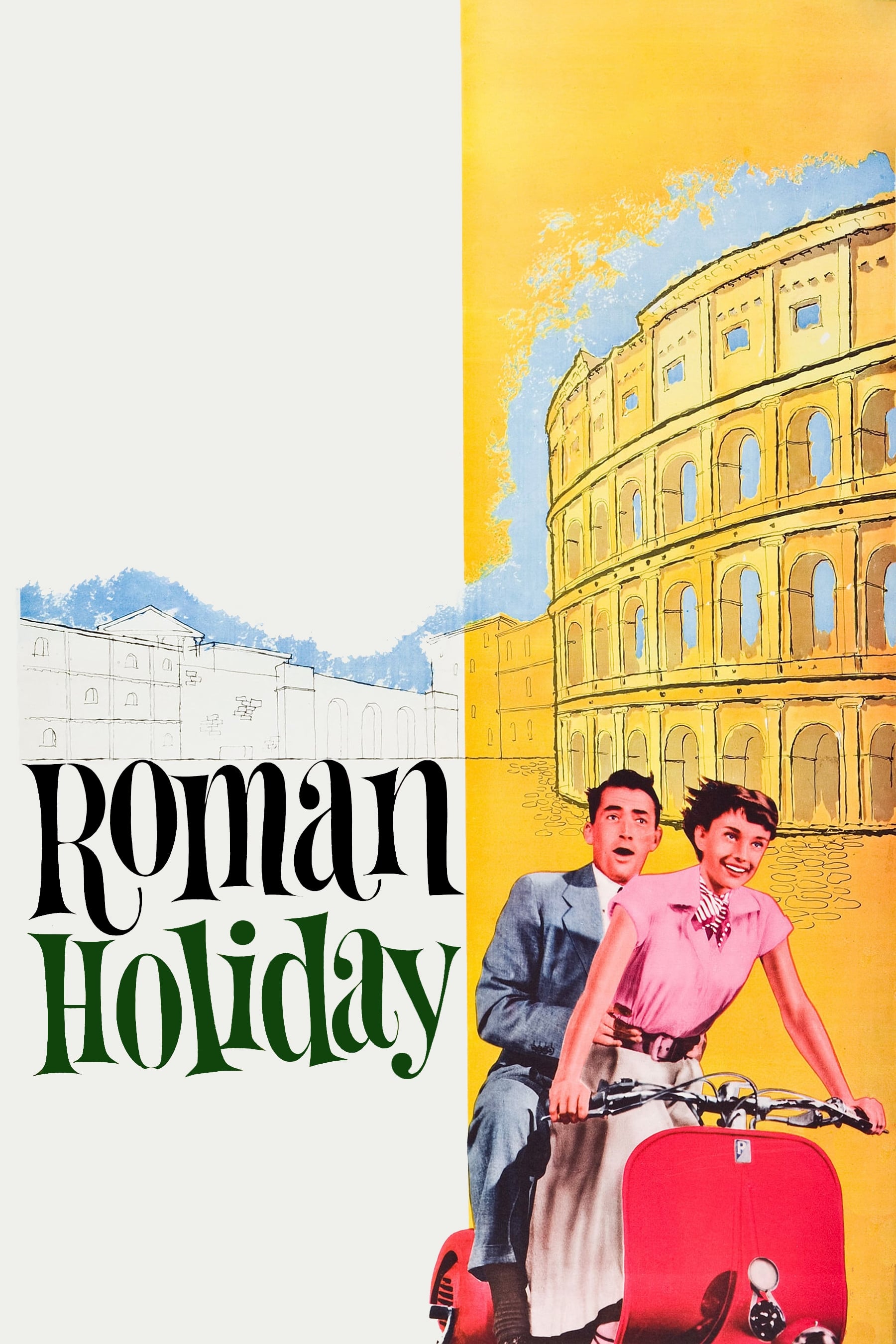
Audrey Hepburn was a relative unknown when she was cast as Princess Ann in this romantic classic. Her natural elegance and charm provided the perfect contrast to the weary reporter played by Gregory Peck. The studio originally wanted Elizabeth Taylor but the director saw a unique spark in Hepburn during her screen test. She won an Academy Award for the role and instantly became a Hollywood legend.
‘The Matrix’ (1999)
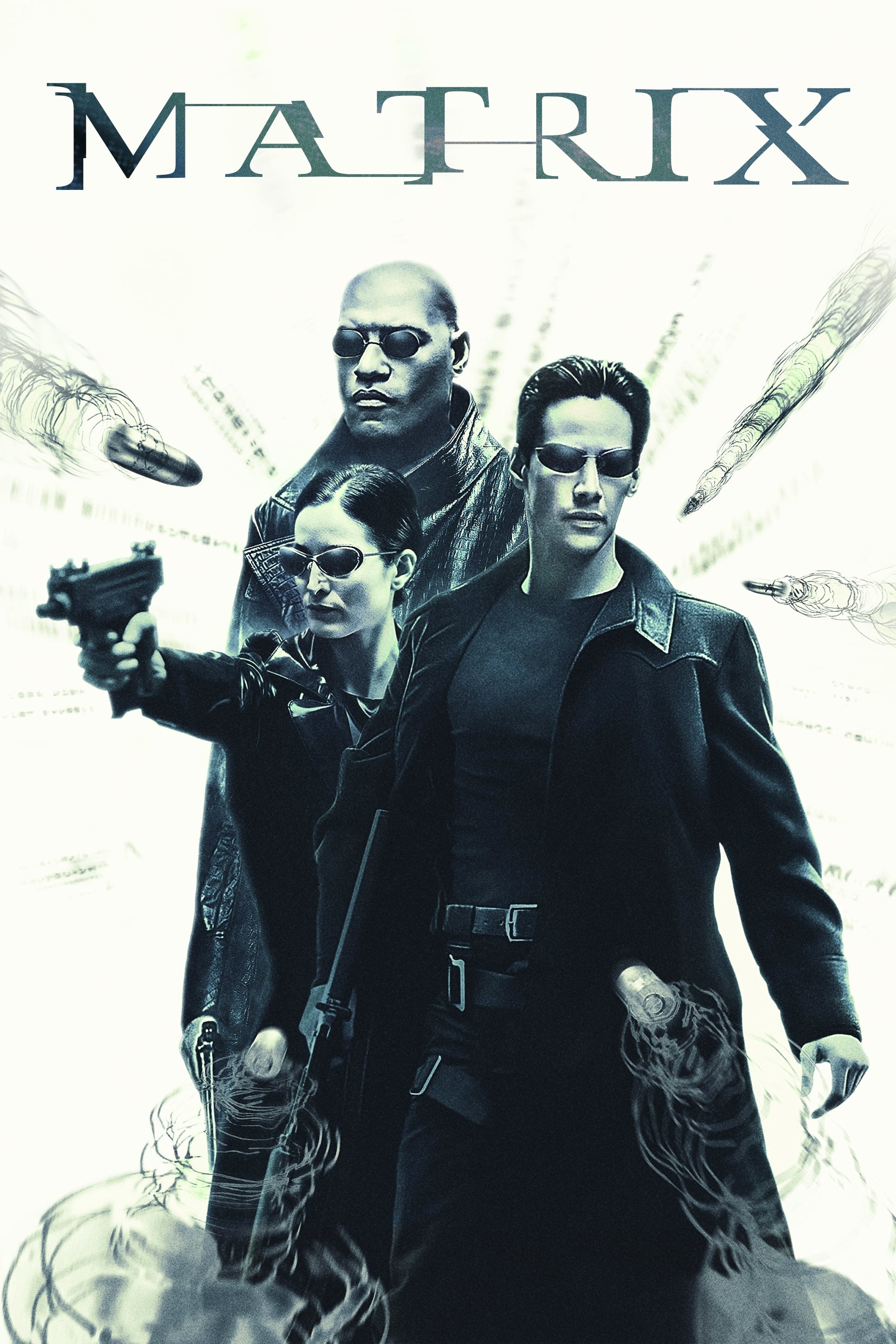
Keanu Reeves brought the perfect mixture of physical prowess and blank-slate curiosity to the role of Neo. Will Smith famously turned down the part but Reeves committed fully to the grueling martial arts training. His stoic delivery worked brilliantly for a character discovering the artificial nature of his reality. The actor anchored the complex sci-fi concepts with a grounded and relatable performance.
‘The Rocky Horror Picture Show’ (1975)
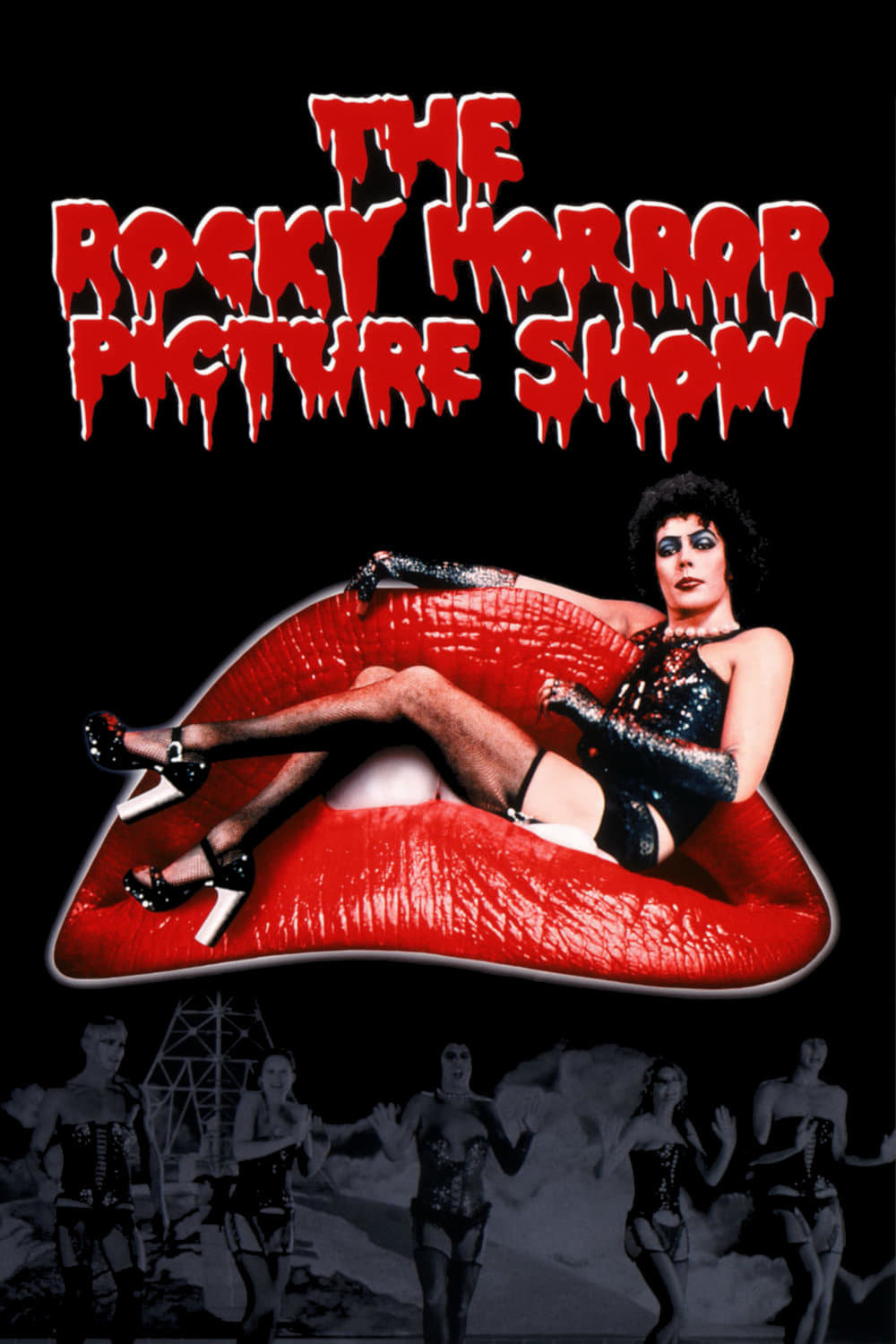
Tim Curry exploded onto the screen as the flamboyant Dr. Frank-N-Furter. He reprised his role from the stage production and delivered a performance overflowing with camp charisma. No other actor could have balanced the menace and seduction required for the alien scientist. His portrayal remains the beating heart of the ultimate cult classic.
‘The Shawshank Redemption’ (1994)
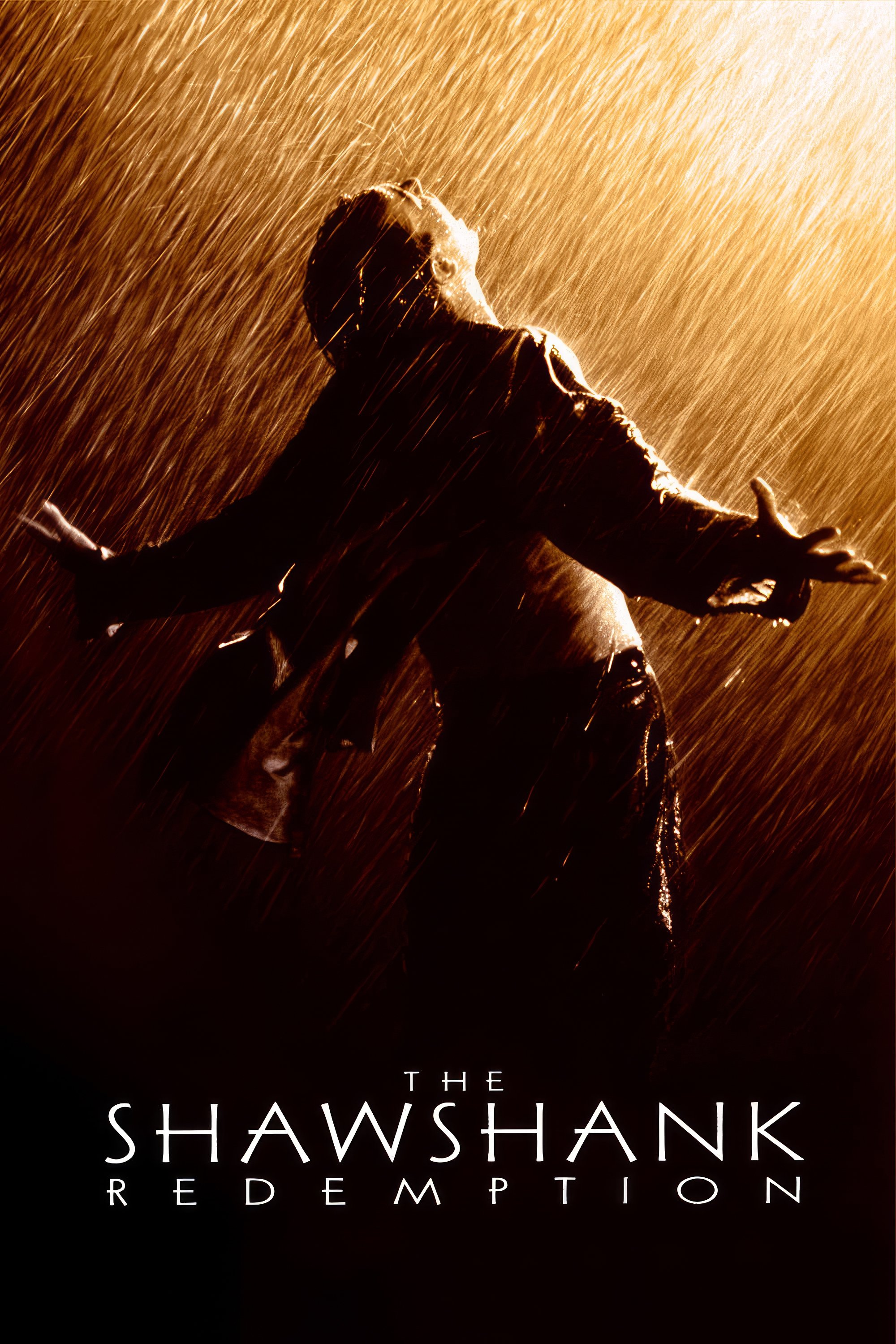
Morgan Freeman brought a soulful dignity to the character of Red that was not present in the original novella. The source material described the character as a red-haired Irishman but the director opted for Freeman’s commanding presence. His narration serves as the emotional anchor of the entire film. This role cemented his status as one of the most trusted voices in cinema.
‘Star Trek: First Contact’ (1996)
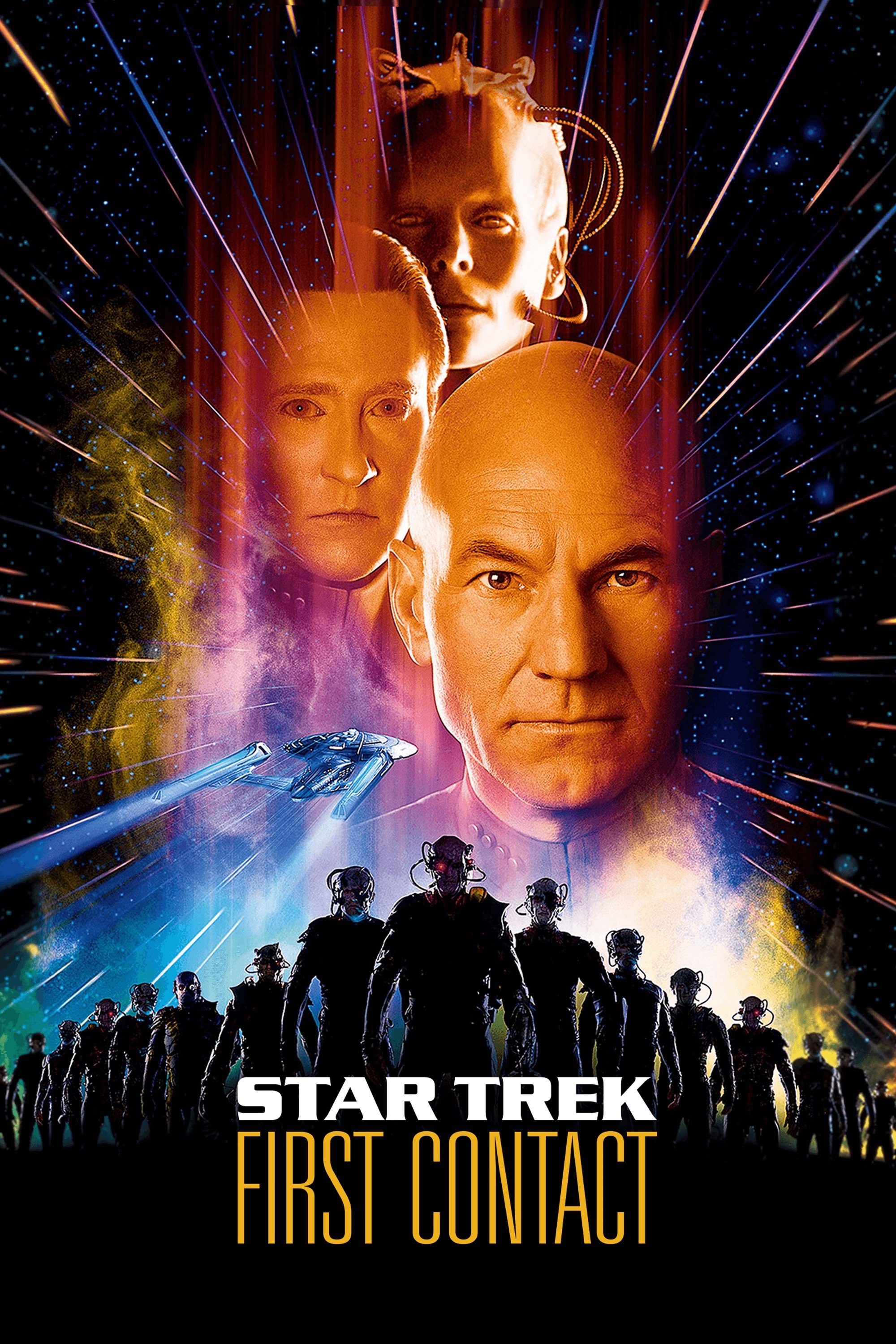
Patrick Stewart successfully transitioned his Shakespearean gravitas to the big screen as Captain Jean-Luc Picard. He balanced the intellectual diplomacy of the character with a newfound action-hero intensity against the Borg. Stewart elevated the material and made the starship captain a complex figure dealing with trauma and vengeance. His performance remains the gold standard for leadership in science fiction.
‘The Mask’ (1994)
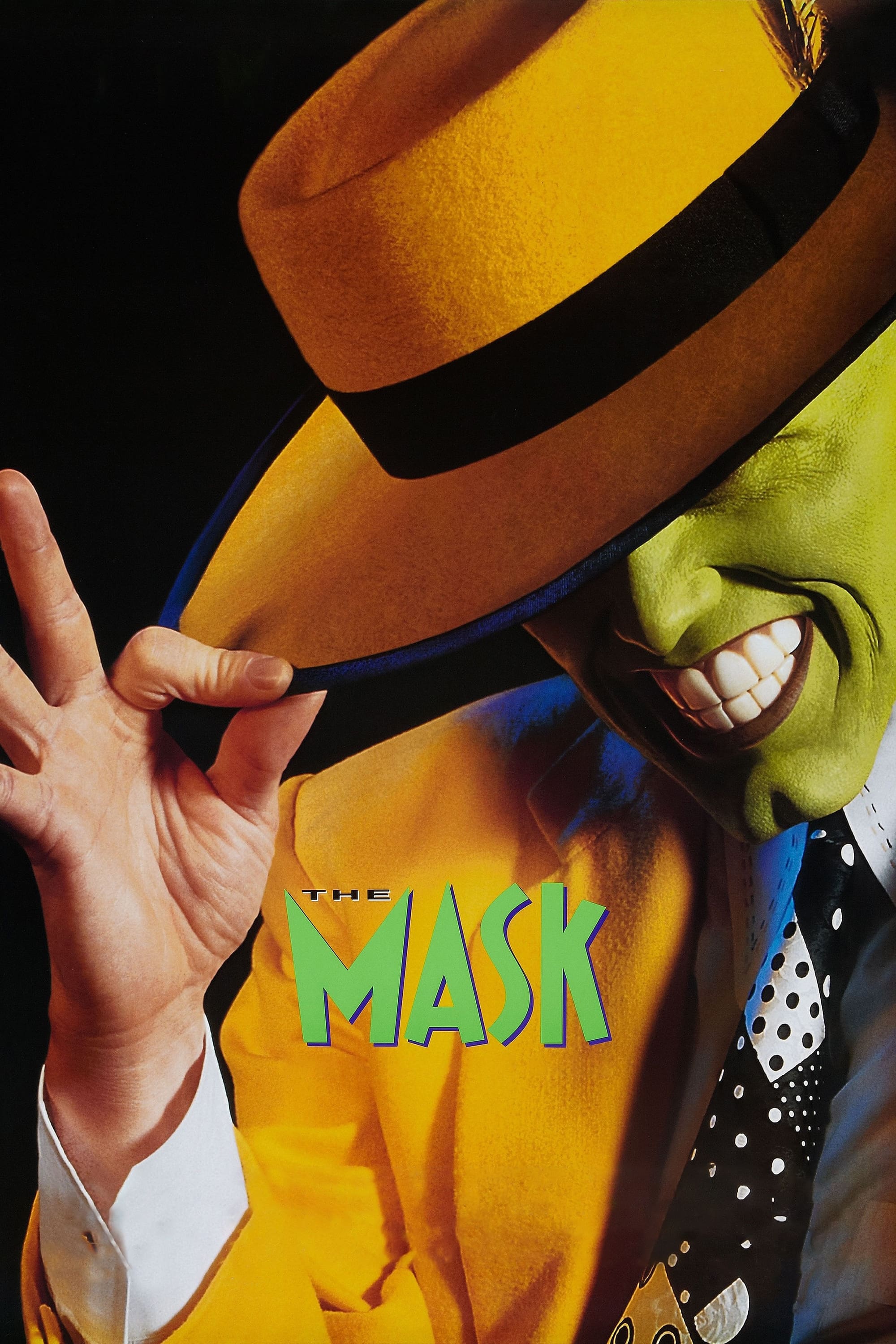
Jim Carrey was the only possible choice for a character that required such rubber-faced elasticity. The role allowed him to utilize his entire arsenal of impressions and physical comedy without restraint. Visual effects were used to enhance the character but much of the cartoonish movement came directly from Carrey. This film launched him into superstardom by showcasing his singular comedic energy.
‘Tombstone’ (1993)
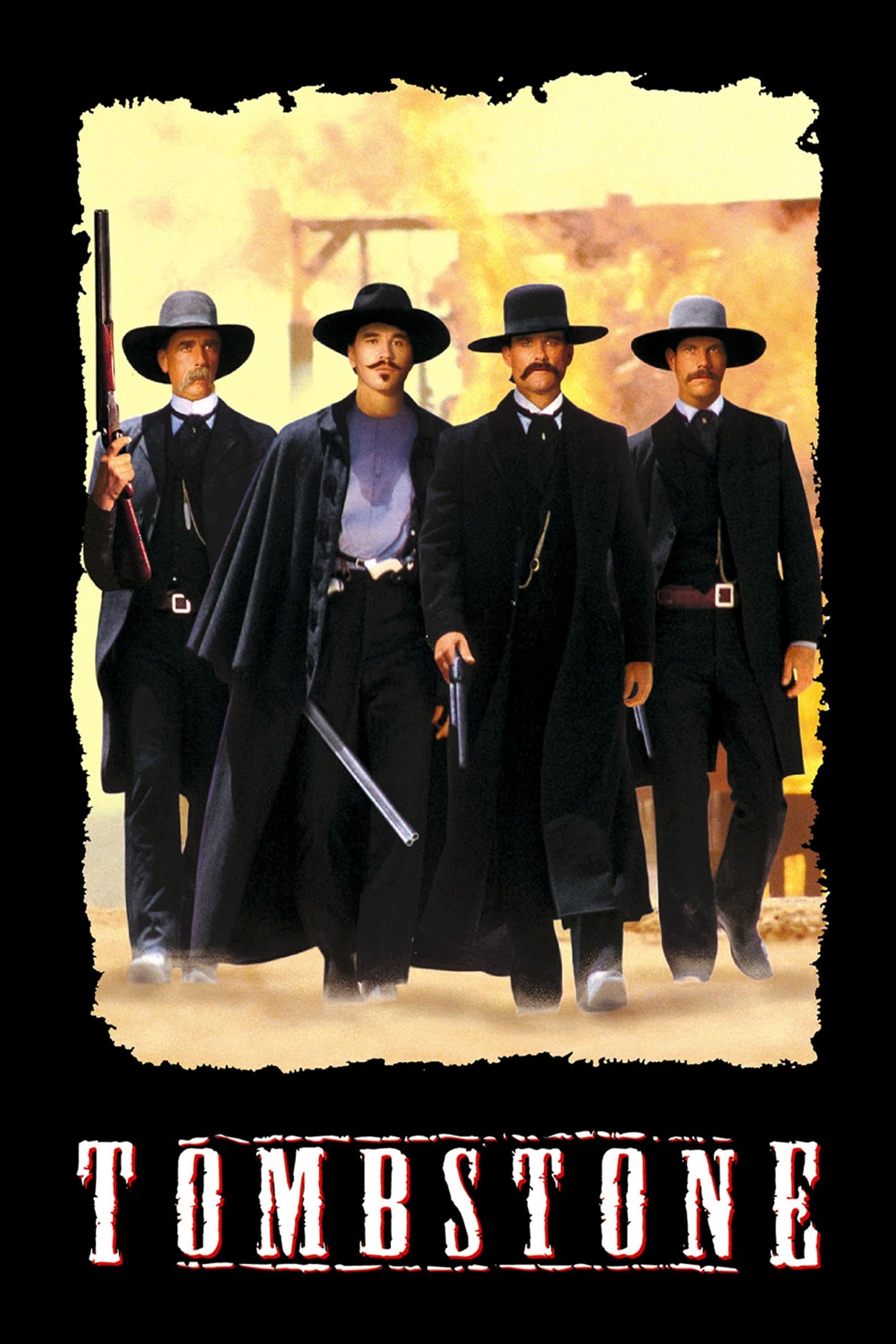
Val Kilmer stole every scene he was in as the sickly but deadly Doc Holliday. His affectation and delivery of rapid-fire dialogue created a charming yet dangerous character. Kilmer managed to make a supporting role the most memorable part of the entire ensemble western. It remains one of the most quoted performances of the 1990s.
‘Ray’ (2004)
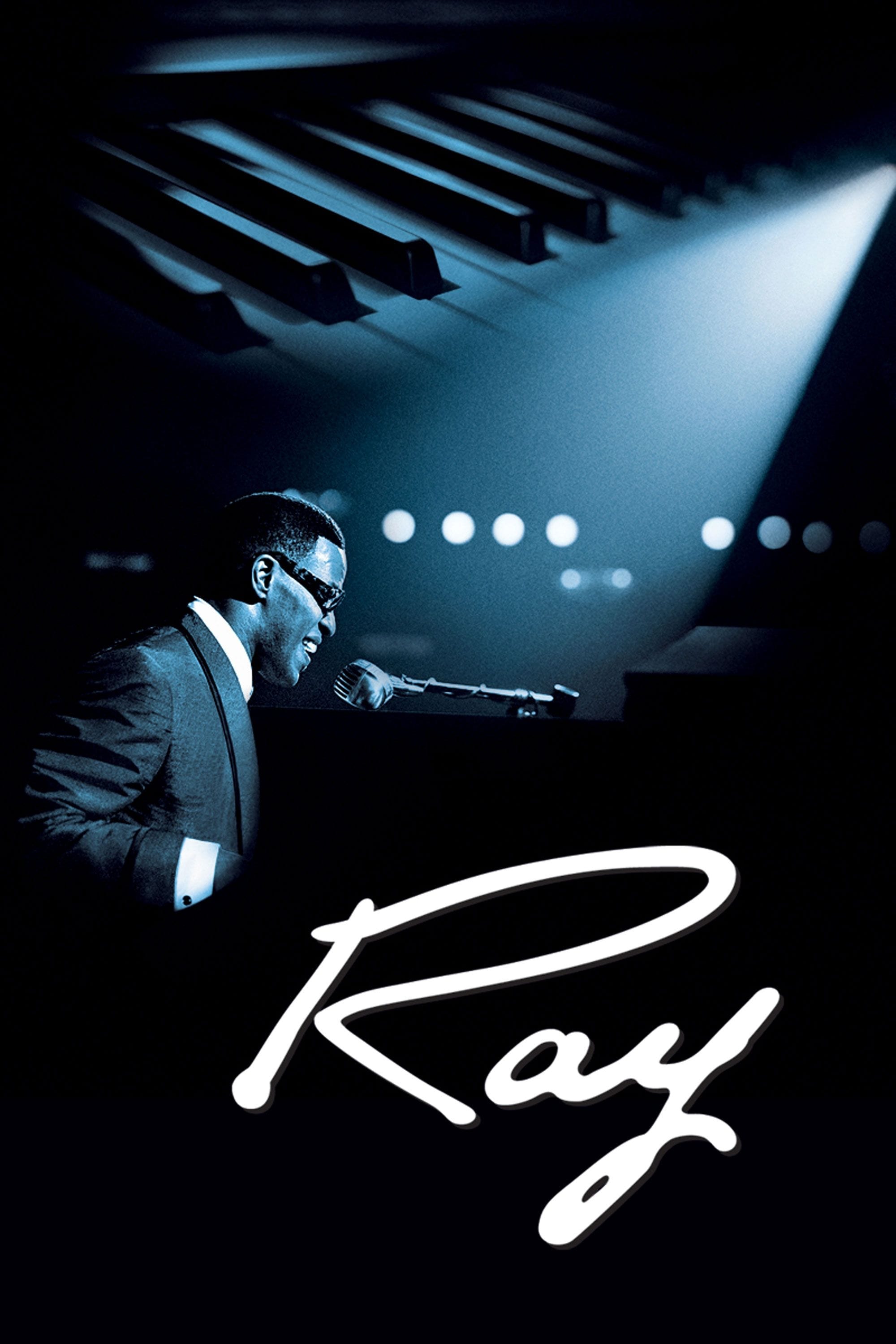
Jamie Foxx disappeared so completely into the role of Ray Charles that audiences forgot they were watching an actor. He mastered the musician’s physical mannerisms and wore prosthetics that actually blinded him during filming. Foxx also played the piano himself in all scenes to ensure total authenticity. The performance earned him a well-deserved Academy Award for Best Actor.
‘Monster’ (2003)
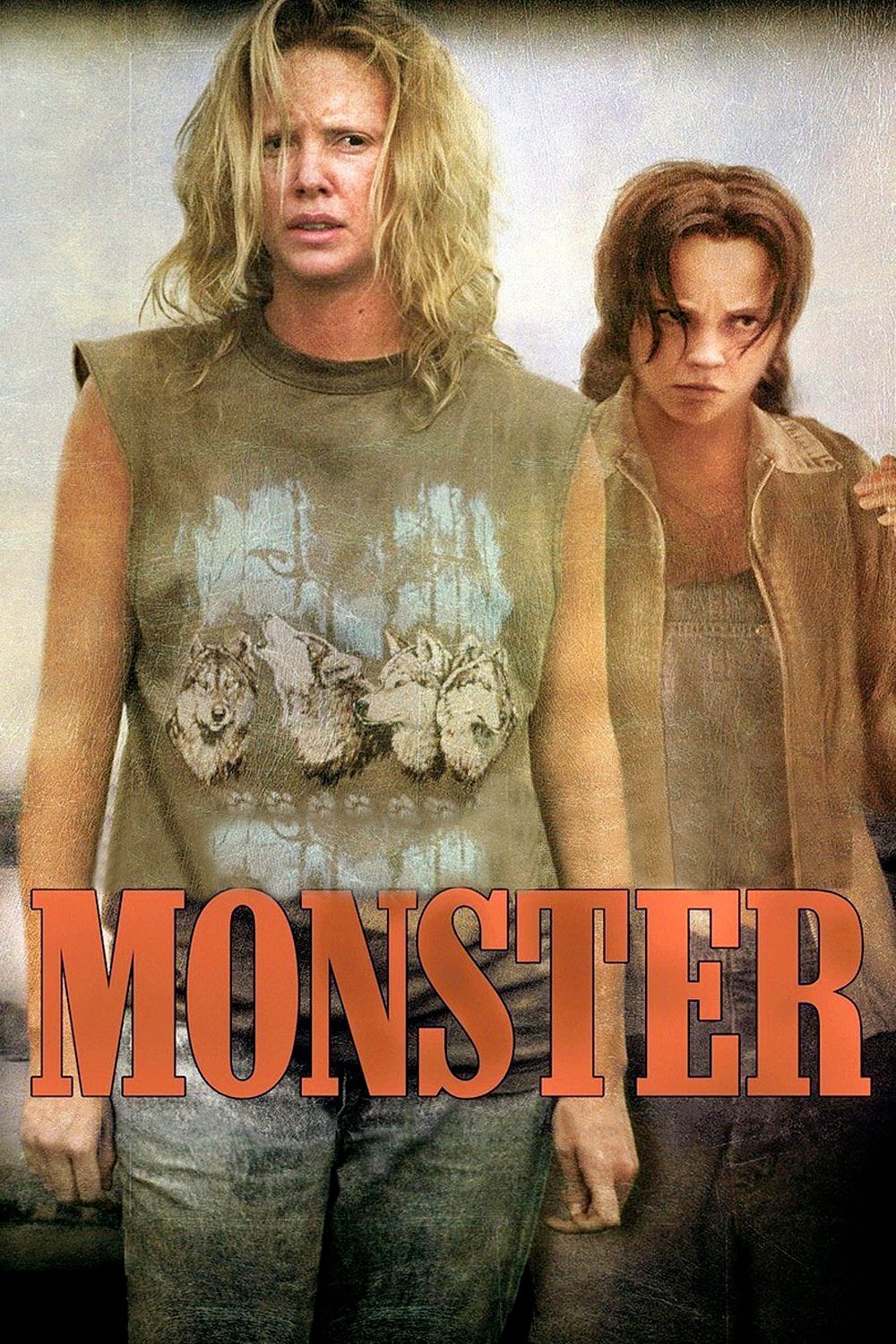
Charlize Theron underwent a drastic physical transformation to play serial killer Aileen Wuornos. She gained thirty pounds and wore prosthetic teeth to shed her glamorous image entirely. The performance went beyond mimicry to reveal the tragic humanity beneath the violent exterior of the character. It stands as one of the most committed acting feats in modern cinema.
‘Ghost’ (1990)
Whoopi Goldberg brought essential humor and heart to the role of Oda Mae Brown. Her comedic timing provided a necessary balance to the heavy romantic and thriller elements of the plot. The director initially struggled to cast the part until Patrick Swayze insisted on Goldberg. She walked away with an Oscar and stole the movie from her co-stars.
‘Rain Man’ (1988)
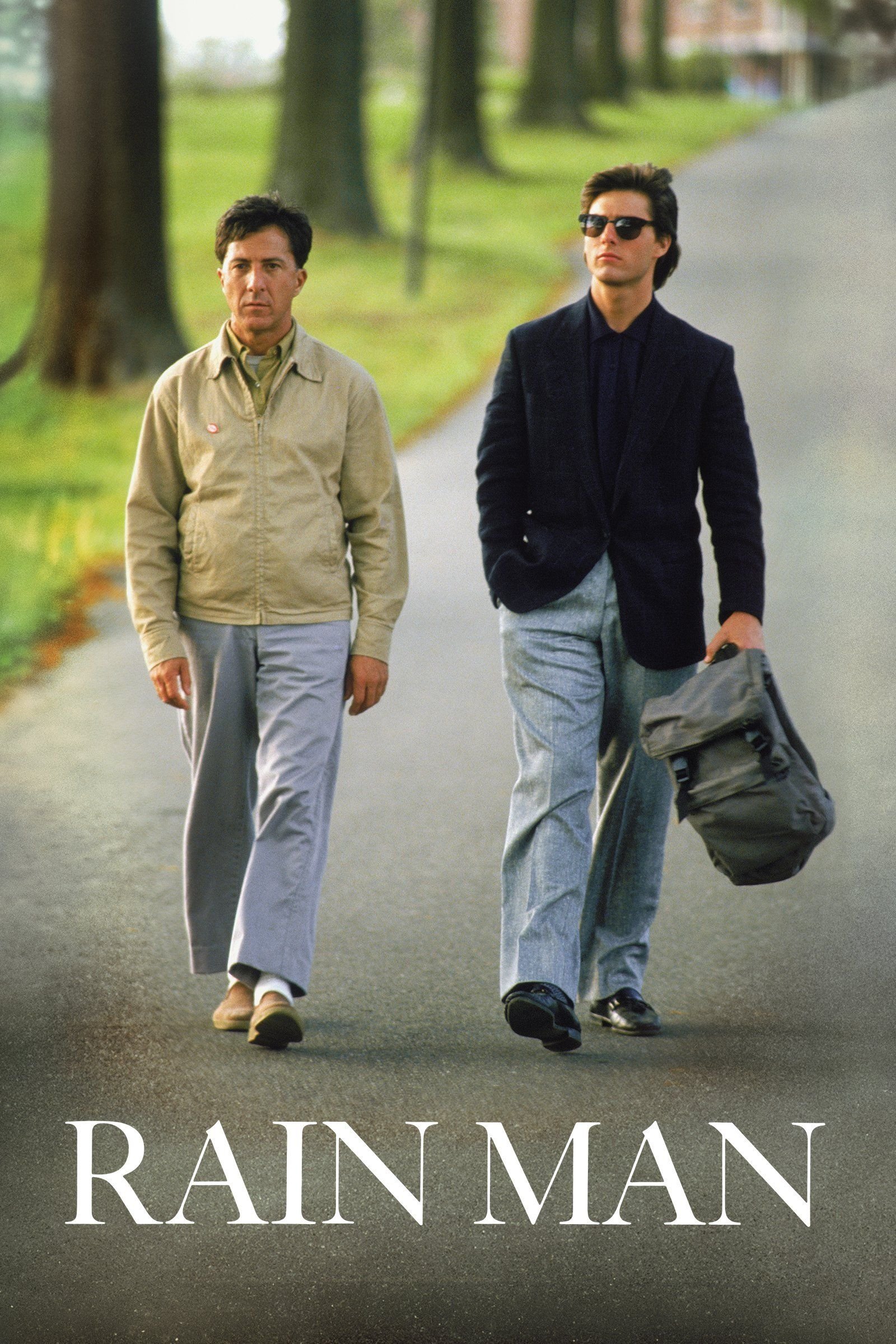
Dustin Hoffman immersed himself in the study of savant syndrome to play Raymond Babbitt. He resisted studio pressure to make the character more emotionally expressive and stuck to a realistic portrayal. The chemistry between him and Tom Cruise drove the emotional arc of the film. His dedicated performance brought global awareness to autism and remains a benchmark for character acting.
‘Goodfellas’ (1990)
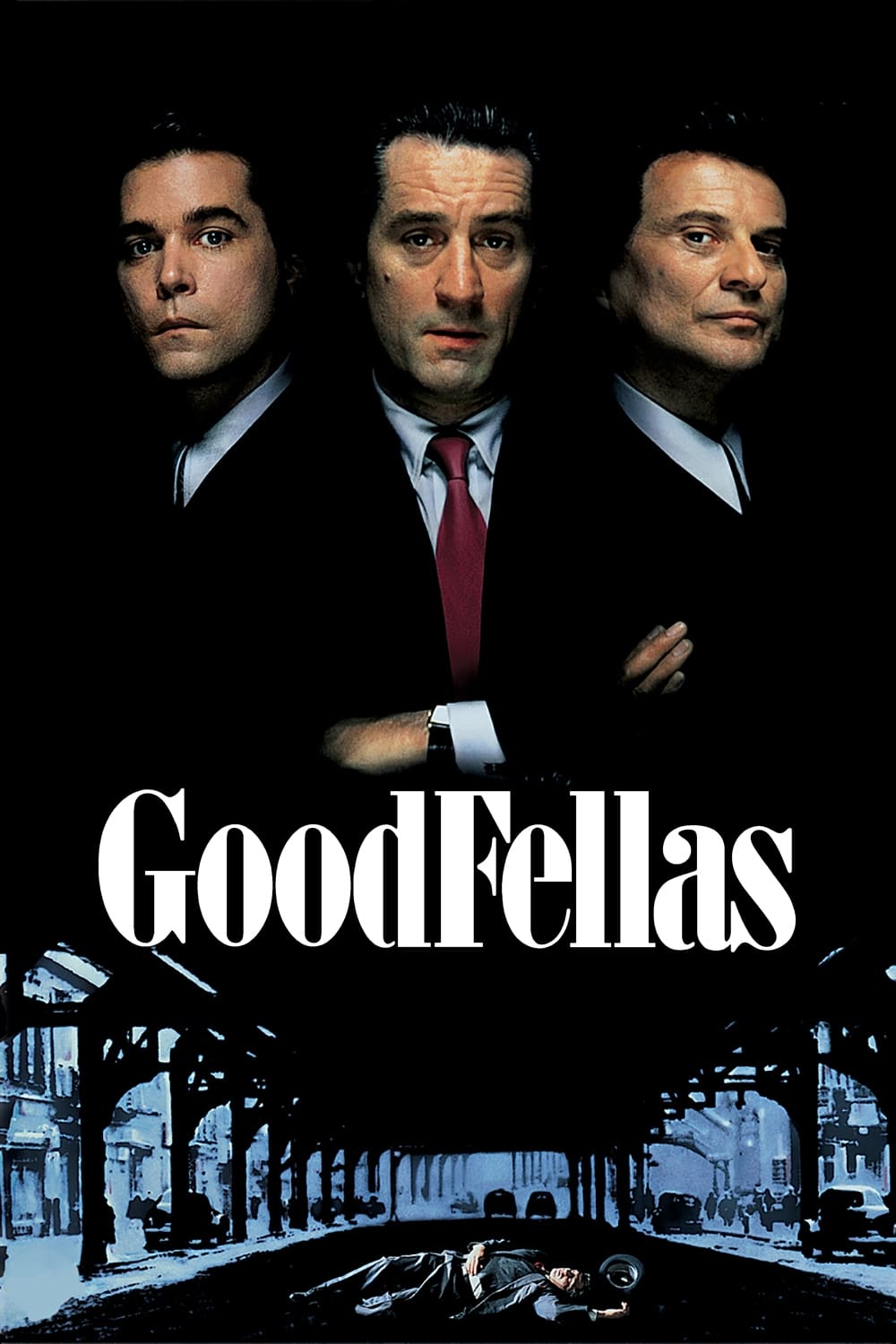
Joe Pesci created one of the most terrifying characters in movie history as Tommy DeVito. His ability to switch from joking to murderous rage in a split second kept the audience on edge. The famous “funny how” scene was largely improvised based on Pesci’s real-life experiences. He proved that physical stature has nothing to do with screen presence or intimidation.
‘Scarface’ (1983)

Al Pacino delivered an operatic performance as the Cuban drug lord Tony Montana. His over-the-top energy matched the excess and violence of the Miami drug trade setting. Critics initially dismissed the accent and bravado but the character became a pop culture phenomenon. Pacino turned a ruthless criminal into a tragic Shakespearean figure.
‘Raging Bull’ (1980)
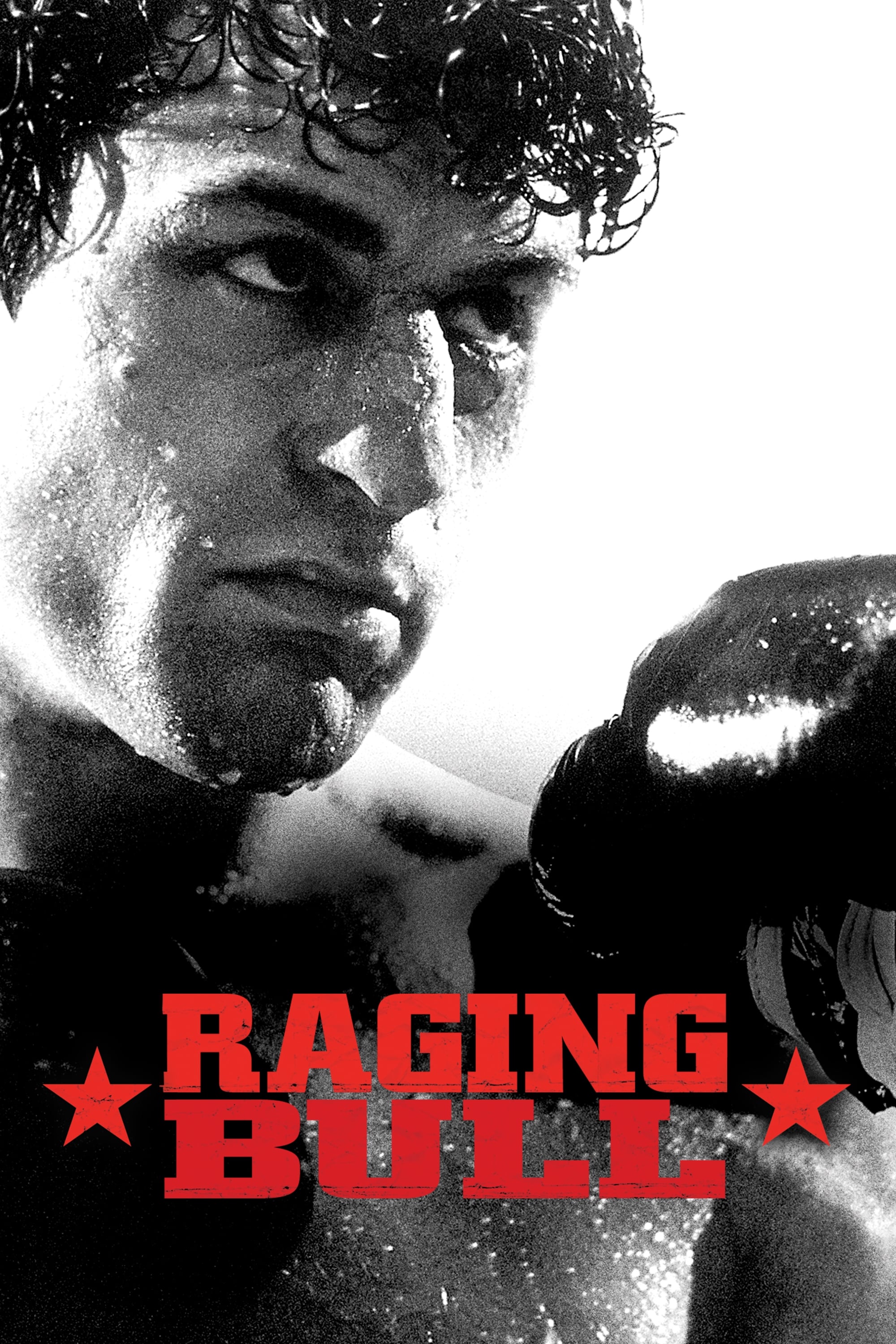
Robert De Niro famously gained sixty pounds to portray the older version of boxer Jake LaMotta. His commitment to the physical and emotional degradation of the character set a new bar for method acting. He trained as a boxer so intensely that he actually competed in professional bouts. The result is a raw and uncompromising portrait of jealousy and self-destruction.
‘Star Wars’ (1977)
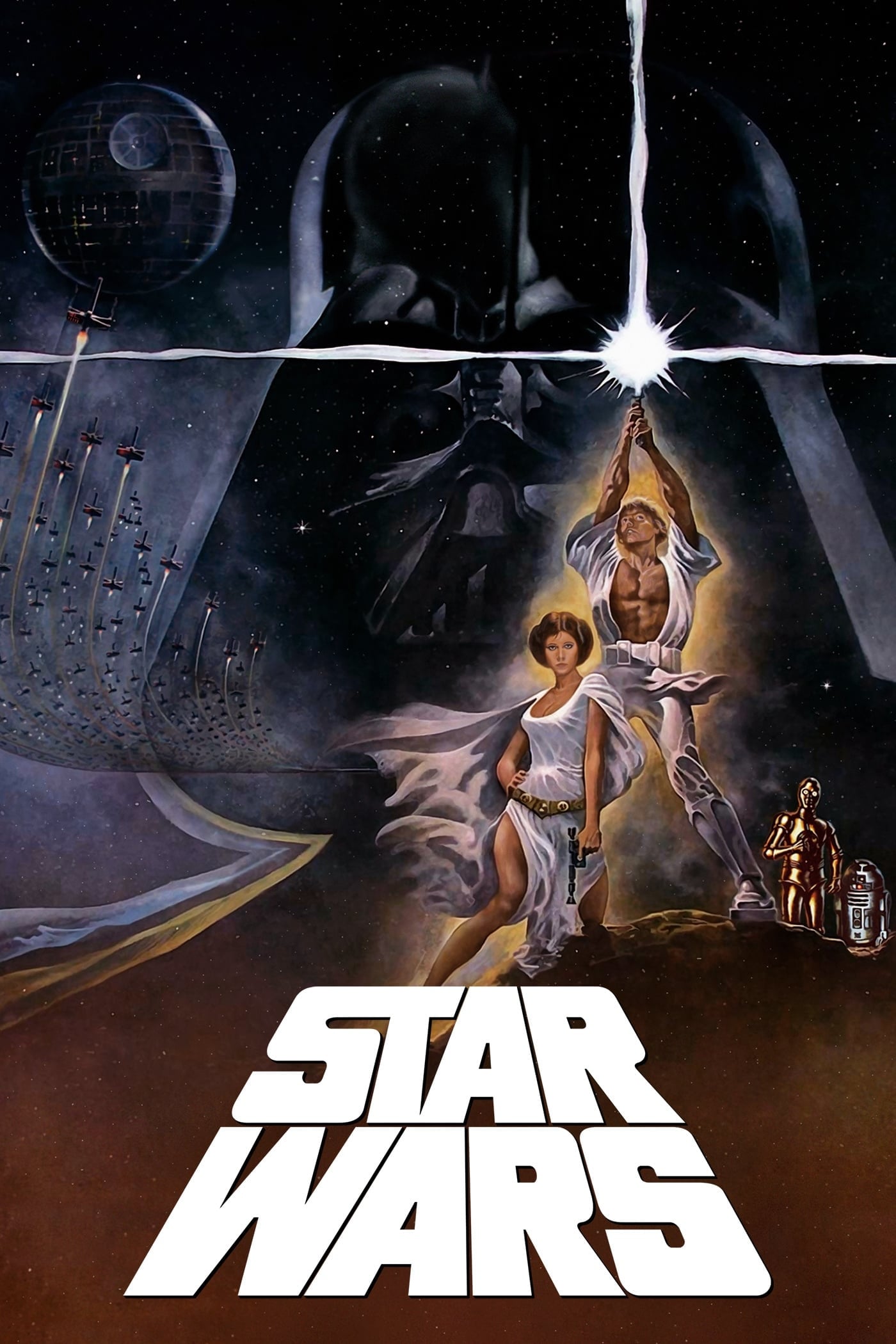
James Earl Jones provided the booming voice that made Darth Vader the ultimate cinematic villain. David Prowse played the character physically but his voice was deemed not intimidating enough. Jones recorded his lines in just a few hours and created a menace that resonated across the galaxy. The contrast between the robotic mask and the deep baritone voice is iconic.
‘The Wizard of Oz’ (1939)
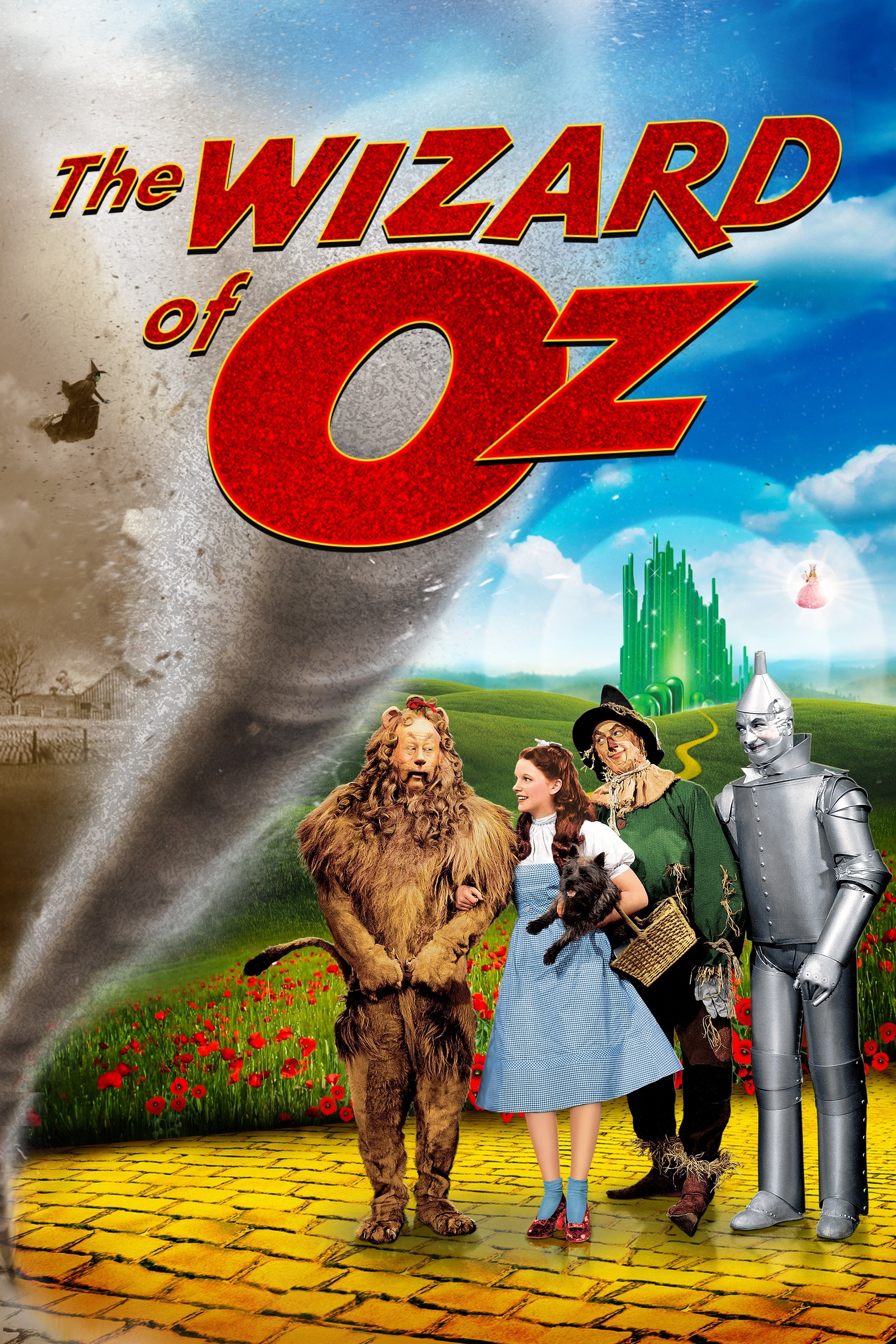
Judy Garland brought a vulnerability and vocal power to Dorothy Gale that anchored the fantasy world. She was actually older than the character she was playing but her youthful spirit sold the illusion. Her rendition of “Over the Rainbow” became one of the most famous recordings of the twentieth century. Garland captured the universal longing for home that defines the film.
‘Willy Wonka & the Chocolate Factory’ (1971)
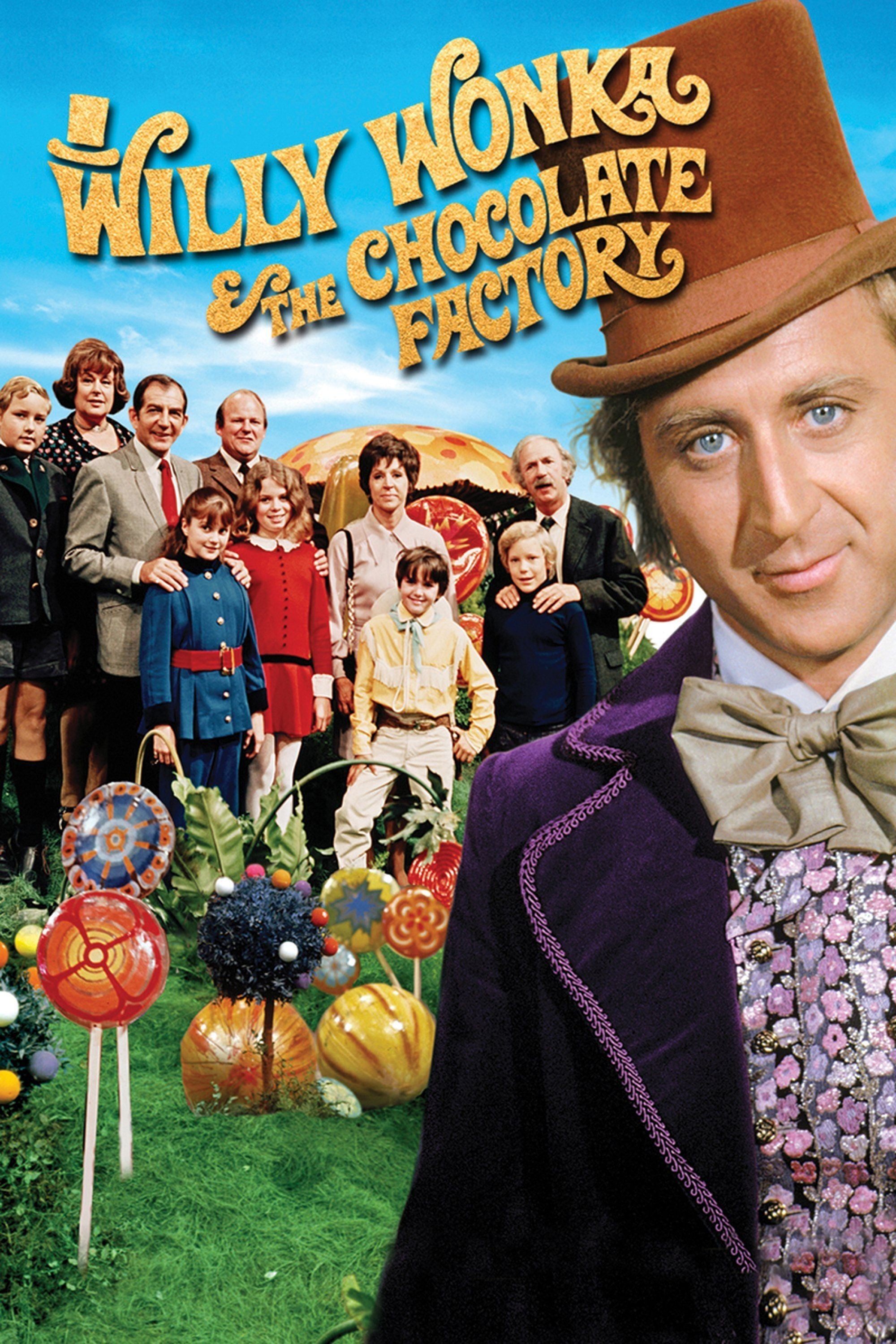
Gene Wilder infused the candy maker with a perfect blend of whimsy and underlying danger. He accepted the role on the condition that he could perform his entrance limp and somersault to keep the audience guessing. His gentle moments were constantly undercut by a sense of unpredictable madness. Wilder created a character that was equal parts father figure and trickster.
‘Die Hard’ (1988)
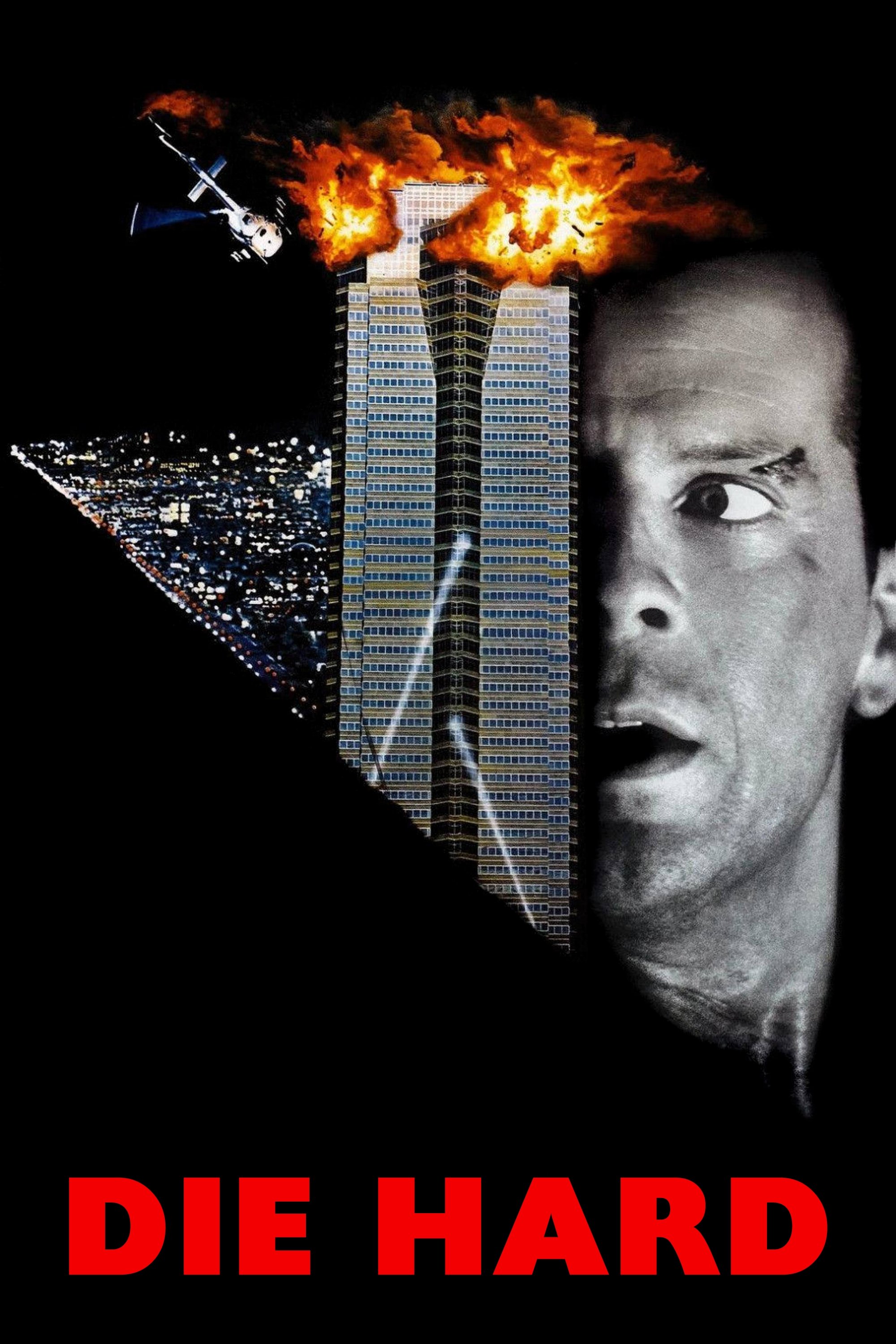
Bruce Willis was known primarily as a comedic TV actor when he was cast as John McClane. The studio took a risk putting him in an action role that usually went to muscle-bound stars. Willis brought a vulnerability and sarcasm to the character that made him relatable to the average viewer. He redefined the action hero as a regular guy in an impossible situation.
‘Fargo’ (1996)
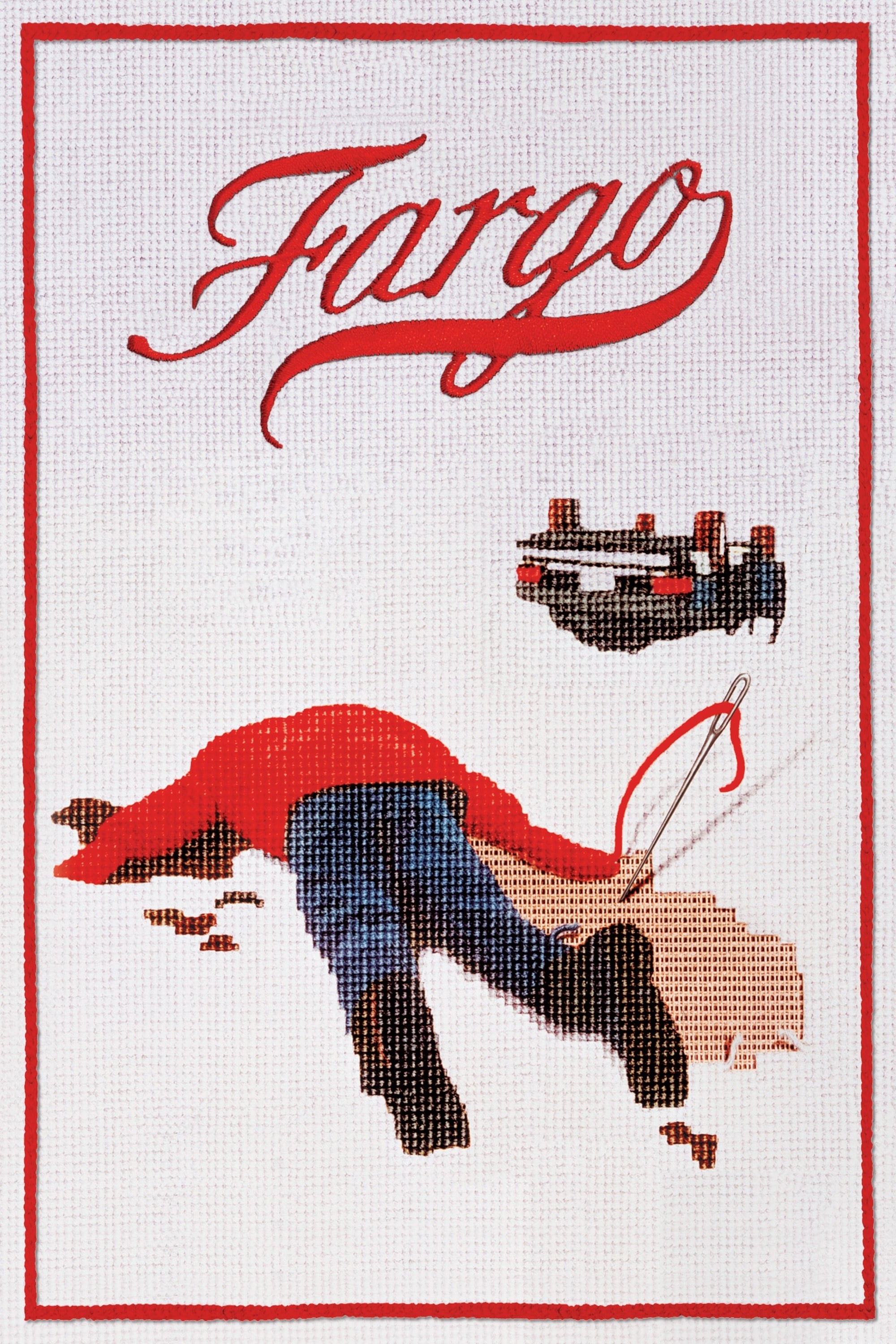
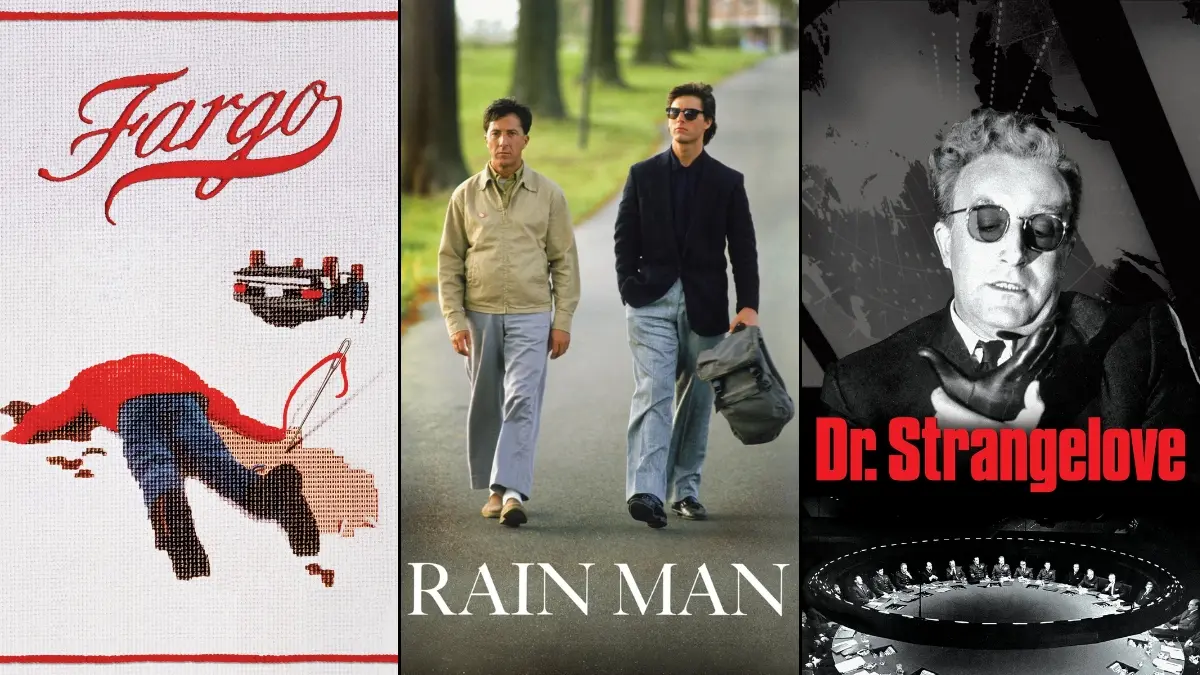
Frances McDormand created an unforgettable heroine in the pregnant police chief Marge Gunderson. Her cheerful demeanor and polite accent masked a sharp investigative mind and moral center. The character provided a warm and decent counterpoint to the frozen brutality of the crimes. McDormand won an Oscar for making such a specific regional character universally beloved.
‘Pulp Fiction’ (1994)
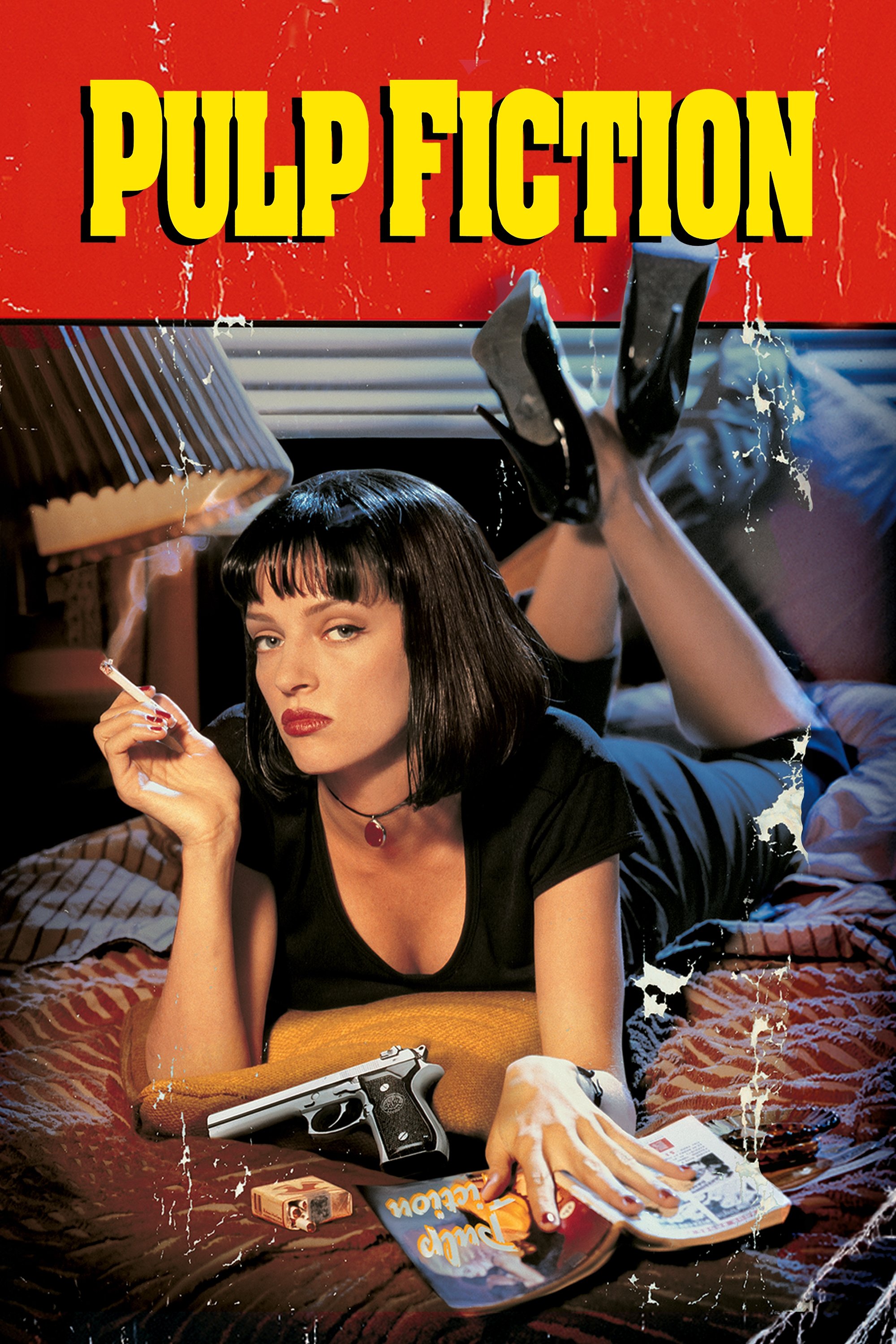
Samuel L. Jackson found his breakout role as the bible-quoting hitman Jules Winnfield. Tarantino wrote the part specifically for him after a previous audition mix-up. Jackson delivered the complex dialogue with a rhythmic intensity that became his trademark. He turned a supporting character into the most magnetic presence in the film.
‘Beverly Hills Cop’ (1984)

Eddie Murphy took a role originally intended for Sylvester Stallone and turned it into a comedy masterpiece. His improvisation skills and infectious laugh gave Axel Foley a unique energy. The film relied heavily on his ability to charm his way out of dangerous situations. Murphy solidified his status as the biggest box office draw of the decade with this performance.
‘Back to the Future’ (1985)
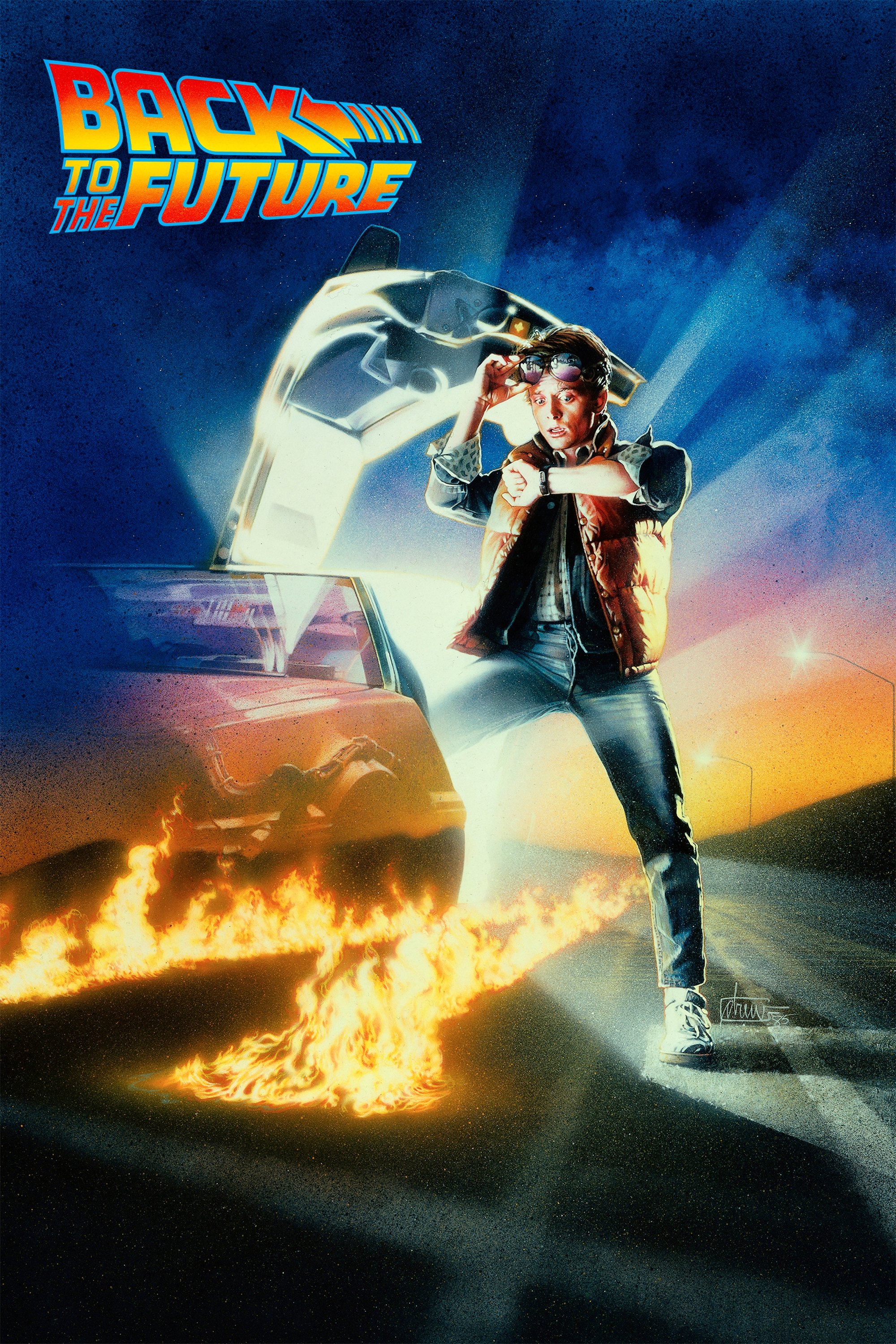
Michael J. Fox replaced Eric Stoltz weeks into filming because the producers needed more comedic energy. Fox filmed his sitcom during the day and the movie at night to make the schedule work. His natural charisma and frantic energy were essential for the role of Marty McFly. The chemistry he shared with Christopher Lloyd is the engine that drives the trilogy.
‘The Lord of the Rings: The Fellowship of the Ring’ (2001)
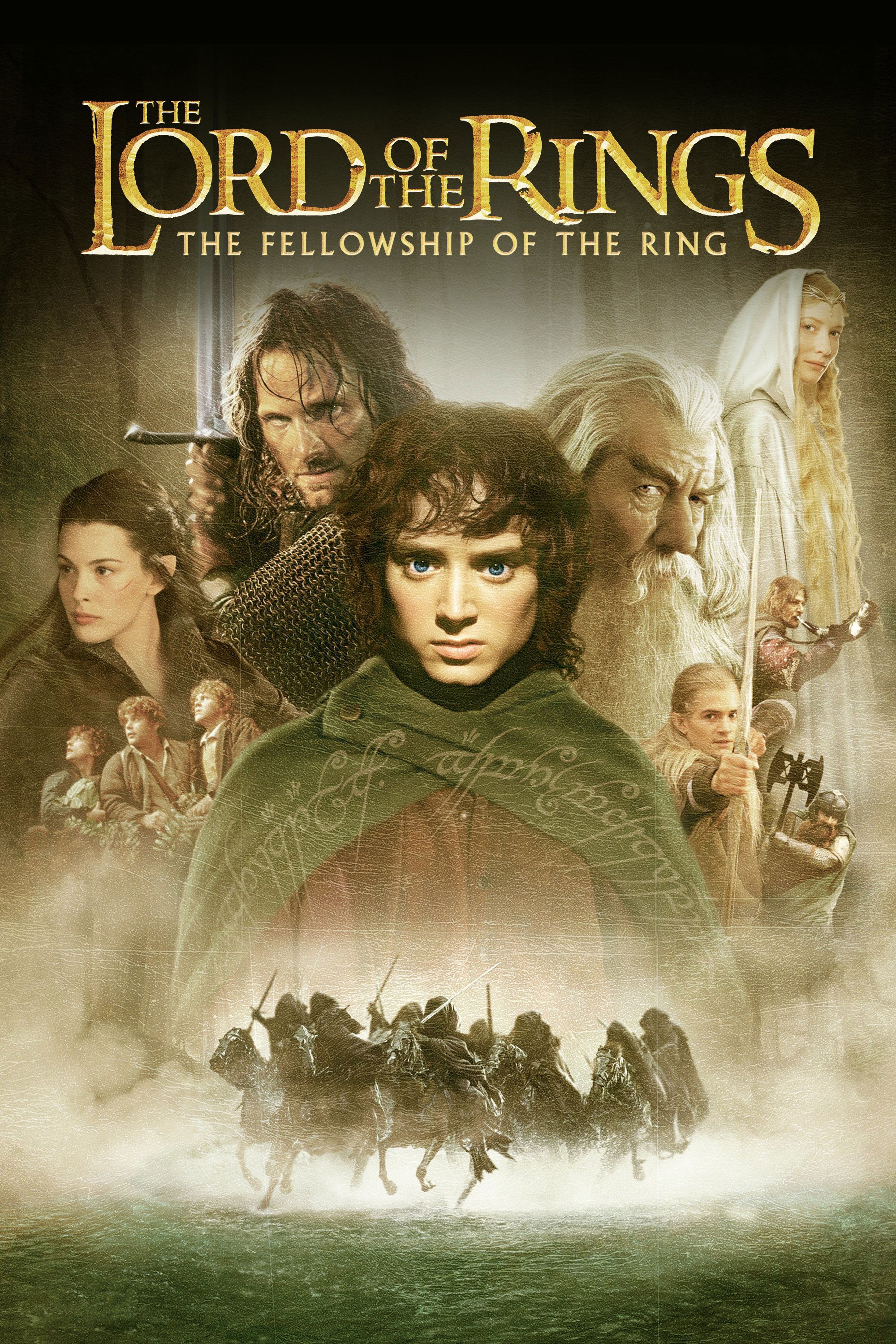
Ian McKellen embodied the wisdom and power of Gandalf with effortless grace. He studied the vocal patterns of author J.R.R. Tolkien to find the voice of the wizard. McKellen balanced the warmth of a grandfather figure with the terrifying authority of a powerful being. It is impossible to imagine anyone else commanding the Fellowship.
‘Superman’ (1978)
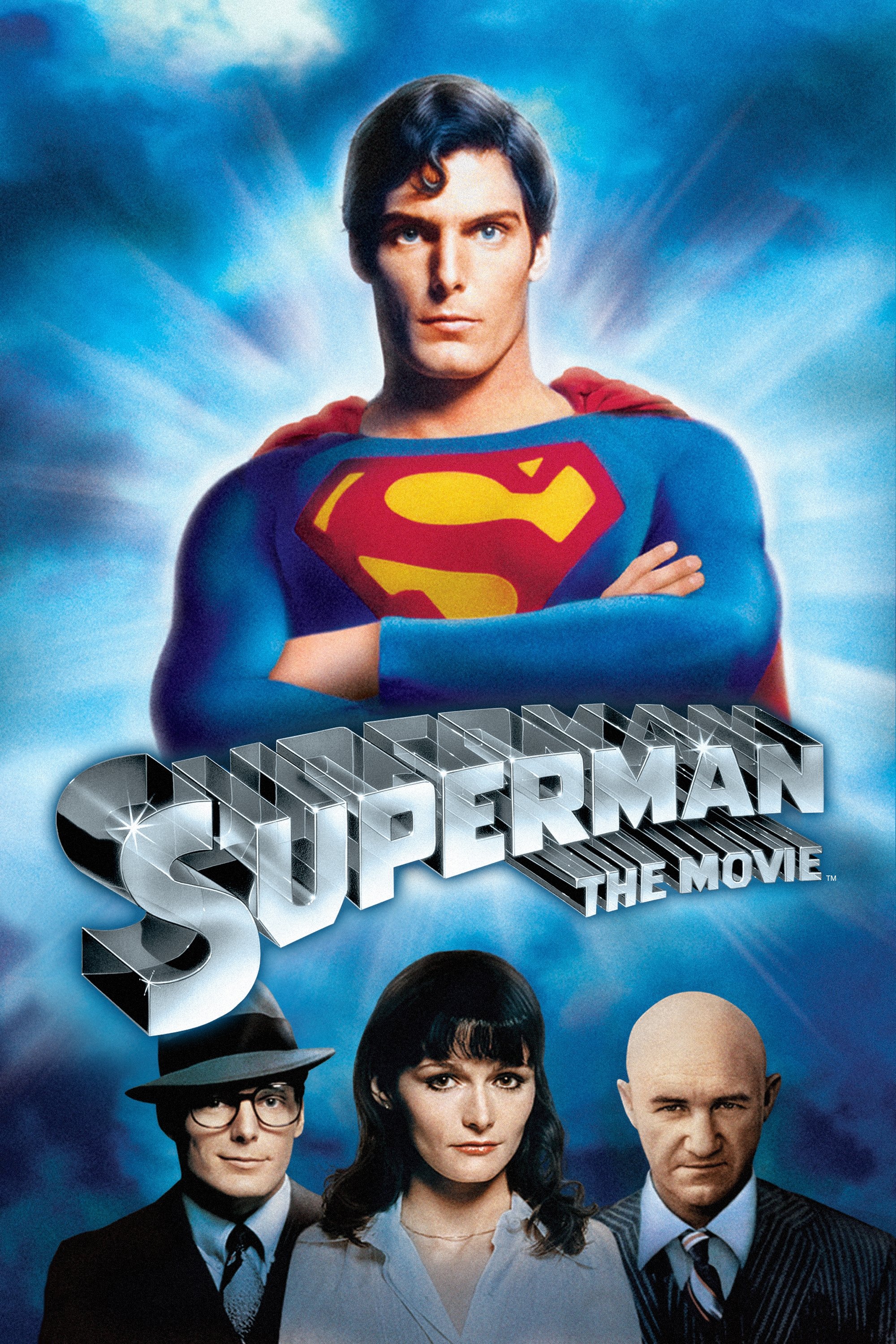
Christopher Reeve convinced the world that a man could fly through his earnest and noble performance. He played Clark Kent and Superman as two distinct characters with different postures and voices. Reeve possessed the classic good looks required but also the acting chops to sell the sincerity. He remains the definitive interpretation of the Man of Steel.
‘Mary Poppins’ (1964)
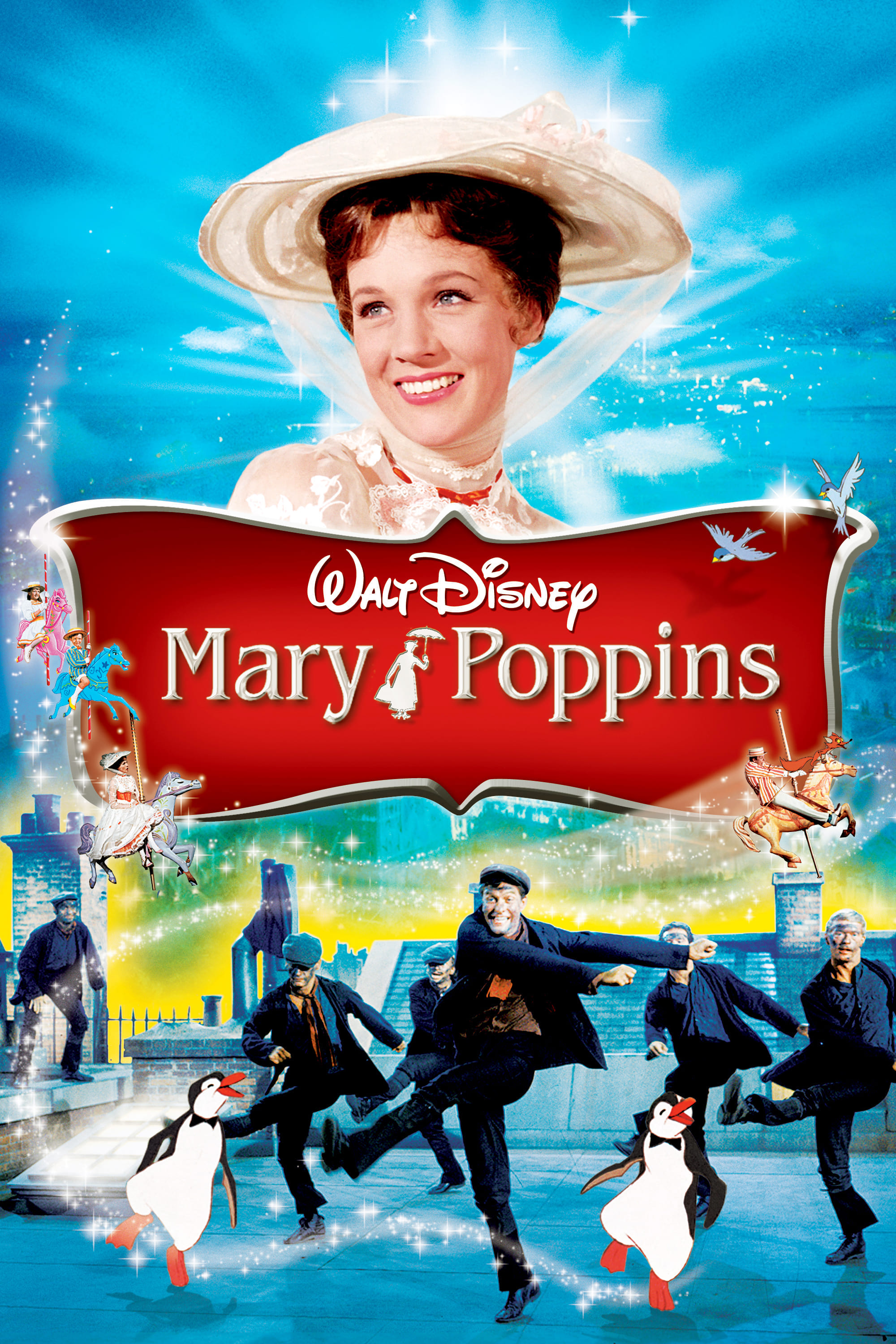
Julie Andrews made her feature film debut as the magical nanny after being passed over for ‘My Fair Lady’. Walt Disney personally delayed production to accommodate her pregnancy because he knew she was perfect. Her crisp delivery and incredible singing voice brought the character to life instantly. She won the Academy Award for Best Actress in her very first movie role.
‘Dr. Strangelove or: How I Learned to Stop Worrying and Love the Bomb’ (1964)
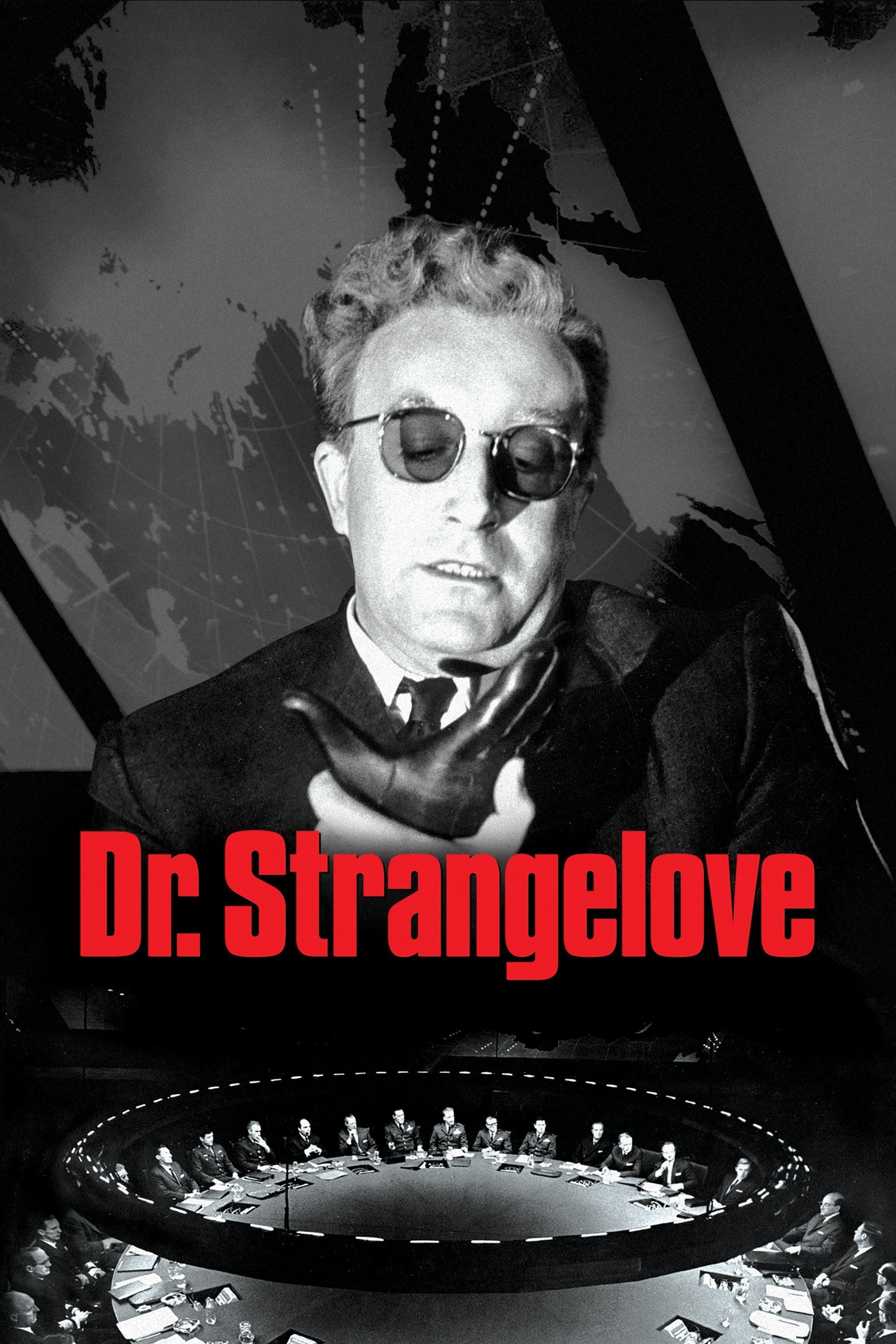
Peter Sellers showcased his incredible range by playing three distinct roles in the same film. He improvised much of the dialogue including the title character’s struggle with his own mechanical hand. Sellers captured the absurdity of the Cold War through his trio of eccentric characters. It stands as one of the greatest comedic tour de force performances ever filmed.
‘Misery’ (1990)
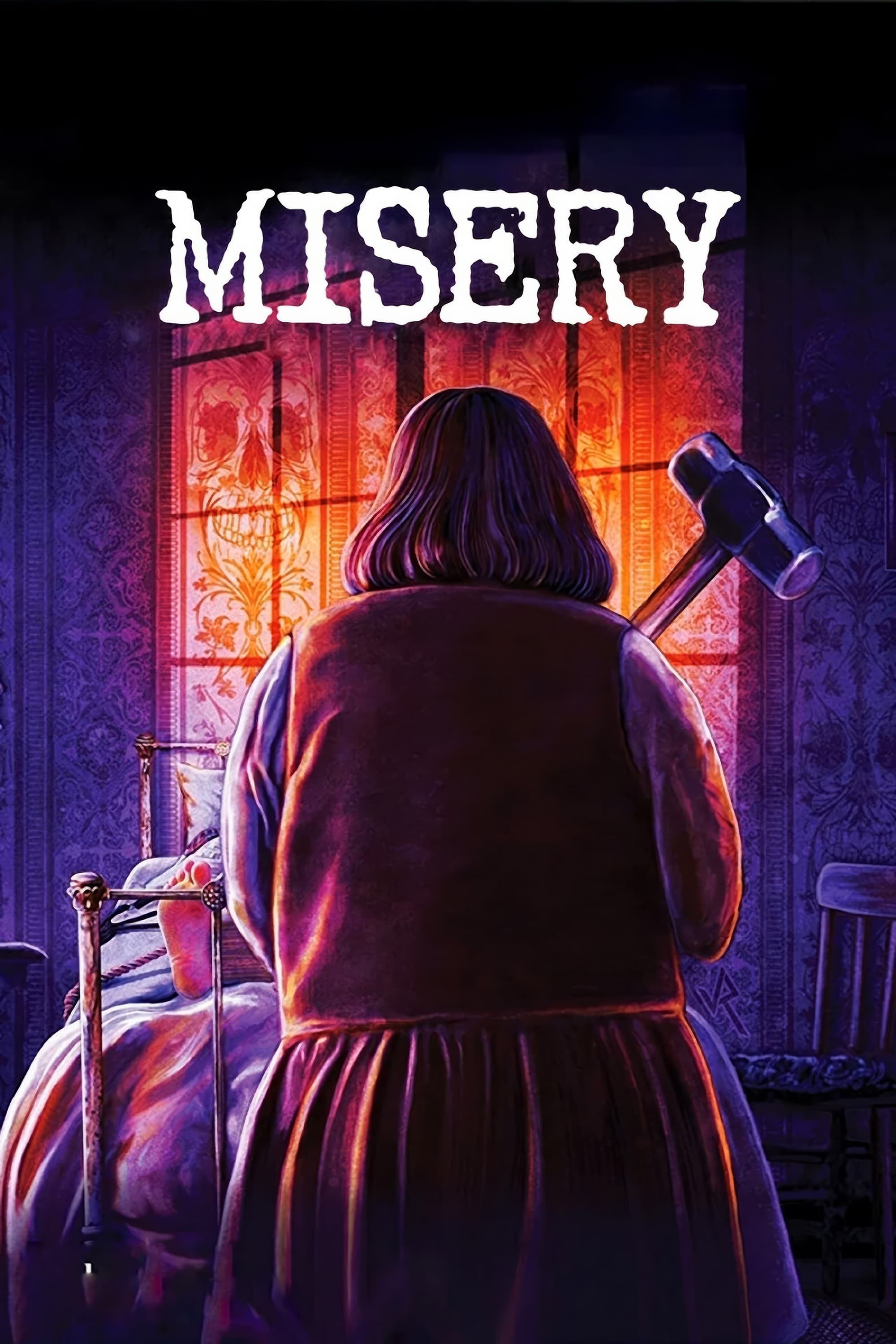
Kathy Bates turned Annie Wilkes into one of the most frightening villains in cinema without using supernatural powers. Her portrayal of the obsession fan swung wildly between pleasant homemaker and violent psychopath. Bates made the character’s erratic behavior feel terrifyingly real. She became the first actress to win an Oscar for a horror film role.
‘One Flew Over the Cuckoo’s Nest’ (1975)

Jack Nicholson was born to play the rebellious R.P. McMurry against the oppressive asylum system. His manic energy and anti-authoritarian streak perfectly matched the spirit of the character. The tragedy of the film hits harder because Nicholson makes the character so full of life. It remains one of the defining performances of the New Hollywood era.
‘The Devil Wears Prada’ (2006)
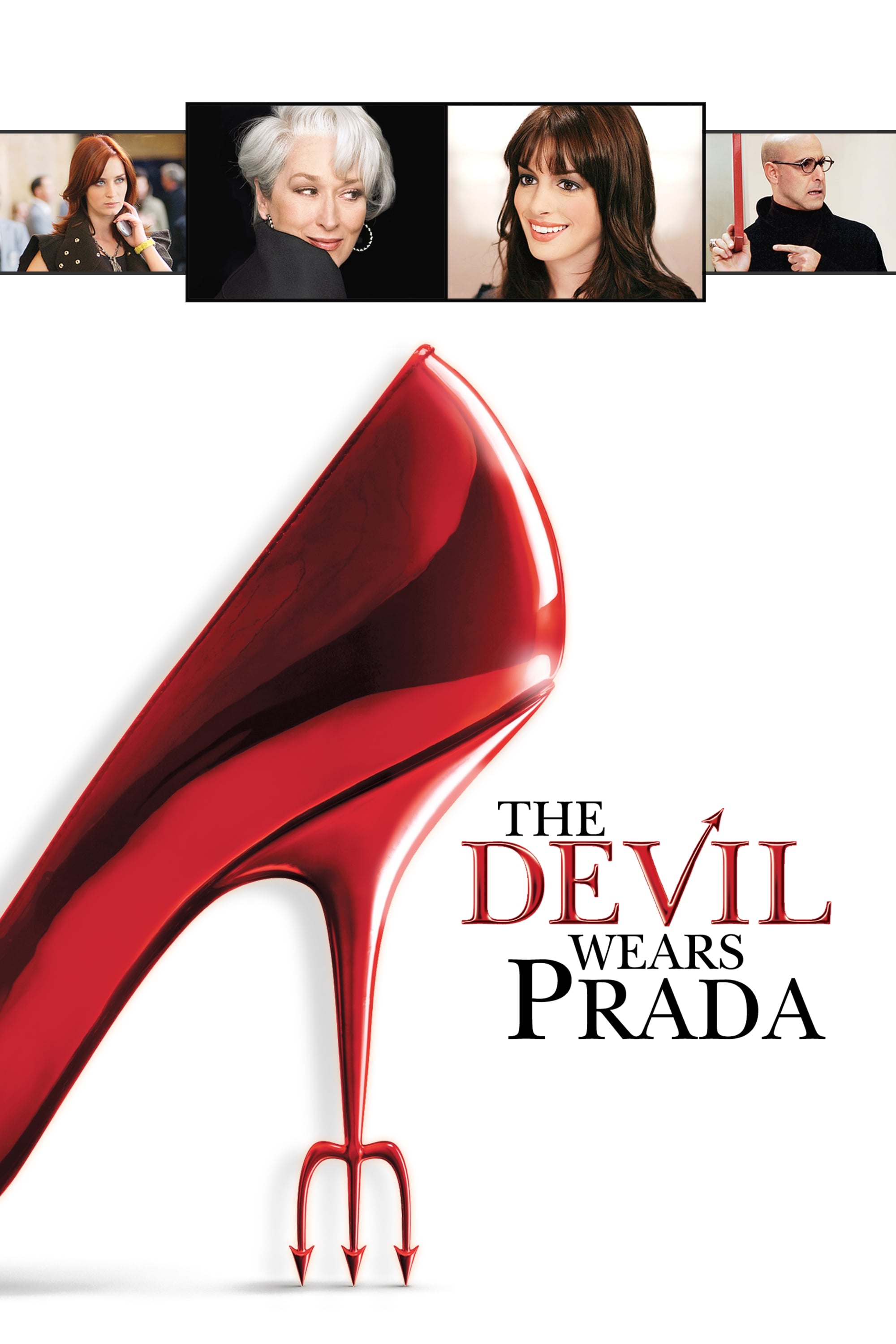
Meryl Streep turned what could have been a cartoonish villain into a formidable and nuanced antagonist. She chose to play Miranda Priestly with a quiet whisper rather than a shouting voice. This choice forced everyone in the room to lean in and listen to her every word. Streep added layers of professionalism and loneliness to the icy fashion editor.
‘Forrest Gump’ (1994)
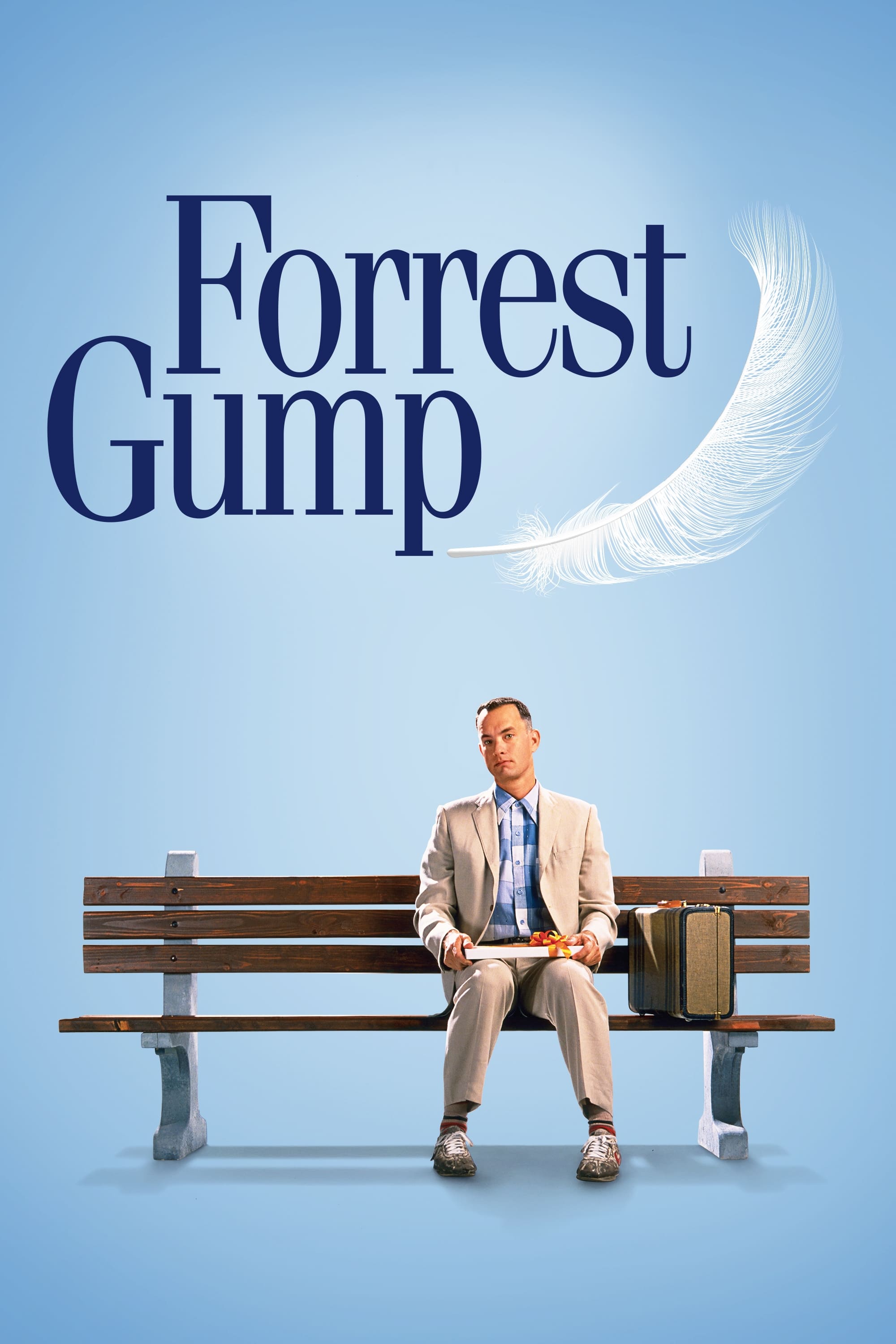
Tom Hanks crafted a performance of incredible sweetness and sincerity without ever mocking the character. He adopted the specific accent of the child actor who played young Forrest to maintain continuity. Hanks carried the epic scope of the film on his shoulders with a gentle demeanor. This role secured his second consecutive Best Actor Oscar.
‘No Country for Old Men’ (2007)
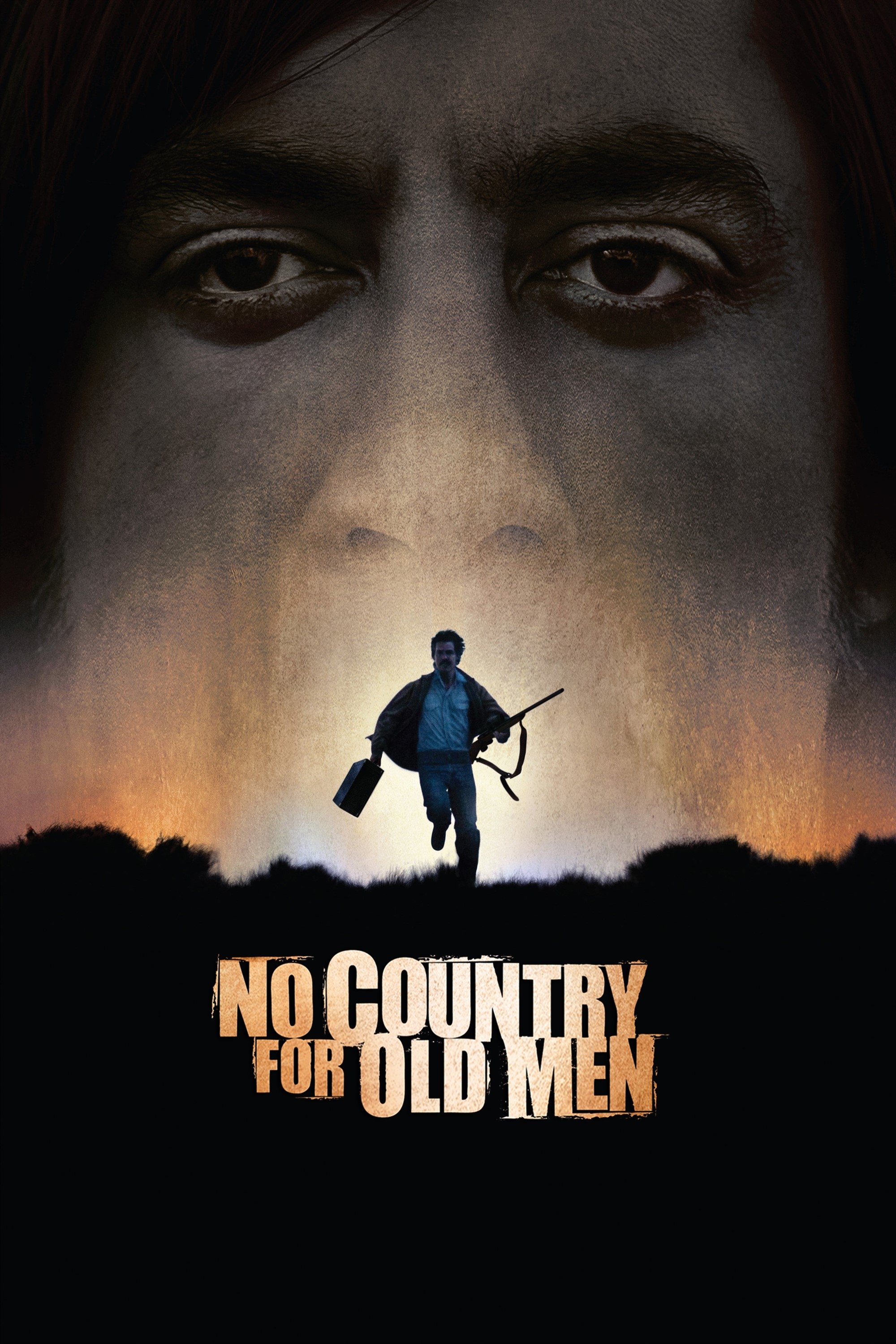
Javier Bardem created a villain of pure unstoppable evil in the character of Anton Chigurh. His bizarre haircut and dead-eyed stare contributed to an unsettling screen presence. Bardem played the hitman as a force of nature completely devoid of human empathy. He terrified audiences while barely raising his voice.
‘Whiplash’ (2014)

J.K. Simmons delivered a blistering performance as the abusive jazz instructor Terence Fletcher. His physical intimidation and rhythmic insults created an atmosphere of constant dread. Simmons drew upon his own musical background to conduct the band scenes authentically. He dominated every frame he appeared in and won the Oscar for Best Supporting Actor.
‘The Terminator’ (1984)
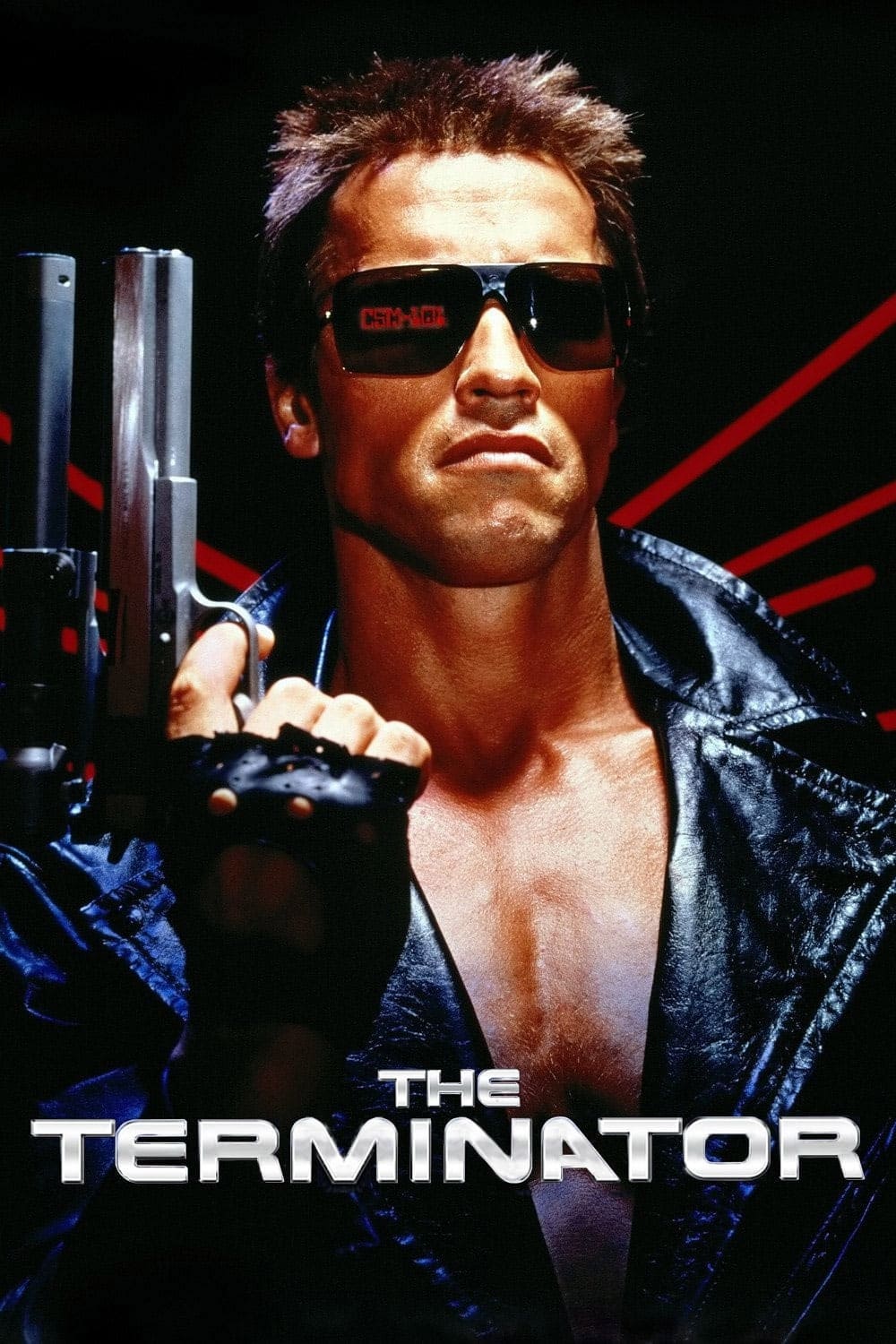
Arnold Schwarzenegger became a cinematic icon through his portrayal of the relentless T-800 cyborg. Director James Cameron utilized the actor’s imposing physique and unique accent to create a terrifying antagonist. The lack of extensive dialogue turned out to be a massive advantage for the character’s robotic nature. This role launched Schwarzenegger into superstardom and defined the action genre for decades.
‘Pirates of the Caribbean: The Curse of the Black Pearl’ (2003)
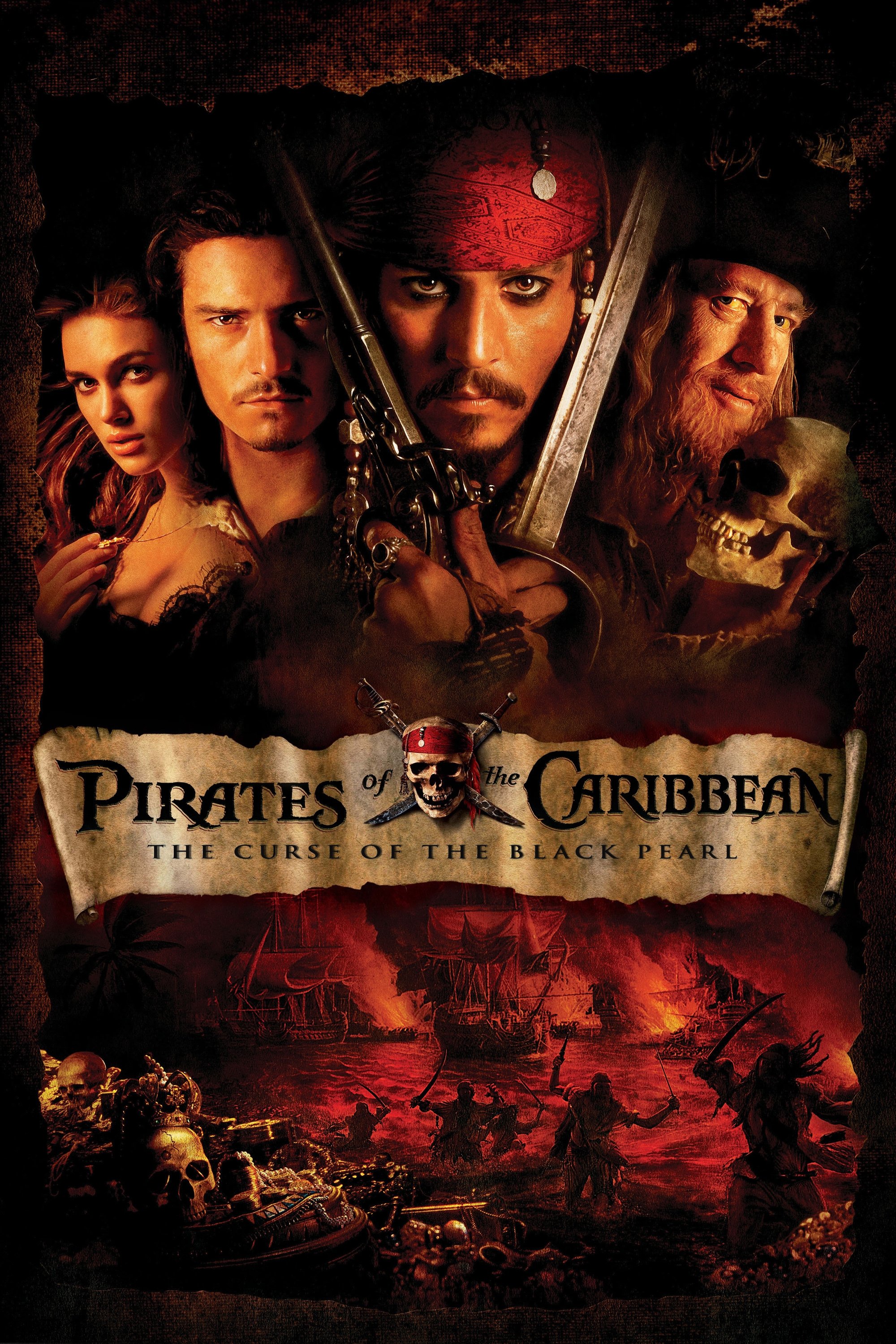
Johnny Depp took a massive risk by modeling Captain Jack Sparrow after rock stars and cartoons. Disney executives were initially terrified that his drunken saunter would ruin the movie. Instead, Depp created one of the most popular characters in the history of entertainment. His eccentric performance turned a theme park adaptation into a global franchise.
‘Aladdin’ (1992)
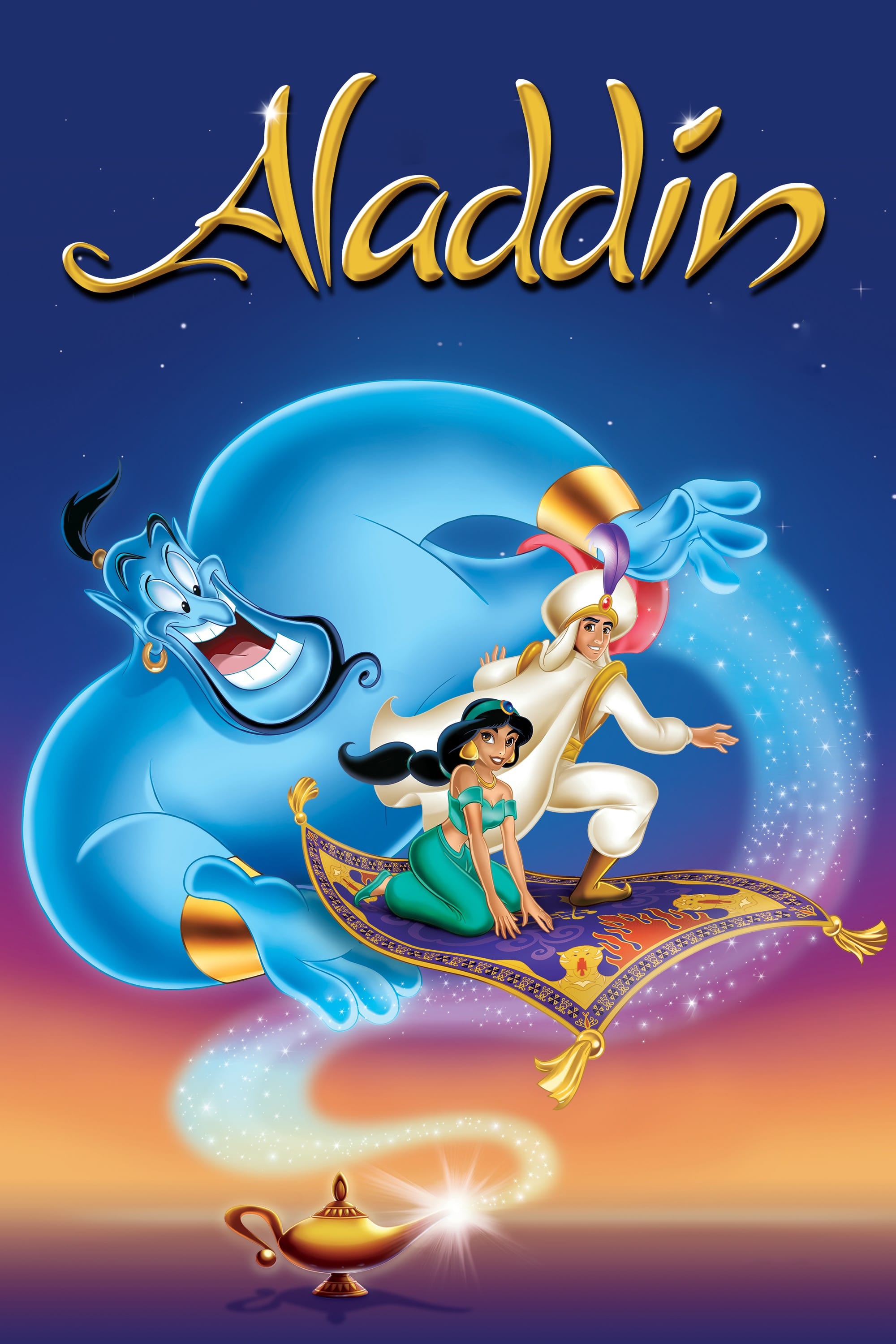
Robin Williams changed the landscape of voice acting forever with his rapid-fire performance as the Genie. The animators had to create the visuals to match his improvisations and impressions. Williams brought a level of star power and adult humor that was previously unseen in animated films. It stands as a perfect synthesis of animation and comedic genius.
‘Inglourious Basterds’ (2009)
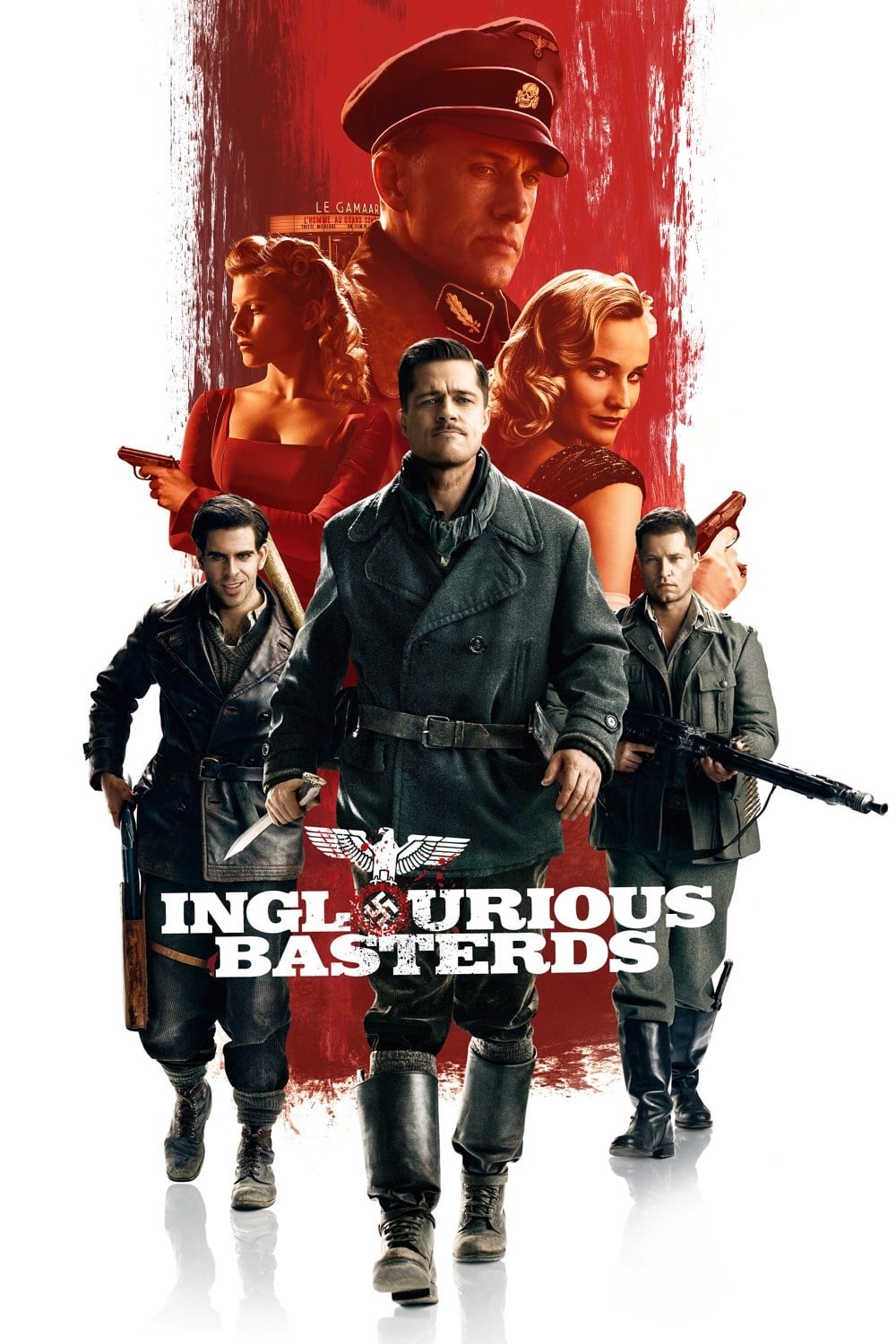
Christoph Waltz was an unknown actor to American audiences when he was cast as Hans Landa. Quentin Tarantino famously considered cancelling the film because he thought the role was unplayable. Waltz brought a charming linguistic dexterity and terrifying politeness to the Nazi villain. His performance is widely considered the highlight of the entire movie.
‘There Will Be Blood’ (2007)
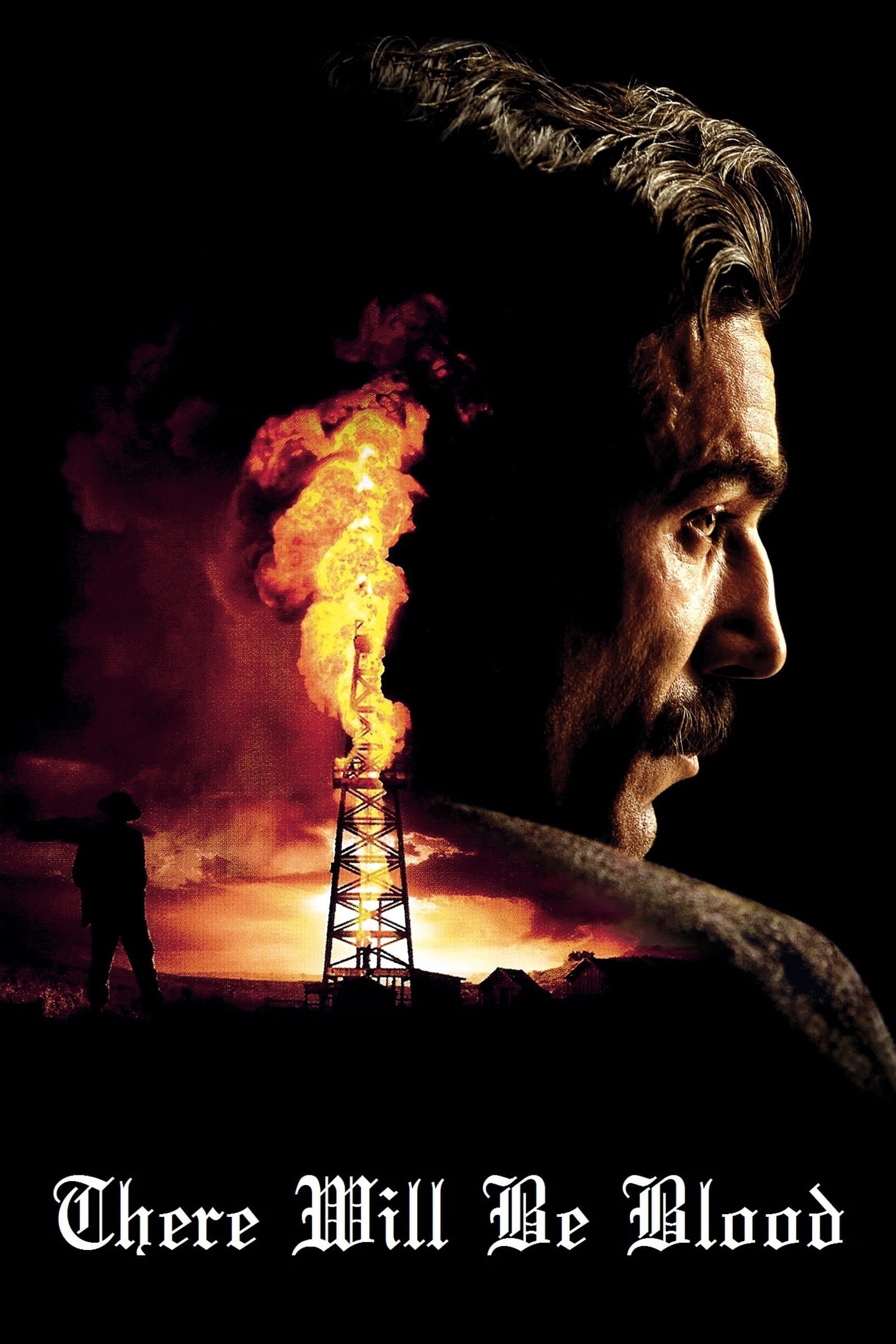
Daniel Day-Lewis created a monstrous figure of American capitalism in Daniel Plainview. His voice and physical posture evolved throughout the film to reflect the character’s descent into madness. Day-Lewis dominated the screen with a ferocity that was both captivating and repulsive. It is often cited as one of the greatest acting achievements of the twenty-first century.
‘To Kill a Mockingbird’ (1962)
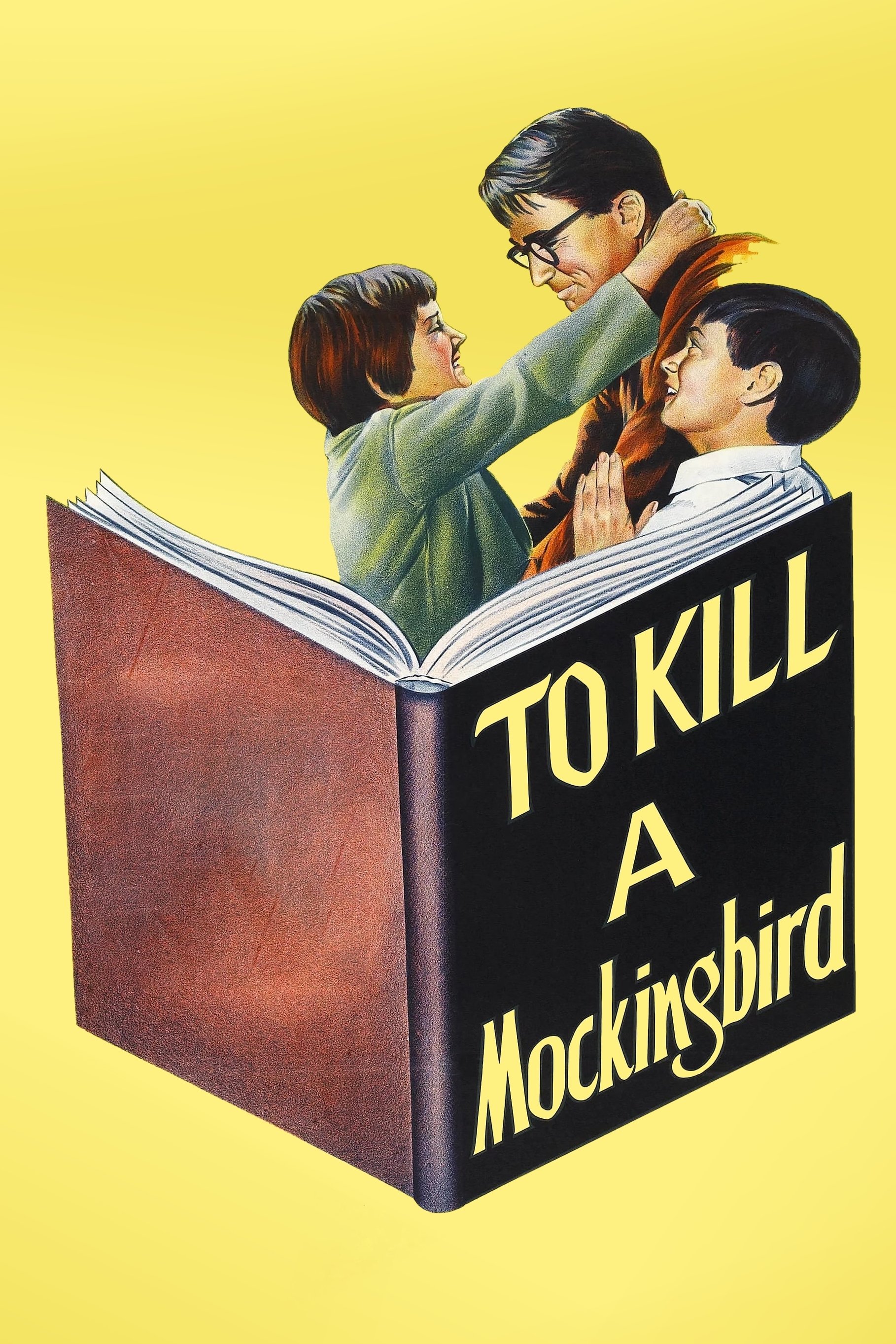
Gregory Peck embodied the moral fortitude of Atticus Finch so perfectly that he became synonymous with the character. His natural warmth and authority made him the ideal choice for the principled lawyer and father. Peck felt the role was the closest he ever came to playing himself. The performance remains the ultimate cinematic example of integrity and decency.
‘Gone with the Wind’ (1939)
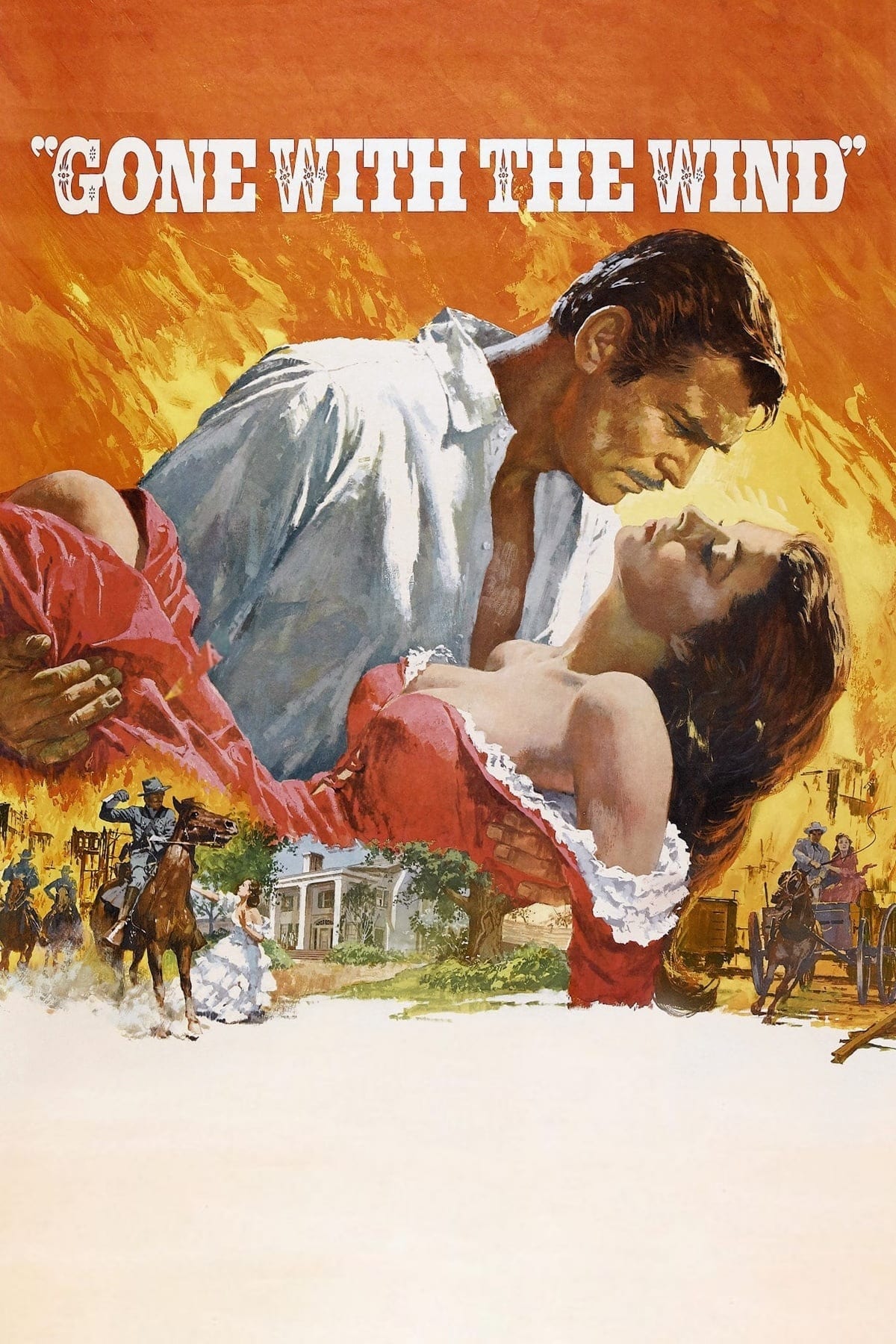
Vivien Leigh beat out almost every actress in Hollywood for the coveted role of Scarlett O’Hara. She captured the stubbornness, vanity, and resilience of the character with incredible precision. Leigh managed to make a deeply flawed character compelling and sympathetic. Her casting remains one of the most famous search stories in studio history.
‘Raiders of the Lost Ark’ (1981)
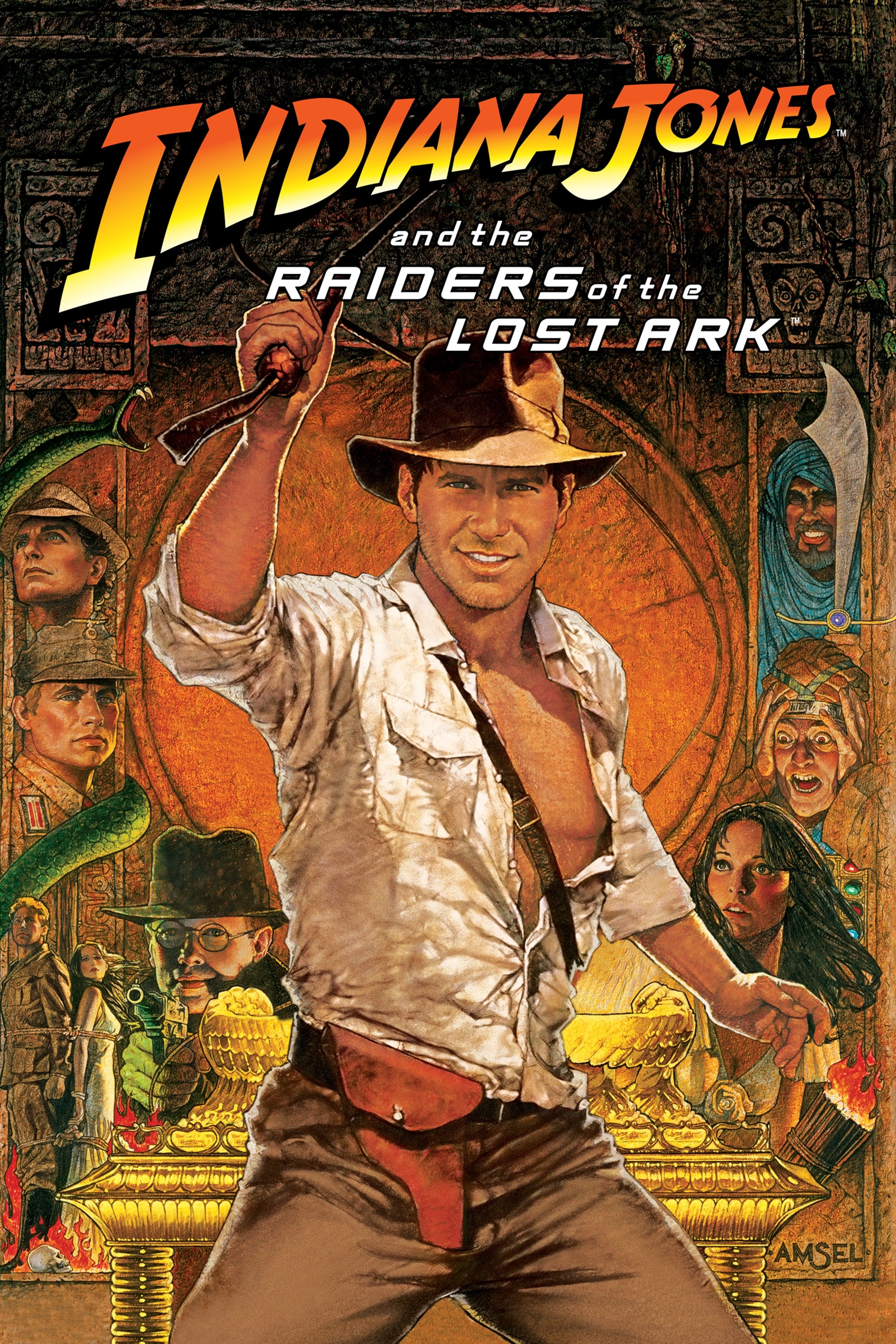
Harrison Ford cemented his status as the ultimate leading man with the role of Indiana Jones. Tom Selleck was originally cast but had to drop out due to TV contract obligations. Ford brought a weary cynicism and dry wit that balanced the pulp adventure elements. He made the character feel human by showing pain and exhaustion in every fight.
‘Alien’ (1979)
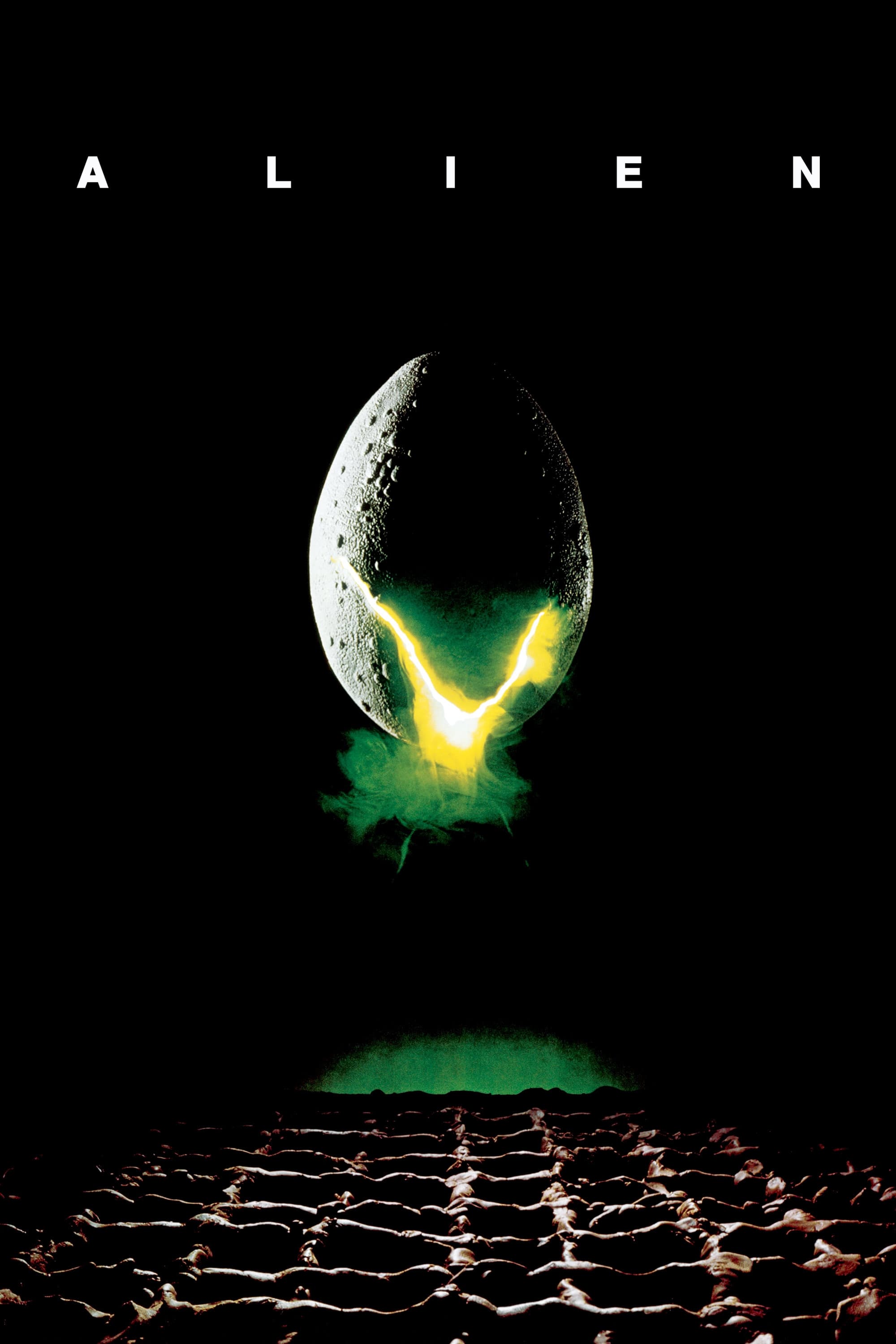
Sigourney Weaver broke new ground for female action heroes as Ellen Ripley. The character was originally written as a man but the gender swap created a unique dynamic. Weaver played the role with intelligence and toughness rather than relying on traditional tropes. Her performance paved the way for future heroines in the science fiction genre.
‘The Silence of the Lambs’ (1991)
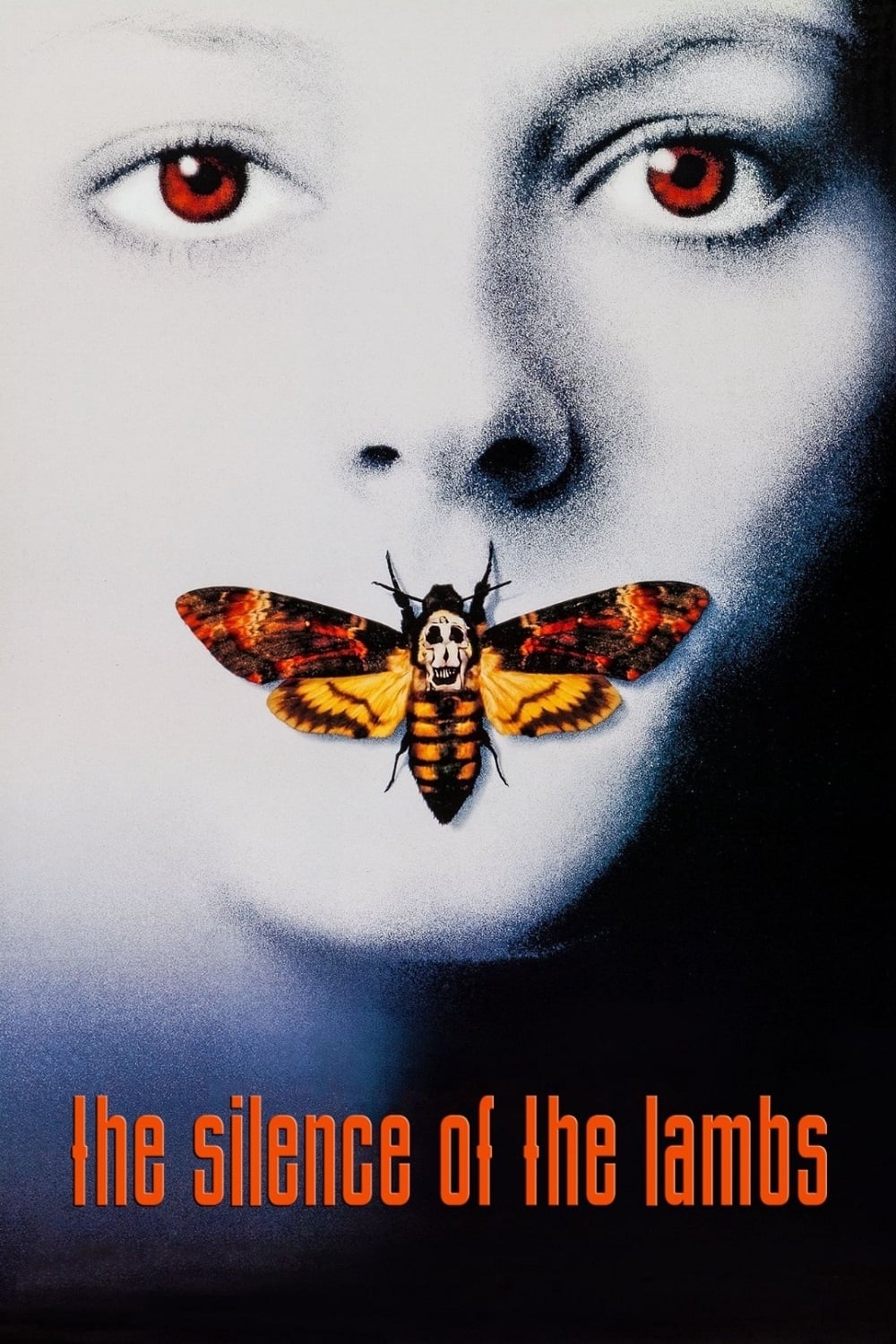
Anthony Hopkins needed only sixteen minutes of screen time to create the most memorable villain in cinema. His unblinking stare and calm delivery made Hannibal Lecter instantly iconic. Hopkins improvised the mocking sound he makes after describing his meal of fava beans. He won the Best Actor Oscar despite his limited time on screen.
‘Iron Man’ (2008)
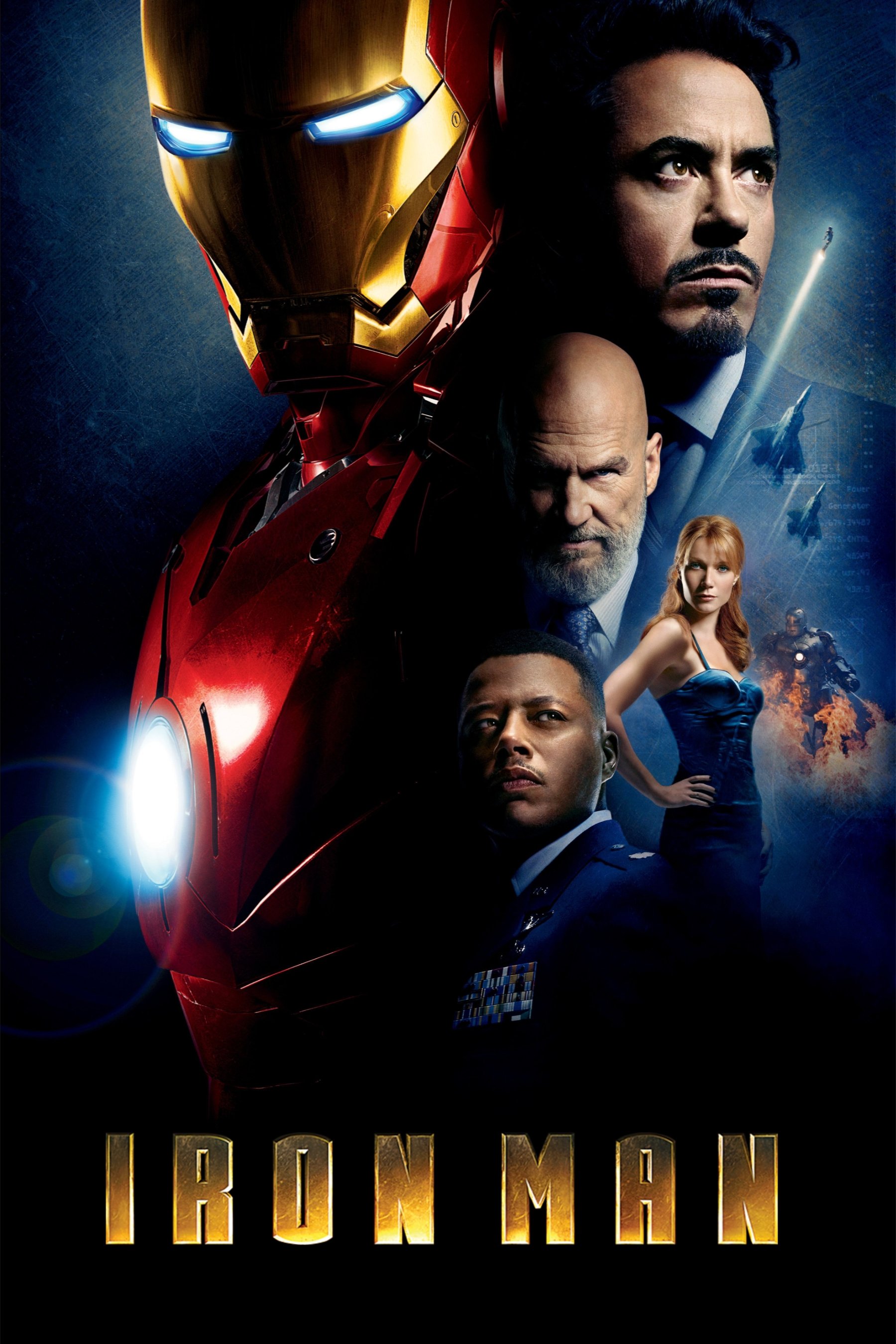
Robert Downey Jr. was a risky hire for Marvel due to his troubled past but he proved to be the perfect Tony Stark. His quick wit and vulnerability mirrored the character’s own journey of redemption. Director Jon Favreau fought for his casting because he knew Downey had the life experience to sell the role. This single casting choice launched the most successful film franchise in history.
‘The Godfather’ (1972)
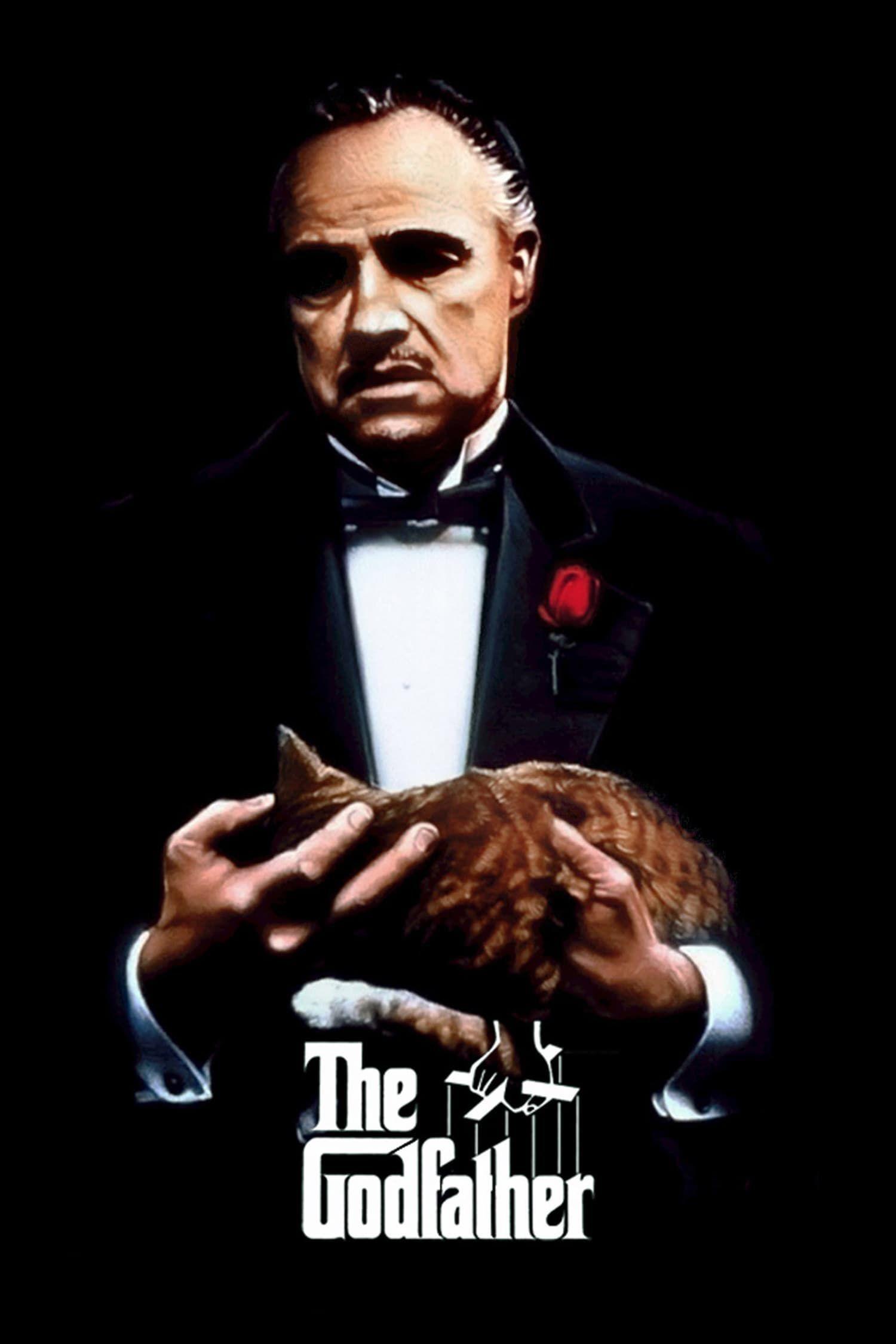
Marlon Brando had to do a screen test to convince the studio he was right for Don Vito Corleone. He stuffed tissues in his cheeks and adopted a raspy voice to create the aging patriarch. His performance is a masterclass in understated power and physical transformation. Brando created the definitive image of a mob boss that has been imitated ever since.
‘Harry Potter and the Philosopher’s Stone’ (2001)
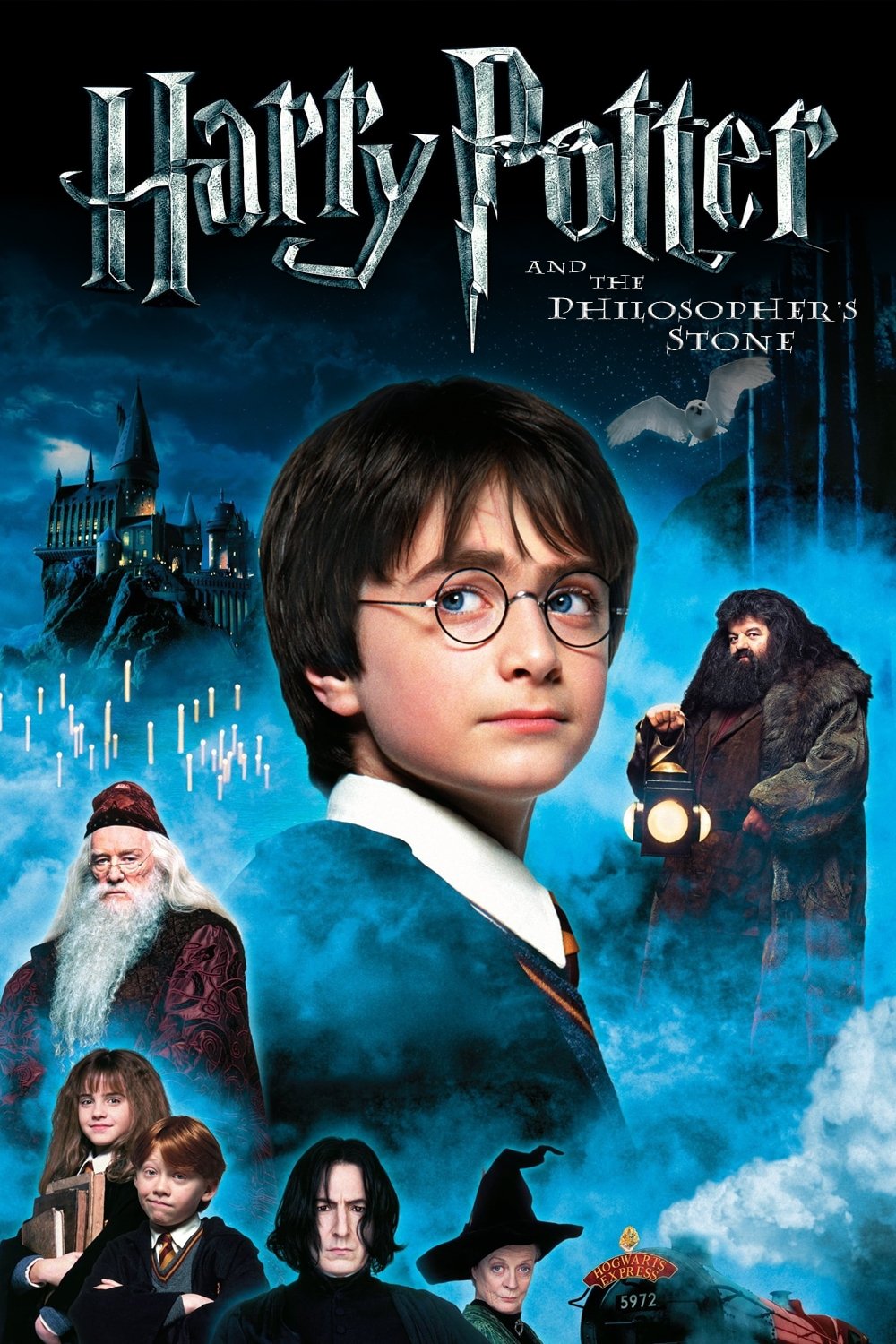
Alan Rickman was J.K. Rowling’s personal choice to play the complex potion master Severus Snape. He brought a languid delivery and sneering disdain that lifted the character directly from the pages. Rickman was one of the few people told the ultimate secret of his character’s arc early on. His performance gained depth and tragedy with every subsequent film in the series.
‘The Dark Knight’ (2008)
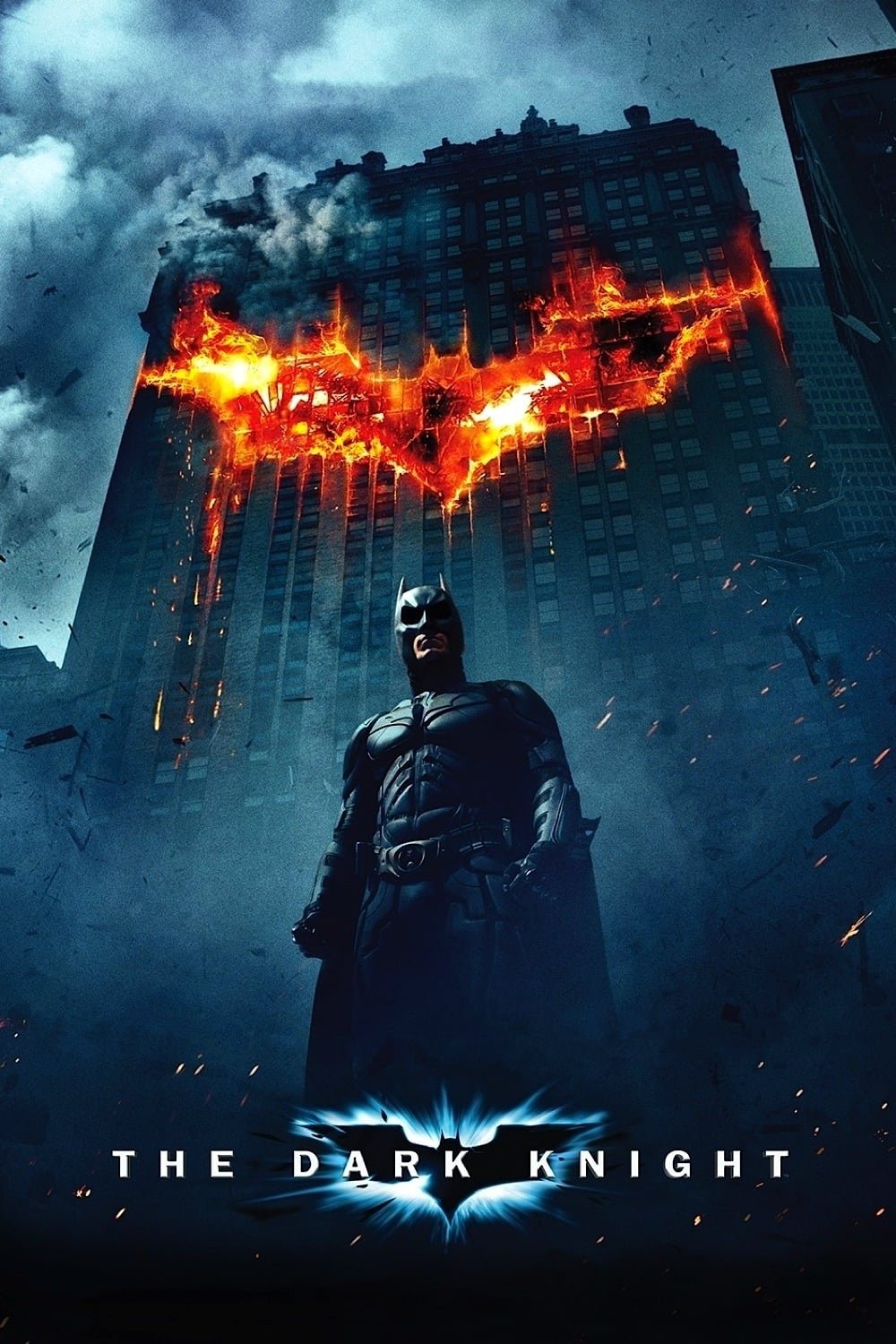
Heath Ledger disappeared completely into the role of the Joker. His performance transformed the comic book villain into an agent of chaos with terrifying depth. The actor locked himself in a hotel room for weeks to develop the voice and mannerisms of the character. This portrayal earned him a posthumous Academy Award and set a new standard for screen villainy.
Tell us which casting choice you think was the most perfect fit in the comments.