Most Uncastable Latina Actresses of All Time



The history of Hollywood casting reveals a complex pattern of systemic barriers that often made talented Latino actresses difficult to place in diverse roles. Many performers found themselves labeled as uncastable for leading parts because they did not fit the narrow ethnic archetypes preferred by major studios. These women frequently faced a choice between accepting stereotypical roles or struggling to find work that reflected their true range. This list examines actresses throughout cinema history who navigated these rigid industry standards and the impact those challenges had on their professional journeys. Their stories highlight the ongoing evolution of representation and the persistent effort required to change the industry from within.
Lupe Vélez
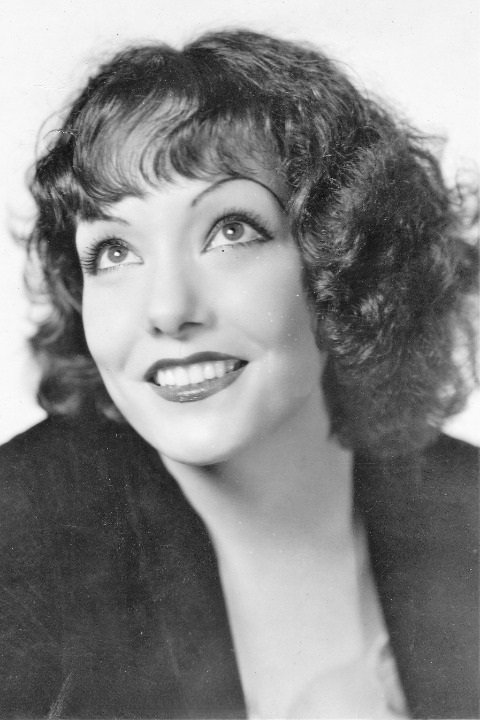
Lupe Vélez rose to fame during the early sound era and became synonymous with her role in the ‘Mexican Spitfire’ film series. While her comedic timing was undeniable the industry struggled to cast her in any part that did not lean heavily on her accent and high energy. This specific typecasting made her feel uncastable for the serious dramatic roles she often desired. Major studios of the nineteen-thirties and nineteen-forties rarely looked past her public persona to see her full artistic potential. Her career eventually became defined by the very stereotypes she sought to transcend.
Katy Jurado
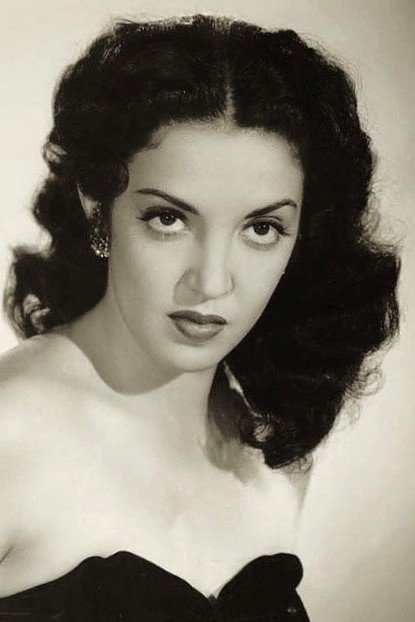
Katy Jurado was a highly respected actress in Mexico before she moved to Hollywood and gained critical acclaim in ‘High Noon’ and ‘Broken Lance’. Despite her Academy Award nomination she frequently noted that American casting directors only saw her as suitable for exotic or maternal figures. She often spoke about the difficulty of finding roles that were not defined by her ethnicity or age in a way that limited her opportunities. This lack of versatility in how the industry viewed her made it challenging to sustain a consistent leading presence. Her legacy is one of immense talent struggling against a narrow casting lens.
Maria Montez
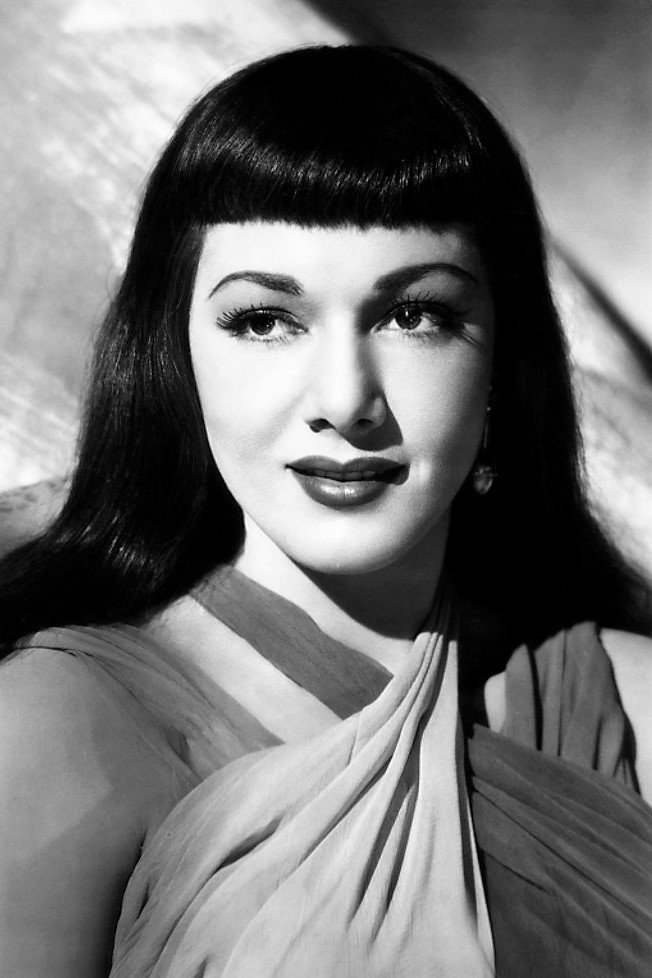
Known as the Queen of Technicolor Maria Montez became a staple of adventure films like ‘Arabian Nights’ and ‘Cobra Woman’. Her exoticized image was so successful that studios found it nearly impossible to cast her in contemporary or domestic dramas. Whenever she attempted to move away from the fantasy genre she encountered resistance from executives who believed audiences only wanted to see her in spectacle. This branding made her technically uncastable for mainstream mid-century American roles outside of specific niche genres. She remains a primary example of how early marketing could trap a performer in a single mold.
Rita Moreno
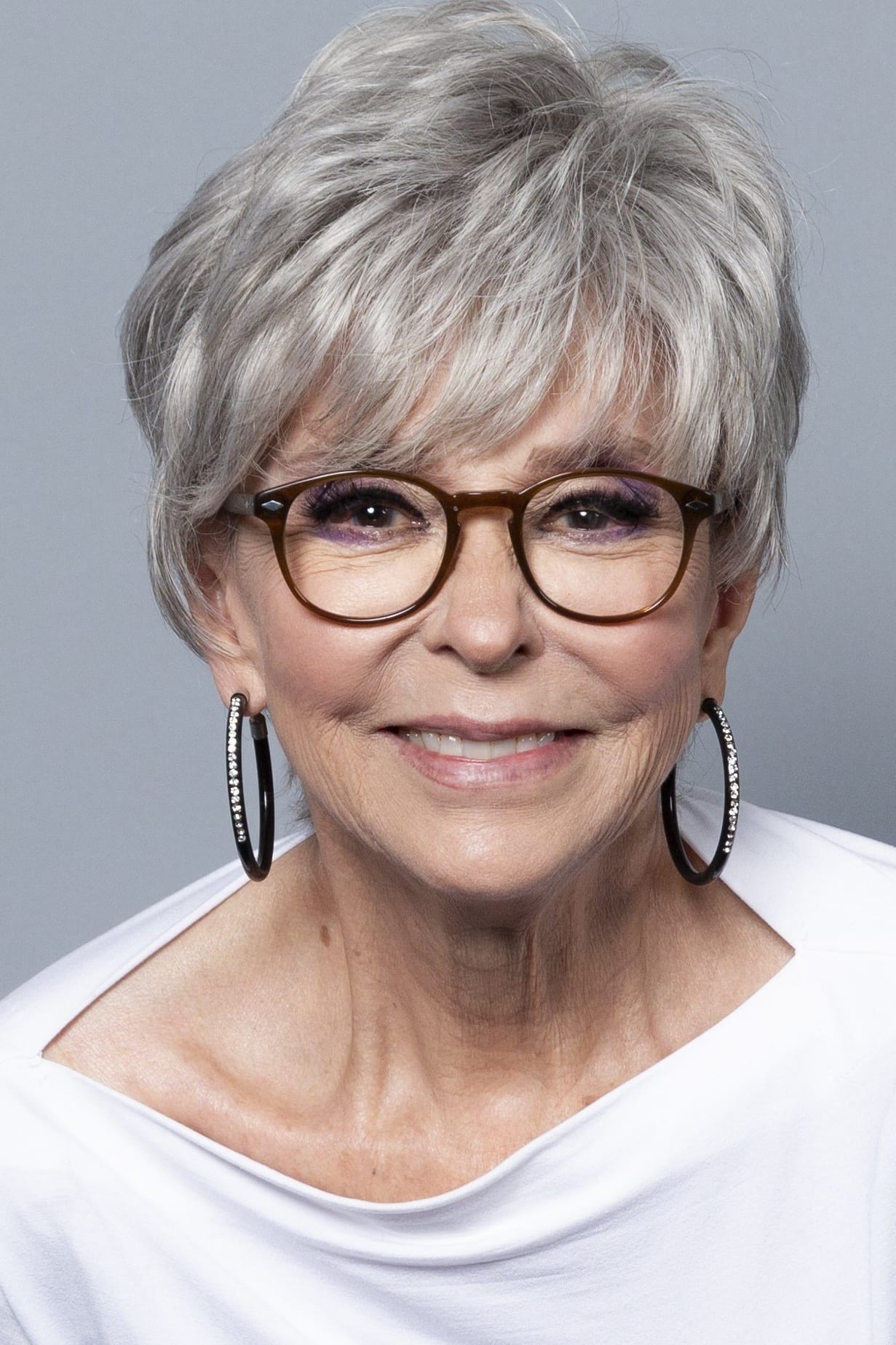
Rita Moreno is an legendary EGOT winner who famously spent years feeling uncastable for anything other than generic ethnic characters. She described her early career as a series of roles where she was forced to use a universal accent regardless of the character’s actual background. Even after winning an Oscar for her performance in ‘West Side Story’ she found that quality offers did not immediately follow. She eventually took a long hiatus from film because the roles being offered were so limited and repetitive. Her endurance in the industry eventually allowed her to break the very barriers that once held her back.
Dolores del Río
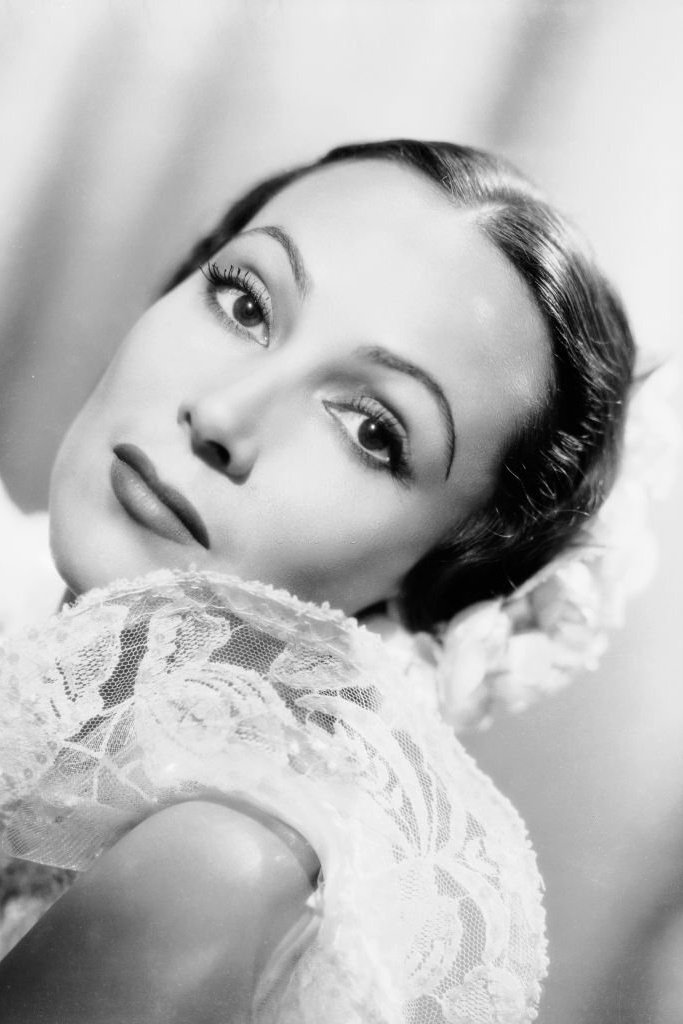
Dolores del Río was one of the first major crossover stars from Mexico but her career in Hollywood was marked by shifting industry perceptions. During the silent film era she was cast as a high society beauty but the arrival of sound changed how she was perceived due to her accent. She found herself increasingly cast in roles that emphasized her foreignness rather than her dramatic skill. This shift made her feel uncastable for the American roles she had previously occupied with ease. She eventually returned to Mexico where she became a foundational figure in the Golden Age of Mexican cinema.
Carmen Miranda
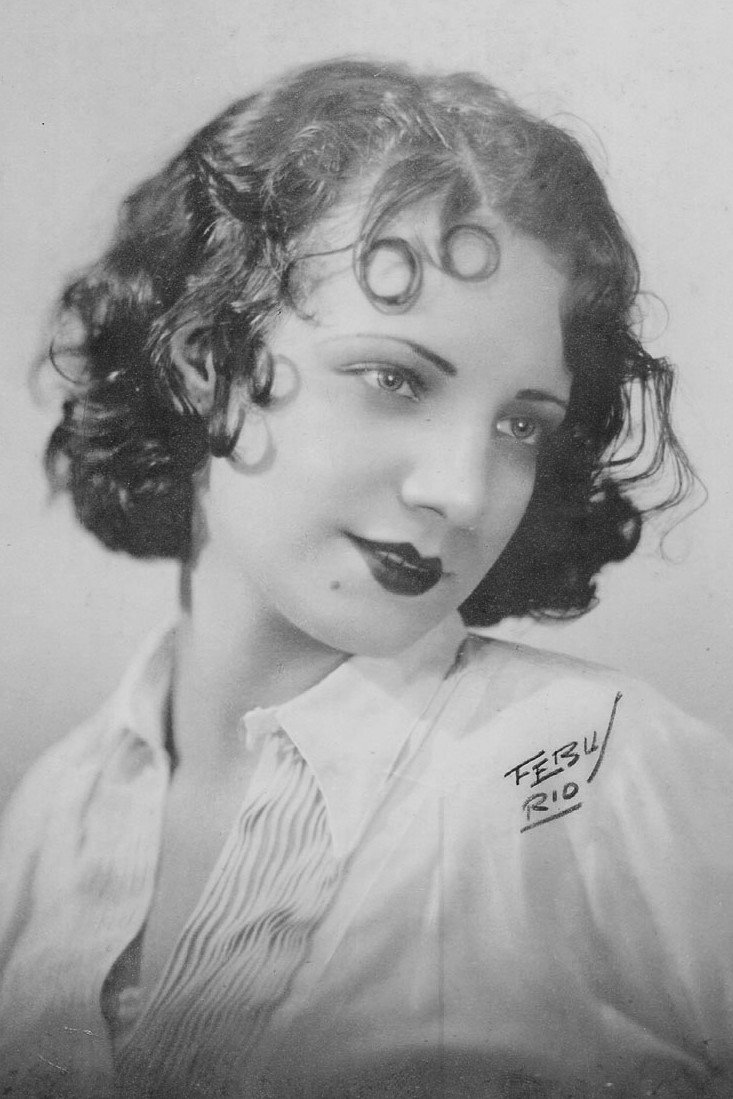
Carmen Miranda became an international sensation during the nineteen-forties with her iconic fruit hat and energetic performances in films like ‘The Gang’s All Here’. While she was one of the highest paid women in the world her image became a caricature that studios refused to evolve. She was considered uncastable for any role that did not involve her signature costume and singing style. This creative confinement caused her significant professional and personal stress as she felt unable to show her range. Her career serves as a cautionary tale about the dangers of extreme typecasting.
Rosie Perez
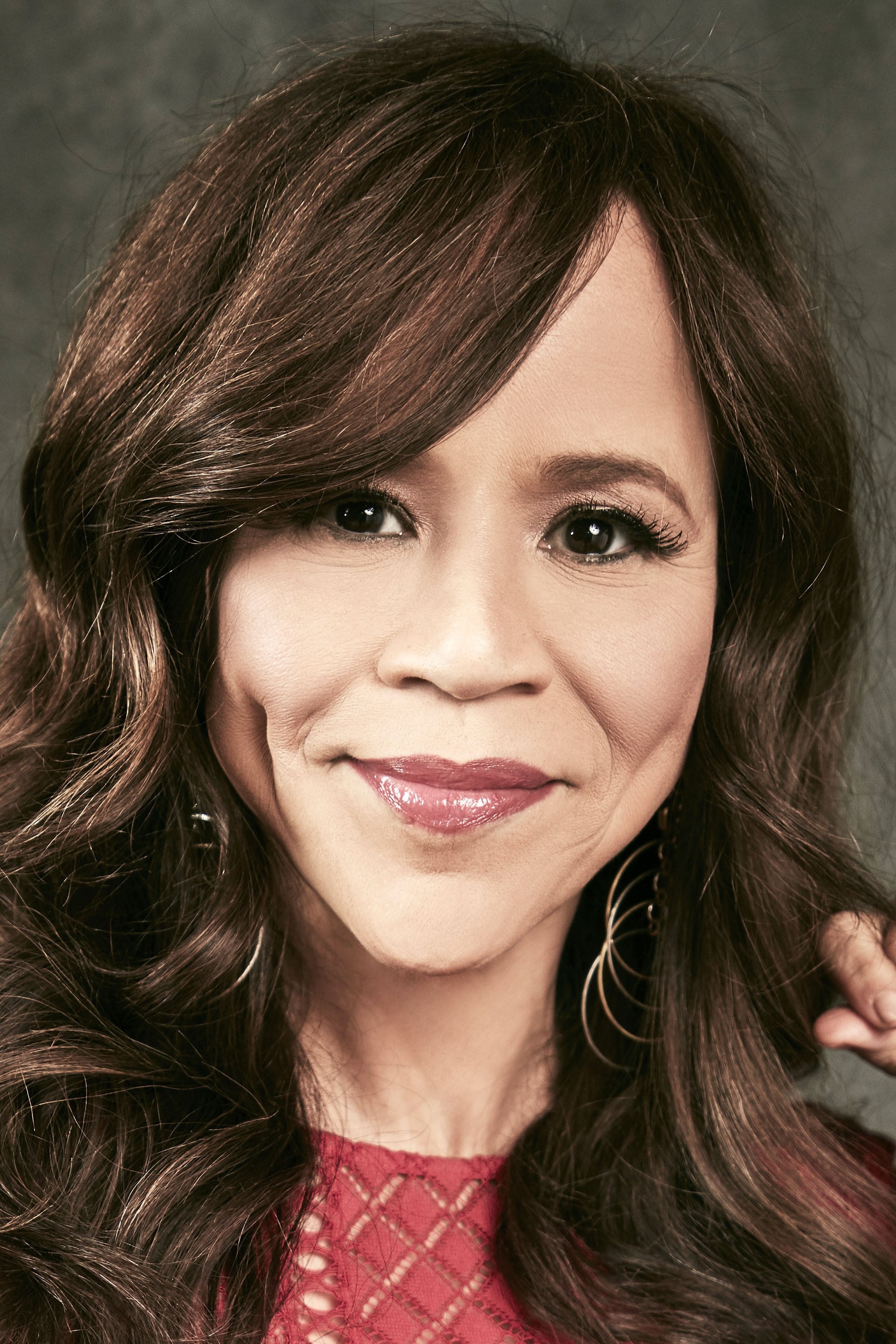
Rosie Perez made a significant impact with her debut in ‘Do the Right Thing’ but she quickly encountered a Hollywood that did not know how to cast her. Her distinct Brooklyn accent and vibrant personality were often seen as obstacles for traditional leading roles in the nineteen-nineties. She has spoken publicly about being told by agents that she was uncastable for certain parts because of her voice and heritage. Despite these hurdles she earned an Academy Award nomination for ‘Fearless’ and continued to carve out a unique space. Her career demonstrates the difficulty of being a pioneer with a non-traditional screen presence.
Lupe Ontiveros
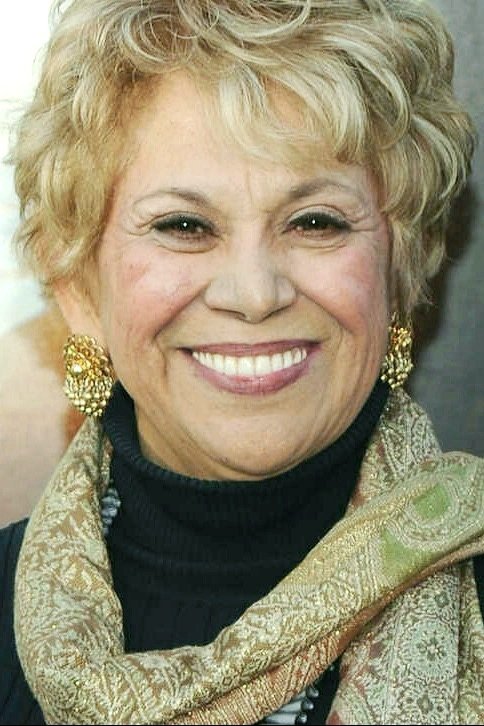
Lupe Ontiveros was a prolific actress who famously estimated that she played a maid over one hundred and fifty times during her career. She brought depth and dignity to these roles in films like ‘As Good as It Gets’ and ‘Selena’ but she was rarely considered for lead characters. Her consistency in the industry was a testament to her talent and yet she was often viewed as uncastable for professional or complex dramatic leads. She was a vocal advocate for better representation and frequently criticized the narrow imagination of Hollywood casting directors. Her legacy highlights the labor of character actresses who deserve more than the industry allows.
Sônia Braga
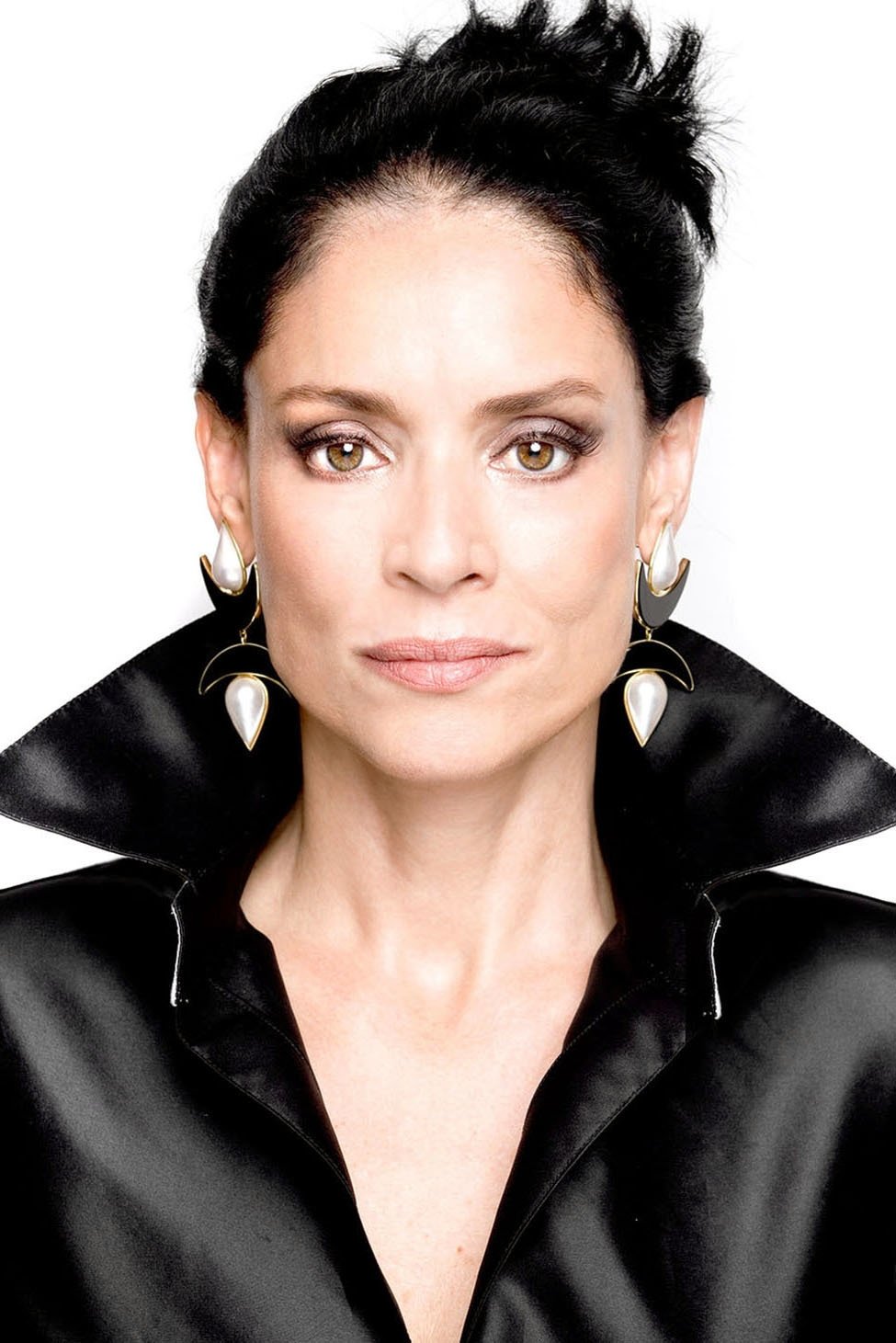
Sonia Braga was already a major star in Brazil before she gained international attention for her role in ‘Kiss of the Spider Woman’. When she transitioned to American cinema she found herself frequently cast as the sultry or exotic love interest. This limited perception made her uncastable for the diverse range of characters she had previously portrayed in her home country. While she worked with major directors she often faced a glass ceiling in Hollywood regarding the types of stories she was permitted to tell. She eventually balanced her career by returning to Brazilian projects where her range was fully embraced.
María Félix

Maria Felix was the ultimate diva of Mexican cinema and she famously refused several offers from Hollywood studios. She felt that the roles offered to her were beneath her talent and relied too heavily on stereotypes. By refusing to compromise her standards she became effectively uncastable for the American industry which was not ready to present a powerful Latina lead. Her decision to remain in Europe and Mexico allowed her to maintain her status as a cinematic icon on her own terms. She remains a symbol of professional integrity and the refusal to be diminished by a foreign industry.
Bianca Jagger
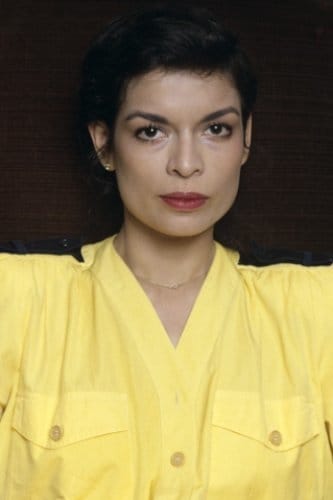
Bianca Jagger appeared in films such as ‘The Cannonball Run’ but her persona as a high fashion icon often overshadowed her acting career. Casting directors found it difficult to see her as anyone other than herself which created a perception of her being uncastable for gritty or transformative roles. She was often relegated to cameo appearances or characters that played on her status as a socialite. Her foray into film was relatively brief as she transitioned into human rights advocacy and international activism. Her experience reflects the challenge of being an public figure whose celebrity status eclipses their theatrical ambitions.
Elizabeth Peña
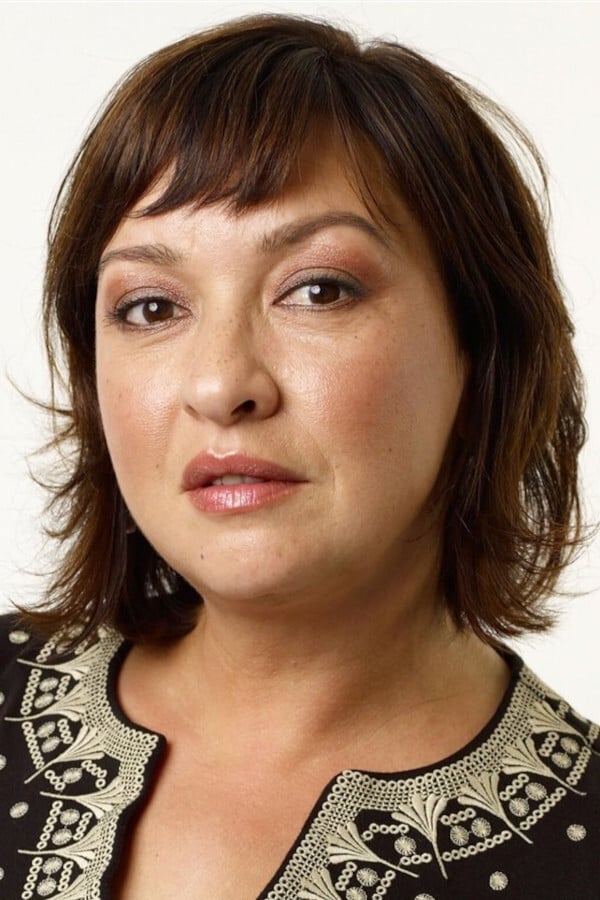
Elizabeth Peña was known for her versatile performances in films like ‘Lone Star’ and ‘Jacob’s Ladder’. Despite her obvious skill she often expressed frustration with the lack of leading roles available to women of her background. She was frequently cast in supporting parts that required a specific level of emotional gravitas but she was rarely the focal point of a major studio production. This perception of her as a character actress made her feel uncastable for the commercial star vehicles of her era. She remained a respected figure in the industry until her passing in twenty-fourteen.
Miriam Colon
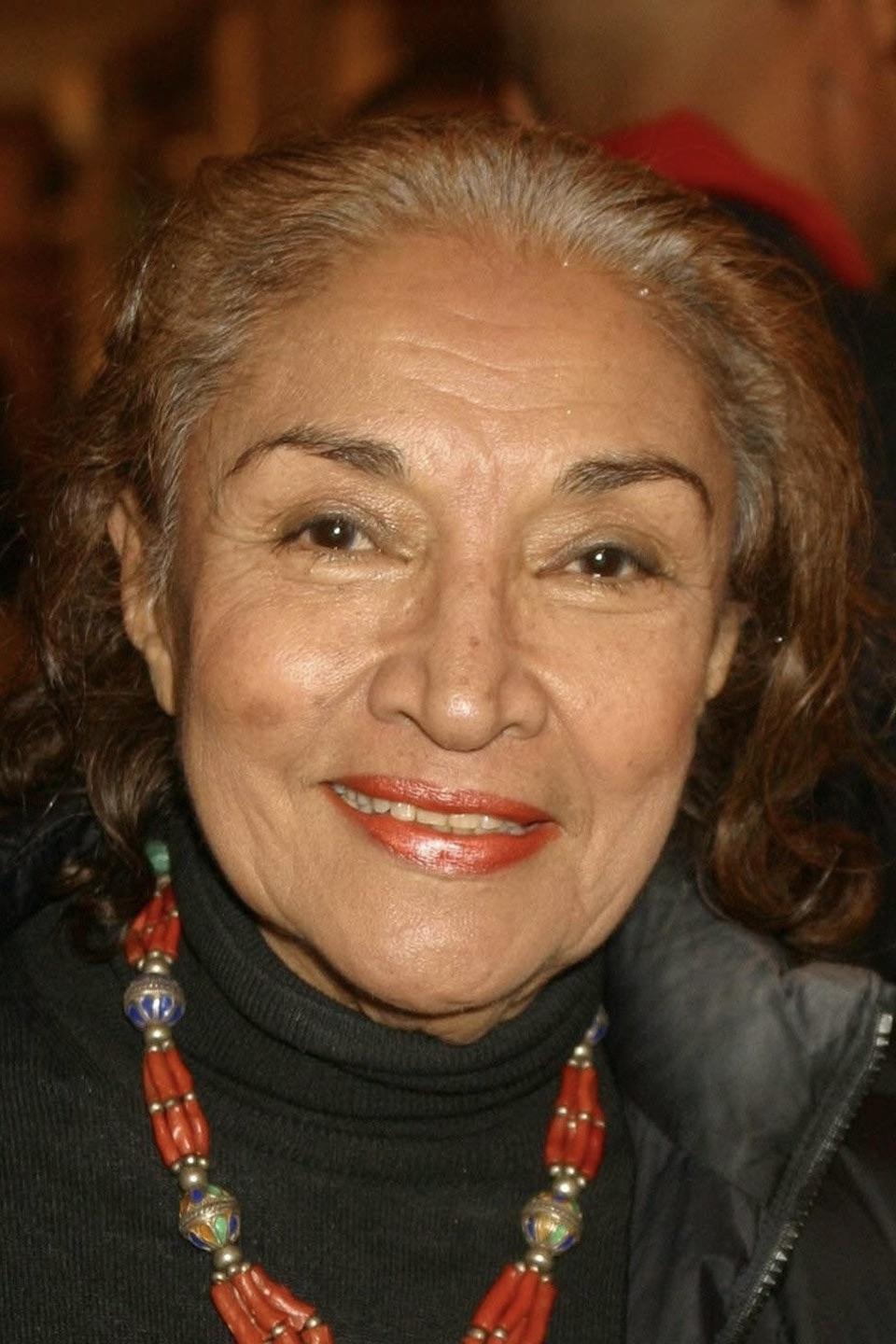
Miriam Colon founded the Puerto Rican Traveling Theater and was a pillar of the New York acting community for decades. In Hollywood she was often cast in maternal roles such as her performance as Mama Montana in ‘Scarface’. While she brought immense power to these parts she was rarely considered for roles outside of these specific family dynamics. Her status as a stage legend did not always translate into diverse casting opportunities in the film industry. She spent much of her career creating her own opportunities because the mainstream system remained so limited.
Linda Christian
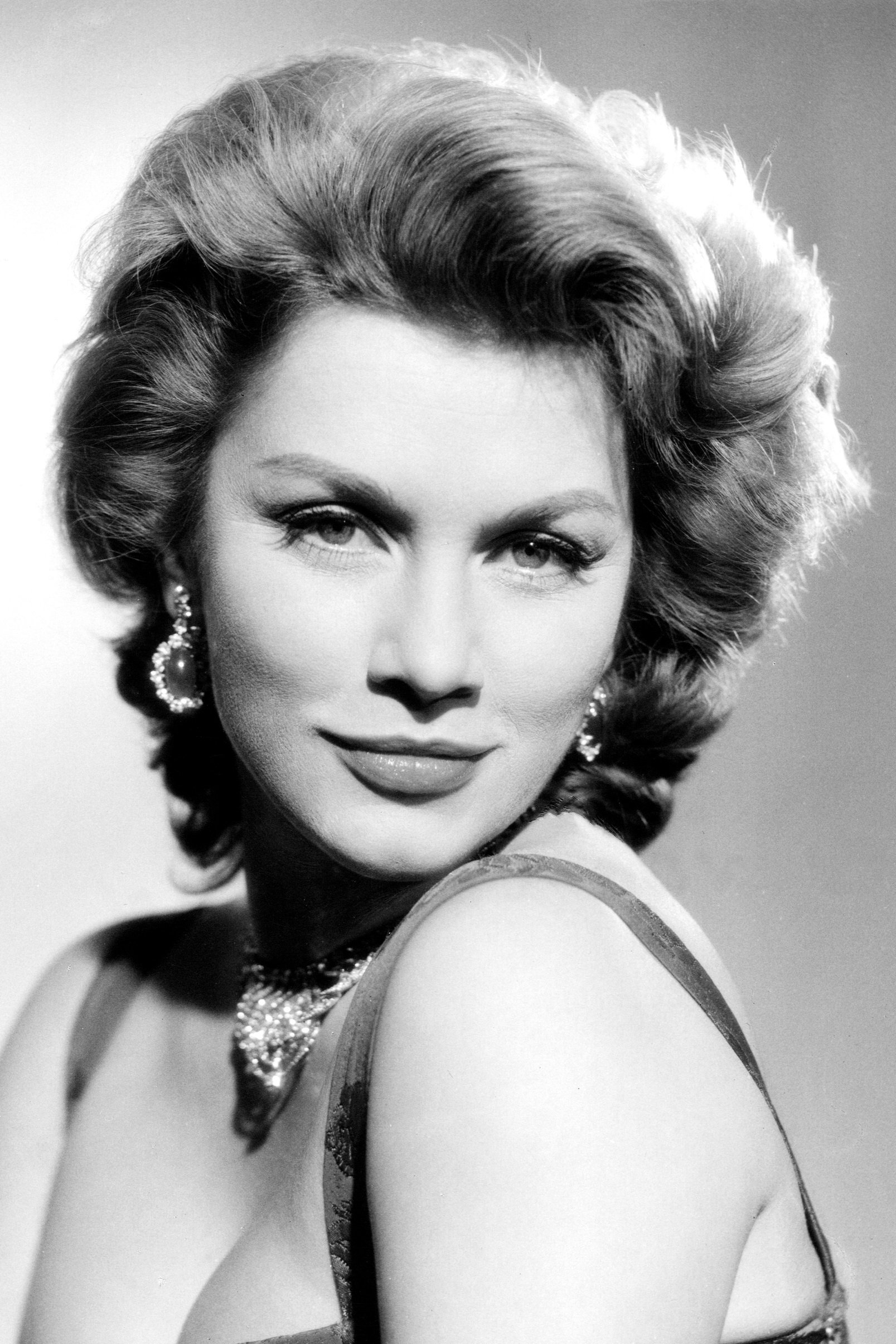
Linda Christian was a Mexican actress who became the very first Bond girl when she appeared in a television adaptation of ‘Casino Royale’. Despite this high profile start her career in Hollywood struggled to gain momentum as she was often viewed as a starlet rather than a serious actress. She found herself uncastable for the major dramatic leads of the nineteen-fifties and sixty’s which were usually reserved for a different aesthetic. Her personal life often generated more headlines than her professional work which further complicated her casting prospects. She eventually found more consistent work in European cinema where the industry was more flexible.
Elena Verdugo
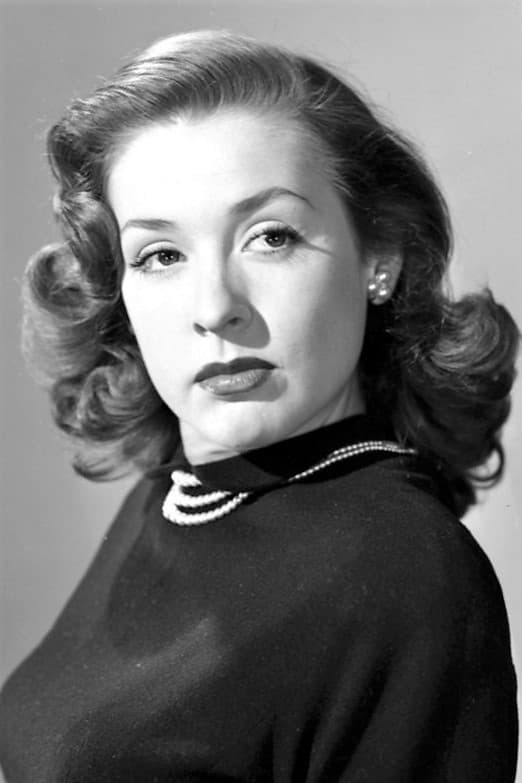
Elena Verdugo is best remembered for her long running role in the television series ‘Marcus Welby M.D.’ which made her a household name. In the film world however she often found herself cast in a variety of ethnic roles that did not match her specific heritage. This lack of specificity in casting made it difficult for her to build a coherent film career during the Golden Age of Hollywood. She was often considered uncastable for modern leading roles that required a more contemporary American image of the time. Her television success provided a stability that the film industry often denied her.
María Conchita Alonso
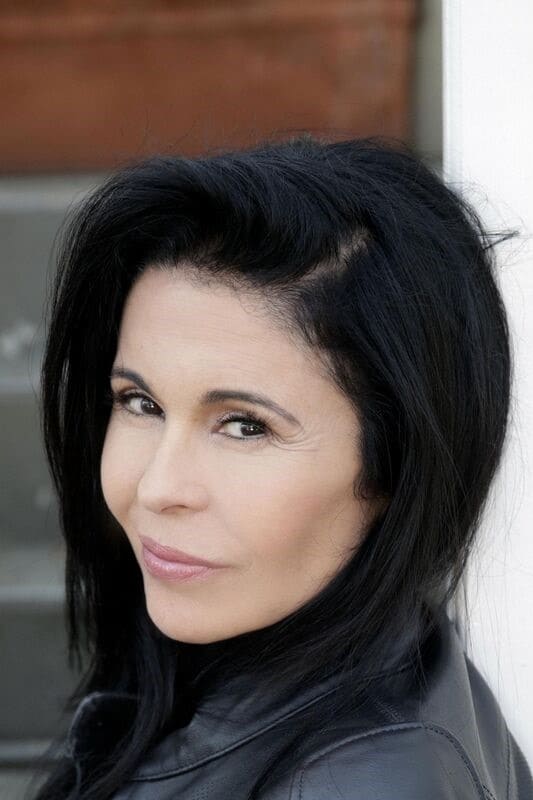
Maria Conchita Alonso transitioned from a successful singing career to starring roles in action films like ‘The Running Man’ and ‘Predator 2’. She was often cast as the tough or fiery female lead which became a recurring theme in her American filmography. This specific energy made her popular in the action genre but casting directors found it difficult to place her in quiet dramas or romantic comedies. She has spoken about the challenges of being viewed through a very specific lens that prioritized her physical presence over her range. Her career reflects the limitations of being an action star during the height of the genre.
Daphne Zuniga
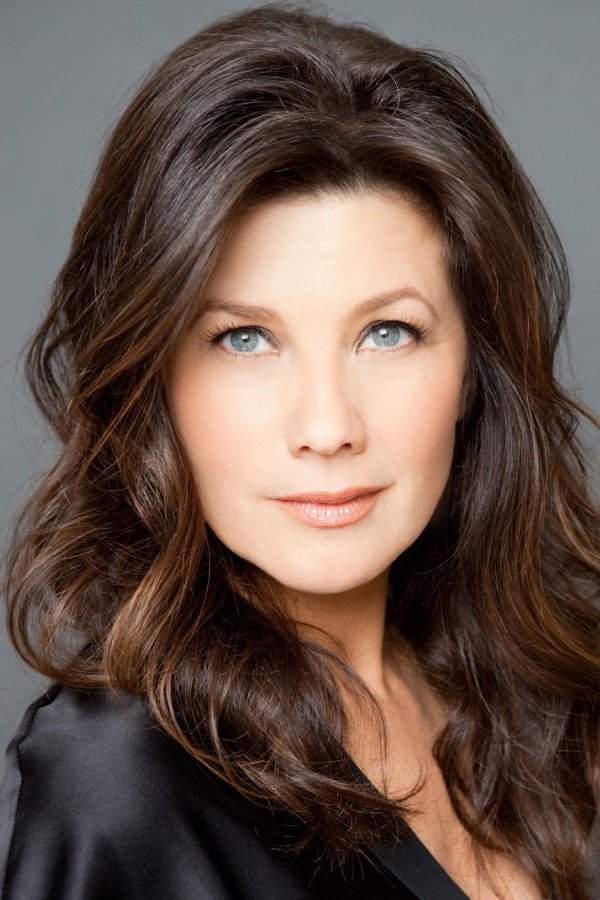
Daphne Zuniga had significant success in the nineteen-eighties with roles in ‘The Sure Thing’ and ‘Spaceballs’. While she has a mixed heritage her casting often leaned toward characters that did not specifically address her background. This created a unique challenge where she was sometimes seen as uncastable for roles that required a specific ethnic identity while also facing barriers for traditional leads. As her career progressed she found more consistent success in television dramas like ‘Melrose Place’. She has maintained a steady career but has often navigated the complexities of identity in a rigid casting system.
Talisa Soto
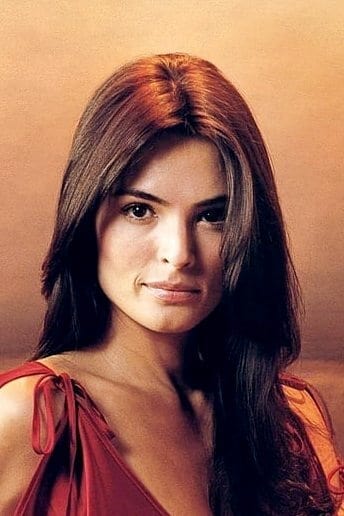
Talisa Soto transitioned from high fashion modeling to acting and gained fame in ‘Mortal Kombat’ and the Bond film ‘Licence to Kill’. Her striking looks often led to her being cast in roles that emphasized her beauty and exoticism rather than her acting ability. This made her uncastable for the more grounded or everyday roles that are essential for long term career versatility. She was frequently used as a visual centerpiece in large scale productions but rarely given the dialogue to match. Like many models turned actresses she faced a persistent skepticism from casting directors and critics alike.
Patricia Velásquez
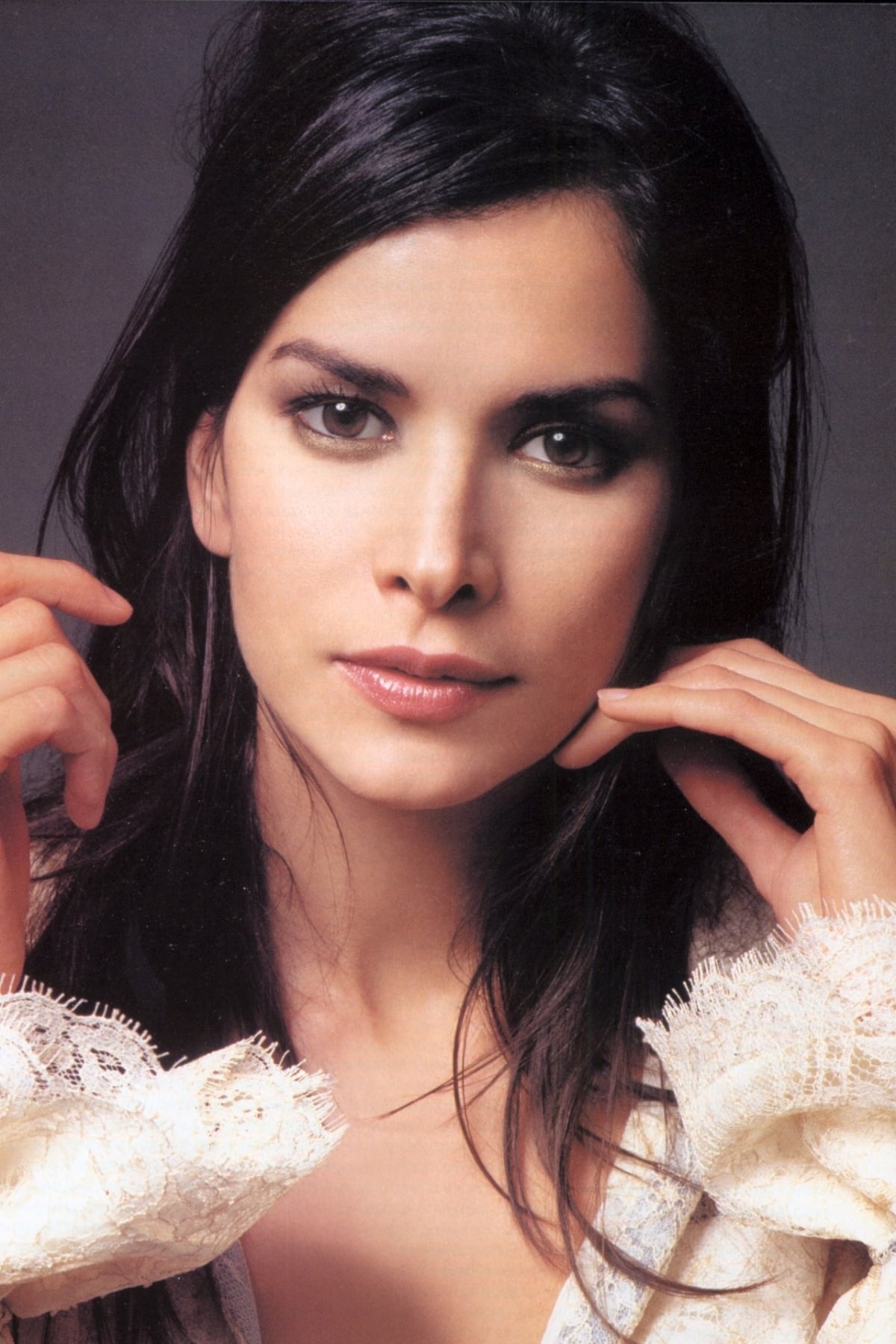
Patricia Velásquez is often credited as the first Latina supermodel and she became widely known for her role in ‘The Mummy’ and its sequel. Her striking features led to her being cast in historical or fantasy roles where she played ancient or exotic characters. This branding made it difficult for her to transition into contemporary dramatic leads in the American market. She eventually focused on independent projects and television where the casting parameters were slightly more expansive. Her journey highlights the specific challenges of breaking out of a highly stylized aesthetic mold.
Luna Lauren Vélez
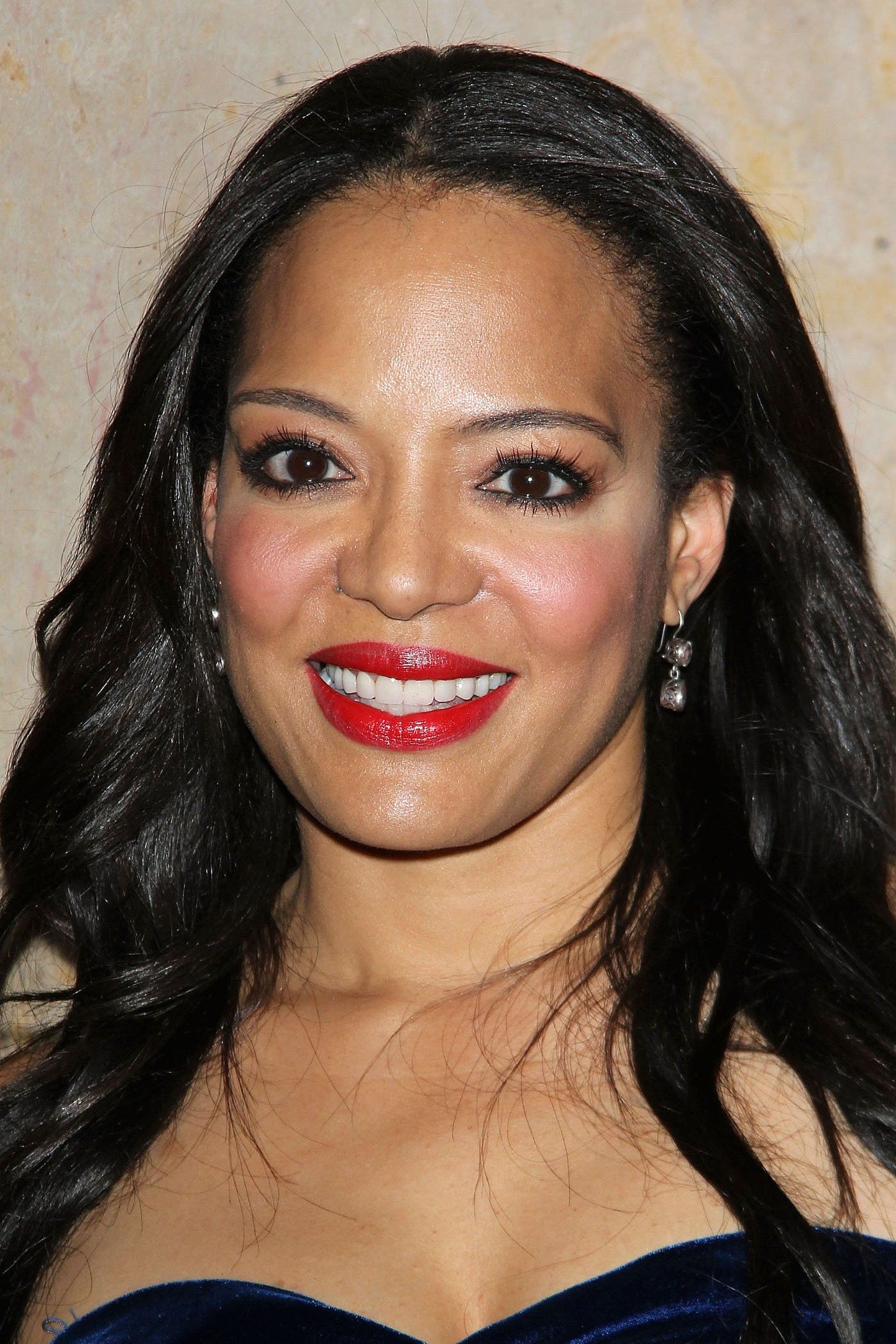
Lauren Vélez received critical acclaim for her role in ‘I Like It Like That’ but found that the film industry was slow to offer her similar leading opportunities. She transitioned into a very successful career in television with major roles in ‘Dexter’ and ‘Oz’. Despite her talent she often found the film world to be much more restrictive in its casting of Latina actresses for leading parts. She has spoken about the need for more diverse stories that allow actresses of color to lead without being defined solely by struggle. Her work continues to be a benchmark for quality performance in a competitive landscape.
Leonor Varela
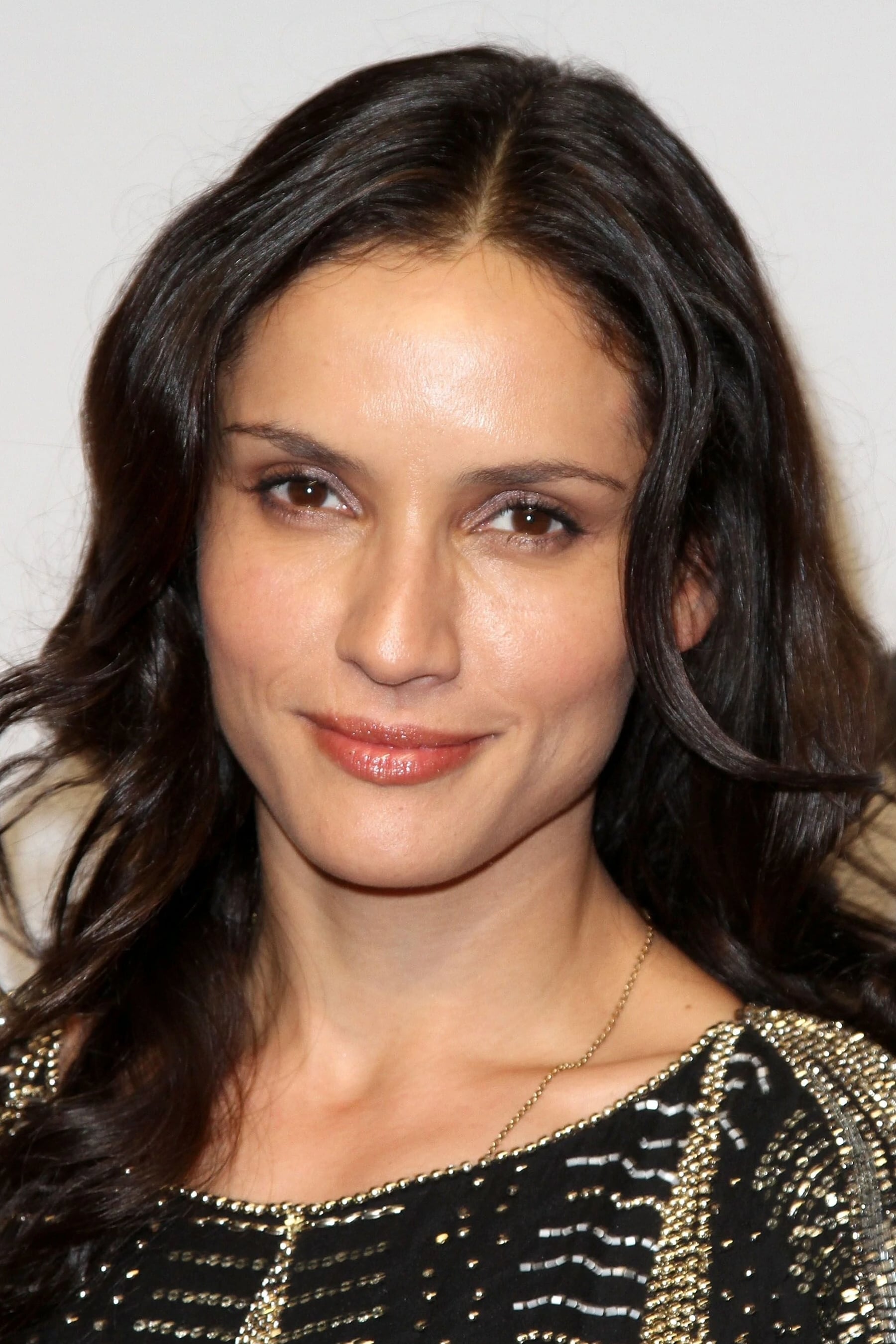
Leonor Varela gained international attention for her role in the television miniseries ‘Cleopatra’ which showcased her as a classical beauty. This high profile role led to her being cast in various historical or action projects like ‘Blade II’. However she found it challenging to be considered for modern American characters that did not have an international or exotic component. This perception of her as a specific type of period actress made her feel uncastable for a wider range of Hollywood scripts. She has since balanced her career with international projects that offer more variety.
Catalina Sandino Moreno
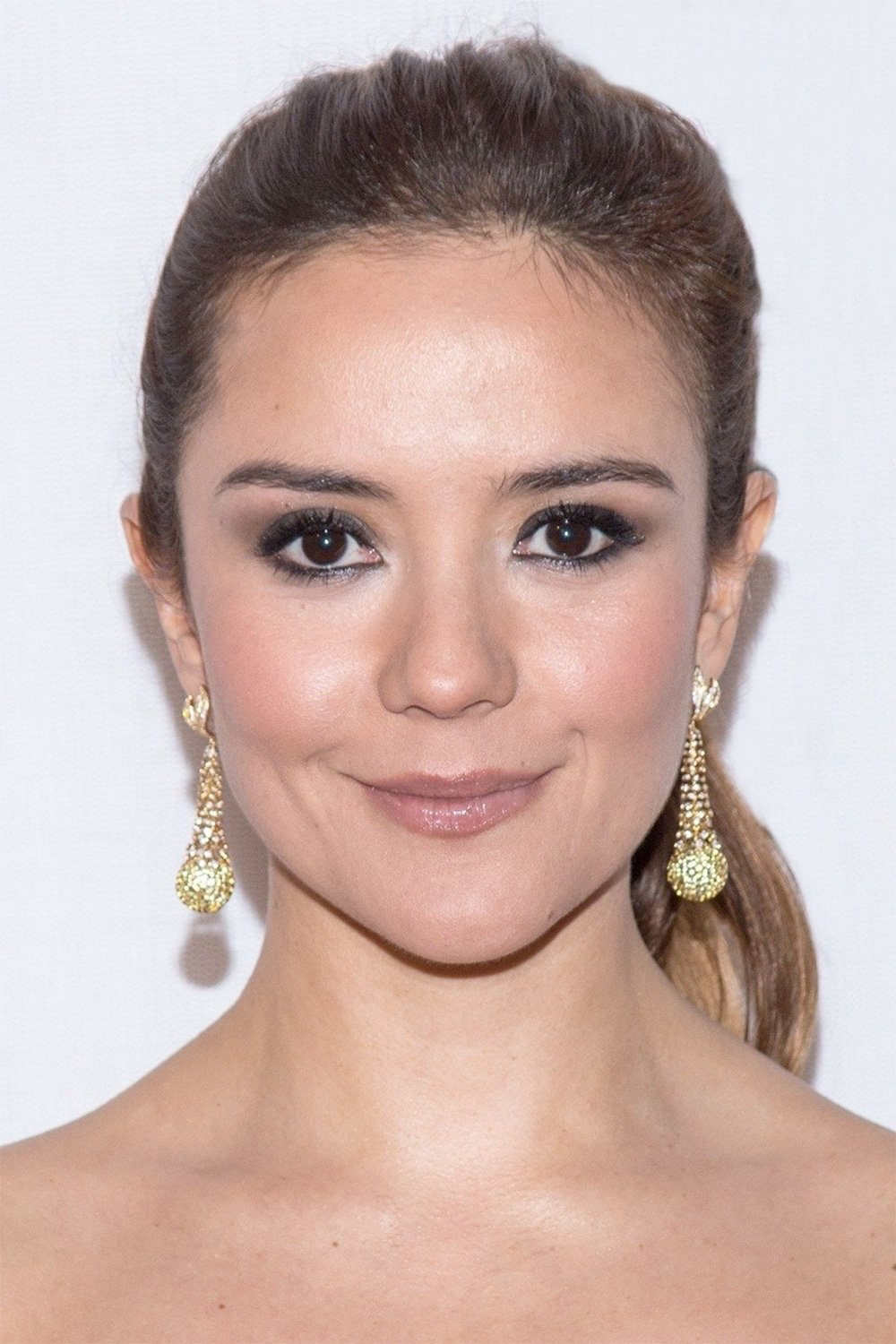
Catalina Sandino Moreno earned an Academy Award nomination for her very first film role in ‘Maria Full of Grace’. This incredible debut should have led to a steady stream of lead roles but she found that Hollywood had few follow up opportunities that matched that caliber. She was often viewed as uncastable for mainstream American commercial films because she was so closely associated with her gritty breakout role. She has maintained a career through independent films and supporting roles in television series like ‘The Affair’. Her experience illustrates how even the highest levels of critical success do not always guarantee industry access.
Alice Braga
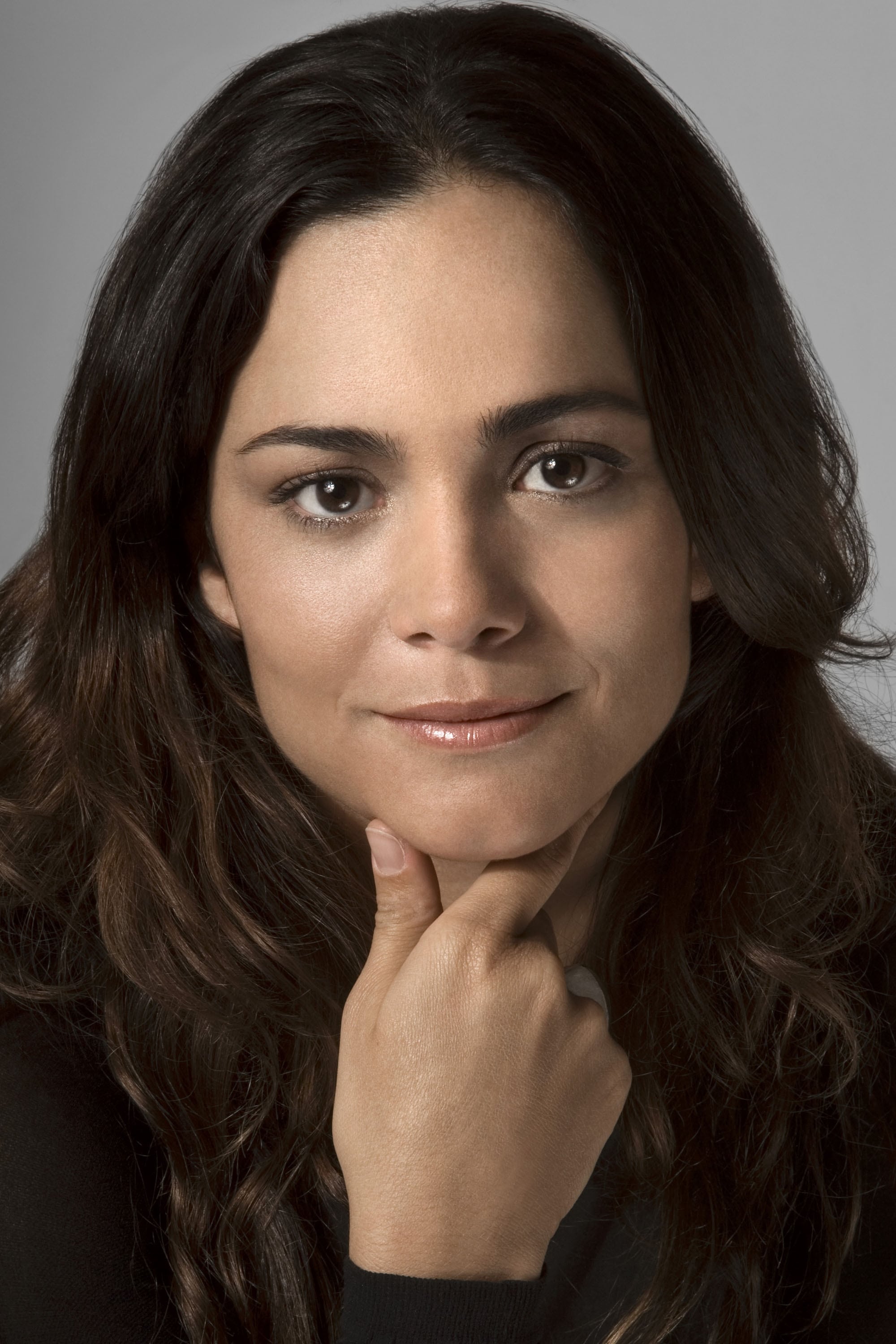
Alice Braga established herself in Brazilian cinema with ‘City of God’ before moving into major American action films. She has appeared in ‘I Am Legend’ and ‘The Suicide Squad’ but she is often cast in roles that require a tough and resilient persona. This specific casting niche has made her a go to actress for action directors but has limited her exposure in other genres like romantic comedy or period drama. While she has found great success in the series ‘Queen of the South’ the film industry remains somewhat narrow in its view of her range. She continues to be a prominent voice for South American talent in the United States.
Ana de la Reguera

Ana de la Reguera was a massive star in Mexico before attempting to break into the American market with films like ‘Nacho Libre’. She found that Hollywood casting directors often struggled to place her in roles that were not defined by her accent or her appearance as a love interest. This made her feel uncastable for the complex leading roles she was accustomed to playing in her home country. She has navigated this by taking a mix of comedic and dramatic roles in both television and film. Her persistence has led to a consistent presence in projects like ‘Army of the Dead’ and ‘Goliath’.
Kate del Castillo
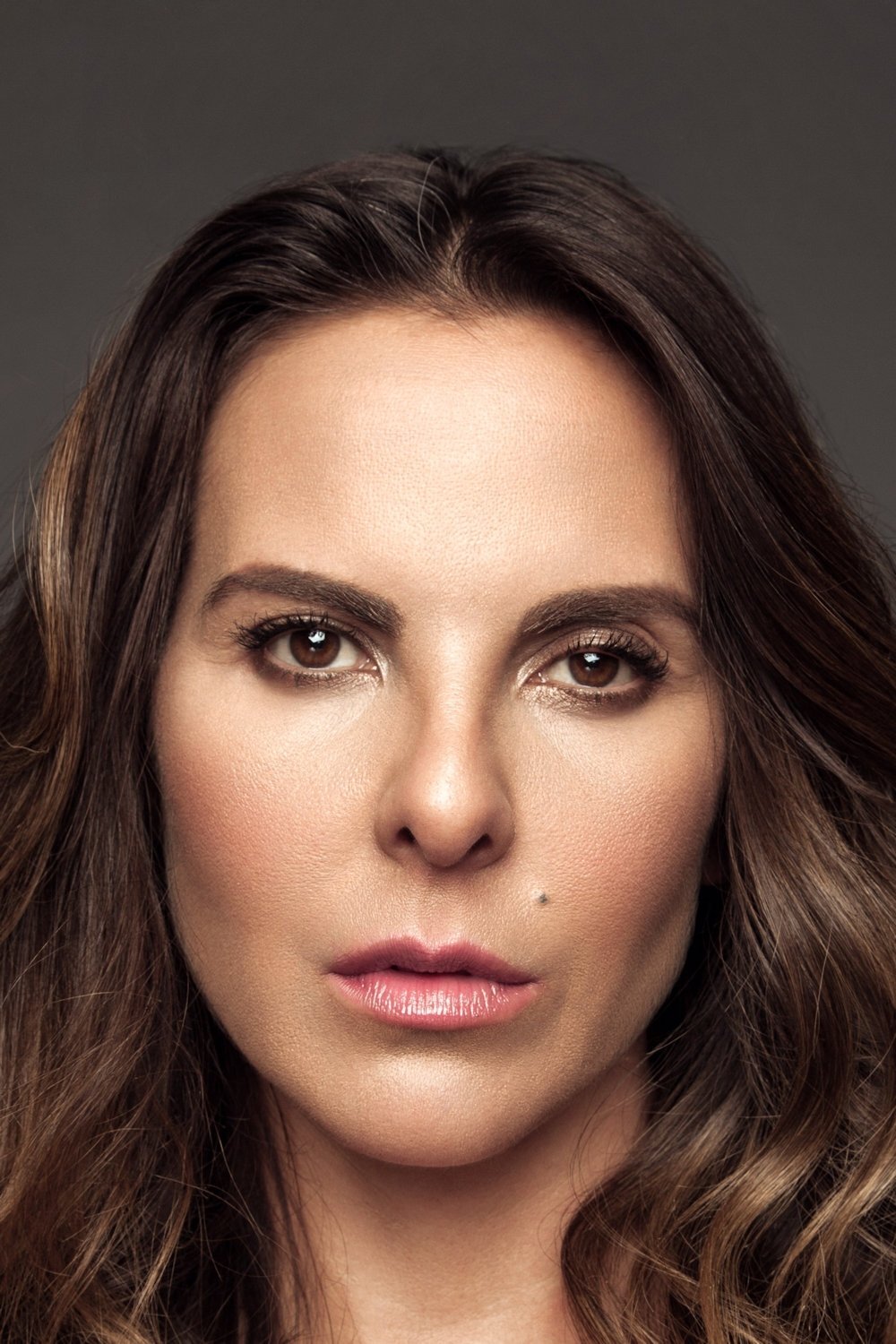
Kate del Castillo is a household name across Latin America due to her work in ‘La Reina del Sur’ and numerous other projects. In Hollywood she has found that her fame does not always translate into the same level of opportunity for lead roles in major features. She has often been cast in supporting roles that capitalize on her tough image rather than her full dramatic capability. This disconnect between her international stardom and her American casting options has been a recurring theme in her career. She remains a powerful figure who uses her platform to produce her own content.
Angie Cepeda
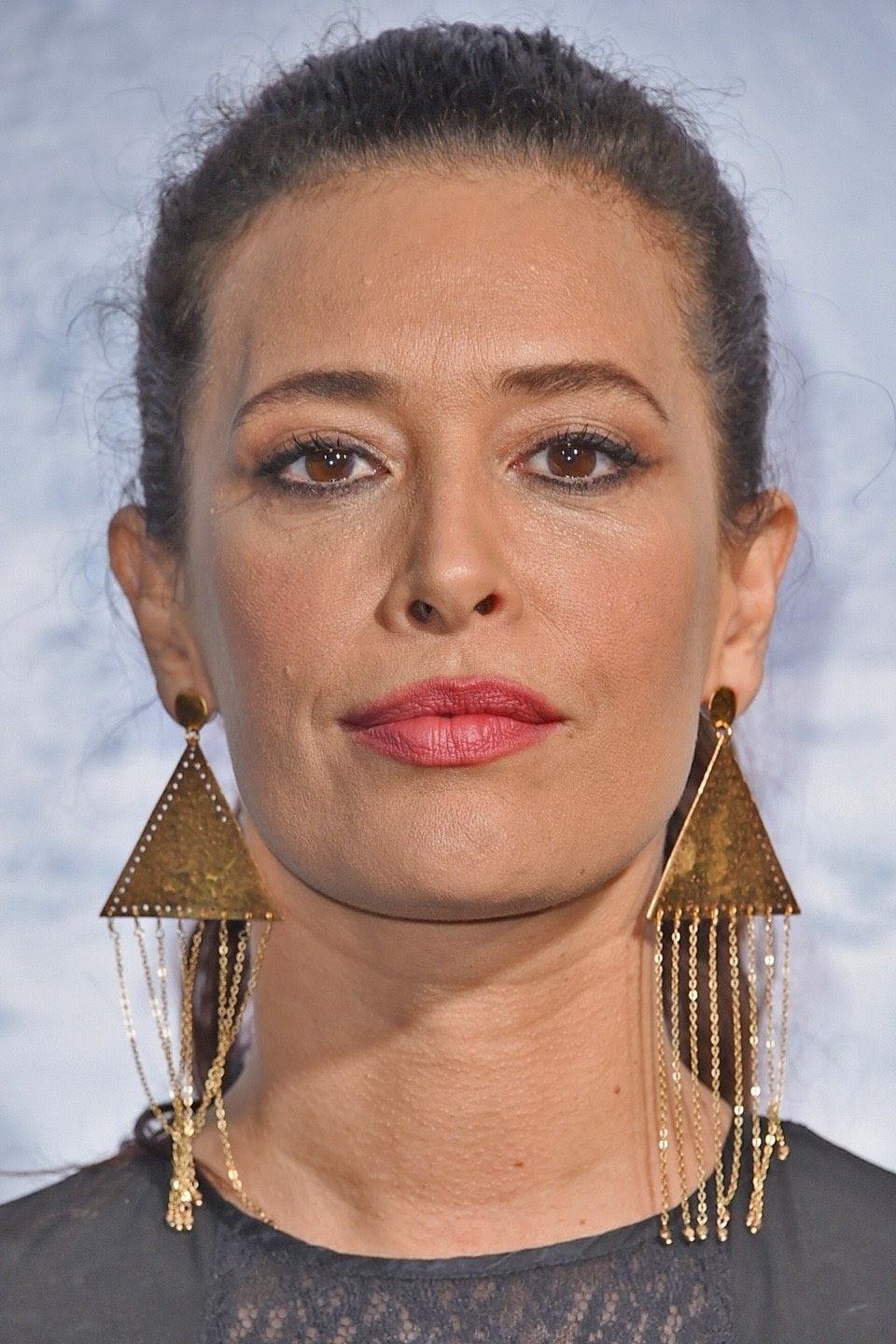
Angie Cepeda gained international recognition for her work in ‘Love in the Time of Cholera’ and various high profile telenovelas. When seeking roles in the United States she found that the industry often viewed her through a very specific romantic or period lens. This made it difficult for her to find work in contemporary American films that were not specifically looking for a Latina character. As a result she has primarily focused her career on European and Latin American productions where the roles are more varied. Her experience reflects the difficulty of translating regional superstardom into a global film career.
Paz Vega
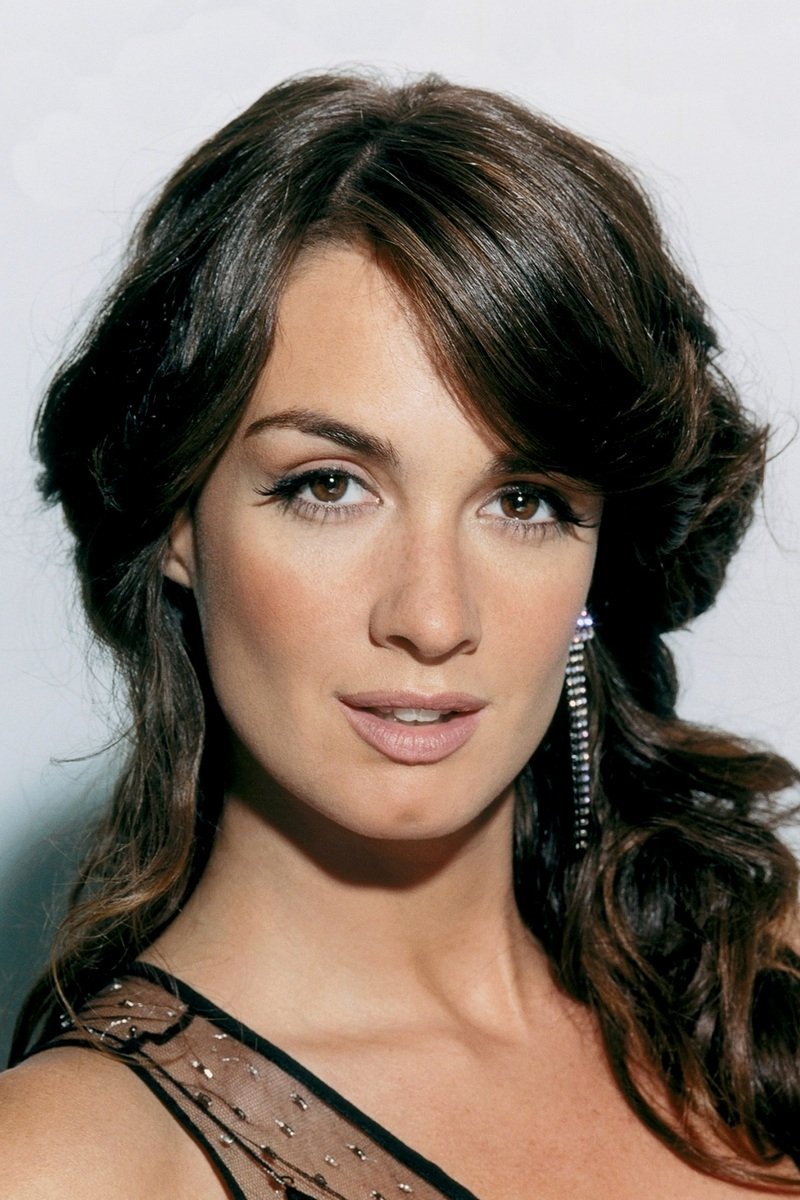
Paz Vega became a star in Spain with ‘Lucía y el sexo’ before being cast by James L. Brooks in ‘Spanglish’. While she was praised for her performance the industry often cited her language barrier as a reason for her being difficult to cast in diverse roles. She found herself uncastable for many mainstream American parts because she was perceived as strictly an international actress. She has continued to work in both Hollywood and Europe but she often returns to Spain for lead roles that offer more complexity. Her career demonstrates the specific hurdles faced by non native English speakers in the American studio system.
Elena Anaya
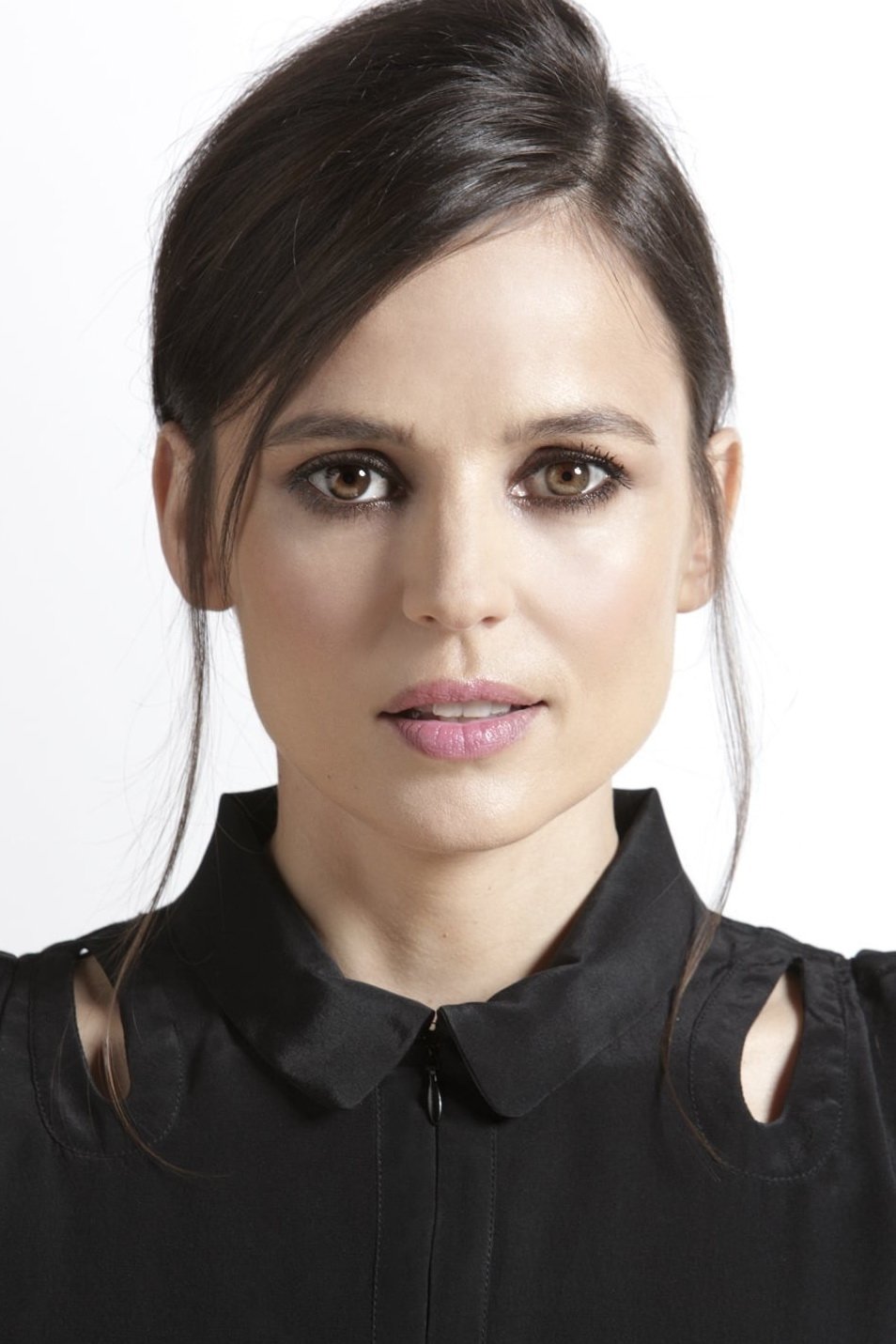
Elena Anaya gained worldwide attention for her haunting performance in ‘The Skin I Live In’ and later appeared in ‘Wonder Woman’. Despite her immense talent and unique look she is often cast in roles that are mysterious or villainous in American cinema. This pigeonholing has made it hard for her to be considered for more traditional or relatable character arcs in Hollywood. She is frequently viewed as an actress for specific genres like thriller or fantasy rather than a general leading lady. She continues to be one of Spain’s most respected performers despite these casting limitations abroad.
Ivana Baquero
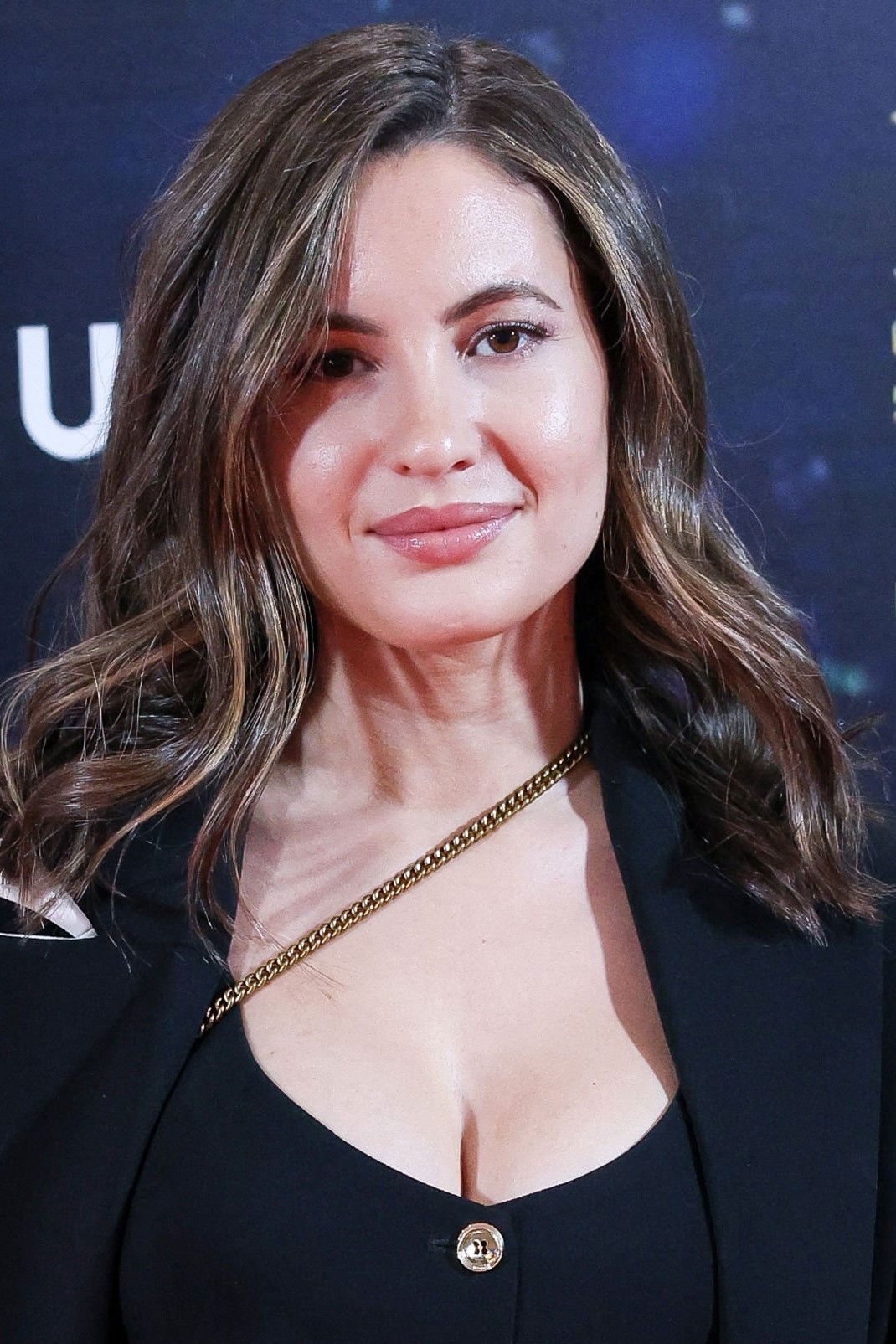
Ivana Baquero won a Goya Award as a child for her incredible performance in ‘Pan’s Labyrinth’. Transitioning from a famous child role to adult leads in Hollywood proved to be a significant challenge as she was often still seen through the lens of her breakout character. She found herself uncastable for many teenage and early adult roles because the industry was not sure how to evolve her image. She eventually found a new audience in the television series ‘The Shannara Chronicles’ which allowed her to show a different side of her talent. She remains a talented actress who is still navigating the expectations of a global audience.
Martha Higareda

Martha Higareda is a major star in Mexico who has made several attempts to build a consistent career in the United States with projects like ‘Altered Carbon’. She has often encountered a casting environment that prioritizes her physical appearance over the comedic and dramatic range she displays in her Mexican films. This has led to her being cast in specific sci-fi or action roles that do not always allow for character depth. She has spoken about the necessity of producing her own films in Mexico to ensure she can play the types of characters she enjoys. Her dual career highlights the different standards of casting between the two markets.
Karla Souza
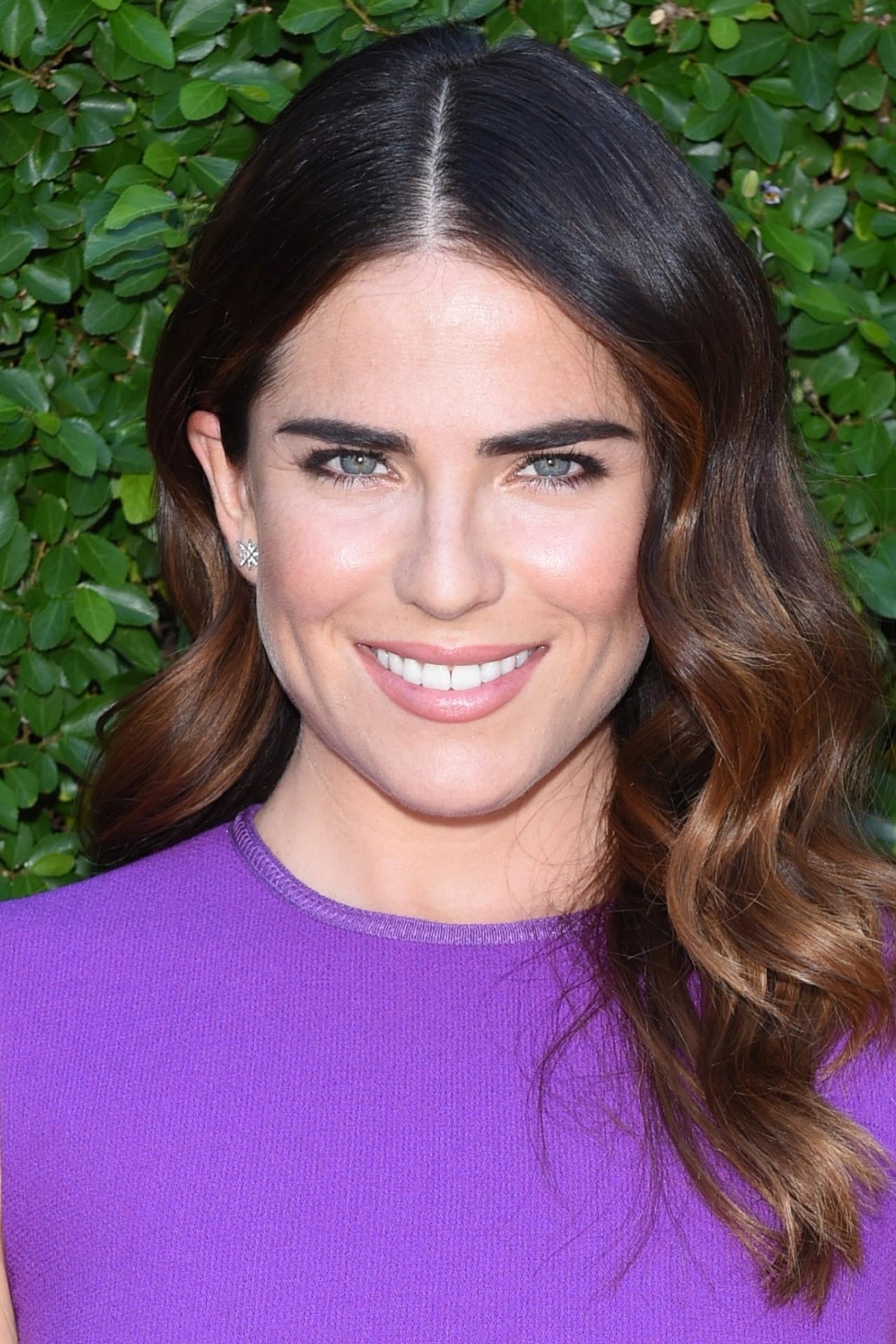
Karla Souza became known to American audiences through her role in ‘How to Get Away with Murder’ after being a top box office draw in Mexico. She has noted that the industry was often surprised by her ability to move between comedy and drama because they preferred to keep her in a specific lane. This narrow view can make a versatile actress feel uncastable when she tries to break out of her established television persona. She has used her success to advocate for more authentic representation and better writing for Latina characters. Her career is a testament to the power of using one’s platform to challenge industry norms.
Eiza González
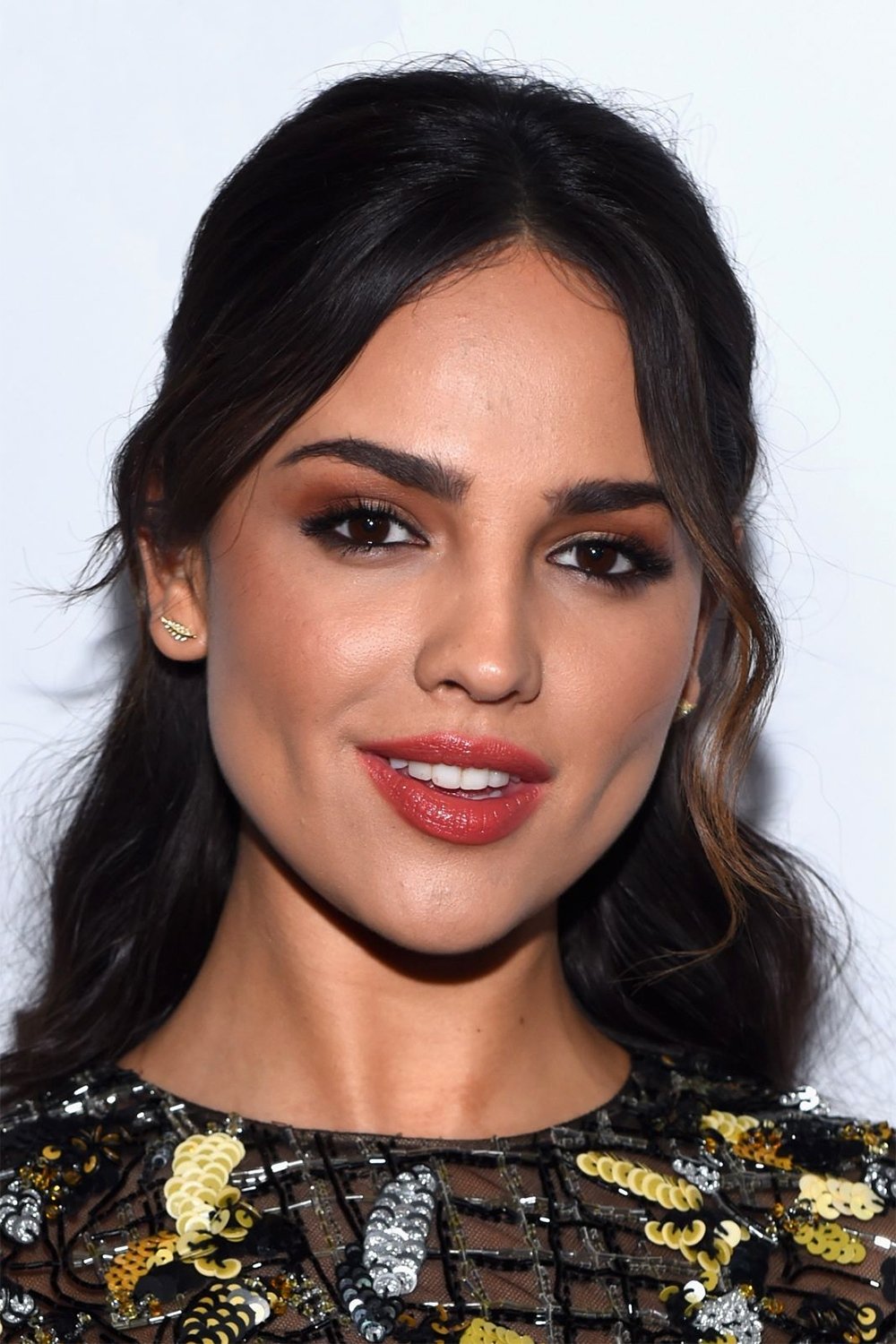
Eiza González has quickly become a prominent figure in action films like ‘Baby Driver’ and ‘Ambulance’. While she has found a clear niche she has also faced the challenge of being seen primarily as an action star or a femme fatale. This perception can make her uncastable for quiet independent dramas or character driven pieces in the eyes of major studios. She has been vocal about her desire to prove her range beyond the high octane roles that have defined her American career so far. She is part of a new generation of actresses working to expand what is possible for Latinas in Hollywood.
Diane Guerrero

Diane Guerrero gained fame through her roles in ‘Orange Is the New Black’ and ‘Jane the Virgin’. Despite being part of two of the most successful shows of the last decade she has found that lead roles in major films are still difficult to secure. She has often discussed the impact of her personal history and her identity on her career and the industry’s slow pace of change. This sense of being uncastable for certain mainstream projects led her to focus more on her work as an author and activist. She remains a vital voice in the conversation about immigrant rights and representation in the arts.
Jackie Cruz

Jackie Cruz became a breakout star on ‘Orange Is the New Black’ where she displayed a unique style and significant acting range. After the show ended she found that her distinct look and persona were sometimes viewed as a challenge by traditional casting directors. She has been open about the struggle of being told she was difficult to place in roles that weren’t specifically written with her background in mind. Rather than waiting for the industry to change she has pursued music and independent projects that reflect her personal vision. Her journey reflects the modern struggle for authenticity in a commercialized industry.
Dascha Polanco
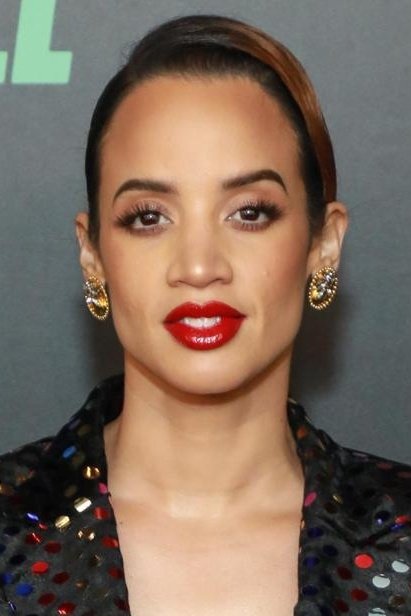
Dascha Polanco is another ‘Orange Is the New Black’ alum who has been incredibly vocal about the casting barriers she faces regarding her size and her ethnicity. She has spoken about being considered uncastable by some designers and casting directors because she does not fit the sample size standard of Hollywood. Despite these obstacles she has delivered powerful performances in films like ‘In the Heights’ and ‘Joy’. She continues to challenge the industry to be more inclusive and to look beyond traditional beauty standards. Her presence is a necessary force for change in the entertainment world.
Marga López
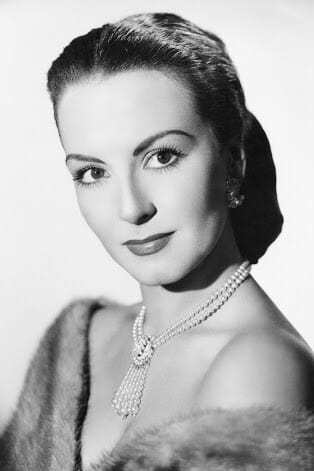
Marga López was a giant of the Golden Age of Mexican cinema and worked with legendary directors like Luis Buñuel. Despite her massive talent and prestige in Latin America she remained effectively uncastable for the American film industry of her time. Hollywood was not equipped to offer roles that were comparable to the complex protagonists she played in Mexico. She chose to focus her career where her talent was fully recognized and her cultural identity was celebrated. Her career serves as a reminder that the most talented performers do not always find a place in the Hollywood system.
Raquel Welch

Raquel Welch was one of the most famous stars in the world but her Latino heritage was often hidden or ignored by the industry during her peak years. She was born Jo Raquel Tejada and she frequently spoke about how she was encouraged to change her name to avoid being typecast. This created a strange dynamic where she was cast as a universal sex symbol but was essentially uncastable as a Latina woman in a major production. Her struggle to reclaim her identity later in life highlighted the erasure that many actresses of her generation faced. She remained a symbol of glamour while privately navigating a complex relationship with her roots.
Sofía Vergara

Sofia Vergara became the highest paid actress on television through her role in ‘Modern Family’ but she has faced significant hurdles in film. Her thick accent and comedic persona became so iconic that casting directors found it difficult to see her in anything other than a similar role. This made her uncastable for the serious dramatic parts she might have wanted to explore. While she has embraced her comedic success she has also noted the limitations that come with such a strong public image. She has successfully transitioned into a powerful producer and business mogul to take control of her own career path.
Rachel Ticotin
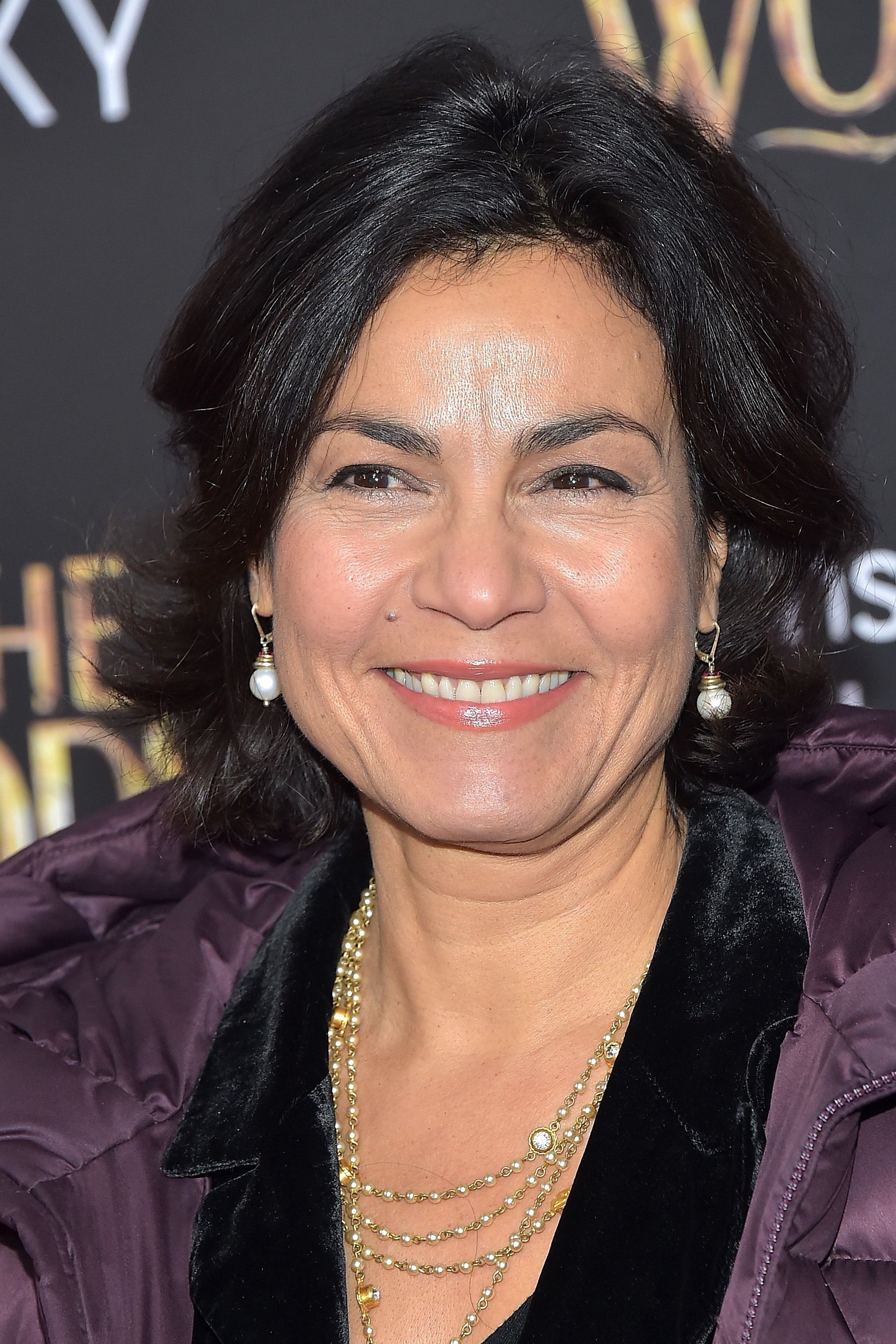
Rachel Ticotin is known for her roles in ‘Total Recall’ and ‘Con Air’ where she often played tough professional women. While she was a consistent presence in action films of the nineties she was rarely given the opportunity to lead a romantic comedy or a period drama. This specific casting as the “tough girl” made her feel uncastable for the softer and more varied roles reserved for her contemporaries. She has maintained a long career in both film and television by delivering consistently strong performances in supporting roles. Her work is a reminder of the vital role character actresses play in grounding high concept films.
Julie Carmen
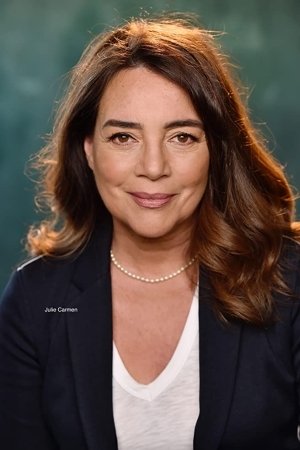
Julie Carmen gave a haunting and powerful performance in John Cassavetes’ film ‘Gloria’ which earned her significant critical attention. However she found that the industry did not know how to follow up on that success and she struggled to find leading roles in the years that followed. She was often cast in guest spots on television or in minor film roles that did not utilize her full potential. This perception of being uncastable for the “next big thing” is a common hurdle for actresses who do not fit the traditional starlet mold. She eventually found success in diverse projects and pursued a career in psychology as well.
Share your thoughts on these actresses and their career journeys in the comments.