Black Actresses Who Are Against Wokeism


The entertainment industry has experienced significant shifts as modern social movements and political ideologies influence film and television production. Many performers have chosen to share their perspectives on the impact of these cultural changes and the rise of identity politics. While some actors support these trends others have voiced their concerns regarding the influence of cancel culture and performative activism. This list focuses on prominent Black actresses who have publicly questioned the prevailing narratives associated with wokeism in Hollywood. These individuals advocate for a variety of viewpoints that often prioritize individual merit and traditional professional standards over modern ideological mandates.
Stacey Dash
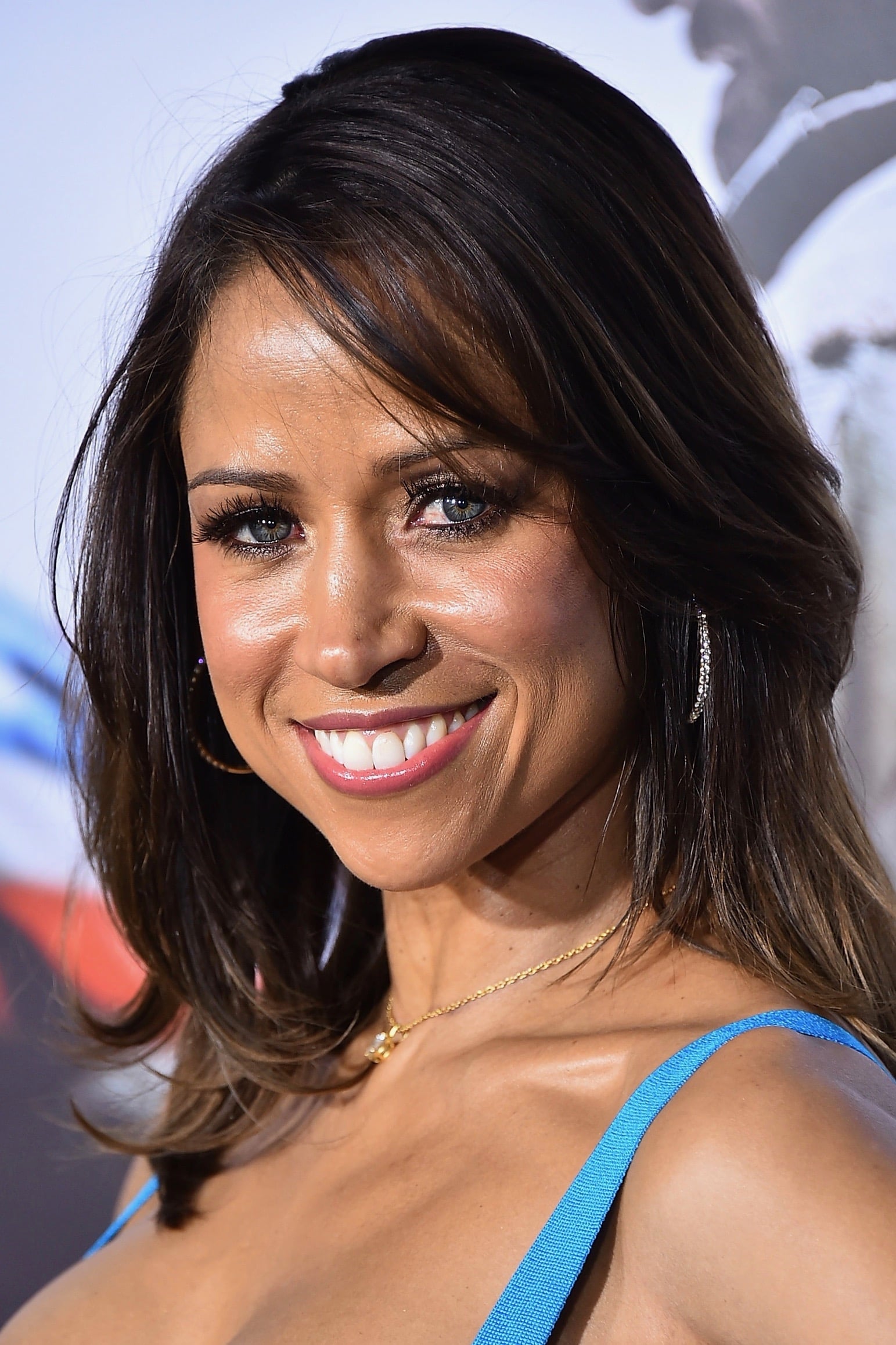
The actress became a household name through her role in the film ‘Clueless’ during the nineties. She transitioned into political commentary and joined a major news network to express her conservative viewpoints. Dash has frequently criticized movements that she believes promote segregation and identity politics within the entertainment industry. Her public stance on holiday celebrations and cultural heritage has sparked widespread discussion among fans and peers. She continues to advocate for a merit-based system in Hollywood that prioritizes individual achievement over demographic representation.
Candace Owens

While primarily recognized for her work as a political commentator she has made appearances in scripted content like the movie ‘Lady Ballers’. Owens frequently addresses topics related to cultural shifts and has become a leading voice against what she describes as woke culture. She utilizes various platforms to question the impact of modern activism on traditional family structures and individual responsibility. Her critiques often target the Hollywood establishment for promoting specific social agendas through film and television. She continues to challenge prevailing narratives within the industry and broader society.
Letitia Wright
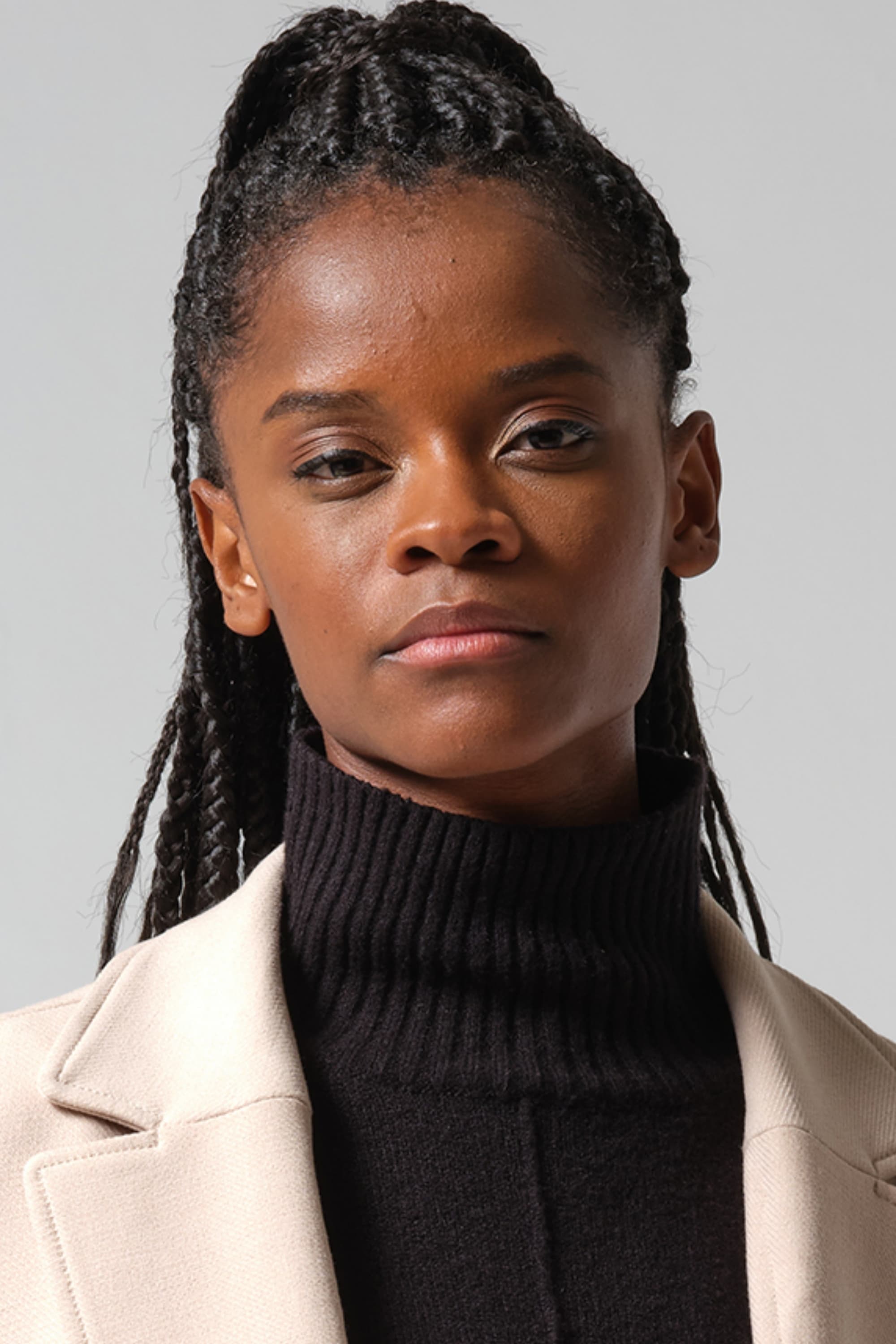
The ‘Black Panther’ star faced significant public scrutiny after sharing her personal views on medical and social issues. This event sparked a broader conversation about the role of cancel culture and the pressure for performers to conform to specific social narratives. Wright has often emphasized the importance of her faith and her right to independent thought regardless of industry expectations. She continues to navigate her career while maintaining a focus on individual conviction over collective ideological trends. Her experiences reflect the ongoing tension between personal beliefs and the modern cultural requirements of Hollywood.
Macy Gray
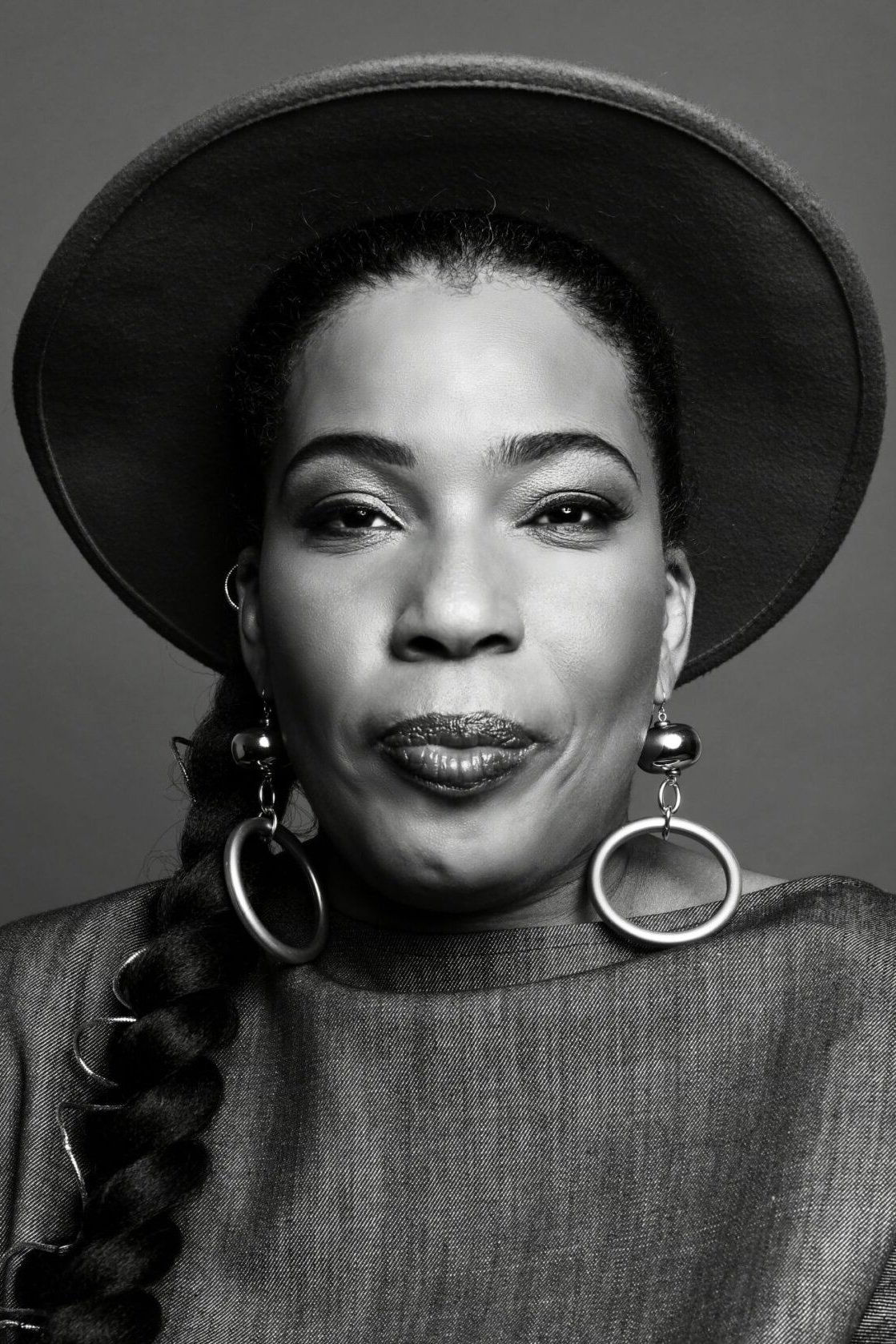
The singer and actress who appeared in films like ‘Training Day’ made headlines for her comments regarding biological definitions. She expressed concerns about how changing language impacts the traditional understanding of gender roles and identity. Gray faced significant backlash on social media but stood by her initial statements regarding the nature of womanhood. Her perspective aligns with critiques of how modern linguistic shifts influence cultural norms. She has navigated the resulting controversy while continuing her career in both music and film.
Whoopi Goldberg
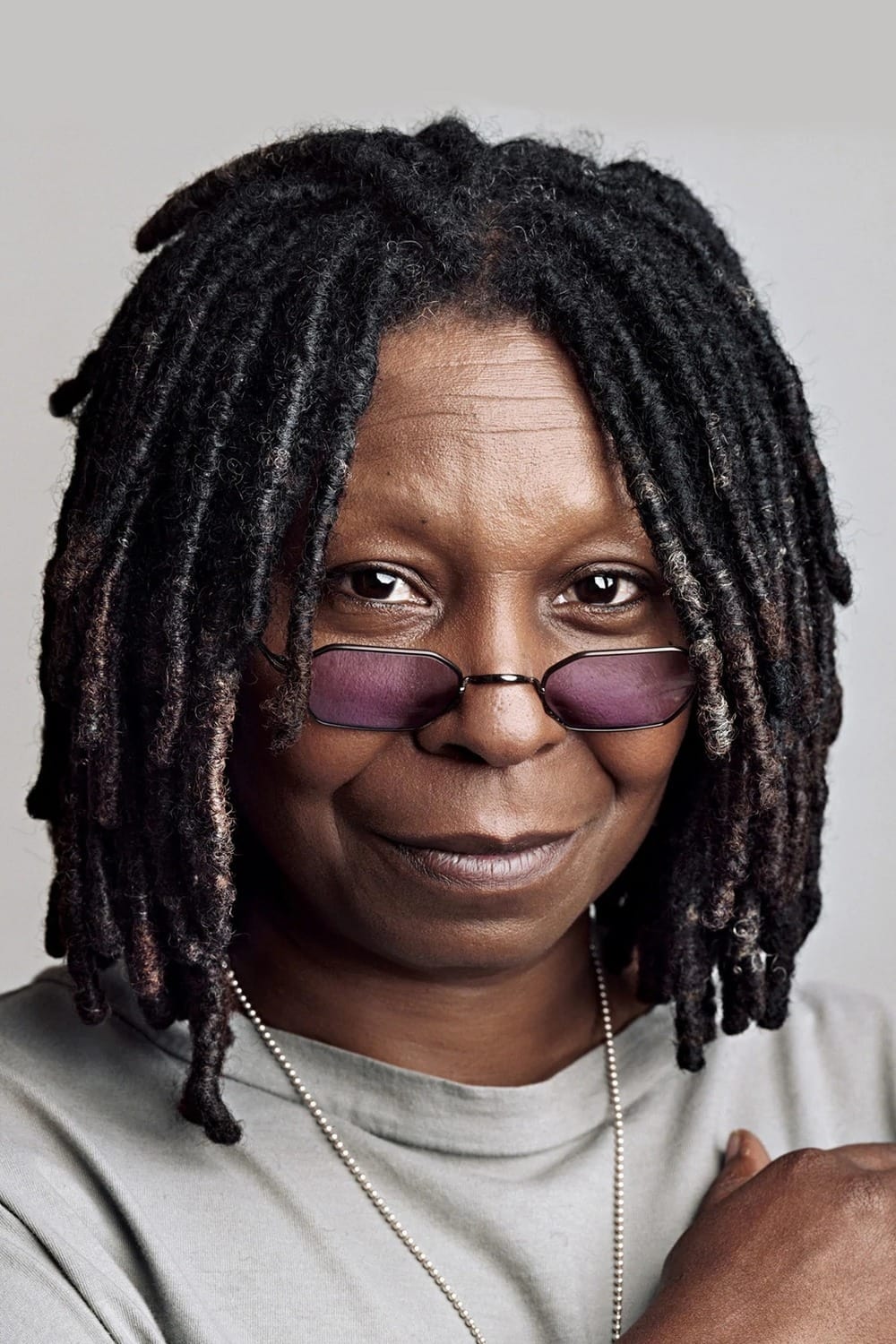
The veteran actress known for ‘The Color Purple’ has frequently voiced her opposition to cancel culture during her time on television. She has argued that past works should be judged by the standards of their time rather than being removed or censored. Goldberg has faced her own share of controversies but remains an advocate for open dialogue rather than immediate social banning. Her stance suggests a preference for education and context over the modern tendency to erase problematic history. She continues to be a central figure in discussions about the boundaries of acceptable public discourse.
Jada Pinkett Smith
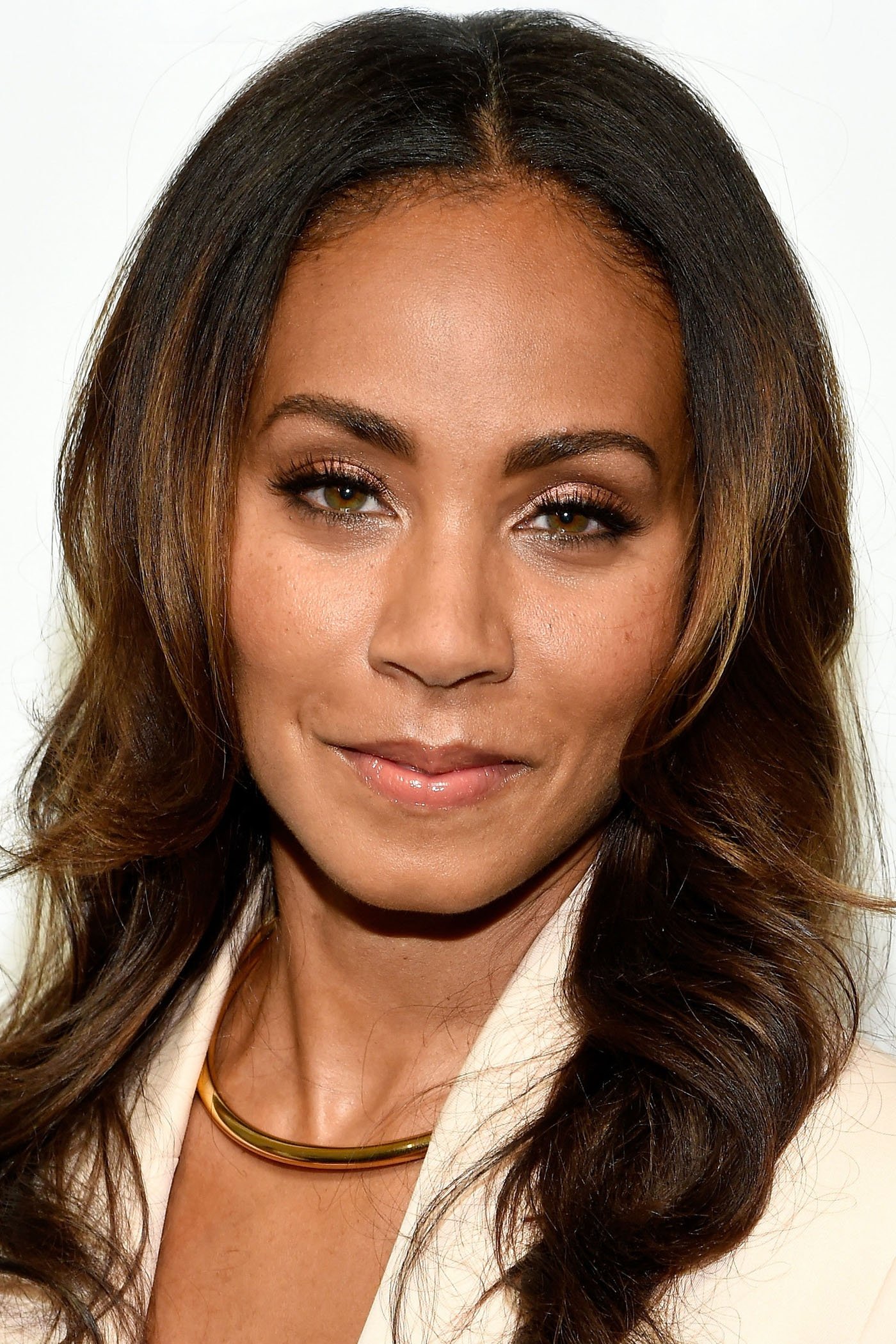
As a seasoned actress featured in ‘Set It Off’ she has used her platform to discuss the pitfalls of modern social media judgment. She has hosted discussions that explore the complexities of human behavior beyond the simple labels often found in online activism. Smith has expressed concerns about how cancel culture prevents genuine growth and reconciliation between individuals. Her approach emphasizes nuanced conversation rather than the performative aspects of modern social movements. She often challenges guests to look past the surface of contemporary political trends.
Zoe Saldaña
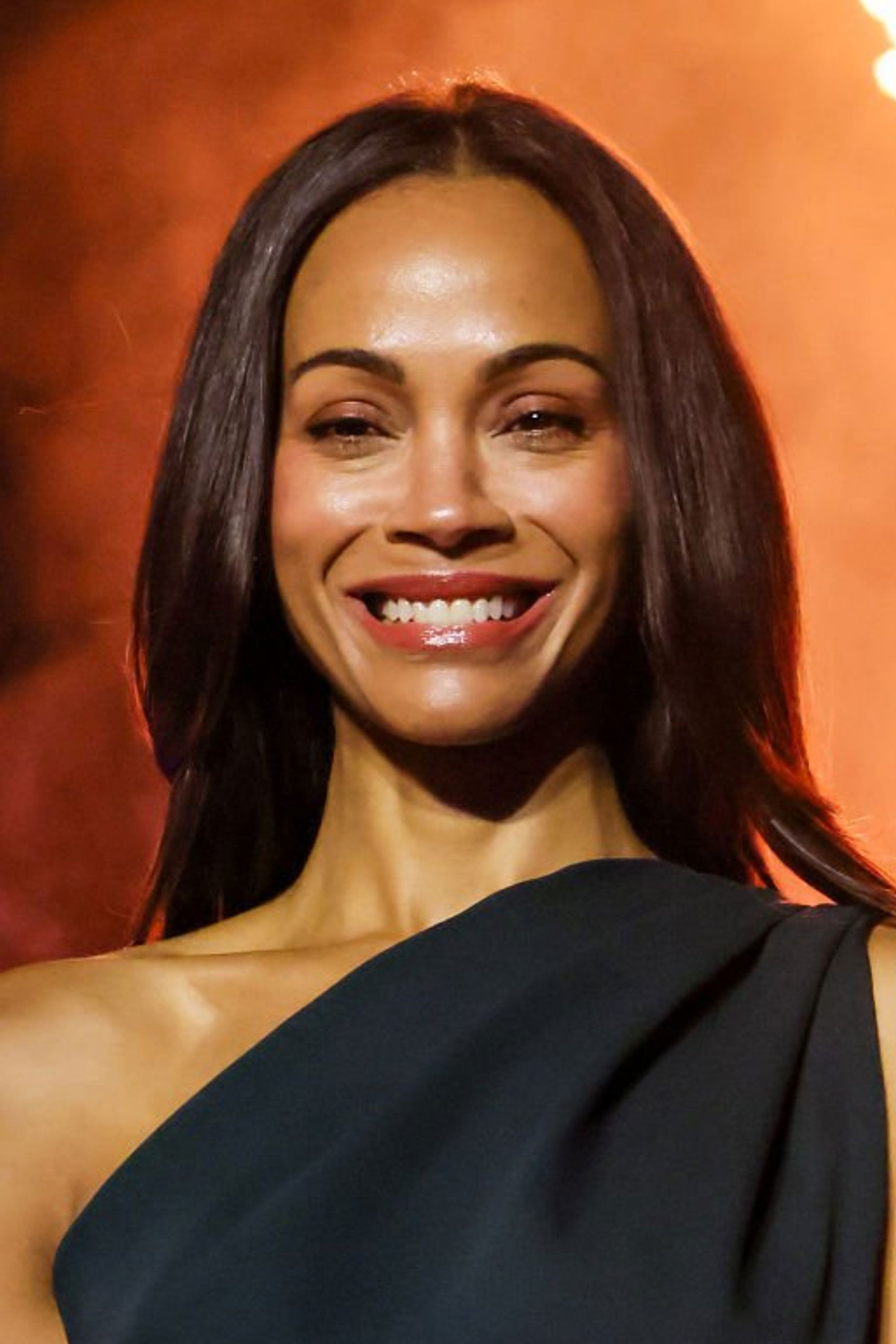
The star of ‘Avatar’ has expressed her frustration with the industry’s focus on identity labels and demographic boxes. She has argued that being categorized by race or ethnicity can limit an actor’s potential and creative freedom. Saldana advocates for a world where people are seen for their individual talents rather than their social categories. Her comments suggest a critique of the modern push for representation when it prioritizes checkboxes over storytelling. She remains focused on playing diverse roles that transcend the boundaries of identity politics.
Mo’Nique
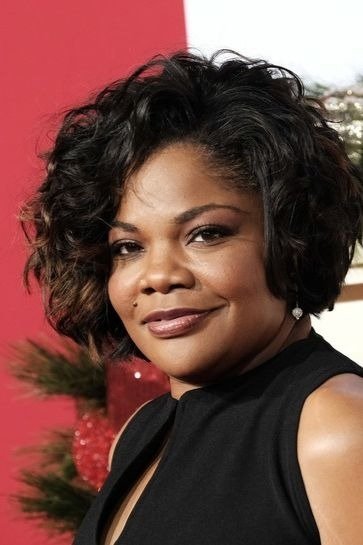
The Academy Award winner for ‘Precious’ has been a vocal critic of the internal politics and financial practices of major studios. She has often claimed that the industry punishes those who refuse to follow certain social and professional scripts. Mo’Nique has called for greater transparency and fairness that does not rely on performative diversity initiatives. Her public battles with major networks highlight her refusal to conform to expected industry standards. She continues to advocate for personal integrity and fair treatment in a landscape she finds hypocritical.
LisaRaye McCoy
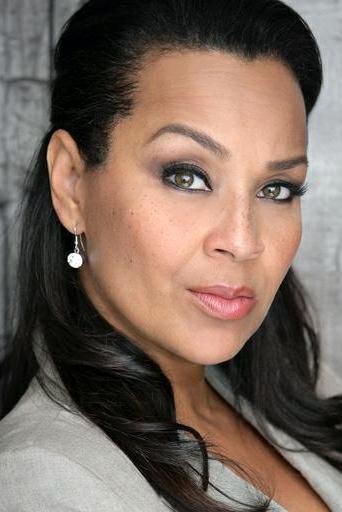
Known for her role in ‘The Players Club’ the actress often shares her views on traditional values and social etiquette. She has critiqued modern trends that she feels undermine the dignity of women and the stability of the community. McCoy frequently speaks about the importance of self-respect and the dangers of following popular but potentially harmful cultural shifts. Her commentary often suggests a preference for conservative social norms over the more progressive changes seen today. She uses her influence to promote a more traditional approach to lifestyle and career.
Janet Hubert
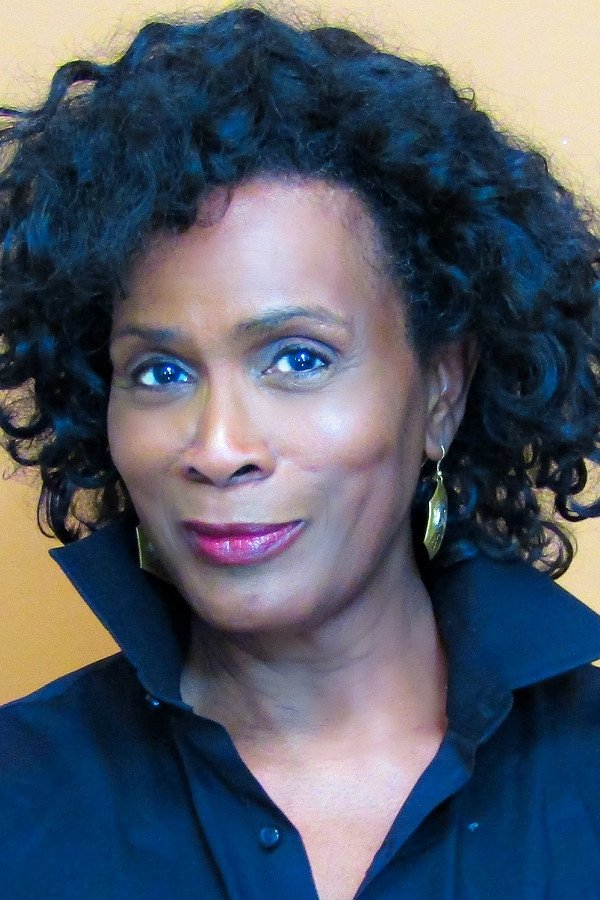
The original actress from ‘The Fresh Prince of Bel Air’ has criticized the way Hollywood handles casting and veteran talent. She has voiced her displeasure with modern industry practices that she feels prioritize optics over genuine skill and history. Hubert has often been outspoken about the lack of true support for performers who do not align with current corporate narratives. Her commentary provides a perspective on the shift from talent-based rewards to those based on social trends. She remains a candid voice regarding the reality of working within the studio system.
Vivica A. Fox
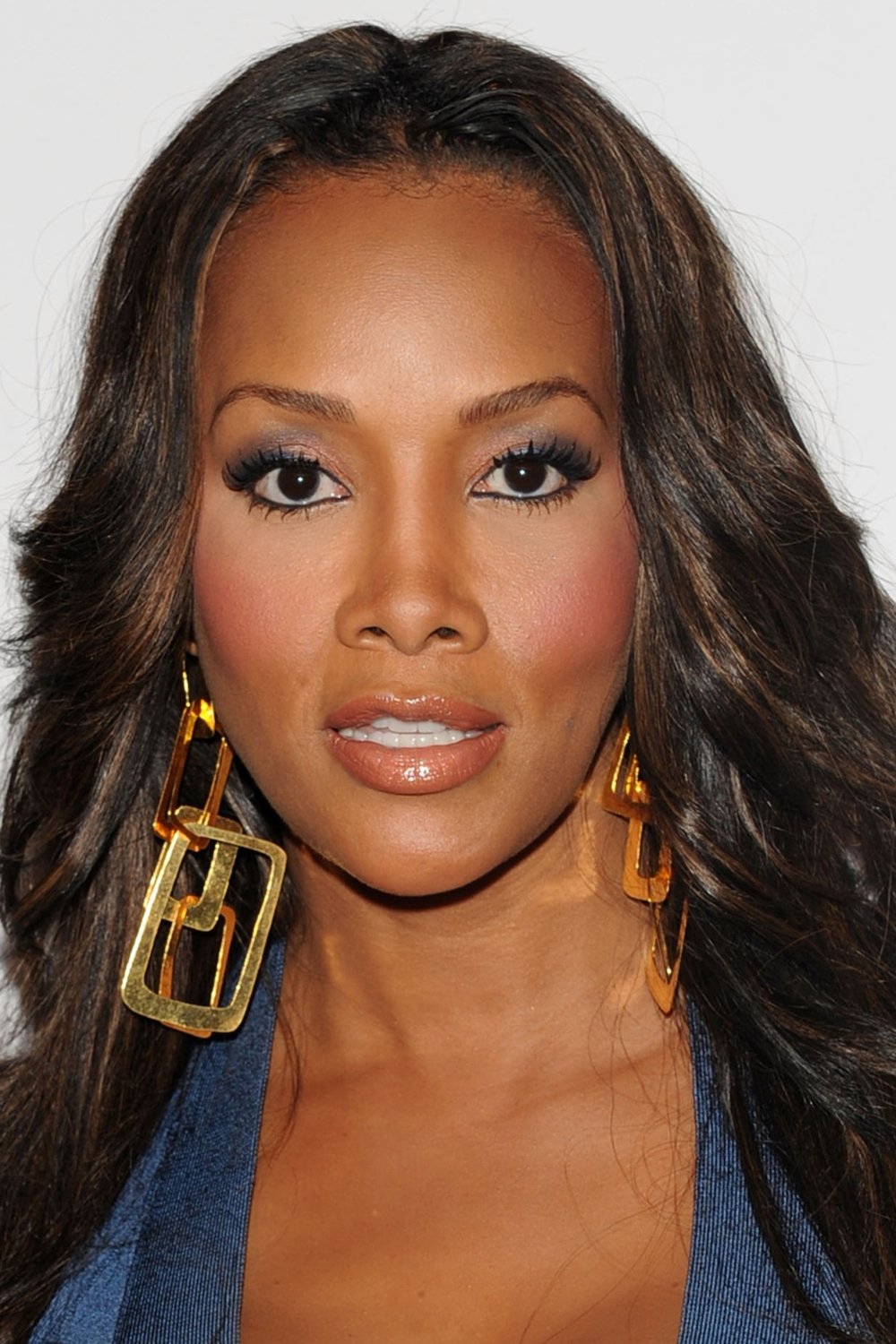
The star of ‘Independence Day’ has shared her thoughts on the evolution of Hollywood culture and the impact of modern social movements. She has occasionally critiqued the way cancel culture targets individuals without allowing for proper defense or growth. Fox emphasizes the importance of hard work and longevity in an industry that is increasingly focused on viral moments. Her viewpoints often align with a more traditional view of celebrity and professional conduct. She continues to navigate the changing landscape with a focus on business and performance.
Erika Alexander
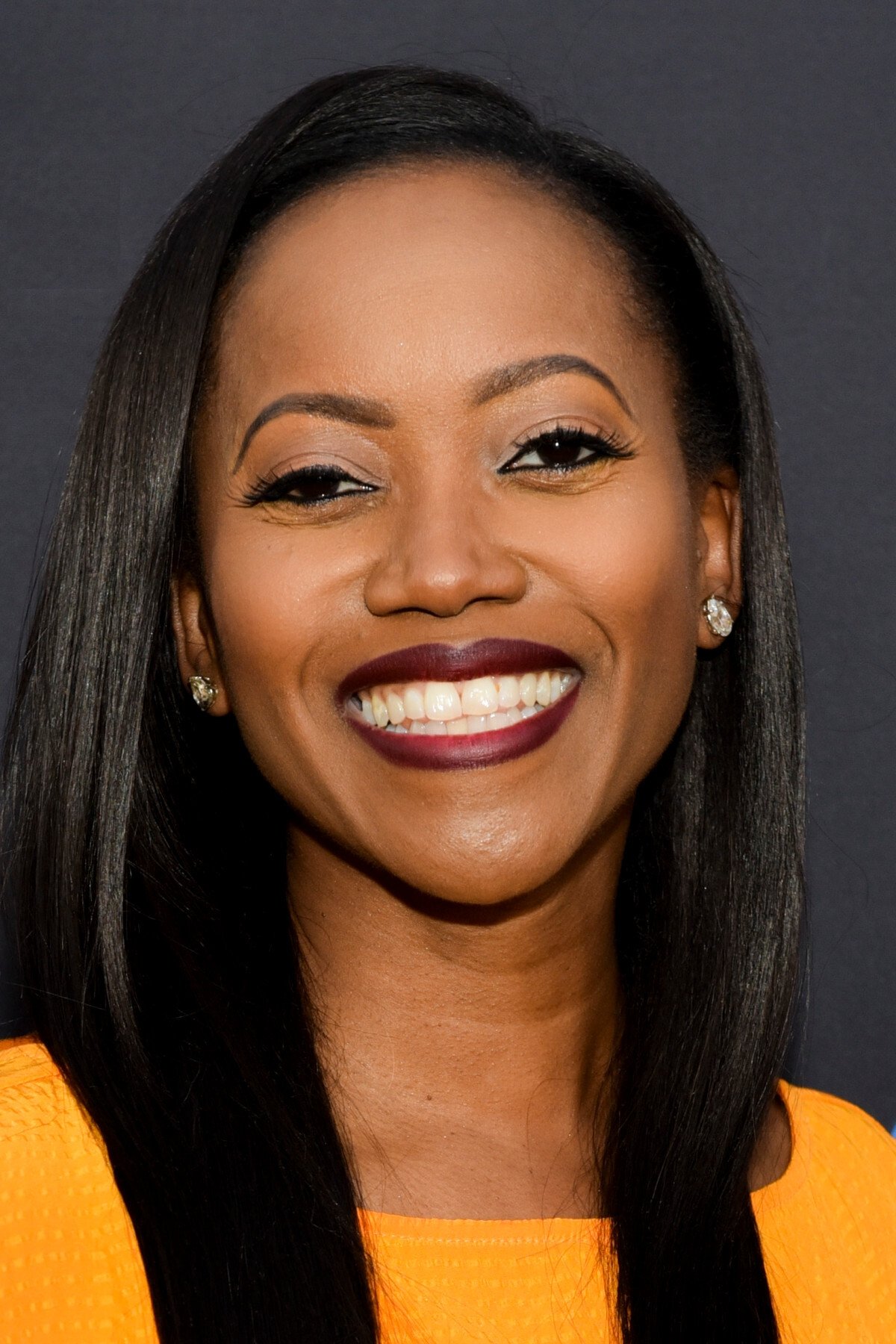
Known for her role in ‘Living Single’ she has discussed the limitations placed on performers by modern tropes and industry expectations. She has expressed concerns about how diversity initiatives can sometimes lead to superficial representation rather than deep storytelling. Alexander advocates for creators to have the freedom to move beyond the narrow roles often assigned by identity politics. Her commentary highlights the need for a more authentic approach to inclusion that respects the complexity of the human experience. She remains an active voice in the conversation about the future of media and representation.
Kimberly Elise
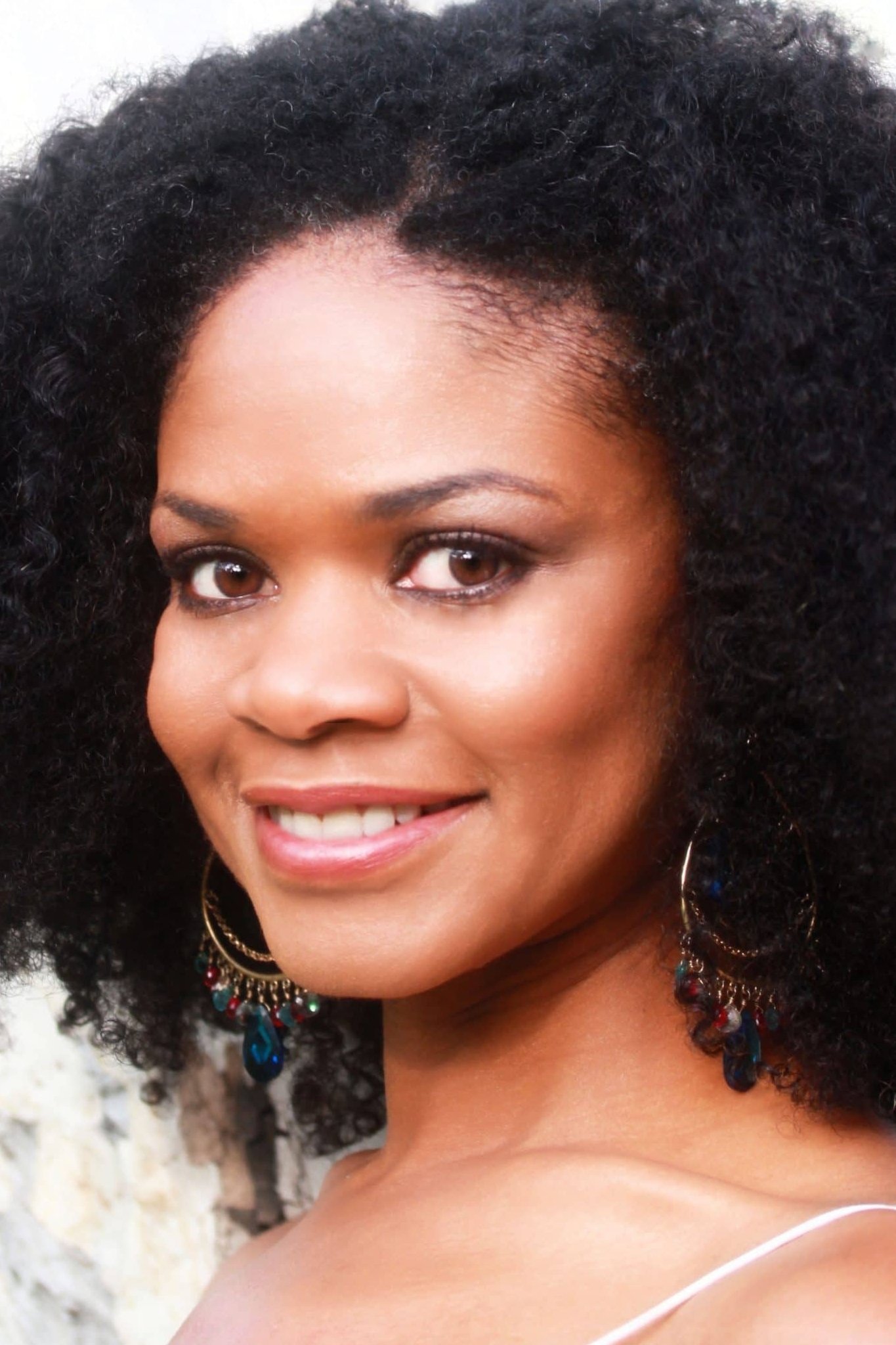
The actress from ‘For Colored Girls’ has been known to share her religious and traditional viewpoints on social media. She has expressed support for conservative values that often run counter to the dominant progressive narratives in Hollywood. Elise focuses on faith and family as the foundations for a healthy society and a successful career. Her public statements suggest a rejection of the more secular and politically driven shifts in the industry. She continues to choose roles that align with her personal beliefs and professional standards.
Meagan Good
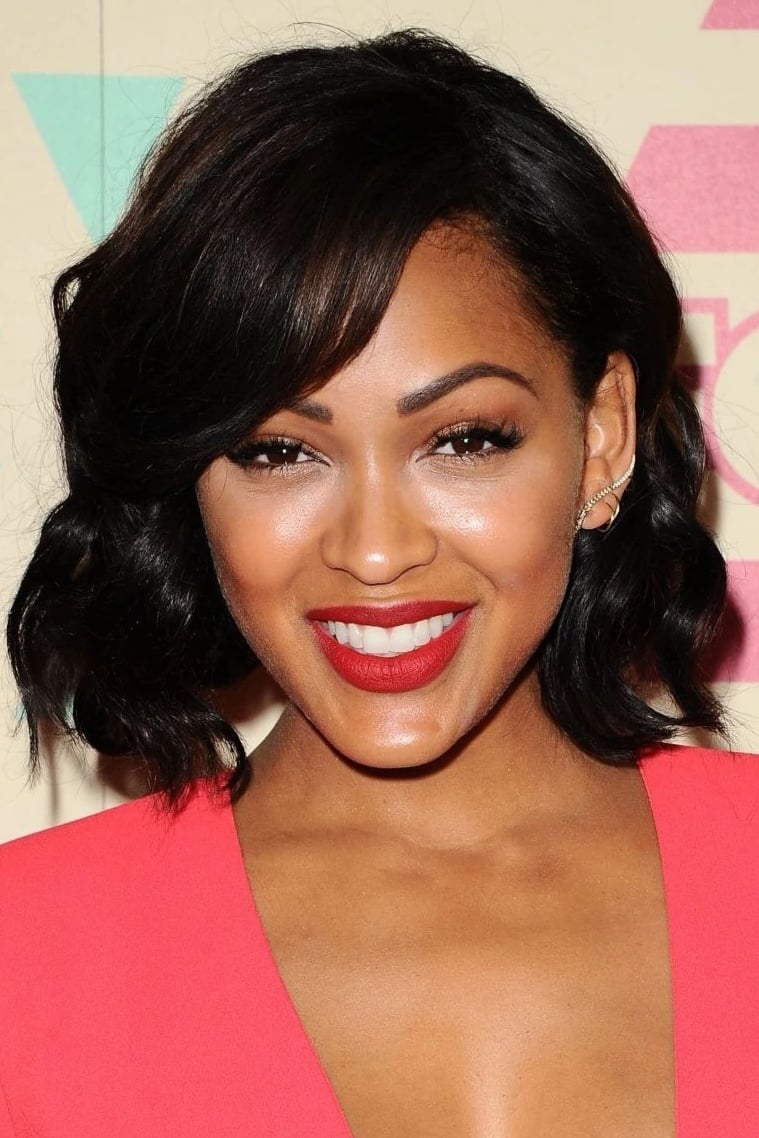
The ‘Eve’s Bayou’ actress has often spoken about her Christian faith and how it guides her decisions in a secular industry. She has navigated the pressures of modern Hollywood by maintaining a focus on traditional spiritual values. Good has addressed the challenges of being a person of faith in an environment that often prioritizes progressive social agendas. Her perspective offers a contrast to the prevailing cultural trends that dominate the entertainment world. She seeks to bridge the gap between her personal convictions and her professional life.
Elise Neal

The actress known for ‘Hustle and Flow’ has shared insights into the changing dynamics of the entertainment business over the decades. She has critiqued the way modern social media influence often outweighs actual acting ability and experience. Neal emphasizes the importance of maintaining professional standards in an age of rapid cultural and political change. Her observations point to a shift in industry priorities that she believes may not always benefit the art of filmmaking. She remains committed to her craft while observing the evolving nature of fame.
Tasha Smith

Known for her work in ‘Why Did I Get Married?’ she often speaks about the importance of resilience and personal accountability. She has navigated the industry by focusing on mentorship and the development of talent rather than political activism. Smith’s approach emphasizes the power of the individual to overcome obstacles through hard work and dedication. Her commentary often steers away from the systemic focus of modern wokeism in favor of individual empowerment. She continues to be a respected figure in the acting community for her straightforward and determined attitude.
Nia Long
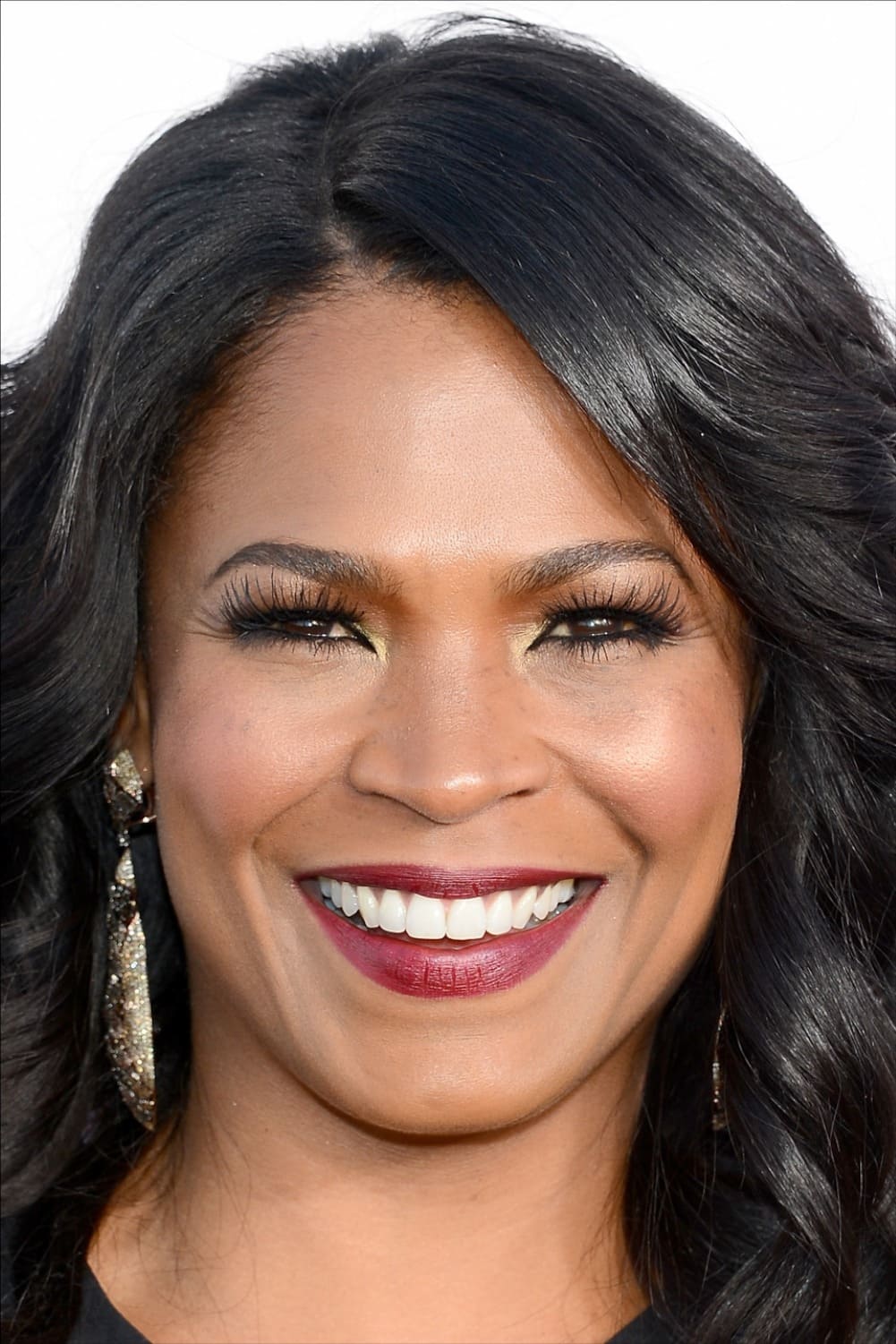
The ‘Boyz n the Hood’ star has occasionally voiced her frustrations with the political nature of the Hollywood hierarchy. She has discussed the importance of authentic storytelling that is not dictated by current social trends or corporate mandates. Long advocates for a return to filmmaking that focuses on the human condition rather than fulfilling specific demographic quotas. Her perspective suggests a desire for more creative freedom and less interference from social activists. She remains one of the most recognizable faces in the industry while maintaining her independence.
Paula Patton
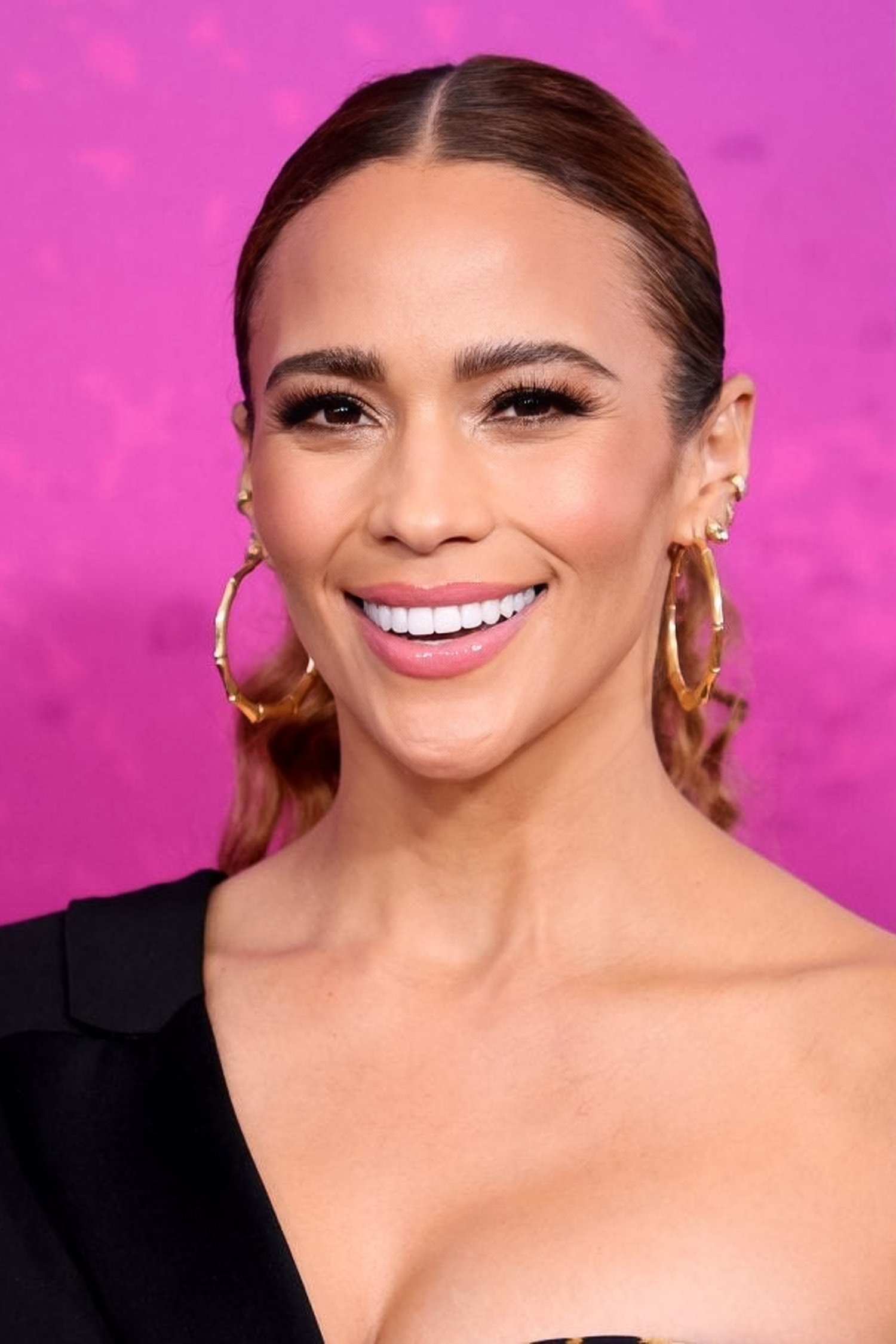
The actress from ‘Mission Impossible Ghost Protocol’ has spoken about her mixed heritage and her rejection of rigid racial categories. She has expressed a preference for being viewed as an individual rather than being defined by the social labels that are prevalent today. Patton’s views align with a broader critique of identity politics that seeks to place people into specific boxes for the sake of representation. Her focus remains on the universal aspects of the characters she portrays on screen. She continues to advocate for a more inclusive understanding of identity that goes beyond modern political definitions.
Thandiwe Newton

The actress known for ‘Westworld’ has shared her perspective on the industry’s approach to diversity and casting. She has criticized what she sees as a superficial application of progressive values that often favors certain physical archetypes over others. Newton has expressed a desire for a more authentic and less performative version of representation in Hollywood. Her comments challenge the prevailing narrative of how inclusion is achieved in modern cinema. She continues to advocate for deeper systemic changes that move beyond the optics of current trends.
Keke Palmer

The ‘Nope’ star has spoken about the pressure to conform to specific social and political labels in the modern era. She has expressed a preference for being recognized as an individual with a multifaceted identity rather than a spokesperson for a movement. Palmer has navigated the complexities of being a young star during a time of intense social activism and digital scrutiny. Her focus remains on her professional growth and maintaining a positive influence without becoming a political figurehead. She continues to push for a more nuanced understanding of personal identity in the public eye.
Sheryl Lee Ralph

The ‘Dreamgirls’ veteran has emphasized the importance of hard work and historical awareness in the acting profession. She has voiced her concerns about modern trends that prioritize viral popularity over the development of true artistic craft. Ralph advocates for a return to the standards of excellence that defined previous generations of performers. her perspective suggests that the current focus on political messaging can sometimes overshadow the quality of the work itself. She remains a mentor to young actors while championing traditional values of discipline and talent.
Regina Hall
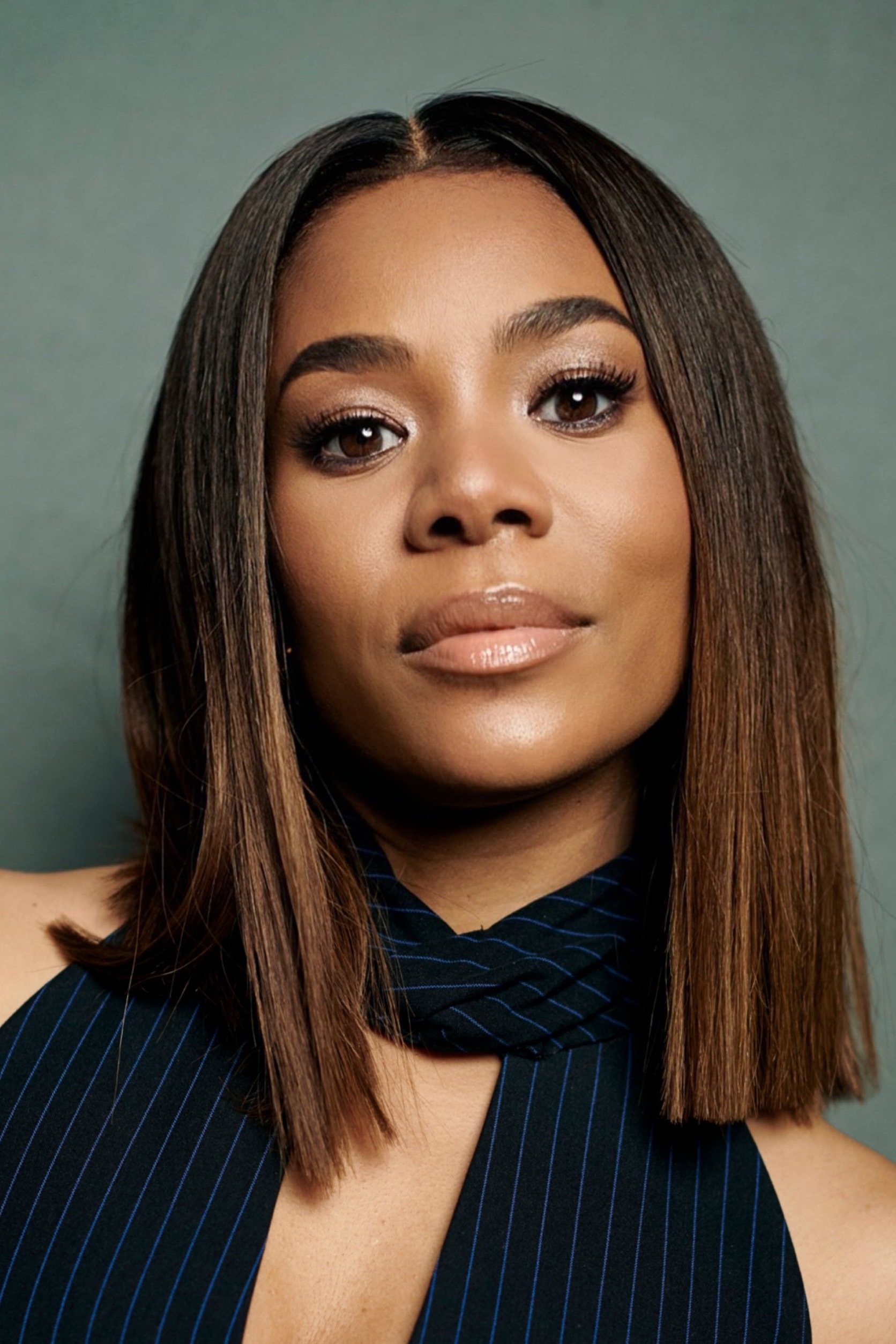
Known for her comedic roles in ‘Scary Movie’ she has focused her career on the quality of her performances rather than political activism. She has occasionally shared her thoughts on the importance of merit and the need for actors to be judged by their skills. Hall navigates the industry by maintaining a professional distance from the more polarizing social movements of the day. Her approach emphasizes the value of individual achievement in a landscape often dominated by collective identity politics. She continues to be one of the most sought after actresses by focusing on her unique talent.
Garcelle Beauvais
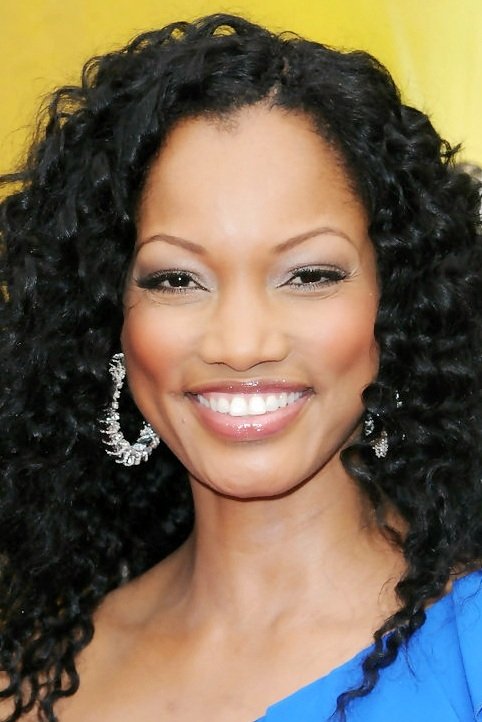
The star of ‘The Real Housewives of Beverly Hills’ has often discussed the complexities of modern social dynamics and public perception. She has critiqued the way social media can be used to unfairly target individuals based on narrow ideological standards. Beauvais advocates for a more compassionate and less judgmental approach to cultural differences and personal opinions. Her stance highlights a preference for civil discourse over the aggressive tactics of modern cancel culture. She continues to represent a moderate voice within the often extreme world of celebrity politics.
Lynn Whitfield
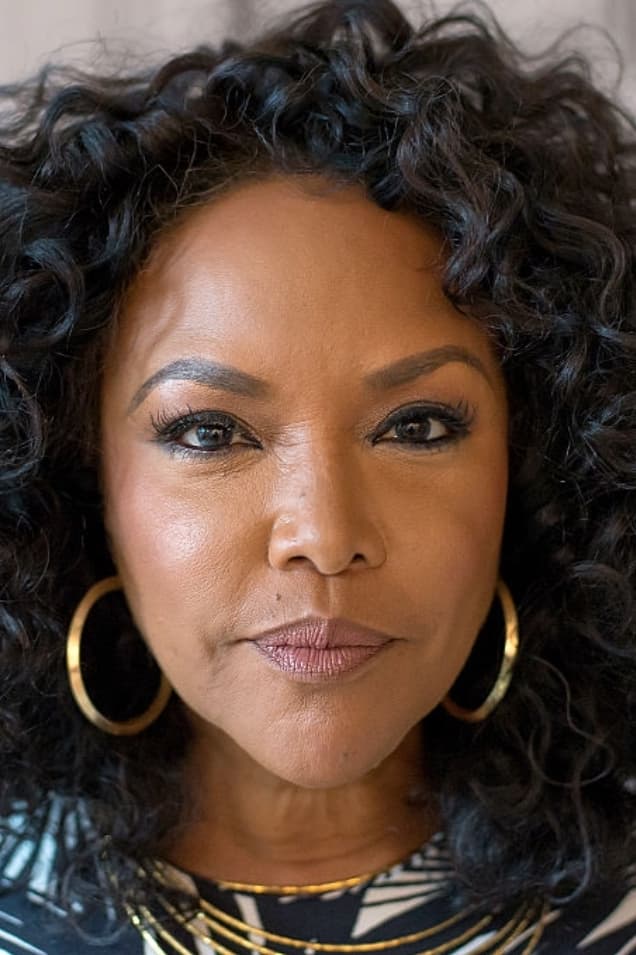
The acclaimed actress has spent decades focusing on the elegance and depth of her roles in various films and television shows. She has expressed a preference for timeless storytelling that transcends the specific political trends of any given era. Whitfield emphasizes the importance of maintaining a high standard of professional decorum and artistic integrity. Her perspective suggests a critique of modern media for its often loud and performative nature. She remains a symbol of classic Hollywood sophistication while navigating a rapidly changing cultural environment.
Tyra Banks

The former model and actress has discussed the challenges of navigating the changing standards of acceptable speech in the media. She has expressed concern about how past moments are often taken out of context to fit modern social justice narratives. Banks advocates for an understanding that individuals and the culture evolve over time without the need for retrospective cancellation. Her viewpoint encourages a more forgiving and less reactive approach to the history of entertainment. She continues to lead major productions while observing the shift in public sensitivities.
Gabrielle Union
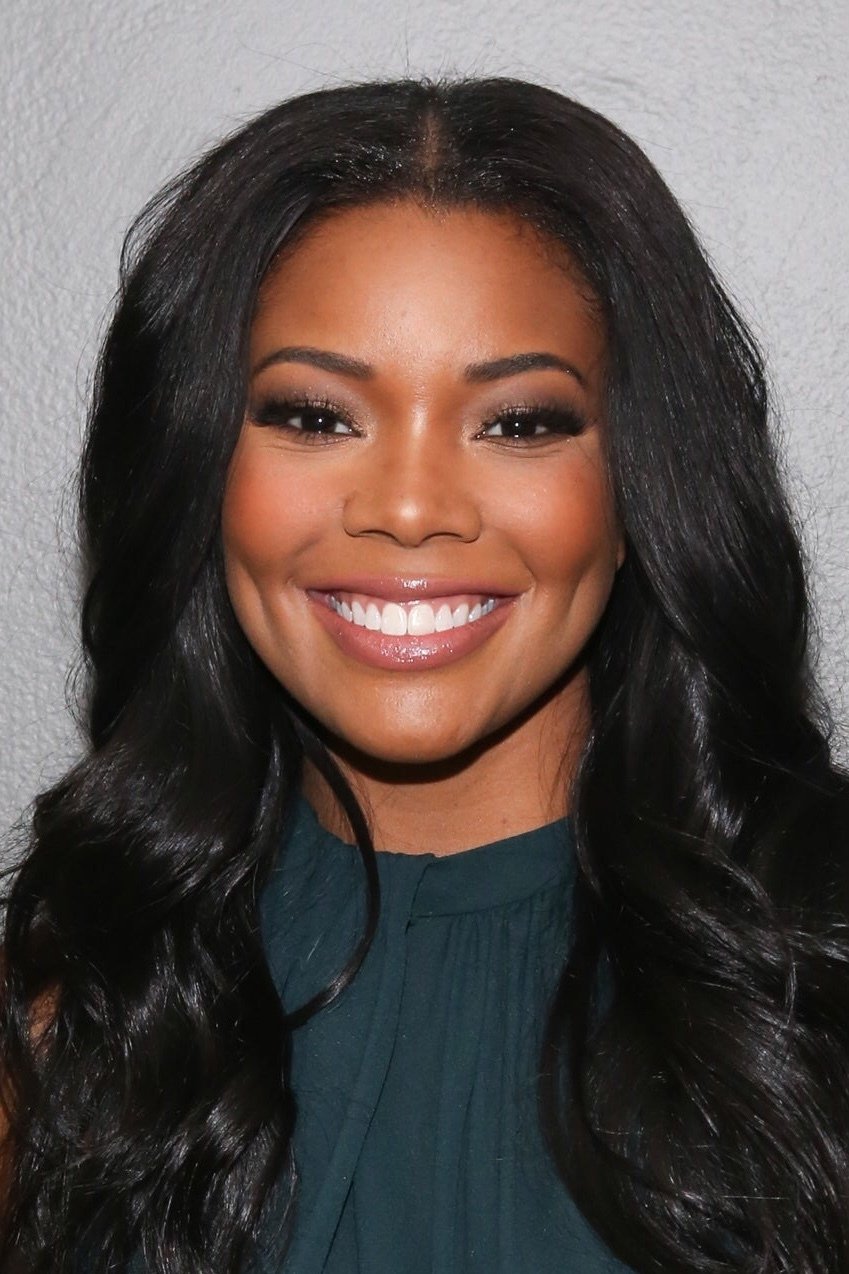
The ‘Bring It On’ actress has been vocal about her issues with the institutional structures of major networks and production companies. While often associated with progressive causes she has critiqued the superficial nature of many corporate diversity initiatives. Union argues that these programs often prioritize optics over genuine structural change and fair treatment for all employees. her perspective highlights the hypocrisy she perceives in an industry that claims to be woke but maintains traditional power imbalances. She continues to demand a more honest and less performative approach to professional equality.
Taraji P. Henson
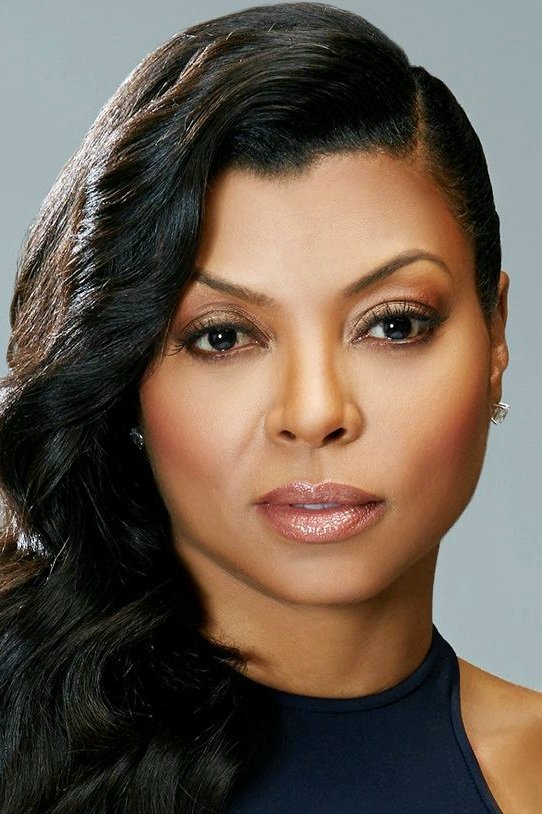
The ‘Empire’ actress has been vocal about the financial disparities and industry standards that affect performers of color. She has critiqued the way diversity is often handled as a corporate checkbox rather than a genuine commitment to fair pay. Henson advocates for a system where talent and success are the primary drivers of compensation and opportunity. Her public comments highlight the disconnect between Hollywood’s progressive image and its actual business practices. She continues to demand transparency and accountability from the major studios.
Vanessa Williams
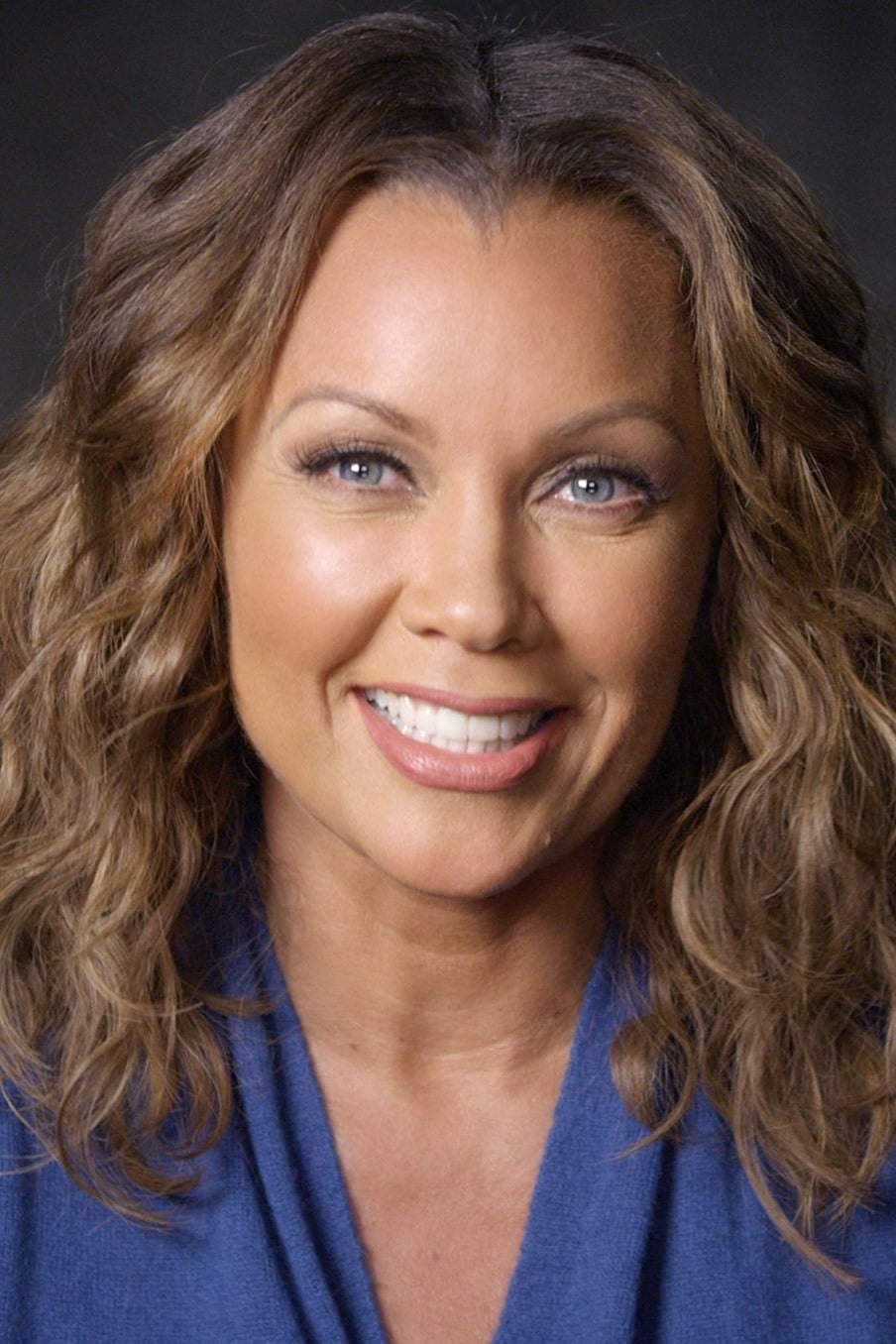
The legendary performer has maintained a focus on excellence and professional longevity throughout her multifaceted career. She has often spoken about the importance of being recognized for her talent and hard work rather than being defined by identity labels. Williams navigates the industry with a commitment to traditional standards of performance and personal conduct. Her perspective offers a contrast to the more politically charged narratives that dominate much of modern celebrity culture. She remains a respected figure for her ability to succeed based on her individual merits.
Tell us what you think about these actresses and their perspectives in the comments.