Hispanic Actresses Who Faced The Most Backlash From The Audiences

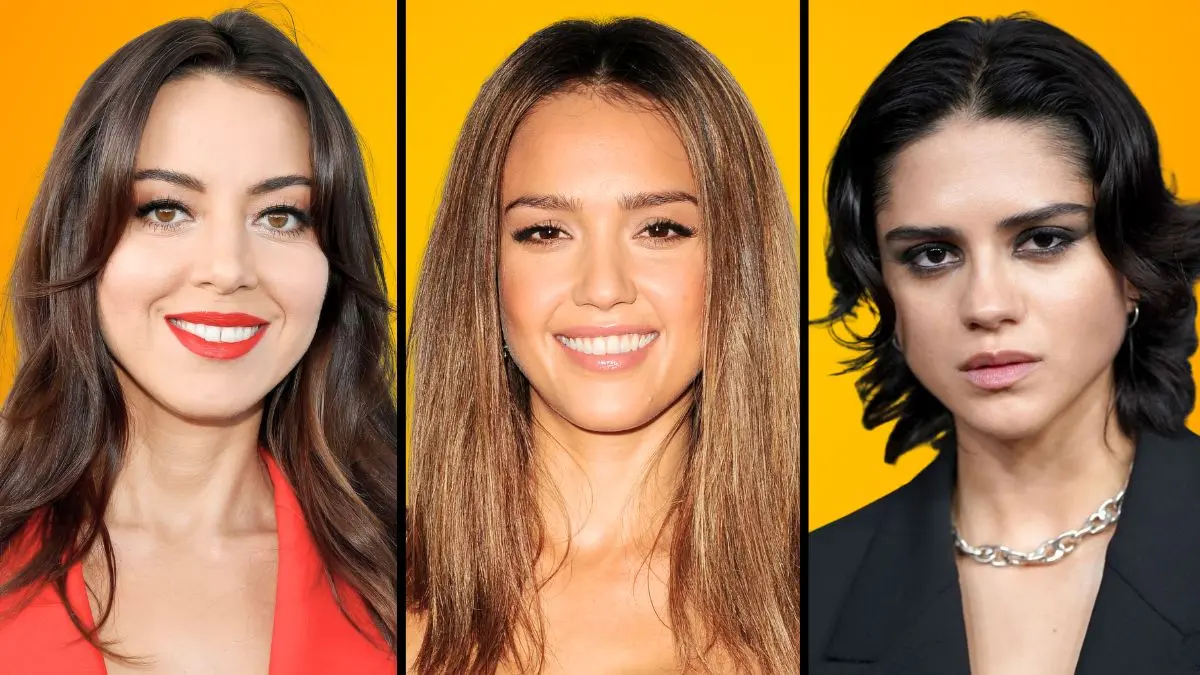

Public scrutiny is an unavoidable aspect of fame, but certain performers face significantly more intense criticism than others. Hispanic and Latina actresses have often found themselves at the center of heated debates regarding casting choices, social media behavior, and cultural representation. While some of this backlash stems from misunderstandings or minor missteps, other instances have sparked widespread discourse about race, privilege, and accountability in Hollywood. The following list explores the specific moments when these actresses encountered severe disapproval from audiences and the media.
Rachel Zegler
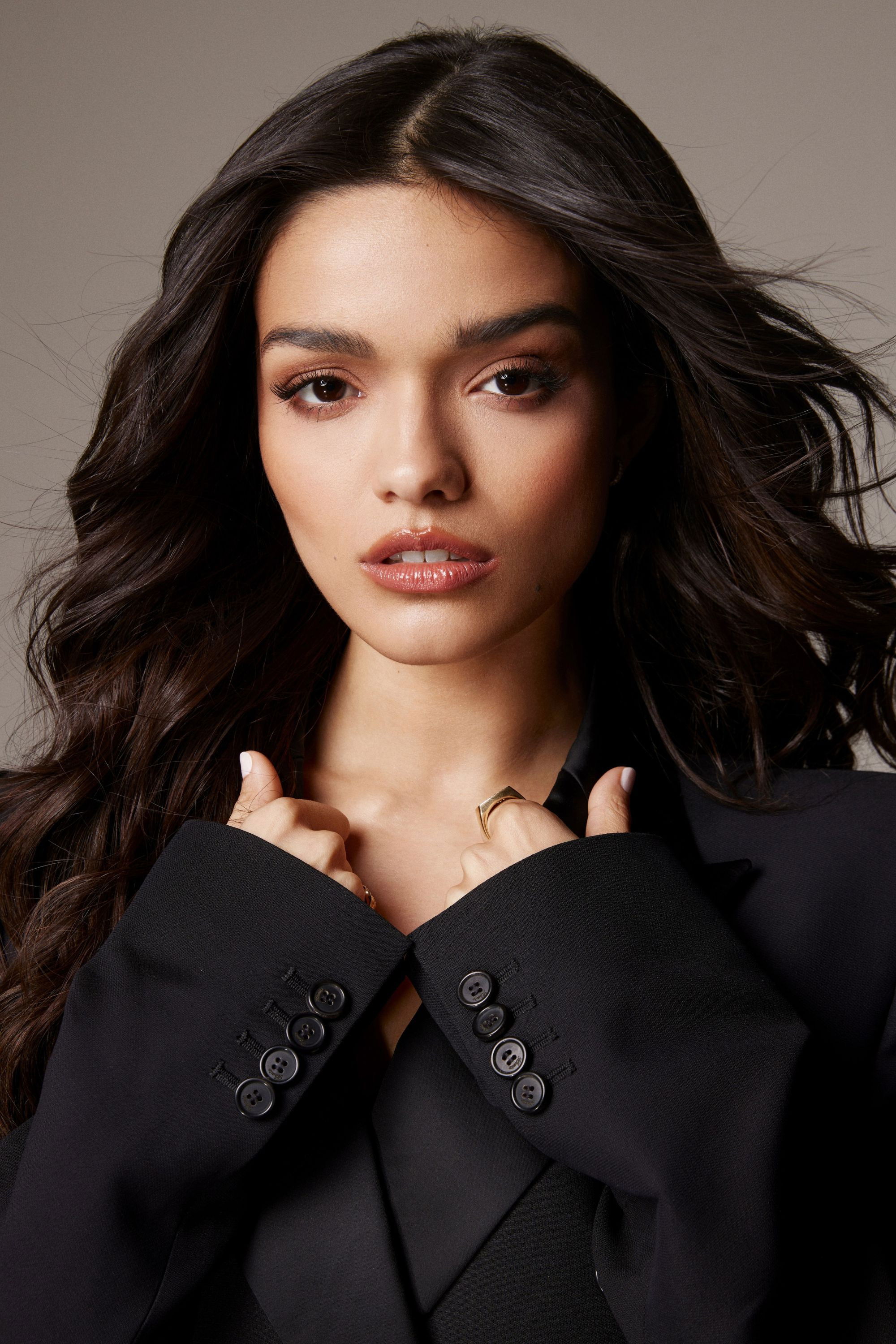
The casting of Rachel Zegler as the lead in Disney’s live-action adaptation of ‘Snow White’ (2025) ignited an immediate firestorm of controversy. Traditionalist fans criticized her for not resembling the animated character’s “skin as white as snow” description, while others took issue with her comments regarding the 1937 original film. Zegler described the prince in the original as a “stalker” and promised a more modern, feminist iteration, which alienated a segment of the fanbase who cherished the classic story. Her confidence in interviews was frequently interpreted by detractors as arrogance, leading to a sustained social media campaign against her participation in the project.
Gina Rodriguez
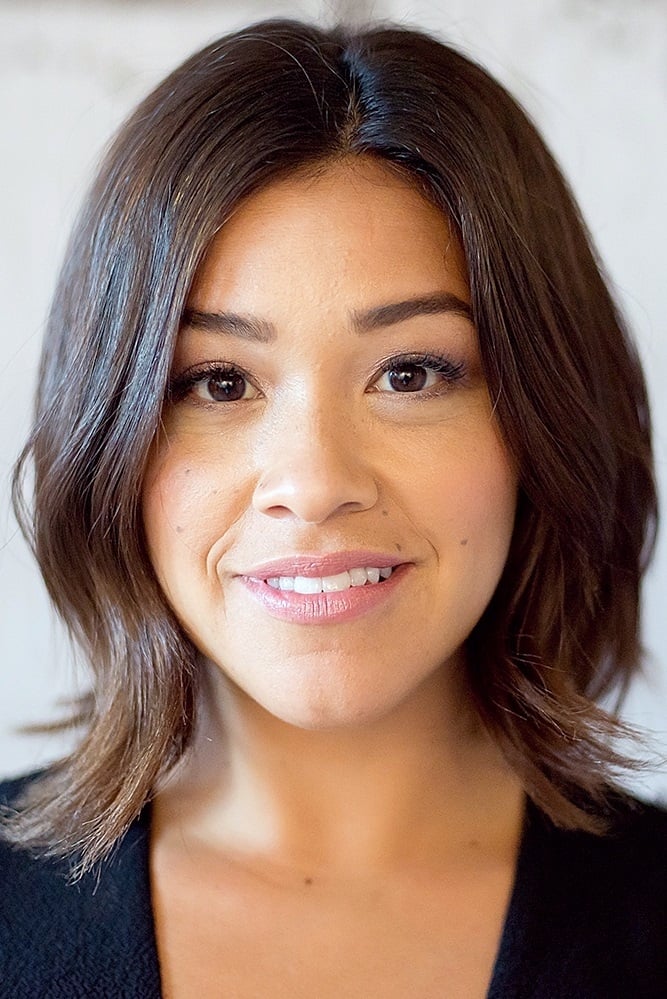
Best known for her role in ‘Jane the Virgin’, Gina Rodriguez faced repeated accusations of anti-Blackness due to her comments on racial pay gaps and representation. The backlash intensified significantly after she posted a video to her Instagram story in which she rapped a verse containing the N-word. Although she deleted the video and issued an apology stating she had grown up singing the song, many critics felt her response lacked genuine accountability. This incident, combined with previous remarks where she seemingly pitted Latino struggles against Black struggles, caused many former fans to withdraw their support.
Jennifer Lopez
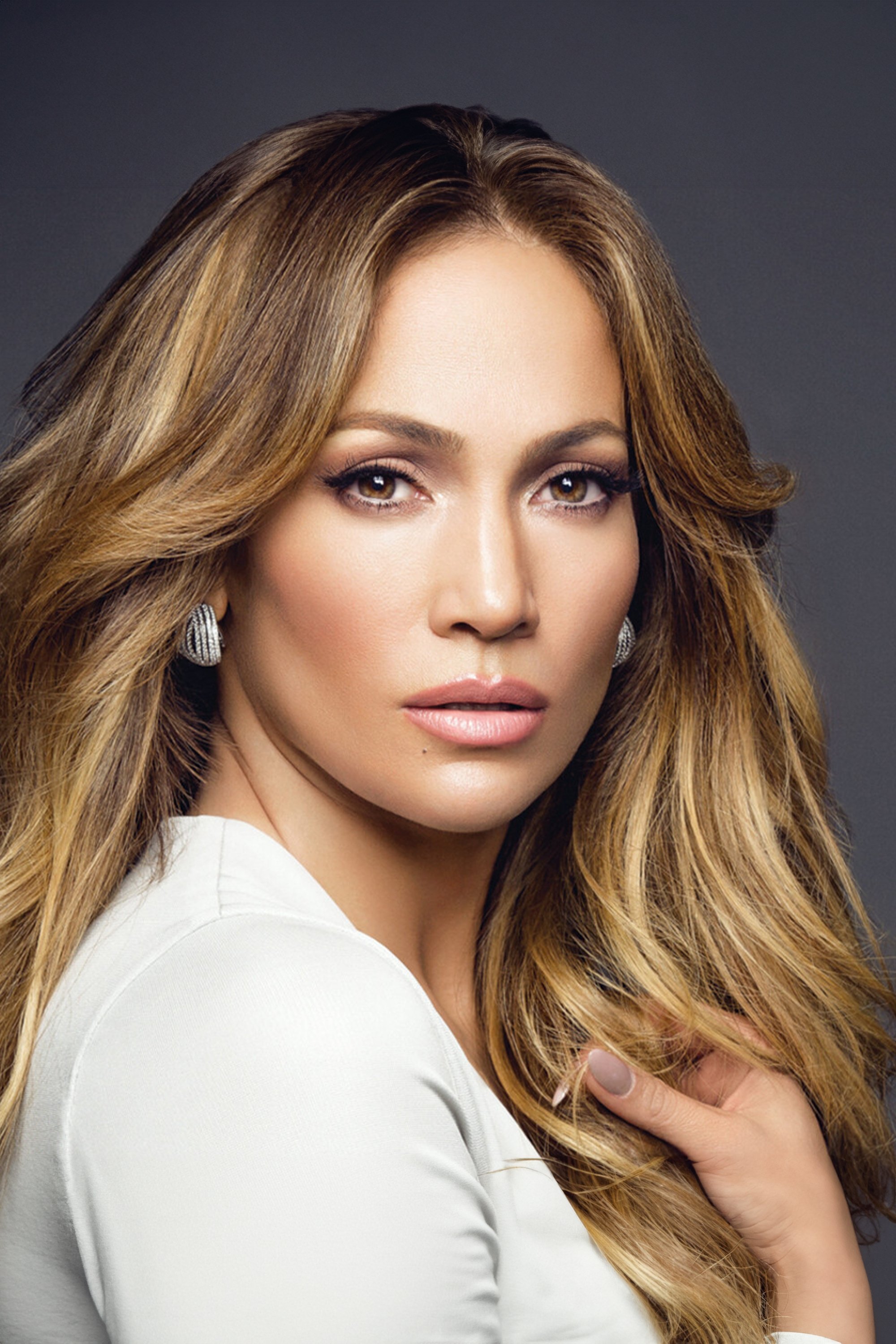
Despite her status as a global icon, Jennifer Lopez has weathered numerous waves of backlash throughout her decades-long career. A significant controversy arose when she was chosen to lead the Motown tribute at the Grammy Awards, with critics arguing the honor should have gone to a Black artist with a deeper connection to the genre’s history. More recently, she faced ridicule and criticism for her multimedia project ‘This Is Me… Now’, which some audiences viewed as self-indulgent and disconnected from reality. Her frequent use of private jets and rumors regarding her demanding behavior on set have also contributed to periodic negativity from the public.
Zoe Saldaña
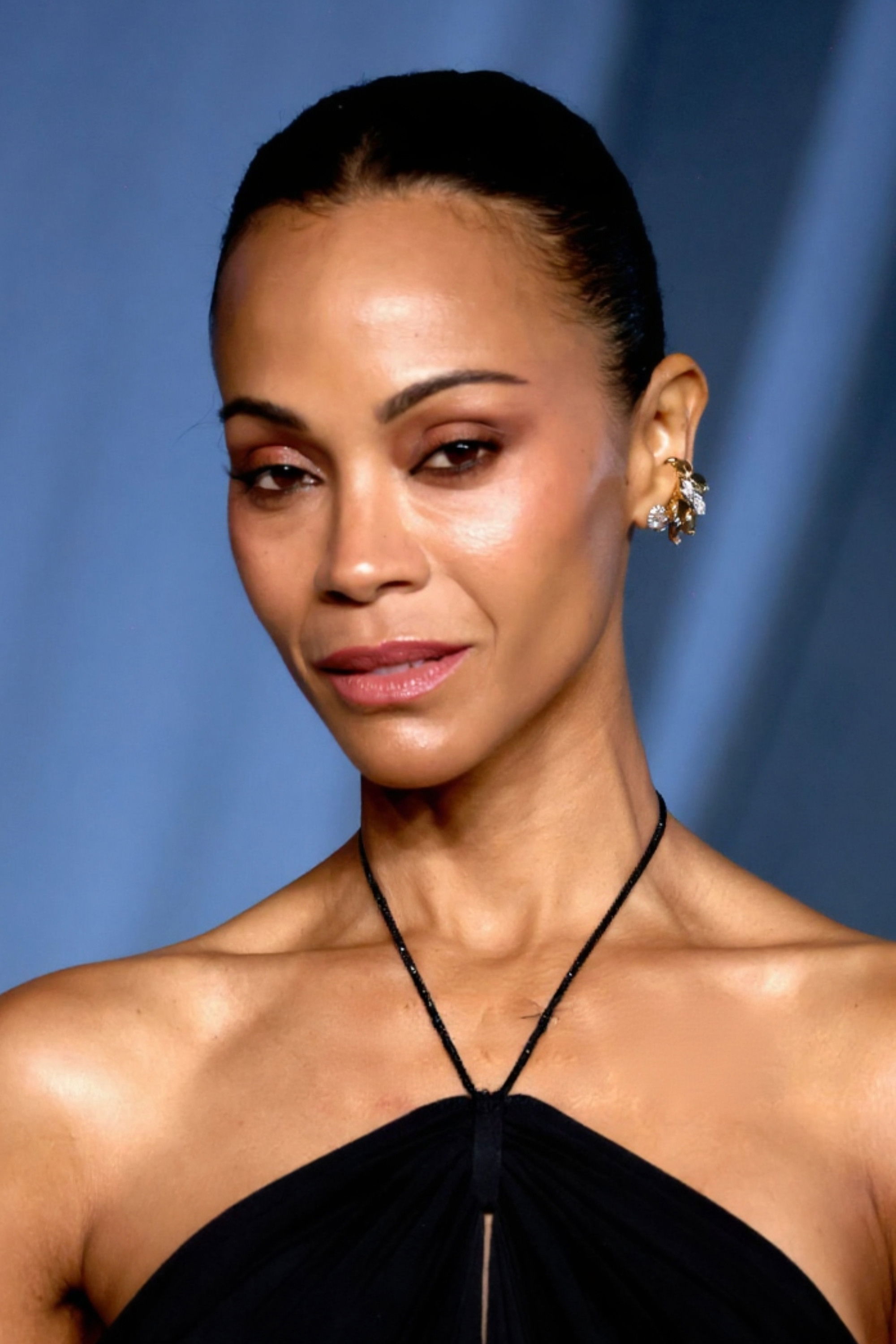
The decision to cast Zoe Saldaña as the legendary singer Nina Simone in the biopic ‘Nina’ (2016) resulted in one of the most intense casting controversies in recent memory. Critics and the family of Nina Simone argued that Saldaña, a lighter-skinned Afro-Latina, was a poor choice to play a woman whose dark skin and African features were central to her life experiences and activism. The production used prosthetic noses and skin-darkening makeup on Saldaña, drawing comparisons to blackface and sparking a widespread boycott of the film. Saldaña later expressed deep regret for taking the role, acknowledging that she should have used her platform to elevate an actress who better embodied Simone’s physical reality.
Anya Taylor-Joy
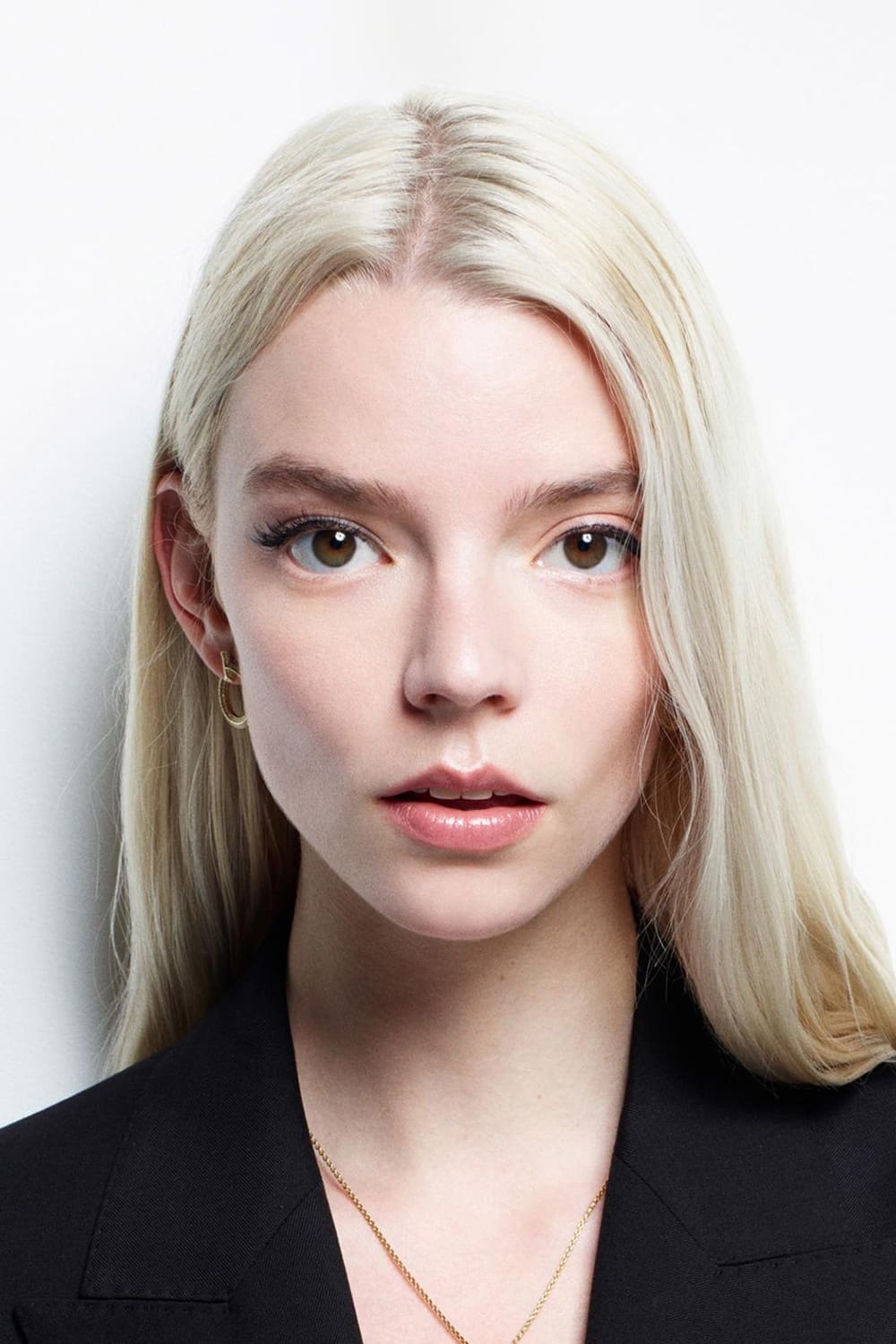
Anya Taylor-Joy faced backlash after winning a Golden Globe for ‘The Queen’s Gambit’ when various outlets labeled her a “woman of color.” As a white Latina of Argentine and British descent, Taylor-Joy has acknowledged her privilege and does not identify as a person of color, yet the media narrative sparked a debate about erasure and colorism. Critics pointed out that labeling a white woman as a diversity win undermined the struggles of non-white Latina actresses trying to break into the industry. The discourse forced a broader conversation about how Hollywood defines and markets Latinidad.
Demi Lovato
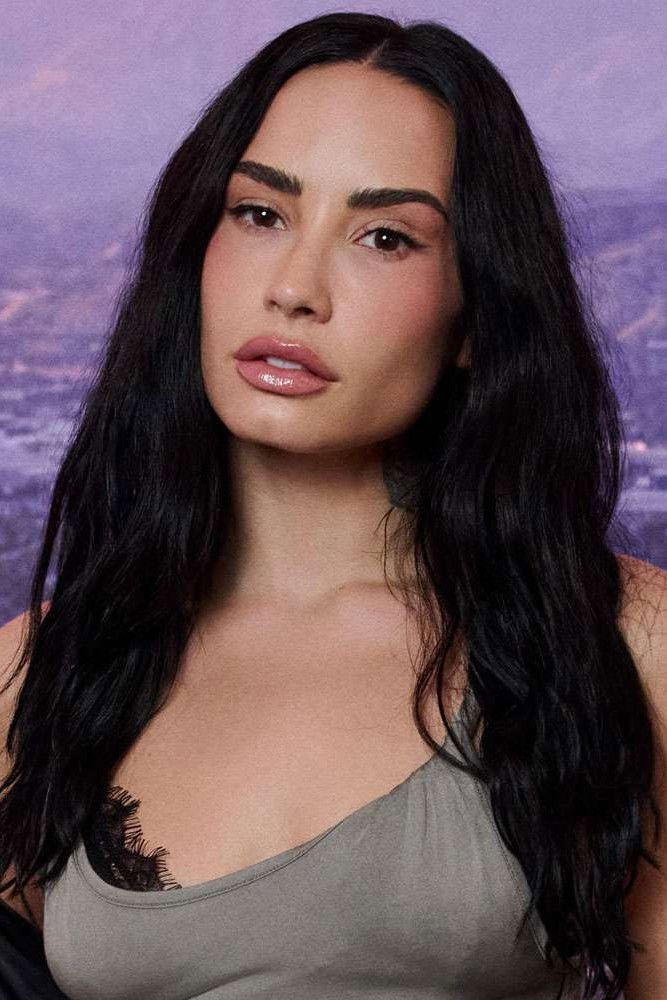
Demi Lovato has frequently found herself at odds with the public due to her outspoken and sometimes impulsive social media presence. She faced significant ridicule after calling out a small frozen yogurt shop in Los Angeles for displaying “guilt-free” diet products, which she claimed triggered her eating disorder. The public largely sided with the small business, viewing her actions as an abuse of celebrity power against a local shop. Additionally, her comments about contacting extraterrestrials and her shifting identification labels have often been met with confusion and criticism from observers.
Michelle Rodriguez
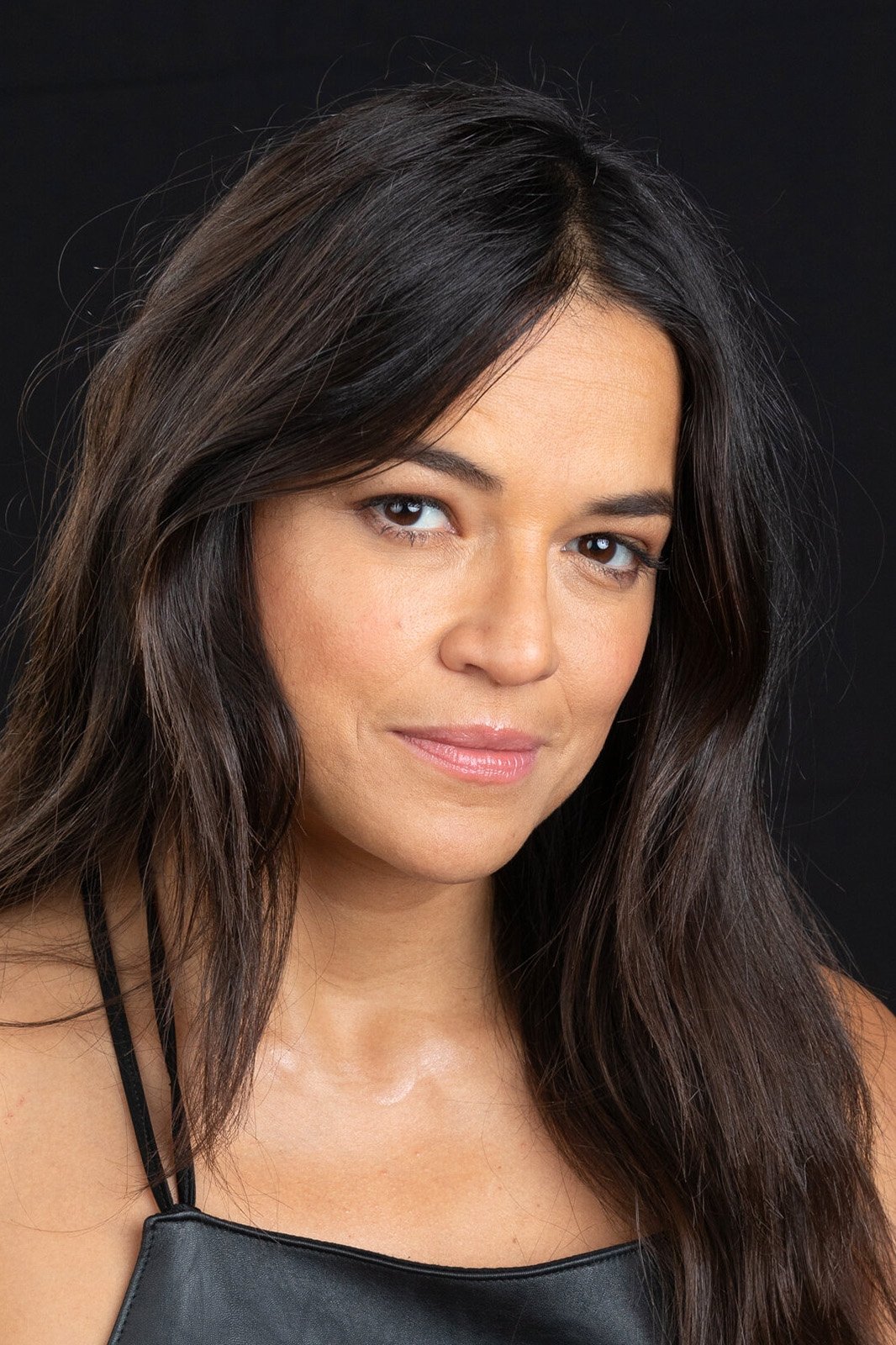
Known for her tough roles in action franchises, Michelle Rodriguez sparked outrage when she commented that minority actors should stop “stealing” white superhero characters. She argued that writers should create new characters for people of color rather than repurposing existing white ones, but her phrasing was perceived as insensitive and dismissive of representation efforts. She later apologized, clarifying that she meant to advocate for original storytelling, but the remarks had already alienated many fans who supported diverse casting. Her history of candid and sometimes abrasive interviews has kept her as a polarizing figure in the entertainment industry.
Eva Longoria
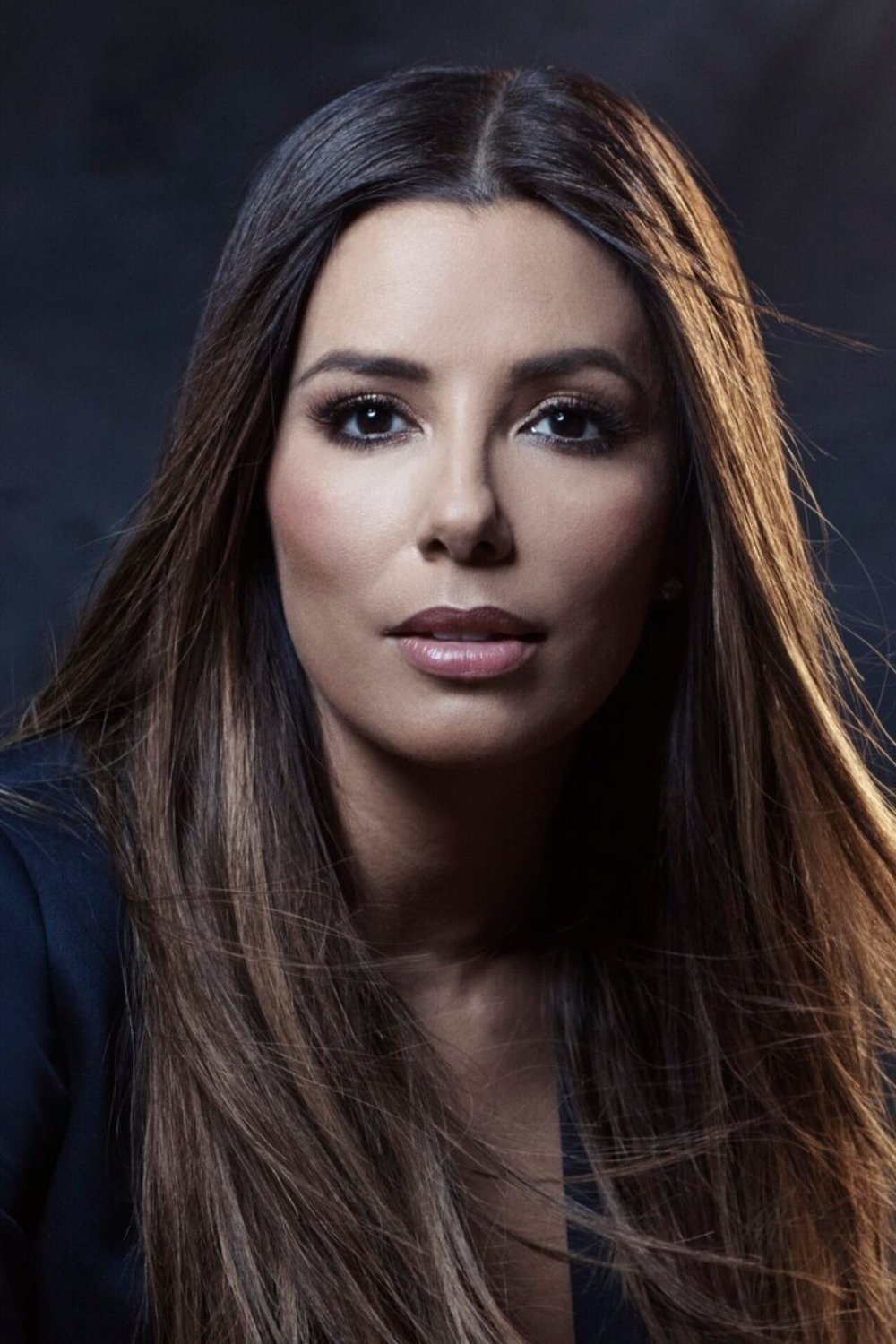
Following the 2020 US Presidential election, Eva Longoria faced backlash for comments she made during an interview on MSNBC regarding the Latino vote. She stated that “Latina women were the real heroines” of the election, which many interpreted as erasing the crucial role Black women played in the outcome. Social media users quickly pointed out the statistical differences in voting patterns, accusing Longoria of anti-Blackness and co-opting the work of Black organizers. Longoria issued a clarification stating she was referring specifically to the Latina demographic and not diminishing other groups, but the friction remained.
Melissa Barrera
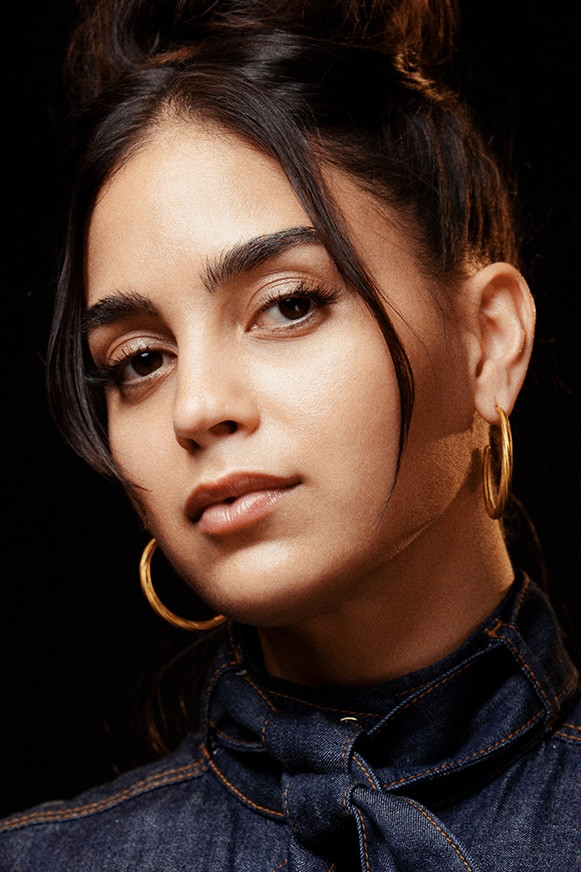
Melissa Barrera was fired from the ‘Scream’ franchise in 2023 after posting social media comments regarding the Israel-Gaza conflict. The production company Spyglass Media Group deemed her posts antisemitic, a characterization Barrera and her supporters strongly denied. The firing led to a massive boycott of the upcoming sequel and a larger industry debate about freedom of speech for actors on political issues. While she lost a major role, Barrera garnered significant support from fans who felt she was unjustly punished for expressing humanitarian concerns.
Jenna Ortega
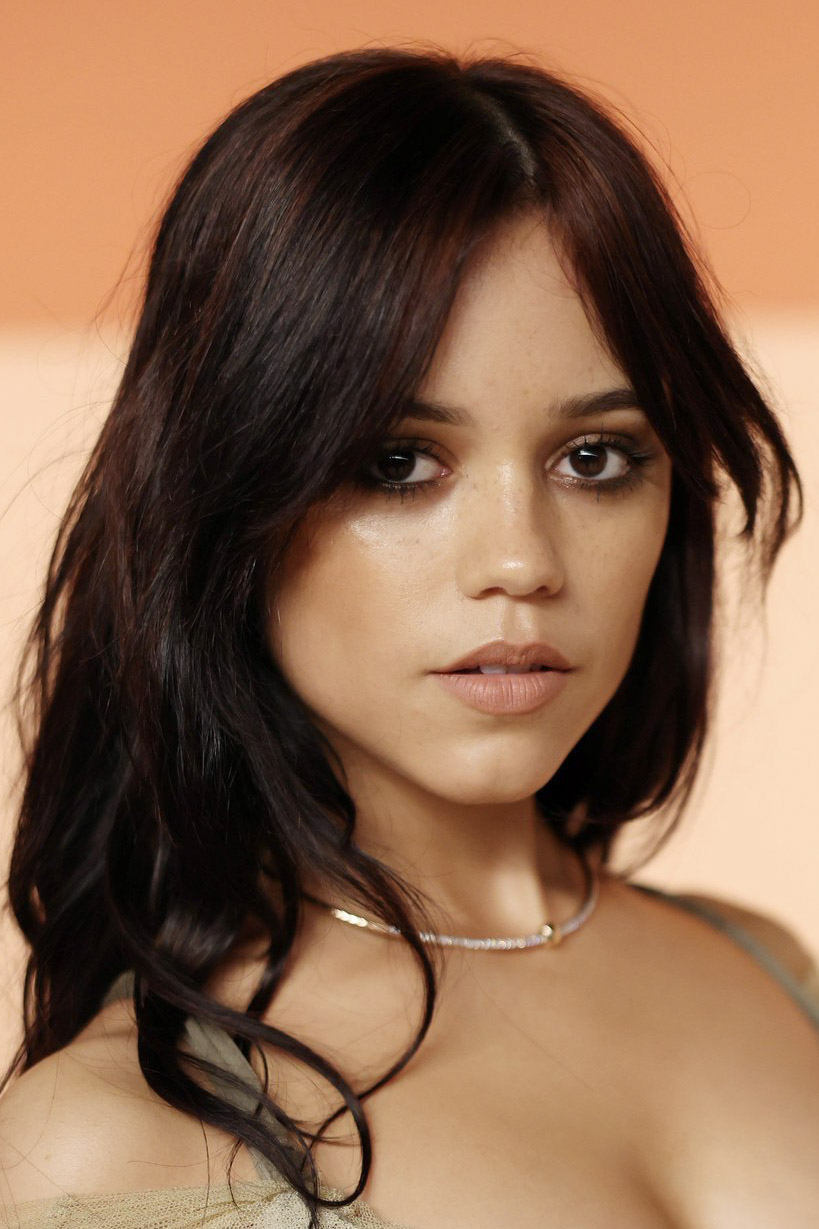
Jenna Ortega found herself in hot water with Hollywood writers after she publicly criticized the scripts for her hit show ‘Wednesday’. She revealed on a podcast that she had changed lines on set and refused to say certain dialogue she felt was inconsistent with her character, calling the original writing “unprofessional.” During the 2023 Writers Guild strike, these comments resurfaced, with striking writers mocking her on picket signs for disrespecting the writing process. While fans praised her protective stance over her character, industry professionals viewed her comments as undermining the collaborative nature of television production.
Ana de Armas
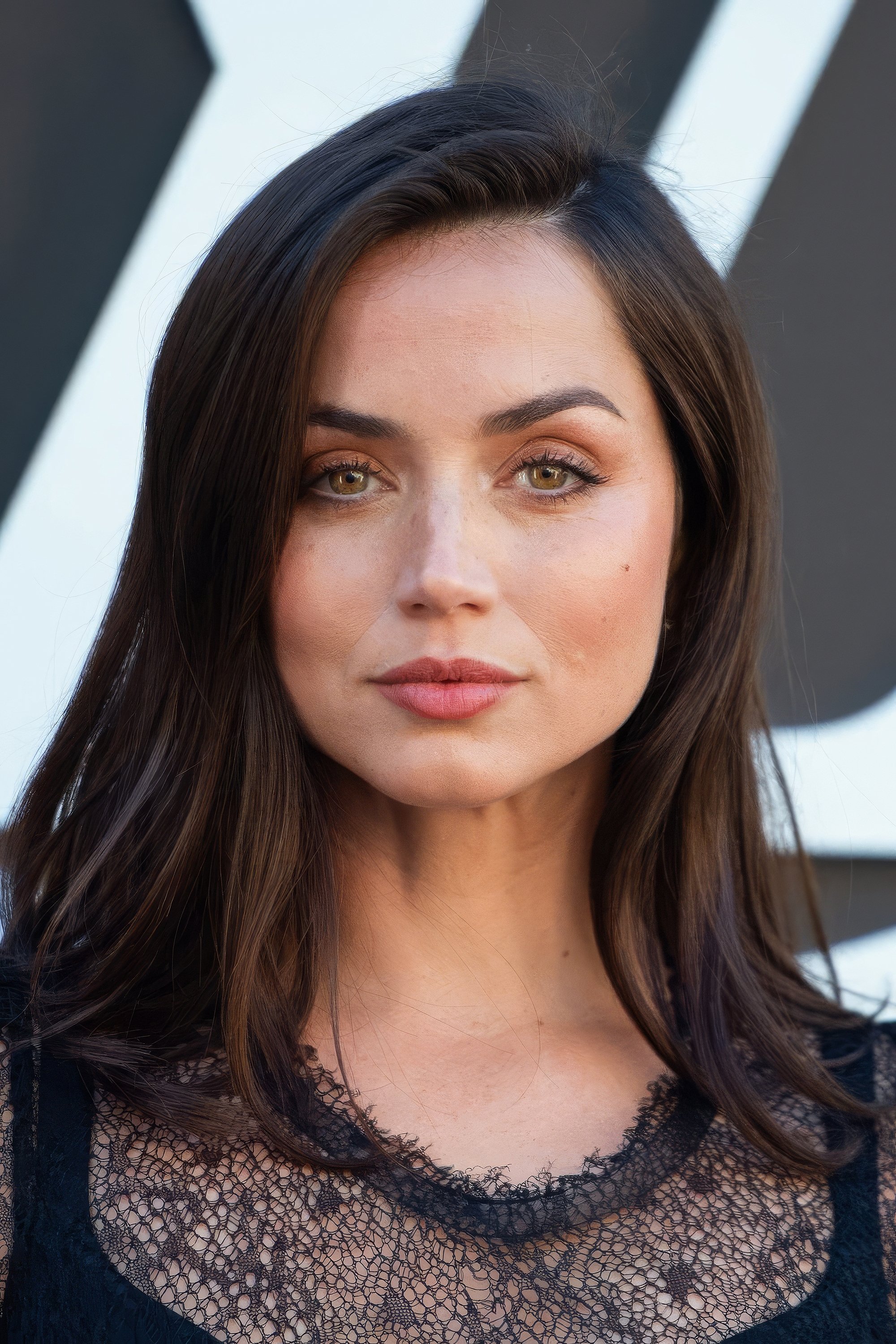
The casting of Cuban actress Ana de Armas as Marilyn Monroe in the film ‘Blonde’ (2022) drew skepticism and criticism regarding her natural accent. Viewers debated whether an actress with a distinct Spanish accent could convincing portray the American icon, despite de Armas spending months working with dialect coaches. Upon the film’s release, the backlash shifted toward the movie’s graphic and exploitative content, but de Armas remained the face of the project. Critics and audiences were divided, with some praising her transformation while others felt her casting was a distraction in an already controversial film.
Eiza González
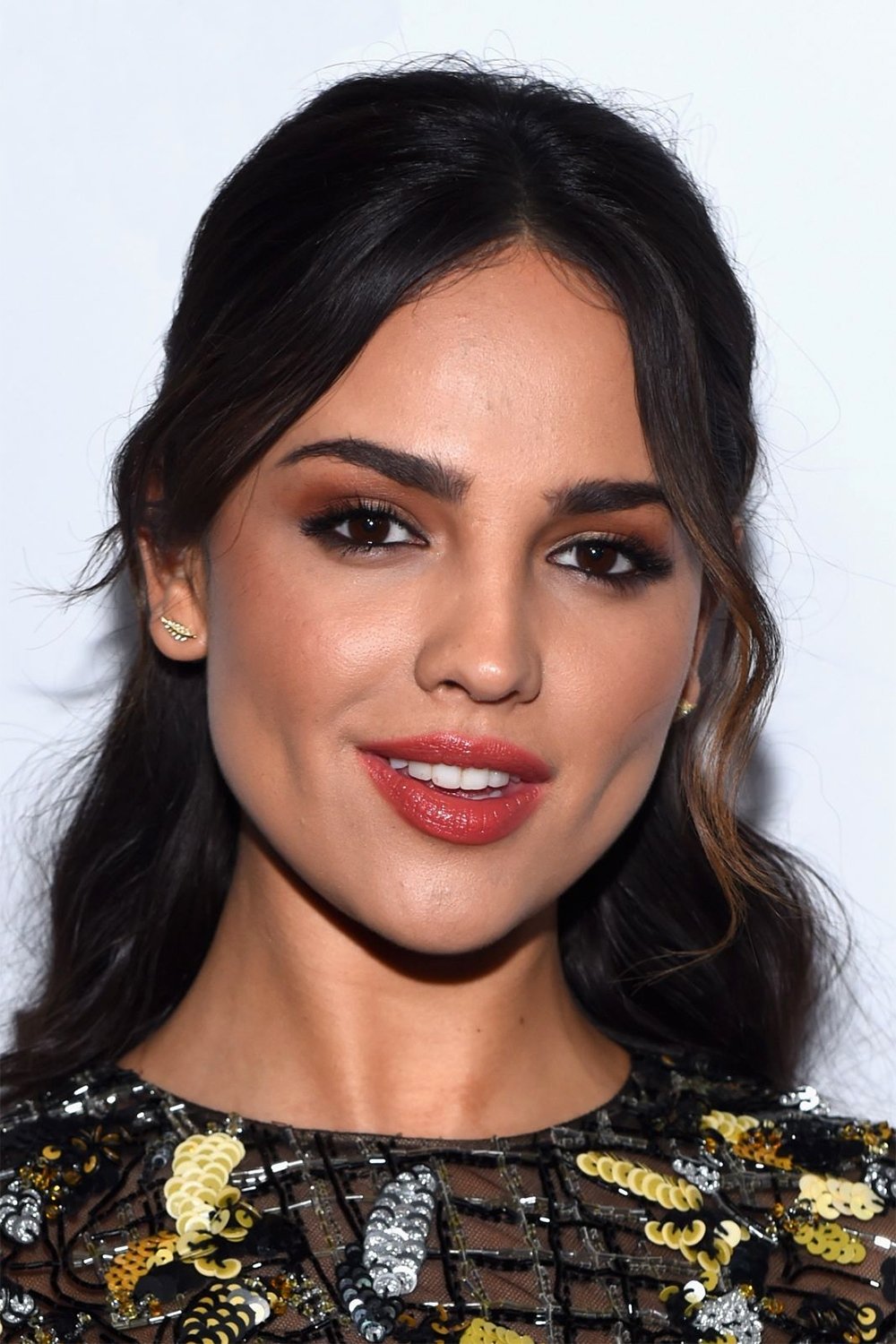
Mexican actress Eiza González faced a wave of criticism when images resurfaced of her wearing blackface in a telenovela from her teenage years. She apologized, explaining that she was a young actor with no power on set and was forced to participate in the scene by producers. Additionally, she has faced scrutiny regarding her dating life and accusations of altering her appearance to fit Hollywood standards. The combination of past cultural insensitivity and tabloid gossip has made her a frequent target for online detractors.
Selena Gomez
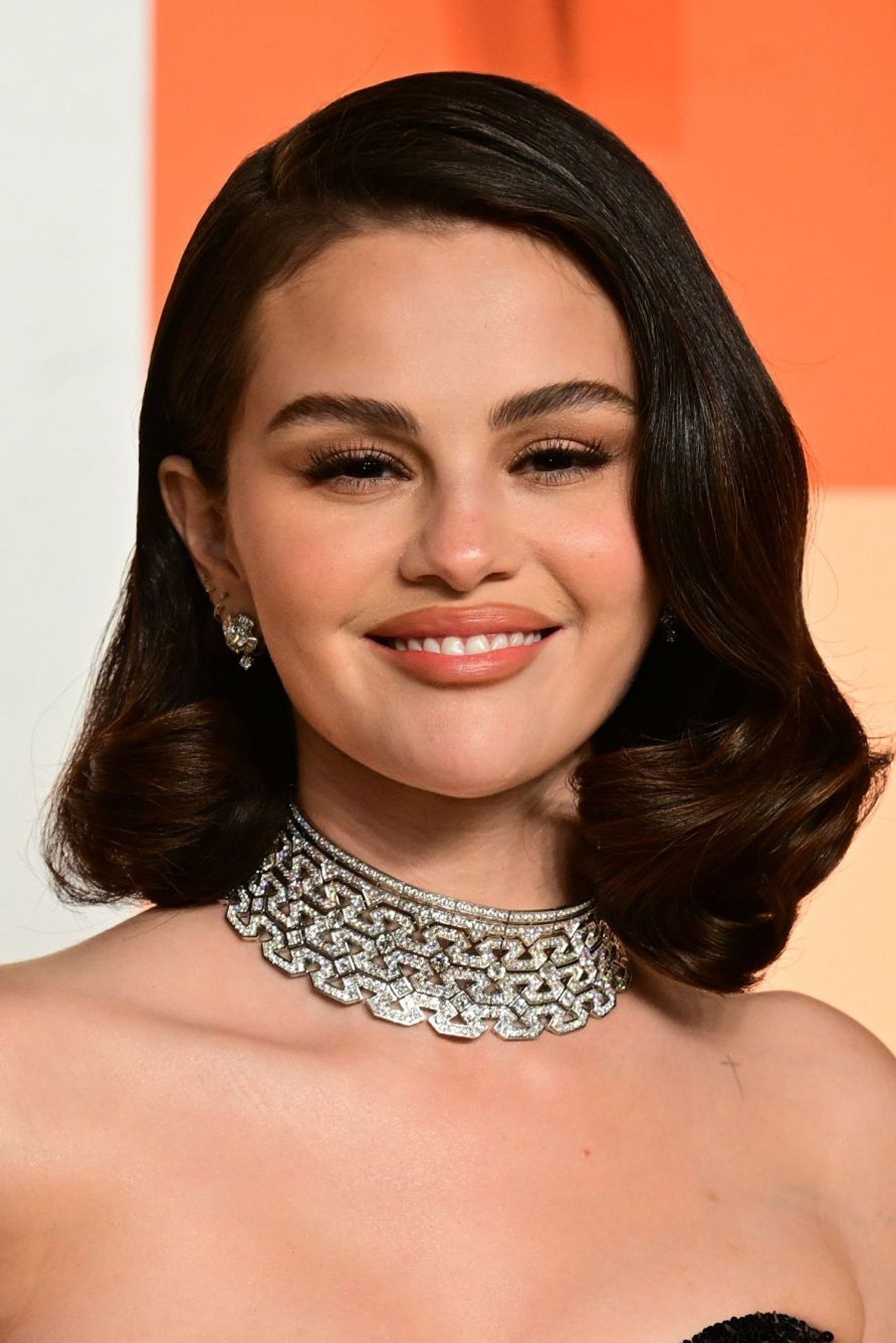
Selena Gomez has a complicated relationship with social media, often announcing breaks only to return shortly after. She faced intense backlash during a highly publicized alleged feud with Hailey Bieber, where her online interactions were scrutinized for fueling bullying against the model. More recently, Gomez faced criticism for her perceived neutrality and silence regarding the humanitarian crisis in Gaza, despite having one of the largest platforms in the world. Fans expressed disappointment that her beauty brand donated to relief causes only after the public pressure mounted.
Camila Cabello
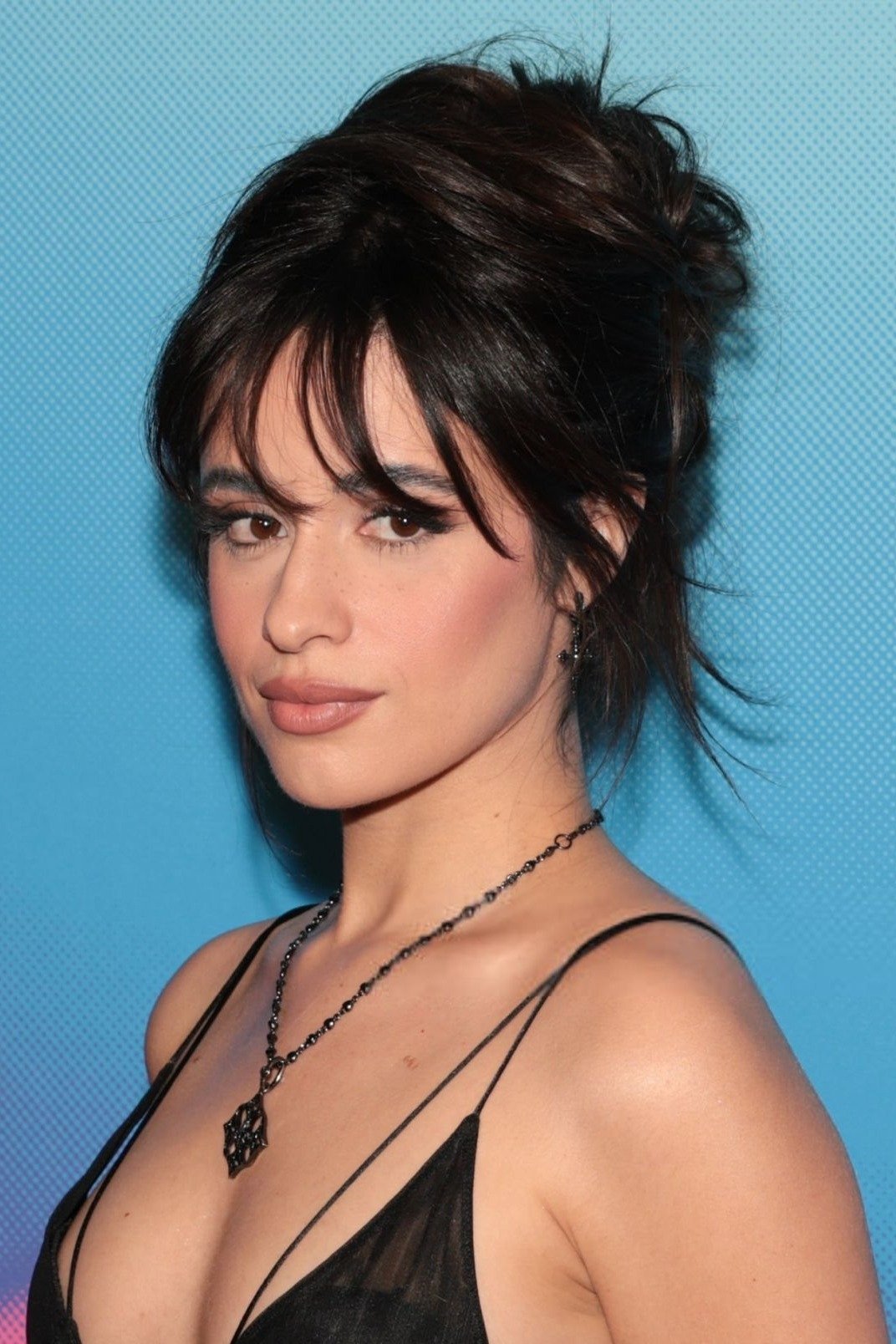
Camila Cabello experienced a significant career hurdle when old Tumblr posts she reblogged as a teenager resurfaced. The posts contained racist language and derogatory memes, shocking her diverse fanbase and leading to calls for accountability. Cabello issued a lengthy apology, attributing her actions to being uneducated and ignorant at a young age, and attended racial healing sessions to educate herself. While she has moved forward in her career, the incident remains a point of contention for critics who believe the behavior revealed deep-seated biases.
Bella Thorne
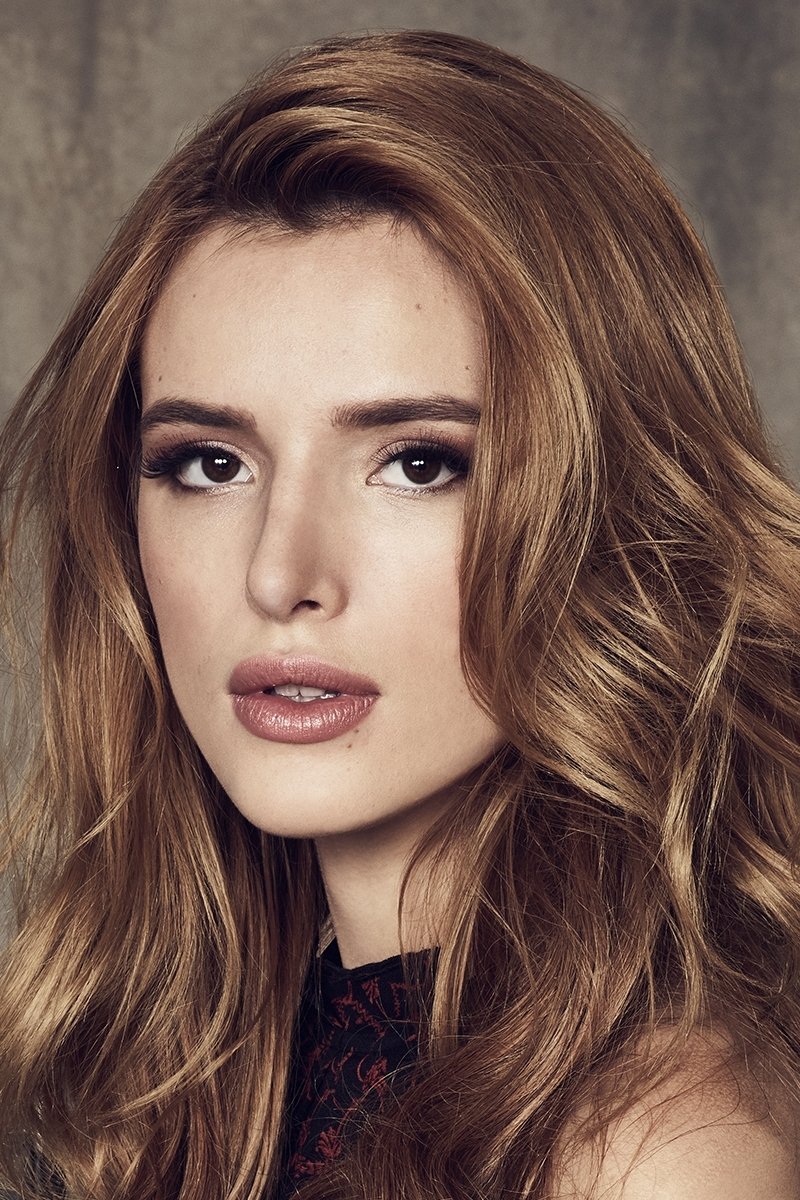
Former Disney Channel star Bella Thorne faced severe backlash from the sex work community after she joined the platform OnlyFans. Thorne briefly charged $200 for a pay-per-view photo that she implied was nude but was not, leading to a mass of chargebacks that caused the site to alter its payment policies. These changes capped the earning potential for actual sex workers who relied on the platform for their livelihood, leading to accusations that Thorne was a “tourist” who ruined the economy for marginalized workers. She apologized and claimed she was researching for a role, but the damage to her reputation within that community was lasting.
Jessica Alba
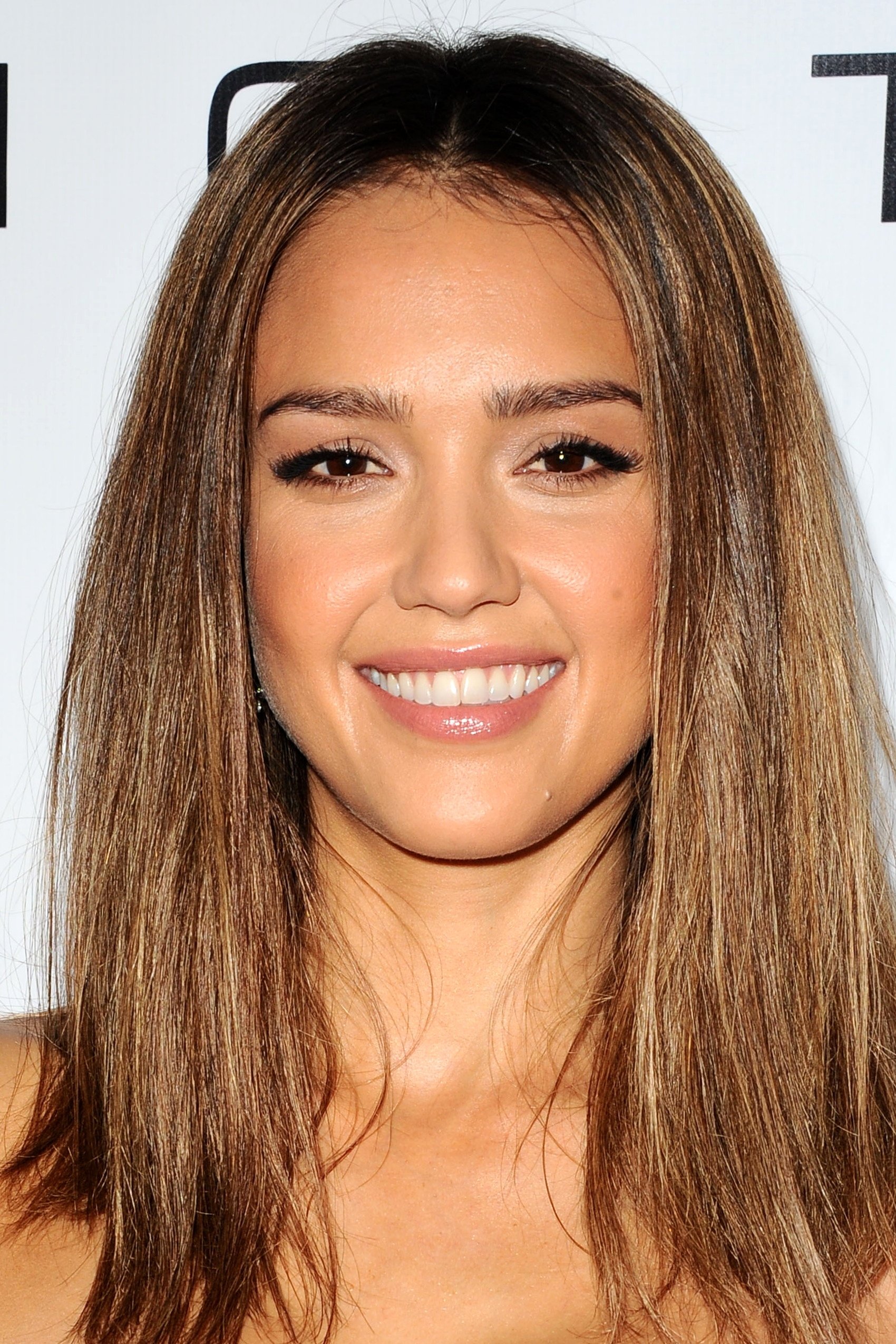
Jessica Alba alienated segments of the Latino community years ago when she reportedly distanced herself from the label “Latina.” In interviews, she expressed frustration with being typecast and famously stated that she identified more as European due to her DNA test results, despite her Mexican-American heritage. Many Latinos viewed this as an attempt to appeal to white Hollywood standards and a rejection of her roots. While she has since embraced her heritage more openly, those early comments created a lingering impression of internal conflict regarding her identity.
Rosario Dawson
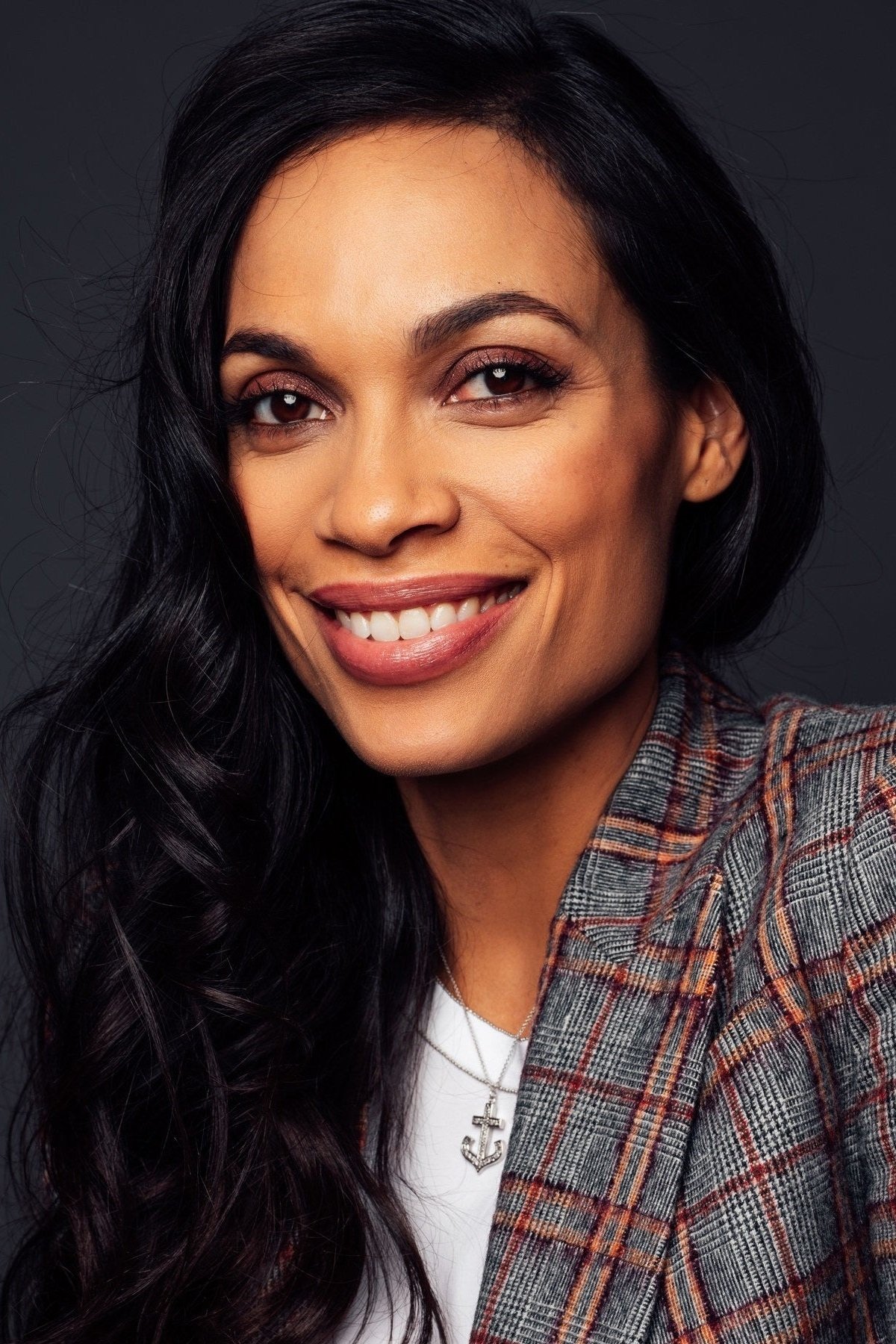
Rosario Dawson and her family were sued by a former employee who accused them of transphobic discrimination and physical assault. The lawsuit alleged that Dawson misgendered the employee and participated in a physical altercation, allegations that caused significant distress among her LGBTQ+ fanbase. The court eventually dismissed most of the claims, and the family was cleared, but the publicity surrounding the accusations damaged her progressive image. Dawson maintained her innocence throughout the ordeal, stating that the accusations were false and heartbreaking.
Daniella Pineda
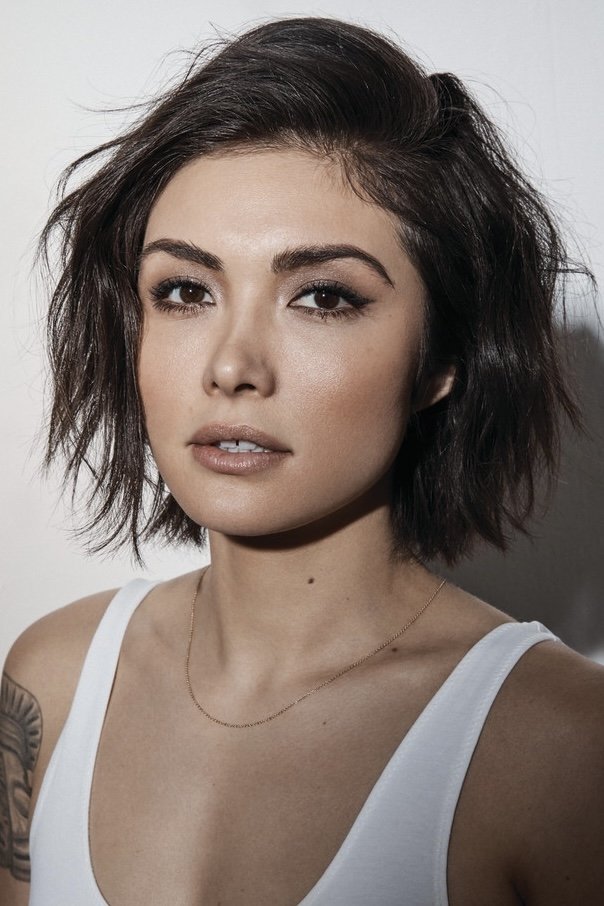
When the first images of the live-action ‘Cowboy Bebop’ series were released, fans complained that Daniella Pineda’s costume as Faye Valentine was not revealing enough compared to the anime. Pineda responded with a sarcastic video on Instagram, mocking the “fanboys” who wanted her to look exactly like a cartoon character with unrealistic proportions. While many supported her defense of the practical costume changes, a vocal section of the fanbase felt attacked and antagonized by her tone. The show was eventually cancelled after one season, with the friction between the cast and the fanbase cited as a contributing factor to the negative buzz.
Sara Ramirez
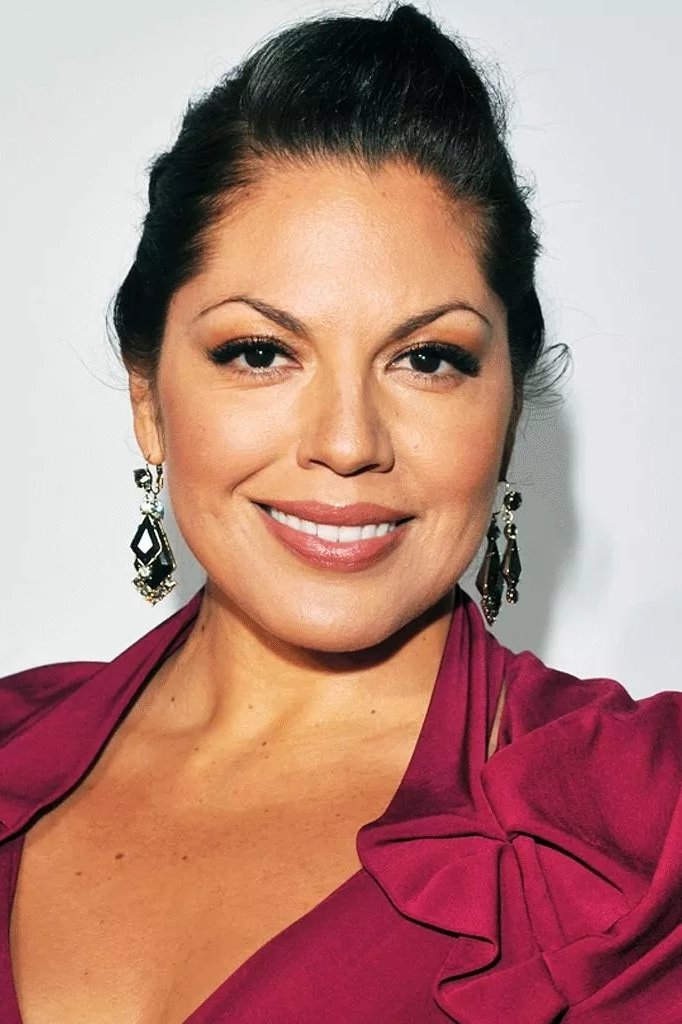
Sara Ramirez faced a barrage of criticism for their portrayal of the non-binary character Che Diaz in the ‘Sex and the City’ revival, ‘And Just Like That…’. Audiences found the character abrasive, unfunny, and a caricature of modern “woke” culture, directing much of their ire at Ramirez personally. Ramirez defended the character as a realistic depiction of a flawed human being, but the relentless memes and negative reviews dominated the discourse surrounding the show. The backlash was so severe that it became a central talking point of the series’ cultural impact.
Ariana DeBose
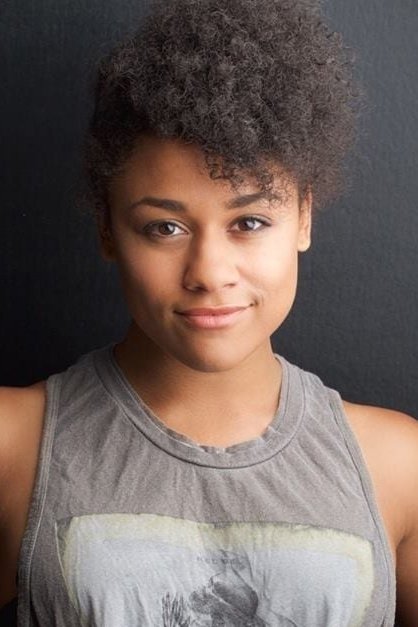
Ariana DeBose went viral for all the wrong reasons after her opening performance at the 2023 BAFTA Awards. Her rap, which included the line “Angela Bassett did the thing,” was widely mocked on social media for being cringeworthy and out of place at a prestigious ceremony. DeBose initially deactivated her Twitter account due to the volume of ridicule she received. However, the line eventually morphed into an ironic meme that Bassett herself acknowledged, allowing DeBose to reclaim the moment with humor.
Tessa Thompson
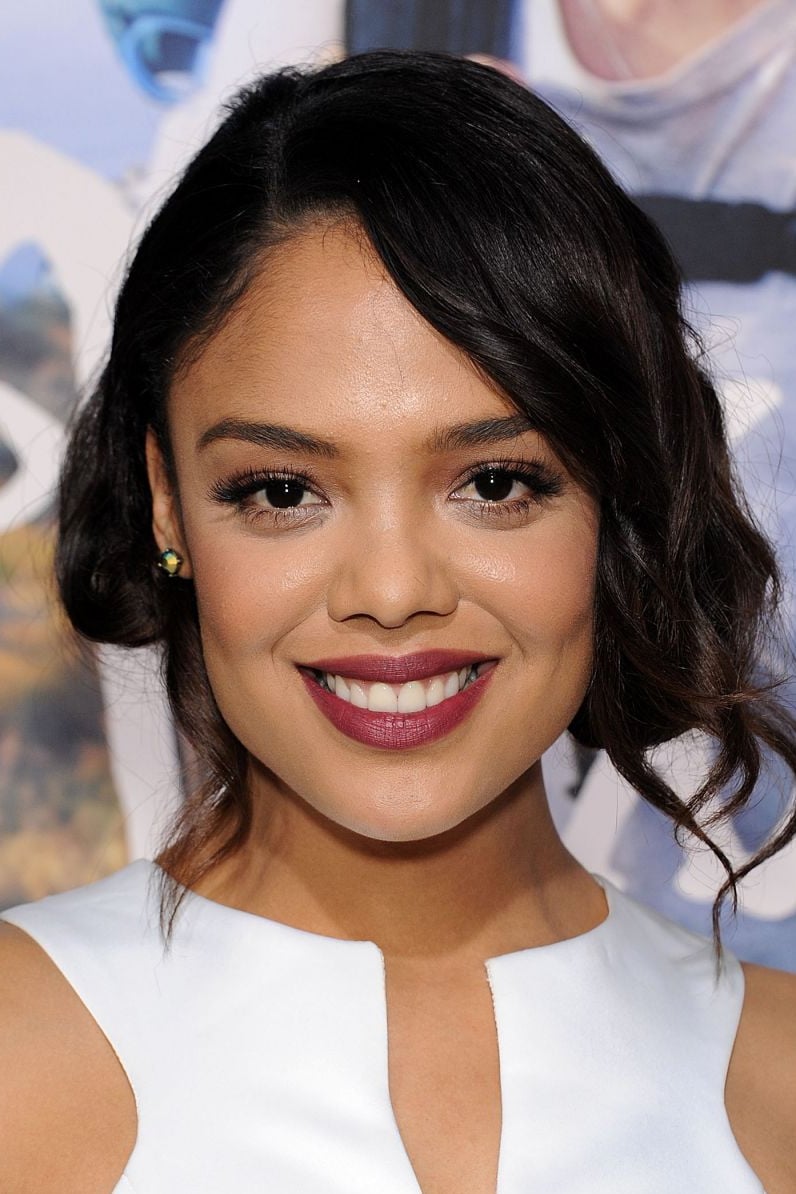
Although Tessa Thompson is Afro-Panamanian and Mexican, her casting as Valkyrie in the Marvel Cinematic Universe drew ire from comic purists who expected the character to be a white blonde woman. Racist trolls targeted Thompson online, arguing that the studio was forcing diversity into Norse mythology. Thompson handled the backlash by delivering a charismatic performance that won over general audiences, though the initial response highlighted the toxicity of certain fandoms. She continues to advocate for diverse representation in fantasy and sci-fi genres despite the resistance.
Naya Rivera
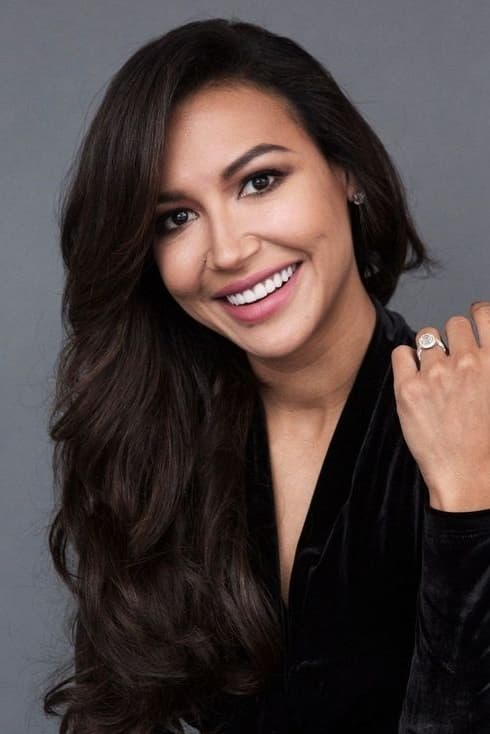
Before her tragic death, Naya Rivera faced backlash for comments made in her memoir ‘Sorry Not Sorry’ and during her time as a host on ‘The View’. She sparked controversy by stating that she thought showering daily was a “white people thing,” which drew confusion and criticism for perpetuating stereotypes. Additionally, her highly public feud with ‘Glee’ co-star Lea Michele and the drama surrounding her relationship with Big Sean often placed her in the center of tabloid negativity. Rivera was often painted as the “villain” in these narratives, a label she struggled to shake off during her career.
Kat Von D
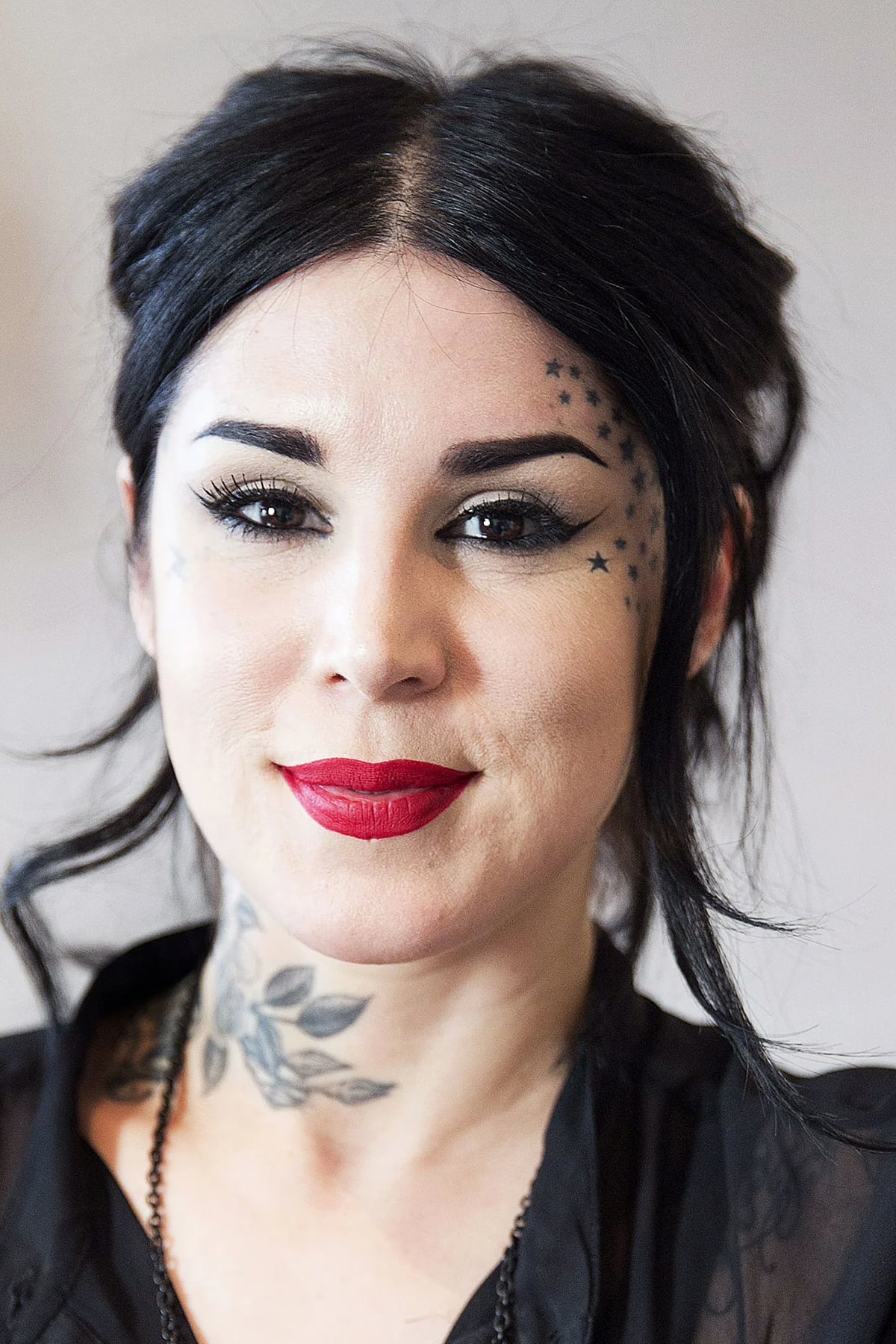
Tattoo artist and reality TV personality Kat Von D faced years of backlash for various controversies, including allegations of antisemitism and anti-vaccination stances. A signed headshot she allegedly gave to a former boss with an antisemitic message surfaced, which she denied writing, but the rumor persisted for years. Later, she publicly stated she would not vaccinate her child, causing a massive outcry from health advocates and former fans. She recently renounced her past beliefs, converted to Christianity, and covered her tattoos, sparking a new wave of confusion and criticism from her alternative fanbase.
Yalitza Aparicio
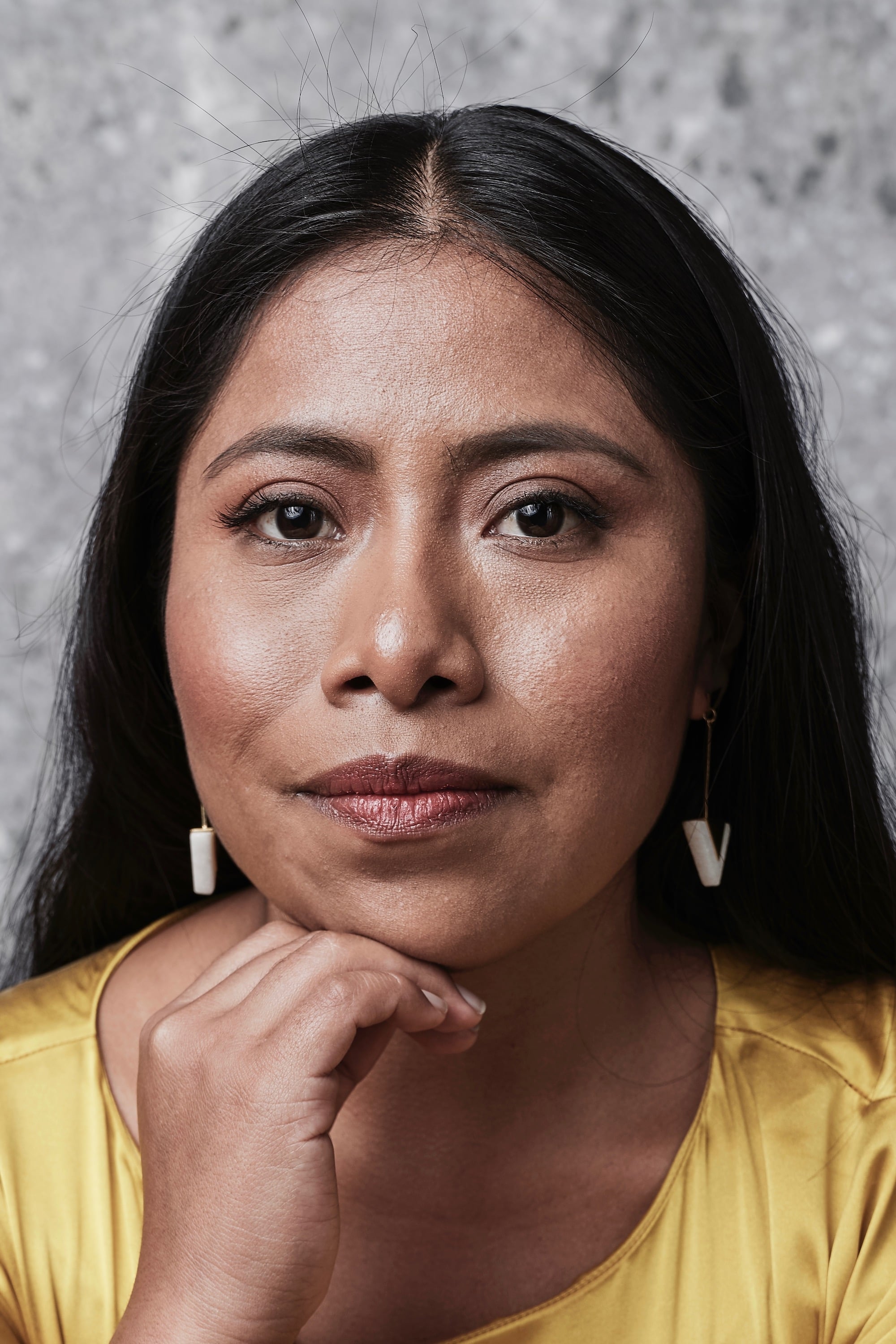
Following her Academy Award nomination for ‘Roma’, Yalitza Aparicio faced racist backlash from within the Mexican entertainment industry itself. Soap opera actor Sergio Goyri was caught on video using a racial slur to describe her, minimizing her talent and success. While the public largely rallied behind Aparicio, the incident exposed the deep-seated colorism and classism present in Mexican media. Aparicio has since used the backlash as a platform to advocate for Indigenous rights and representation.
Dascha Polanco
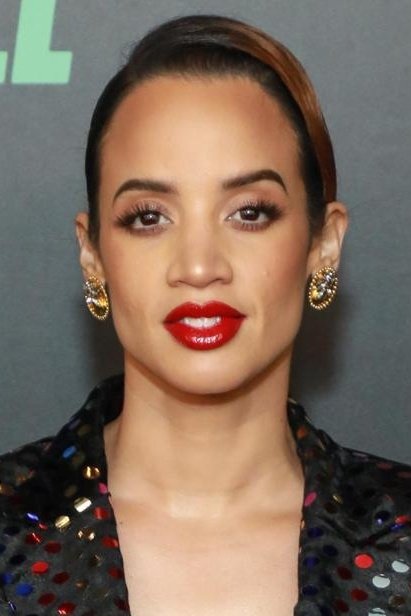
‘Orange Is the New Black’ star Dascha Polanco faced serious legal trouble and public scrutiny when she was accused of assaulting a teenage girl in 2015. The charges alleged that Polanco punched the girl in the face and pulled her hair inside the actress’s apartment. The district attorney eventually dropped the charges due to lack of evidence, but the headlines cast a shadow over her rising career. Polanco maintained that the accusation was a setup to extort money, but the incident remains a part of her public narrative.
Alexa PenaVega
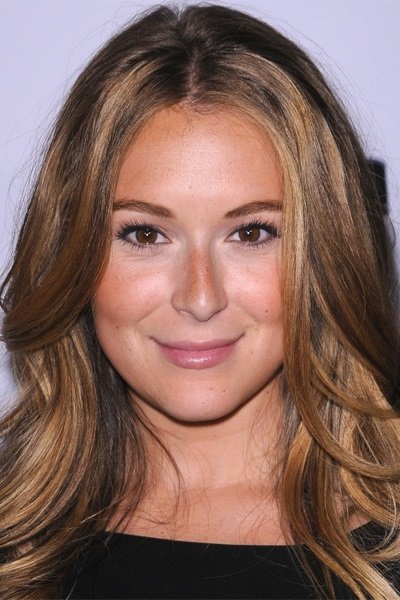
Known for her childhood role in ‘Spy Kids’, Alexa PenaVega has faced backlash in her adult life for her shift toward faith-based content and conservative lifestyle. She and her husband Carlos PenaVega have been criticized for their parenting advice and religious commentary, which some followers find judgmental or exclusionary. Their decision to move away from Hollywood and promote traditional values has alienated fans who knew her from her secular work. Despite this, she has built a new, albeit more polarized, audience within the Christian entertainment sphere.
Cardi B
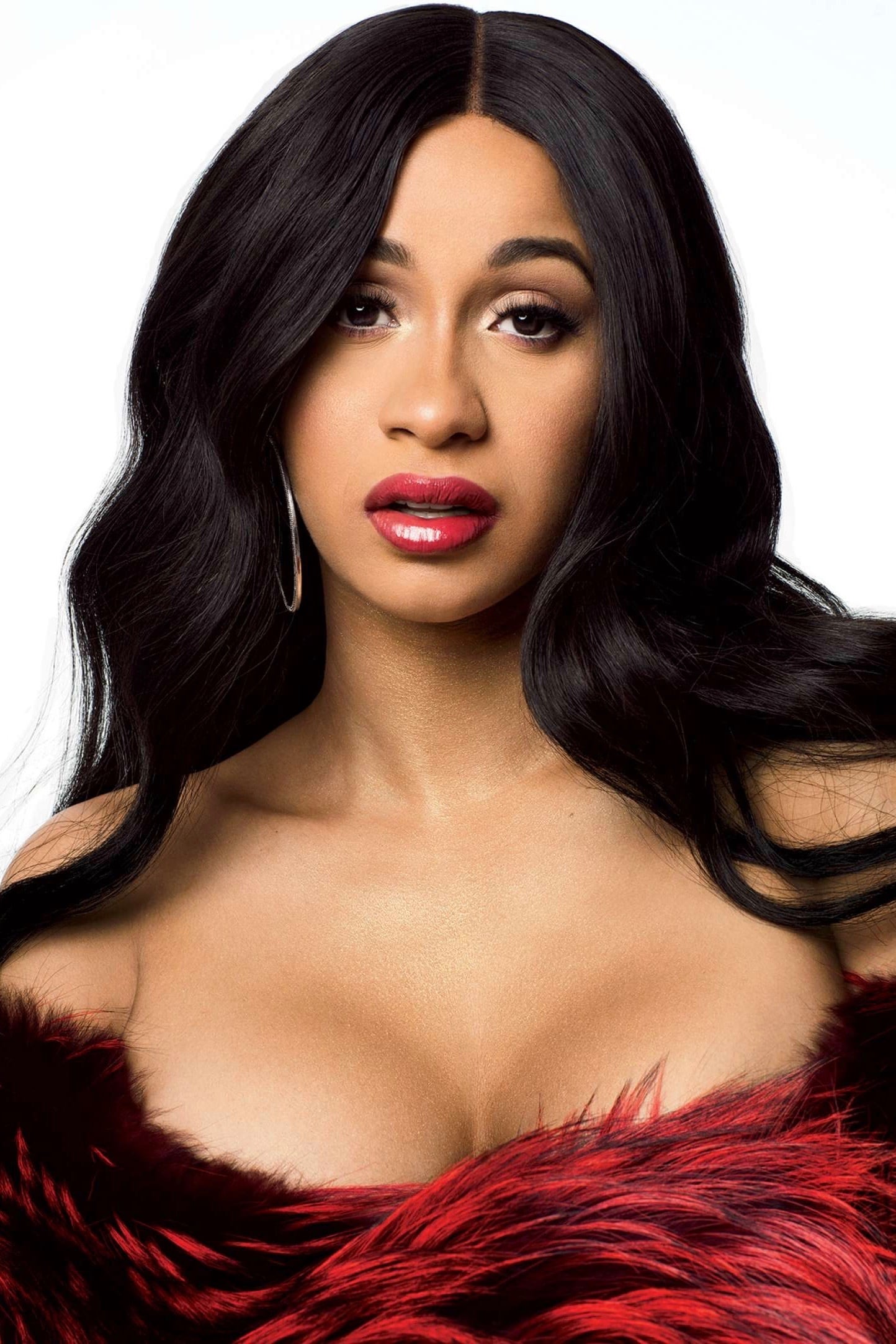
While primarily a rapper, Cardi B has acted in films like ‘Hustlers’ and ‘F9’, and she has faced immense backlash for resurfaced videos where she admitted to drugging and robbing men during her time as a stripper. Critics argued that she should face legal consequences and “cancellation” similar to male celebrities accused of predatory behavior. Cardi B defended herself by stating she did what she had to do to survive poverty and never glorified her past actions. The controversy sparks periodic debates about double standards and accountability in the #MeToo era.
Sofía Vergara
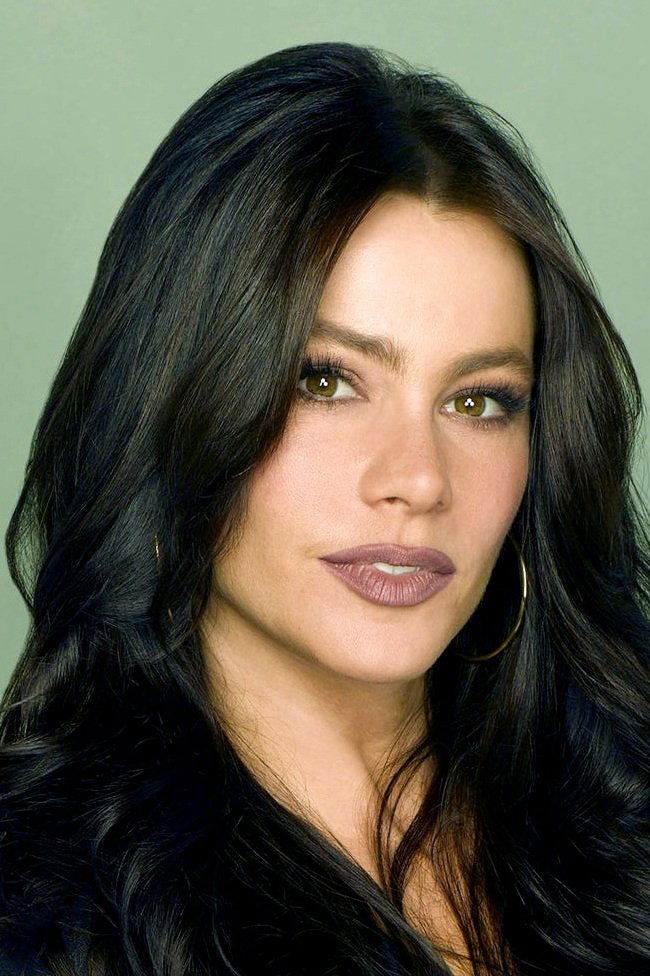
Sofía Vergara has faced criticism throughout her career for allegedly perpetuating stereotypes of loud, hyper-sexualized Latina women. Her portrayal of Gloria in ‘Modern Family’ was both celebrated for its humor and criticized for relying on caricature. More recently, she faced a lawsuit from the estate of Griselda Blanco regarding her Netflix series ‘Griselda’, with the family claiming the unauthorized use of their likenesses. Vergara has consistently defended her choices, arguing that she brings visibility and success to the Latin community through her work.
Kate del Castillo
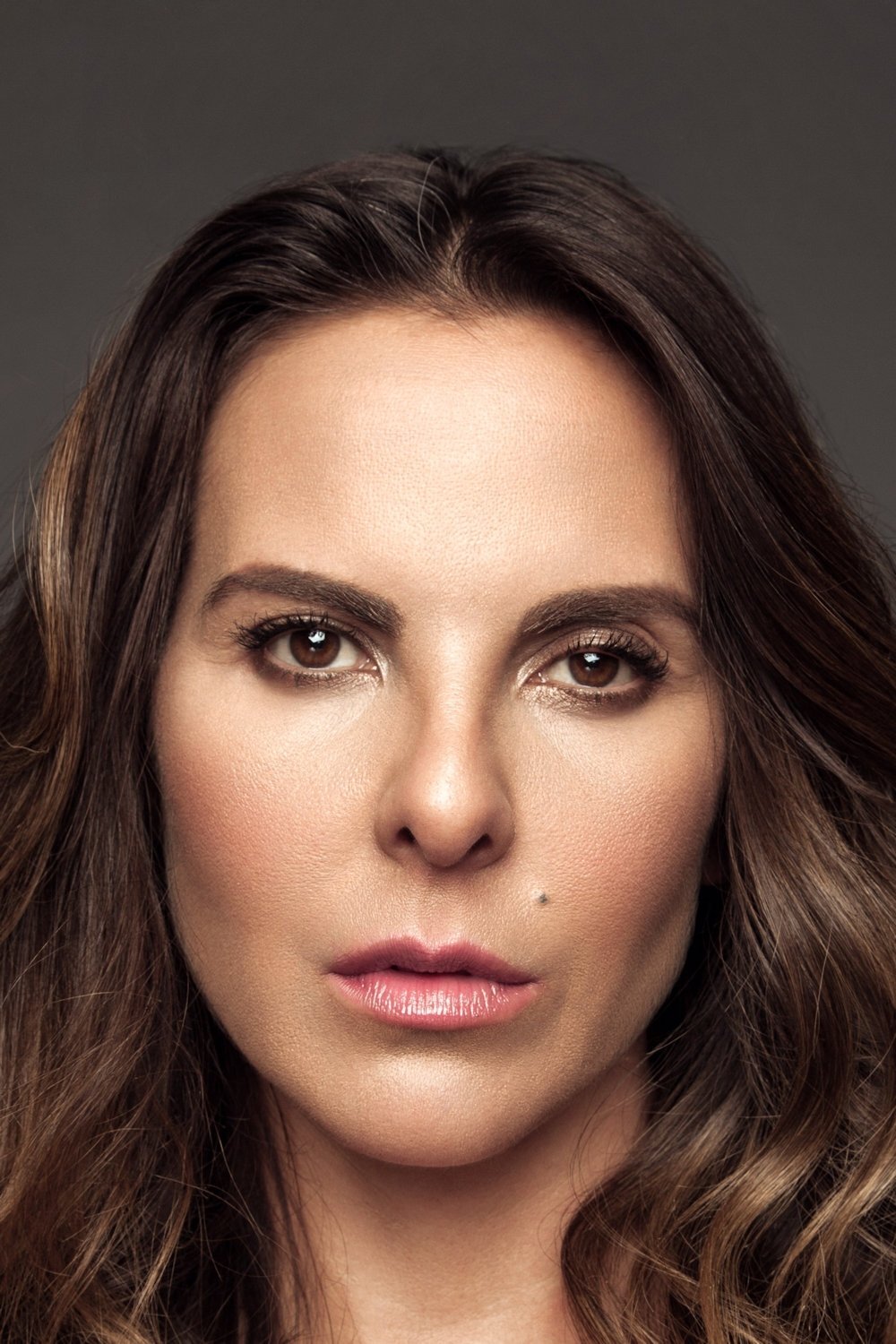
Mexican superstar Kate del Castillo found herself in a life-threatening controversy when she facilitated a secret meeting between actor Sean Penn and the fugitive drug lord El Chapo Guzmán. The Mexican government investigated her for money laundering—charges that were later dropped—and she was unable to return to her home country for years due to legal fears. The public was divided, with some viewing her as brave and others as reckless for glorifying a criminal who caused immense suffering. Del Castillo later claimed Penn used her to get the story for Rolling Stone, leaving her to deal with the dangerous fallout alone.
Aubrey Plaza

Aubrey Plaza, who is half-Puerto Rican, generally enjoys a cult following, but she faced backlash after crashing the stage during Will Ferrell’s acceptance speech at the MTV Movie Awards. The stunt was seen as awkward and disrespectful, with Ferrell appearing visibly confused and security removing her from the venue. Plaza later explained it was a planned bit that went wrong, but the incident briefly branded her as unpredictable in a negative way. Her deadpan, sometimes hostile interview persona also occasionally draws criticism for crossing the line into rudeness.
Victoria Justice

Victoria Justice became the subject of a viral meme and widespread online mockery following a resurfaced clip from a ‘Victorious’ cast interview. When co-star Elizabeth Gillies praised Ariana Grande’s singing, Justice interjected with, “I think we ALL sing,” which the internet interpreted as a moment of extreme jealousy and pettiness. The “I think we ALL sing” meme haunted her for years, painting her as a bitter rival to Grande’s massive success. Justice has since clarified that the cast was joking and that there was no ill will, but the internet narrative proved difficult to rewrite.
Christina Aguilera
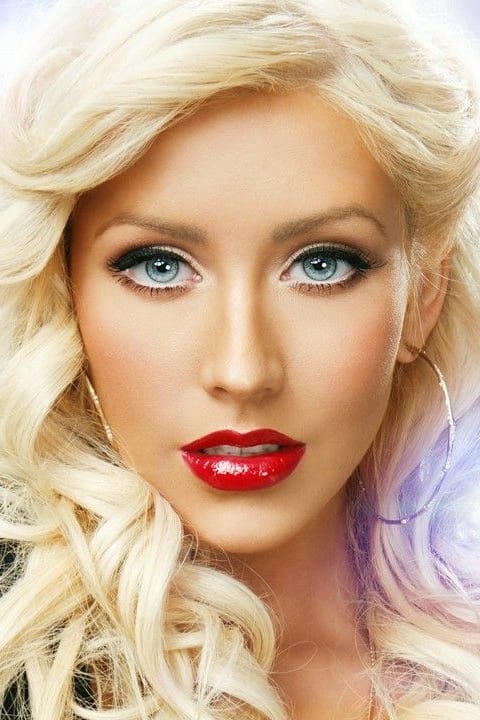
Christina Aguilera faced a humiliating moment of national backlash when she botched the lyrics to the National Anthem at the 2011 Super Bowl. Instead of “O’er the ramparts we watched,” she sang “What so proudly we watched,” causing an immediate uproar from patriotic viewers and sports fans. The error was heavily scrutinized by the press, overshadowing her vocal performance and leading to a public apology. It remains one of the most infamous flubs in the history of the event.
Salma Hayek Pinault
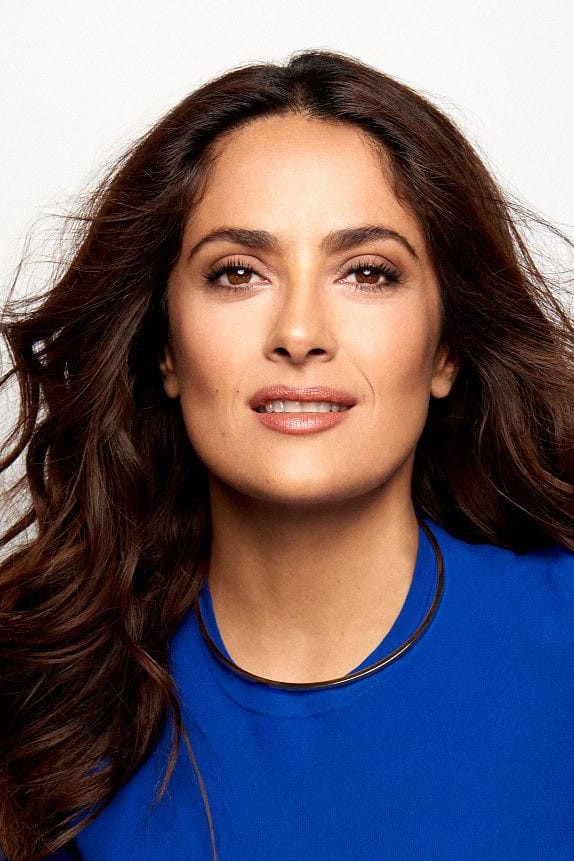
Salma Hayek faced criticism in 2020 after she posted a tribute to George Floyd but engaged with a commenter by saying “All Lives Matter.” She quickly deleted the comment and apologized, explaining that she was unfamiliar with how the specific phrase was being used to undermine the Black Lives Matter movement. Additionally, she has faced scrutiny for her marriage to François-Henri Pinault, whose company Kering owns Balenciaga, during the brand’s child imagery scandal. Critics demanded she speak out against her husband’s company, placing her in a difficult position between family and public outrage.
Xochitl Gomez
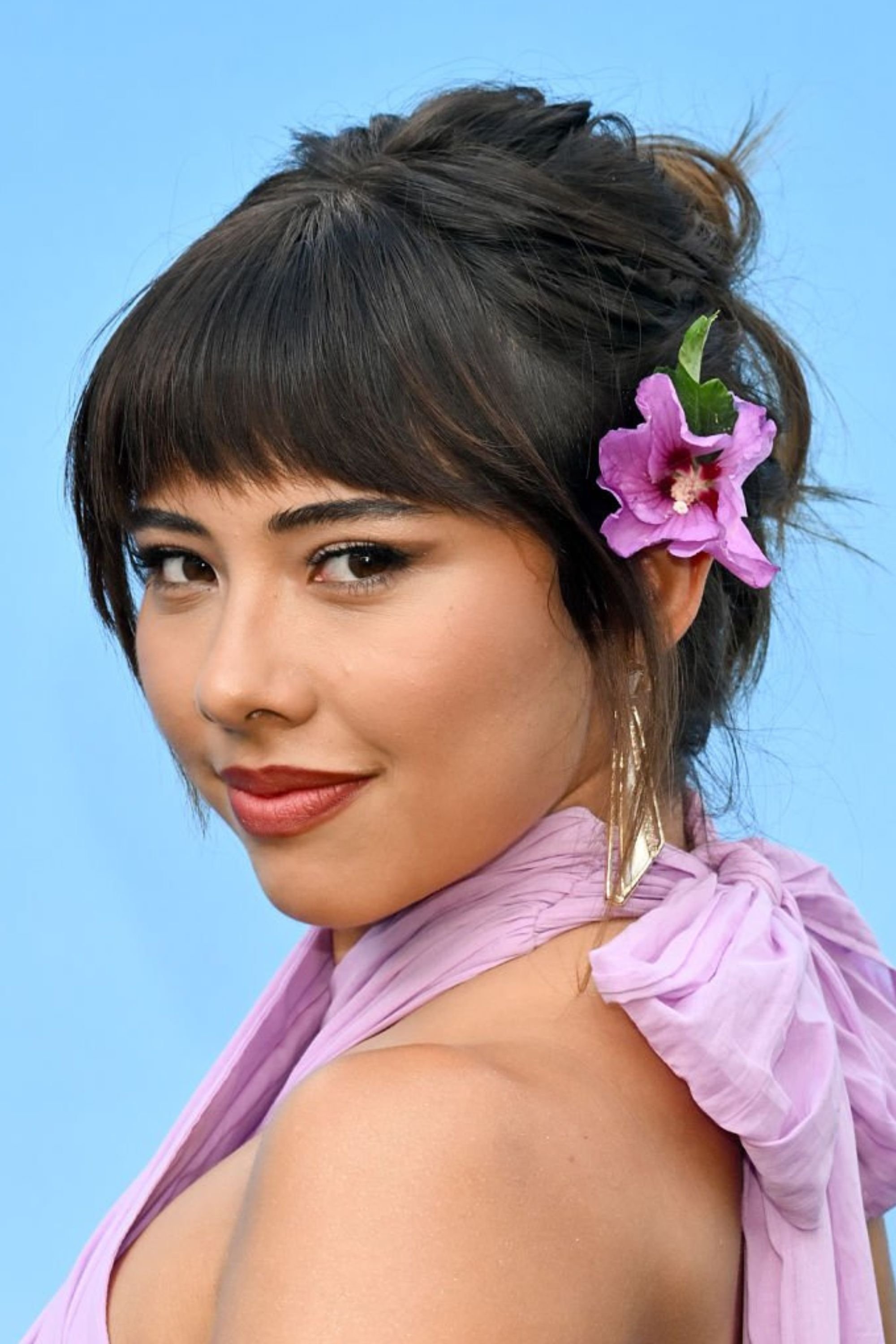
Teenager Xochitl Gomez faced a barrage of harassment and negative reviews for her role as America Chavez in ‘Doctor Strange in the Multiverse of Madness’. The character’s inclusion as an LGBTQ+ superhero led to the film being banned in several countries and sparked a review-bombing campaign by conservative groups. Gomez had to navigate intense cyberbullying at a very young age merely for portraying a character written by the studio. Her co-star Benedict Cumberbatch famously had to defend her in the press against the “repressive” backlash.
Karla Sofía Gascón
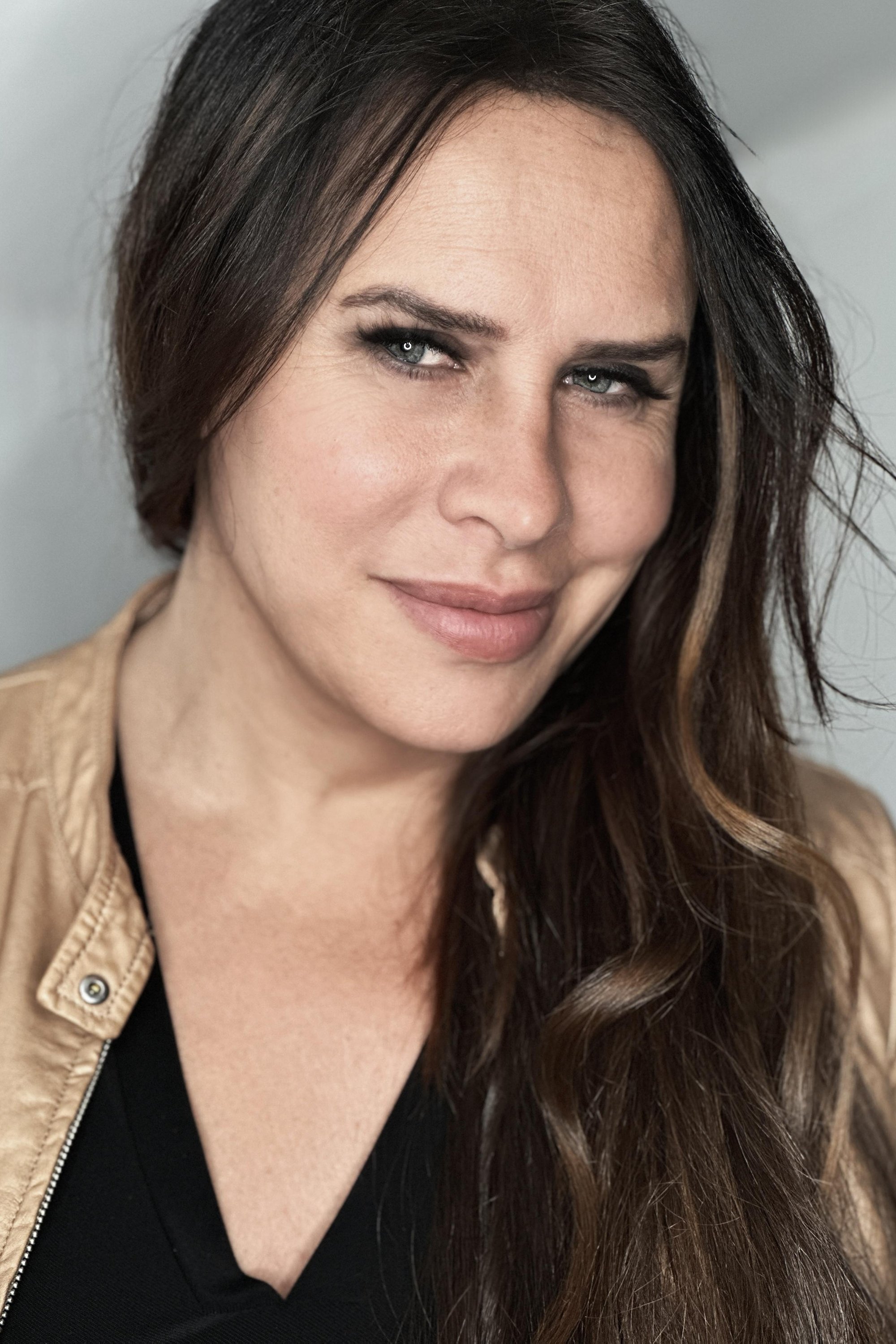
Spanish actress Karla Sofía Gascón, the breakout star of the musical ‘Emilia Pérez’, faced backlash when old tweets resurfaced following her rise to prominence. Internet users found posts where she had made disparaging remarks about the physical appearance of George Floyd and controversial comments about Muslims in Spain. Gascón issued an apology, attributing the comments to a different time and lack of understanding, but the discovery marred her historic Oscar campaign as the first trans woman to win Best Actress at Cannes. The incident sparked a debate about how past social media behavior should weigh against current artistic achievements.
Stephanie Beatriz
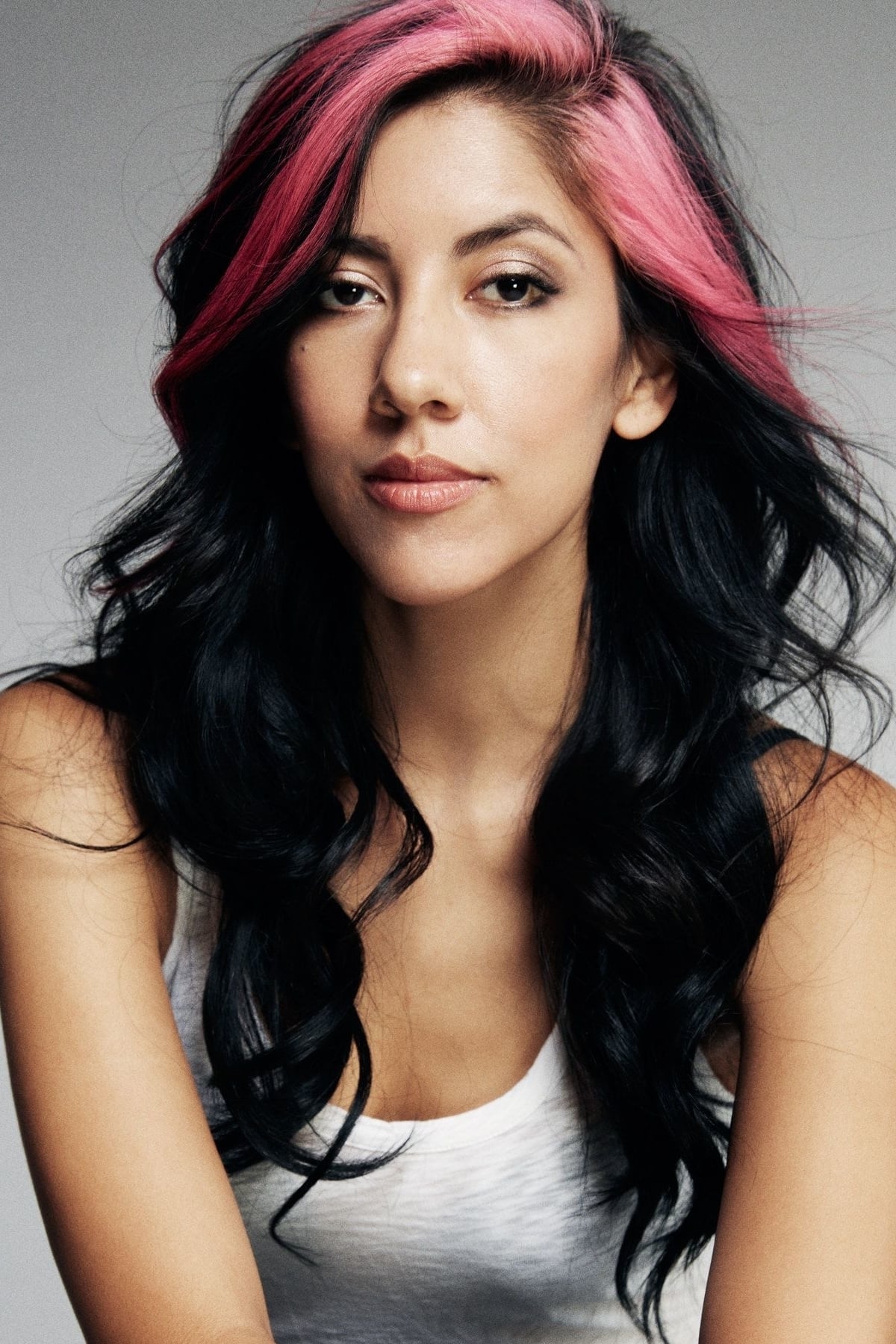
Stephanie Beatriz, known for playing Detective Rosa Diaz on ‘Brooklyn Nine-Nine’, faced a complex form of backlash during the 2020 Black Lives Matter protests. As a show centered on a police precinct, the series and its actors were criticized for participating in “copaganda” that softened the image of law enforcement. Beatriz, a vocal supporter of social justice, found herself in the contradictory position of playing a cop while donating to bail funds for protesters. She publicly urged the writers to address the political climate, leading to a final season that attempted to tackle these issues, though some fans felt the show’s premise was no longer tenable.
Sasha Calle
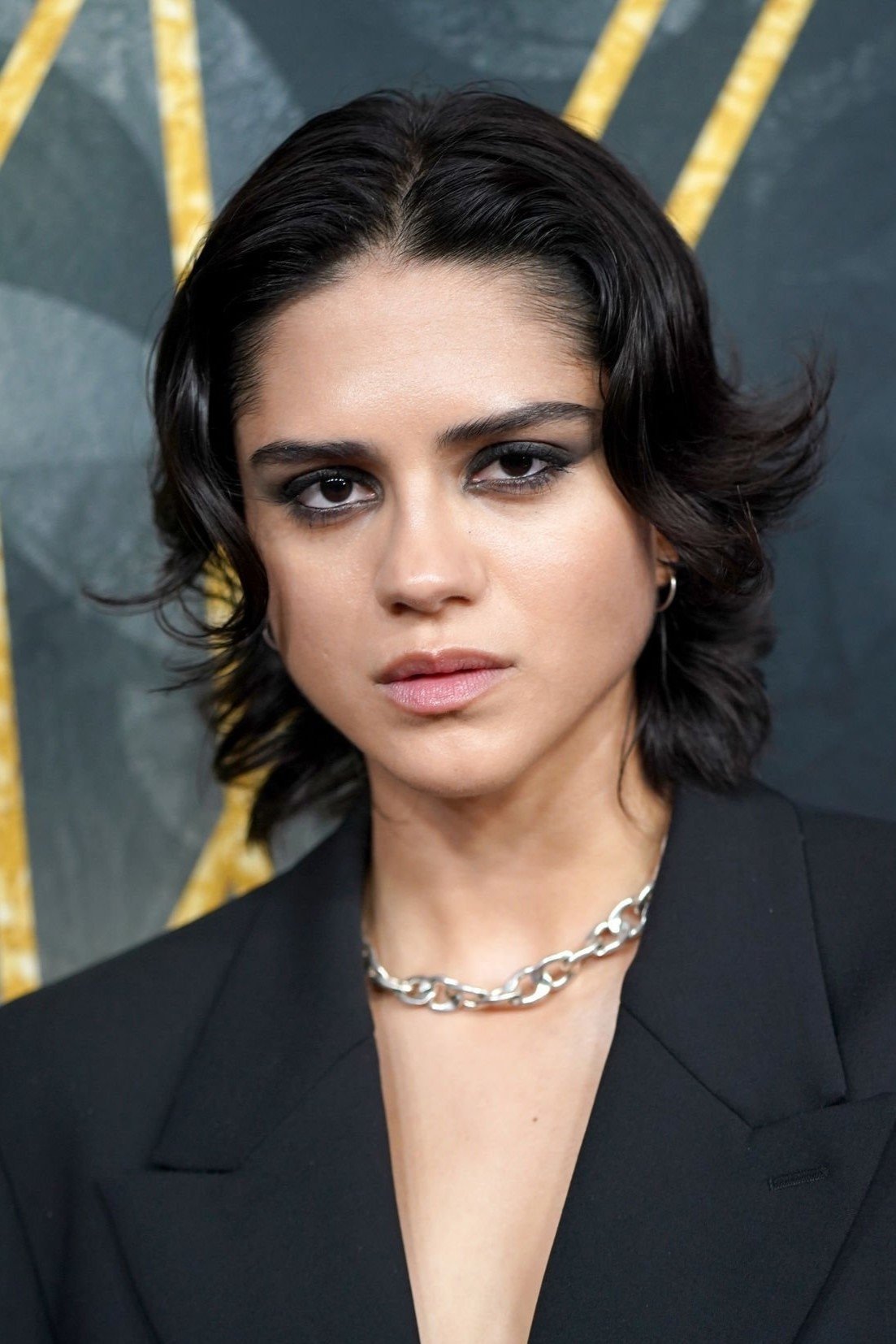
Sasha Calle made history as the first Latina Supergirl in ‘The Flash’, but her casting was met with resistance from fans who wanted a traditional blonde interpretation of the character. When the movie underperformed at the box office and the DC Universe was rebooted, Calle became a casualty of the studio’s shifting strategy. She faced backlash not for her performance, which was generally praised, but for being part of a failing franchise that many fans were eager to see dismantled. The uncertainty of her future in the role led to heated online debates about whether she was given a fair chance.
Rosie Perez
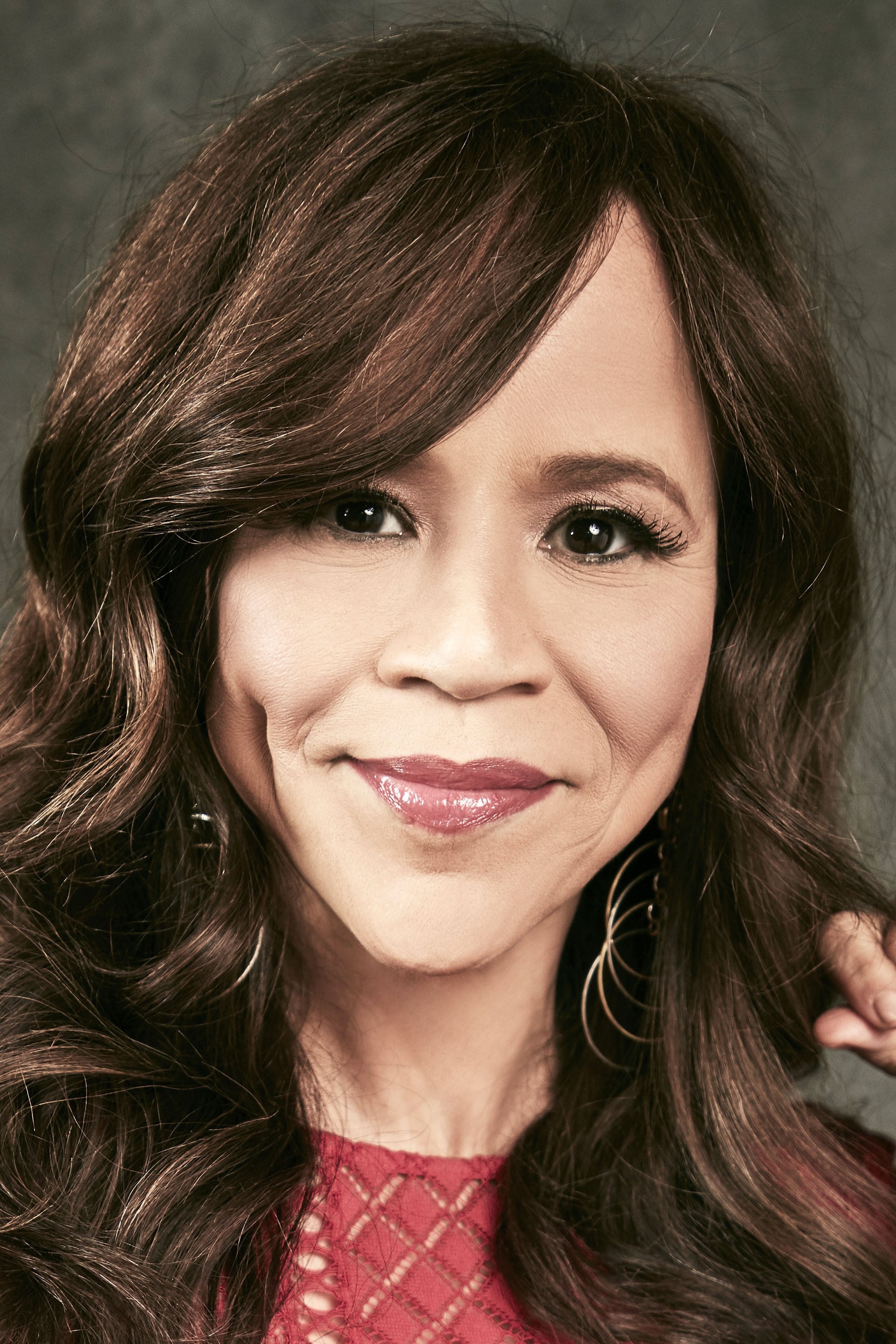
Legendary actress Rosie Perez has dealt with criticism throughout her career regarding her distinctive voice and accent, which some critics labeled as grating or stereotypical. Early in her career, she was told to take speech lessons to suppress her Puerto Rican heritage, which she refused to do, leading to friction with casting directors. More recently, her casting as Renee Montoya in ‘Birds of Prey’ drew some complaints from comic fans who claimed she was too old for the role. Perez has consistently fought against ageism and accent discrimination, refusing to alter her identity for Hollywood’s comfort.
Share your thoughts on these controversies and whether you think the backlash was justified in the comments.